
Mixing wood finishes creates depth, warmth, and character that perfectly matched furniture often lacks. These 20 different wood tones in one room ideas show how to combine light, medium, and dark finishes without making a space feel busy. The secret is to select one dominant wood, coordinate the undertones, and repeat secondary finishes throughout the room. Rugs, upholstery, paint, stone, and metal can also create visual breathing room between contrasting grains. From white oak and walnut living rooms to maple and cherry kitchens, each look below provides a complete design you can recreate. Use the combinations as inspiration, then adjust the balance around your existing flooring, cabinets, or furniture. Explore these practical 20 different wood tones in one room ideas. ()

1. White Oak And Walnut Living Room
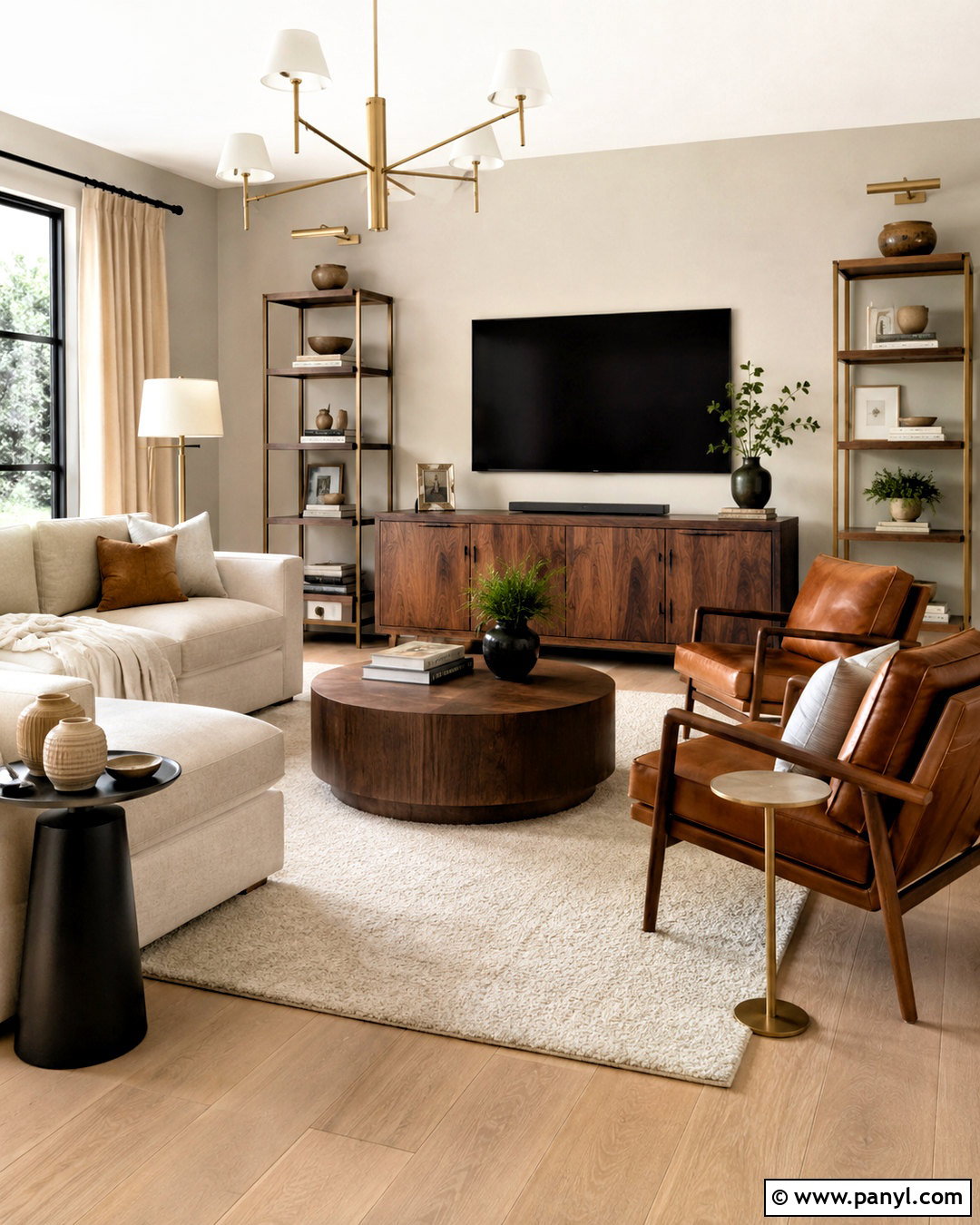
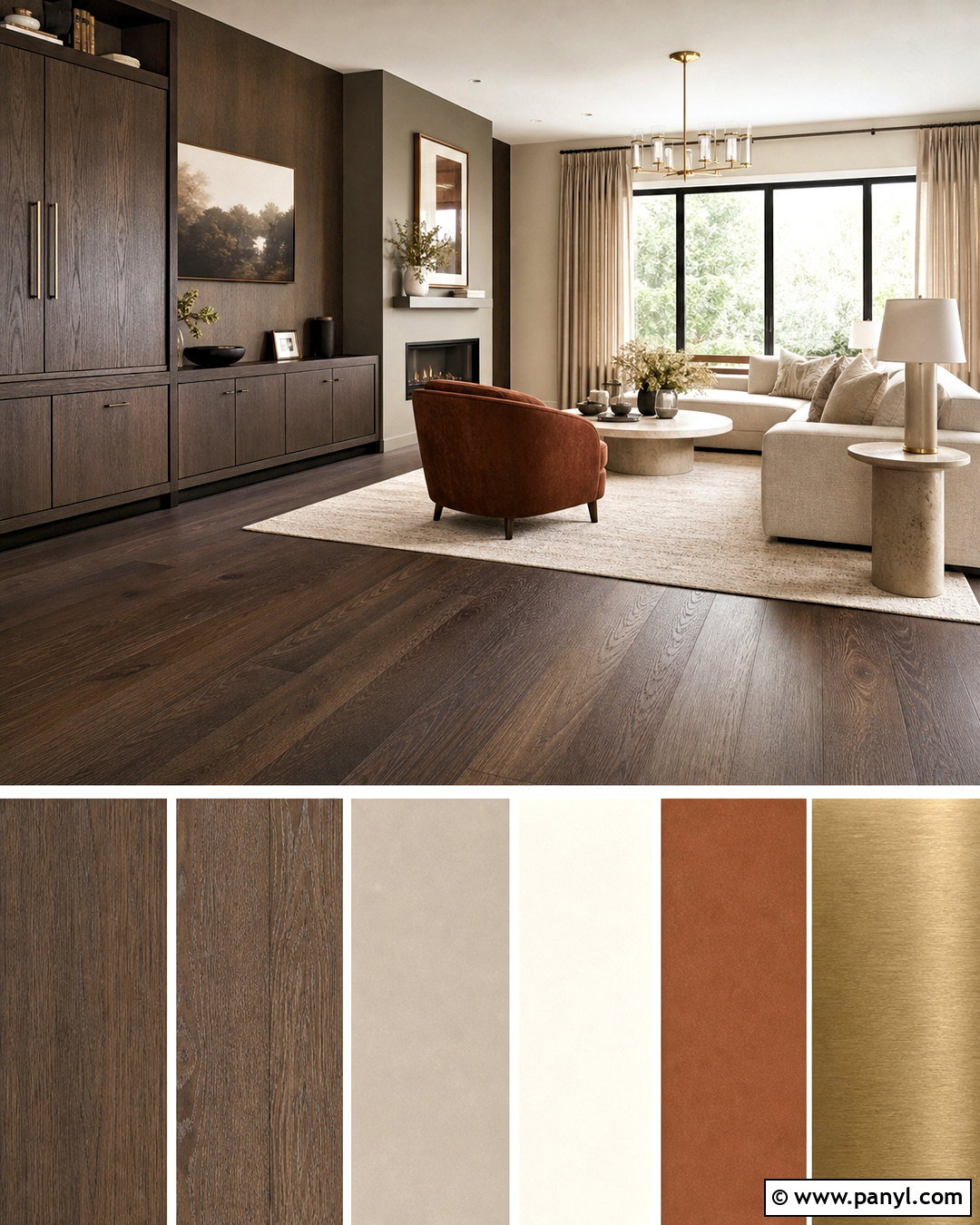
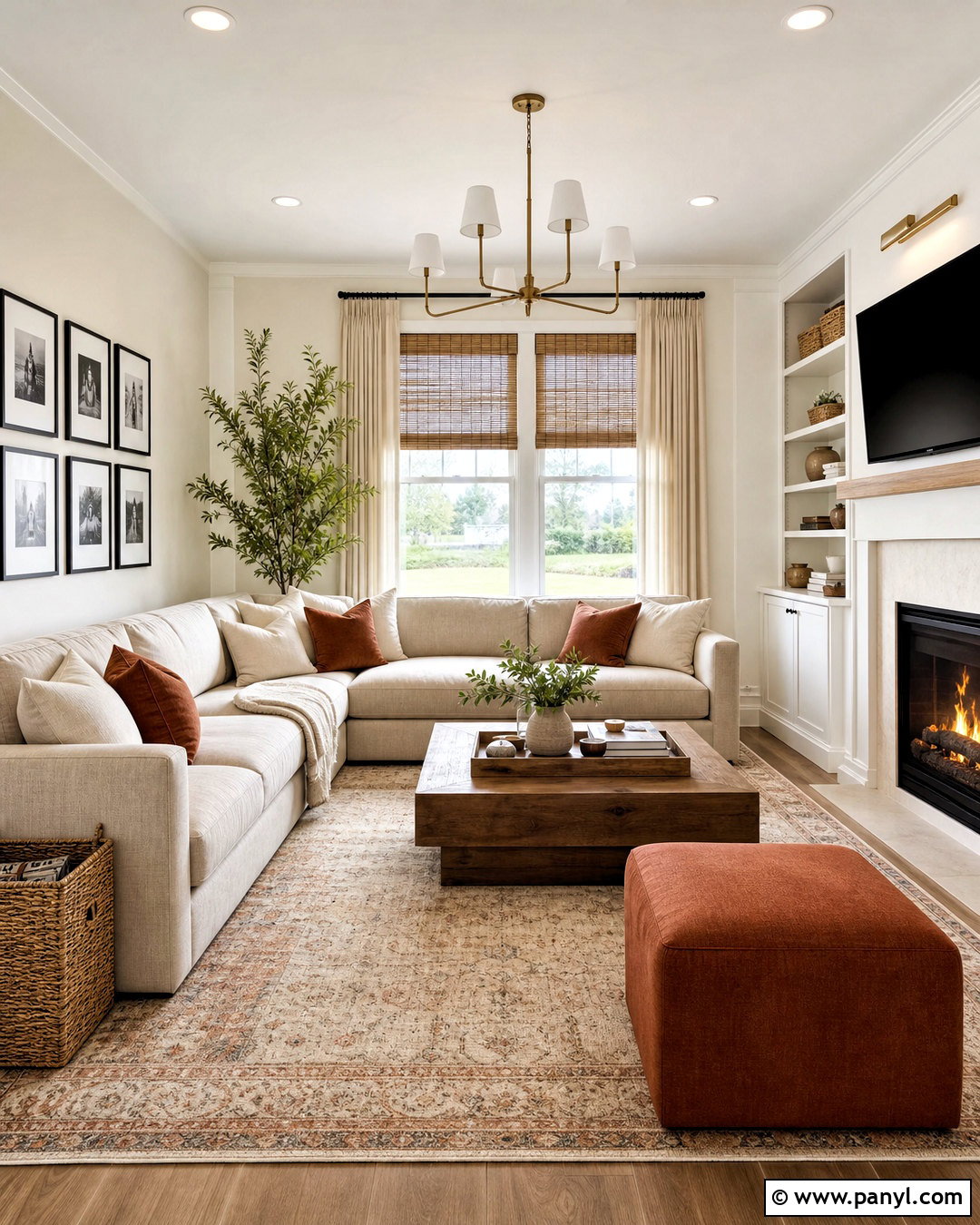
Start with pale white oak flooring as the dominant wood tone, then introduce walnut through a streamlined media console and round coffee table. A cream performance-fabric sofa keeps the center of the room light, while two camel leather chairs connect the golden oak with the deeper brown walnut. Choose an ivory rug with subtle beige lines to separate the furniture from the floor. Soft greige walls, oatmeal curtains, and warm white pillows maintain a calm background. Repeat walnut in picture frames and a slim floor lamp base so the darker finish does not feel isolated. Brushed brass accents complement both woods, while a leafy plant and handmade pottery add natural texture without introducing another competing wood color.
2. Honey Oak And Espresso Dining Room
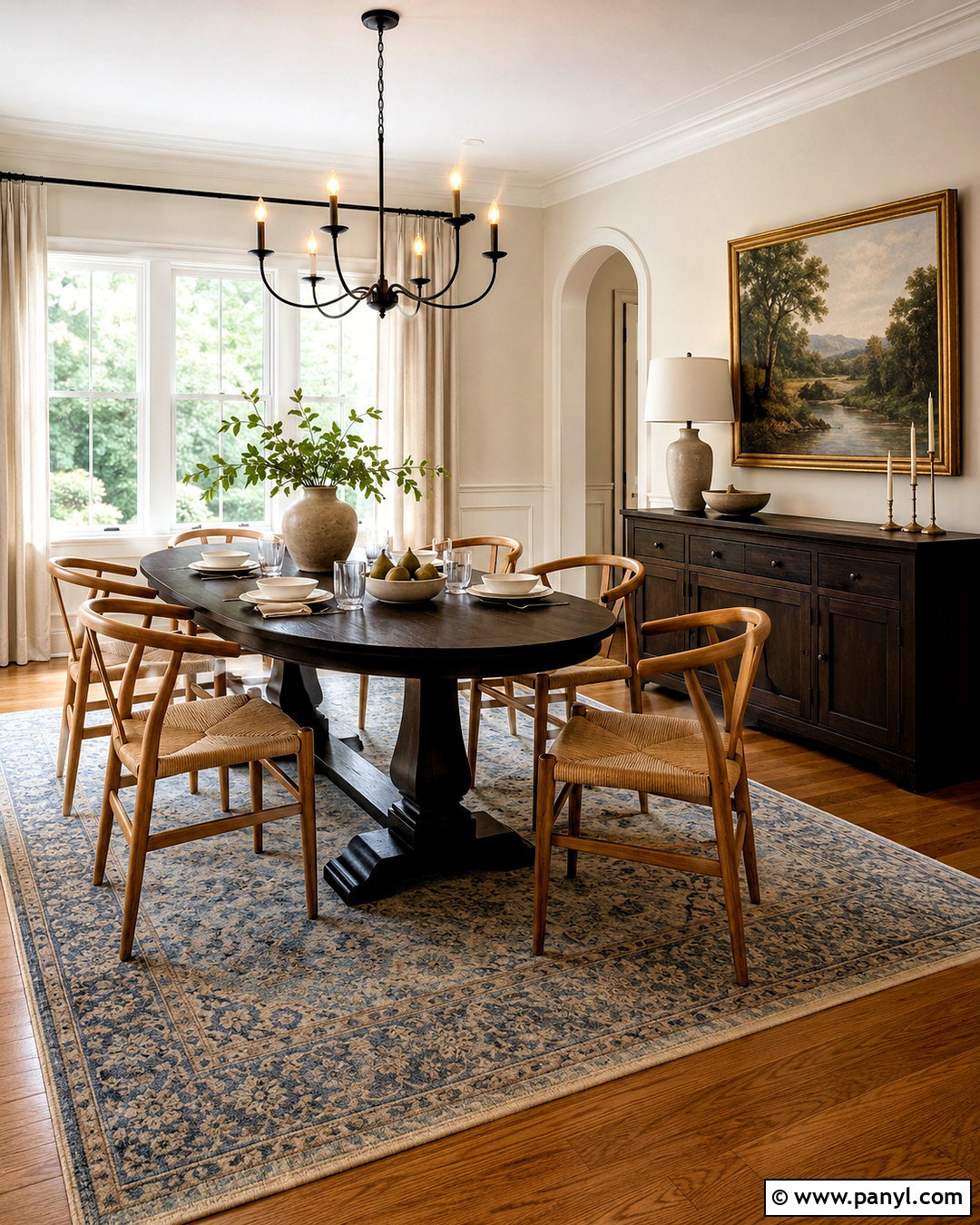
Honey oak flooring can look polished rather than dated when it is balanced with a dark espresso dining table. Choose an oval table with simple lines and surround it with honey oak chairs featuring woven seats. This repetition connects the furniture to the floor while allowing the table to serve as a strong anchor. Paint the walls warm off-white and place a muted blue-and-beige rug beneath the dining set. An espresso sideboard on the opposite wall repeats the darkest finish and improves visual balance. Add linen curtains, ceramic tableware, and a large landscape print for softness. A black metal chandelier works as a neutral bridge, preventing the contrasting wood tones from becoming the only strong elements in the space.
3. Maple And Cherry Wood Kitchen
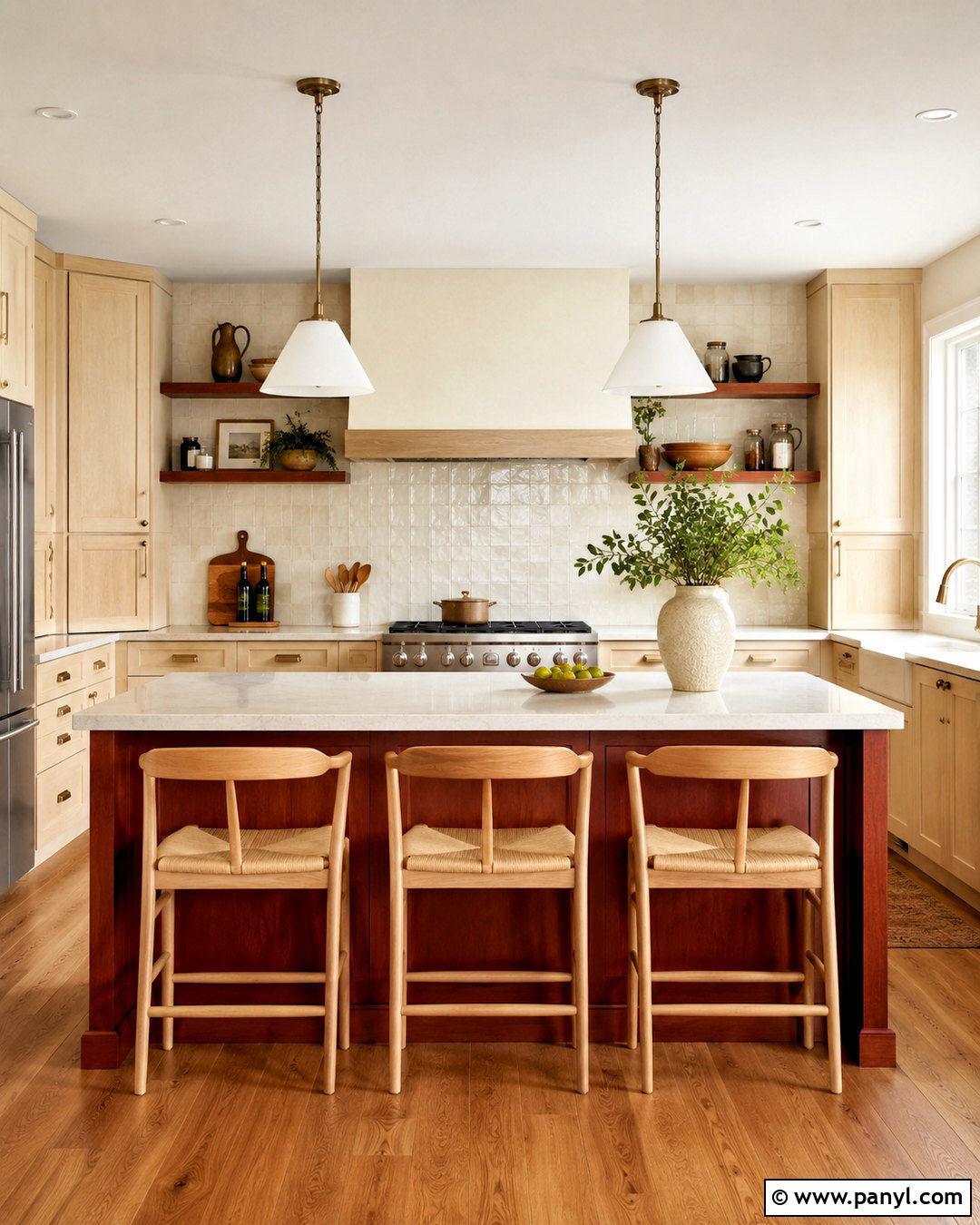
A bright kitchen provides an ideal setting for combining creamy maple and reddish cherry wood. Use maple for the main perimeter cabinets because its lighter surface keeps the room open and airy. Reserve cherry wood for a substantial island with deep drawers and comfortable counter seating. Warm white quartz countertops create consistency across both cabinet finishes, while a handmade ivory backsplash softens their color difference. Medium oak flooring introduces a quiet third tone without competing for attention. Repeat cherry on open display shelves and maple in the barstool frames. Aged brass hardware, off-white walls, and muted olive accessories complement the warm undertones. The finished kitchen feels intentional, layered, and practical instead of resembling mismatched cabinetry.
4. Ash And Smoked Oak Bedroom
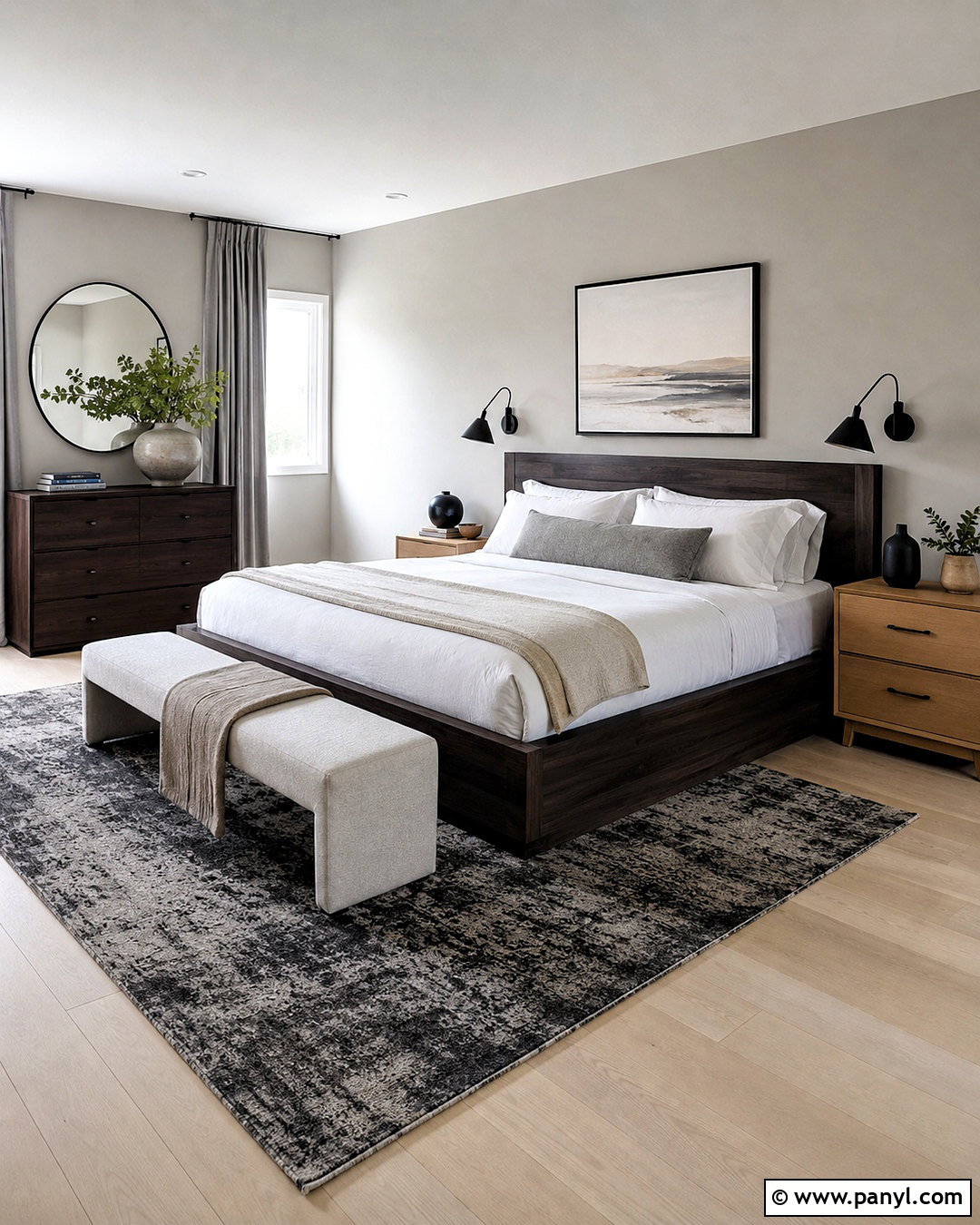
Cool-toned ash and smoked oak can create a restful bedroom with subtle contrast. Use wide-plank ash flooring as the pale foundation, then anchor the room with a smoked oak platform bed and matching low dresser. Choose nightstands in natural ash so the lighter wood appears above floor level as well. Soft gray walls, crisp white bedding, and a stone-colored upholstered bench reinforce the woods’ cooler undertones. Layer a charcoal-and-cream rug beneath the bed to prevent the dark frame from blending into the floor. Matte black reading lights and curtain rods add definition without introducing warmth. Finish the room with gray linen drapes, sculptural ceramics, and one large green plant for a comfortable modern look that remains calm and uncluttered.
5. Pine And Walnut Family Room
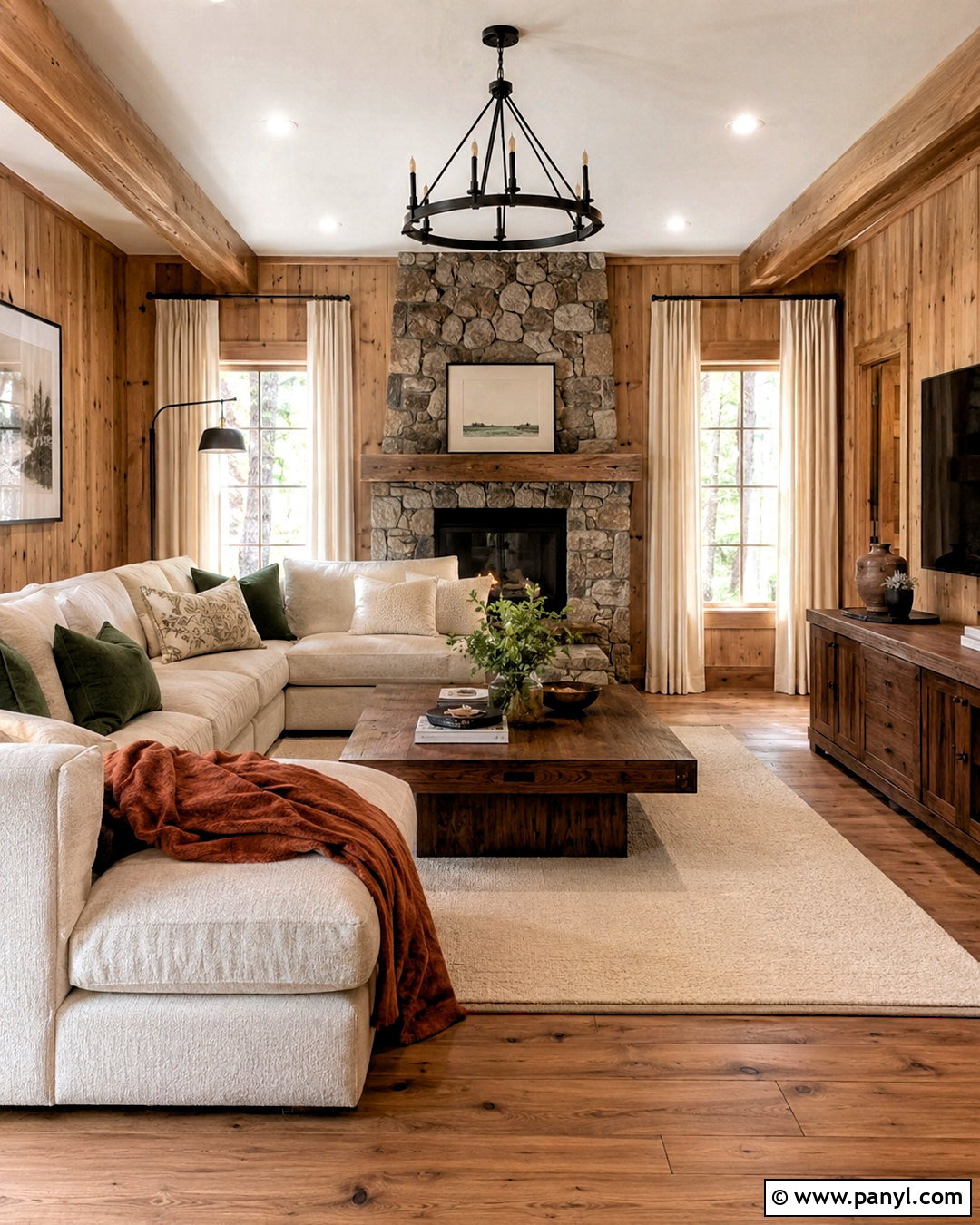
Knotty pine walls can coexist beautifully with walnut furniture when the room includes enough soft, solid-colored surfaces. Let the pine paneling provide the dominant warm background, then furnish the space with a deep beige sectional and a large walnut coffee table. Place a walnut console behind the sofa to repeat the darker brown tone across the layout. A generous cream wool rug covers part of the oak or pine floor, giving each wood element room to stand apart. Use forest green pillows, rust-colored throws, and black metal lighting to create a relaxed cabin-inspired palette. Keep window treatments simple and light. A stone fireplace adds another natural material, balancing the amount of visible grain and making the family room feel inviting rather than overly rustic.
6. Red Oak And Black Wood Home Office
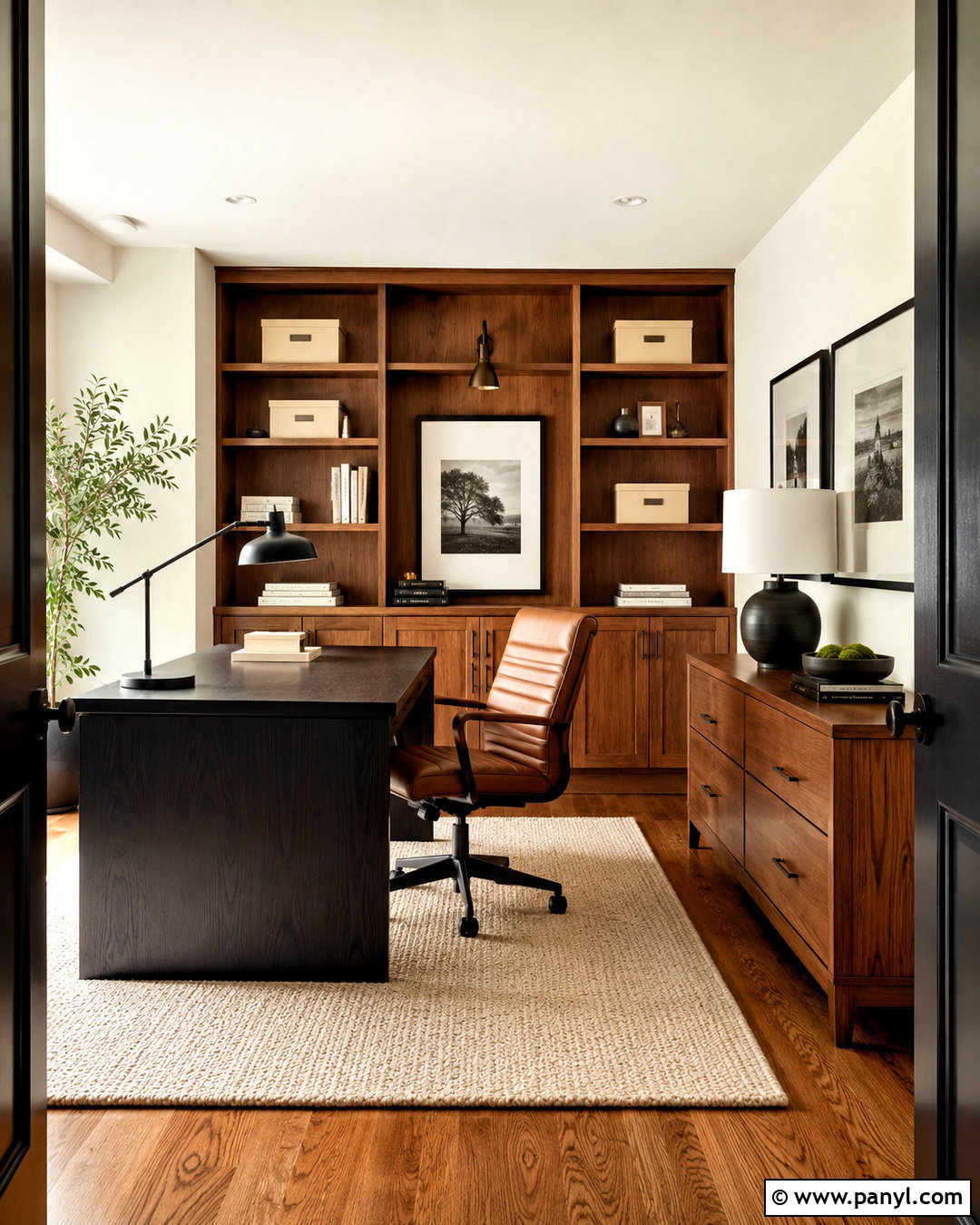
Give traditional red oak a sharper, contemporary direction by pairing it with matte black-stained wood. Red oak flooring or built-in shelving can become the warm foundation, while a black wood desk creates a clear focal point in the middle of the office. Add a red oak credenza behind the desk to repeat the dominant finish. A tan leather chair, cream flat-weave rug, and warm white walls soften the strong contrast. Black floating frames and a matching task lamp distribute the dark finish around the room instead of concentrating it in one area. Keep accessories minimal and functional, using parchment storage boxes and bronze hardware. The result is a professional workspace that respects the oak’s natural character while feeling current, organized, and visually balanced.
7. Birch And Teak Nursery
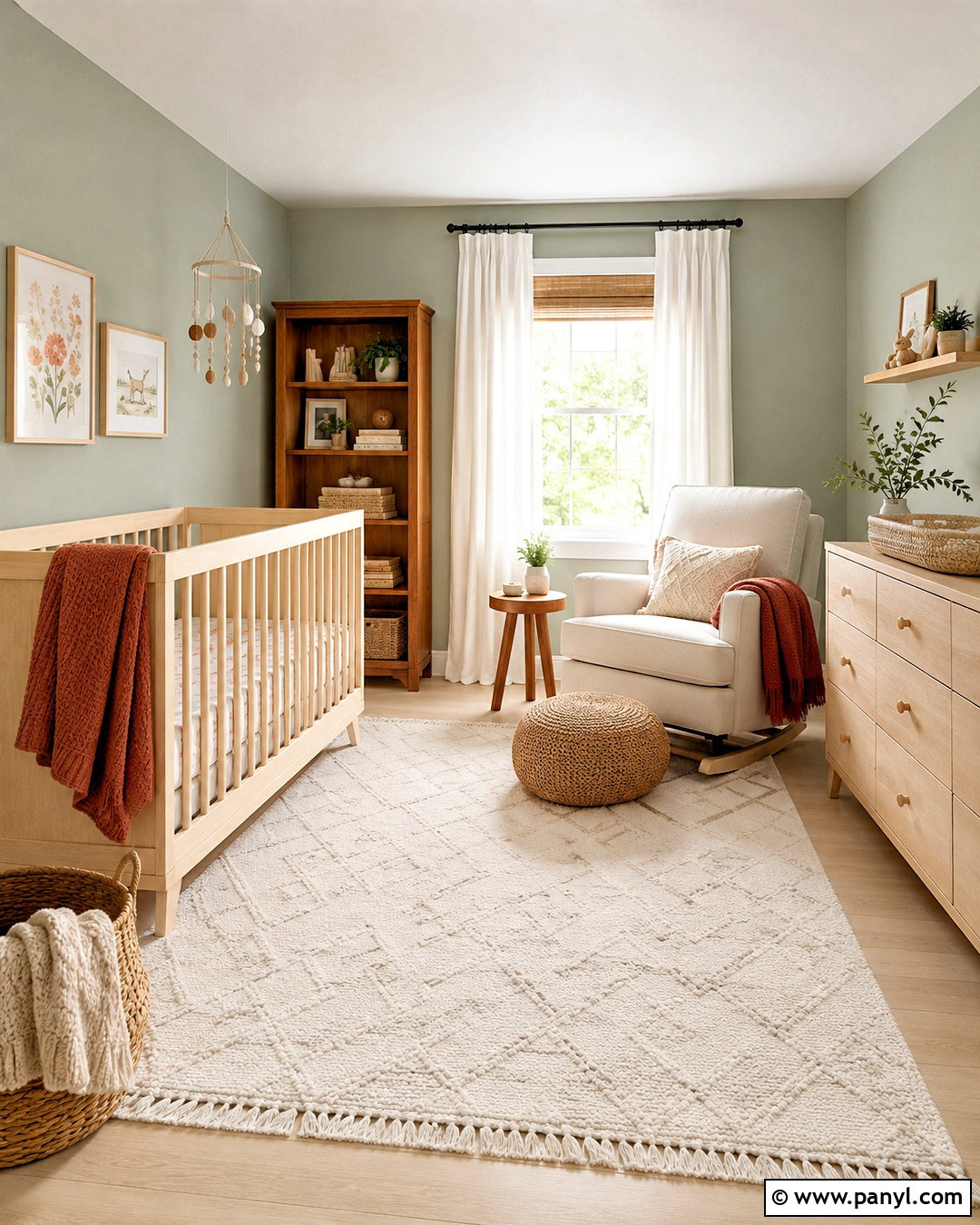
Light birch furniture and warm teak accents make a nursery feel playful, natural, and easy to update. Begin with a birch crib, dresser, and pale wood flooring to establish a bright foundation. Add a teak bookcase and a small teak side table near an ivory upholstered glider. Since teak has stronger orange-brown coloring, repeat it sparingly through two picture frames and a wooden ceiling light. Soft sage green walls help connect the pale and warm finishes. Use a cream rug with a simple geometric pattern, white curtains, and muted terracotta textiles for gentle color. Closed woven baskets keep everyday supplies organized. Rounded furniture edges, an open floor area, and securely anchored storage complete a comfortable room where the mixed woods look coordinated rather than randomly collected.
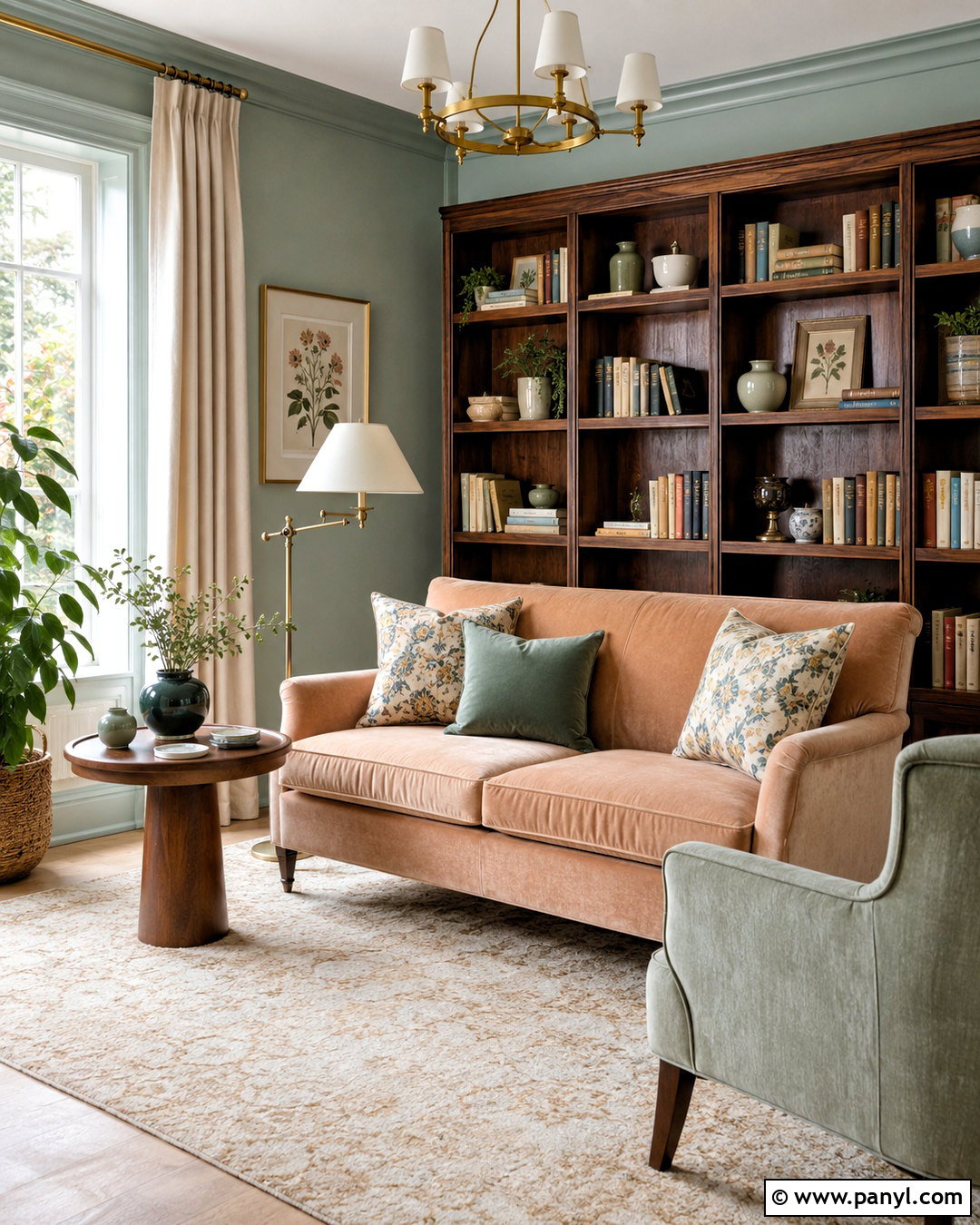
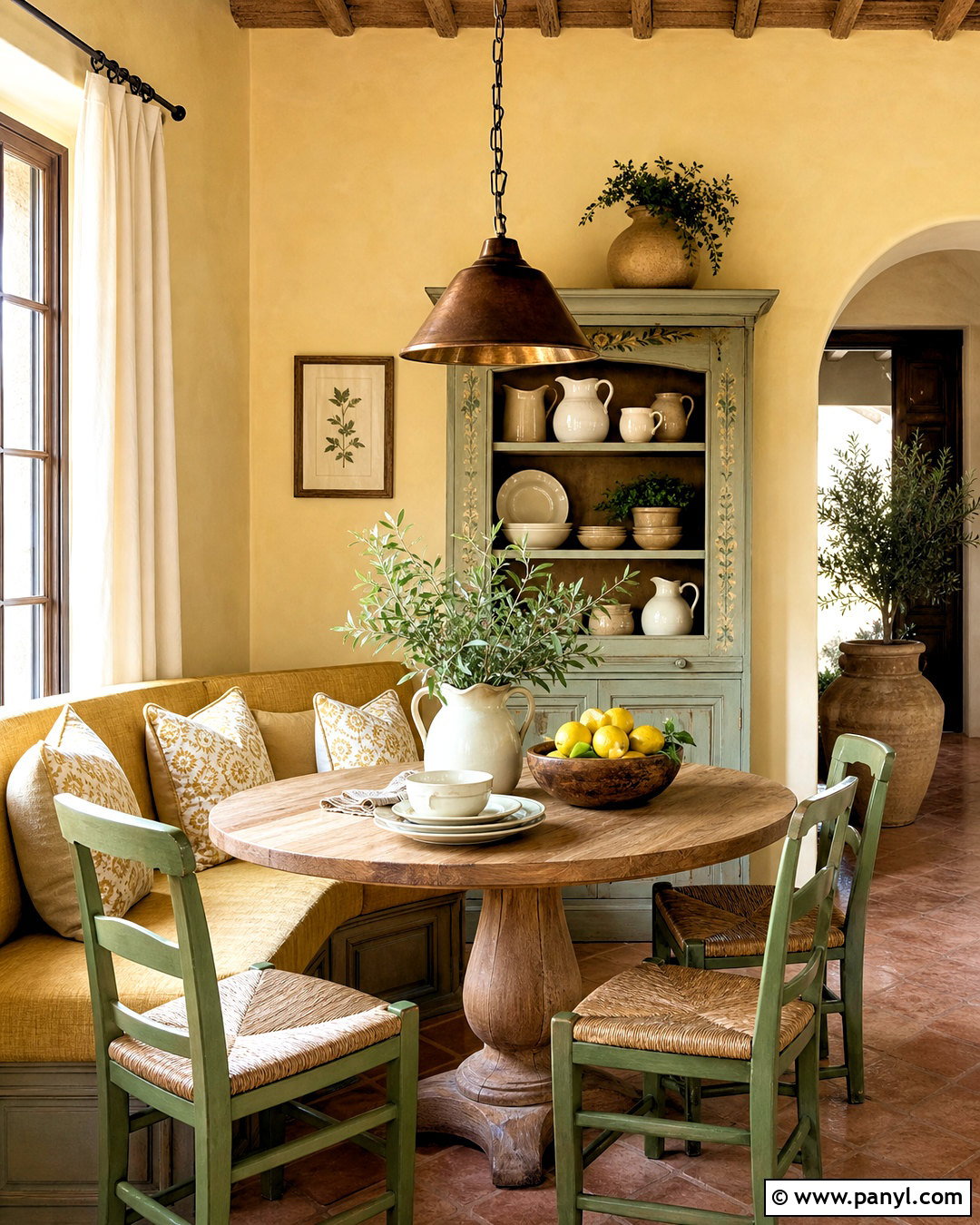
8. Whitewashed Oak And Reclaimed Pine Living Room
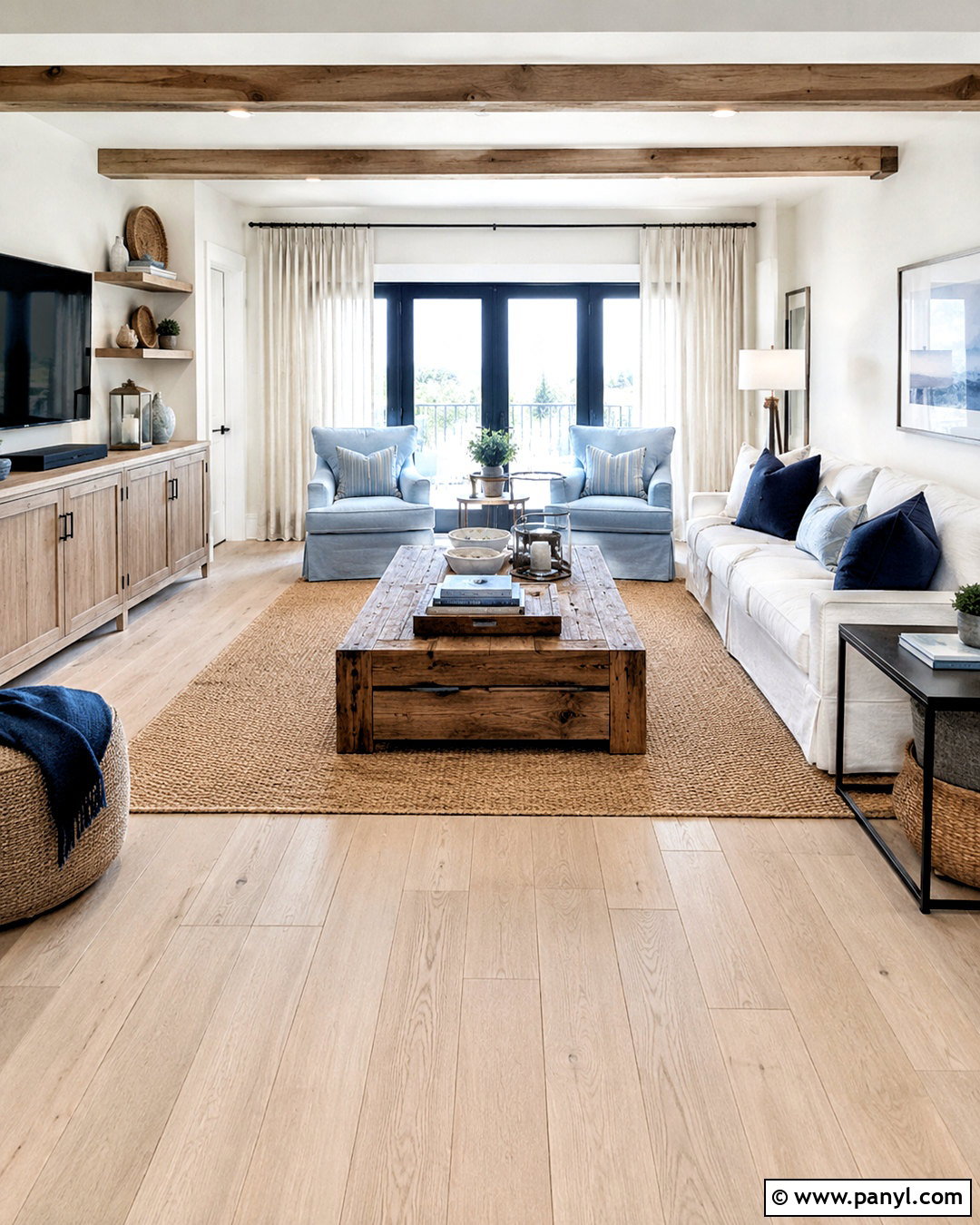
A whitewashed oak floor gives a coastal living room a light, weathered base, while reclaimed pine introduces richer age and texture. Center the space around a substantial reclaimed pine coffee table with visible grain and softened edges. Use a white slipcovered sofa and two pale blue armchairs to create an airy conversational layout. A whitewashed oak media cabinet repeats the flooring above ground level, helping the dominant finish feel deliberate. Add a natural jute rug, linen curtains, and navy patterned pillows for definition. Small black metal accents keep the rustic woods from appearing overly casual. Limit distressed pine to the table, mantel, and one wall shelf so its irregular coloring remains a feature instead of overwhelming the clean, bright room.
9. Natural Oak And Mahogany Dining Room
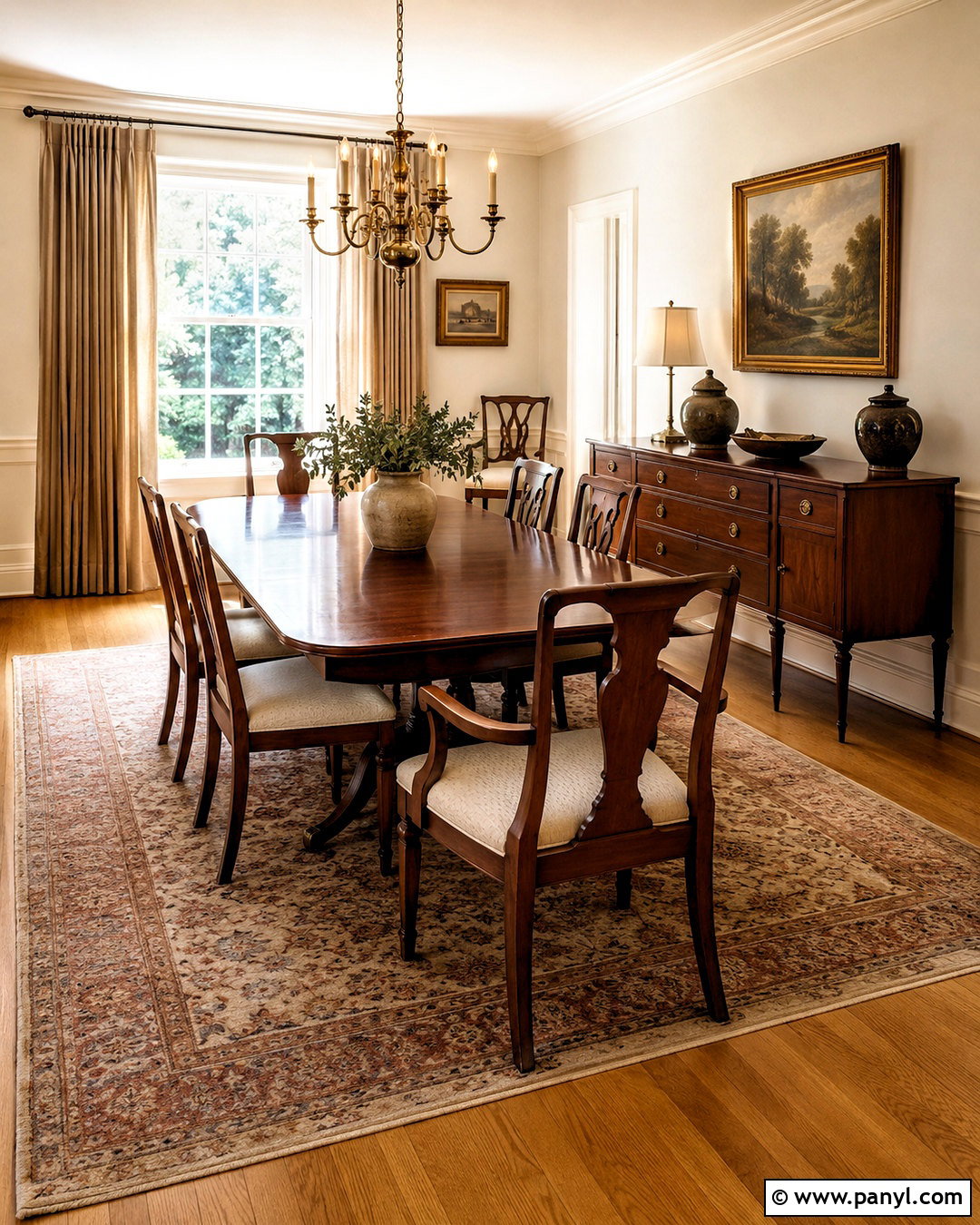
Natural oak and mahogany create an elegant dining room when each finish has a distinct role. Use natural oak flooring and oak dining chairs as the lighter, more expansive elements. Place a polished mahogany table at the center, allowing its deep reddish-brown color to become the formal anchor. Repeat mahogany with a narrow sideboard or framed mirror along one wall. Warm ivory paint, full-length taupe curtains, and a faded traditional rug soften the contrast between the woods. Choose chairs with cream upholstered seats to create separation from the table. Antique brass lighting brings out the warmth in both finishes. Simple ceramic vessels and understated artwork prevent the room from feeling heavy, resulting in a collected setting that works for everyday meals and special gatherings.
10. Bleached Oak And Ebony Entryway
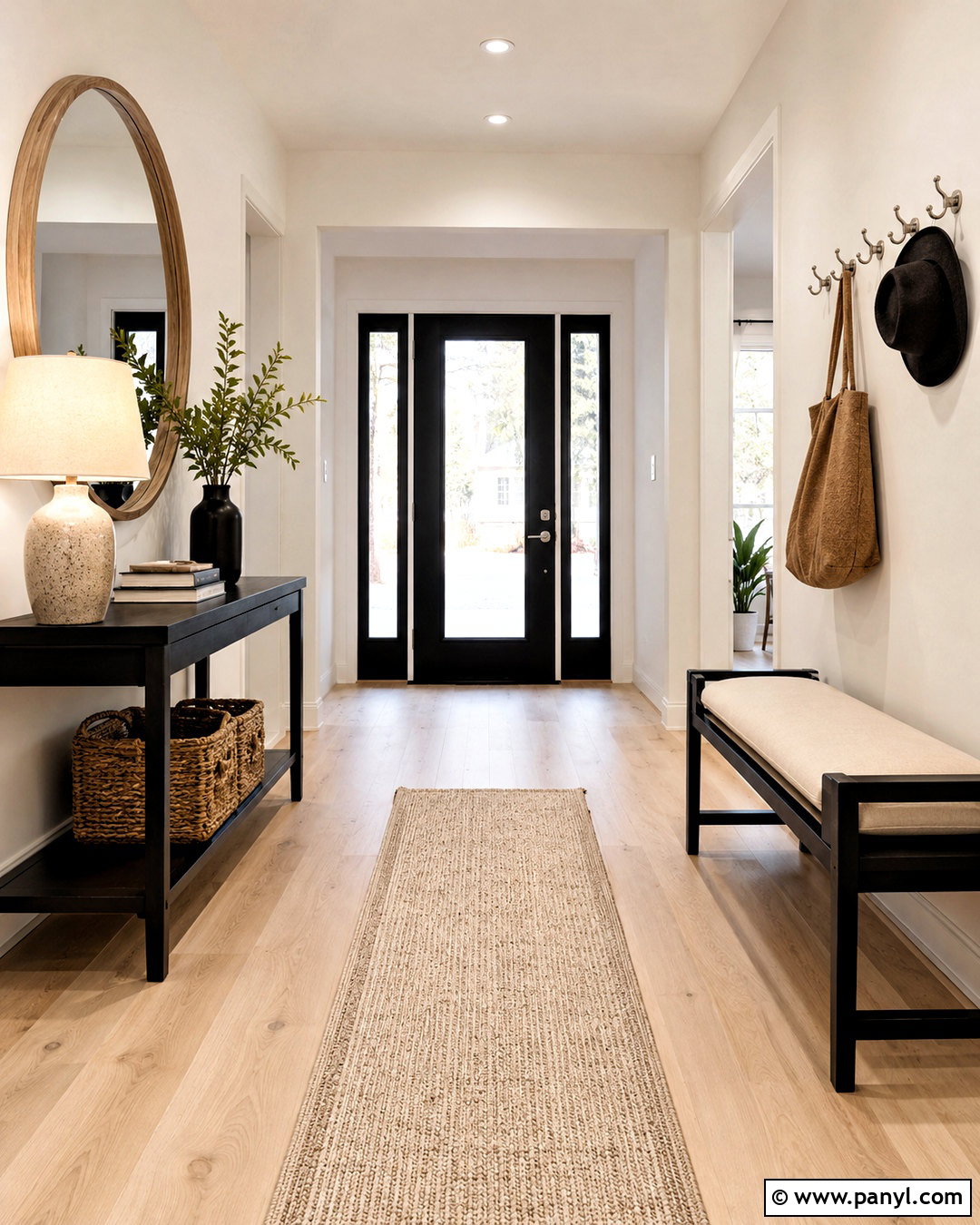
Even a small entryway can handle strong wood contrast when the arrangement stays simple. Install or retain bleached oak flooring, then add an ebony console with slim legs against a soft white wall. A round mirror framed in bleached oak repeats the floor tone and visually expands the area. Place an ebony bench opposite the console, topped with a light beige cushion for comfort. A narrow cream runner creates separation between the dark furniture and pale flooring. Use brushed nickel hooks, a white ceramic lamp, and one woven storage basket to add practical texture. Keep nearby doors and trim warm white rather than stark blue-white. The finished entry feels open and organized, with the ebony elements providing structure and the bleached oak maintaining brightness.
11. Pecan And White Oak Kitchen
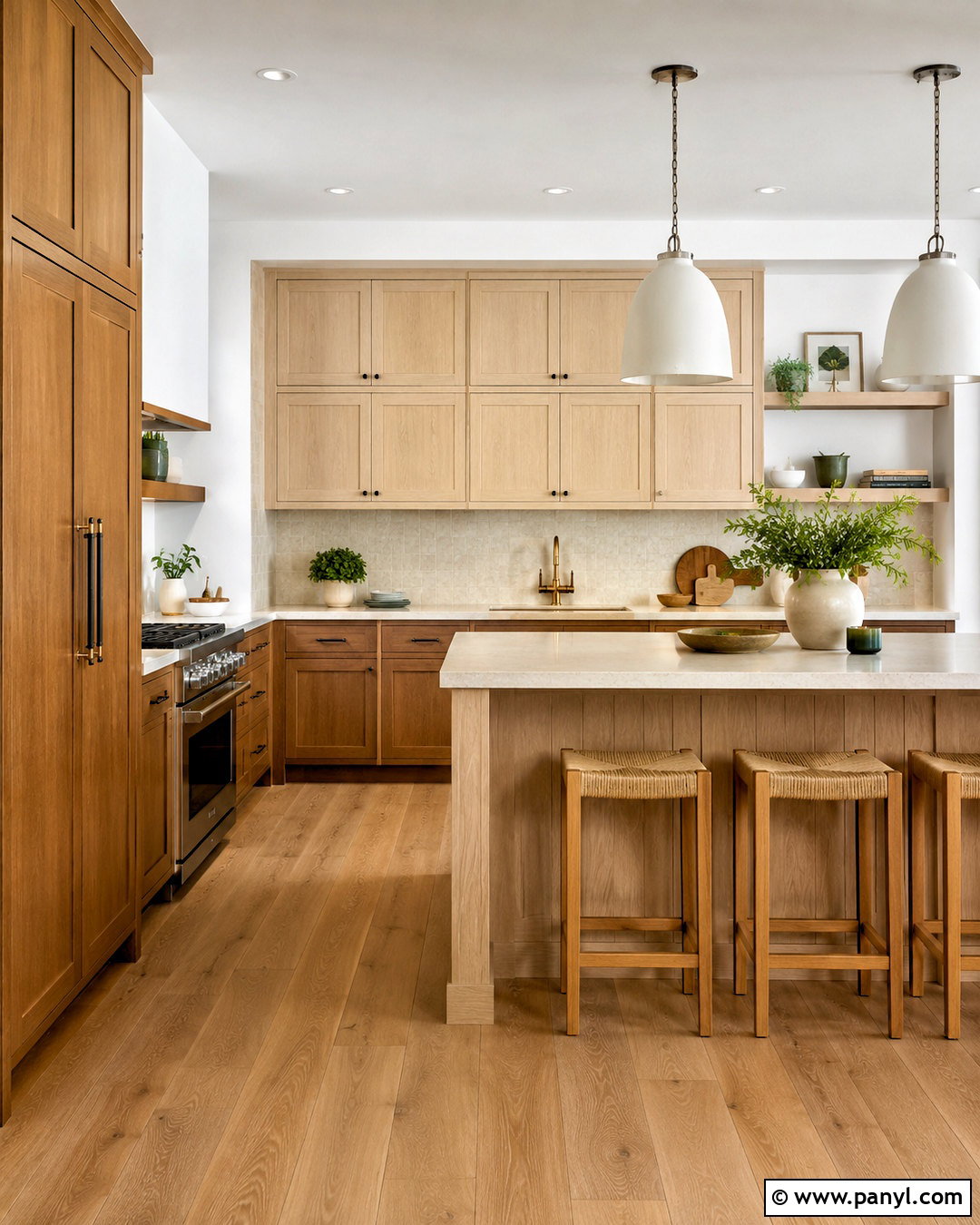
Pecan cabinetry brings rich golden variation to a kitchen, while white oak can prevent the room from feeling too dark or traditional. Use pecan on the lower cabinets and tall pantry units, then choose white oak for the upper cabinets and central island. Creamy quartz counters create a continuous surface that unifies both finishes. A pale limestone backsplash and light greige walls quiet the pecan’s active grain. Repeat the deeper wood color in counter stools with woven seats, and carry white oak into floating shelves near the range. Medium bronze hardware provides warmth without disappearing against either cabinet tone. Finish with natural oak flooring, white pendant lights, and restrained green accents. The overall kitchen feels warm, bright, and thoughtfully customized.
12. Acacia And Walnut Bedroom
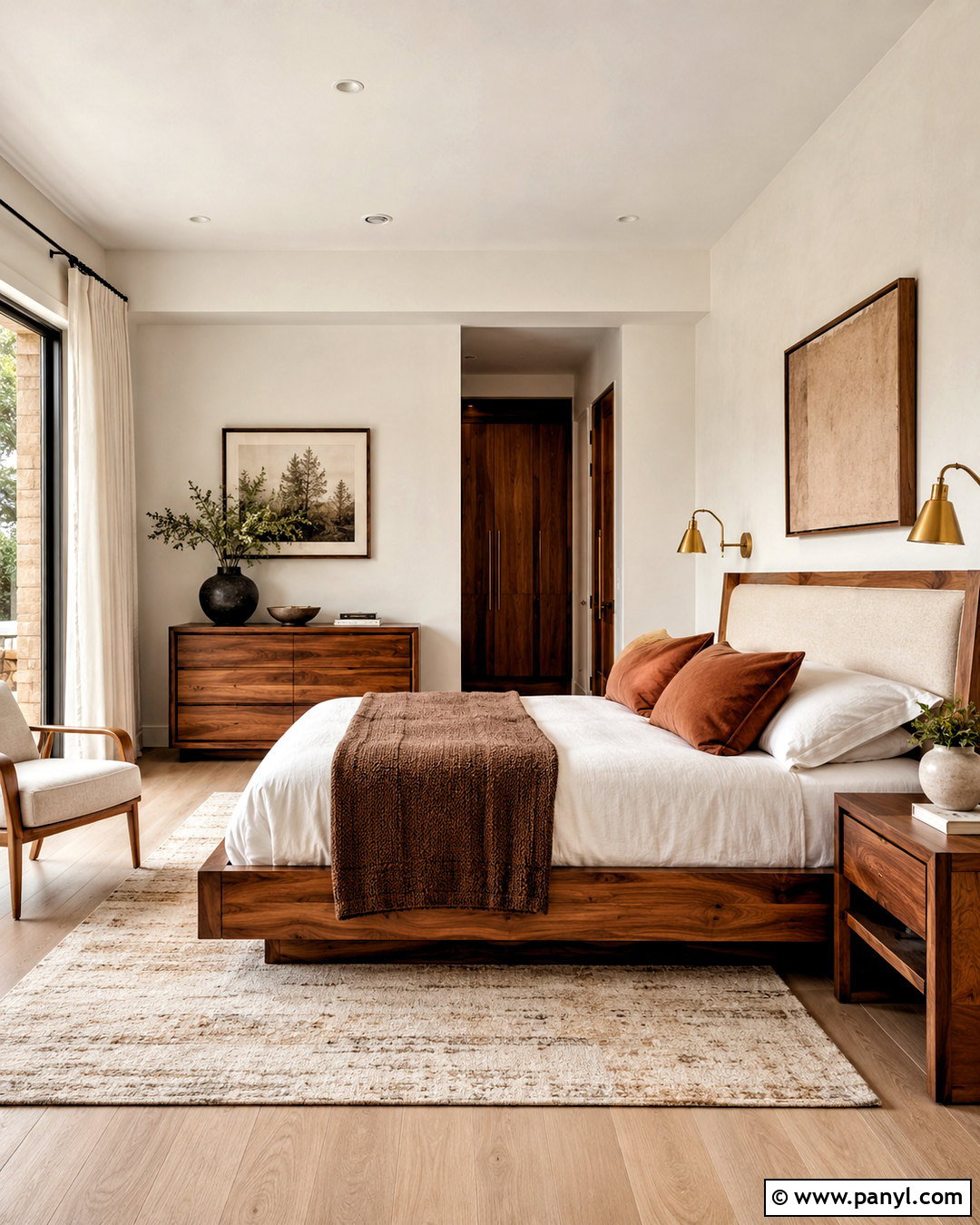
Acacia’s dramatic grain pairs well with walnut when the room includes plenty of simple textiles and quiet surfaces. Make an acacia platform bed the statement piece, then use walnut nightstands with clean, solid fronts. A low walnut dresser across the room repeats the darker finish and balances the bed’s expressive pattern. Choose warm off-white walls and an ivory upholstered headboard insert to give the wood room to stand out. Pale oak flooring can serve as a neutral foundation beneath a large cream-and-taupe rug. Dress the bed with white linen, muted clay pillows, and a chocolate brown throw. Aged brass sconces add warmth, while minimal artwork and linen curtains keep the bedroom restful. Avoid additional busy patterns that might compete with the acacia grain.
13. Bamboo And Dark Oak Sunroom
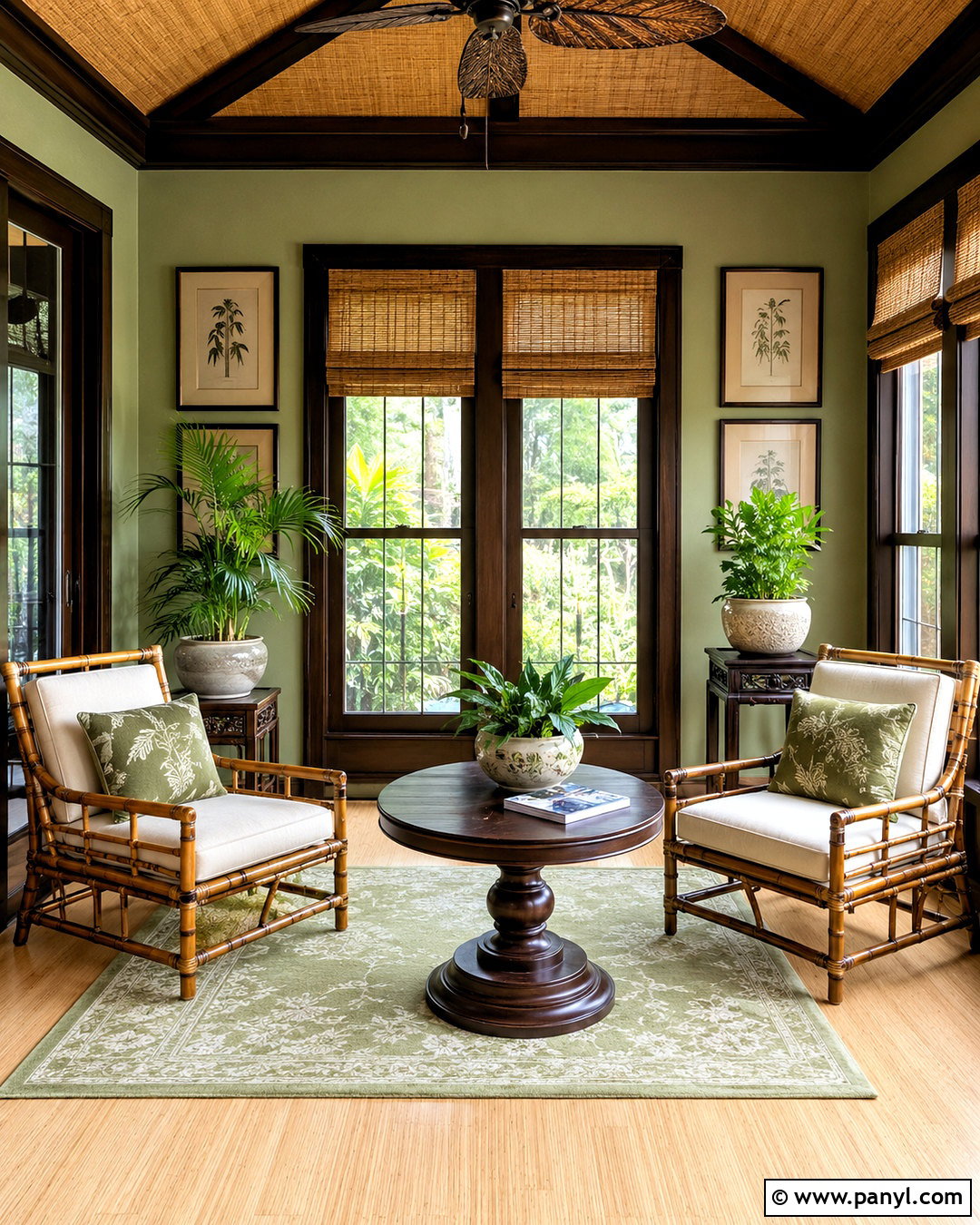
A bamboo and dark oak sunroom feels fresh, grounded, and connected to the surrounding landscape. Use light bamboo flooring and bamboo-framed lounge chairs as the dominant elements. Add a dark oak pedestal table and matching plant stand to introduce clear contrast. Cream seat cushions and a washable green patterned rug soften the hard surfaces while supporting everyday comfort. Paint the walls pale sage or warm white, depending on how much natural greenery is visible through the windows. Woven shades, linen pillows, and ceramic planters add texture without creating another obvious wood tone. Repeat dark oak in two picture frames so the table does not look isolated. The complete room becomes a practical spot for reading, casual meals, plants, and relaxed conversation.
14. Cedar And Oak Mudroom
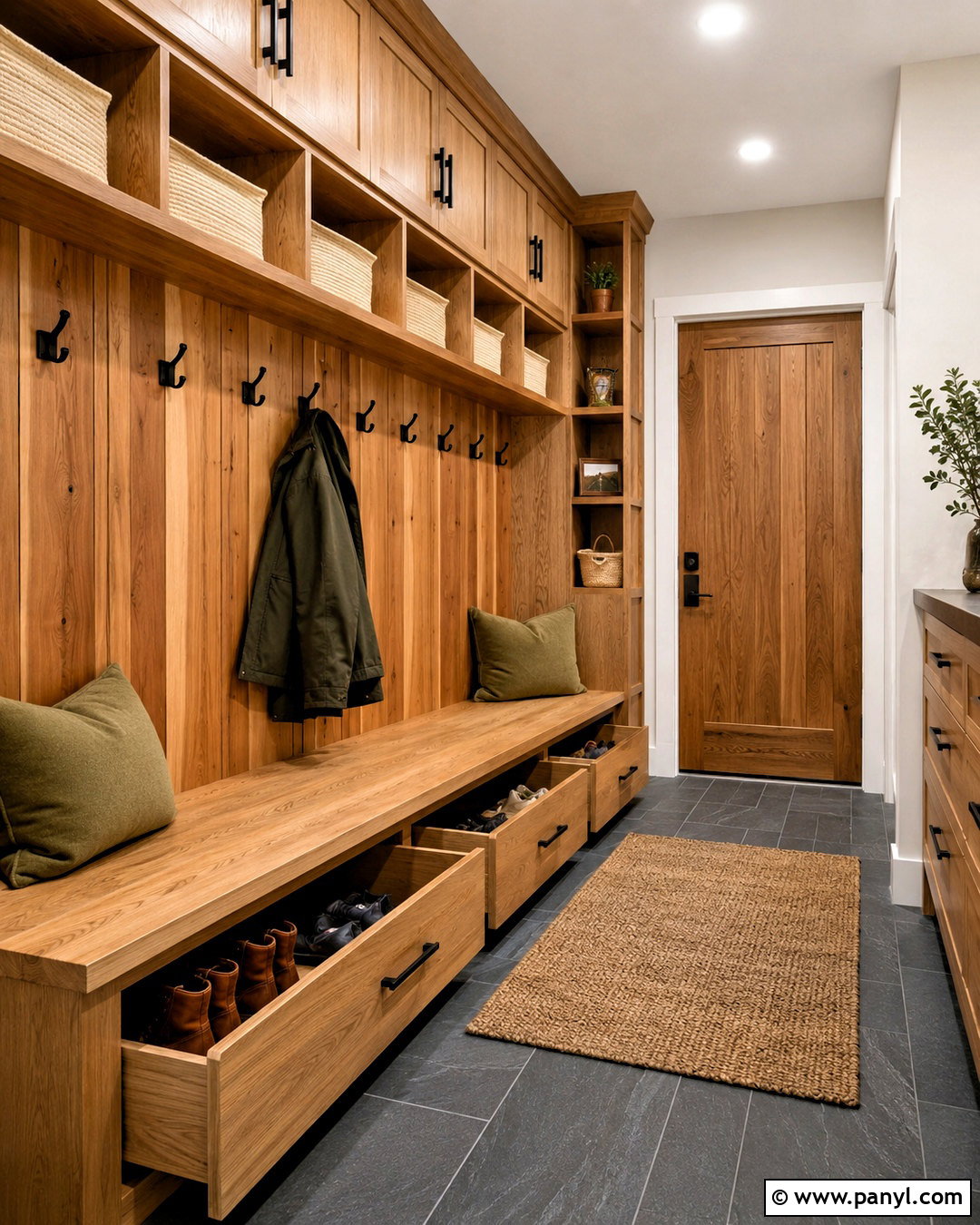
Warm cedar and durable oak can transform a hardworking mudroom into a welcoming transition space. Line the bench wall with vertical cedar boards, then install a natural oak bench seat, upper cabinets, and deep shoe drawers. Choose charcoal slate-look flooring to separate the two wood finishes and handle dirt more easily. Warm white walls and cabinet sections keep the narrow room from feeling enclosed. Use matte black hooks, labeled cream baskets, and olive green seat cushions for practical contrast. Repeat cedar inside the open cubbies or along a small shelf above the hooks. The aromatic, richly colored wall becomes the visual feature, while oak provides a quieter functional framework. Strong overhead lighting and a clear walkway complete the clean, organized layout.
15. Walnut And Maple Home Office
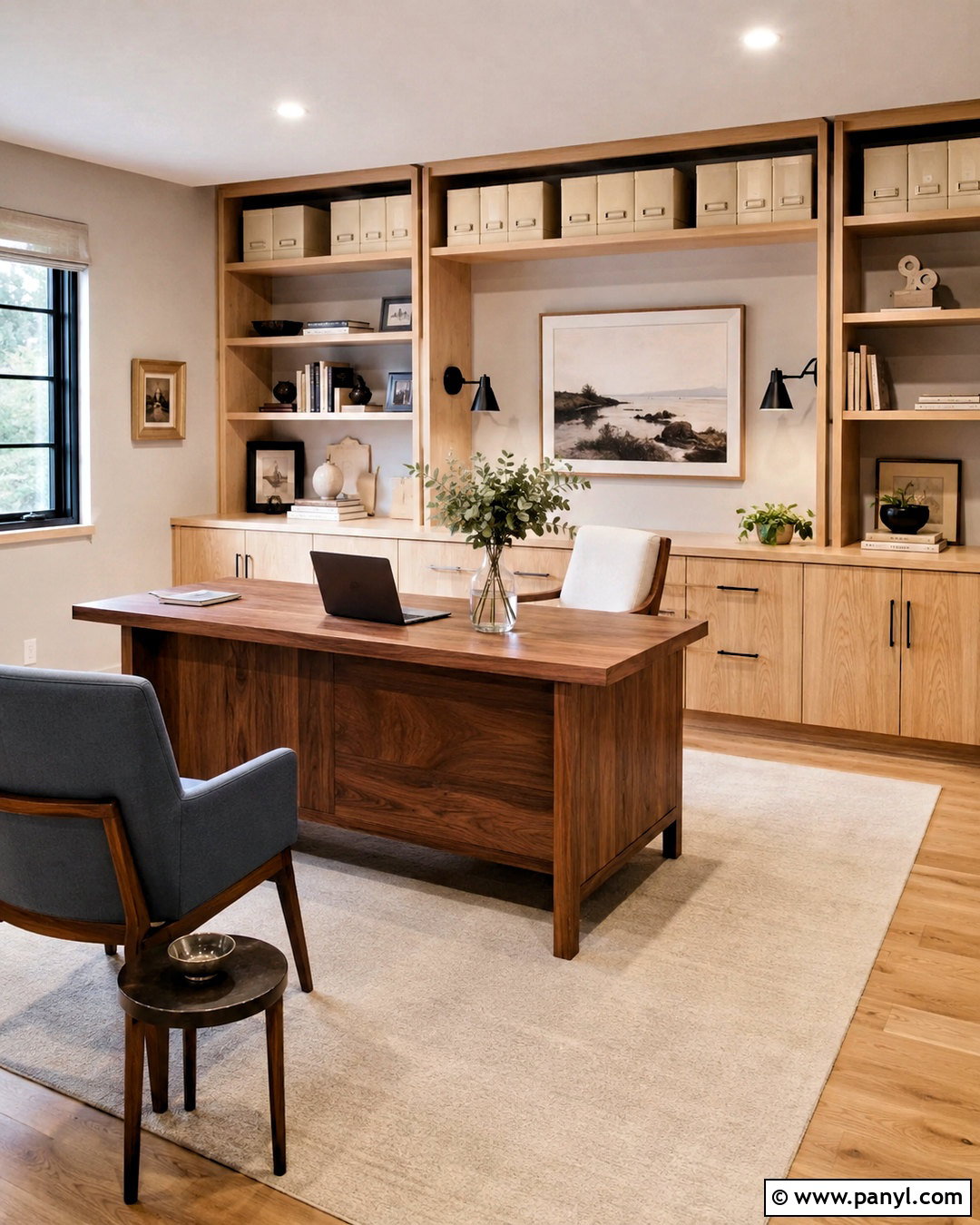
Walnut and maple create a balanced office that feels warm without becoming visually heavy. Place a substantial walnut desk near the center or window, then install pale maple shelving across the main wall. Use a maple storage cabinet to reinforce the lighter finish and a walnut desk chair frame to repeat the darker one. Soft greige paint and a large ivory rug provide a calm background for focused work. Add black metal sconces, cream file boxes, and a muted blue upholstered guest chair. Keep the desktop accessories simple so the walnut remains visible. Natural maple flooring can work if the rug creates enough separation beneath the furniture. The final office combines generous storage, comfortable seating, layered lighting, and distinct wood tones in a purposeful layout.
16. Cherry And Ebonized Oak Library
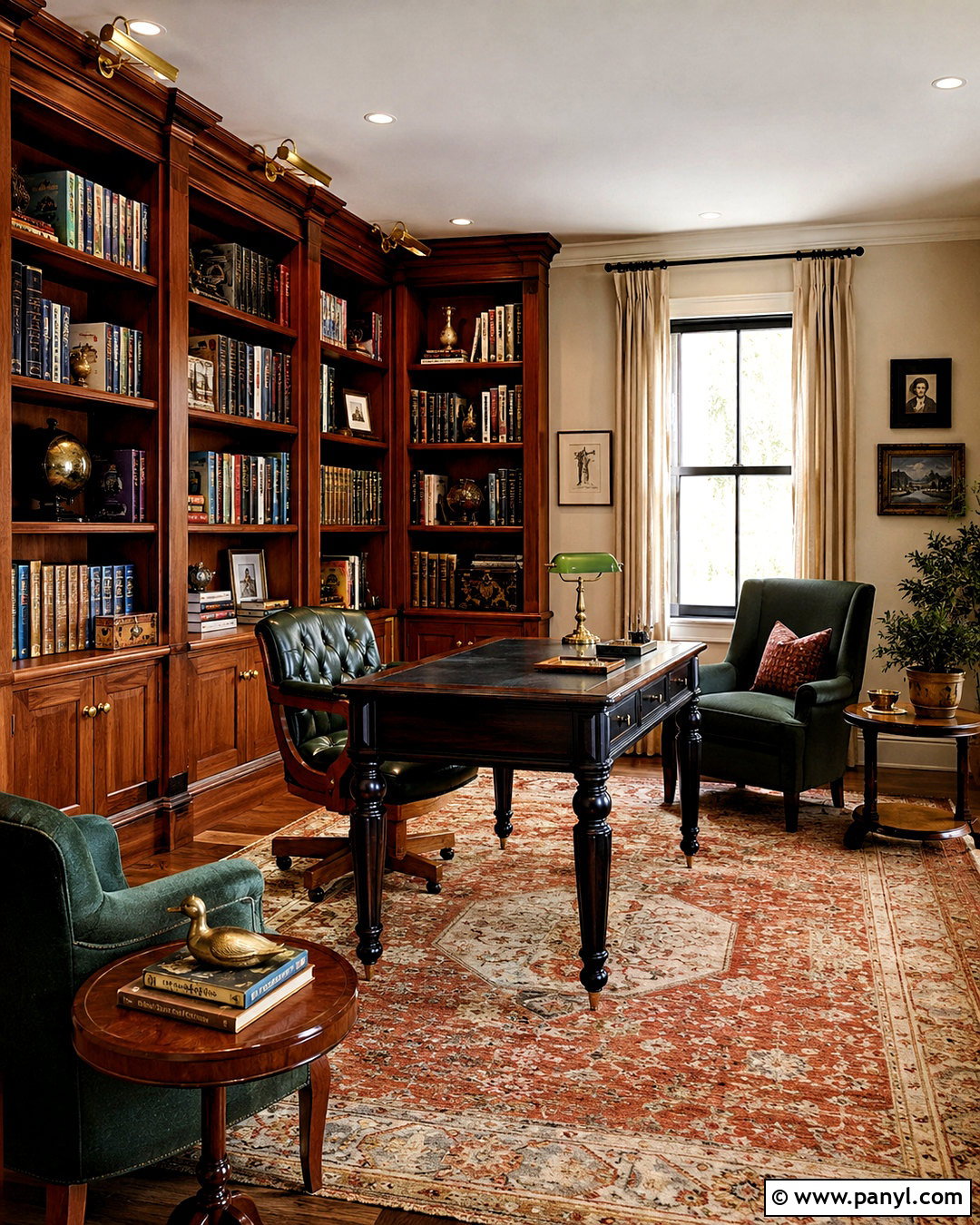
A home library can support darker finishes because books, textiles, and lighting naturally break up the wood surfaces. Use built-in cherry bookcases as the warm dominant element, then place an ebonized oak writing desk near the center of the room. Add two deep green reading chairs with ebonized oak legs and a cherry side table between them. A faded rust-and-cream rug connects the red undertones of the cabinetry with the black-brown desk. Paint the ceiling and remaining walls a warm beige to prevent the room from becoming gloomy. Antique brass picture lights illuminate the shelves, while cream curtains reflect daylight. Repeating each wood finish in separate areas creates balance and gives the library a collected, established appearance without requiring perfectly matching furniture.
17. Rift-Sawn Oak And Walnut Kitchen
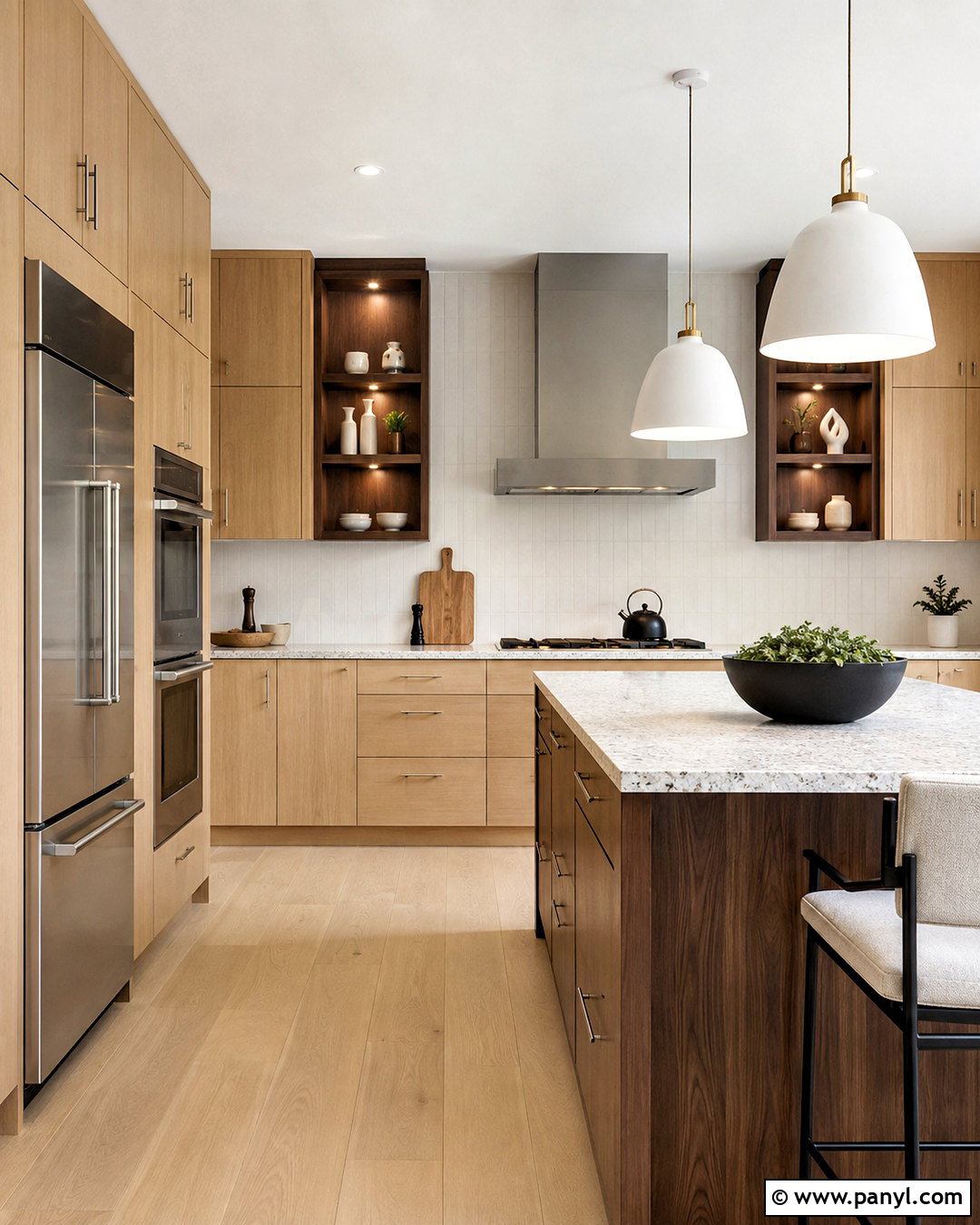
Rift-sawn oak brings straight, controlled grain to a modern kitchen, making it a strong partner for smooth walnut. Use pale rift-sawn oak on the perimeter cabinetry and full-height pantry wall. Finish the island in walnut, then repeat walnut inside two open cabinet niches or on integrated bar shelving. Light terrazzo countertops and a soft white backsplash create visual space between the wood surfaces. Choose pale oak flooring in a slightly quieter tone than the cabinets. Brushed stainless steel appliances and satin nickel hardware keep the palette crisp. Add counter stools with black frames and oatmeal upholstery for contrast. Large white pendants, minimal accessories, and clear work zones complete a streamlined kitchen where the woods add warmth without disrupting the clean architecture.
18. Reclaimed Oak And Black-Stained Wood Dining Room
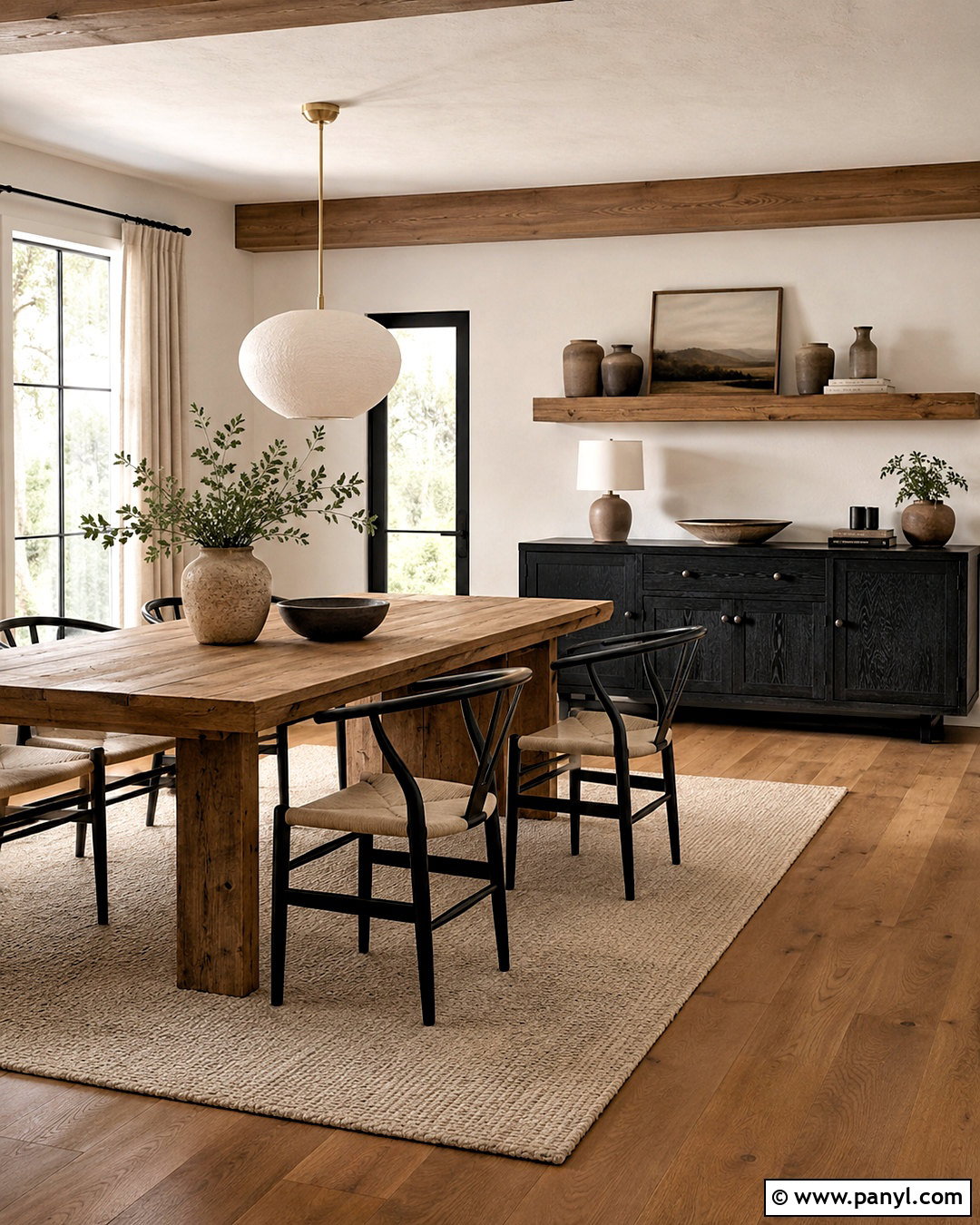
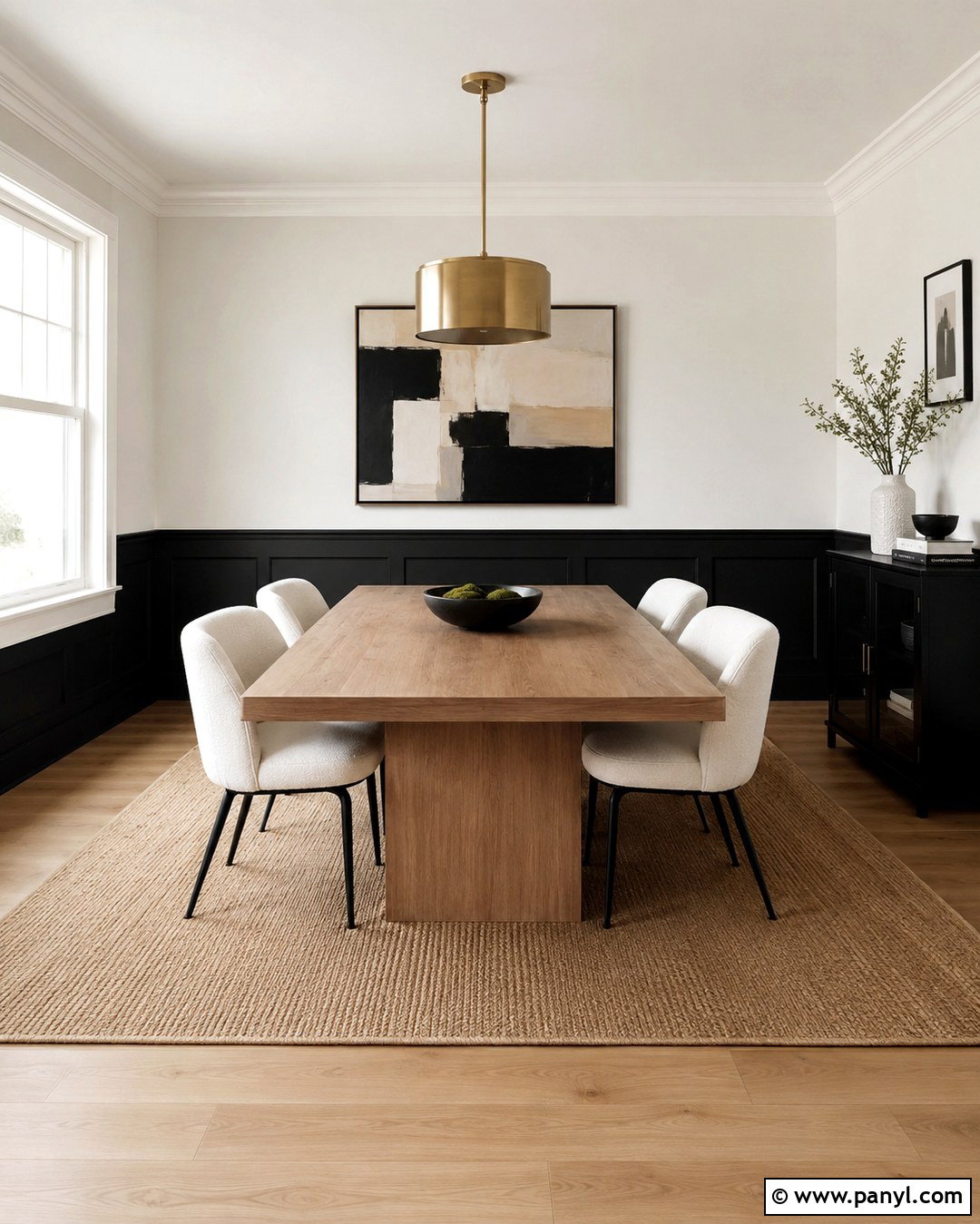
Reclaimed oak offers texture and history, while black-stained wood gives a dining room crisp structure. Choose a reclaimed oak table with a simple rectangular top, then surround it with black wood chairs featuring woven natural seats. A black-stained sideboard repeats the chair finish and grounds the far wall. Place the arrangement over a large cream rug so the furniture stands apart from medium oak flooring. Warm white walls, flax linen curtains, and a sculptural plaster pendant soften the strong lines. Repeat reclaimed oak with one floating shelf displaying neutral pottery. Avoid adding several other rustic finishes, since the table’s grain should remain the main feature. The complete room feels relaxed and modern, with enough contrast to make every material appear intentional.
19. Blonde Oak And Chestnut Studio
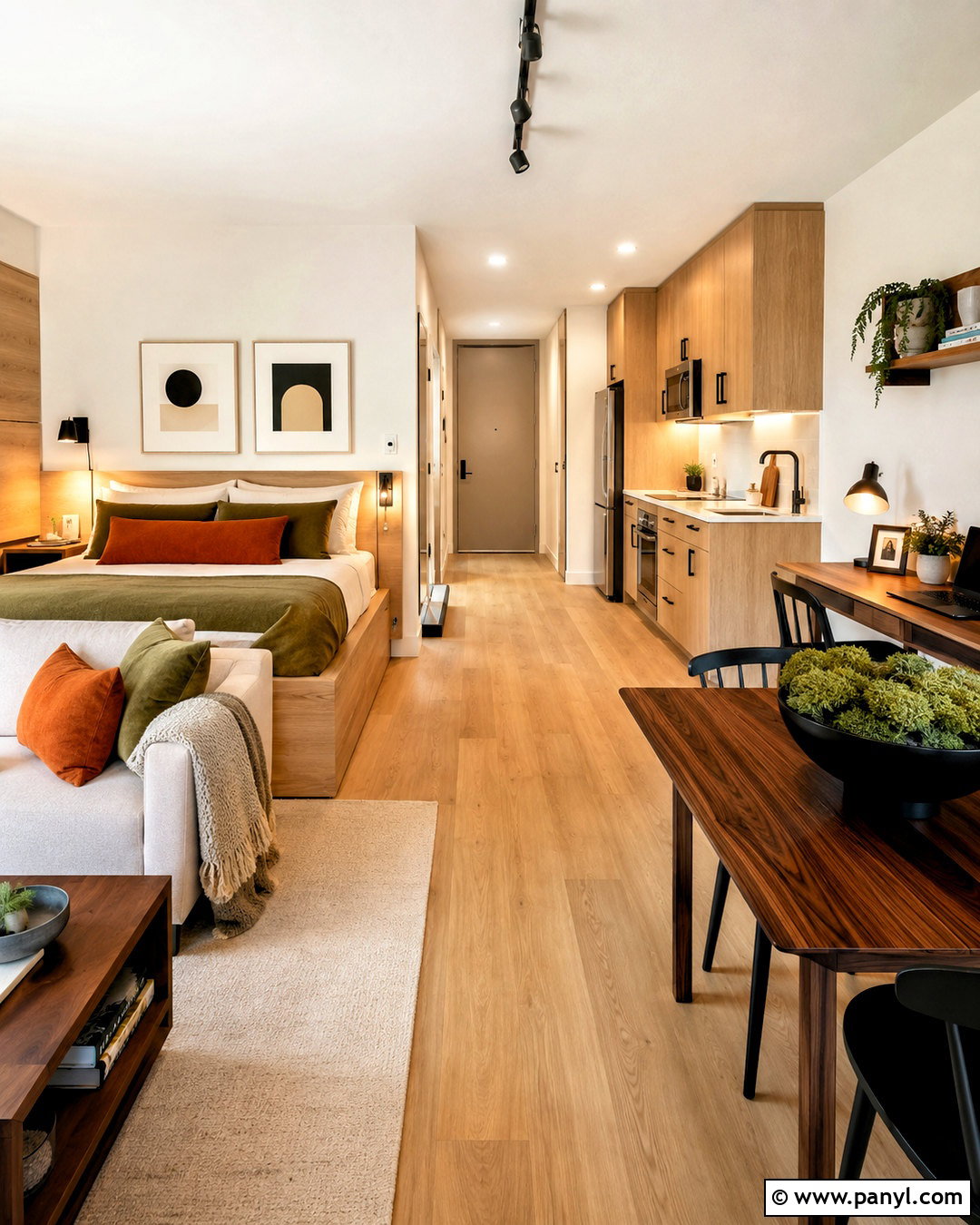
A compact studio apartment can mix blonde oak and chestnut without feeling crowded when the darker wood is carefully distributed. Use blonde oak flooring, kitchen cabinets, and a low bed frame to maintain a bright visual foundation. Introduce chestnut through a small dining table, wall-mounted desk, and narrow media cabinet. A cream sofa and large ivory rug separate these pieces from the floor. Choose warm white walls and rust, olive, and beige textiles to connect the two wood colors. Open shelving in blonde oak keeps storage from appearing heavy, while black metal lighting defines each functional zone. Repeating chestnut on opposite sides of the apartment creates balance. The result is a unified living, dining, sleeping, and working space with clear organization.
20. Mixed Vintage Wood Living Room
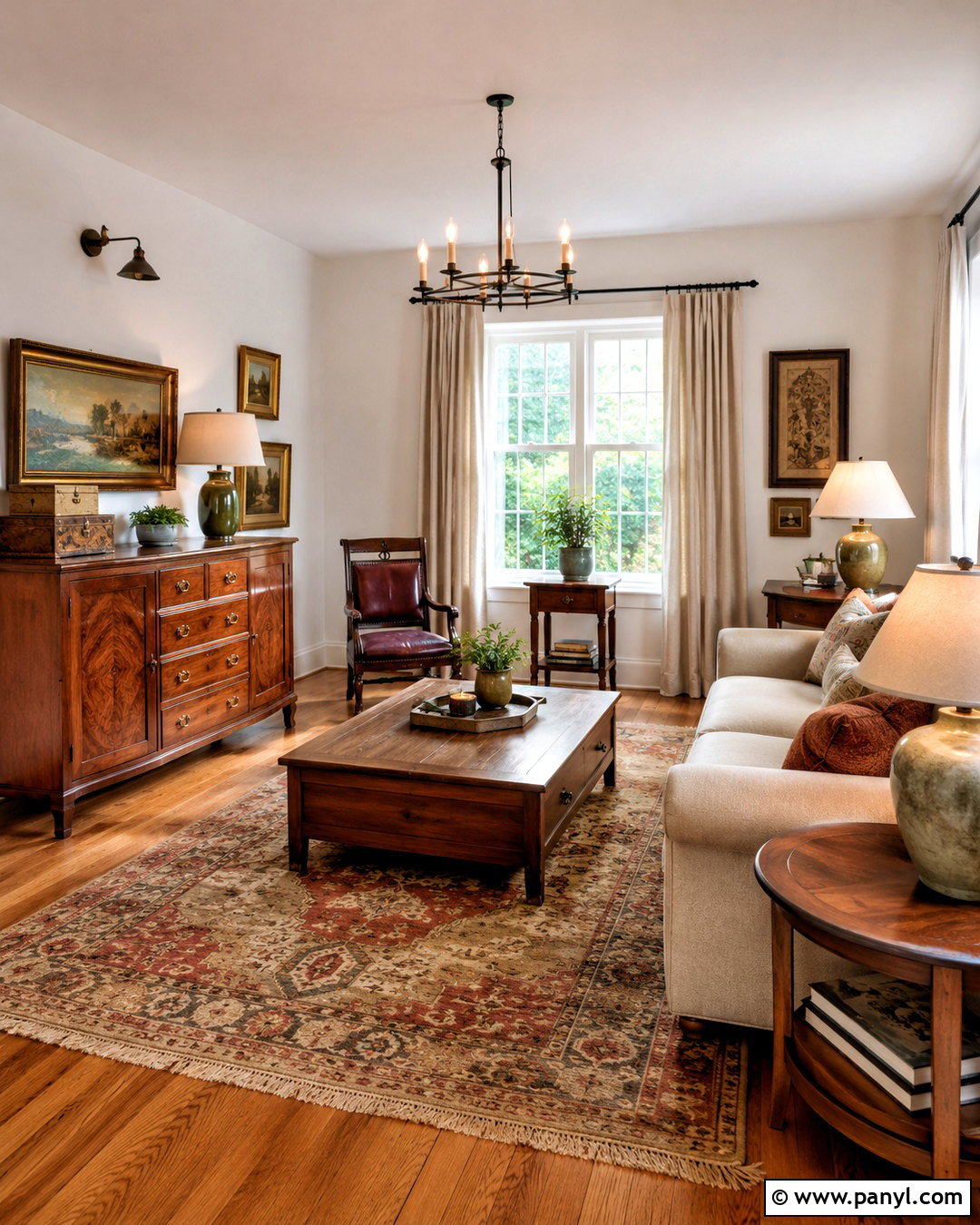
A living room furnished with inherited or vintage pieces can feel cohesive even when the woods do not match. Begin by identifying the largest finish, such as medium oak flooring, and treat it as the visual foundation. Arrange a walnut coffee table, cherry sideboard, and mahogany accent chair around a neutral oatmeal sofa. Use a large patterned rug containing beige, rust, brown, and muted green to connect the varied wood colors. Cream walls and linen curtains keep the background quiet. Repeat each darker finish through small frames, lamp bases, or decorative boxes, but avoid adding more large wood furniture. Black metal lighting provides a consistent modern detail. The room will look collected over time while still feeling balanced, comfortable, and thoughtfully arranged.
Conclusion:
Successful rooms do not require every table, cabinet, chair, and floorboard to match. They need a clear hierarchy, compatible undertones, repeated finishes, and enough contrast to make each wood choice look deliberate. Start with the largest existing surface, then add one or two supporting finishes in lighter or darker values. Rugs, upholstery, stone, paint, and metal can create useful separation when wood pieces sit close together. Always view samples inside the room because daylight and artificial lighting can change their appearance. Whether your home feels modern, traditional, rustic, or eclectic, these 20 different wood tones in one room ideas offer practical ways to create a layered, welcoming, and visually connected space.

Related Ideas and Inspiration:
Leave a Reply