
Painting half wall ideas offer an easy way to add color, improve room proportions, and create architectural character without covering every wall in a bold shade. A darker lower section can visually ground furniture, while a light upper section keeps the room feeling open. The dividing line may follow a windowsill, headboard, chair rail, countertop, or stair angle so the treatment feels connected to the architecture rather than arbitrary. Crisp color blocking works in modern homes, but softer neutrals, earthy pigments, and traditional trim can make the same technique feel timeless. () Each complete look below combines paint, furniture, flooring, lighting, and decor, making these painting half wall ideas practical inspiration for real rooms.
1. Sage Green Half Wall Living Room
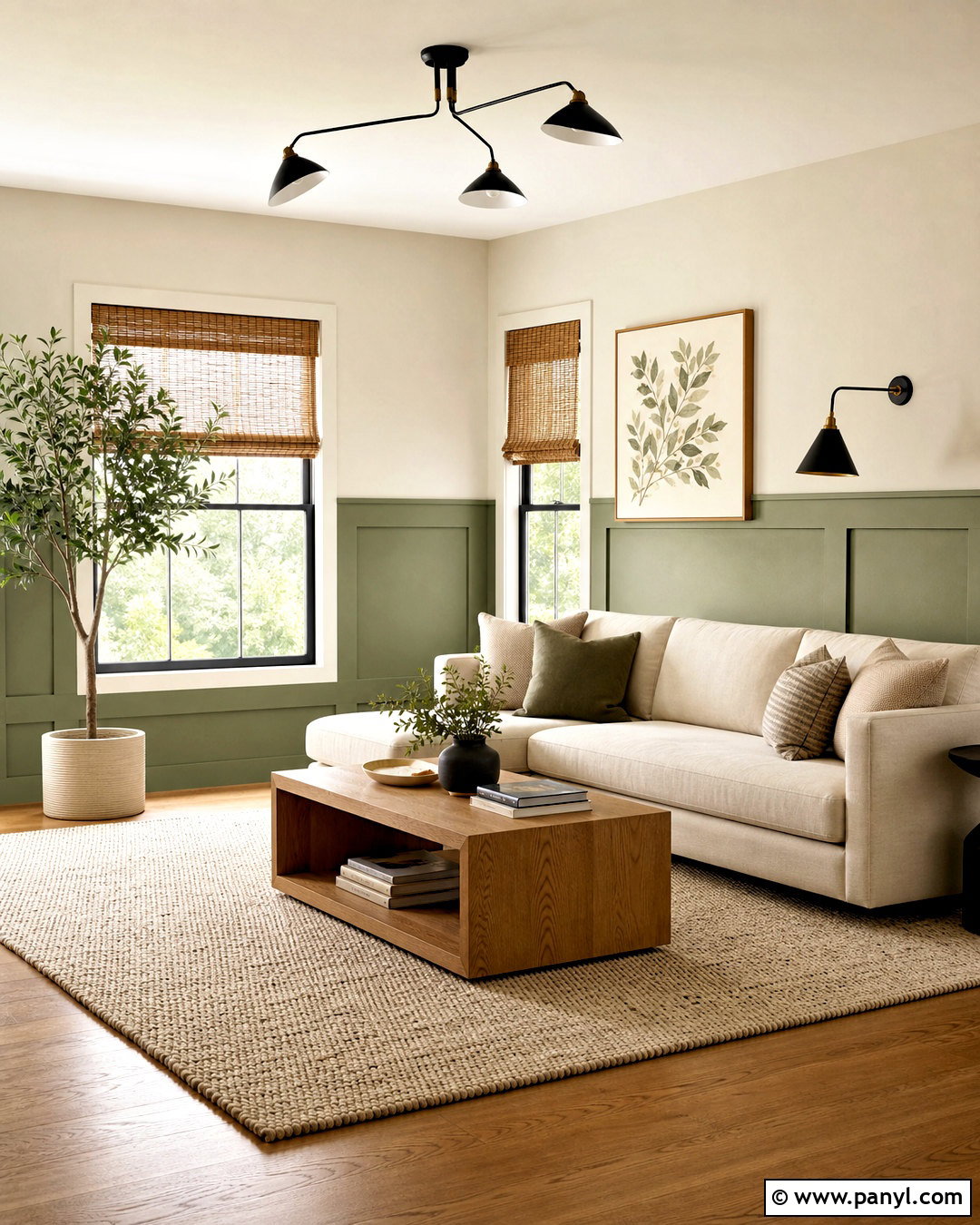
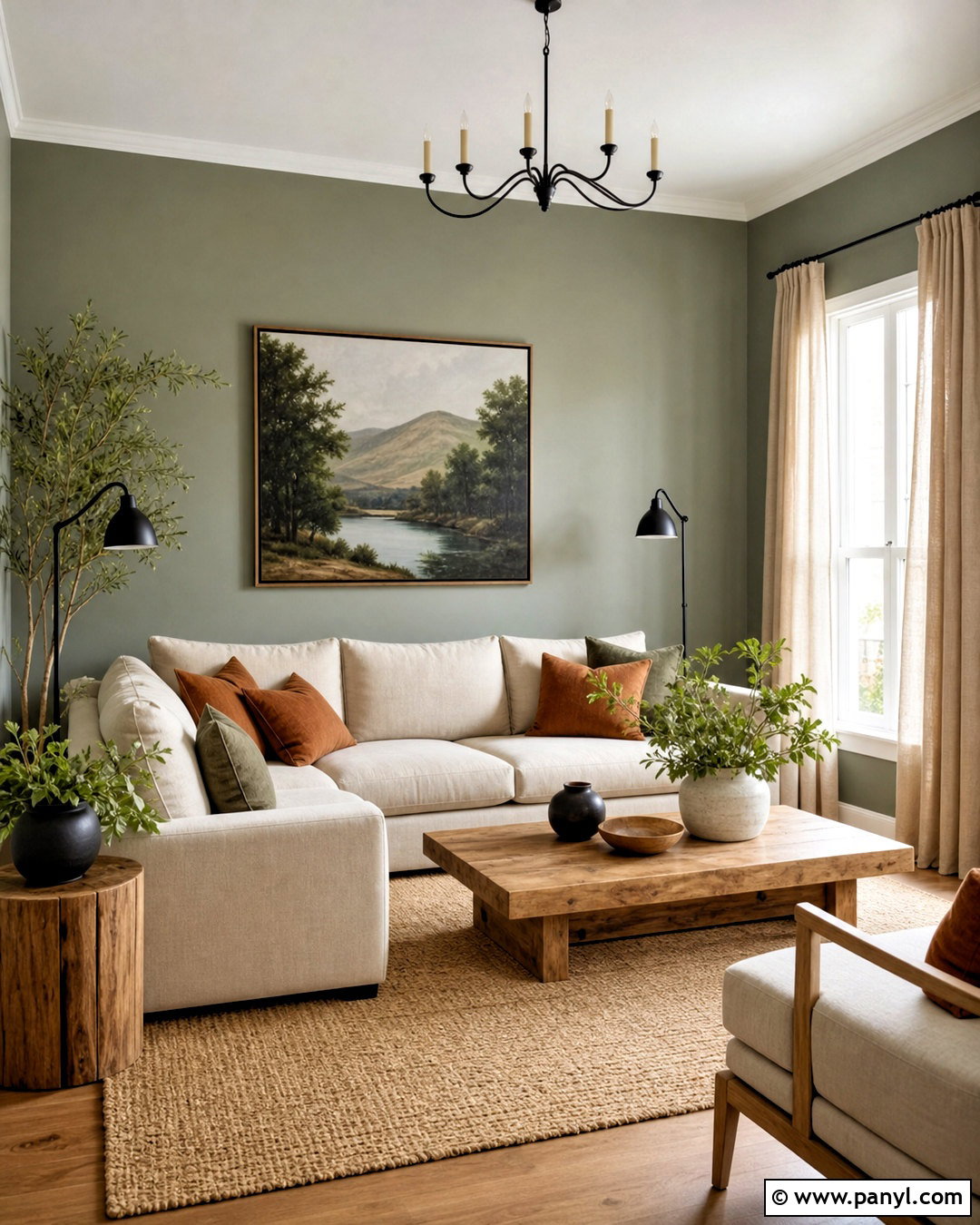
A warm sage green lower wall brings calm color into a living room without overwhelming the space. Place the paint line slightly above the sofa back, then keep the upper wall soft white to reflect natural light. An oatmeal linen sofa, oak coffee table, and cream textured rug create a relaxed foundation. Repeat the green through striped pillows, ceramic planters, and one or two framed botanical prints. Paint the baseboards sage for a continuous block of color, or leave them white for a sharper contrast. A washable eggshell finish helps the lower section handle everyday marks. Finish the room with woven shades, matte black lighting, and a tall indoor tree to balance the horizontal paint line.
2. Navy Blue Half Wall Bedroom
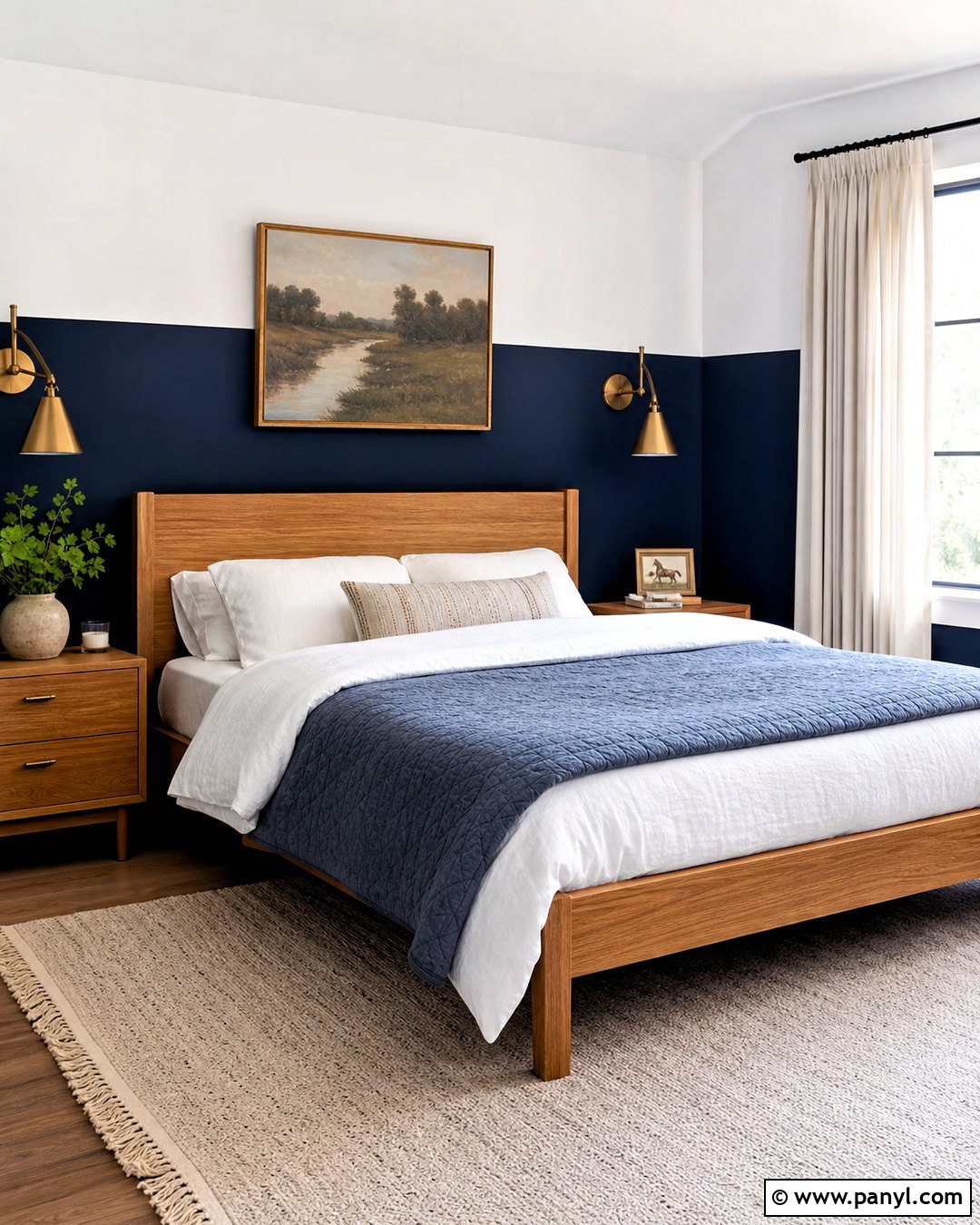
Deep navy paint can make a bedroom feel restful when it covers the lower half rather than every surface. Set the dividing line around four feet high so it forms a generous backdrop behind the bed and nightstands. Warm white above the navy prevents the scheme from looking heavy. Choose a natural oak bed, crisp white bedding, a gray-blue quilt, and matching wood nightstands for a balanced modern look. Brass sconces introduce warmth without taking up tabletop space. Hang artwork so the frames cross the paint boundary, visually connecting both sections. A light wool rug and linen curtains soften the contrast. Use satin paint below for durability and flat paint above for a smooth, quiet finish.
3. Terracotta Half Wall Dining Room
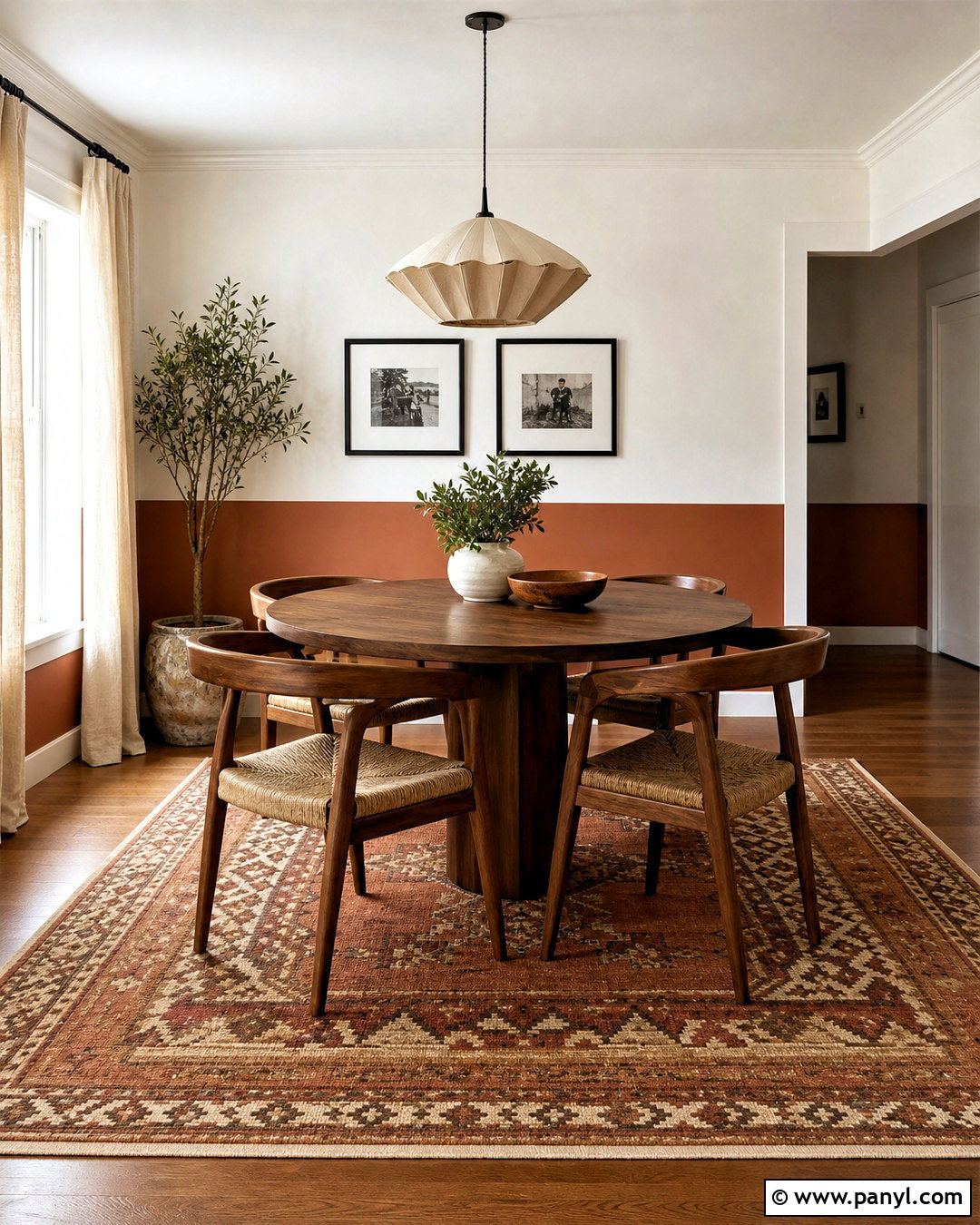
Imagine a dining room warmed by earthy terracotta across the lower walls and creamy ivory above. Align the paint break with the top of a sideboard to make the color placement look intentional. A round walnut dining table and curved wood chairs add natural depth, while woven seat cushions keep the room comfortable. Include a large neutral pendant light, linen curtains, and a flat-weave rug with rust and beige details. Black-framed artwork can sit entirely above the paint line for a clean arrangement. Carry the terracotta onto the baseboards and door casing below the divide for a stronger color-blocked effect. This complete palette works especially well with warm wood floors and abundant afternoon light.
4. Blush Pink Half Wall Nursery
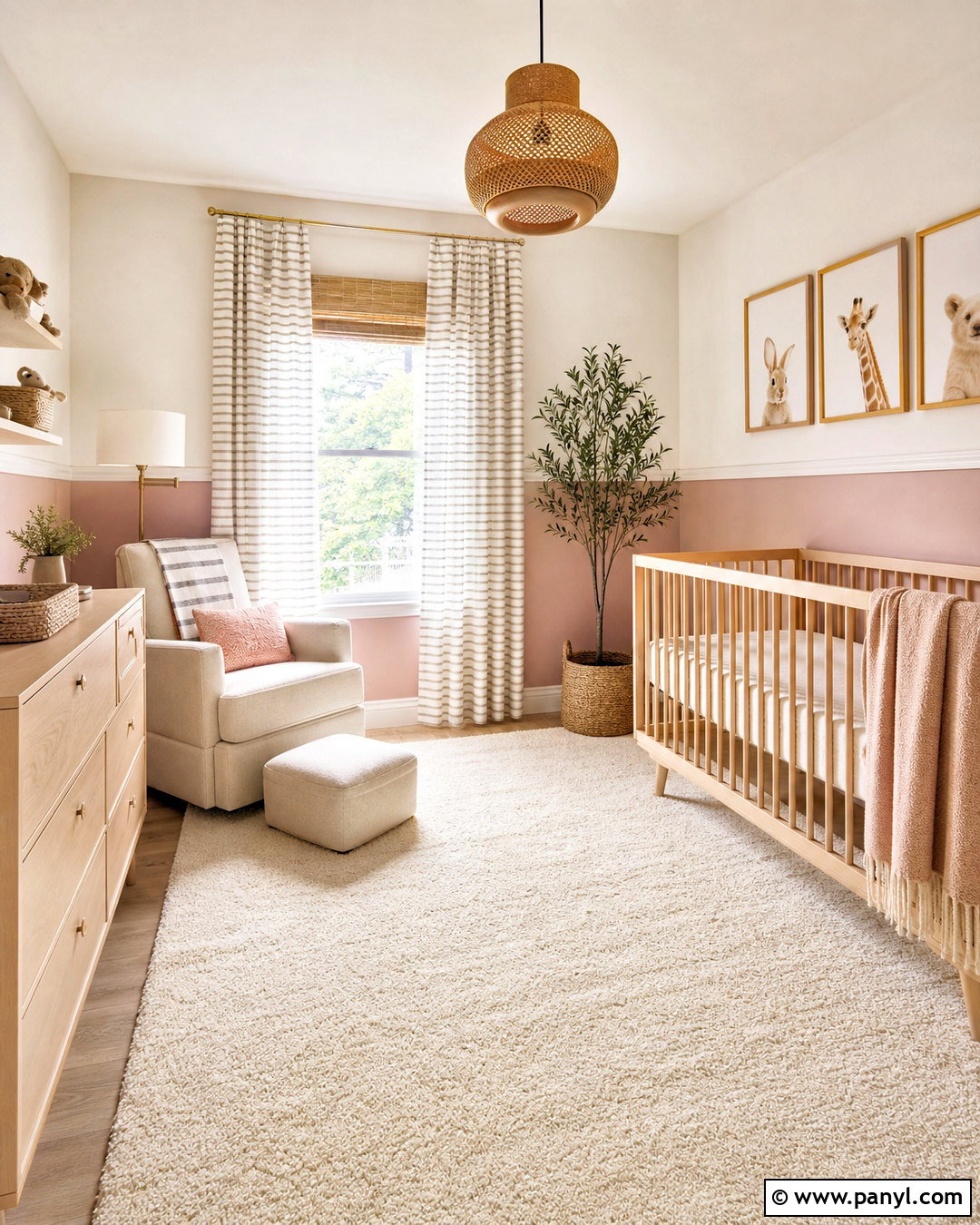
Soft blush pink creates a gentle nursery backdrop that can adapt as a child grows. Paint the lower half in a muted dusty blush, keeping the upper section warm white rather than bright, cool white. A natural maple crib, cream glider, and pale wood dresser give the room a simple foundation. Position the paint line just above the crib rail so the wall color frames the furniture without disappearing behind it. Add a washable ivory rug, subtle striped curtains, and small framed animal artwork in oak frames. A flush-mount ceiling light and shaded floor lamp provide practical brightness. Choose scrubbable eggshell paint for the blush section, especially near the crib, storage baskets, and play area.
5. Charcoal Half Wall Home Office
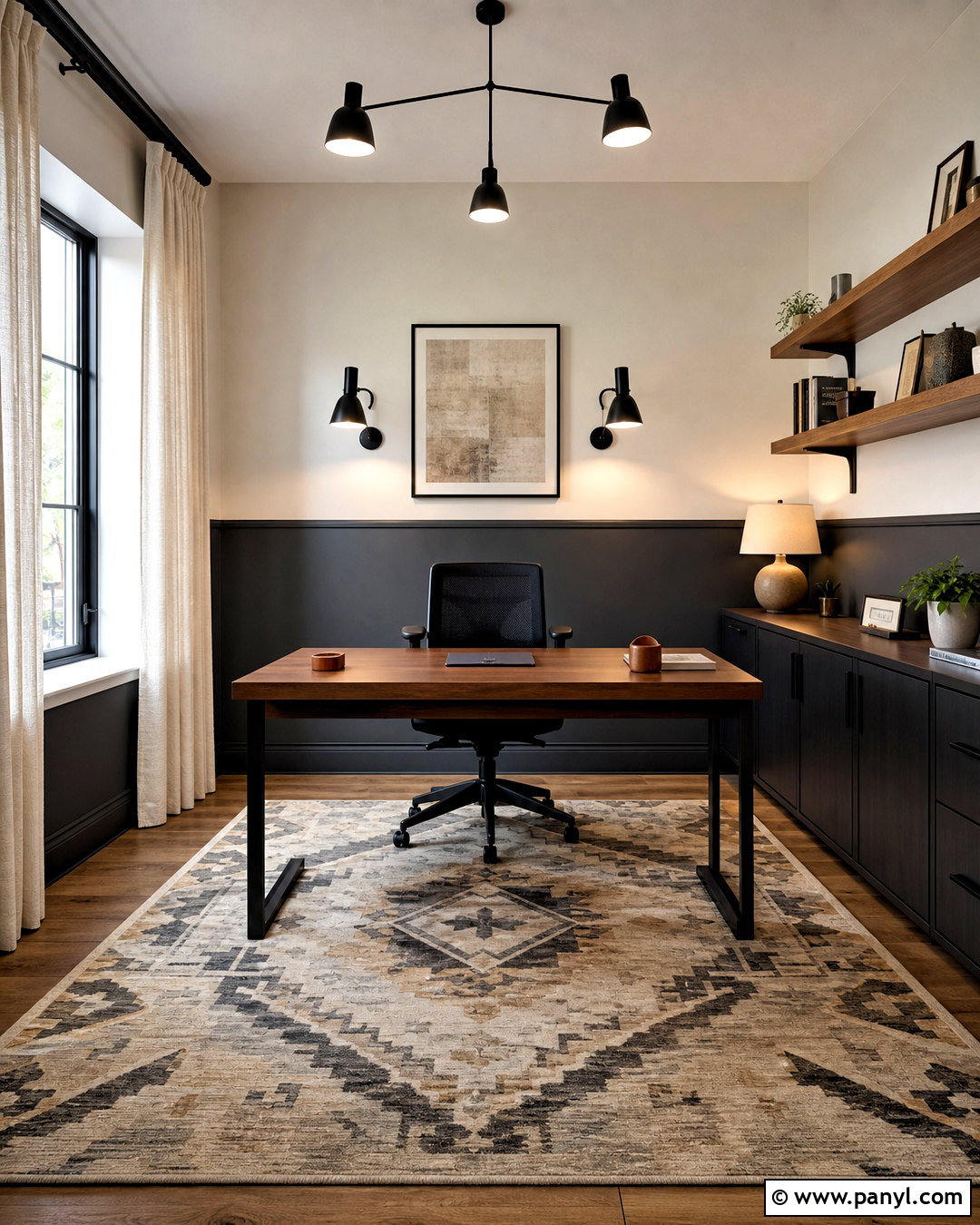
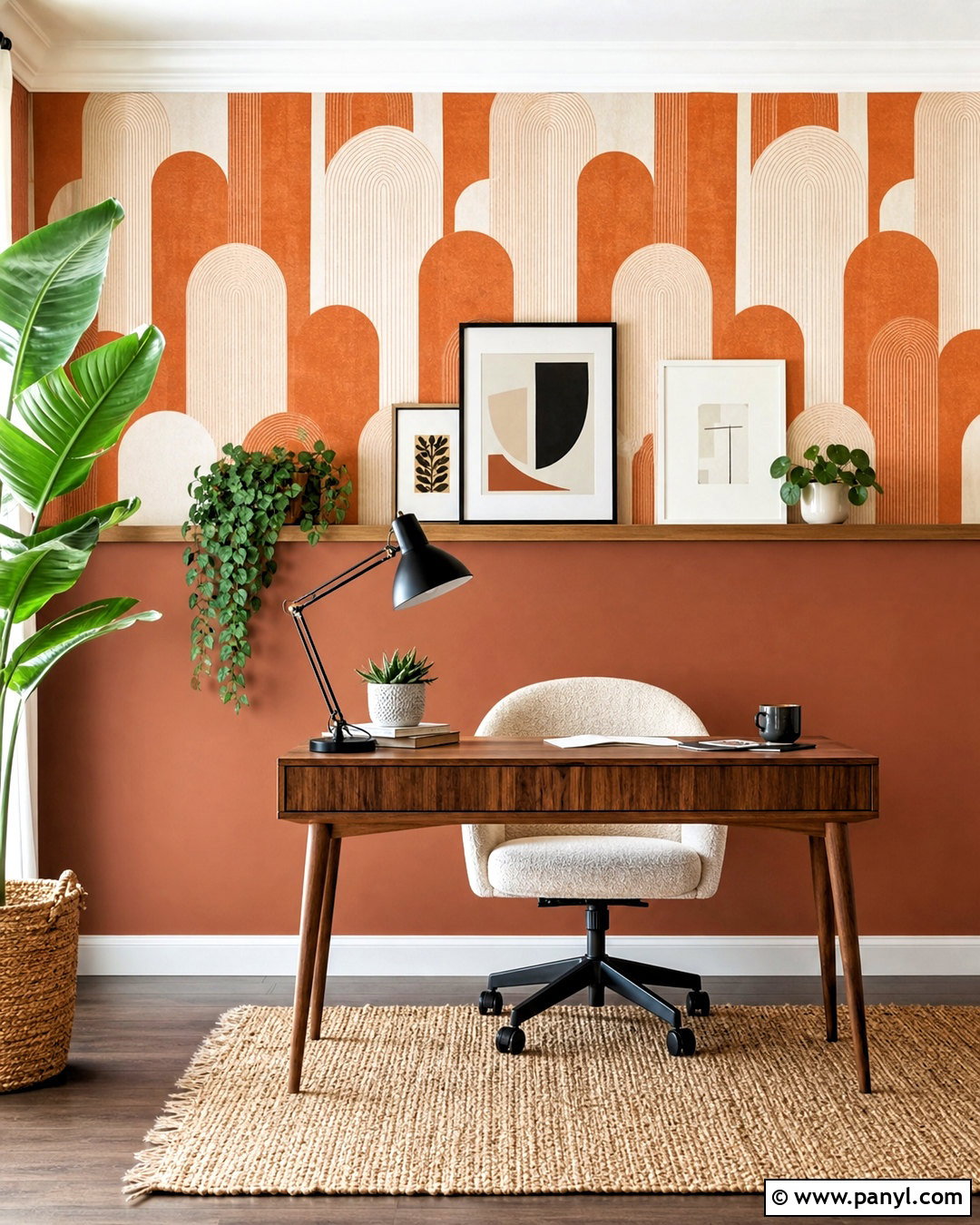
Does your home office need more definition without becoming dark? Paint the lower walls charcoal gray and leave the upper walls a clean, warm white. The darker section creates a grounded background for a walnut desk, black task chair, and low storage cabinet. Run the color approximately 42 inches high, aligning it with shelves or the cabinet top. Add a cognac leather desk pad, cream curtains, and a muted geometric rug to warm the gray. Floating oak shelves above the paint line offer display space without crowding the room. Keep accessories minimal and repeat charcoal through frames and lighting. A satin lower finish resists chair marks, while matte upper paint reduces glare during video calls.
6. Dusty Blue Half Wall Bathroom
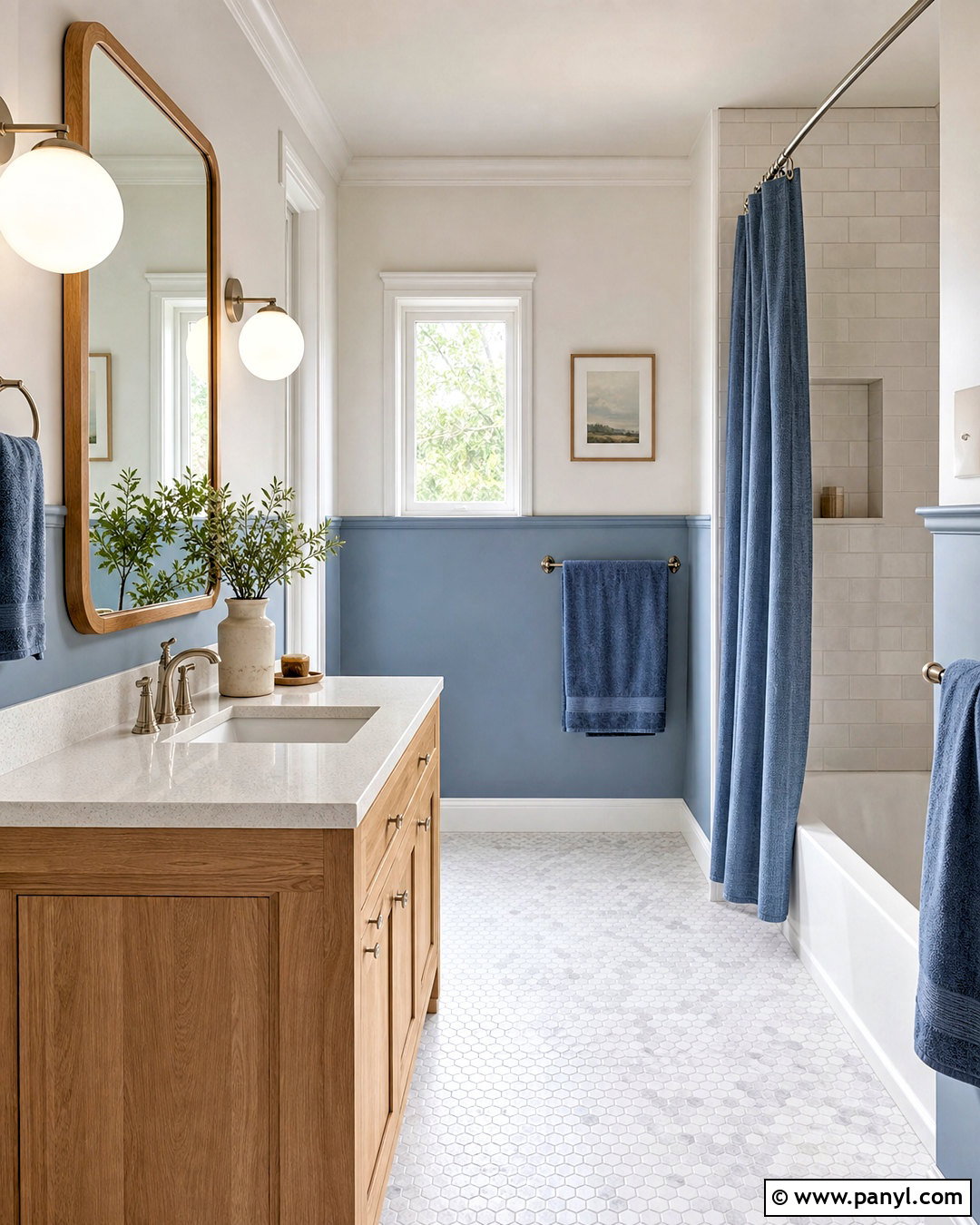
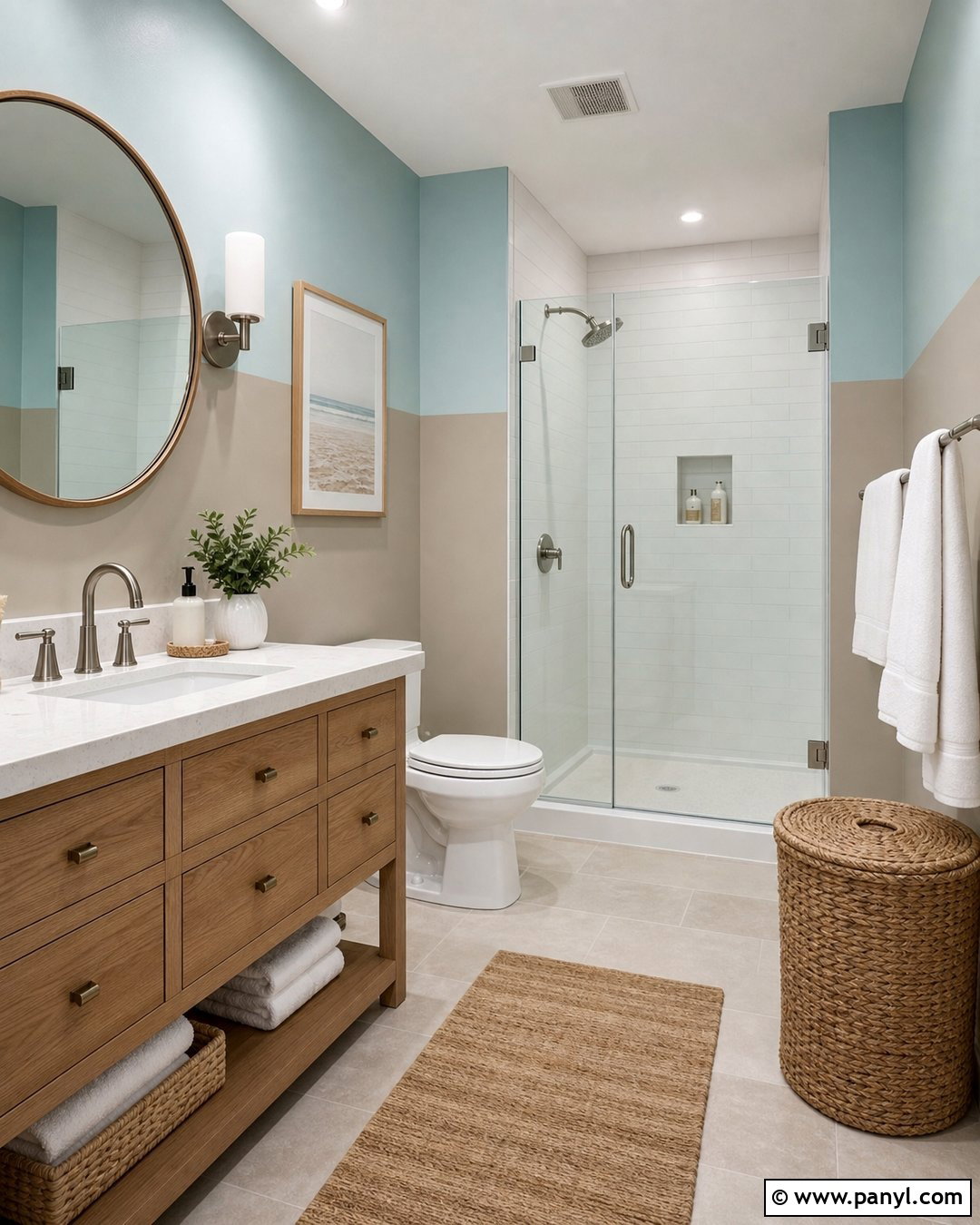
A dusty blue half wall can give a small bathroom a fresh, polished appearance. Use moisture-resistant satin paint on the lower section and warm white paint above, creating the break just higher than the sink backsplash. A white oak vanity, pale quartz countertop, and brushed nickel faucet keep the palette airy. Frame the mirror in matching oak and install simple globe sconces for even illumination. White floor tile with soft gray grout creates a practical base, while blue towels repeat the wall color. Add a narrow painted chair rail along the dividing line for a finished transition. Keep the shower curtain white with a subtle blue stripe so the complete room feels coordinated rather than overly themed.
7. Olive Green Half Wall Entryway
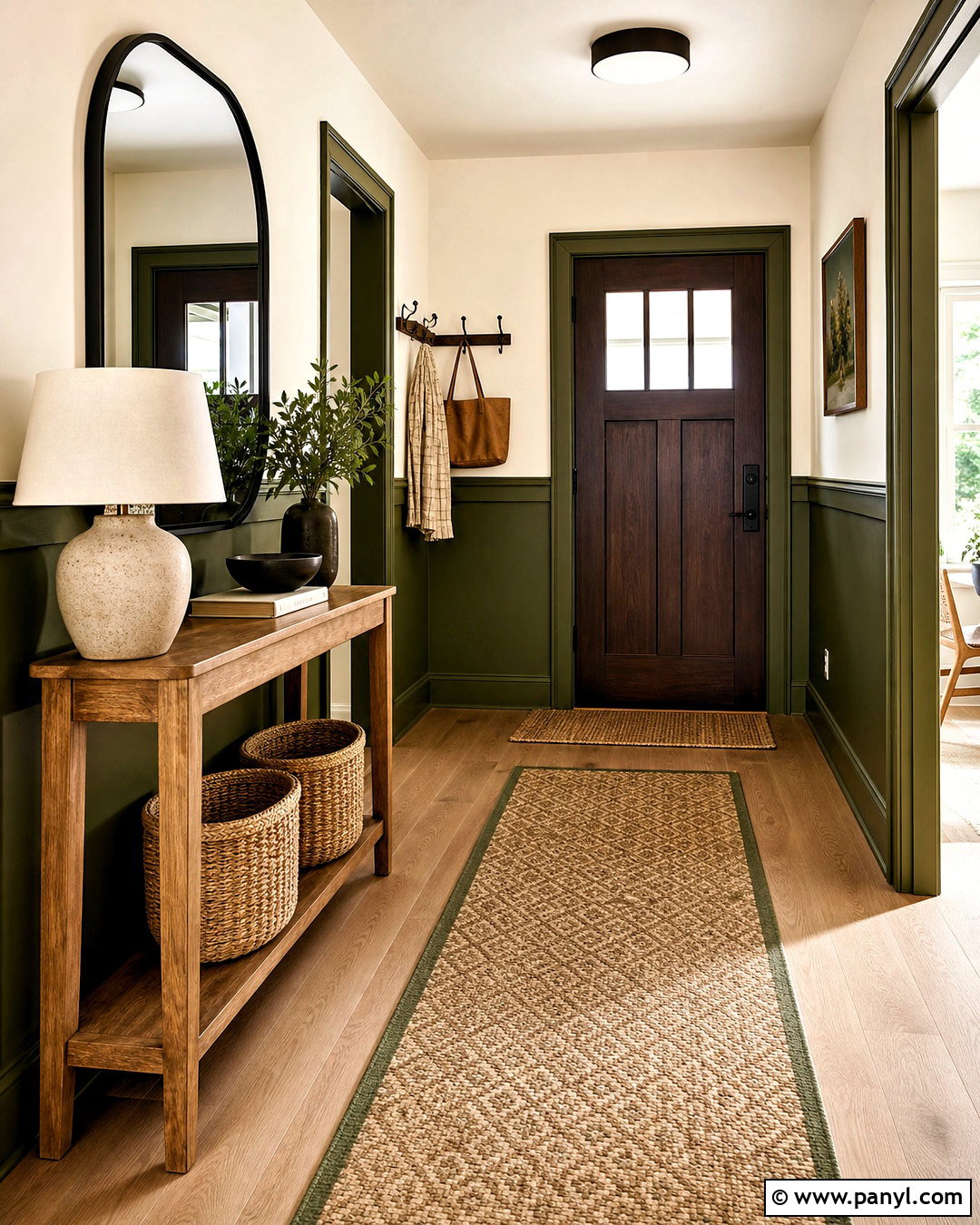
An olive green lower wall gives an entryway warmth while disguising the scuffs that often appear in busy passage areas. Extend the green across the baseboards and lower door trim for a continuous, durable finish. Above it, use a creamy off-white that works with the color’s earthy undertones. Furnish the space with a narrow oak console, woven storage baskets, and a rounded black-framed mirror. A washable runner in tan, green, and charcoal ties everything together. Install simple wall hooks above the console and leave enough open space for coats without hiding the paint treatment. A small ceramic lamp adds softness. Choose satin or pearl paint below so fingerprints and dirt can be cleaned easily.
8. Greige Half Wall Hallway
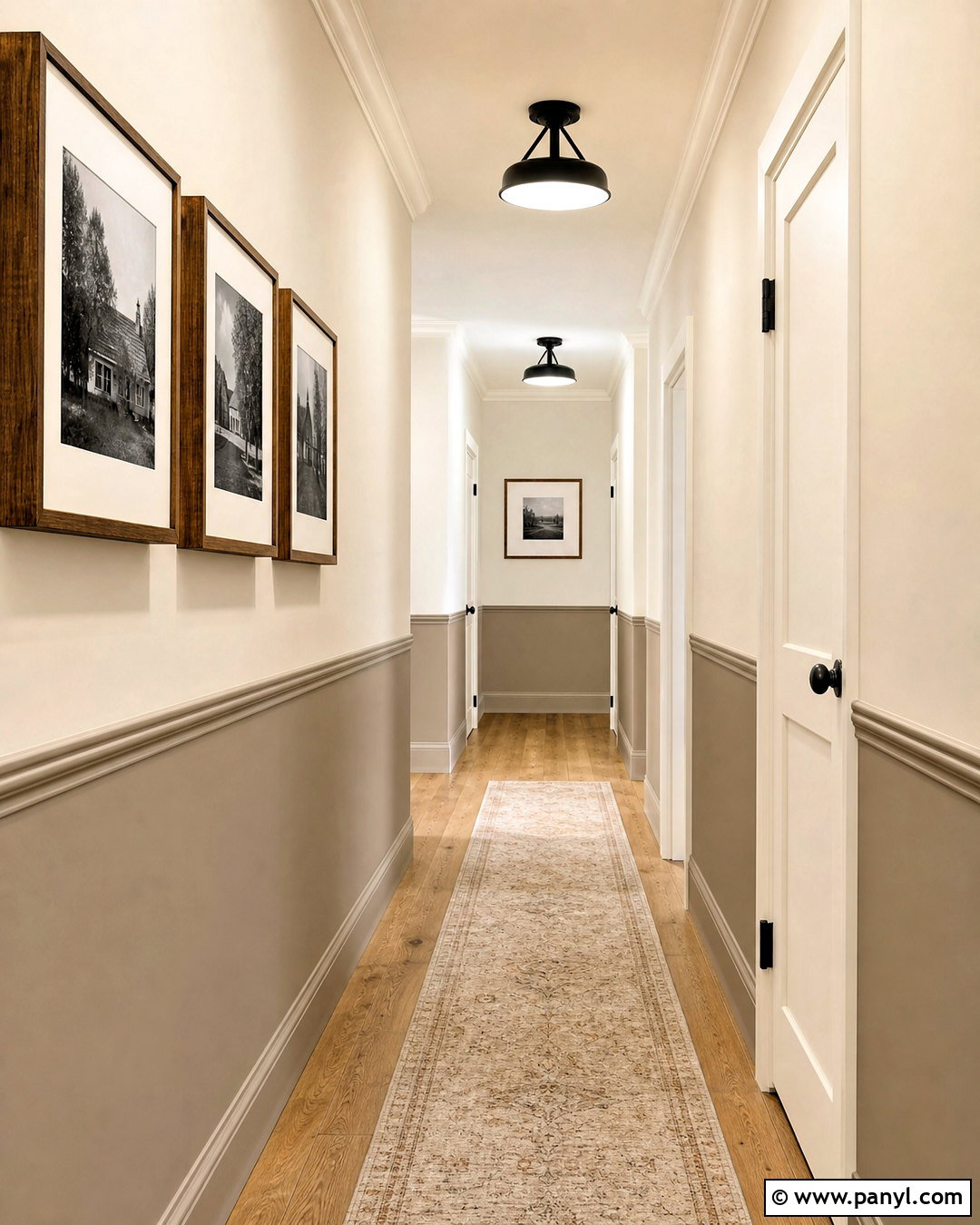
Long hallways can feel more considered with a subtle greige half wall rather than one uninterrupted neutral color. Paint the lower portion in a medium warm greige and the upper portion in soft ivory. Position the line near 36 inches for a traditional proportion, then add a slim ivory chair rail to create a crisp edge. Light oak flooring and a faded beige runner keep the narrow space bright. Arrange small black-and-white photographs in matching wood frames above the line, leaving consistent spacing between them. Matte black ceiling lights and simple door hardware add contrast. Paint the lower doors and trim greige if you want a seamless look, or keep all trim ivory for clearer architectural definition.
9. Mustard Scalloped Half Wall Kids Room
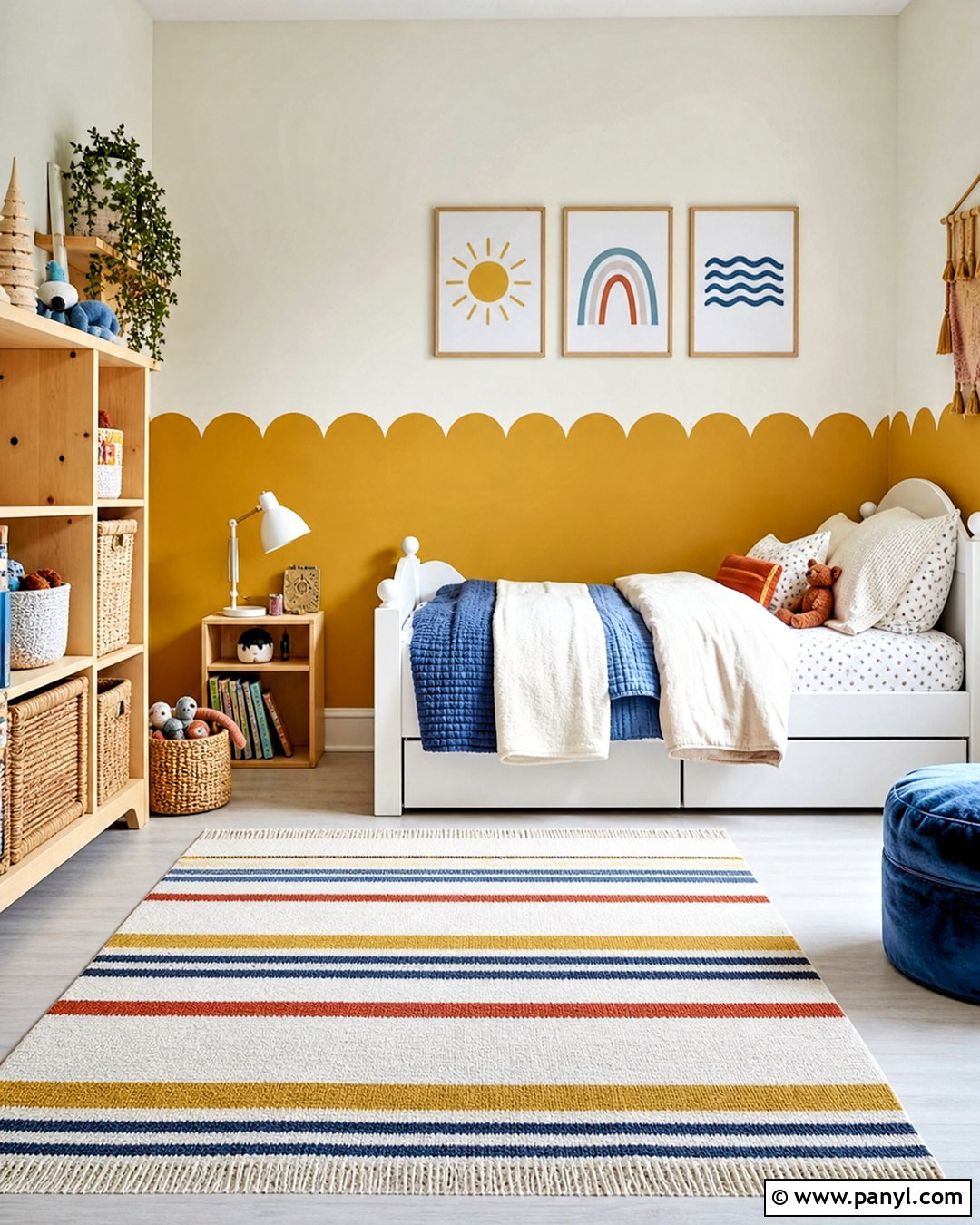
A scalloped mustard paint line turns a child’s bedroom into a playful space while keeping the overall design practical. Paint the lower half a warm golden mustard and create evenly sized curves along the top using a round template. Keep the upper wall pale cream to soften the energetic color. Pair the treatment with a white wood bed, natural pine storage, and bedding in cream, rust, and muted blue. A washable striped rug supports playtime and repeats the room’s warm palette. Limit wall decor to a few cheerful framed prints so it does not compete with the scallops. Use durable eggshell paint below, and carefully plan the curve spacing around corners, windows, outlets, and furniture.
10. Blue Half Wall Breakfast Nook
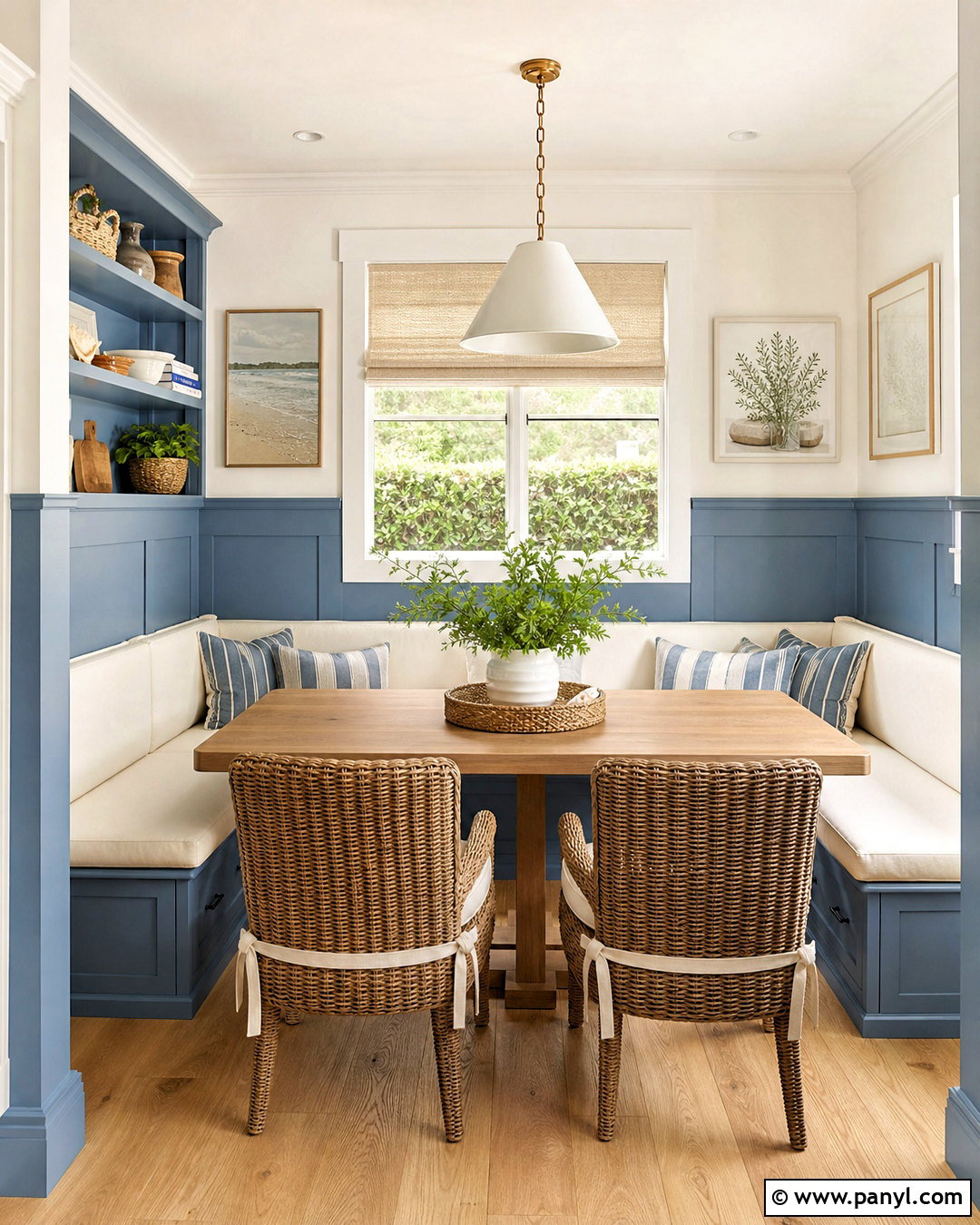
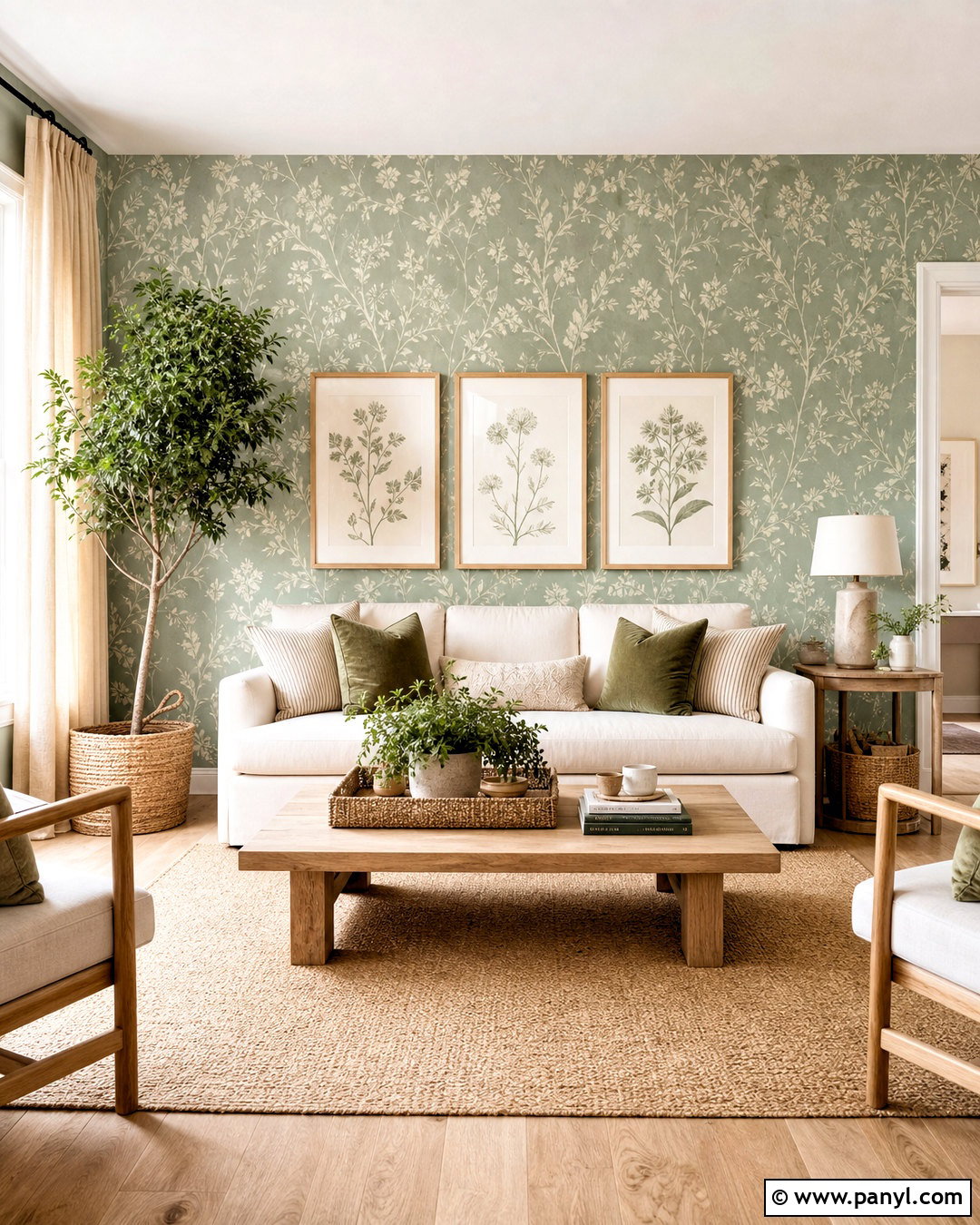
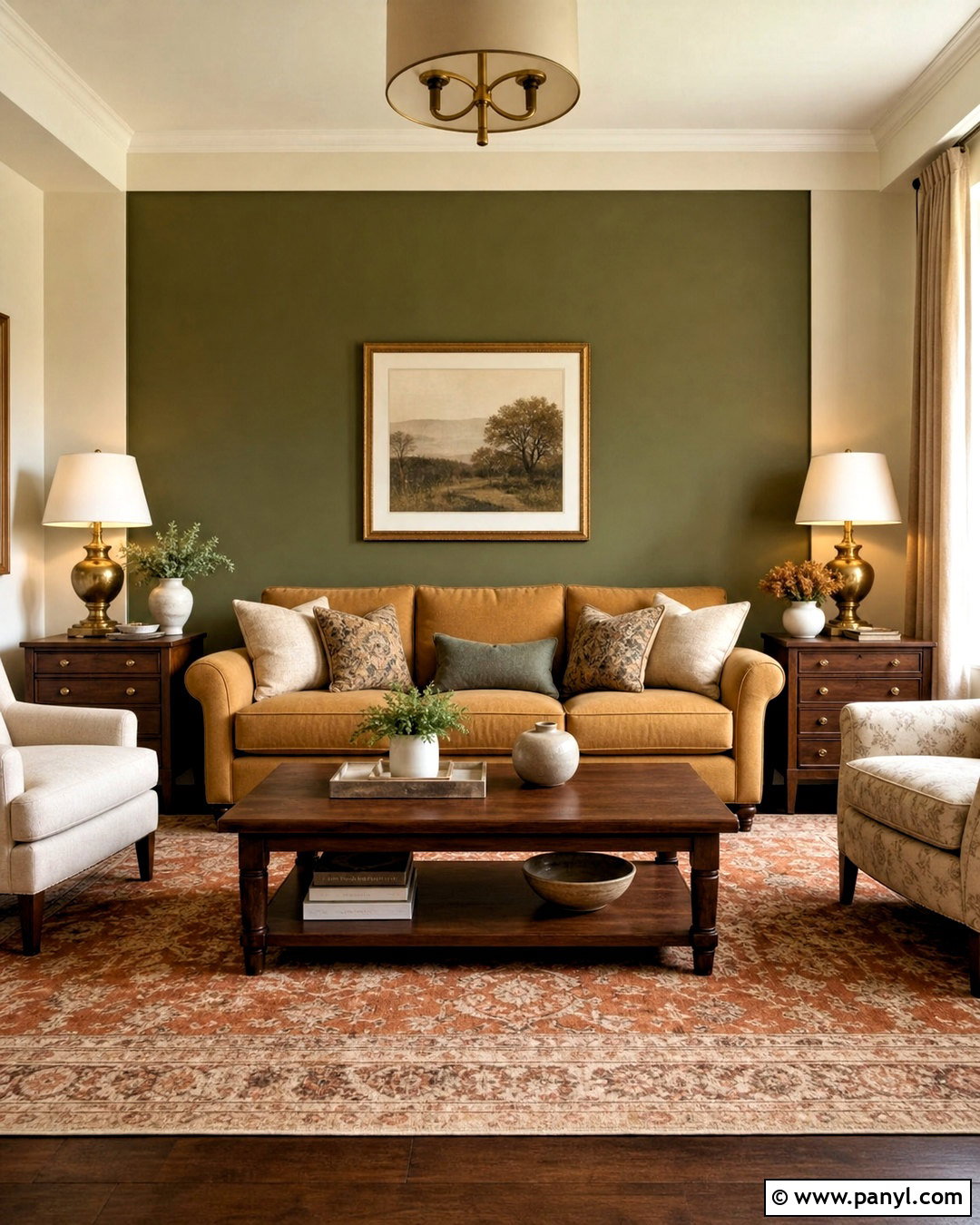
A muted coastal blue lower wall can make a breakfast nook feel like a defined destination within an open kitchen. Align the color break with the back of a built-in bench or approximately 40 inches from the floor. Use warm white above it and continue that color onto the ceiling. A white oak table, woven dining chairs, and a bench cushion in cream performance fabric create a comfortable, family-friendly arrangement. Add striped blue pillows, a simple linen Roman shade, and a white ceramic pendant. Light wood flooring connects the nook to surrounding cabinets. For a cohesive finish, paint the baseboards blue and repeat the shade inside nearby open shelving. Select washable satin paint near seating and food-preparation areas.
11. Black Half Wall Staircase
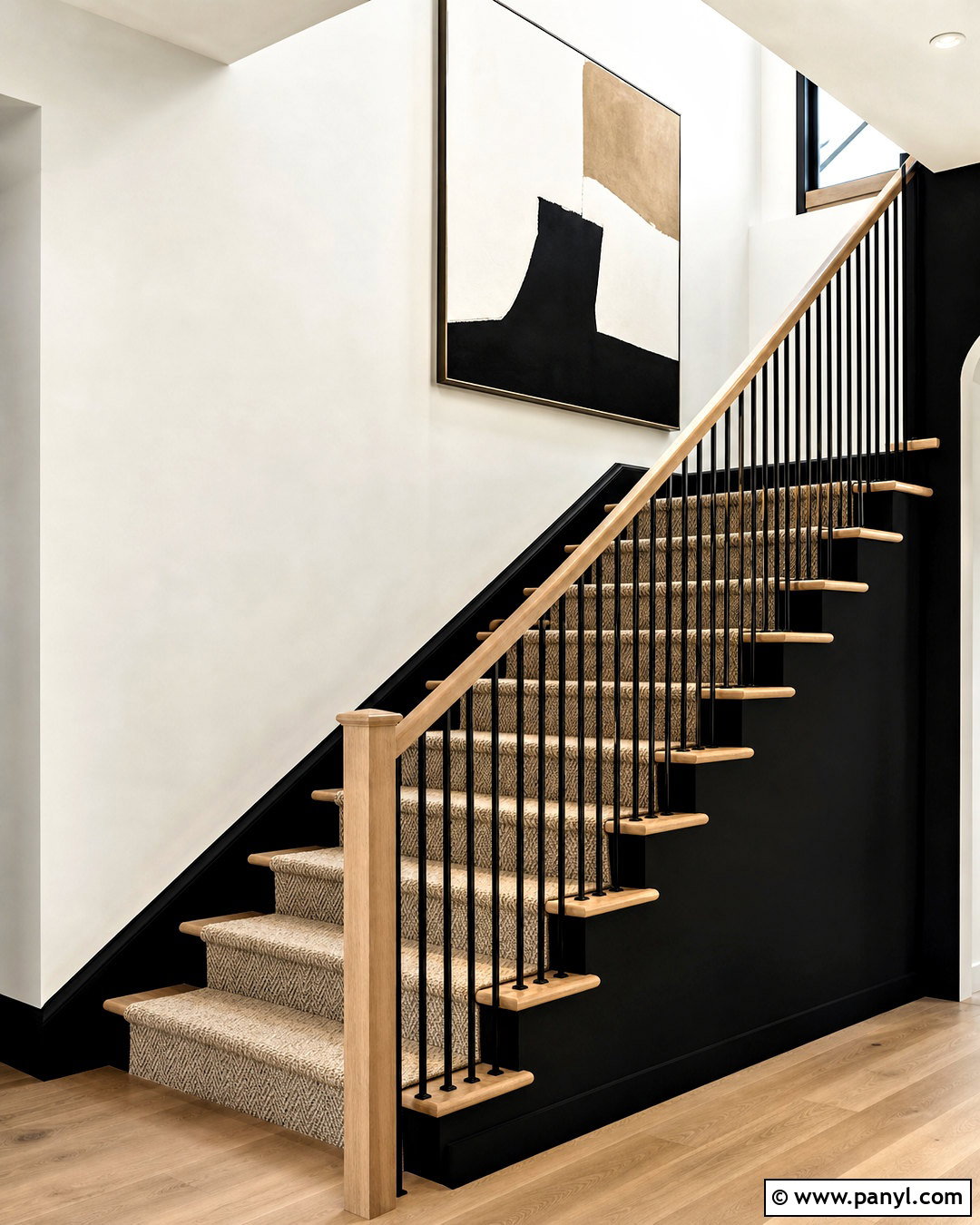
Following the angle of a staircase with black paint creates a graphic feature that celebrates the home’s architecture. Paint the wall below the handrail matte black, carefully matching the diagonal line to the stair slope. Keep the upper wall warm white and use a natural oak handrail to soften the contrast. White oak treads, a textured beige runner, and slim black balusters complete the scheme. At the landing, continue the black paint horizontally at the same visual height so the transition looks deliberate. Add one oversized abstract artwork on the upper wall instead of several small pieces. Use scrubbable eggshell paint because staircase walls receive frequent contact, particularly near turns, landings, and narrow sections.
12. Lavender Half Wall Guest Bedroom
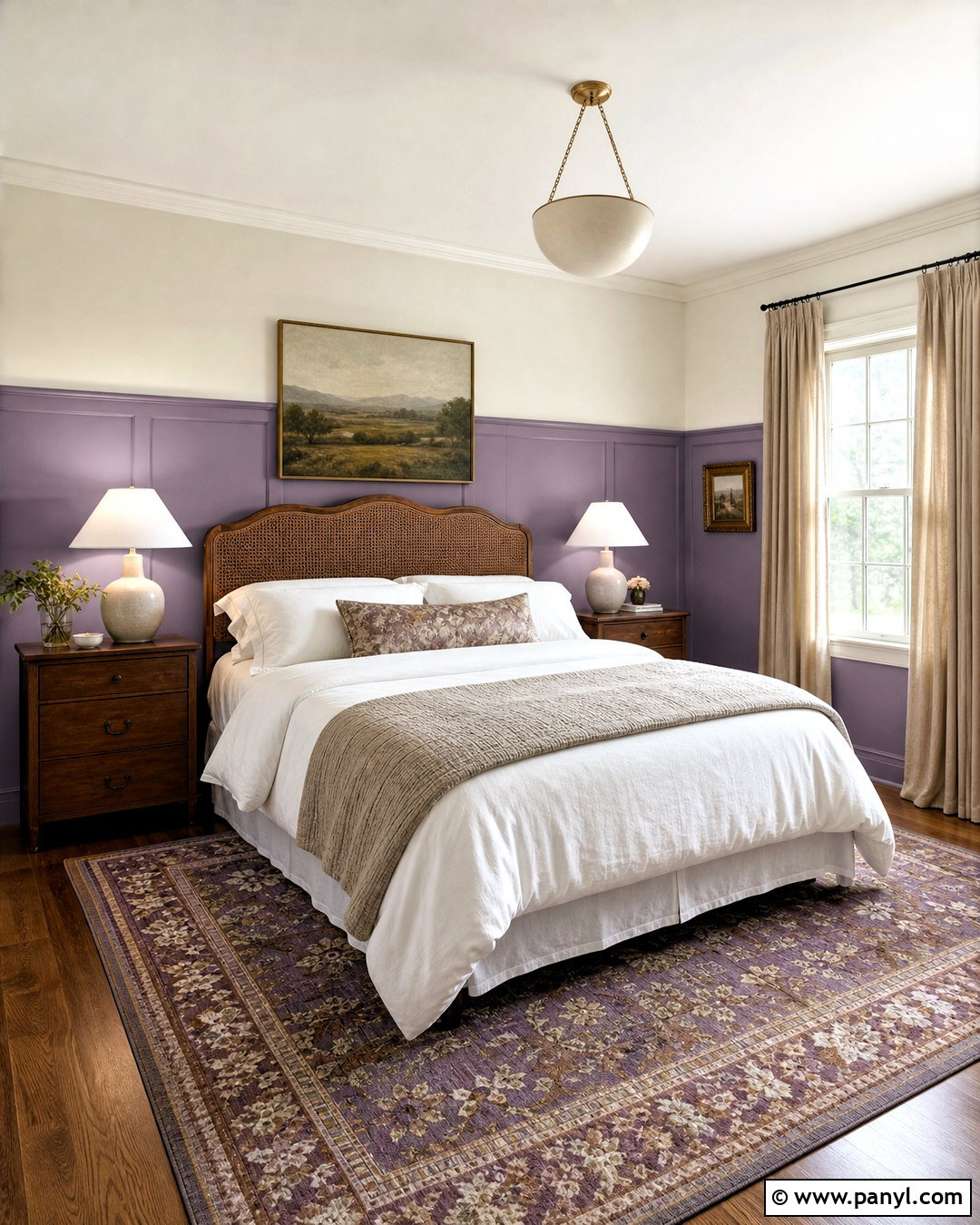
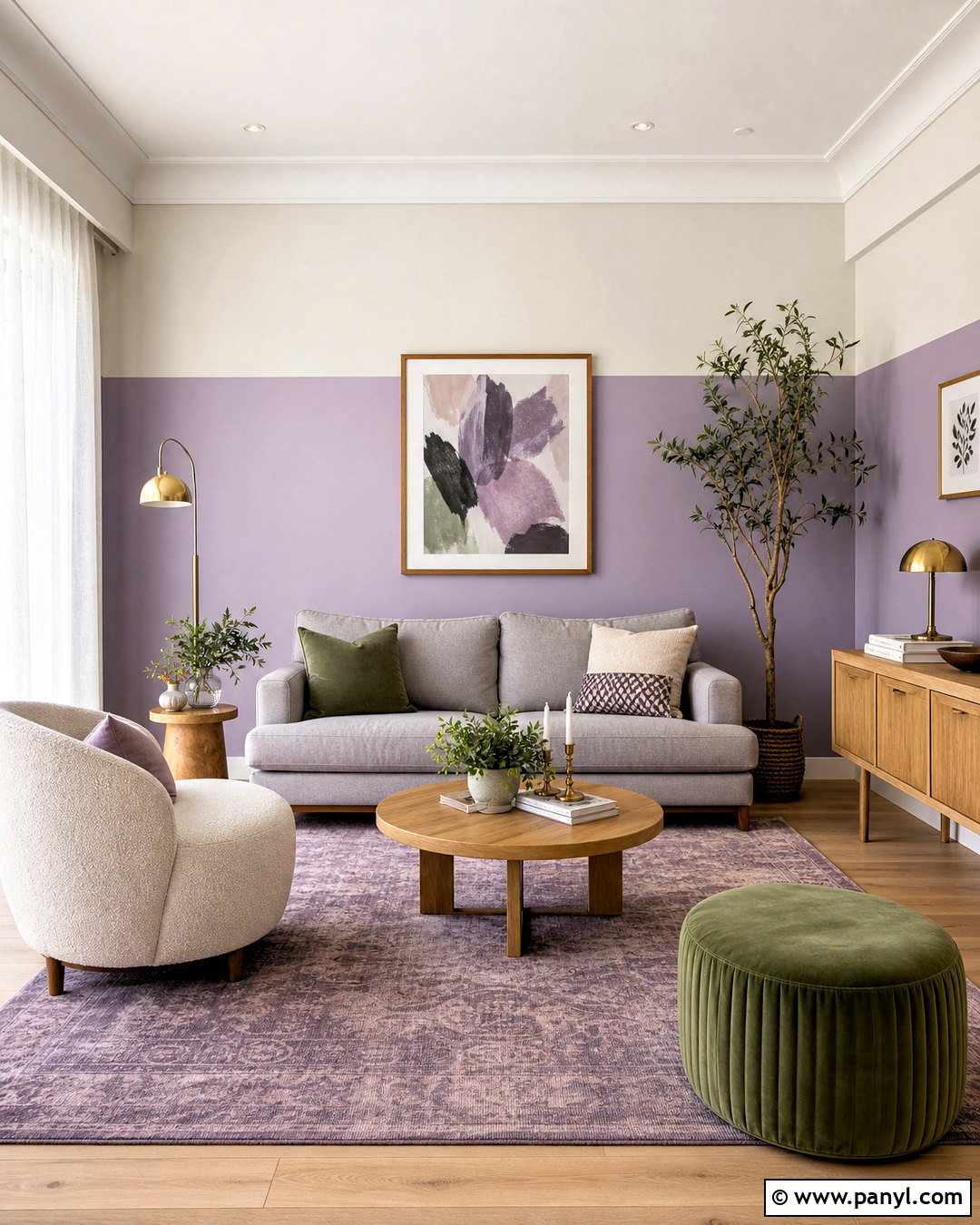
Muted lavender can create a welcoming guest bedroom when balanced with warm neutrals and natural materials. Paint the lower half a smoky lavender with gray undertones, then use pale cream above it. Carry the lavender over the baseboards for a soft, enveloping lower section. A cane headboard, white bedding, and a taupe coverlet prevent the color from feeling overly sweet. Add walnut nightstands, ceramic table lamps, and curtains in natural linen. Hang a landscape print above the bed with its lower edge crossing the paint divide, which connects the wall’s two colors. A vintage-inspired rug containing lavender, brown, and ivory finishes the room. Keep the remaining accessories restrained so the subtle wall treatment remains clearly visible.
13. Tonal Green Half Wall Dining Space
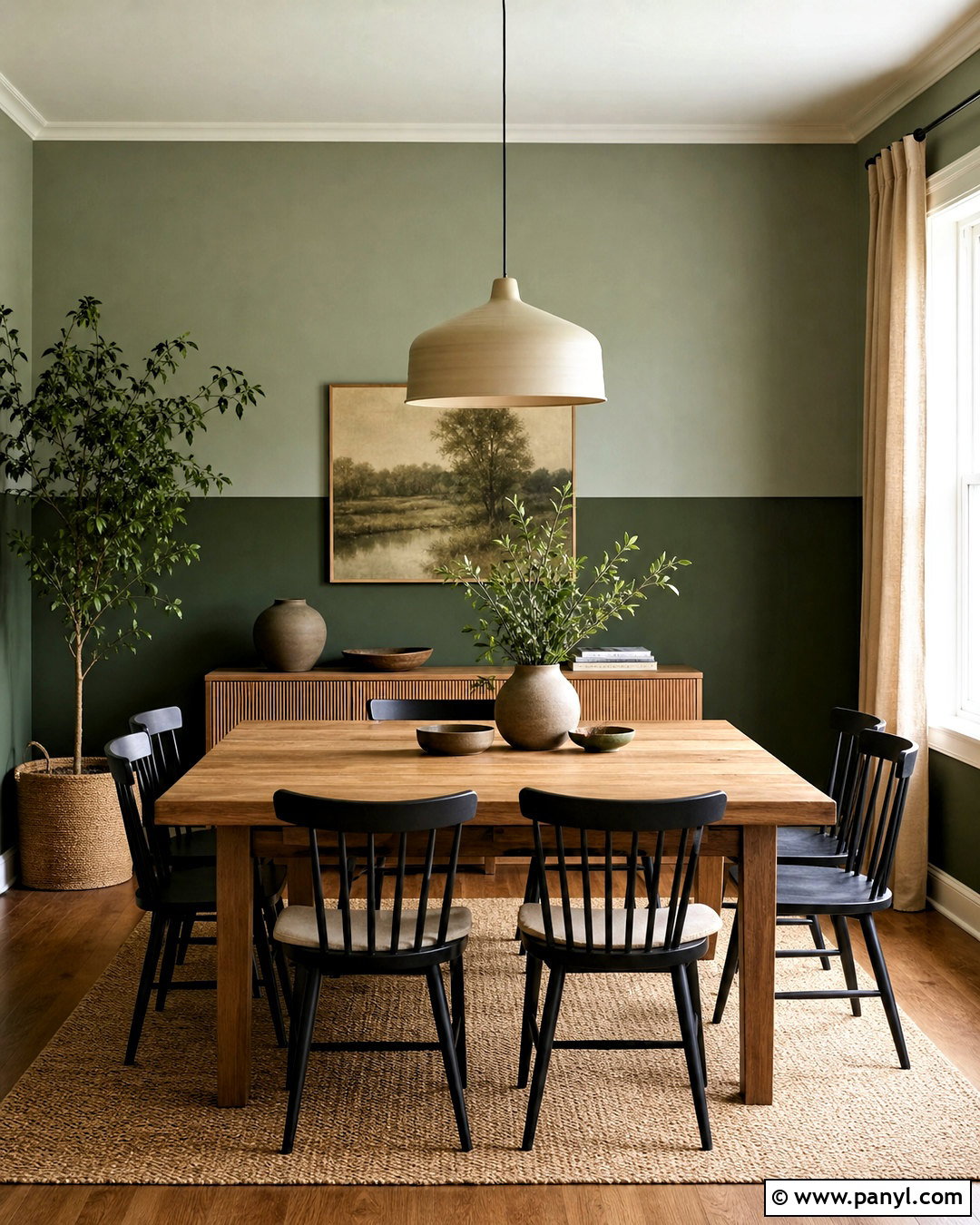
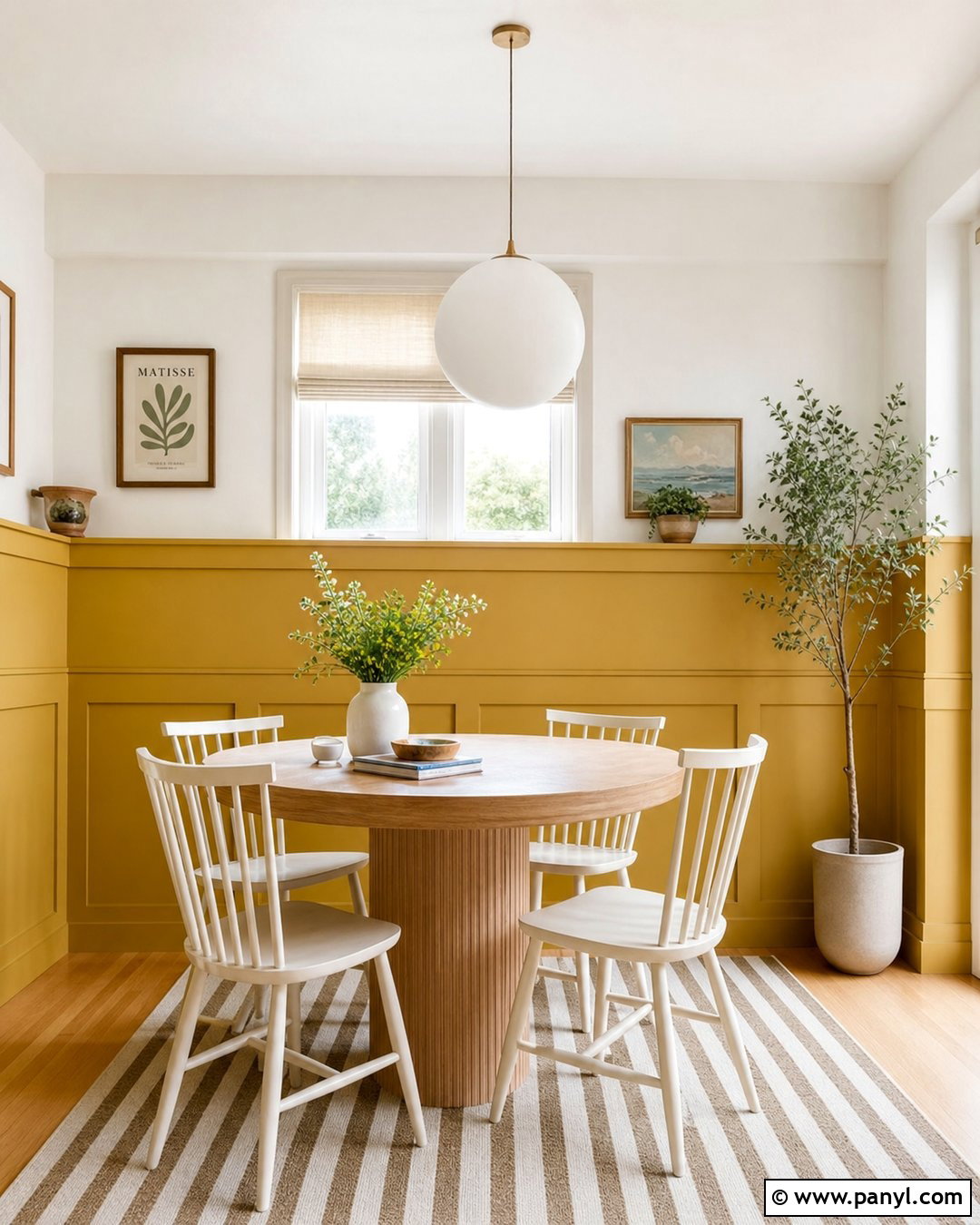
Two related greens create a softer half-wall effect than high-contrast color blocking. Use a deep moss green below and a pale gray-green above, choosing shades with matching warm undertones. This combination surrounds the room in color while the lighter upper section preserves a sense of height. Pair the walls with a rectangular oak table, black spindle chairs, and a large cream pendant. Linen drapes in natural beige and a jute rug introduce texture. Paint the baseboards moss green and the window trim pale green to reinforce the two sections. Display simple pottery and greenery on a low sideboard. The resulting dining space feels layered and cohesive because every element supports the earthy tonal palette.
14. Half Wall With Wood Chair Rail
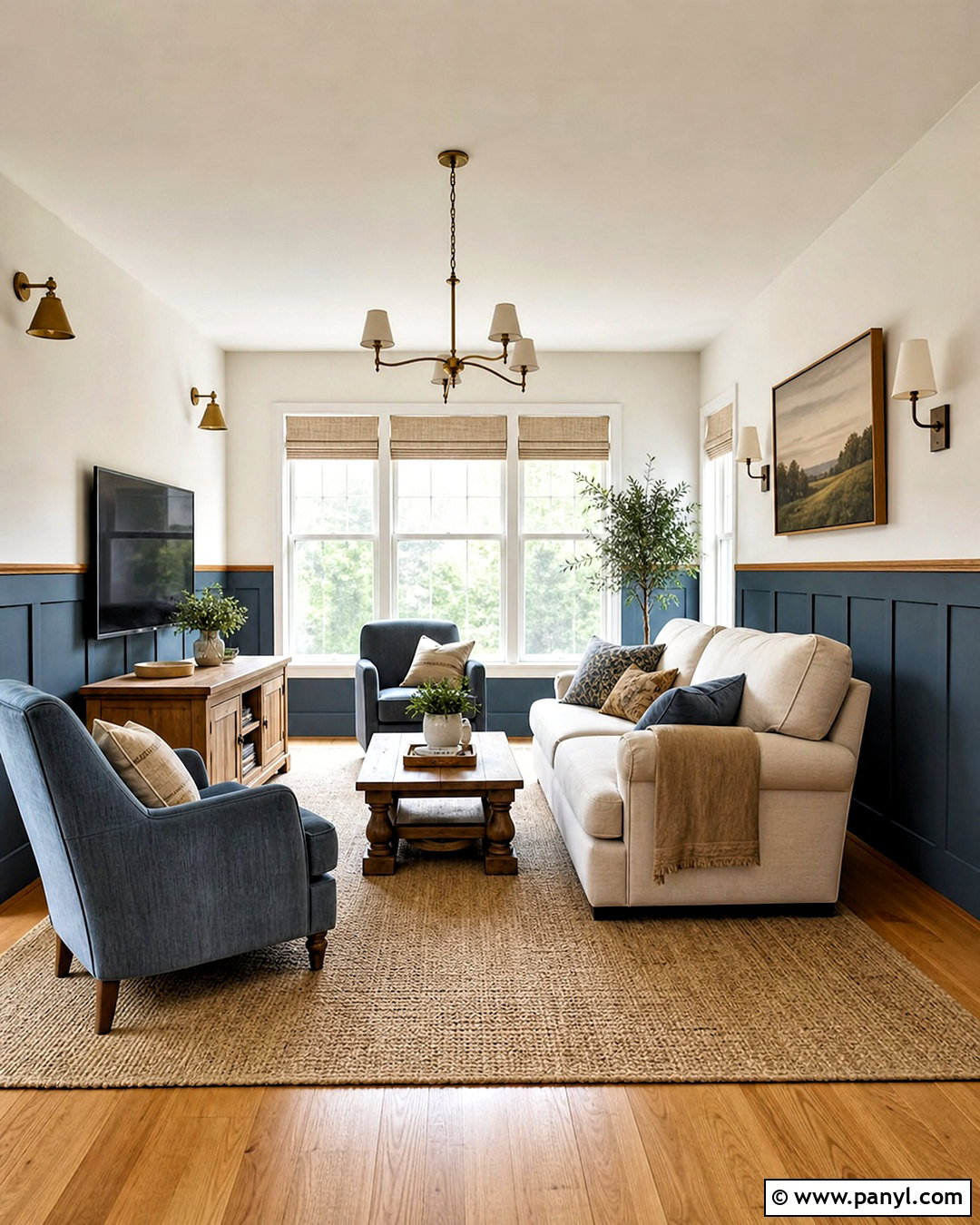
A painted half wall looks especially finished when a real wood chair rail defines the transition. Use muted slate blue below, warm white above, and a narrow natural oak rail between them. The wood strip should coordinate with the room’s flooring and main furniture rather than appearing as an unrelated accent. In a living room, combine this treatment with a cream sofa, oak media cabinet, soft blue armchairs, and a beige wool rug. Add aged brass lighting and framed landscape artwork for warmth. Keep the lower baseboards slate blue for continuity. Mount the rail between 32 and 40 inches high, depending on ceiling height and nearby furniture. Clear-sealed oak gives the paint treatment a relaxed, crafted quality.
15. Half Wall With Floral Wallpaper
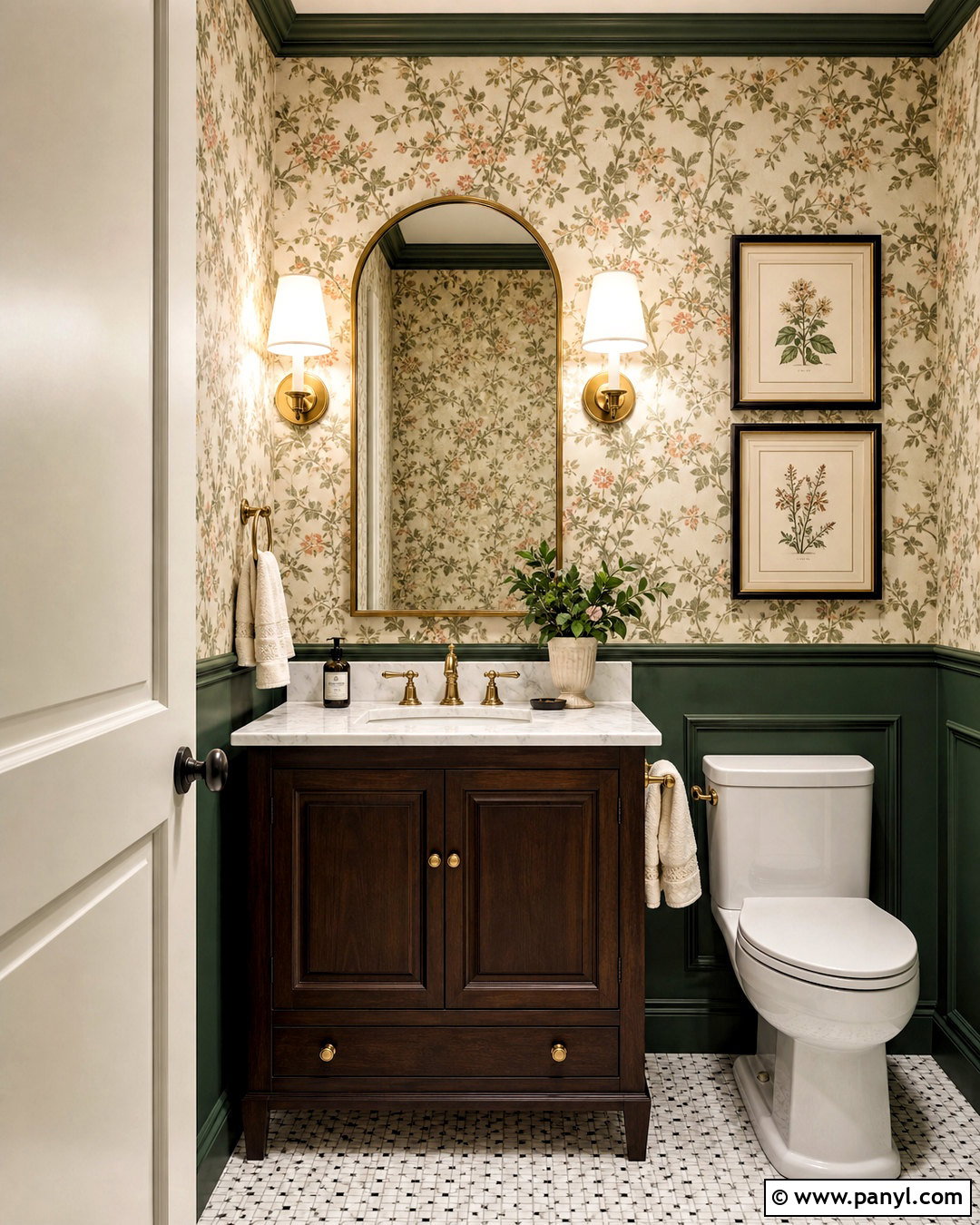
Combining lower-wall paint with wallpaper above creates a complete decorative scheme without covering the room in pattern. Paint the bottom section deep forest green, then install cream wallpaper with small green and muted coral botanicals on the upper section. Separate the surfaces with a slim painted molding in forest green. In a powder room, add a dark wood vanity, white marble top, brass faucet, and arched brass mirror. Small mosaic floor tile in ivory and charcoal provides another layer of pattern without competing with the walls. Keep towels and accessories simple. The dark lower paint visually anchors the vanity and hides everyday splashes, while the lighter patterned top adds personality at eye level and reflects more light.
16. Half Wall With Picture Ledge
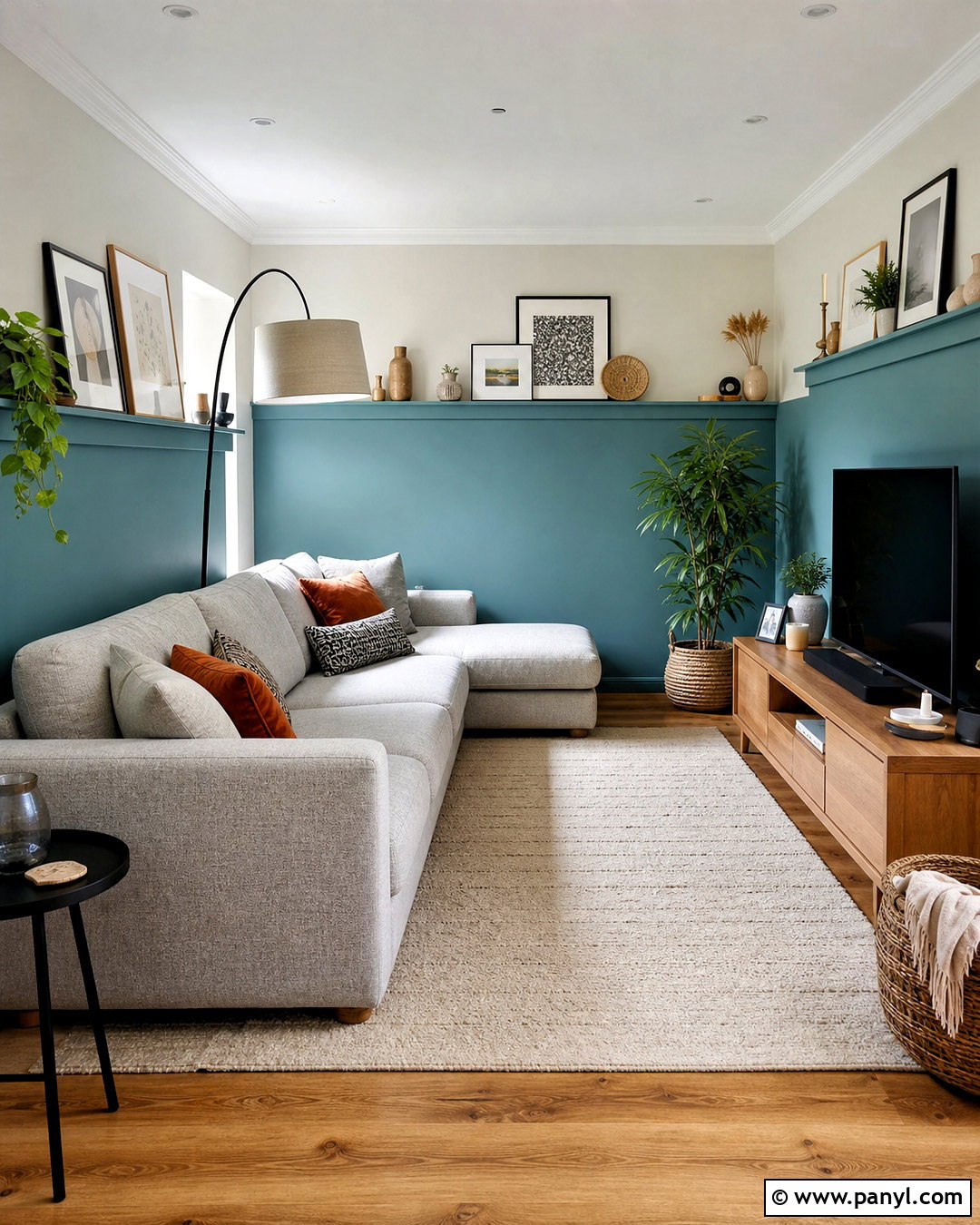
A narrow picture ledge can turn the boundary of a half-painted wall into useful display space. Paint the lower section muted teal and keep the upper wall soft white. Install a shallow ledge at the transition, painting it teal so it appears integrated with the color block. In a family room, use a light gray sectional, warm oak media unit, textured cream rug, and rust-colored pillows. Layer framed artwork, small ceramics, and a trailing plant along the ledge, varying frame sizes while maintaining open space. Keep taller objects away from walkways and seating. The ledge creates a strong horizontal line, so balance it with a floor lamp, tall plant, or vertical artwork that draws the eye upward.
17. Diagonal Half Wall Bedroom
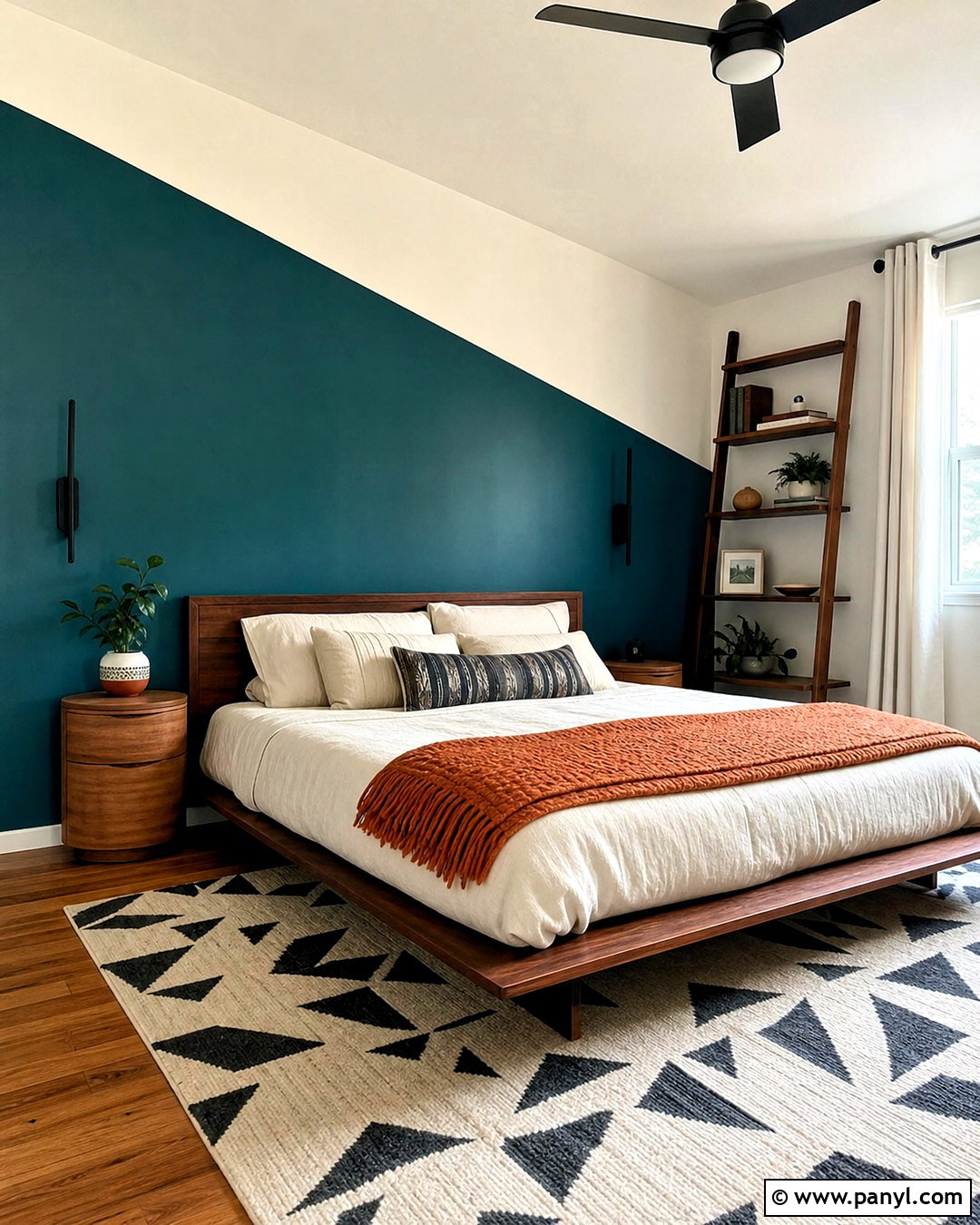
A diagonal paint division introduces movement while still functioning as a half-wall treatment. Begin with deep teal near the floor behind the bed, then angle the line upward toward a window or high corner. Paint the remaining wall warm white to preserve brightness. A low walnut platform bed, cream bedding, and a burnt orange throw complement the strong teal feature. Choose slim black sconces and round wood nightstands to keep the furniture visually light. Repeat the diagonal direction subtly through a patterned rug or angled shelf, but avoid adding too many geometric shapes. Continue the teal around one adjacent corner for a more intentional effect. Precise measuring and high-quality painter’s tape are essential for producing the clean edge.
18. Soft Peach Half Wall Reading Room
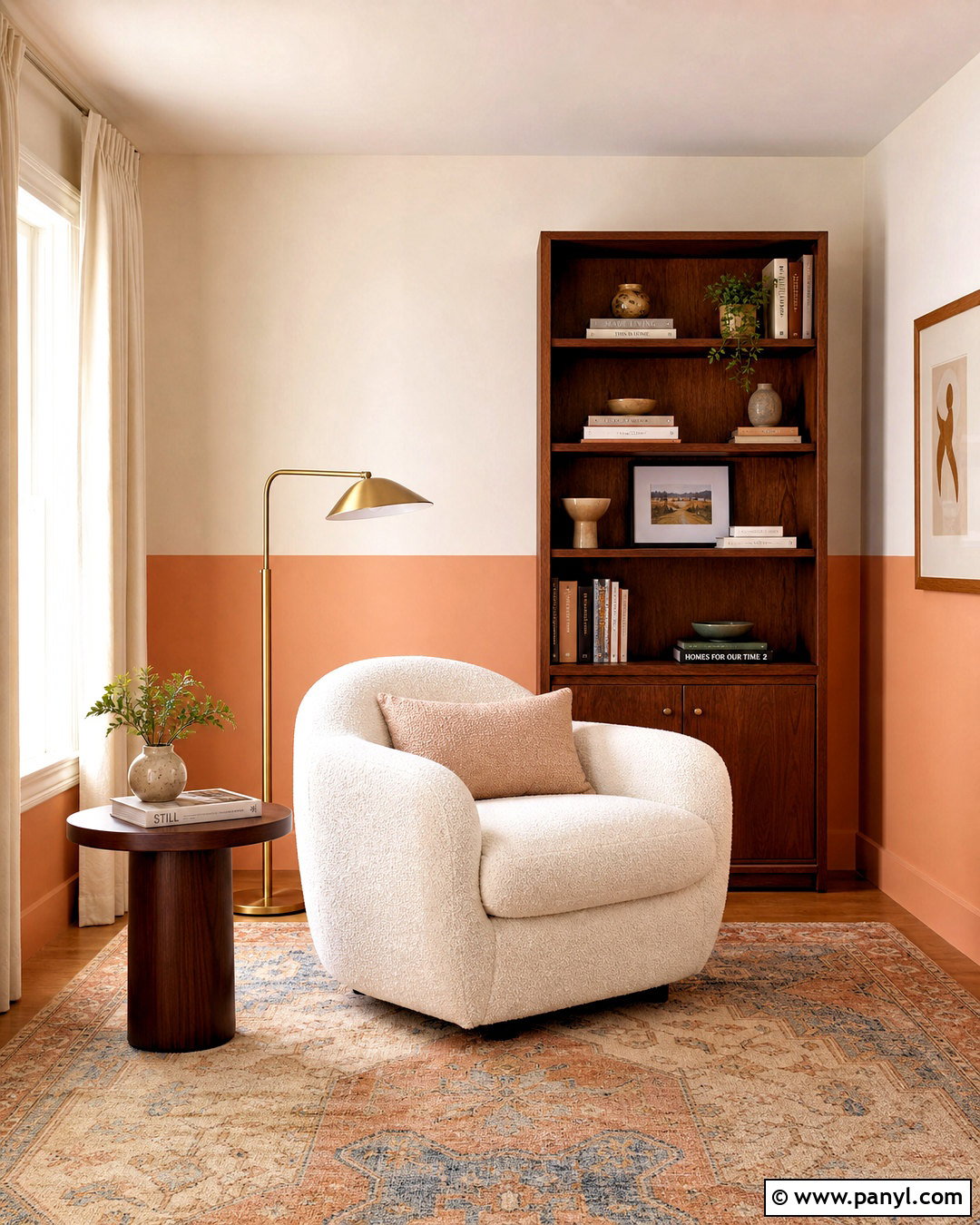
Soft peach creates a warm reading room that feels sunny even when the color covers only the lower walls. Pair a clay-peach lower section with a creamy white upper wall and matching white ceiling. Position the line above the back of a comfortable bouclé armchair so the color remains visible around it. Add a walnut bookcase, small round side table, brass floor lamp, and ivory curtains. A patterned rug with peach, tan, and dusty blue gives the room extra depth. Paint the baseboards peach and keep window trim white for a balanced transition. Arrange books and pottery in small groups rather than filling every shelf. The finished space should feel calm, comfortable, and intentionally uncluttered.
19. Burgundy Half Wall Open Dining Area
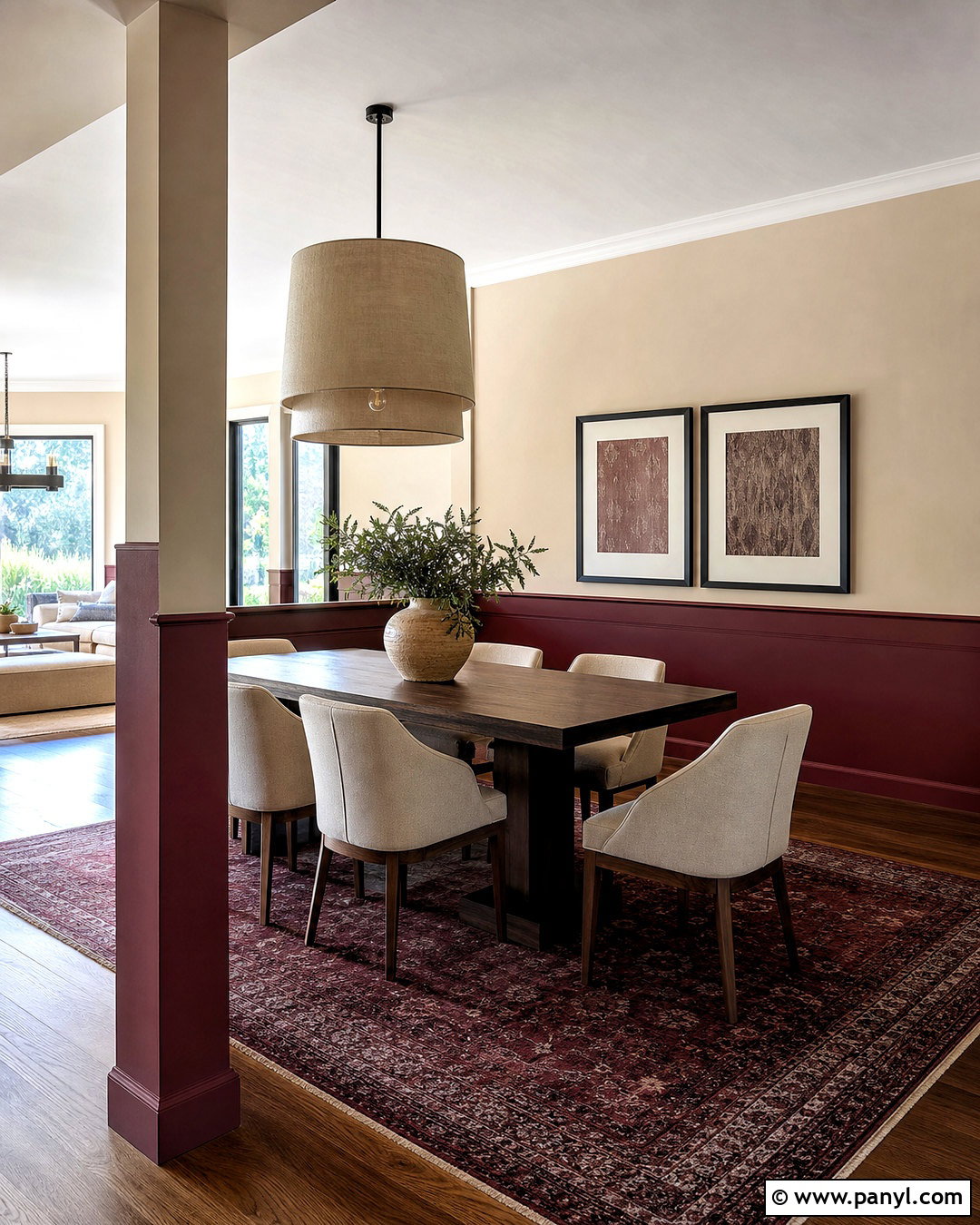
Rich burgundy can visually zone a dining area within an open-plan home. Paint the lower half of the dining walls burgundy, then stop the color neatly at an architectural corner before the living area begins. Use soft beige above to reduce contrast and connect with nearby neutral walls. A dark oak dining table, upholstered beige chairs, and an oversized linen pendant establish a sophisticated but comfortable setting. Introduce burgundy again through a patterned rug and one ceramic centerpiece. Black-framed artwork above the paint line adds structure. Paint the baseboards burgundy within the dining zone, but return them to the adjoining trim color outside it. This controlled repetition makes the painted area feel purposeful rather than abruptly separated.
20. High Half Wall Living Room
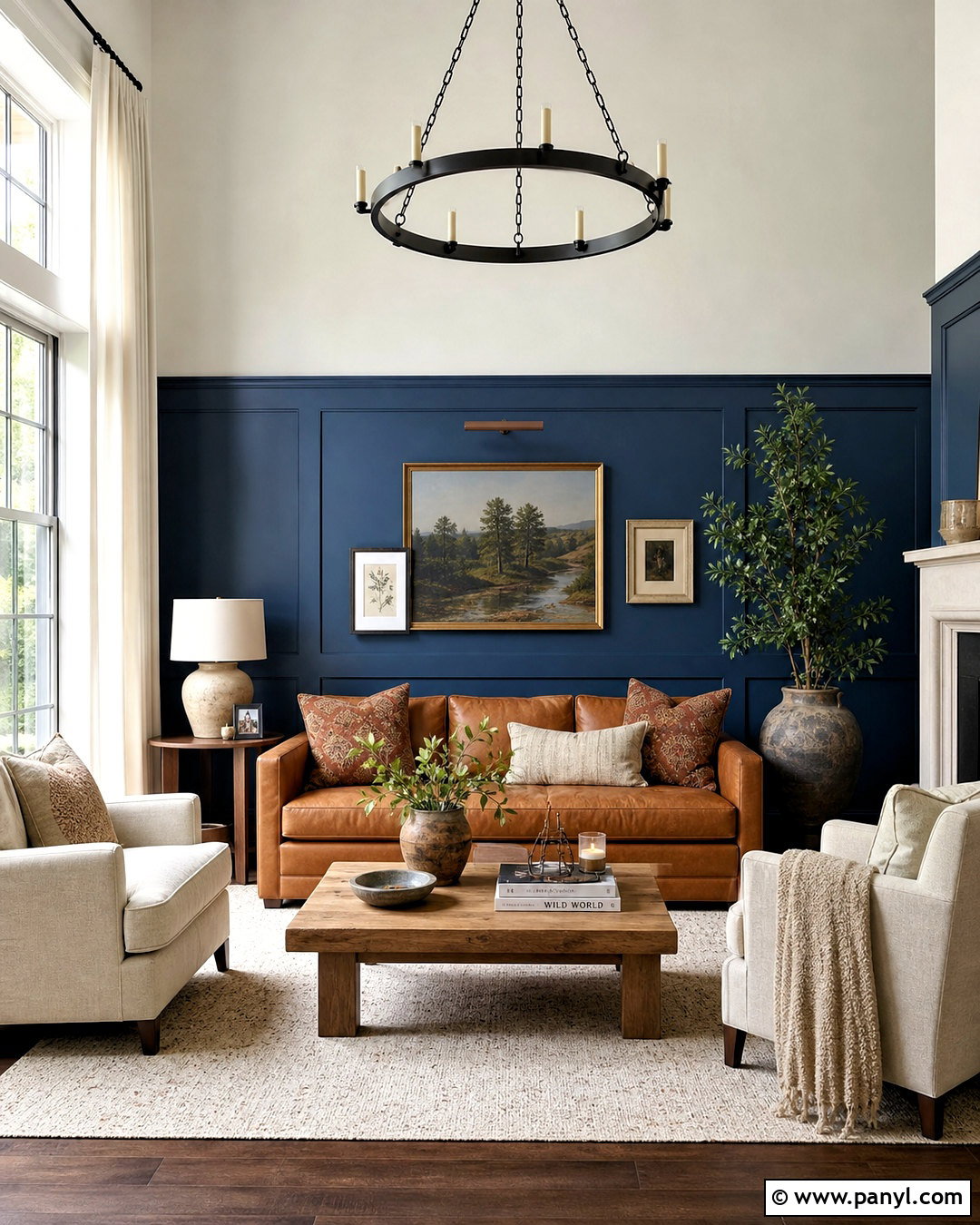
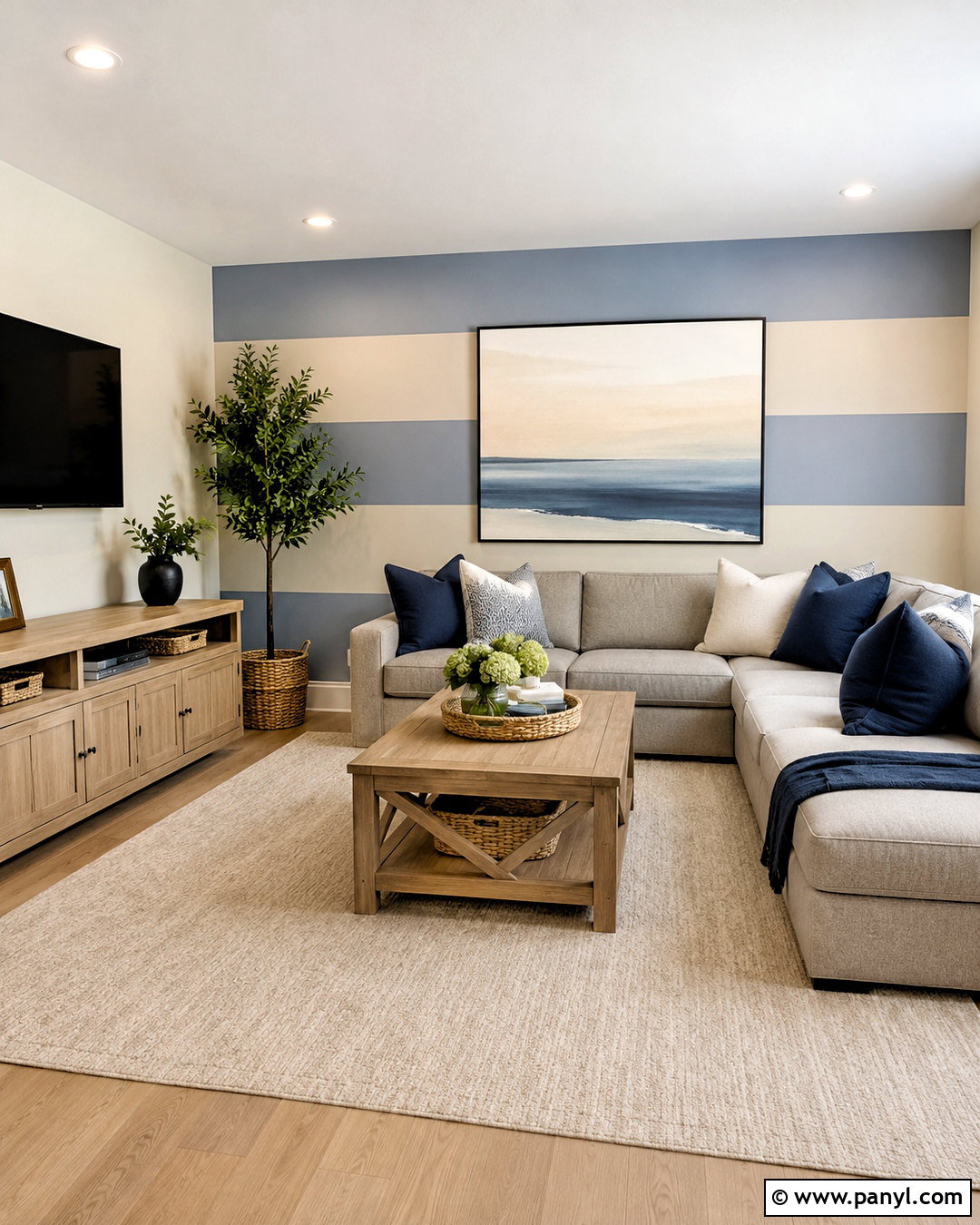
Painting closer to two-thirds of the wall height gives the half-wall concept a bolder, more immersive appearance. Use deep muted blue from the floor to approximately 60 inches, leaving the upper wall and ceiling warm white. This higher line works well in a living room with tall windows or nine-foot ceilings. Place a caramel leather sofa against the blue, then add cream armchairs, an oak coffee table, and a large ivory rug. Hang artwork entirely within the painted section so it appears framed by color. White linen curtains visually connect the upper walls to the windows. Repeat blue in pillows and pottery, but introduce tan, rust, and natural wood to keep the complete room warm and approachable.
Conclusion:
The best painting half wall ideas do more than divide a surface into two colors. They connect the walls to the furniture, architecture, lighting, and purpose of the room. Start by choosing a paint-line height that relates to a headboard, chair rail, windowsill, countertop, or stair angle. Then build a coordinated palette with flooring, textiles, trim, and decor. Dark lower colors can add definition and practicality, while tonal combinations create a quieter transition. Crisp molding, wallpaper, ledges, scallops, and diagonal lines provide additional character. Before painting, test the complete color combination in morning and evening light. Careful planning will make even a simple half-painted wall feel polished, balanced, and intentional.

Related Ideas and Inspiration:
Leave a Reply