
Lower Half Wall Painted Ideas offer an easy way to introduce color without overwhelming a room. A darker lower section can ground furniture, disguise everyday scuffs, and make a light upper wall feel more open. The dividing line may sit at traditional chair-rail height, at the true midpoint, or slightly higher for a modern color-blocked effect. A level, carefully sealed painter’s tape, and removal of the tape before the paint fully dries help create a cleaner edge. () You can also connect the baseboards, molding, doors, or built-ins to the lower color for a more intentional finish. From calming neutrals to playful scallops, these complete room schemes show how to recreate 20 Lower Half Wall Painted Ideas.

1. Sage Green Lower Half Wall
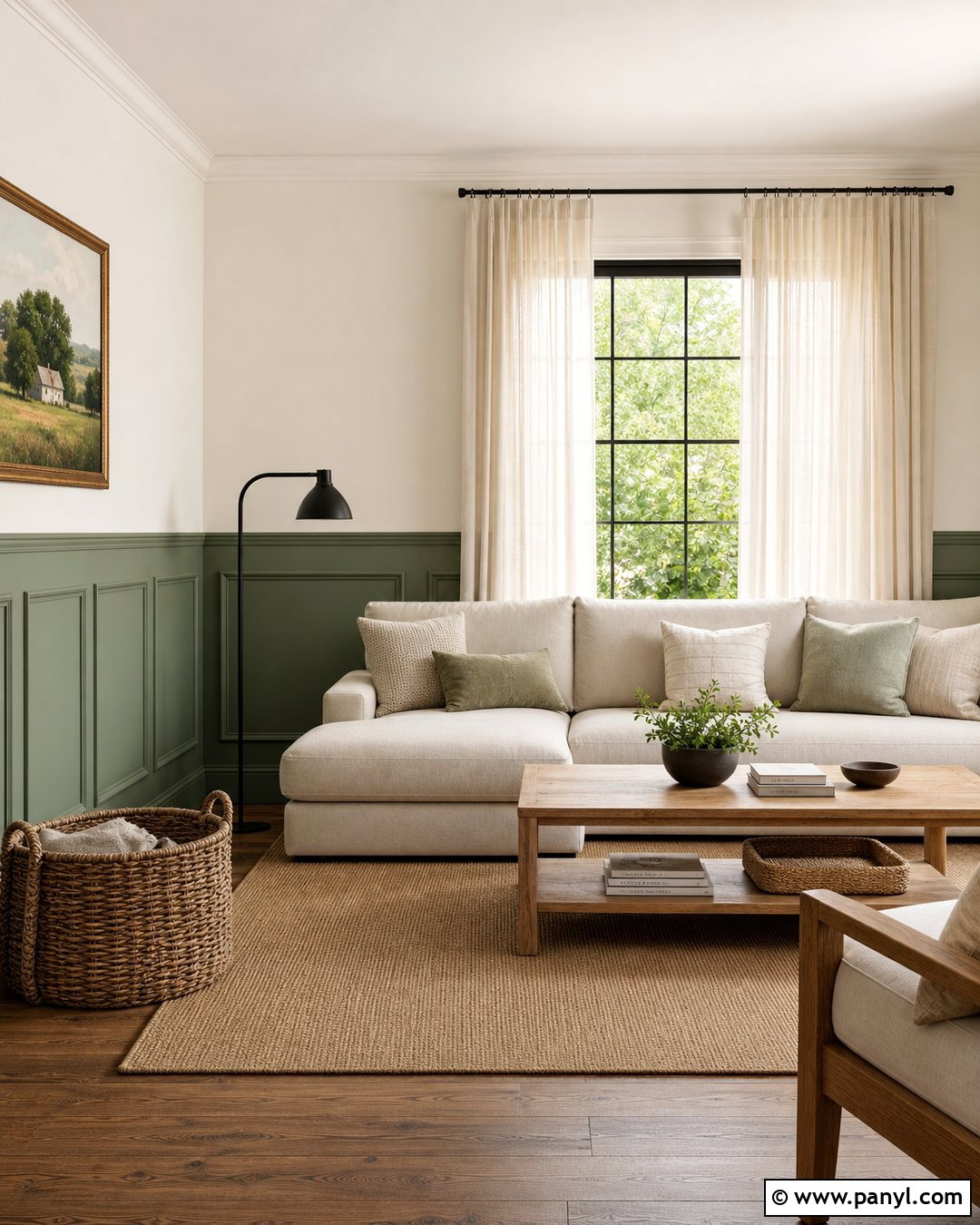
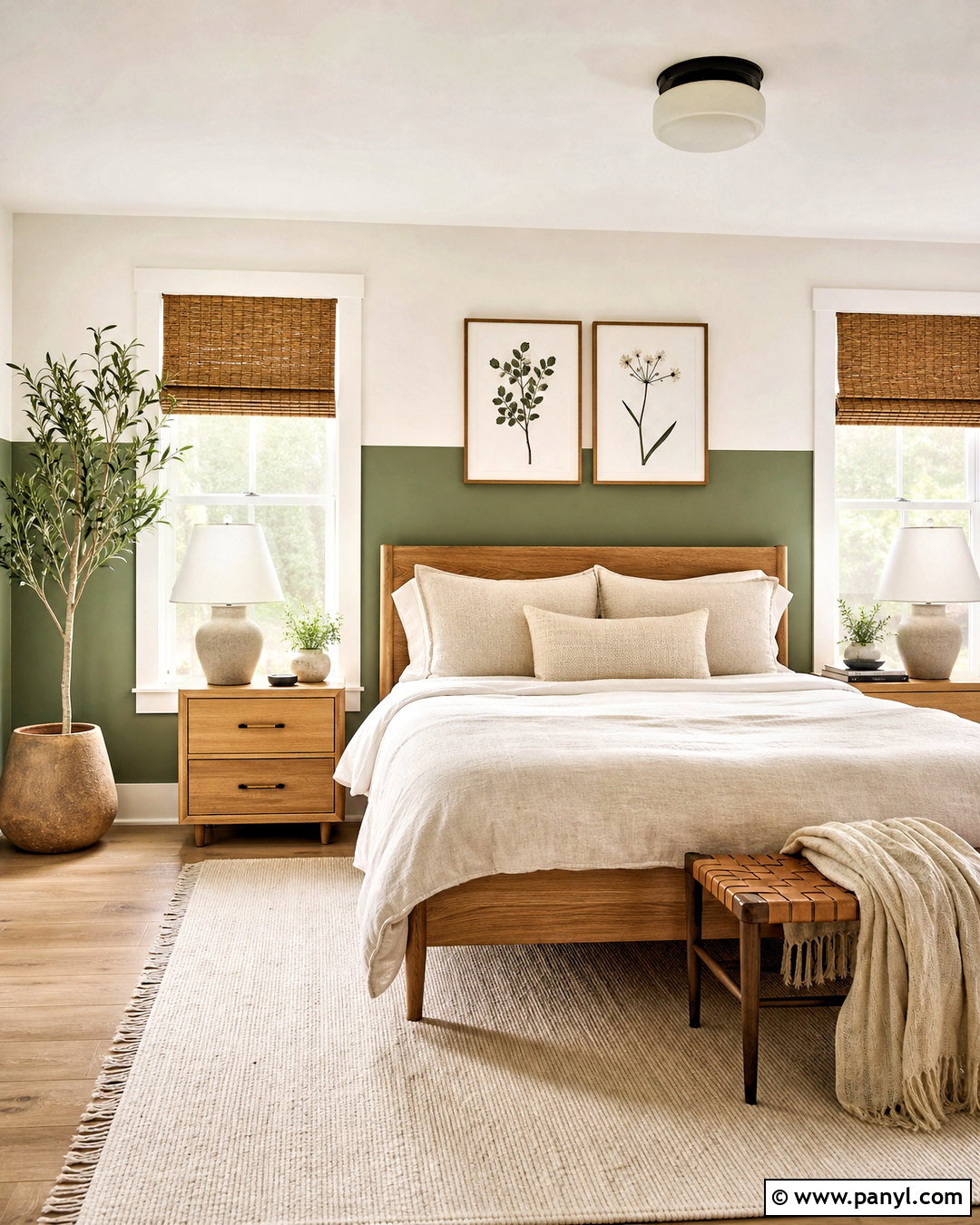
A warm sage green lower half wall creates a relaxed living room that feels colorful yet easy to decorate. Paint the upper walls soft ivory to maintain brightness, then carry the sage across the baseboards for a smooth, continuous look. Position the dividing line slightly below the center of the wall so framed art has plenty of breathing room above it. Complete the space with a cream linen sofa, light oak coffee table, woven rug, and muted green pillows. A black floor lamp and small ceramic accessories add definition without making the room feel heavy. Natural textures, including rattan baskets and linen curtains, reinforce the organic palette. This complete look works especially well in casual living rooms with warm wood flooring and generous daylight.
2. Navy Blue Lower Half Wall
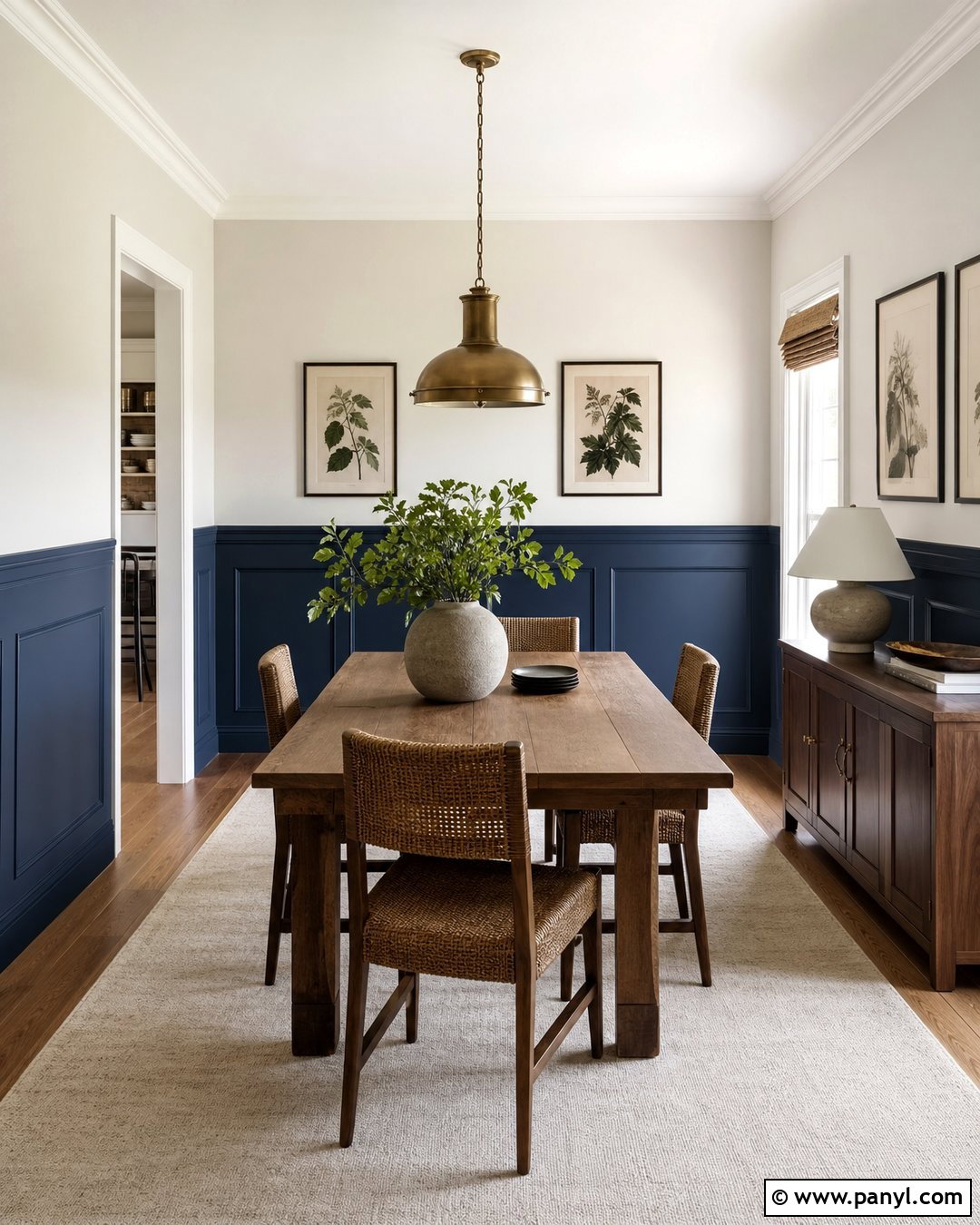
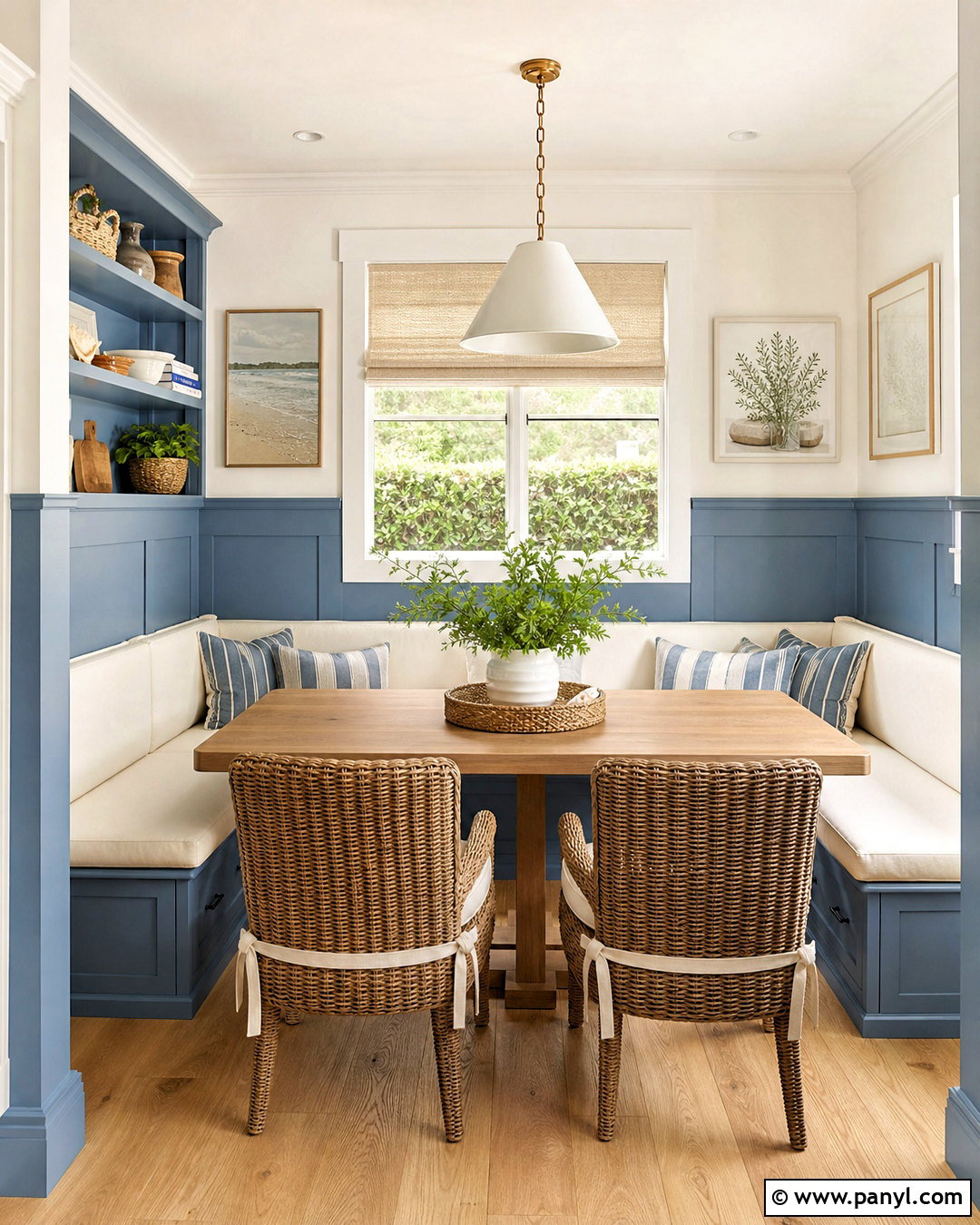
Deep navy paint can give a dining room structure while keeping the overall design polished and welcoming. Use the navy across the lower wall, baseboards, and simple picture-frame molding. Balance it with warm white above rather than a sharp, cool white. A medium oak dining table, woven dining chairs, and a cream flat-weave rug prevent the dark color from dominating. Add an aged brass pendant over the table and a walnut sideboard against the painted section. Botanical prints in thin brass frames connect the two wall colors without crowding the room. For a clean transition, place a narrow navy chair rail directly over the paint line. The finished dining room feels classic, grounded, and practical enough for everyday meals.
3. Black Lower Half Wall
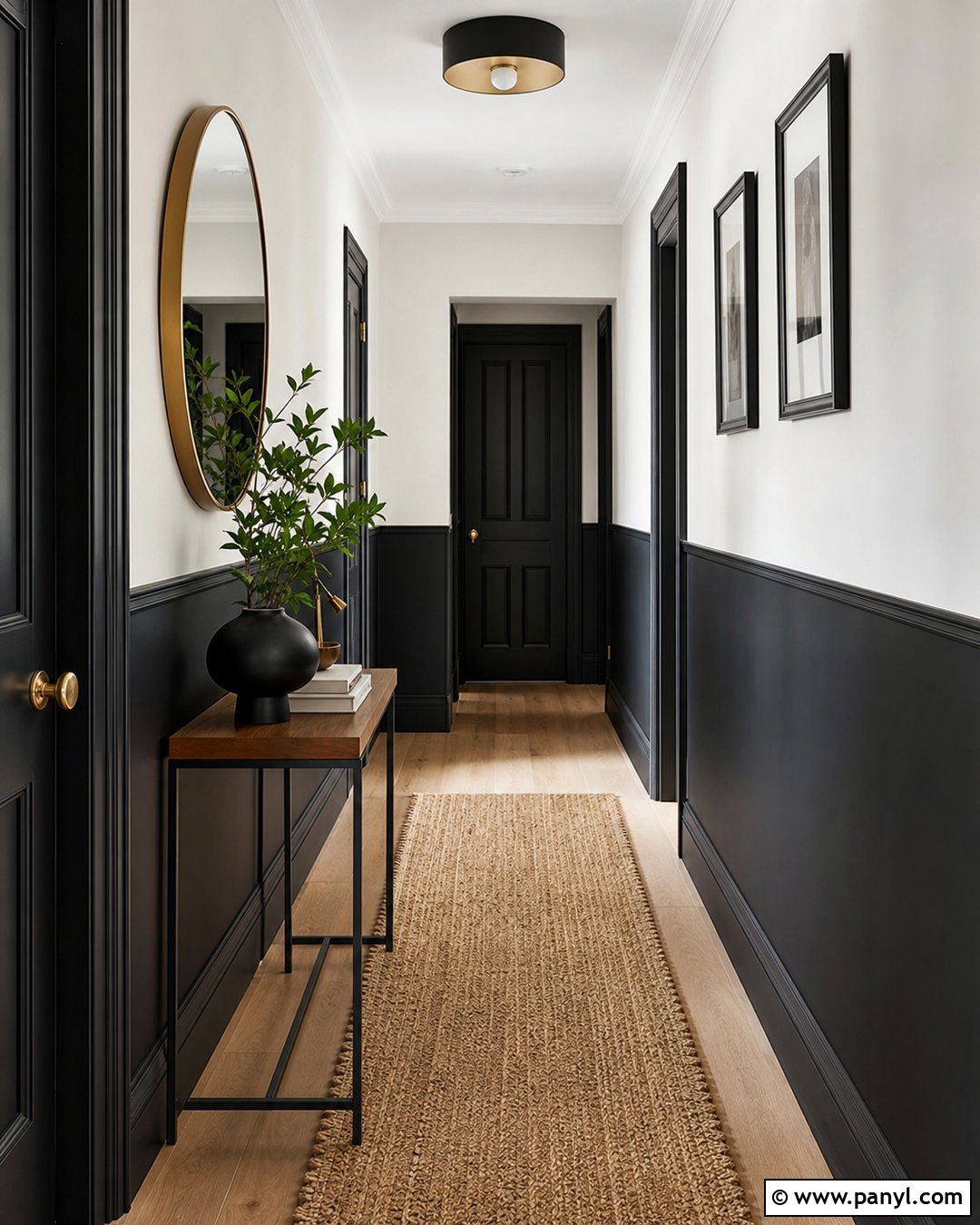
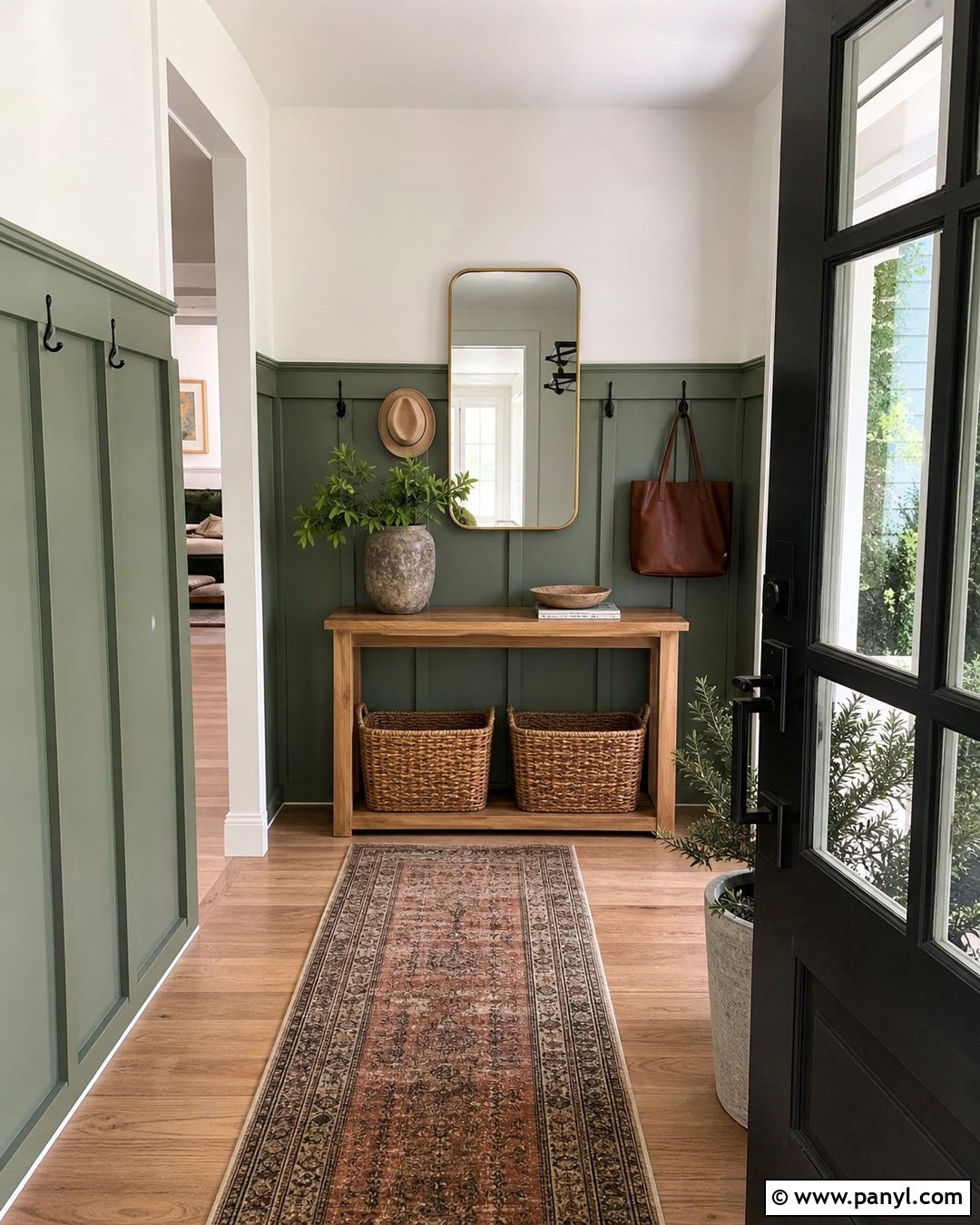
Could black paint work in a narrow hallway? It can when the upper wall, ceiling, and flooring keep the space bright. Choose a soft matte black rather than a blue-black, and paint the lower third of the wall instead of dividing it exactly in half. Continue the color across the baseboards and interior doors to make the treatment feel architectural. Use warm white paint above, pale oak flooring, and a natural jute runner to soften the contrast. A slim wood console, round brass mirror, and simple ceramic lamp create a useful entry point without blocking the walkway. Add several small framed prints along the upper section. This strong lower half wall makes an ordinary hallway feel finished while providing a forgiving backdrop in a busy area.
4. Dusty Pink Lower Half Wall
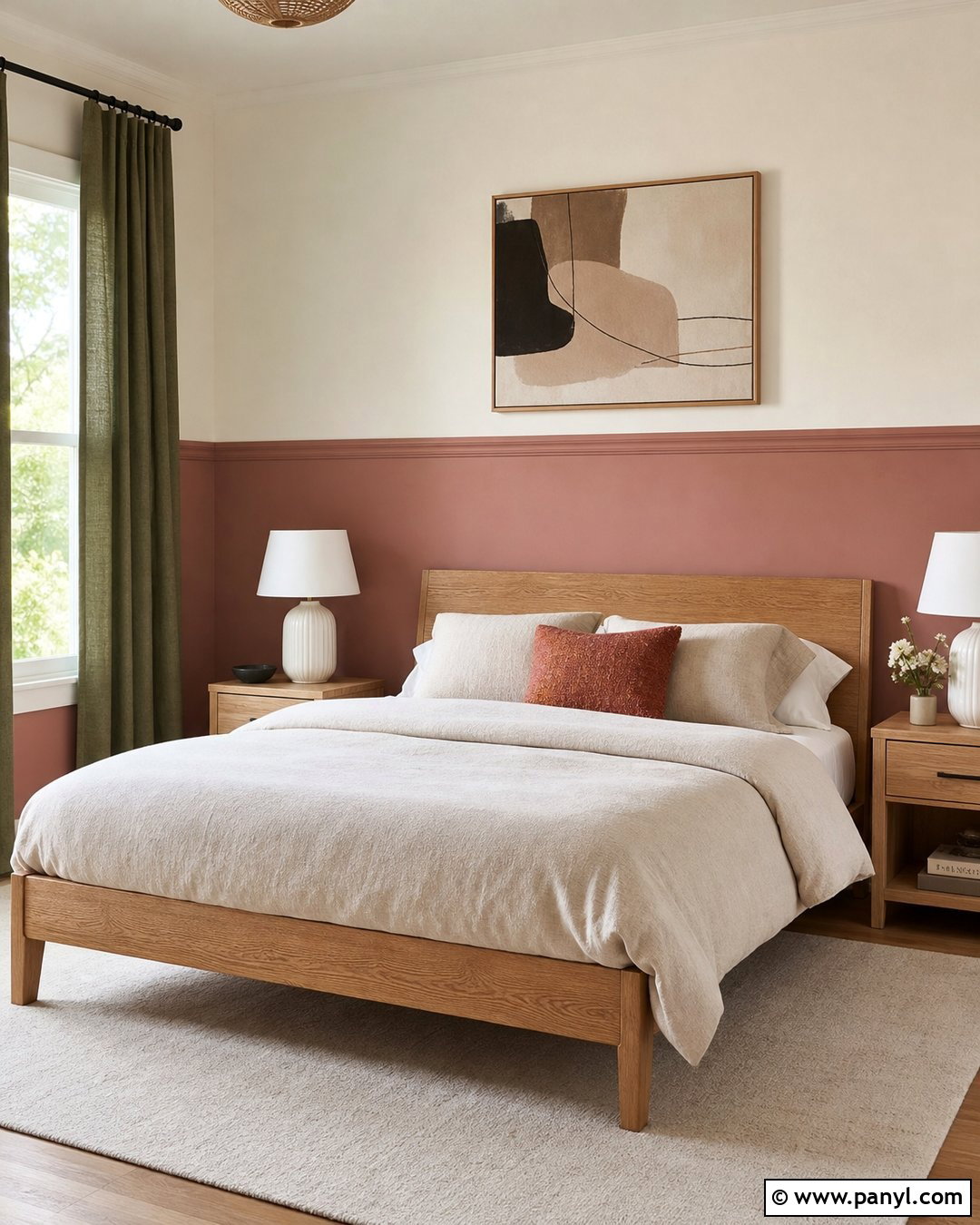
Soft dusty pink gives a bedroom warmth without creating an overly sweet or themed appearance. Paint the lower wall, baseboards, and a narrow ledge molding in muted rose, then use creamy white across the upper wall and ceiling. Position a natural oak bed against the color split so the pink acts like a wide painted backdrop. Layer the bed with white cotton sheets, oatmeal linen bedding, and one rust-colored lumbar pillow. Light wood nightstands and matte white lamps keep the room calm. Introduce subtle contrast with olive green curtains or a small upholstered bench. Abstract artwork above the bed should include touches of rose, beige, and brown. The resulting bedroom feels soft, grown-up, and comfortable through every season.
5. Terracotta Lower Half Wall
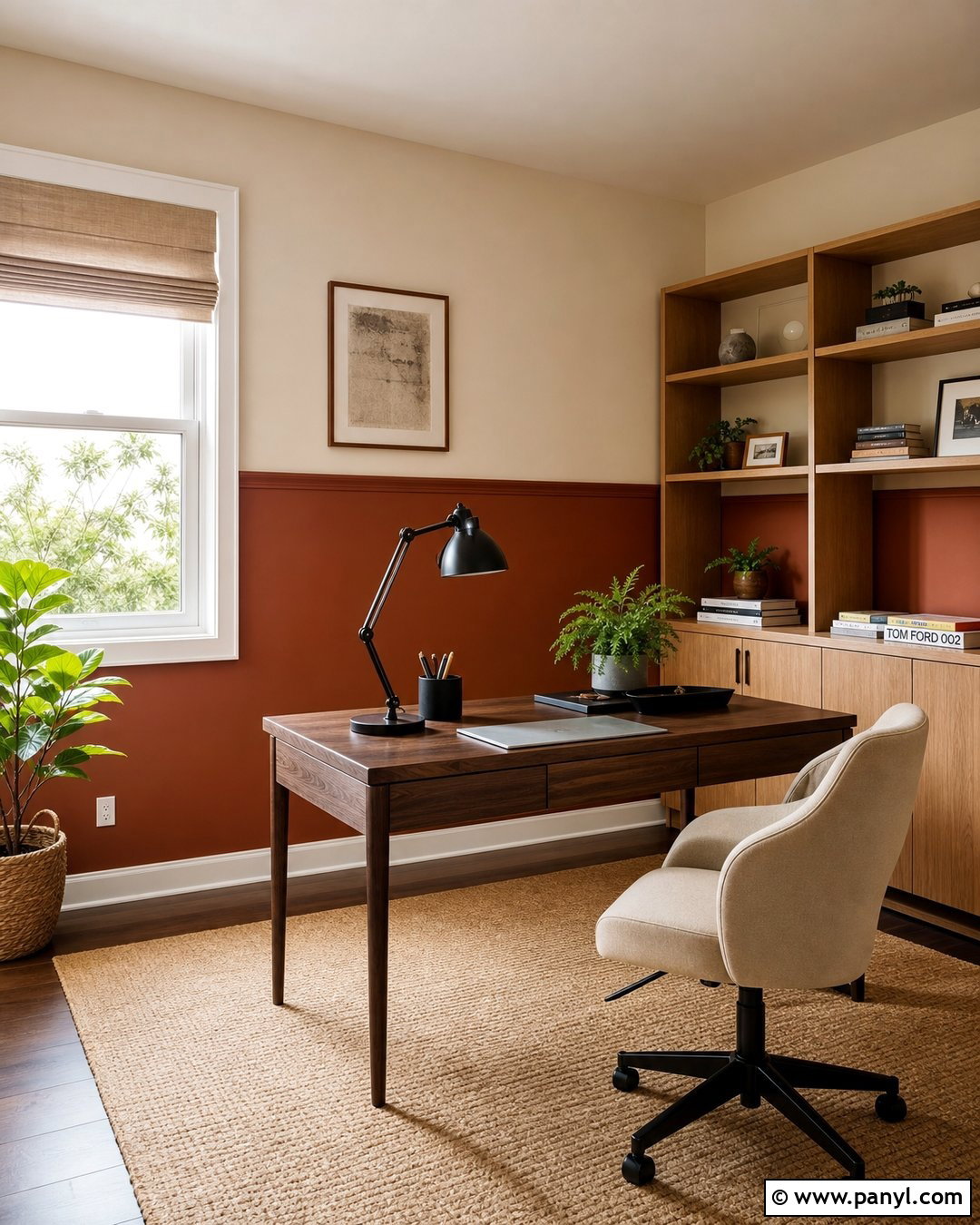
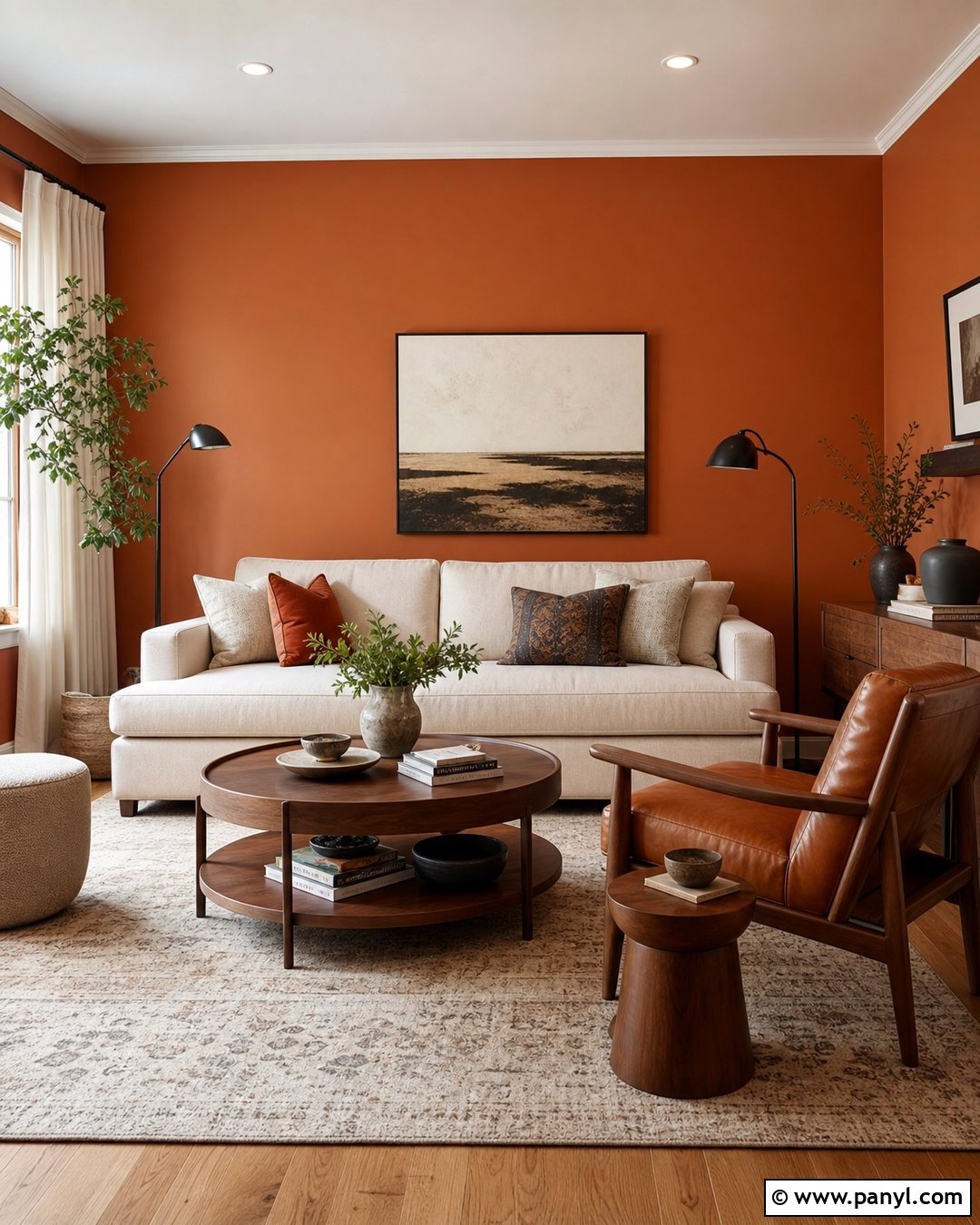
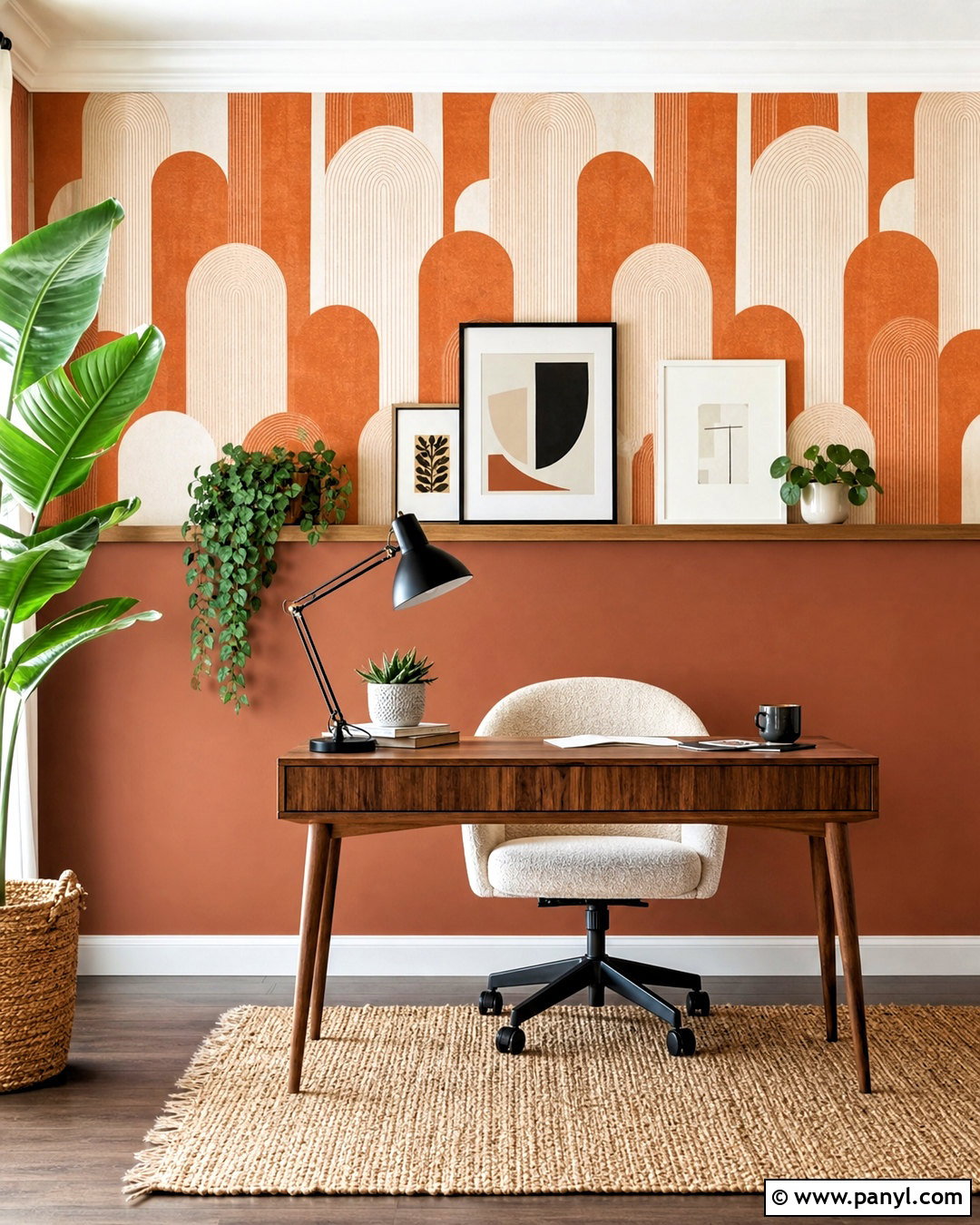
Sunbaked terracotta can transform a plain home office into an energizing but grounded workspace. Apply the earthy orange paint to the lower half of every wall, including the baseboards, and pair it with a pale warm beige above. A clean painted edge provides a more contemporary appearance than decorative molding. Place a walnut desk against the longest wall and add a cream upholstered office chair to balance the strong color. Open oak shelves above the paint line create useful storage without visually filling the room. Finish the space with a patterned flat-weave rug, black metal task lamp, linen Roman shade, and several leafy plants in neutral pots. The color surrounds the furniture at desk height, making the office feel cohesive rather than randomly color blocked.
6. Greige Lower Half Wall
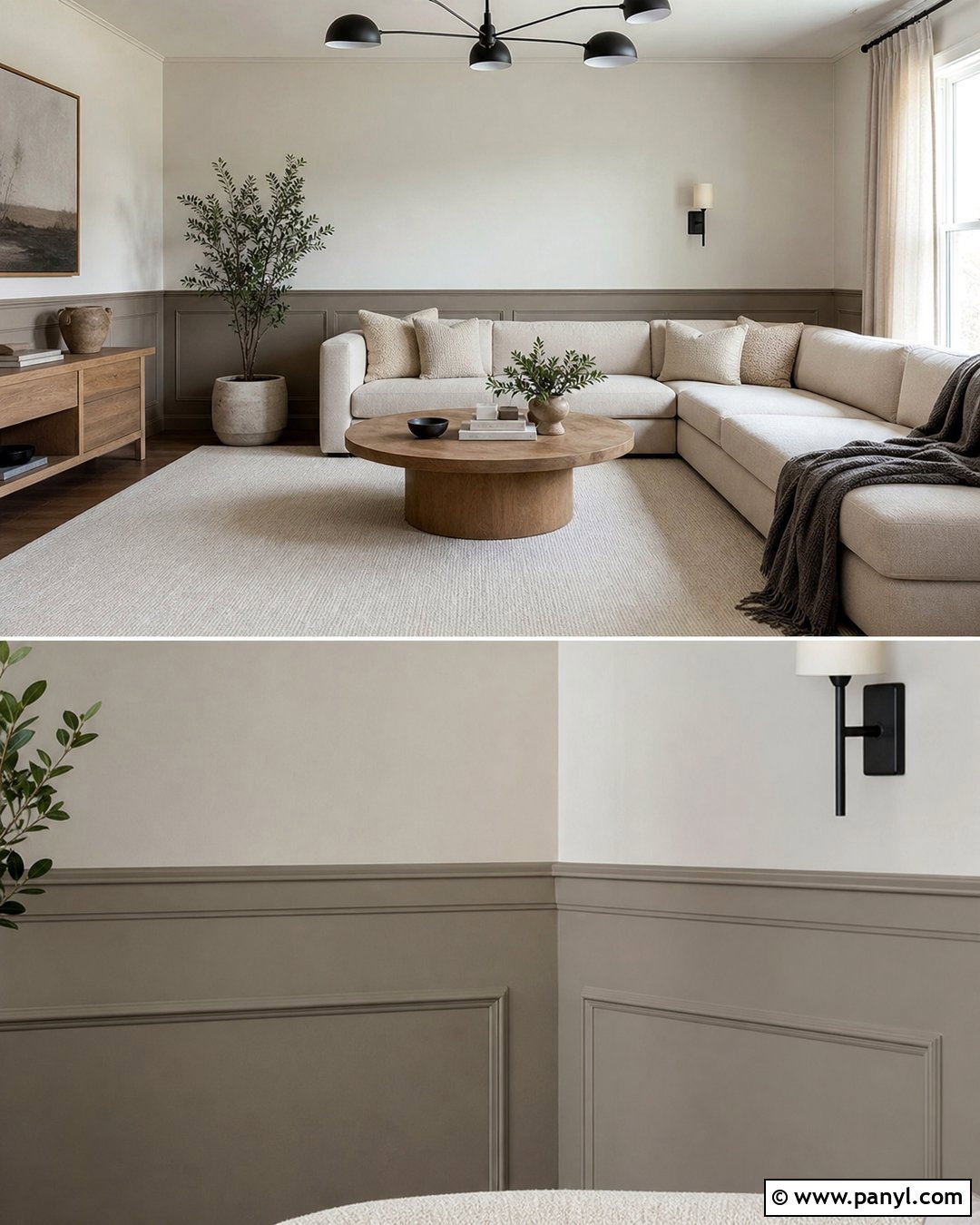
A tonal greige treatment is ideal when you want visible wall definition without bold contrast. Select a medium mushroom greige for the lower portion and a much lighter version of the same undertone above. Paint the chair rail and baseboards in the deeper shade to strengthen the lower section. This understated combination suits a minimalist family room with a low-profile beige sectional, rounded oak coffee table, and textured ivory rug. Add black accents sparingly through a floor lamp, curtain rod, and small side table. Bouclé pillows, linen drapes, and stoneware decor prevent the neutral room from looking flat. Because both wall colors share similar undertones, the split feels soft and connected. The finished room remains bright while gaining more depth than a single-color neutral scheme.
7. Forest Green Lower Half Wall
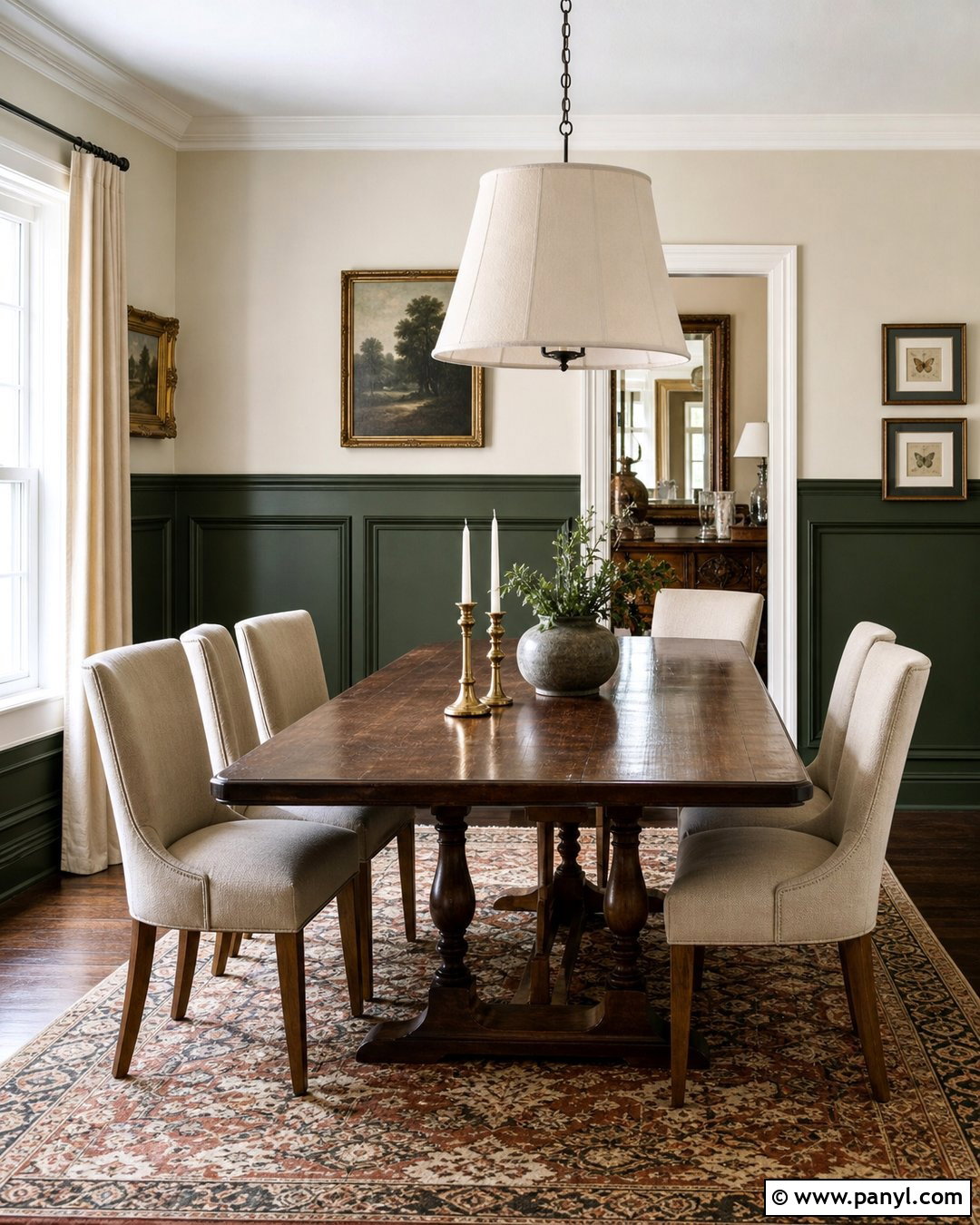
Rich forest green brings depth to a traditional dining room, especially when paired with simple wall molding. Install rectangular trim panels across the lower half, then paint the panels, chair rail, and baseboards the same deep green. Keep the upper walls warm cream to balance the saturated shade. A dark walnut dining table suits the classic character, while upholstered oatmeal chairs stop the room from becoming too dark. Hang a large linen drum pendant for diffused light and place a vintage-inspired rug beneath the table. Brass candlesticks, landscape artwork, and off-white curtains add quiet detail. Leave enough cream wall visible above the rail to display art comfortably. This scheme creates the character of painted paneling while preserving a light, usable setting for family dinners and gatherings.
8. Powder Blue Lower Half Wall
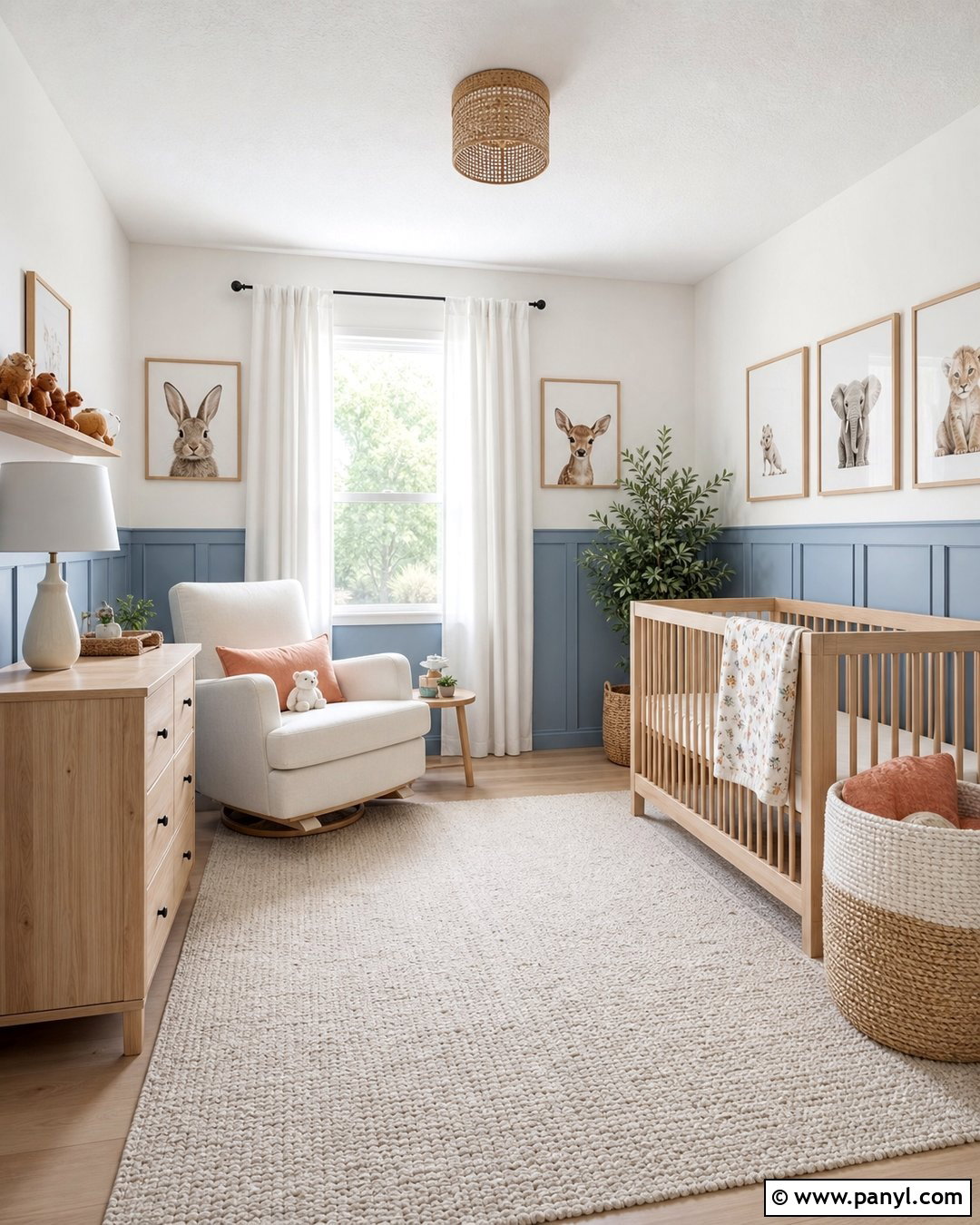
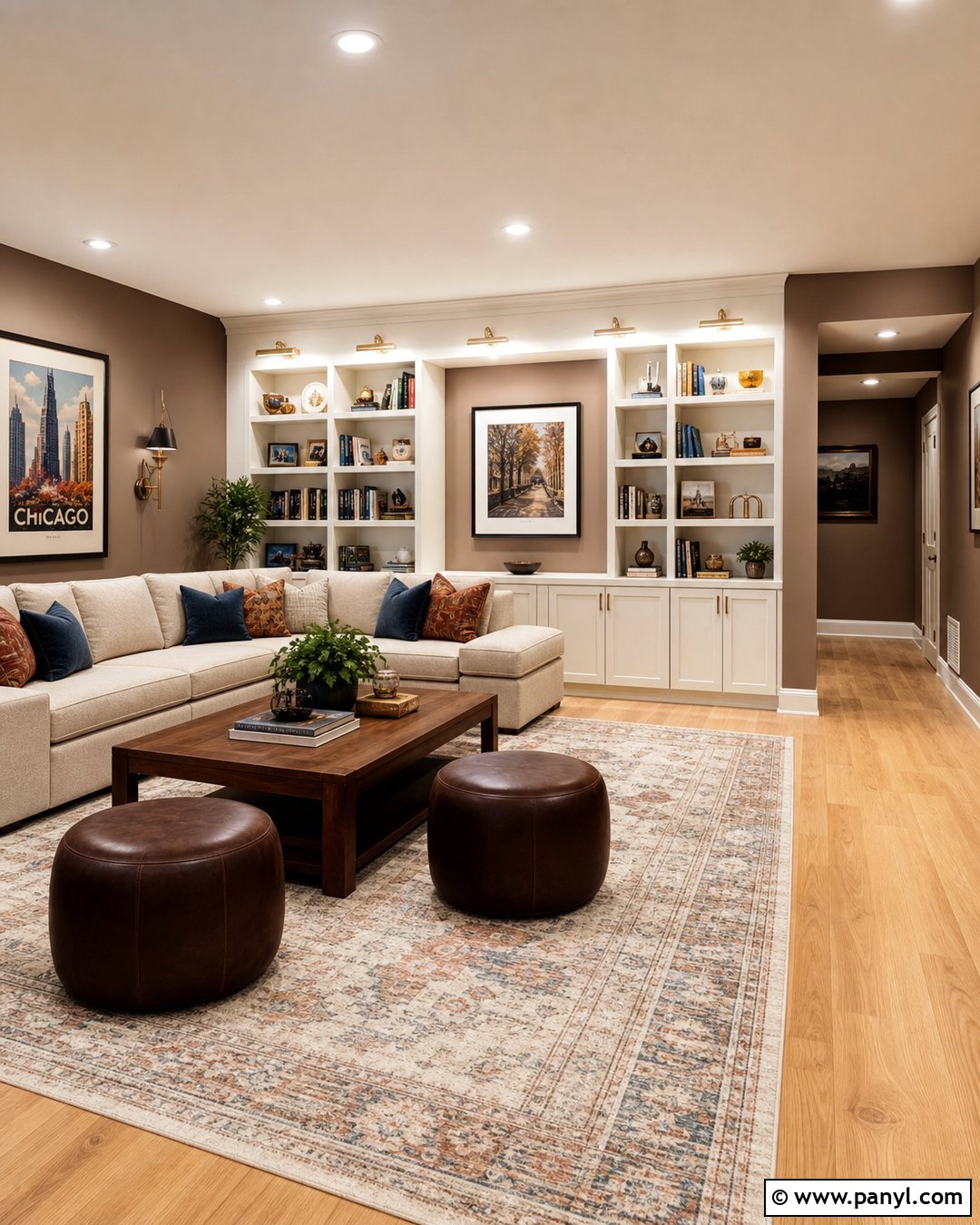
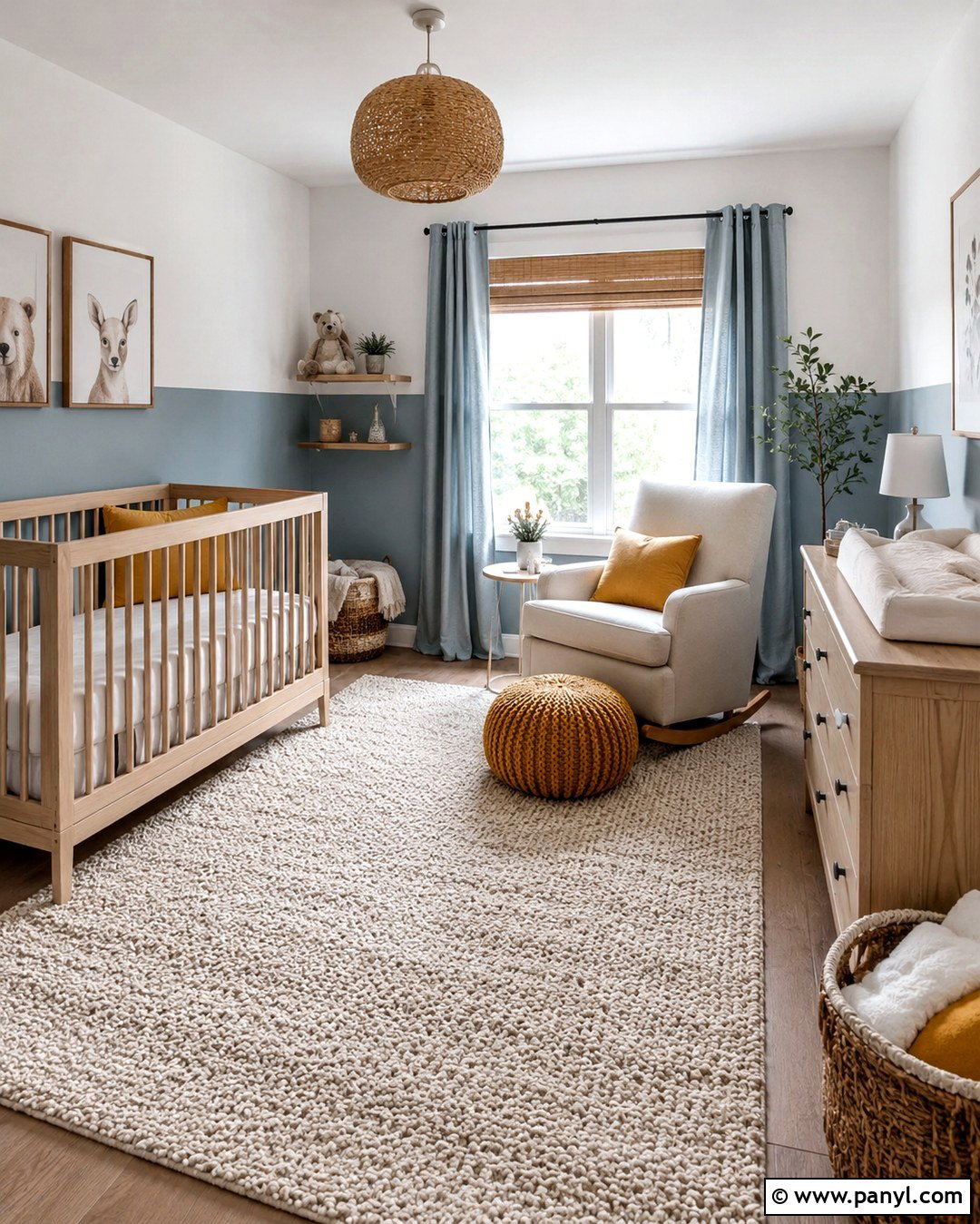
Powder blue makes a nursery feel fresh, gentle, and flexible enough to grow with the child. Paint the lower half in a clear, muted blue and use soft white above. A slim white chair rail gives the transition a crisp finish, while white baseboards connect the room to the upper color. Choose a natural wood crib, cream glider, and pale woven rug for warmth. Hang simple animal illustrations above the painted line where they remain visible behind furniture. White cotton curtains, a light oak dresser, and woven storage baskets keep the design uncluttered. Add small accents in mustard yellow and muted coral for cheerful contrast. The complete room feels playful without relying on a complicated theme, and the durable colored section creates a practical backdrop around frequently used furniture.
9. Charcoal Gray Lower Half Wall
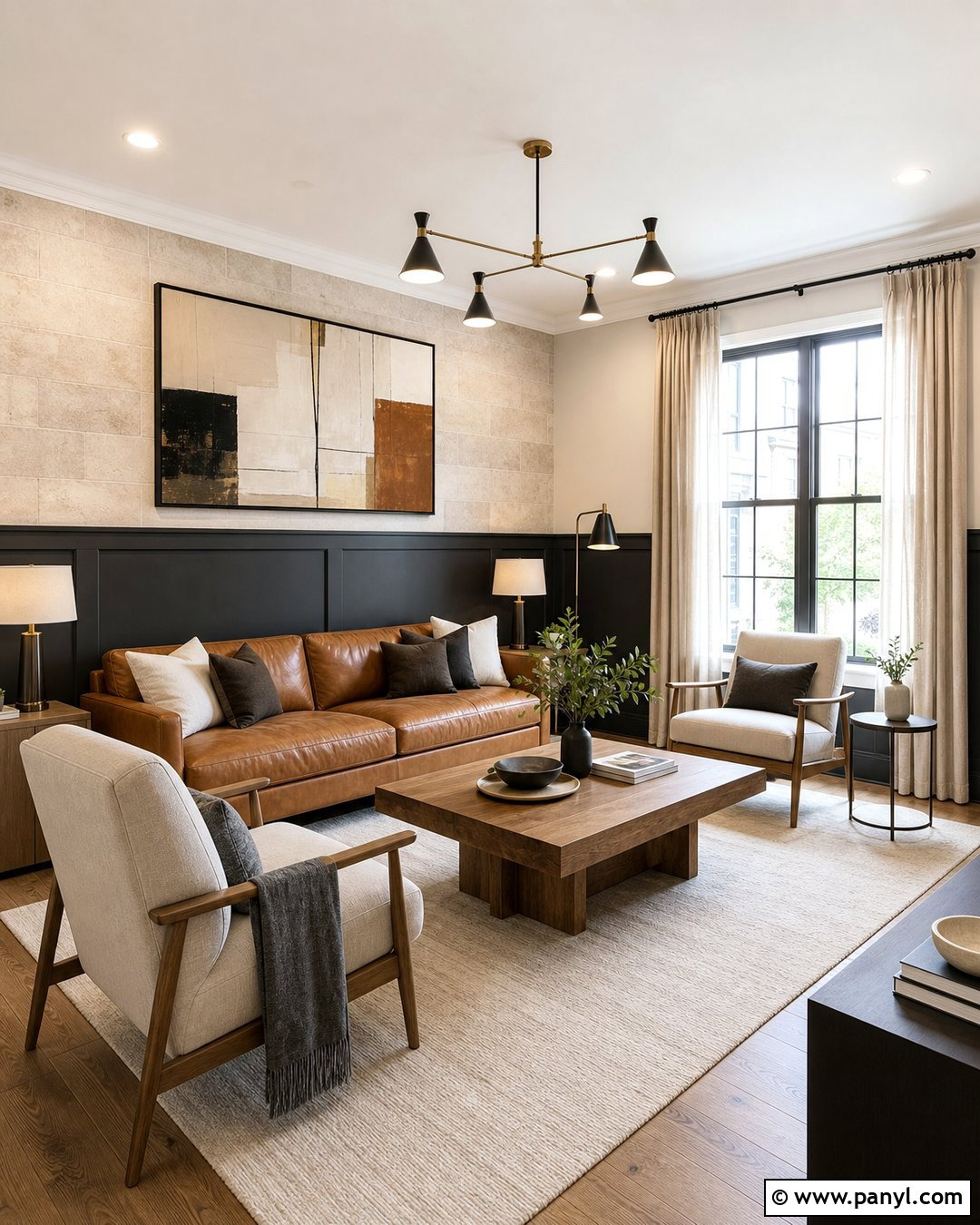
Charcoal gray can anchor a modern living room without producing the harsh contrast of pure black. Cover the lower half, baseboards, and fireplace surround in a warm charcoal, then paint the upper walls a pale stone color. Arrange a caramel leather sofa and two cream lounge chairs around a simple oak coffee table. The warm upholstery prevents the gray scheme from feeling cold. Use a large ivory rug, oatmeal curtains, and oversized abstract art to brighten the upper portion of the room. Matte black lighting connects with the charcoal while brushed brass accessories add subtle warmth. Keep the dividing line clean and molding-free for a streamlined finish. This balanced palette works particularly well in open rooms where a dark lower wall can visually organize several furniture pieces.
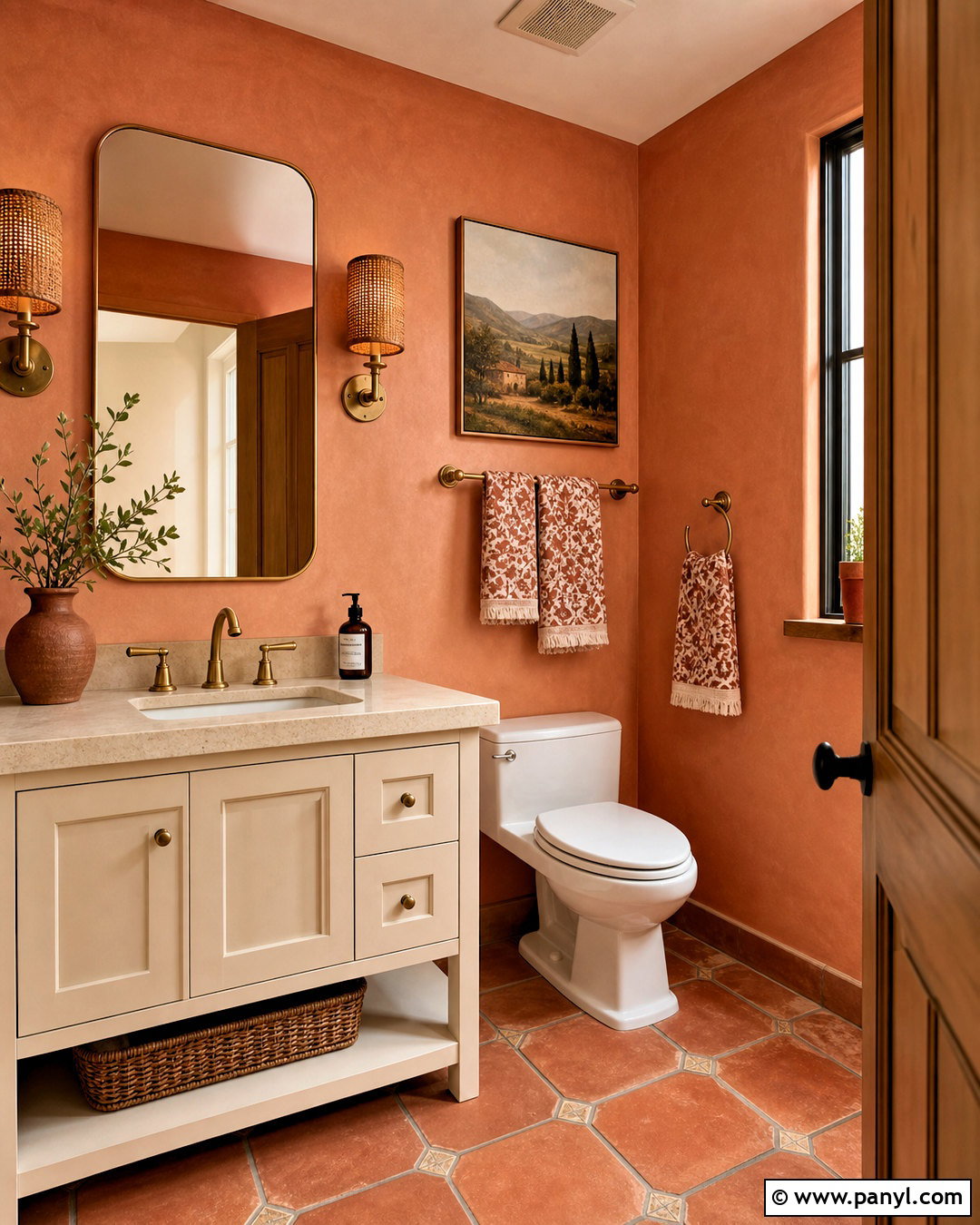
10. Mustard Yellow Lower Half Wall
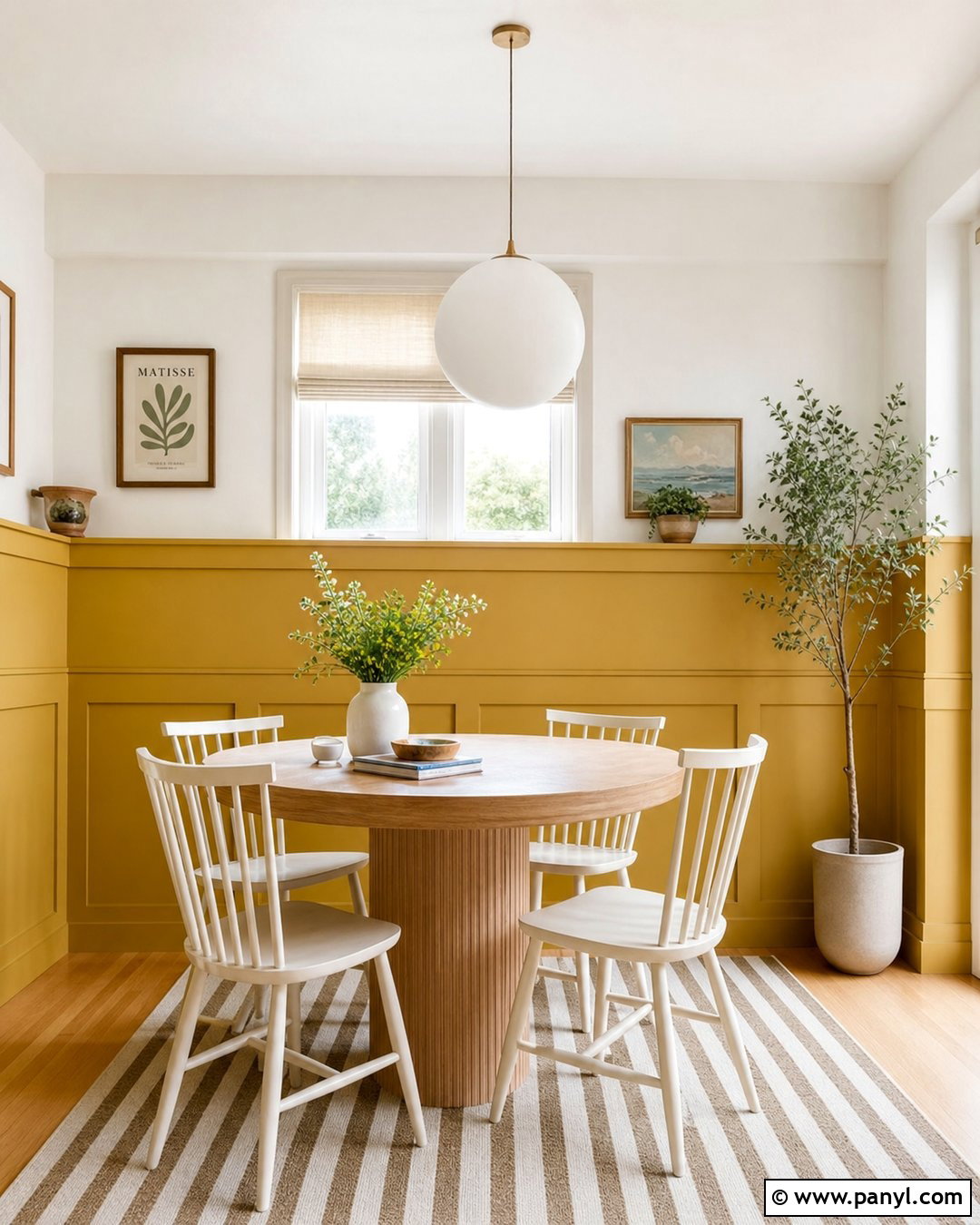
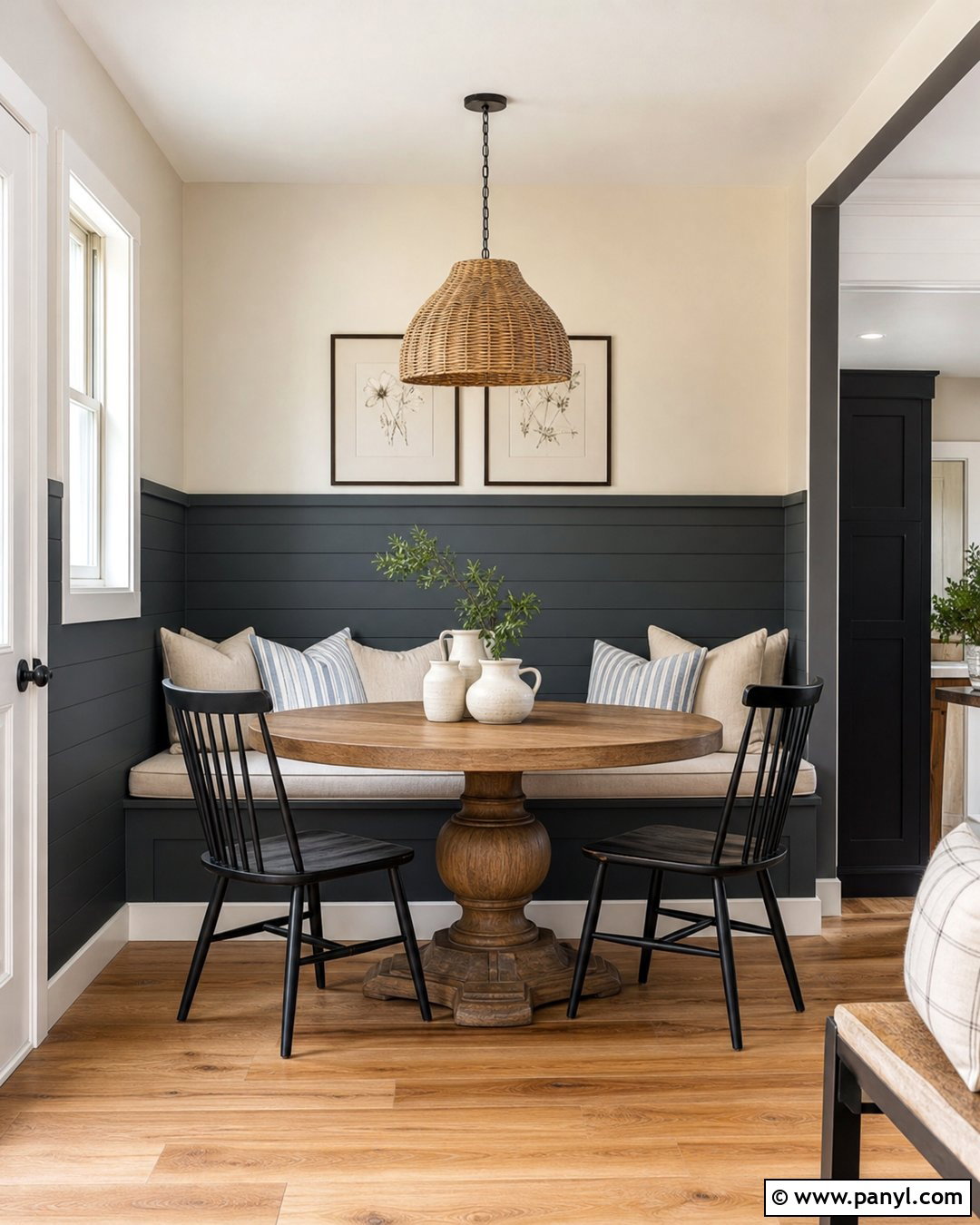
A muted mustard lower wall can make a breakfast nook feel sunny even when the room receives limited natural light. Use the yellow on the lower third of the wall, then add a slim painted ledge in the same shade. Finish the upper area with warm white paint to keep the breakfast space crisp. Place a round white oak pedestal table in the center and surround it with simple cream or black spindle-back chairs. A washable striped rug adds softness beneath the table. Decorate the ledge with a few small framed prints, while a white globe pendant provides a clean focal point overhead. Natural linen shades and a small potted tree temper the yellow. The result is cheerful, modern, and easy to coordinate with a nearby neutral kitchen.
11. Burgundy Lower Half Wall
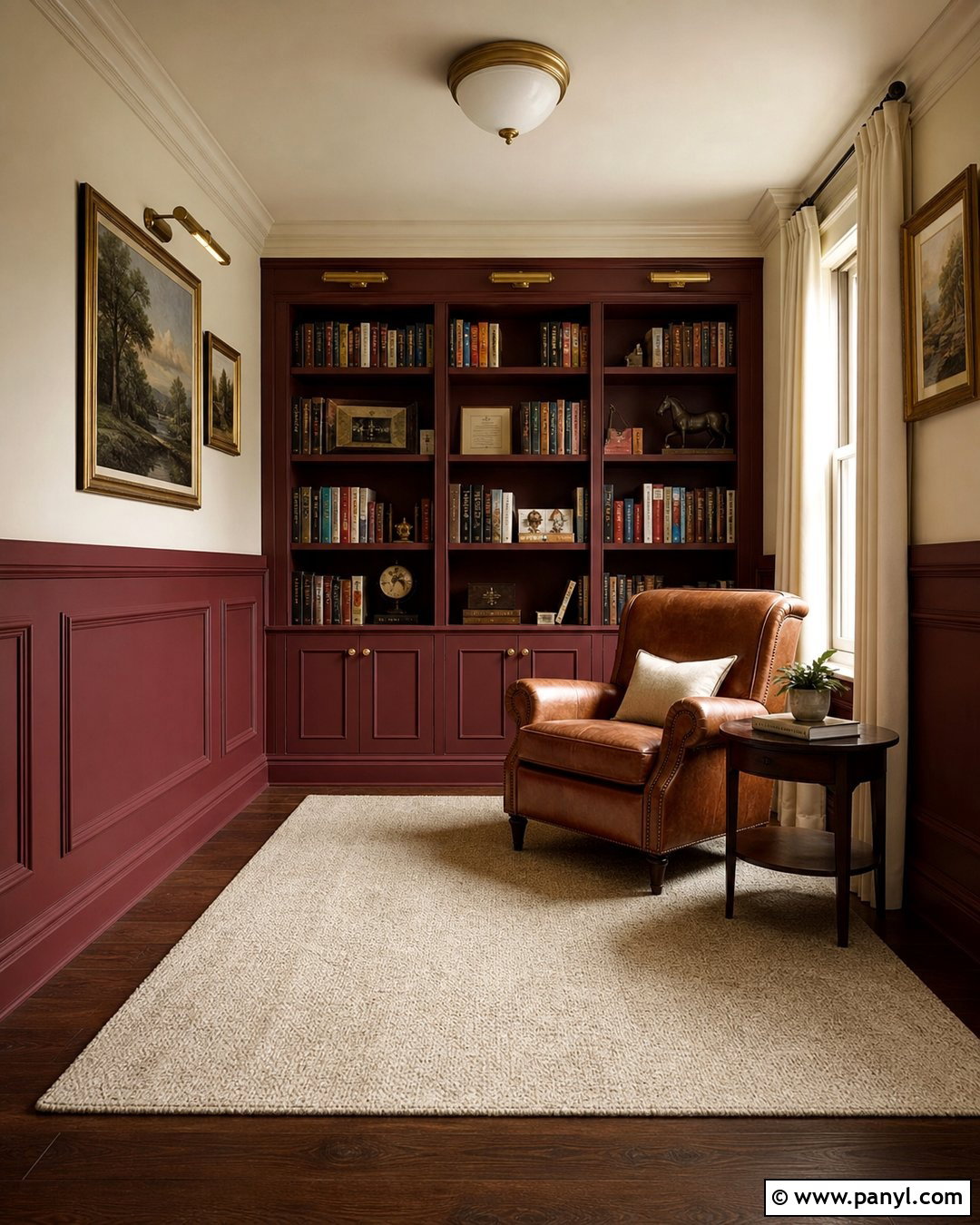
Burgundy paint creates a cozy library atmosphere when it is balanced with lighter walls and warm wood furniture. Apply a muted red-brown shade to the lower half, baseboards, and built-in bookcases. Paint the upper walls a soft parchment color rather than bright white. A camel leather reading chair, dark oak side table, and cream wool rug build a comfortable seating area beside the shelves. Use aged brass picture lights and a tall fabric floor lamp to add practical illumination. Artwork with warm landscape tones can bridge the deep lower color and pale upper wall. Keep window treatments light and simple so daylight remains unobstructed. This complete library design feels intimate without becoming gloomy, while the painted lower section visually connects the shelves, seating, and architectural details.
12. Teal Lower Half Wall
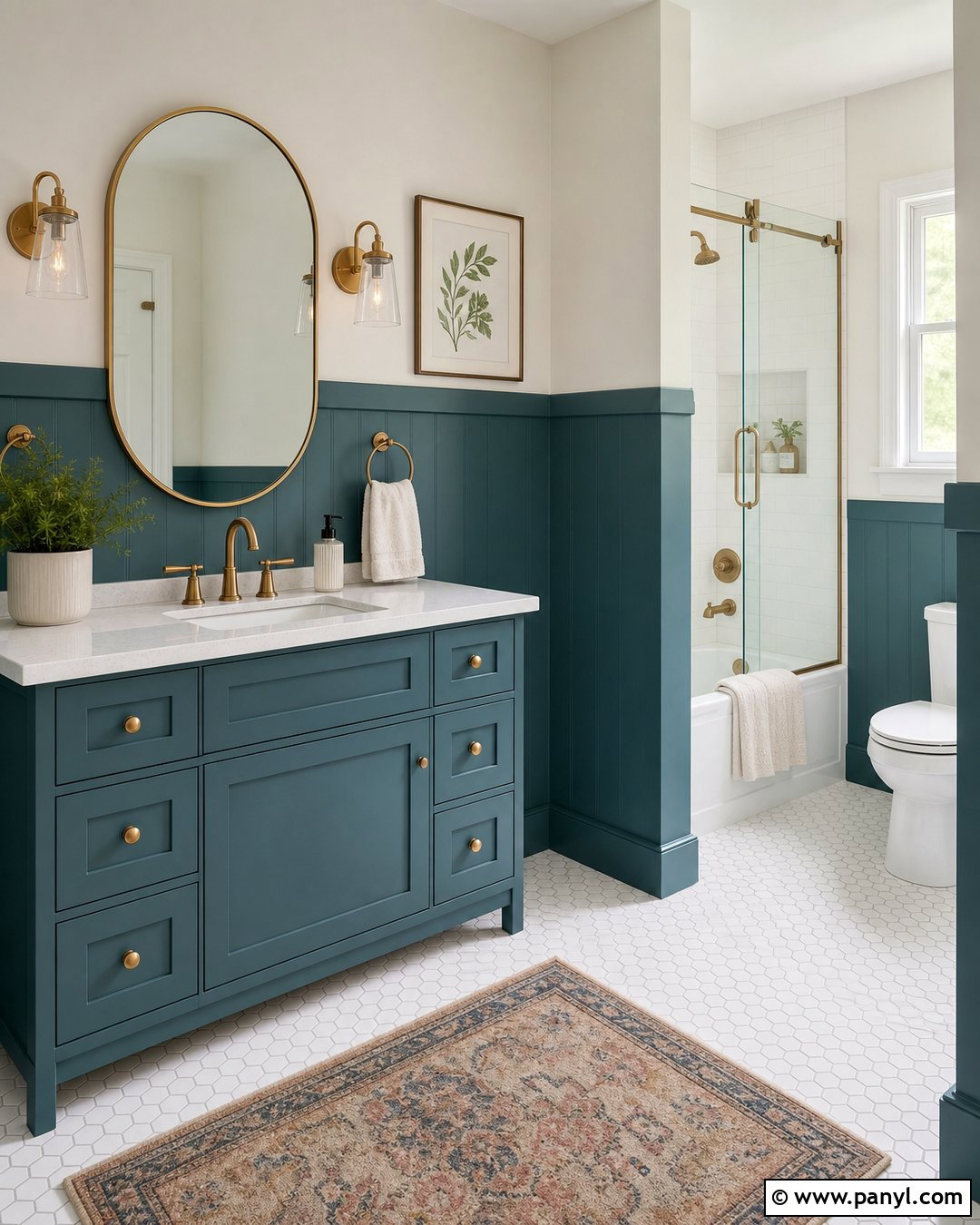
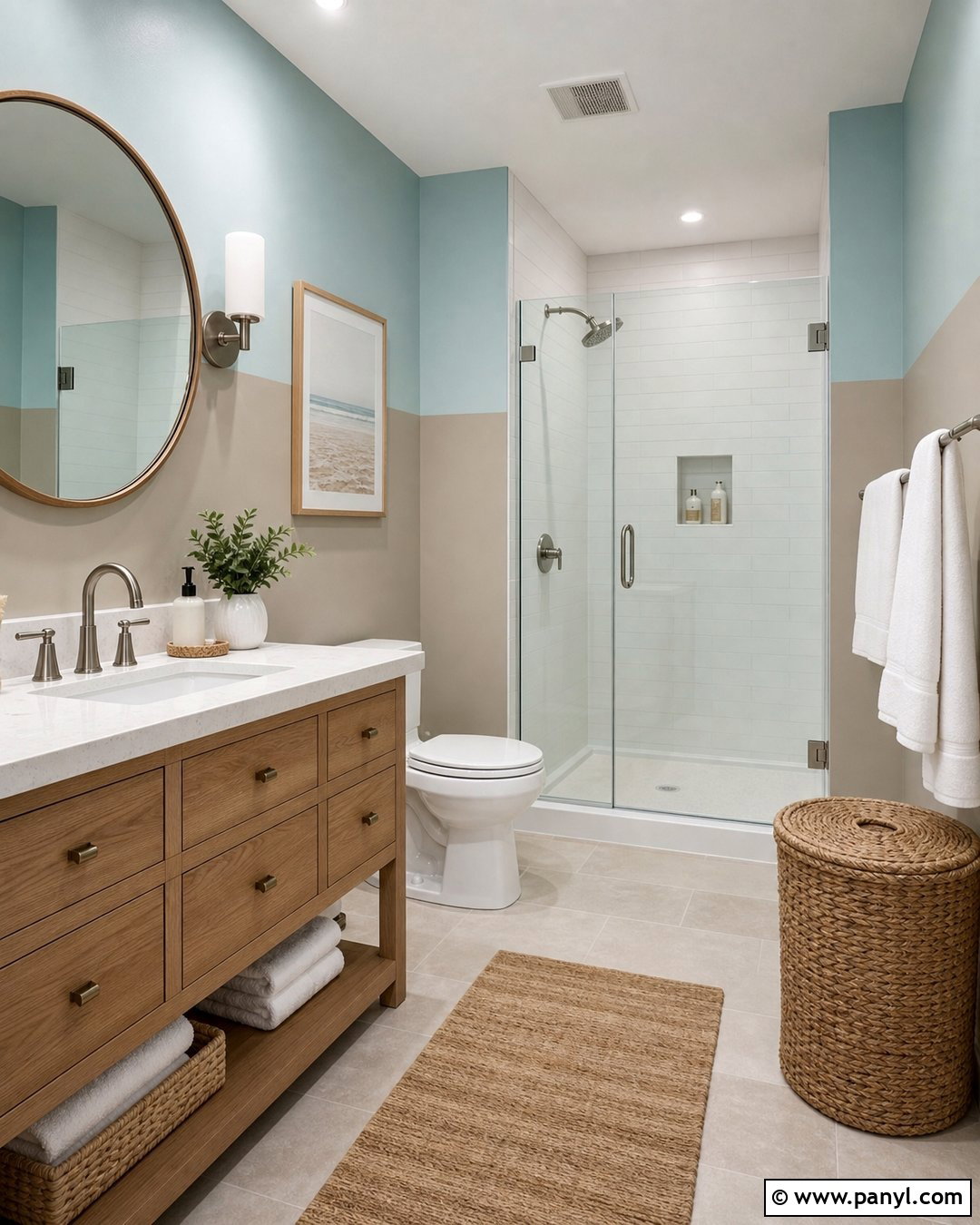
Imagine entering a bathroom where rich teal surrounds the vanity but the upper walls still feel clean and airy. Paint the lower half in a medium blue-green using a washable bathroom-appropriate finish, then use warm white above. Continue the teal across a narrow chair rail and the vanity cabinet for a unified look. White hexagonal floor tile and a white quartz countertop provide a bright foundation. Add brushed brass faucets, a rounded brass mirror, and clear glass sconces for warmth. A simple white shower curtain and pale wood stool prevent visual clutter. Include two framed botanical prints above the paint line and folded cream towels near the sink. The completed bathroom feels colorful and polished, with the saturated lower section giving everyday fixtures a more purposeful setting.
13. Lavender Lower Half Wall
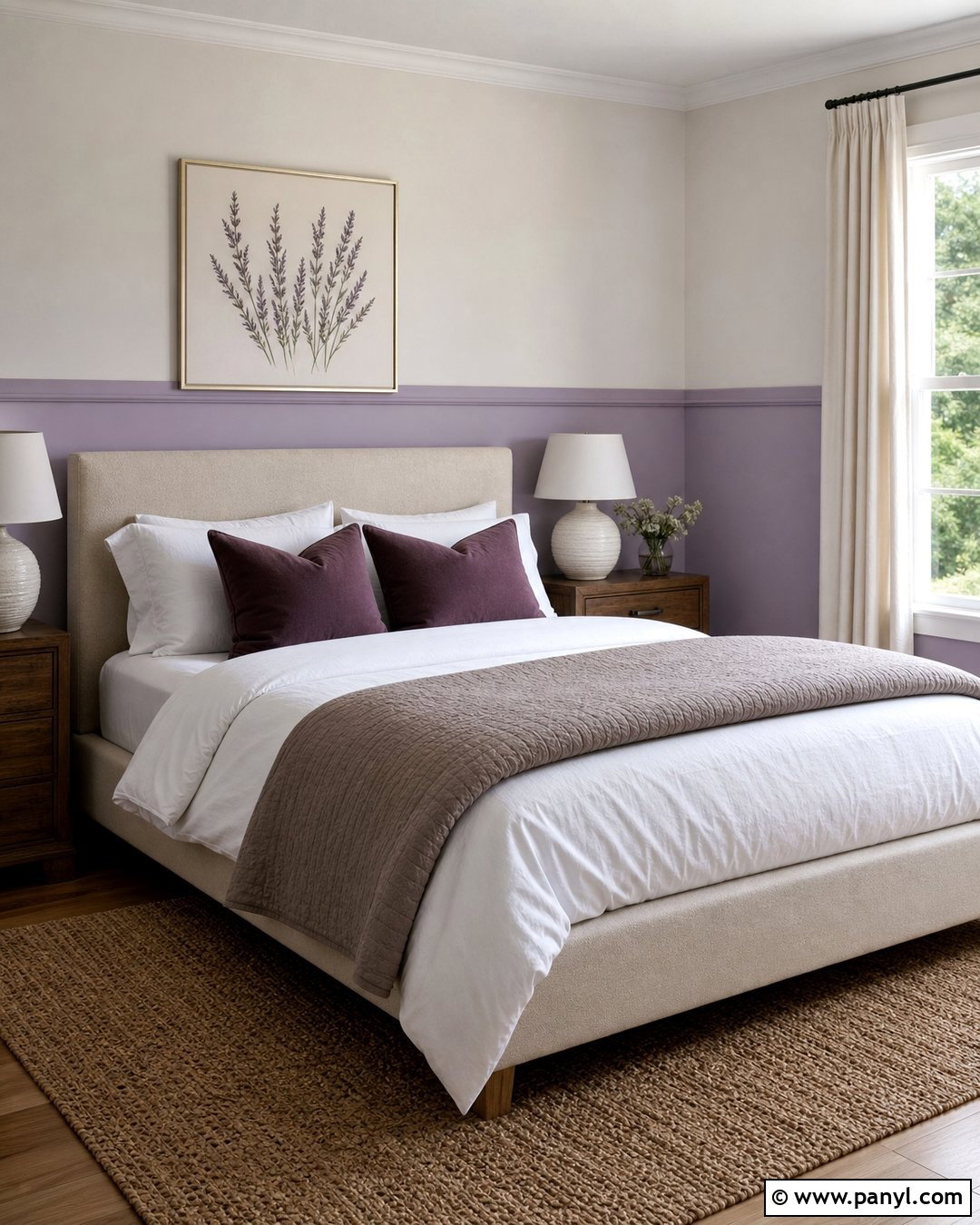
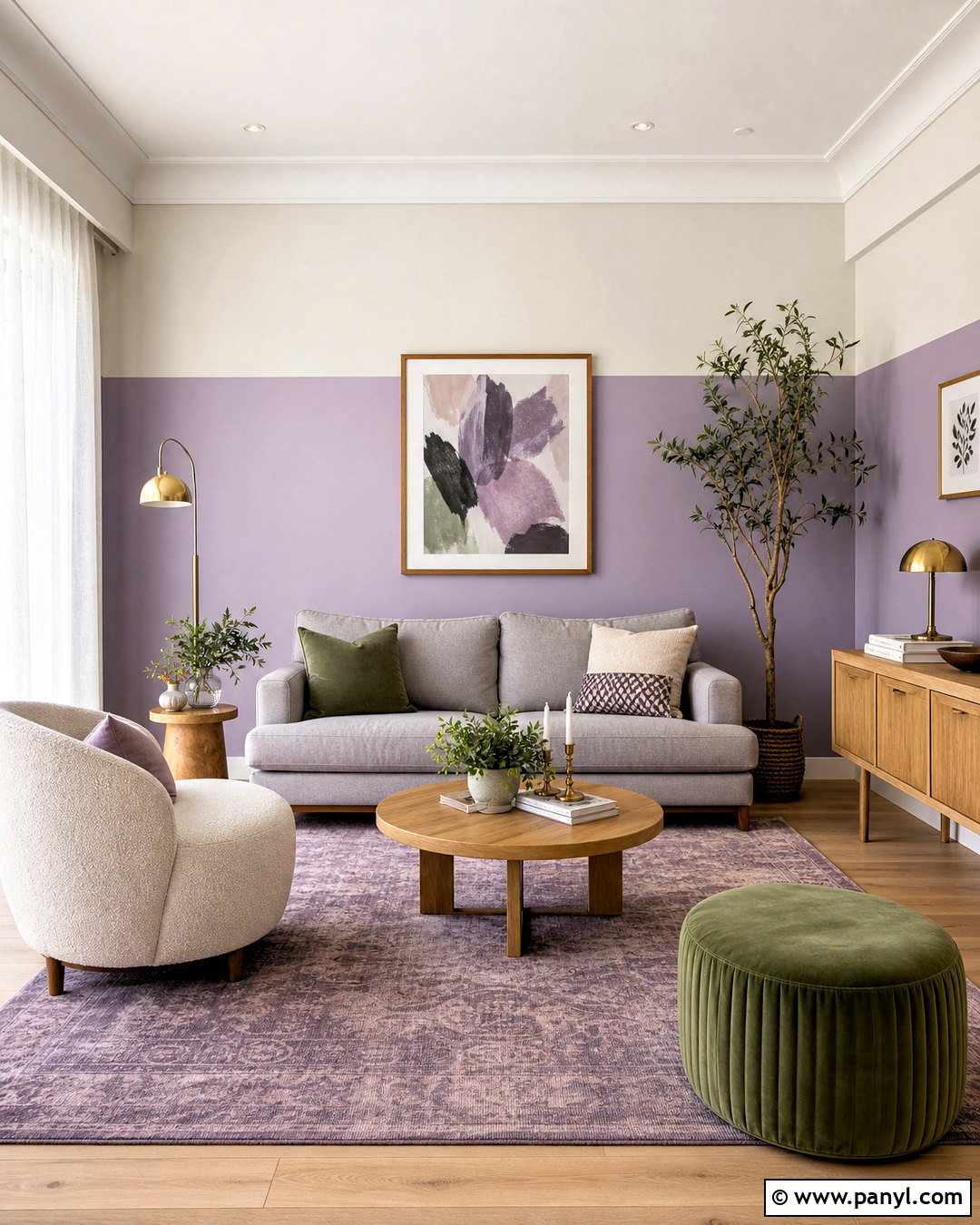
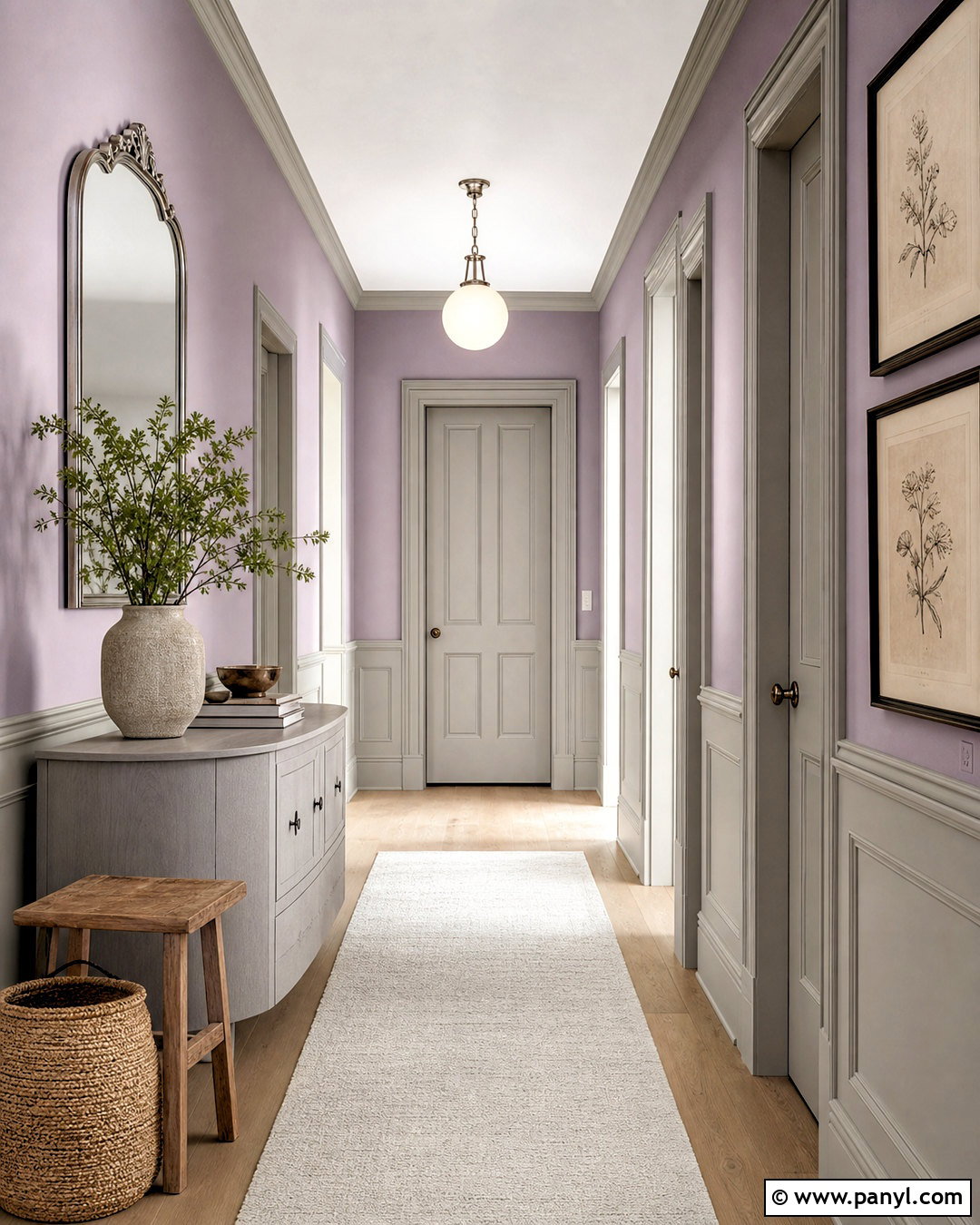
Muted lavender creates a peaceful guest bedroom when paired with earthy neutrals rather than additional pastel colors. Paint the lower half a gray-toned lavender and finish the upper walls in warm off-white. Continue the lavender over the baseboards for a seamless, slightly modern effect. Center an upholstered oatmeal bed against the wall, allowing the paint line to sit just above the headboard. Use white bedding, a taupe quilt, and plum accent pillows to repeat the wall color with greater depth. Medium wood nightstands and ceramic lamps bring warmth to the cool lavender. Add a natural fiber rug, linen curtains, and minimalist botanical artwork. This complete palette feels restful and sophisticated, giving guests a distinctive room that remains calm, comfortable, and uncomplicated.
14. Rust Orange Lower Half Wall
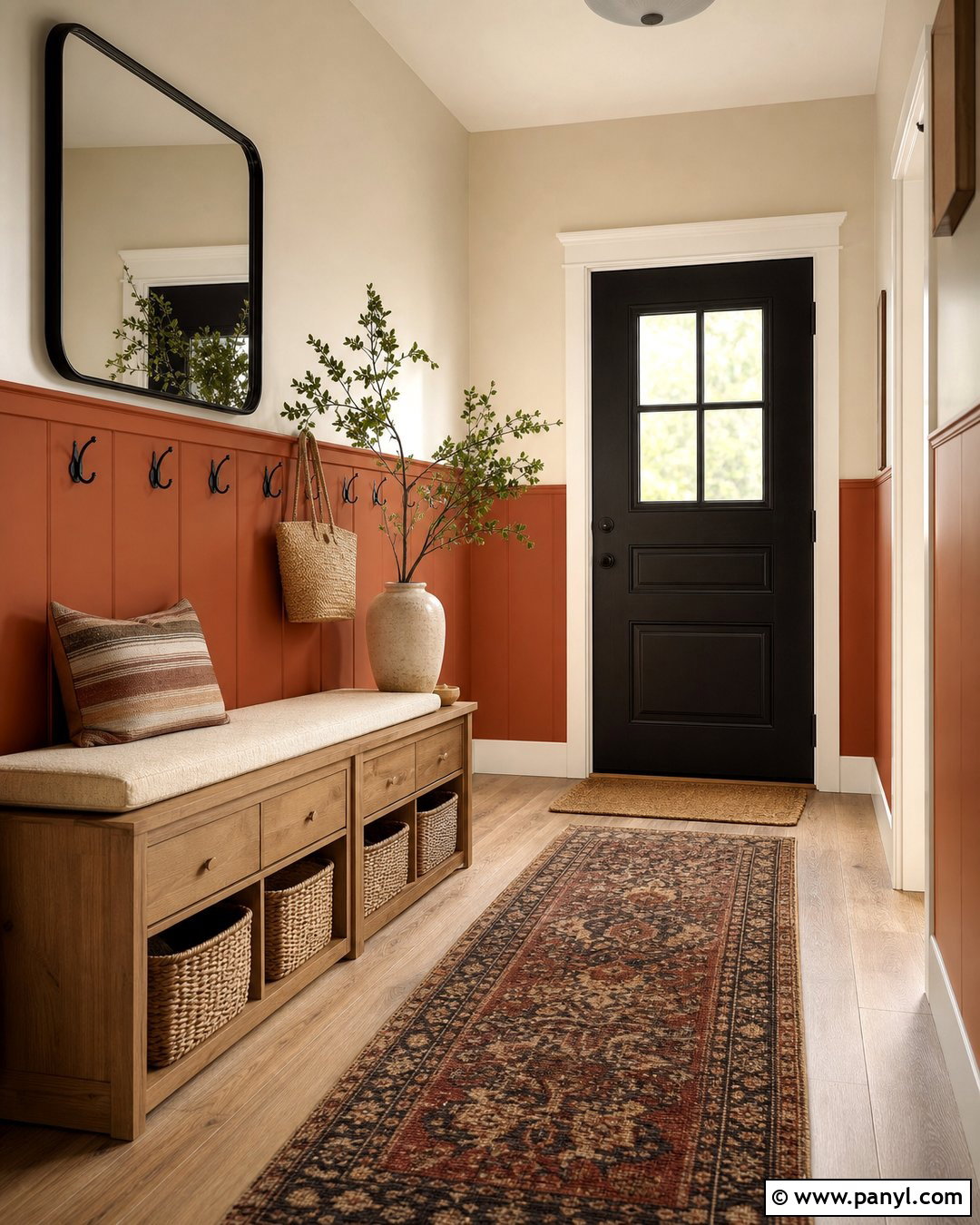
Rust orange makes an entryway feel warm and welcoming while standing up visually against practical storage furniture. Paint the lower half in a muted burnt orange, including the baseboards and wall hooks, then use pale sand-colored paint above. Add a simple oak bench with drawers or baskets beneath it. A row of black hooks provides contrast and keeps coats organized without interrupting the color scheme. Place a narrow vintage-style runner along the floor and hang a large black-framed mirror above the dividing line. A cream seat cushion, striped pillow, and woven baskets soften the stronger paint color. Finish with one ceramic vase and a leafy branch. The full design gives a small entrance personality while ensuring every decorative element also supports daily organization.
15. Warm Taupe Lower Half Wall
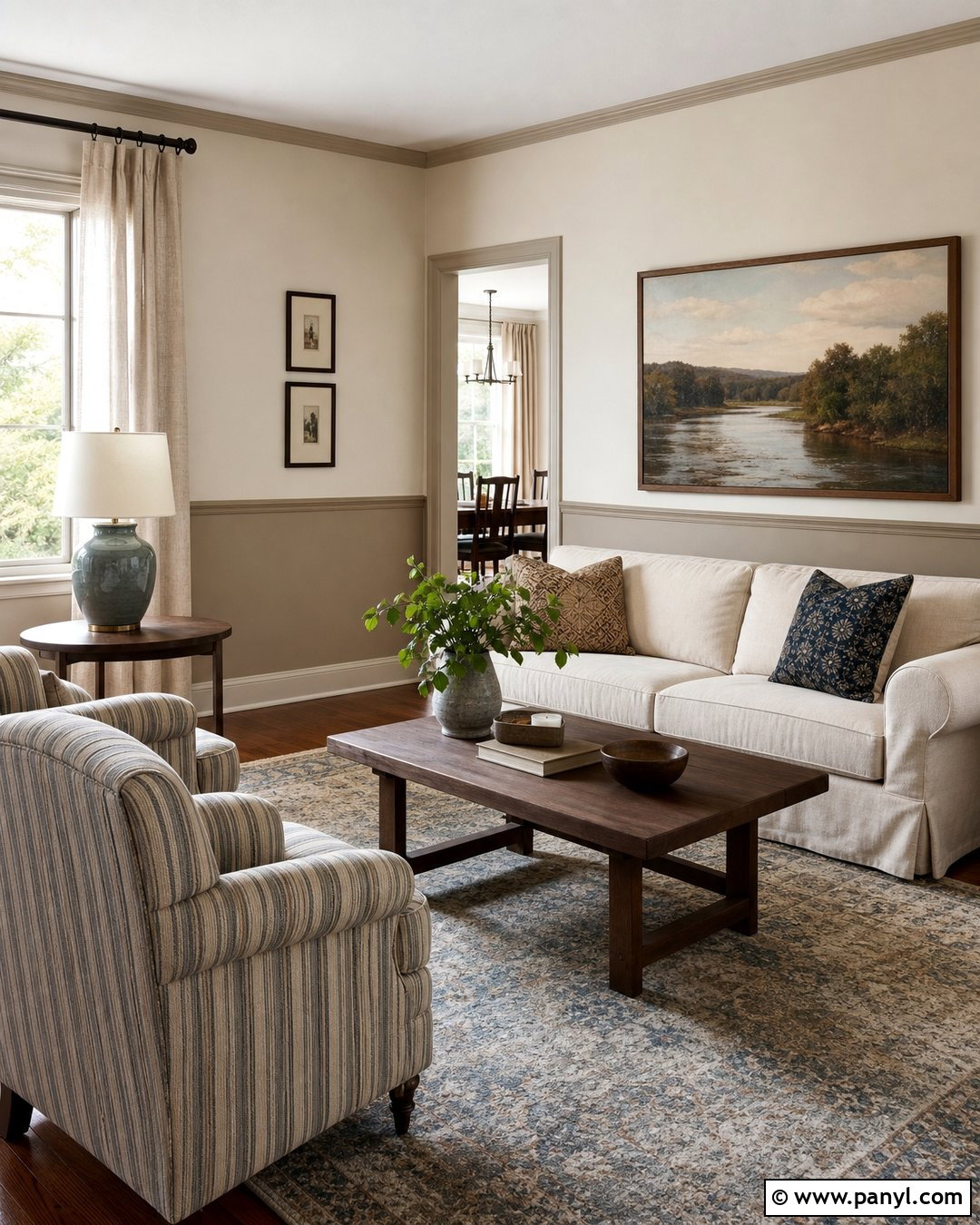
For a timeless living room, pair a warm taupe lower wall with creamy white above and traditional trim between the colors. Paint the chair rail, baseboards, and lower wall in the same taupe so the section reads as one architectural feature. A slipcovered ivory sofa, walnut coffee table, and two striped armchairs create a comfortable conversational layout. Add a faded blue-and-beige rug to introduce gentle contrast without competing with the walls. Linen curtains, ceramic lamps, and framed landscapes reinforce the relaxed traditional look. Keep the ceiling and crown molding creamy white to connect them with the upper walls. This scheme is especially useful when you want more warmth than gray provides. It creates visual structure while remaining flexible enough for changing pillows, artwork, and seasonal accessories.
16. Cobalt Blue Lower Half Wall
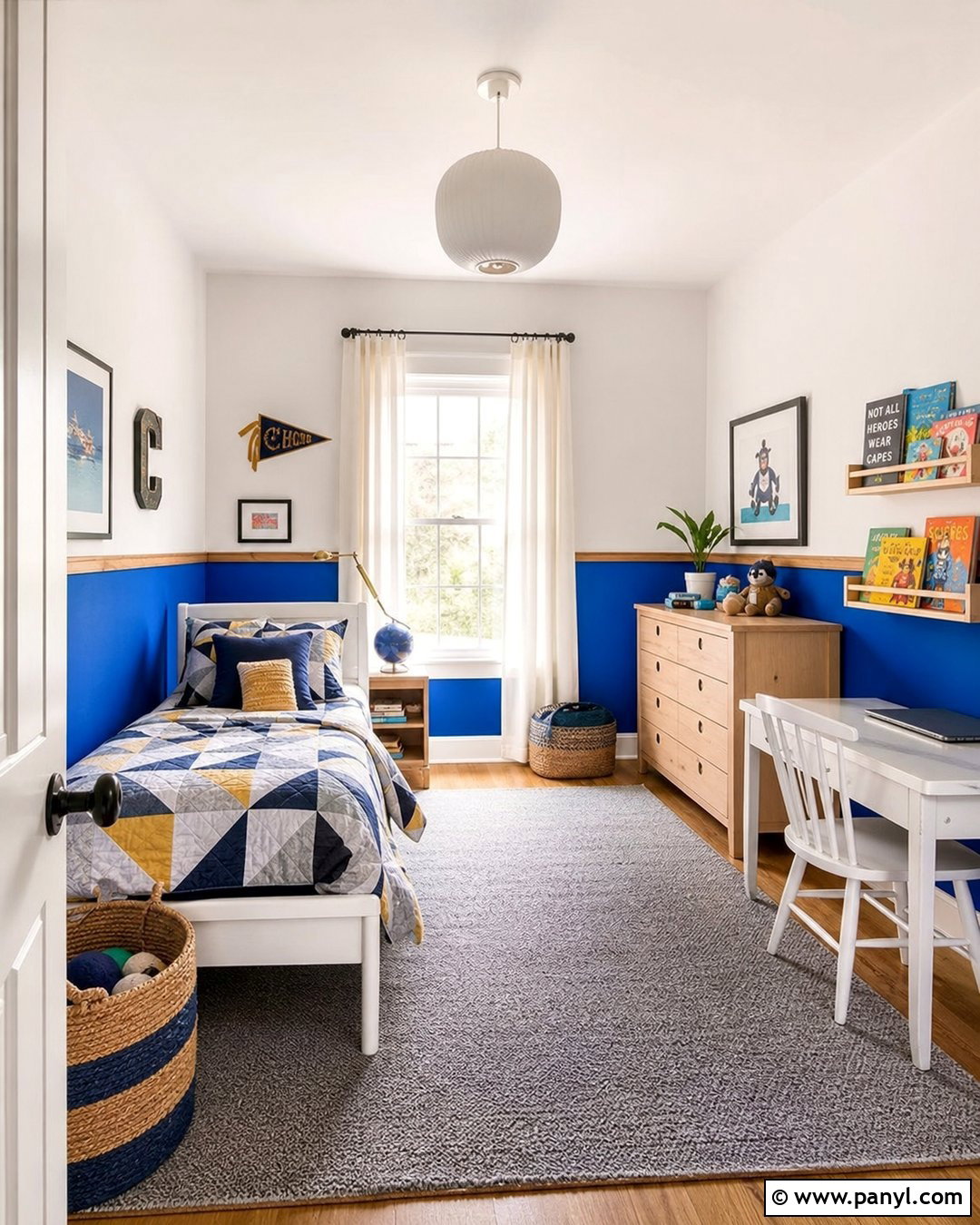
Bright cobalt blue turns a child’s bedroom into a lively space without covering every wall in intense color. Use cobalt on the lower half and clean white above, separating the shades with a narrow natural wood molding. Choose a simple white bed, pale wood dresser, and washable gray rug to keep the larger furniture neutral. Bedding can combine cobalt, green, and orange in small geometric patterns. Install wall-mounted book ledges above the painted line so colorful covers become part of the decor. A white pendant light and cotton curtains maintain brightness. Include closed storage baskets and a compact desk for practical organization. The strong blue creates energy around the room’s busiest zone, while the open white upper section prevents the finished bedroom from feeling crowded or overstimulating.
17. Chocolate Brown Lower Half Wall
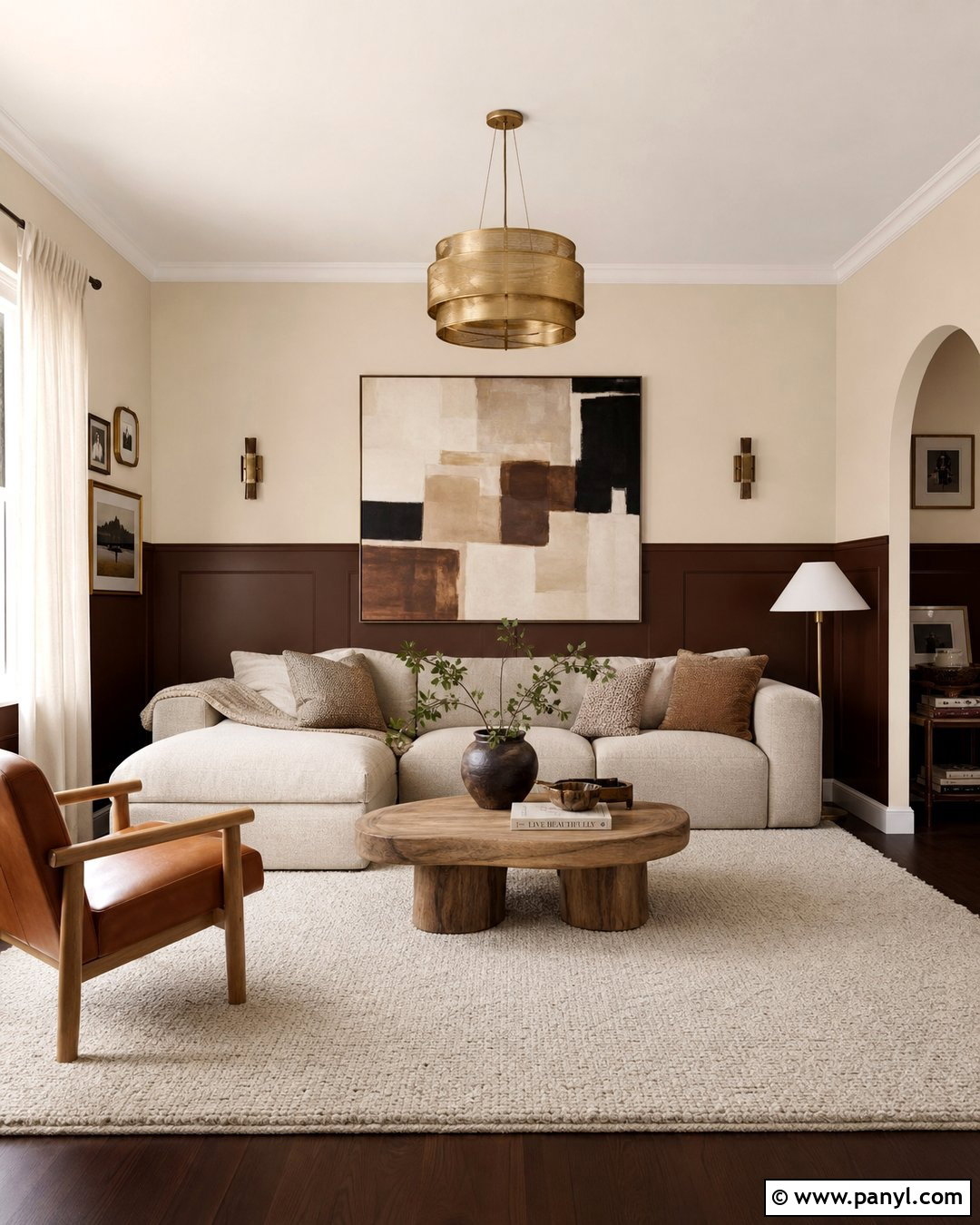
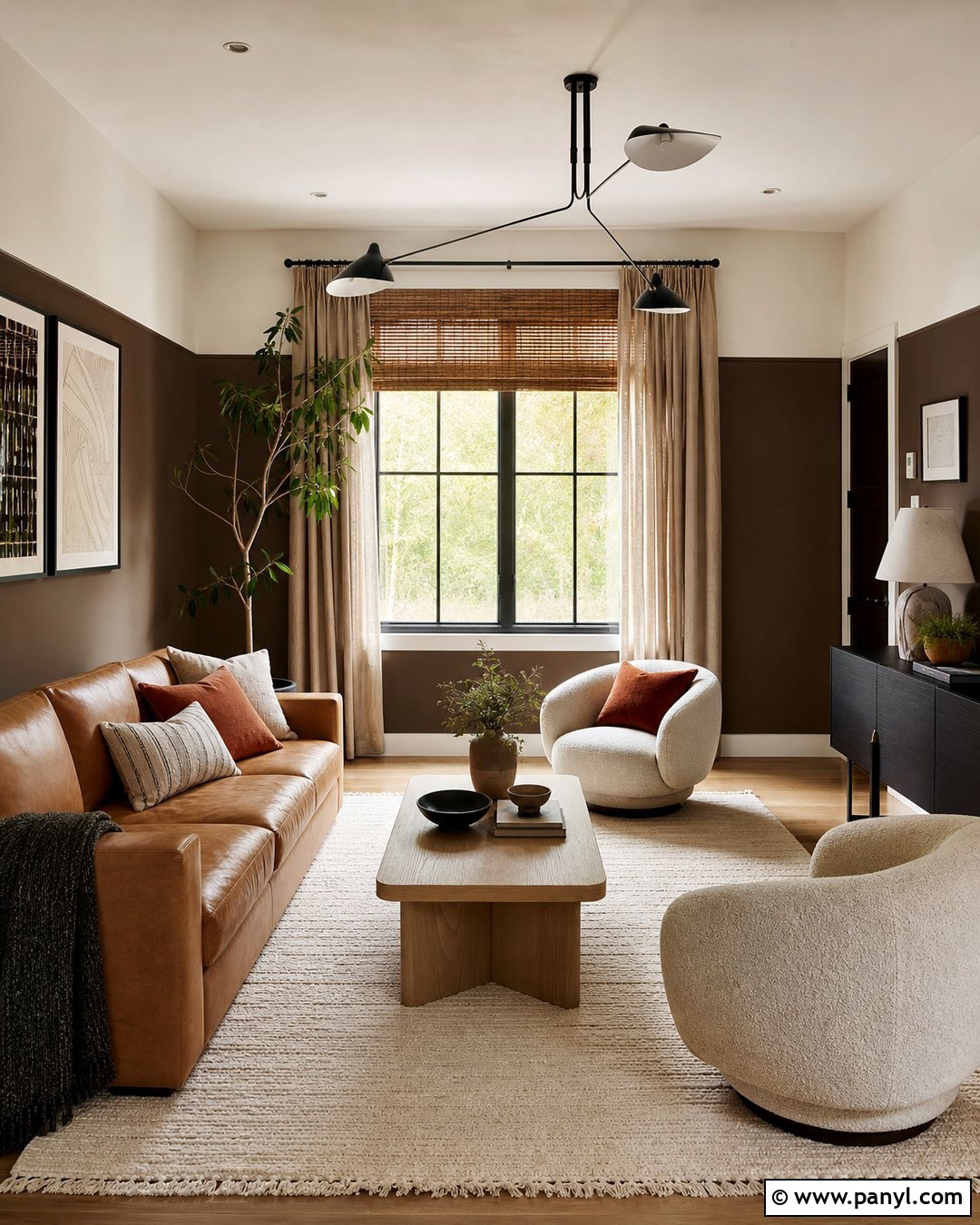
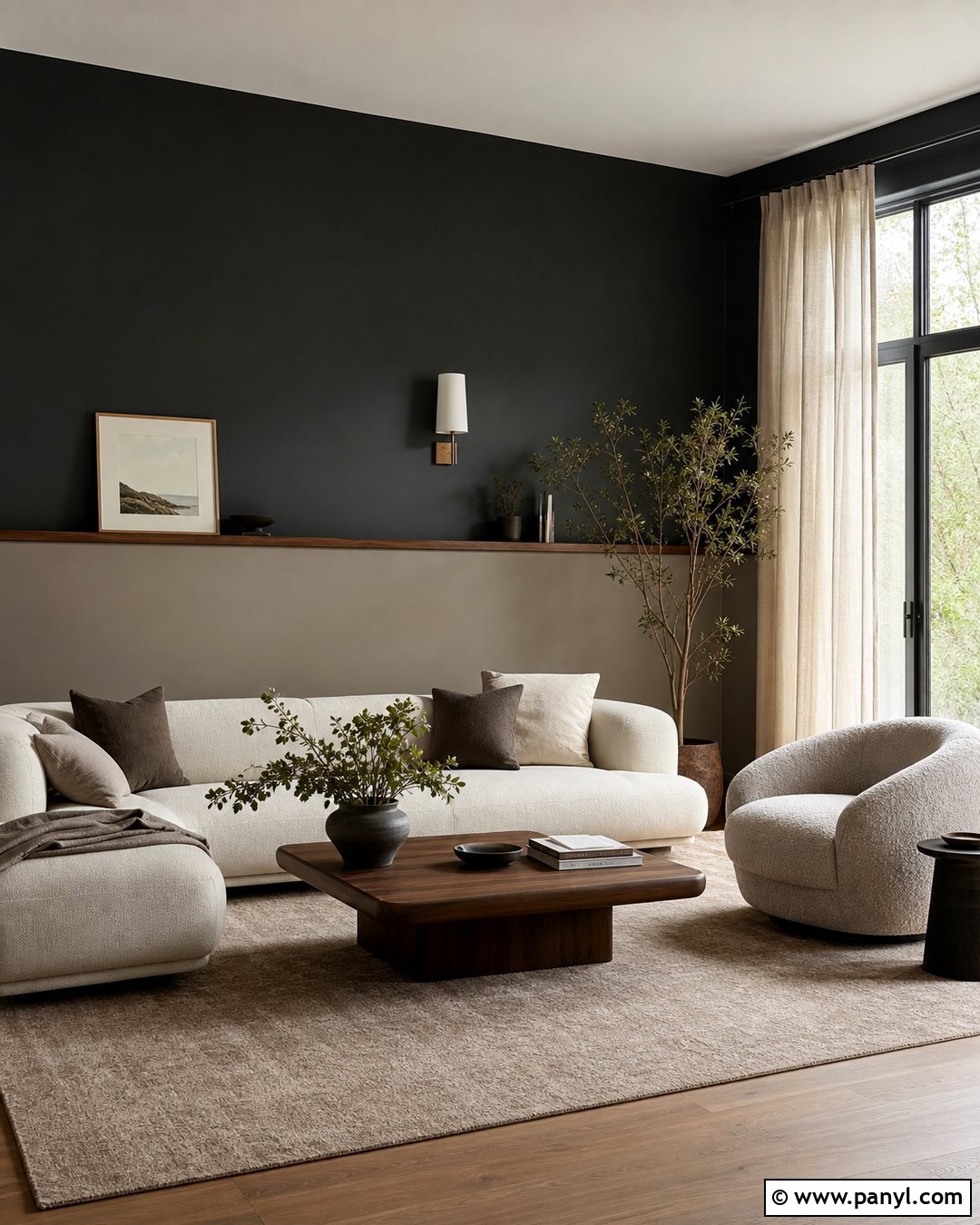
Chocolate brown gives a modern living room an earthy, enveloping foundation when paired with pale plaster-colored walls. Choose a deep brown with warm undertones and apply it across the lower half, doors, and baseboards. Leave the upper walls a light creamy beige to maintain softness. Furnish the room with a low oatmeal sofa, sculptural oak coffee table, and tan leather accent chair. A thick ivory rug adds necessary contrast underfoot. Use off-white curtains, dark bronze lighting, and a few textured brown pillows to repeat the lower paint color throughout the space. Large abstract artwork should overlap visually with both wall sections. The finished look feels contemporary but approachable, combining rich color, curved furniture, natural materials, and a controlled neutral palette rather than relying on stark black accents.
18. Scalloped Lower Half Wall
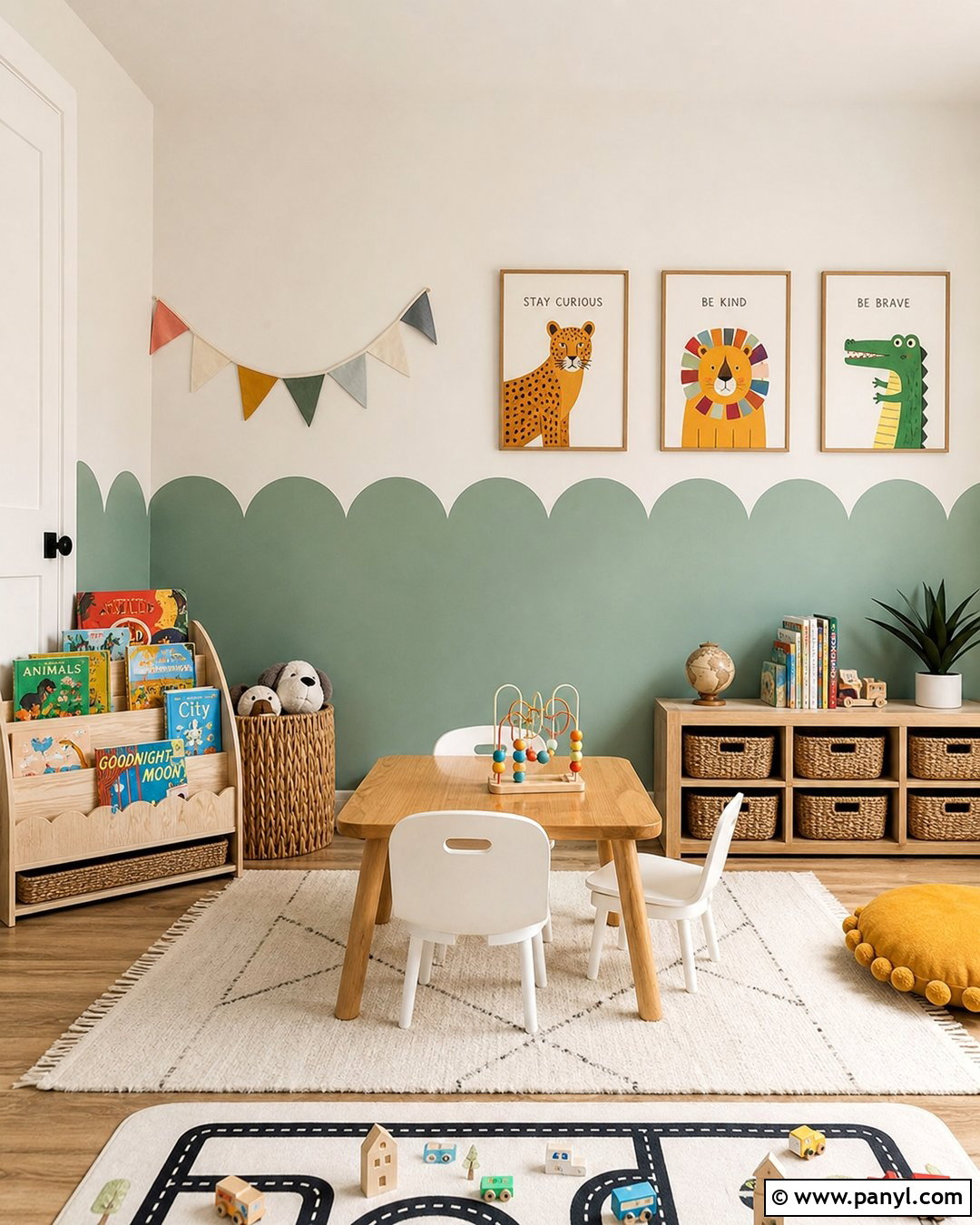
A scalloped paint edge gives a playroom character while preserving a simple, coordinated layout. Paint the lower wall in a cheerful seafoam green, then create evenly sized rounded scallops along the top edge against a warm white background. Keep the scallops broad and consistent so the pattern looks intentional instead of busy. Add a natural wood activity table, small white chairs, and a low oak storage unit along the painted section. Use woven baskets to organize toys and books while maintaining a calm appearance. A washable cream rug with subtle green shapes ties the floor to the walls. Display a few bright prints above the scallops and add a soft floor cushion in mustard yellow. The room feels imaginative, organized, and visually playful without depending on excessive themed decorations.
19. Lower Half Wall With Border Stripe
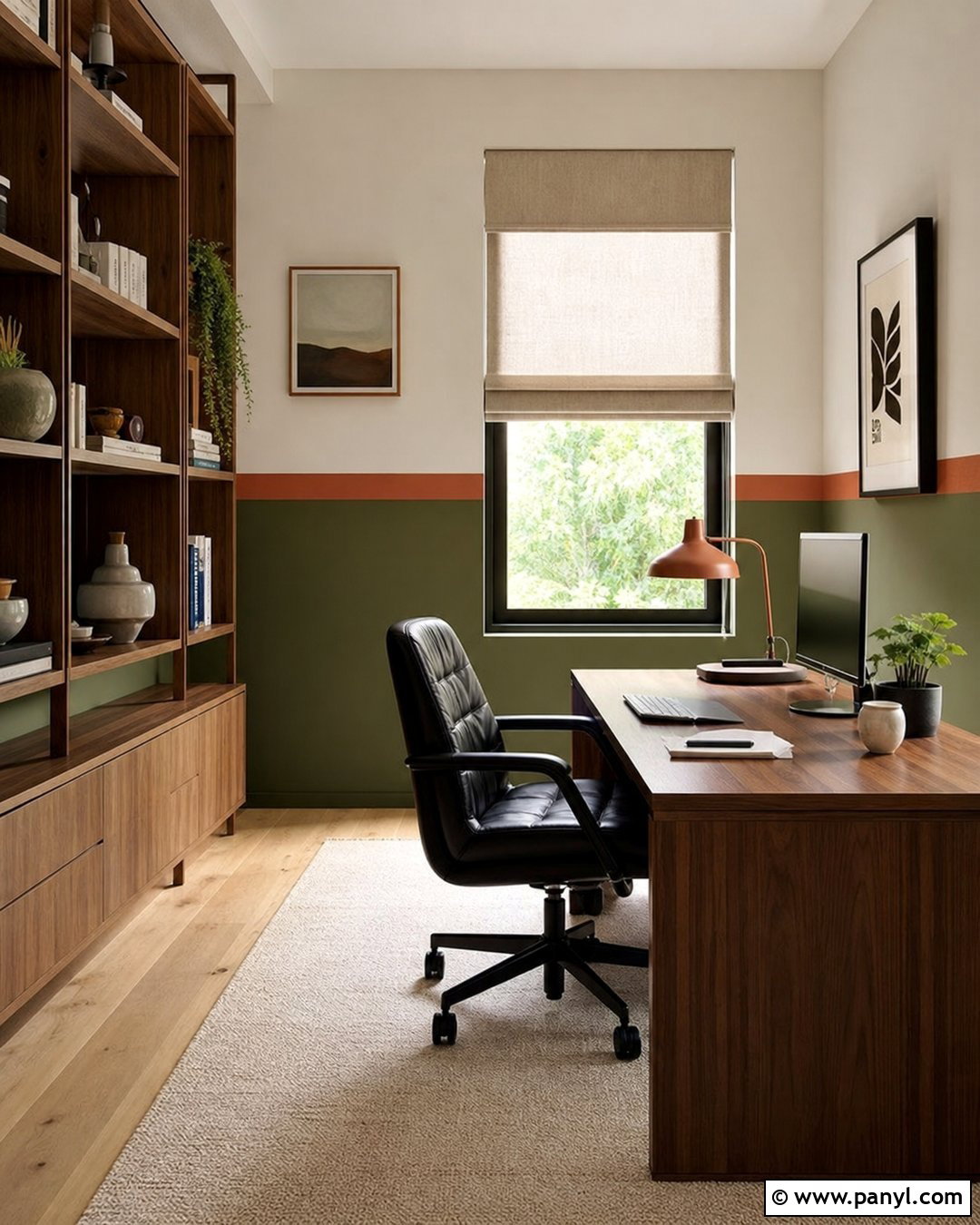
A slim border stripe can make a basic two-tone wall treatment feel more finished without installing molding. Paint the lower half muted olive green and the upper half soft ivory. Add a narrow clay-colored stripe directly above the green to create a crisp transition. Carry the olive across the baseboards, but leave window and door trim ivory for contrast. This palette works beautifully in a home office with a walnut desk, black desk chair, cream rug, and open wood shelving. Repeat the clay color through a desk lamp, planter, or small piece of artwork. A linen Roman shade keeps the window treatment tailored. The complete design feels creative yet professional, using three controlled colors to define the room without introducing complicated patterns or permanent architectural details.
20. Chalkboard Lower Half Wall
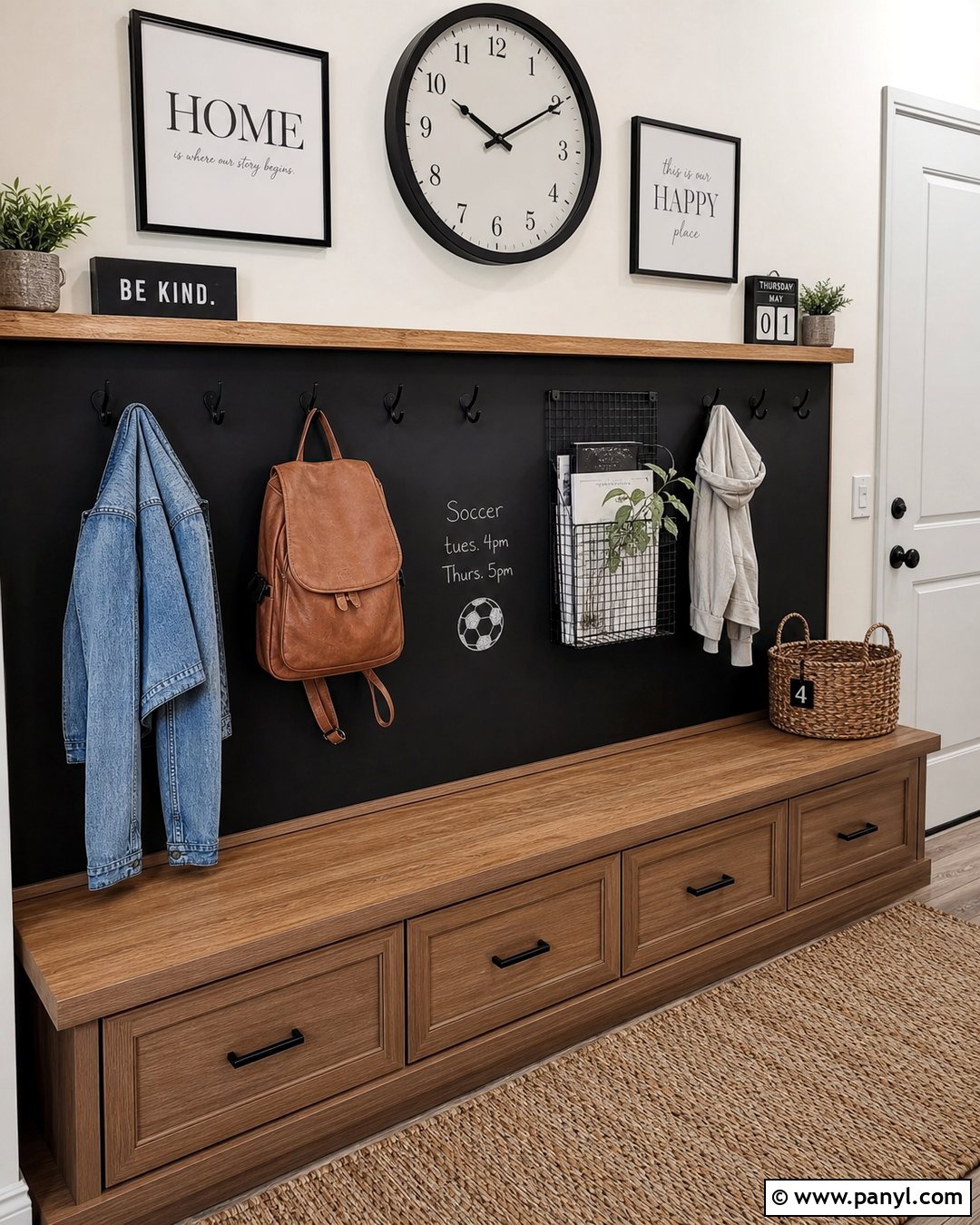
A chalkboard lower wall turns a family command center into a practical design feature rather than an isolated black rectangle. Apply matte black chalkboard paint across the lower half of one kitchen or mudroom wall. Use washable warm white paint above and install a simple oak ledge over the dividing line to hold chalk and small containers. Add a narrow wood bench, closed shoe drawers, and black wall hooks nearby. A woven runner and natural baskets soften the dark surface. Keep the chalk markings organized into a calendar, grocery list, and designated drawing area instead of covering every inch. Hang a clock and two framed prints on the white upper wall. This complete setup combines household organization, casual creativity, and a strong lower wall treatment in one compact space.
Conclusion:
The most successful Lower Half Wall Painted Ideas treat color as part of the entire room rather than an isolated stripe. Consider the height of your furniture, the wall proportions, available daylight, flooring, and existing trim before choosing the dividing line. Dark green, navy, charcoal, and brown can ground busy spaces, while sage, lavender, powder blue, and taupe create a softer effect. Matching the baseboards and chair rail to the lower paint usually produces a more continuous look. Contrasting trim offers a crisper, traditional result. Test the complete palette beside flooring and fabrics before painting. With careful preparation and coordinated furnishings, a two-tone wall can add useful color, architectural definition, and personality without requiring a major renovation.

Related Ideas and Inspiration:
Leave a Reply