
Cool colors can make a room feel calm, polished, and visually refreshing without leaving it cold or unfinished. These 20 cool tone accent wall ideas explore complete room designs built around blue, green, gray, teal, lavender, and violet. Each look pairs the feature wall with coordinating furniture, flooring, lighting, textiles, and decor, so the finished space feels intentional. You will find simple painted walls alongside paneling, wallpaper, tile, limewash, murals, and other dimensional treatments. The collection also covers living rooms, bedrooms, dining areas, offices, bathrooms, and entryways. Whether your home is modern, coastal, traditional, or minimalist, these practical combinations make cool colors easier to use. Explore the following 20 cool tone accent wall ideas.

1. Navy Blue Living Room Accent Wall
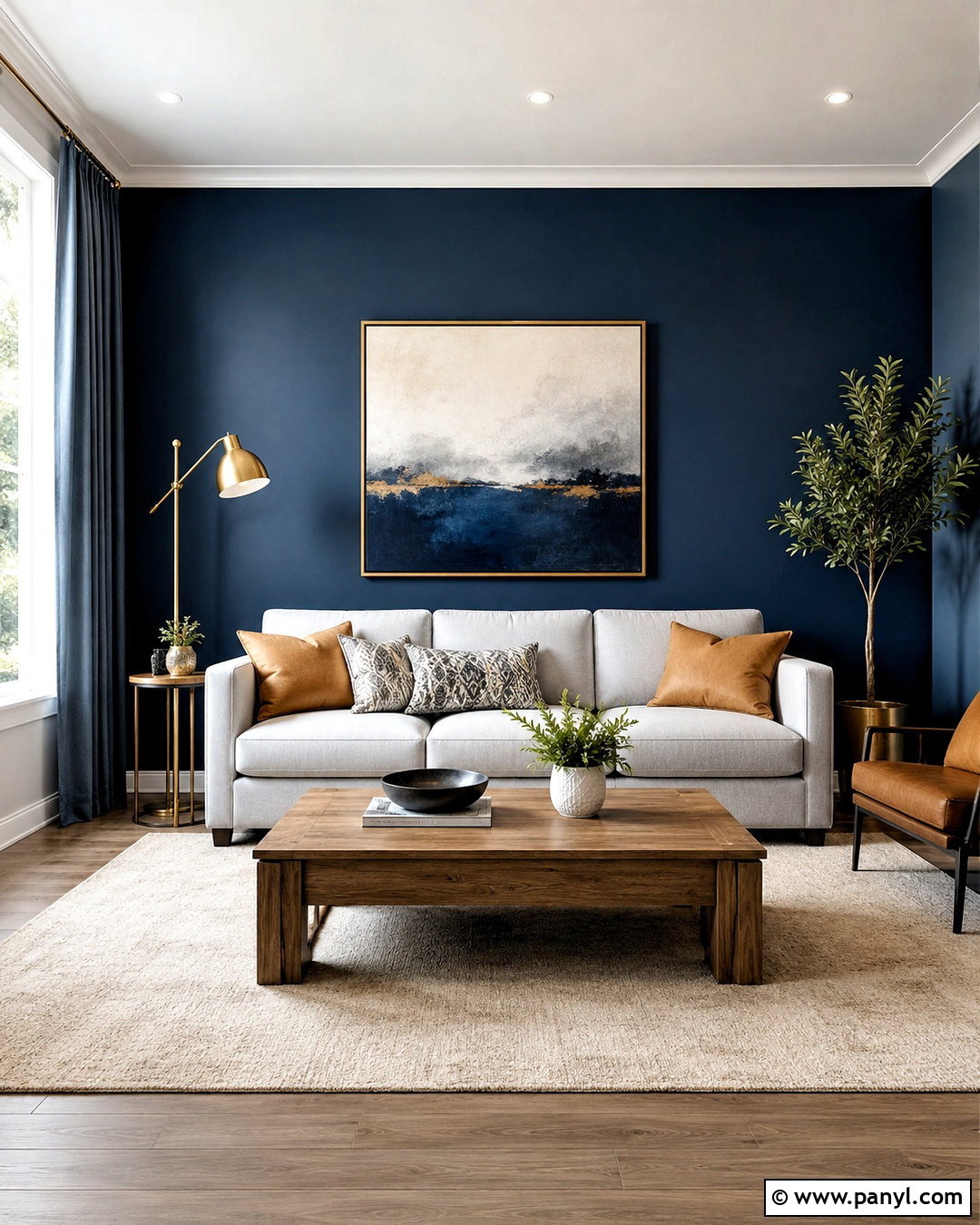
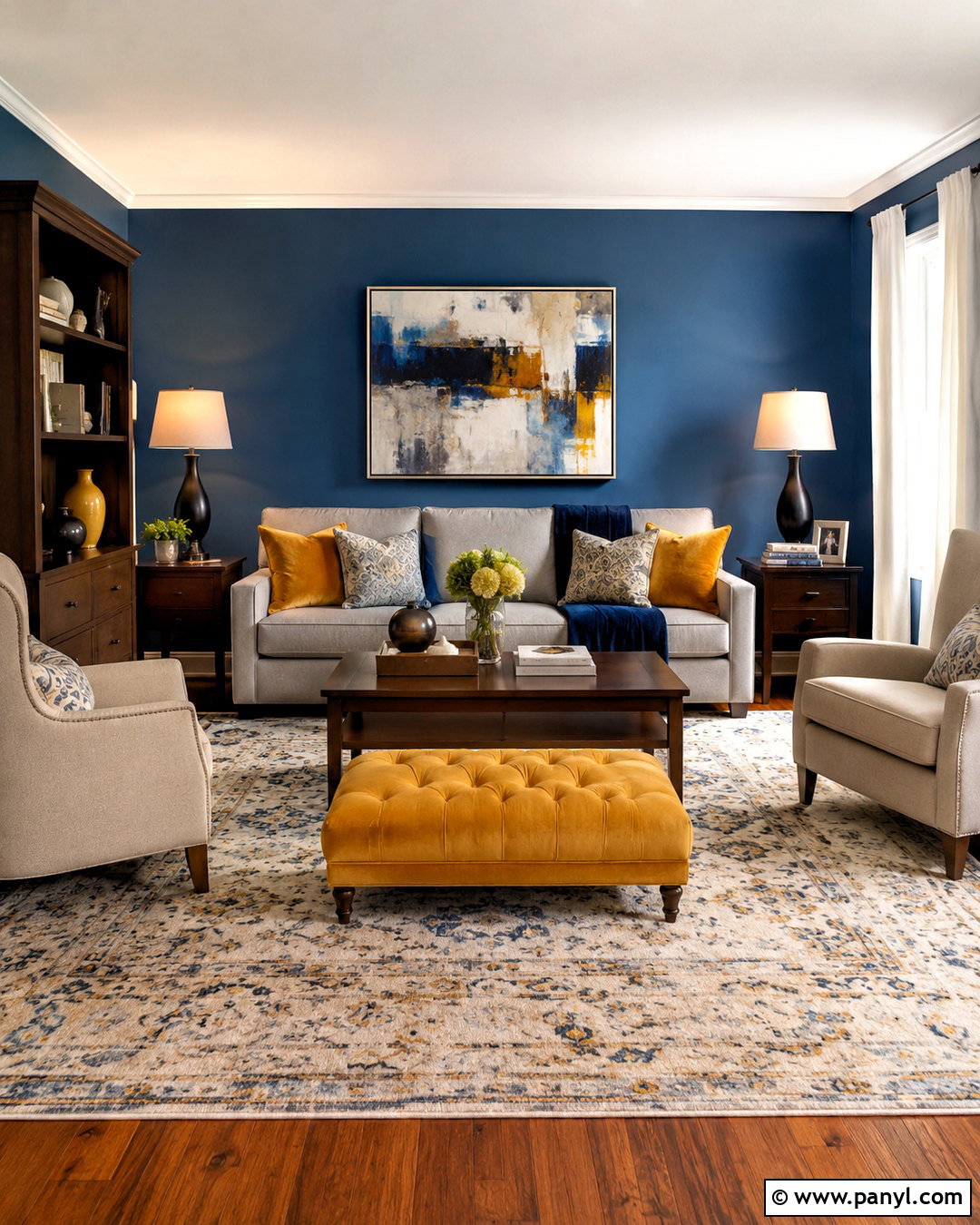
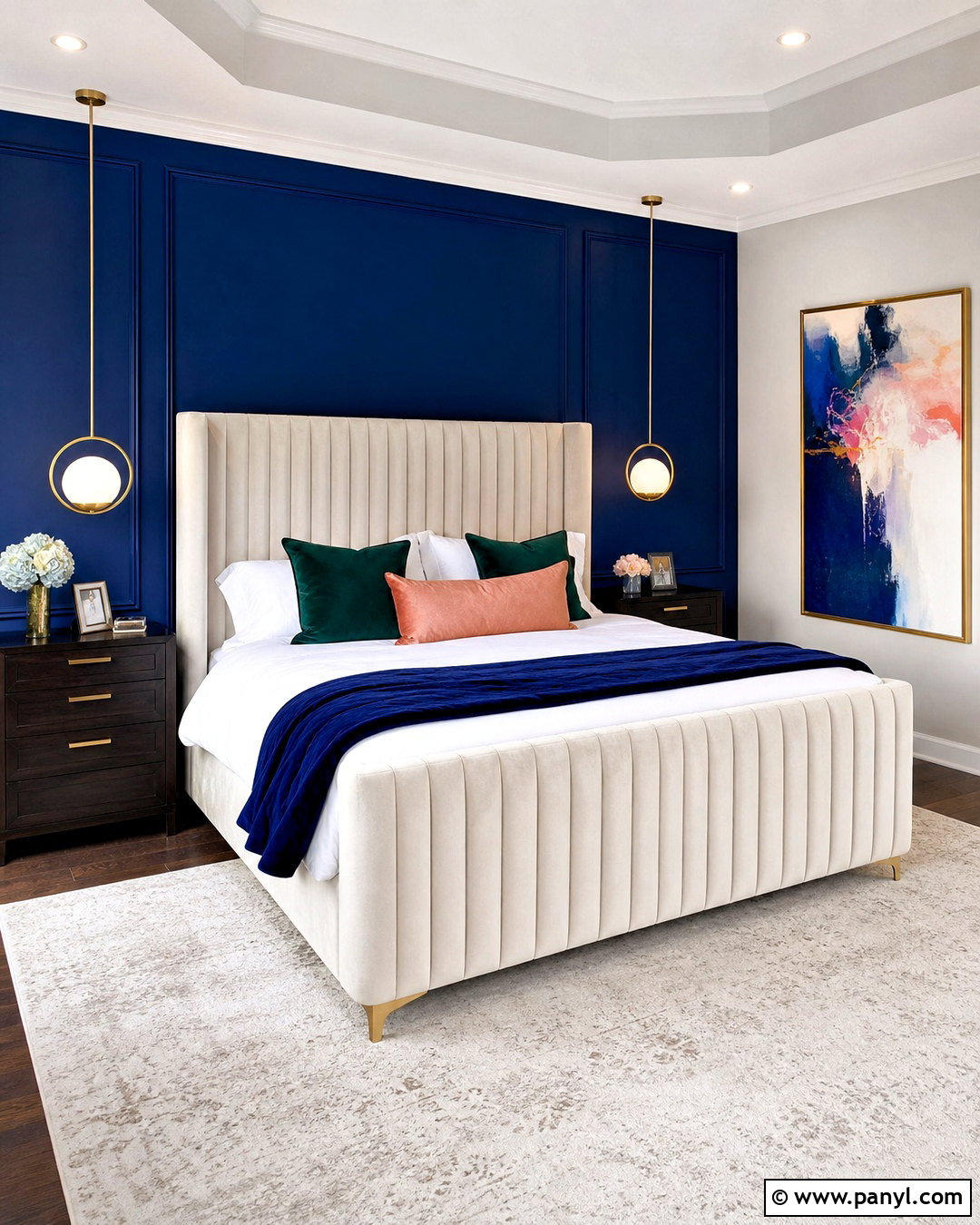
A navy blue accent wall creates a strong focal point without making a living room feel overly colorful. Place it behind a light gray sofa so the pale upholstery stands out clearly against the deep background. Add an ivory area rug, medium oak coffee table, and brushed brass floor lamp to soften the contrast. Curtains in a lighter blue-gray can connect the feature wall to the windows while keeping the room bright. Choose artwork with white, muted teal, and warm beige details for balance. A few rust-colored or camel pillows introduce controlled warmth without changing the cool foundation. Paint the remaining walls soft white, and use warm white bulbs to prevent the navy from appearing flat or nearly black.
2. Dusty Blue Bedroom Accent Wall
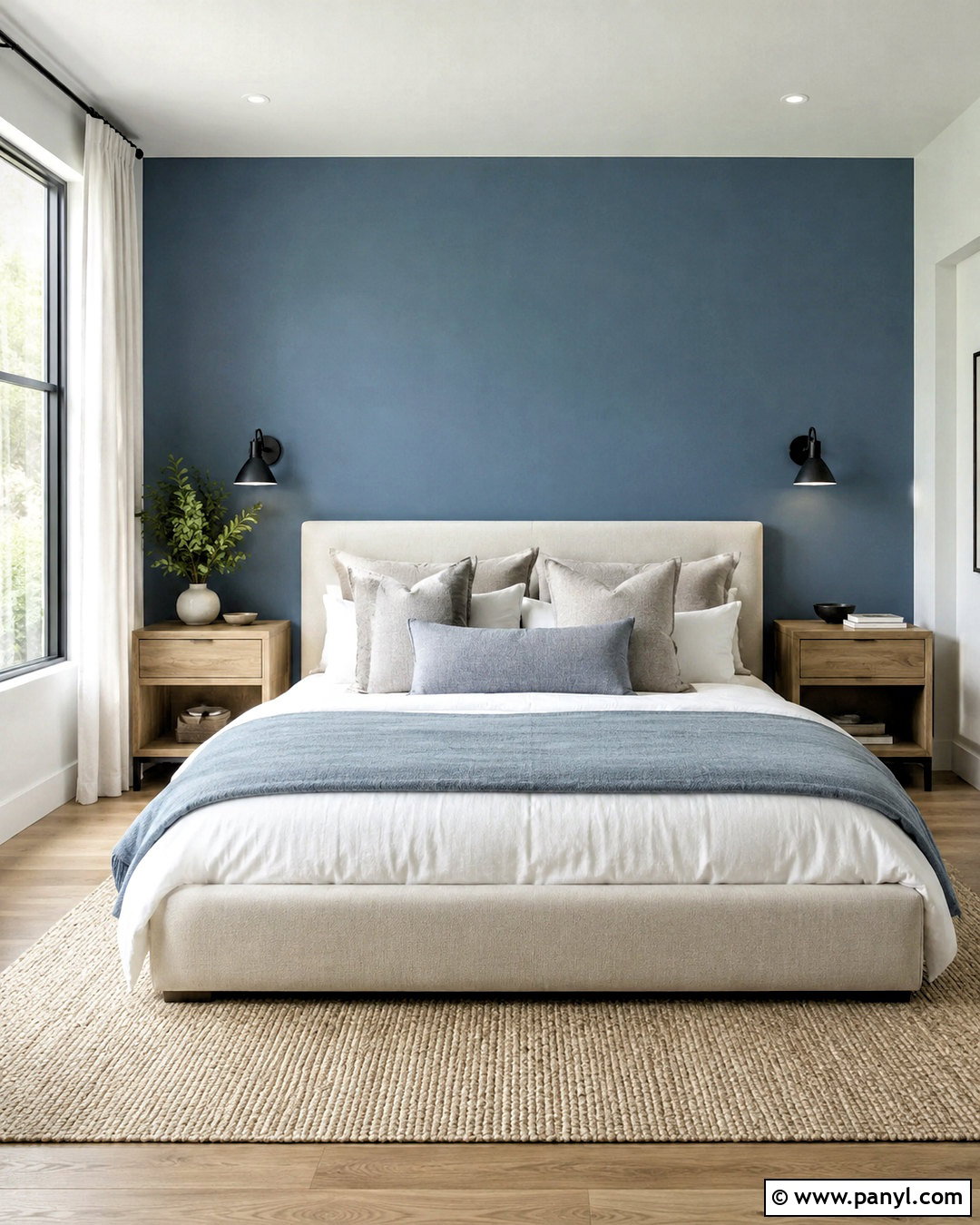
Dusty blue brings gentle color to a bedroom while supporting a restful, layered atmosphere. Use it on the wall behind an upholstered oatmeal bed, then continue the calm palette with white bedding, a faded blue coverlet, and gray linen pillows. Light oak nightstands keep the scheme casual, while matte black sconces provide crisp definition. A natural woven rug can add warmth underfoot without competing with the cool wall. Keep the other walls creamy white rather than stark white for a smoother transition between colors. Minimal botanical prints, ceramic lamps, and one leafy plant complete the room. This accent wall works especially well in spaces that receive strong daylight because the muted blue remains soft rather than becoming intensely bright.
3. Teal Dining Room Accent Wall
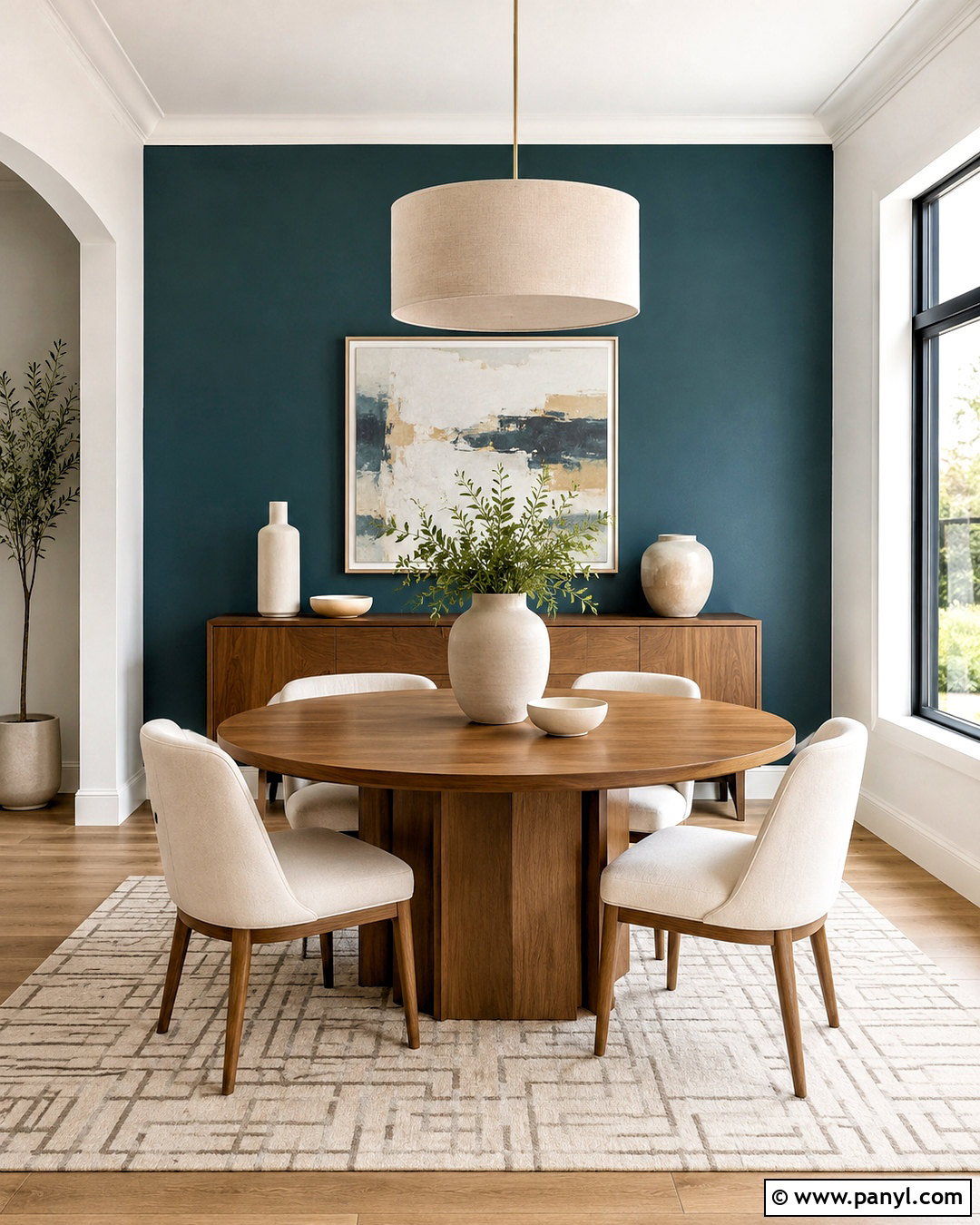
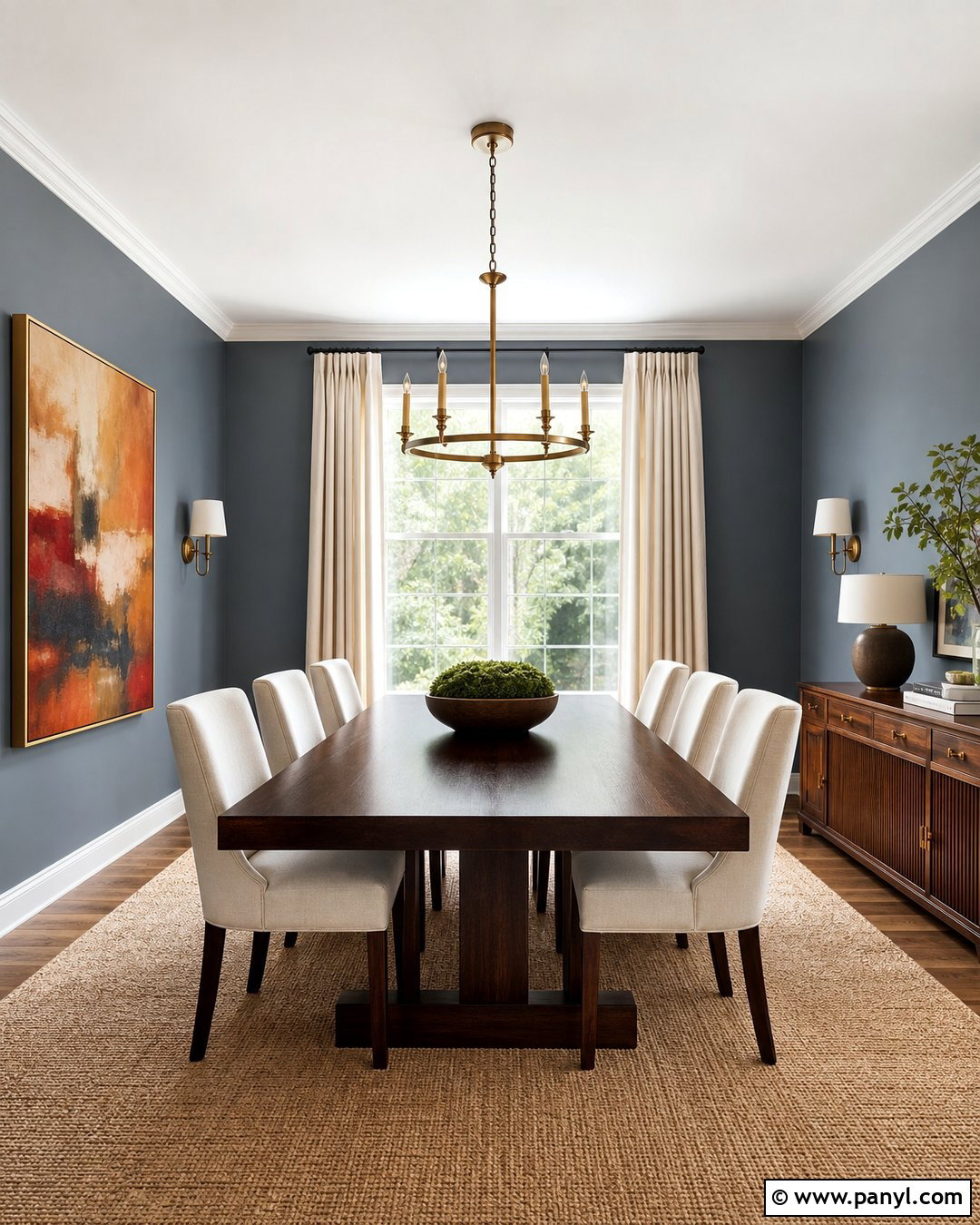
Rich teal can turn a basic dining area into a defined gathering space with depth and character. Paint the wall behind a walnut sideboard, then arrange a round oak dining table and cream upholstered chairs in front of it. The wood tones keep the blue-green color welcoming, while an oversized linen pendant adds softness overhead. Display pale ceramics, clear glassware, and a large abstract print containing teal, gray, and sandy beige. On the floor, use a low-pile rug with a subtle geometric pattern to anchor the table. Paint surrounding walls a warm off-white and repeat teal through only two or three small accessories. This controlled repetition makes the accent wall feel integrated instead of looking like a separate, randomly colored surface.
4. Blue Gray Fireplace Accent Wall
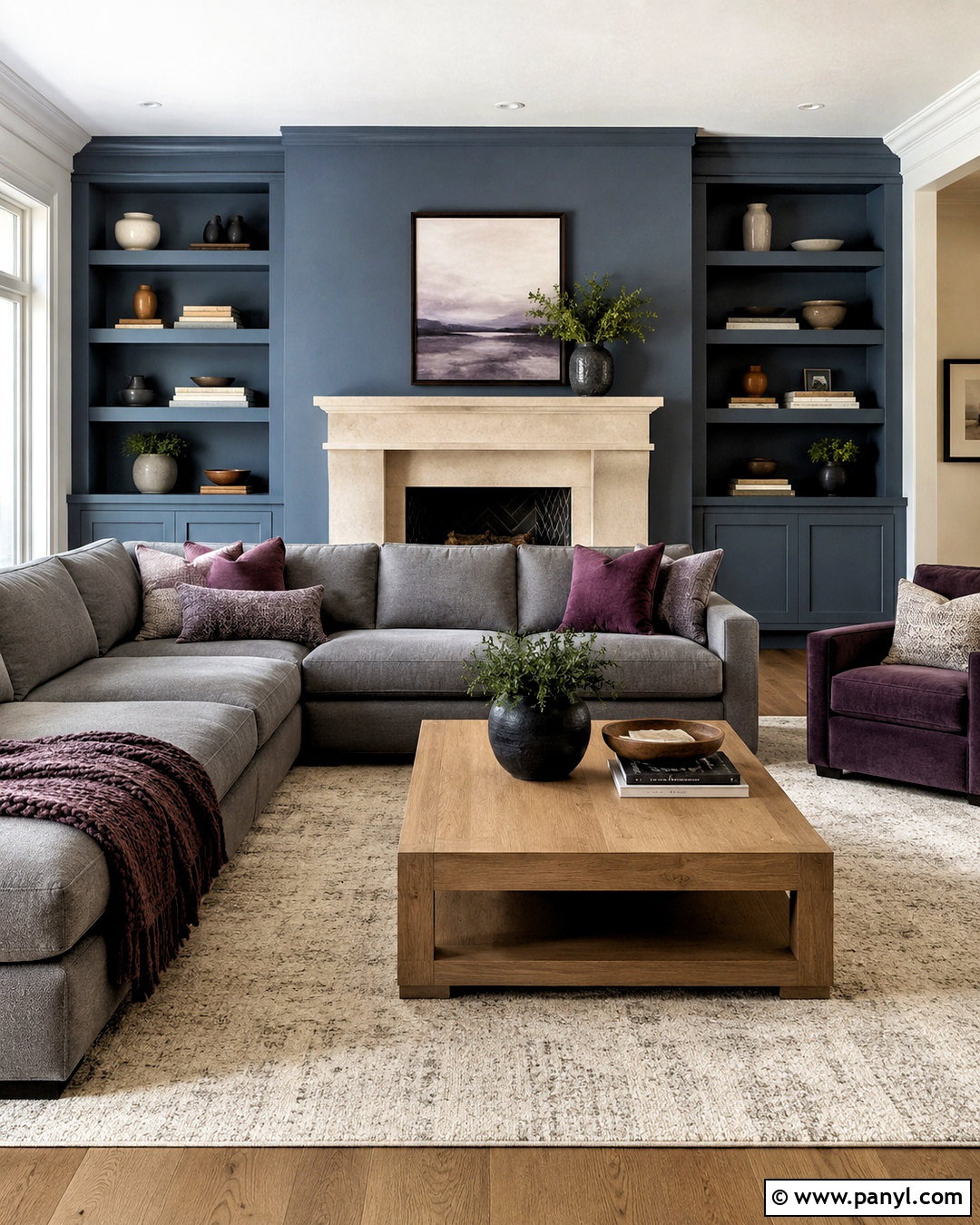
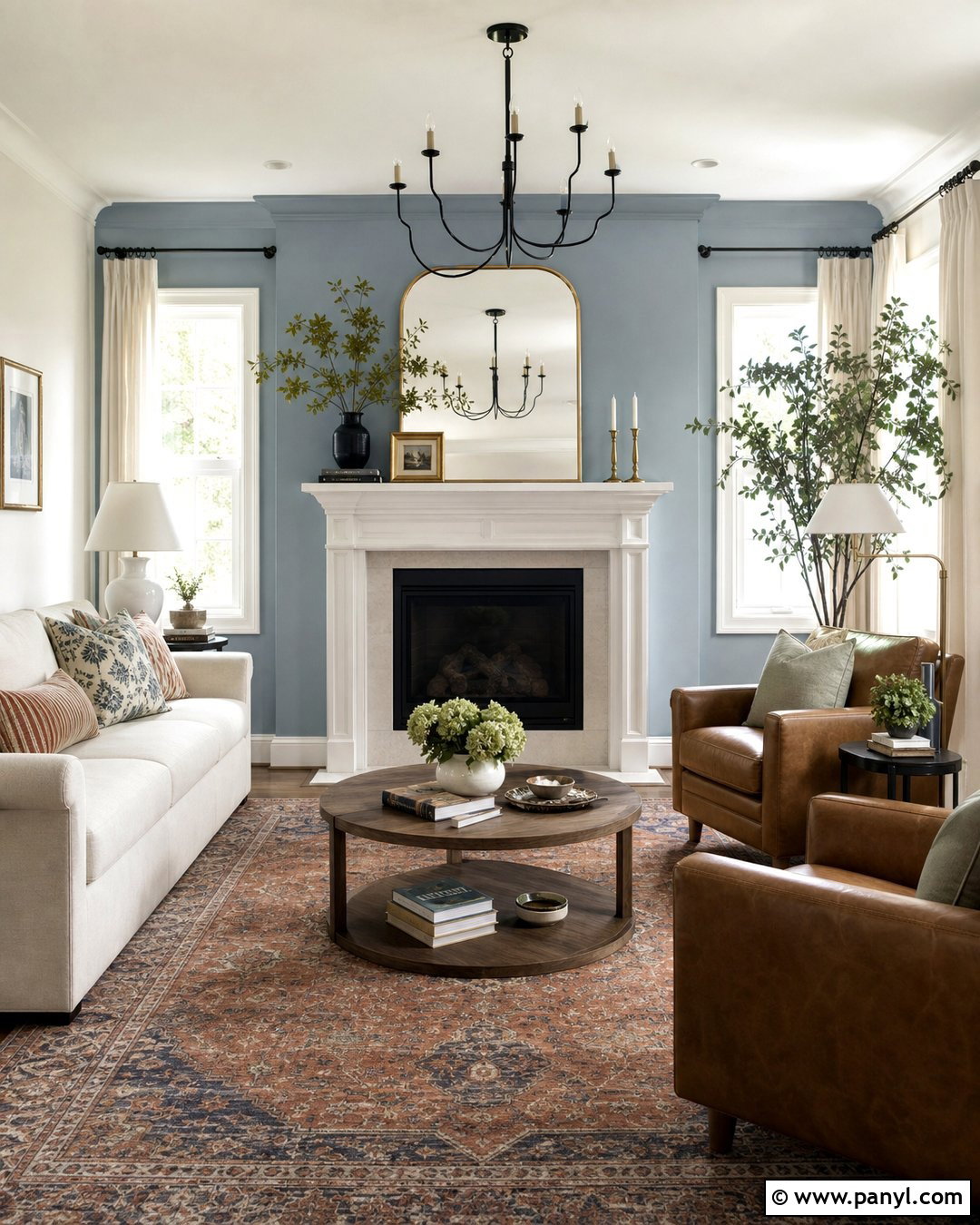
A blue-gray fireplace wall offers a quiet alternative to dark charcoal while still giving the living room a visible architectural center. Paint the entire wall, including simple built-in shelves, in one medium blue-gray shade. Keep the fireplace surround pale limestone or soft white tile to create clean contrast. Arrange a warm gray sectional opposite the feature, accompanied by an oak coffee table and a textured ivory rug. Books, pottery, and framed prints can decorate the shelving without making it look crowded. Add faded blue pillows and one muted plum throw to develop the cool palette. Balanced natural and artificial lighting is important here, so combine sheer curtains with table lamps that spread warm white light across the painted surface.
5. Sage Green Board And Batten Accent Wall
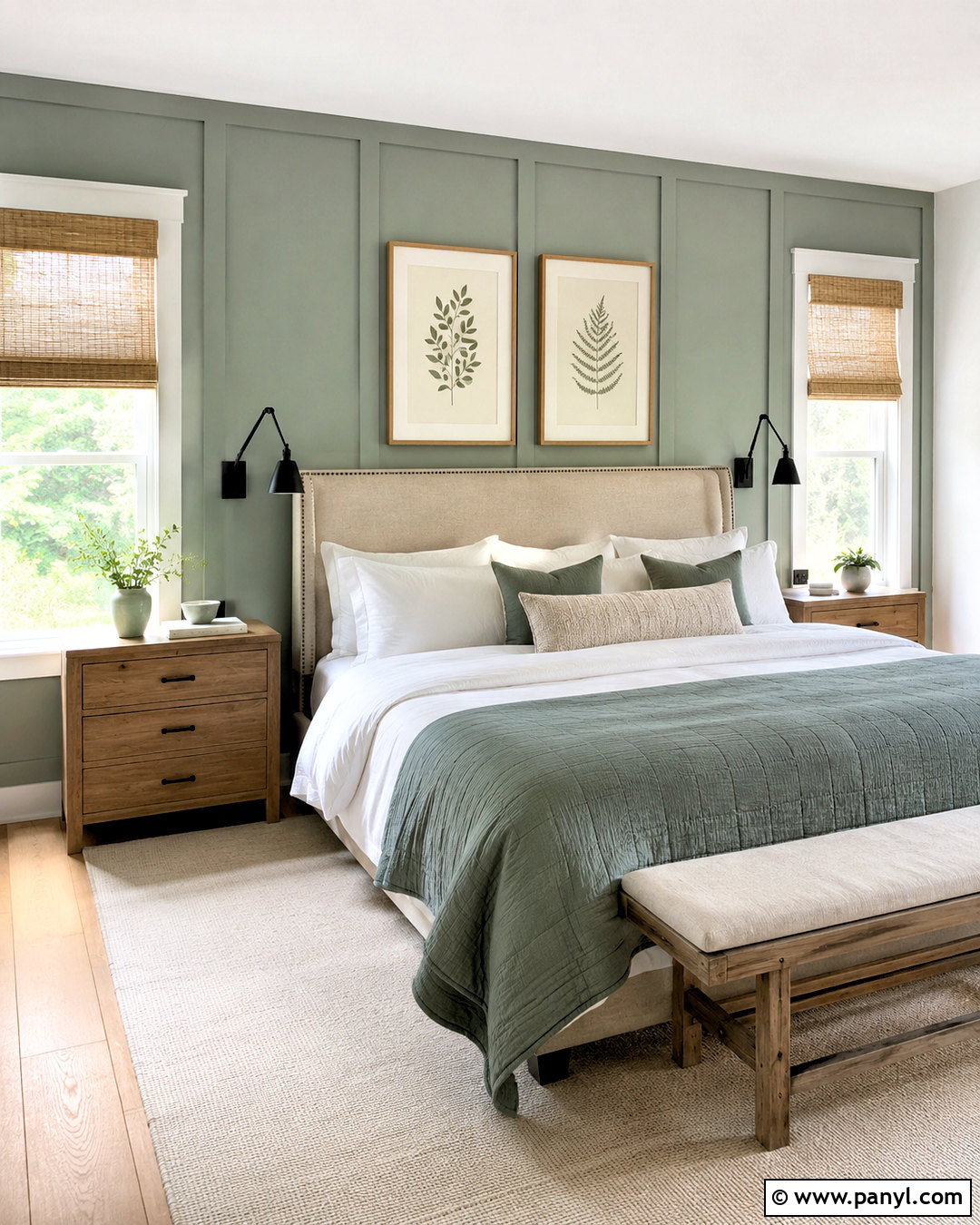
Cool sage green board and batten gives a bedroom subtle dimension while remaining easy to decorate around. Install evenly spaced vertical battens behind the bed and paint the entire treatment in a soft sage with gray undertones. Pair it with a natural linen headboard, white cotton bedding, and a quilt in muted blue-green. Pale oak nightstands and woven shades introduce organic warmth, while black reading lights sharpen the relaxed color scheme. Keep artwork simple, such as two botanical sketches in light wood frames. A cream wool rug and warm white surrounding walls prevent the green from dominating the room. This complete arrangement feels fresh and tailored, making it suitable for modern farmhouse, transitional, or nature-inspired interiors without relying on overly rustic accessories.
6. Slate Blue Home Office Accent Wall
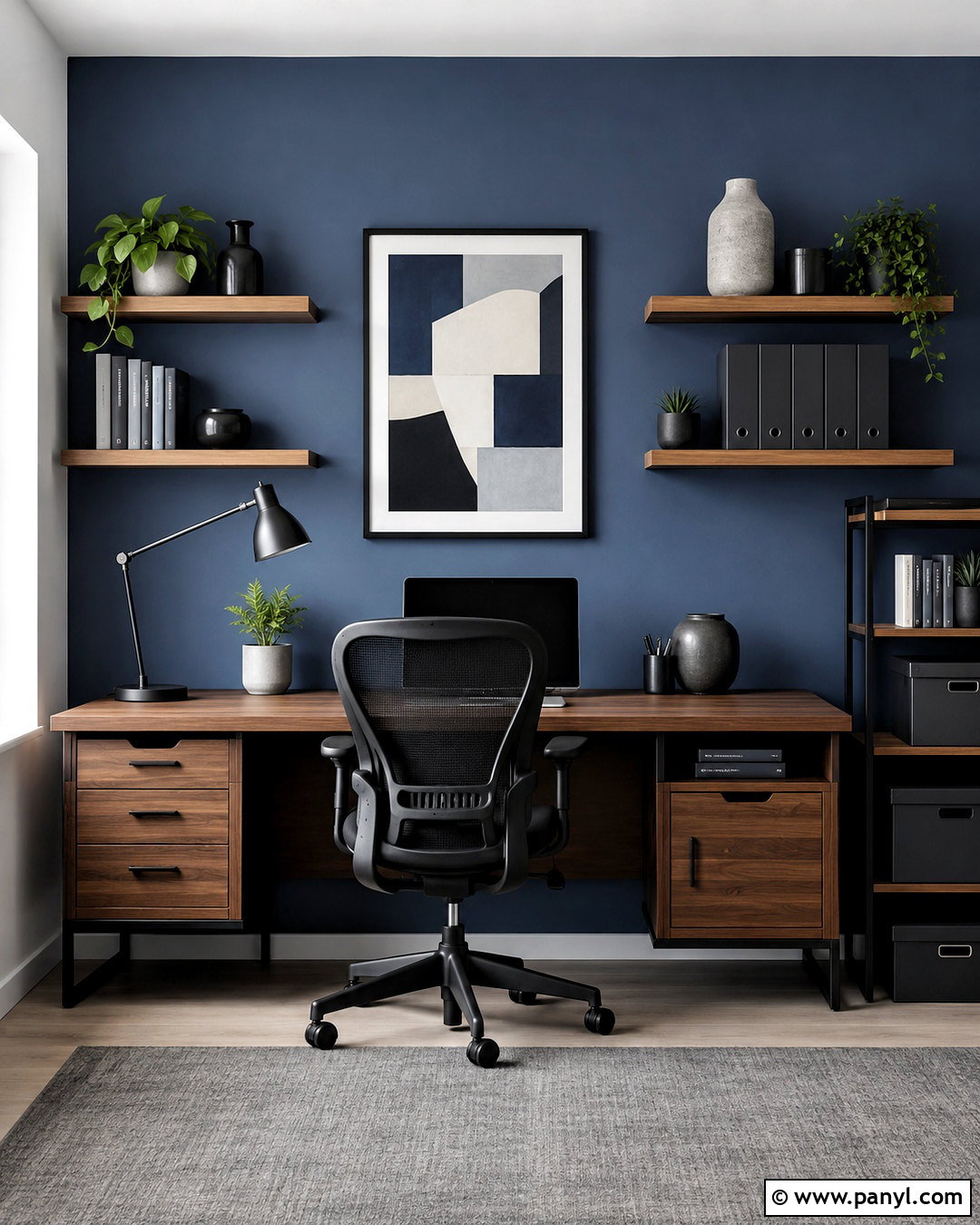
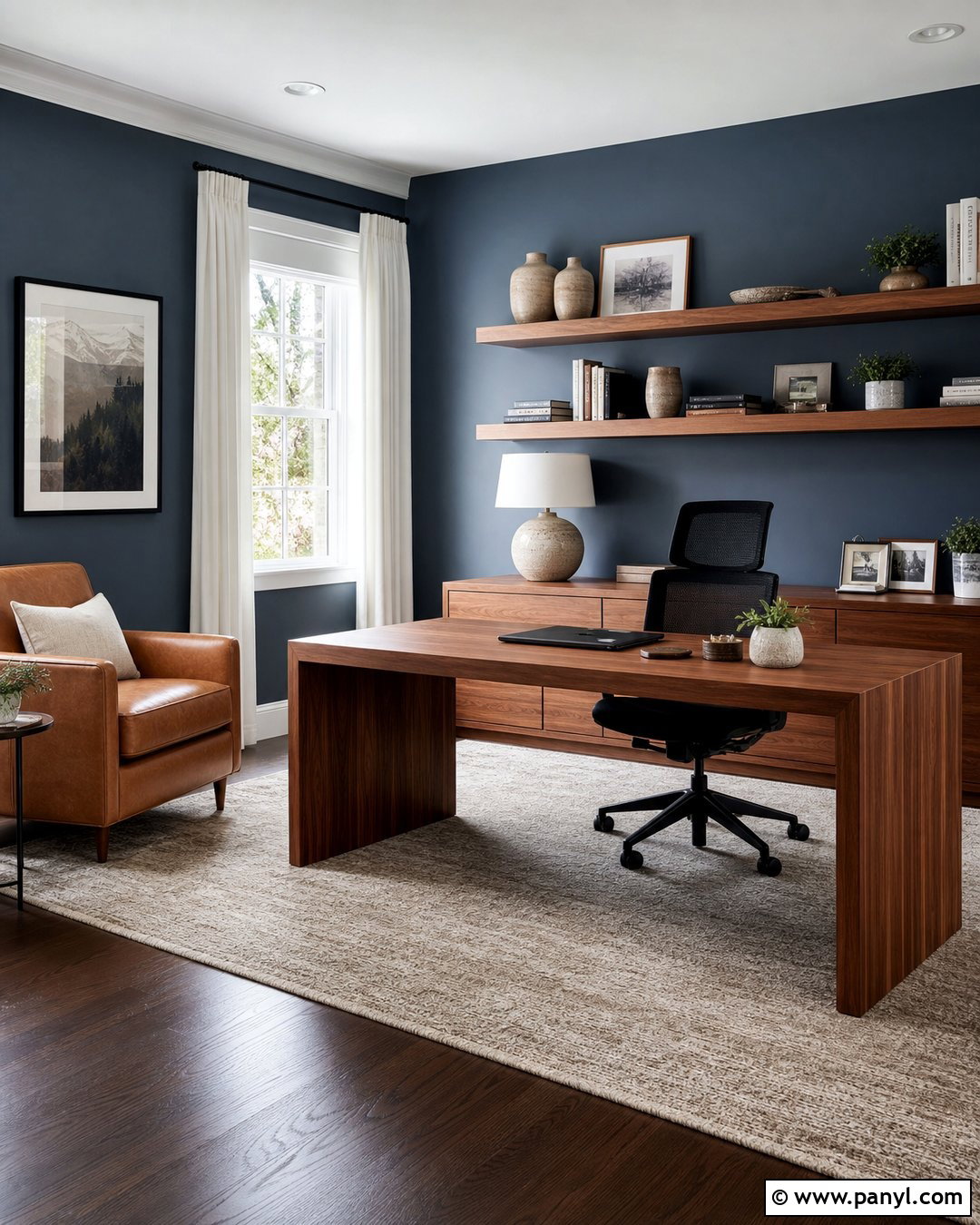
Focused spaces benefit from color that feels substantial but not visually distracting. A slate blue accent wall behind a streamlined desk creates a professional home office with a calm background for daily work. Choose a walnut desk, black ergonomic chair, and floating oak shelves to balance the cool paint with natural materials. Organize the shelves with matching storage boxes, a few books, and simple ceramic objects. A flat-weave gray rug defines the workspace, while white side walls help daylight travel throughout the room. Add an adjustable matte black task lamp and framed abstract artwork containing pale blue, cream, and charcoal. Closed storage beneath the desk keeps clutter controlled, allowing the slate wall and practical furniture layout to remain the clear focus.
7. Lavender Guest Room Accent Wall
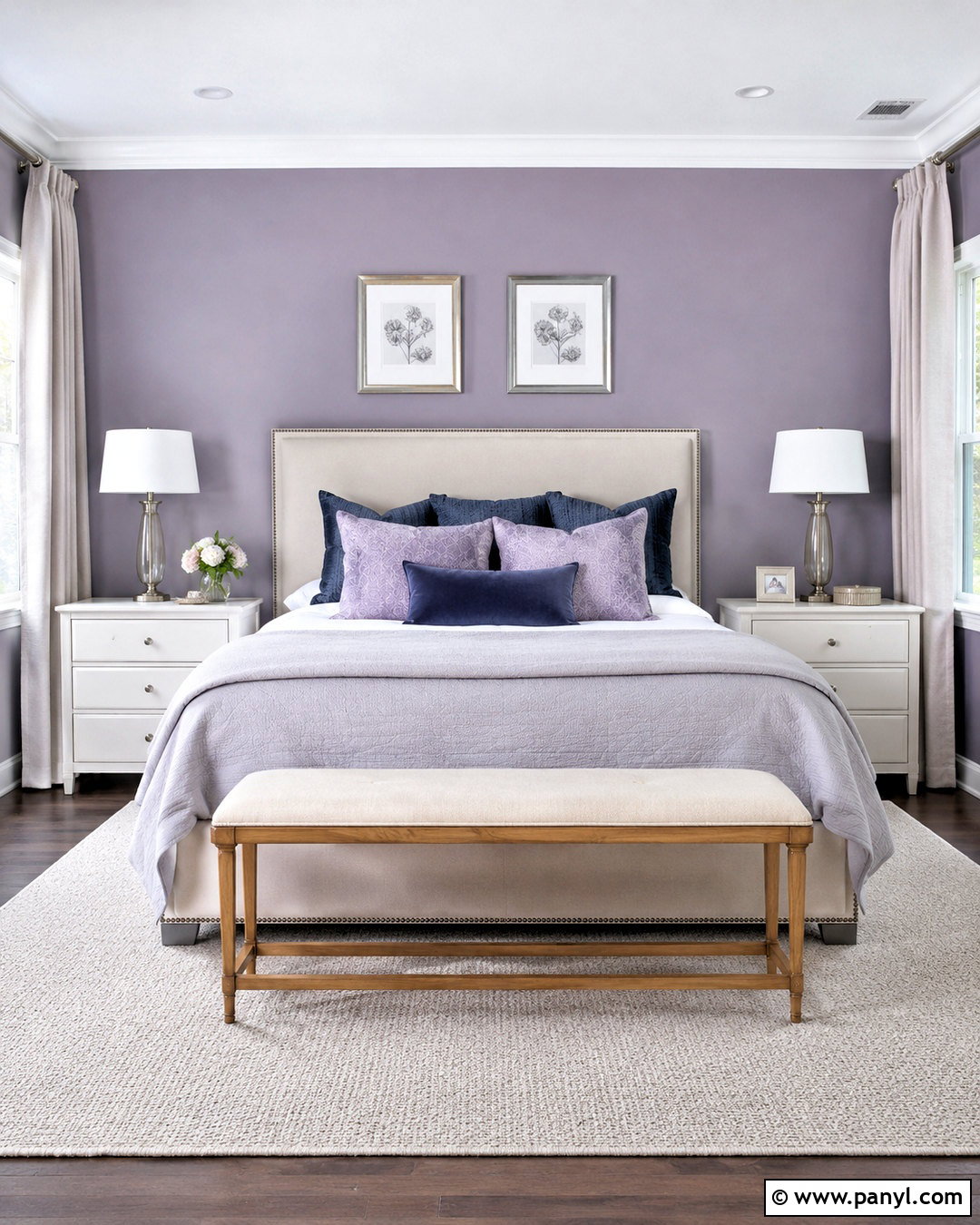
Soft lavender can make a guest bedroom feel distinctive without becoming overly sweet or themed. Select a muted lavender with noticeable gray undertones and apply it behind a simple oak or cream upholstered bed. Dress the bed with crisp white sheets, a pale gray duvet, and pillows in lavender, navy, and ivory. Brushed nickel lamps and small white nightstands maintain the cool, airy direction. For warmth, add a beige wool rug and a light wood bench at the foot of the bed. Hang one wide landscape print above the headboard rather than several small pieces. Sheer white curtains allow natural light to soften the wall color. The result feels comfortable, polished, and flexible enough for guests with different decorating preferences.
8. Emerald Green Entryway Accent Wall
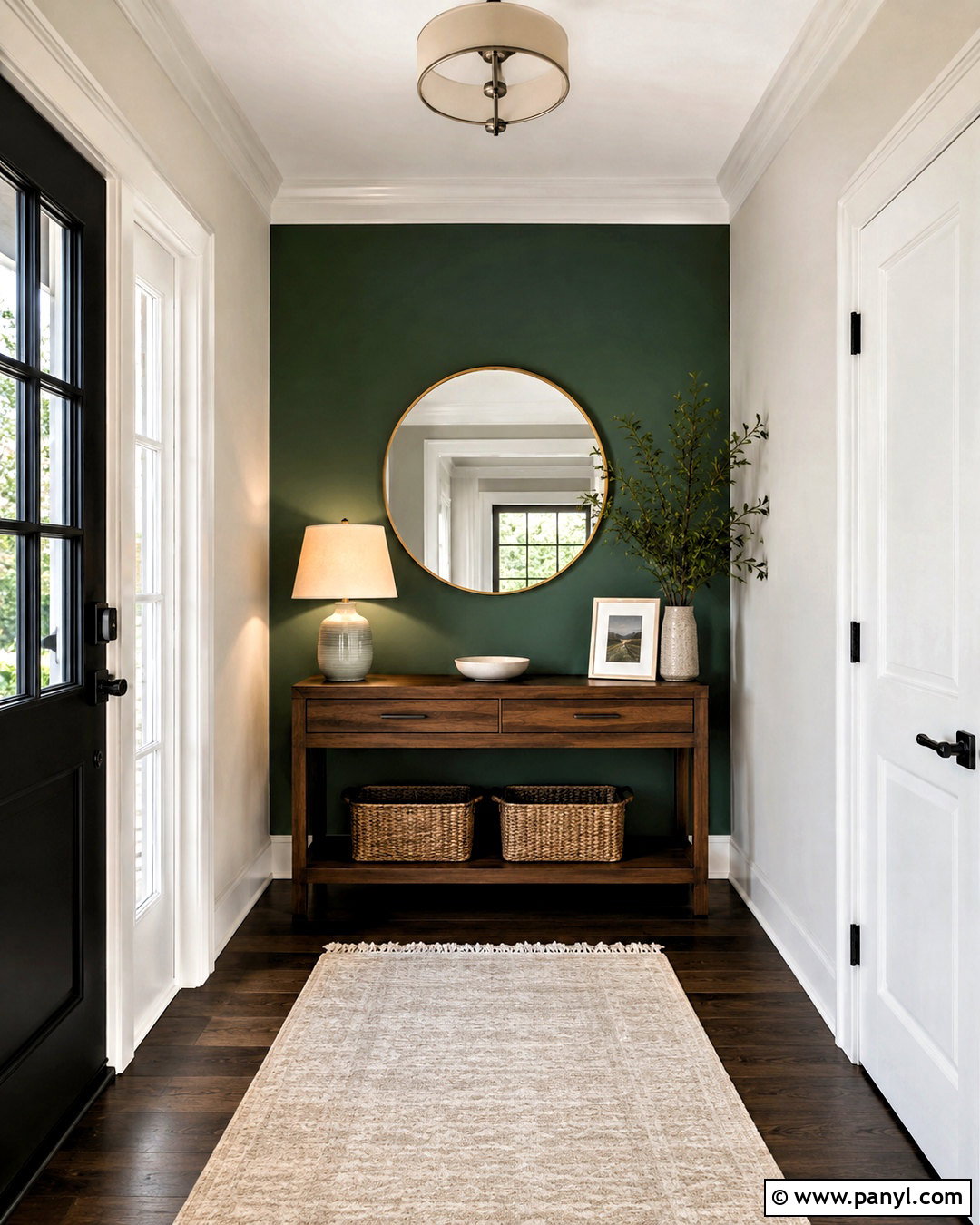
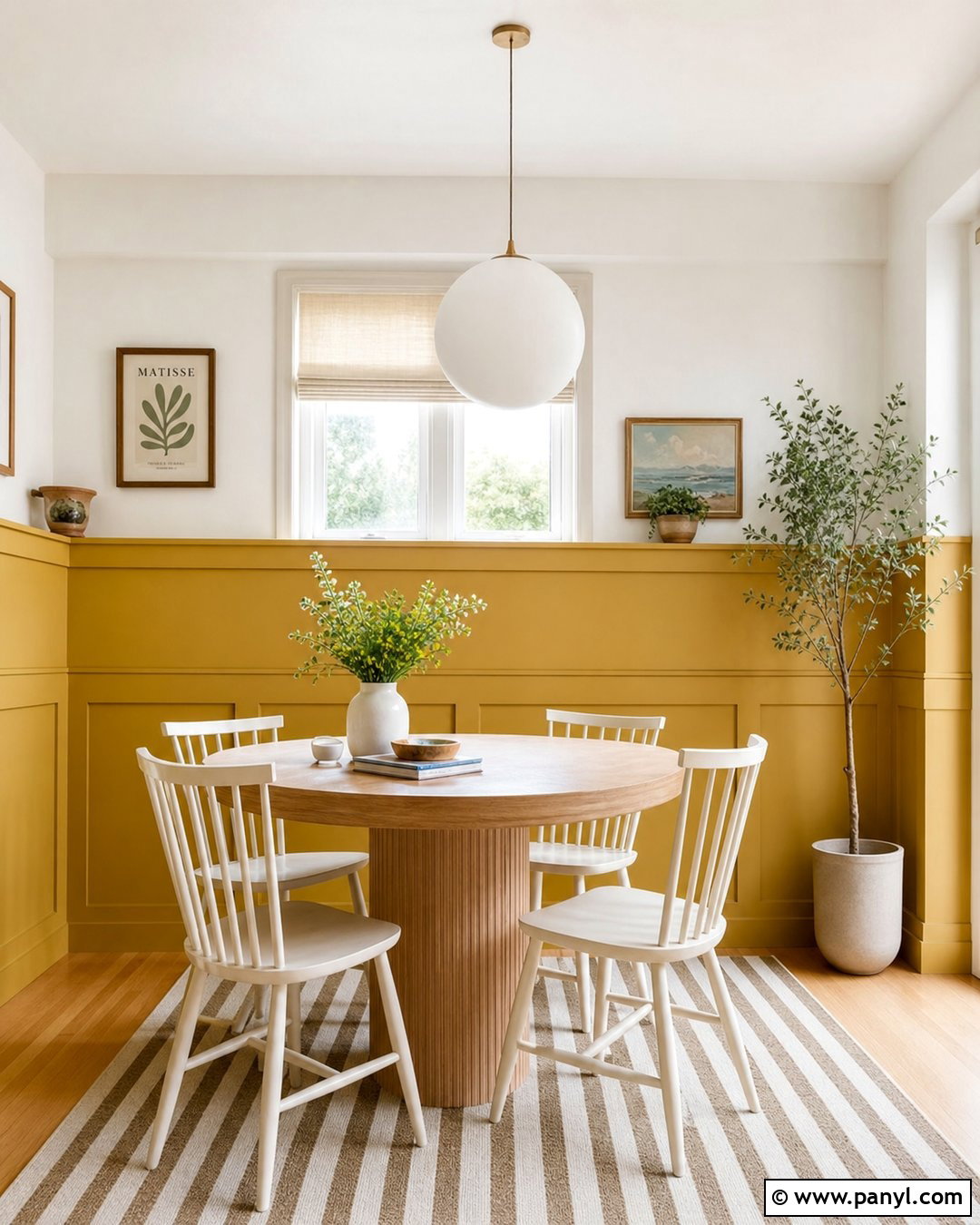
An emerald green accent wall can give a small entryway a memorable identity as soon as the door opens. Use the color behind a narrow walnut console, then balance its intensity with pale flooring and warm white surrounding walls. A round brass-framed mirror reflects light while breaking up the large area of green. Add a cream table lamp, shallow ceramic bowl, and one framed photograph for a clean arrangement. An ivory runner with fine blue-green details guides the eye through the space. If storage is needed, place woven baskets beneath the console rather than adding bulky furniture. A black ceiling fixture and matching door hardware provide definition. This complete setup makes the entrance feel considered, organized, and connected to the rest of the home.
9. Icy Blue Bathroom Accent Wall
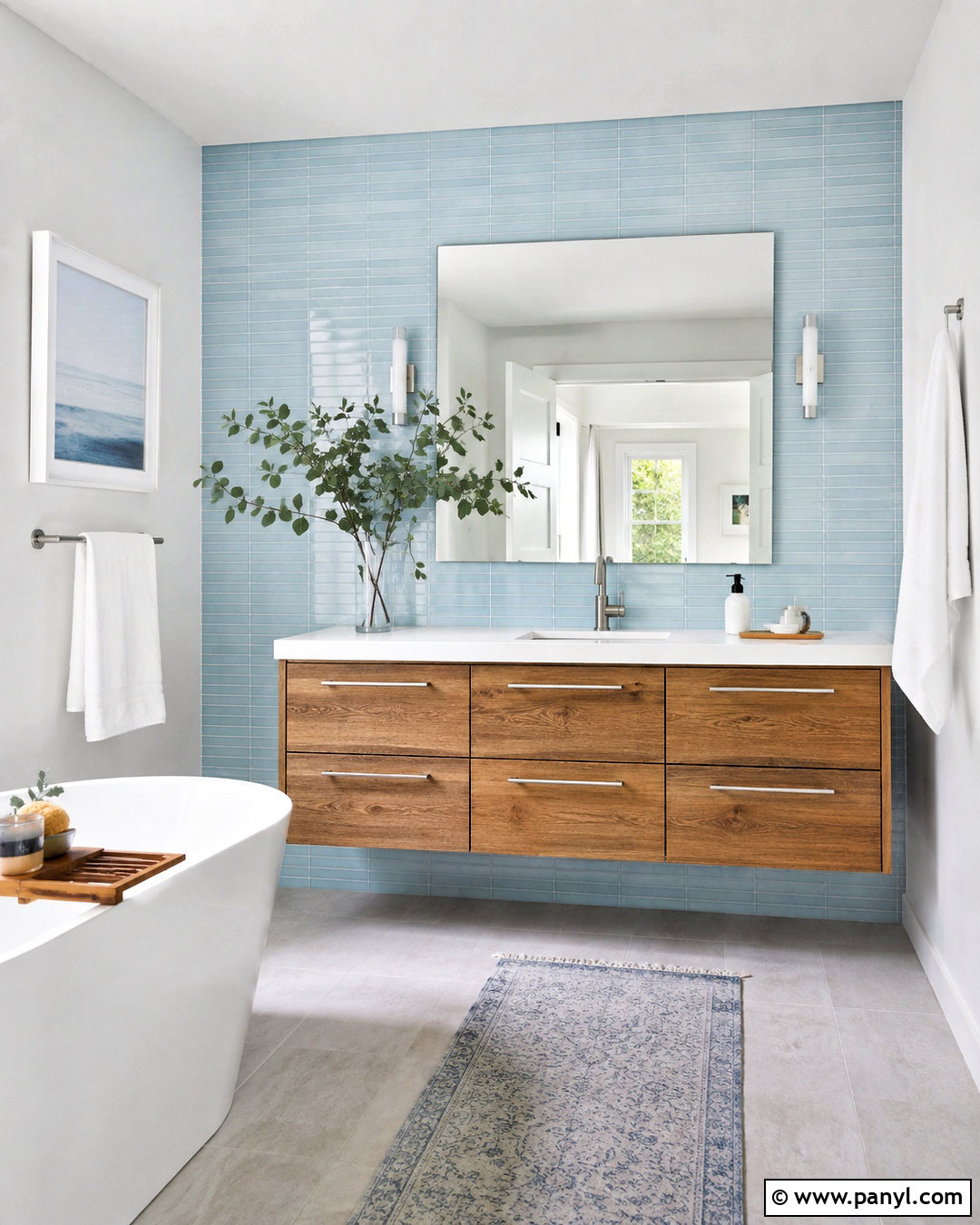
Imagine stepping into a bathroom that feels bright, clean, and quietly refreshing. An icy blue accent wall behind a white vanity can create that effect while maintaining a timeless appearance. Choose moisture-suitable paint with a washable finish, or use pale blue rectangular tile for greater texture and durability. Pair the wall with a white quartz countertop, brushed nickel faucet, and frameless mirror. Light gray floor tile continues the cool palette without repeating the exact wall color. Add white towels, clear glass accessories, and a small eucalyptus arrangement for restrained decoration. Warm wood vanity drawers can stop the space from feeling clinical. Bright layered lighting around the mirror and ceiling keeps the blue looking crisp, even in a bathroom with limited natural light.
10. Cool Gray Geometric Accent Wall
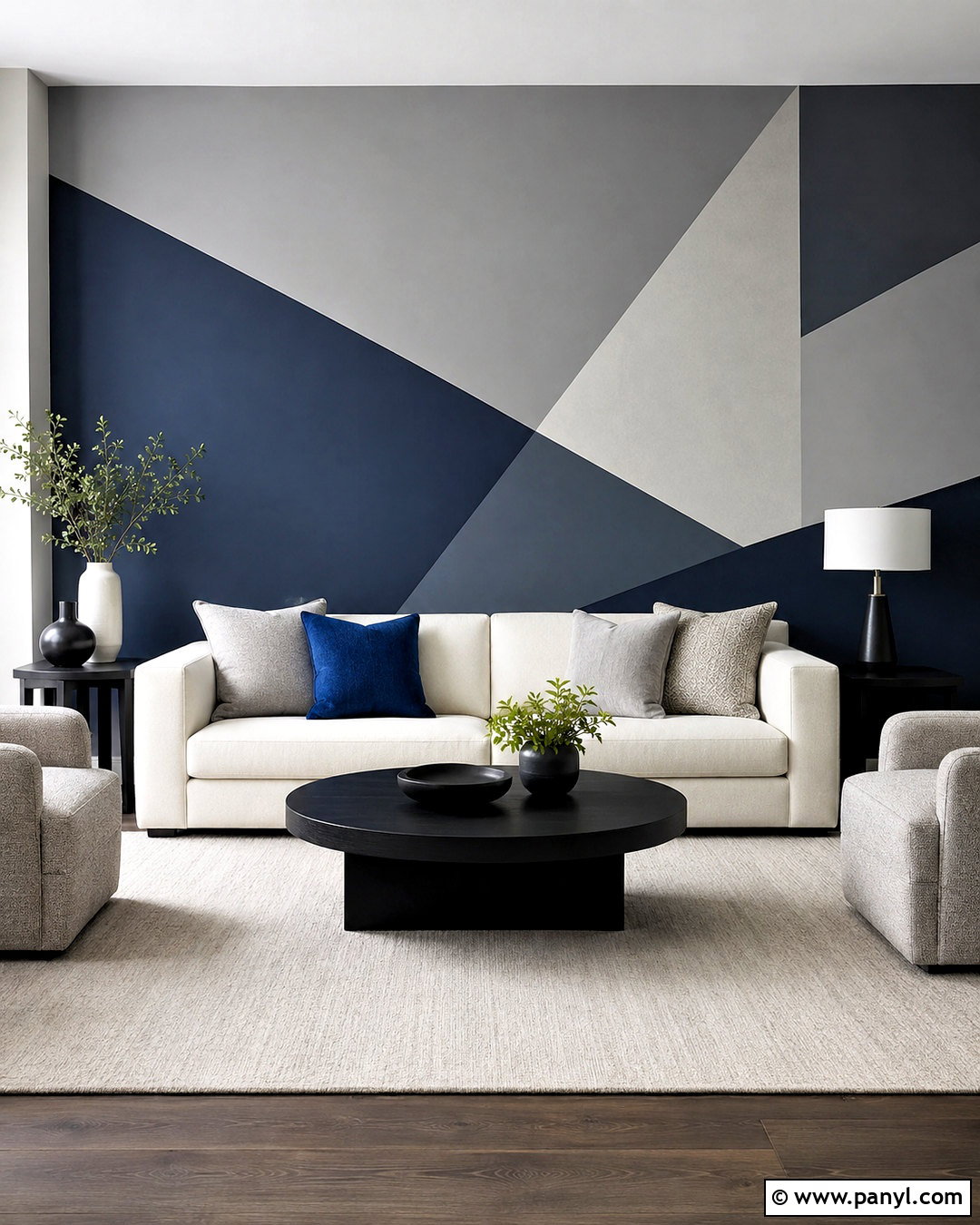
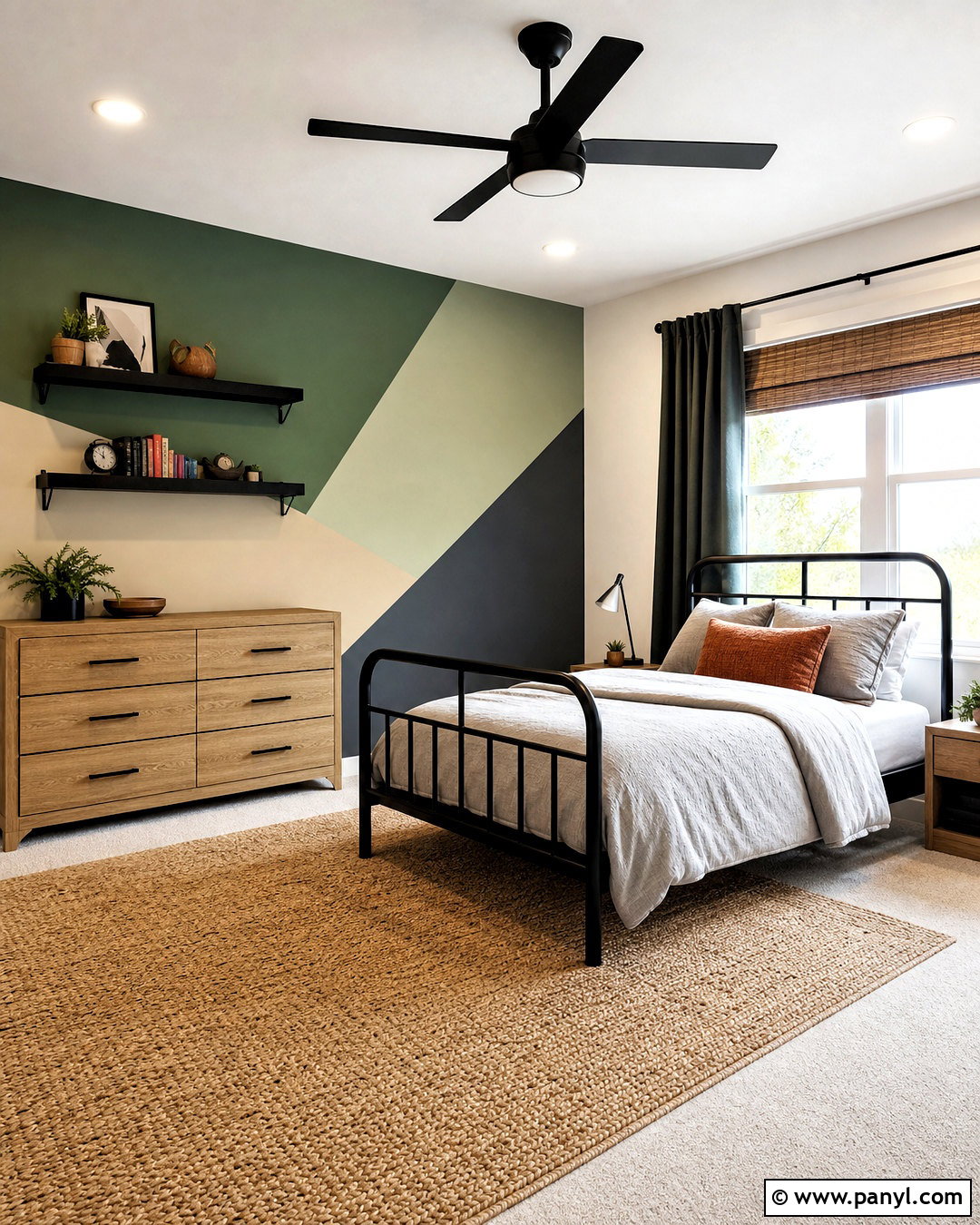
A geometric accent wall can add movement to a modern room when the shapes and colors remain controlled. Begin with a pale cool gray base, then create wide angular sections in medium gray, charcoal blue, and muted silver. Position the pattern behind a low-profile cream sofa or platform bed so furniture covers only the lower portion. Keep the remaining decor simple with black side tables, an ivory rug, and solid-colored textiles. One cobalt pillow can echo the coolest shade without adding another pattern. Use thin, clean lines and limit the design to three related colors for a polished result. Balanced spacing is more important than complicated shapes. The completed room feels graphic and contemporary but still comfortable enough for everyday living.
11. Seafoam Green Kitchen Accent Wall
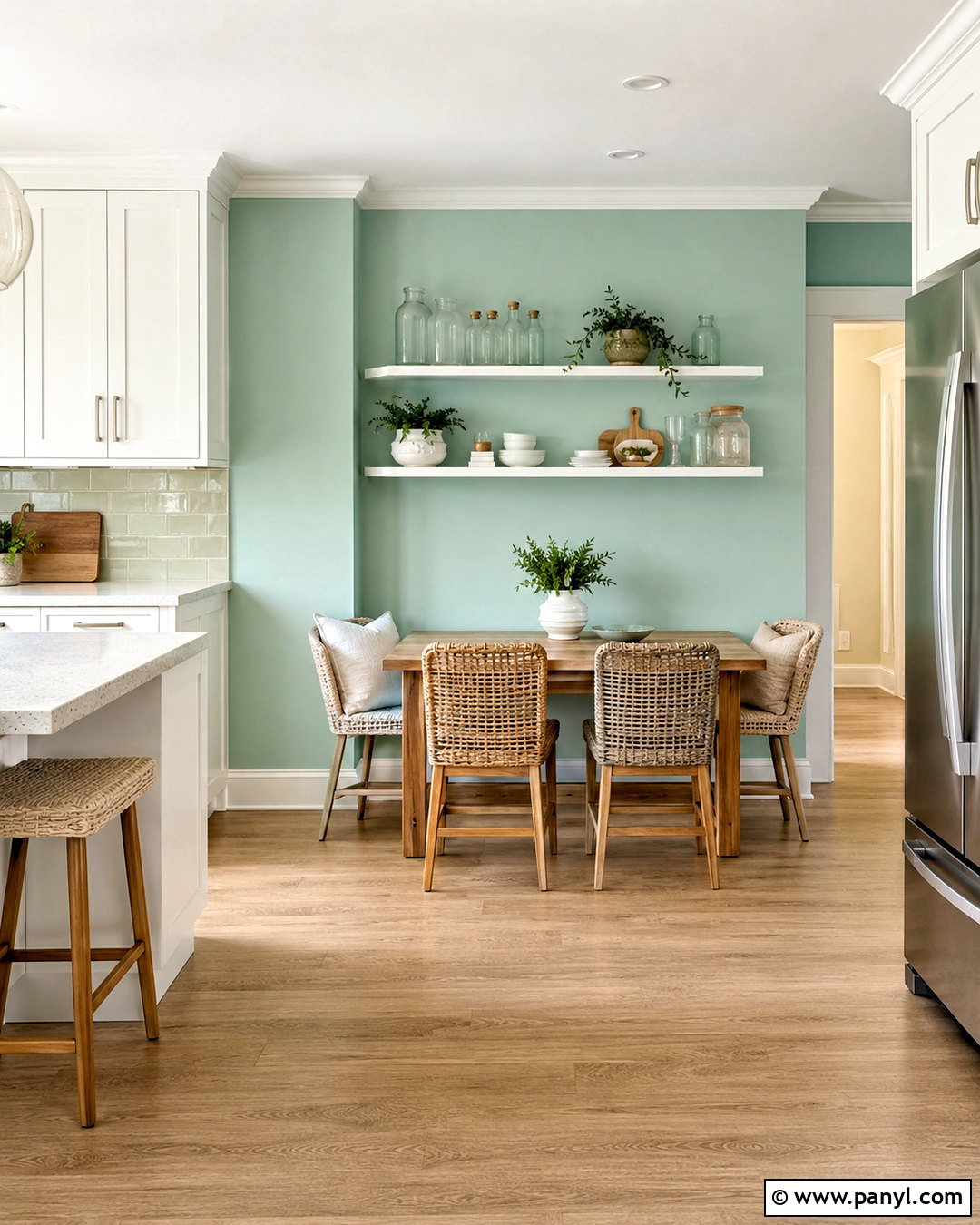
Seafoam green introduces a fresh coastal note to a kitchen without requiring every cabinet to be colorful. Use it on the wall surrounding a breakfast nook or open shelving, where the shade can define a smaller functional zone. Combine the wall with white cabinets, pale quartz counters, and brushed nickel hardware. A compact oak table with woven dining chairs adds warmth and texture. Install simple white shelves against the seafoam background and display everyday dishes, glass containers, and small plants in an orderly arrangement. Light gray flooring keeps the palette cool, while natural fiber seat cushions prevent it from feeling sterile. Repeating seafoam in a striped runner or ceramic bowl connects the accent wall to the rest of the kitchen in a subtle way.
12. Cobalt Blue Bookshelf Accent Wall
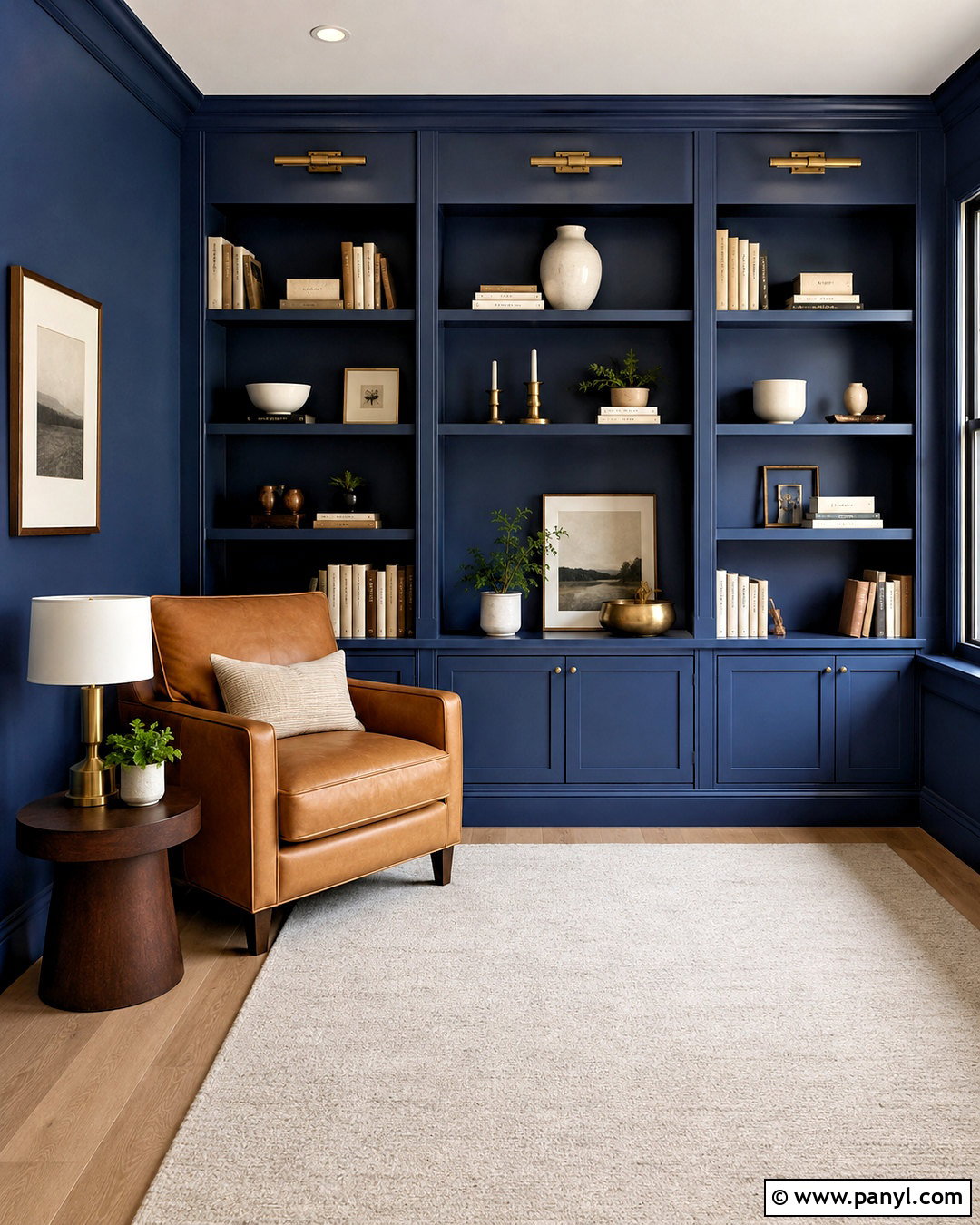
Cobalt blue looks more intentional when it covers an architectural feature rather than an empty wall alone. Paint a full wall of built-in bookshelves, including the back panels and trim, in a saturated cobalt finish. Place a camel leather reading chair and a small walnut table nearby to introduce warmth. Books arranged vertically and horizontally can be mixed with white pottery, framed photographs, and a few brushed brass objects. Keep the floor light oak and use an ivory rug to brighten the area. Surrounding walls should remain soft white so the cabinetry holds attention without overwhelming the room. A slim picture light or adjustable floor lamp makes the display practical after dark. The completed reading corner feels bold, organized, and highly personal.
13. Periwinkle Nursery Accent Wall
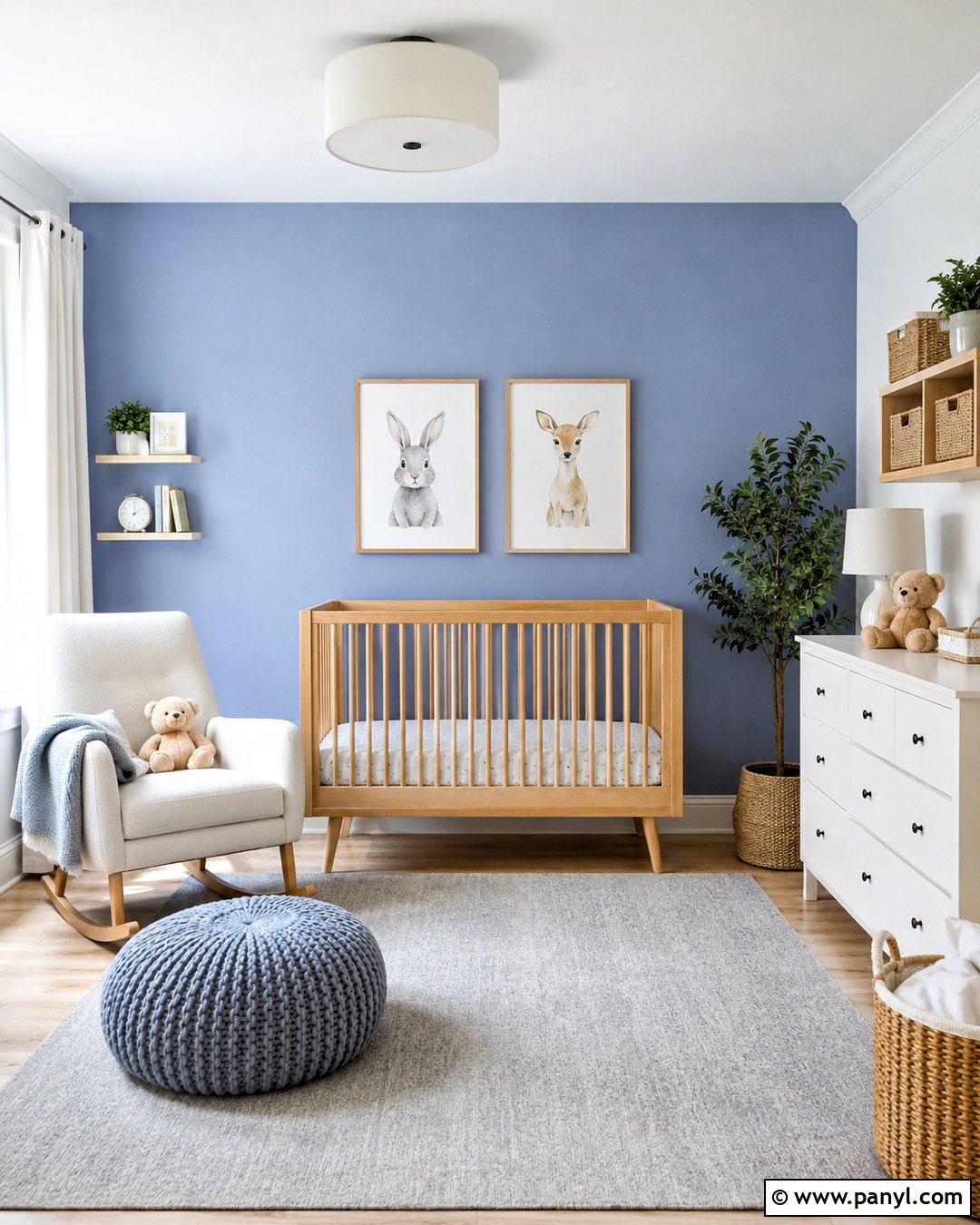
Periwinkle offers a flexible nursery color because it sits comfortably between blue and violet. Paint the wall behind a natural maple crib, then use white or pale gray on the other walls to preserve an open feeling. Add an ivory rocking chair, soft gray rug, and white dresser with simple wooden knobs. Bedding should stay minimal and crib-safe, while color can appear through curtains, storage baskets, and framed illustrations placed away from the sleeping area. A cloud-shaped ceiling light or simple white pendant supports the gentle atmosphere without making the room overly themed. Repeat periwinkle in one throw blanket draped over the chair. Warm wood, soft fabrics, and uncluttered storage keep this cool accent wall welcoming, practical, and adaptable as the child grows.
14. Blue Green Limewash Accent Wall
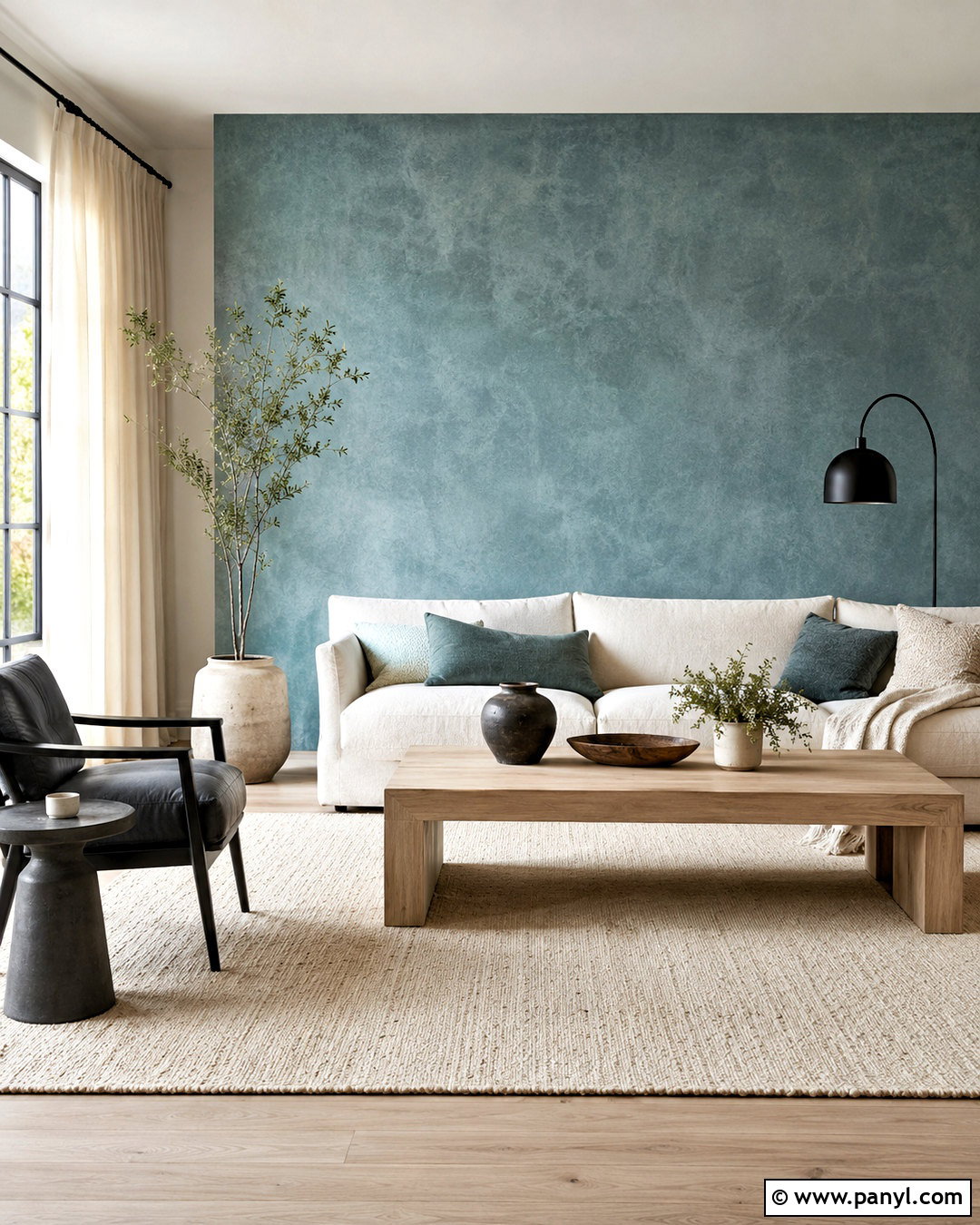
For a wall with visible depth, consider blue-green limewash instead of standard flat paint. Its softly varied surface can make a living room feel relaxed and handcrafted without requiring additional wall decor. Apply the finish behind a low cream sofa, then add a pale oak coffee table, charcoal side chair, and large off-white rug. Linen curtains and textured pillows in teal, gray, and ivory reinforce the natural appearance. Use only one oversized abstract canvas or leave part of the wall open so the finish remains noticeable. Matte black lighting adds contrast, while warm ceramic accessories balance the cooler colors. Because limewash changes visually as light moves across it, this design works especially well in rooms with windows facing the accent wall.
15. Indigo Wallpaper Accent Wall
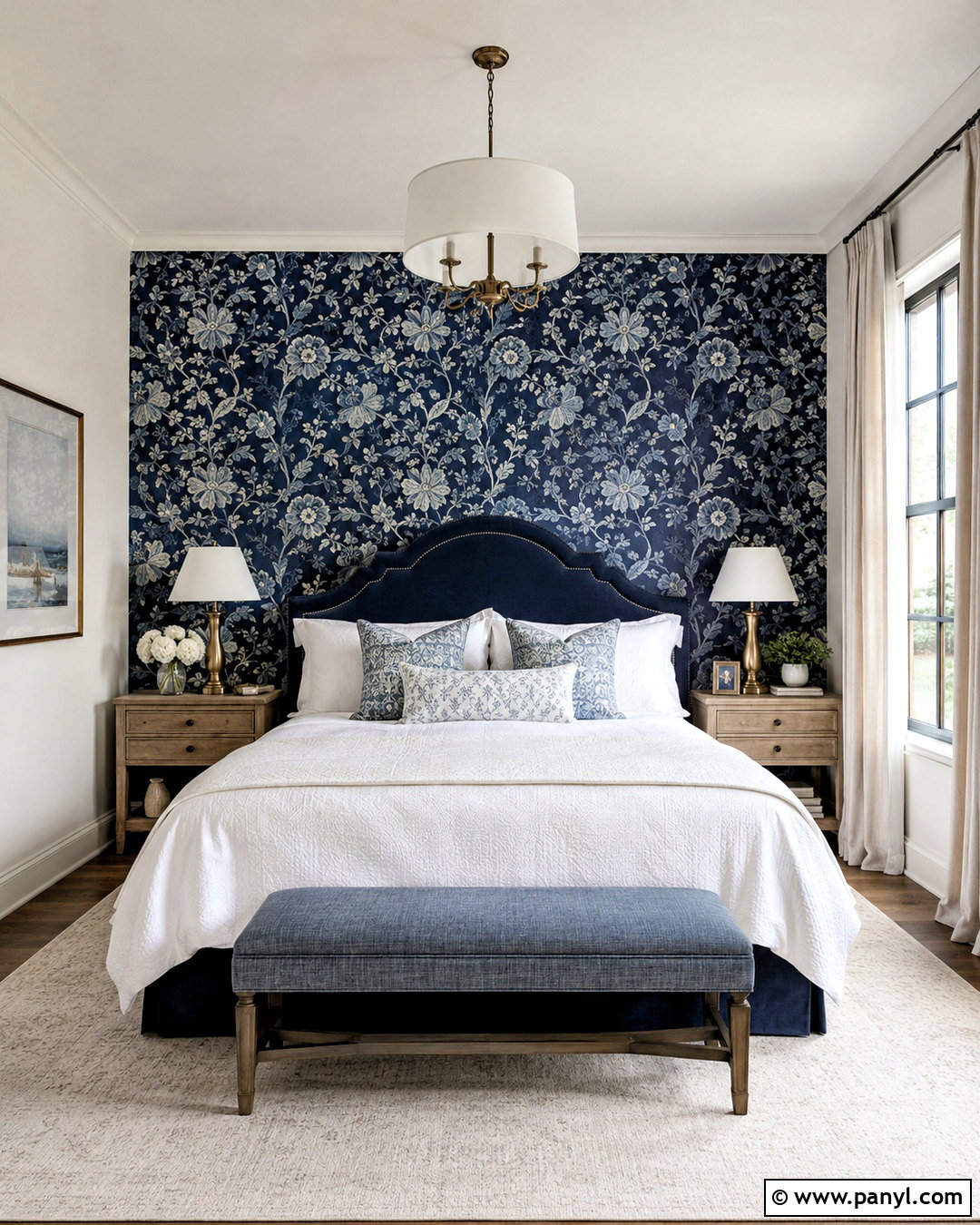
Indigo wallpaper can introduce pattern while maintaining a composed, cool color scheme. Choose a print with a medium-scale botanical or geometric motif in indigo, pale blue, and off-white. Install it behind the bed in a primary bedroom, pairing it with a simple navy upholstered headboard and crisp white bedding. Light oak nightstands and natural linen curtains soften the strong blues. Add brushed brass or warm metal lamps to keep the room from feeling too cool. A solid gray-blue bench and ivory rug provide quiet surfaces that do not compete with the pattern. Keep the other walls pale and limit additional artwork. By combining one patterned focal wall with mostly solid furnishings, the finished room feels detailed, restful, and intentionally coordinated.
16. Charcoal Blue TV Accent Wall
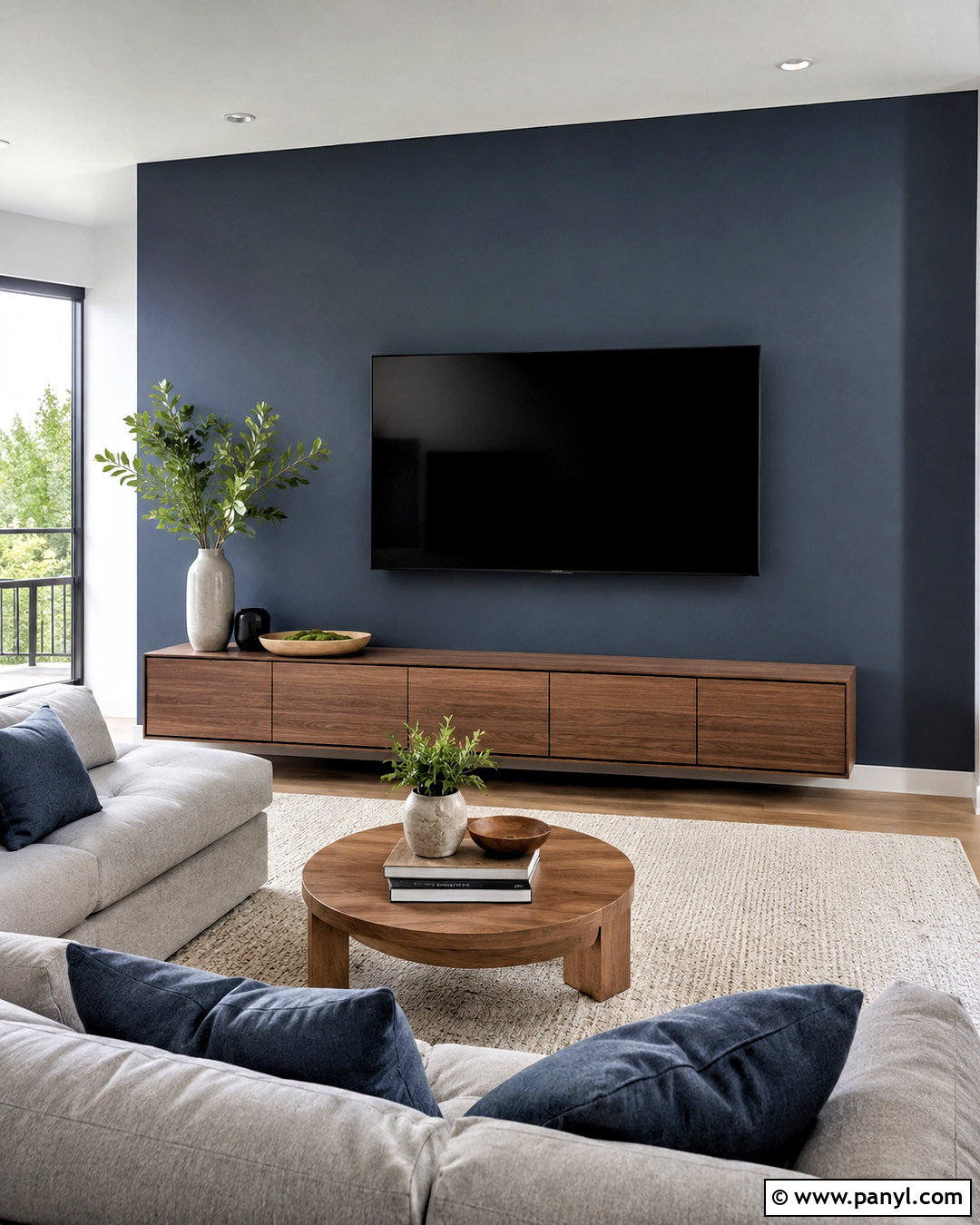
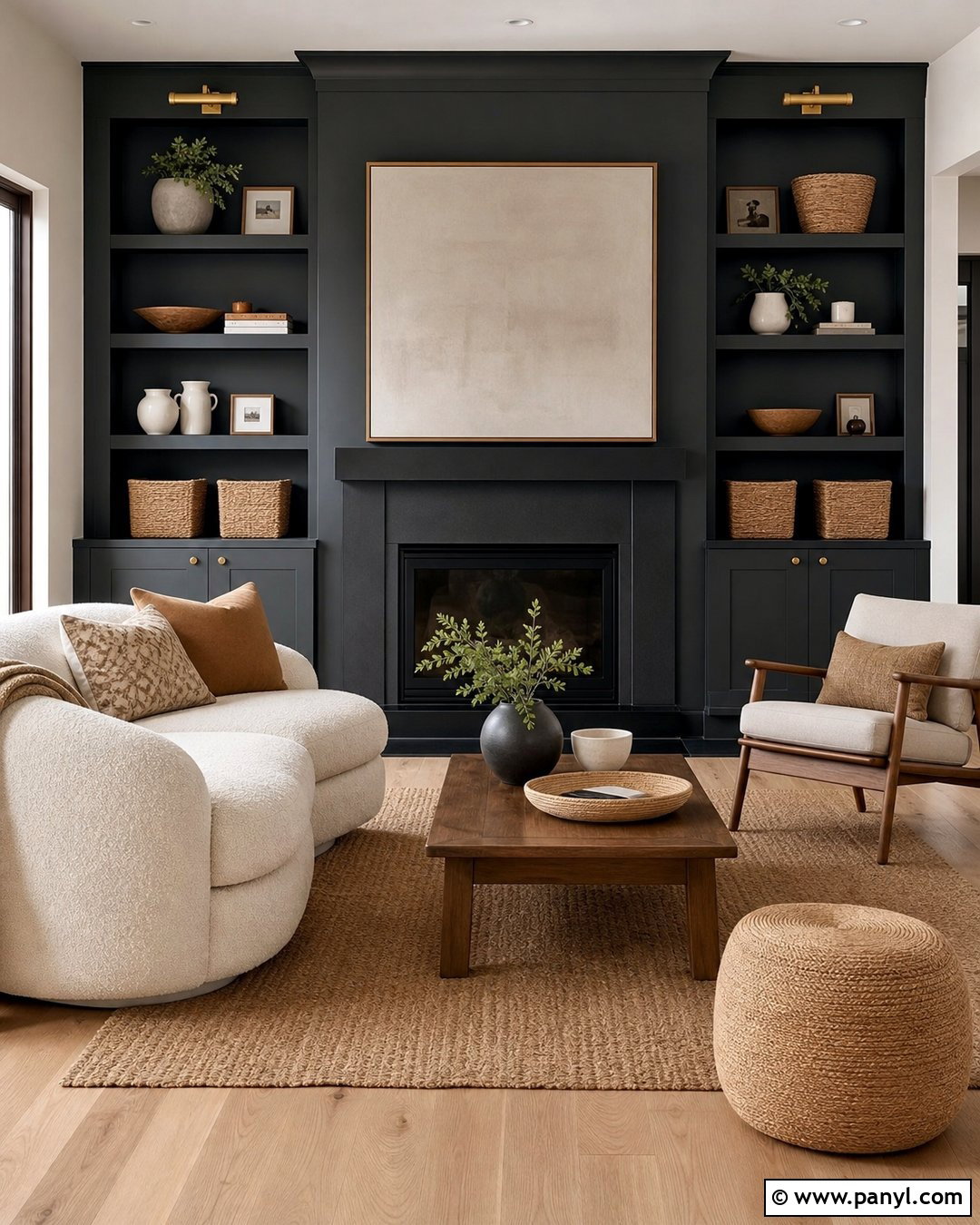
A charcoal blue accent wall helps a television blend into a living room more naturally than it would against bright white paint. Use the deep color across the media wall, then install a low walnut console beneath the screen. Closed cabinet doors can hide electronics and cords, creating a cleaner composition. Arrange a light gray sectional, ivory area rug, and round oak coffee table opposite the wall. Add pillows in denim blue, cool beige, and muted green to connect the feature to the seating area. One tall plant placed beside the console softens the rectangular shapes. Wall-mounted sconces or a slim floor lamp can provide gentle light without reflecting directly on the screen. The room feels functional, balanced, and visually calm.
17. Mint Green Laundry Room Accent Wall
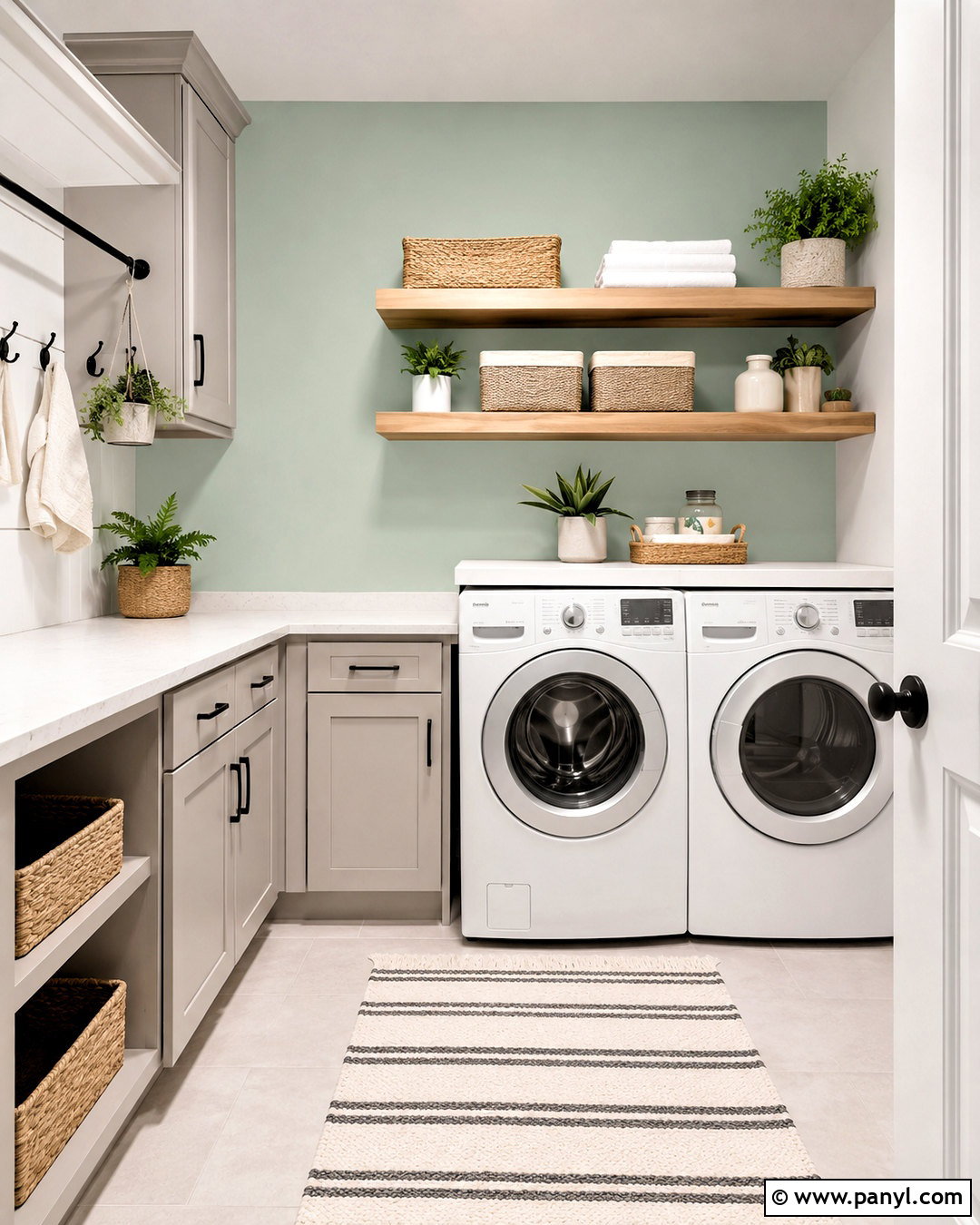
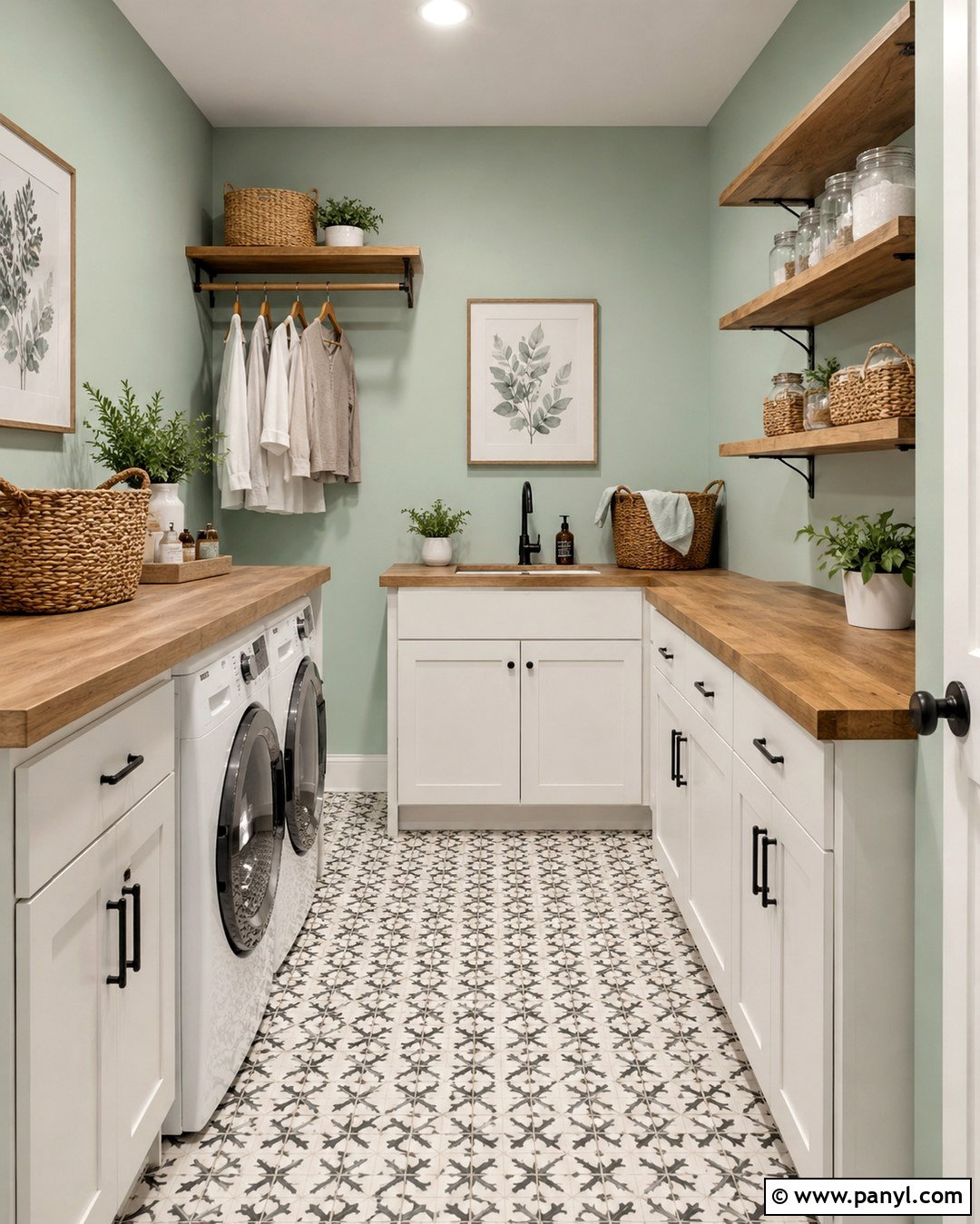
Even a practical laundry room can benefit from a finished color scheme. Paint the wall behind the washer, dryer, and shelving in a crisp mint green with blue undertones. Pair it with white appliances, pale gray cabinets, and a light quartz folding counter. Floating oak shelves add warmth and provide space for matching containers, folded towels, and a small plant. Use matte black hooks and cabinet pulls to create clear contrast. A washable striped runner in mint, gray, and ivory makes the narrow floor feel more comfortable. Keep supplies in labeled containers inside cabinets or baskets rather than crowding the counter. Bright ceiling lighting and white surrounding walls help the mint remain fresh, turning a frequently used work area into an orderly, cheerful room.
18. Steel Blue Dining Nook Accent Wall
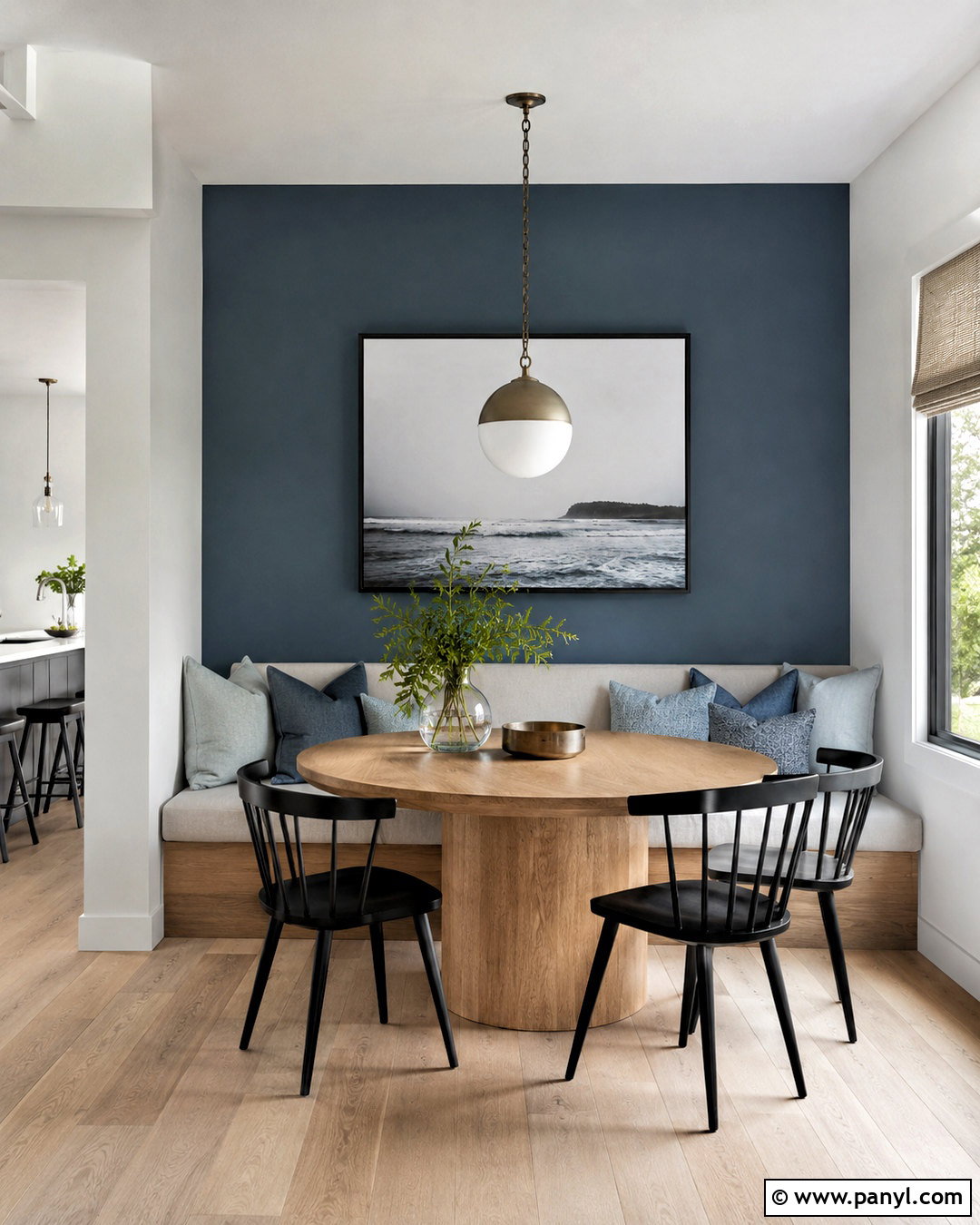
A steel blue accent wall can visually separate a dining nook from an open kitchen or living room. Paint the wall behind a built-in banquette, using the cool blue as a backdrop for light oatmeal upholstery. Add a round pedestal table in natural oak and two black spindle chairs for flexible seating. Pillows in soft gray, ivory, and faded blue create comfort without crowding the bench. Hang a simple globe pendant centered over the table and display one large framed print on the feature wall. Pale flooring and white adjacent walls keep the nook connected to the larger space. A small ceramic vase or bowl is enough for the tabletop. This layout makes an underused corner feel purposeful while preserving a clean visual flow.
19. Violet Paneled Accent Wall
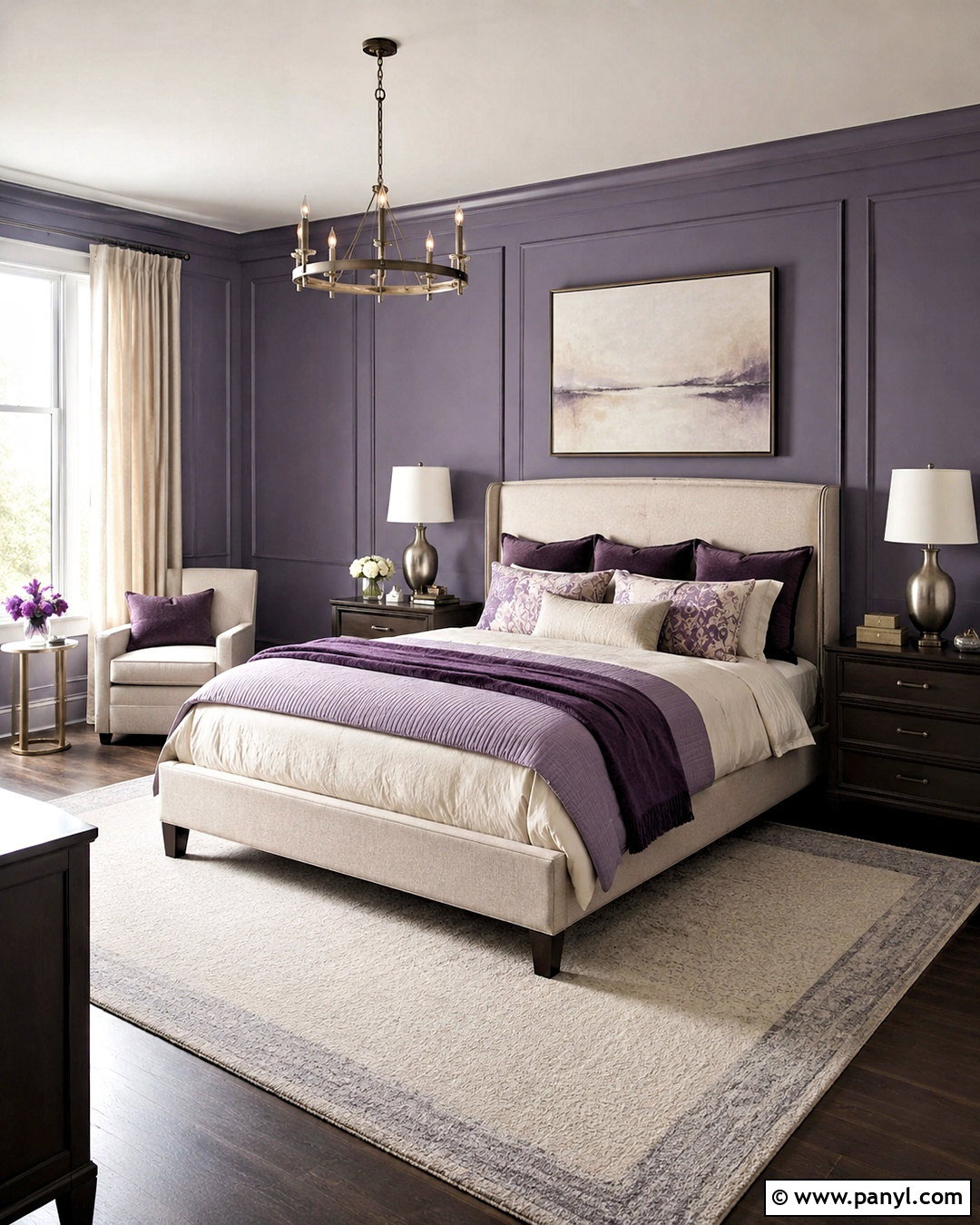
Deep violet can feel sophisticated when paired with traditional panel molding and restrained furnishings. Install rectangular molding across a bedroom or formal sitting room wall, then paint the entire surface in a smoky violet with cool gray undertones. Position a cream upholstered bed or sofa against it to provide strong, elegant contrast. Add dark wood side tables, brushed nickel lighting, and an ivory rug with a subtle gray border. Textiles in plum, pale lavender, and charcoal can repeat the wall color at different intensities. Keep the remaining walls a soft cool white and choose one large piece of neutral artwork. The paneling brings structure to the dramatic shade, while the simple furniture and limited palette prevent the finished room from appearing heavy or overly ornate.
20. Blue Ombre Accent Wall
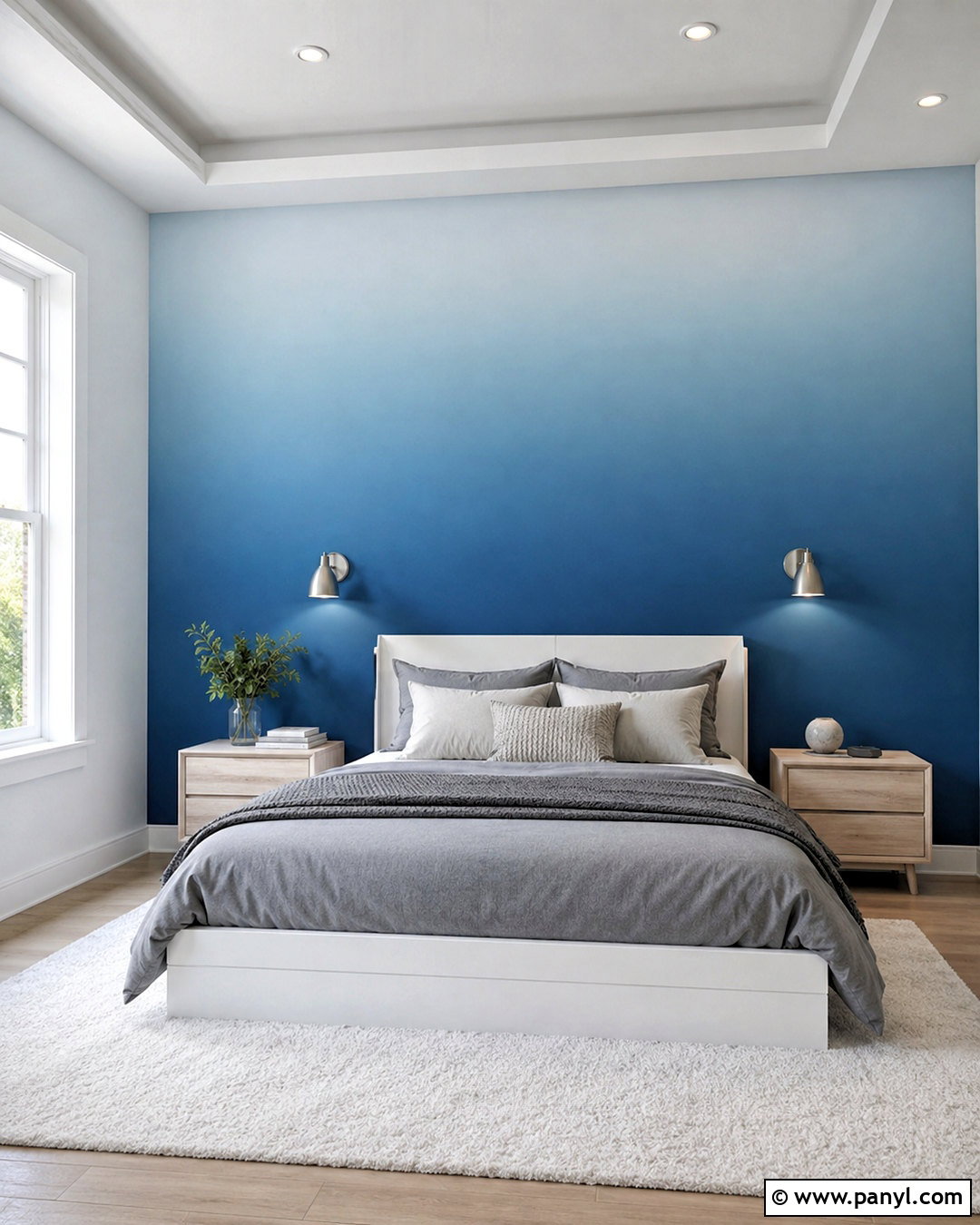
A blue ombre accent wall brings gradual color and visual height to a bedroom, studio, or creative workspace. Start with deep ocean blue near the floor, transition through clear medium blue, and finish with pale sky blue near the ceiling. Blend each section carefully so there are no harsh stripes. Place a white platform bed or streamlined desk against the wall to keep the gradient visible. Pale wood furniture, an ivory rug, and simple gray textiles prevent competing color. Choose clear glass or brushed silver lighting for a light, modern finish. Keep artwork minimal because the painted treatment already acts as the room’s main feature. The completed design feels airy at the top, grounded below, and more distinctive than a single-color painted wall.
Conclusion:
The most successful 20 cool tone accent wall ideas do more than introduce blue, green, gray, or violet paint. They establish a focal point and connect it to the room through coordinated furniture, lighting, flooring, textiles, and accessories. Dark shades such as navy, teal, and charcoal blue add depth, while dusty blue, mint, lavender, and seafoam create a softer effect. Paneling, wallpaper, tile, limewash, and painted patterns can bring extra dimension when a plain surface feels too simple. Before committing, test the color in daylight and artificial light. Then repeat it sparingly around the room. A thoughtful, balanced approach will make your accent wall feel like part of a complete design.

Related Ideas and Inspiration:
Leave a Reply