
Sherwin-Williams Alabaster is a soft, warm white that creates a comfortable foundation without feeling stark or overly creamy. Its versatility makes it easy to combine with earthy greens, quiet blues, rich browns, muted pastels, and dramatic dark accents. Natural wood, stone, woven textiles, and aged metals can add depth while keeping the overall look balanced. Alabaster also works across modern, traditional, coastal, farmhouse, and organic interiors, especially when the palette includes varied textures and clear contrast. Because lighting and surrounding finishes influence how warm whites appear, test samples beside flooring, cabinetry, and fabrics before committing. () The complete room schemes below offer practical and stylish ways to recreate these **20 alabaster color palette ideas**.

1. Alabaster And Sage Green
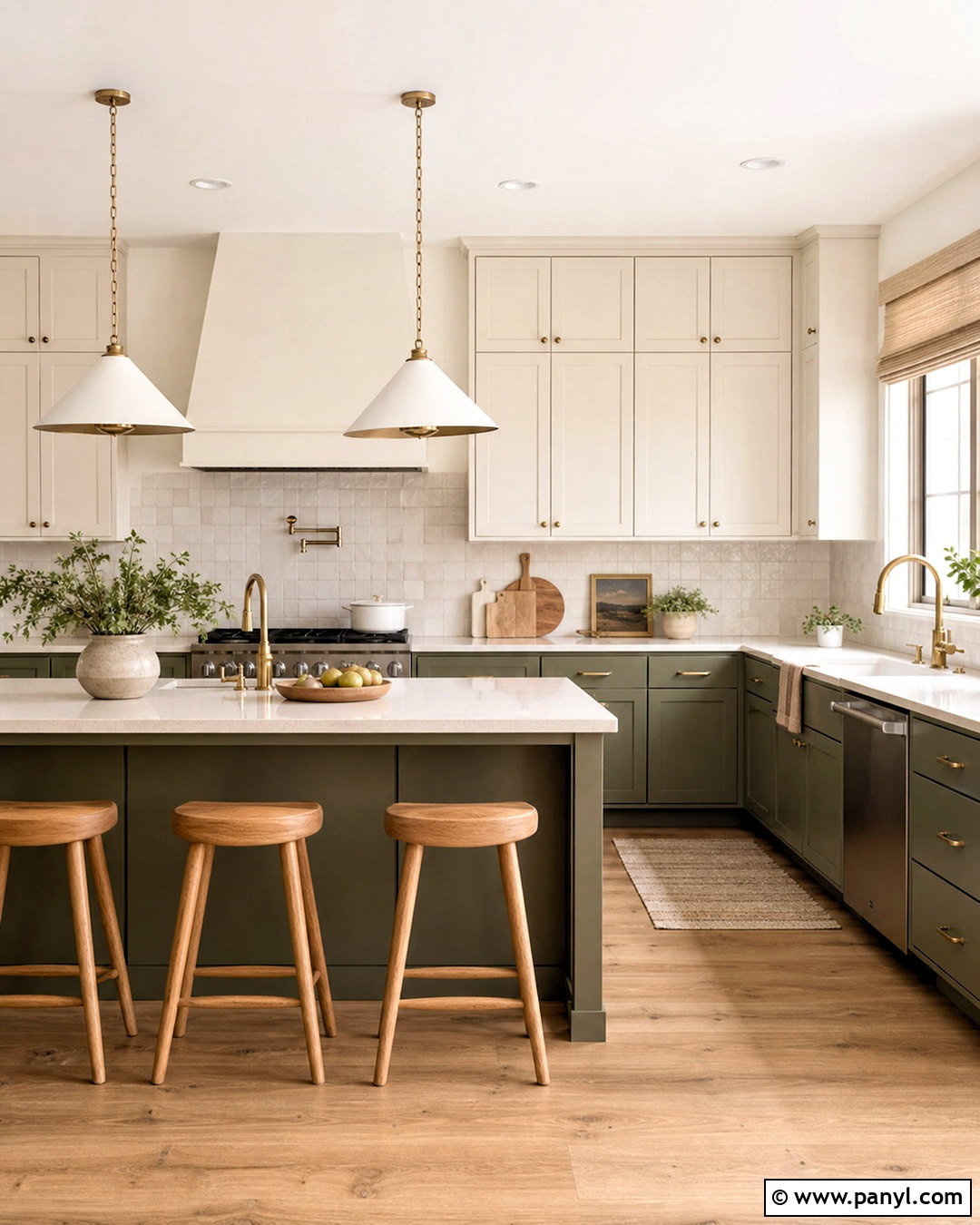
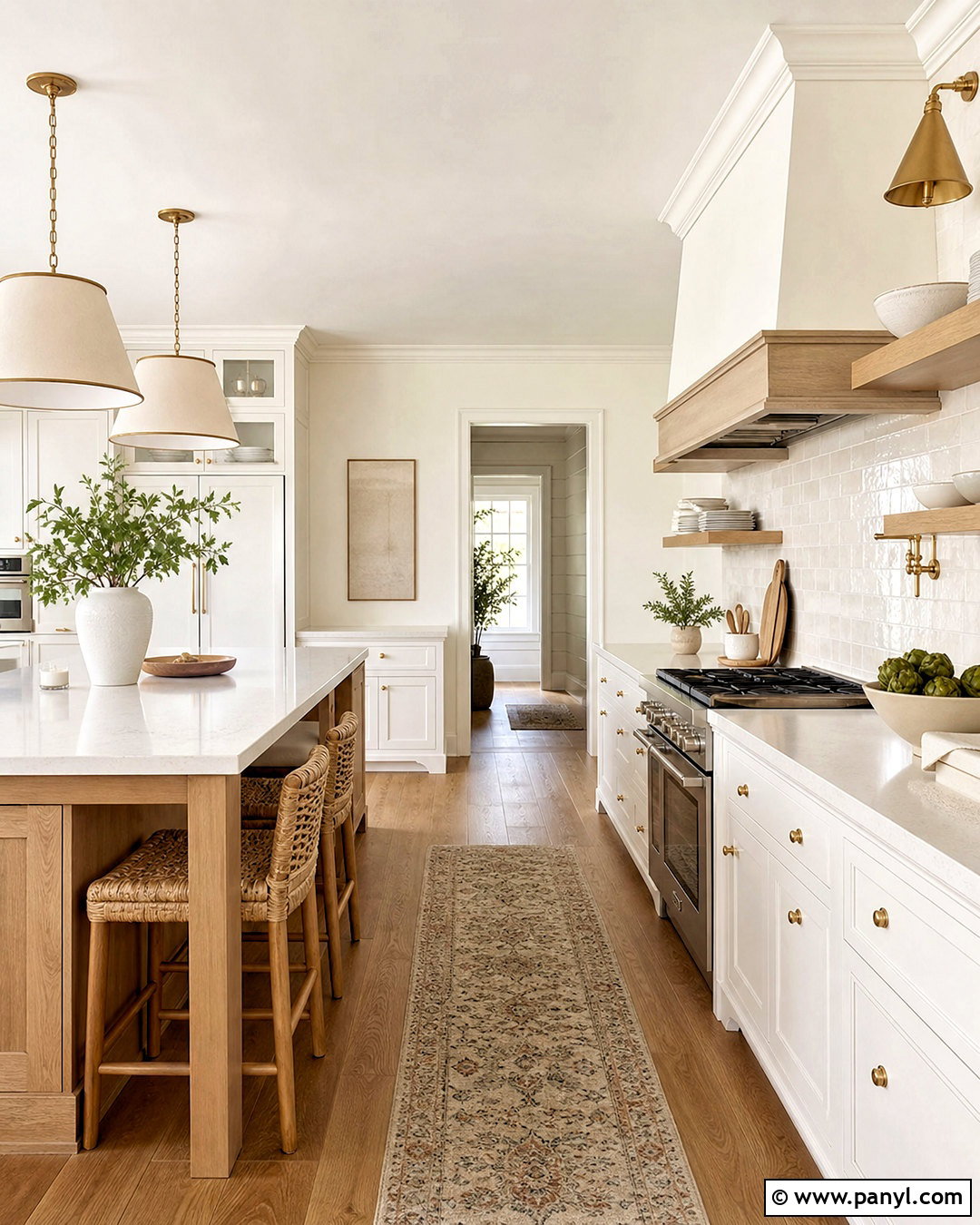
Pair Alabaster walls with warm sage green cabinetry, muted olive textiles, natural oak, and small touches of aged brass. This combination creates a relaxed organic kitchen that feels fresh without looking cold. Use Alabaster on the walls, ceiling, and window trim to form a soft, continuous background. Paint the lower cabinets sage while keeping upper cabinets Alabaster for a lighter appearance. A creamy quartz countertop and handmade beige backsplash bring the colors together. Add oak stools, woven shades, linen runners, and simple ceramic accessories. Matte black lighting can provide definition, but use it sparingly. The finished palette feels calm, practical, and connected to nature, making it especially suitable for open kitchens with plenty of daylight.
2. Alabaster And Navy Blue
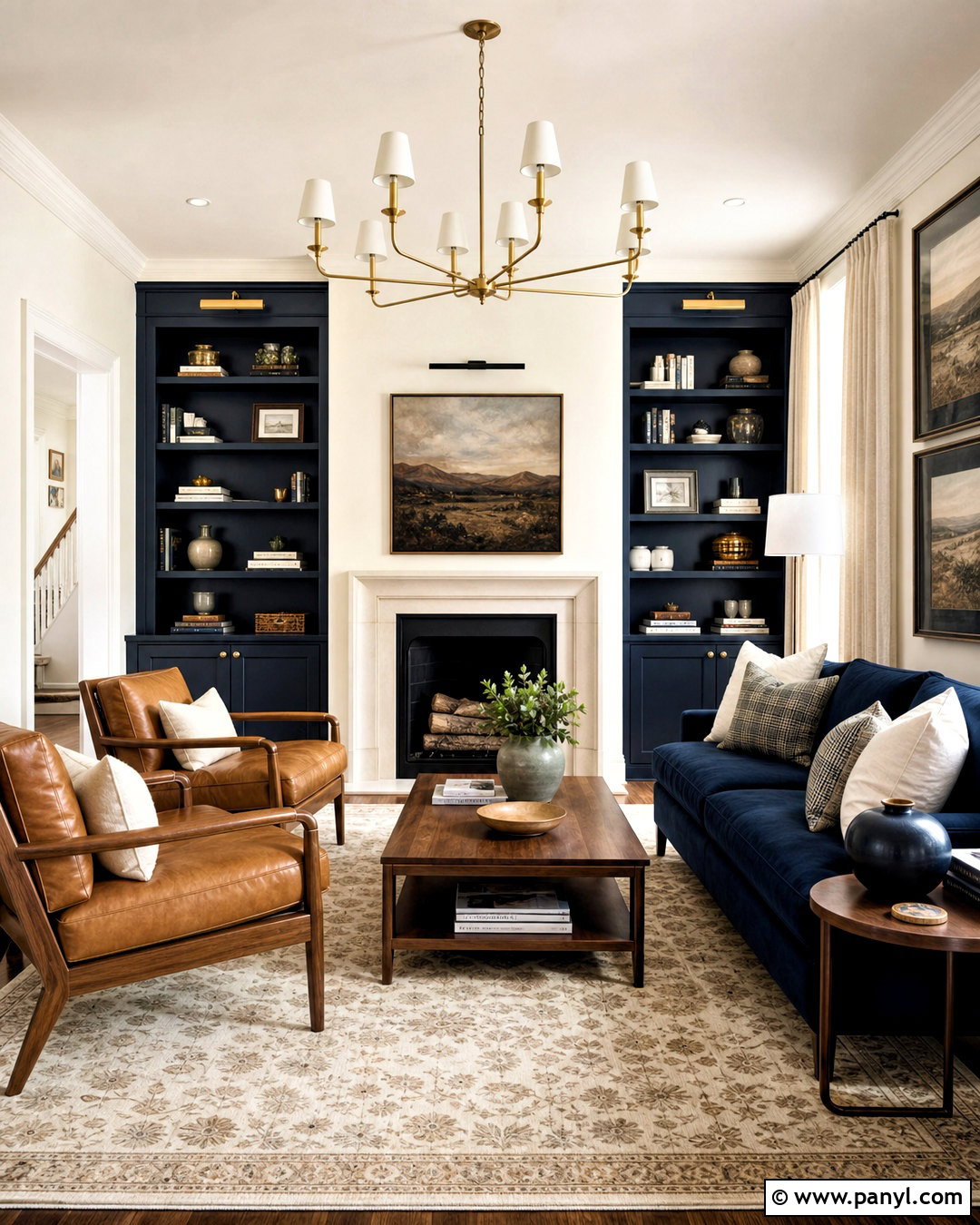
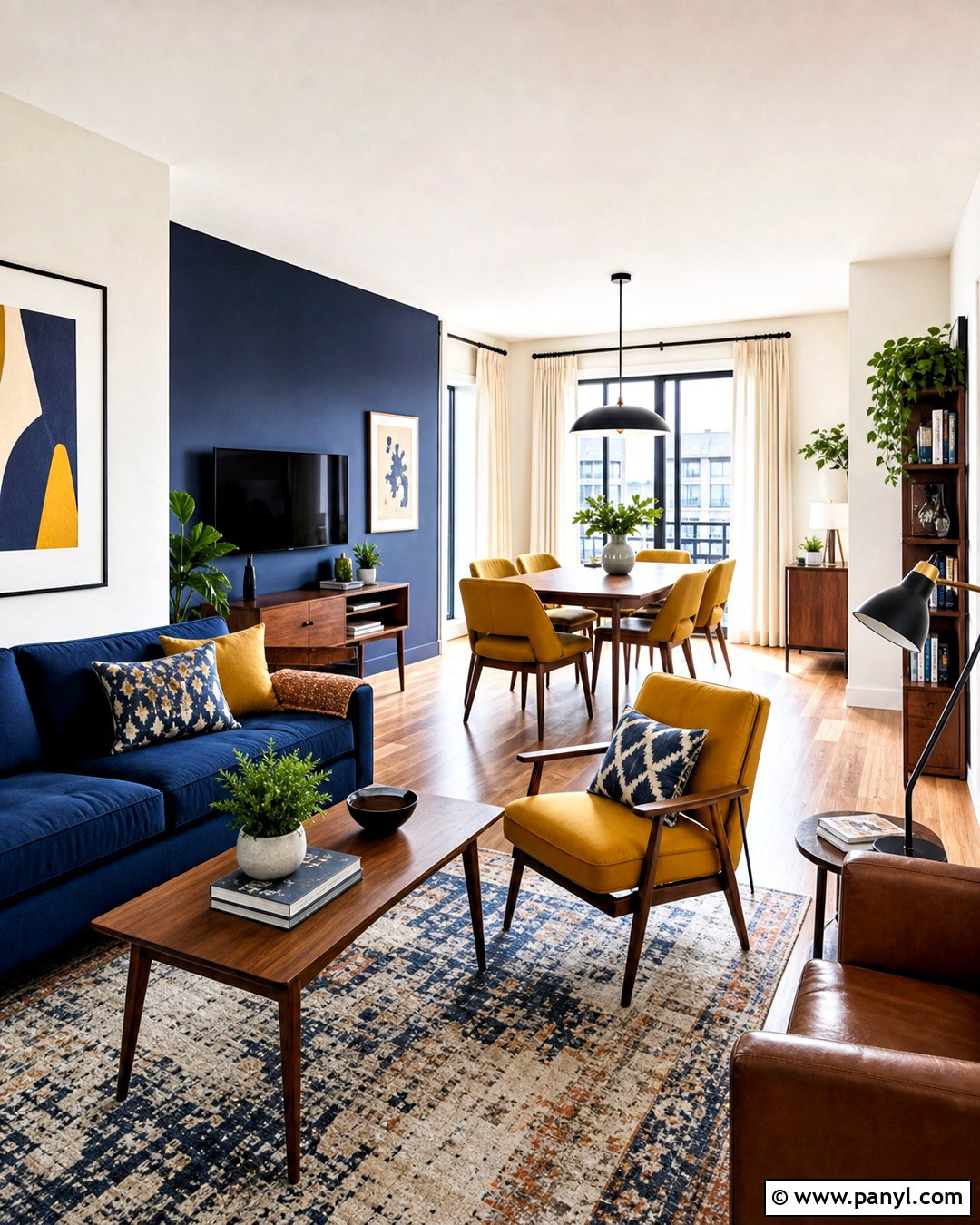
Could your living room use stronger contrast without losing its welcoming atmosphere? Start with Alabaster walls and trim, then introduce navy blue through a substantial sofa, built-in bookcases, or a painted fireplace surround. Layer in camel leather, medium-tone walnut, and antique brass to warm the deep blue. A patterned rug containing cream, navy, faded rust, and pale beige will connect the entire palette. Choose linen curtains close to the Alabaster wall color so the windows appear taller and brighter. White oak side tables can prevent the room from becoming overly traditional. Finish with blue-and-white ceramics, framed landscape art, and textured neutral pillows. This complete look feels polished, comfortable, and suitable for both casual gatherings and formal entertaining.
3. Alabaster And Warm Beige
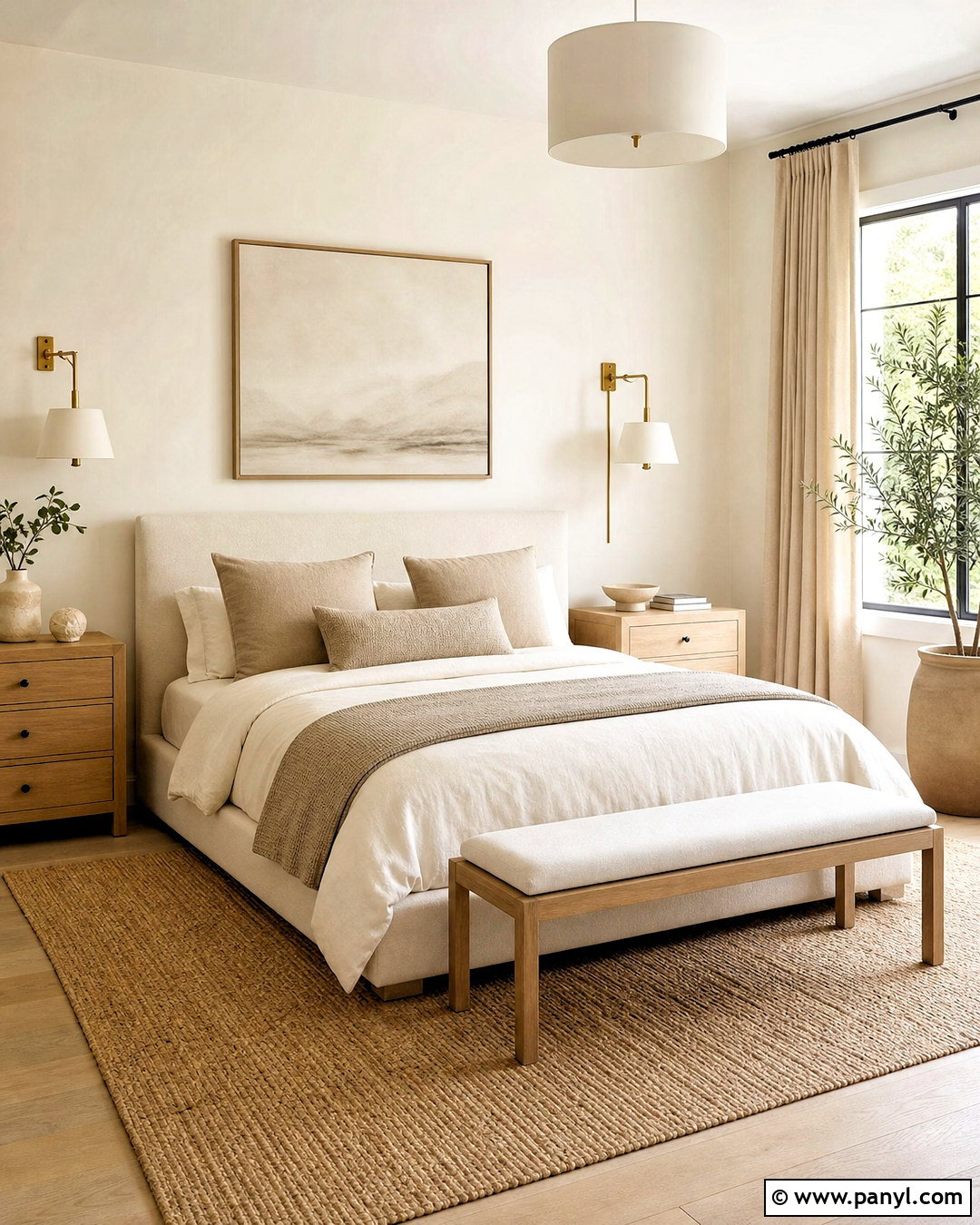
Alabaster and warm beige create a layered neutral bedroom that feels peaceful rather than plain. Cover the walls in Alabaster and choose a sand-colored upholstered bed as the central feature. Add oatmeal linen bedding, a soft taupe quilt, and warm ivory pillows with different woven textures. Light oak nightstands and a natural jute-blend rug introduce visible grain and prevent the pale colors from blending together. Use brushed brass sconces for a gentle metallic accent. Beige curtains should be slightly deeper than the walls, helping frame the windows without producing harsh contrast. Complete the room with limestone accessories, cream ceramics, and one muted landscape print. The result is a restful, approachable palette that works beautifully in bedrooms with warm or balanced natural light.
4. Alabaster And Charcoal Gray
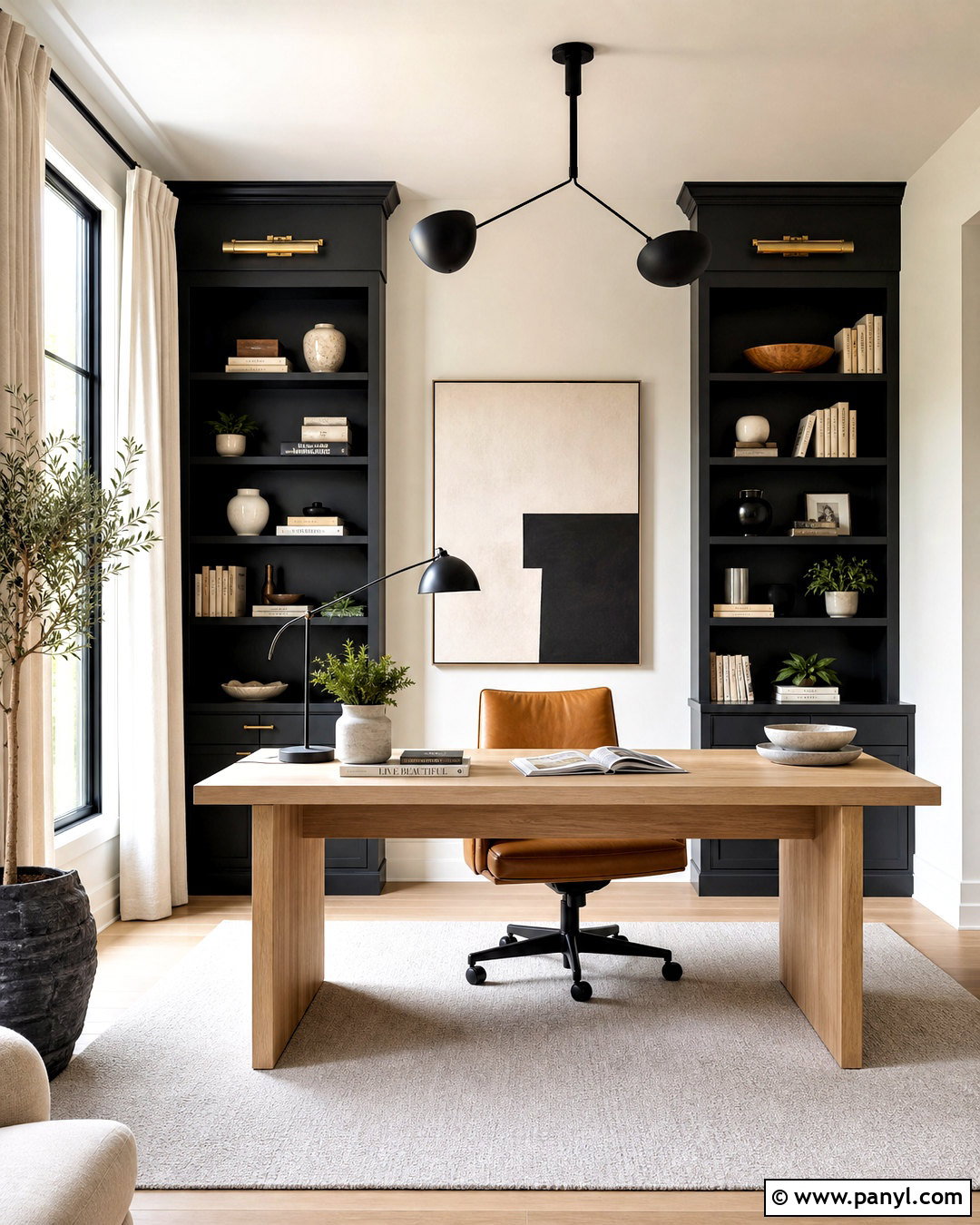
For a sharper modern look, surround Alabaster with charcoal gray, pale oak, soft camel, and matte black. In a home office, use Alabaster on the main walls and ceiling to maintain brightness. Paint built-in shelving charcoal, creating a strong focal point behind a streamlined oak desk. Choose a camel leather chair and a light gray wool rug to soften the contrast. Black-framed artwork and a matte black desk lamp can repeat the darker tones without overwhelming the room. Keep window treatments simple with warm white linen panels. A few green plants and stone accessories add natural color and texture. This palette feels focused and sophisticated, yet the warmth of Alabaster and wood keeps the workspace from appearing severe or overly corporate.
5. Alabaster And Dusty Blue
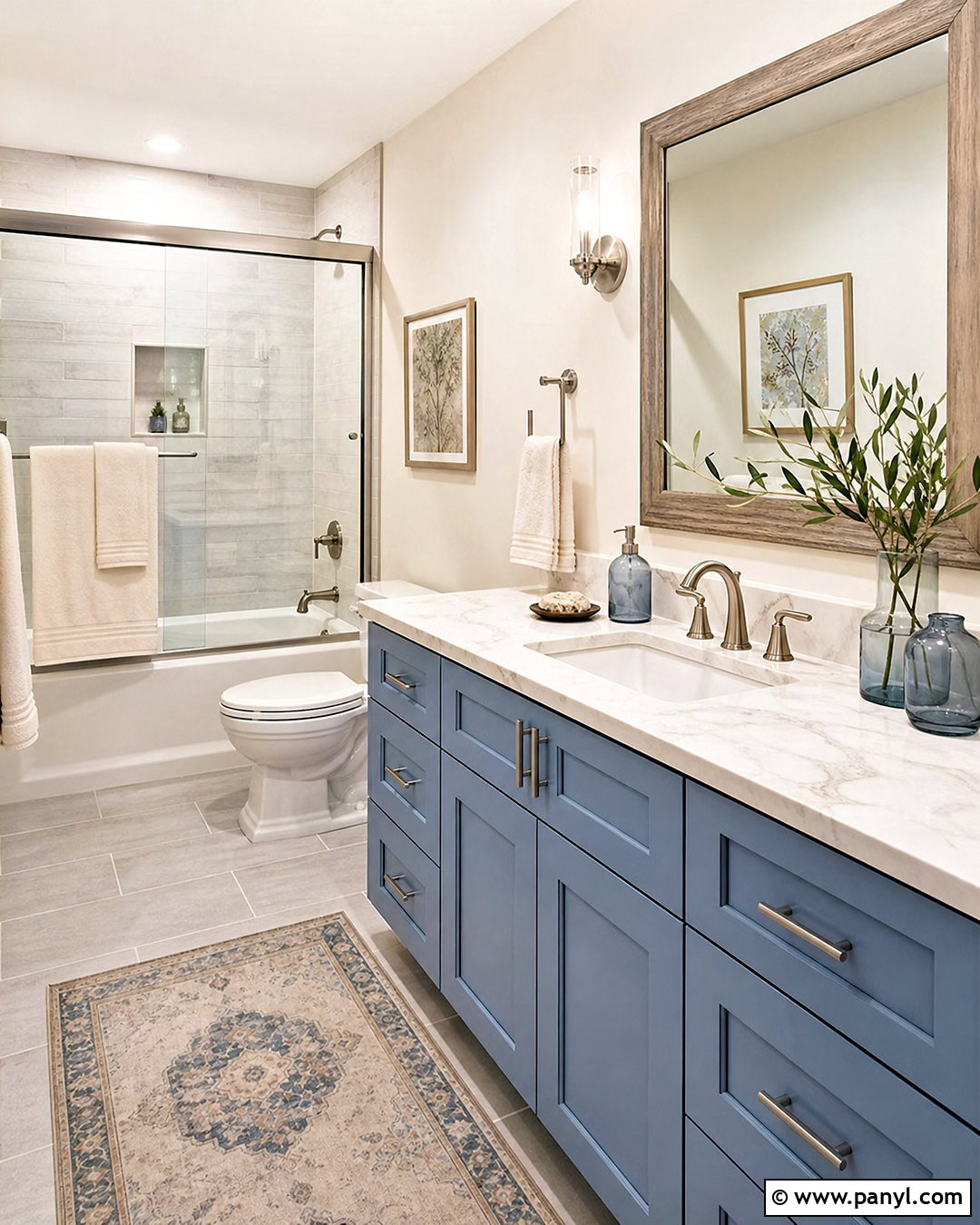
A quiet combination of Alabaster, dusty blue, pale gray, and weathered oak can turn a bathroom into a soothing retreat. Use Alabaster on the upper walls and ceiling, then install dusty blue vanity cabinets for soft color. Choose white marble-look quartz with subtle warm gray veining rather than a strongly blue countertop. Brushed nickel fixtures reinforce the cooler notes, while a weathered oak mirror adds warmth. Pale gray floor tile grounds the room and handles daily wear gracefully. Include folded ivory towels, blue-gray glass containers, and a simple woven bath mat. If the bathroom lacks natural light, use clear glass shower panels and bright neutral bulbs. The finished palette feels airy, clean, and gently colorful without becoming themed or overly coastal.
6. Alabaster And Terracotta
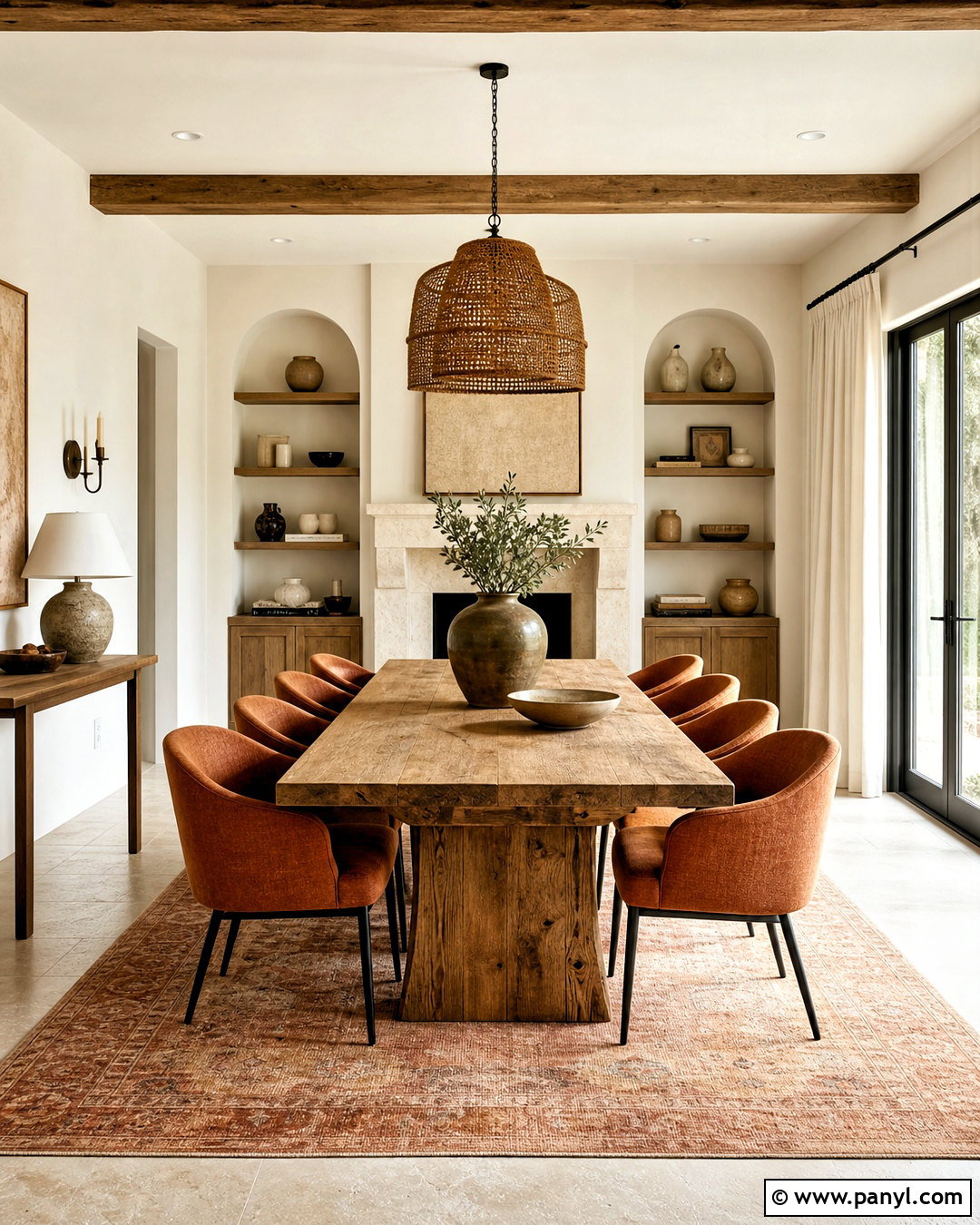
Sun-warmed terracotta gives Alabaster a richer, more relaxed personality. Create a complete dining room with Alabaster walls, a rustic oak table, terracotta upholstered chairs, and a faded clay-colored rug. Add muted olive accents through pottery or a small painted cabinet. A woven pendant light will strengthen the natural, casual character of the room. Choose linen curtains in warm ivory and keep the ceiling Alabaster to reflect light. Black iron chair frames or a slender black curtain rod can introduce clean definition. Decorate the table with handmade cream ceramics and leafy branches rather than many small accessories. This palette balances earthy color with a bright neutral foundation, creating an inviting dining space that works for everyday meals and relaxed gatherings.
7. Alabaster And Black
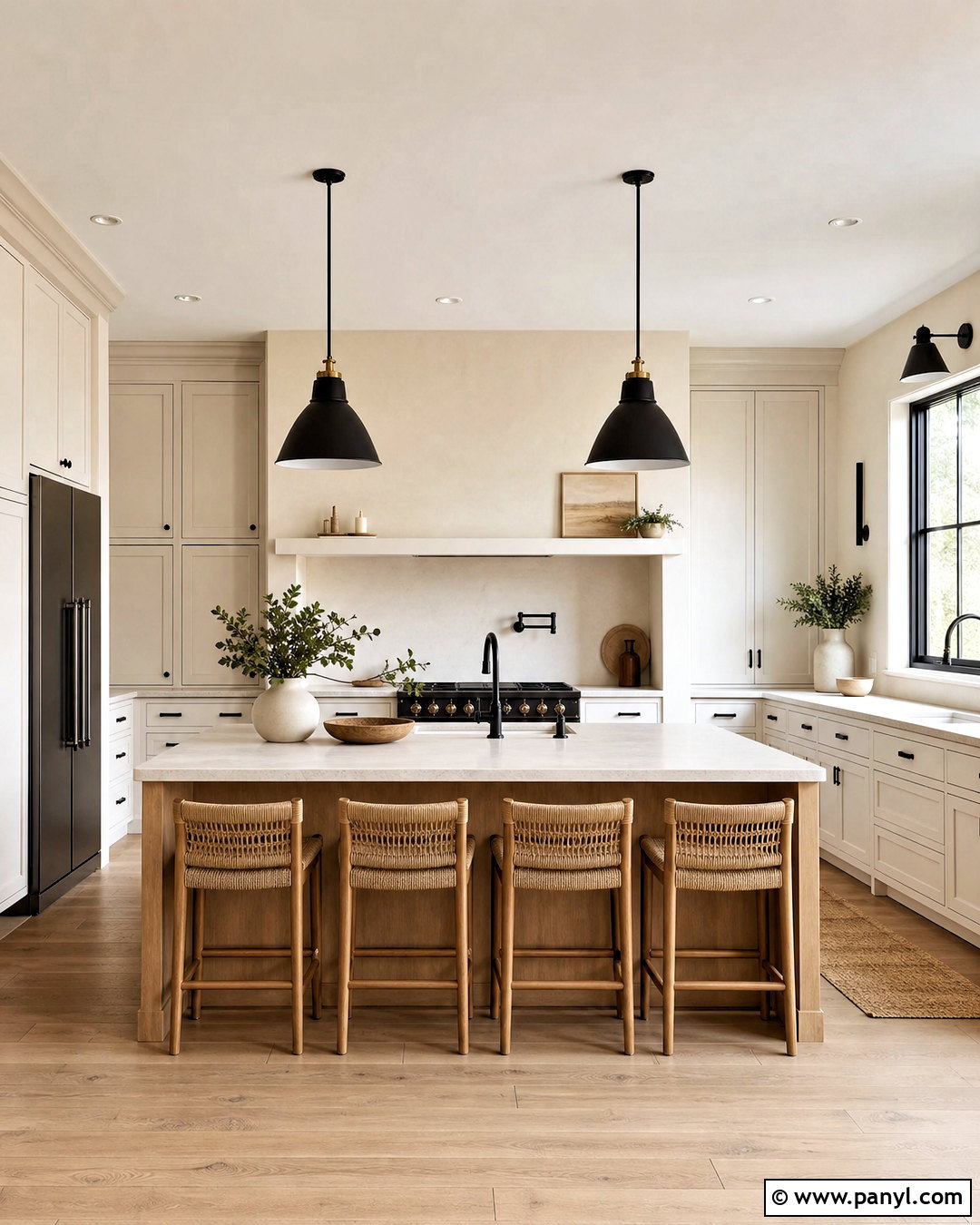
Crisp black accents can make an Alabaster kitchen feel tailored and architectural. Use Alabaster on Shaker cabinets, walls, and ceiling, then define the room with black-framed windows, matte black pendant lights, and slim black hardware. Introduce warmth through a white oak island, natural wood flooring, and woven counter stools. A lightly veined creamy quartz countertop will blend better than a bright blue-white surface. Keep the backsplash simple with Alabaster-toned rectangular tile and warm grout. For balance, repeat black in only a few intentional locations, such as the range hood trim and faucet. This palette creates a clean modern farmhouse or transitional look. The natural materials soften the contrast, ensuring the finished kitchen feels comfortable instead of graphic or sterile.
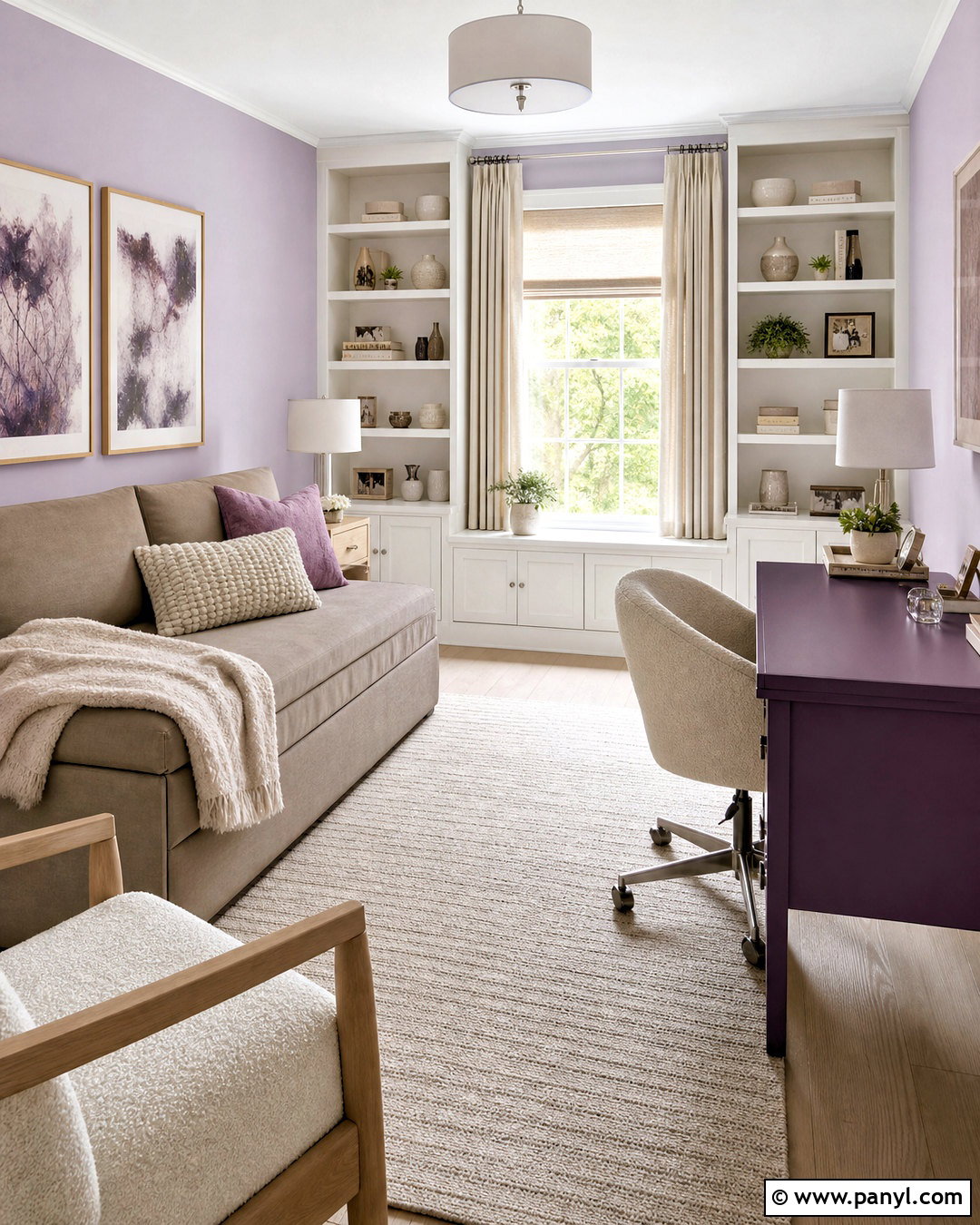
8. Alabaster And Blush Pink
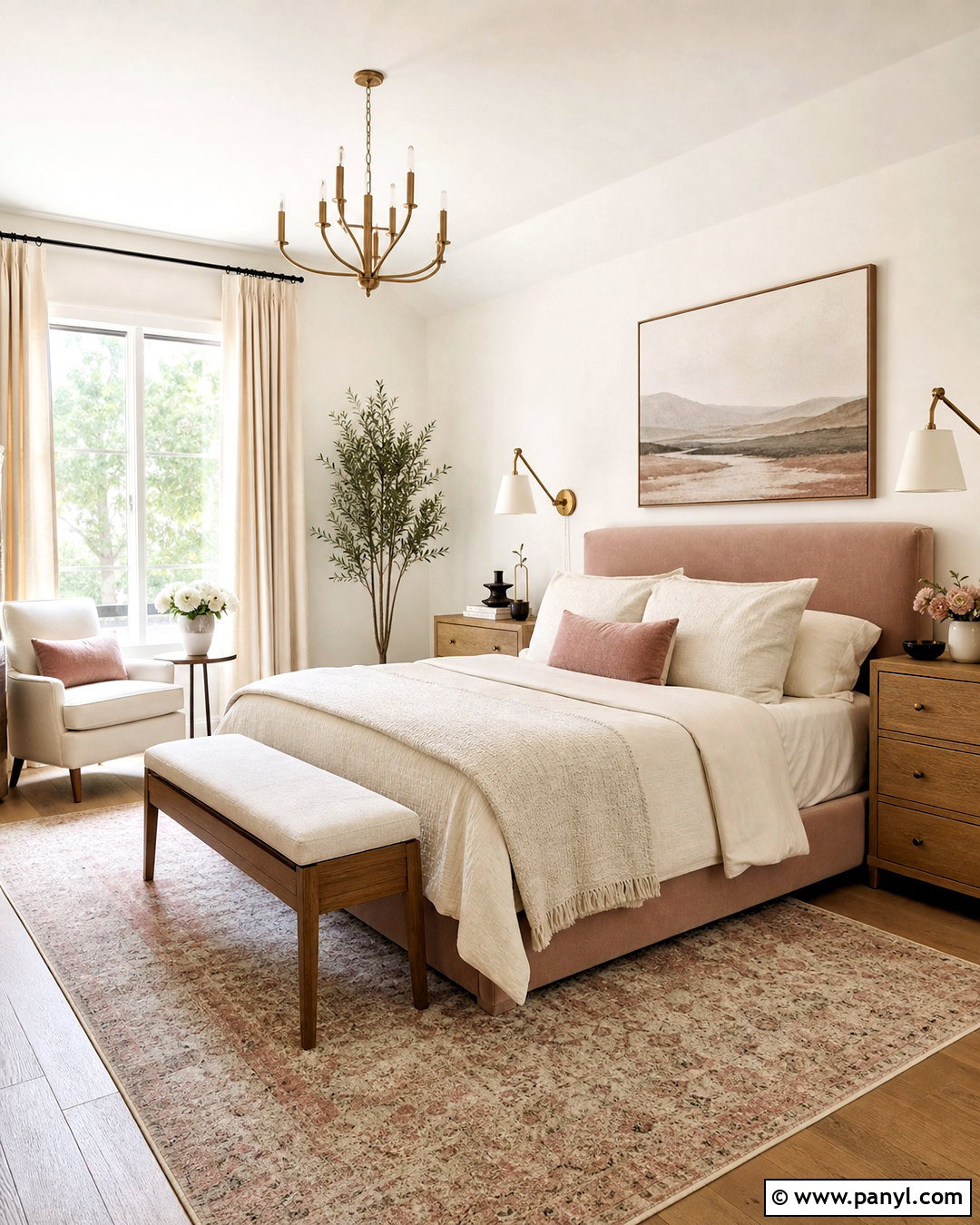
Soft blush pink brings gentle color to an Alabaster bedroom while remaining sophisticated and adaptable. Begin with Alabaster walls, trim, and ceiling. Add a dusty blush upholstered headboard, ivory bedding, and a muted rose-and-taupe rug. Pale oak furniture keeps the palette fresh, while brushed brass lamps add a warm reflective finish. Avoid overly bright pink accessories; choose faded rose, clay pink, and beige-pink tones instead. Linen curtains in soft cream will provide subtle separation from the walls. Introduce one darker grounding element, such as a walnut bench or bronze curtain rod. Complete the room with abstract artwork containing blush, tan, and warm gray. The overall scheme feels comfortable and refined, making it appropriate for primary bedrooms, guest rooms, or nurseries.
9. Alabaster And Forest Green
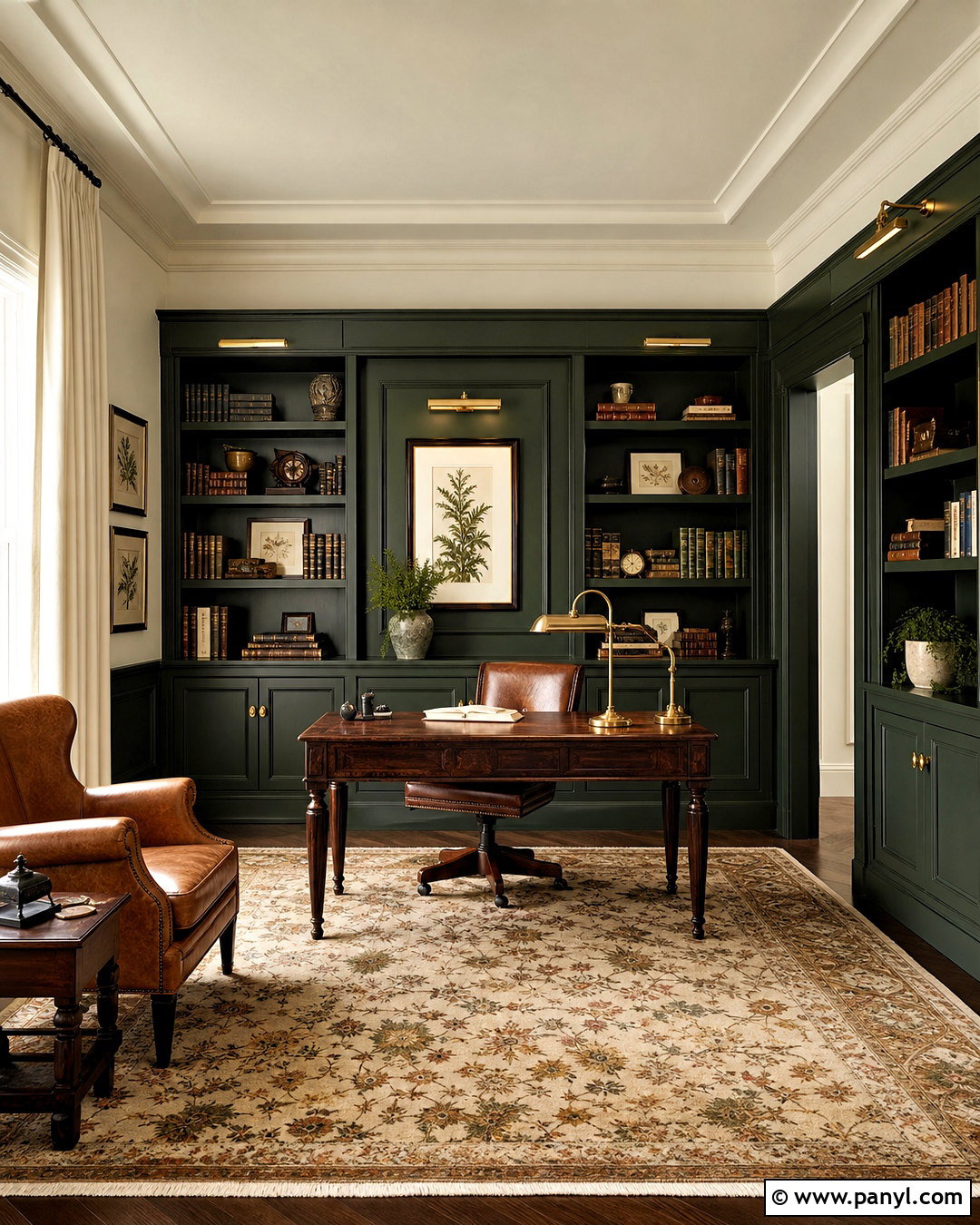
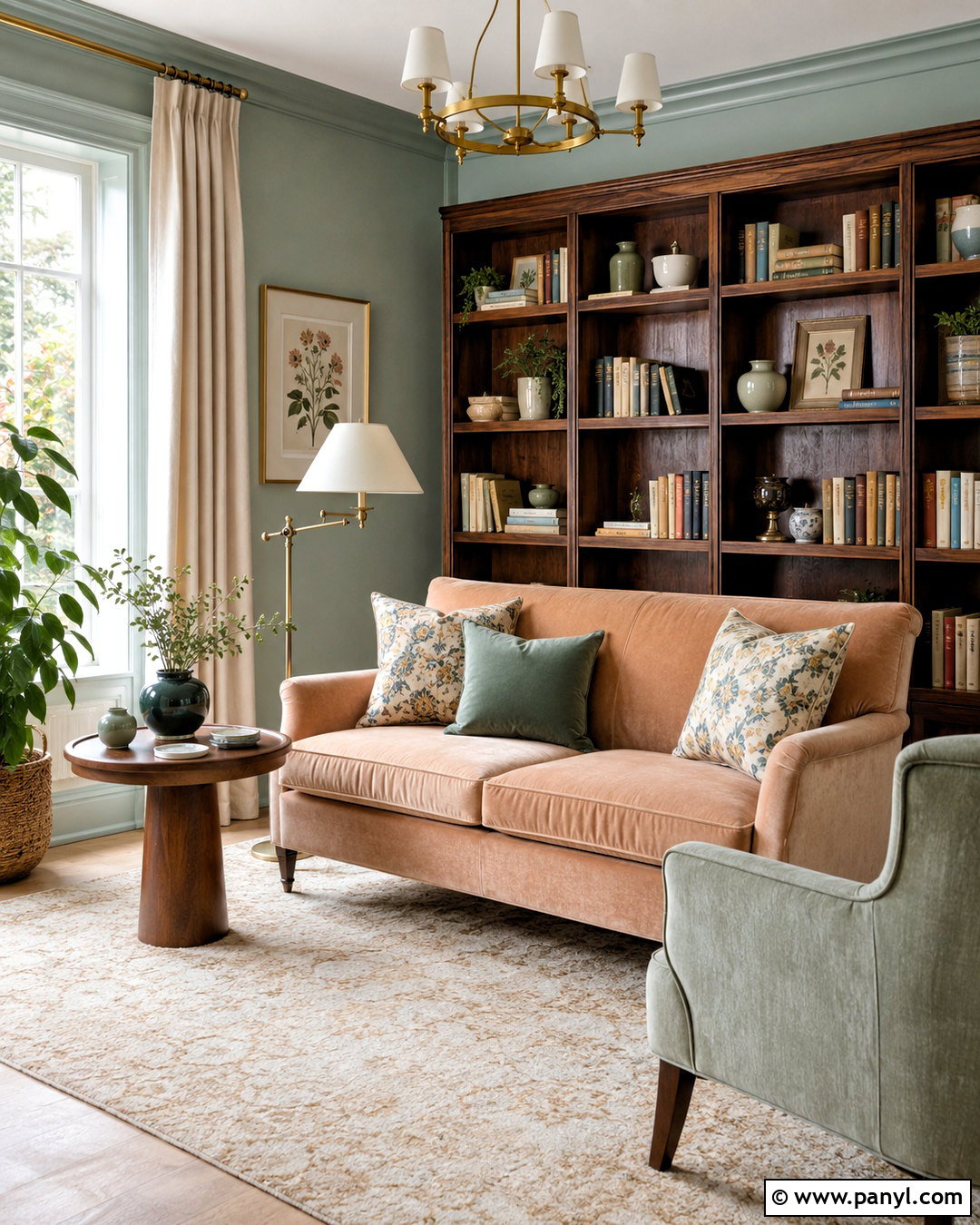
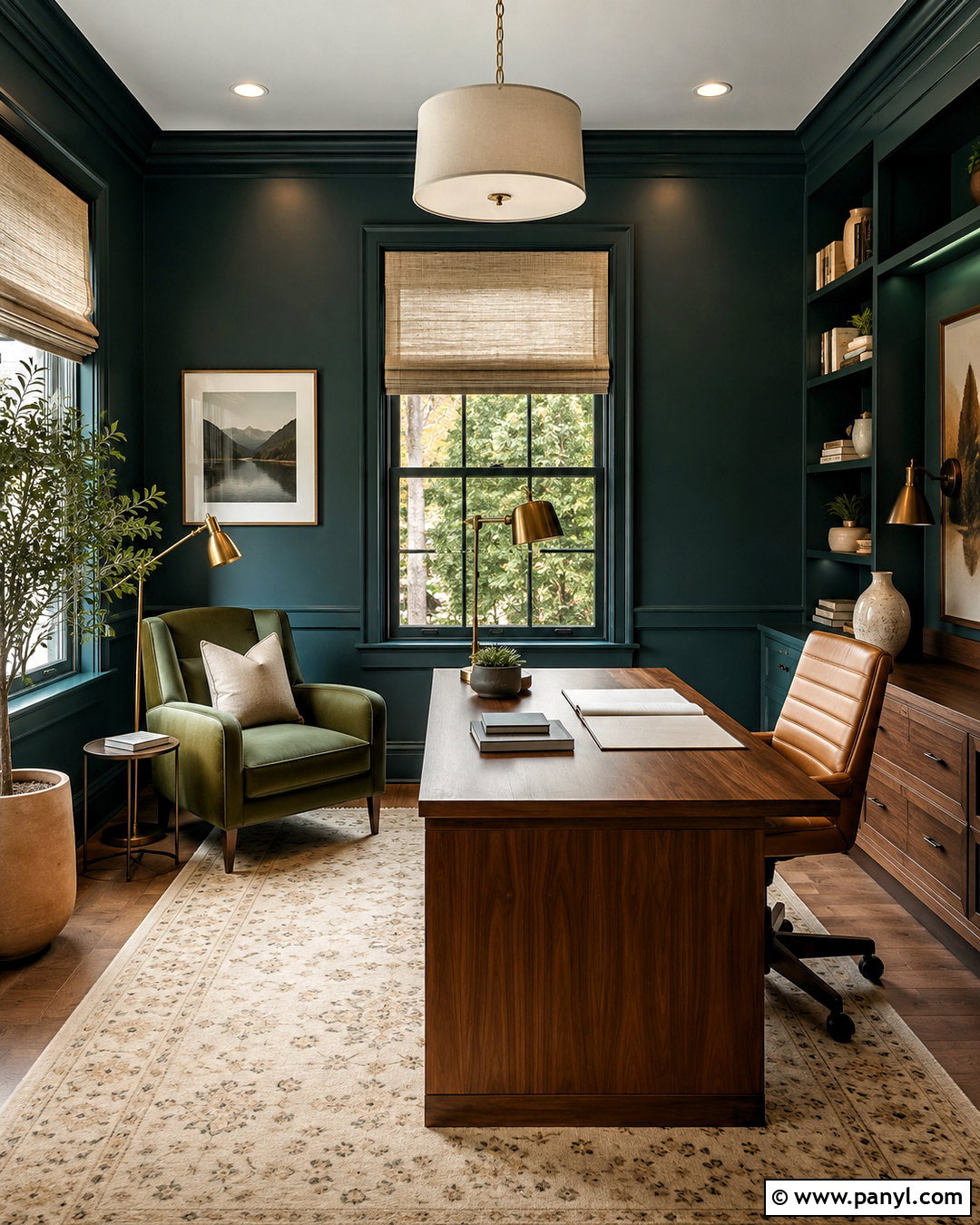
Deep forest green gives Alabaster a classic, dramatic edge that works especially well in a library or reading room. Keep the upper walls and ceiling Alabaster, then paint lower wall paneling or built-in bookcases a rich forest green. Add a cognac leather chair, dark walnut side table, and traditional wool rug containing cream, green, and muted red. Antique brass picture lights will bring warmth to the darker cabinetry. Choose full-length Alabaster linen curtains to brighten the windows and echo the walls. Books, framed botanical prints, and aged ceramic vessels can complete the collected look. The strong green creates depth, while Alabaster prevents the space from feeling enclosed. This balanced palette suits traditional, English-inspired, and updated transitional interiors.
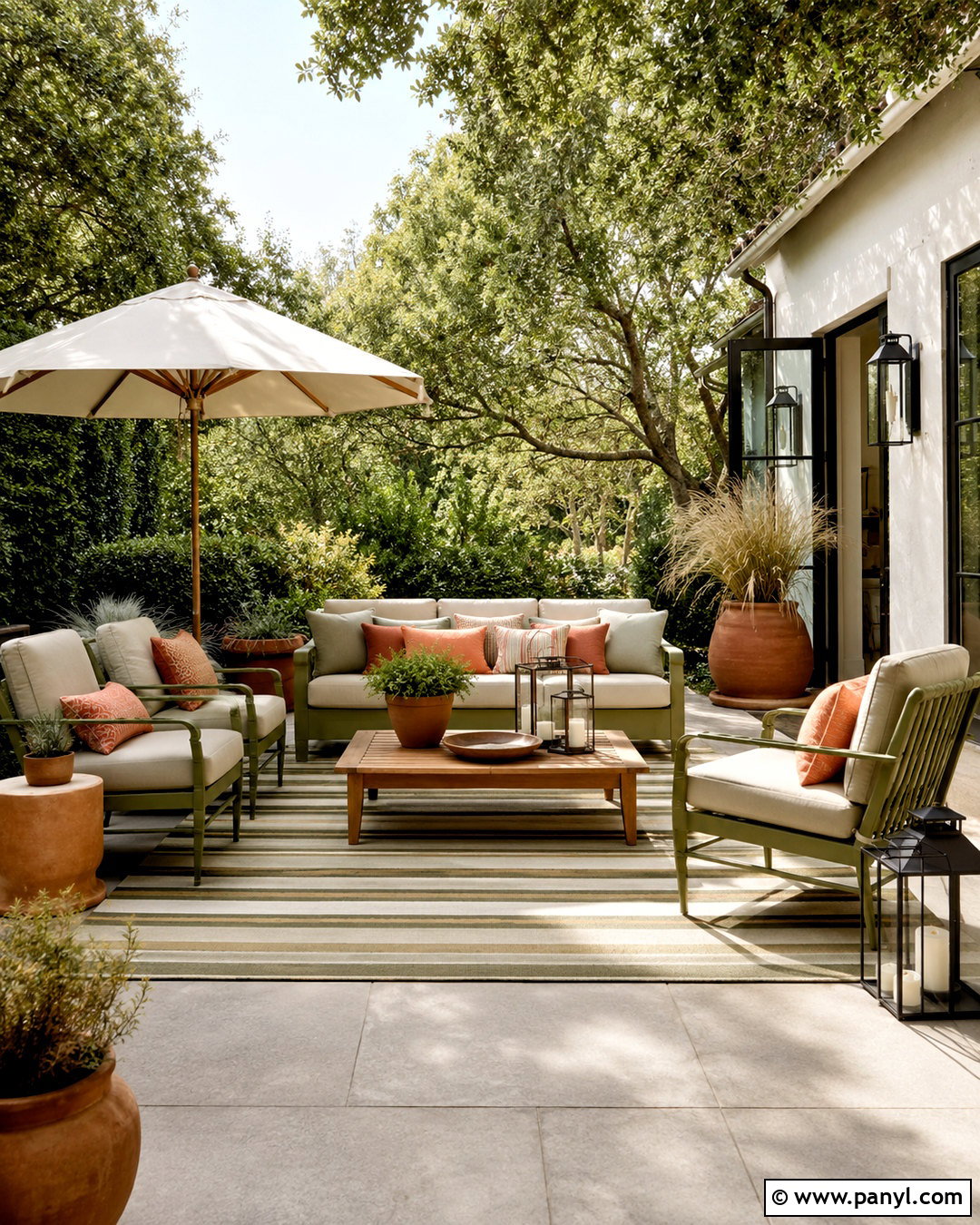
10. Alabaster And Light Greige
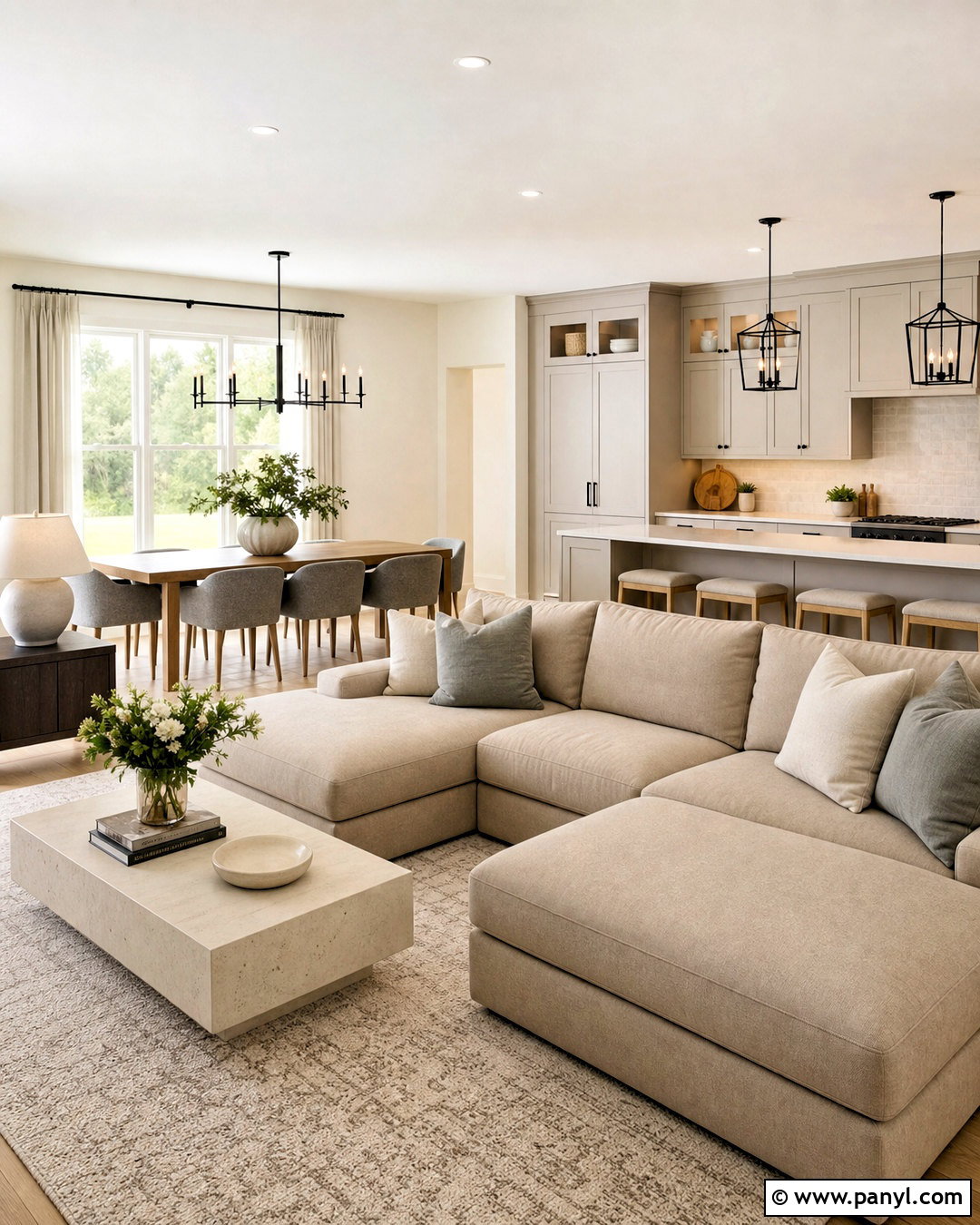
For an easy whole-house palette, combine Alabaster with light greige, natural oak, soft taupe, and muted black. In an open living and dining area, paint the main walls Alabaster and use greige on an adjoining feature wall or built-in cabinet. Select a light taupe sectional, oak dining table, and warm gray dining chairs. A large rug containing ivory, beige, and greige will visually connect both zones. Use black sparingly on window frames, lighting, and small furniture legs. Linen curtains should stay close to the Alabaster wall color for a seamless flow. Add tactile interest through bouclé, woven baskets, stoneware, and nubby throws. This flexible combination creates continuity between rooms while leaving plenty of room for artwork and seasonal accent colors.
11. Alabaster And Muted Teal
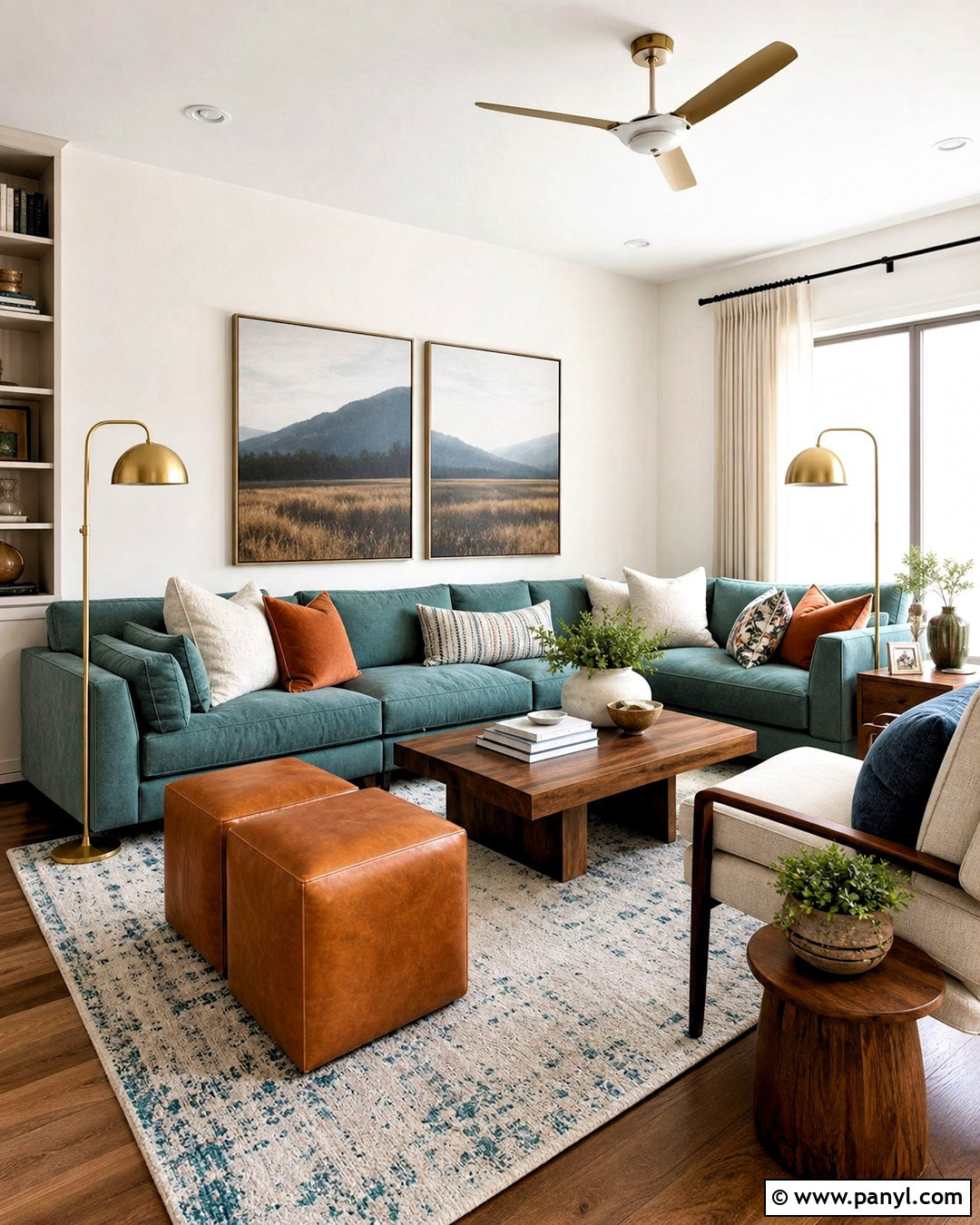
Muted teal offers enough color to energize Alabaster without overpowering its softness. Build a complete family room around Alabaster walls, a muted teal sectional, walnut furniture, and a cream-and-blue patterned rug. Add cognac leather ottomans for warmth and durability. Brass floor lamps can highlight the golden notes in the wood, while dark bronze frames provide subtle structure. Keep curtains warm white and choose pillows that mix teal, oatmeal, faded blue, and small amounts of rust. A walnut media cabinet will anchor the television wall and hide everyday storage. Finish with simple pottery and leafy plants. This palette feels colorful but controlled, offering a practical alternative to all-neutral family rooms while remaining easy to coordinate with nearby spaces.
12. Alabaster And Chocolate Brown
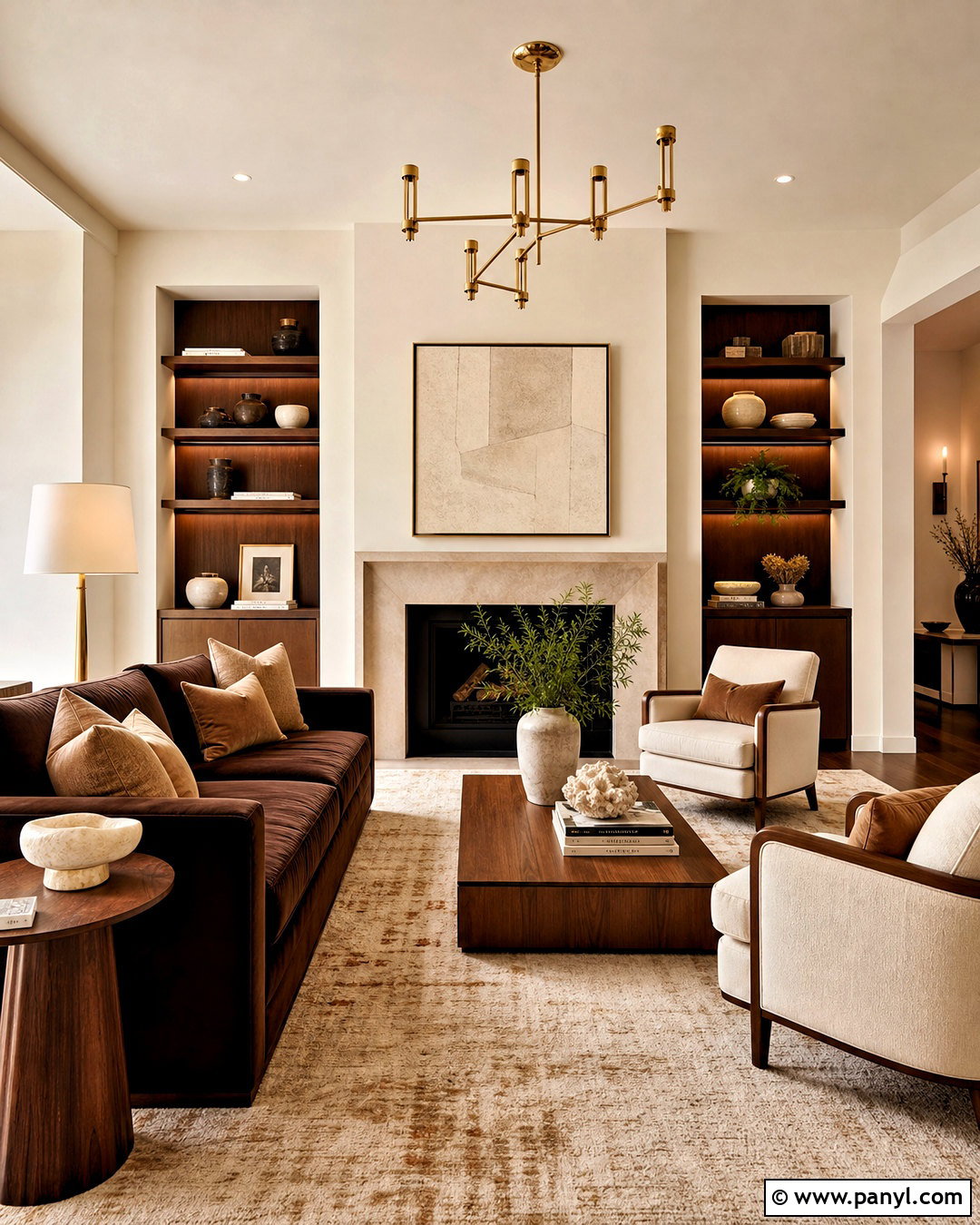
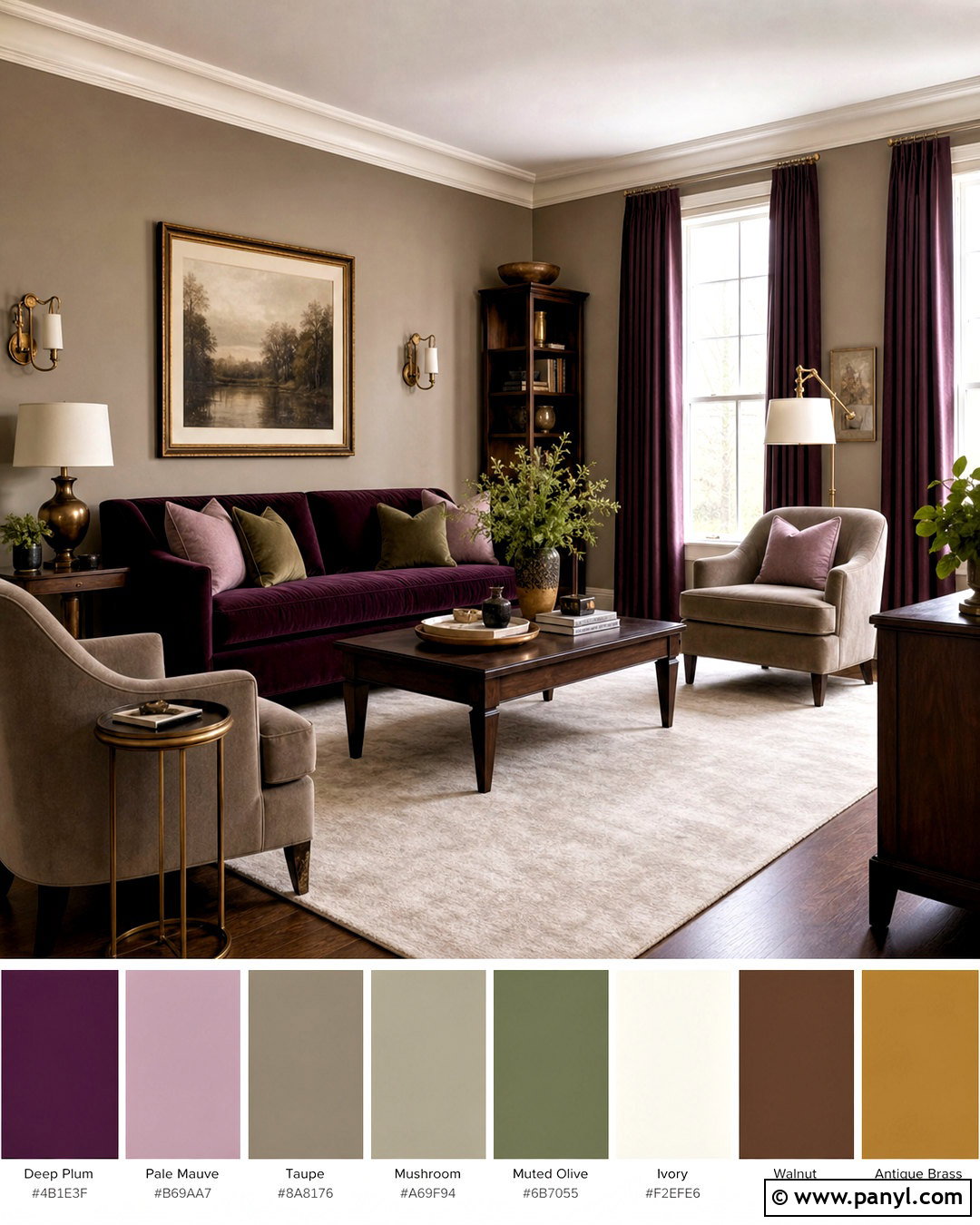
Rich chocolate brown makes Alabaster feel especially warm and luxurious. In a living room, use Alabaster across the walls, trim, and fireplace mantel. Anchor the space with a deep brown velvet or leather sofa, then add cream lounge chairs and walnut end tables. A large rug in ivory, camel, brown, and muted gray will establish a layered foundation. Bronze lighting and dark wood picture frames can repeat the chocolate tones around the room. Keep the curtains light and softly textured to maintain brightness. Add caramel pillows, a chunky ivory throw, and sculptural stone accessories. This palette works well when you want strong contrast without relying on black. The finished space feels grounded, timeless, and comfortable, with enough tonal variation to avoid looking overly monochromatic.
13. Alabaster And Soft Lavender
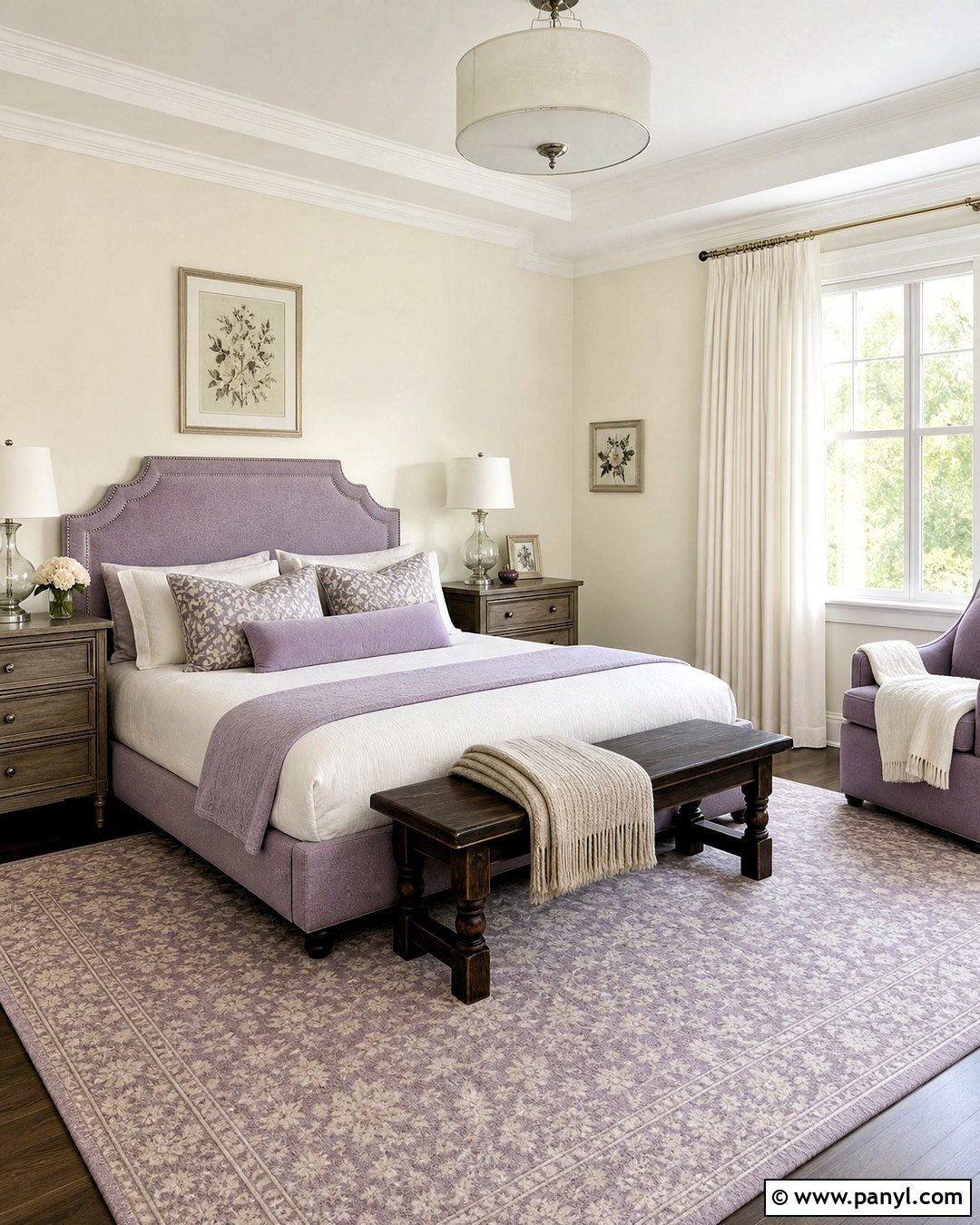
Alabaster and soft lavender can create a graceful guest bedroom that feels calm rather than overly sweet. Paint the walls Alabaster and introduce lavender through an upholstered bed, a faded floral rug, and a lightweight coverlet. Use warm gray nightstands to bridge the creamy white and cooler purple tones. Brushed nickel lamps provide a clean finish, while small antique brass details add extra warmth. Select curtains in warm ivory instead of pure white, which could make Alabaster appear more yellow. Include pale plum, gray-lilac, and oatmeal pillows for gentle depth. A dark wood bench at the foot of the bed will ground the pastel palette. The completed room feels serene, grown-up, and welcoming for guests across different seasons.
14. Alabaster And Mustard Yellow
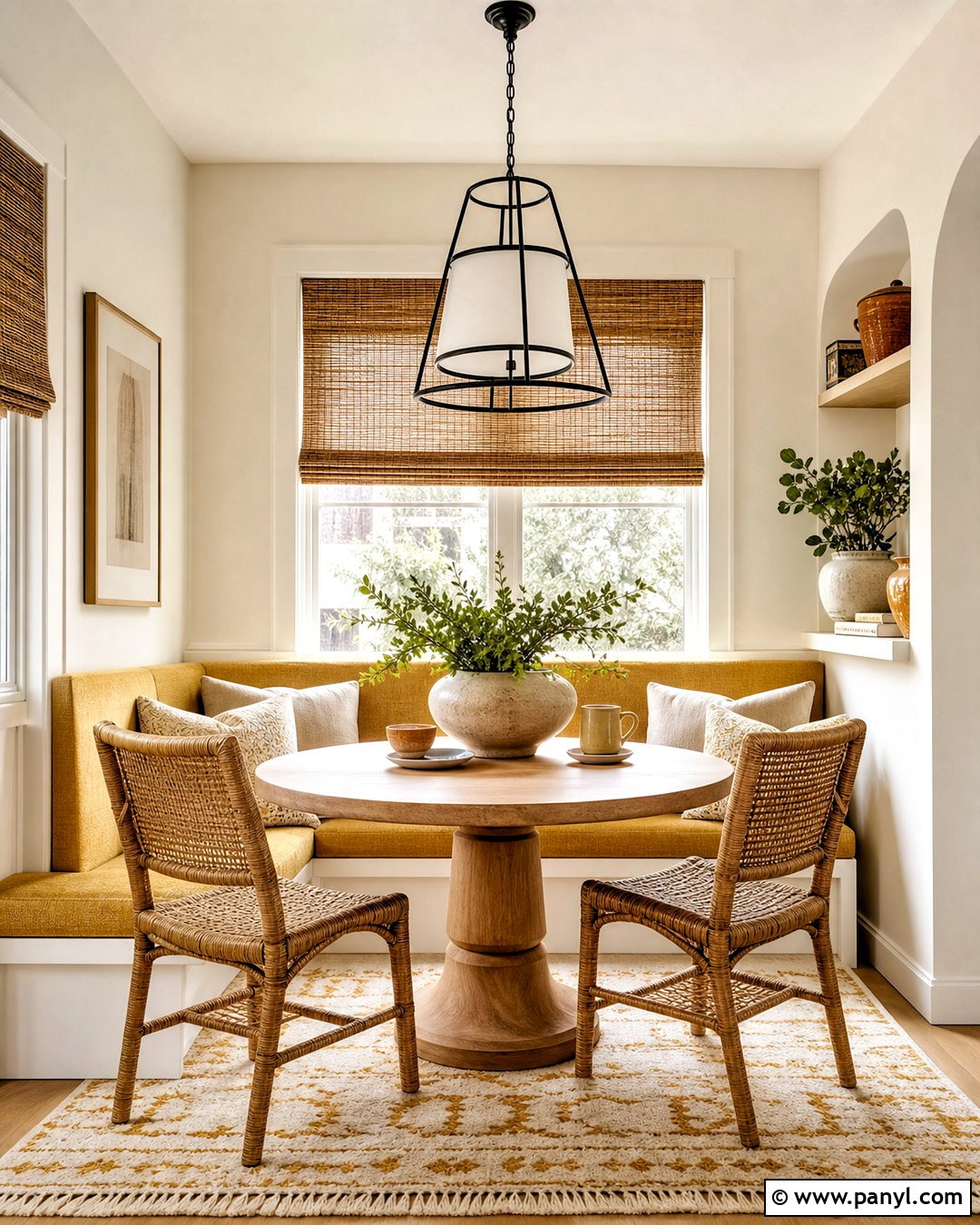
A mustard yellow accent can bring cheerful warmth to an Alabaster breakfast nook. Cover the surrounding walls in Alabaster and build the palette around a natural oak pedestal table, mustard upholstered banquette, and woven dining chairs. Use a washable rug containing cream, golden yellow, muted blue, and tan to handle everyday activity while tying the colors together. Black metal lighting adds a clean contemporary line above the table. Keep window treatments simple with bamboo shades or ivory linen café curtains. Add handmade pottery, oak serving boards, and one framed graphic print with restrained yellow details. Because mustard is visually strong, repeat it only in two or three places. The finished nook feels sunny and lively without becoming busy or excessively colorful.
15. Alabaster And Coastal Blue
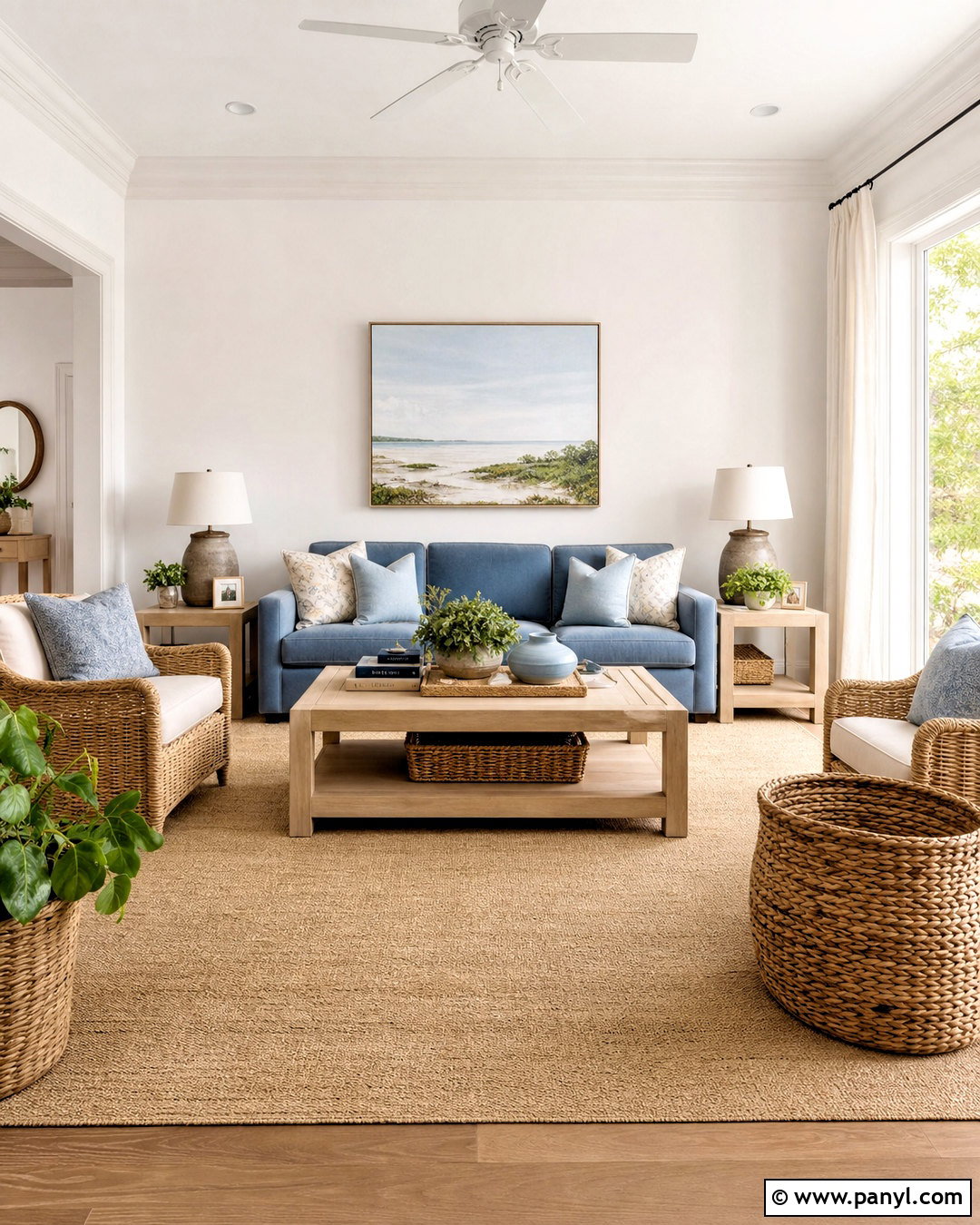
Fresh coastal color does not require obvious nautical decorations. Use Alabaster walls as the backdrop for a medium coastal blue sofa, pale oak coffee table, woven rattan chairs, and a sandy beige rug. Layer the seating with pillows in faded blue, cream, soft gray, and muted sea green. Natural linen curtains and woven shades will soften the windows and provide useful texture. Choose aged brass or brushed nickel lighting instead of overly rustic fixtures. One large coastal landscape can establish the relaxed mood without turning the room into a theme. Add white ceramics, seagrass baskets, and light wood frames. This complete palette feels breezy and comfortable, with Alabaster providing warmth that keeps the blues from appearing icy or disconnected.
16. Alabaster And Burgundy
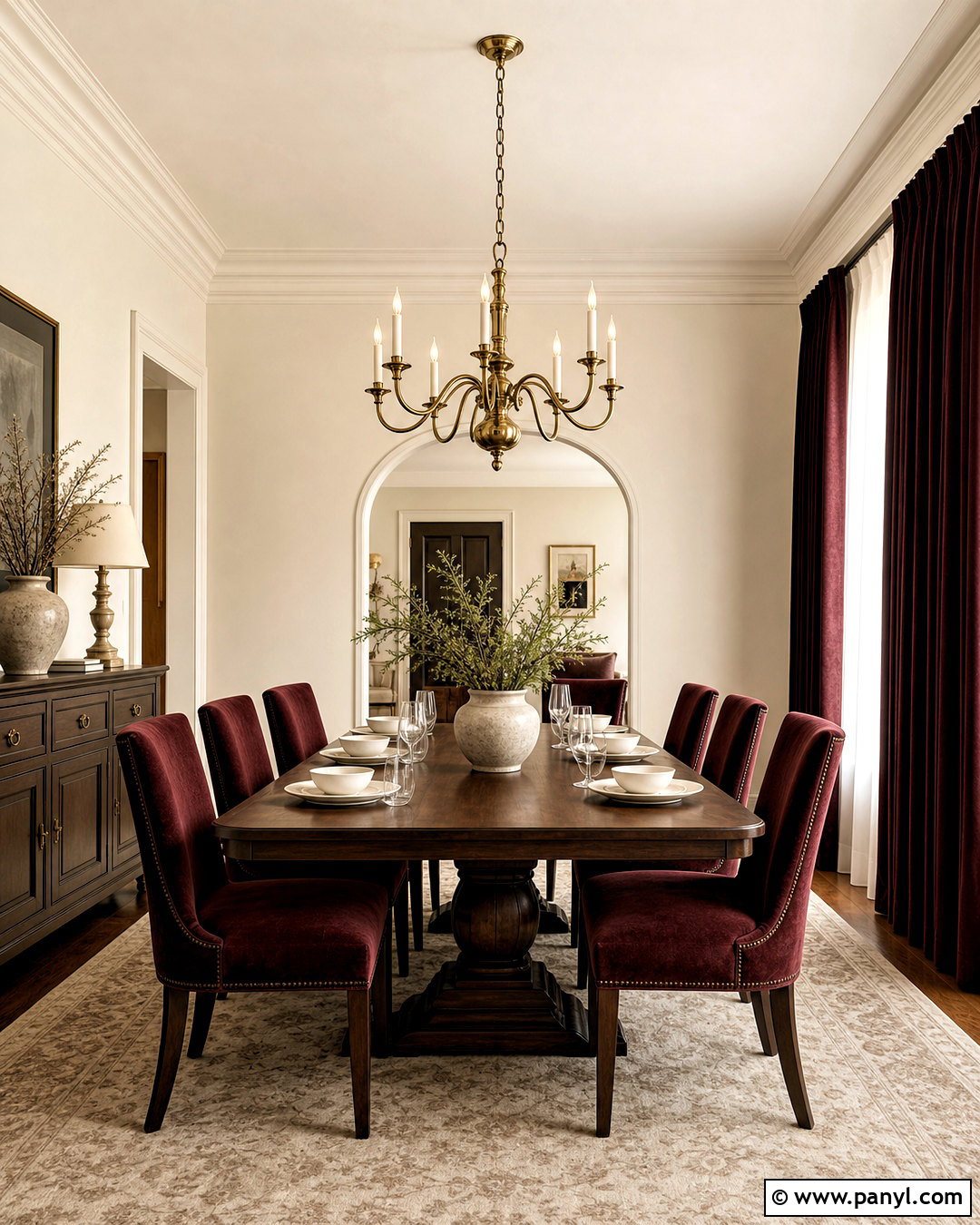
Burgundy introduces deep, traditional color while Alabaster keeps the room feeling current. In a formal dining room, paint the walls Alabaster and use burgundy on upholstered dining chairs, full-length curtains, or a substantial sideboard. A dark walnut table gives the palette a strong center. Choose an antique-style rug containing cream, burgundy, faded blue, and brown to connect each element. A warm brass chandelier and framed artwork with dark wood frames can reinforce the classic character. Keep the ceiling, crown molding, and baseboards Alabaster for a soft continuous finish. Add cream table linens and simple ceramic dinnerware to lighten the table. This balanced scheme feels elegant and welcoming, offering rich color without making the dining room appear dark or dated.
17. Alabaster And Olive Green
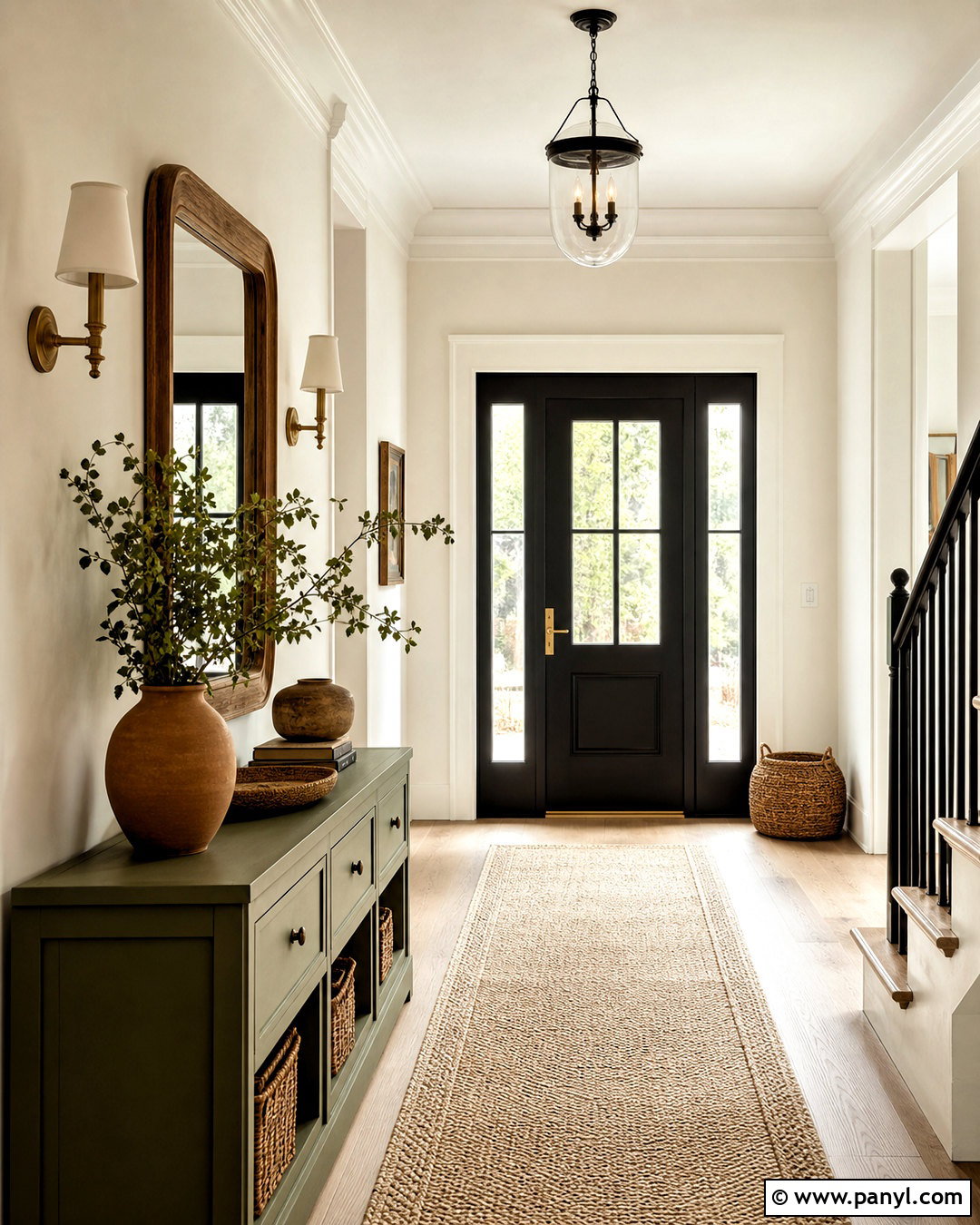
An olive green and Alabaster palette creates a grounded organic entryway that makes a calm first impression. Paint the walls Alabaster and choose an olive green console or built-in storage bench as the main color feature. Add a warm oak mirror, textured beige runner, and aged brass wall sconces. A dark bronze or matte black front door can provide depth while hiding everyday marks. Use woven baskets under the console to introduce practical storage and natural texture. Terracotta pottery and leafy branches will reinforce the earthy direction. Keep nearby trim and doors Alabaster so the hallway flows naturally into adjoining rooms. The finished entry feels organized and approachable, combining durable pieces, useful storage, and a cohesive palette suitable for busy households.
18. Alabaster And Pale Peach
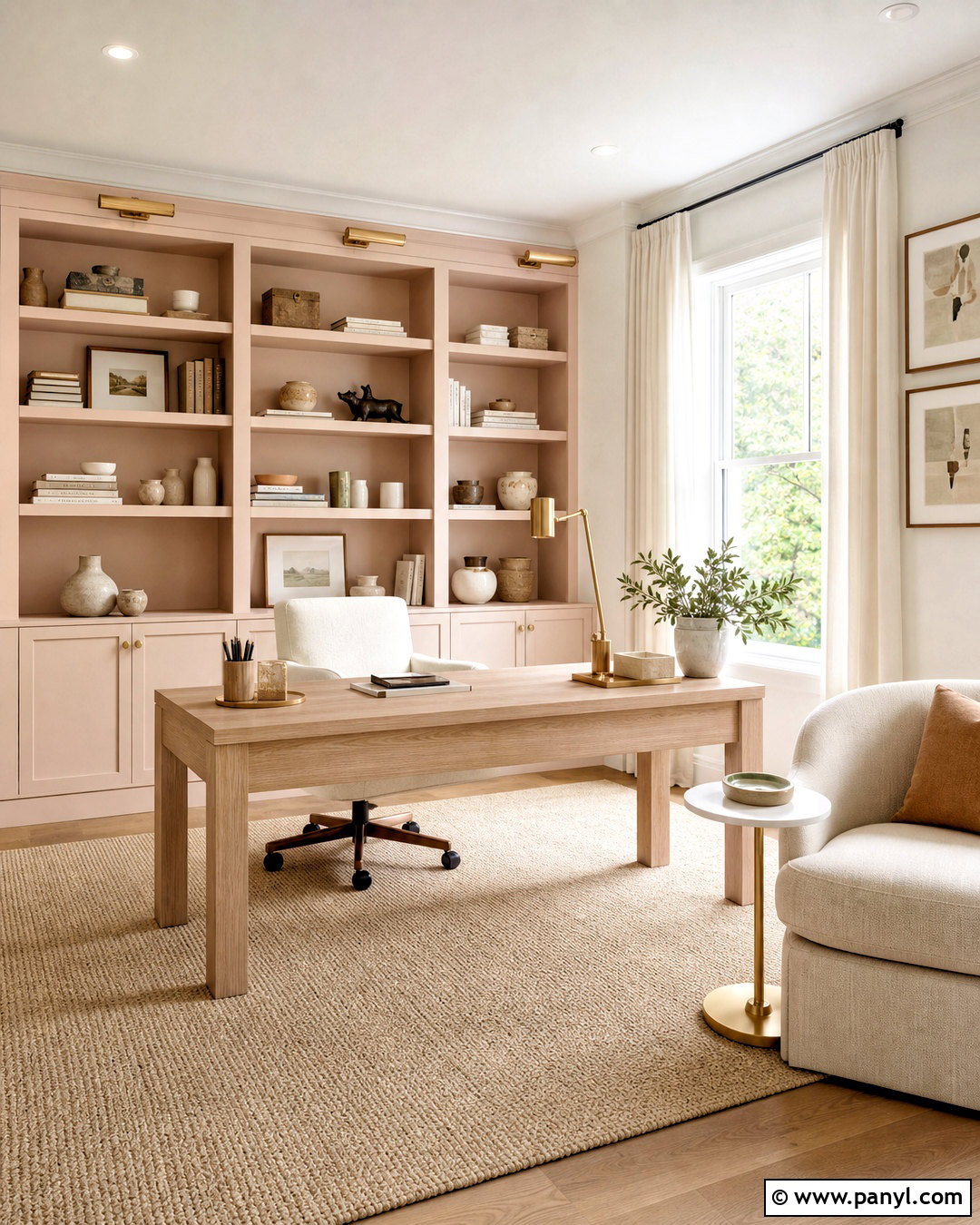
Pale peach gives an Alabaster home office a warm, optimistic appearance without distracting from work. Use Alabaster on the main walls and ceiling, then paint a shallow bookcase or pinboard wall a soft peach-beige. Select a light oak desk, cream upholstered chair, and natural fiber rug. Introduce warm white curtains to filter daylight and reduce glare. Small accents in clay, muted coral, and brushed brass can repeat the peach tone around the room. Include closed storage in Alabaster or oak to keep supplies visually contained. A few black details, such as picture frames and a task lamp, will sharpen the softer colors. This complete scheme feels light, productive, and personal while remaining polished enough for video calls and shared household spaces.
19. Alabaster And Slate Blue
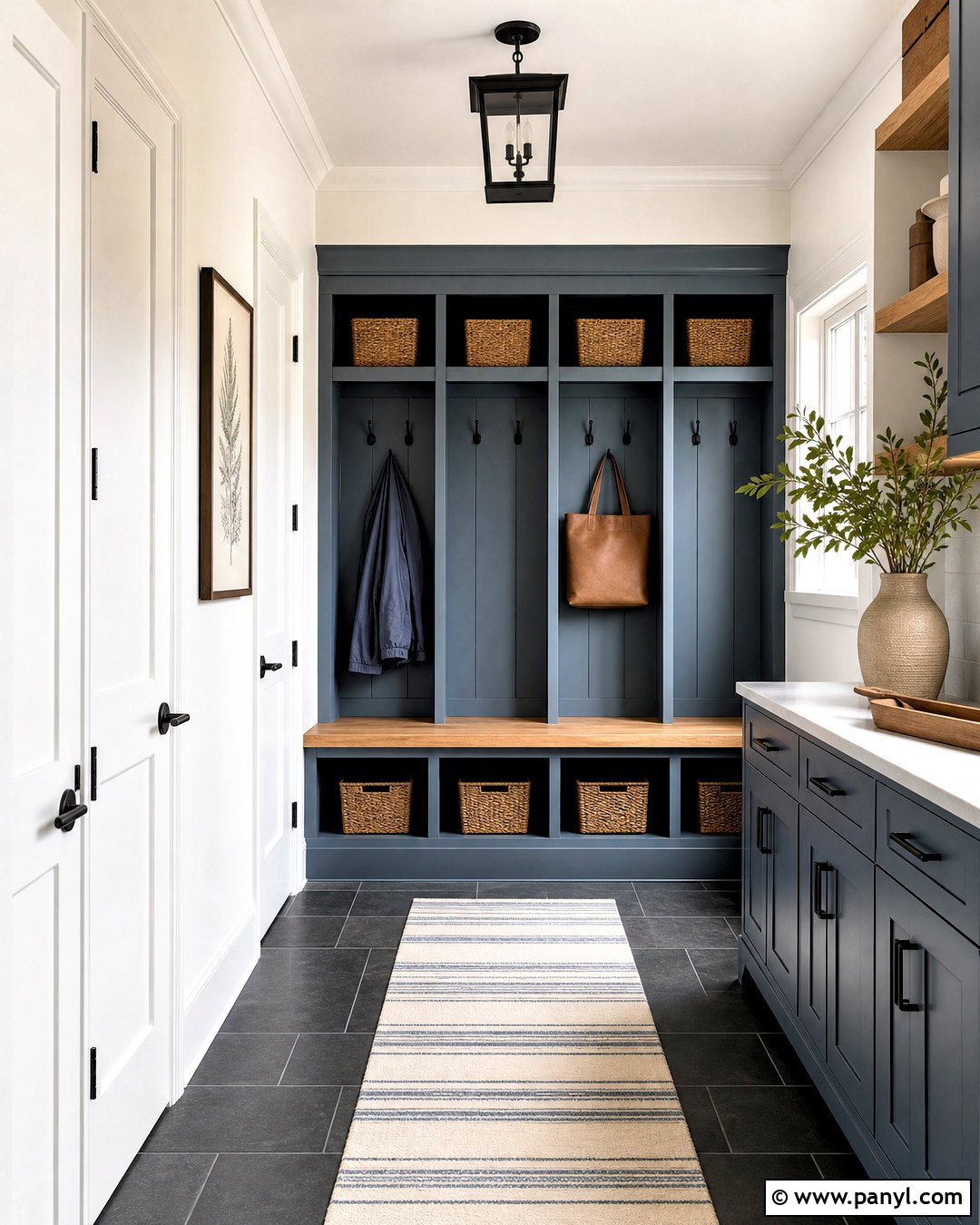
Slate blue brings quiet depth to an Alabaster mudroom while remaining practical for a hardworking space. Paint the upper walls Alabaster and use slate blue on floor-to-ceiling lockers, lower cabinets, and a storage bench. Choose durable charcoal floor tile with warm gray grout to disguise dirt. Add a natural oak bench seat, woven baskets, and sturdy black hooks for everyday organization. A striped runner containing cream, blue, and gray can soften the hard surfaces. Keep the ceiling Alabaster and install bright simple lighting so the narrow room feels open. Brass or bronze cabinet hardware will warm the cooler blue. The completed mudroom looks coordinated and tidy, with each color assigned to a practical surface that supports daily family routines.
20. Alabaster And Natural Wood
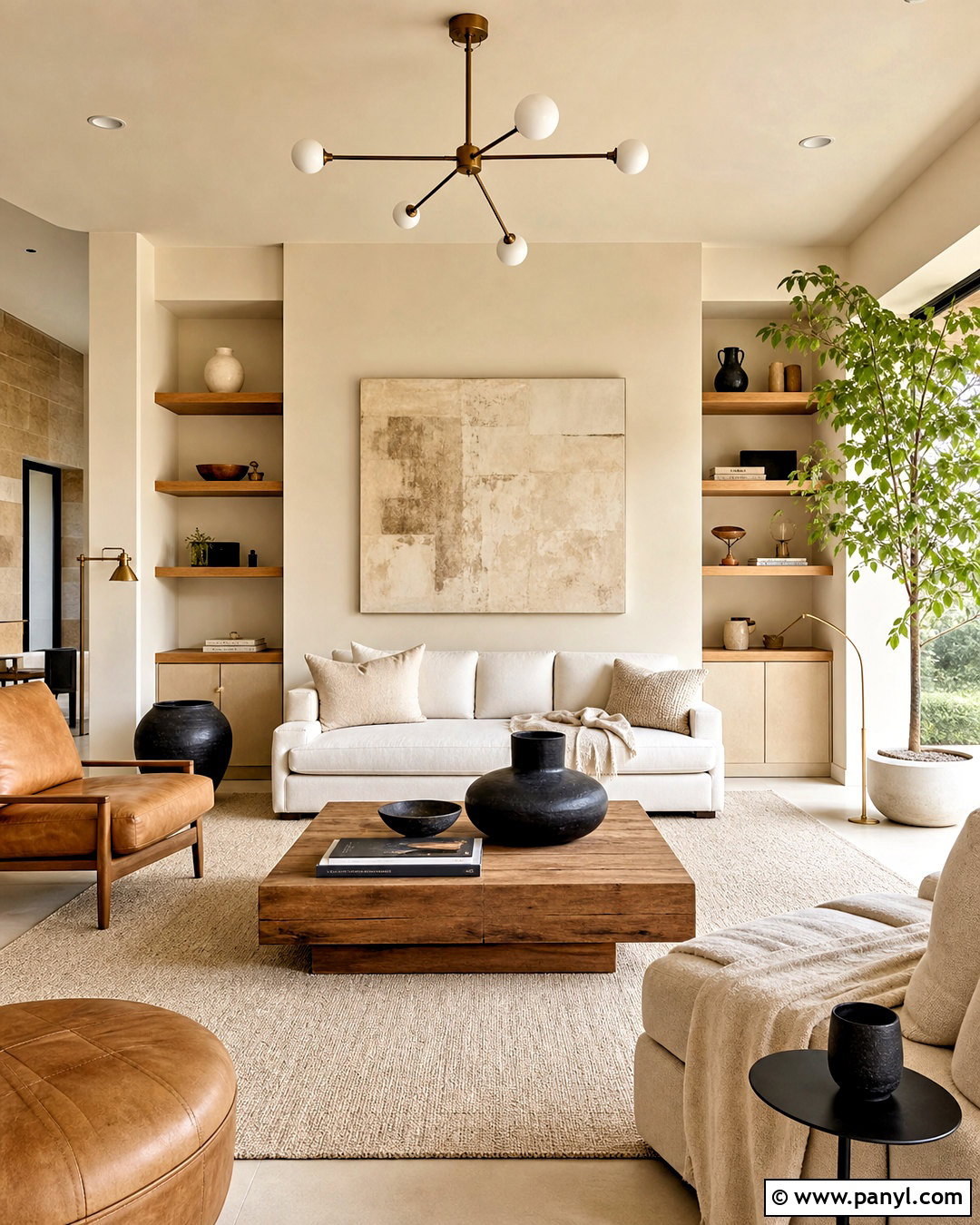
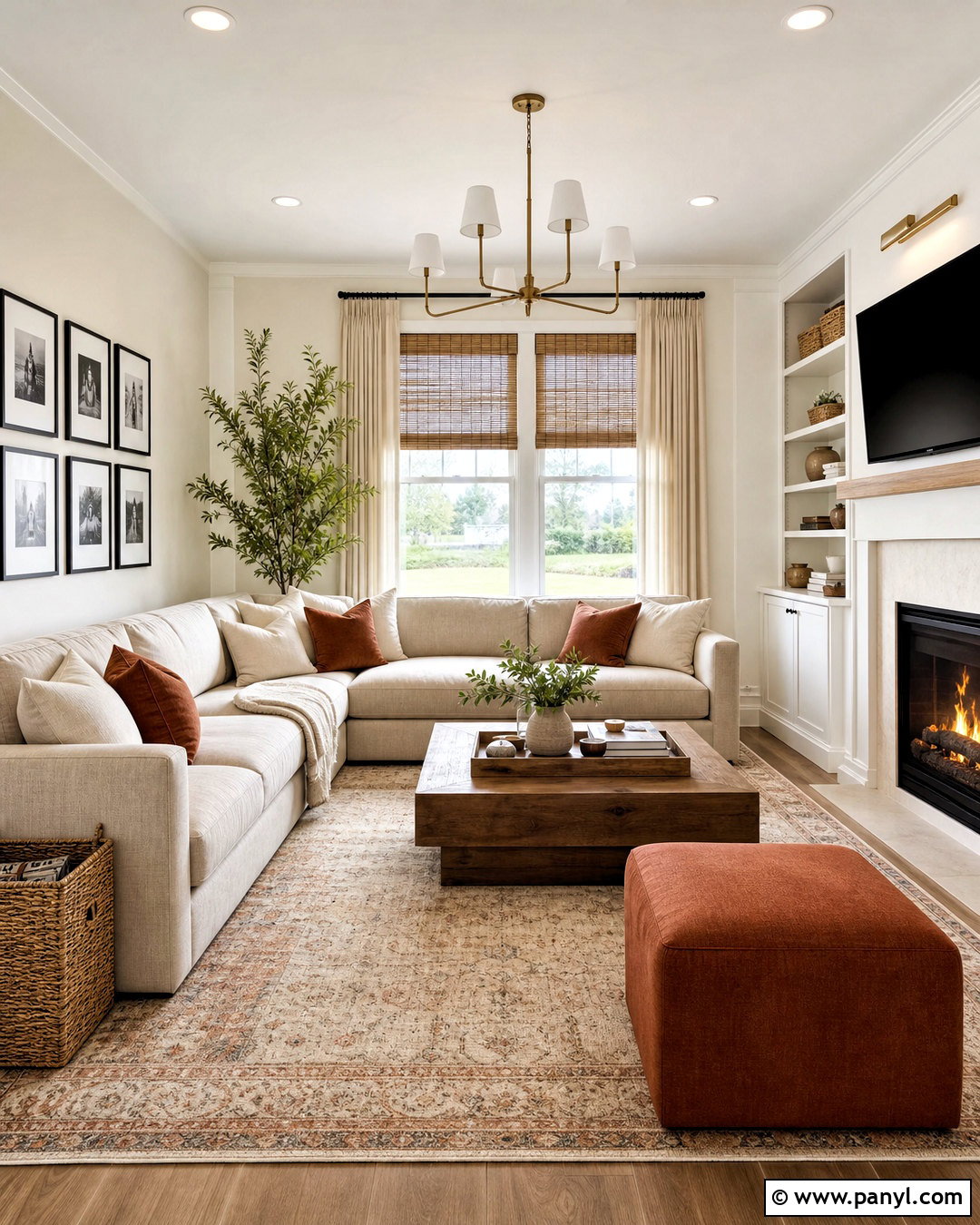
Natural wood may be the most effortless companion for Alabaster because its visible grain adds warmth and movement. Create an organic modern living room with Alabaster walls, a cream sofa, white oak shelving, and a substantial wood coffee table. Layer in tan leather, oatmeal linen, beige wool, and pale stone rather than introducing one dominant accent color. A textured ivory rug will soften the room while allowing the furniture shapes to stand out. Use dark bronze lighting for controlled contrast and add a few handmade black ceramics. Large green plants can provide natural freshness. Keep the arrangement open, functional, and uncluttered. This complete palette feels warm and timeless, proving that a neutral room can still have depth, variation, and a distinct personality.
Conclusion:
These **20 alabaster color palette ideas** demonstrate how one warm white can support many different moods, from quiet and organic to colorful and dramatic. The strongest palettes balance Alabaster with clear contrast, natural texture, and carefully repeated accent colors. Before painting an entire room, place large samples beside flooring, counters, fabrics, and fixed finishes. Check them during the morning, afternoon, and evening because changing light can affect the final appearance. You can then build the room gradually, starting with major surfaces and furniture before choosing smaller accessories. Whether paired with sage, navy, terracotta, black, or natural wood, Alabaster provides a comfortable background that helps complete spaces feel connected, bright, and welcoming.

Related Ideas and Inspiration:
Leave a Reply