
Beige walls create a warm, flexible backdrop, but the right accent wall can give the room stronger definition and personality. Depending on the beige undertone, you can introduce earthy green, deep blue, rich brown, muted red, or even a bold jewel tone. Accent walls also work best when their color appears elsewhere through textiles, artwork, furniture, or small decorative pieces, creating a connected room rather than an isolated block of paint. Beige remains especially useful because it coordinates easily with natural wood, woven materials, warm metals, and contrasting colors. () Each complete look below includes practical furnishings, finishes, and accessories, making it easier to explore 20 Accent Wall Colors That Go With Beige Ideas.

1. Navy Blue Accent Wall
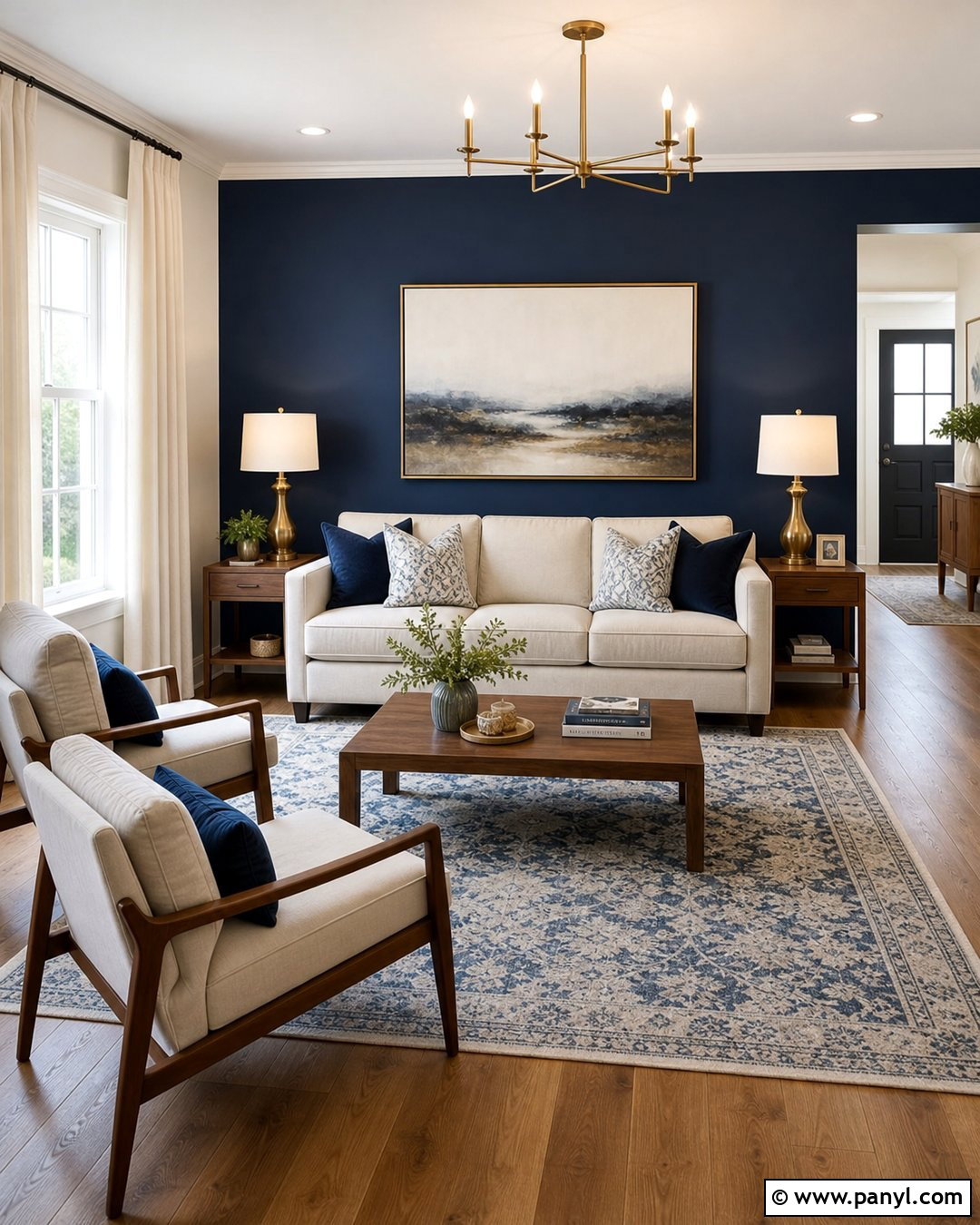
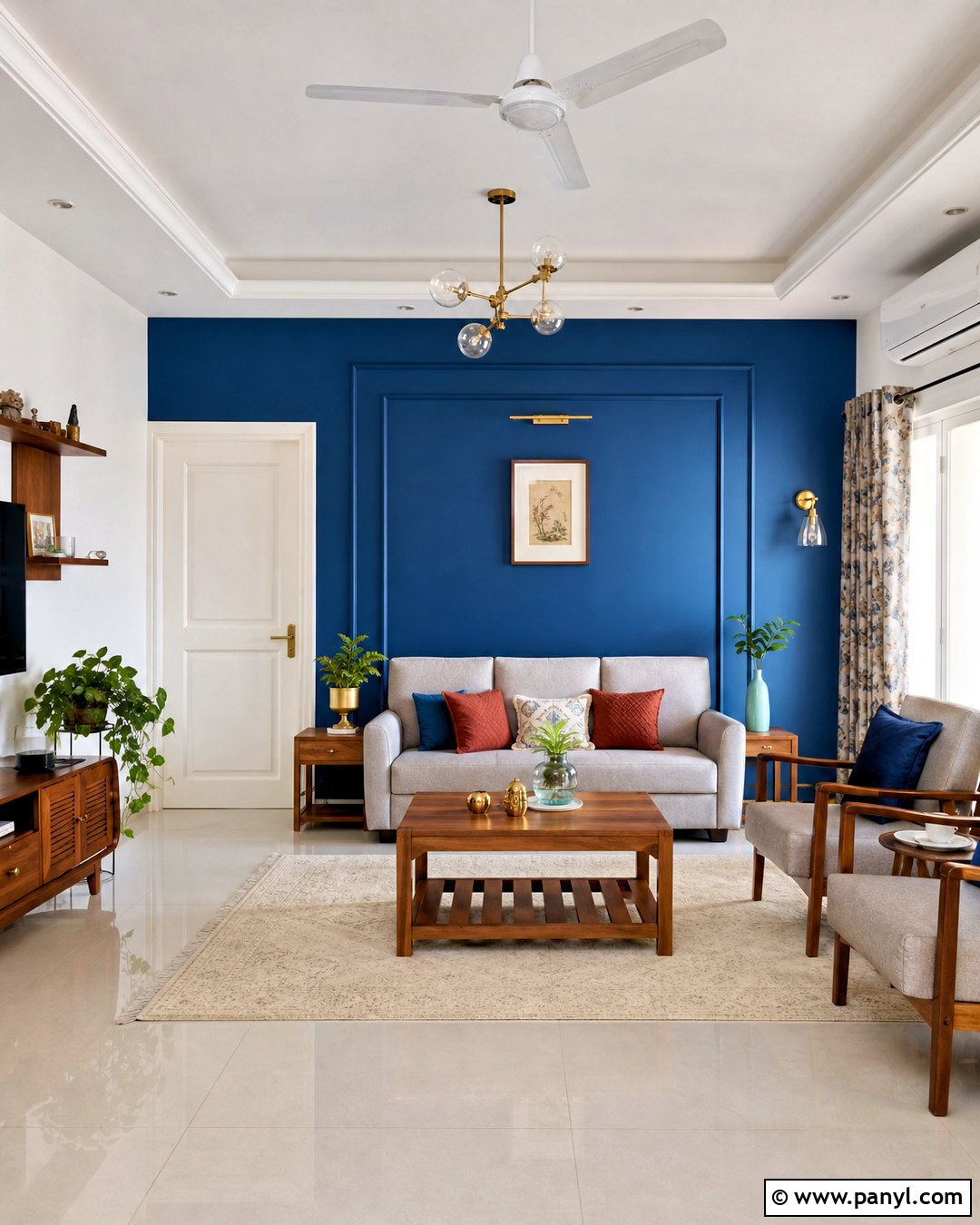
A navy blue accent wall gives beige a crisp, tailored quality without making the room feel cold. Use navy behind a beige linen sofa or upholstered bed so the lighter furniture stands out clearly. Medium oak flooring, warm white curtains, and a cream-and-blue patterned rug keep the contrast balanced. Add walnut side tables and brushed brass lamps for warmth, then repeat navy through pillows or framed artwork. This combination works especially well in transitional living rooms and bedrooms. Choose a slightly softened navy rather than a blue-black shade if the space receives limited daylight. The finished room will feel grounded and refined, while beige prevents the dark blue from becoming too heavy or formal.
2. Sage Green Accent Wall
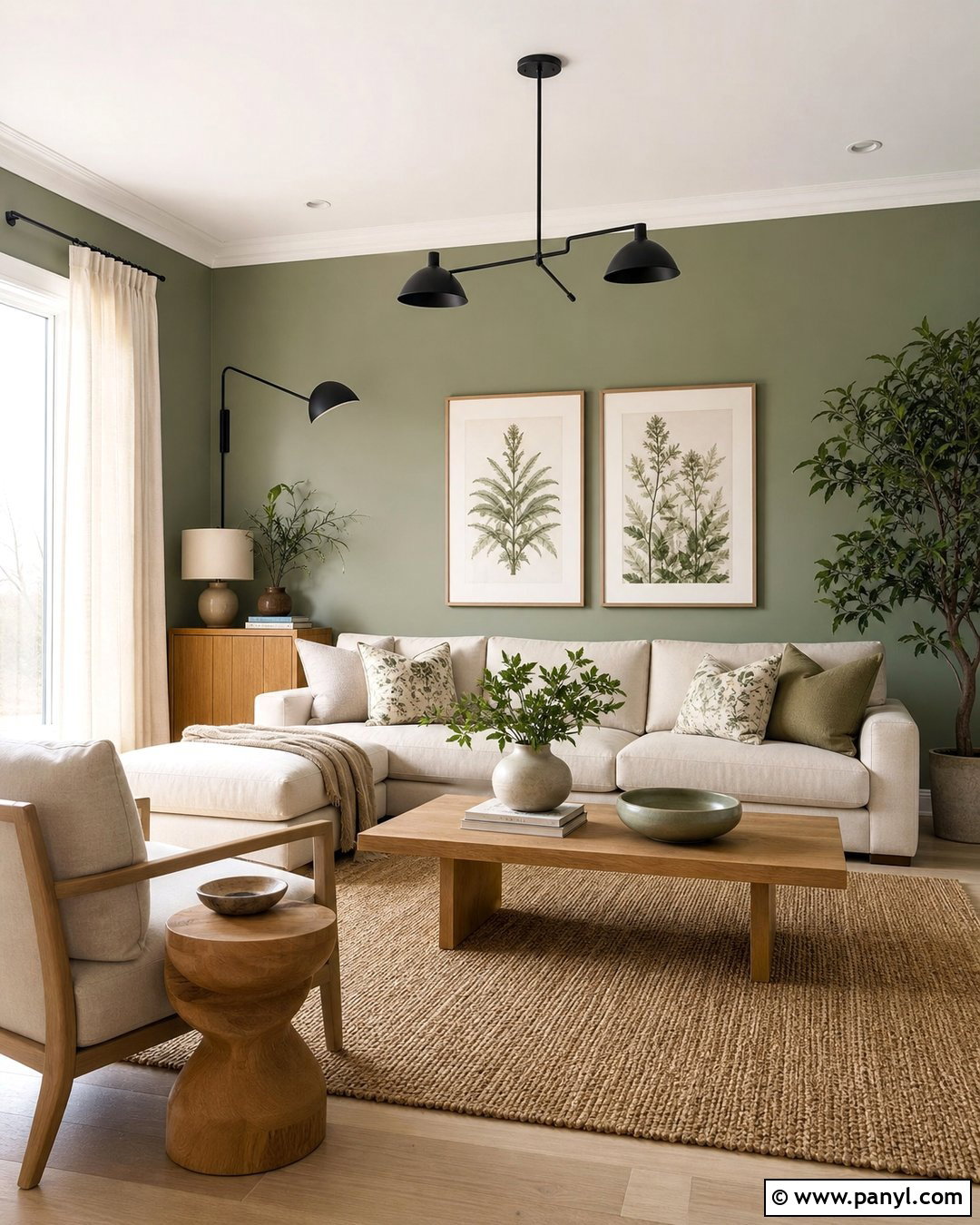
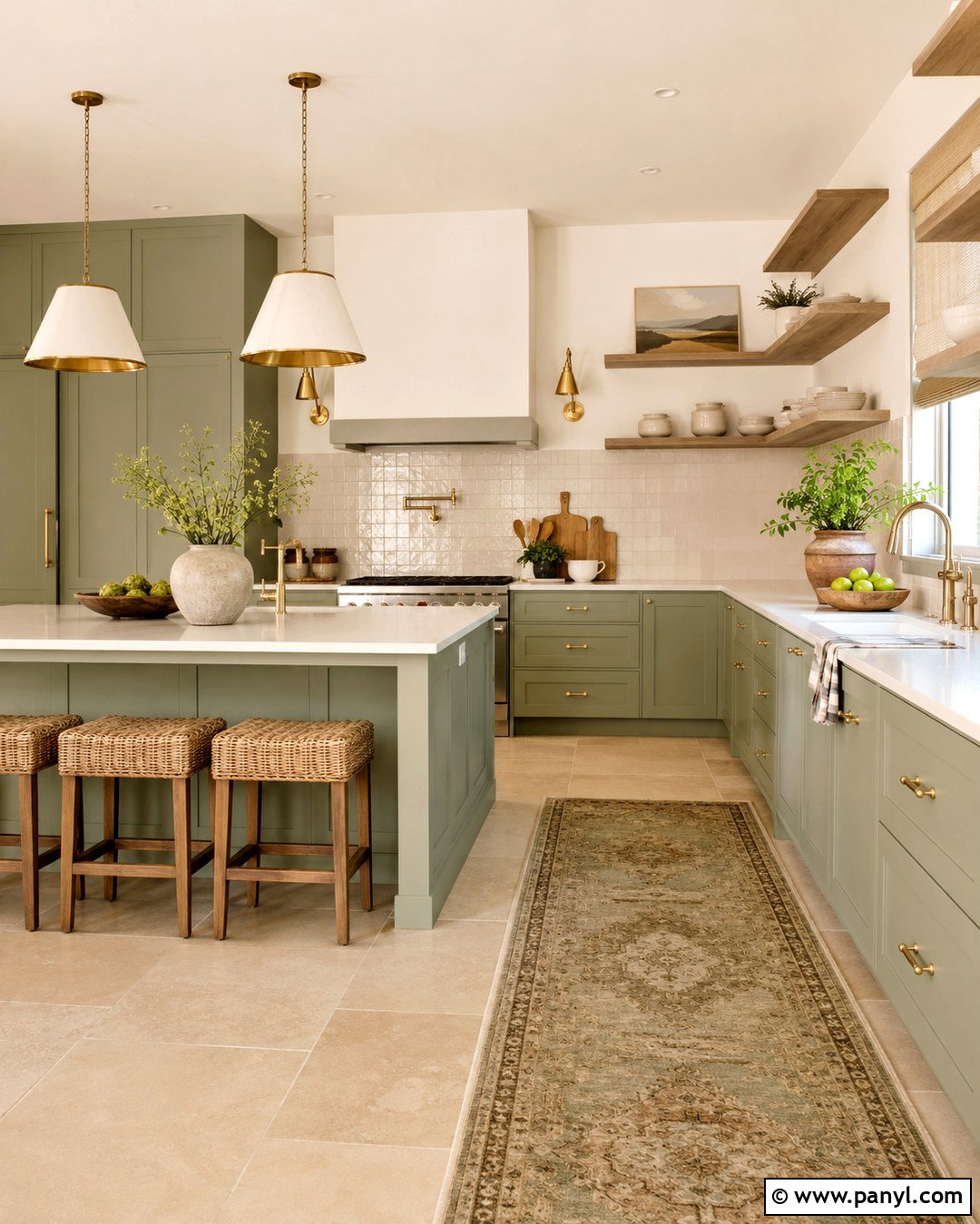
Soft sage green brings a relaxed, natural feeling to a beige room. Paint the wall behind a low-profile oatmeal sofa, then layer the space with light oak furniture, linen curtains, and a woven jute rug. Cream pillows, muted botanical prints, and handmade ceramic pieces support the organic palette without making it overly themed. Matte black lighting can add a clean modern edge, while a few leafy plants reinforce the green naturally. This look is especially effective in a casual living room, guest bedroom, or home office. Select a warm sage with gray undertones so it sits comfortably beside beige. The complete arrangement feels airy, restful, and connected to nature while still offering enough contrast to define the focal wall.
3. Forest Green Accent Wall
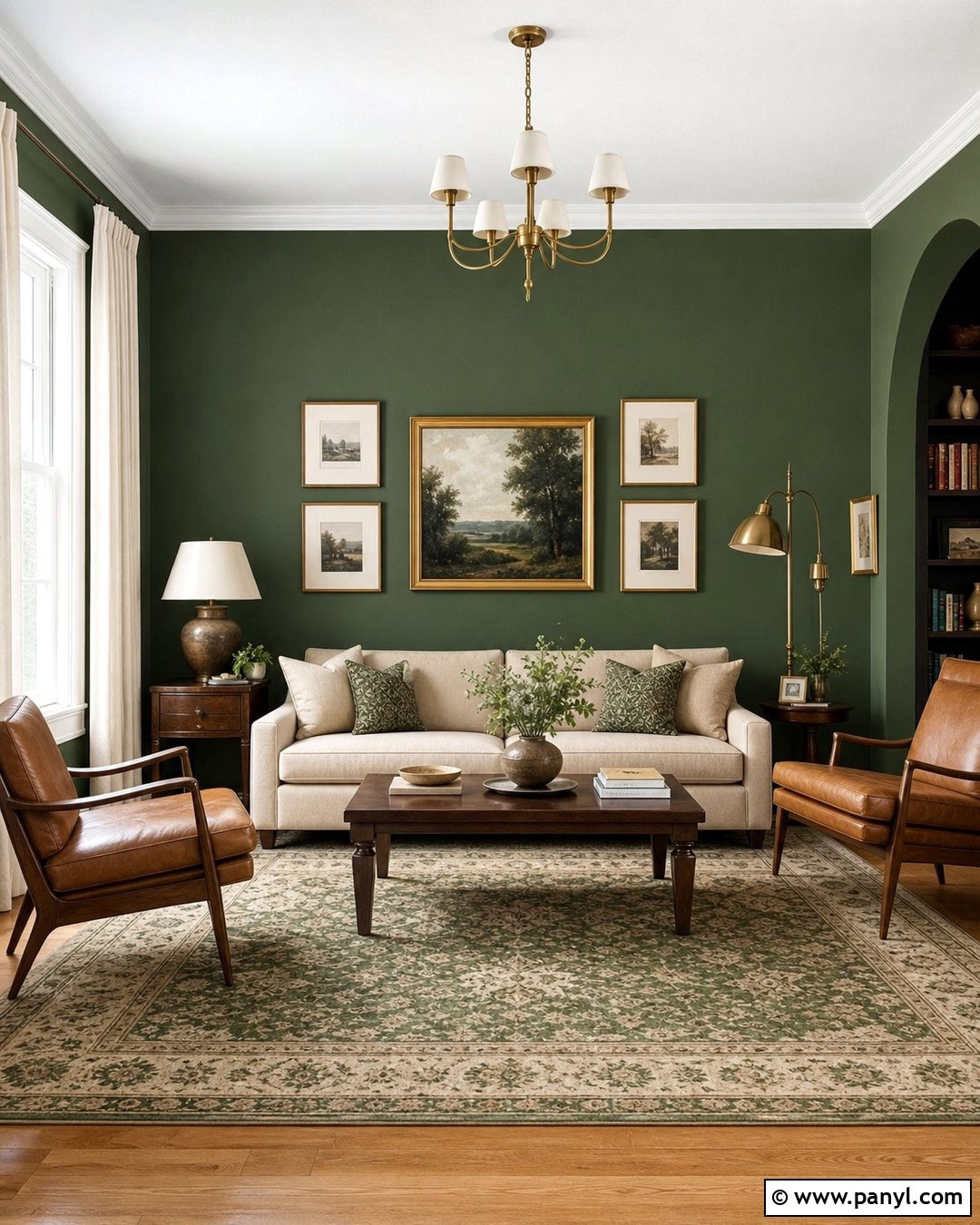
Imagine a beige living room anchored by a rich forest green wall behind the fireplace or main seating area. The darker color creates depth, while camel leather chairs and a beige sofa maintain warmth. Use dark walnut tables, aged brass fixtures, and a vintage-inspired rug containing green, tan, and cream. Simple ivory curtains soften the windows without competing with the accent wall. For artwork, choose landscapes, abstract prints, or antique-style frames with small touches of green. This complete palette feels sophisticated but comfortable, making it suitable for traditional, modern, or collected interiors. Forest green looks strongest in rooms with moderate natural light, where its depth can be appreciated without making the entire space feel enclosed.
4. Olive Green Accent Wall
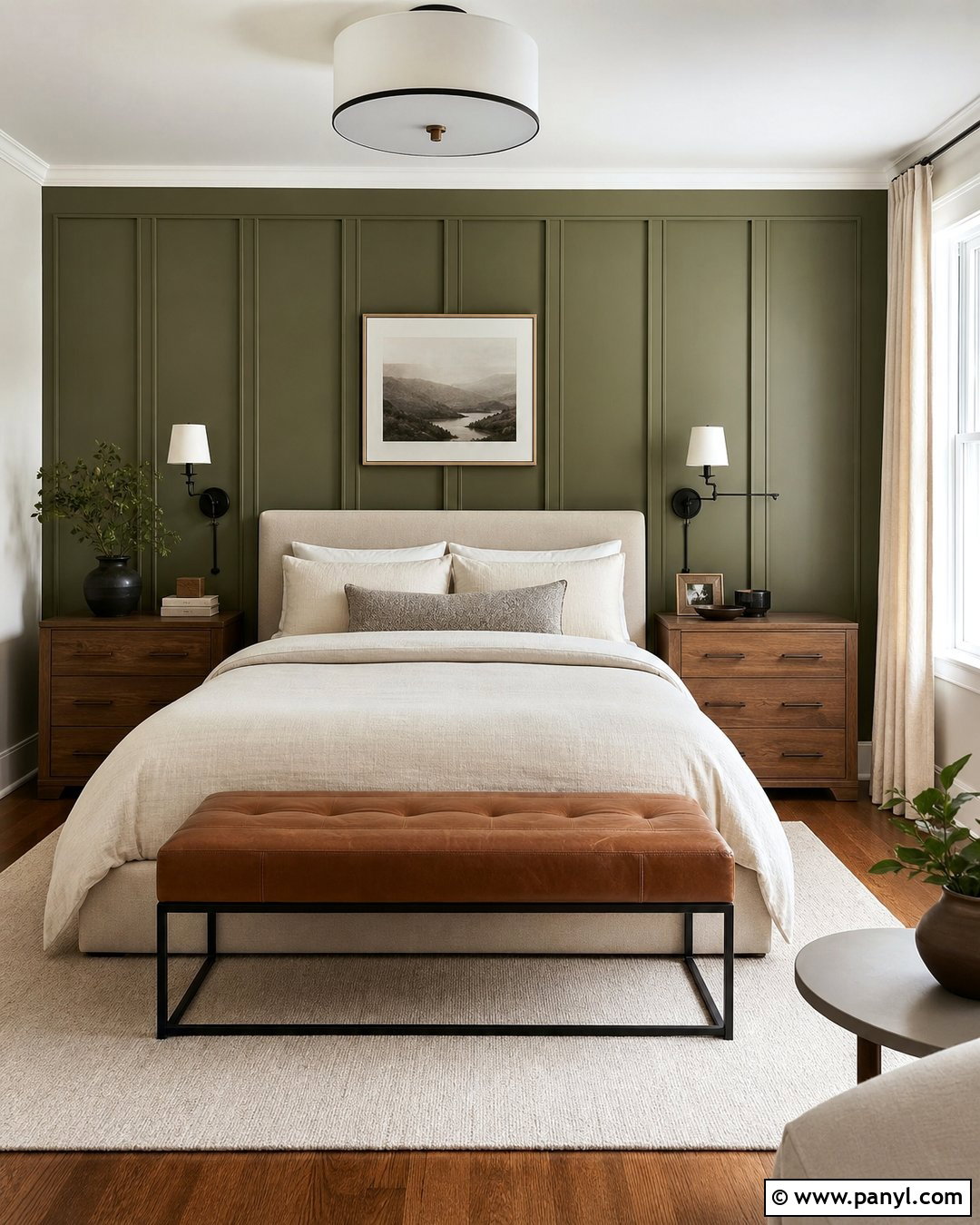
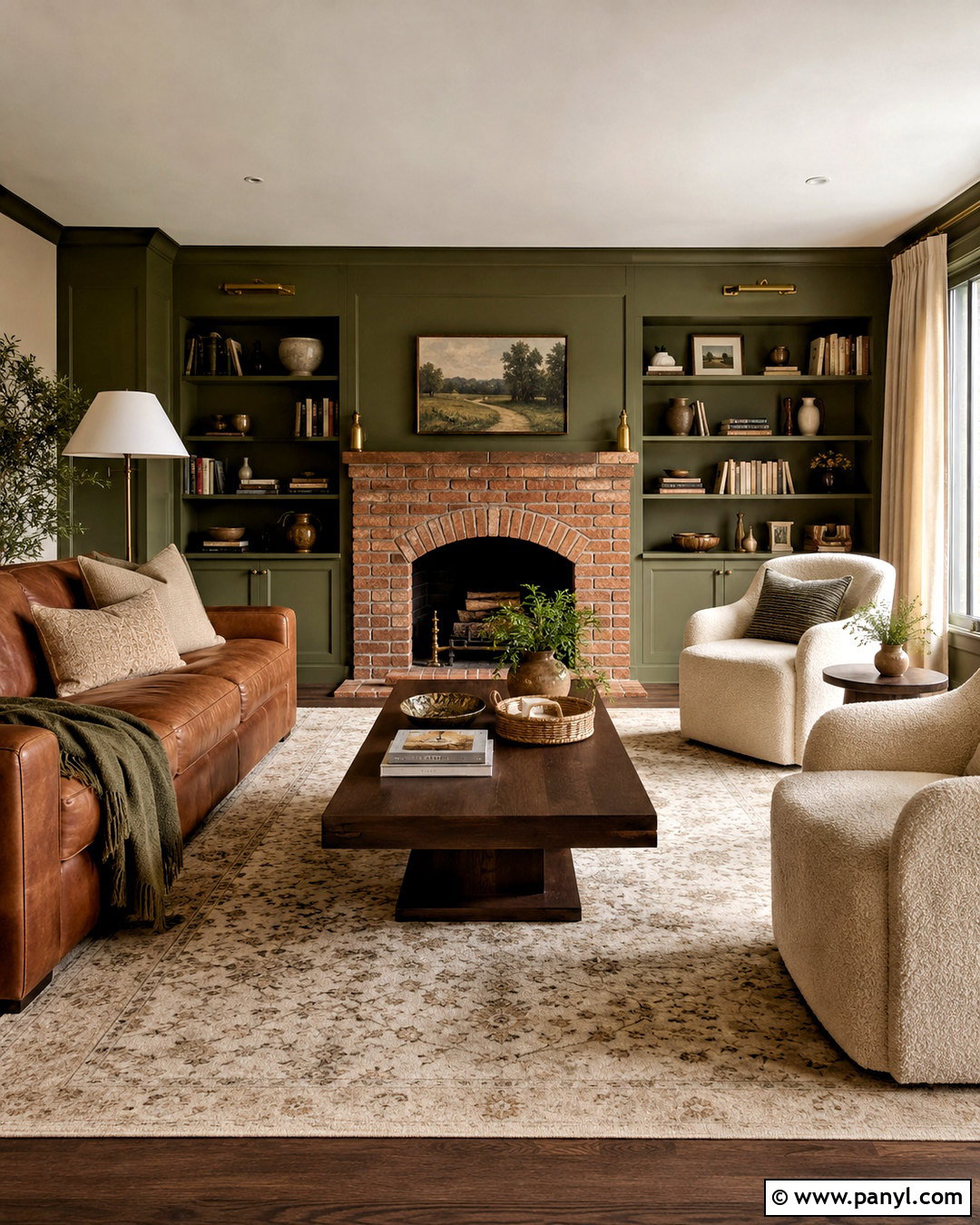
Olive green works beautifully with beige when you want an earthy room that feels warm rather than fresh or cool. Use it on a paneled accent wall behind a beige upholstered bed or sectional. Add tobacco-brown leather, medium-toned wood, and a textured cream rug to develop a layered natural palette. Pillows in ochre, black, and muted ivory introduce small points of contrast. Linen curtains and black metal sconces complete the space without distracting from the olive wall. This scheme suits organic modern, rustic, and midcentury-inspired rooms. Look for an olive with brown or yellow undertones, especially when the existing beige is warm. The result feels grounded, welcoming, and visually richer than an entirely neutral interior.
5. Terracotta Accent Wall
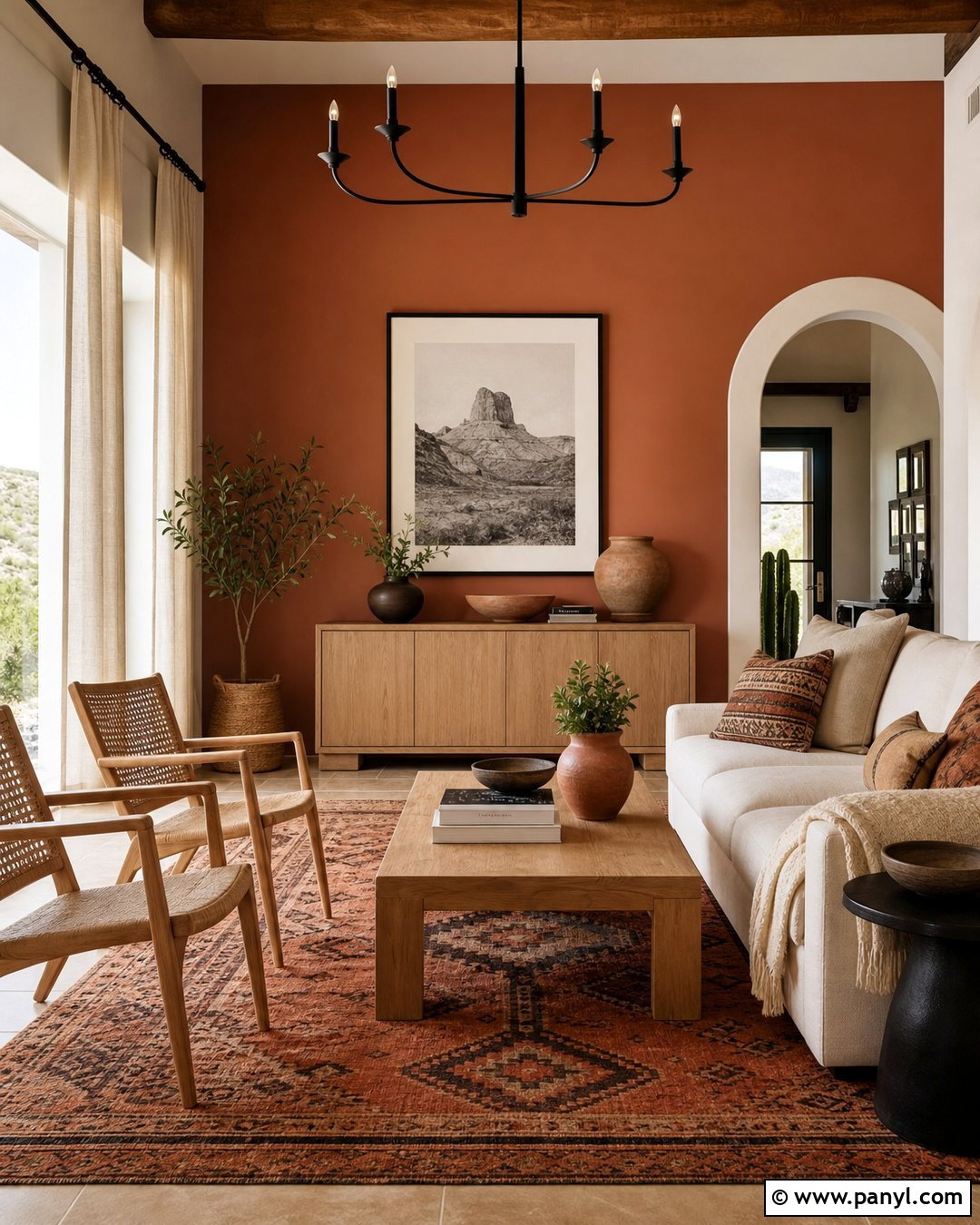
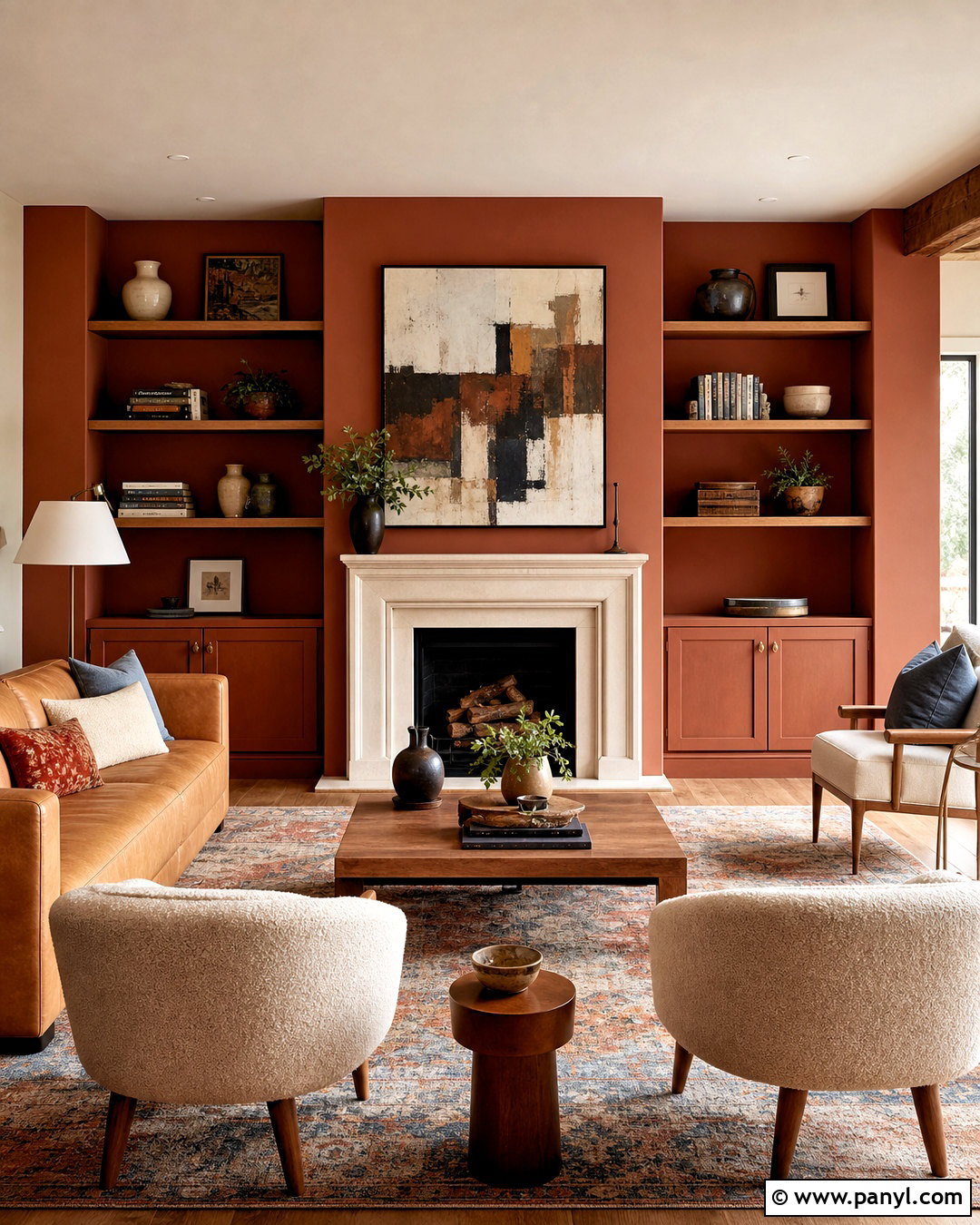
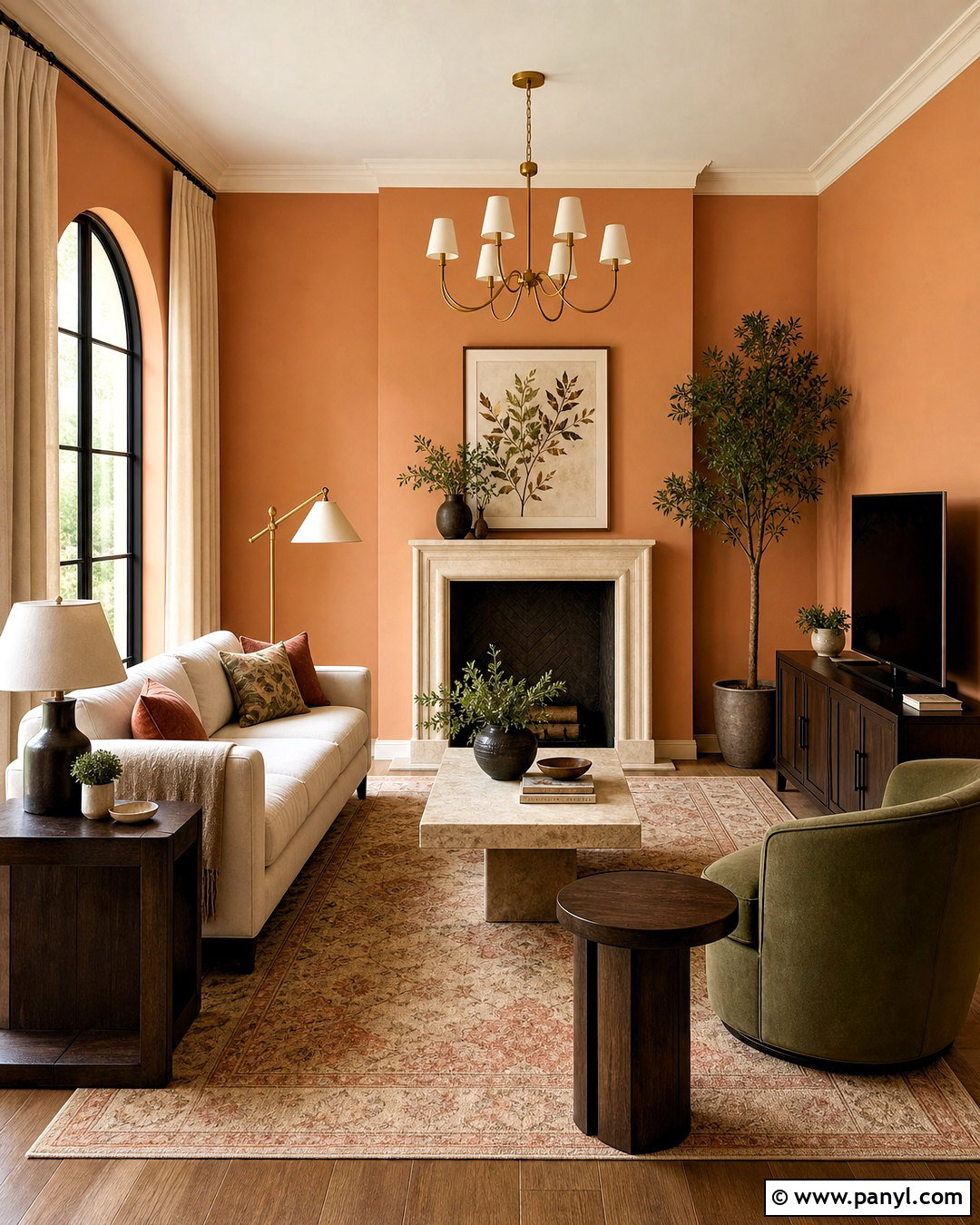
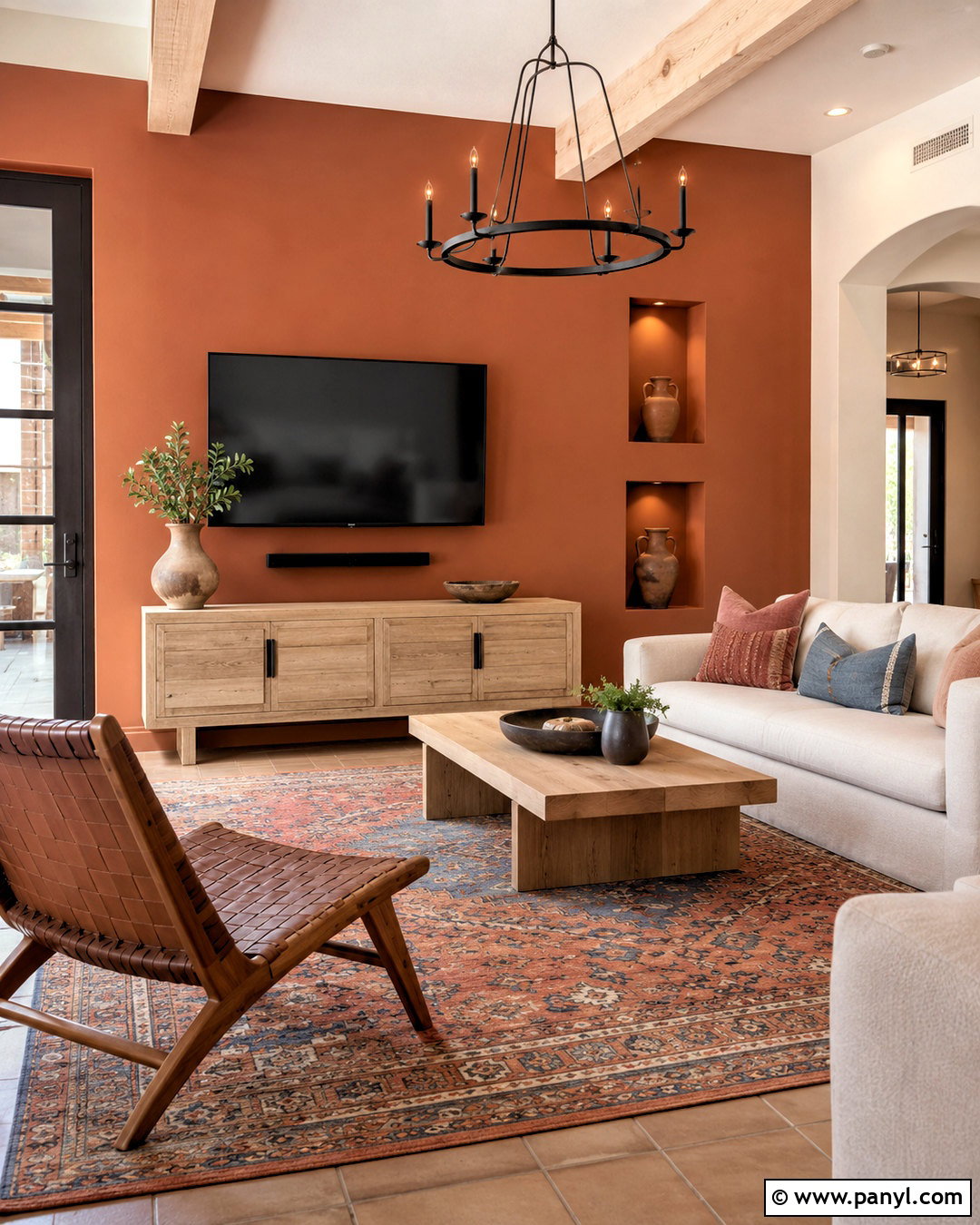
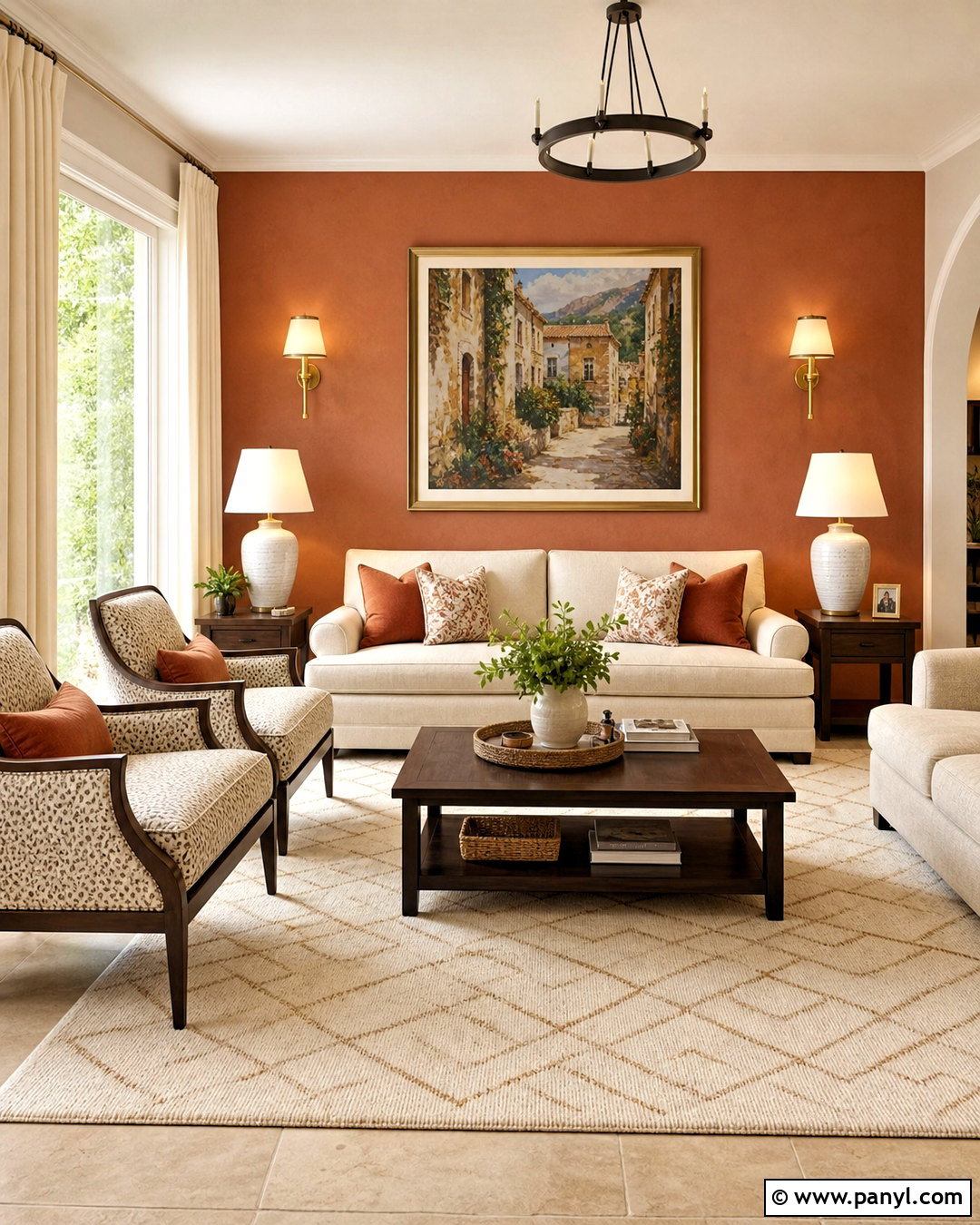
A terracotta accent wall can make beige surroundings feel sun-warmed and inviting. Position the color behind a cream sofa, dining table, or upholstered bed, then bring in pale oak, woven cane, and off-white linen. A patterned rug featuring rust, tan, and charcoal will connect the accent wall to the rest of the room. Add handmade pottery, black-framed art, and a sculptural pendant for a modern Southwestern influence. Keep the remaining accessories simple because terracotta already carries substantial visual warmth. This palette is particularly attractive in spaces with strong daylight. Choose a muted clay shade instead of a bright orange version, allowing the wall to complement beige naturally while giving the room an earthy and memorable focal point.
6. Burnt Orange Accent Wall
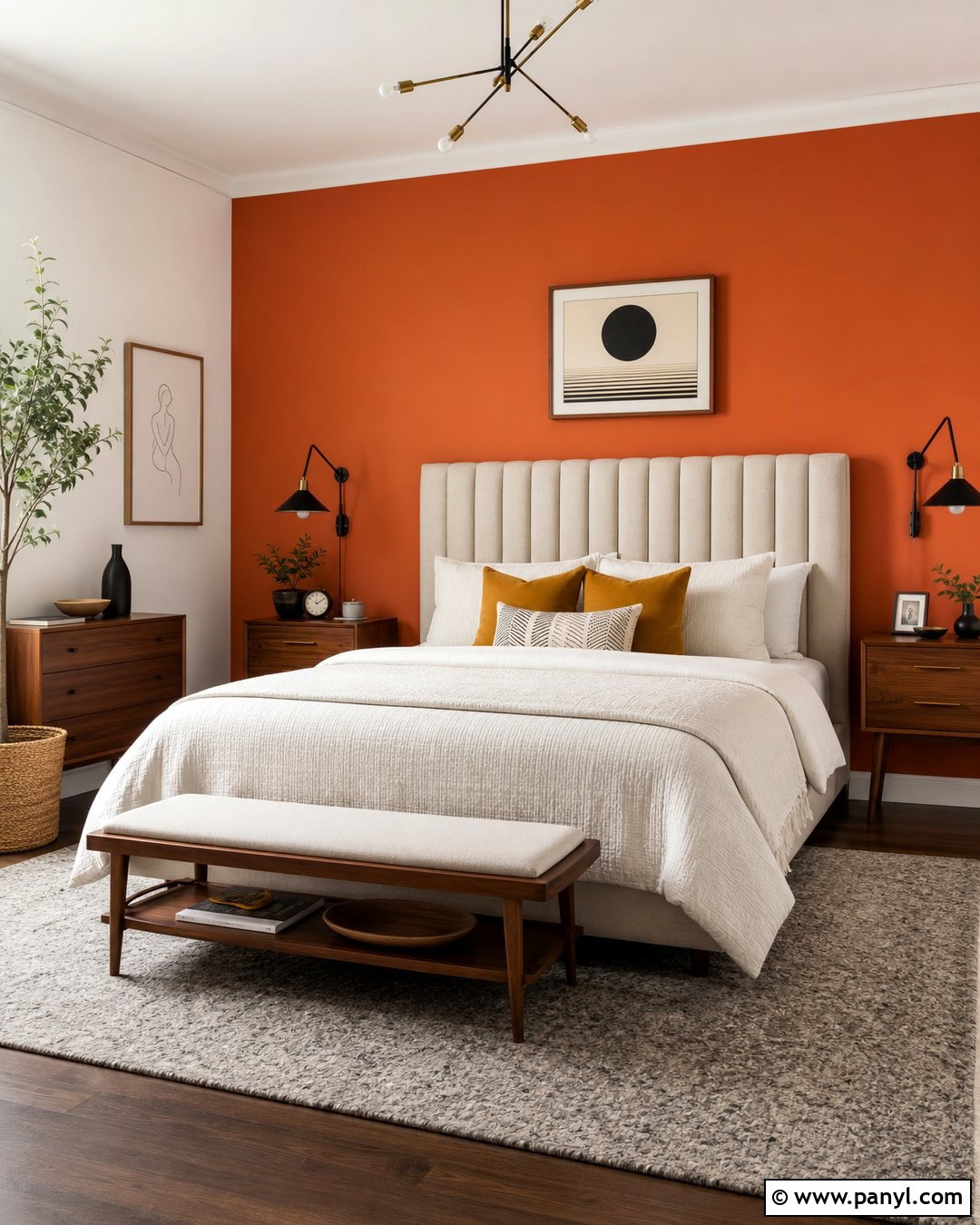
For a bolder warm palette, pair beige with a burnt orange accent wall. This color looks especially striking behind a walnut media console or a beige channel-tufted headboard. Balance the orange with cream upholstery, dark wood furniture, and a warm gray rug. Introduce smaller touches of black through picture frames, curtain rods, or a floor lamp to sharpen the design. Mustard, brown, and ivory pillows can repeat the room’s warm tones without creating a busy rainbow effect. Midcentury modern furniture works particularly well with this combination because its clean lines control the intensity of the color. The finished room feels lively and nostalgic, but the surrounding beige keeps the overall look comfortable, practical, and easy to live with.
7. Rust Red Accent Wall
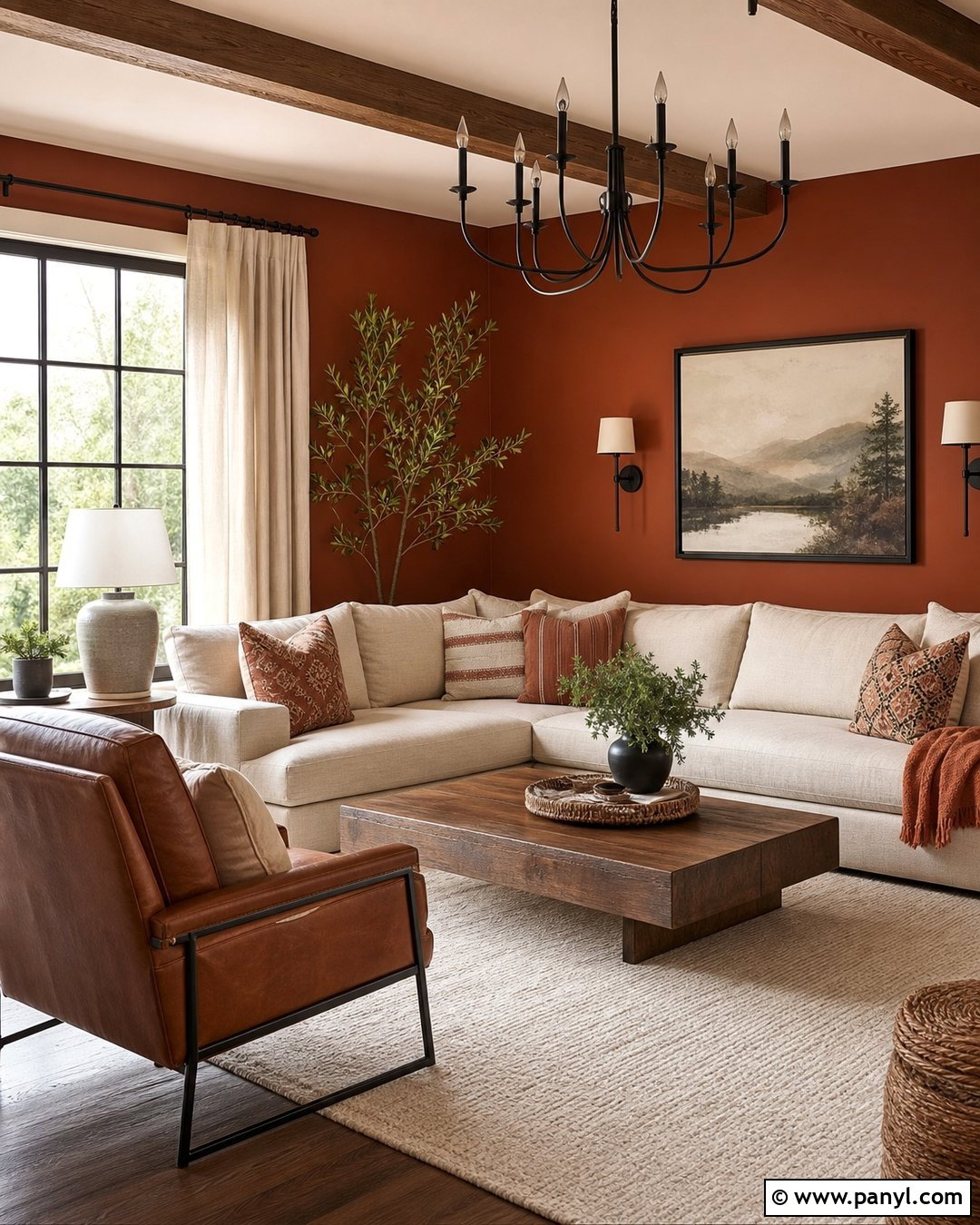
Rust red offers the richness of red with a softer, earthier appearance. Use it behind a beige sectional in a cozy family room, adding a large cream rug and walnut coffee table to create a comfortable foundation. Accent chairs in cognac leather can reinforce the warmth, while black metal lighting provides definition. Select pillows and artwork that mix rust with tan, dusty blue, or ivory so the wall feels integrated into the space. Natural linen curtains will filter daylight and prevent the scheme from becoming too dark. This accent color is ideal for traditional, rustic, and globally inspired interiors. Paired with beige, rust red creates a welcoming atmosphere with noticeable contrast but none of the harshness associated with brighter primary red.
8. Burgundy Accent Wall
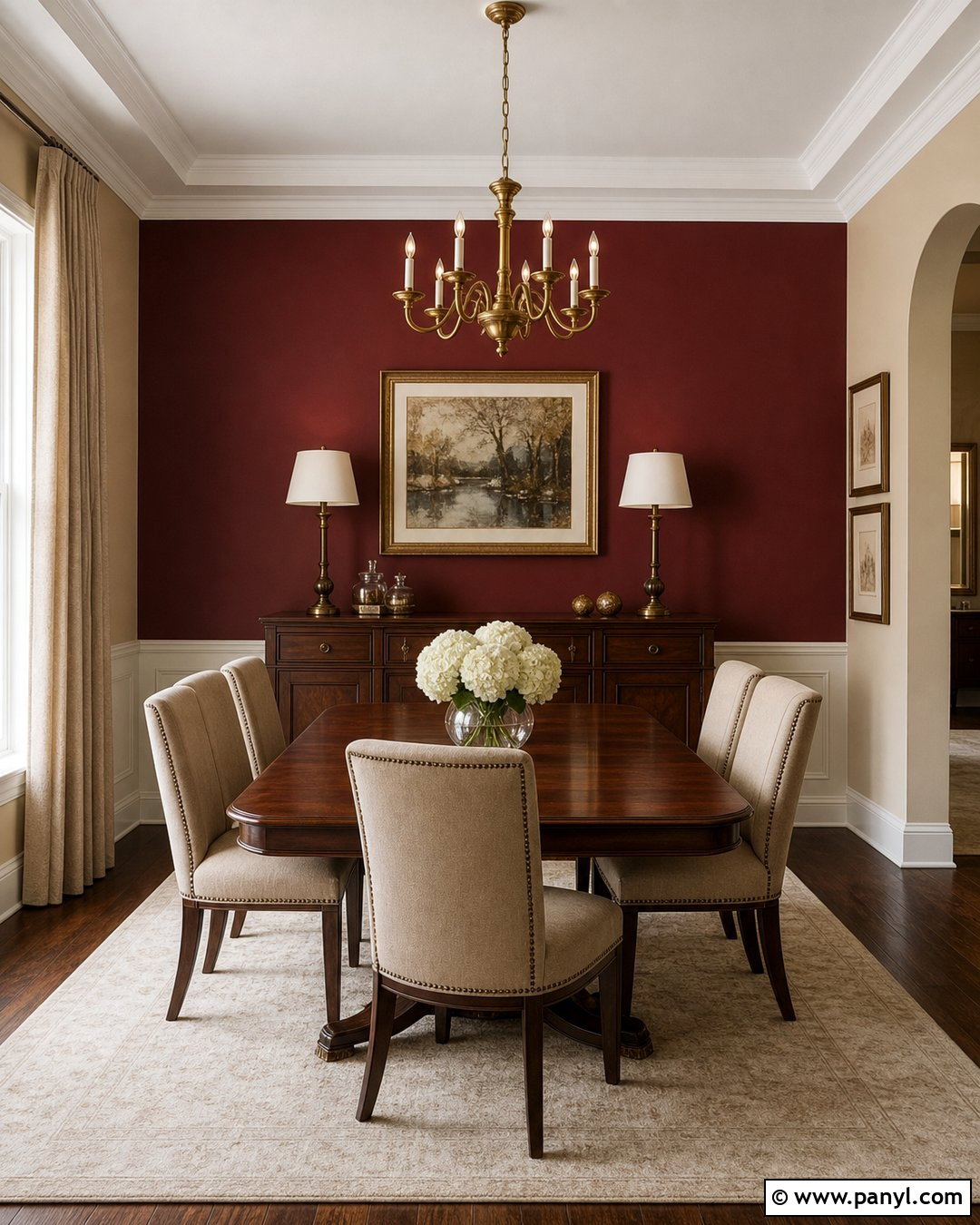
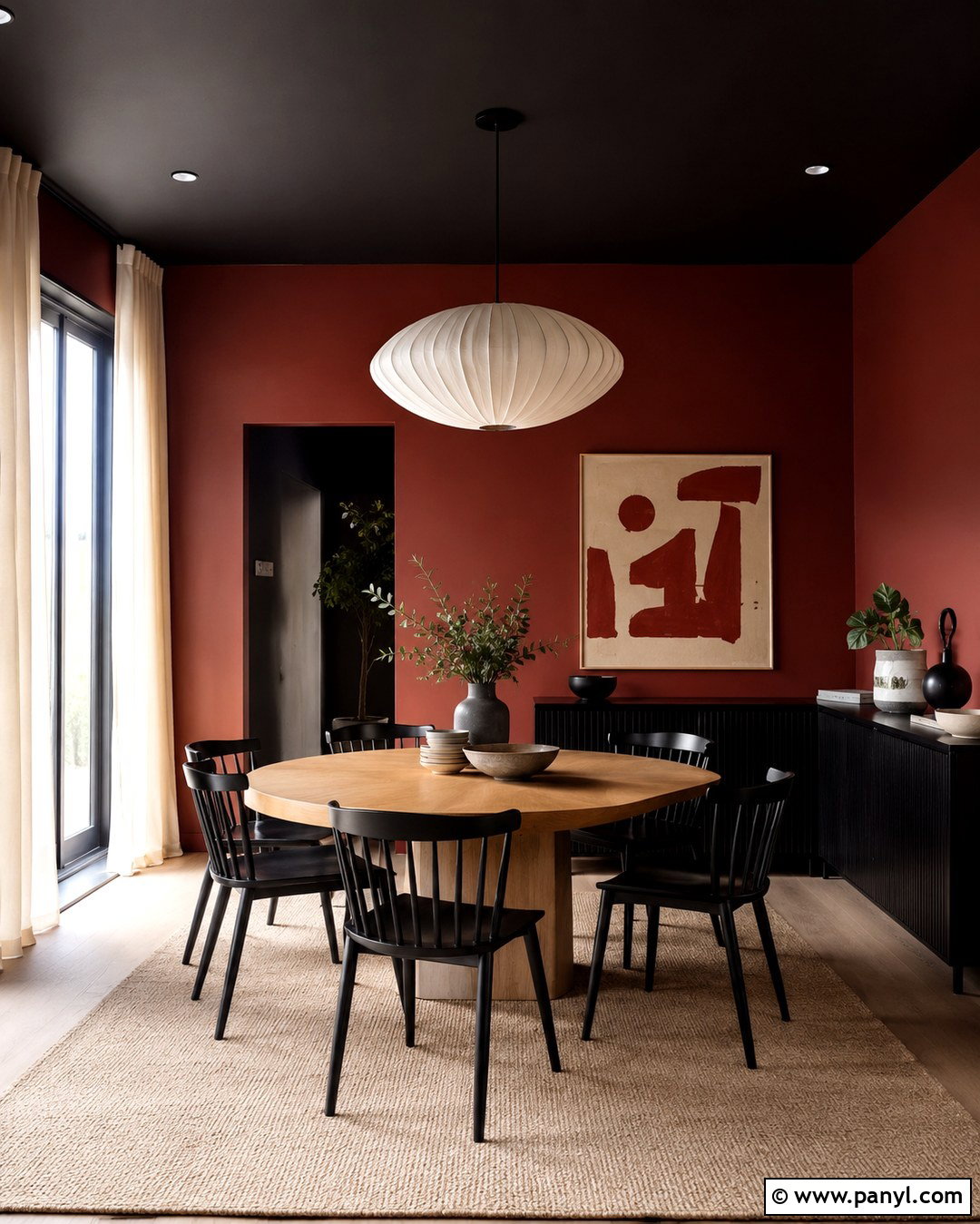
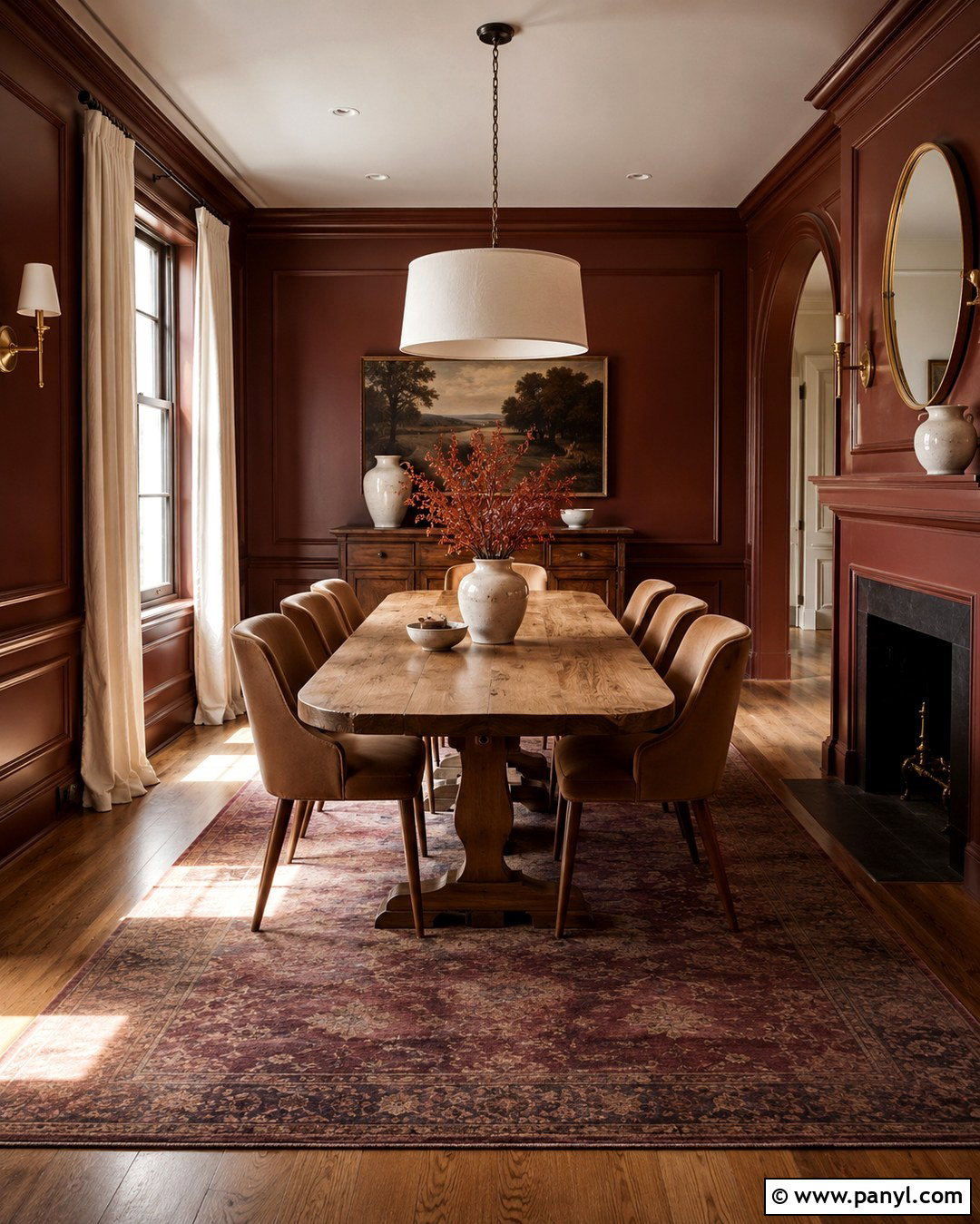
Burgundy creates a dramatic focal point while maintaining the warm character of beige. In a dining room, paint the wall behind a dark wood sideboard and place a beige upholstered dining set in front of it. Add an ivory rug, antique brass chandelier, and full-length neutral curtains for softness. Artwork with touches of plum, cream, and brown will connect the deeper wall color to the room. In a bedroom, the same palette works with a camel headboard and walnut nightstands. Keep the remaining walls light beige and use warm white trim to provide visual breathing room. The completed design feels elegant and intimate, especially when burgundy is repeated sparingly through cushions, flowers, or a small decorative object.
9. Dusty Rose Accent Wall
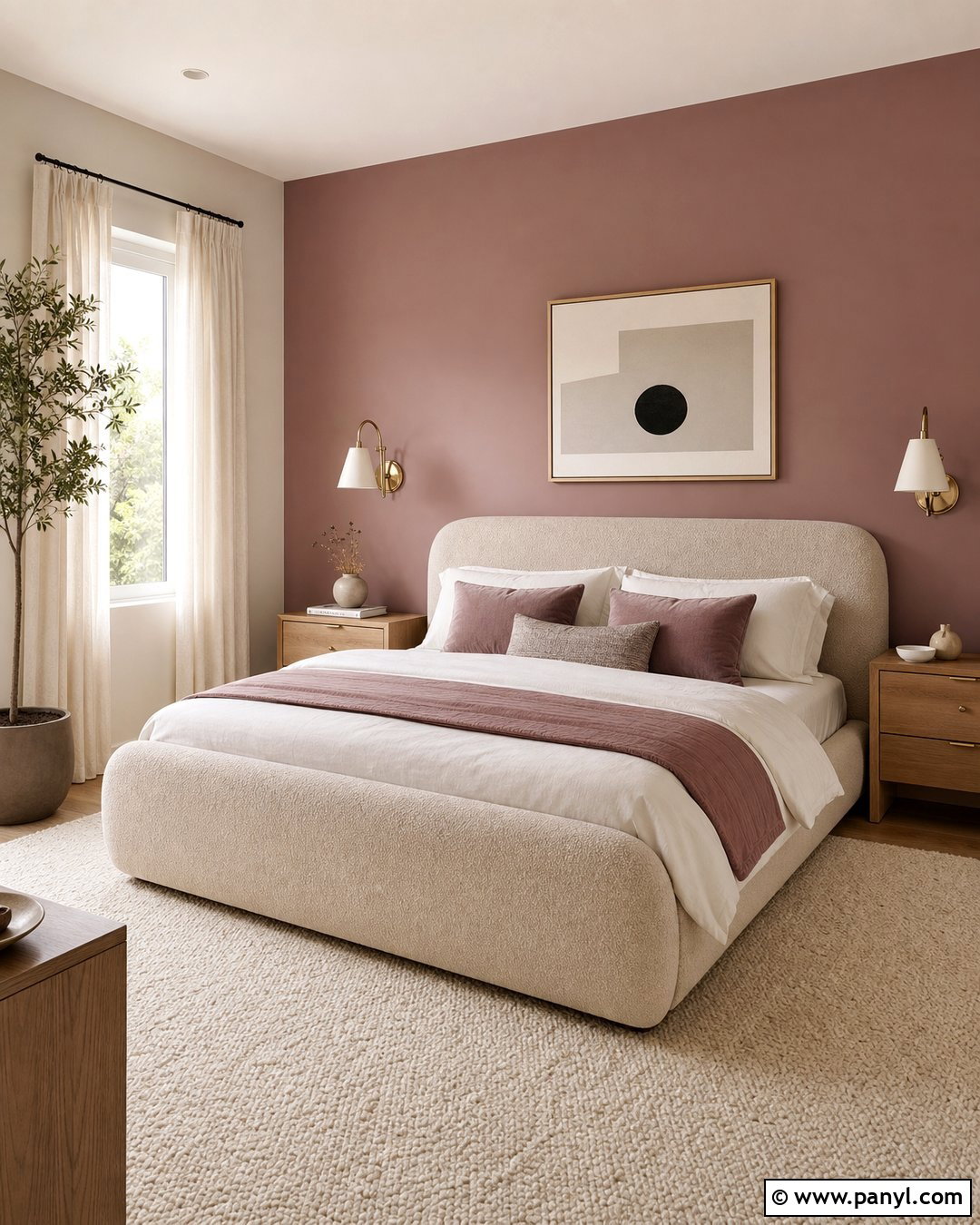
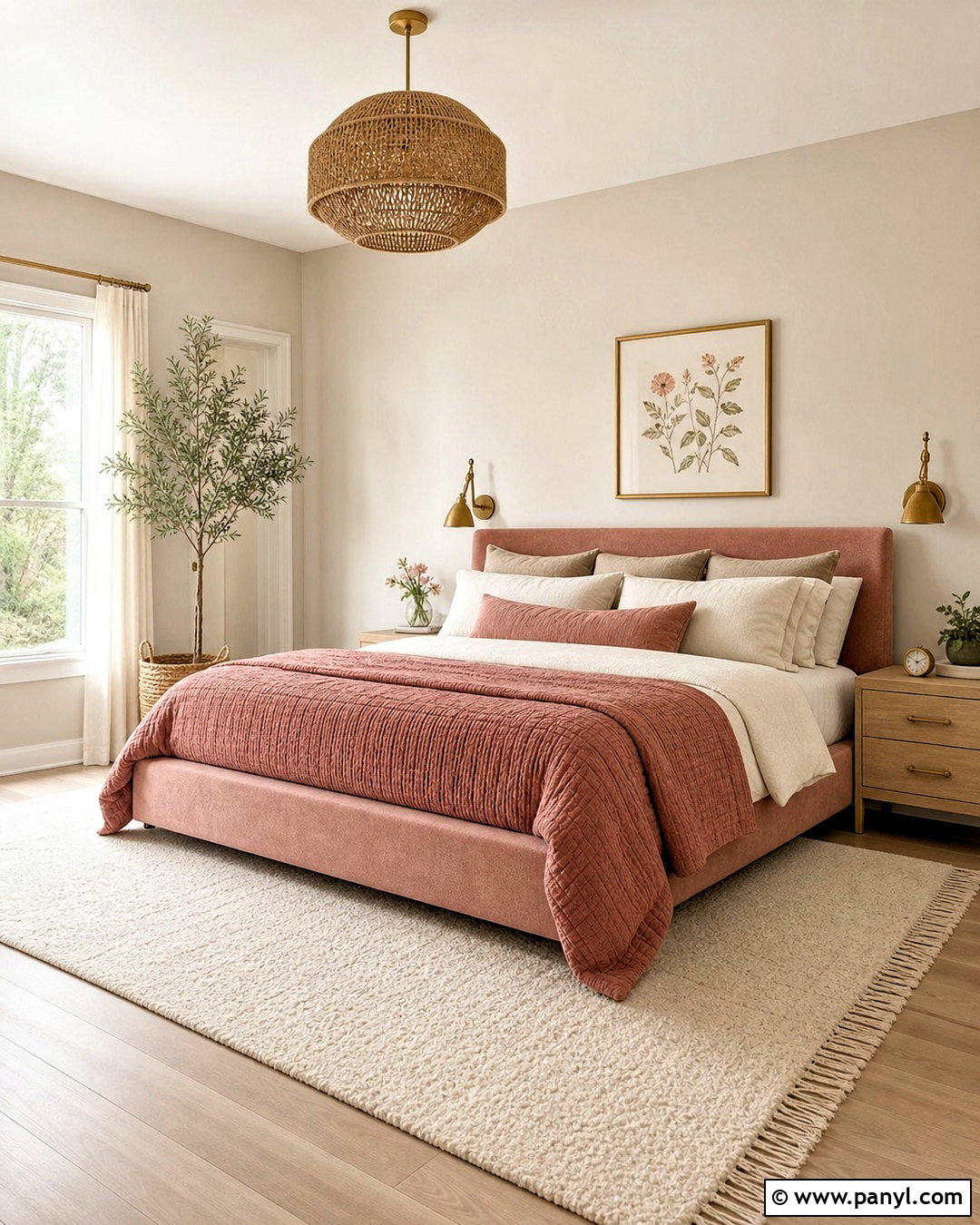
Could a pink accent wall feel calm and sophisticated? Dusty rose proves it can, particularly when combined with warm beige. Use the color behind a beige bouclé bed or sofa, then add light oak furniture and a cream wool rug. Soft brown, mauve, and ivory textiles create a gentle layered palette without making the room overly sweet. Brushed brass lighting adds warmth, while simple black frames introduce structure. Choose natural linen curtains and minimal ceramic decor to maintain a clean, grown-up appearance. Dusty rose is well suited to bedrooms, reading rooms, and quiet sitting spaces. A muted shade with brown or gray undertones will blend more naturally with beige than a bright bubblegum pink, resulting in a soft but distinctive room.
10. Plum Purple Accent Wall
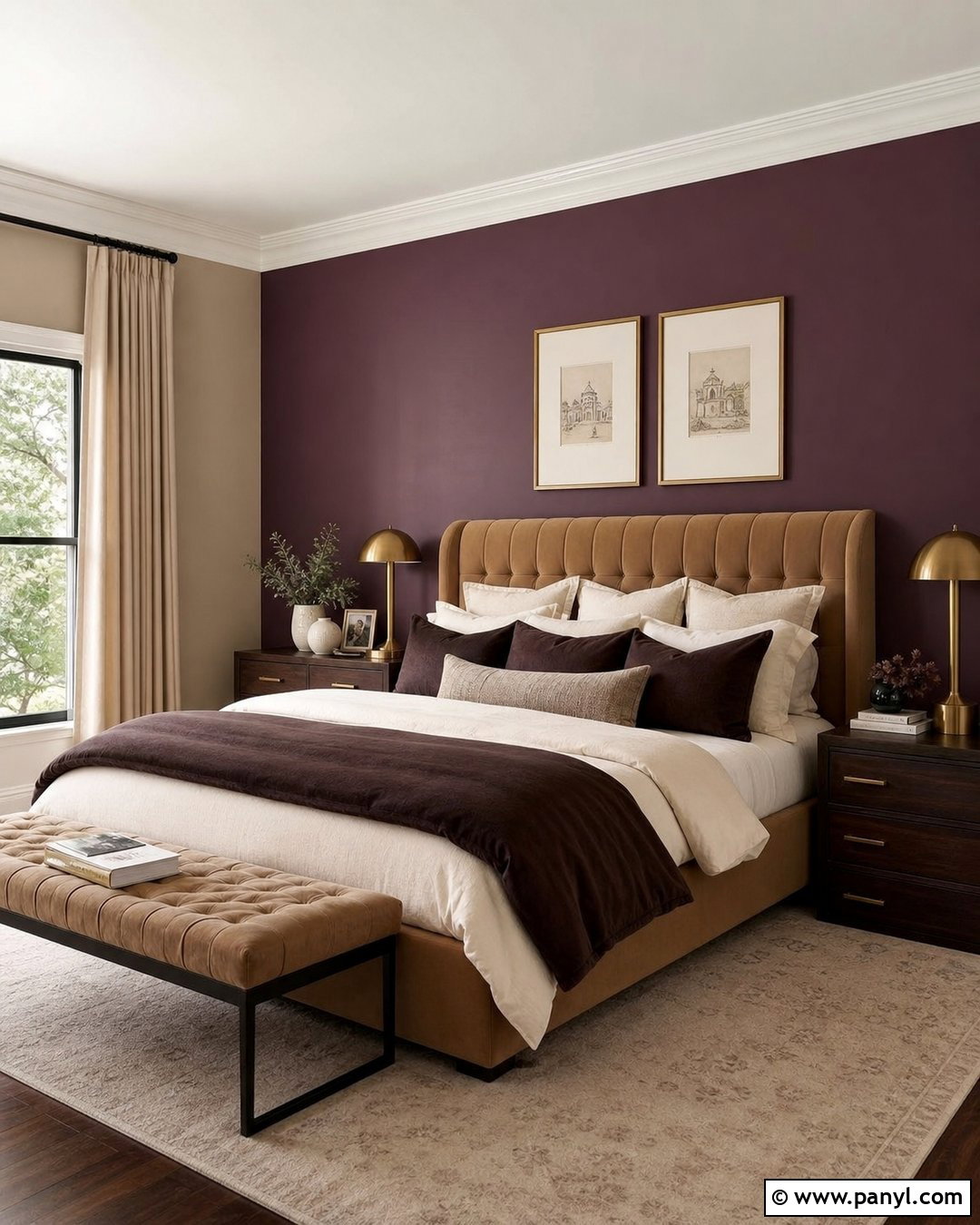
A deep plum accent wall brings unexpected richness to beige interiors. Place it behind a camel-colored sofa or beige upholstered bed, allowing the warm neutral fabric to soften the purple. Dark walnut furniture, antique brass lighting, and an ivory rug create a balanced, luxurious foundation. Add cushions in muted lavender, chocolate brown, and cream, but keep patterns controlled so the palette remains restful. Pale beige curtains will brighten the edges of the room and prevent the darker wall from dominating. This combination works particularly well in a bedroom, library, or formal sitting room. Choose an earthy plum with red undertones rather than a blue-violet shade. The result feels warm, enveloping, and distinctive without losing the versatility of beige.
11. Teal Accent Wall
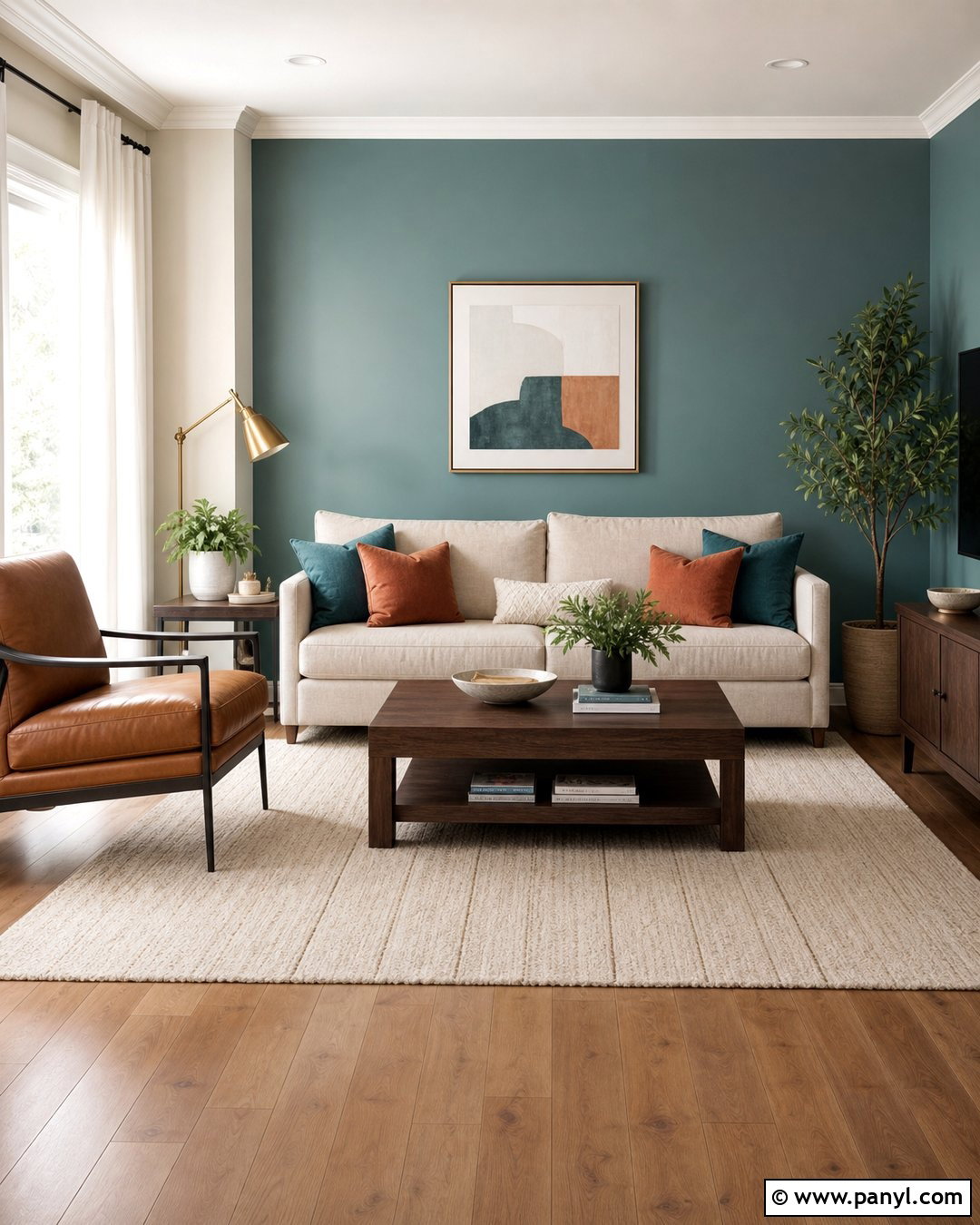
Teal supplies refreshing color while beige keeps it grounded and approachable. In a living room, paint the wall behind a simple beige sofa and style the space with walnut tables, a cream textured rug, and warm brass lighting. Repeat teal in one or two patterned pillows, then add rust or cognac accents to bridge the cool wall and warm beige surroundings. White linen curtains can keep the arrangement bright and casual. For a coastal interpretation, use pale woods and woven baskets; for a more modern look, choose black metal and clean-lined furniture. A slightly muted teal is usually easier to coordinate than a highly saturated shade. This completed palette feels energetic, polished, and suitable for both large and compact rooms.
12. Slate Blue Accent Wall
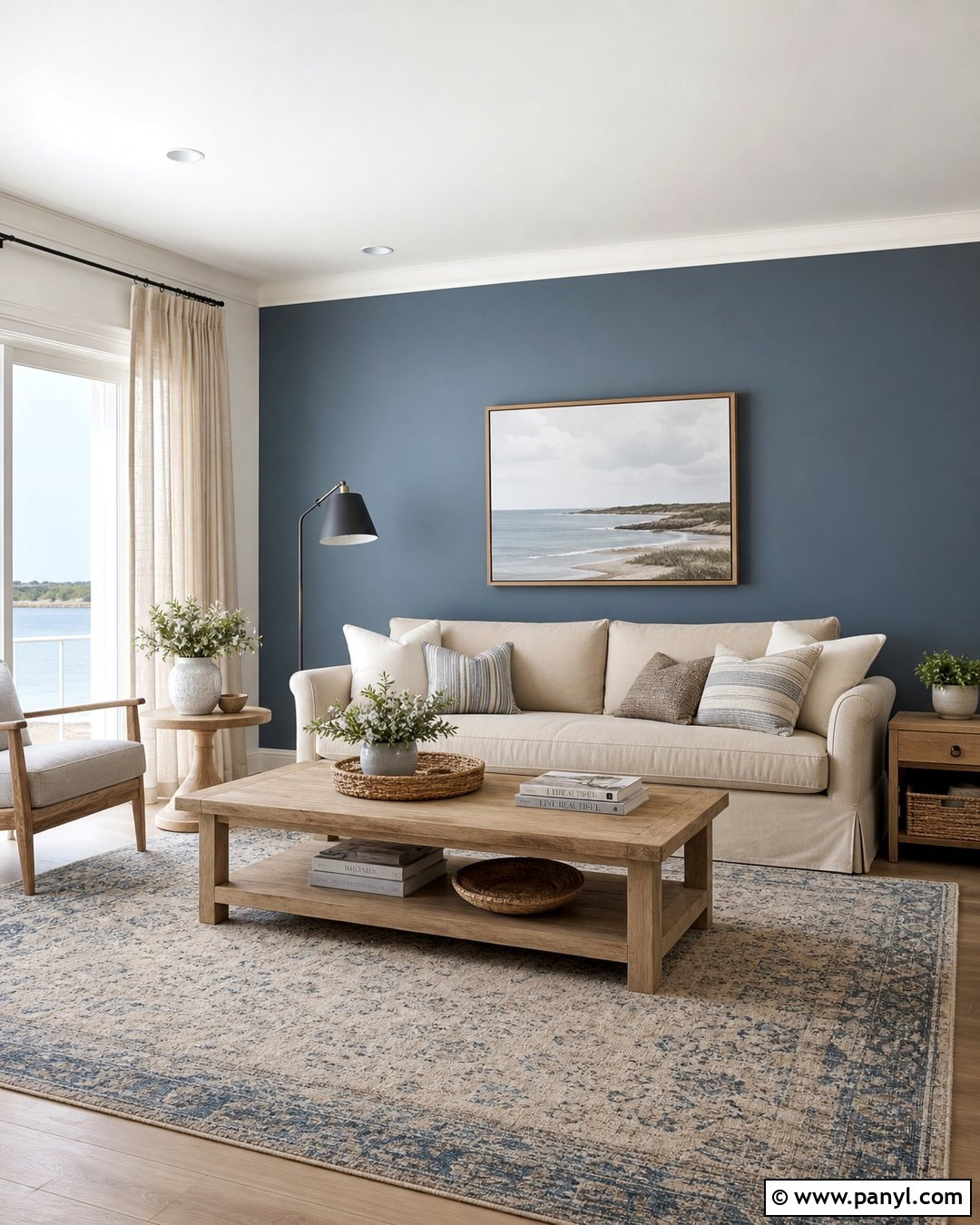
Slate blue offers a softer alternative to navy and pairs particularly well with beige that has gray or neutral undertones. Paint the accent wall behind a beige slipcovered sofa, then introduce bleached oak furniture, an ivory-and-blue rug, and natural linen drapes. A charcoal floor lamp and a few black picture frames will give the pale palette more definition. Add soft blue, cream, and taupe pillows to repeat the wall color gently. This scheme creates a relaxed coastal or modern farmhouse appearance without relying on obvious nautical decorations. Slate blue also works well in bedrooms with white bedding and beige upholstery. The final room feels clean and peaceful, while the warm beige prevents the blue from appearing icy or overly formal.
13. Powder Blue Accent Wall
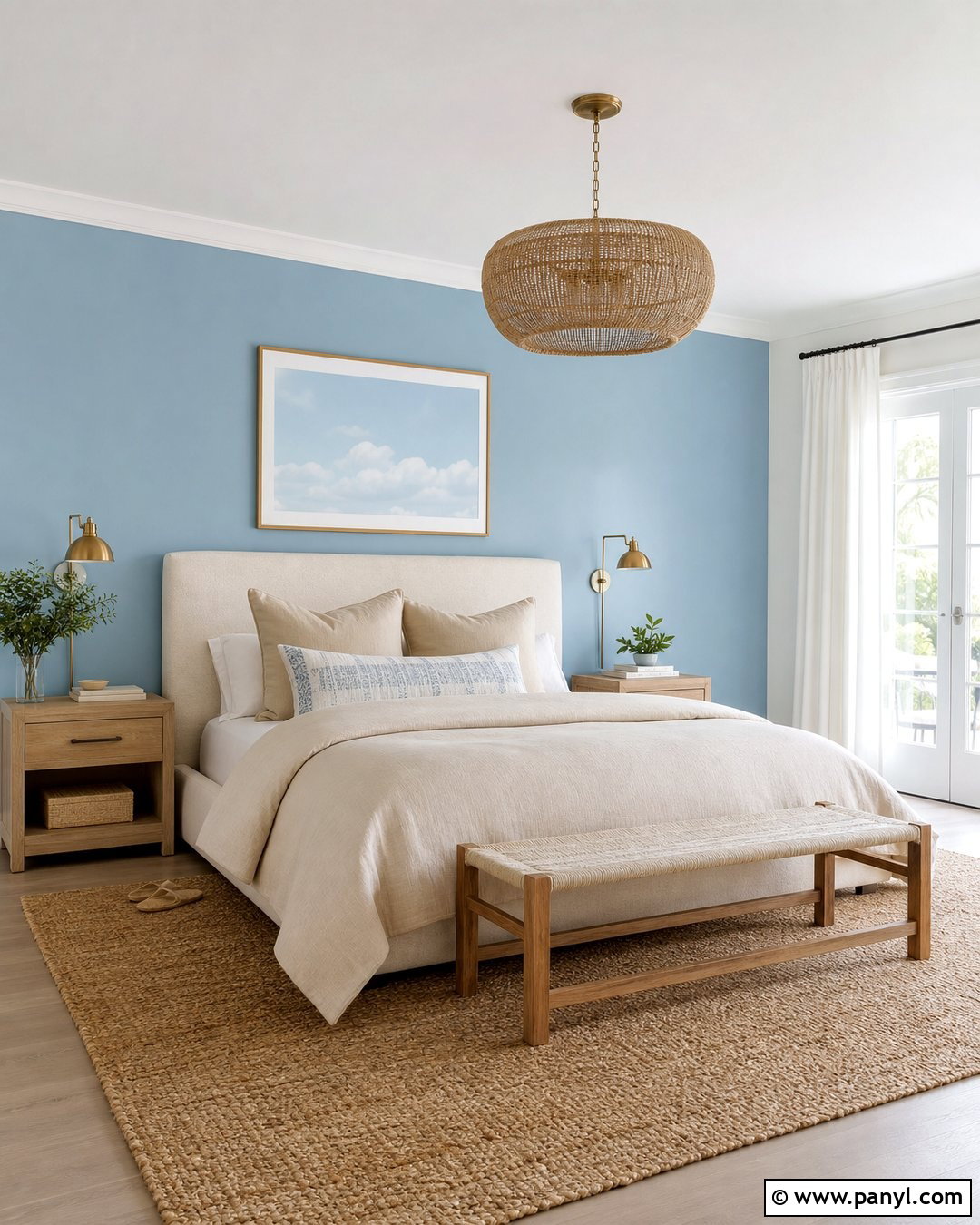
Powder blue can brighten beige walls while preserving a soft, restful mood. Use it behind a cream upholstered headboard or a beige living room sofa, then add pale wood furniture and layered white textiles. A natural fiber rug, woven baskets, and linen curtains make the palette feel casual rather than delicate. Include small accents of warm brown or brushed brass to balance the coolness of the blue. Artwork with sky blue, beige, and muted green can connect every color in the room. This complete look is ideal for nurseries, bedrooms, breakfast areas, or smaller living rooms. Select a powder blue with a subtle gray undertone, which will look more sophisticated and coordinate more naturally with warm or neutral beige surfaces.
14. Charcoal Gray Accent Wall
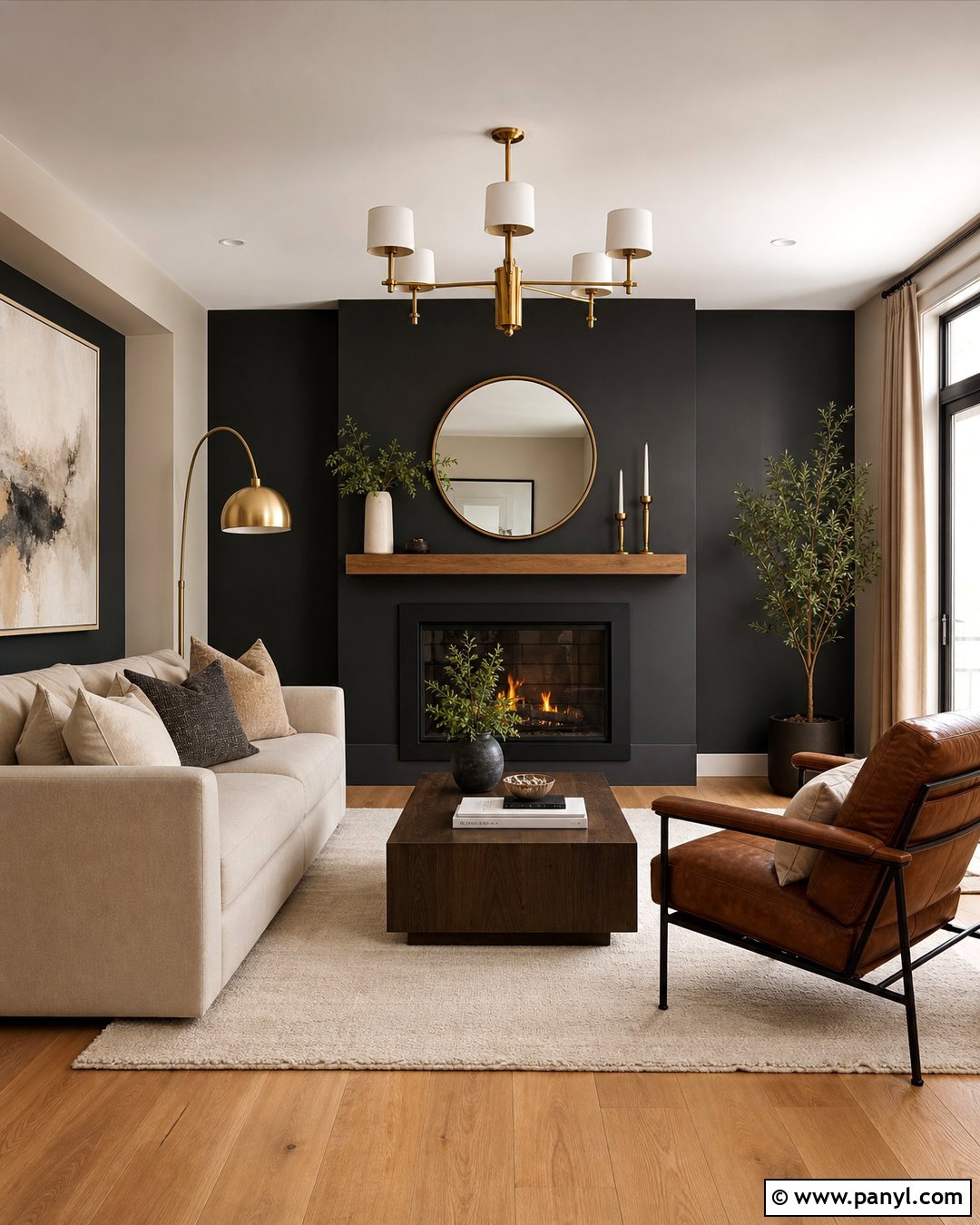
When a beige room needs stronger architectural definition, charcoal gray provides an effective contrast. Paint a fireplace wall, media wall, or paneled wall in charcoal, then position beige furniture directly against it. A light cream rug and warm oak flooring prevent the space from feeling overly dark. Use matte black accents sparingly because the wall already creates significant depth. Instead, bring in cognac leather, walnut, and brushed brass to warm the palette. Abstract artwork containing beige, gray, and white can connect the room visually. This combination is especially successful in contemporary living rooms and bedrooms with generous daylight. Choose a charcoal with slightly warm undertones so it works harmoniously with beige rather than creating a disconnected cool-and-warm split.
15. Warm Taupe Accent Wall
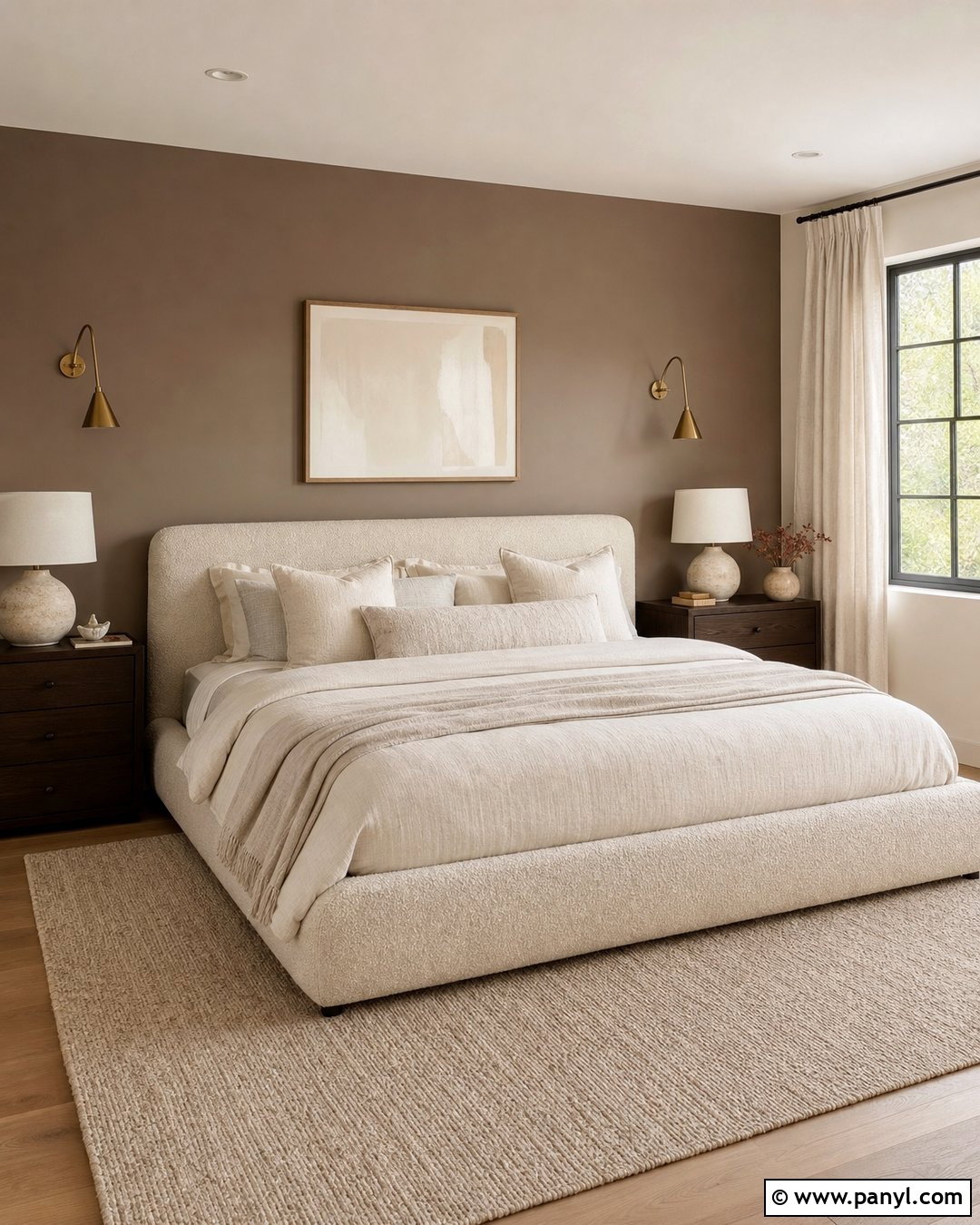
A warm taupe accent wall creates subtle depth for anyone who prefers a quiet, tonal interior. Choose a taupe two or three shades deeper than the surrounding beige and use it behind the main bed, fireplace, or sofa. Layer cream upholstery, oatmeal curtains, and a textured beige rug to create gentle color variation. Dark brown wood furniture will establish contrast, while bronze lighting and ceramic decor introduce understated detail. Use different materials, such as boucle, linen, wool, wood, and stone, to keep the neutral palette from appearing flat. This complete scheme suits minimalist, transitional, and organic modern rooms. Because beige and taupe are closely related, the accent wall feels intentional and architectural rather than bold, producing a calm and cohesive finished space.
16. Chocolate Brown Accent Wall
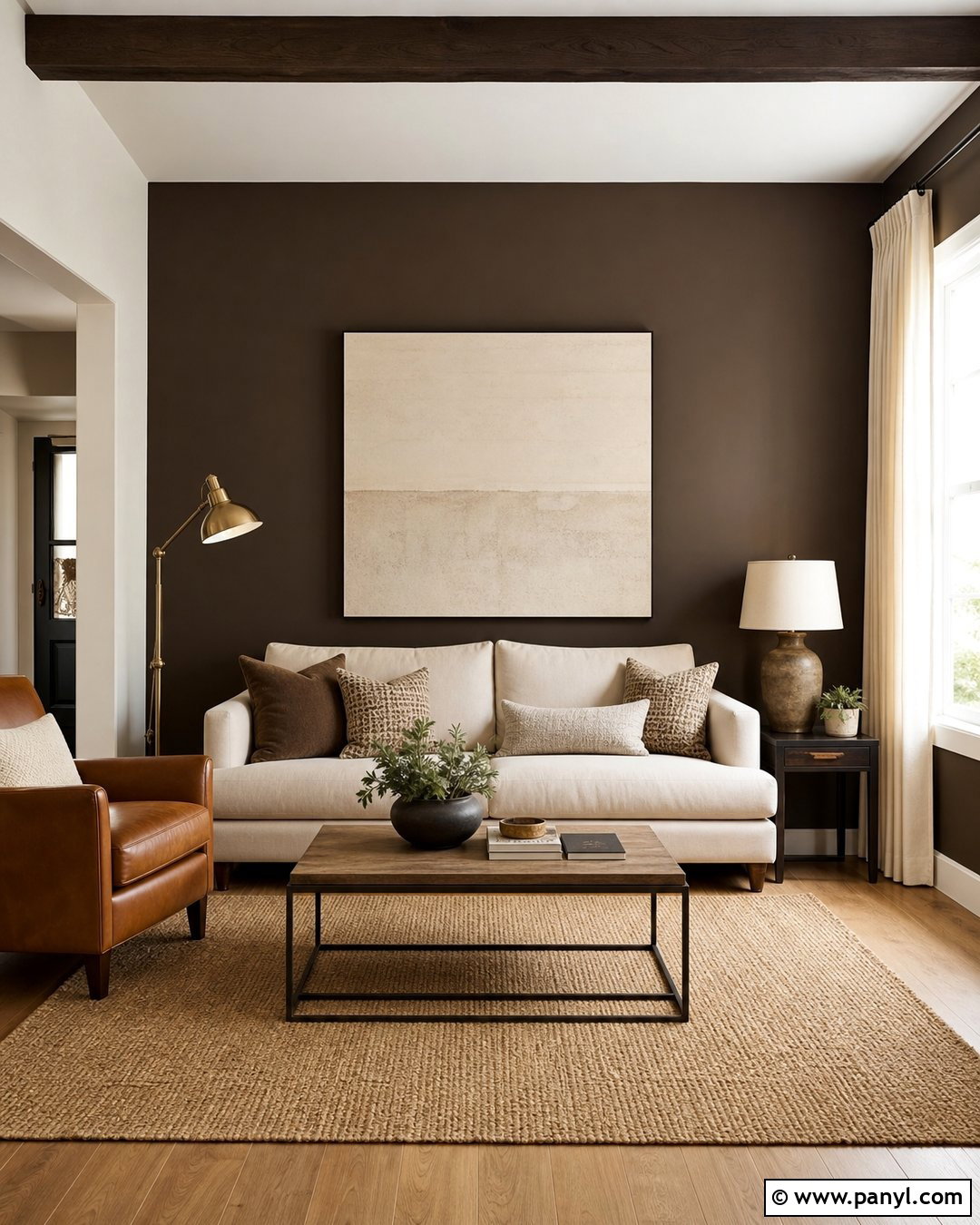
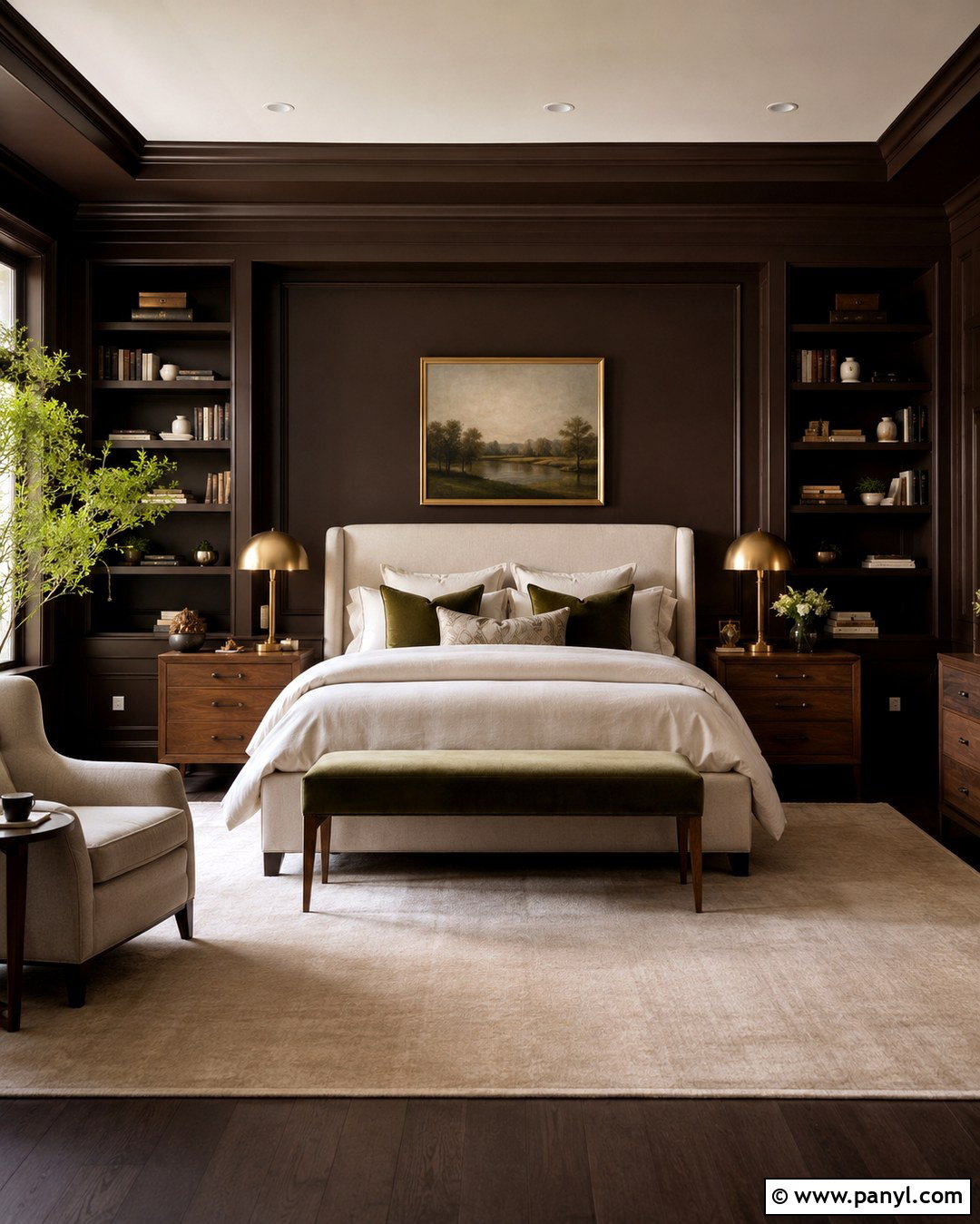
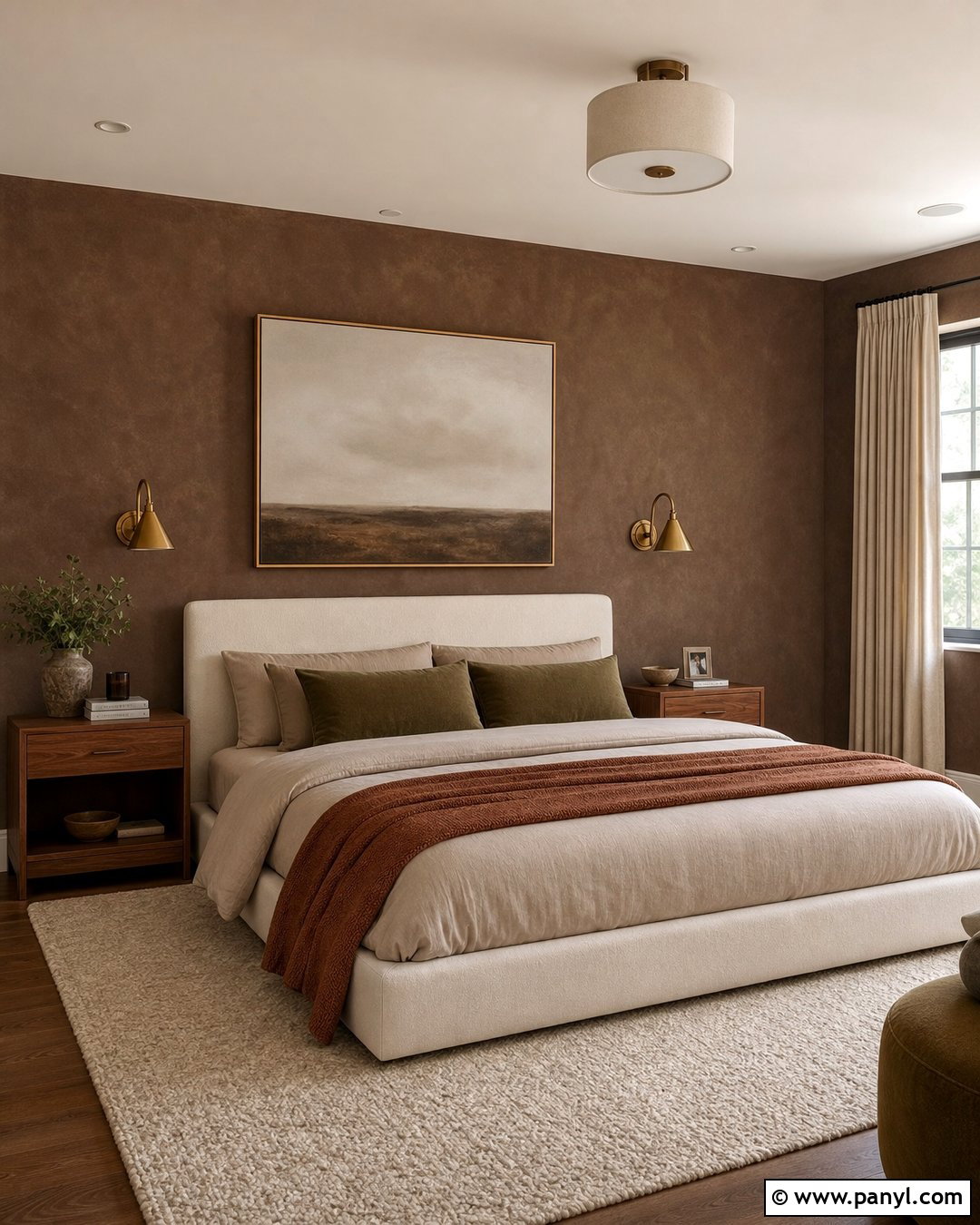
Chocolate brown gives beige rooms a rich, comforting foundation. Paint the accent wall behind a light beige sofa and choose cream curtains, a natural wool rug, and medium oak flooring to balance the depth. Furniture with simple silhouettes keeps the room from feeling heavy or dated. Add caramel leather, antique brass, and ivory cushions for a warm layered effect. A large piece of light-toned artwork can break up the dark wall while preserving its visual impact. This palette is ideal for cozy living rooms, bedrooms, dining areas, and home libraries. Select a brown with warm, earthy undertones instead of one that appears nearly black. Beige will soften the contrast, creating a polished room inspired by wood, soil, leather, and natural fibers.
17. Matte Black Accent Wall
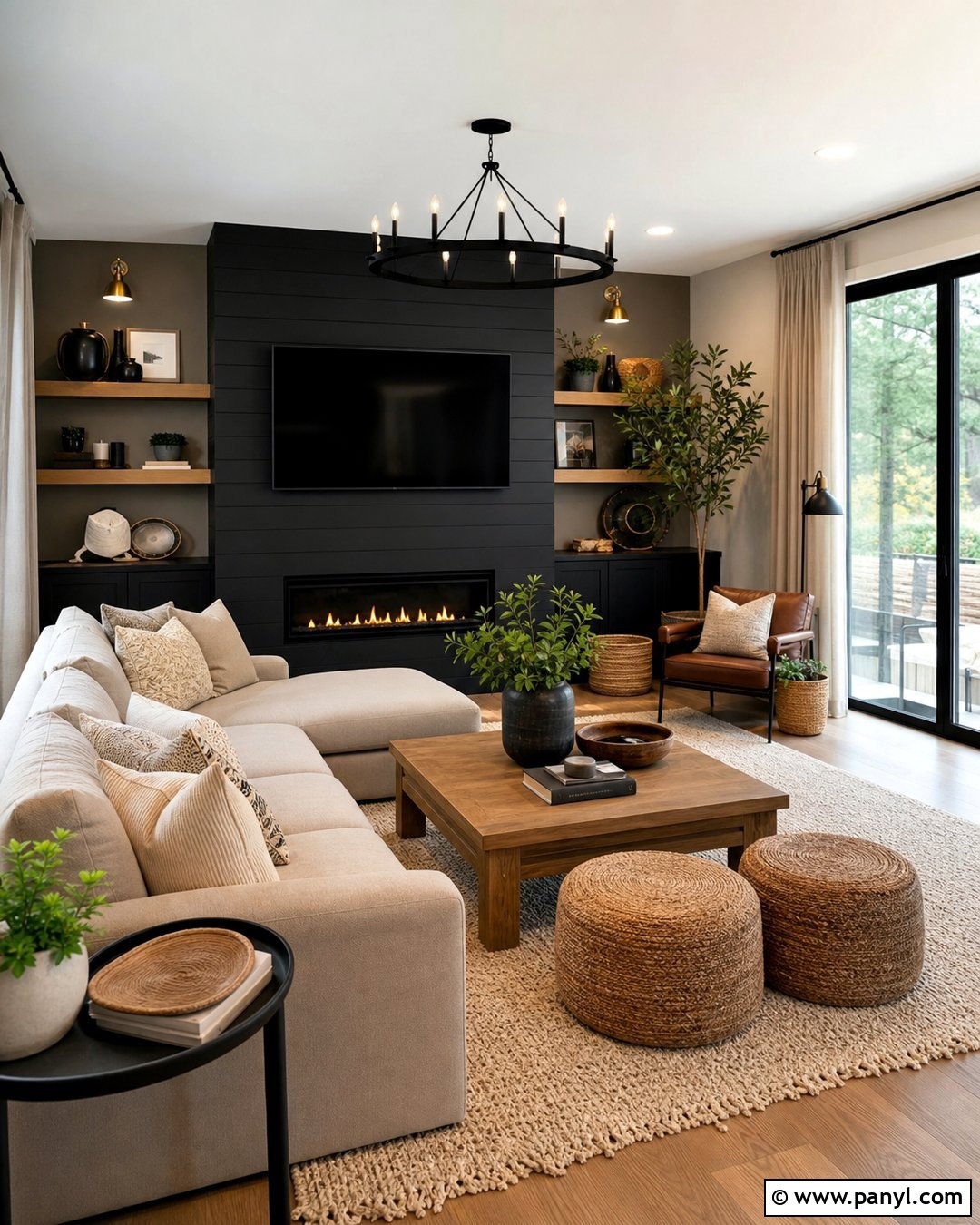
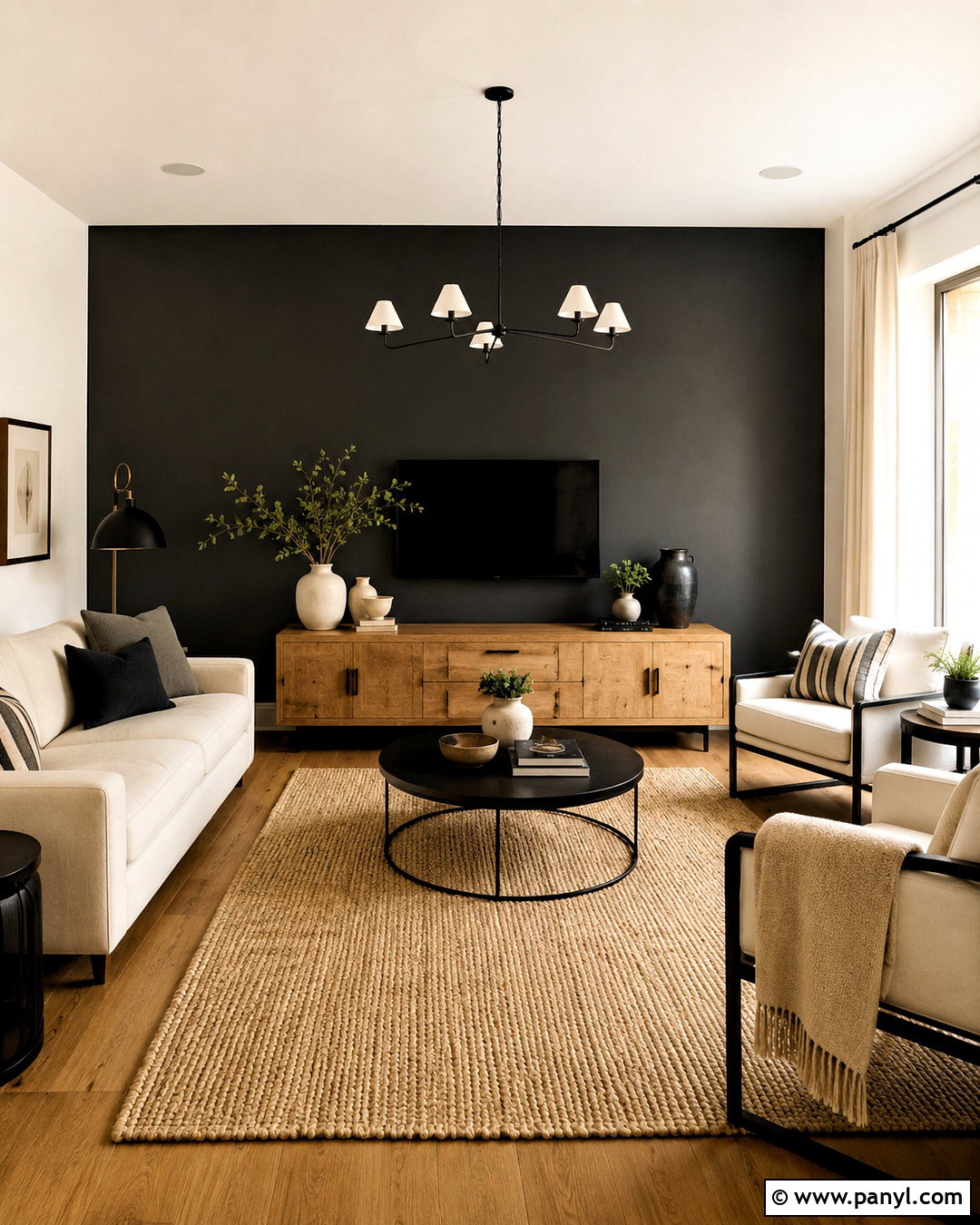
A matte black accent wall can make beige feel modern, clean, and intentional. Use black on a wall with architectural purpose, such as the fireplace, television area, or built-in shelving. Position a beige sectional or upholstered bed nearby, then add a warm oak coffee table and a cream textured rug. Natural linen curtains and woven accessories will soften the strong contrast. Repeat black through slim metal lighting, frames, and furniture legs, but avoid filling the room with too many dark objects. Add greenery and warm wood to keep the design welcoming. This complete look works best in a room with good natural light. The matte finish reduces glare and creates a smooth backdrop that highlights beige furniture and organic textures.
18. Creamy White Accent Wall
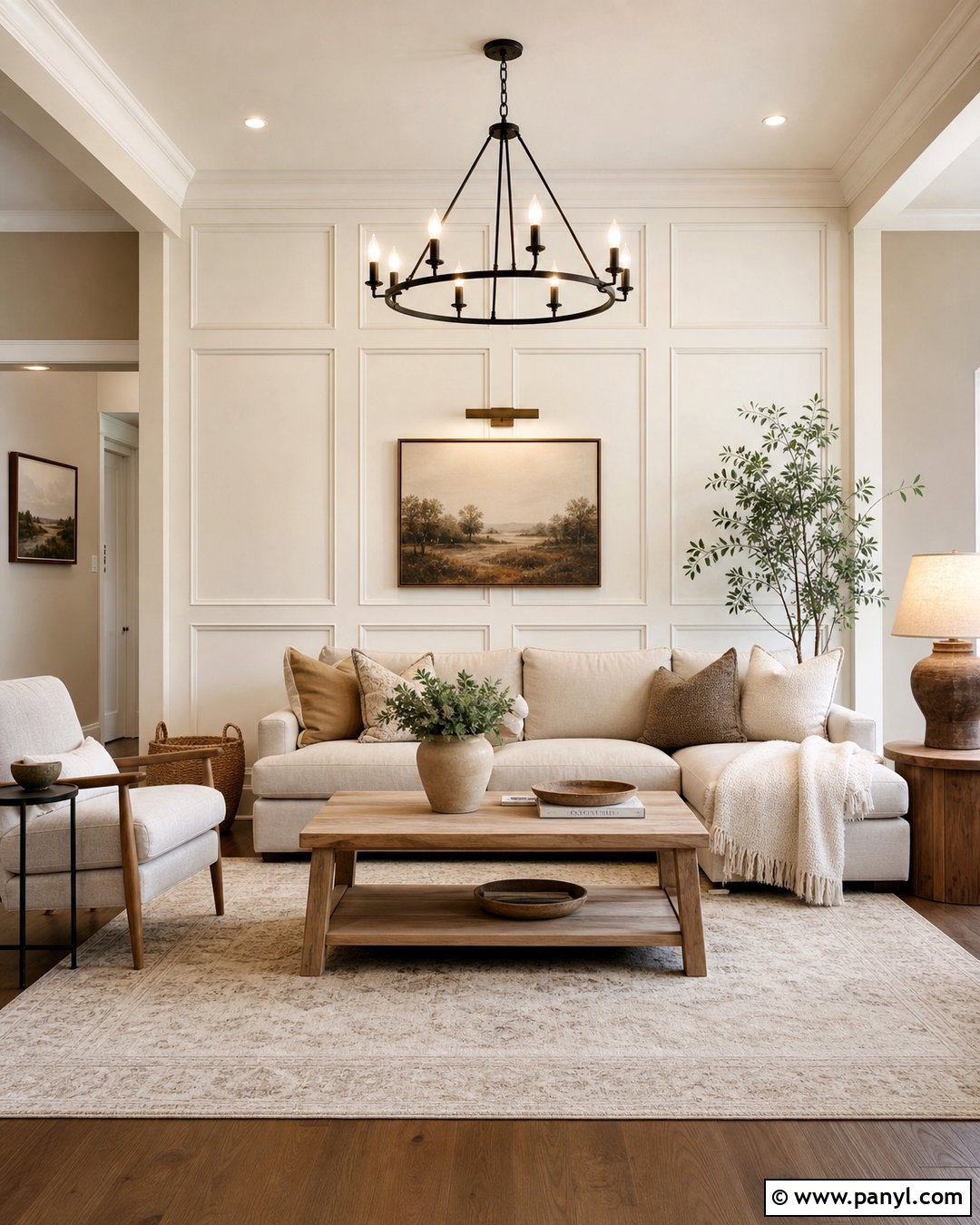
Not every accent wall needs to be darker than beige. A creamy white feature wall can brighten the room and draw attention to molding, a fireplace, or a beautifully styled bed. Use warm white rather than stark blue-white so it coordinates with the beige surroundings. Add an oatmeal sofa, pale oak furniture, and a beige-and-ivory rug for a layered neutral foundation. Black or bronze lighting will provide definition, while greenery and natural ceramics keep the room relaxed. This approach works especially well in small spaces or rooms with limited daylight. Texture is essential, so consider wall paneling, picture-frame molding, or a plaster-style finish. The result feels light, dimensional, and thoughtfully designed rather than plain or unfinished.
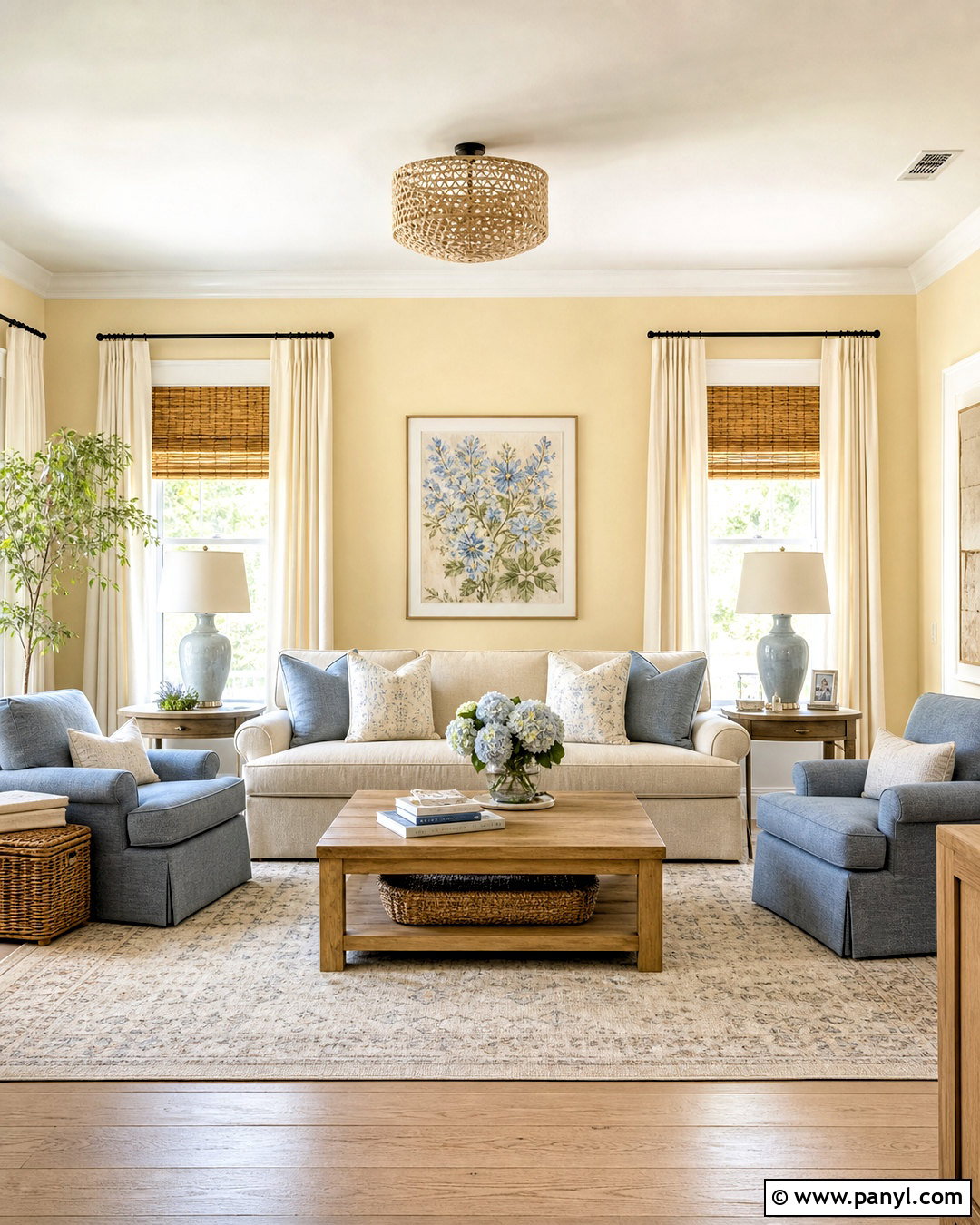
19. Mustard Yellow Accent Wall
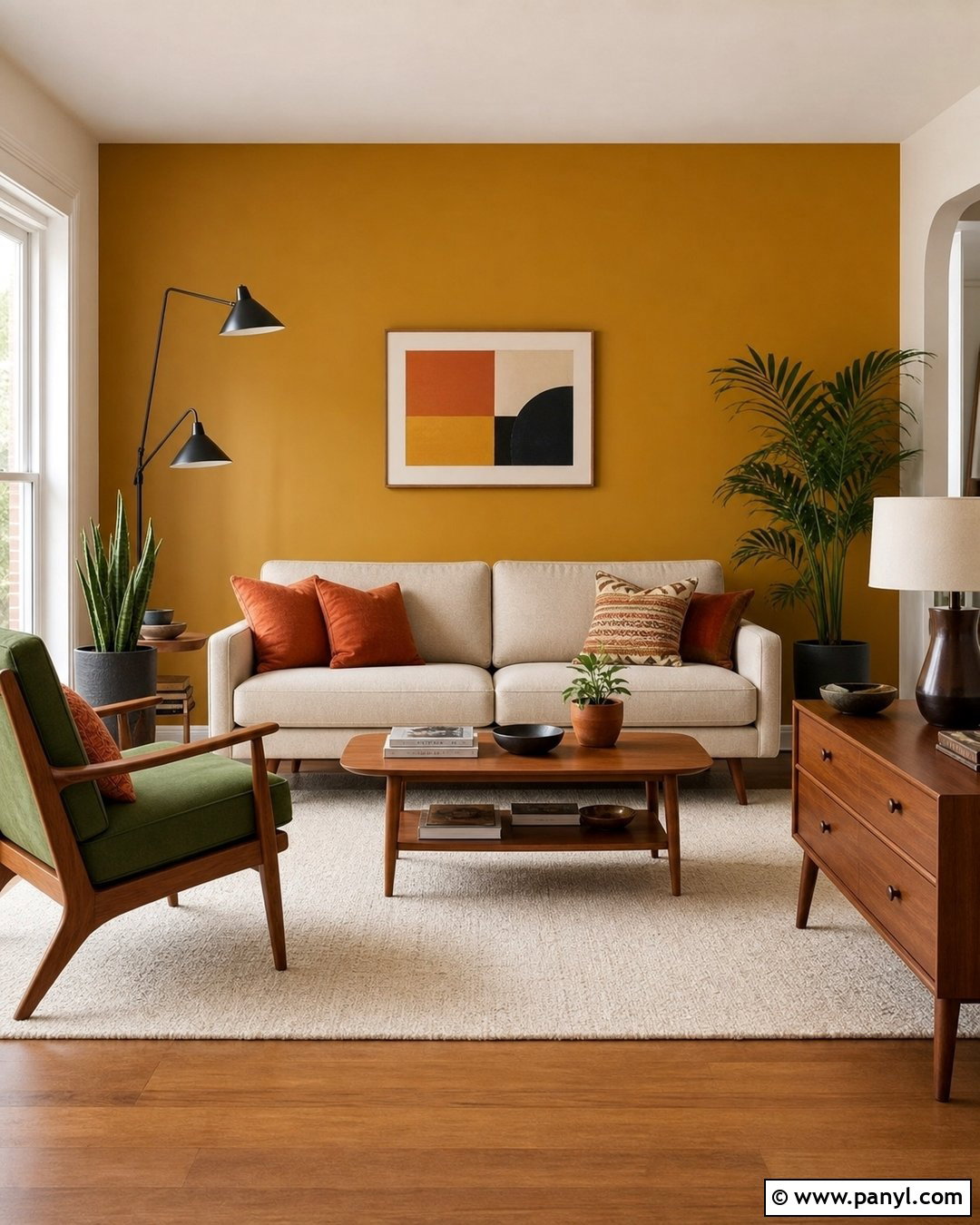
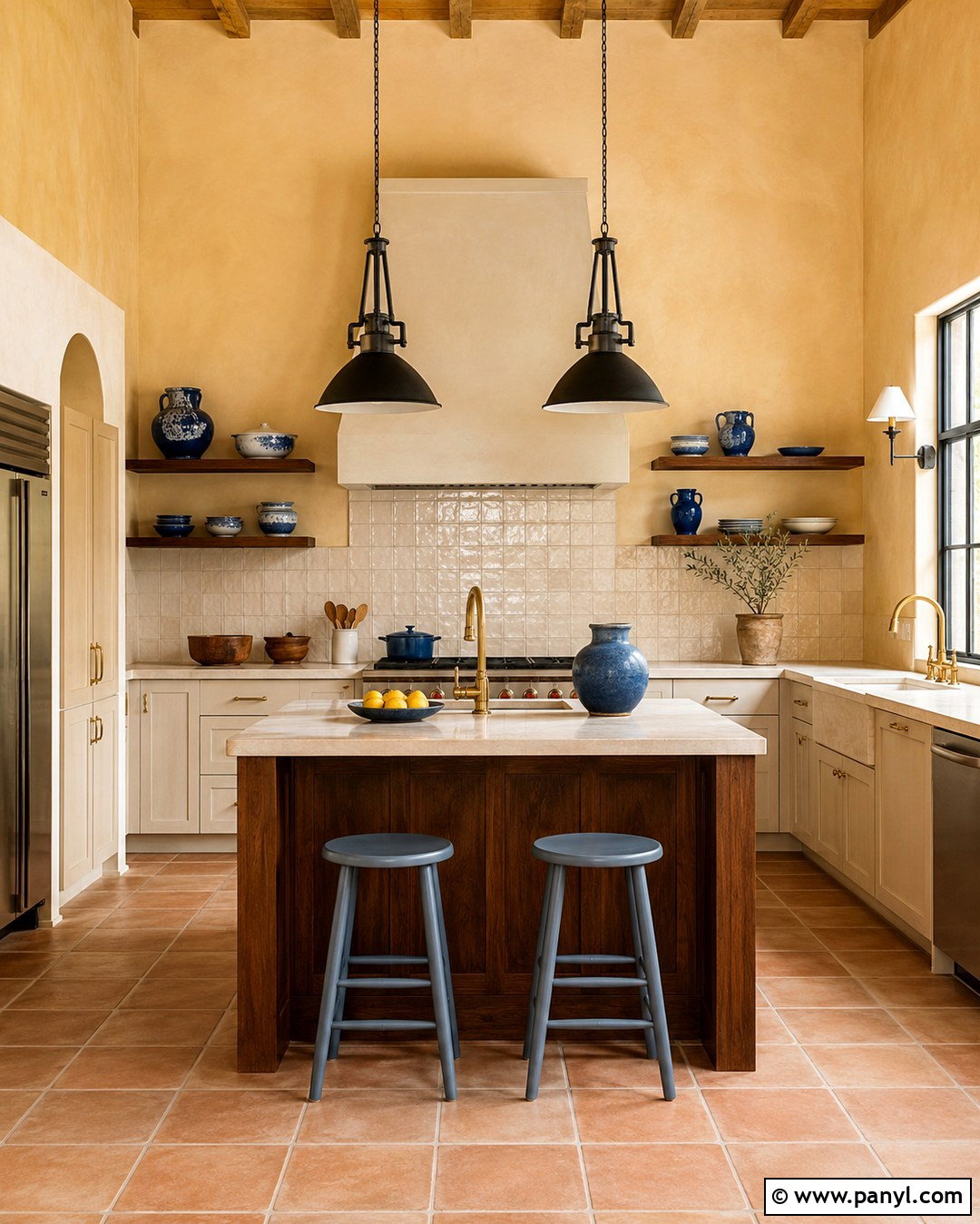
Mustard yellow adds warmth and personality to beige without feeling overly bright. Paint the focal wall behind a beige sofa or simple dining area, then use walnut furniture and a cream rug to support the earthy palette. Add olive green, rust, and dark brown through pillows, artwork, or upholstered chairs. Black metal lighting creates a clean outline against the warmer colors. To prevent the design from looking too retro, choose streamlined furniture and limit busy patterns to one statement rug or fabric. Mustard works especially well in midcentury modern, eclectic, and casual family spaces. A muted golden shade will coordinate more smoothly with beige than a clear lemon yellow, creating an energetic room that remains comfortable and visually balanced.
20. Cobalt Blue Accent Wall
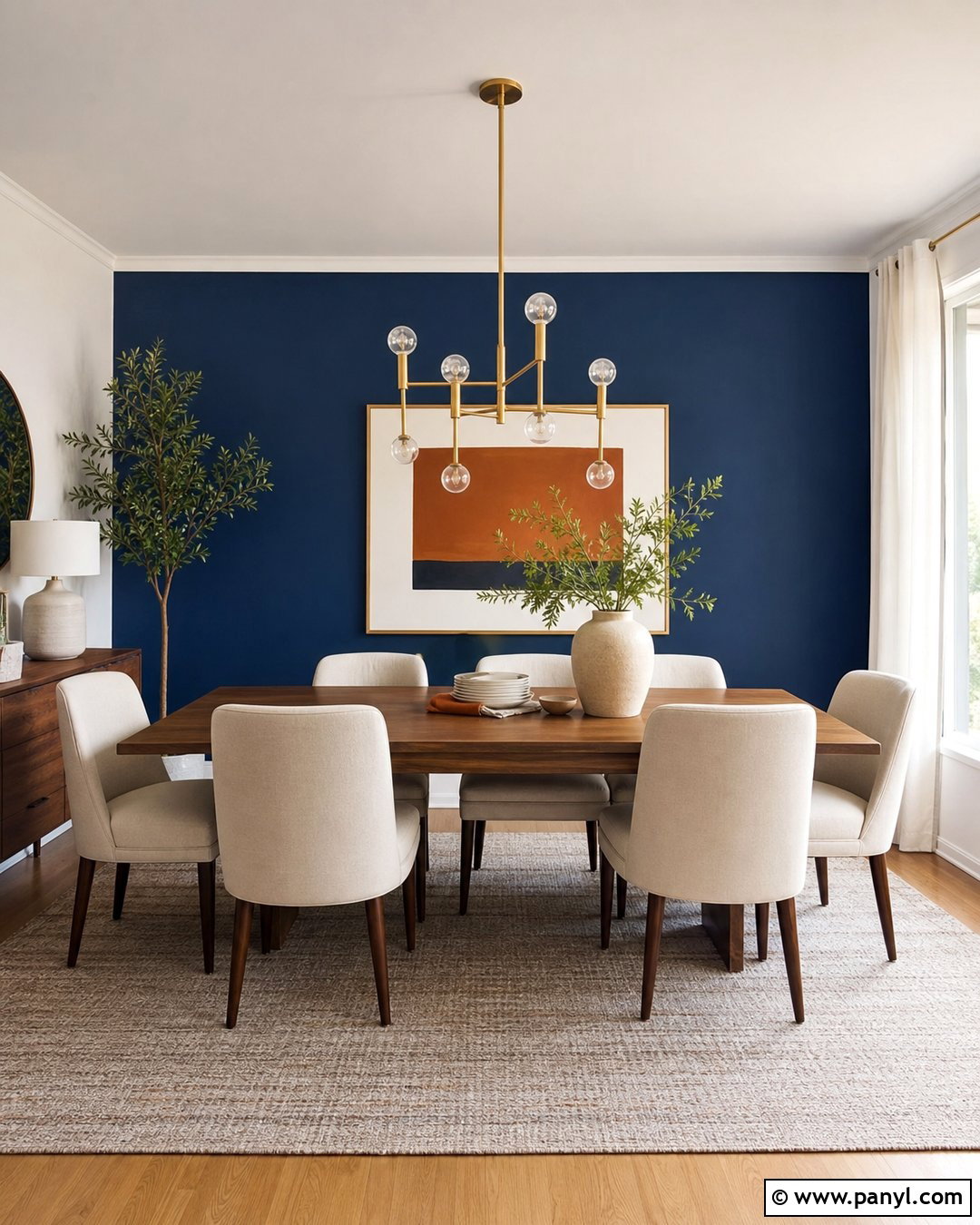
For maximum impact, cobalt blue creates a vivid focal wall against calm beige surroundings. Use it in a dining room, creative office, or lively living space with plenty of daylight. Pair the wall with beige upholstery, a light natural rug, and warm walnut furniture to soften the saturated blue. White curtains and cream ceramics provide brightness, while brass lighting introduces a warm reflective finish. Repeat cobalt in only a few carefully chosen accessories so the wall remains the main feature. Small touches of burnt orange or coral can bring extra energy to the scheme. This complete look feels confident and contemporary. Beige gives the stronger blue room to stand out while maintaining a comfortable, livable foundation throughout the rest of the space.
Conclusion:
Choosing an accent wall is easier when you consider the beige undertone, available daylight, furniture finishes, and overall mood of the room. Warm beige coordinates naturally with earthy shades such as terracotta, olive, rust, and chocolate brown. Cooler or neutral beige can support slate blue, charcoal, teal, and navy. For a bolder result, burgundy, cobalt, mustard, or matte black can create a clear focal point. Repeat the chosen color through a few accessories, but allow beige to remain the calming foundation. Always test paint samples during different times of day before committing. With these 20 Accent Wall Colors That Go With Beige Ideas, you can build a complete, balanced room rather than simply adding an unrelated splash of color.

Related Ideas and Inspiration:
Leave a Reply