
Beige tile is warm, practical, and far more flexible than it may first appear. The right companion color can make older flooring feel intentional, highlight natural stone variation, or give a neutral bathroom and kitchen more personality. Current designer guidance supports pairing beige with everything from soft whites and earthy greens to saturated blues, browns, and reds. () Before choosing, study whether your tile leans yellow, pink, peach, gray, or taupe, since matching undertones helps the finished room feel connected rather than mismatched. () The following complete room schemes include paint, furniture, fixtures, textiles, and finishes, giving you practical inspiration from these 20 Colors That Go With Beige Tile Ideas.

1. Warm White With Beige Tile
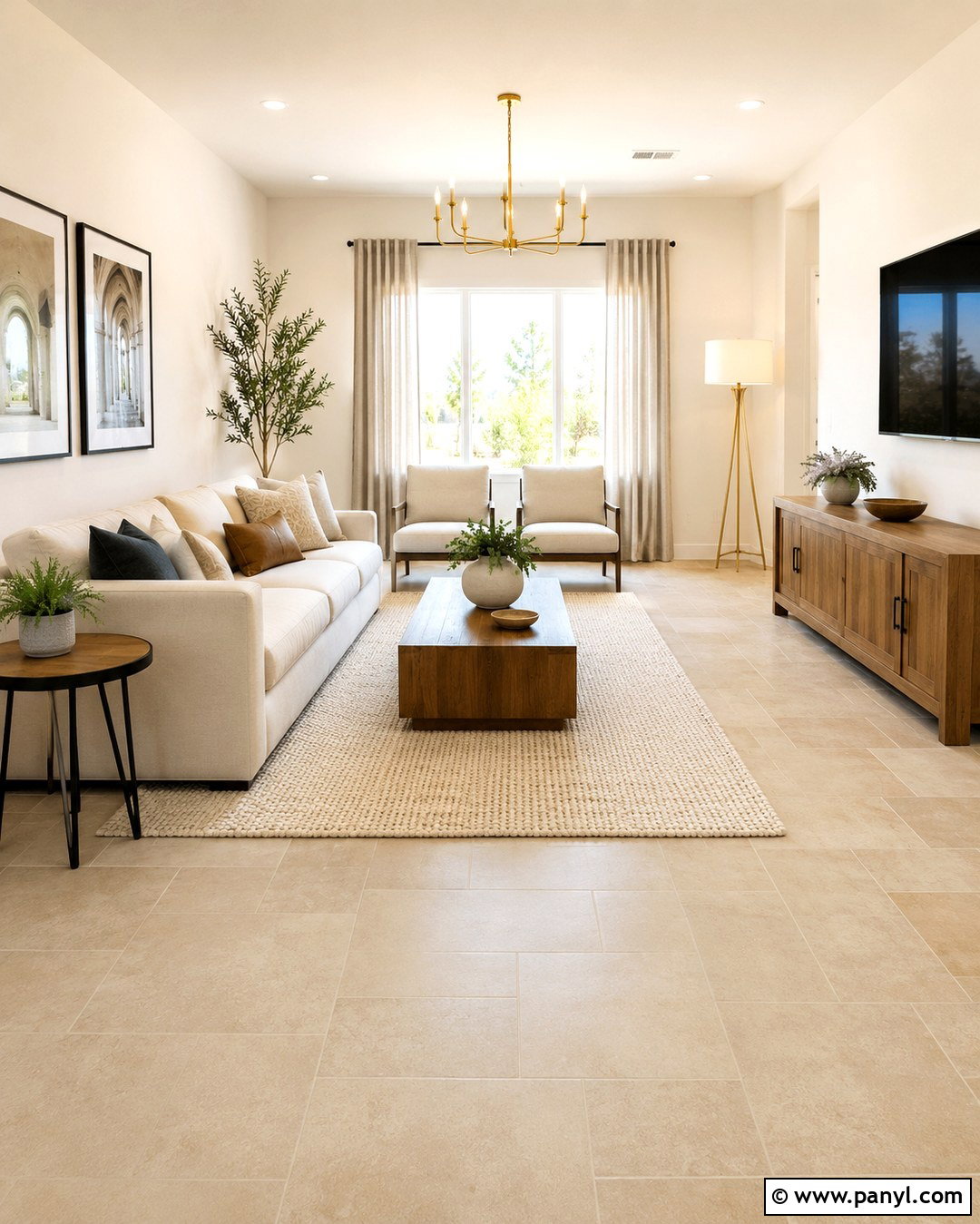
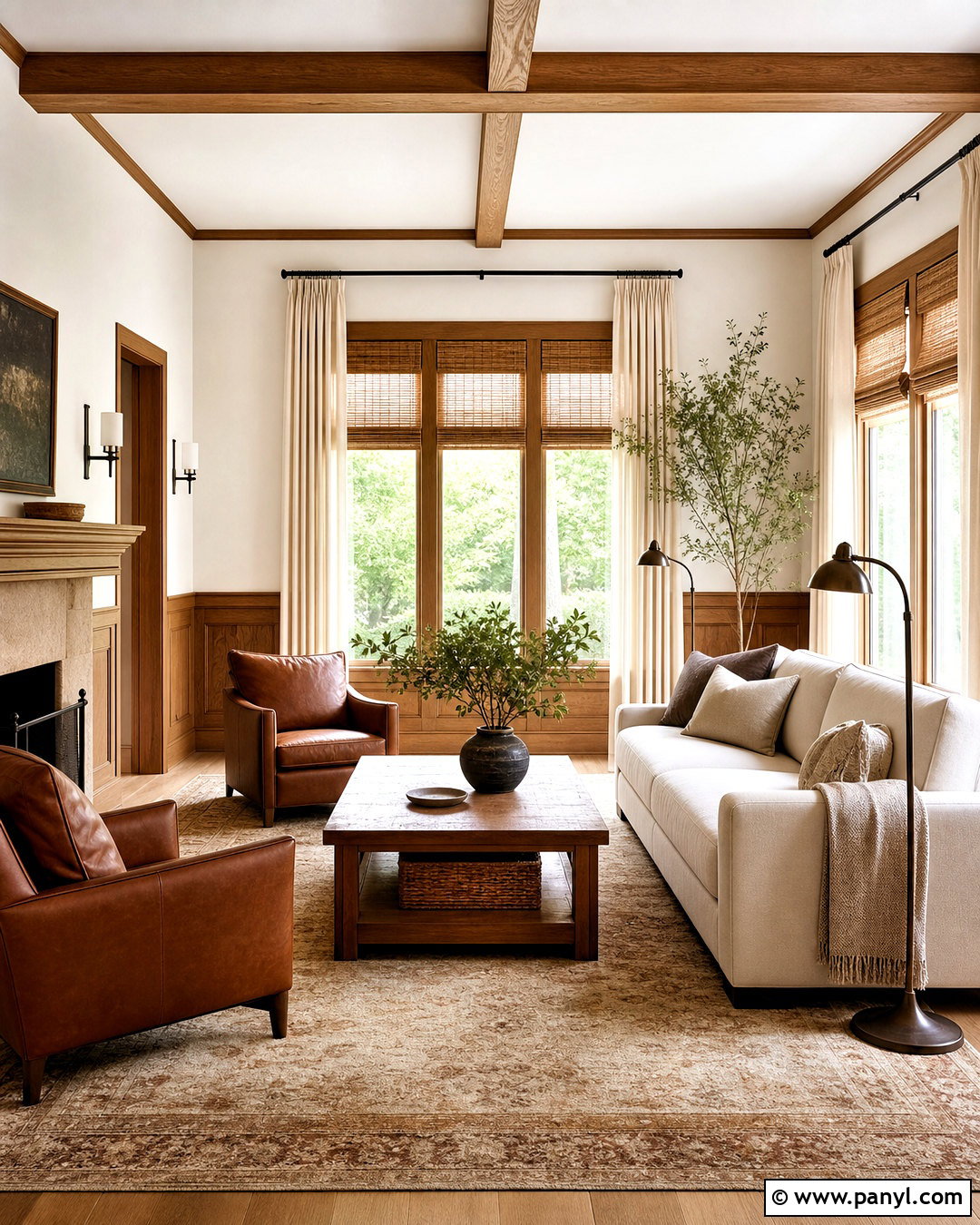
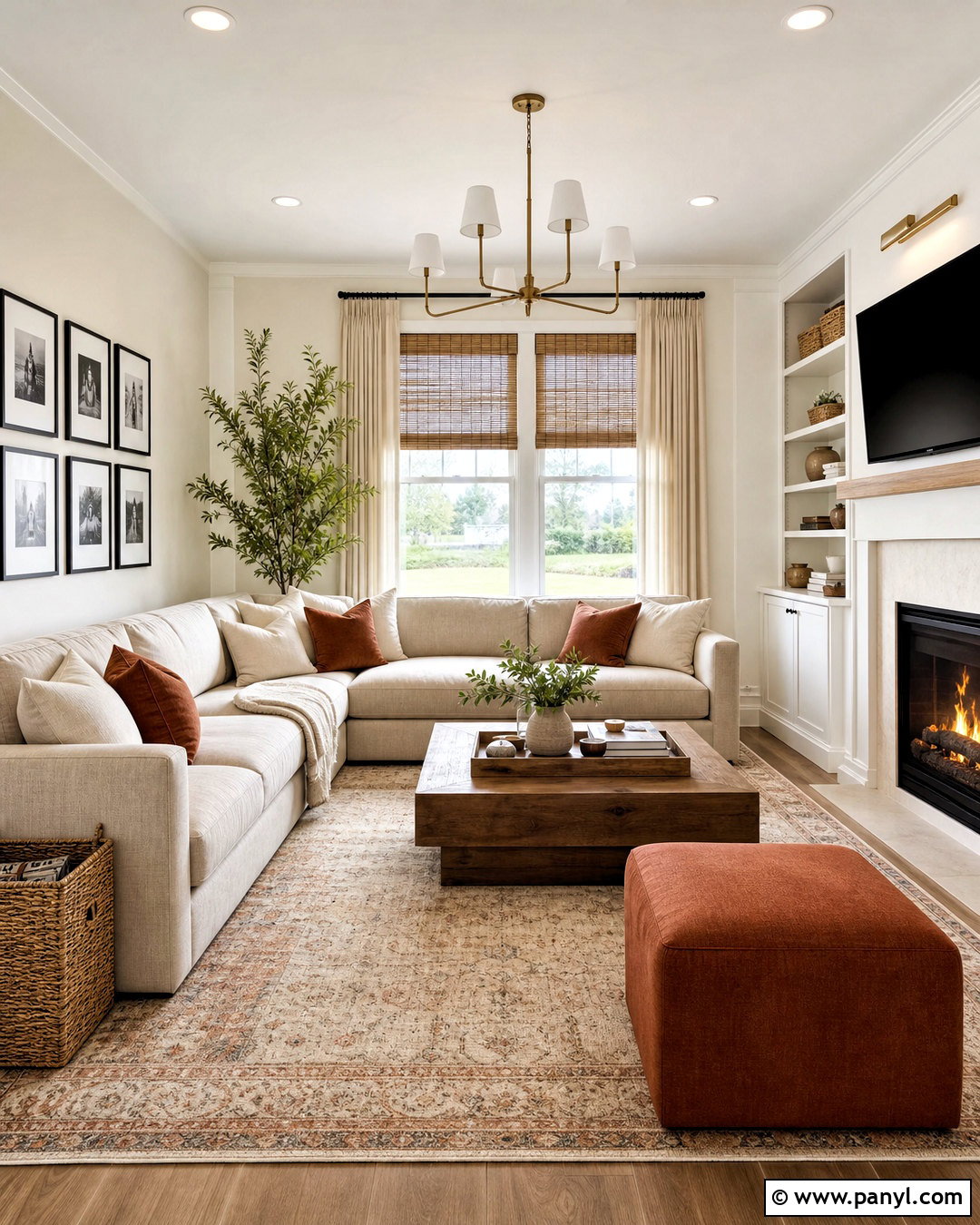
Warm white creates a clean, updated setting without making beige tile look overly yellow. Use creamy white on the walls and ceiling, then repeat it through linen curtains, upholstery, and painted cabinetry. In a living room, add a natural oak media console, a softly textured ivory sofa, and a woven rug that includes both beige and white. Brushed brass lighting brings out golden notes in the floor, while matte black frames provide a small amount of definition. Avoid icy white because it can look disconnected beside warm tile. This complete palette works especially well in rooms with limited daylight. The layered whites brighten the space, while wood, linen, and woven fibers prevent the arrangement from feeling flat or sterile.
2. Cream With Beige Tile
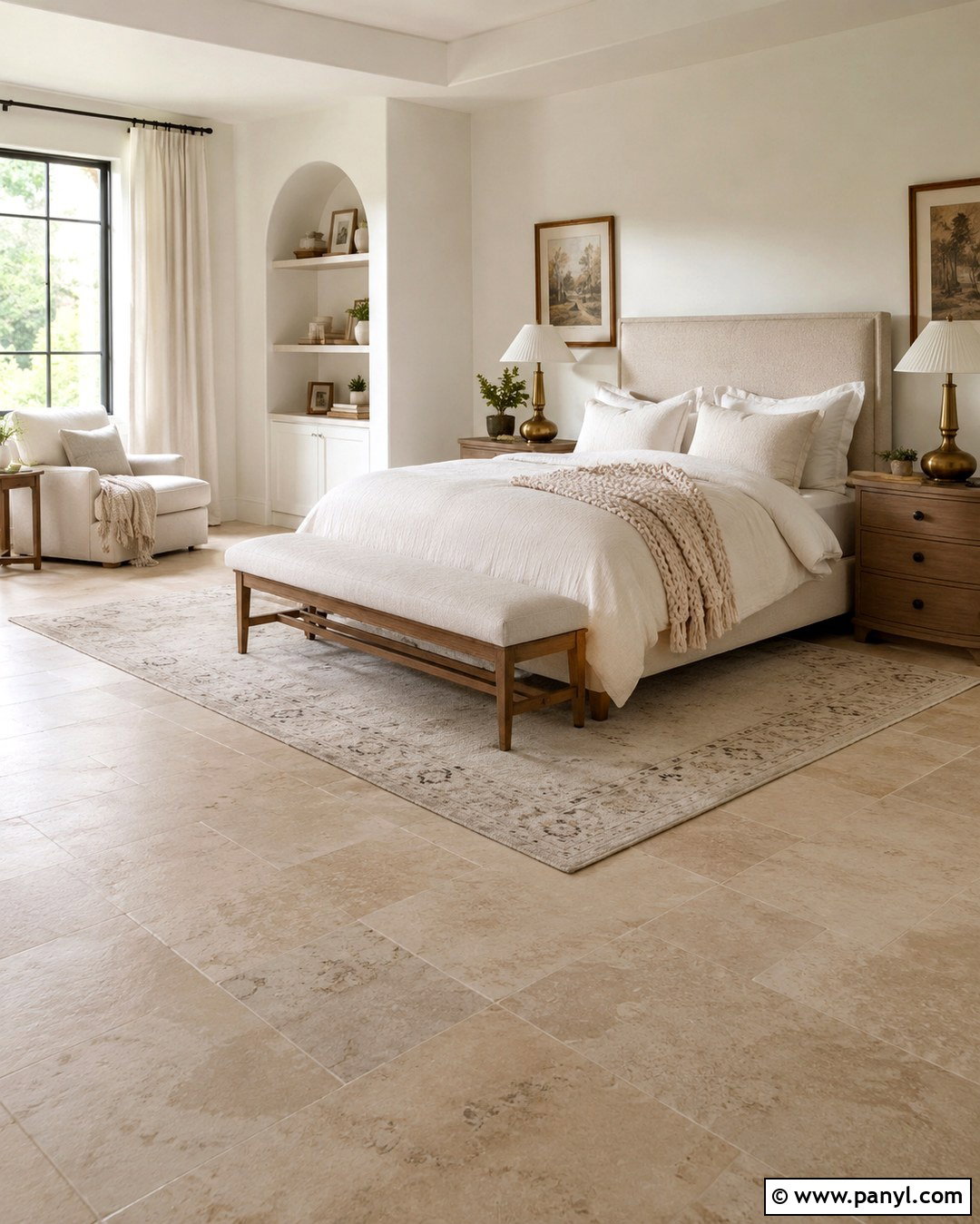
For a gentle tonal room, combine beige tile with rich cream walls and furniture. The two colors are close enough to feel peaceful, but cream adds brightness and softness. Build a comfortable bedroom with cream-painted walls, an upholstered oatmeal bed, ivory bedding, and light wood nightstands. Introduce dimension through a chunky knit throw, a wool rug, and pleated fabric shades. Antique brass lamps and walnut picture frames add deeper notes without disrupting the calm palette. Choose a cream with a warm yellow or neutral base that relates to the flooring. This look is especially attractive with travertine or stone-effect beige tile because its subtle variation becomes part of the layered design rather than something that needs to be hidden.
3. Greige With Beige Tile
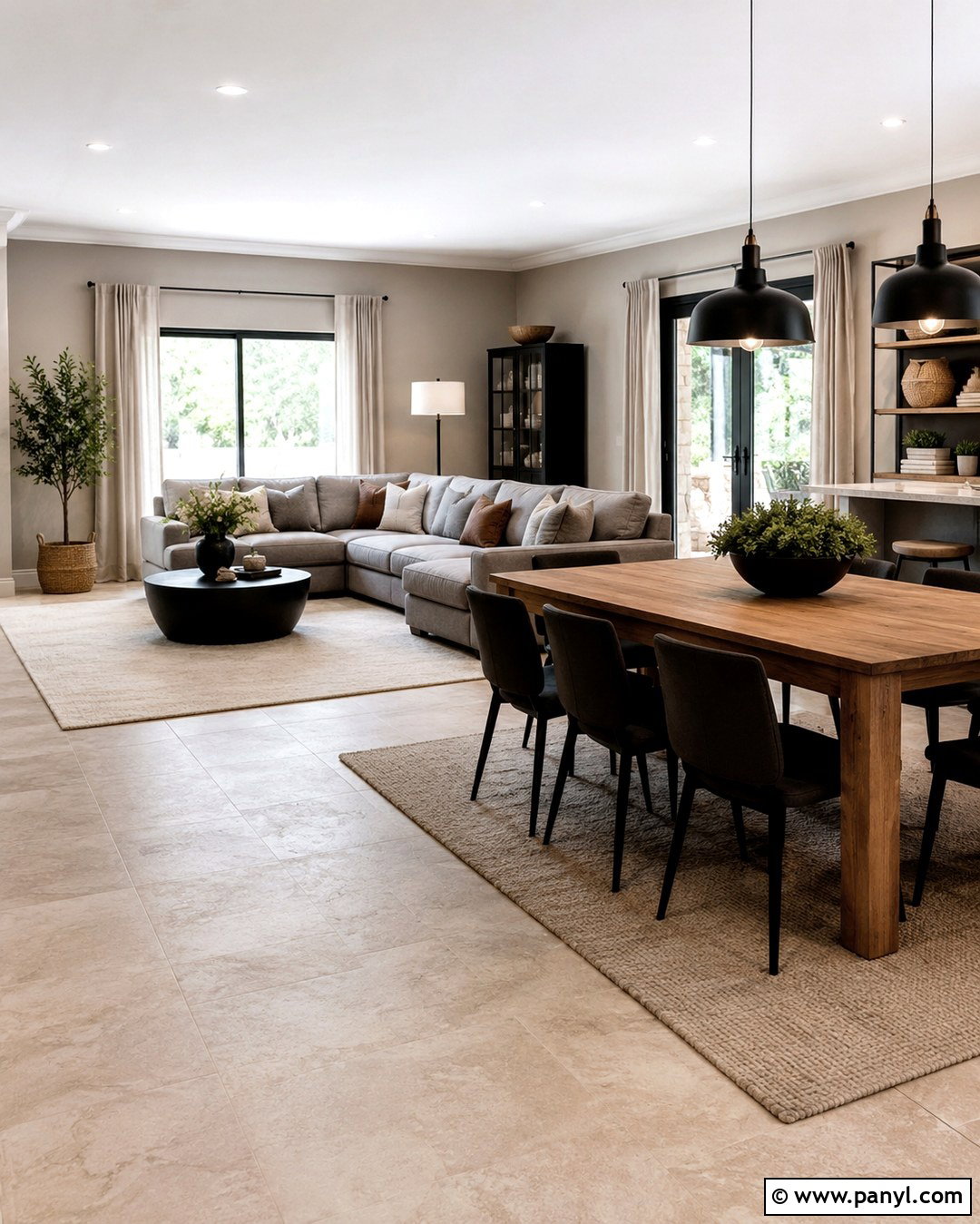
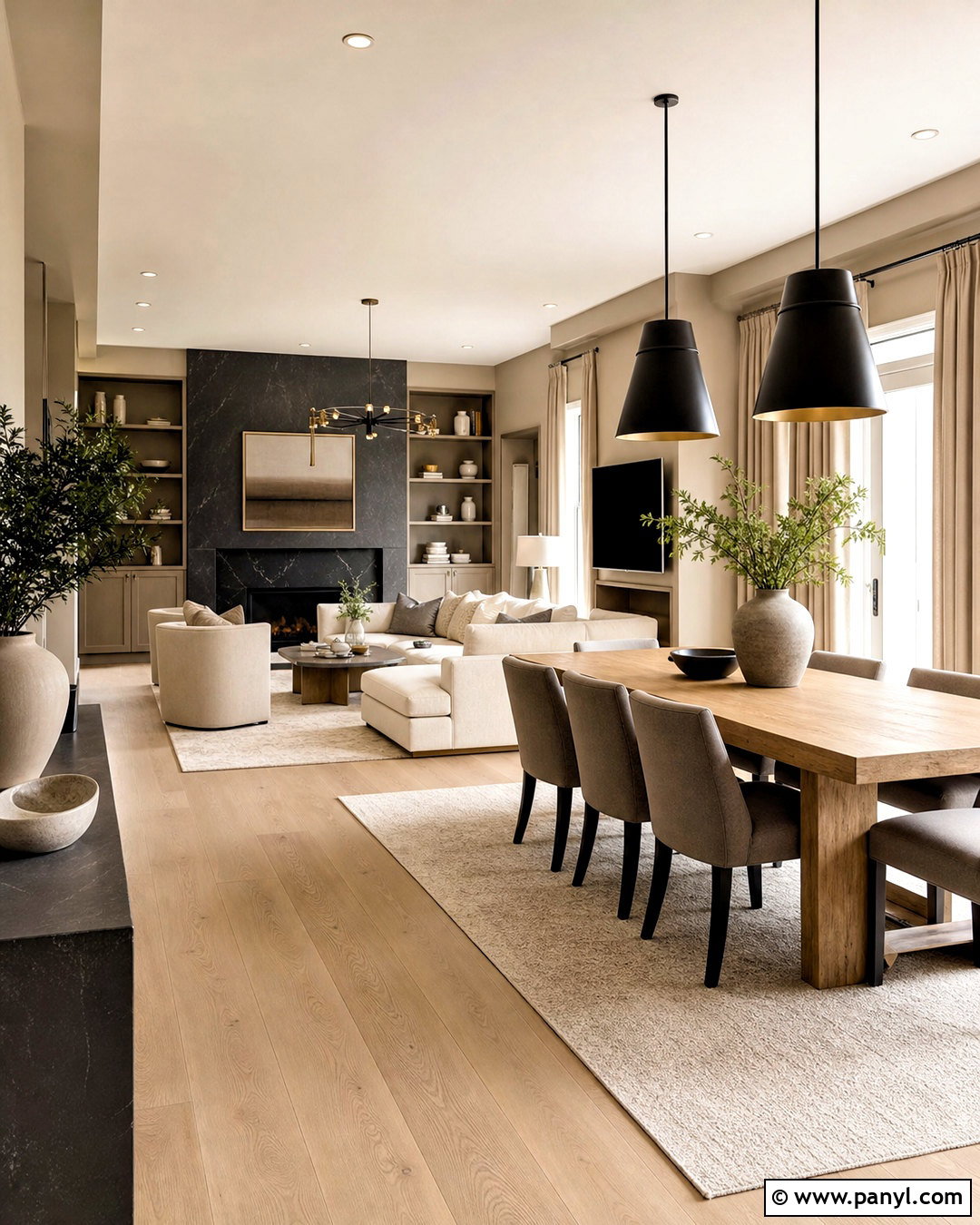
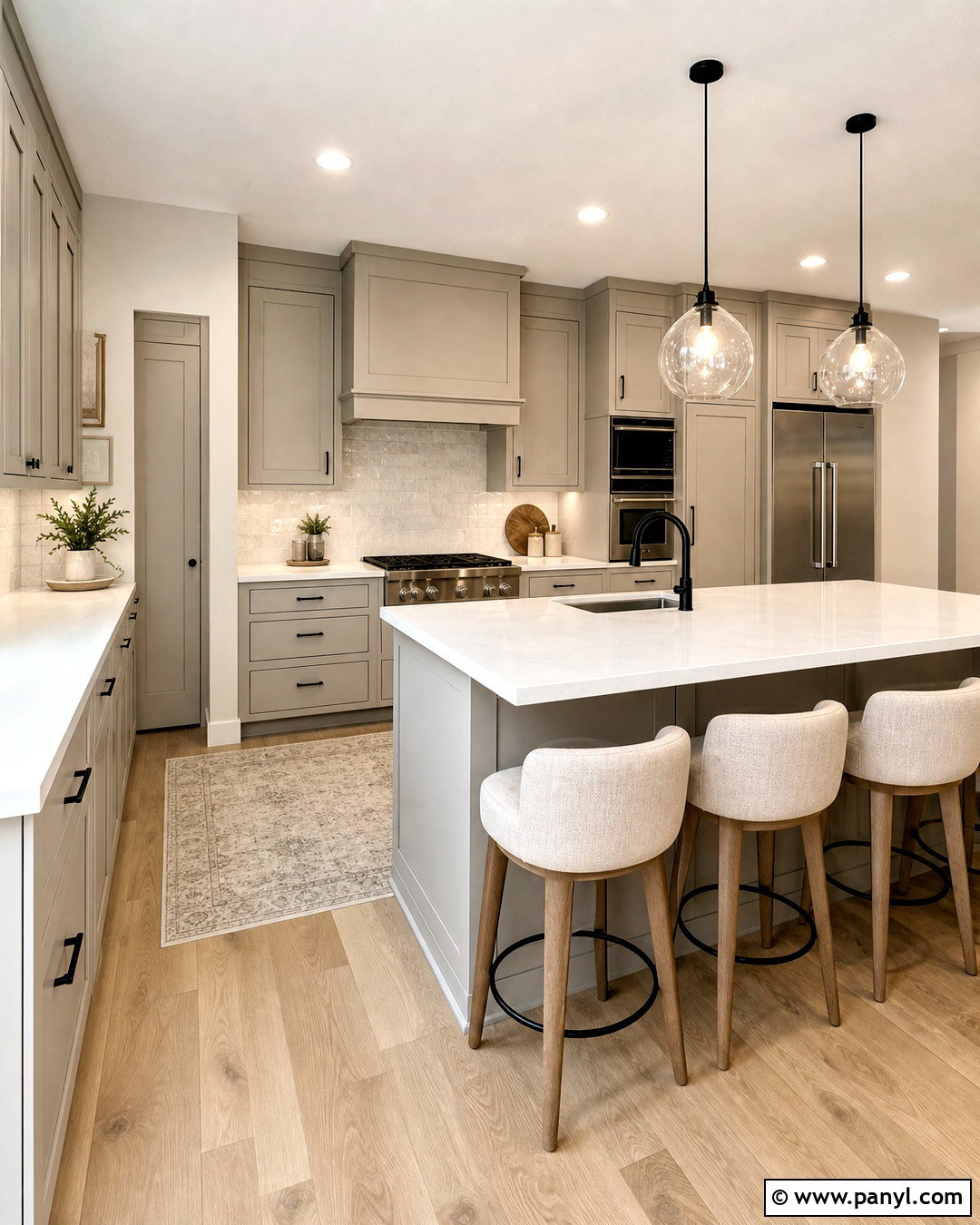
Greige helps bridge warm beige tile with cooler modern finishes. Select a warm greige wall color that contains enough brown to relate to the floor rather than a blue-based gray. In an open living and dining area, pair greige walls with a taupe sectional, an oak dining table, and charcoal dining chairs. Use an ivory rug to soften the tiled floor and repeat beige in curtains or decorative ceramics. Matte black lighting and hardware add a crisp contemporary edge. This balanced room feels neutral without becoming one-dimensional because the colors range from pale cream to deep charcoal. Keep large furniture simple and introduce texture through boucle, linen, wood grain, and woven baskets for a comfortable, updated finish.
4. Taupe With Beige Tile
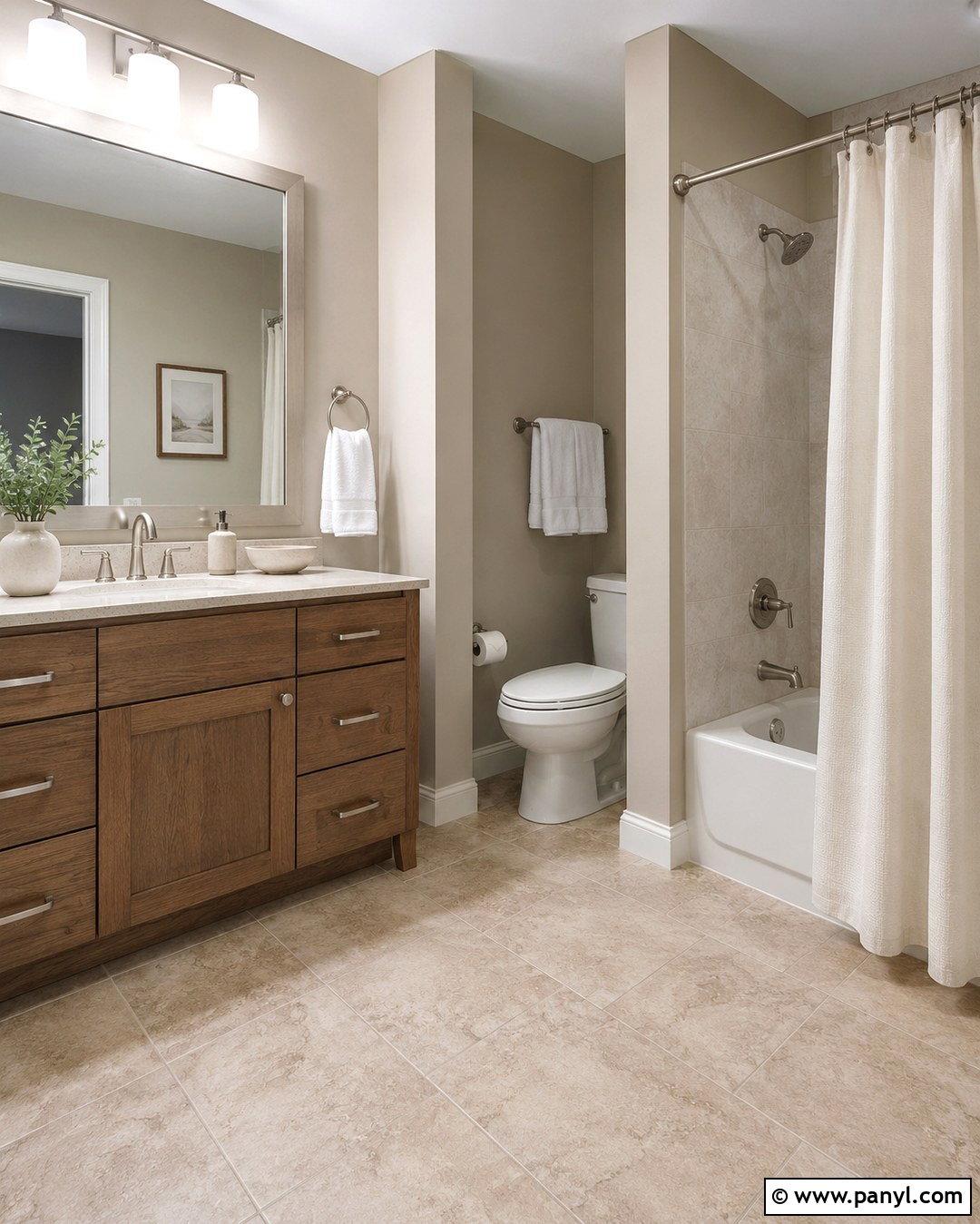
Taupe brings depth to beige tile while preserving a relaxed neutral atmosphere. It is particularly useful when the flooring has mushroom, brown, or slightly gray undertones. Create a sophisticated bathroom with taupe walls, a medium walnut vanity, beige stone flooring, and an off-white quartz countertop. Add brushed nickel fixtures for a quieter finish or aged brass for extra warmth. White towels and a cream shower curtain prevent the darker surfaces from making the room feel enclosed. A taupe-framed mirror and simple ceramic accessories connect the vertical and horizontal colors. Since taupe can change noticeably in different lighting, test it beside the tile during morning and evening. The finished scheme should feel layered, soft, and intentionally tonal.
5. Charcoal With Beige Tile
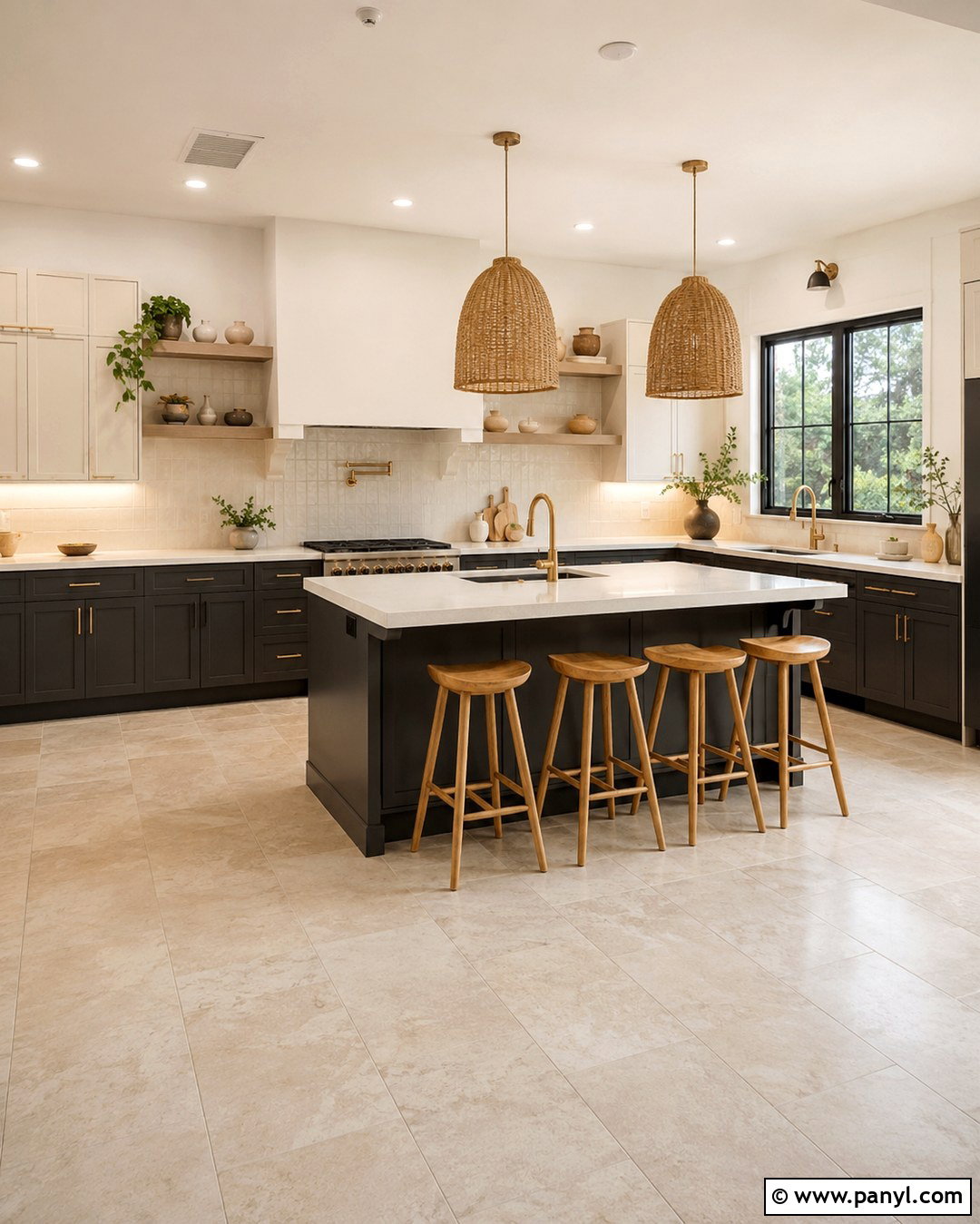
Charcoal gives beige tile a bold architectural presence. Instead of painting every surface dark, apply charcoal to cabinetry, a fireplace wall, or built-ins, then balance it with warm white walls. In a kitchen, combine beige tile flooring with charcoal lower cabinets, cream upper cabinets, and light quartz countertops. Natural oak stools and woven pendant lights reconnect the dark cabinetry with the warmth underfoot. Use brushed brass handles to create a polished transition between beige and gray. This scheme works best in a bright room where sunlight can reveal the tile’s texture. Repeat charcoal in small features such as window frames, chair legs, and pottery. The result is dramatic but still welcoming, practical, and suitable for an average home.
6. Black With Beige Tile
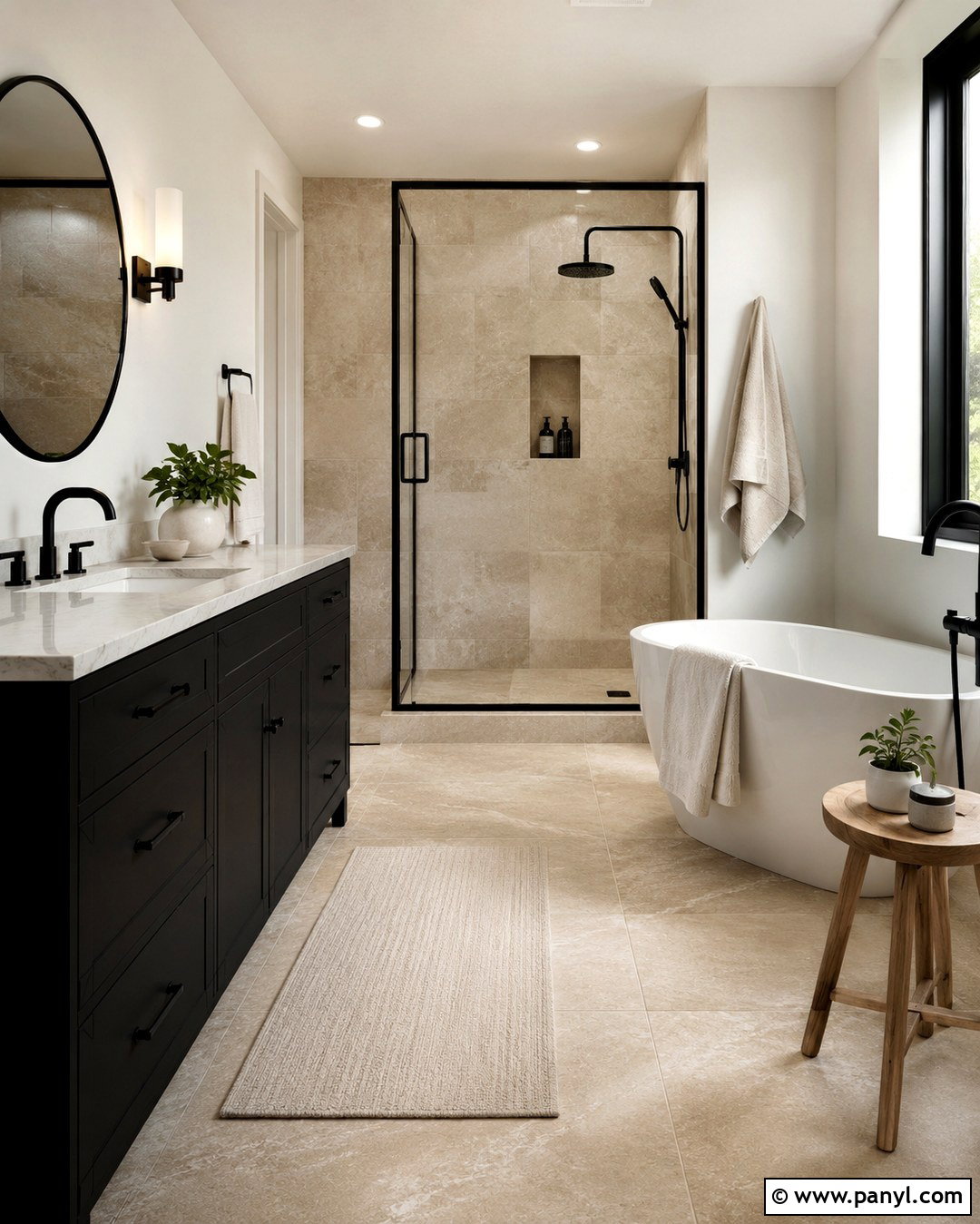
Black accents can instantly sharpen a room with beige tile, especially when the original space feels bland or dated. Keep black concentrated in strong lines rather than covering every wall. A bathroom might feature beige floor and shower tile, a matte black vanity, black-framed glass, and matching faucets. Use warm white walls, a pale wood stool, and fluffy ivory towels to keep the space bright. A rounded mirror and soft textiles will balance the hard contrast. For a larger living area, repeat black through slim furniture frames, lighting, and artwork instead of bulky pieces. This complete palette feels crisp because beige softens the black, while black gives the neutral tile a defined and deliberate place within the design.
7. Navy Blue With Beige Tile
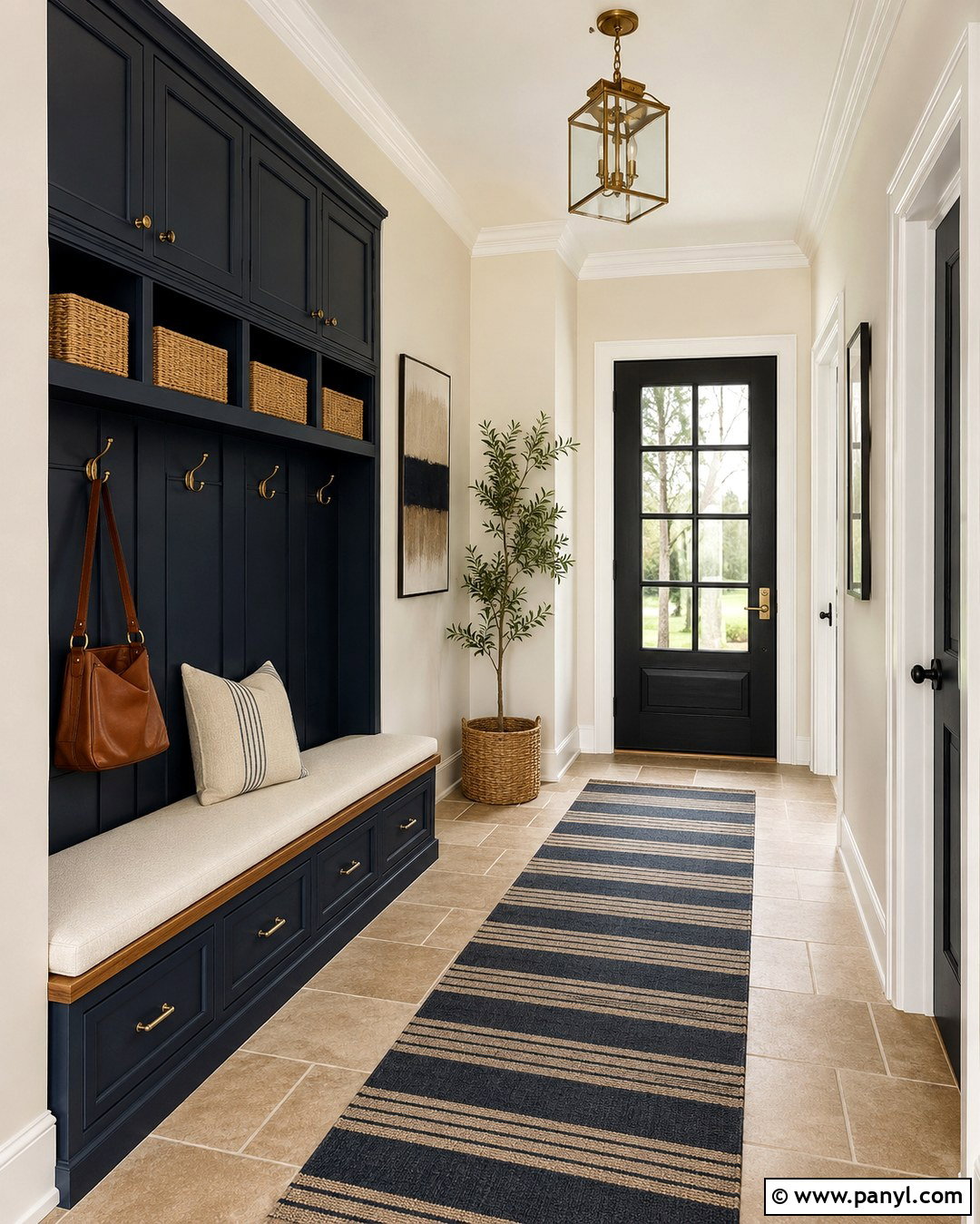
Navy blue creates a classic, confident contrast with beige tile. Its depth works beautifully against warm flooring, particularly when balanced with white and natural wood. Design a welcoming entryway with navy walls or built-in storage, beige tile underfoot, an oak bench, and a cream upholstered cushion. Add polished nickel hooks for a fresh look or aged brass hardware for traditional warmth. A striped beige-and-blue runner can visually connect the major colors while protecting a busy walkway. Keep the ceiling and trim warm white so the darker walls do not overpower the area. Natural baskets, simple greenery, and framed coastal or abstract artwork complete the space. The finished look feels substantial, organized, and colorful without becoming overly bright.
8. Powder Blue With Beige Tile
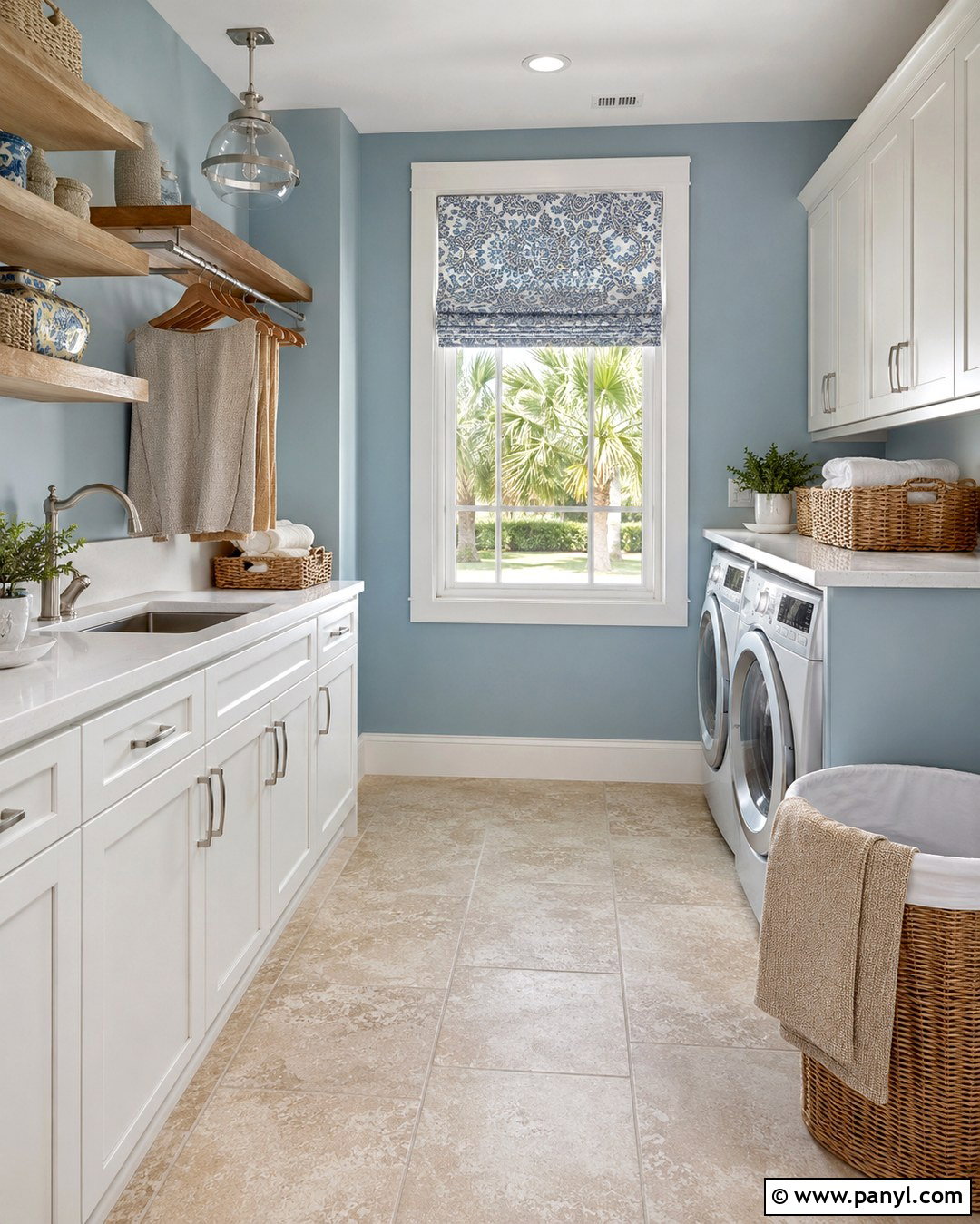
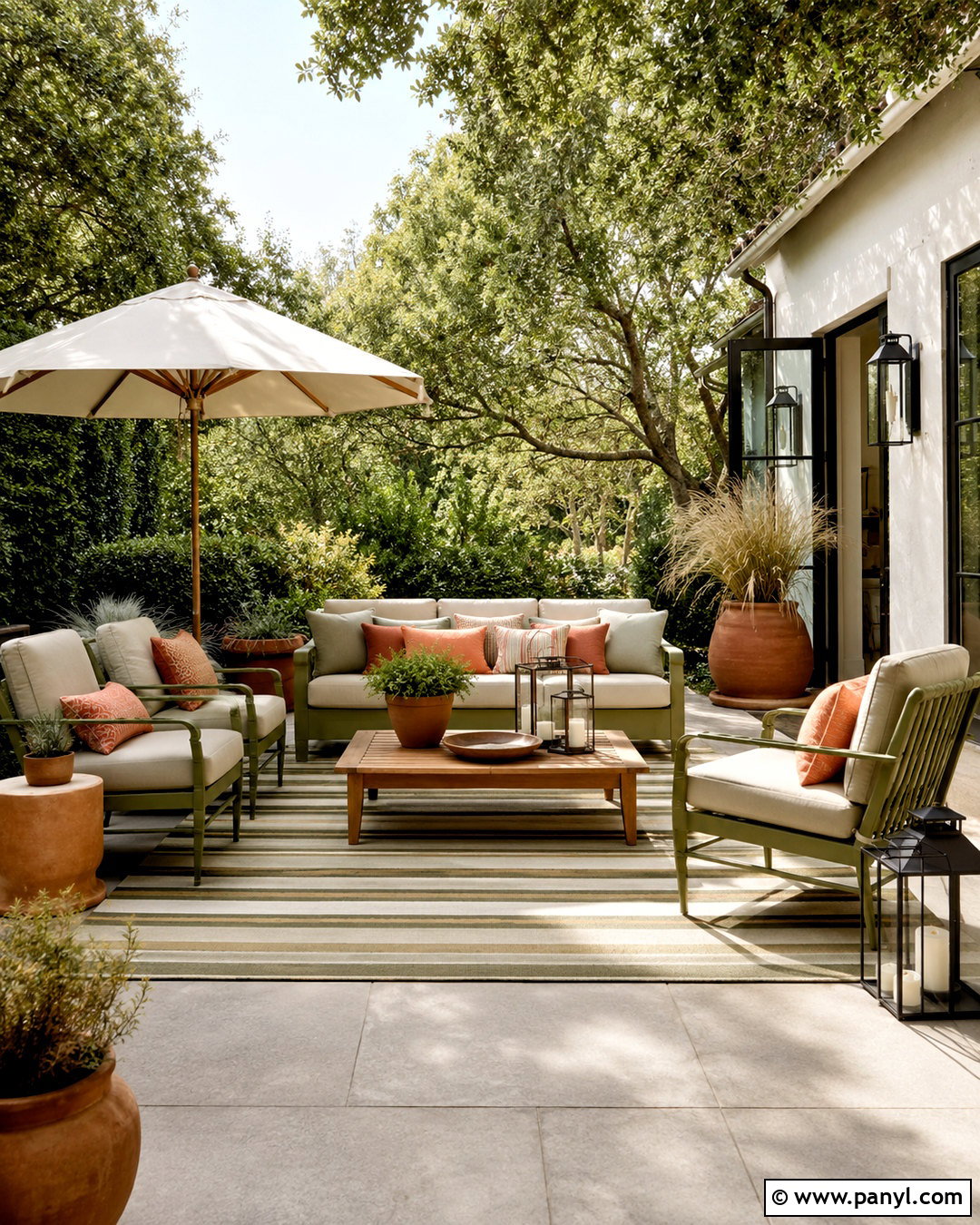
Powder blue brings a light, airy quality to warm beige tile. It works particularly well in bathrooms, laundry rooms, and sunny kitchens where a relaxed atmosphere is desired. Pair soft blue walls with beige flooring, white cabinetry, and pale oak shelving. Use brushed nickel fixtures to support the cool side of the palette while woven baskets and tan textiles echo the floor. A patterned Roman shade containing blue, cream, and beige can tie every surface together. Choose a slightly muted powder blue rather than a sugary pastel, especially if the tile has strong golden undertones. The complete room should include enough warm materials to keep the blue connected. White towels, glass containers, and simple ceramics maintain a fresh, uncluttered appearance.
9. Teal With Beige Tile
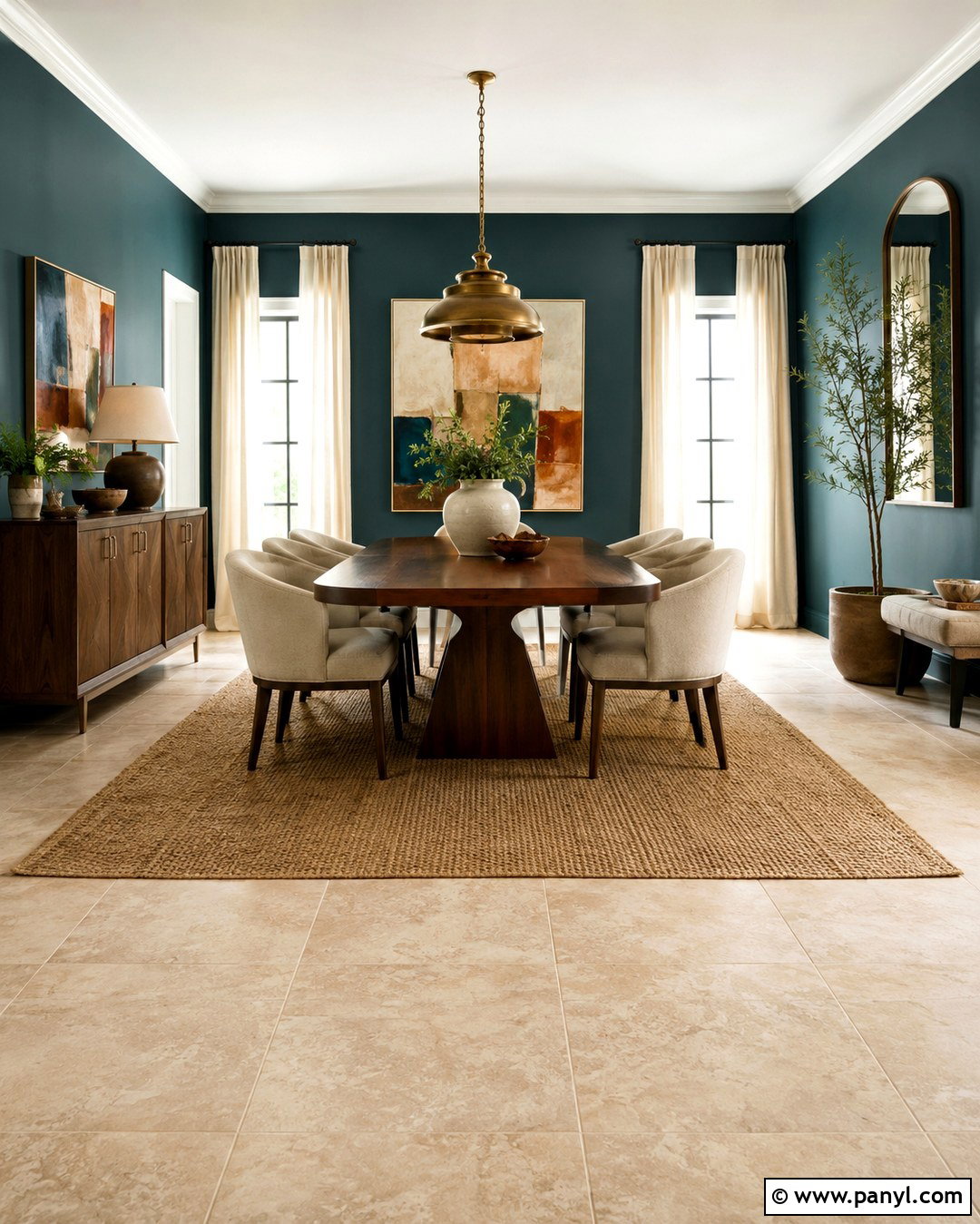
Teal adds rich color while complementing the natural warmth of beige tile. For a memorable dining room, use deep muted teal on the walls, then furnish the space with a walnut table, cream upholstered chairs, and a large beige woven rug. Brass lighting highlights the green-blue walls and relates to golden notes in the flooring. Add linen curtains in warm white to soften the contrast and reflect daylight. Artwork can repeat teal alongside rust, tan, and ivory, creating a coordinated bridge between walls and floor. Keep the ceiling light and the furniture shapes straightforward so the strong color remains elegant. This design feels vibrant and grounded at once, making it a useful solution for beige tile that needs more personality and visual focus.
10. Sage Green With Beige Tile
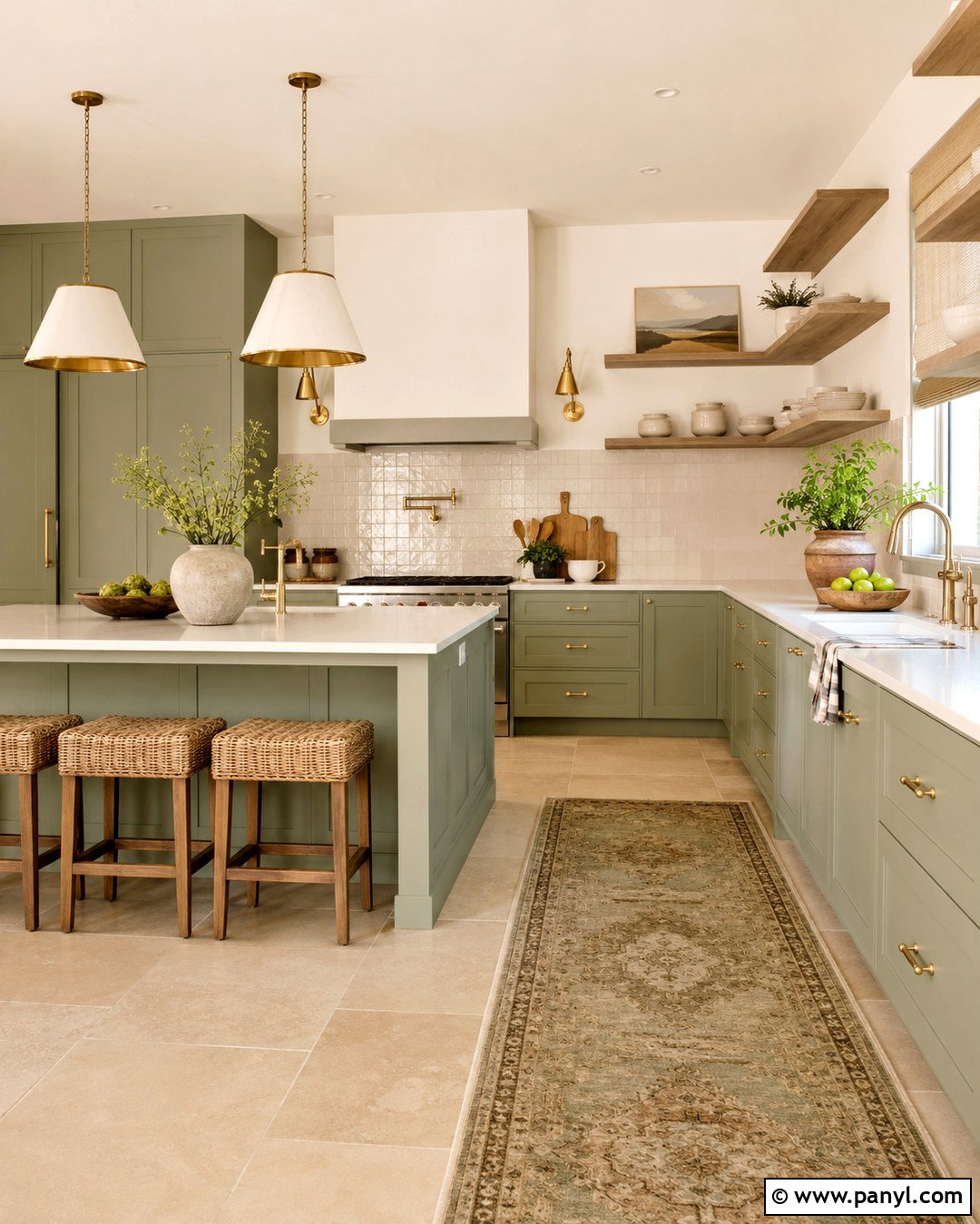
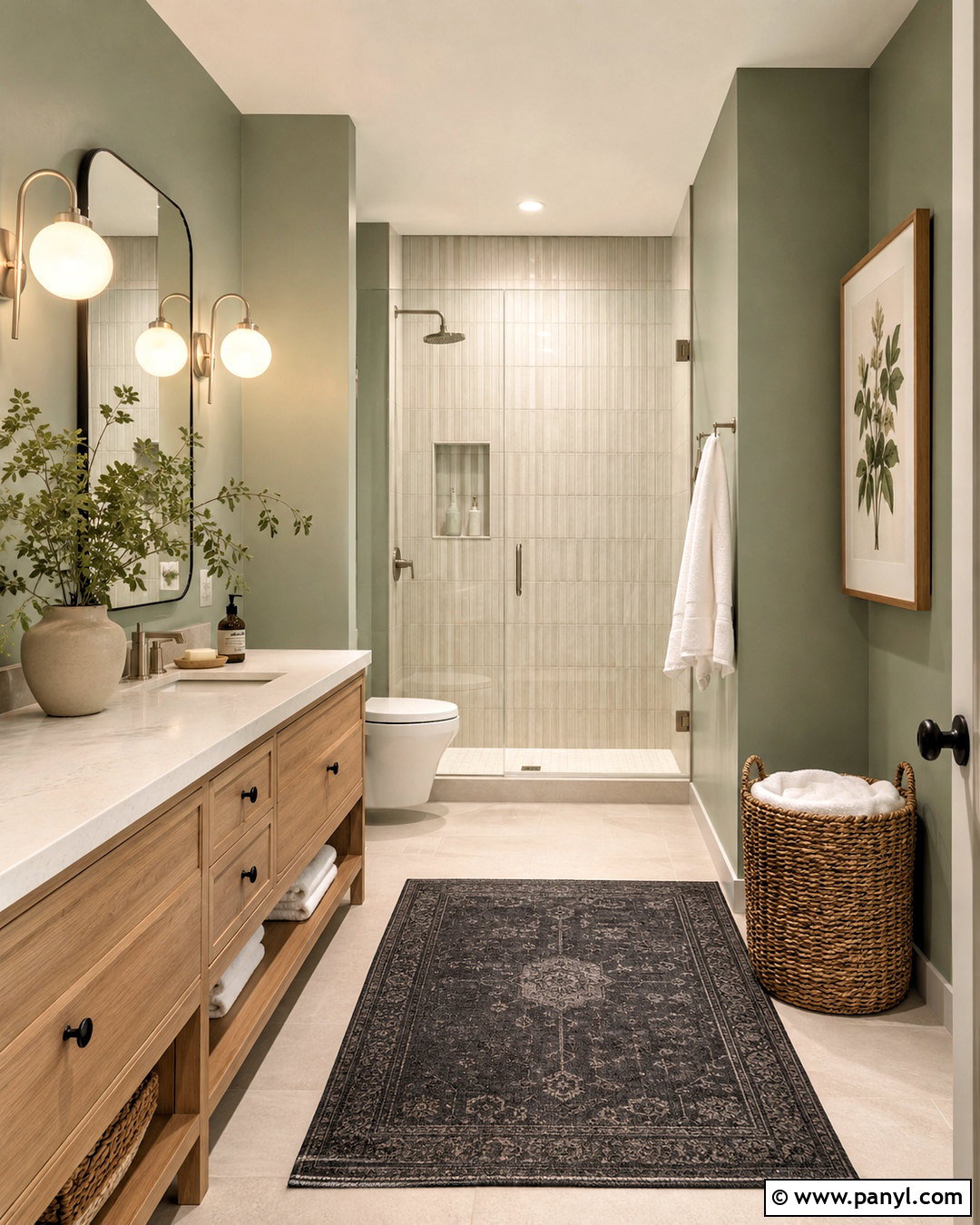
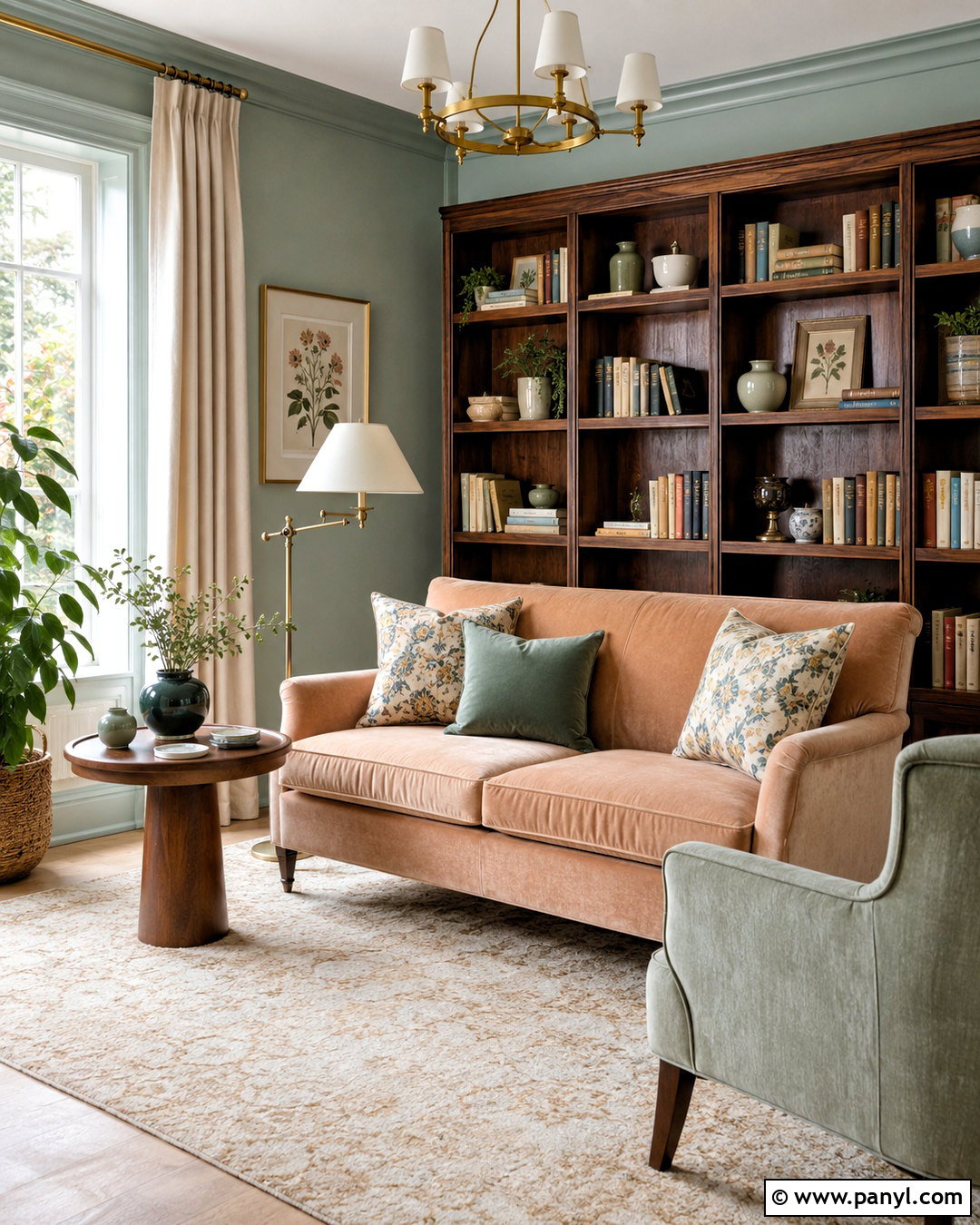
Sage green and beige tile form a calm, nature-inspired combination that suits kitchens, bathrooms, and casual living spaces. Create a complete kitchen with muted sage cabinets, beige tile flooring, warm white walls, and light quartz counters. Add oak shelves, woven stools, and brushed brass hardware to reinforce the organic character. A cream backsplash keeps the work area bright without competing with the cabinetry. Choose a sage that has warm gray or olive undertones rather than a very cool mint base. Repeat the green through small ceramics or a washable runner, but allow wood and neutral textiles to dominate the accessories. This room feels fresh and modern while remaining soft enough to work with existing beige flooring, countertops, or stone architectural details.
11. Olive Green With Beige Tile
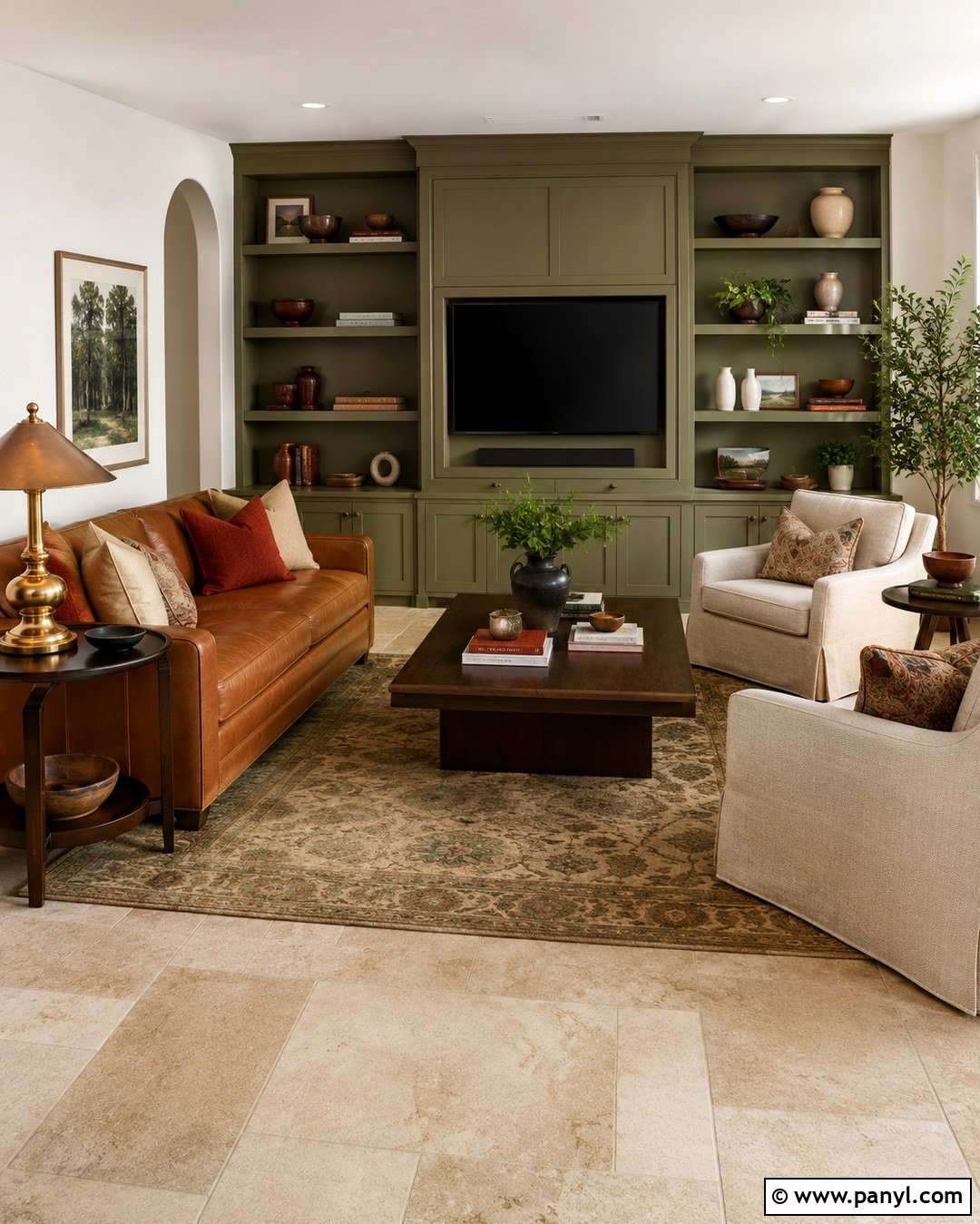
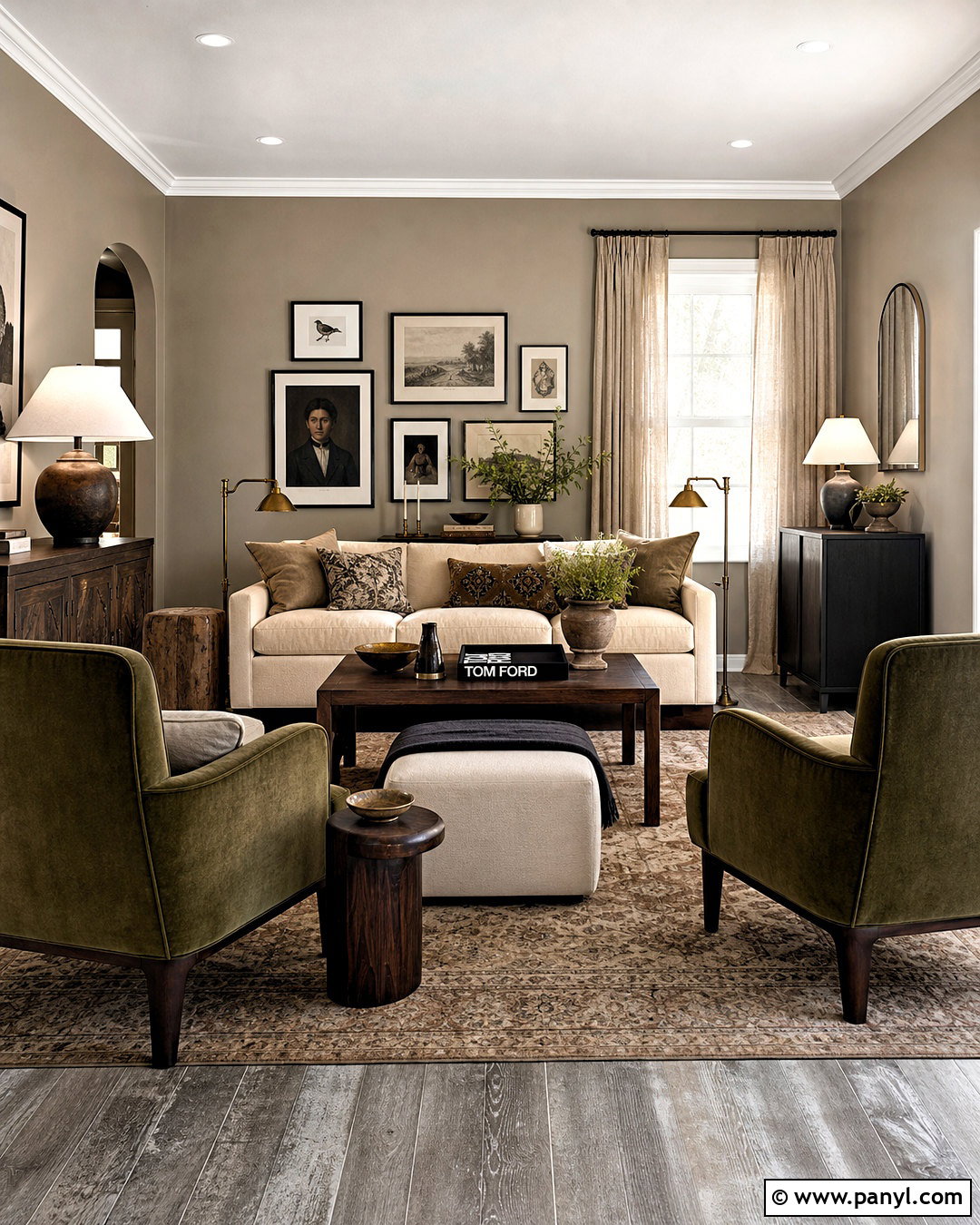
Olive green creates an earthy, collected look with beige tile. Because both colors have natural warmth, they can make a family room feel comfortable and established. Paint built-in shelves or one main wall a muted olive, then add a camel leather sofa, cream armchairs, and a beige-and-green patterned rug. Dark walnut tables anchor the seating area, while antique brass lamps add a subdued glow. Keep the remaining walls warm white to prevent the olive from becoming heavy. Textured cushions in rust, tan, and ivory provide gentle variation without introducing unrelated colors. This scheme is especially effective with stone-look tile because wood, leather, greenery, and woven textiles enhance its organic appearance. The finished room feels layered, practical, and pleasantly relaxed.
12. Forest Green With Beige Tile
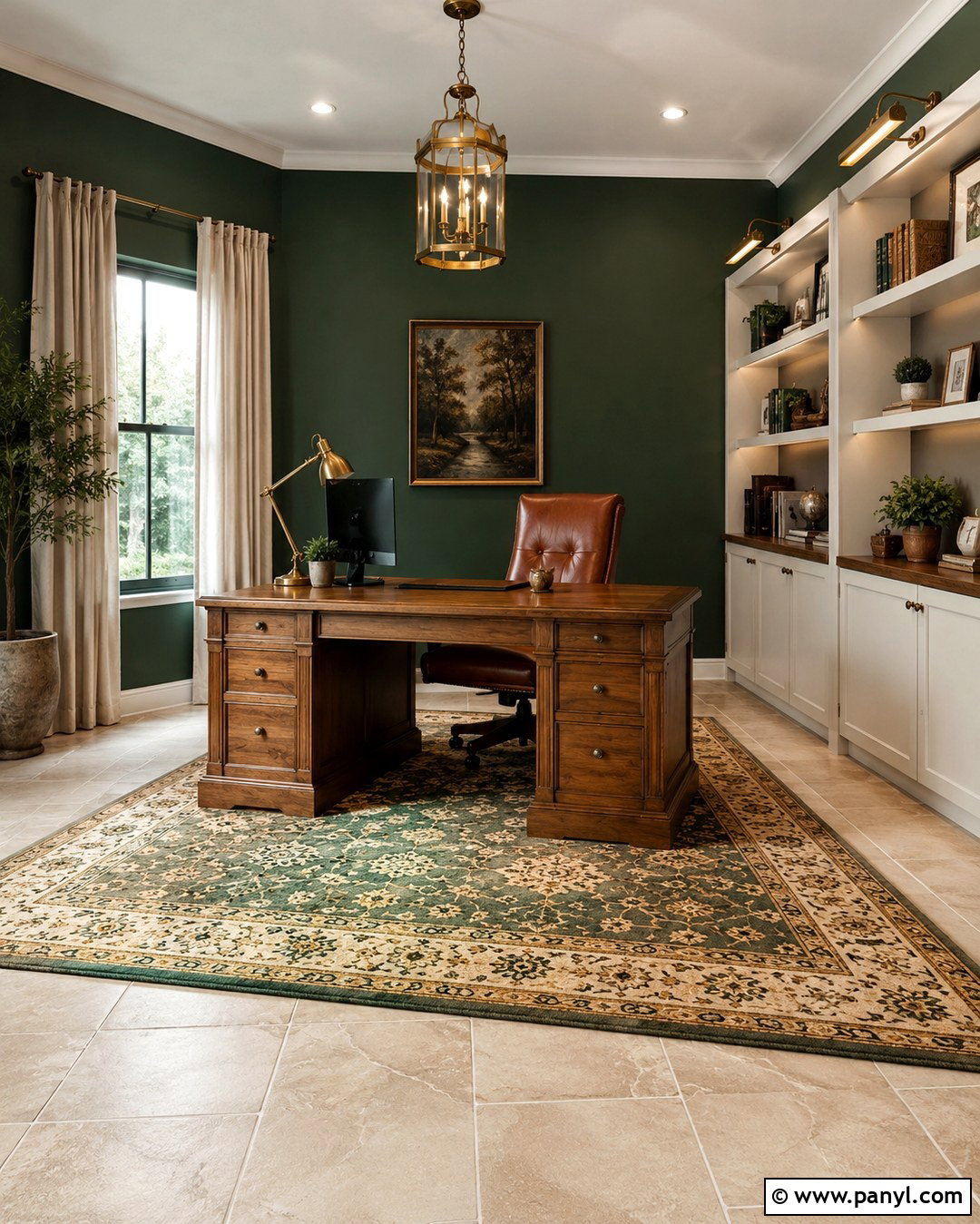
Deep forest green makes beige tile look richer and more intentional. Use it in a well-lit home office where saturated color can create focus without sacrificing warmth. Paint the walls forest green, then add a substantial oak desk, a cognac leather chair, and cream curtains. Beige tile remains visible around a vintage-inspired rug containing green, tan, and ivory. Brass task lighting and dark bronze hardware complement the walls while providing refined detail. Install warm white shelving or a light wood bookcase to prevent the room from feeling too dark. A few framed prints and leafy plants reinforce the natural palette. The complete office feels grounded and distinctive, with the light floor balancing the darker walls and furniture throughout the space.
13. Terracotta With Beige Tile
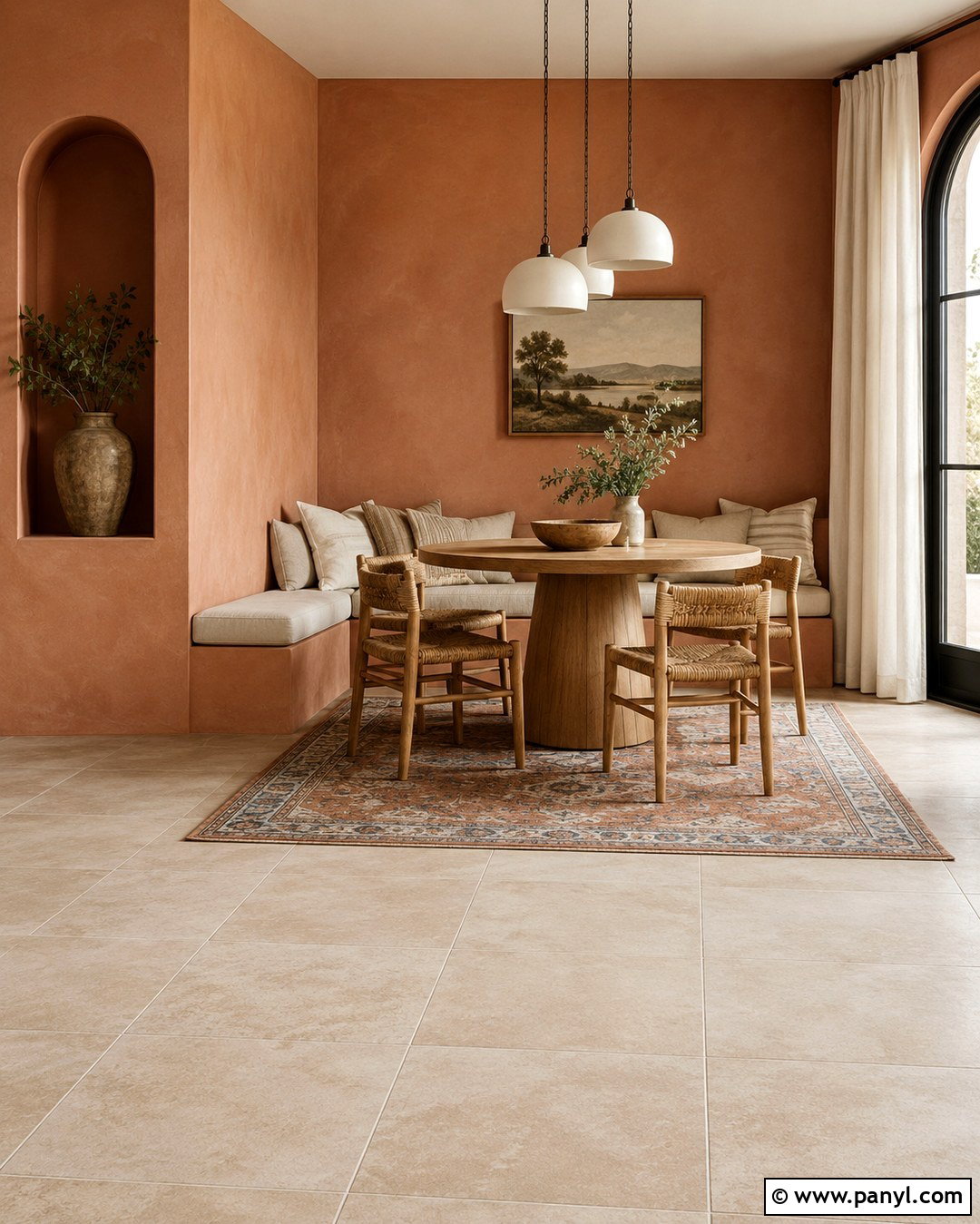
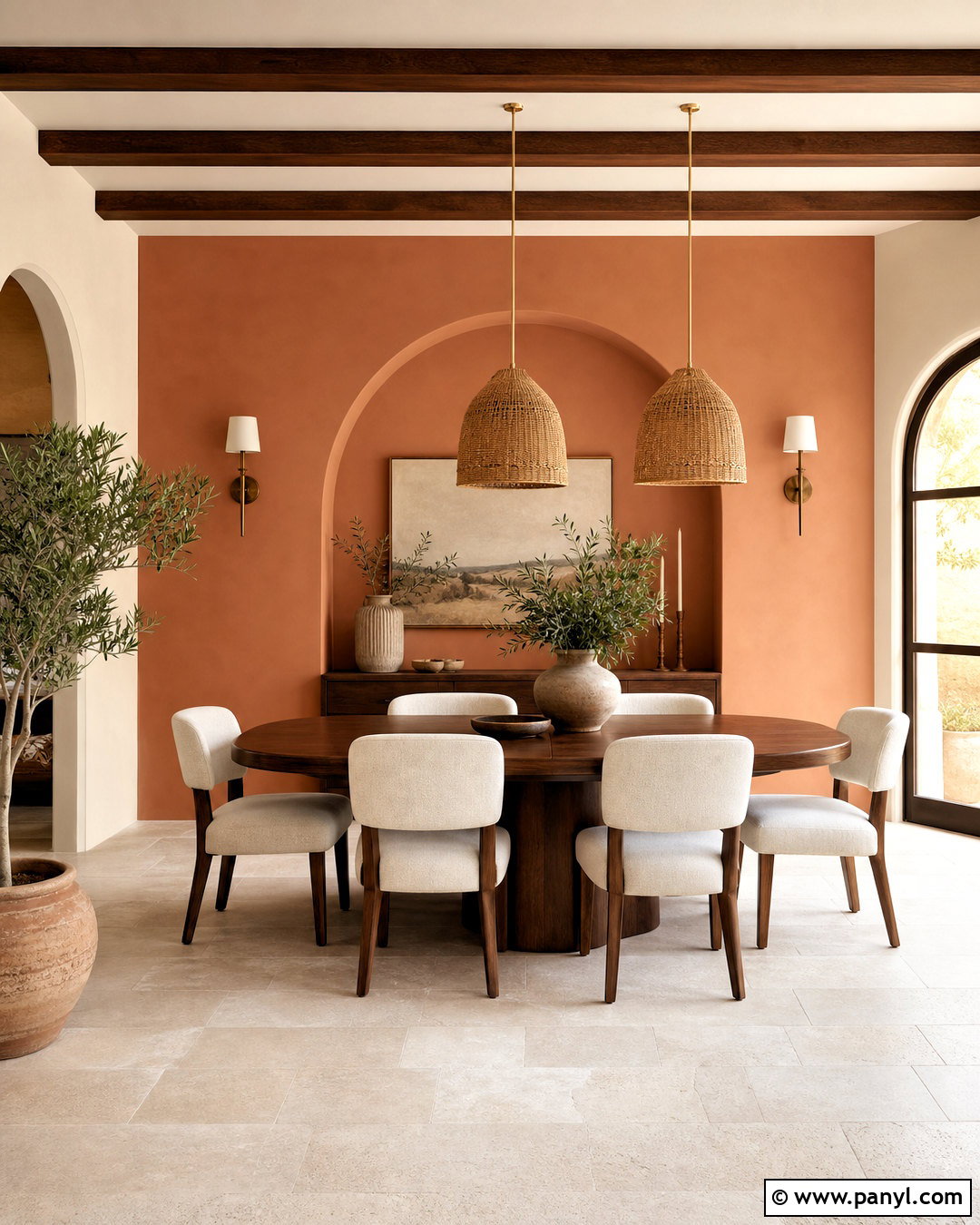
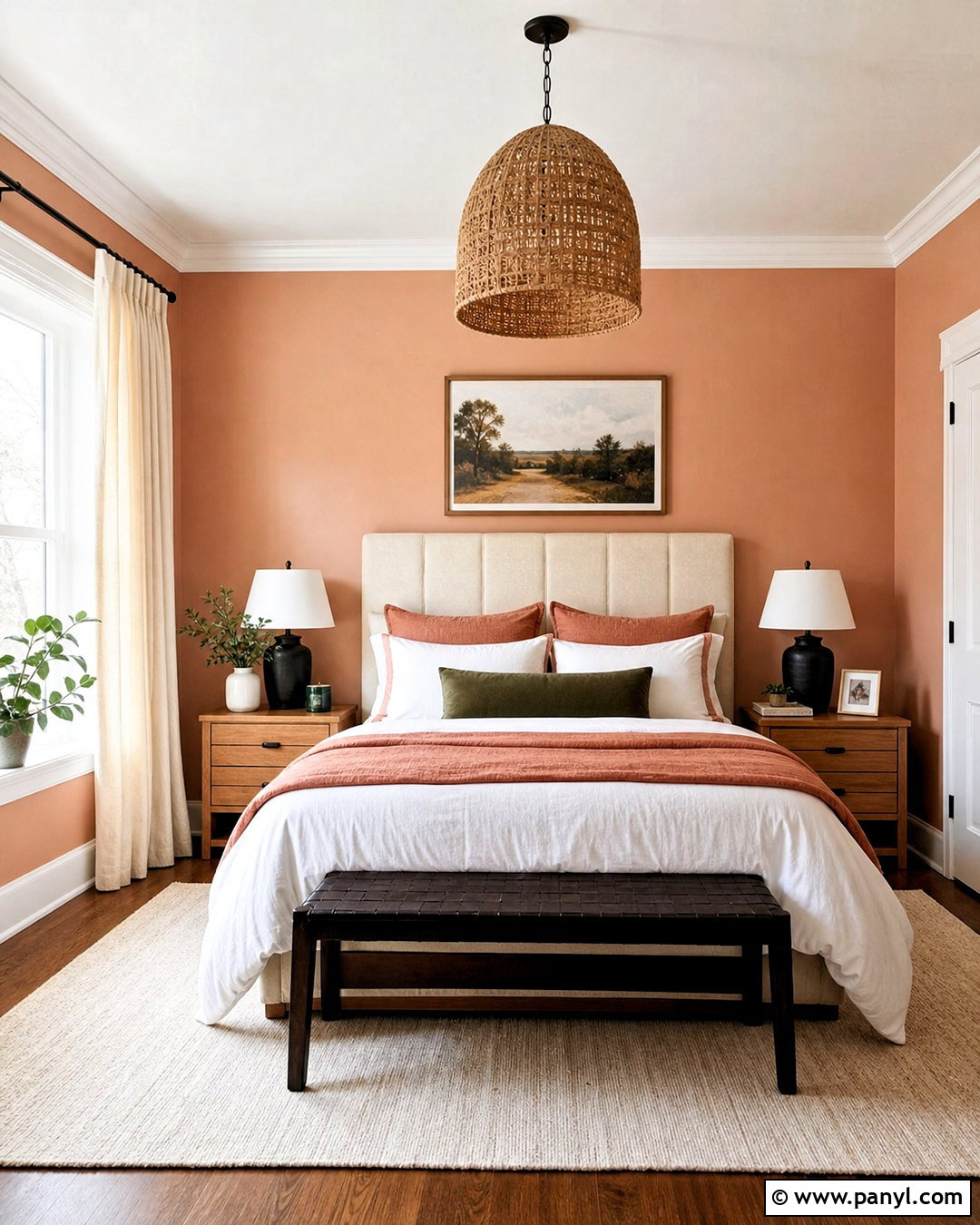
Terracotta emphasizes the warm, sunbaked character of beige tile. This pairing works beautifully in a breakfast nook, enclosed patio, or casual kitchen. Use soft terracotta on one wall or built-in bench, then introduce cream cushions, an oak pedestal table, and woven dining chairs. A washable rug featuring rust, beige, and faded blue provides pattern without hiding the tile completely. Add off-white curtains and simple ceramic pendant lighting for brightness. To keep the room current, choose an earthy clay color rather than a bright orange. Repeat terracotta through pottery and patterned textiles, but leave plenty of cream and pale wood visible. The finished look feels warm, approachable, and connected, with every material supporting the natural coloring of the beige floor.
14. Rust With Beige Tile
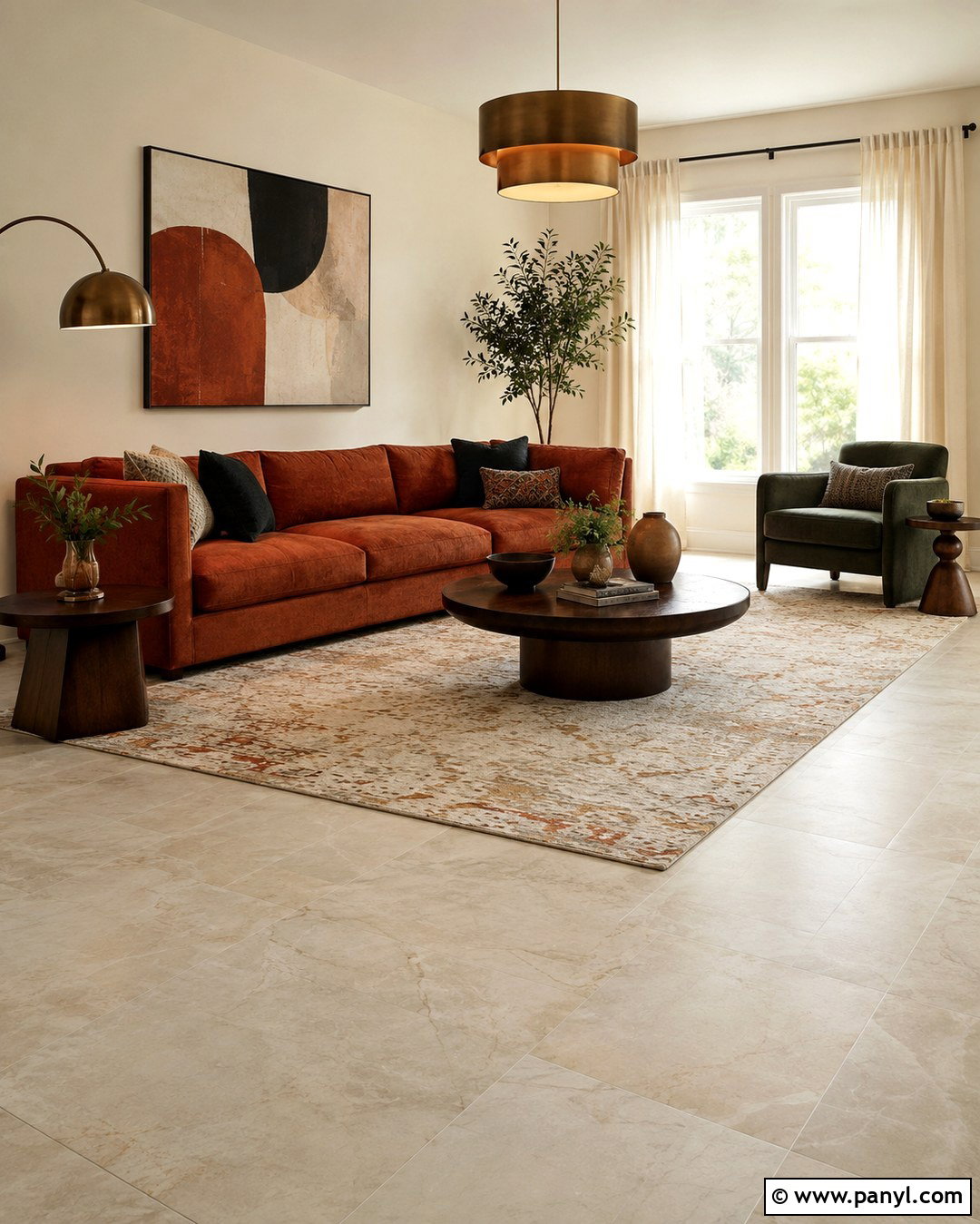
Rust offers deeper contrast than terracotta and can turn beige tile into the quiet foundation of a cozy room. Build a complete living area around a rust-colored sofa, warm white walls, and beige tile flooring. Place a large cream-and-tan rug beneath the seating group to soften the hard surface. Add walnut side tables, an olive accent chair, and bronze lighting for an earthy color story. Cream curtains and light cushions keep the rust upholstery from dominating. Artwork containing small amounts of rust, black, and beige will connect the furniture to the architecture. Because rust is visually strong, use it as the leading accent rather than spreading it across every surface. This produces a warm, balanced room with clear contrast and comfortable depth.
15. Blush Pink With Beige Tile
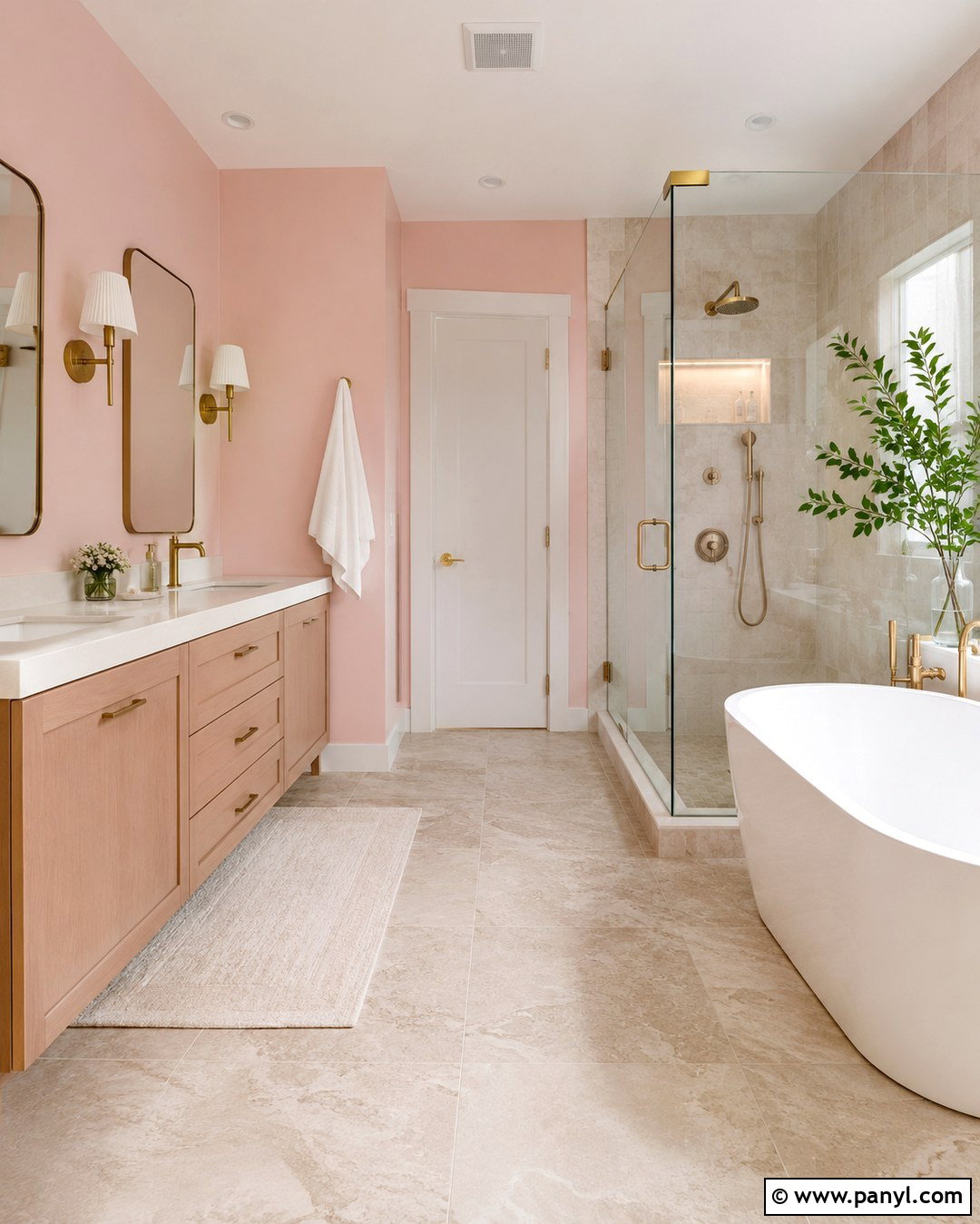
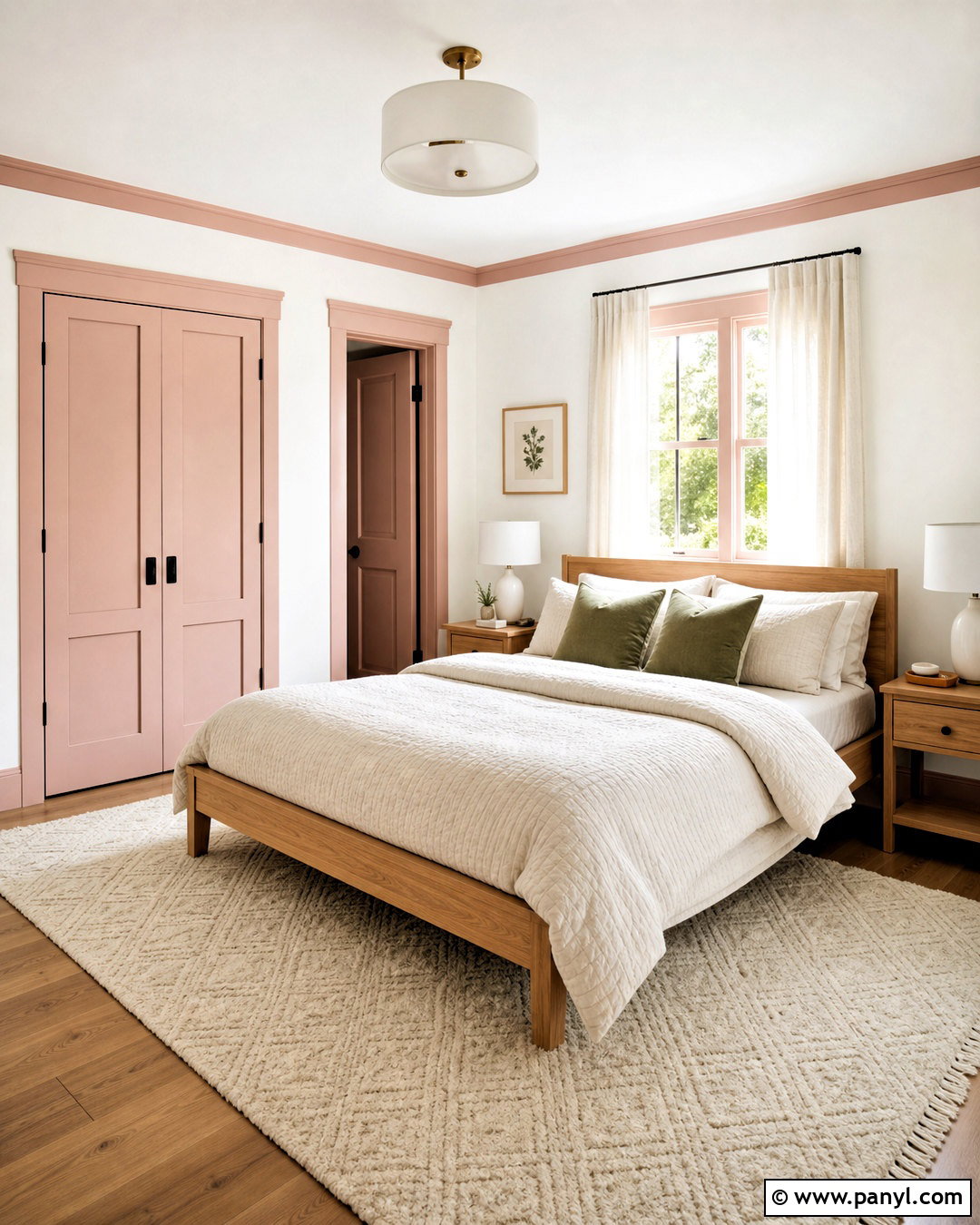
Blush pink softens beige tile and adds color without overwhelming a small room. In a bathroom, pair dusty blush walls with beige stone flooring, a white oak vanity, and a creamy quartz countertop. Use brushed brass faucets and lighting to emphasize the warmth shared by the pink and tile. White towels, a frameless shower screen, and an ivory bath mat keep the arrangement light. Select a muted blush with brown or peach undertones instead of a cool bubblegum pink. A small piece of abstract artwork can combine blush, beige, and soft green for extra cohesion. This complete design feels gentle yet grown-up because clean cabinetry and restrained accessories balance the romantic color. Natural wood prevents the room from looking overly sweet.
16. Dusty Rose With Beige Tile
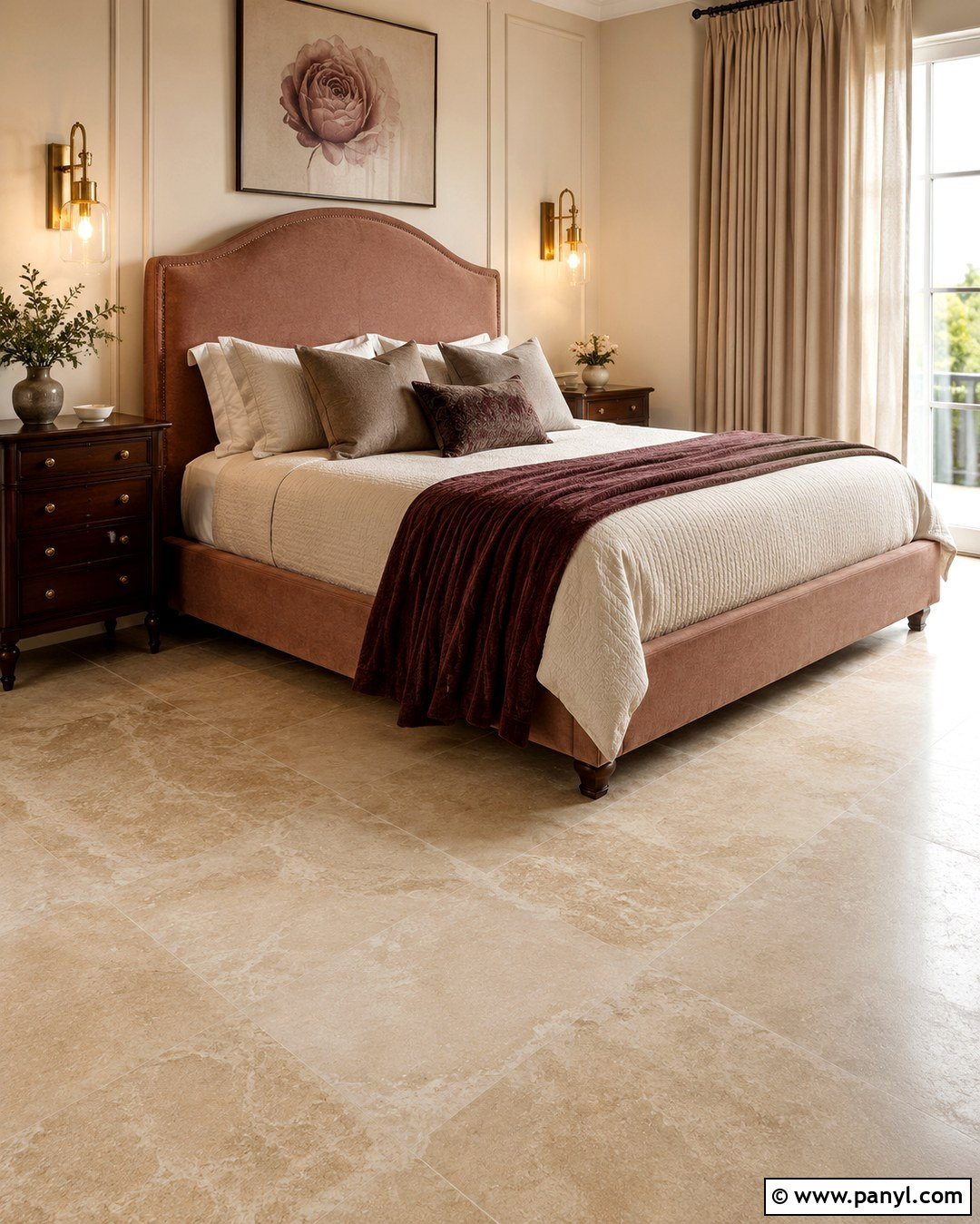
Dusty rose has enough depth to make beige tile feel sophisticated rather than plain. Create a welcoming bedroom with a dusty rose upholstered headboard, warm cream walls, and beige tile softened by a large wool rug. Layer the bed with ivory linens, taupe pillows, and a muted burgundy throw. Walnut nightstands and aged brass sconces add structure around the softer colors. Use full-length beige curtains to connect the walls with the flooring and make the room feel taller. A few matte ceramic pieces or botanical prints will complete the palette without adding clutter. Dusty rose works best when repeated sparingly, so allow neutral fabrics and wood furniture to occupy most of the room. The result feels warm, restful, and thoughtfully coordinated.
17. Mustard Yellow With Beige Tile
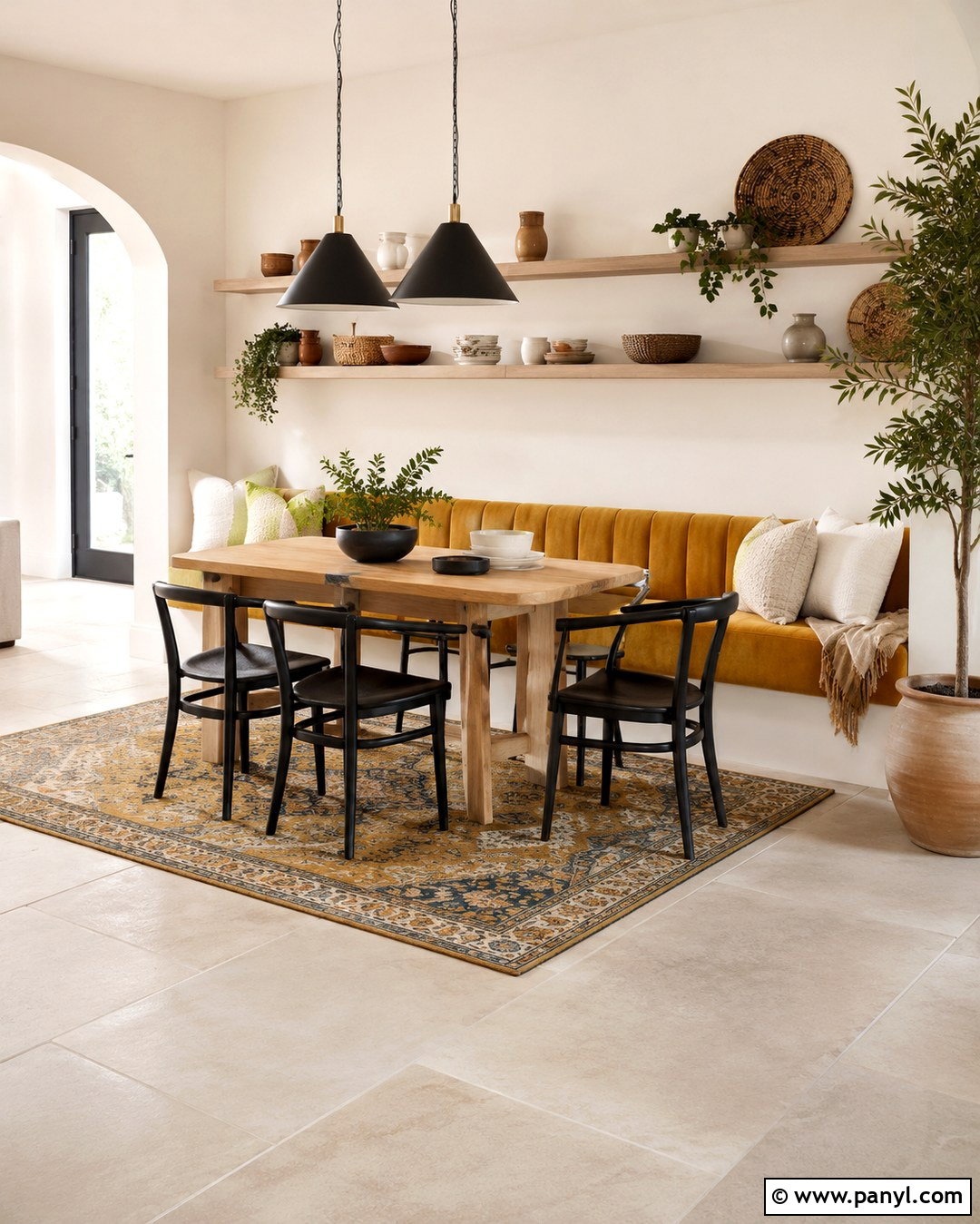
Mustard yellow adds cheerful warmth and definition to beige tile. Use it in a breakfast area or family room where an energetic accent feels natural. Start with warm white walls and beige flooring, then introduce a mustard banquette or pair of upholstered chairs. Add an oak table, cream cushions, and a patterned rug containing mustard, tan, and muted navy. Black metal lighting provides a modern outline and prevents the room from becoming overly golden. Keep decorative objects simple, using white ceramics, woven baskets, and a small amount of greenery. Mustard is most effective as a focused accent rather than a full-wall color when the tile has strong yellow undertones. This complete look feels sunny and inviting while maintaining enough contrast to define each surface.
18. Burgundy With Beige Tile
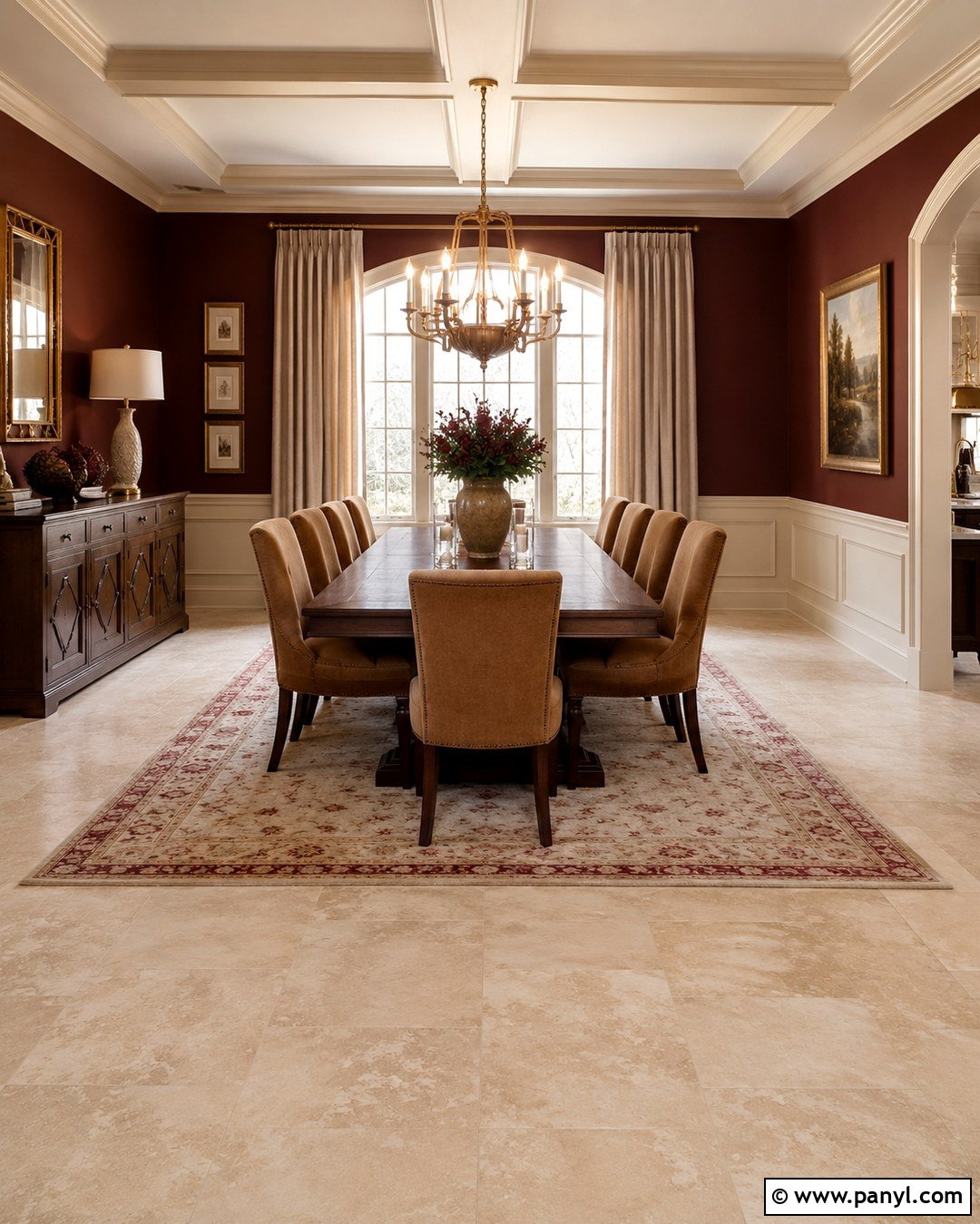
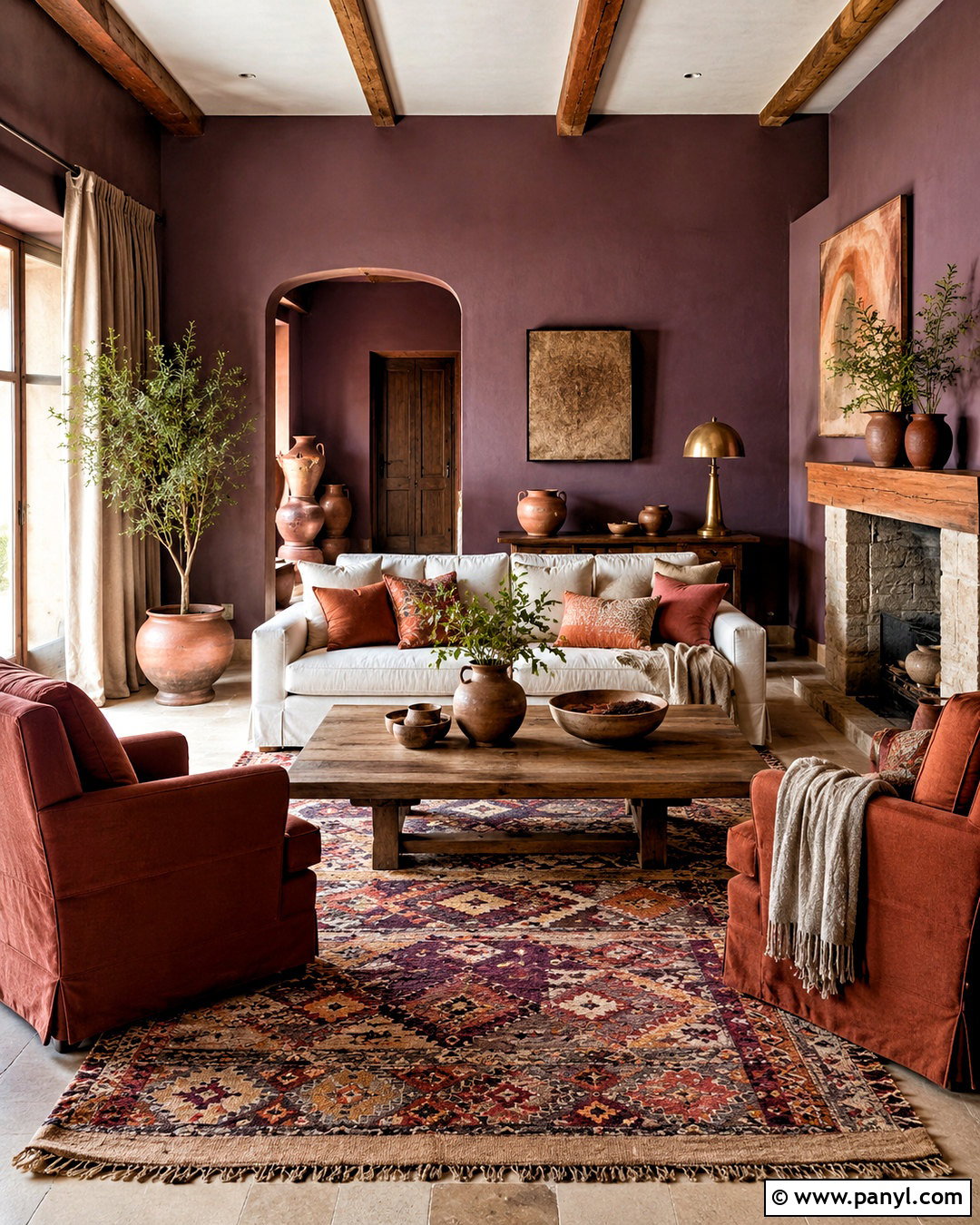
Burgundy brings elegant depth to beige tile and works especially well in dining rooms or formal sitting areas. Paint the walls a muted wine-red burgundy, then balance them with cream trim, beige flooring, and light linen curtains. Choose a dark walnut dining table, camel upholstered chairs, and a large neutral rug with subtle burgundy details. Aged brass lighting adds warmth, while black frames introduce a cleaner edge. Since burgundy is intense, keep the ceiling pale and avoid filling the room with additional saturated colors. Ivory ceramics and simple greenery provide quiet relief. The warm beige floor prevents the dark walls from feeling cold, creating a complete room that is dramatic, comfortable, and suitable for both everyday meals and special gatherings.
19. Lavender With Beige Tile
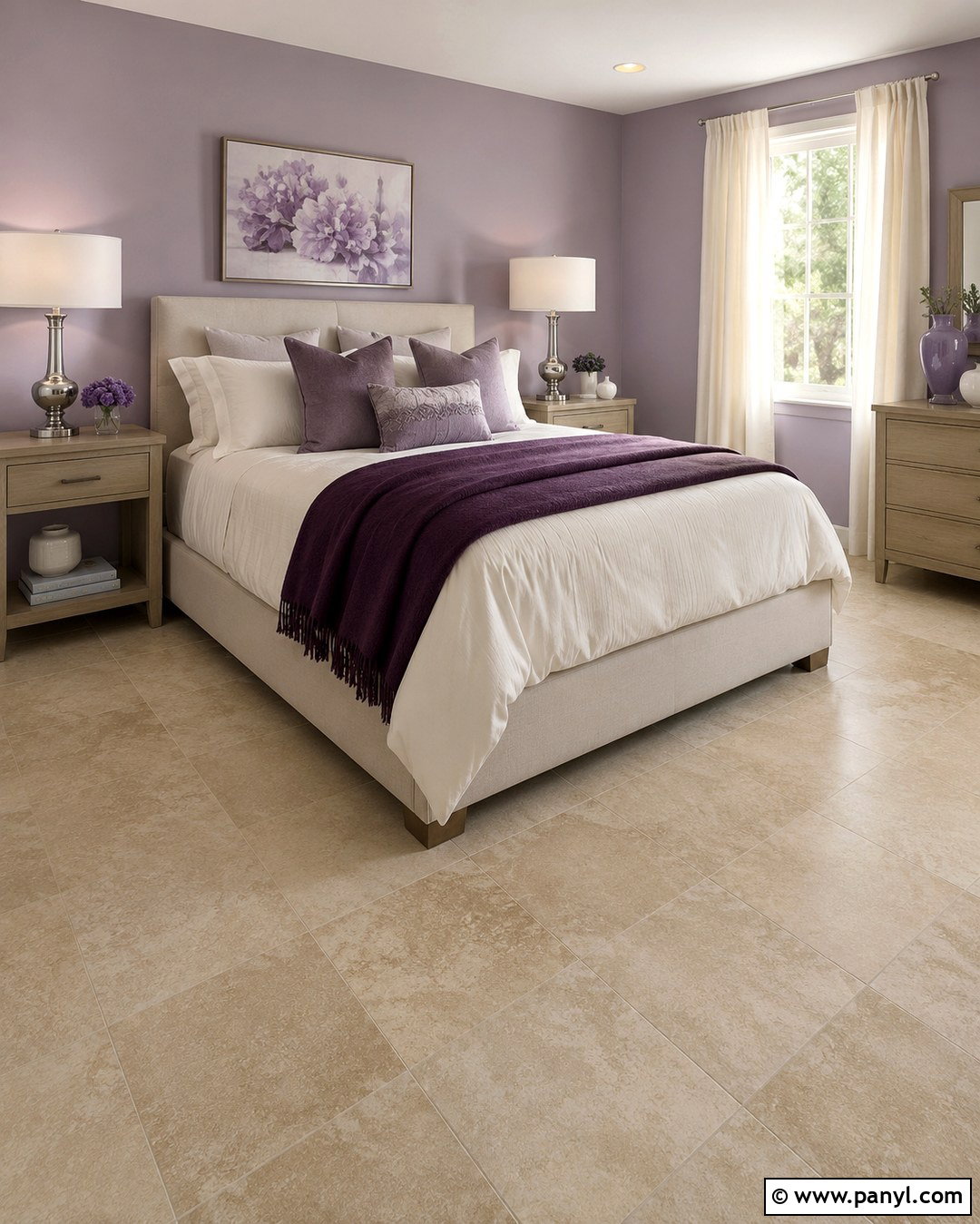
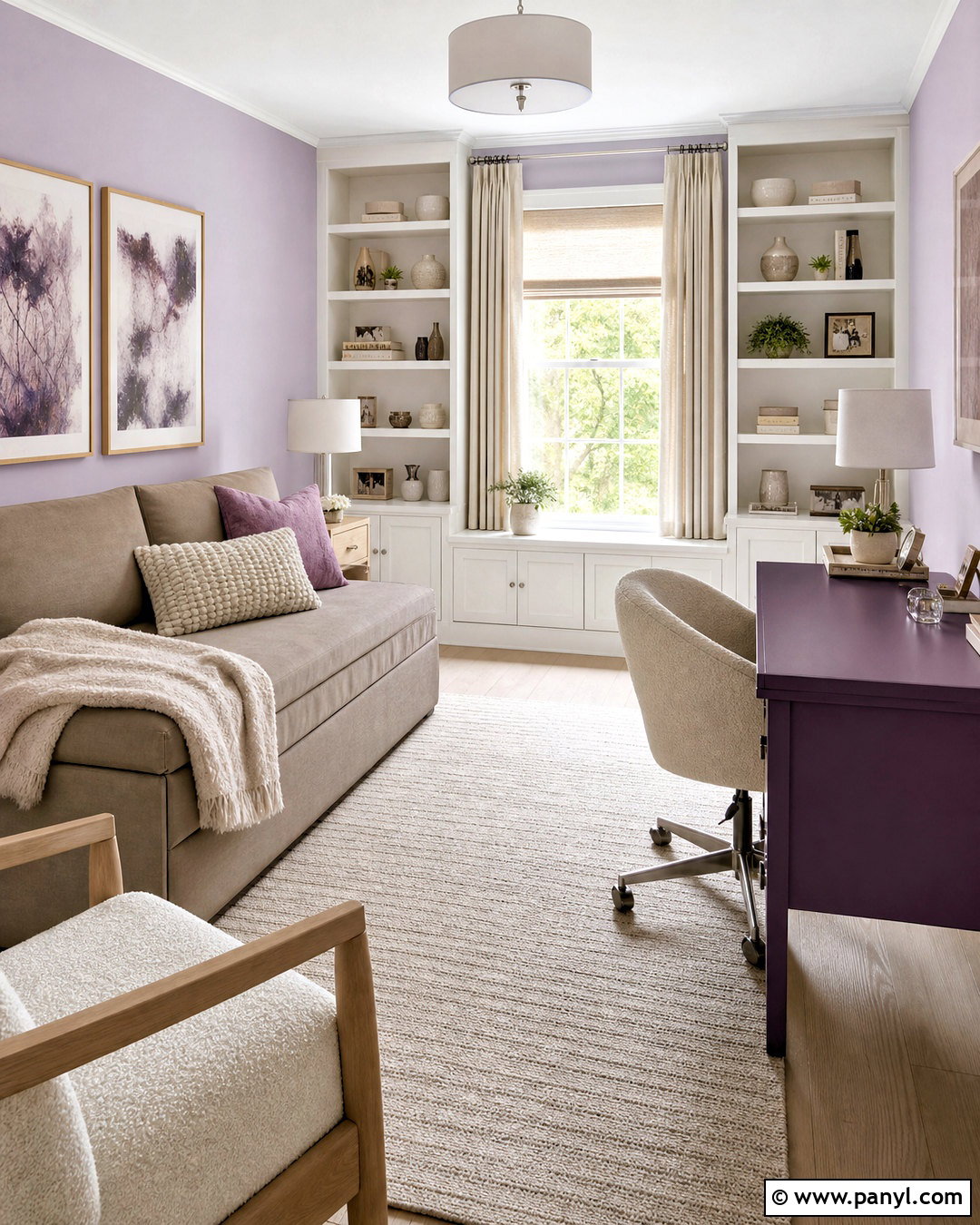
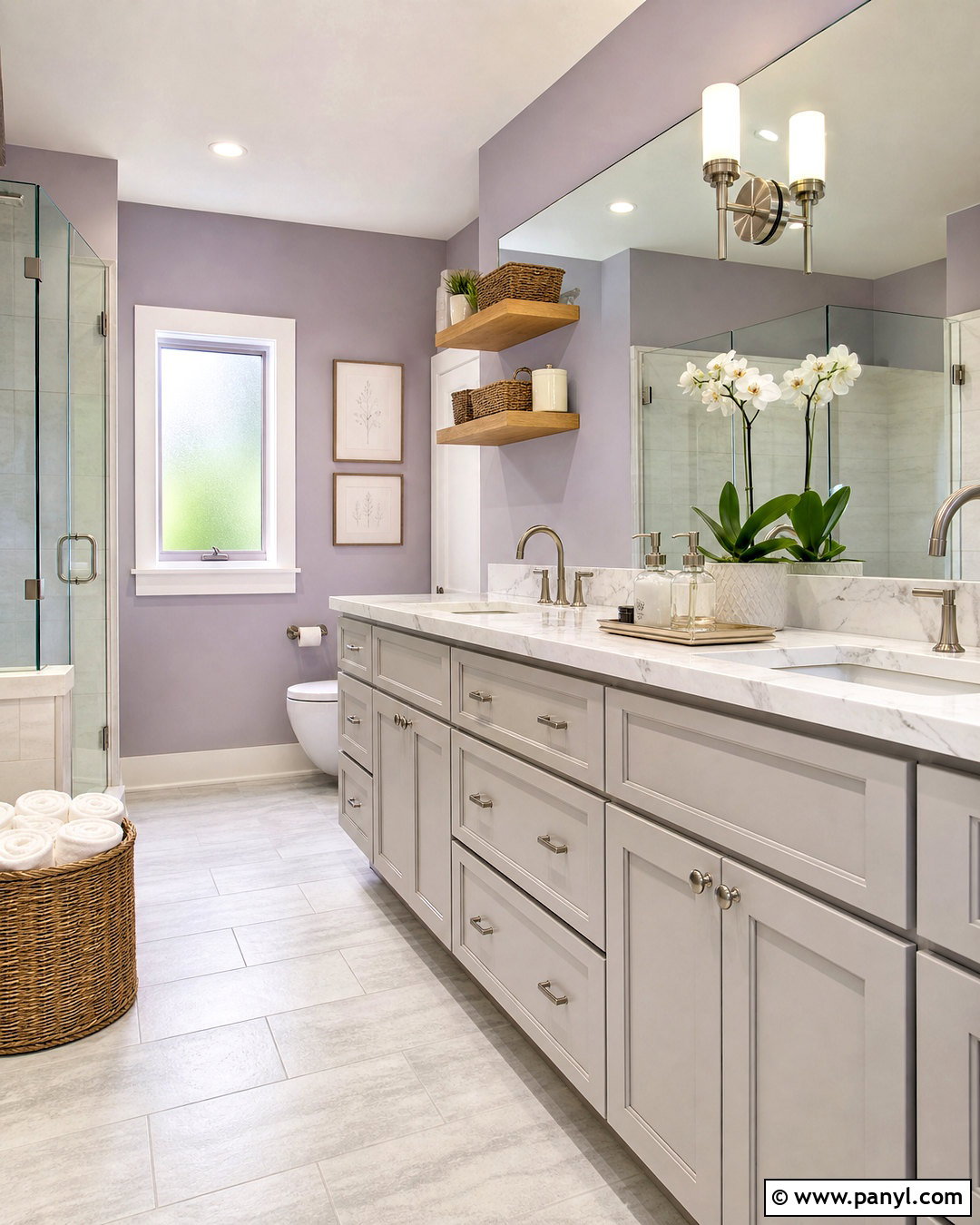
Muted lavender offers an unexpected way to freshen beige tile, especially when the flooring leans taupe or pink-beige. Design a serene guest bedroom with pale gray-lavender walls, an oatmeal upholstered bed, and ivory bedding. Add light oak nightstands, brushed nickel lamps, and a beige wool rug over the tile. A plum throw and dusty purple cushions can provide depth, while cream curtains keep the window treatment warm. Avoid bright violet, which may look disconnected from the earthy floor. Instead, select a smoky lavender containing gray or brown undertones. Minimal botanical artwork and a few natural ceramic pieces finish the room. The resulting palette feels distinctive but restful, offering subtle color without sacrificing the flexibility of a neutral interior.
20. Chocolate Brown With Beige Tile
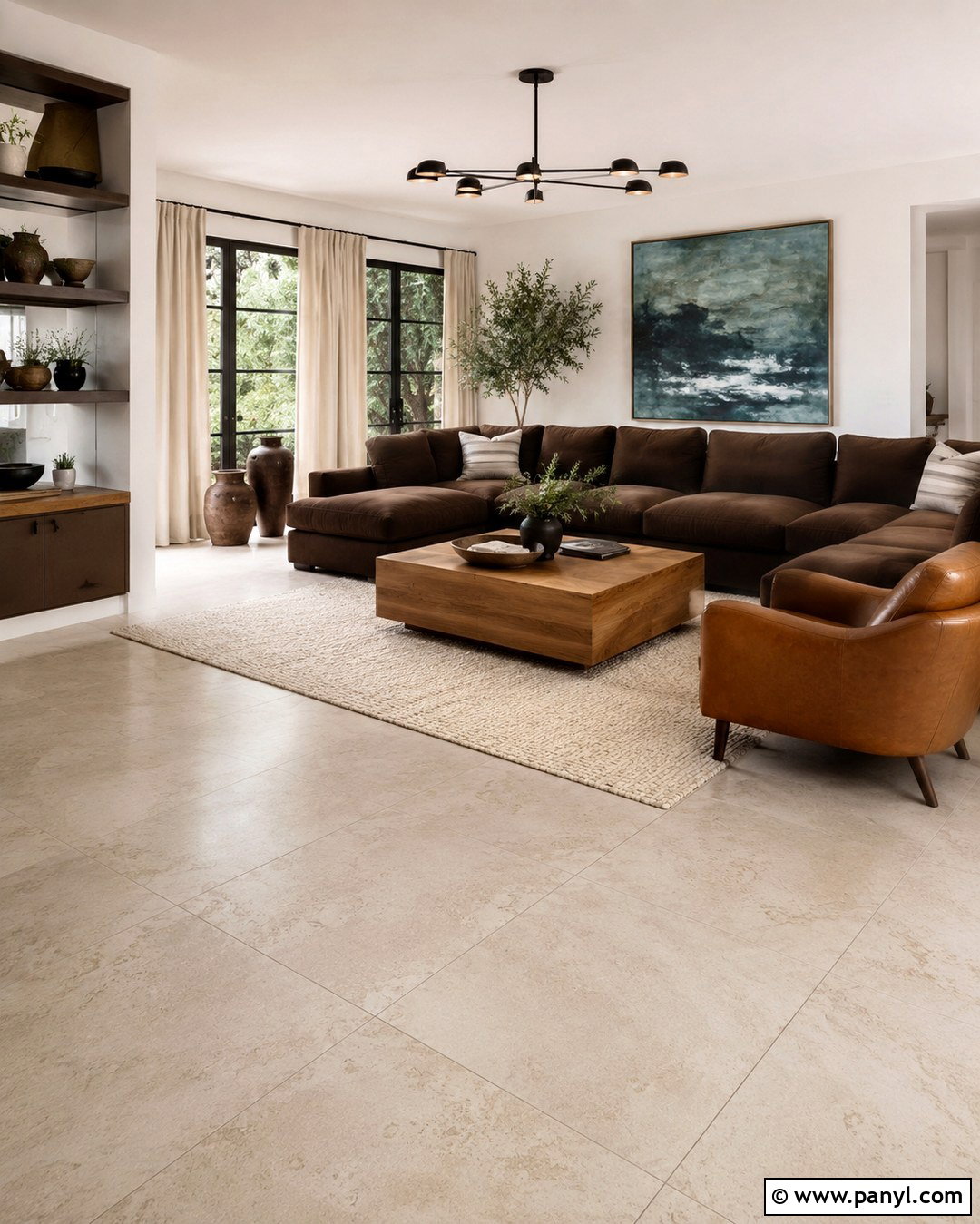
Chocolate brown creates a rich tonal contrast that makes beige tile feel lighter and more polished. Build a grounded living room with a deep brown sectional, warm white walls, and beige tile flooring. Add an oversized cream rug, oak coffee table, and caramel leather accent chair to create several levels of warmth. Dark bronze lighting and walnut shelving repeat the deepest color around the space. Use ivory curtains and textured beige cushions to prevent the heavy furniture from overwhelming the room. A small amount of muted blue or green in artwork can add freshness while preserving the earthy foundation. This complete palette works because the floor becomes the lightest brown in a layered range, giving the neutral tile a clear role in the overall design.
Conclusion:
Beige tile can support far more than an all-neutral room. Warm white and cream provide a bright, seamless foundation, while sage, powder blue, and blush create softer color. Navy, forest green, charcoal, and burgundy deliver stronger contrast for spaces that need definition. Earthy shades such as olive, terracotta, rust, and chocolate brown highlight the tile’s natural warmth. Before committing, compare paint and fabric samples directly beside the flooring in daylight and artificial light. Then repeat the chosen color through several connected features rather than one isolated accessory. With thoughtful undertones, texture, and balance, these 20 Colors That Go With Beige Tile Ideas can transform existing flooring into an intentional part of a complete room.

Related Ideas and Inspiration:

Leave a Reply