
Limewash brings soft movement, mineral texture, and beautiful tonal variation to ordinary walls. Unlike a flat painted surface, its cloudy finish responds to natural light and gives rooms a handcrafted quality. Today’s most appealing palettes extend beyond classic white, embracing warm taupe, earthy green, faded terracotta, dusty pink, mineral blue, and deep charcoal. These tactile finishes work especially well with natural wood, linen, stone, aged metals, and simple furniture. Current color trends also favor warmer neutrals and gently saturated shades rather than cold gray or stark white. () Whether you want a peaceful bedroom, welcoming living room, or memorable dining space, this guide offers complete looks that are practical to recreate. Explore these **25 Limewash Walls Colors** to find the right atmosphere for your home.

1. Warm White Limewash Walls
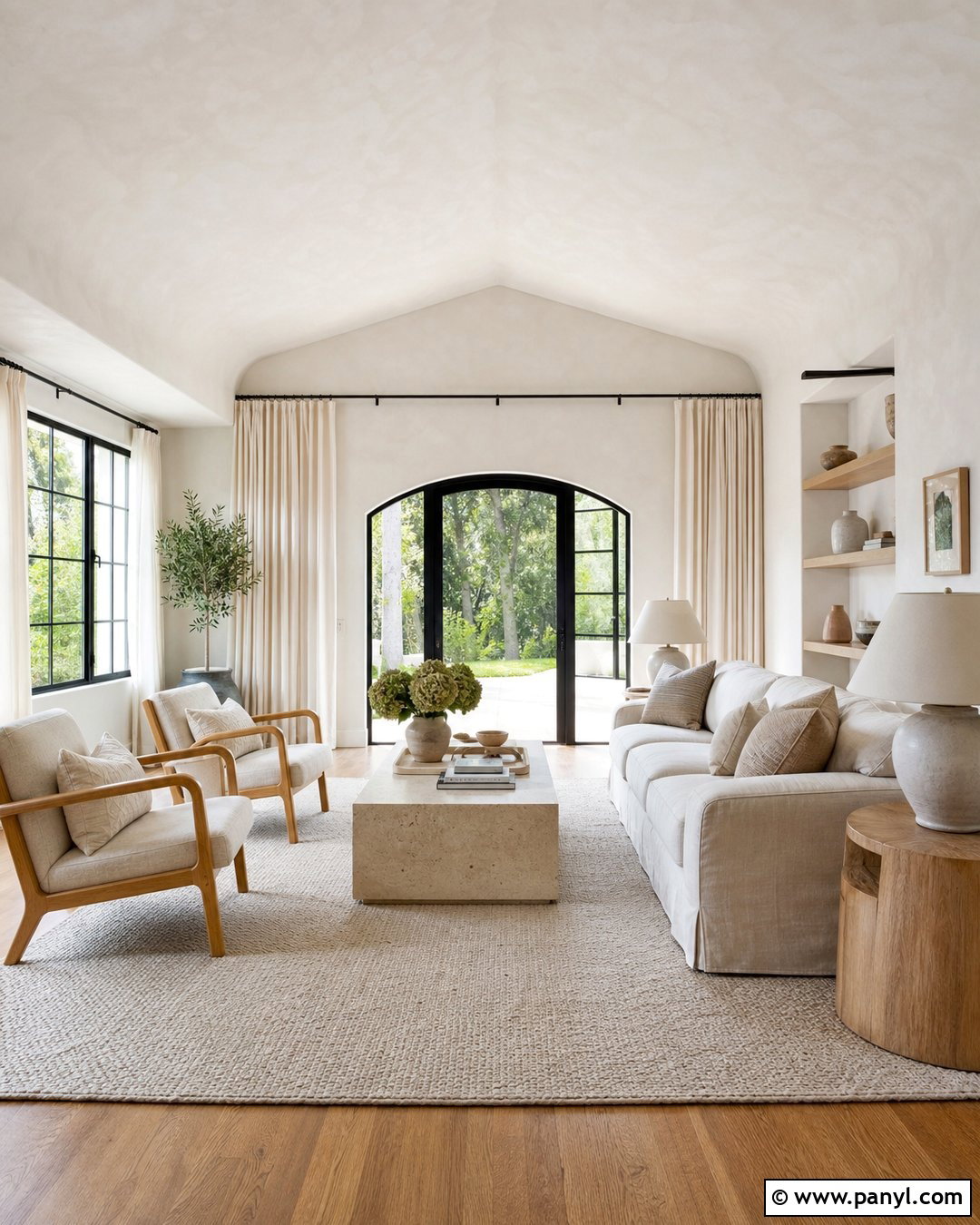
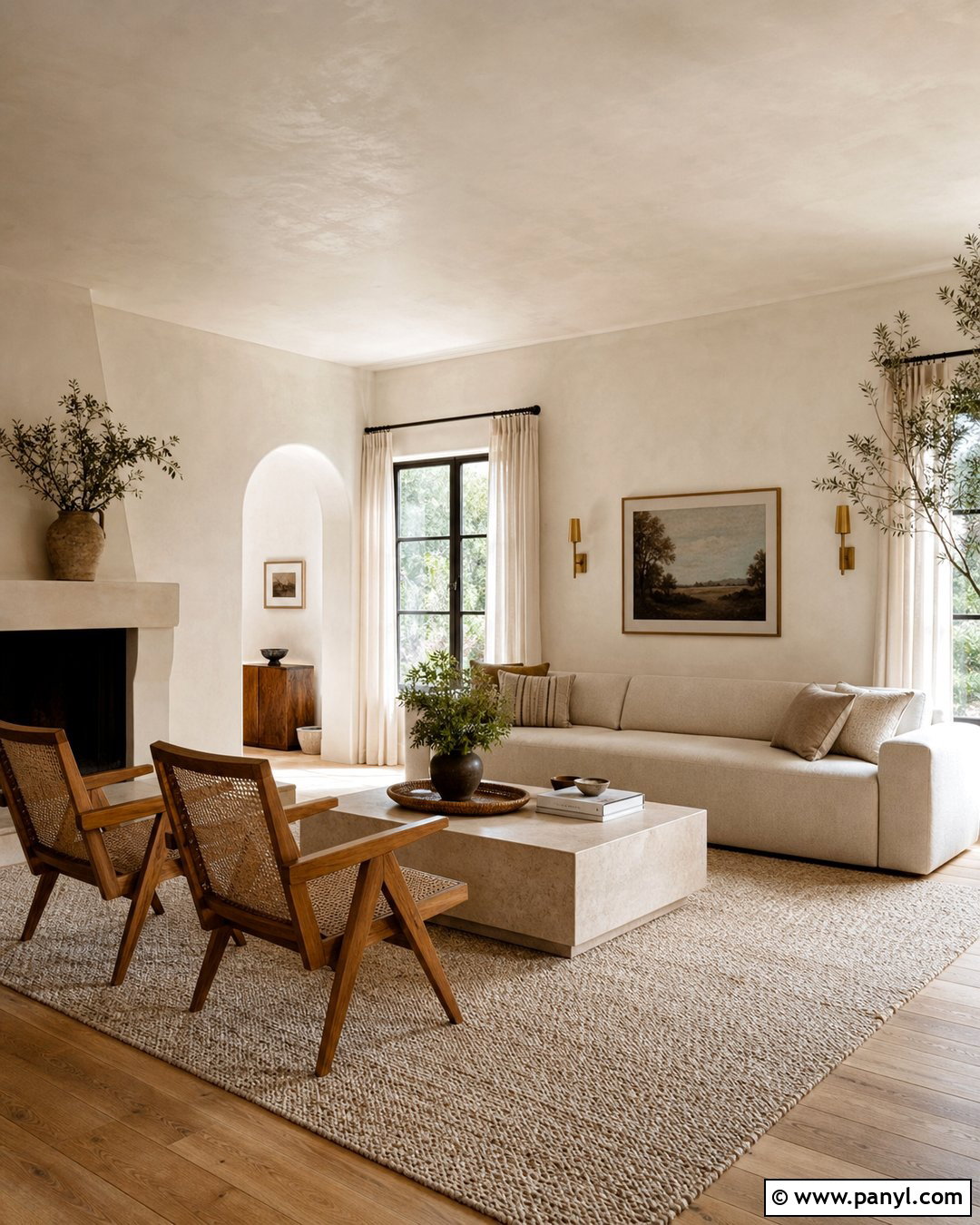
Warm white limewash walls create an airy room without the cold appearance of brilliant white paint. Use the color across every wall in a smaller living room, then continue it onto the fireplace surround for a calm, connected background. Choose a relaxed oatmeal sofa, two light oak armchairs, and a large cream wool rug. Linen curtains in a slightly deeper ivory tone will emphasize the layered neutral palette. Add a travertine coffee table, ceramic lamps, and a few black metal accents for definition. Medium-toned oak flooring keeps the room grounded and welcoming. Because warm white can change with surrounding light, test a large sample beside the windows and existing flooring before completing the room.
2. Ivory Limewash Walls
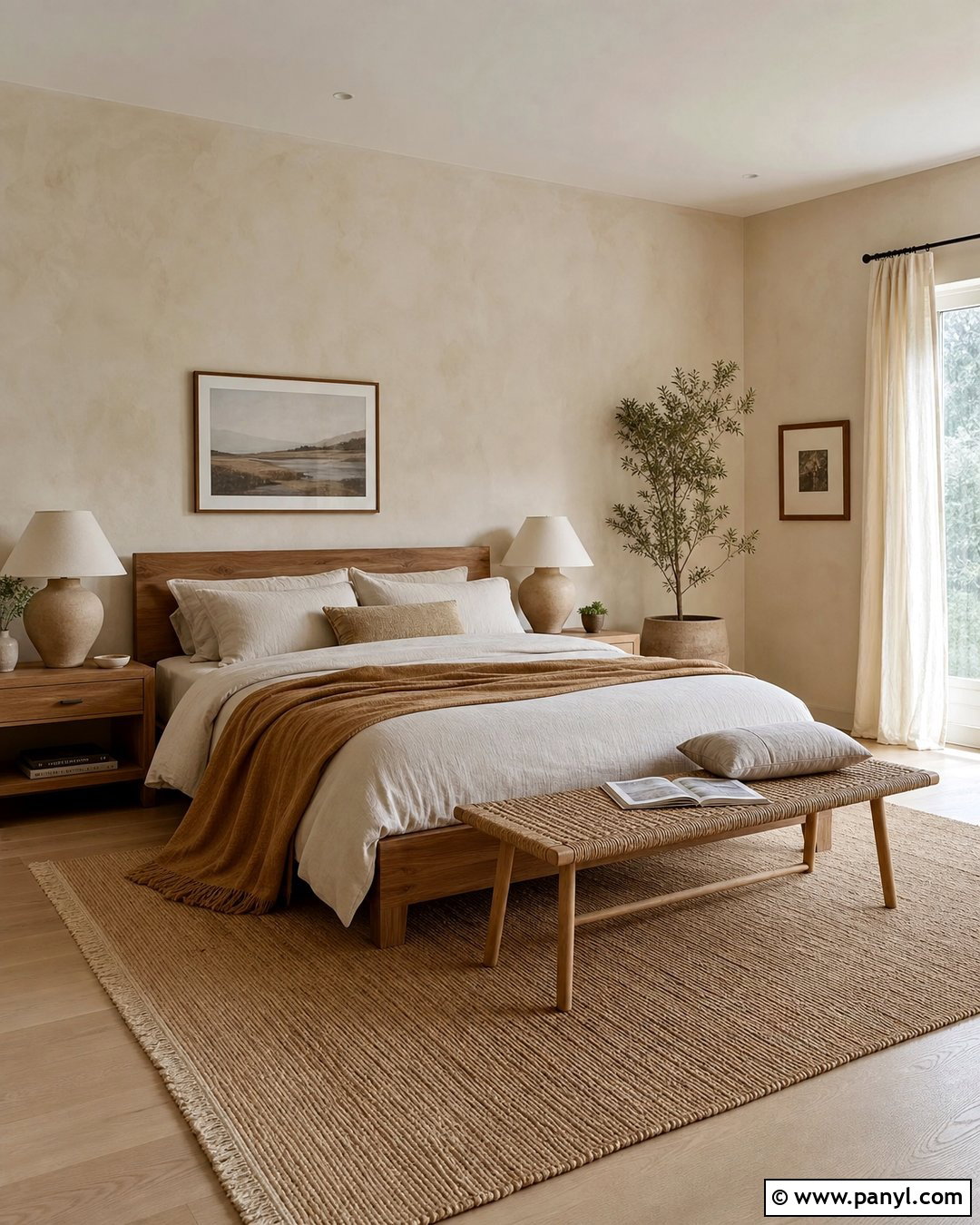
Soft ivory limewash is an inviting choice for a bedroom that needs brightness with more warmth than pure white. Cover all four walls and keep the ceiling a clean, gentle white to preserve an open feeling. Center a natural oak bed against the most visible wall, using cream linen bedding, a caramel wool blanket, and warm beige pillows. Matching oak nightstands and rounded plaster lamps support the quiet, organic character. Bring in a woven bench, pale jute rug, and full-length off-white curtains. A small amount of dark bronze in the curtain rod and picture frames prevents the room from looking washed out. The finished scheme feels sunlit, restful, and easy to update through the seasons.
3. Cream Limewash Walls
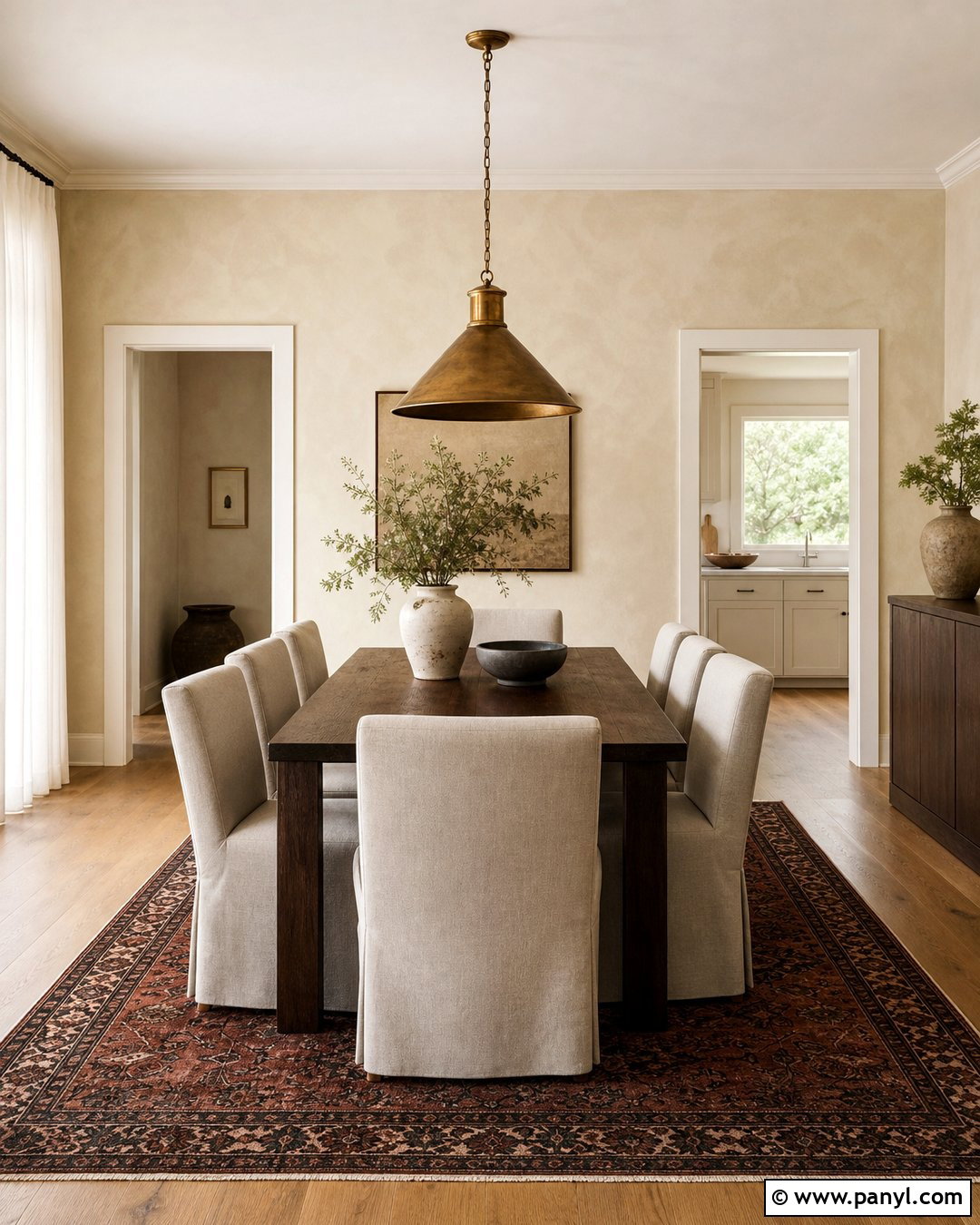
Cream limewash walls can turn a basic dining room into a warm, softly layered gathering space. Select a buttery cream with subtle beige undertones rather than a bright yellow cream. Pair it with a rectangular walnut dining table and comfortable chairs upholstered in natural flax linen. An aged brass pendant adds gentle contrast above the table, while a muted rust rug introduces earthy color below. Use ivory drapery, handmade ceramic serving pieces, and one oversized landscape print to complete the walls without hiding their texture. Keep the baseboards and door trim in a simple warm white. Walnut, linen, and antique brass give the creamy finish enough depth, producing a room that feels comfortable rather than overly pale or formal.
4. Sand Limewash Walls
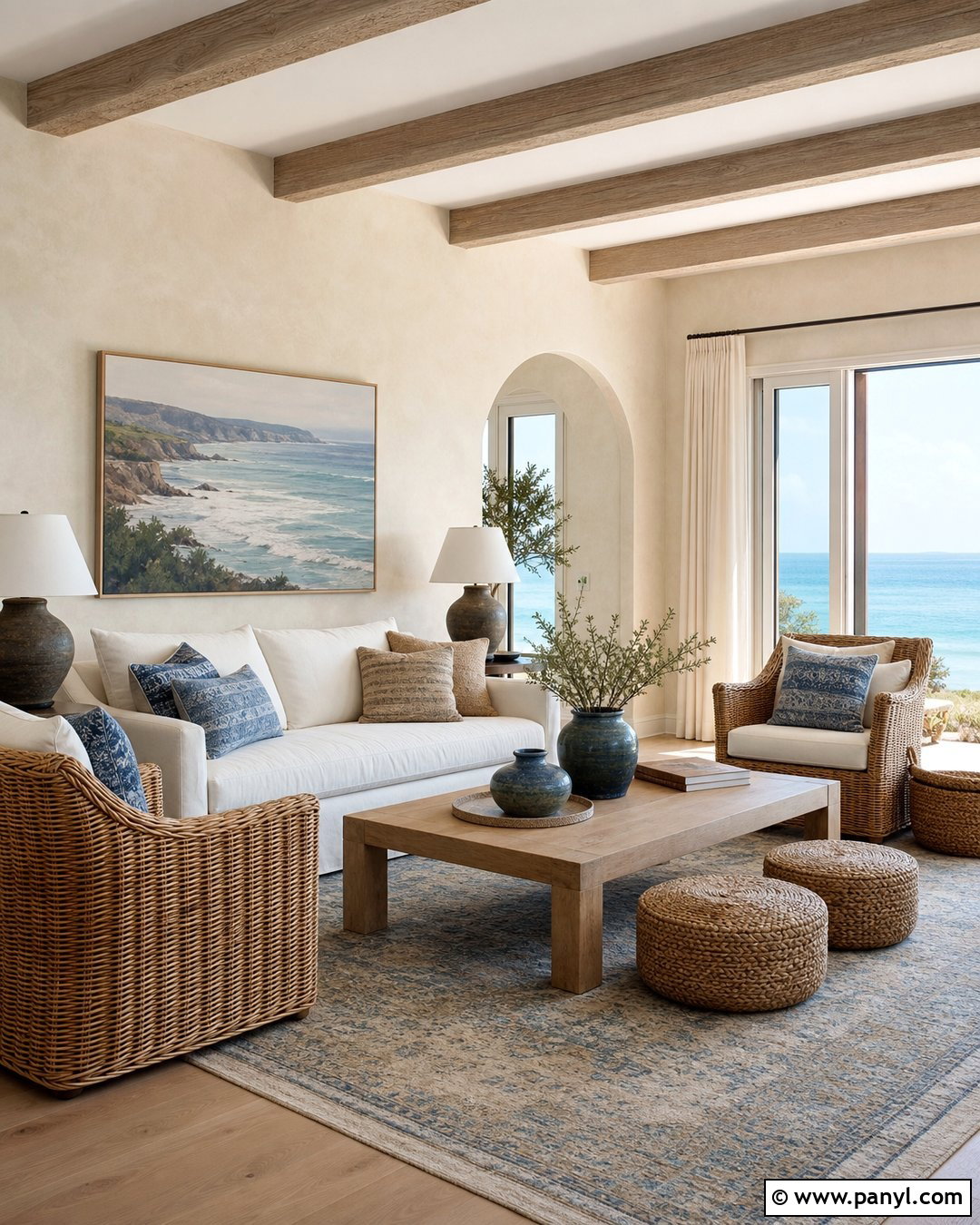
Sand-colored limewash creates an easy coastal living room without relying on obvious beach decorations. Choose a light sandy beige with a muted golden undertone and apply it throughout the space. Arrange a slipcovered cream sofa opposite two woven rattan lounge chairs, leaving a clear walkway around a pale oak coffee table. A faded blue and tan rug provides restrained contrast beneath the seating group. Use off-white cotton curtains, natural fiber baskets, and matte ceramic vases in chalky blue and brown. Light oak flooring continues the sun-washed effect. Finish with simple landscape artwork and a linen-shaded floor lamp. The complete look feels relaxed and textural while remaining suitable for an everyday suburban or city home.
5. Beige Limewash Walls
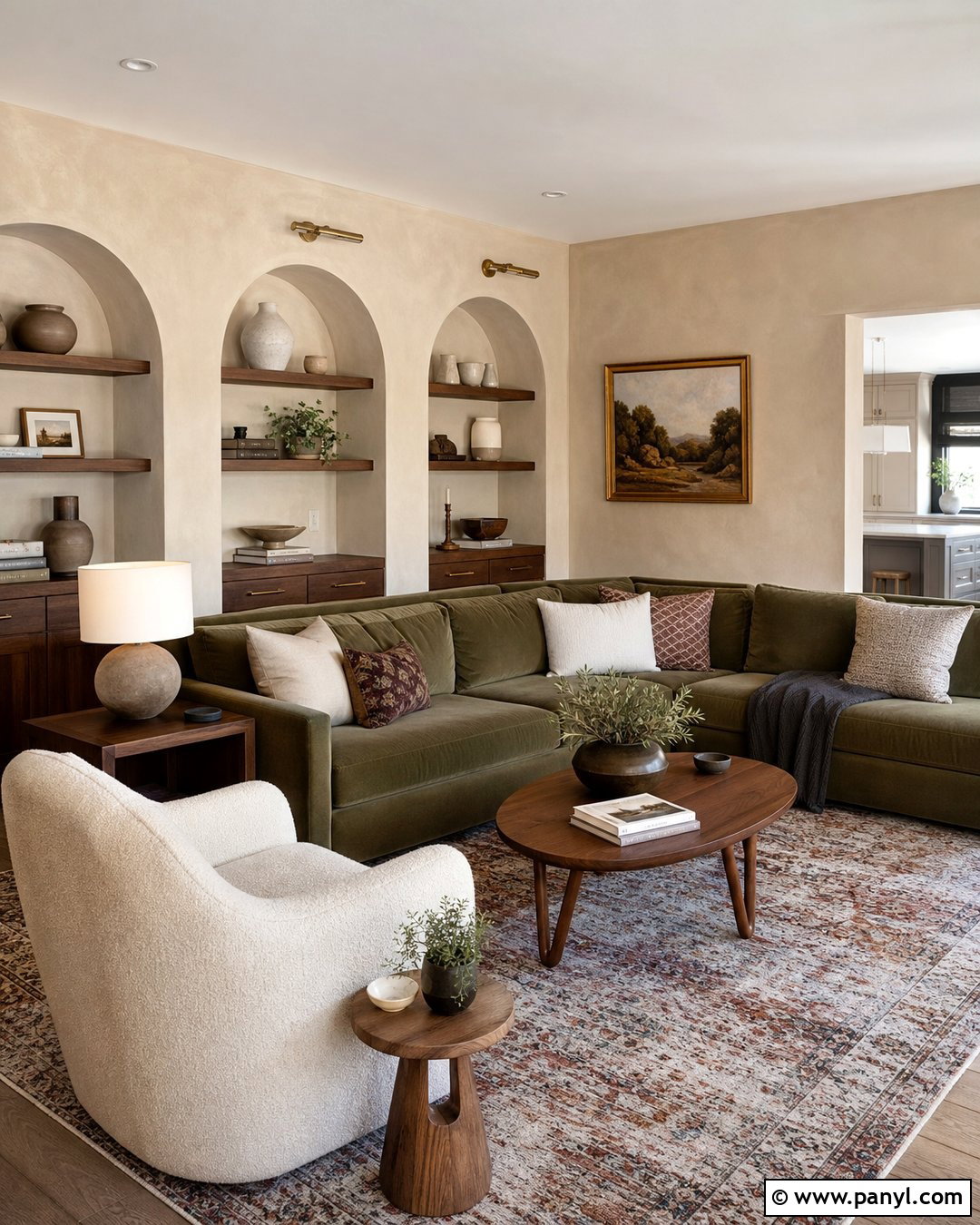
Beige limewash walls bring depth to a neutral family room when the furniture and finishes include noticeable contrast. Choose a balanced beige that leans warm but does not look yellow. Build the seating area around a deep olive sectional, then add a cream boucle chair and an oval walnut coffee table. A patterned wool rug combining beige, rust, olive, and charcoal connects the entire palette. Frame the windows with warm white linen curtains and use dark bronze hardware. Walnut shelves can display pottery, books, and a few sculptural objects without covering too much of the mottled wall finish. With layered lighting from table lamps, wall sconces, and a central pendant, the room will feel welcoming during both bright afternoons and quiet evenings.
6. Greige Limewash Walls
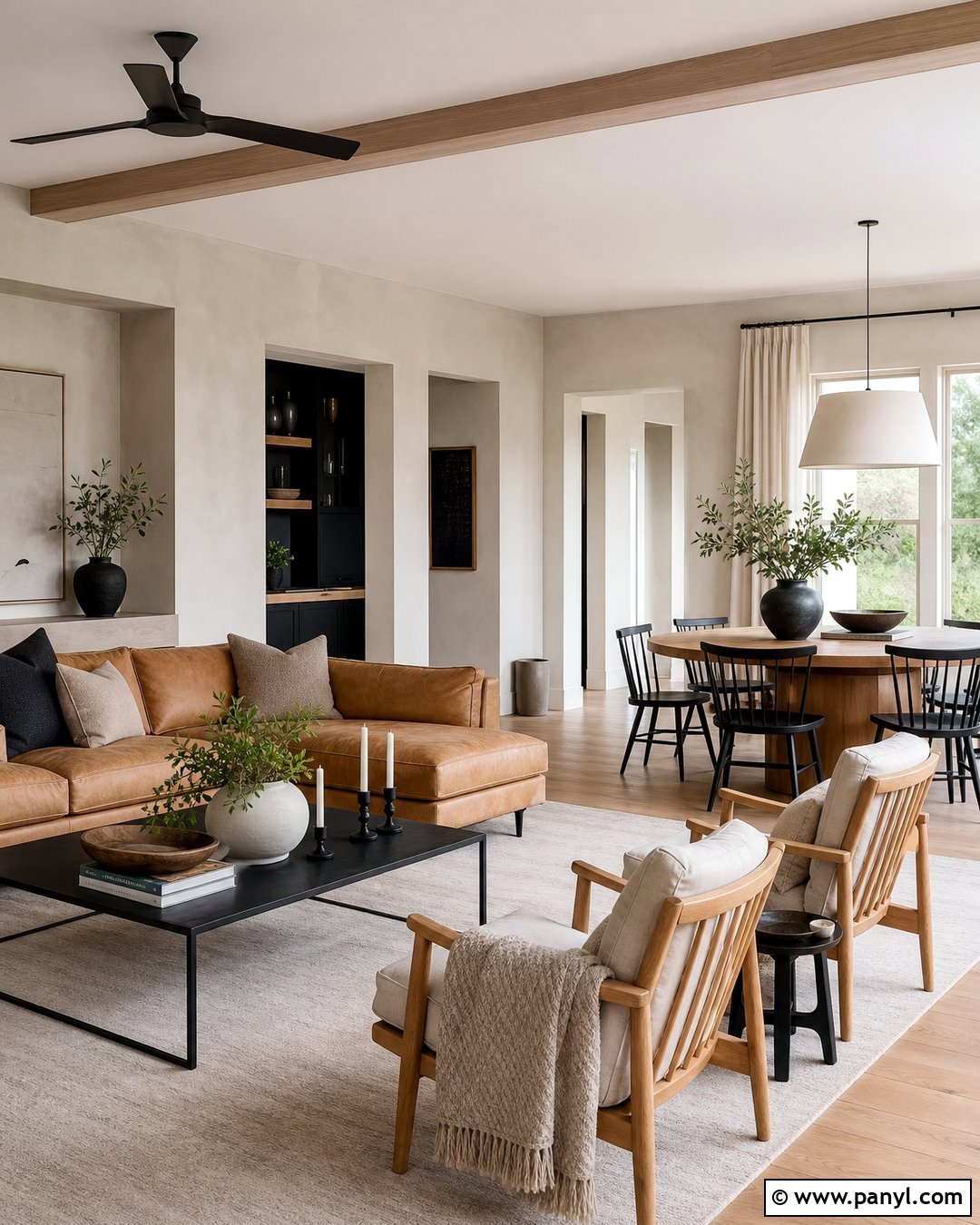
Greige limewash works best when its warmer undertones are reinforced by wood, woven textiles, and soft black details. In an open living and dining space, use the same pale greige finish throughout to visually connect both zones. Place a camel-colored sofa and two light oak chairs around a large cream rug in the living area. Behind them, position a round oak dining table with black spindle chairs and a linen pendant. Matte black frames, curtain rods, and cabinet hardware give the light palette a crisp outline. Add flax curtains and pottery in stone, brown, and off-white. This full-room approach makes greige feel layered and intentional instead of flat, while the limewash movement softens the transition between natural and modern materials.
7. Mushroom Limewash Walls
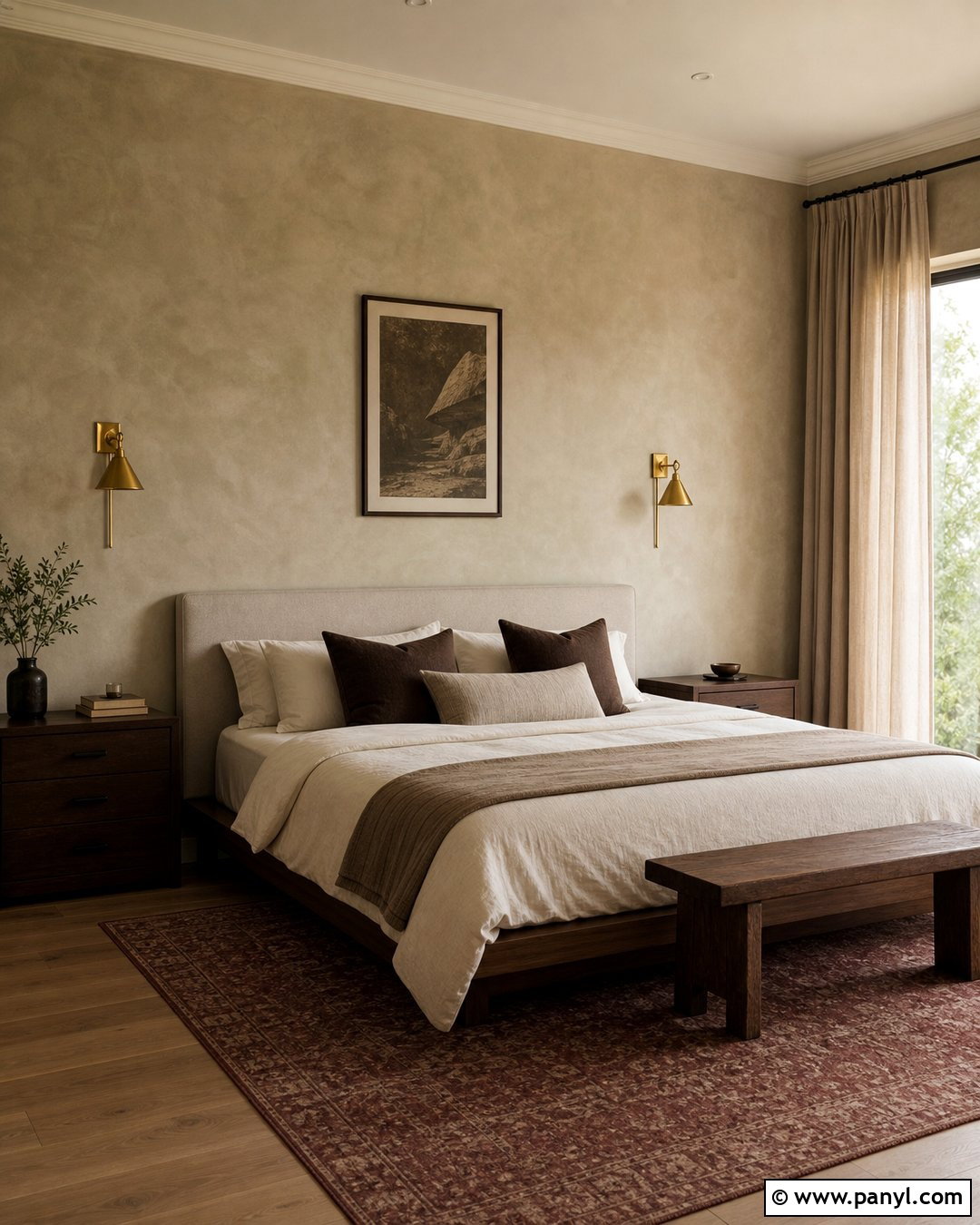
Mushroom limewash combines gray, beige, and subtle brown for a sophisticated bedroom that feels warmer than conventional gray. Apply it to the walls and leave the ceiling creamy white for gentle contrast. Choose a low walnut bed with an upholstered oatmeal headboard, then layer taupe sheets, ivory bedding, and chocolate brown cushions. A vintage-inspired rug with faded burgundy and sand details adds character underfoot. Use dark wood nightstands, aged brass reading sconces, and full linen curtains in warm beige. Keep artwork minimal so the textured wall remains visible. One large abstract piece in cream, rust, and charcoal is enough. This palette creates an enveloping retreat that looks especially cohesive beside walnut or medium oak flooring.
8. Taupe Limewash Walls
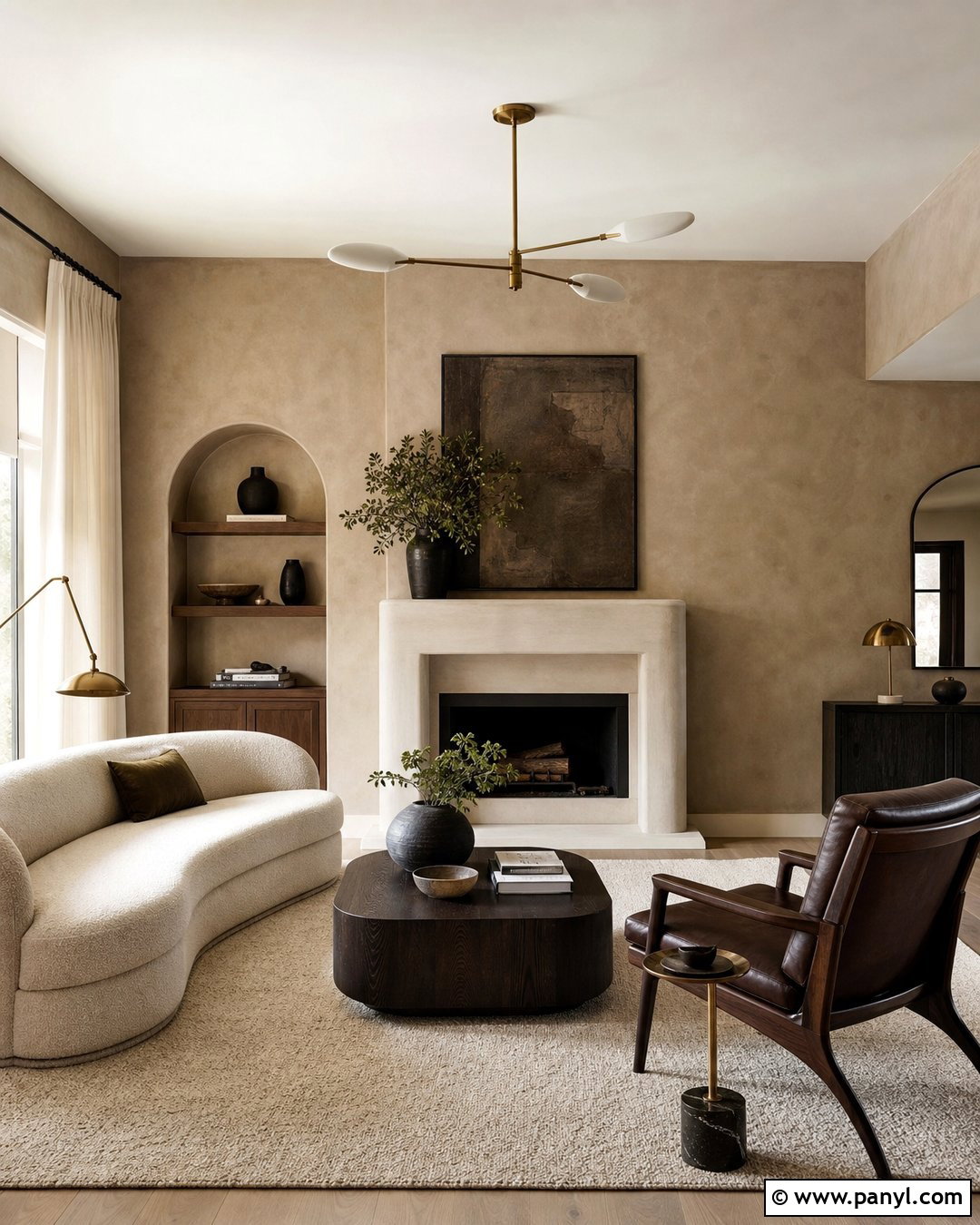
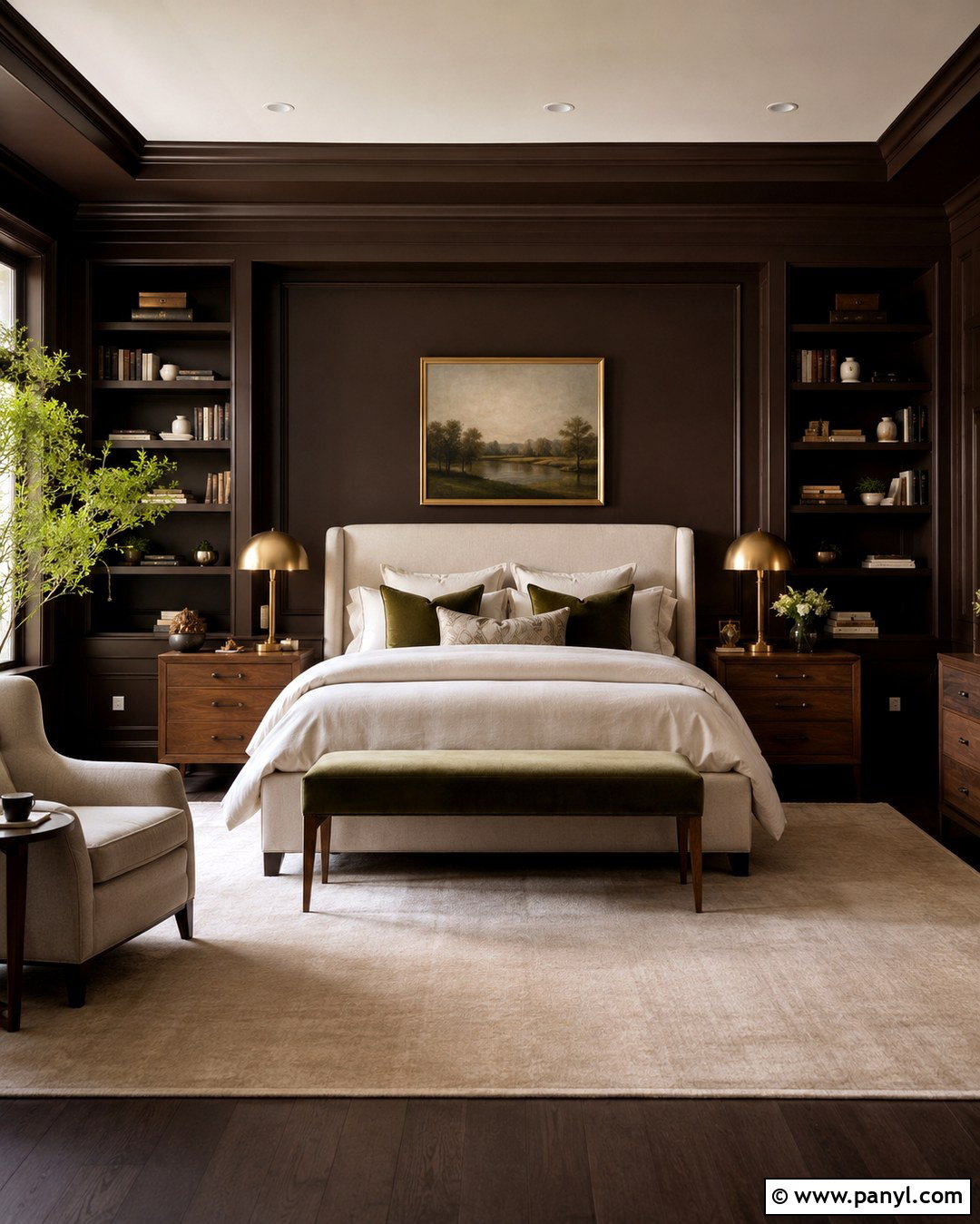
Warm taupe limewash gives a living room enough color to feel distinctive while still acting like a versatile neutral. Cover the walls from baseboard to ceiling and use creamy white on the trim for a subtle framed effect. Pair the finish with a curved ivory sofa, a dark brown leather chair, and a smoked oak coffee table. A textured cream rug keeps the center of the room light. Add floor-length curtains in a taupe shade slightly darker than the walls, plus brushed brass lamps and charcoal ceramic accessories. A stone fireplace or pale limestone console will reinforce the mineral character. The resulting room feels polished but approachable, with a balanced mix of pale upholstery, deep wood, natural stone, and warm metallic accents.
9. Putty Limewash Walls
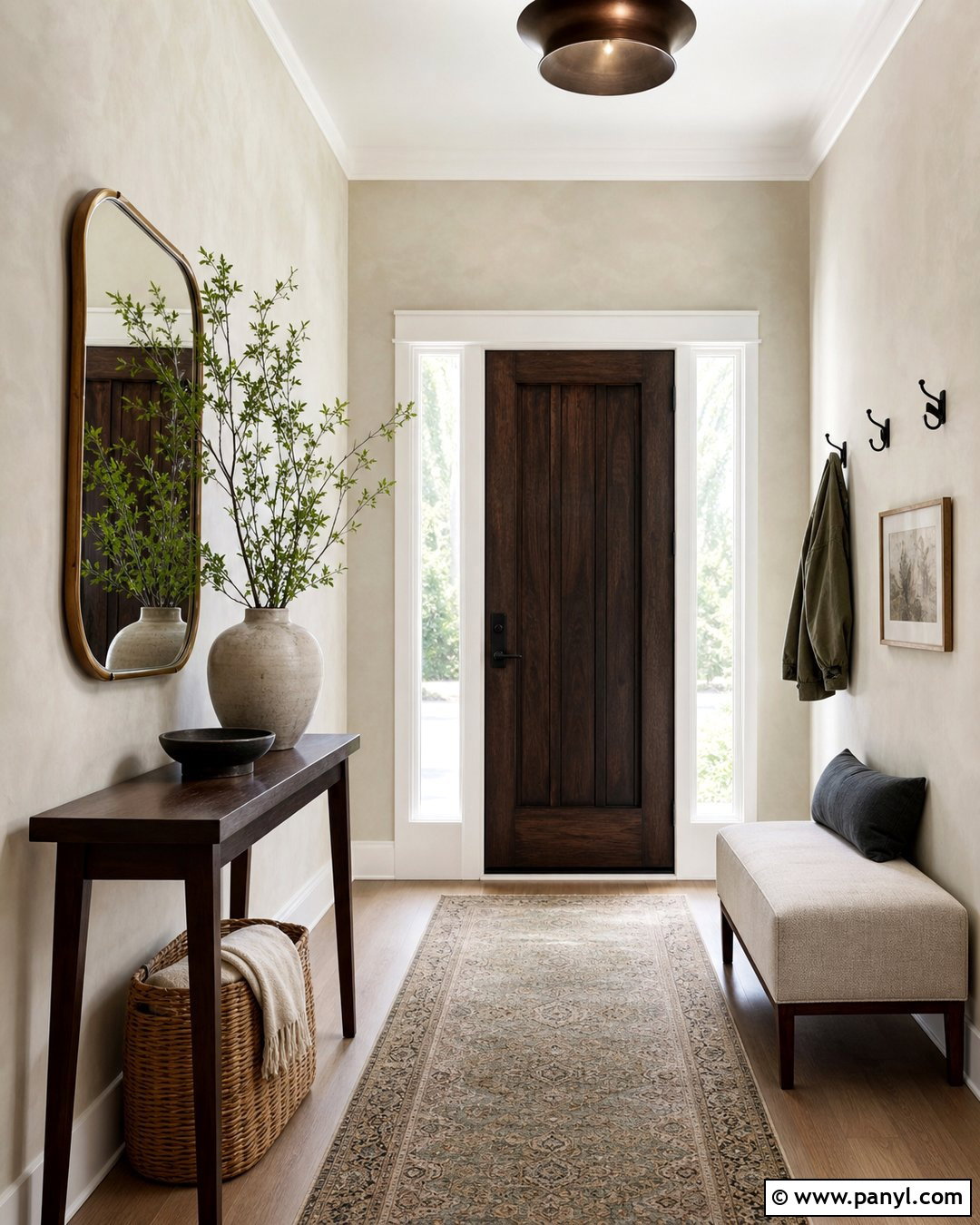
Putty limewash is ideal for an entryway because it disguises minor visual imperfections while creating a soft transition into surrounding rooms. Select a pale clay-beige shade with muted gray undertones. Place a narrow dark oak console against the longest wall and hang an organically shaped brass mirror above it. Add a small upholstered bench, a durable patterned runner, and a woven basket for shoes or accessories. Black hooks and a dark bronze ceiling light provide practical contrast. Keep the interior doors and trim warm white to make the putty color more noticeable. Complete the area with a ceramic table lamp and leafy branches in a stone vessel. The entry will feel finished, functional, and welcoming without requiring excessive furniture or decorative clutter.
10. Stone Gray Limewash Walls
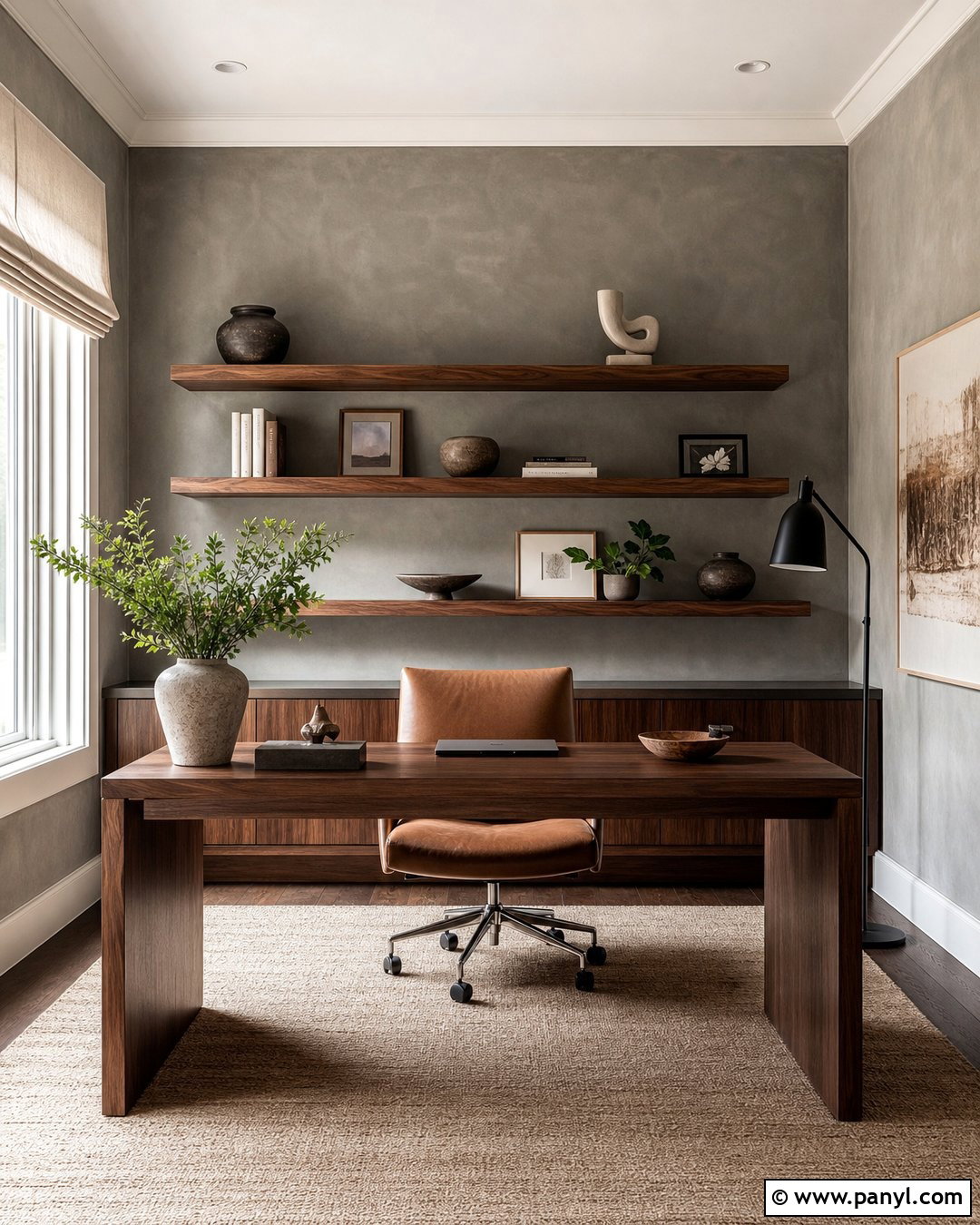
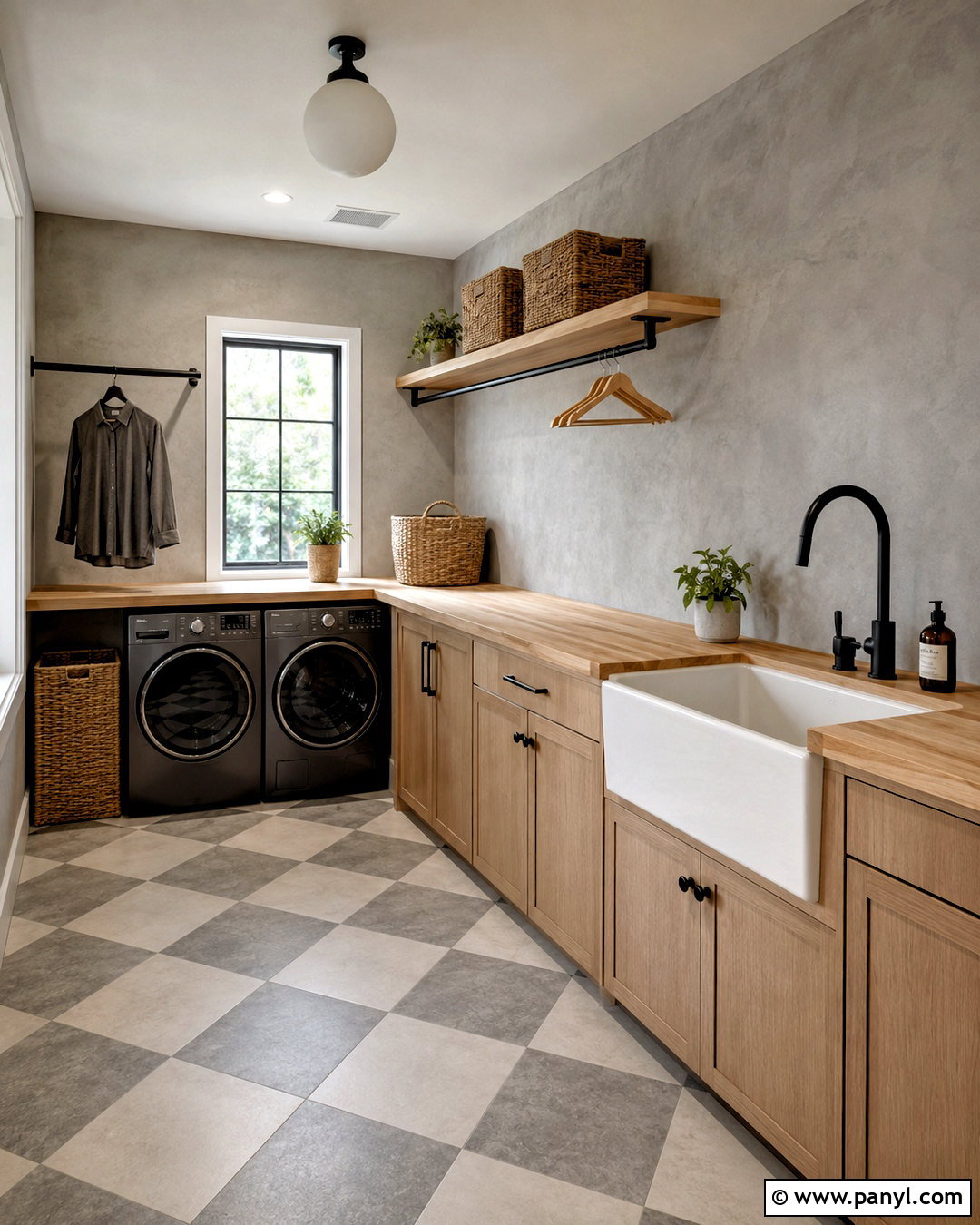
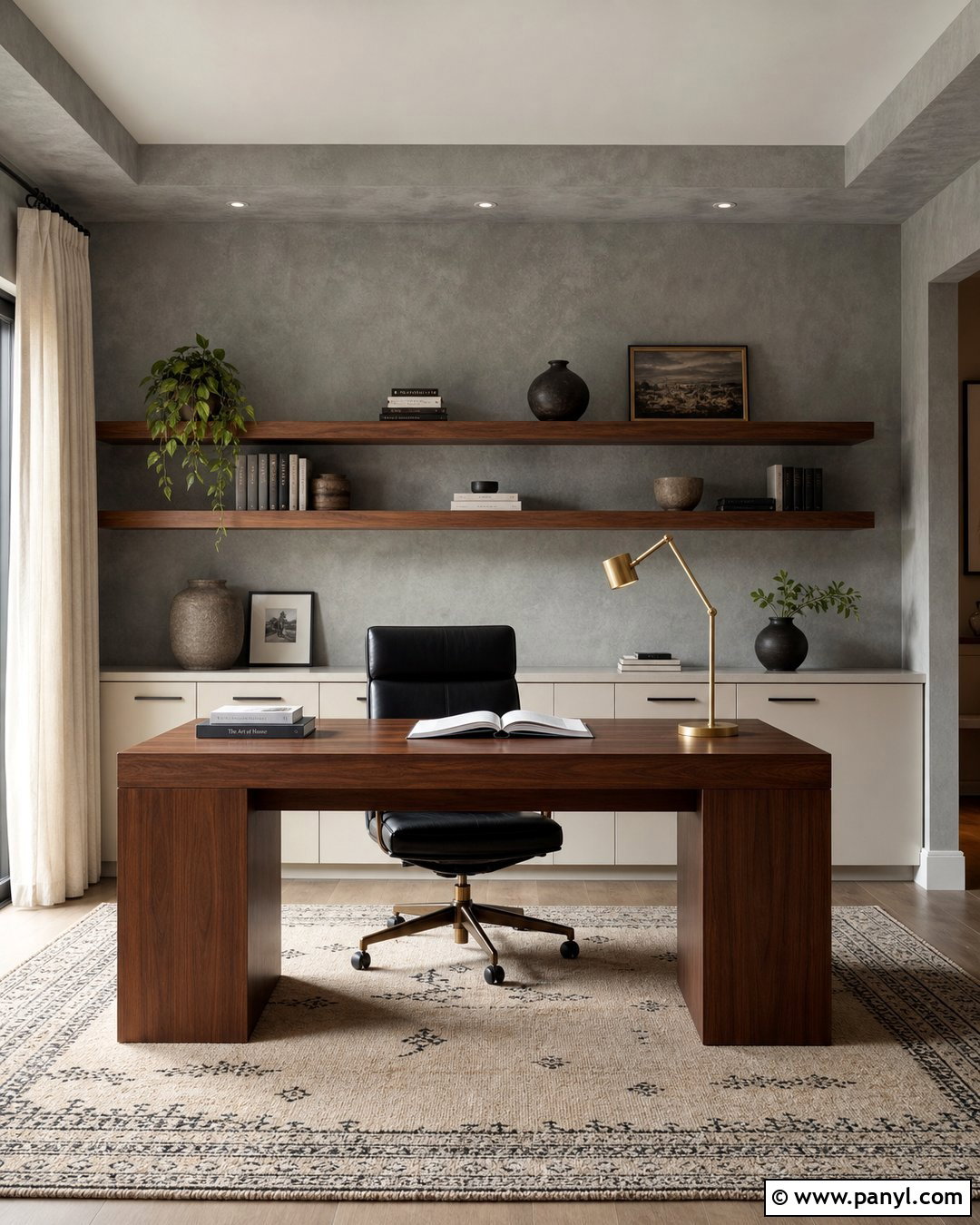
Stone gray limewash can feel warm and architectural when it includes brown undertones and is paired with tactile materials. Use it in a home office with plenty of natural light, applying the finish to every wall for consistency. Position a substantial walnut desk near the window and add a cognac leather chair for warmth. Install simple floating walnut shelves with restrained groupings of books and neutral pottery. A flat-woven cream rug, linen Roman shade, and black metal floor lamp balance softness with structure. Keep the ceiling and trim a muted off-white rather than bright white. The completed workspace feels focused and professional, but the cloudy wall texture and natural materials prevent the gray palette from becoming clinical or overly corporate.
11. Charcoal Limewash Walls
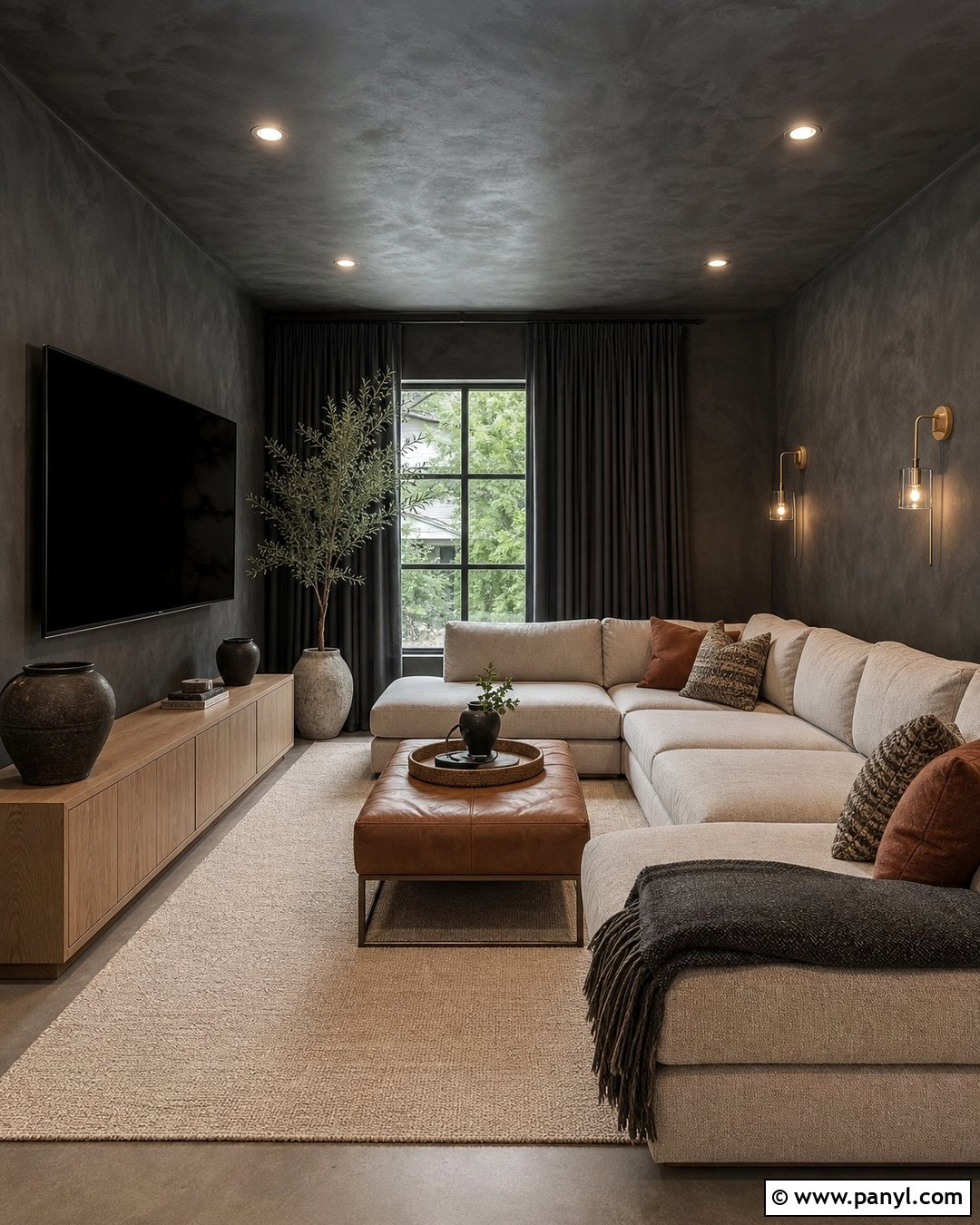
Charcoal limewash creates a dramatic media room while its tonal movement keeps the dark color from appearing completely flat. Apply it to all four walls and consider continuing it across the ceiling for a cocooning effect. Balance the depth with a large oatmeal sectional, cream wool rug, and pale oak media console. Use rust-colored pillows and a brown leather ottoman to introduce warmth. Blackout curtains in soft charcoal will blend into the walls instead of creating visual interruptions. Add low-profile sconces in aged brass and place a few oversized ceramic vessels near the console. Keep accessories limited and provide several warm, adjustable light sources. This complete arrangement feels intimate, comfortable, and sophisticated without depending on an oversized or luxury room.
12. Sage Green Limewash Walls
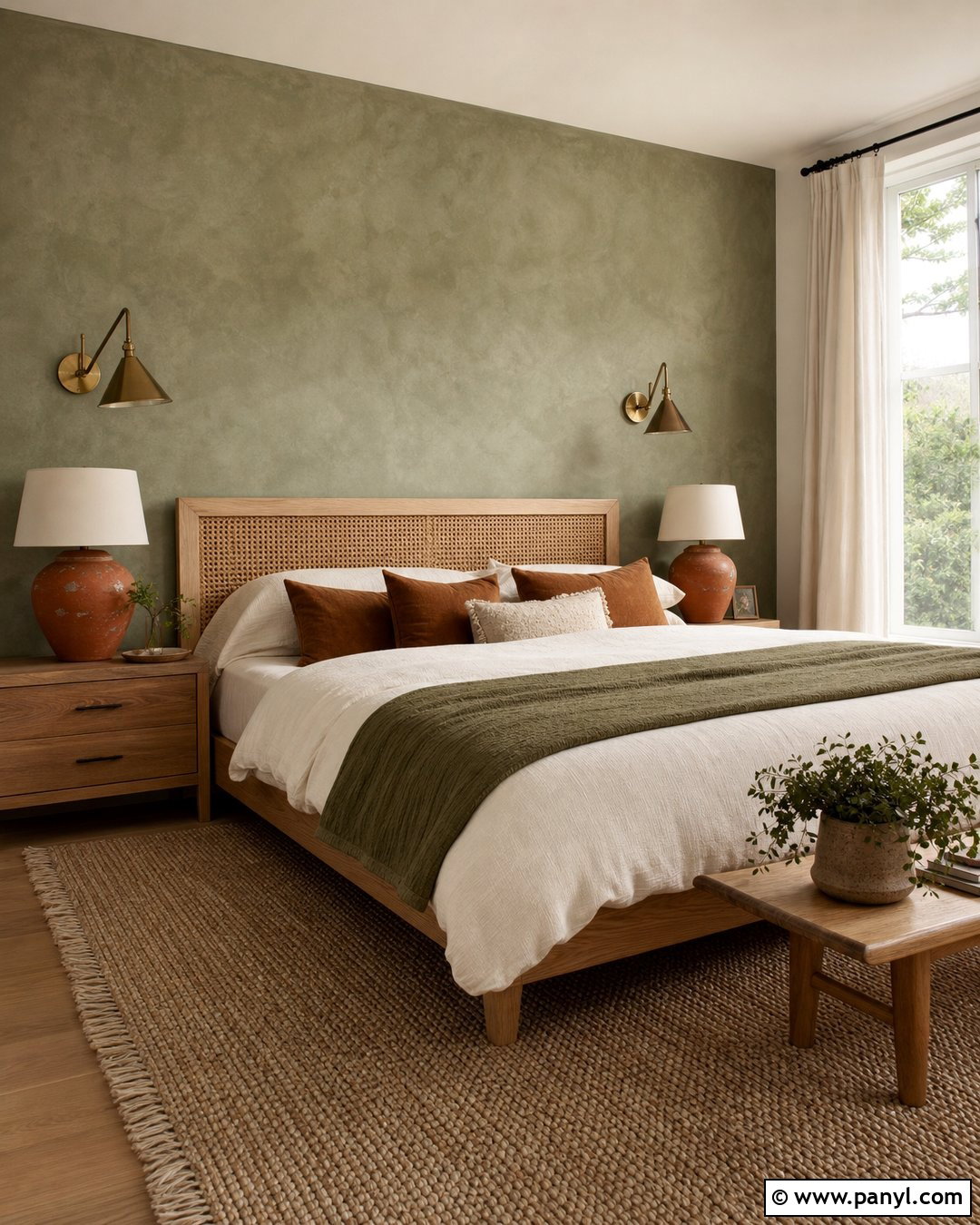
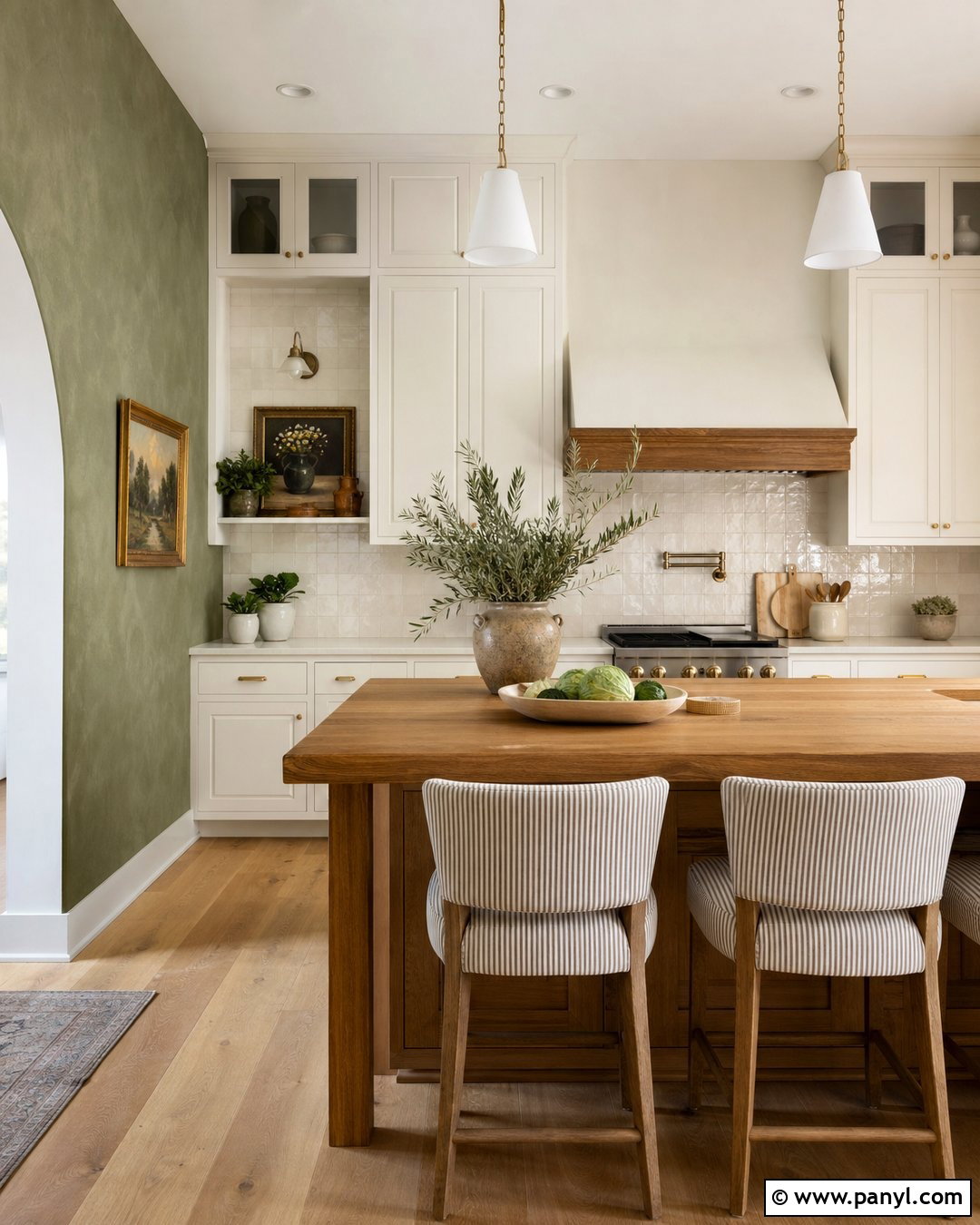
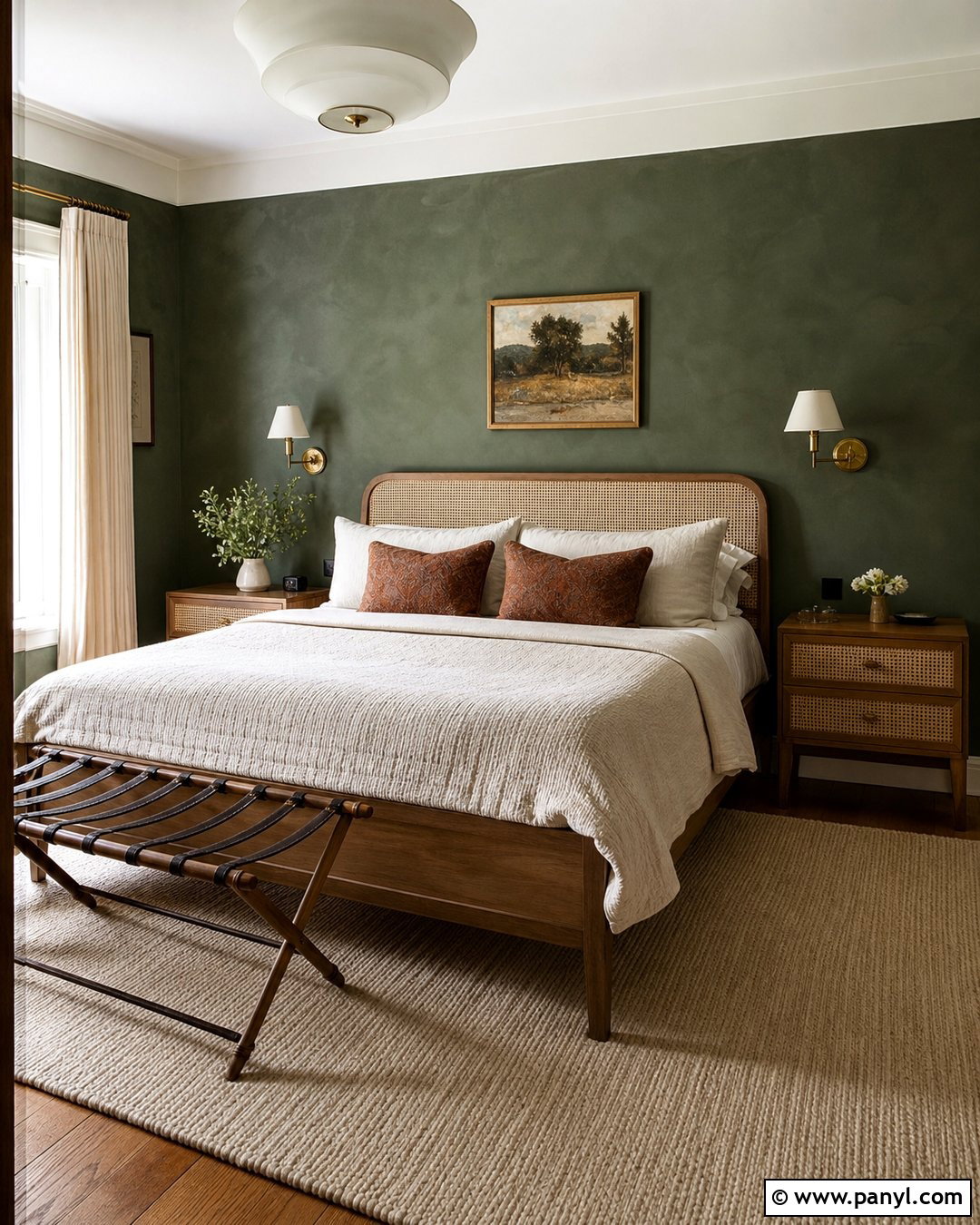
Sage green limewash makes a bedroom feel connected to nature, especially when the shade has warm gray undertones. Apply the color to every wall and pair it with a natural oak bed, woven cane headboard, and crisp ivory bedding. Layer a moss-green blanket and small rust cushions for a richer, earthier palette. Place an oatmeal rug beneath the bed and use linen curtains in warm white to filter daylight. Aged brass sconces and terracotta table lamps complement the green without making the room overly rustic. Finish with botanical artwork, but limit it to one or two larger pieces. The finished bedroom feels calm and cohesive because the furniture, textiles, lighting, and artwork repeat the natural colors found within the limewash surface.
13. Olive Green Limewash Walls
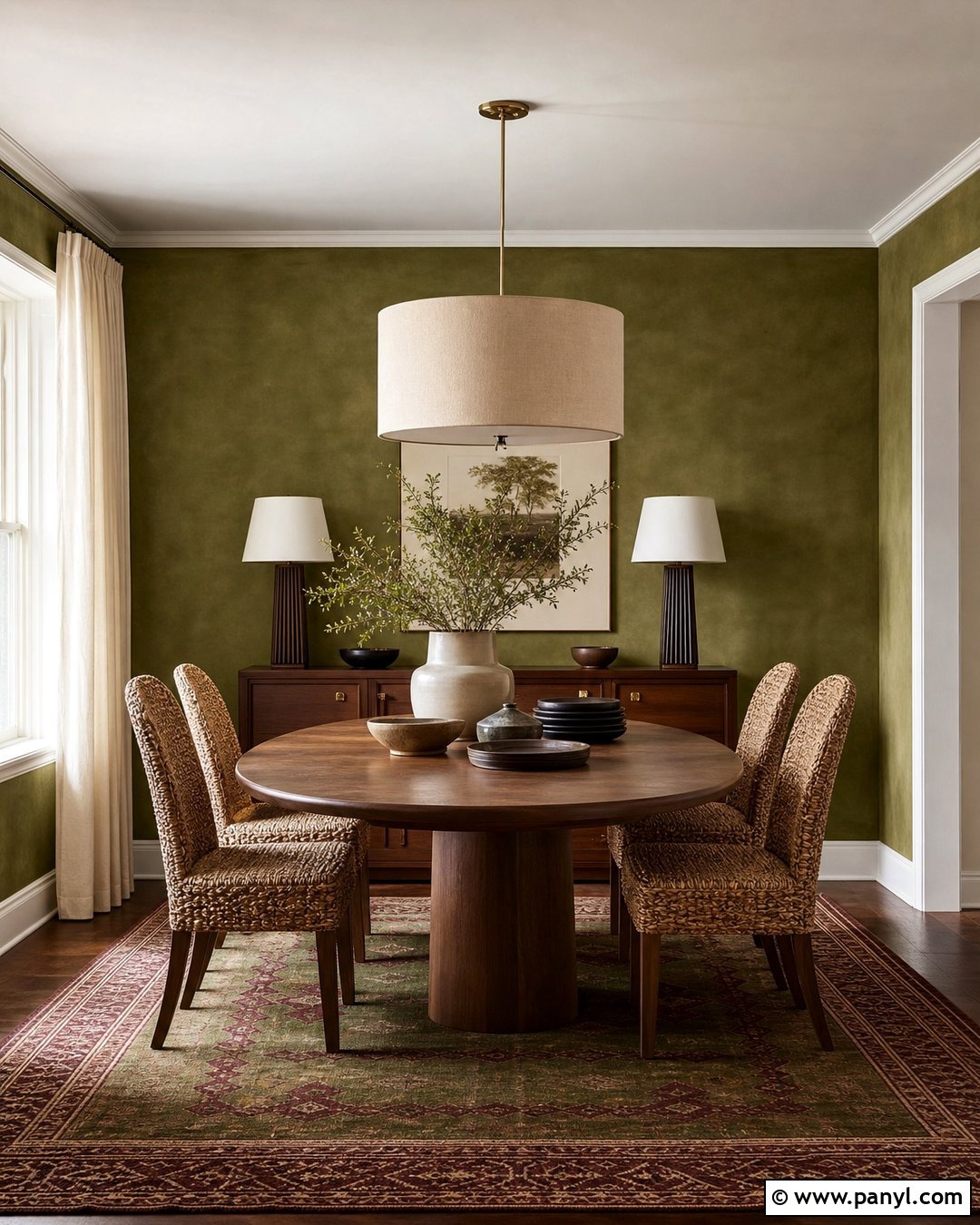
Olive green limewash brings depth and character to a dining room, particularly when balanced with creamy upholstery and medium-toned wood. Use a muted olive rather than a bright botanical green. Center a walnut oval table beneath a large linen drum pendant and surround it with woven dining chairs. Add full cream curtains and a faded rug featuring olive, tan, and dark red. A low walnut sideboard can hold ceramic tableware and a sculptural lamp with an off-white shade. Choose aged brass curtain hardware and simple framed artwork with warm neutral backgrounds. The olive walls will shift between green, brown, and gray as daylight changes, creating a grounded backdrop that works equally well for casual meals and more formal gatherings.
14. Eucalyptus Limewash Walls
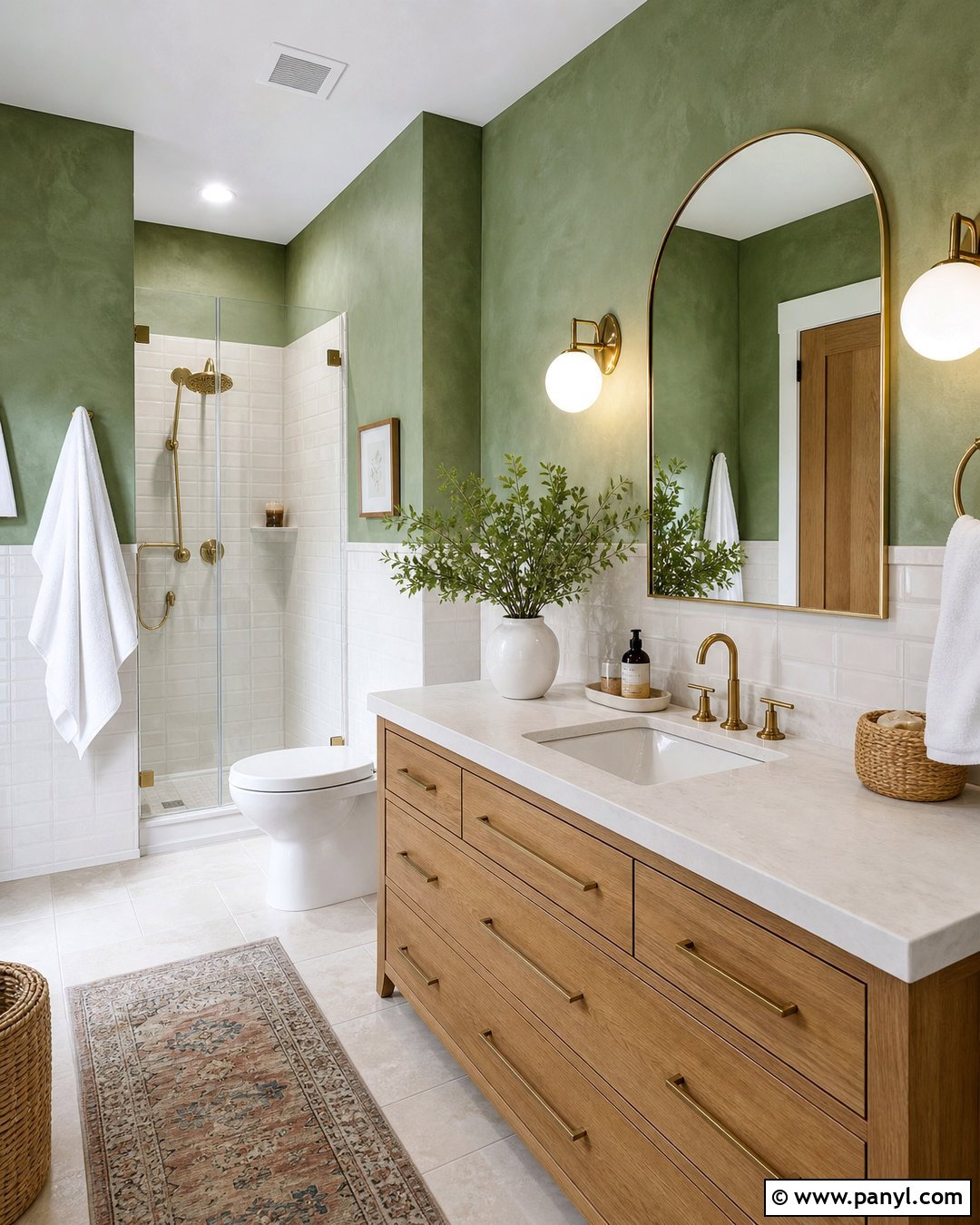
Eucalyptus limewash offers a fresher green palette for a bright bathroom while remaining softer than mint or emerald. Use the finish above a white tile wainscot or throughout a well-ventilated powder room with the appropriate wall preparation. Pair it with a light oak vanity, creamy quartz counter, and brushed brass faucet. An arched mirror, simple globe sconces, and pale stone flooring keep the room open. Add white cotton towels, a woven basket, and one small ceramic planter. Avoid introducing several competing greens; instead, use ivory, oak, and brass to highlight the eucalyptus walls. The final bathroom feels clean and restorative, with enough natural warmth to prevent the green from looking cold under everyday task lighting.
15. Moss Green Limewash Walls
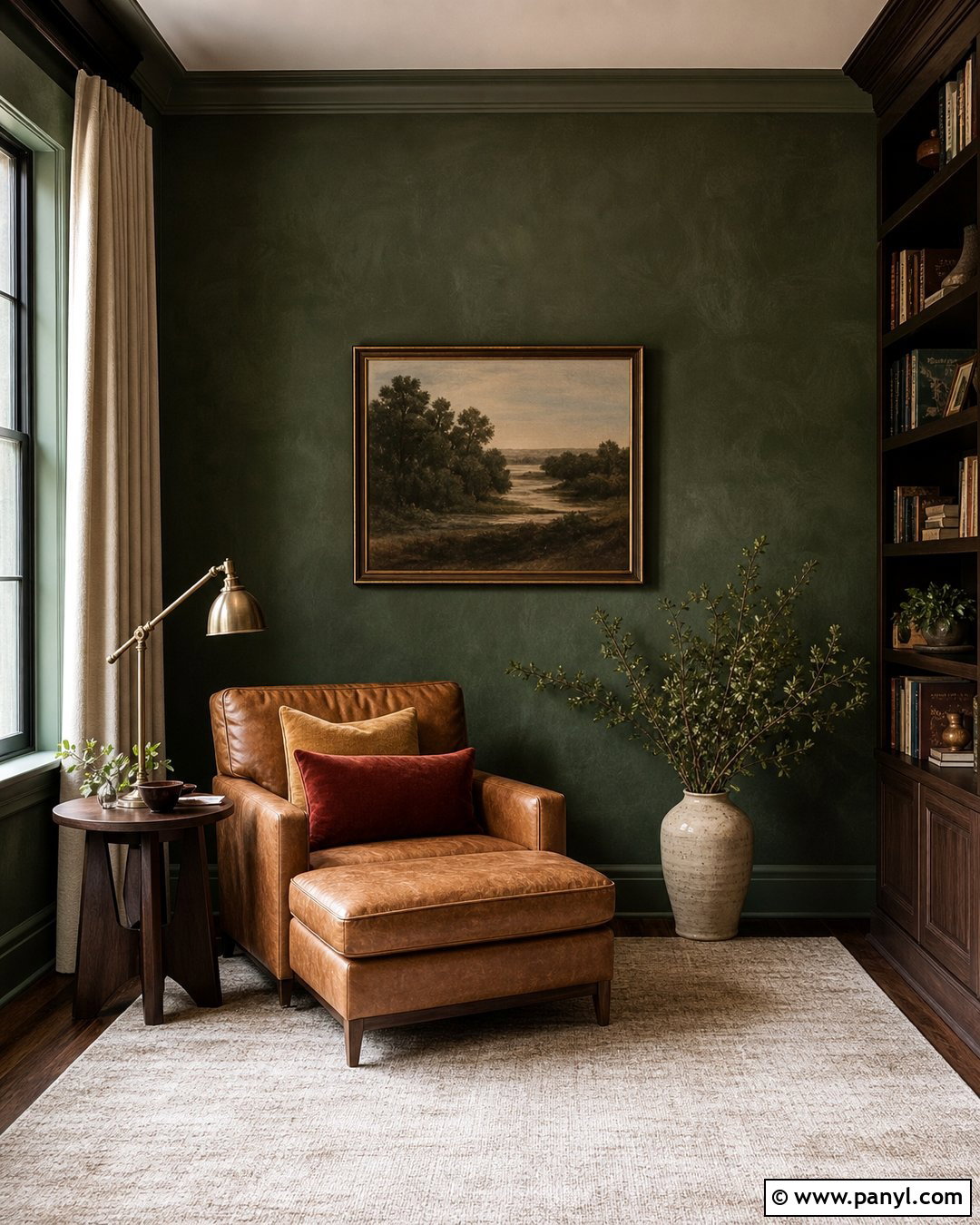
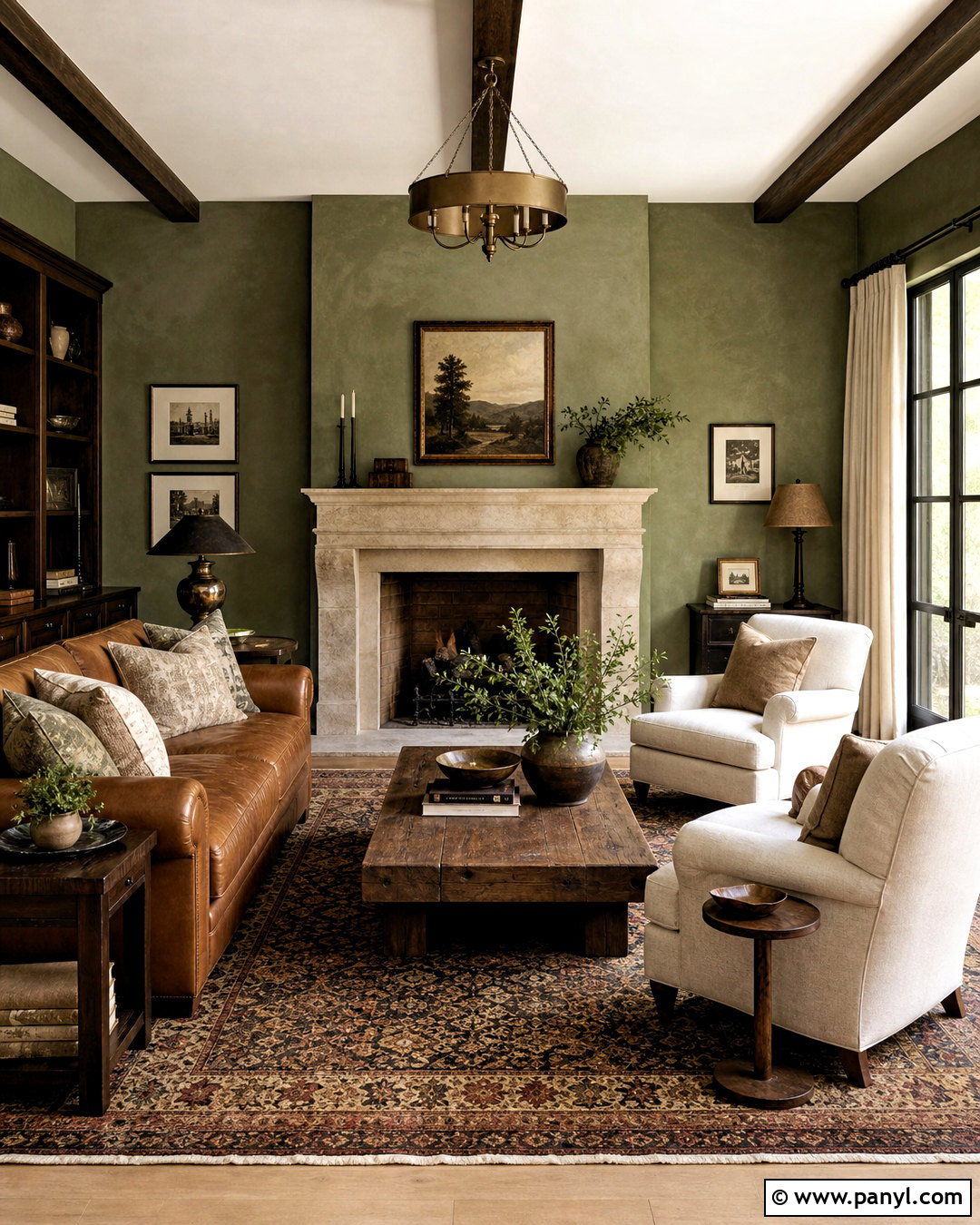
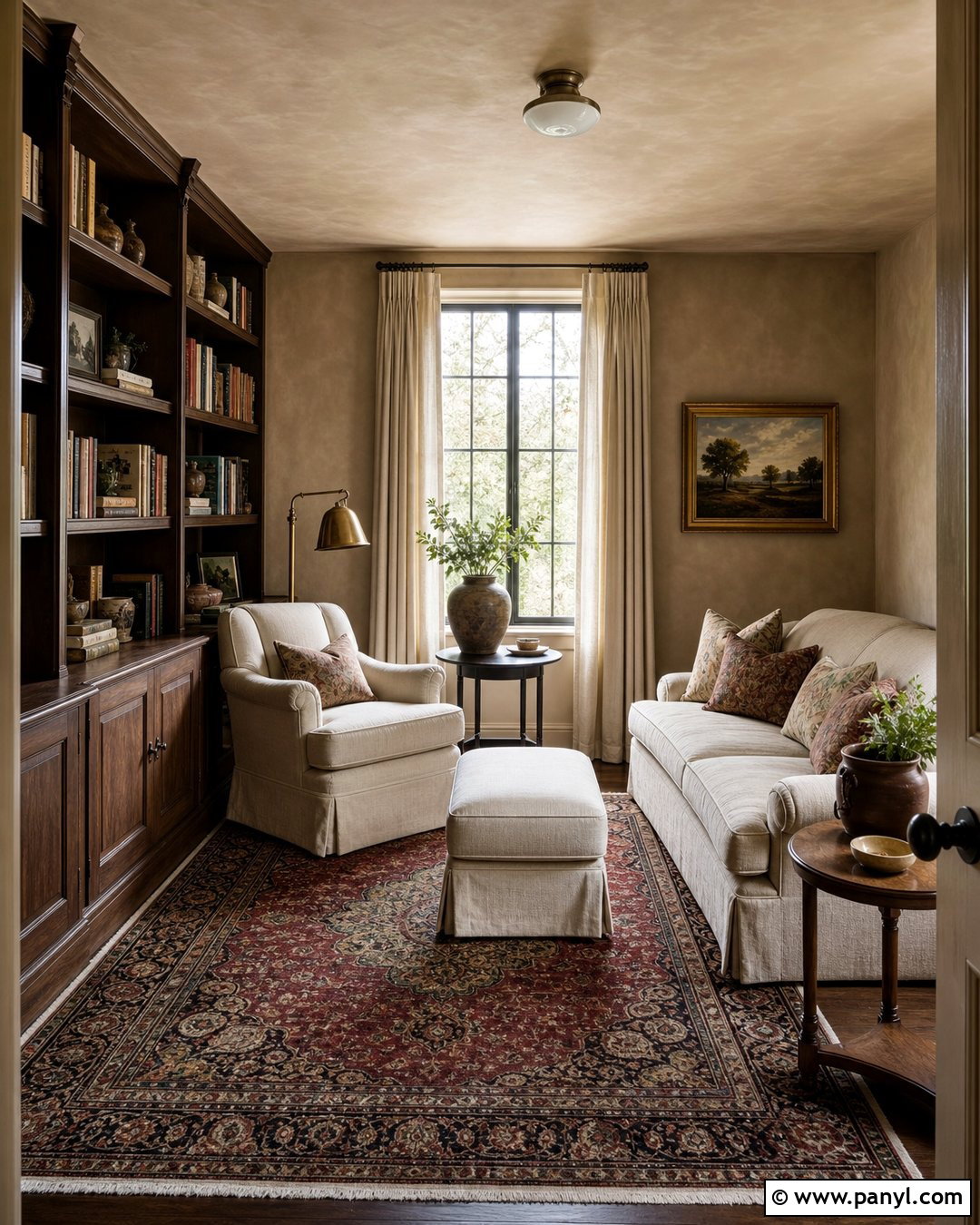
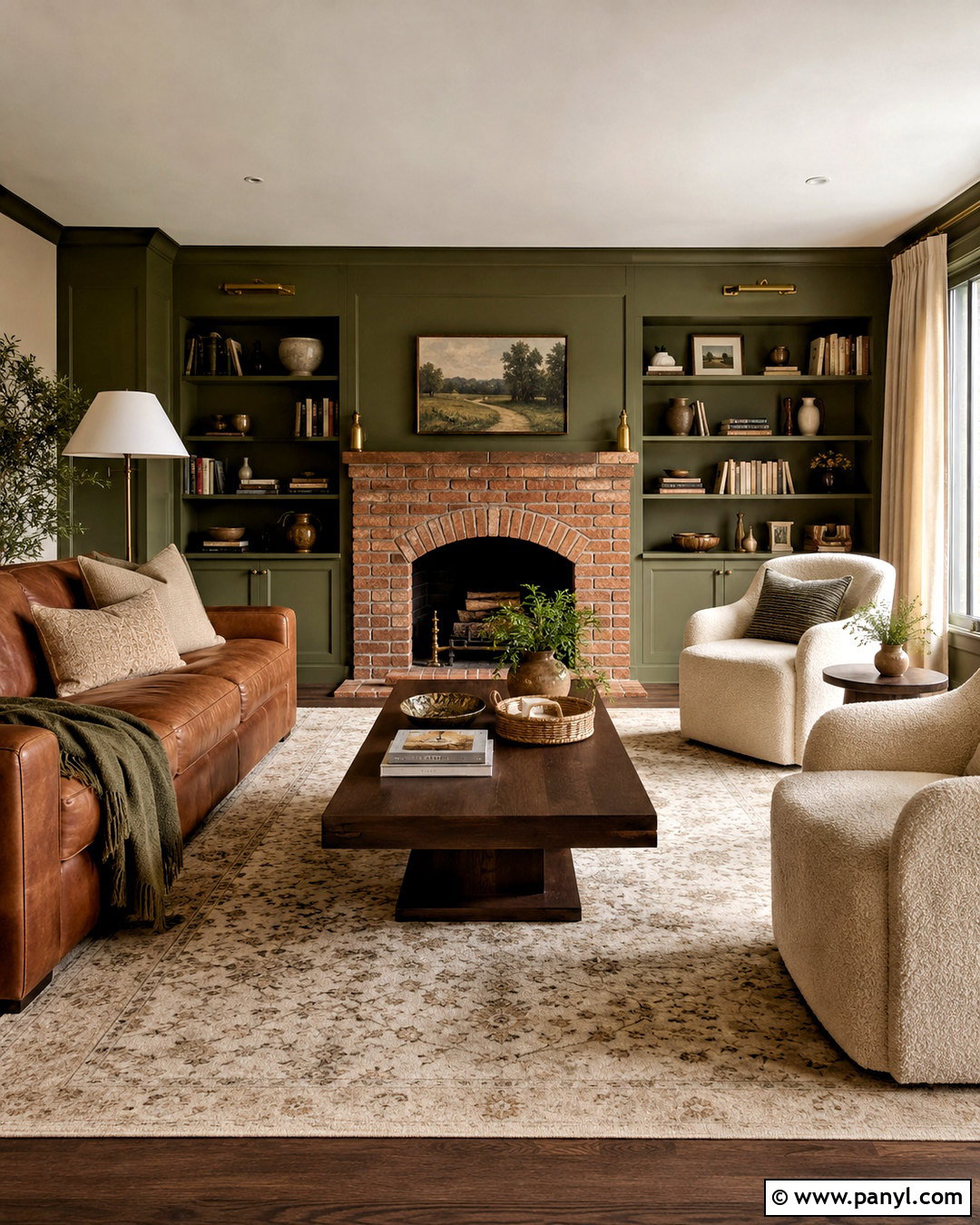
Moss green limewash can transform a reading room into a rich, comfortable retreat. Select a dark, muted green containing brown undertones and apply it across all walls. Place a cognac leather lounge chair near the window with a small walnut side table and an aged brass reading lamp. Use a deep cream rug to brighten the floor and hang substantial oatmeal curtains that soften the wall color. A low bookcase in dark-stained wood will blend naturally into the palette. Add cushions in rust, ochre, and flax, plus one landscape painting in an antique brass frame. The complete room should feel collected rather than themed, combining earthy green walls with leather, wood, wool, and softly reflective metal finishes.
16. Dusty Blue Limewash Walls
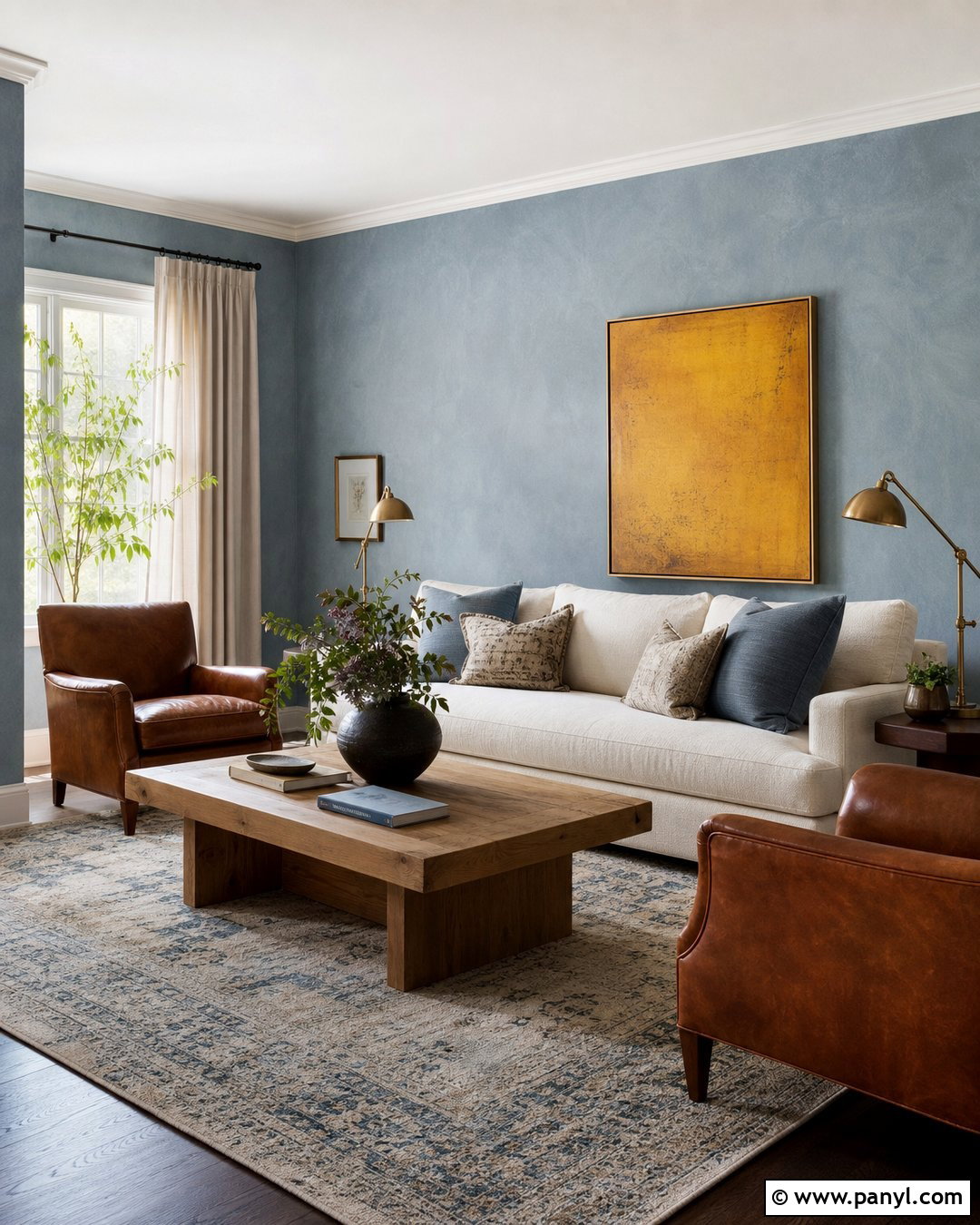
Dusty blue limewash creates a peaceful living room when it is warmed with oak, tan leather, and creamy fabrics. Choose a blue with noticeable gray-green undertones instead of a sugary pastel. Use it on all four walls, then arrange an ivory sofa and two tan leather chairs around a light oak coffee table. A cream and faded blue rug will connect the seating without adding a busy pattern. Hang natural linen curtains and use antique brass lamps for warmth. Artwork featuring ochre, brown, and muted blue can repeat the palette above the sofa. Keep the ceiling and trim soft white. This balanced approach makes dusty blue feel like an adaptable background rather than a strongly themed decorative color.
17. Sky Blue Limewash Walls
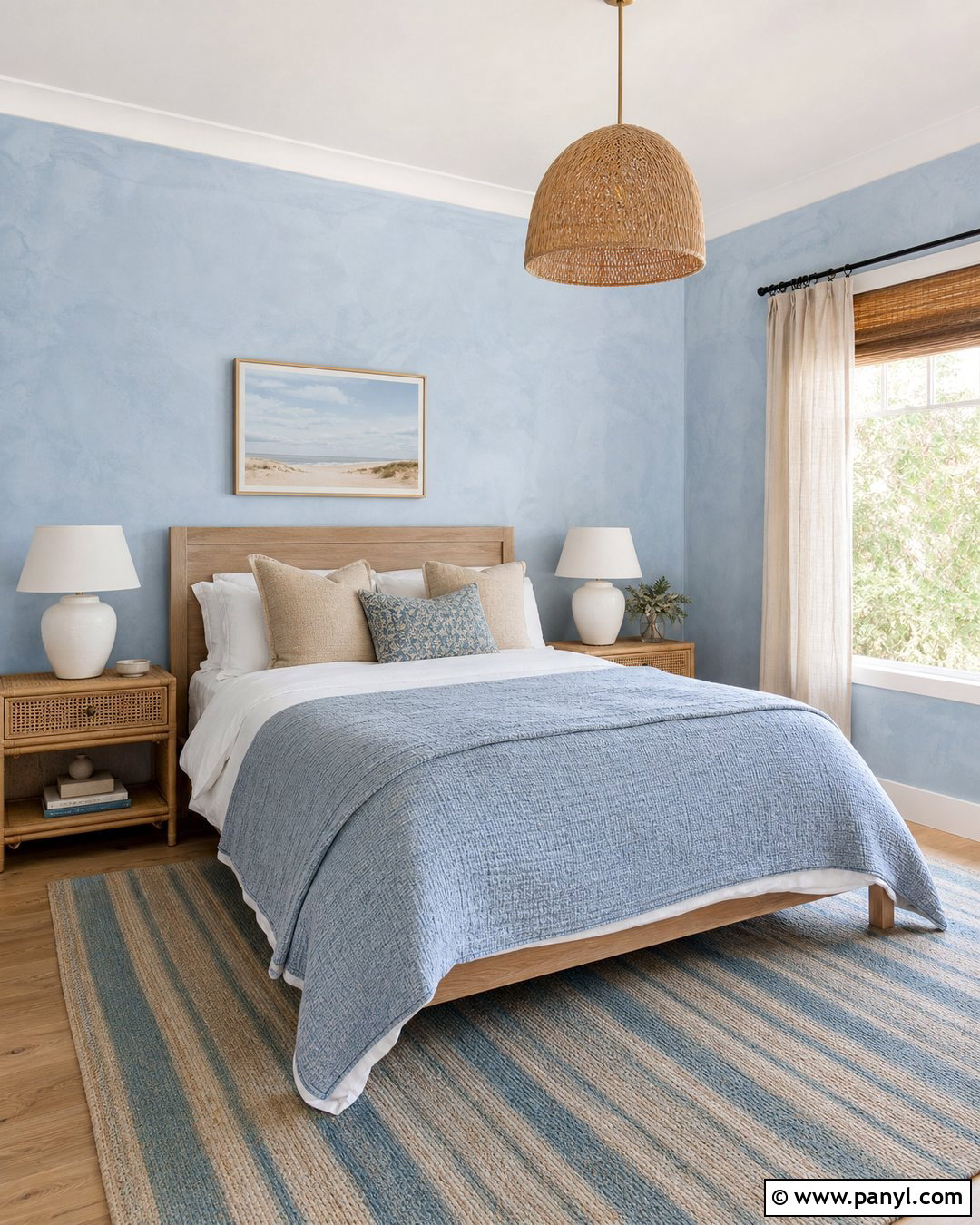
Pale sky blue limewash brings an open, cheerful quality to a small bedroom or guest room. Apply it across the walls while keeping the ceiling bright but not stark white. Choose a simple white oak bed and layer it with ivory bedding, a soft blue quilt, and sandy beige cushions. Use woven nightstands, ceramic lamps with cream shades, and a striped flat-weave rug in blue and tan. Natural linen curtains prevent the room from feeling too cool. Add one warm accent, such as a honey-colored bench or light brown throw, to balance the blue. The completed room feels breezy and comfortable, offering subtle color while remaining neutral enough to accommodate changing bedding, artwork, and seasonal accessories.
18. Slate Blue Limewash Walls
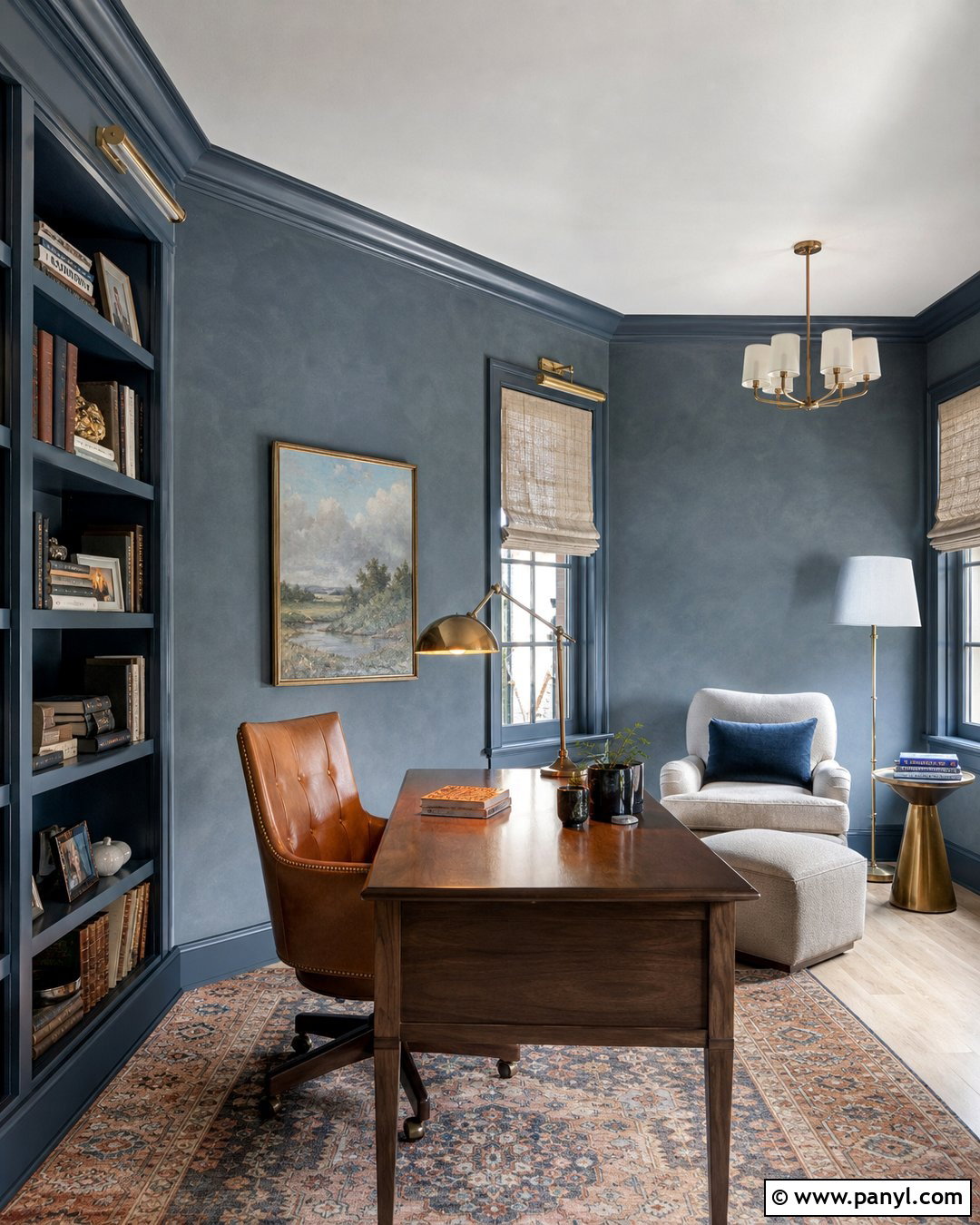
Slate blue limewash offers a deeper option for a polished home office or library. Its combination of blue and gray creates visual weight, while the limewash finish prevents the walls from looking solid or severe. Pair it with built-in shelves painted in a coordinating deep blue, then add a walnut desk and cognac leather chair. A large vintage-style rug in rust, cream, and navy will warm the floor. Use aged brass picture lights, linen Roman shades, and a cream upholstered reading chair. Keep books and objects arranged in small groups so the room stays orderly. This complete scheme feels established and focused, with blue walls, dark wood, leather, and warm metal working together rather than competing.
19. Navy Limewash Walls
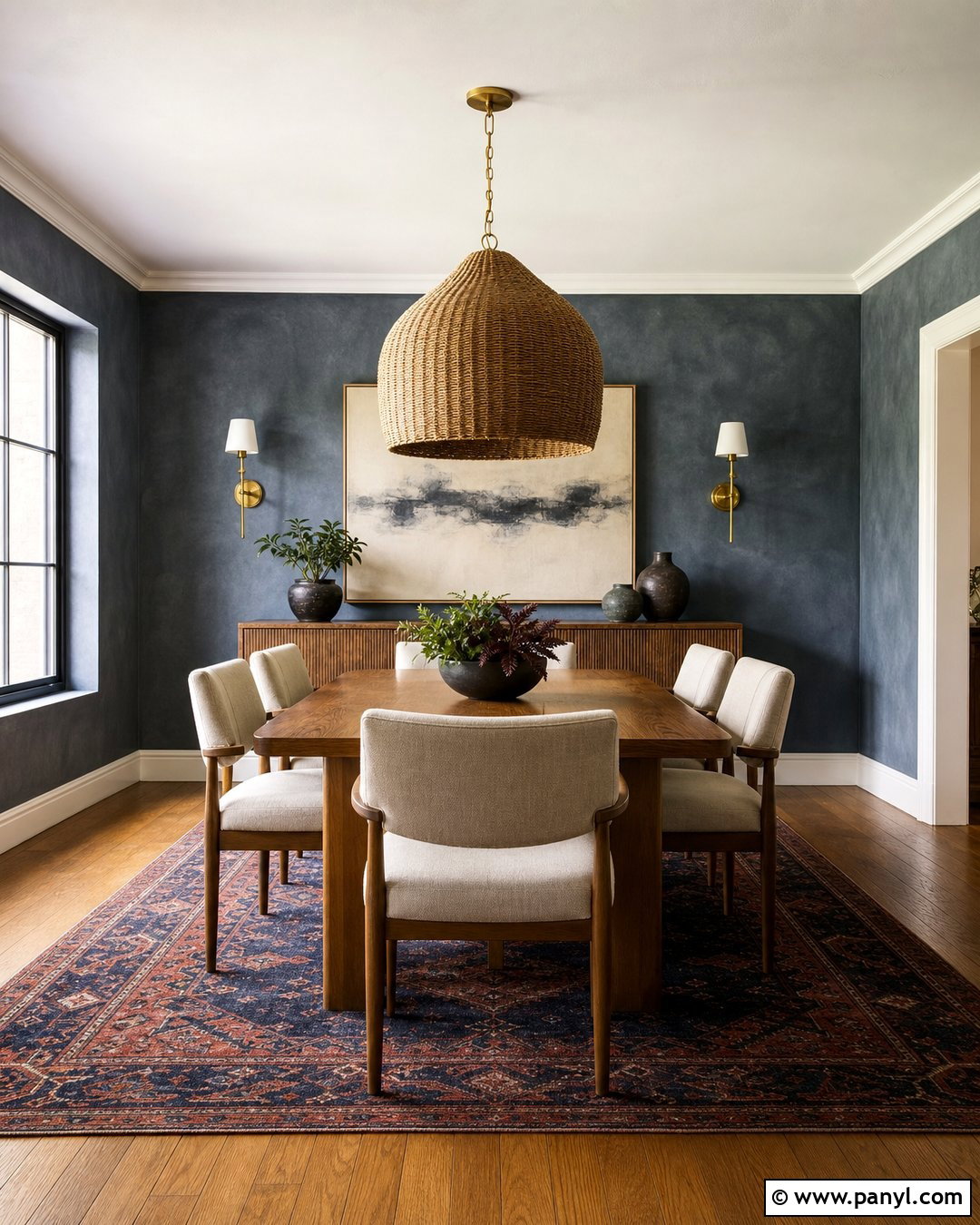
Navy limewash can create a memorable dining room without the hard, uniform appearance of standard dark blue paint. Choose a slightly softened navy and apply it to all walls, leaving the ceiling warm white for relief. Place a medium oak dining table in the center and use upholstered chairs in oatmeal linen. A large woven pendant introduces natural texture, while brass candlesticks and wall sconces add controlled shine. Ground the arrangement with a faded rug containing navy, brick red, and cream. Hang one oversized abstract artwork rather than a crowded gallery. The lighter table, upholstery, ceiling, and curtains will keep the navy from overwhelming the space, resulting in a dramatic room that still feels warm and suitable for daily use.
20. Blush Limewash Walls
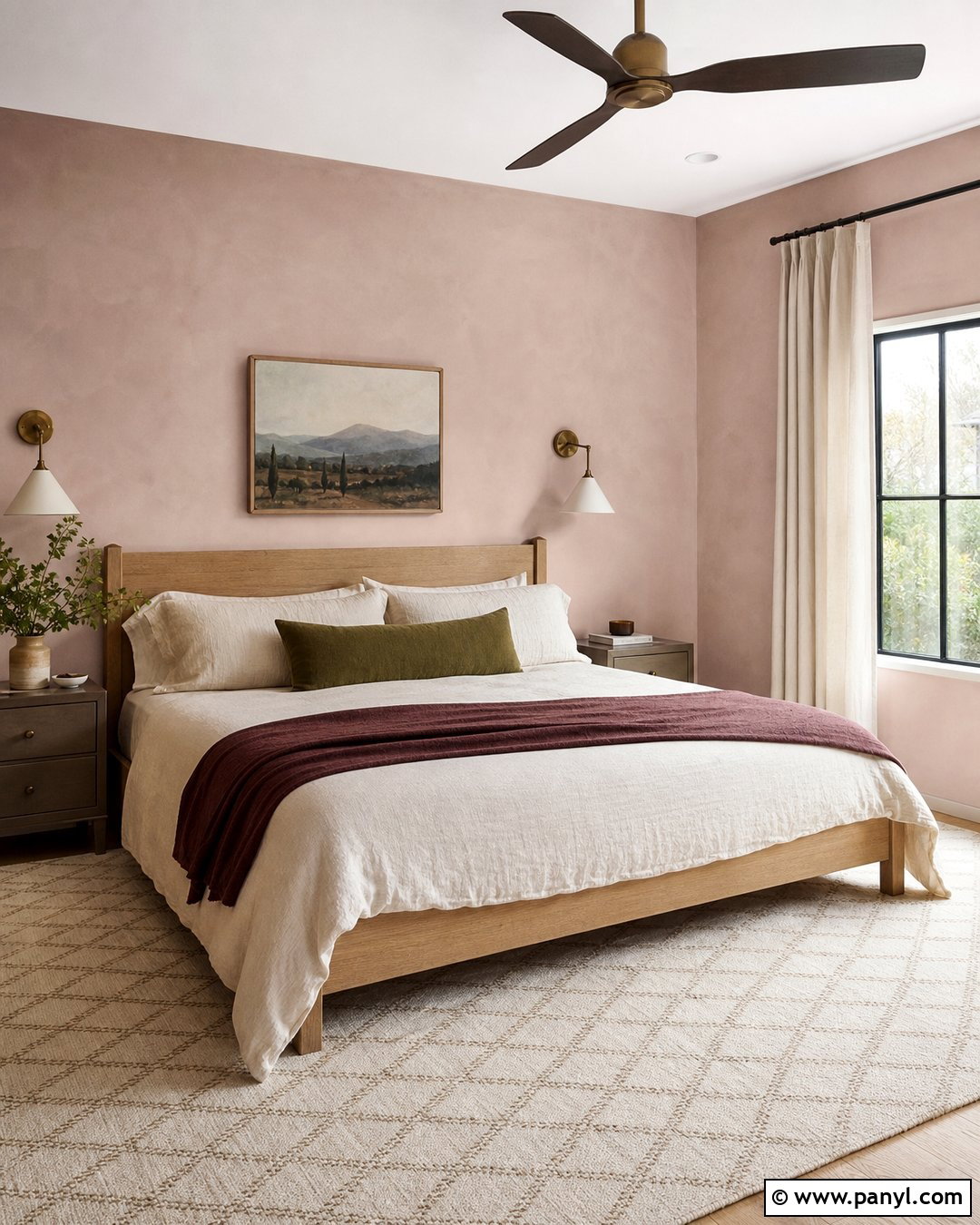
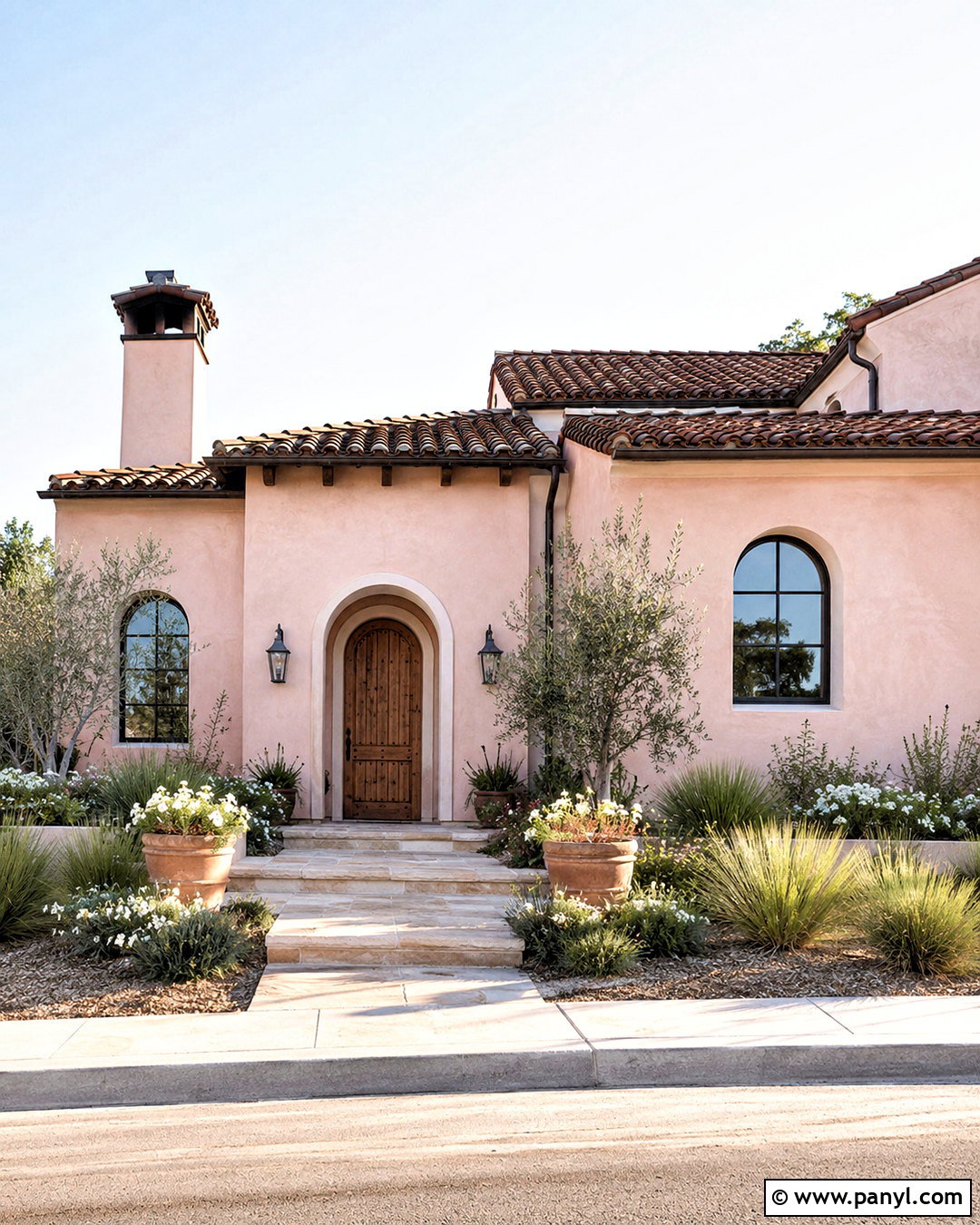
Blush limewash provides gentle warmth for a bedroom while remaining more subtle than conventional pink paint. Look for a chalky blush with beige or brown undertones. Use it on every wall and combine it with a white oak bed, ivory linen bedding, and a muted burgundy throw. Mushroom-colored nightstands create contrast without appearing heavy. Choose aged brass sconces, off-white curtains, and a cream rug with a restrained geometric pattern. Add a small amount of olive green through pillows or a ceramic vase to balance the rosy color. Avoid overly delicate decorations and use clean-lined furniture instead. The finished bedroom feels warm, modern, and calm, allowing the softly mottled blush walls to provide character without dominating the room.
21. Dusty Rose Limewash Walls
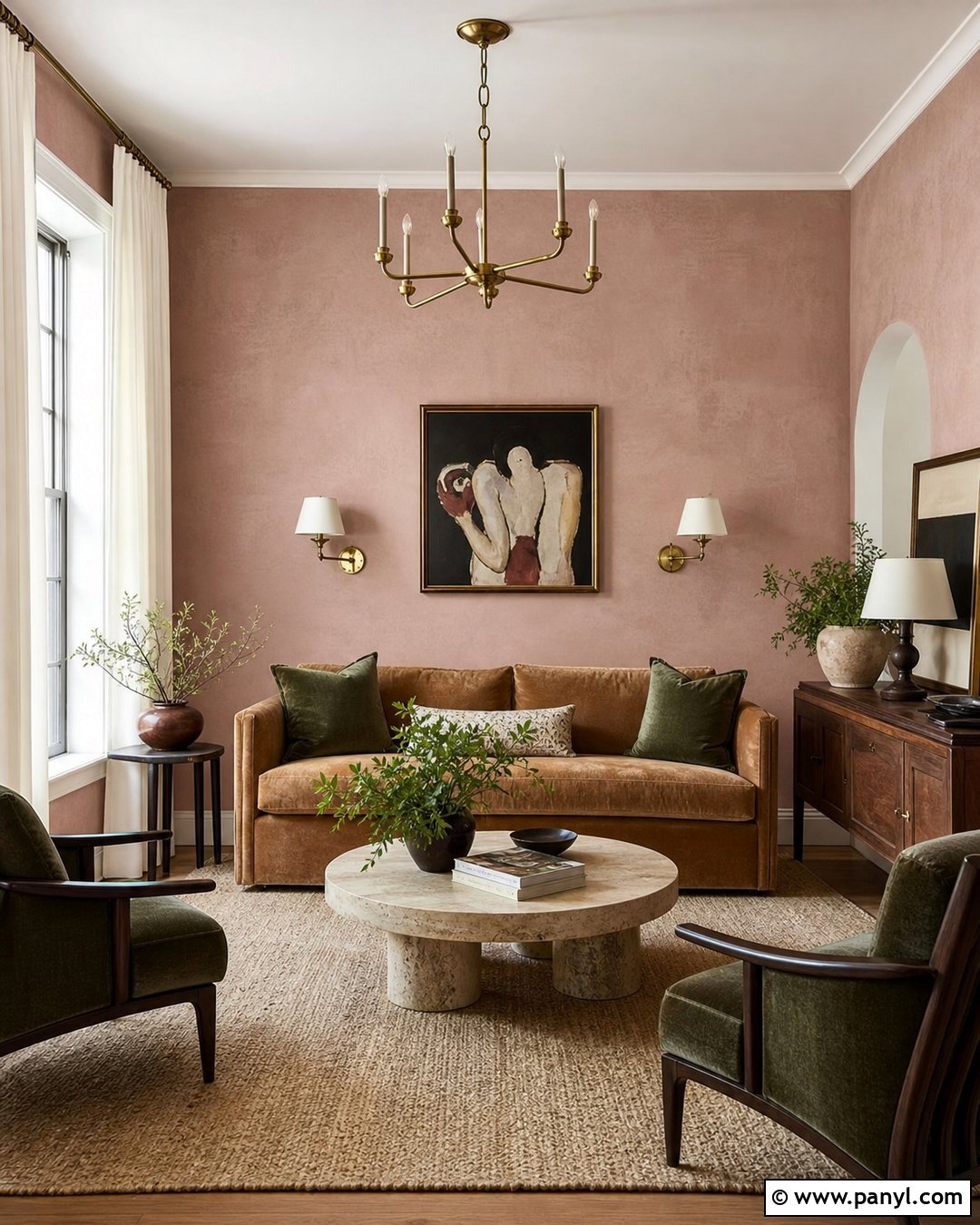
Dusty rose limewash brings an earthy, aged appearance to a sitting room or formal living space. Select a muted pink with terracotta and gray undertones. Pair the walls with a camel velvet sofa, two dark wood armchairs, and a large oatmeal rug. A round travertine coffee table will lighten the center of the arrangement. Use deep olive pillows, ivory curtains, and antique brass lighting to build a mature palette. Add a walnut console with a dark-framed mirror and a few sculptural ceramic pieces. Keep the ceiling creamy white and repeat the dusty rose only in small rug or artwork details. This full design feels colorful and expressive while maintaining enough neutral material to remain balanced and livable.
22. Peach Limewash Walls
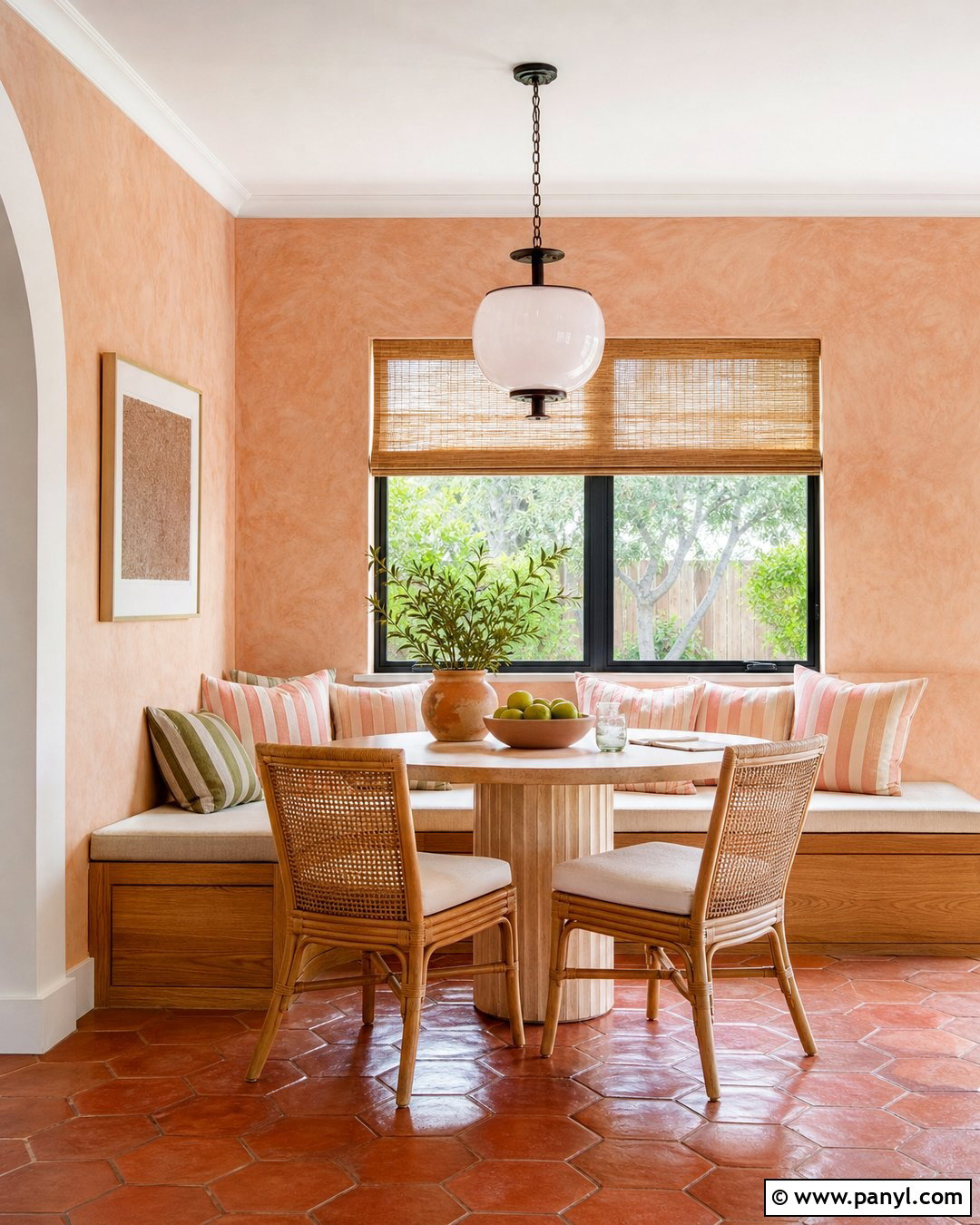
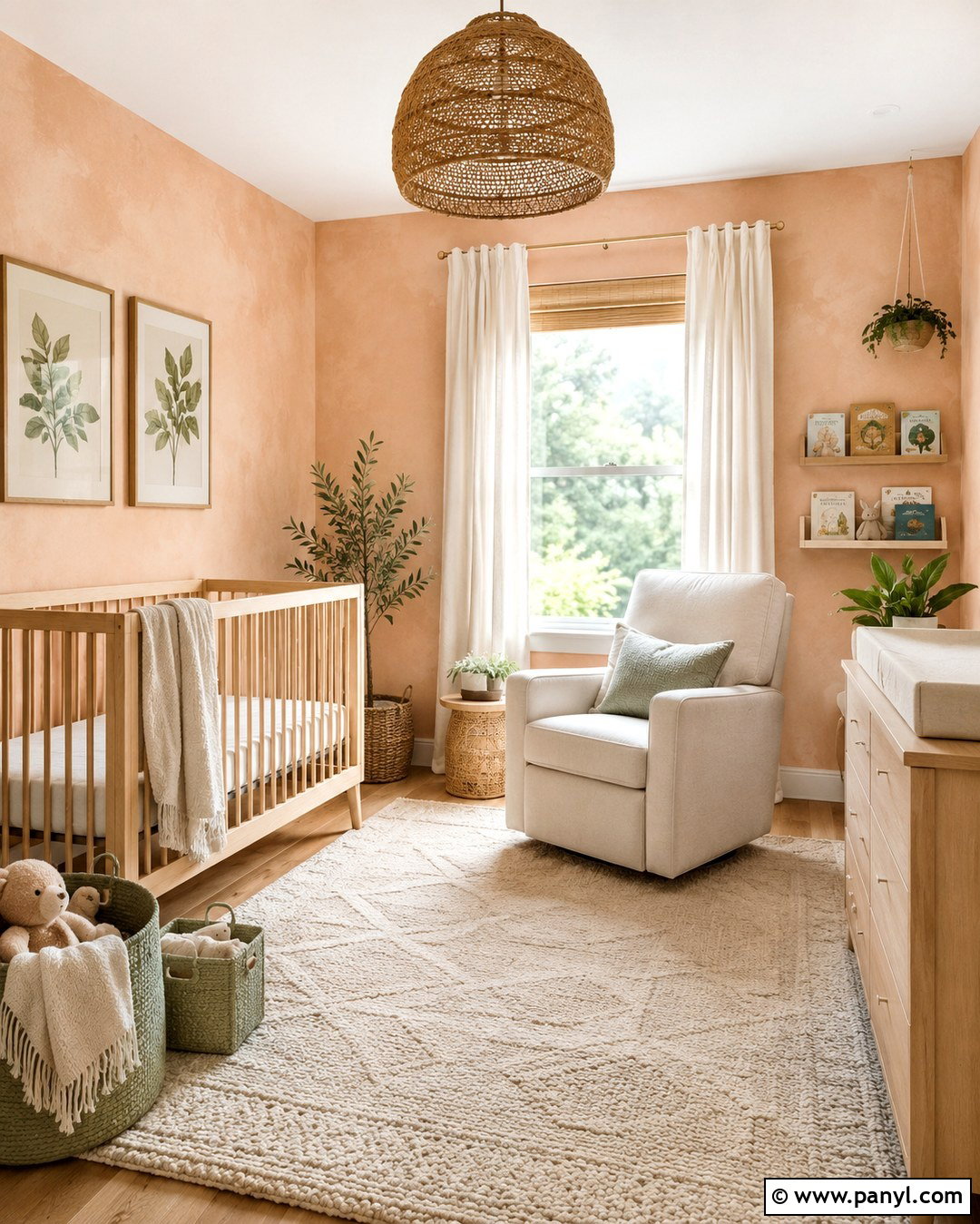
Soft peach limewash makes a breakfast nook feel sunny even when the space receives limited direct light. Choose a muted peach with clay and beige undertones rather than a bright orange shade. Install a built-in oak bench along one wall, adding cream seat cushions and striped pillows in peach, olive, and tan. Pair it with a round pedestal table and woven dining chairs. A small opal glass pendant with aged brass hardware will provide a clean focal point overhead. Use warm white trim, natural fiber shades, and terracotta floor tiles or an earthy woven rug. Simple pottery and one framed still life complete the arrangement. The result is cheerful, warm, and practical without looking overly colorful or themed.
23. Terracotta Limewash Walls
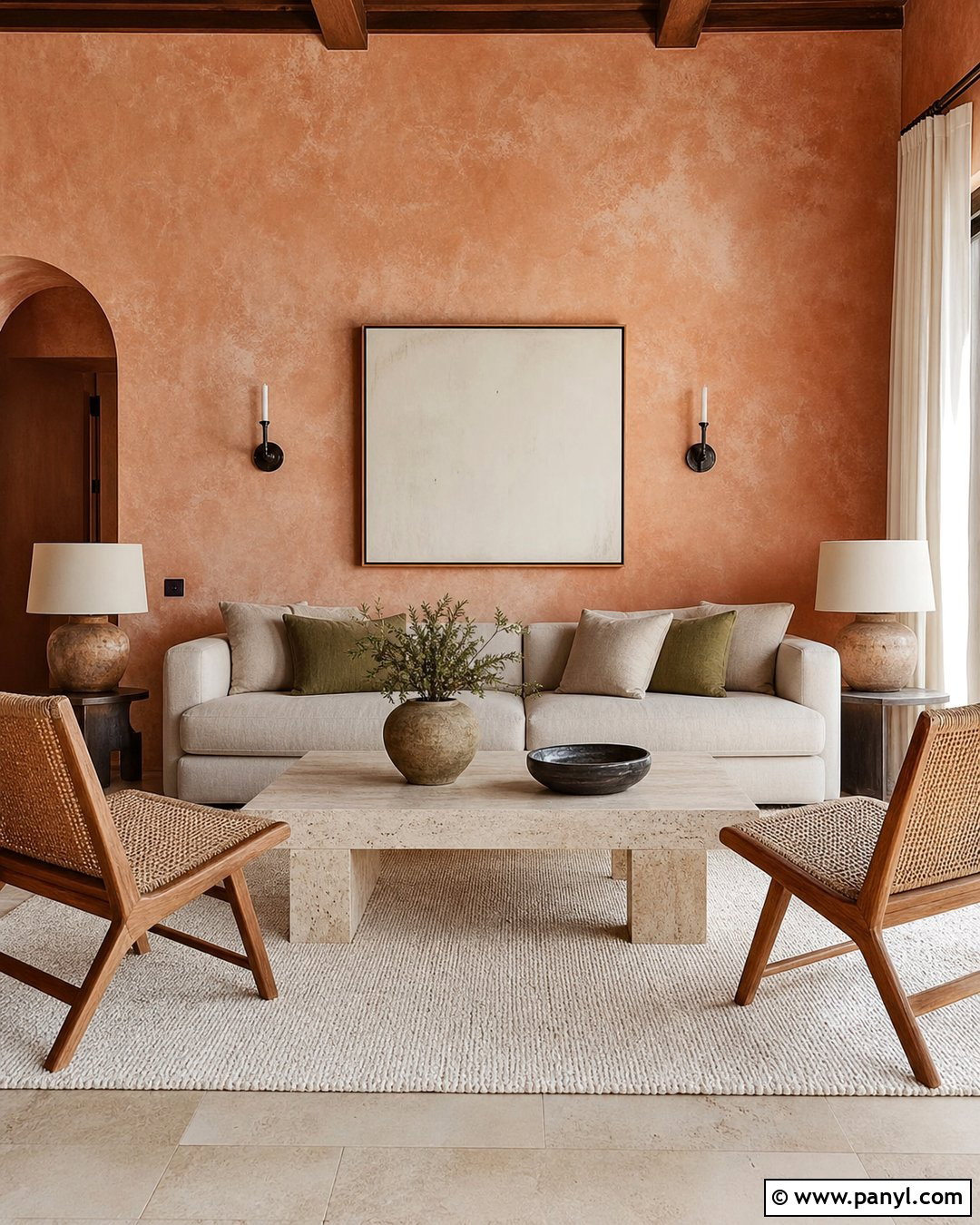
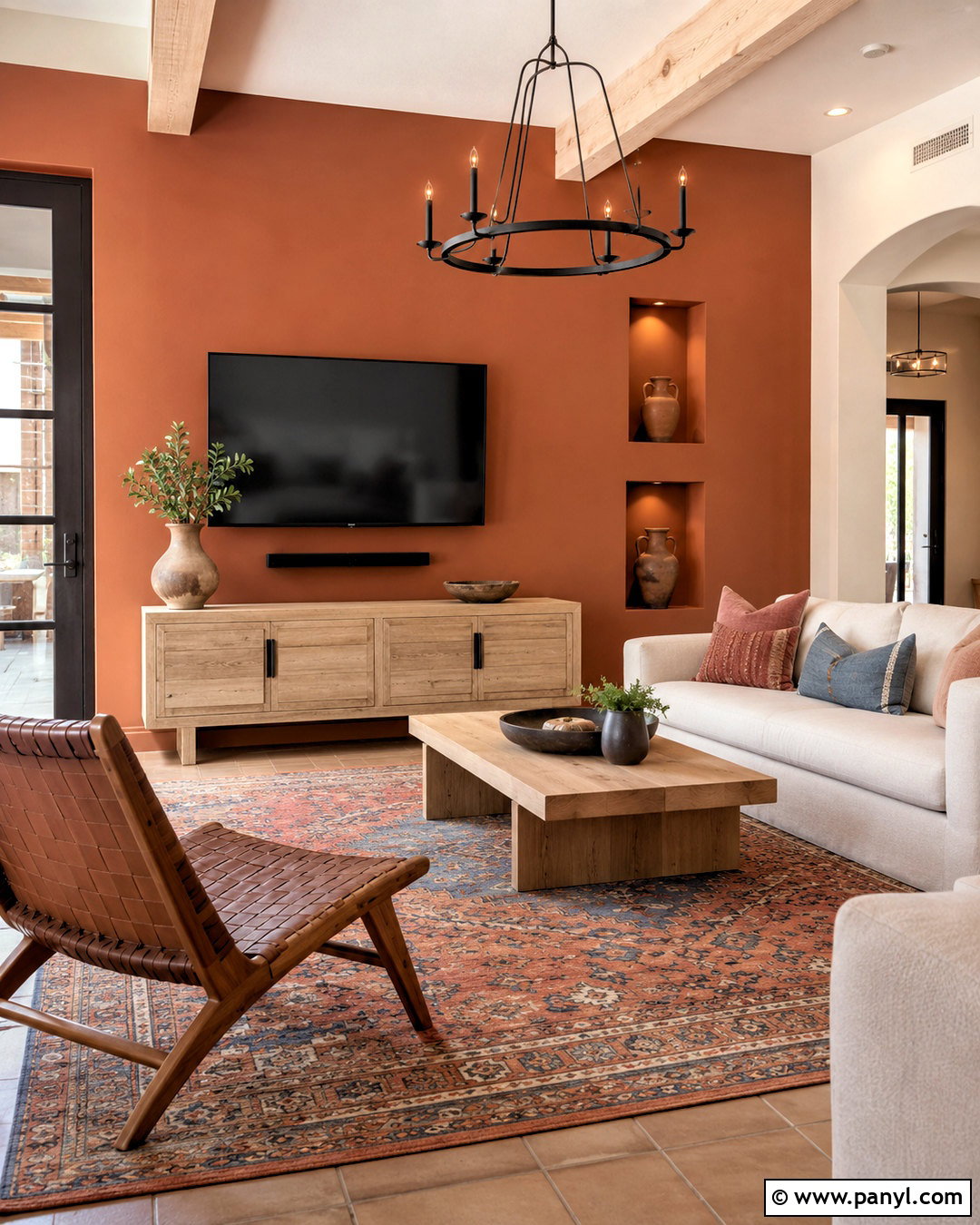
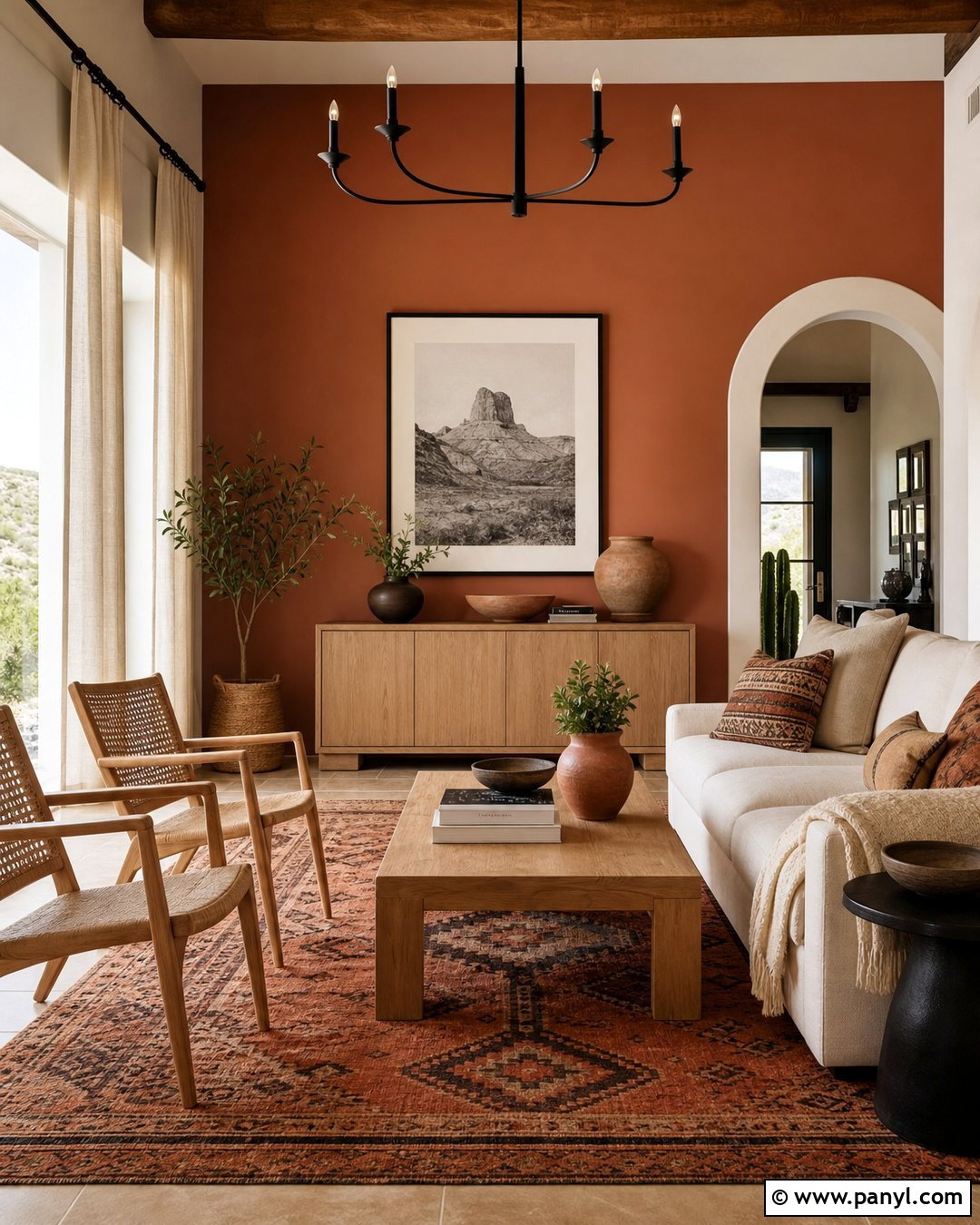
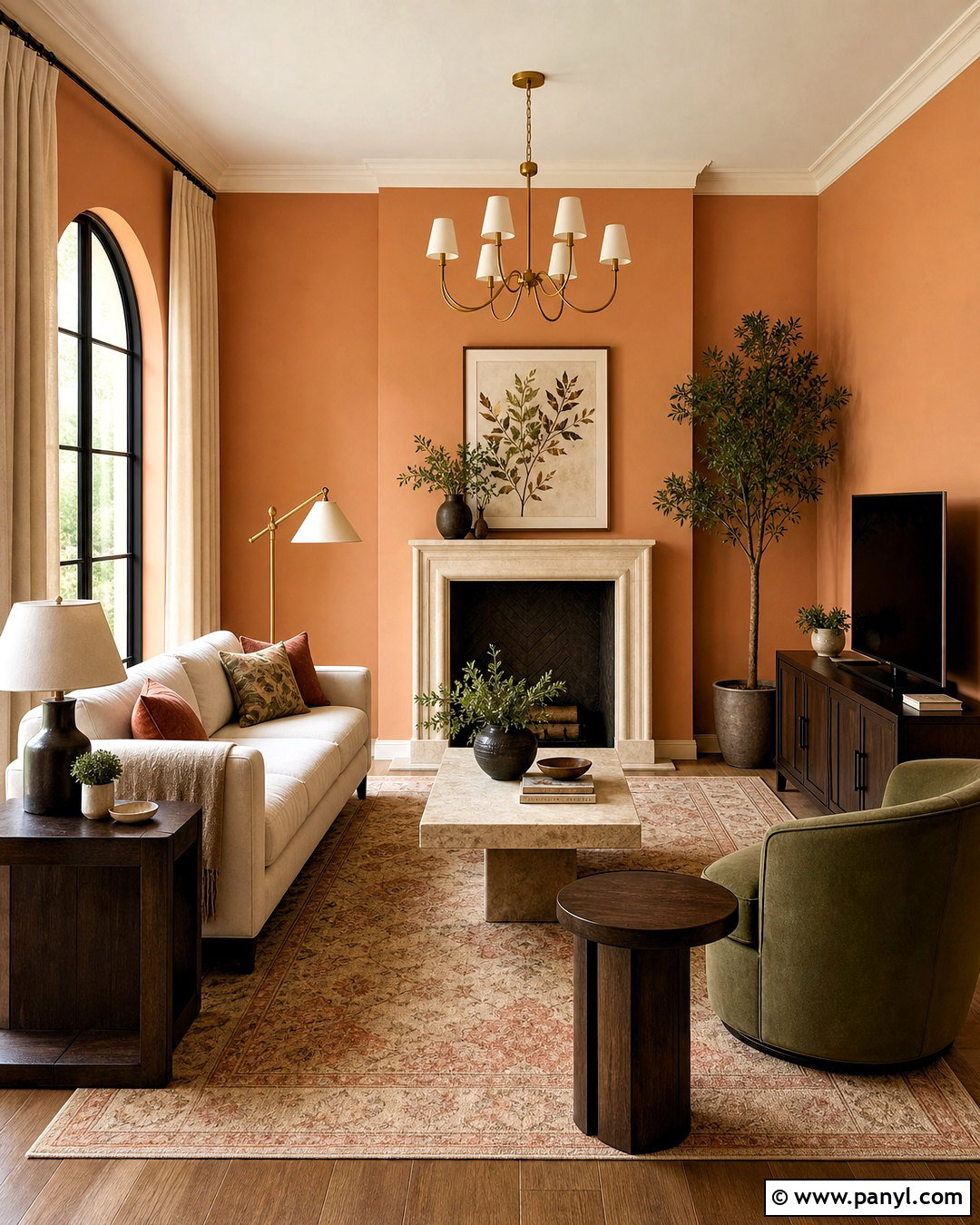
Terracotta limewash creates a warm Mediterranean-inspired living room when it is supported by pale upholstery and natural stone. Choose a sun-faded clay shade instead of a highly saturated orange. Apply it throughout the room, then add a low cream sofa, two woven wood chairs, and a substantial travertine coffee table. An ivory wool rug will brighten the floor and provide contrast against the earthy walls. Use off-white linen curtains, dark bronze hardware, and handmade ceramic lamps. Olive green pillows and a few dark wood accents create additional depth. Keep wall decor simple so the limewash variation remains visible. The completed room feels grounded, inviting, and rich in character without requiring arches, ornate furniture, or other exaggerated Mediterranean details.
24. Ochre Limewash Walls
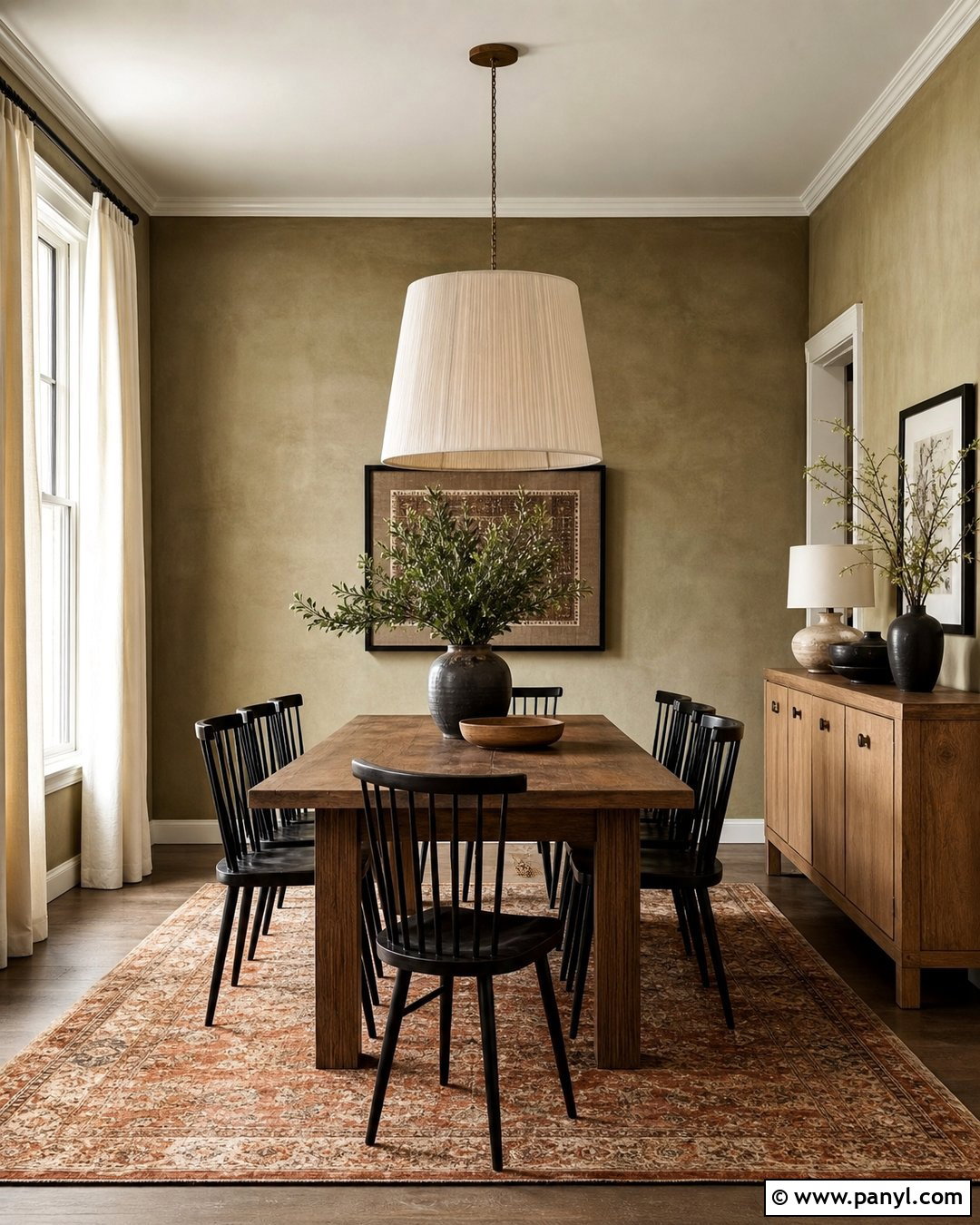
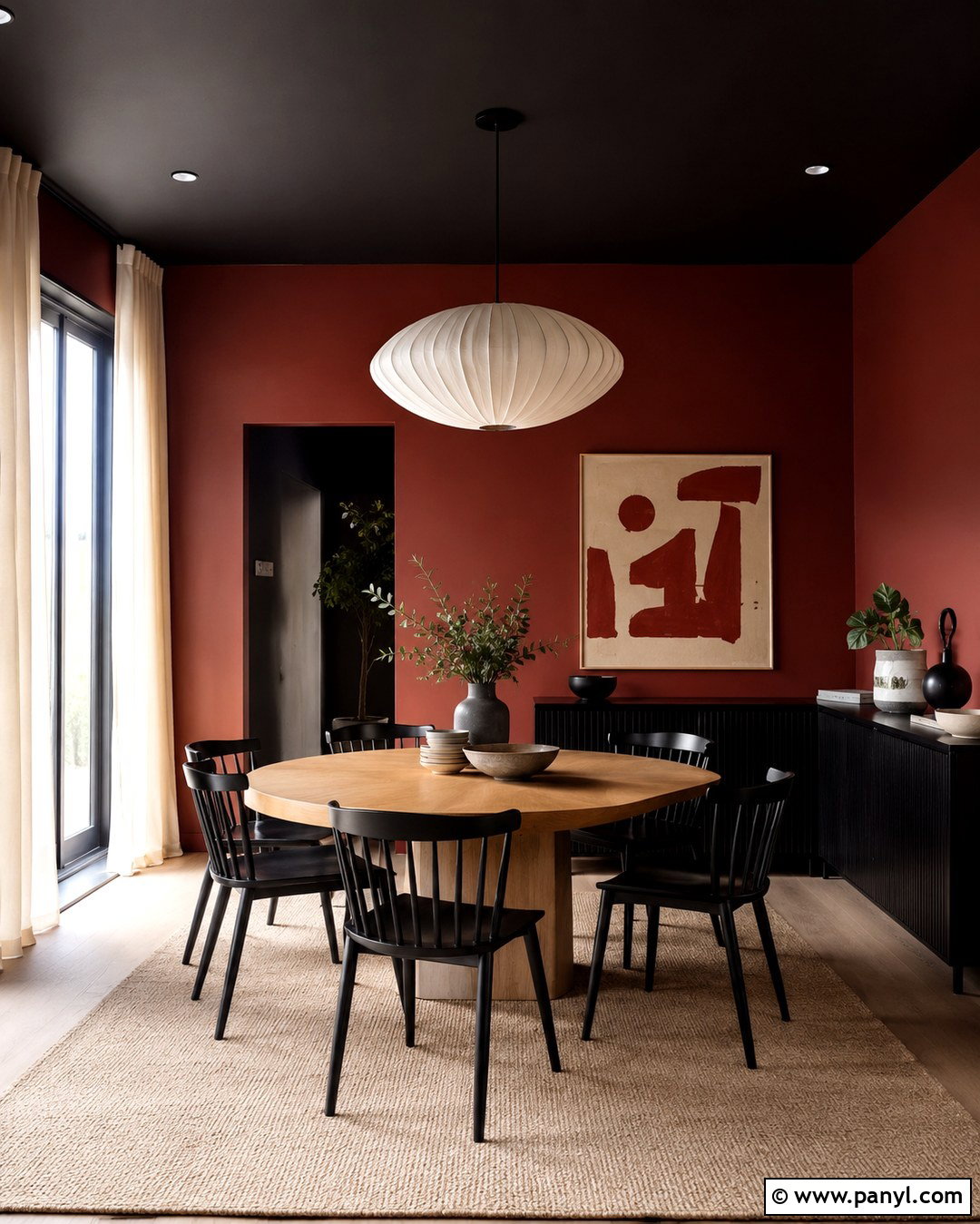
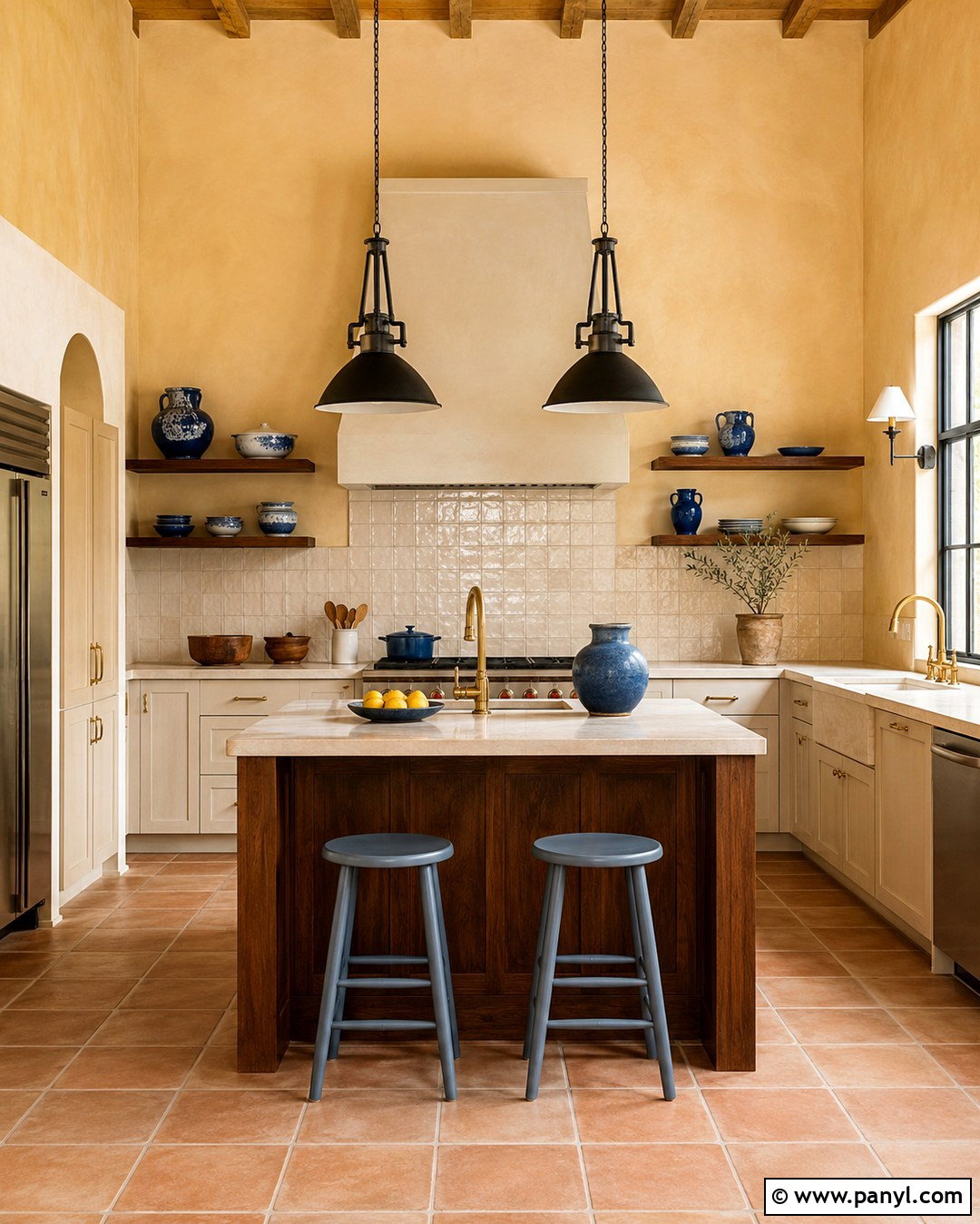
Ochre limewash gives a dining space golden warmth without the sharpness of a bright yellow wall. Select a muted mustard-ochre containing brown and clay undertones. Combine it with a dark walnut dining table, black spindle chairs, and a large cream pendant. A faded rug in beige, charcoal, rust, and olive will tie the stronger wall color to the darker furniture. Use warm white curtains and a simple oak sideboard to keep the perimeter from feeling heavy. Black-framed artwork and matte ceramic pieces create restrained contrast. Because ochre changes noticeably in different lighting, test it beside both daylight and evening lamps. The final room feels energetic yet grounded, with balanced proportions of golden color, dark wood, cream textiles, and natural materials.
25. Cocoa Brown Limewash Walls
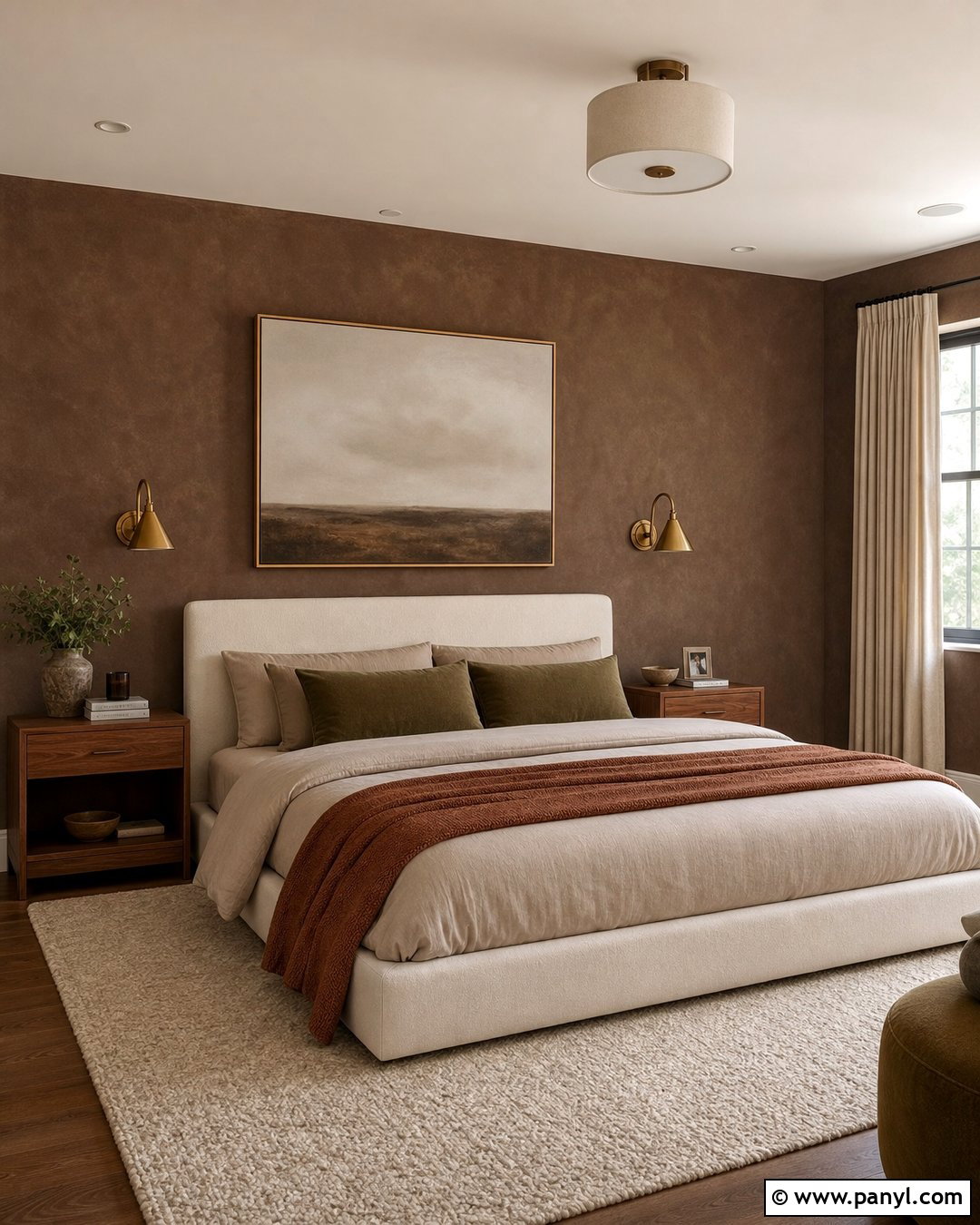
Cocoa brown limewash makes a bedroom feel deeply comfortable when it is balanced with pale textiles and warm wood. Choose a softened chocolate shade with taupe undertones rather than an extremely dark espresso. Apply it to every wall and keep the ceiling a creamy off-white. Position an upholstered ivory bed against the main wall, then layer beige bedding, a rust blanket, and subtle olive accents. Use medium walnut nightstands, aged brass sconces, and full oatmeal curtains. A large cream wool rug will lighten the floor and define the sleeping area. Limit artwork to one oversized neutral piece. This complete tonal scheme feels enveloping and sophisticated, showing that brown limewash can serve as a restful background instead of making a bedroom appear dated or enclosed.
Conclusion:
The best limewash color should complement the room’s light, flooring, furniture, and fixed finishes rather than simply follow a trend. Warm whites and sandy neutrals create flexible backgrounds, while sage, blue, blush, terracotta, and cocoa offer more personality. Build a complete palette around the wall color using natural wood, stone, linen, wool, and softly aged metals. These materials reinforce the handcrafted texture instead of competing with it. Always test a generous sample on the intended wall and observe it throughout the day because limewash can reveal noticeable tonal variation as the light changes. With thoughtful sampling and balanced furnishings, these **25 Limewash Walls Colors** can inspire rooms that feel layered, welcoming, and distinctly personal.

Related Ideas and Inspiration:
Leave a Reply