
Brown and beige kitchens are moving beyond the heavy, overly matched look of the past. Today’s best spaces combine layered neutrals, natural wood, textured stone, and clean-lined details for a warmer, lighter result. Wood cabinetry has also regained popularity, making this earthy palette especially relevant for current kitchen renovations. () These 20 brown and beige kitchen ideas include modern, farmhouse, cottage, rustic, transitional, and budget-friendly looks. Each concept treats the kitchen as a complete space, coordinating cabinets, countertops, backsplashes, flooring, hardware, lighting, and decor. Whether you prefer pale oak, rich walnut, creamy paint, or dramatic chocolate brown, you can create depth without making the room feel dated. Use these practical 20 brown and beige kitchen ideas to find a balanced look that fits your home.

1. Light Oak And Beige Kitchen
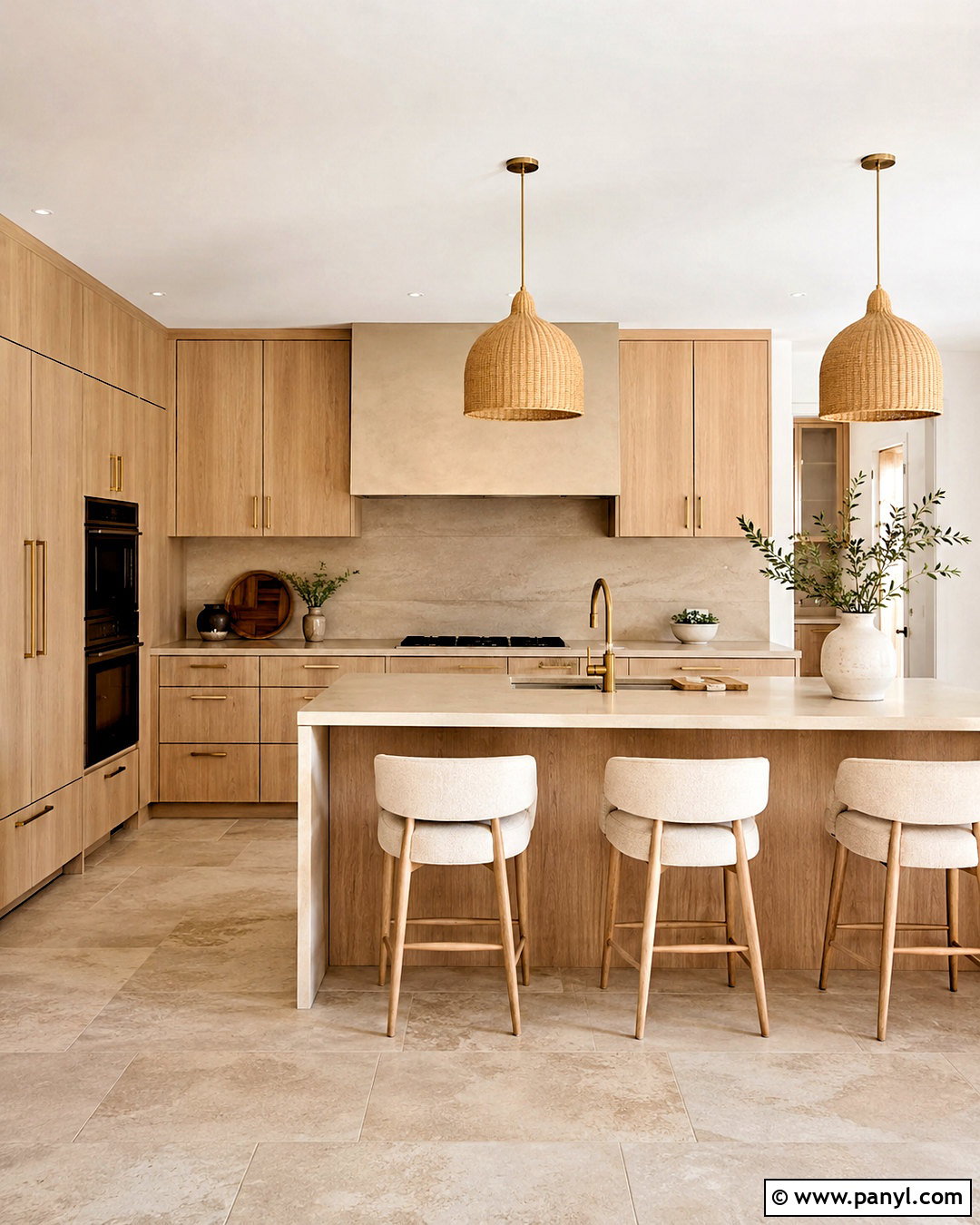
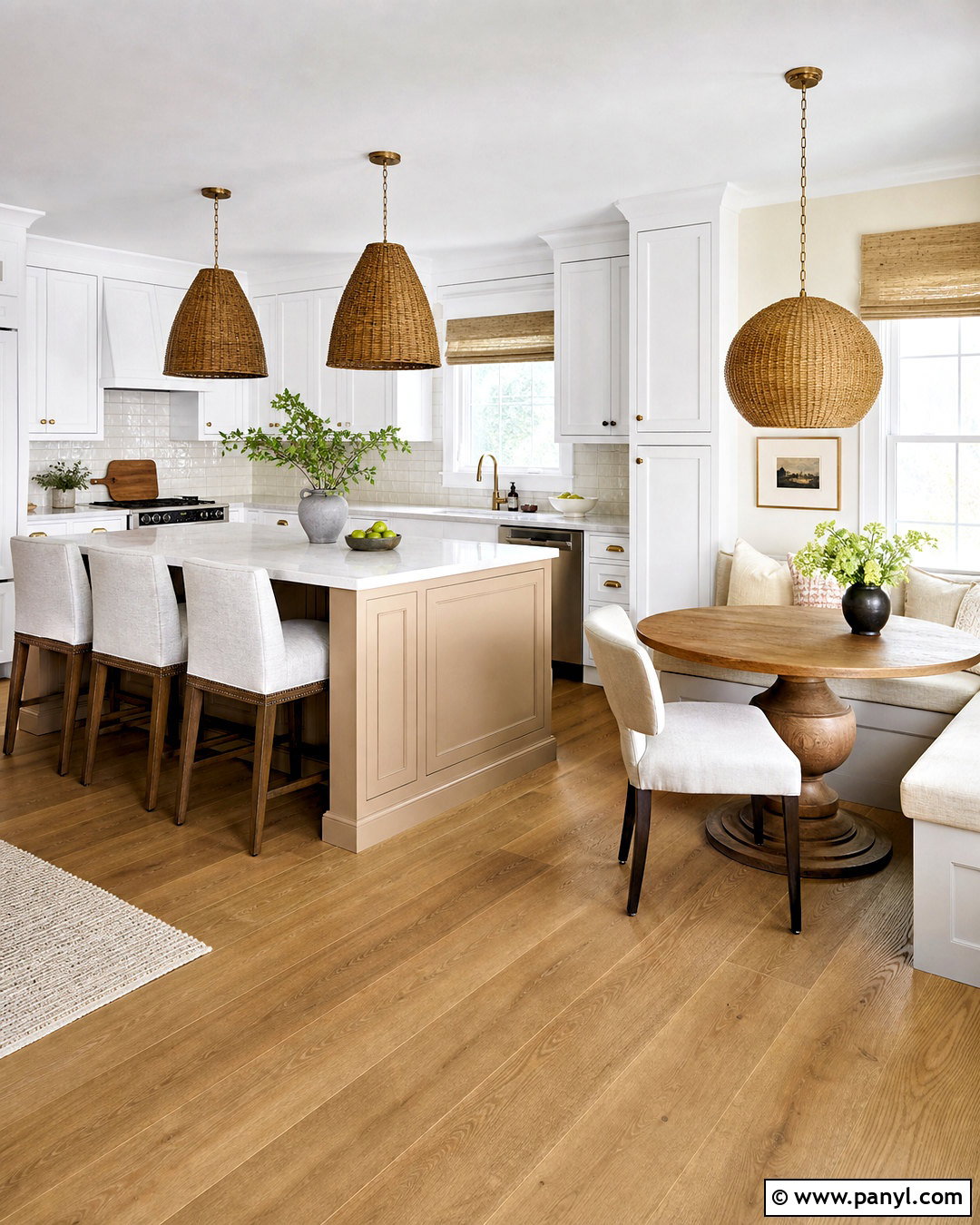
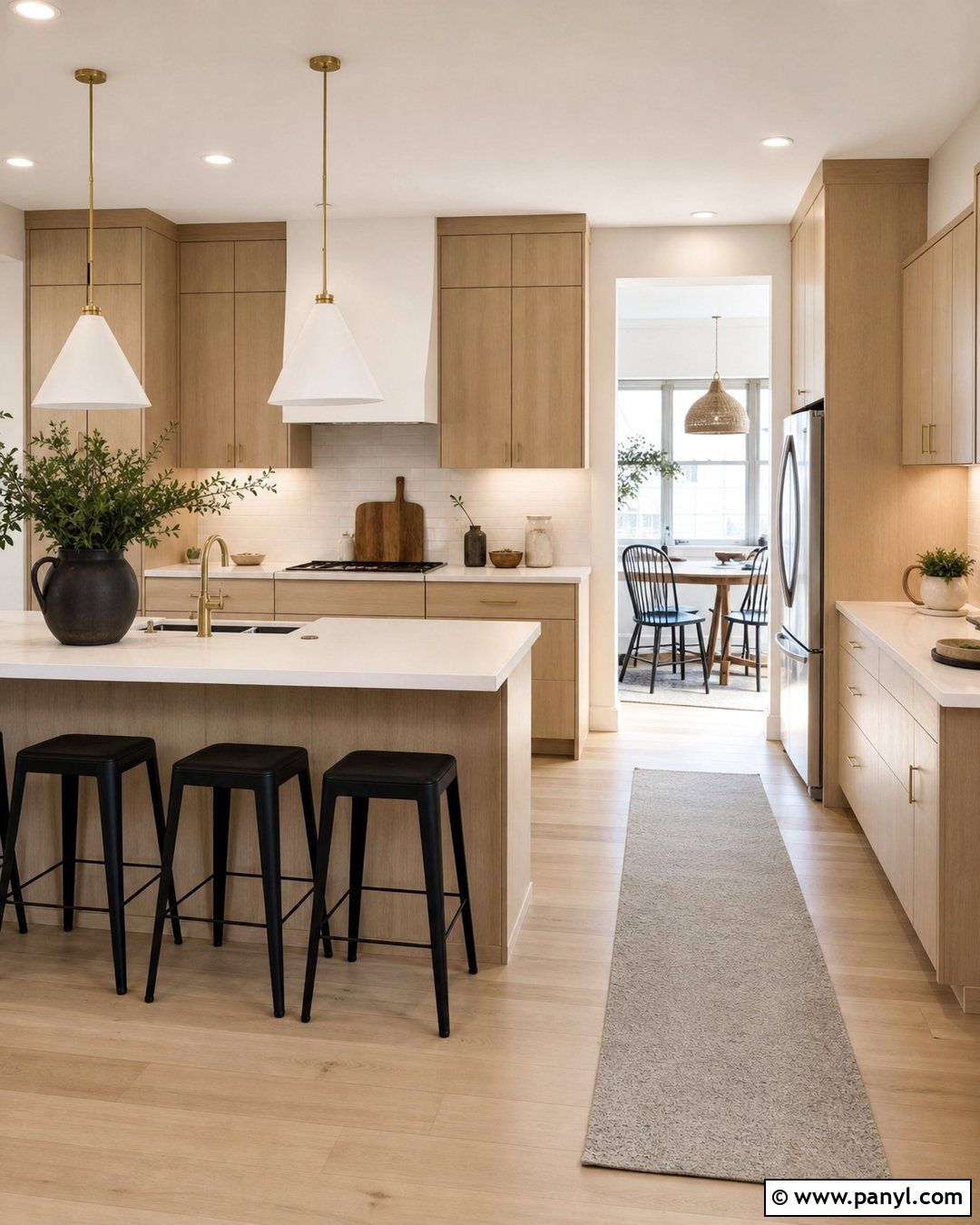
Pale oak cabinets give a brown and beige kitchen a fresh, airy starting point. Choose simple flat-panel or slim Shaker doors with a matte natural finish that preserves the wood grain. Pair them with warm beige quartz countertops and a matching slab backsplash for a calm, seamless effect. Light limestone-look porcelain flooring keeps the palette soft without competing with the cabinets. Add brushed brass pulls, cream counter stools, and rounded pendant lights for gentle contrast. Off-white walls will reflect more natural light than deeper beige paint. To prevent the room from feeling too pale, introduce medium brown through woven shades, cutting boards, and a compact dining table. This look works especially well in open-concept homes where the kitchen needs to blend quietly with nearby living spaces.
2. Walnut Cabinets With Beige Quartzite
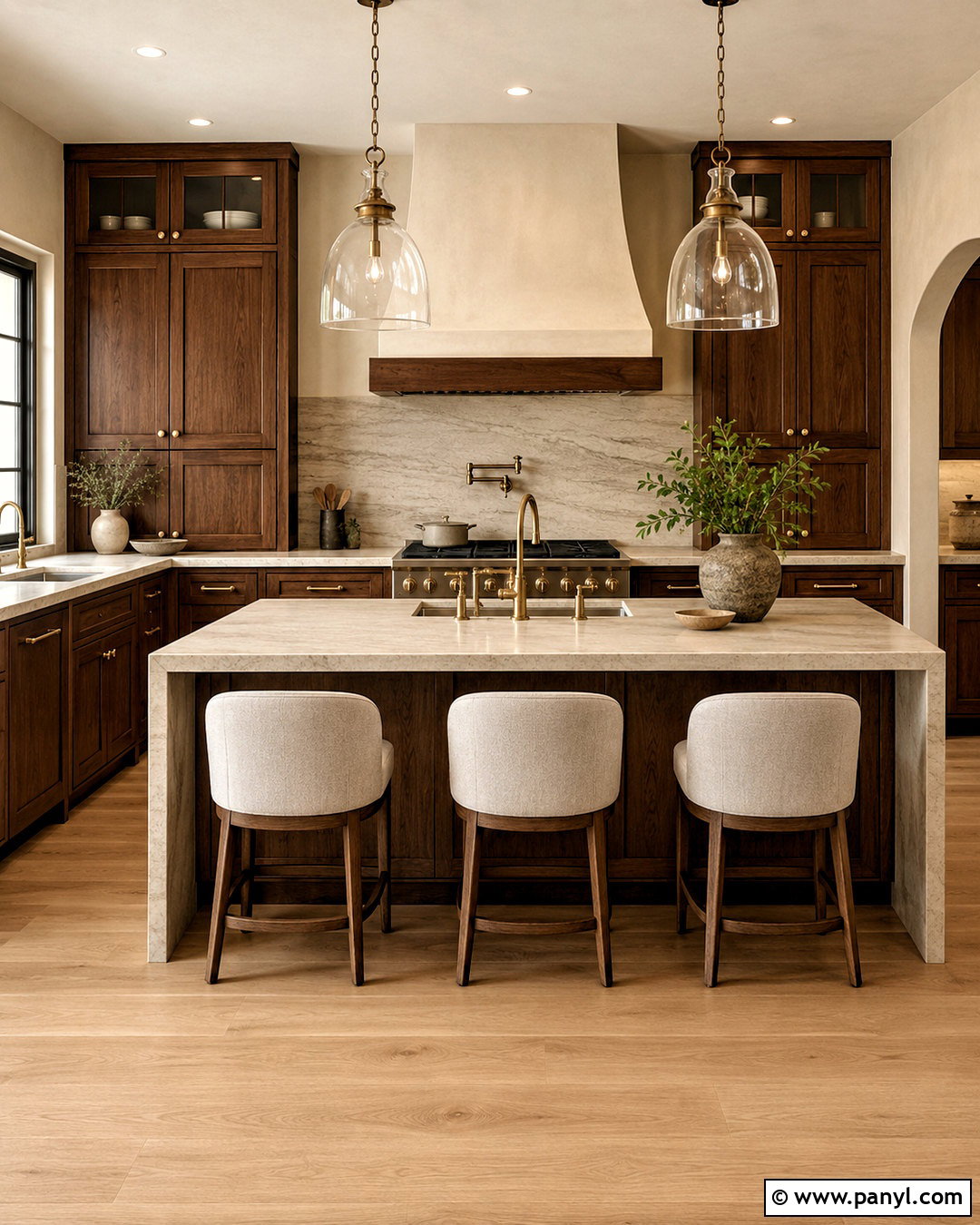
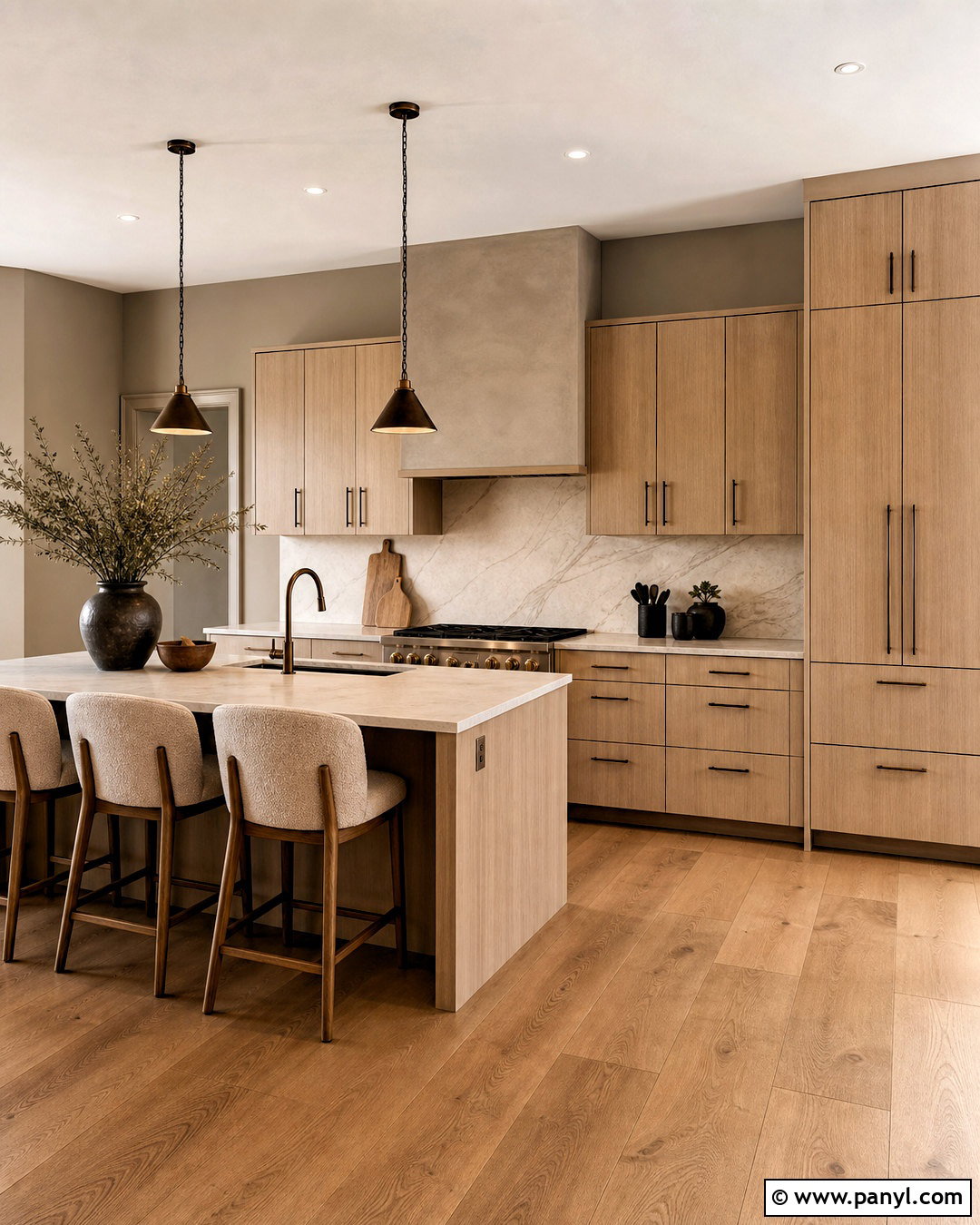
Rich walnut cabinetry becomes more inviting when balanced by softly patterned beige quartzite. Use the walnut on full-height cabinets and lower storage, then keep a few upper walls open to avoid a heavy appearance. A beige quartzite counter and backsplash with subtle cream and caramel veining will connect every brown tone in the room. Choose wide-plank natural oak flooring slightly lighter than the cabinets so the wood surfaces remain distinct. A plaster range hood in warm ivory provides a visual break above the cooking area. Complete the kitchen with aged brass hardware, linen-covered stools, and clear glass pendants. Keep accessories minimal and practical. Cream ceramics, wooden serving boards, and one leafy plant provide enough decoration while allowing the walnut grain and natural stone to remain the strongest features.
3. Dark Brown Cabinets With Travertine
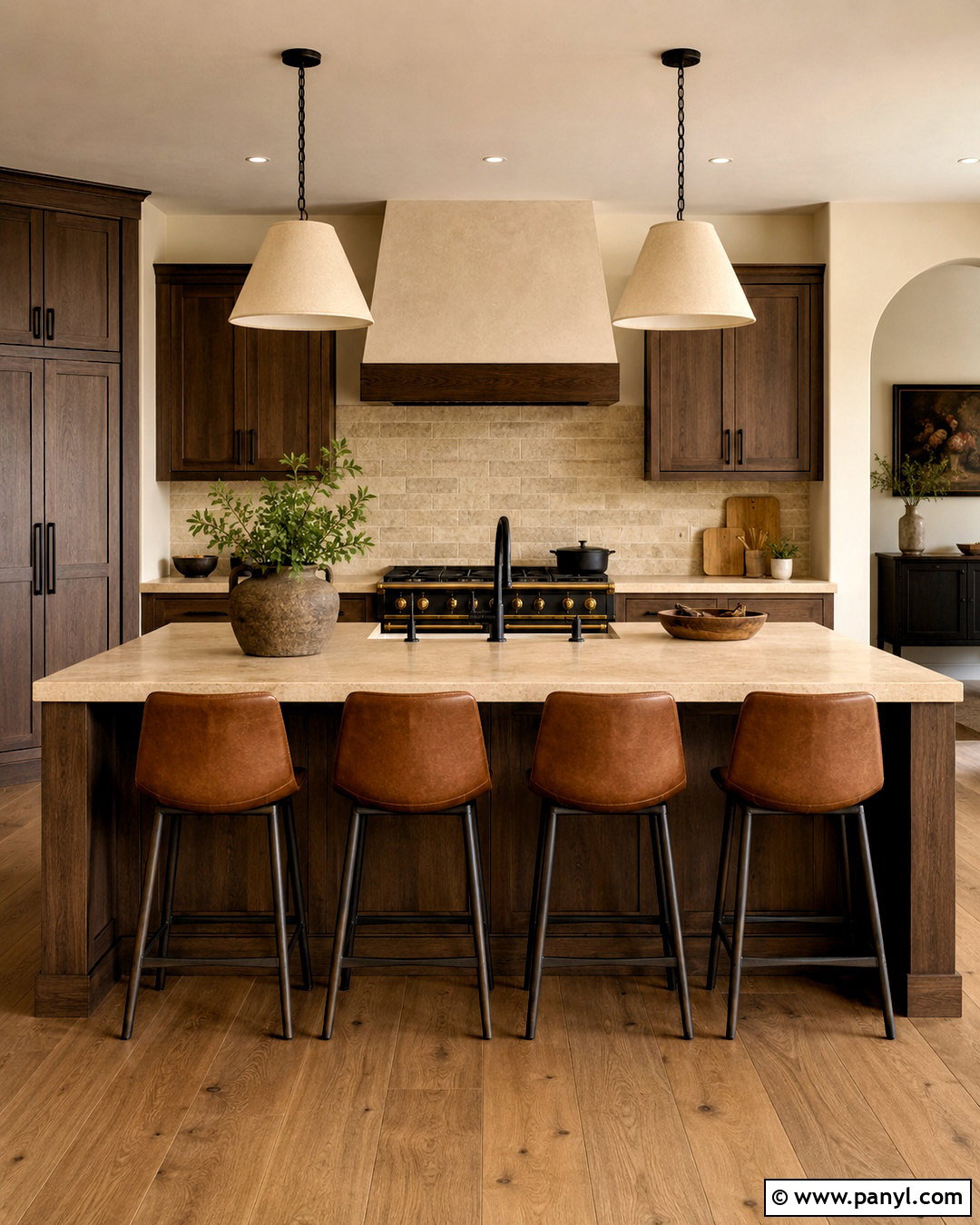
Deep brown cabinets and travertine can create a grounded kitchen without returning to an overly ornate Tuscan look. Select streamlined Shaker cabinets in a dark coffee stain, then pair them with honed beige travertine countertops and a simple rectangular travertine backsplash. Limit decorative edging and heavy molding so the natural materials feel updated. Medium oak floors will soften the dark cabinetry, while an ivory ceiling and warm white walls will maintain brightness. Choose matte black hardware for clean definition, but repeat black sparingly through the faucet and narrow-framed windows. Over the island, install large cream linen pendants that spread even light. Finish with cognac leather stools and a shallow wooden fruit bowl. The restrained palette gives the kitchen warmth, texture, and character while preserving a practical, uncluttered atmosphere.
4. Beige Cabinets With Butcher Block
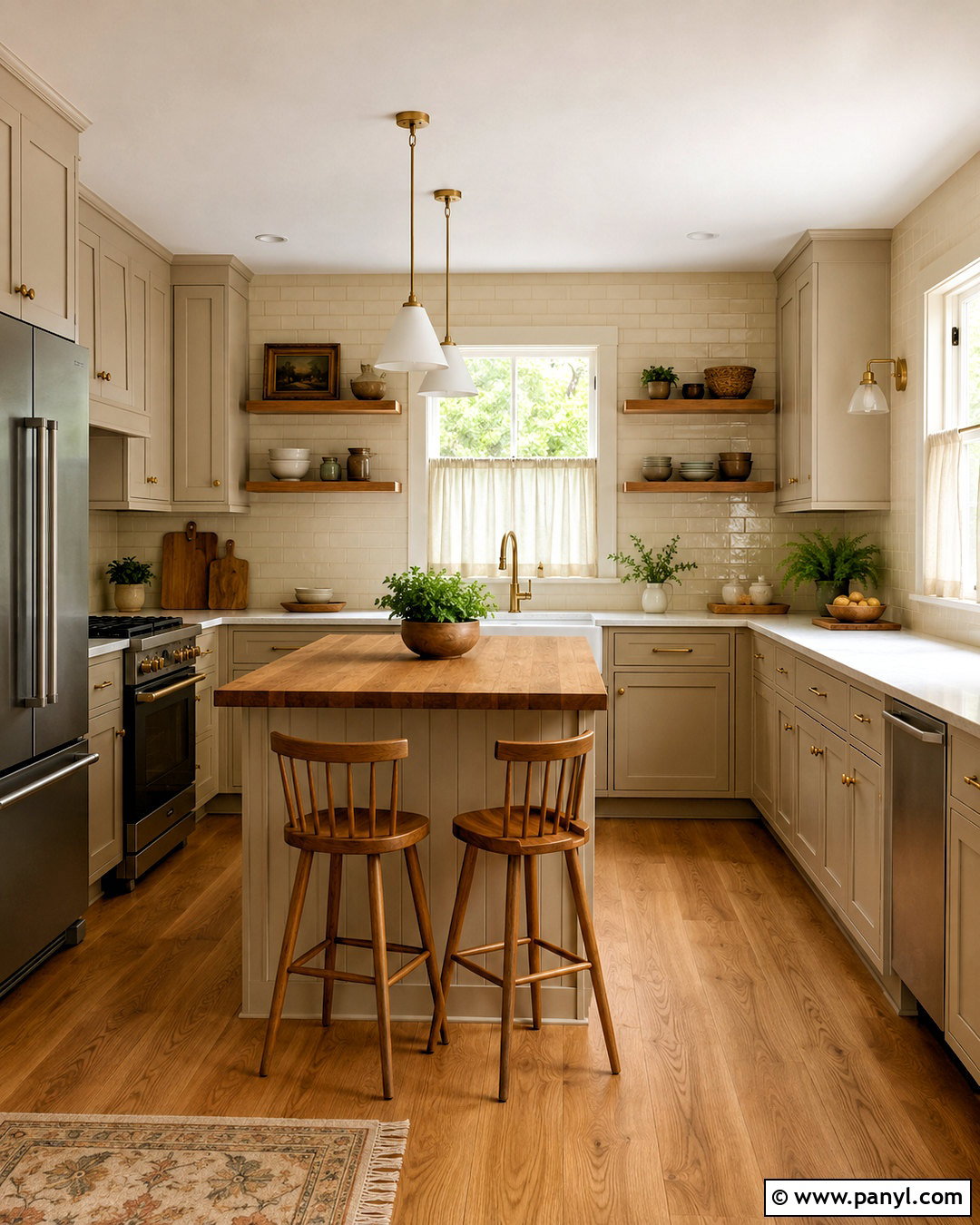
Could your kitchen use more warmth without adding dark cabinetry? Paint Shaker cabinets a soft oatmeal beige and top the perimeter units with durable light quartz. Reserve butcher block for the island, where its medium brown tone becomes a welcoming centerpiece. A handmade cream subway tile backsplash adds texture while keeping the work area bright. Use medium-tone oak flooring to connect the countertop and cabinetry, but select a floor finish with visible variation so the room does not look overly coordinated. Brushed nickel or muted brass hardware keeps the design relaxed. Add two wooden spindle-back stools, a simple milk-glass pendant, and striped beige café curtains. Open shelving beside the window can hold cream dishes and everyday glassware. This approachable combination suits traditional, cottage, and casual family kitchens equally well.
5. Beige Kitchen With Walnut Island
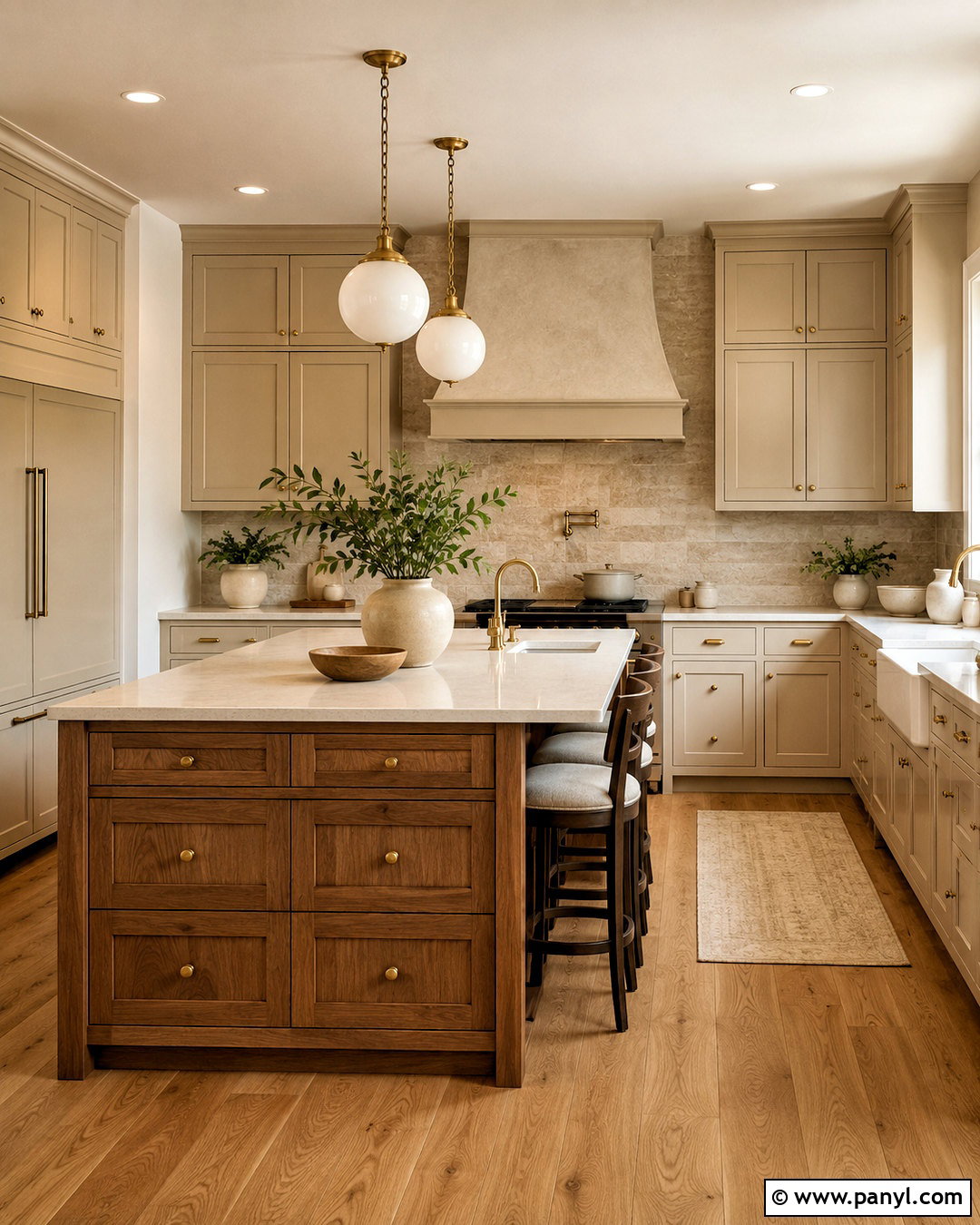
A walnut island can give an all-beige kitchen the contrast it needs. Use warm beige cabinetry around the perimeter, preferably with simple recessed-panel doors and understated antique brass knobs. Make the island slightly darker with natural walnut drawer fronts, paneled ends, and comfortable seating for three. Install creamy quartz countertops throughout to unify the two cabinet finishes. A full-height beige stone backsplash behind the range creates a polished focal point without introducing another color. Natural oak flooring bridges the light cabinets and dark island, while globe pendants in aged brass reinforce the warm palette. Keep the walls soft ivory rather than pure white. A washable beige runner, wood-framed artwork, and neutral stoneware add personality. This layout feels layered and intentional while remaining flexible enough for changing decor over time.
6. Modern Brown And Beige Kitchen
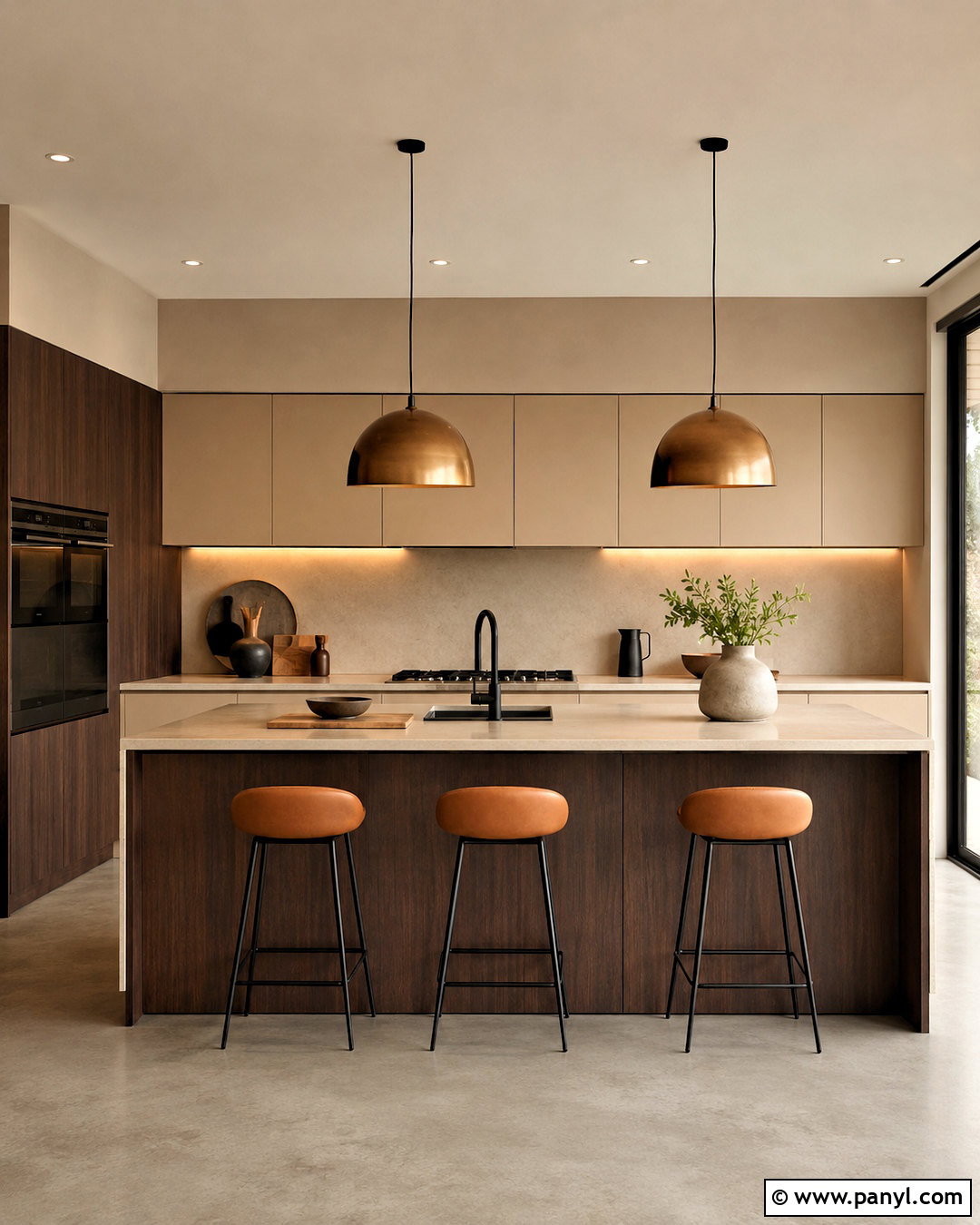
For a cleaner interpretation, combine dark brown slab cabinets with matte beige upper units. The handle-free doors create uninterrupted color blocks, making even a compact kitchen feel organized. Choose a pale beige porcelain countertop with a thin edge and continue it vertically as the backsplash. Warm gray-beige concrete flooring supports the modern mood, while preventing the scheme from becoming too yellow. Integrate the refrigerator and dishwasher behind cabinet panels for a streamlined appearance. Under-cabinet lighting is essential because dark lower storage can absorb light around the work surfaces. Add a black faucet, slim bronze pendants, and camel leather stools to sharpen the neutral palette. One open oak shelf can display a few sculptural ceramics. The finished kitchen feels modern and sophisticated, yet the layered brown tones keep it comfortable rather than cold.
7. Farmhouse Brown And Beige Kitchen
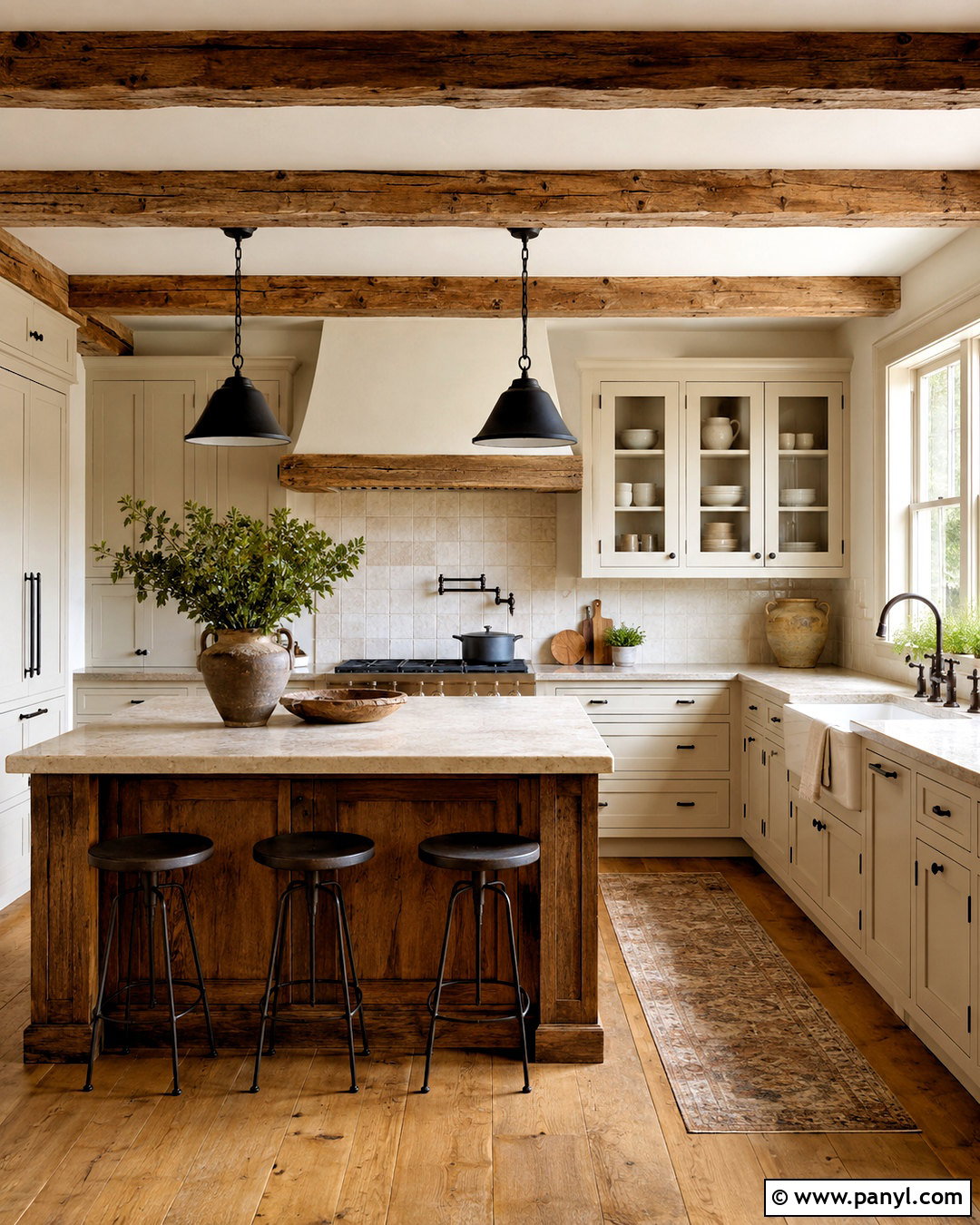
A farmhouse kitchen feels especially welcoming when creamy beige cabinets meet reclaimed brown wood. Choose inset Shaker cabinetry, an apron-front sink, and lightly antiqued brass hardware. Use beige quartz or honed limestone countertops for an easygoing surface that does not compete with the rustic materials. Reclaimed beams across the ceiling can provide the strongest brown feature, while a stained oak island adds storage and an informal gathering spot. Cover the backsplash with warm cream square tiles and slightly darker beige grout. Wide-plank oak flooring completes the natural foundation. Instead of overly themed accessories, decorate with useful pieces such as pottery crocks, linen towels, and wooden boards. Black metal pendants and a traditional bridge faucet add crisp definition. The result is farmhouse character that feels comfortable, functional, and thoughtfully updated.
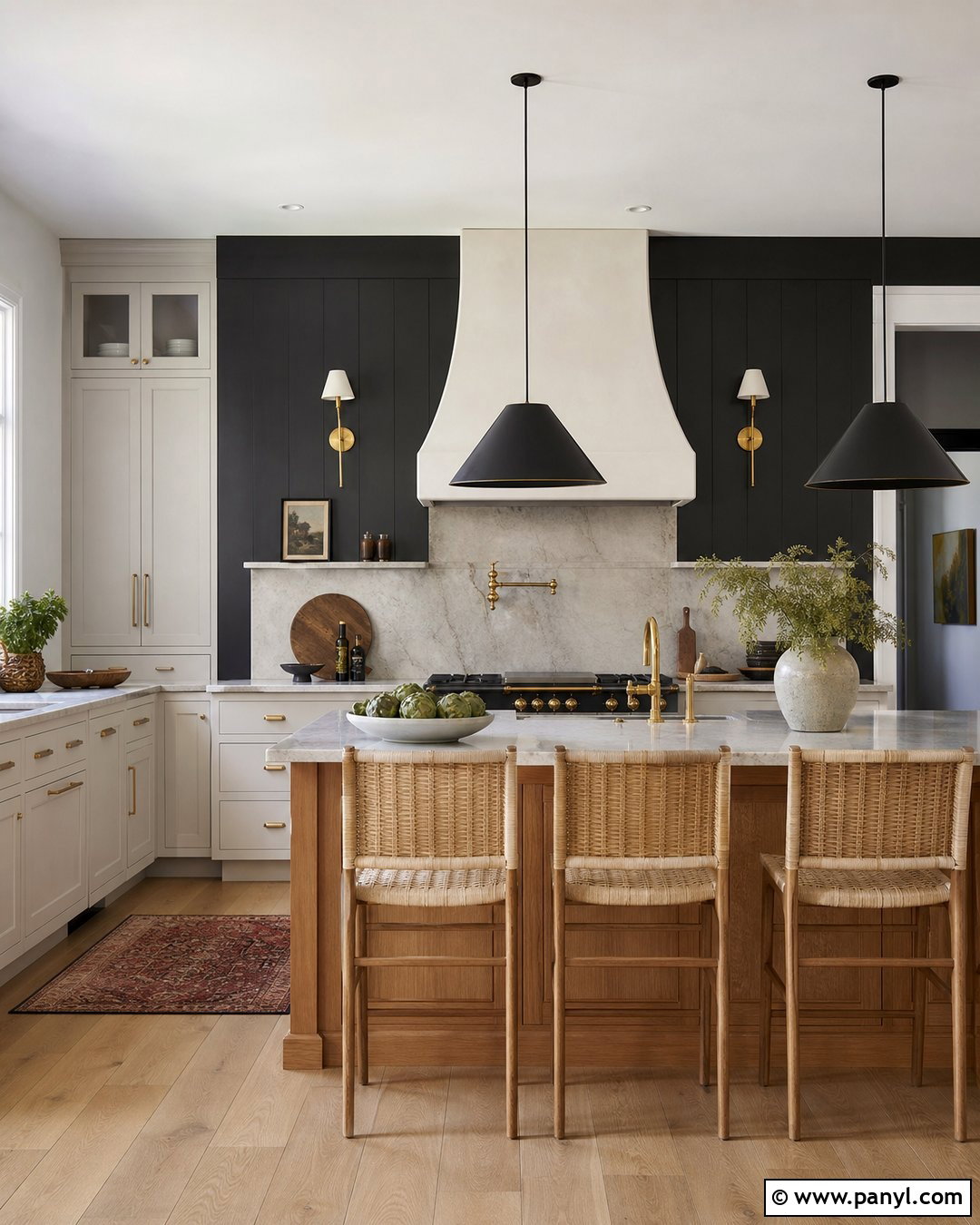
8. Small Brown And Beige Galley Kitchen
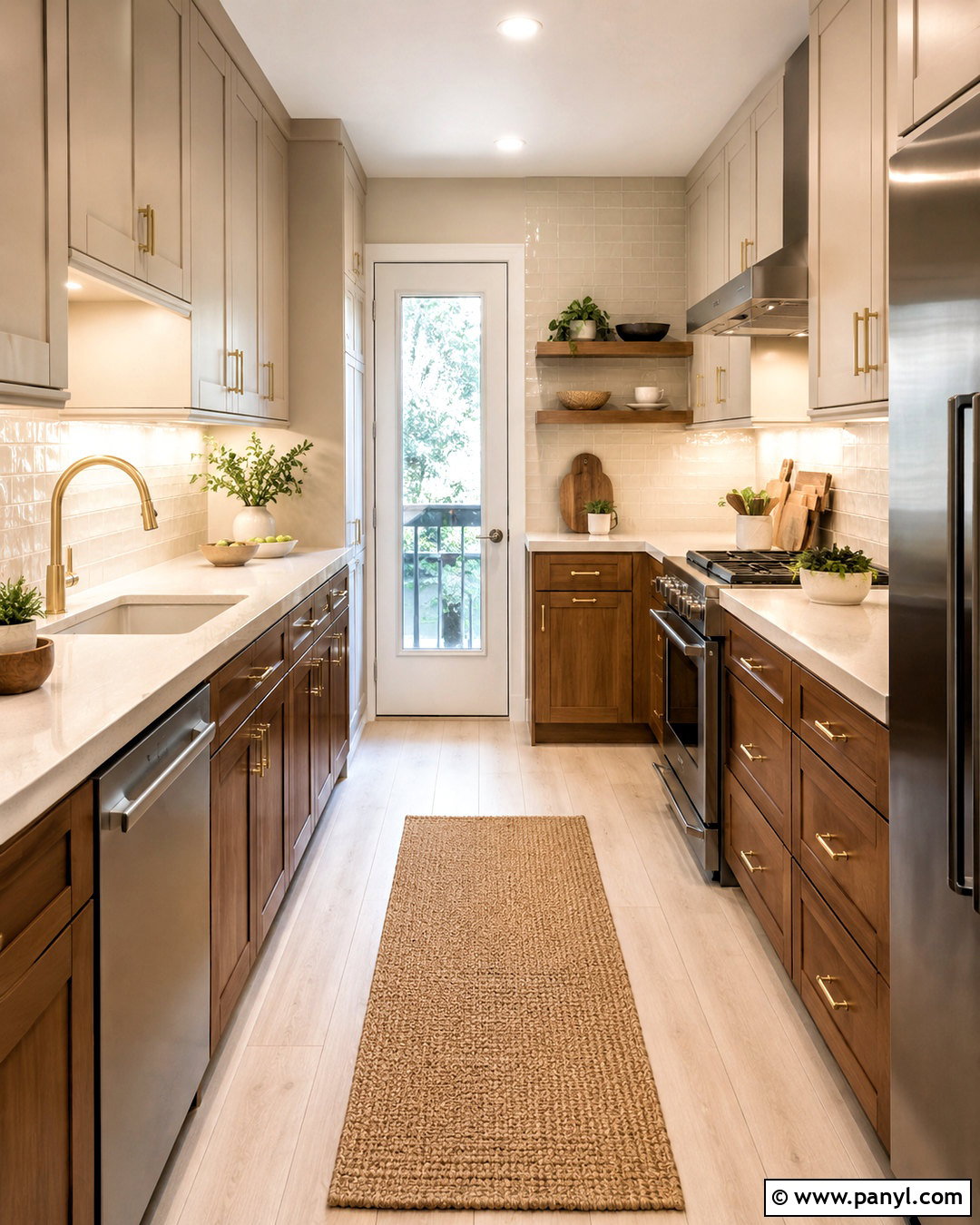
In a narrow galley kitchen, distribute brown carefully so the room still feels open. Use light beige cabinets on both sides, then introduce medium brown through a wood-look countertop or a short run of walnut lower cabinets. A glossy cream backsplash will reflect light across the narrow walkway. Choose pale beige flooring with long planks installed parallel to the cabinets, visually extending the room. Simple brass pulls provide warmth without creating excessive detail. Replace one section of upper cabinetry with shallow oak shelves for frequently used dishes, but keep most storage closed to control clutter. Slim ceiling lights and bright under-cabinet strips will illuminate every work zone. A small patterned runner featuring tan, cream, and muted brown can soften the floor. This balanced design makes a compact footprint feel useful, coordinated, and comfortable.
9. Japandi Brown And Beige Kitchen
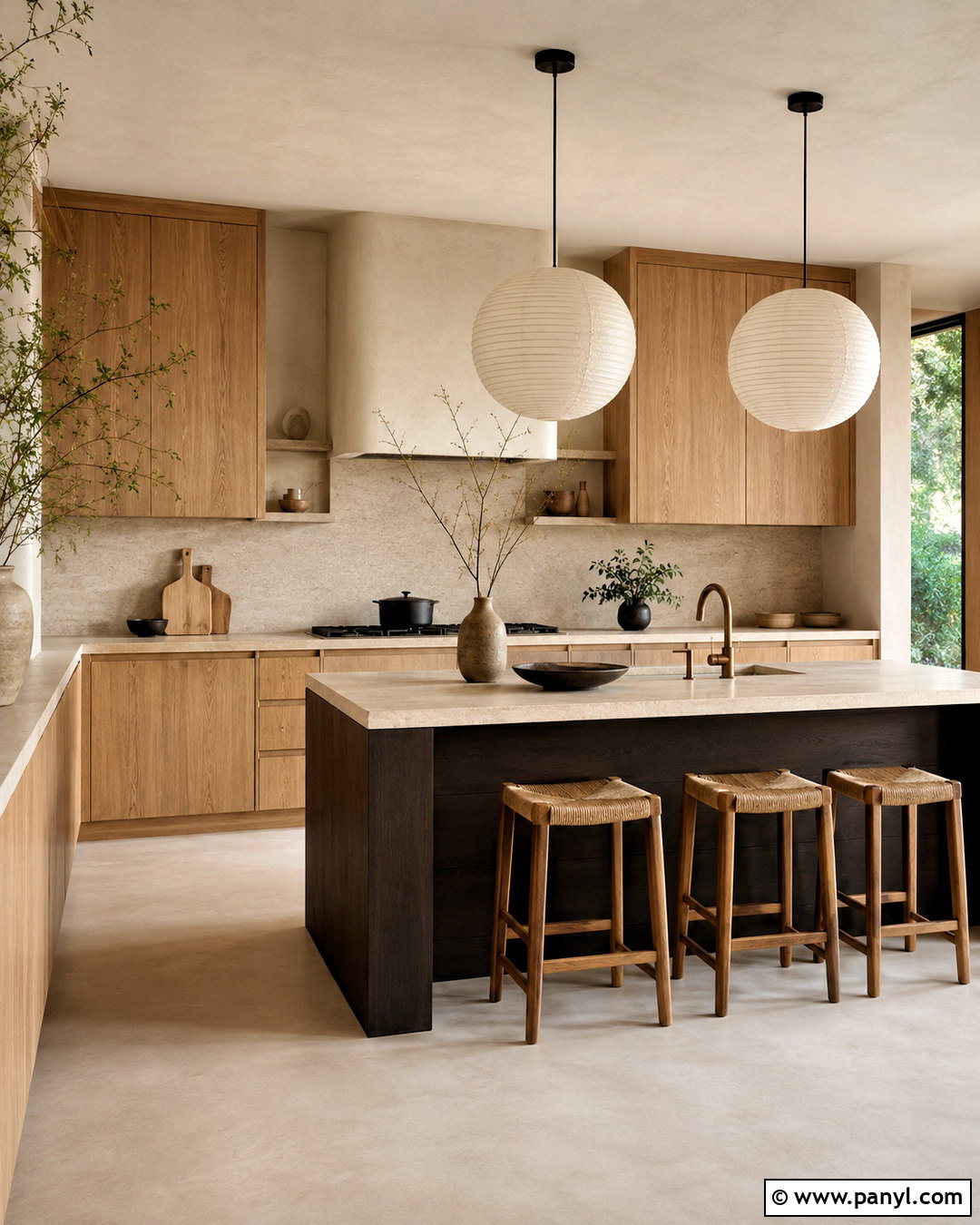
Quiet materials and practical simplicity define a Japandi kitchen. Start with natural white oak cabinets in a flat-panel design, combining closed storage with one or two carefully placed open shelves. Select a smooth beige stone countertop and matching backsplash with minimal veining. Pale microcement flooring gives the room a seamless foundation, while warm ivory walls prevent a stark finish. A dark brown dining table or island base introduces deeper contrast without disturbing the calm palette. Choose sculptural paper pendants, wooden stools with woven seats, and matte bronze fixtures. Keep countertops mostly clear, storing small appliances behind pocket doors or inside an appliance garage. A ceramic vase, linen runner, and simple herb planter offer enough decoration. The completed space feels peaceful and refined, but every feature still supports everyday cooking and storage.
10. Rustic Brown Stone Kitchen
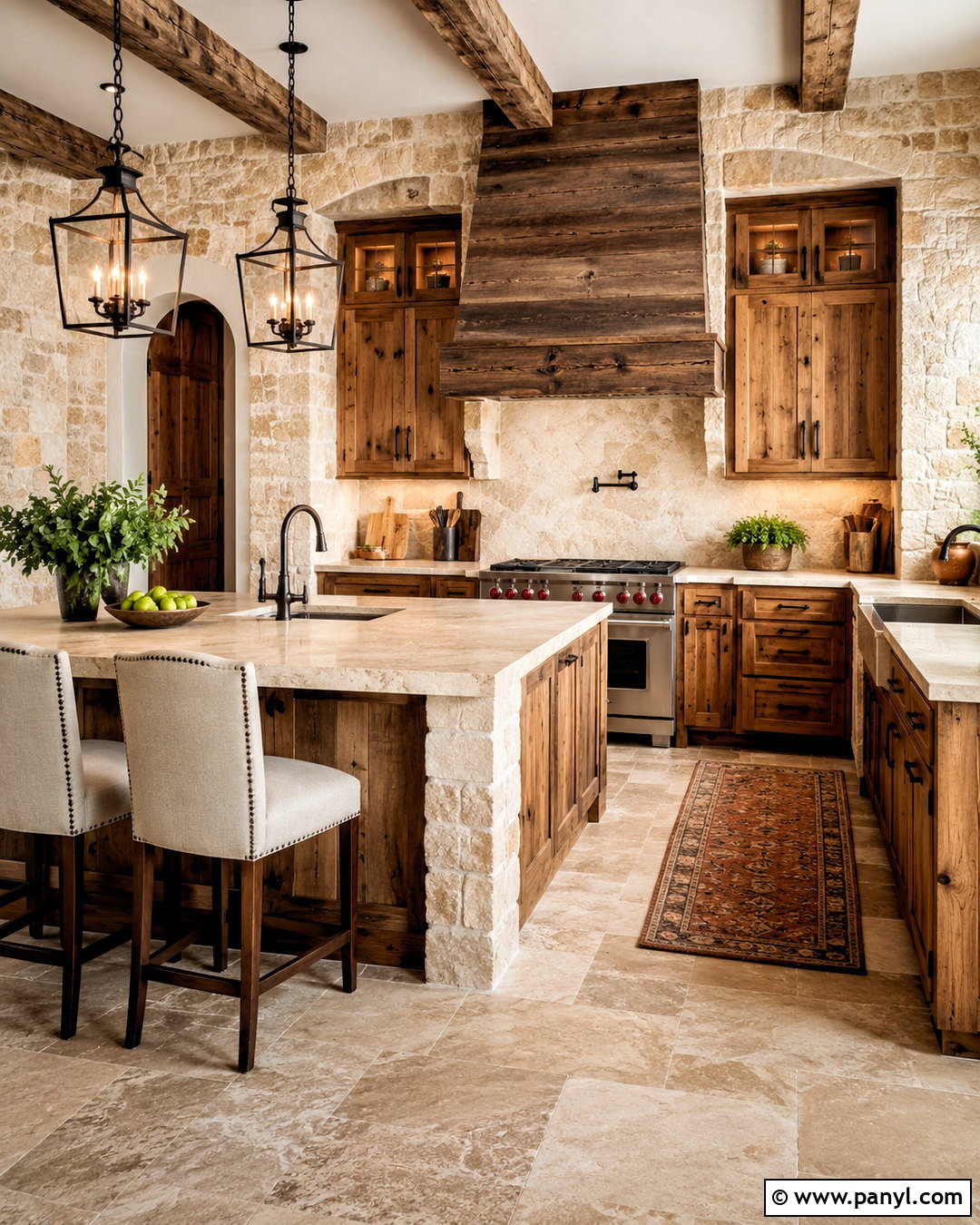
Rough stone, dark timber, and sandy beige finishes can produce a rustic kitchen that feels substantial yet inviting. Use medium brown oak cabinets with visible knots, paired with thick beige soapstone-look or limestone countertops. Create a focal wall behind the range using irregular cream and tan stone veneer, then frame it with a simple reclaimed wood hood. Large beige porcelain floor tiles provide durability and offset the heavier cabinetry. Keep the ceiling and remaining walls warm white to brighten the natural materials. Iron cabinet pulls, a dark bronze faucet, and lantern-shaped pendants add definition without becoming overly decorative. Choose an island with open end shelves for baskets and pottery. Soft beige upholstered stools and simple linen shades introduce comfort. This complete scheme suits cabins, ranch homes, and relaxed country interiors.
11. Midcentury Walnut And Beige Kitchen
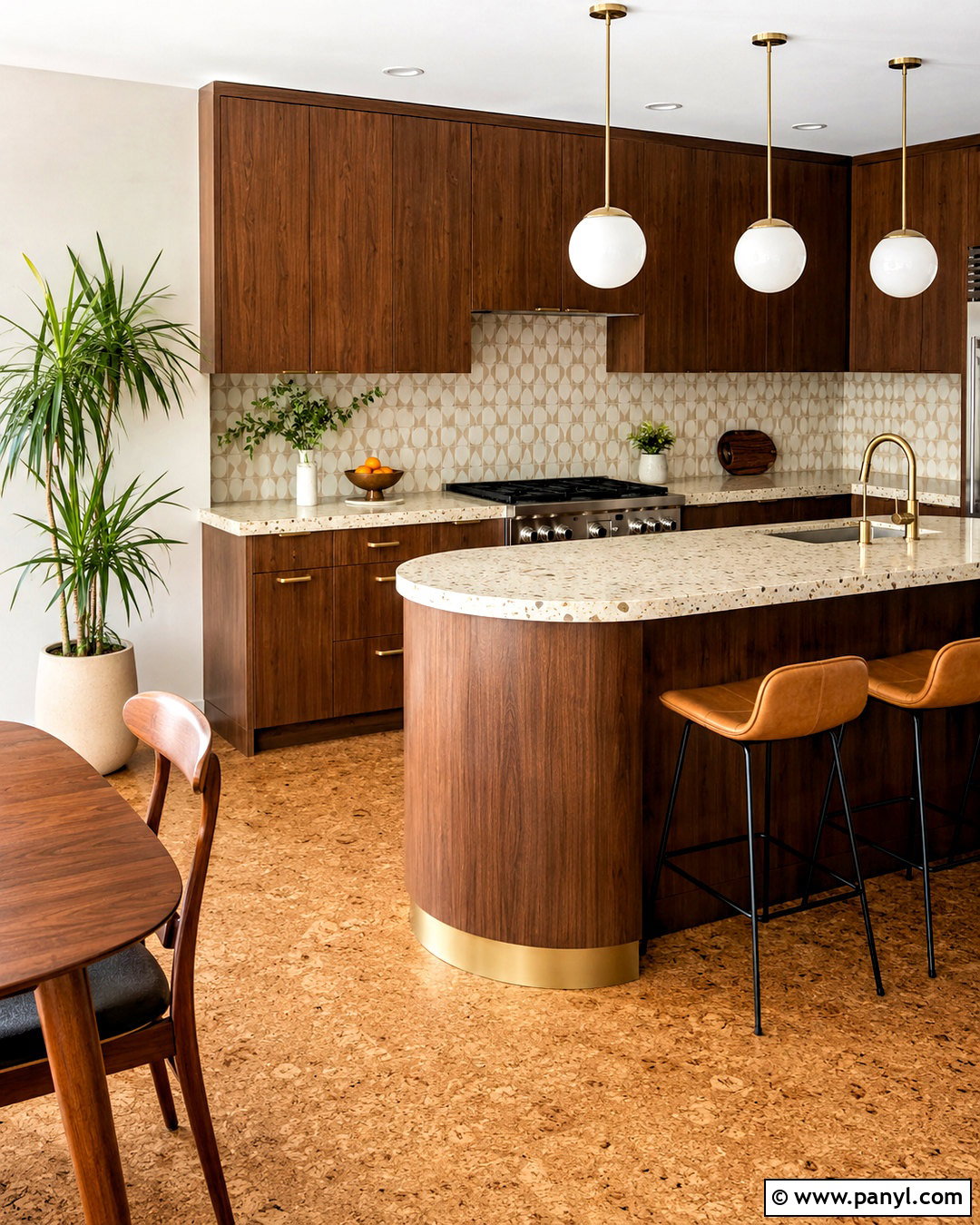
Walnut cabinets are a natural fit for a midcentury kitchen because their strong grain provides warmth and visual movement. Choose flat-front cabinetry with integrated pulls or slim brass handles. Pair it with creamy beige terrazzo countertops containing small brown and tan chips. A pale geometric tile backsplash can introduce subtle pattern while staying within the neutral palette. Use warm cork or honey-toned wood flooring for an authentic, comfortable base. An island with rounded corners will soften the cabinet lines and improve movement through the room. Add globe pendant lights, low-back camel stools, and a compact wood dining set with tapered legs. Keep the walls light beige and display only a few colorful ceramics. The finished kitchen references midcentury design without feeling like a themed reproduction, making it suitable for both vintage and contemporary homes.
12. Mediterranean Beige And Brown Kitchen
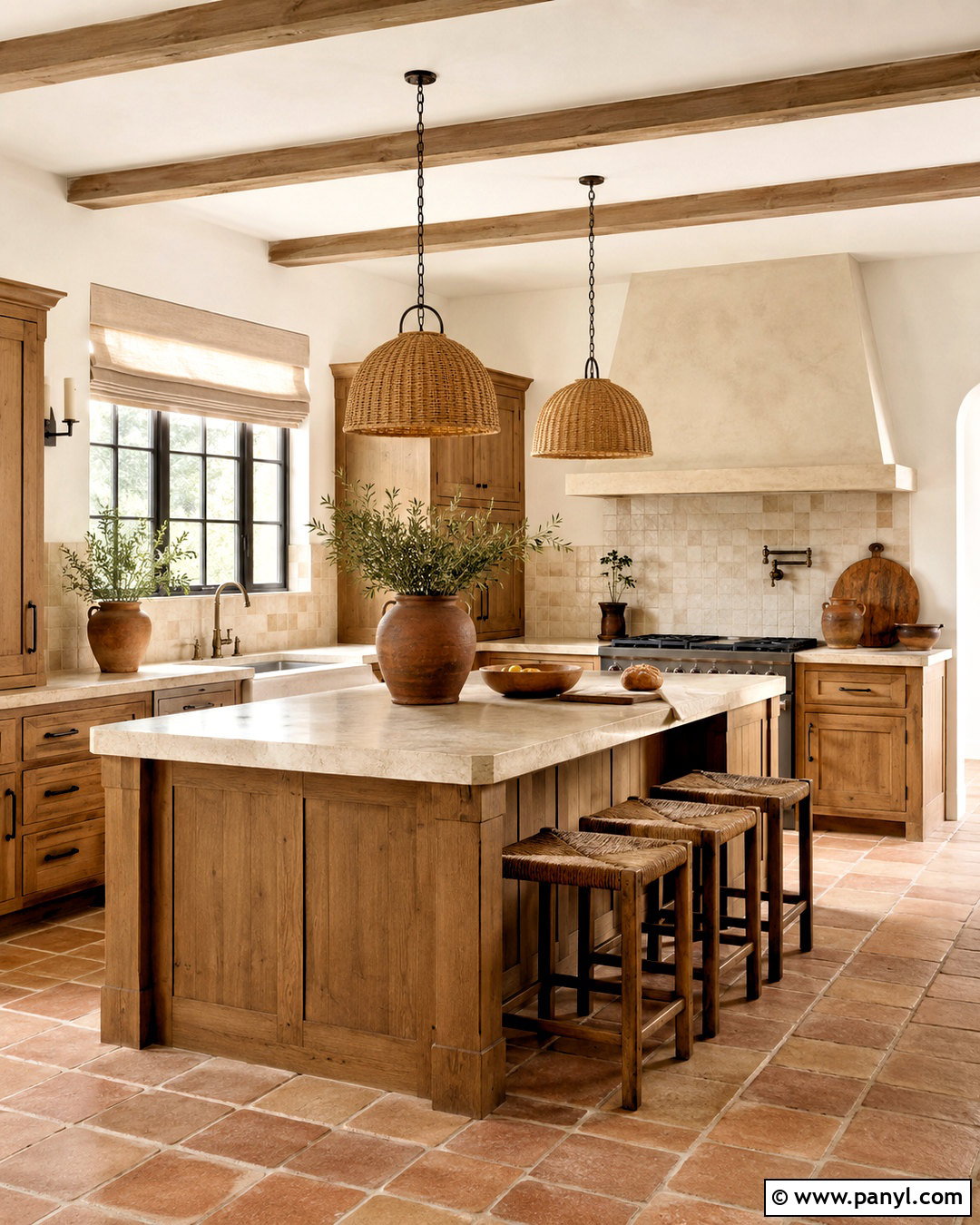
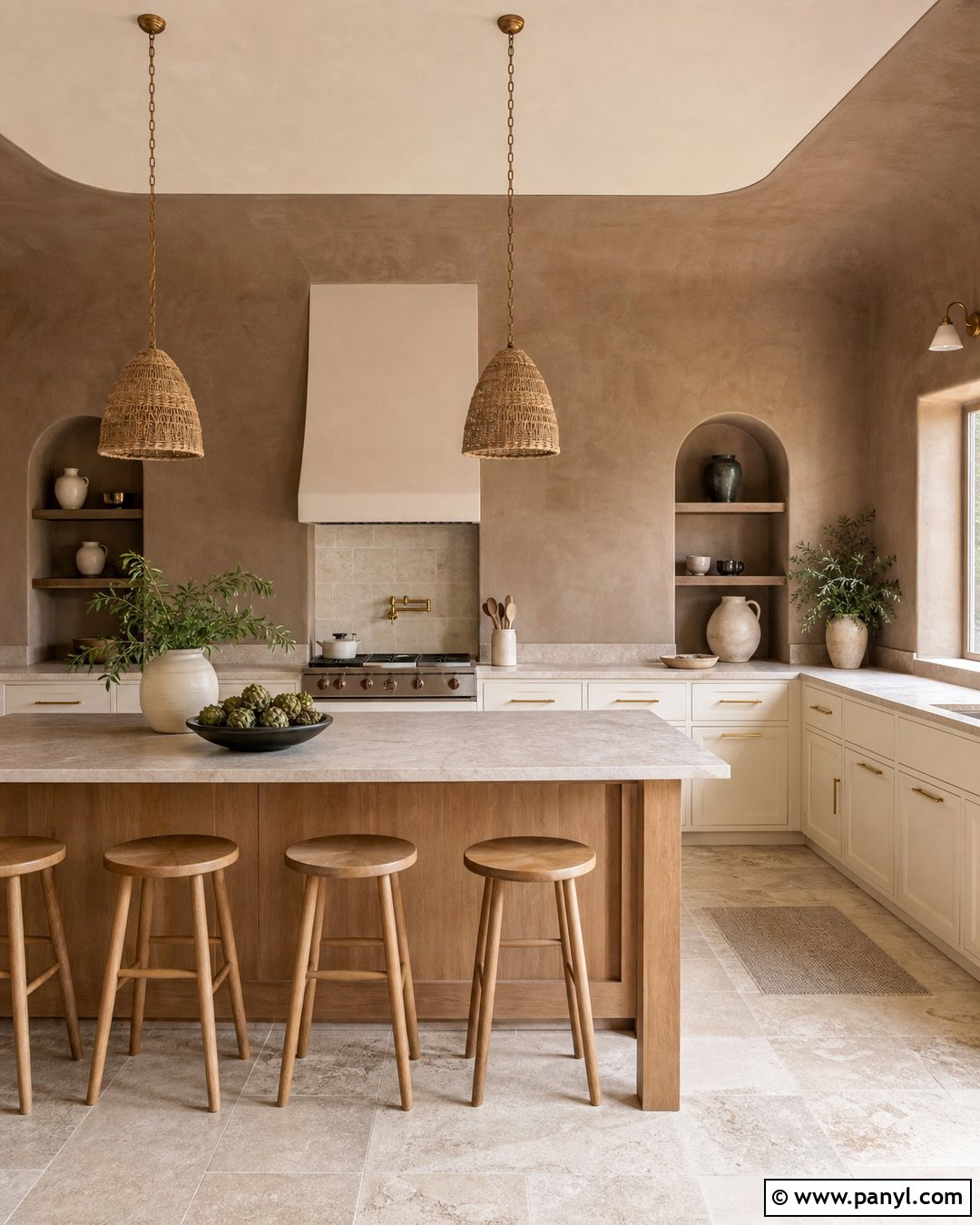
Sun-washed beige walls and warm brown wood create a relaxed Mediterranean kitchen. Choose medium oak cabinets with simple recessed panels rather than ornate detailing. Install creamy limestone counters and a backsplash made from handmade beige tiles with natural tonal variation. Terracotta flooring introduces earthy brown-orange color, while an ivory plaster range hood softens the harder surfaces. A substantial wooden island with open shelves can hold baskets, pottery, and everyday cookware. Use aged bronze hardware, a bridge faucet, and woven pendant lights to support the handcrafted character. Keep window treatments light with natural linen shades that filter sunlight. Small accents in muted olive green can appear through herbs or ceramic dishes, but the core palette should remain brown and beige. This coordinated approach feels warm, casual, and connected to natural materials.
13. Mocha And Cream Transitional Kitchen
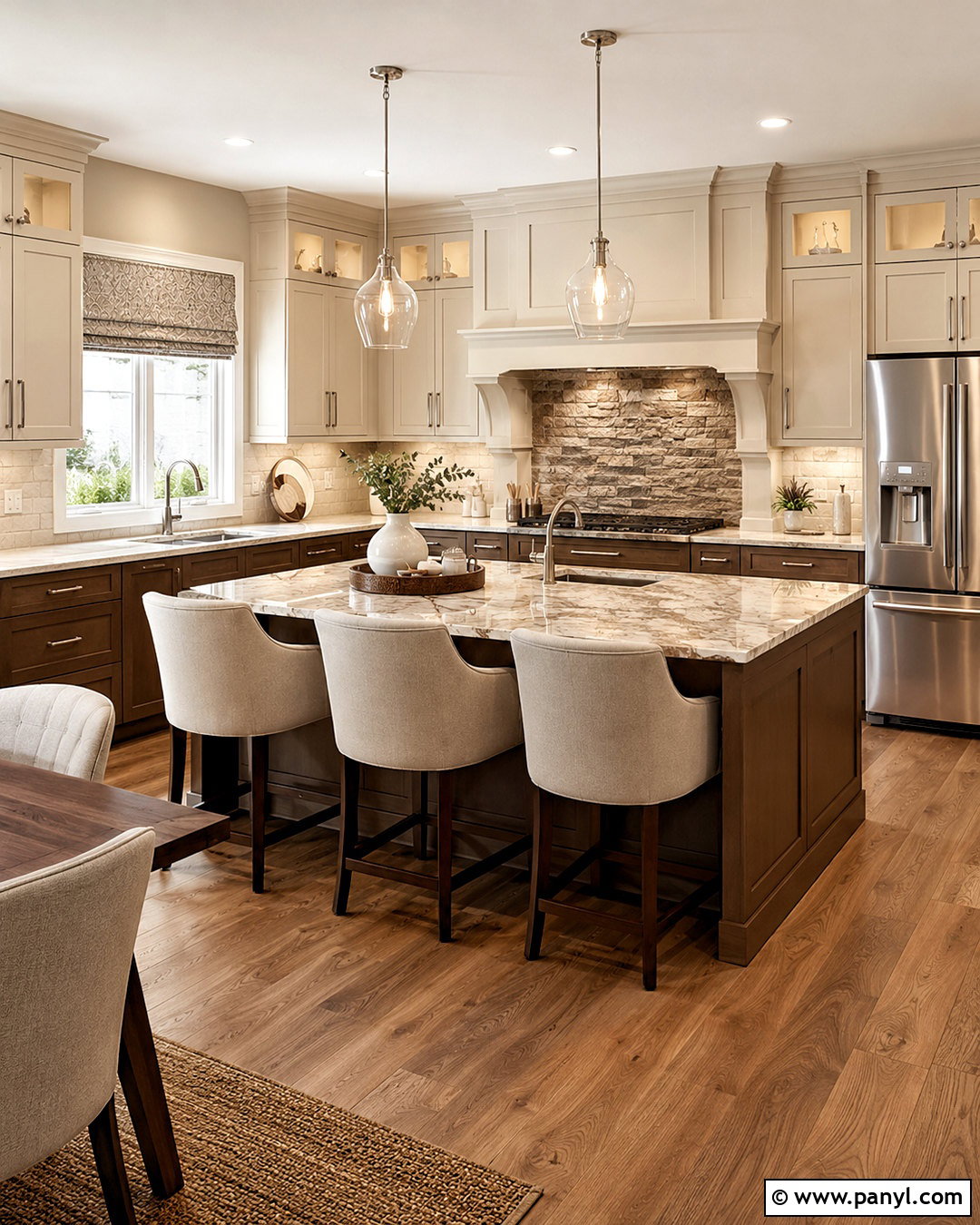
Mocha cabinets bring depth to a transitional kitchen, especially when surrounded by lighter cream finishes. Use the brown shade on lower and full-height cabinets, then paint the upper cabinets a gentle cream to lift the eye. A beige quartz countertop with restrained brown veining will tie the two finishes together. Continue the countertop material behind the range for a clean focal area, while using simple cream tiles elsewhere. Medium oak flooring provides warmth without matching the mocha cabinetry exactly. Select polished nickel hardware if you want a brighter finish, or aged brass for a softer effect. Upholstered counter stools, tailored Roman shades, and glass pendant lights add traditional comfort. Straight cabinet lines and minimal crown molding maintain a current look. This balanced kitchen works well in homes that combine classic architecture with modern furnishings.
14. Brown Slab Cabinets With Beige Porcelain
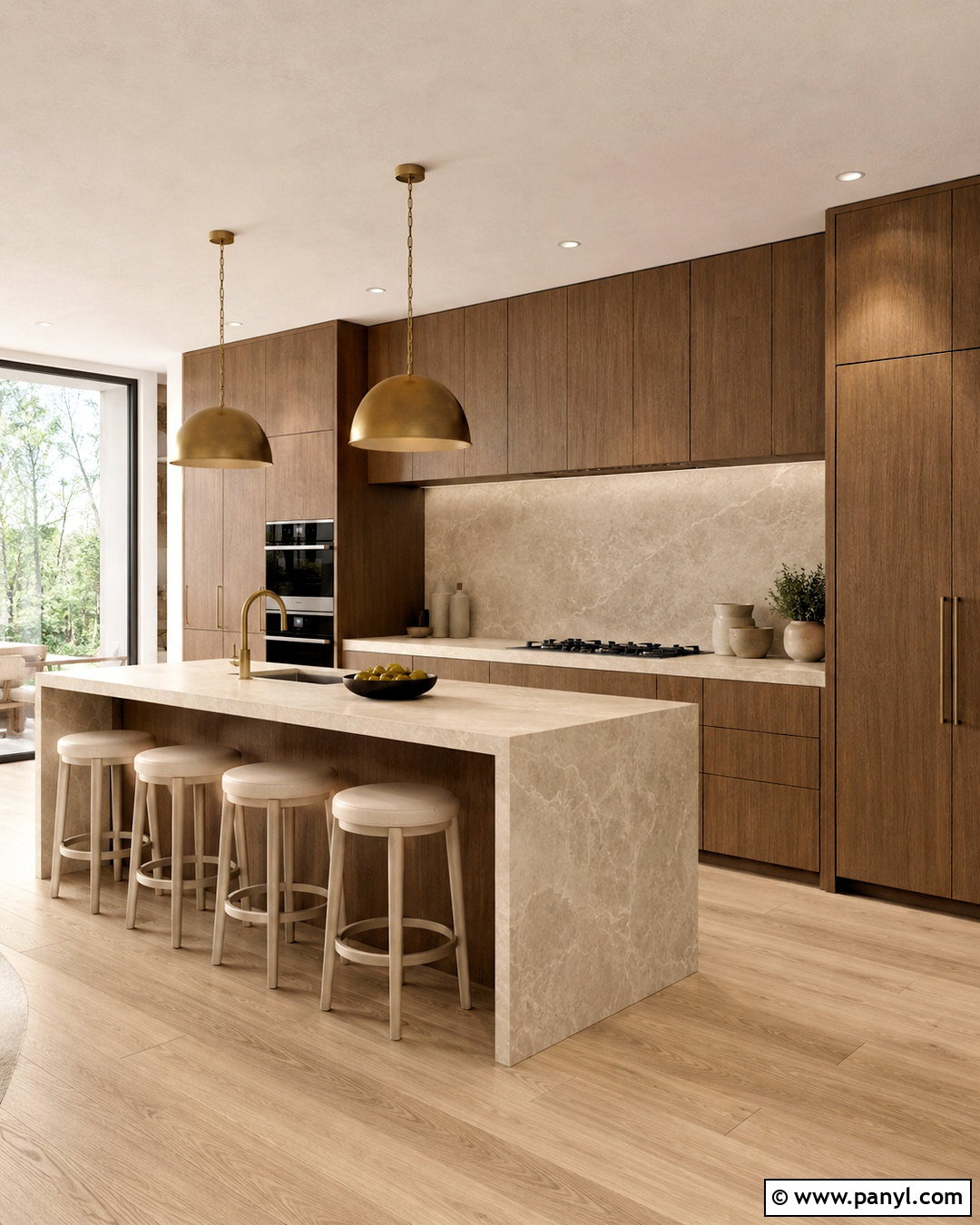
Smooth brown slab cabinets and large-format beige porcelain produce a sleek kitchen that is also practical. Choose cabinetry in a matte chestnut finish with subtle wood grain, then wrap the countertops and backsplash in pale beige porcelain. The low-maintenance surface creates the appearance of natural stone without adding strong pattern. Continue the porcelain across a waterfall island for a crisp architectural feature. Use light oak flooring to prevent the brown cabinets from overpowering the room. Integrated appliances, concealed handles, and a flush pantry wall will reduce visual clutter. Add warm metallic accents through bronze pendants and a matching faucet. Backless beige stools can tuck completely beneath the island. A single wooden bowl and a tall ceramic vase are enough for styling. The final space feels streamlined, warm, and suitable for busy everyday routines.
15. Cottage Beige And Oak Kitchen
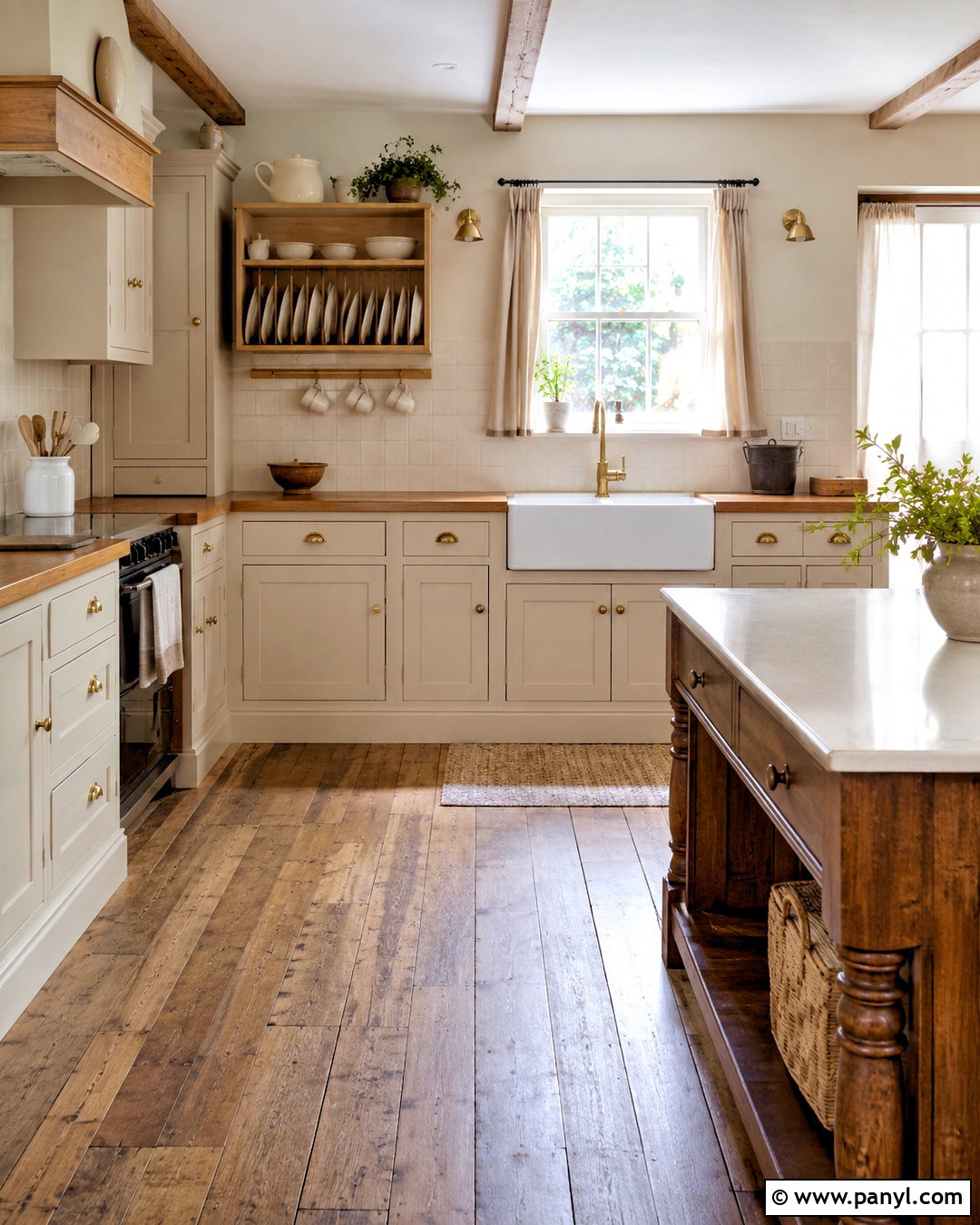
Soft mushroom-beige cabinets can give a cottage kitchen gentle color without making it appear dark. Pair them with natural oak countertops on selected areas and creamy quartz near the sink and range for easier maintenance. A small square tile backsplash in warm ivory adds handcrafted texture. Choose lightly aged oak flooring, a farmhouse sink, and compact brass knobs for traditional character. A narrow freestanding island in medium brown wood can provide extra preparation space without dominating the room. Add a glass-front cabinet for favorite dishes and a built-in plate rack near the dining area. Linen café curtains, a pleated pendant, and a washable striped rug make the room feel lived-in. Keep decorative objects limited to useful ceramics and a small herb pot. The finished kitchen feels charming, bright, and comfortably informal.
16. Industrial Brown And Beige Kitchen
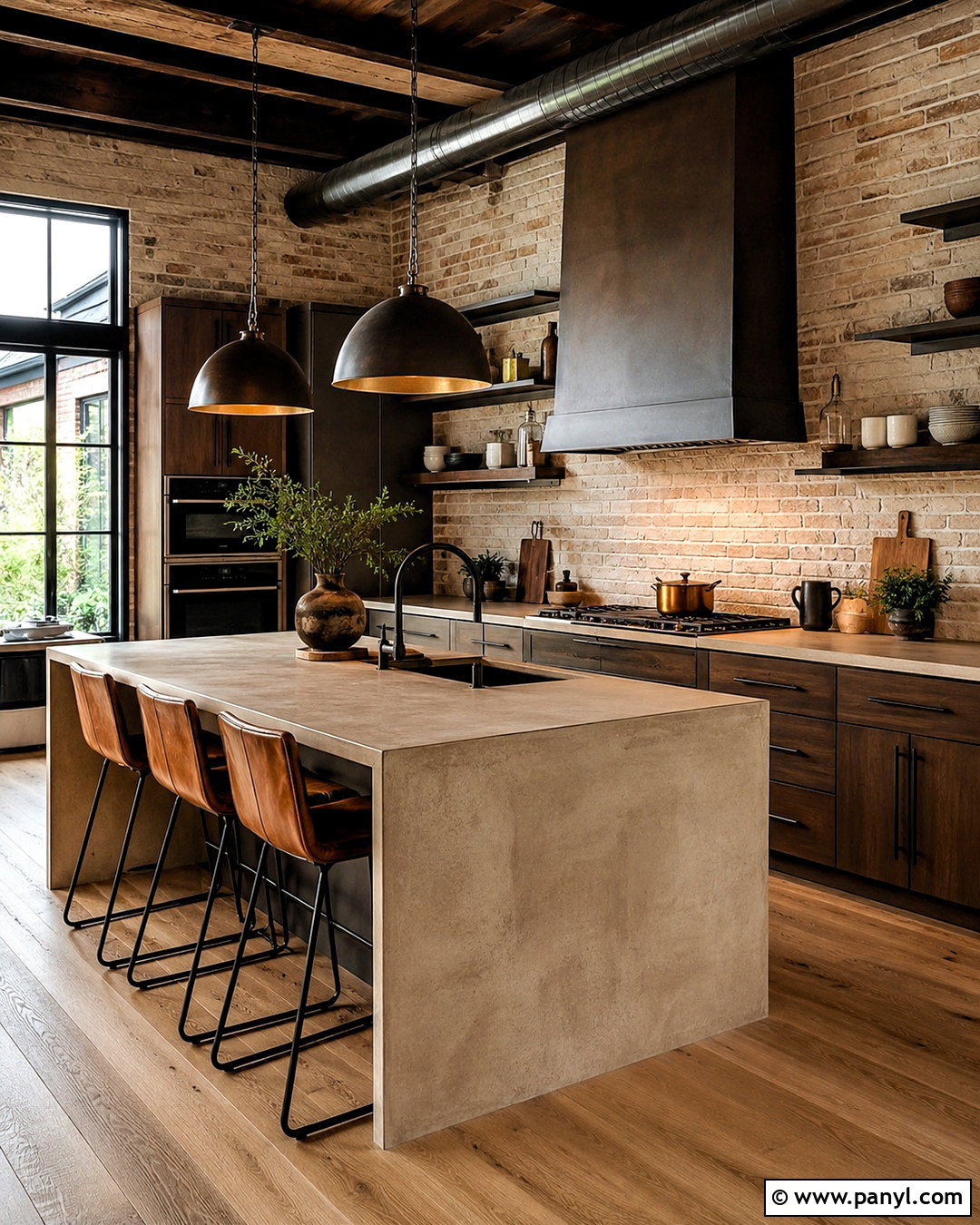
An industrial kitchen does not need to rely on cold gray surfaces. Begin with dark brown wood cabinets and a large beige concrete-look island that offers seating, preparation space, and hidden storage. Use warm cream brick tile for the backsplash to soften the room’s harder lines. A medium brown wood floor can balance black metal features, including window frames, shelving brackets, and pendant lights. Choose durable beige quartz for the perimeter counters and a black pull-down faucet for definition. Open shelves should display neatly arranged dishes, cookware, and storage jars rather than decorative clutter. Camel leather stools add comfort and repeat the warmer brown tones. Exposed ceiling details can work if the room is spacious, but smaller kitchens should keep the ceiling simple and bright. This complete design feels urban, practical, and surprisingly welcoming.
17. Coastal Beige And Driftwood Kitchen
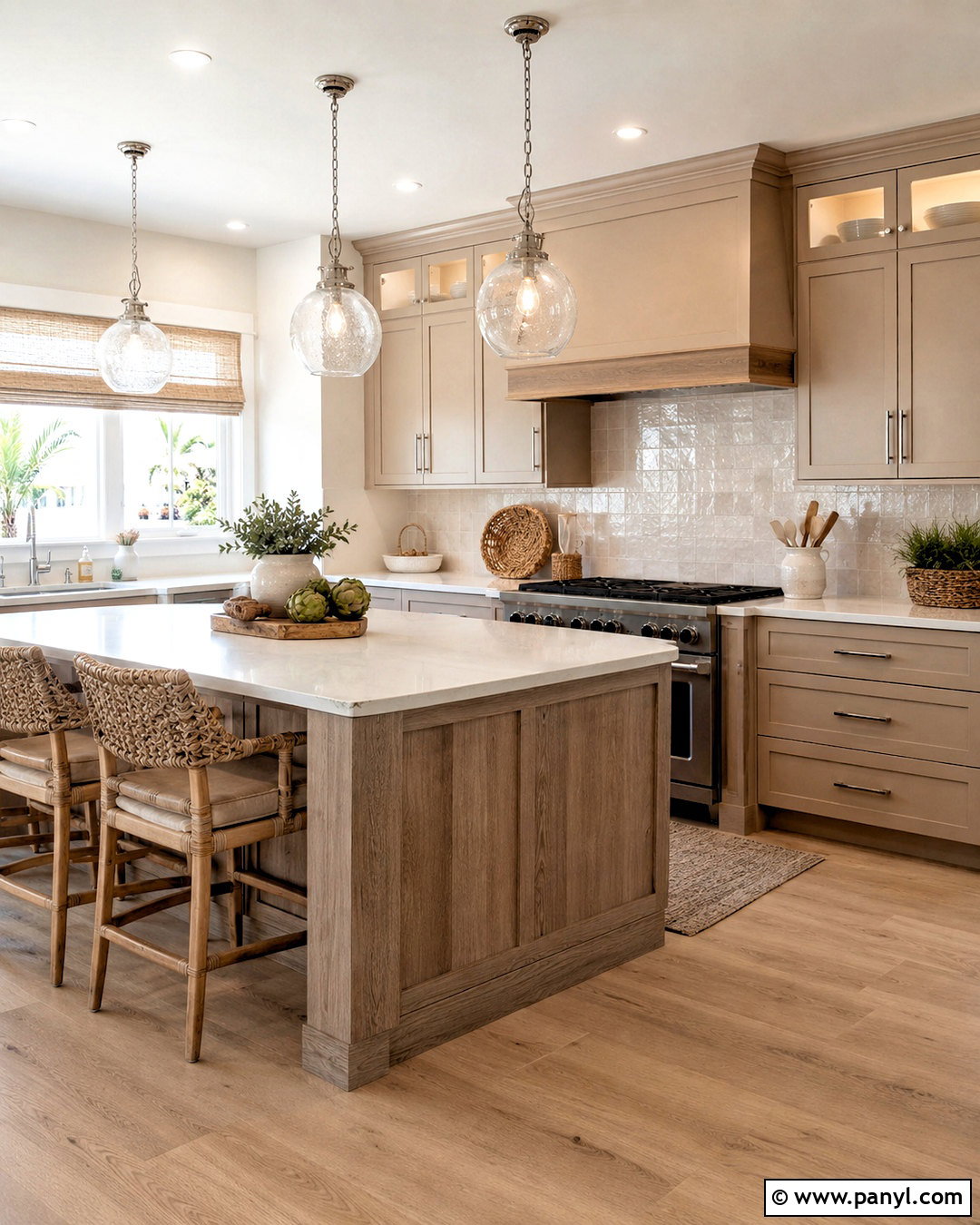
A coastal brown and beige kitchen should feel light and natural rather than themed. Paint the cabinets a sandy beige and use a driftwood-toned oak finish on the island. Cream quartz countertops and a softly textured pearl-beige backsplash will reflect daylight throughout the room. Select pale oak or light beige flooring with a matte finish. Woven counter stools, linen shades, and oversized clear glass pendants introduce relaxed texture without relying on nautical decorations. Use brushed nickel hardware for a subtle connection to stainless steel appliances. Soft white walls and a simple plaster range hood maintain an open appearance. A few sea-glass-colored dishes may provide a restrained accent, but keep the main scheme neutral. The completed kitchen feels breezy and casual, making it suitable for coastal homes and inland spaces seeking the same sense of openness.
18. Chocolate Brown And Beige Marble Kitchen
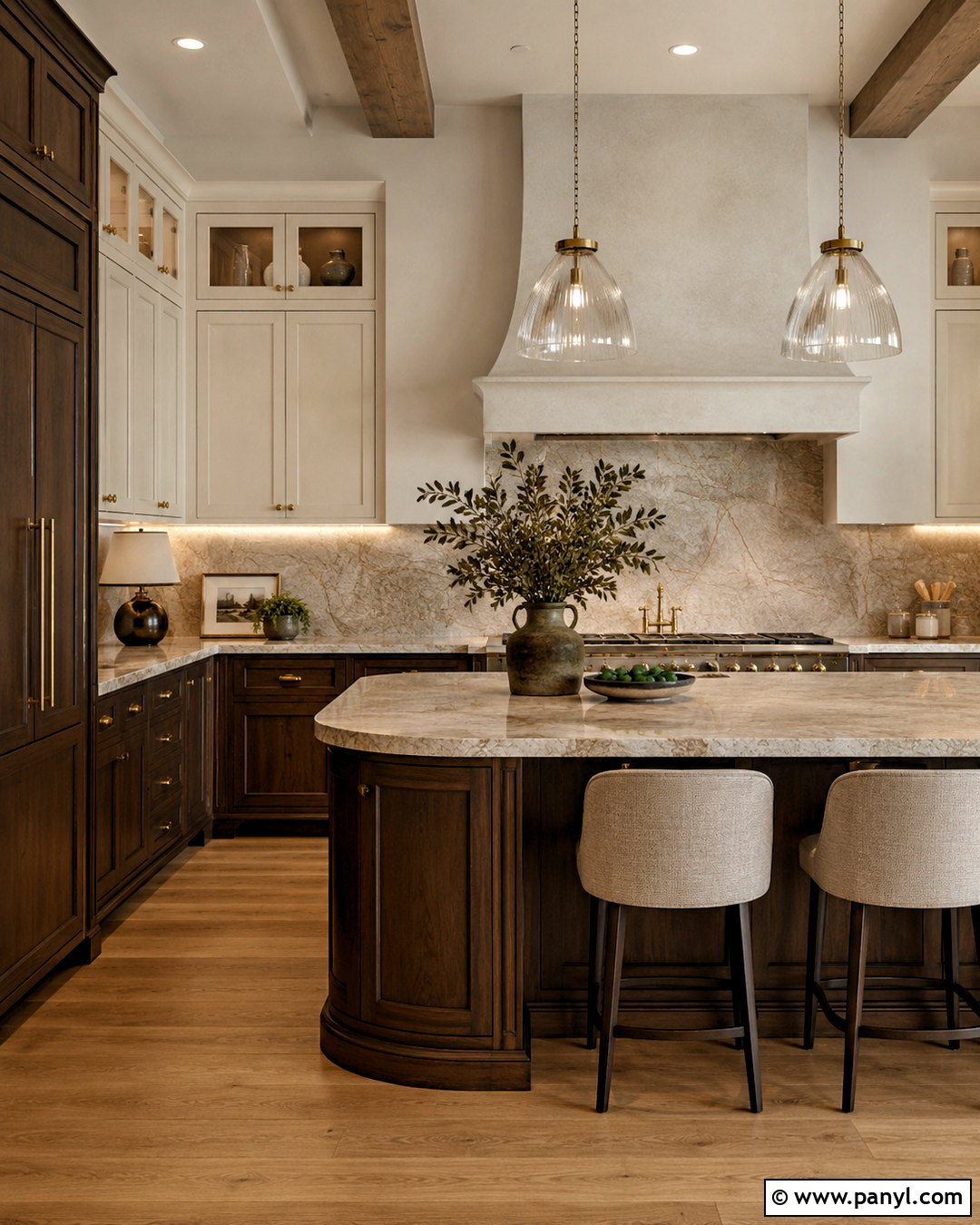
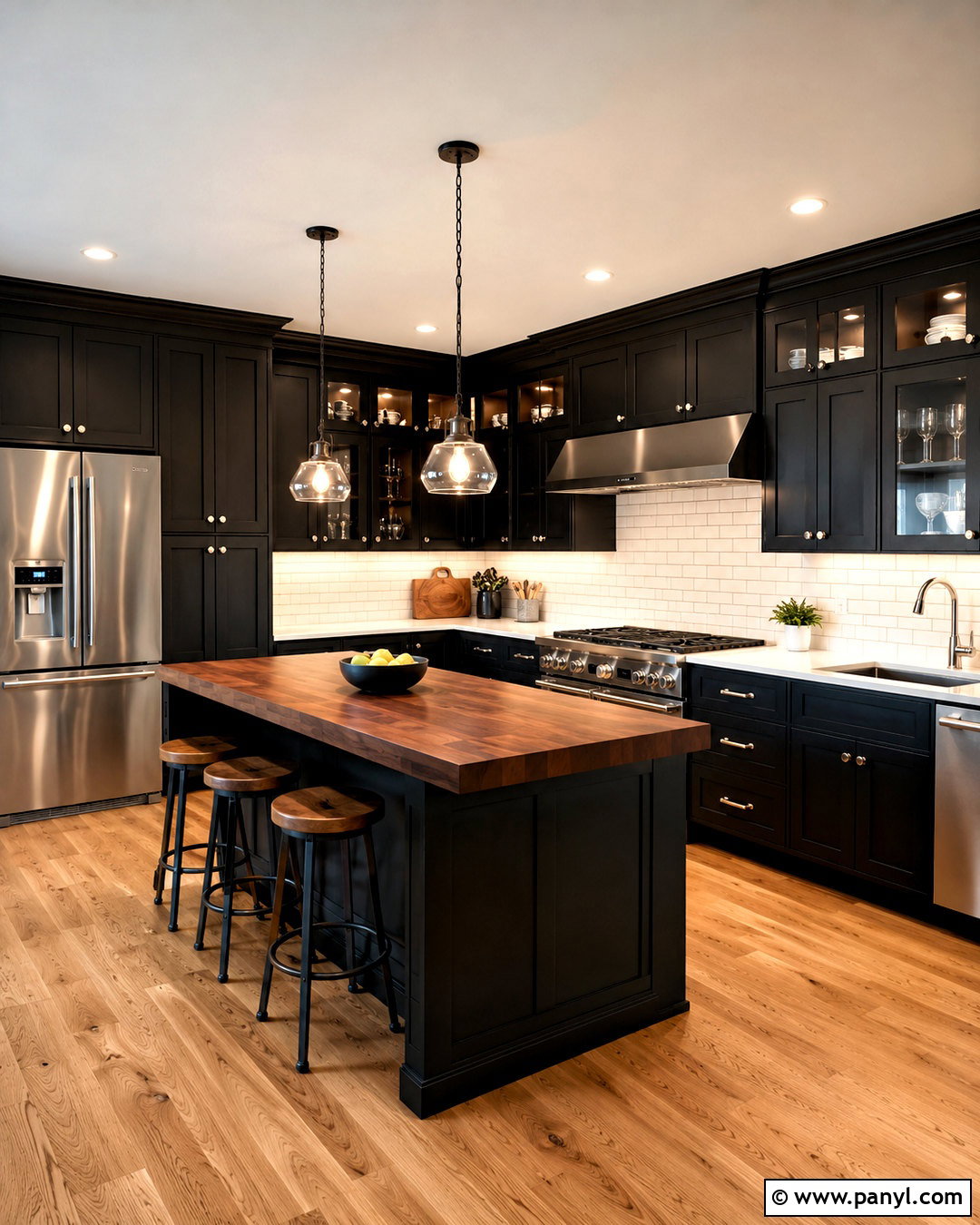
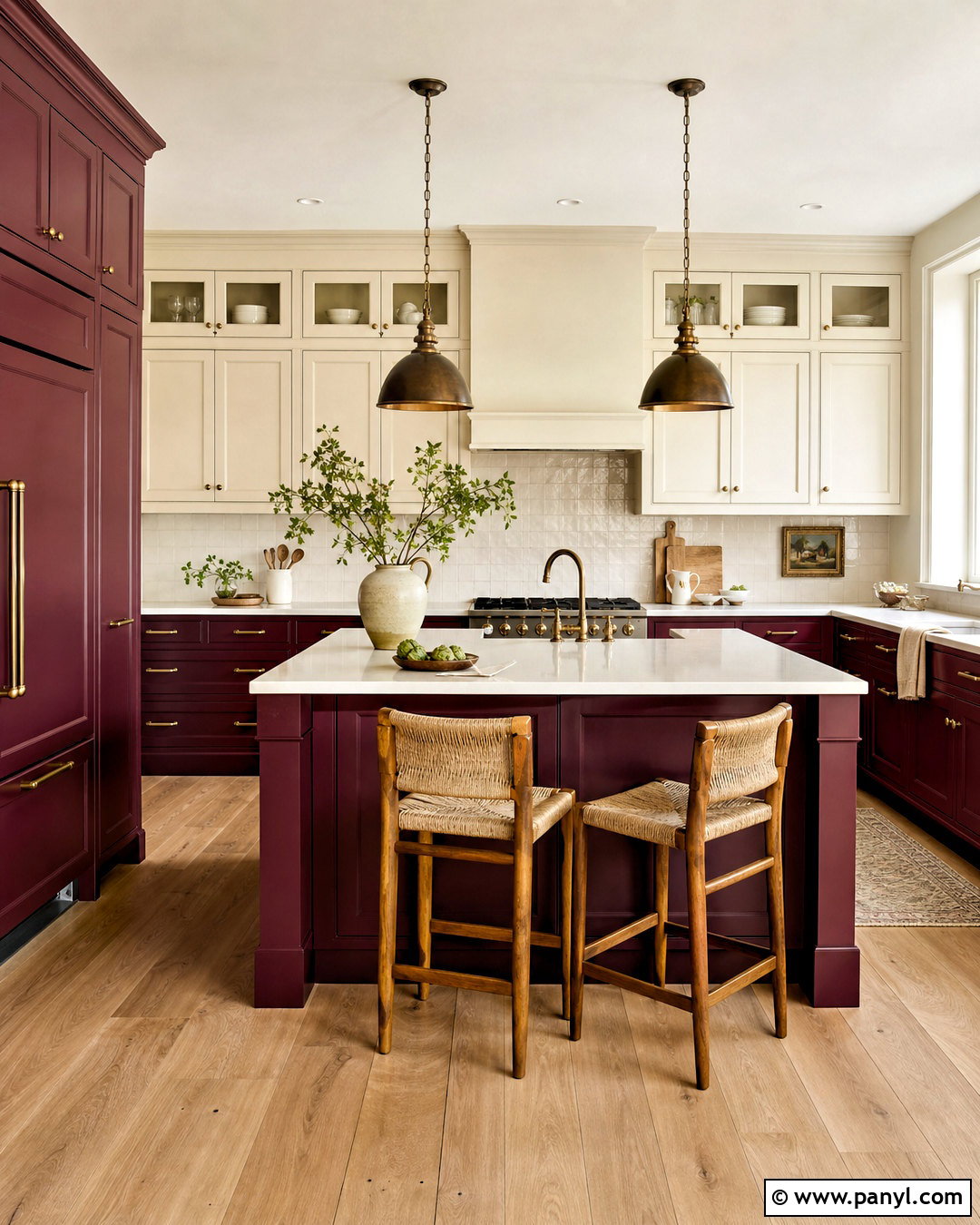
For a more luxurious look, combine chocolate brown cabinetry with generously veined beige marble. Use the dark finish on tall cabinets and the island, while keeping selected upper cabinets in warm cream. Carry the beige marble from the countertops onto the backsplash behind the range, choosing slabs with brown, taupe, and ivory movement. Wide-plank oak flooring will lighten the base of the room. Add a softly curved plaster hood to balance the strong cabinet lines. Antique brass hardware, fluted glass pendants, and upholstered beige stools provide polished details. Conceal appliances behind matching cabinet panels so the materials remain visually continuous. Because both the marble and dark wood create impact, avoid busy accessories. A few cream ceramics and a low bowl of greenery will complete this elegant yet welcoming brown and beige kitchen.
19. Budget Brown Cabinet Kitchen Update
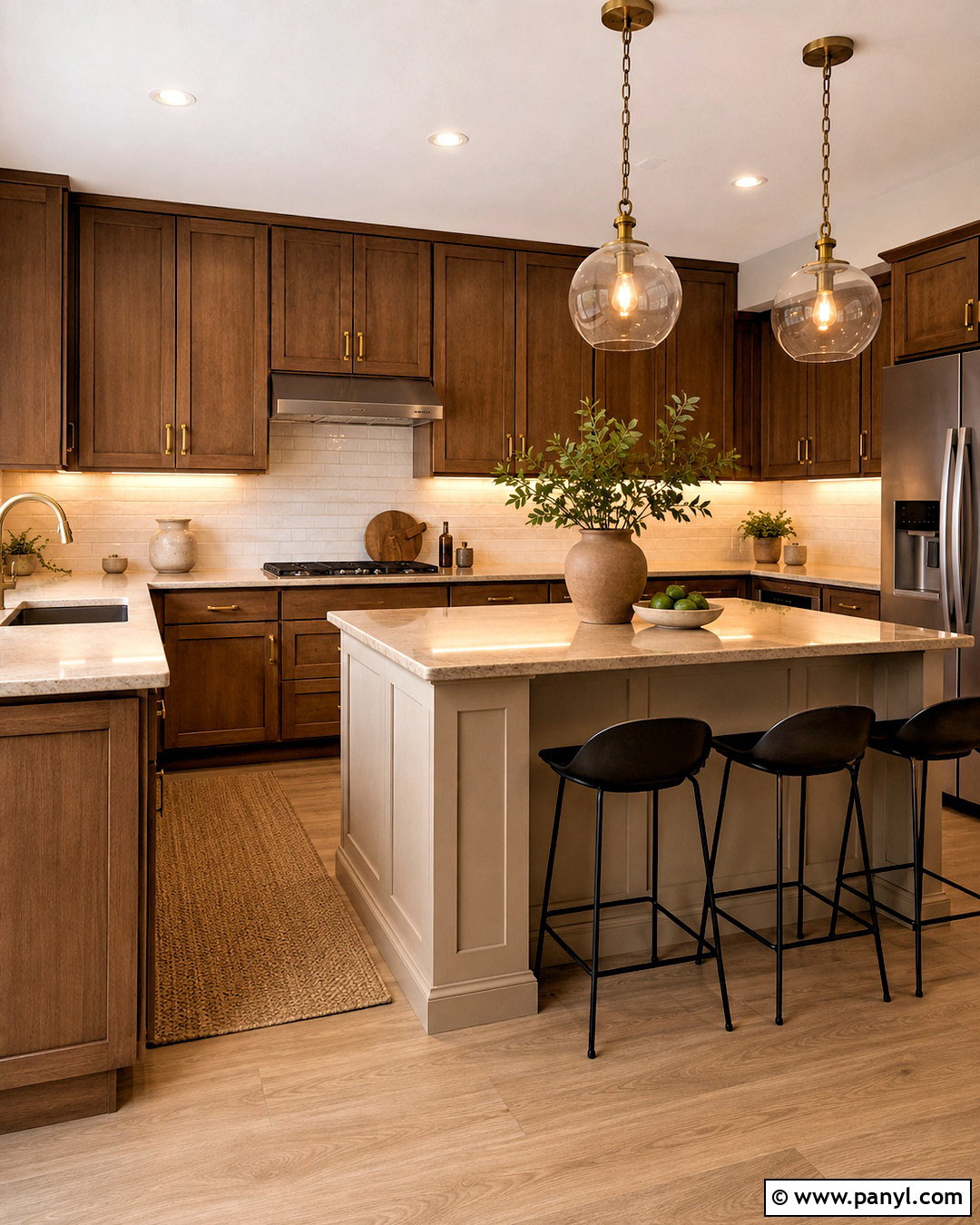
Existing brown cabinets can look current without a full replacement. Begin by cleaning the wood thoroughly and replacing dated hardware with simple brushed brass or matte black pulls. Install warm beige quartz or an affordable beige laminate countertop with minimal pattern. A cream subway tile backsplash with matching grout will brighten the walls and reduce visual busyness. If the floor is dark, use a washable beige runner and paint the walls a light ivory to increase contrast. Update old fixtures with clear glass pendants and add under-cabinet lighting to improve the workspace. Remove decorative cabinet-top clutter, then display only useful wood boards and neutral pottery. If possible, paint the island beige while leaving the perimeter cabinets brown. This affordable two-tone change can make the entire kitchen feel more deliberate, lighter, and better connected.
20. Beige Cabinets With Brown Backsplash
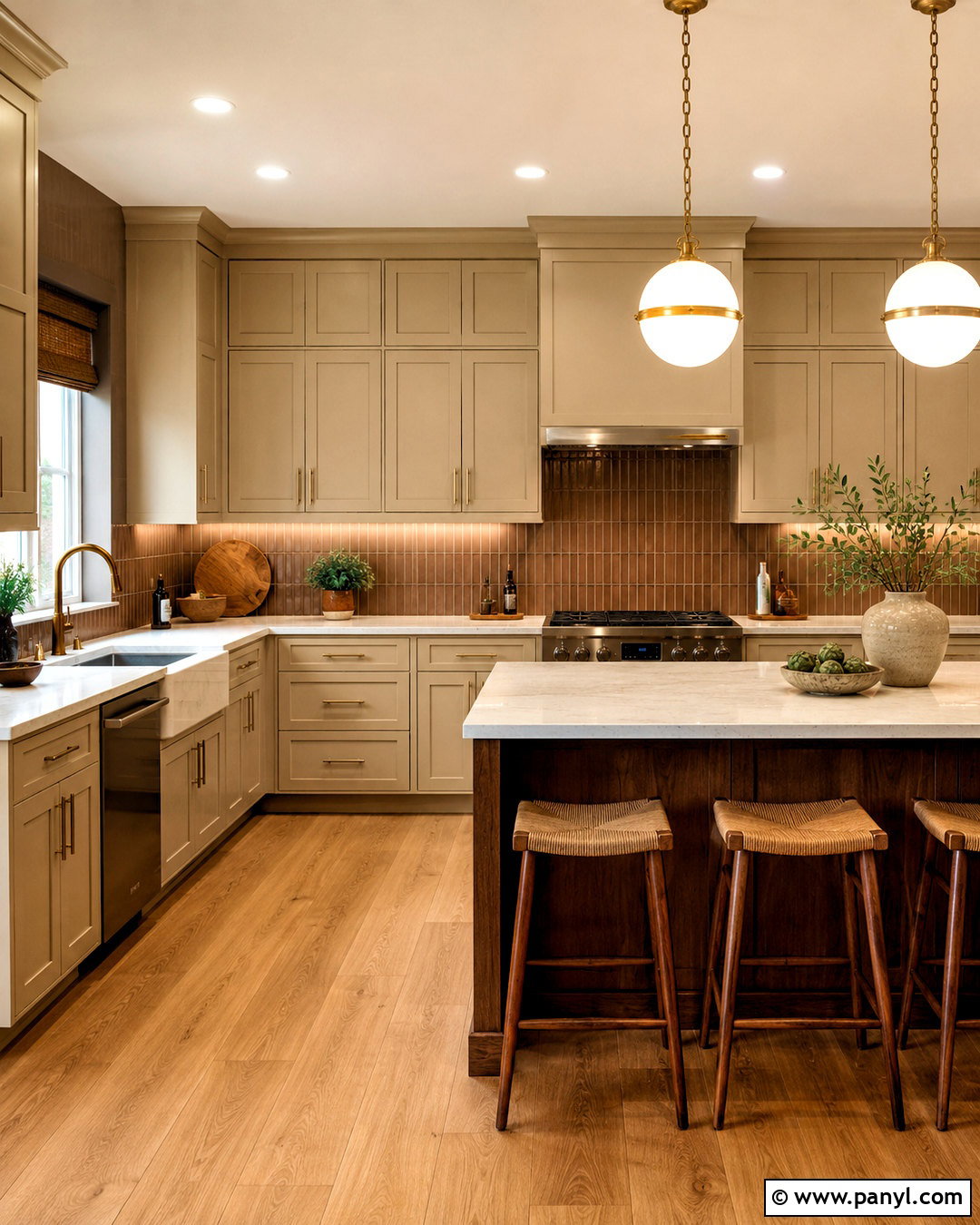
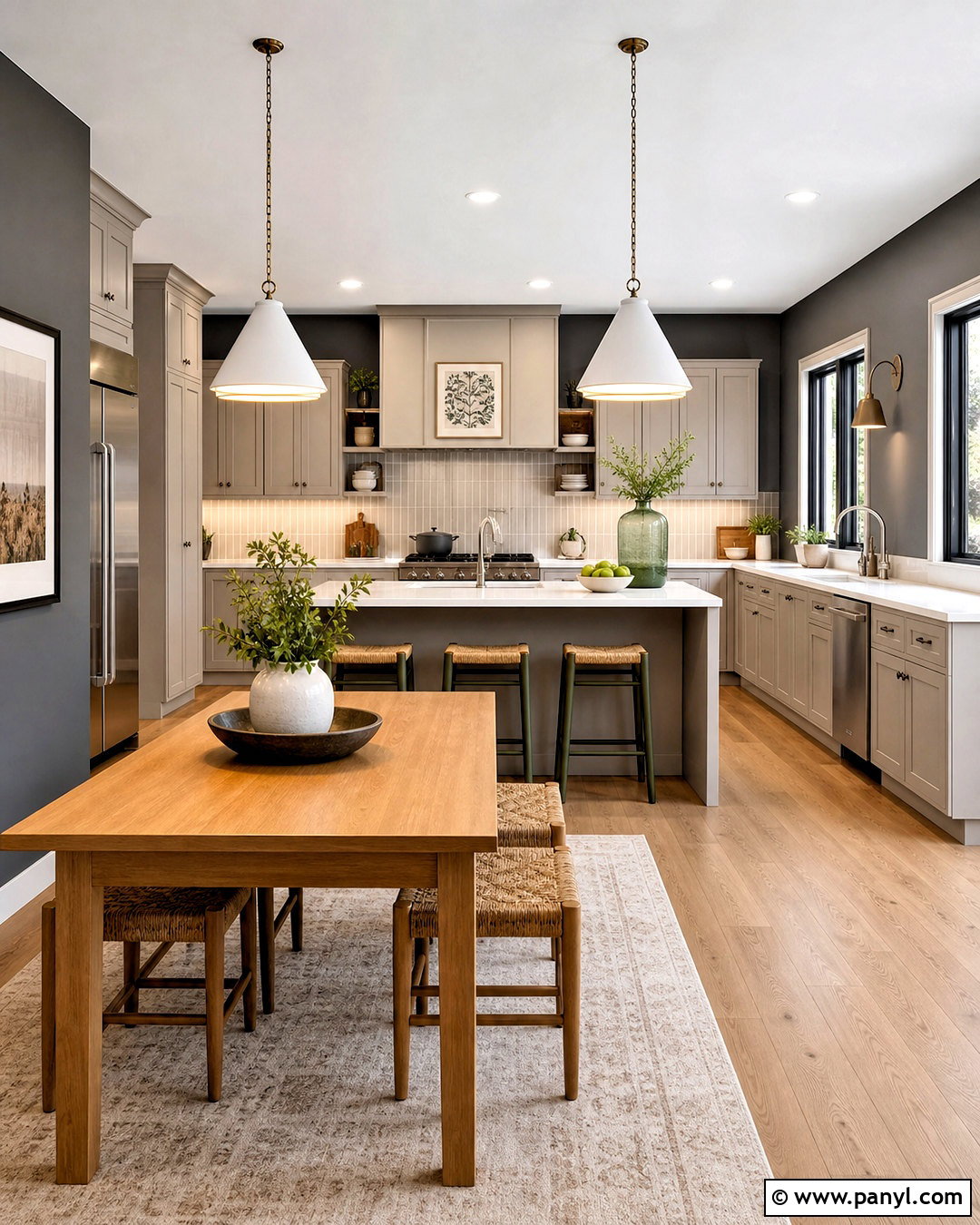
A brown backsplash can anchor beige cabinets when its color and pattern are carefully controlled. Choose warm greige-beige Shaker cabinetry with light quartz countertops, then install slim brown ceramic tiles in a stacked vertical layout. Look for a chestnut or cocoa glaze with subtle variation rather than an extremely dark espresso finish. Natural oak flooring will help transition between the beige cabinets and richer backsplash. Repeat the brown shade on the island base or counter stools so the backsplash does not appear isolated. Brushed brass hardware and cream globe pendants will keep the overall room warm. Limit countertop accessories to pale wood and off-white ceramics. Bright under-cabinet lighting is important for showing the tile’s texture. The result is a balanced kitchen with a defined focal surface and plenty of everyday practicality.
Conclusion:
The most successful 20 brown and beige kitchen ideas layer several related tones instead of matching every surface. Start with one dominant finish, such as beige cabinetry or natural brown wood, and use the second color to create contrast through the island, backsplash, flooring, or furniture. Creamy stone, warm metals, woven textures, and bright lighting can keep the palette fresh and inviting. Before selecting materials, compare samples together in your kitchen during morning, afternoon, and evening light. Pay close attention to undertones so pink beige, yellow wood, and gray stone do not clash. Whether your space is modern, rustic, coastal, or traditional, a balanced brown and beige palette can deliver warmth, versatility, and lasting appeal.

Related Ideas and Inspiration:
Leave a Reply