
Choosing wall and floor colors together is one of the easiest ways to create a room that feels polished from top to bottom. The best **Wall Floor Color Combination Ideas** balance warm or cool undertones, provide enough contrast, and support the room’s natural light. Flooring usually represents the larger investment, so start with its grain, pattern, or stone veining before selecting paint. Then connect both surfaces through furniture, rugs, trim, and small accents. Light-on-light pairings can visually open a compact room, while pale floors can balance deeper wall colors. Dark flooring also provides an attractive anchor beneath softer walls. () Whether you prefer quiet neutrals, earthy shades, or dramatic color, the complete looks below offer practical Wall Floor Color Combination Ideas.

1. Warm White Walls With Honey Oak Floors
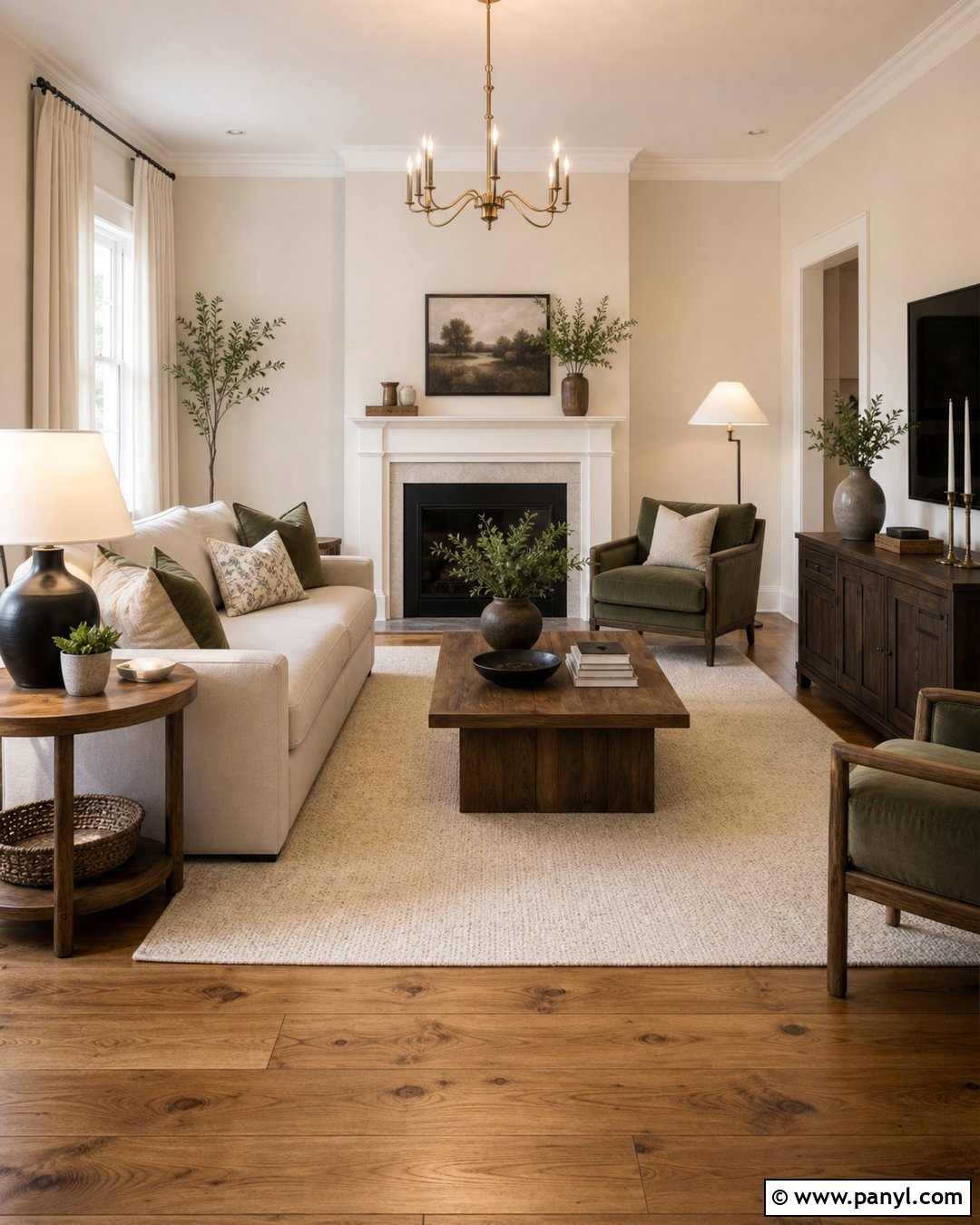
Warm white walls and honey oak floors create a welcoming foundation that works especially well in a relaxed living room. Choose creamy white paint with subtle yellow or beige undertones so the walls complement the floor instead of making it appear orange. Add an oatmeal sofa, a textured ivory rug, and medium-tone wood tables that sit between the wall and floor colors. Olive green pillows and pottery introduce an earthy accent without overpowering the warm palette. Use off-white curtains to soften the windows, along with antique brass lighting for gentle contrast. White baseboards can look overly sharp here, so paint the trim in the same warm white as the walls or use a slightly deeper cream.
2. Soft Greige Walls With Medium Oak Floors
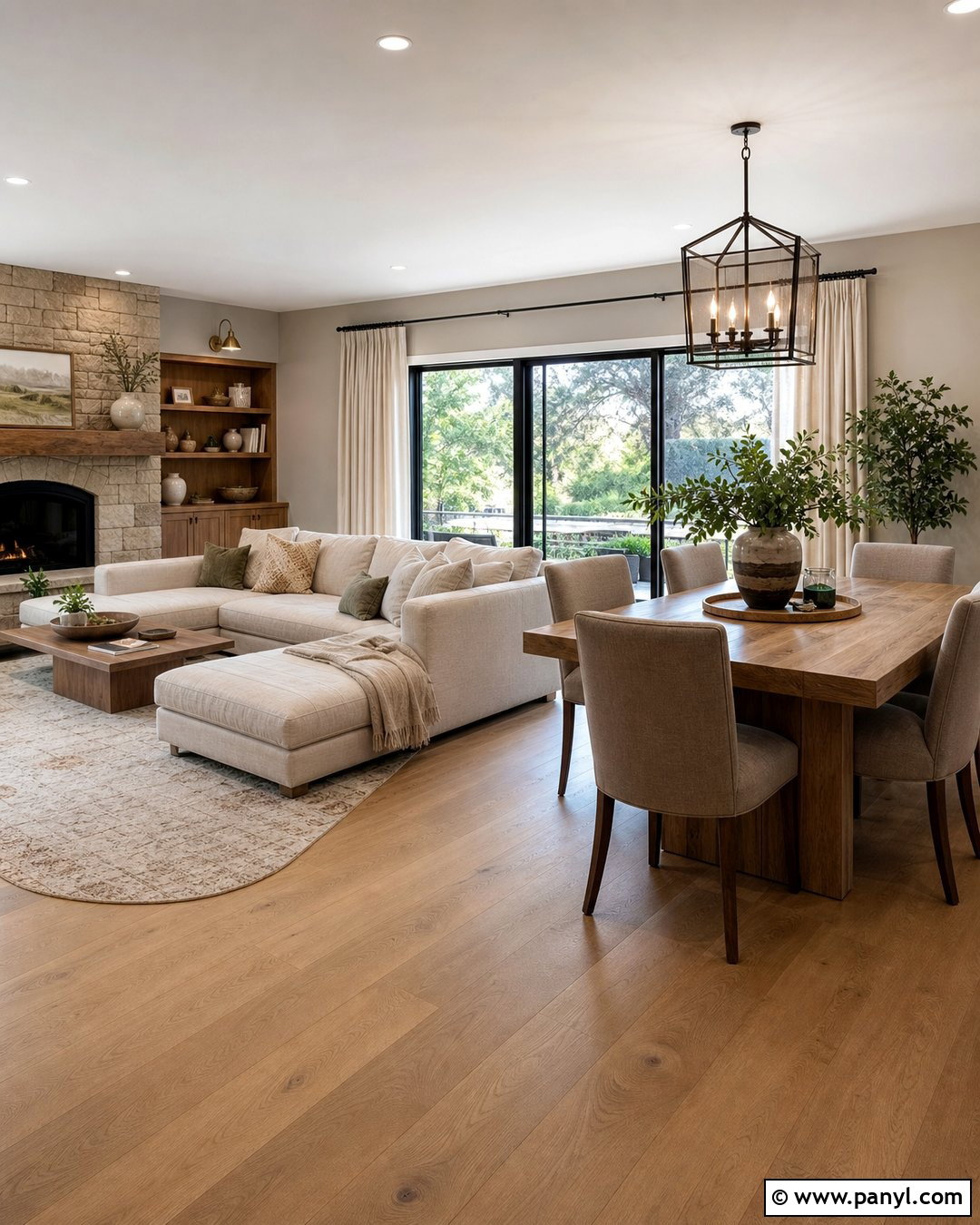
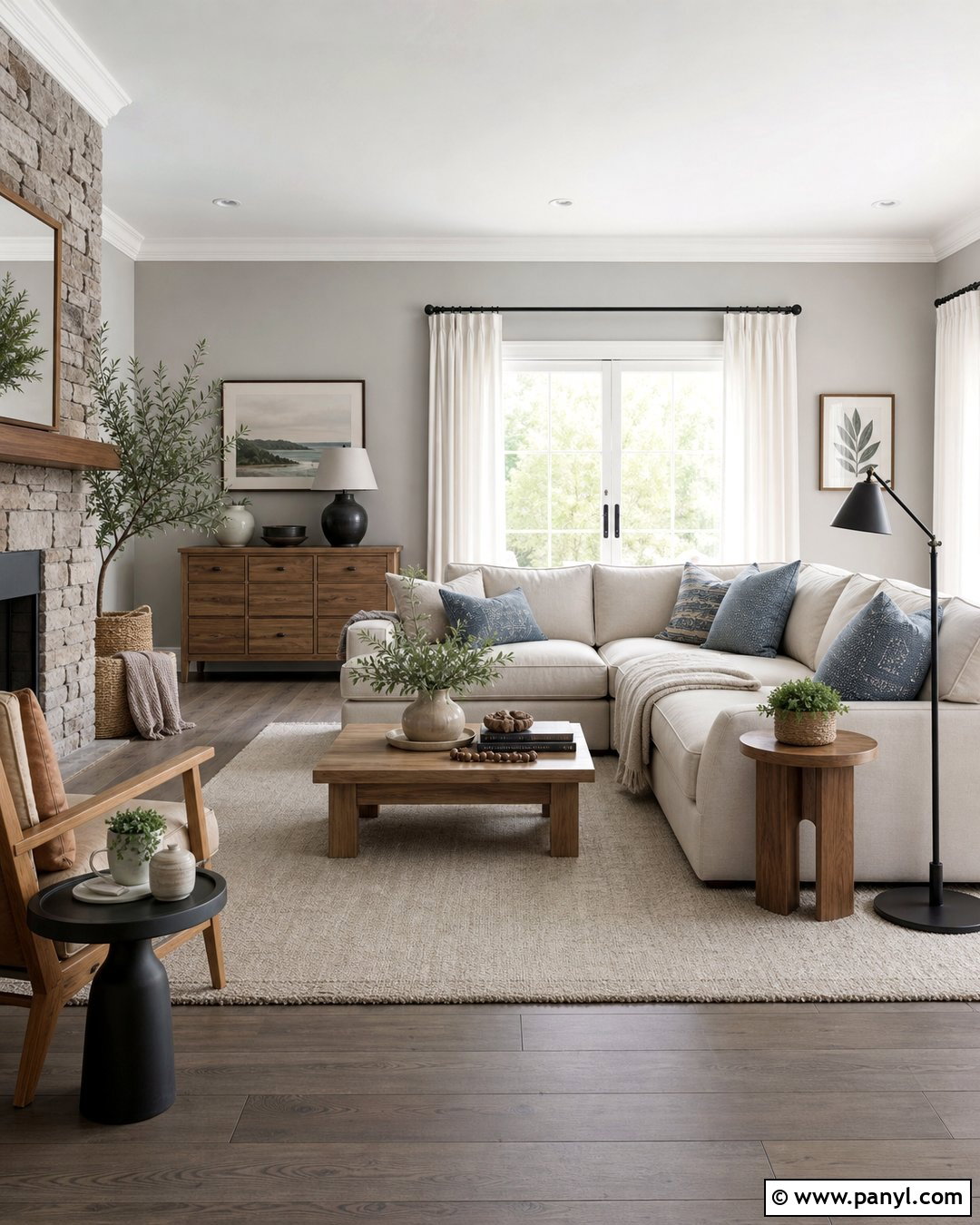
Soft greige walls bring modern balance to medium oak flooring because they combine the warmth of beige with the quieter character of gray. This pairing suits an open living and dining room where you want visual flow without relying on plain white. Select a greige that shares the floor’s warm undertone, then introduce a stone-colored sectional, black metal lighting, and natural linen curtains. A large cream rug with a thin charcoal pattern defines the seating area while allowing plenty of wood to remain visible. Keep dining furniture simple with an oak table and upholstered taupe chairs. Matte black frames, pale ceramic accessories, and leafy plants provide contrast, texture, and enough color to prevent the neutral room from feeling flat.
3. Sage Green Walls With White Oak Floors
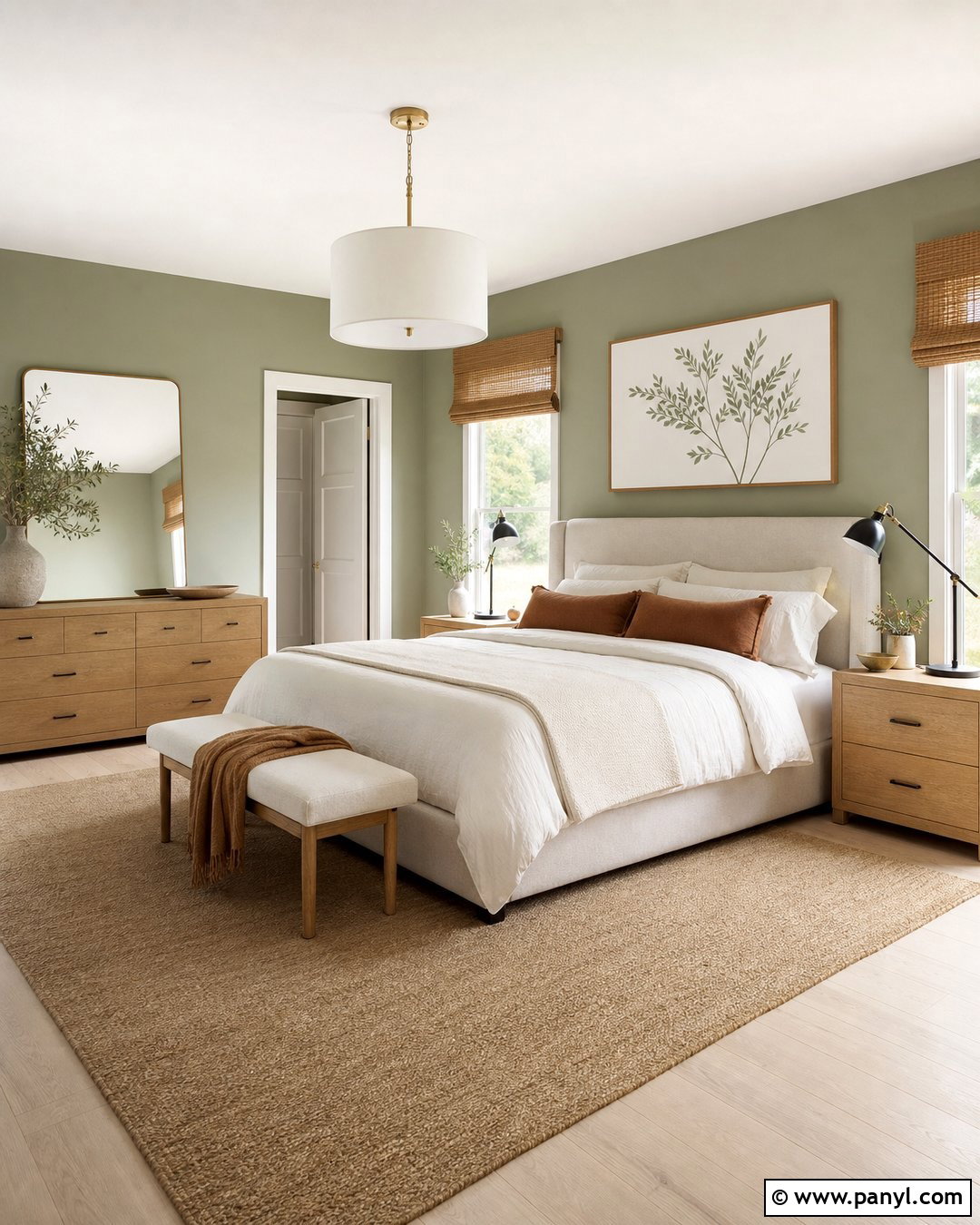
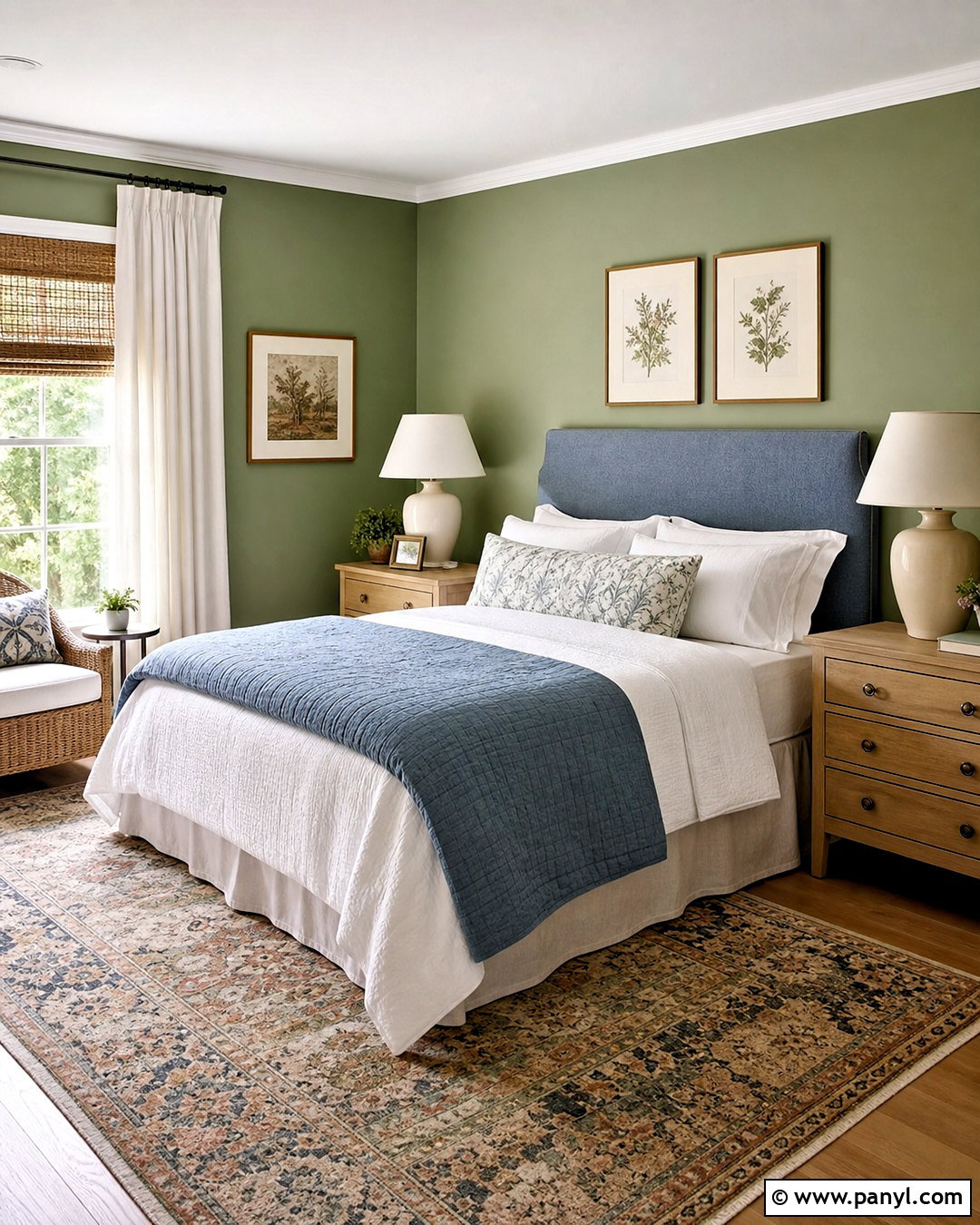
Soft sage green walls and white oak floors form a fresh, nature-inspired combination for a calm bedroom. The pale floor reflects light, while muted green gives the walls noticeable color without making the room feel enclosed. Build the complete look around an upholstered oatmeal bed, ivory bedding, and a sage-and-cream patterned rug. White oak nightstands echo the flooring, but black or aged brass lamps add needed definition. Choose warm white trim rather than bright blue-white, which may clash with the natural wood. Woven shades and lightweight linen curtains strengthen the organic character. A few clay-colored cushions or rust accents introduce warmth, while simple botanical artwork connects the walls, wood, and textiles in one comfortable scheme.
4. Navy Blue Walls With Blonde Wood Floors
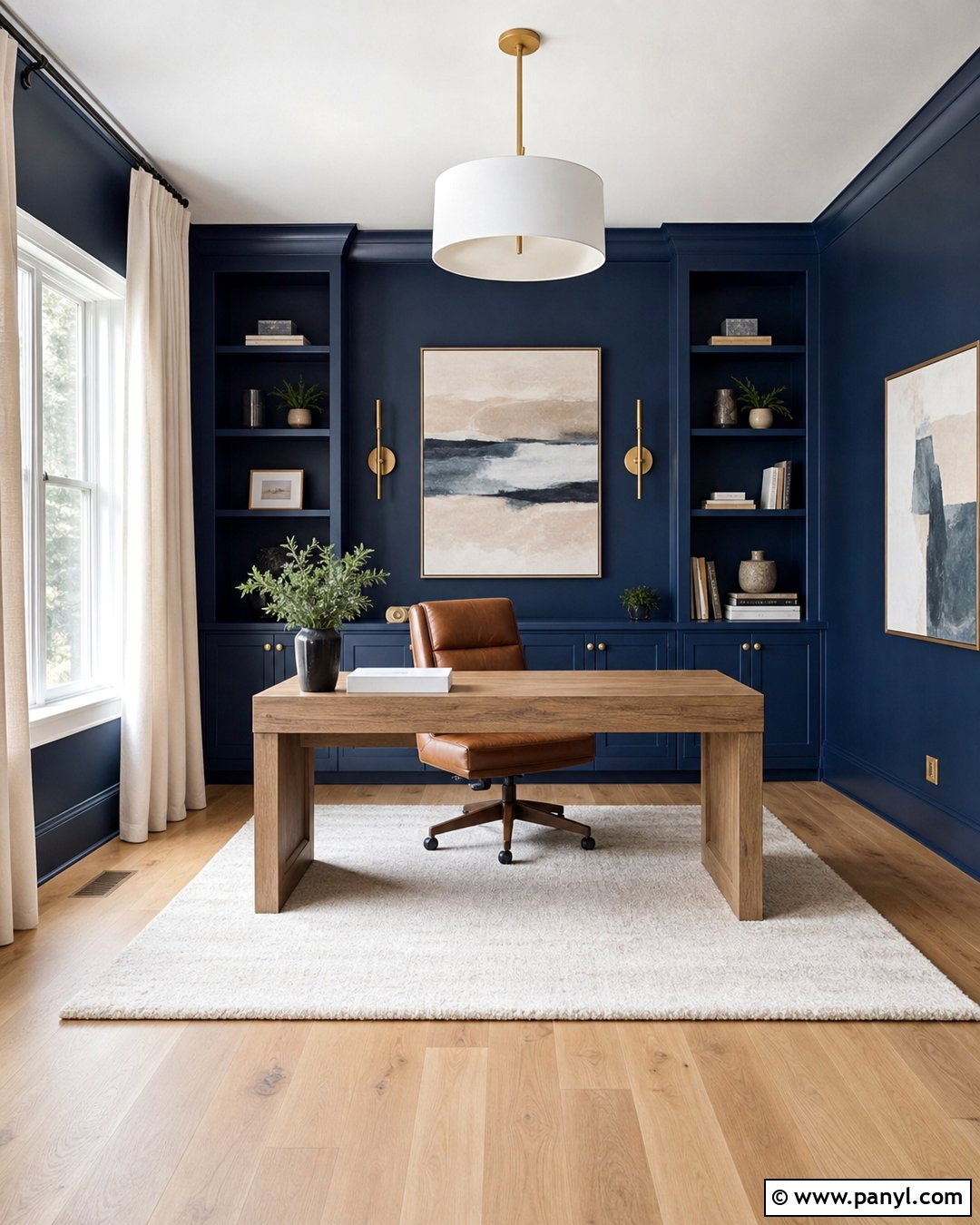
Navy blue walls become easier to use when they are balanced by blonde wood floors and generous natural light. This high-contrast combination can transform a home office or reading room into a focused yet inviting space. Paint all four walls deep navy, then use warm white on the ceiling and trim for a clean boundary. Place a light oak desk, caramel leather chair, and cream wool rug against the pale flooring. Brass sconces and cabinet hardware add warmth that keeps the navy from feeling cold. Include closed storage in the wall color for a built-in appearance. Pale linen curtains, simple abstract art, and one substantial green plant finish the room without distracting from the bold relationship between the dark walls and light floor.
5. Terracotta Walls With Limestone Floors
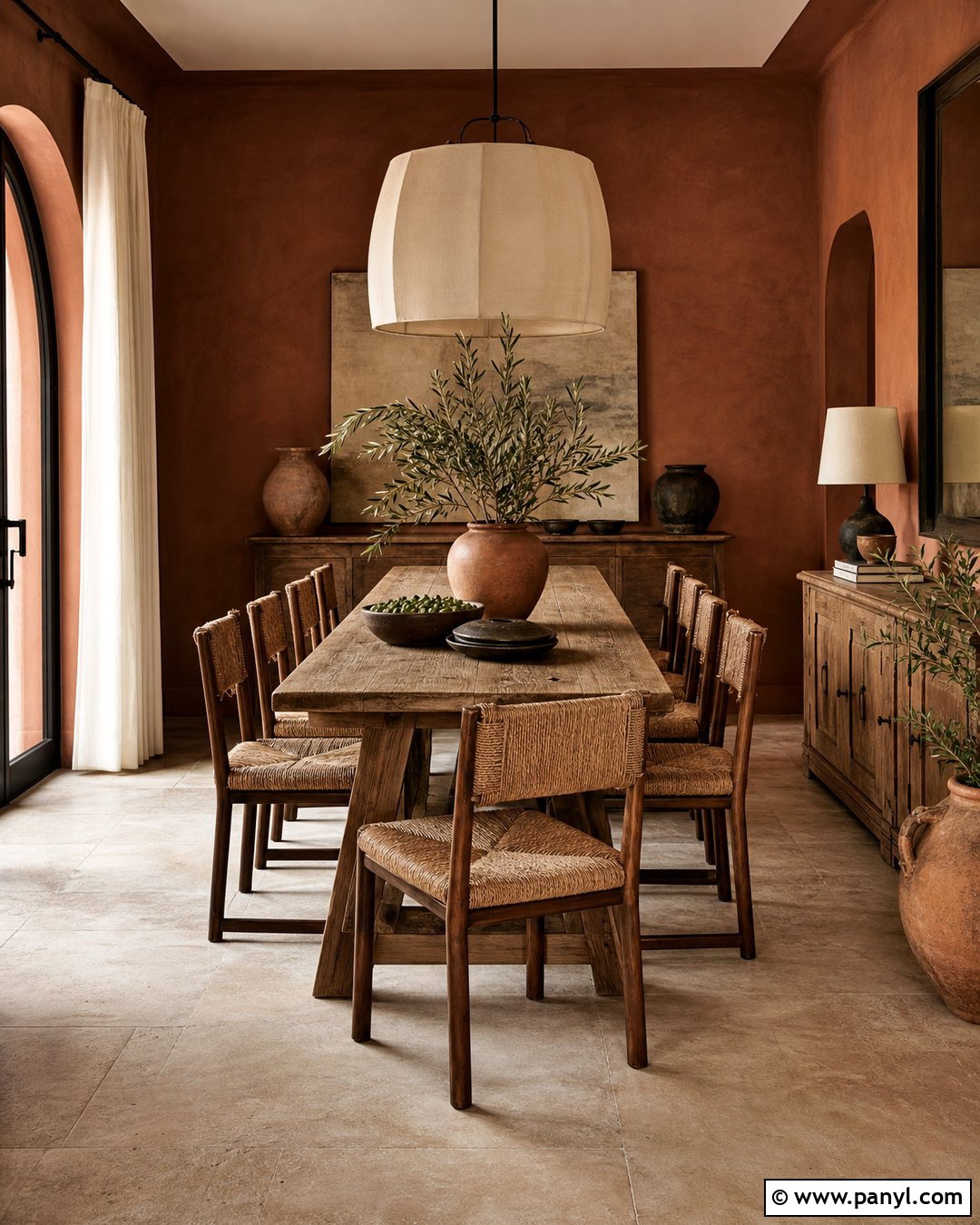
Sunbaked terracotta walls and light limestone floors produce an earthy dining room that feels warm without becoming heavy. Choose a muted clay shade rather than a vivid orange, allowing the natural beige and cream variation in the limestone to remain visible. Center the space with a weathered oak dining table and woven rush chairs. An oversized linen pendant provides a soft focal point above the table, while creamy drapery filters strong daylight. Use warm white trim and a simple plaster finish if you want additional depth on the walls. Dark bronze hardware and a black-framed cabinet bring structure to the palette. Finish with handmade ceramics, olive branches, and a low neutral rug that does not hide the floor’s natural texture.
6. Charcoal Walls With Pale Concrete Floors
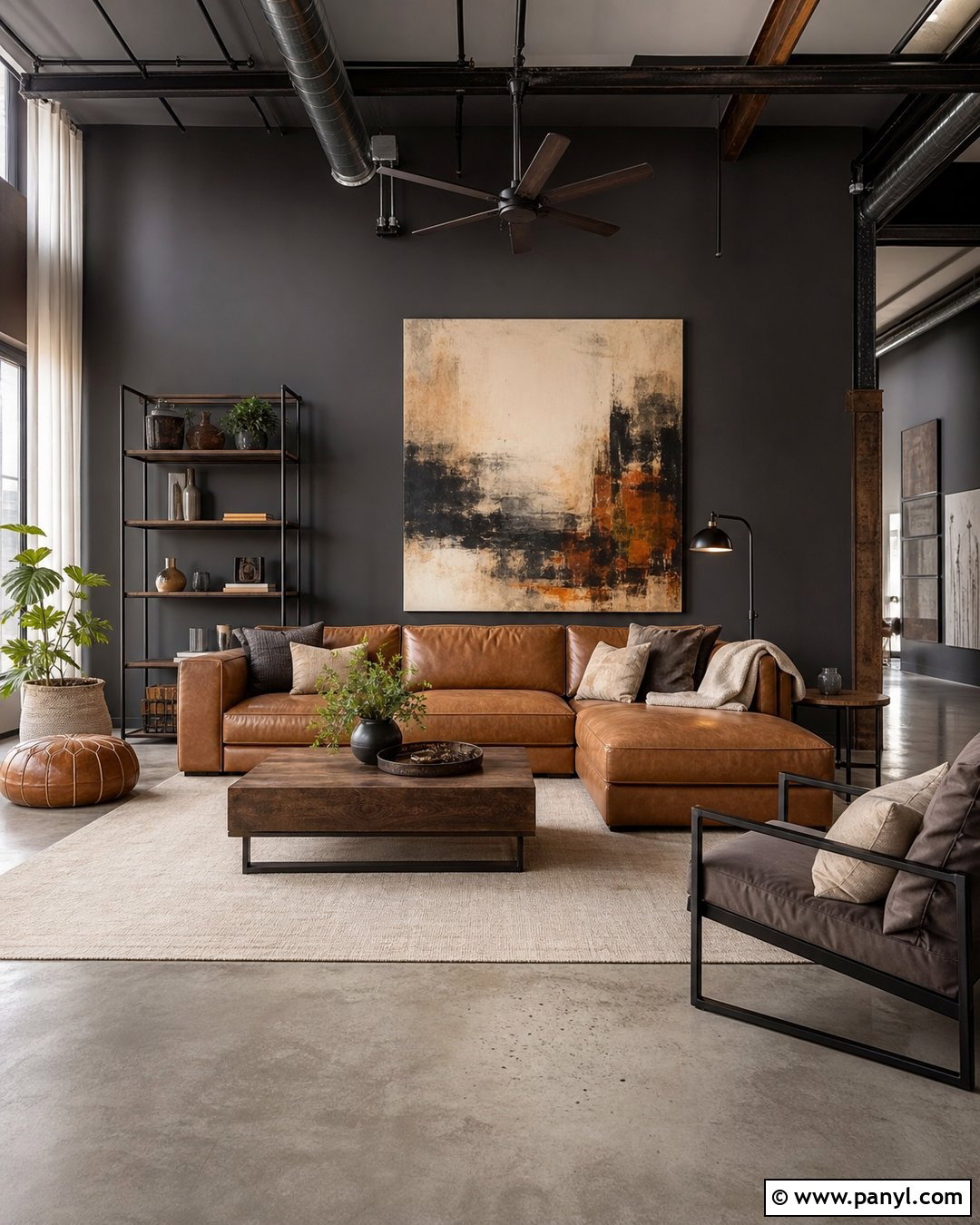
Charcoal walls and pale concrete floors create a confident industrial look when balanced with warm materials and comfortable furniture. This pairing is ideal for a loft-inspired living room, basement lounge, or contemporary studio with strong lighting. Select a charcoal with a slightly warm undertone to avoid an overly blue appearance. Add a camel leather sofa, a large ivory rug, and walnut side tables to soften the hard surfaces. Black steel shelving can blend into the walls while displaying books, ceramics, and a few wood accents. Use warm white on the ceiling to preserve openness. Sheer curtains, oversized artwork, and brushed metal lighting complete the design. The result feels architectural and modern but remains practical enough for everyday relaxation.
7. Cream Walls With Dark Walnut Floors
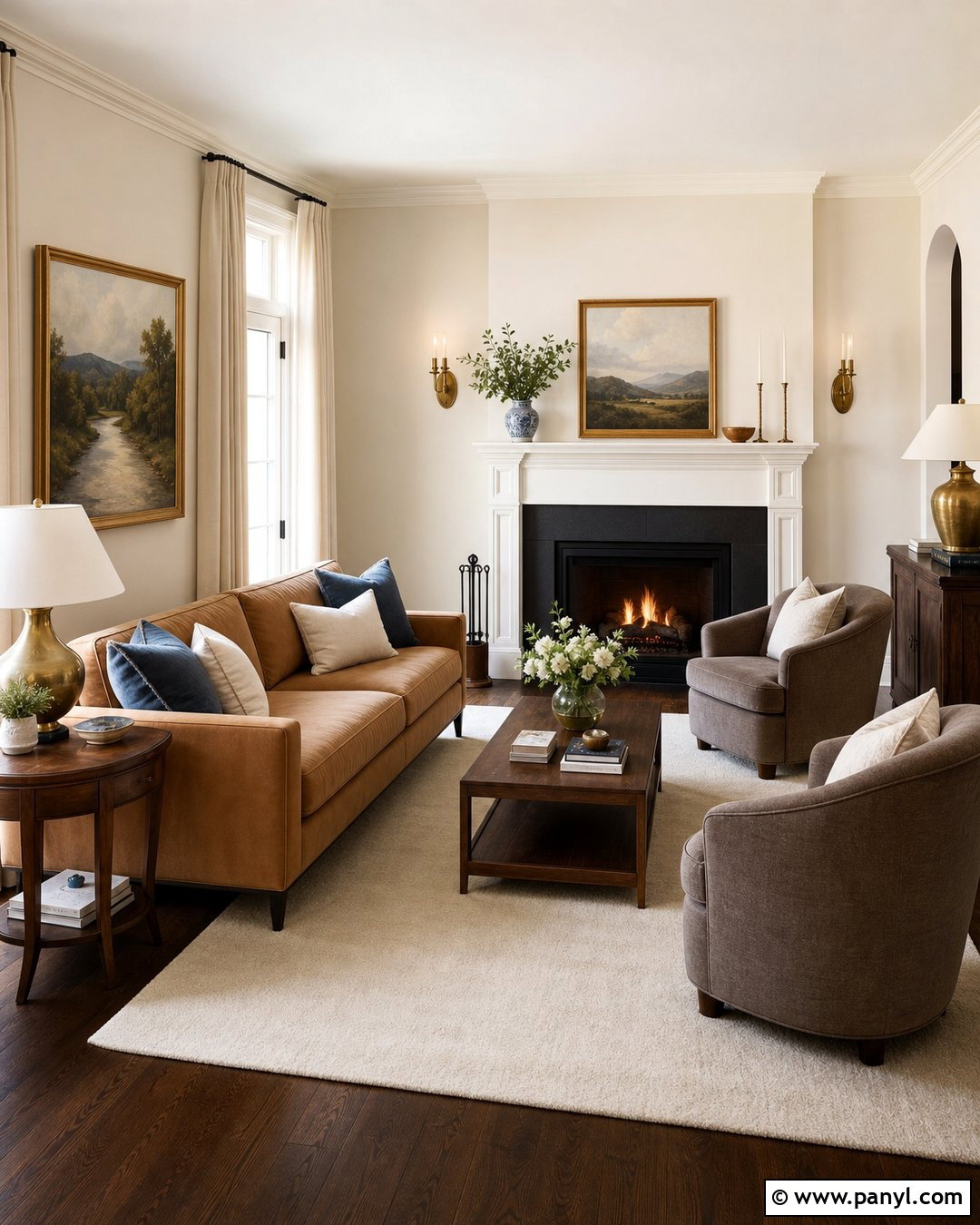
Cream walls lift dark walnut flooring while preserving its rich, traditional character. This timeless combination works beautifully in a formal living room, dining room, or primary bedroom. Choose a warm cream that contains enough depth to stand apart from bright white trim. Layer an ivory wool rug over the floor, leaving a generous walnut border visible around the room. Upholstery in camel, mushroom, or warm gray keeps the palette sophisticated, while muted blue cushions introduce restrained color. Use walnut furniture selectively so the space does not become visually bottom-heavy. Brass lighting, framed landscape art, and full-length linen curtains add softness. Pale ceiling paint and well-positioned lamps are important, especially if the room receives limited daylight or has smaller windows.
8. Pale Blue Walls With Weathered Gray Floors
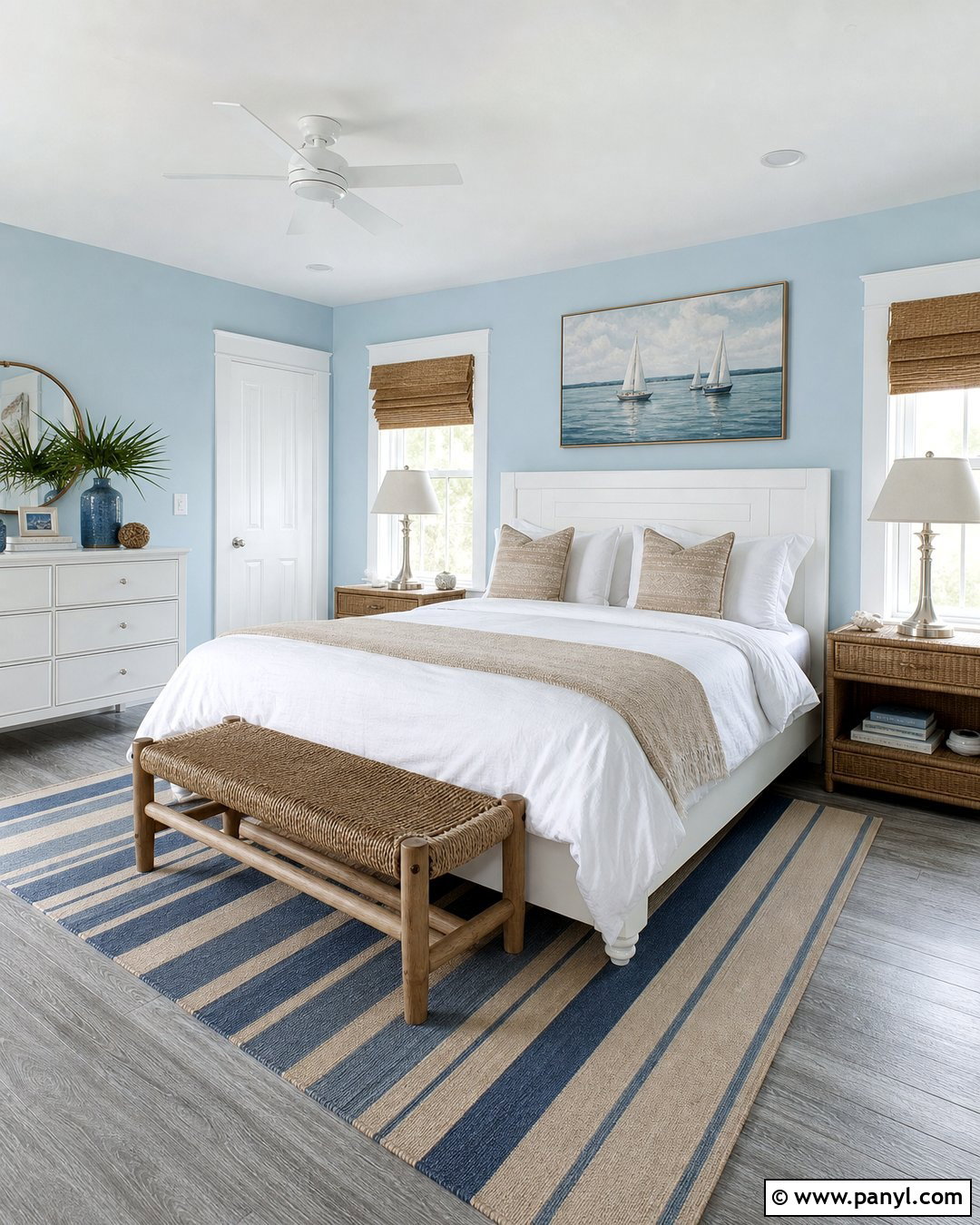
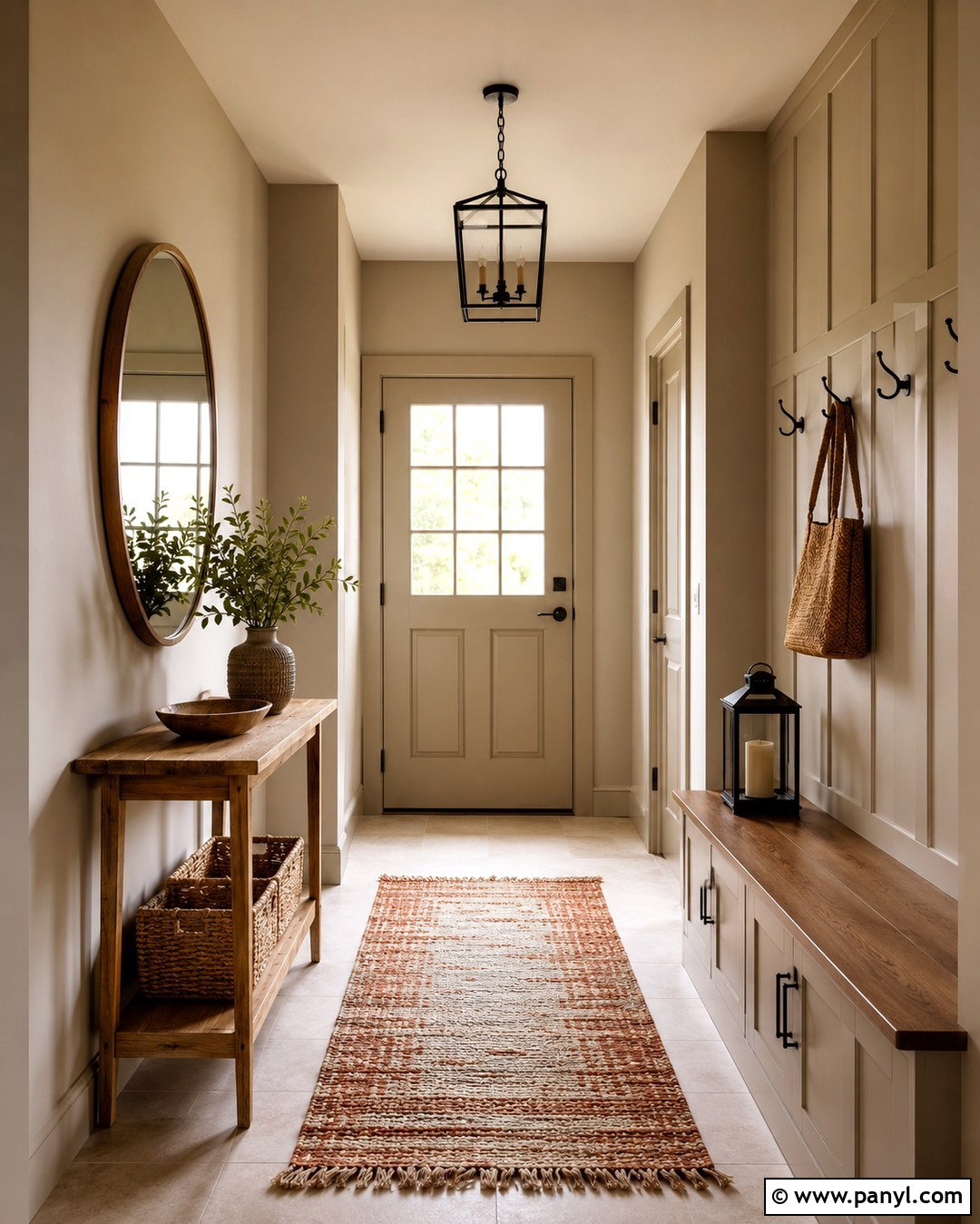
Pale blue walls and weathered gray wood floors offer an airy coastal look without requiring obvious nautical decorations. Use this combination in a guest bedroom with plenty of white textiles and natural woven materials. Select a soft blue with a gray undertone so it relates comfortably to the faded flooring. Add a white-painted bed, crisp cotton bedding, and a striped blue-and-cream rug that visually connects both surfaces. Natural rattan nightstands and woven window shades provide warmth that gray floors often need. Keep the trim and ceiling a gentle white, then introduce brushed nickel lamps and simple seascape artwork. Small touches of sandy beige, such as a bench or throw blanket, prevent the blue and gray palette from appearing cool or one-dimensional.
9. Olive Green Walls With Beige Travertine Floors
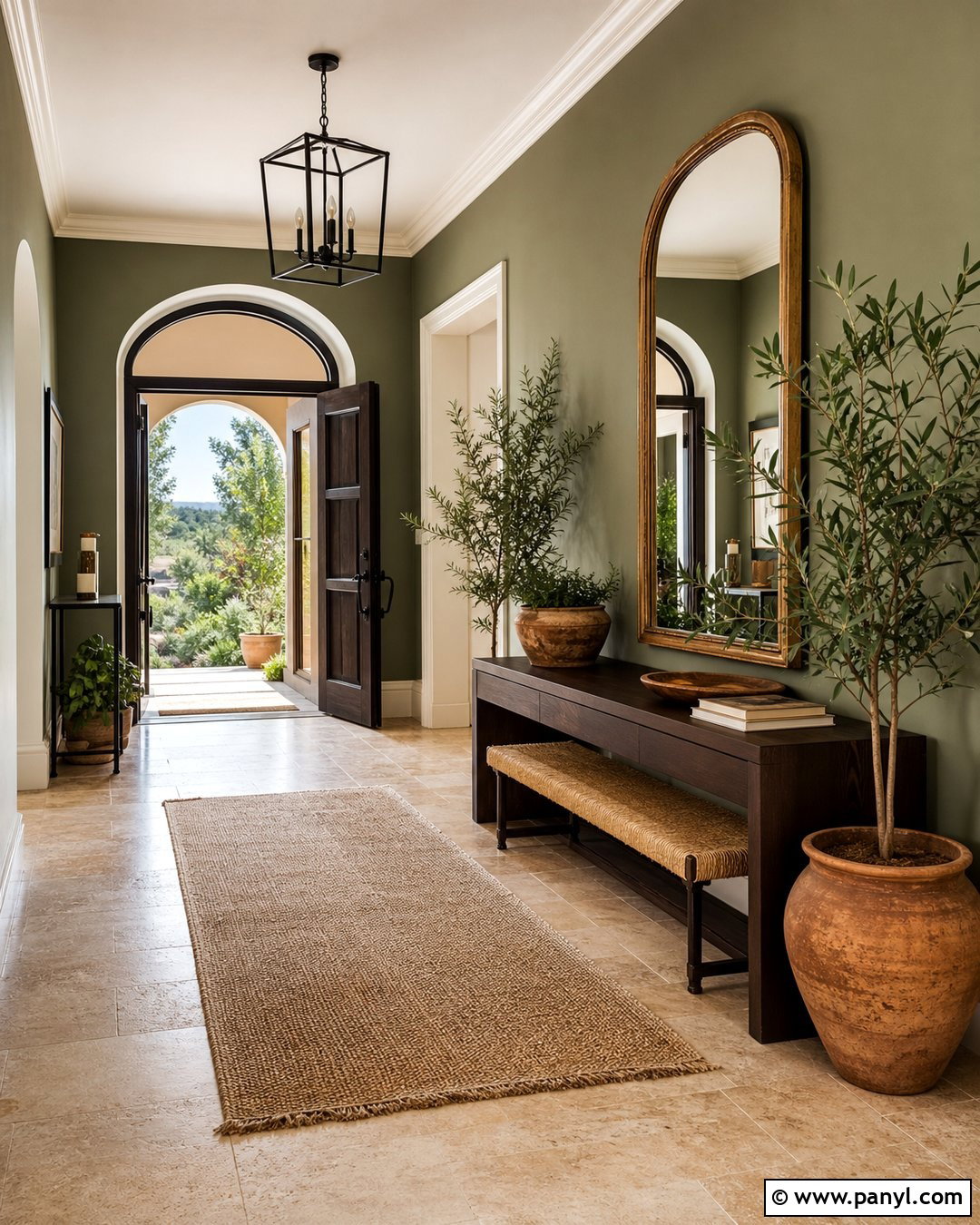
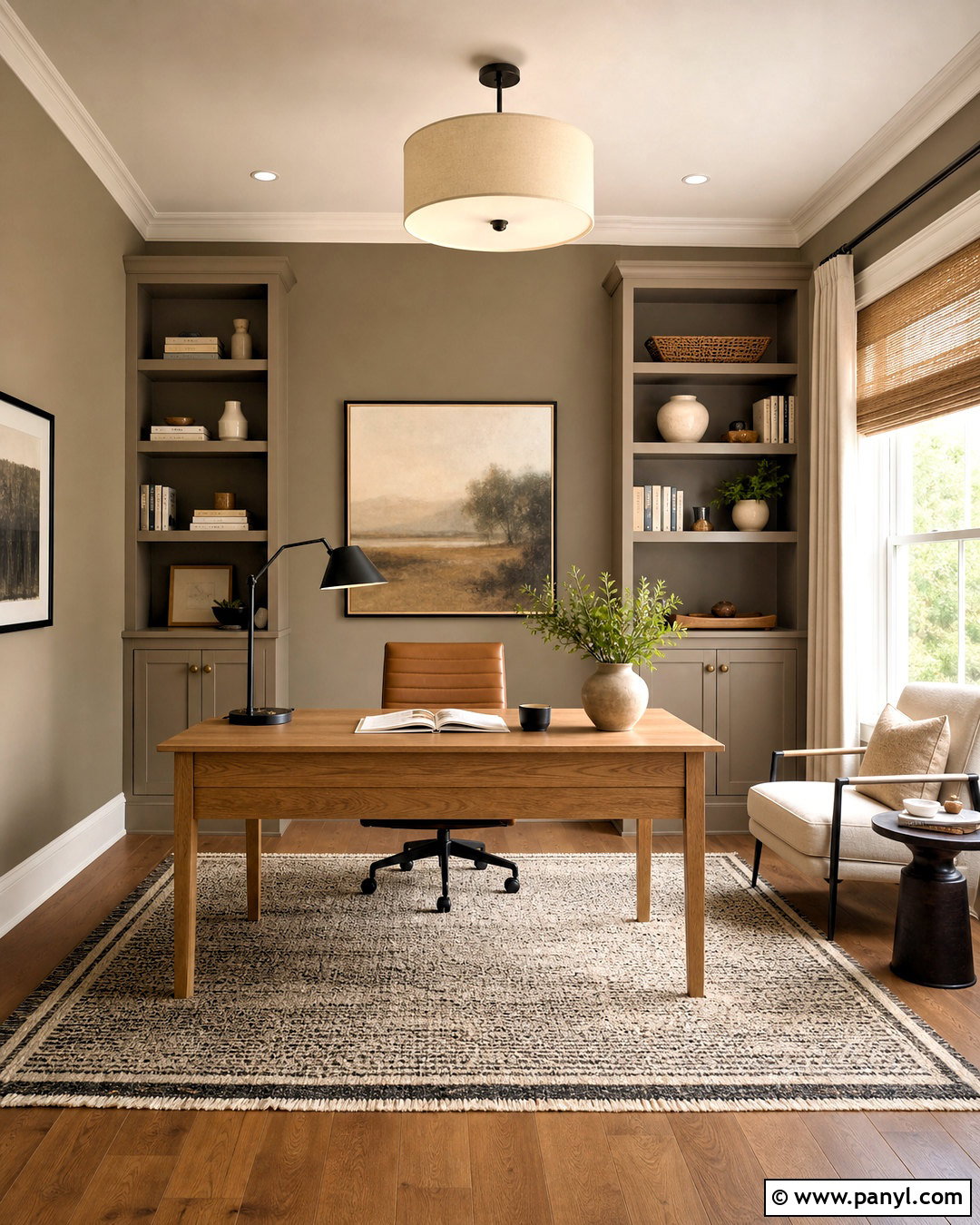
Olive green walls complement beige travertine floors by drawing attention to the stone’s warm, earthy variation. This combination can give an entryway or sunroom a grounded Mediterranean character. Choose a softened olive instead of a highly saturated green, and repeat the travertine’s creamy tones through upholstery and window treatments. A slim dark wood console, woven bench, and antique brass mirror create an inviting entry arrangement. Add a washable natural-fiber runner to protect the high-traffic floor while keeping much of the stone visible. Warm white trim provides separation between the surfaces without creating harsh contrast. Terracotta pots, leafy plants, and black metal accents complete the palette. Keep decorative objects limited so the natural colors and textures remain the main attraction.
10. Crisp White Walls With Black Slate Floors
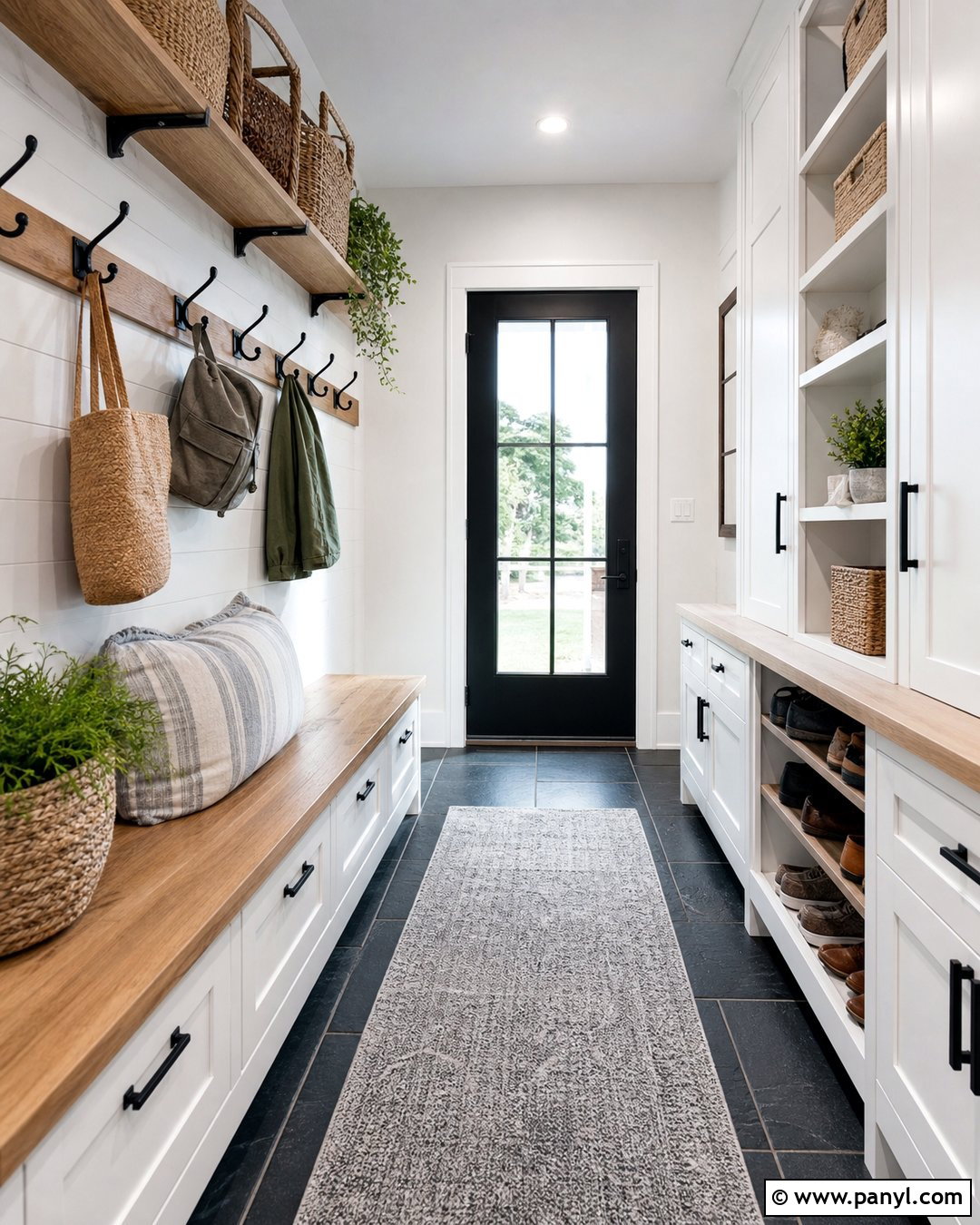
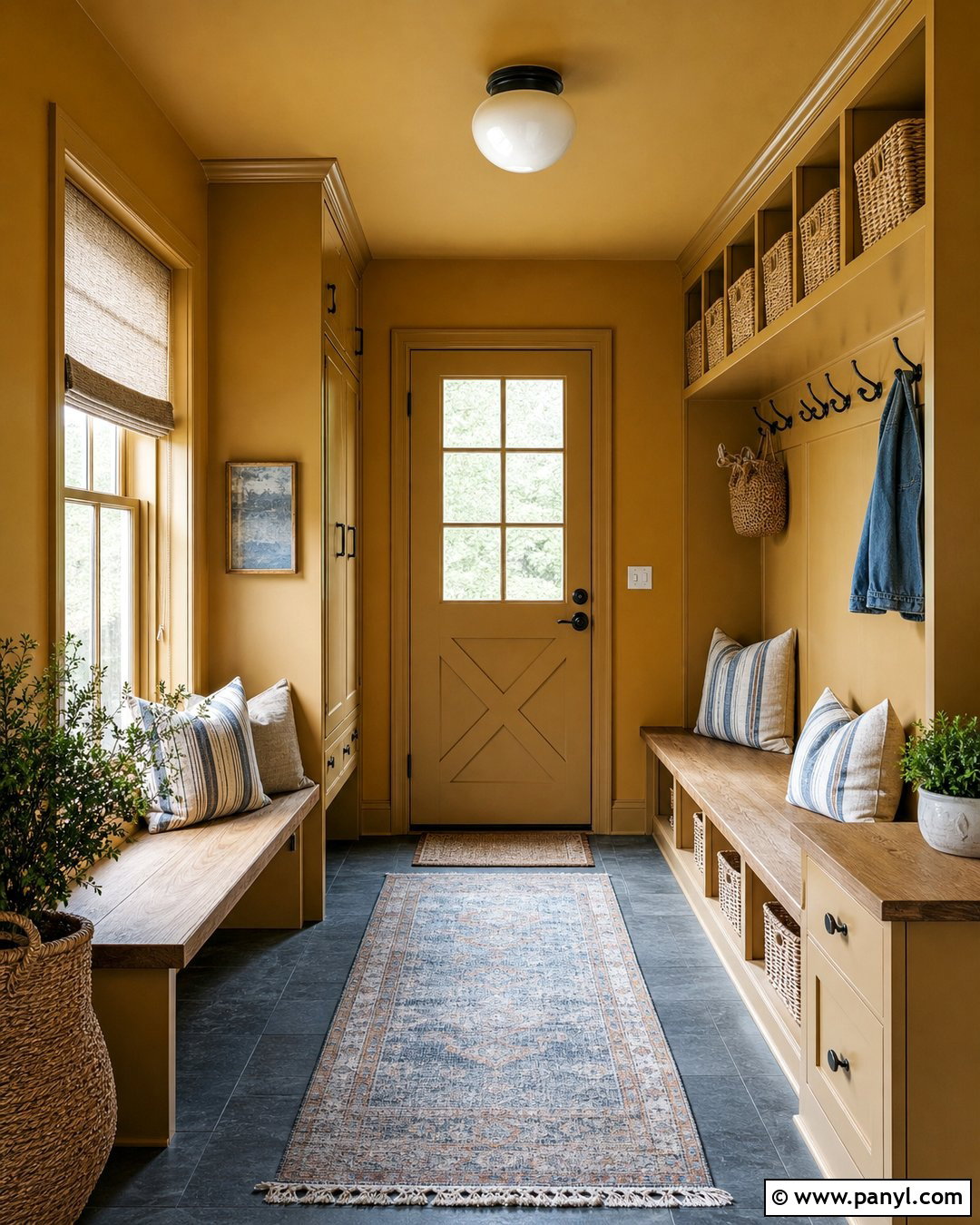
Crisp white walls and black slate floors make a mudroom feel clean, graphic, and organized. The floor provides durability and a strong visual anchor, while the walls keep the functional space from looking cramped. Install white shaker-style cabinets or a built-in bench against the walls, then use natural oak hooks and shelving to warm the black-and-white palette. A washable gray runner can soften the slate without concealing its texture. Choose matte black cabinet pulls to repeat the floor color and create continuity. Baskets, closed shoe drawers, and labeled storage positions should be planned as part of the layout, although visible lettering is not necessary for the design. Add a glass-paneled door or bright ceiling fixture to maximize illumination throughout the room.
11. Dusty Rose Walls With Light Terrazzo Floors
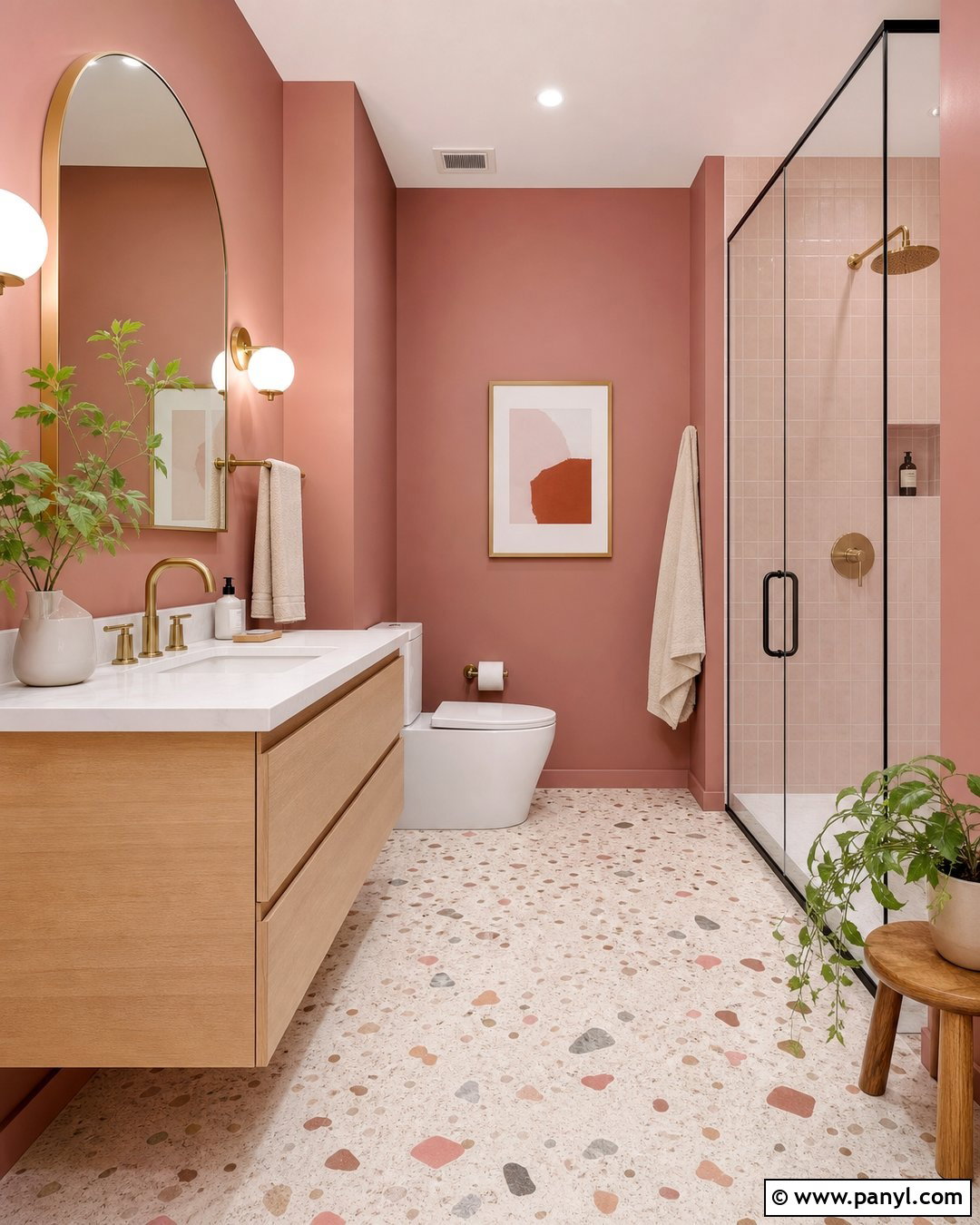
Dusty rose walls and light terrazzo floors create a playful yet sophisticated bathroom when the pink is muted and the floor pattern remains subtle. Look for terrazzo with a creamy base and small chips in blush, tan, gray, or rust. Use a floating white oak vanity to introduce natural warmth, topped with a simple white counter and brushed brass faucet. An arched mirror softens the room’s straight lines, while globe sconces provide even illumination. Carry the dusty rose color across every wall for a cohesive effect, but keep the ceiling warm white. Ivory towels, clear shower glass, and minimal shelving prevent visual clutter. This complete palette feels colorful and distinctive without depending on a short-lived decorative theme.
12. Taupe Walls With Warm Gray Floors
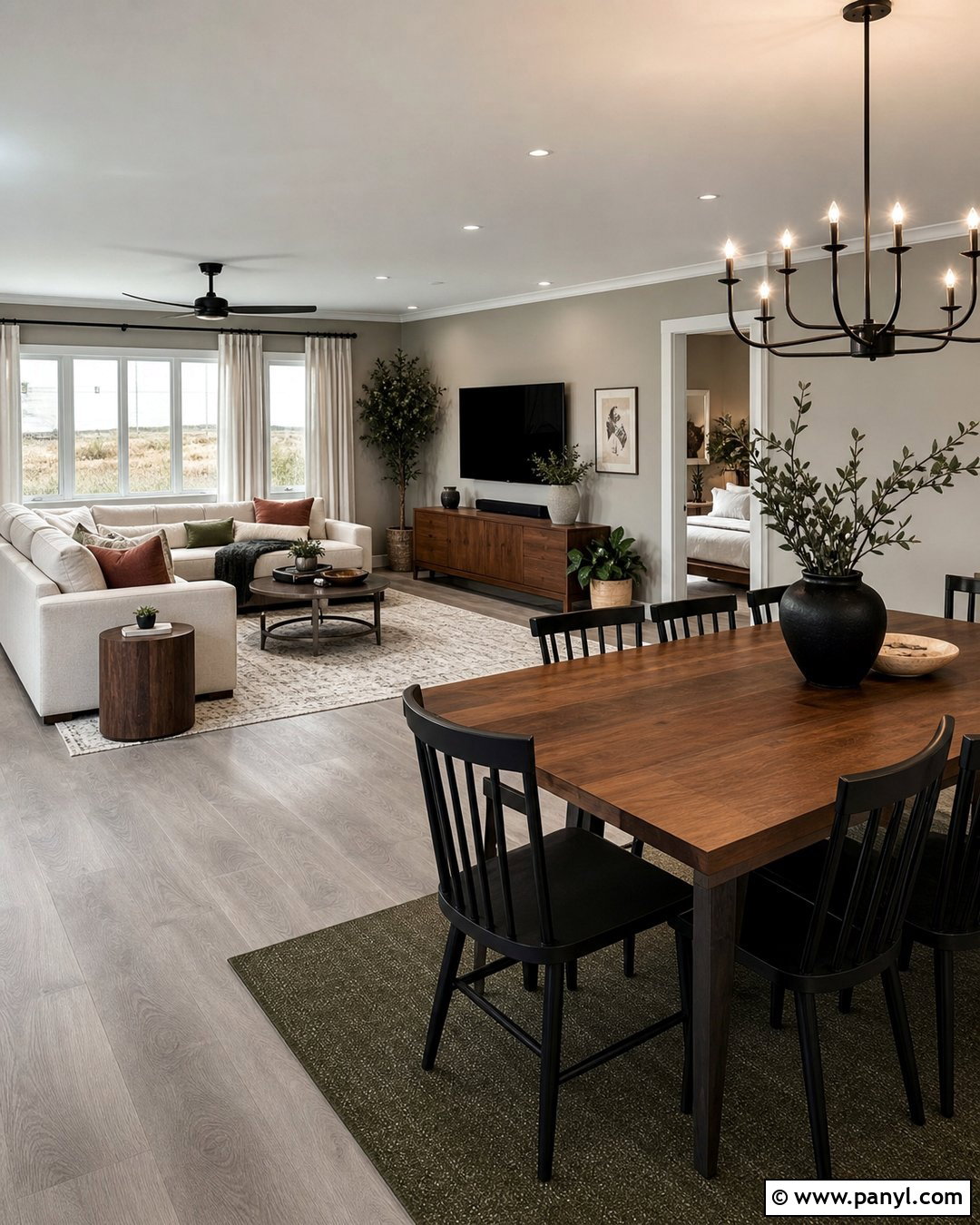
Taupe walls can bridge the gap between warm furniture and warm gray flooring, making this combination useful in open-plan homes. Select a taupe with brown or violet undertones rather than one that turns pink under artificial light. Furnish the living area with a cream sectional, a walnut media cabinet, and a large rug combining beige, gray, and charcoal. In the nearby dining zone, use a black table base with a medium wood top to repeat both warm and cool elements. Soft white curtains brighten the perimeter, while black floor lamps and picture frames provide definition. Keep accent colors restrained with muted rust, olive, or dusty blue. Repeating these shades across connected spaces helps the entire floor plan feel intentional rather than pieced together.
13. Forest Green Walls With Herringbone Oak Floors
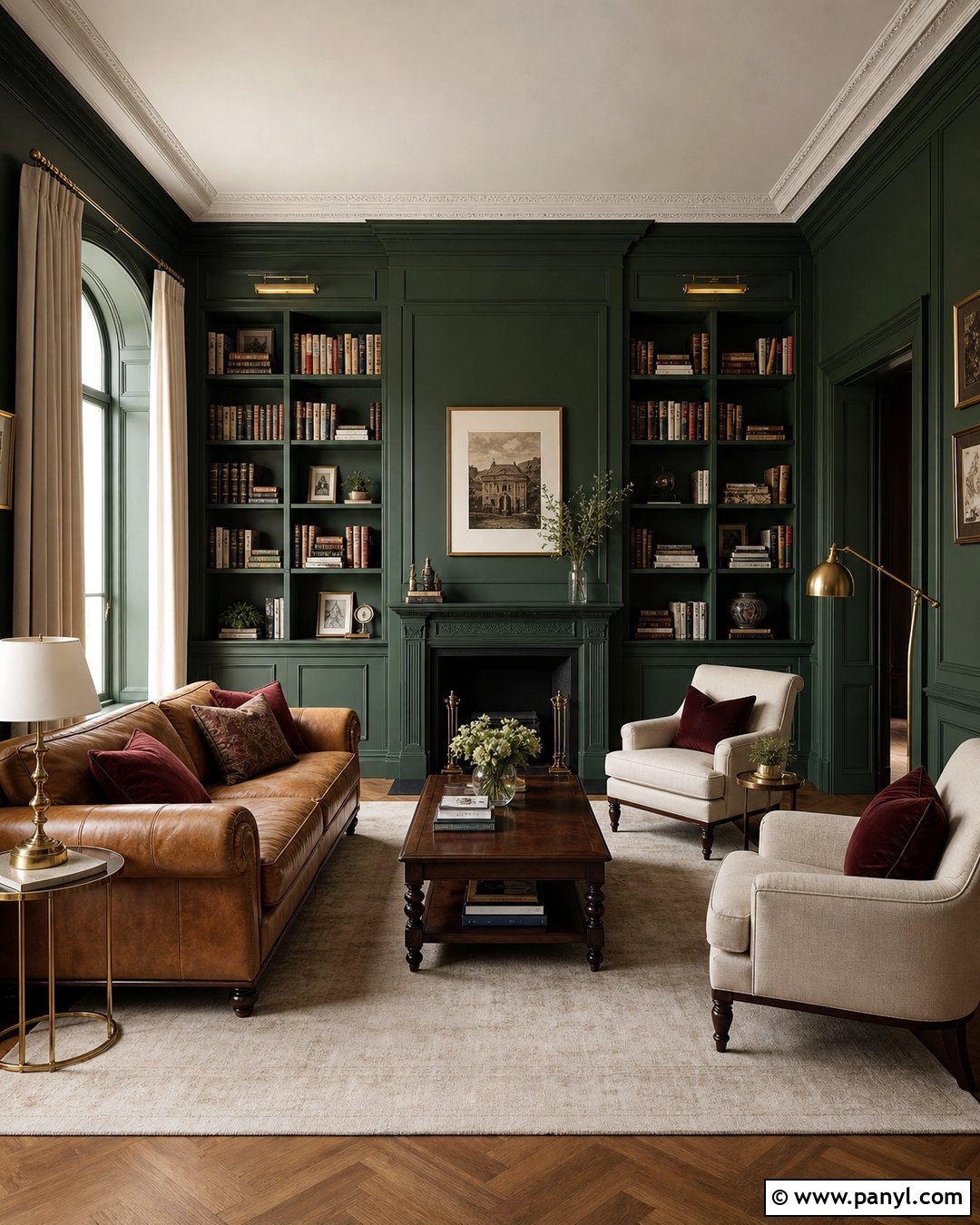
Deep forest green walls paired with herringbone oak flooring create a memorable library or formal sitting room. The intricate floor pattern adds movement, so use streamlined furniture that does not compete with it. A camel leather sofa, two cream lounge chairs, and a round walnut coffee table provide a balanced seating arrangement. Paint built-in bookshelves the same forest green as the walls for a unified, enveloping effect. Warm white on the ceiling prevents the dark color from closing in overhead. Add antique brass picture lights, a traditional cream rug, and full-length neutral curtains. Burgundy or rust accessories can enrich the palette in small amounts. Leave enough of the herringbone border uncovered so its craftsmanship remains an important part of the finished room.
14. Butter Yellow Walls With Terracotta Tile Floors
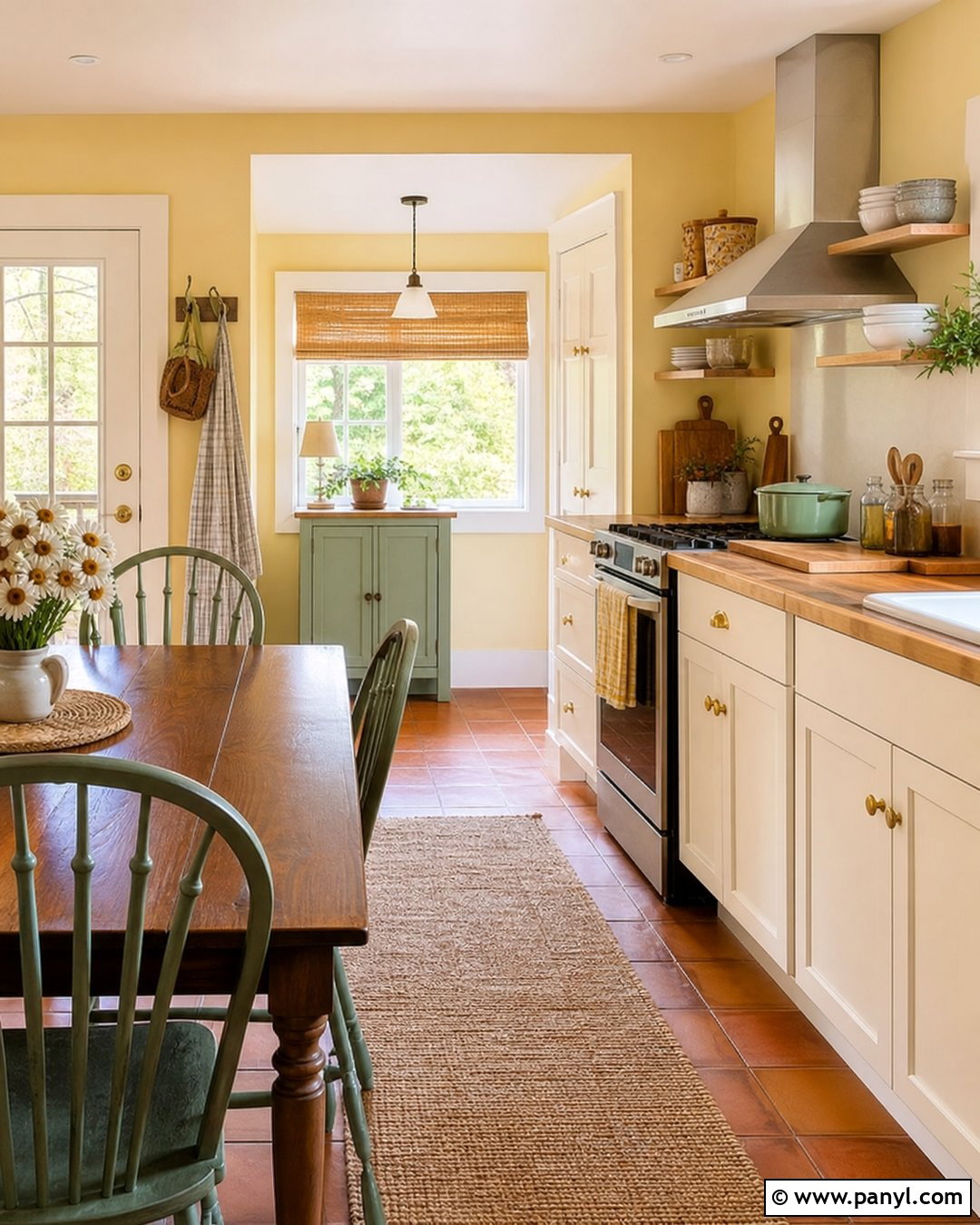
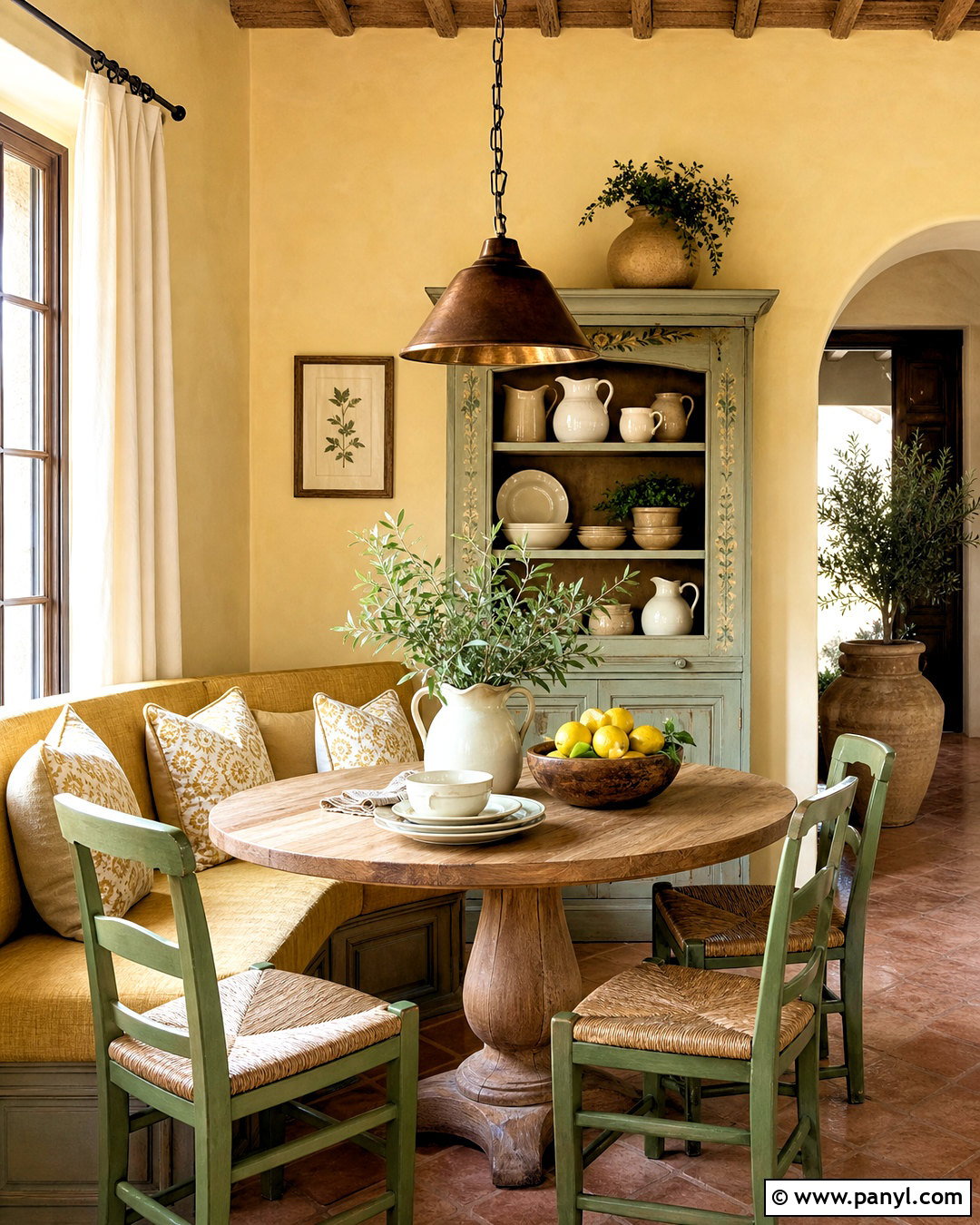
Butter yellow walls and terracotta tile floors bring cheerful warmth to a casual kitchen or breakfast room. Choose a soft, creamy yellow rather than a strong lemon shade, which could compete with the orange-red flooring. Pair the walls with warm white cabinets, butcher-block counters, and simple brass hardware. A small oak table with painted spindle chairs creates a welcoming place for everyday meals. Use a washable woven runner to soften the tile along the main work aisle. Cream Roman shades and open shelves displaying neutral dishes keep the room light and practical. A few sage green accents, such as seat cushions or ceramic planters, balance the warmth. Together, the colors produce a sunny, lived-in kitchen that still feels coordinated and uncluttered.
15. Muted Teal Walls With Warm Maple Floors
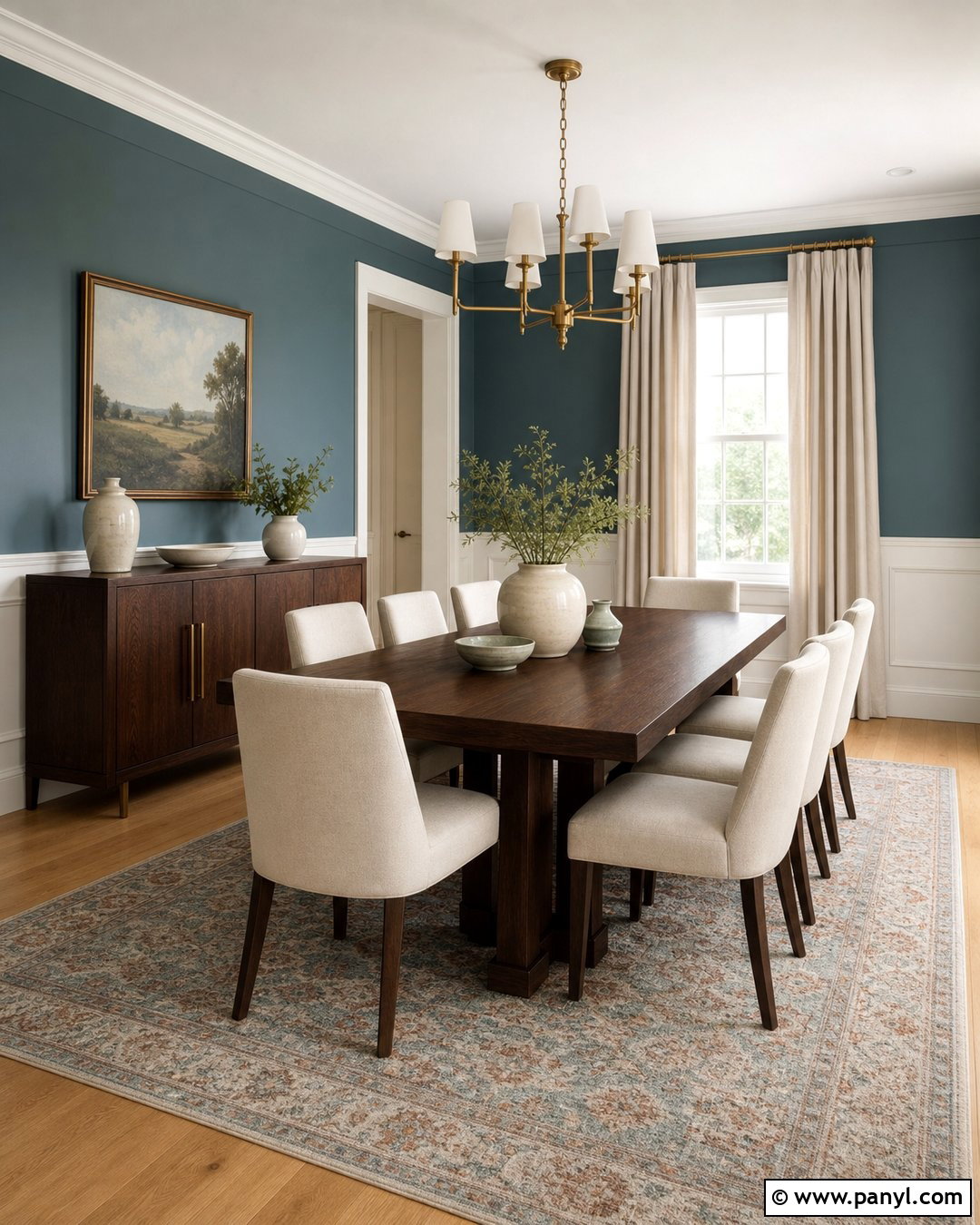
Muted teal walls give warm maple flooring a sophisticated contrast because blue-green sits comfortably beside the wood’s golden color. This pairing works well in a dining room where a deeper wall treatment can create intimacy. Use a medium teal with gray undertones, then add a dark walnut dining table and upholstered cream chairs. A large flat-weave rug in ivory, rust, and faded blue helps connect the walls to the floor. Choose aged brass lighting for warmth and hang simple artwork with light mats to break up the darker paint. Warm white trim keeps the edges crisp. A natural linen table runner, ceramic centerpiece, and pale curtains add softness. Avoid excessive orange accessories because the maple already supplies plenty of visual warmth.
16. Lavender Walls With Whitewashed Oak Floors
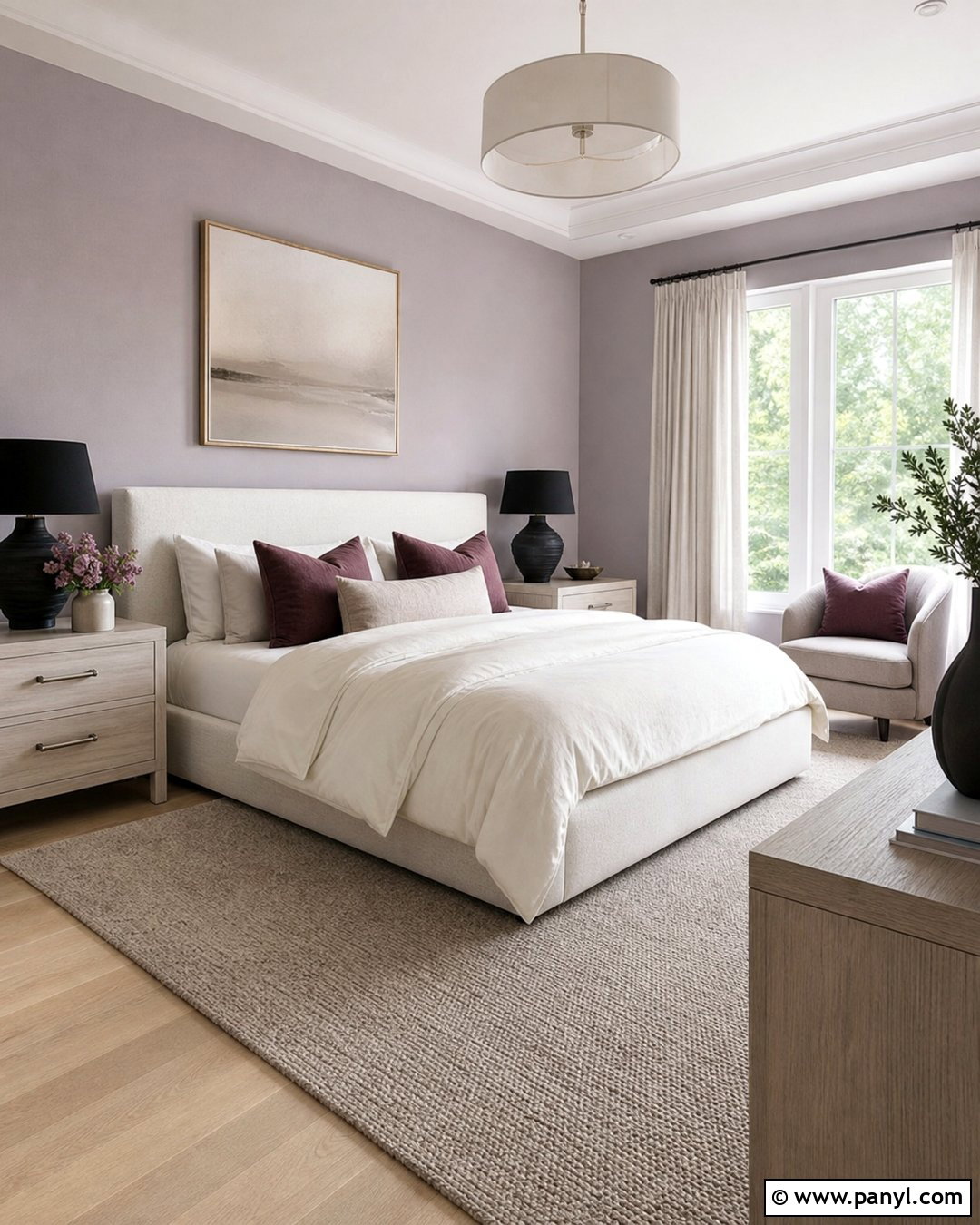
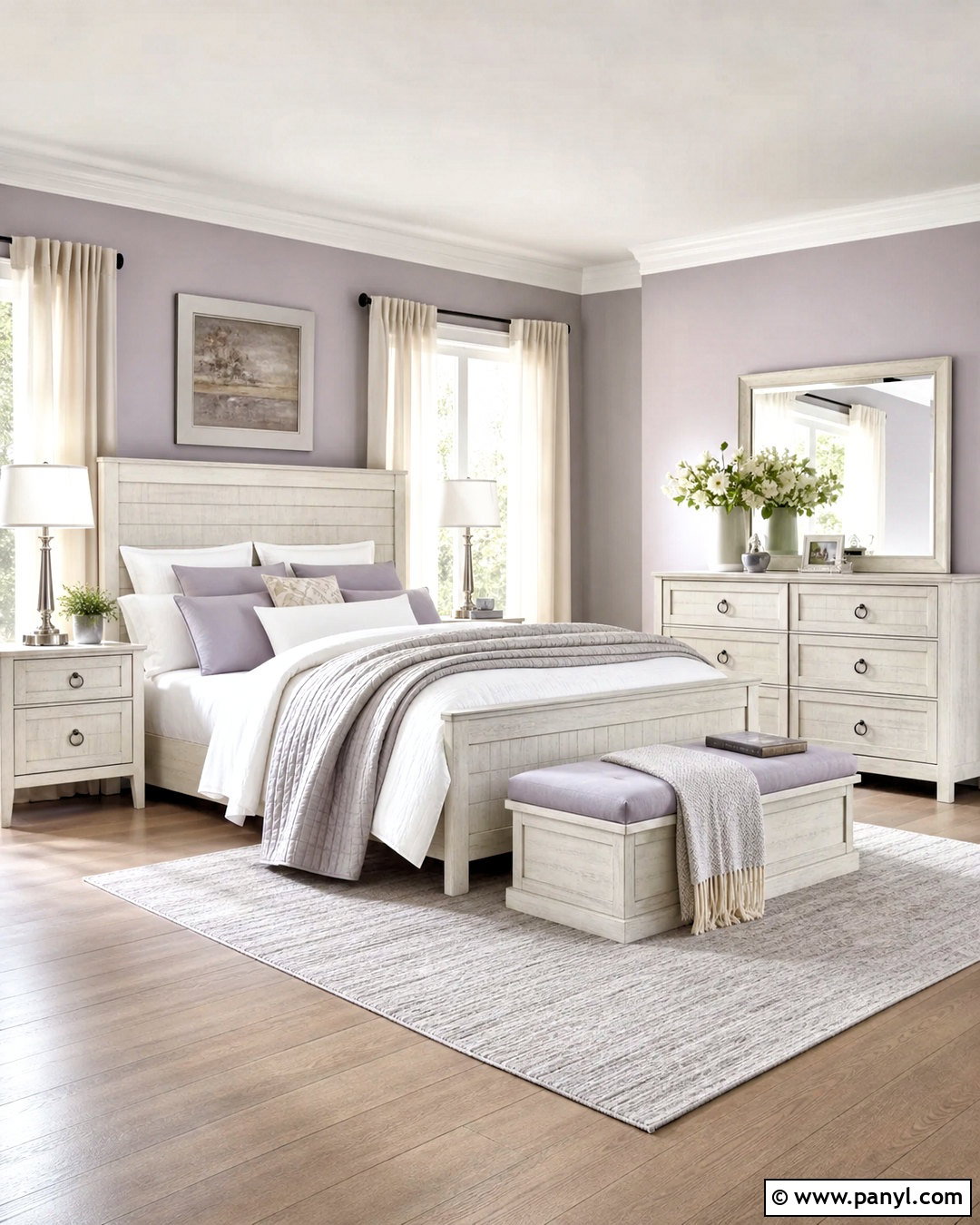
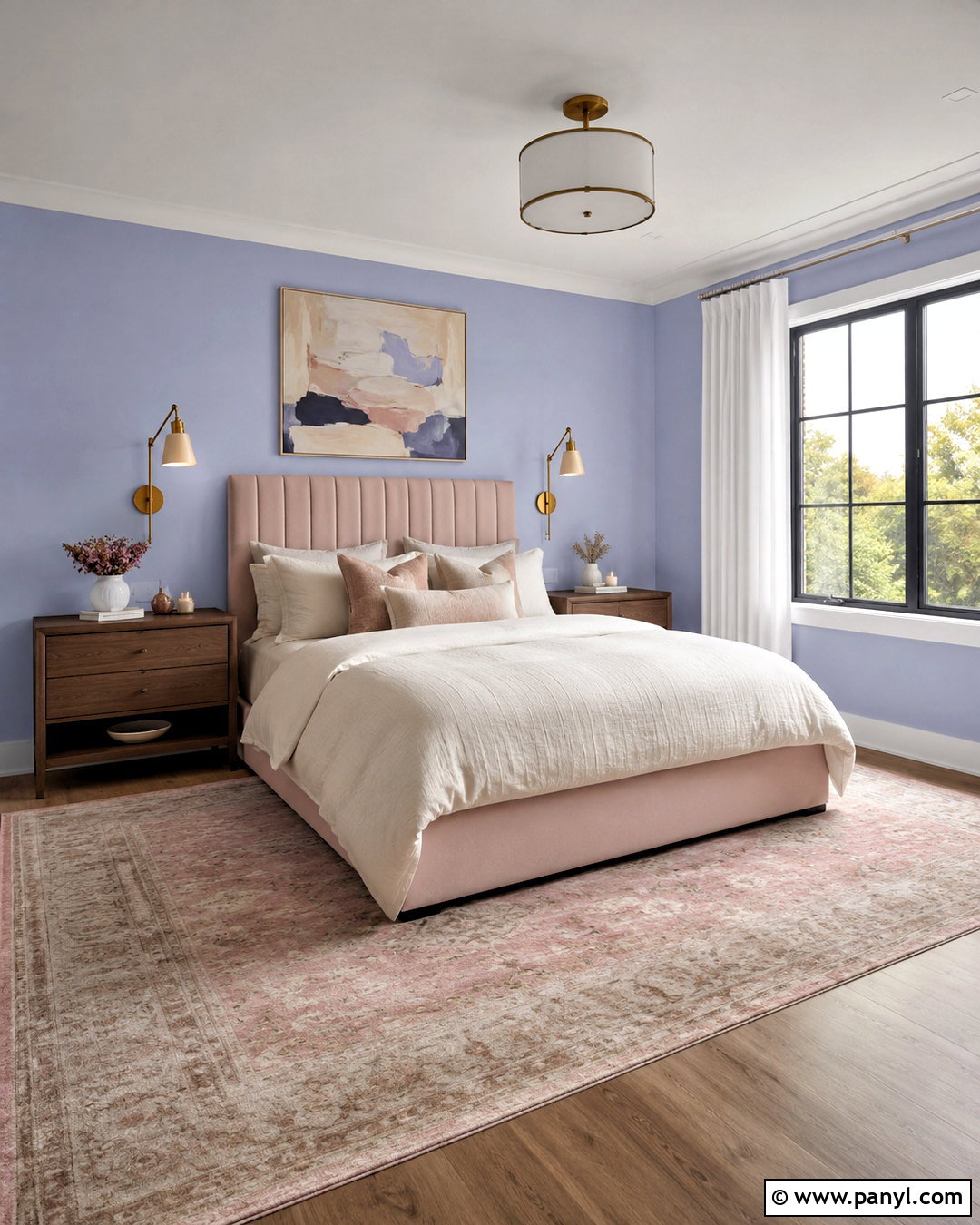
Soft lavender walls and whitewashed oak floors can create a restful bedroom that feels mature rather than overly sweet. Choose a gray-based lavender and balance it with a warm white upholstered bed, layered ivory bedding, and a textured oatmeal rug. Whitewashed oak nightstands repeat the floor finish, while black lamps add a small amount of structure. Include muted plum or dusty blue cushions for depth, but keep the largest textiles neutral. Long linen curtains in soft white make the windows appear taller and allow daylight to brighten the pale flooring. Brushed nickel hardware suits the cool undertones, although aged brass can provide warmer contrast. Minimal artwork and a curved bench complete the room while allowing the calming wall and floor pairing to remain prominent.
17. Mocha Walls With Ivory Porcelain Floors
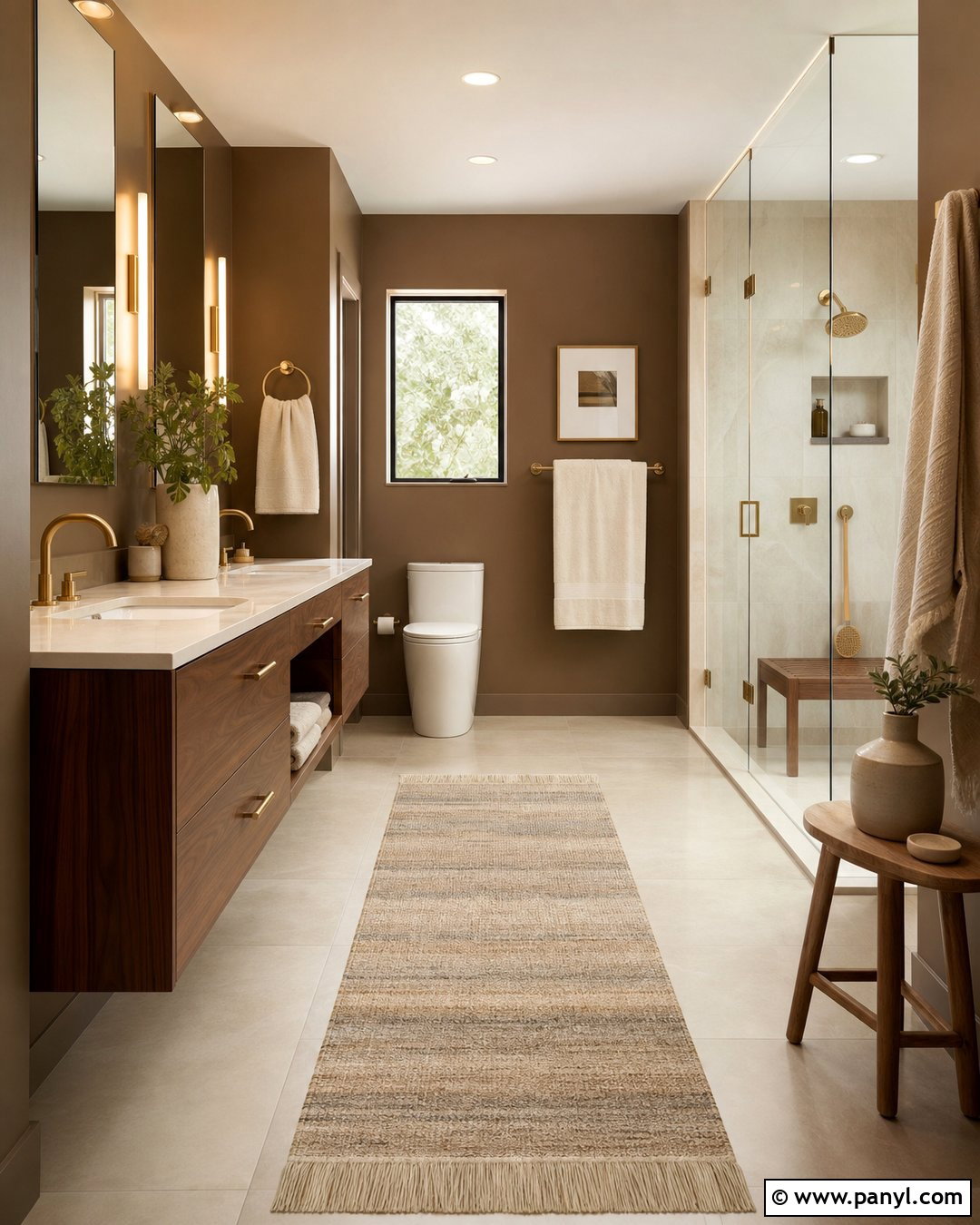
Mocha walls and large-format ivory porcelain floors create an elegant neutral bathroom with more warmth than a standard gray-and-white scheme. Select a milk-chocolate or cocoa paint with a softened brown undertone, then contrast it with lightly textured ivory tile. A floating walnut vanity adds dimension without introducing an unrelated wood color. Use a pale quartz counter, brushed brass fixtures, and frameless shower glass to keep the design clean. Repeat ivory tile inside the shower for continuity, and use mocha paint on the dry walls only. Cream towels, a small washable runner, and simple ceramic accessories complete the palette. Bright mirror lighting is essential because deeper brown walls absorb more light. The finished bathroom feels polished, comfortable, and easy to maintain.
18. Black Walls With White Marble Floors
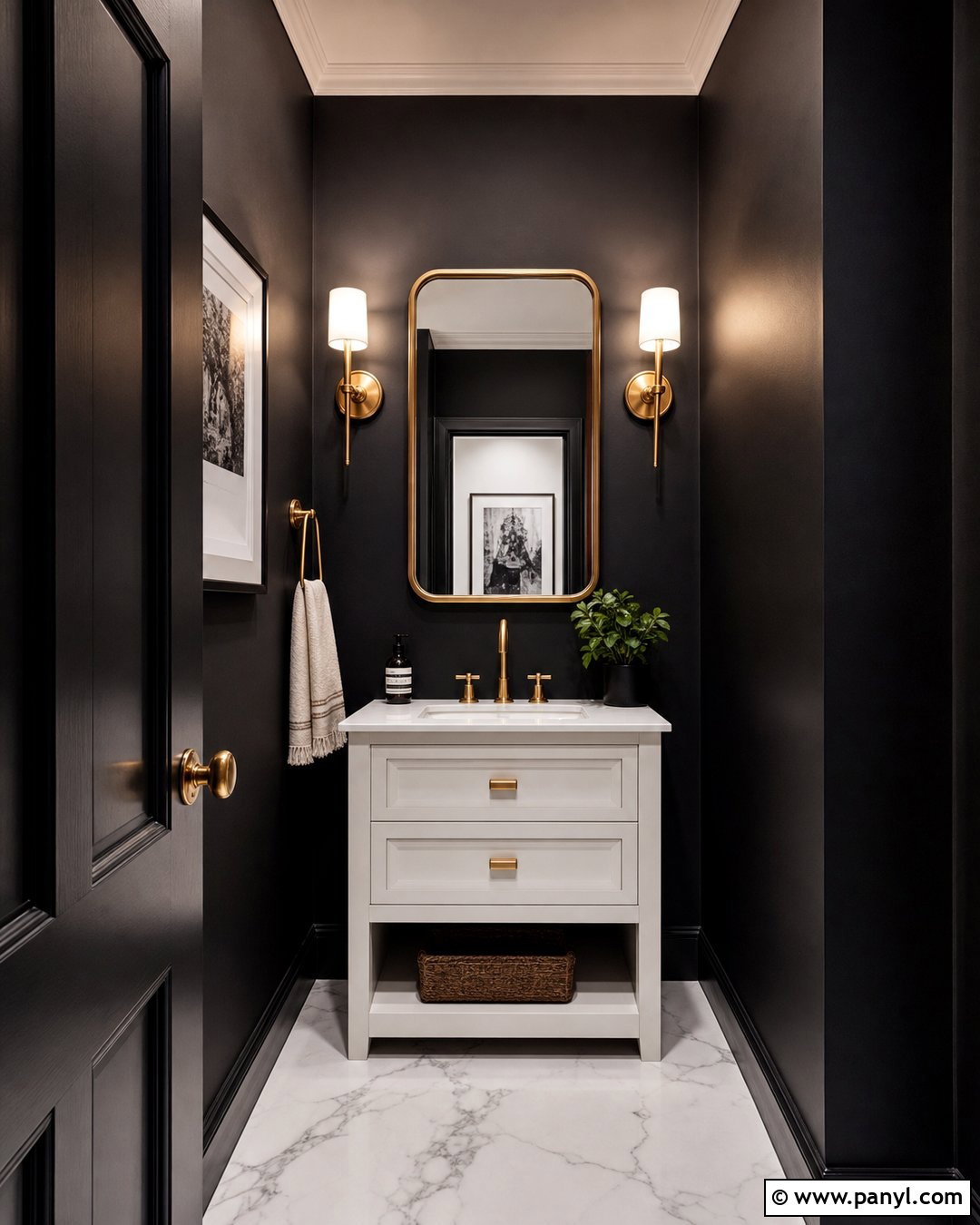
Black walls and white marble floors create a striking powder room that can handle stronger contrast than a large everyday space. Choose soft matte black paint and a white marble floor with restrained gray veining. A compact white vanity or wall-mounted marble sink keeps the center of the room bright. Add a large brass-framed mirror and matching sconces to reflect light across the dark walls. Paint the ceiling warm white, especially if the room has limited height. White baseboards can create a sharp outline, while black trim offers a more continuous, color-drenched effect. Finish with a cream hand towel, a small green plant, and minimal accessories. The limited palette makes the room dramatic without allowing decorative details to become distracting or visually crowded.
19. Beige Walls With Black And White Checkerboard Floors
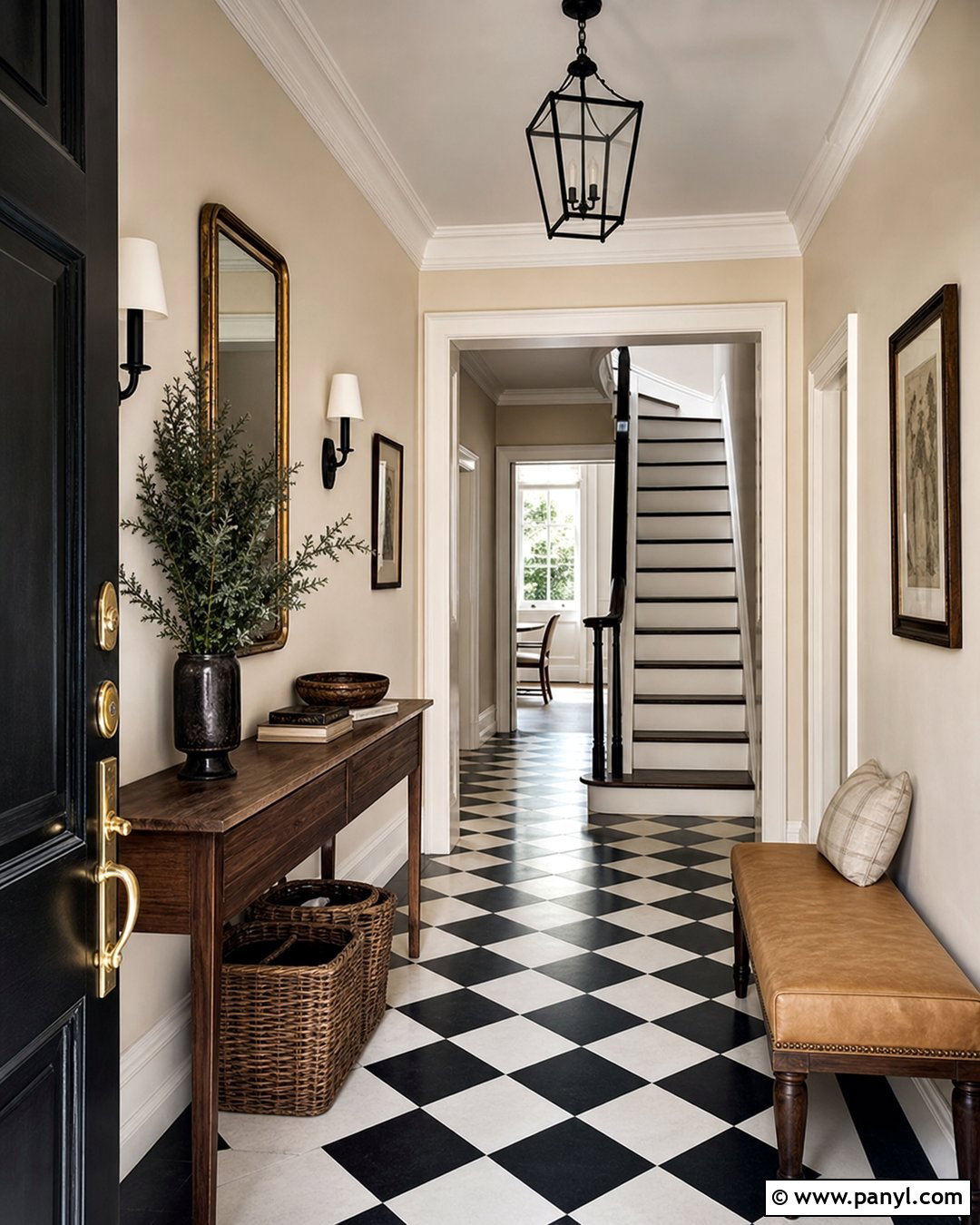
Beige walls soften black-and-white checkerboard flooring, creating an entryway that feels classic rather than stark. Select a light biscuit or sandy beige with warm undertones, then use warm white trim around doors and baseboards. A narrow walnut console and an aged brass mirror introduce traditional materials that suit the graphic floor. Add a simple upholstered bench in camel or oatmeal for comfort without hiding too many tiles. Black metal lighting repeats the darker squares, while woven baskets add practical storage and natural texture. Keep artwork quiet and use only a few accessories because the floor already provides a bold pattern. This complete design suits traditional, transitional, and European-inspired homes, giving the entrance clear personality while remaining flexible enough for changing seasonal decor.
20. Clay Walls With Dark Brown Wood Floors
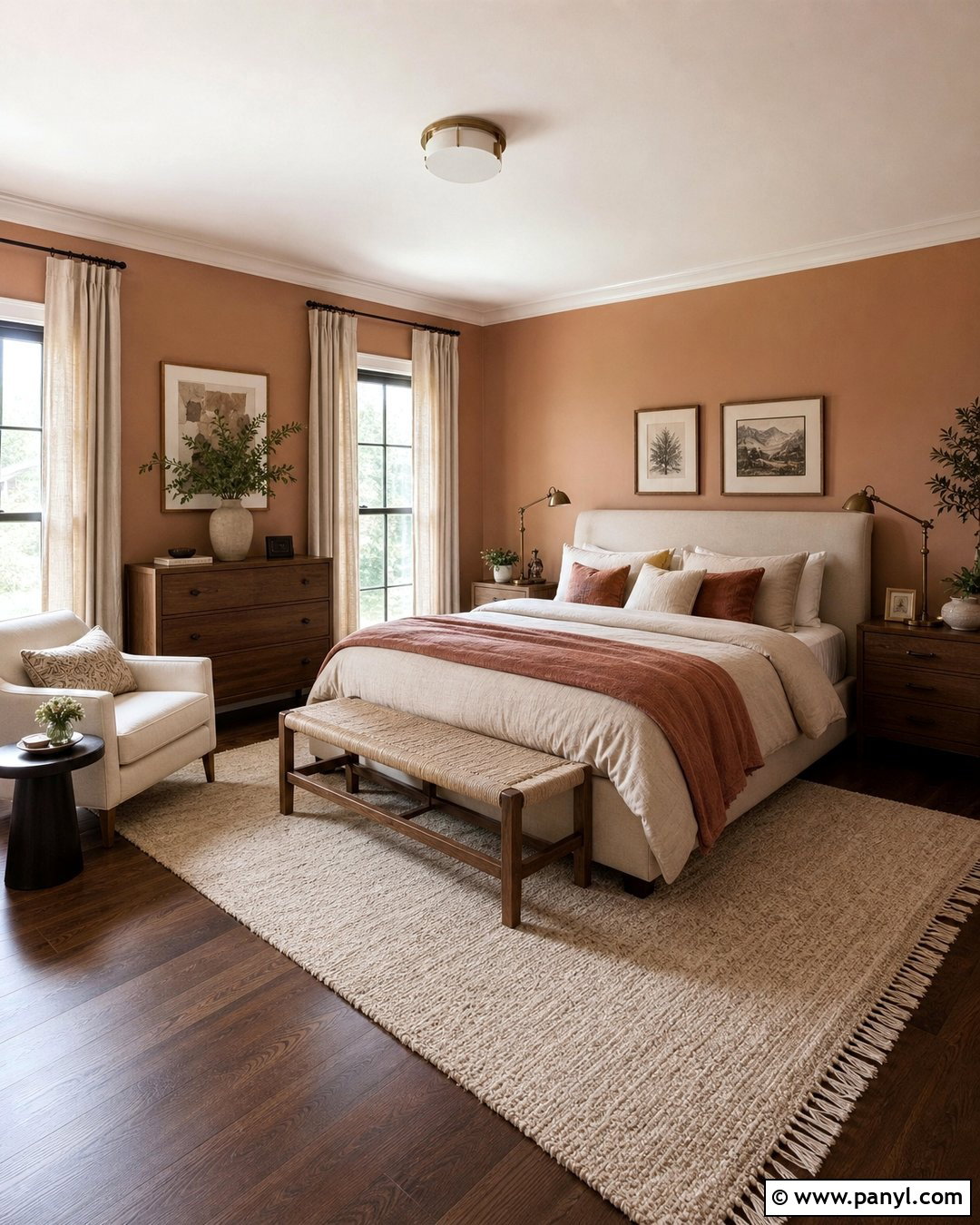
Muted clay walls and dark brown wood floors create a cozy bedroom with rich, grounded color. Choose a soft red-brown paint that feels earthy instead of bright, then lighten the center of the room with a cream upholstered bed and substantial ivory rug. Bedding in oatmeal, warm white, and faded rust creates depth without matching the walls too closely. Use medium walnut nightstands so they remain visible against the darker floor. Antique brass lamps, framed neutral artwork, and beige linen curtains complete the warm palette. Paint the ceiling a soft cream to keep the room from feeling enclosed. A dark floor and medium-deep wall color work best when balanced with pale textiles, reflective lighting, and clear areas that give the eye somewhere to rest.
21. Pale Peach Walls With Sand Tile Floors
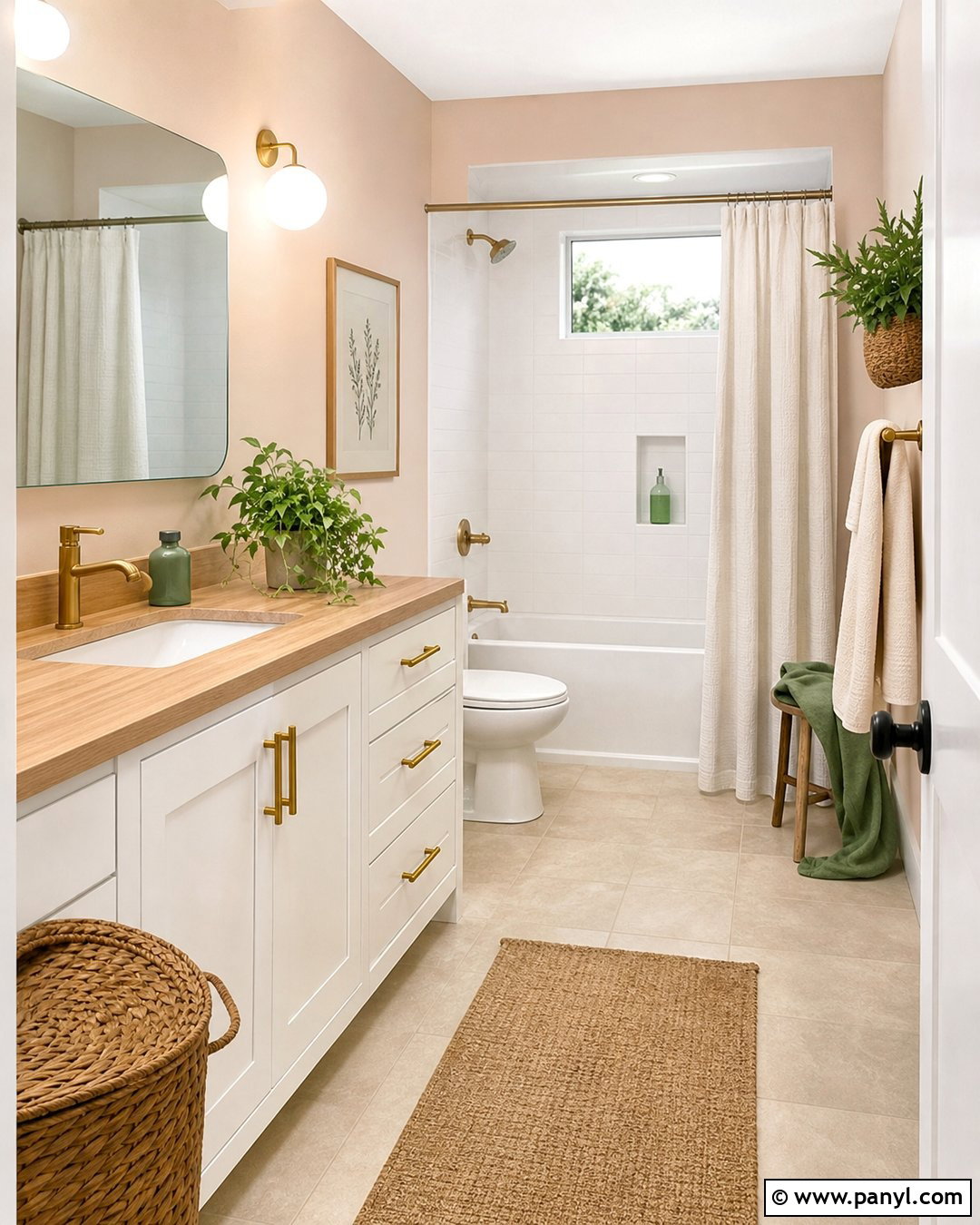
Pale peach walls and sand-colored tile floors give a small bathroom or laundry room a bright, flattering warmth. Choose peach paint that is softened with beige, avoiding vivid coral or pink undertones. Pair it with matte porcelain flooring that resembles fine sand or pale limestone. White cabinetry keeps the room fresh, while a light oak counter or shelf visually connects the walls and flooring. Use brushed brass hardware, creamy towels, and woven storage baskets for additional warmth. A frameless mirror and globe ceiling fixture can spread light around the space. Add one muted blue or sage accessory for gentle contrast. The finished room feels cheerful and clean, with enough tonal variation to prevent the pale surfaces from merging into one undefined block of color.
22. Blue Gray Walls With Natural Stone Floors
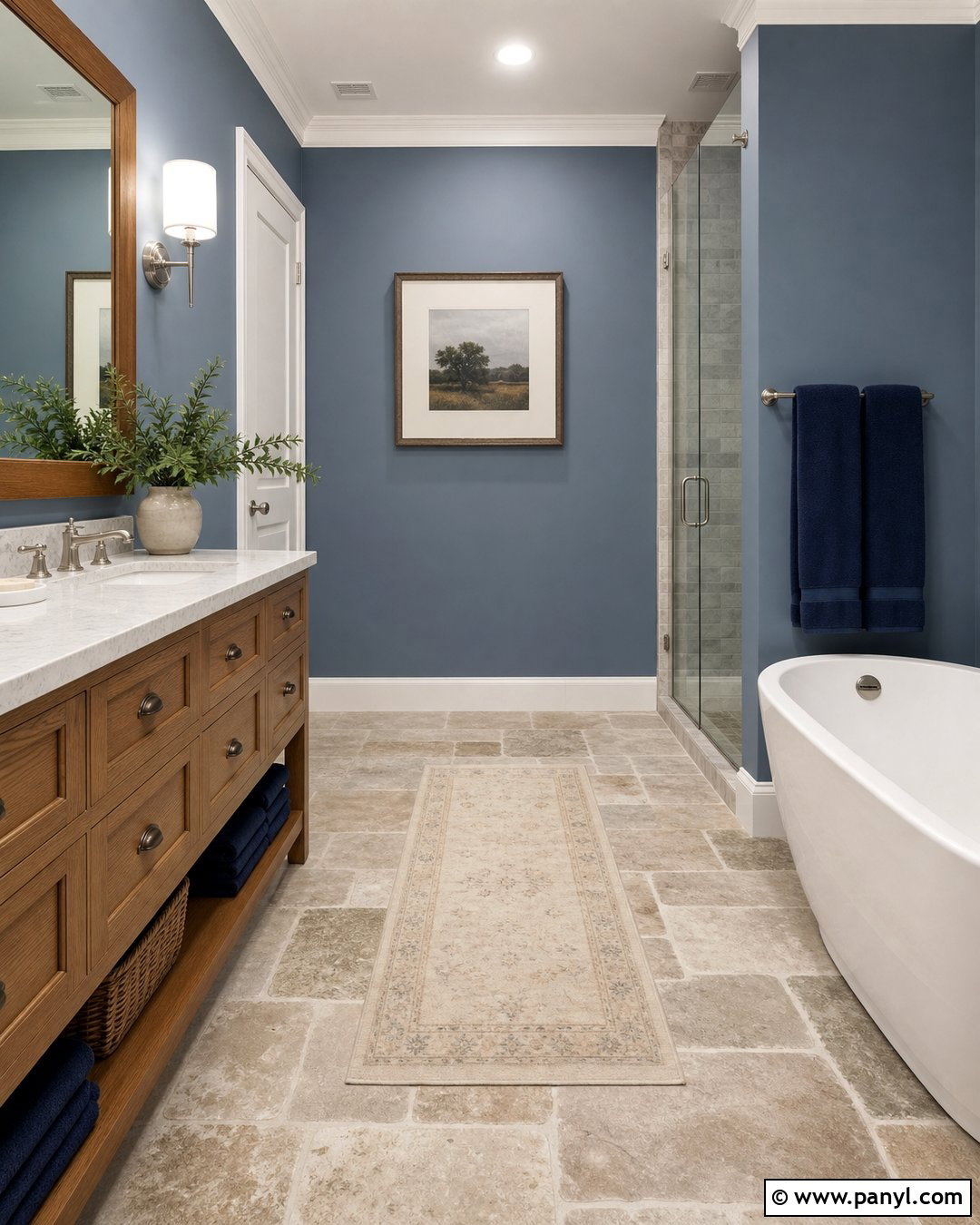
Blue-gray walls and natural stone floors create a composed entryway or bathroom with subtle organic variation. Select wall paint with enough blue to feel intentional but enough gray to remain versatile. Limestone or lightly honed gray stone provides a textured foundation that relates to the wall color without matching it exactly. Add a medium oak vanity or entry console to warm the cool surfaces. White trim, brushed nickel fixtures, and a cream runner keep the look bright. Introduce dark navy through towels, artwork, or a small upholstered stool for depth. Simple greenery prevents the palette from becoming overly formal. Because natural stone changes throughout the day, test the wall paint beside several floor sections and view the combination in both daylight and artificial lighting.
23. Mushroom Walls With Red Oak Floors
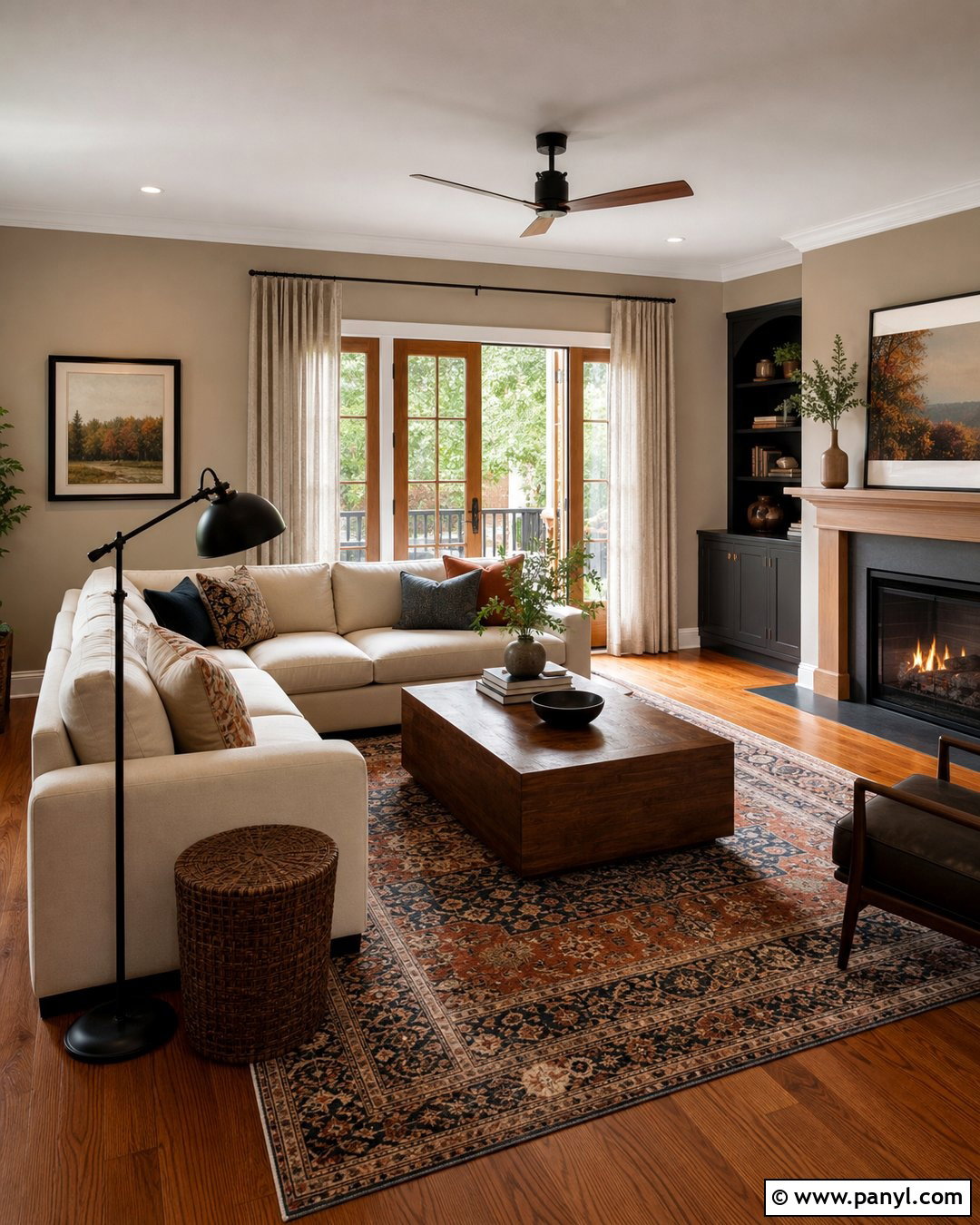
Mushroom-colored walls can update red oak flooring by gently balancing its orange and pink undertones. Look for a medium-light neutral that combines taupe, beige, and a hint of gray. In a family room, pair the combination with a cream sectional, walnut coffee table, and a generous rug containing muted brown, blue, and rust. Avoid cool silver-gray furniture, which may exaggerate the warmth of the oak. Black metal lamps and curtain rods provide crisp contrast, while natural linen drapery softens the room. Repeat the red oak selectively through a side table or picture frame rather than matching every furniture piece to the floor. The result respects the existing wood while giving the room a calmer, more current neutral foundation.
24. White Walls With Patterned Encaustic Floors
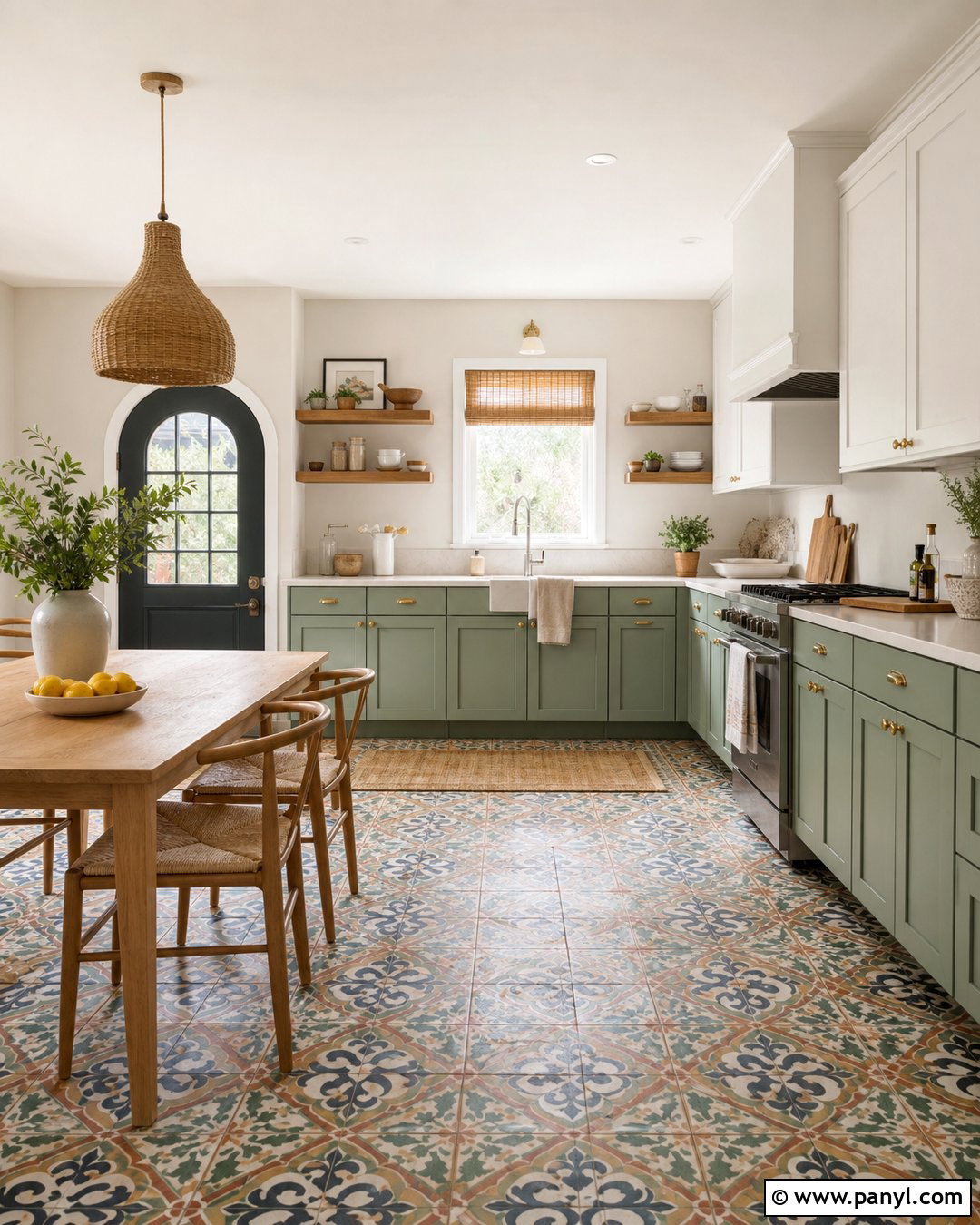
Simple white walls allow colorful encaustic tile flooring to become the focal point of a kitchen, bathroom, or entryway. Choose a warm white that complements the tile’s background rather than a brilliant white that may look disconnected. If the pattern contains navy, terracotta, sage, and cream, repeat only two of those colors through cabinetry and accessories. Sage lower cabinets with warm white uppers can provide storage without overwhelming the design. Add oak shelving, brushed brass hardware, and a plain wood bench or table for natural warmth. Keep rugs minimal so the tile remains visible. Straightforward lighting and unpatterned window treatments prevent competition. This approach creates a complete, layered room while allowing an expressive floor to supply most of its visual energy.
25. Burgundy Walls With Light Oak Floors
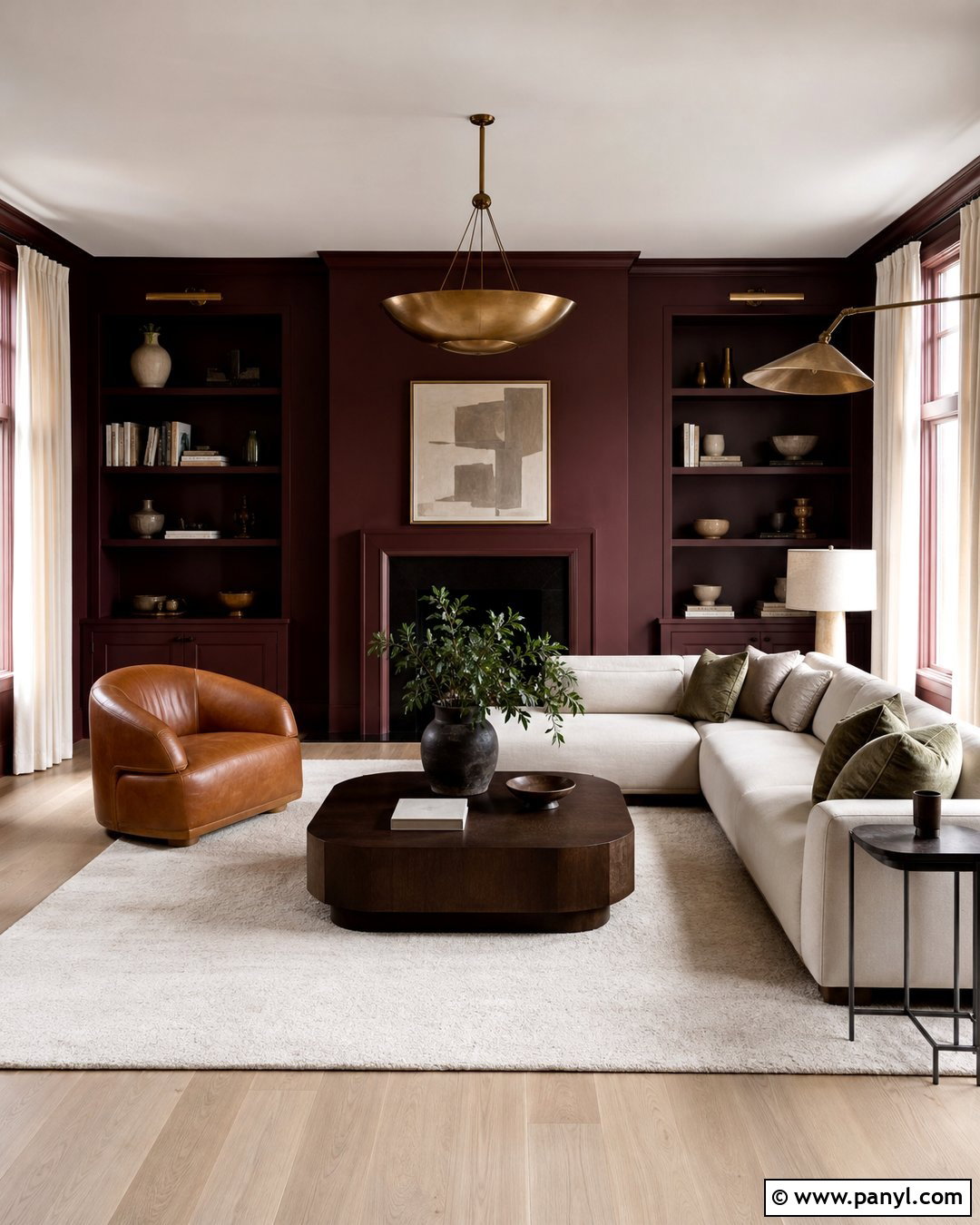
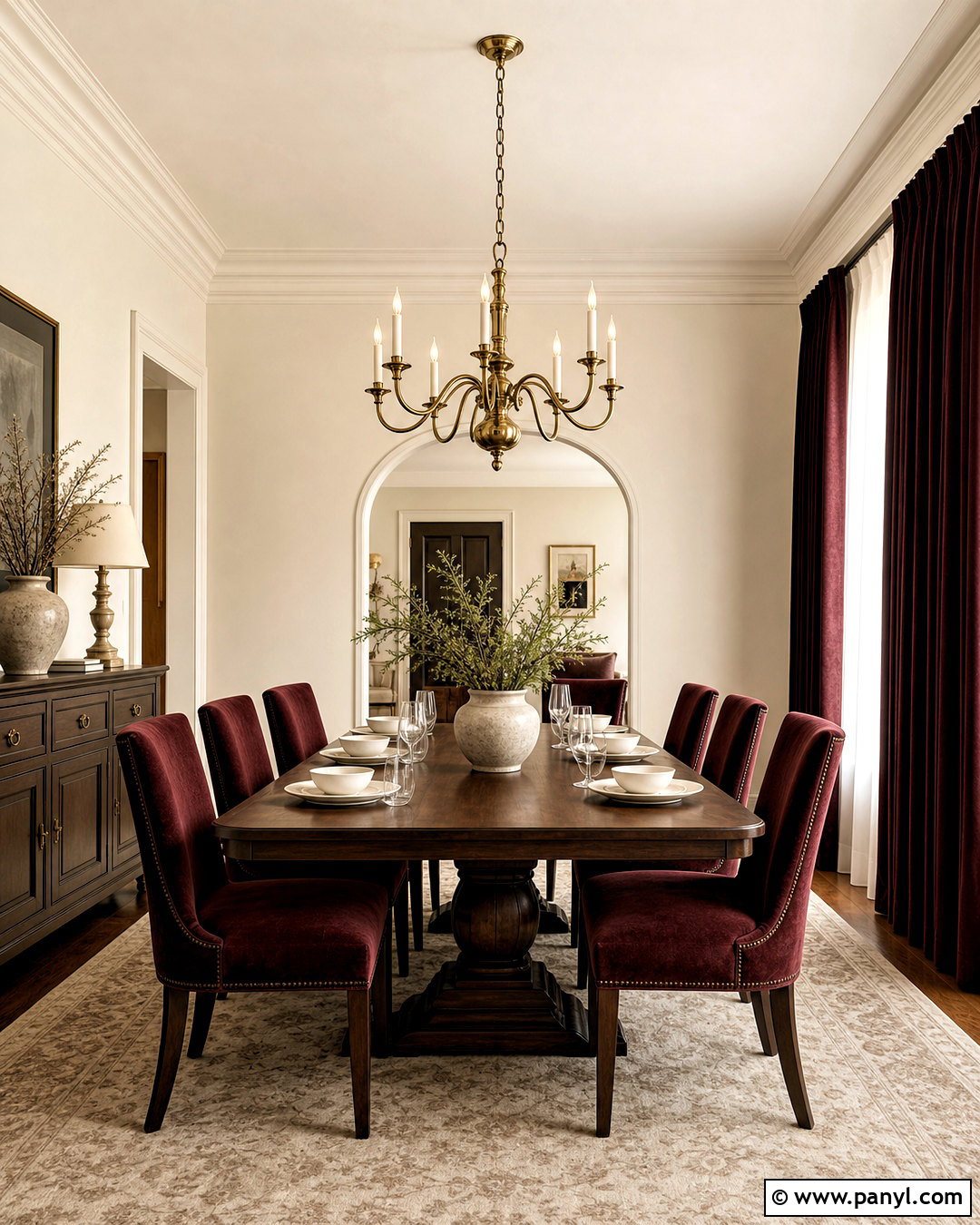
Burgundy walls and light oak floors produce a dramatic yet balanced living room, den, or dining space. Select a muted wine-red shade with brown undertones rather than a bright purple-red. The pale oak flooring reflects light upward and prevents the deep walls from feeling overly heavy. Furnish the room with a parchment-colored sofa, cognac leather chair, and dark walnut coffee table. An oversized cream rug adds softness while leaving an oak border visible. Use antique brass lighting and warm white curtains to brighten the palette. Olive green cushions or artwork provide subtle complementary color. Painting built-in cabinetry burgundy can create a seamless background, while a warm white ceiling and carefully layered lighting maintain a comfortable, welcoming atmosphere throughout the day.
Conclusion:
Successful **Wall Floor Color Combination Ideas** begin with undertones, contrast, room size, and available light rather than isolated color preferences. Warm floors generally feel more connected to creams, earthy neutrals, and softened greens, while cooler flooring pairs comfortably with blue-grays, pale whites, and muted jewel tones. However, furniture, rugs, trim, lighting, and window treatments are equally important because they bridge the largest surfaces. Before committing, place generous paint samples directly beside the flooring and observe them throughout the day. Keep one surface quieter when the other has a strong color, grain, or pattern. With thoughtful testing and a complete room plan, almost any wall and floor pairing can feel cohesive, practical, and personal.

Related Ideas and Inspiration:
Leave a Reply