
Choosing wall color is about more than finding a pretty shade. The right palette can shape the mood, improve visual flow, highlight architectural details, and help furniture feel connected. Today’s strongest interiors balance warm neutrals, nature-inspired greens, earthy browns, expressive blues, and creative painted details instead of relying only on cool gray. () These wall paint ideas cover complete, realistic room designs that work in everyday homes. Each look includes coordinating furniture, flooring, textiles, lighting, and trim, making it easier to picture the finished space. Always test large samples in different lighting before committing. Whether you prefer quiet colors or dramatic finishes, explore these 25 Best Wall Paint Ideas for practical inspiration.

1. Warm White Wall Paint
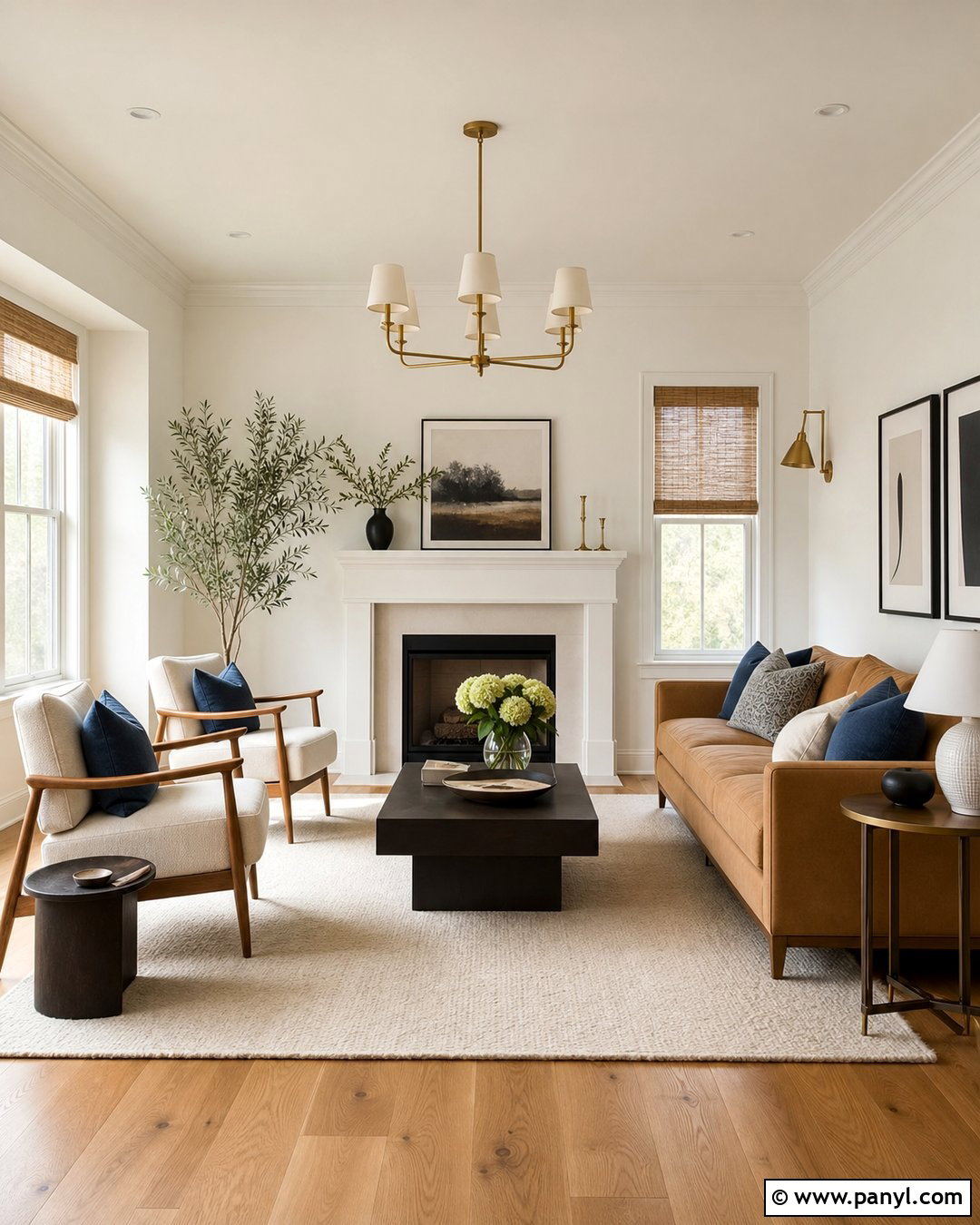
Warm white walls create a bright, comfortable foundation without making a room look cold or unfinished. Choose a creamy white with soft beige undertones, then repeat that warmth through natural oak flooring, woven shades, and a camel-colored sofa. Paint the ceiling and trim in a slightly cleaner white to create gentle definition around the room. A wool rug in ivory and tan grounds the seating area, while muted blue pillows provide controlled contrast. Add brushed brass lighting and a few black frames so the palette does not feel overly pale. This complete look works especially well in living rooms with moderate or north-facing daylight. The result is simple, welcoming, and flexible enough to support seasonal decor changes.
2. Soft Greige Wall Paint
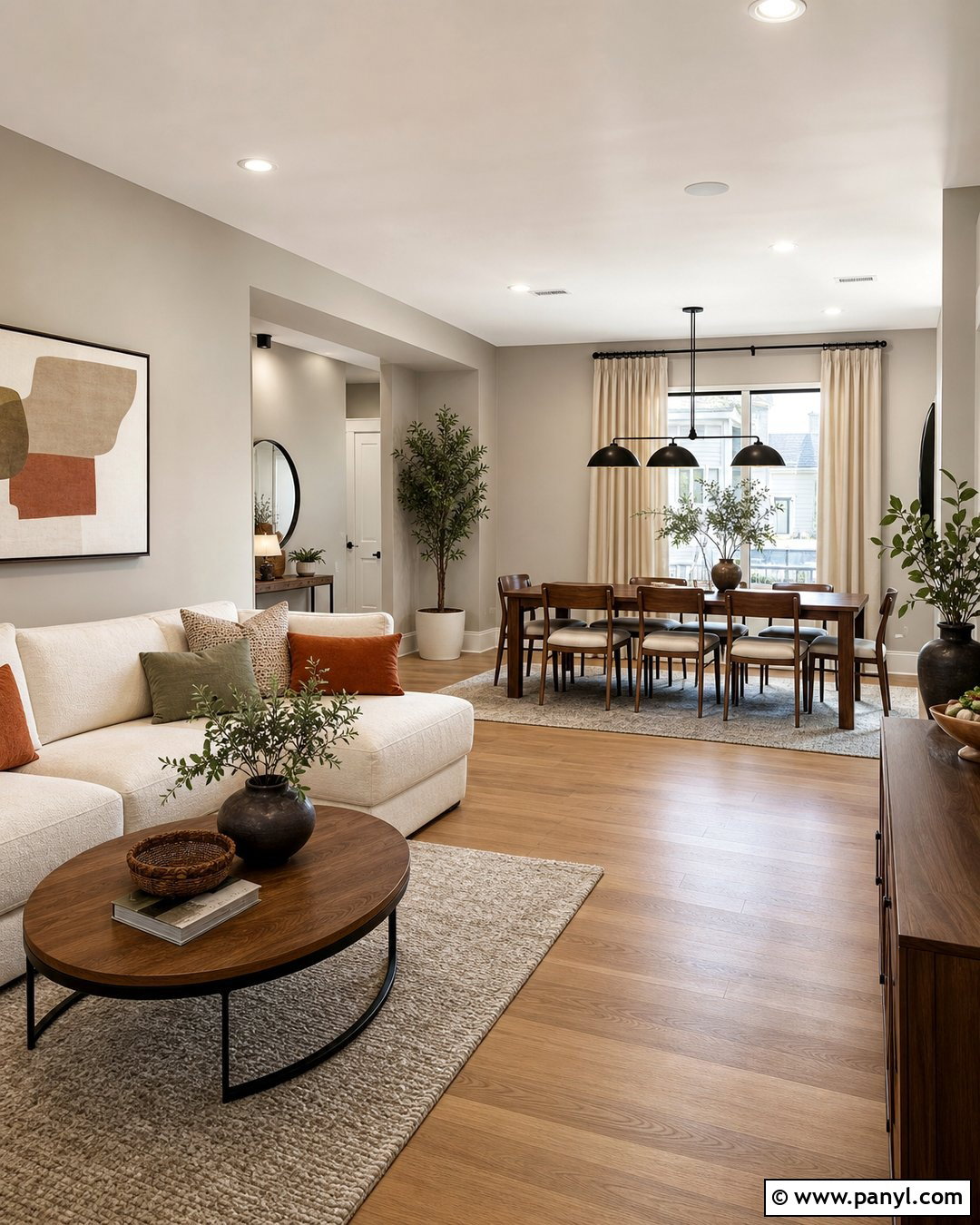
Can’t decide between gray and beige? Soft greige walls offer the balanced appearance of both, making them useful in open-plan living and dining areas. Select a light greige with a warm undertone and carry it across the connected walls for visual continuity. Pair it with medium-toned oak flooring, an oatmeal sectional, and a walnut dining table. Cream curtains soften the windows, while matte black lighting gives the neutral palette a defined edge. Introduce muted rust, olive, and charcoal through cushions, dining chairs, and artwork. Use warm white on the ceiling, baseboards, and door frames to keep the space fresh. This layered color scheme feels calm and modern without becoming flat, cool, or overly minimalist.
3. Sage Green Wall Paint
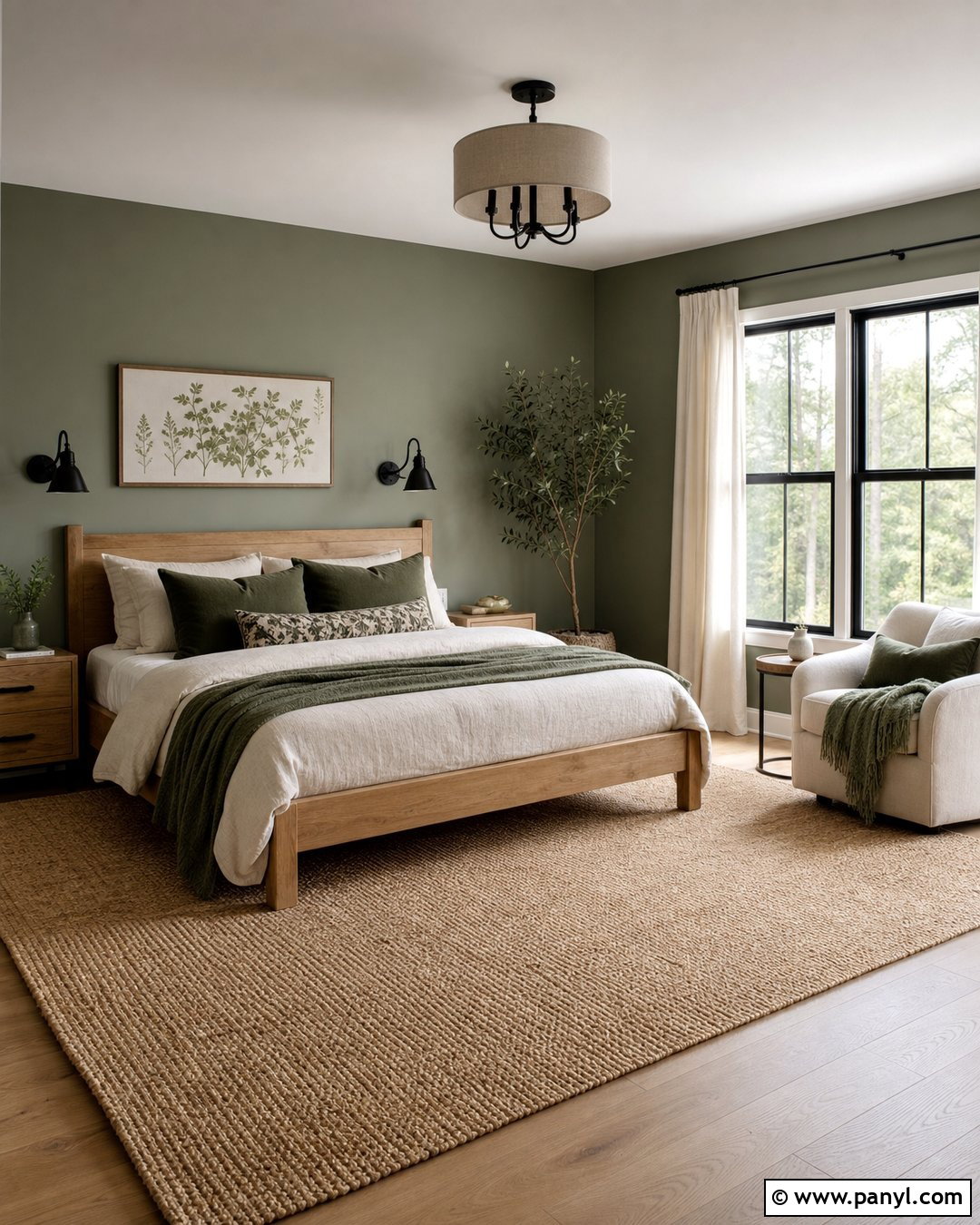
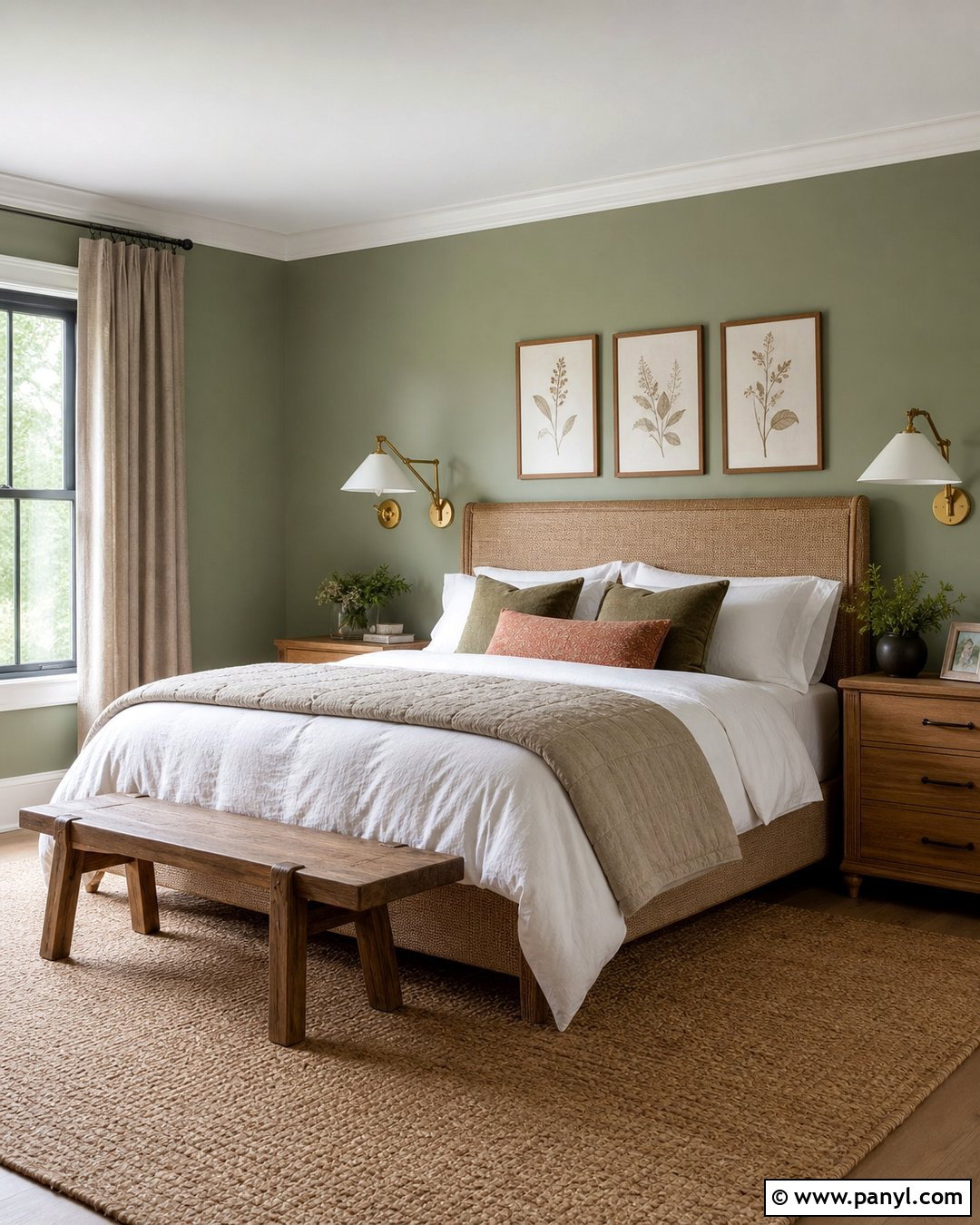
Soft sage green can turn an ordinary bedroom into a restful, nature-inspired retreat. Paint all four walls in a muted sage with gray undertones, then use warm white on the ceiling and simple trim. A light oak bed, oatmeal linen bedding, and a natural jute rug reinforce the organic character of the color. Add contrast with deep forest green pillows and black bedside sconces. Cream curtains should extend from near the ceiling to the floor, helping the room appear taller and more polished. Keep artwork minimal, using botanical prints or quiet landscapes in thin wood frames. This complete bedroom palette feels refreshing in daylight and cozy in the evening, especially when paired with warm bulbs and natural textures.
4. Olive Green Wall Paint
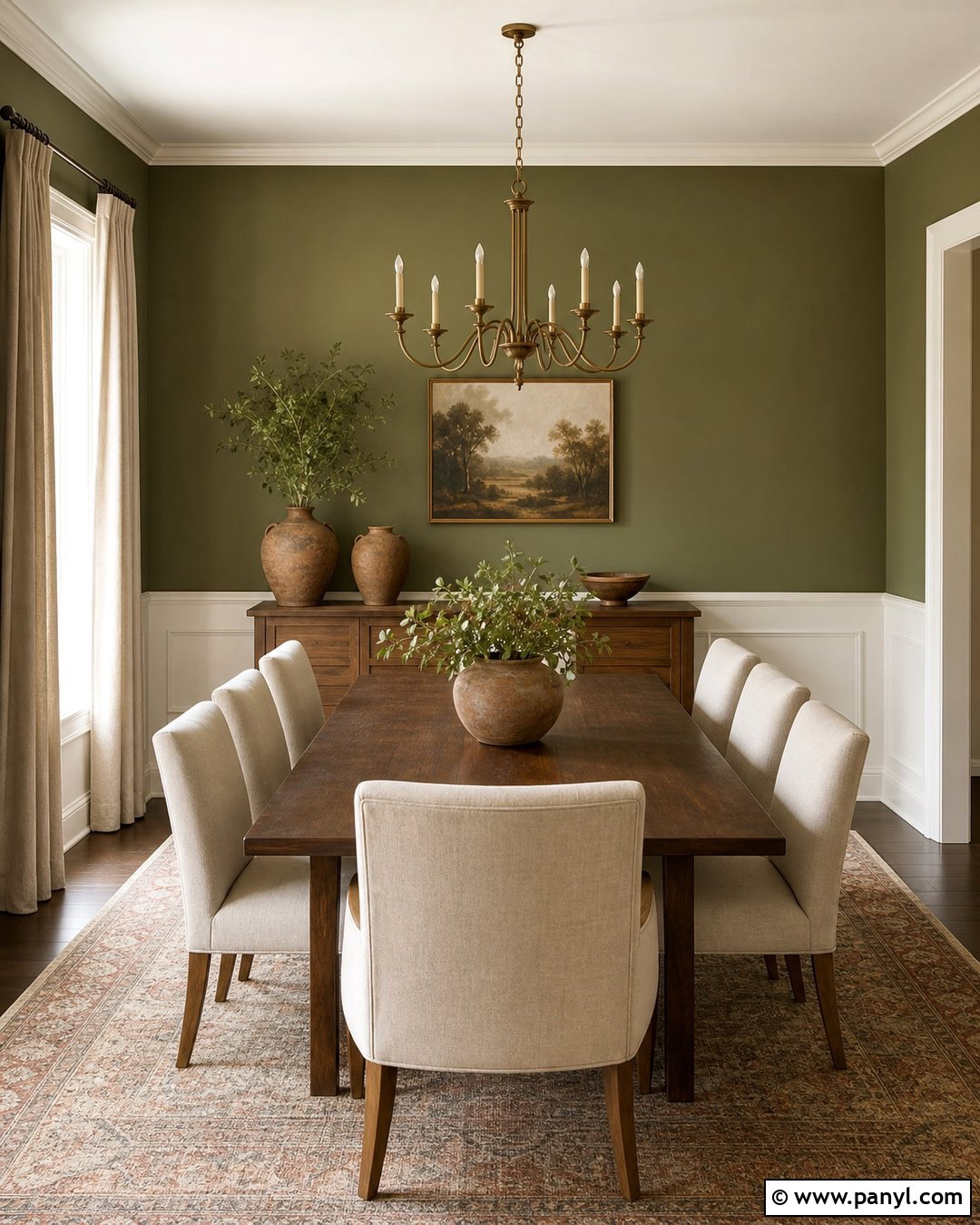
Olive green walls bring depth to a dining room while remaining softer and more livable than black or charcoal. Choose a muted olive with brown undertones and paint the walls above simple cream wainscoting. Center the space with a rectangular walnut table and upholstered dining chairs in warm beige. An antique brass chandelier adds a gentle glow, while linen curtains and a vintage-style rug introduce subtle pattern. Terracotta pottery, framed landscapes, and dark wood serving pieces connect naturally with the earthy wall color. Keep the ceiling cream rather than bright white to avoid a harsh transition. This scheme creates a grounded dining space that feels polished enough for gatherings but relaxed enough for everyday meals.
5. Terracotta Wall Paint
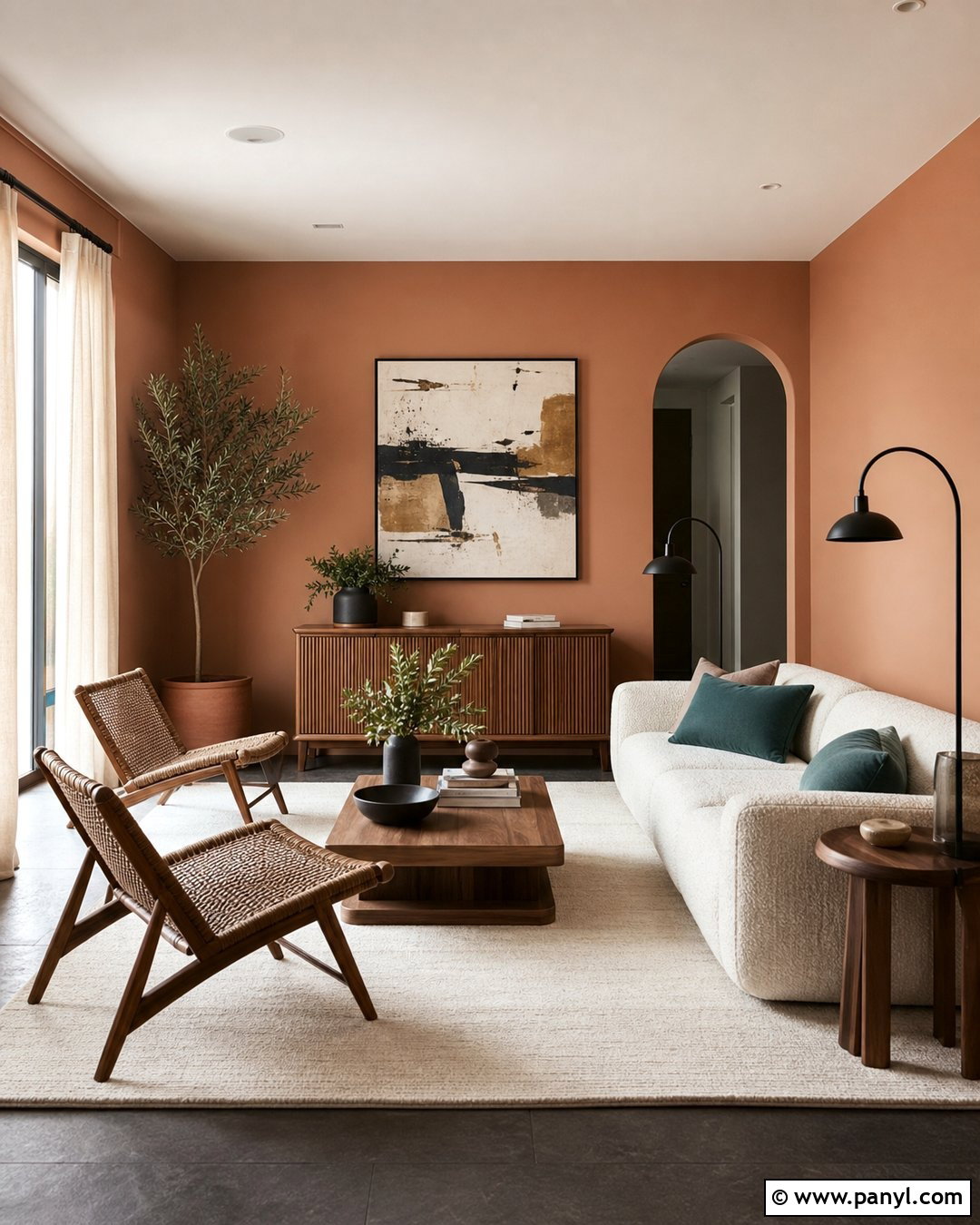
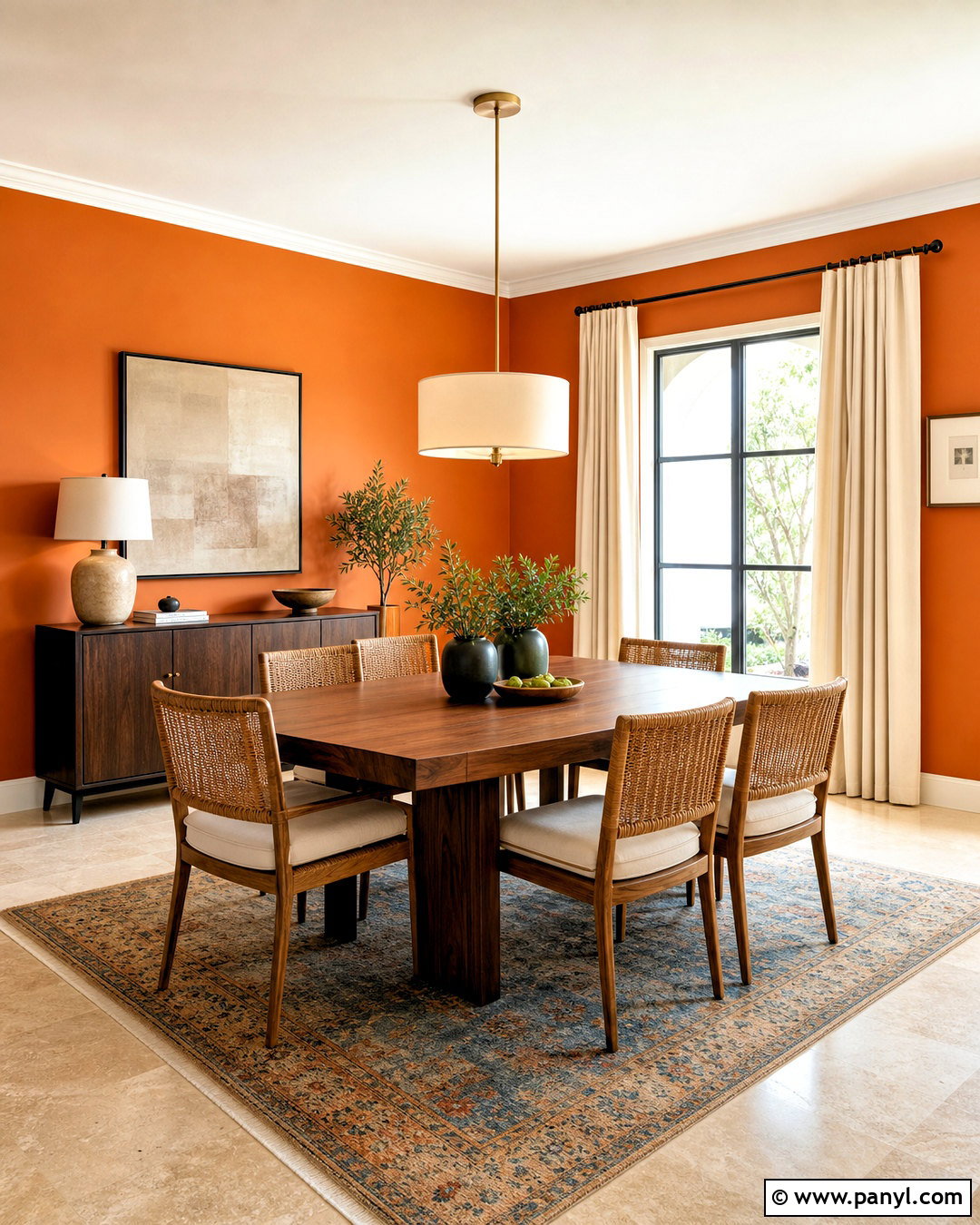
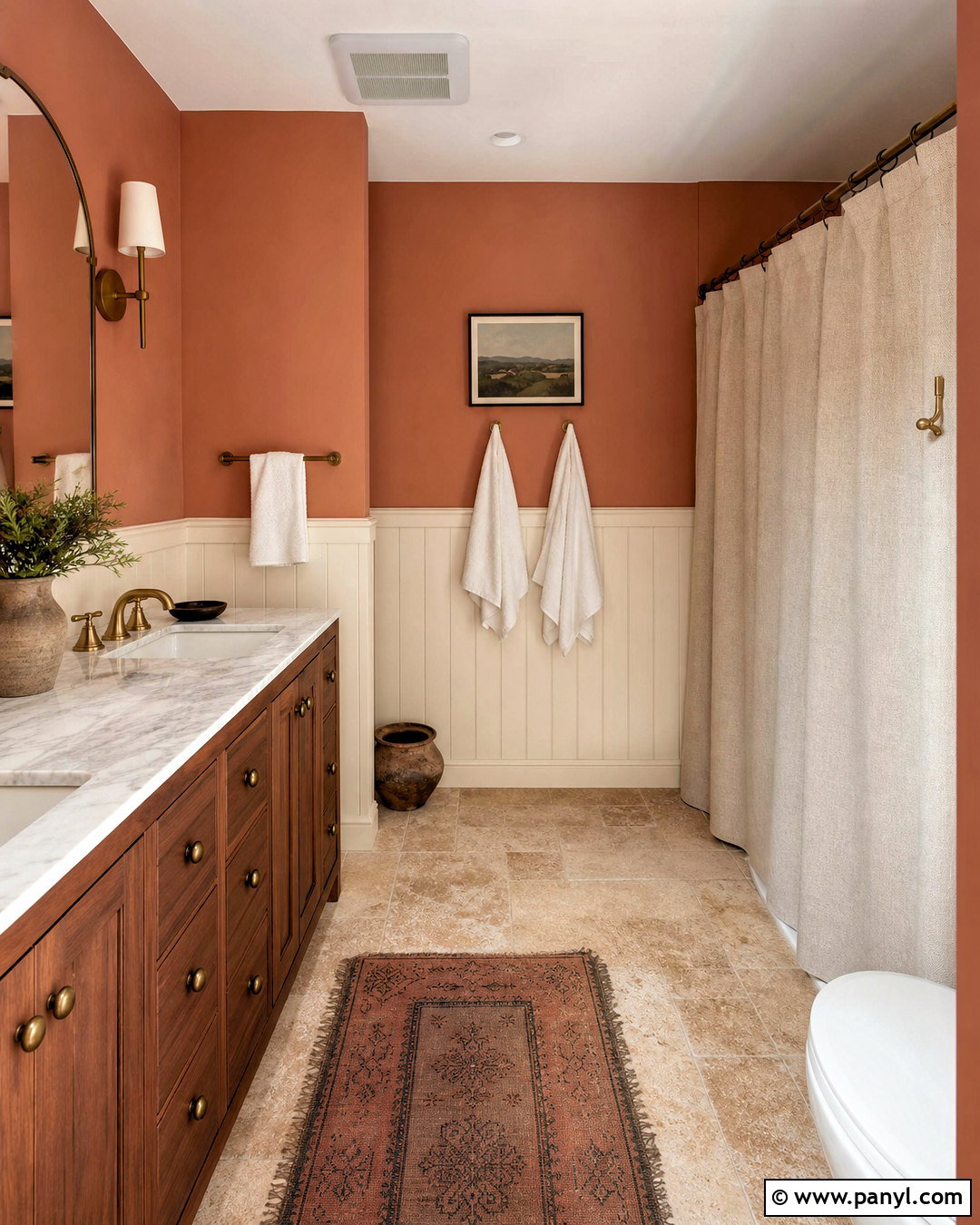
Sun-warmed terracotta walls give a living room richness without requiring elaborate decoration. Choose a softened clay shade rather than a highly saturated orange, and use it across every wall for a cohesive background. Balance the warmth with a cream boucle sofa, pale linen curtains, and a large ivory rug. Walnut side tables and woven rattan chairs strengthen the earthy palette, while muted teal pillows add a cool counterpoint. Use off-white on the ceiling and trim to keep the room open. Black metal floor lamps provide definition, and large abstract artwork can combine cream, rust, and dusty blue. The finished room feels inviting, tactile, and collected, with enough light-colored furniture to prevent the terracotta from becoming visually heavy.
6. Dusty Rose Wall Paint
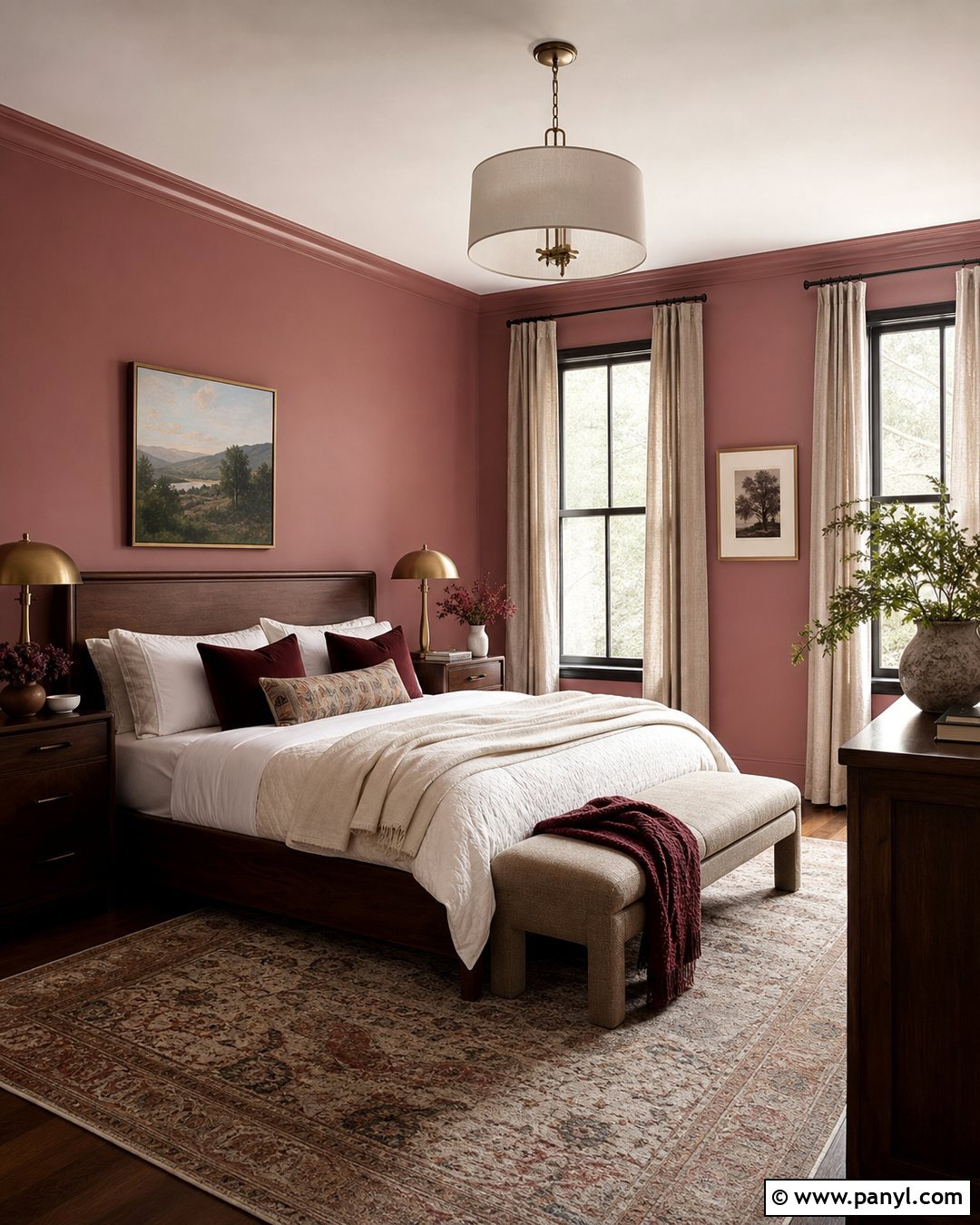
Dusty rose walls can look mature and sophisticated when paired with streamlined furniture and grounded neutral colors. In a bedroom, select a muted pink containing beige or clay undertones rather than a sugary pastel. Combine it with a walnut bed, crisp ivory bedding, and a taupe upholstered bench. Deep burgundy pillows and bronze bedside lamps give the palette more depth. Paint the ceiling in soft cream and continue the dusty rose across the walls for a seamless, restful effect. A faded traditional rug in rose, beige, and blue adds pattern without overwhelming the room. Finish with linen curtains, simple artwork, and minimal accessories. This complete design feels warm and expressive while remaining calm enough for a sleeping space.
7. Deep Navy Wall Paint
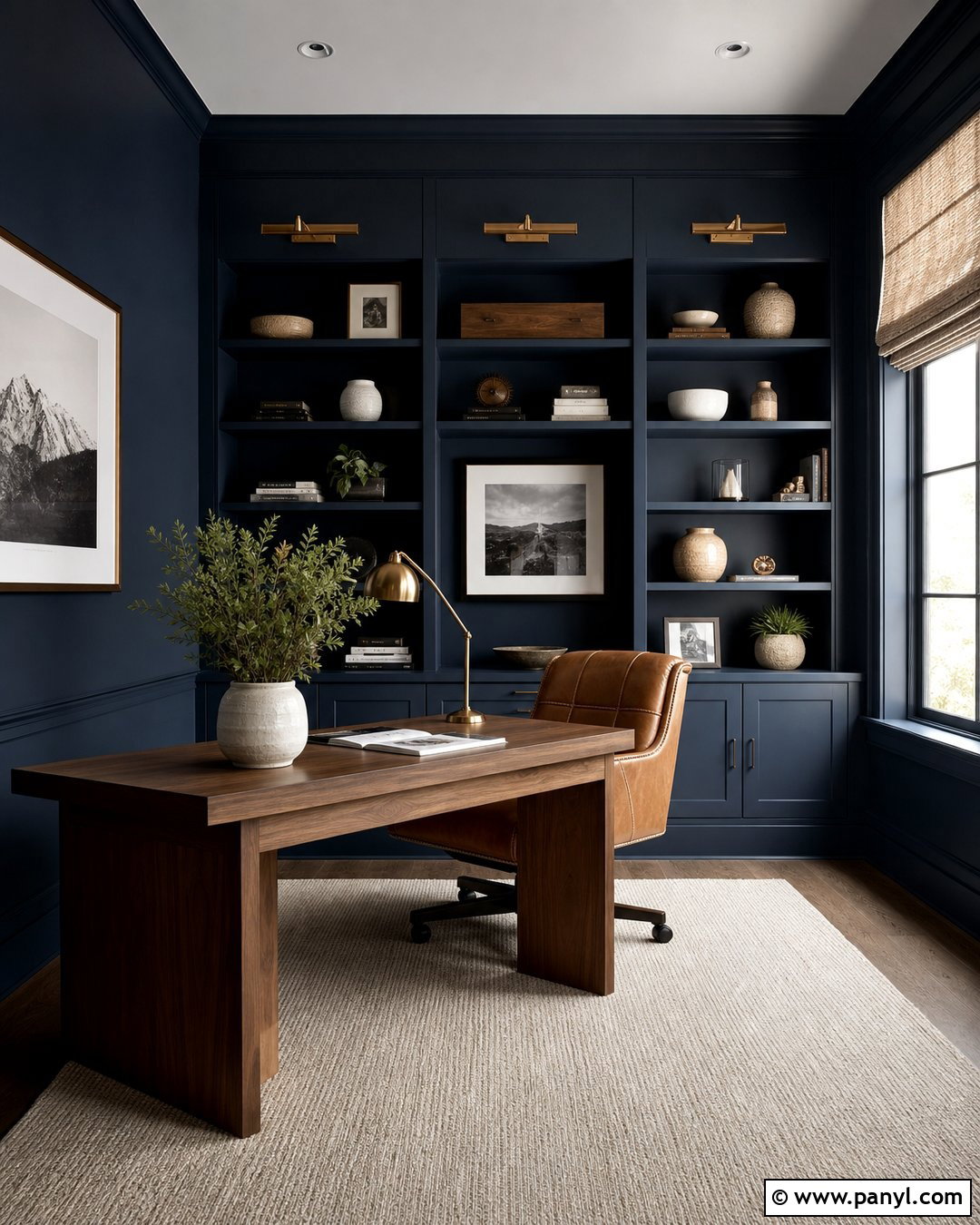
Deep navy walls make a home office feel focused, tailored, and visually distinct from the rest of the house. Paint the walls in a rich blue with slightly muted undertones, then add built-in shelving in the same color for an integrated appearance. A walnut desk and cognac leather chair introduce warmth, while an ivory area rug brightens the floor. Use aged brass picture lights over the shelves and place cream pottery among books and framed objects. White or pale wood window trim can preserve a sense of daylight, especially in a smaller room. Finish the office with natural linen shades and a simple landscape print. The combination creates a complete workspace that feels dramatic but still practical for daily use.

8. Dusty Blue Wall Paint
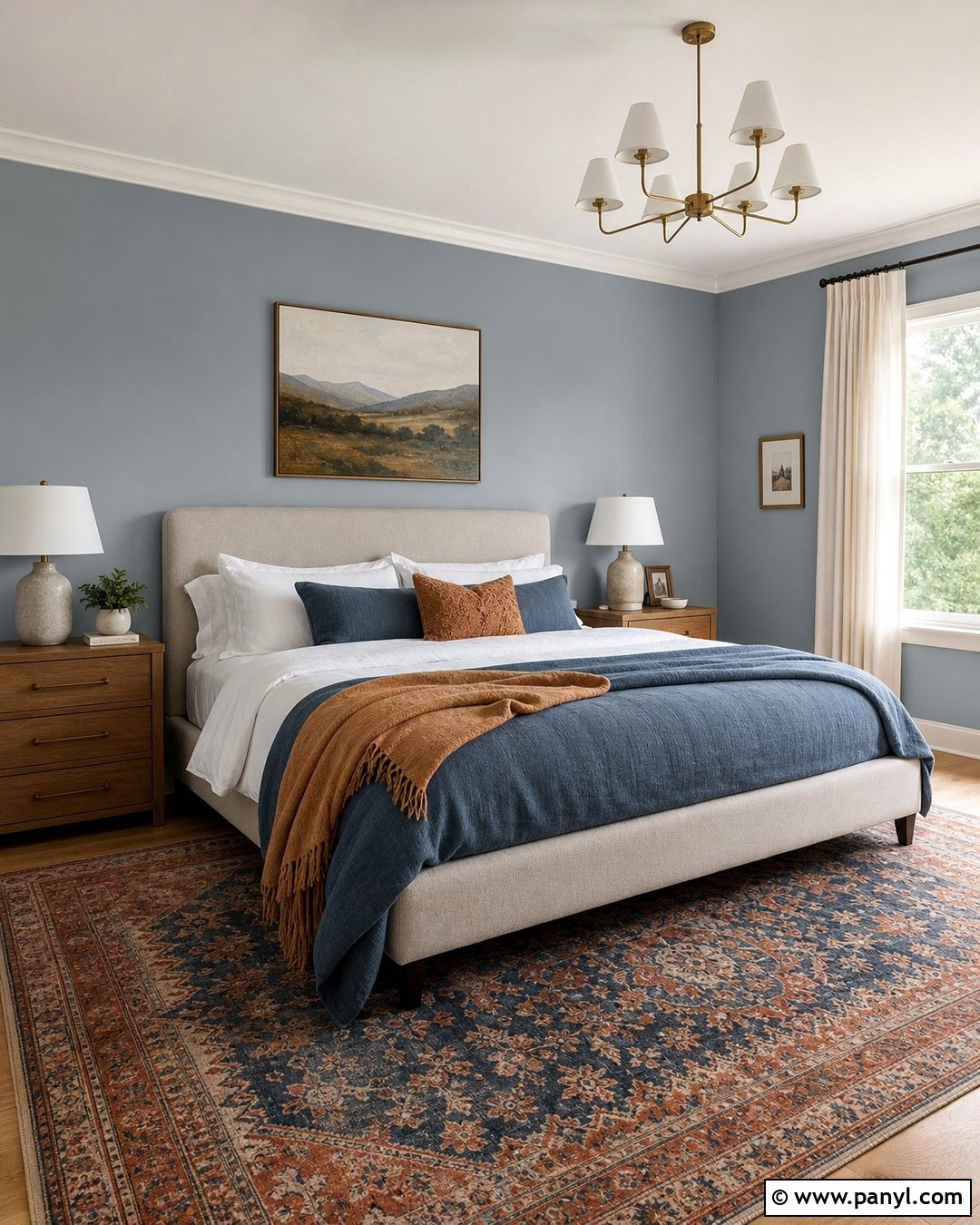
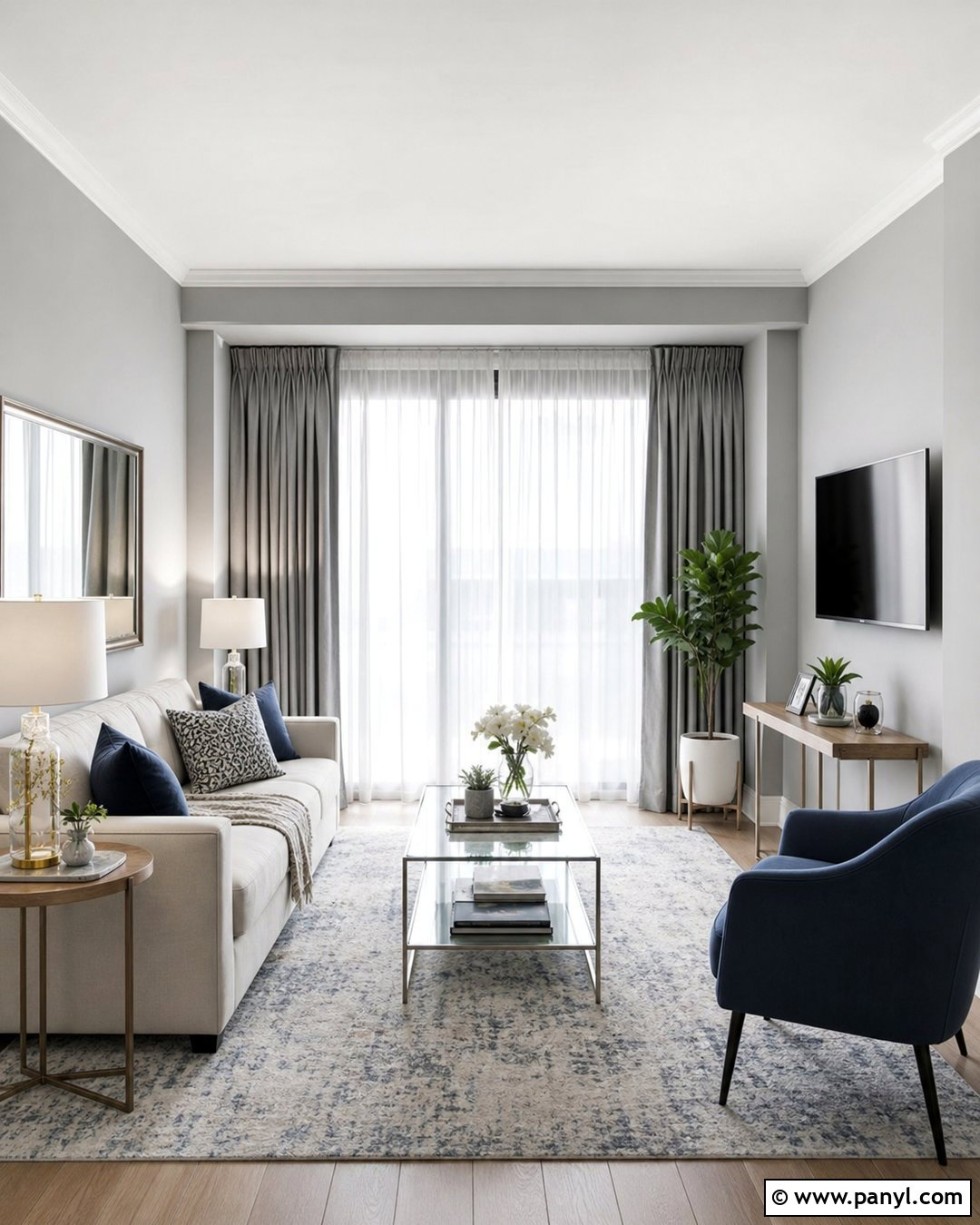
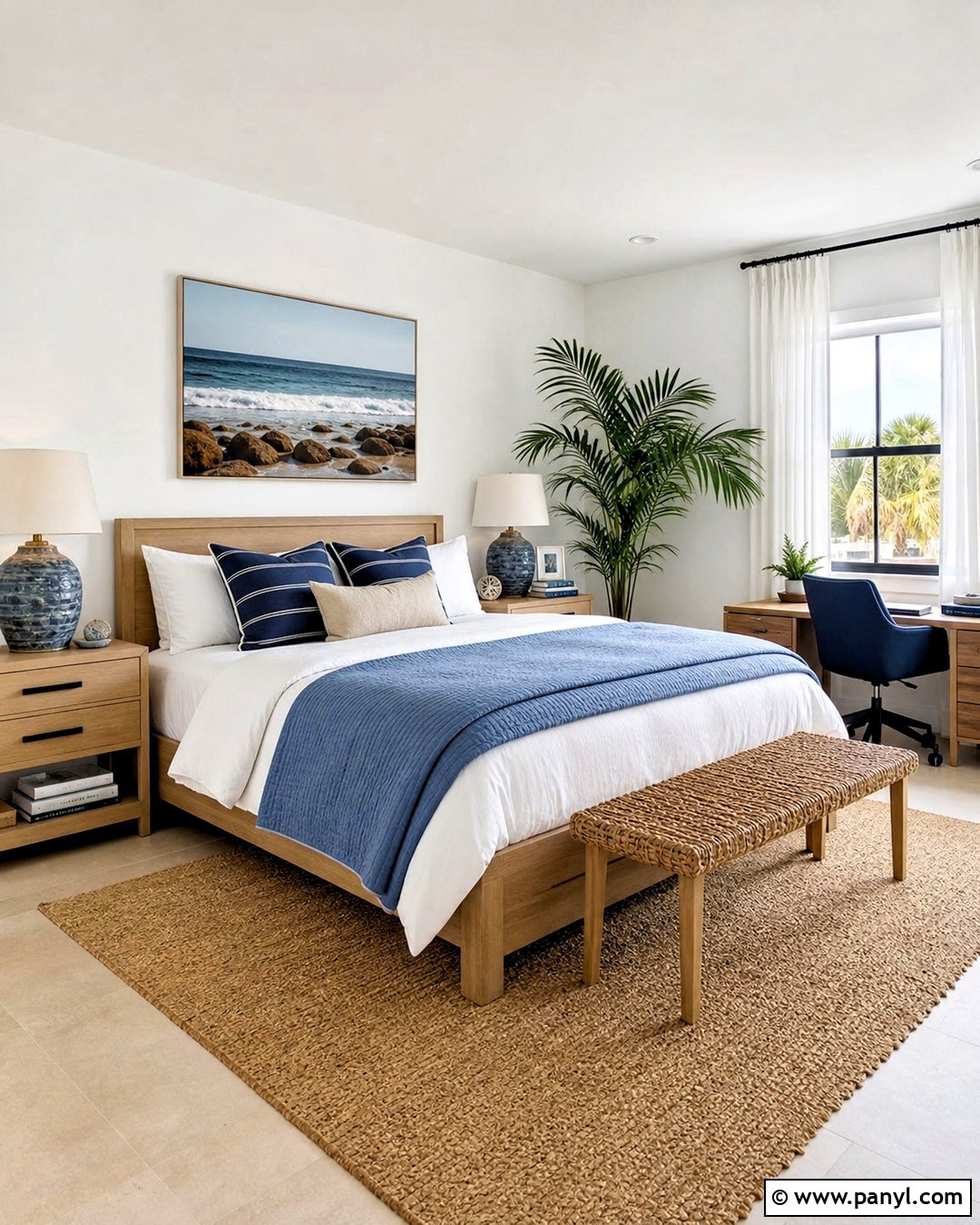
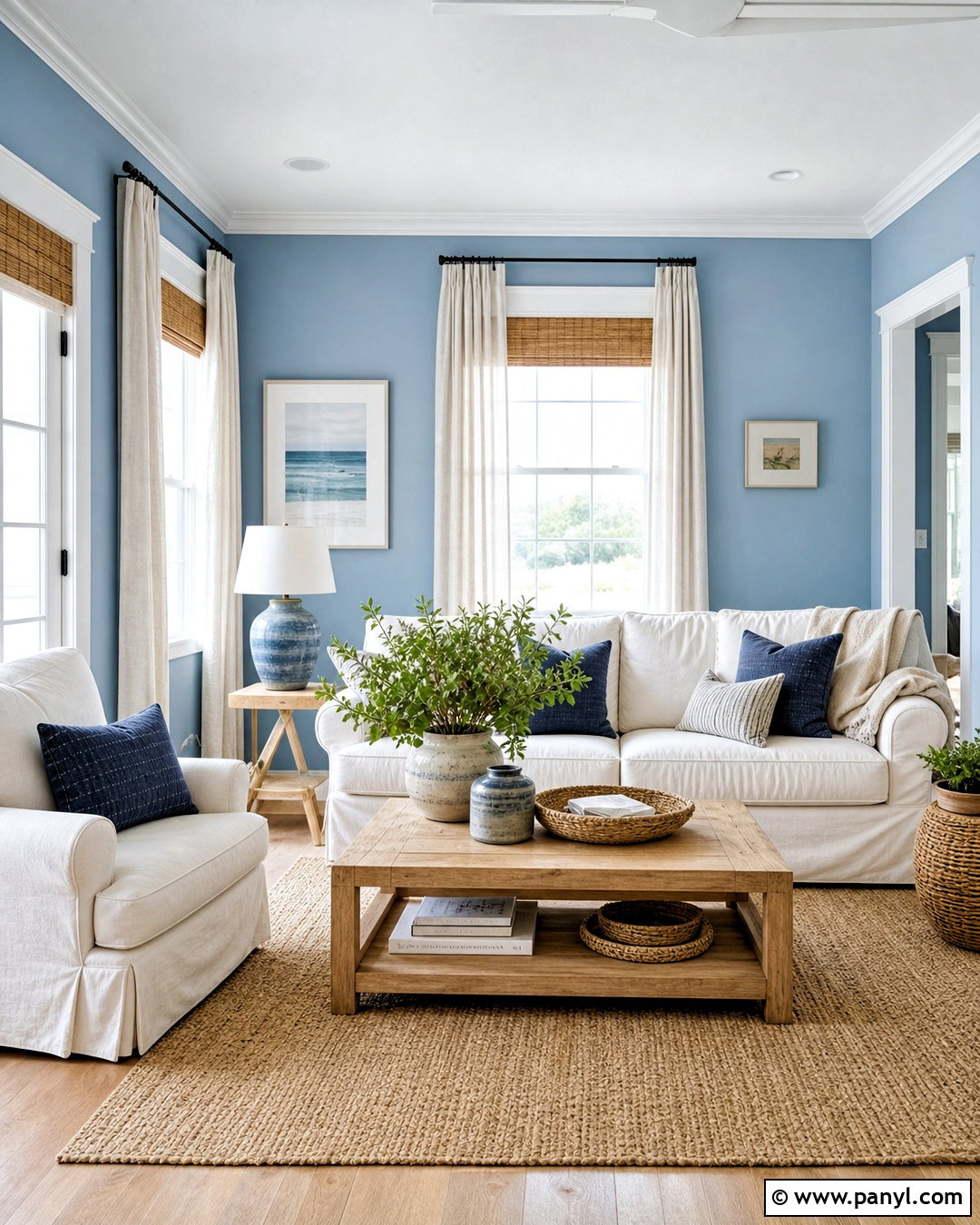
Dusty blue is an approachable choice for bedrooms because it adds color without becoming loud or distracting. Look for a medium-light blue with gray undertones, and pair it with warm white trim and ceiling paint. An upholstered bed in oatmeal fabric keeps the room soft, while medium oak nightstands prevent the palette from feeling too cool. Layer white sheets with denim blue, camel, and cream blankets for relaxed contrast. A vintage-inspired rug can introduce faded rust and navy accents. Hang woven shades beneath simple cream curtain panels to add privacy and texture. Black reading lights and a few dark picture frames sharpen the design. The completed bedroom feels airy, comfortable, and coordinated rather than heavily themed around blue.
9. Powder Blue Wall Paint
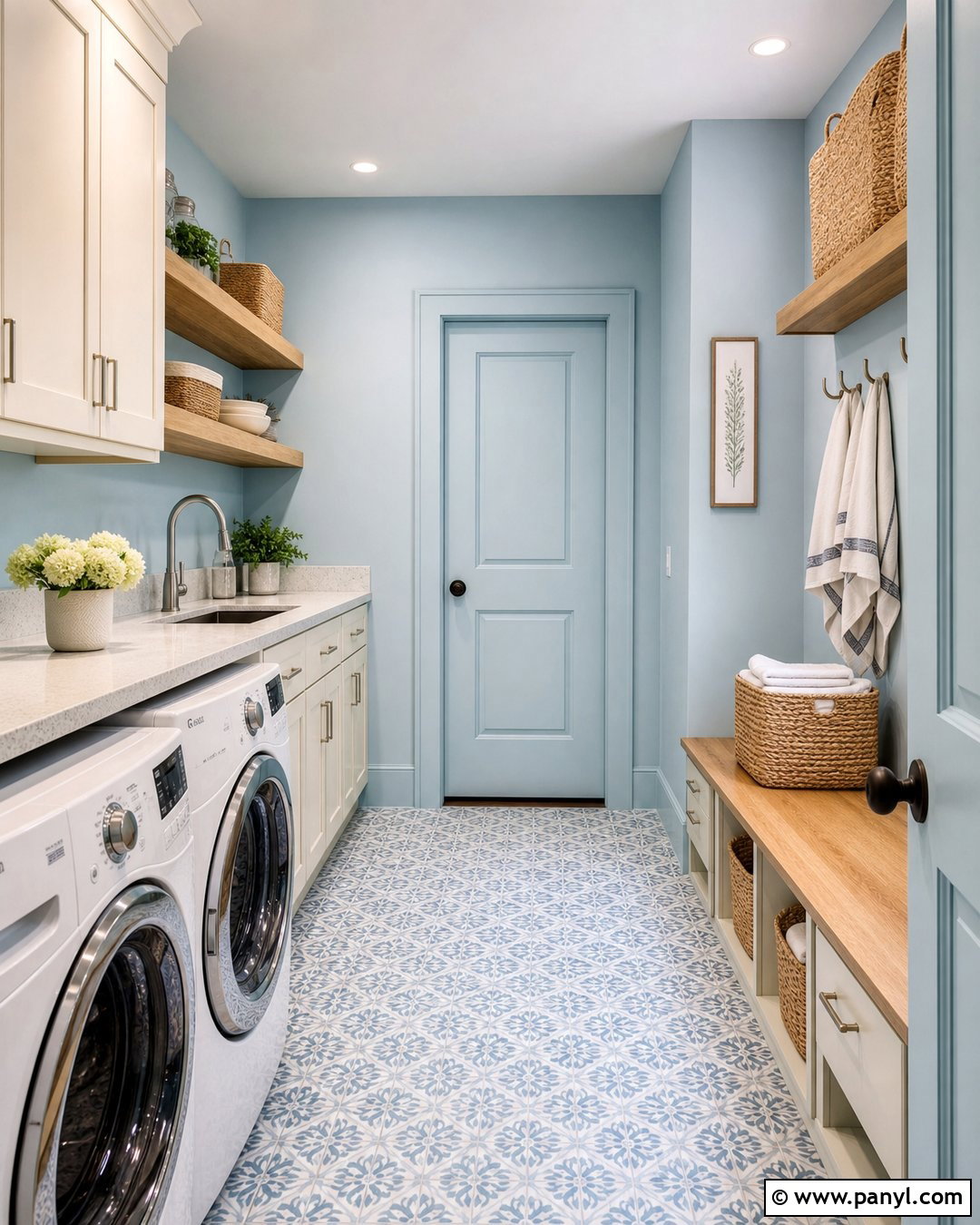
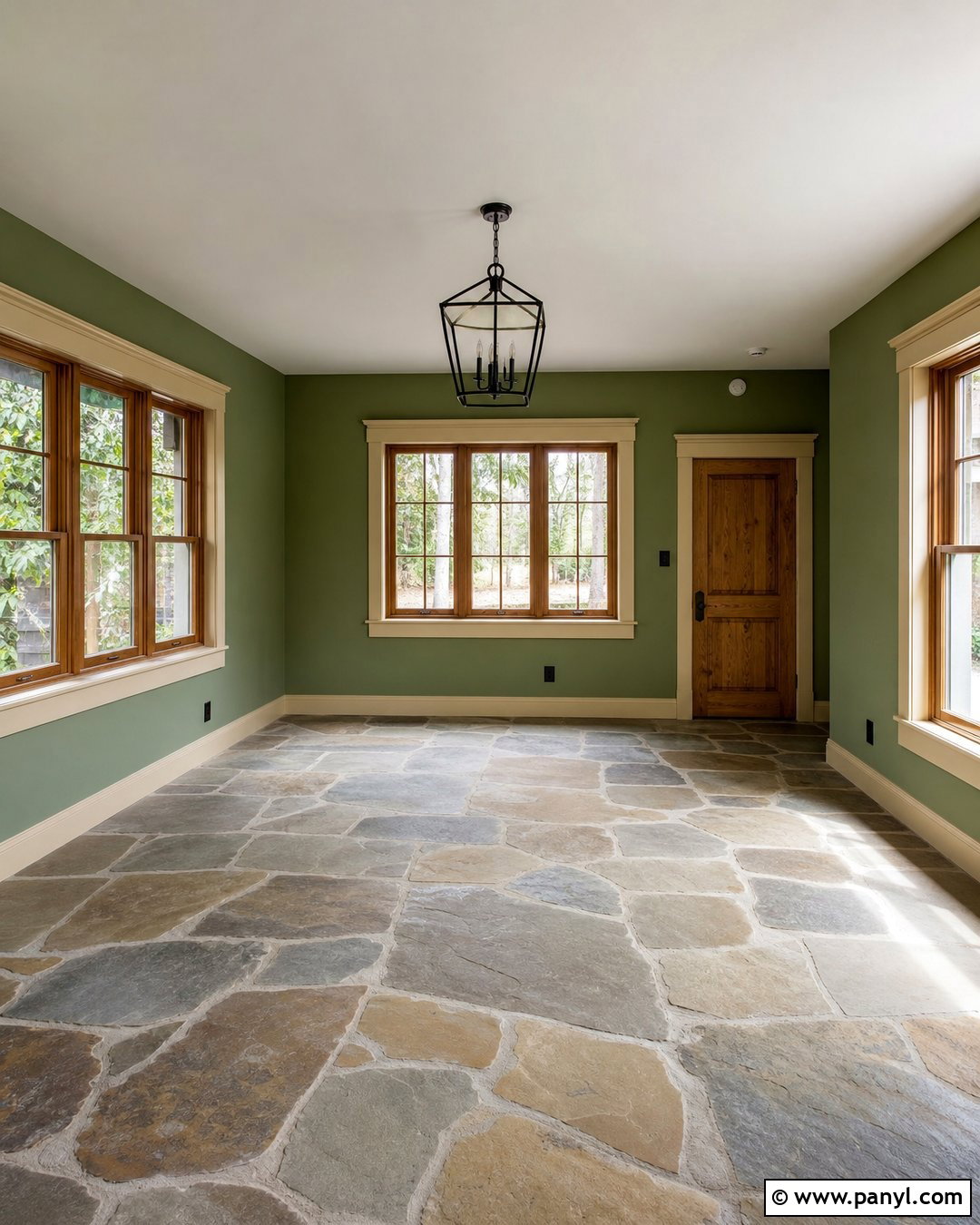
A powder blue laundry room can make a practical space feel cleaner, brighter, and more enjoyable to use. Paint the walls in a pale, cheerful blue, then pair them with warm white cabinets and light quartz counters. Install a natural oak shelf above the washer and dryer for baskets, jars, and folded towels. A small patterned tile floor in white and muted blue adds personality while remaining easy to maintain. Use brushed nickel hardware for a fresh finish and include a woven runner to soften the hard surfaces. If the room has a door, paint it the same powder blue for continuity. The full palette works best with organized storage and uncluttered counters, creating a utility room that feels attractive as well as functional.
10. Chocolate Brown Wall Paint
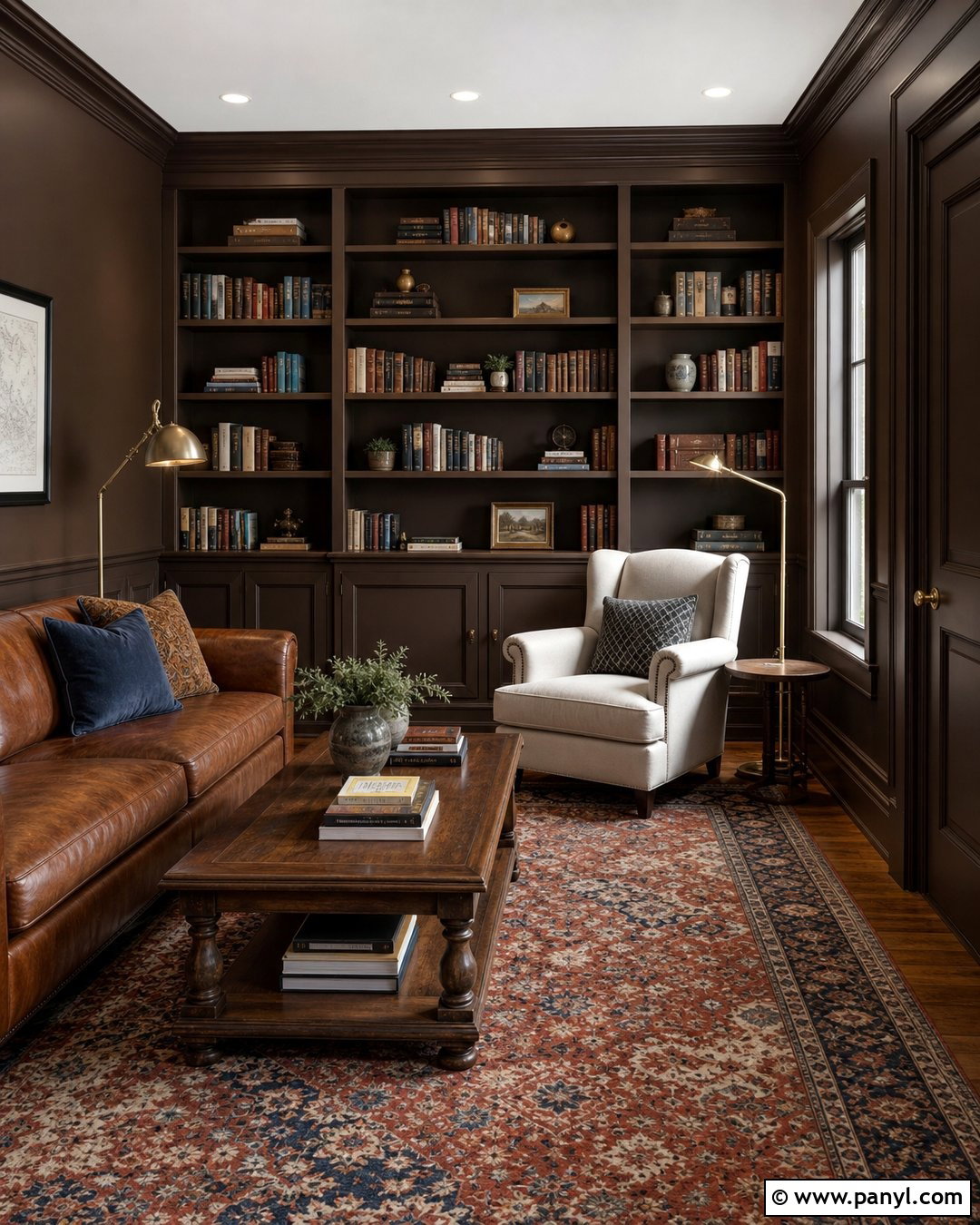
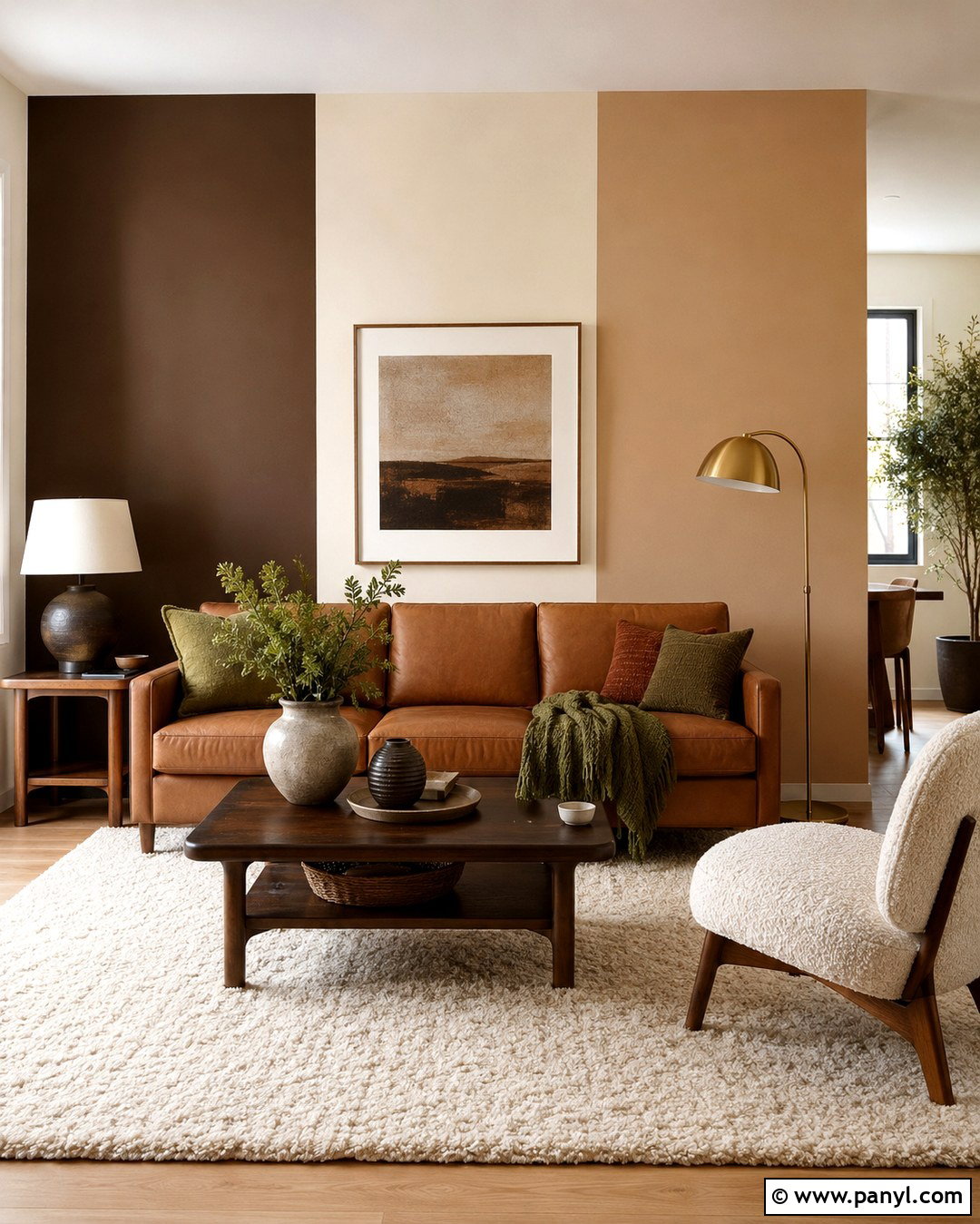
Rich chocolate brown walls can transform a spare room or den into a cozy home library. Choose a deep brown with warm plum or red undertones, then paint the walls, shelving, and trim in the same shade. This color-drenched treatment creates an enveloping background for books and artwork. Add a caramel leather sofa, a cream reading chair, and a traditional rug containing rust, navy, and tan. A walnut coffee table will blend naturally with the palette, while brass floor lamps reflect light against the dark walls. Include several light-colored accessories to break up the shelving. Instead of trying to make the room appear brighter, embrace its intimate character with layered task lighting and comfortable seating arranged for conversation and reading.
11. Mushroom Wall Paint
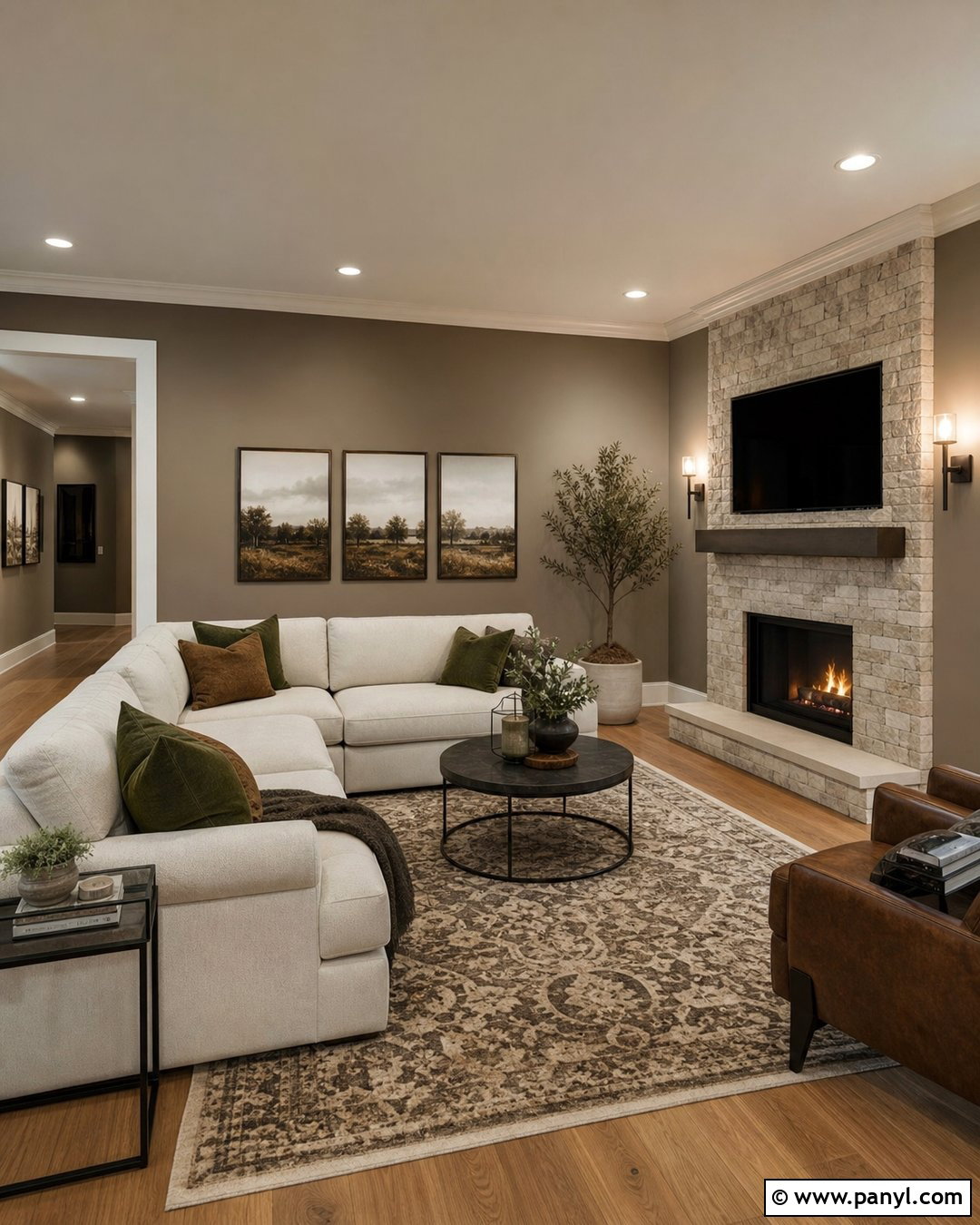
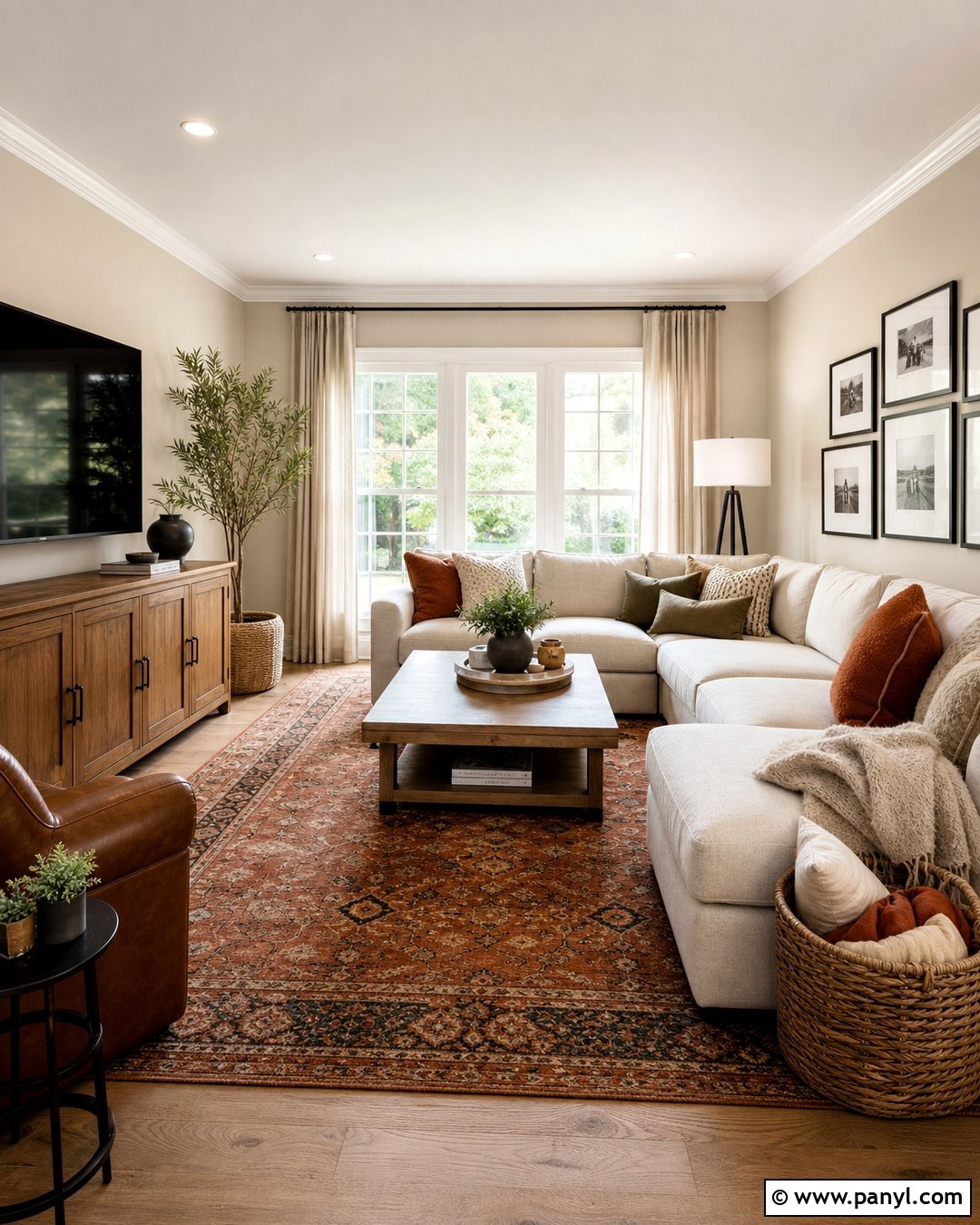
Mushroom wall paint delivers more warmth than standard gray while still functioning as an adaptable neutral. Use it throughout a family room with warm white trim, medium oak flooring, and a large cream sectional. The slightly brown-gray walls create a soft connection between beige upholstery and darker wood furniture. Bring in muted olive, tobacco, and charcoal through pillows, throws, and a patterned area rug. A stone fireplace can remain natural, allowing its texture to stand out against the quiet paint color. Choose black metal lighting and simple linen curtains for clean contrast. This complete scheme is especially effective in busy rooms because it feels polished without being precious. It also provides a forgiving background for books, toys, artwork, and everyday family belongings.
12. Butter Yellow Wall Paint
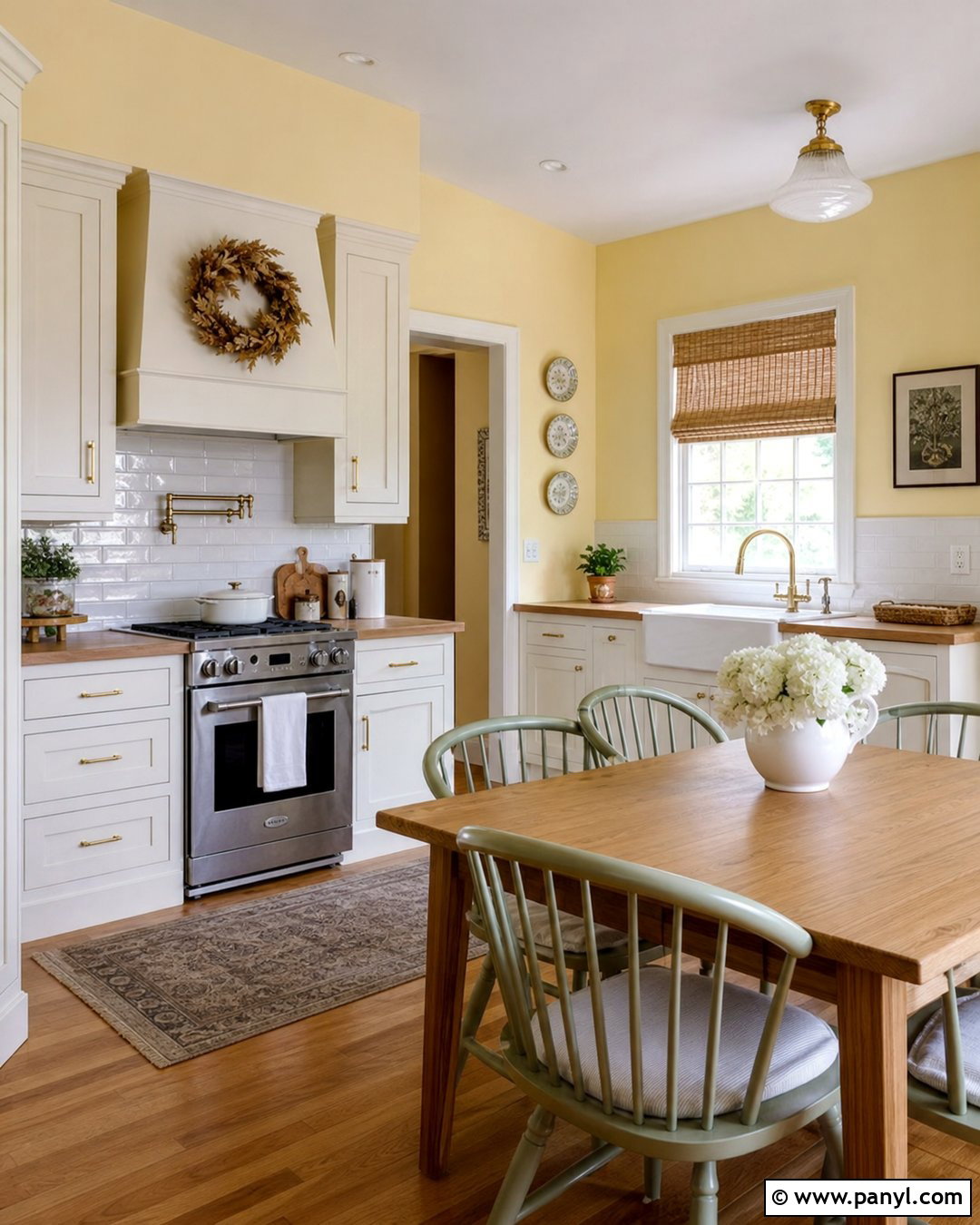
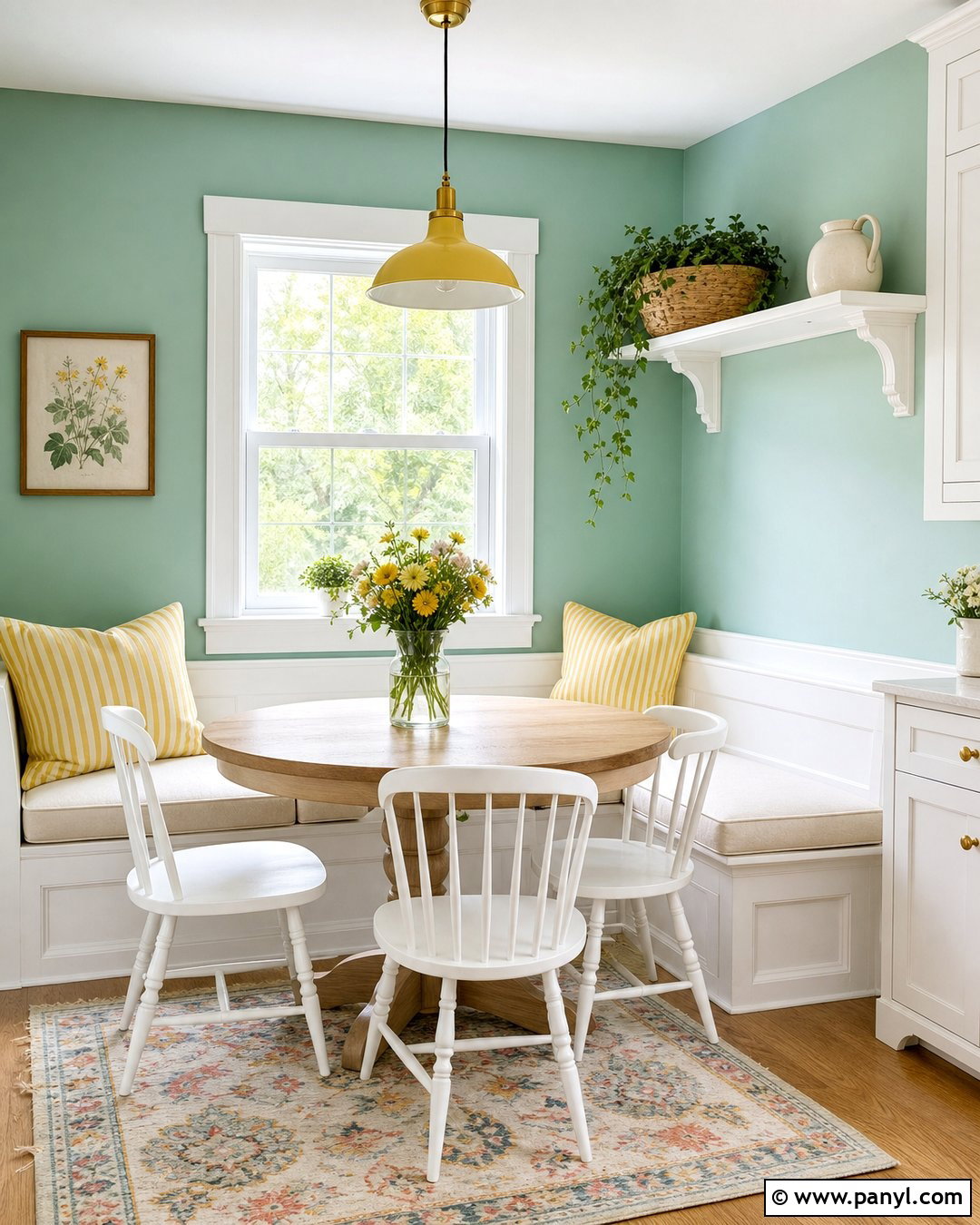
Butter yellow walls introduce warmth and optimism to a kitchen without creating the intensity of bright lemon. Select a pale, creamy yellow and pair it with warm white cabinets, butcher-block counters, and simple brass hardware. A white subway tile backsplash keeps the work area fresh, while a small oak table creates an informal breakfast corner. Add dining chairs in muted sage green for gentle contrast. Natural woven shades, white ceramic dishes, and a striped cotton runner complete the relaxed palette. Paint the ceiling cream rather than stark white so the yellow walls transition smoothly. This coordinated kitchen works particularly well in spaces that receive limited natural light, giving the room a sunny character while maintaining a practical, timeless appearance.
13. Charcoal Wall Paint
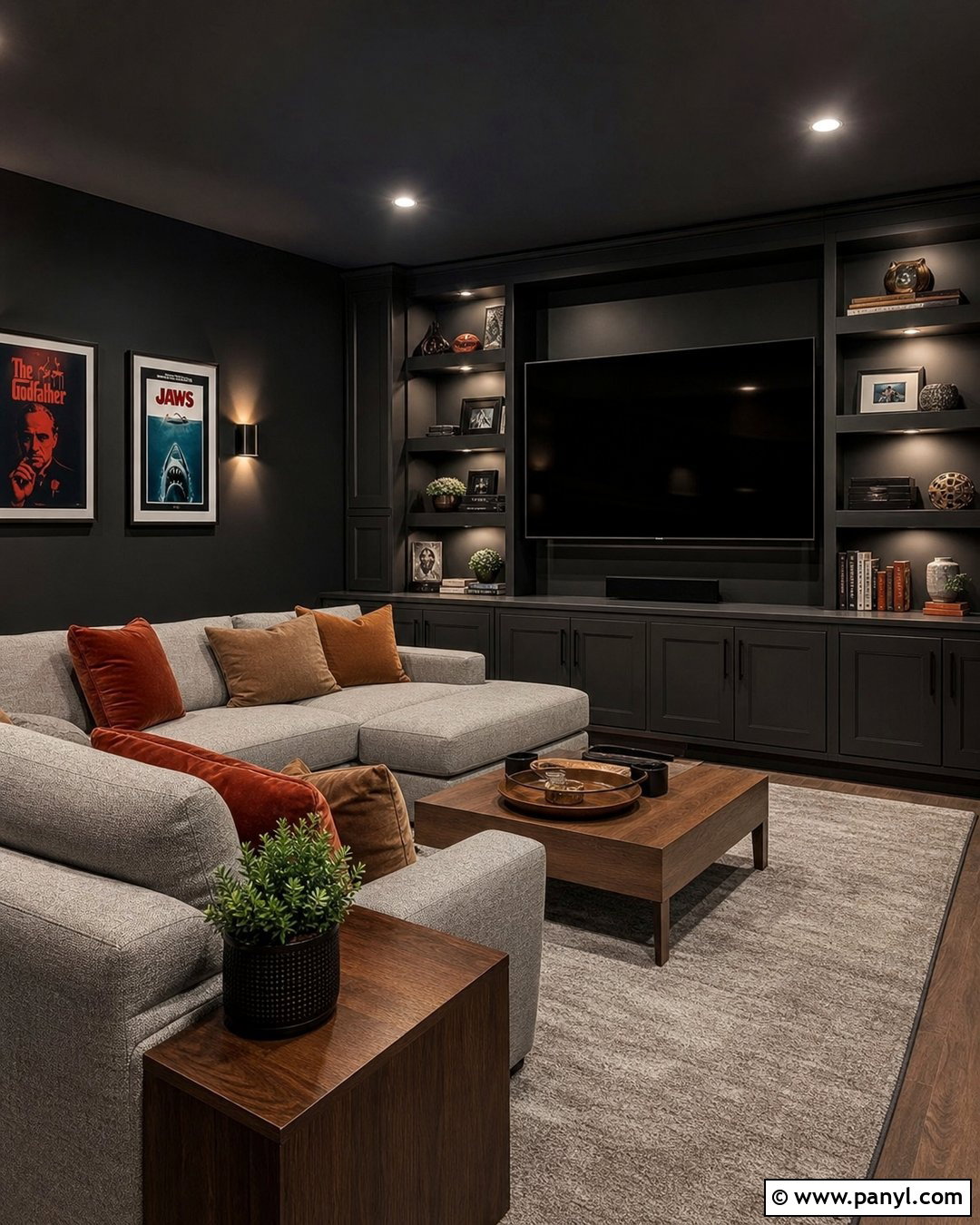
Charcoal walls are well suited to media rooms where glare control and a comfortable atmosphere matter more than maximum brightness. Choose a soft charcoal with warm undertones, then continue it across the walls and built-in media cabinetry. Pair the dark background with a light gray sectional, an oatmeal rug, and medium-toned wood tables. Rust and camel pillows add warmth, while blackout curtains in a similar charcoal create a seamless look around the windows. Use dimmable wall sconces and concealed cabinet lighting instead of one harsh ceiling fixture. Keep the ceiling a softer gray to prevent the room from feeling compressed. This complete arrangement creates a calm viewing space that looks intentional even when the television is not being used.
14. Emerald Green Wall Paint
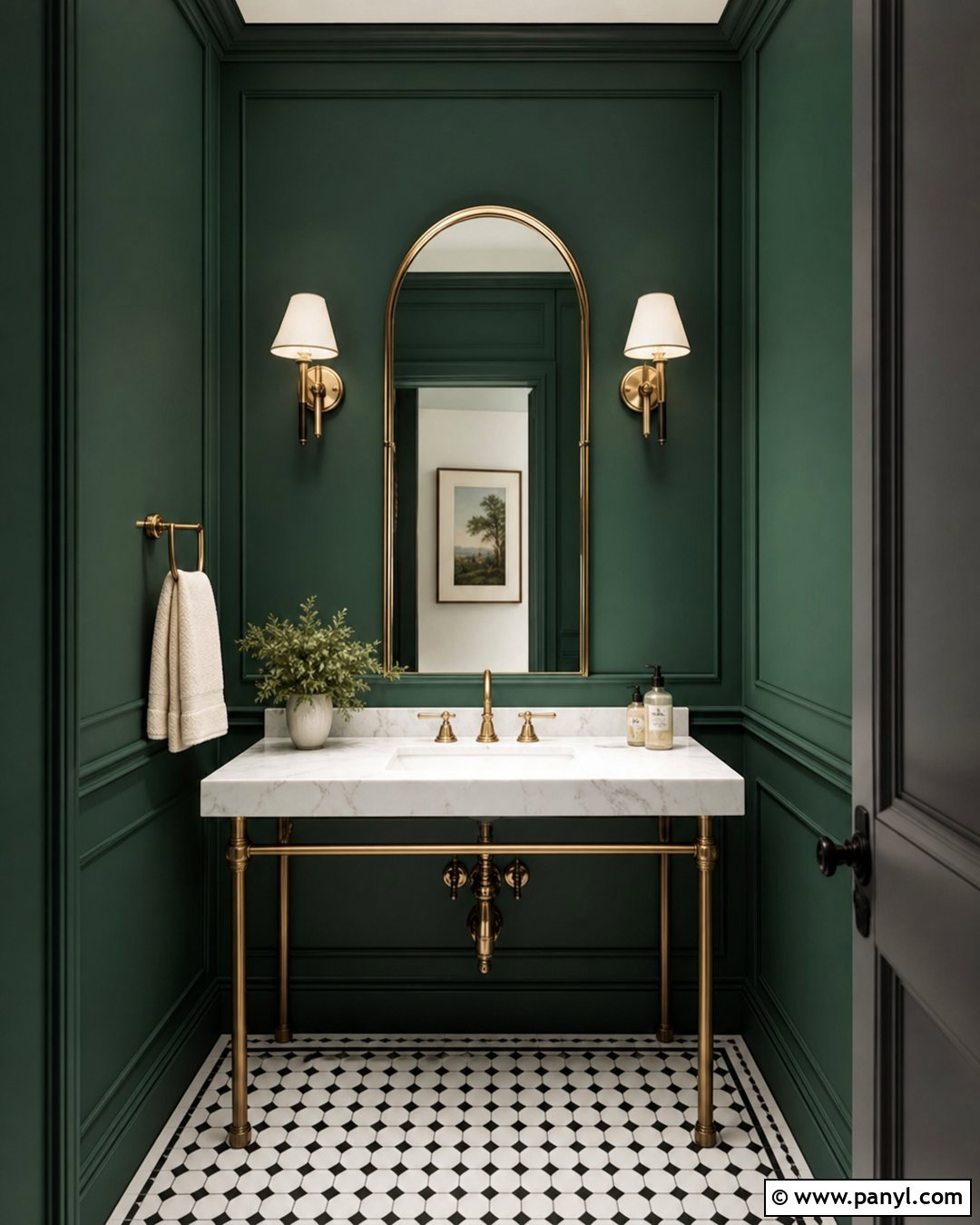
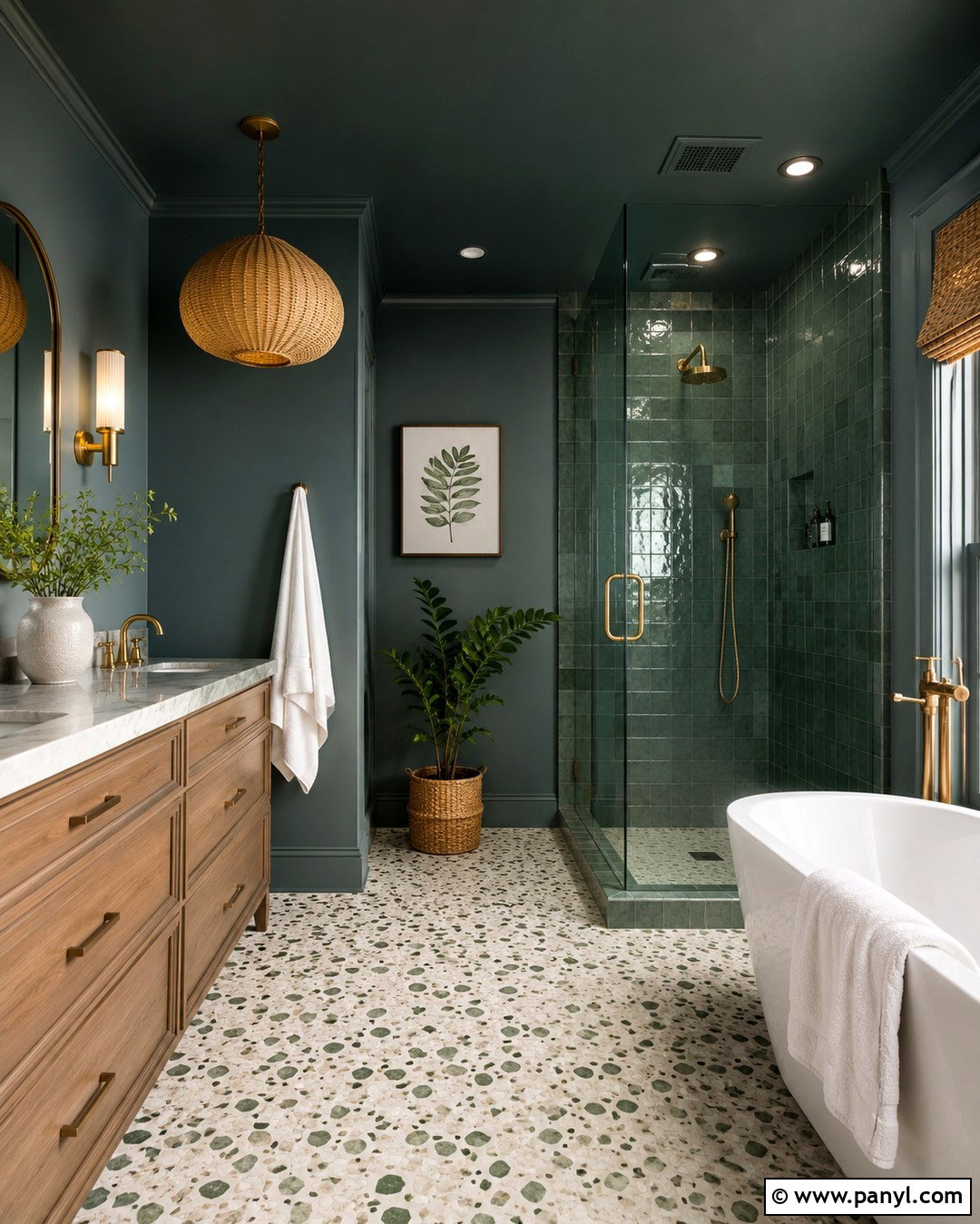
Emerald green can give a powder room a memorable, jewel-box character without requiring a large decorating budget. Paint every wall in a deep, slightly muted emerald and balance it with a white pedestal sink or compact marble-topped vanity. Add an arched brass mirror, warm brass sconces, and simple cream towels. Black-and-white patterned floor tile introduces crisp structure beneath the saturated walls. If the room has molding, paint it emerald as well to create a continuous, sophisticated envelope. A small framed print and one leafy plant are enough decoration for this compact space. The combination feels bold but controlled because the fixtures and flooring remain simple. It turns a frequently overlooked room into a complete, polished design moment.
15. Burgundy Wall Paint
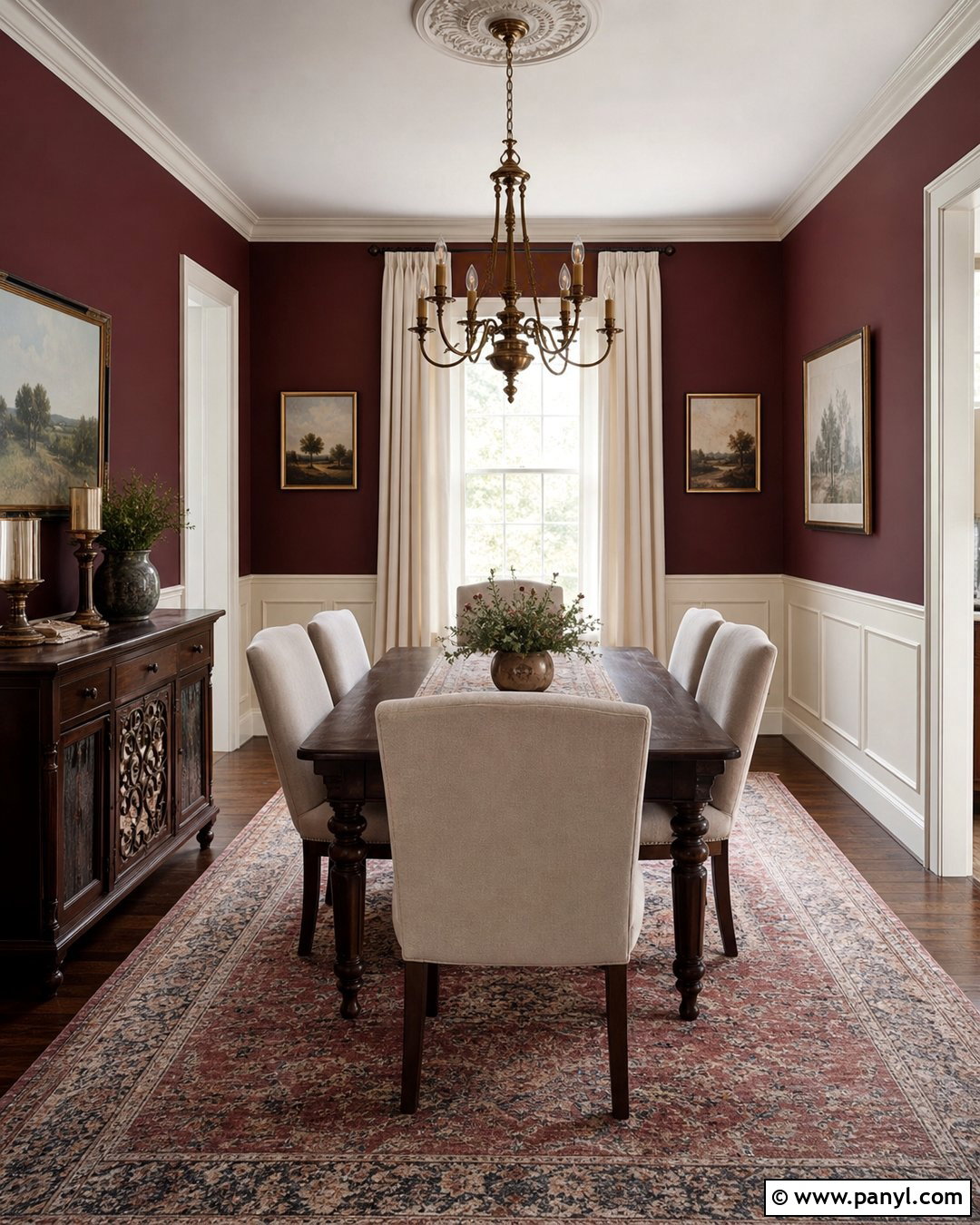
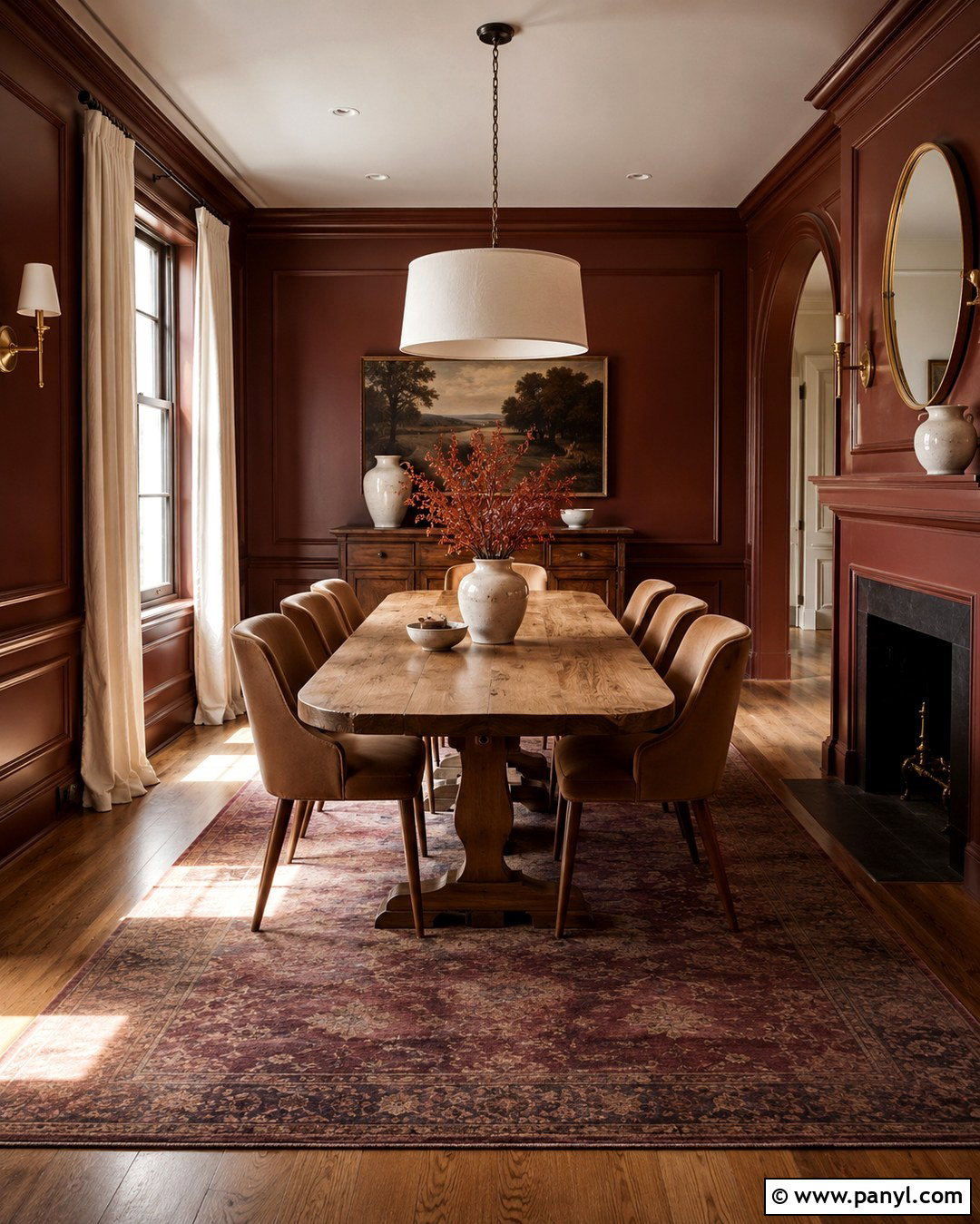
Burgundy walls create a warm dining room that feels dramatic without relying on black paint. Choose a deep red with brown undertones, and use it above cream panel molding to keep the color visually balanced. A dark oak dining table, oatmeal upholstered chairs, and a faded Persian-style rug build a layered, traditional foundation. Hang an antique brass chandelier over the table and use cream linen curtains around the windows. Artwork with muted landscapes, still-life subjects, or botanical forms will complement the rich background. Repeat burgundy sparingly in the rug or table linens rather than matching every accessory. This complete scheme works best with warm lighting, natural wood, and pale textiles, allowing the walls to feel intimate rather than overpowering.
16. Two Tone Wall Paint
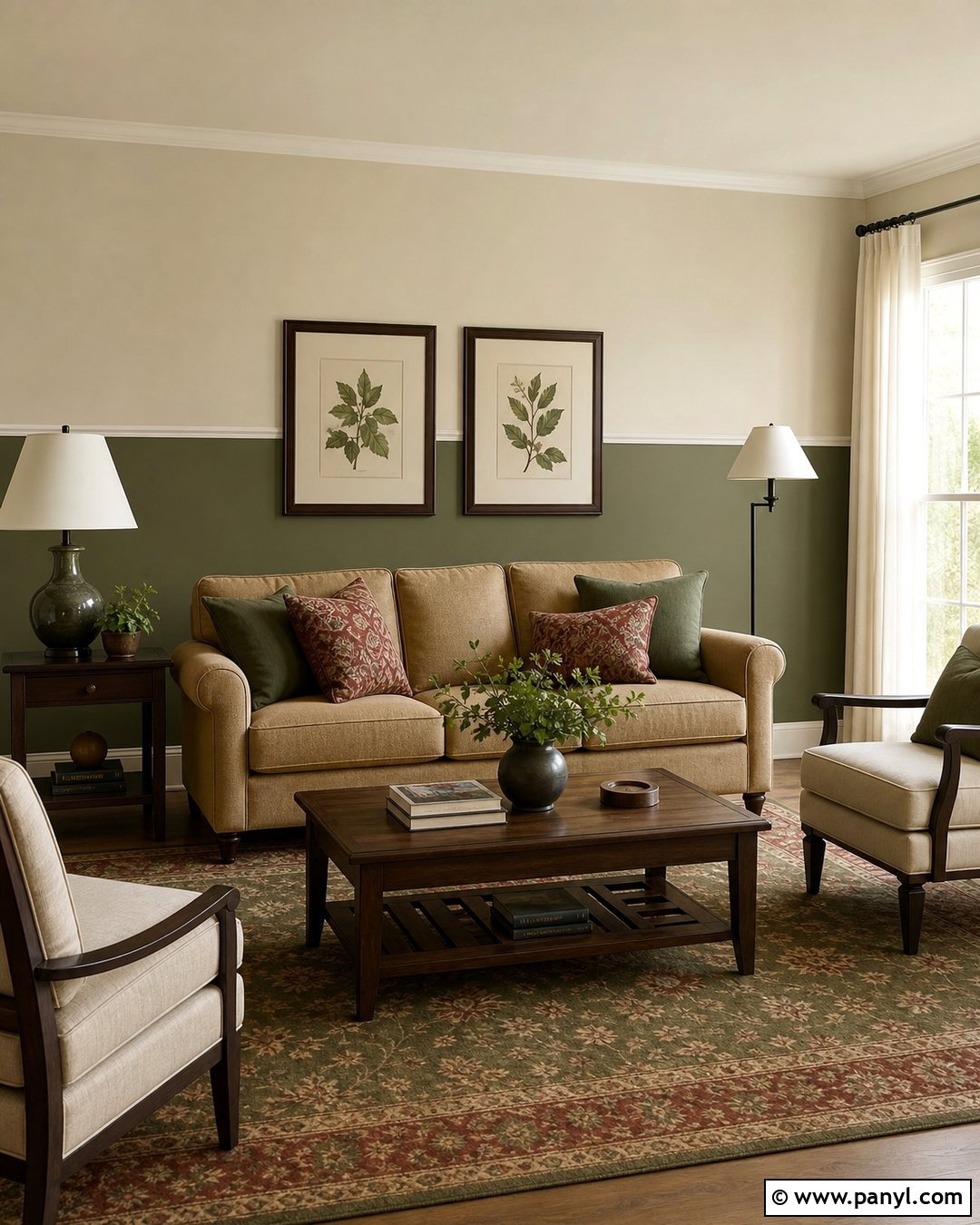
Two-tone wall paint adds architectural structure to a plain room, even when there is no existing wainscoting. In a living room, paint the lower third of the walls muted olive green and the upper area warm cream. Separate the colors with a narrow wood chair rail painted cream for a finished transition. Pair the walls with a tan sofa, walnut coffee table, and a rug combining olive, ivory, and rust. Cream curtains keep the upper half light, while dark green pillows connect with the lower color. Hang artwork entirely within the cream section so the frames have breathing room. This balanced design introduces visible color without enclosing the room, making it practical for traditional homes, rentals, and modest spaces needing more character.
17. Color Drenched Wall Paint
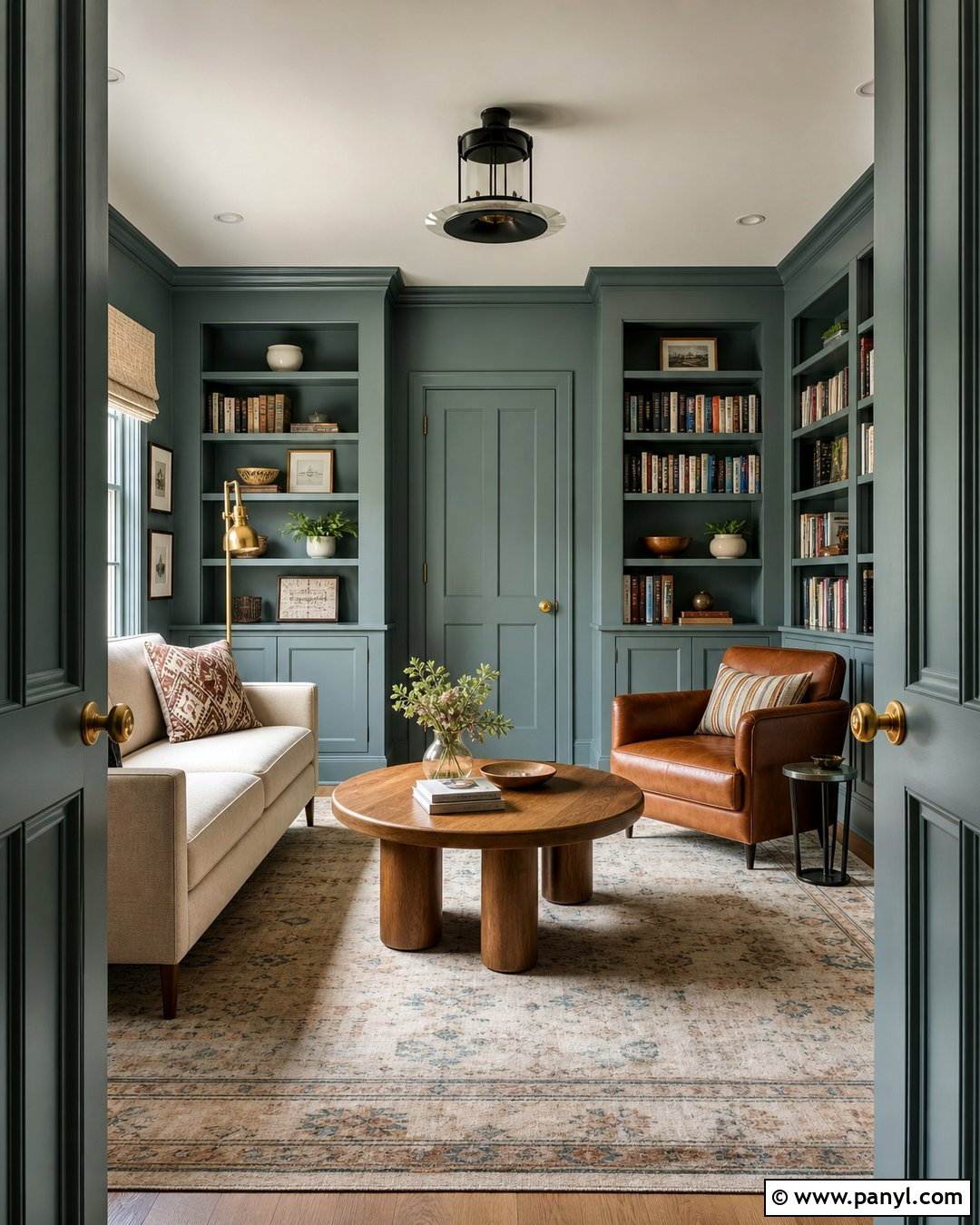
Color drenching means carrying one color across the walls, trim, doors, and sometimes the ceiling to create a seamless envelope. A muted blue-green works especially well in a small reading room because it feels expressive without being excessively bright. Paint built-in shelves in the same shade so they blend into the architecture. Add a cream loveseat, cognac leather chair, and warm oak side table to break up the color. Patterned cushions in rust, navy, and ivory create controlled variation. Use brass sconces and a pale rug to reflect light around the room. The technique works best when several textures are included, since linen, leather, wood, and wool prevent the single-color background from appearing flat or unfinished.
18. Painted Ceiling Wall Color
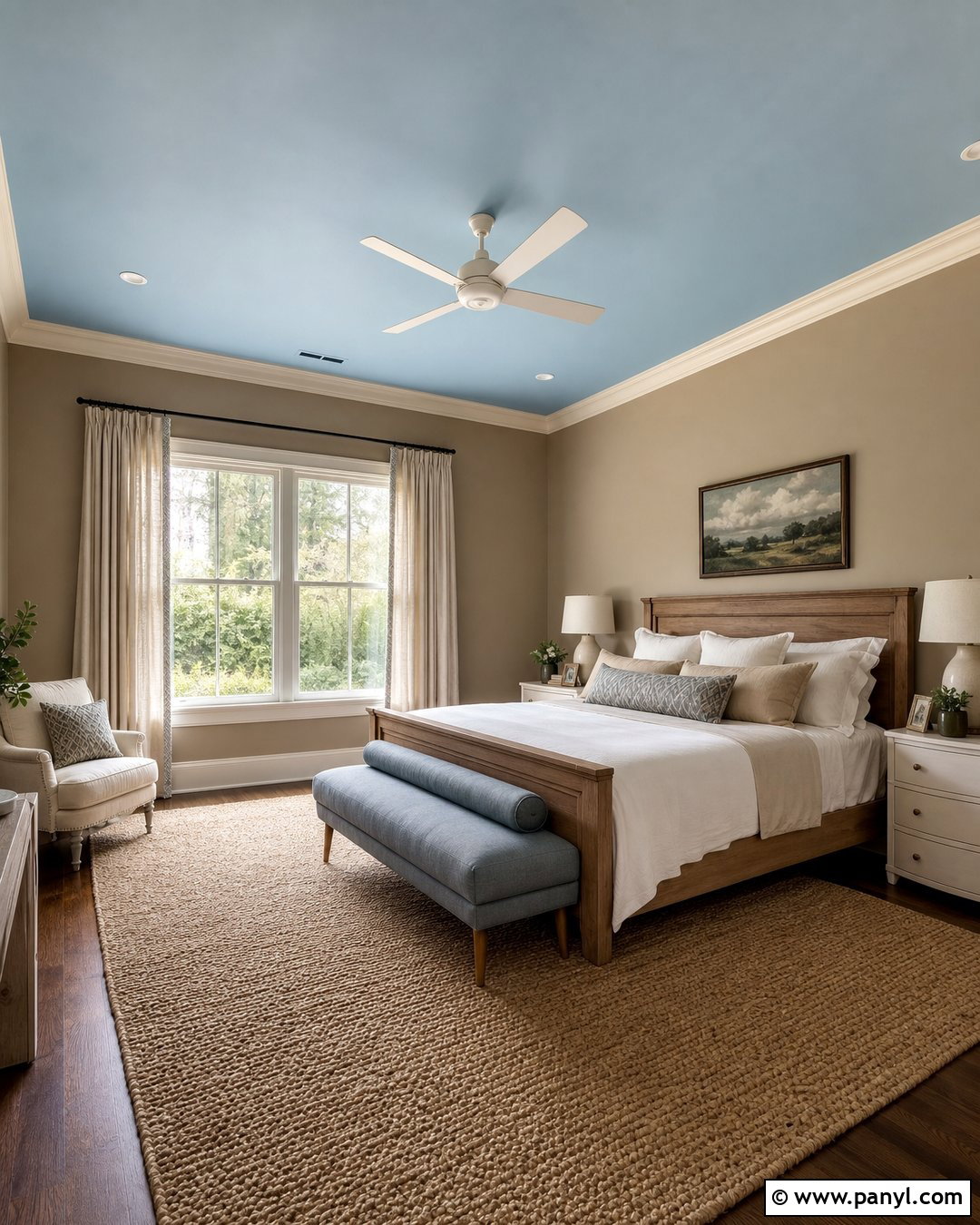
Extending wall color onto the ceiling can make a bedroom feel more cohesive and thoughtfully designed. Start with warm beige walls, then paint the ceiling a dusty sky blue that is soft enough to remain restful. Use crisp cream trim to create a narrow visual boundary between the two colors. An oak bed, white linen bedding, and a blue-gray upholstered bench connect the upper and lower parts of the room. Add a large natural fiber rug and simple wood nightstands for warmth. Curtains should match the wall color closely, allowing the ceiling to remain the main feature. A white or brass semi-flush light prevents visual clutter overhead. This complete palette adds interest while preserving the calm atmosphere needed in a bedroom.
19. Painted Arch Wall
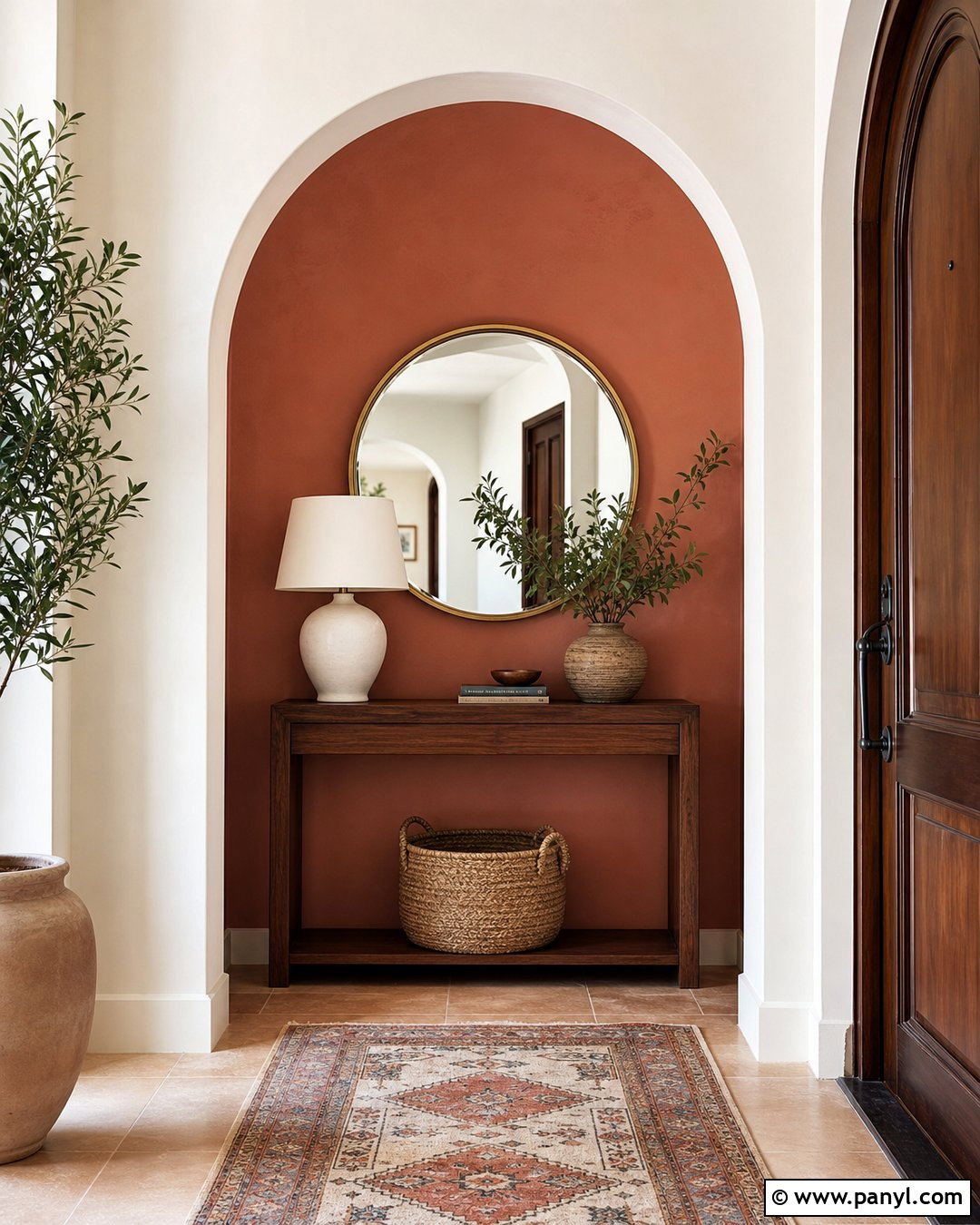
A painted arch creates a clear focal point without covering an entire wall in saturated color. Place a wide terracotta arch behind a console table in an entryway, using warm white across the surrounding walls. The arch should begin near the floor and extend above a round brass mirror, visually framing the complete arrangement. Add a slim walnut console, a woven basket, and a ceramic lamp with an ivory shade. A muted patterned runner can repeat the terracotta color while introducing blue and beige accents. Keep the shape simple and carefully measured for a clean edge. This finished entryway feels more architectural than a basic accent wall, yet it requires only a small amount of paint and a thoughtfully arranged group of practical furnishings.
20. Geometric Wall Paint
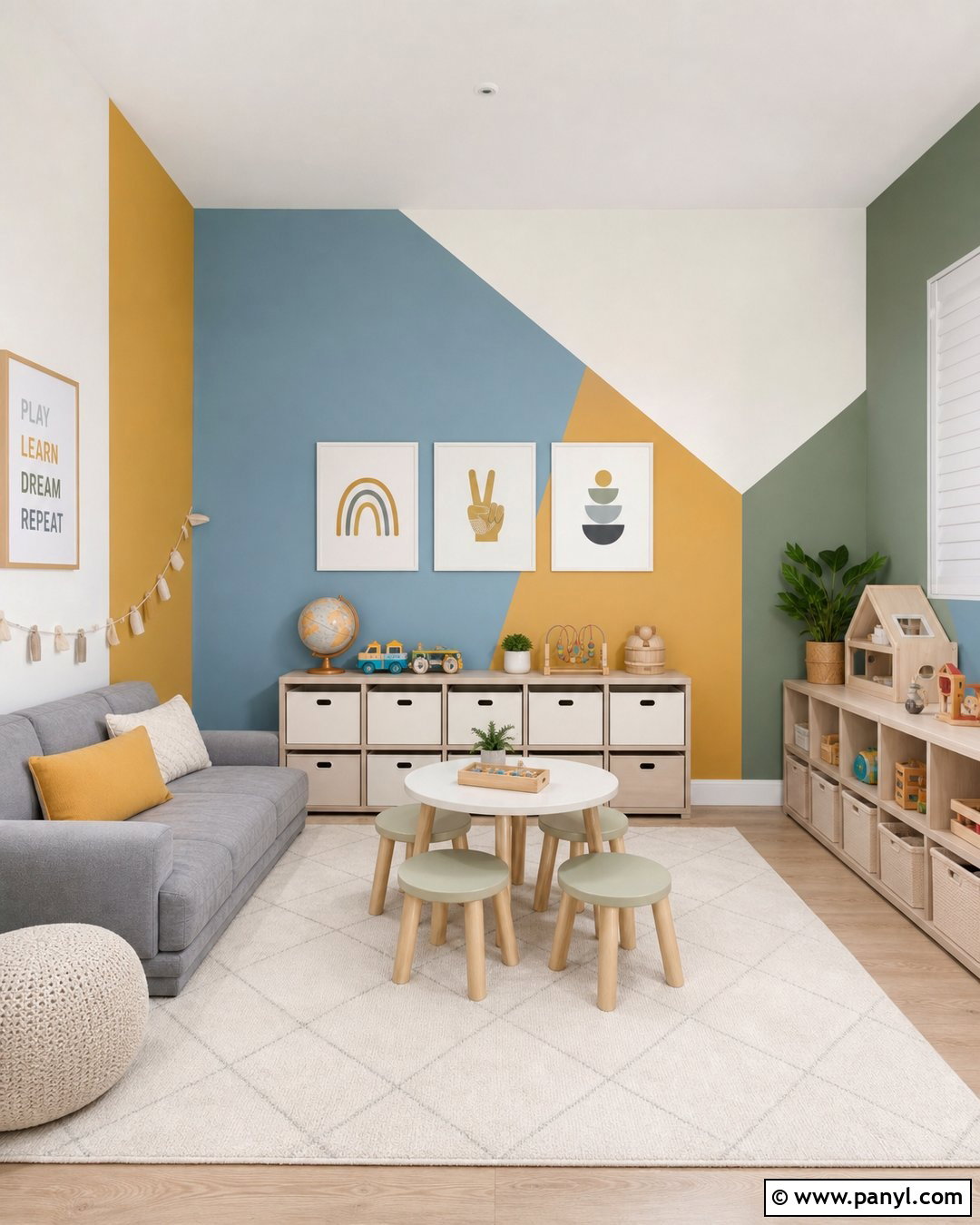
Geometric wall paint can make a playroom feel lively while still looking organized. Use large, uncomplicated blocks of muted mustard, dusty blue, sage green, and warm white instead of many small shapes. Keep the lower portion slightly darker to disguise everyday marks, with lighter colors extending toward the ceiling. Pair the painted design with pale wood storage cabinets, a cream washable rug, and a low gray sofa. Colorful bins should repeat the wall palette rather than introducing unrelated shades. Add a round activity table and simple ceiling lighting to keep the room functional. Crisp taped edges are essential for a polished result. The complete space feels playful and creative, but the restrained color selection prevents the walls from becoming chaotic or visually tiring.
21. Ombre Wall Paint
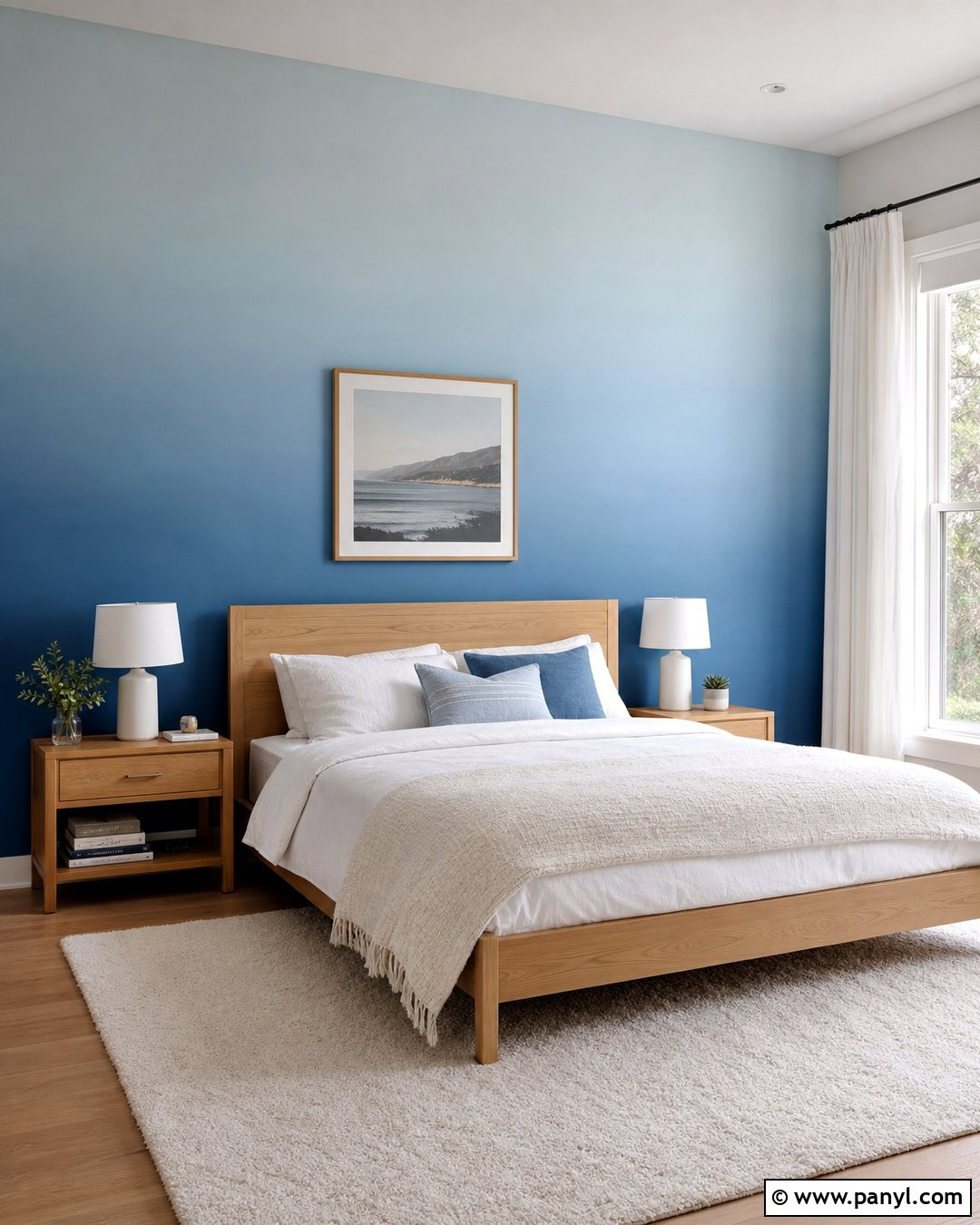
An ombre wall creates movement through a gradual transition rather than a hard line between colors. In a bedroom, begin with deep dusty blue near the floor, blend into medium blue across the center, and finish with pale sky blue near the ceiling. The effect should remain soft and slightly organic instead of perfectly striped. () Keep the remaining furnishings simple with a light oak bed, white bedding, and an ivory wool rug. Add navy pillows and a pale gray bench to echo the painted tones. Warm wood nightstands stop the blue palette from feeling cold. Use minimal artwork so the gradient remains visible. This full-room treatment creates an atmospheric background while preserving a calm, uncluttered sleeping environment.
22. Limewash Wall Paint
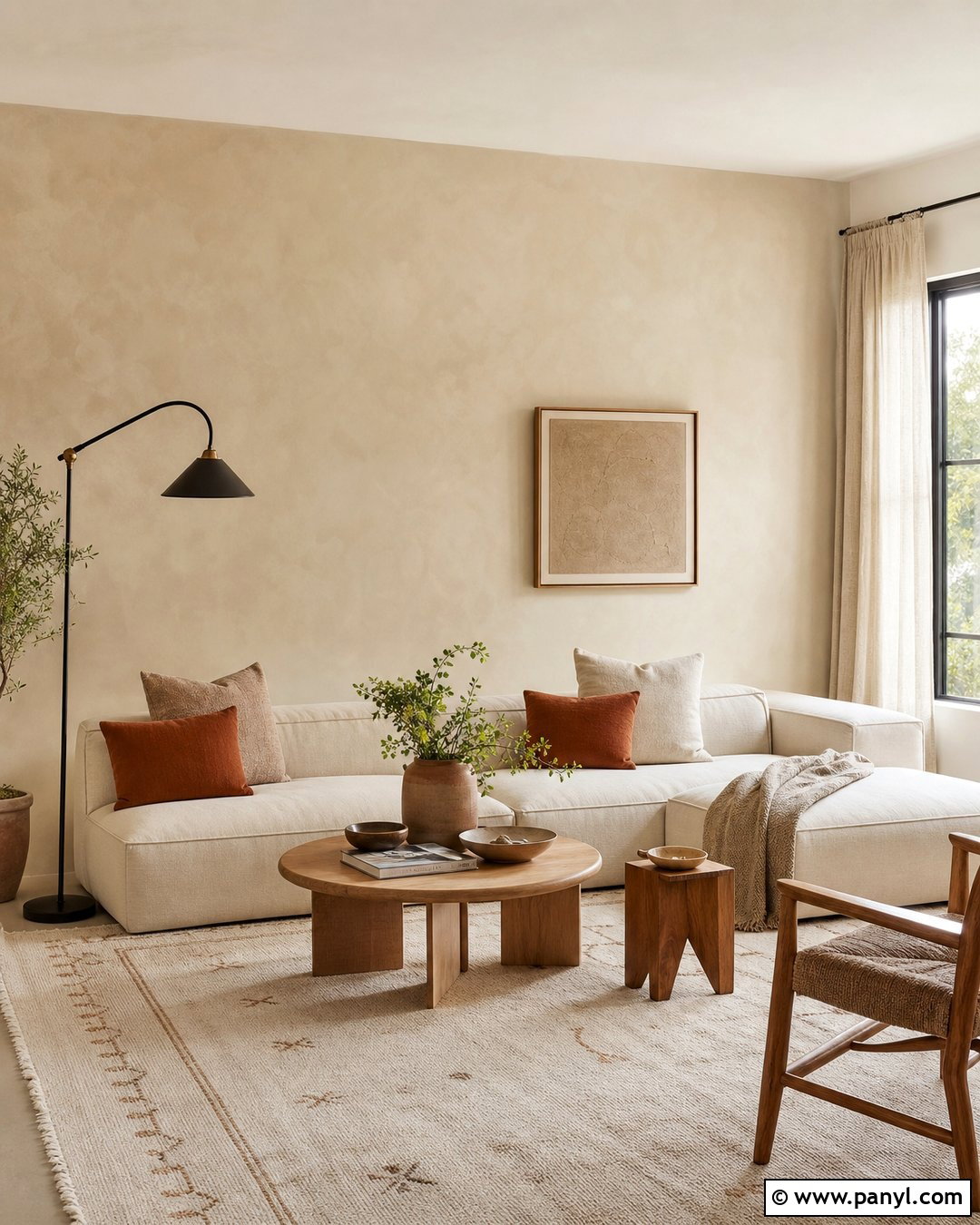
Limewash-style wall paint introduces subtle movement and depth through visible tonal variation. Use a warm beige limewash effect in a living room, applying overlapping brushwork that creates a soft, clouded finish rather than heavy texture. Pair it with a low cream sofa, pale oak tables, and a large wool rug in ivory and taupe. Linen curtains and handmade ceramic accessories reinforce the relaxed character of the walls. Add contrast through one black metal floor lamp and muted rust cushions. Keep the ceiling and trim in a coordinating warm white so the textured finish remains the main feature. This complete look suits modern, Mediterranean, and organic interiors, giving a simple neutral palette more dimension without requiring bold colors or elaborate wall decoration.
23. Vertical Stripe Wall Paint
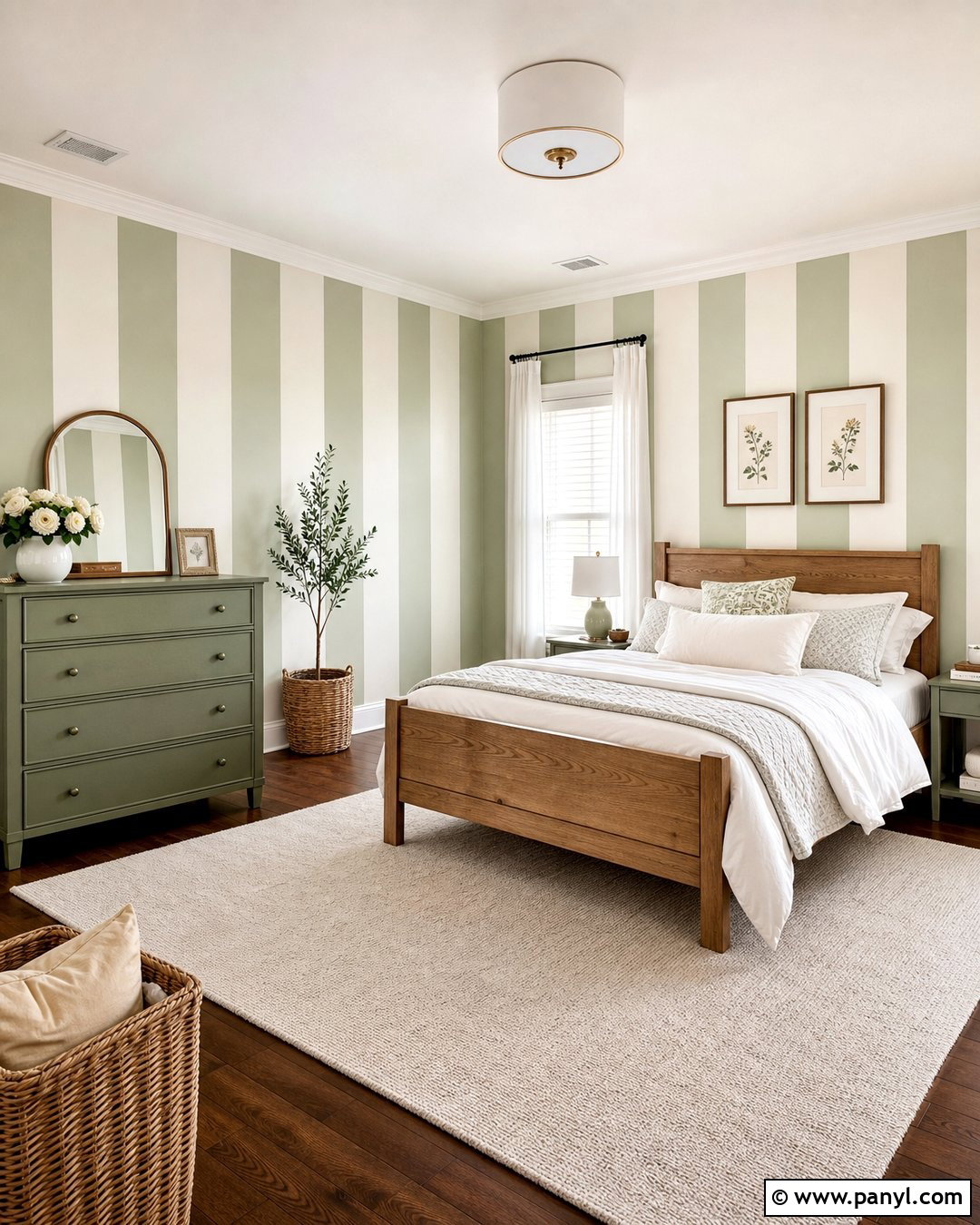
Wide vertical painted stripes can make a low-ceilinged room appear taller while adding tailored pattern. In a nursery or guest bedroom, alternate warm white and pale sage stripes of equal width across every wall. Keep the colors close in value so the pattern feels gentle rather than busy. Pair the walls with a natural oak bed or crib, an ivory rug, and simple white curtains. A muted green dresser will connect with the painted design, while woven baskets add practical storage and natural texture. Use small-scale artwork with cream matting so it remains visible against both colors. The complete room should stay restrained, with soft bedding and minimal accessories. This approach creates character while preserving a restful, adaptable environment.
24. Painted Wall Mural
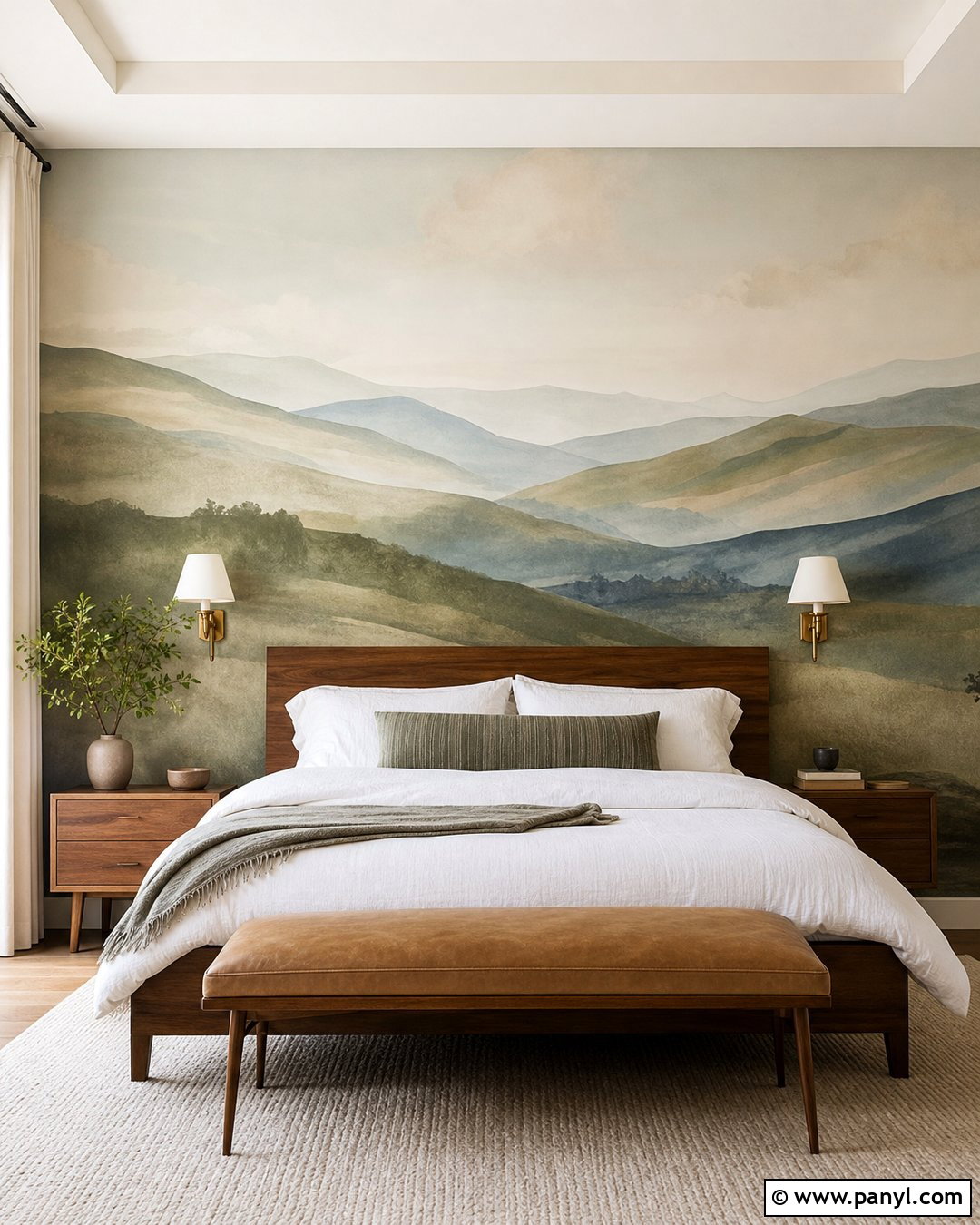
A simple landscape mural can turn a blank bedroom wall into a meaningful focal point. Paint layered rolling hills in muted sage, olive, dusty blue, and warm beige behind the bed, keeping the shapes broad and easy to recognize. Use soft cream on the other walls so the mural remains prominent. Choose a walnut bed, white bedding, and a tan upholstered bench to coordinate with the natural palette. Small brass sconces can sit within the lightest portion of the mural without disappearing. Add an ivory rug and understated linen curtains to complete the room. Avoid tiny details or complicated scenery. Large, overlapping forms are easier to paint and create a polished result that feels decorative without requiring additional artwork above the bed.
25. Black And Cream Wall Paint
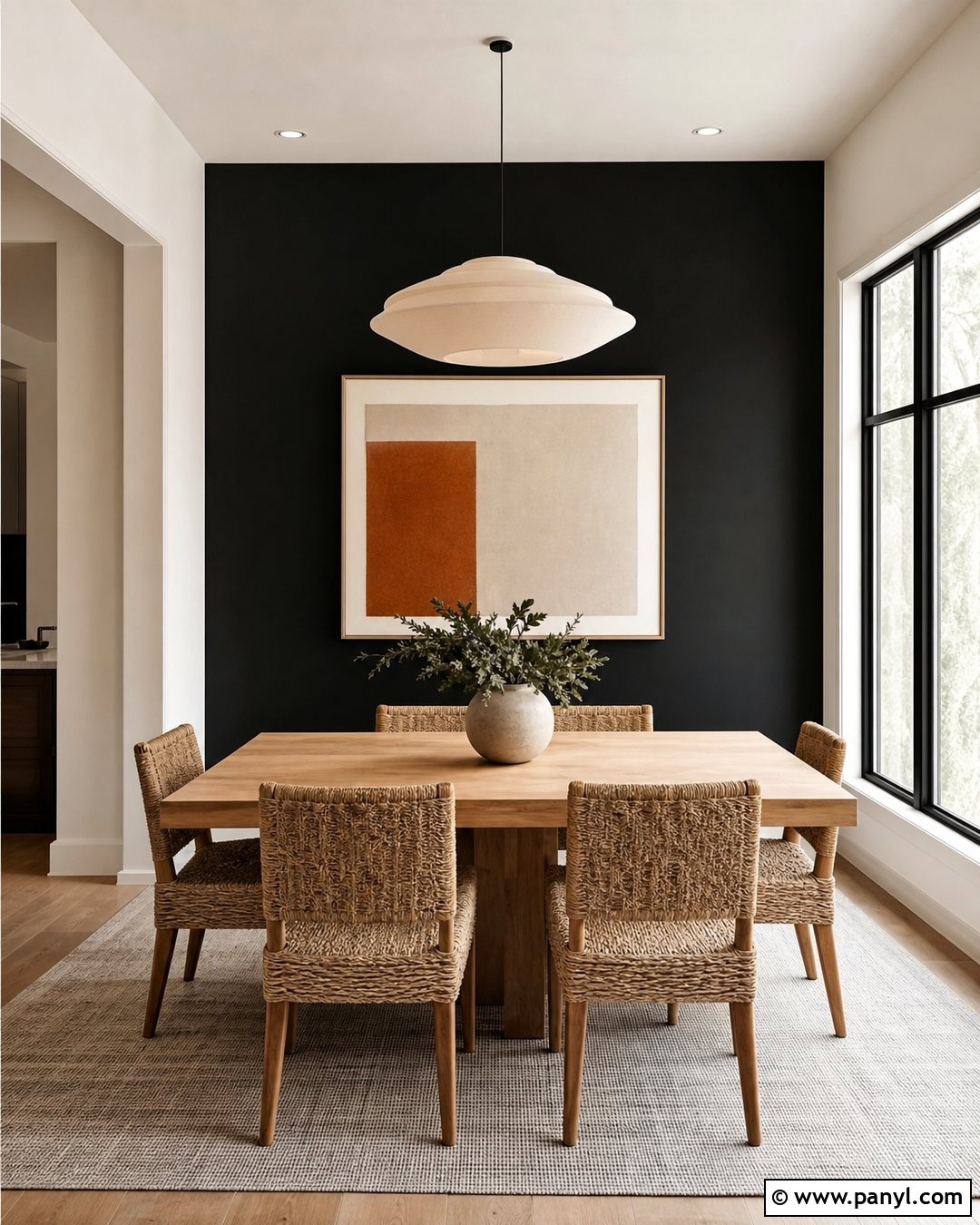
Black and cream wall paint creates strong contrast while remaining warmer than a strict black-and-white scheme. In a modern dining room, paint one long wall soft matte black and keep the surrounding walls, ceiling, and trim creamy white. Position a light oak dining table against the dark background with woven tan chairs and a sculptural cream pendant overhead. Hang large artwork with beige, rust, and charcoal tones on the black wall. A pale textured rug will brighten the floor and define the dining zone. Repeat black through narrow window frames or a slim sideboard, but avoid filling the room with dark furniture. This complete scheme feels graphic and balanced because warm wood, natural fibers, and cream surfaces soften the dramatic painted feature.
Conclusion:
The most successful wall paint ideas connect color with the room’s furniture, lighting, flooring, architecture, and purpose. Warm whites and mushroom neutrals provide flexible foundations, while sage, terracotta, navy, burgundy, and chocolate brown add personality. Painted arches, murals, stripes, gradients, and two-tone treatments can also transform plain walls without a major renovation. Before painting, compare large samples beside permanent finishes and view them throughout the day. Consider how each room connects to nearby spaces, then repeat one or two colors for a natural flow. With thoughtful testing and coordinated decor, these 25 Best Wall Paint Ideas can help you build a home that feels colorful, comfortable, and intentionally designed.

Related Ideas and Inspiration:
Leave a Reply