
Accent wall colors in 2027 are shifting toward warmer, earthier, and more expressive shades that feel connected to the rest of the room. Instead of adding a random bold wall, the strongest looks highlight architecture, frame furniture, and repeat the chosen color through textiles or decor. Forecasts point toward grounded greens, mineral reds, rich blues, warm browns, and textured neutrals, with contrast used to create personality rather than shock value. () The key is choosing a wall with a clear purpose, such as the surface behind a bed, fireplace, dining table, or built-in shelving. The following complete room schemes show practical ways to decorate with **20 Accent Wall Colors 2027**.

1. Olive Green Accent Wall
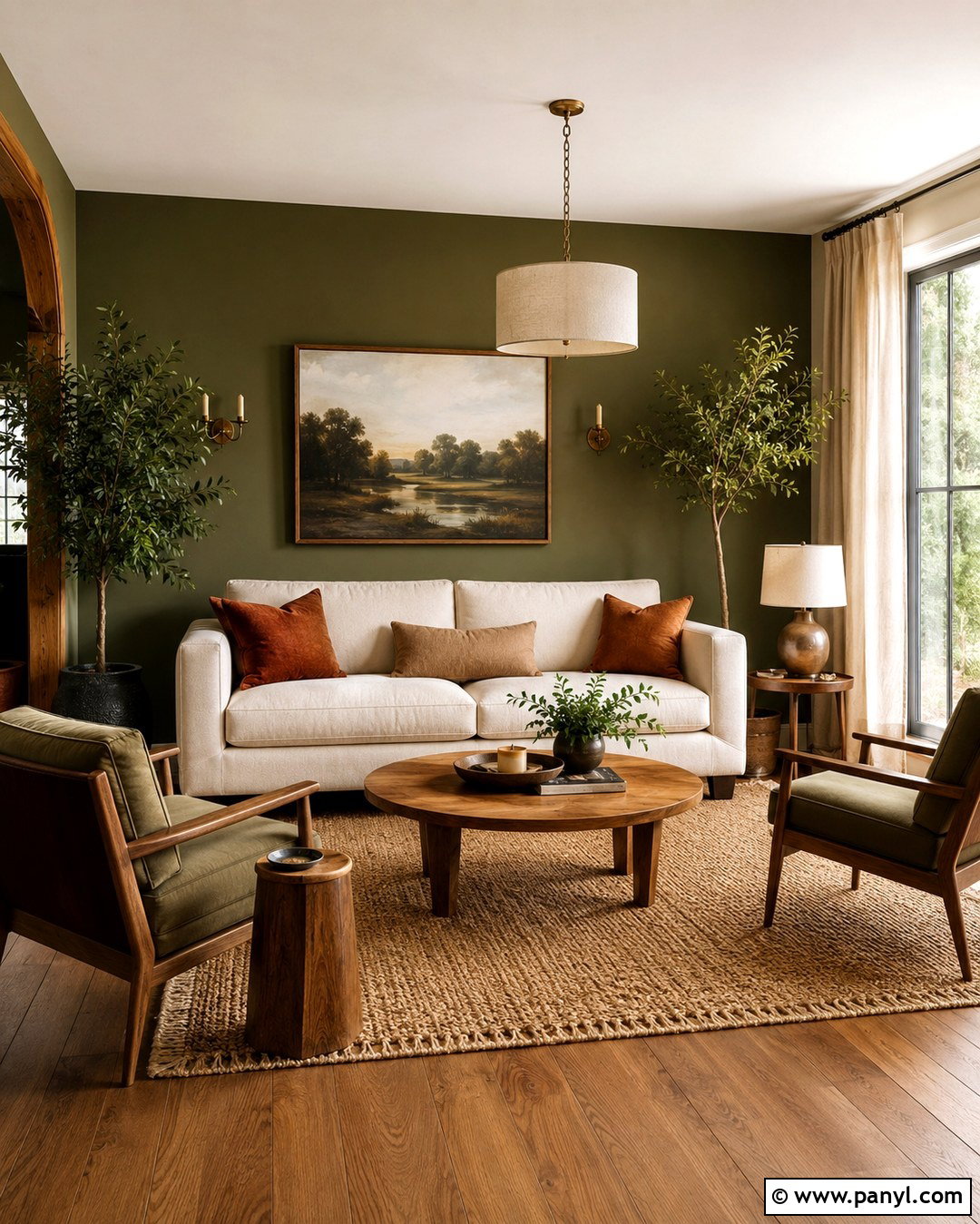
An olive green accent wall brings natural depth to a living room without feeling overly dark or dramatic. Place it behind a cream sofa so the furniture creates a clean contrast against the earthy color. Paint the remaining walls warm off-white, then introduce medium oak through a coffee table, shelving, and picture frames. A woven tan rug and linen curtains keep the space relaxed, while rust, camel, and muted gold pillows add warmth. Choose aged brass lighting instead of shiny chrome to complement olive’s yellow undertones. A few substantial plants can reinforce the organic palette, but avoid filling every corner with greenery. Finish with simple landscape artwork that includes olive, beige, and brown, helping the accent wall connect naturally with the complete room.
2. Terracotta Accent Wall
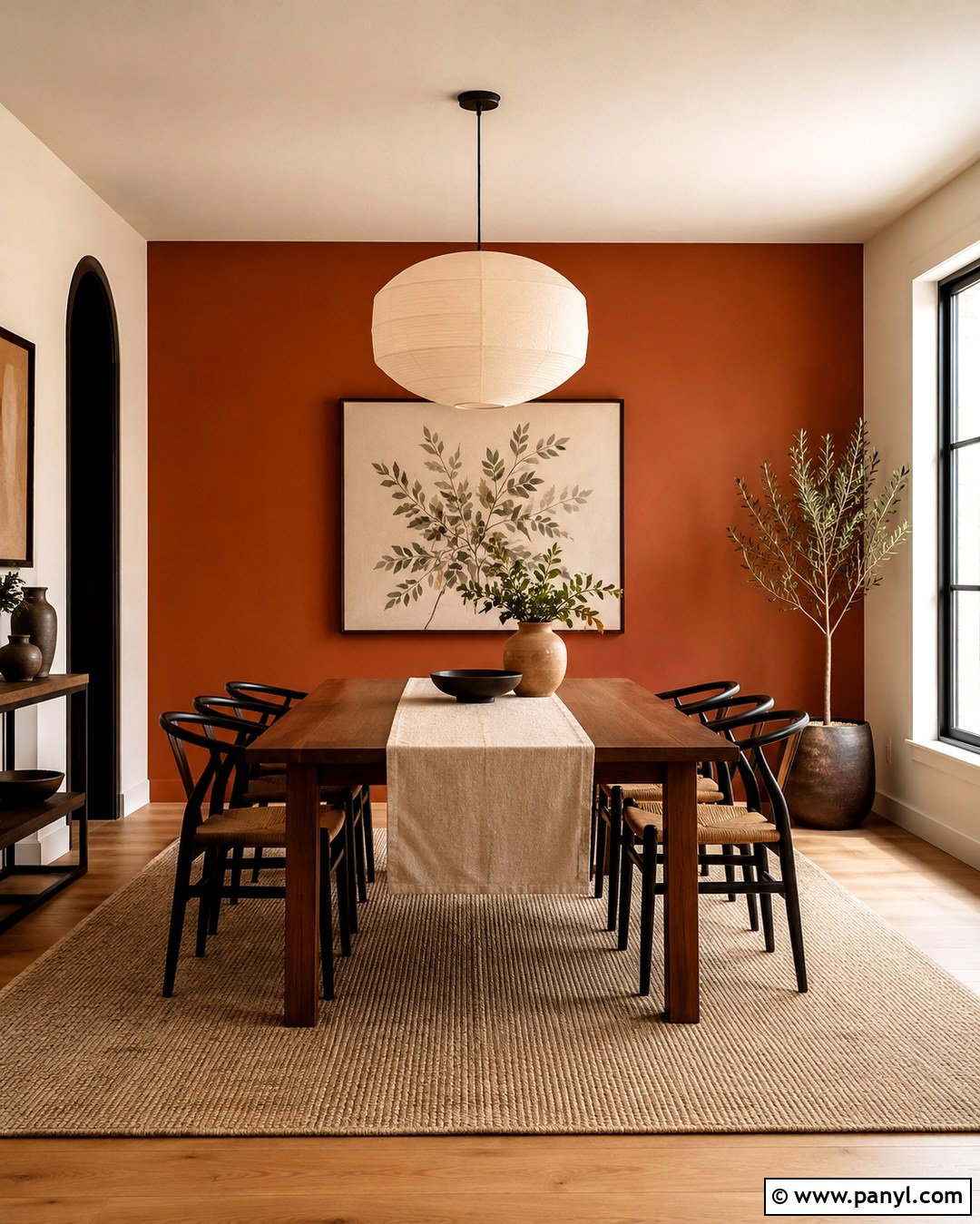
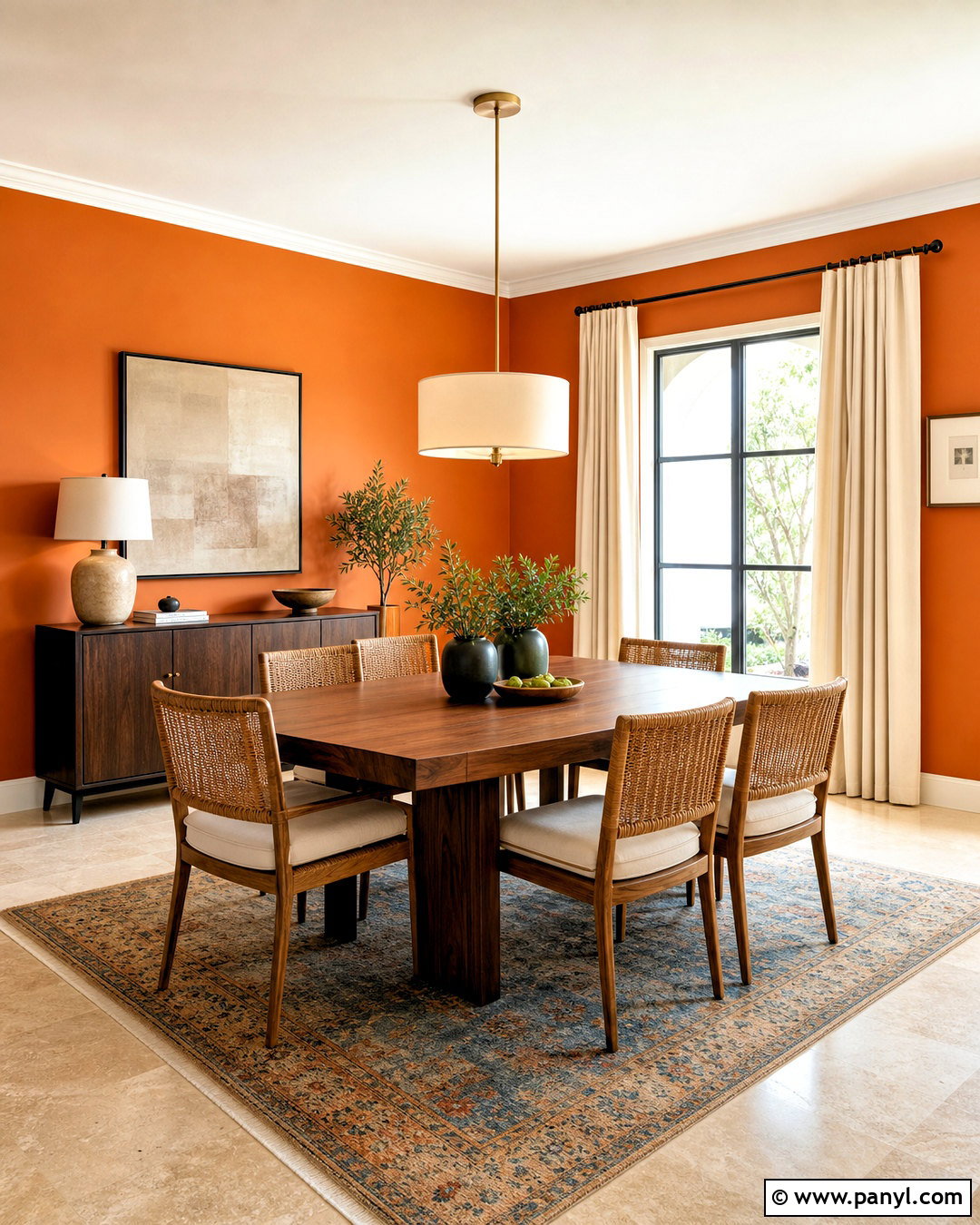
Warm and sunbaked, a terracotta accent wall can turn an ordinary dining room into an inviting gathering space. Use the color behind a solid wood dining table, preferably in walnut or medium-toned oak. Soft ivory on the surrounding walls prevents the palette from becoming heavy. Add woven dining chairs, a neutral flatweave rug, and a sculptural cream pendant light to create balanced contrast. Table linens in oatmeal, faded peach, and soft brown can repeat the wall’s warmth without looking overly coordinated. Black accents should be limited to slender chair frames or a simple curtain rod. A large ceramic vessel and understated botanical artwork complete the setting. This full scheme feels earthy and contemporary while remaining comfortable enough for everyday meals.
3. Smoky Teal Accent Wall
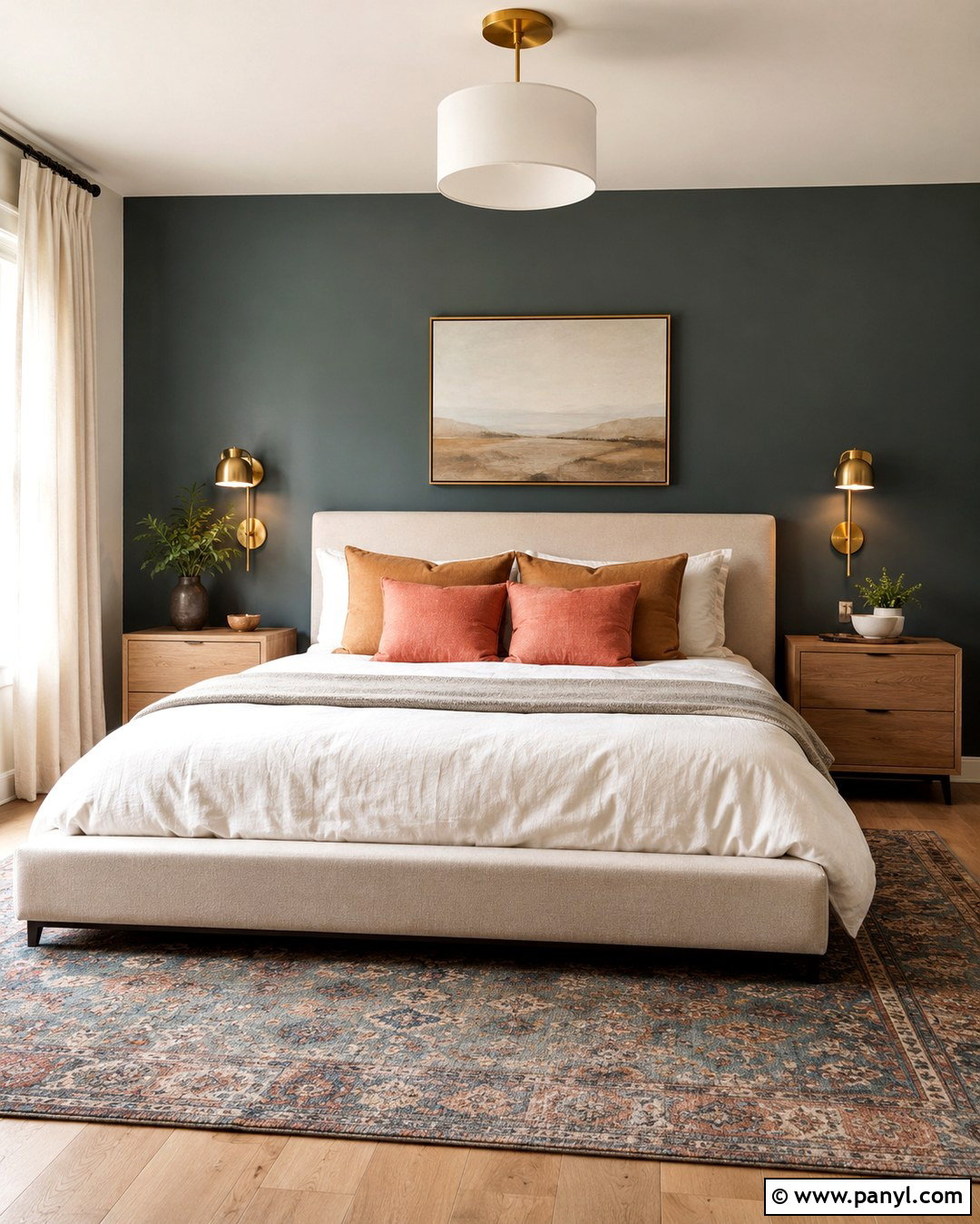
Smoky teal delivers color and sophistication while remaining calmer than a bright turquoise accent wall. It works especially well behind a bedroom headboard, where its blue-green depth creates a restful focal point. Pair it with pale warm gray walls, an upholstered oatmeal bed, and light oak nightstands. White bedding keeps the room fresh, while muted teal, warm camel, and faded coral pillows connect the furniture to the wall. Select brushed brass sconces for gentle warmth and use natural linen curtains that soften daylight. A vintage-inspired rug containing blue, beige, and rust can anchor the entire palette. Keep artwork minimal so the rich wall remains noticeable. The finished bedroom should feel layered and serene rather than coastal or overly themed.
4. Burgundy Accent Wall
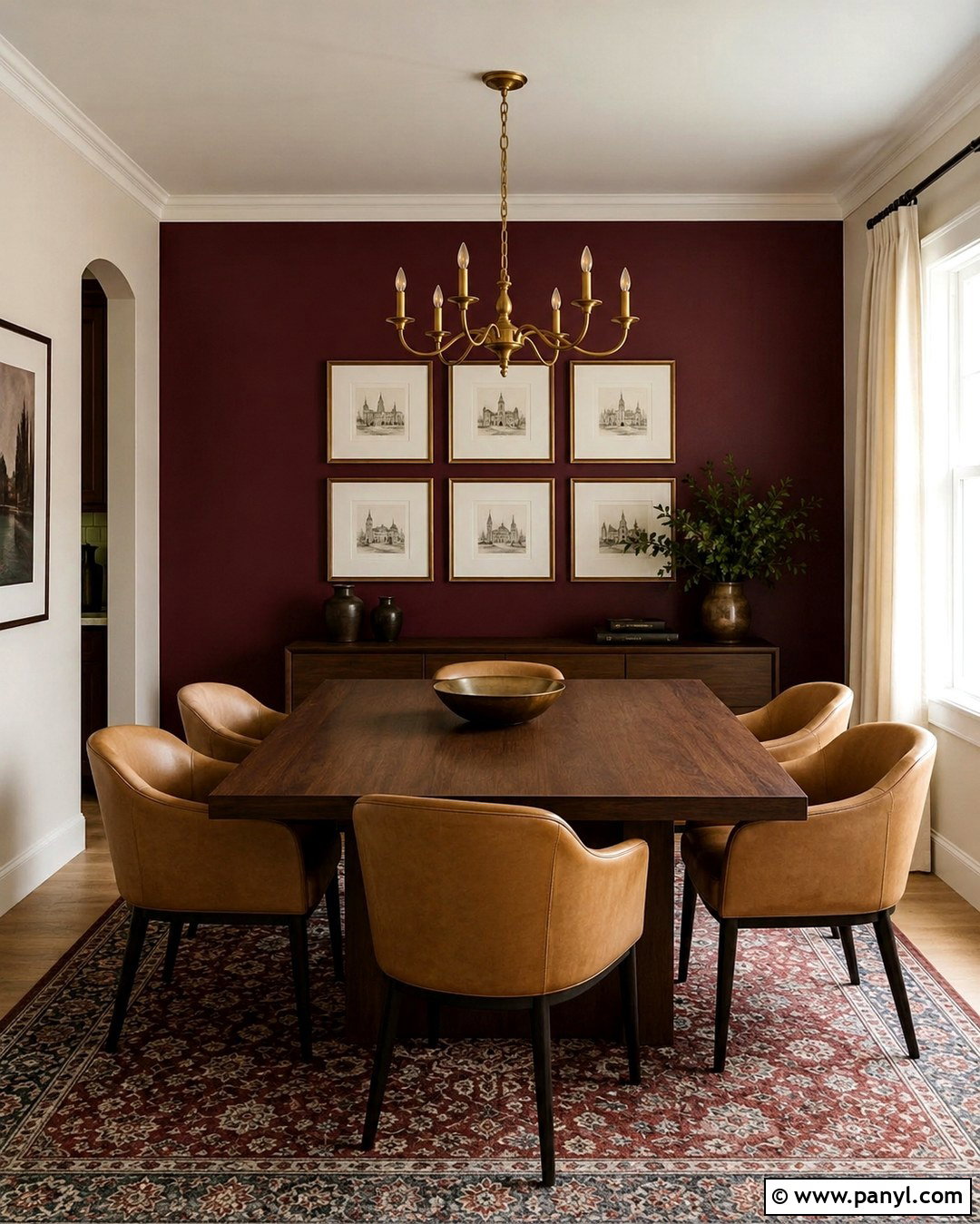
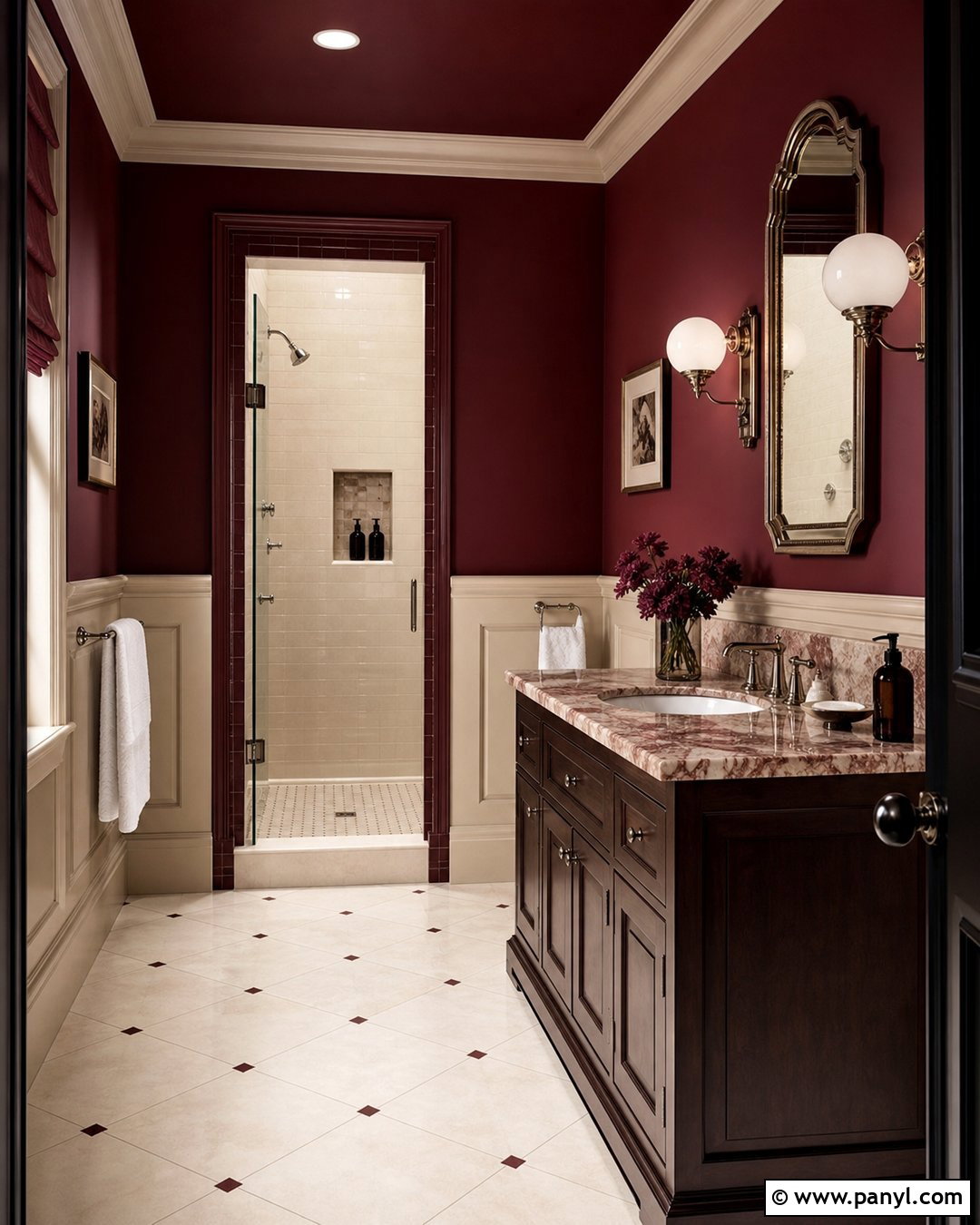
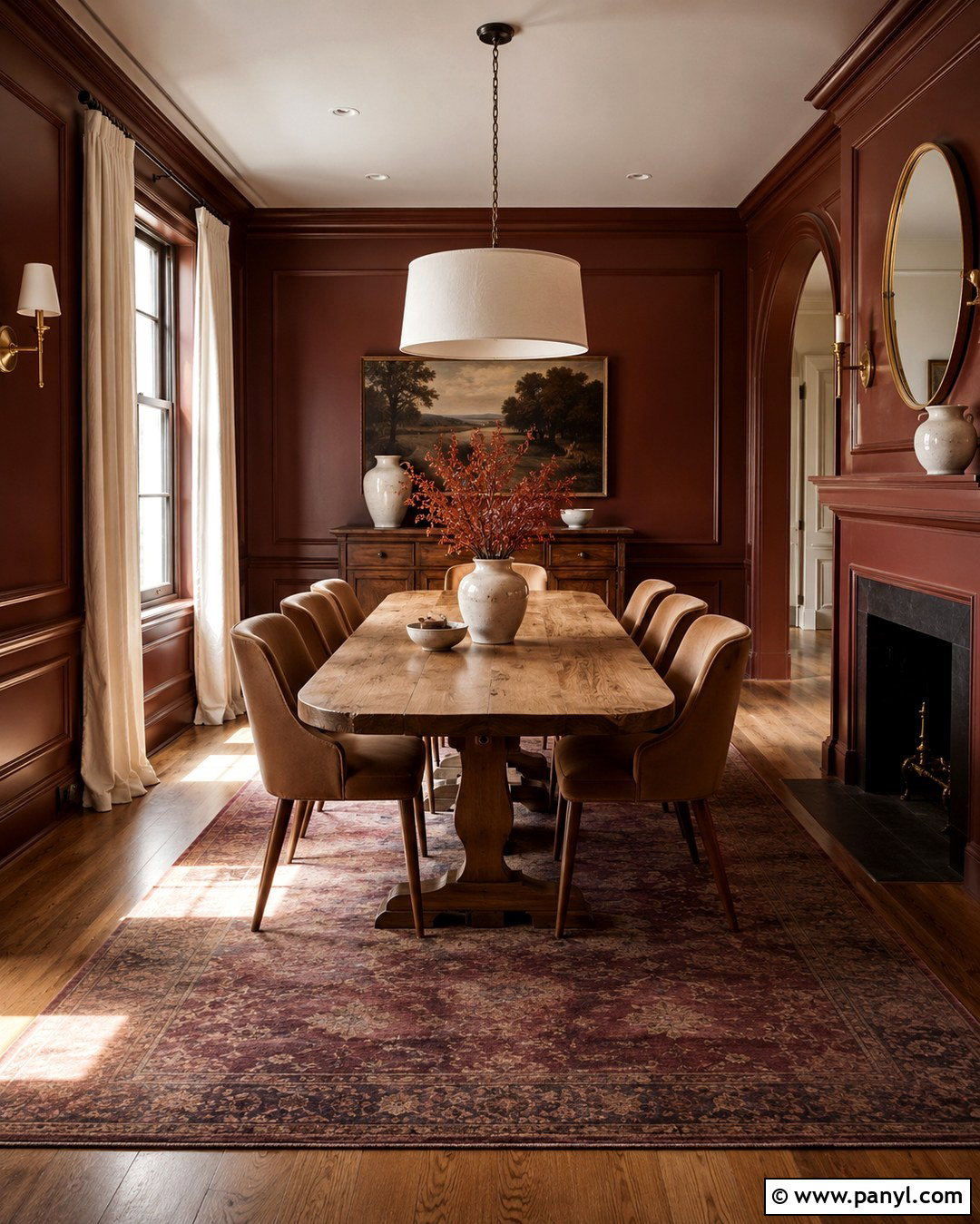
A burgundy accent wall gives a dining room or library a rich, tailored appearance. Choose the wall with built-in shelves, a centered console, or a symmetrical pair of windows so the saturated shade feels deliberate. Paint the other walls a creamy beige and use walnut furniture to enhance the color’s warm red undertones. Upholstered dining chairs in camel or mushroom provide a softer bridge between dark and light surfaces. Add aged brass lighting, ivory curtains, and a patterned rug containing burgundy, brown, and muted blue. Artwork with generous cream matting prevents the wall from looking crowded. Because burgundy already carries visual weight, keep accessories substantial but limited. The result is an intimate, polished room that feels colorful without becoming loud or formal.
5. Inky Blue Accent Wall
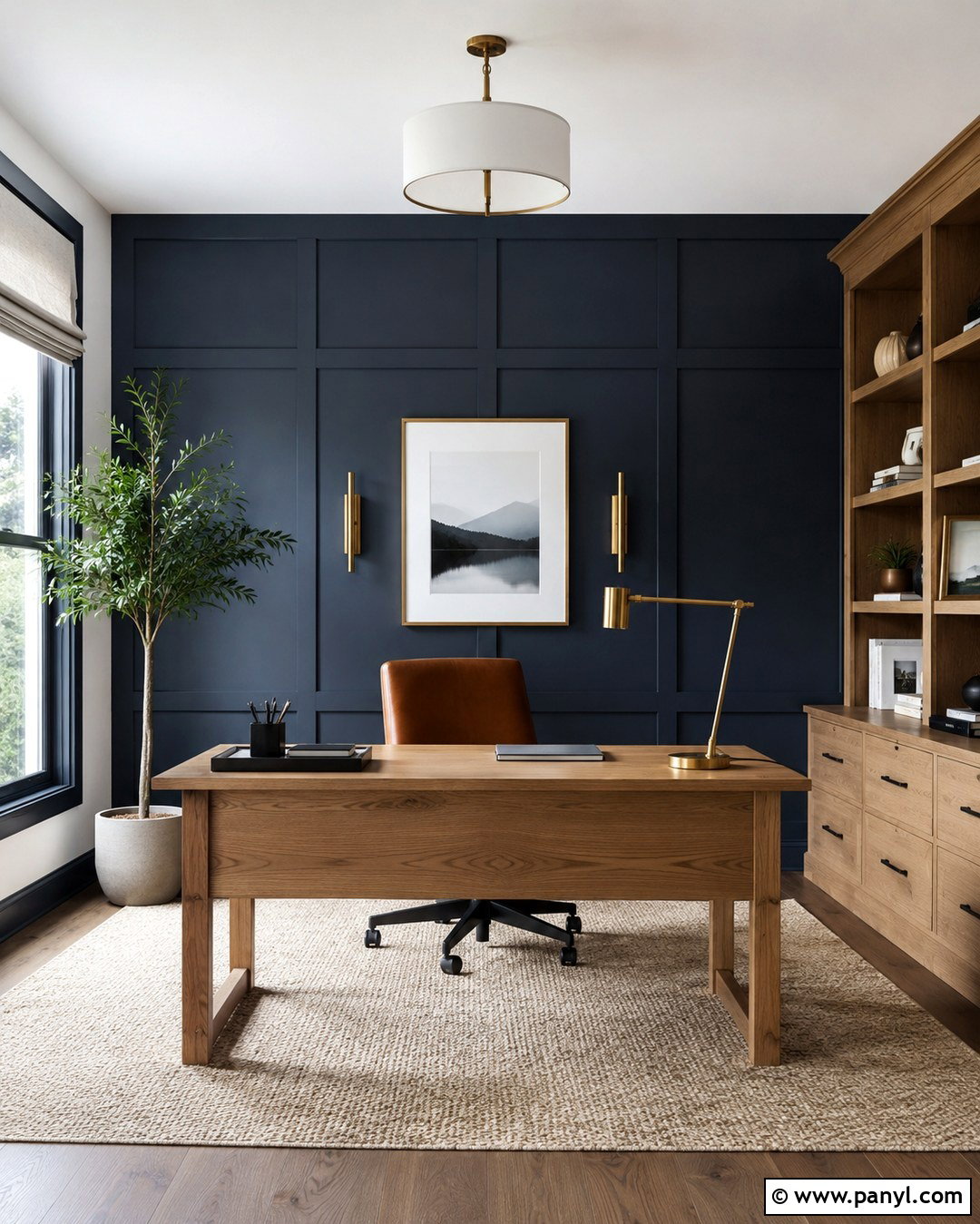
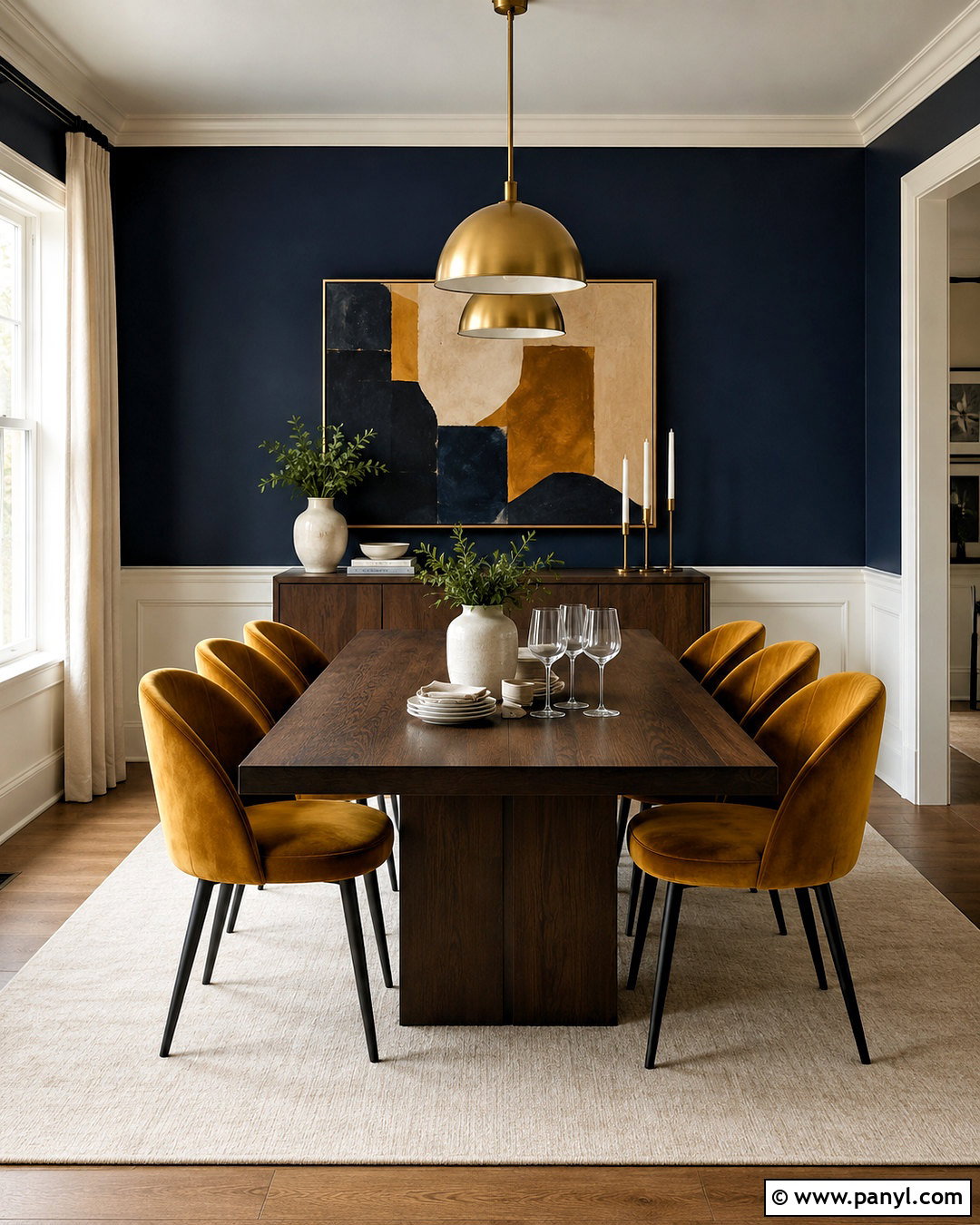
An inky blue accent wall creates a strong focal point while offering more color than black or charcoal. In a home office, place it behind the desk or built-in shelving to establish a composed background. Use warm white on adjacent walls and bring in a streamlined oak desk to brighten the darker surface. A cognac leather chair, ivory wool rug, and natural linen shade add warmth and texture. Repeat the blue through one ceramic lamp or a small detail in the artwork rather than covering the room with matching accessories. Matte black hardware can sharpen the scheme, while brushed brass adds a softer alternative. Include concealed storage to control clutter. This balanced office feels focused, modern, and comfortable during long working sessions.
6. Chocolate Brown Accent Wall
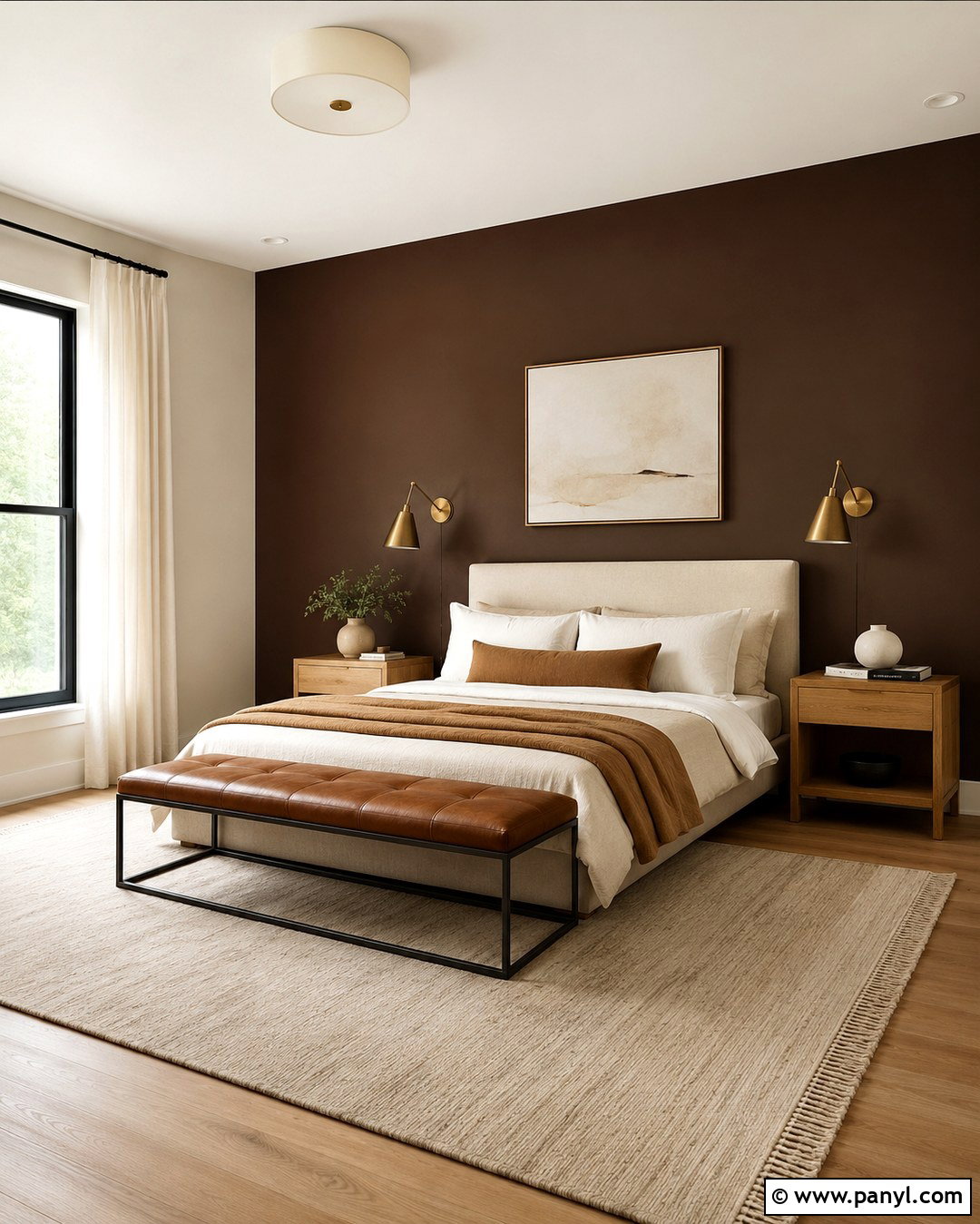
Chocolate brown makes a bedroom feel grounded, cozy, and surprisingly modern when balanced with lighter materials. Apply it behind a low, upholstered bed and keep the surrounding walls a warm creamy white. Choose bedding in flax, ivory, and soft caramel, layering cotton, linen, and boucle for subtle variation. Light oak nightstands prevent the dark brown wall from dominating the space, while antique brass lamps provide a gentle glow. A large neutral rug can brighten dark flooring and visually frame the bed. Add one bench in cognac leather or warm tan fabric for a tonal finish. Avoid stark white furniture, which may create excessive contrast. The complete palette should resemble natural wood, coffee, and linen, producing an understated retreat with lasting appeal.
7. Mustard Ochre Accent Wall
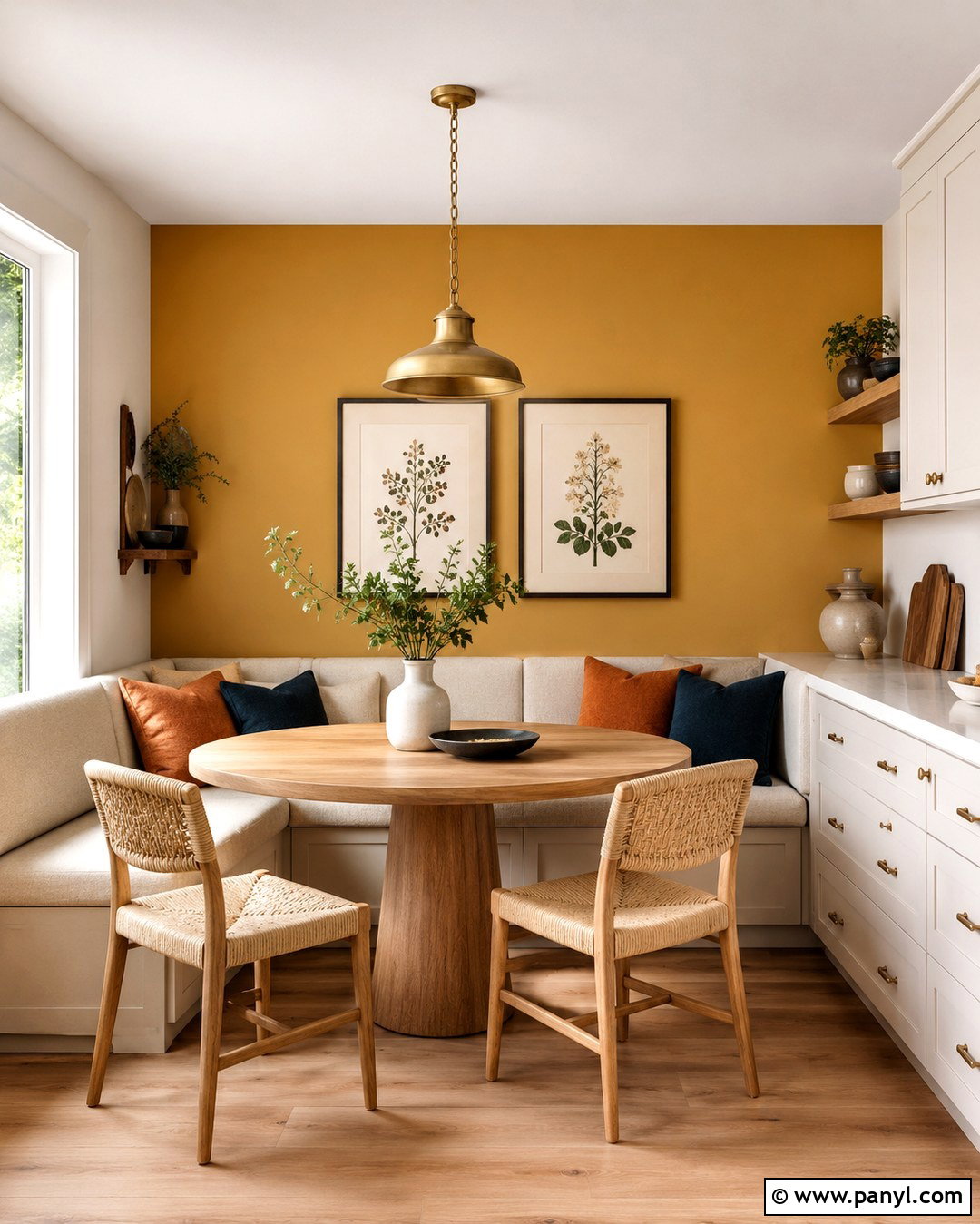
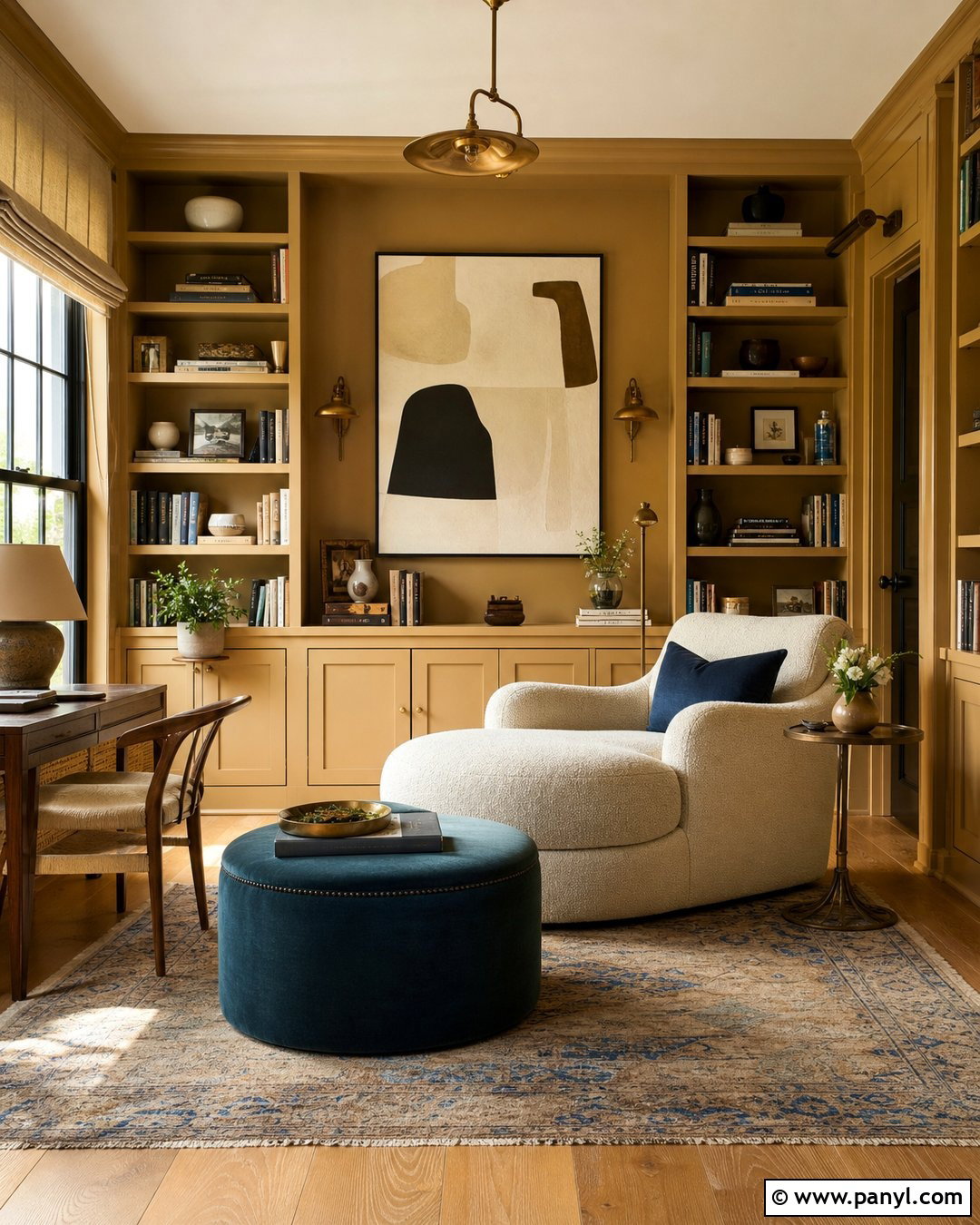
A mustard ochre accent wall can energize a breakfast nook, kitchen dining area, or compact family room. Its golden warmth looks especially appealing beside creamy cabinetry, white oak furniture, and natural woven textures. Use the color on the wall behind a banquette, then upholster the seating in oatmeal or warm gray fabric. Add pillows in deep blue, rust, and ivory to balance the yellow undertone. A round wood table makes the arrangement feel welcoming and improves movement in a smaller space. Choose simple black or aged brass lighting for definition. Botanical prints and handmade ceramics can support the casual character without turning the room rustic. The finished space feels sunny throughout the year, even when natural light is limited.
8. Aubergine Accent Wall
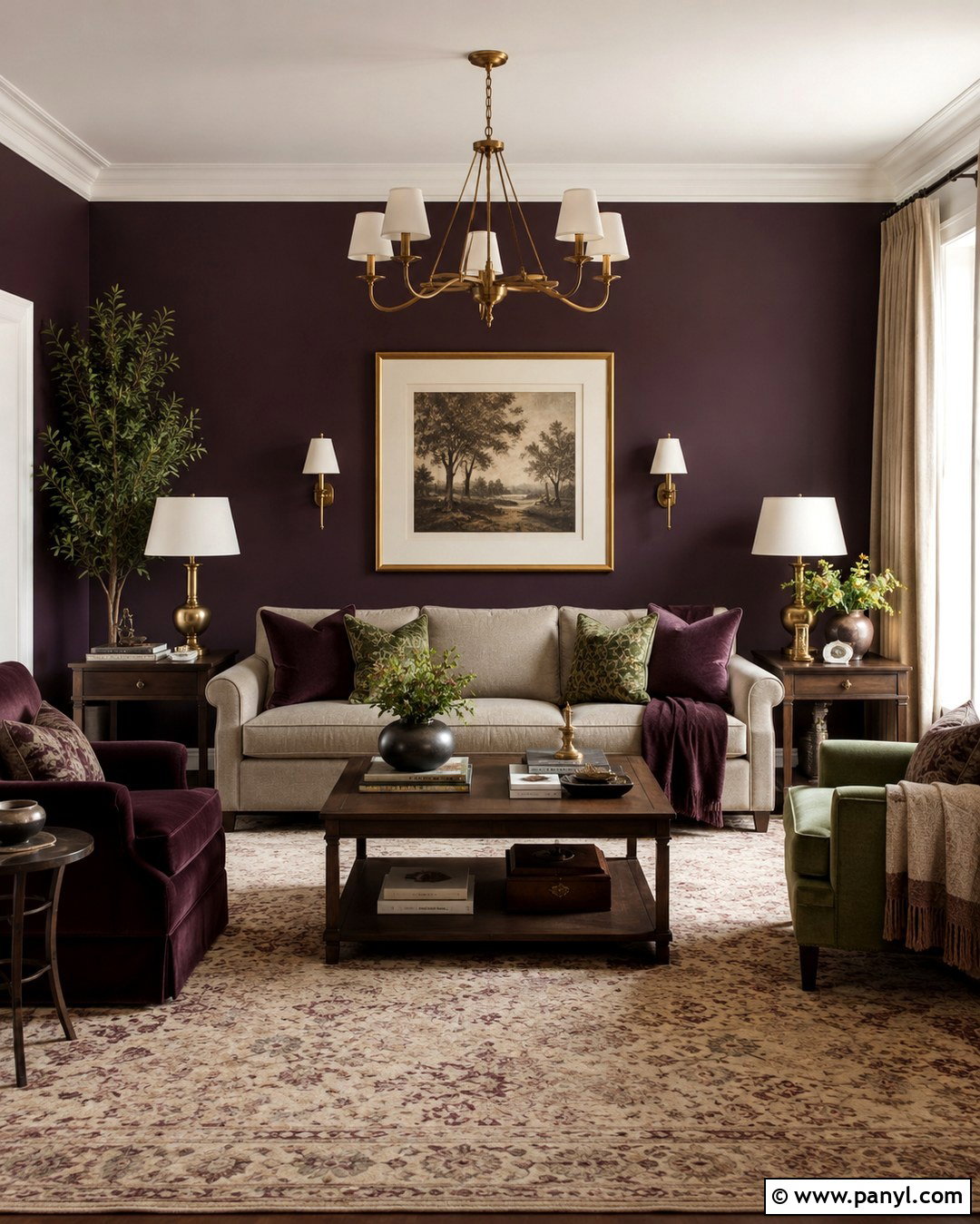
Deep aubergine offers a sophisticated alternative to navy in a living room, bedroom, or reading space. Use it on a wall with a fireplace or centered sofa so the dramatic color follows an existing focal point. Surrounding walls in pale mushroom will soften the contrast more effectively than crisp white. Pair the wall with taupe upholstery, dark wood tables, and a rug featuring plum, beige, and muted green. Antique brass or bronze lighting brings out aubergine’s warmer qualities. Add velvet sparingly through one chair or a pair of cushions, then balance that richness with linen curtains and matte ceramic decor. Large-scale artwork with cream matting keeps the wall from appearing too enclosed. The result feels intimate, layered, and confidently colorful.
9. Rust Red Accent Wall
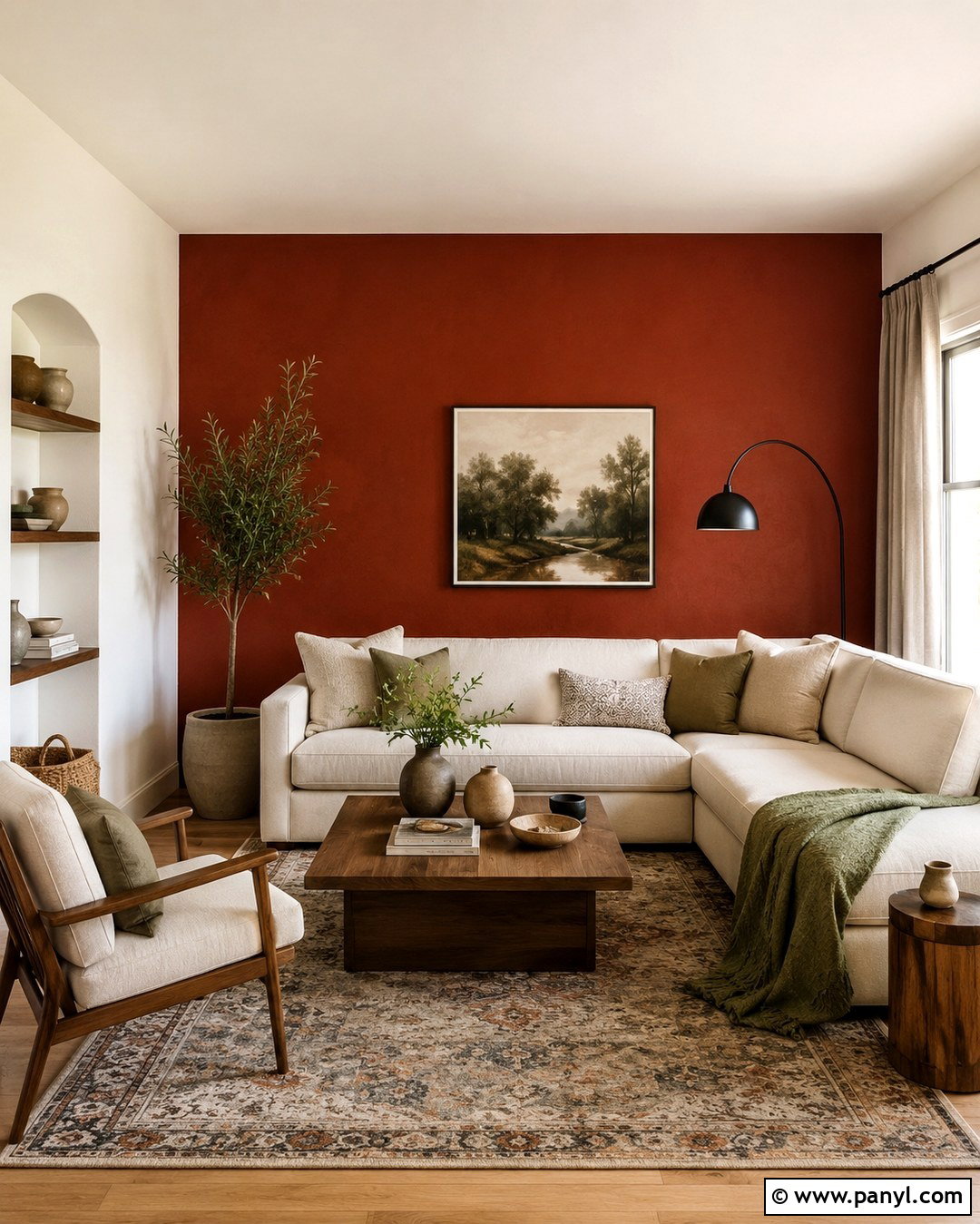
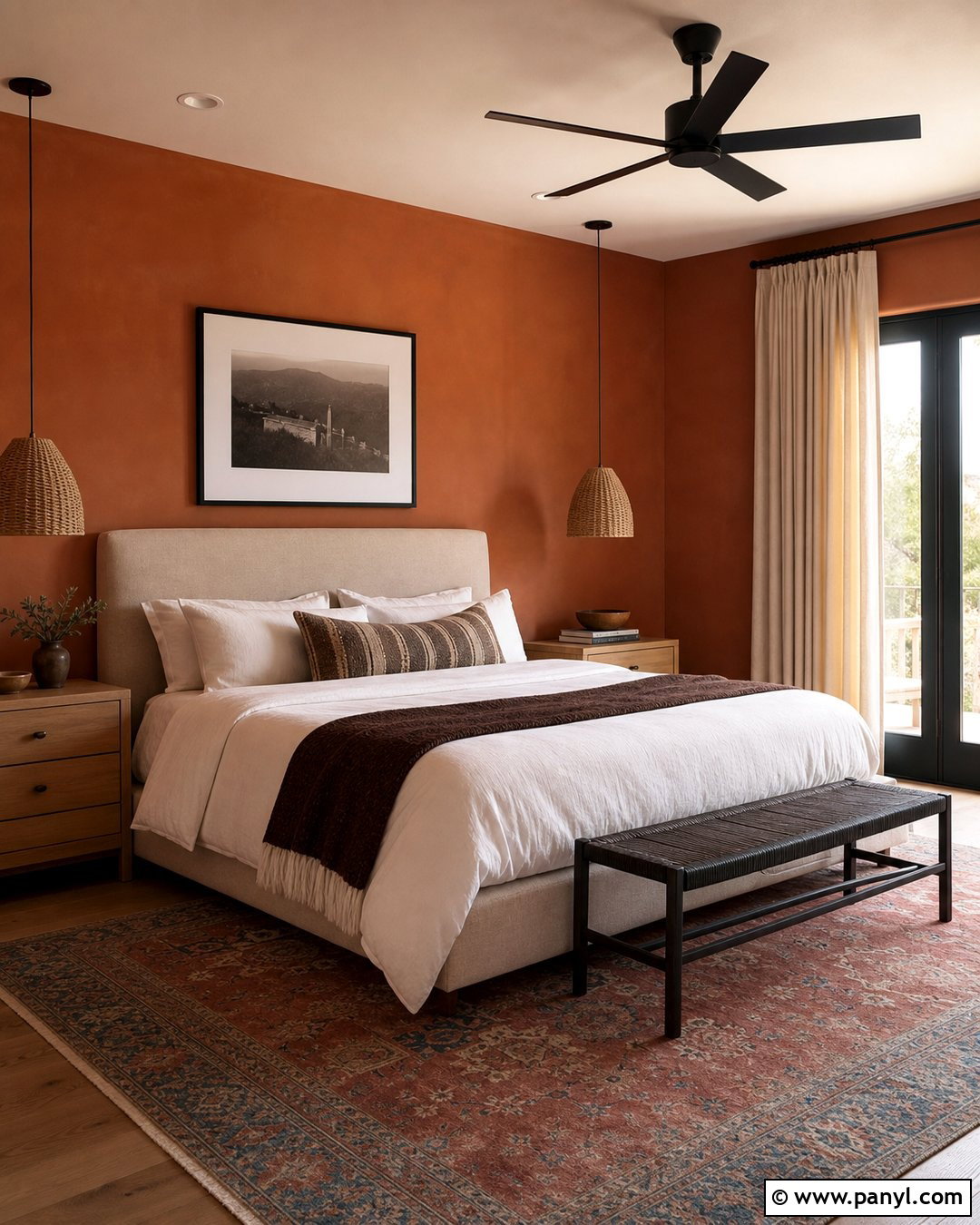
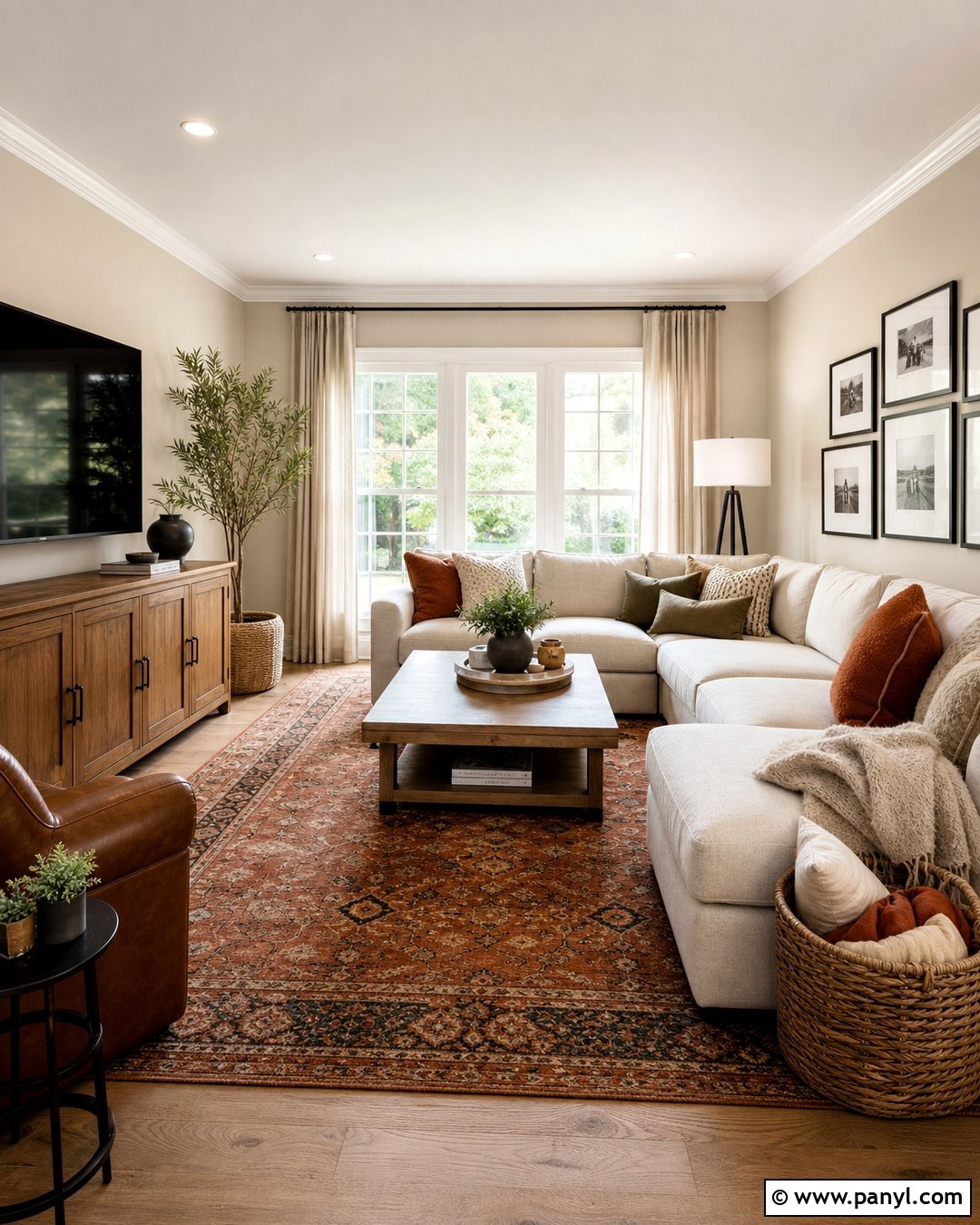
Rust red combines the energy of red with the warmth and versatility of an earth tone. In a living room, paint the wall behind a beige sectional and repeat the shade through one patterned rug or a few small textile details. Keep adjacent walls soft ivory and introduce walnut or dark oak furniture for a grounded foundation. Pillows in olive, tan, and cream create a nature-inspired palette that feels cohesive rather than seasonal. A black metal floor lamp can provide a clean modern line, while handmade pottery adds softer shapes. Use light curtains to maintain brightness and prevent the rust wall from making the room feel enclosed. This complete arrangement works particularly well in spaces with abundant daylight, natural flooring, and simple architectural details.
10. Forest Green Accent Wall
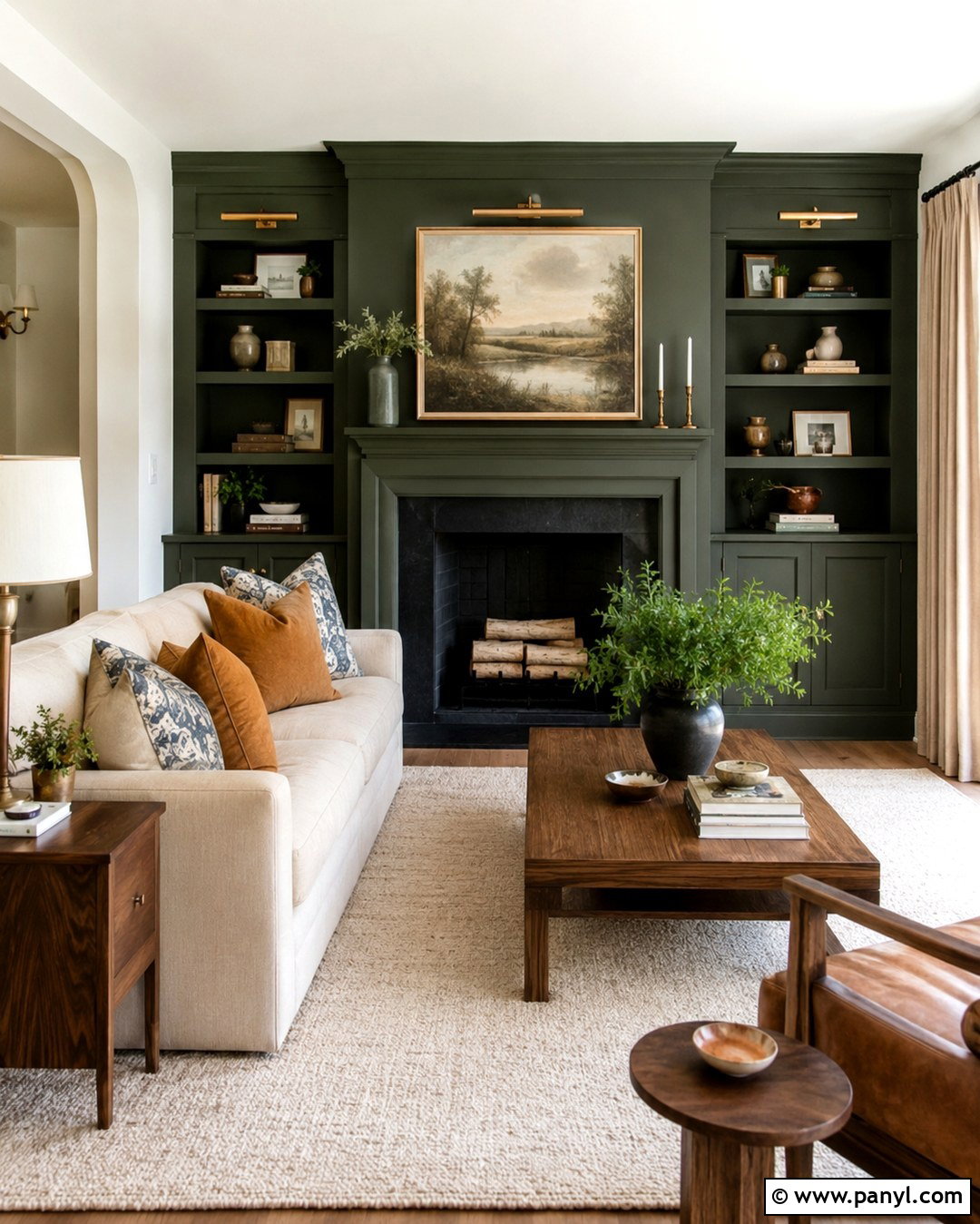
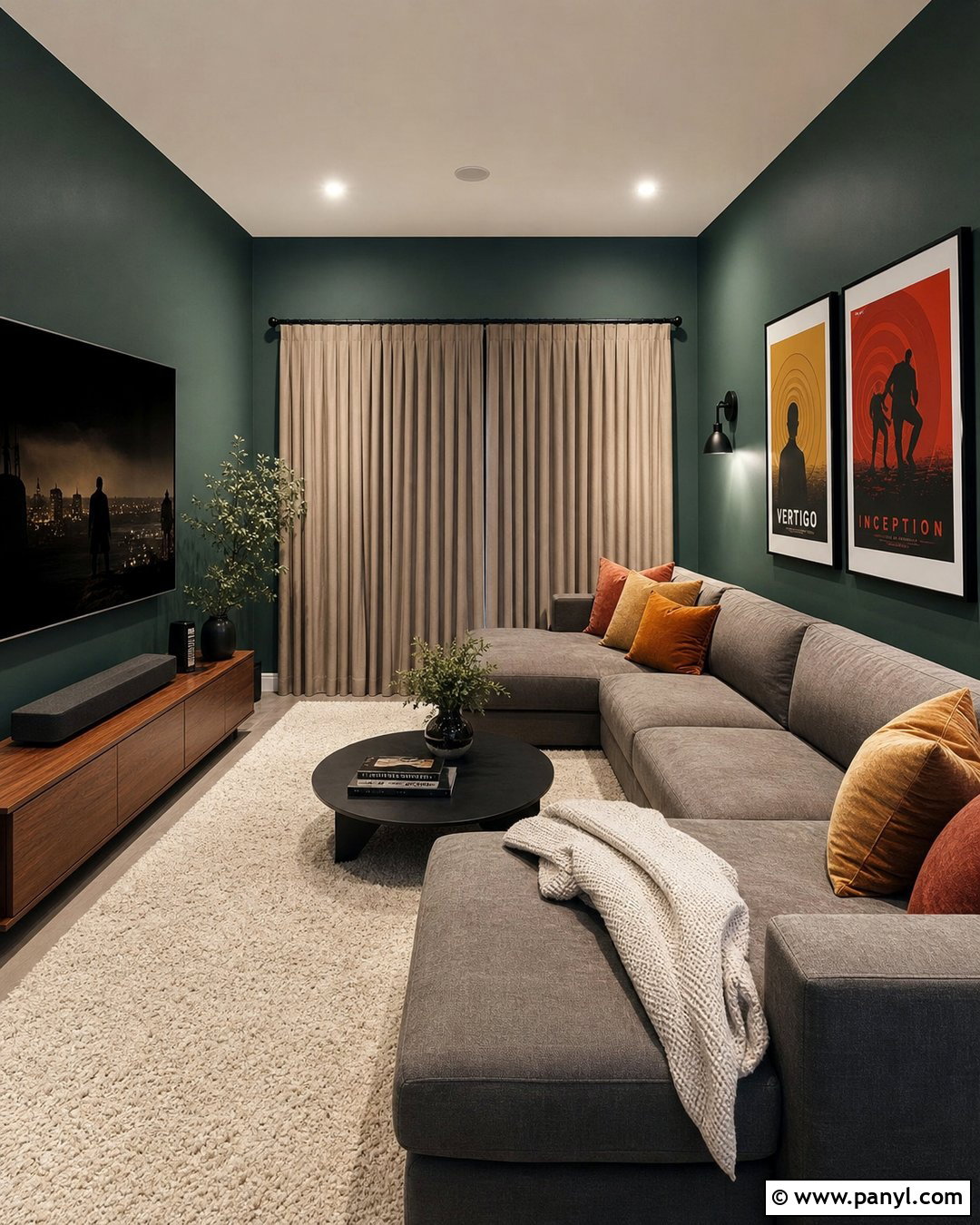
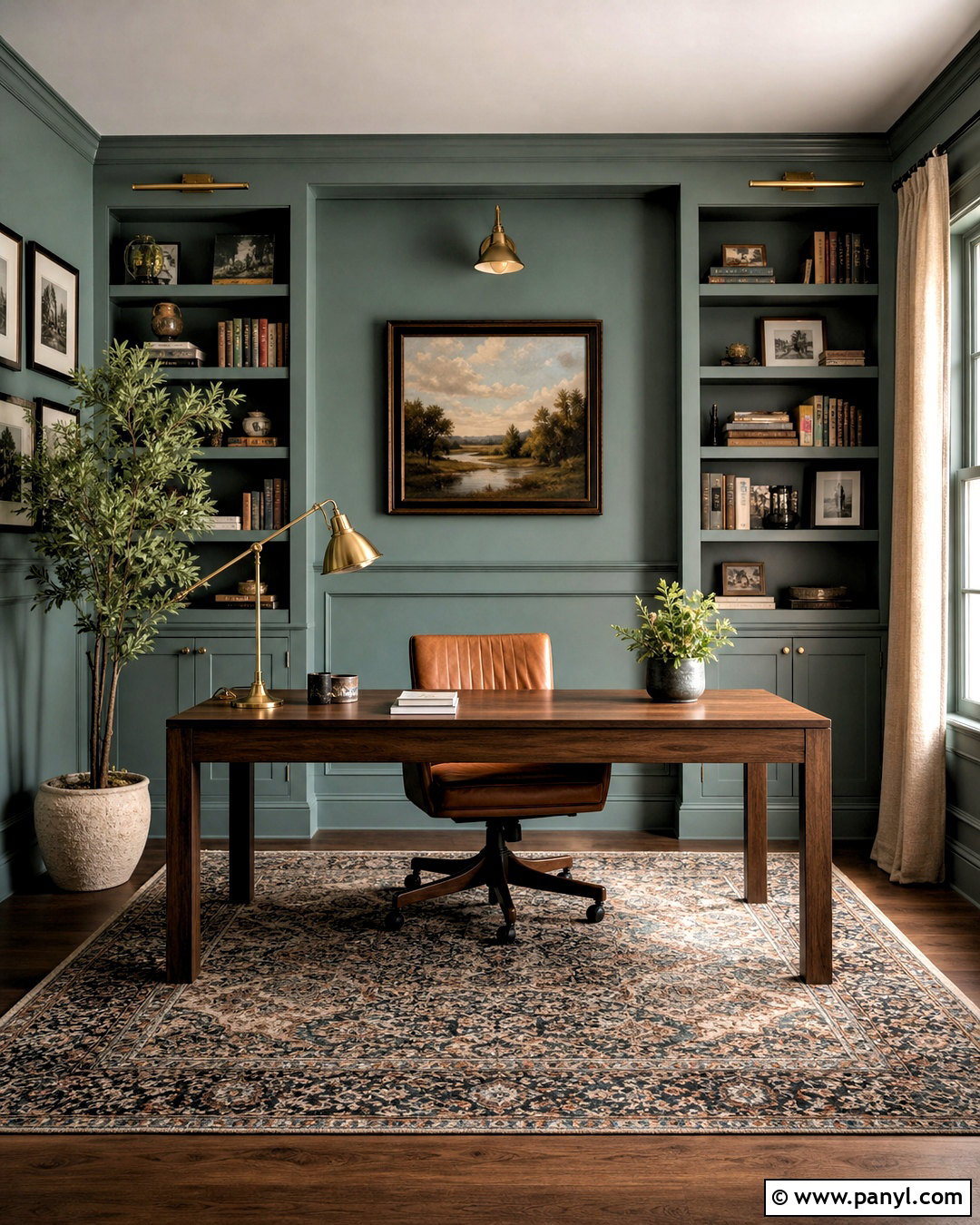
Forest green can make a fireplace wall feel architectural, even when the room has relatively simple finishes. Paint the entire fireplace surface, including shallow built-ins or wall trim, in the same deep green for a unified statement. Use warm white elsewhere and select a light beige sofa to provide contrast. Walnut tables, brass picture lights, and a cream wool rug support the traditional depth of the color while maintaining a current appearance. Introduce patterned pillows in green, dusty blue, and camel, but leave some upholstery solid for visual rest. A substantial mirror or one large piece of artwork is more effective than numerous small decorations. This scheme creates a comfortable living room that feels connected to nature without relying on a heavily botanical theme.
11. Warm Charcoal Accent Wall
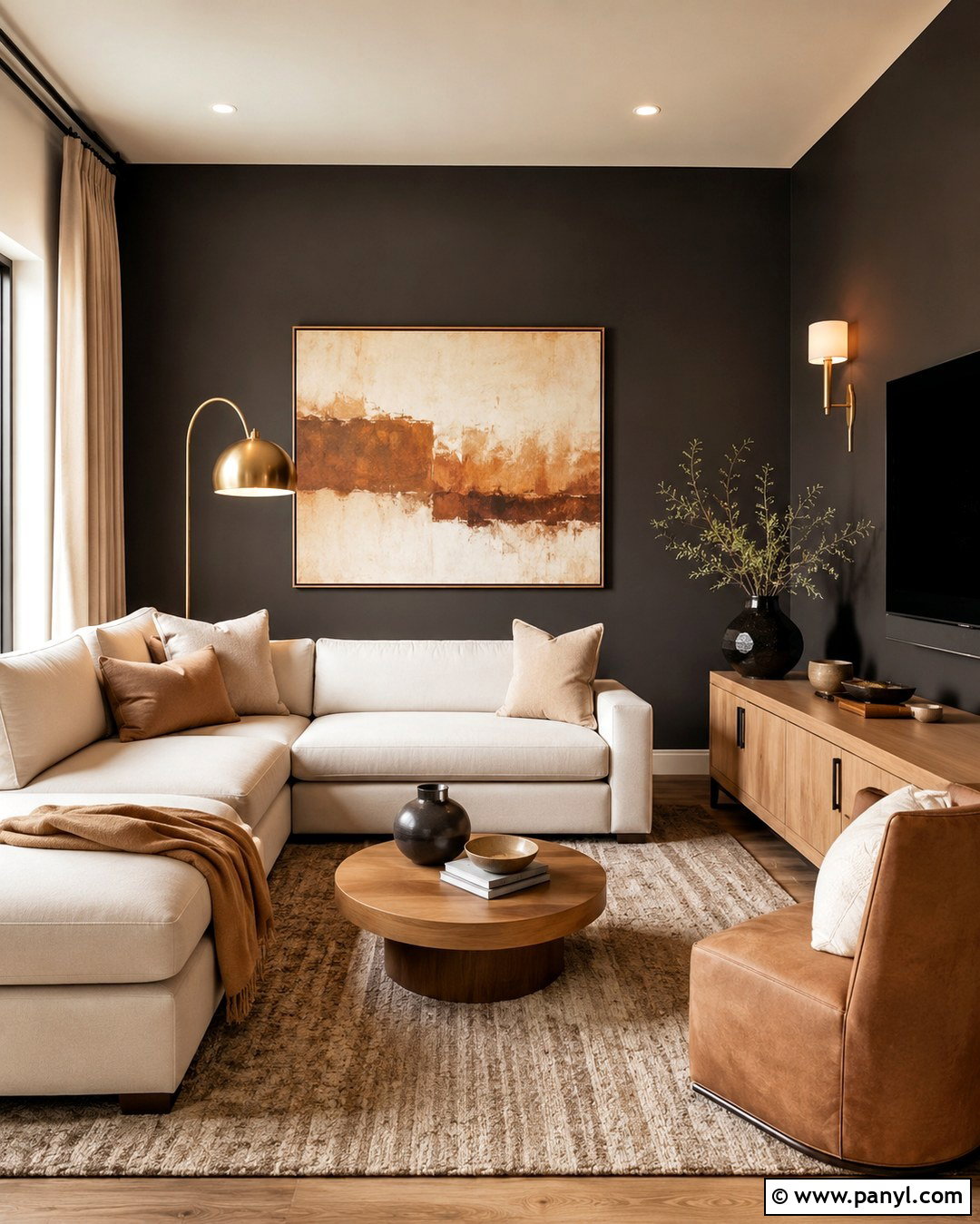
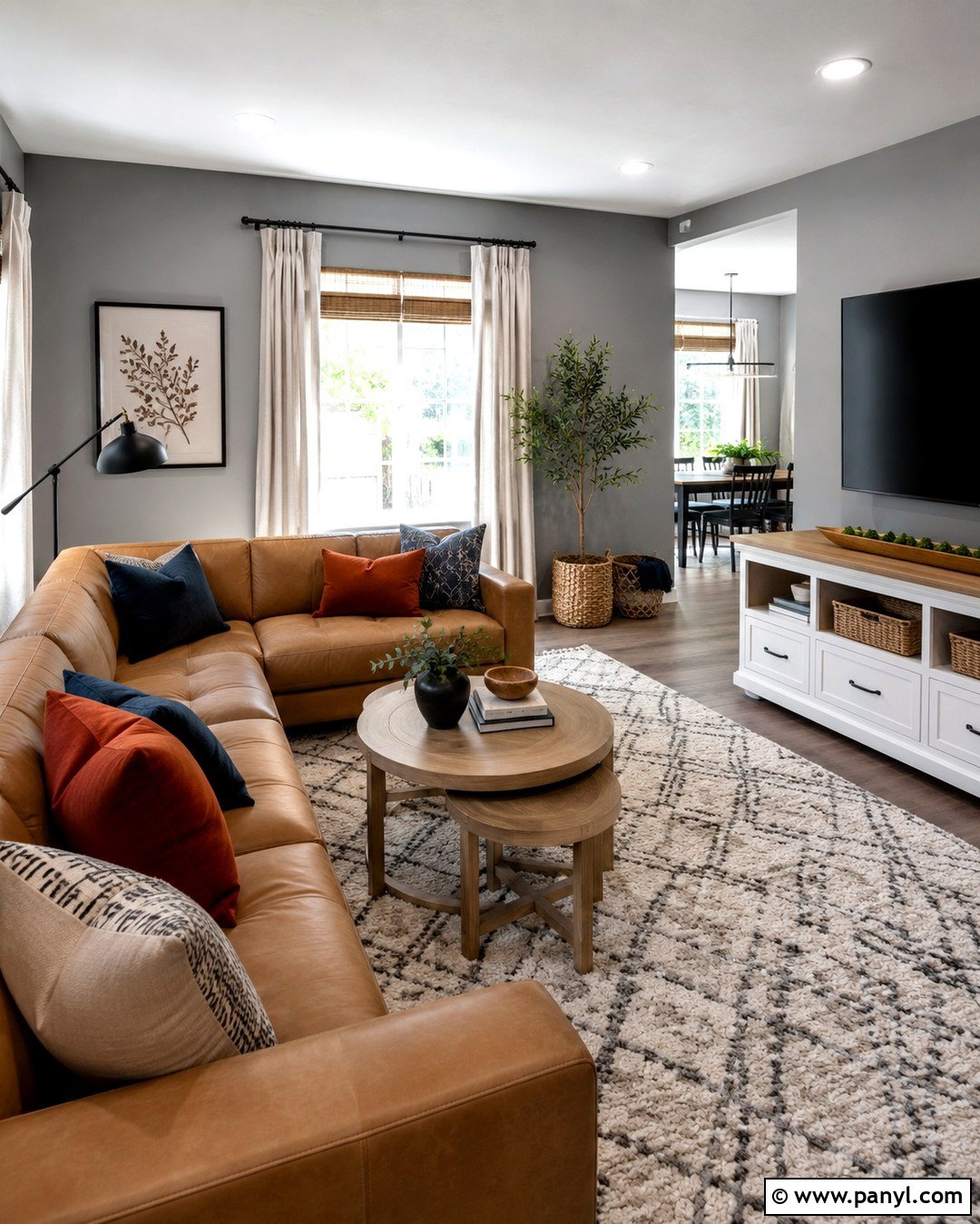
Warm charcoal is ideal when you want dramatic contrast without the cool, flat appearance of pure gray. Select a charcoal containing visible brown undertones and place it behind a media console, fireplace, or streamlined sofa. Paint the remaining walls warm white and use pale oak flooring or furniture to lighten the composition. Upholstery in cream, camel, and soft taupe will emphasize the wall’s warmth. Add matte black details carefully because too many can make the room feel harsh. Brushed brass lighting and textured linen curtains provide a softer finish. A large abstract artwork featuring beige, rust, and charcoal can unite the palette. The completed living room looks crisp and modern, yet the warm materials keep it from feeling cold or overly industrial.
12. Dusty Rose Accent Wall
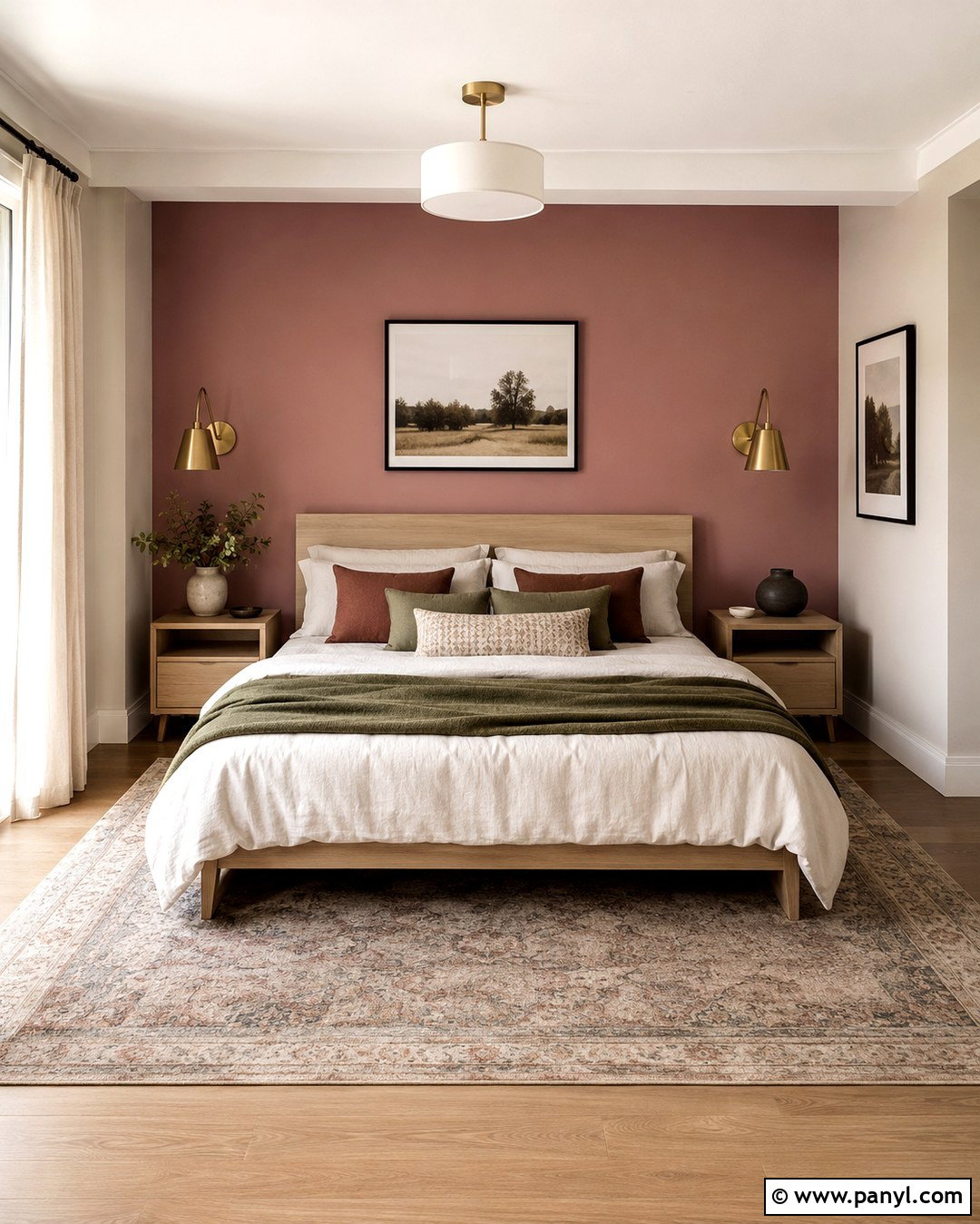
A dusty rose accent wall creates warmth without the sweetness of a bright or pastel pink. It works beautifully behind a bed, reading bench, or living room console, especially when paired with earthy neutrals. Paint neighboring walls a soft putty shade and choose furniture in light oak, oatmeal, or warm white. Layer the space with clay-colored pillows, olive accents, and a faded patterned rug for an adult, grounded palette. Brushed brass lighting can highlight the wall’s warmth, while black frames add just enough definition. Keep decorative shapes simple and avoid overly ornate accessories. Natural linen curtains will filter light and prevent the pink from appearing too saturated. The overall room feels gentle and contemporary, with enough contrast to remain visually interesting.
13. Cobalt Blue Accent Wall
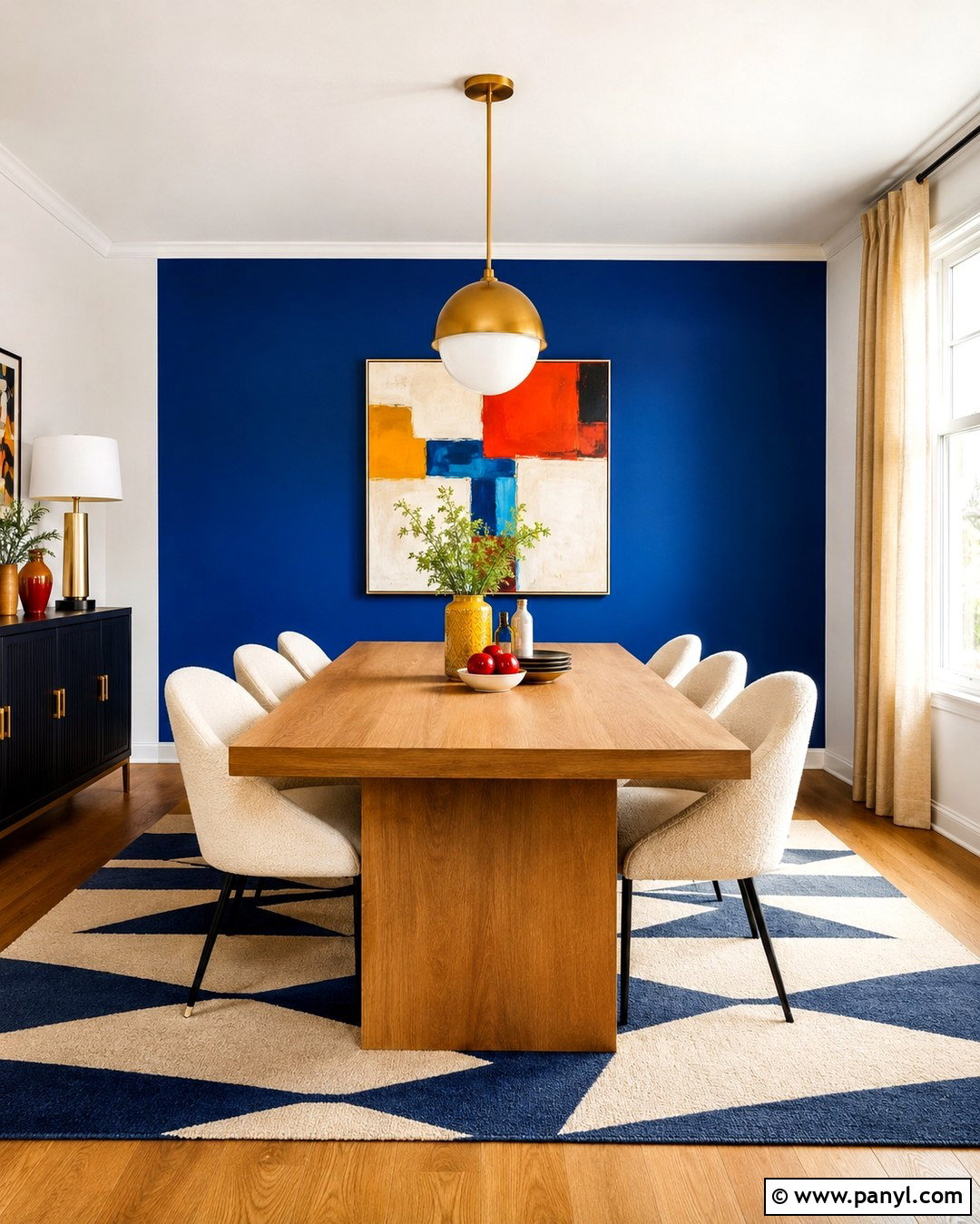
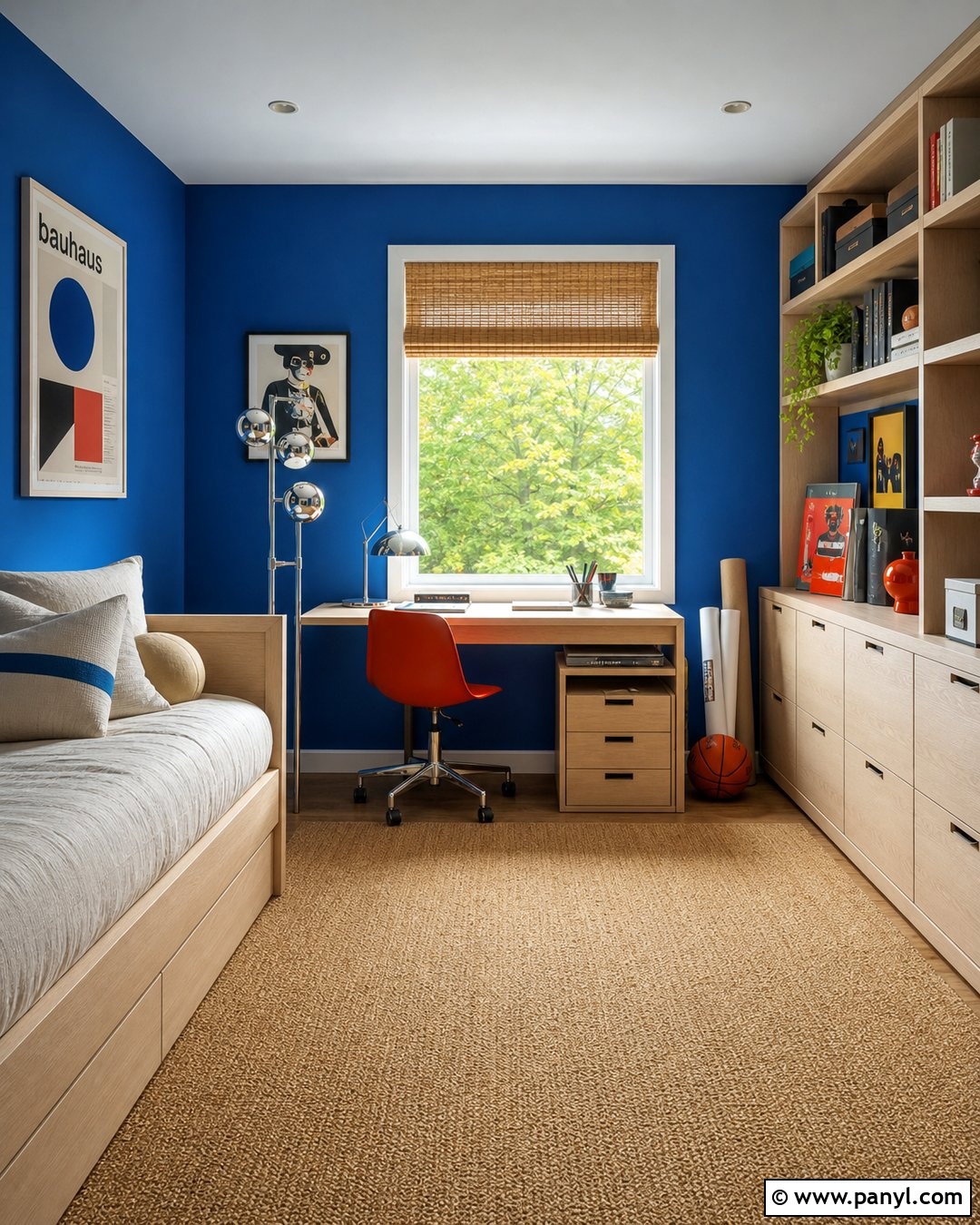
Cobalt blue is a bold choice that works best when the surrounding room is edited and intentional. Use it behind a dining table, sofa, or clean-lined console where the wall can become a defined block of color. Keep other walls warm white and introduce medium oak furniture to offset the blue’s cool intensity. Upholstery and curtains in cream or natural linen will create breathing room. Repeat cobalt through only two or three smaller pieces, such as artwork, patterned pillows, or ceramic decor. Add tomato red or golden yellow in tiny amounts for an energetic contrast. A geometric rug can connect these colors without overwhelming the space. The final design feels expressive and artistic, yet practical enough for a normal contemporary home.
14. Sage Green Accent Wall
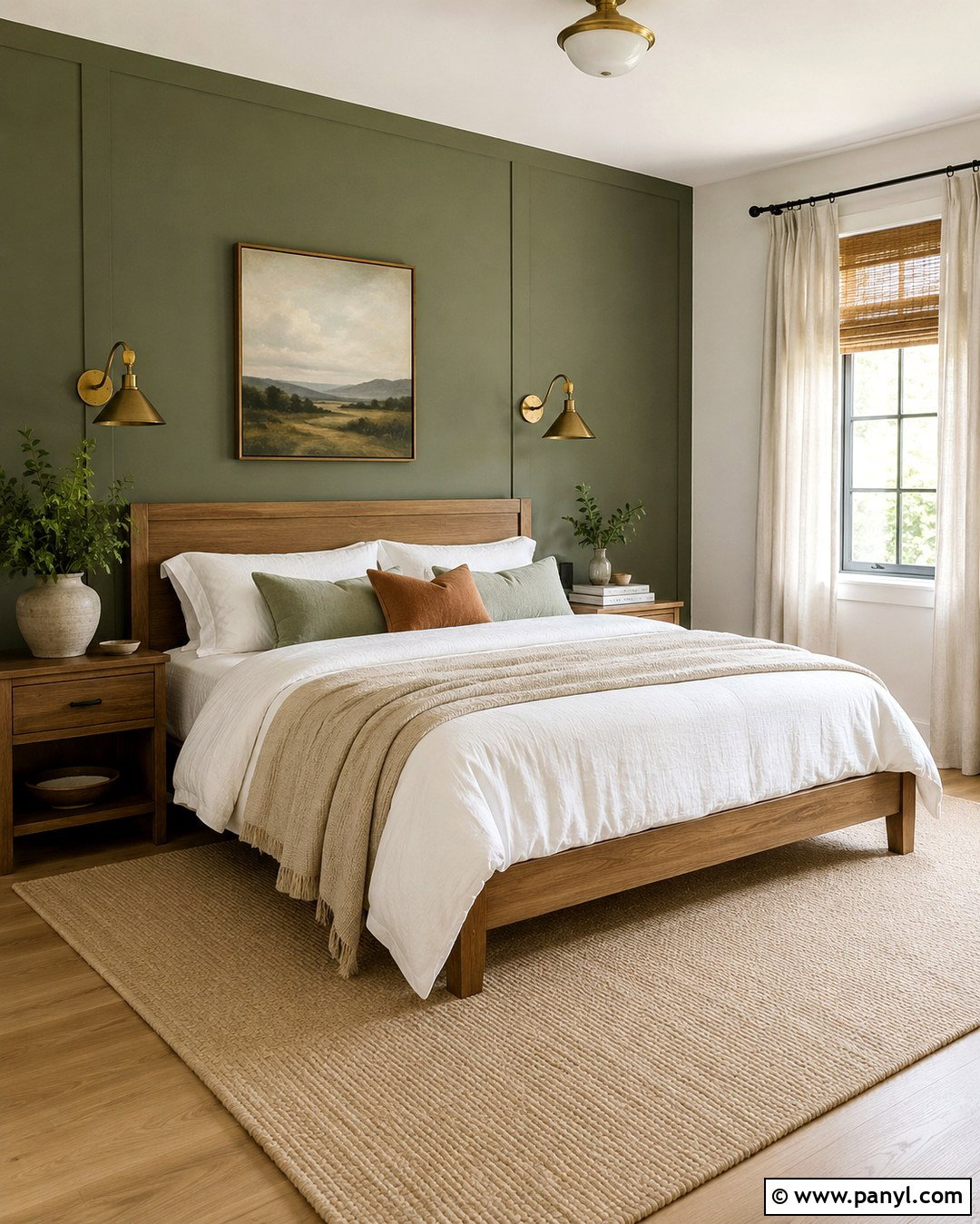
Soft sage green is a versatile option for anyone who wants a subtle accent rather than strong contrast. In a bedroom, use it behind a natural wood bed and paint the remaining walls a creamy off-white. Layer white bedding with oatmeal, pale green, and muted clay textiles to create a calm, organic palette. Woven shades and linen curtains soften the windows, while black or aged brass sconces provide clear definition. A light beige rug will keep the room airy and comfortable underfoot. Introduce greenery carefully, using one or two plants instead of turning the bedroom into an indoor garden. Landscape artwork or simple botanical prints can reinforce the soothing color story. This complete design feels fresh, restful, and easy to update over time.
15. Espresso Brown Accent Wall
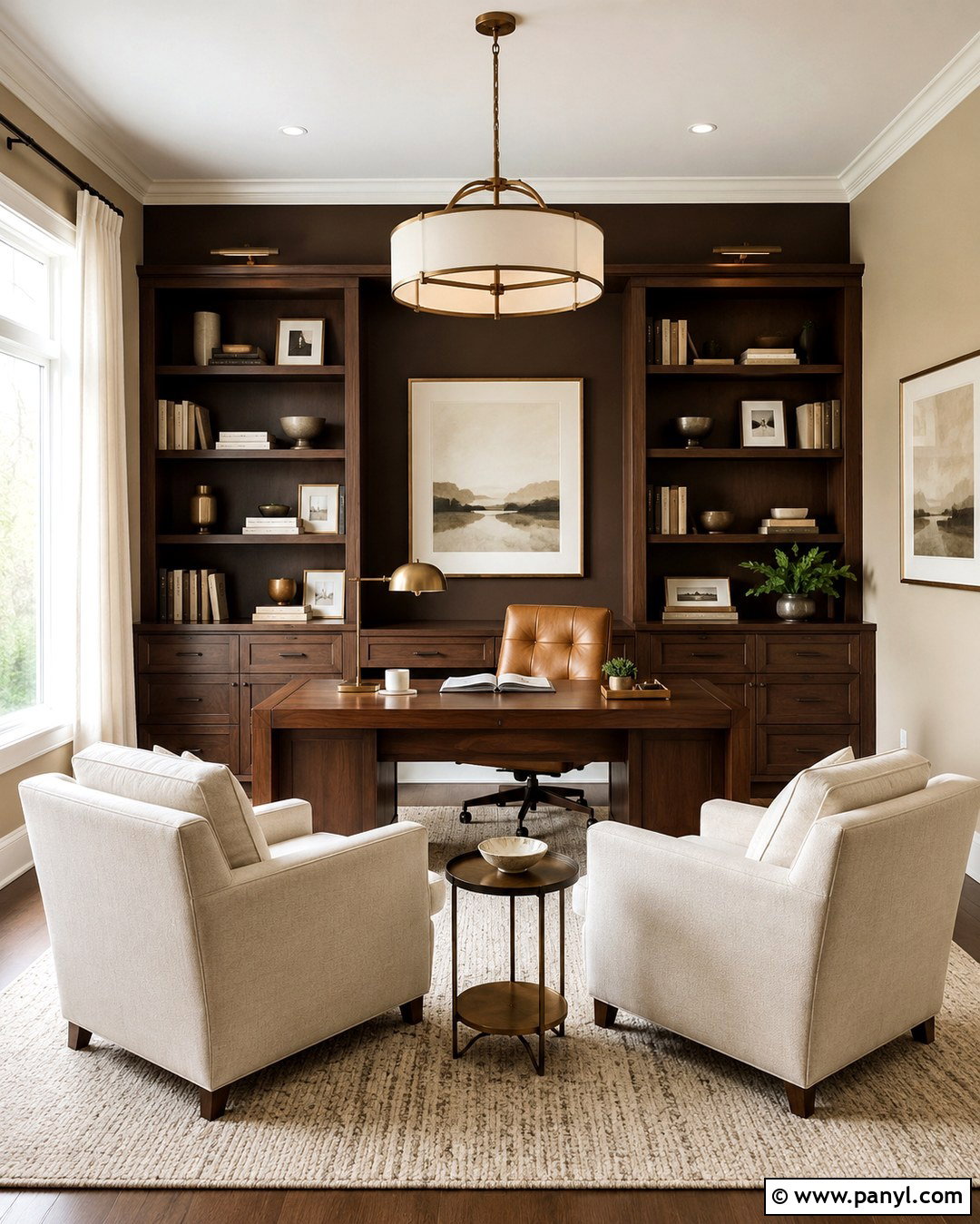
Espresso brown offers exceptional depth for a media room, office, or sophisticated bedroom. Apply it to the wall containing the television, bookcases, or headboard so dark equipment and furniture visually recede. Use warm beige on the other walls and introduce creamy upholstery to prevent the room from feeling too enclosed. Walnut furniture can create a layered tonal effect, while pale oak provides stronger contrast. Add a textured ivory rug, cognac leather details, and bronze lighting for warmth. Window treatments should remain light and simple so natural daylight reaches the darker surface. Artwork with ivory borders or pale subjects will stand out clearly against espresso. This scheme feels luxurious through color and texture rather than expensive furniture, making it practical for several budgets.
16. Muted Coral Accent Wall
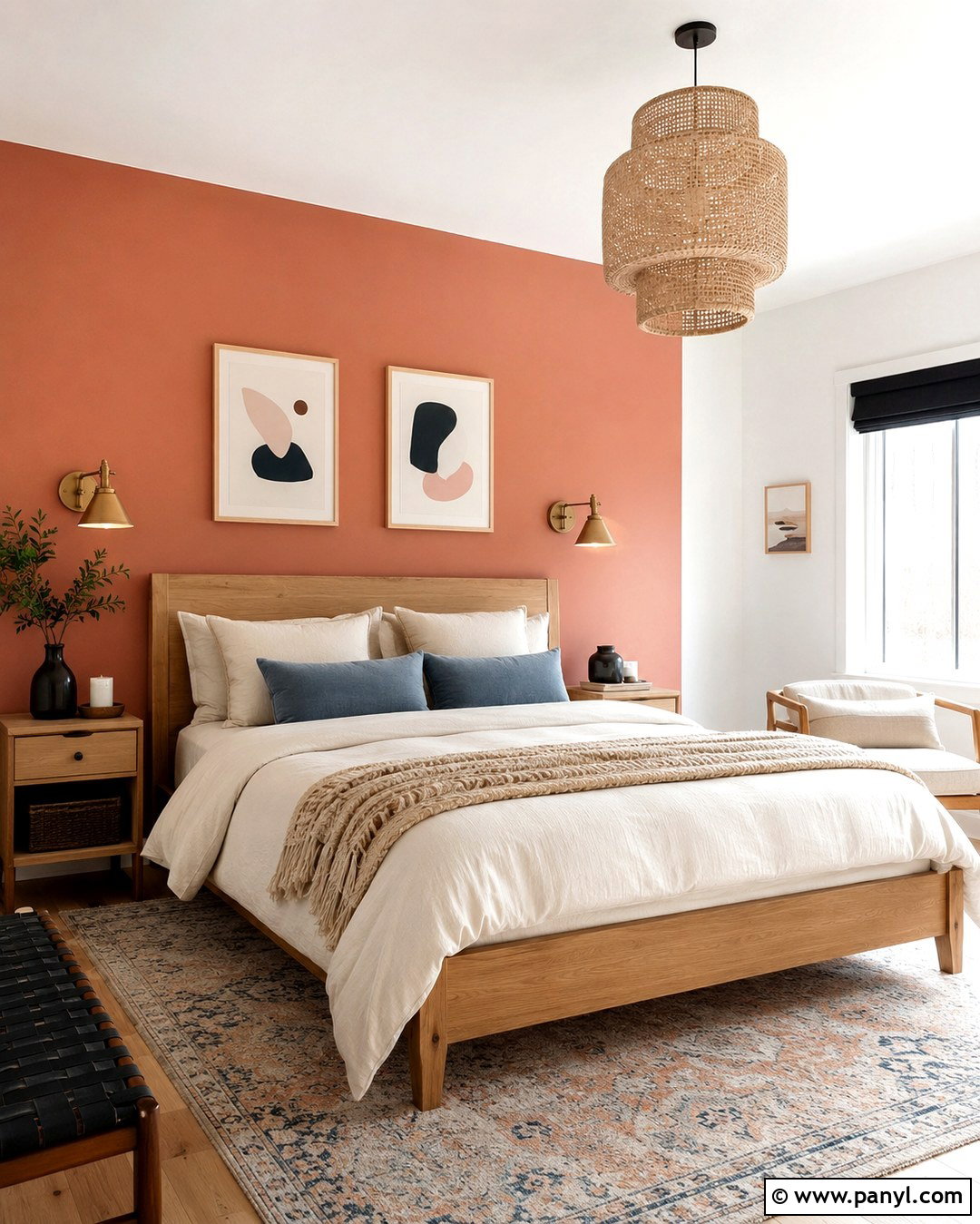
Muted coral brings a lively but approachable character to a guest room, home office, or casual living space. Look for a softened coral with clay or brown undertones rather than a vivid tropical orange. Place it behind a desk or bed, then use warm white on adjacent surfaces. Light oak furniture, creamy upholstery, and woven textures will temper the color’s energy. Bring in dusty blue through a rug, chair, or bedding to create a balanced complementary palette. Small black accents can outline the room, while brass lighting reinforces the wall’s warmth. Avoid filling the space with additional bright colors. A few ceramic pieces and simple abstract prints are enough. The finished room feels cheerful and polished without appearing childish or beach themed.
17. Cinnamon Brown Accent Wall
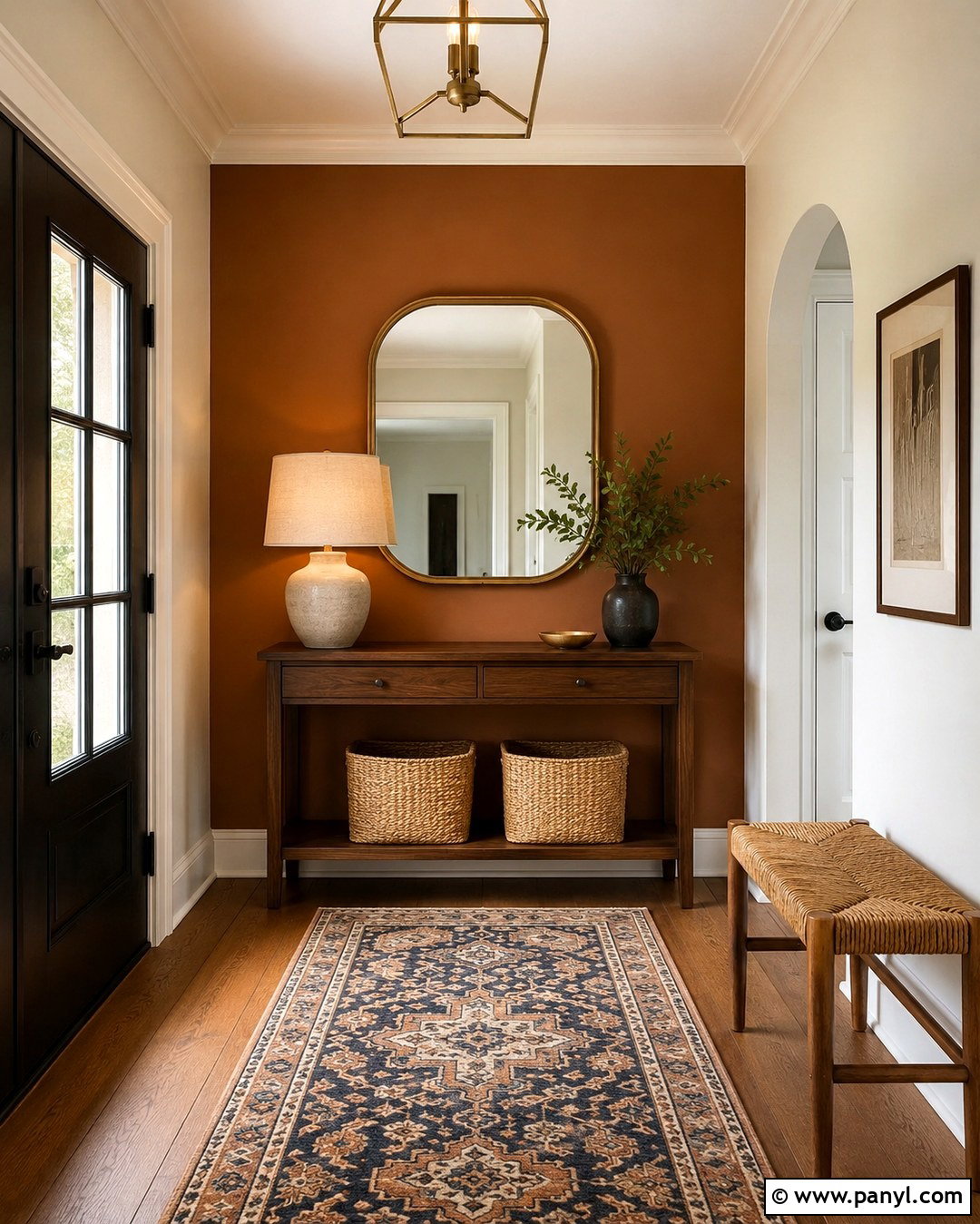
Cinnamon brown creates a warm bridge between terracotta, tan, and deep chocolate. It is especially effective in an entryway where visitors can experience color without it covering a large room. Paint the wall behind a slim wood console and coordinate it with warm cream on the remaining surfaces. Add a rounded mirror with a dark bronze frame, a woven bench, and a durable patterned runner containing cinnamon, navy, and beige. A ceramic table lamp can provide softer light, while closed baskets keep shoes and everyday items organized. Use medium oak or walnut rather than gray-washed wood, which may compete with the wall’s undertones. This complete entry feels welcoming, functional, and thoughtfully connected to adjacent rooms decorated with warm neutral colors.
18. Deep Plum Accent Wall
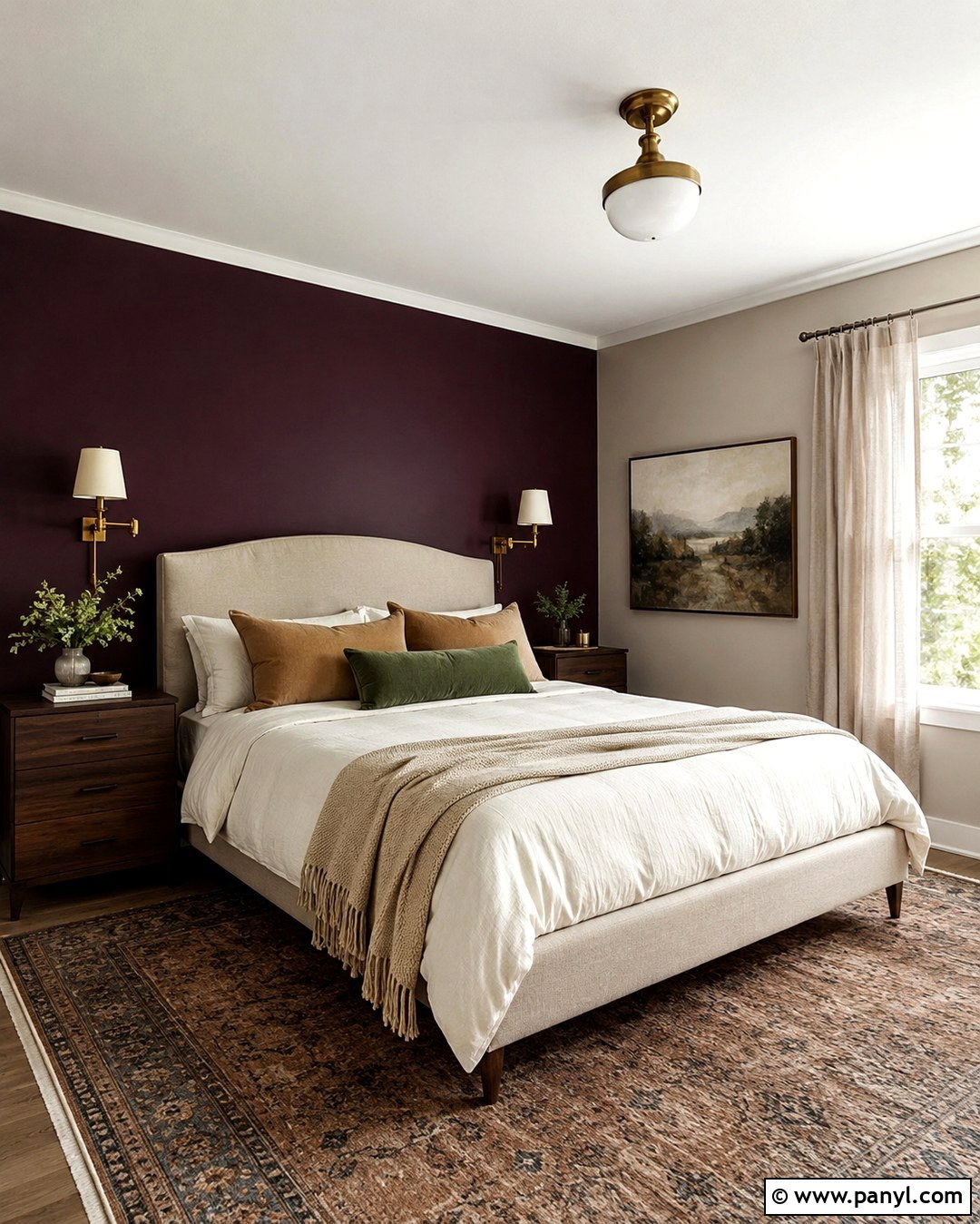
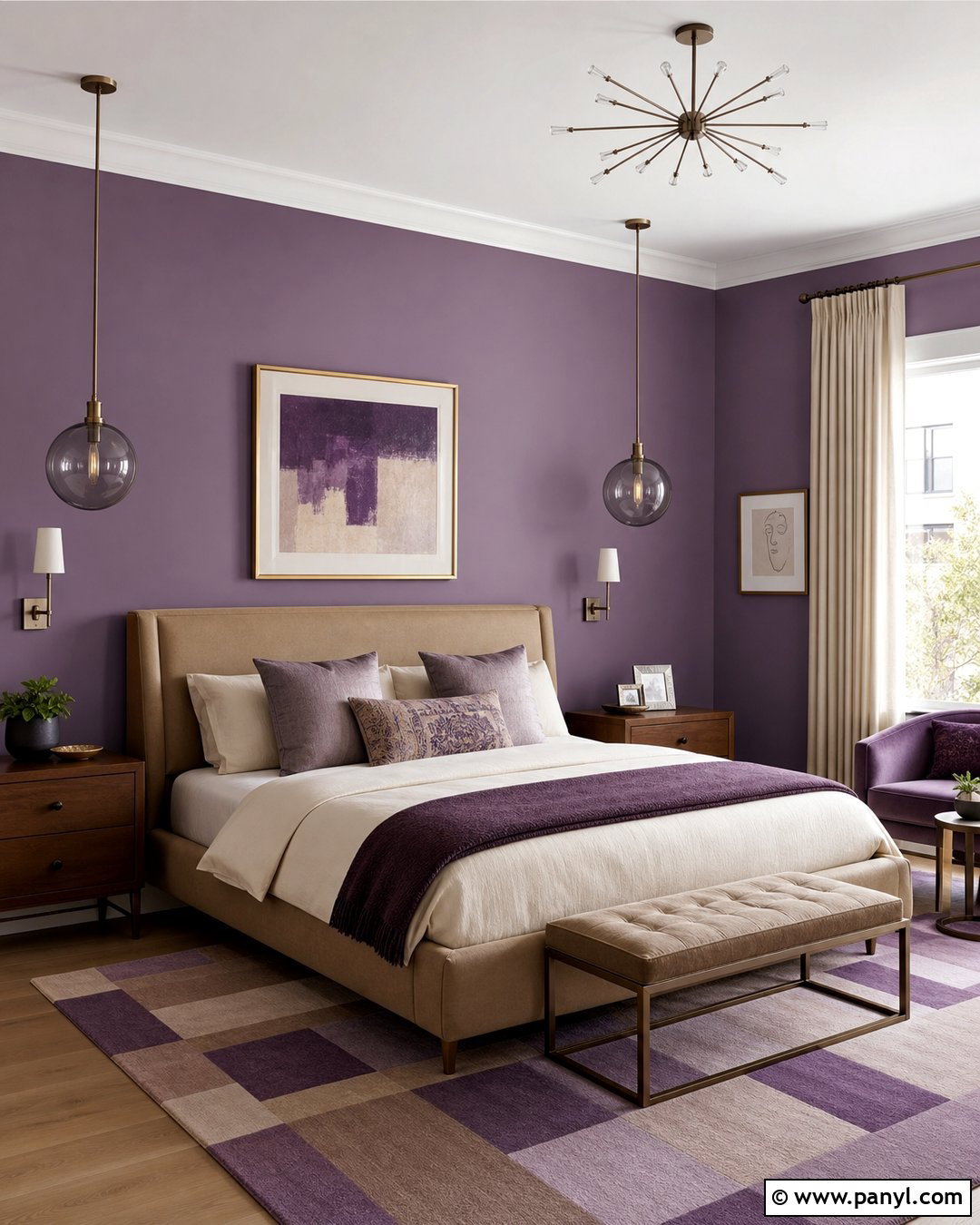
Deep plum can transform a simple bedroom into a relaxing, enveloping retreat. Use it behind the headboard and choose surrounding walls in pale taupe instead of bright white. An oatmeal upholstered bed offers softness, while dark walnut nightstands connect naturally with the plum’s brown undertones. Layer ivory bedding with mauve, camel, and muted green pillows for subtle variety. Brass sconces add warmth, and a vintage-style rug can introduce faded reds and blues without distracting from the focal wall. Select linen curtains close to the surrounding wall color to keep the windows visually quiet. A single large artwork above the bed completes the balanced arrangement. The finished bedroom feels refined and cozy while avoiding an overly feminine or theatrical appearance.
19. Ocean Blue Accent Wall
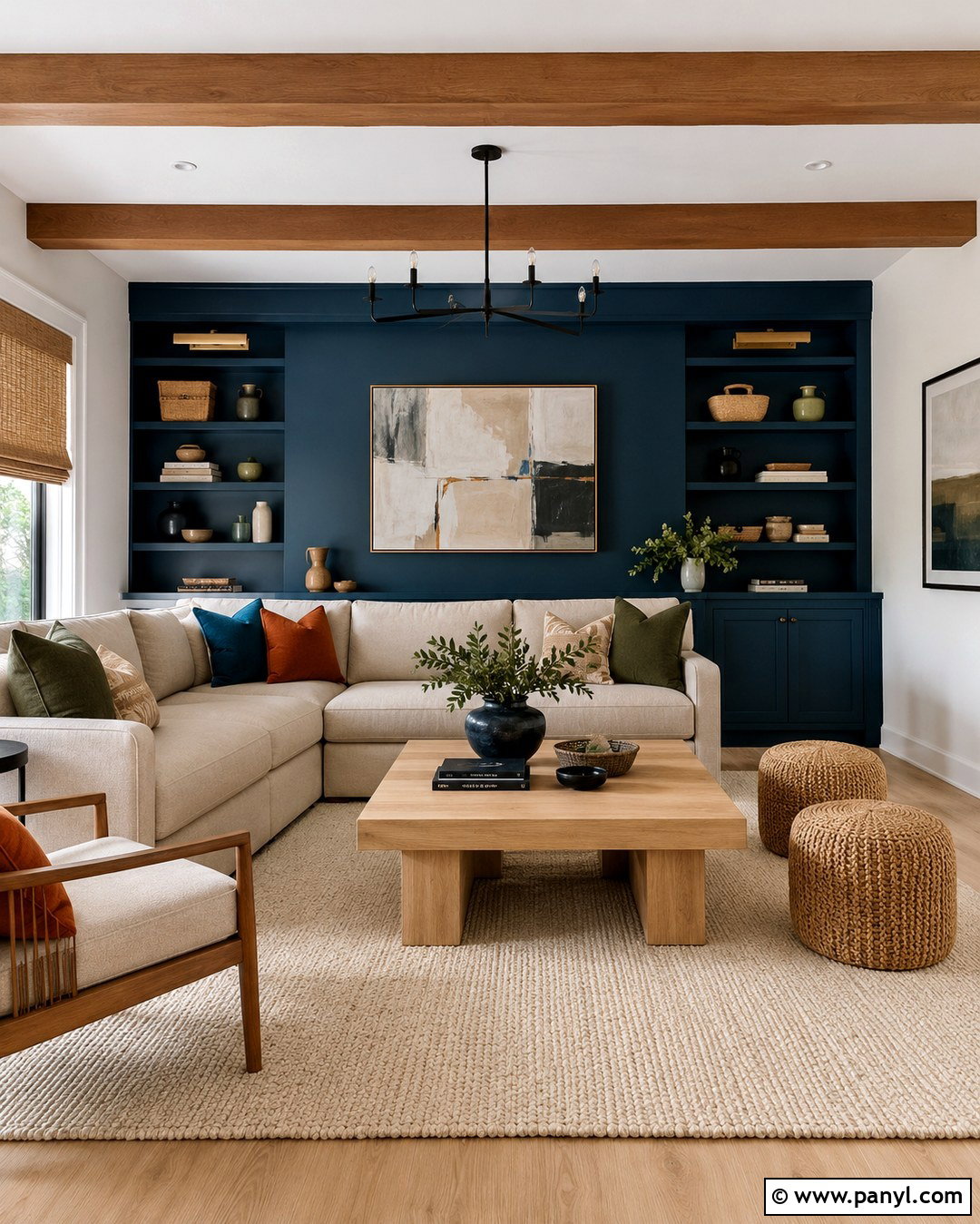
Ocean blue offers a fresh middle ground between pale coastal blue and dramatic navy. Use it in a family room with plentiful daylight, placing the accent color behind a sectional or built-in storage. Paint the surrounding walls soft ivory and choose a warm beige sofa for an easy, comfortable contrast. Light oak tables and natural woven shades keep the design casual. Add pillows in ocean blue, sandy tan, olive, and faded rust to broaden the palette beyond a predictable blue-and-white theme. A textured cream rug will brighten the floor, while black metal lighting provides a modern edge. Complete the space with abstract artwork instead of obvious seaside decorations. This creates a relaxed, colorful room that feels current without becoming overly thematic.
20. Limewash Beige Accent Wall
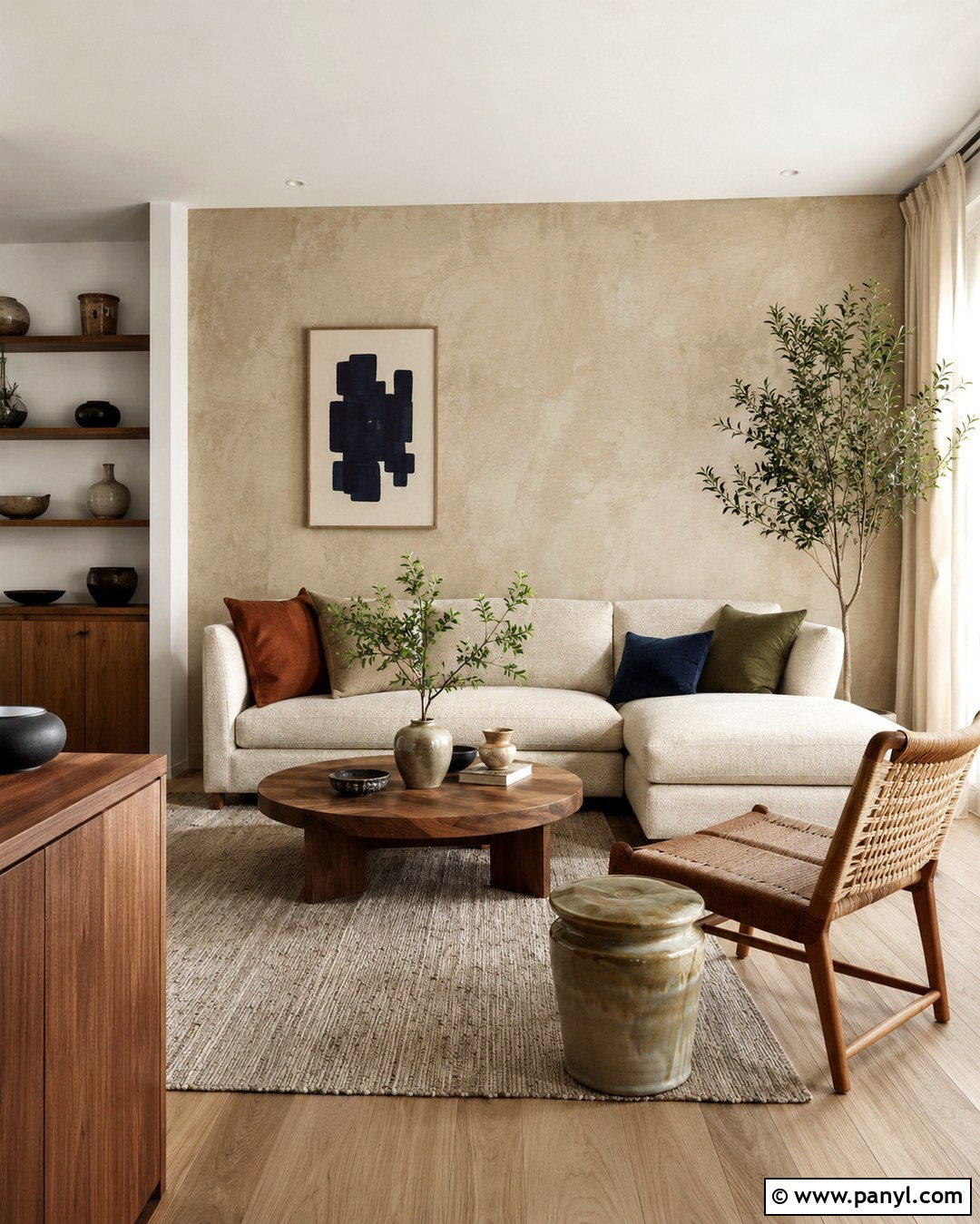
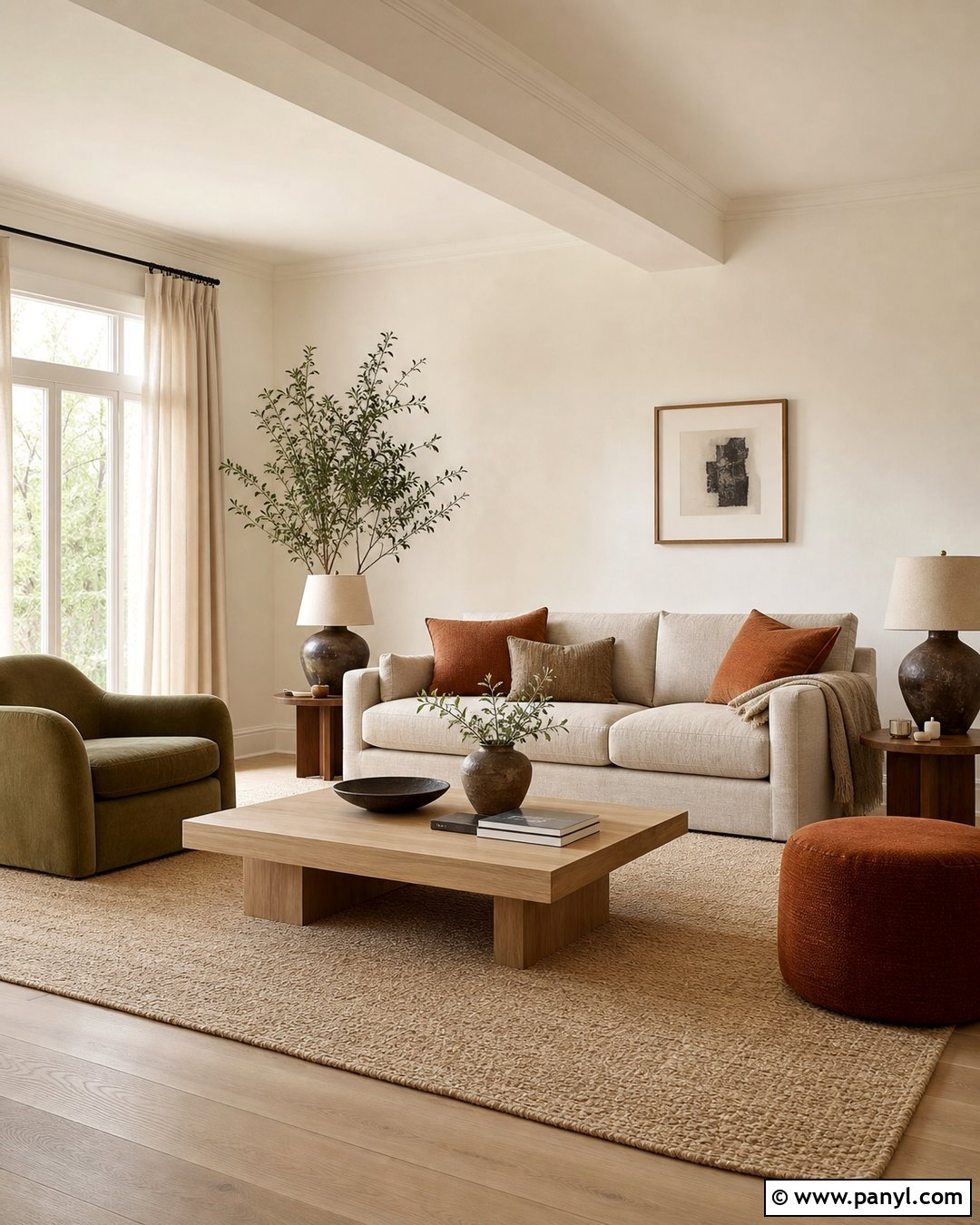
A limewash beige accent wall adds movement and dimension through its softly varied finish rather than intense color. Use it behind a living room sofa, dining table, or bed where natural light can reveal the subtle tonal changes. Keep adjacent walls in a related warm white so the transition feels gentle. Pair the textured surface with walnut, pale oak, linen, wool, and handmade ceramics for a tactile, organic room. Upholstery in oatmeal or mushroom supports the quiet palette, while accents in rust, olive, or deep blue provide controlled contrast. Choose artwork with simple forms and generous negative space so it does not compete with the wall finish. The complete design feels warm and collected, proving that an accent wall can be subtle and still distinctive.
Conclusion:
The most effective **20 Accent Wall Colors 2027** do more than place a bold shade on an empty surface. Each color should strengthen the room’s focal point and connect with its furniture, flooring, lighting, textiles, and artwork. Earthy greens, warming browns, mineral reds, saturated blues, and softened pinks provide plenty of options for different homes and personalities. Before painting, test a large sample on the selected wall and observe it during morning, afternoon, and evening light. Consider undertones as carefully as the visible color. When the accent wall repeats small details already present in the room, the finished design will feel intentional, balanced, and easier to enjoy for years.

Related Ideas and Inspiration:
Leave a Reply