
Color blocking turns plain walls into bold architectural features using little more than well-planned paint. These 20 Color Block Wall Paint Inspiration Ideas explore complete room looks built around arches, circles, stripes, curves, and geometric shapes. Each design pairs wall color with furniture, flooring, lighting, and decor, helping the painted feature feel intentional rather than disconnected. Popular approaches include half-painted walls, framed rectangles, oversized arches, and contrasting sections that define functional zones without adding partitions. () You will find calm neutral combinations, playful children’s spaces, rich jewel tones, and practical treatments for compact rooms. Whether you want a simple weekend project or a dramatic statement wall, explore these 20 Color Block Wall Paint Inspiration Ideas.
1. Terracotta Arch Wall Paint
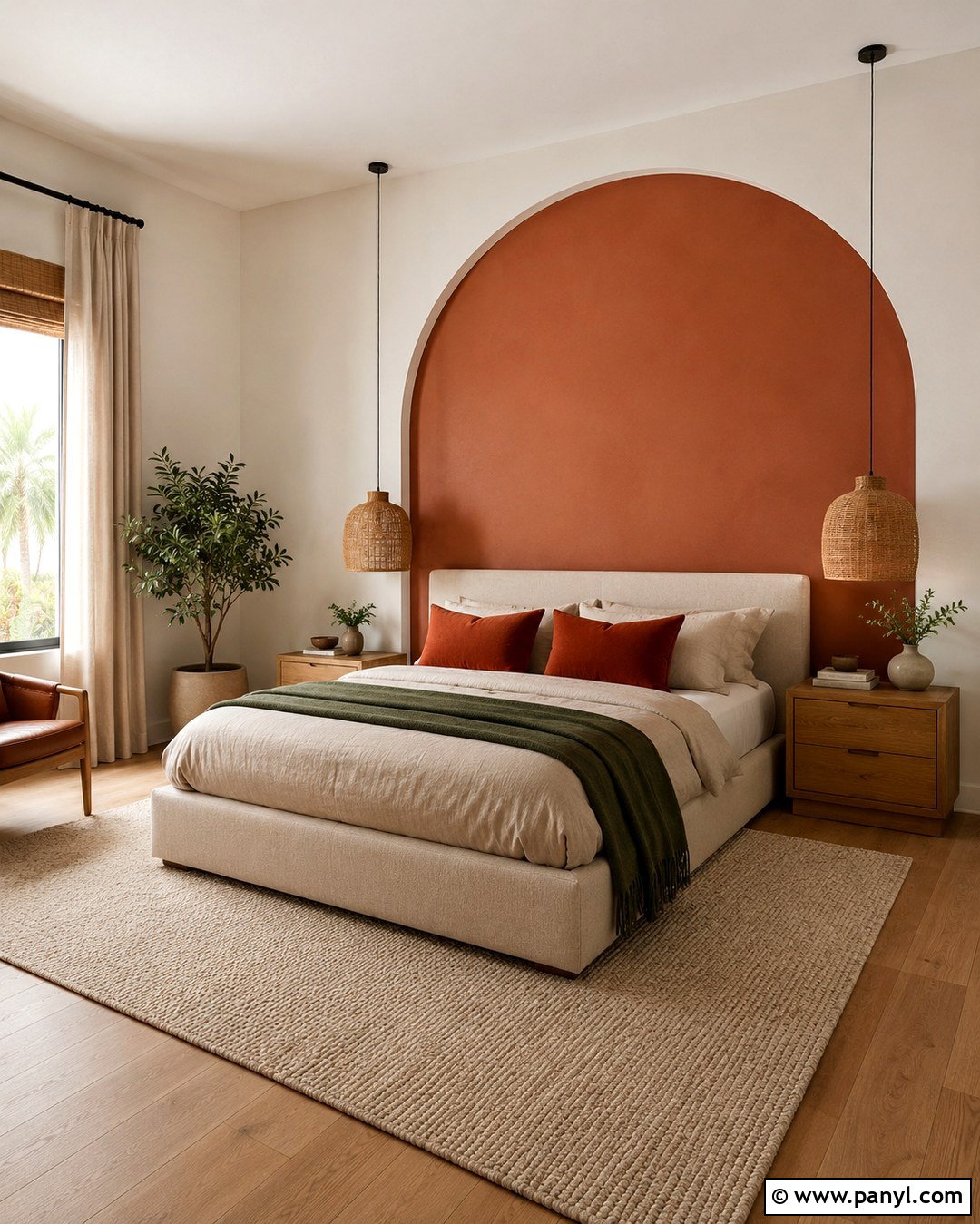
Create a cozy bedroom focal point with a wide terracotta arch painted behind the bed. Extend the shape slightly beyond both nightstands so it visually anchors the complete sleeping area. Use warm white on the surrounding walls, medium oak furniture, and woven pendant lights to support the earthy palette. A low cream upholstered bed keeps the strong painted shape from feeling heavy. Add sand-colored linen bedding, rust accent pillows, and one small olive-green throw for contrast. Simple ceramic lamps and a neutral wool rug complete the room without competing with the arch. Keep artwork minimal because the paint already acts as a headboard and decorative feature. This balanced arrangement works especially well in bedrooms without elaborate architectural details.
2. Sage Green Half Wall Paint
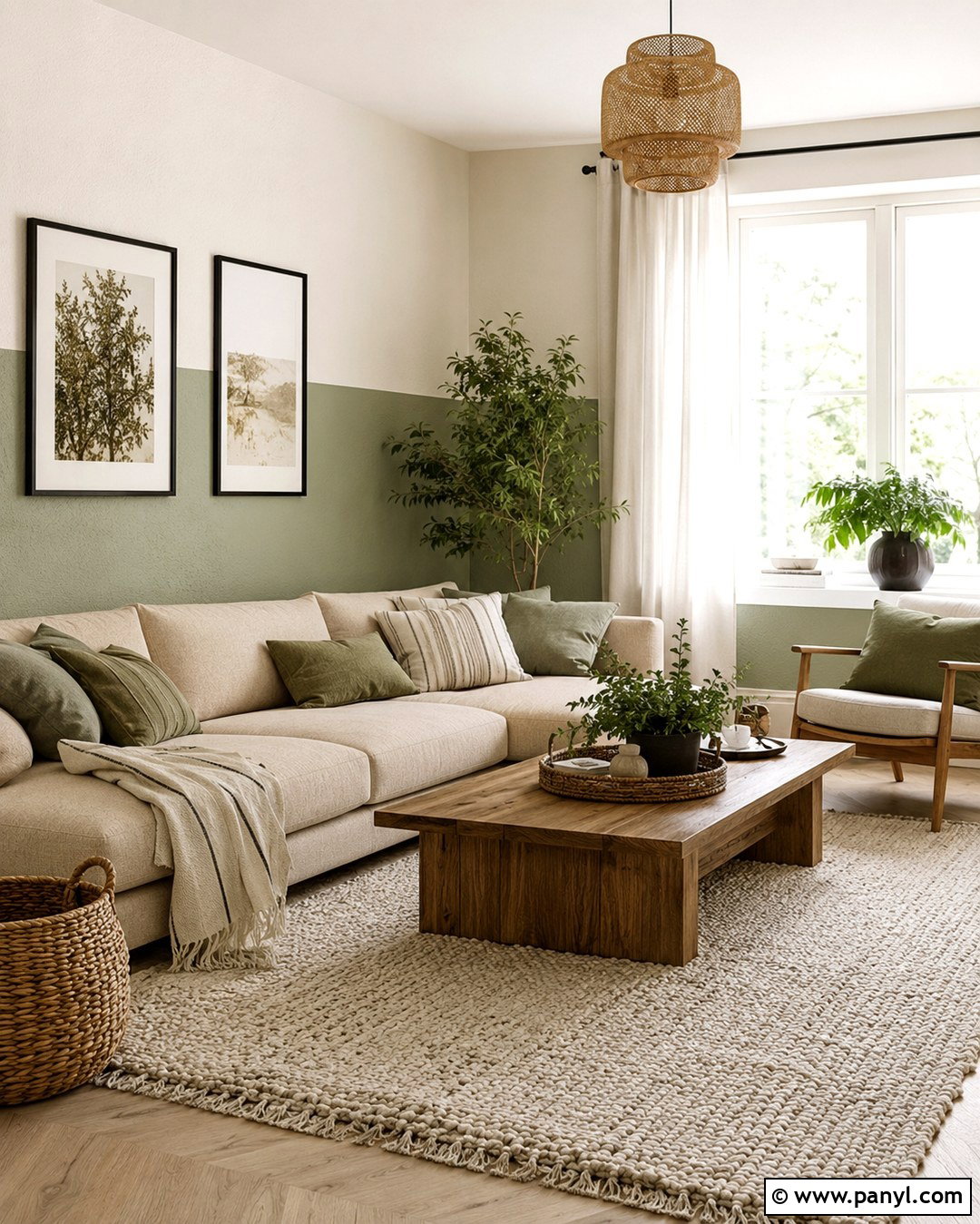
A sage green half wall can bring gentle structure to a relaxed living room. Paint the lower two-fifths of every wall in warm sage, then use soft ivory above it to keep the space bright. Position the dividing line slightly below the window sills for a clean connection between paint and architecture. Choose a light oatmeal sofa, oak coffee table, and cream textured rug. Black-framed artwork adds definition without introducing another major color. Repeat the sage through two cushions and a ceramic planter, but avoid matching every accessory. Natural linen curtains, woven baskets, and leafy plants soften the straight paint line. The result feels coordinated, calm, and complete while providing more visual interest than a standard single-color room.
3. Navy Blue Rectangle Wall Paint
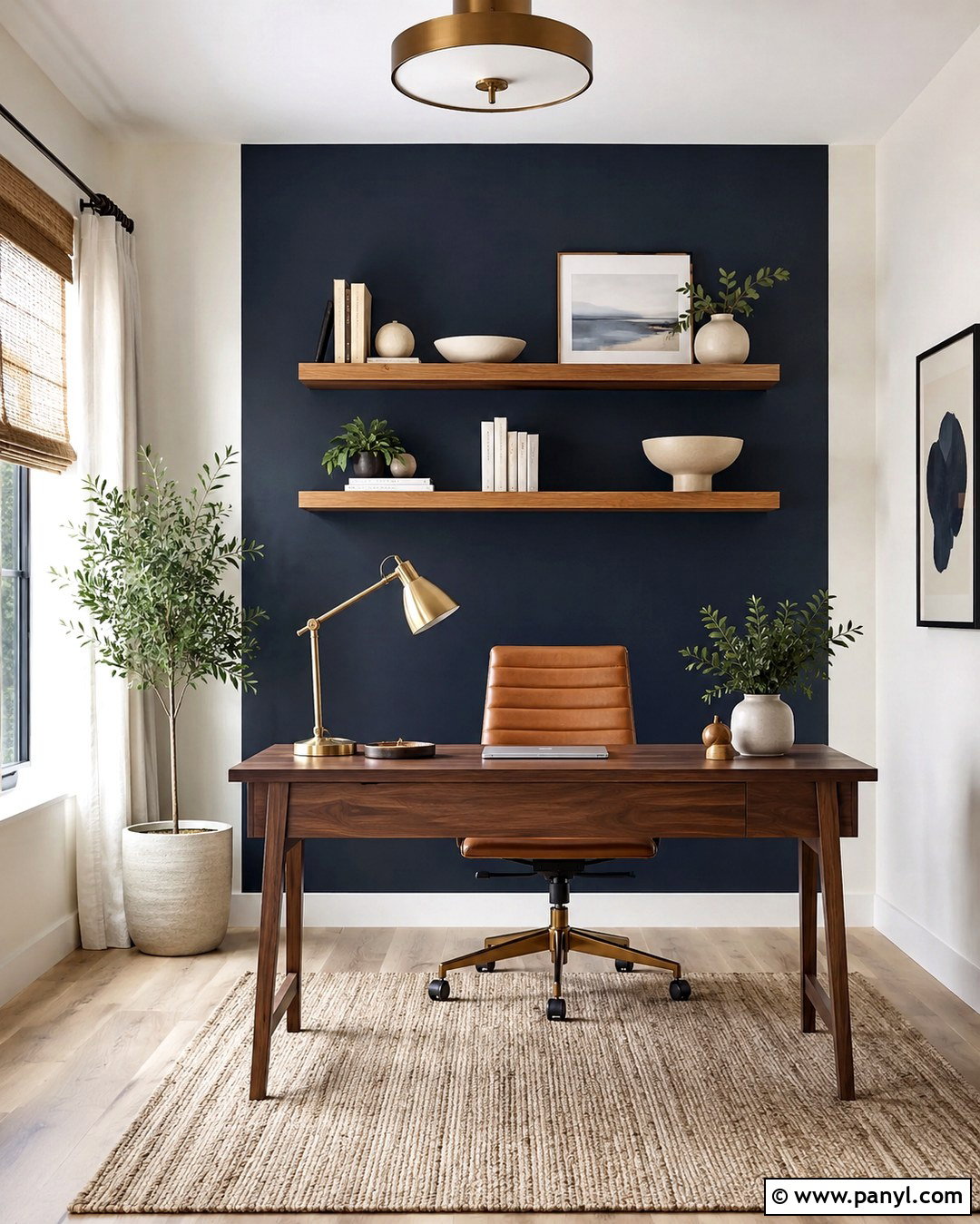
Frame a home office with a deep navy blue rectangle that defines the desk zone. Paint the block from floor level to about eight inches below the ceiling, making it wider than the desk and shelving together. Leave the remaining wall warm white for crisp contrast. A walnut desk, cognac leather chair, and brushed brass task lamp will warm the dark blue background. Install two slim oak shelves inside the rectangle and style them with pale ceramics, a small plant, and a few organized books. Keep the flooring and window treatments light so the office does not feel enclosed. This complete setup makes a workstation look permanent and purposeful, even when it occupies one side of a bedroom or living area.
4. Blush Pink Circle Wall Paint
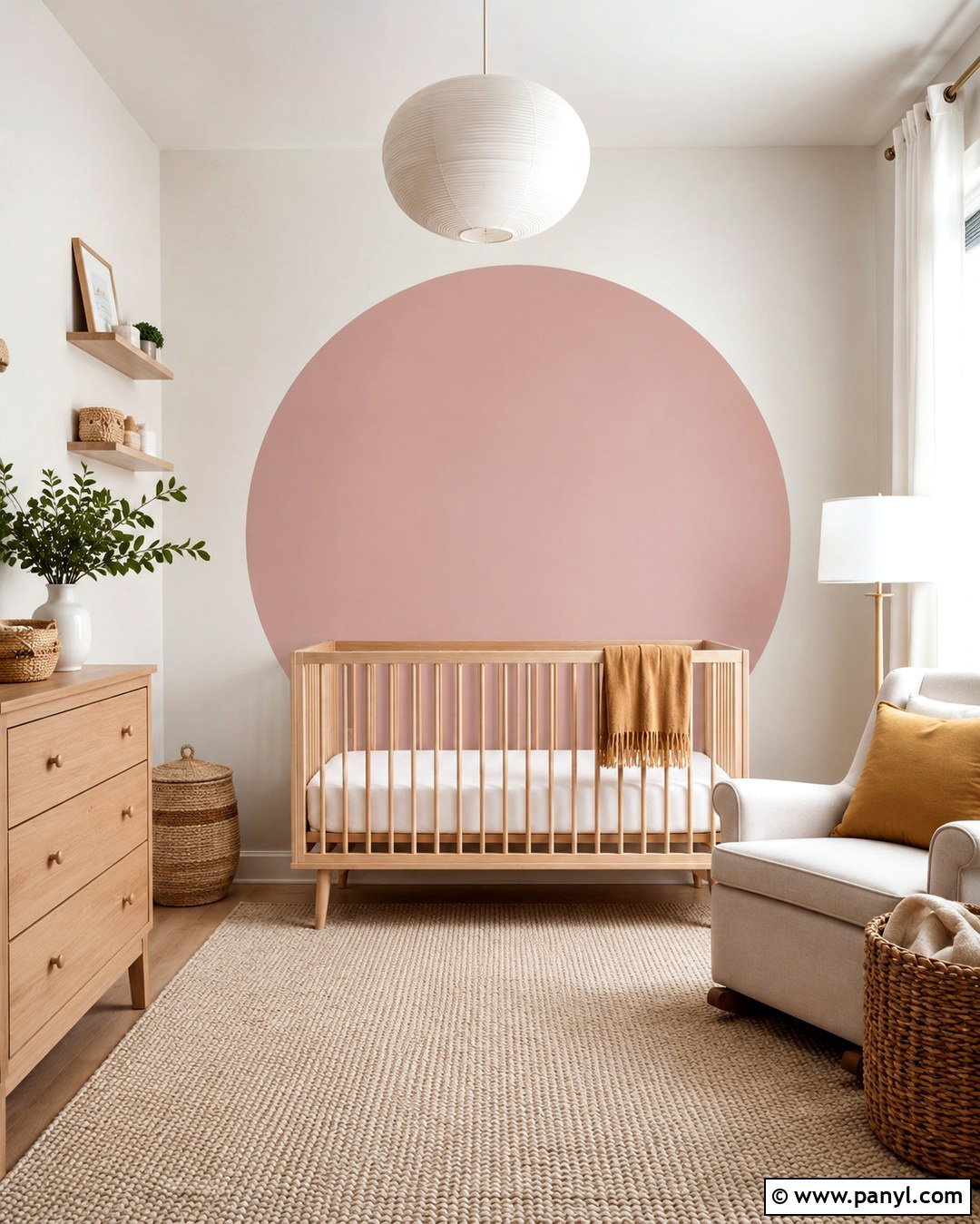
An oversized blush pink circle gives a nursery a soft focal point without covering the entire wall. Center the circle behind a natural wood crib and make it large enough to remain visible around the furniture. Use creamy white paint across the rest of the room, then introduce warm beige through a washable rug and upholstered reading chair. Small touches of muted mustard and clay add depth while maintaining a soothing atmosphere. Choose white curtains, a pale oak dresser, and simple woven storage baskets. A rounded pendant light can echo the circle without making the theme too literal. Keep wall decor outside the painted area limited, allowing the shape, crib, and surrounding neutral elements to read as one peaceful and thoughtfully arranged design.
5. Mustard Yellow Corner Wall Paint
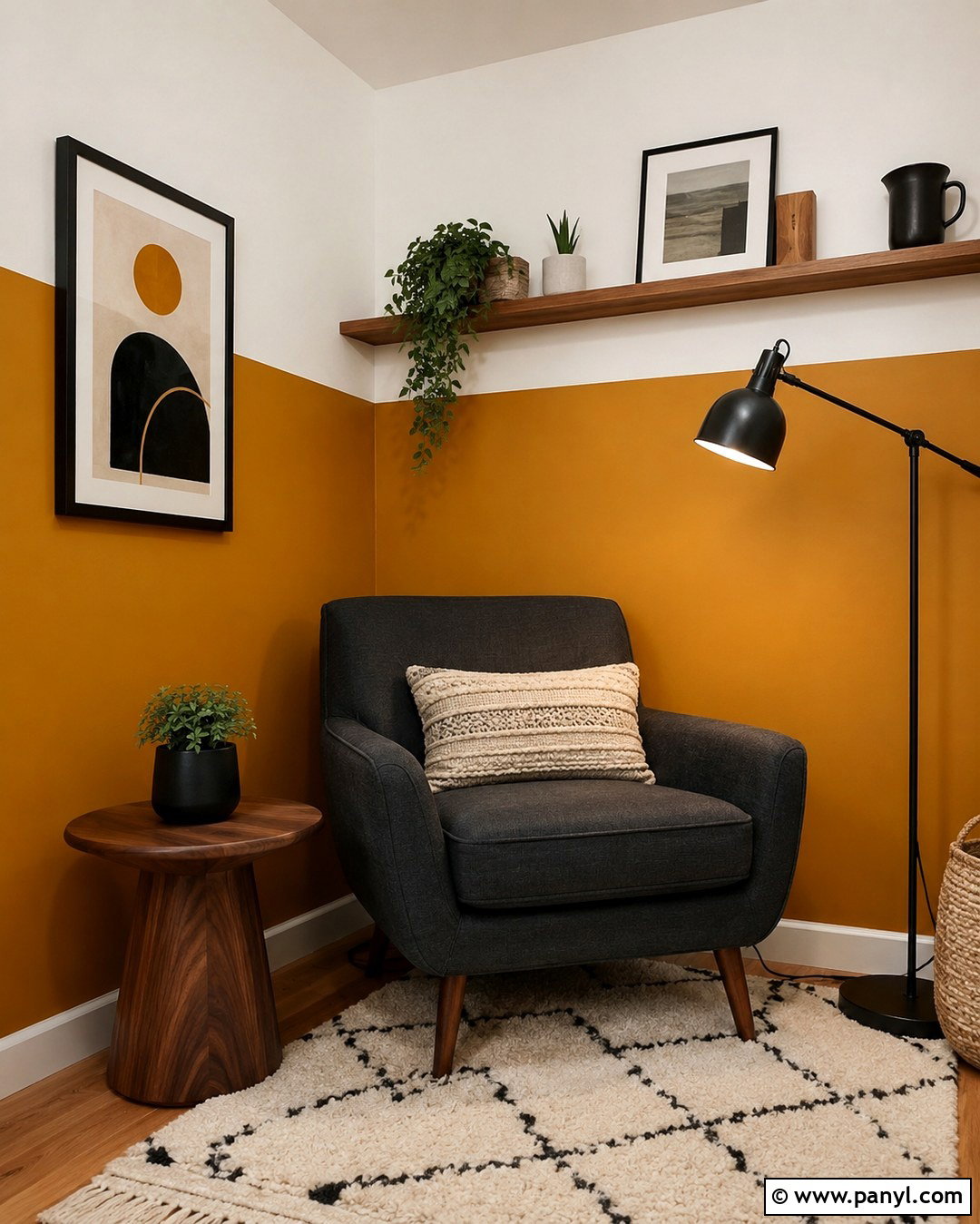
Turn an overlooked reading corner into a defined retreat with mustard yellow paint wrapping across two adjoining walls. Start the color at the floor and finish it in a clean horizontal line slightly above the chair. This L-shaped block makes the nook feel enclosed without adding walls or bulky furniture. Place a compact charcoal armchair, small walnut side table, and black floor lamp within the painted zone. Use warm white on the upper walls and throughout the rest of the room. A cream-and-black patterned rug can connect the corner to nearby furnishings. Add one lumbar cushion and a narrow picture ledge with understated artwork. The mustard backdrop brings warmth, while the dark furniture gives the cheerful shade a mature, grounded appearance.
6. Blue Diagonal Wall Paint
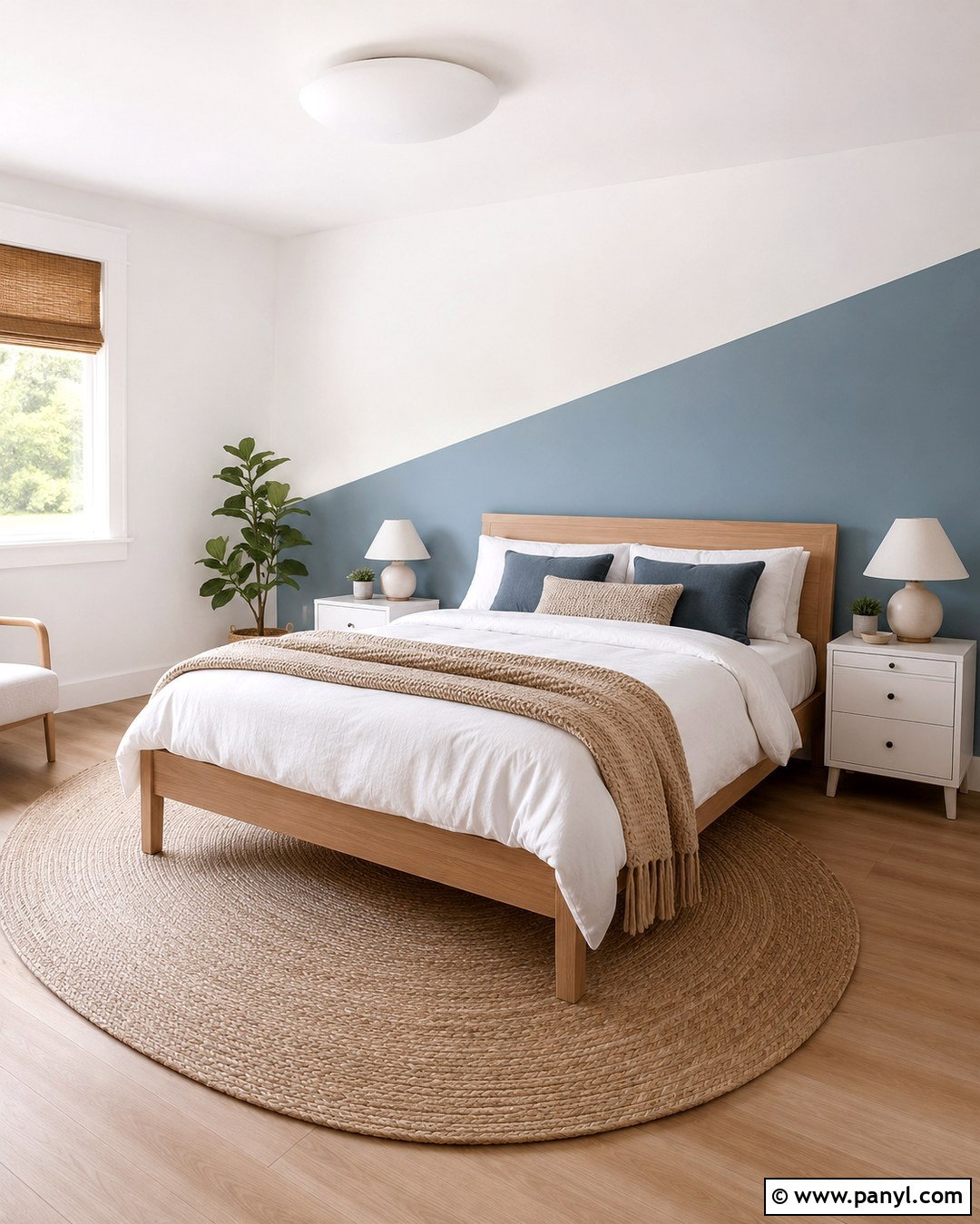
A diagonal blue color block can introduce movement to a simple guest bedroom. Begin with dusty blue near the lower corner behind the bed, then carry the angled line upward toward the opposite side of the wall. Keep the upper section soft white so the room remains open and airy. Position a light oak bed against the painted wall and dress it with white bedding, slate-blue pillows, and a tan woven blanket. A pair of compact white nightstands prevents the wall from becoming overly busy. Balance the sharp diagonal with rounded lamps, an oval rug, and soft linen curtains. Before painting, check that the angled line will remain visible around the furniture. This creates a dynamic feature without needing a complicated multicolor pattern.
7. Peach And Coral Wall Paint
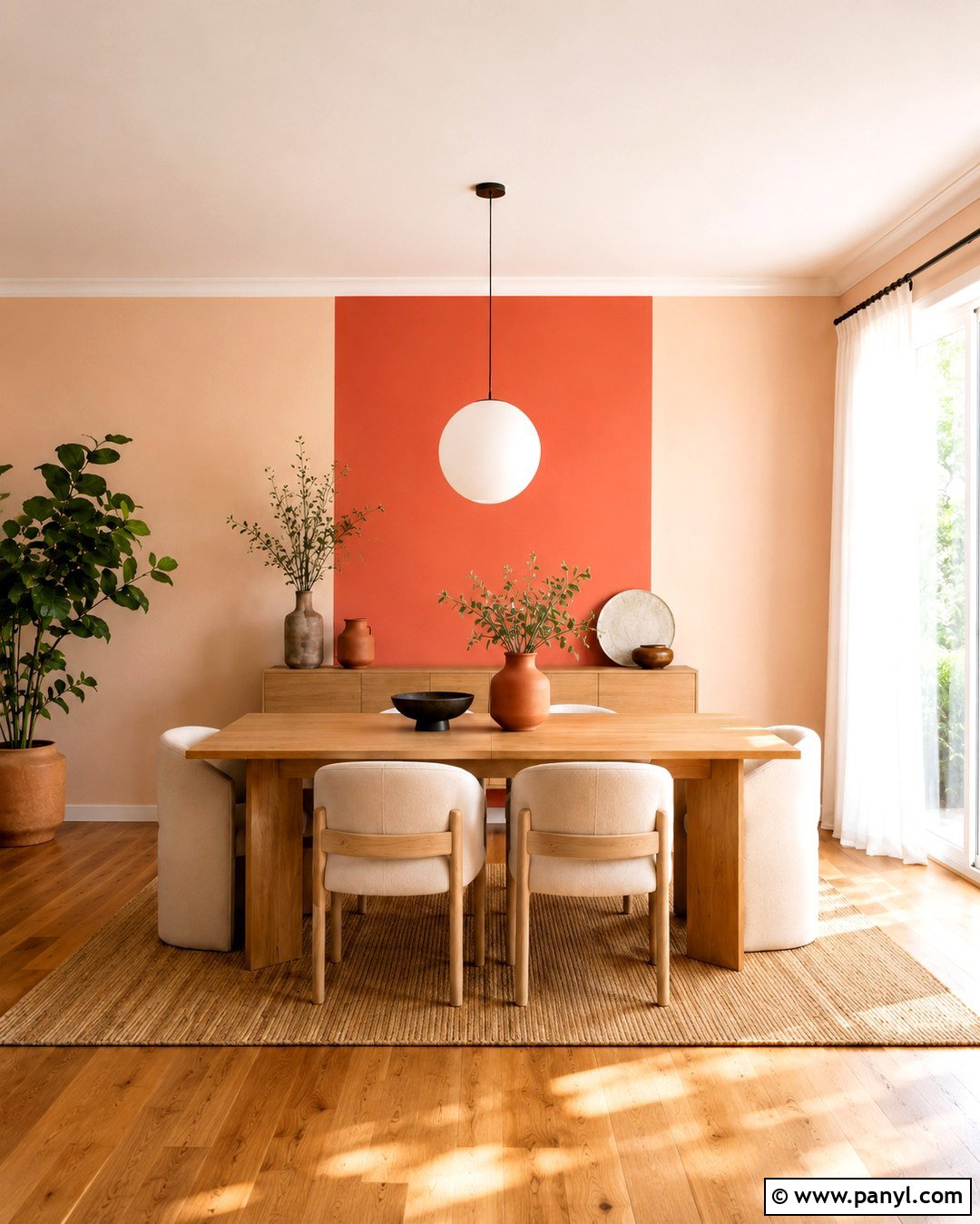
Bring warmth to a dining room with adjoining peach and coral paint blocks. Cover the wall in pale peach, then add a vertical coral section behind a slim sideboard. Make the coral block approximately one-third of the wall width so the arrangement feels balanced rather than evenly divided. Choose a light wood dining table, curved cream chairs, and a natural jute rug. Above the table, use a white globe pendant that keeps the palette fresh. Style the sideboard with terracotta pottery, a small lamp, and one leafy branch. Soft white curtains and warm oak flooring support the sun-washed colors. Repeating coral in only one or two accessories creates connection while allowing the color-blocked wall to remain the room’s strongest visual feature.
8. Emerald Green Wall Paint Blocks
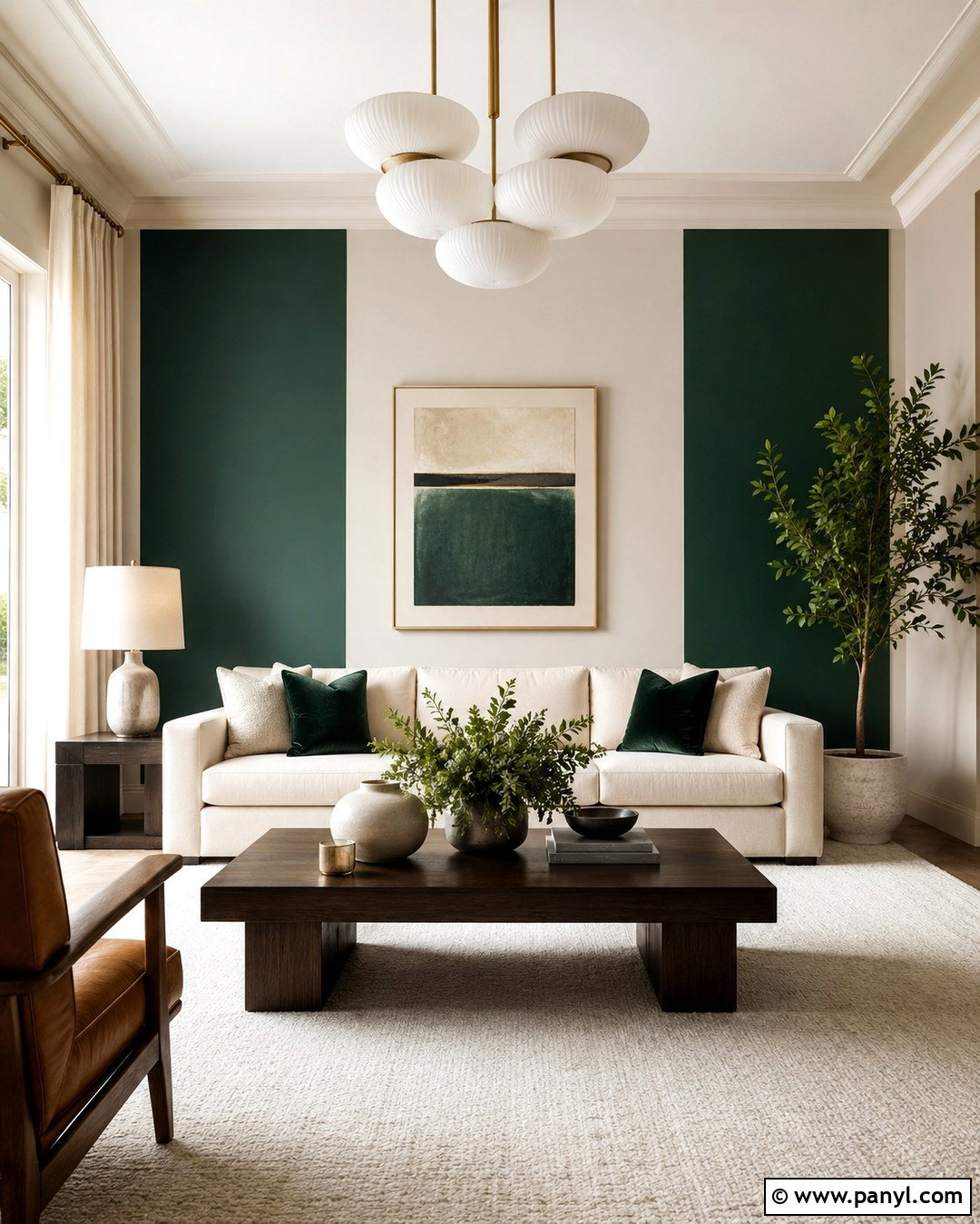
Deep emerald green blocks can give a living room a polished, gallery-like atmosphere. Start with a warm greige background, then paint two large emerald rectangles behind a long cream sofa. Leave a narrow strip of the base color between the blocks to create clear separation. Hang one simple framed print inside each painted section, using wide white mats and thin brass frames. Ground the arrangement with a dark walnut coffee table, textured ivory rug, and tan leather accent chair. Velvet cushions in green and muted gold connect the seating to the wall. Add sculptural ceramic lamps and full-length cream drapes for softness. This layout treats each painted rectangle like an architectural panel, creating symmetry and depth without requiring molding or permanent wall construction.
9. Lavender Wave Wall Paint
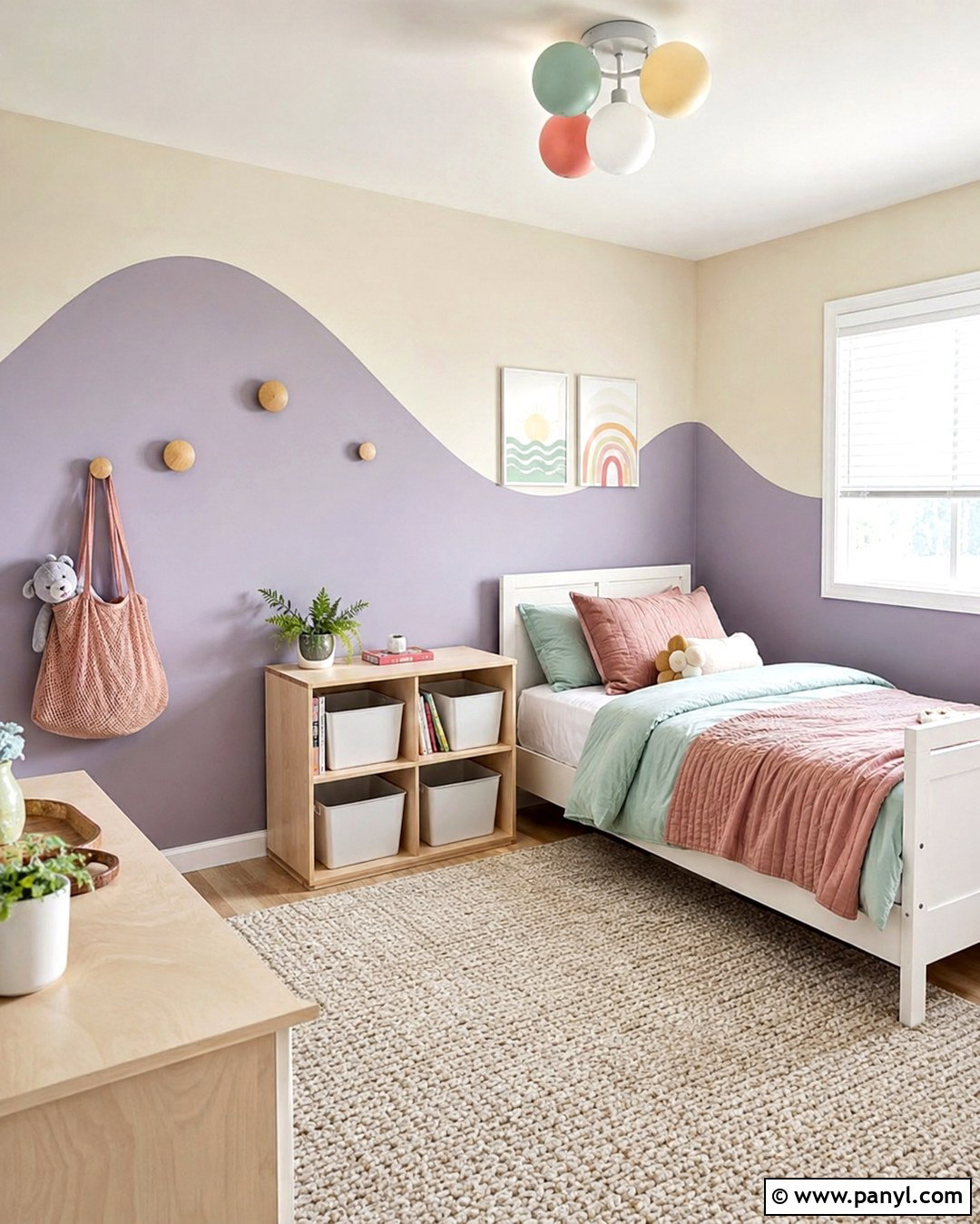
A flowing lavender wave can make a child’s bedroom feel playful without relying on a complicated theme. Paint the lower portion of the walls in soft lavender, then replace the standard straight edge with one broad, gently rising curve. Keep the upper walls pale cream and repeat the curve across two connected walls for continuity. Use a white bed, light birch storage unit, and washable oatmeal rug as the neutral foundation. Introduce mint green, dusty rose, and sunny yellow through bedding and small accessories. Rounded wall hooks and a cloud-shaped ceiling light complement the soft movement. Leave enough open floor space for play, and use matching bins to control clutter. The complete room feels imaginative, cheerful, and easy to update as tastes change.
10. Black And Beige Wall Paint
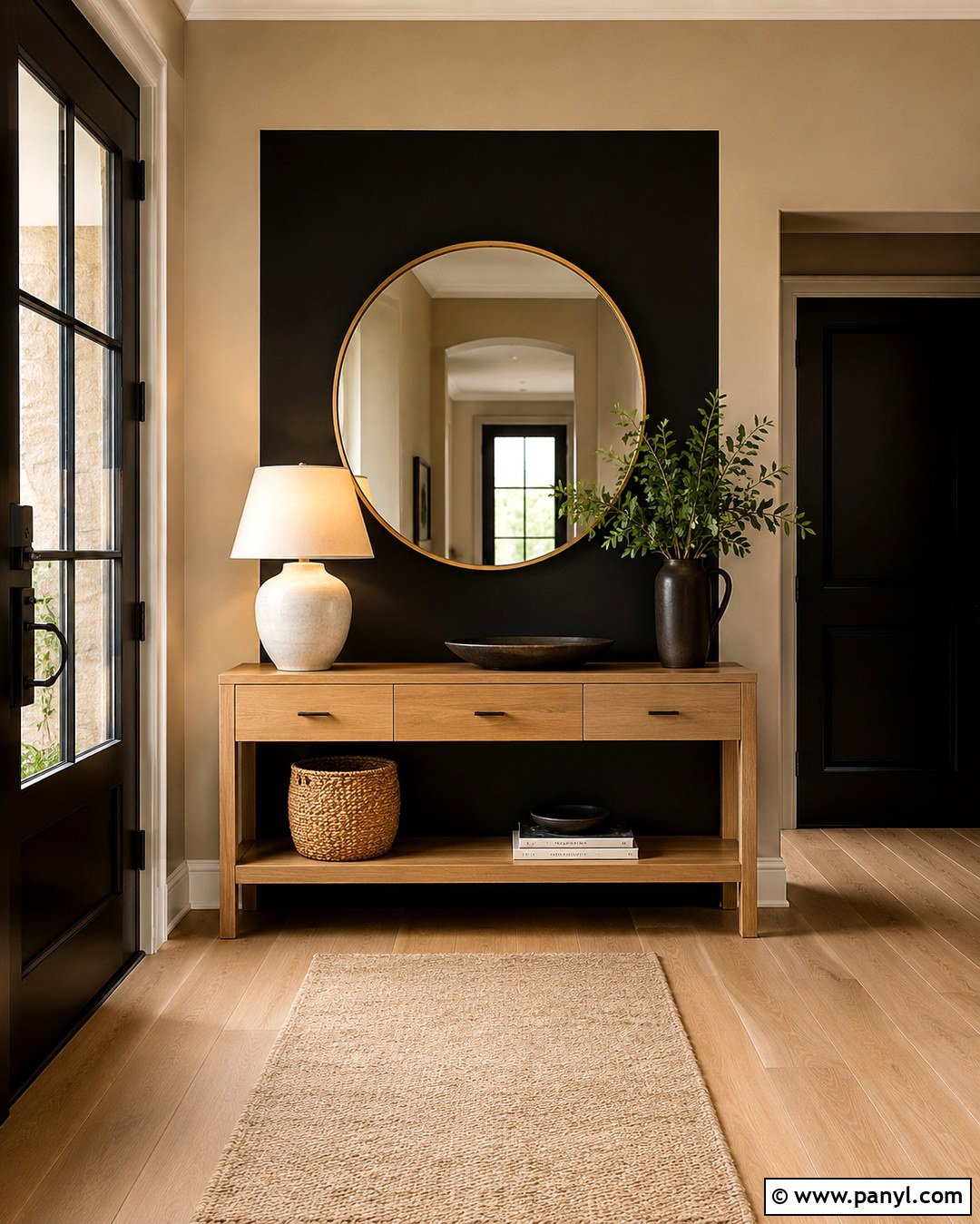
For a sophisticated entryway, pair warm beige walls with a sharply defined matte black block. Paint the black section from the floor to door height behind a narrow console, then leave the upper wall beige. Choose a light oak console so it stands out clearly against the dark background. Add a large round mirror with a thin brass frame, a cream table lamp, and one sculptural bowl for keys. A natural runner and woven basket soften the strong contrast. Continue the beige onto adjoining walls to maintain brightness in a small entrance. Painting the nearby door black can make the feature feel more architectural and complete. The finished look is bold but practical, with enough neutral material and warm lighting to keep it welcoming.
11. Rainbow Stripe Wall Paint
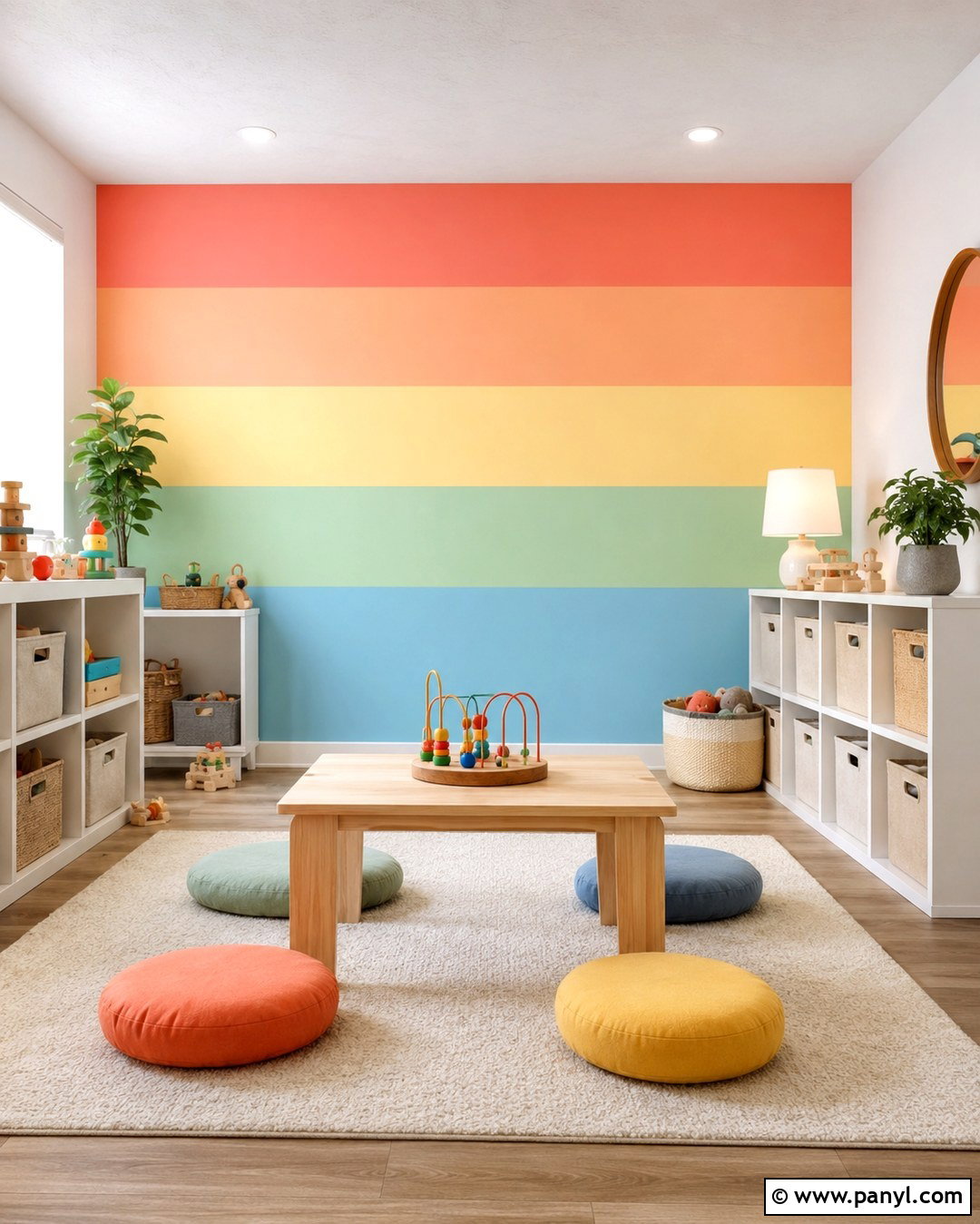
Design a bright playroom with wide horizontal color blocks instead of narrow, busy rainbow stripes. Use five softened shades such as coral, apricot, pale yellow, mint, and sky blue across one main wall. Keep each stripe equal in height and carry the lowest shade behind a long white storage cabinet. Paint the other walls clean white so the colorful feature remains controlled. Add a pale wood activity table, washable cream rug, and labeled neutral storage bins. Select solid-color floor cushions that repeat two wall tones rather than every shade. White ceiling lights and natural wood accessories prevent the room from looking overly themed. The broad stripes create an energetic backdrop while the simple furniture, open layout, and organized storage support everyday play and creative activities.
12. Olive Green Staircase Wall Paint
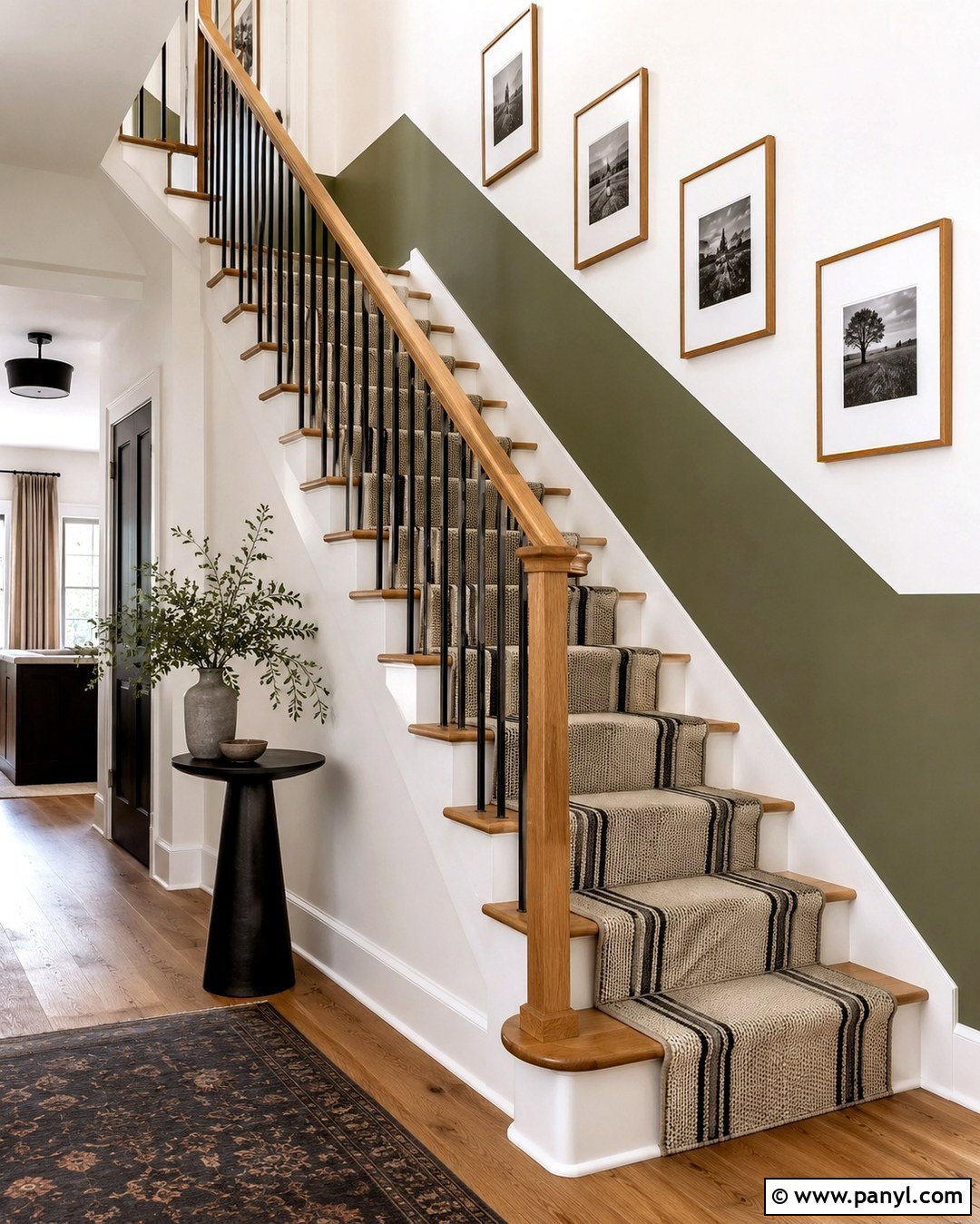
Follow the angle of a staircase with an olive green color block that emphasizes its architecture. Paint the lower wall beneath the handrail in rich olive, carrying the line upward at the same pitch as the stairs. Use warm white above the block and on the surrounding hallway walls. A natural oak handrail, matte black balusters, and light wood stair treads complement the earthy color. Along the upper section, hang a restrained gallery of black-and-white photographs in matching oak frames. Place a narrow runner in cream and charcoal on the stairs for pattern and comfort. The angled paint treatment visually connects both levels while protecting the lower portion from appearing bare. It creates a finished transitional space rather than treating the staircase as an afterthought.
13. Burgundy Headboard Wall Paint
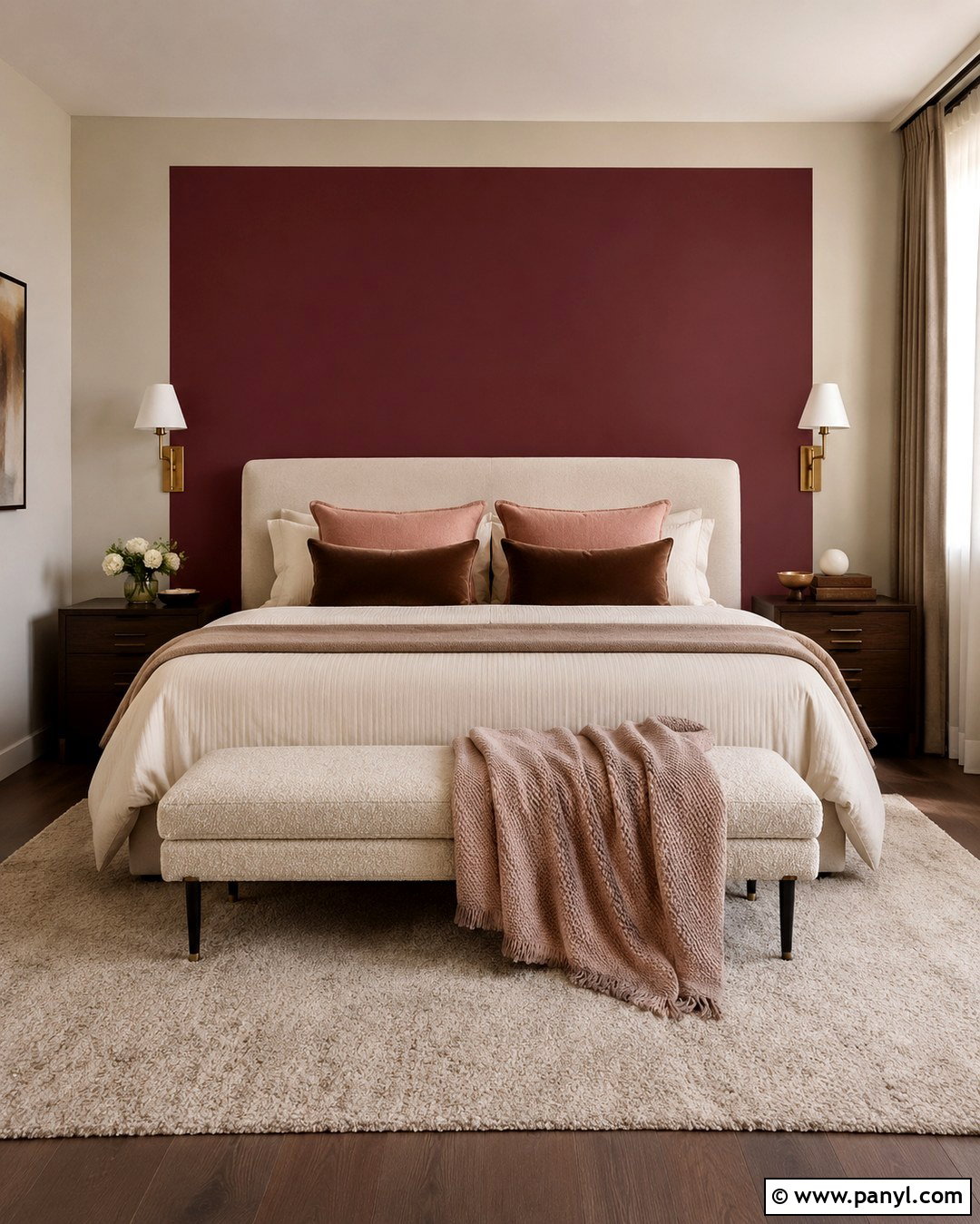
A burgundy painted block can replace an oversized headboard in a dramatic adult bedroom. Paint a wide rectangle behind the bed, beginning at the baseboard and ending roughly two-thirds up the wall. Choose dusty burgundy rather than bright red for a warmer and more restful effect. Surround it with pale mushroom paint and position a low beige upholstered bed inside the block. Layer ivory bedding with cocoa brown, muted rose, and burgundy accents. Dark walnut nightstands and aged brass sconces add depth and balance. Complete the floor with a large cream rug and use taupe linen curtains at the windows. Keep artwork outside the painted rectangle minimal. The resulting room feels rich and intimate while remaining calm enough for comfortable everyday use.
14. Teal TV Wall Paint
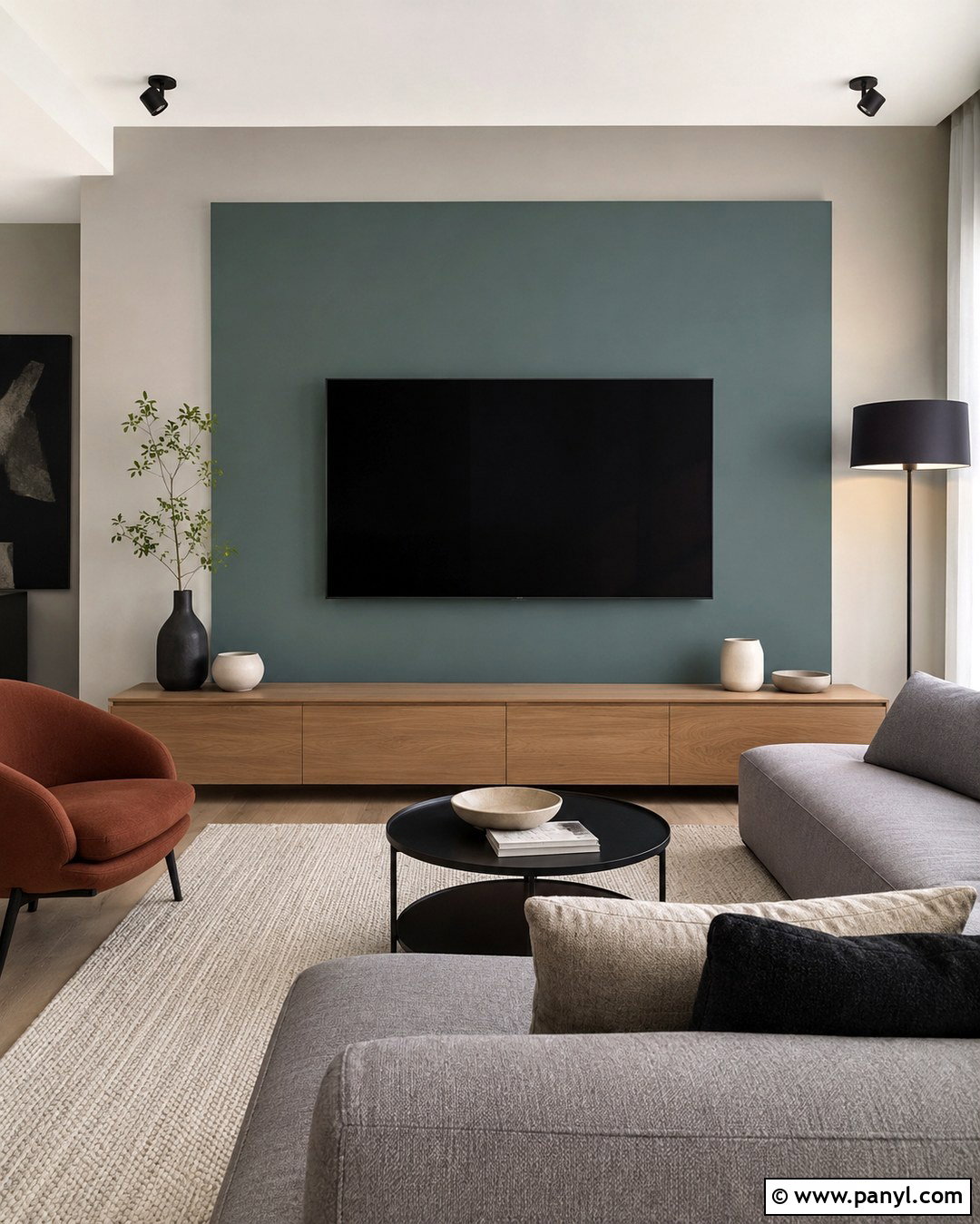
Integrate a television into the living room by placing it within a large muted teal paint block. Make the rectangle wider than the media cabinet and tall enough to frame the screen with balanced margins. Paint the surrounding walls a pale warm gray, which reduces harsh contrast between the teal and the television. Use a long oak media unit with closed storage to keep cords and devices hidden. Furnish the room with a soft gray sectional, rust-colored accent chair, and cream textured rug. Black lighting and hardware connect visually with the screen, while oak and woven materials add warmth. Limit decorations around the television to one plant and a few low ceramic objects. This coordinated approach makes the media area feel intentional instead of visually disconnected.
15. Soft Gray Geometric Wall Paint
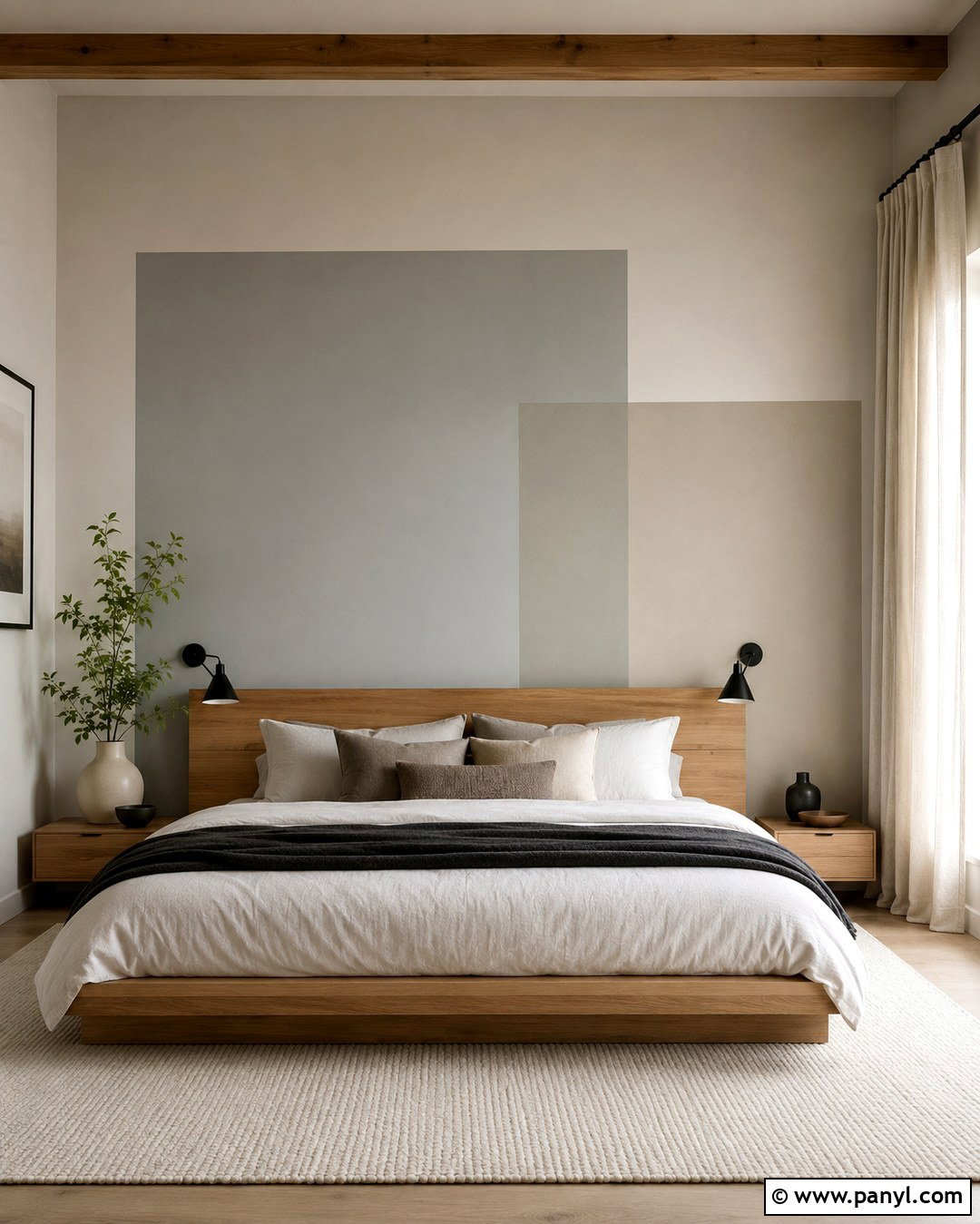
A soft gray geometric wall offers subtle character for a minimalist bedroom. Begin with a warm white base, then paint overlapping blocks in pale gray, stone, and light greige behind the bed. Use three large shapes rather than many small sections, keeping the pattern calm and easy to understand. A low platform bed in natural oak should remain the visual anchor. Add white bedding, a charcoal throw, and two taupe cushions for gentle contrast. Matching black sconces bring definition to each side of the arrangement. Choose a plain ivory rug and simple linen curtains to maintain the uncluttered mood. Leaving slim bands of white between selected shapes can sharpen the composition. The finished room feels architectural and layered without depending on bright color or excessive decoration.
16. Orange Doorway Wall Paint
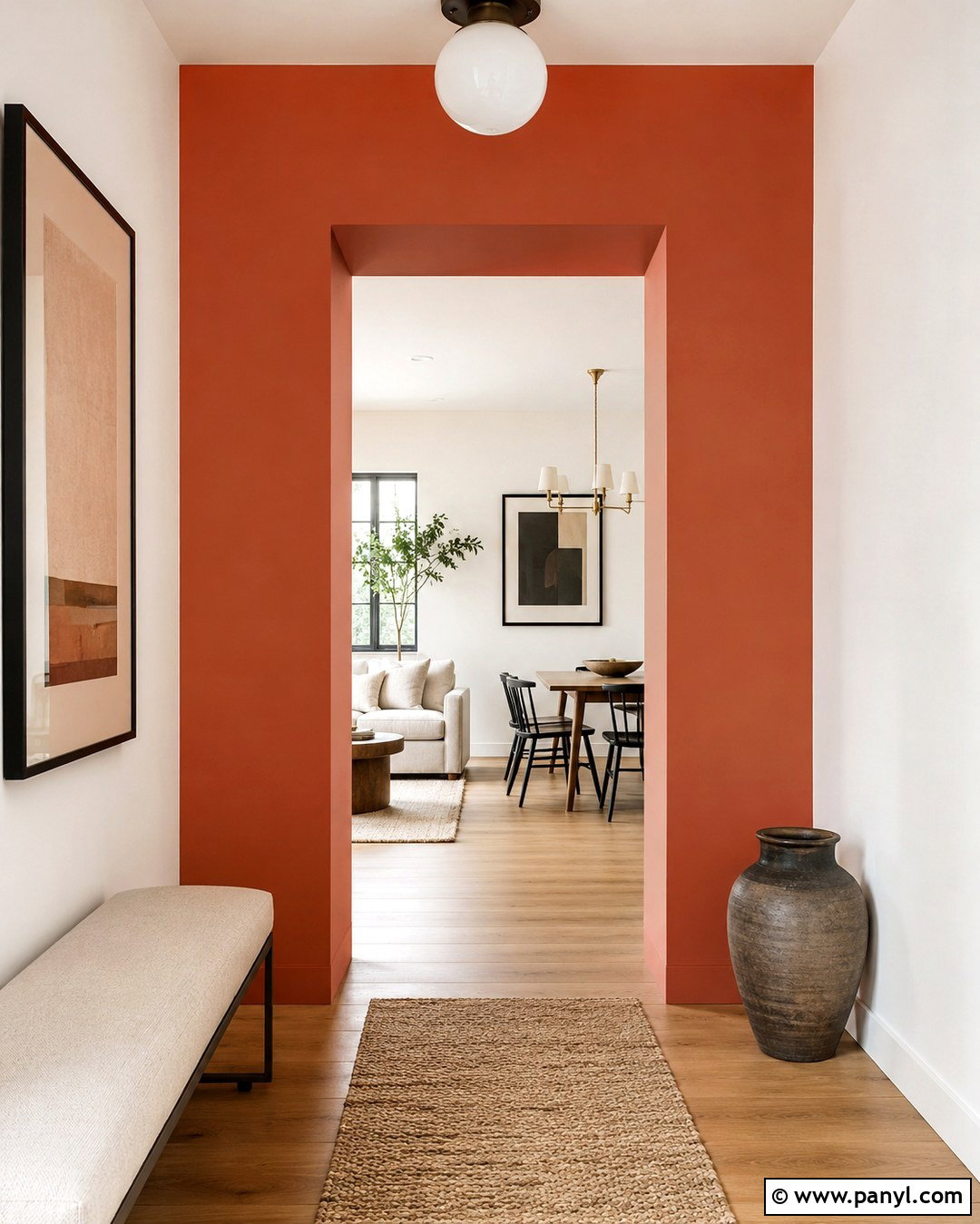
Highlight an interior doorway with a burnt orange color block that connects two adjoining spaces. Paint a vertical section around the opening, including the inner edges of the doorway, while leaving the remaining walls creamy white. The block should extend about twelve inches beyond the trim on each side for a clear framed effect. Pair the orange with warm oak flooring, a beige bench, and a narrow woven runner. In the next room, repeat the shade through one cushion or ceramic vase to create continuity. Black-framed artwork and a small globe ceiling light provide crisp contrast. Keep nearby furniture understated because the painted doorway already forms a strong focal point. This treatment adds architectural presence to a plain opening without requiring new trim, paneling, or construction.
17. Cobalt Blue Kitchen Wall Paint
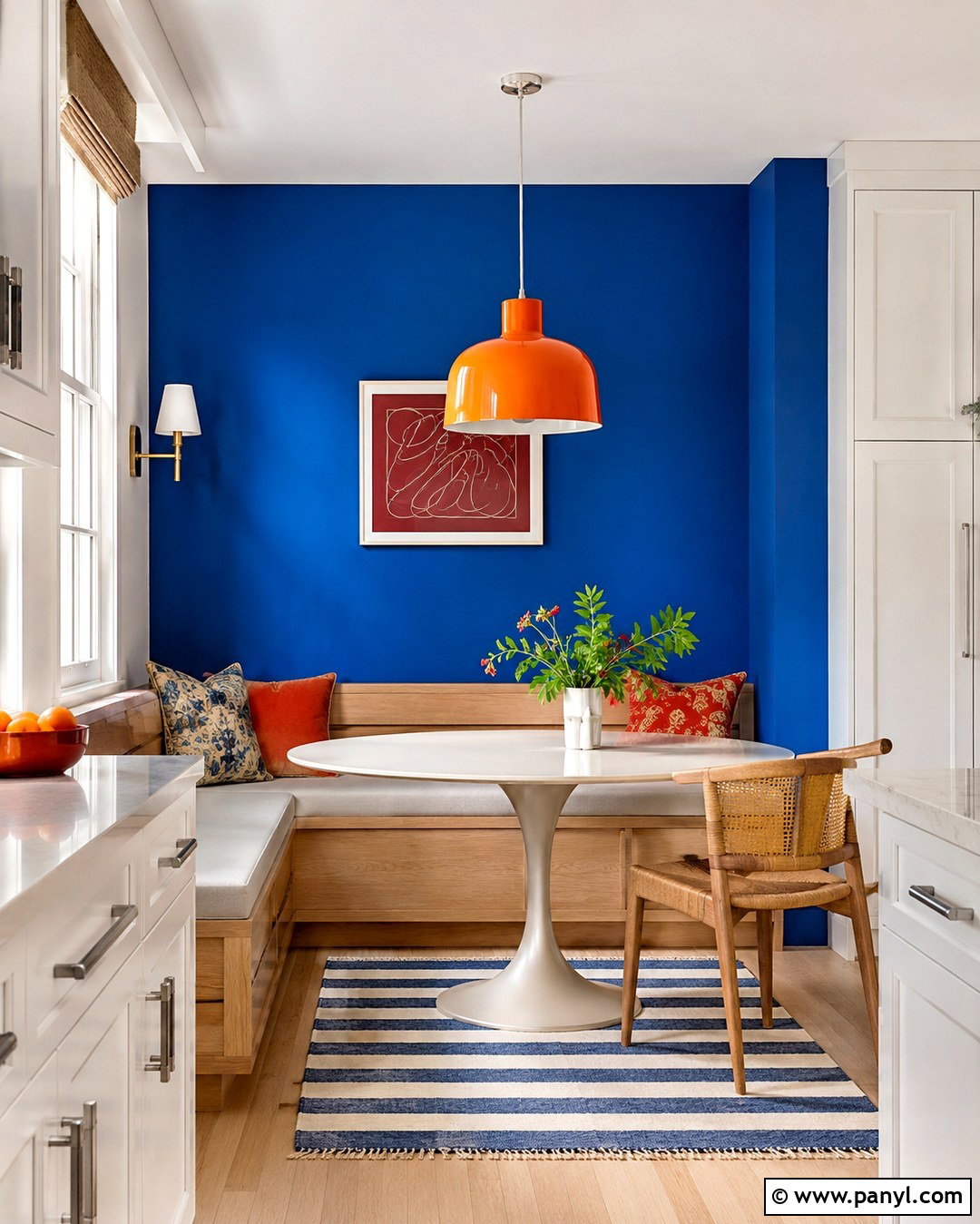
Add bold color to a breakfast area with a cobalt blue block painted behind a built-in or freestanding banquette. Cover the lower two-thirds of the wall and keep the top bright white to balance the saturated shade. Pair the blue background with a pale oak bench, white seat cushion, and small round pedestal table. Introduce red-orange through one pendant light or a pair of patterned pillows for controlled contrast. White cabinetry, light quartz counters, and brushed steel hardware keep the surrounding kitchen clean and practical. A washable striped rug can bring the palette together beneath the table. Use the blue only in the dining nook rather than across every kitchen wall. The finished design clearly defines where meals happen while preserving a bright and open overall layout.
18. Brown And Cream Wall Paint
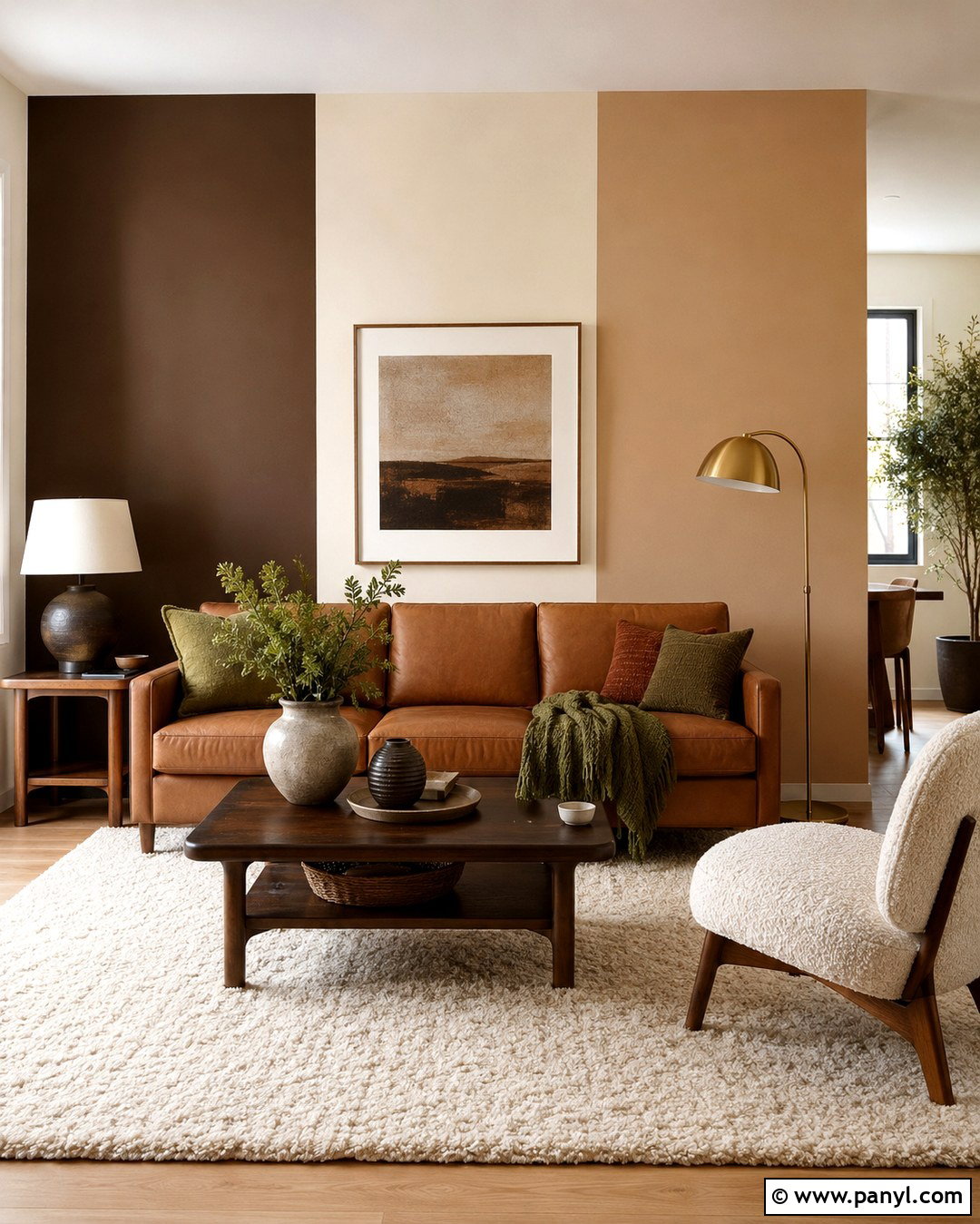
Chocolate brown and cream create a warm, grounded living room when used in broad vertical blocks. Paint the main wall cream, then add one large brown section behind a caramel leather sofa. Extend the brown from floor to ceiling and make it slightly narrower than the seating arrangement. On an adjoining wall, use a smaller tan block to continue the layered palette. Furnish the room with walnut tables, an ivory boucle chair, and a thick cream rug. Brushed brass lighting adds a soft reflective finish, while rust and olive textiles prevent the neutral scheme from feeling flat. Hang artwork with wide cream mats inside the brown area. This complete tonal design feels comfortable and dimensional, proving color blocking can be understated without relying on bright or contrasting hues.
19. Aqua Bathroom Wall Paint
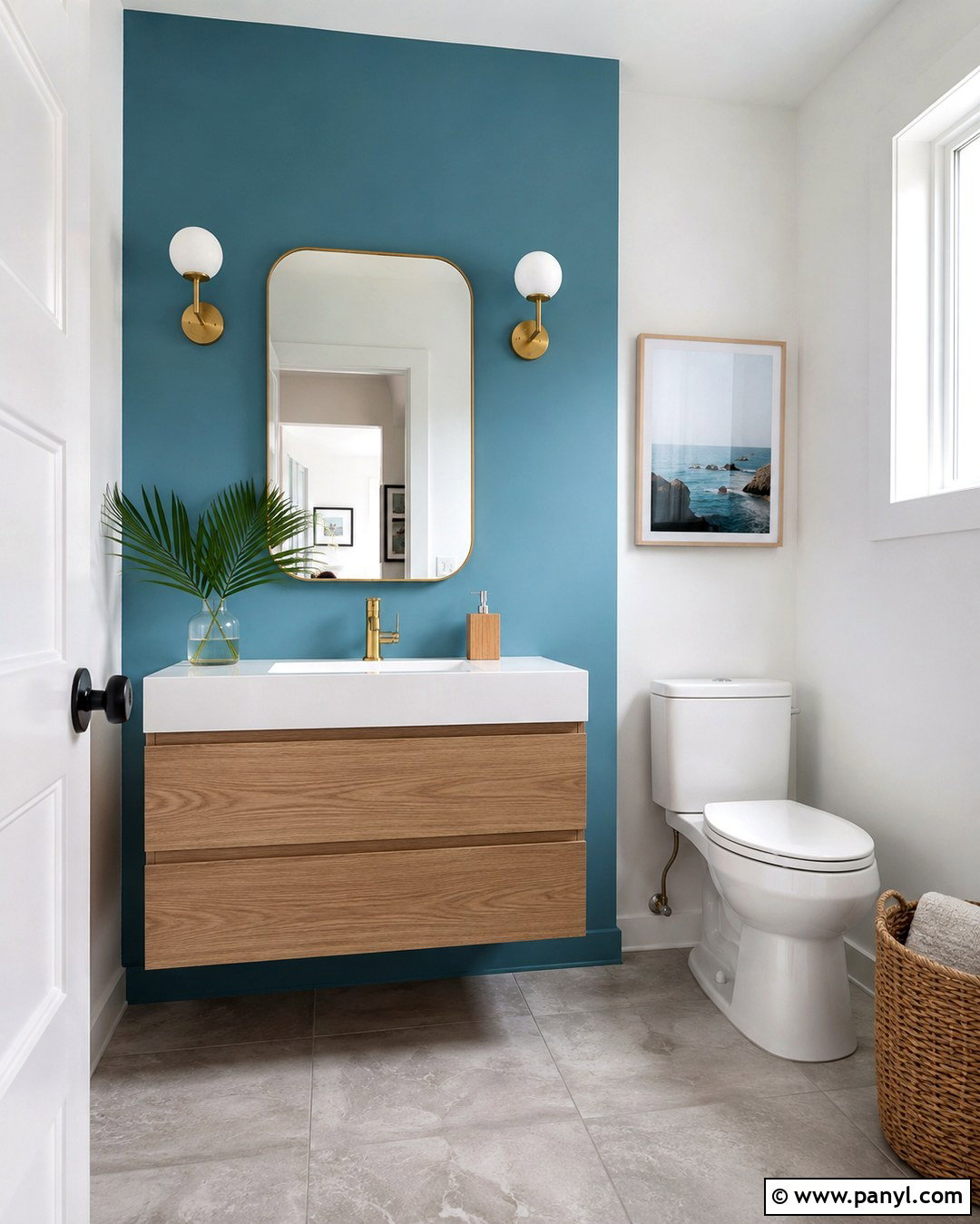
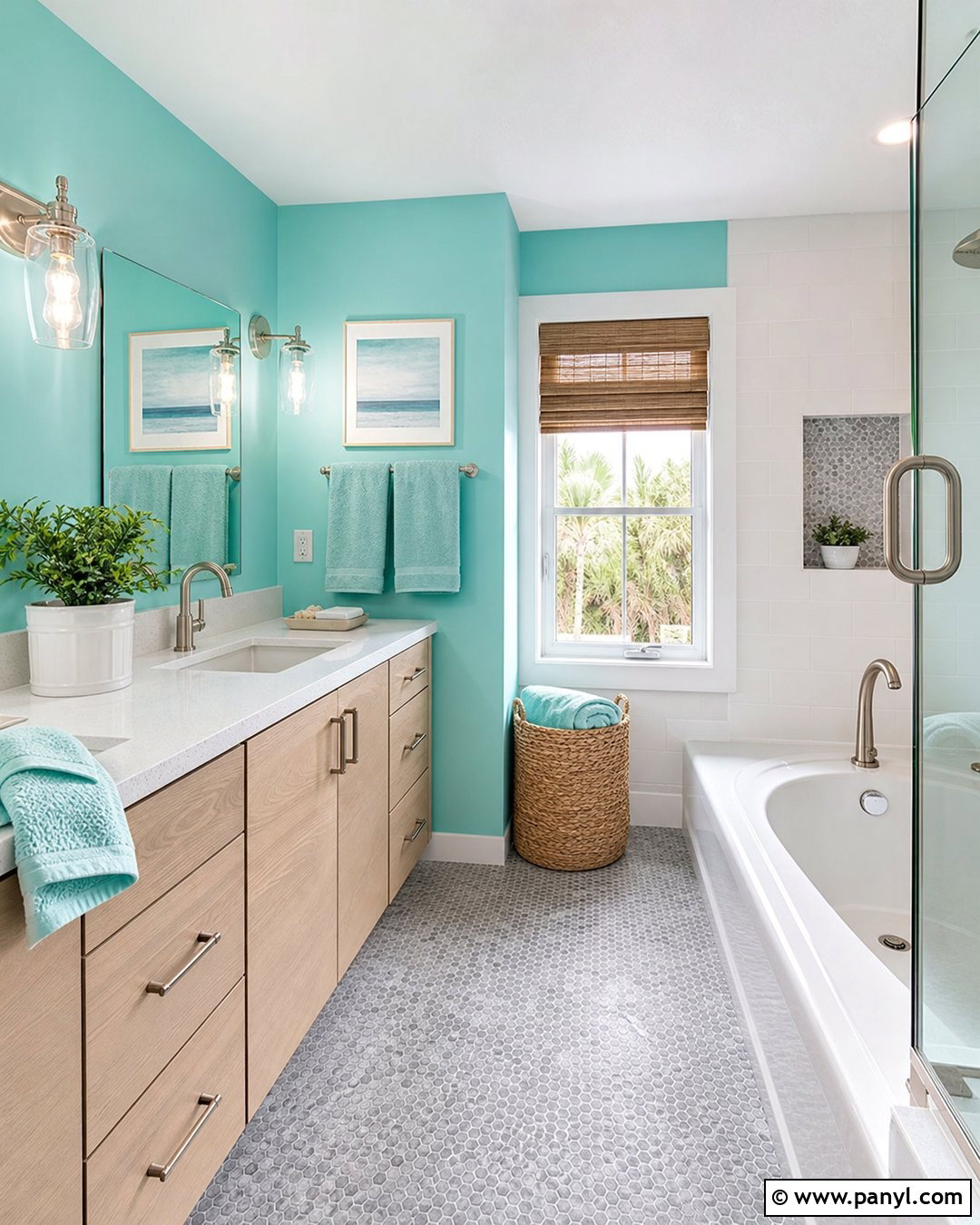
Refresh a small bathroom with a crisp aqua block surrounding the vanity and mirror. Paint a floor-to-ceiling rectangle slightly wider than the vanity, then use clean white across the remaining walls. Choose a floating light oak cabinet, white quartz countertop, and brushed brass faucet for a fresh coastal-modern combination. A rounded mirror softens the rectangular paint boundary, while two compact globe sconces provide balanced lighting. Continue the white through shower tile, towels, and the ceiling to keep the room bright. Add a pale gray floor tile and one woven basket for texture. Avoid using multiple blue accessories, which could make the scheme overly themed. The aqua feature clearly defines the grooming area and gives the compact room a strong focal point without reducing its visual openness.
20. Pastel Abstract Wall Paint
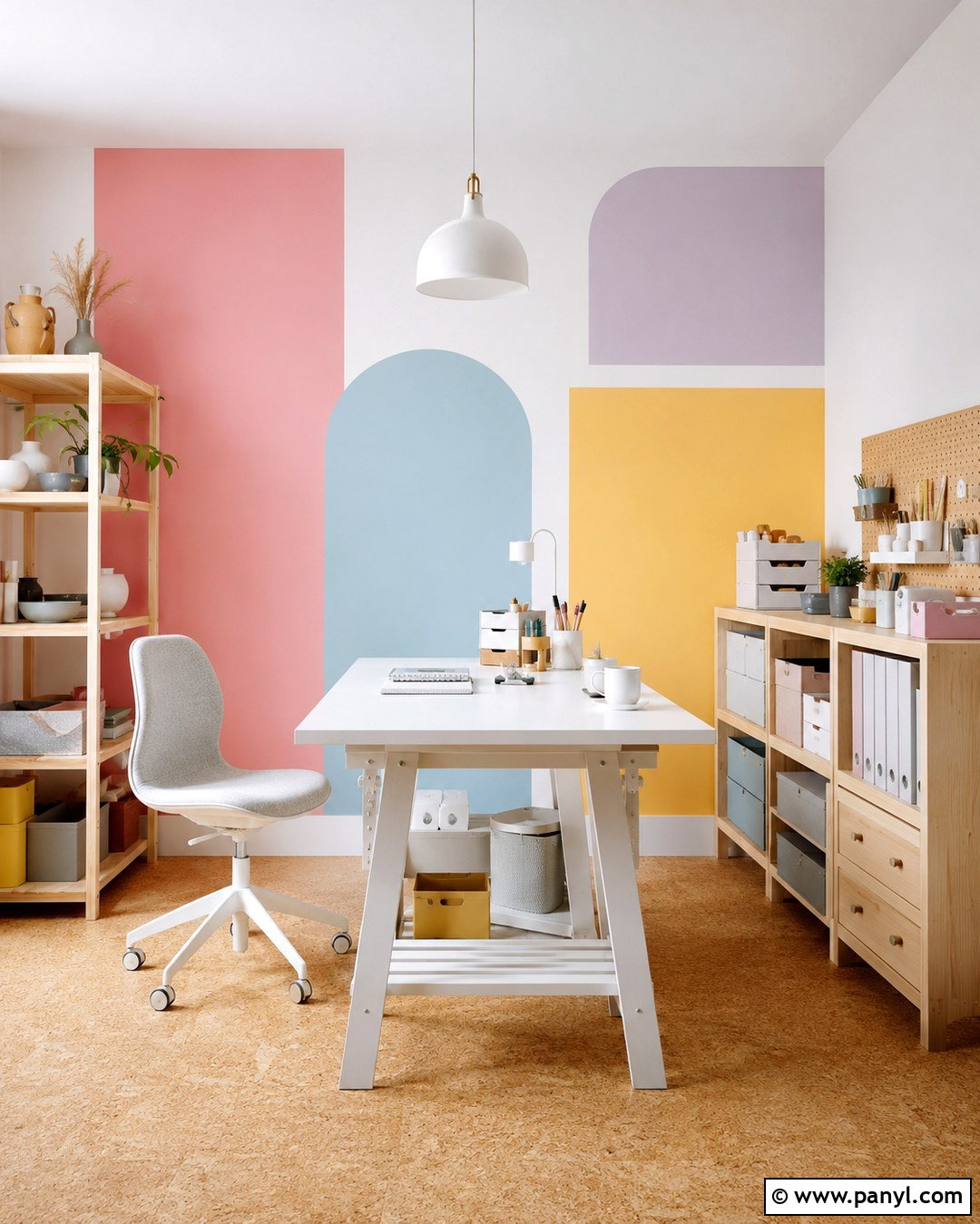
Complete a creative studio with an abstract wall composed of large pastel color blocks. Begin with a warm white background, then layer rounded sections of dusty pink, pale blue, butter yellow, and muted lilac across one wall. Keep the shapes broad and asymmetrical, with some extending beyond the desk and storage areas. Choose a white worktable, birch shelving, and a light gray ergonomic chair so the wall remains the focus. Organize supplies in matching cream containers and add a simple pegboard within the painted composition. A white pendant light and pale cork flooring maintain brightness. Repeat only one pastel shade in a small rug or desk accessory. The complete workspace feels energetic and personal while remaining organized enough for focused projects and regular daily use.
Conclusion:
These 20 Color Block Wall Paint Inspiration Ideas show how carefully placed color can define zones, highlight furniture, and give plain rooms a more architectural appearance. A successful design starts with the complete space, not just the painted shape. Consider the room’s flooring, furniture, textiles, lighting, and existing trim before selecting the final palette. Large arches and rectangles create strong focal points, while half walls and tonal blocks offer a quieter result. Test the layout with removable tape, check sightlines around furniture, and use a level for precise edges. Most importantly, select colors that already connect with your home. The best color blocking looks creative, balanced, and naturally integrated into everyday living.

Related Ideas and Inspiration:
Leave a Reply