
Accent walls can do much more than place one bold color behind a sofa. With thoughtful paint placement, a feature wall can improve the room’s proportions, highlight furniture, and connect the entire color palette. These 20 accent wall designs paint ideas include simple solid colors, crisp geometric patterns, soft limewash finishes, architectural effects, and playful murals. Each look combines the painted wall with suitable furniture, flooring, lighting, and decor, so the finished room feels coordinated rather than incomplete. Before painting, sample colors in morning and evening light, repair surface flaws, and map patterns with a level. Whether you prefer calming neutrals or energetic color, the following complete rooms will help you recreate **20 accent wall designs paint ideas**.

1. Navy Blue Accent Wall
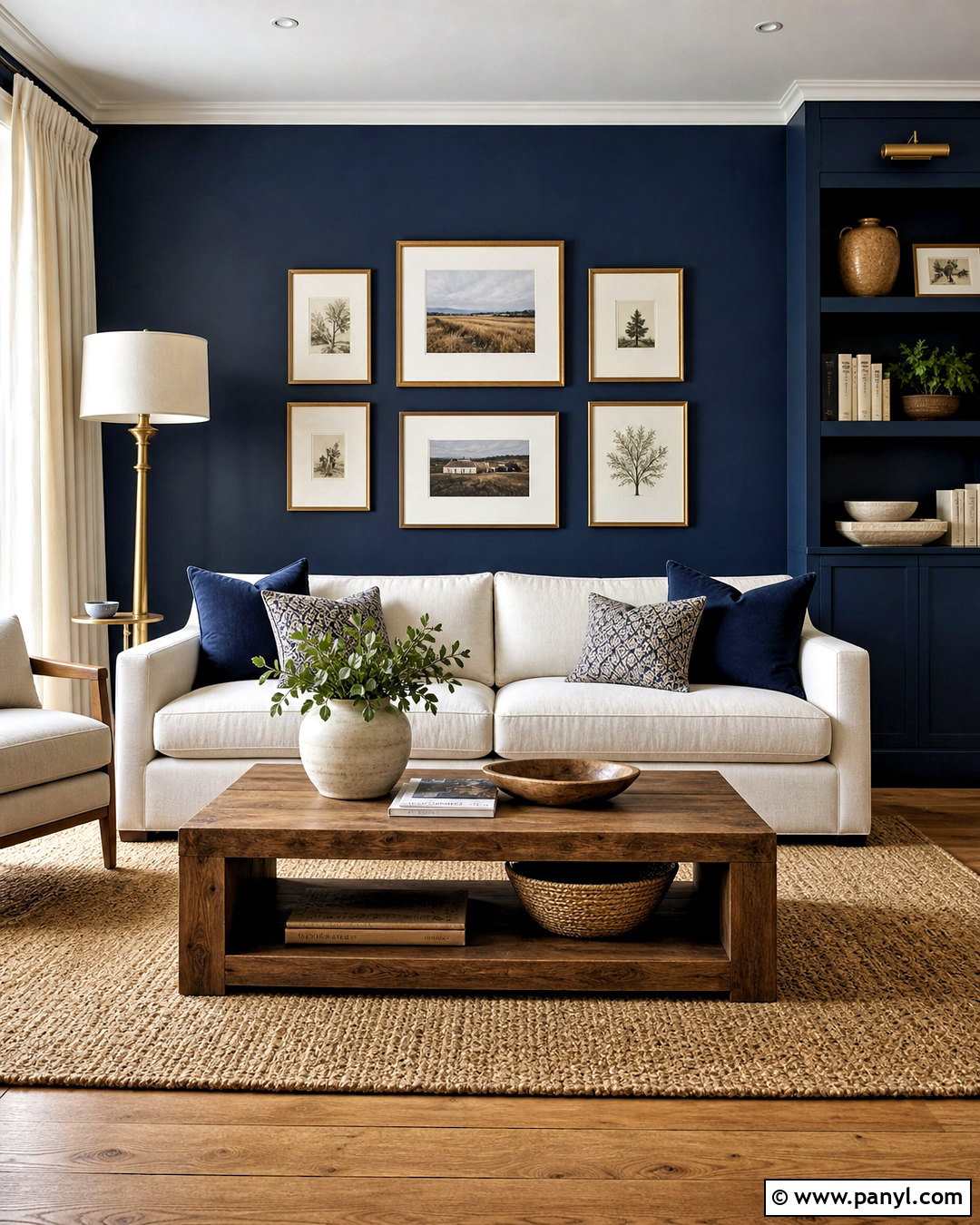
A deep navy accent wall gives a living room a strong focal point without making the entire space feel dark. Place it behind a warm white or light beige sofa, then repeat the navy through small details such as pillows, pottery, or framed artwork. Keep the surrounding walls soft white to maintain brightness. Medium oak flooring and a natural jute rug prevent the blue from appearing too formal. Add a walnut coffee table, cream curtains, and brushed brass lighting for warmth. The best wall is usually the first uninterrupted surface visible from the entry. Use a matte or eggshell finish, since high-gloss navy can emphasize drywall flaws and create distracting reflections.
2. Sage Green Accent Wall
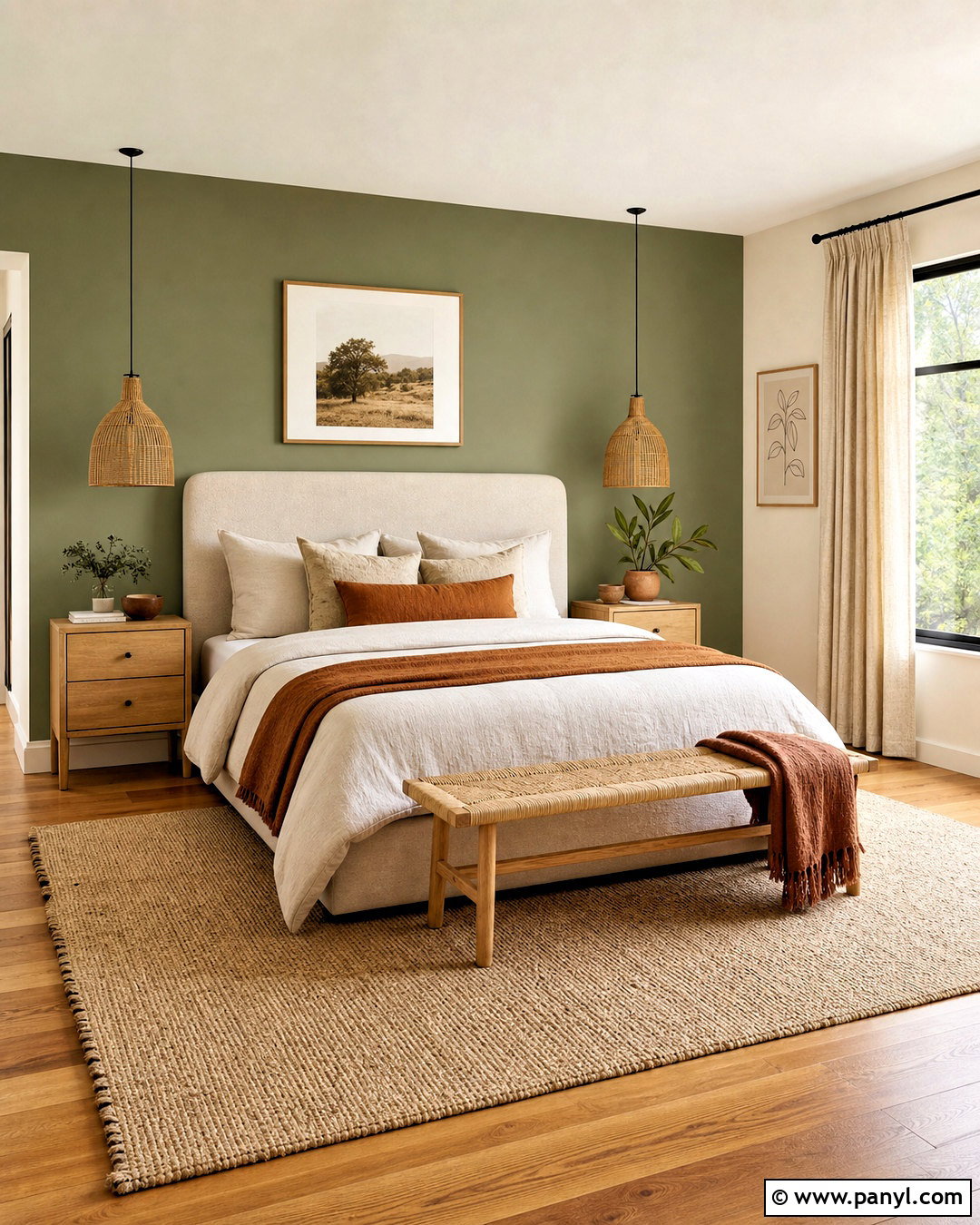
Soft sage green works especially well on the wall behind a bedroom headboard. It introduces gentle color while remaining easy to coordinate with warm neutrals. Choose an upholstered oatmeal bed, white or cream bedding, and a muted green throw to create a calm layered palette. Light oak nightstands and woven lamps bring natural texture into the room. Paint the remaining walls a warm off-white rather than a cool, bright white. This prevents the sage from looking gray under artificial light. Hang one wide landscape print above the bed or use two balanced framed pieces. Linen curtains, a beige wool rug, and a few terracotta accessories complete this relaxed, organic bedroom design.
3. Terracotta Limewash Accent Wall
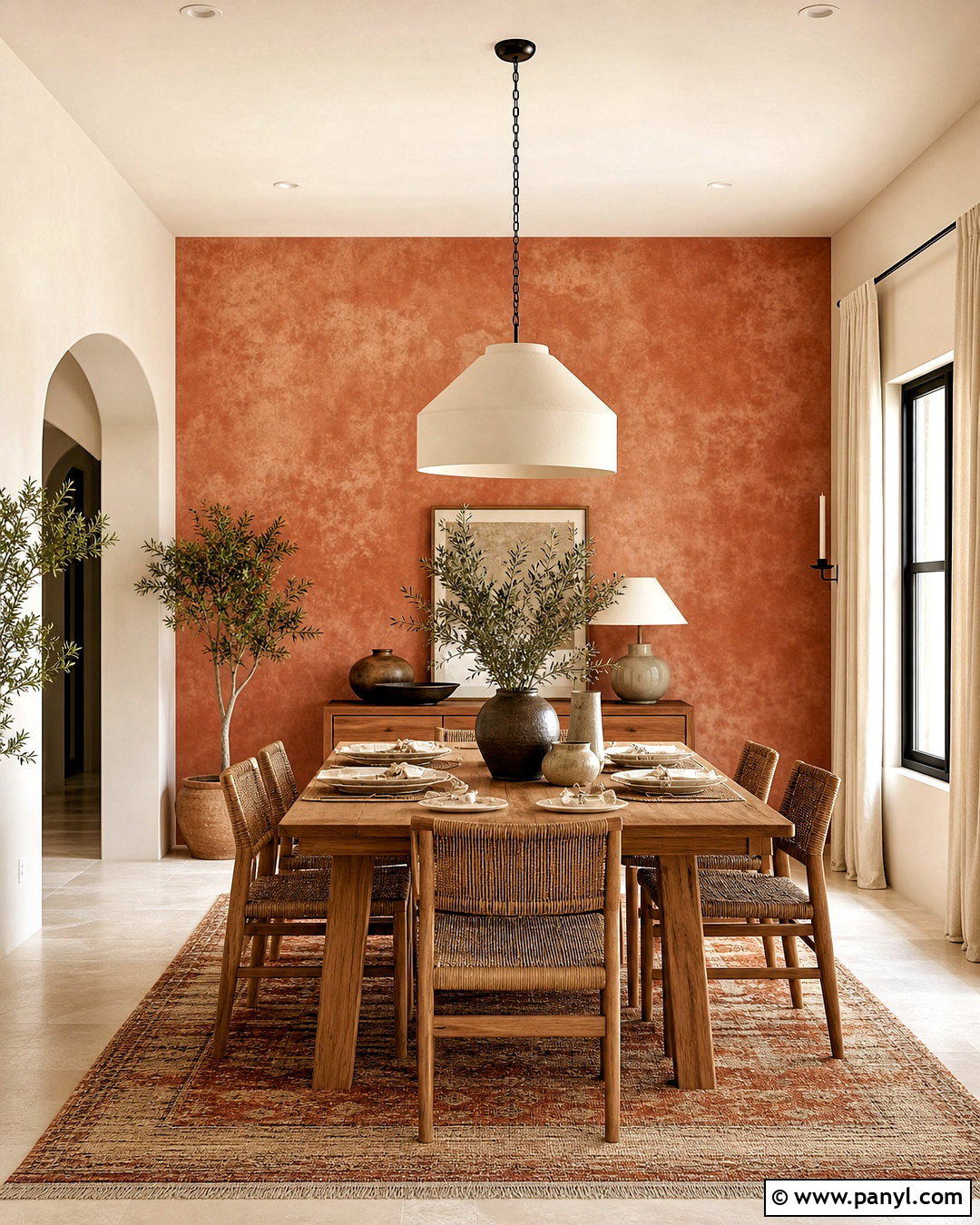
A terracotta limewash accent wall creates soft movement and earthy depth in a dining room. Apply overlapping brushstrokes rather than trying to make the surface perfectly uniform. The natural variation should remain visible after the finish dries. Pair the wall with a medium-tone oak dining table, woven chairs, and a large cream pendant light. Surrounding walls in warm ivory will keep the room open while complementing the clay color. Use simple ceramics, linen napkins, and olive-green branches as restrained accents. A flat-weave rug in beige and rust can connect the complete palette. Because specialty mineral finishes require suitable preparation, confirm the wall, primer, and chosen product are compatible before beginning.
4. Geometric Accent Wall
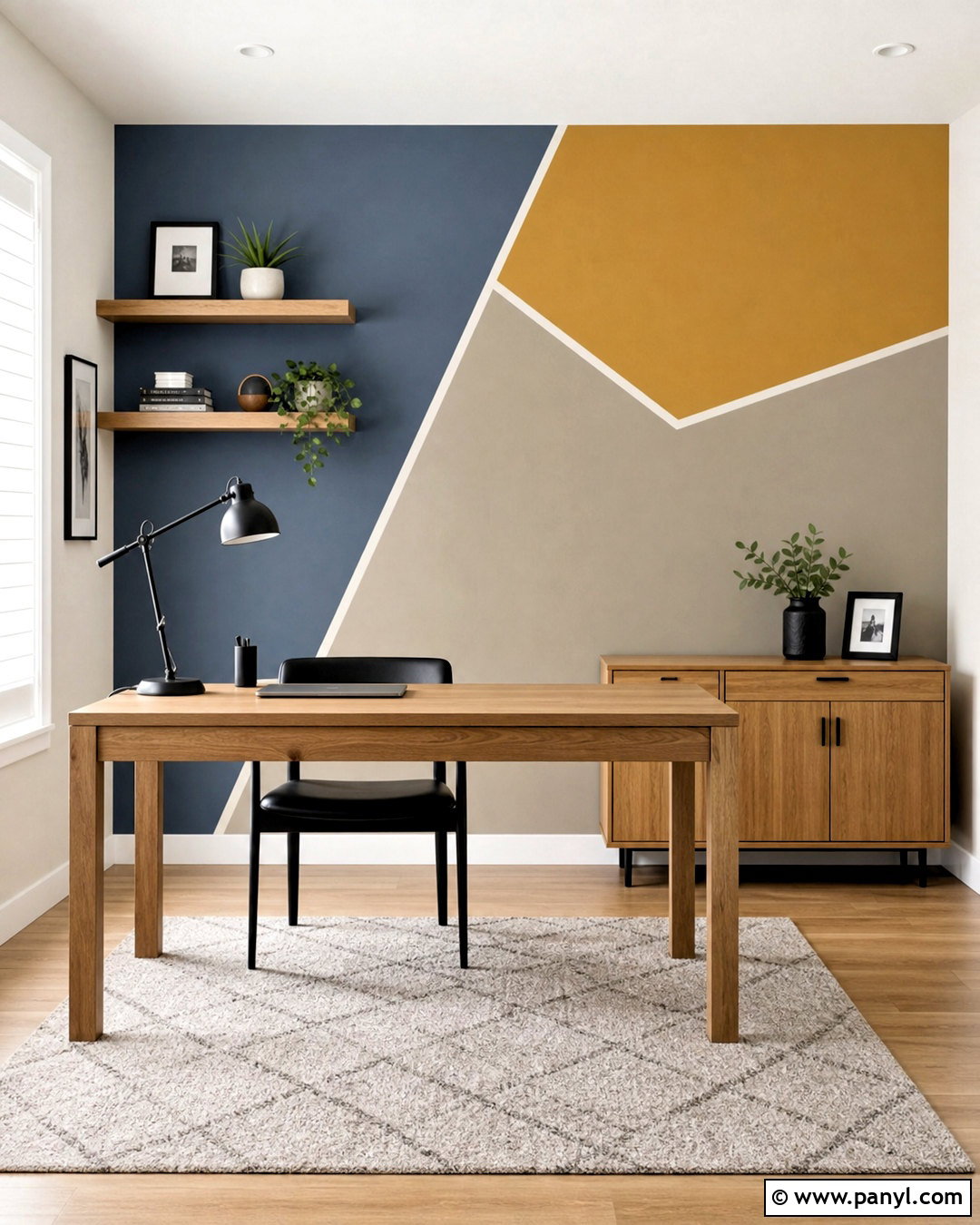
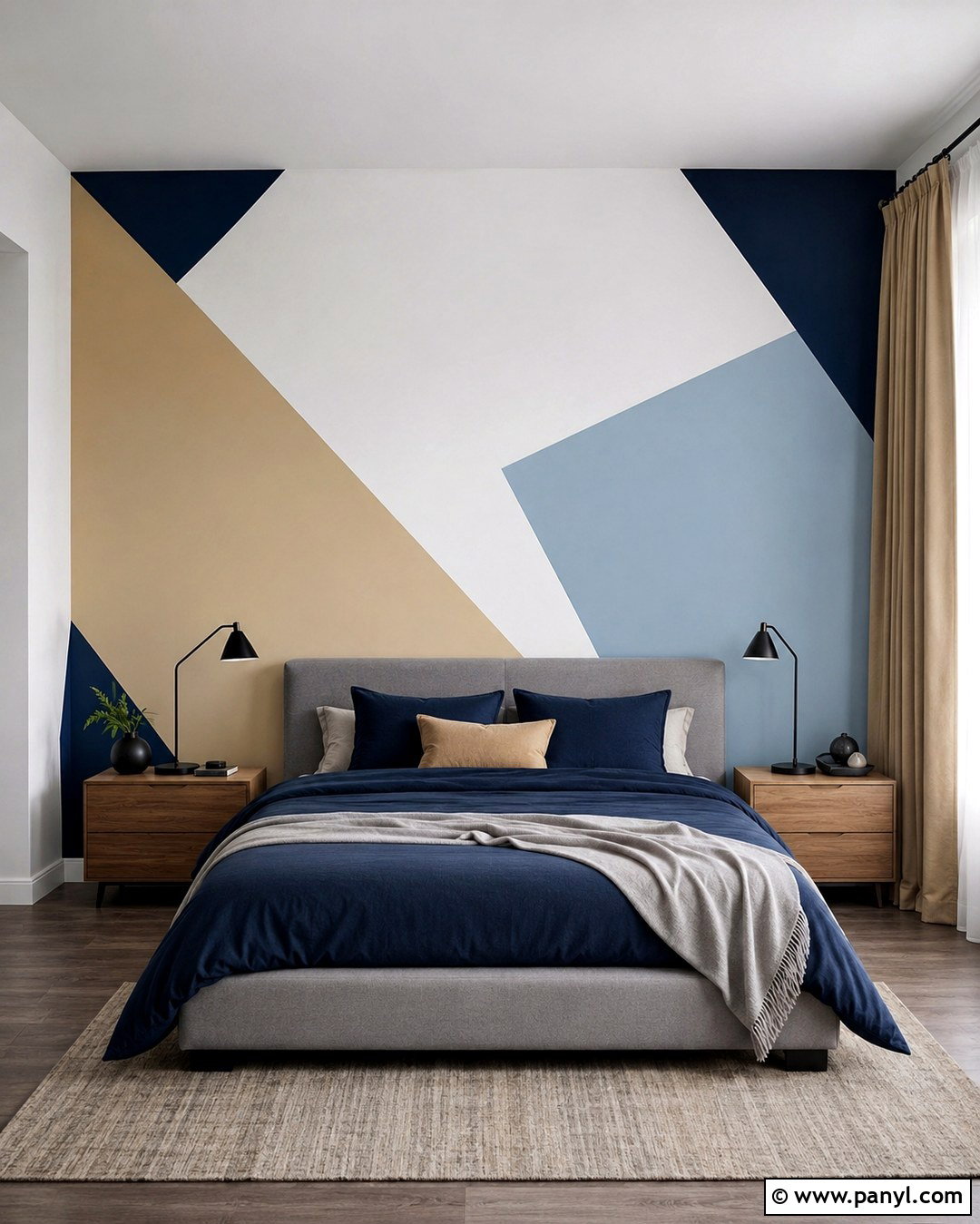
A geometric accent wall can energize a home office while still looking organized. Begin with a warm white base, then use painter’s tape to create large angular sections in dusty blue, muted mustard, and soft greige. Keep the shapes broad and asymmetrical rather than filling the wall with many tiny triangles. Position a streamlined oak desk against the design and choose a simple black chair that does not compete with the pattern. Floating shelves can be painted the base color so they visually recede. Add a neutral rug, matte black task lamp, and closed storage cabinet. Repeat each wall color only once or twice in desk accessories for a balanced, coordinated workspace.
5. Vertical Stripe Accent Wall
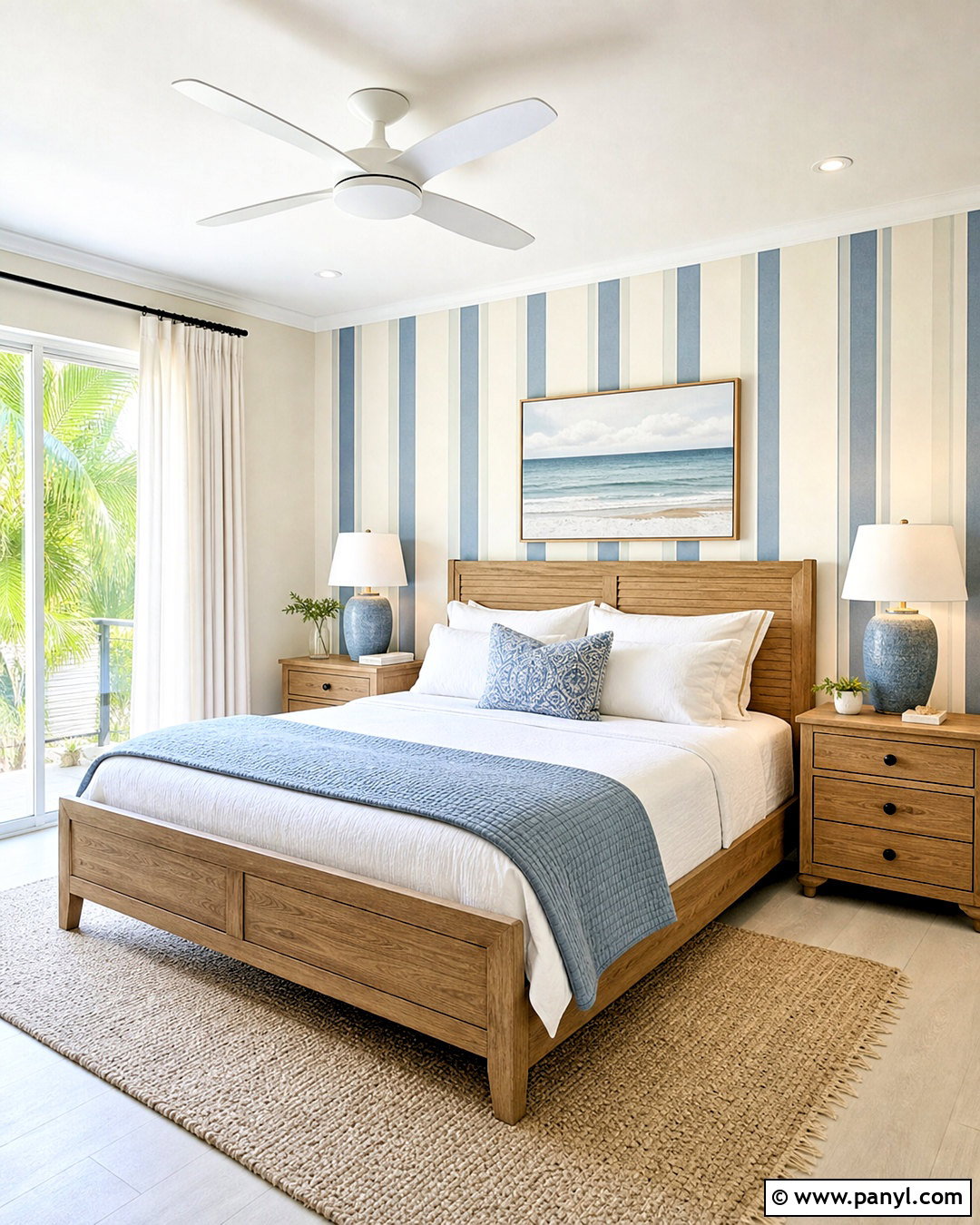
Vertical painted stripes can make a room with a low ceiling appear taller. For a polished guest bedroom, alternate wide warm-white stripes with narrower dusty blue stripes on the headboard wall. Measure the complete wall first so awkward partial stripes do not appear at the corners. Use a level and quality painter’s tape to keep every line straight. A simple natural wood bed allows the striped pattern to remain the focal point. Complete the space with crisp white bedding, a blue-gray quilt, compact oak nightstands, and white ceramic lamps. Keep artwork minimal because the pattern already provides visual movement. Pale flooring and full-length white curtains continue the room’s upward, airy effect.
6. Horizontal Stripe Accent Wall
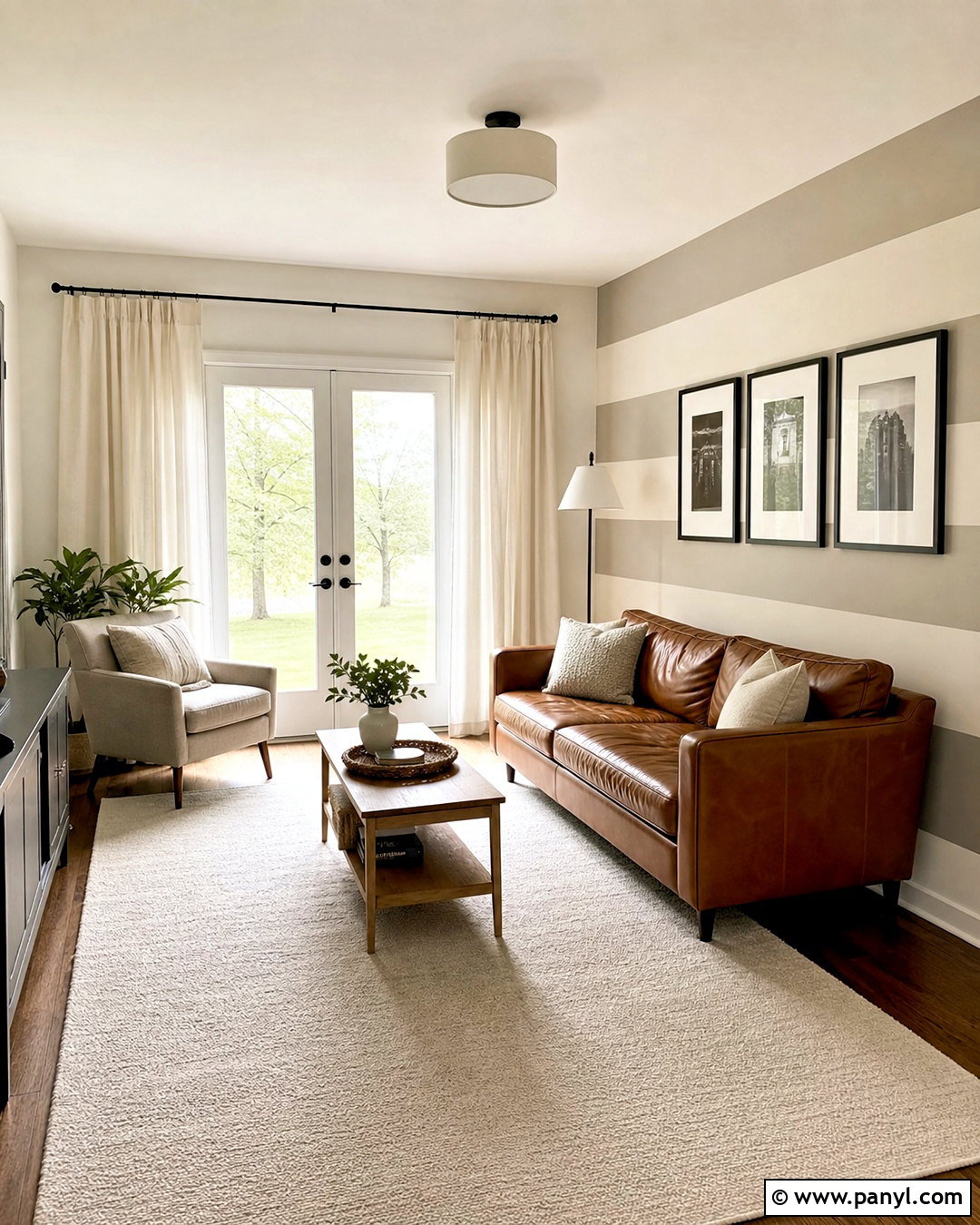
Wide horizontal stripes help visually stretch a narrow room. In a compact living room, paint the main wall with alternating soft greige and warm ivory bands. Three or four broad stripes generally feel calmer than numerous thin lines. Align one color change near the top of the sofa so the wall and furniture have a deliberate relationship. Choose a compact caramel leather sofa, a slim oak coffee table, and an ivory rug to add warmth without crowding the room. Black-framed art can bridge two stripes and provide contrast. Keep the remaining walls ivory, then use simple linen curtains and a narrow floor lamp. Accurate measuring is essential because uneven horizontal lines become noticeable quickly.
7. Two Tone Accent Wall
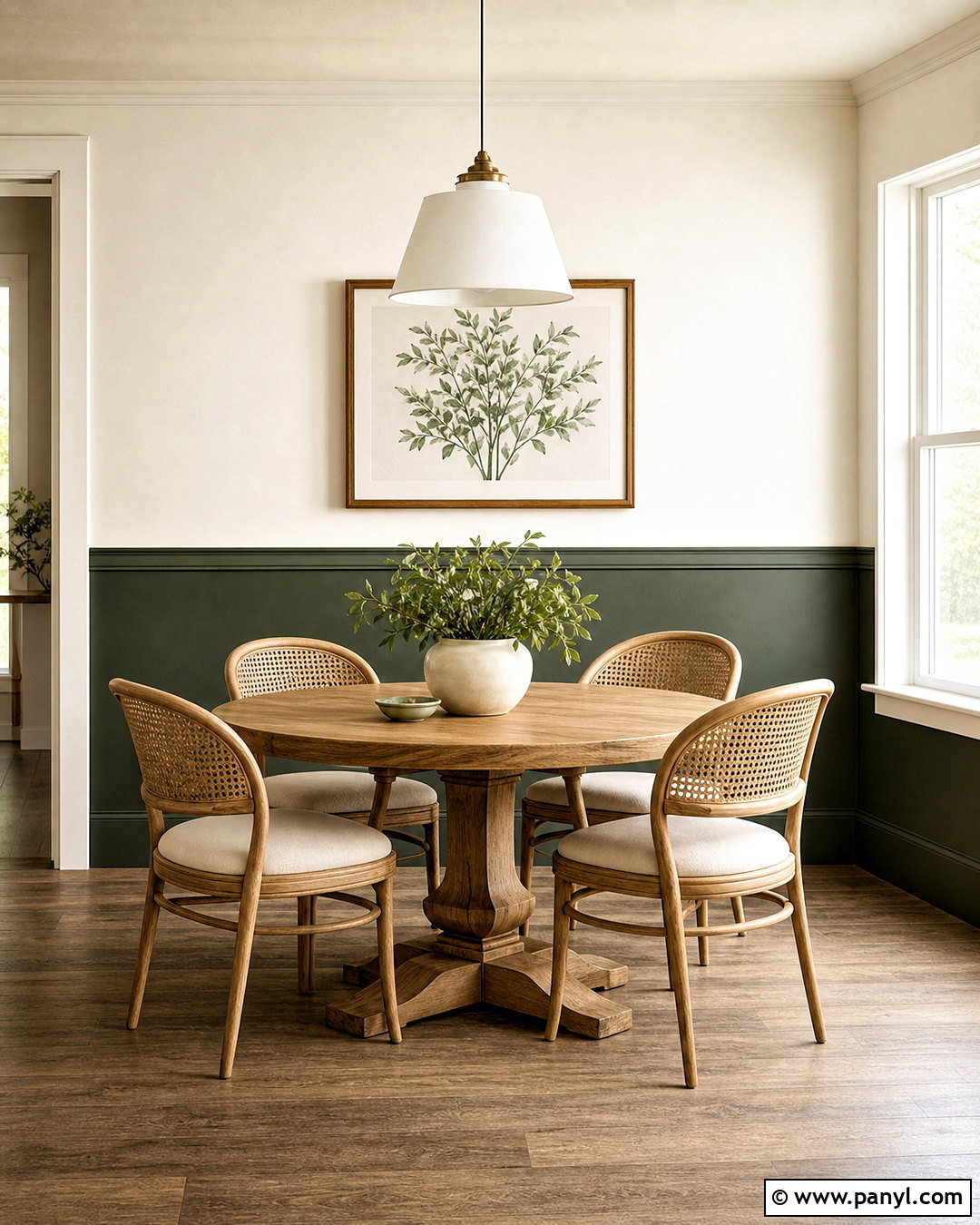
A two-tone accent wall offers color and structure without requiring a complicated pattern. Paint the lower portion of a dining nook muted forest green and the upper portion creamy white. Position the dividing line around chair-rail height, then add a slim painted molding strip for a clean transition. A round light oak table and curved cane chairs soften the straight horizontal division. Use a cream pendant light, neutral seat cushions, and one large botanical print above the table. The green lower section grounds the furniture and hides minor everyday marks better than a pale wall. Continue the creamy white across the surrounding walls, and repeat forest green through one vase or table centerpiece.
8. Ombre Accent Wall
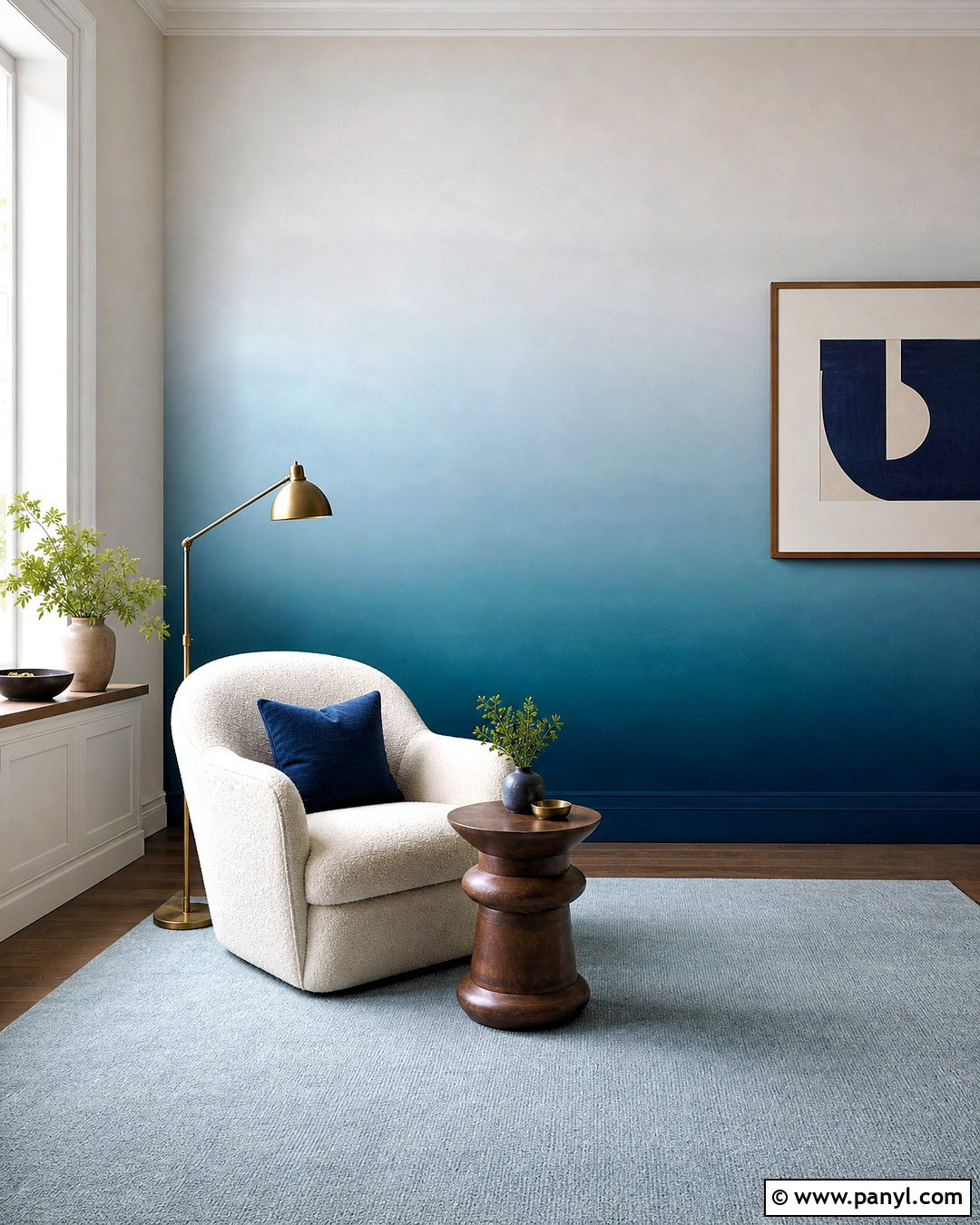
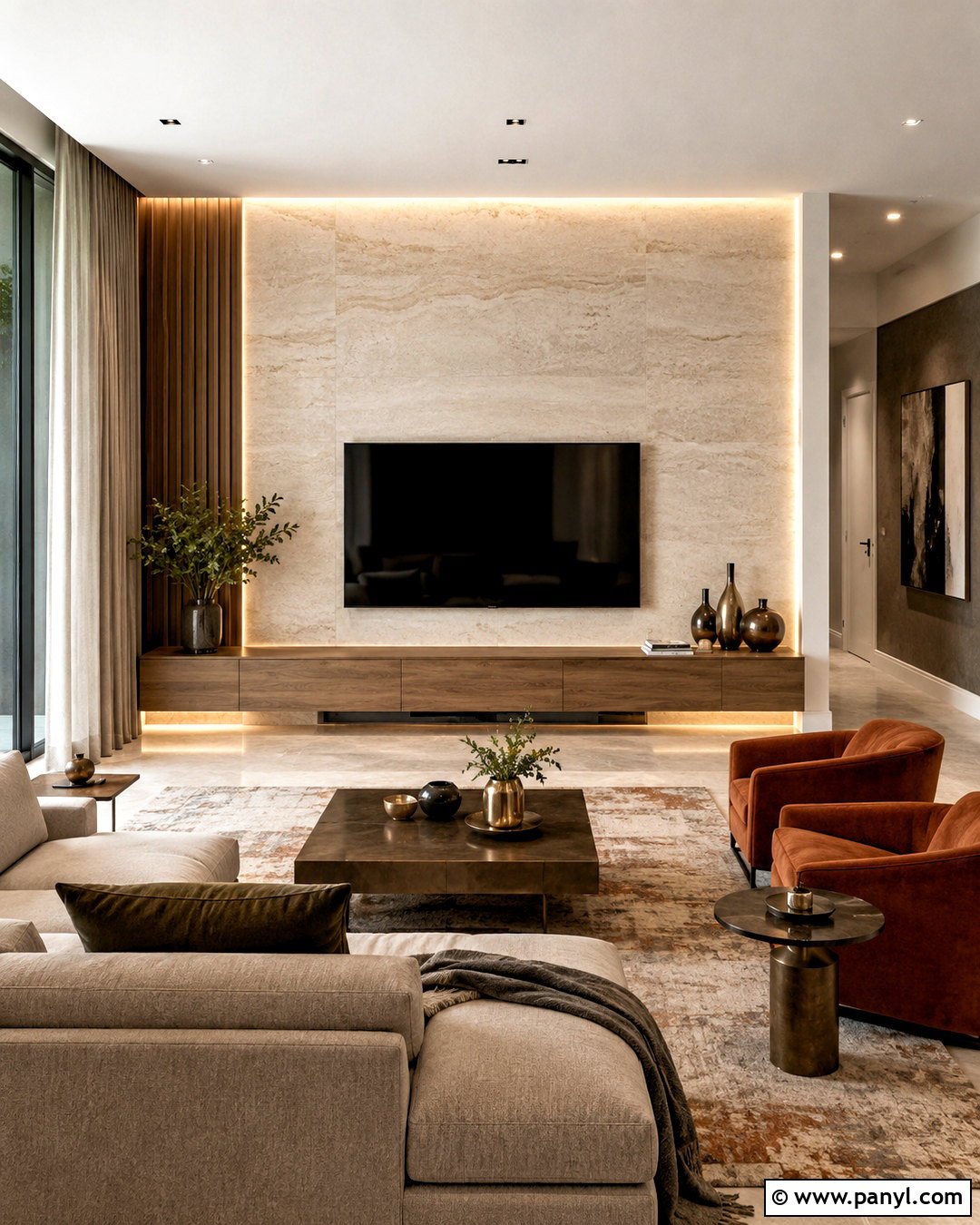
An ombre accent wall creates a dreamy focal point when its color transitions are gradual and controlled. In a quiet reading room, move from deep teal near the floor to pale blue and soft white near the ceiling. Blend the wet edges with a wide brush or sponge so harsh horizontal bands do not remain. Place a cream boucle chair and small walnut side table against the lighter middle section, where their outlines will remain clear. A brass floor lamp, navy cushion, and pale blue rug connect the wall to the furnishings. Keep adjacent walls warm white and window treatments simple. The finished room should feel atmospheric but uncluttered, with the painted gradient serving as the main artwork.
9. Color Block Accent Wall
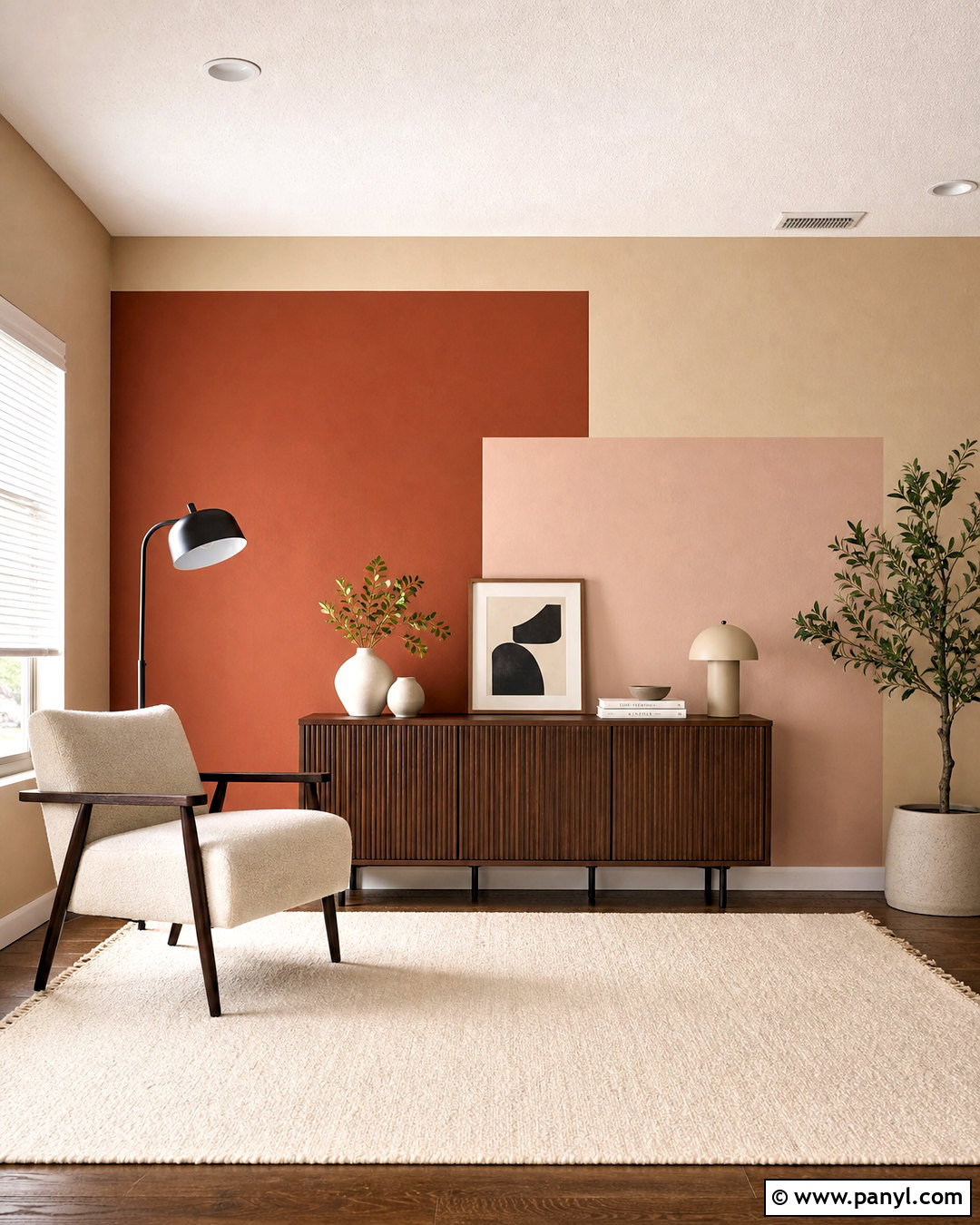
Large color blocks can visually organize a multipurpose room. Paint the primary wall warm beige, then add one oversized rust rectangle behind a low console and a muted blush block around a reading chair. Allow the shapes to overlap slightly for depth, but keep their edges aligned with furniture or architectural features. A walnut console, cream armchair, and black metal floor lamp provide a simple foundation. Use an ivory rug to unite the separate zones and leave enough empty wall space around each block. Small accessories should repeat rust, blush, and beige without introducing several additional colors. This arrangement creates two clear activity areas while making the entire wall feel like a coordinated abstract composition.
10. Painted Arch Accent Wall
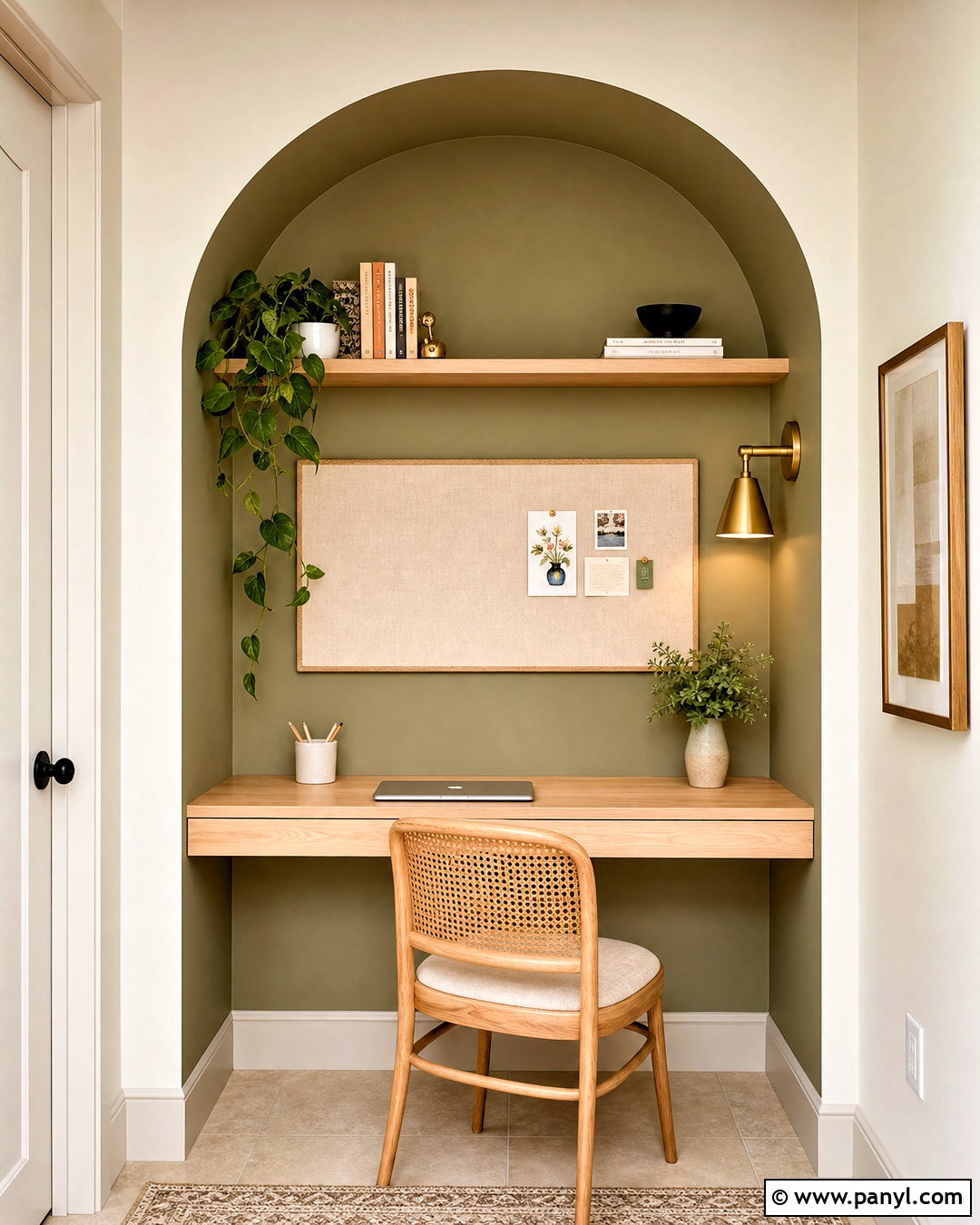
A painted arch can define a small workspace without changing the room’s architecture. Center a broad muted olive arch behind a slim wall-mounted desk, extending it from the baseboard to roughly two-thirds of the wall height. Paint the surrounding wall warm white for crisp but gentle contrast. A light oak desk, cane chair, and cream pinboard create a practical work zone inside the painted shape. Add a compact brass sconce above the desk and one trailing plant on a narrow shelf. Keep the rest of the room neutral with beige flooring and natural textiles. Carefully draw the curved top using a pencil, string, and centered anchor point before cutting in with a small angled brush.
11. Scalloped Accent Wall
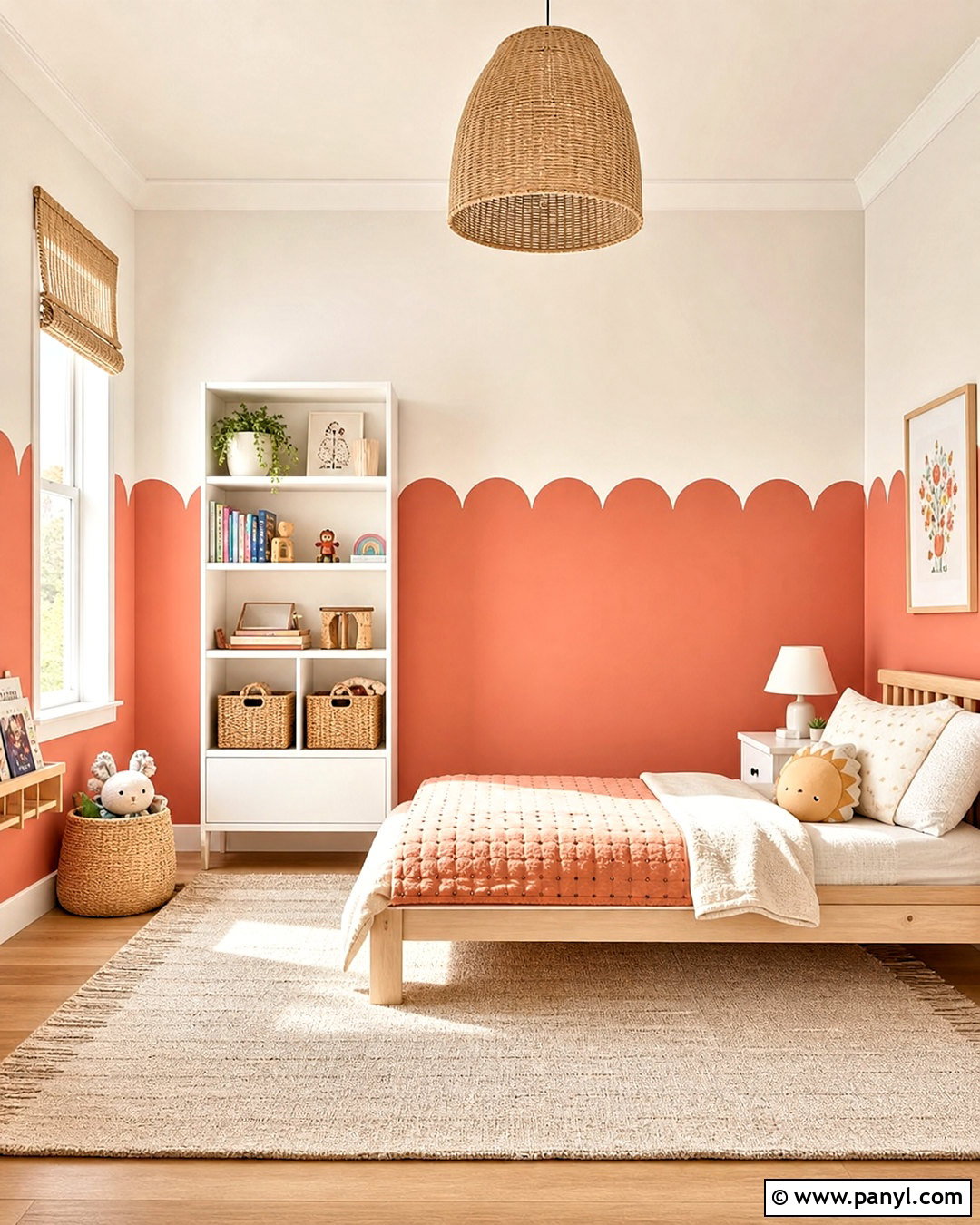
A scalloped painted border brings playful detail to a child’s bedroom without covering every wall in bright color. Paint the lower half dusty coral, then create an even row of rounded scallops where the coral meets the warm white upper wall. A pale wood bed, cream bedding, and a soft peach quilt keep the room cheerful but balanced. Include a woven basket, small white bookcase, and washable beige rug for practical storage and comfort. Repeat coral in only a few accessories so the pattern stays distinctive. Use a cardboard circle template or level-mounted stencil to keep the curves consistent. Water-based, washable interior paint is a sensible choice for this active family space.
12. Checkerboard Accent Wall
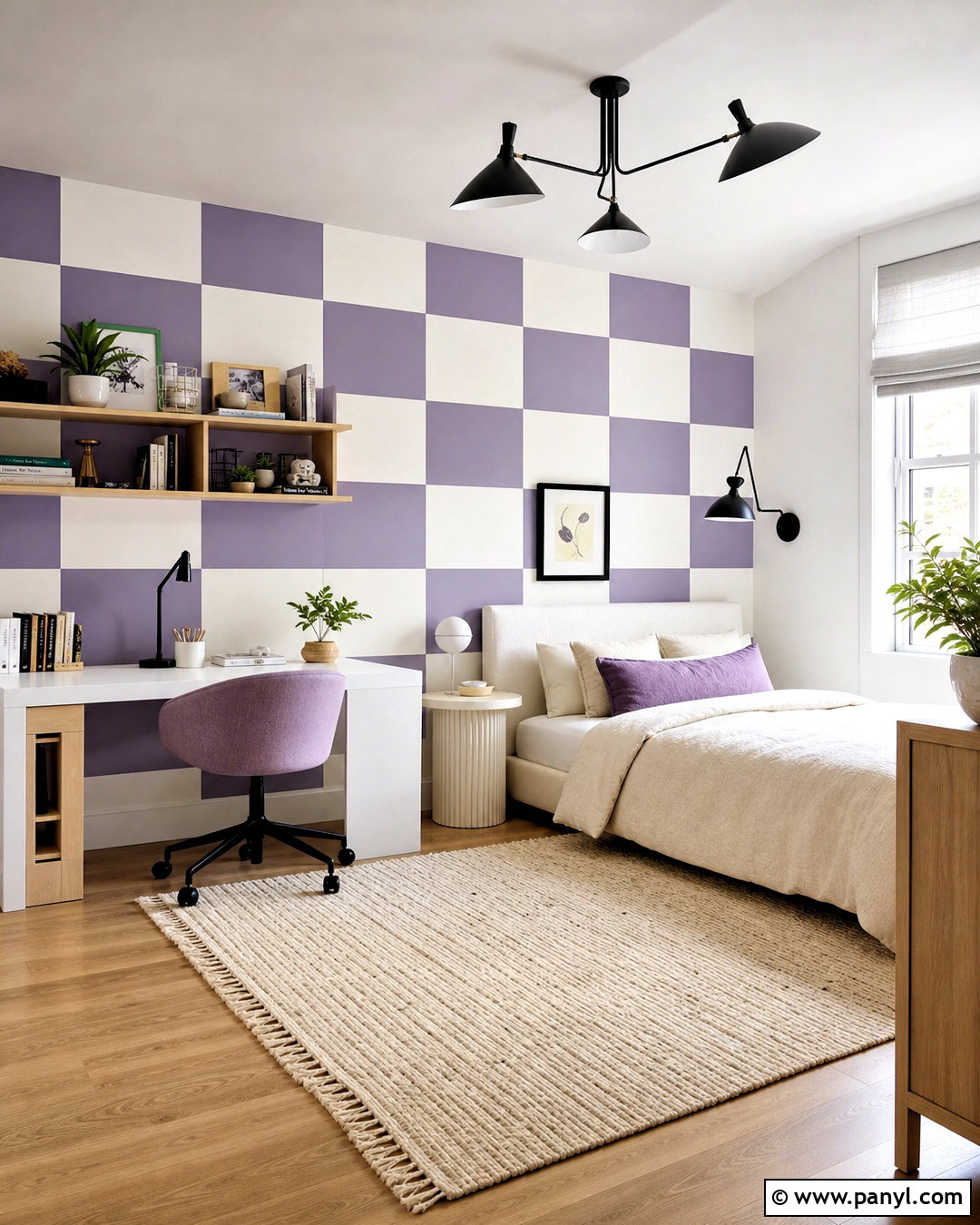
A painted checkerboard wall can feel graphic and modern when the colors are softly muted. In a creative studio or teen bedroom, use large squares of warm white and dusty lavender rather than sharp black and white. Plan the grid around the wall’s center so equally sized squares reach both corners. Pair the wall with a simple white desk, pale oak shelving, and a curved lavender chair. A solid cream rug and understated bedding keep the room from becoming visually busy. Add matte black lighting for definition and display only a few colorful objects. Seal tape edges with the base color before applying lavender paint to reduce bleeding and produce cleaner squares.
13. Mountain Mural Accent Wall
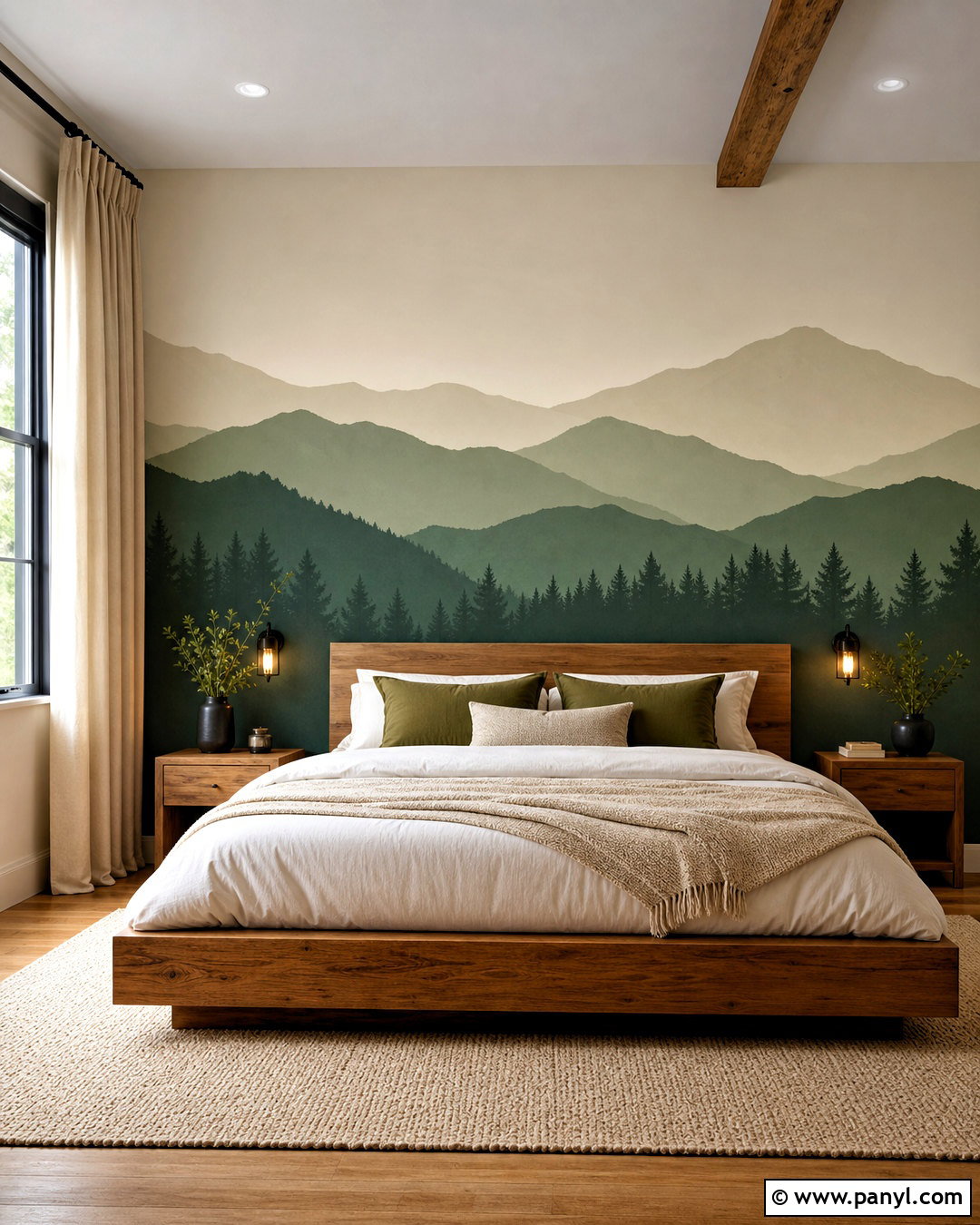
A painted mountain mural creates depth in a bedroom while keeping the design soothing. Build the scene with three simplified layers: pale beige mountains in the distance, muted sage in the middle, and deeper forest green along the bottom. Avoid tiny details, which can make the wall resemble a themed illustration. Position a low natural wood bed in front of the darkest layer, then add cream bedding, olive pillows, and an oatmeal rug. Warm white walls and linen curtains provide visual breathing room. Use chalk or a light pencil to sketch broad peaks before painting. Slightly irregular lines will give the mural a softer handcrafted quality that complements the natural materials throughout the room.
14. Sunburst Accent Wall
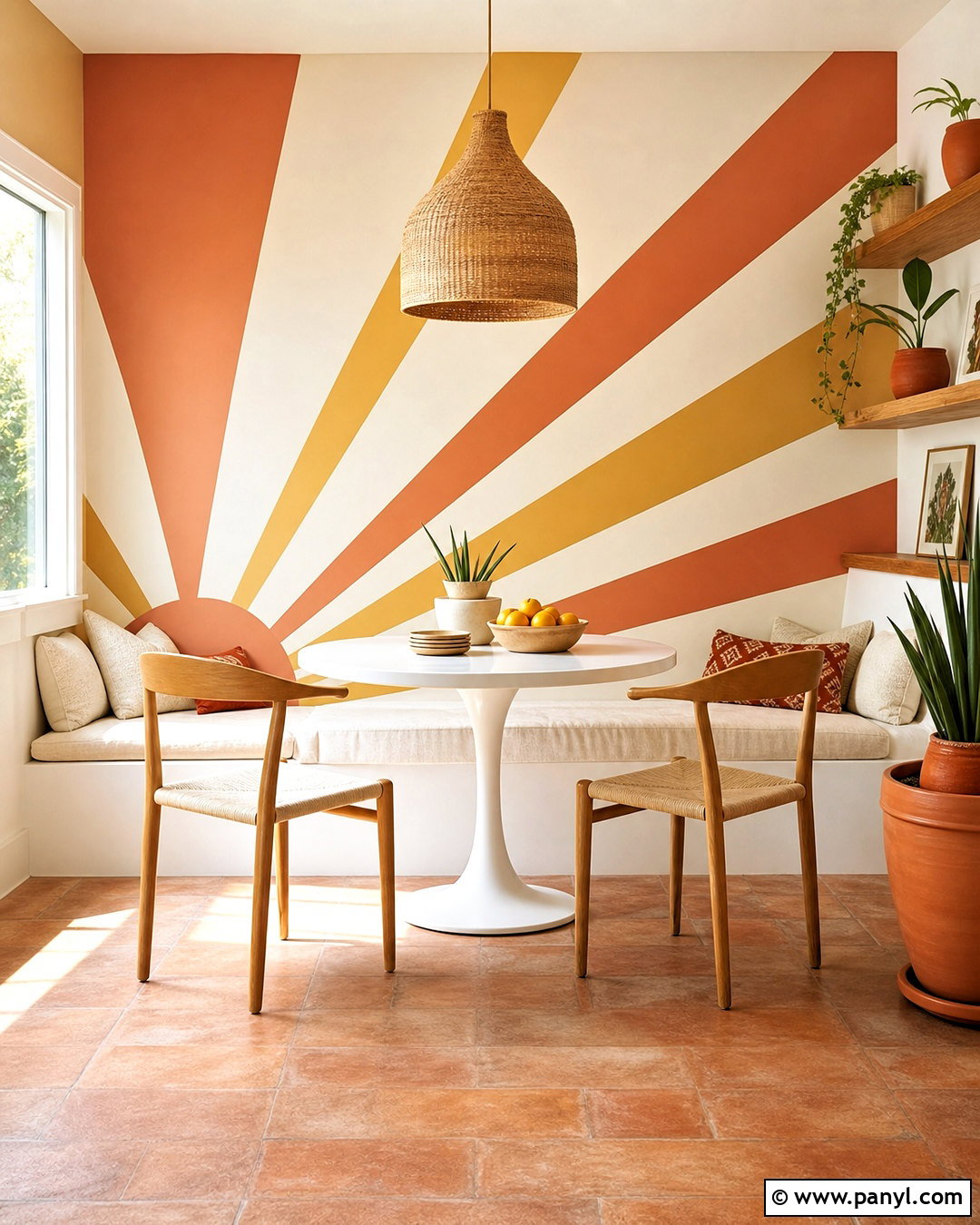
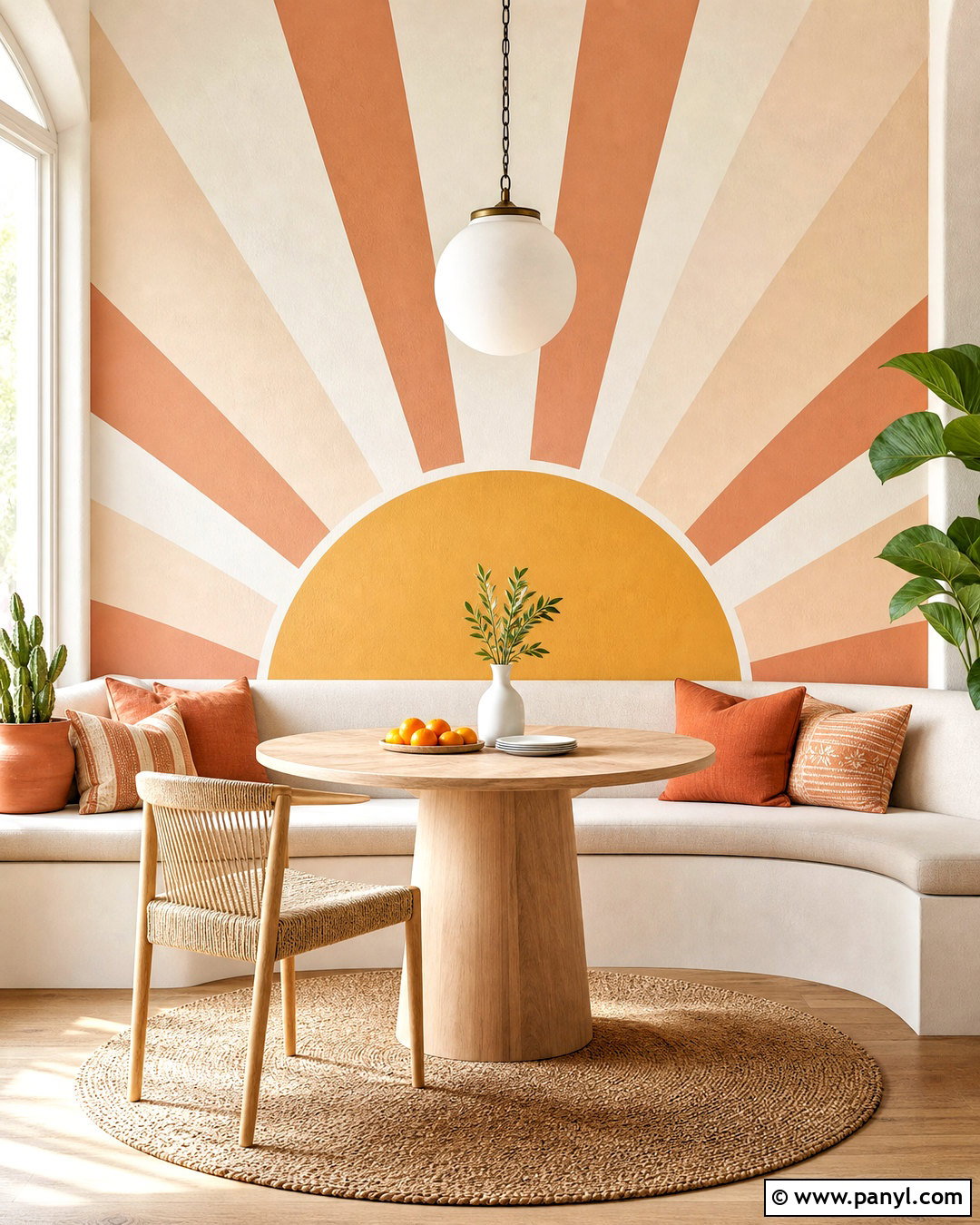
A painted sunburst design can brighten a breakfast nook with a bold but orderly pattern. Begin the rays near one lower corner and extend them across the wall in alternating warm white, muted yellow, and soft terracotta. Keep the rays wide so the composition looks intentional from across the room. Place a round white pedestal table and light wood chairs in front of the design. A simple woven pendant and cream seat cushions add texture without hiding the mural. Use terracotta planters and one yellow vase to repeat the palette. The surrounding walls should remain warm white, allowing the sunburst to act as the room’s main decoration and create an upbeat morning atmosphere.
15. Organic Shape Accent Wall
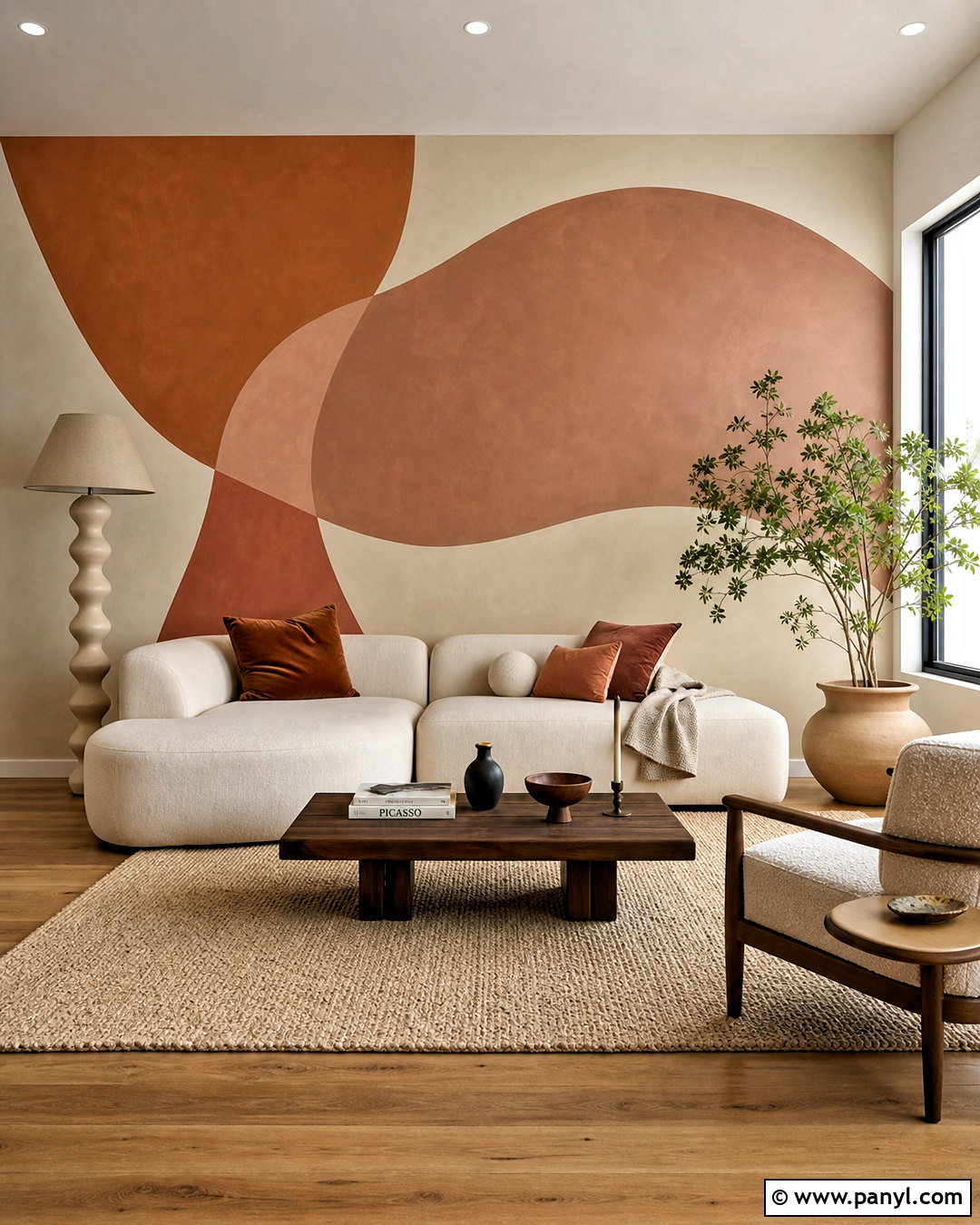
Rounded, overlapping shapes can soften a living room filled with straight-lined furniture. Paint the feature wall warm ivory, then layer oversized forms in muted clay, tan, and dusty rose. Keep the curves broad and leave visible base color between some sections. A streamlined cream sofa and rectangular walnut coffee table provide structure in front of the flowing design. Add a tan wool rug, rust pillows, and one sculptural floor lamp. Avoid hanging several small pictures over the shapes; one simple framed piece or no artwork will look cleaner. Sketch the curves lightly and examine the full composition from across the room before painting. This helps maintain balanced spacing around furniture and corners.
16. Painted Frame Molding Accent Wall
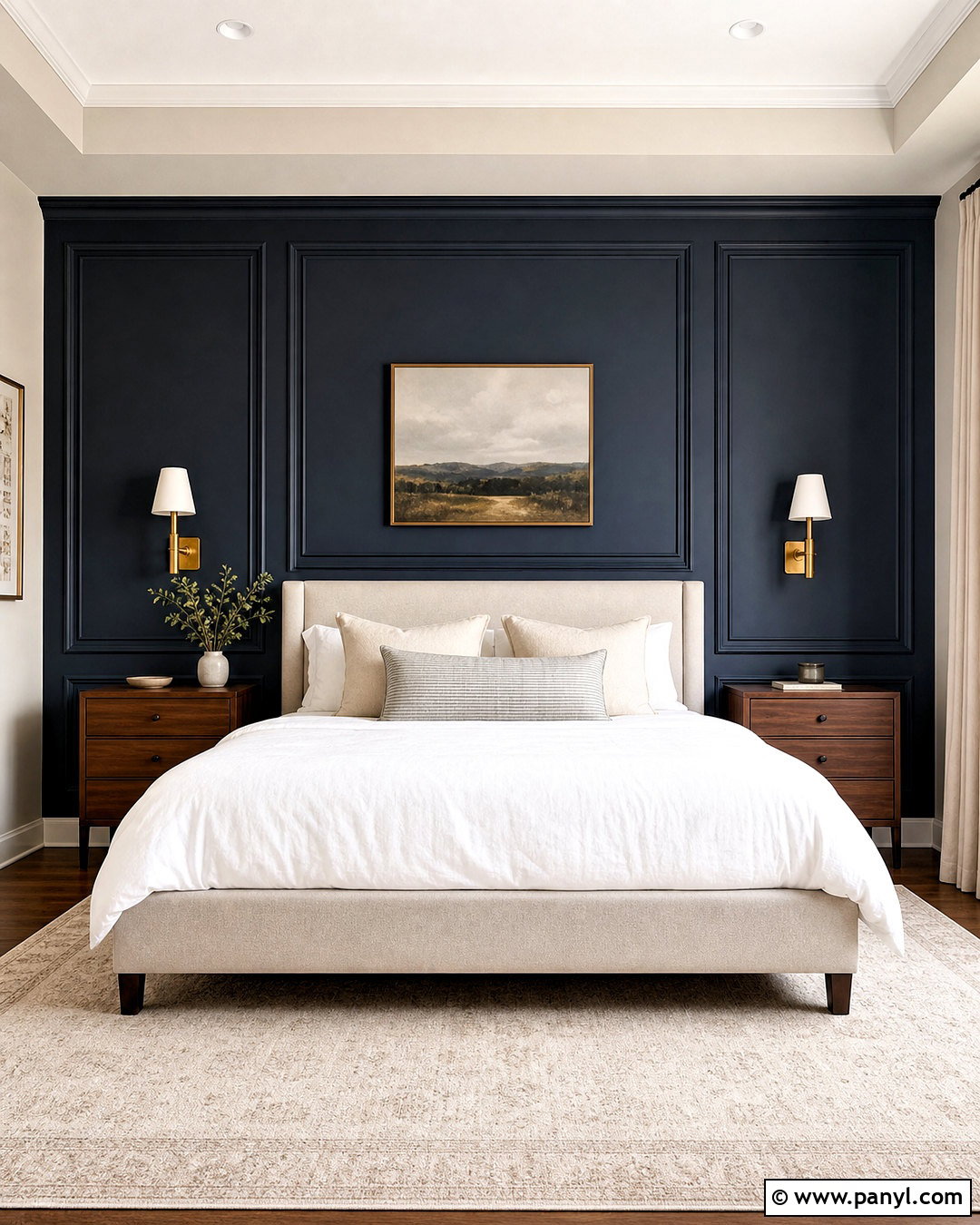
Painted frame molding adds architectural depth to a plain wall while keeping the finish unified. Install simple rectangular molding behind a bedroom headboard, then coat the entire feature wall in deep charcoal blue. Painting the trim and wall the same color makes the raised pattern feel built in rather than applied afterward. Use a tall oatmeal upholstered bed, white bedding, and walnut nightstands to lighten the dark background. Brass sconces bring warm contrast and keep tabletop surfaces clear. Continue a pale greige across the other walls and use a soft beige rug under the bed. Measure the molding layout around the furniture so the central rectangle properly frames the bed and side panels remain symmetrical.
17. Faux Concrete Accent Wall
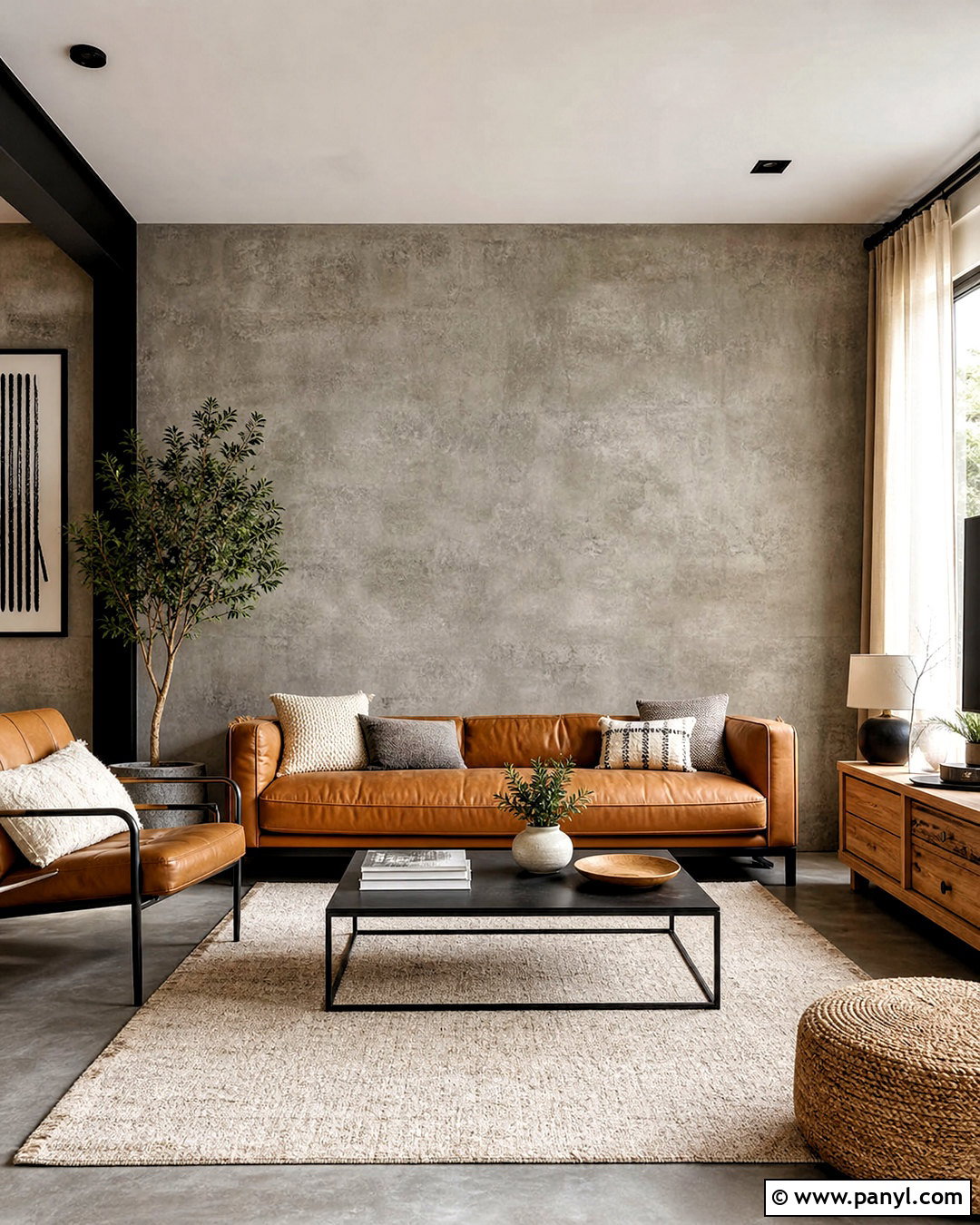
A faux concrete paint finish gives a modern living room an industrial edge without requiring heavy wall panels. Layer medium gray and warm greige using a broad trowel, specialty brush, or recommended finishing tool. Blend the colors unevenly to create subtle depth rather than obvious sponge marks. Place a low camel leather sofa against the wall and add a black metal coffee table, cream rug, and natural oak media cabinet. Soft linen curtains and textured pillows prevent the room from feeling cold. Keep the surrounding walls warm white and select matte finishes throughout. Before covering the full surface, practice the layering technique on a sample board to confirm the color balance and movement.
18. Watercolor Accent Wall
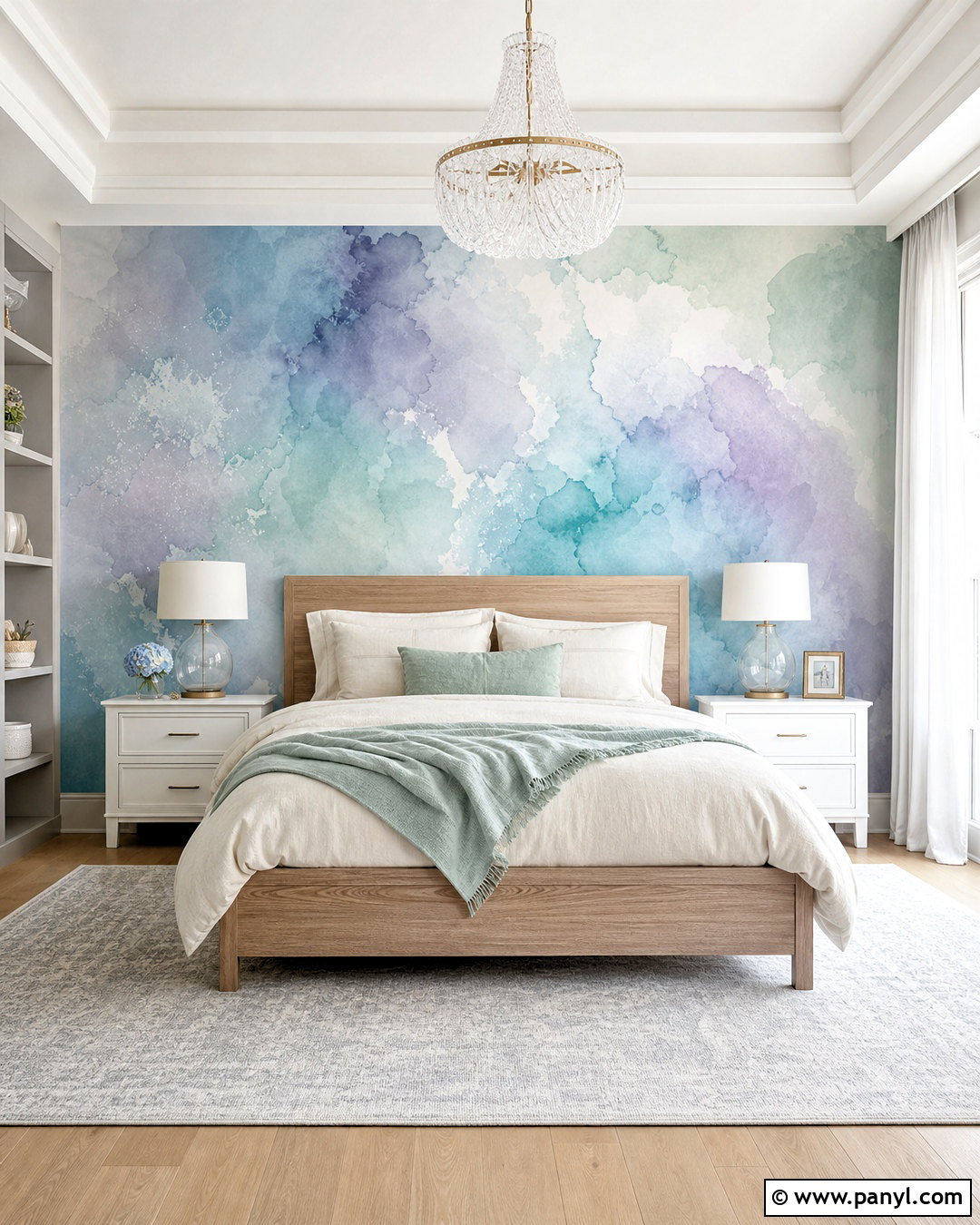
A watercolor-inspired wall can turn a simple bedroom into a soft artistic retreat. Use diluted-looking layers of pale blue, seafoam green, and muted lavender across the headboard wall, allowing the edges to blend gently. The design should remain lightest near the ceiling so the room feels open. Pair it with a white oak bed, ivory bedding, a seafoam throw, and understated lavender pillows. Choose white nightstands and clear glass lamps to avoid adding visual weight. A pale gray rug and sheer curtains complete the airy palette. Test the painting method first, since excessive blending can create muddy colors. Broad translucent areas usually look more sophisticated than numerous small brush marks.
19. Painted Doorway Accent Wall
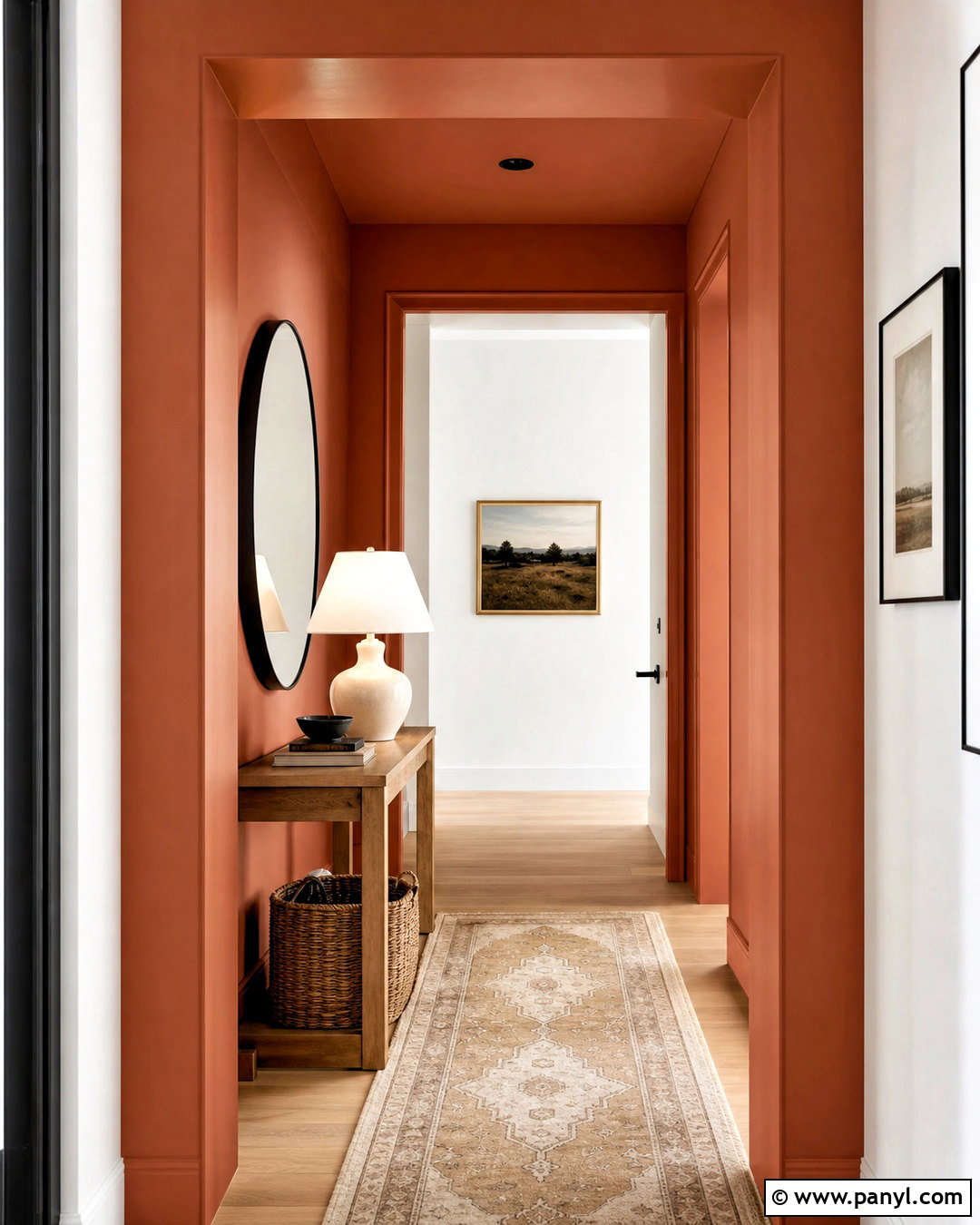
Painting around a doorway can transform a pass-through wall into a deliberate feature. Cover the complete wall in warm terracotta, then extend the color several inches through the doorway opening for a wrapped effect. Keep the connecting room soft cream so the architectural transition remains visible. In the foreground, place a light oak console, rounded mirror, woven basket, and cream ceramic lamp against the painted wall. A narrow runner with terracotta and beige details ties the hallway together. Paint the trim the same terracotta for a seamless appearance, or use cream trim for stronger definition. This approach is especially effective on a wall with limited space for furniture, art, or large patterns.
20. Painted Ceiling Wrap Accent Wall
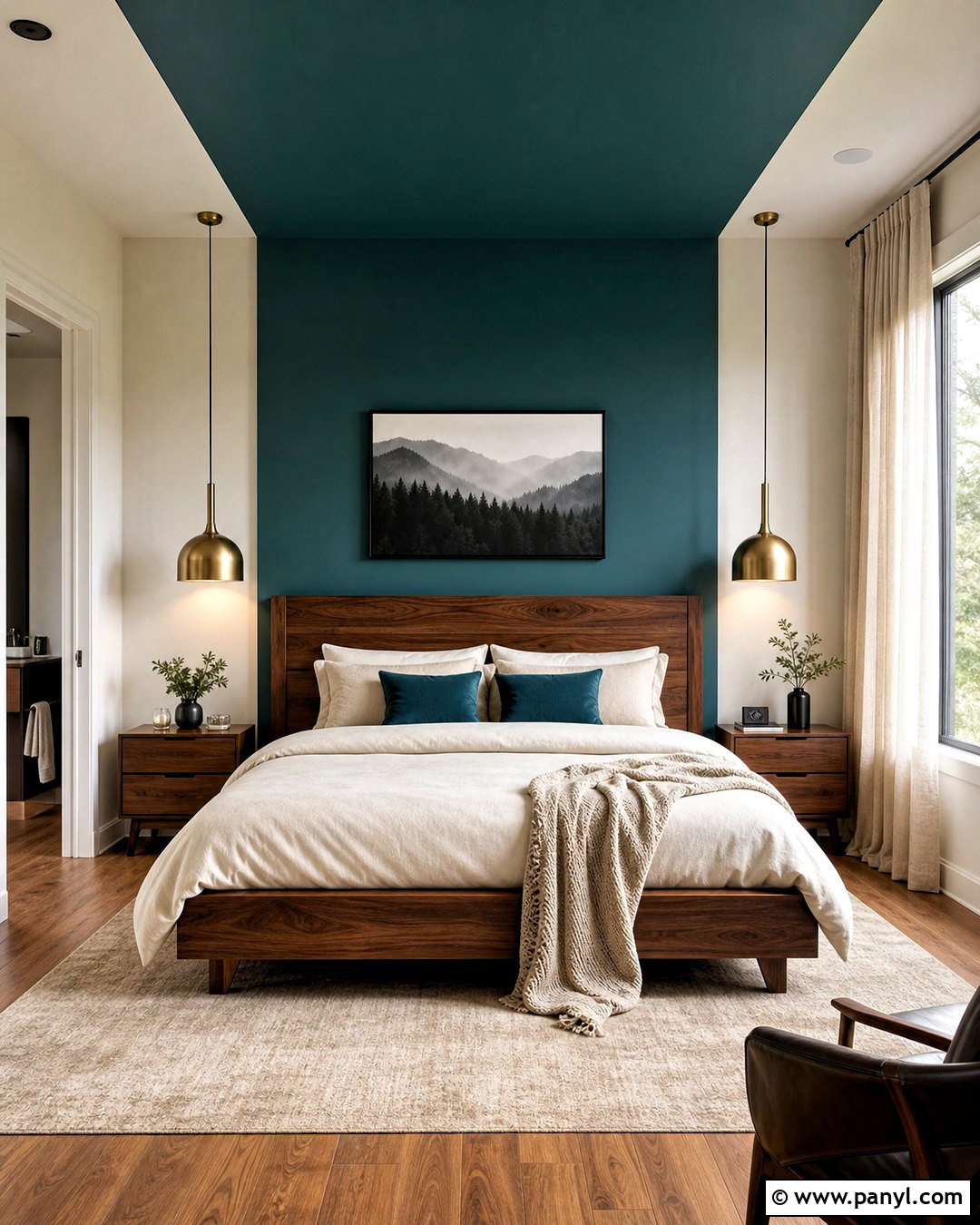
Wrapping an accent color from the wall onto the ceiling creates an immersive focal zone. In a bedroom, paint the headboard wall deep blue-green, then continue the color three or four feet across the ceiling above the bed. Keep the remaining ceiling and walls warm white to frame the painted area. Choose a simple walnut bed, ivory bedding, teal pillows, and matching painted nightstands. Soft brass pendant lights emphasize the sleeping zone without interrupting the wall. A beige rug and linen curtains provide warmth and balance. Mark the ceiling boundary with a laser level or carefully measured chalk line. Clean edges are important because the overhead transition remains visible from nearly every position in the room.
Conclusion:
The most successful feature wall feels connected to the entire room, not added as a last-minute decoration. Select a wall that naturally deserves attention, then build the furniture layout, textiles, lighting, and accessories around its color or pattern. Simple designs such as arches, stripes, and two-tone walls are approachable DIY projects, while limewash, gradients, and faux finishes may require practice. Always test paint in the actual space because daylight, bulbs, flooring, and nearby colors can change its appearance. Careful measuring and wall preparation will also improve the finished result. Use these **20 accent wall designs paint ideas** to create a complete room that feels personal, practical, and visually balanced.

Related Ideas and Inspiration:
Leave a Reply