
Natural wood can make a room feel warmer, richer, and more connected to the outdoors. These 20 grain texture ideas explore complete home looks that use visible wood patterns across cabinetry, walls, furniture, floors, and architectural features. You will find pale oak rooms, dark walnut accents, rustic reclaimed boards, and bold fluted finishes. Each design balances wood with complementary paint colors, textiles, stone, metal, and lighting, so the grain feels intentional rather than overwhelming. Whether you are planning a full renovation or updating one hardworking space, these looks offer practical ways to control tone, direction, contrast, and visual movement. Use the following 20 grain texture ideas to create a layered interior that feels distinctive, comfortable, and easy to live with.

1. White Oak Grain Texture Kitchen
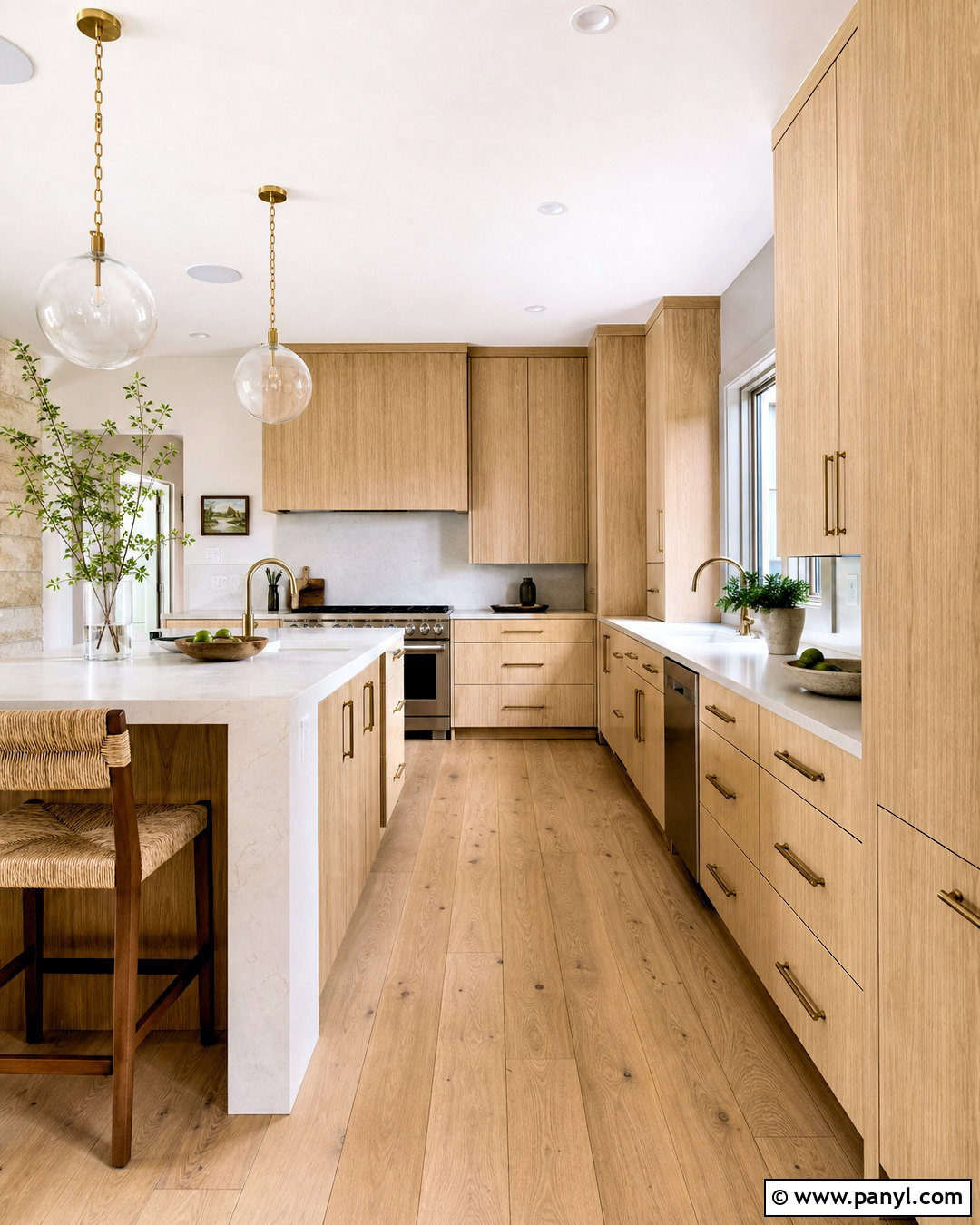
A white oak kitchen brings gentle movement and natural warmth to a clean, modern layout. Choose flat-panel cabinets with a matte clear finish that allows the straight grain to remain visible. Run the grain vertically on tall pantry doors and upper cabinets to make the room feel higher. A creamy white quartz countertop and matching backsplash keep the palette bright without competing with the wood. Ground the design with wide-plank pale oak flooring in a slightly quieter grain. Add brushed brass pulls, warm white pendant lights, and simple counter stools with woven seats. Soft greige walls connect the materials, while a narrow island provides preparation space without crowding the room. Keep accessories minimal so the cabinetry remains the main textured feature.
2. Walnut Grain Texture Living Room
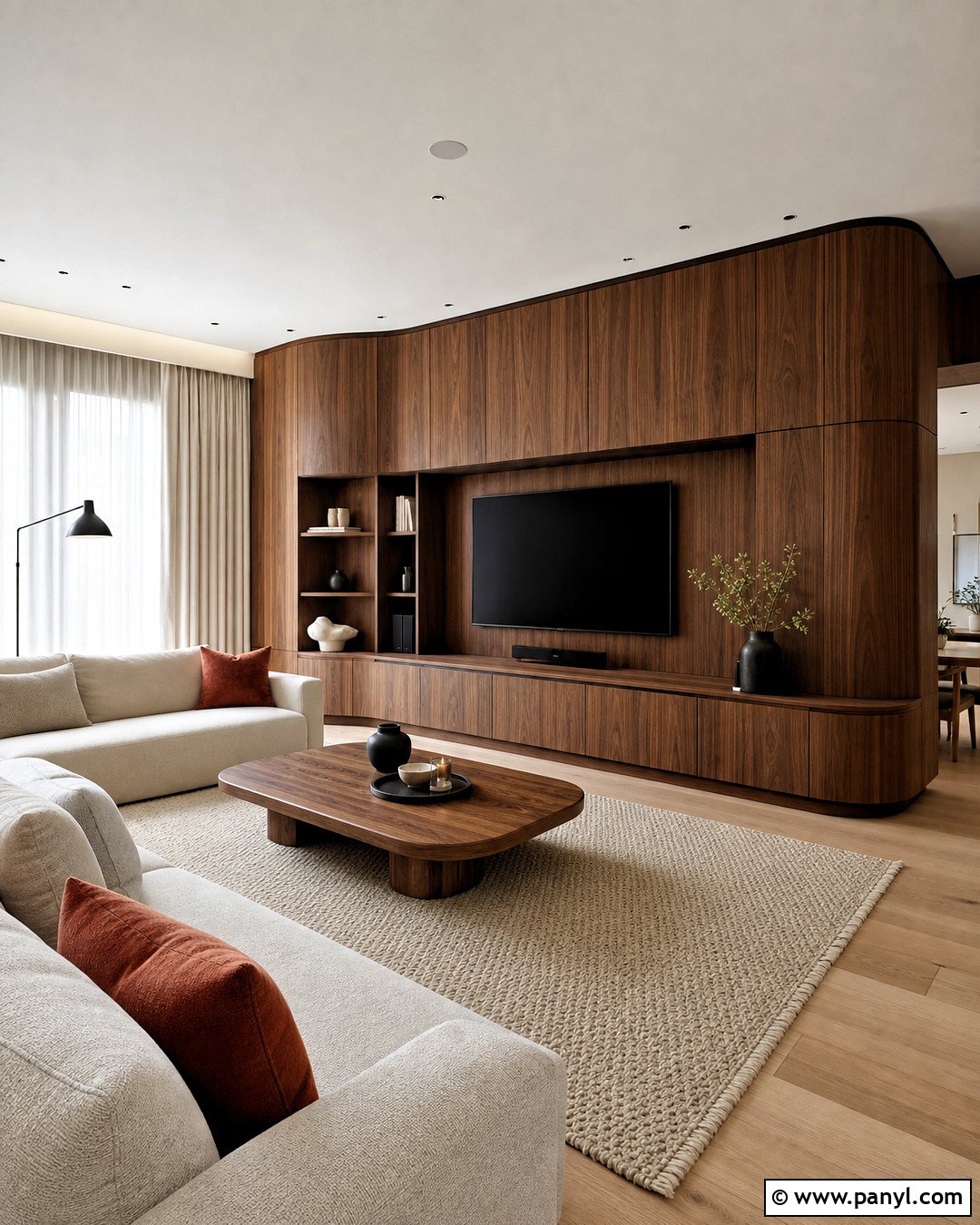
Rich walnut grain gives a living room depth without requiring a dark or heavy color scheme. Build the look around a low walnut media cabinet and one matching wall panel behind the television. The flowing brown grain becomes a focal point, while warm white walls and a light oatmeal sofa prevent the space from feeling enclosed. Add a rectangular walnut coffee table with slim legs, but vary its finish slightly to avoid an overly matched appearance. A cream wool rug, linen curtains, and rust-colored pillows soften the hard surfaces. Matte black floor lamps create definition, and a few ceramic pieces add shape without visual clutter. Balance the darker wood with pale oak flooring and leafy plants in simple stone-colored pots.
3. Vertical Wood Grain Texture Bedroom
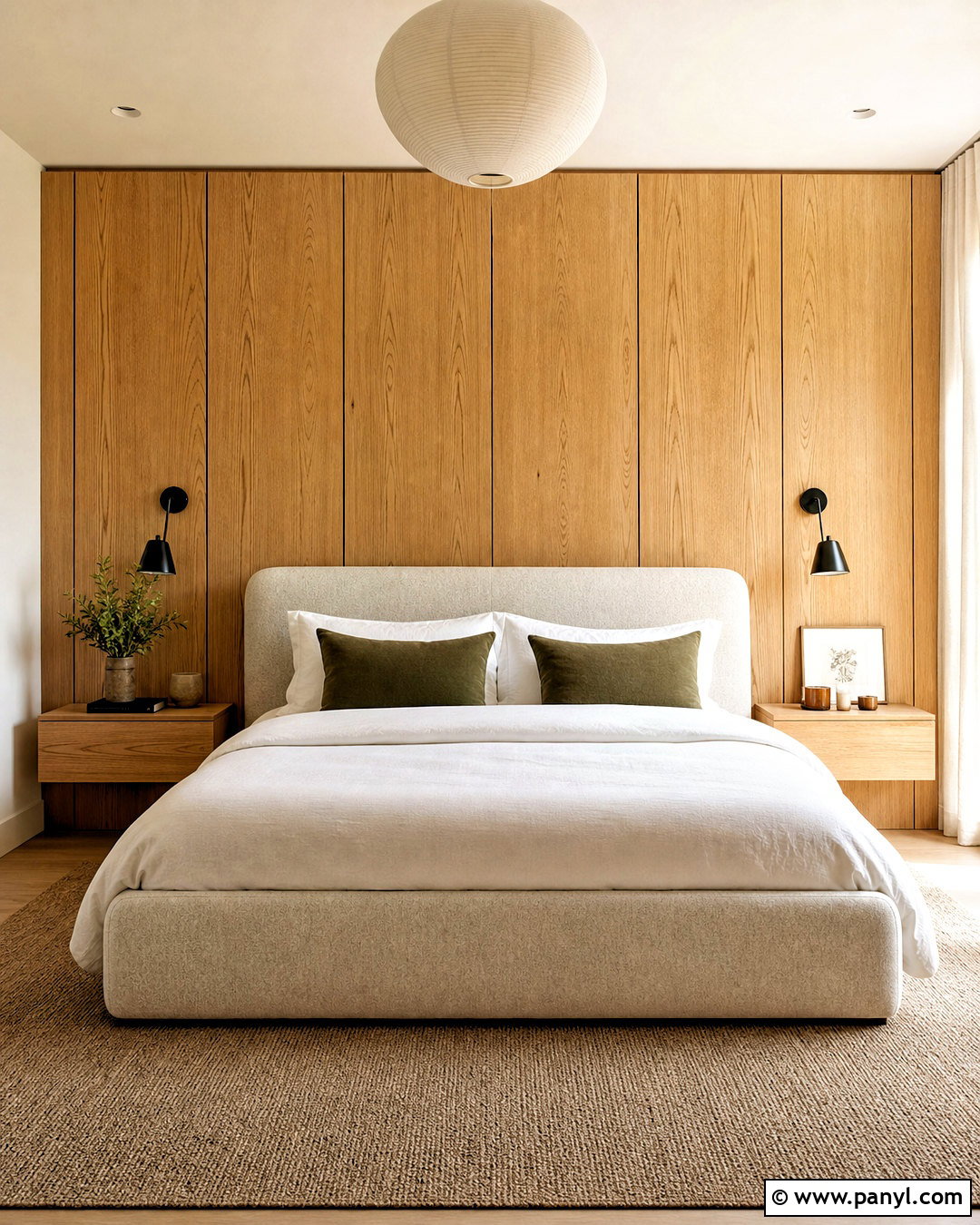
Vertical wood grain can make an average bedroom appear taller and more carefully designed. Install narrow oak veneer panels across the headboard wall, extending them from the baseboard to the ceiling. Select a medium honey finish with an even, straight pattern for a calm effect. Center a low upholstered bed against the panels and dress it with white bedding, a taupe coverlet, and muted olive pillows. Floating oak nightstands maintain an open floor area, while small black sconces provide practical reading light. Use warm off-white paint on the remaining walls and a soft beige rug beneath the bed. A simple oak bench and linen curtains complete the room. Limit decorative objects so the continuous upward grain stays clear and visually soothing.
4. Horizontal Wood Grain Texture Bathroom
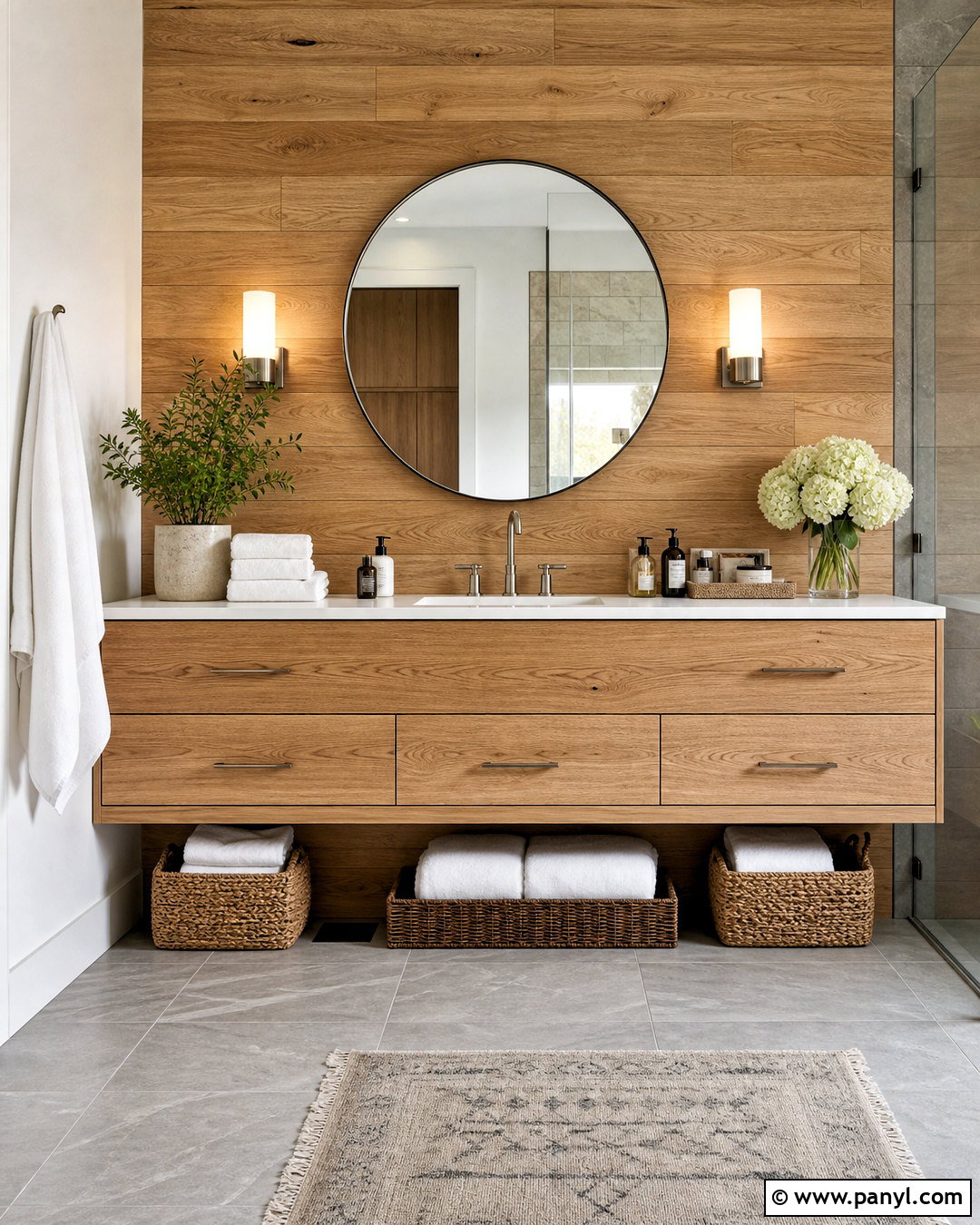
Horizontal grain creates a wider, more relaxed feeling in a compact bathroom. Use water-resistant wood-look vanity fronts with the pattern running from side to side across every drawer. A floating design exposes more flooring and keeps the room visually open. Pair the warm oak finish with a white solid-surface countertop, an undermount sink, and a frameless round mirror. Large light-gray porcelain tiles provide a quiet background, while brushed nickel fixtures introduce a cool contrast. Continue one narrow band of wood-look paneling behind the mirror to strengthen the horizontal movement. Add folded white towels, a woven laundry basket, and a small ceramic planter. Good ventilation and moisture-appropriate materials help maintain the crisp, natural appearance in this hardworking space.
5. Reclaimed Wood Grain Texture Dining Room
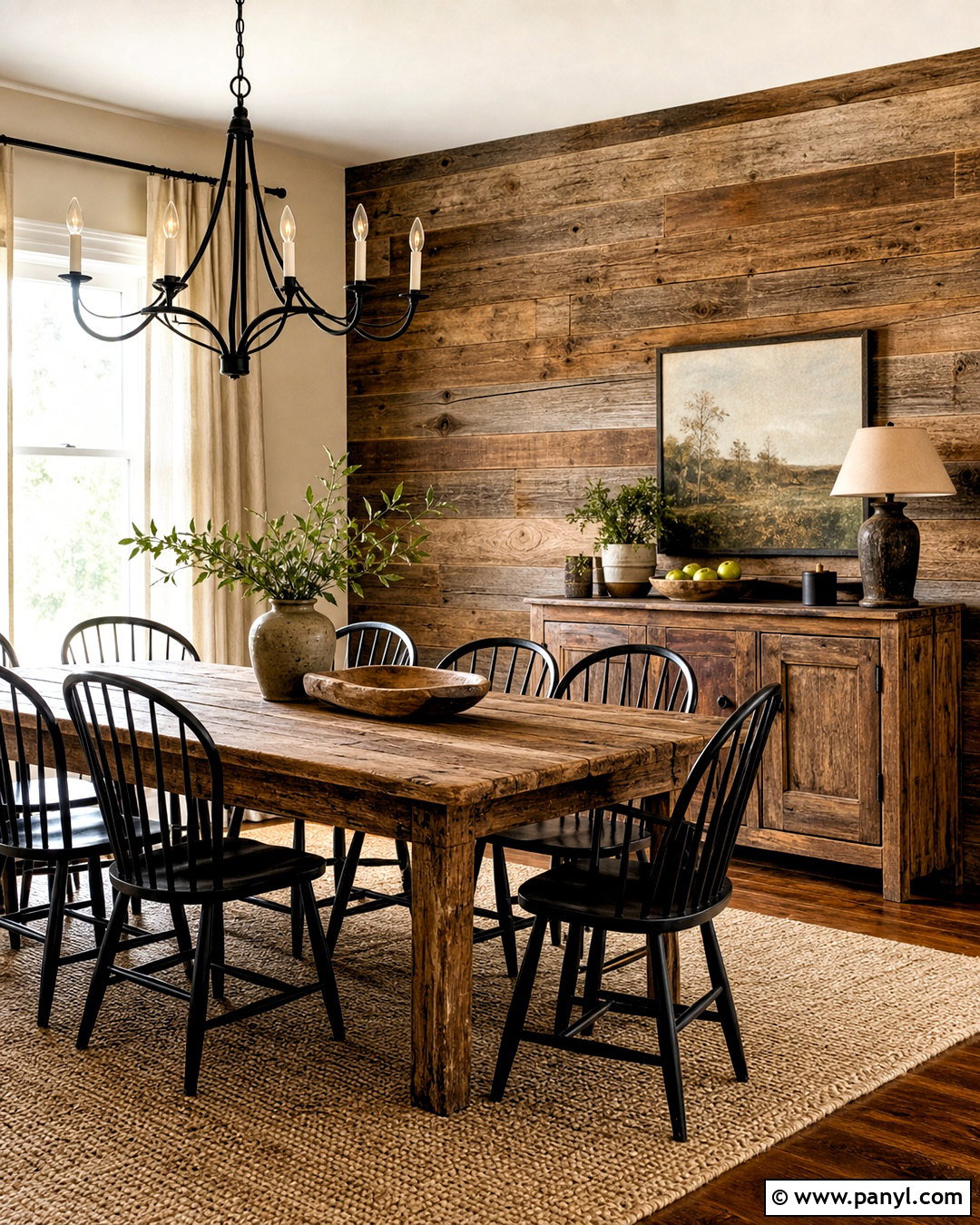
Visible knots, saw marks, and uneven color make reclaimed wood especially effective in a casual dining room. Start with a long farmhouse table made from weathered boards in mixed warm brown tones. Surround it with simple black spindle chairs to sharpen the rustic grain and prevent the space from looking too traditional. Cover one wall with reclaimed planks arranged horizontally, but leave the other walls warm white for balance. A large cream flat-weave rug defines the dining zone and softens sound. Hang a clean-lined matte black chandelier above the table and add linen curtains at the windows. An aged wood sideboard can provide storage, although its grain should be quieter than the feature wall. Finish with stoneware dishes and restrained greenery.
6. Fluted Wood Grain Texture Entryway
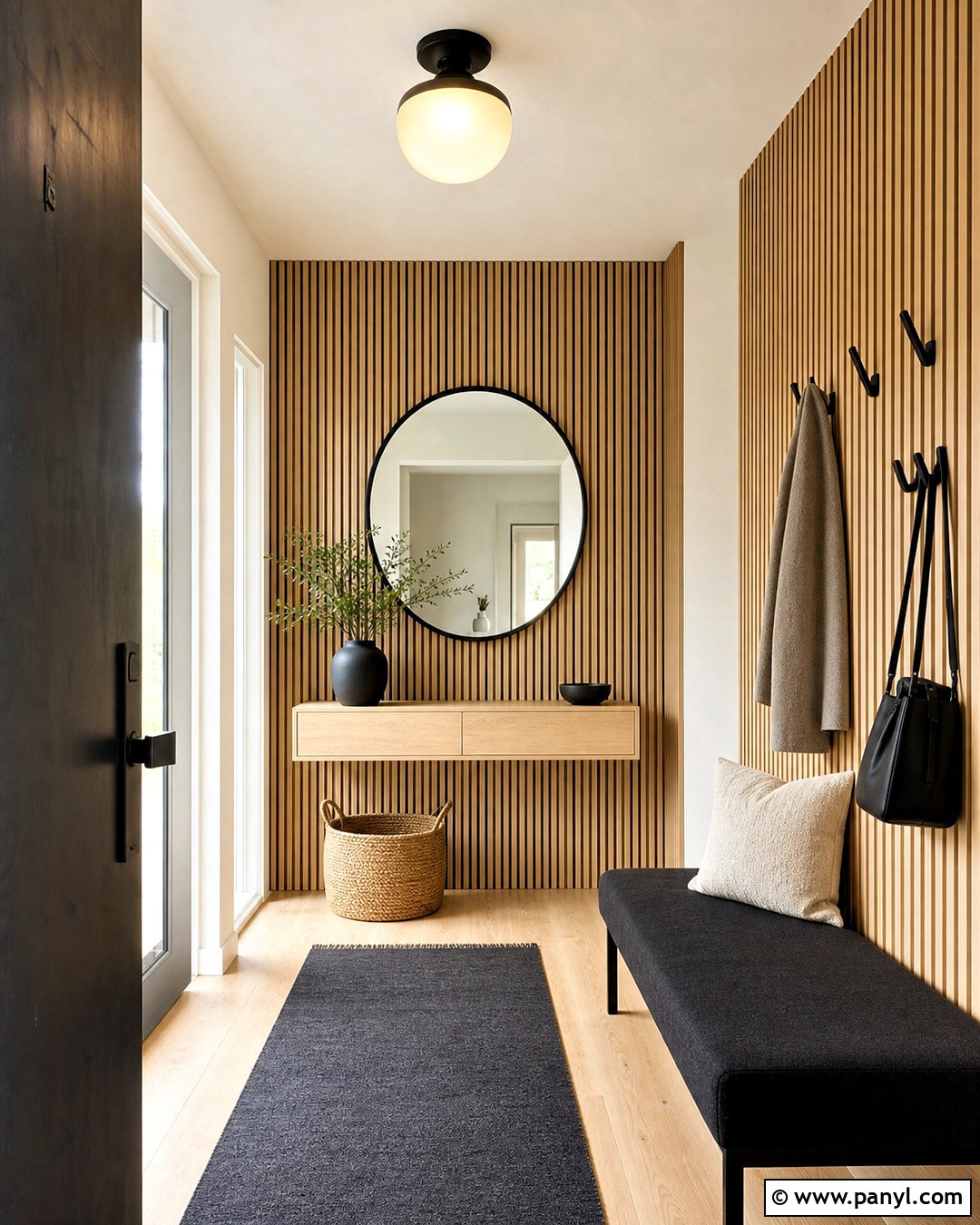
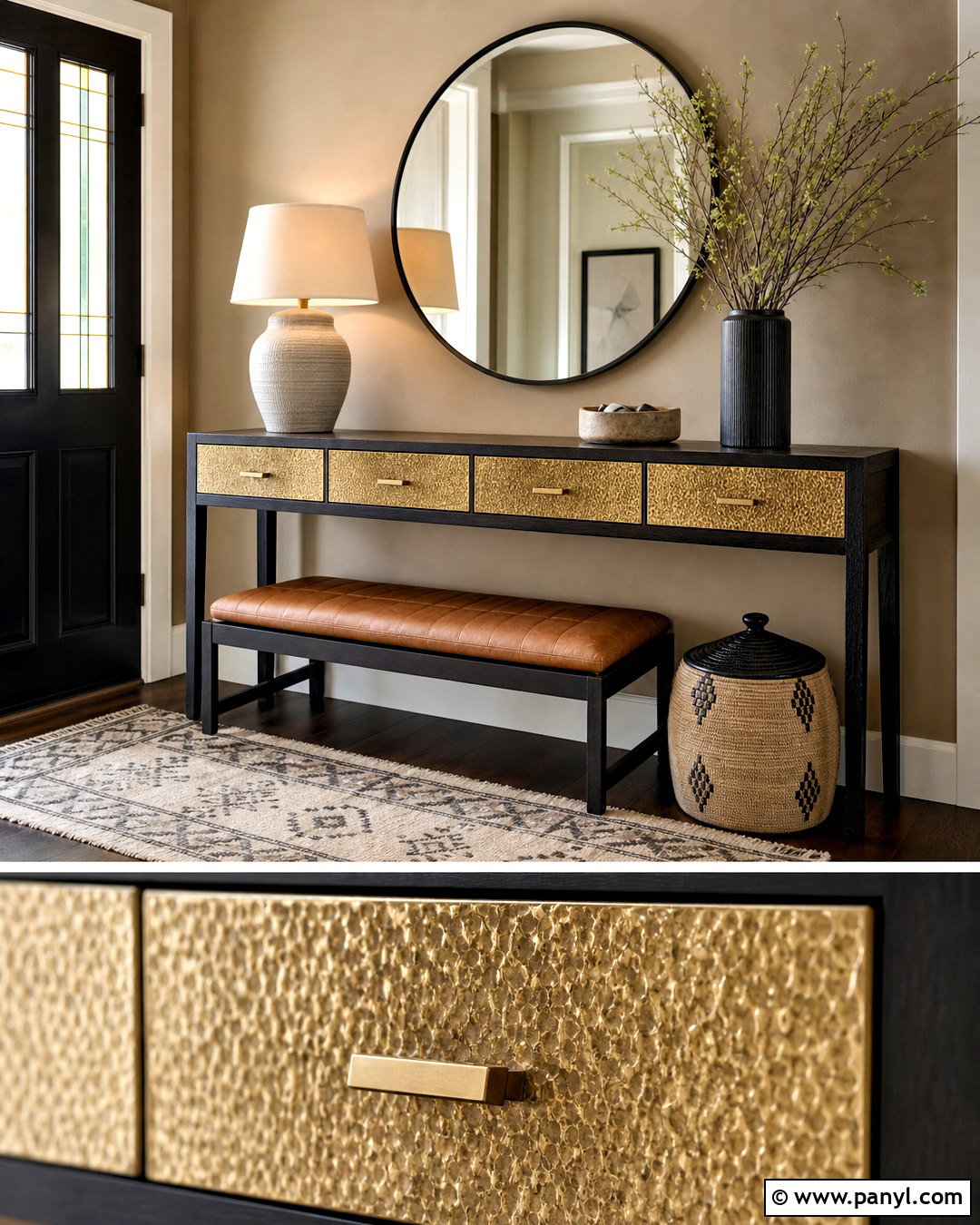
A fluted wood entryway combines pronounced surface texture with the subtle pattern of natural grain. Cover the main wall in slim, vertically routed oak panels finished in a light natural tone. Place a floating console across the lower portion so the floor remains visible and the entrance feels spacious. A large round mirror breaks up the straight lines, while a black metal frame adds contrast. Include a small upholstered bench, a durable charcoal runner, and wall hooks for everyday function. Warm white paint on adjacent walls keeps the wood from dominating the narrow area. Add a frosted glass ceiling fixture for even illumination and one ceramic bowl for keys. The result feels polished, practical, and welcoming without requiring excessive decorative accessories.
7. Dark Wood Grain Texture Home Office
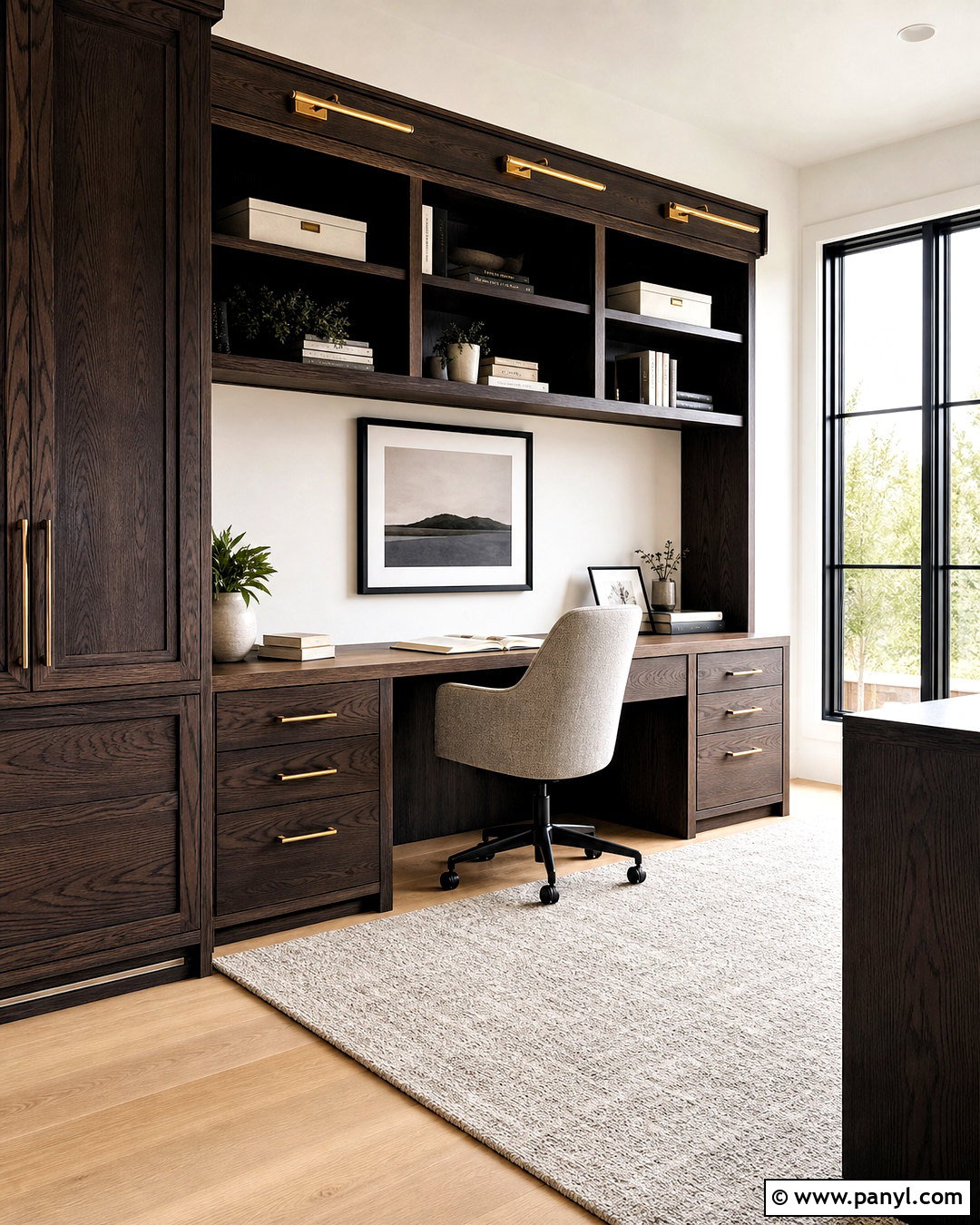
Dark wood can create a focused home office when it is balanced with bright walls and practical lighting. Use espresso-stained ash for a built-in desk, lower drawers, and open shelving across one wall. Its strong grain should remain visible beneath a low-sheen finish, adding character without distracting reflections. Paint the surrounding room soft warm white and place a light gray ergonomic chair at the desk. A natural wool rug and pale oak flooring keep the scheme from becoming overly dark. Install slim brass picture lights above the shelves and a matte black task lamp beside the computer area. Books, document boxes, and ceramic containers should follow a restrained cream, brown, and black palette. Leave some shelves open to preserve a clean, breathable composition.
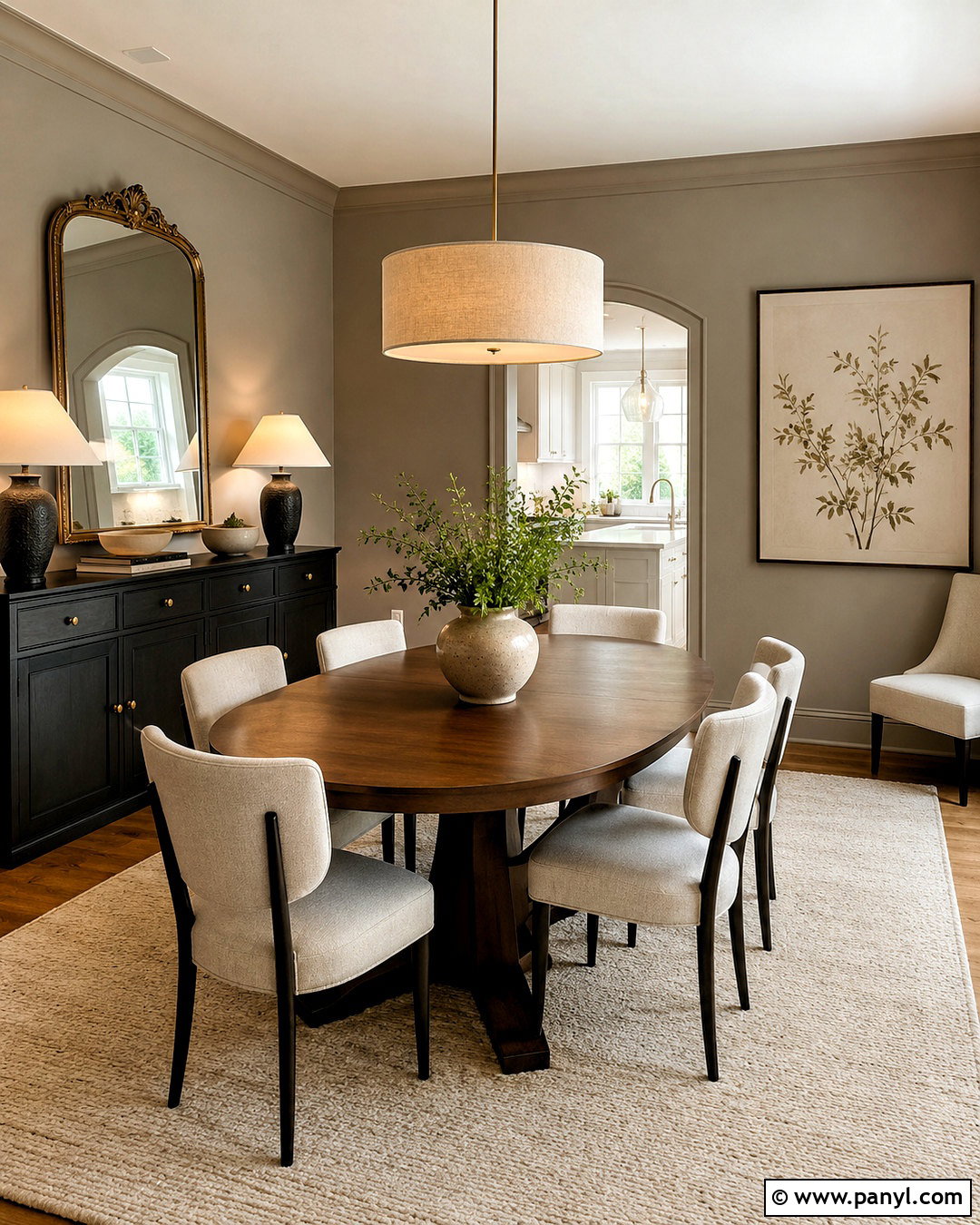
8. Mixed Wood Grain Texture Living Room
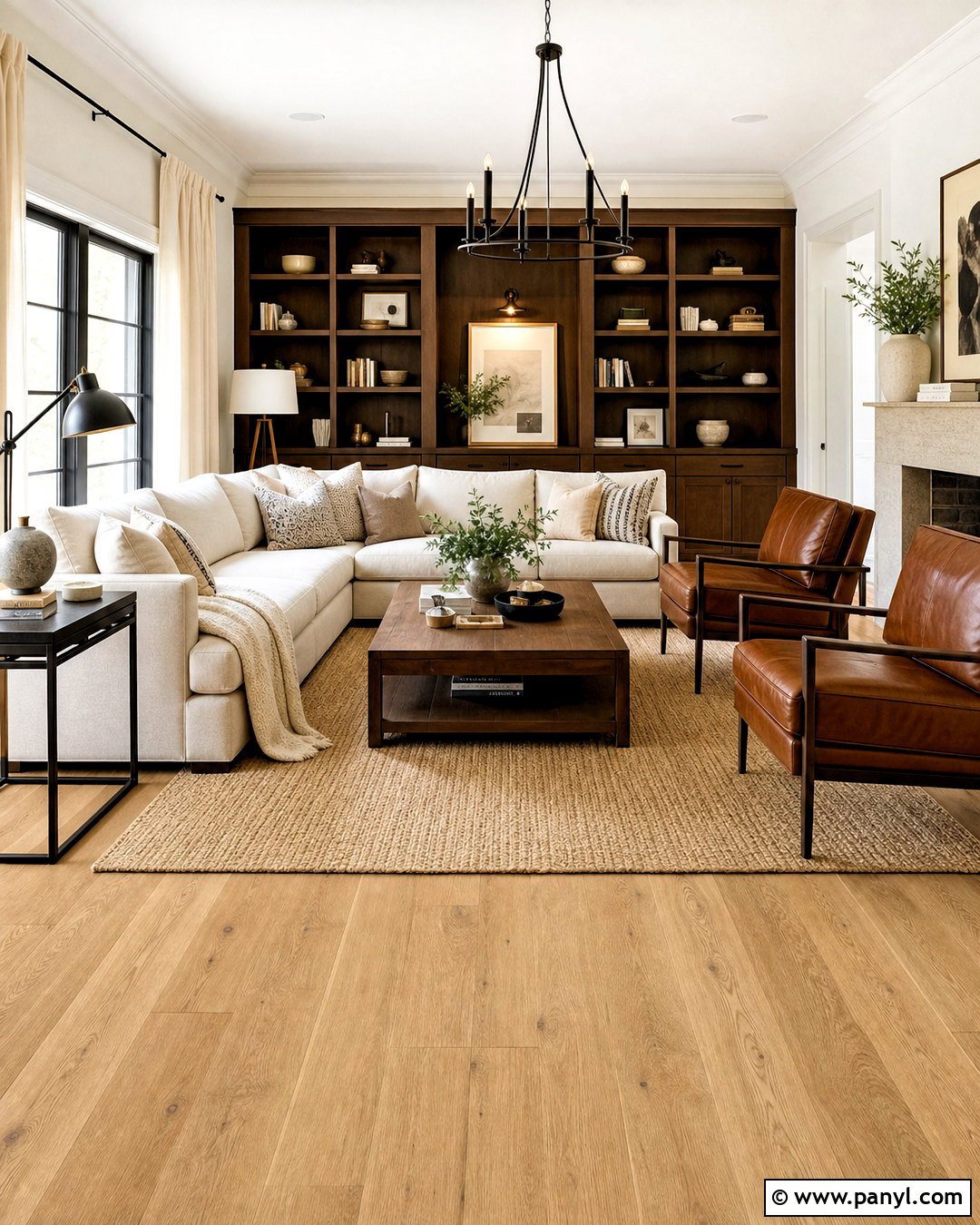
Mixing wood tones works best when the room includes one repeated color that connects every piece. Begin with pale oak flooring, then add a medium walnut coffee table and a darker stained bookcase. Choose furnishings with simple shapes so the different grains read as intentional layers rather than visual confusion. A warm ivory sectional provides a neutral center, while camel leather chairs echo the brown undertones in the wood. Use a large beige rug to separate furniture from the flooring. Black metal lamp bases and window frames create a consistent outline throughout the room. Finish with linen curtains, textured cream pillows, and a small amount of greenery. Avoid placing several highly figured grain patterns directly beside one another, which can make the arrangement feel restless.
9. Wood Grain Texture Kitchen Island
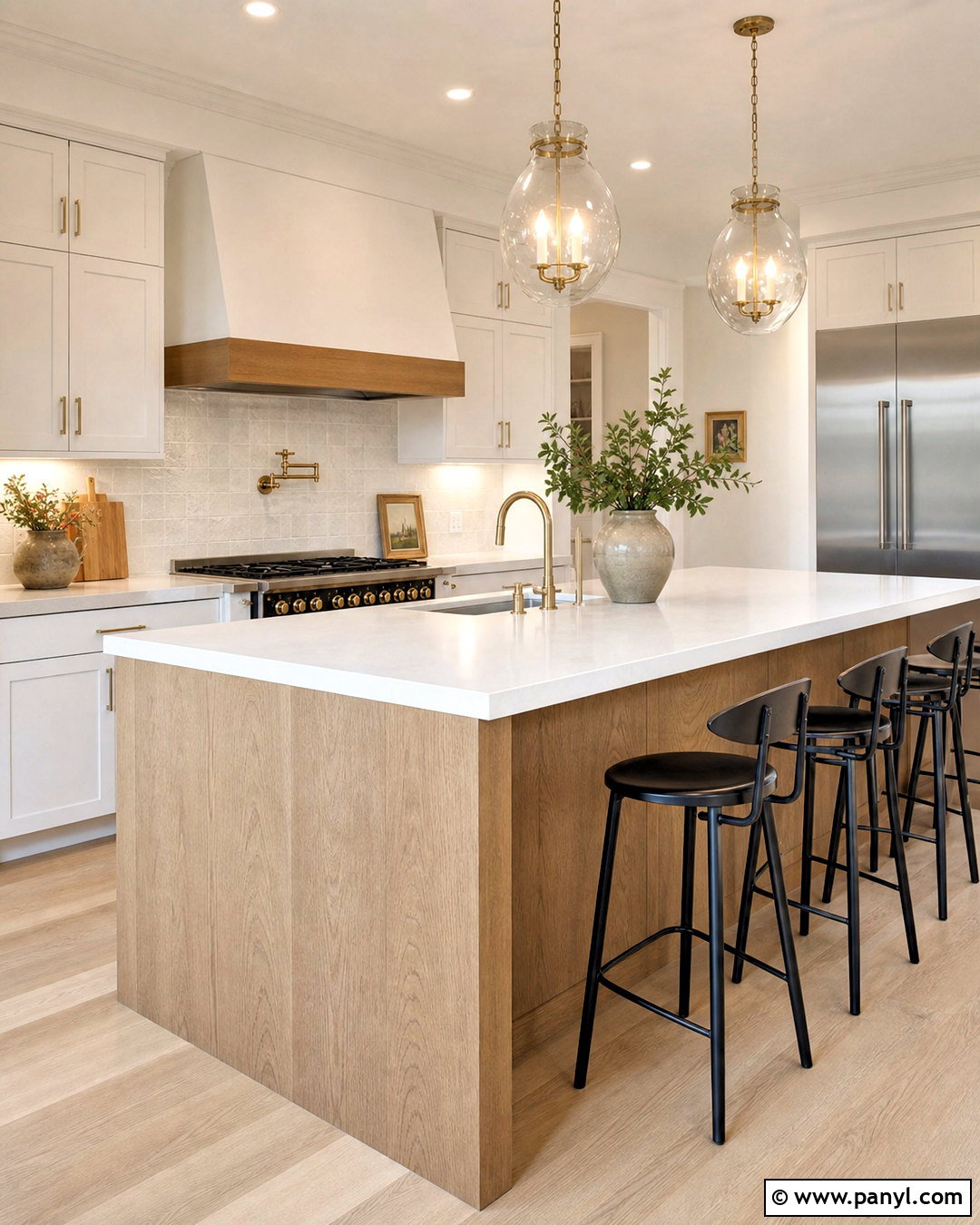
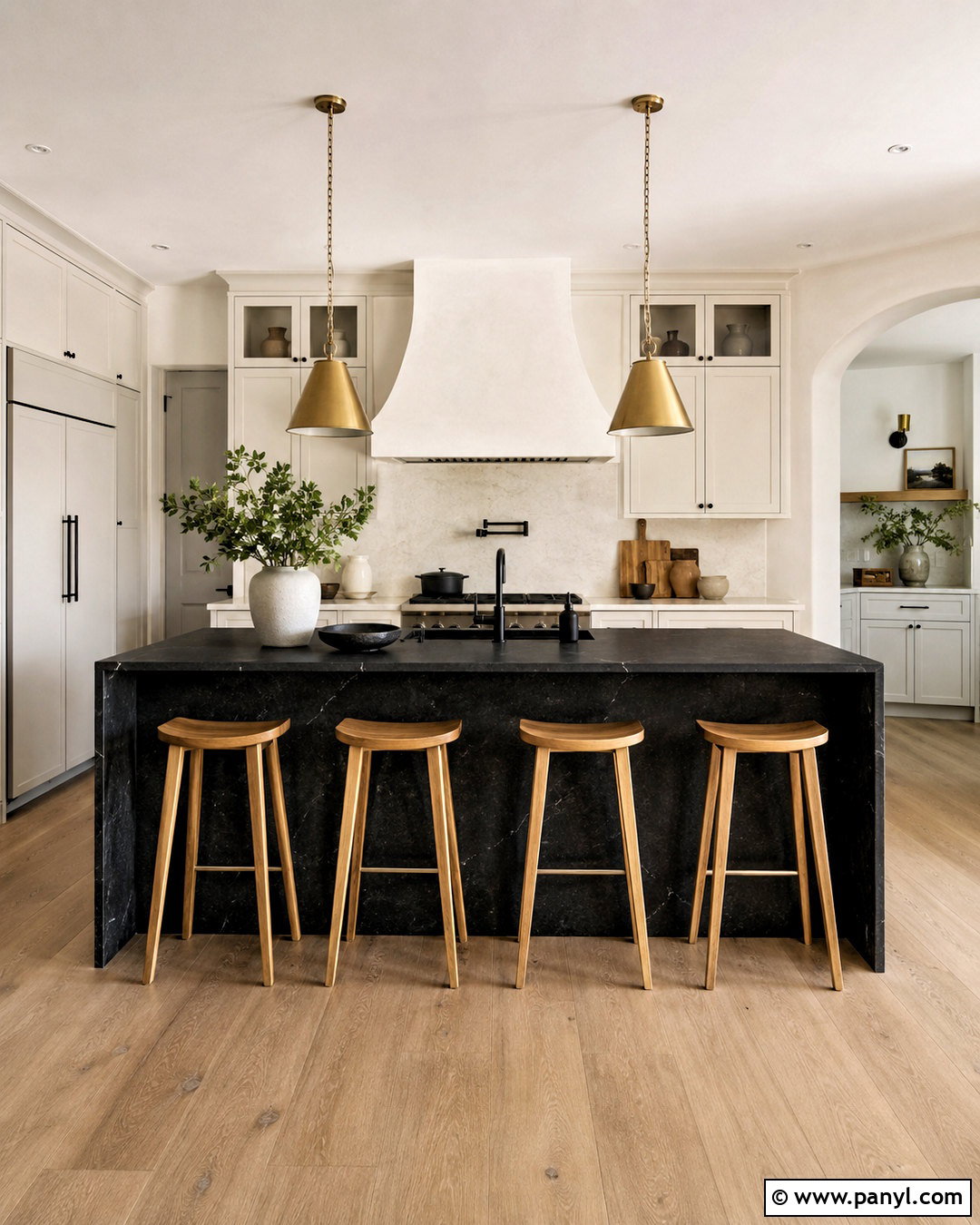
A grain-focused kitchen island can add warmth to an otherwise light, simple room. Wrap the base in rift-cut oak panels with a continuous vertical pattern, carefully aligning the grain across doors and corners. Top it with white quartz that includes only faint veining, allowing the wood to remain the focal point. Surround the island with warm white perimeter cabinets and a soft gray tile backsplash. Three counter stools with black metal frames provide contrast and practical seating. Install clear glass pendants with brushed brass fittings for an airy look. Pale oak flooring can support the natural palette, but choose boards with less variation than the island. A bowl of fresh produce and one wooden cutting board are enough to finish this uncluttered, functional kitchen.
10. Wood Grain Texture Accent Wall
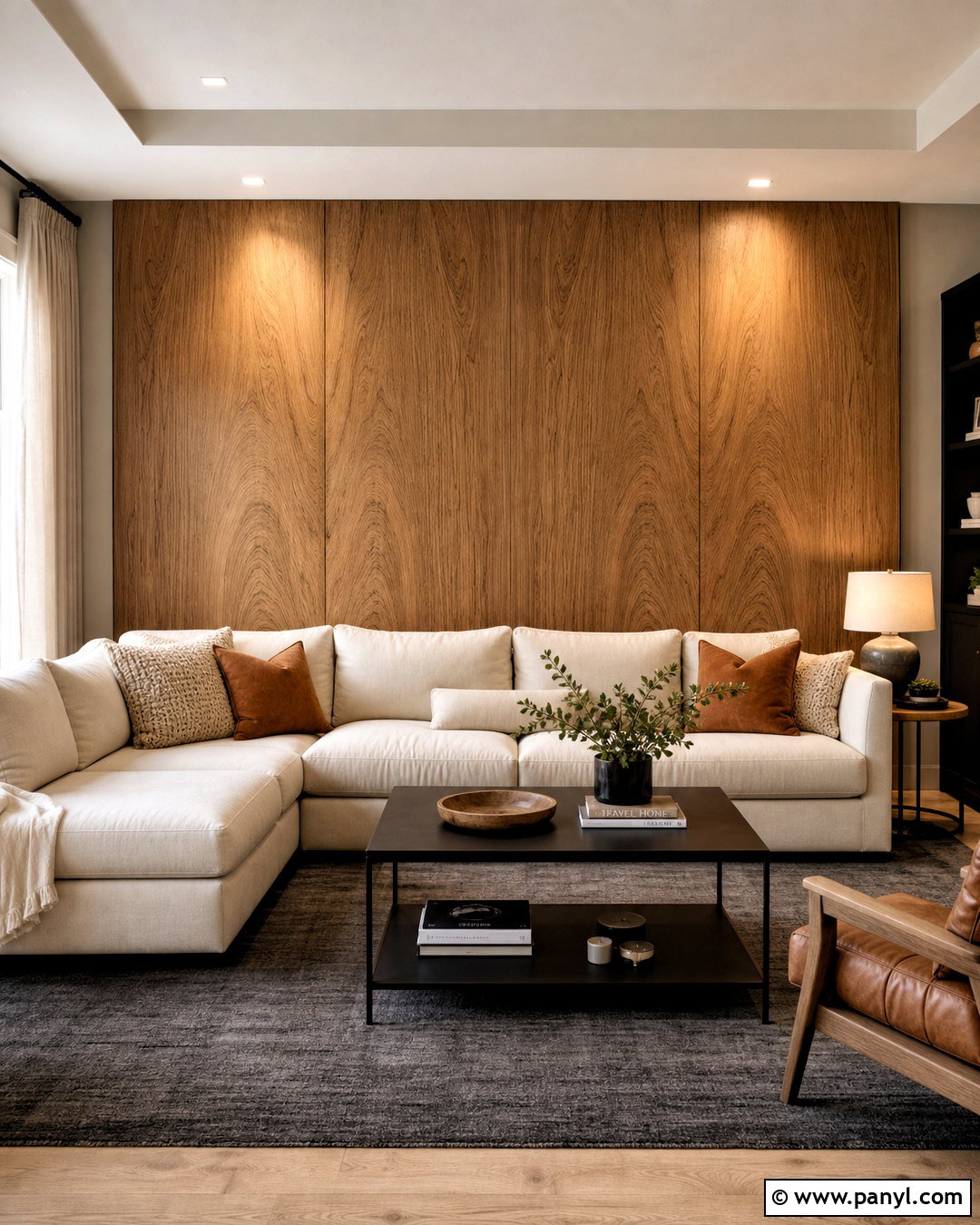
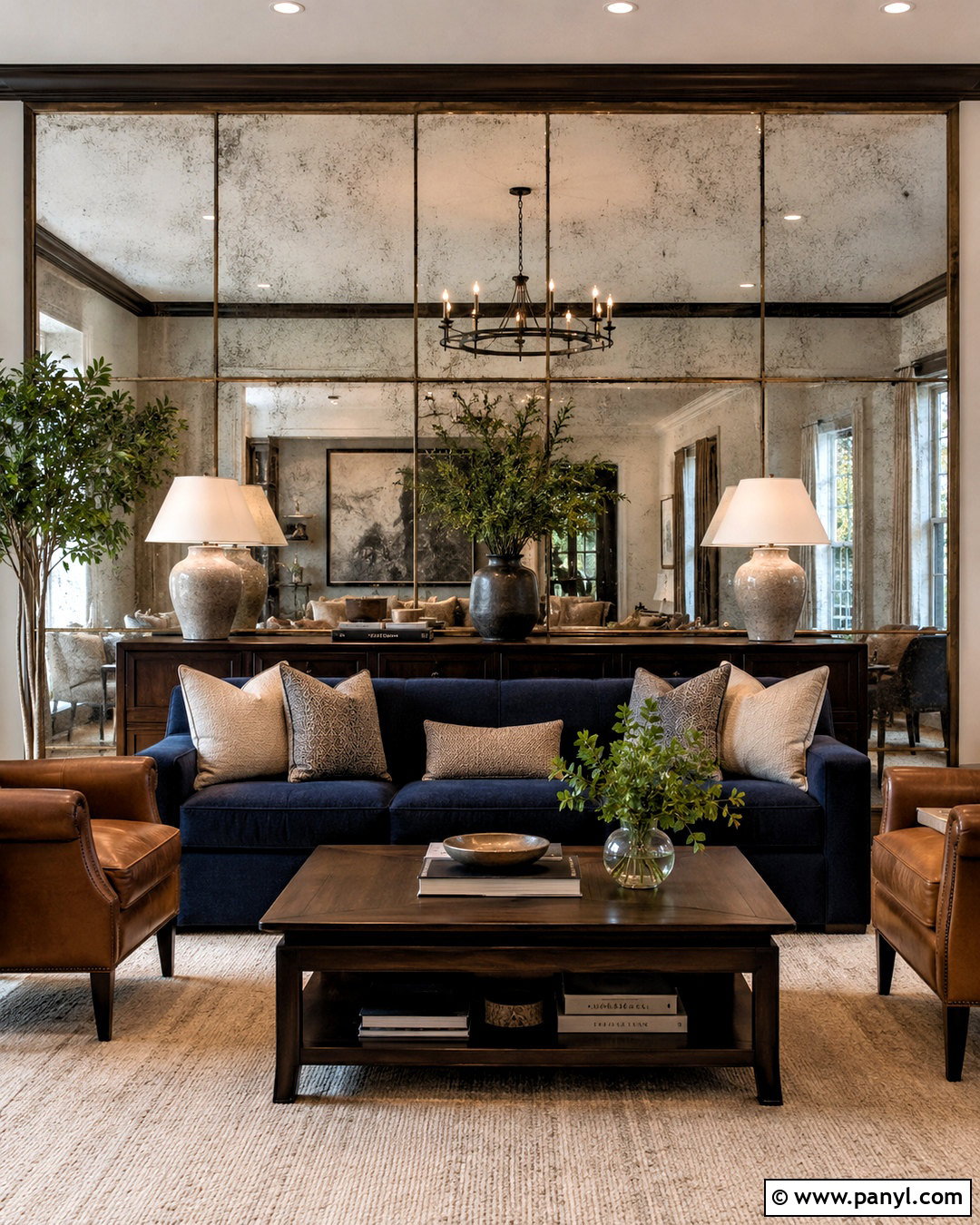
A wood grain accent wall should feel connected to the entire room rather than added as an afterthought. In a modern family room, use wide oak panels with book-matched grain behind a low cream sectional. Select a medium natural finish that stands apart from the pale flooring but still shares its warm undertone. Paint the remaining walls soft mushroom and introduce a charcoal area rug for grounding contrast. A black metal coffee table, linen curtains, and caramel-colored pillows repeat the wall’s deeper streaks. Install warm white wall washers near the ceiling to reveal the grain without producing harsh shadows. Keep artwork limited to one large neutral piece on an adjacent wall. This arrangement lets the wood supply movement while the furniture maintains a calm, comfortable setting.
11. Ash Grain Texture Minimalist Bedroom
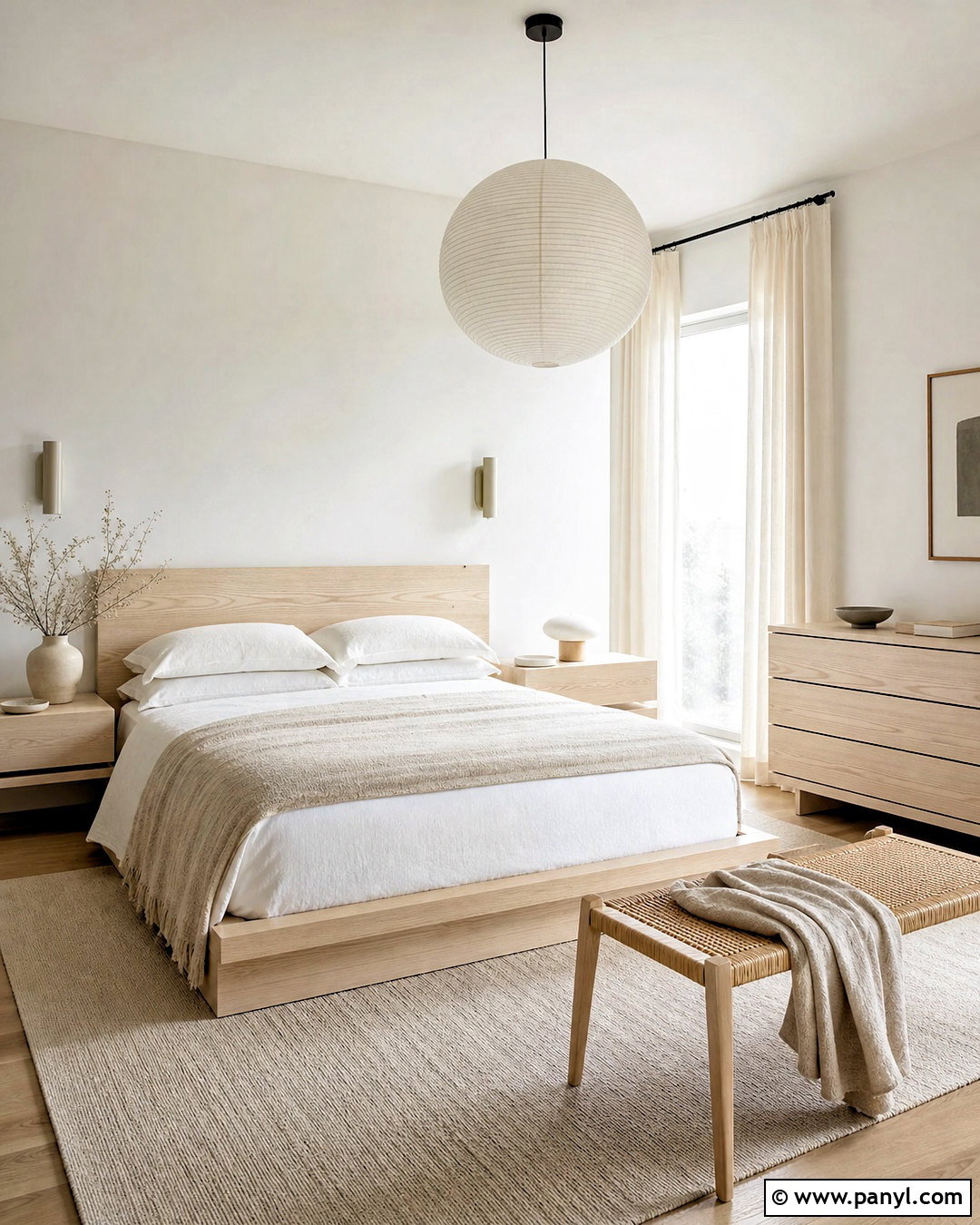
Pale ash has a fine, straight grain that suits a quiet bedroom with limited ornamentation. Choose a platform bed, floating nightstands, and a low dresser in the same softly bleached finish. Position the bed against a warm white wall and use light gray bedding layered with a sand-colored wool blanket. A large ivory rug adds softness beneath the clean furniture lines. Instead of filling the room with decorative objects, introduce texture through linen curtains, a woven bench, and one sculptural paper pendant. Matte white hardware keeps attention on the subtle wood pattern. Use concealed storage wherever possible to preserve the uncluttered atmosphere. A single branch in a ceramic vase brings an organic detail that complements the grain without making the room feel overly styled.
12. Oak Grain Texture Bathroom Vanity
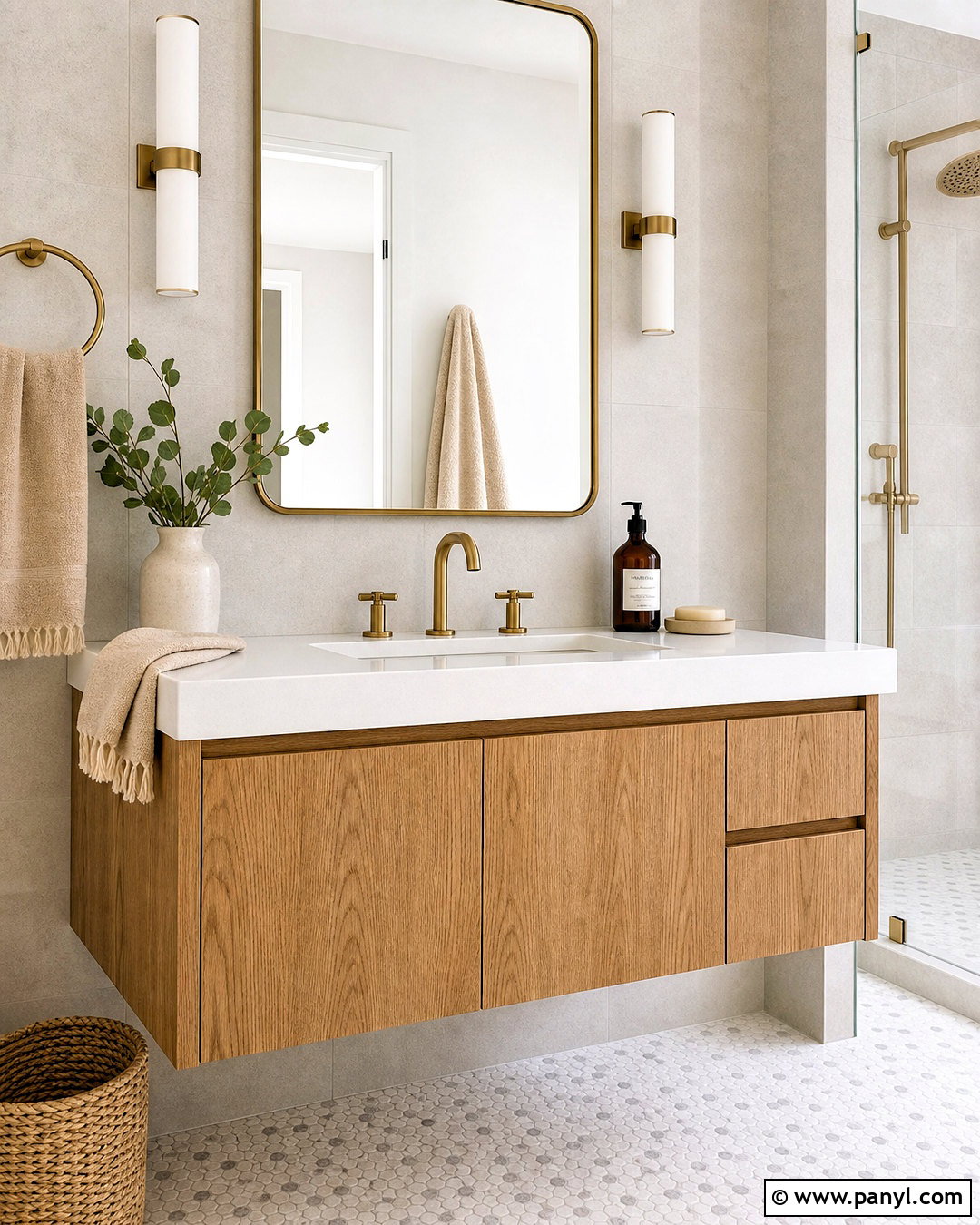
A natural oak vanity can warm up a bathroom filled with cool, easy-care finishes. Select a wall-mounted cabinet with slab drawer fronts and a consistent vertical grain. Pair it with a thick white quartz countertop and a rectangular undermount sink for a crisp silhouette. Cover the shower and main walls with large soft-gray porcelain tiles, then use small white mosaic flooring for secure footing and gentle texture. Brushed brass faucets, mirror frames, and cabinet pulls introduce warmth without matching the oak exactly. Add a narrow recessed shelf for toiletries and keep towels in white or light beige. A woven basket beneath the vanity provides storage and reinforces the natural palette. Bright layered lighting ensures that the wood grain remains visible and the bathroom feels fresh.
13. Rustic Pine Grain Texture Mudroom
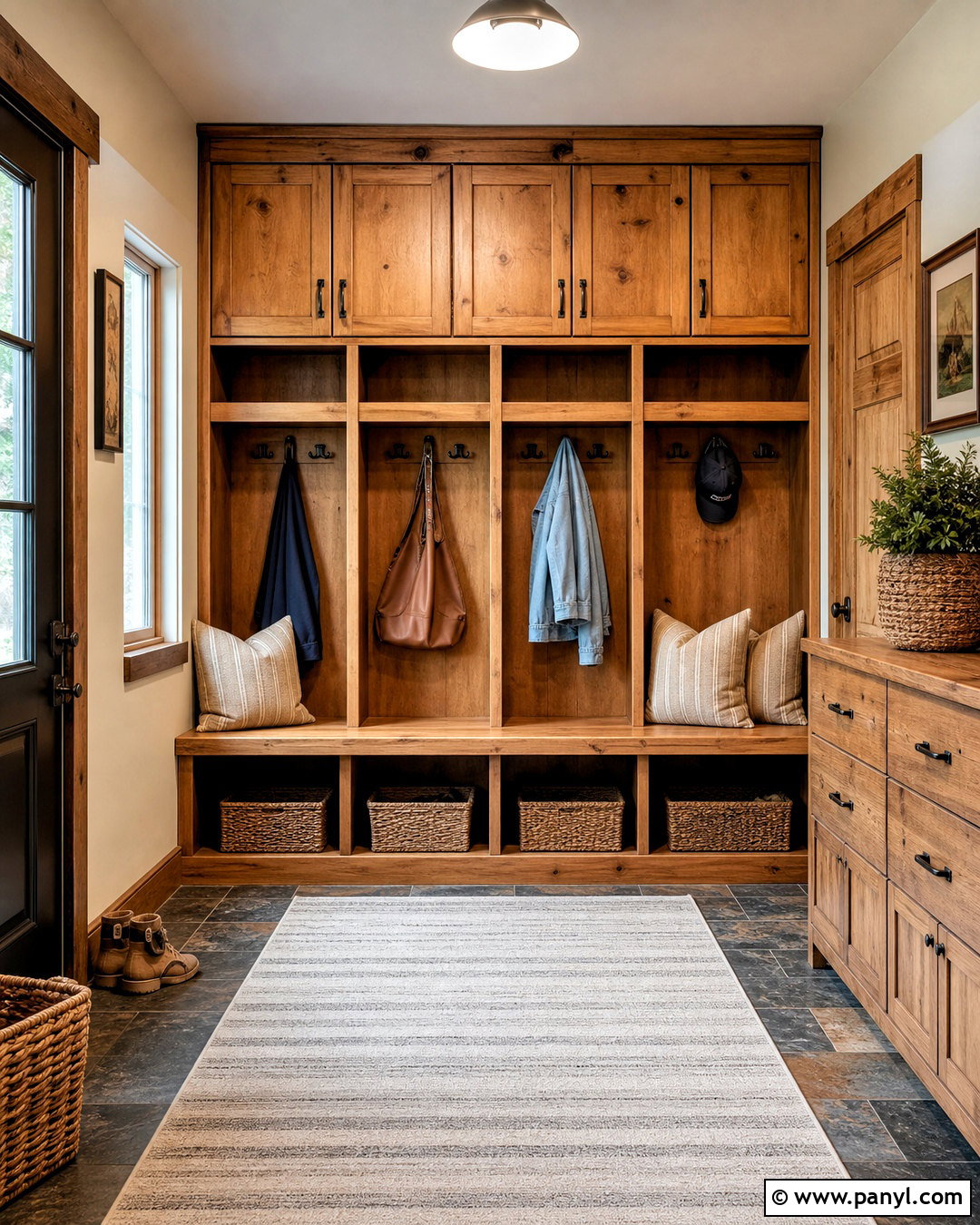
Knotty pine gives a hardworking mudroom a relaxed character that suits daily family use. Build floor-to-ceiling lockers from pine boards finished with a light honey stain, leaving knots and natural color changes visible. Include closed upper cabinets, open hooks, and a sturdy bench with shoe compartments below. Balance the busy grain with warm white walls and durable slate-look porcelain flooring. Dark bronze hooks and cabinet handles add definition, while striped beige seat cushions make the bench more comfortable. Place a washable runner through the center and use labeled woven baskets to contain smaller belongings. A half-glass back door brings in natural light and visually opens the room. The complete setup feels rustic but organized, with every textured surface serving a clear purpose.
14. Chevron Wood Grain Texture Floor
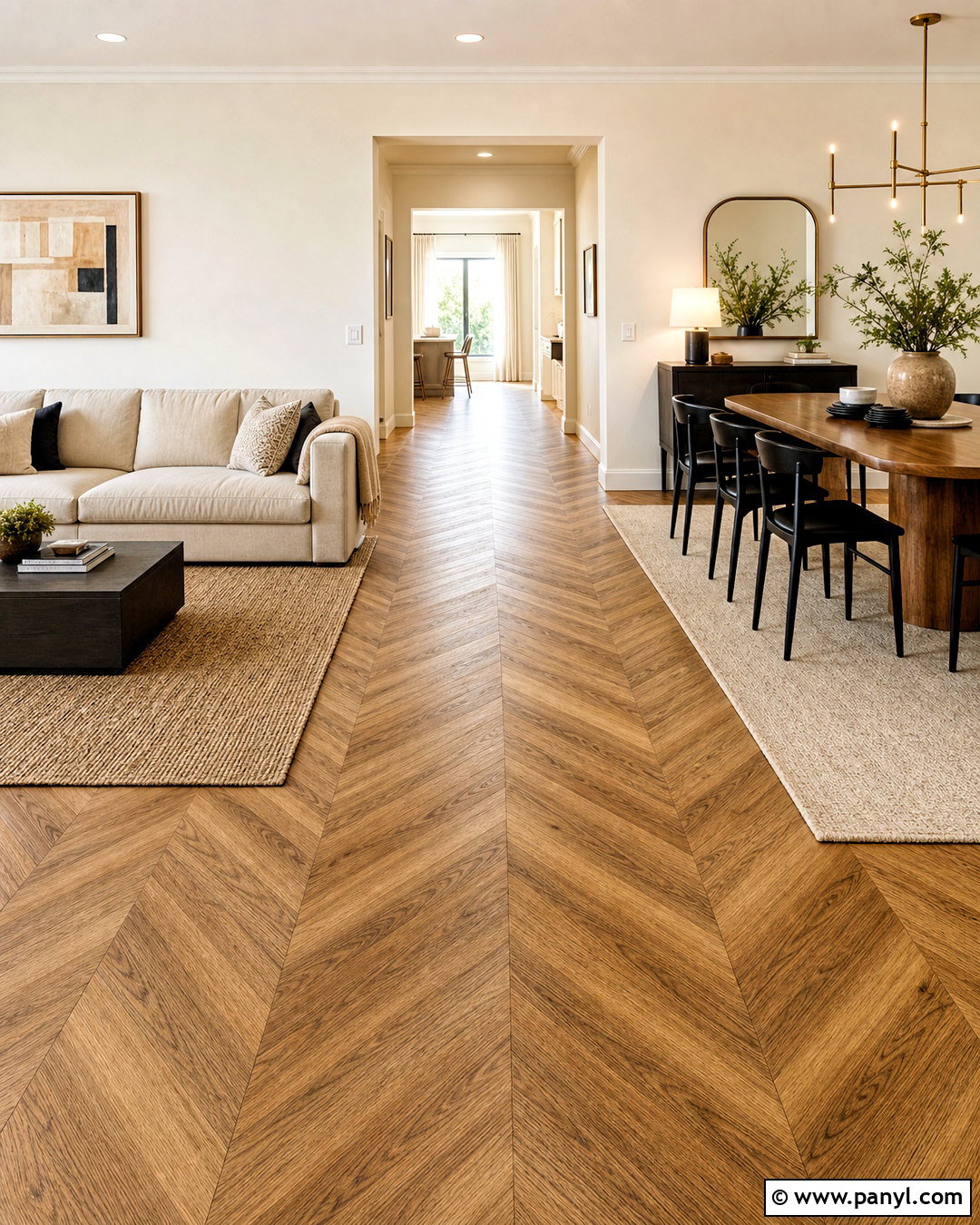
A chevron floor creates directional movement that can shape an entire living and dining area. Choose medium-toned oak boards with moderate grain variation and arrange them in clean V-shaped rows. Keep the surrounding palette simple so the floor does not compete with patterned upholstery or overly detailed cabinetry. Use a cream sofa, a round walnut dining table, and black dining chairs to define the open-plan zones. Warm white walls and full-length linen curtains maintain a bright backdrop. Place a large solid beige rug beneath the living room seating, leaving enough flooring exposed to show the chevron layout. Brushed brass lighting adds subtle polish. Repeat the oak in one small cabinet or shelf, but let the distinctive floor remain the room’s primary visual texture.
15. Black Wood Grain Texture Kitchen
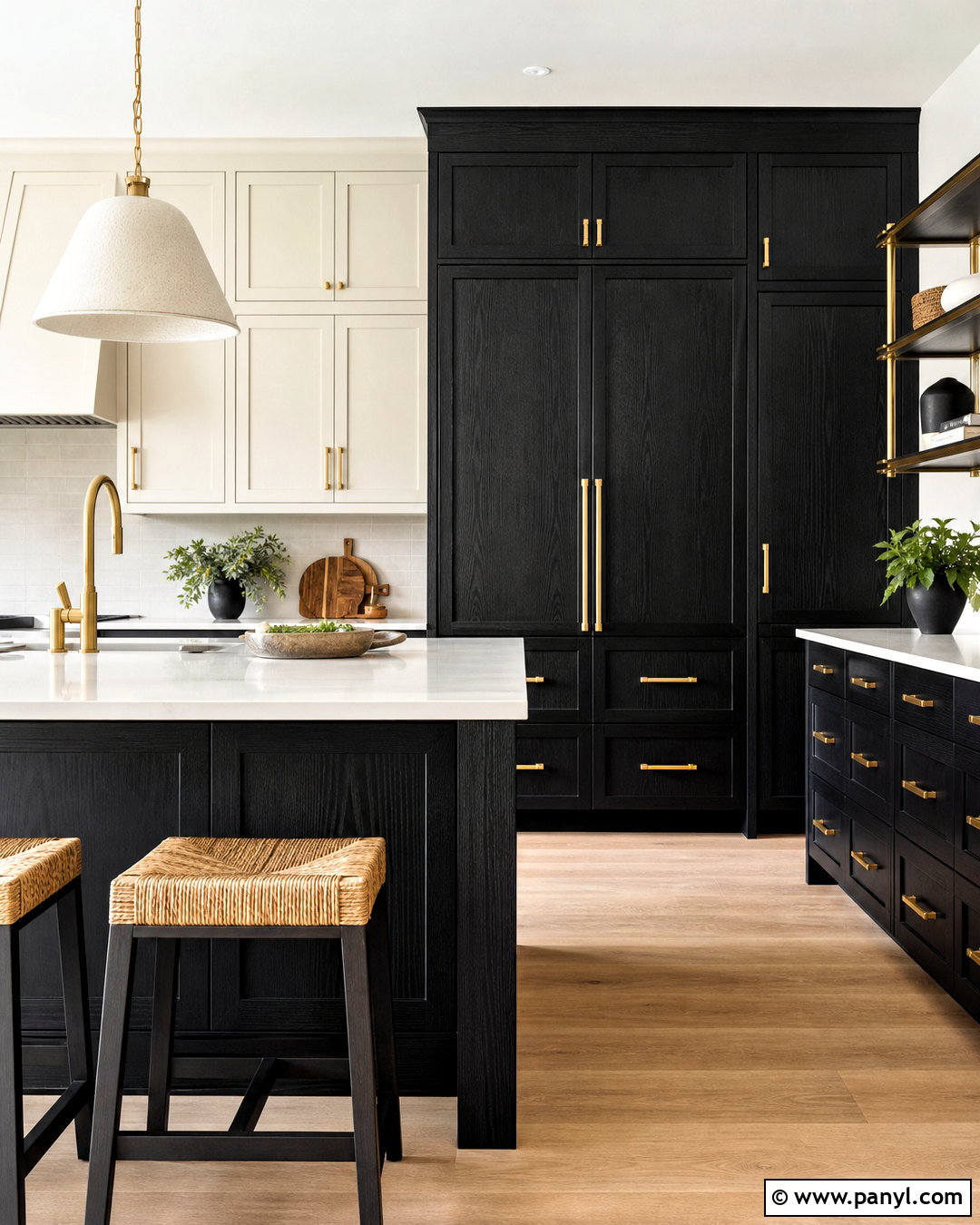
Black cabinetry feels more layered when the wood grain remains visible instead of disappearing beneath flat paint. Choose black-stained oak cabinets with a matte finish and a clear vertical pattern. Use them on the lower cabinets and one full-height pantry wall, then add warm white upper cabinets to keep the kitchen open. A light gray quartz countertop and backsplash soften the contrast. Bring warmth through pale oak flooring, woven counter stools, and small brushed brass details. Under-cabinet lighting helps reveal the textured doors and makes food preparation easier. Keep appliances integrated where possible for a streamlined appearance. A narrow island in matching black oak unifies the layout, while a white plaster pendant and simple greenery prevent the room from feeling severe or overly formal.
16. Wood Grain Texture Ceiling
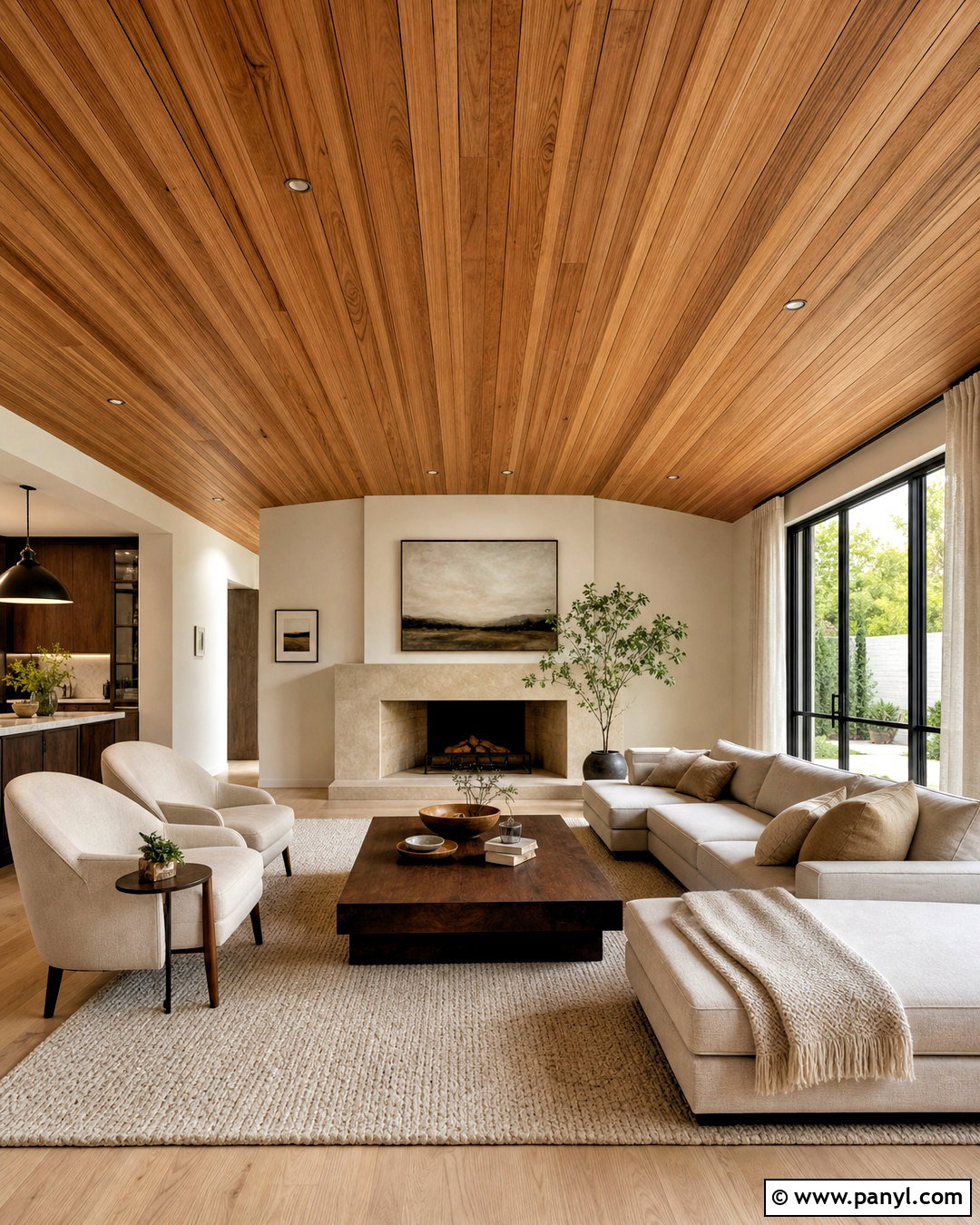
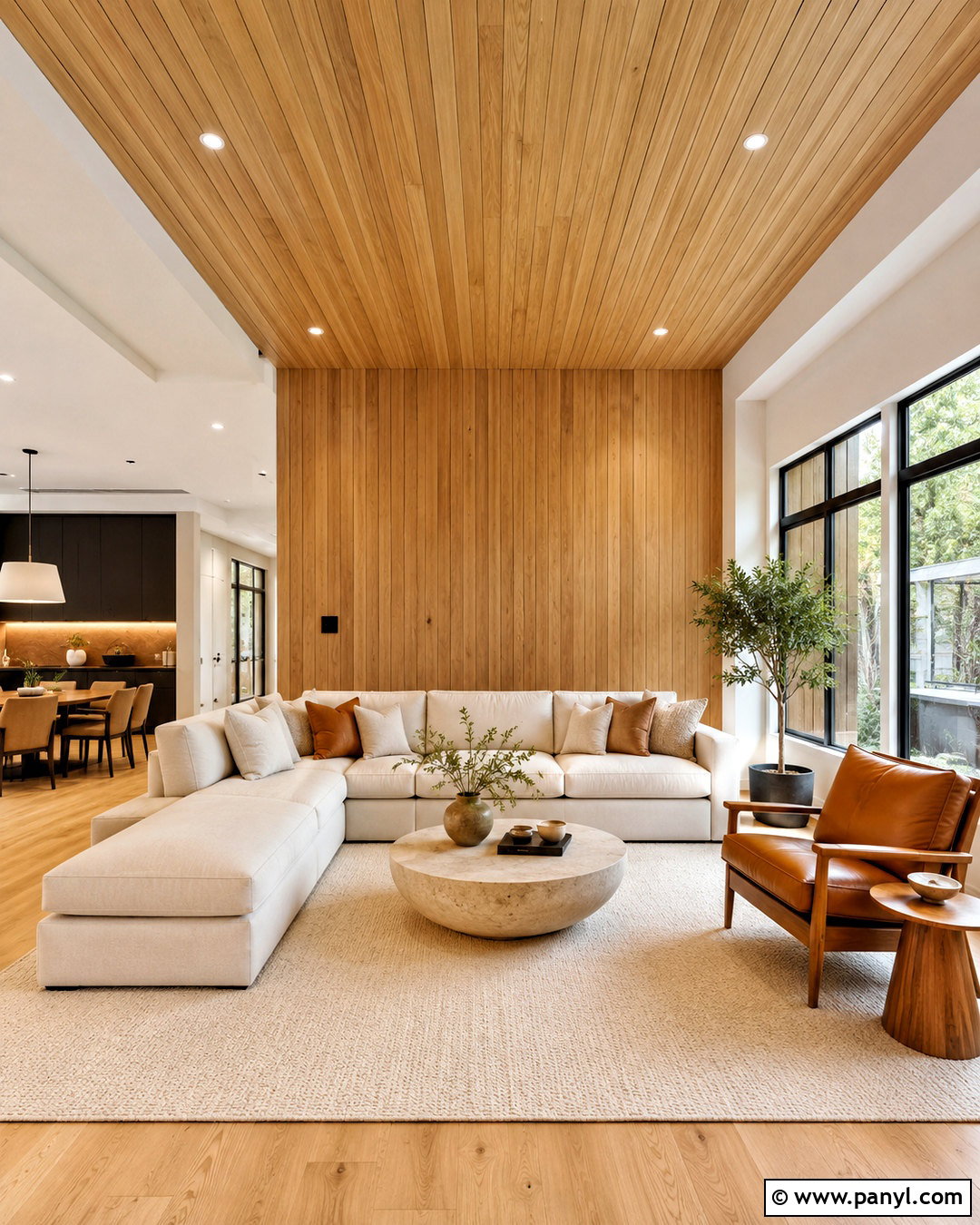
A wood ceiling can make a living room feel architectural while preserving an open, comfortable layout. Cover the ceiling with narrow cedar planks in a warm medium tone, running them toward the largest window to emphasize the room’s length. Keep the walls creamy white and choose light limestone around the fireplace to balance the wood overhead. A soft greige sectional, two oatmeal lounge chairs, and a pale wool rug maintain a bright lower half. Add a walnut coffee table to repeat the ceiling’s warmth without matching it precisely. Recessed lighting should sit neatly between the planks, supplemented by a simple floor lamp. Large windows, linen curtains, and restrained artwork allow the textured ceiling to stand out without making the complete room feel enclosed.
17. Burl Wood Grain Texture Bedroom
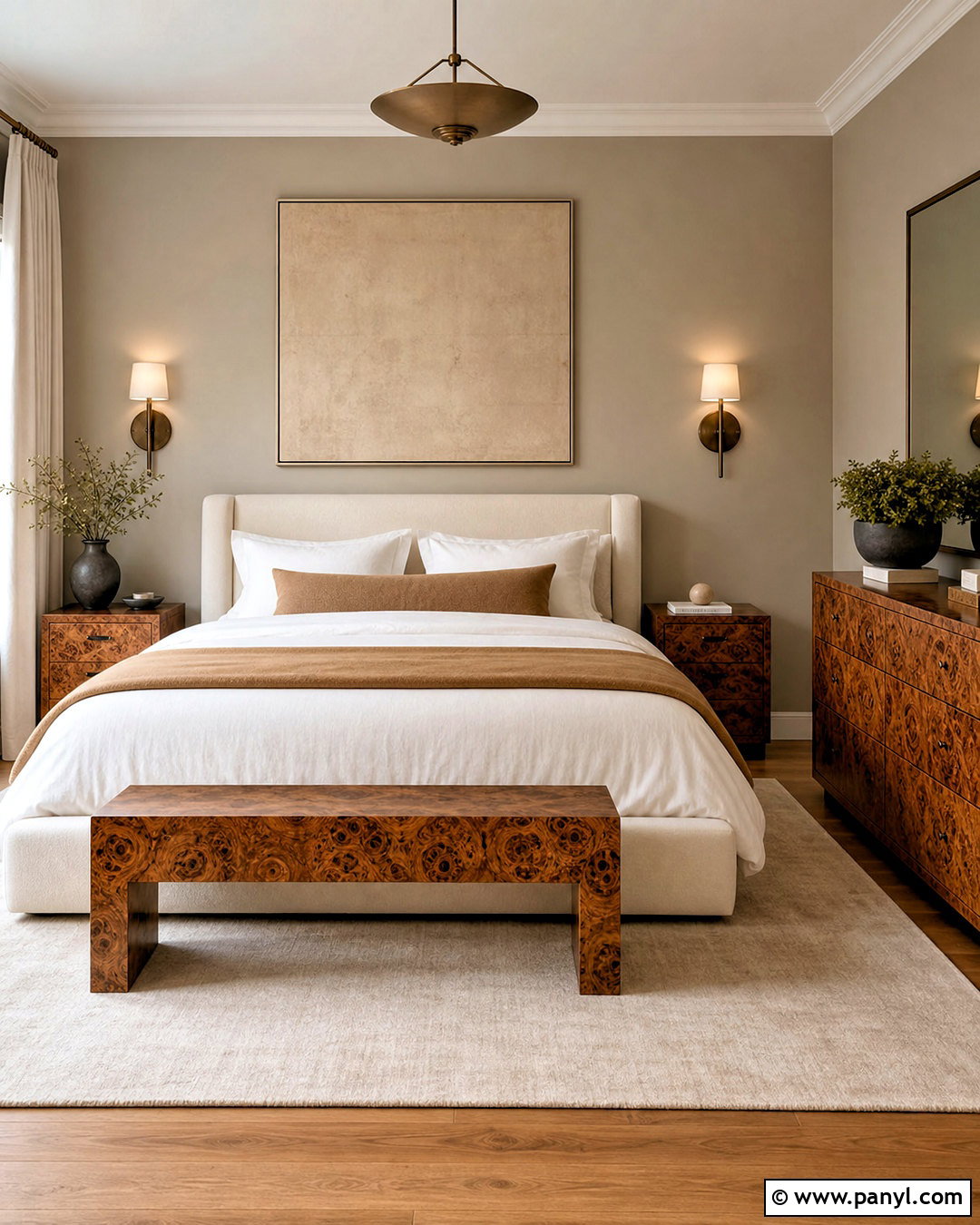
Burl wood introduces swirling grain and strong visual character, so it works best as a controlled bedroom accent. Use it on the fronts of two nightstands and a low dresser rather than across every surface. Pair these statement pieces with an upholstered bed in warm ivory and walls painted soft taupe. Plain white bedding, a camel throw, and muted brown pillows create a restful palette around the expressive grain. Choose medium oak flooring and a large cream rug to keep the room grounded. Simple bronze sconces provide warmth without adding another complicated pattern. Hang one oversized abstract artwork above the bed and use full linen curtains at the windows. The finished room feels distinctive and refined while allowing the burl pattern enough space to breathe.
18. Weathered Wood Grain Texture Sunroom
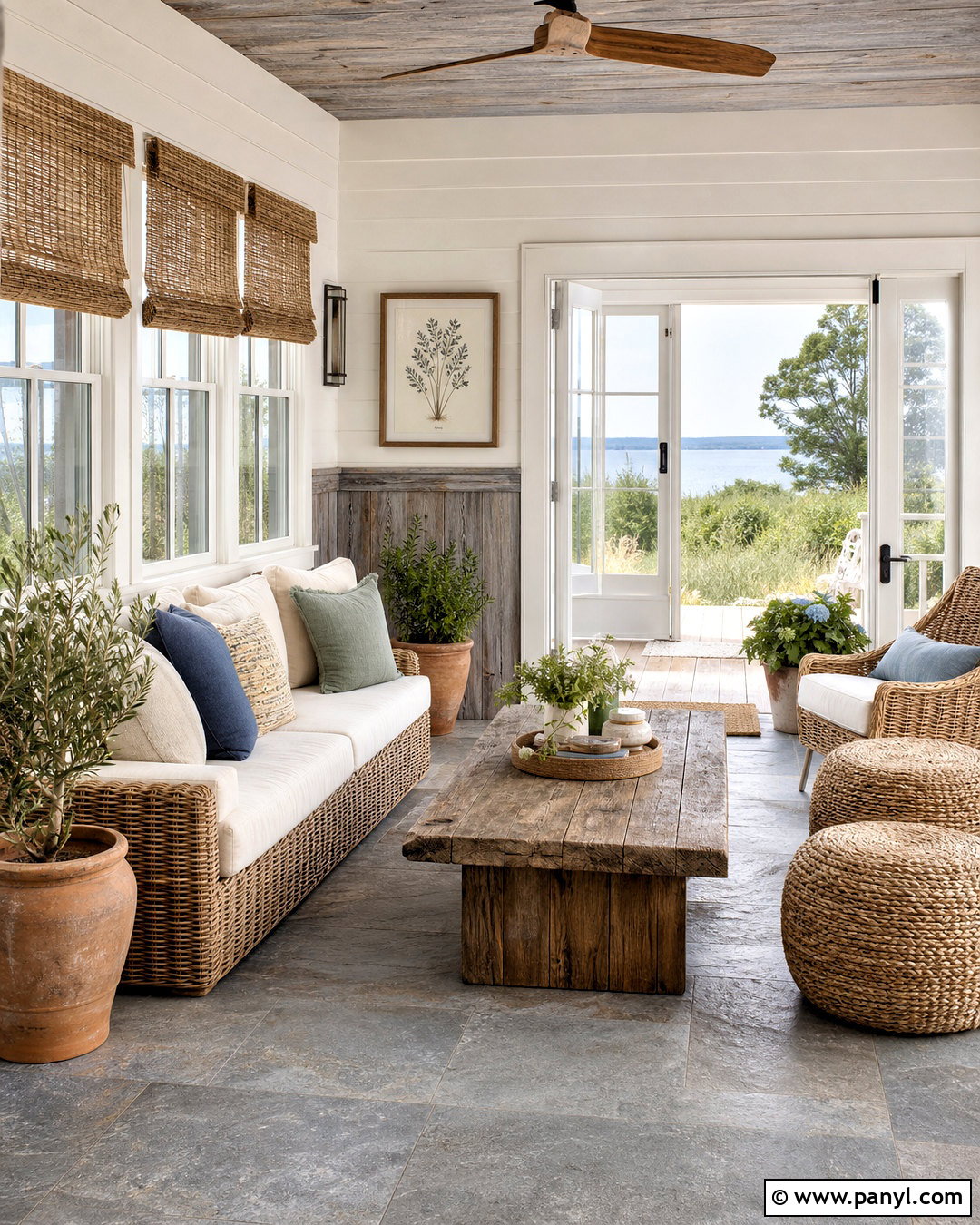
Weathered wood suits a sunroom because its faded surface connects naturally with garden views and casual furnishings. Cover the lower half of the walls with gray-washed wood boards, then paint the upper walls and ceiling crisp warm white. Arrange a light rattan sofa and two lounge chairs around a reclaimed oak coffee table. Use washable cushions in cream, muted blue, and soft sage to reflect outdoor colors. Pale stone-look tile flooring handles dirt and moisture while balancing the rough grain. Add woven shades, linen curtain panels, and several terracotta planters filled with leafy greenery. A simple black ceiling fan provides a practical finishing touch. The mix of aged boards, bright upholstery, and natural materials creates an inviting room for year-round relaxation.
19. Wood Grain Texture Built-In Shelving
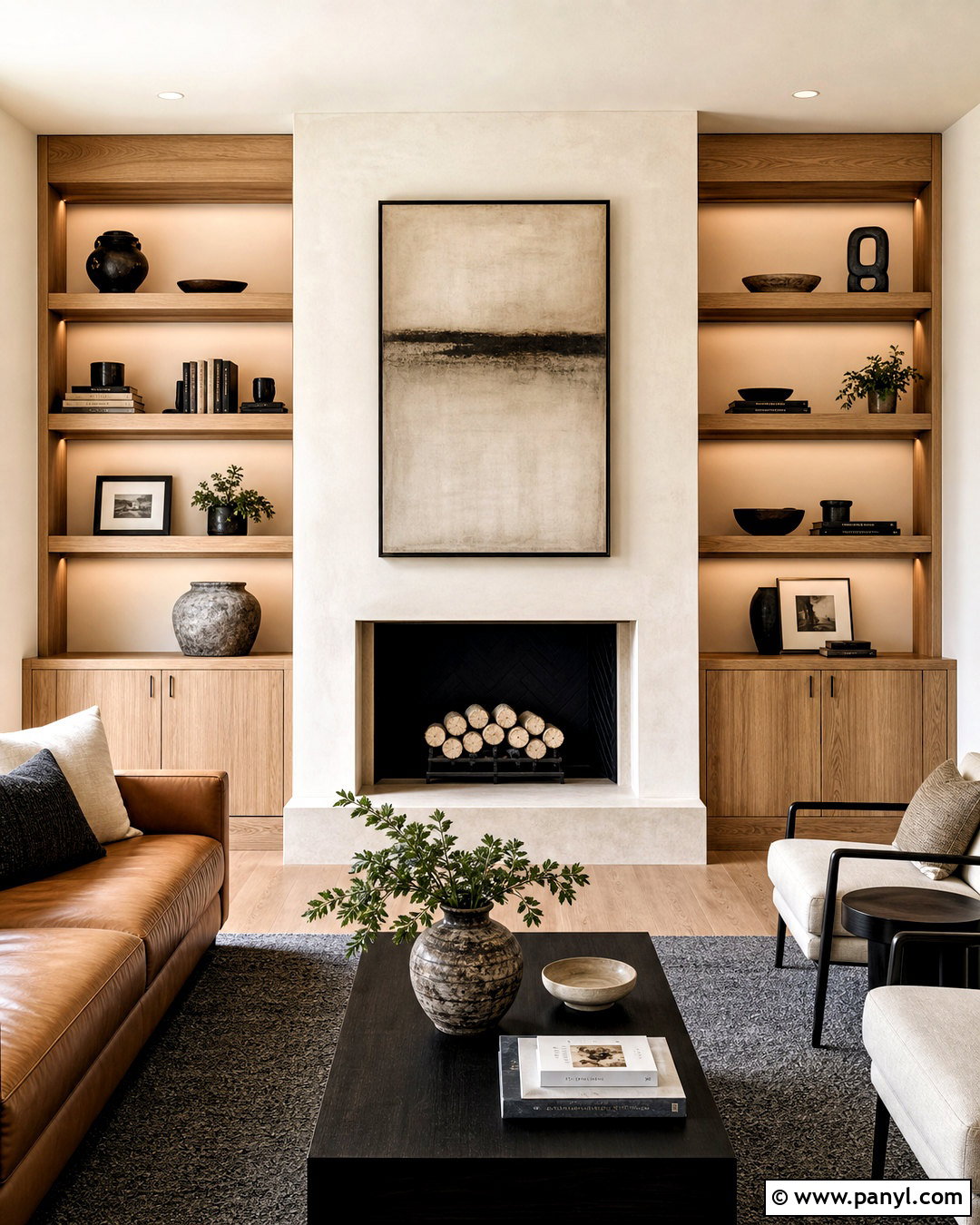
Built-in shelving becomes warmer and more furniture-like when natural grain is used across the complete installation. Frame a living room fireplace with white oak shelves, closed cabinets, and tall side panels. Run the grain vertically on cabinet doors and horizontally across the shelves for subtle contrast. Use a soft ivory plaster finish around the fireplace and paint nearby walls light greige. A camel leather sofa, cream lounge chairs, and a charcoal rug create a balanced seating area in front. Style the shelves with books, stoneware, small framed art, and a few dark metal objects, leaving open space around each grouping. Concealed lighting beneath selected shelves highlights the grain after sunset. Matching oak trim around the firebox gives the entire wall a cohesive appearance.
20. Gray Wood Grain Texture Laundry Room
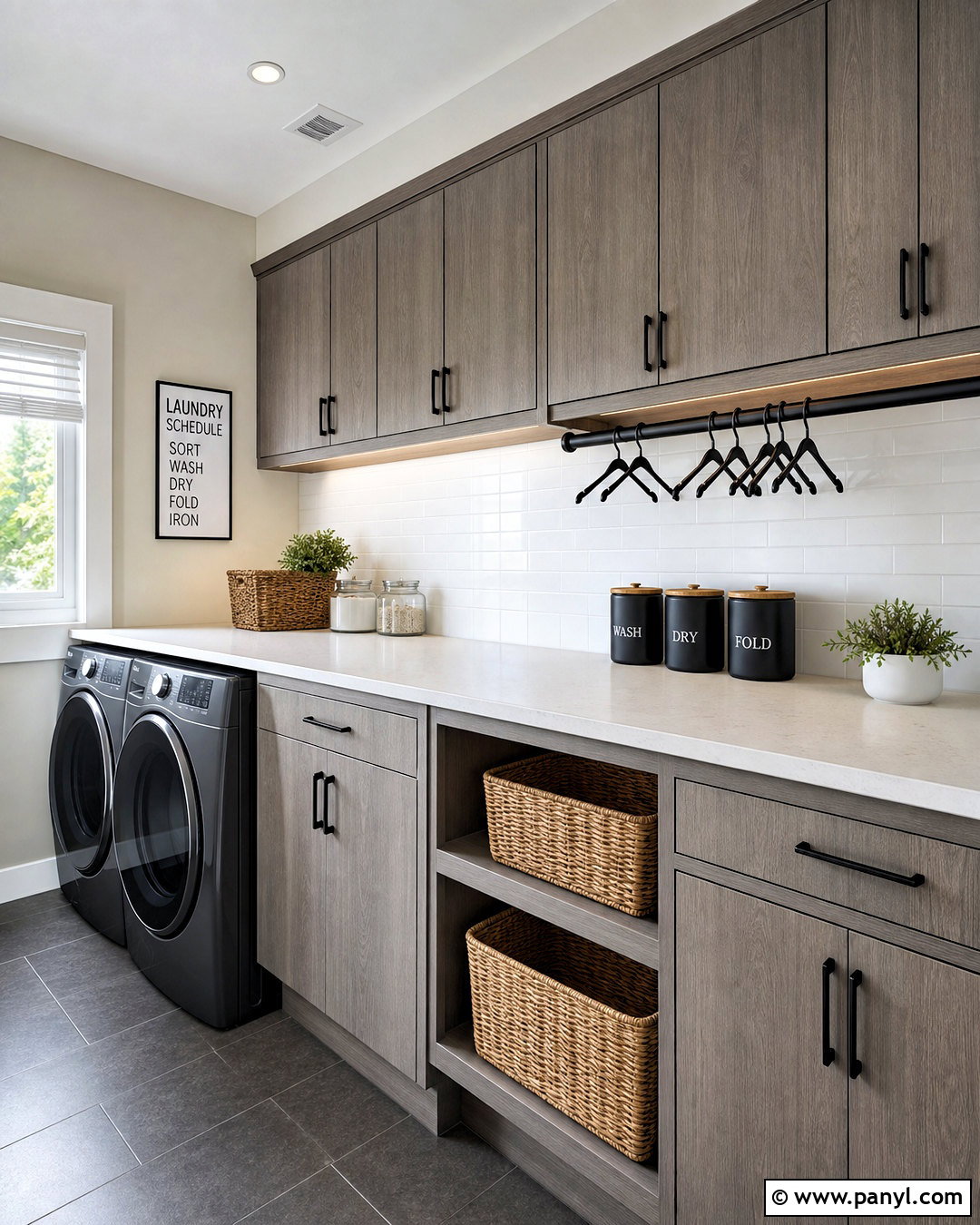
Gray wood grain can make a laundry room feel polished while remaining forgiving enough for everyday use. Choose flat-panel cabinets in a warm gray oak finish that retains clear vertical lines. Install them above the machines and along one side wall to provide closed storage, a folding counter, and a pull-out hamper. Use white quartz for the work surface and a glossy white rectangular tile backsplash to reflect light. Charcoal porcelain flooring grounds the lighter cabinetry and hides minor marks. Add matte black pulls, a black hanging rail, and woven baskets in natural tan. Warm white walls prevent the gray finish from appearing cold. Under-cabinet lighting, labeled containers, and an open shelf for frequently used supplies complete this compact but efficient workspace.
Conclusion:
The best grain texture ideas do more than introduce attractive wood. They shape how a complete room feels through color, direction, finish, scale, and contrast. Pale straight grains can make compact spaces feel calm and open, while walnut, burl, and reclaimed boards add deeper character. Always balance highly visible grain with quieter walls, simple textiles, and solid-colored surfaces. Repeating one wood tone or hardware finish can connect mixed materials without making everything match. Before committing, view samples beside the room’s flooring, paint, and lighting throughout the day. With thoughtful planning, these 20 grain texture ideas can bring lasting warmth, useful dimension, and natural personality to every part of your home.

Related Ideas and Inspiration:
Leave a Reply