
Lime plaster brings soft movement, earthy color, and handcrafted character to rooms that might otherwise feel flat. These 20 lime plaster walls explore complete spaces rather than isolated finishes, showing how plaster color, furniture, flooring, lighting, and decor can work together. Pale limestone tones create quiet, airy interiors, while terracotta, olive, burgundy, and charcoal deliver richer atmosphere. Lime plaster also complements many materials, including warm oak, aged brass, natural linen, marble, and handmade tile. The key is choosing a finish that supports the room’s light and overall design instead of competing with it. Whether you prefer Mediterranean warmth, modern simplicity, or relaxed rustic charm, the following complete looks offer practical inspiration for recreating 20 lime plaster walls.

1. Warm White Lime Plaster Living Room
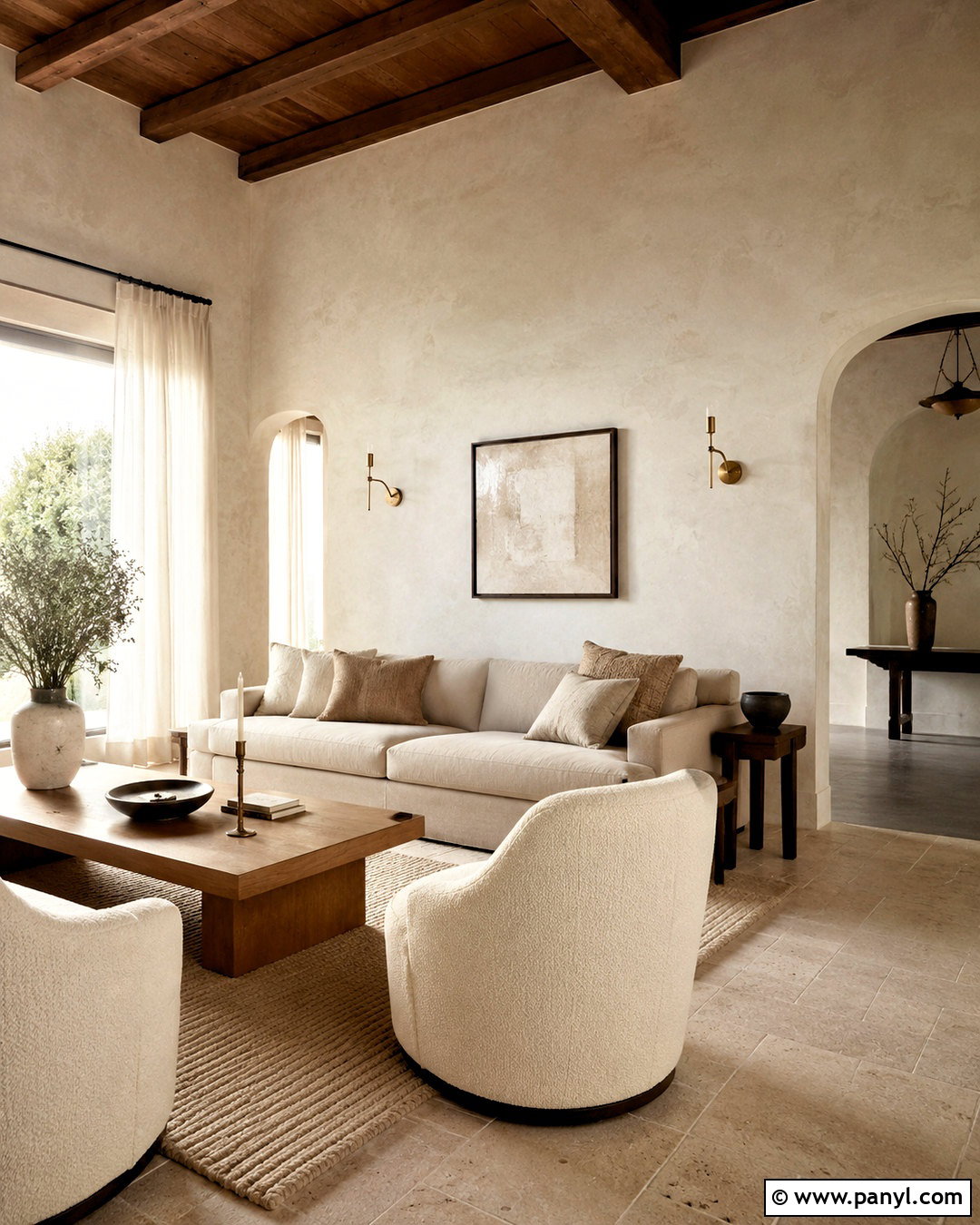
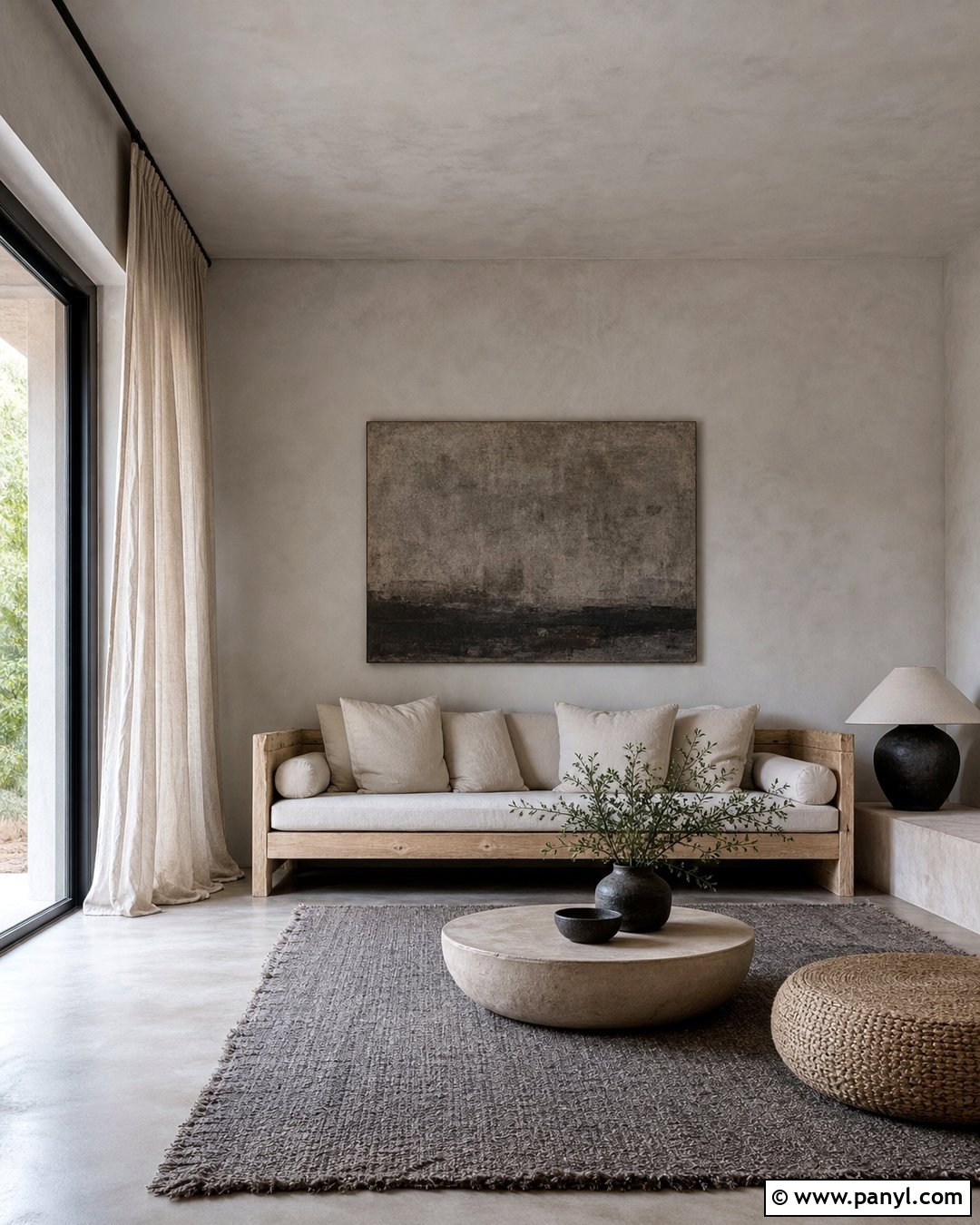
Warm white lime plaster can make a living room feel bright without creating the stark appearance of plain white paint. Apply the finish across every wall so its cloudy texture becomes a quiet backdrop for the entire space. Choose a low-profile oatmeal sofa, two curved cream chairs, and a substantial light oak coffee table. A large wool rug in ivory and taupe will soften pale stone or oak flooring. Add aged brass sconces, linen curtains, and a few dark wood accents for contrast. Keep artwork minimal because the plaster already provides visual movement. This complete scheme works especially well in rooms with strong natural light, where the subtle tonal variations become more visible as the sun moves throughout the day.
2. Beige Lime Plaster Bedroom
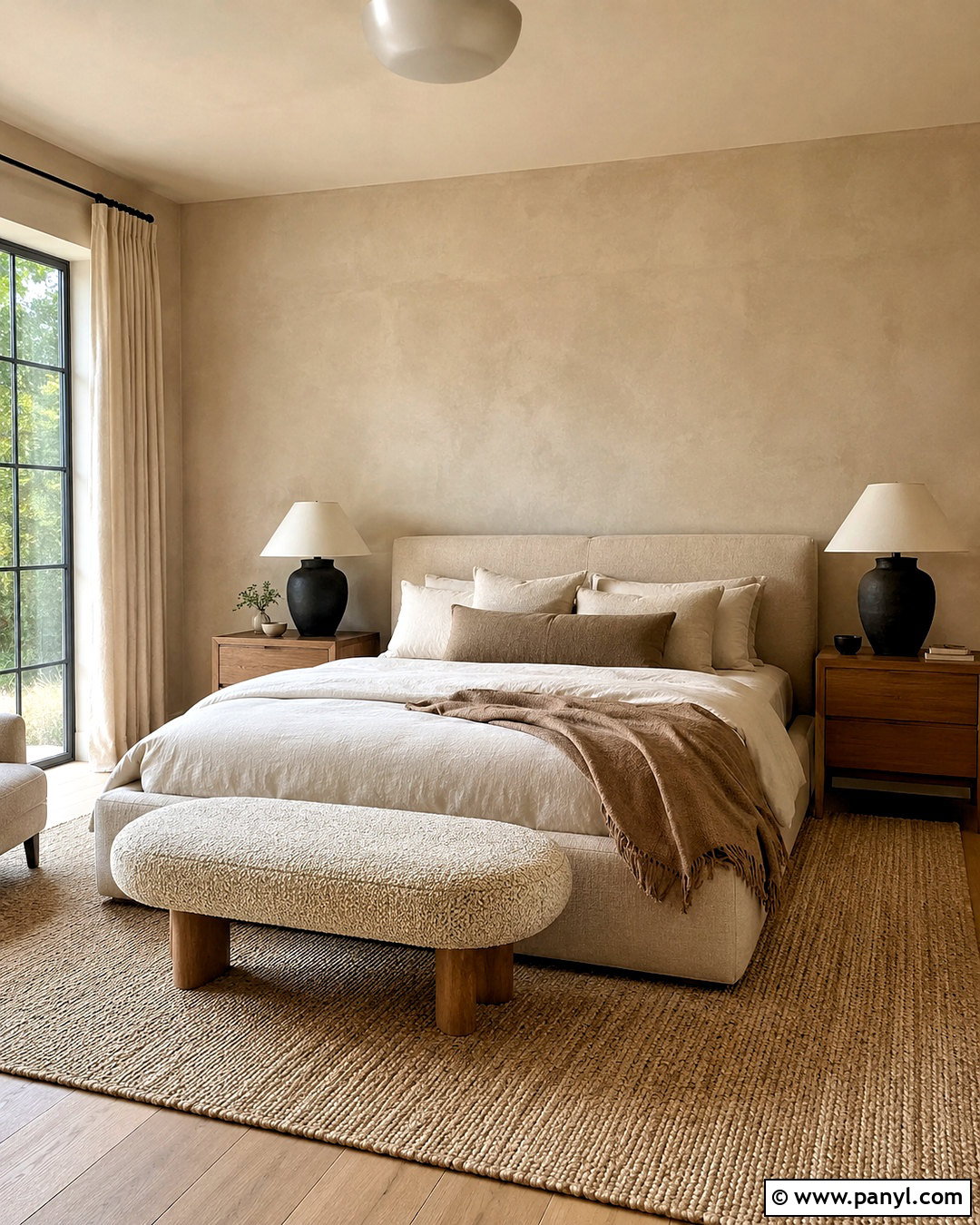
Imagine waking up in a bedroom wrapped in soft, sandy color. Beige lime plaster on every wall creates a calm envelope that feels warmer than standard greige paint. Pair it with an upholstered bed in natural flax linen, medium oak nightstands, and an ivory boucle bench. Use crisp off-white bedding, then layer a camel throw and muted brown cushions for gentle contrast. A woven wool rug should extend beyond the bed to make the room feel grounded and comfortable. Black ceramic lamps provide a modern edge, while simple landscape artwork keeps the palette connected to nature. Finish the windows with full-length linen curtains. The result is a restful bedroom in which texture, warm neutrals, and simple furniture feel thoughtfully balanced.
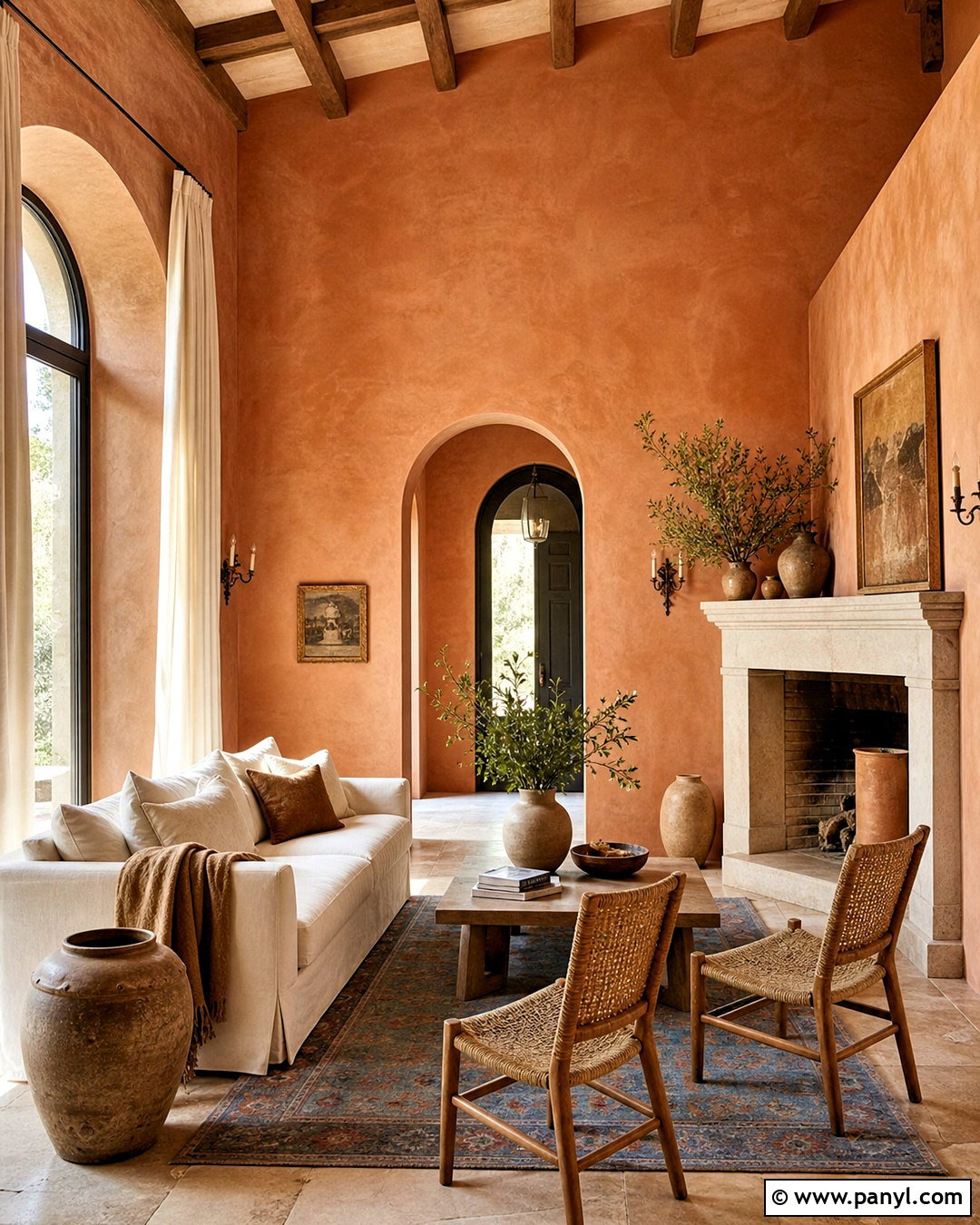
3. Terracotta Lime Plaster Dining Room
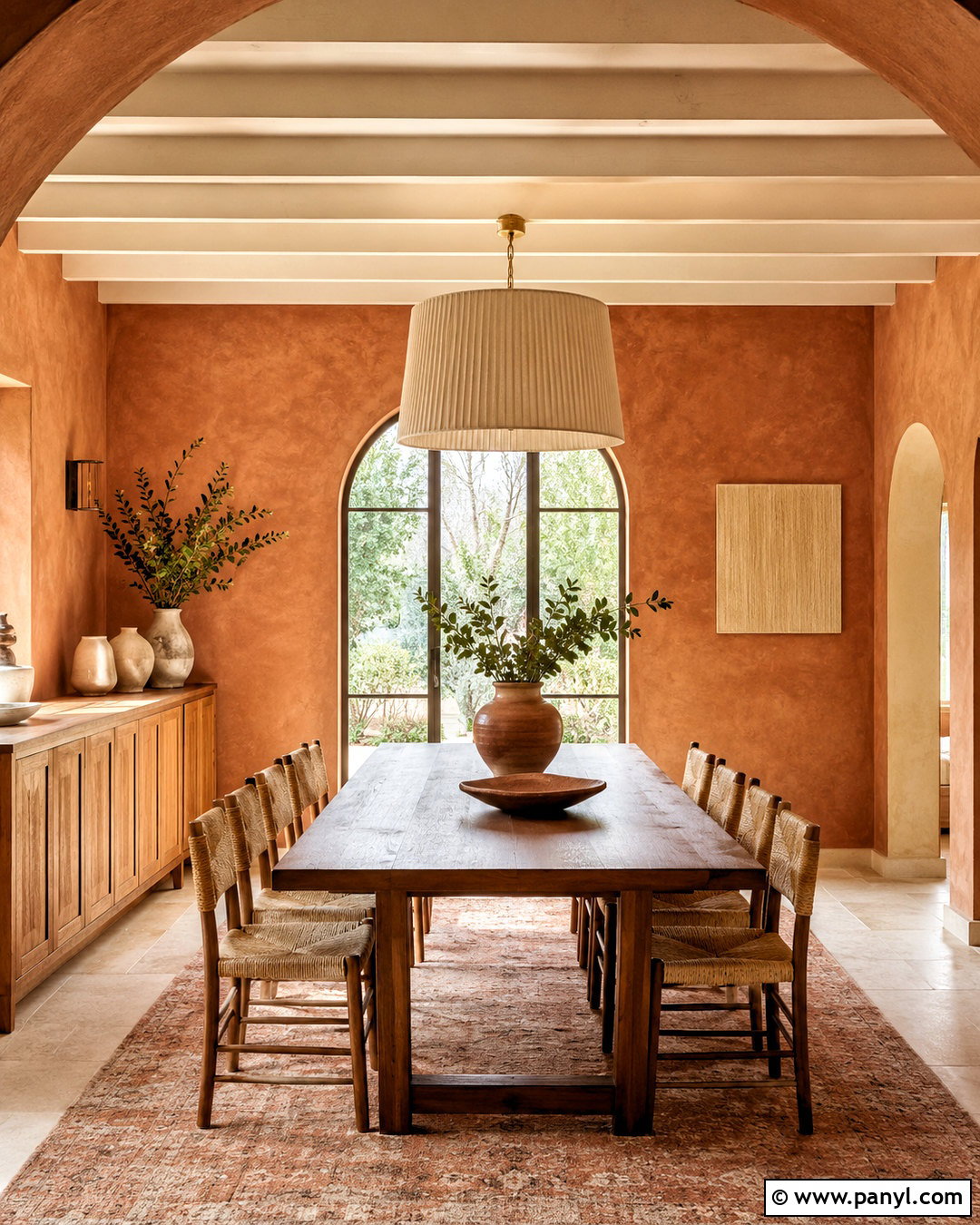
Terracotta lime plaster gives a dining room the warmth of sunbaked clay while its mottled surface prevents the color from feeling heavy. Cover all four walls for an immersive effect, then introduce a long walnut dining table with rounded edges. Surround it with woven rush chairs or upholstered seats in warm cream. An oversized linen pendant can provide soft overhead light without distracting from the plaster. Ground the space with a faded rust and beige rug, then add a slim oak sideboard displaying simple ceramic vessels. Off-white trim and a pale ceiling will keep the deeper wall color balanced. This complete dining room feels inviting, earthy, and relaxed, making it suitable for casual meals as well as more polished gatherings.
4. Sage Green Lime Plaster Kitchen
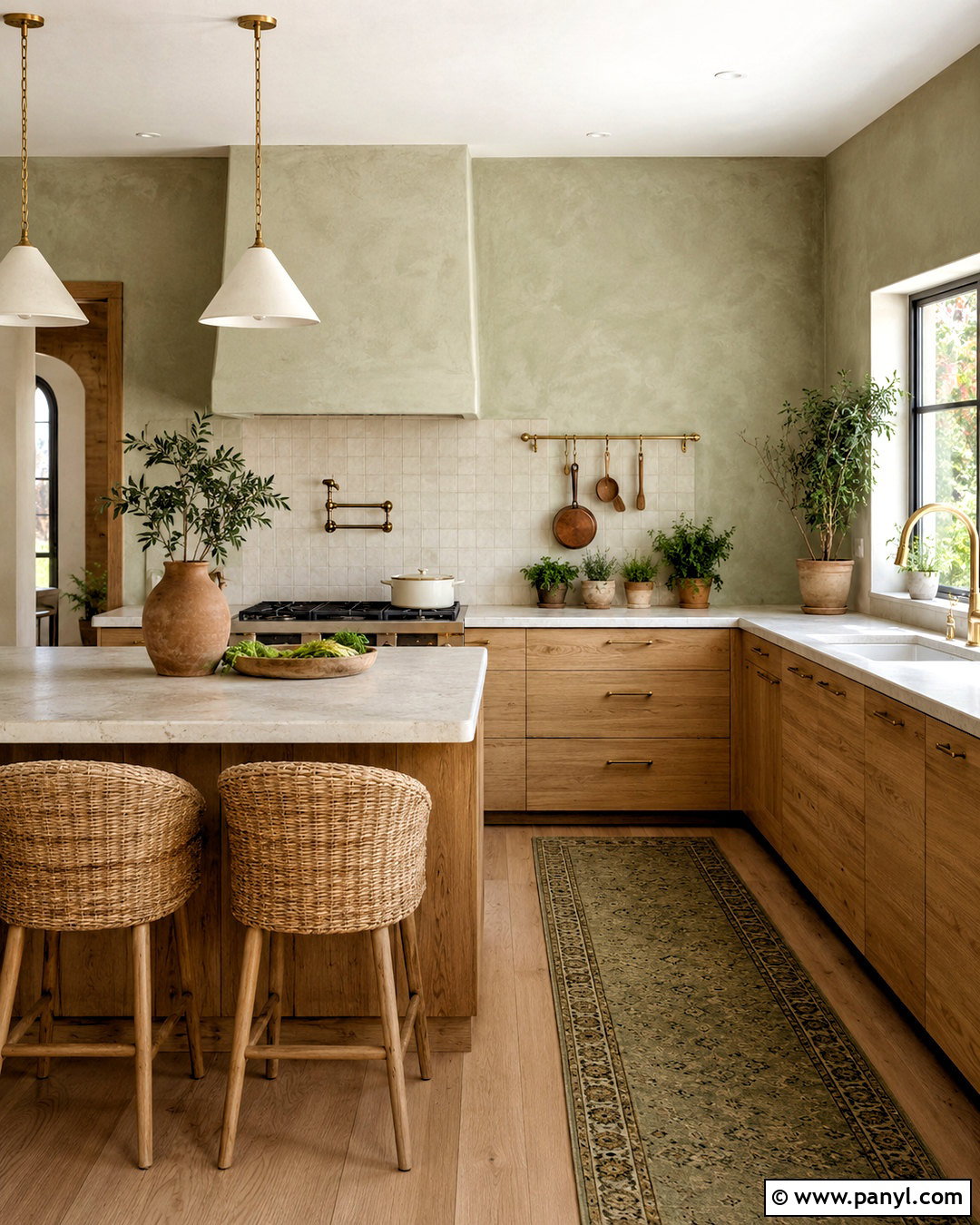
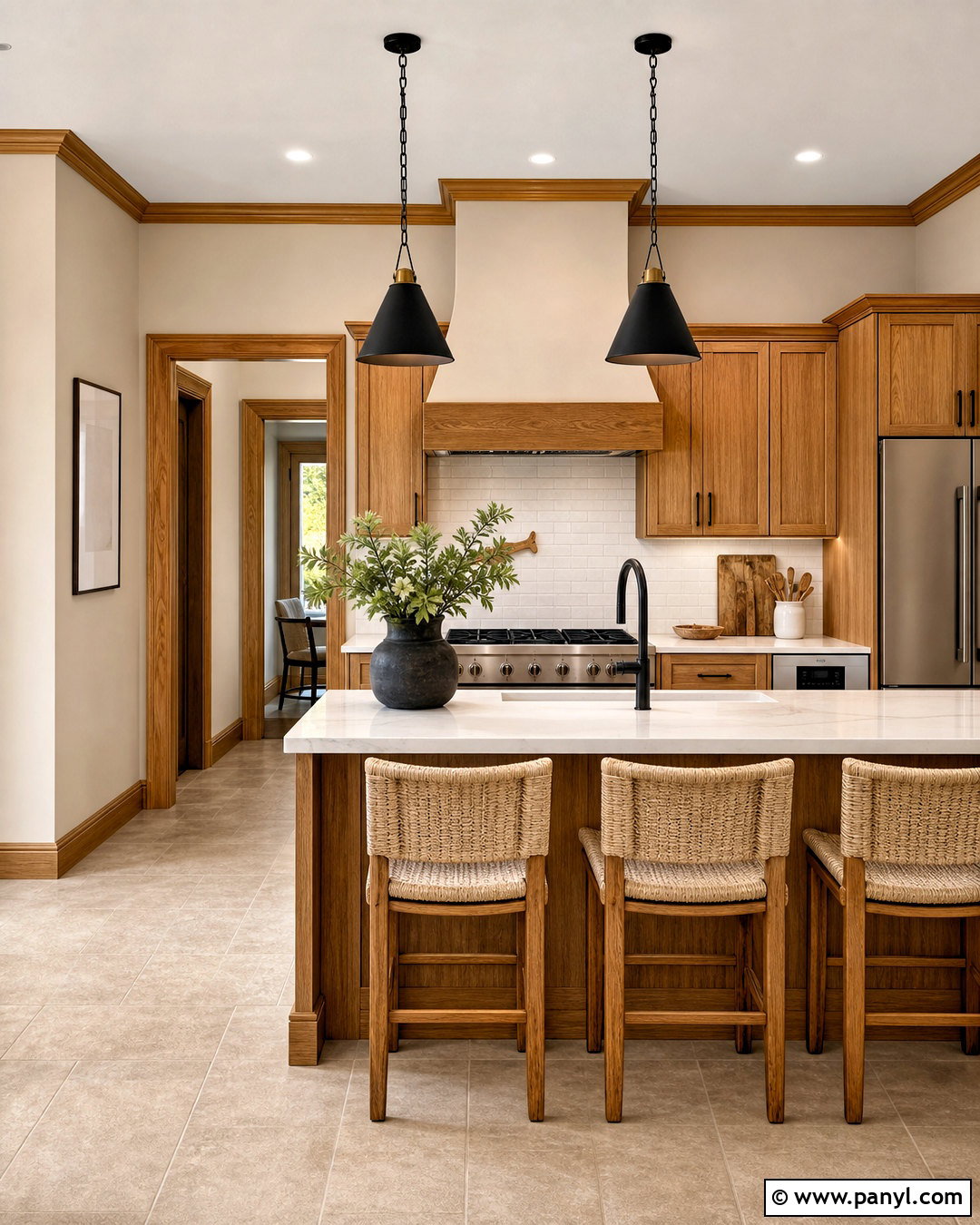
Sage green lime plaster introduces nature-inspired color while maintaining a soft, mineral appearance. Use it on the main kitchen walls and around open shelving, pairing it with natural white oak cabinets and warm white quartz or honed limestone countertops. A handmade cream tile backsplash adds another subtle layer of texture without competing with the plaster. Choose unlacquered brass hardware, dome-shaped pendant lights, and counter stools with woven seats. Light oak flooring keeps the palette cohesive, while a darker olive runner creates definition through the center of the room. Display wood cutting boards, white ceramics, and small potted herbs in restrained groupings. This kitchen feels fresh and organic, yet its clean cabinet lines and uncluttered surfaces keep the overall look contemporary.
5. Charcoal Lime Plaster Home Office
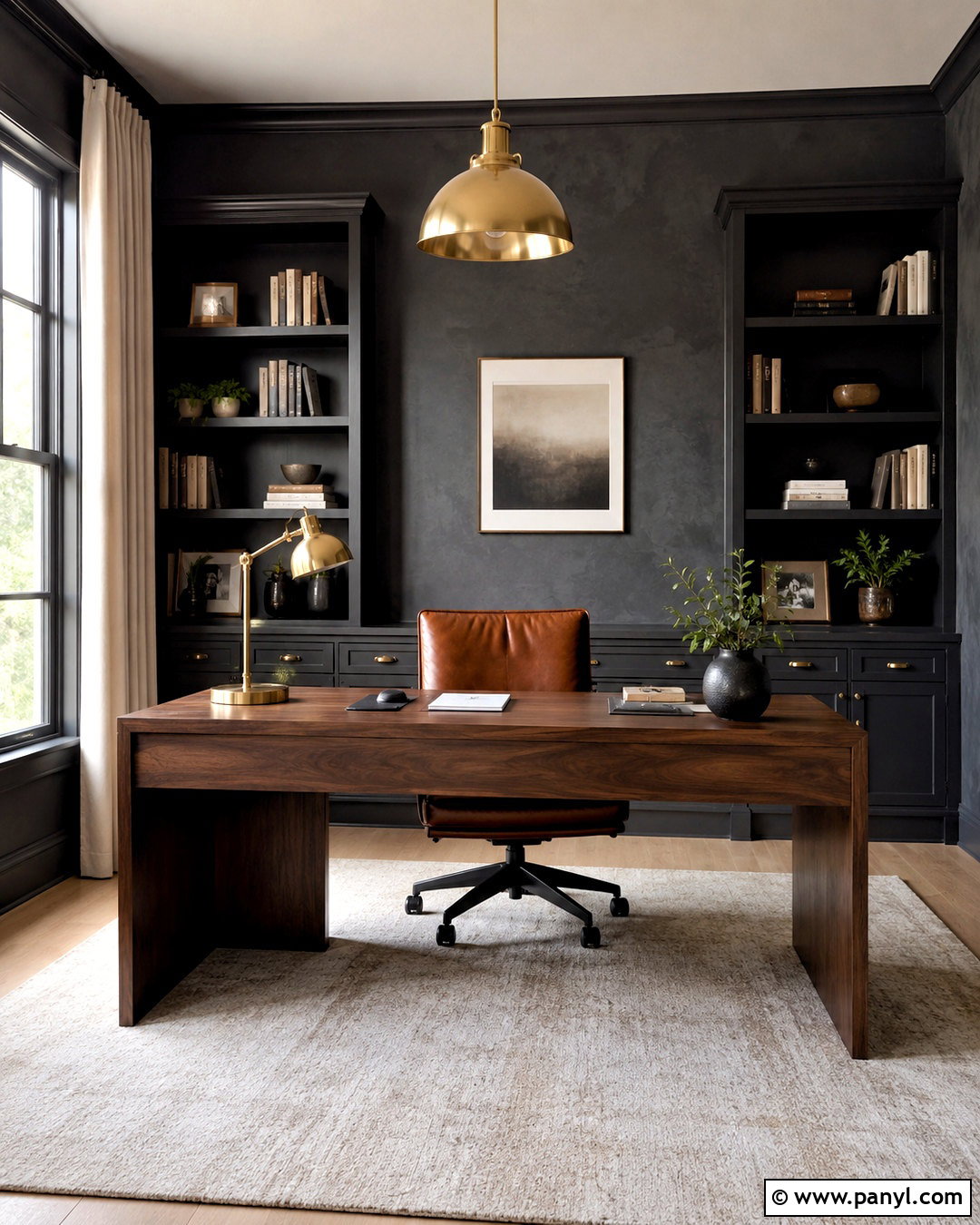
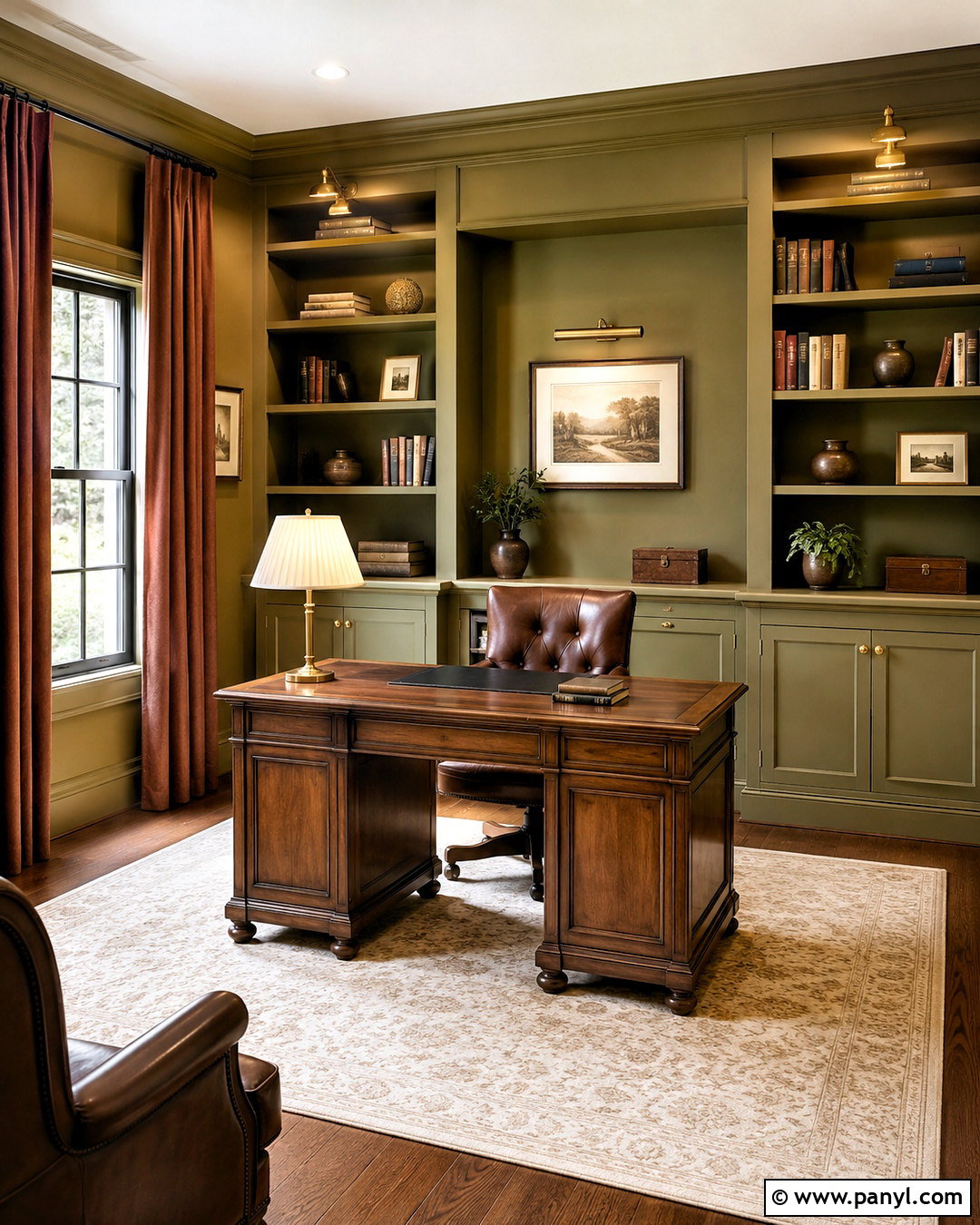
Deep charcoal lime plaster turns an ordinary home office into a focused, architectural workspace. Apply it to every wall rather than limiting it to a single accent surface. The tonal variation will soften the dark color and keep it from looking flat. Position a streamlined walnut desk near the brightest window and add a comfortable cognac leather chair. Built-in shelving painted charcoal can blend into the walls while holding books, storage boxes, and a few sculptural objects. Use a pale wool rug and full-length oatmeal curtains to lighten the scheme. A brushed brass desk lamp and matching picture light introduce warmth. With clear work surfaces and carefully arranged storage, the finished office feels dramatic, practical, and comfortable enough for daily use.
6. Blush Lime Plaster Bathroom
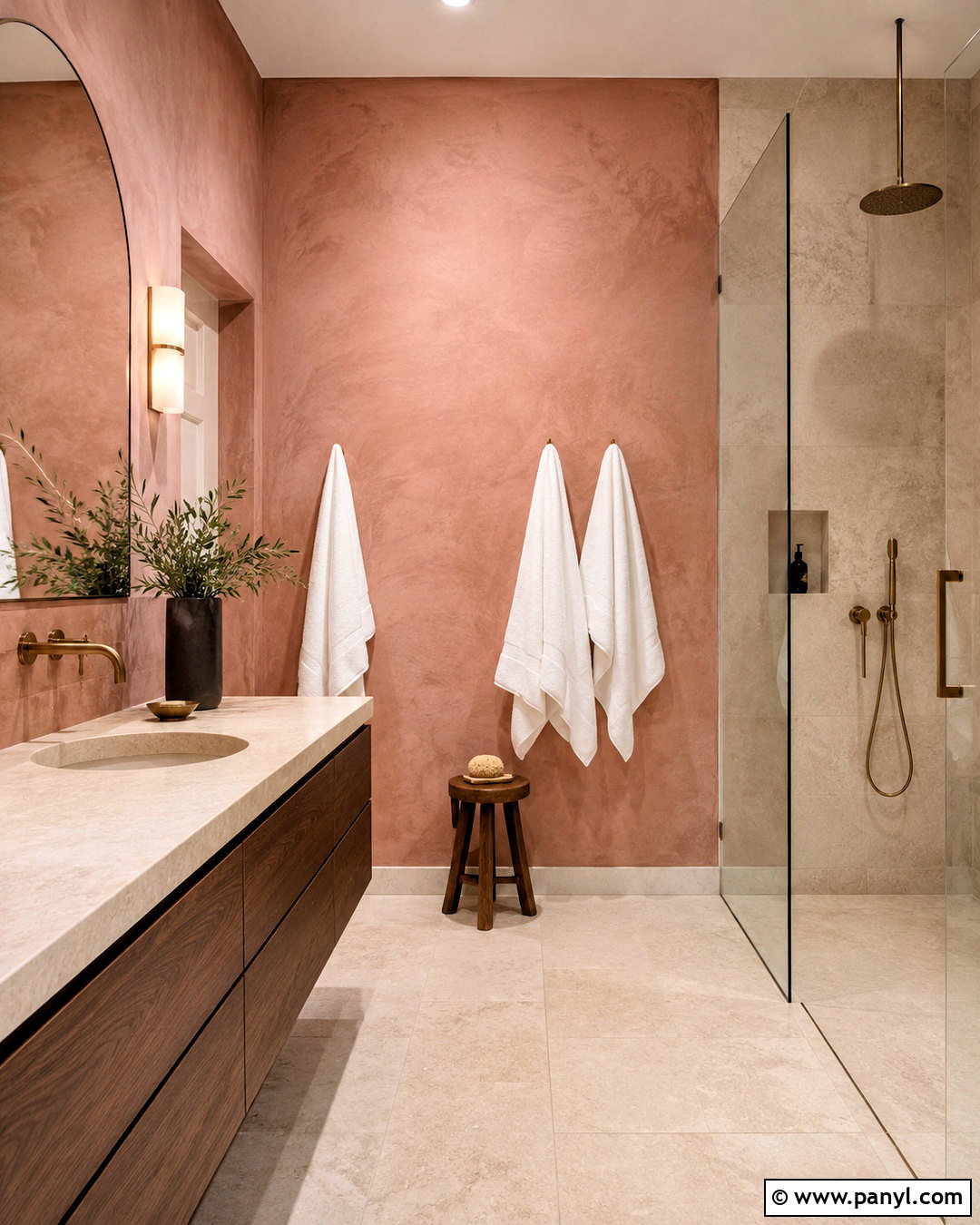
Blush lime plaster can create a flattering, spa-like bathroom when paired with restrained materials and warm metal finishes. Use a plaster system approved for the room’s moisture conditions, especially around the vanity and outside the direct shower area. Choose a floating walnut vanity with a pale stone countertop and an oval undermount sink. Brushed brass faucets, sconces, and mirror trim reinforce the plaster’s warm pink undertone. Large cream limestone floor tiles keep the room feeling bright and grounded. Include a frameless glass shower with matching stone surfaces for a seamless look. Soft white towels, a small wooden stool, and one leafy plant complete the space. The finished bathroom feels soothing and refined rather than overly delicate or decorative.
7. Olive Lime Plaster Entryway
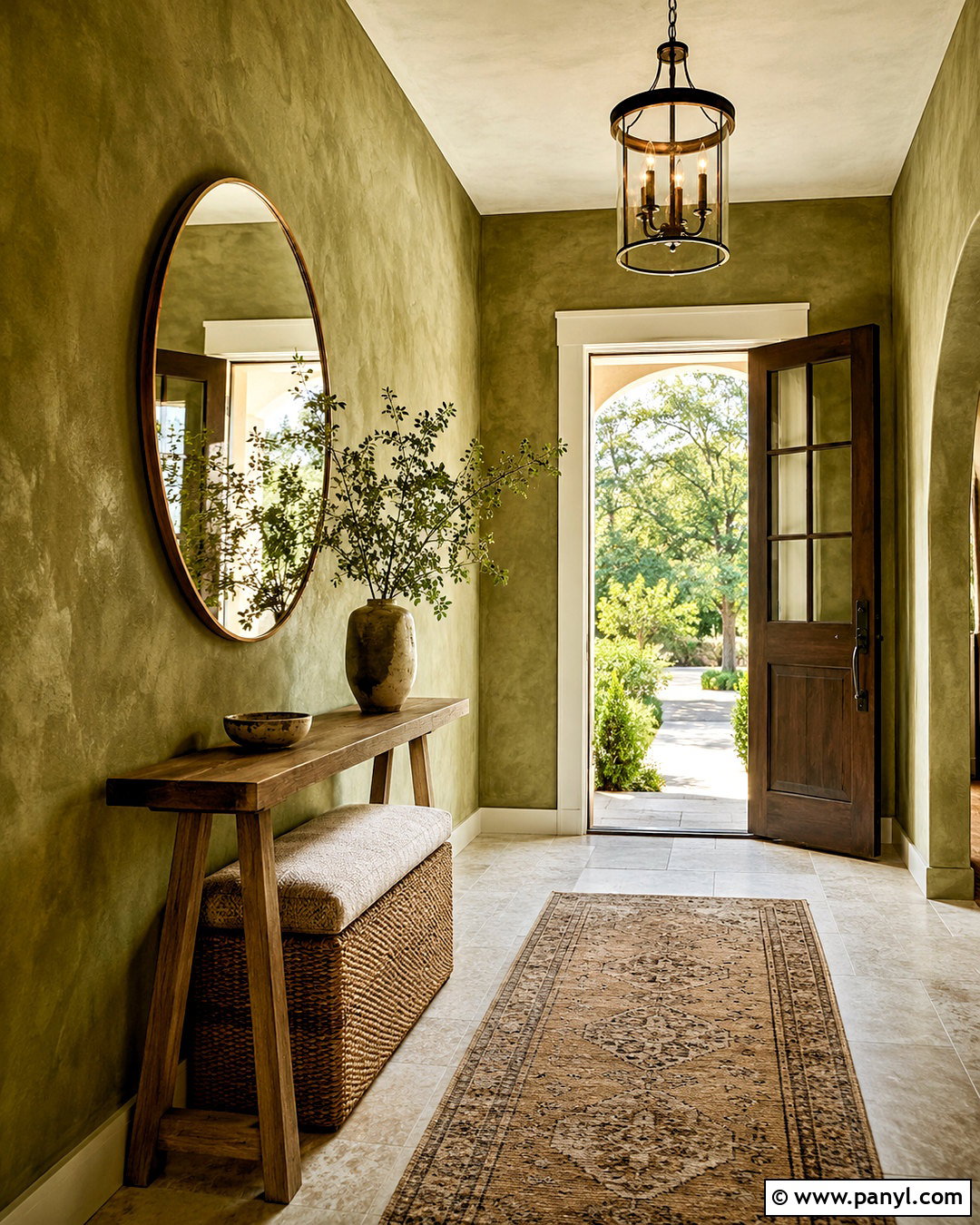
An olive lime plaster entryway offers a welcoming transition between the outdoors and the rest of the home. Wrap the walls in a muted, earthy green with visible hand-troweled movement. Place a narrow oak console against the longest wall and hang a large round mirror with a thin aged brass frame above it. A woven bench with hidden shoe storage makes the entrance more functional. Use durable limestone flooring or warm gray porcelain tile, then soften it with a patterned runner in tan, cream, and faded green. A dark bronze lantern pendant adds definition overhead. Finish the look with a ceramic bowl for keys, a simple table lamp, and a few leafy branches. Every detail should feel useful, calm, and intentionally placed.
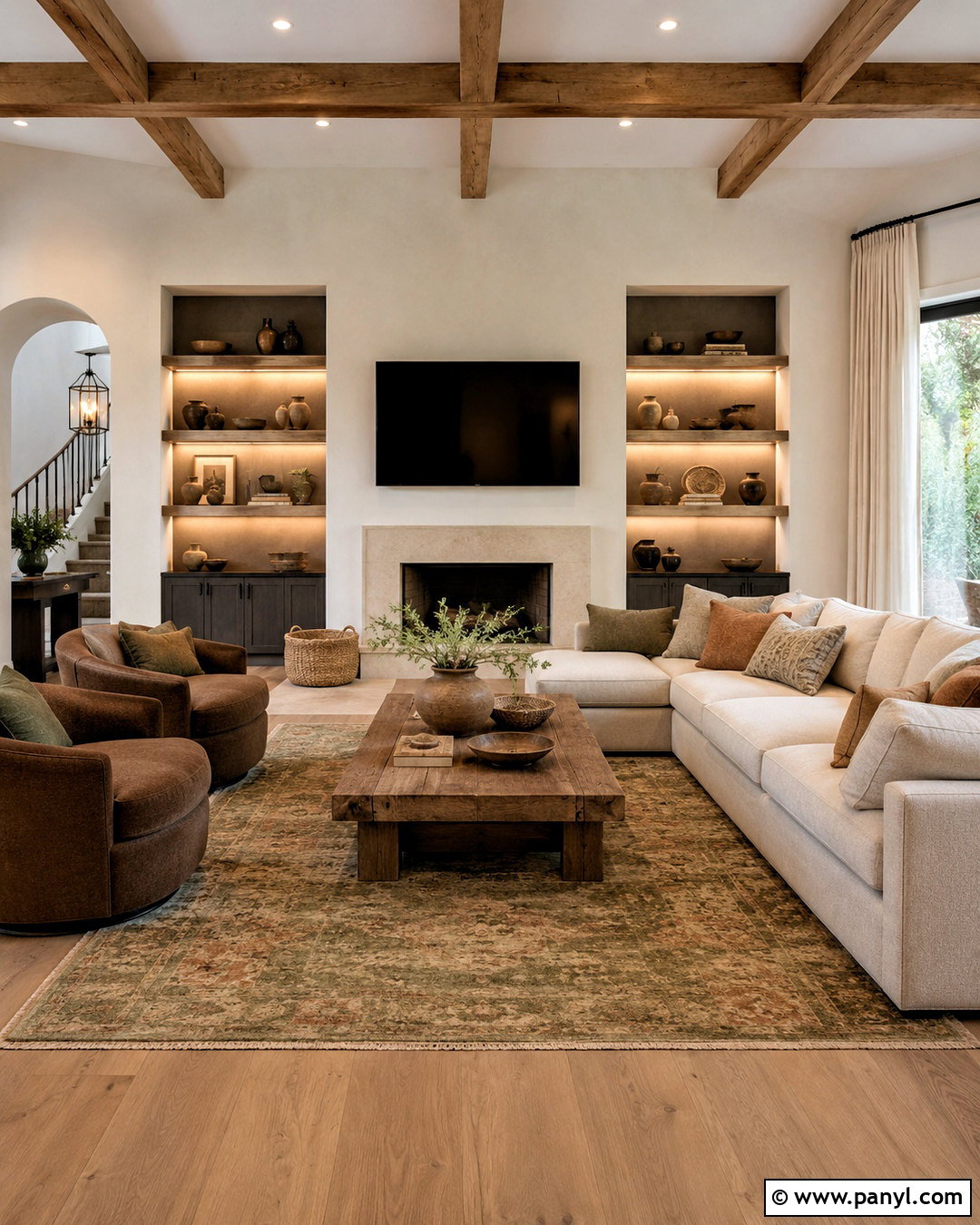
8. Cream Lime Plaster Fireplace Wall
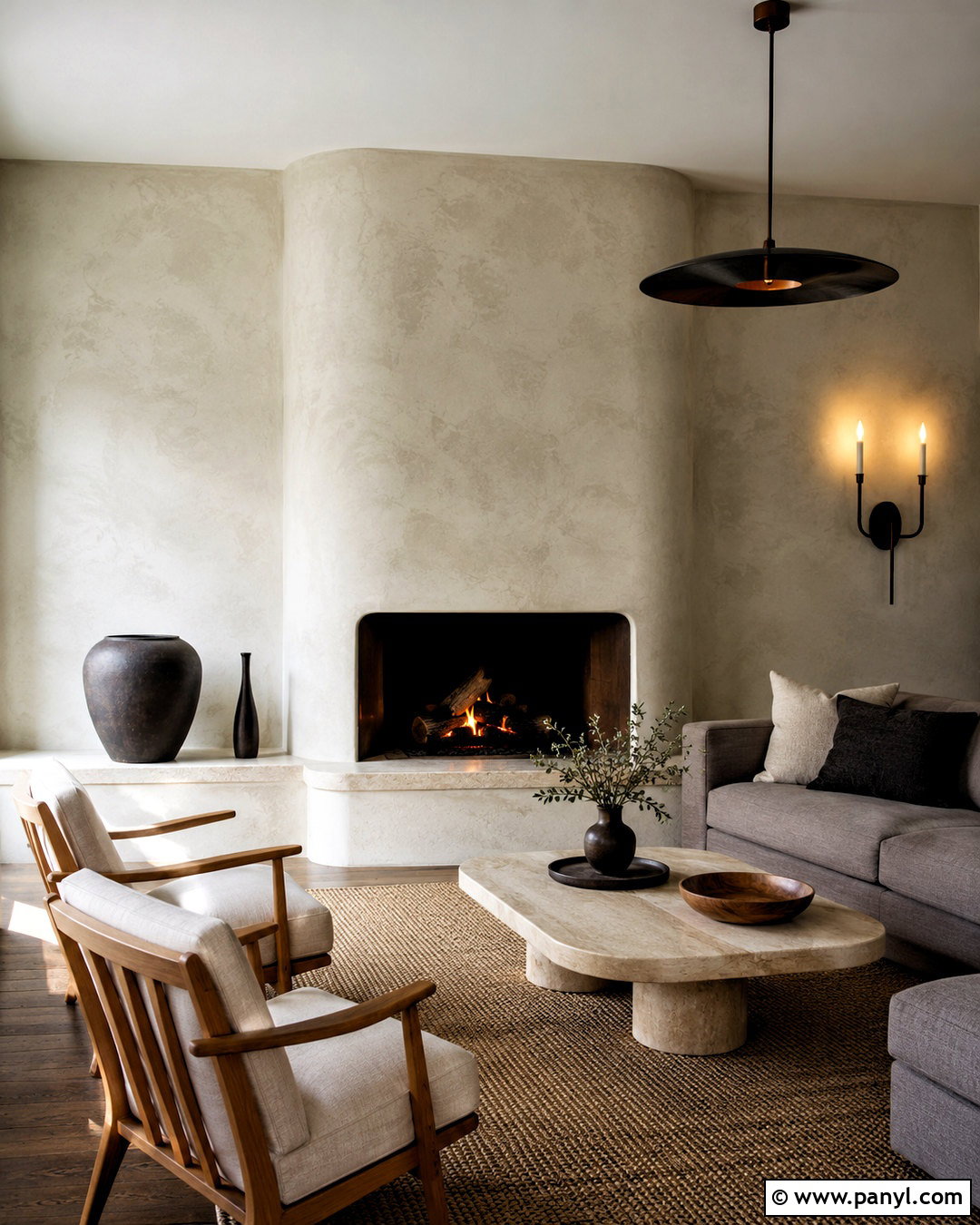
A cream lime plaster fireplace wall can become the architectural center of a living room without relying on bold color. Cover the full fireplace surround and chimney breast in softly textured plaster, using gently rounded corners for a seamless, built-in appearance. Pair it with a simple stone or plaster hearth and avoid an ornate mantel. Arrange a warm gray sectional and two oak-framed lounge chairs around a low travertine coffee table. A natural jute and wool rug will connect the cream fireplace to medium-toned wood flooring. Add sculptural ceramic objects, linen cushions, and dark bronze lighting for contrast. Keeping the remaining walls a related warm white allows the fireplace to stand out through material depth rather than an abrupt change in color.
9. Blue Gray Lime Plaster Bedroom
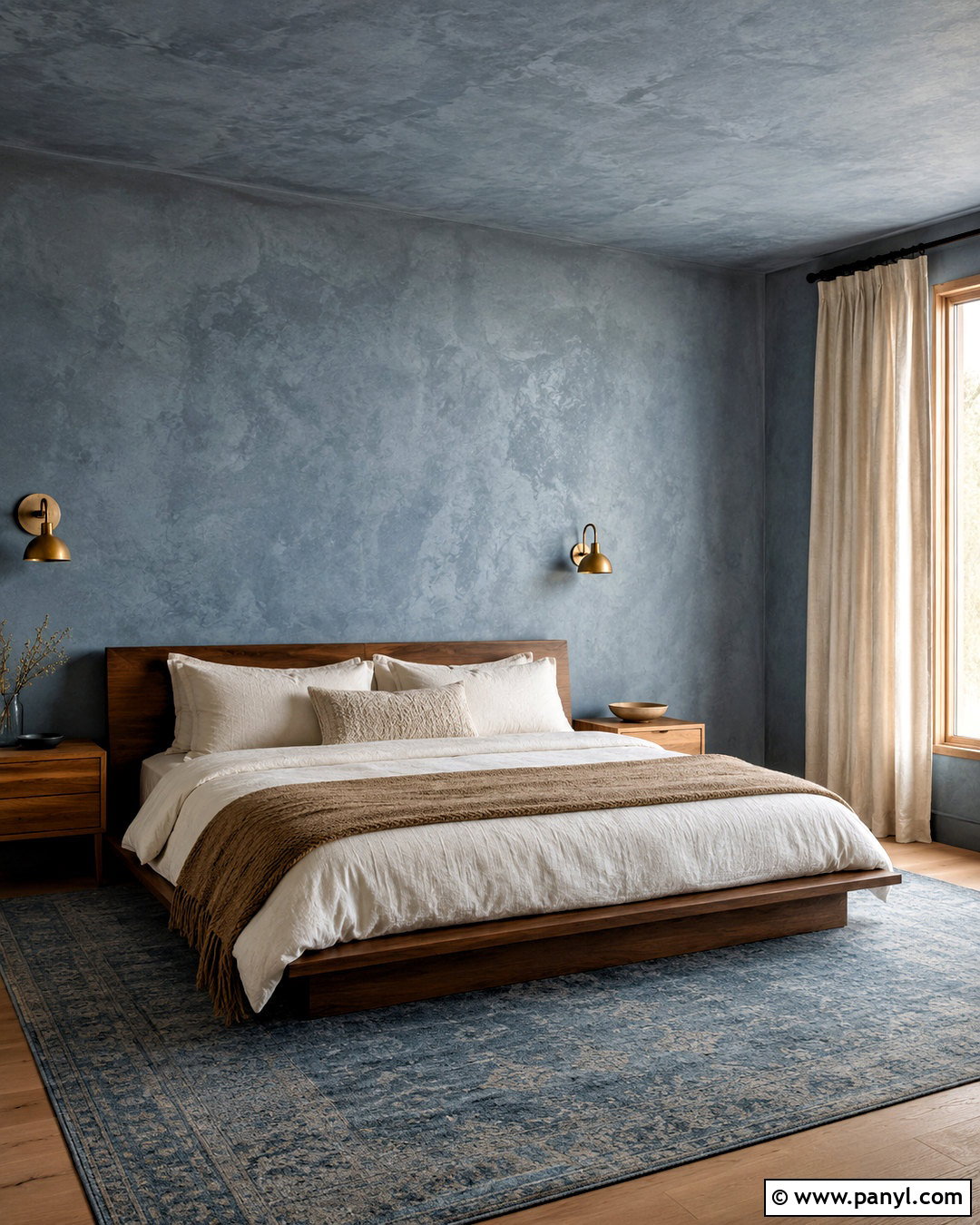
Blue gray lime plaster creates a quiet bedroom with enough color to feel distinctive. Choose a softened mineral blue that changes from gray to muted blue as daylight shifts. Cover the walls and ceiling for a cocooning effect, particularly in a smaller room with simple architecture. A walnut platform bed adds warmth, while ivory linen bedding prevents the palette from becoming cold. Place compact oak nightstands on either side and use aged brass wall lights to free their surfaces. A faded blue and sand rug can unify the colors underfoot. Finish with natural linen curtains, one oversized abstract artwork, and a caramel wool throw. The completed room feels peaceful and layered, with balanced cool and warm tones throughout the design.
10. Greige Lime Plaster Open Living Room
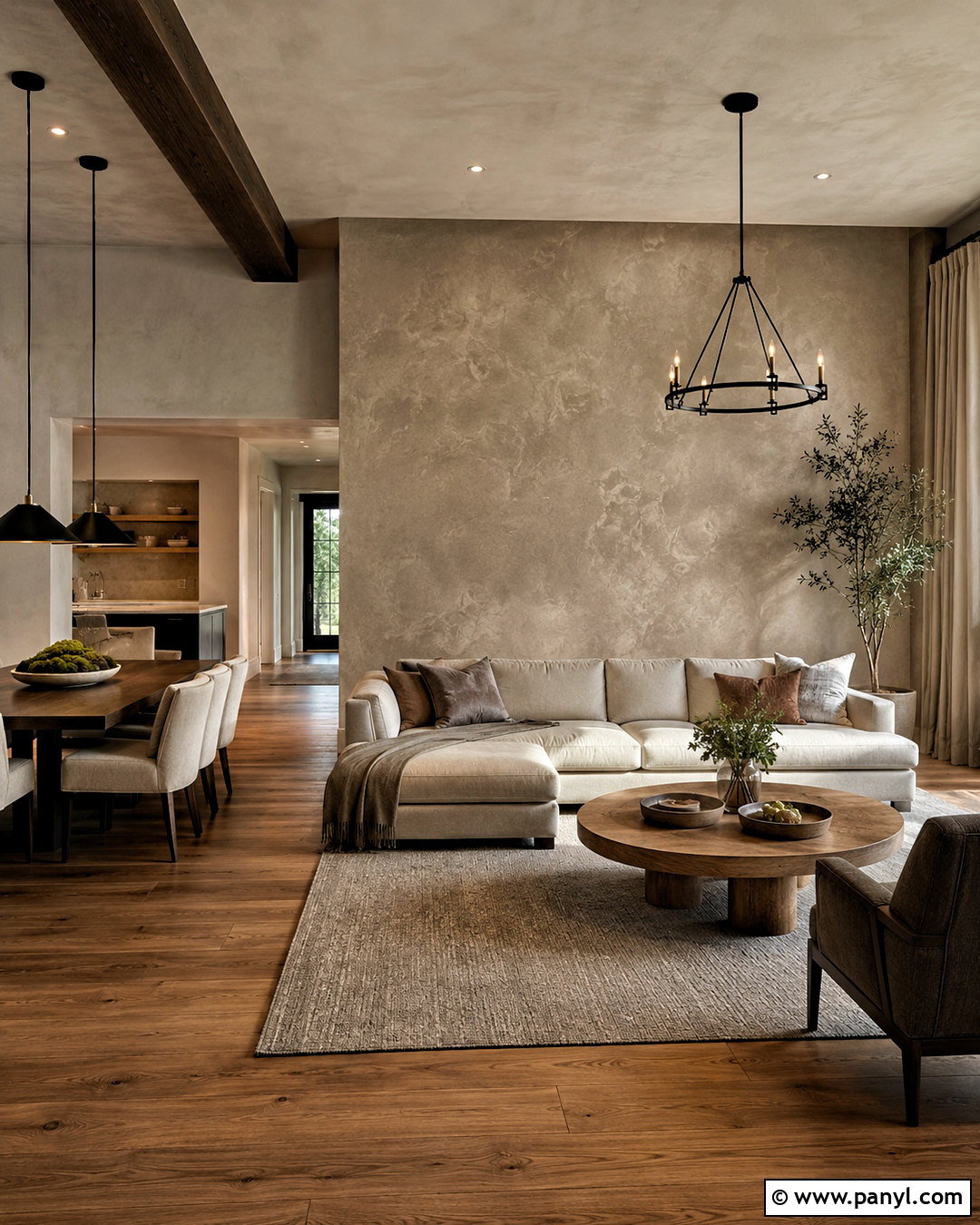
Greige lime plaster is a practical choice for an open living room because it can connect several functional zones without making them identical. Apply the same warm gray-beige finish throughout the seating and dining areas. Define the living zone with a large cream sectional, a taupe wool rug, and a sculptural oak coffee table. In the dining area, use a darker wood table with upholstered oatmeal chairs to establish subtle contrast. Repeating black metal accents in the floor lamp, dining pendant, and window frames will help the open space feel coordinated. Choose medium oak flooring and loose linen curtains for warmth. The final design remains neutral, but variations in plaster, fabric, wood, and metal prevent it from looking plain or unfinished.
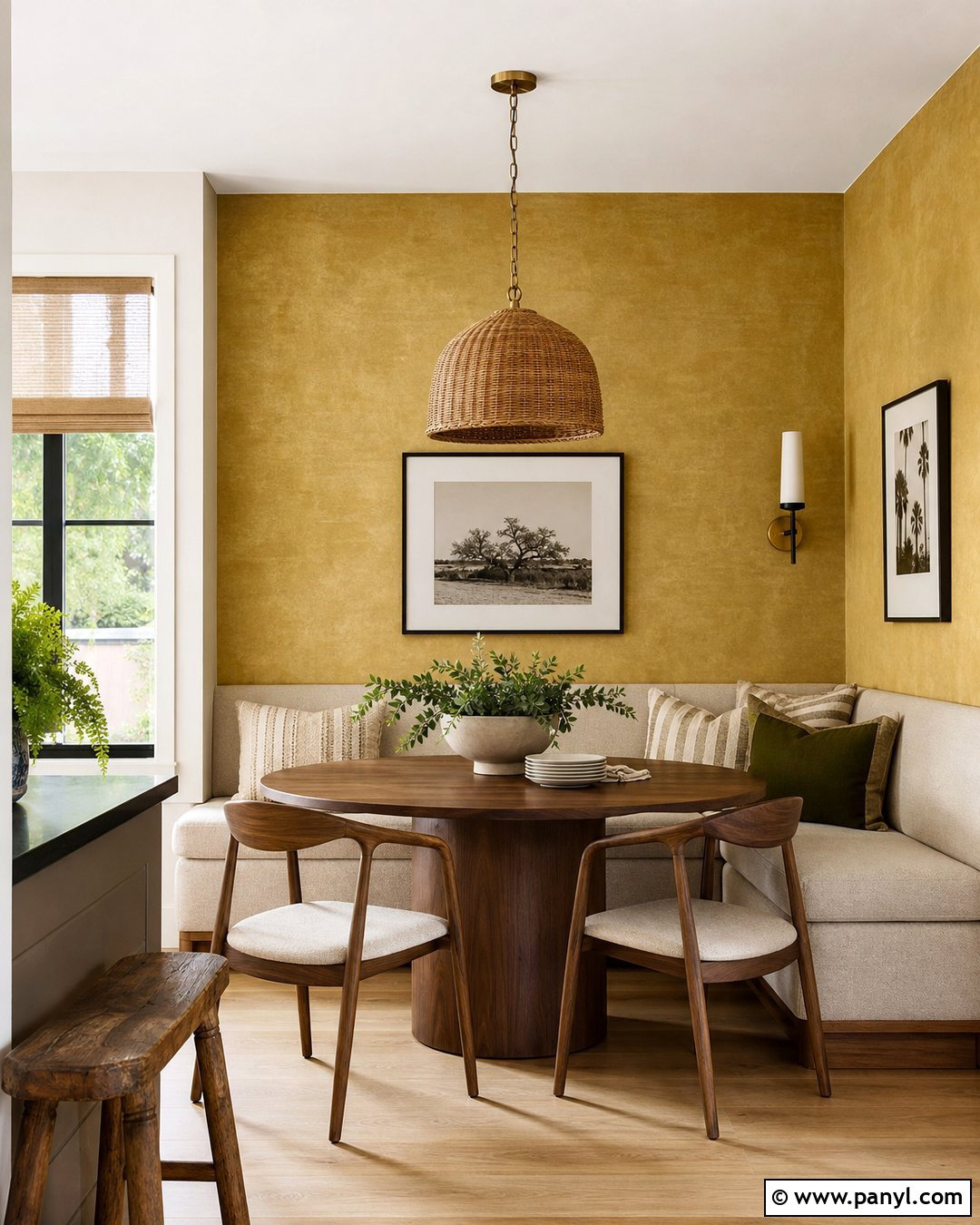
11. Ochre Lime Plaster Reading Room
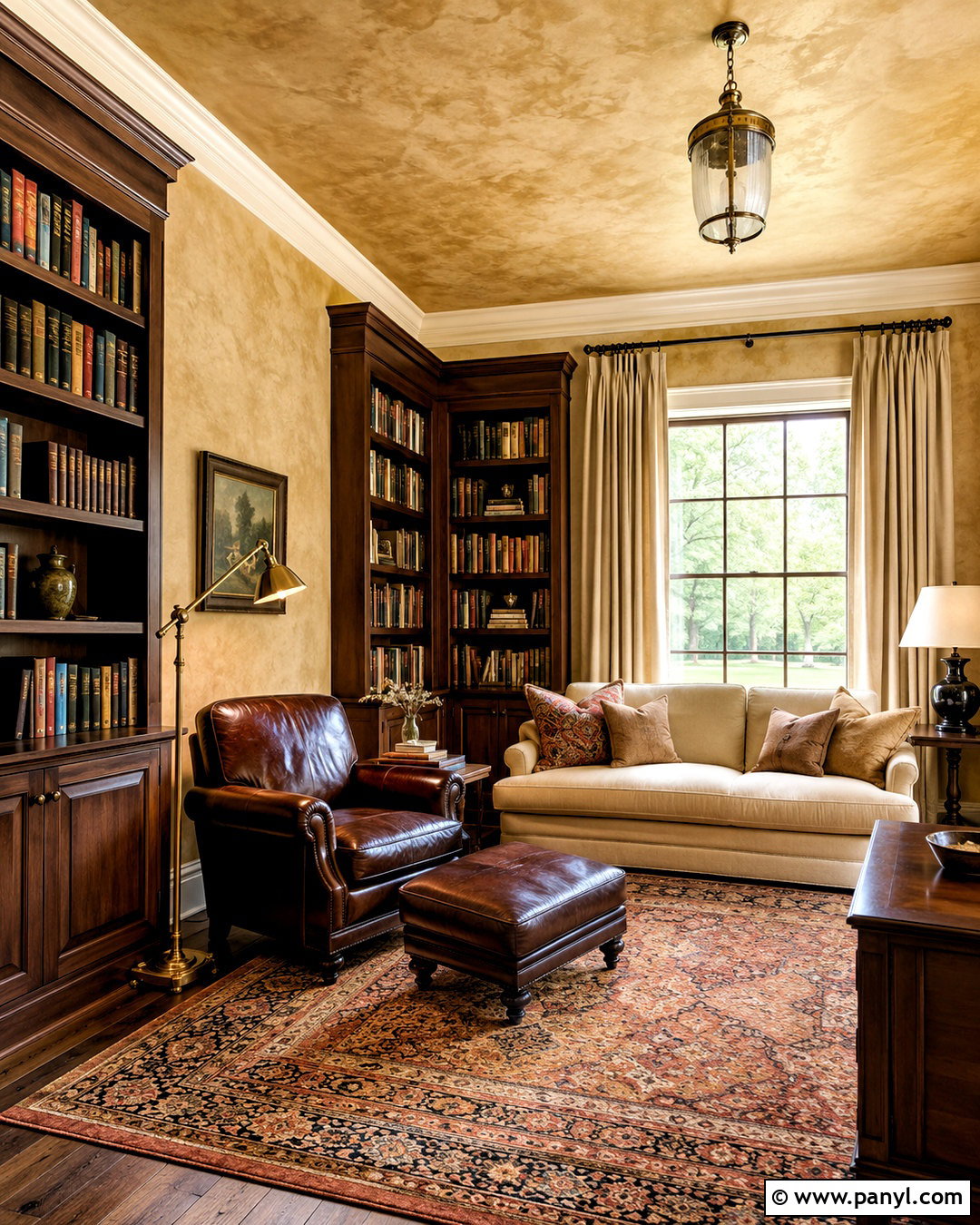
Golden ochre lime plaster surrounds a reading room with warmth and creates a naturally cozy background for books. Keep the color muted and earthy rather than bright yellow. Install floor-to-ceiling walnut bookcases along one wall, leaving enough exposed plaster visible to appreciate its tonal movement. A deep brown leather chair and matching footstool should sit near the window beside a slim brass floor lamp. Add a small round table for books and drinks, along with a rust, navy, and cream patterned rug. Heavy natural linen curtains soften sound and control strong daylight. A compact loveseat in oatmeal fabric can provide additional seating. This finished room feels collected and comfortable, with practical storage and a rich palette that encourages slower, quieter moments.
12. Dusty Rose Lime Plaster Guest Room
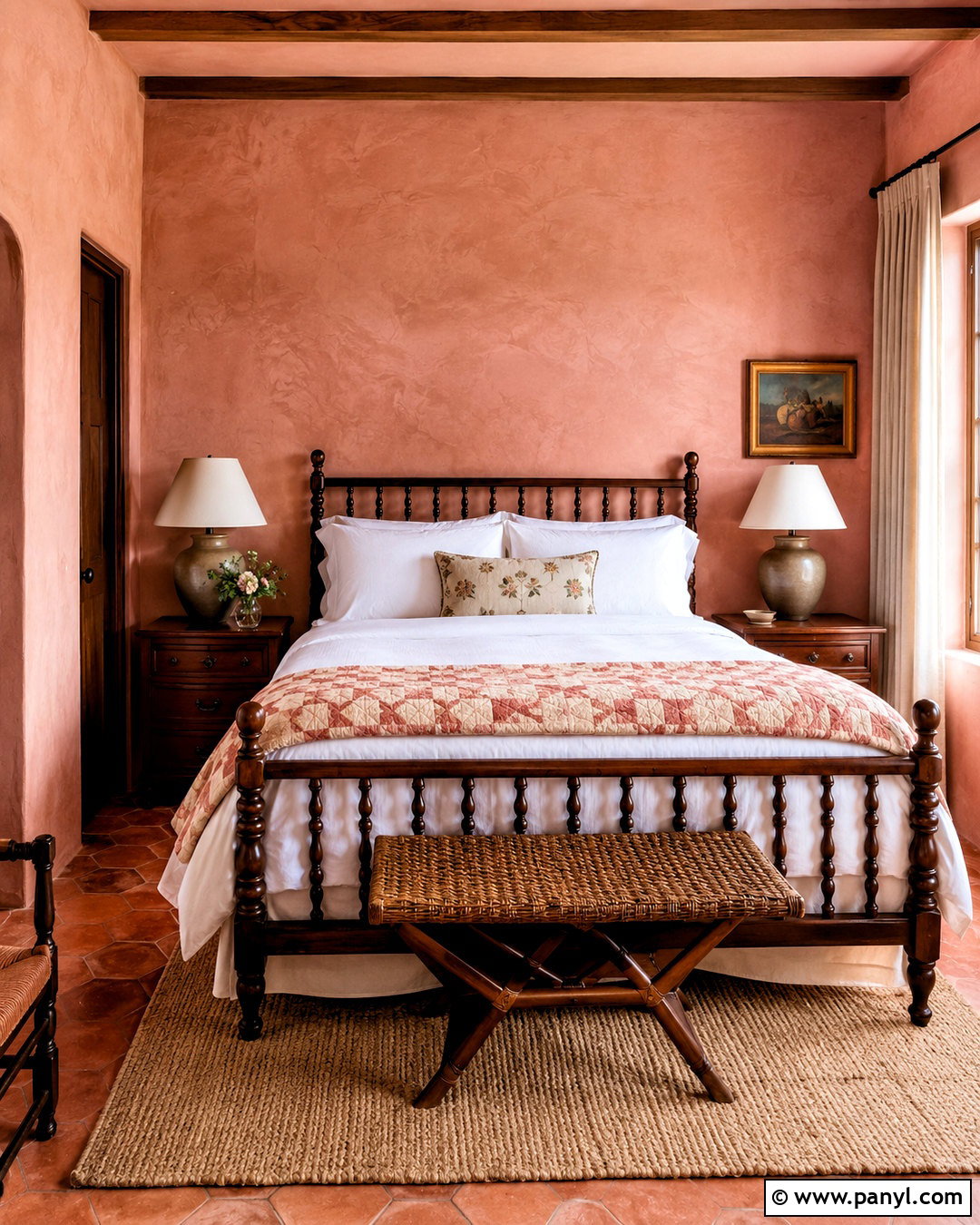
Dusty rose lime plaster gives a guest room welcoming color without making the space feel overly sweet. Select a muted pink with brown and clay undertones, then apply it across every wall for a cohesive background. A dark oak spindle bed creates structure, while white cotton sheets and a quilt in cream, rust, and faded rose keep the bedding relaxed. Use mismatched vintage wood nightstands with simple ceramic lamps to add personality. A neutral wool rug and natural linen curtains soften the deeper wall tone. Instead of filling the room with small decorations, hang one substantial botanical print above the bed. Include a compact upholstered chair and a woven luggage bench so the completed space remains comfortable and genuinely useful for visitors.
13. Deep Burgundy Lime Plaster Dining Room
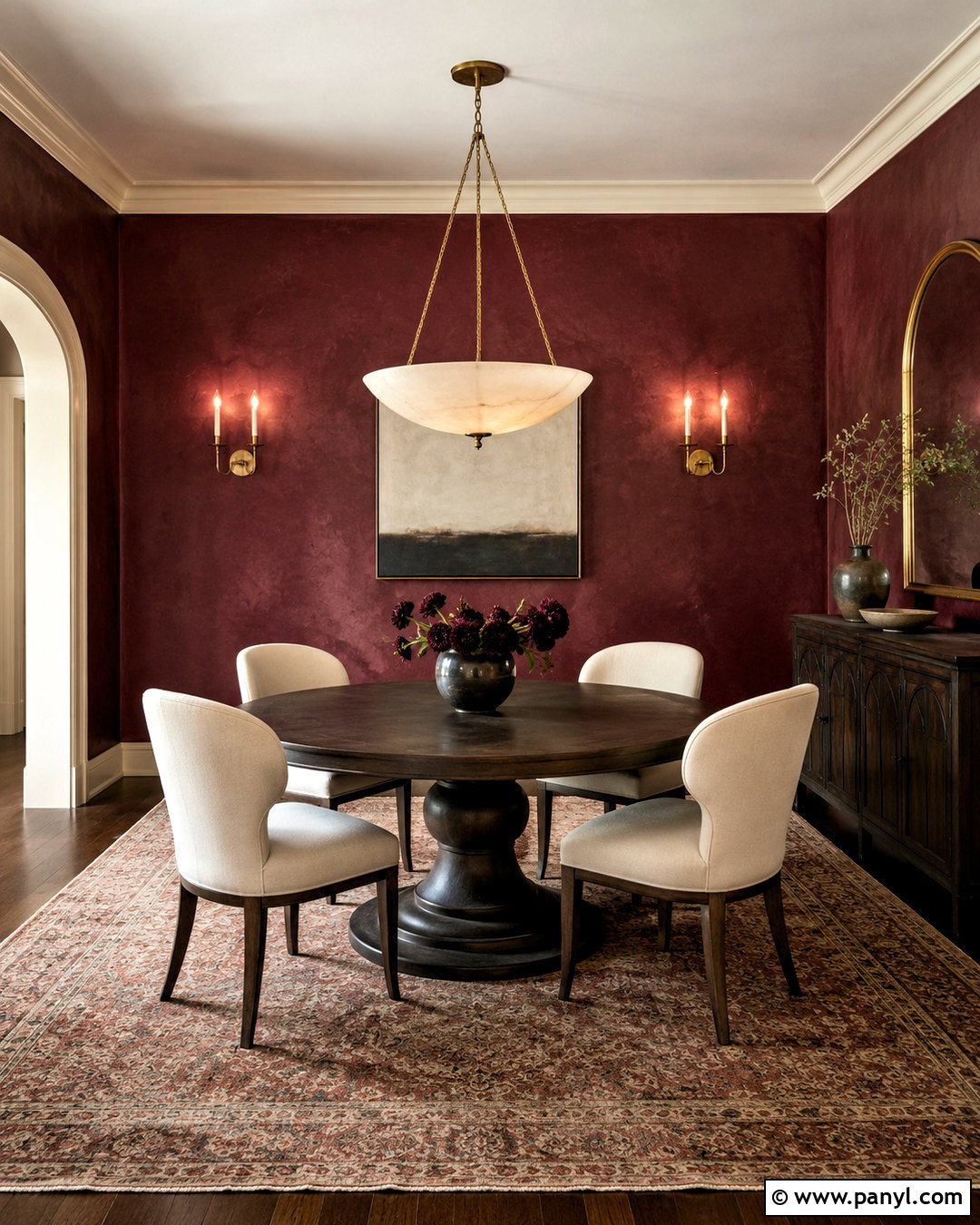
For a more dramatic approach, deep burgundy lime plaster can transform a dining room into an intimate and polished space. The mineral variation keeps this saturated color from appearing glossy or one-dimensional. Pair the walls with a dark walnut pedestal table and cream upholstered dining chairs to create strong contrast. A large alabaster pendant provides a soft focal point above the table, while antique brass sconces add balanced lighting around the room. Use a faded Persian-style rug containing burgundy, tan, and dusty blue. A low blackened wood sideboard can hold serving pieces without visually overcrowding the walls. Keep the ceiling and trim warm ivory. The complete room feels rich and atmospheric while remaining suitable for a realistic, everyday home.
14. Soft Taupe Lime Plaster Hallway
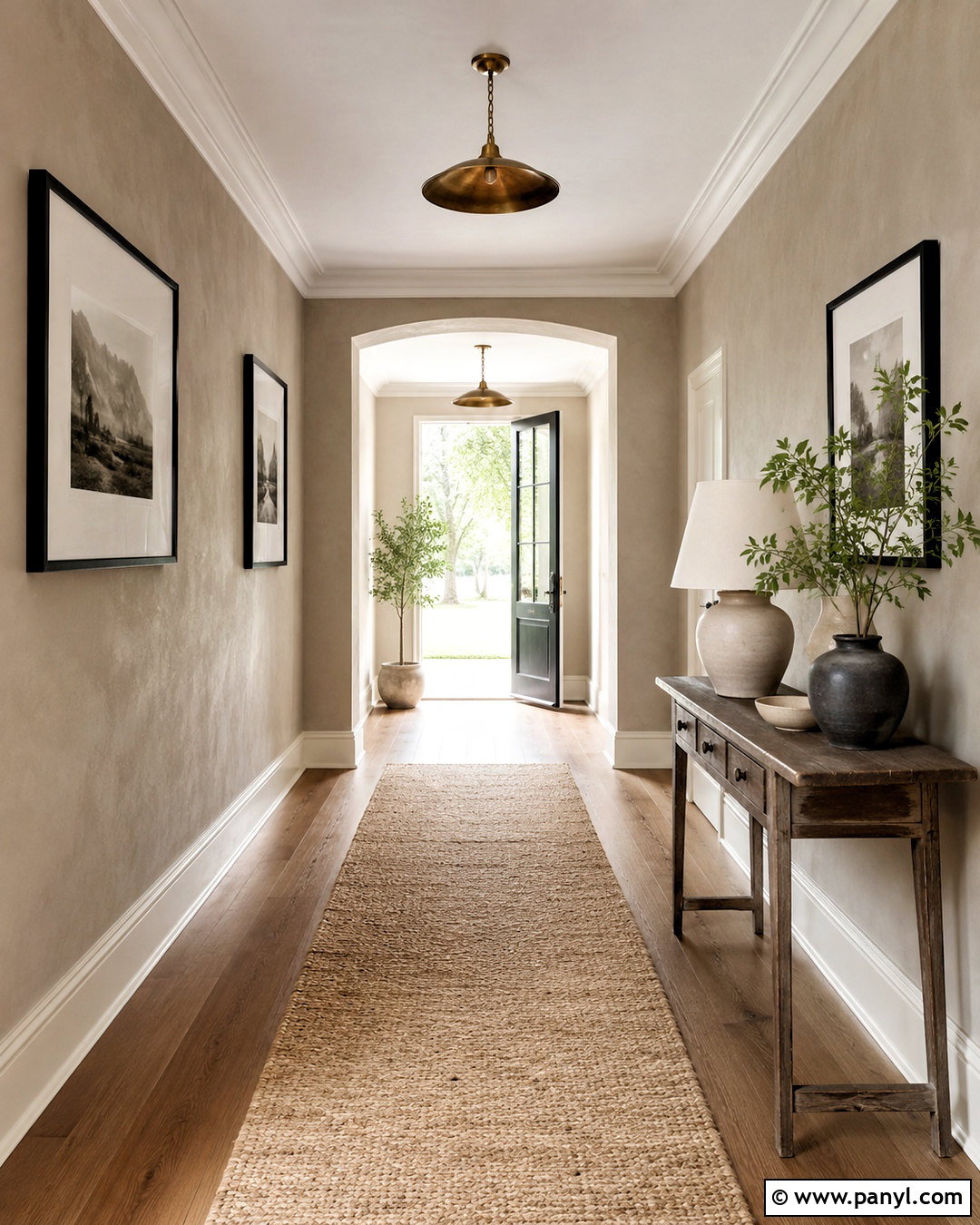
A long hallway can feel more intentional when soft taupe lime plaster is used to add depth and disguise the flatness of plain drywall. Apply the finish continuously along both walls, allowing its subtle variation to guide the eye through the passage. Medium oak flooring and warm white baseboards will keep the space light. Add a narrow vintage console where width allows, topped with a small stone lamp and one ceramic bowl. Hang a restrained series of black-framed photographs with generous spacing rather than creating a crowded gallery. A long woven runner introduces softness and improves comfort underfoot. Complete the look with simple aged brass ceiling lights. The finished hallway becomes a calm connecting space rather than an overlooked route between rooms.
15. Pale Gray Lime Plaster Modern Kitchen
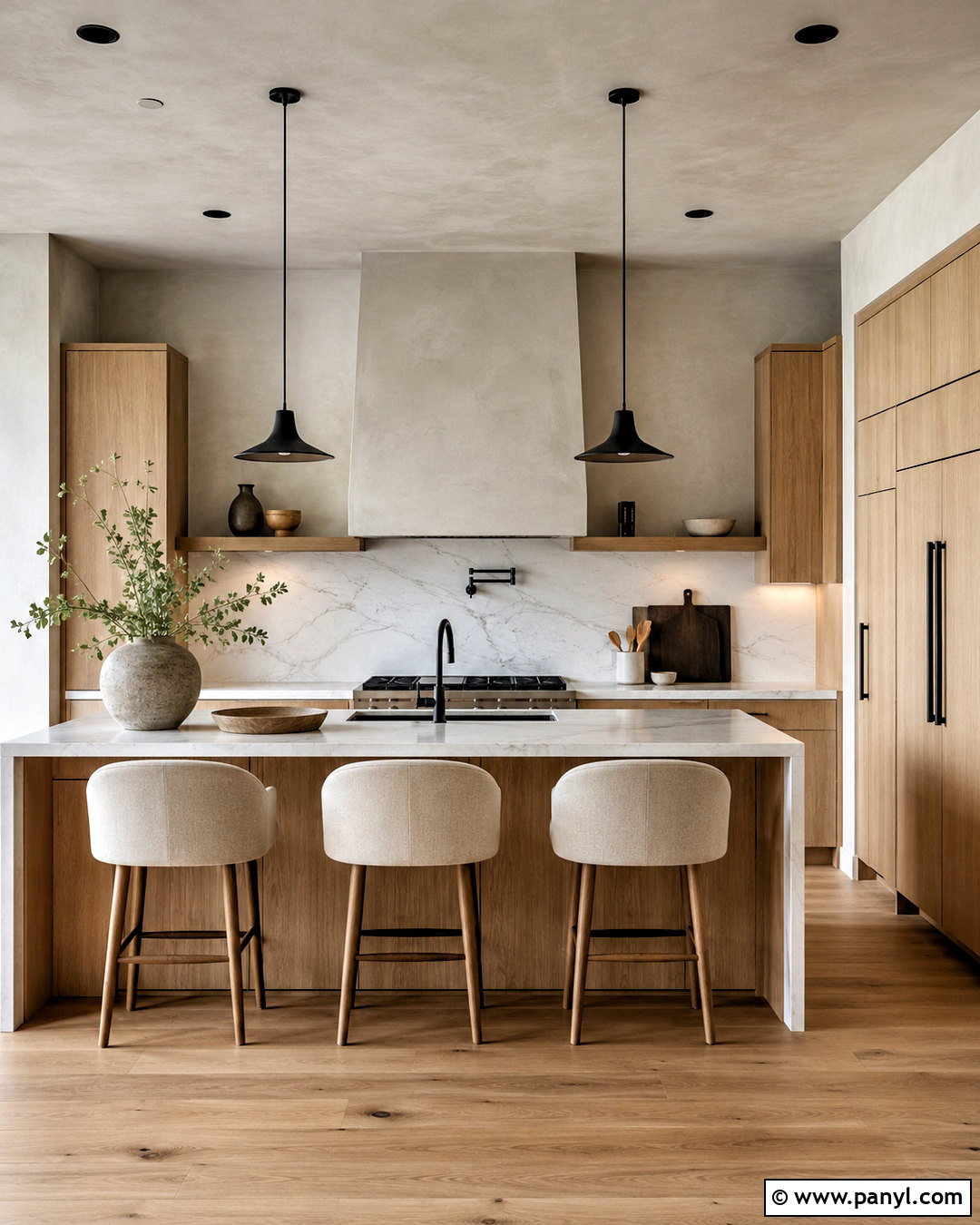
Pale gray lime plaster brings gentle texture to a modern kitchen dominated by clean lines. Apply it to the walls above the countertops and across the adjoining dining area, keeping the finish matte and softly clouded. Flat-panel white oak cabinets create warmth, while honed white marble countertops introduce a subtle natural pattern. Choose a backsplash made from large matching marble slabs to reduce visual seams. Matte black faucets, cabinet pulls, and slim pendant lights provide crisp definition. Wide-plank oak flooring and counter stools upholstered in warm beige soften the modern geometry. Keep accessories purposeful, such as a wood fruit bowl, stoneware canisters, and one large branch arrangement. This complete kitchen feels minimal but not sterile, thanks to layered natural materials.
16. Sand Lime Plaster Coastal Living Room
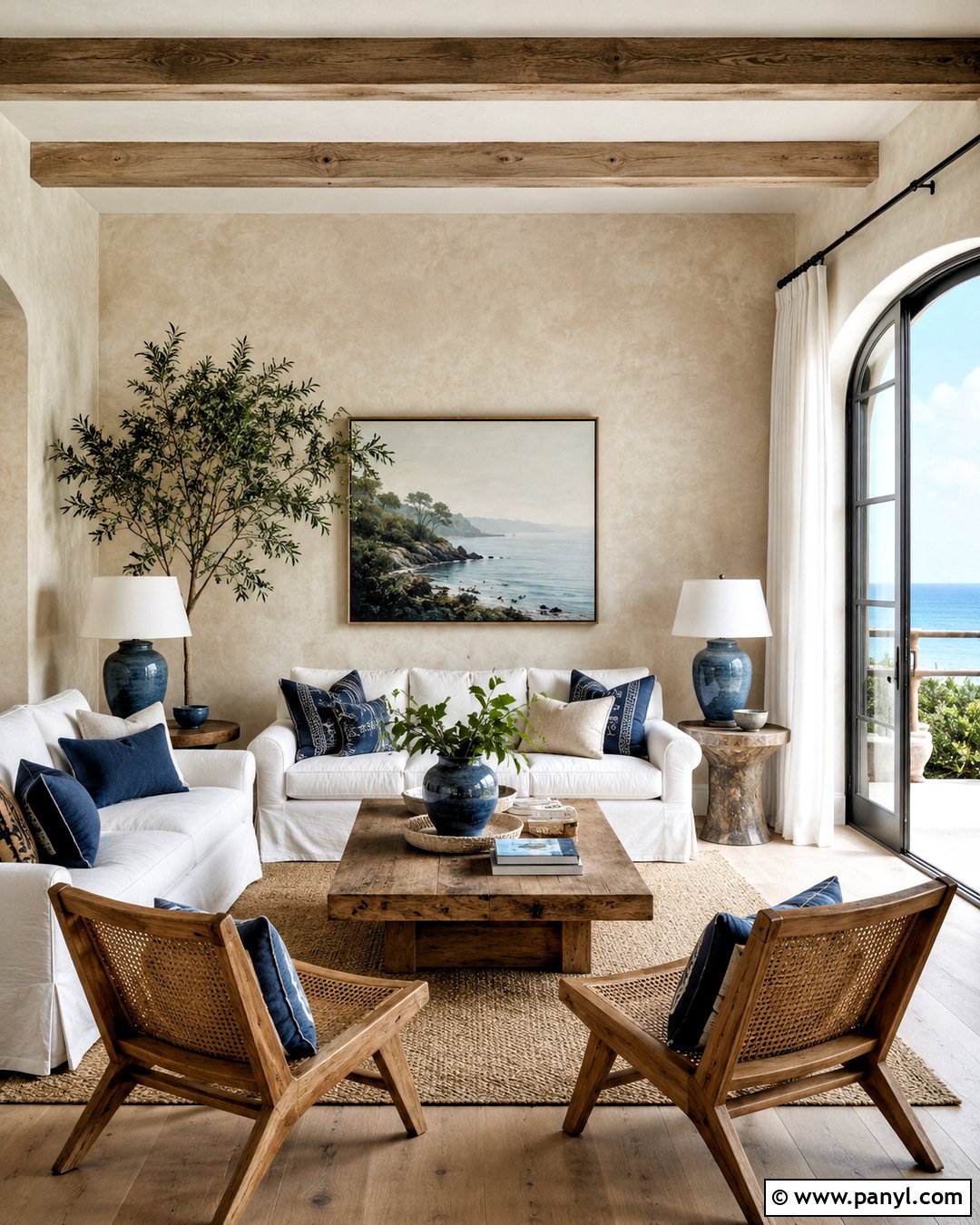
Sand-colored lime plaster suits a coastal living room when the design avoids obvious nautical decorations. Use the finish on all walls to create the impression of weathered limestone. Pair it with slipcovered sofas in soft white linen and lounge chairs made from pale oak and woven cane. A large natural fiber rug should anchor the seating area, while a chunky reclaimed wood coffee table adds age and texture. Choose light oak flooring, relaxed off-white curtains, and ceramic lamps in chalky blue gray. Artwork featuring abstract coastal colors can reference the landscape without becoming themed. Add a few striped cushions in faded navy and beige. The completed room feels airy, casual, and connected to the coast while remaining refined enough for year-round living.
17. Rust Lime Plaster Powder Room
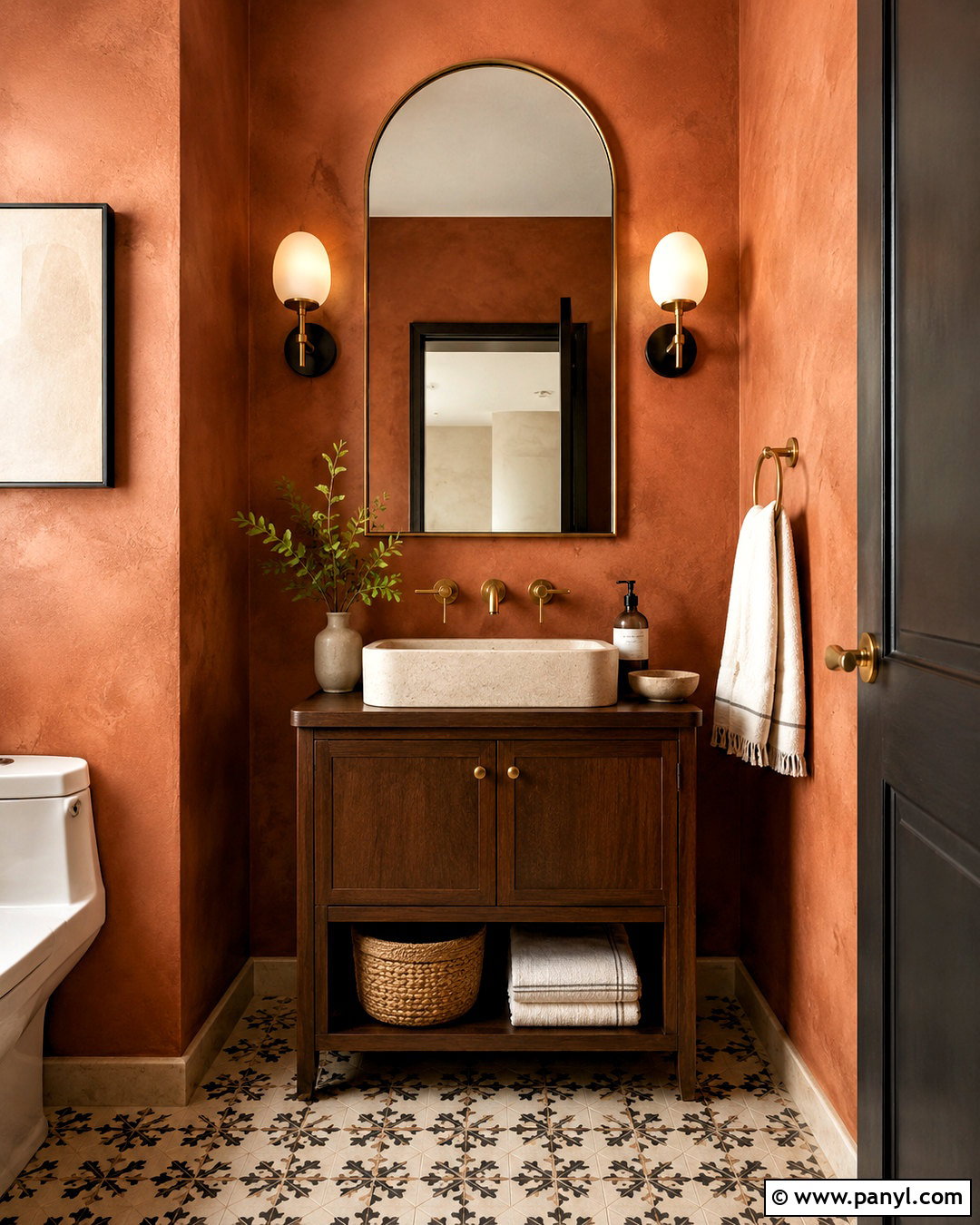
A small powder room provides an ideal setting for saturated rust lime plaster because the limited scale makes bold color easier to manage. Wrap every wall in a rich burnt orange finish with brown undertones. Install a compact dark walnut vanity with a creamy stone sink, then add an aged brass faucet and an arched brass mirror. A pair of small opal glass sconces will cast even light across the textured walls. Choose patterned cement floor tile in cream, rust, and charcoal to make the room feel complete. Keep accessories simple with a white hand towel, ceramic soap dispenser, and small framed artwork. The finished powder room feels memorable and layered, yet each fixture remains functional and appropriately scaled for the compact space.
18. Forest Green Lime Plaster Living Room
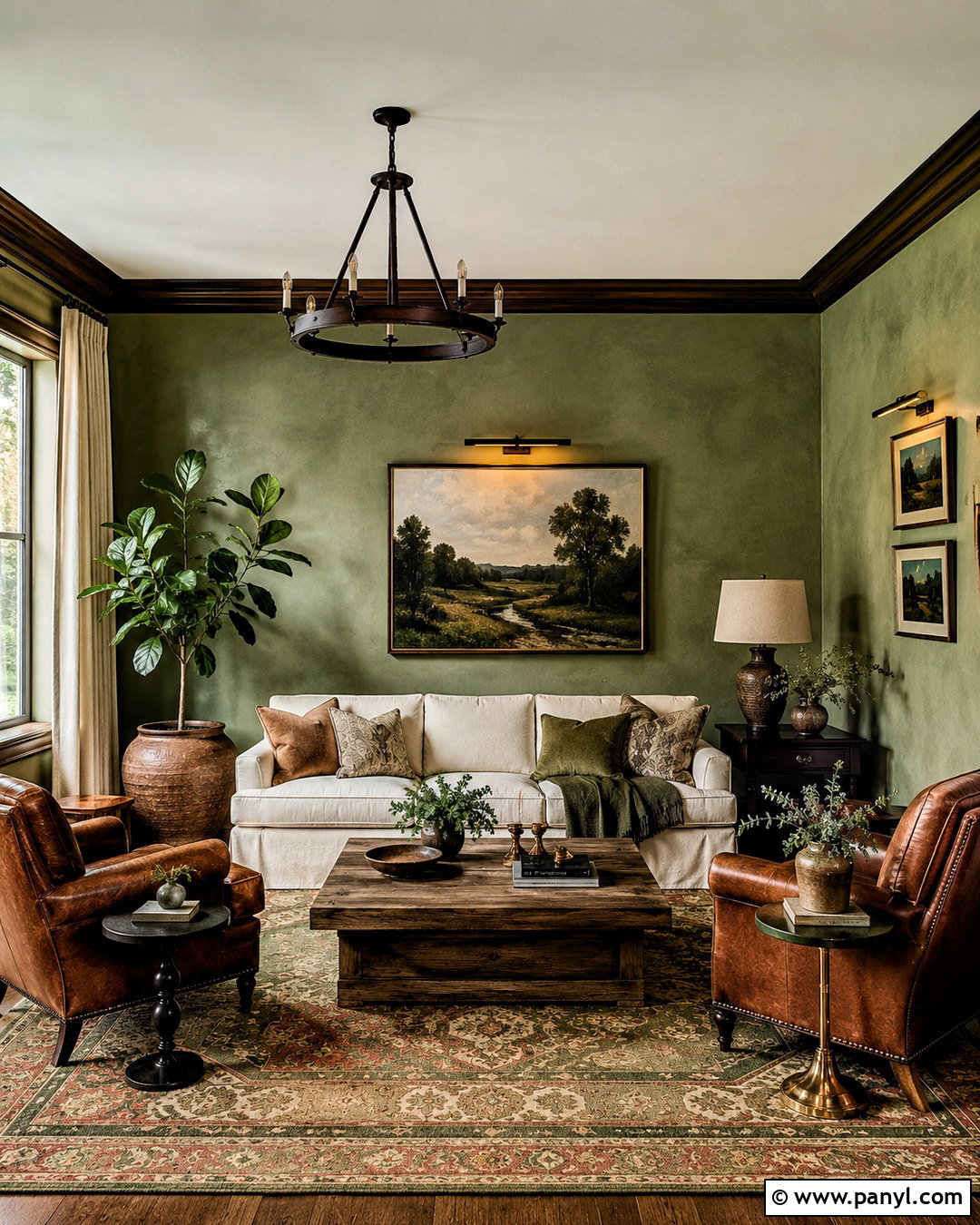
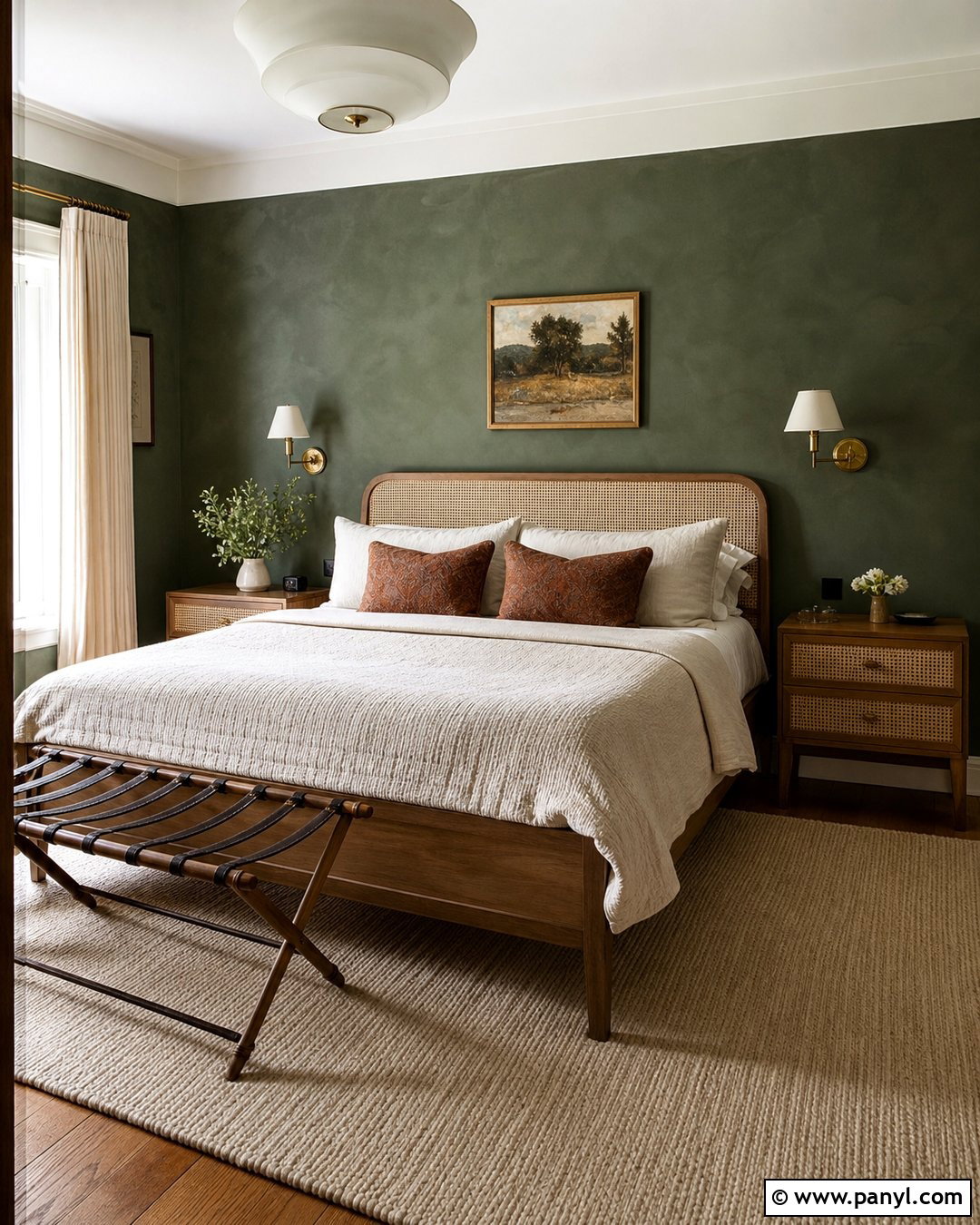
Forest green lime plaster creates a grounded living room that feels especially effective when balanced by pale upholstery and natural wood. Apply the deep green finish throughout the room so the walls form one continuous, textured envelope. Place a large cream sofa opposite two cognac leather chairs and center them around a heavy oak coffee table. A vintage-inspired rug with olive, tan, and muted red will bridge the seating colors. Use full-length oatmeal curtains to soften the windows, even if blinds provide the main privacy. Aged brass picture lights and dark wood frames look warmer against green than bright chrome. Finish with a few large plants and restrained ceramics. This complete design feels dramatic, comfortable, and closely connected to natural materials.
19. Plaster Pink Lime Plaster Kitchen
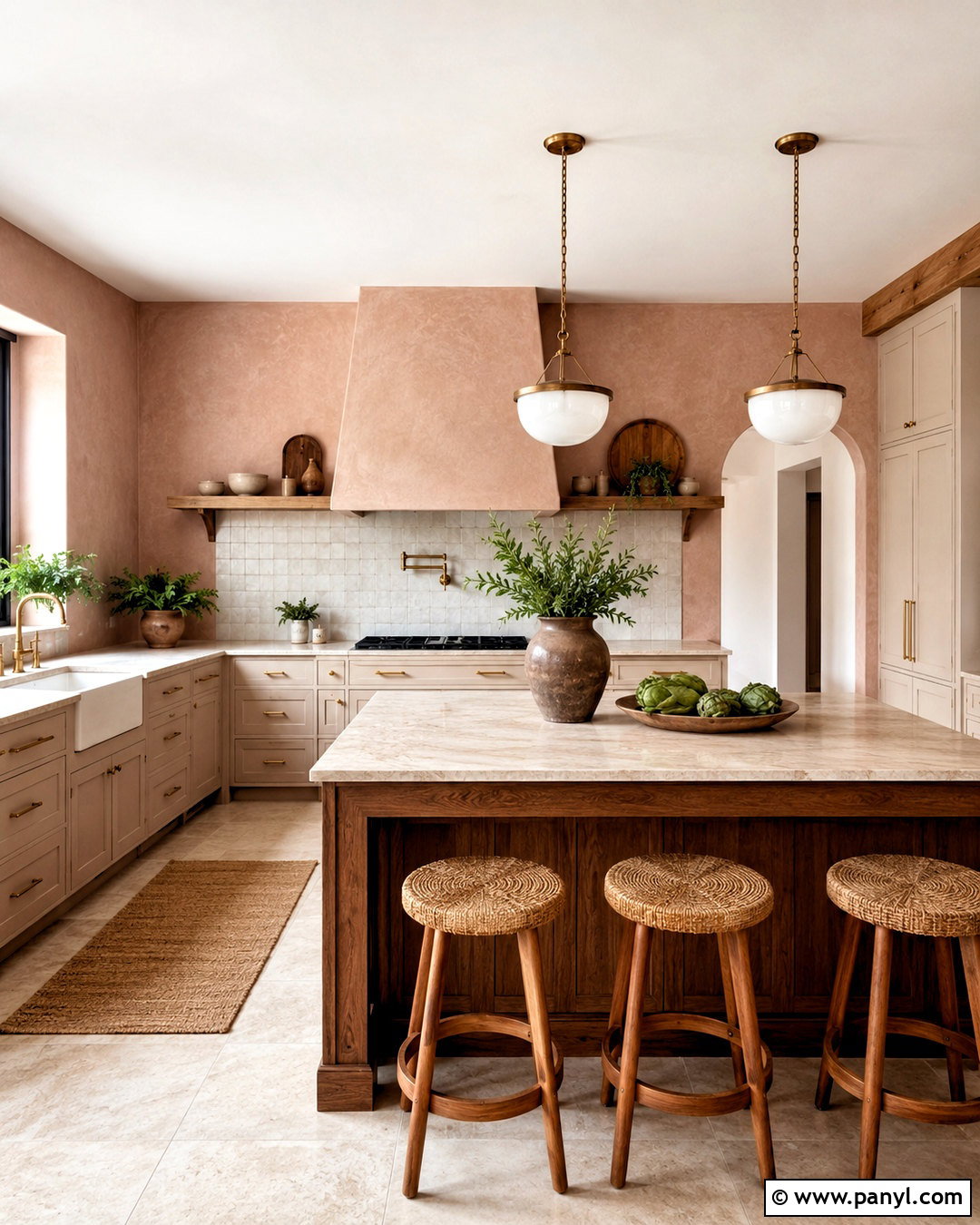
Plaster pink walls can warm a kitchen while functioning almost like a neutral. Choose a dusty, clay-based pink rather than a sugary pastel, then pair it with putty-colored cabinets and creamy quartzite countertops. An island in medium walnut adds a darker anchor at the center of the room. Use brushed brass hardware, milky glass pendant lights, and a simple brass bridge faucet for consistent warmth. Handmade off-white backsplash tile will complement the irregular plaster without creating excessive pattern. Light limestone flooring keeps the overall palette soft, while walnut stools with woven seats repeat the island material. Complete the kitchen with white ceramics, copper cookware, and a few green herbs. The finished scheme feels fresh, practical, and gently colorful.
20. Black Lime Plaster Media Room
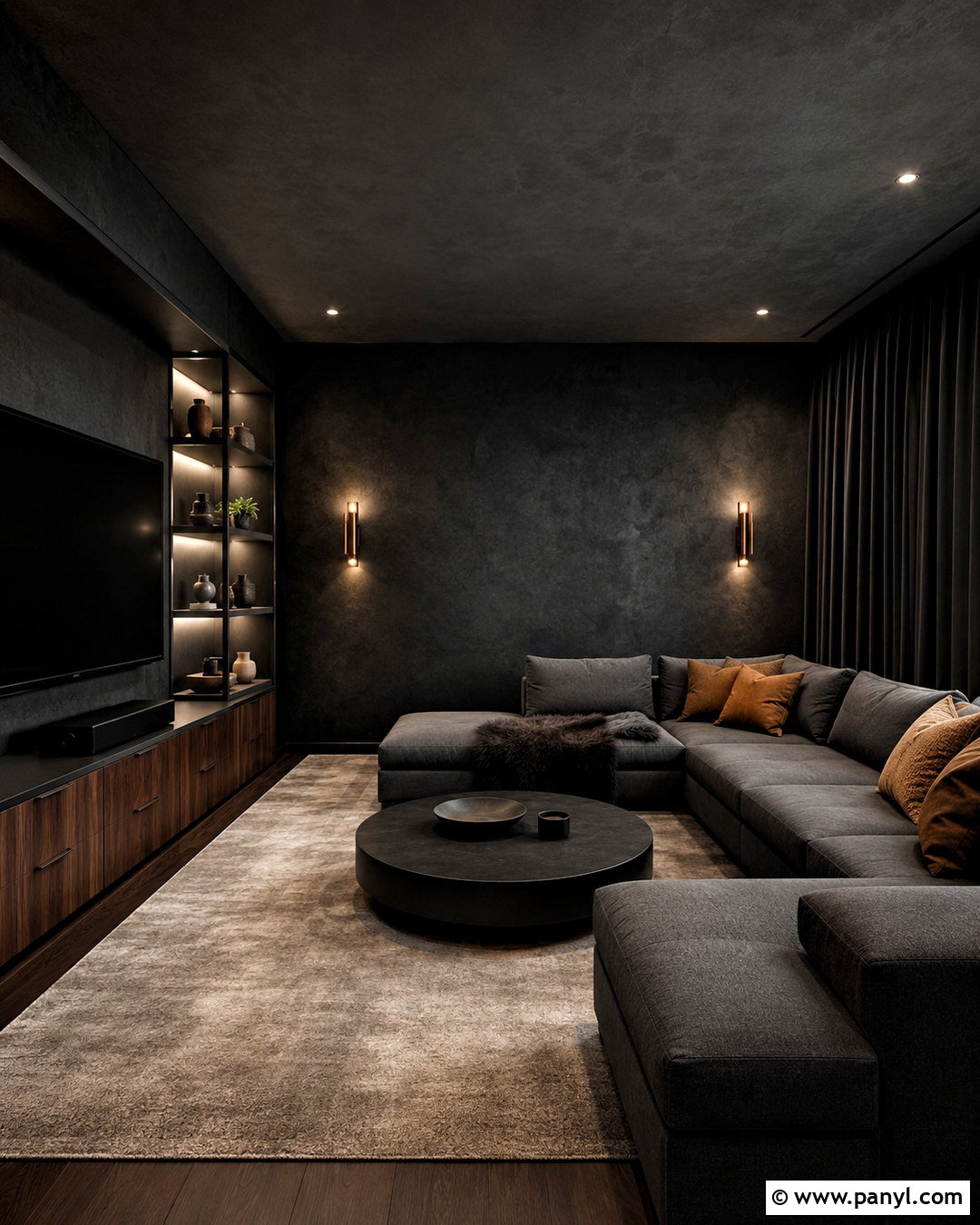
Black lime plaster can make a media room feel immersive while showing more depth than standard flat black paint. Choose a softened charcoal-black finish and continue it across every wall and the ceiling. Position a deep modular sofa in warm gray facing a streamlined media cabinet in dark walnut. Built-in shelving can blend into the walls, allowing books and matte ceramic objects to provide subtle highlights. Use a large taupe rug to soften the floor and improve comfort. Blackout curtains should match the plaster closely, while low-profile bronze sconces provide controlled lighting when the screen is not in use. Add camel and cream cushions to break up the dark upholstery. The finished room feels comfortable, focused, and dramatic without resembling a commercial theater.
Conclusion:
These 20 lime plaster walls demonstrate how one traditional material can support many different rooms, colors, and design directions. Warm white, beige, and greige finishes create flexible neutral backgrounds, while terracotta, forest green, burgundy, and black offer a more immersive result. The strongest schemes coordinate the plaster with flooring, furniture, textiles, lighting, and architectural details instead of treating the wall as an isolated accent. Always test the finish in the room’s actual daylight and confirm that the chosen plaster system suits the surface and moisture conditions. With thoughtful colors and balanced materials, lime plaster can give an everyday home lasting texture, warmth, and character without requiring excessive decoration.

Related Ideas and Inspiration:
Leave a Reply