
Neutral backgrounds create a calm foundation while giving furniture, artwork, and architectural details space to stand out. The best 20 neutral color background ideas go far beyond plain white walls. Warm ivory, soft greige, mushroom, taupe, clay, and muted green can each shape a room in a different way. Undertones matter, so compare each shade with your flooring, trim, natural light, and largest furnishings before making a final choice. Texture is equally important. Wood, linen, stone, woven fibers, and subtle patterns prevent a quiet palette from feeling flat. Whether you prefer modern, traditional, coastal, rustic, or minimalist interiors, the following complete looks offer practical inspiration through these 20 neutral color background ideas.

1. Warm White Living Room Background
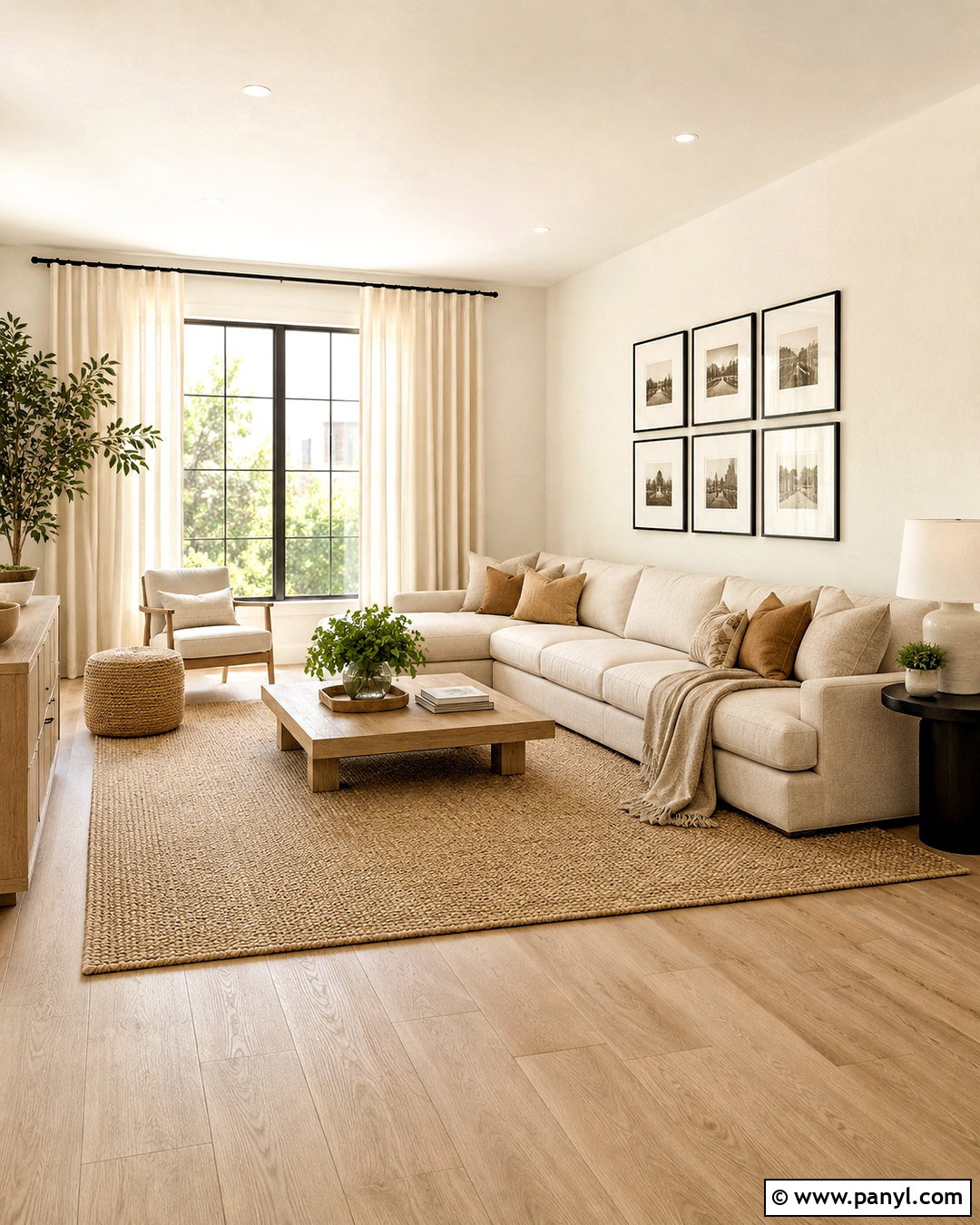
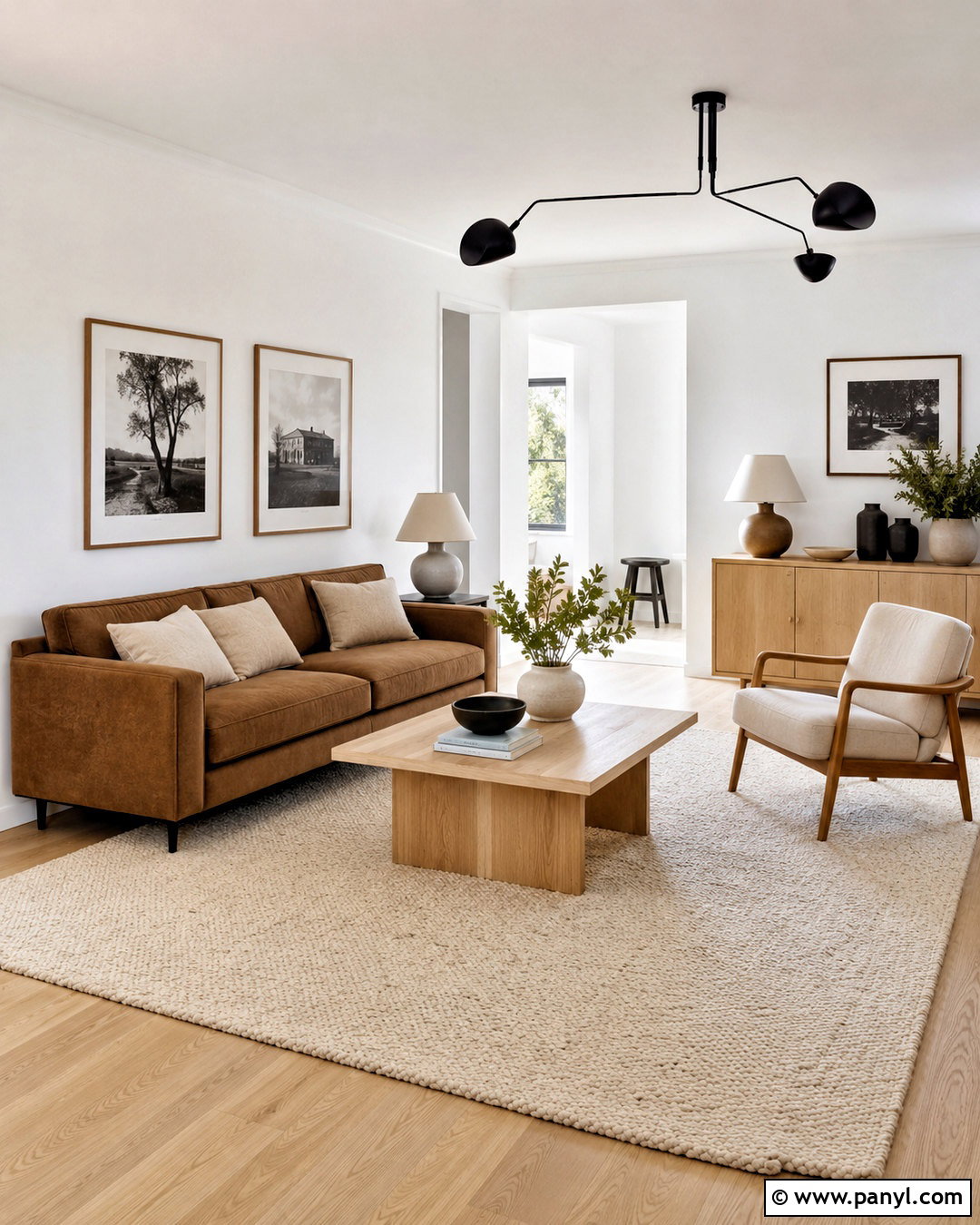
Warm white walls give a living room a bright foundation without the sharp appearance of brilliant white. Choose a creamy shade with subtle beige or yellow undertones, then repeat that warmth through an oatmeal sofa, ivory curtains, and a light oak coffee table. A natural jute rug adds definition against pale wood flooring, while camel-colored pillows create gentle contrast. Use matte black picture frames and a black floor lamp sparingly to sharpen the light palette. Large abstract artwork in cream, tan, and muted brown makes the wall feel finished without overpowering it. Complete the room with woven baskets, ceramic lamps, and a few leafy plants. The finished background feels airy, comfortable, and adaptable throughout the year.
2. Soft Greige Bedroom Background
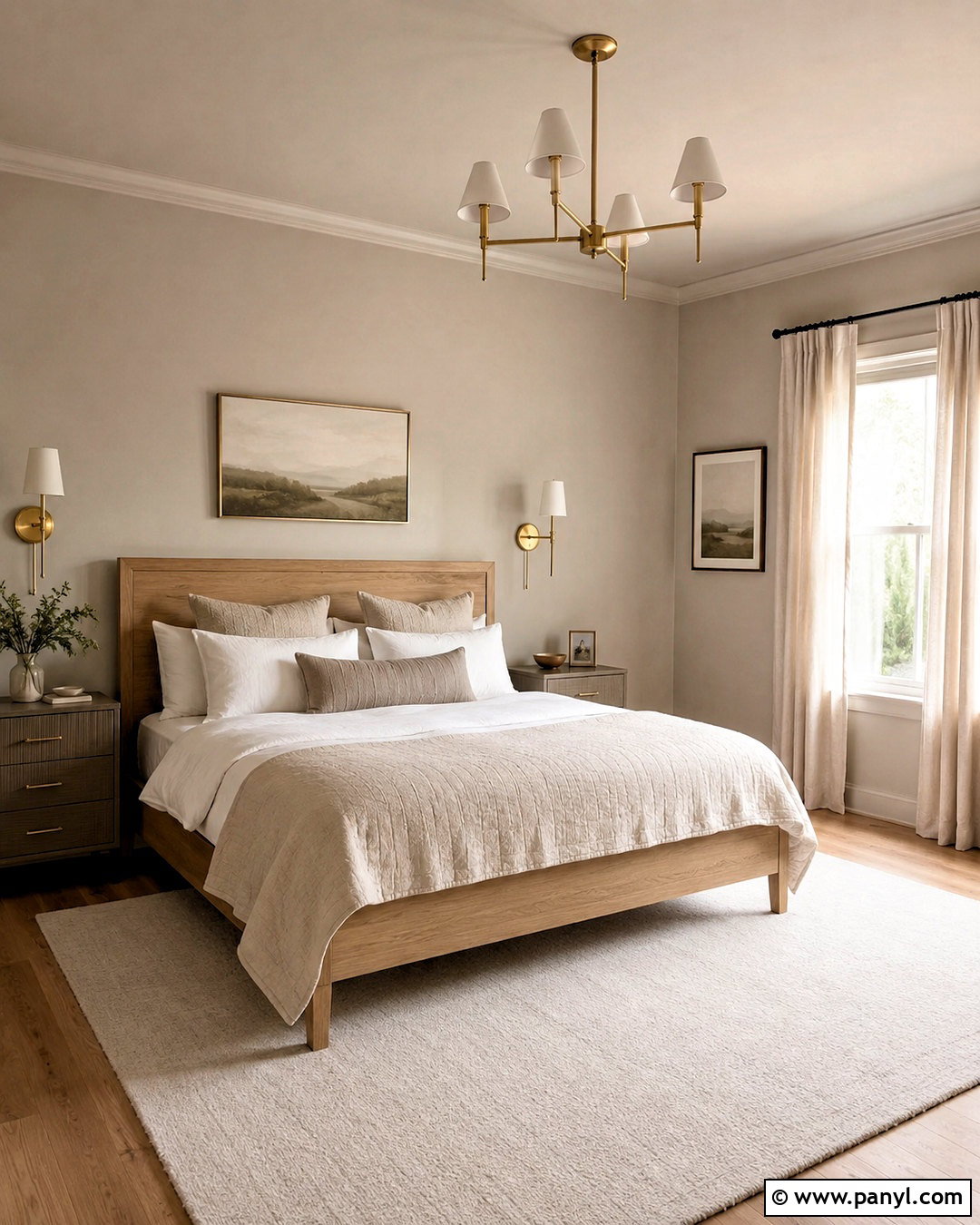
Soft greige provides the balance of gray and beige that many bedrooms need. Paint the walls and ceiling in closely related greige tones to create a restful, wrapped effect. Place a natural oak bed against the main wall, then layer it with white sheets, taupe pillows, and a textured beige coverlet. Pale mushroom nightstands keep the furniture connected to the background, while brushed brass sconces introduce a warmer finish. Choose a cream wool rug large enough to extend beyond both sides of the bed. Simple landscape prints in muted charcoal and sand add quiet detail. Finish with linen curtains that nearly match the walls. This complete look feels soft and sophisticated without becoming cold, overly beige, or visually busy.
3. Cream Kitchen Background
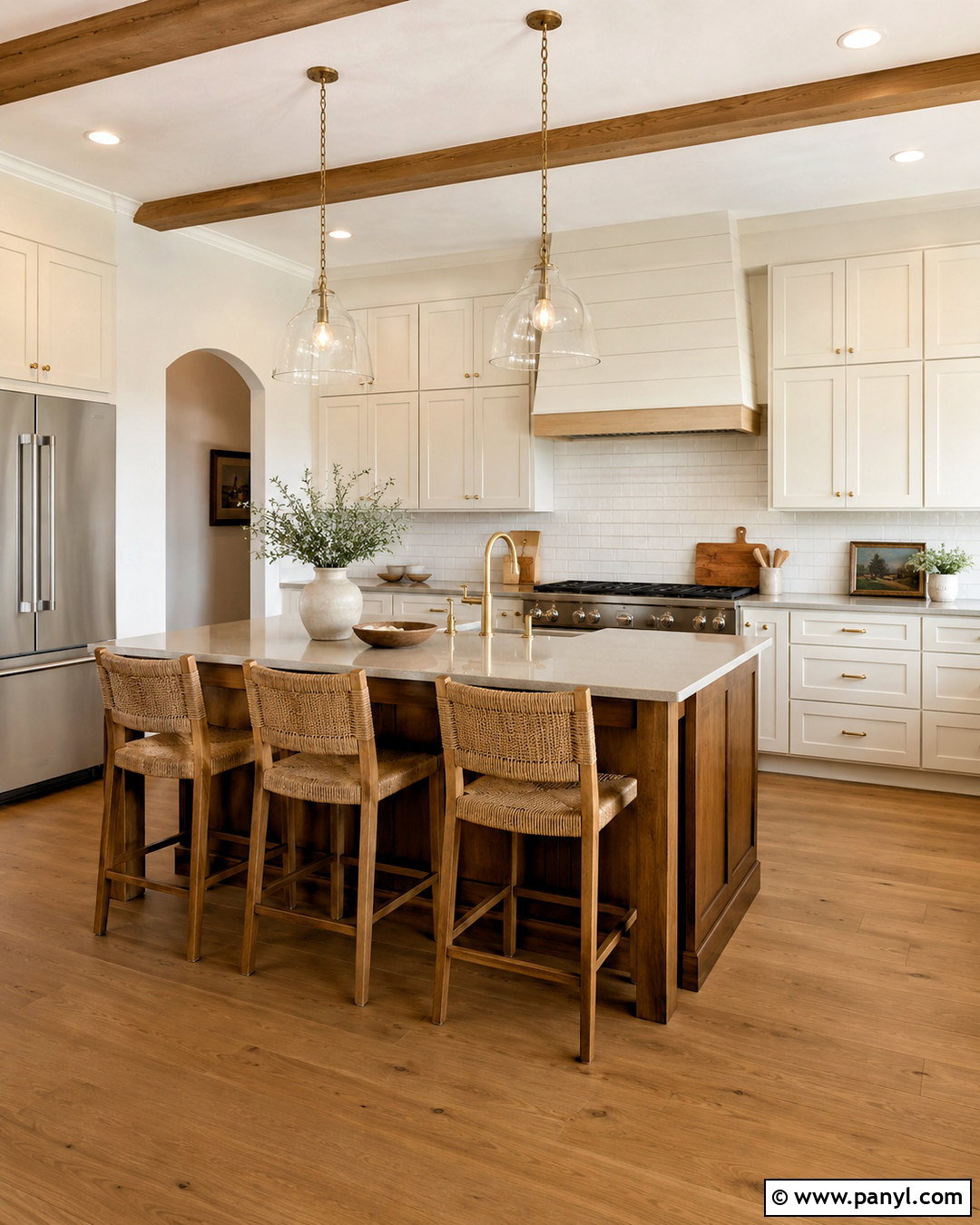
A cream background can make a kitchen feel warmer and more welcoming than crisp white. Use creamy painted cabinets with simple shaker doors, then select a slightly lighter warm white for the walls and ceiling. A backsplash of handmade ivory tile adds gentle variation through its uneven surface. Balance the pale finishes with medium oak flooring, a walnut island, and aged brass cabinet pulls. Warm gray quartz counters provide durability without introducing strong pattern. Add woven counter stools and simple ceramic accessories in tan and off-white. Clear glass pendants keep the sightlines open above the island. Together, these elements create a complete neutral kitchen that feels bright, layered, and practical rather than sterile or overly coordinated.
4. Beige Home Office Background
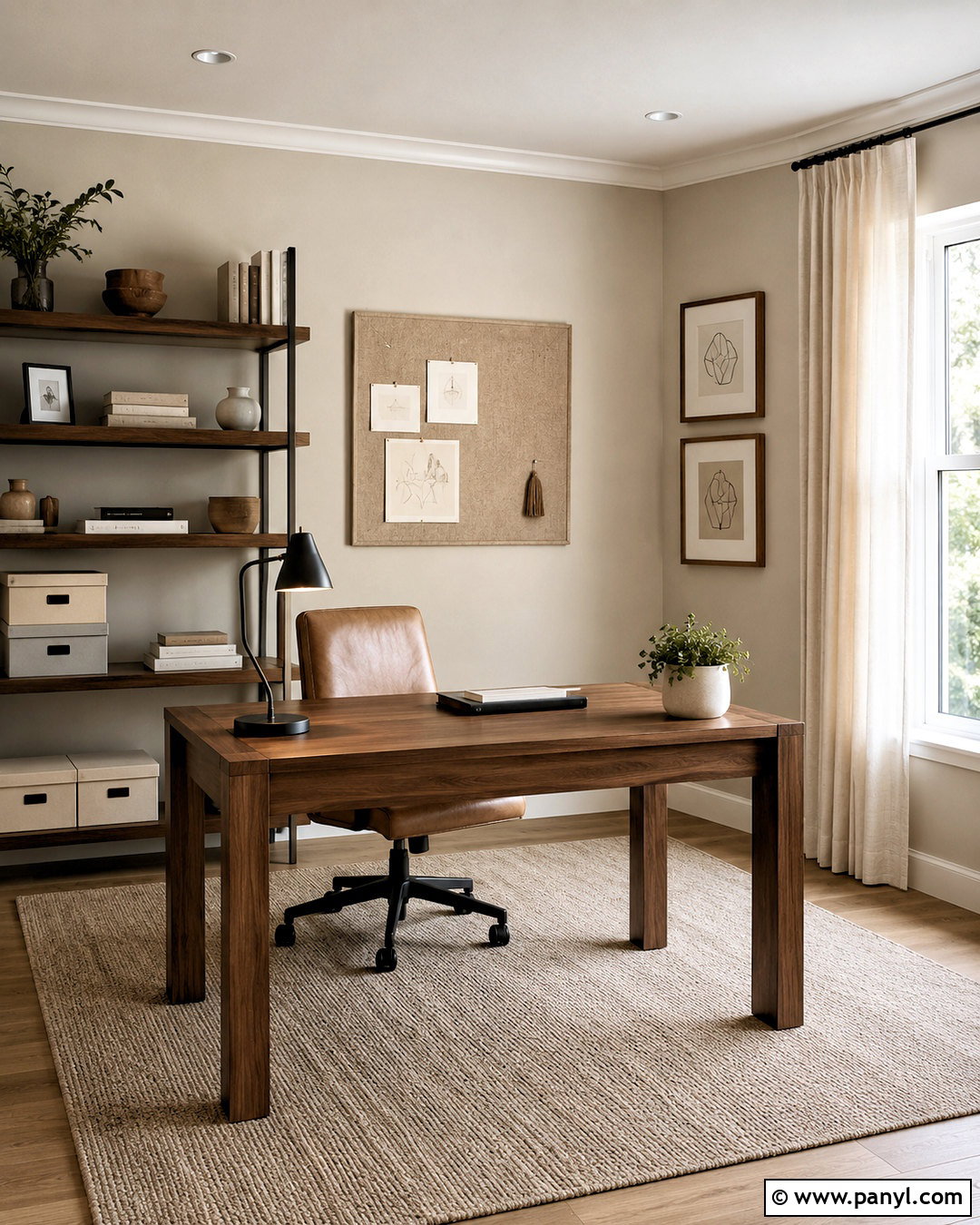
Could your home office feel focused without looking corporate? Start with light beige walls, warm white trim, and a flat-weave taupe rug that softens the floor. Position a walnut desk against the main background wall and pair it with a comfortable camel leather chair. Install matching walnut shelves above the desk for books, cream storage boxes, and a few sculptural objects. A large linen pinboard provides practical display space while blending into the palette. Use an adjustable matte black desk lamp for contrast and focused lighting. Full-length ivory curtains filter harsh daylight during video calls. Framed line drawings, a compact plant, and concealed cable storage complete an organized office where the neutral background appears polished, calm, and professional.
5. Taupe Dining Room Background
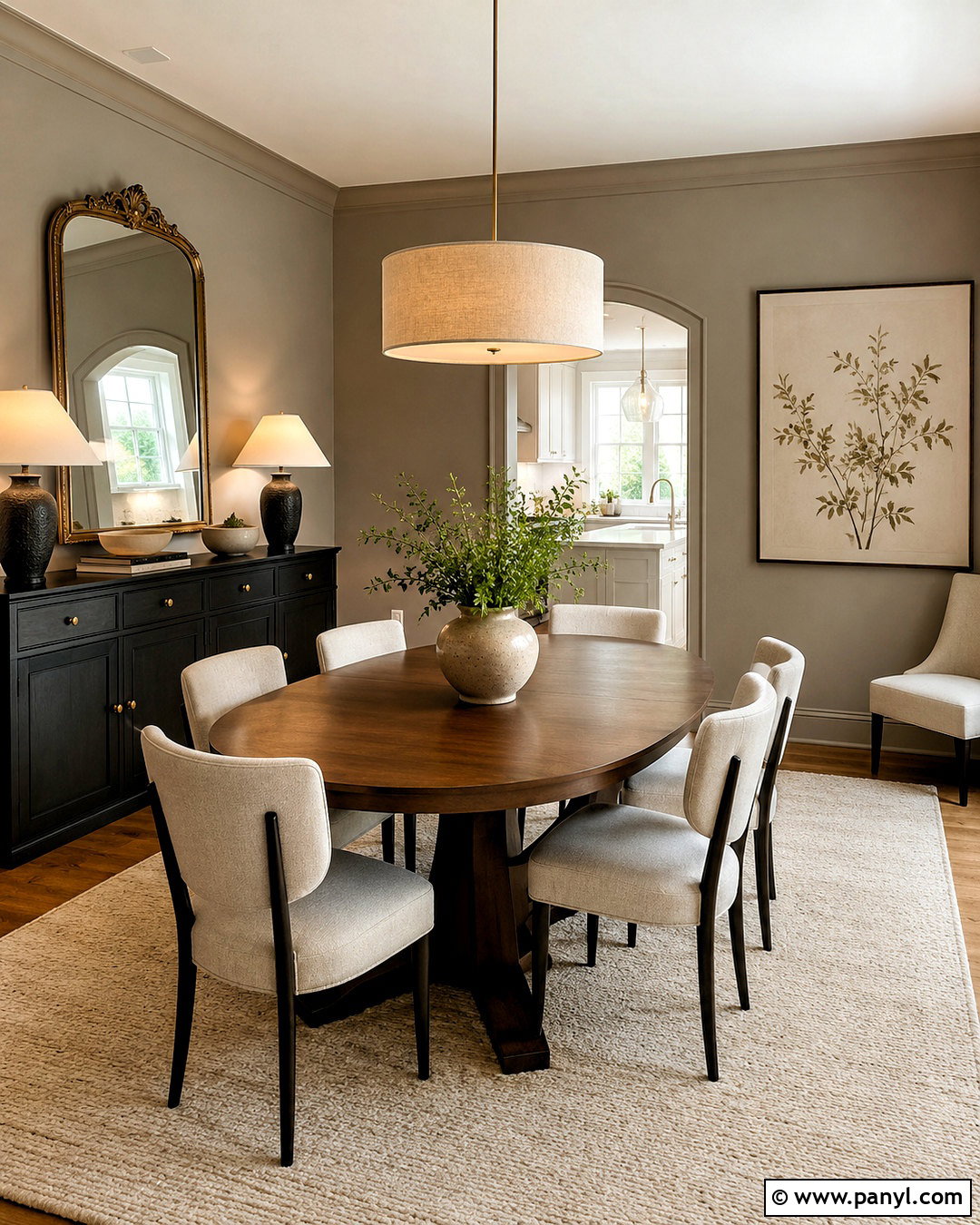
Taupe walls bring depth to a dining room while remaining flexible enough for everyday meals and formal gatherings. Choose a medium warm taupe and continue it across the trim for a smooth, color-drenched background. Center an oval walnut table beneath a linen drum pendant, then add upholstered chairs in creamy performance fabric. A large beige rug defines the dining area and softens the darker wall color. Against one wall, place a slim black sideboard topped with stoneware and a broad antique-style mirror. Neutral botanical artwork can introduce subtle brown and olive notes. Finish the table with an understated ceramic centerpiece. The combination of taupe, walnut, cream, and black creates a grounded room with clear contrast and comfortable visual warmth.
6. Light Gray Bathroom Background
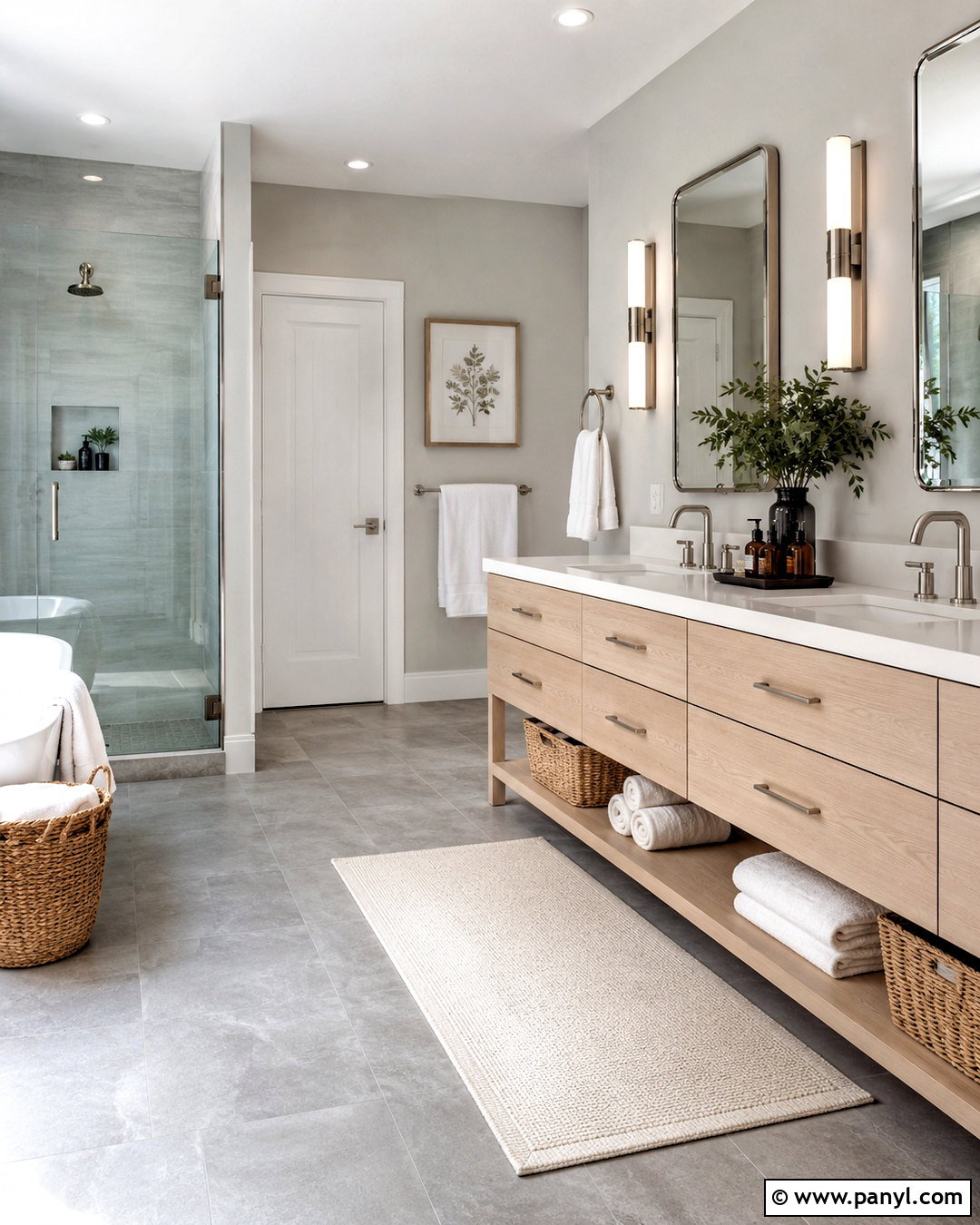
Light gray can create a clean bathroom background when it is balanced with natural materials and warmer finishes. Cover the walls with pale gray paint and use slightly deeper gray porcelain tile across the floor. A floating white oak vanity softens the cooler surfaces, while a white quartz countertop keeps the room bright. Choose brushed nickel faucets, frameless mirrors, and simple glass shower panels for a streamlined appearance. White towels and a textured ivory bath mat provide fresh contrast without adding another strong color. Introduce warmth with woven baskets and small amber glass containers. A single eucalyptus branch adds a natural touch. This complete bathroom feels crisp, spacious, and calm, yet the varied surfaces prevent the gray palette from appearing flat or clinical.
7. Mushroom Entryway Background
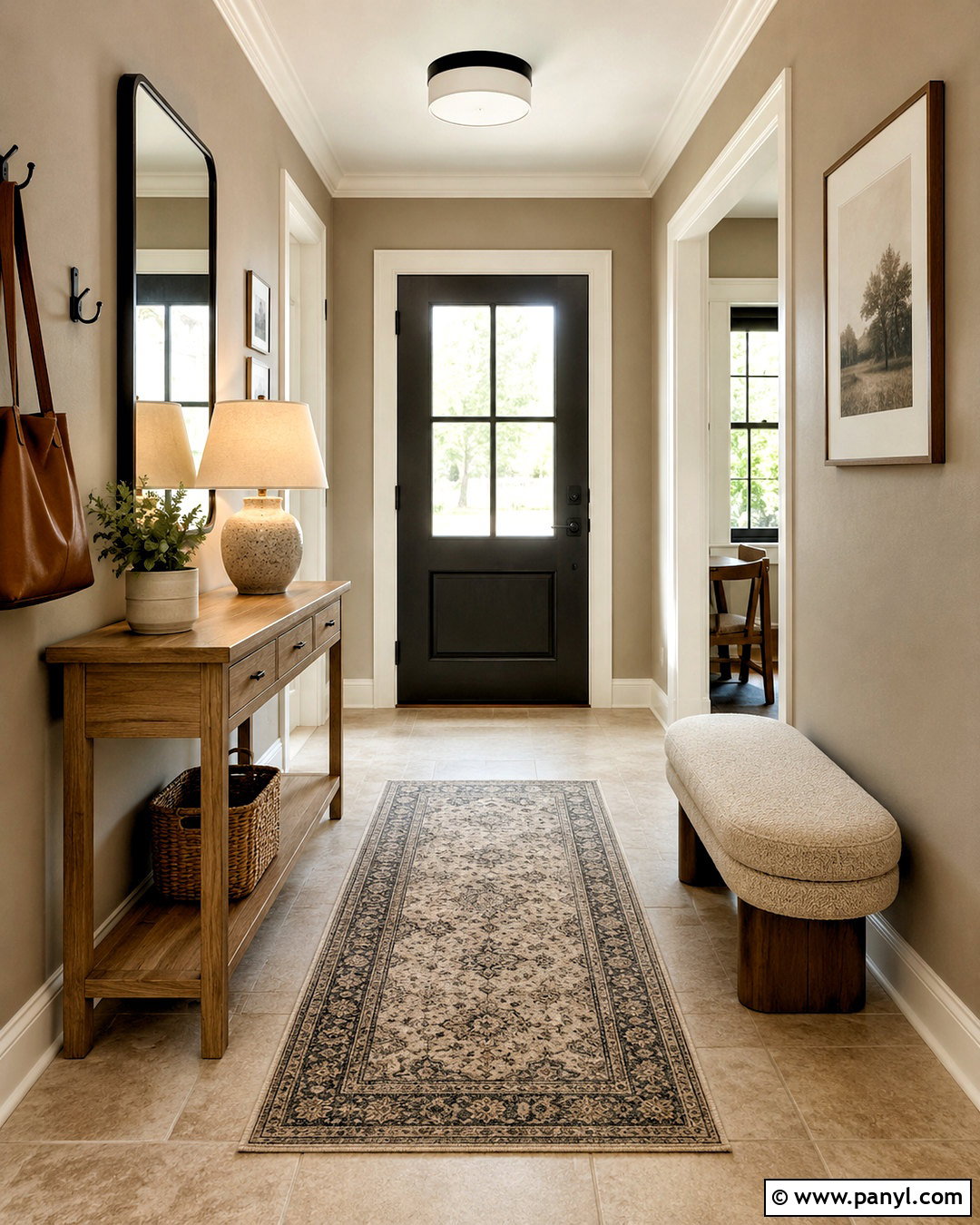
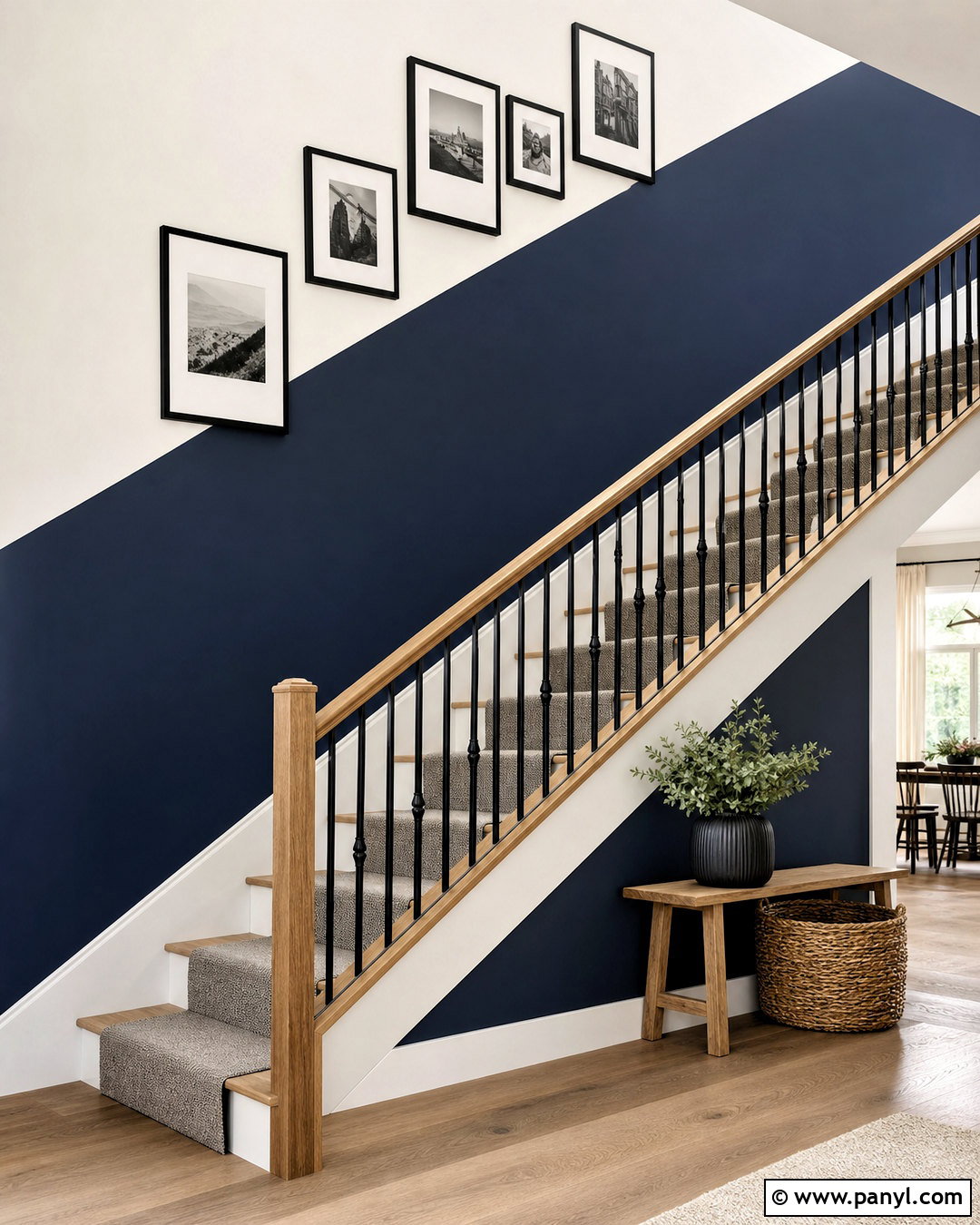
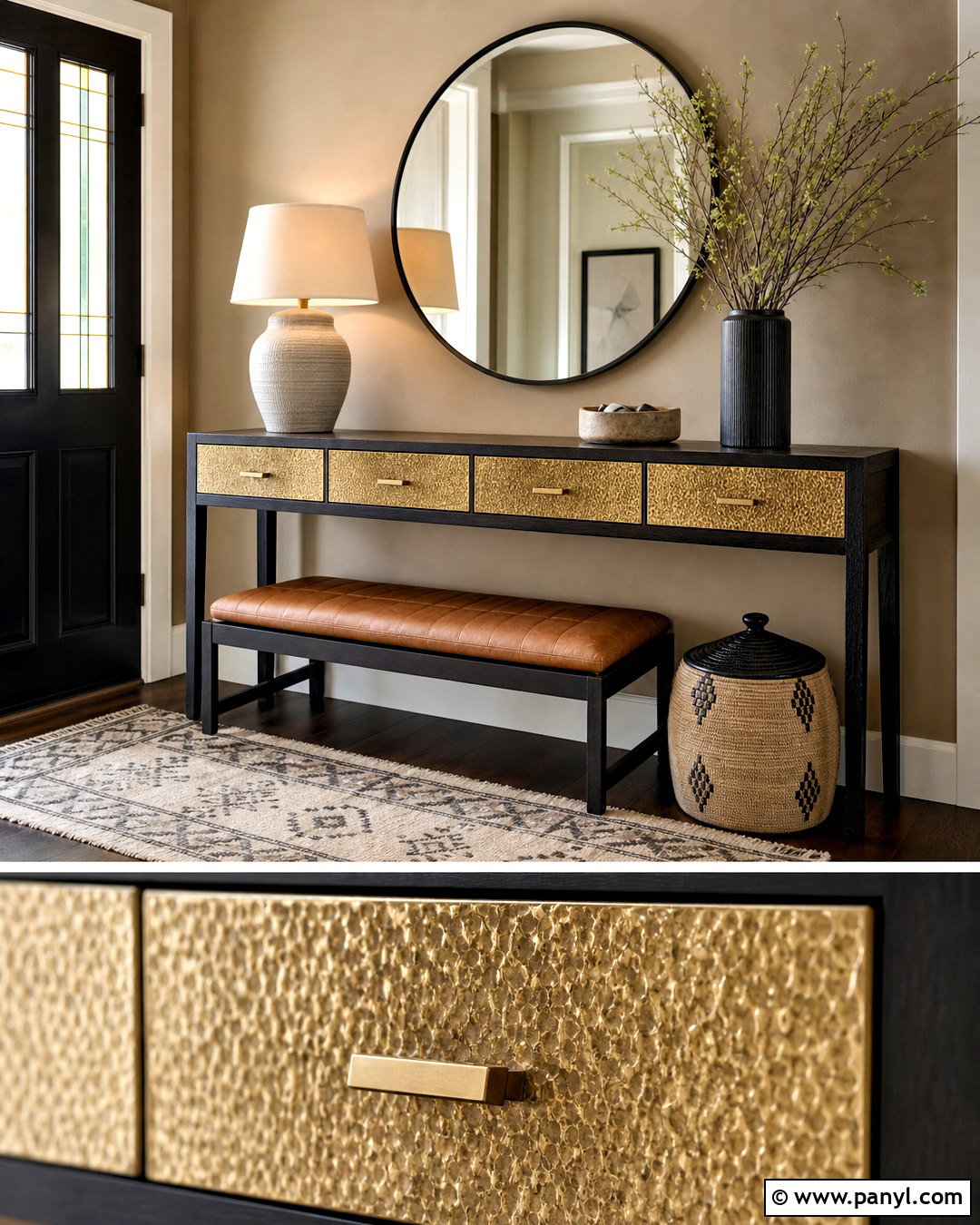
Mushroom is a brown-gray neutral that works beautifully in an entryway because it hides minor marks while creating an inviting first impression. Use a medium mushroom shade on the walls with warm white trim and natural limestone-look flooring. Add a narrow oak console with rounded corners and a large framed mirror to reflect light through the space. An upholstered bench in beige boucle provides a practical place for shoes. Place a washable runner in cream, taupe, and faded charcoal along the main walkway. Black wall hooks offer useful contrast and organized storage. Complete the arrangement with a ceramic lamp, a woven catchall basket, and restrained greenery. The finished entry feels orderly, warm, and connected to adjoining neutral rooms.
8. Sandy Beige Coastal Background
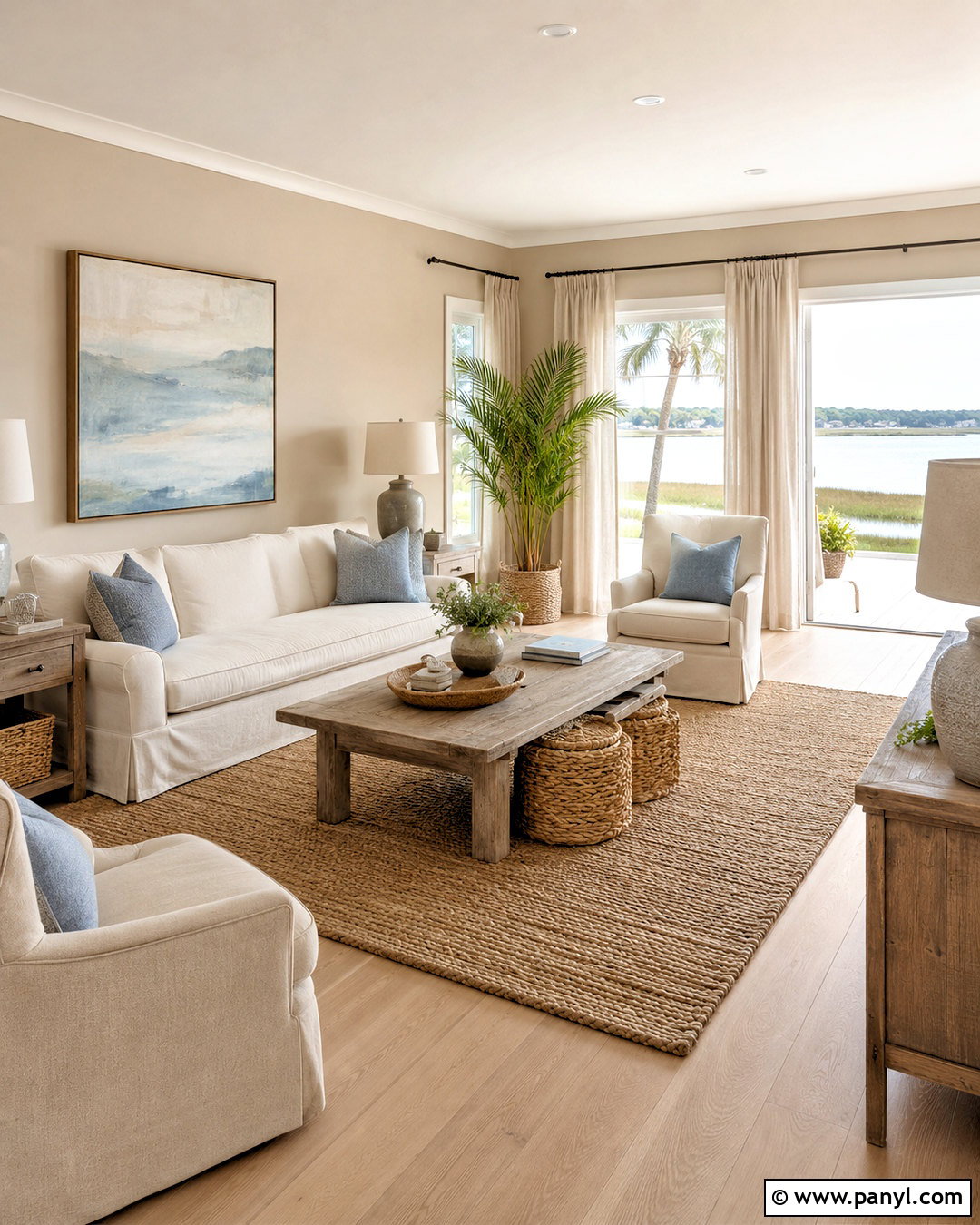
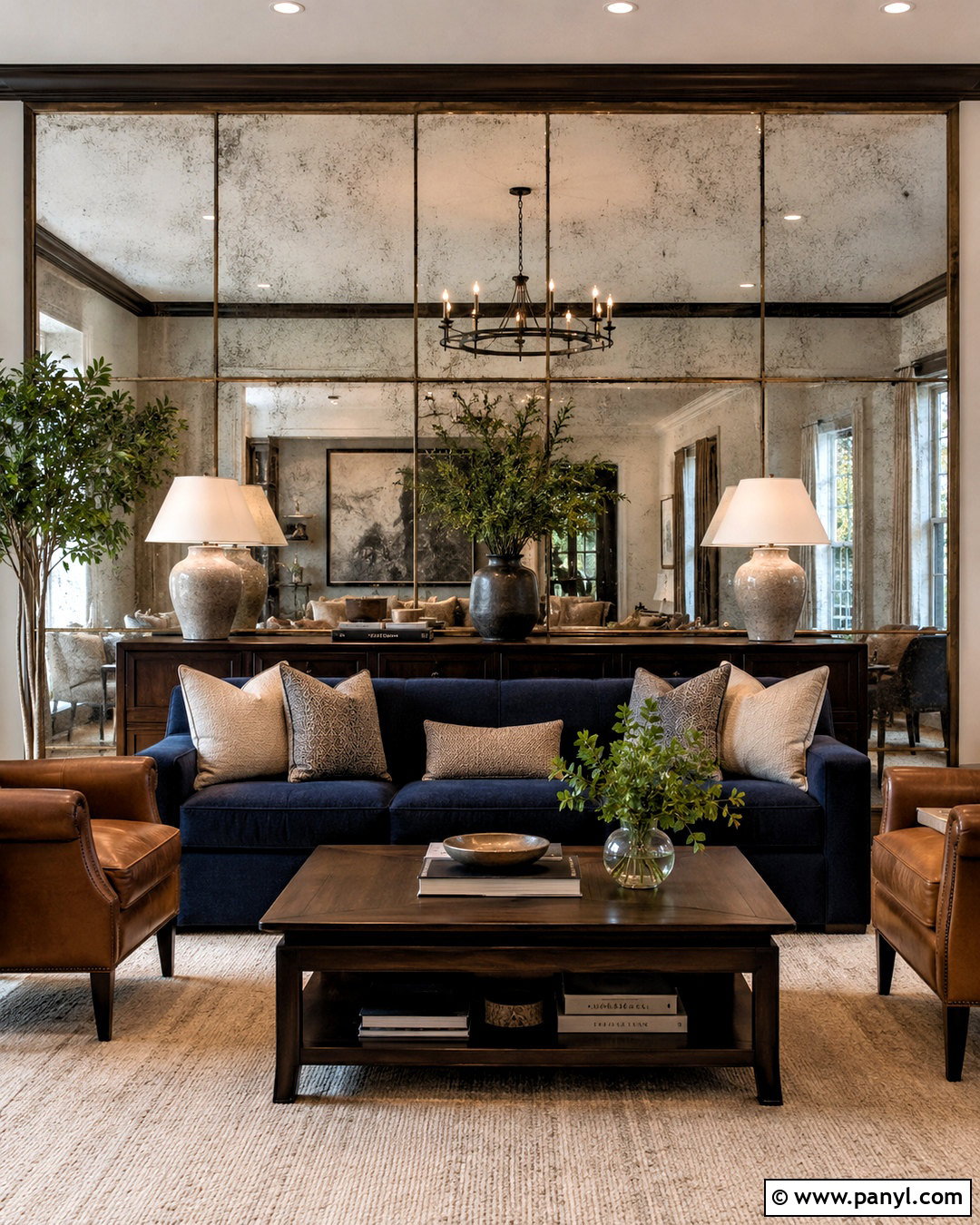
Sandy beige walls create a coastal background that feels relaxed without relying on obvious seaside decorations. Pair the wall color with white oak flooring, warm white trim, and full-length flax linen curtains. Arrange a slipcovered ivory sofa with pale beige armchairs around a weathered oak coffee table. A woven sisal rug reinforces the natural palette, while soft blue-gray pillows introduce a subtle coastal accent. Select abstract artwork featuring sand, chalk white, and faded blue instead of literal beach imagery. Ceramic lamps with off-white shades provide soft symmetry beside the sofa. Add a few pieces of driftwood-toned decor and woven storage. The result is a complete, breezy room that remains comfortable, refined, and suitable for an everyday home.
9. Natural Linen Bedroom Background
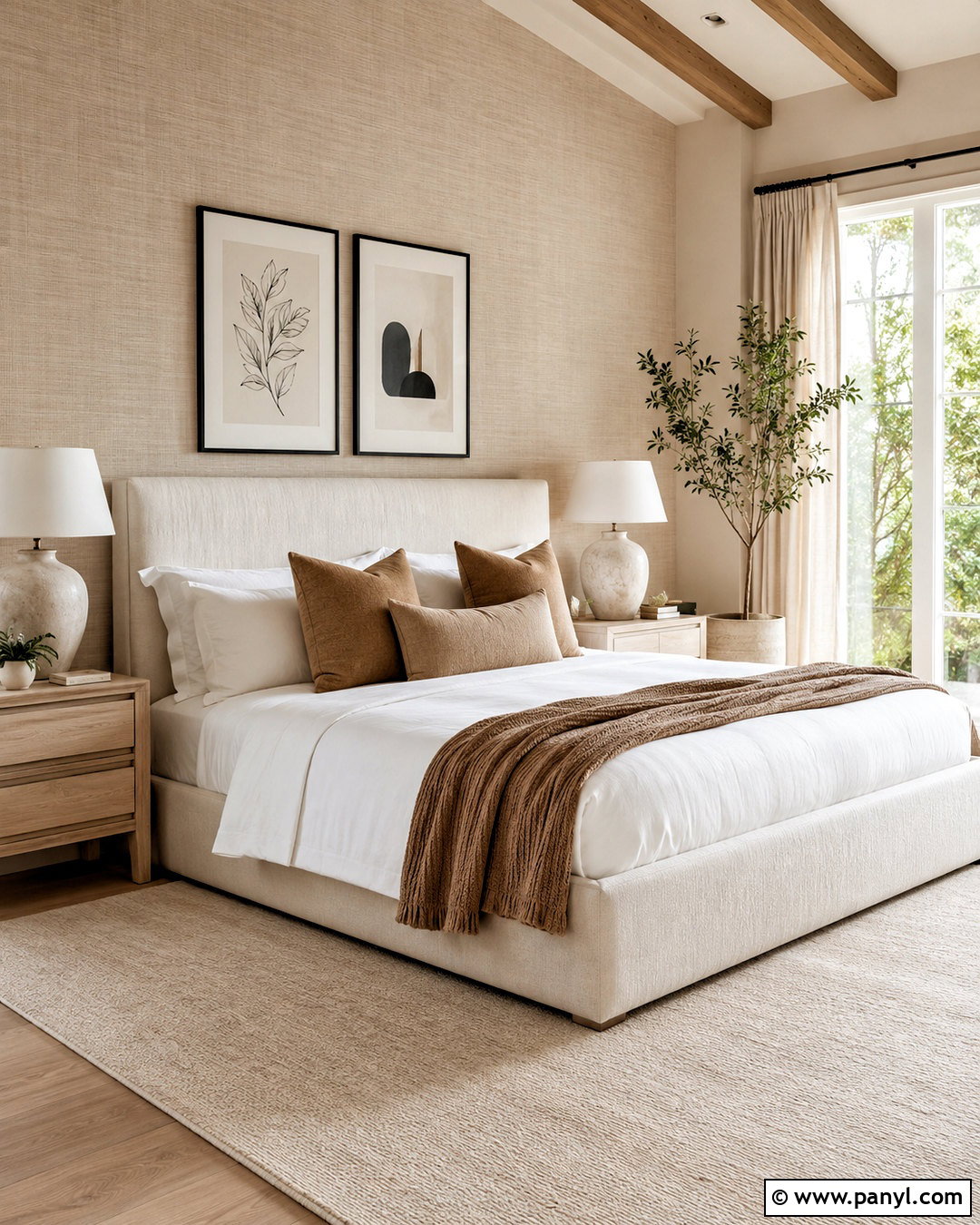
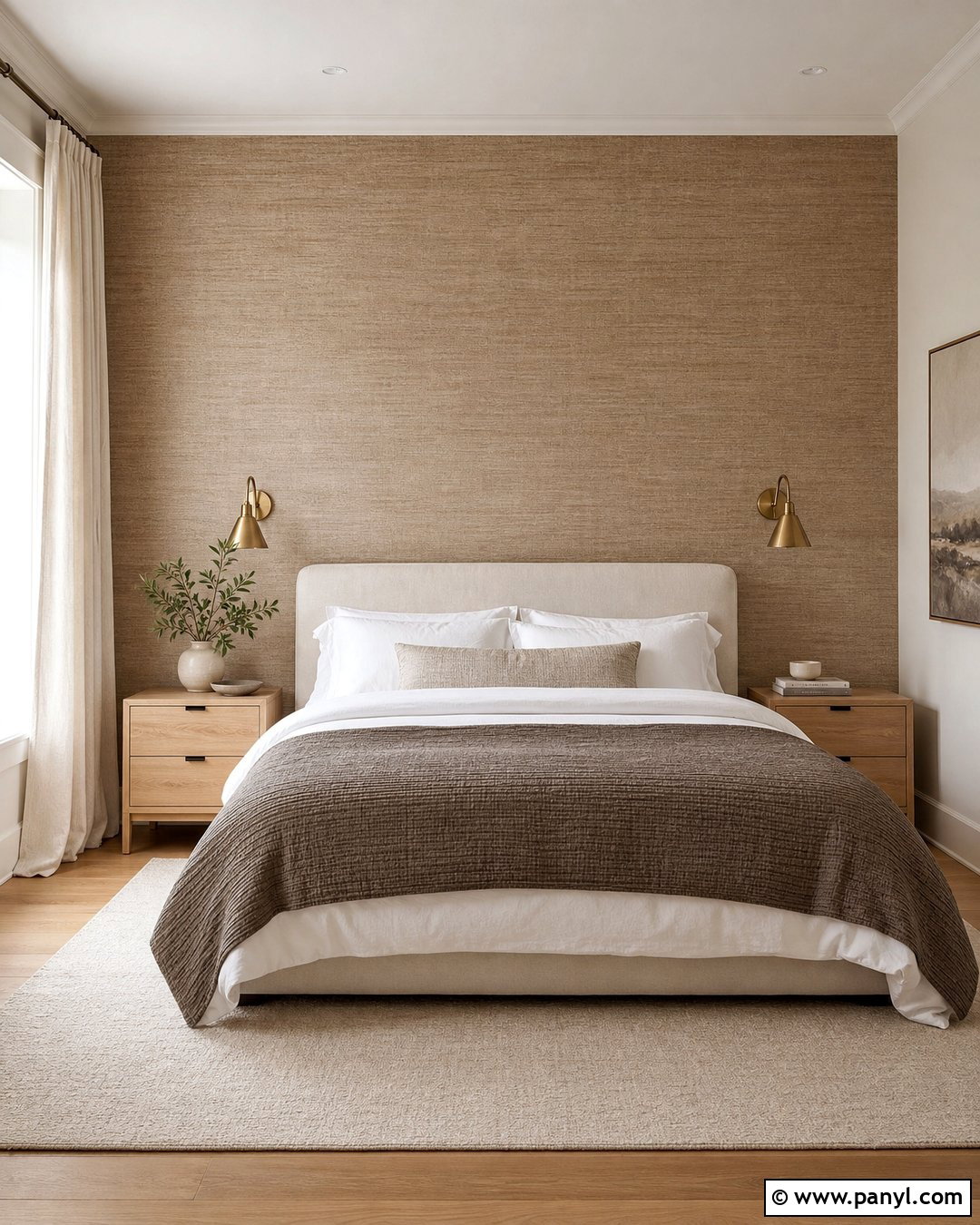
Natural linen wallpaper gives bedroom walls more dimension than a flat painted finish. Choose a warm flax-colored wallcovering with a fine woven texture and apply it throughout the room for continuity. Set an upholstered oatmeal bed against the main wall and dress it with crisp white bedding, camel pillows, and a soft brown throw. Pale oak nightstands and ceramic table lamps reinforce the organic materials. Use simple off-white curtains so they complement rather than compete with the textured background. A large cream rug keeps the room light underfoot. Minimal black-framed artwork introduces definition above the bed. With controlled colors and tactile layers, this bedroom feels peaceful and polished while the linen background provides enough visual interest on its own.
10. Charcoal Media Room Background
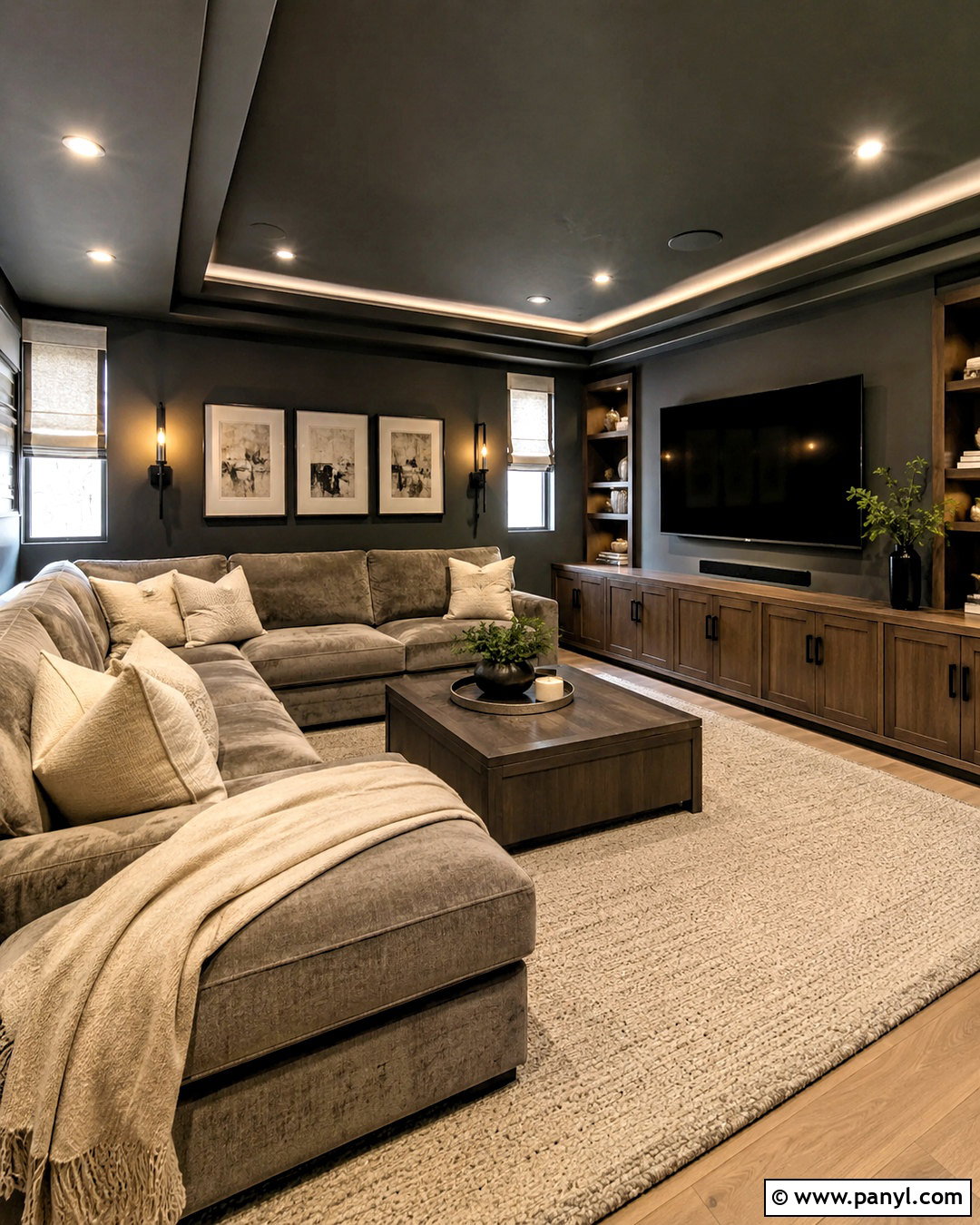
A charcoal background can make a media room feel cozy while reducing visual distractions around the television. Paint the walls in a softened charcoal with warm undertones rather than a blue-based gray. Add a low-profile taupe sectional, a large oatmeal rug, and walnut media cabinetry to keep the room from becoming too dark. Mount the television above the console and conceal cords for a clean focal wall. Use cream pillows, a textured beige throw, and light linen shades to lift the deeper palette. Matte black sconces blend into the background, while adjustable ceiling lights provide practical illumination. A few framed prints in ivory and brown complete the space. The overall room feels comfortable, modern, and intentionally balanced.
11. Muted Sage Kitchen Background
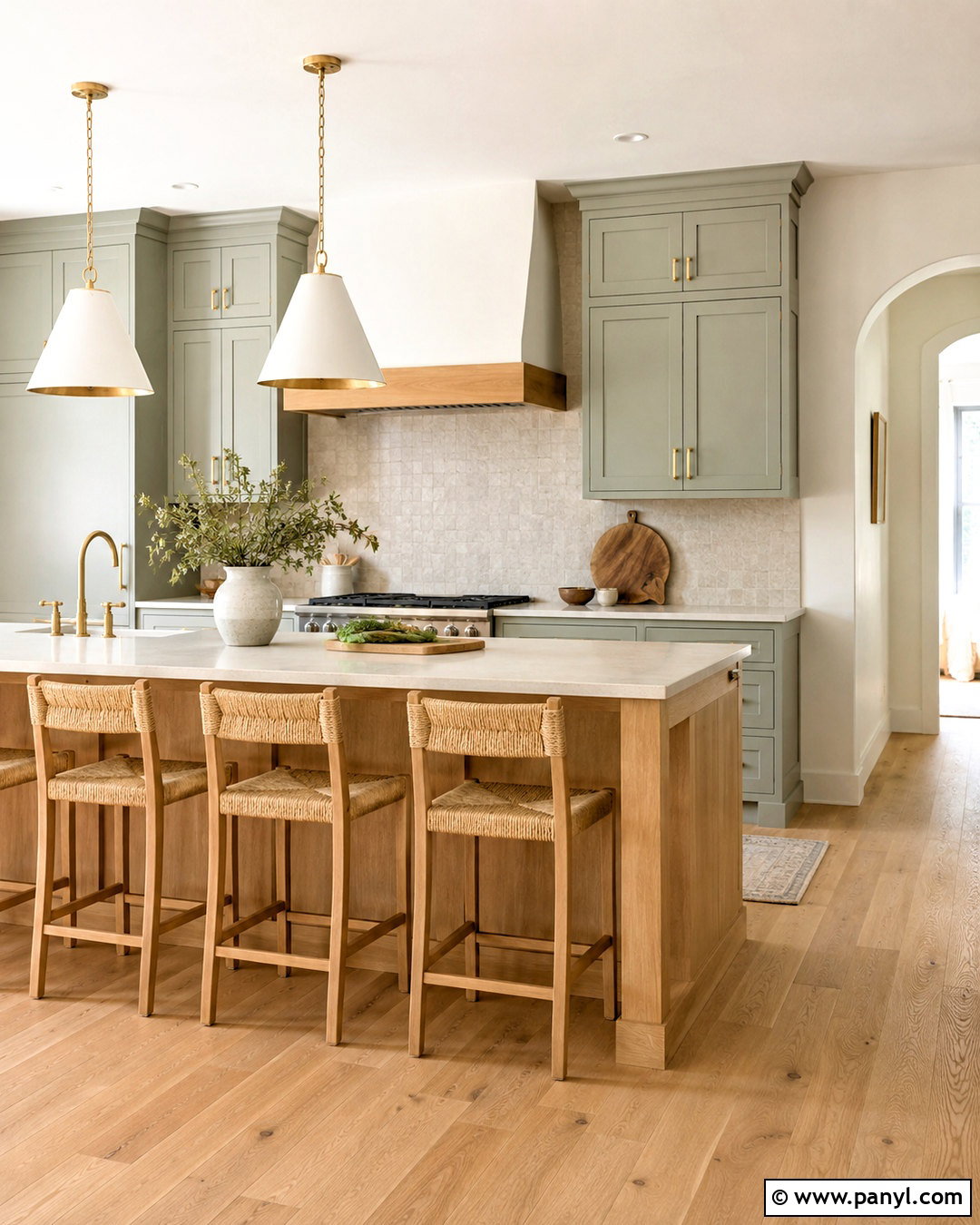
Muted sage works like a natural neutral when its saturation is low and its undertones are slightly gray. Use soft sage cabinets as the kitchen’s main background, then pair them with warm white walls and a creamy stone backsplash. White oak flooring and a matching island add warmth, while brushed brass pulls provide a refined highlight. Choose pale quartz counters with minimal veining to maintain a calm visual flow. Woven stools, off-white pendant lights, and wooden cutting boards support the organic color scheme. Keep small appliances concealed whenever possible, allowing the cabinetry to remain the focus. The finished kitchen feels fresh but not colorful in an overwhelming way. It also connects easily with beige, brown, ivory, and black furnishings in nearby rooms.
12. Putty Neutral Hallway Background
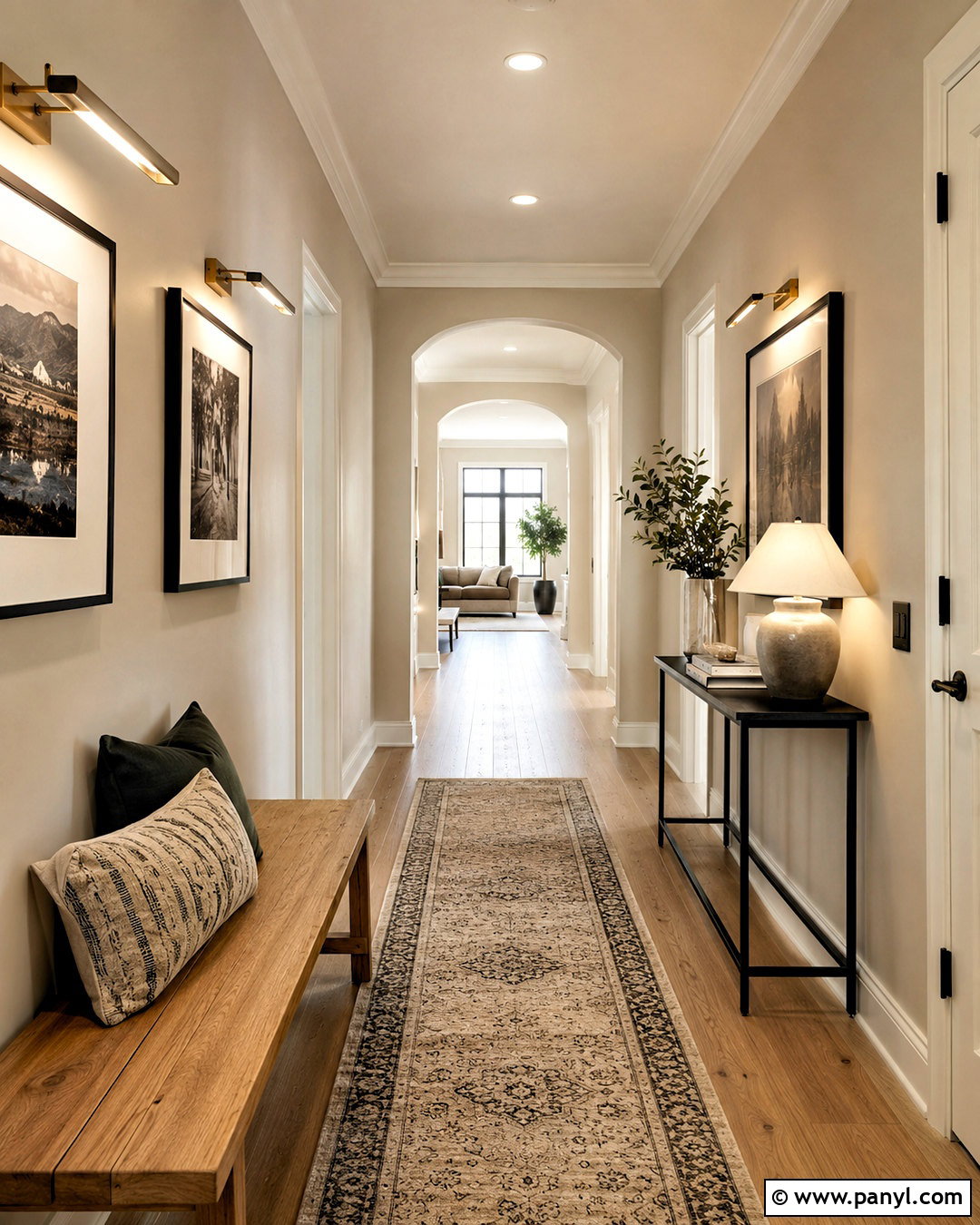
A putty-colored background is practical for a hallway because it has enough depth to define the passage without making it feel narrow. Paint the walls in a warm stone-putty tone and use a softer off-white across the ceiling and trim. Install a long natural fiber runner with a simple beige and charcoal pattern to guide the eye. A series of black-framed family photographs or abstract prints can create an orderly gallery along one wall. Add a slim oak bench where space permits and place a small ceramic lamp on a narrow console. Brass picture lights bring warmth and highlight the artwork. This coordinated design turns a frequently overlooked circulation area into a finished part of the home while keeping the background calm and versatile.
13. Ivory Nursery Background
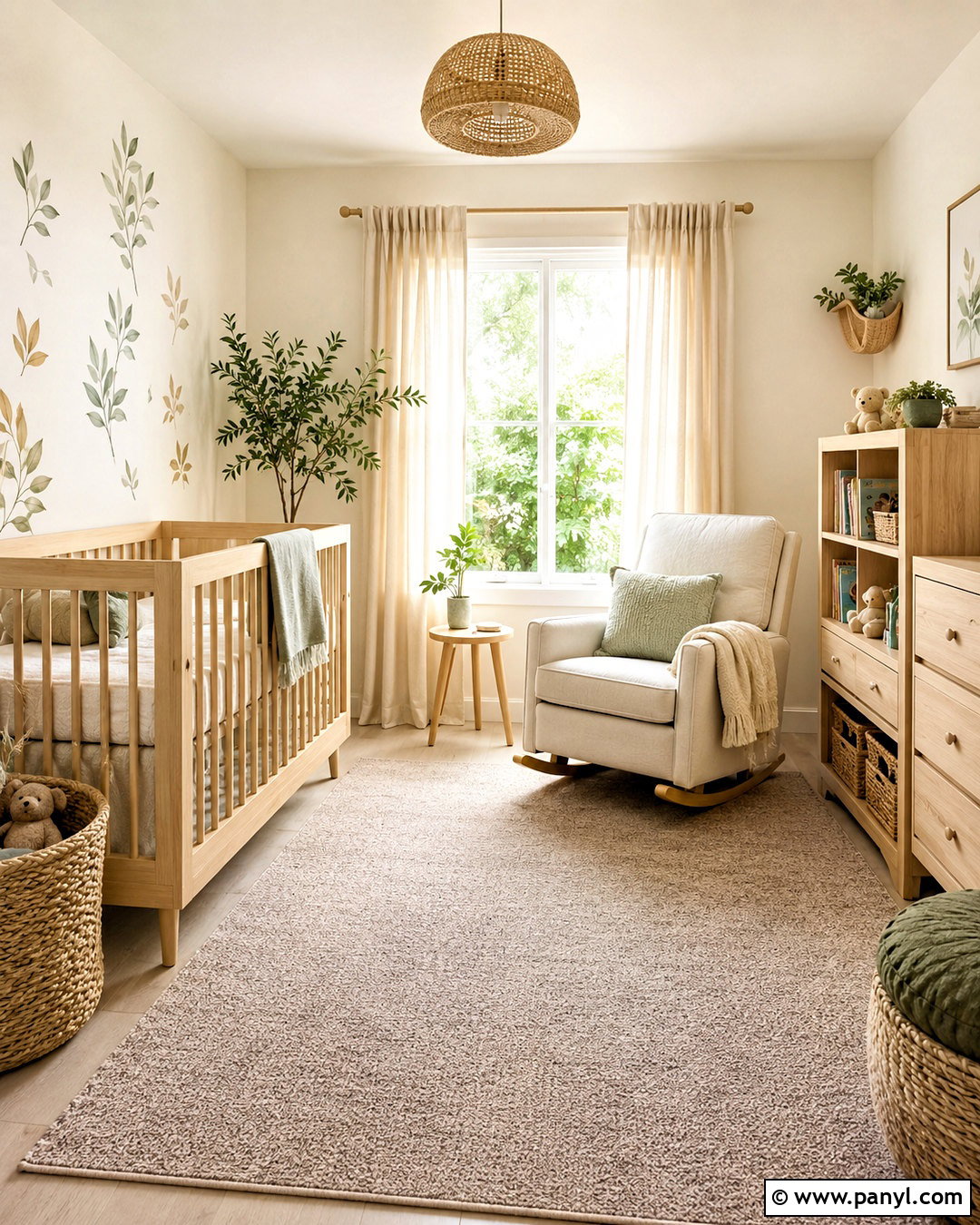
Ivory creates a gentle nursery background that can adapt as a child grows. Paint the walls in a soft ivory with warm undertones, then add natural maple furniture for a light and durable foundation. Position the crib against a wall with removable beige botanical decals or subtle textured wallpaper. An oatmeal glider, cream curtains, and a washable taupe rug make the room comfortable for everyday routines. Use woven baskets inside low shelving to organize blankets, books, and toys. Small accents in muted sage, dusty blue, or clay add personality without disturbing the neutral atmosphere. Choose a simple flush-mount ceiling light and a softly shaded floor lamp. The complete nursery looks peaceful, organized, and practical rather than themed or overly decorative.
14. Pale Clay Living Room Background
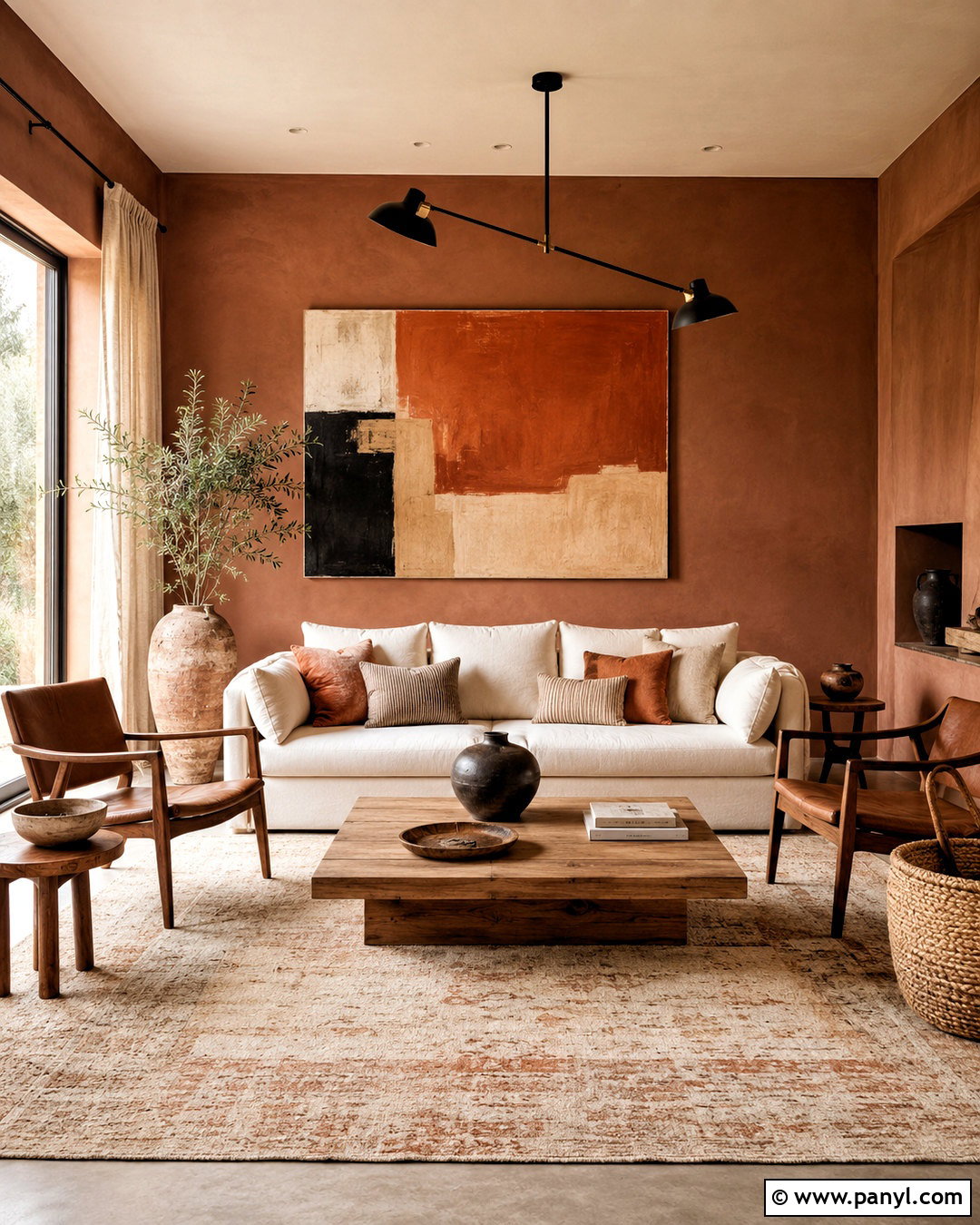
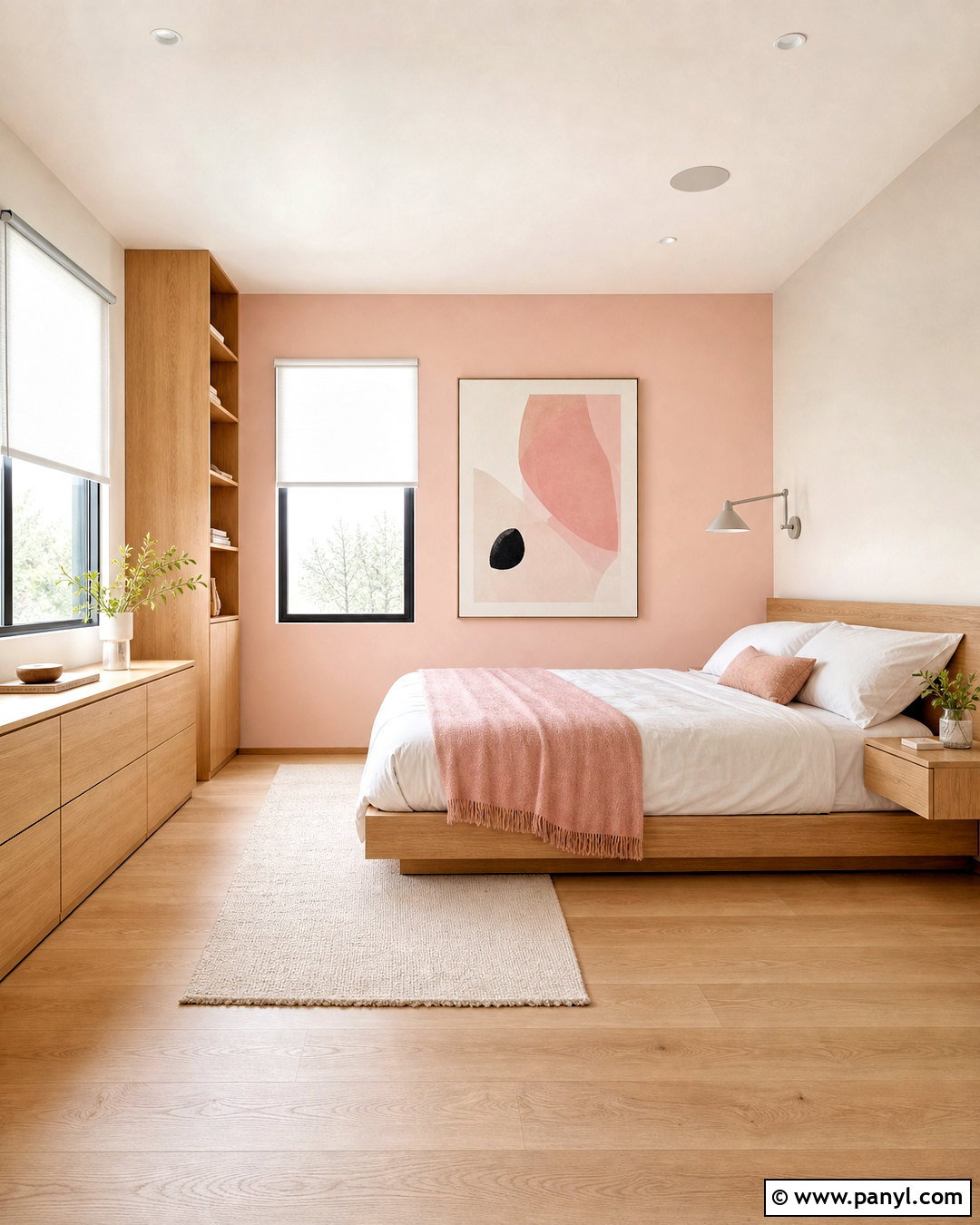
Pale clay offers a warmer alternative to beige while still acting as a restrained background. Select a softly muted clay paint with pink-brown undertones and use warm white on the ceiling. Furnish the room with a cream sofa, walnut accent chairs, and a substantial oak coffee table. A faded rug combining ivory, rust, and taupe connects the walls to the furniture. Hang one oversized abstract canvas containing chalk white, terracotta, and charcoal above the sofa. Linen curtains in a slightly lighter clay shade create a cohesive frame around the windows. Black metal lighting adds just enough structure. Finished with stoneware, woven baskets, and earthy pillows, this living room feels warm and expressive while remaining clearly neutral and easy to decorate.
15. Stone Gray Fireplace Background
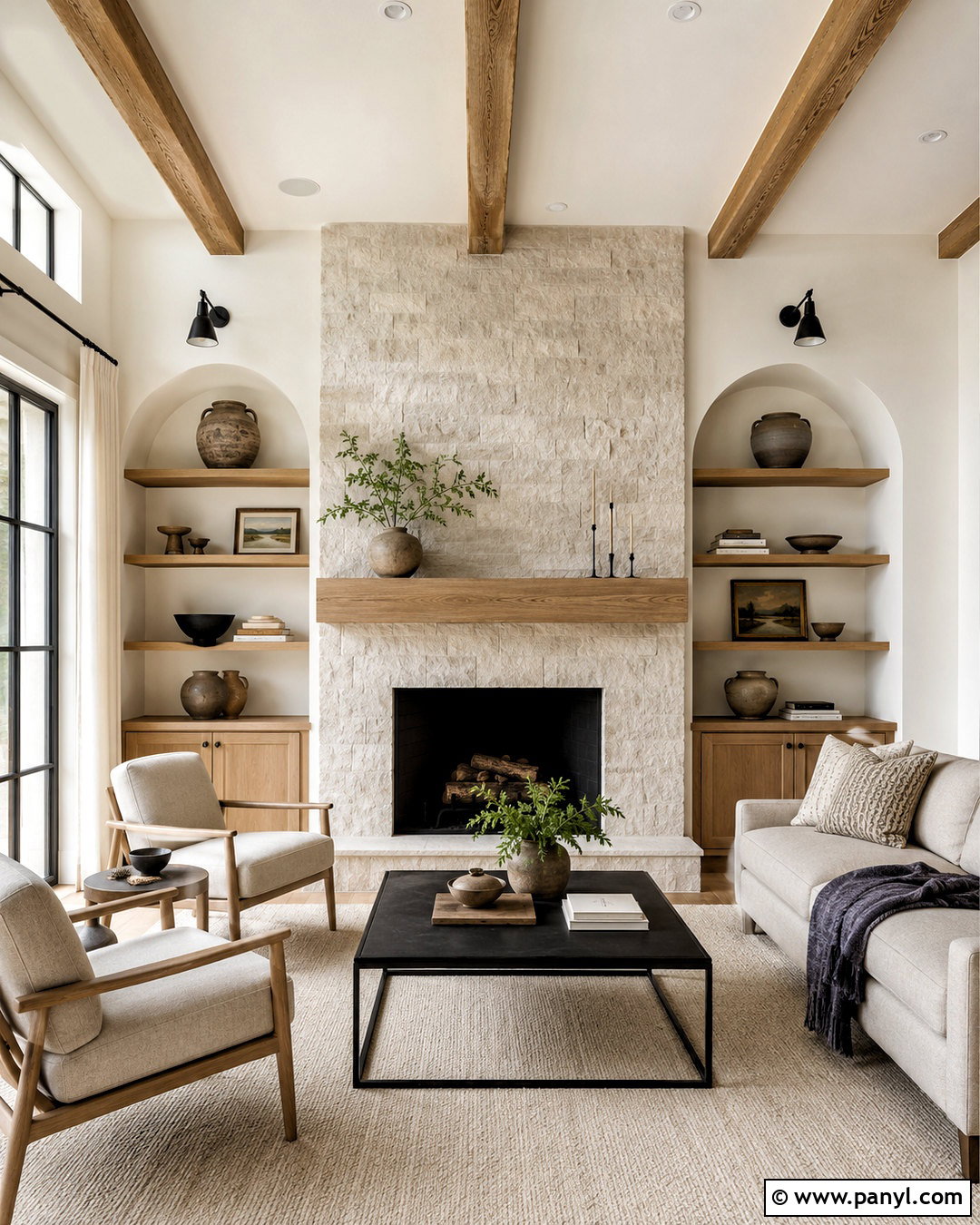
Stone gray creates a grounded fireplace background that suits modern, rustic, and transitional interiors. Cover the fireplace wall in large-format limestone or limestone-look slabs with quiet gray-beige movement. Paint the surrounding walls warm white and install a simple white oak mantel to soften the stone. Arrange a light taupe sofa and two cream lounge chairs around a black metal coffee table, keeping the fireplace visible from every seat. A thick ivory rug defines the conversation zone. Use built-in shelves on either side for pottery, books, and restrained artwork in brown and charcoal. Add black sconces above the shelving for symmetry. The complete arrangement makes the fireplace feel substantial while keeping the room bright, approachable, and balanced.
16. Oatmeal Reading Nook Background
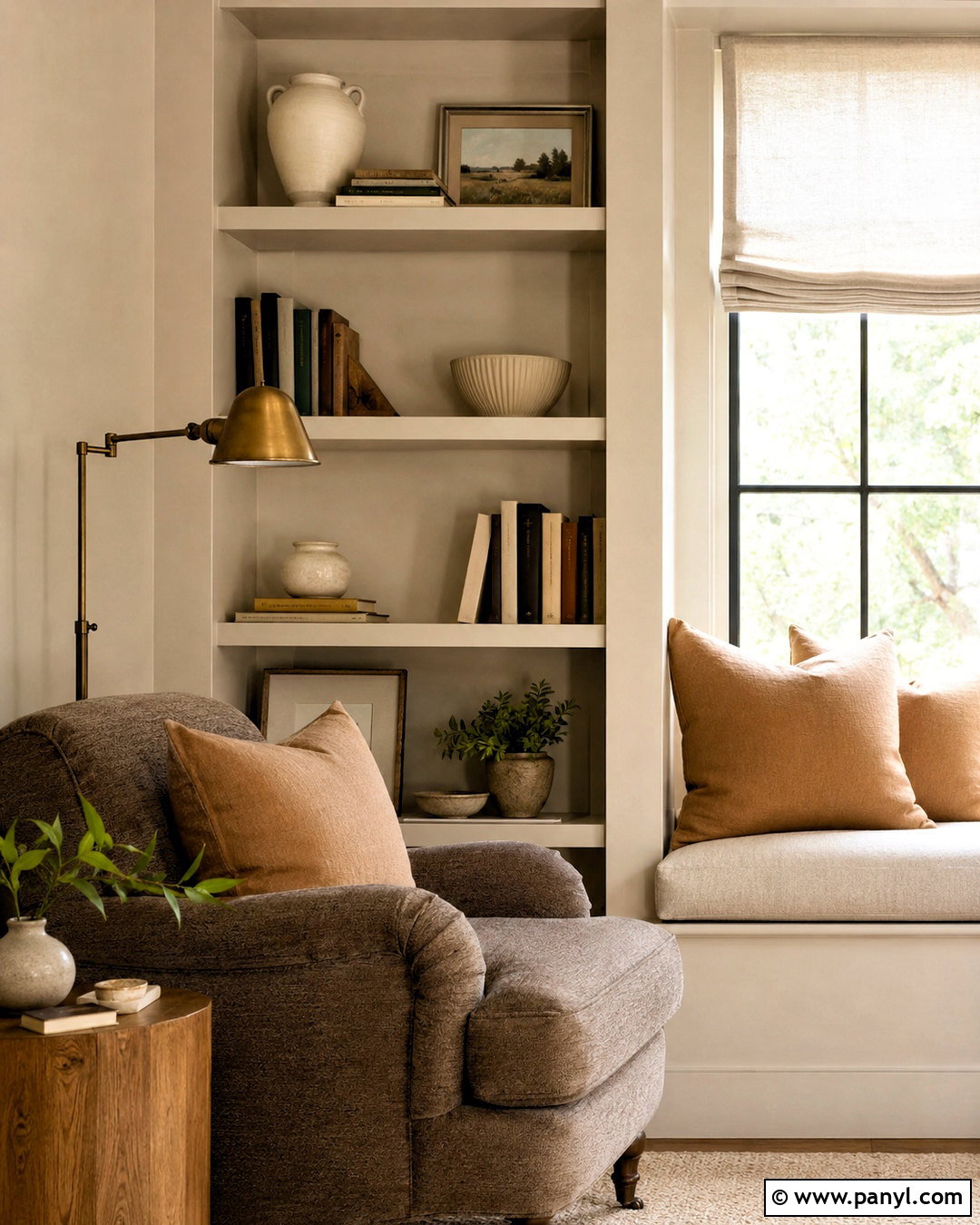
Imagine settling into a reading nook surrounded by soft oatmeal tones and natural texture. Paint the nook walls a creamy oatmeal shade, including any shelving, to create a unified background. Place a deep taupe armchair near the window with a small oak side table and an adjustable antique brass reading lamp. Add a thick ivory cushion to a built-in window seat, then layer it with camel and beige pillows. Linen Roman shades control glare while preserving daylight. Style nearby shelves with books, cream pottery, and a few wooden objects, leaving some open space. A soft wool rug warms the floor. This complete nook feels tucked away and restful, with enough tonal variation to look thoughtfully designed rather than plain.
17. Warm Black Accent Background
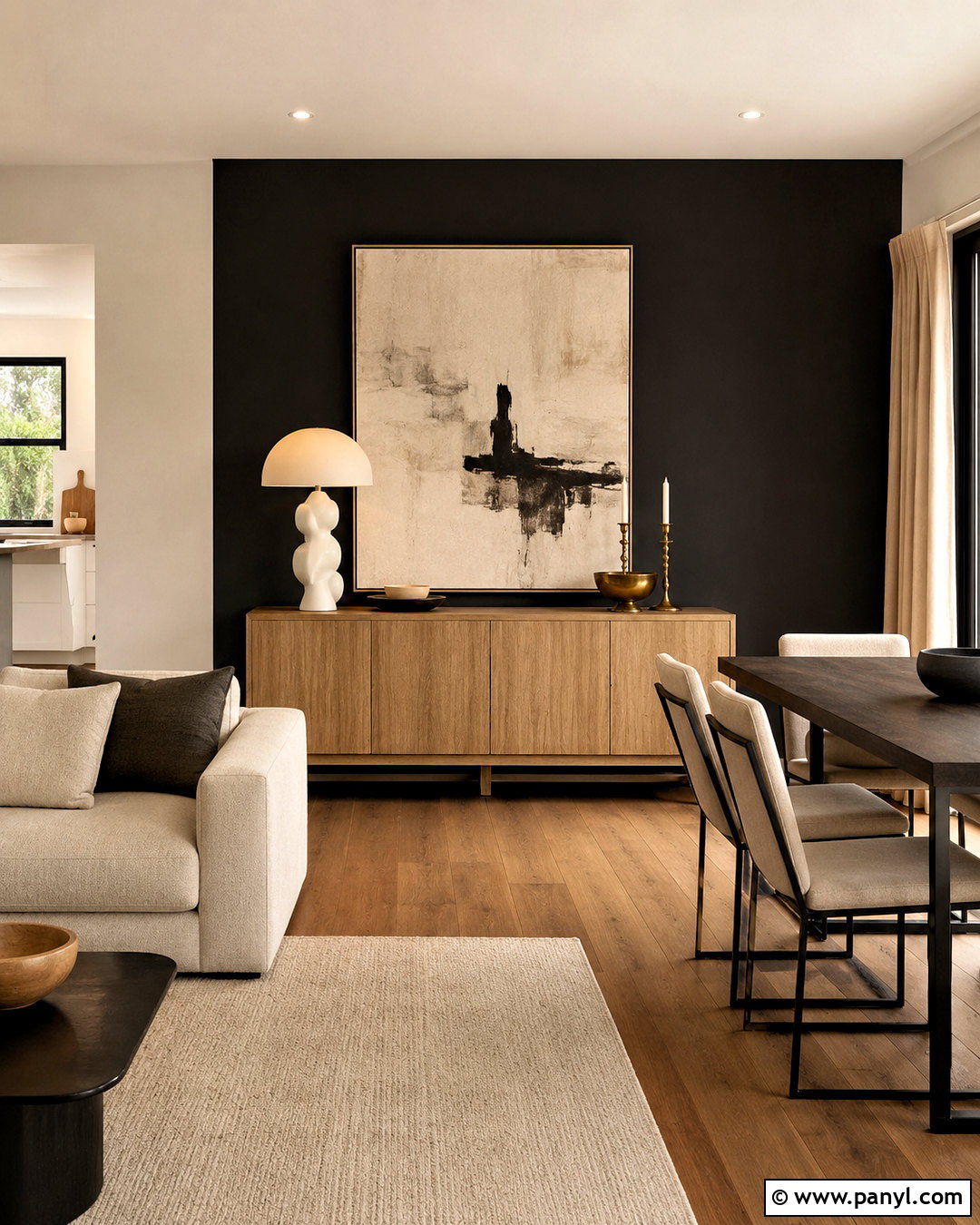
Warm black can serve as a dramatic neutral background when it is limited to one carefully planned wall. Paint the wall behind a dining table or living room console in a brown-based black, then keep adjacent walls soft ivory. Place a long natural oak sideboard against the dark surface and hang oversized cream artwork above it. A sculptural white lamp and aged brass accessories will stand out clearly without creating harsh contrast. Repeat the black through thin chair frames or a pendant light so the accent wall feels connected to the rest of the space. Add a beige rug, flax curtains, and warm wood flooring. The finished room looks bold and architectural, but the natural materials keep it comfortable and realistic.
18. Neutral Grasscloth Dining Background
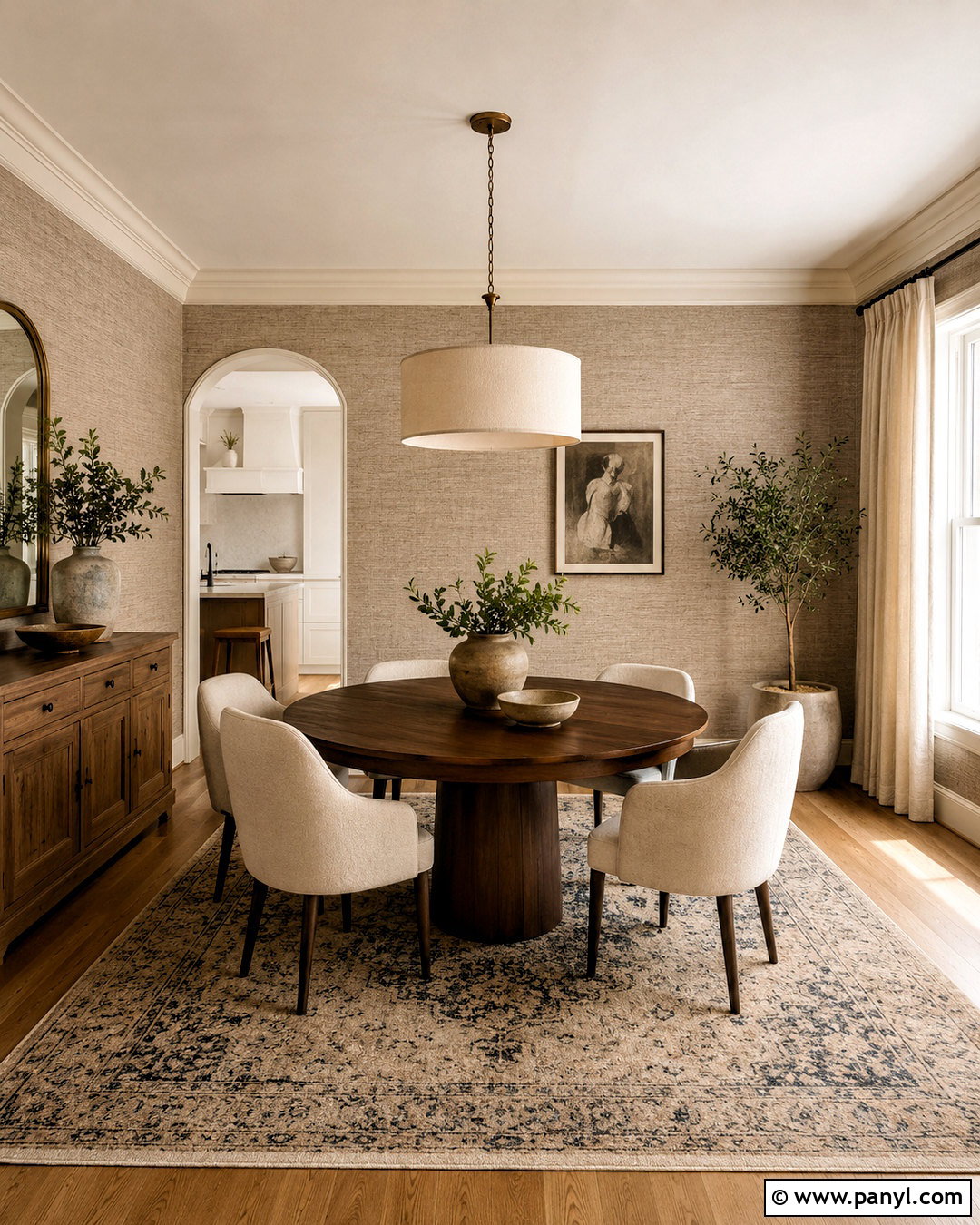
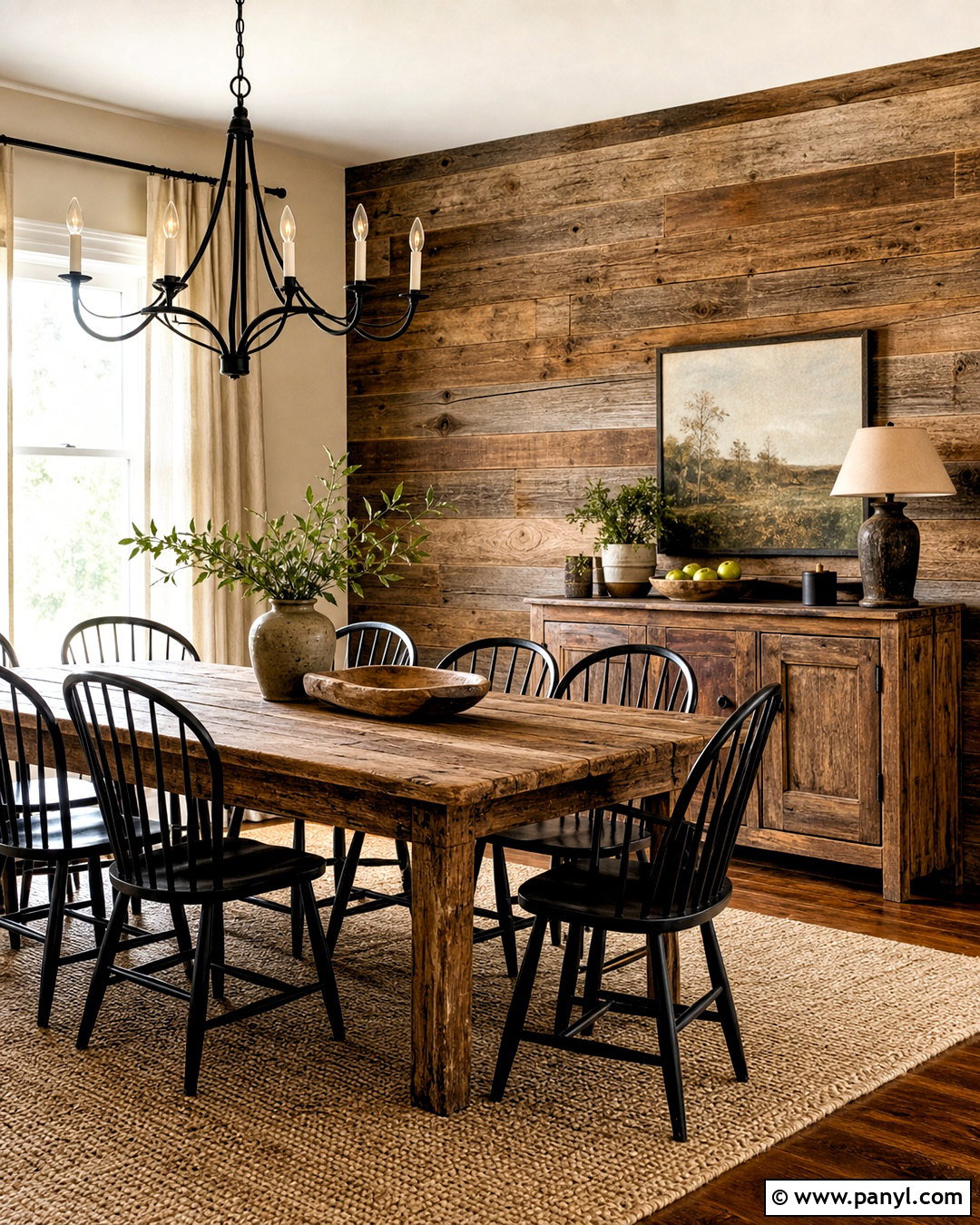
Grasscloth wallpaper turns a quiet neutral palette into a richly textured dining room. Choose a light taupe grasscloth with visible natural fibers, then pair it with warm white trim and medium oak flooring. Center a round dark walnut table in the room and surround it with upholstered cream chairs. A large linen pendant gives the space a soft focal point without covering the wallpaper. Add a low oak buffet, an aged brass mirror, and simple ceramic vessels in ivory and brown. A flat-weave rug in beige and charcoal anchors the furniture while introducing a restrained pattern. Keep window treatments simple with lined linen panels. This complete background feels layered and inviting, proving that neutral walls can provide strong visual character without bright color.
19. Off-White Minimalist Background
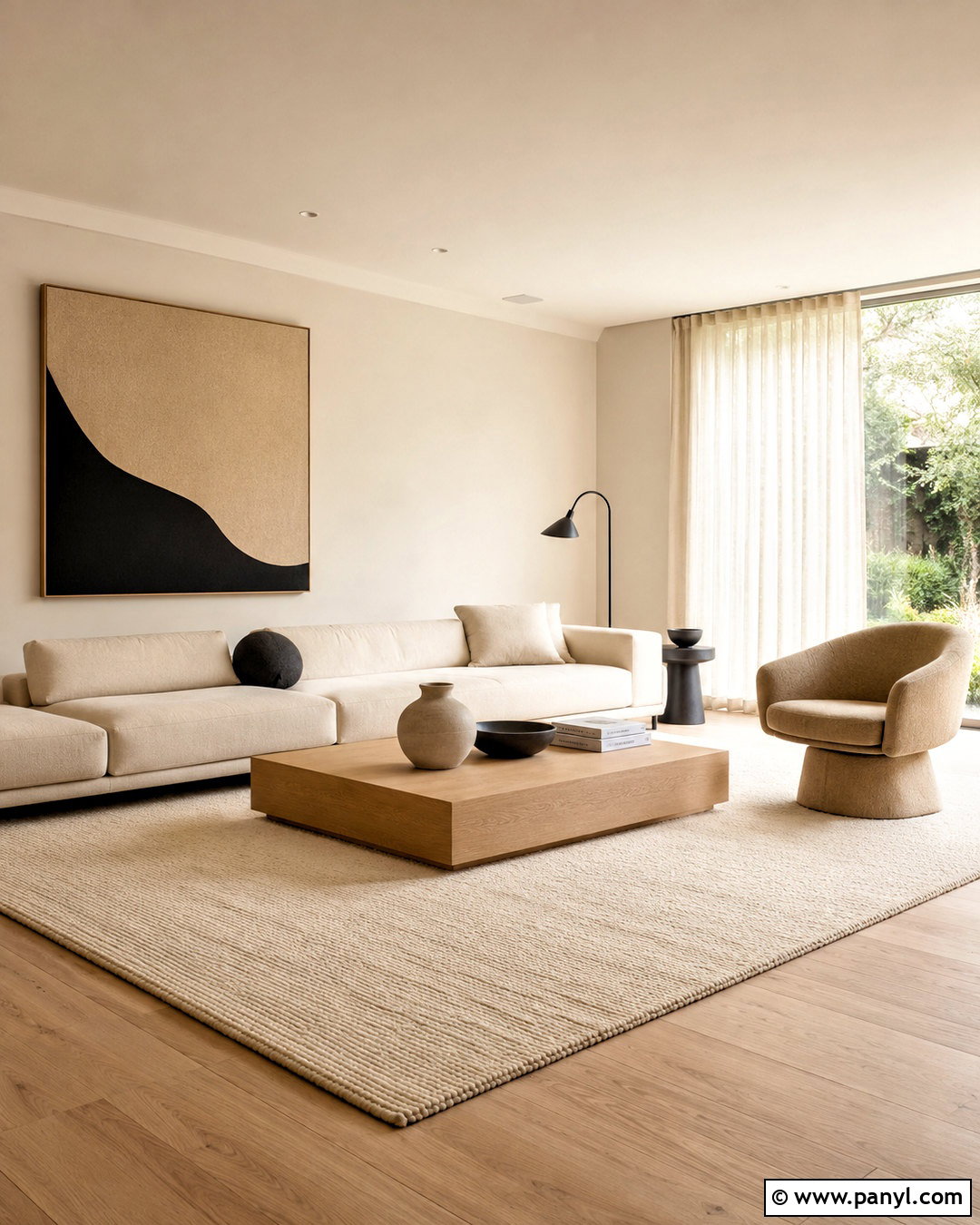
An off-white background supports minimalist design while feeling softer and more livable than pure white. Apply the same warm off-white to walls, trim, and ceiling for a continuous effect. Choose a low cream sofa with clean lines, a pale oak coffee table, and one sculptural beige lounge chair. A large wool rug in ivory establishes a comfortable base over light wood flooring. Limit decorative items to a ceramic vase, a few books, and one oversized abstract artwork in sand and black. Use sheer linen curtains to diffuse daylight and a matte black floor lamp for contrast. Careful spacing is essential, so leave clear pathways and open wall areas. The completed room feels intentional, bright, and calm rather than empty.
20. Mocha Bedroom Background
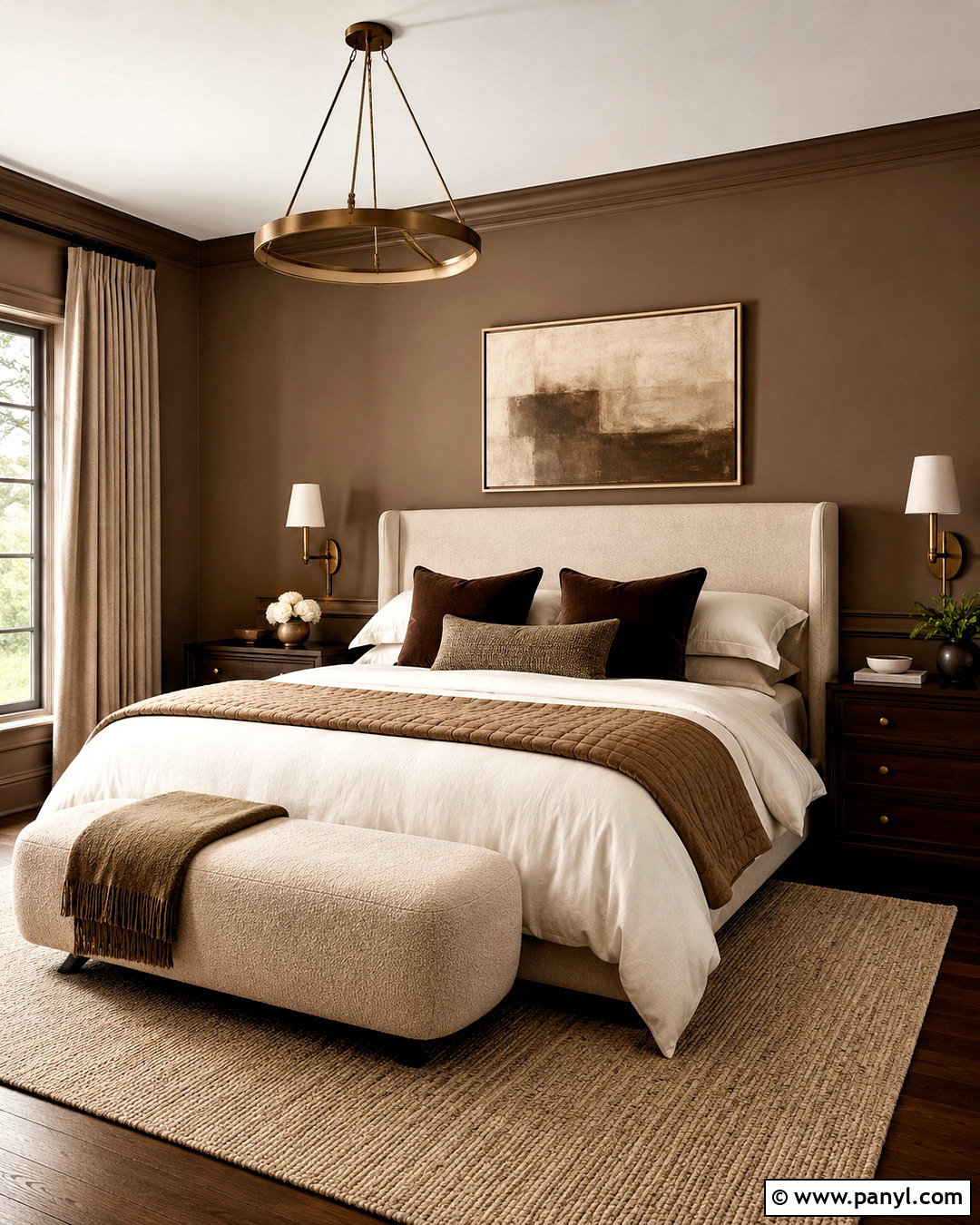
Mocha walls create a warm, cocooning bedroom background without the heaviness of very dark brown. Choose a muted medium mocha and repeat it on the trim for a seamless finish. Place a tall upholstered bed in cream against the main wall and layer it with ivory sheets, chocolate pillows, and a camel quilt. Dark walnut nightstands deepen the palette, while brushed brass sconces add a soft reflective detail. Use full-length taupe curtains and a large beige wool rug to balance the stronger wall color. Above the bed, hang simple artwork in cream, black, and brown. A boucle bench at the foot of the bed completes the layout. This tonal design feels comfortable, polished, and especially suited to restful spaces.
Conclusion:
The most successful neutral rooms combine thoughtful color with texture, contrast, and practical furnishings. Warm white can brighten a compact space, while taupe, mushroom, charcoal, and mocha create greater depth. Near-neutrals such as muted sage and pale clay offer subtle personality without overwhelming the room. Before committing, test large color samples beside flooring, furniture, trim, and windows at different times of day. Then repeat key undertones through rugs, curtains, wood finishes, and decorative accents. Mixing smooth, woven, matte, and natural surfaces will keep the final result layered and welcoming. With these 20 neutral color background ideas, you can build a complete home palette that feels calm, cohesive, and easy to personalize.

Related Ideas and Inspiration:

Leave a Reply