
White walls create a bright, flexible backdrop, but colorful skirting boards can make the entire room feel more considered. These 20 White Walls Painted Skirting Ideas explore complete schemes that connect skirting color with flooring, furniture, doors, textiles, and architectural details. Dark trim can ground an open room, while warm neutrals soften the transition between white walls and natural wood. Muted greens and blues bring gentle character without overwhelming smaller spaces. Before choosing a shade, compare it with your wall undertone, flooring, and daylight. Use a durable satin or semi-gloss finish so the skirting is easy to clean and subtly different from the walls. The following 20 White Walls Painted Skirting Ideas offer practical looks for bedrooms, hallways, living rooms, kitchens, and more.

1. Black Painted Skirting With White Walls
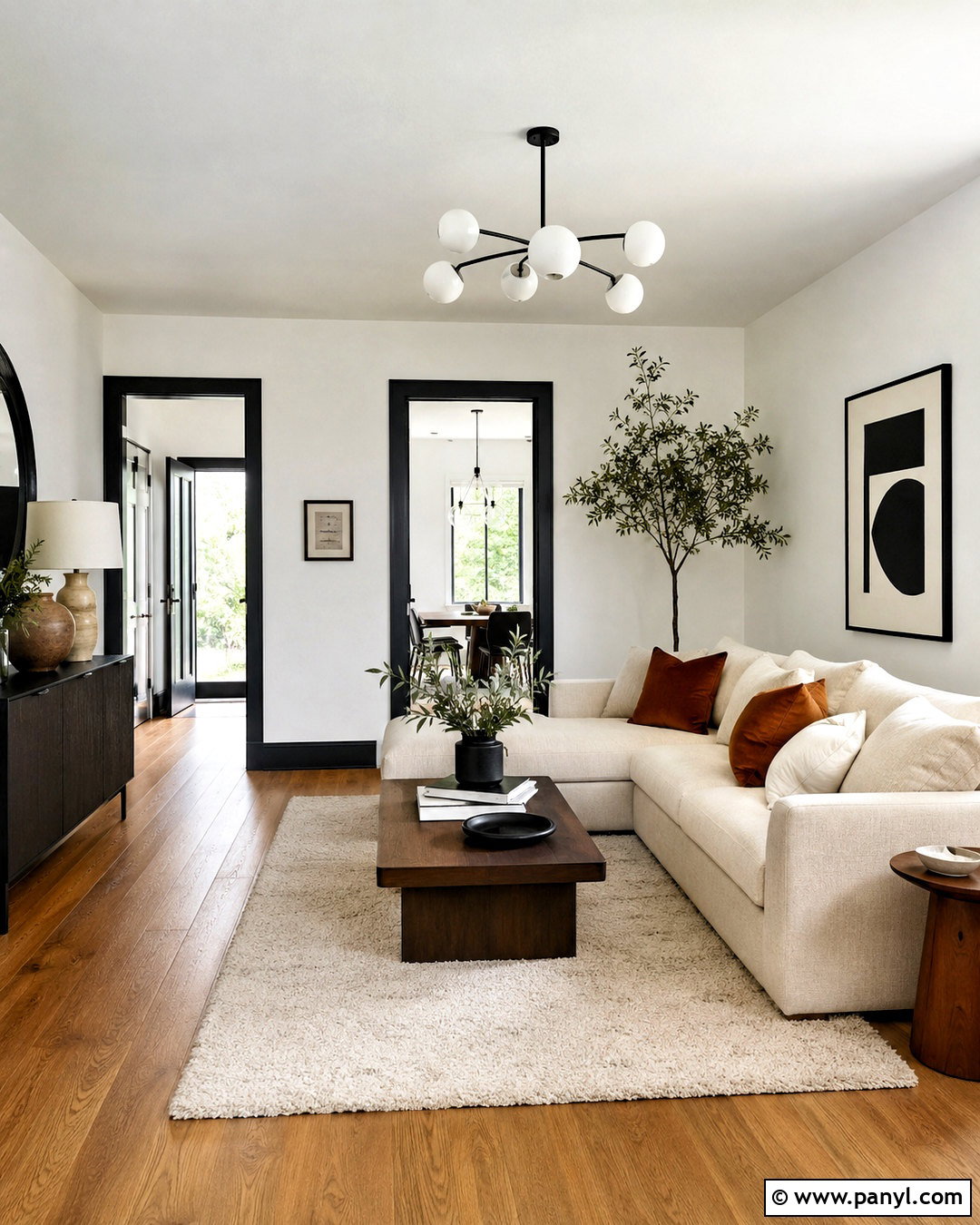
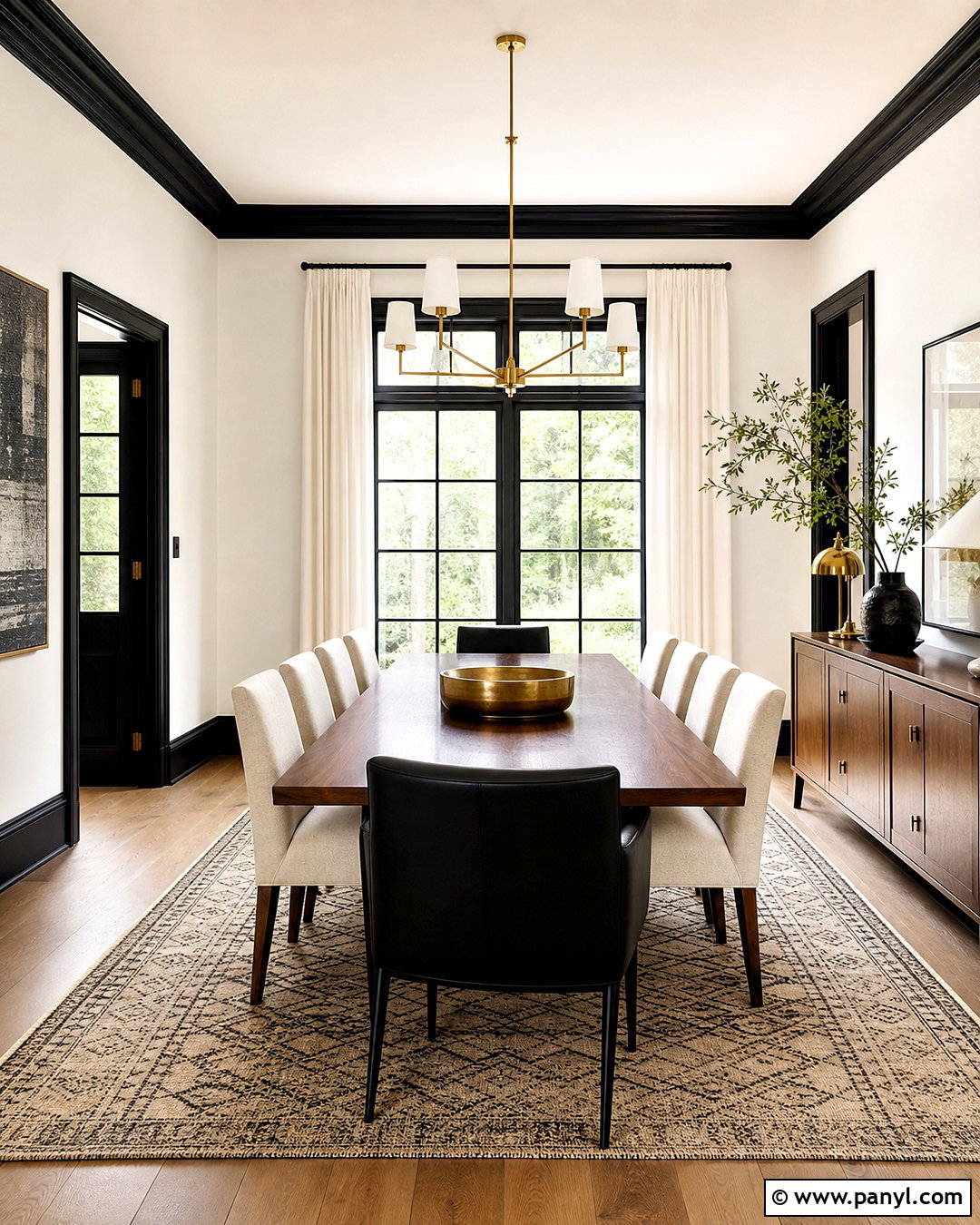
Crisp white walls and black painted skirting create a sharp foundation for a modern living room. Continue the black onto door frames for an intentional architectural outline rather than a disconnected stripe around the floor. Warm oak flooring, a soft oatmeal sofa, and a large cream rug prevent the contrast from feeling harsh. Add a slim black floor lamp, framed monochrome artwork, and walnut side tables to repeat the darker tone at different heights. A few rust or olive cushions introduce warmth without weakening the clean palette. Choose a soft black with a satin finish instead of a highly reflective jet-black gloss. This combination works especially well in rooms with tall skirting, generous natural light, and simple furniture silhouettes.
2. Charcoal Painted Skirting With White Walls
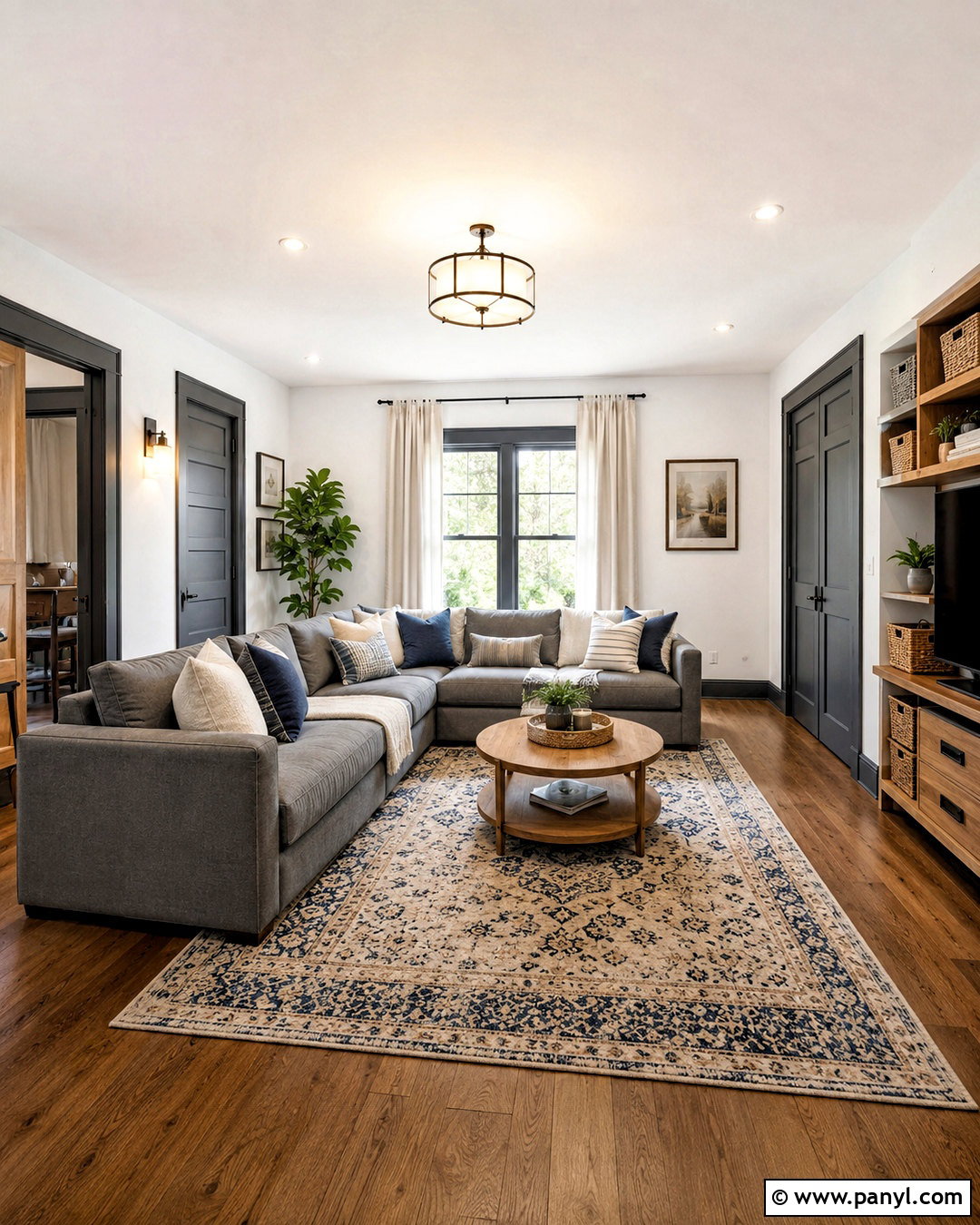
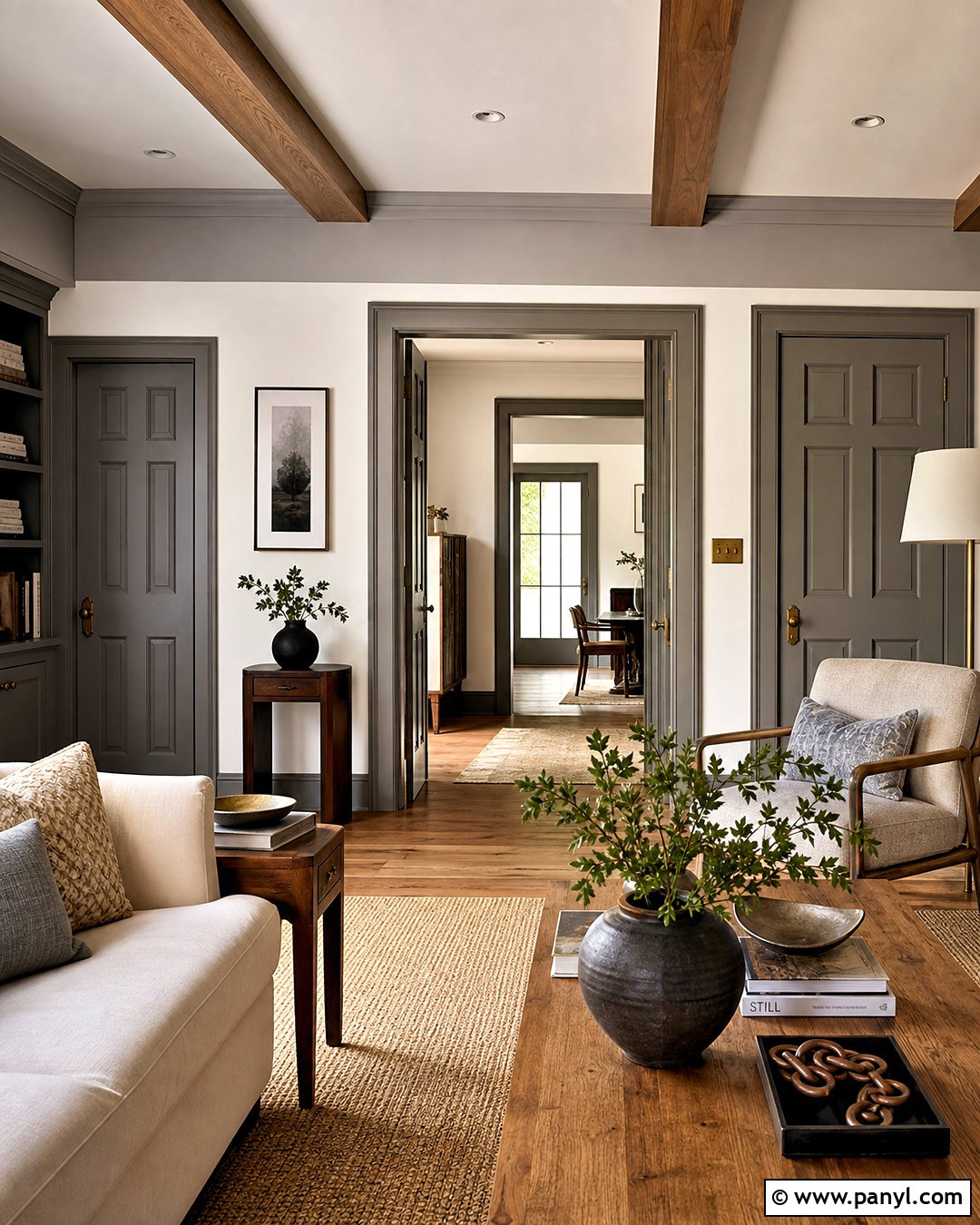
Charcoal skirting offers strong definition while feeling softer and more forgiving than pure black. Build a comfortable family room around the contrast using warm white walls, medium-tone wood flooring, and a low gray sectional. Paint the skirting, door frames, and interior doors in the same charcoal shade so the dark color flows naturally through the room. A patterned rug containing gray, ivory, and muted blue helps connect the trim to the seating area. Bring in oak shelving, woven baskets, and linen curtains to balance the cool undertones. Matte black lighting can reinforce the darker details, but keep larger furniture pale. A hard-wearing satin finish will resist scuffs while giving the charcoal skirting a smooth, tailored appearance.
3. Navy Painted Skirting With White Walls
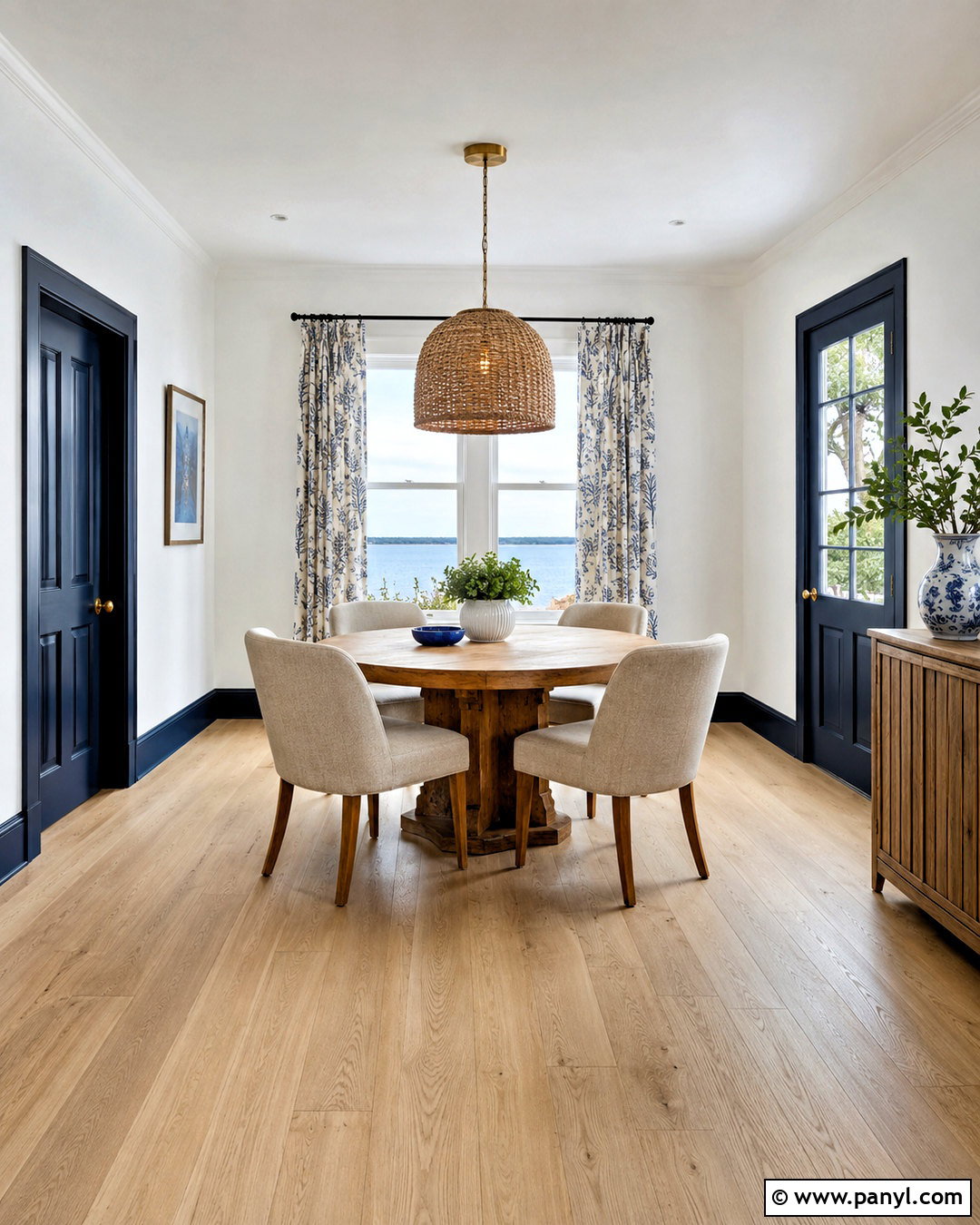
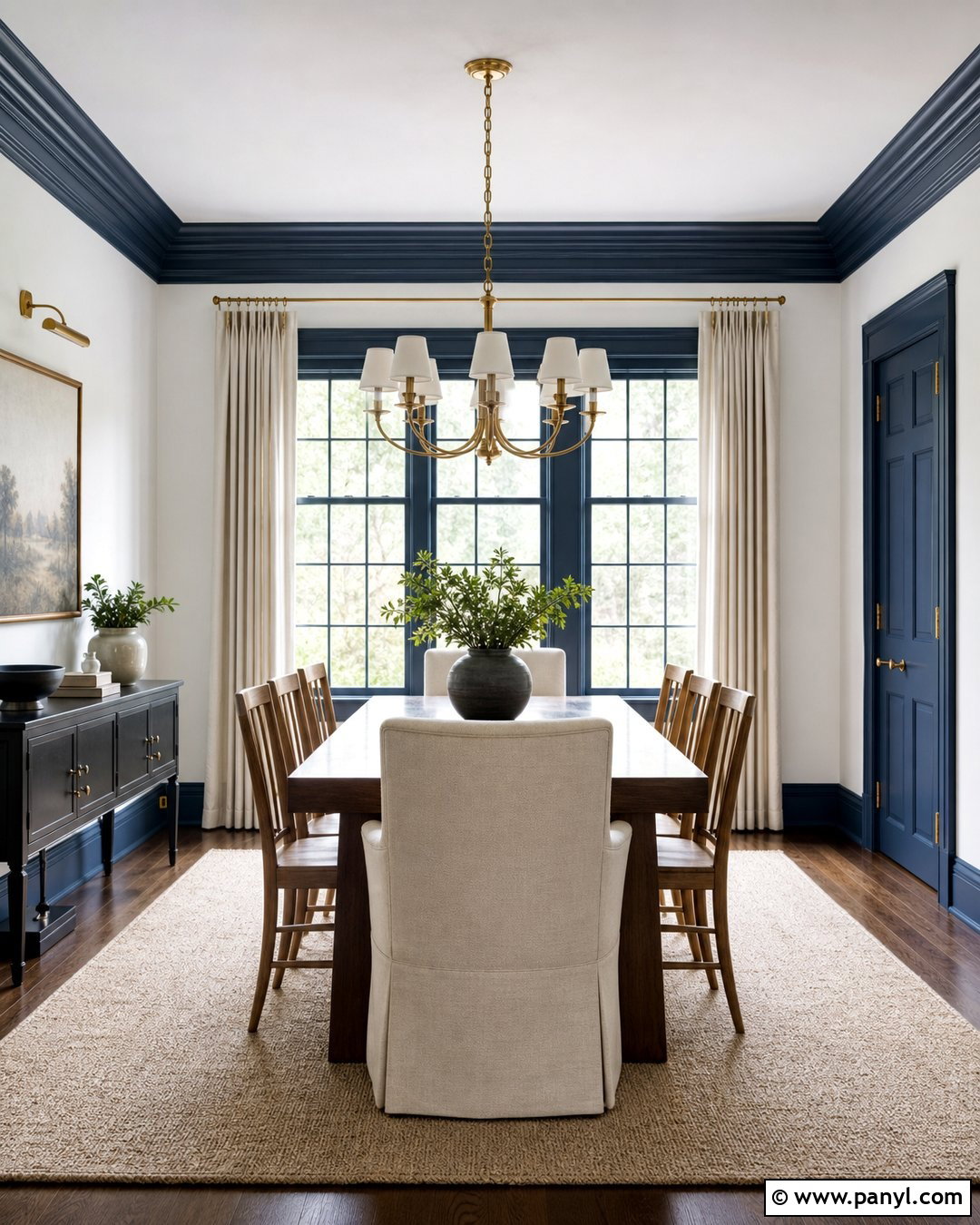
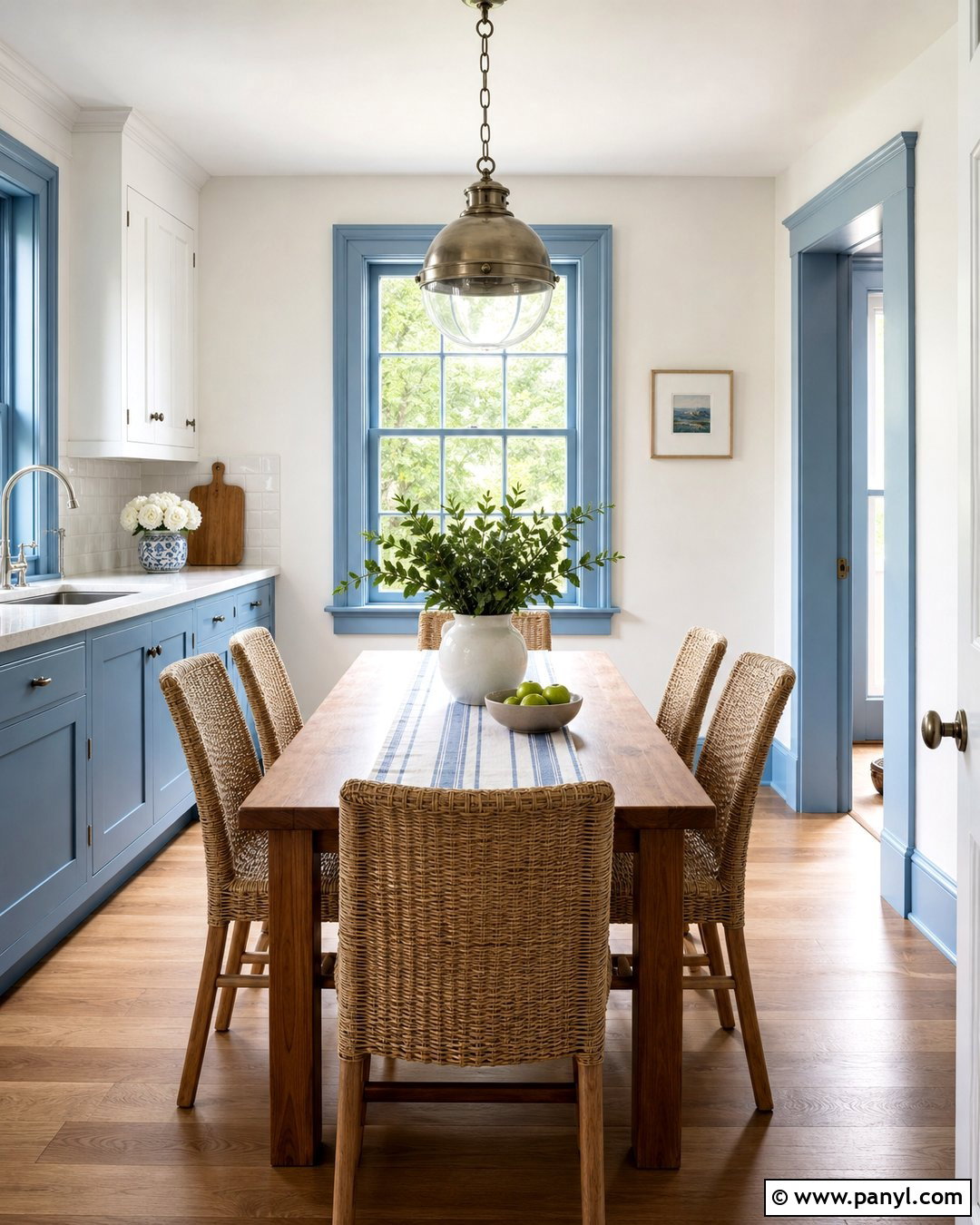
Deep navy skirting gives white walls a polished coastal look without relying on obvious nautical decor. Try the scheme in a dining room with natural oak flooring, a round wood table, and upholstered chairs in warm beige fabric. Carry the navy onto the door and architrave to create one substantial block of color. Blue-and-cream striped curtains, ceramic tableware, and a woven pendant provide relaxed supporting details. Brushed brass hardware introduces warmth and stands out beautifully against dark blue paint. Choose a slightly softened navy rather than an almost-black tone, particularly if the room receives limited daylight. The completed space should feel fresh and grounded, with the painted skirting providing structure and the natural textures keeping everything comfortable and approachable.
4. Sage Green Painted Skirting With White Walls
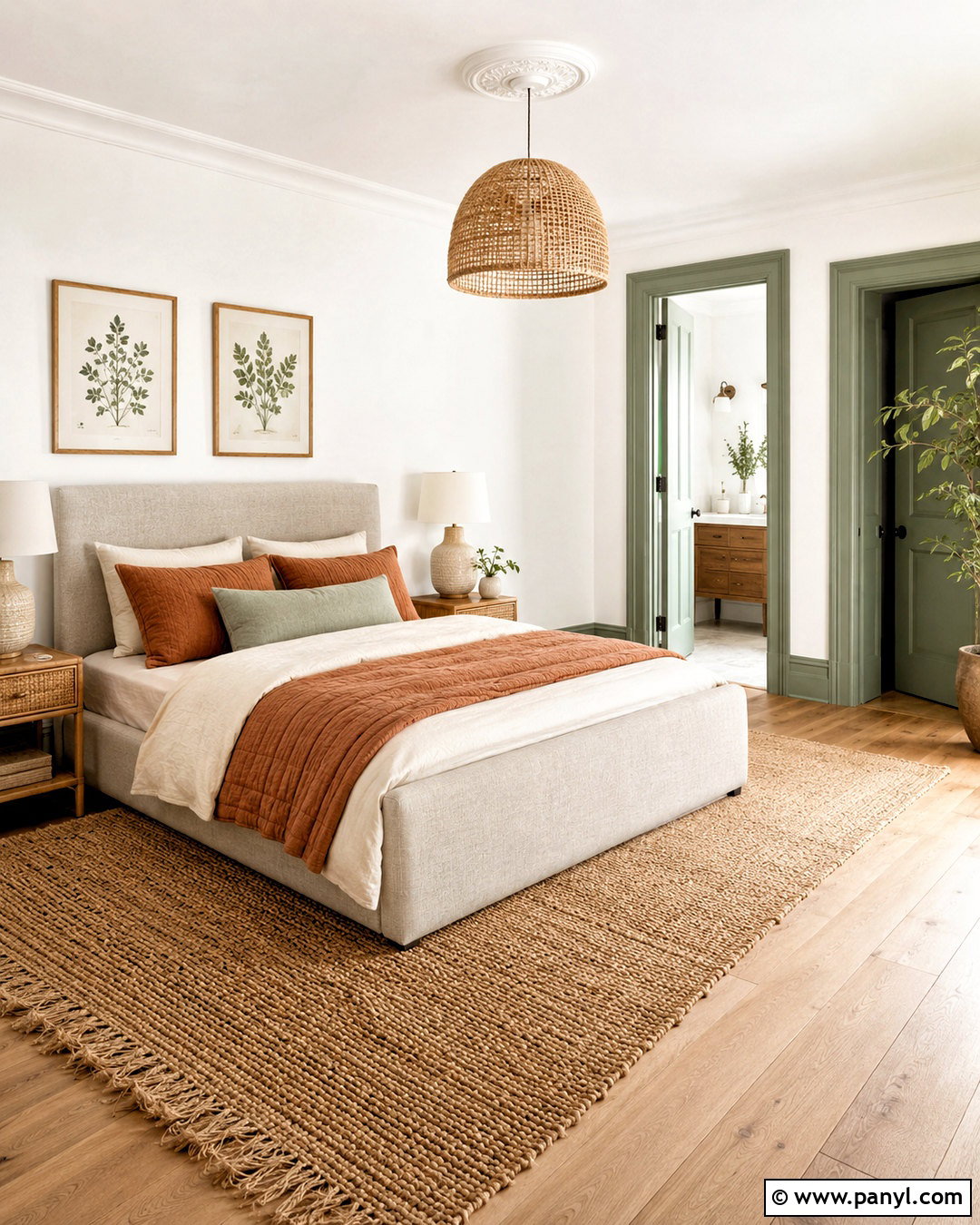
Sage green skirting can turn a simple white bedroom into a calm, nature-inspired retreat. Pair warm white walls with light oak flooring, a linen-covered bed, and layered bedding in cream, pale green, and muted clay. Paint the skirting and door frame in the same soft sage to create a continuous border around the room. A jute rug, rattan bedside tables, and a woven ceiling light add texture without making the palette busy. Use off-white curtains that closely match the walls, allowing the green woodwork to remain the main decorative feature. Small botanical prints and ceramic lamps complete the design. A satin paint finish gives the skirting practical durability while preserving the gentle, understated character of this restful scheme.
5. Forest Green Painted Skirting With White Walls
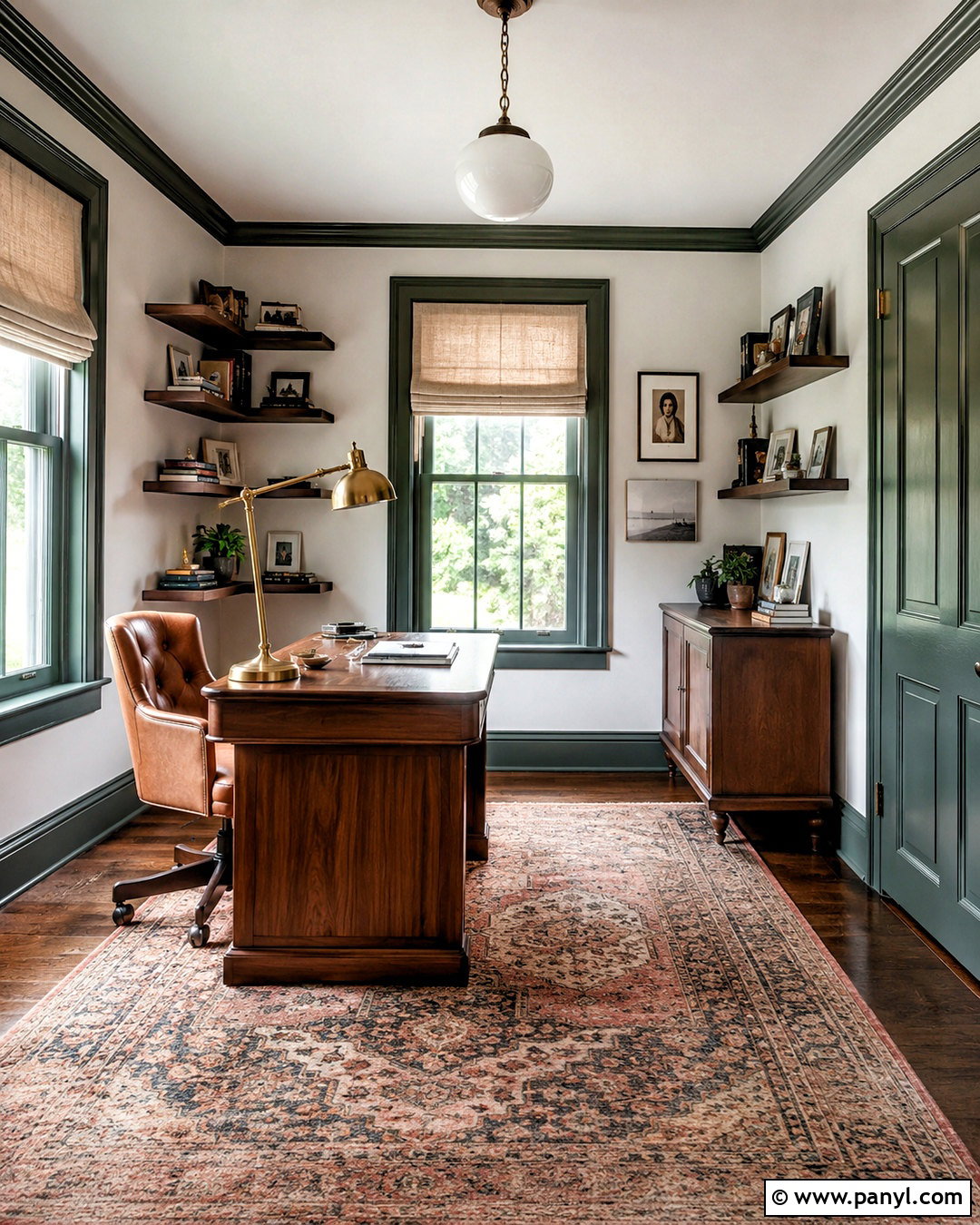
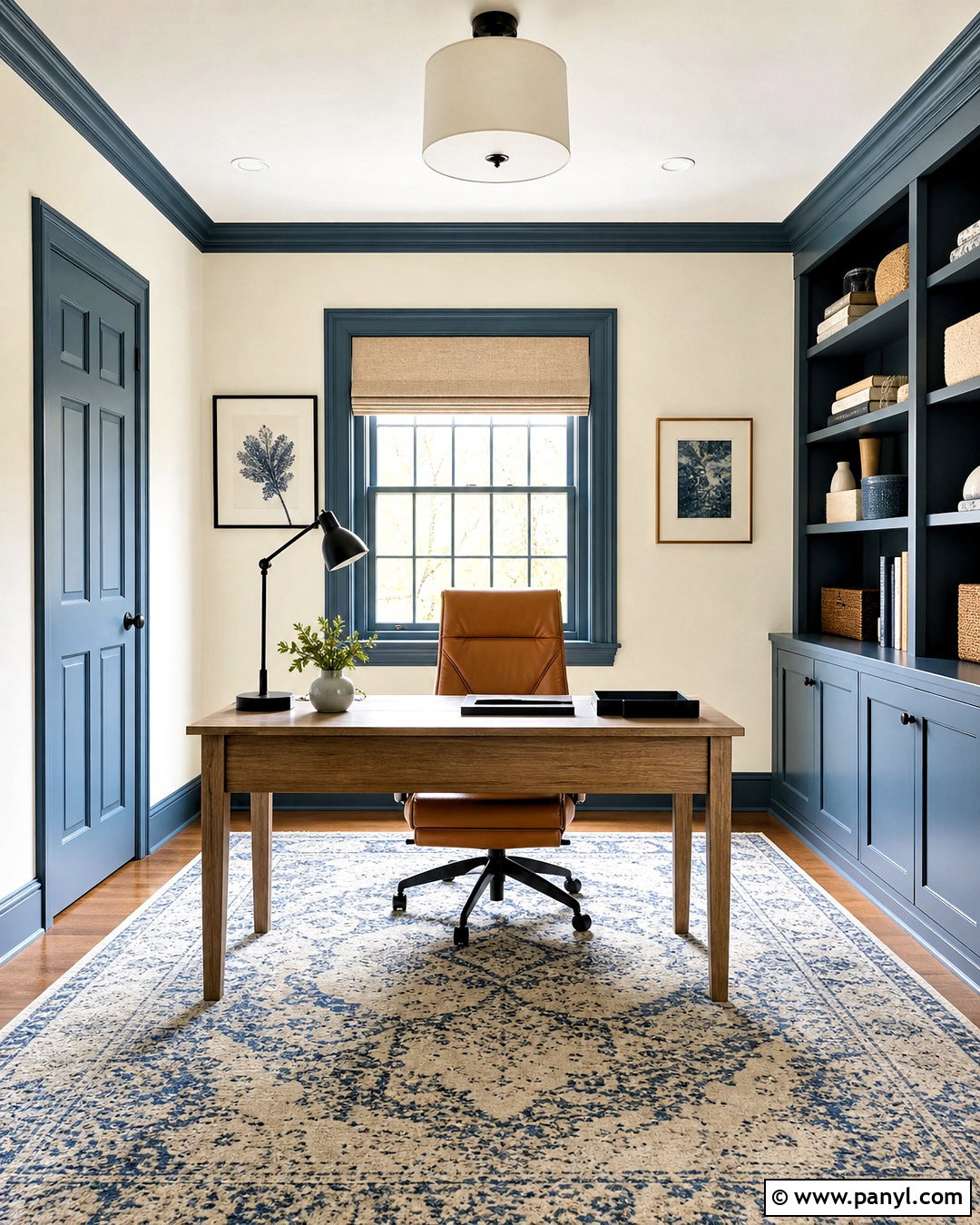
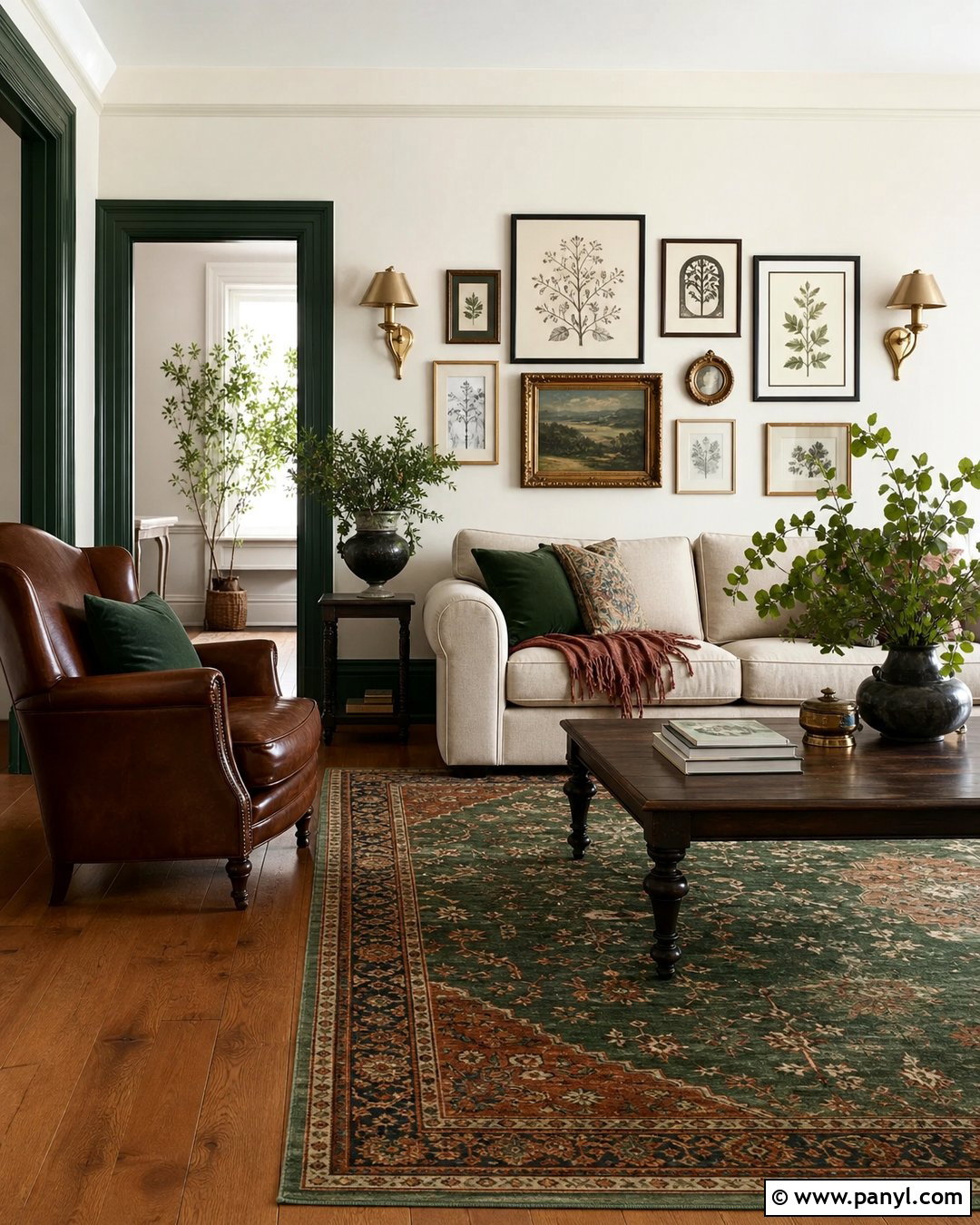
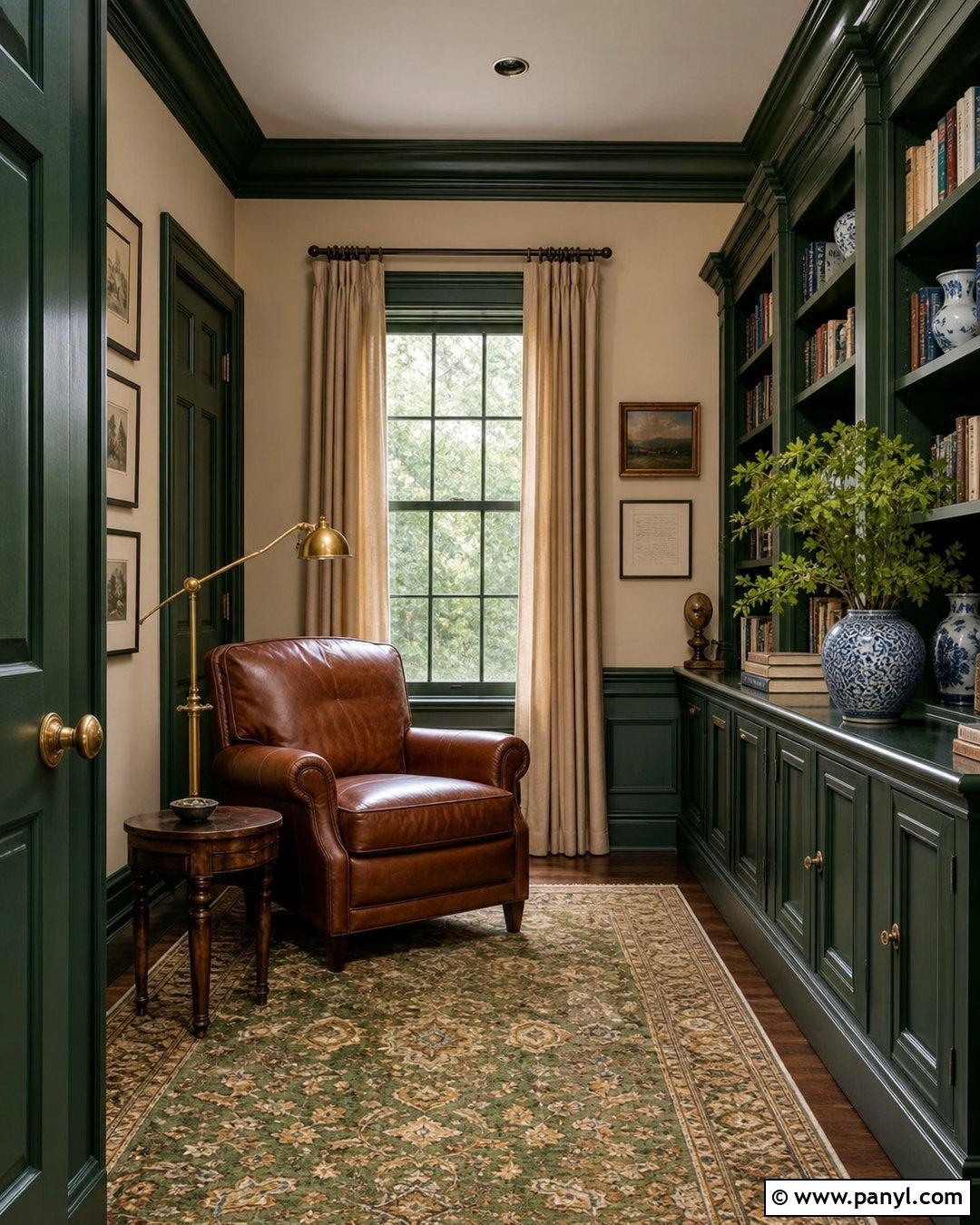
Forest green painted skirting creates a richer, more traditional effect against clean white walls. It works particularly well in a home office with dark wood furniture, aged brass hardware, and classic architectural details. Extend the green across the skirting, door, and window trim to frame the white walls consistently. Position a substantial walnut desk over a faded patterned rug with green, tan, and burgundy accents. Add a leather desk chair, linen Roman shade, and shaded brass task lamp for warmth. Keep shelves and larger storage pieces in dark stained wood rather than introducing another painted color. The result feels established and sophisticated, while the bright walls prevent the deep green trim and heavier furniture from making the office appear overly dark.
6. Olive Green Painted Skirting With White Walls
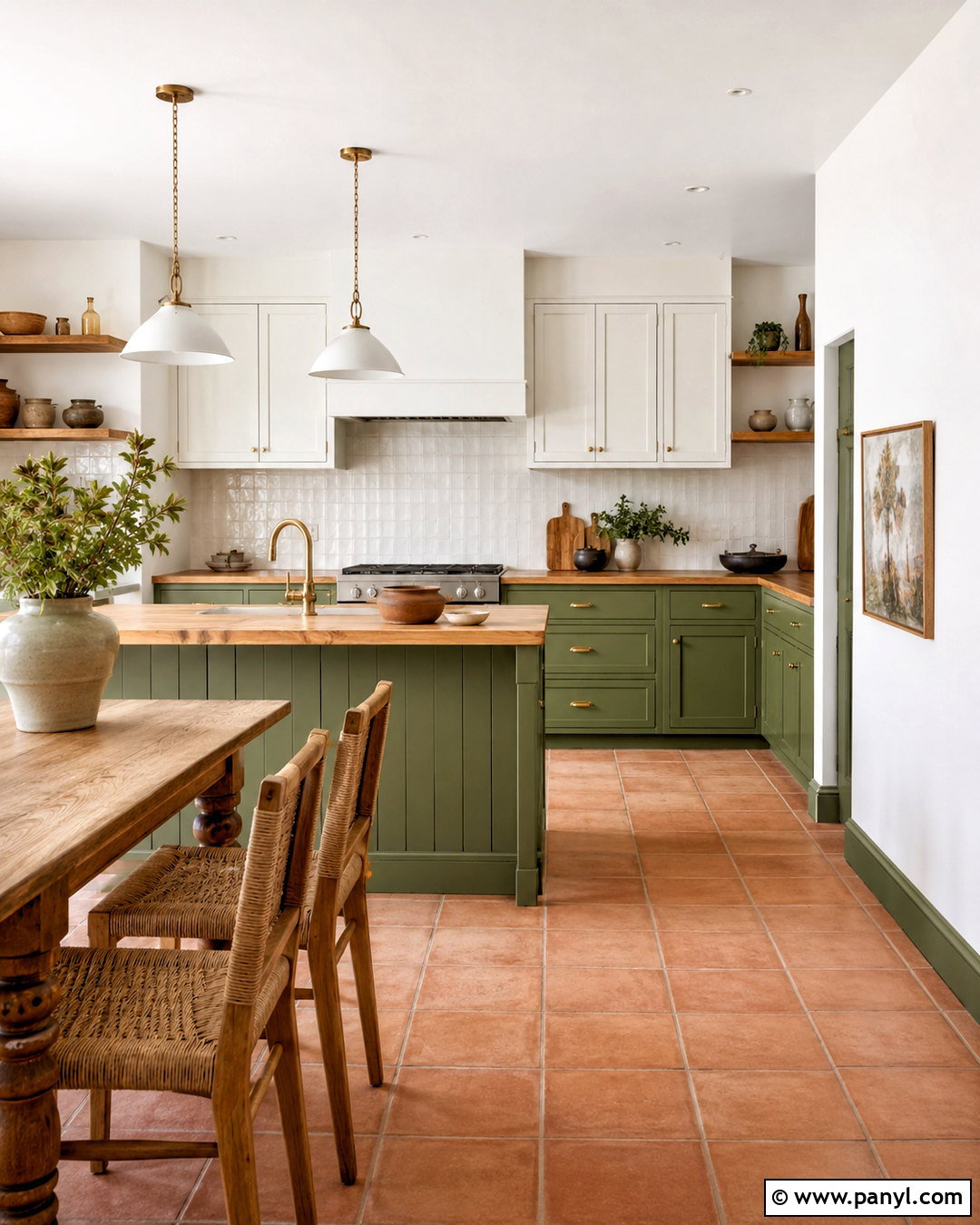
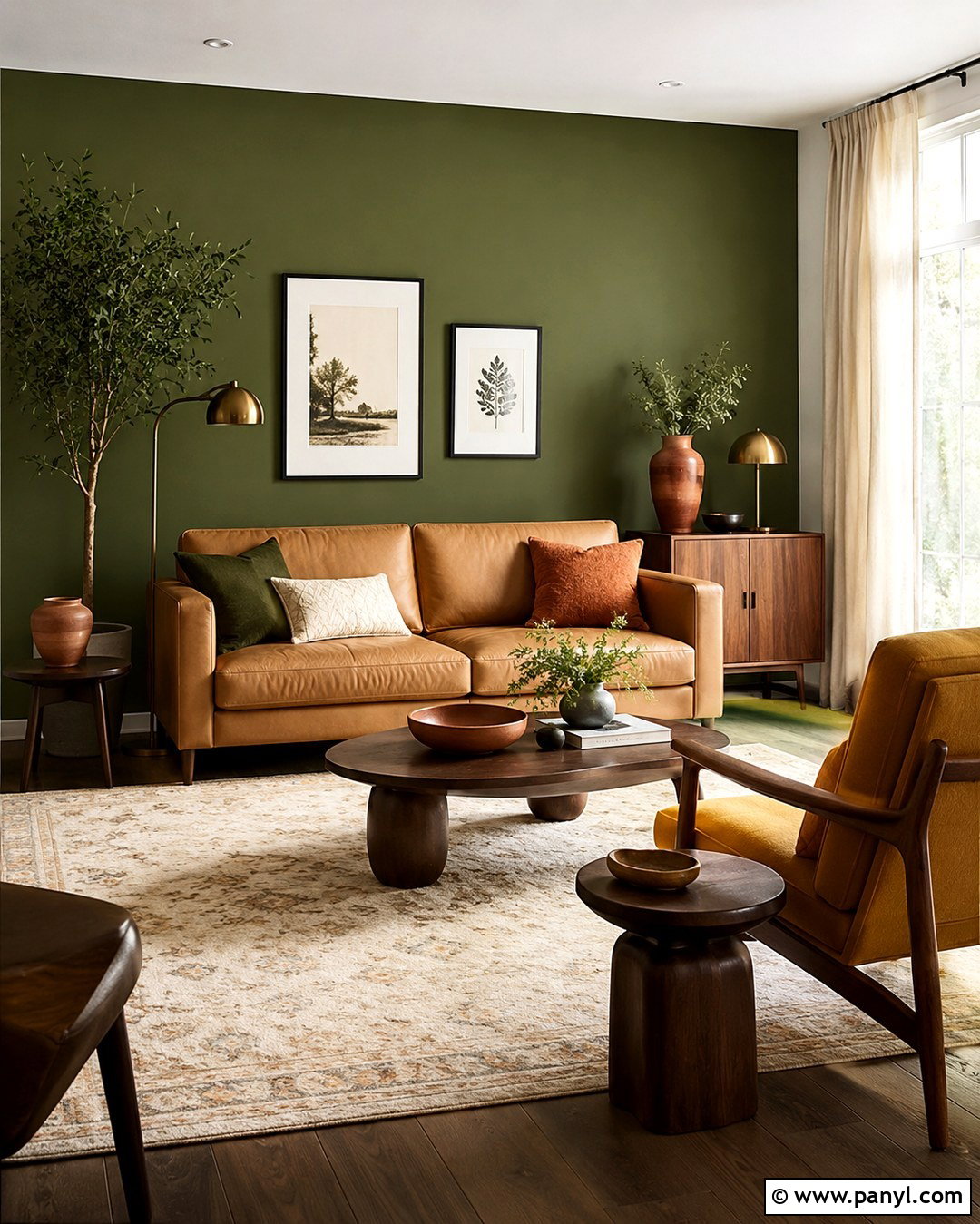
Earthy olive skirting makes a bright kitchen feel warmer and more connected to natural materials. Combine creamy white walls with olive-painted skirting, matching lower cabinets, and simple white upper cabinets. Terracotta floor tiles add a rustic base, while butcher-block countertops bring another layer of organic color. Use unlacquered brass pulls, open oak shelves, and handmade cream backsplash tiles to create a relaxed, collected finish. A small wooden breakfast table with woven chairs can continue the informal mood. Keep countertop accessories limited to functional ceramics, cutting boards, and a few potted herbs. This complete palette feels especially inviting in a cottage or farmhouse kitchen because the painted skirting visually connects the cabinetry, warm flooring, and fresh white walls.
7. Dusty Blue Painted Skirting With White Walls
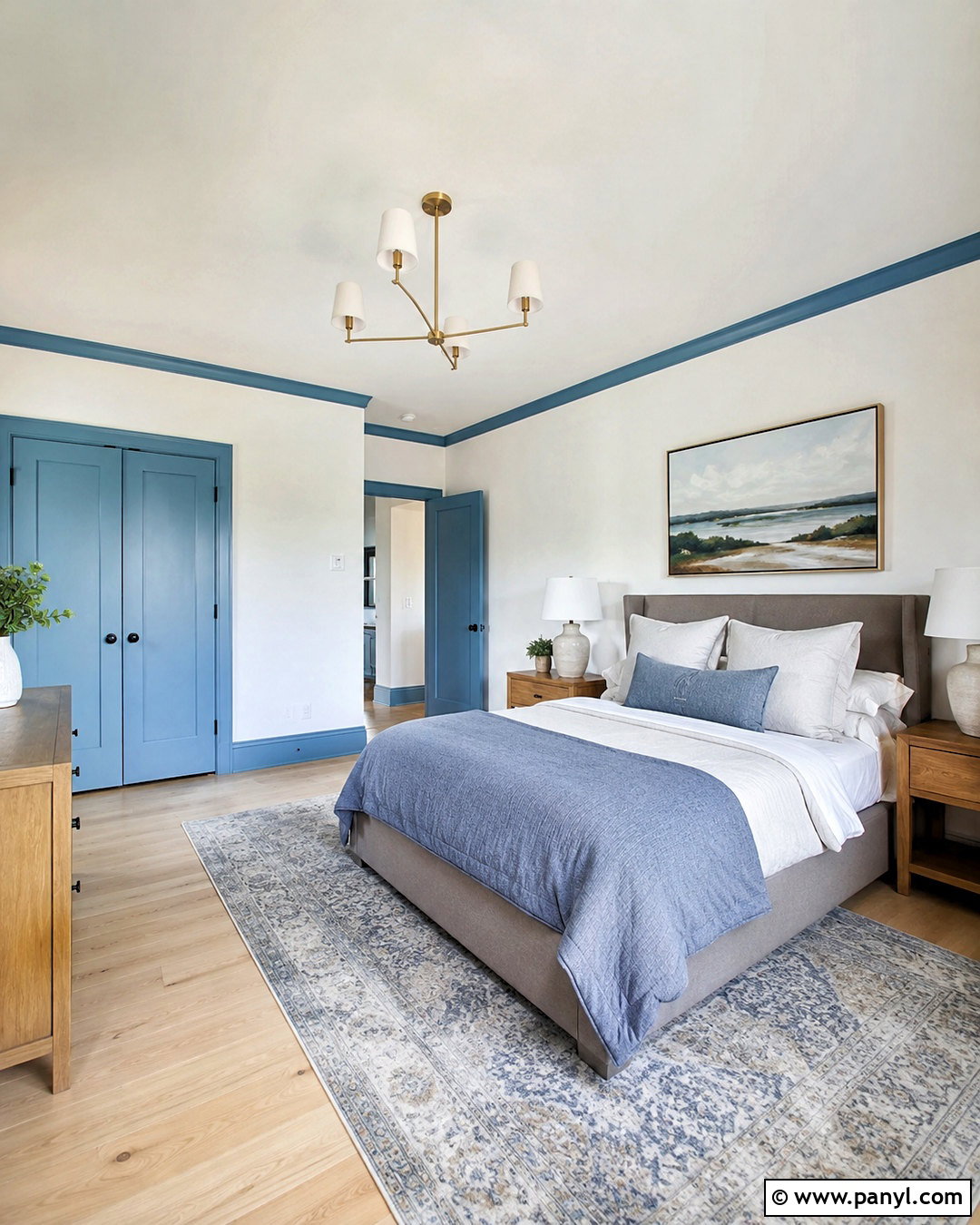
Dusty blue skirting adds quiet color to a bedroom while maintaining a light, airy atmosphere. Start with soft white walls, pale wood flooring, and a simple upholstered bed in warm gray. Paint the skirting, door frame, and bedroom door in the same muted blue for a coordinated finish. Layer white bedding with a blue-gray quilt and subtle floral cushions rather than using several competing accent colors. White linen curtains keep the windows bright, while oak nightstands introduce natural warmth. Finish the room with ceramic lamps, a pale patterned rug, and minimal framed artwork. Because dusty blue contains gray undertones, it feels restful rather than overly decorative. Satin paint will also provide enough contrast in sheen to emphasize the skirting’s clean profile.
8. Teal Painted Skirting With White Walls
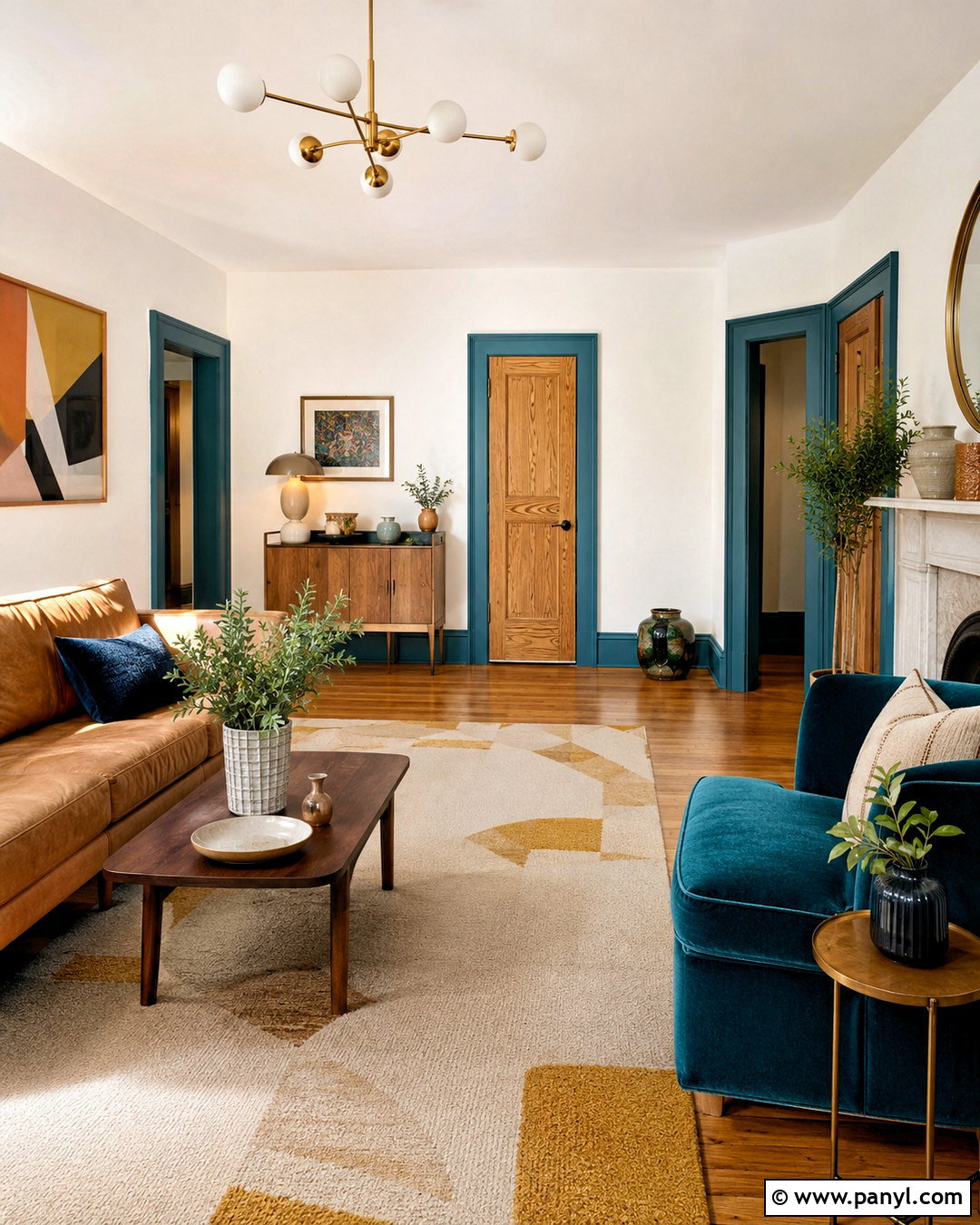
Rich teal skirting can bring energy to white walls while still appearing refined. Use it in a creative living room with honey-toned wood floors, a camel sofa, and a large geometric rug containing teal, cream, and ochre. Paint the skirting and door casing teal, but leave the doors natural wood to create a layered architectural effect. Repeat the color through one velvet armchair, glazed ceramic accessories, and selected details in the artwork. Brass lighting and warm timber furniture prevent the blue-green shade from feeling cold. Keep window treatments simple and pale so daylight can illuminate the stronger colors. The completed room feels expressive but controlled because the same teal appears in several purposeful places rather than through many unrelated decorative objects.
9. Burgundy Painted Skirting With White Walls
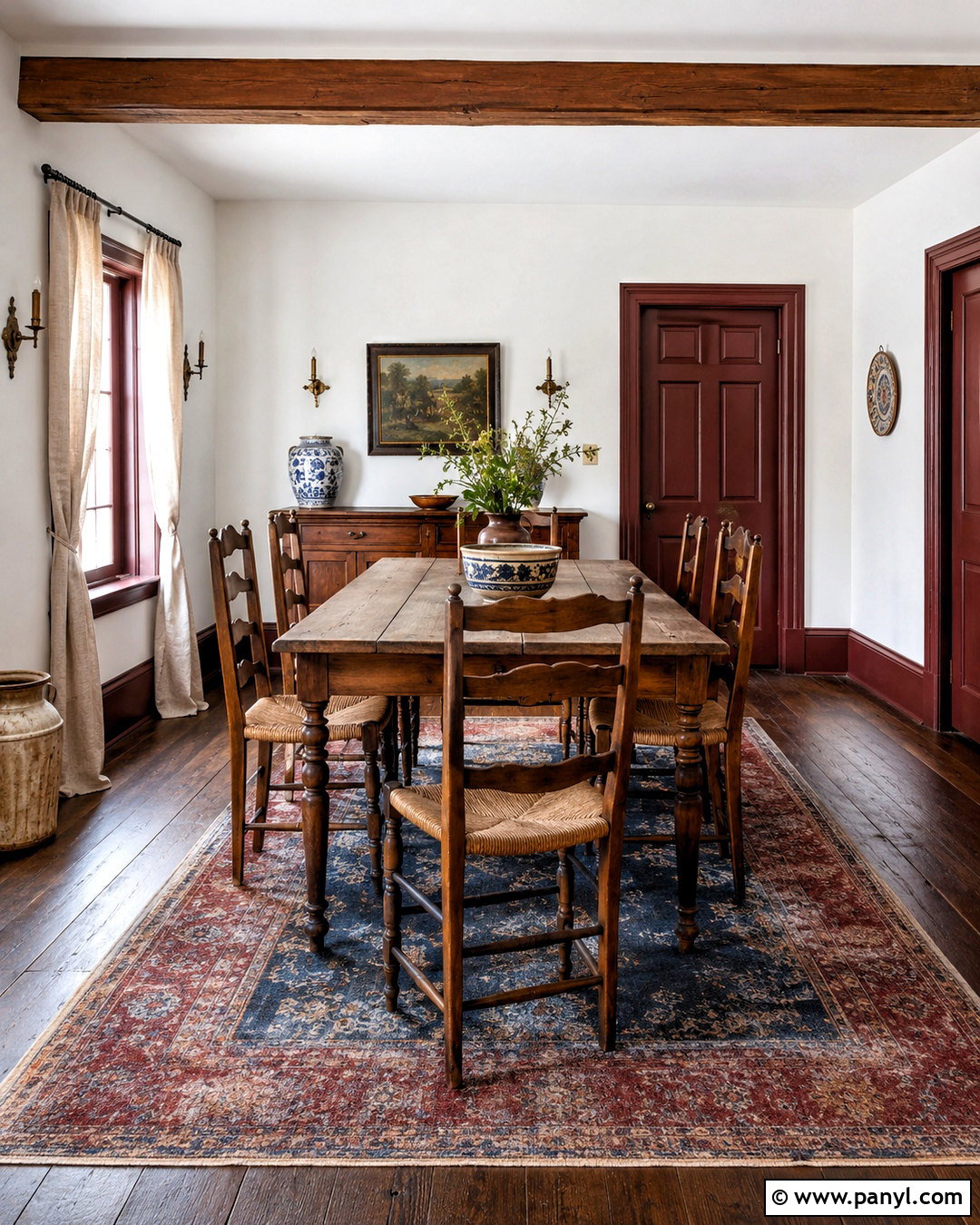
Burgundy painted skirting gives a white dining room warmth, depth, and a subtle heritage character. Choose an earthy red with brown undertones and carry it across the skirting, interior door, and door frame. Pair it with warm white walls, dark oak flooring, and a long farmhouse table surrounded by rush-seat chairs. A vintage-style rug containing burgundy, faded blue, and cream helps distribute the strong color through the room. Add linen curtains, antique brass sconces, and a simple ceramic centerpiece to keep the setting welcoming rather than formal. Natural wood and woven textures soften the painted trim, while the bright walls maintain balance. This scheme is especially effective where decorative skirting has enough height and detail to display the color clearly.
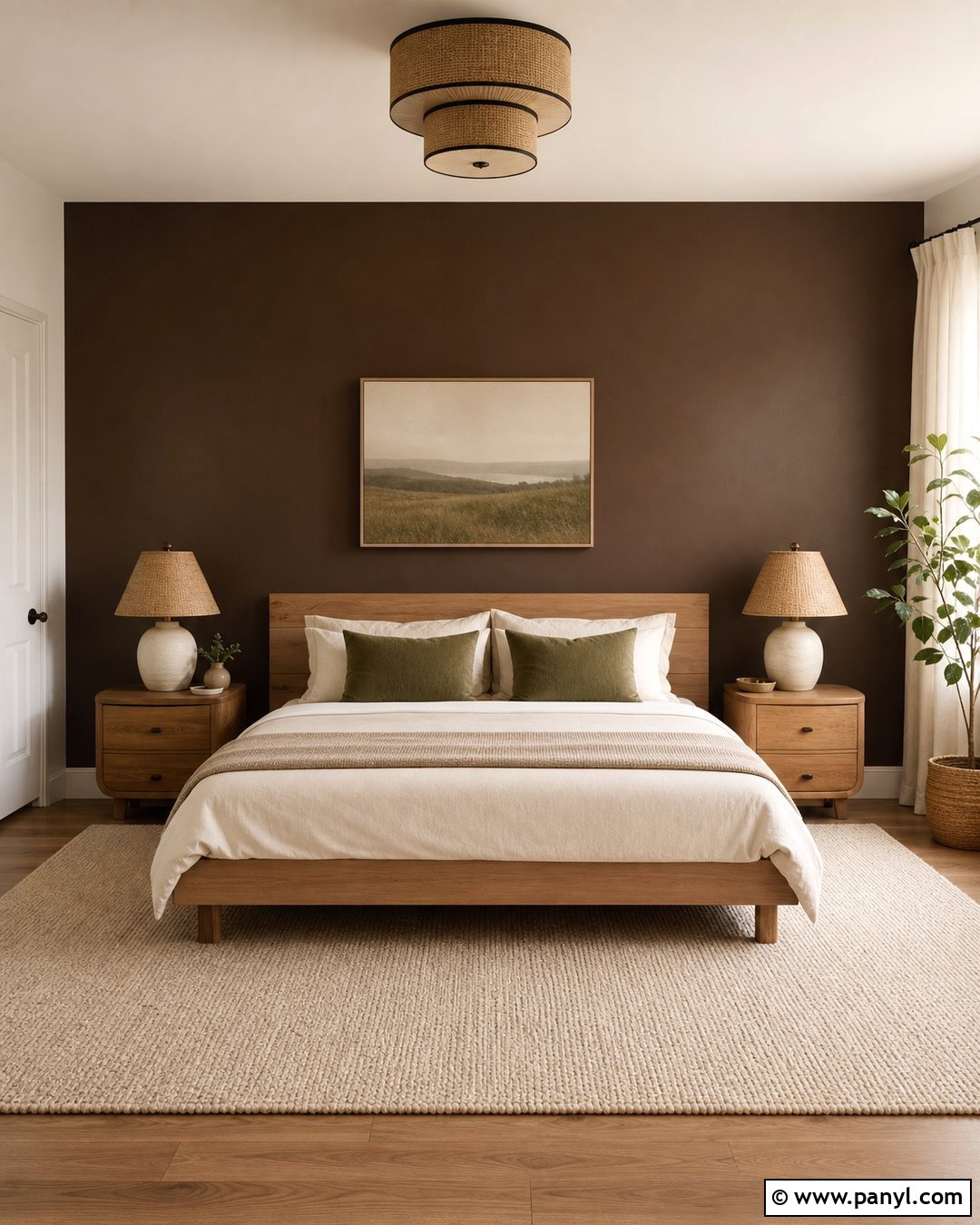
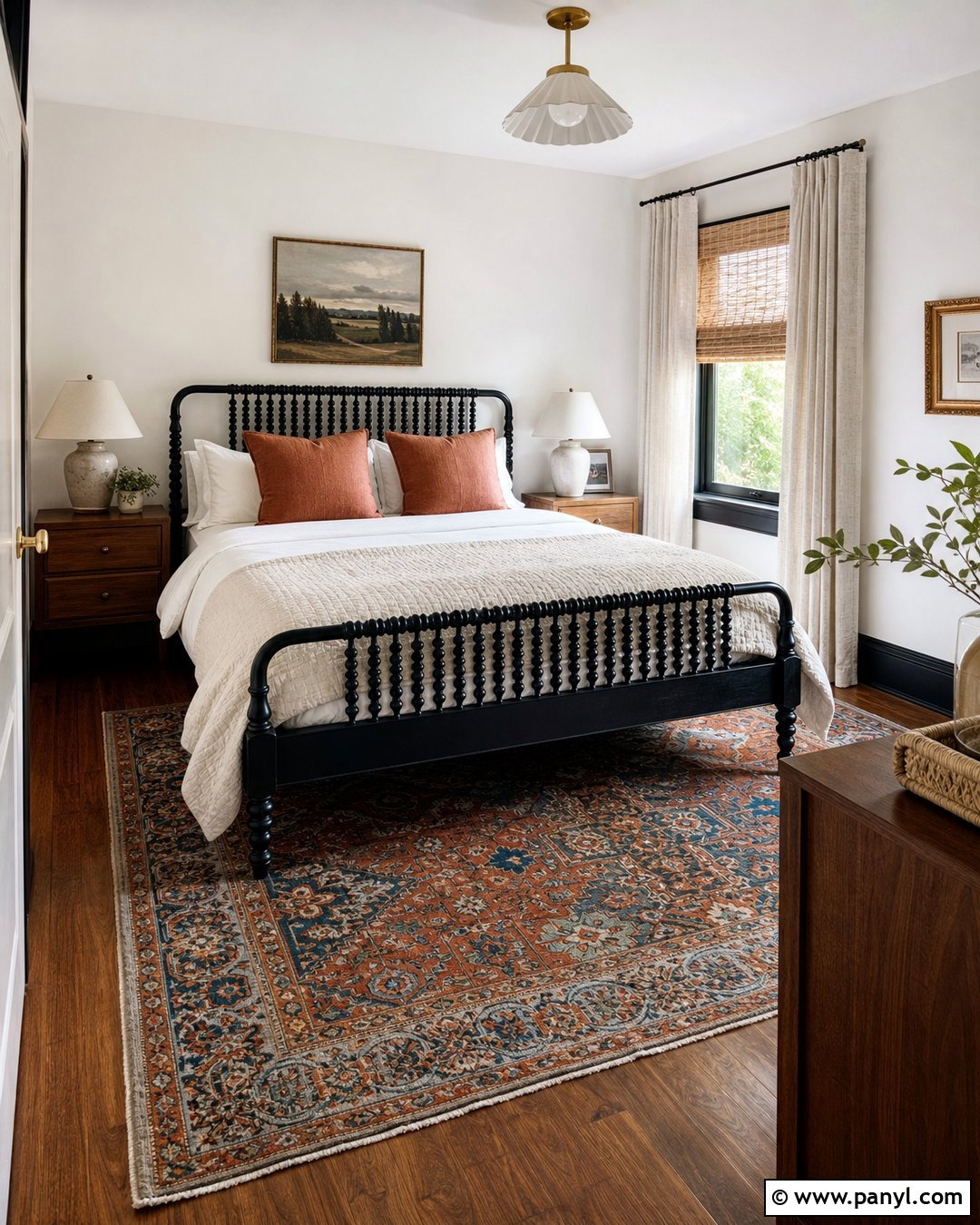
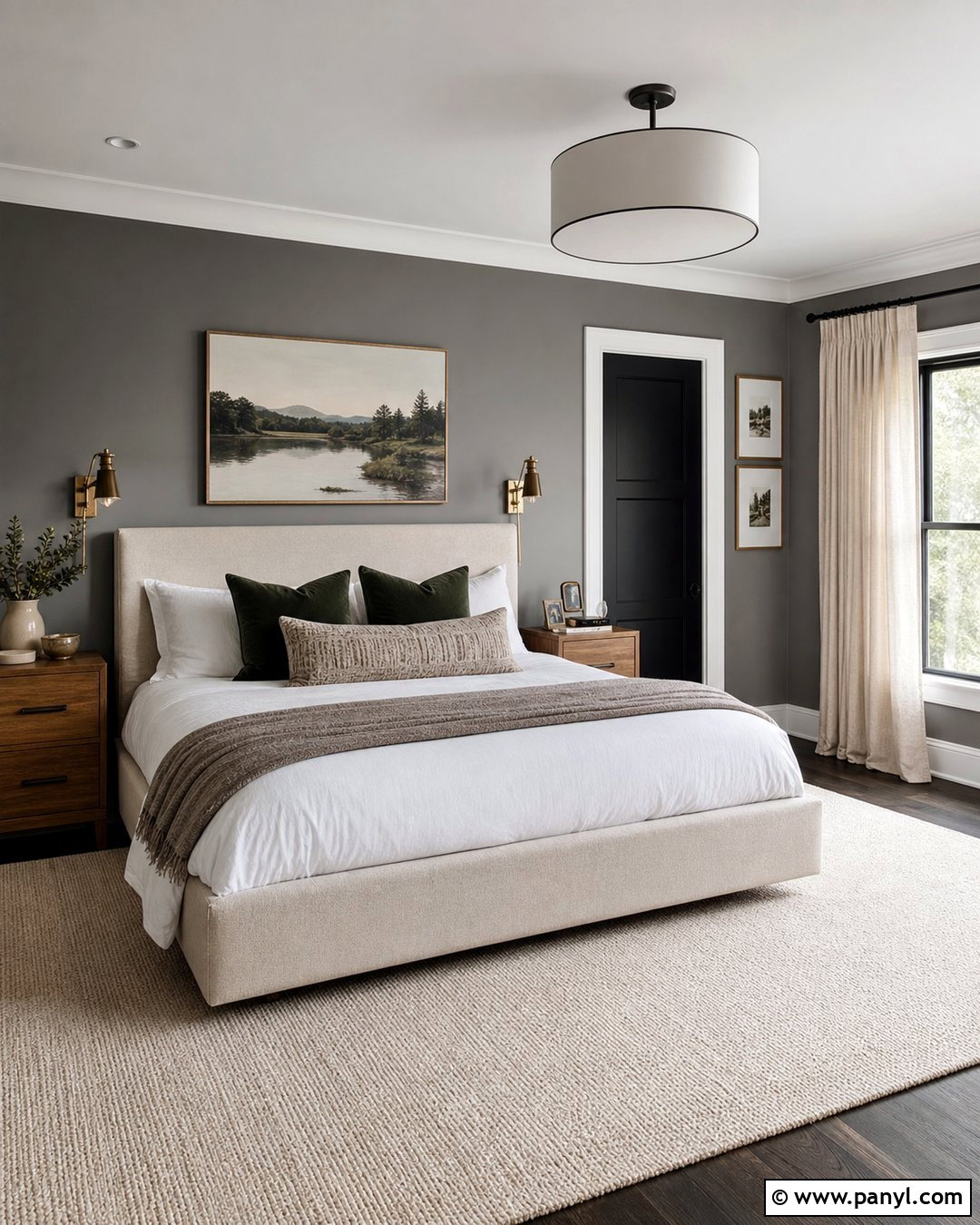
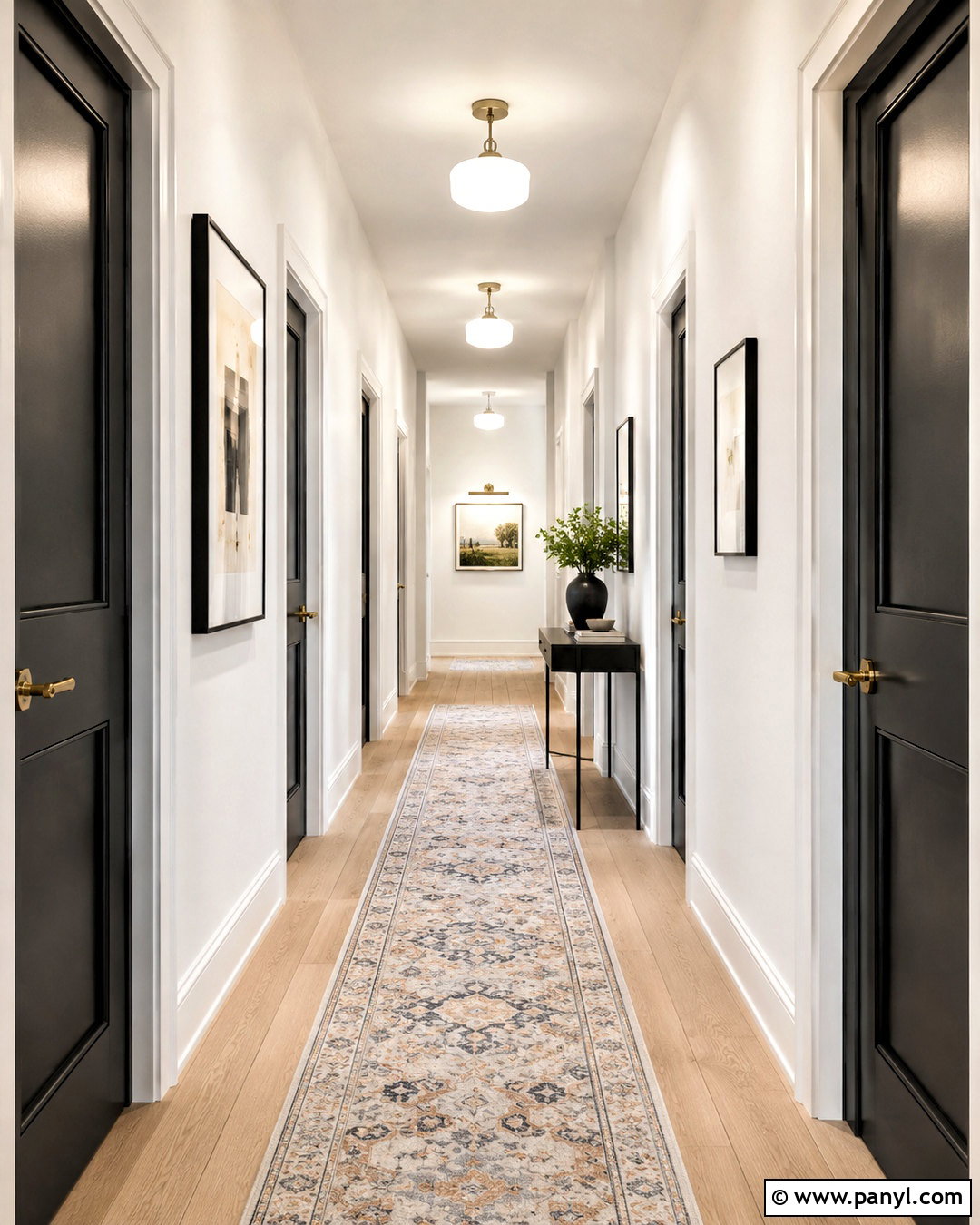
10. Terracotta Painted Skirting With White Walls
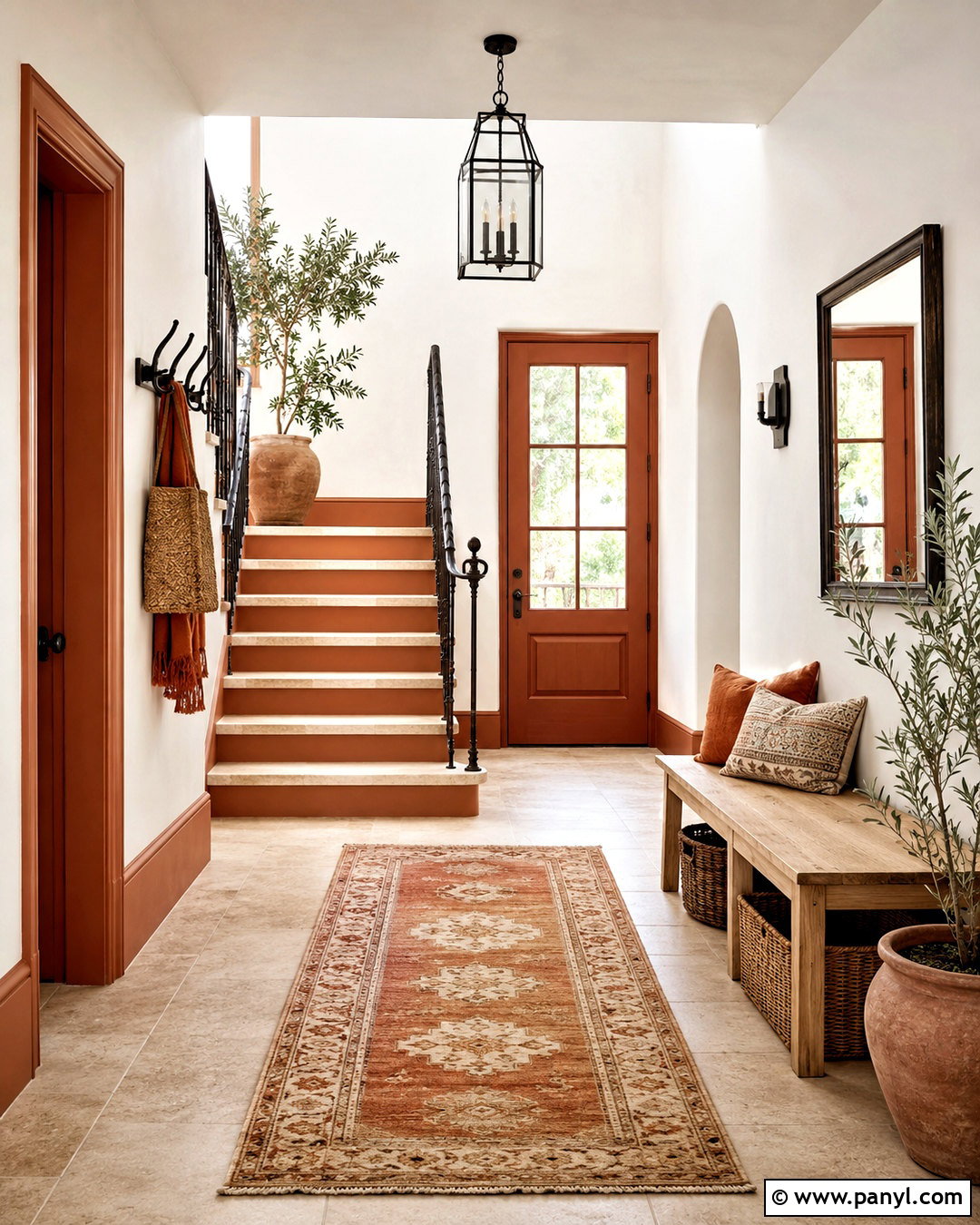
Terracotta skirting brings sunbaked warmth to white walls and works beautifully in a relaxed entryway. Pair it with limestone-look flooring, a pale oak bench, and woven storage baskets for a practical but inviting arrangement. Paint the skirting, stair stringer, and door frame in the same muted terracotta shade so the color follows the architecture. Use a flat-weave runner featuring cream, rust, and faded brown to link the floor and trim. Black hooks and a simple black-framed mirror add definition without competing with the warm palette. Include a linen cushion and one large leafy plant for softness. The finished entry feels bright, earthy, and organized, with enough colored woodwork to establish personality before guests reach the main living spaces.
11. Mustard Painted Skirting With White Walls
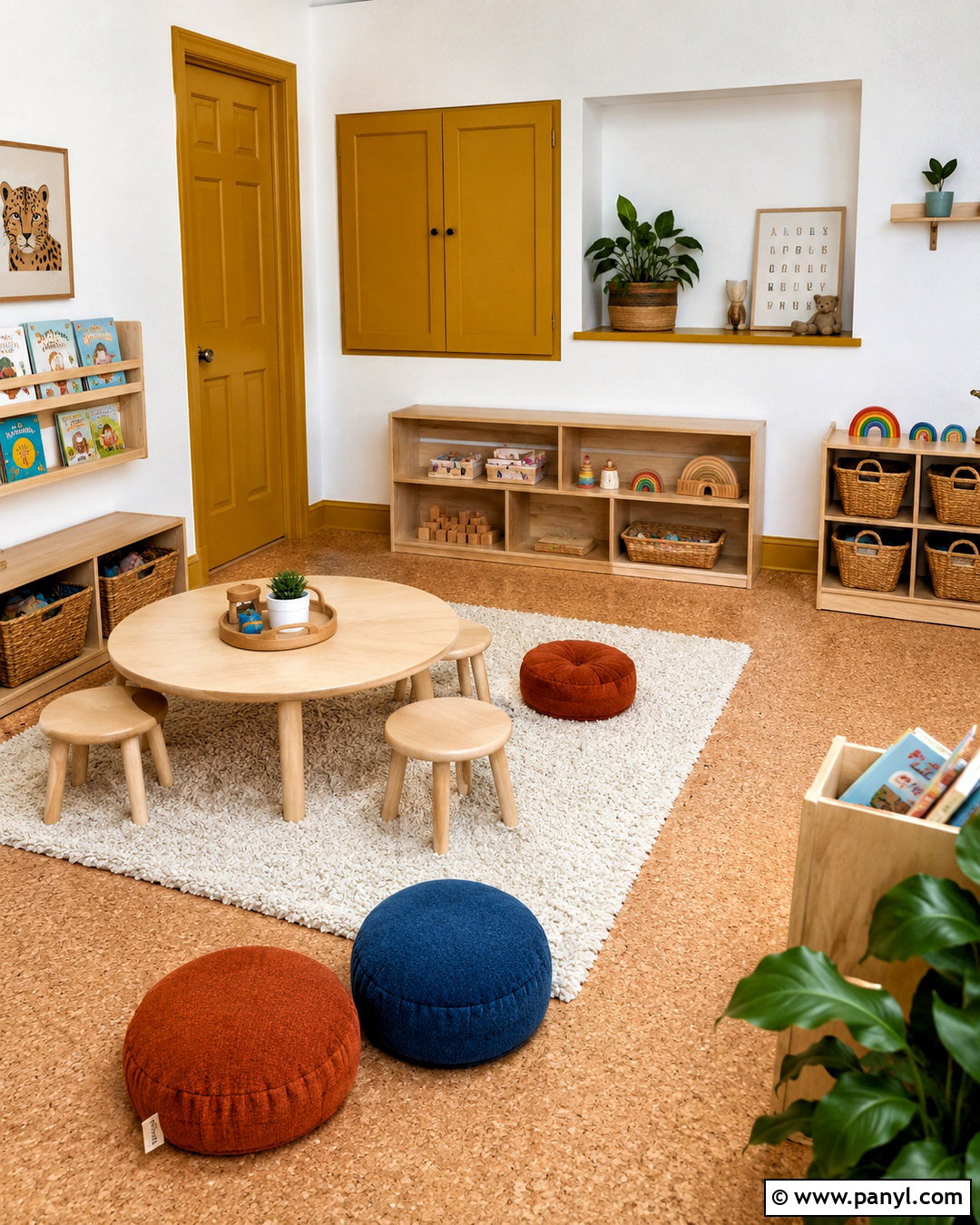
Mustard skirting can make a white playroom feel cheerful without covering every wall in a strong color. Select a slightly muted mustard and repeat it on the skirting, storage cabinet doors, and one simple interior door. Keep the walls warm white and use durable natural oak or light cork flooring. A washable cream rug, low birch shelves, and woven toy baskets create an organized foundation. Add cushions and artwork in mustard, sky blue, and soft rust to build a playful but coordinated palette. Avoid overly bright primary colors, which can make the room appear visually crowded. Rounded furniture, a low activity table, and accessible storage complete the family-friendly layout. Satin paint makes the colored skirting easier to wipe clean after everyday activity.
12. Blush Pink Painted Skirting With White Walls
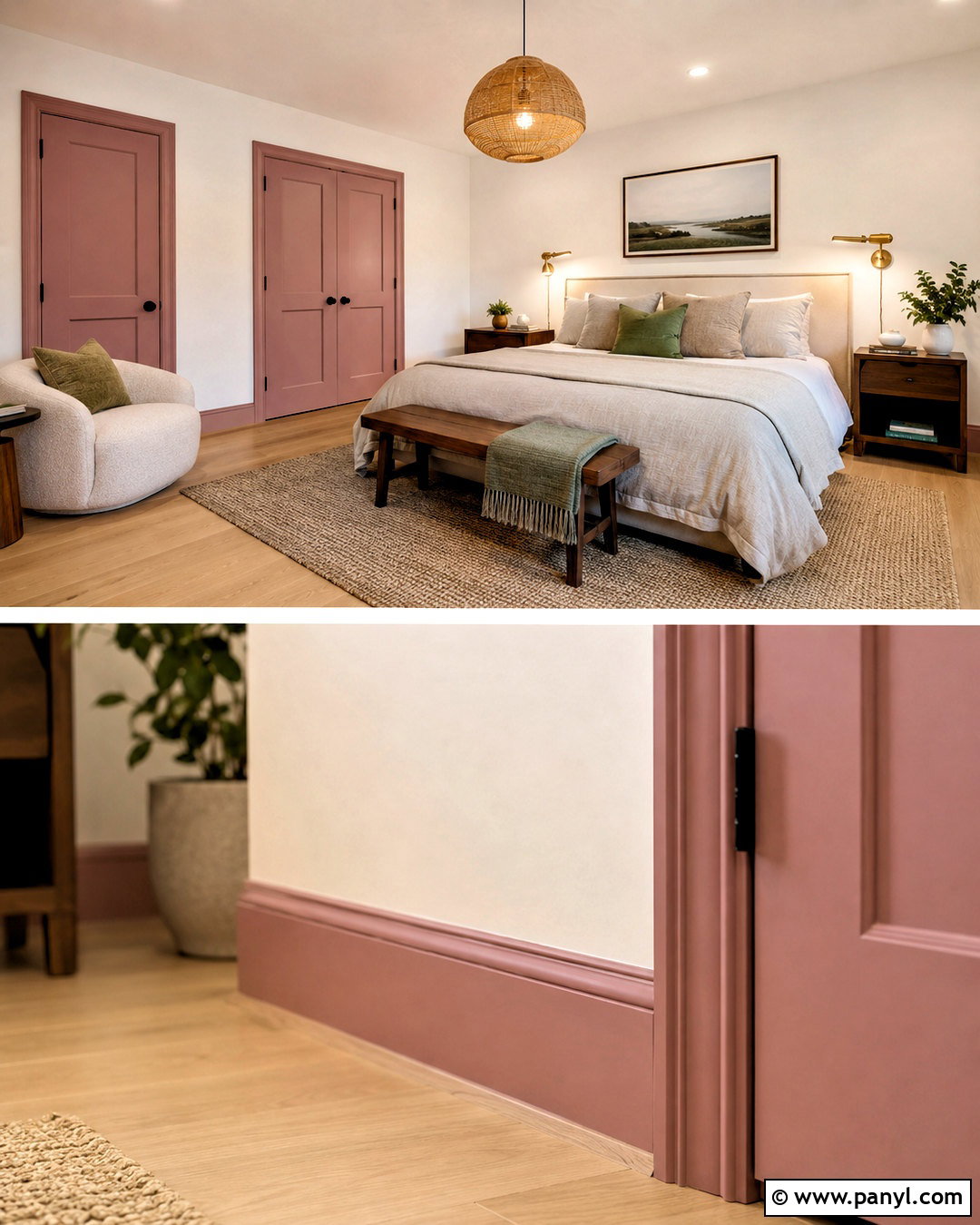
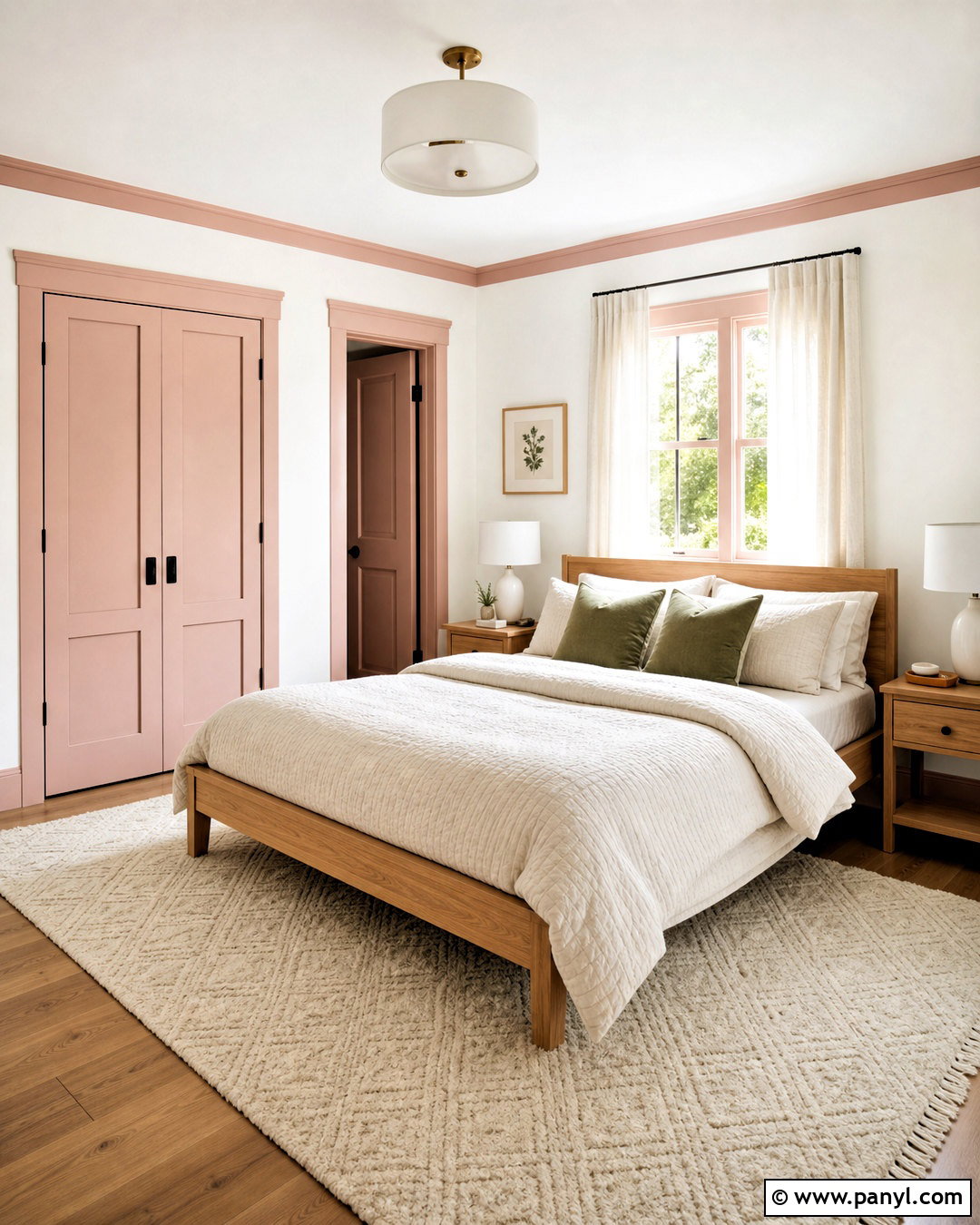
Blush pink skirting offers gentle warmth for a white bedroom, nursery, or dressing room. Choose a dusty, brown-based pink rather than a sugary pastel for a more versatile result. Continue the color onto the door and architrave, then pair it with warm white walls and pale oak flooring. A cream boucle chair, natural linen bedding, and a soft wool rug create a comfortable neutral base. Add walnut nightstands or a dark wood dresser to give the delicate color more visual weight. Brushed brass lighting and small touches of muted green provide balanced accents. Keep window coverings close to the wall color so the room stays open and bright. The painted skirting then becomes a subtle architectural detail rather than an overly sweet decorative statement.
13. Taupe Painted Skirting With White Walls
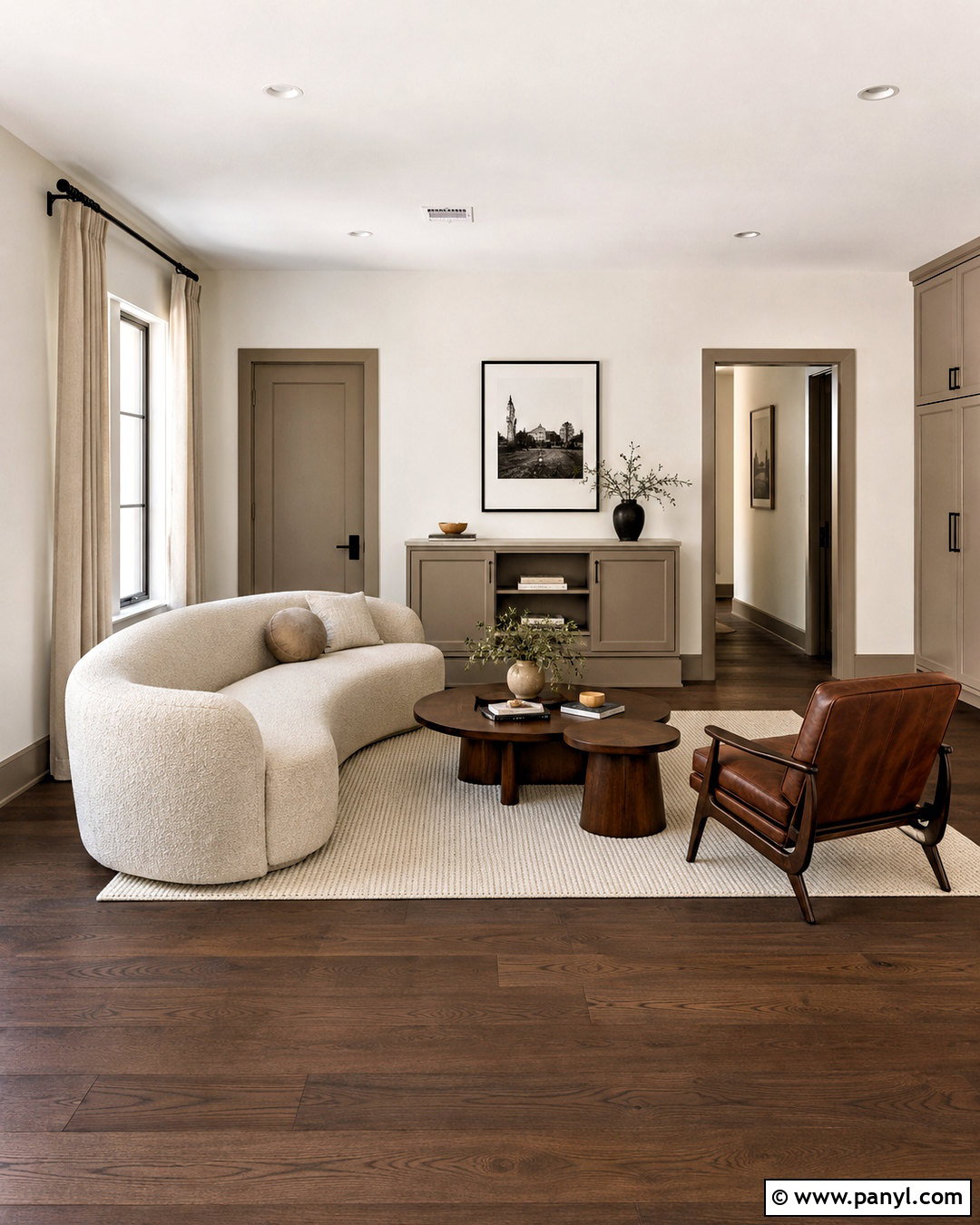
Soft taupe skirting is ideal when white walls need definition without a dramatic color contrast. Create a refined living room with creamy white walls, wide taupe skirting, and light smoked-oak flooring. Use the same taupe on door frames and built-in cabinetry so the neutral color looks deliberate throughout the space. A curved beige sofa, textured ivory rug, and walnut coffee table form a warm, layered seating area. Introduce darker brown through picture frames and one leather accent chair. Linen drapes, stoneware accessories, and soft black lighting complete the room without distracting from its subtle palette. Compare taupe samples beside the floor first, since gray, pink, and green undertones can change noticeably. A satin finish gives the skirting a practical, gently polished surface.
14. Greige Painted Skirting With White Walls
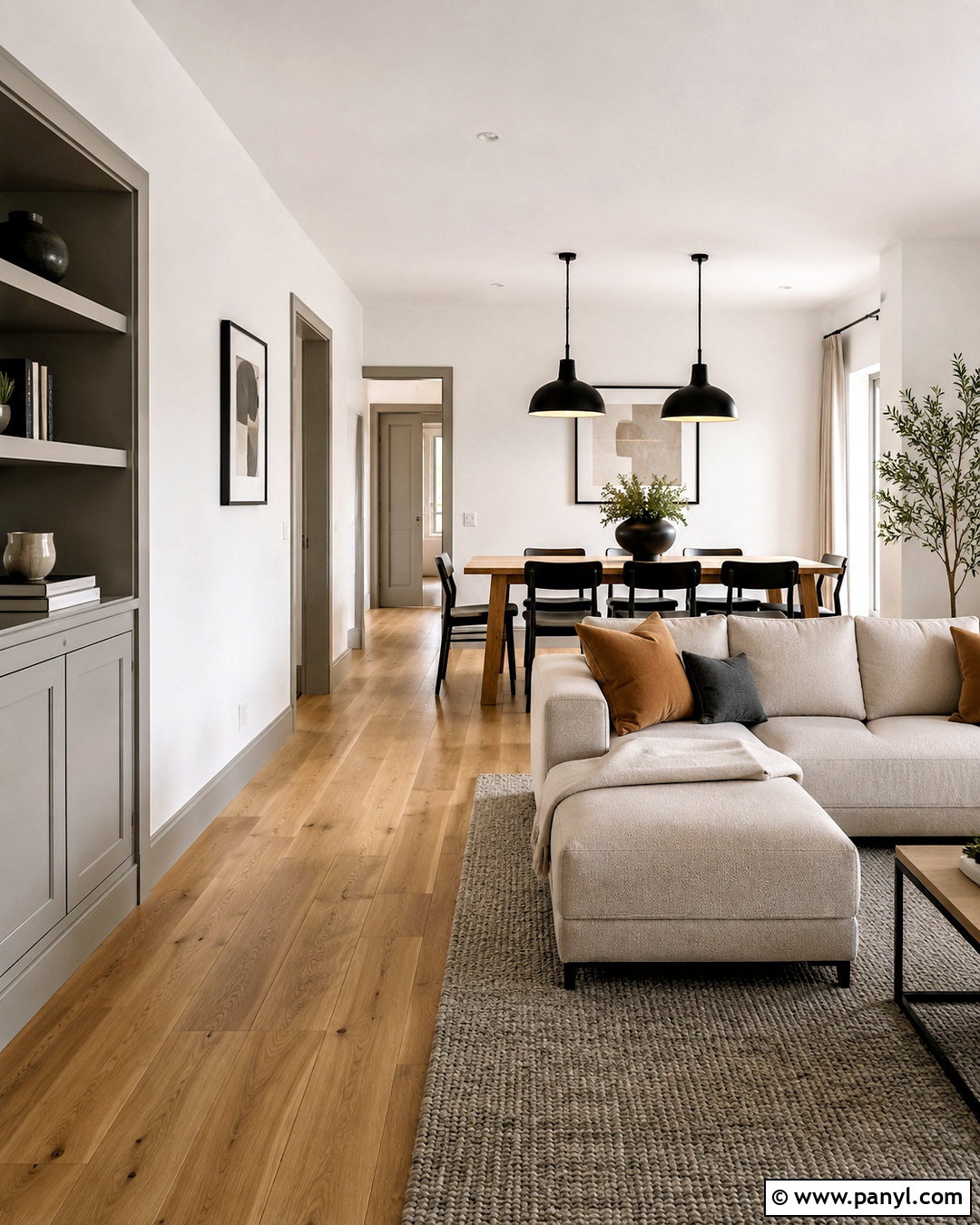
Greige painted skirting creates a clean transition between white walls and mixed neutral furniture. This combination suits an open-plan living and dining area where visual continuity is important. Paint the skirting, door frames, and built-in shelving in a balanced gray-beige shade. Combine these features with warm white walls, natural oak floors, and a large oatmeal sectional. Use a gray wool rug beneath the seating and a solid oak dining table nearby. Black-framed artwork and slim black pendant lights provide a controlled amount of contrast. Add linen cushions in camel, cream, and muted olive for depth. Because greige bridges warm and cool tones, it can connect varied finishes without appearing mismatched. The finished space feels calm, spacious, and intentionally coordinated from one zone to another.
15. Mushroom Painted Skirting With White Walls
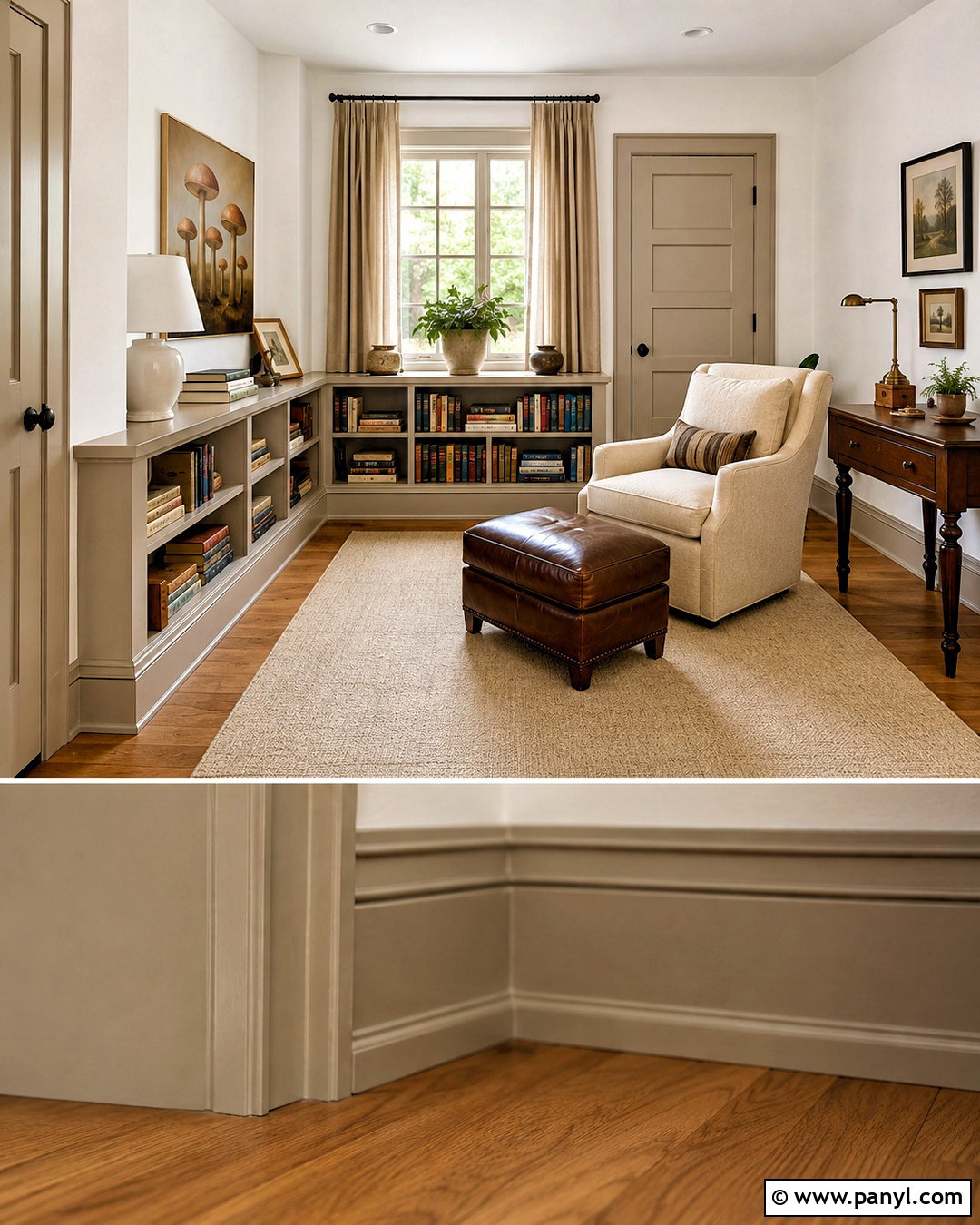
Mushroom skirting brings an earthy softness to white walls and complements rooms filled with tactile materials. Use the color in a cozy reading room with warm white walls, medium oak floors, and tall painted skirting. Continue it across the door, window trim, and a low bookcase for a built-in effect. Place a deep cream armchair beside a dark wood side table and a pleated linen floor lamp. A faded neutral rug, oatmeal curtains, and brown leather footstool add subtle variations in tone. Introduce greenery through one large plant rather than many small accessories. Mushroom paint often shifts between beige, brown, and gray as the light changes, giving the understated room extra depth while maintaining a quiet, comfortable atmosphere.
16. Pale Gray Painted Skirting With White Walls
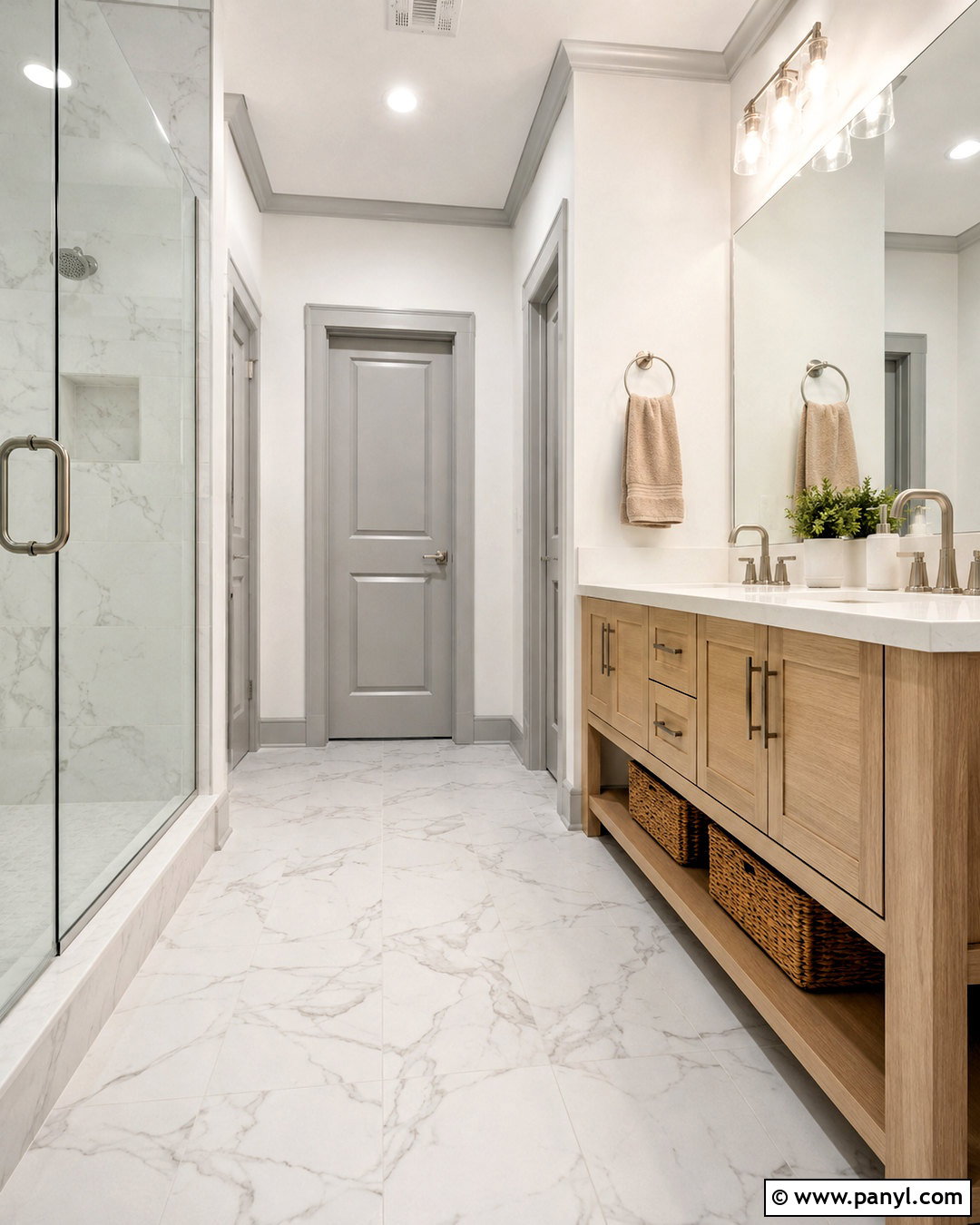
Pale gray skirting can give a white bathroom a crisp architectural outline without making the room feel smaller. Choose a warm light gray and apply it to moisture-resistant skirting, the door, and the window frame. Pair these details with white walls, marble-look floor tiles, and a light oak vanity. Brushed nickel fixtures reinforce the cool clarity of the gray, while natural baskets and folded beige towels add warmth. Use a frameless mirror and simple glass shower screen to maintain an open appearance. A small patterned bath mat can combine white, gray, and muted blue. Select a washable satin or semi-gloss trim paint suited to humid areas. The resulting bathroom feels clean and practical, with enough contrast to highlight its lines and finishes.
17. Chocolate Brown Painted Skirting With White Walls
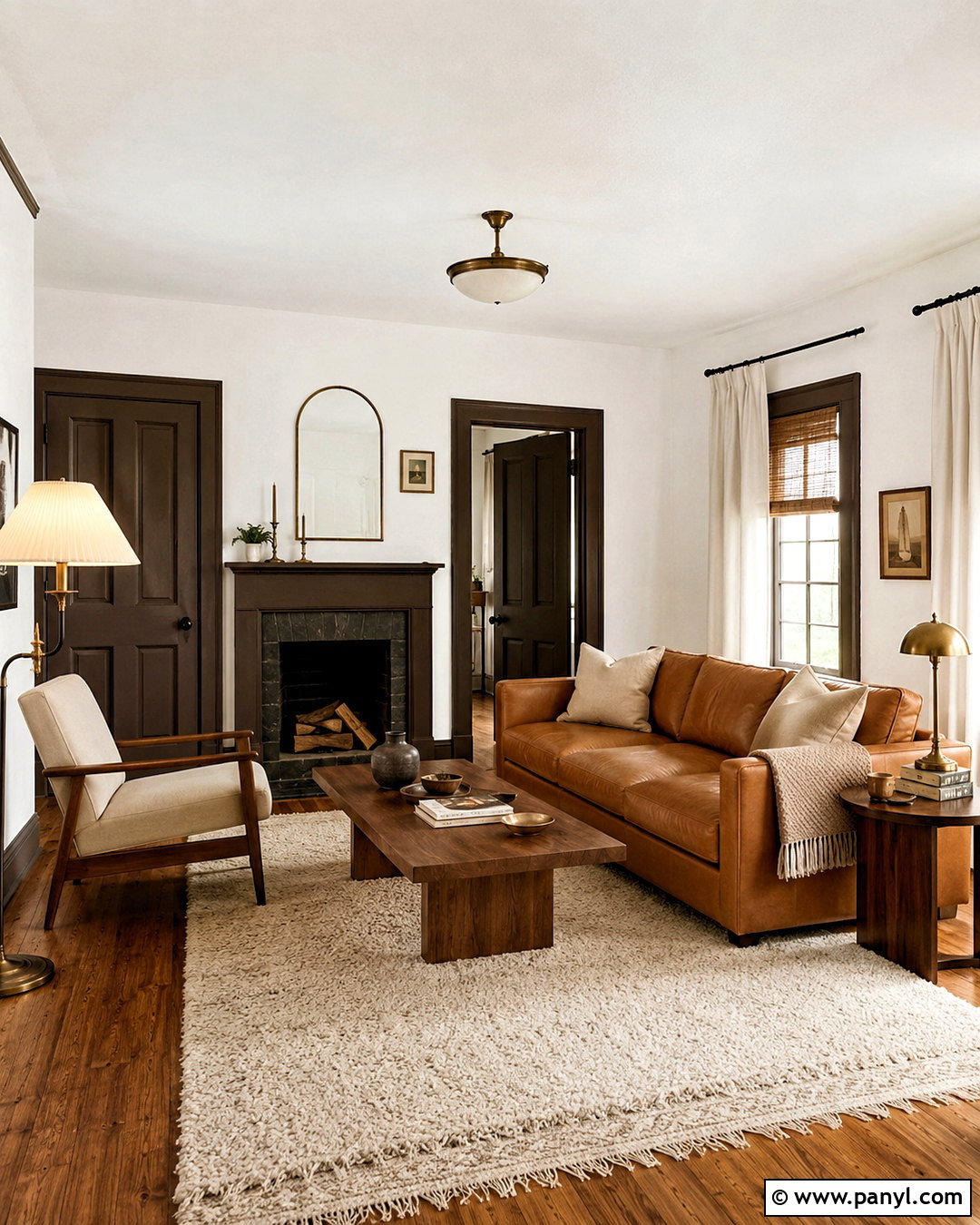
Chocolate brown skirting grounds white walls with warmth and works especially well beside dark timber furniture. Design a comfortable living room with warm white walls, deep brown skirting, and natural medium-oak flooring. Carry the paint onto the door and surrounding frame, creating the appearance of rich stained wood without requiring matching timber. Add a caramel leather sofa, cream wool rug, and walnut coffee table. Cushions in ivory, tobacco, and muted green keep the color story earthy. Choose woven bamboo shades with off-white curtains to soften the windows. Antique brass lamps provide gentle contrast against the brown trim. This full scheme feels substantial and welcoming, while the white walls keep the many warm wood and brown tones from appearing heavy.
18. Red Painted Skirting With White Walls
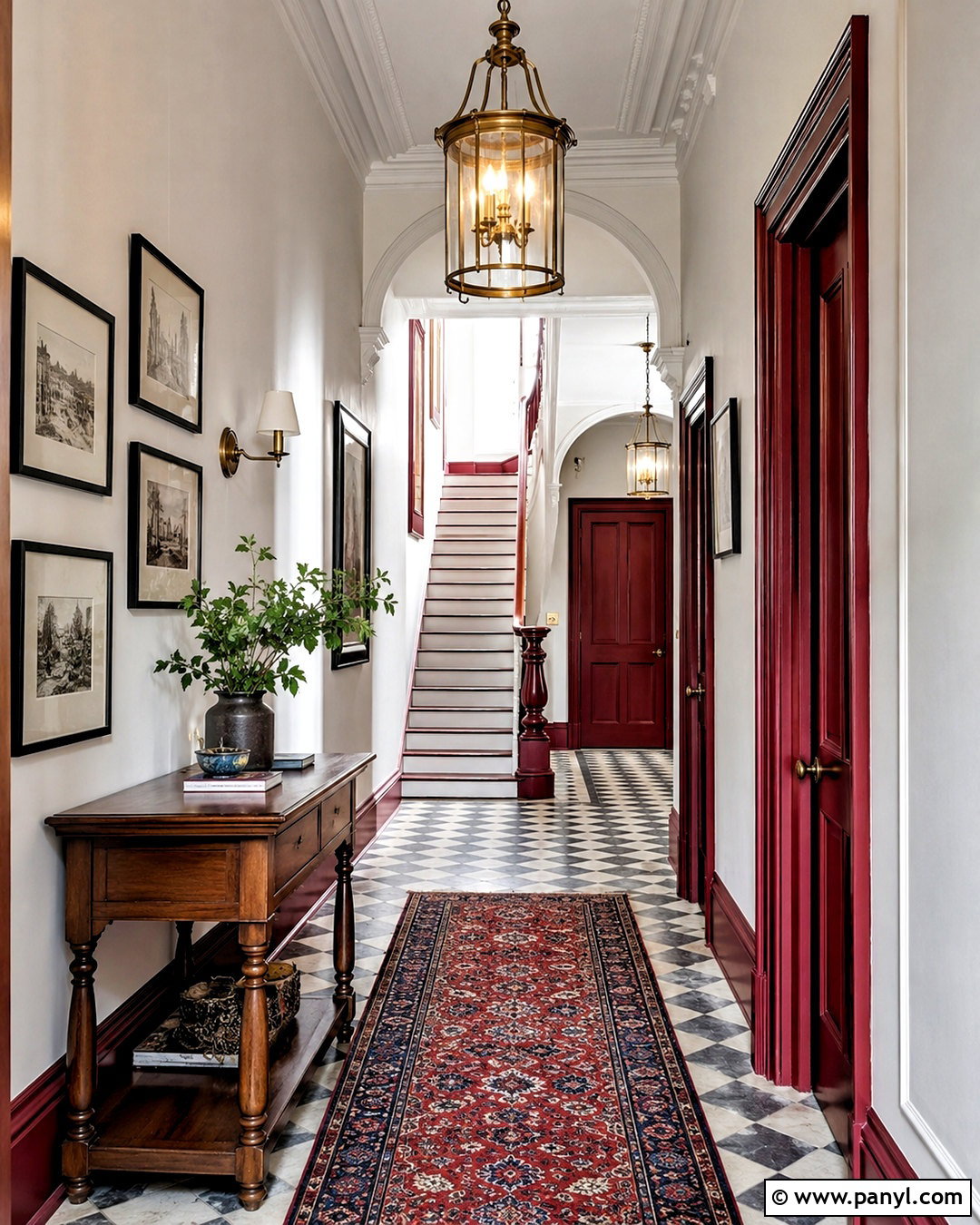
A muted red skirting line can give a white hallway a memorable but manageable dose of color. Choose brick red or oxblood rather than a bright primary shade. Paint the skirting, stair handrail, and front door in the same tone to create a clear visual route through the space. Warm white walls, checkerboard stone flooring, and a narrow vintage wood console establish a classic background. Hang a balanced collection of black-framed artwork above the console and add an aged brass lamp. A patterned hallway runner with red, navy, and cream connects the painted elements. Keep coats and shoes behind closed storage so the bold trim remains easy to appreciate. This coordinated approach feels confident, practical, and appropriate for both traditional and updated homes.
19. Cobalt Blue Painted Skirting With White Walls
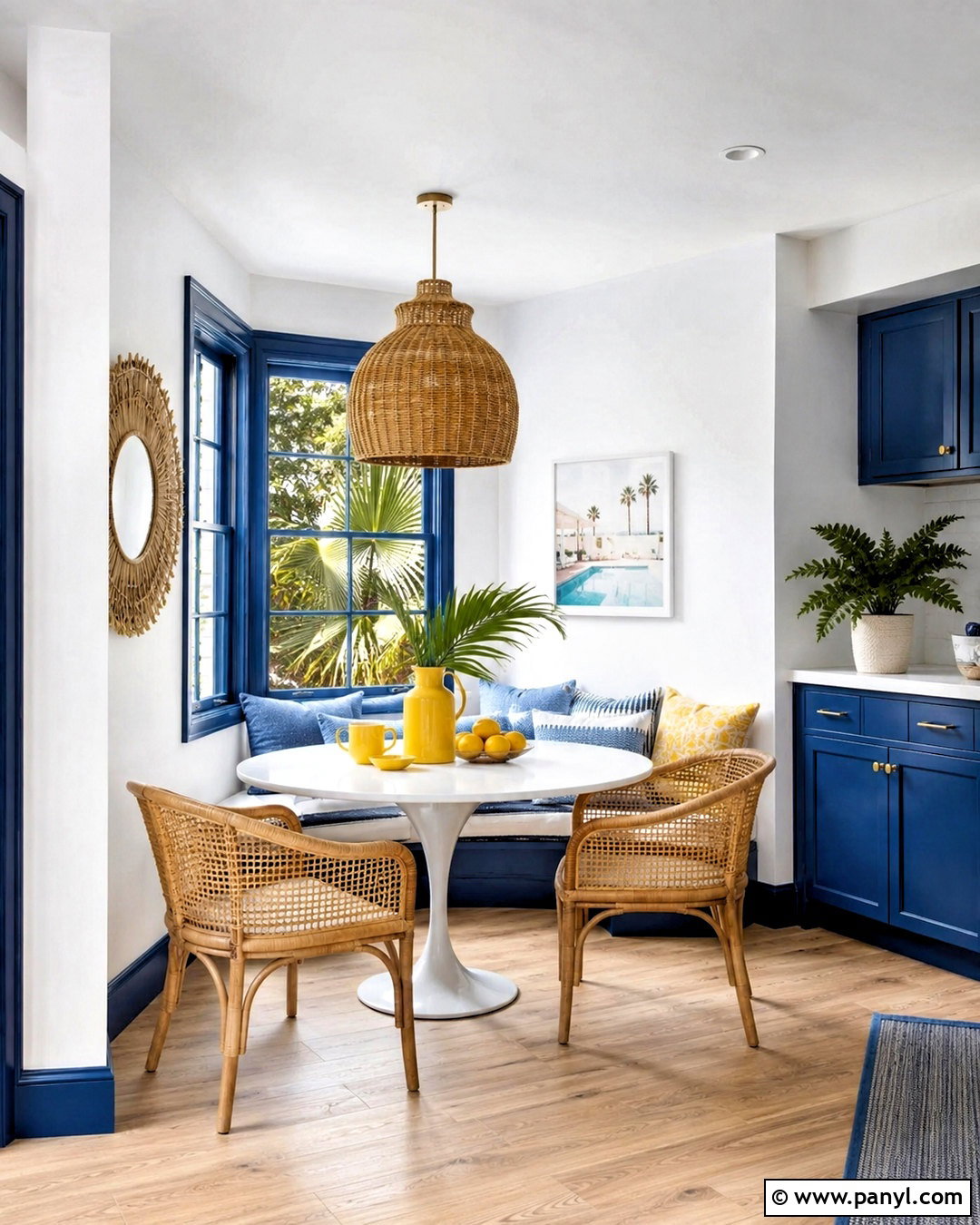
Cobalt blue skirting delivers a bright, graphic edge that can transform a simple white sunroom or breakfast nook. Keep the walls pure white and pair the strong trim with pale wood flooring and a round white dining table. Paint the skirting, window frames, and one freestanding cabinet in the same clear blue. Natural cane chairs and a woven pendant prevent the saturated color from dominating the space. Add seat cushions in blue-and-white stripes and a few lemon-yellow ceramic accents for a fresh, balanced palette. Large leafy plants work well against the crisp walls and echo the room’s lively character. Limit additional patterns so the architecture remains readable. The finished room should feel sunny, casual, and purposeful rather than themed or overly colorful.
20. Plum Painted Skirting With White Walls
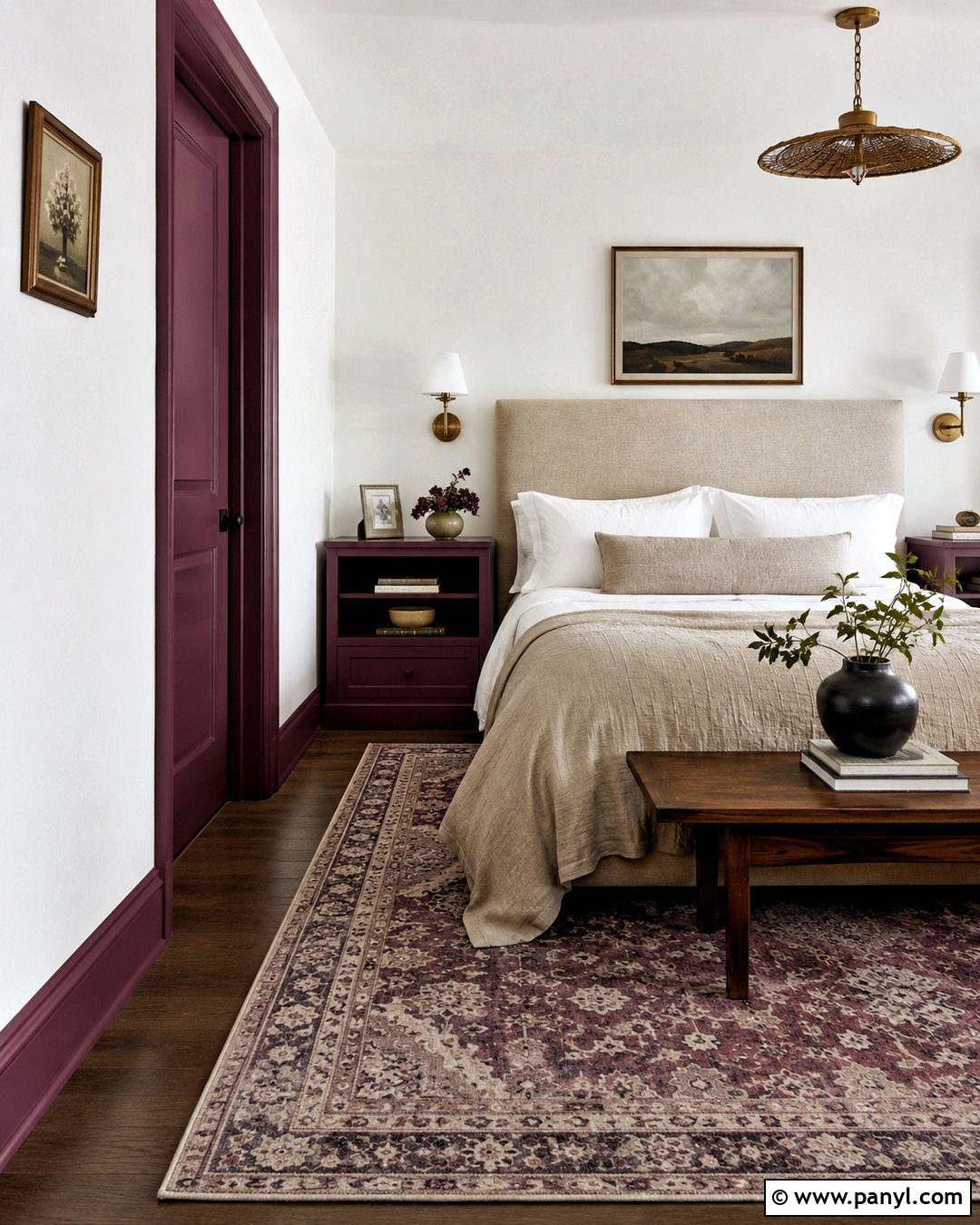
Plum painted skirting adds unexpected richness to a white guest bedroom while remaining softer than black or navy. Select a deep purple with warm red undertones and continue it onto the door, frame, and a compact bedside cabinet. Pair the color with creamy white walls, dark wood flooring, and an upholstered headboard in oatmeal linen. A vintage-inspired rug containing plum, rose, and taupe helps the trim feel connected to the rest of the space. Dress the bed with white linens, a textured beige coverlet, and one muted purple bolster. Antique brass sconces and walnut furniture introduce warmth. Keep curtains pale and lightly textured. This complete scheme feels distinctive and restful, giving visitors a polished room without using color across every wall.
Conclusion:
The best painted skirting color should connect your white walls with the flooring, furniture, and architectural features already in the room. Deep shades such as navy, forest green, burgundy, and chocolate brown create definition, while taupe, greige, sage, and pale gray offer a quieter transition. Carrying the chosen color onto doors or frames often produces a more complete result. Always test paint beside the wall and floor at different times of day, and use a durable satin or semi-gloss finish for easy cleaning. Whether you prefer subtle neutrals or expressive color, these 20 White Walls Painted Skirting Ideas show how a small architectural feature can shape an entire room.

Related Ideas and Inspiration:
Leave a Reply