
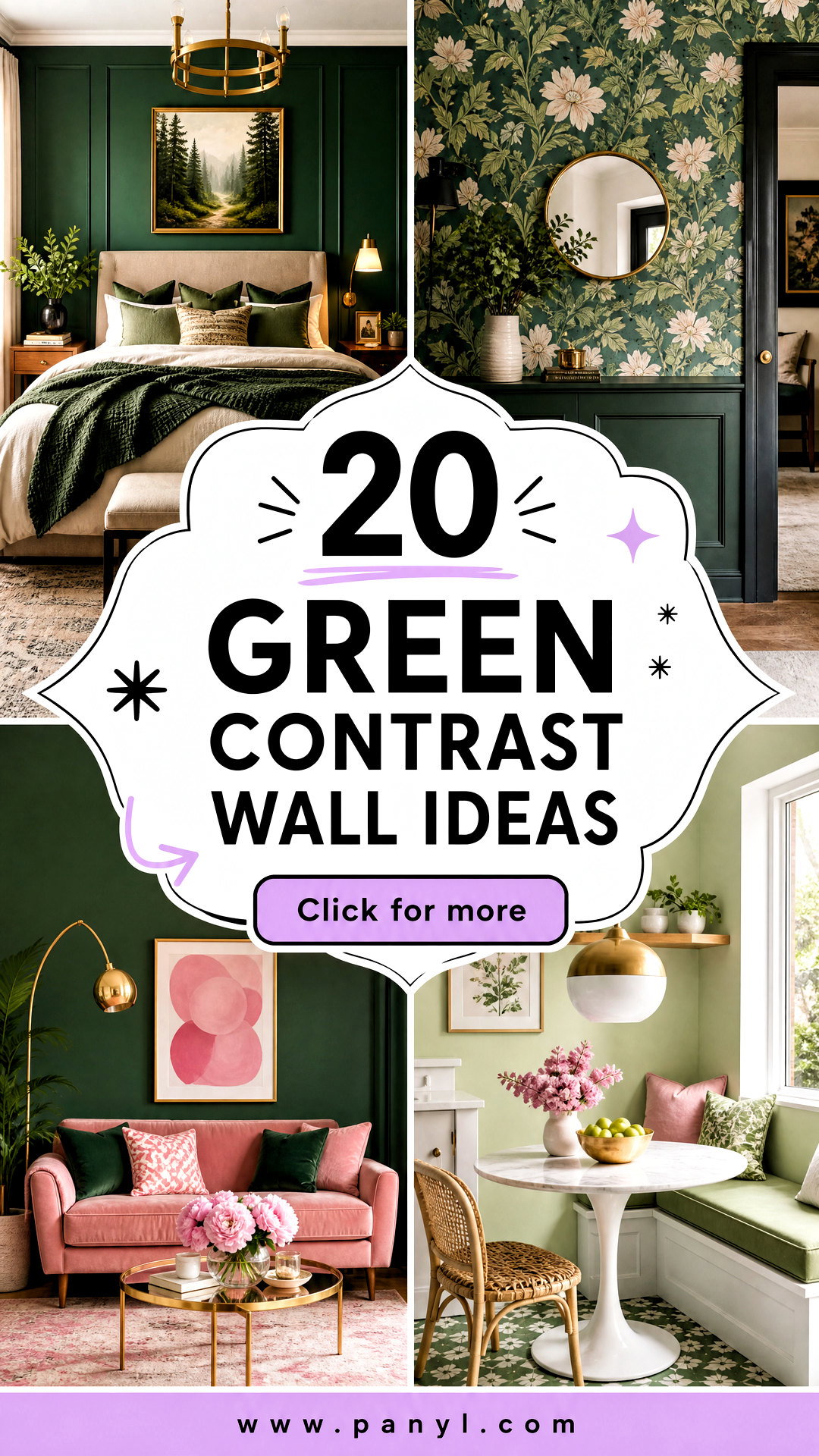
A green contrast wall can change the mood of a room without requiring a full renovation. It creates a clear focal point while bringing natural color, depth, and personality into the space. Pale sage can soften a bright bedroom, while forest or emerald green can make a living room feel grounded and dramatic. The best results come from treating the wall as part of a complete color scheme. Furniture, flooring, lighting, textiles, and decorative accents should all support the chosen green. Consider the room’s natural light and test the color before painting the entire surface. Whether your home feels modern, traditional, rustic, or eclectic, these complete looks offer practical inspiration. Explore these 20 Green Contrast Wall Ideas to find a combination that suits your space.
1. Sage Green Living Room Wall
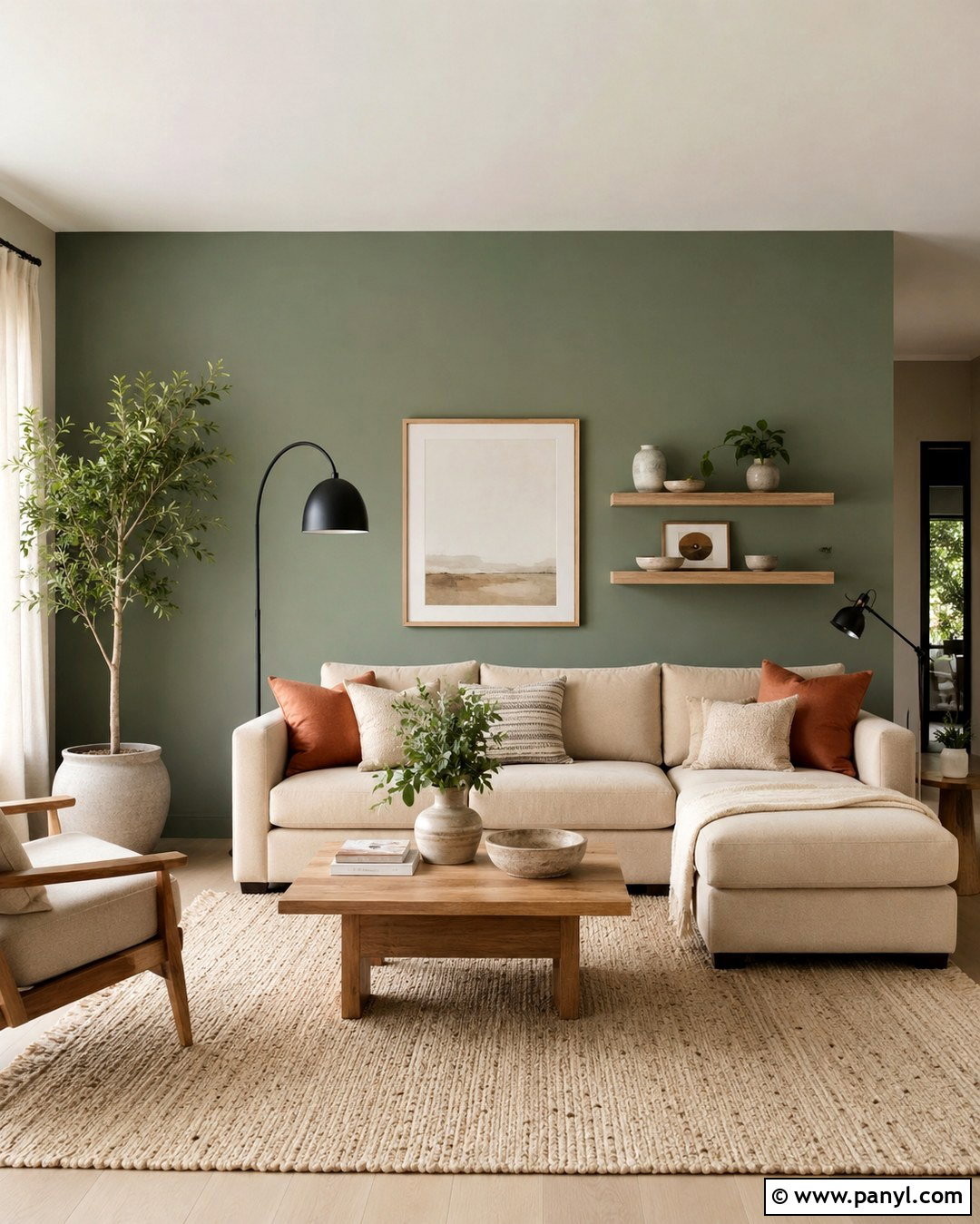
A soft sage green wall creates a restful living room that still feels polished and intentional. Place the contrast color behind a warm beige sofa so the main seating area becomes the focal point. Choose light oak side tables, an ivory woven rug, and linen curtains to reinforce the natural palette. Black metal lighting adds definition without making the room feel heavy. Bring in muted terracotta and cream through pillows, pottery, and artwork. A few leafy plants can connect the wall color to the rest of the room. Keep the remaining walls warm white rather than stark white. This gentler contrast makes sage feel richer and prevents the finished space from looking cold or disconnected.
2. Forest Green Bedroom Wall
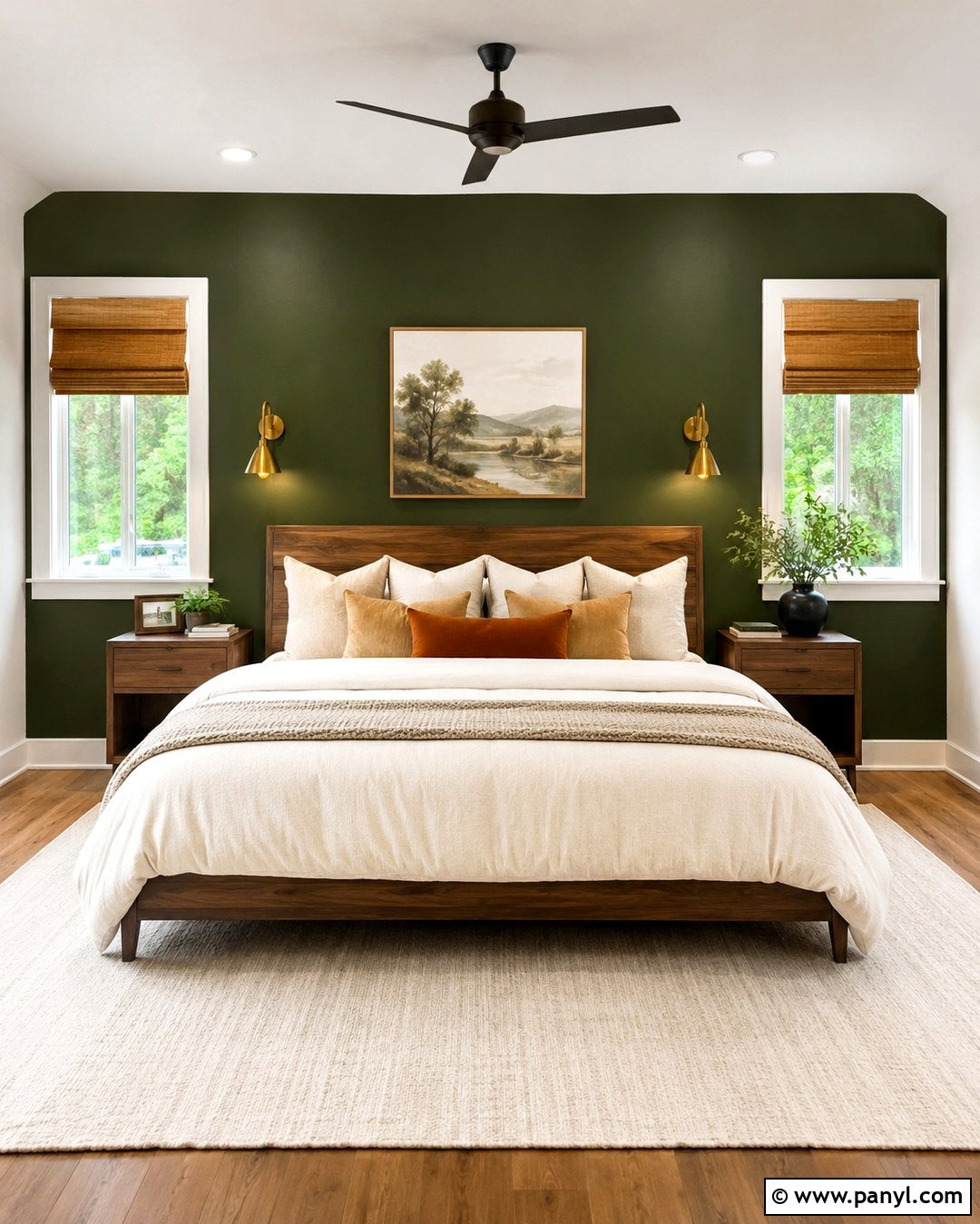
Deep forest green works beautifully behind a bed because it visually anchors the sleeping area. Pair the wall with a simple oak or walnut headboard and warm white bedding for a balanced, comfortable look. Layer the bed with tan, rust, and muted green pillows instead of introducing many unrelated colors. Brass sconces mounted on both sides of the headboard provide warm contrast and free up the nightstands. Choose natural woven shades, medium-toned wood flooring, and a cream rug to keep the room welcoming. The other walls can remain soft beige or ivory. Since forest green absorbs light, use it in a bedroom with a good window or several evenly placed lamps to maintain brightness.
3. Emerald Green Dining Room Wall
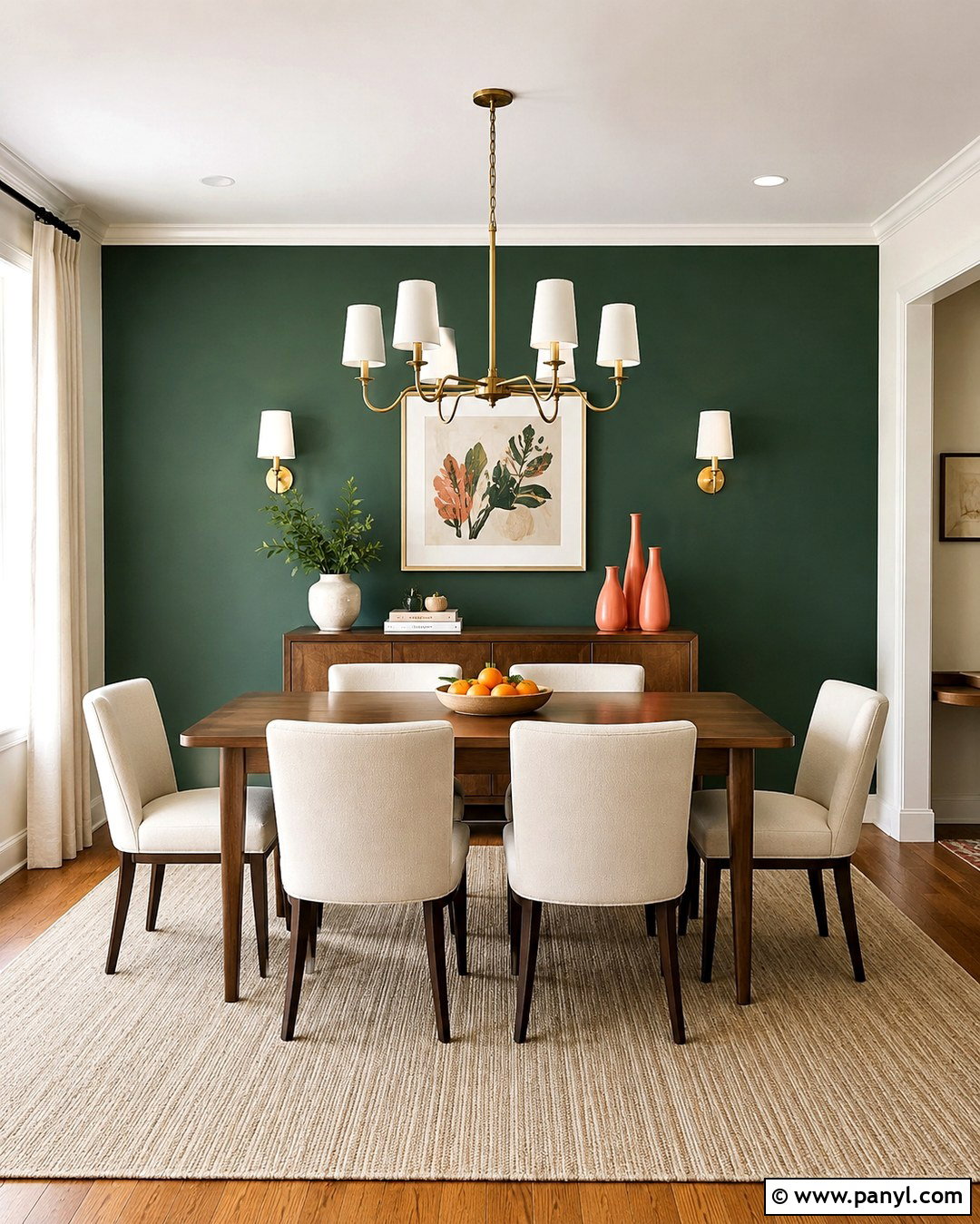
An emerald green wall can turn an ordinary dining area into a vibrant gathering space. Use the color behind a medium-toned wood dining table, then balance its richness with cream upholstered chairs or woven cane seating. A brushed brass chandelier introduces warmth and gives the jewel-toned green a more refined appearance. Add framed artwork with ivory mats, touches of coral, or subtle botanical details. A neutral flat-weave rug grounds the table without competing with the wall. Keep adjacent walls and trim warm white for crisp separation. If the room is small, choose a clear glass or open-frame light fixture. This prevents the furniture and bold wall from making the dining area feel crowded.
4. Olive Green Home Office Wall
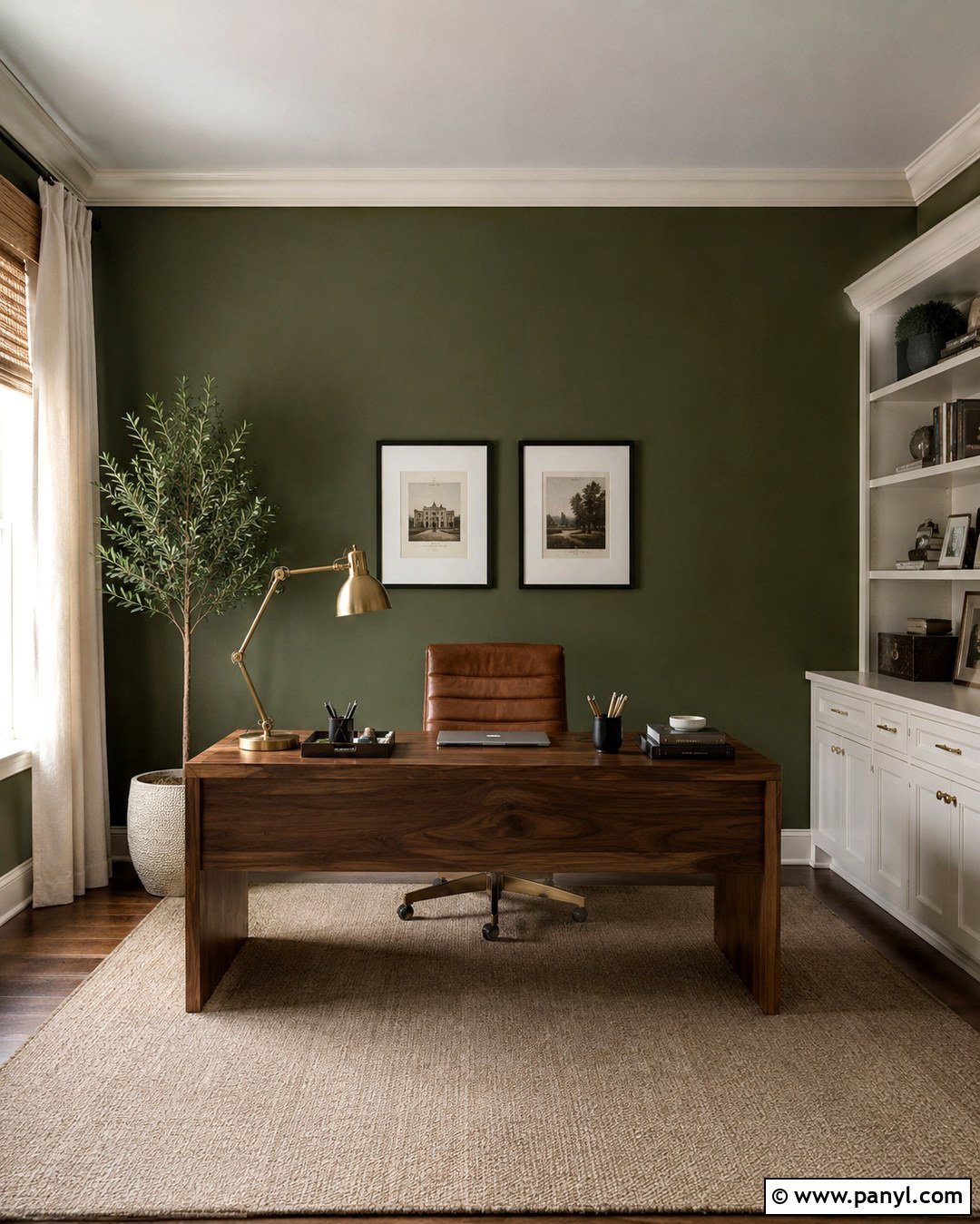
Olive green brings warmth and concentration to a practical home office. Paint the wall behind a streamlined walnut desk, allowing the desk and wall to read as one organized work zone. Add closed storage in warm white or matching wood to control visual clutter. A cognac leather chair, aged brass task lamp, and small black accessories create a grounded, professional palette. Choose a low-pile beige rug and simple linen window treatments to soften the room. Display only a few framed prints or floating shelves against the green so the wall remains calm. The combination of olive, walnut, cream, and leather suits traditional and modern offices while creating a workspace that feels comfortable enough for long sessions.
5. Mint Green Kitchen Wall
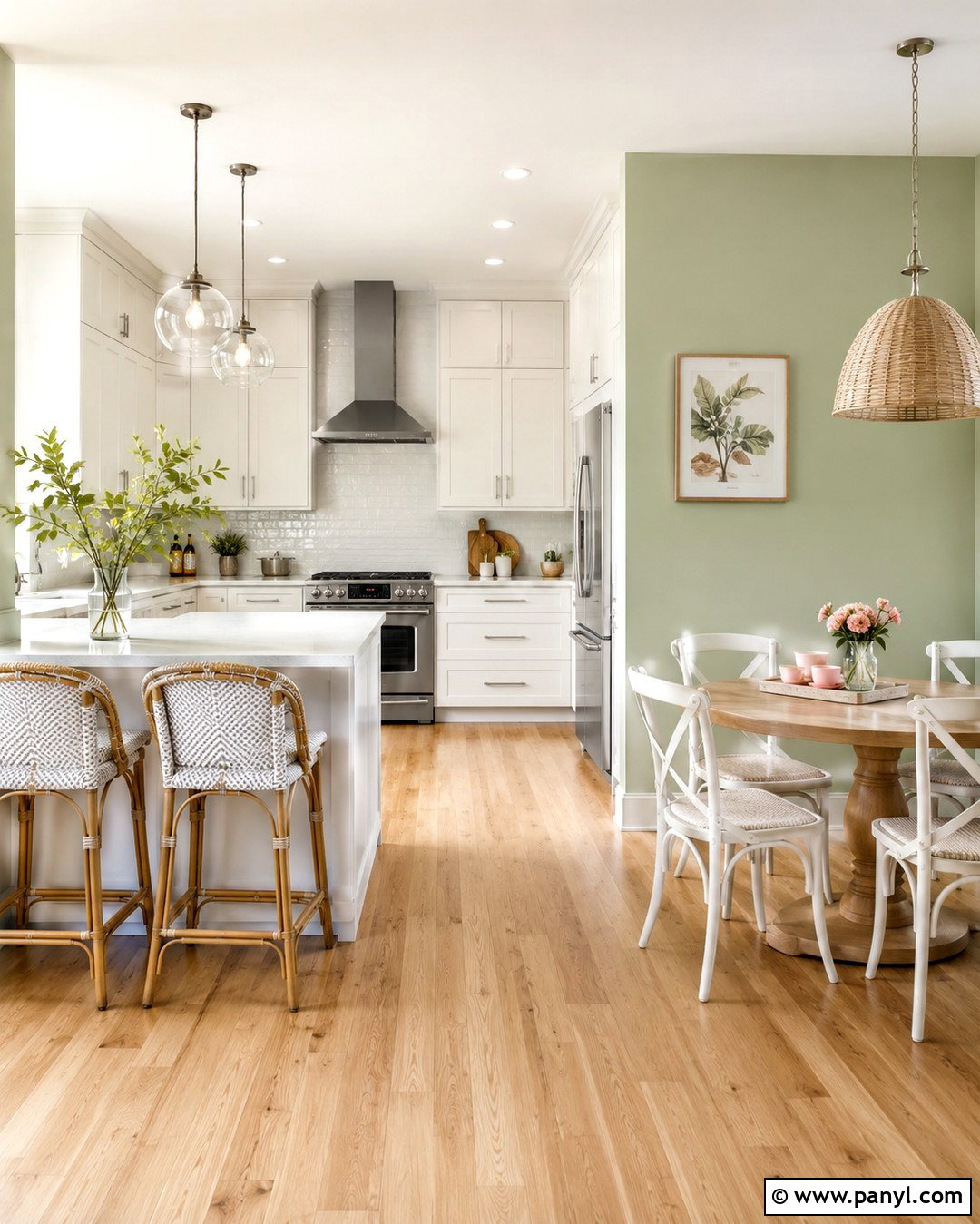
A mint green contrast wall makes a kitchen feel fresh, open, and cheerful. Use the color around a breakfast nook or on a wall without upper cabinets, where the pale shade can remain visible. Pair it with white shaker cabinets, light quartz countertops, and natural maple flooring. A compact round table with white chairs keeps the breakfast area casual and airy. Introduce brushed nickel hardware and clear glass pendant lighting for a clean finish. Small accents in peach, pale yellow, or soft blue can add warmth without overwhelming the mint. Avoid pairing this green with too many cool gray finishes. Creamy white surfaces and light wood prevent the kitchen from feeling clinical and create a softer everyday look.
6. Dark Green Fireplace Wall
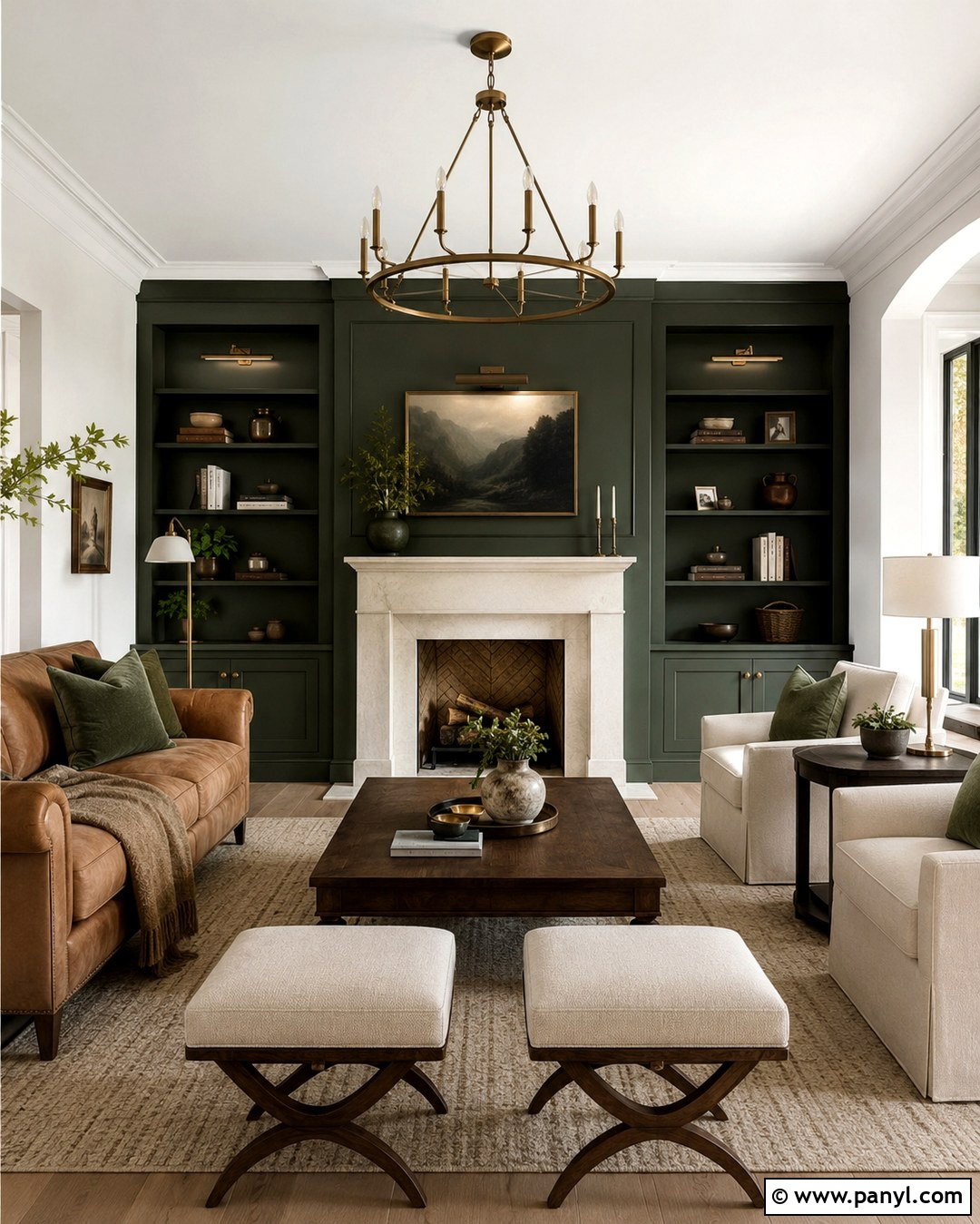
A dark green fireplace wall creates a strong architectural focal point in a living room. Paint the entire fireplace wall, including simple built-ins or paneling, in the same deep green for a cohesive appearance. A light limestone, white brick, or pale plaster fireplace surround will stand out clearly against the color. Arrange a camel-colored sofa and two cream chairs around a textured neutral rug. Walnut tables and antique brass lighting add warmth, while minimal artwork keeps attention on the fireplace. Repeat the green in only one or two small textiles elsewhere. This restrained approach makes the room feel coordinated rather than overly matched. Use layered lamps and ceiling lighting to preserve detail in the darker painted surface.
7. Green Board And Batten Wall
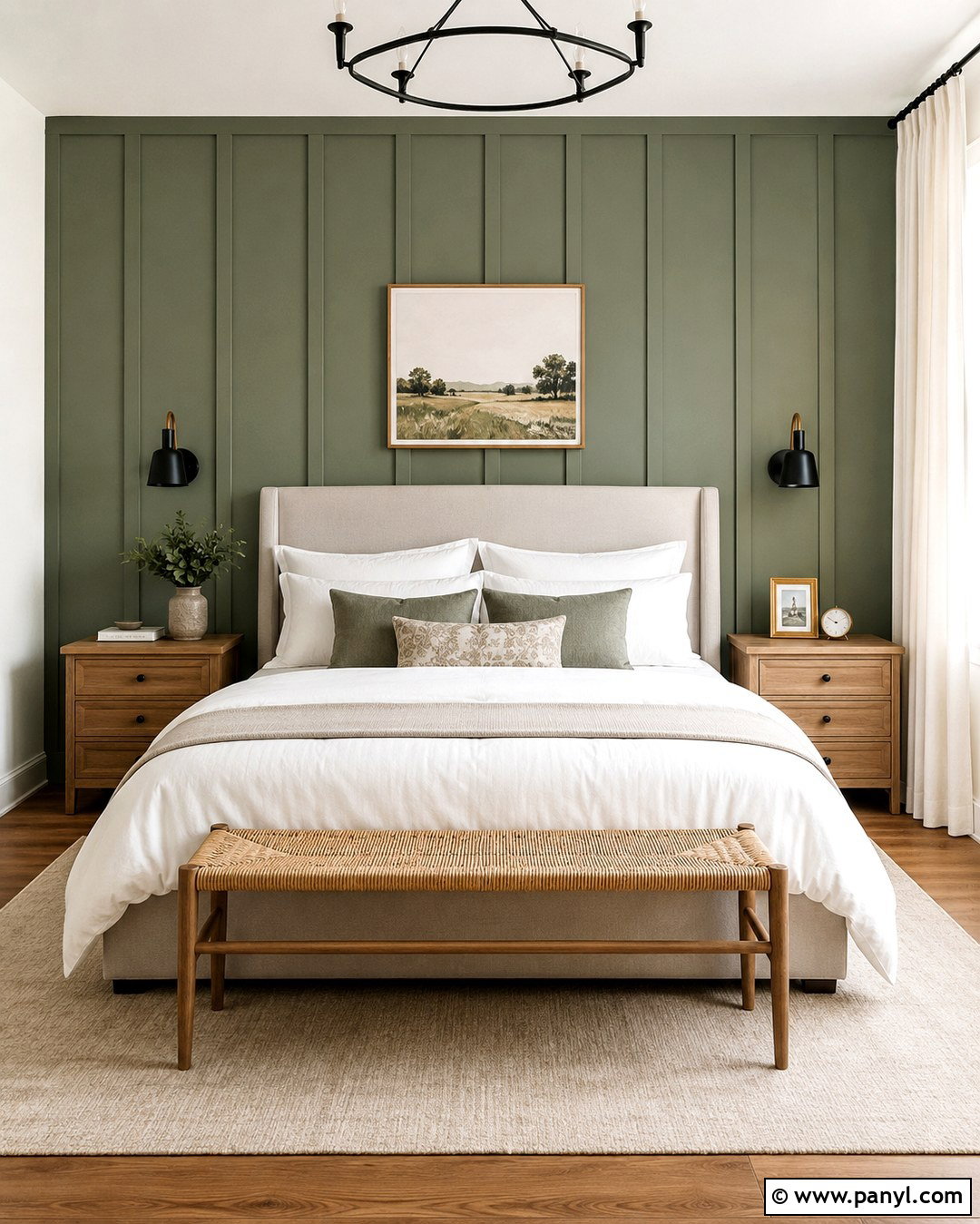
Green board and batten gives a plain room useful texture as well as color. Install the molding across the main wall behind a bed or sofa, then paint every panel and trim piece in muted moss green. The repeated vertical lines can make a standard ceiling appear taller. Pair the feature with an oatmeal upholstered bed, medium oak nightstands, and crisp white bedding. Black sconces provide a clean outline, while a woven bench and beige rug soften the structured wall treatment. Keep artwork minimal because the paneling already adds visual detail. Painting the surrounding walls warm white creates contrast, but matching the baseboards on the green wall produces a cleaner, more finished result that feels intentionally built into the room.
8. Green Geometric Wall
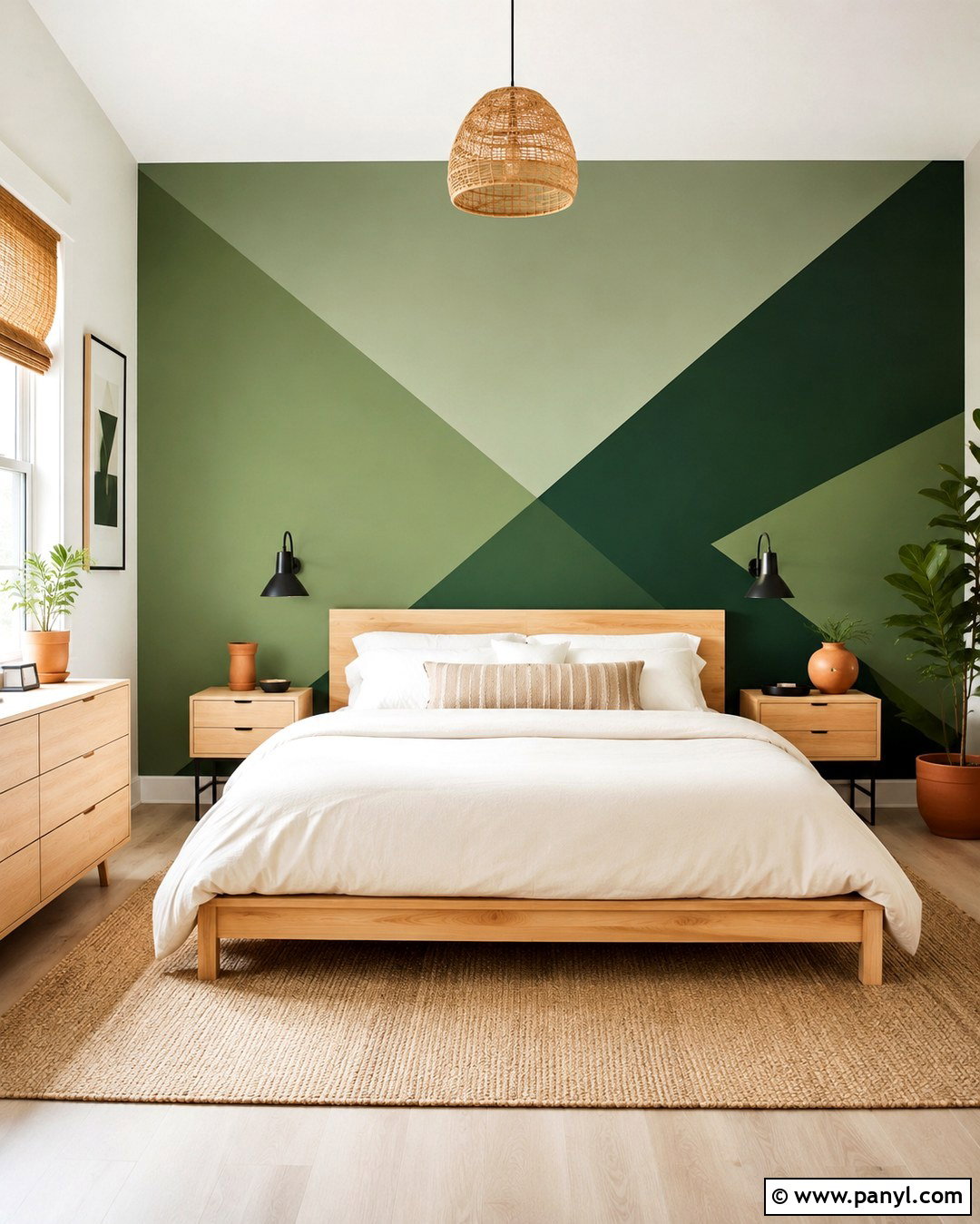
A geometric green wall gives a modern bedroom or creative workspace a playful focal point. Use two or three related shades, such as sage, moss, and deep pine, rather than combining many bright greens. Large angled blocks are easier to see and feel calmer than a wall covered in tiny shapes. Keep the furniture simple with a low-profile light wood bed, white desk, or neutral sofa. Solid cream bedding and a plain beige rug will prevent the room from becoming overly busy. Add matte black lighting and one or two terracotta accents for contrast. Carry one geometric line behind the main furniture to connect the composition. Clean painter’s tape and carefully measured shapes are essential for a professional result.
9. Green Wallpaper Accent Wall
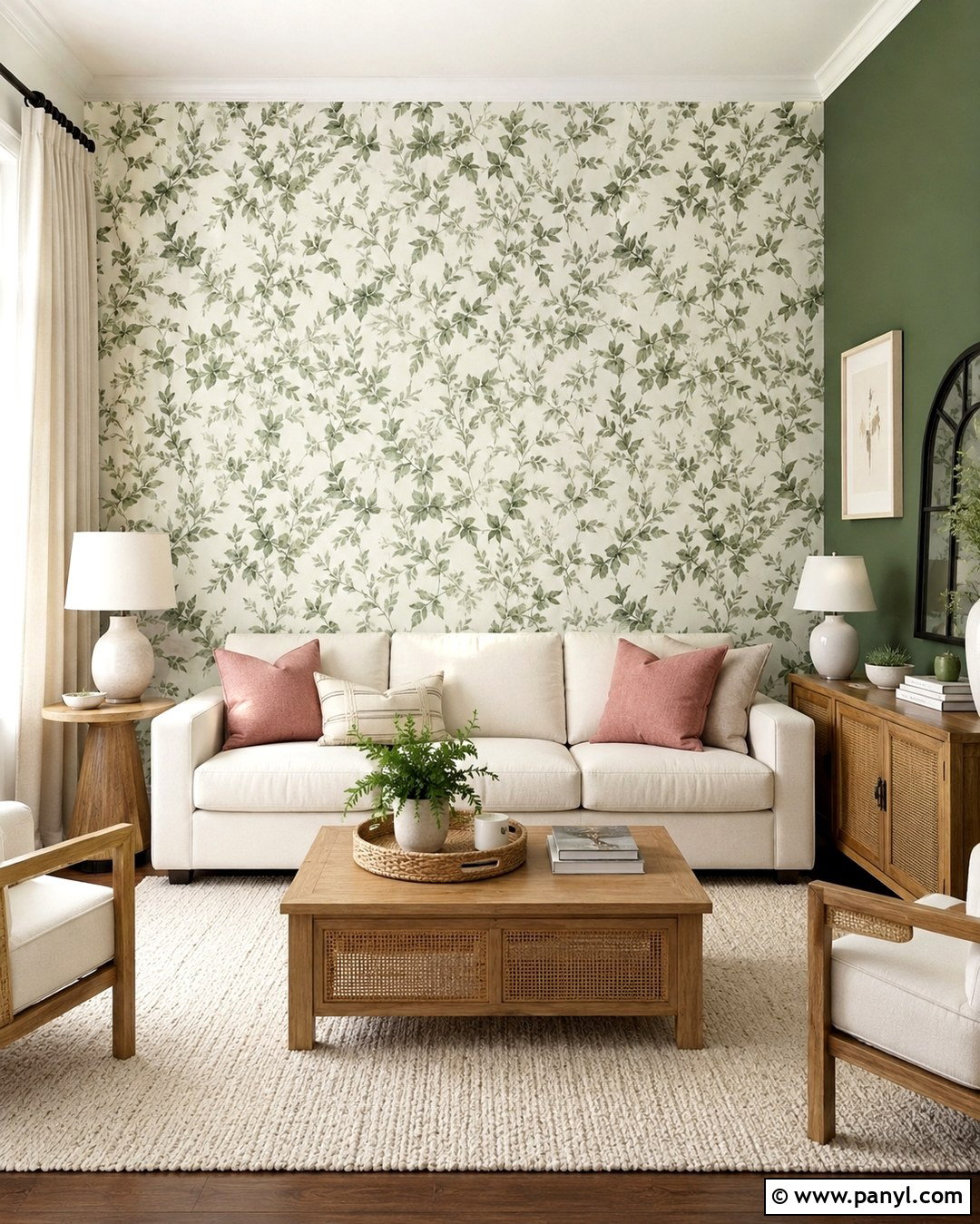
Green wallpaper can introduce color and pattern while creating a complete focal wall. Choose a botanical print with muted green leaves on a cream background for a look that remains easy to decorate around. Position it behind a neutral sofa, bed, or dining table so the pattern frames the room’s main feature. Use simple furniture in oak, linen, or cane to support the nature-inspired scheme. Pull one secondary color from the wallpaper, such as dusty pink or ochre, into cushions and artwork. Keep the other walls softly neutral and avoid adding competing patterns nearby. Solid curtains and a lightly textured rug give the eye places to rest. Removable wallpaper can offer a more flexible option for temporary spaces.
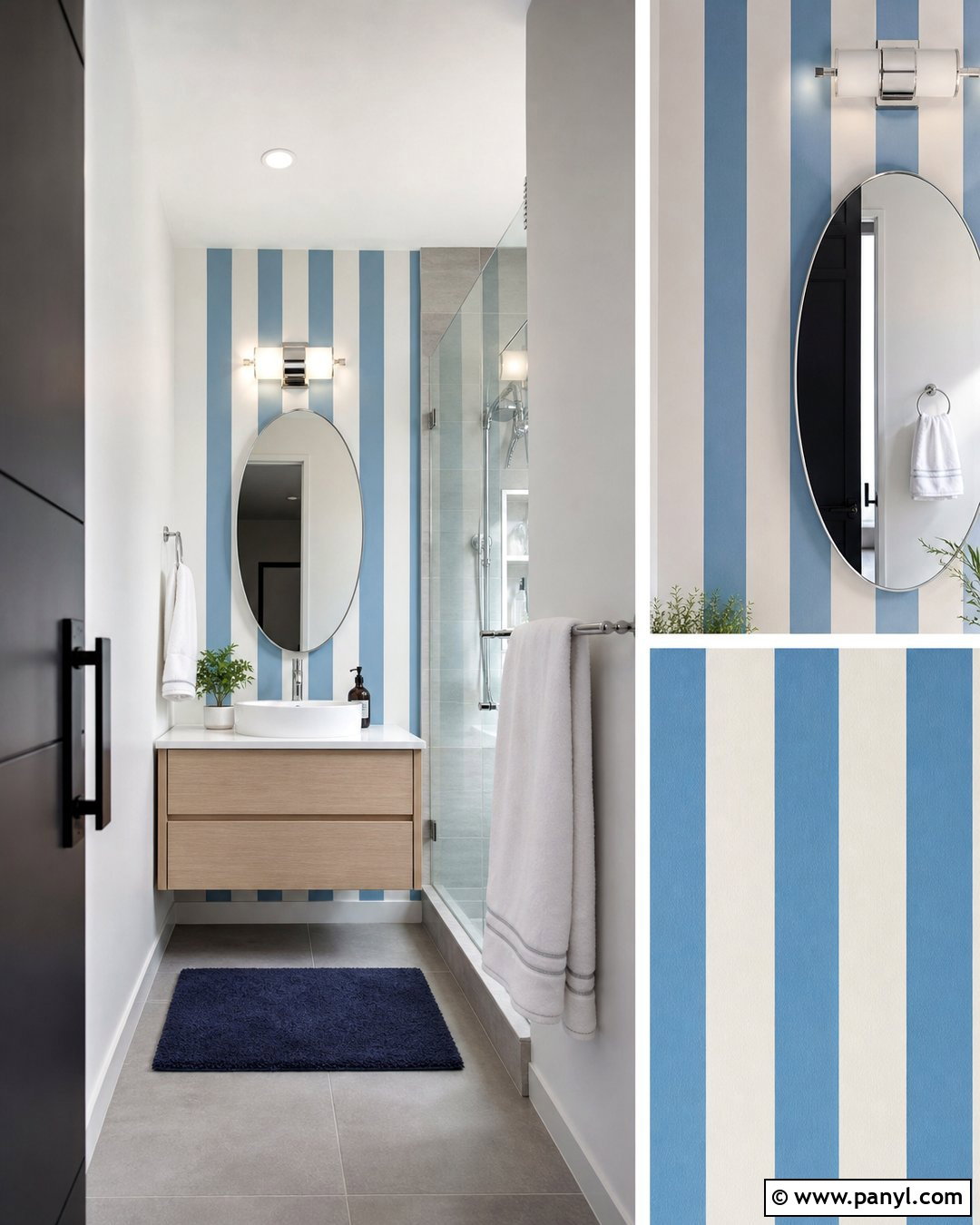
10. Hunter Green Entryway Wall
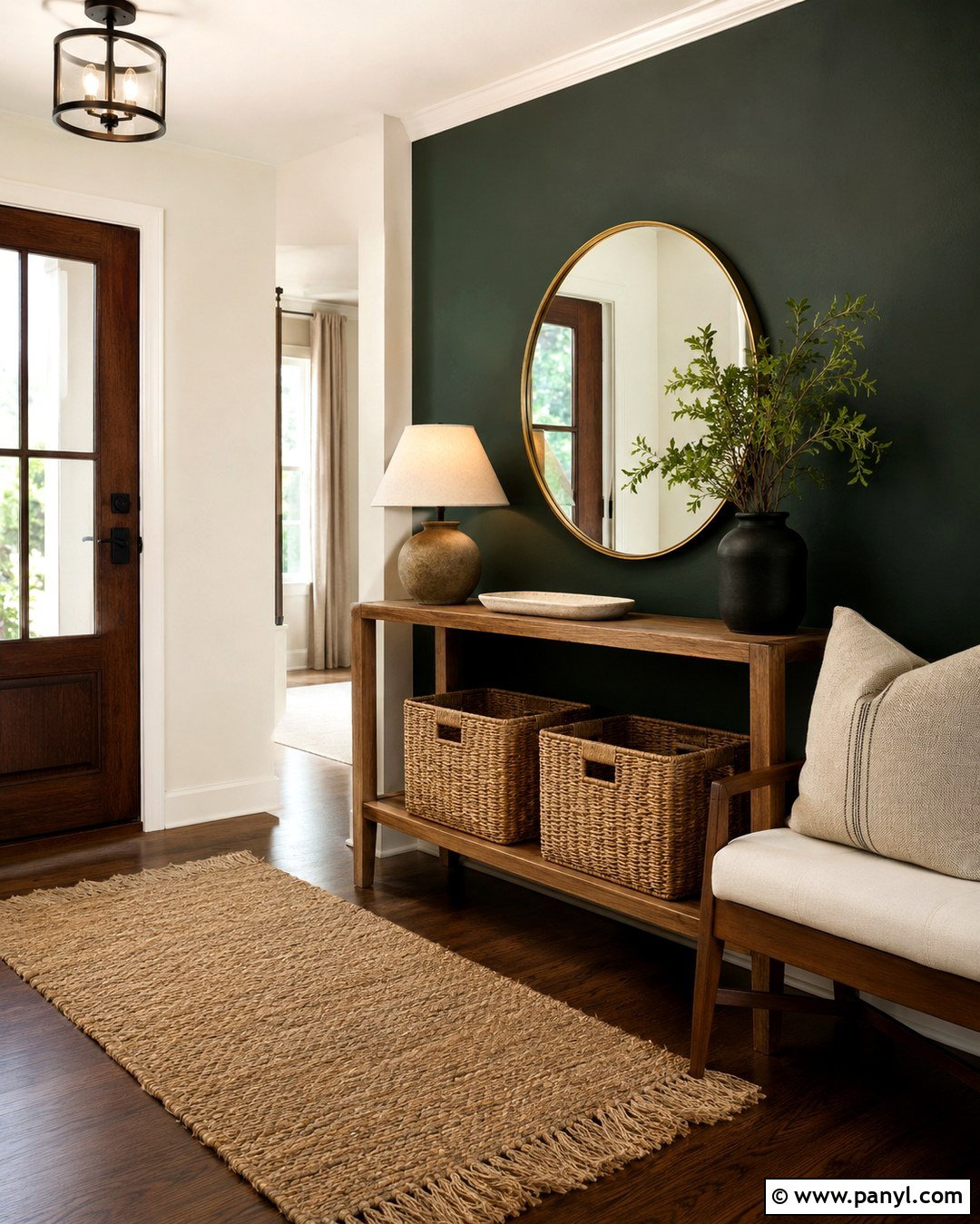
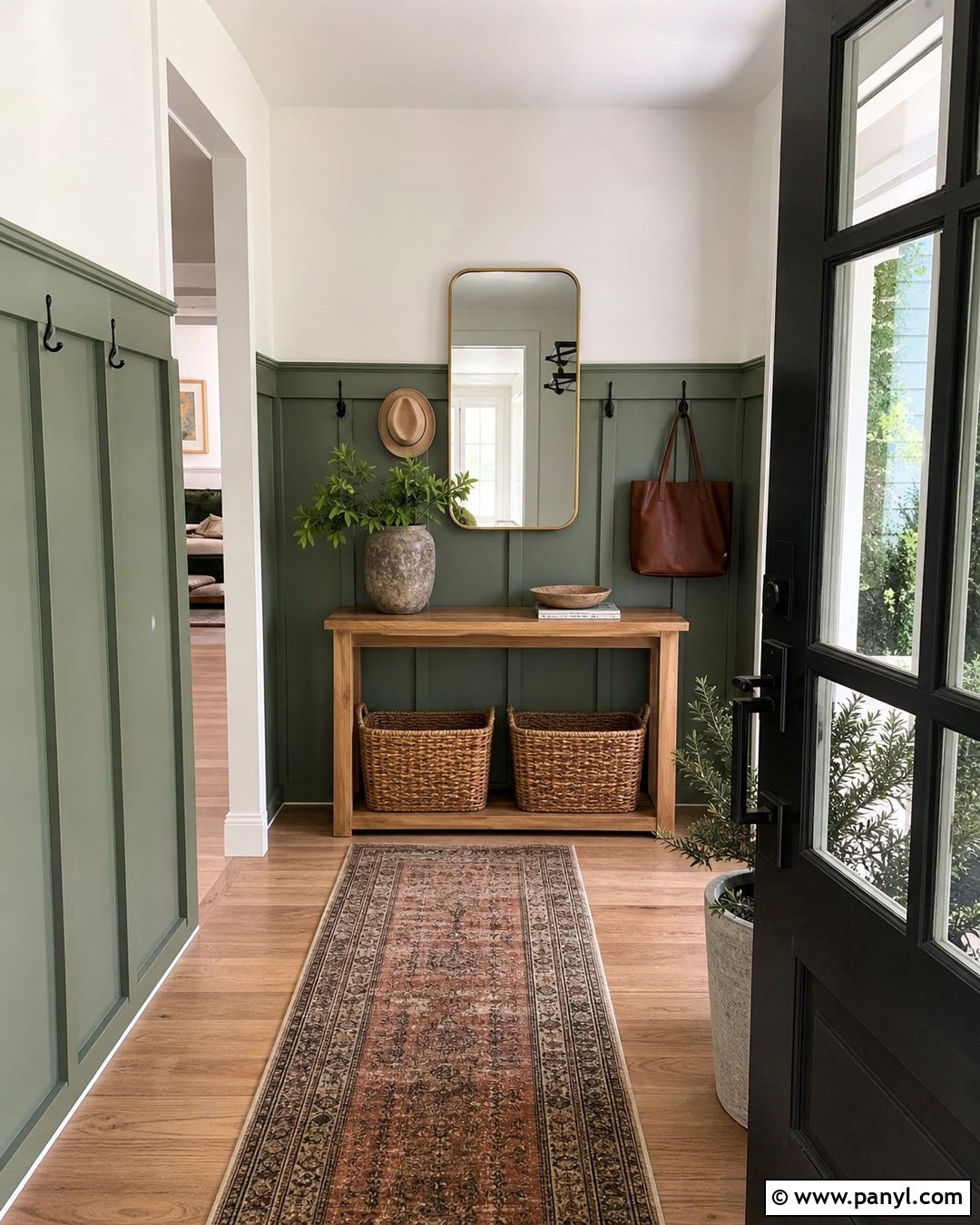
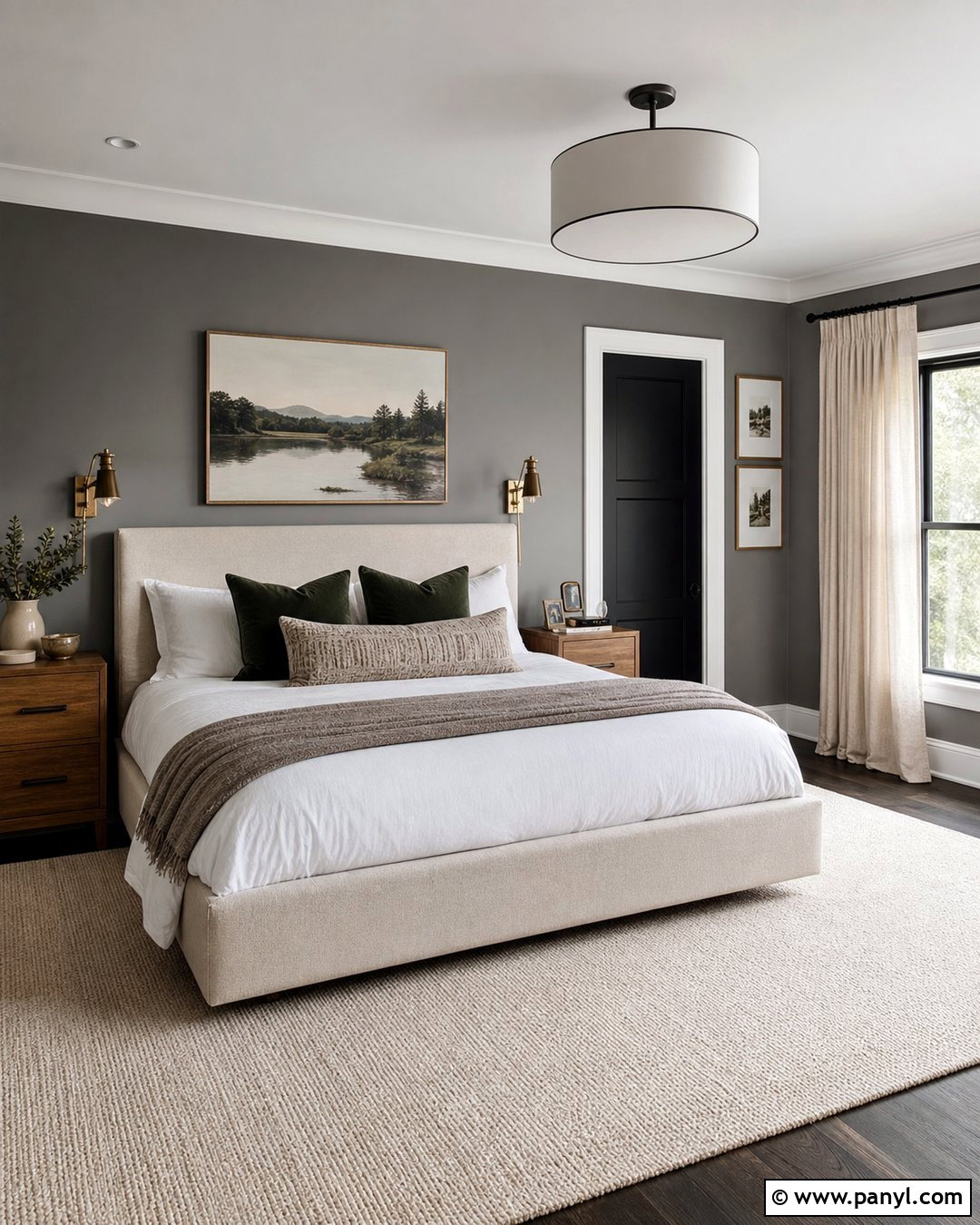
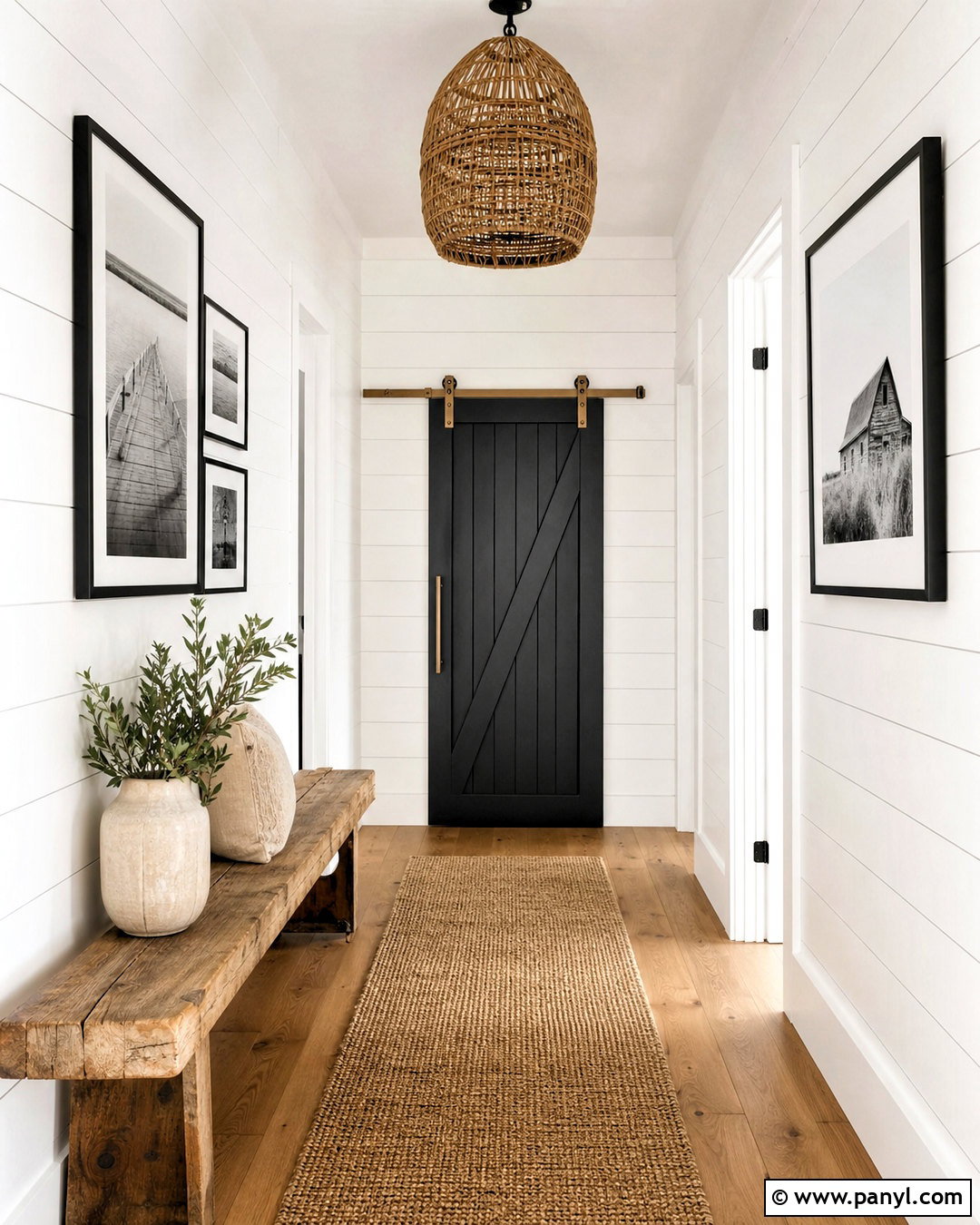
Hunter green can give a small entryway a clear identity from the moment someone enters. Paint the wall behind a narrow wood console, then add a large round mirror with a slim brass or black frame. A natural fiber runner brings texture and protects the floor in this high-traffic area. Use a closed basket, small ceramic tray, and compact table lamp to make the arrangement functional without creating clutter. If space allows, include a simple wood bench with a cream cushion. Warm white walls around the green feature will keep the hallway open. Coordinate hooks or cabinet hardware with the mirror frame. The finished entryway should combine storage, lighting, and decoration while leaving an unobstructed path through the space.
11. Green Wall With Pink Accents
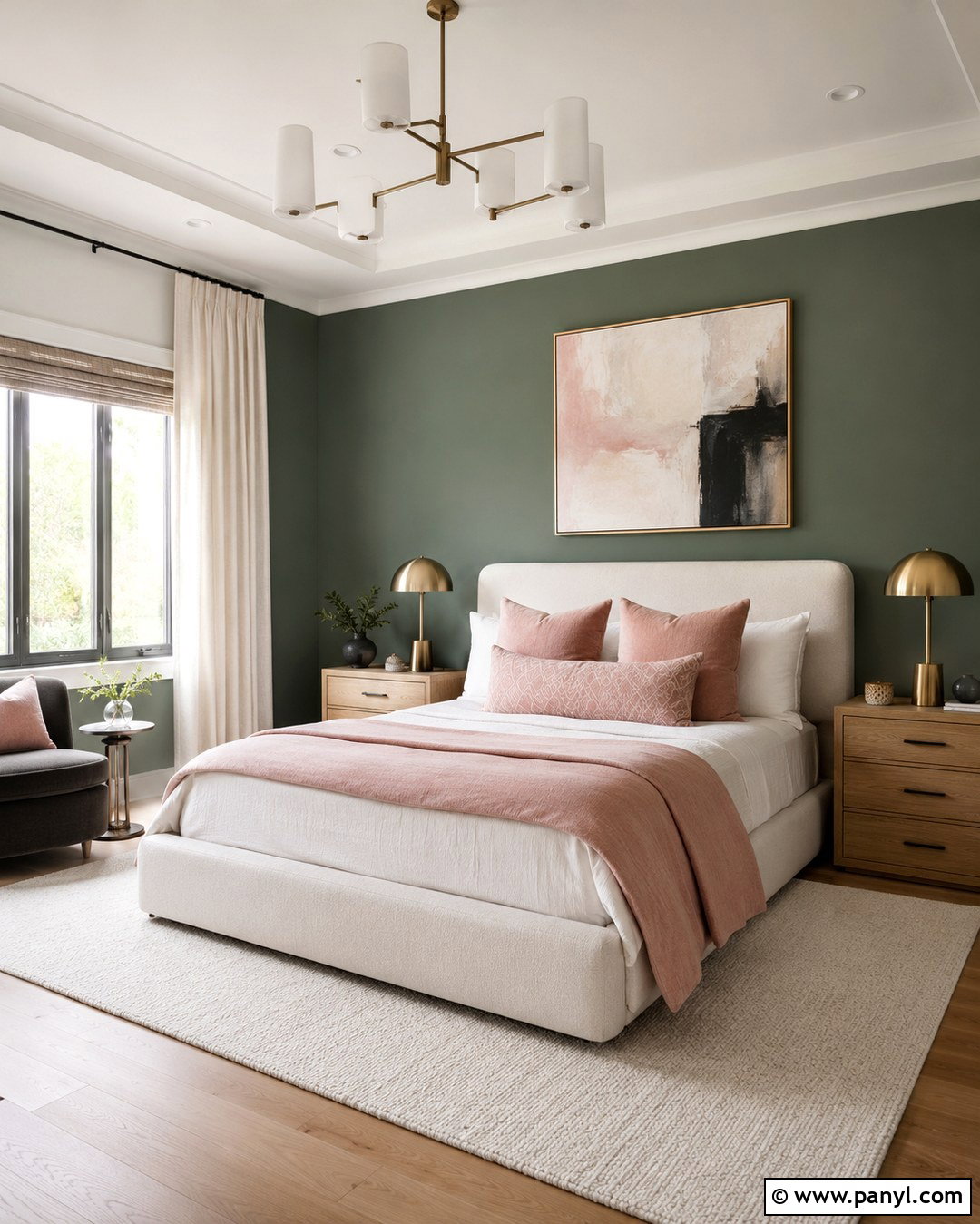
Green and pink can create a mature, balanced room when both colors have muted undertones. Start with a dusty eucalyptus green wall behind a cream sofa or upholstered bed. Introduce blush pink through two pillows, a throw, and a small piece of abstract artwork rather than using it on every surface. Light oak furniture and an ivory rug keep the palette natural. Add aged brass lighting for warmth and charcoal details for definition. Avoid bright bubblegum pink, which may compete with the subtle green. A few burgundy or clay accents can deepen the color story. This complete scheme works especially well in bedrooms, reading rooms, and relaxed living rooms where softness and gentle contrast are more desirable than a highly dramatic effect.
12. Green Wall With Mustard Decor
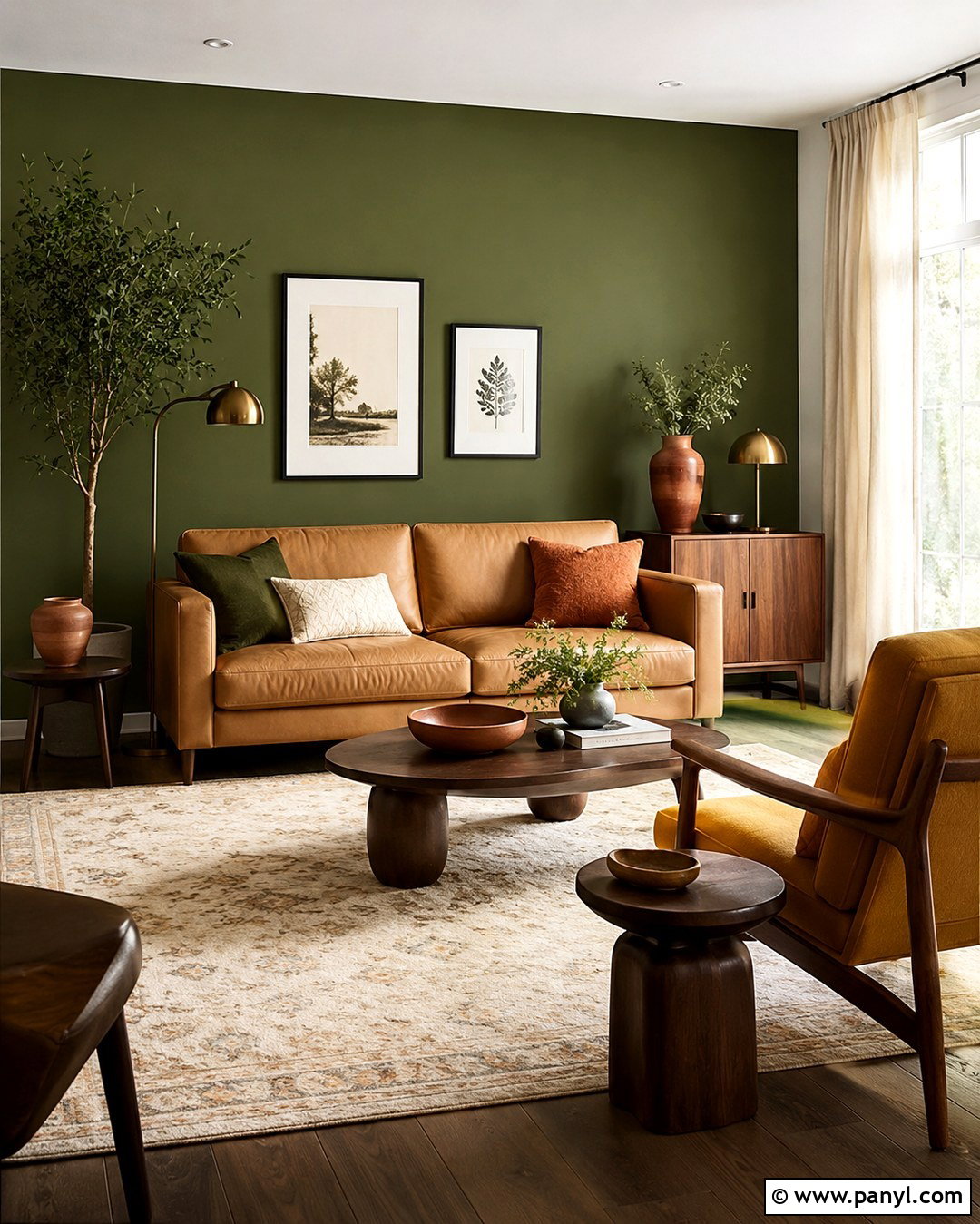
A moss green wall and mustard decor produce an earthy, energetic living room with plenty of warmth. Place a medium gray or tan sofa against the green, then add mustard pillows and one upholstered accent chair. Walnut furniture, a vintage-inspired cream rug, and bronze lighting help connect the two strong colors. Include small touches of rust and black through pottery, frames, and table accessories. Keep the curtains neutral so the wall and chair remain the main features. This palette benefits from generous natural light because both green and mustard can appear darker in shadow. Use the yellow tone selectively instead of repeating it everywhere. The result should feel layered and inviting, with green serving as the stable background and mustard providing brighter contrast.
13. Green Wall With Wood Slats
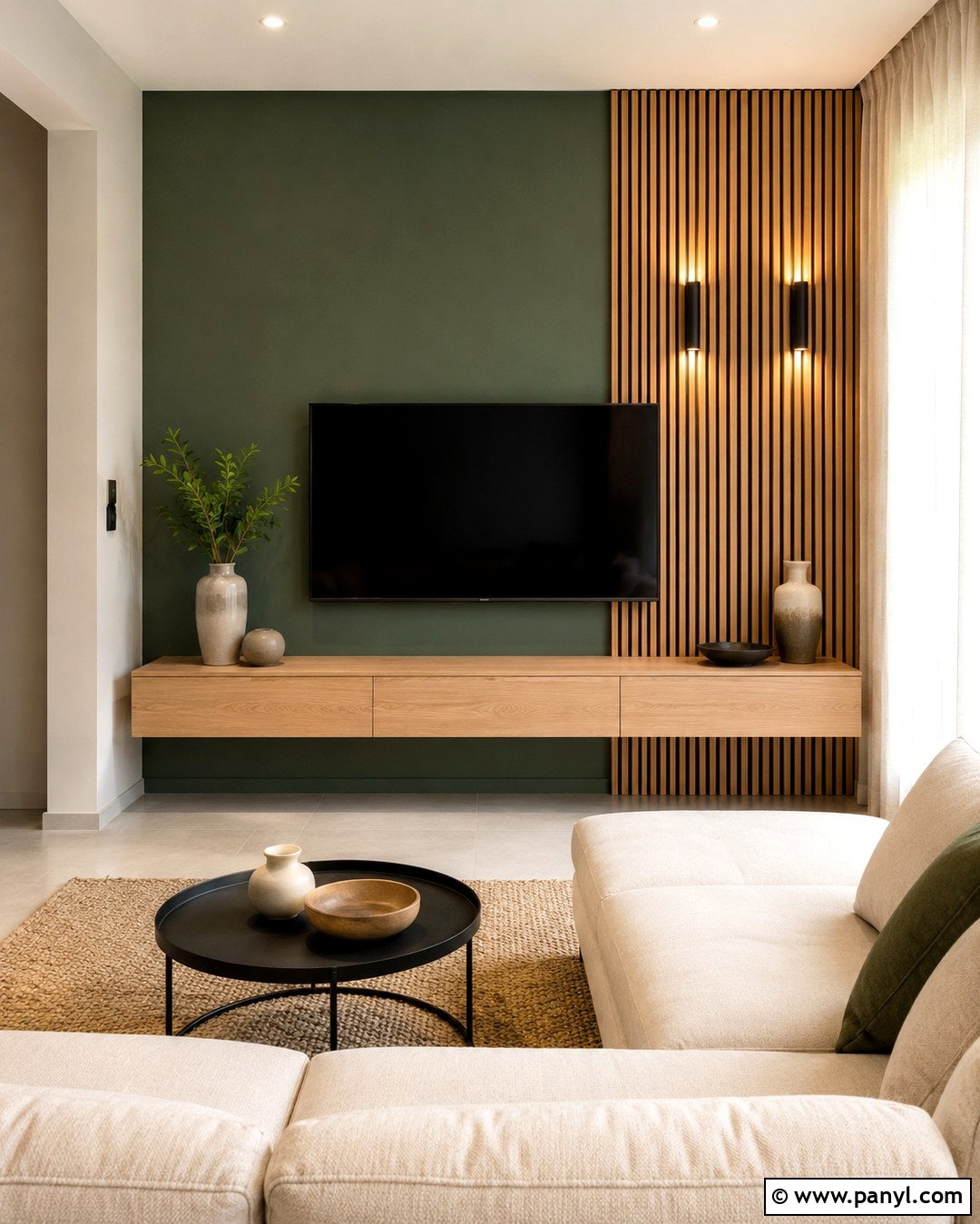
Combining green paint with vertical wood slats creates a warm, contemporary focal wall. Paint the entire surface muted fern green, then install evenly spaced oak slats across one section behind a television, desk, or bed. The wood adds rhythm while allowing enough green to remain visible. Choose streamlined furniture in cream, black, and matching oak to continue the modern look. Conceal cords and use closed storage so the feature stays clean. A textured beige rug, linen curtains, and simple ceramic decor soften the straight lines. Add warm white wall lights between or beside the slats to emphasize their depth. Limiting the palette to green, oak, cream, and black keeps this detailed wall from looking unnecessarily complicated.
14. Lime Green Kids Room Wall
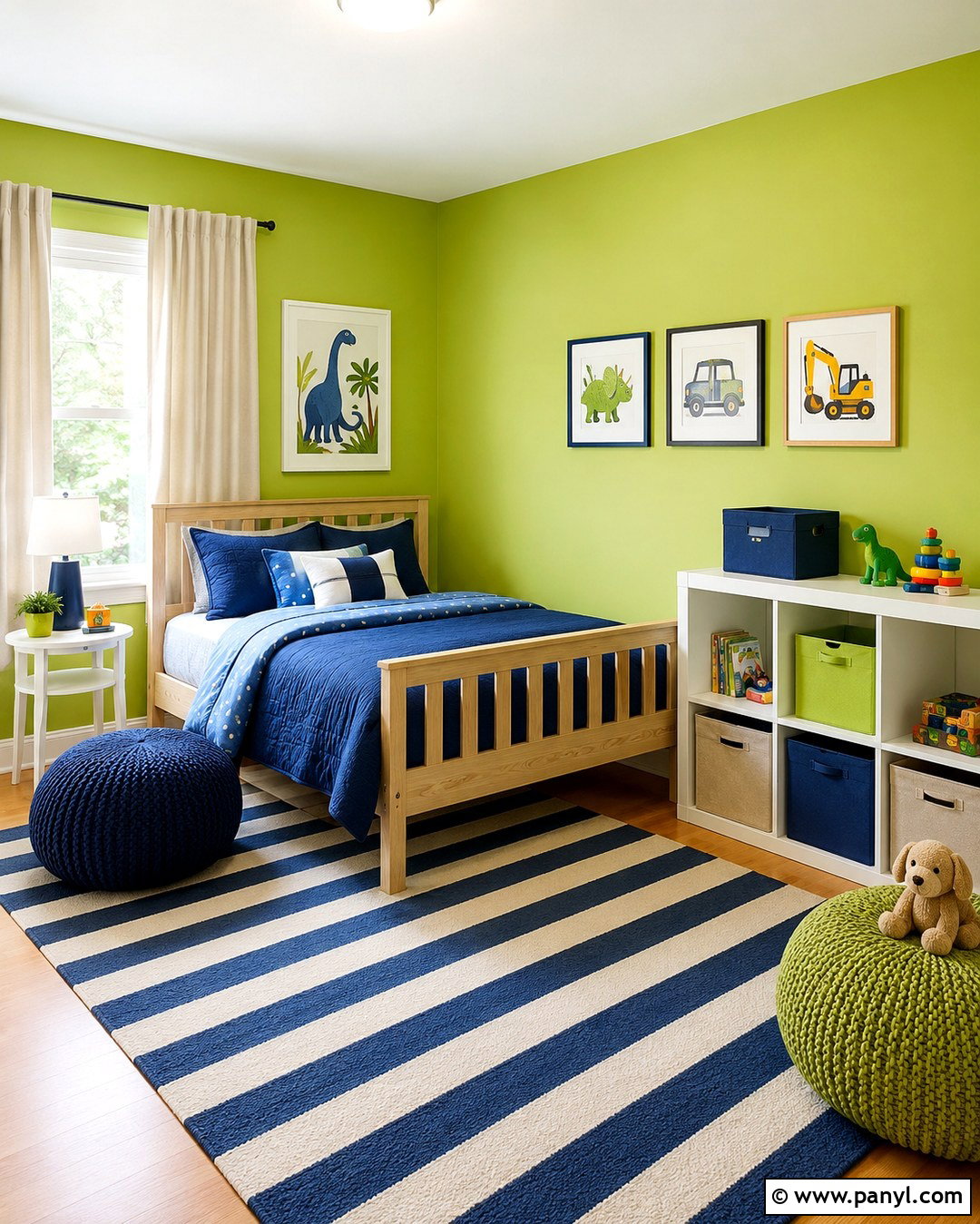
A soft lime green wall can make a child’s room feel lively without becoming overwhelming. Choose a slightly muted, yellow-based green rather than a neon shade. Place a white or pale wood bed against the wall and use bedding that combines navy, sky blue, and cream. Add practical cube storage, a washable striped rug, and blackout curtains in a solid neutral color. Colorful artwork can be arranged in matching frames to create order above a desk or reading corner. Repeat lime green in only a few small accessories so the room does not feel overly themed. The remaining walls should stay warm white. This balanced design leaves room for toys and changing interests while maintaining a bright, coordinated foundation.
15. Teal Green Bathroom Wall
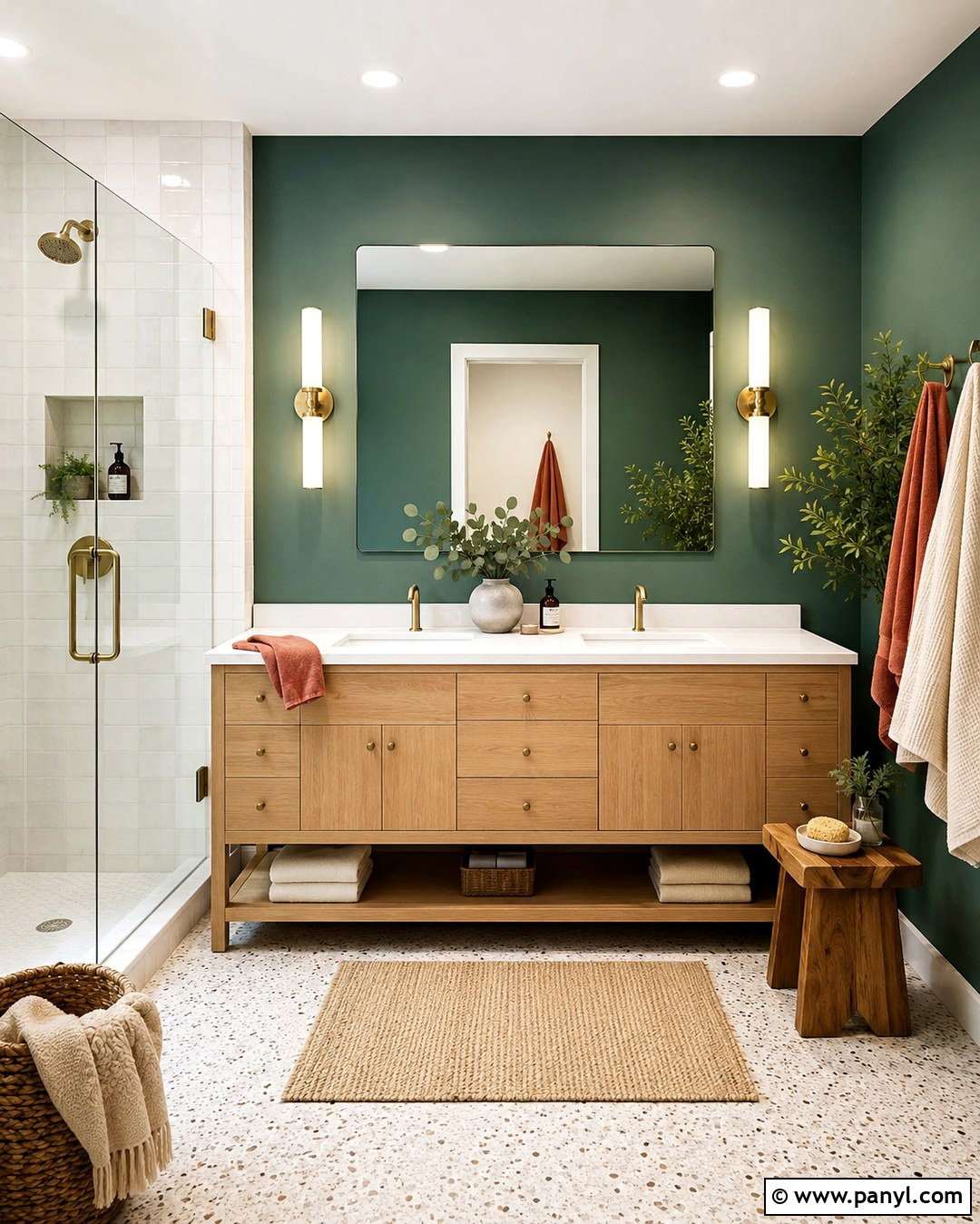
A teal green wall can bring depth and character to a bathroom while still feeling clean. Use the color behind a light oak vanity or around a freestanding white sink. White porcelain tile on nearby wet surfaces keeps the scheme practical and provides sharp contrast. Choose brushed brass fixtures for warmth or matte black hardware for a more modern finish. A frameless mirror and bright wall sconces will reflect light across the rich green. Add towels in cream, rust, or pale blue, along with a small wood stool and simple greenery. Select bathroom-rated paint with an appropriate moisture-resistant finish. Keeping the floor pale, such as light gray stone or white terrazzo, prevents the compact room from feeling visually heavy.
16. Pistachio Green Breakfast Nook Wall
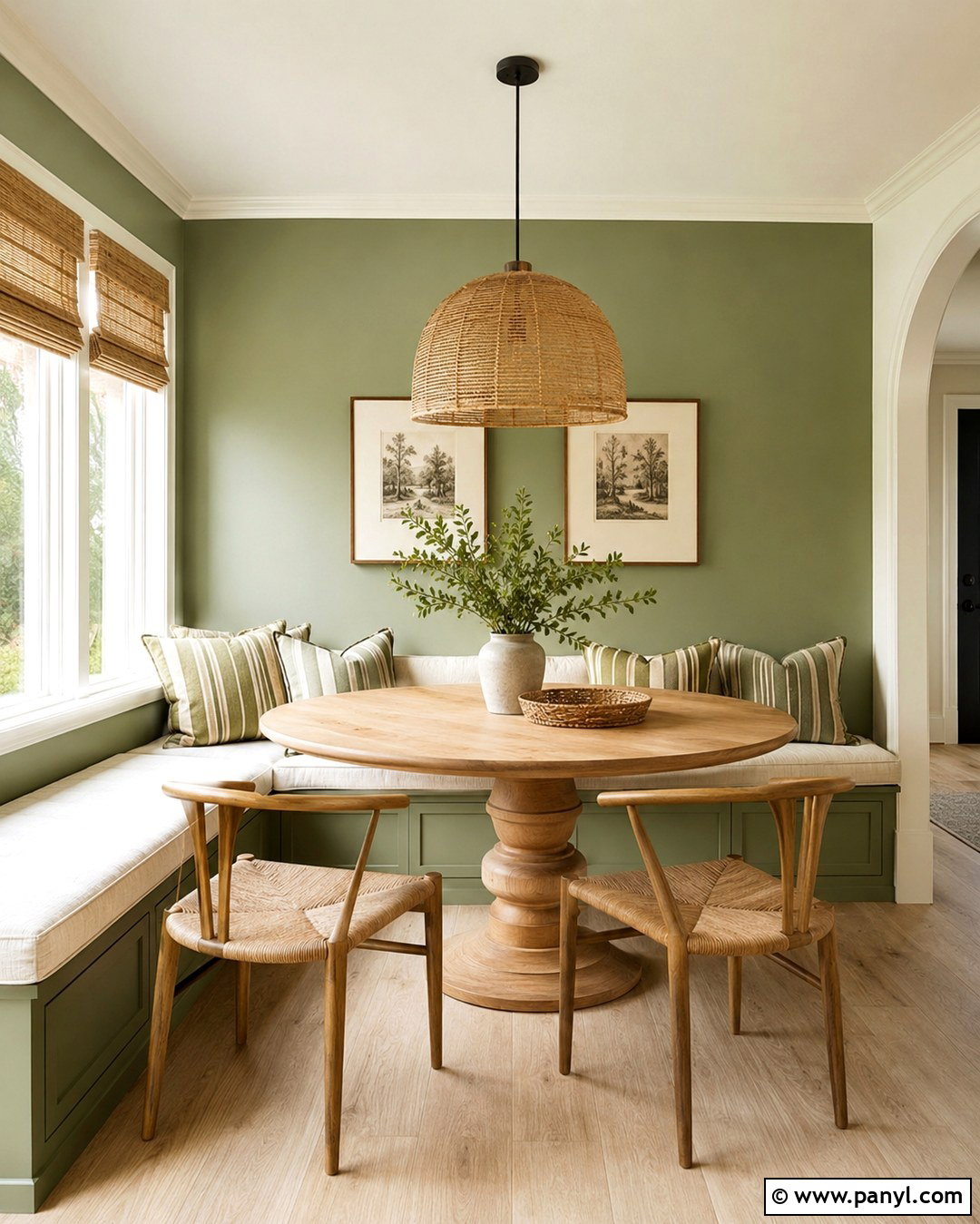
Pistachio green creates a friendly breakfast nook that feels light but more distinctive than plain white. Paint the wall behind a built-in bench or compact dining set, then layer the seating with cream cushions and a striped green-and-tan fabric. A round oak pedestal table improves movement in a tight corner. Choose woven pendant lighting and natural shades to emphasize the warm, casual mood. Small framed prints can add color without covering too much of the wall. Use white trim and pale flooring to maintain an open appearance. A vase of branches or everyday fruit bowl completes the table simply. This combination works particularly well in kitchens that already contain white cabinets, wood accents, and softly colored accessories.
17. Green Gallery Wall
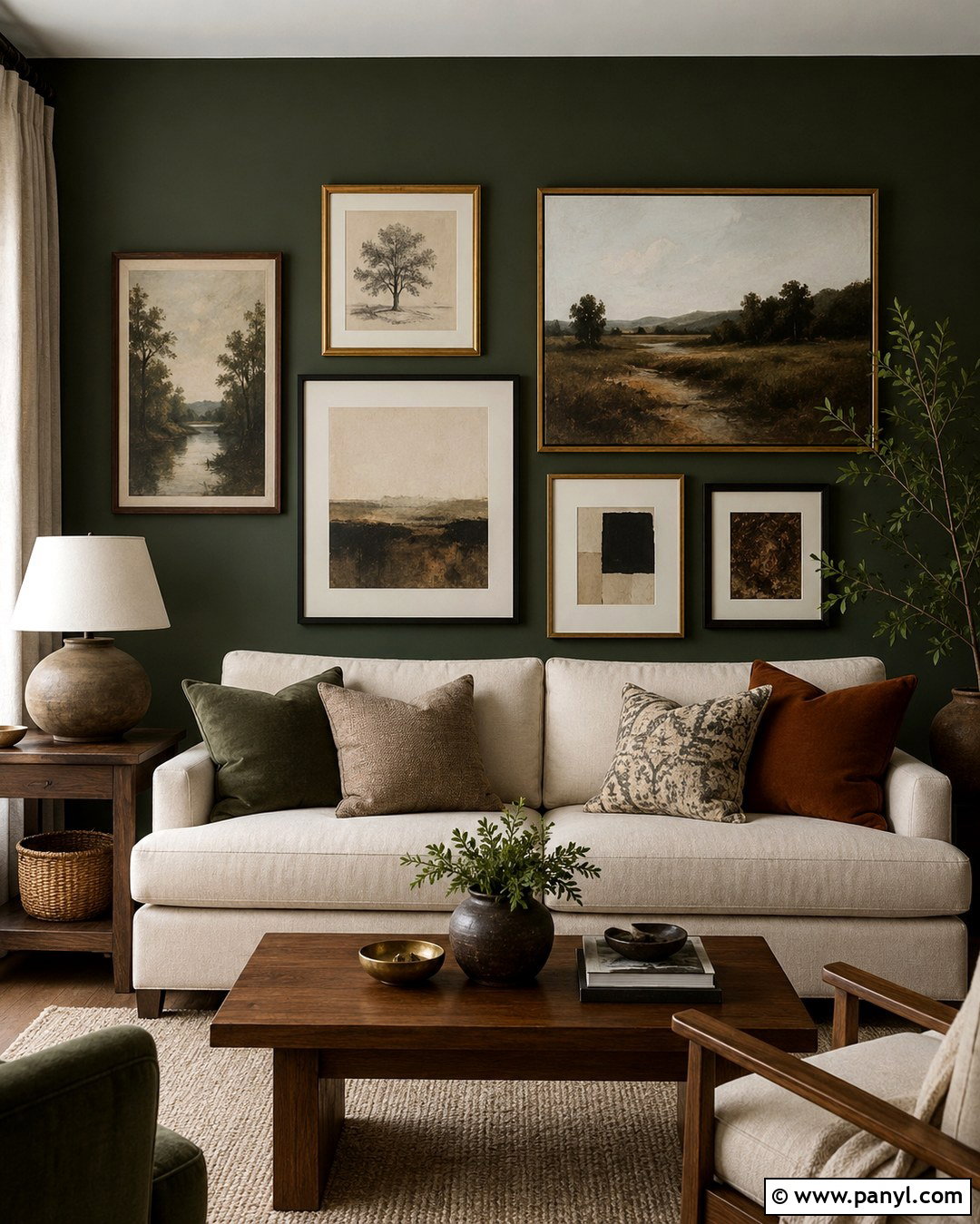
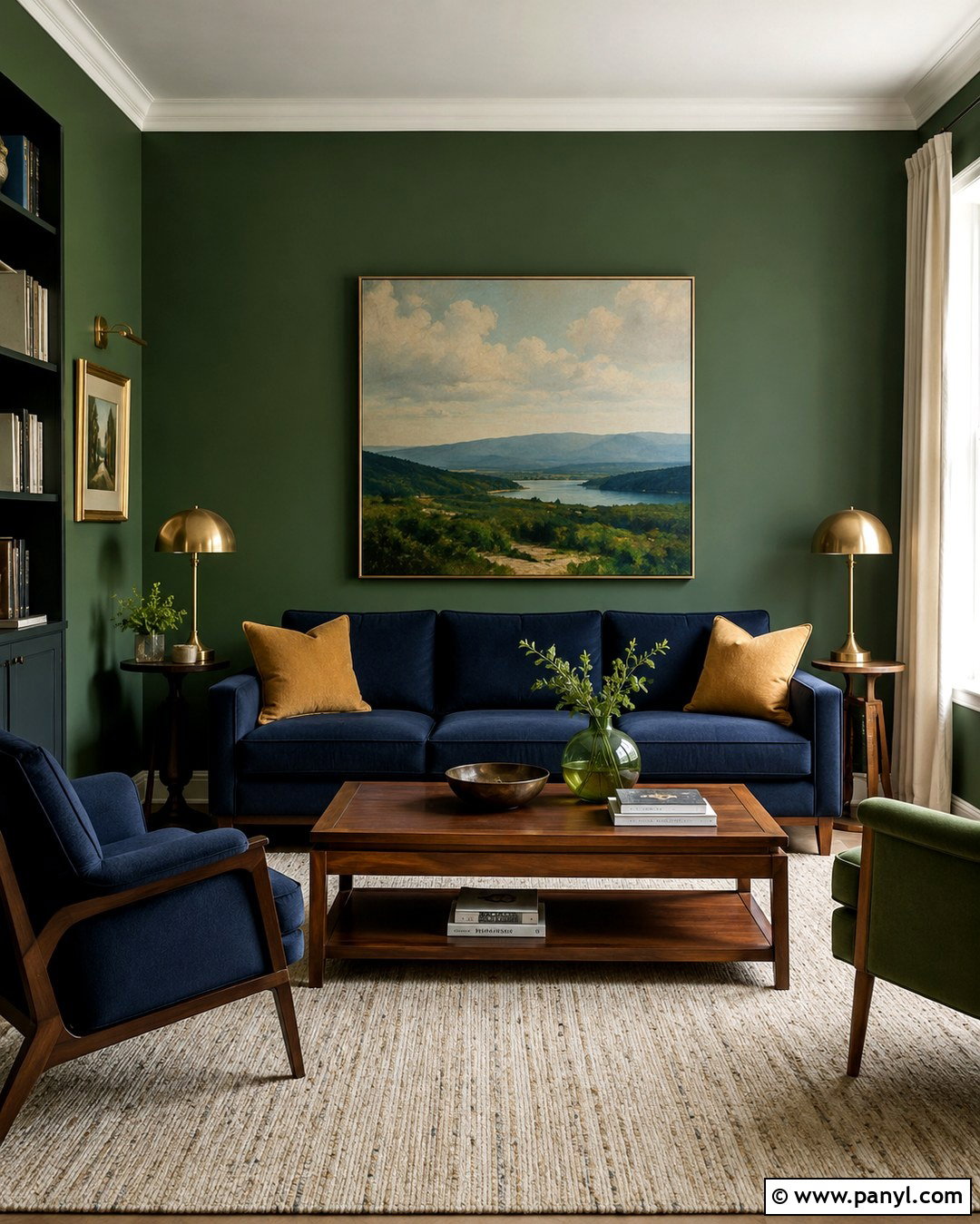
A deep sage or olive wall provides a rich background for a collected gallery display. Arrange artwork above a low cream sofa or console, mixing landscapes, abstracts, and simple line drawings in a controlled palette. Use frames in walnut, antique brass, and matte black, but repeat each finish more than once to create unity. Leave consistent spacing between pieces and keep the overall arrangement aligned with the furniture below. A beige rug, linen curtains, and warm wood tables will balance the visual activity. Add one sculptural lamp and a few solid-colored pillows rather than more patterns. The green background helps lighter artwork stand out, while the coordinated furniture ensures the gallery feels integrated into a complete living space.
18. Green Reading Nook Wall
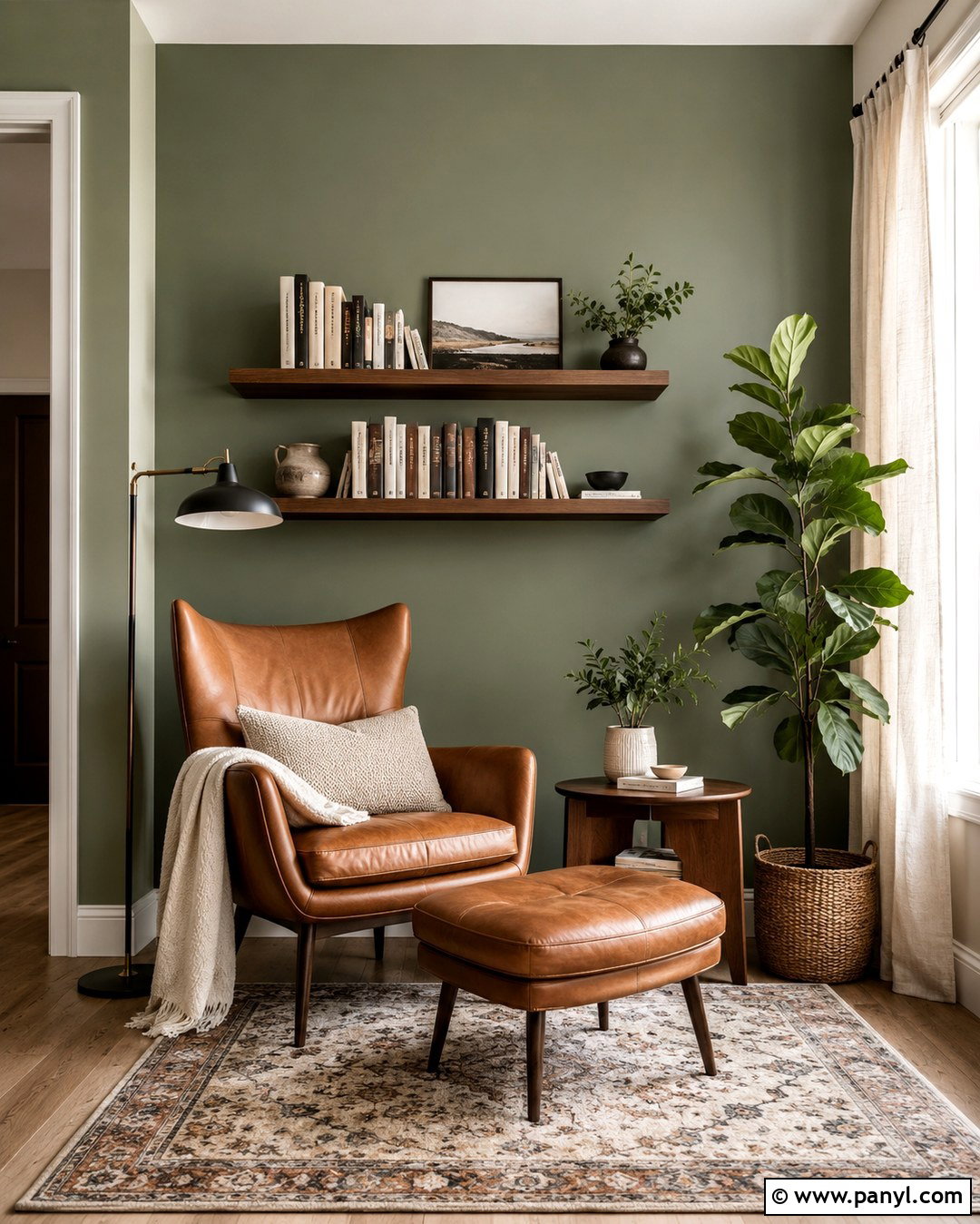
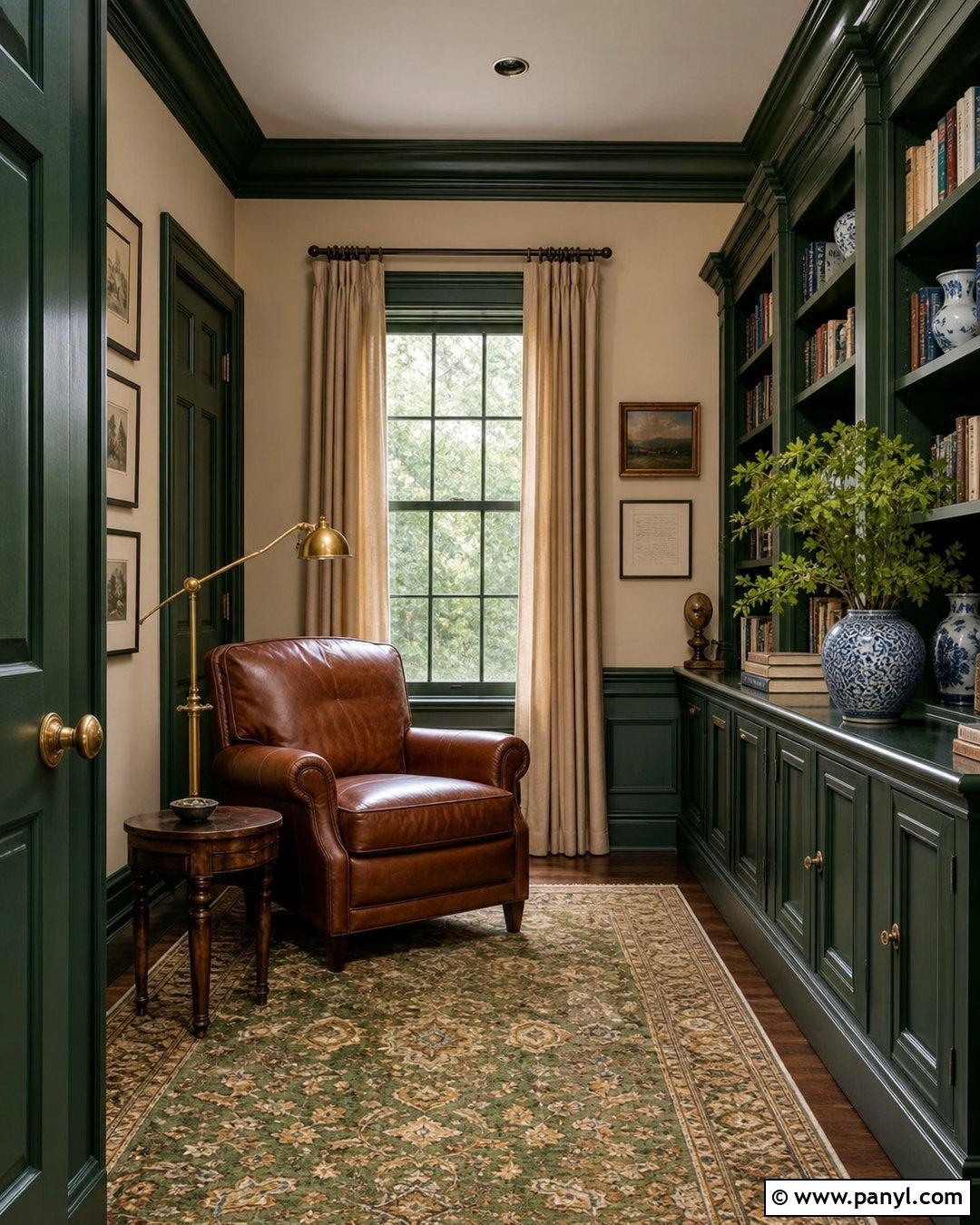
A green wall can define a cozy reading nook inside a larger bedroom, living room, or landing. Paint the recessed wall or corner in muted pine green, then place a comfortable caramel leather or cream boucle chair in front of it. Add a slim floor lamp, compact wood side table, and small footstool for everyday comfort. Built-in shelves or two floating ledges can hold books without crowding the floor. Use a soft patterned rug to visually mark the zone. A linen curtain and one leafy plant reinforce the relaxed natural palette. Keep nearby walls light so the green corner reads as a distinct destination. The arrangement should prioritize good lighting, accessible storage, and enough open space to sit comfortably.
19. Green Kitchen Dining Wall
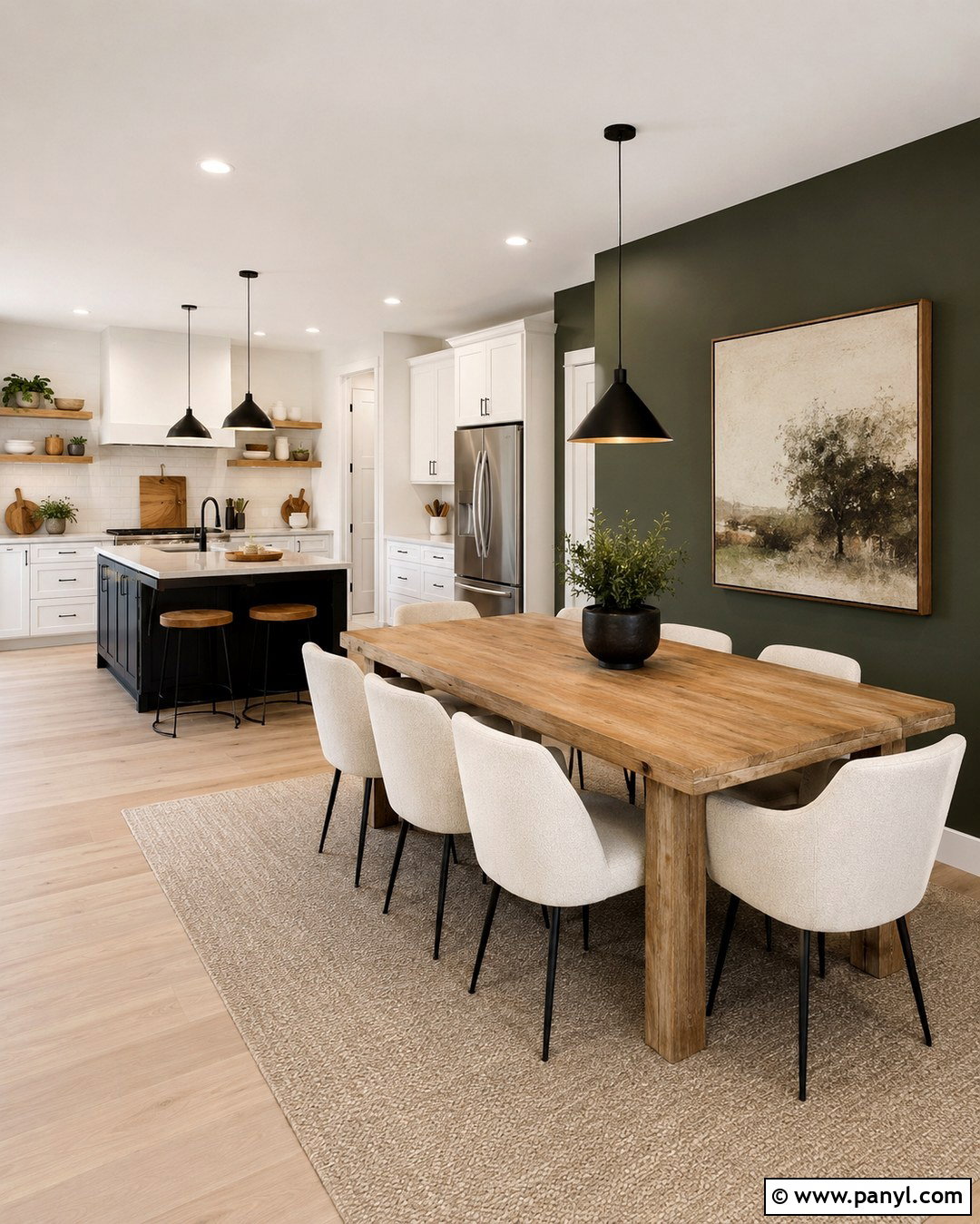
A smoky green wall can visually separate the dining zone in an open kitchen without building a partition. Paint the wall behind a rectangular oak table and coordinate it with cream dining chairs, black pendant lighting, and a washable neutral rug. If the kitchen has white cabinets, repeat the green through a small runner or countertop planter to connect both areas. Hang one oversized framed print or a shallow display shelf above the table. Warm wood and woven textures prevent smoky green from appearing too cool. Keep the adjacent kitchen walls pale and maintain the same flooring throughout the open space. This approach gives the dining area its own character while preserving a natural flow between cooking, eating, and entertaining zones.
20. Green Two Tone Wall
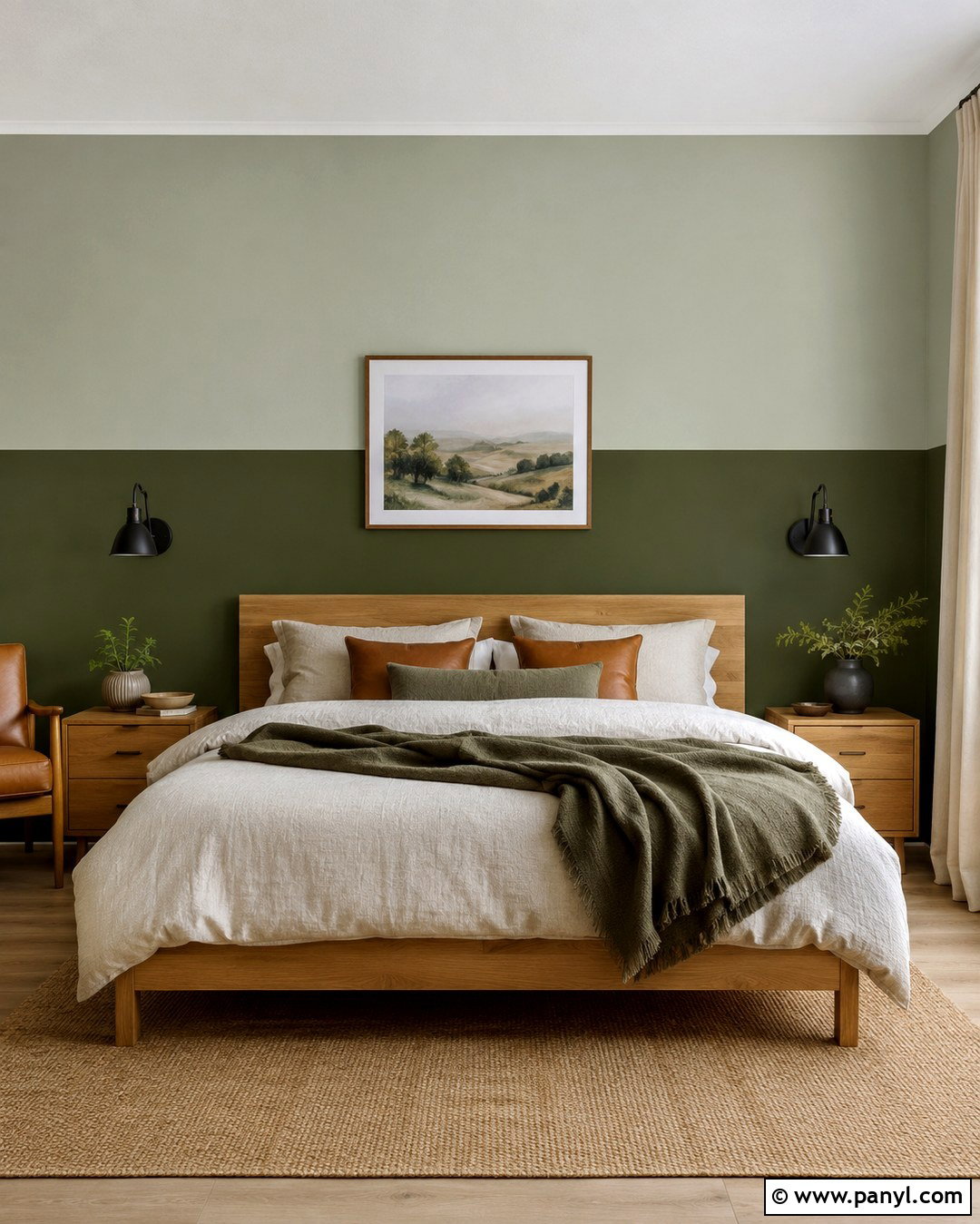
A two-tone green wall offers contrast and architectural interest without requiring added molding. Paint the lower half in deep olive green and the upper half in soft warm white or pale sage. A clean horizontal line around chair-rail height makes the room feel structured. Use the darker section behind a light wood bed, cream sofa, or simple dining bench. Choose natural linen textiles, tan leather details, and black metal lighting to complete the palette. Artwork should hang mostly in the lighter upper section so it remains easy to see. Continue the dark green across doors or baseboards only if you want a bolder effect. This flexible treatment works well in bedrooms, hallways, dining rooms, and multipurpose family spaces.
Conclusion:
These 20 Green Contrast Wall Ideas show how one thoughtfully designed surface can shape an entire room. The green should relate to the flooring, furniture, lighting, and textiles rather than feeling like a separate decoration. Soft sage and pistachio create gentle contrast, while forest, hunter, and emerald green provide stronger visual depth. Textured treatments such as paneling, wallpaper, wood slats, and two-tone paint can make the focal wall even more distinctive. Before committing, sample several shades and view them during the morning, afternoon, and evening. Most importantly, choose a green that supports the way you want the room to feel. A coordinated palette will keep the finished design comfortable, useful, and visually balanced.

Related Ideas and Inspiration:
Leave a Reply