
A dedicated cellar does not need a huge basement or an expensive renovation. The best **simple wine cellar ideas** use compact layouts, practical racks, durable materials, and focused lighting to create storage that feels intentional. An unused closet, empty corner, pantry wall, or space beneath the stairs can become an attractive feature without overwhelming the home. Current designs often combine modular racks, glass doors, and vertical storage to make smaller areas work harder. () Before building, decide whether you need decorative short-term storage or a properly insulated and climate-controlled room for long-term aging. The following complete looks balance function, space, and approachable design, giving you 20 simple wine cellar ideas to recreate.

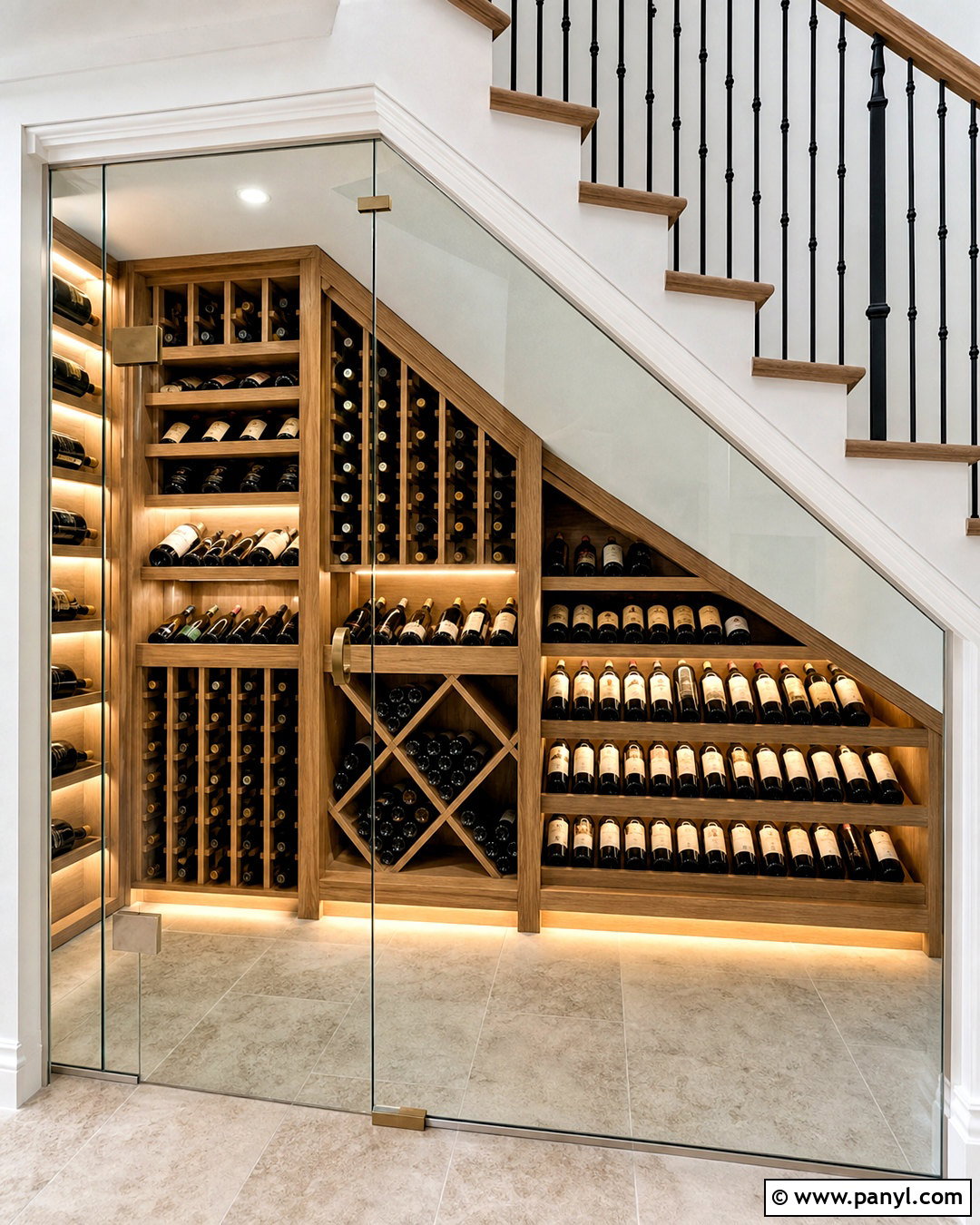
1. Under Stairs Wine Cellar
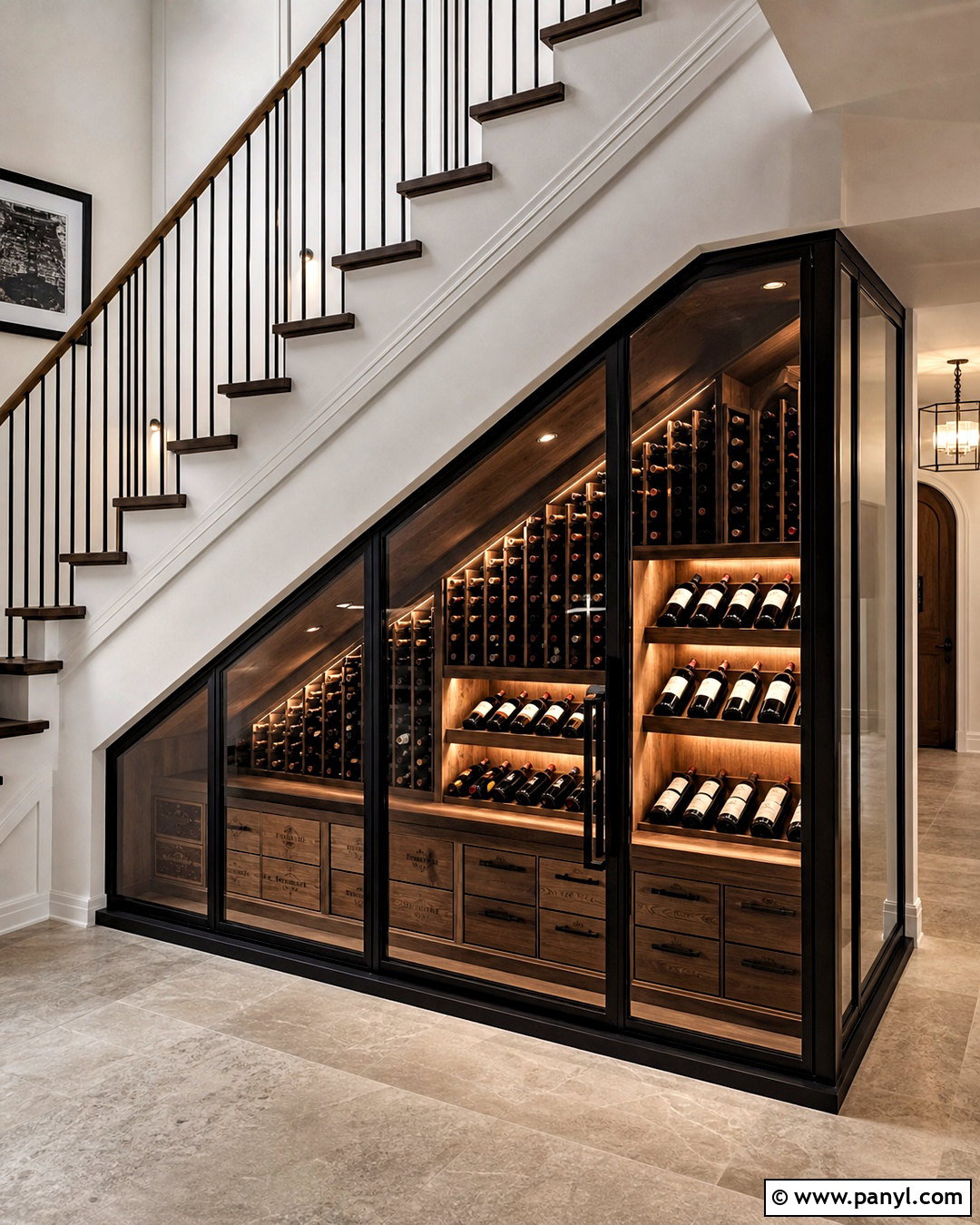
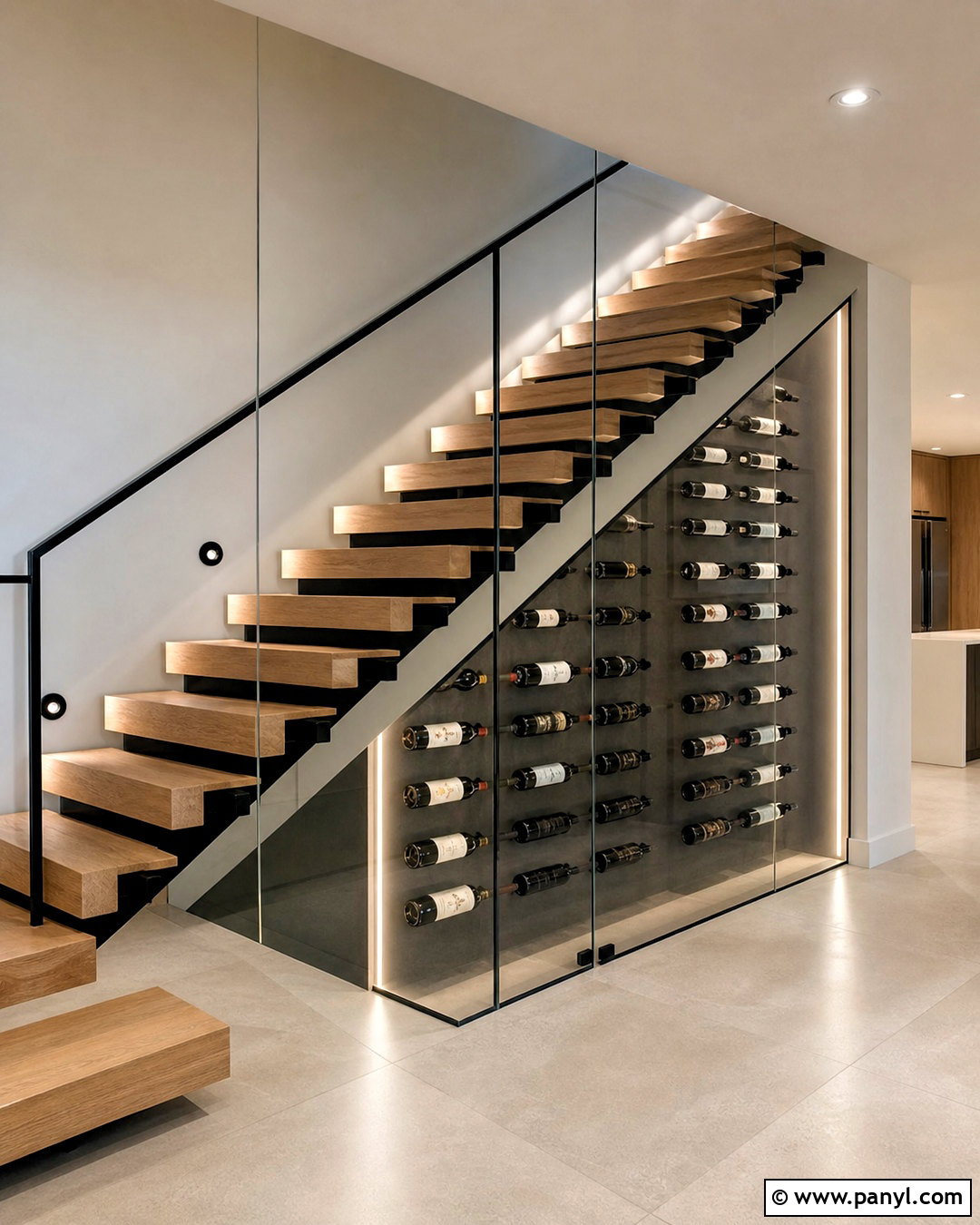
Turn the triangular space beneath a staircase into a compact cellar with fitted walnut racks, a clear glass enclosure, and warm white LED strips. Follow the slope of the stairs with graduated shelving so every inch has a purpose. Place horizontal bottle storage along the tall back wall, then reserve the lower section for wood cases and closed drawers. A slim limestone-look tile floor adds durability without making the area feel heavy. Black metal framing around the glass gives the design a clean architectural outline. Because this feature is visible from nearby rooms, match the rack finish to the stair treads or existing flooring. The result feels integrated, polished, and far more useful than an ordinary under-stairs closet.
2. Small Closet Wine Cellar
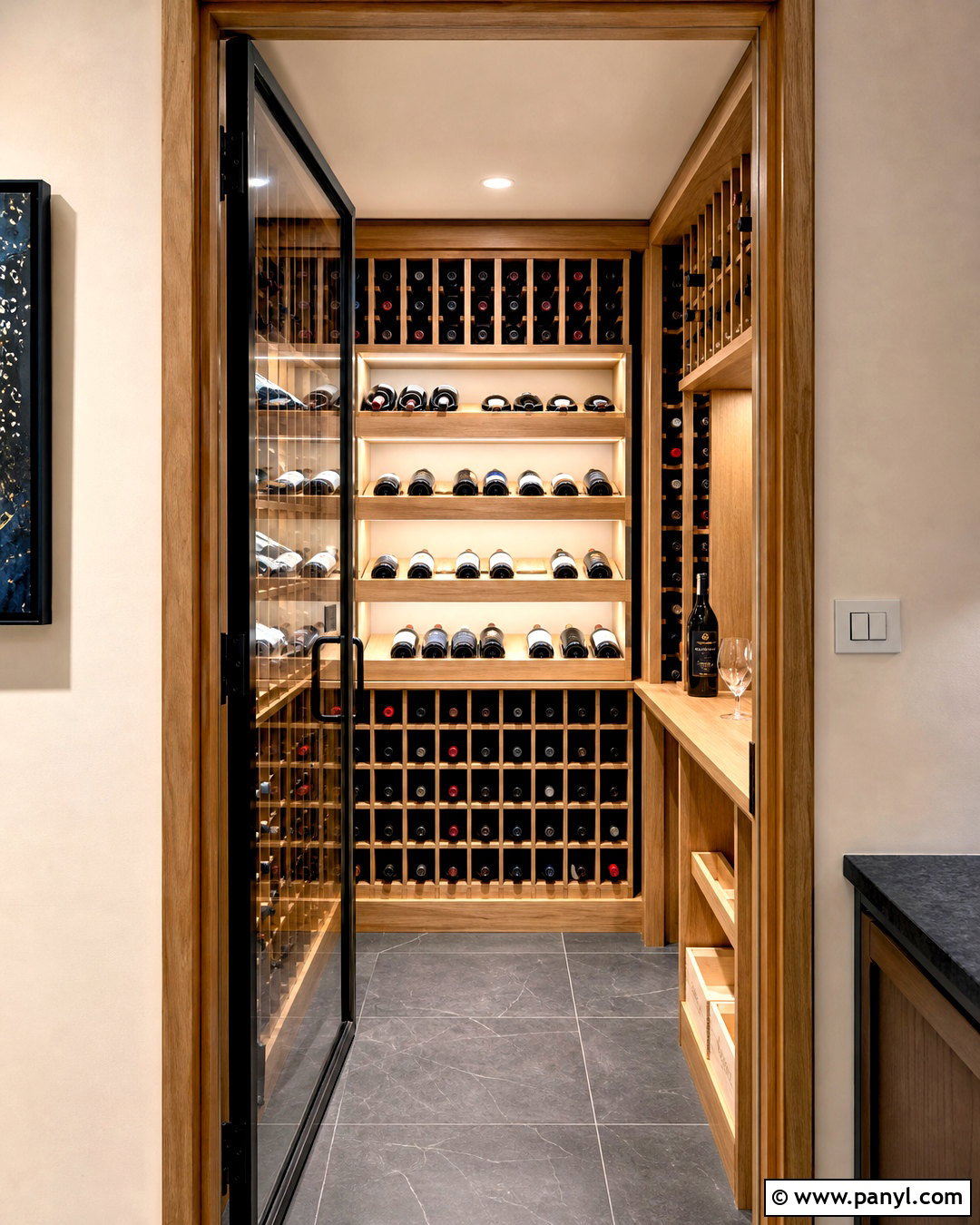
Could a basic coat closet become the most interesting storage space in your home? Remove the hanging rod and install floor-to-ceiling modular racks along the back and side walls. Choose natural oak for warmth, soft greige walls, and a simple charcoal porcelain tile floor. A narrow counter beneath two display shelves provides room for organizing bottles without crowding the layout. Replace the standard door with an insulated glass door if the cellar will be climate controlled. Otherwise, a solid paneled door creates a discreet look for everyday storage. Add low-heat LED lighting beneath the shelves and leave the center walkway open. This complete setup works especially well near a dining room, kitchen, or finished basement where an existing closet is underused.
3. Basement Corner Wine Cellar
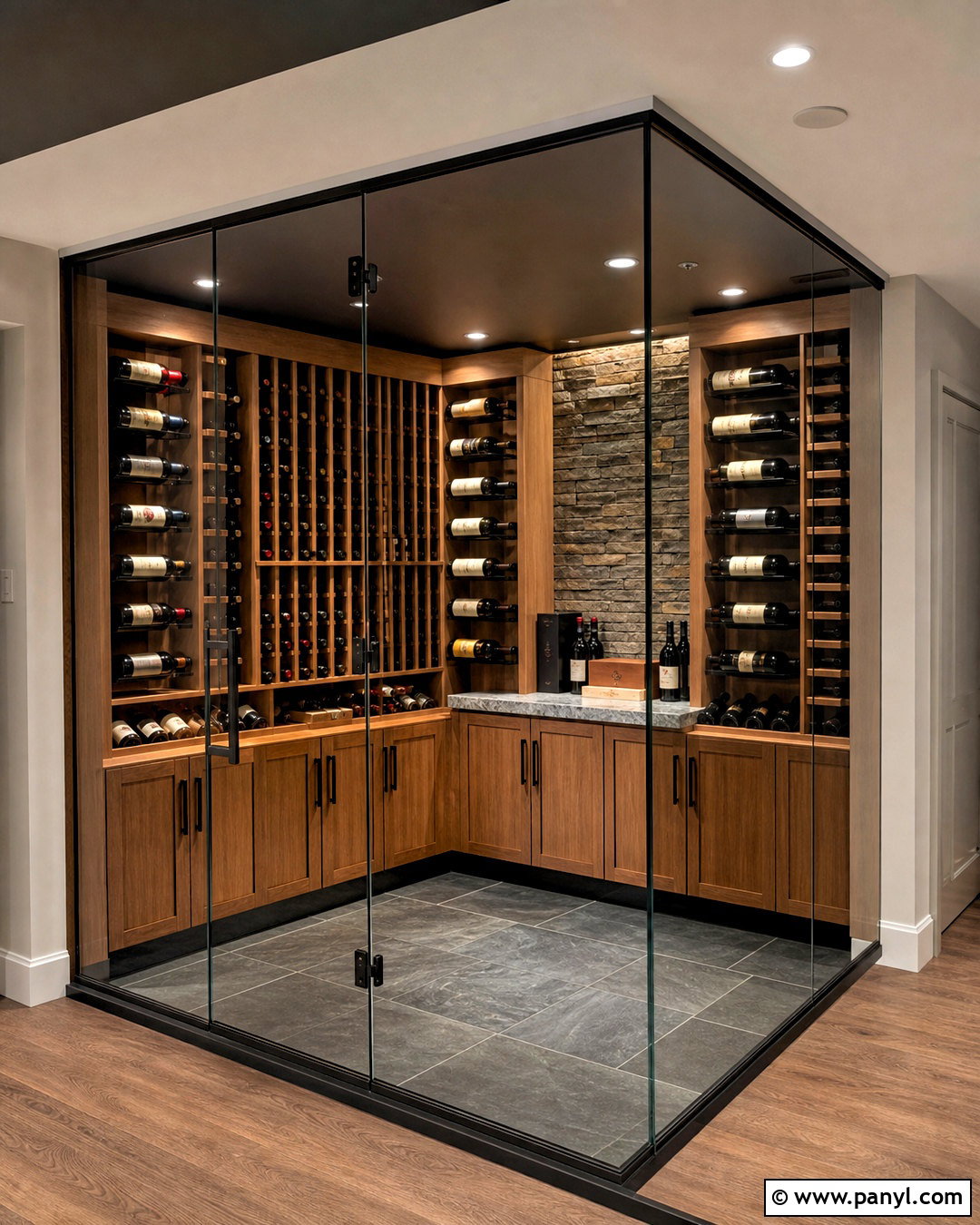
An empty basement corner offers enough room for a practical cellar without requiring a full-room remodel. Define the area with two insulated walls and a black-framed glass door, creating a compact rectangular enclosure. Line the back wall with red oak racks and use one side for label-forward metal displays. Gray slate-look flooring, warm white walls, and a dark charcoal ceiling create contrast while keeping the design grounded. Include a small stone counter with closed storage underneath for useful accessories. Recessed LED ceiling lights and shelf lighting should illuminate the collection clearly without creating excessive heat. If bottles will be stored long term, have the enclosure properly insulated and equipped by a qualified cellar professional. The finished corner looks organized, substantial, and connected to the surrounding basement.
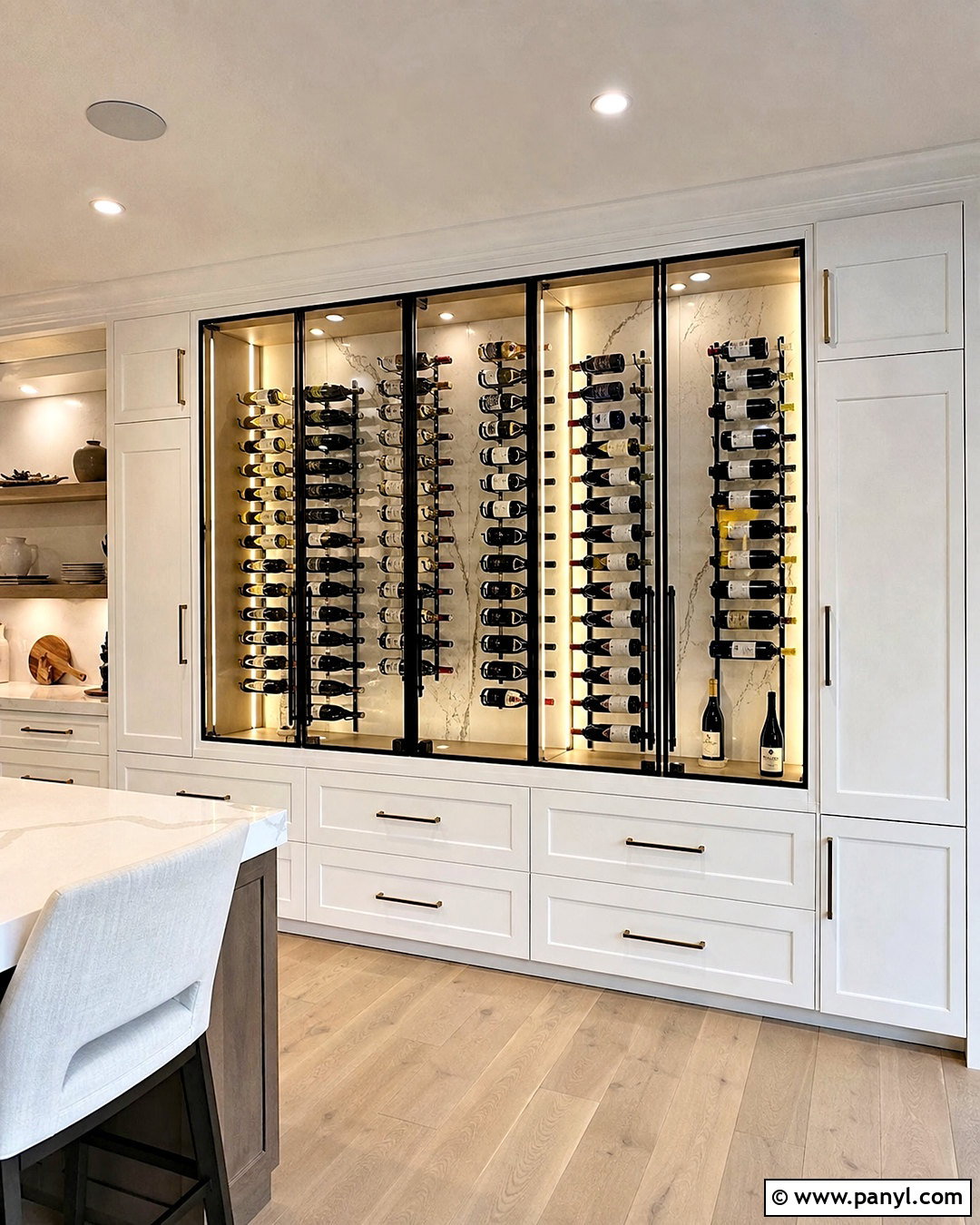
4. Modern Glass Wine Cellar
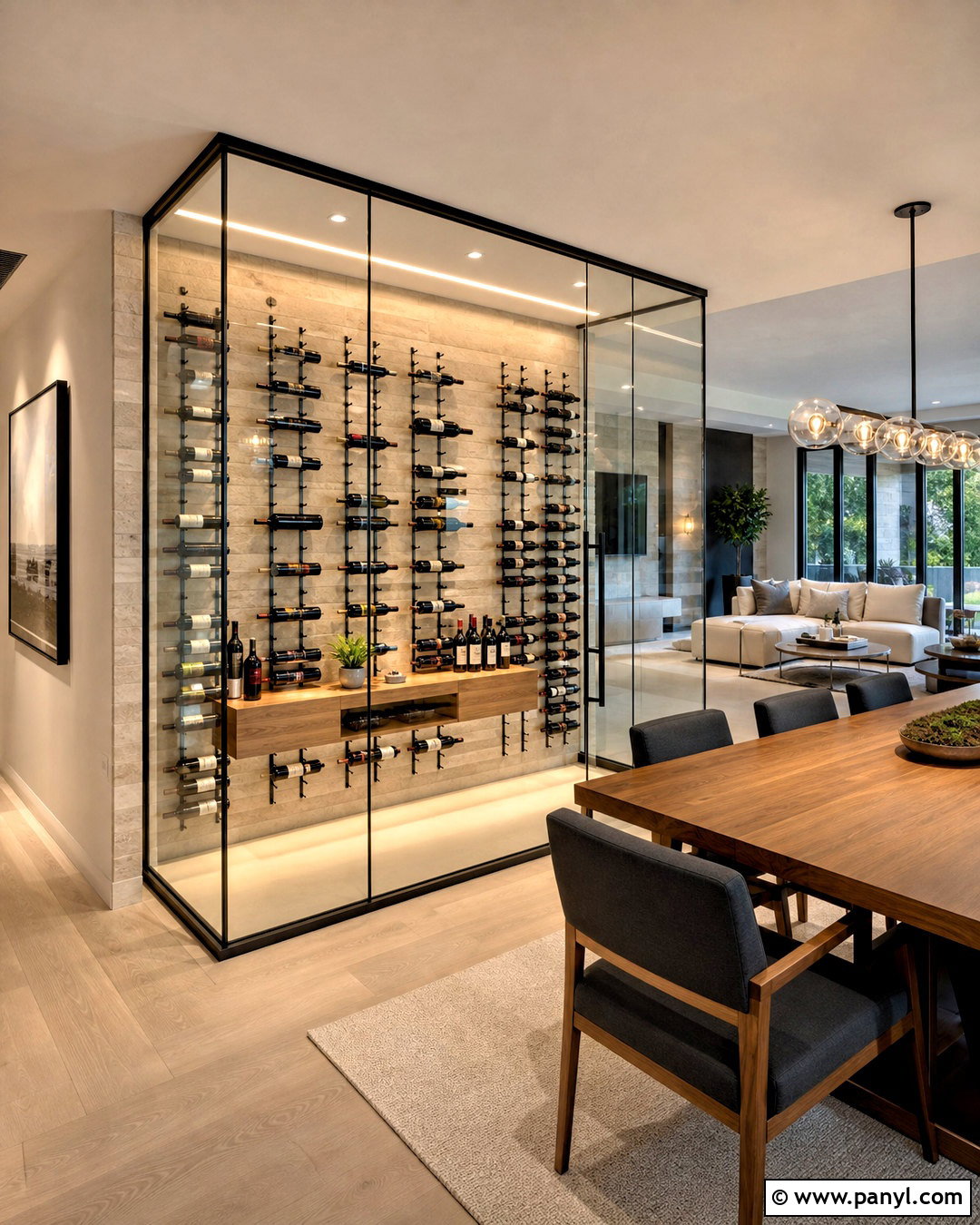
For an open-plan home, a glass wine cellar can divide spaces while preserving light and visual flow. Build a slim floor-to-ceiling enclosure between the dining and living areas using clear glass panels and narrow matte black framing. Inside, install black metal peg racks against a pale limestone wall so the bottles appear light and orderly. A white oak floor softens the modern materials, while concealed linear LEDs highlight the display. Keep the layout simple with one uninterrupted storage wall and a narrow walking aisle. A small floating oak shelf can provide a useful landing surface without turning the cellar into a crowded bar. Repeat the surrounding room’s wood and metal finishes so the enclosure feels like part of the architecture rather than a separate decorative box.
5. Rustic Wood Wine Cellar
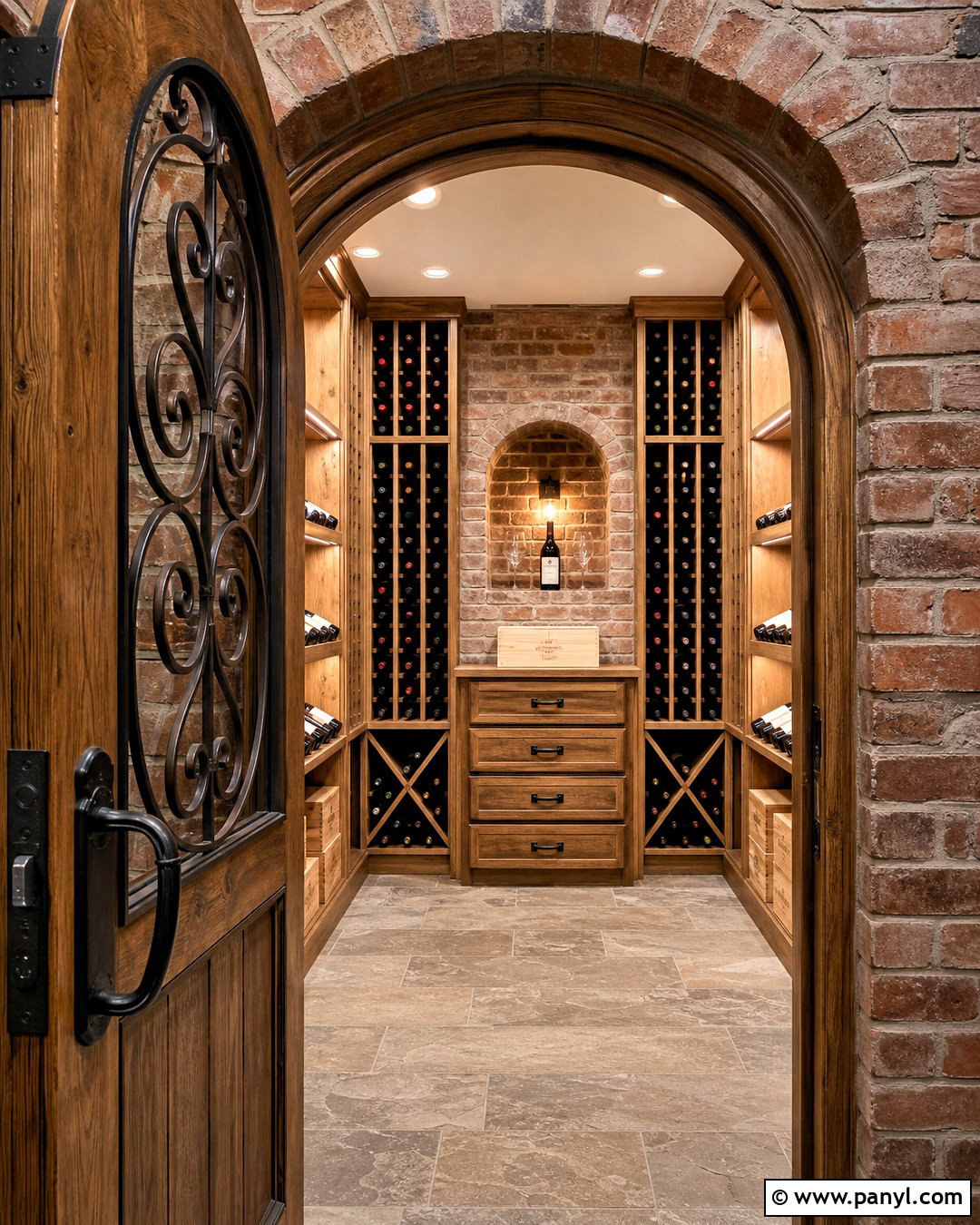
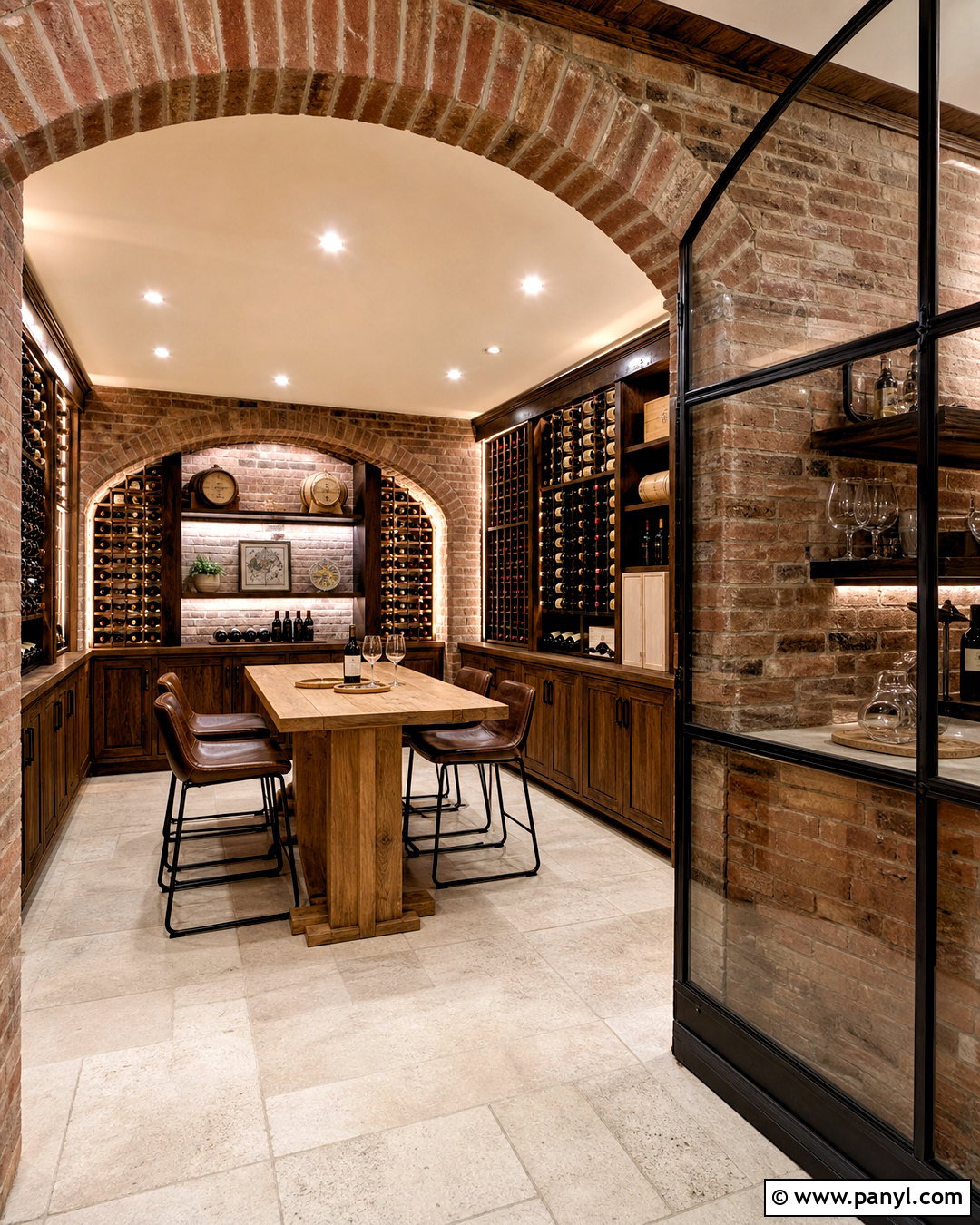
Imagine entering a warm cellar lined with textured wood, aged brick, and simple handcrafted storage. Use medium-stained pine racks on three walls, leaving enough open floor space for comfortable movement. An arched wood door creates a traditional focal point, while a thin black iron frame keeps it from looking overly ornate. Choose reclaimed brick veneer for one accent wall and neutral stone-look porcelain for the floor. Display selected bottles in angled presentation rows, then store the rest horizontally below. A compact oak cabinet with drawers adds concealed organization and a practical work surface. Complete the room with two understated iron sconces fitted with low-heat bulbs. This rustic wine cellar feels established and inviting without requiring elaborate carving, heavy furniture, or costly stone construction.
6. Minimalist Wine Cellar Wall
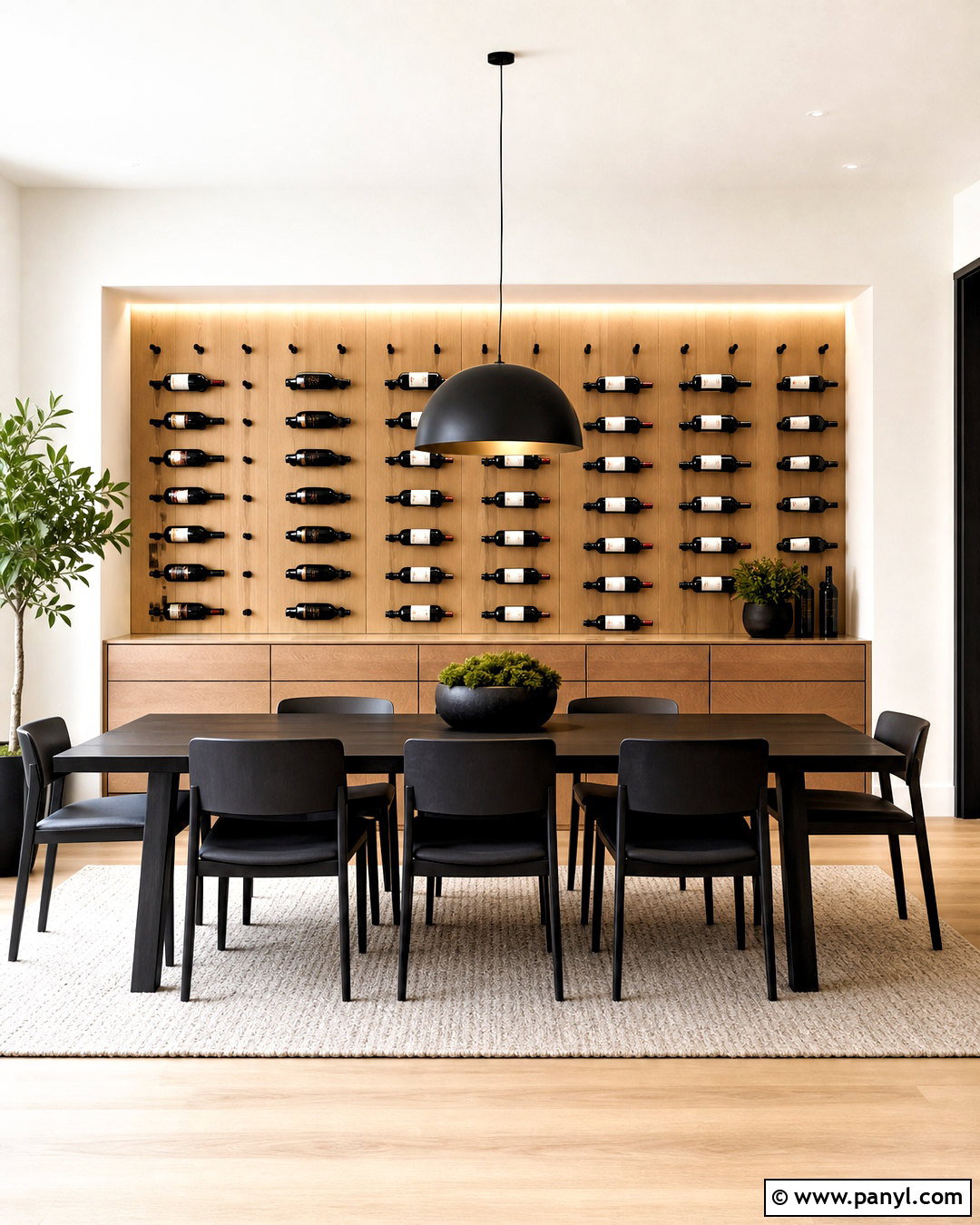
When floor space is limited, treat one dining room wall as a streamlined cellar display. Cover the wall with warm white oak panels and install slim matte black bottle pegs in evenly spaced vertical columns. A low built-in cabinet anchors the arrangement and hides accessories behind handle-free doors. Keep the surrounding walls soft white, use light oak flooring, and repeat black accents through the dining chairs and pendant light. Frame the bottle wall with shallow glass panels if you need a controlled enclosure. Otherwise, use it as accessible storage for bottles intended for shorter-term use. Avoid filling every available gap with decor. The consistent grid, simple materials, and clear walking space make the arrangement feel calm. It becomes a complete dining feature rather than an isolated rack.
7. Farmhouse Wine Cellar
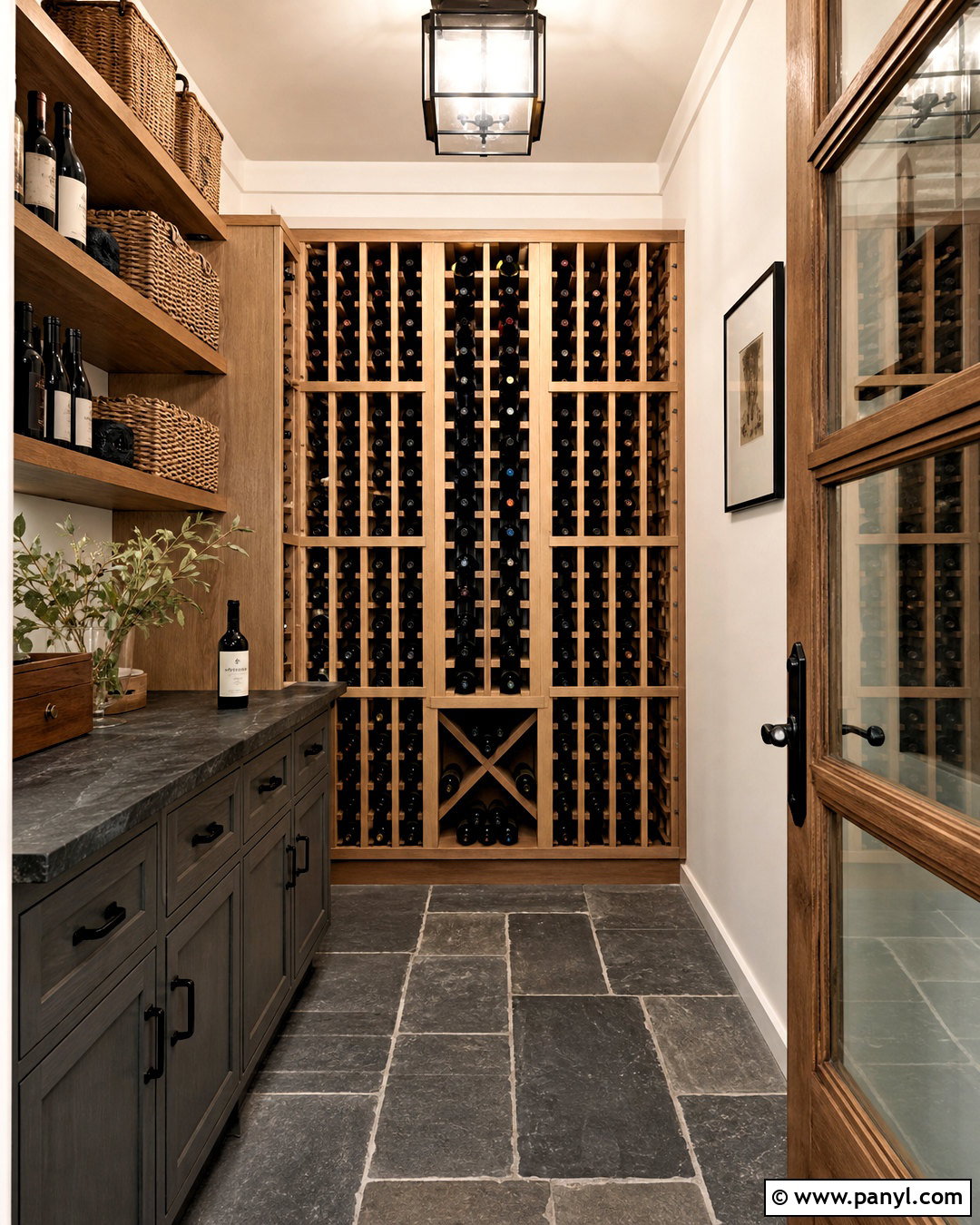
A farmhouse cellar works best when familiar materials are arranged with clean, useful lines. Start with painted warm white walls, natural oak racks, and muted charcoal flagstone-look flooring. Fit the back wall with symmetrical bottle cubbies and include larger square openings at the bottom for wood cases. Along one side, add a Shaker-style base cabinet topped with honed soapstone. An aged oak door with a simple glass panel gives the room character while allowing a partial view inside. Use black iron hardware and a modest lantern-style ceiling fixture to connect the finishes. Woven baskets can hold lightweight accessories without creating visual clutter. Keep the color palette quiet and repeat materials from the nearby kitchen so the cellar feels authentic, approachable, and thoughtfully built into the home.
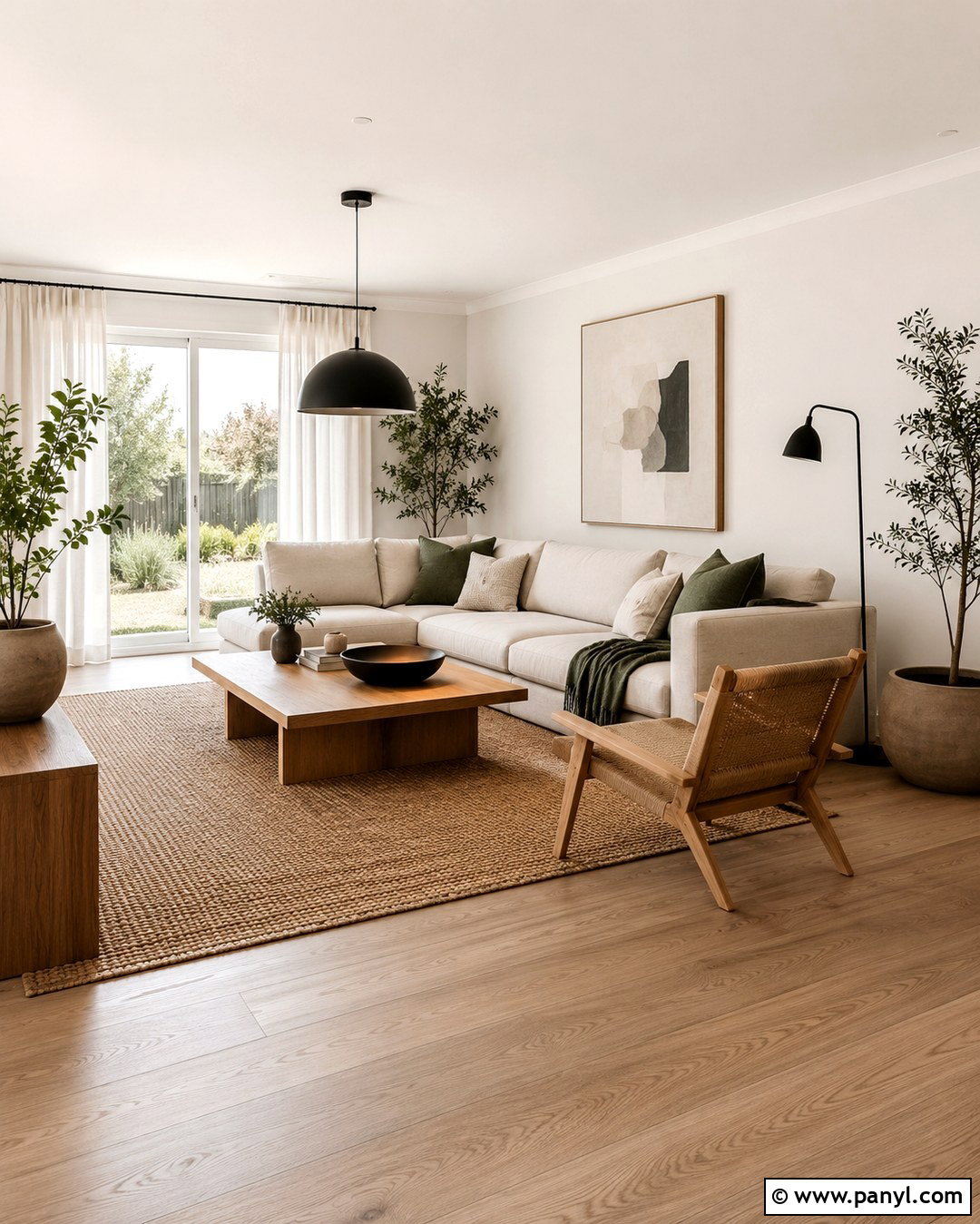
8. Industrial Wine Cellar
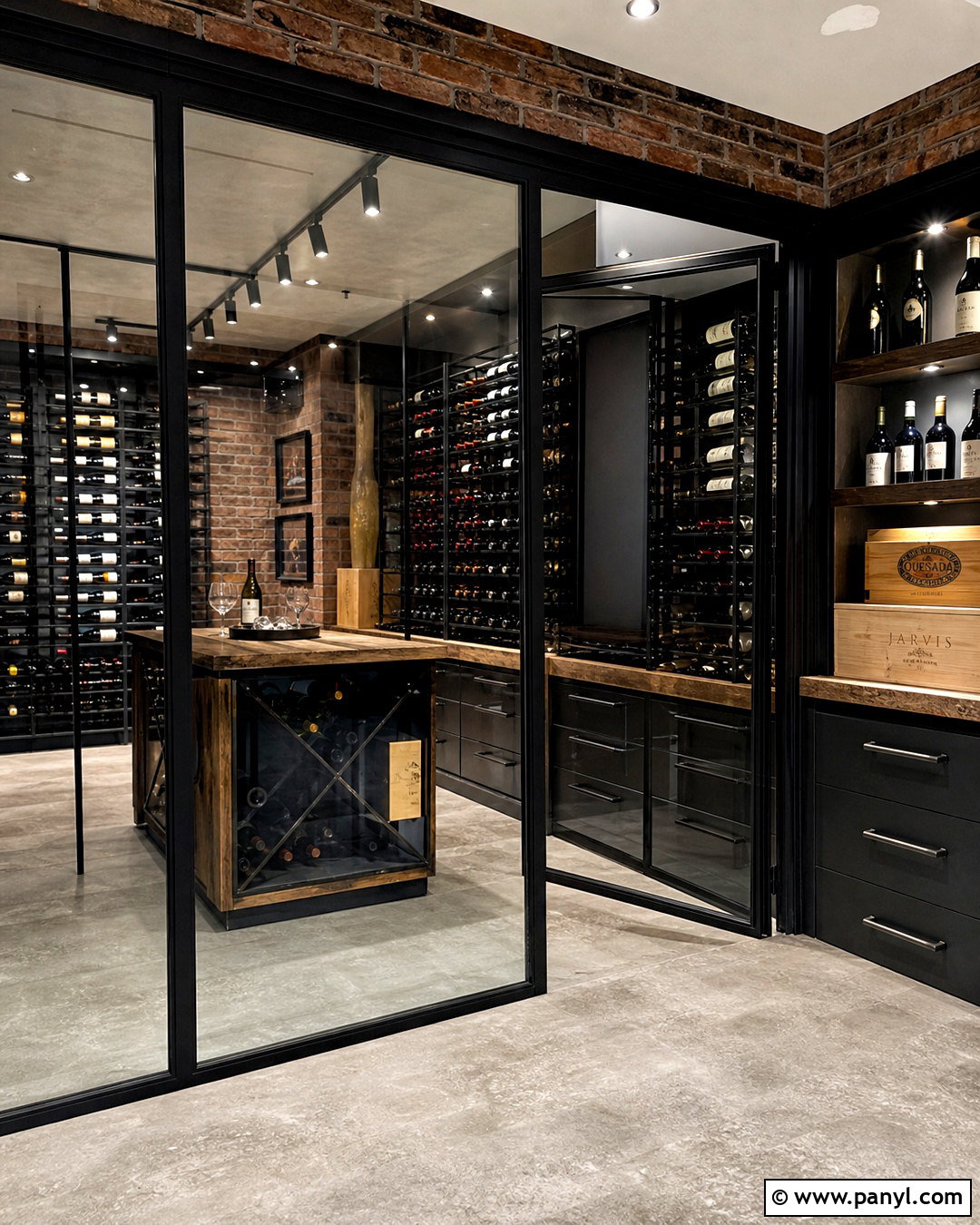
Exposed materials can give a simple cellar strong character without requiring complicated decoration. Use dark steel racks against a sealed red brick wall and balance them with a smooth concrete-look porcelain floor. A black-framed glass enclosure defines the room while keeping the compact layout visible. Install floor-to-ceiling label-forward racks on the back wall and shallow wood shelves on one side. A narrow reclaimed oak counter introduces warmth and provides a practical surface. Conceal closed storage underneath in matte black cabinets with straightforward metal pulls. Track-style LED lighting can highlight each wall while maintaining a clean ceiling. Keep pipes, vents, and mechanical equipment organized rather than artificially exposed. The completed industrial cellar feels purposeful, durable, and coordinated with modern loft, basement, or urban-inspired interiors.
9. White Oak Wine Cellar
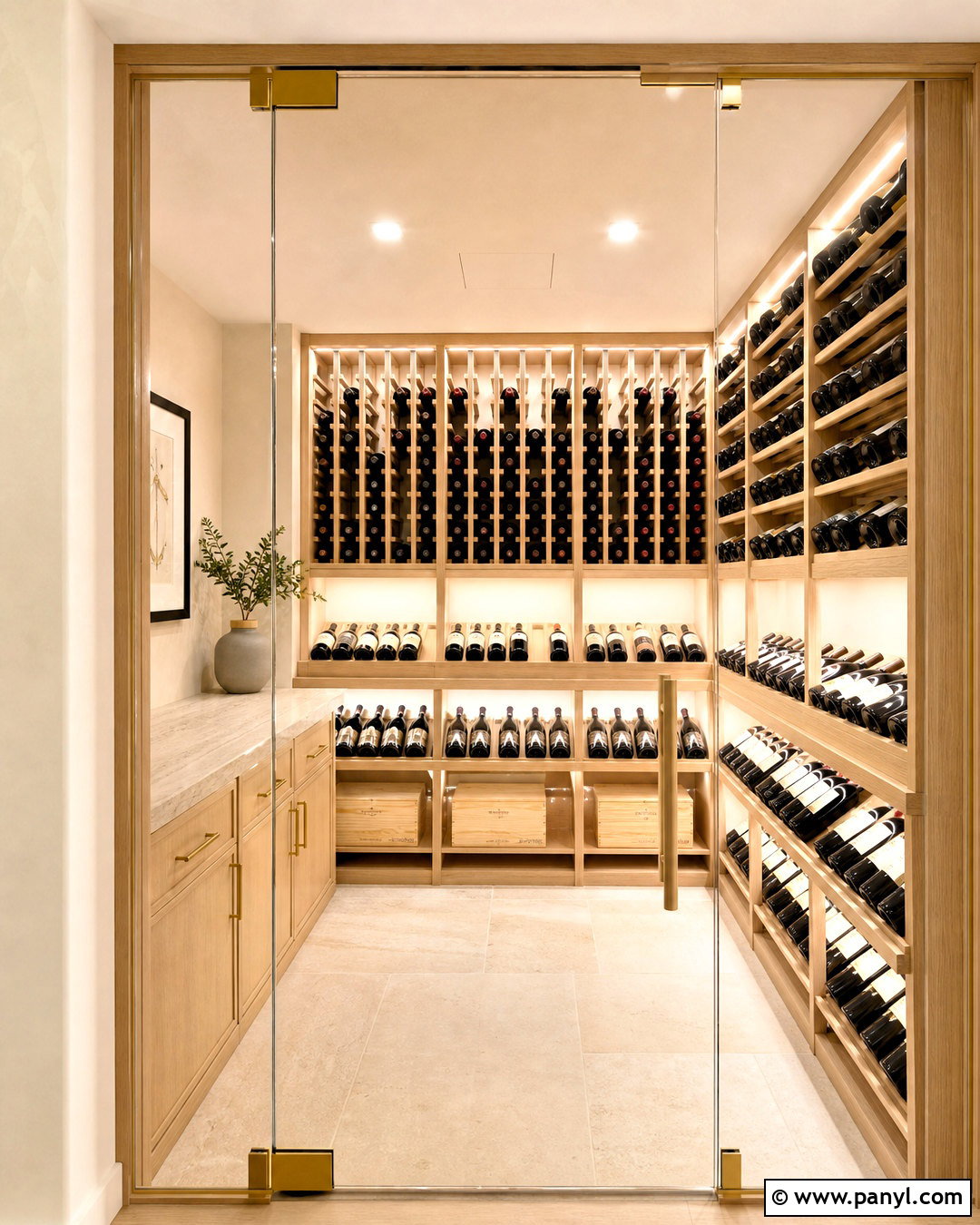
Light wood can make a compact cellar feel open, refined, and easy to integrate with modern interiors. Build custom white oak racks across the back wall, mixing standard horizontal slots with several angled display rows. Continue the same oak on a narrow side cabinet and floating shelf to create a unified installation. Pair the wood with creamy white walls, pale limestone flooring, and brushed brass hardware used sparingly. A frameless glass door keeps the entrance visually light. Concealed LED strips beneath each display shelf add definition without covering the clean grain. Keep the center of the room clear and limit accessories to one ceramic bowl or small framed print. This complete palette works particularly well beside a light kitchen, transitional dining room, or Scandinavian-inspired living space.
10. Dark Moody Wine Cellar
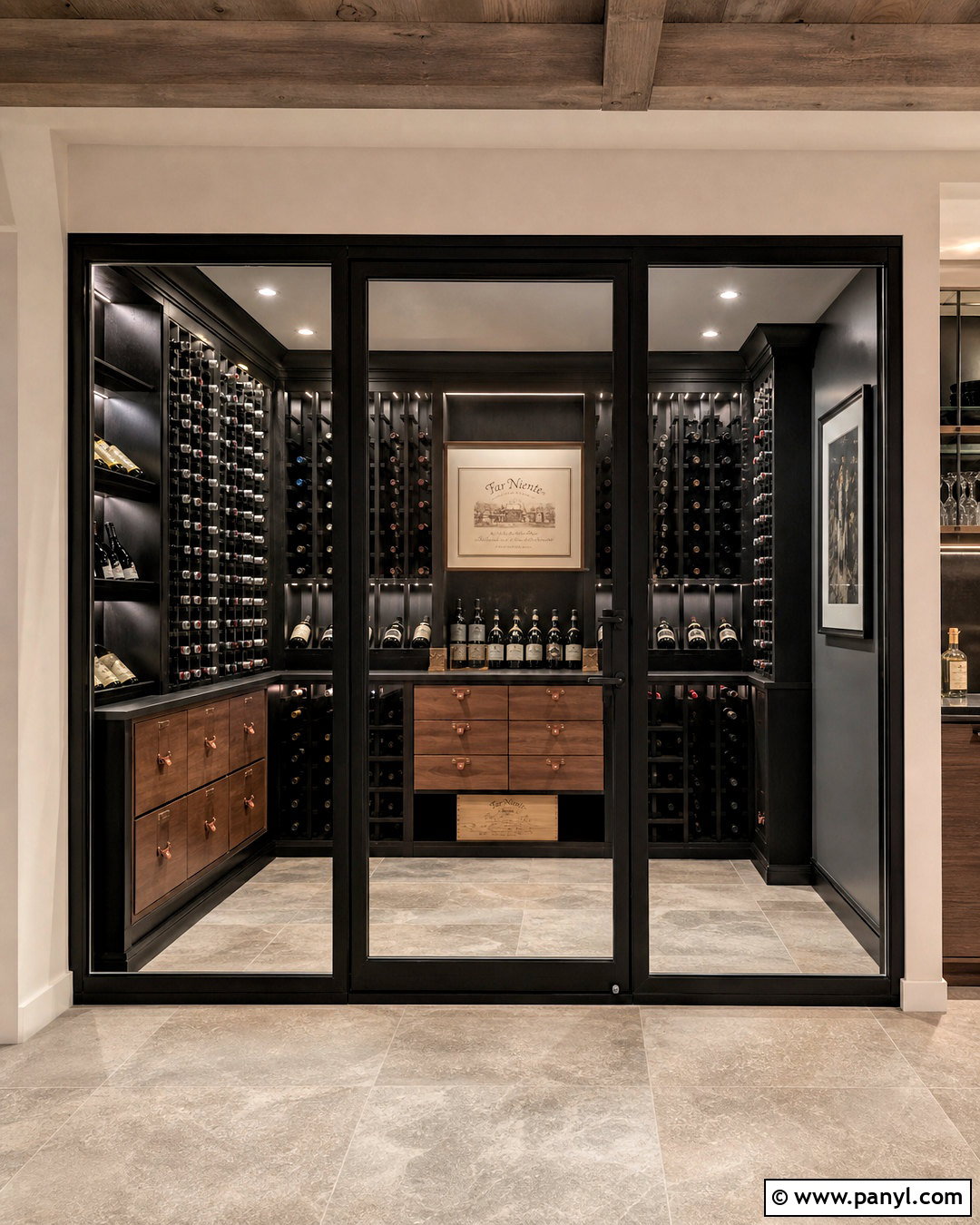
A darker cellar can feel dramatic while remaining clear and functional when the lighting is carefully planned. Paint the walls deep charcoal and install black-stained oak racks from floor to ceiling. Introduce warmth through cognac brown leather drawer pulls, medium walnut cabinet fronts, and a warm gray stone floor. Use label-forward racks on the main wall so the collection creates a subtle pattern against the dark background. Add bright neutral-white LED strips beneath each shelf and two focused ceiling lights to keep labels readable. A black-framed glass door completes the tailored enclosure. Avoid adding heavy curtains or bulky furniture in the limited space. With balanced lighting and restrained materials, this cellar becomes a polished architectural feature rather than a dim storage room hidden away from the home.
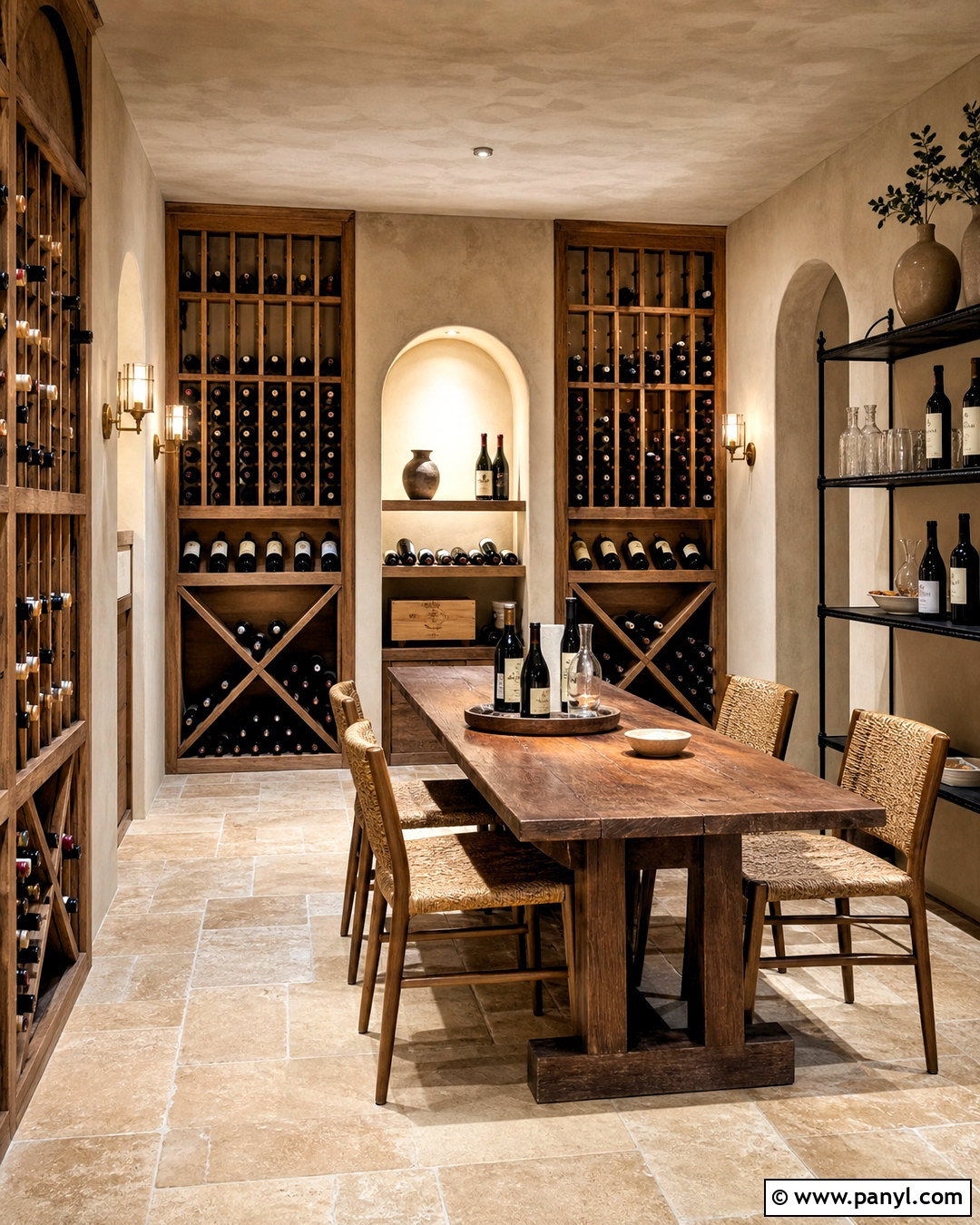
11. Mediterranean Wine Cellar
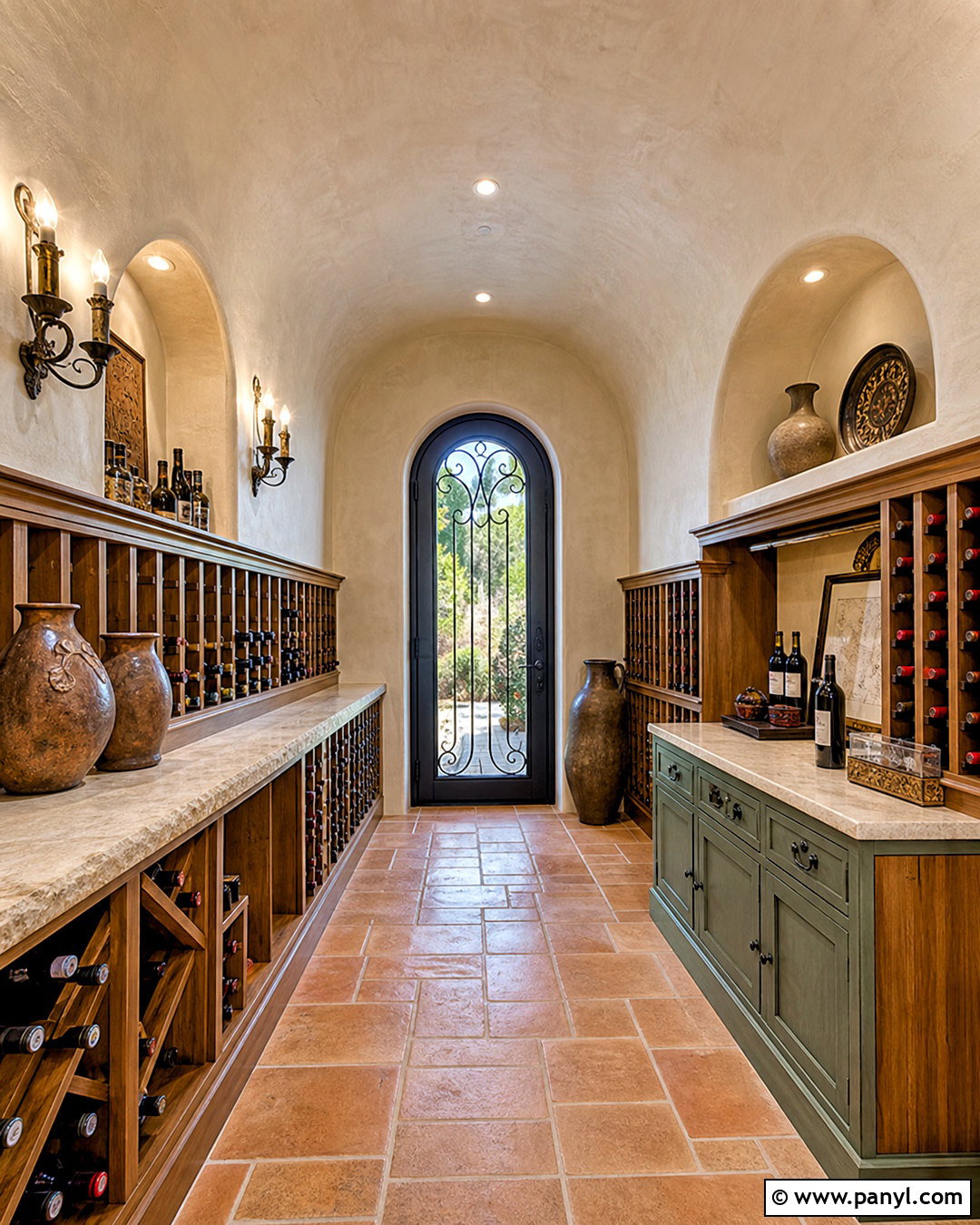
Soft plaster, warm stone, and natural wood create a relaxed Mediterranean cellar without needing an elaborate underground room. Apply creamy limewash-style plaster to the walls and use terracotta-look porcelain tiles underfoot for easy maintenance. Honey-toned oak racks should follow the perimeter, with an arched display niche centered on the back wall. Add a small tumbled-stone counter and a painted sage green cabinet for subtle color. An arched glass-and-iron door reinforces the look while allowing light into the compact space. Choose simple aged-brass sconces with bright, low-heat bulbs rather than dark amber lighting. A few ceramic vessels can decorate the upper shelf, but keep the bottle storage dominant. The completed room feels warm, casual, and connected to Mediterranean-inspired kitchens and dining spaces.
12. Wine Cellar With Built-In Cabinets
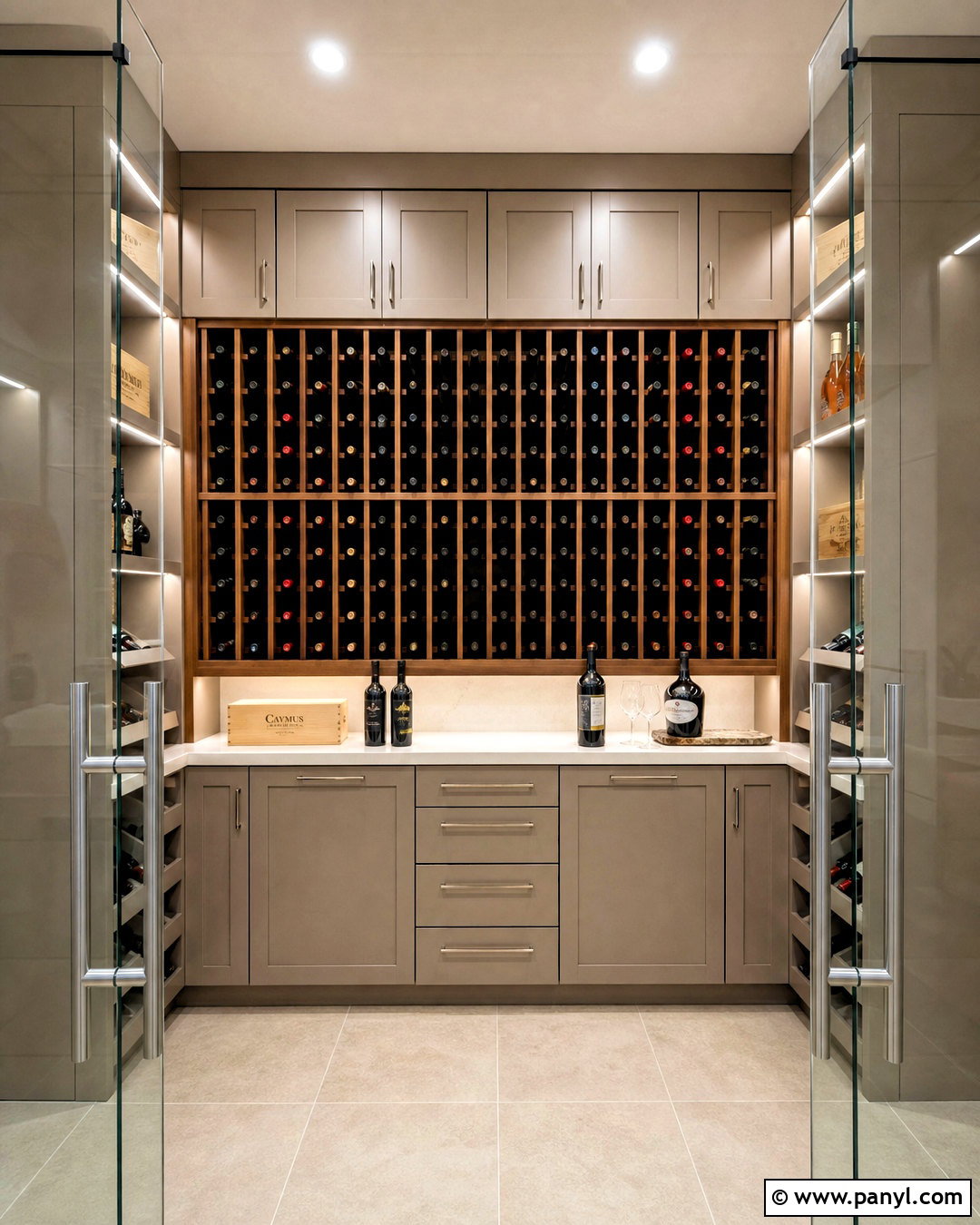
Not every item needs to remain on display. Combine open bottle racks with full-height built-in cabinetry for a cellar that feels calm and organized. Use medium walnut for the central bottle grid, then frame it with soft taupe cabinets on both sides. Closed drawers can hold small accessories, while deep lower cabinets provide space for boxes and less decorative supplies. Add a pale quartz counter beneath one presentation shelf to brighten the wood tones. Large-format beige porcelain floor tiles keep cleaning simple and reduce visual lines in the compact room. Select brushed nickel hardware and a clear glass door for an understated finish. Ceiling downlights and concealed shelf LEDs complete the design. This balanced layout is ideal for homeowners who prefer a tailored, furniture-like cellar rather than walls covered entirely with bottles.
13. Wine Cellar With Arched Door
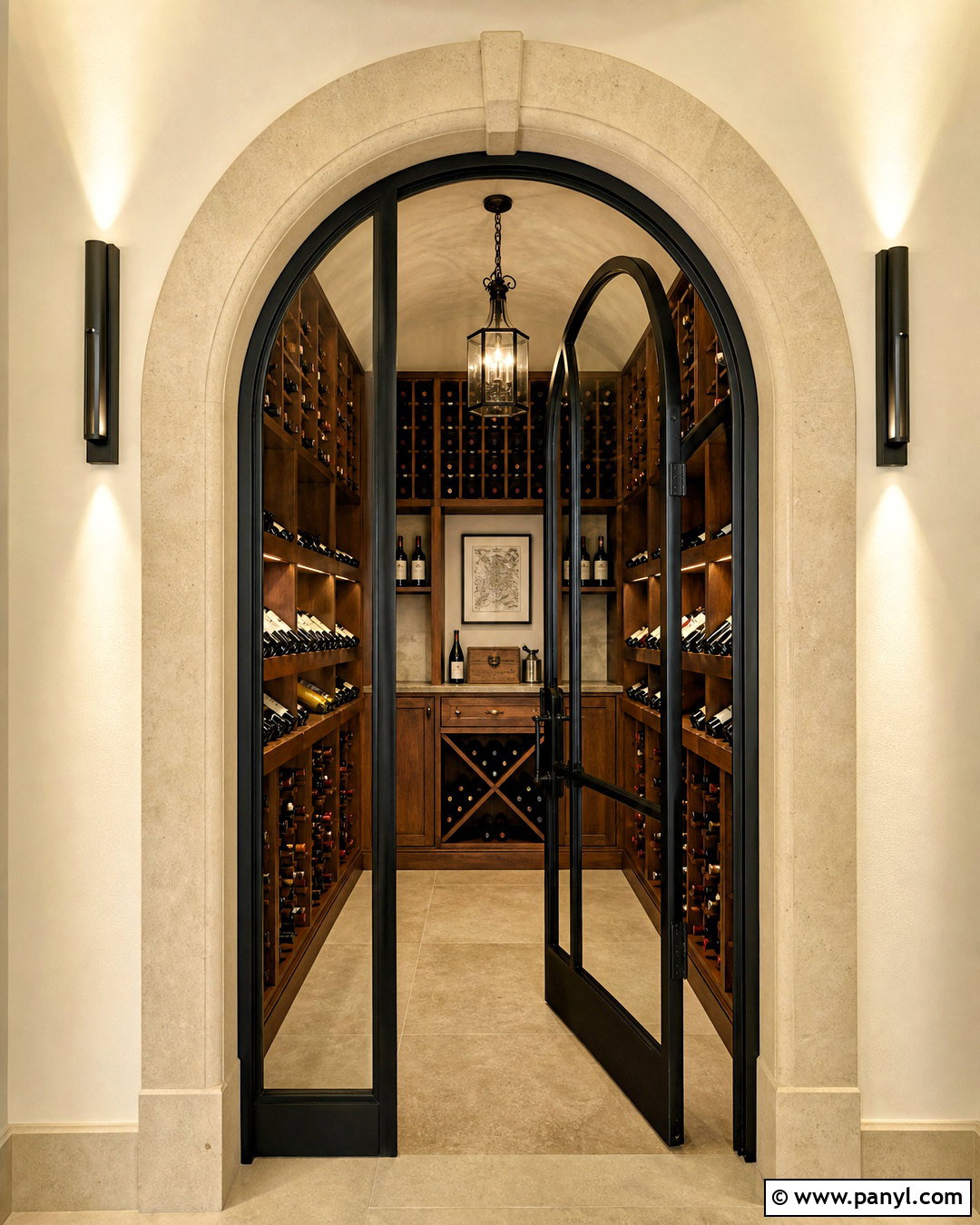
An arched entrance can give even a straightforward cellar a strong sense of place. Frame the opening with pale limestone veneer and install a black steel door with a gently curved glass top. Inside, use warm walnut racks arranged symmetrically along three walls. Center an angled presentation section opposite the entrance so the layout has a clear focal point. Choose matte beige floor tile and warm off-white plaster walls to keep the stone from feeling too heavy. Two narrow LED sconces on the back wall provide balanced illumination, while concealed shelf lighting outlines the bottle rows. Keep the floor free of furniture and use one small cabinet beneath the display. The finished cellar feels traditional yet uncluttered, making the doorway part of a complete, coherent architectural design.
14. Wine Cellar With Stone Wall
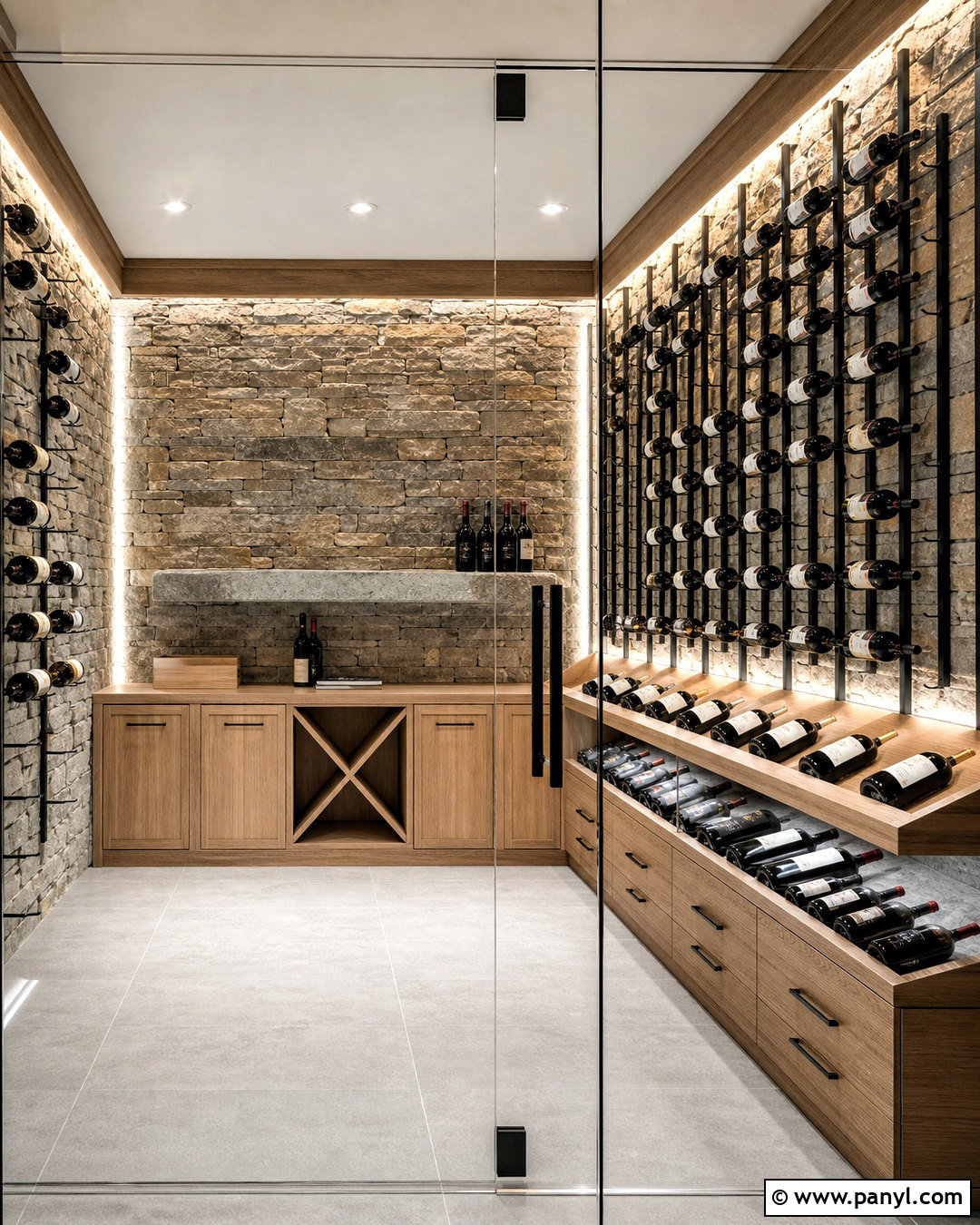
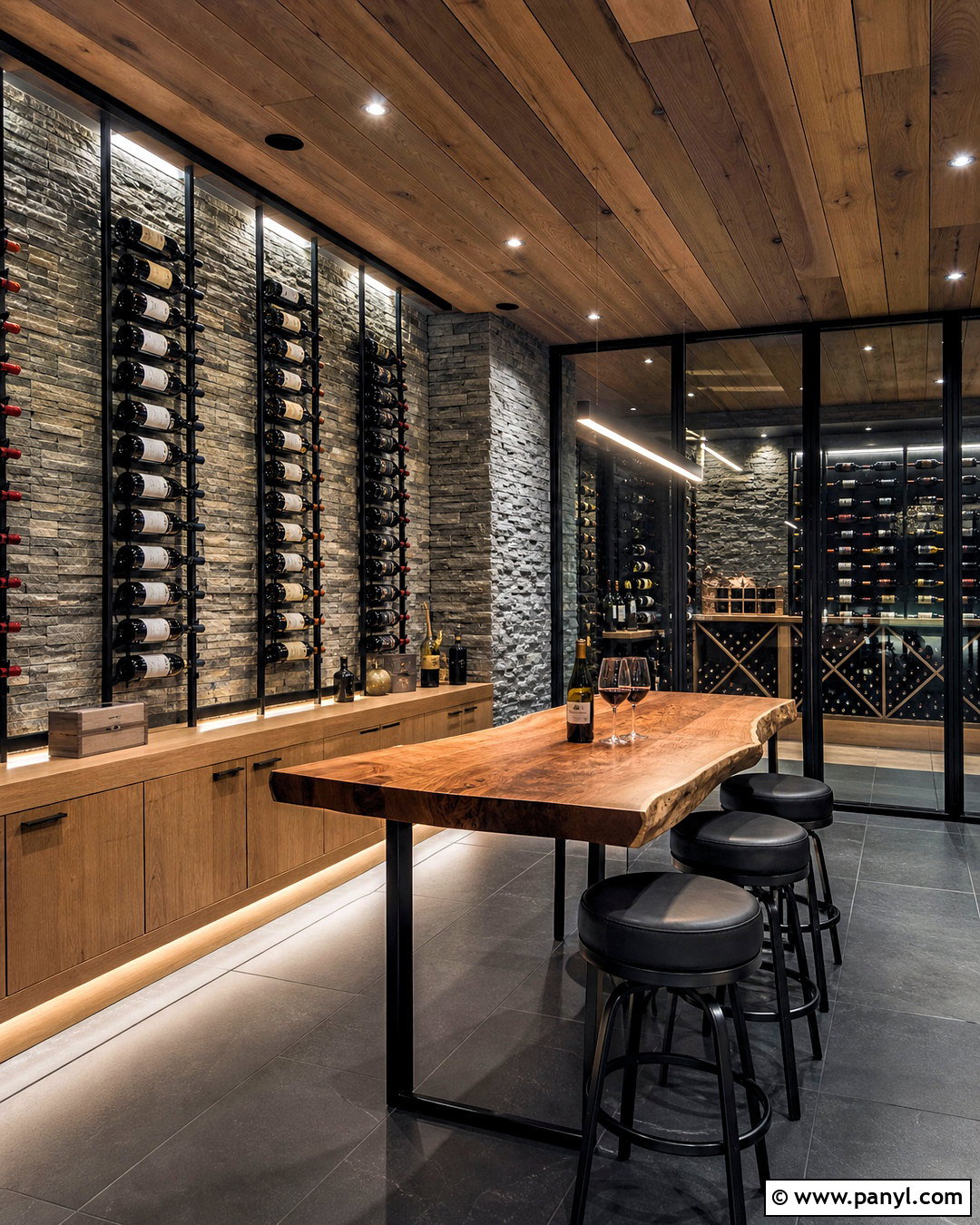
Texture becomes the star of this cellar, but the surrounding finishes should remain simple. Cover the main storage wall with thin-cut gray and beige fieldstone, then mount minimalist black metal bottle pegs directly in front of it. Use smooth white oak cabinetry on the opposite side to balance the rough surface and add concealed storage. A frameless glass door and light gray porcelain floor keep the enclosure fresh rather than cave-like. Install a narrow floating stone shelf beneath several angled display rows for a useful landing area. Bright linear LEDs above the racks reveal the stone’s varied shapes and prevent shadowy corners. Avoid combining several competing rustic materials. With one textured wall, clean cabinetry, and modern lighting, the cellar feels natural, structured, and appropriate for both transitional and contemporary homes.
15. Wine Cellar With Brick Floor
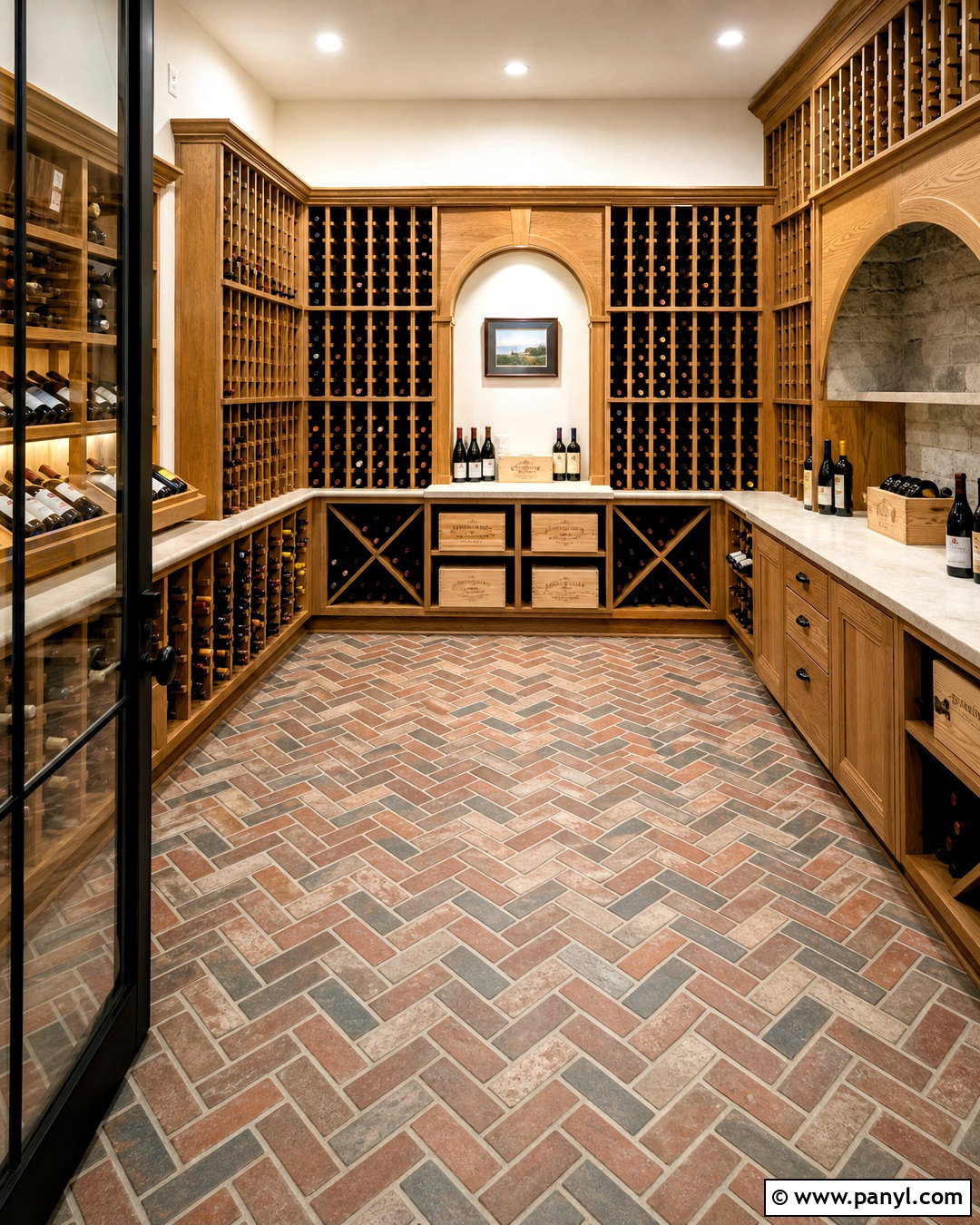
A patterned brick floor can bring warmth and age to a newly built cellar. Choose thin brick pavers in muted red, brown, and soft gray, then lay them in a simple herringbone pattern. Keep the walls warm white and use medium-tone oak racks so the floor remains the main decorative element. Build U-shaped storage around the room, mixing bottle slots, square case bins, and one central presentation row. A plain black-framed glass door adds definition without competing with the masonry. Include a slim oak cabinet with a light stone top along the shortest wall. Bright ceiling lighting and concealed rack LEDs will keep the compact room crisp. This coordinated approach captures old-cellar character while using practical finishes suited to an everyday finished basement or dining-room addition.
16. Wine Cellar With Floating Racks
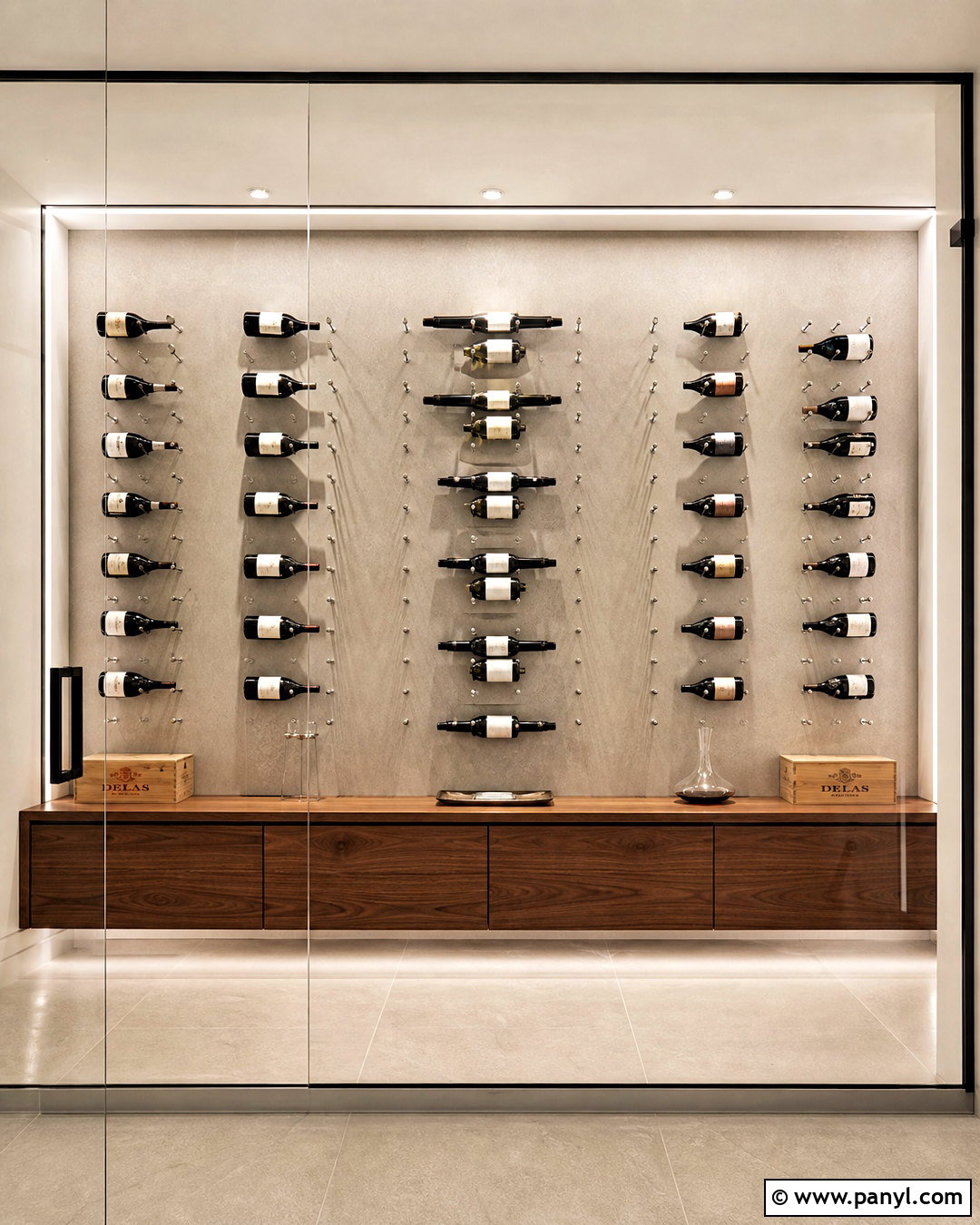
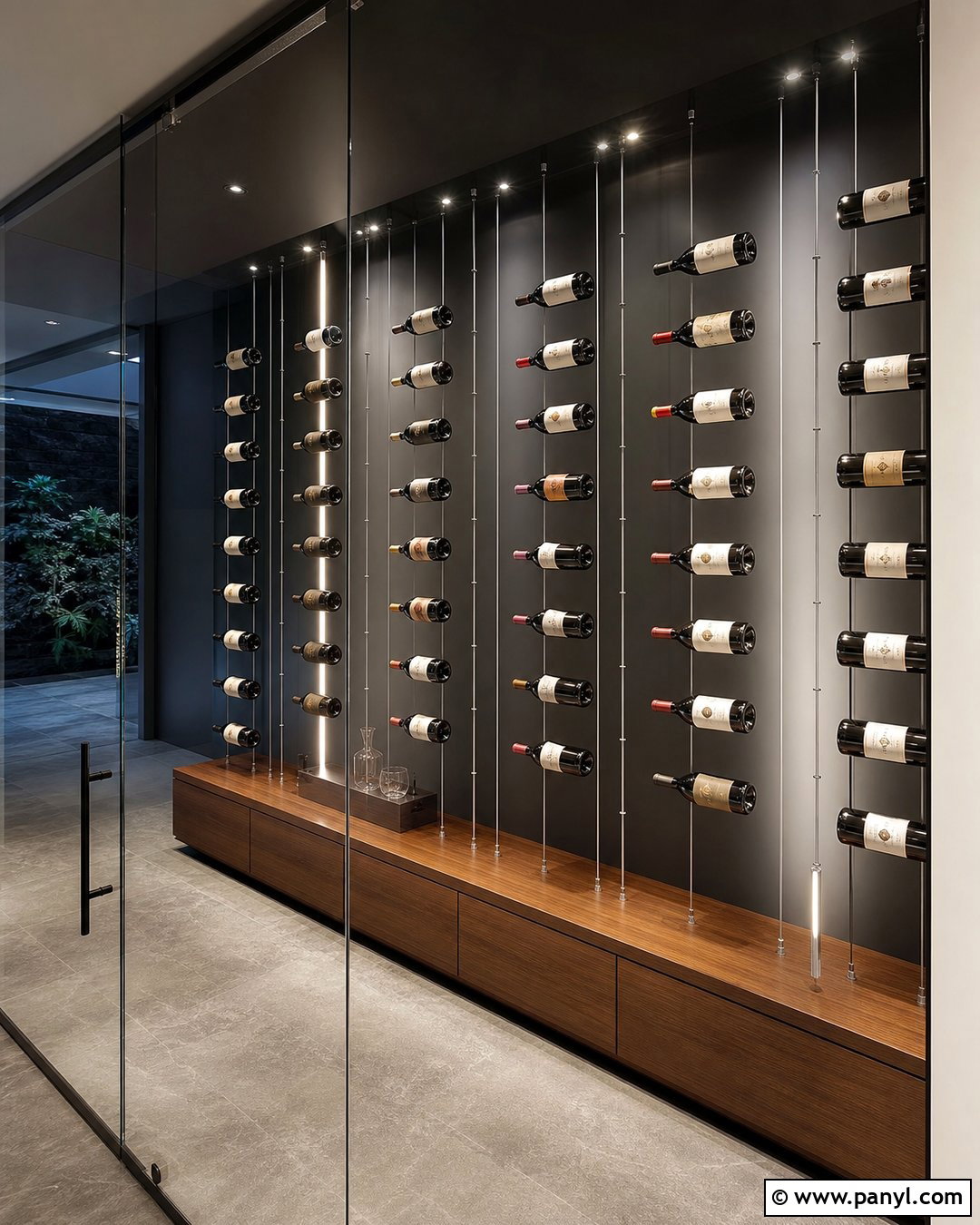
Floating bottle racks create an airy display when traditional wood grids would feel too bulky. Start with a pale greige feature wall and arrange brushed stainless steel pegs in orderly horizontal rows. Position each bottle label-forward for a graphic, gallery-like effect. A low walnut cabinet provides visual weight, concealed organization, and a useful surface beneath the display. Continue the greige palette through large-format floor tile, then add a frameless glass enclosure to protect the installation without hiding it. Use vertical LED channels at both sides of the wall for balanced, shadow-free lighting. Keep nearby decor restrained and repeat walnut or stainless steel in the adjoining room. This complete cellar treatment is especially effective in modern dining spaces where the collection should look decorative but not visually overwhelming.
17. Wine Cellar With Modular Racks
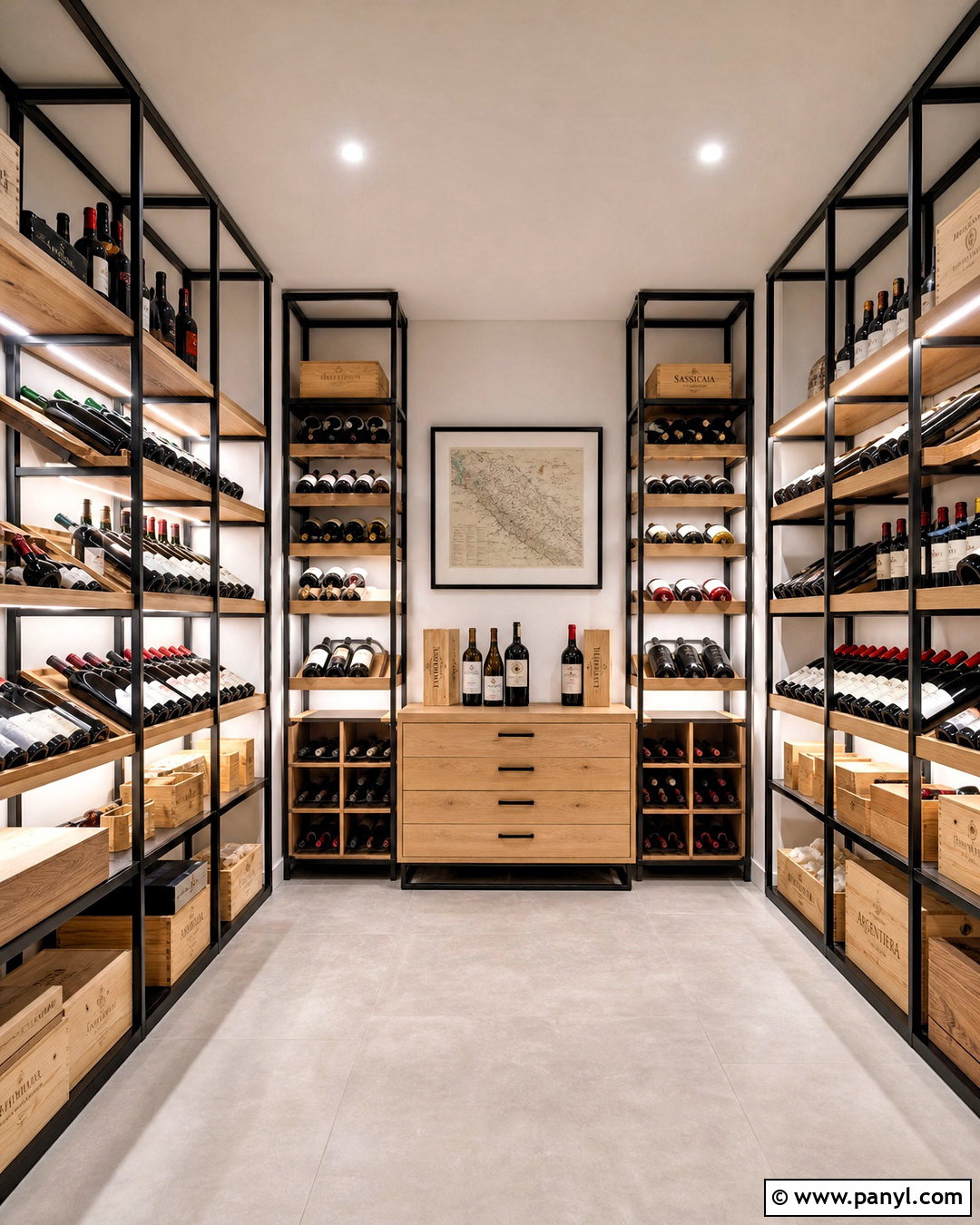
Modular racks offer a flexible solution for a cellar that may need to grow over time. Create a complete storage wall using stackable black metal frames with natural birch shelves and removable display sections. Paint the room soft white and install warm gray porcelain flooring for a practical neutral background. Arrange the racks in a symmetrical grid, leaving one lower area open for cases and a narrow upper shelf for decorative objects. Add a freestanding birch cabinet with drawers rather than commissioning expensive custom millwork. A simple solid door can keep the cellar discreet, while a glass door gives it more presence. Use bright ceiling LEDs and under-shelf strips throughout. The coordinated finishes prevent the adjustable components from looking temporary, producing an organized cellar that can be reconfigured as storage needs change.
18. Narrow Hallway Wine Cellar
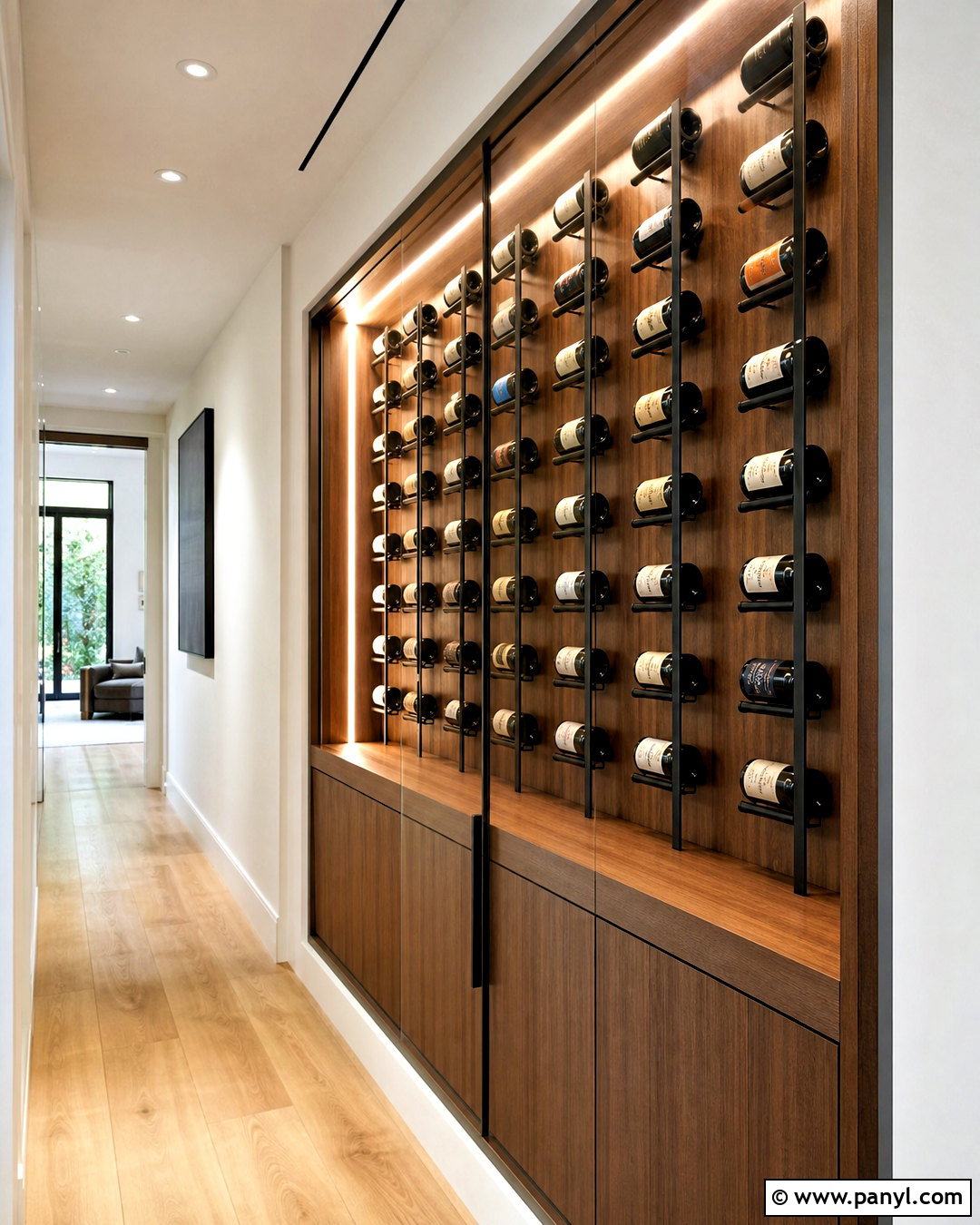
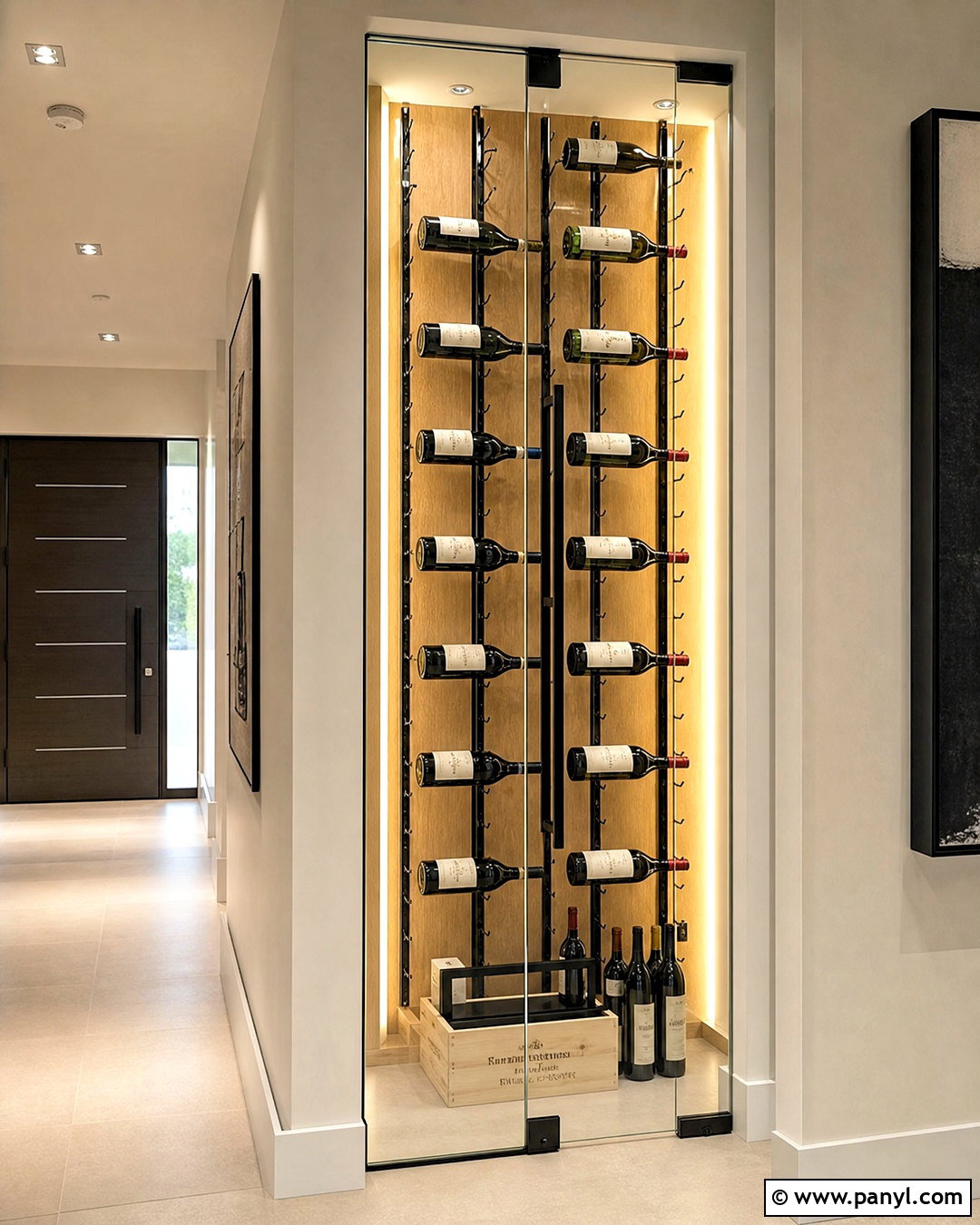
A shallow hallway alcove can become a cellar feature without reducing the walkway. Recess slim label-forward racks into one wall and protect them with flush glass doors. Use black metal supports against vertical walnut paneling to create depth within the narrow opening. Below the display, install matching handle-free cabinets that sit flush with the wall. Continue the hallway’s light oak floor and warm white paint so the addition feels seamless. Small integrated LEDs along the top and sides should provide clear illumination without projecting into the passage. Keep the installation shallow and avoid swinging doors where circulation is tight. By aligning the glass, cabinetry, and adjacent wall surfaces, this complete design feels like original architecture. It provides useful storage while preserving a clean, comfortable path through the home.
19. Pantry Wine Cellar
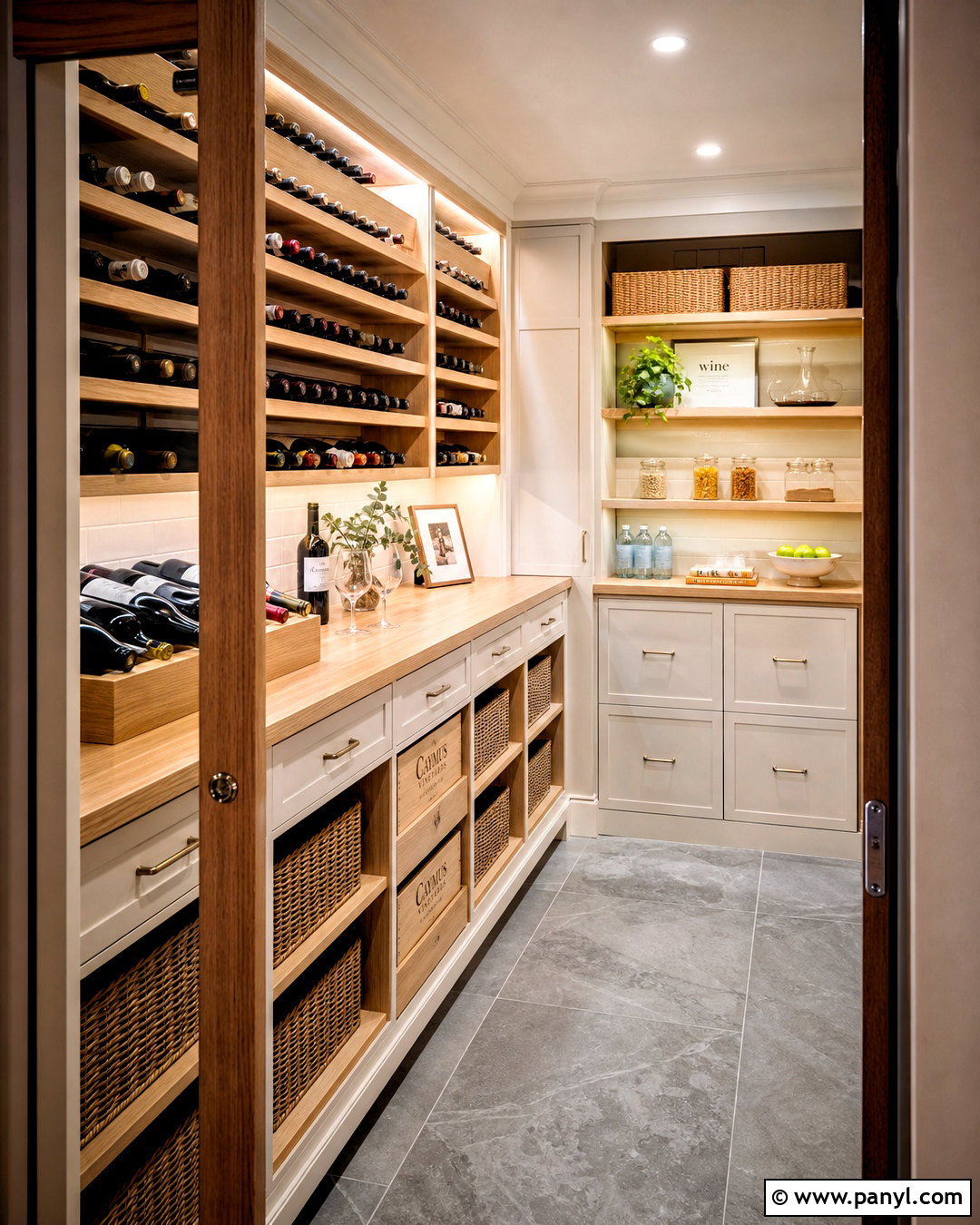
If a pantry has spare wall space, combine bottle storage and food organization in one carefully planned room. Dedicate the cooler interior wall to horizontal oak racks, keeping bottles separate from frequently accessed shelves. Use warm white cabinetry for dry goods and repeat the oak on a narrow counter and open display ledge. A soft gray tile floor creates a durable foundation, while labeled drawers and matching woven bins reduce visual clutter. Add a glass-paneled pocket door to save space and brighten the entrance. Bright white ceiling lighting makes pantry items easy to see, and focused LED strips define the bottle area. For long-term storage, a pantry conversion may require professional insulation and cooling. Without those upgrades, reserve the racks for short-term household storage and keep the complete room organized and attractive.
20. Budget Wine Cellar
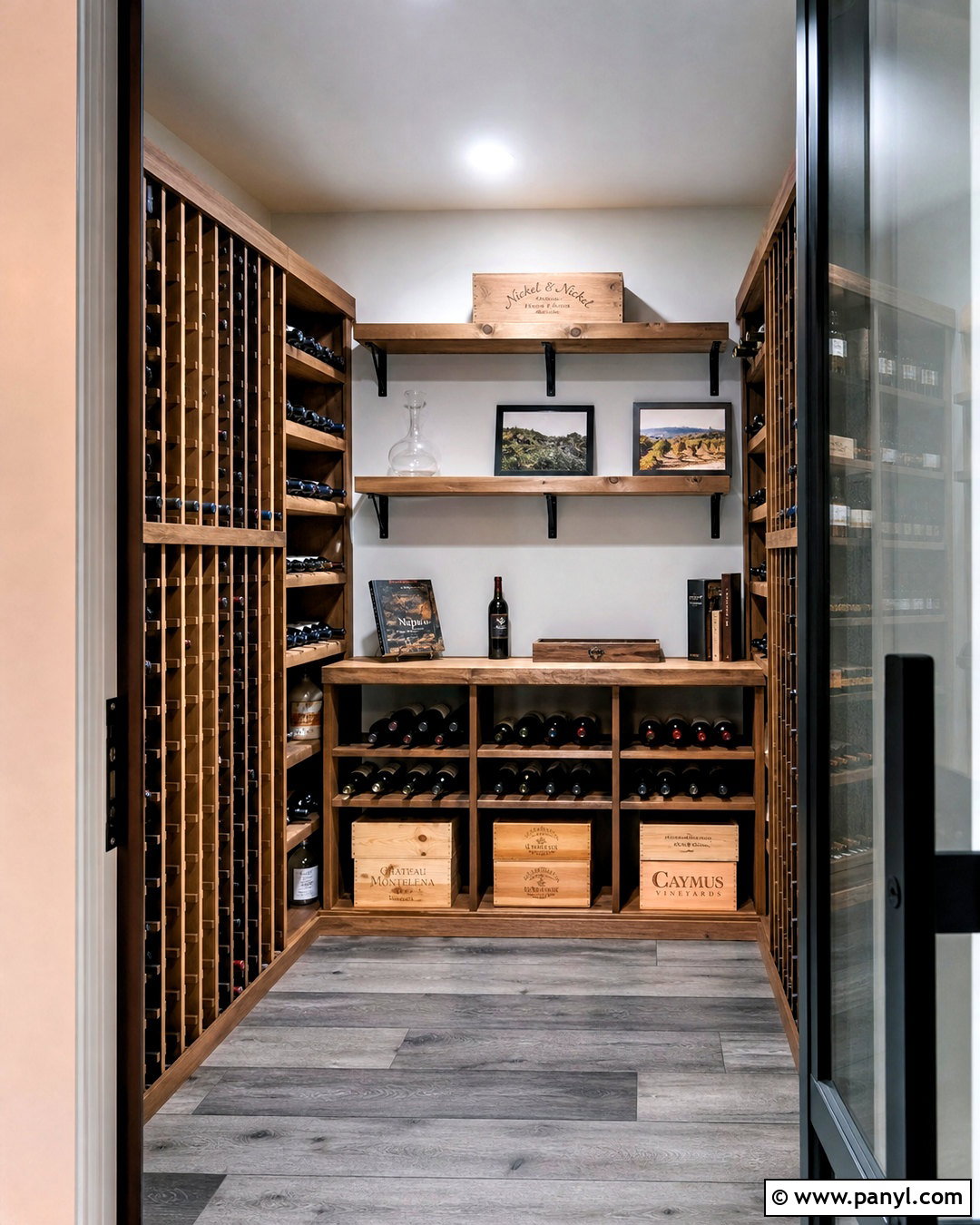
A convincing cellar can be created on a modest budget by limiting construction and repeating affordable materials. Paint a basement alcove warm white, install freestanding pine racks along two walls, and stain everything a consistent medium walnut tone. Use durable charcoal peel-and-stick or click-lock flooring where appropriate for the existing surface. Add a simple butcher-block cabinet for concealed storage and a practical counter. Black metal shelf brackets, a plain framed glass door, and plug-in LED strips can give the space a finished appearance without custom detailing. Arrange racks in a clean grid and leave enough room to reach every section safely. Spend first on any necessary environmental controls, insulation, and secure shelving. The final cellar should feel orderly and coordinated rather than crowded with inexpensive decorative accessories.
Conclusion:
Creating a dedicated cellar is mainly about choosing the right location, storage system, and overall material palette. Start with the space you already have, whether that means a closet, basement corner, pantry, hallway alcove, or the area beneath a staircase. Then select racks, flooring, cabinets, lighting, and an enclosure that work together as one complete design. Decorative storage may remain simple, while bottles intended for long-term aging benefit from professionally planned insulation and climate control. From light white oak rooms to rustic brick settings and modern glass displays, these **20 simple wine cellar ideas** offer practical looks for different homes, budgets, and collection sizes without requiring an oversized basement renovation.

Related Ideas and Inspiration:
Leave a Reply