
Roman clay walls bring soft movement, mineral depth, and handmade character to rooms that might otherwise feel flat. This plaster-like finish is applied in thin layers with a putty knife or trowel, creating subtle tonal variation rather than a perfectly uniform surface. It generally looks smoother and more grounded than limewash, with a matte or softly burnished appearance depending on the application and topcoat. () Warm neutrals remain especially versatile, but earthy greens, smoky blues, terracotta, and deep charcoal can make the texture more noticeable. Always sample the finish in the actual room because daylight, lamps, flooring, and nearby materials influence the final color. () Explore these complete room looks for practical ways to decorate with roman clay walls.

1. Warm White Roman Clay Living Room
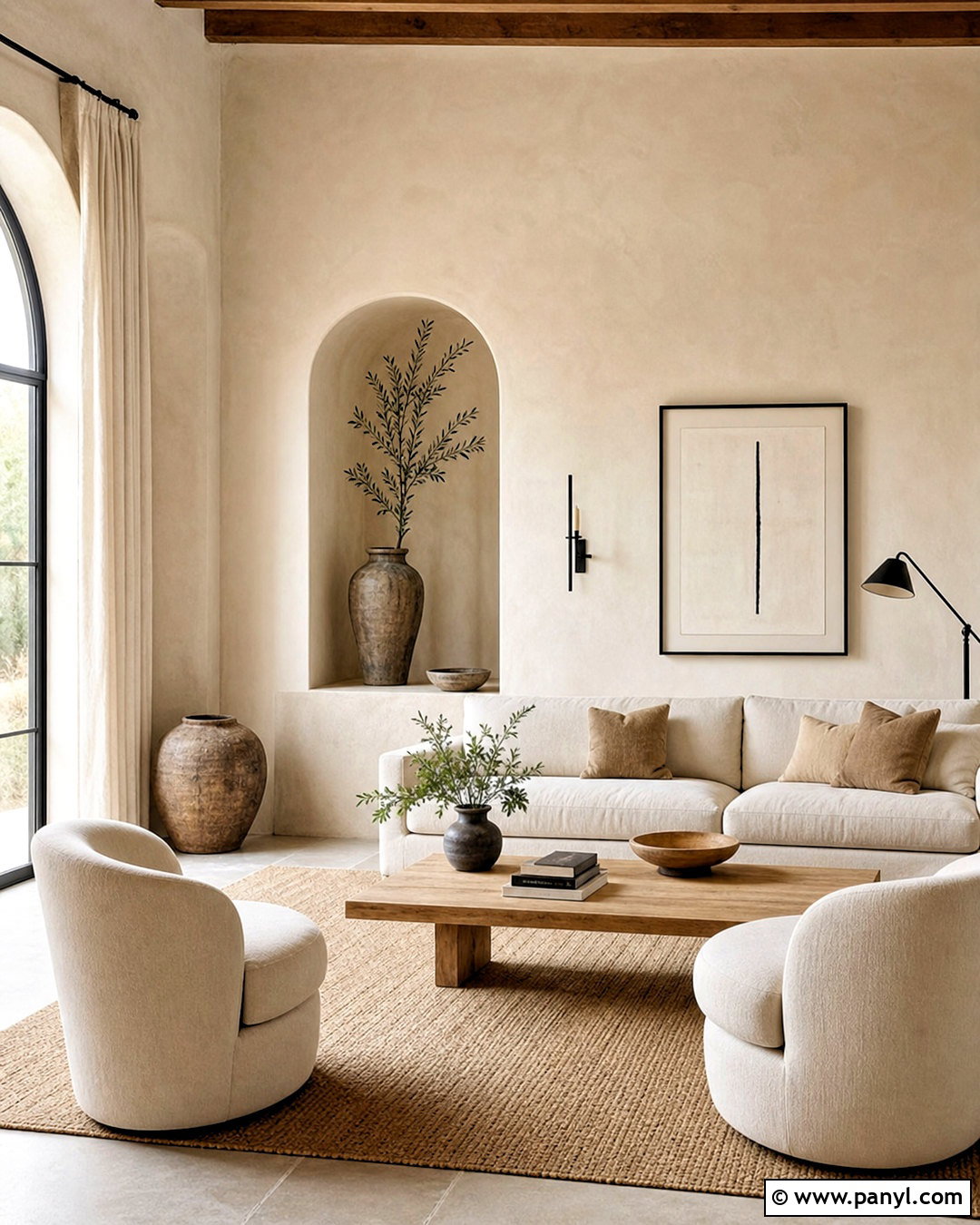
Warm white Roman clay creates a calm living room without the stark feeling of standard white paint. Cover every wall to establish a continuous, softly textured backdrop, then add a low oatmeal sofa and two rounded cream chairs. A pale oak coffee table and woven jute rug keep the palette natural. Use full-length linen curtains in a slightly deeper ivory so the windows feel finished without introducing harsh contrast. Black metal floor lamps and slim picture frames provide definition, while aged ceramic vessels echo the mineral surface. Keep artwork large and limited to prevent the room from looking busy. Medium-toned wood flooring adds enough warmth to balance the light walls and makes the whole space feel relaxed, airy, and thoughtfully layered.
2. Beige Roman Clay Bedroom
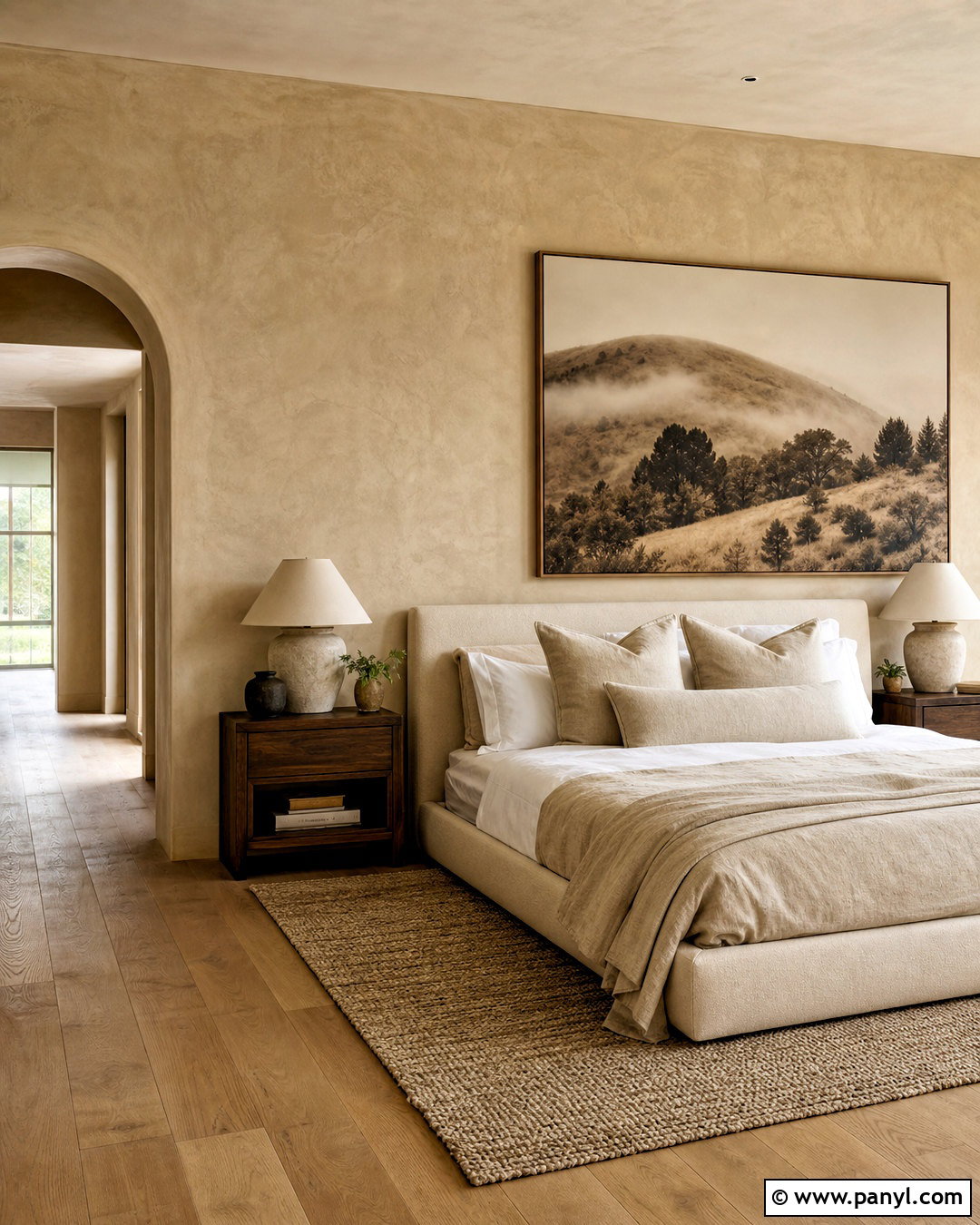
A beige Roman clay bedroom feels restful when its undertones coordinate with the bed, flooring, and window treatments. Choose a sandy beige finish for all four walls, then center an upholstered oatmeal bed against the longest uninterrupted surface. Layer crisp white sheets with flax-colored linen bedding and a textured brown throw. Walnut nightstands introduce richer contrast, while small plaster lamps maintain the room’s organic character. Add a flat-weave wool rug beneath the bed, leaving enough visible wood flooring around its edges. Simple linen curtains should nearly match the walls so the room appears wider and quieter. Instead of filling the walls with decor, hang one oversized landscape above the headboard. A curved bench at the foot completes this comfortable, understated bedroom.
3. Greige Roman Clay Dining Room
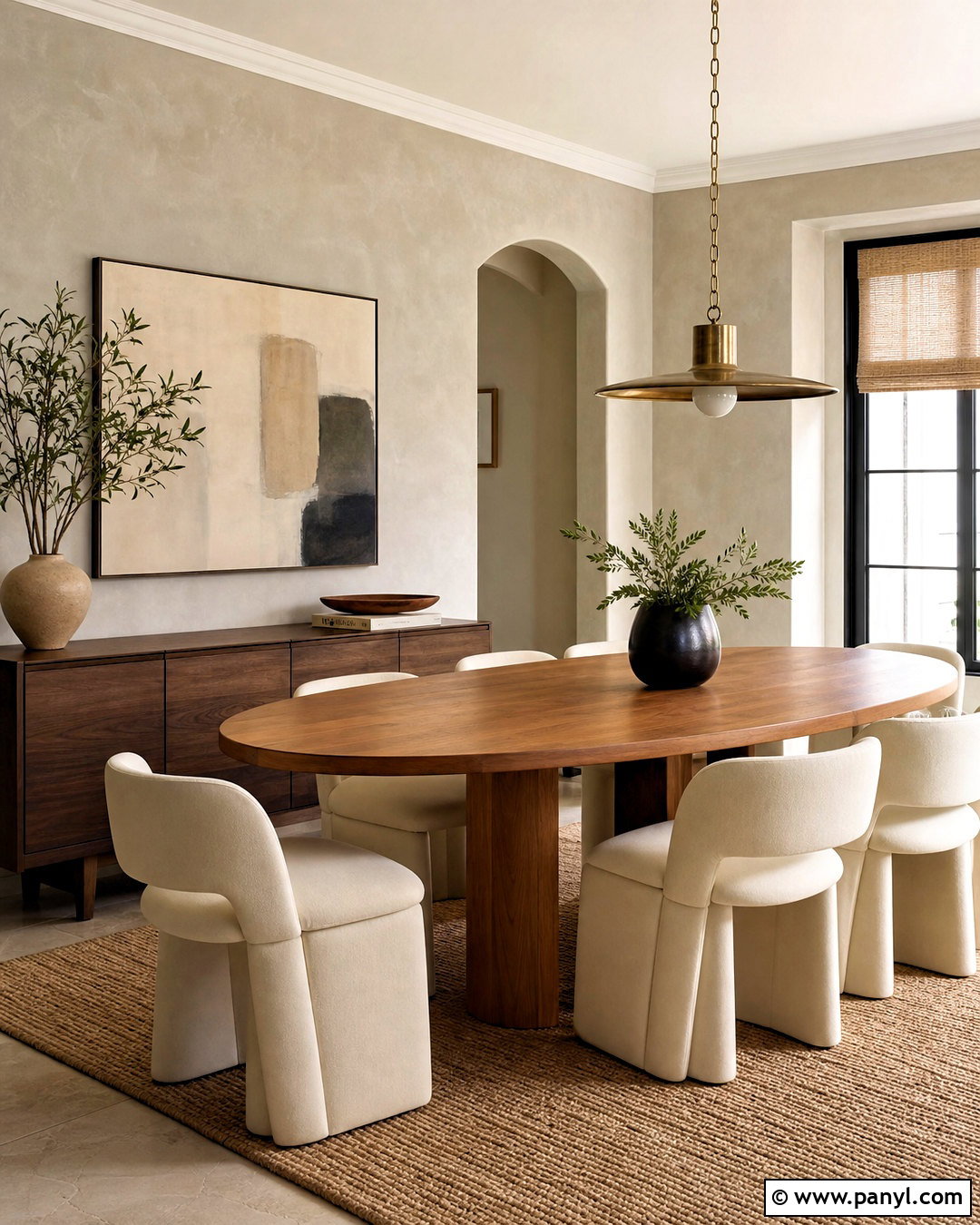
Could a neutral dining room feel dramatic without using a dark color? Greige Roman clay walls create that effect through shadow, movement, and subtle tonal changes. Pair the finish with an oval medium-oak dining table and curved chairs upholstered in warm ivory. Ground the arrangement with a large natural wool rug that extends beyond every chair. Above the table, use a broad aged-brass pendant with a simple silhouette. A dark walnut sideboard adds visual weight and offers practical storage for linens and serving pieces. Keep the ceiling soft white to reflect light and highlight the wall texture. Finish with muted abstract art, a tall ceramic vase, and woven shades. The balanced mixture of smooth, woven, and hand-finished surfaces makes the dining room welcoming rather than overly formal.
4. Taupe Roman Clay Fireplace Wall
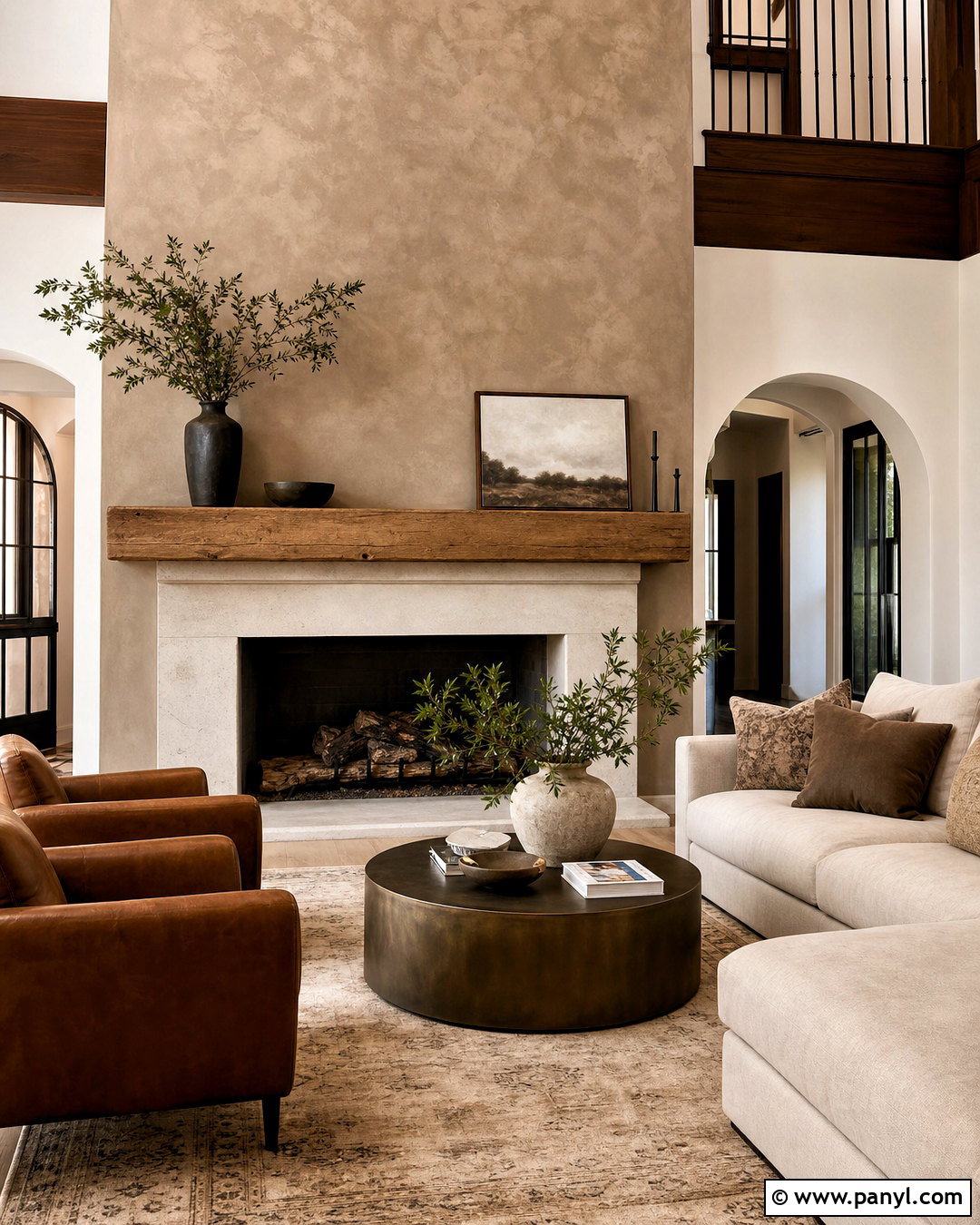
A taupe Roman clay fireplace wall can anchor an entire living room when the surrounding materials share its warm undertones. Apply the finish across the full fireplace wall, including shallow niches or architectural returns, rather than creating a narrow strip above the mantel. Use a simple limestone or travertine surround with a thick reclaimed-oak mantel. Position a deep cream sectional opposite the fireplace and add cognac leather accent chairs at each side. A faded beige rug and dark bronze coffee table create grounded contrast. Style the mantel sparingly with one sculptural vessel and a small framed artwork. Conceal television wires or place the television on another wall. This approach allows the softly mottled plaster, natural stone, and wood grain to become the room’s main decorative features.
5. Terracotta Roman Clay Entryway
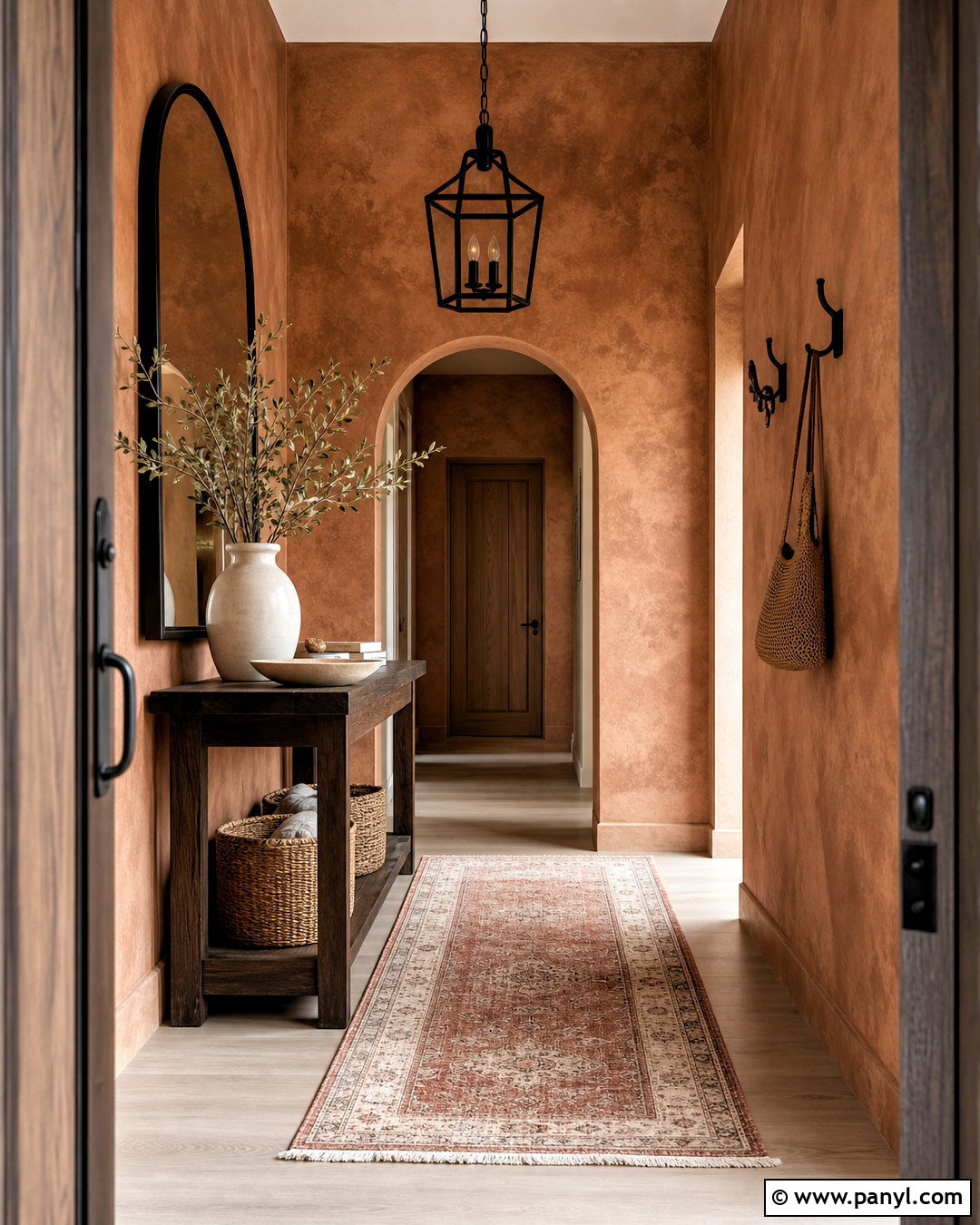
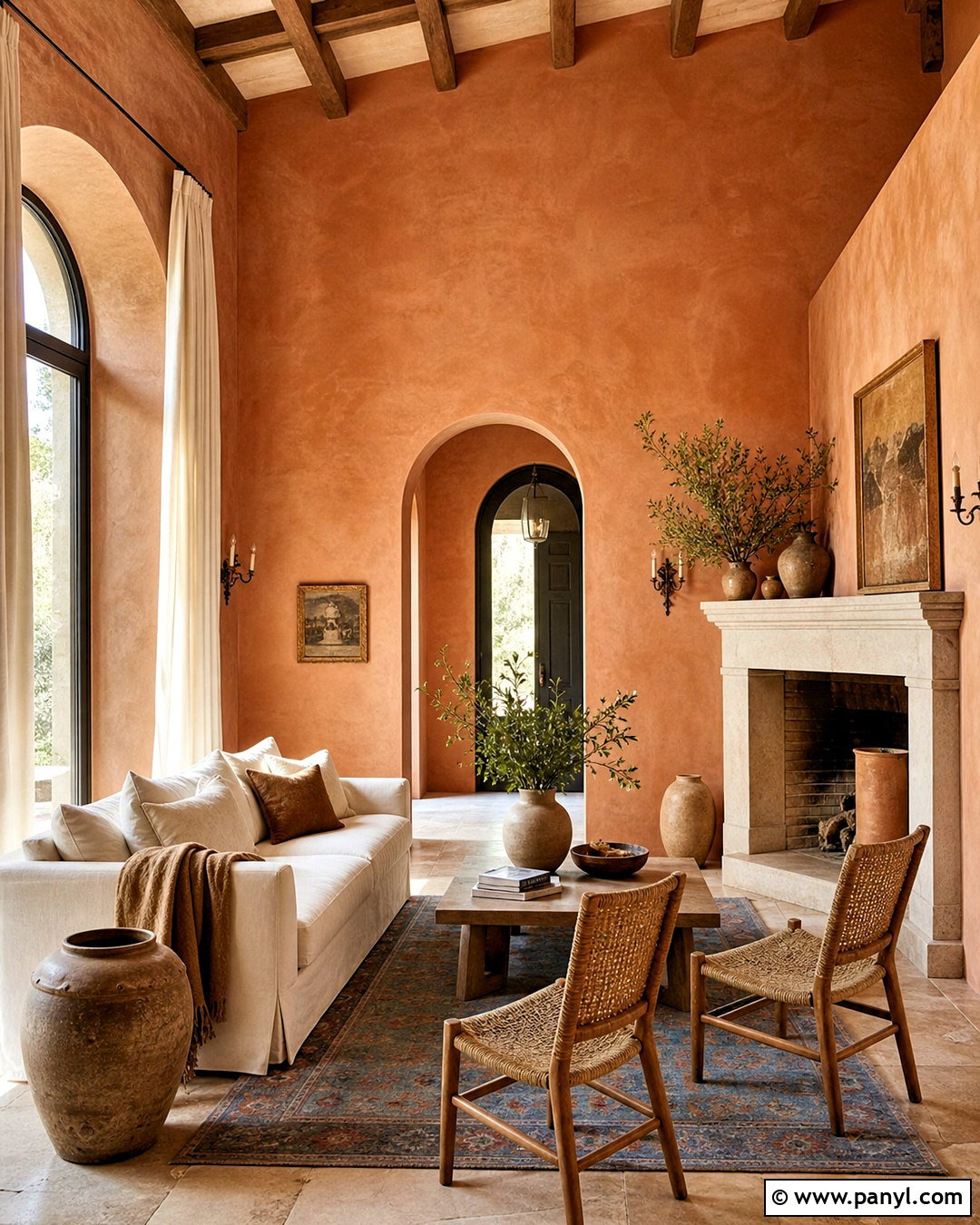
Terracotta Roman clay gives an entryway warmth and personality from the moment the door opens. Select a muted clay tone with brown or dusty peach undertones rather than a bright orange finish. Continue it across every wall to make the compact space feel intentional. A narrow walnut console provides a sturdy landing place for keys, while a large arched mirror reflects light through the richly colored room. Add a woven runner with cream, rust, and charcoal details to protect the walkway. A black iron pendant and matching wall hooks create crisp definition. Keep baskets beneath the console for shoes and everyday accessories. Finish the space with an olive branch in a textured ceramic pot. The resulting entry feels earthy, organized, and welcoming without requiring elaborate architecture or excessive decoration.
6. Sage Green Roman Clay Home Office
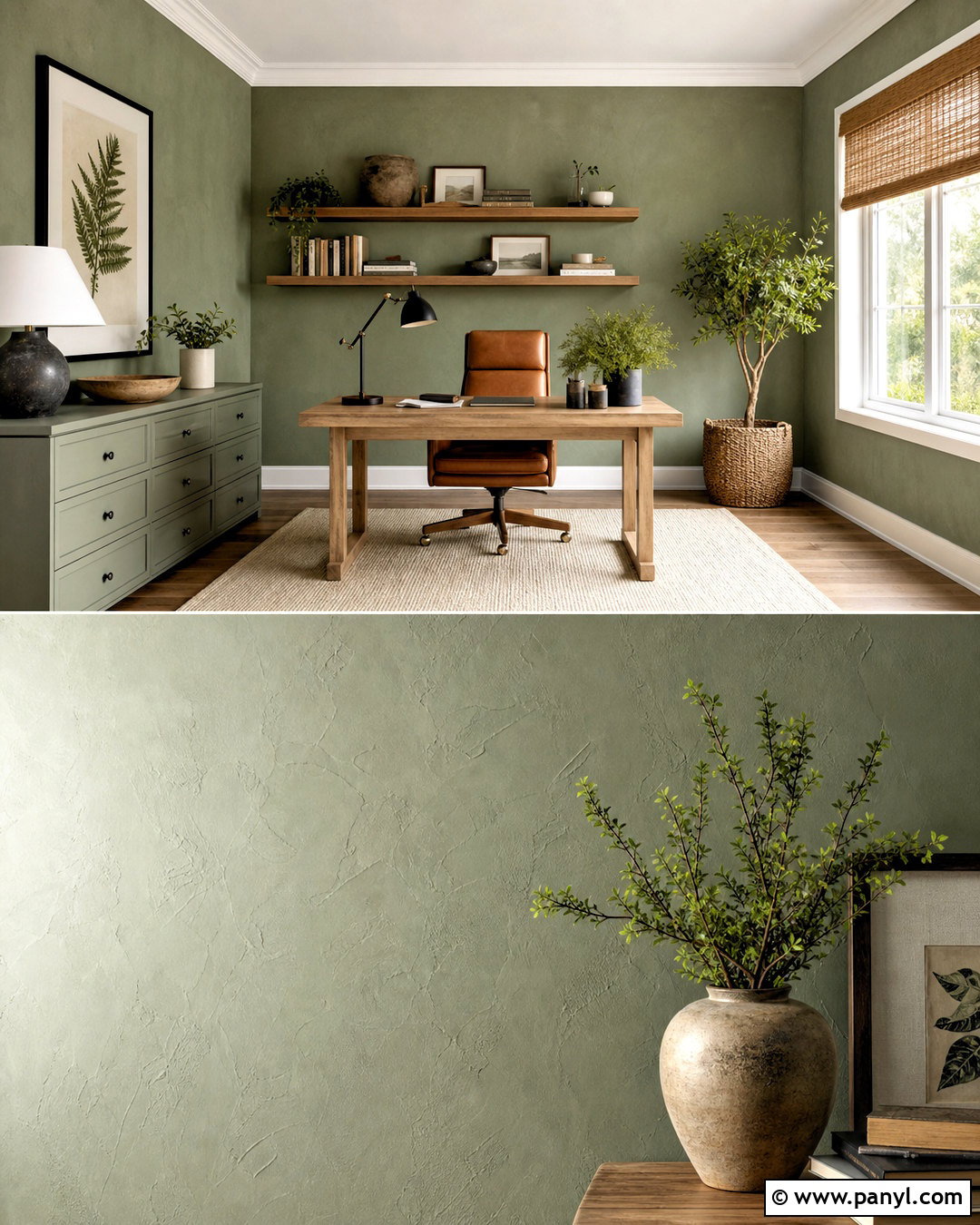
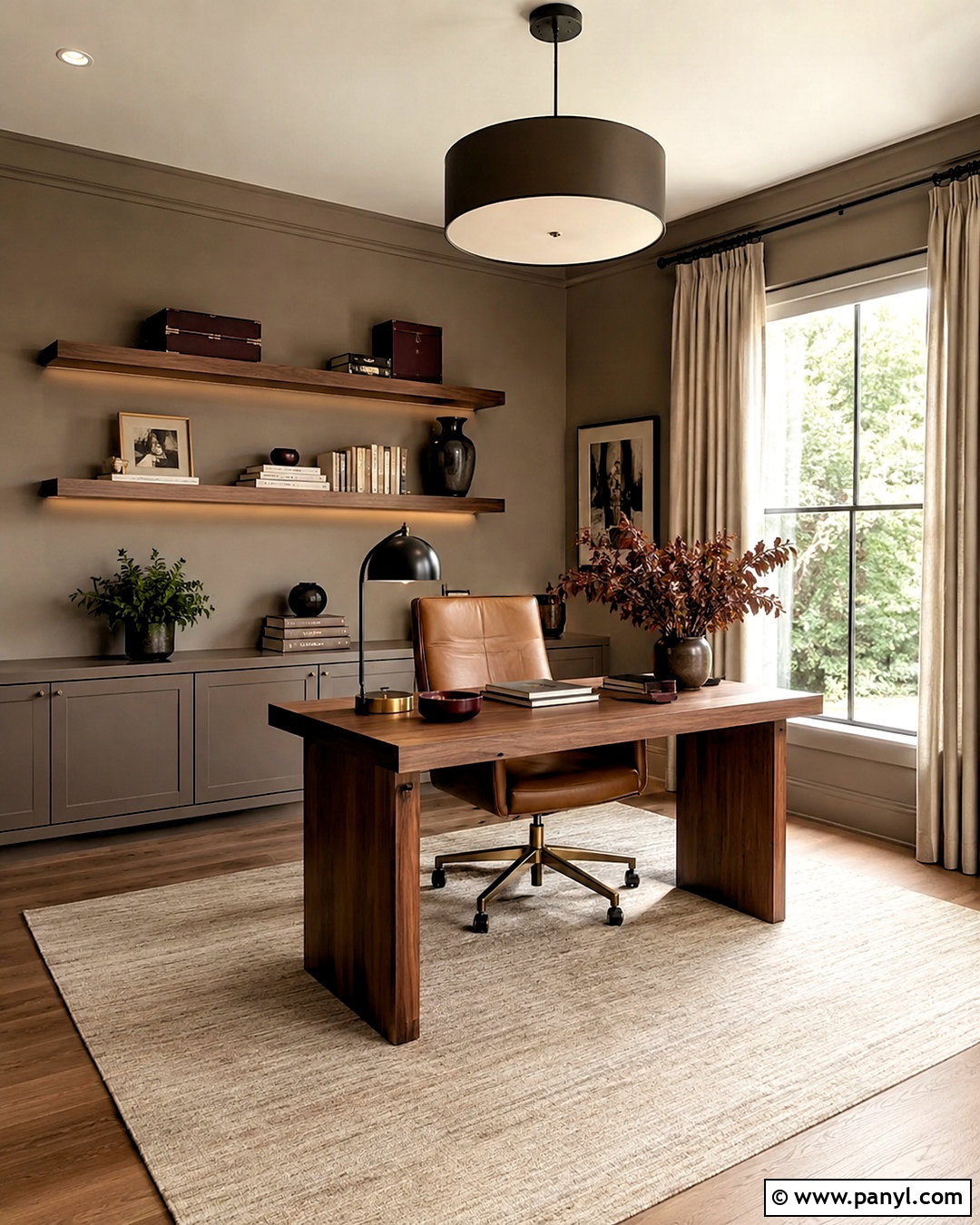
Soft sage Roman clay walls can turn a basic home office into a focused, restorative workspace. Choose a subdued green with gray and beige undertones, then use it throughout the room for a cohesive envelope. Place a streamlined oak desk near the window so natural light travels across the textured finish. A comfortable tan leather chair brings warmth and develops character with use. Install floating oak shelves above a low storage cabinet, leaving generous open space between books and decorative objects. A cream wool rug softens sound and visually separates the work zone. Add a matte black desk lamp, woven window shade, and one large botanical print. The green walls, warm wood, and practical storage work together to create an office that feels peaceful but still polished and productive.
7. Dusty Blue Roman Clay Bedroom
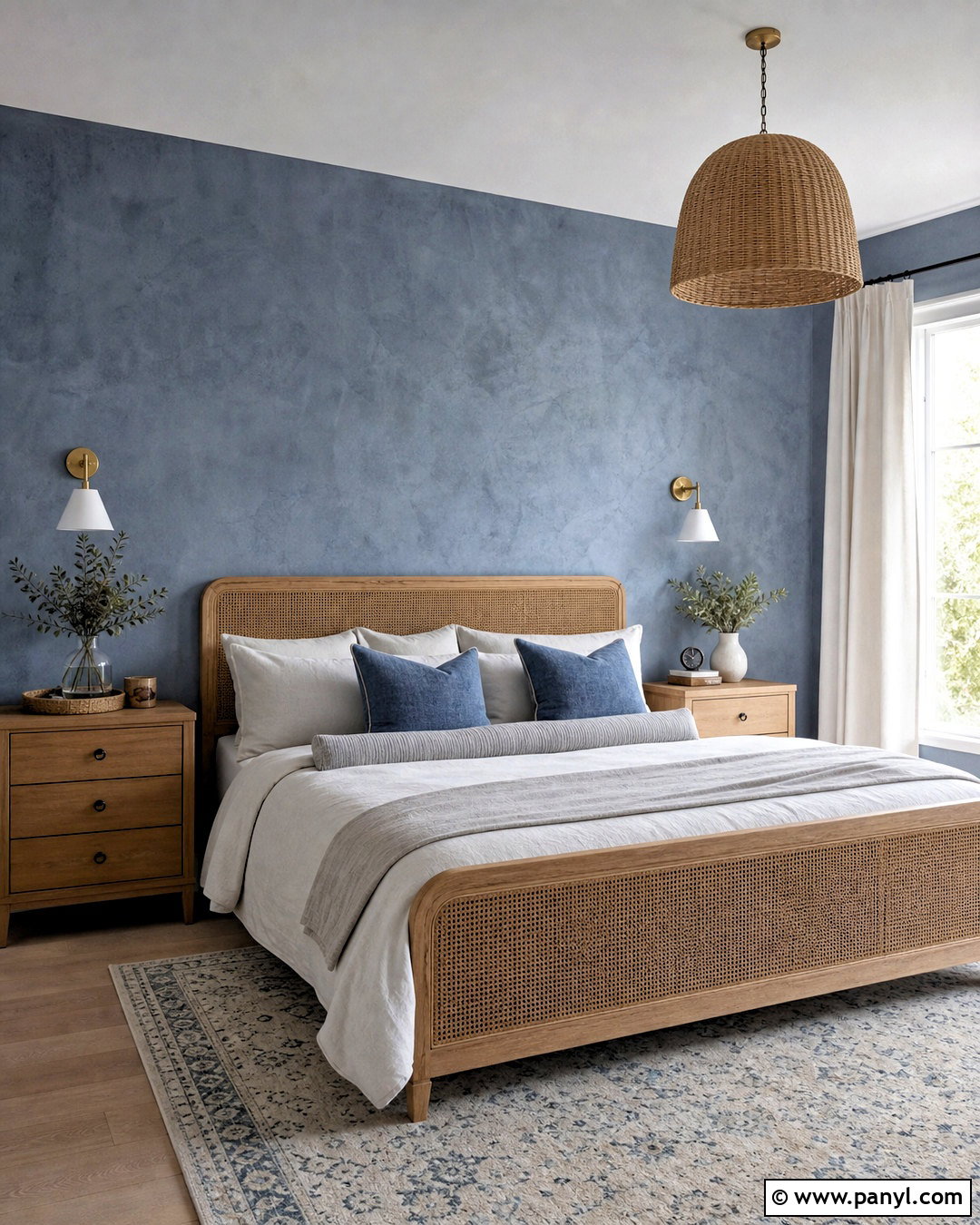
Dusty blue Roman clay walls offer color without disrupting the quiet atmosphere needed in a bedroom. Look for a muted blue with a soft gray base, which will create gentle variation as daylight shifts. Pair it with a natural oak bed featuring a woven cane headboard. White cotton sheets, a pale gray duvet, and faded denim pillows maintain a cool, layered palette. Bring warmth back through camel-colored nightstands and small antique-brass sconces. A cream-and-blue patterned rug can add detail without competing with the plaster texture. Use off-white curtains rather than matching blue panels, allowing the windows to remain bright. Complete the room with one abstract artwork and a simple upholstered bench. The finished look feels fresh, restful, and suitable for both modern and traditional homes.
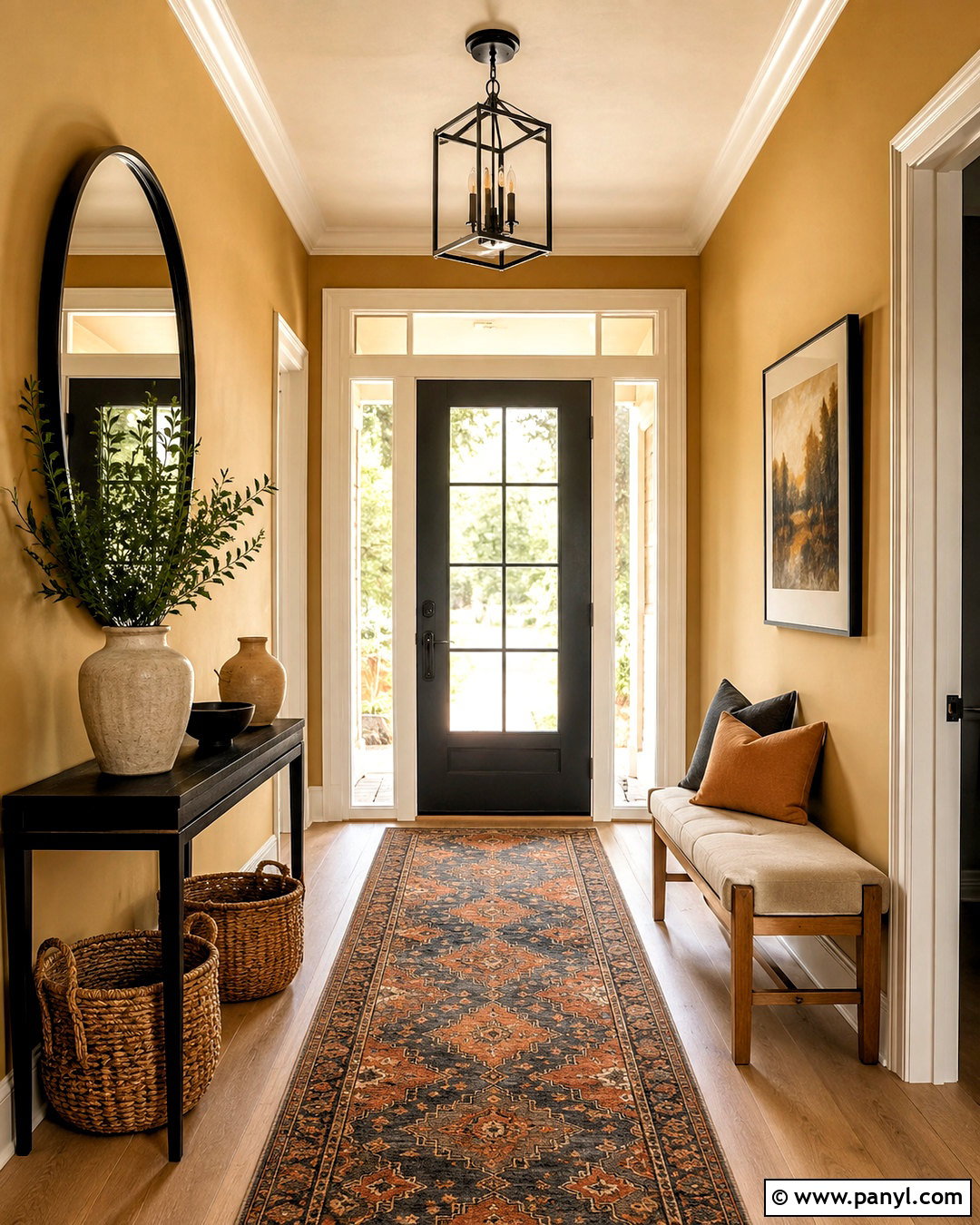
8. Charcoal Roman Clay Media Room
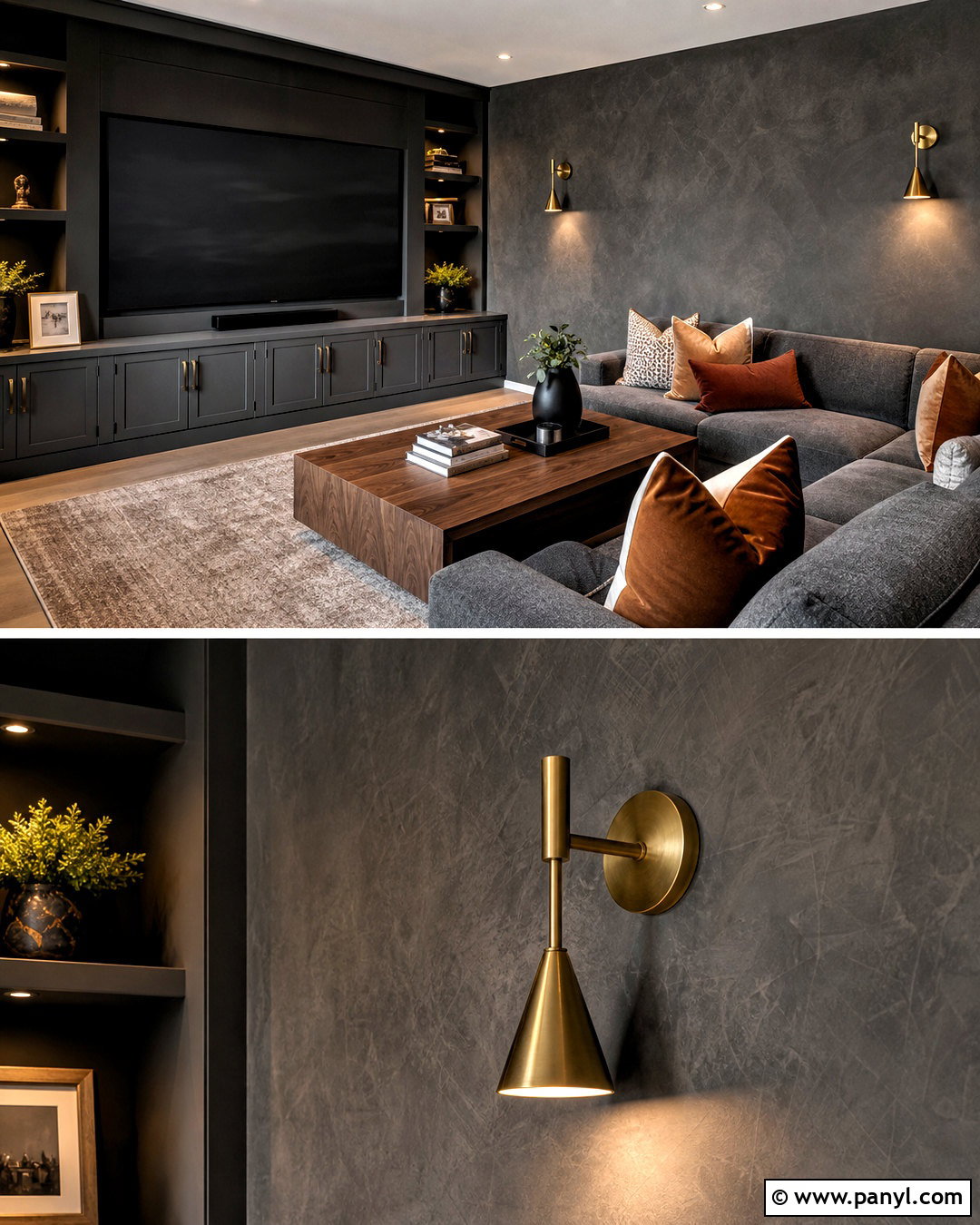
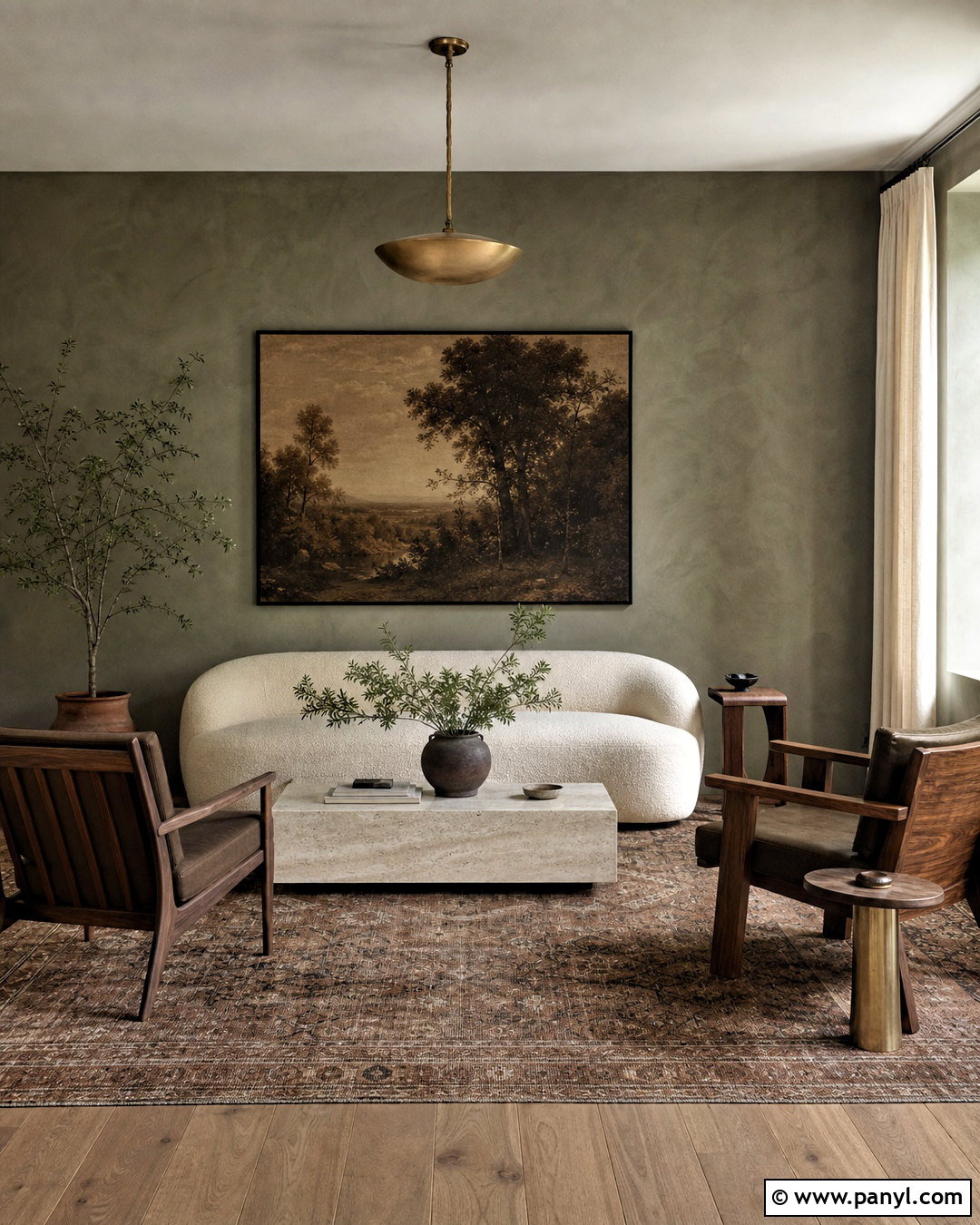
Charcoal Roman clay works especially well in a media room because darker colors make the hand-applied movement more visible. Cover the walls in a warm charcoal rather than a blue-black shade, then repeat the color on built-in media cabinetry for continuity. Choose a deep modular sofa in medium gray performance fabric and arrange it around a large walnut coffee table. A thick taupe rug will soften acoustics while preventing the space from becoming too dark. Add low-profile brass sconces and dimmable ceiling lights, but photograph and style the room with clear illumination so the finish remains readable. Use rust, camel, and cream pillows as controlled accents. Closed cabinets, concealed cables, and minimal wall decor give this comfortable media room a clean, sophisticated appearance.
9. Blush Roman Clay Powder Room
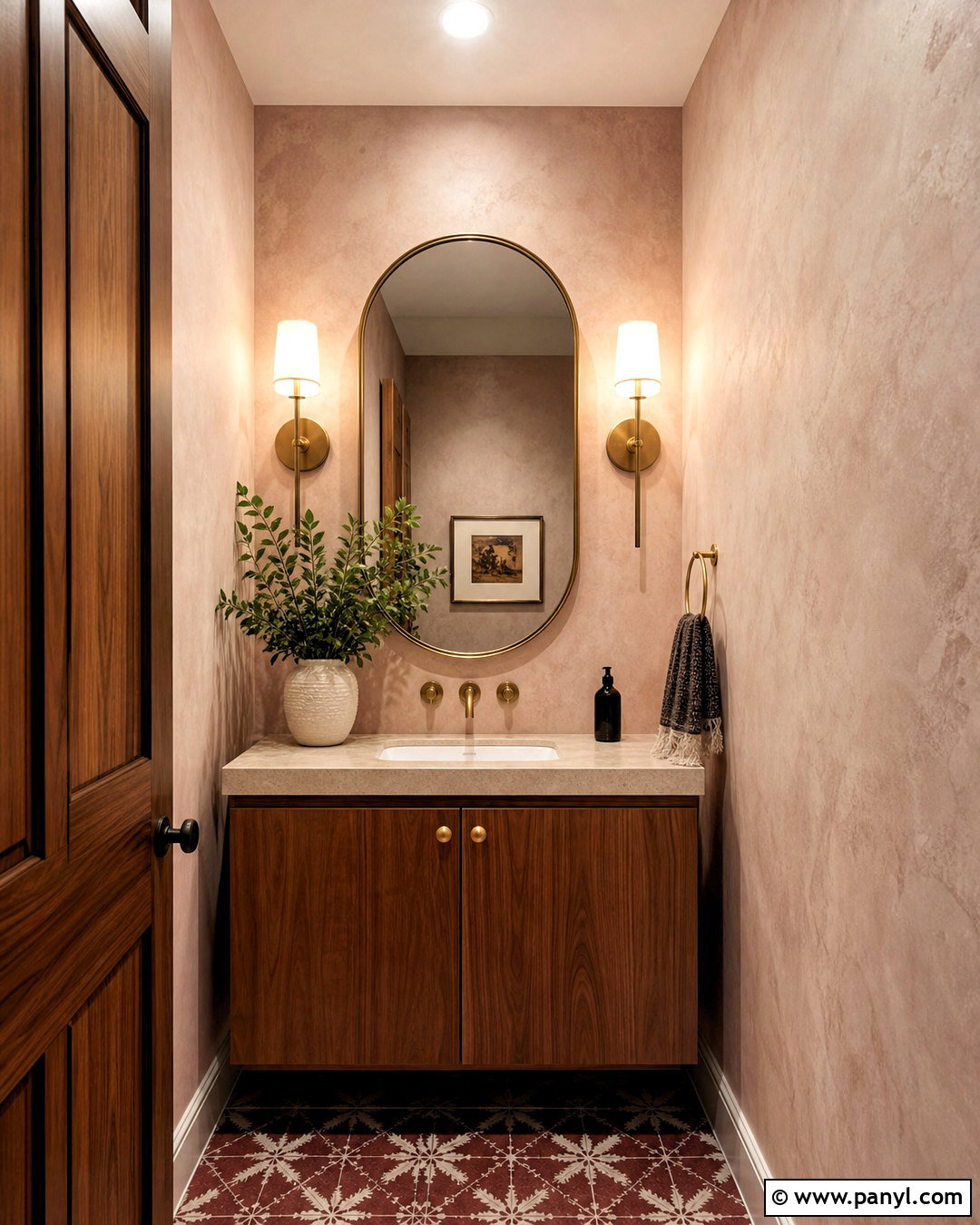
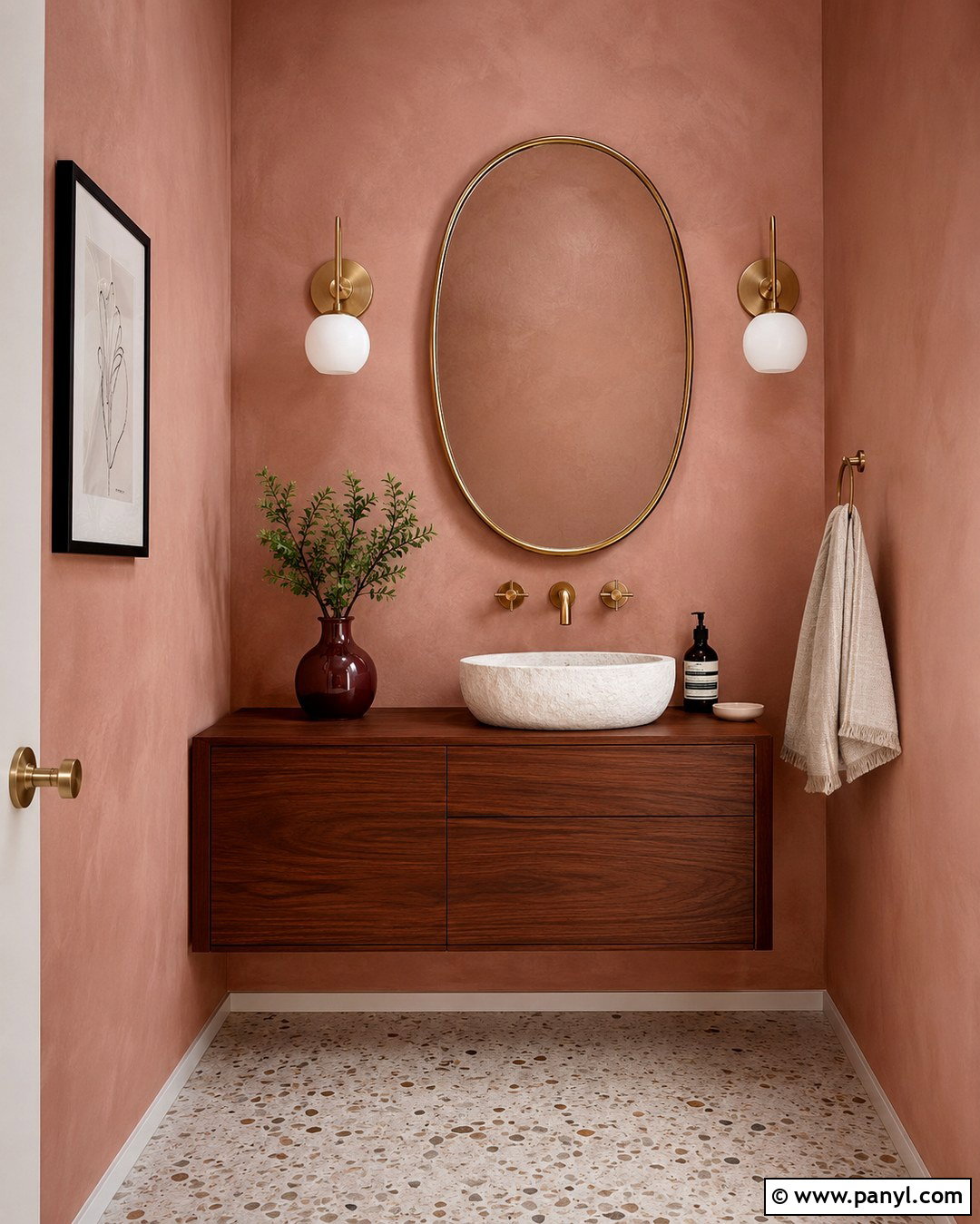
In a small powder room, blush Roman clay can deliver a complete decorative statement without overwhelming the limited floor area. Choose a dusty pink finish with earthy beige undertones and apply it to every wall. A compact walnut vanity brings needed depth, while a honed cream stone countertop keeps the palette soft. Install an oval antiqued-brass mirror above the sink and use matching wall sconces on both sides for balanced light. Terracotta or burgundy floor tile adds pattern and reinforces the warm color story. Because powder rooms experience splashes and moisture, confirm the appropriate preparation and protective topcoat with the product manufacturer or installer. Sealing is commonly recommended where moisture is present. () Finish with a linen hand towel, ceramic soap dispenser, and uncluttered countertop.
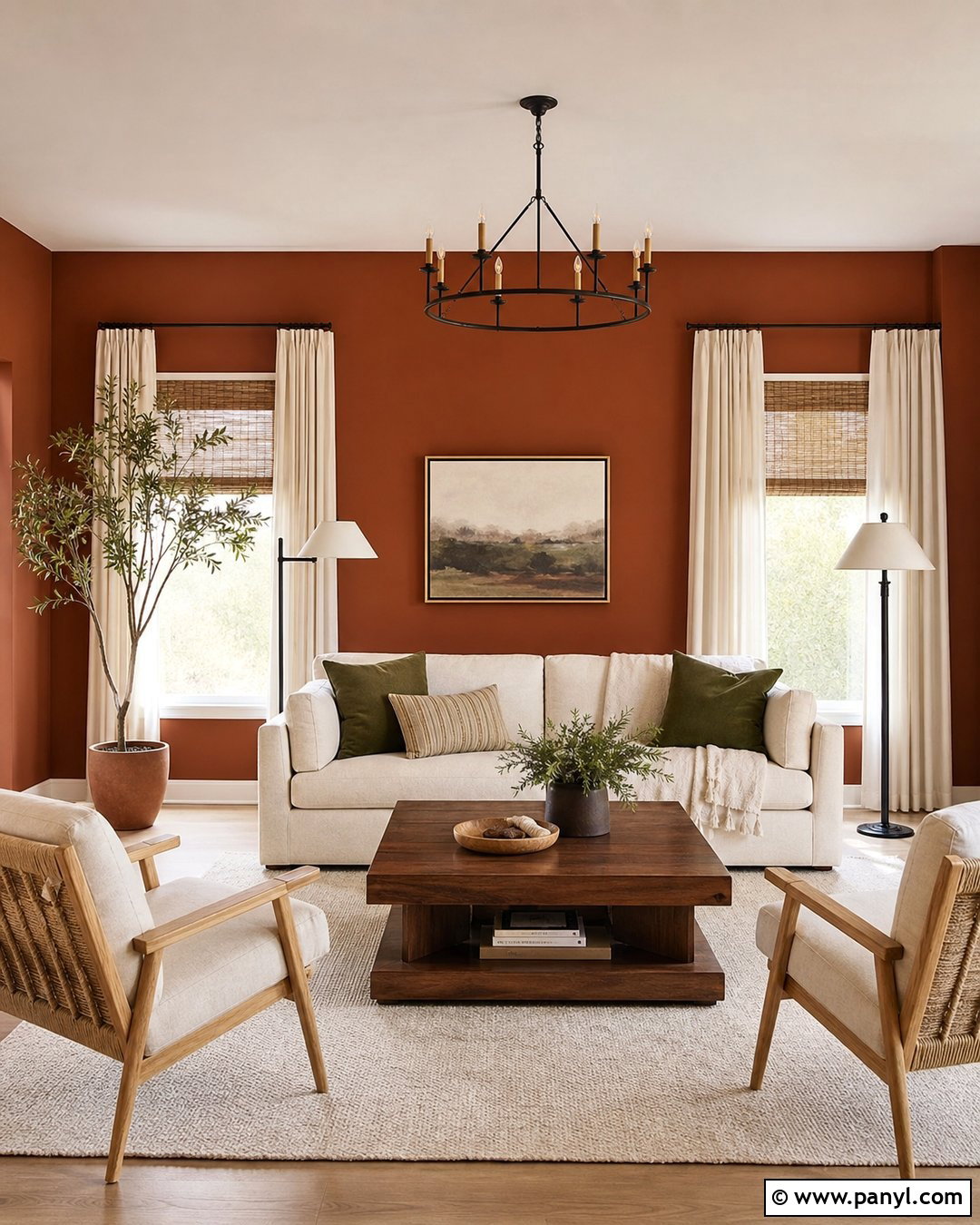
10. Cream Roman Clay Kitchen
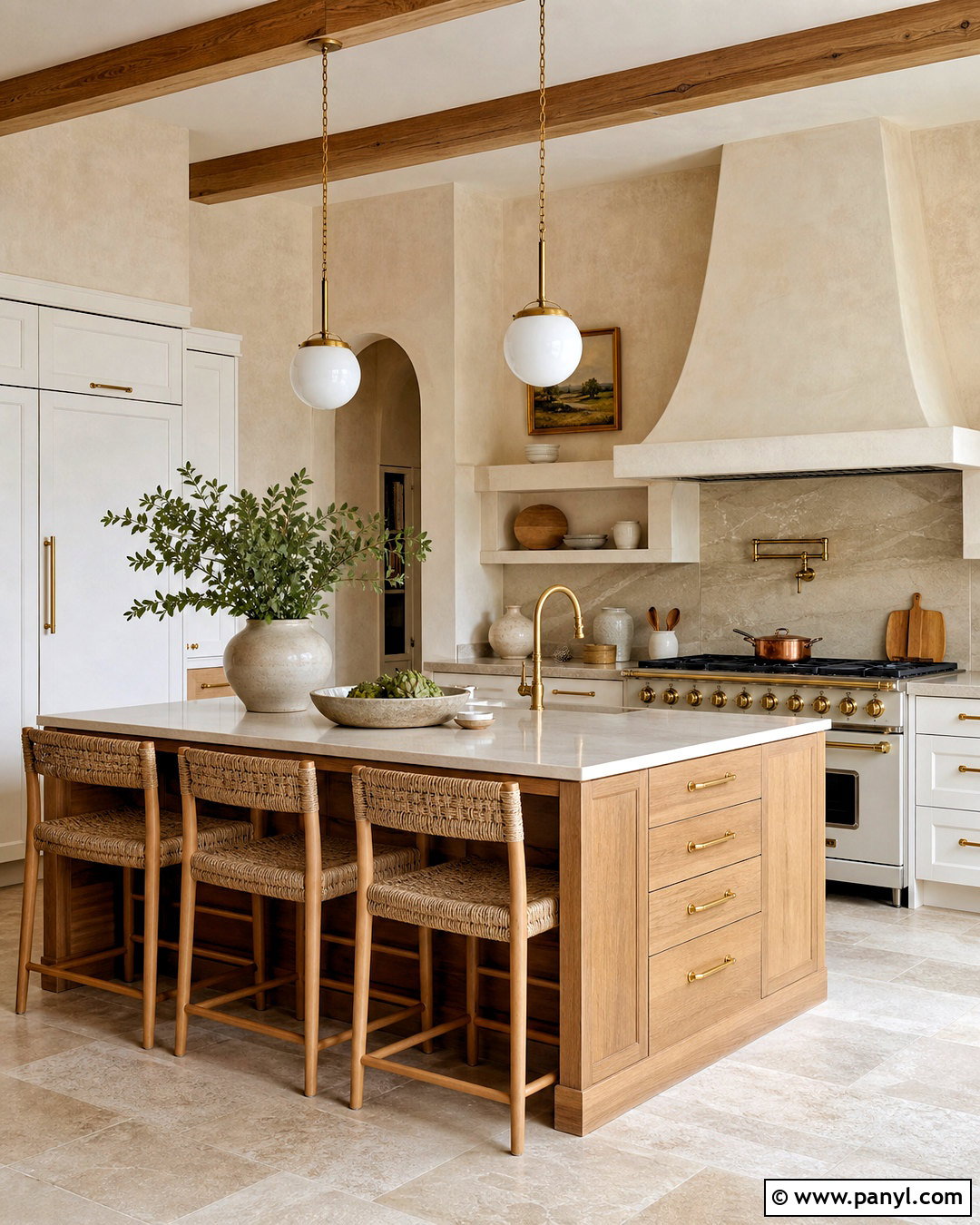
Cream Roman clay walls soften a kitchen filled with hard cabinetry, counters, appliances, and tile. Use the finish on open wall areas around tall cabinets, the breakfast nook, and spaces above a short stone backsplash. Pair it with warm white shaker cabinets, honed beige quartzite counters, and unlacquered brass hardware. A medium-oak island adds definition without interrupting the natural palette. Choose simple backless stools with woven seats and install wide opal-glass pendants overhead. Pale limestone-look flooring reinforces the soft mineral appearance while remaining practical. Keep the backsplash low so more of the Roman clay remains visible, but use washable, water-resistant material directly behind the range and sink. Open wood shelves, ceramic bowls, and a washable vintage-style runner complete this bright, welcoming, functional kitchen.
11. Sand Roman Clay Bathroom
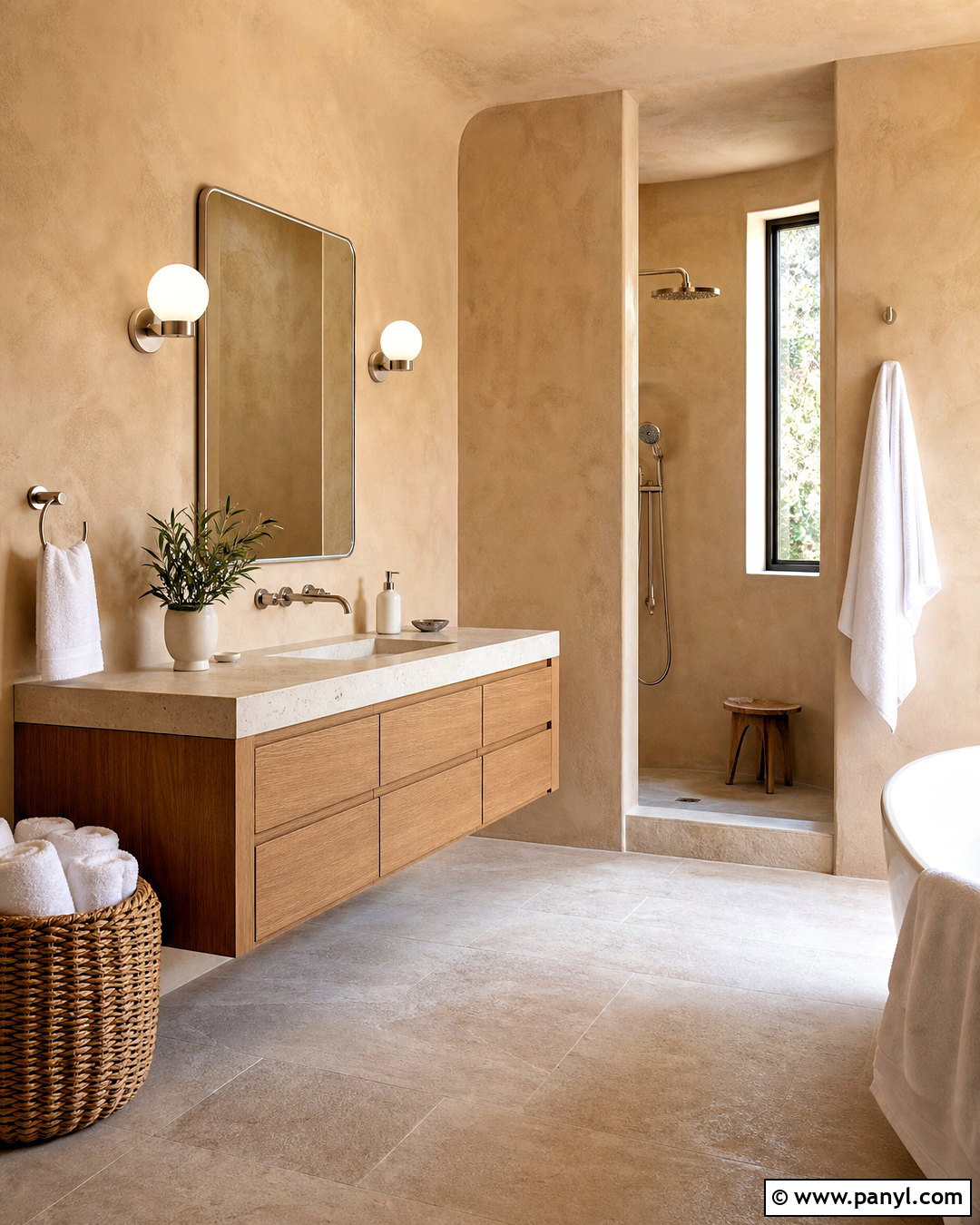
Sand-colored Roman clay can make a bathroom feel warmer and more relaxed when it is paired with suitable wet-area materials. Apply it on dry walls around the vanity, doorway, and freestanding tub area, while using stone or porcelain tile inside the shower and other frequently splashed zones. Select a floating white oak vanity topped with creamy limestone-look quartz. Brushed nickel fixtures provide gentle contrast without feeling flashy. Add a large frameless mirror, globe sconces, and warm white towels for a simple spa-like palette. The floor can feature matte beige porcelain tile with subtle variation. Before application, verify that the wall surface, primer, and protective finish are compatible with bathroom conditions. A wood stool, woven basket, and leafy plant complete the light, natural room without creating clutter.
12. Olive Roman Clay Reading Room
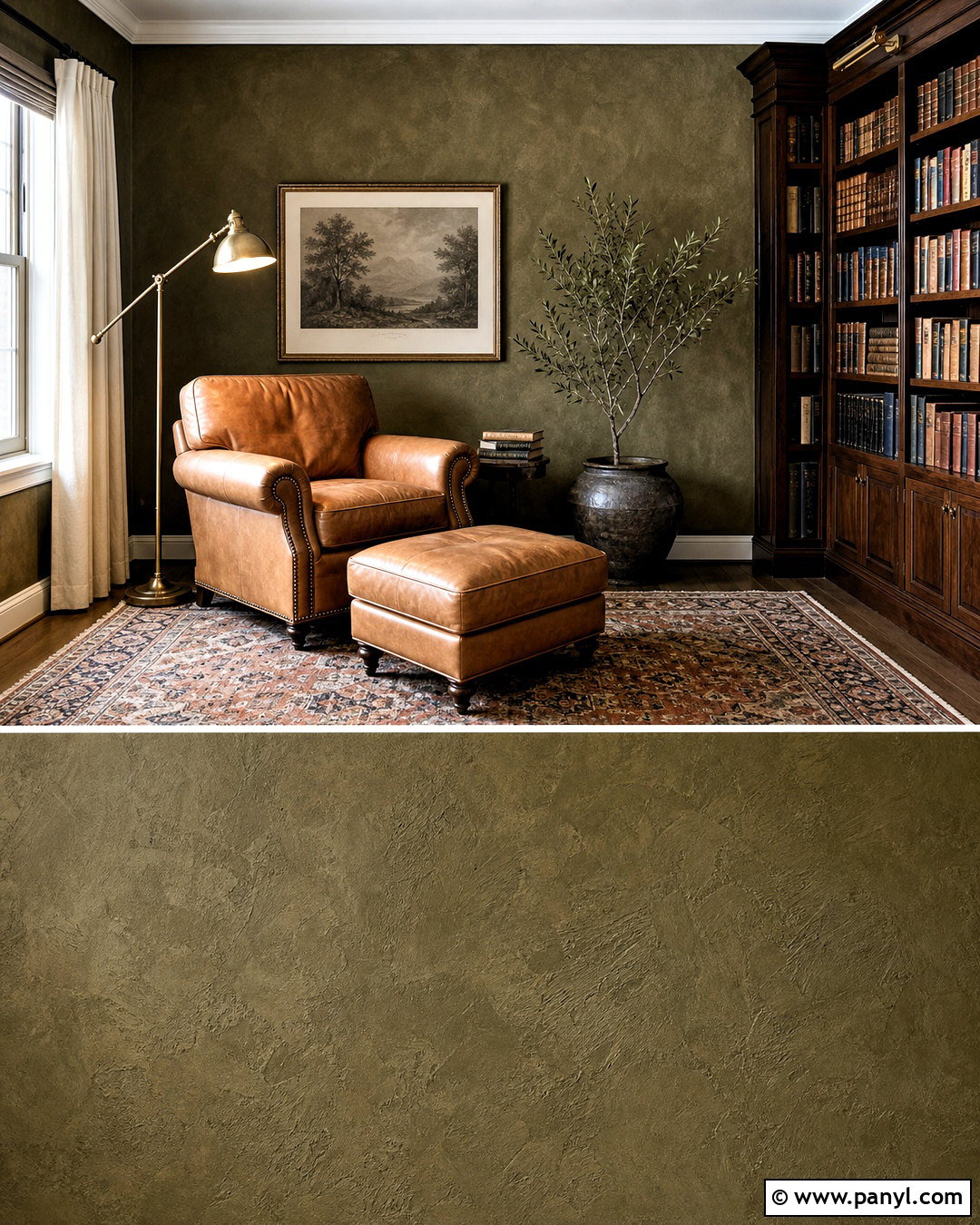
Rich olive Roman clay walls create an enveloping reading room that feels grounded rather than gloomy. Select an olive with brown undertones, then carry it across every wall to strengthen the intimate effect. Position a deep camel leather chair beside a tall window and add a matching ottoman for comfortable lounging. A walnut bookcase should cover one wall, combining open shelves with closed lower cabinets. Use a faded Persian-style rug featuring rust, beige, and muted green to connect the room’s colors. An antique-brass floor lamp provides focused reading light, while ivory linen curtains brighten the darker walls. Keep accessories collected but restrained: stacked books, a stone bowl, and one framed landscape are enough. The finished room combines earthy color, practical storage, and inviting furniture in a compact, cohesive layout.
13. Mushroom Roman Clay Hallway
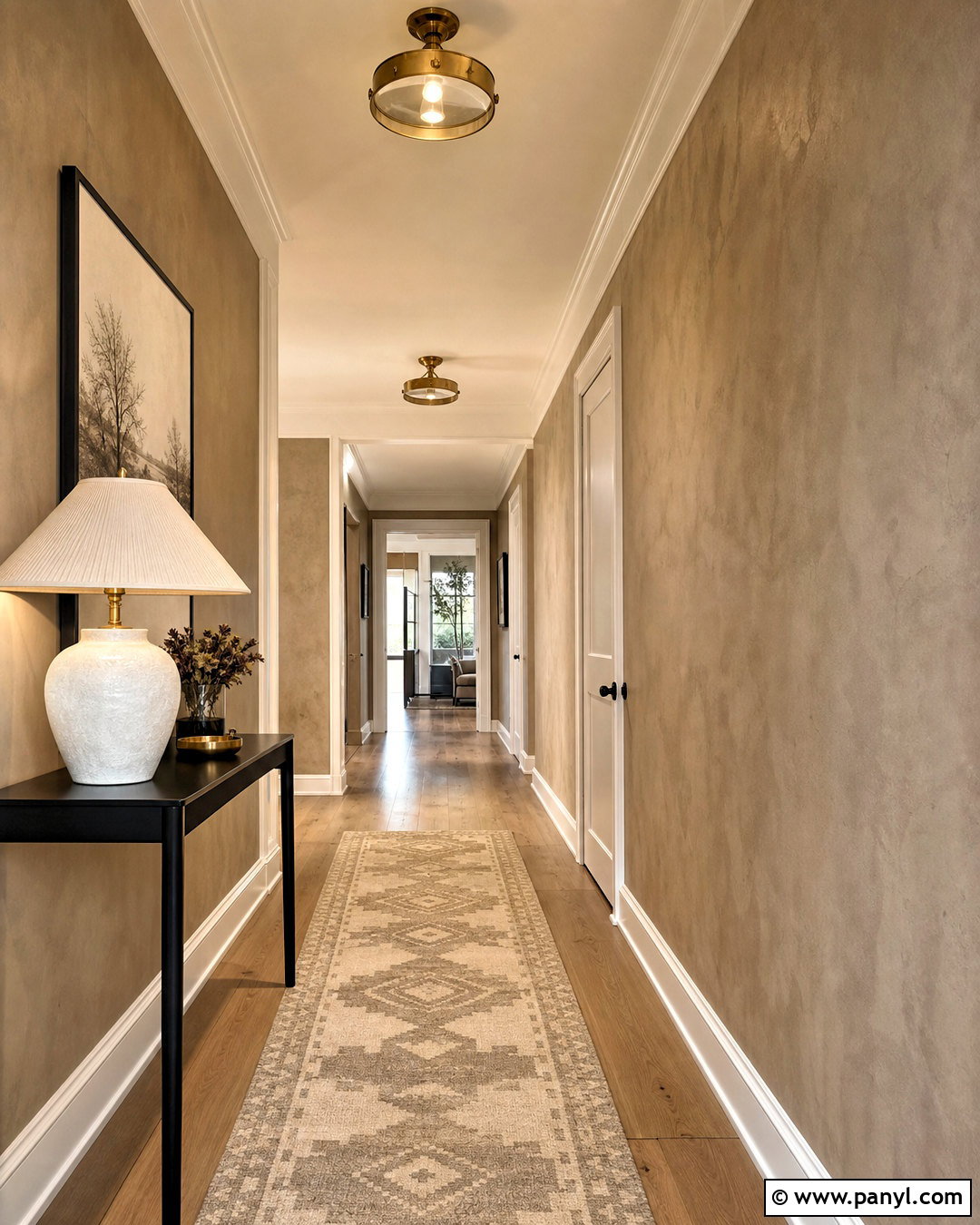
A mushroom Roman clay finish can transform a plain hallway into a warm transition between rooms. This balanced brown-gray color works particularly well with oak flooring, white ceilings, and dark metal accents. Apply it continuously along both walls so doorways and architectural openings feel connected. Add a slim black console where the corridor widens, topped with a ceramic lamp and shallow catchall tray. Hang two or three generously sized artworks rather than a long collection of small frames. A neutral runner with a subtle geometric pattern introduces softness and protects the floor. Use simple aged-brass ceiling lights at regular intervals for even illumination. Paint doors and trim a warm off-white for quiet contrast. The result feels polished and dimensional while remaining practical for a busy circulation space.
14. Soft Gray Roman Clay Living Room
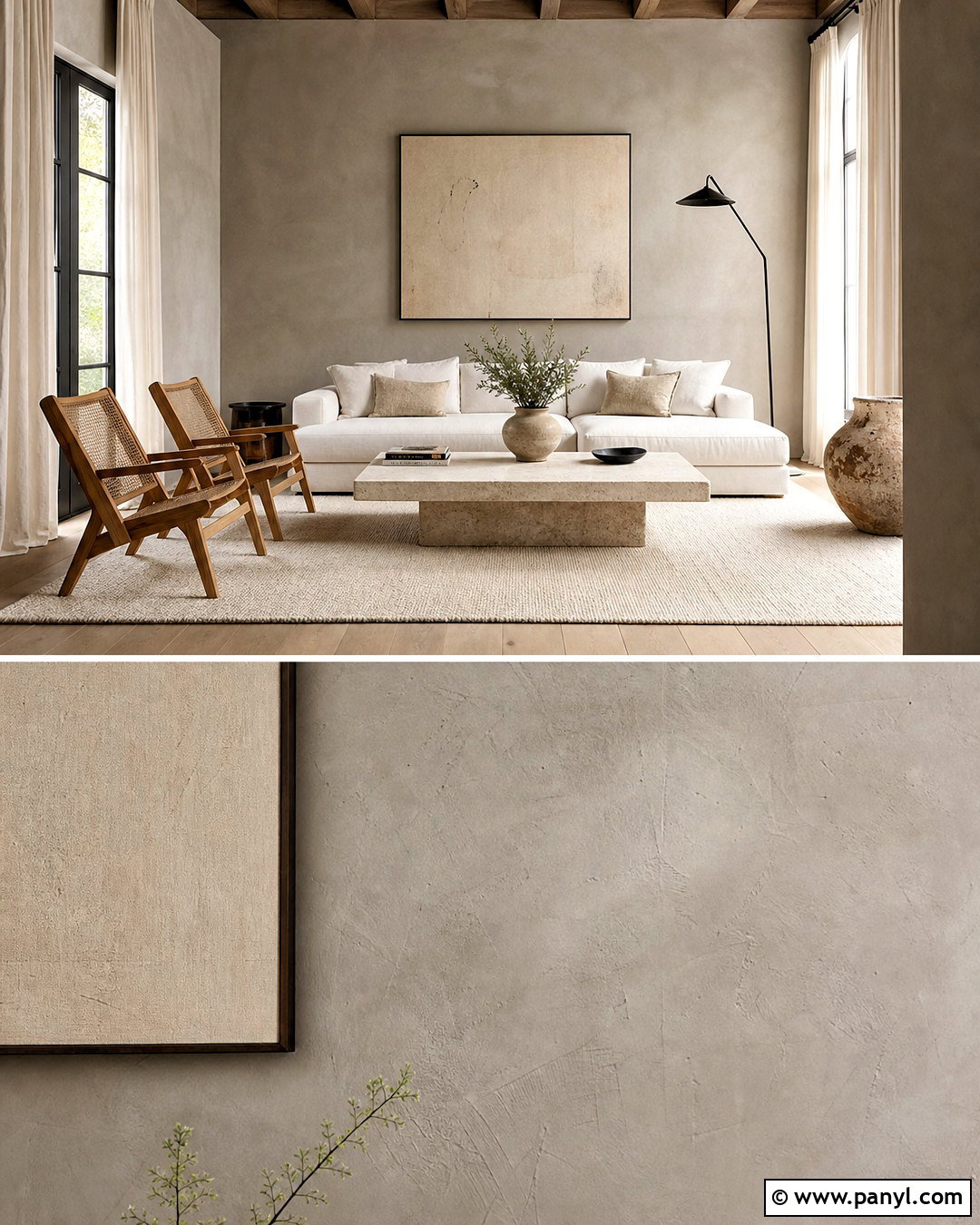
Soft gray Roman clay walls suit a minimalist living room when warmer materials prevent the space from feeling cold. Choose a pale mineral gray with beige undertones, then pair it with a low-profile ivory sofa and a pair of sculptural oak chairs. A rectangular travertine coffee table introduces natural pattern without adding a strong new color. Place everything on a large, lightly textured wool rug to define the seating arrangement. Full-height white linen curtains maximize brightness, while black window frames or a slim black floor lamp add precision. Limit accessories to a few substantial pieces, such as an oversized abstract canvas, a rough ceramic vessel, and one leafy branch. This carefully edited design allows the softly shifting gray surface to remain visible while still delivering a comfortable, complete living room.
15. Rust Roman Clay Guest Bedroom
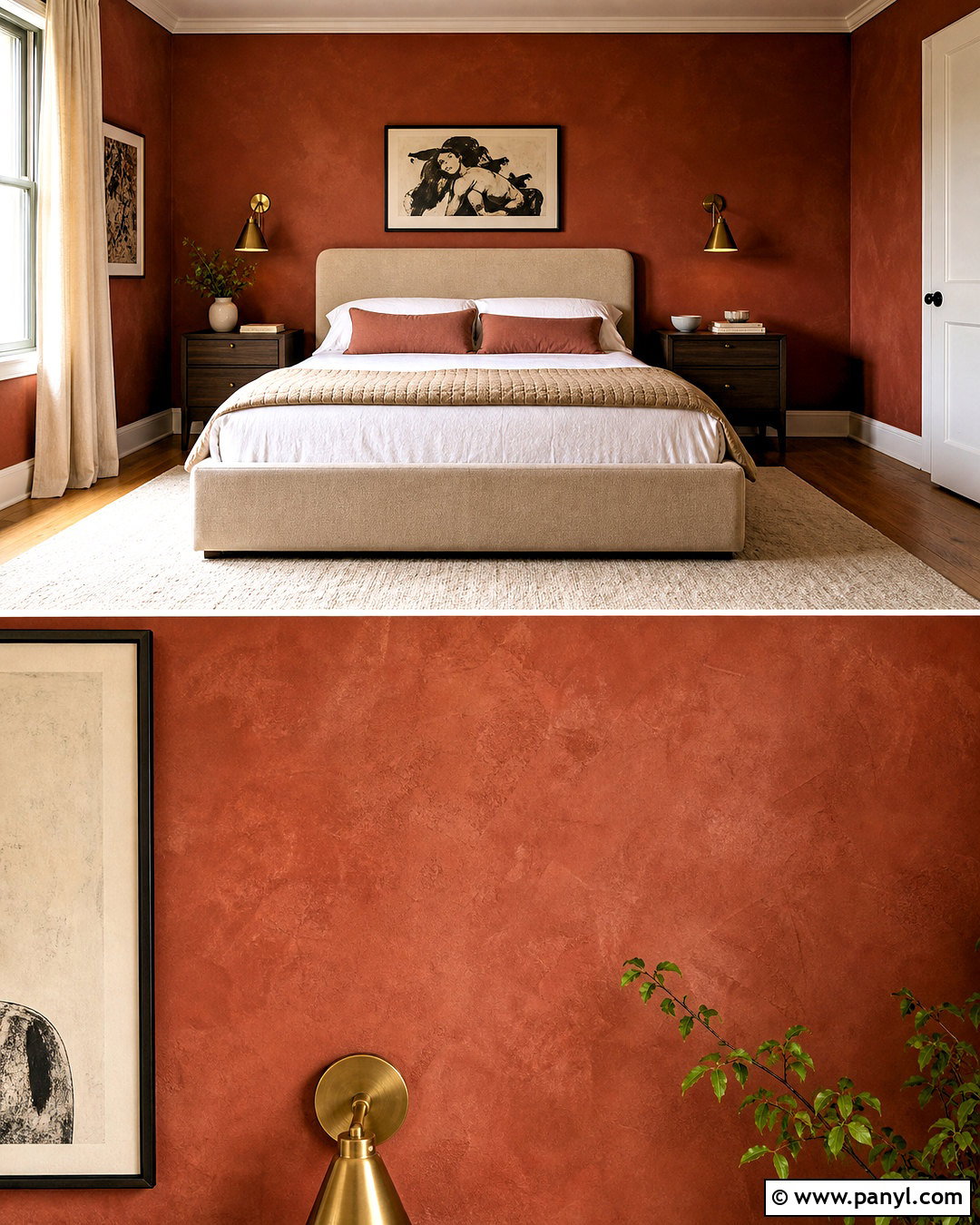
Rust Roman clay walls bring warmth to a guest bedroom and create a memorable look without requiring complicated decor. Choose a muted reddish-brown shade inspired by natural earth rather than a vivid orange. Balance the walls with a cream upholstered bed, white sheets, and a quilt in soft tan or dusty rose. Dark walnut nightstands ground the arrangement, while aged-brass reading lights add a subtle glow and refined detail. Use a large ivory rug to brighten the floor and provide softness underfoot. Natural linen curtains should remain light enough to contrast with the walls. Hang one graphic black-and-cream artwork above the bed for a crisp focal point. A wooden luggage bench, water carafe, and empty bedside drawer make the room attractive, welcoming, and genuinely useful for visitors.
16. Mocha Roman Clay Bedroom
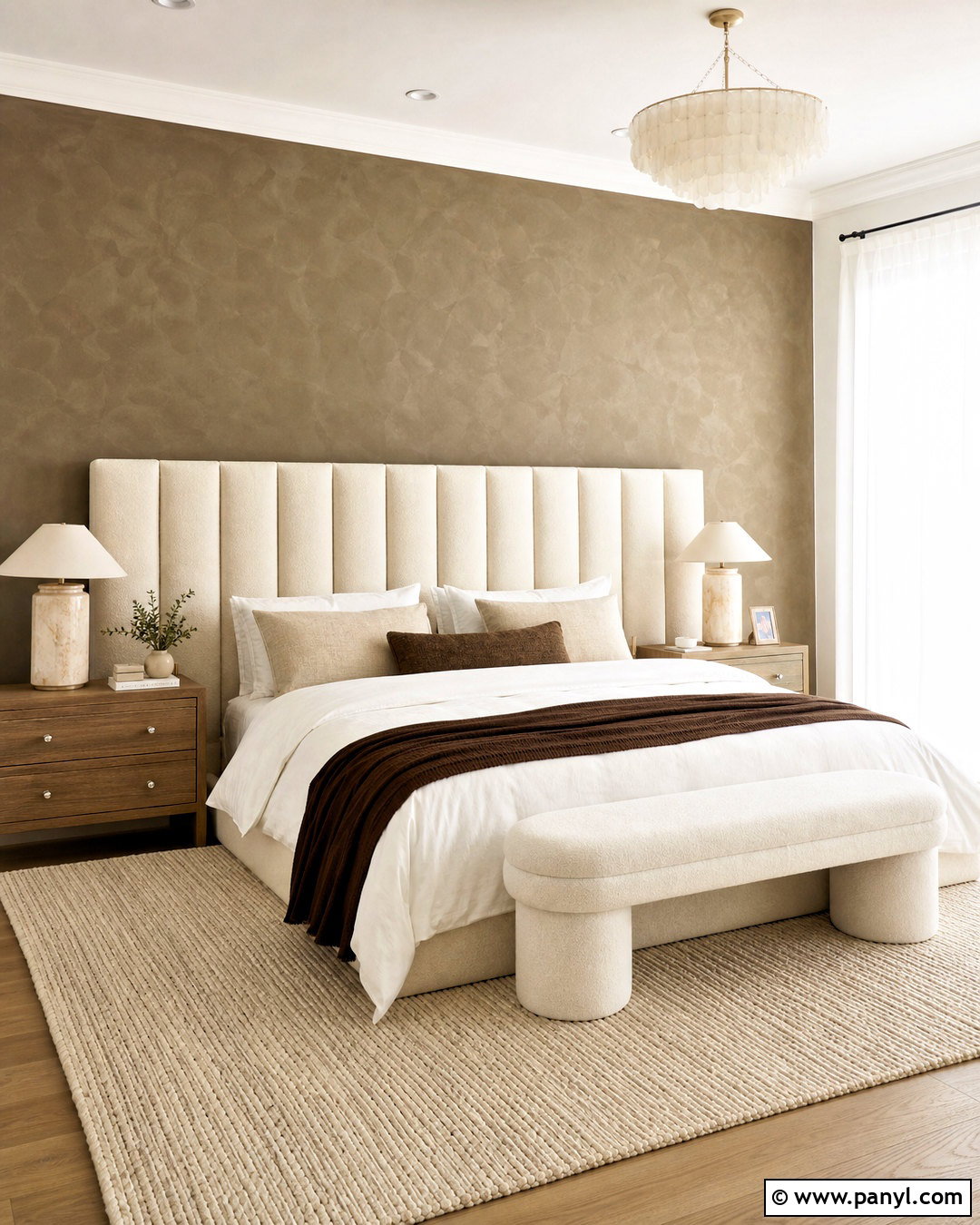
Mocha Roman clay creates a cocooning primary bedroom when balanced with pale textiles and streamlined furniture. Select a medium brown with gentle gray undertones so the walls look sophisticated rather than heavy. Use an oversized channel-tufted headboard in warm ivory to break up the darker surface. Layer white bedding with taupe linen pillows and a chocolate-brown throw folded across the foot. Matching oak nightstands and alabaster lamps introduce natural warmth and soft shapes. Beneath the bed, place a large cream wool rug that extends beyond both sides. Keep window treatments tonal with sheer ivory curtains and thicker mushroom-colored panels. A rounded bench, one large abstract artwork, and minimal accessories complete the design. The room feels intimate and luxurious, yet every material remains approachable and easy to coordinate.
17. White Roman Clay Coastal Living Room
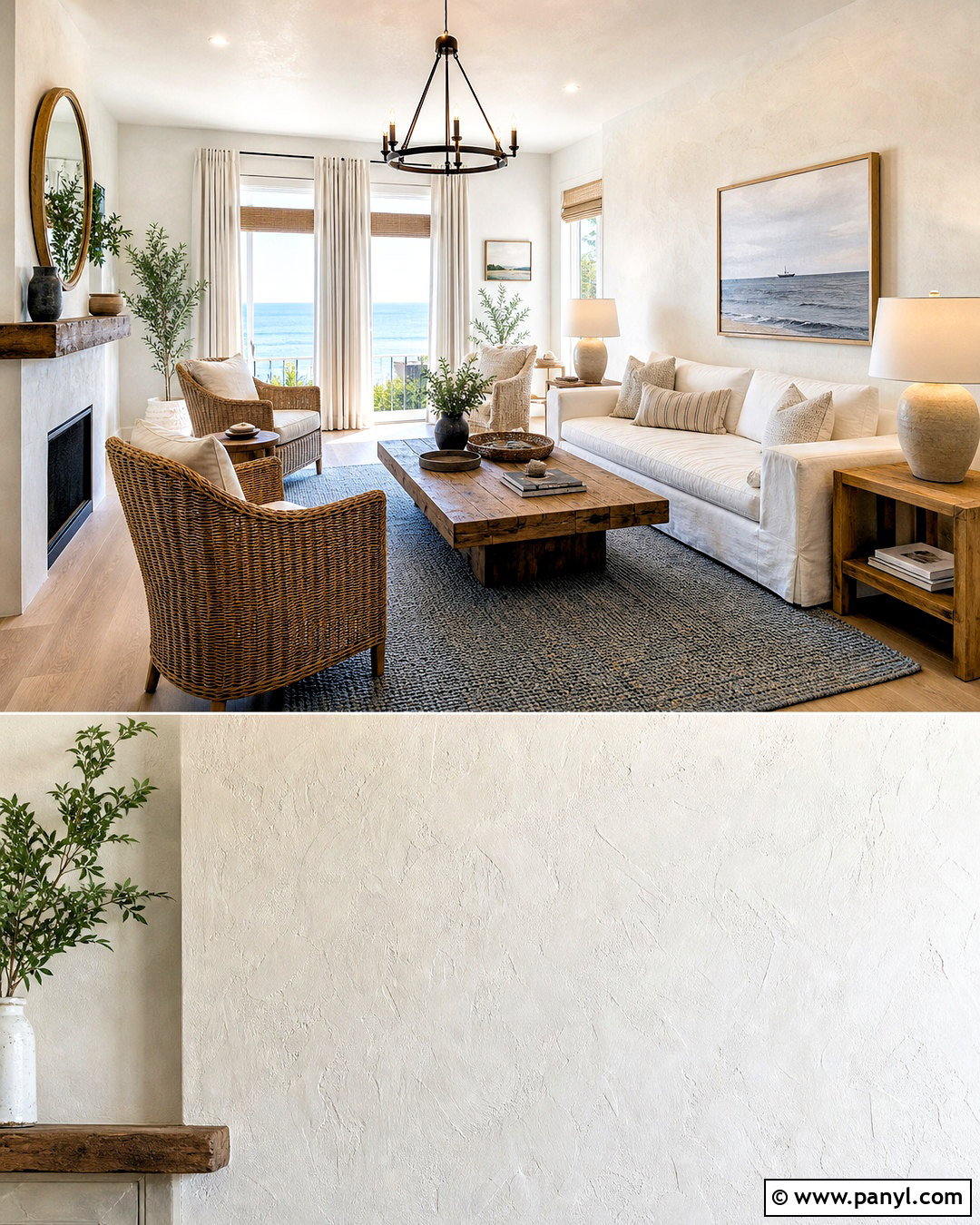
White Roman clay walls give a coastal living room natural movement without relying on obvious themed decorations. Choose a warm chalky white and combine it with pale oak flooring, an off-white slipcovered sofa, and woven rattan lounge chairs. Arrange the seating around a substantial reclaimed-wood coffee table rather than a delicate glass piece. A flat-weave blue-gray rug introduces quiet color inspired by water while keeping the room grounded. Use breezy linen curtains, woven shades, and simple ceramic table lamps to build layers of texture. Decorative accents might include a large seascape, weathered bowls, and blue-and-white pillows, but avoid shells and novelty objects. The complete room feels bright, casual, and comfortable, with the softly mottled wall finish giving the restrained palette enough depth and visual interest.
18. Deep Green Roman Clay Library
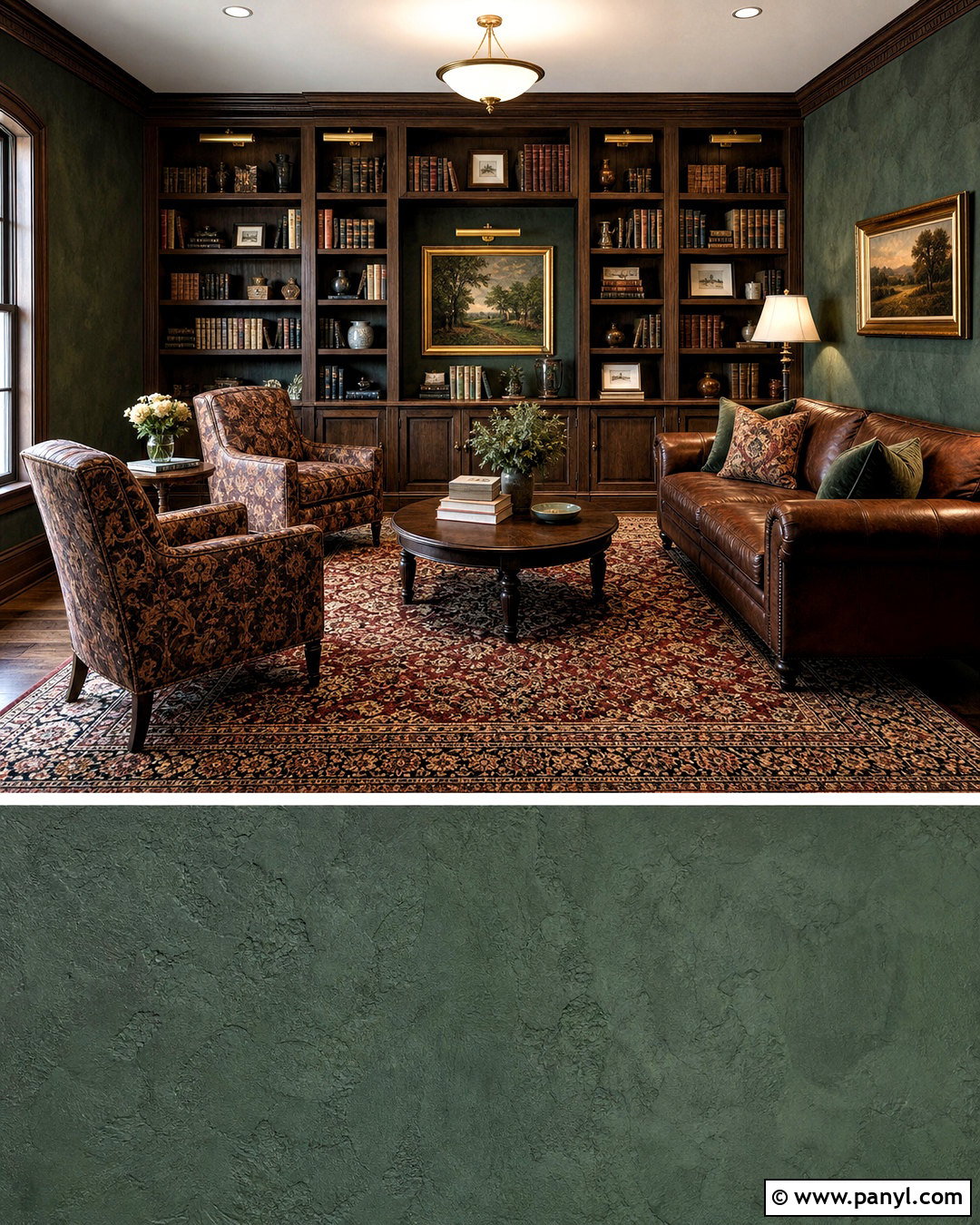
Deep green Roman clay walls make a home library feel established, even when the room is newly furnished. Choose a forest green with muted black undertones and apply it around built-in walnut bookshelves. Leave the ceiling warm white to preserve brightness and clarify the architecture. A compact brown leather sofa can face two patterned club chairs, creating a comfortable conversation area around a round wood table. Add a traditional wool rug in burgundy, tan, and green to connect the seating with the walls. Brass picture lights above the shelves provide a classic accent, while a larger ceiling fixture supplies even general light. Mix books with framed art and ceramics, but leave open space on each shelf. This layered design feels collected, functional, and inviting without resembling a formal study.
19. Black Roman Clay Fireplace Room
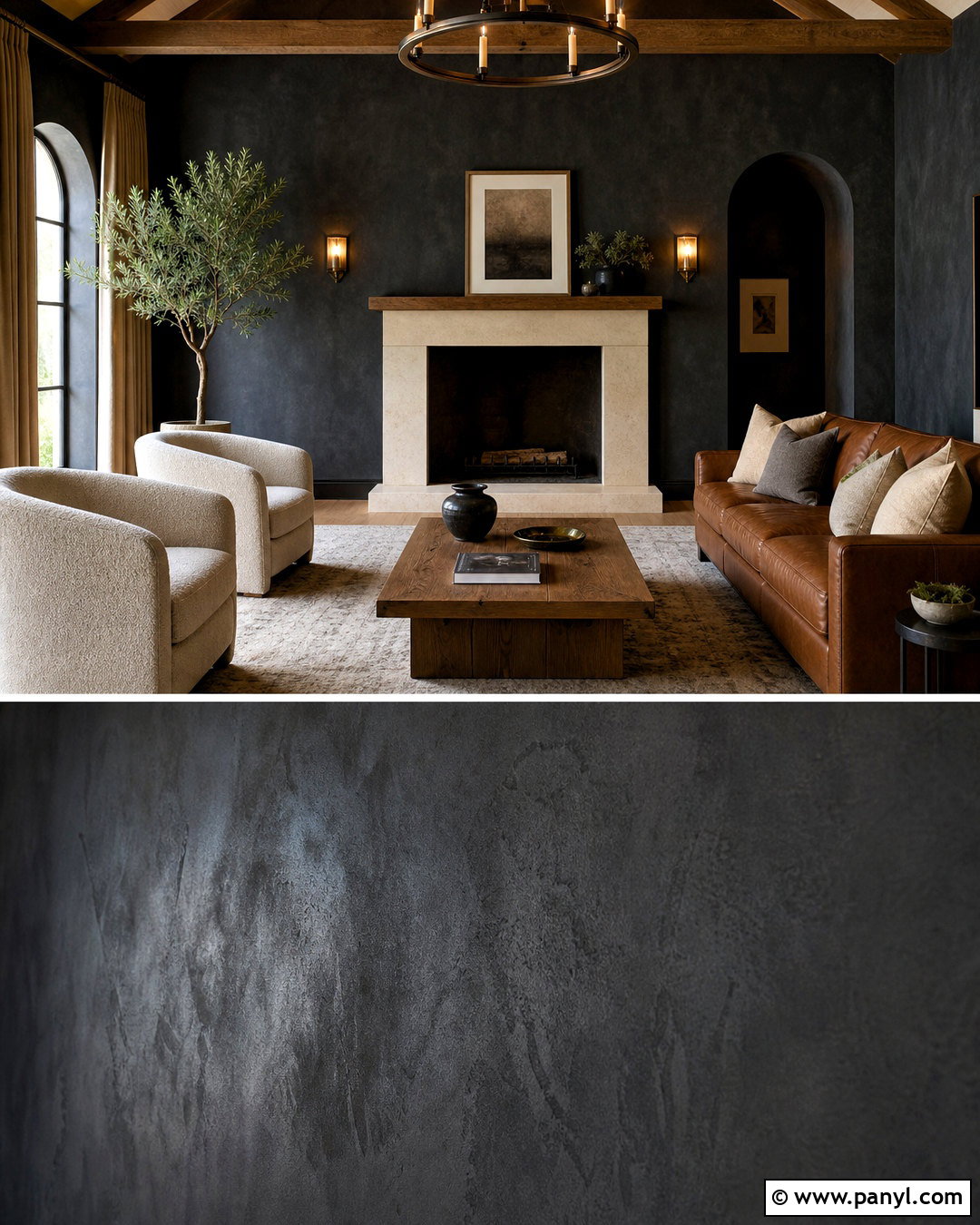
Black Roman clay can create a striking fireplace room when the layout includes enough light and warm natural materials. Use a softened near-black finish across the fireplace wall and adjacent side walls, allowing its troweled variation to keep the surface from appearing flat. Build the fireplace surround from light limestone for strong but balanced contrast. Arrange a caramel leather sofa and two cream boucle chairs around a solid oak coffee table. A pale patterned rug brightens the center of the room, while full-length oatmeal curtains soften the windows. Add bronze sconces and a simple wood mantel, avoiding shiny chrome or overly ornate decor. One oversized artwork and a tall indoor tree are sufficient. The finished space feels dramatic, comfortable, and realistic rather than dark or theatrical.
20. Color Drenched Roman Clay Powder Room
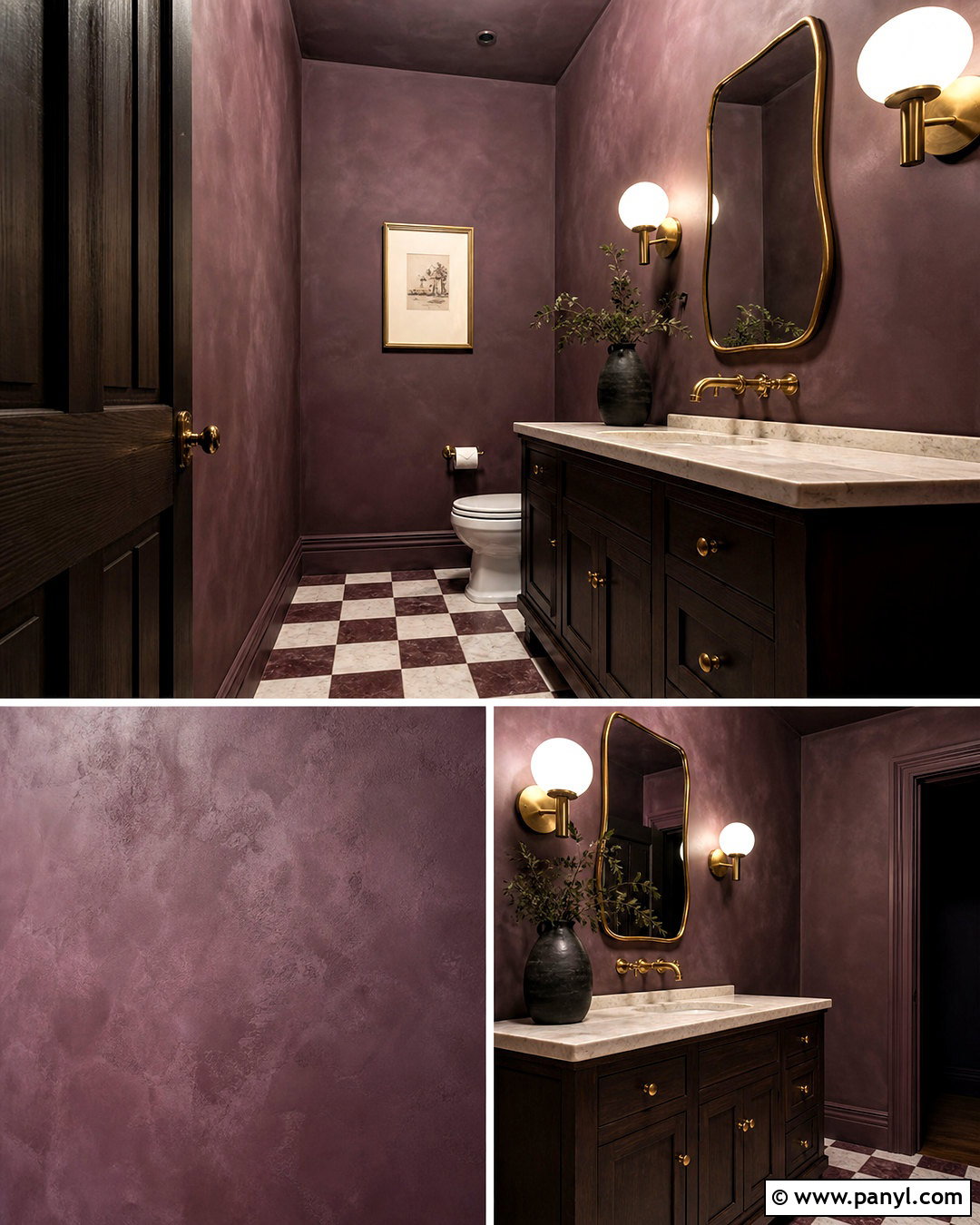
For maximum impact, cover the powder room walls, ceiling, and trim in one continuous Roman clay color. A muted aubergine, deep terracotta, or earthy burgundy creates a jewel-box effect while the plaster movement prevents the surfaces from looking one-dimensional. Pair the finish with a compact dark oak vanity and a creamy marble countertop. An irregular aged-brass mirror adds shape, while two small opal-glass sconces provide clean, flattering illumination. Continue the rich palette with checkerboard stone flooring in burgundy and warm white. Keep plumbing fixtures and hardware in the same brass finish for consistency. Because the finish extends onto multiple surfaces, have sample boards prepared before committing. Minimal accessories, concealed storage, and one light hand towel keep this bold room orderly and visually balanced.
Conclusion:
Roman clay walls can make almost any room feel warmer, more dimensional, and more personal. The most successful spaces treat the finish as part of a complete material palette rather than an isolated accent. Coordinate its undertone with flooring, furniture, stone, wood, textiles, and lighting. Light creams and greiges support airy rooms, while olive, charcoal, rust, and mocha create more immersive interiors. Test large samples at different times of day because the hand-applied surface changes as light moves across it. In bathrooms and other splash-prone spaces, choose appropriate preparation and protection. Whether used throughout a room or across one architectural wall, roman clay walls provide a refined backdrop with visible craftsmanship and lasting character.

Related Ideas and Inspiration:
Leave a Reply