
Italian Wall Colors bring the warmth, texture, and natural beauty of Italy into everyday interiors. The palette reaches beyond familiar Tuscan gold and terracotta. It also includes creamy farmhouse whites, weathered stone neutrals, olive greens, coastal blues, and deep Renaissance-inspired accents. Traditional Italian rooms often combine plasterlike walls with wood, tile, linen, marble, and aged metal, creating spaces that feel layered rather than overly decorated. () The key is choosing a wall color that works with the entire room, including its flooring, furniture, lighting, and architectural details. Whether you prefer a bright coastal kitchen or a cozy villa-style living room, these complete looks offer practical ways to decorate with Italian Wall Colors.

1. Warm White Italian Walls
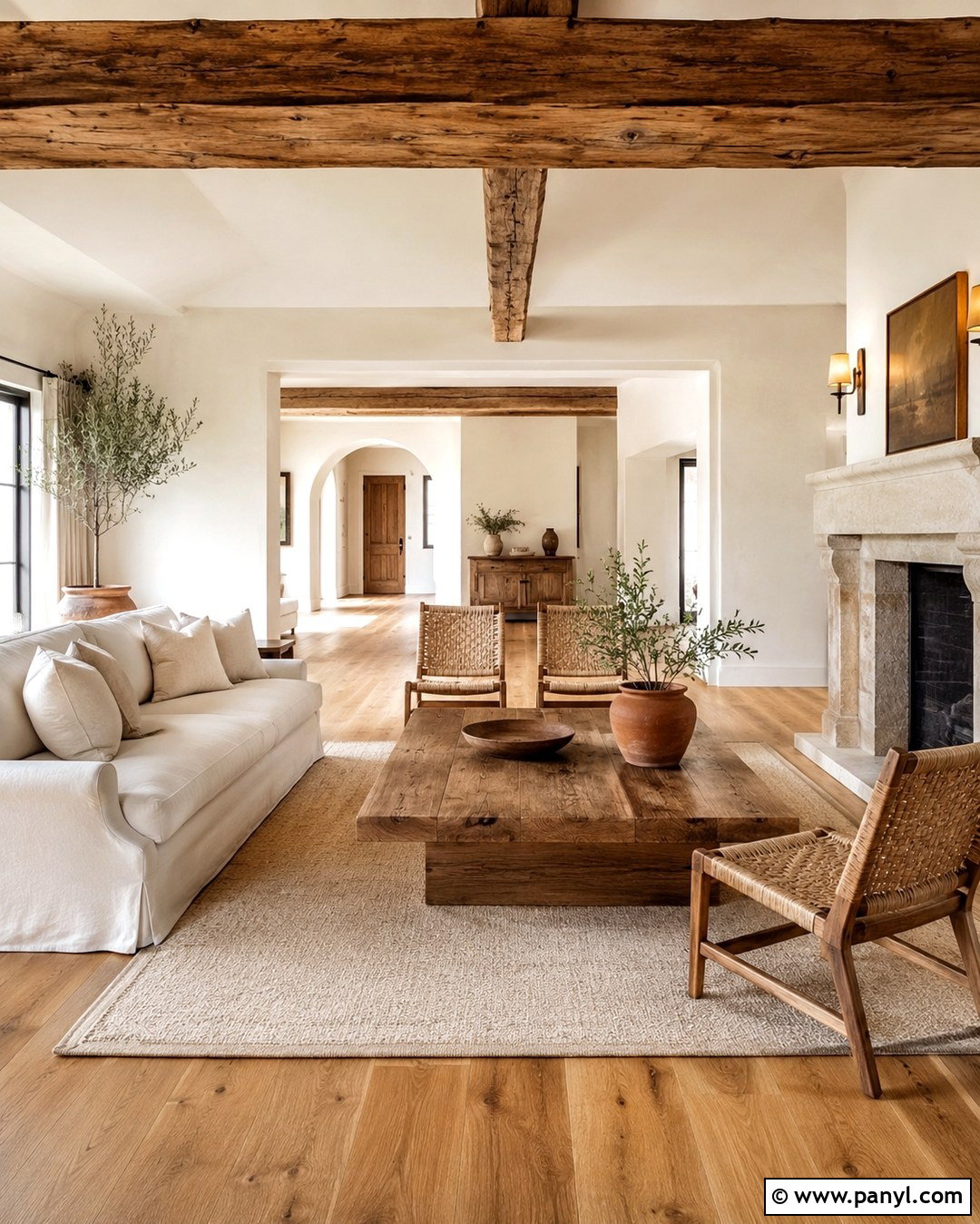
Warm white walls create the light-filled atmosphere of a relaxed Italian farmhouse without feeling stark or unfinished. Choose a chalky white with cream or pale beige undertones, then pair it with honey-toned oak flooring and exposed natural wood beams. In a living room, arrange a slipcovered linen sofa opposite two woven rush chairs. Add a chunky oak coffee table and a simple limestone fireplace. Terracotta planters, olive branches, and softly patterned cushions provide controlled color. Use aged brass sconces and off-white linen curtains to keep the light warm and gentle. A handwoven neutral rug grounds the seating area. This complete scheme works especially well in smaller rooms because the quiet wall color visually expands the space while textured materials prevent it from appearing plain.
2. Ivory Cream Italian Walls
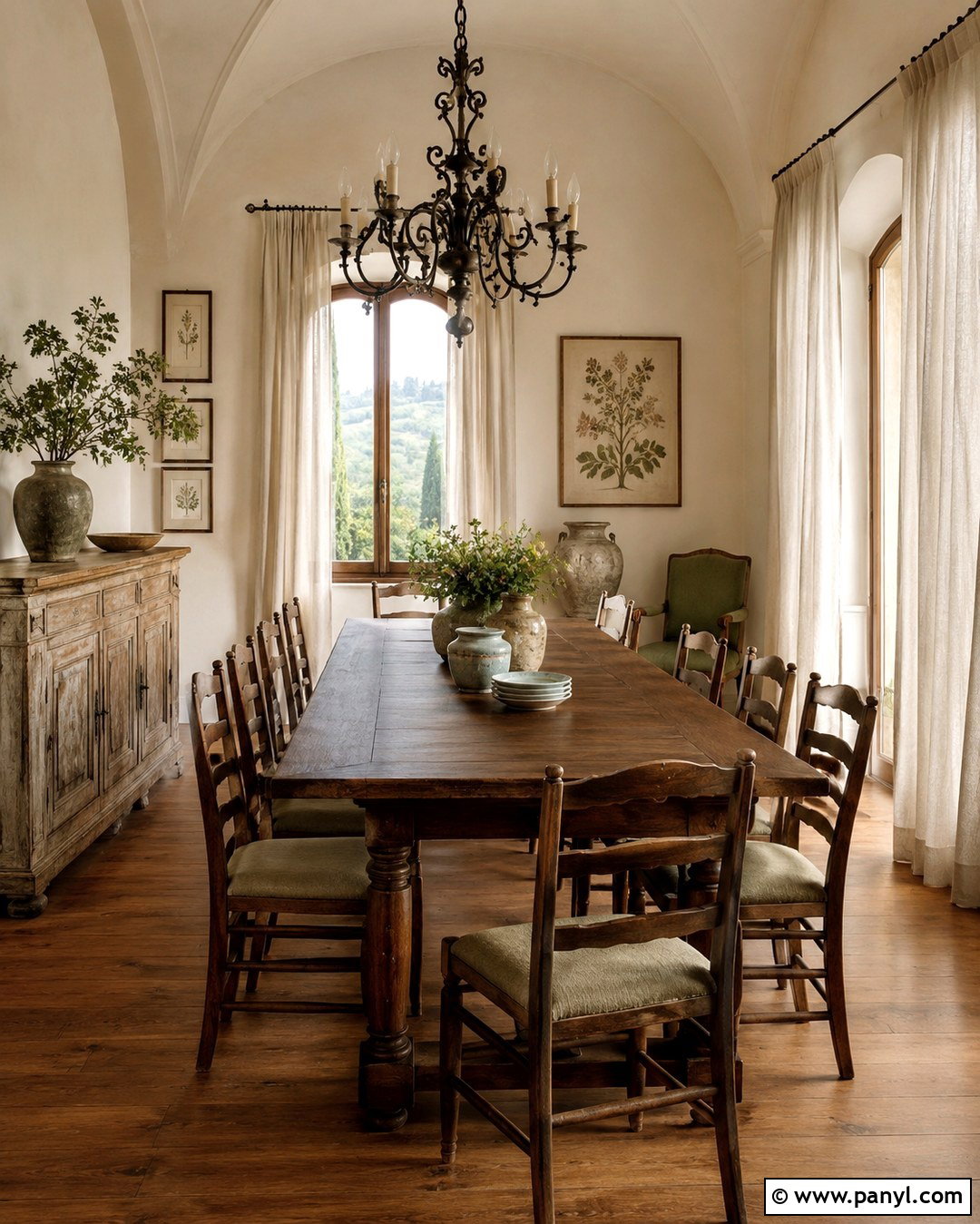
Ivory cream walls offer a richer alternative to white and complement traditional Italian furniture beautifully. Build the look in a dining room with a long walnut table, ladder-back chairs, and a softly aged sideboard. Natural stone or warm oak flooring keeps the room grounded. Dress the windows with full-length oatmeal linen curtains, allowing plenty of daylight to reach the creamy walls. Above the table, use a simple wrought iron chandelier rather than an ornate fixture. Display handmade ceramic bowls, framed botanical drawings, and one large terracotta vessel. Muted olive upholstery on the end chairs introduces contrast without disrupting the calm palette. Finish with warm white trim in a slightly cleaner tone. The result feels established and elegant, yet comfortable enough for relaxed family meals and casual gatherings.
3. Travertine Beige Italian Walls
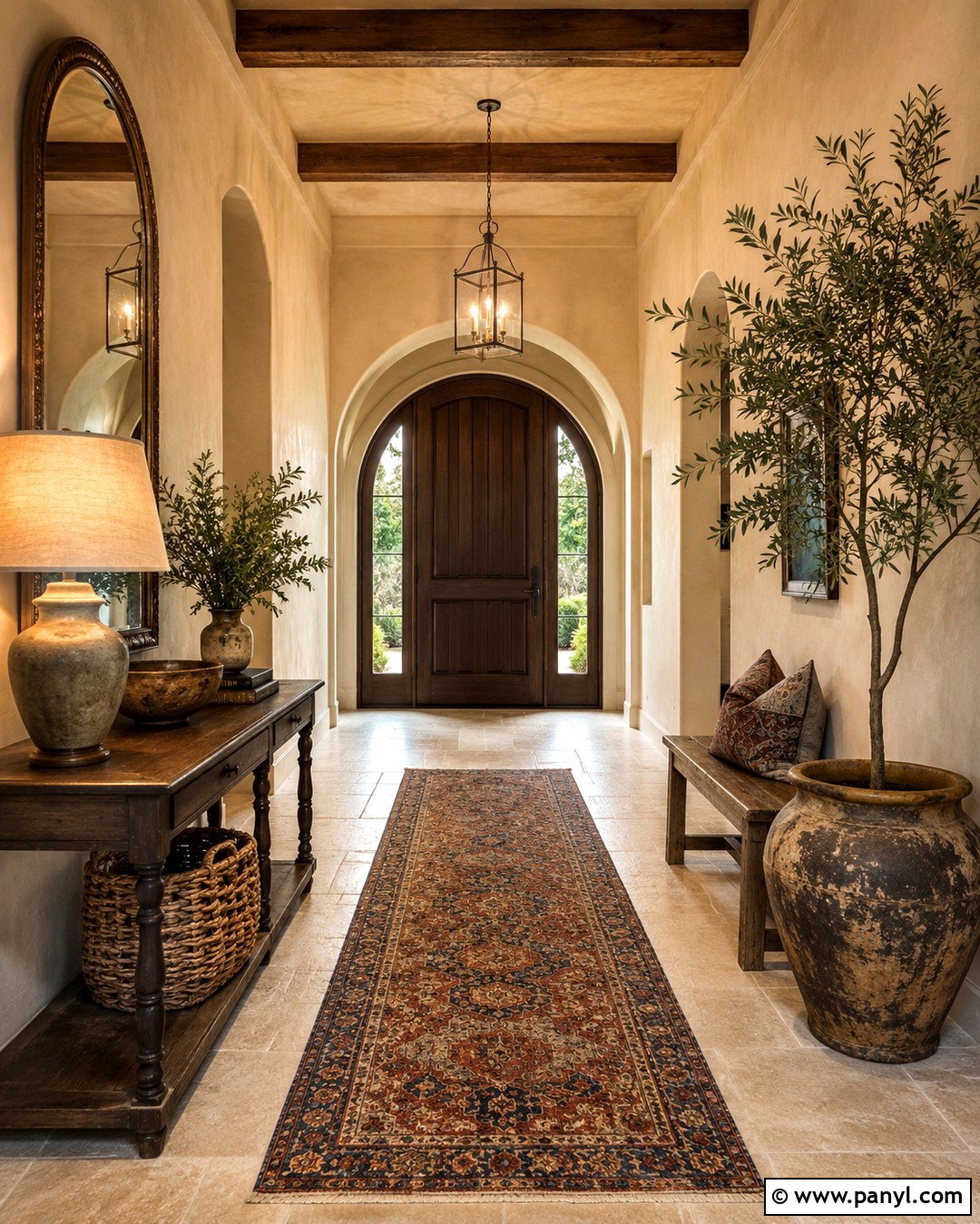
Travertine beige creates a soft stone-inspired backdrop that suits both rustic and updated Italian interiors. In an entryway, apply this warm beige to smooth plaster walls and pair it with large limestone-look floor tiles. Add a narrow dark oak console with rounded edges, an antique brass mirror, and a ceramic lamp with a natural linen shade. A faded runner in rust, cream, and muted blue brings subtle pattern to the long space. Use matte black or dark bronze hardware on nearby doors for definition. A woven basket can hold shoes or everyday accessories without creating clutter. Complete the room with a small wooden bench and a single olive tree in a weathered clay pot. The layered neutrals make the entrance welcoming while allowing stone, wood, and metal finishes to stand out.
4. Sandy Taupe Italian Walls
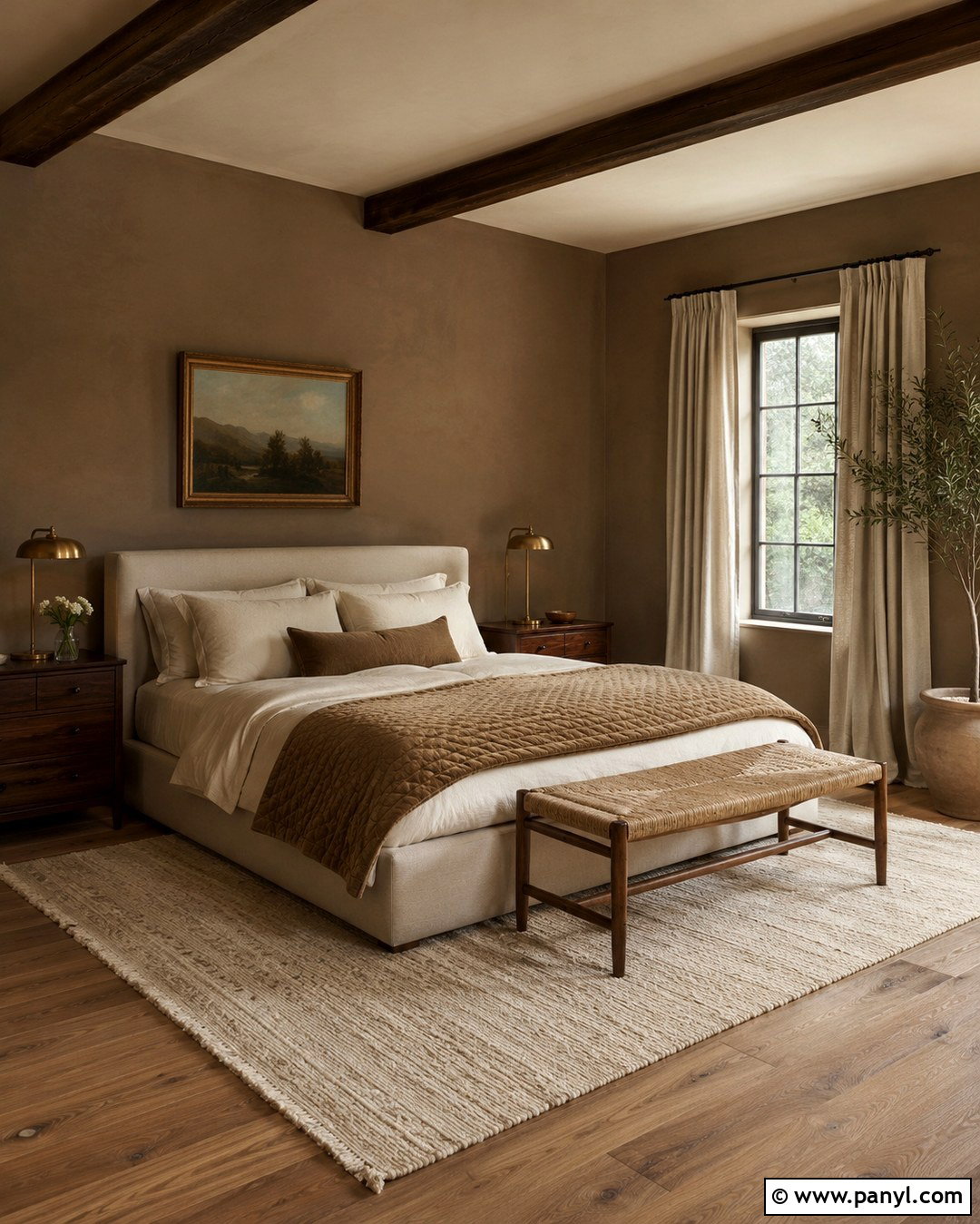
Sandy taupe walls can give a bedroom the quiet, sun-faded character of an Italian country retreat. Select a taupe with warm brown undertones instead of a cool gray version. Center a low upholstered bed against the main wall and dress it in ivory linen, a caramel quilt, and muted blue cushions. Place compact walnut nightstands on each side with aged brass reading lamps. Wide plank oak flooring and a wool rug in soft cream add warmth underfoot. Keep the window treatments loose and natural with unlined flax-colored curtains. Above the bed, hang one restrained landscape in a dark wood frame. A woven bench and handmade ceramic vase complete the arrangement. This balanced room feels earthy and restful, while the neutral walls make changing bedding and seasonal accessories surprisingly easy.
5. Warm Greige Italian Walls
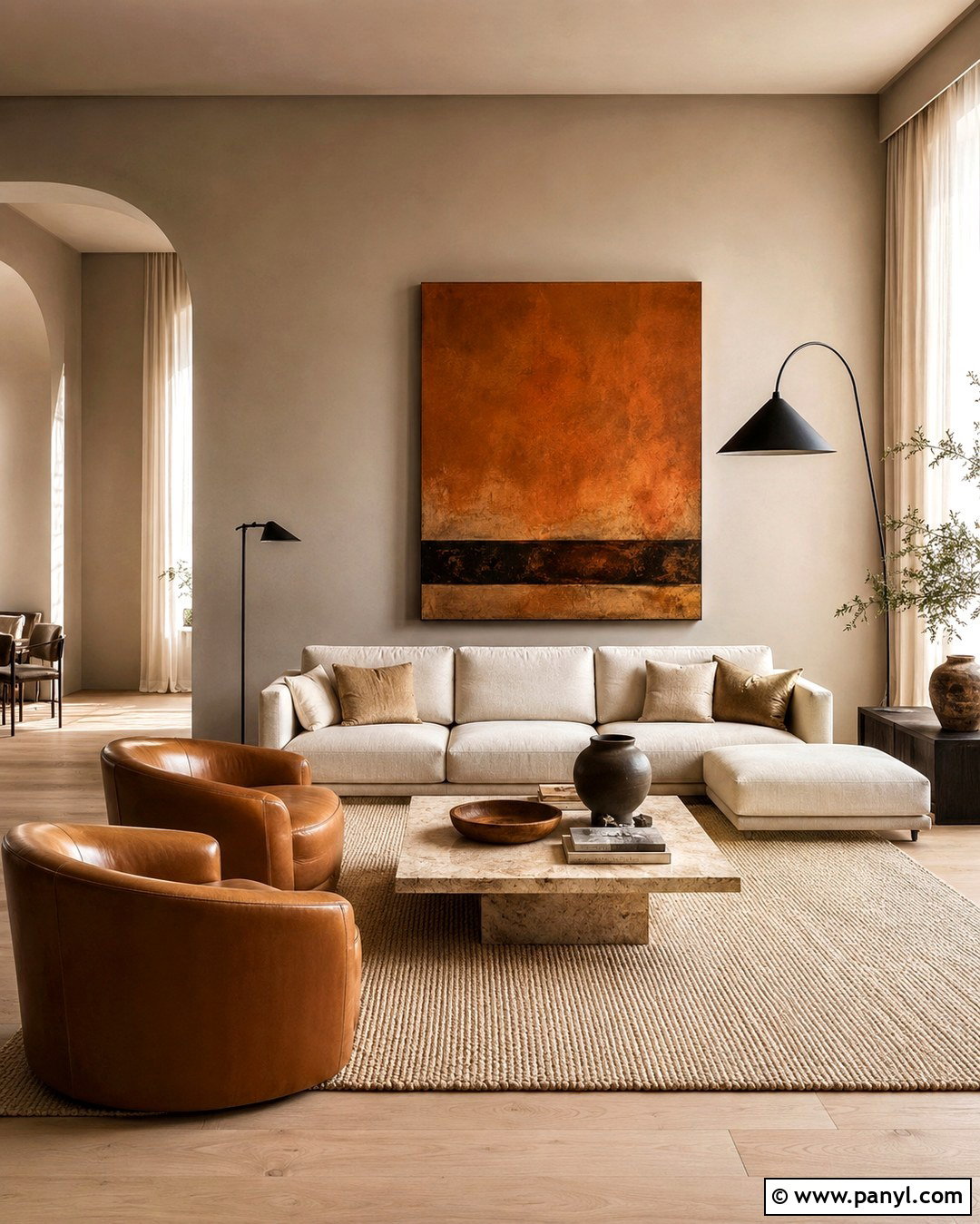
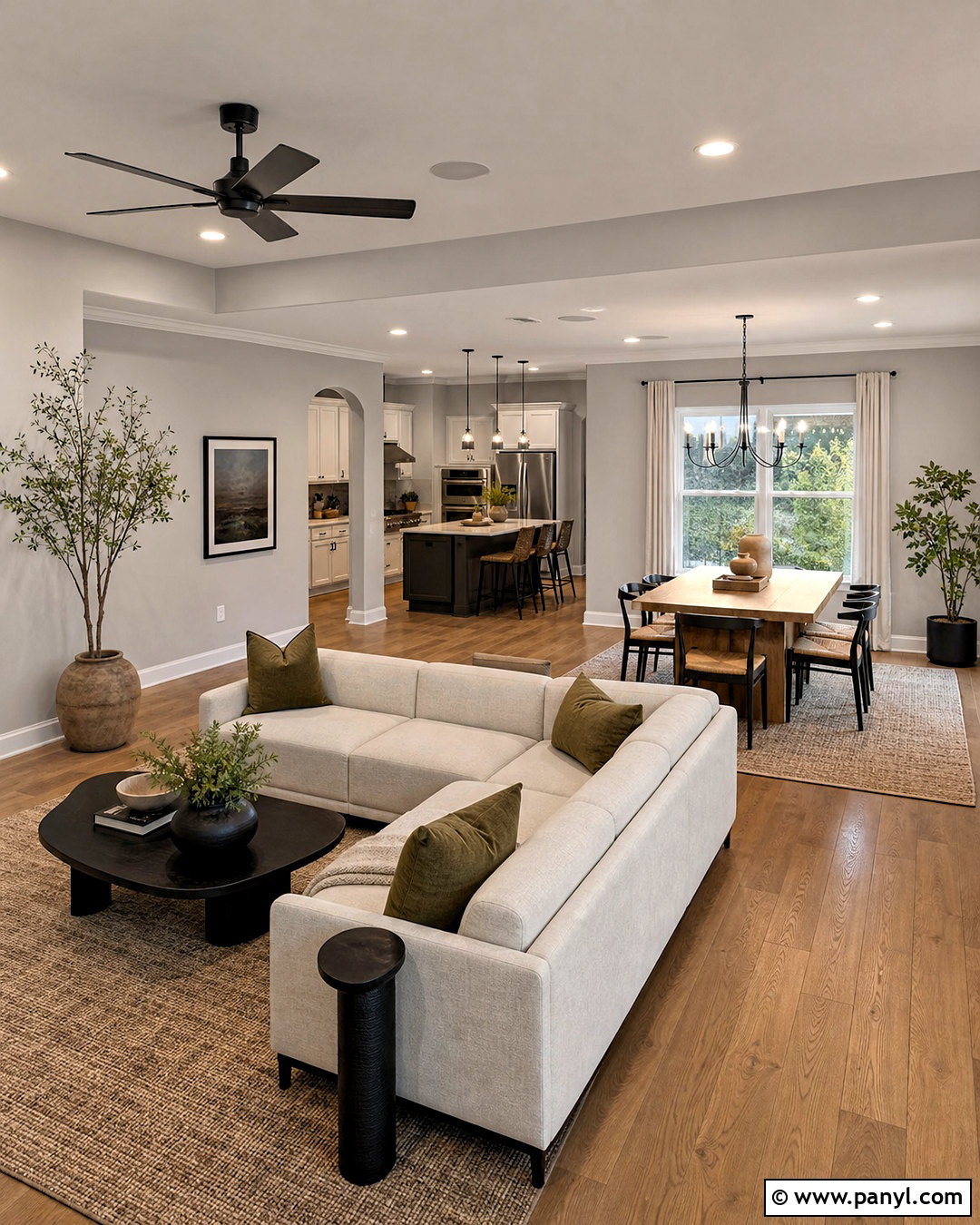
Could an Italian-inspired room also feel clean and contemporary? Warm greige walls make that combination easy by balancing stone gray with subtle beige undertones. Use the color throughout a modern living room with pale oak floors and simple white trim. Choose a streamlined cream sofa, curved camel leather chairs, and a low travertine coffee table. A large textured rug defines the conversation area without introducing busy pattern. Add black iron floor lamps, linen curtains, and a sculptural ceramic vessel for contrast. One oversized abstract artwork in rust, ochre, and charcoal can reference traditional earth pigments in a modern way. Avoid filling every surface with accessories. The restrained layout, natural materials, and warm neutral walls create an Italian look that feels current, comfortable, and suitable for an average home.
6. Tuscan Gold Italian Walls
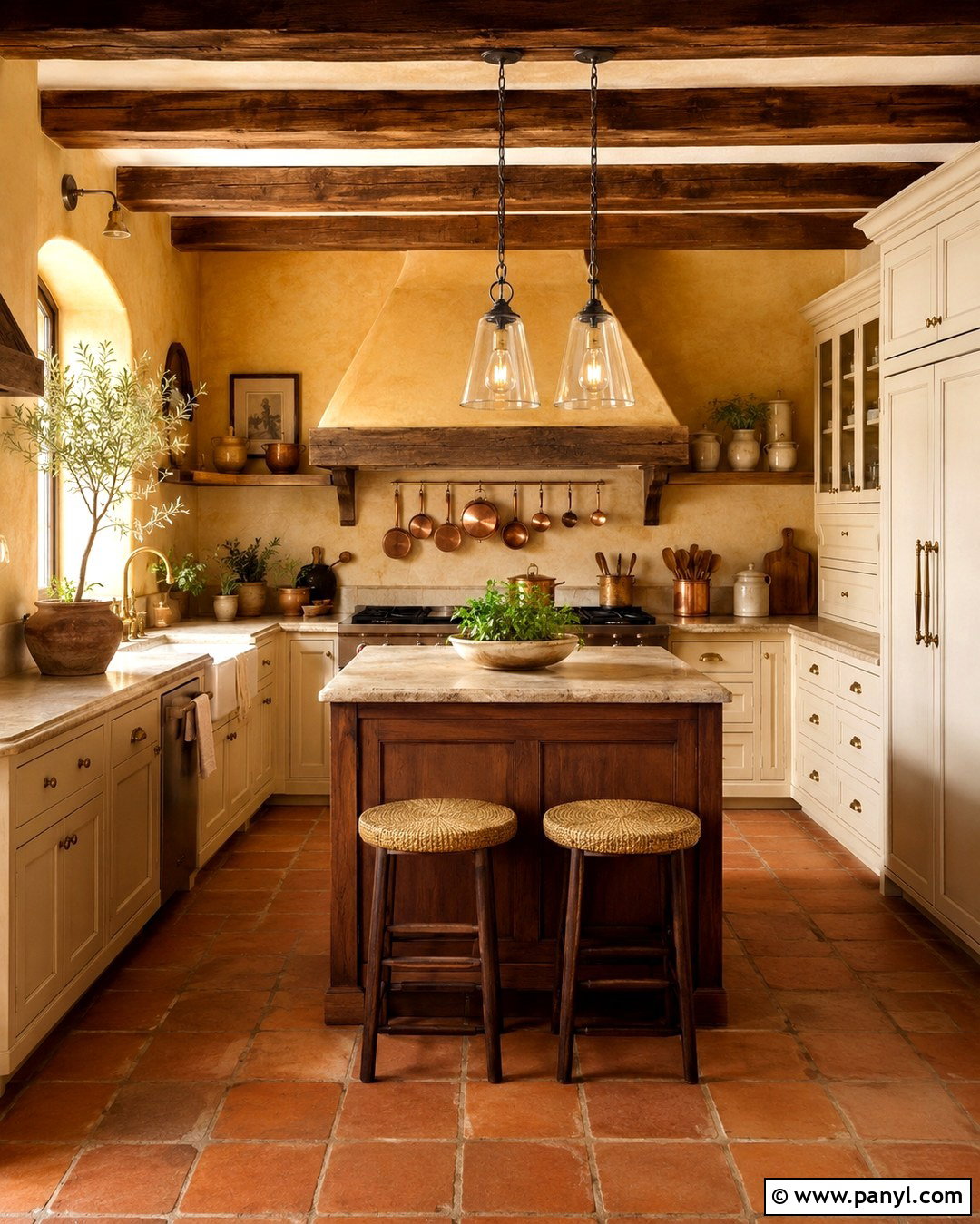
Tuscan gold walls work best when the shade is mellow, earthy, and slightly muted rather than bright yellow. Use it in a spacious kitchen where natural light can soften its richness. Pair the walls with warm cream cabinets, aged brass hardware, and countertops that resemble pale limestone. A walnut island introduces depth, while terracotta floor tiles connect the palette to traditional Italian materials. Choose simple backless stools with woven seats and hang clear glass pendants above the island. Display copper cookware, cream ceramics, and fresh herbs in clay pots, but keep the counters mostly open. Dark wood ceiling beams can frame the room without making it heavy. The finished kitchen feels sunny and welcoming, with enough lighter surfaces to keep the golden wall color from overwhelming the space.
7. Muted Ochre Italian Walls
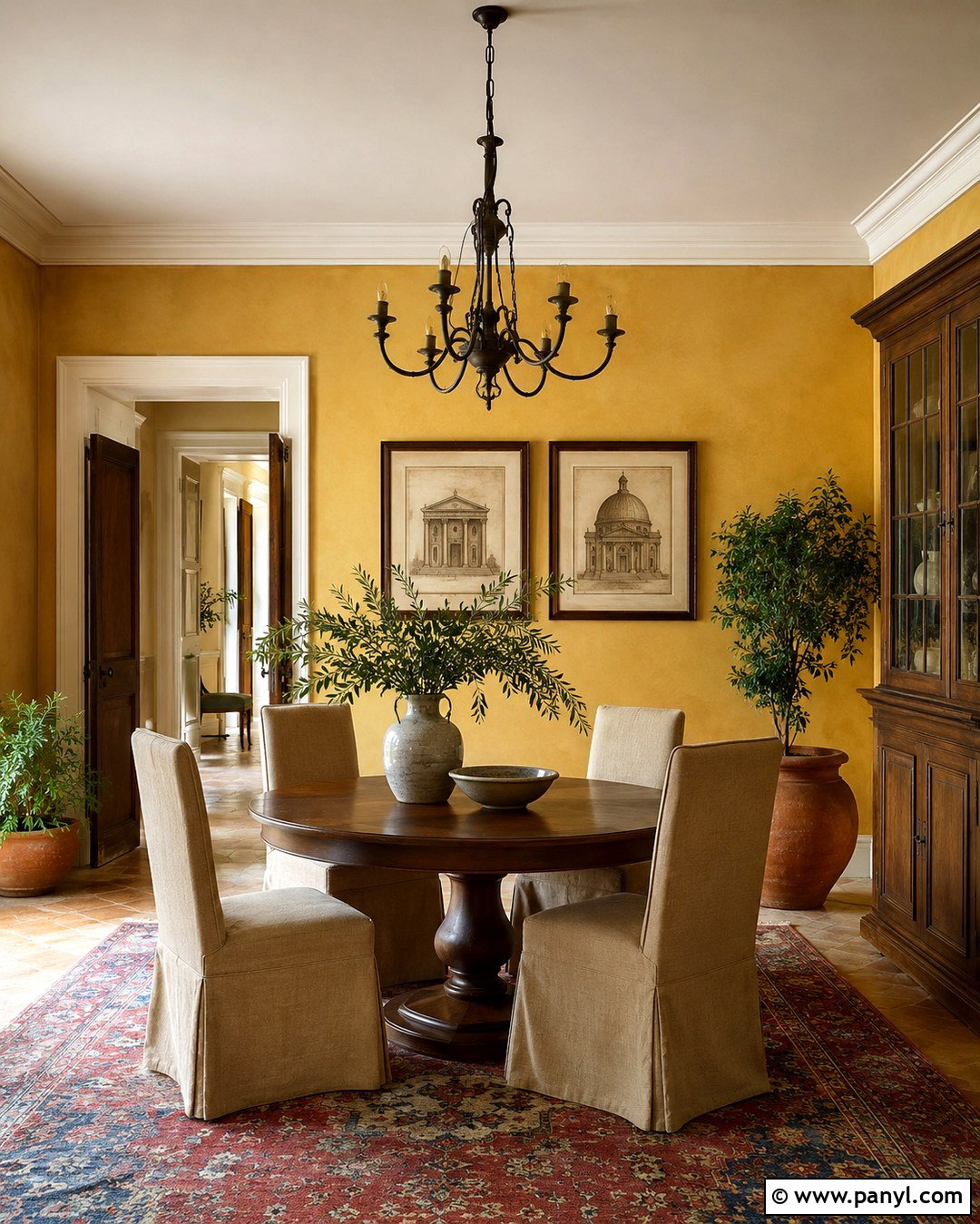
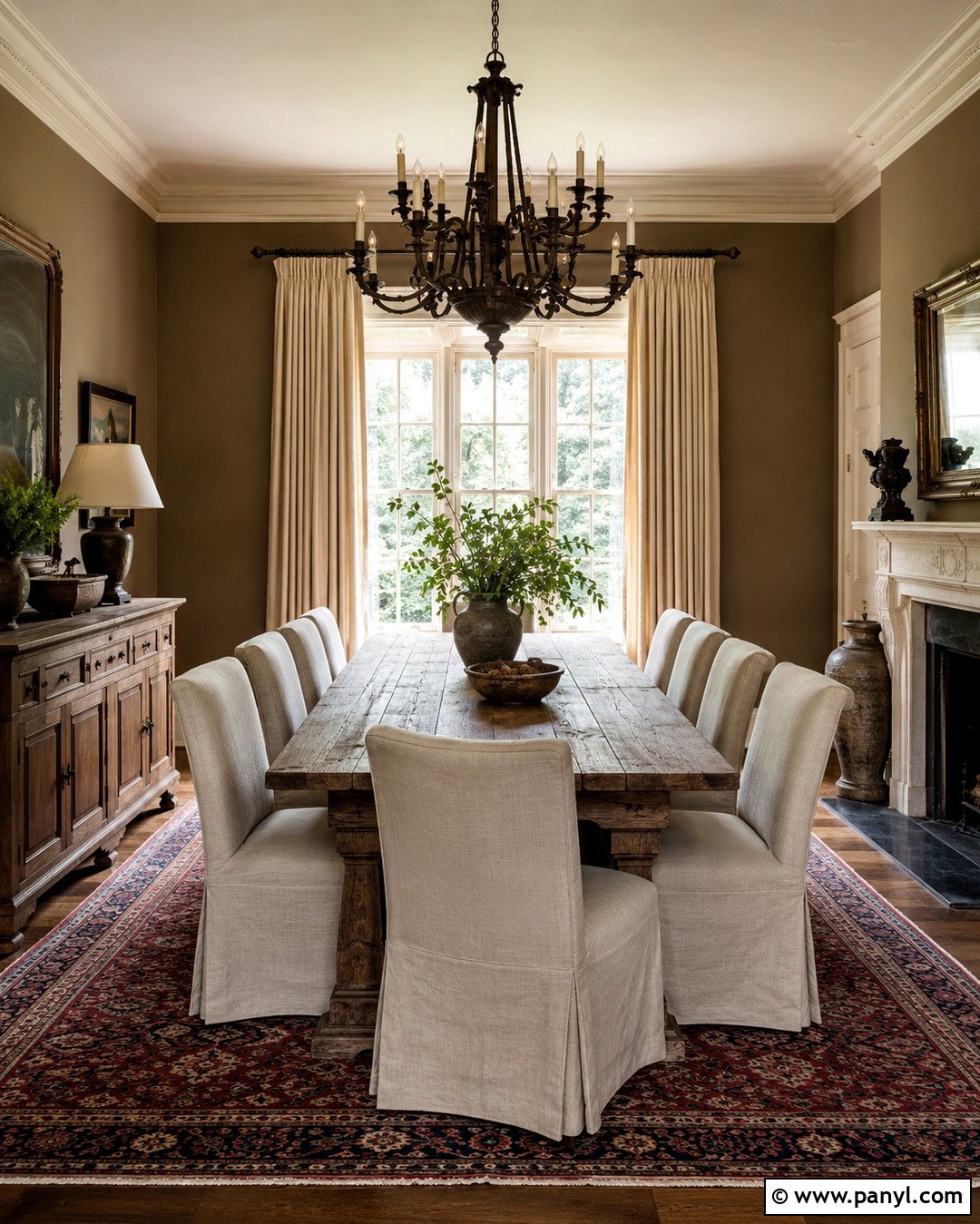
Muted ochre brings warmth and historic character to a dining room, library, or intimate sitting area. In a dining space, balance the earthy yellow walls with a round dark walnut table and curved chairs upholstered in natural linen. Use a cream ceiling and matching trim to create breathing room around the stronger color. A vintage-style rug featuring brick red, faded blue, and beige ties the palette together. Add a dark bronze chandelier, framed architectural sketches, and a tall wooden cabinet for dishes and linens. If the room has limited daylight, place a large mirror opposite the window to reflect light across the ochre surface. Greenery in a substantial terracotta pot provides a fresh counterpoint. This complete look feels warm and cultured without depending on heavy, overly themed Tuscan decorations.
8. Terracotta Italian Walls
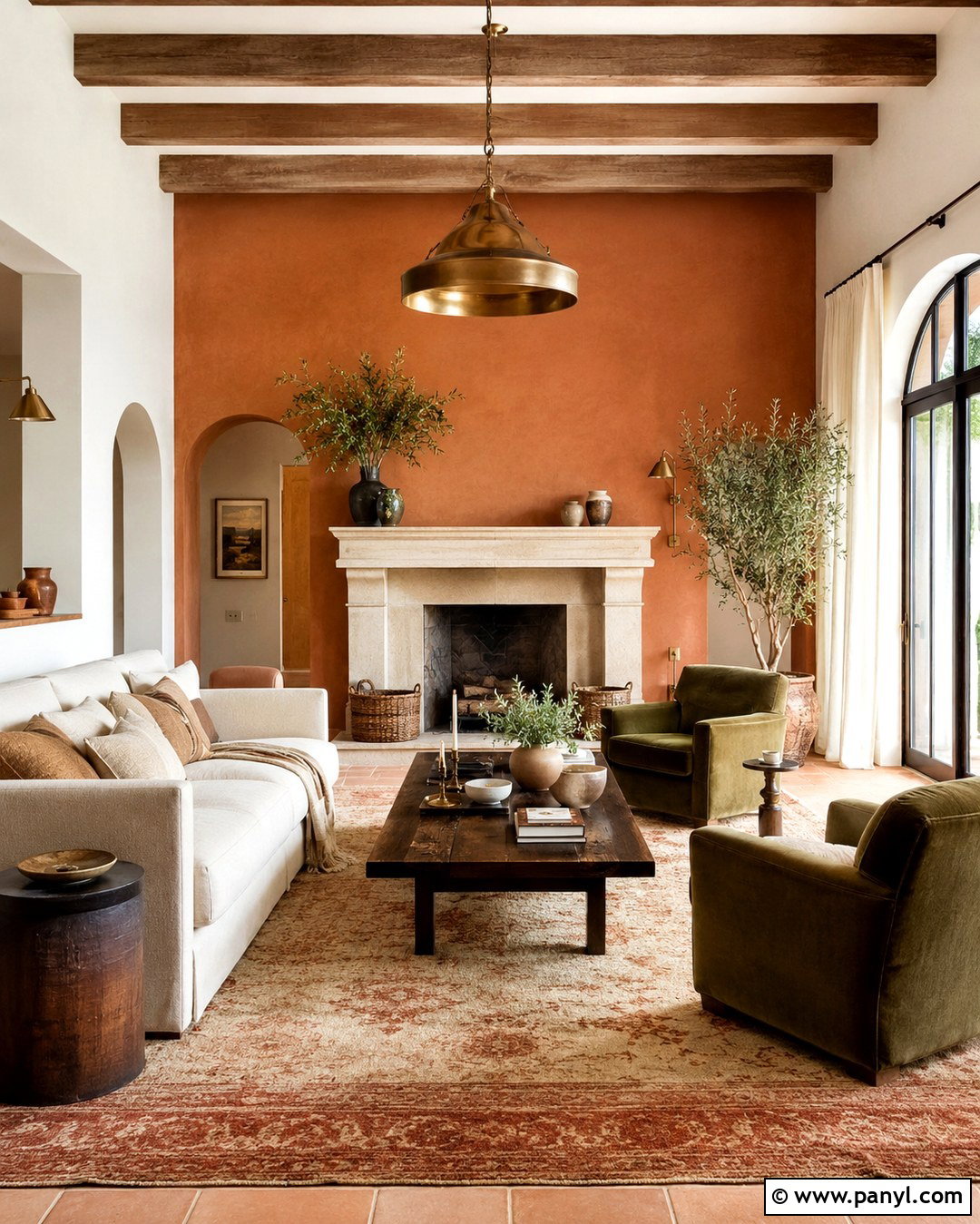
Terracotta walls immediately introduce the warmth of clay rooftops and sunbaked Italian architecture. For a balanced living room, use a muted terracotta finish on one main wall and a softer warm white on the remaining surfaces. Position a cream boucle or linen sofa against the colored wall, then add olive green armchairs and a dark wood coffee table. Ground the arrangement with a flatwoven rug in sand, rust, and black. A limestone fireplace, linen curtains, and woven baskets soften the stronger wall color. Use antique brass lighting and a few handmade ceramics instead of numerous small accessories. Natural oak or stone flooring completes the room. Keeping the larger furniture pale allows terracotta to remain the defining feature while the green accents create a grounded, landscape-inspired contrast.
9. Burnt Sienna Italian Walls
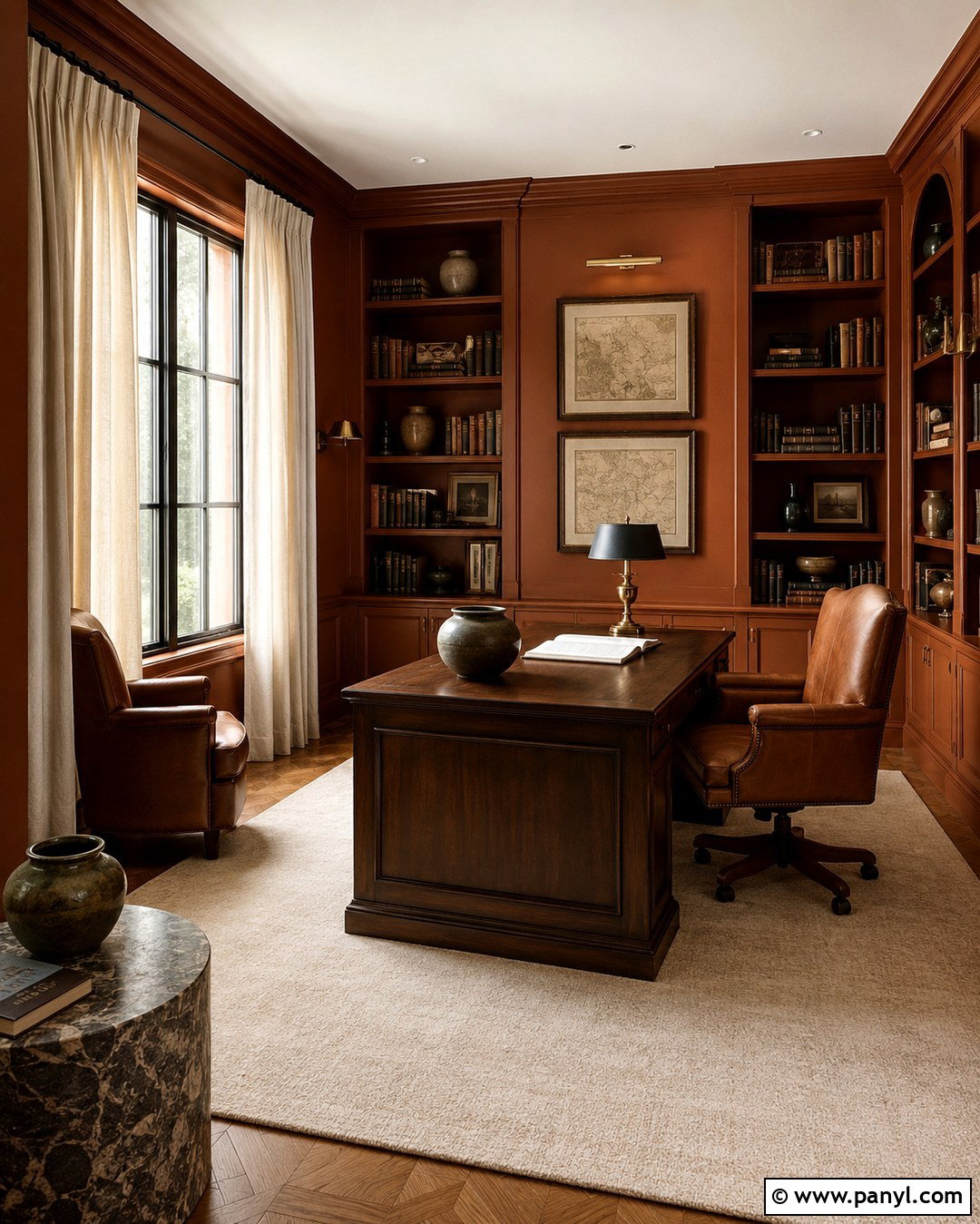
Burnt sienna creates a deeper and more dramatic interpretation of Italian earth tones. It is especially effective in a home office where a focused, enveloping atmosphere feels appropriate. Paint the walls and built-in bookcases in the same rusty brown-red, using a low-sheen finish for a smooth, sophisticated result. Place a substantial walnut desk in the center and add a caramel leather chair with simple lines. Cream linen curtains, a pale wool rug, and a white plaster ceiling keep the room from becoming too dark. Use bronze picture lights above framed maps or classical sketches. A small marble-topped side table introduces a cooler surface among the warm materials. Finish with olive green pottery and organized shelves. The completed office feels distinctive, practical, and richly layered rather than heavy or old-fashioned.
10. Dusty Rose Italian Walls
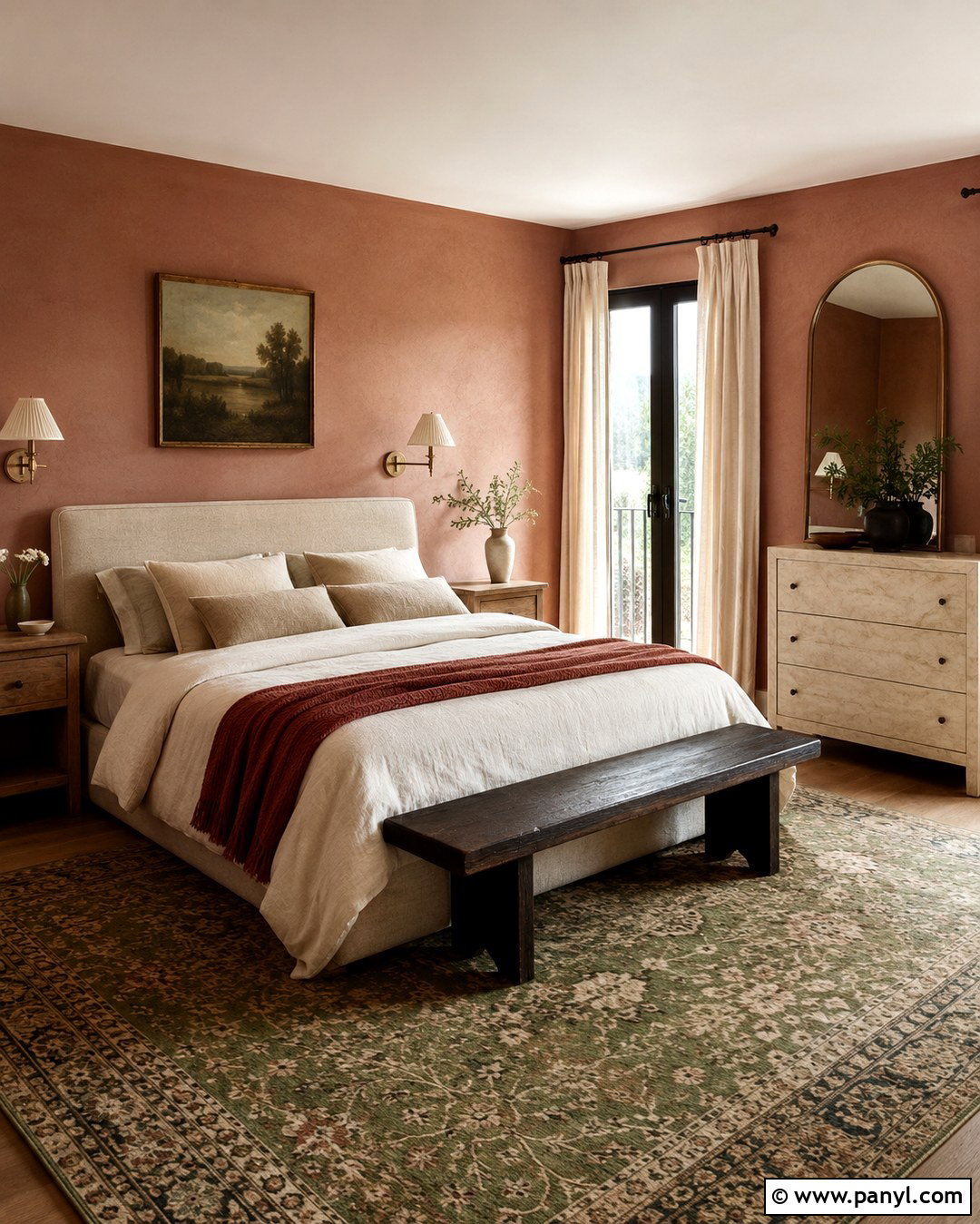
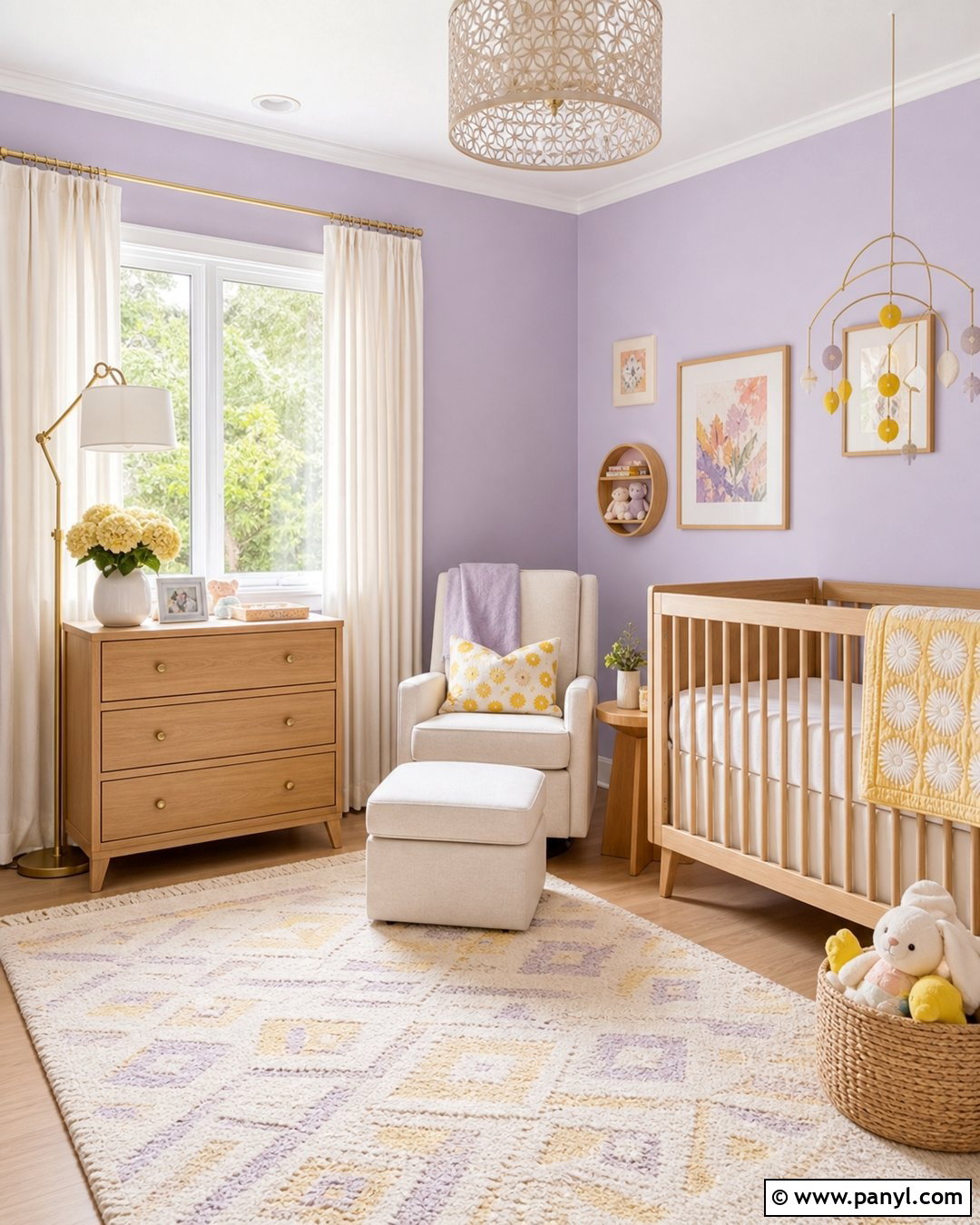
Dusty rose walls can recall faded frescoes while giving an Italian bedroom a soft, modern character. Choose a muted pink with beige or clay undertones, avoiding sugary pastel shades. Pair it with an upholstered oatmeal bed, crisp ivory bedding, and a lightweight rust-colored throw. Medium-tone oak nightstands and antique brass sconces add warmth, while a pale marble-topped dresser provides a refined contrast. Use full linen curtains in warm white and a patterned rug with muted green, cream, and rose details. A simple arched mirror reinforces the architectural feeling without becoming overly decorative. Add one dark wood bench at the foot of the bed and a leafy plant in a clay pot. Together, these elements create a calm, grown-up room that feels romantic without appearing overly feminine.
11. Peach Plaster Italian Walls
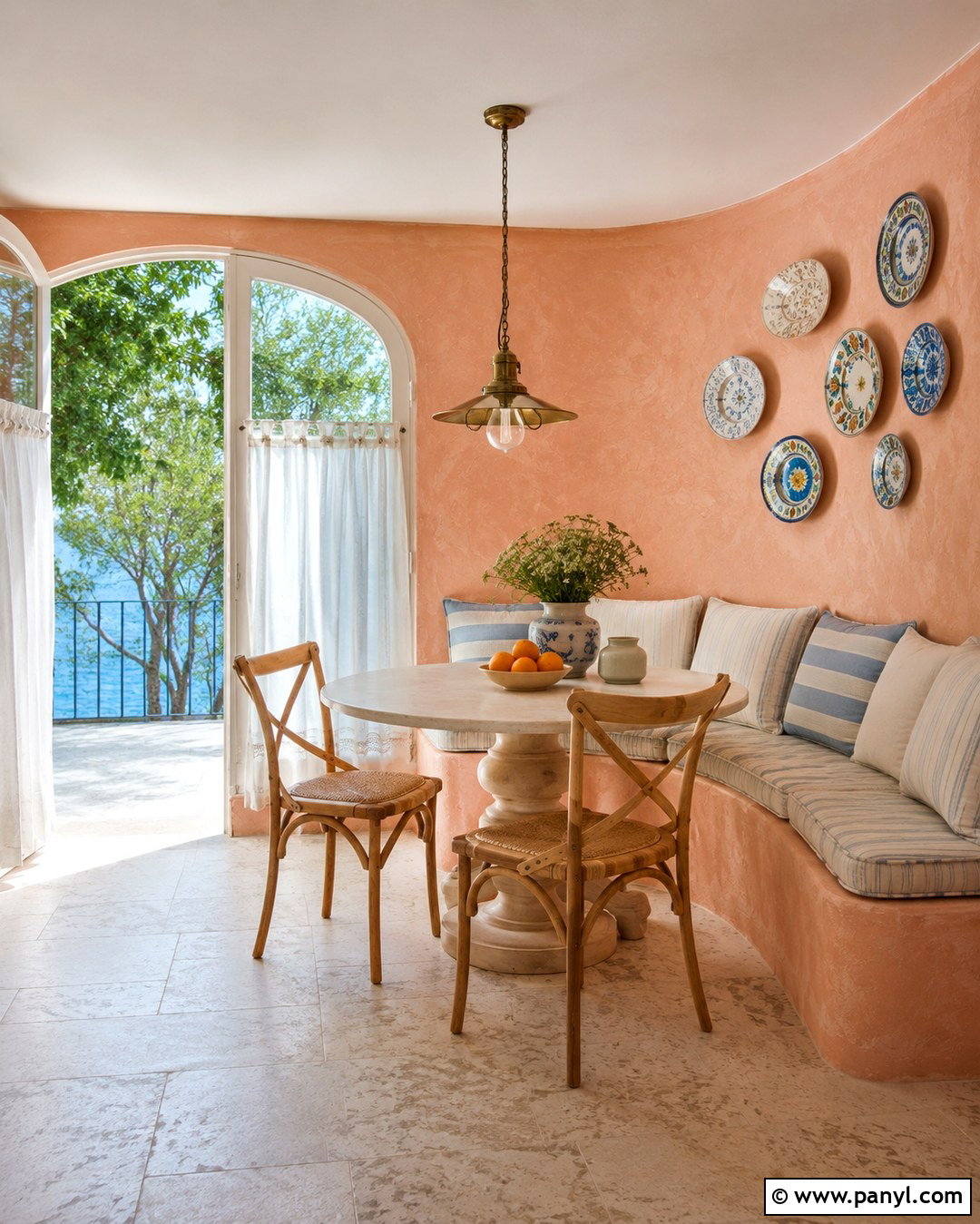
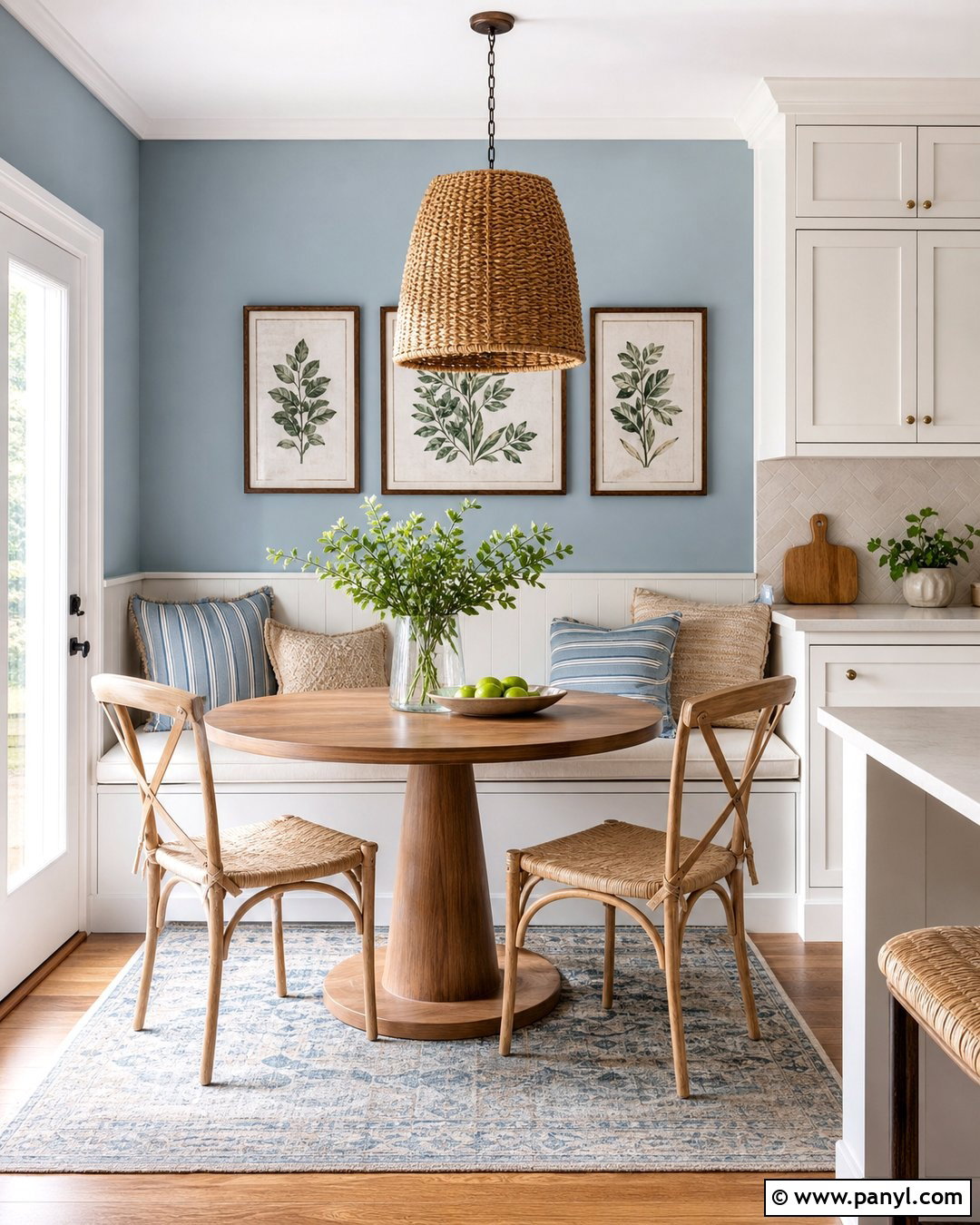
Soft peach plaster walls bring the glow of an Italian coastal home into a breakfast room or casual dining nook. Look for a pale peach with dusty orange undertones and gentle tonal variation. Place a round pedestal table near the brightest window and surround it with light oak chairs featuring woven seats. Use creamy limestone-look flooring and warm white trim to maintain an airy foundation. A built-in bench covered in striped ivory and faded blue fabric provides practical seating. Finish the nook with handmade ceramic plates, a small brass pendant, and a bowl of lemons or seasonal fruit. Keep window treatments minimal with simple white café curtains. The complete space feels cheerful but not overly colorful, and the textured peach walls become softer as daylight moves across them throughout the day.
12. Sage Green Italian Walls
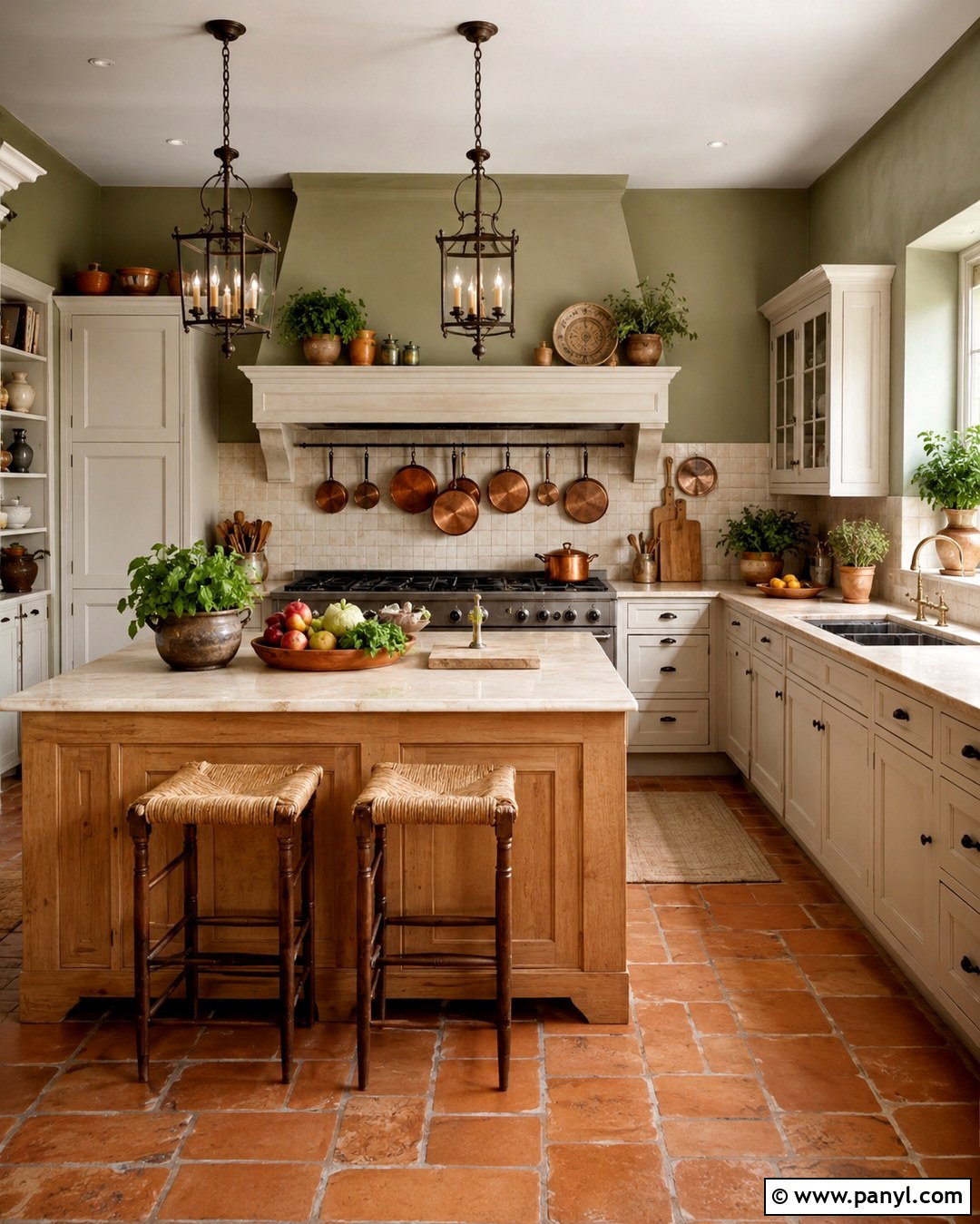
Sage green walls offer an understated connection to Italian gardens, herbs, and olive groves. In a kitchen, combine the muted green walls with warm white cabinetry and a natural oak island. Choose honed cream stone countertops and an uncomplicated backsplash made from handmade ivory tiles. Dark bronze hardware and lantern-style pendants add definition without creating harsh contrast. Terracotta floor tiles bring warmth to the cooler green, while woven stools make the island feel casual. Display a few copper pans, herb pots, and cream serving bowls on open shelves. Linen Roman shades keep the windows tailored but soft. The finished room should feel fresh, functional, and gently rustic. Sage works particularly well here because it provides visible color while remaining quiet enough to surround cabinets, appliances, and everyday kitchen activity.
13. Olive Green Italian Walls
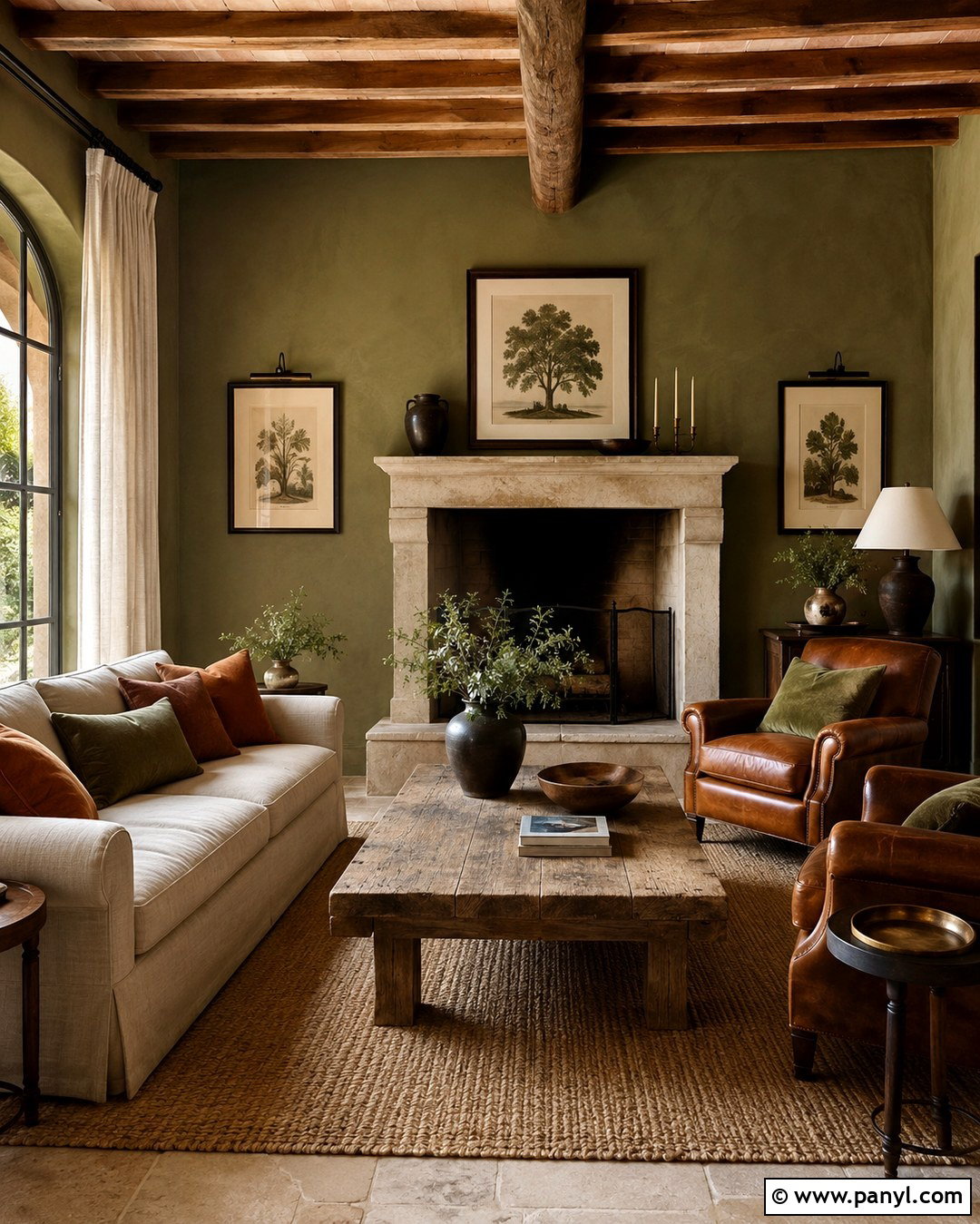
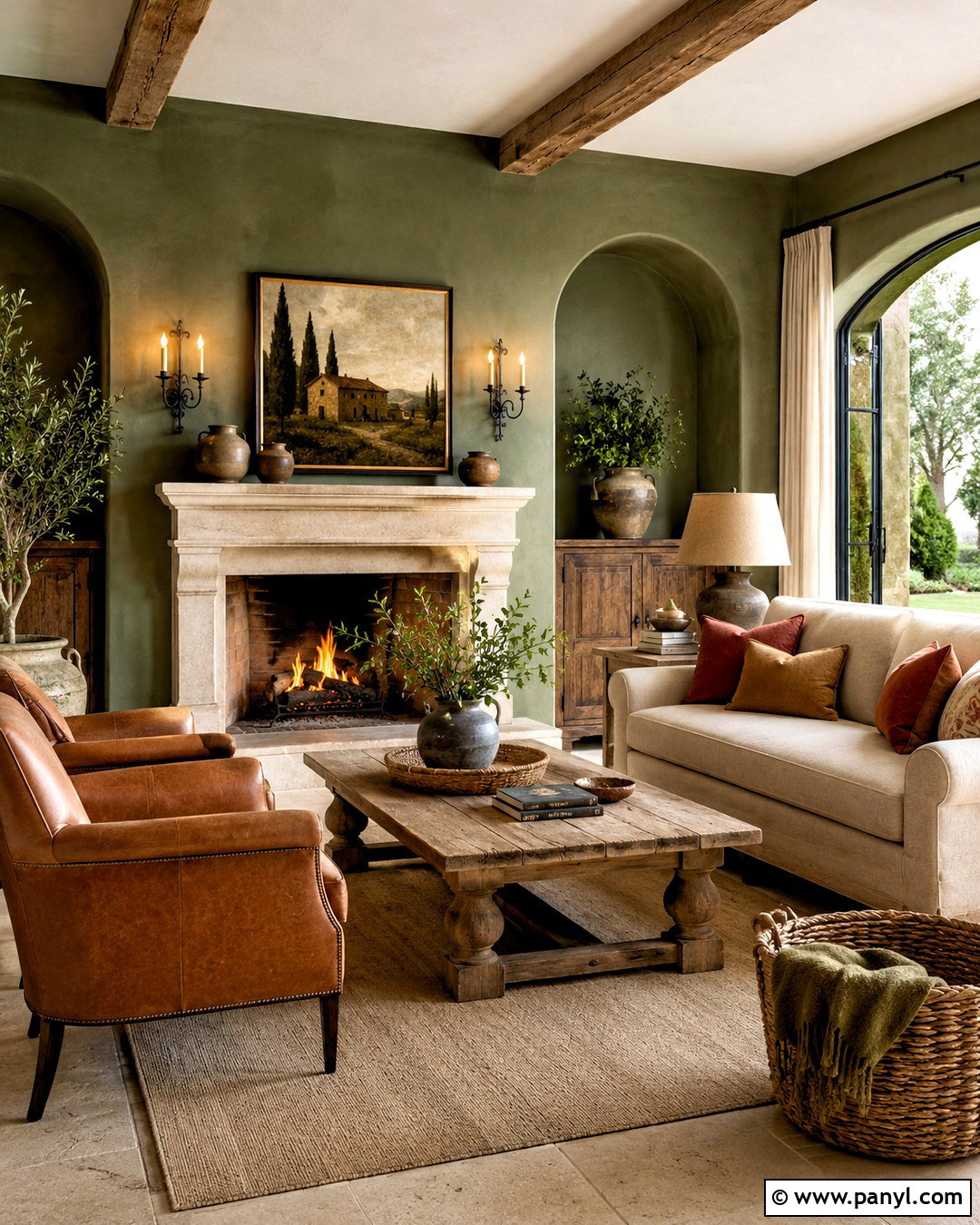
Olive green creates a grounded Italian living room with more depth than pale sage. Select a softened olive that contains brown or gray undertones, then pair it with a cream sofa and cognac leather club chairs. A substantial reclaimed oak coffee table and a neutral wool rug establish a comfortable central arrangement. Add linen curtains, antique brass lamps, and a few rust-colored cushions to warm the green walls. If the room includes a fireplace, use pale limestone around it for a brighter focal point. Dark wood picture frames and botanical artwork continue the natural palette without looking themed. Keep the ceiling and trim warm white to sharpen the architecture. The complete design feels cozy throughout the year and looks especially attractive beside terracotta, aged leather, walnut, and woven natural fibers.
14. Cypress Green Italian Walls
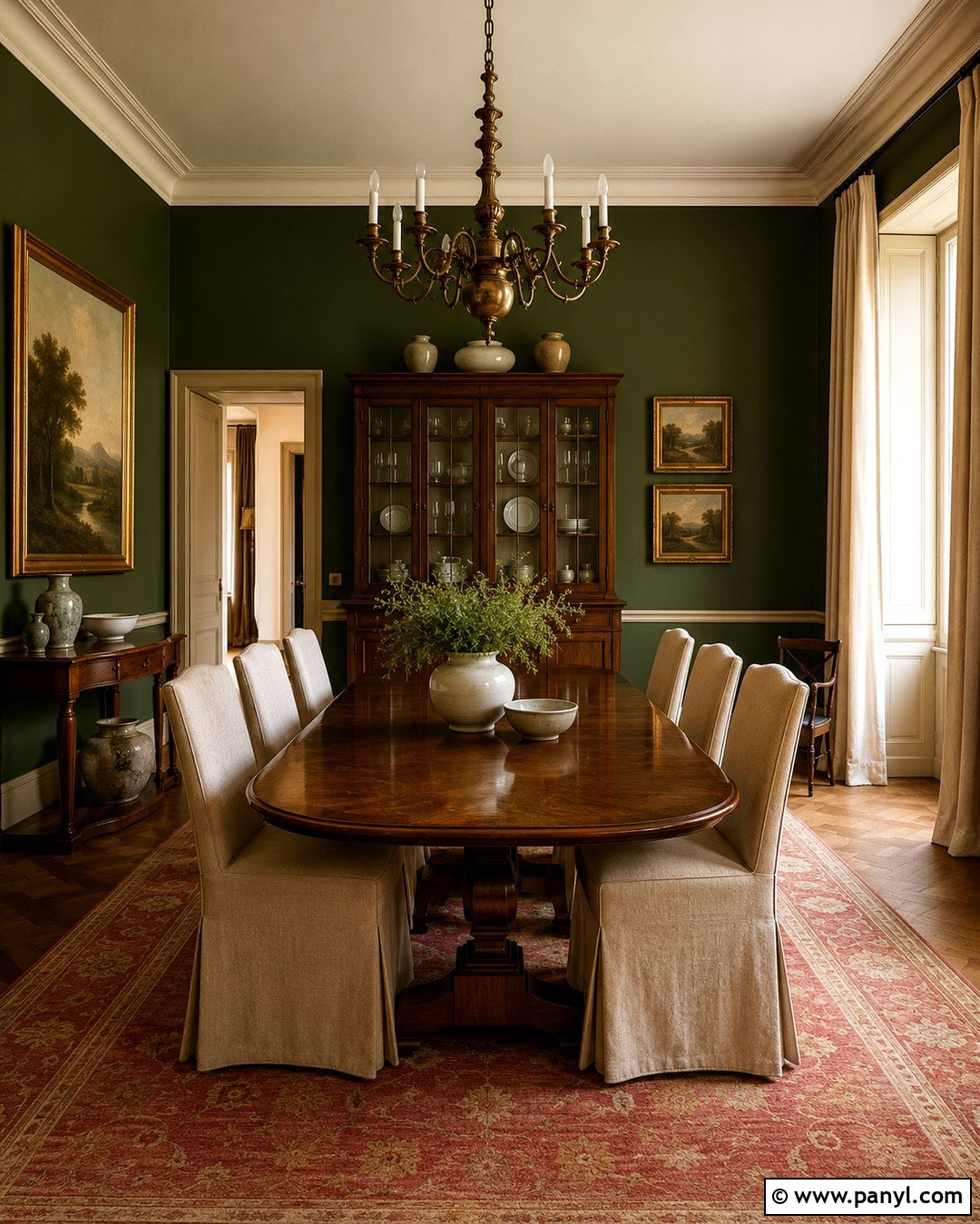
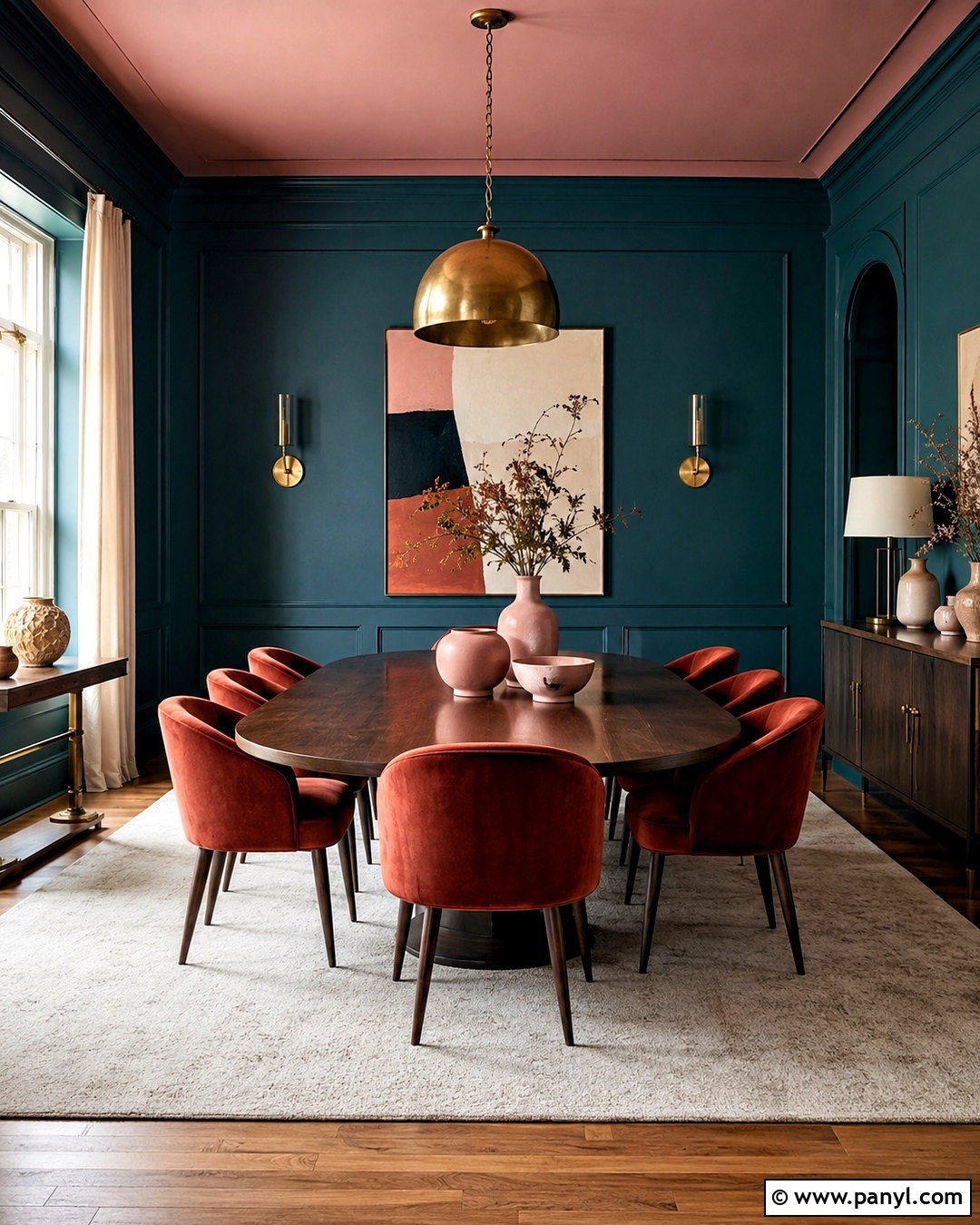
Deep cypress green can transform a small dining room into an intimate, tailored space. Paint the walls in a dark forest green with warm undertones, then use creamy white on the ceiling, window trim, and doors. Place a polished walnut dining table at the center with upholstered chairs in tan or oatmeal linen. A patterned rug featuring faded red, gold, and green brings warmth beneath the furniture. Hang a restrained aged brass chandelier and use matching picture lights over framed landscape artwork. A tall glass-front cabinet can display white ceramics, creating a bright break in the saturated walls. Add full-length natural linen curtains to soften the edges of the room. The resulting scheme feels dramatic but balanced, with reflective glass, pale fabric, and warm wood preventing the green from becoming oppressive.
15. Seafoam Green Italian Walls
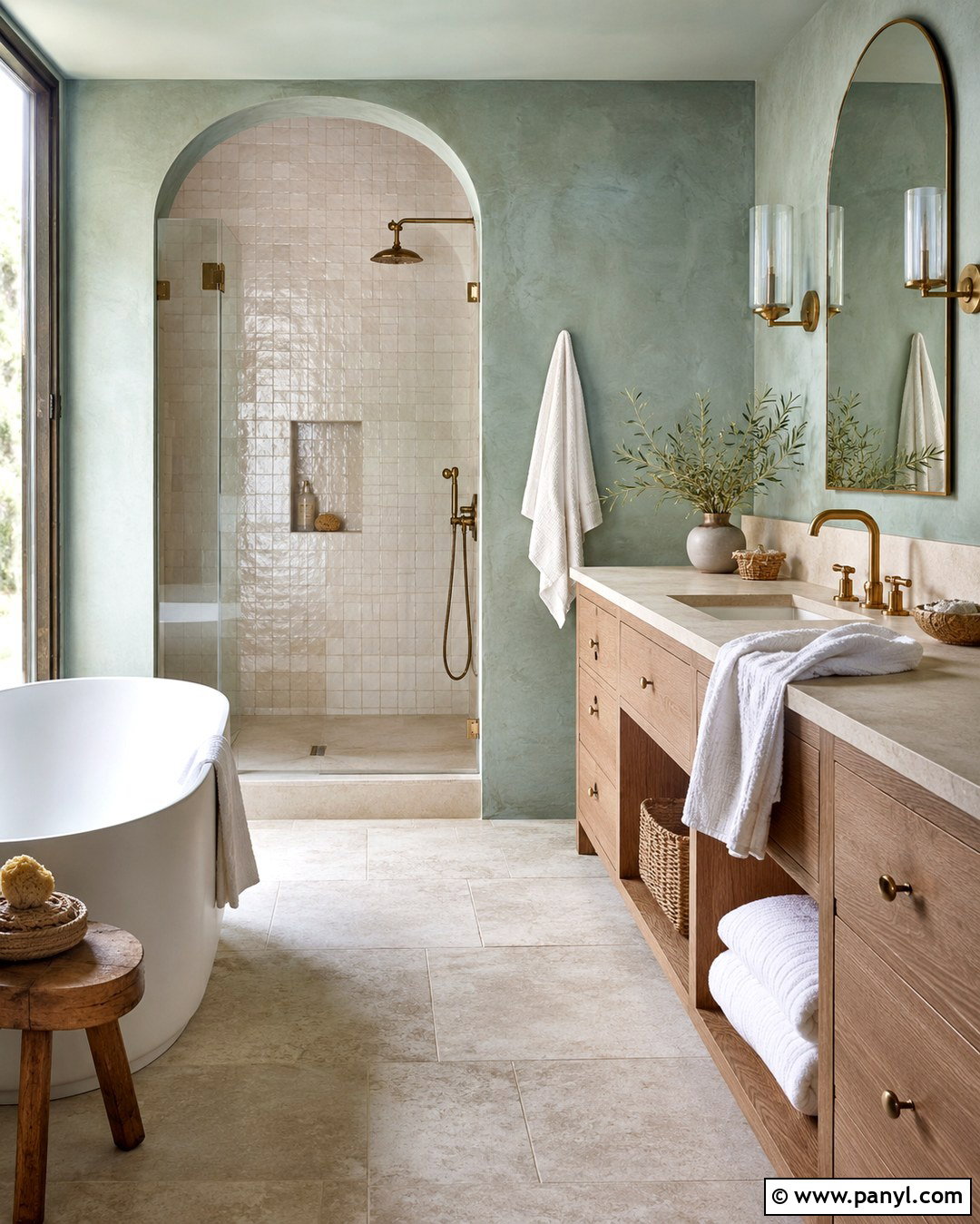
Seafoam green walls suit a bright bathroom inspired by the colors of coastal Italy. Choose a soft blue-green with a slightly gray, mineral quality. Pair it with a white oak vanity, creamy stone countertop, and unlacquered brass faucet. Use ivory zellige-style tile inside the shower and continue pale limestone-look tile across the floor. An arched mirror, two small glass sconces, and neatly folded white towels keep the space open and polished. Introduce texture through a woven laundry basket and a small wooden stool beside the tub or shower. Avoid adding several competing blues; let the seafoam walls remain the main color. With warm metals and natural materials supporting it, the completed bathroom feels fresh and coastal without turning into a literal nautical theme.
16. Amalfi Blue Italian Walls
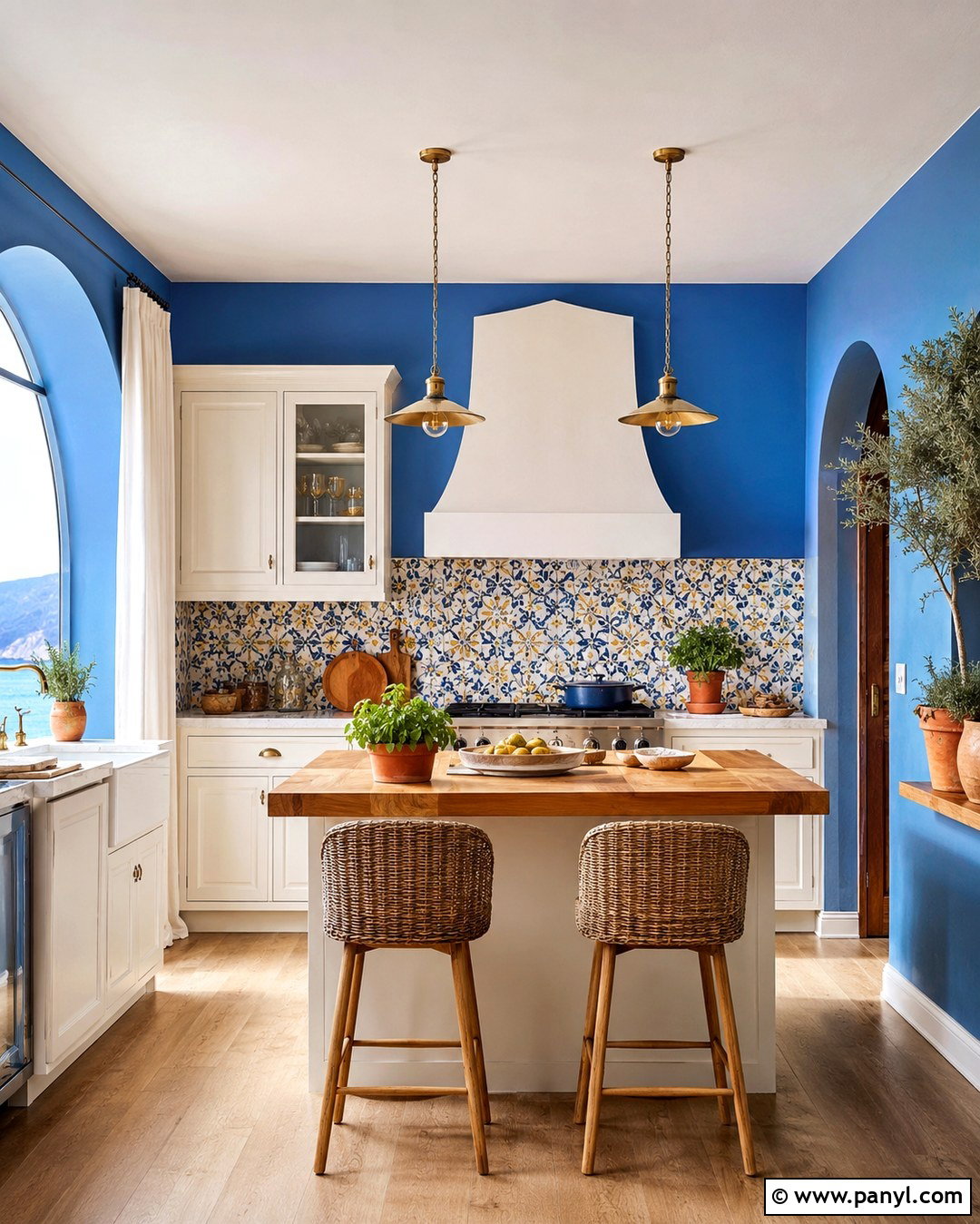
Amalfi blue delivers lively coastal color and works beautifully in a kitchen, powder room, or sunroom. In a compact kitchen, use the saturated medium blue on the walls while keeping the cabinetry warm white. Add a patterned backsplash with blue, cream, and muted yellow details, but choose a simple design that does not compete with the paint. Natural oak flooring and butcher-block accents warm the strong blue. Hang small brass pendants above a narrow island and select woven counter stools for casual texture. White linen shades allow sunlight to brighten the walls, while terracotta planters create an earthy counterpoint. Keep appliances and counters visually quiet. This complete palette captures the energy of an Italian seaside home while remaining practical for an everyday American kitchen.
17. Dusty Fresco Blue Italian Walls
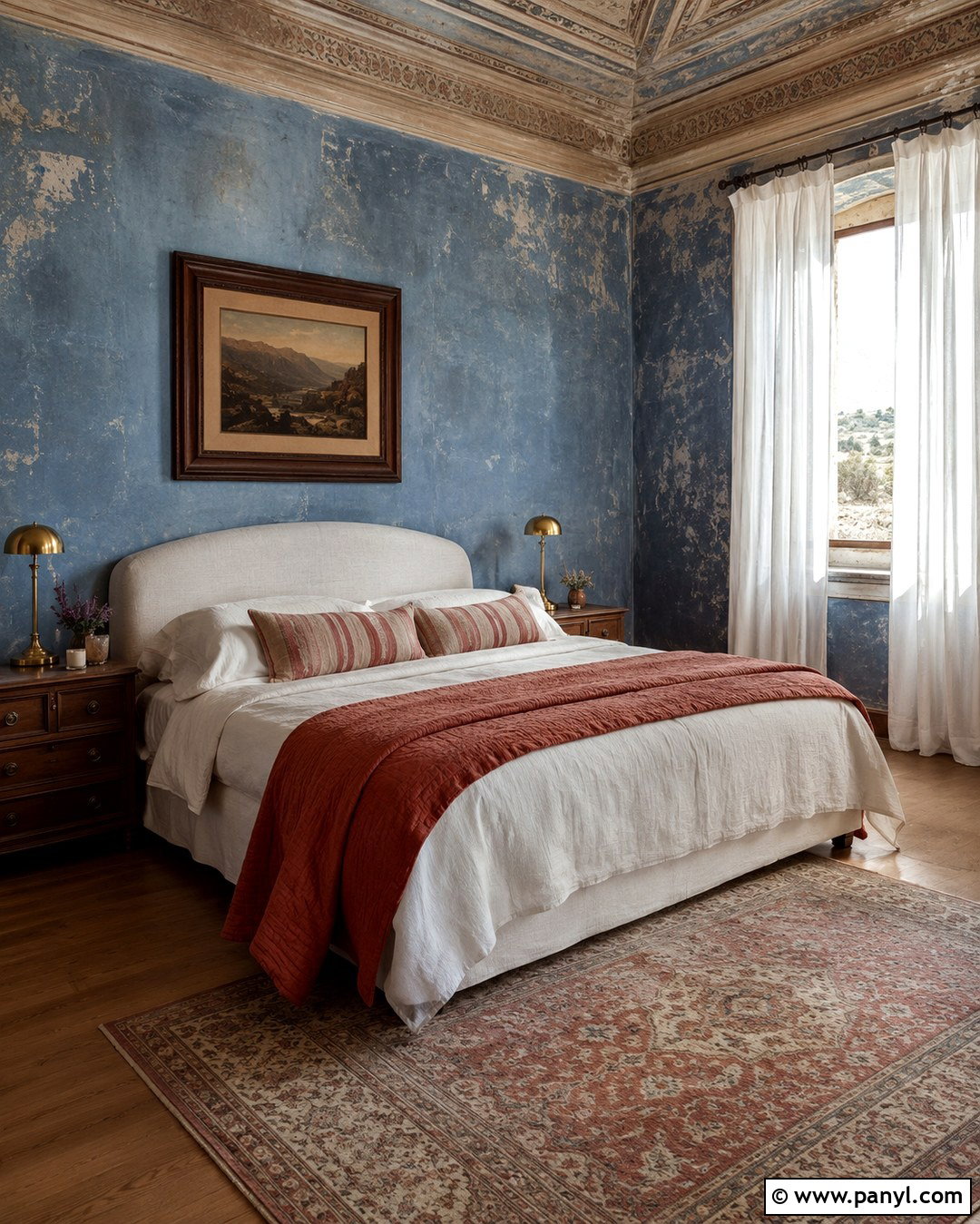
Dusty fresco blue has a weathered quality that feels softer than navy and more complex than pale sky blue. Use it in a bedroom with a white plaster ceiling and warm oak floors. Place a natural linen bed against the blue wall, adding cream bedding, a faded terracotta quilt, and striped cushions. Walnut nightstands and aged brass lamps provide warm contrast. A vintage-style rug in rust, ivory, and blue pulls the room together without creating a perfect match. Hang one large landscape or architectural print above the bed in a dark wood frame. Loose warm white curtains keep the room bright during the day. By mixing this blue with clay tones and natural wood, the finished bedroom feels calm, collected, and distinctly Italian rather than coastal or nautical.
18. Cobalt Blue Italian Walls
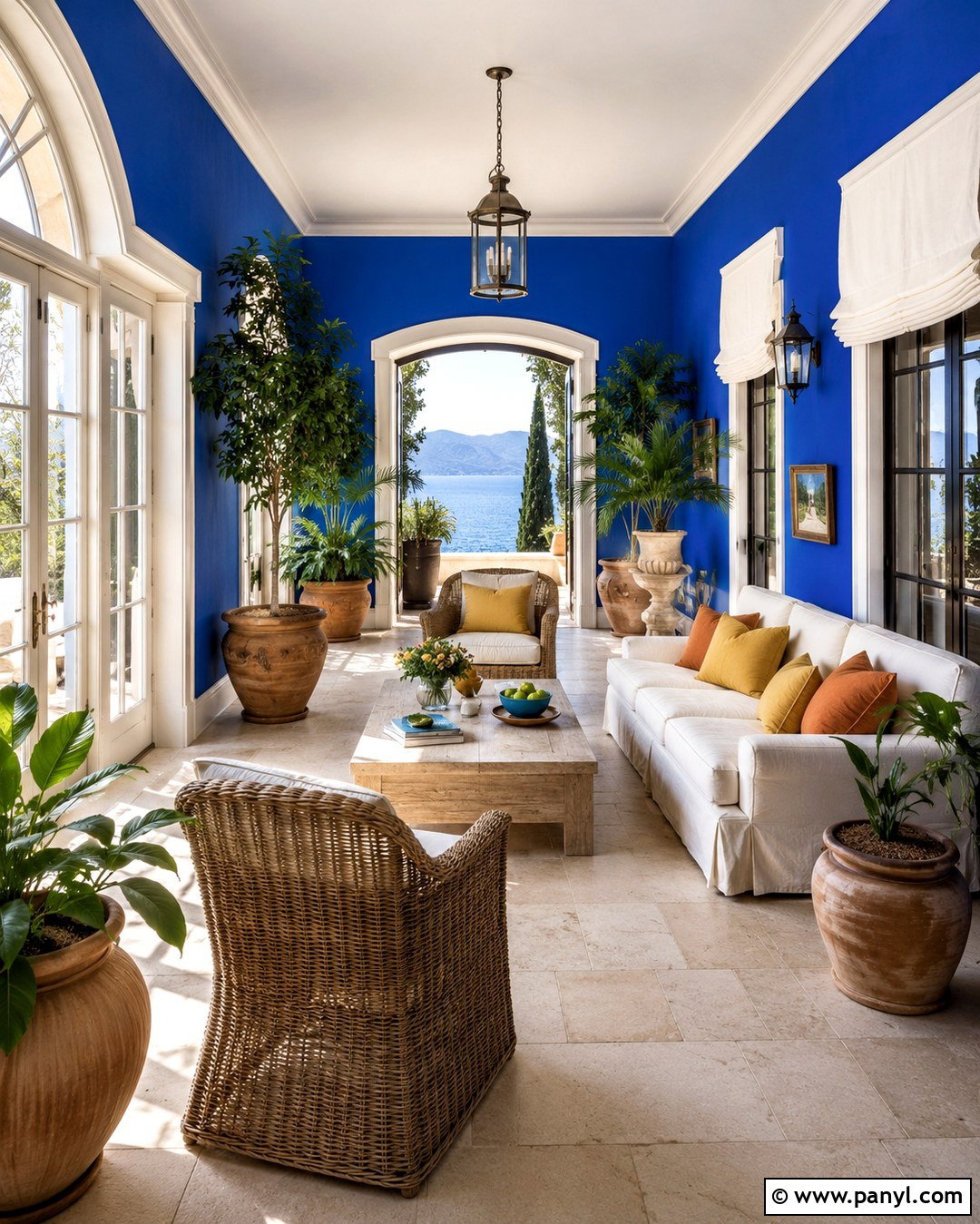
Bold cobalt blue walls create a memorable Italian room when they are balanced with plenty of white and natural texture. Try the color in a sunroom with large windows, warm white trim, and pale stone flooring. Choose a low cream sofa with washable upholstery, then add two woven rattan chairs and a bleached oak coffee table. Cushions patterned in blue, yellow, and terracotta connect the walls to the surrounding accessories. Use white linen shades to control sunlight without making the room dark. Large leafy plants in oversized clay pots bring garden color indoors. Keep artwork limited to one or two simple pieces so the saturated blue remains visually clear. The finished space feels energetic, sunny, and relaxed, making it ideal for reading, casual conversation, or morning coffee.
19. Venetian Red Italian Walls
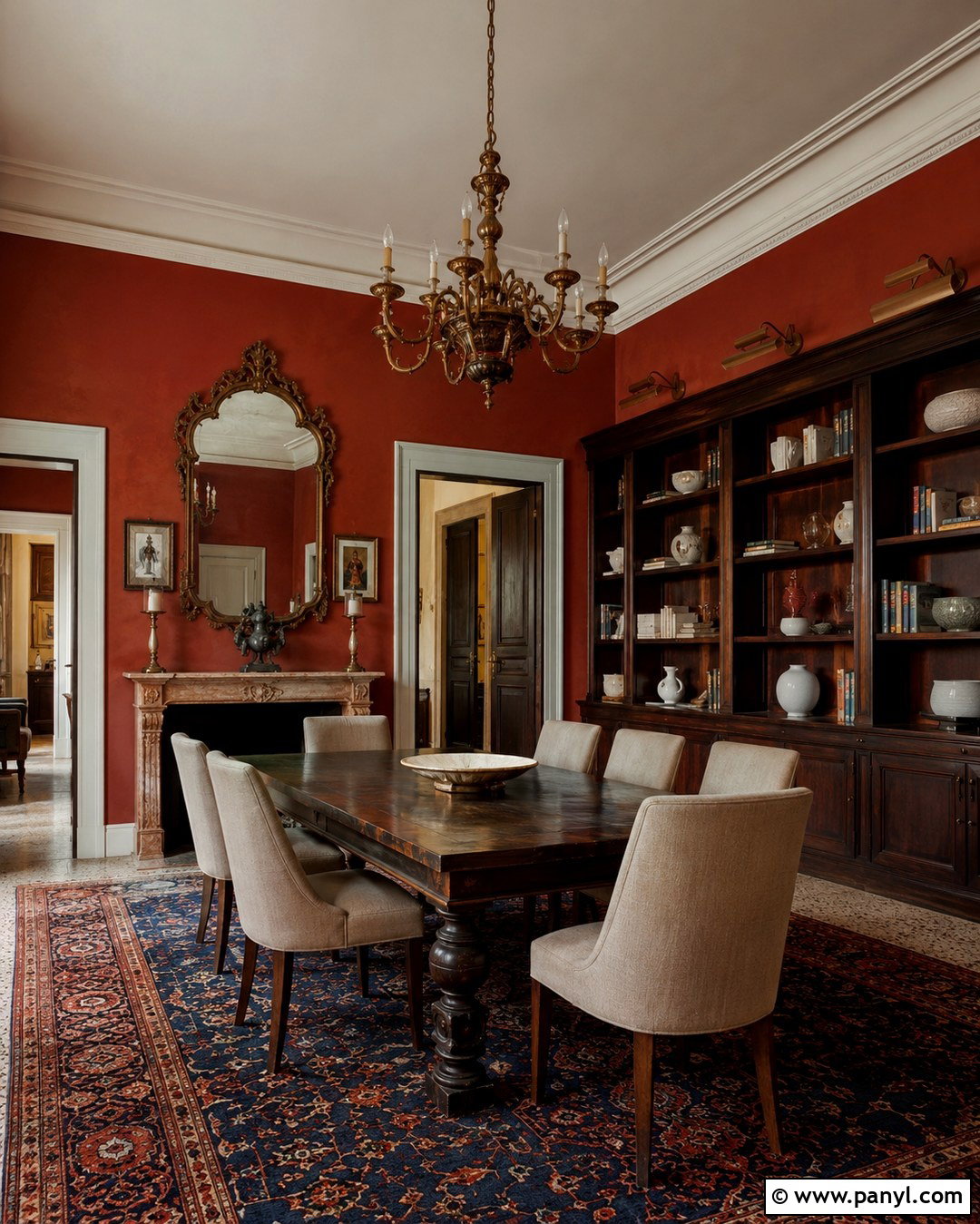
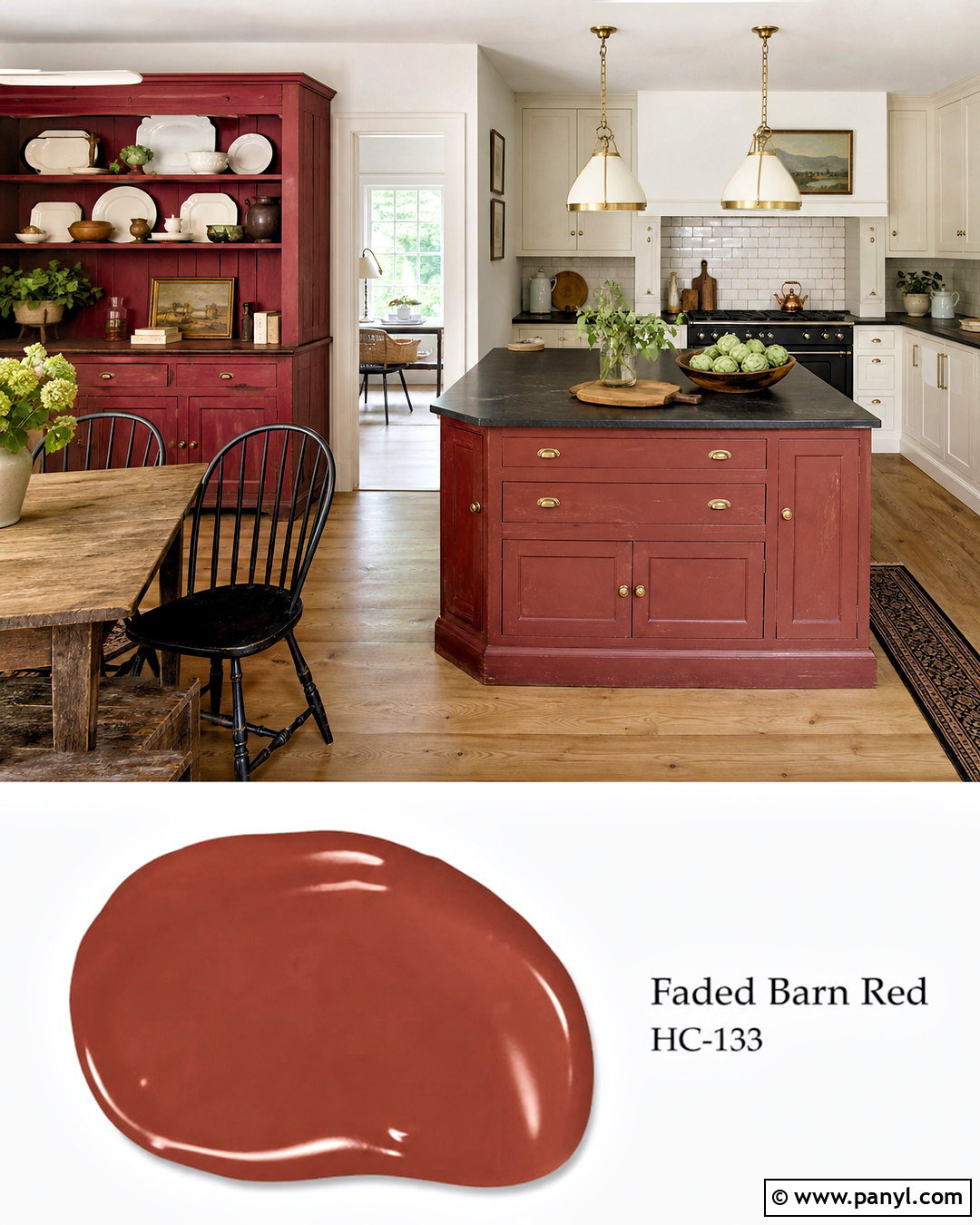
Venetian red gives an Italian dining room or library a rich, formal presence without requiring elaborate furniture. Choose a deep brick red rather than a bright primary shade. Pair it with dark walnut shelving, a substantial dining table, and chairs upholstered in warm beige linen. Cream trim and a pale ceiling create clean boundaries around the color. Use an aged brass chandelier, bronze picture lights, and a large antique-style mirror to reflect light. A faded rug with navy, rust, and ivory details grounds the room and softens the stronger walls. Display books, white ceramics, and a few framed prints in an orderly way. This complete scheme feels historic but still livable. Restrained decoration and lighter fabrics keep the Venetian red from making an average-size room feel crowded.
20. Charcoal Gray Italian Walls
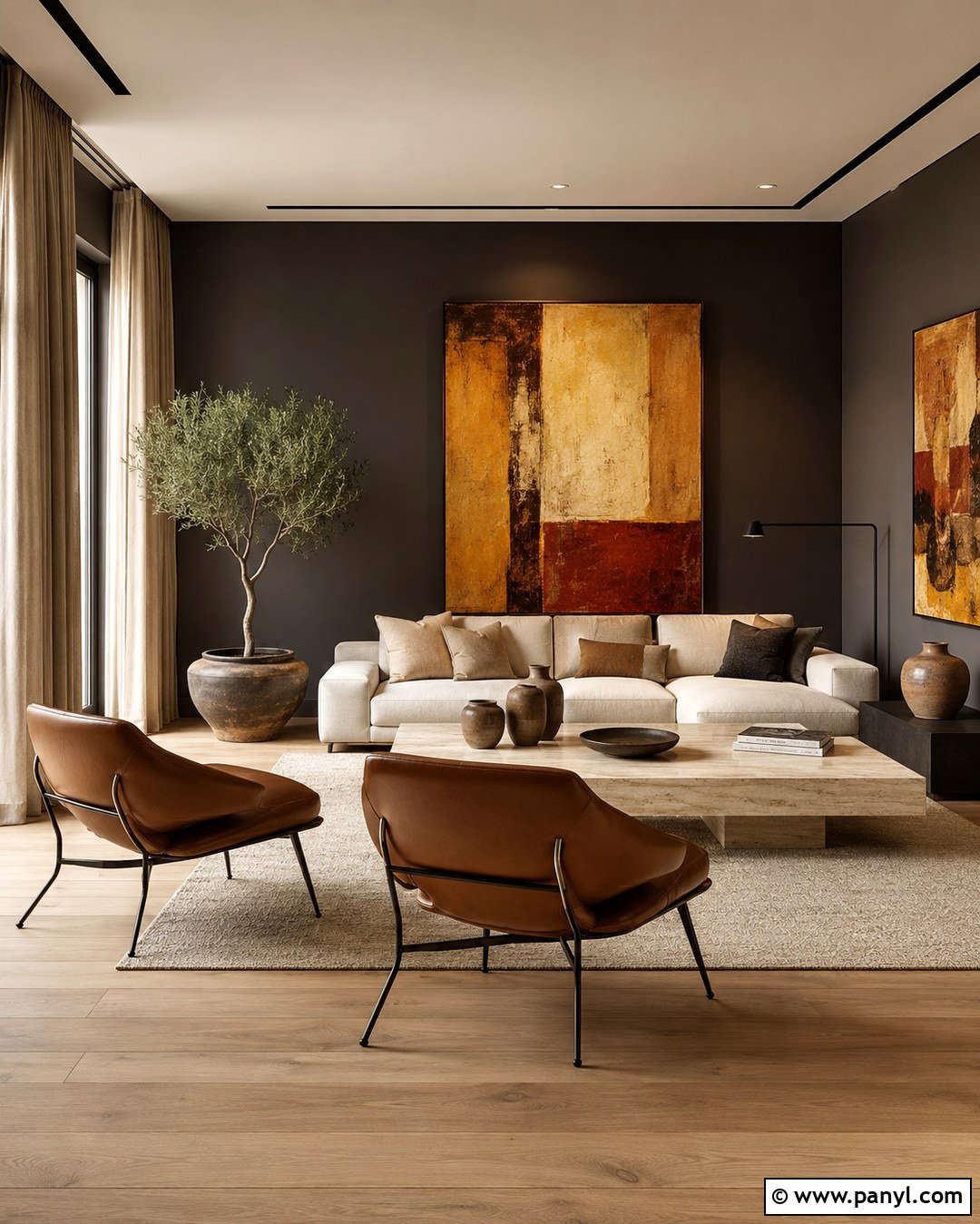
Charcoal gray walls can support a sophisticated modern Italian interior when the color has warm brown undertones. In a living room, pair the dark walls with a large ivory sofa, two sculptural tan leather chairs, and a low cream travertine table. Pale oak flooring and a generous wool rug prevent the room from feeling cold. Use black metal sparingly, choosing slim floor lamps or window frames rather than filling the space with dark accessories. Full-length oatmeal curtains soften the architecture and reflect daylight. Add one oversized artwork featuring ochre, rust, and off-white to connect the charcoal backdrop with traditional Italian earth colors. A few ceramic vessels and an olive tree complete the room. The result feels refined and contemporary while remaining warm, relaxed, and approachable.
Conclusion:
The best Italian Wall Colors are shaped by natural materials, warm light, and the relaxed beauty of Italian interiors. Creamy whites and stone neutrals create versatile foundations, while terracotta, ochre, olive, and faded blue add stronger regional character. Deeper shades such as cypress green, Venetian red, and warm charcoal work best when balanced with pale ceilings, linen textiles, and reflective finishes. Before choosing a color, sample it beside your flooring, trim, furniture, and windows at different times of day. Then build the room as one complete composition instead of treating paint as an isolated decision. With thoughtful color balance and authentic materials, any home can capture a comfortable, timeless Italian atmosphere.

Related Ideas and Inspiration:
Leave a Reply