
Mixing wood finishes adds depth, warmth, and a collected character that perfectly matched furniture cannot always provide. The best combinations start with one dominant wood, then introduce one or two contrasting finishes with compatible undertones. Repeating each finish helps the room feel intentional, while rugs, upholstery, stone, and painted surfaces create breathing room between different grains. Current interiors are moving beyond uniform wood sets and embracing visible grain, natural variation, and thoughtful light-and-dark contrast. () Whether you are furnishing a living room, updating a kitchen, or refreshing a small entryway, these complete room concepts show how flooring, cabinetry, furniture, colors, and decor can work together. Use these practical 20 wood combination interior ideas to create a balanced, layered home.

1. White Oak And Walnut Living Room
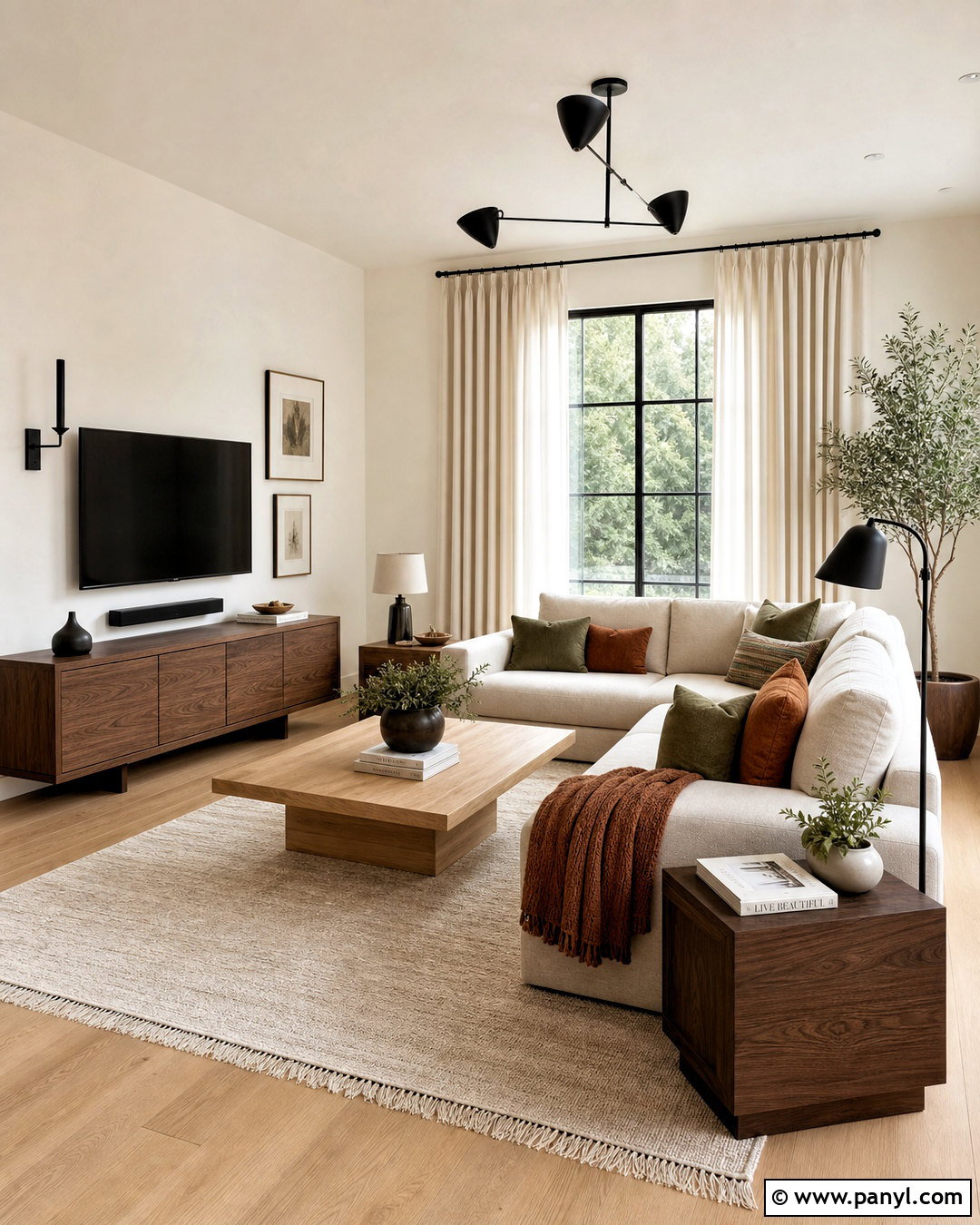
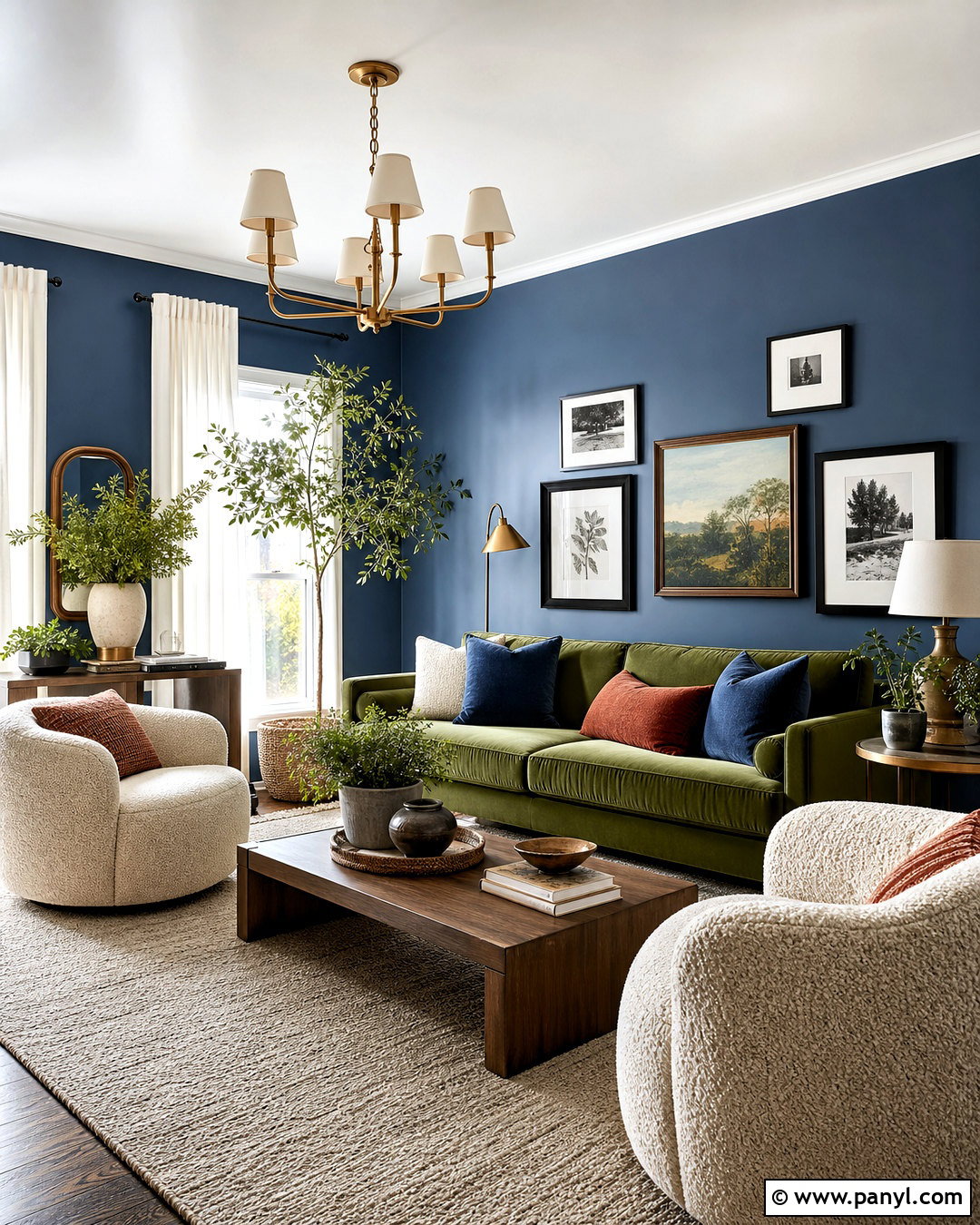
White oak flooring creates a bright foundation, while walnut furniture gives the living room rich contrast. Start with a clean-lined walnut media cabinet and matching side tables, then add a large oatmeal sofa to separate the darker pieces visually. A white oak coffee table can connect naturally with the floor without looking overly matched. Bring in cream curtains, a textured ivory rug, and warm white walls to keep the room airy. Black metal lighting provides definition, while olive green pillows and rust-colored accents complement both wood tones. Repeat walnut through slim picture frames or a floor lamp base. This complete combination feels modern and comfortable because the pale oak remains dominant and walnut appears in smaller, evenly distributed amounts.
2. Oak And Black Wood Kitchen
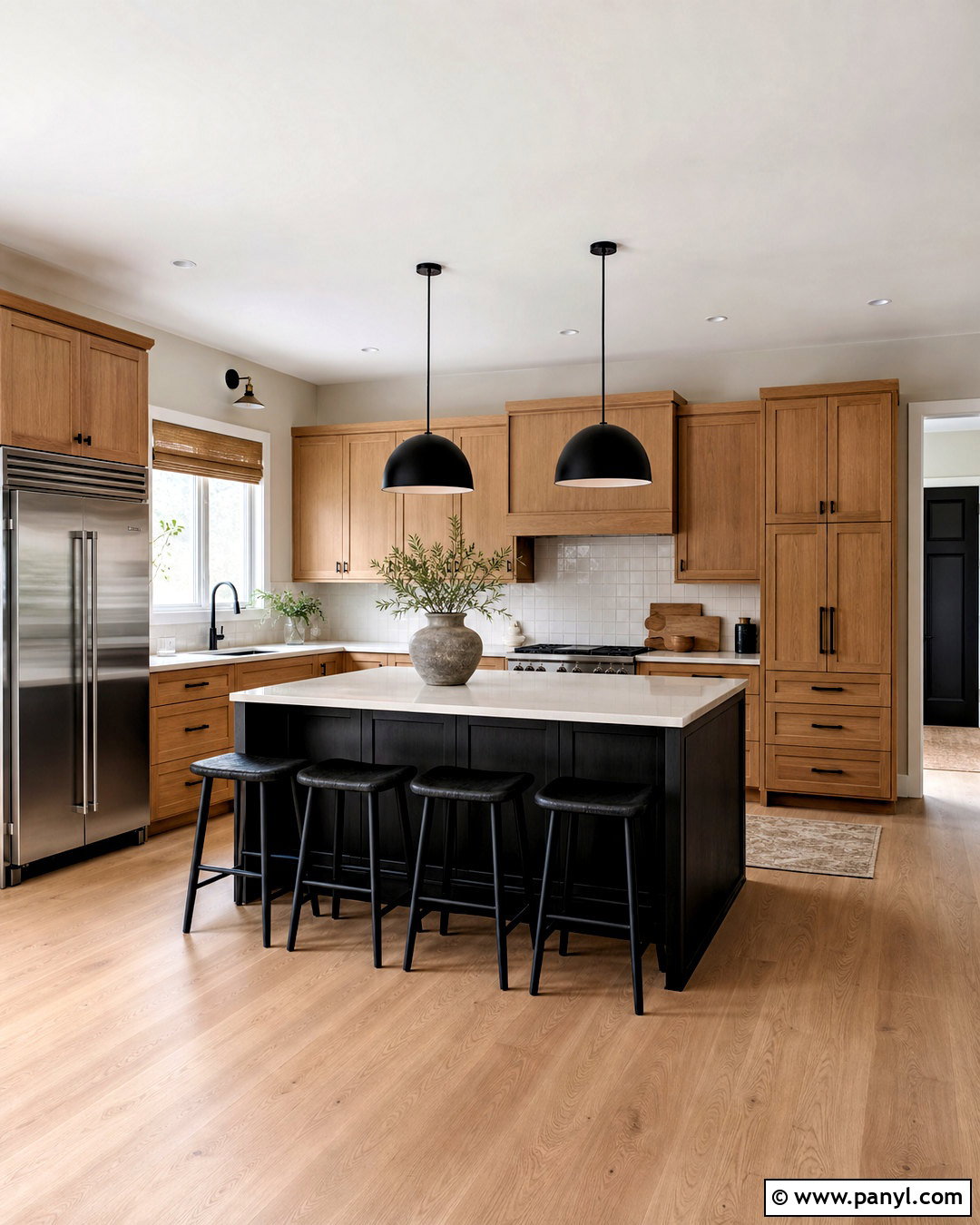
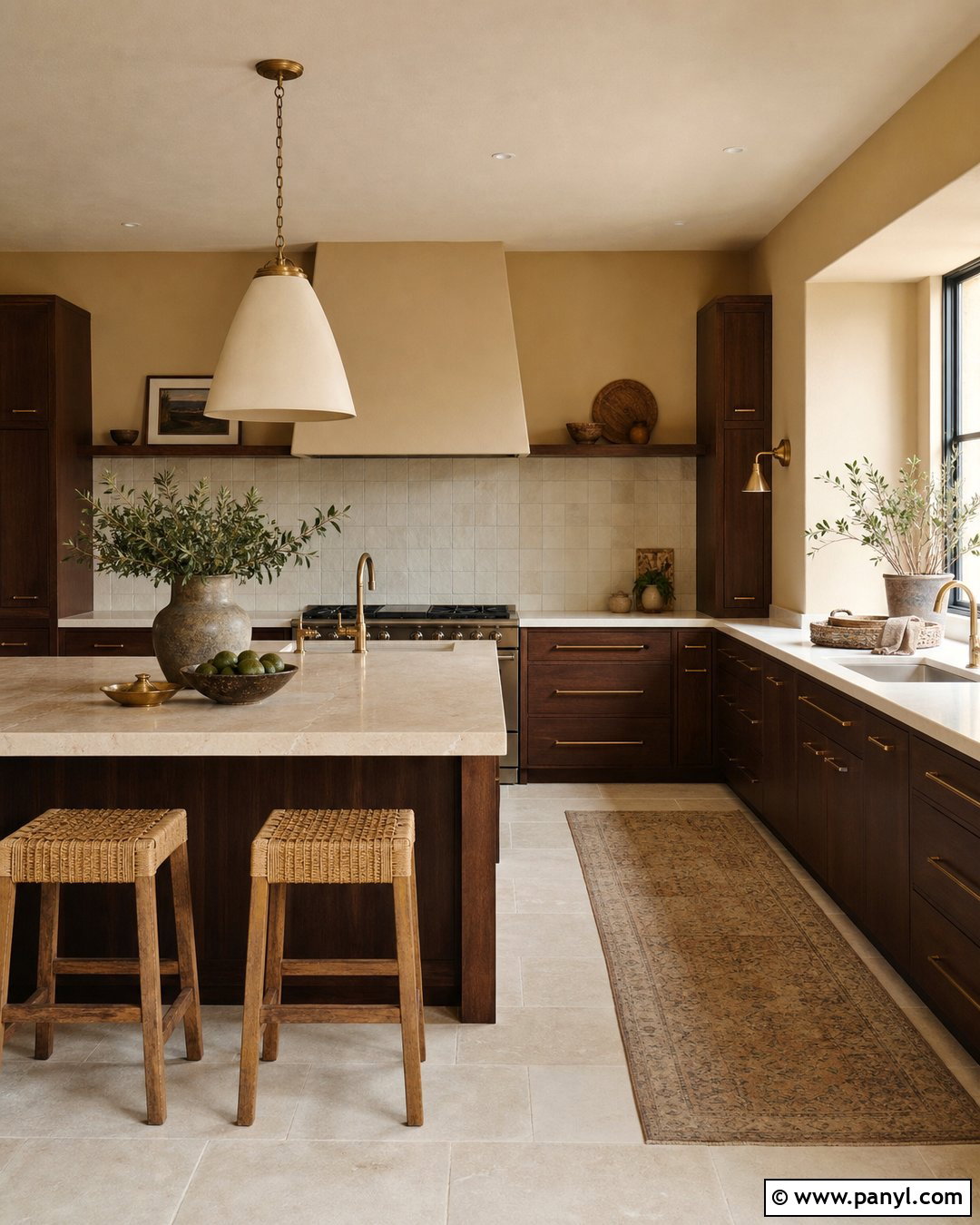
Natural oak and black-stained wood create a kitchen that feels bold without becoming dark or severe. Use flat-panel oak cabinets around the main walls and reserve matte black wood for the island base and one tall pantry section. Pale quartz countertops and an off-white backsplash brighten the center of the room. Choose oak flooring in a slightly quieter tone than the cabinetry so the surfaces remain related but distinct. Black counter stools, pendant lights, and cabinet pulls repeat the island color. A warm greige wall color softens the strong contrast, while woven shades add texture near the windows. Keep the layout open and uncluttered, allowing the oak grain to provide movement while the black elements visually anchor the entire space.
3. Walnut And Maple Dining Room
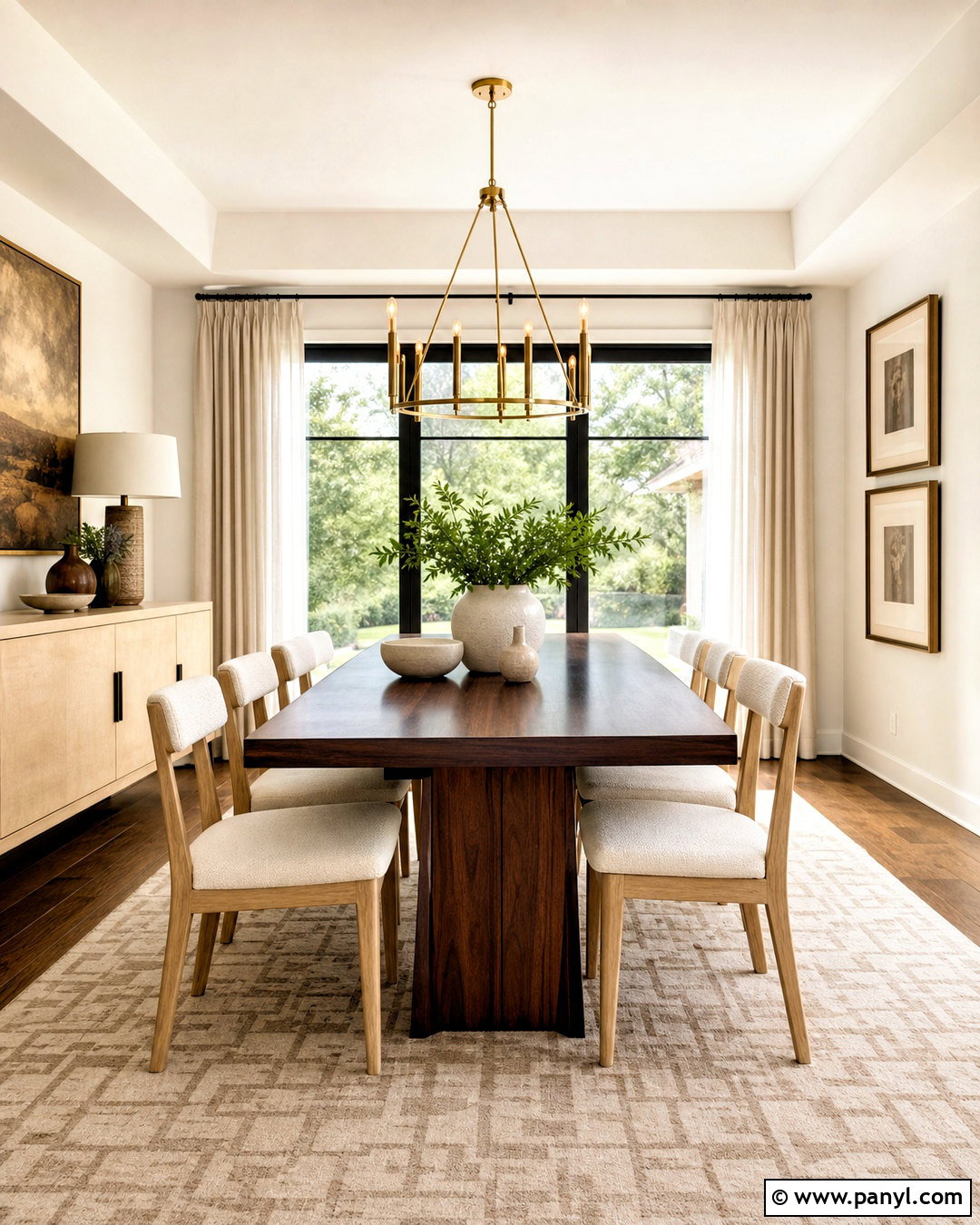
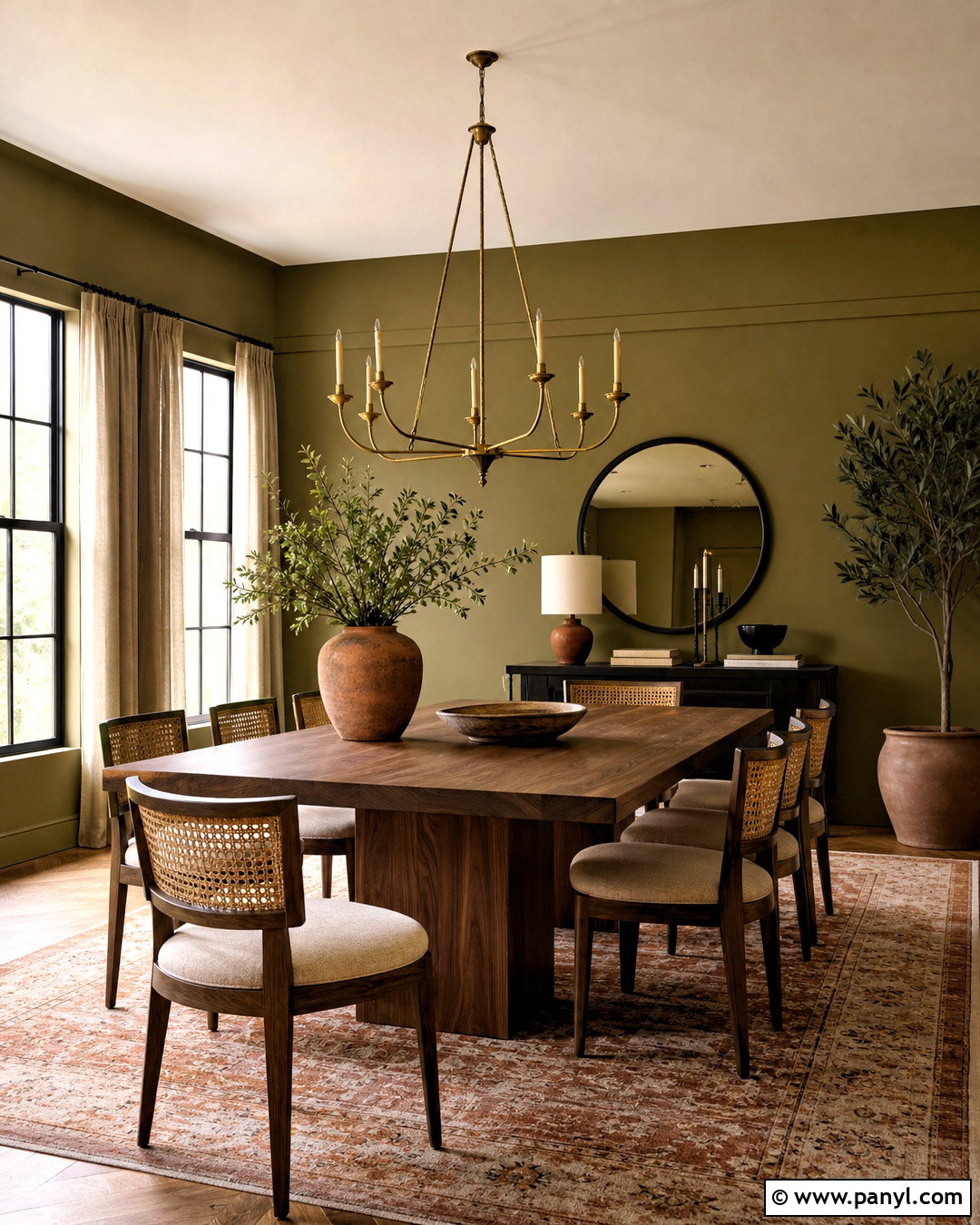
Can a dining room feel formal and relaxed at the same time? Pair a deep walnut dining table with creamy maple chairs for a polished look that does not resemble a matching furniture set. Choose chairs with upholstered seats in warm ivory or muted camel fabric. A maple sideboard can brighten the room and repeat the lighter finish on a larger surface. Place everything over a soft beige rug with a subtle geometric pattern. Warm white walls, linen curtains, and an aged brass chandelier complement the golden undertones. Add walnut-framed artwork above the sideboard to reconnect with the table. Simple ceramic vessels and leafy branches finish the space. The dark table becomes the focal point, while maple keeps the overall dining room light and approachable.
4. White Oak And Cherry Bedroom
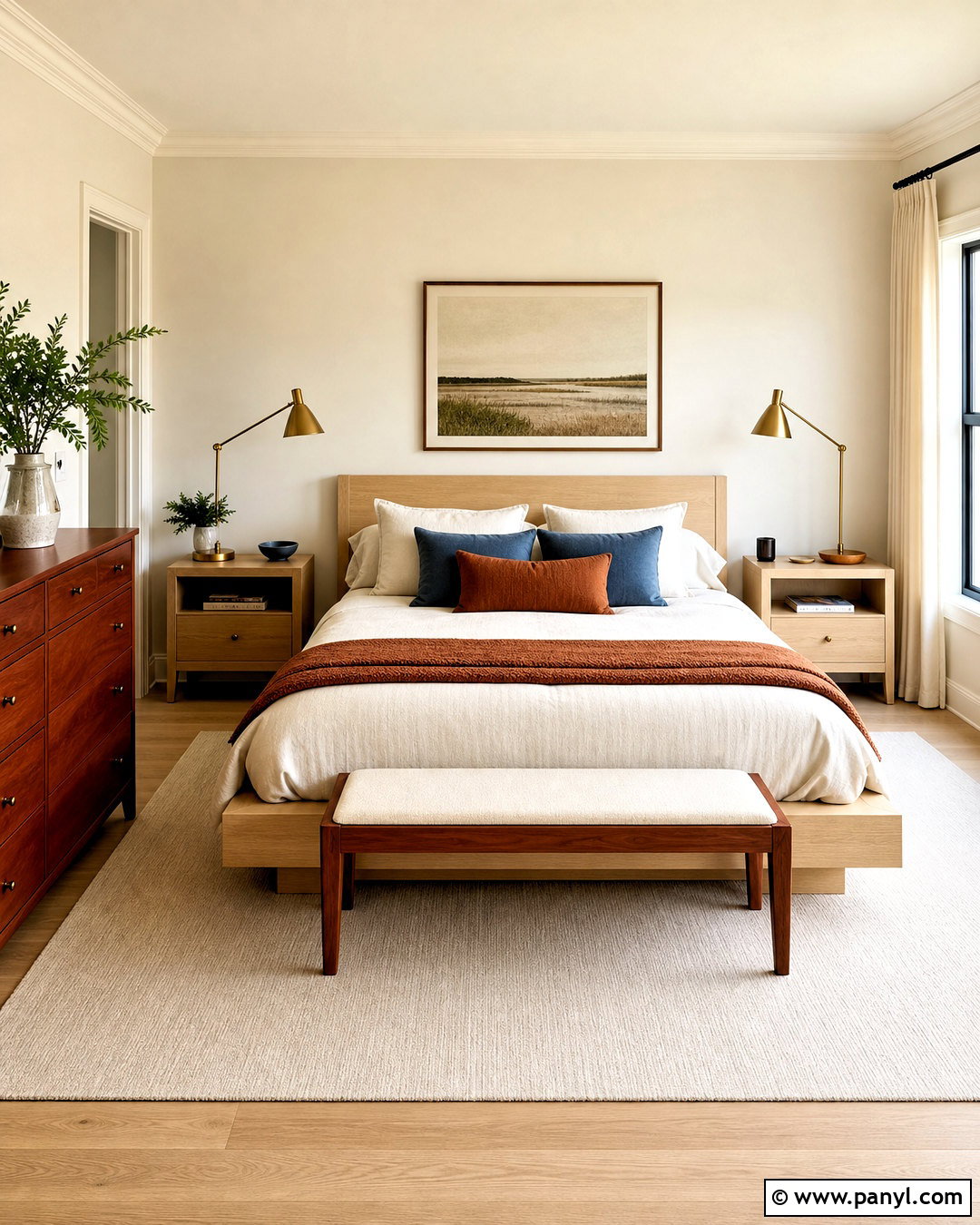
A white oak and cherry bedroom balances soft natural color with deeper reddish warmth. Begin with a simple white oak platform bed and matching nightstands against warm cream walls. Add a cherry dresser across the room, allowing its richer grain to stand apart as a statement piece. Repeat cherry through small bedside frames or a wooden bench detail rather than introducing another large dark item. Layer the bed with ivory linen, dusty blue pillows, and a rust-colored throw that connects with the cherry undertones. A pale wool rug creates separation between the furniture and oak flooring. Use brushed brass lamps and woven shades for extra warmth. The finished bedroom feels calm, personal, and collected, with enough contrast to highlight both beautiful wood species.
5. Ash And Walnut Home Office
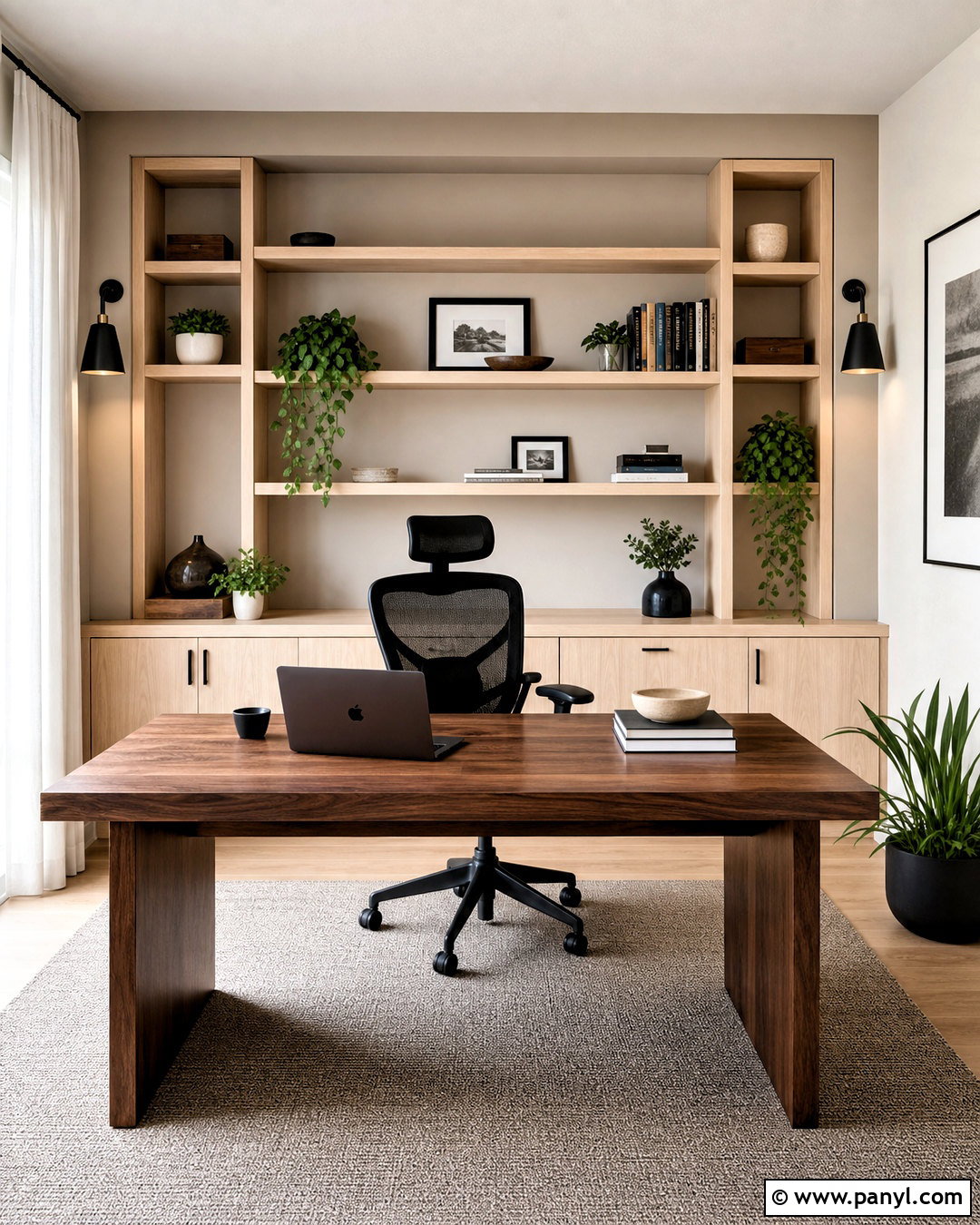
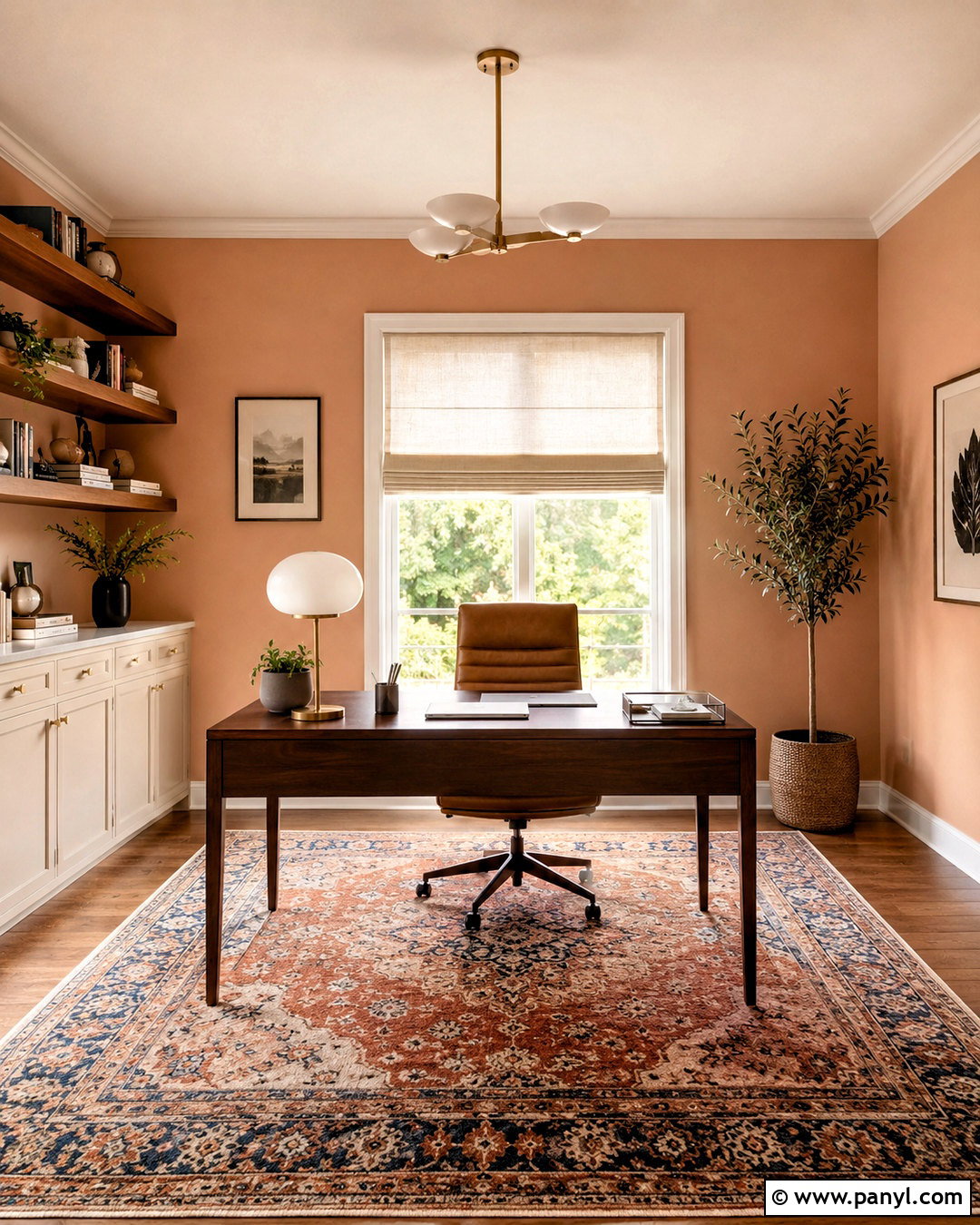
Light ash cabinetry can make a home office feel open, while walnut brings the visual weight needed for a productive workspace. Install ash shelving and lower storage along one wall, then position a streamlined walnut desk in front of it. A black ergonomic chair introduces a practical modern element without competing with the wood grain. Choose pale gray walls with warm undertones, a textured taupe rug, and white linen window treatments. Repeat walnut on two shelf boxes or framed artwork so the desk does not look disconnected. Matte black sconces and hardware create a consistent outline around the room. A few green plants soften the straight furniture lines. This combination works especially well in a smaller office because the lighter ash controls most of the visual space.
6. Oak And Teak Bathroom
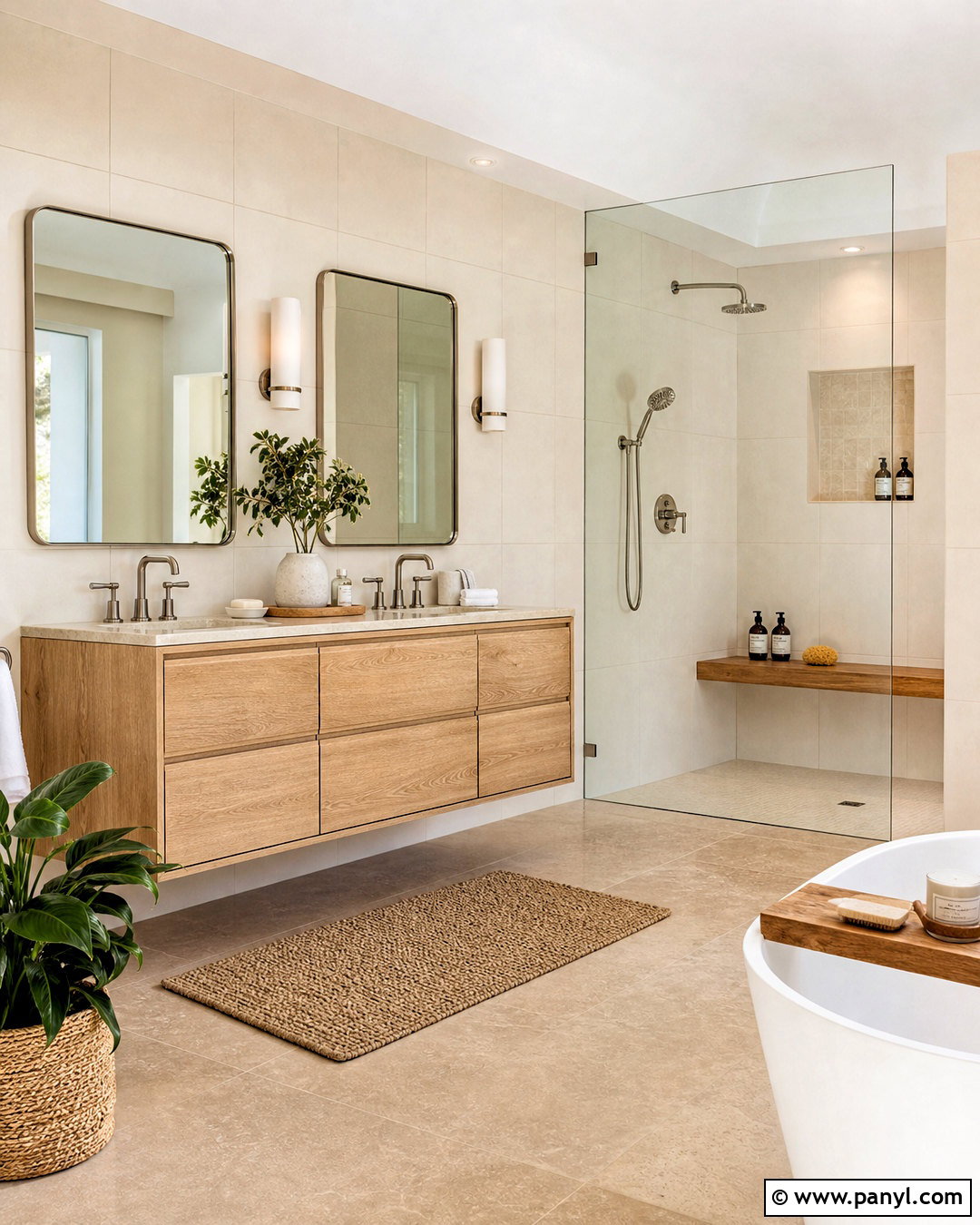
Warm teak can bring spa-like character to a bathroom grounded by pale oak. Choose a floating white oak vanity with simple slab-front drawers, then add a teak bench inside or beside the shower. Repeat teak through a narrow bath tray or framed mirror so it becomes a deliberate secondary finish. Large warm white tiles keep the room fresh, while sandy stone flooring connects naturally with both wood tones. Select brushed nickel fixtures for a clean finish that does not add another strong color. Rolled white towels, woven baskets, and a small leafy plant complete the relaxed setting. Because bathrooms contain moisture, use appropriately sealed materials and finishes. The final room feels bright and natural, with teak providing rich color against the quieter oak foundation.
7. Pine And Oak Farmhouse Kitchen
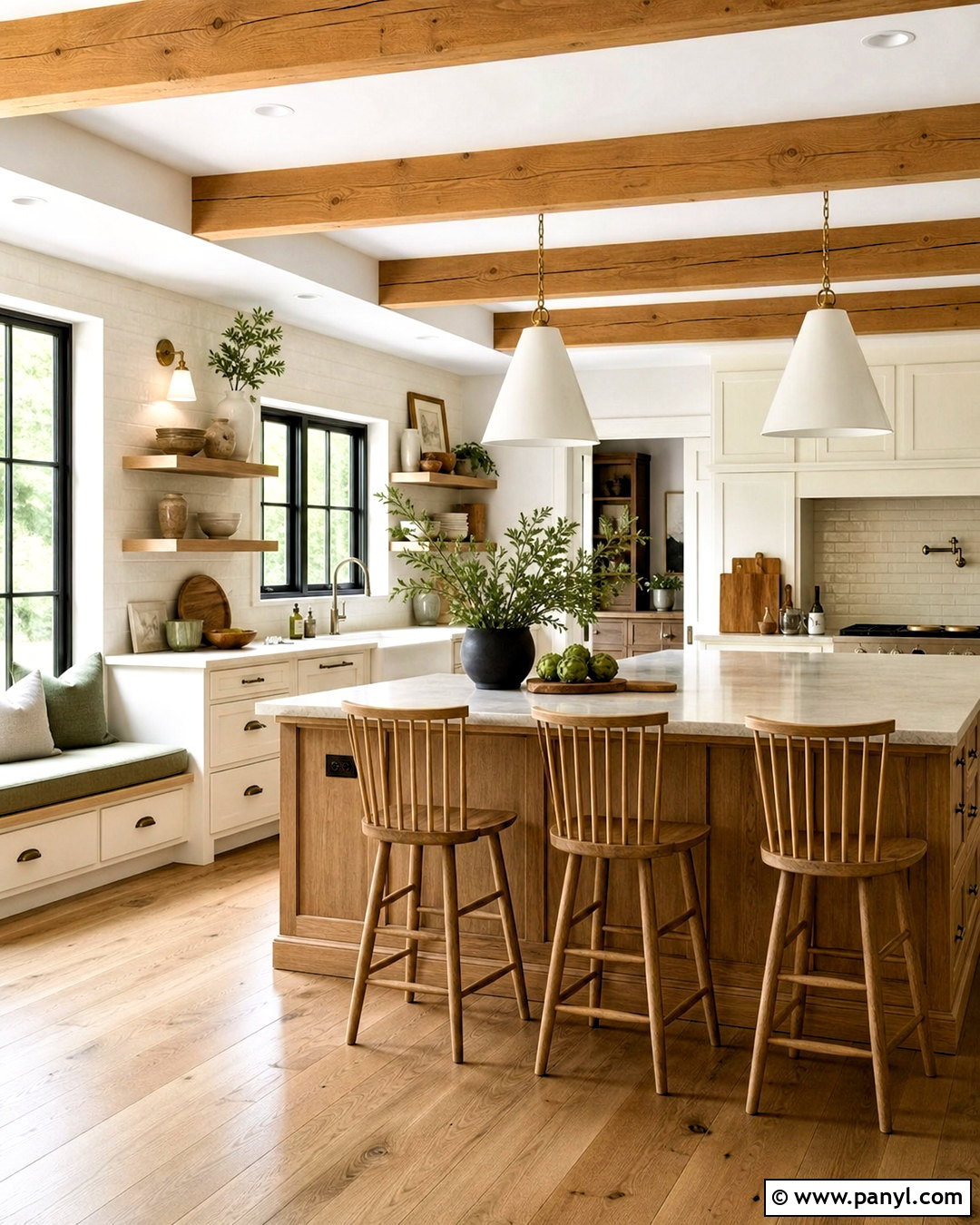
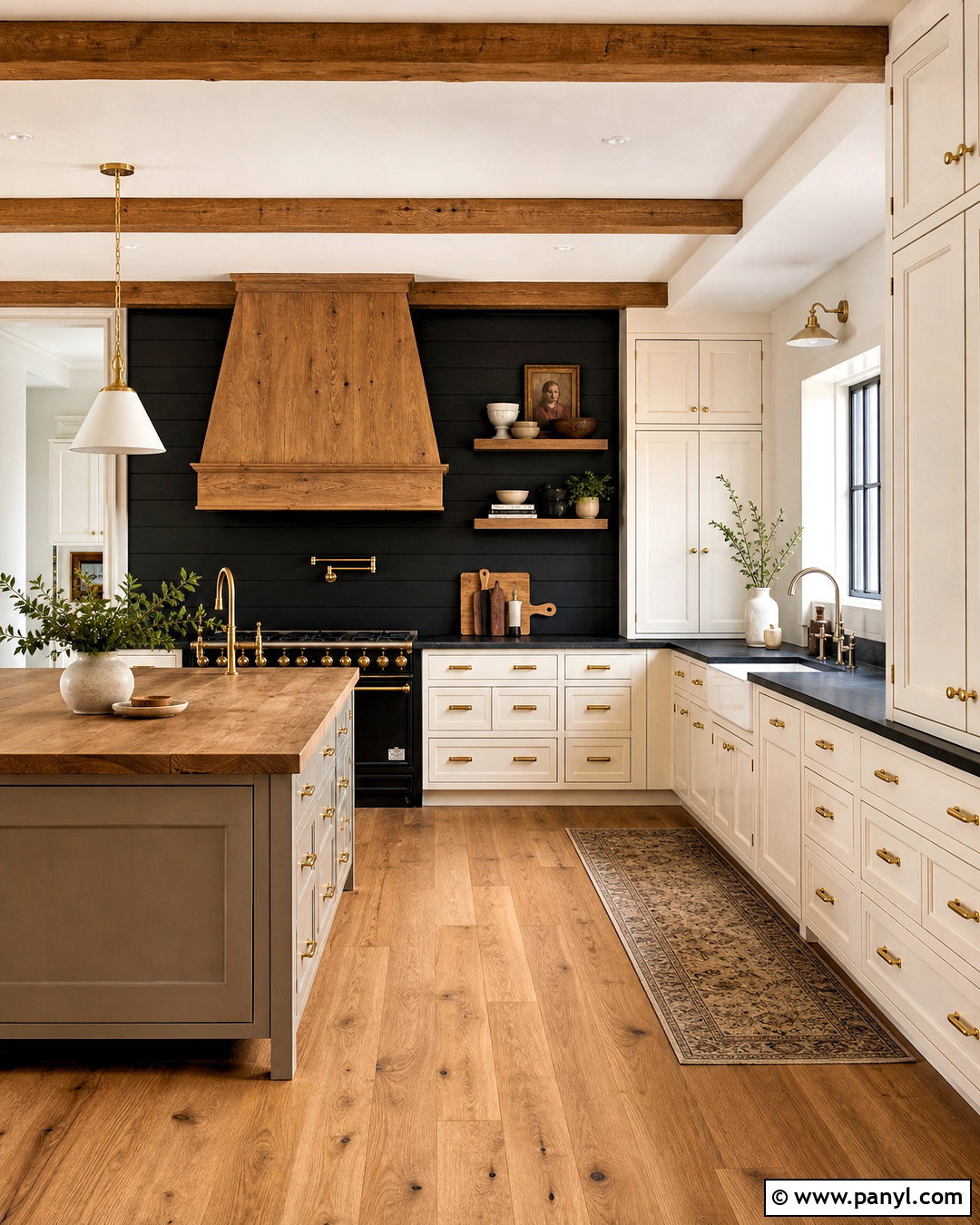
Soft pine and sturdy oak create an inviting farmhouse kitchen with plenty of natural texture. Use painted warm white perimeter cabinets and introduce pine through exposed ceiling beams, open shelves, and a built-in breakfast bench. A medium oak island and matching flooring add a more grounded, durable appearance below eye level. Select creamy stone countertops, an ivory subway tile backsplash, and aged bronze hardware to support the warm palette. Linen cushions in muted sage green make the breakfast area comfortable, while spindle-back oak stools connect the island to the floor. Keep the pine lightly finished rather than orange or glossy. This allows its knots and character to remain visible without overwhelming the room. The complete space feels casual, useful, and gently layered rather than heavily rustic.
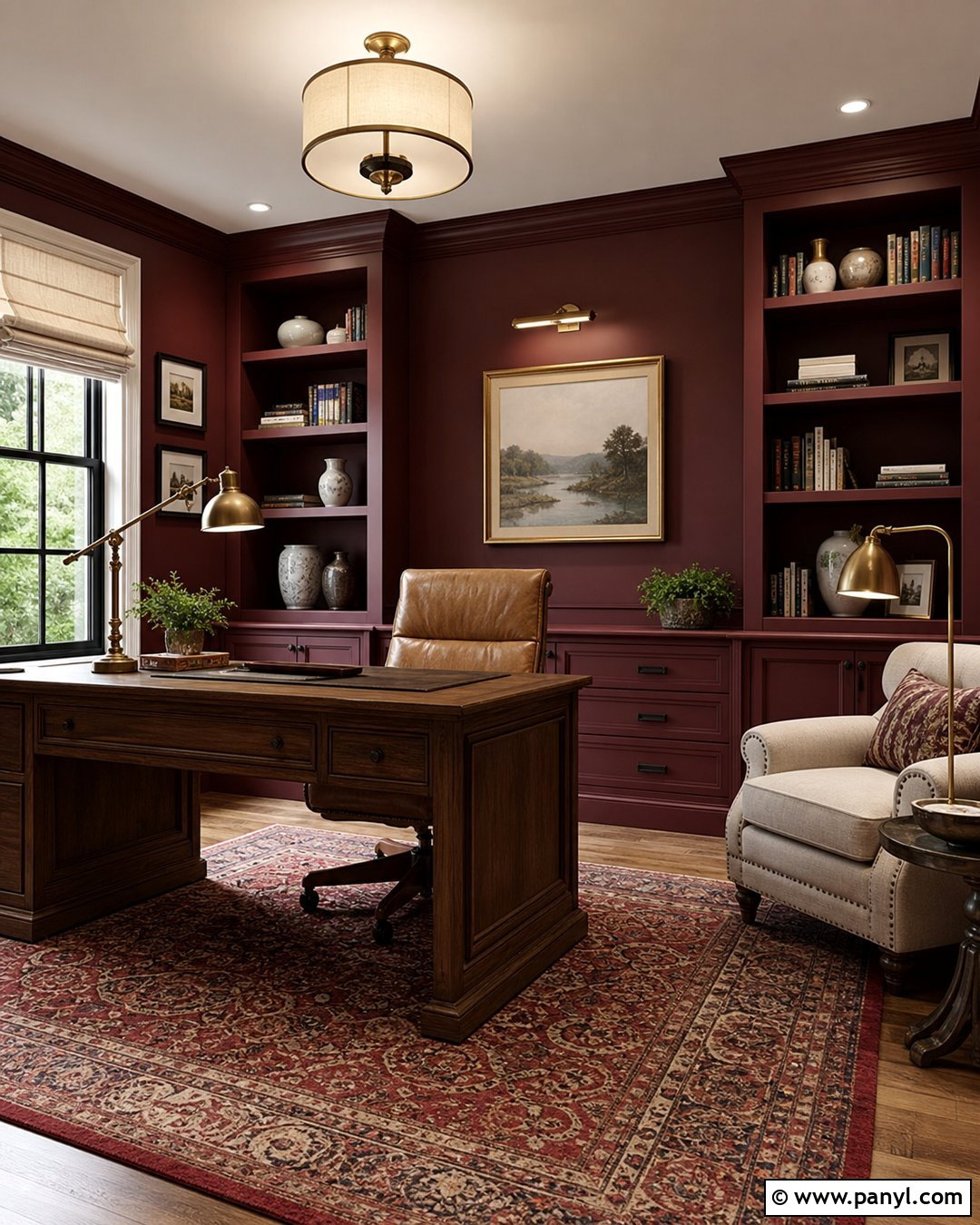
8. Mahogany And Oak Home Library
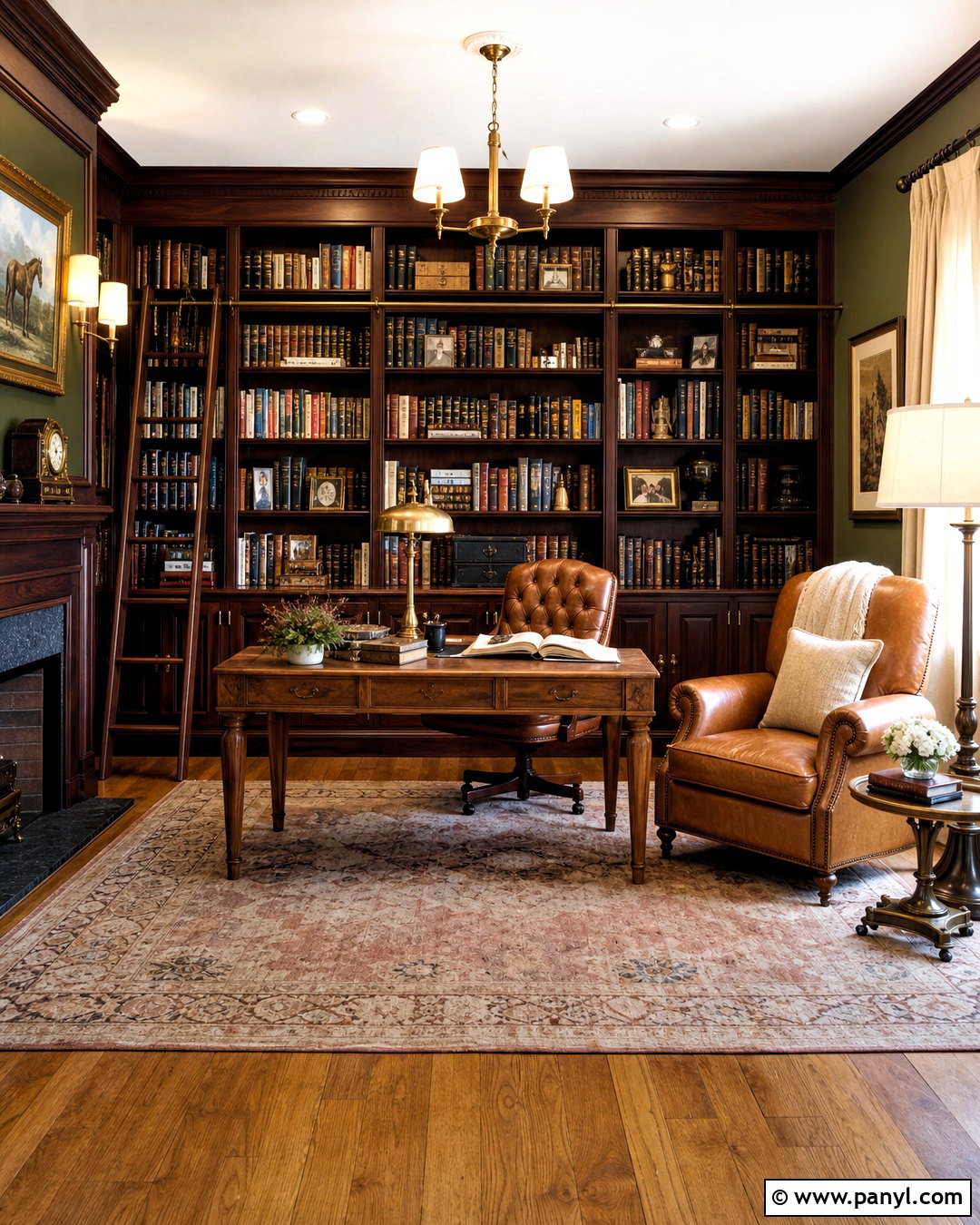
Rich mahogany and medium oak can transform a home library into a warm, traditional retreat. Cover one main wall with mahogany bookcases, including lower cabinets for hidden storage. Balance their depth with an oak writing table, oak flooring, and a comfortable camel leather chair. Paint the remaining walls a muted olive green to enhance the red and golden notes in both woods. A large faded-pattern rug prevents the table and flooring from blending together. Add an antique brass desk lamp, linen curtains, and cream-colored bookends for lighter contrast. Repeat mahogany in a slim side table or framed artwork near the chair. Keeping the ceiling and trim warm white stops the darker shelving from enclosing the room, resulting in a refined but comfortable place for reading and work.
9. Maple And Birch Nursery
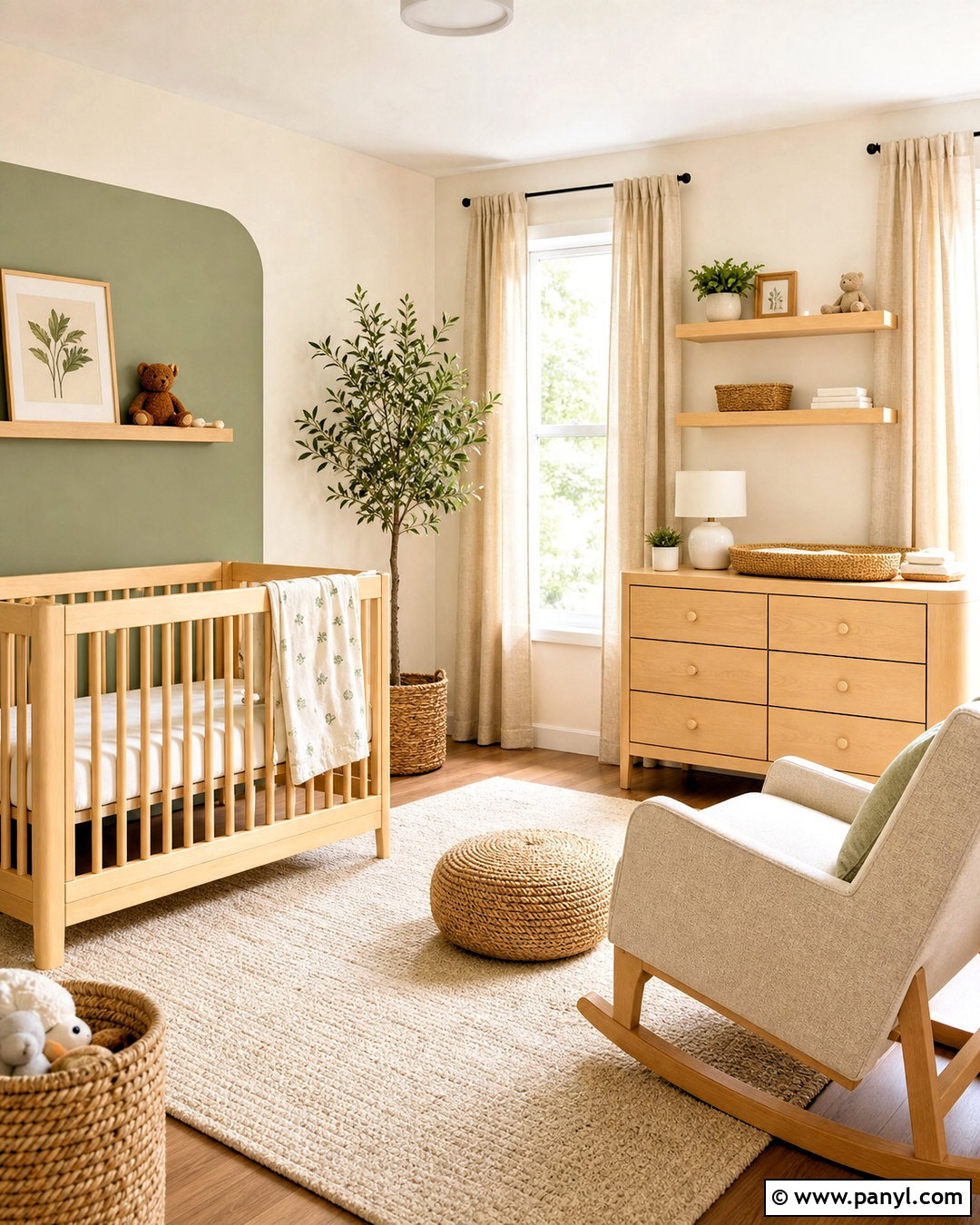
Pale maple and birch create a nursery that feels gentle, practical, and naturally bright. Choose a simple maple crib as the main furniture piece, then add a birch dresser with rounded corners and understated wooden pulls. Birch floating shelves can hold small toys and baskets without crowding the floor. Use warm white walls with a soft sage green accent area behind the crib. A washable cream rug, oatmeal curtains, and a cushioned rocking chair introduce comfortable texture. Repeat maple through a picture ledge or lamp base so the crib feels connected to the surrounding design. Avoid overly yellow stains and keep both woods close to their natural color. The completed nursery looks cohesive without matching every piece, and its quiet neutral palette can easily adapt as the child grows.
10. Cedar And Oak Entryway
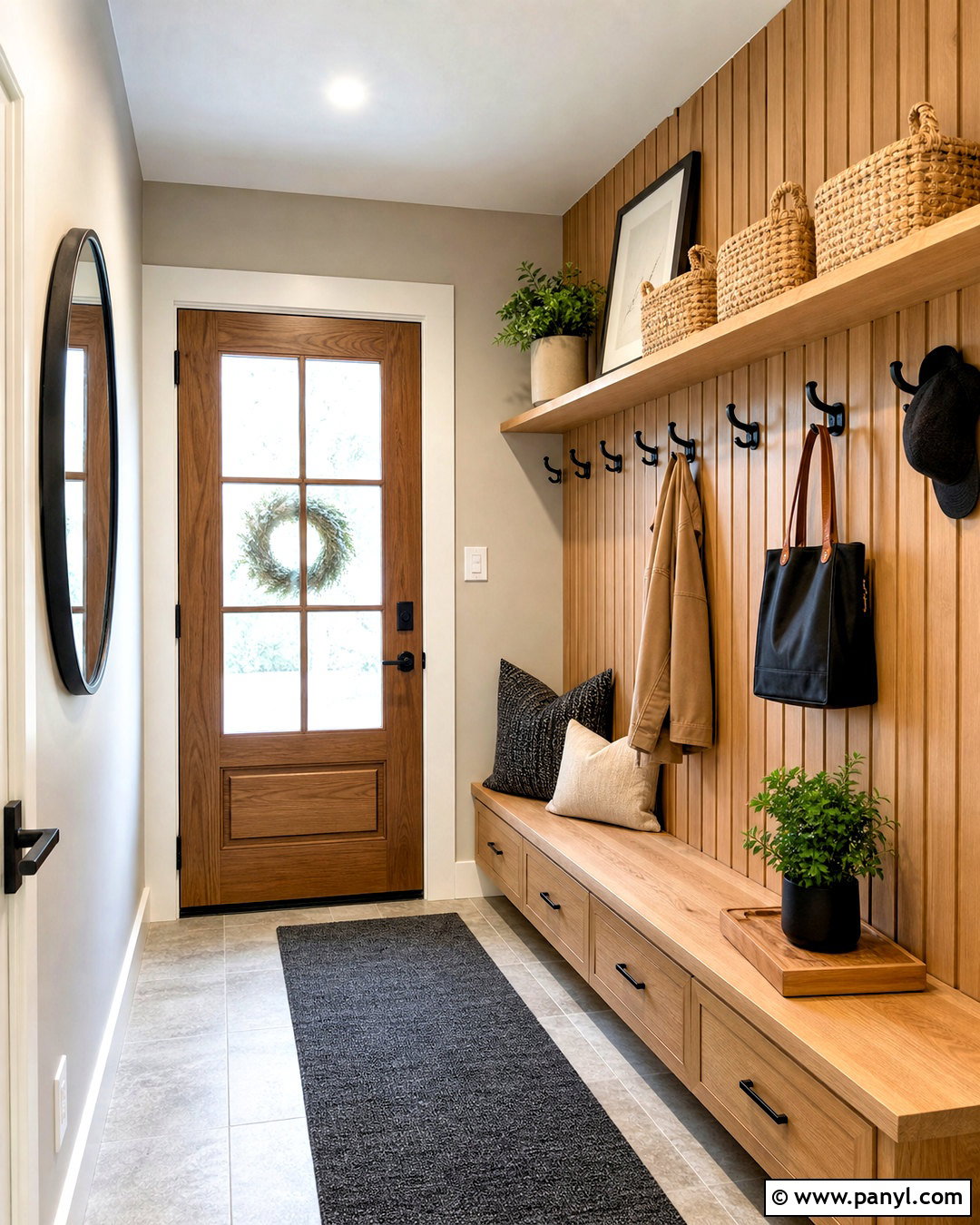
The scent and texture of cedar make an entryway feel welcoming, while oak keeps the design polished and versatile. Use vertical cedar boards on one feature wall, preferably behind a built-in oak bench with drawers or shoe storage. Add oak coat pegs or a narrow floating shelf to repeat the bench finish above eye level. Light stone-look flooring offers durability and separates the two woods from nearby hardwood rooms. Paint the remaining walls soft greige and choose a charcoal runner to hide everyday dirt. Black metal hooks, a simple round mirror, and a woven storage basket complete the arrangement. Keep the cedar finish natural and matte so its grain remains the focus. The finished entry provides seating, organization, and warmth in one compact, carefully coordinated space.
11. Walnut And Rattan Sunroom
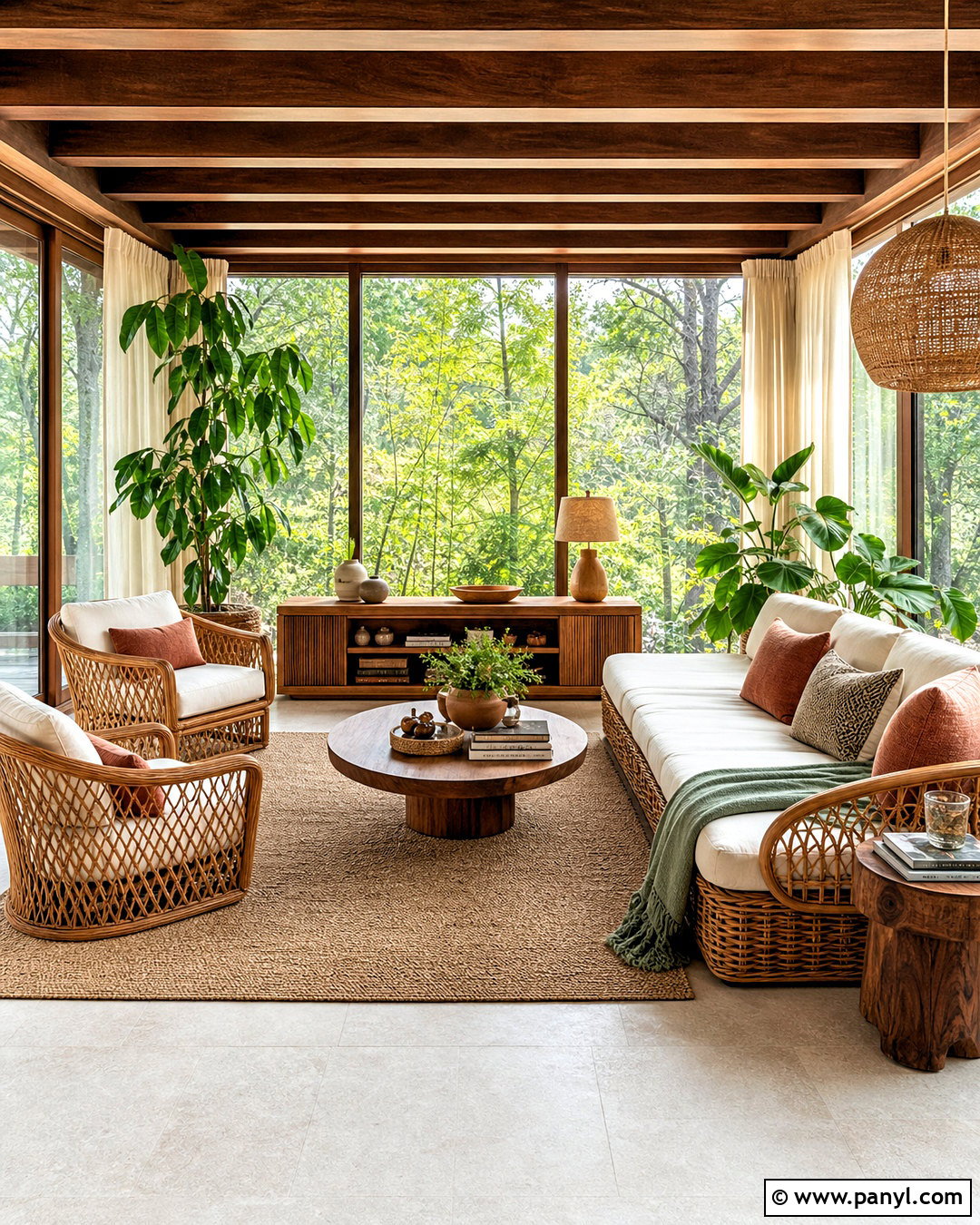
A sunroom filled with walnut and rattan feels warm, relaxed, and connected to the outdoors. Anchor the room with a low walnut console and a round walnut coffee table. Surround them with rattan lounge chairs, a woven daybed, and light cream cushions that brighten the darker furniture. Natural oak or pale stone flooring can act as a neutral bridge beneath the two brown tones. Add linen curtains, leafy plants, and a large jute rug to emphasize the room’s casual texture. Repeat walnut through small planter stands or picture frames rather than another heavy cabinet. Terracotta pillows and muted green throws introduce earthy color. This complete look works best with open spacing, allowing sunlight to highlight the difference between smooth walnut grain and airy woven rattan.
12. Oak And Acacia Family Room
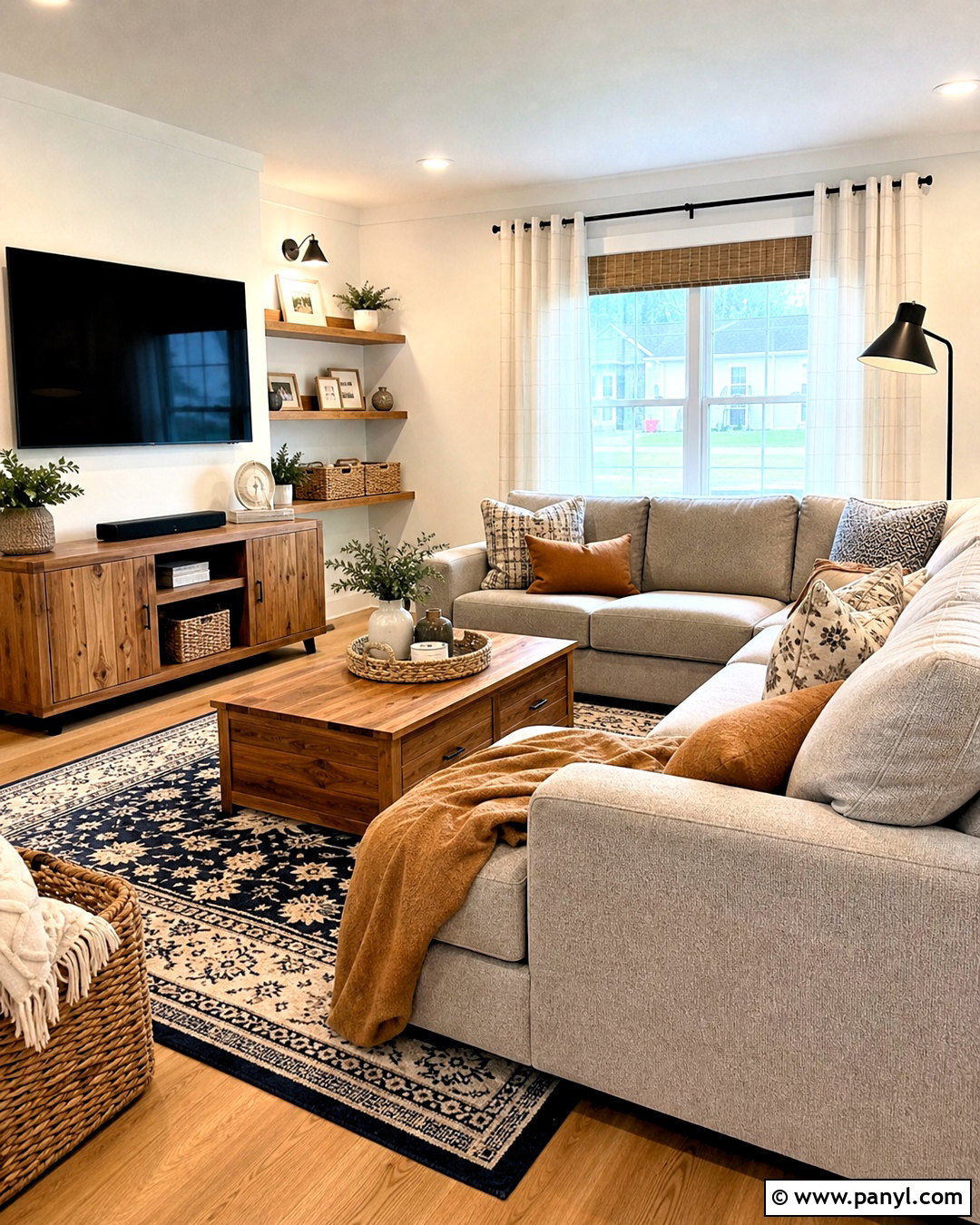
Oak and acacia bring durability and lively grain to a hardworking family room. Let medium oak flooring serve as the dominant finish, then add an acacia media console and a matching storage coffee table. Choose a large light gray sectional to create a visual buffer between the wood surfaces. A cream and navy patterned rug defines the seating area while disguising everyday wear. Add oak floating shelves above the television to reconnect the floor with the walls. Matte black lamps and cabinet hardware keep the varying grains from making the room feel too rustic. Finish with navy pillows, caramel throws, woven baskets, and durable cotton curtains. The result is an organized, comfortable room where storage, seating, and natural materials work together for daily family life.
13. White Oak And Reclaimed Wood Kitchen
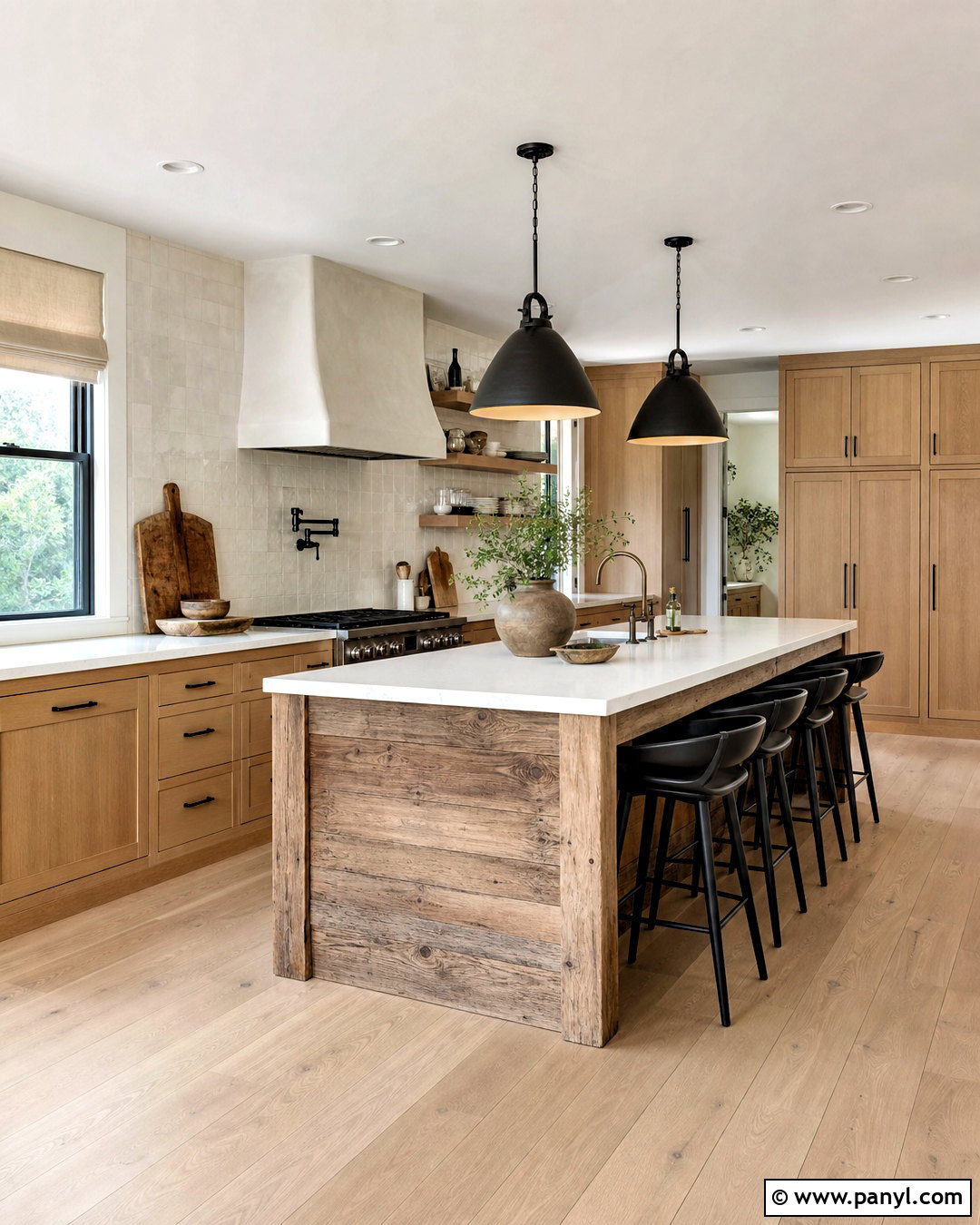
Clean white oak cabinetry can balance the rugged texture of reclaimed wood in a modern kitchen. Use white oak for the full perimeter cabinet layout and introduce reclaimed timber on the island base, open shelving, or a ceiling beam. Choose pieces with warm brown variation but avoid boards with too many conflicting stain colors. White quartz counters, creamy backsplash tile, and pale oak flooring give the weathered wood enough visual space. Add black metal stools and pendant lights for crisp structure. A plaster range hood and linen Roman shade soften the straight cabinet lines. Repeat the reclaimed finish on a small shelf or framed panel across the room. This combination creates character without sacrificing brightness, making the kitchen feel established, practical, and thoughtfully updated.
14. Beech And Walnut Studio Apartment
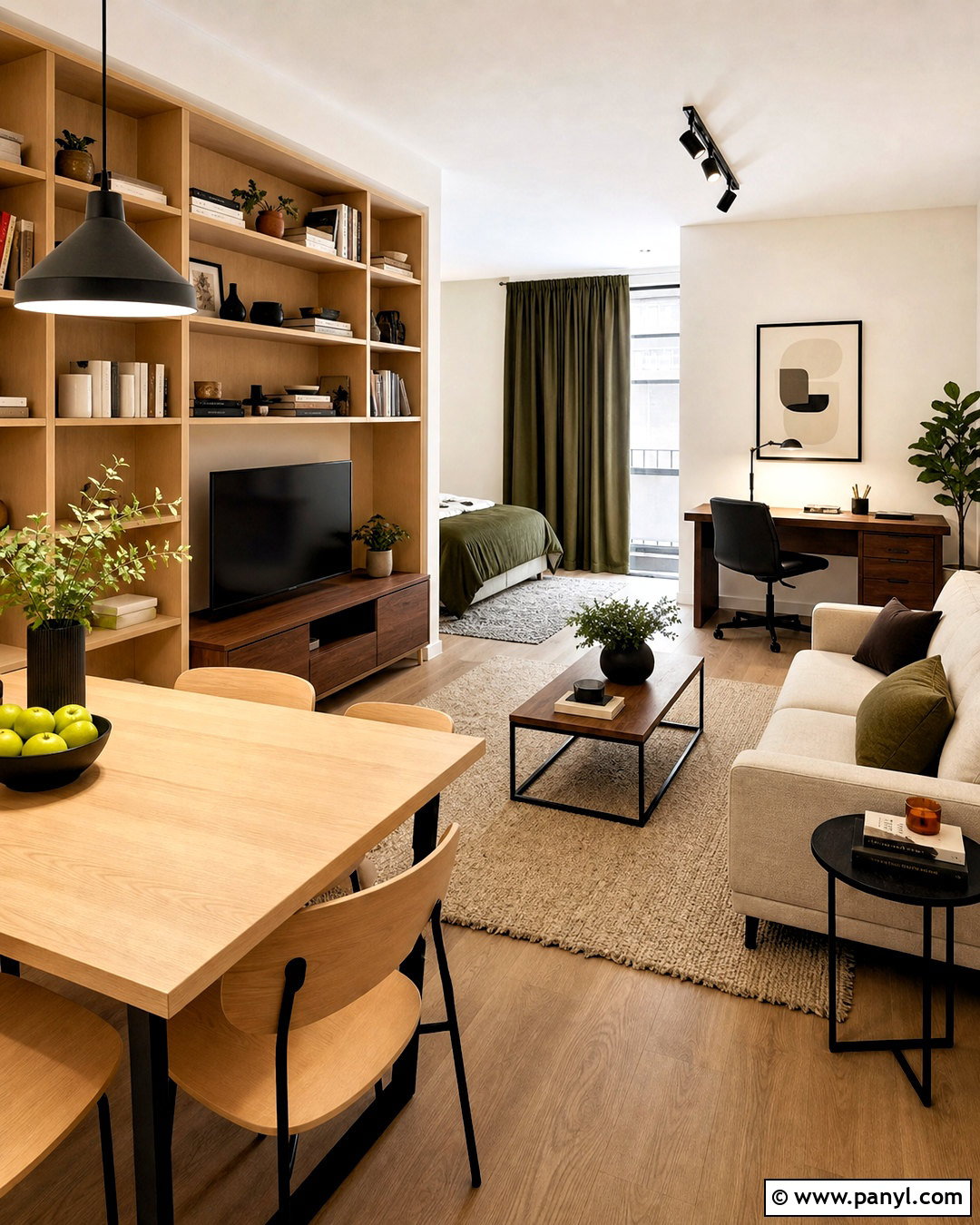
Small apartments benefit from wood combinations that define different zones without physical walls. Use pale beech for the dining table, compact chairs, and open shelving because its light finish keeps the space visually open. Introduce walnut through a low media unit, side table, and narrow desk near the window. A cream sofa and large neutral rug separate these contrasting finishes while connecting the living and dining areas. Paint the walls warm white and use olive green curtains to add depth without reducing brightness. Black metal legs on selected furniture can create another repeating link. Keep storage streamlined and avoid placing similar-sized beech and walnut pieces directly beside each other. The finished studio feels organized, layered, and spacious, with each wood helping establish a clear functional zone.
15. Bamboo And Oak Guest Bedroom
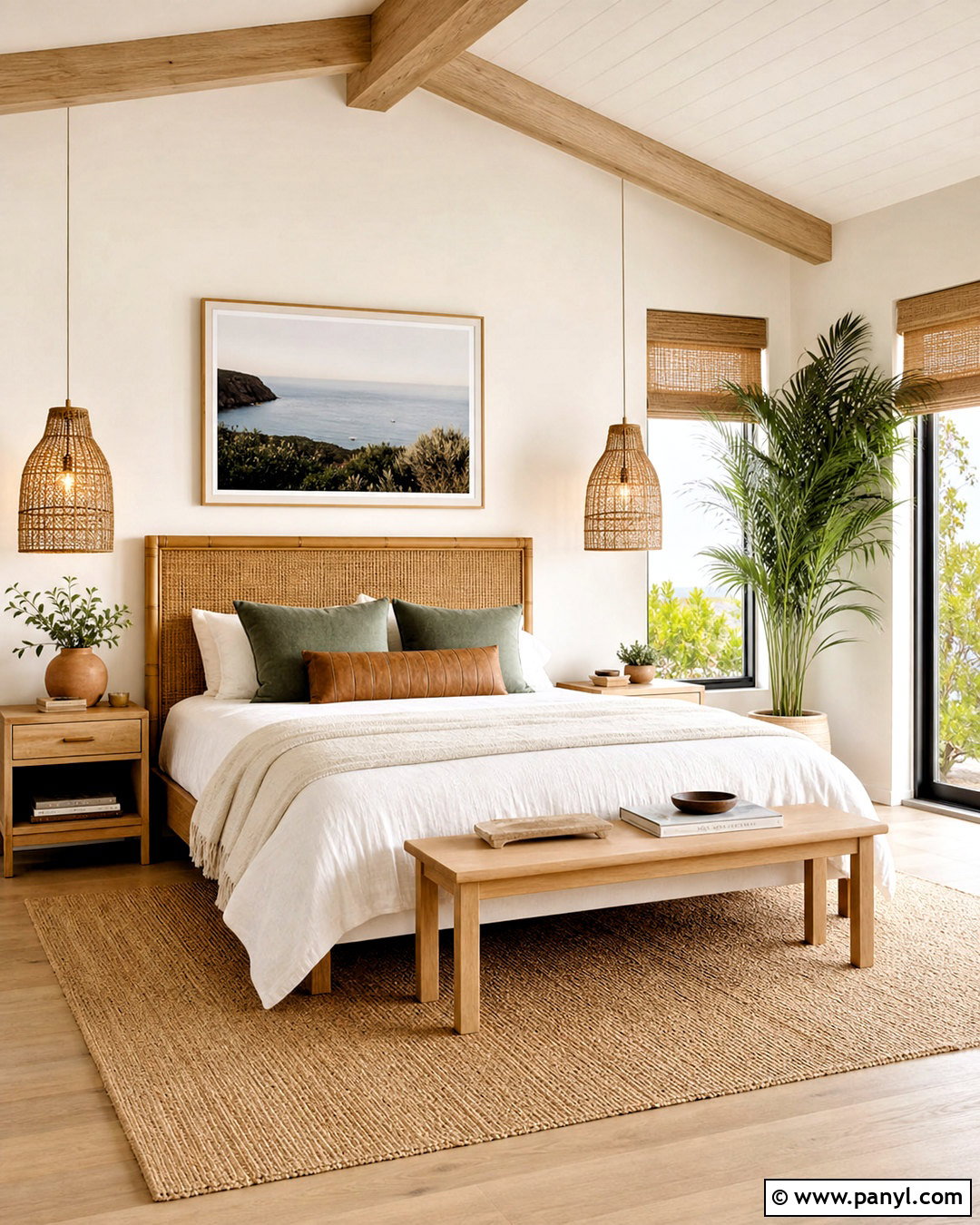
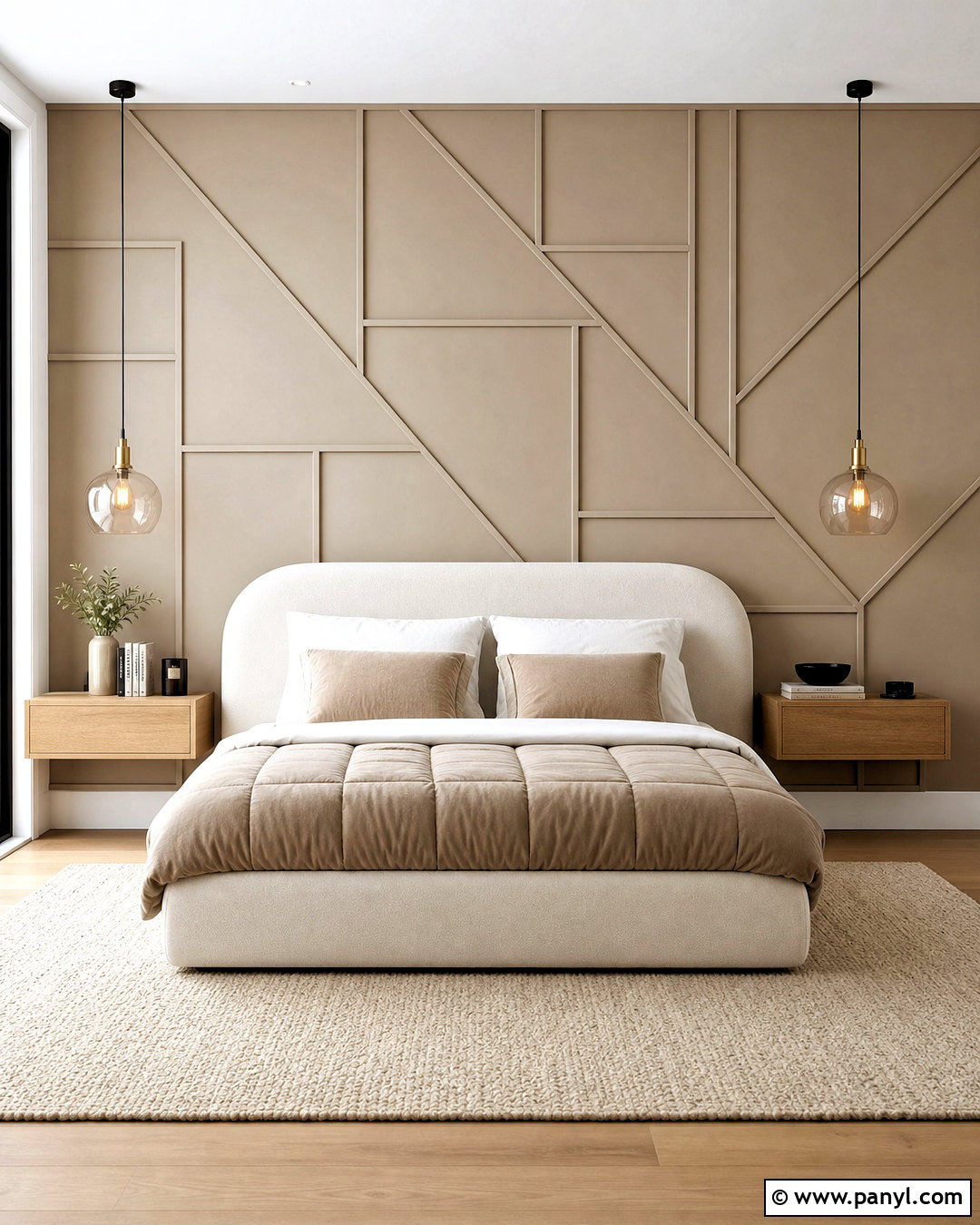
Bamboo and oak create a light, restful guest bedroom with a simple natural character. Start with a woven bamboo headboard and matching pendant lights as the room’s airy focal point. Pair them with sturdy white oak nightstands, a slim oak bench, and pale oak flooring. Warm white walls and an upholstered bed frame prevent the room from becoming overly wood-heavy. Dress the bed in crisp ivory bedding with muted green and clay-colored accents. A textured beige rug adds softness underfoot and distinguishes the oak furniture from the floor. Repeat bamboo through a window shade or decorative tray. Keep accessories minimal, offering guests open surfaces and useful storage. This finished scheme feels fresh and welcoming while combining smooth oak grain with the lighter, more casual texture of bamboo.
16. Oak And Ebony Bathroom
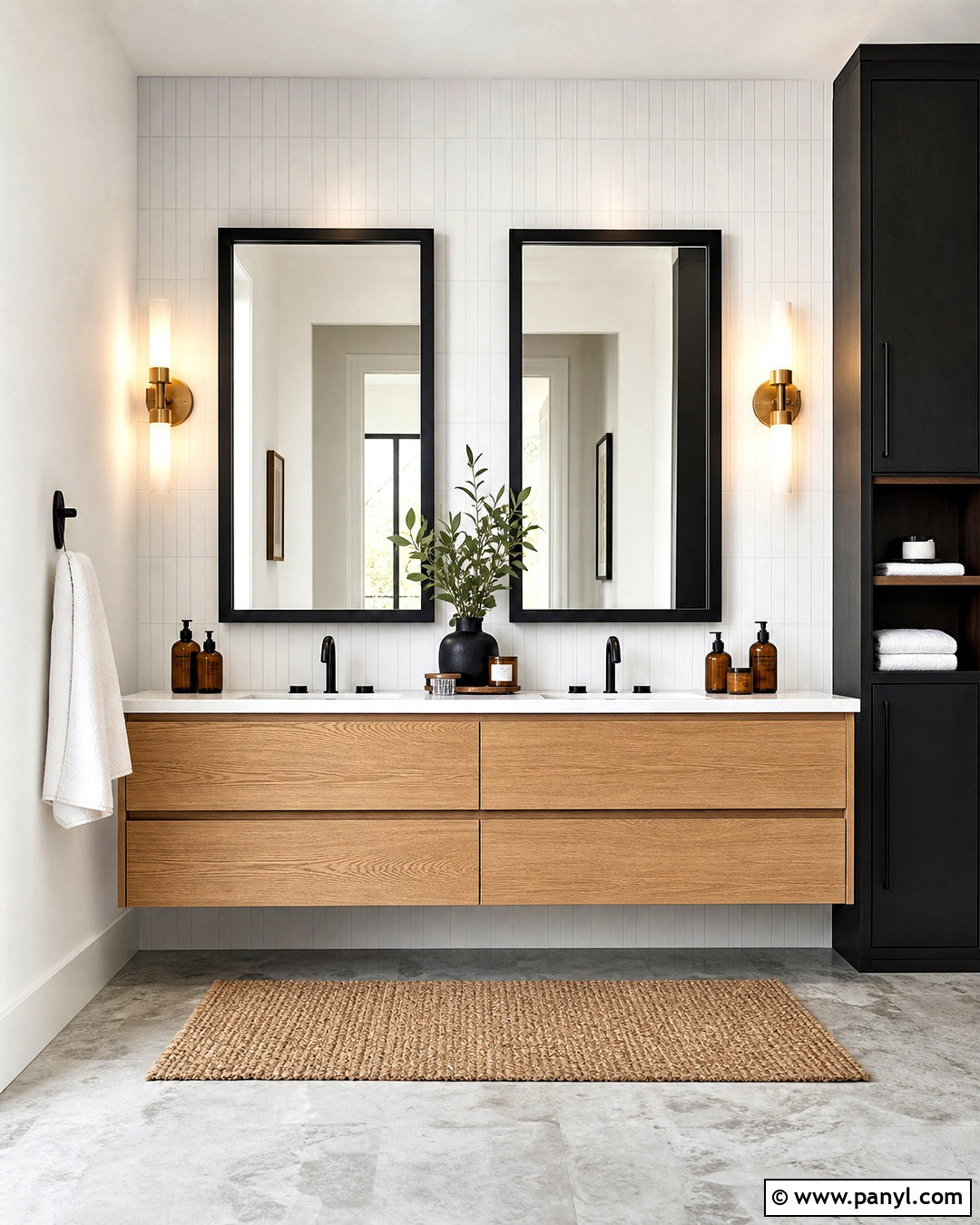
For a bathroom with stronger contrast, combine natural oak with small amounts of ebony-stained wood. Choose a wide floating oak vanity as the dominant feature and place an ebony-framed mirror above each sink. An ebony storage tower or compact stool can repeat the dark finish without overwhelming the space. Cover the walls in warm white tile and use pale gray stone flooring for a clean neutral background. Matte black faucets coordinate with the ebony elements, while brushed brass sconces add controlled warmth. White towels, amber glass containers, and a woven bath mat soften the graphic palette. Keep the oak finish matte and lightly grained. The finished bathroom feels crisp and architectural, yet the natural vanity prevents the black-and-white materials from appearing cold or impersonal.
17. Pecan And Maple Dining Room
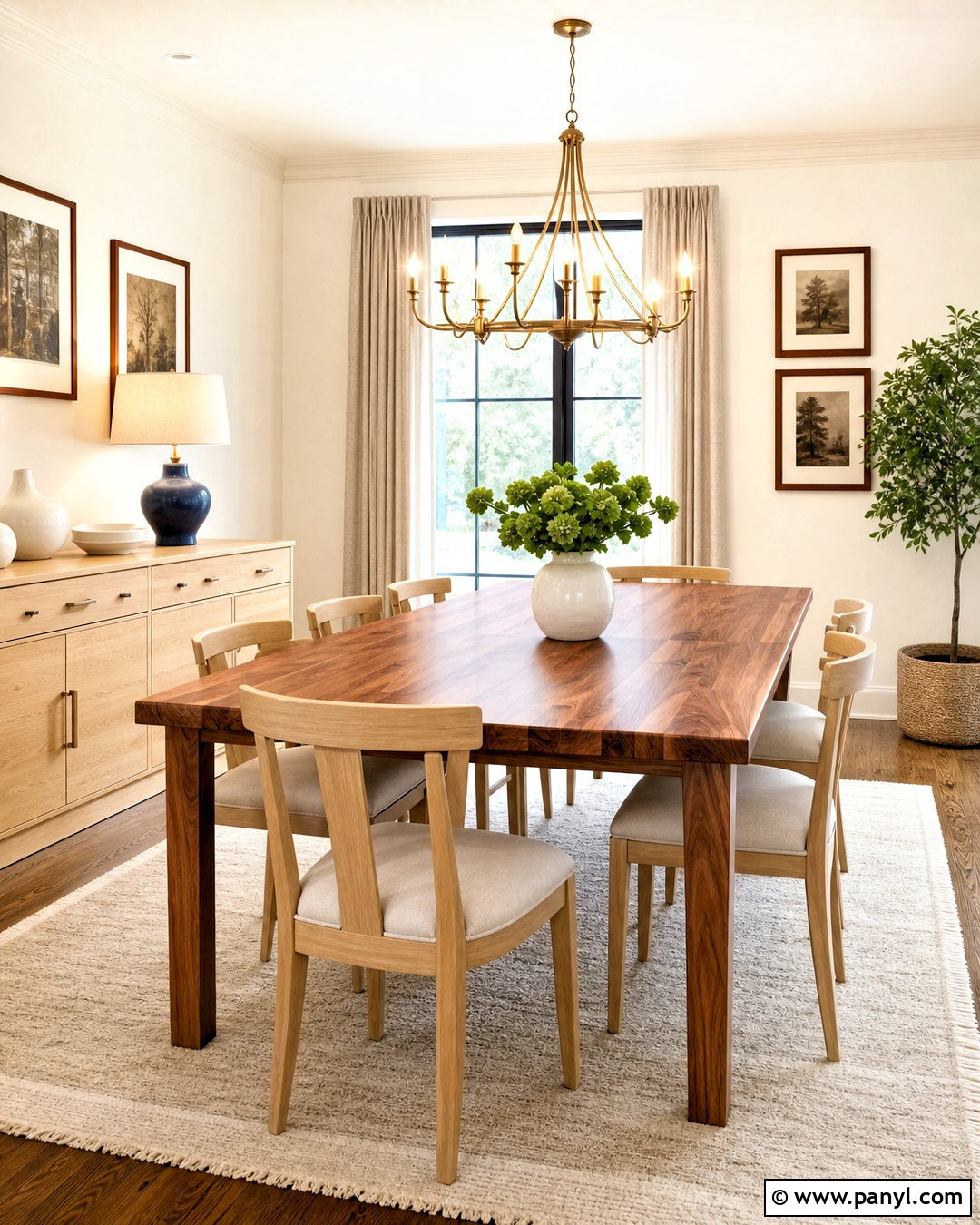
Honey-toned pecan and pale maple can create a cheerful dining room with subtle contrast. Select a pecan dining table with visible grain and surround it with maple chairs in a clean, contemporary shape. A maple sideboard keeps the perimeter light, while pecan-framed artwork repeats the table’s deeper golden color. Place a soft cream rug below the dining set to prevent the chair legs from disappearing against light wood flooring. Warm white walls, a muted blue buffet lamp, and linen curtains balance the yellow undertones. Use an aged brass chandelier above the table and simple white ceramics as decor. The complete arrangement feels sunny but controlled because maple occupies the larger supporting surfaces, while pecan adds warmth through a few prominent focal points.
18. Cherry And Walnut Living Room
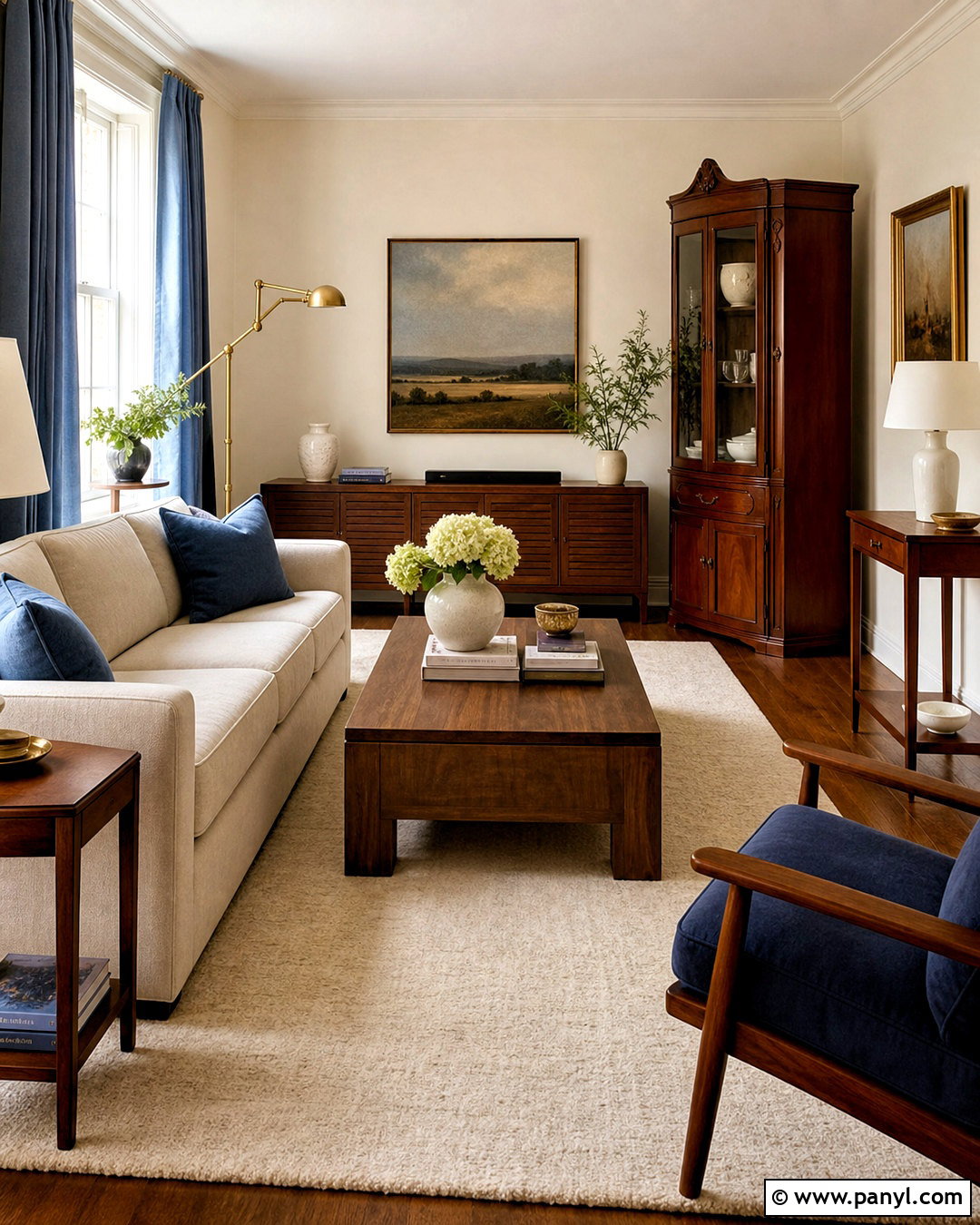
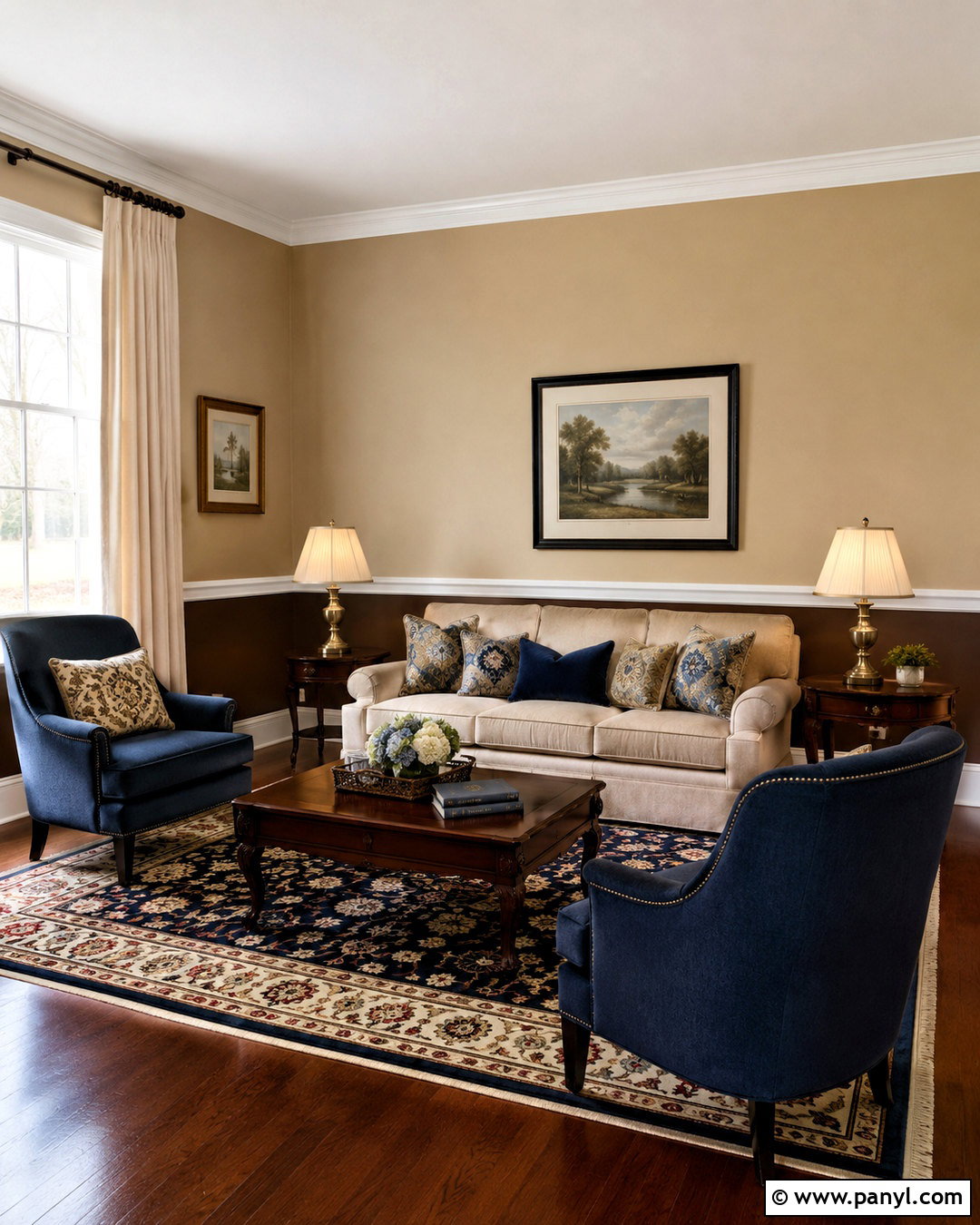
Cherry and walnut produce a sophisticated living room when their rich tones are balanced with generous neutral surfaces. Begin with a walnut coffee table and low media console, then introduce cherry through a vintage cabinet and two slim side tables. A large oatmeal sofa, ivory wool rug, and warm white walls create separation between the darker woods. Add muted blue pillows and curtains to cool the red undertones without clashing with them. A brass floor lamp and cream ceramic decor provide lighter highlights. Repeat each wood at least once on opposite sides of the room, using frames or small accessories. Avoid heavy matching sets and glossy finishes. The final space feels collected over time, blending midcentury shapes with traditional warmth in a comfortable, practical living arrangement.
19. Douglas Fir And Walnut Loft
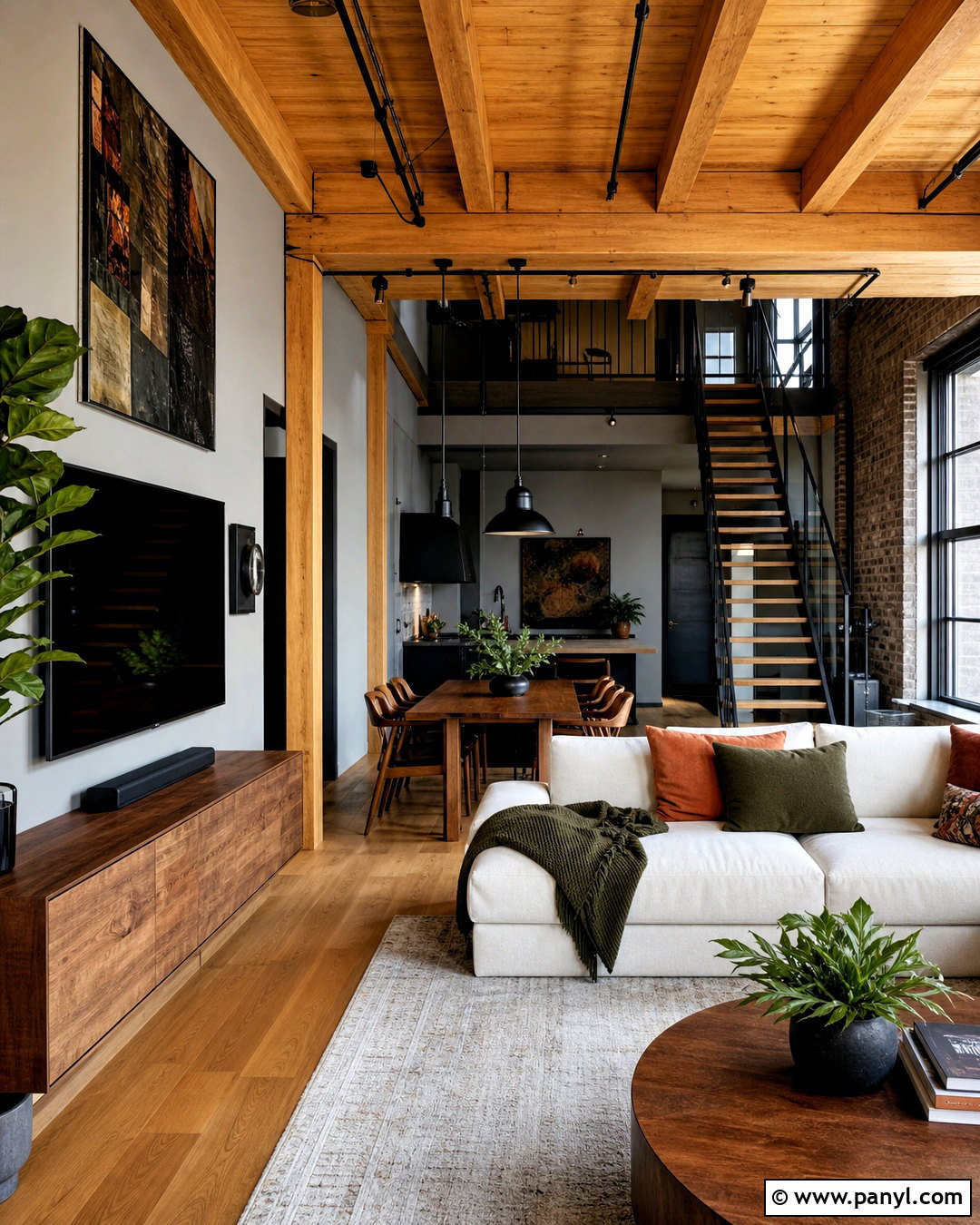
Exposed Douglas fir beams can give a loft strong architectural warmth, while walnut furniture adds a smoother, more refined contrast. Keep the beams and ceiling boards in a clear matte finish that shows their golden grain. Below, furnish the living area with a walnut media cabinet, dining table, and occasional chair frame. A large off-white sectional and pale textured rug break up the wood-heavy surfaces. Use warm gray walls, black steel lighting, and charcoal window frames to reference the loft structure. Rust and deep green textiles complement the natural materials without competing for attention. If the floor is also wood, choose a quiet medium oak finish. This complete combination respects the building’s character while creating a modern, comfortable interior suited to open-plan living.
20. Oak And Poplar Mudroom
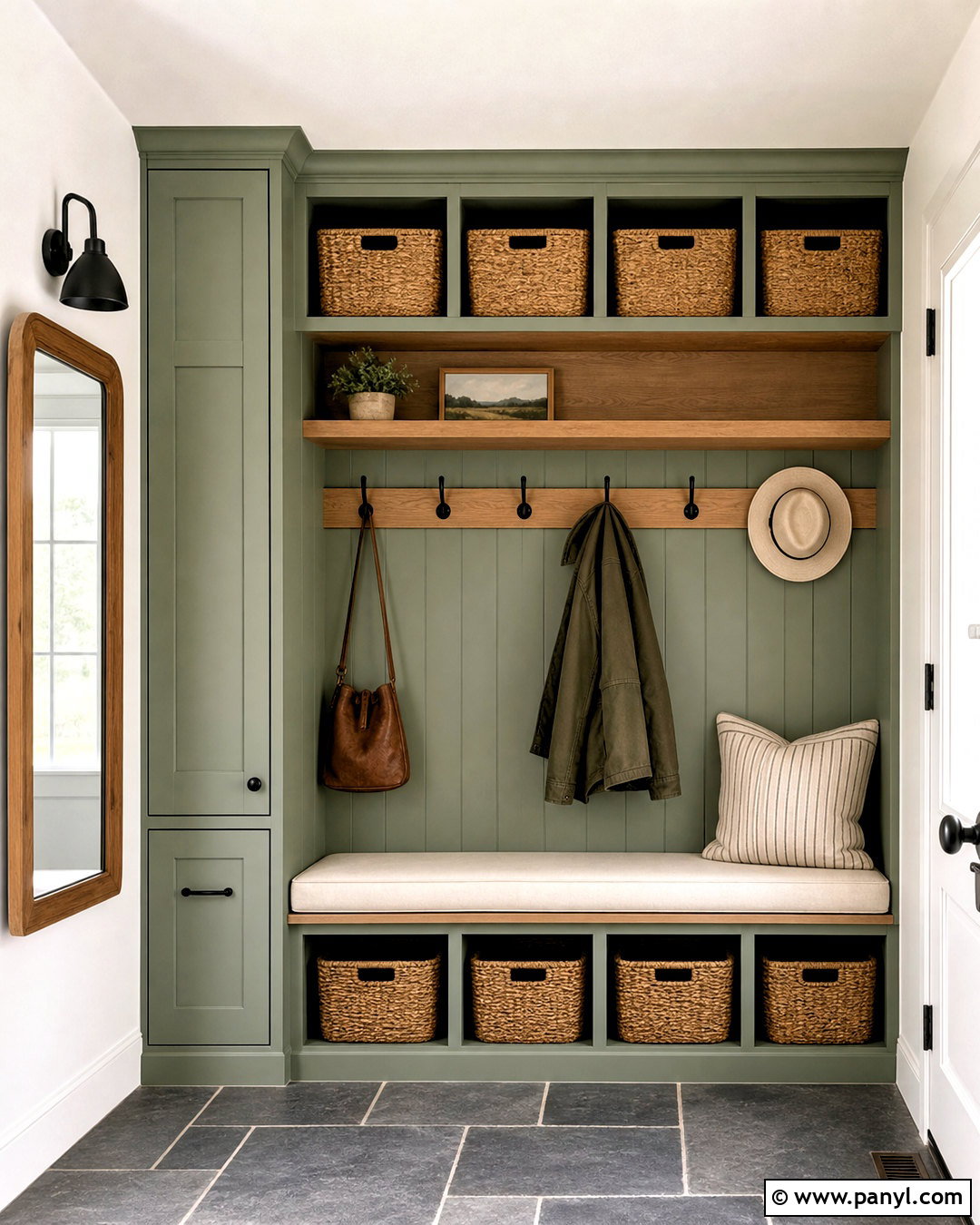
Oak and painted poplar make a mudroom feel attractive without sacrificing practical storage. Build floor-to-ceiling poplar cabinets and paint them a muted sage green or warm taupe. Add a natural oak bench seat, oak shelf, and matching coat pegs to introduce warmth across the central open section. Durable slate-look floor tile grounds the design and handles wet shoes more easily than additional wood flooring. Use woven baskets in the upper cubbies and labeled interior bins behind closed doors. A cream cushion, striped lumbar pillow, and black metal hooks complete the bench area. Repeat oak on a small framed mirror near the exit. The finished mudroom offers a balanced mix of painted and natural wood, creating a clean transition between outdoor mess and the main living spaces.
Conclusion:
Successful mixed-wood interiors feel coordinated rather than perfectly matched. Begin with the floor, cabinetry, or largest furniture piece as the dominant finish. Then add one contrasting wood in smaller, repeated amounts. Similar undertones create a softer transition, while deliberate light-and-dark differences make a stronger statement. Rugs, upholstery, stone, paint, and metal can separate nearby wood surfaces and prevent the room from looking crowded. Most importantly, consider the entire space instead of selecting each piece independently. These 20 wood combination interior ideas offer complete layouts for kitchens, bedrooms, living areas, bathrooms, and hardworking utility spaces. Adapt the colors and materials to your home, then repeat each finish with enough consistency to make every combination appear thoughtful.

Related Ideas and Inspiration:
Leave a Reply