
White walls can make an entire home feel brighter, more connected, and easier to decorate. The secret is giving each room enough warmth, texture, contrast, and personality so the neutral backdrop never appears unfinished. These 20 White Walls Throughout House Ideas explore complete, cohesive looks rather than isolated decorating tricks. You will find inviting combinations featuring natural wood, bold color, vintage furniture, soft textiles, architectural details, and practical family-friendly finishes. Each approach carries a consistent design story from the entryway into living spaces, kitchens, bedrooms, and hallways. Whether you prefer modern simplicity, coastal comfort, traditional character, or relaxed eclectic decor, these complete schemes will help you create a home that feels intentional. Explore the following 20 White Walls Throughout House Ideas to find a look that fits your space.

1. White Walls With Warm Wood Furniture
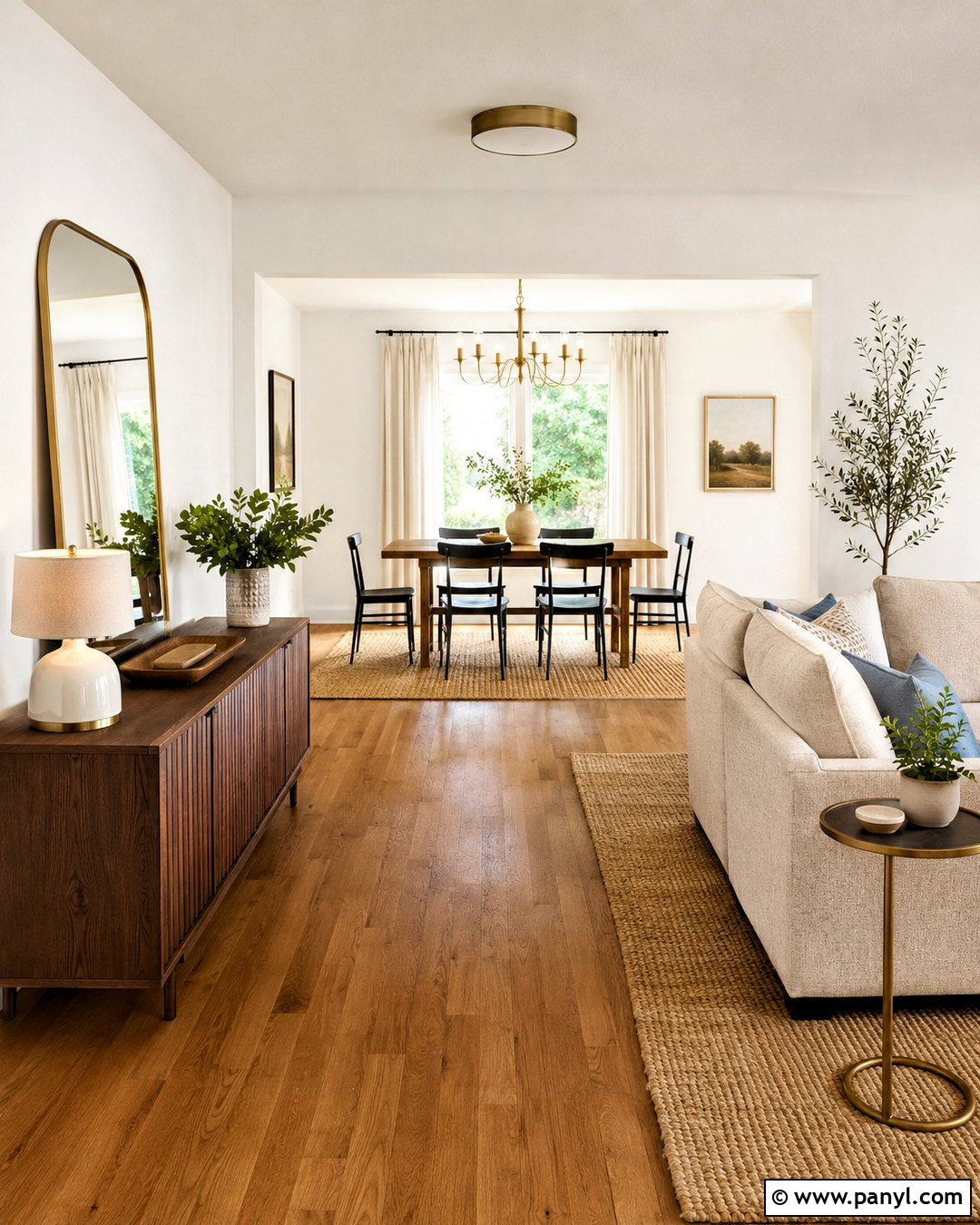
Warm wood prevents white walls from feeling stark while creating a natural sense of continuity between rooms. Start with medium-toned oak flooring or wood-look flooring throughout the main level. Add a walnut console in the entry, an oak dining table, and wooden nightstands in the bedrooms. Upholstered furniture in oatmeal, cream, and caramel keeps the palette soft without blending into the walls. Black or aged-brass lighting adds definition, while woven rugs introduce texture underfoot. Repeat one or two wood tones instead of mixing many unrelated finishes. In the kitchen, natural wood stools or lower cabinets can connect surrounding spaces. Finish the look with linen curtains, ceramic lamps, leafy plants, and simple artwork in earthy colors.
2. White Walls With Black Accents
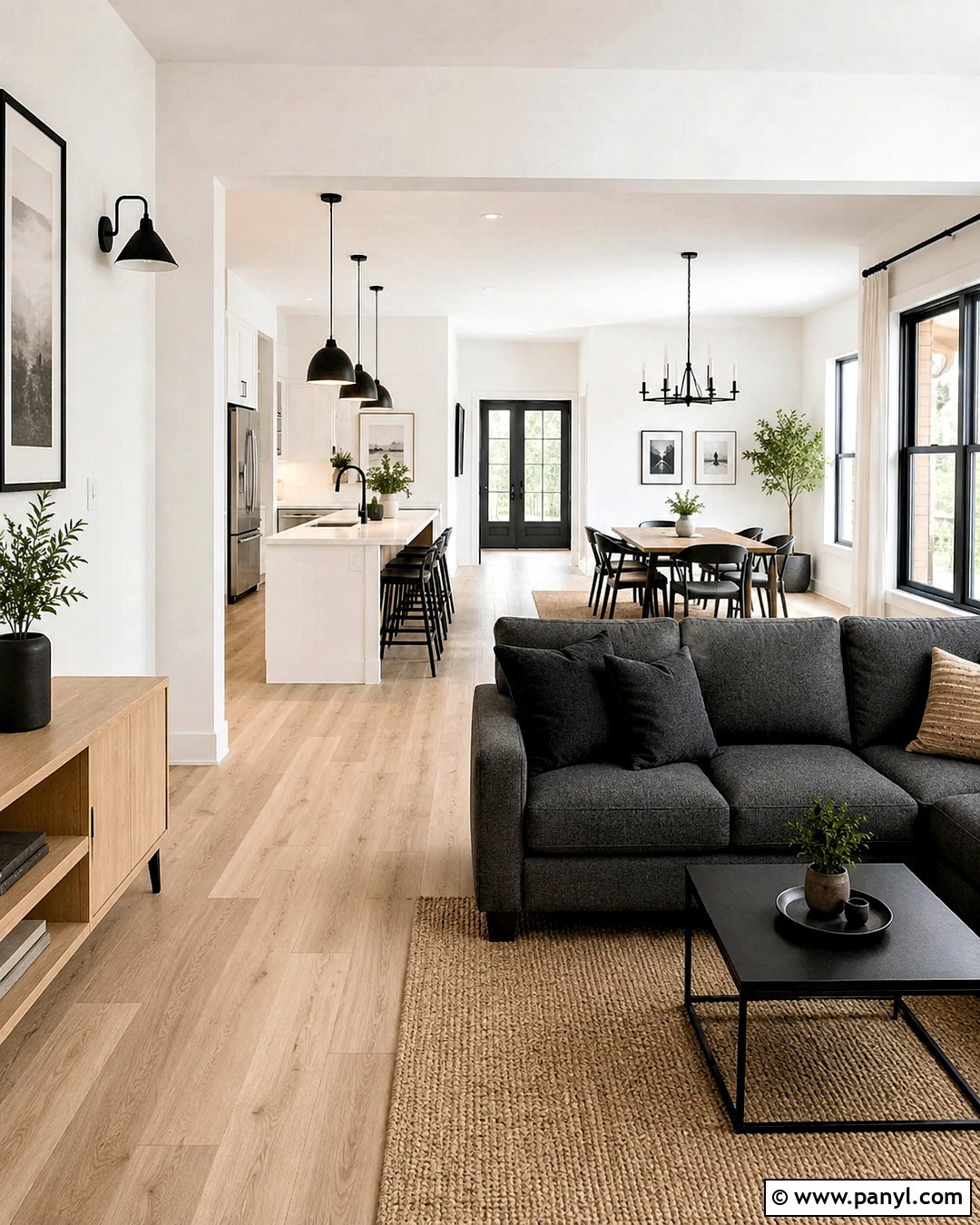
Crisp black details create a clear framework around white walls and give the entire house a polished, modern appearance. Carry matte black finishes through window frames, curtain rods, light fixtures, picture frames, and cabinet hardware. Use them consistently but sparingly so rooms remain bright. A charcoal sectional can anchor the living room, while black dining chairs establish contrast around a pale wood table. In bedrooms, choose black metal beds with white bedding and warm neutral throws. Add natural oak, woven baskets, and soft beige rugs to keep the scheme from becoming severe. Repeating rounded shapes, such as globe lights and circular mirrors, softens the strong color contrast. Green plants and understated abstract art bring life to the monochrome foundation.
3. White Walls With Coastal Blue Decor
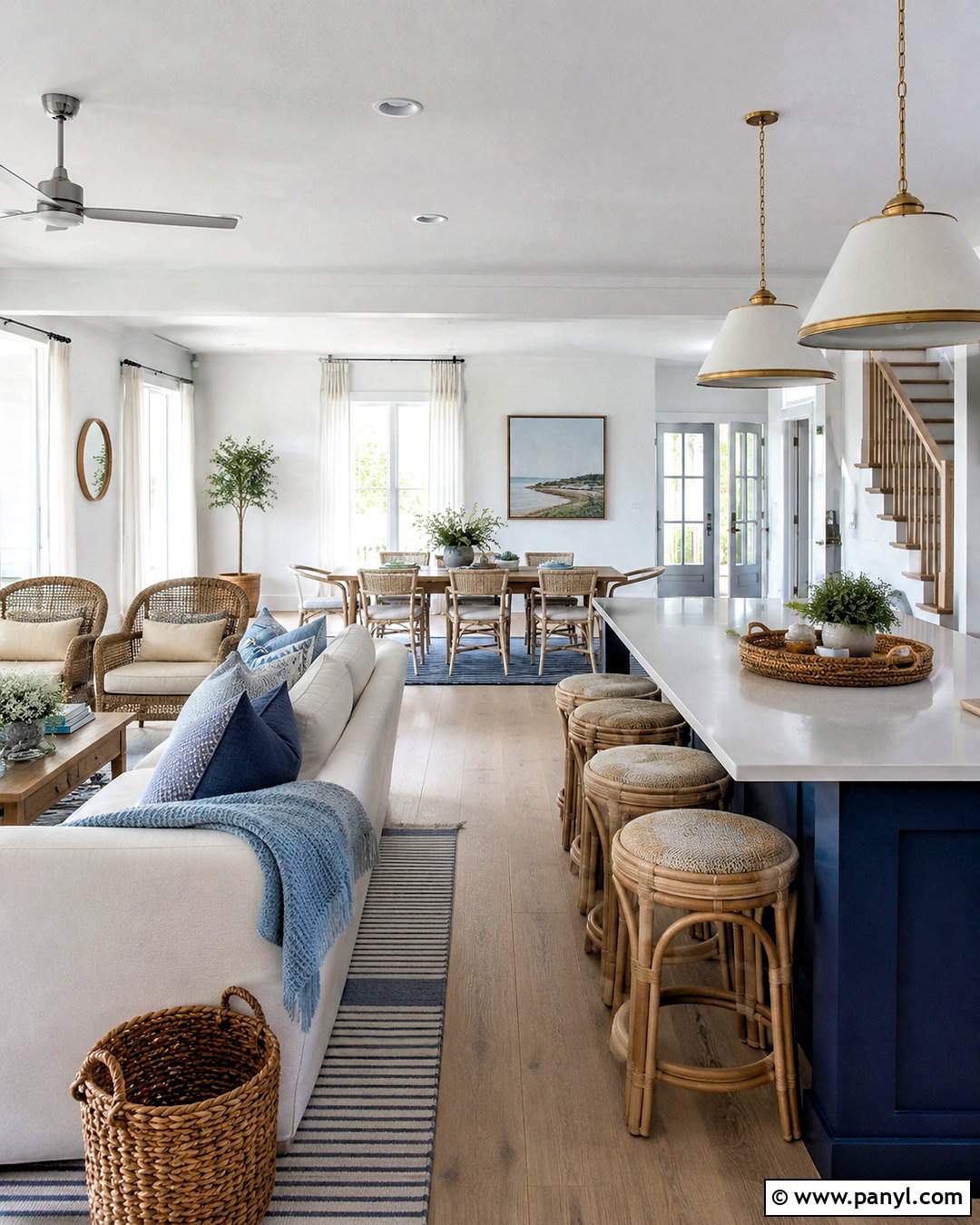
Imagine sunlight moving through airy rooms filled with sandy neutrals and relaxed blue accents. This coastal whole-house look pairs white walls with pale oak, woven rattan, linen upholstery, and several carefully repeated shades of blue. Use navy on larger pieces such as an entry bench or kitchen island, then add dusty blue pillows, striped rugs, and blue-gray bedding. Avoid covering every surface with nautical accessories. Instead, create a subtle coastal feeling through weathered wood, seagrass baskets, ceramic table lamps, and breezy curtains. A natural fiber runner can connect the hallway to the living area. Keep furniture comfortable and simple, with washable fabrics where possible. Soft tan, ivory, and blue details will make each room feel calm and connected.
4. White Walls With Earth Tone Decor
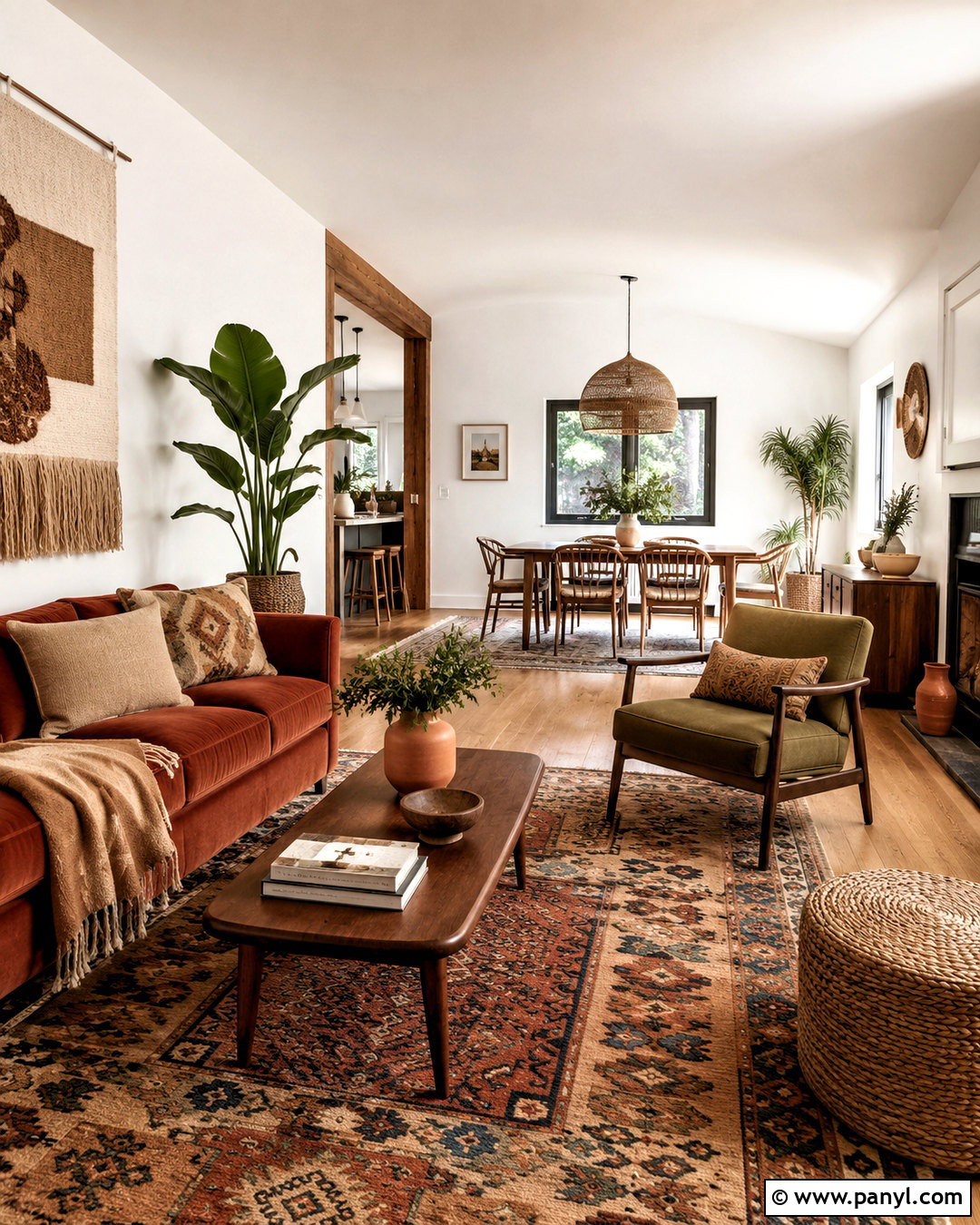
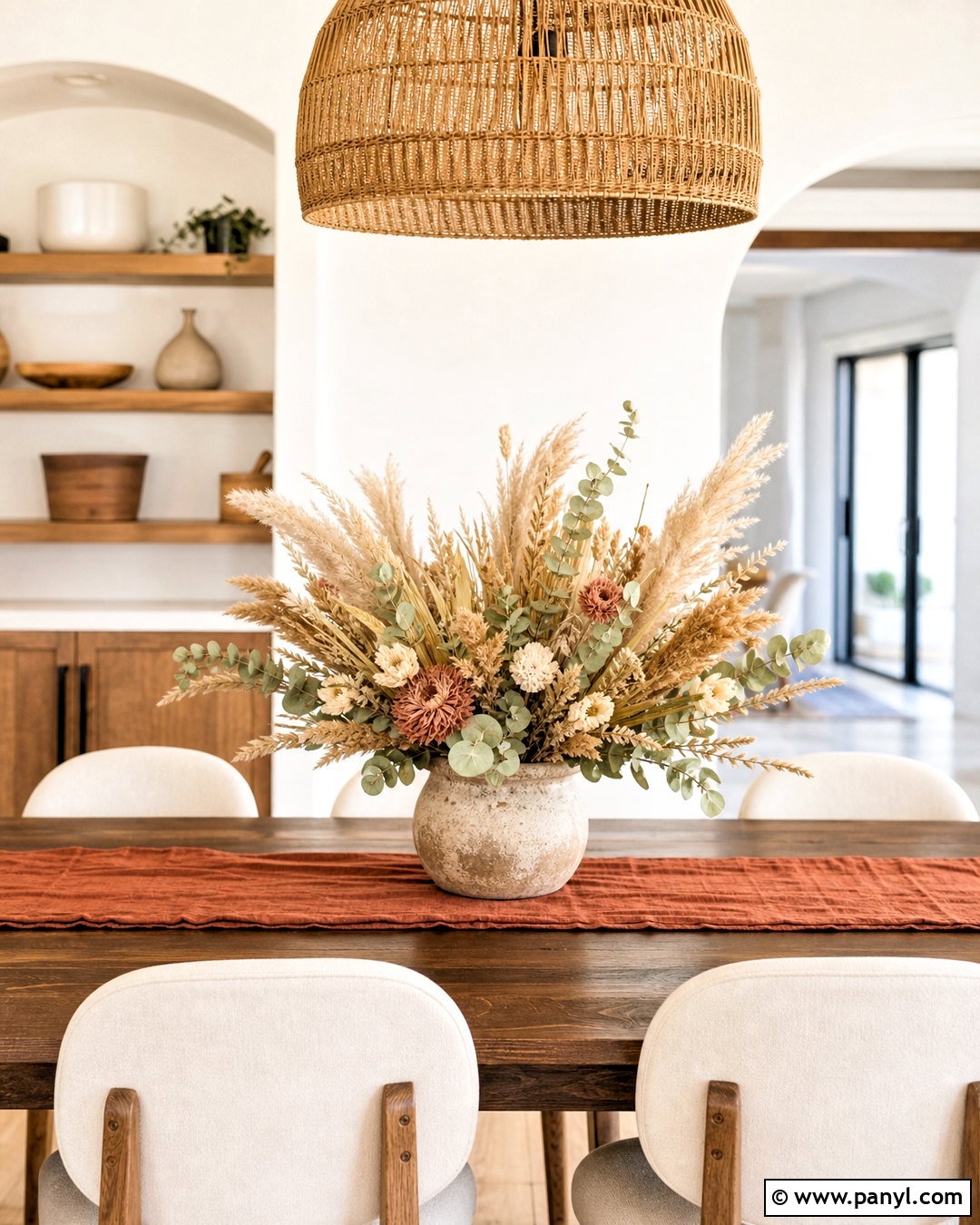
Earth tones give a white-walled home depth while maintaining a peaceful, grounded atmosphere. Build the palette around rust, olive green, clay, camel, and muted brown. A rust-colored sofa can become the living room anchor, supported by an olive armchair and a patterned wool rug. Repeat these colors more quietly in other rooms through bedding, towels, pottery, and artwork. Choose warm oak or walnut furniture rather than cool gray finishes. Natural materials such as linen, terracotta, jute, and handwoven wool reinforce the organic character. In the kitchen, display stoneware on open shelves and add leather stools beside a wood island. Keep window treatments light and uncomplicated. The white walls provide breathing room, allowing every warm, natural accent to look intentional.
5. White Walls With Colorful Artwork
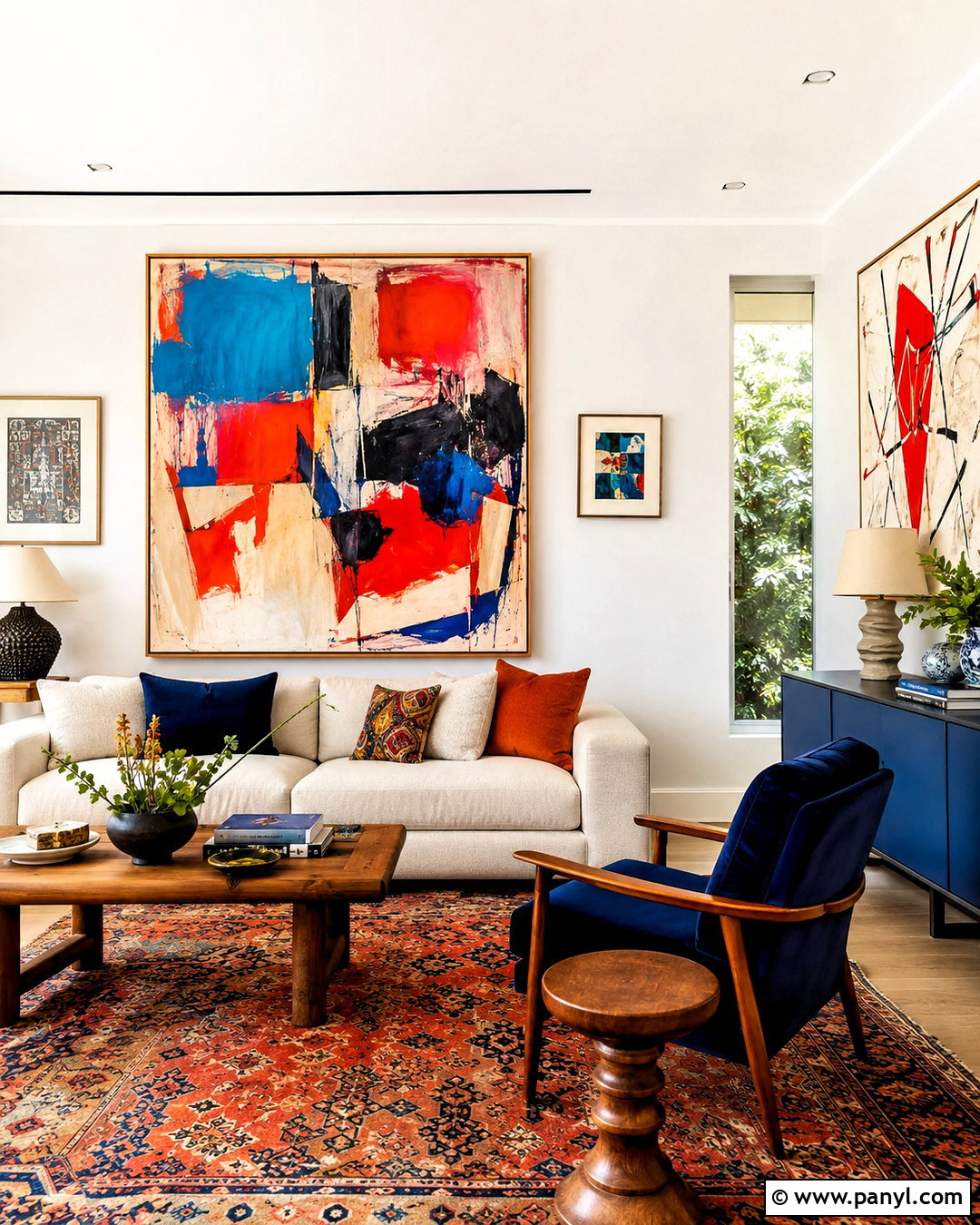
If you collect artwork or enjoy changing your decor, white walls provide a flexible gallery-like background. Establish a consistent approach instead of hanging unrelated pieces randomly. Use oversized art in the living room and dining area, then create smaller grouped arrangements in hallways, bedrooms, and the home office. Connect the collection with matching frame finishes, repeated colors, or similar spacing. A vibrant rug and a few solid-color pillows can pull hues from the artwork without overwhelming the rooms. Keep major furniture neutral in cream, tan, navy, or natural wood. Picture lights can add focus and make the displays feel more permanent. Leave enough empty wall around every arrangement. This negative space helps colorful pieces stand out while preserving a clean whole-house flow.
6. White Walls With Scandinavian Decor
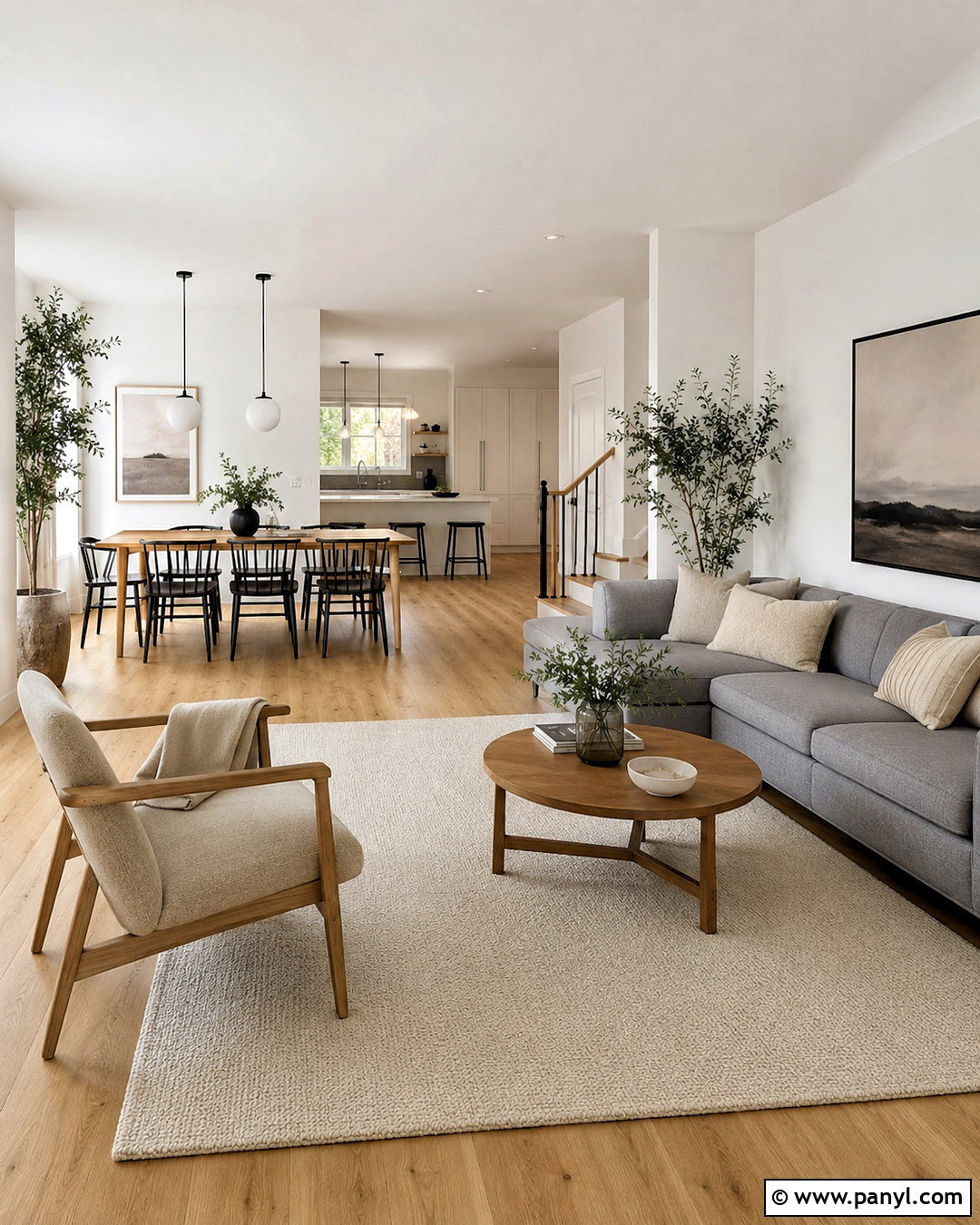
Clean lines, pale woods, and practical comfort work naturally with white walls throughout the house. Choose light oak flooring and simple furniture with gently rounded edges. A soft gray sofa, oatmeal lounge chair, and textured ivory rug create an inviting living room without visual clutter. Continue the restrained palette with white kitchen cabinetry, oak stools, and streamlined pendant lights. Bedrooms can feature platform beds, crisp bedding, wool blankets, and uncluttered nightstands. Use black in small doses through lamps, frames, and hardware. Handmade ceramics, woven baskets, and a few healthy plants keep the interior from feeling impersonal. Storage should be attractive and functional, allowing everyday items to remain organized. The finished home feels airy, calm, useful, and comfortably lived in.
7. White Walls With Modern Farmhouse Decor
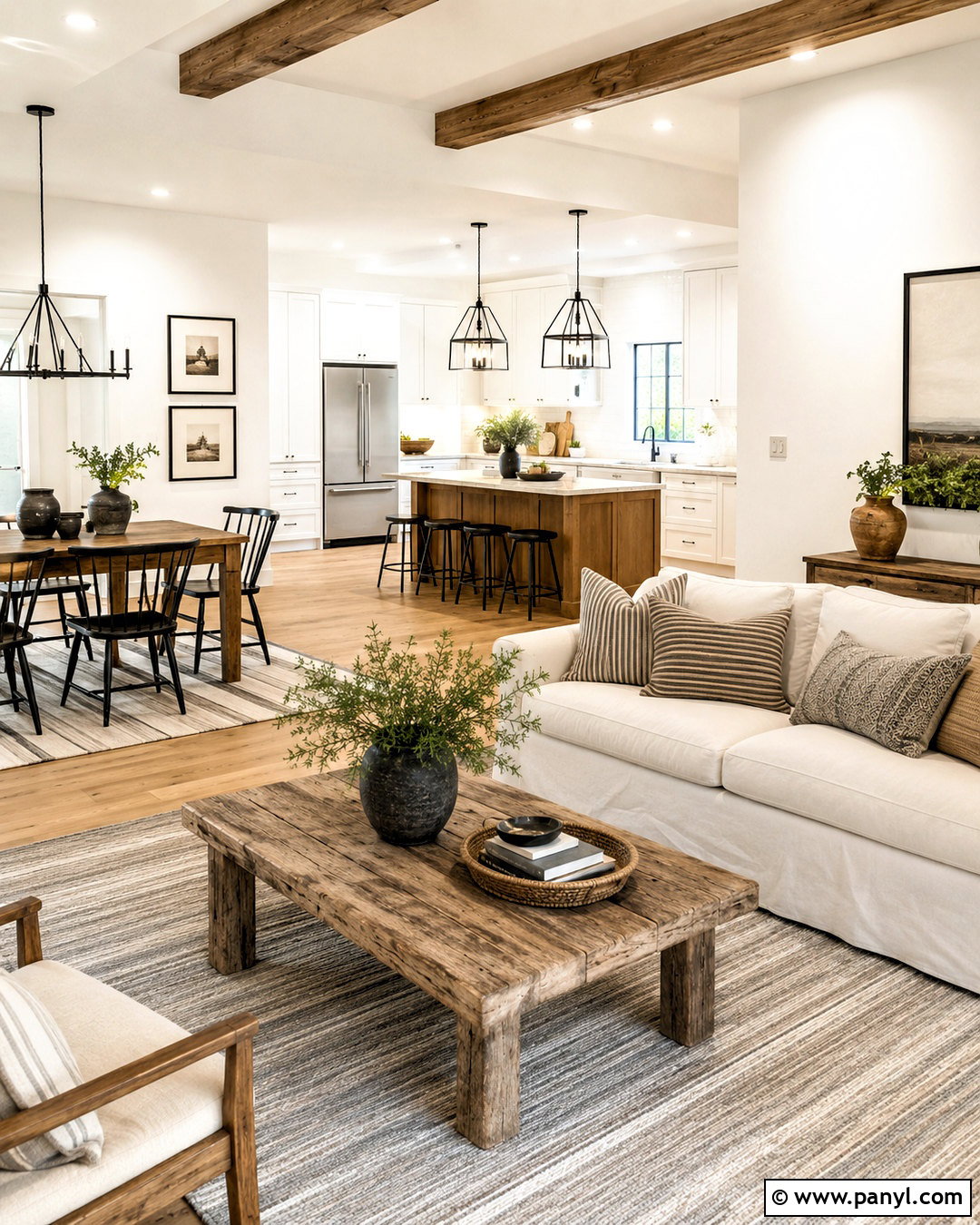
White walls bring freshness to modern farmhouse interiors, especially when balanced with weathered wood and practical furnishings. Run wide-plank oak flooring through the main living spaces and introduce black metal lighting for contrast. The living room can include a slipcovered sofa, a vintage-style wood coffee table, and a subtle striped rug. In the dining area, pair a sturdy farmhouse table with mixed wood and upholstered chairs. Use white cabinets in the kitchen, then add a warm wood island and simple ceramic backsplash. Bedrooms should feel quieter, with iron bed frames, cotton quilts, and antique-inspired dressers. Avoid excessive signs or themed decorations. Instead, rely on honest materials, useful baskets, pottery, greenery, and a few collected vintage objects to create character.
8. White Walls With Japandi Decor
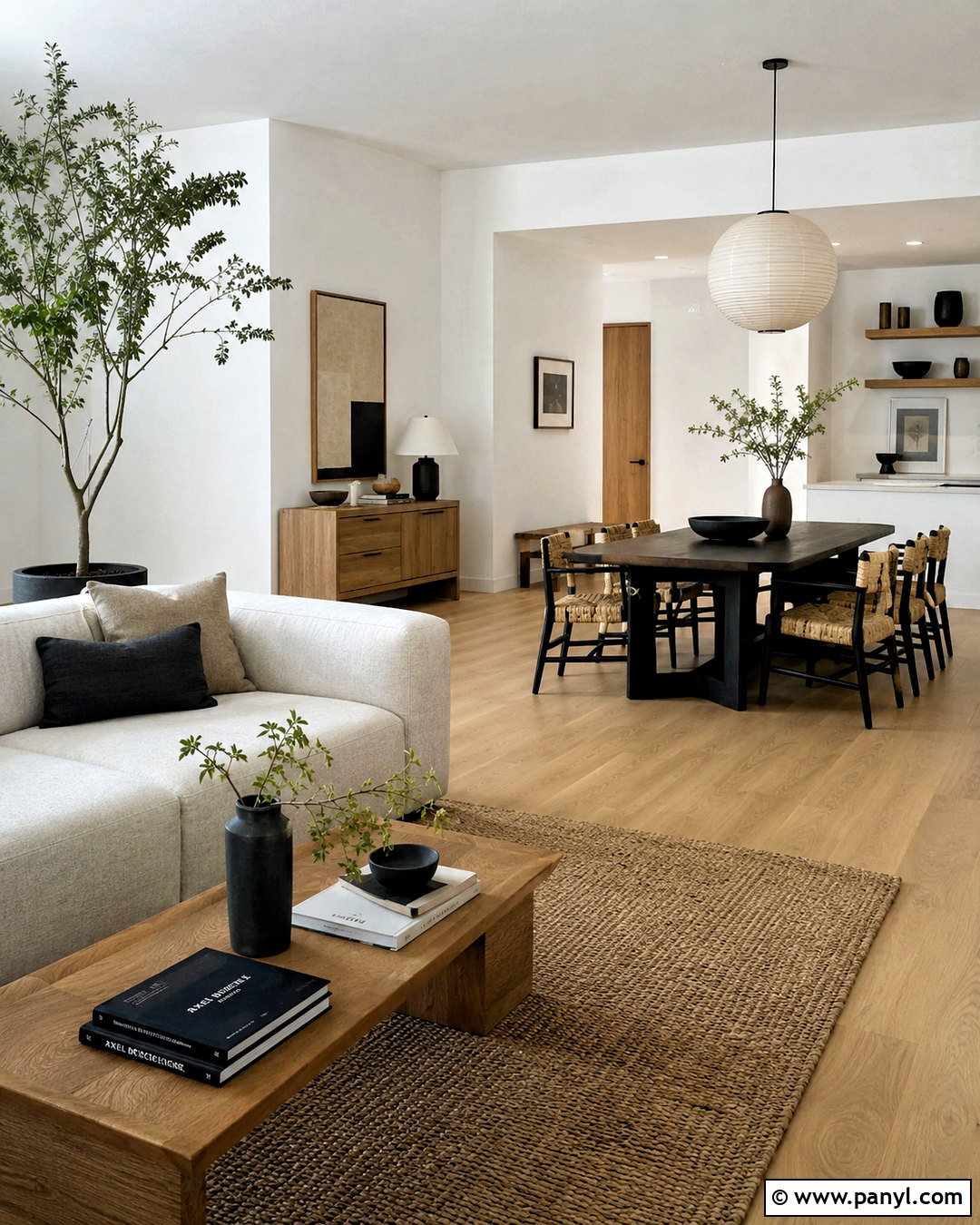
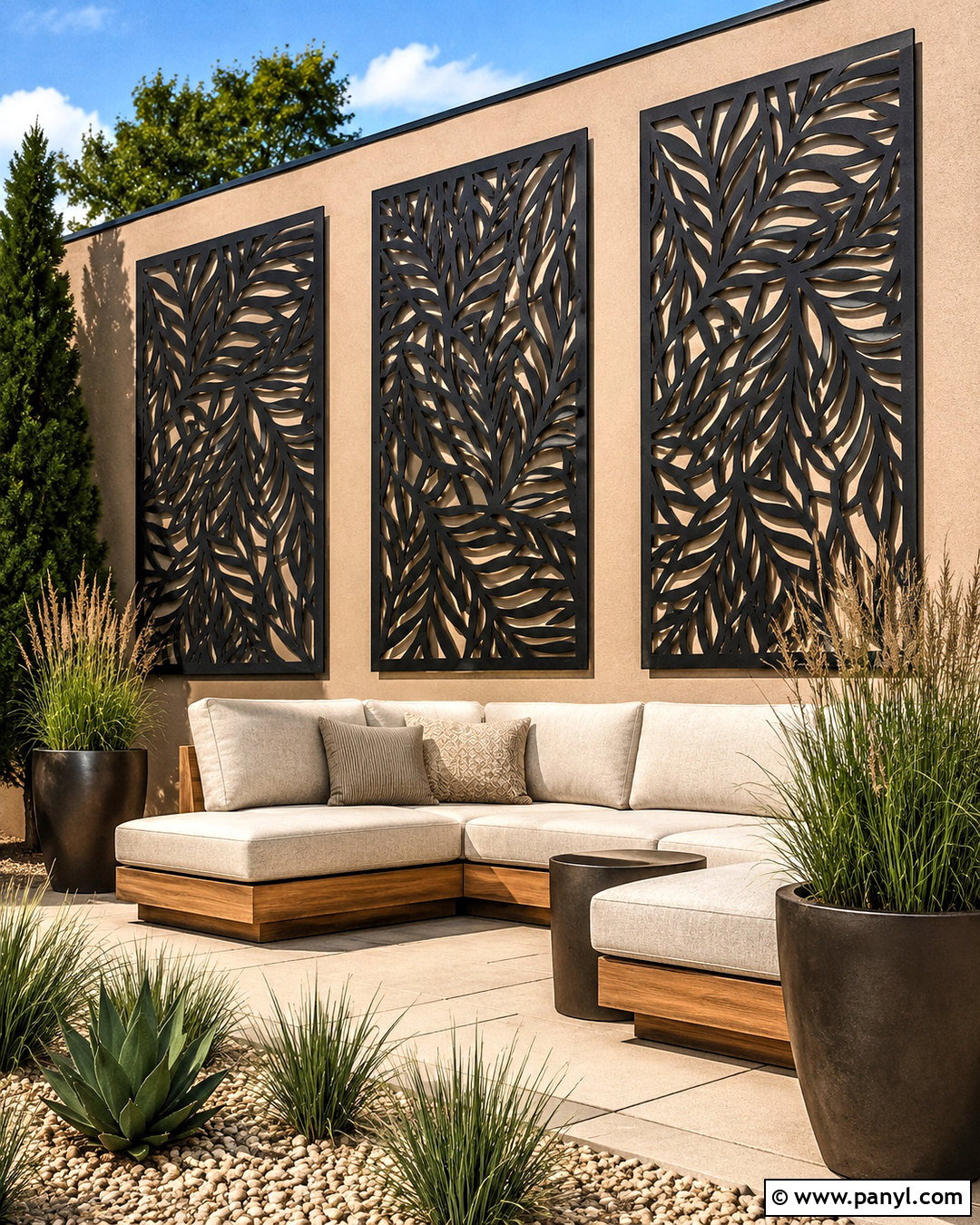
A Japandi home combines Scandinavian comfort with Japanese-inspired simplicity, making white walls feel restful rather than empty. Select low-profile furniture in pale oak, walnut, or black-stained wood. Keep the main layout open, with clear walkways and only essential pieces. A low beige sofa, sculptural lounge chair, and textured wool rug can define the living room. Choose dining chairs with woven seats and understated pendant lighting. In bedrooms, use platform beds, linen bedding, and minimal artwork placed with careful spacing. Black ceramics, stone bowls, and handmade vessels offer quiet contrast. Concealed storage helps surfaces remain calm, while paper-style lamps create a soft visual layer. Finish with restrained greenery, such as a single indoor tree or thoughtfully placed branches.
9. White Walls With Traditional Furniture
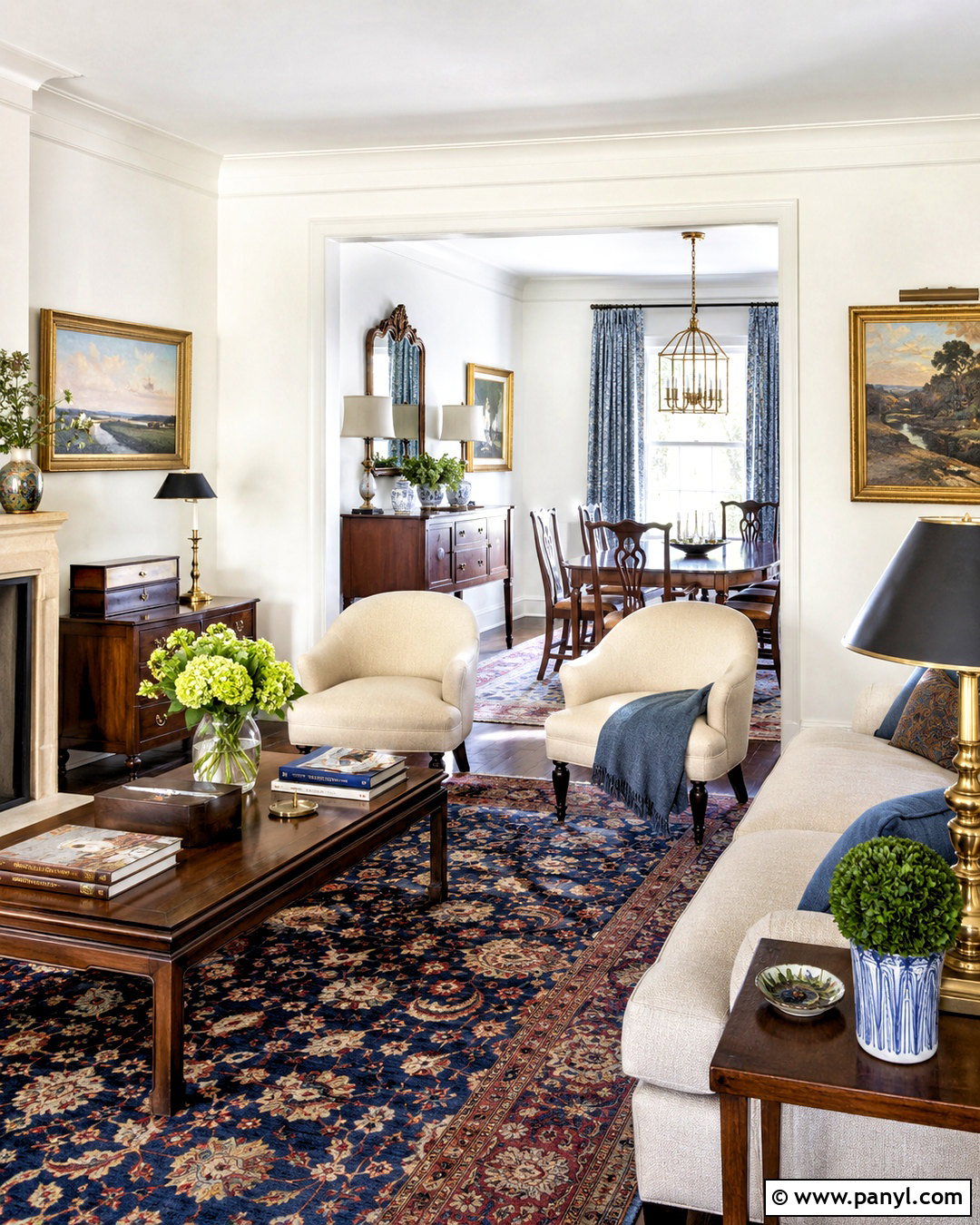
Can white walls work with formal or inherited furniture? They can, especially when classic shapes are balanced with lighter fabrics and an edited arrangement. Use warm white walls as a clean background for dark wood consoles, curved armchairs, and an elegant dining table. Add traditional pattern through Persian-style rugs, floral pillows, and tailored curtains rather than covering every surface. Brass lamps, framed landscapes, and antique mirrors contribute warmth across the home. In bedrooms, combine wood bed frames with fresh white bedding and muted blue or green accents. Keep upholstery in cream, camel, or soft patterns to brighten heavier furniture. Consistent trim, thoughtfully placed lamps, and symmetrical arrangements will connect the rooms while preserving the charm and history of traditional pieces.
10. White Walls With Mediterranean Decor
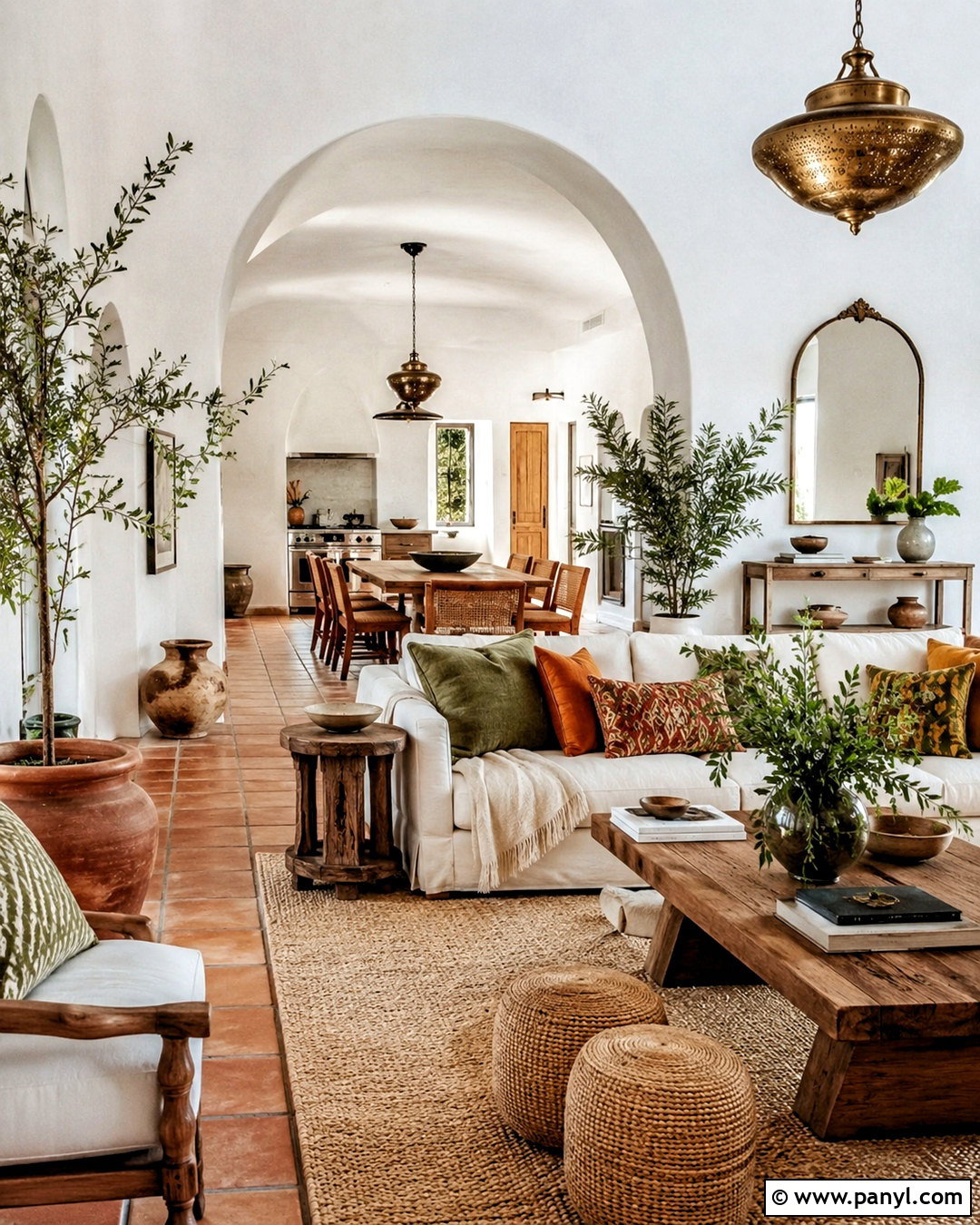
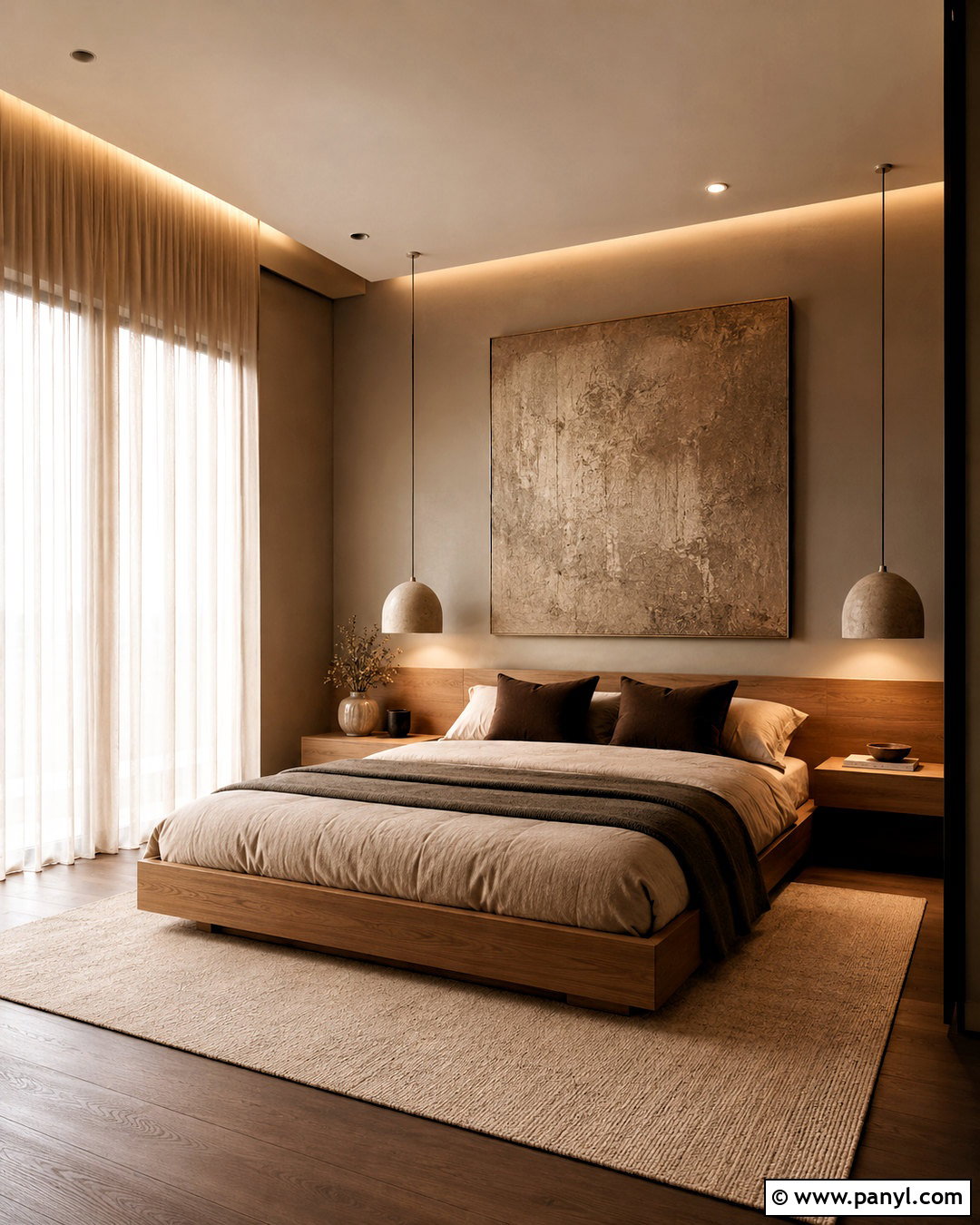
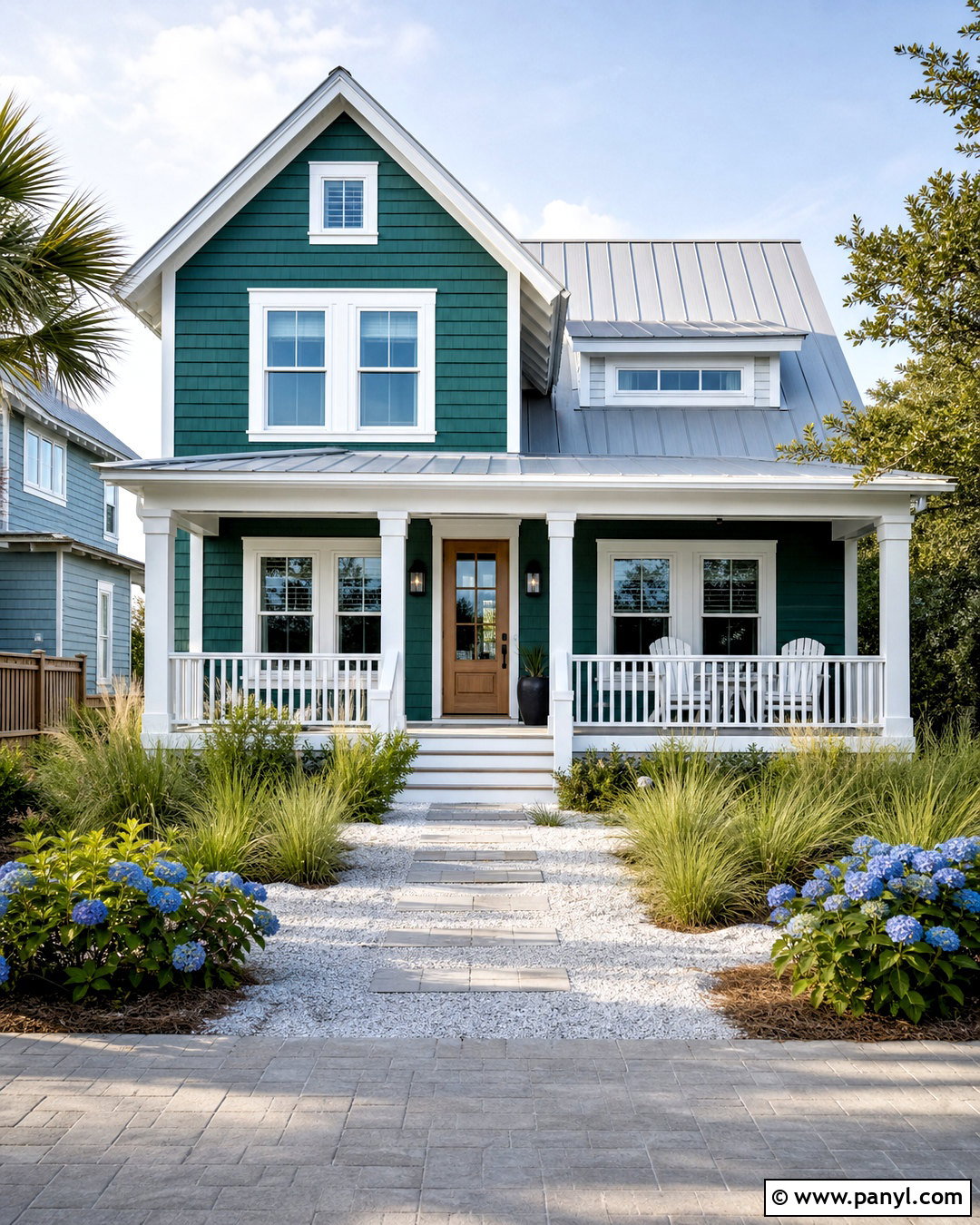
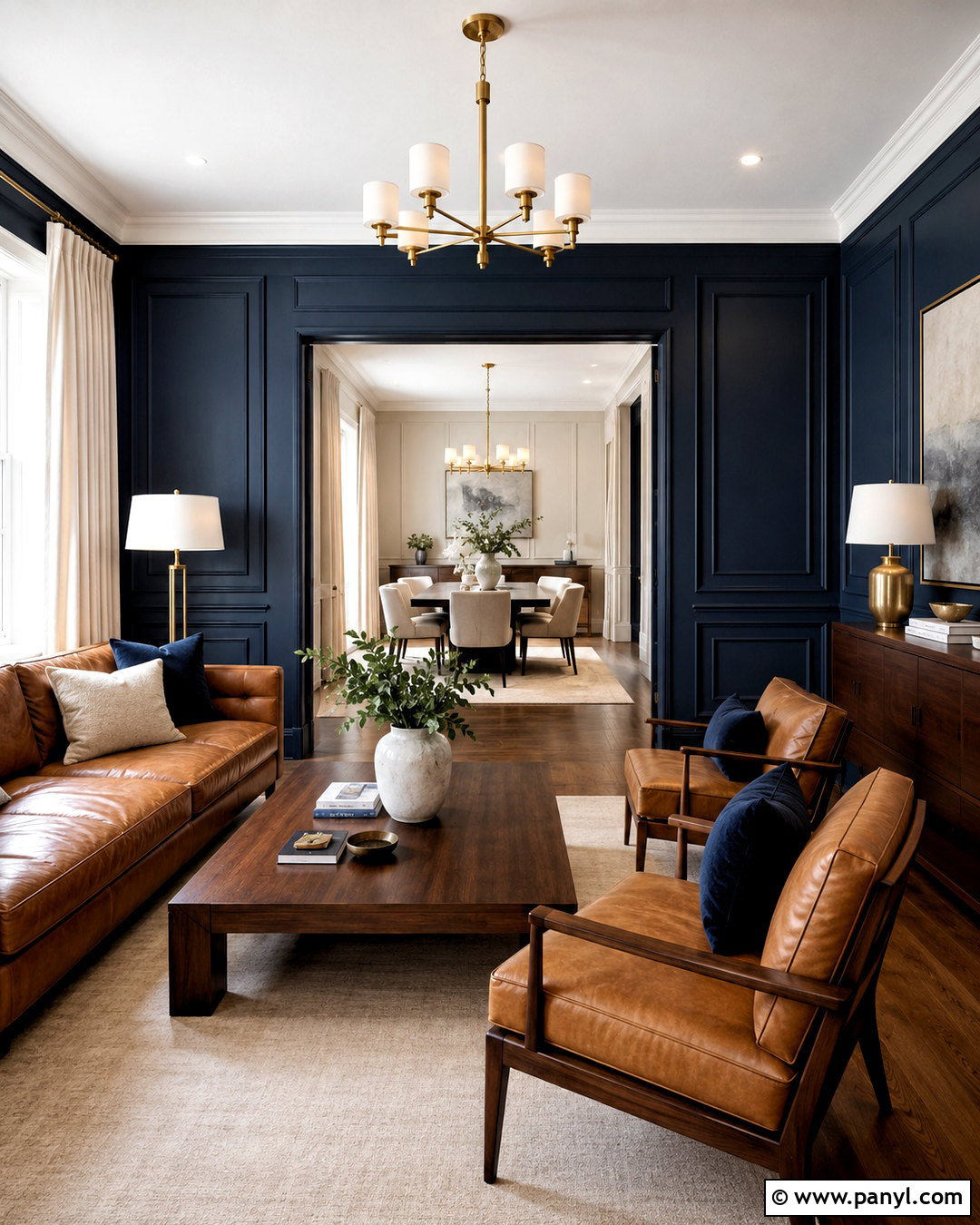
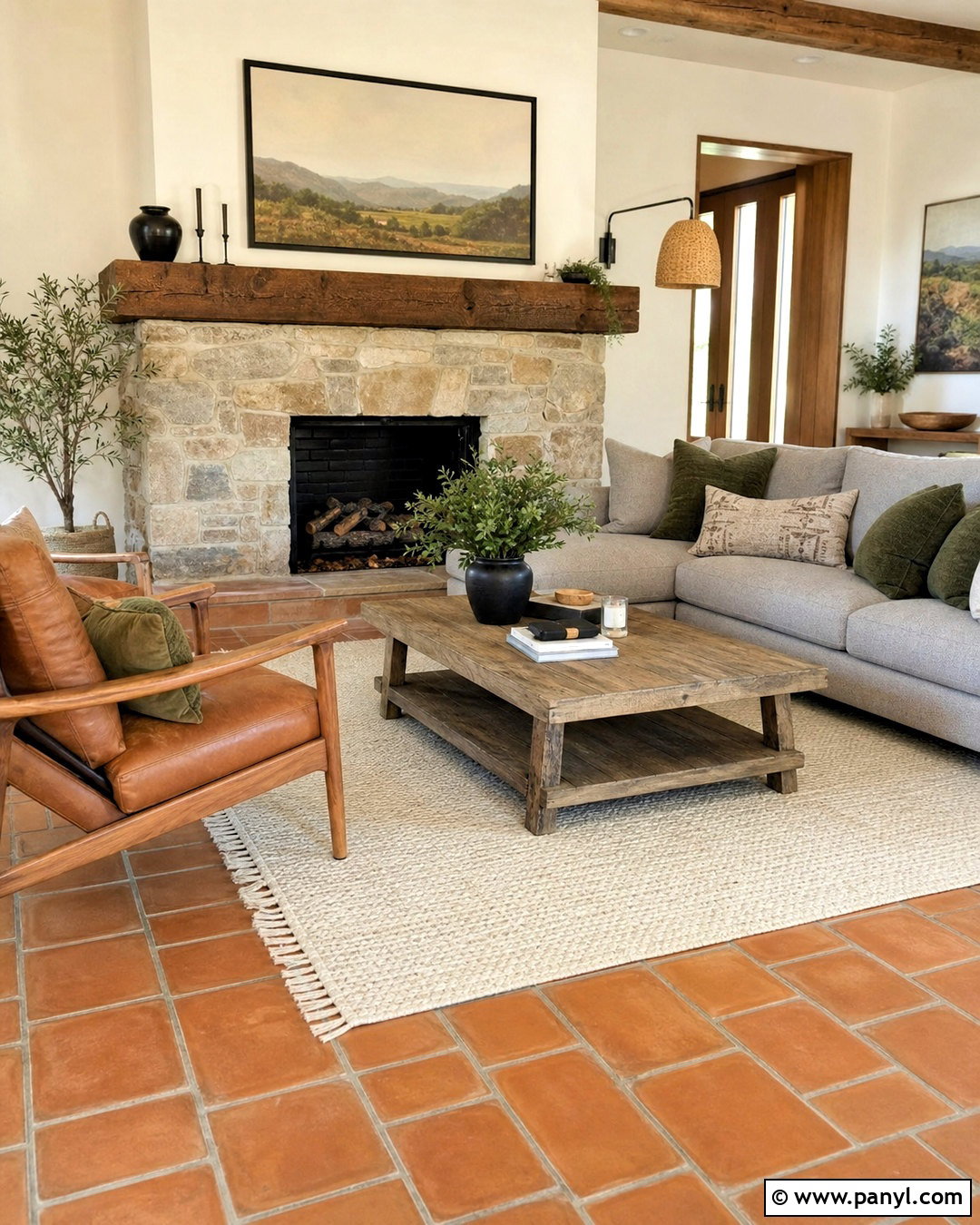
Sun-washed Mediterranean character comes from texture, curved forms, and earthy materials placed against luminous white walls. Use terracotta tile in an entry or kitchen, then continue warm wood or limestone-colored flooring through adjoining rooms. Choose relaxed linen sofas, carved wood tables, and woven dining chairs. The color palette can include olive green, sandy beige, rust, and deep blue. Arched mirrors, plaster-look lamps, and handmade ceramic vessels introduce old-world form without making the home feel themed. Keep window treatments light so natural brightness remains central to the design. In bedrooms, layer white cotton with clay-colored blankets and patterned cushions. A few large plants, aged brass fixtures, and rustic baskets complete a warm, casual house that feels collected over time.
11. White Walls With Boho Decor
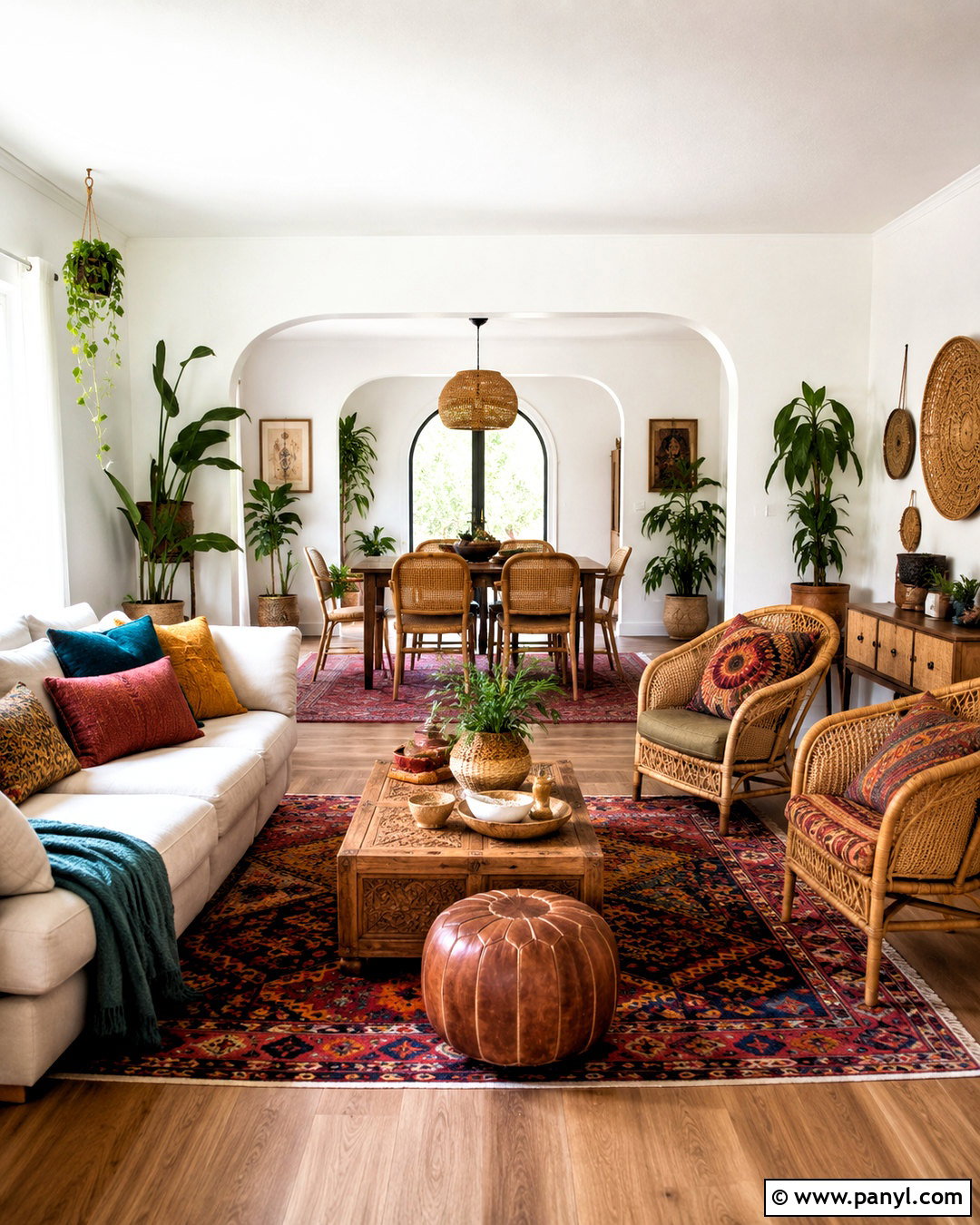
A boho interior can feel lively and layered while maintaining visual balance through white walls. Begin with comfortable neutral furniture, then build color through rugs, pillows, artwork, and collected objects. Use a large patterned rug in the living room, cane dining chairs, and an upholstered bench in the entry. Carry recurring shades such as rust, mustard, teal, and dusty rose from room to room. Natural wood, rattan, macramé, linen, and woven wool provide varied texture. Plants should be grouped intentionally instead of scattered across every available surface. Bedrooms can feature carved nightstands, relaxed bedding, and a colorful textile above the bed. Keep pathways and tabletops reasonably clear. The result feels personal and creative without becoming crowded or disconnected.
12. White Walls With Modern Organic Decor
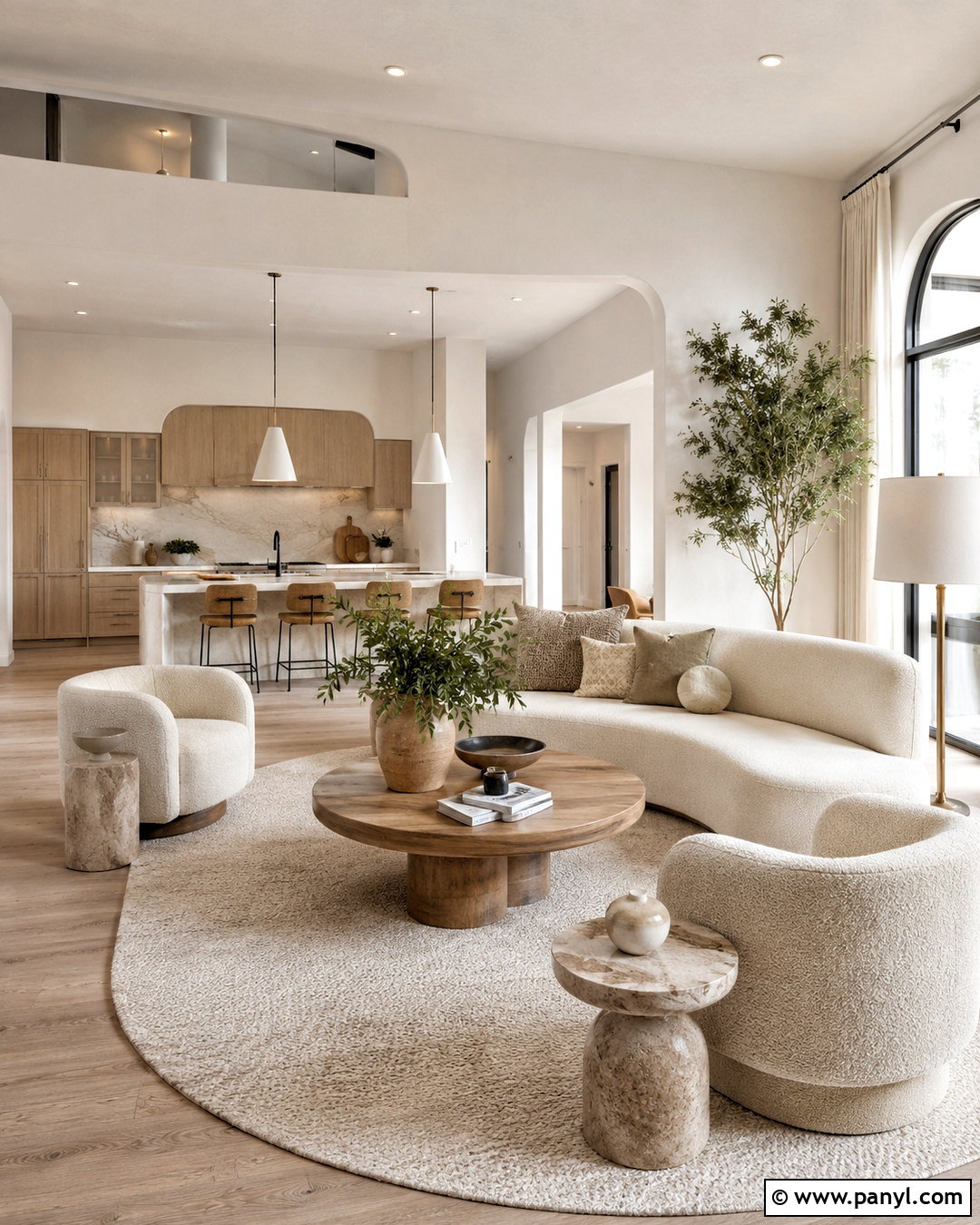
Soft shapes and natural finishes transform white walls into a warm modern backdrop. Choose a curved cream sofa, rounded oak coffee table, and boucle accent chairs for the living area. A textured wool rug grounds these light pieces and prevents them from disappearing into the walls. Continue the organic theme with stone side tables, linen curtains, and sculptural ceramic lamps. In the kitchen, combine white cabinetry with warm oak, creamy quartz, and softly rounded hardware. Bedrooms can feature upholstered beds, layered neutral bedding, and asymmetrical wood nightstands. Keep the palette within ivory, beige, mushroom, and pale brown, then add black sparingly for definition. Large branches or indoor trees introduce natural movement and color without interrupting the calm whole-house design.
13. White Walls With Vintage Eclectic Decor
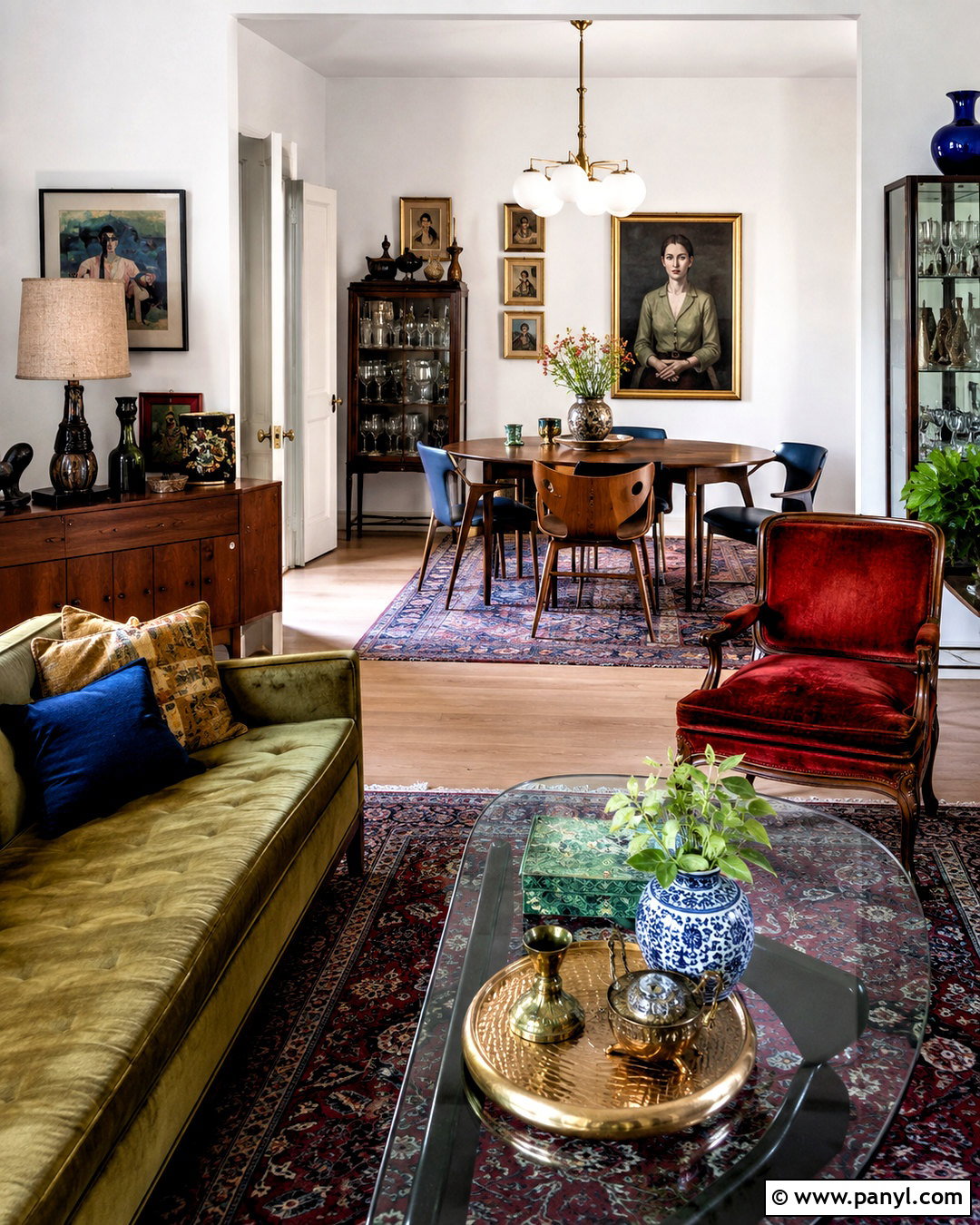
White walls give vintage furniture and collected decor enough space to shine. Combine pieces from different periods through a shared color palette rather than trying to match every item. A midcentury sideboard, traditional patterned rug, and relaxed linen sofa can coexist when repeated shades connect them. Use warm red, olive, blue, or gold accents across art, upholstery, and accessories. Display smaller collections in glass cabinets or on dedicated shelving instead of spreading them throughout every room. In the dining area, pair an antique wood table with simple modern chairs. Bedrooms can mix vintage dressers with fresh bedding and contemporary lamps. Consistent white walls, matching trim, and clear floor space keep the finished house interesting, personal, and visually organized.
14. White Walls In A Small House
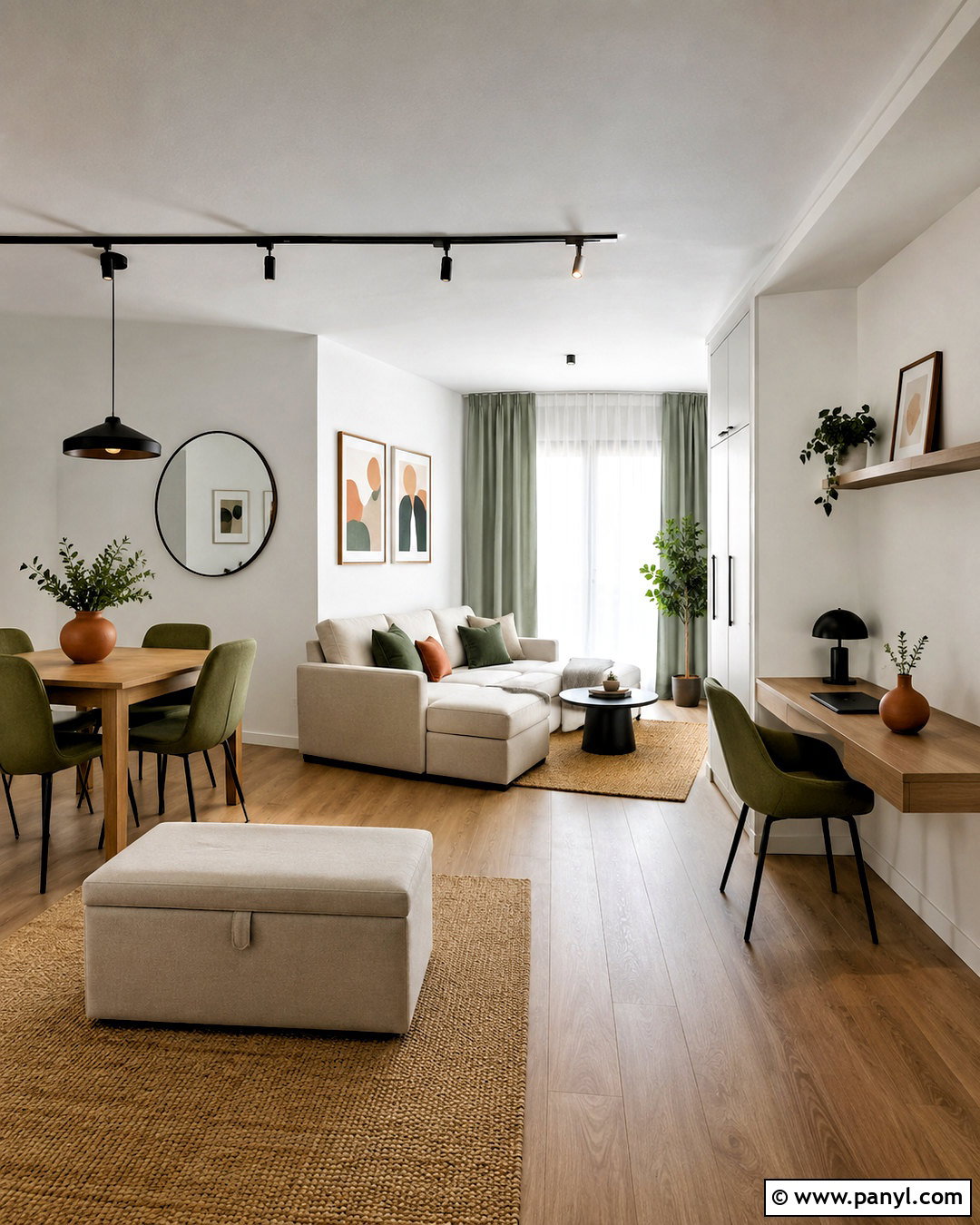
In a compact home, continuous white walls can reduce visual interruptions and help adjoining areas feel connected. Use the same wall and trim color through the entry, living room, kitchen, and hallway. Then define each zone with furniture placement and rugs rather than additional paint colors. Select slim, multifunctional pieces such as a storage ottoman, compact sectional, wall-mounted desk, and extendable dining table. Light oak furniture maintains an airy appearance, while black accents create useful definition. Hang curtains close to the ceiling and choose mirrors that reflect windows or attractive room views. Closed storage will prevent clutter from becoming the main feature. Add personality through one consistent accent palette, such as sage green, warm tan, and muted terracotta.
15. White Walls With High Contrast Decor
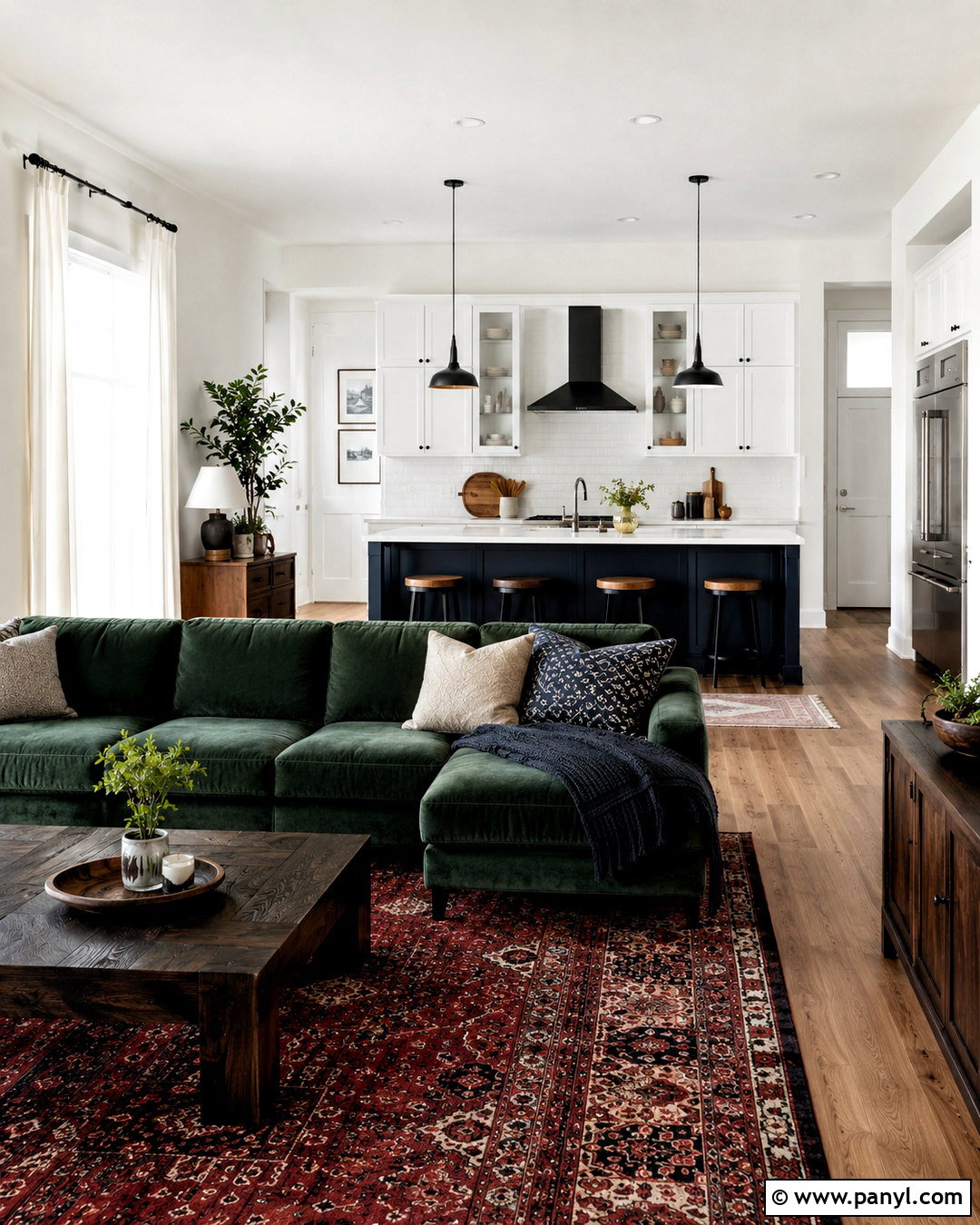
For a bolder interior, pair white walls with saturated furniture and deep architectural accents. A navy or forest-green sofa can dominate the living room, while a burgundy rug adds another rich layer. Repeat these colors in smaller amounts through dining chairs, artwork, and bedroom textiles. Dark-stained wood furniture and black metal lighting strengthen the high-contrast effect. Keep ceilings, trim, and larger window treatments white to preserve brightness. In the kitchen, a dark island can stand against white perimeter cabinets and pale counters. Use warm brass or bronze hardware to soften the sharper contrasts. Limit each room to two or three major colors, then repeat them strategically. This keeps the home dramatic and energetic without making it visually chaotic.
16. White Walls With Soft Pastel Decor
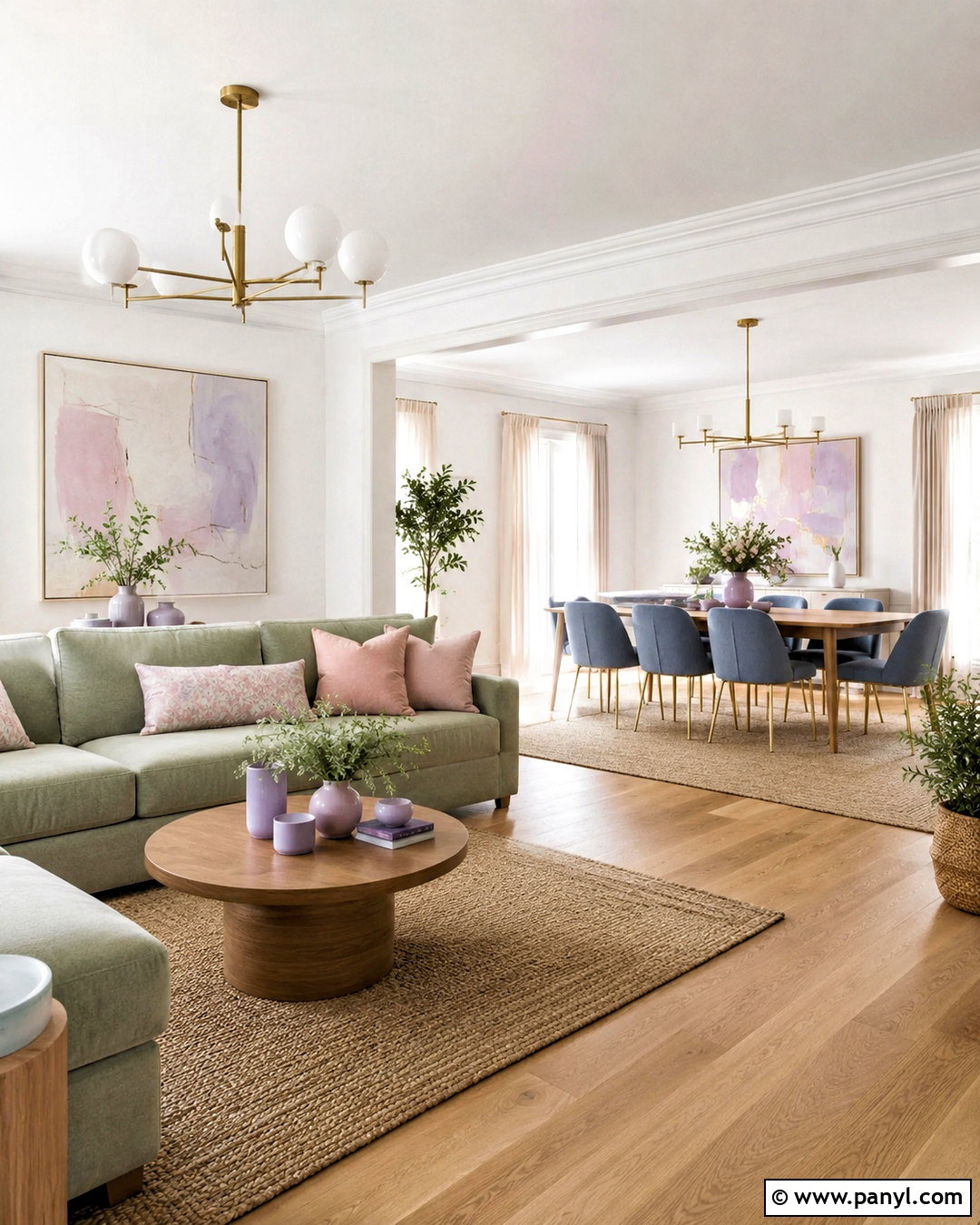
Pastel colors create a gentle whole-house palette that feels more welcoming than an entirely white interior. Select muted versions of blush pink, powder blue, sage green, and pale lavender rather than sugary, highly saturated shades. A sage sofa or blue-gray dining chairs can serve as the main color statement. Repeat pastel tones through bedding, ceramics, towels, and simple artwork. Natural oak floors and woven textures add warmth and keep the scheme appropriate for shared spaces. Use white or cream upholstery to give brighter accents room to breathe. In bedrooms, layer two related pastels instead of using every color at once. Brushed brass lighting and soft linen curtains complete a light, cheerful home with a sophisticated and coordinated appearance.
17. White Walls With Stone And Leather
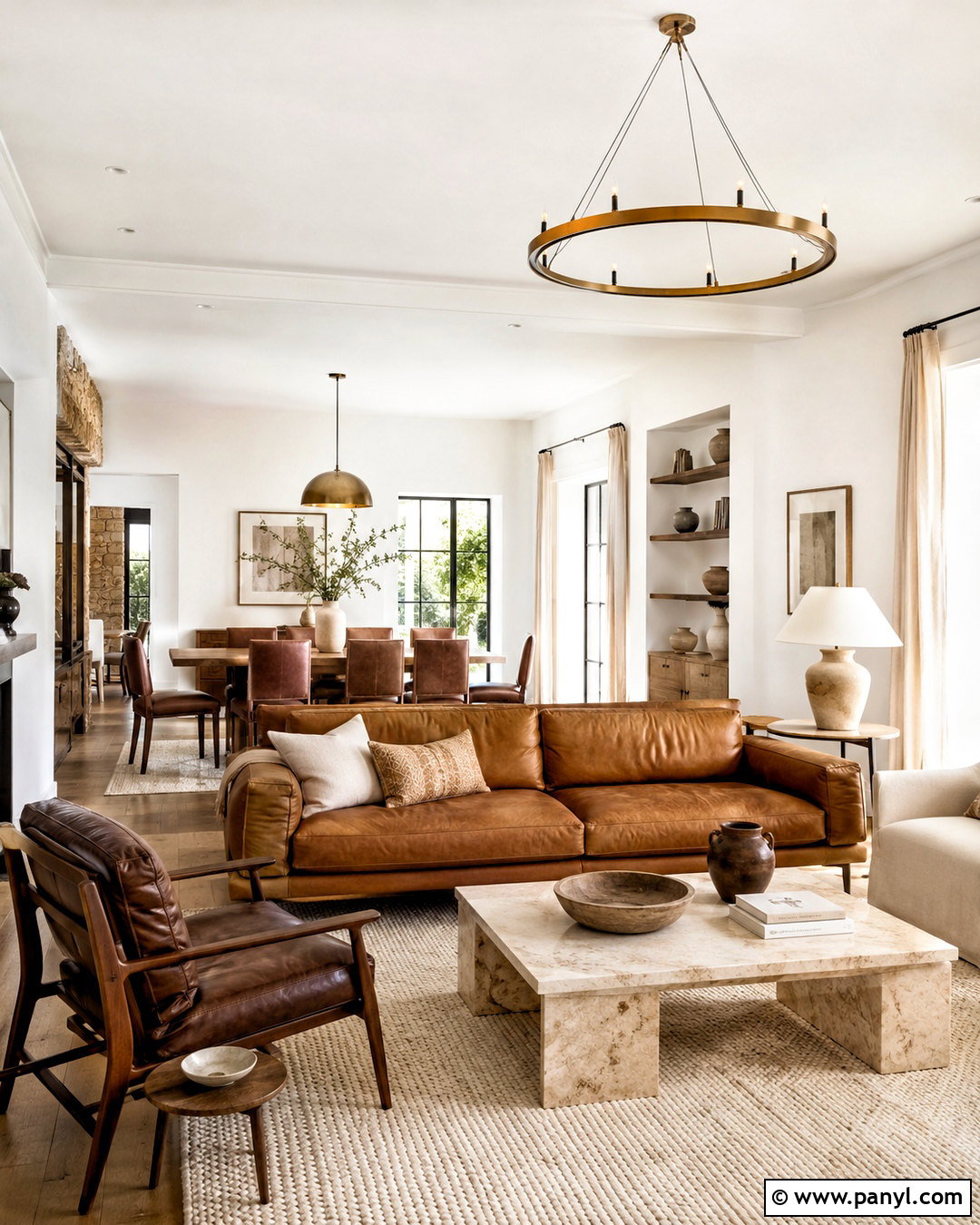
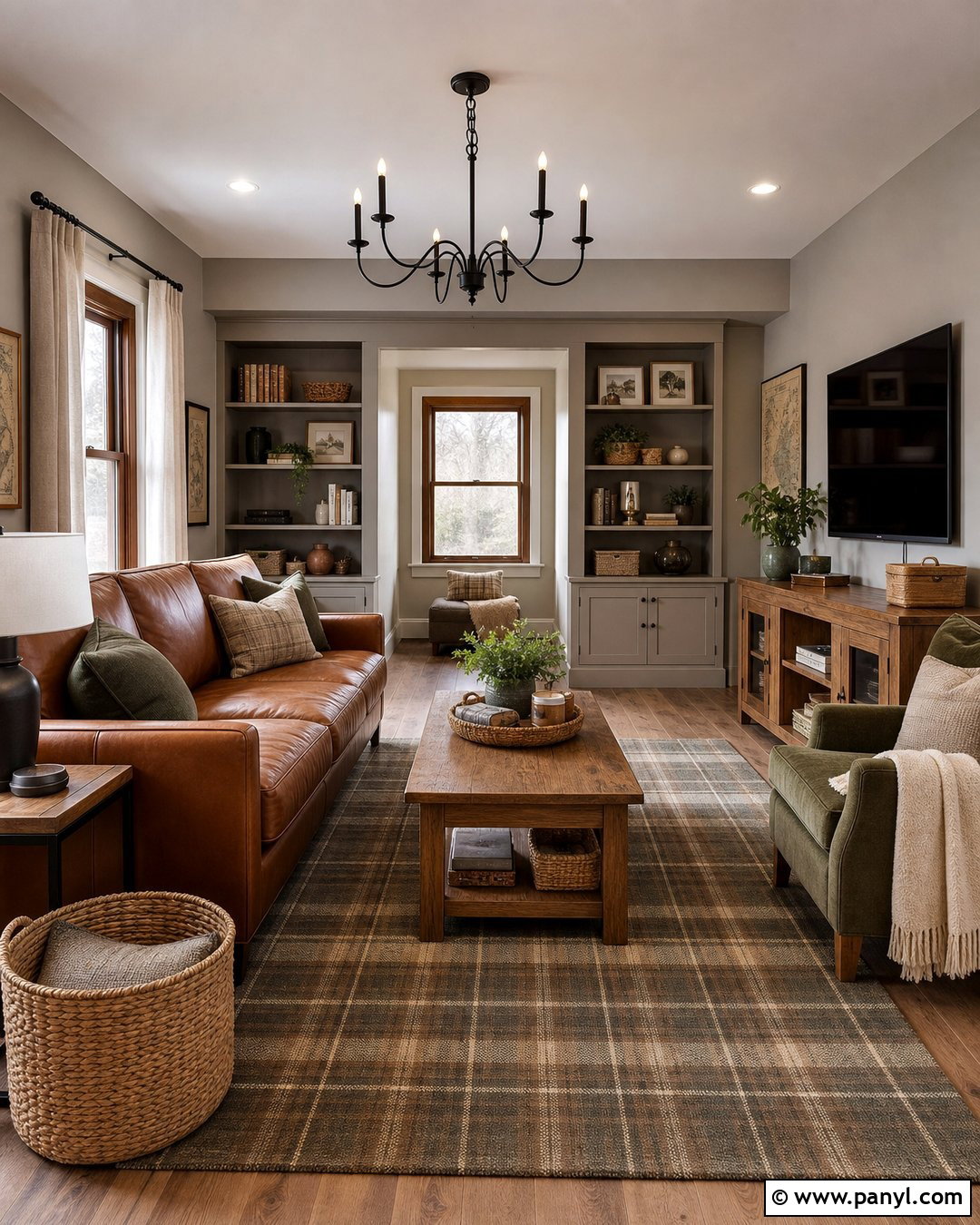
Stone and leather bring tactile richness to a white-walled home while creating a sturdy, timeless foundation. Place a caramel leather sofa in the living room alongside a travertine coffee table and a textured cream rug. Repeat stone through fireplace surrounds, kitchen counters, lamps, or small side tables. Walnut cabinets or shelving deepen the palette and complement the leather’s warmth. Use linen curtains and wool cushions to soften harder surfaces. In the dining space, combine a wood table with leather seats and an understated stone pendant. Bedrooms can include leather or woven accents rather than large matching sets. Keep accessories minimal and substantial, favoring pottery, wood bowls, and framed neutral art. The finished look feels refined, comfortable, and naturally balanced.
18. White Walls With Layered White Decor
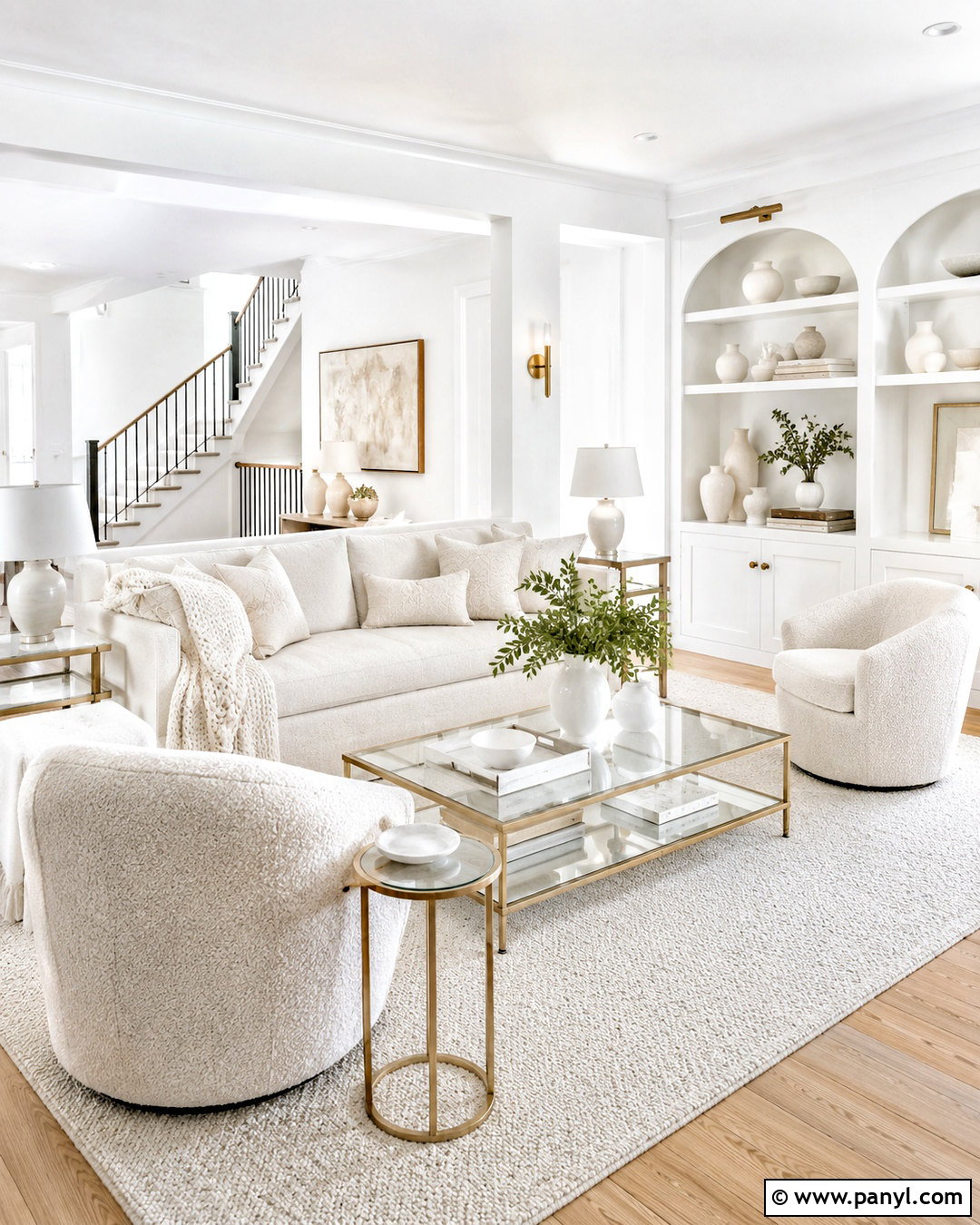
An almost all-white home needs noticeable shifts in texture, tone, and finish to avoid looking flat. Combine warm white walls with ivory upholstery, creamy rugs, natural linen, and softly painted furniture. Choose a white sofa with visible woven texture, then add bouclé chairs, knitted throws, and embroidered cushions. Pale oak flooring introduces quiet warmth without breaking the light palette. Use glossy ceramics, matte plaster lamps, and translucent glass to create contrast between surfaces. Architectural details such as paneling, ceiling beams, or built-in shelving can be painted the same white while still adding depth. Small accents in tan, brass, or black provide definition. Every room should include several textures, ensuring the monochrome scheme feels comfortable, dimensional, and intentional.
19. White Walls With Family Friendly Decor
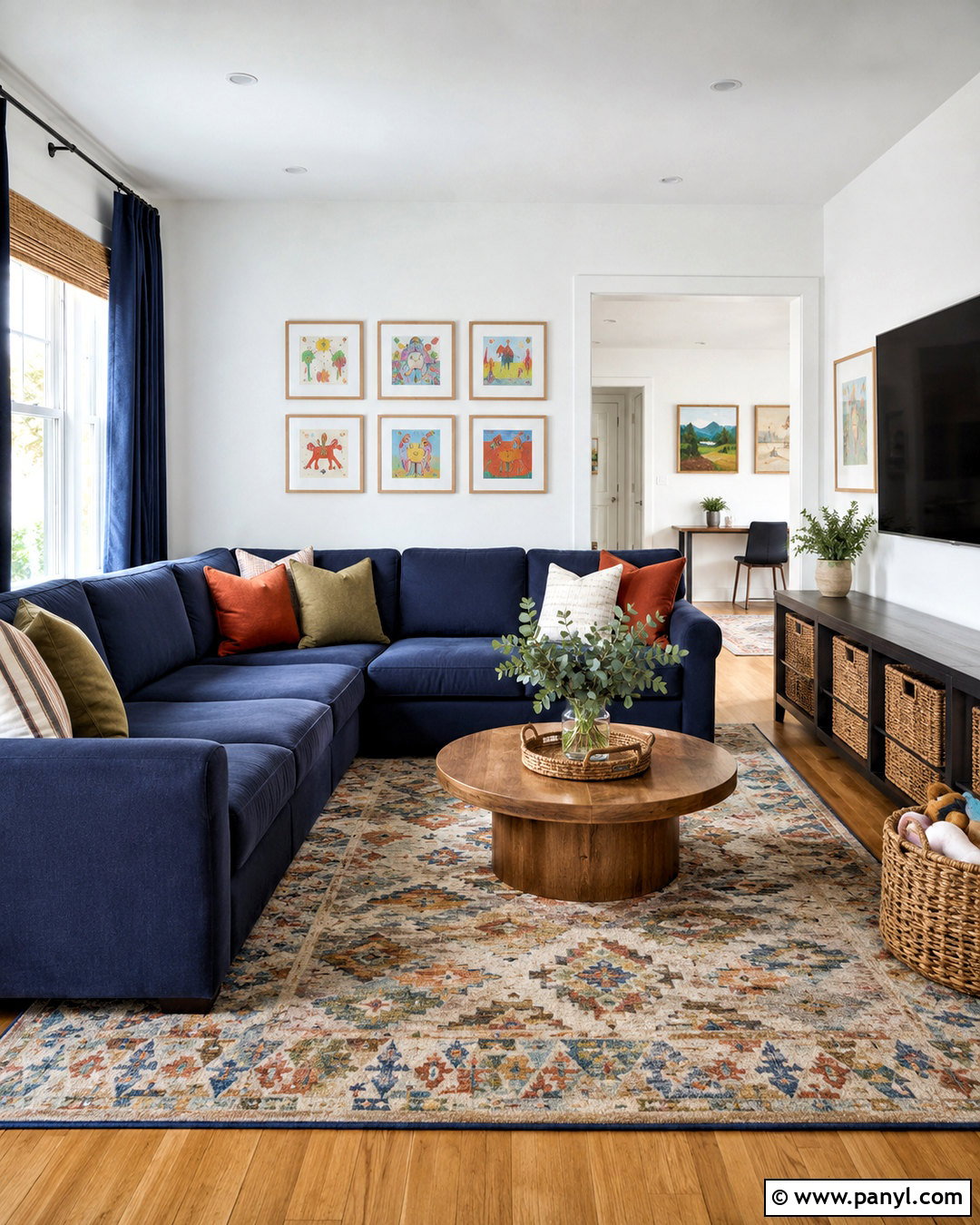
White walls can work in an active family home when the surrounding design is durable and easy to maintain. Choose a washable wall finish and use sturdy wood, performance upholstery, and patterned rugs that disguise everyday wear. The living room might include a comfortable sectional, round coffee table, closed media storage, and large baskets for quick cleanup. Repeat practical storage in the entry, bedrooms, and play areas so belongings have clear places. Introduce color through washable pillow covers, framed children’s art, and durable curtains. Medium wood tones and navy, olive, or rust accents make the rooms feel relaxed. Rounded furniture edges and open walkways improve everyday function. The result remains bright and attractive without demanding constant perfection from the household.
20. White Walls With A Consistent Accent Color
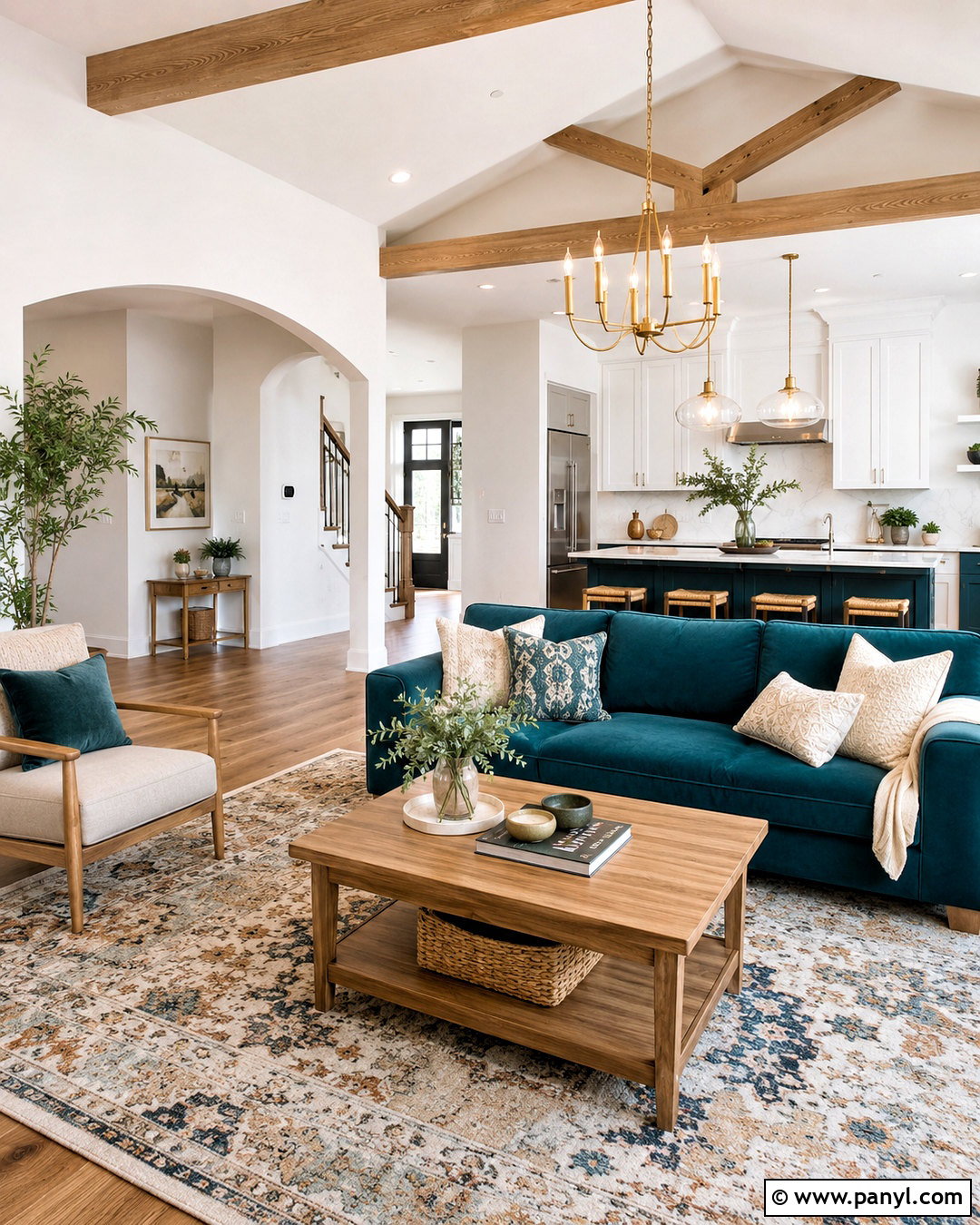
Choosing one accent color is an easy way to unify white walls throughout separate rooms. Start with a versatile hue such as deep blue, olive green, terracotta, or muted teal. Use it strongly in two or three places, including a sofa, kitchen island, or upholstered headboard. Then repeat smaller touches through rugs, artwork, lamps, pillows, and towels. The accent should appear in different materials and patterns so the home does not look overly matched. Pair it with neutral wood, cream textiles, and a consistent metal finish. Let some rooms use only a trace of the chosen color. This variation creates a natural rhythm while maintaining connection. The completed house feels planned, cohesive, and easy to update as furnishings change.
Conclusion:
Decorating with white walls throughout the house creates a flexible foundation for almost any design direction. The most successful homes add depth through repeated materials, thoughtful color, varied texture, and consistent finishes. Warm wood can make rooms feel grounded, while black accents provide definition. Artwork, textiles, plants, stone, and vintage furniture introduce personality without disrupting the clean backdrop. Choose one complete approach that suits your architecture, daily routine, and existing furnishings. Then carry a few recognizable details from room to room rather than decorating every space independently. These 20 White Walls Throughout House Ideas show that a neutral wall color does not have to feel plain. With the right layers, it can support a comfortable and highly personal home.

Related Ideas and Inspiration:

Leave a Reply