
White walls can make a home feel brighter, larger, and more flexible, but they need thoughtful layers to avoid looking cold or unfinished. The best **white wall design ideas** combine the right shade of white with furniture, flooring, lighting, texture, artwork, and accent colors that suit the room. Warm whites work beautifully with wood and natural fabrics, while crisp whites create strong contrast with black, navy, or saturated decor. Architectural details such as molding, brick, paneling, and built-ins can also turn a plain wall into a defining feature. Whether your home is modern, coastal, traditional, or eclectic, the following complete room looks offer practical inspiration. Explore these **20 white wall design ideas** to create a polished space that still feels comfortable and personal.

1. Warm White Wall Living Room
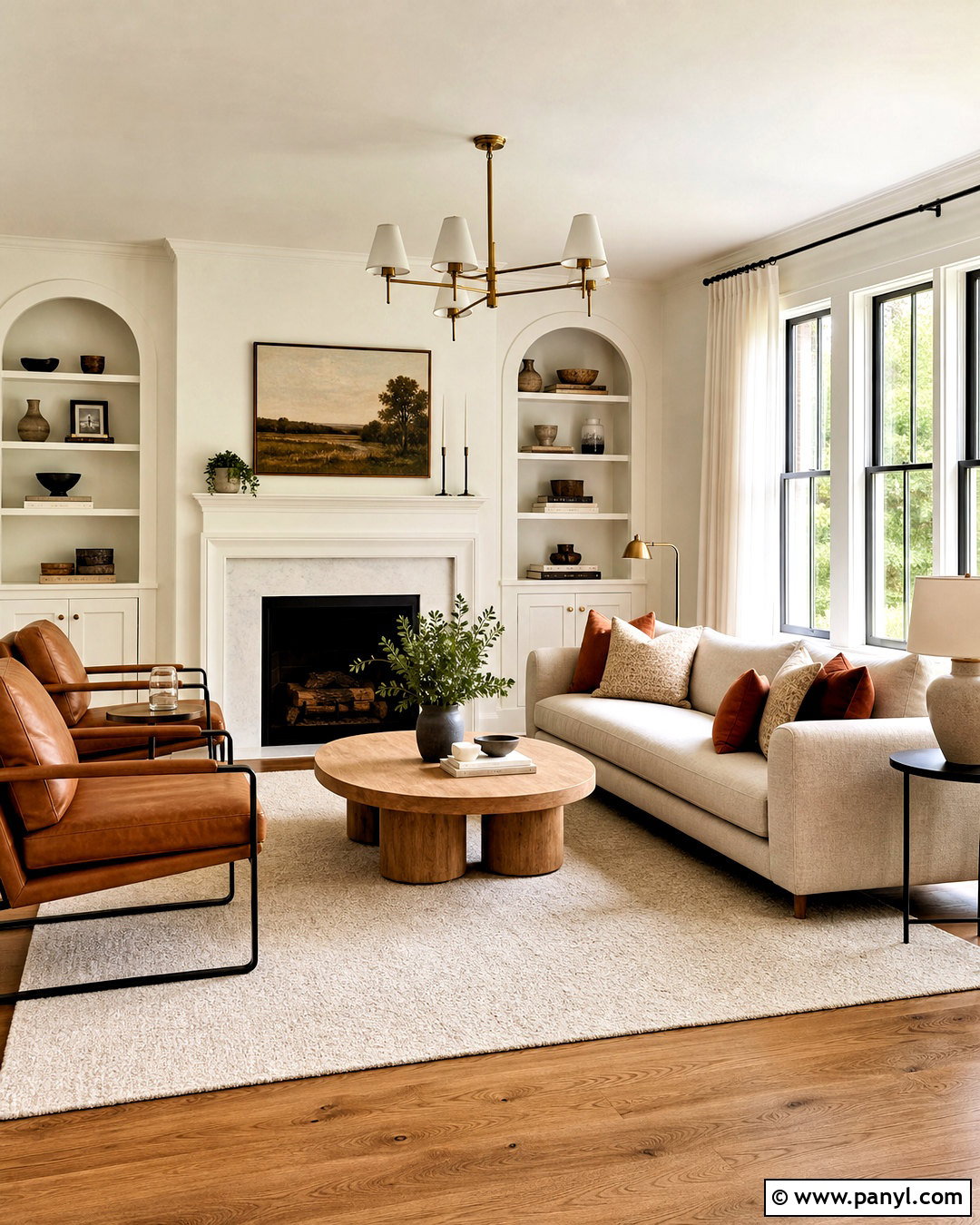
A warm white living room feels relaxed rather than stark, making it an easy choice for everyday family spaces. Choose creamy white walls with soft undertones, then ground the room with a medium-toned oak floor and a large oatmeal-colored rug. Arrange a beige linen sofa opposite two caramel leather chairs to create a comfortable conversation area. A rounded wood coffee table adds softness without making the layout feel crowded. Finish the room with ivory curtains, rust-colored pillows, aged brass lighting, and simple landscape artwork. Natural materials are essential because they give the pale background visible depth. Keep the ceiling and trim slightly brighter than the walls so the architecture looks clean while the overall palette remains warm and welcoming.
2. White Wall Gallery Living Room
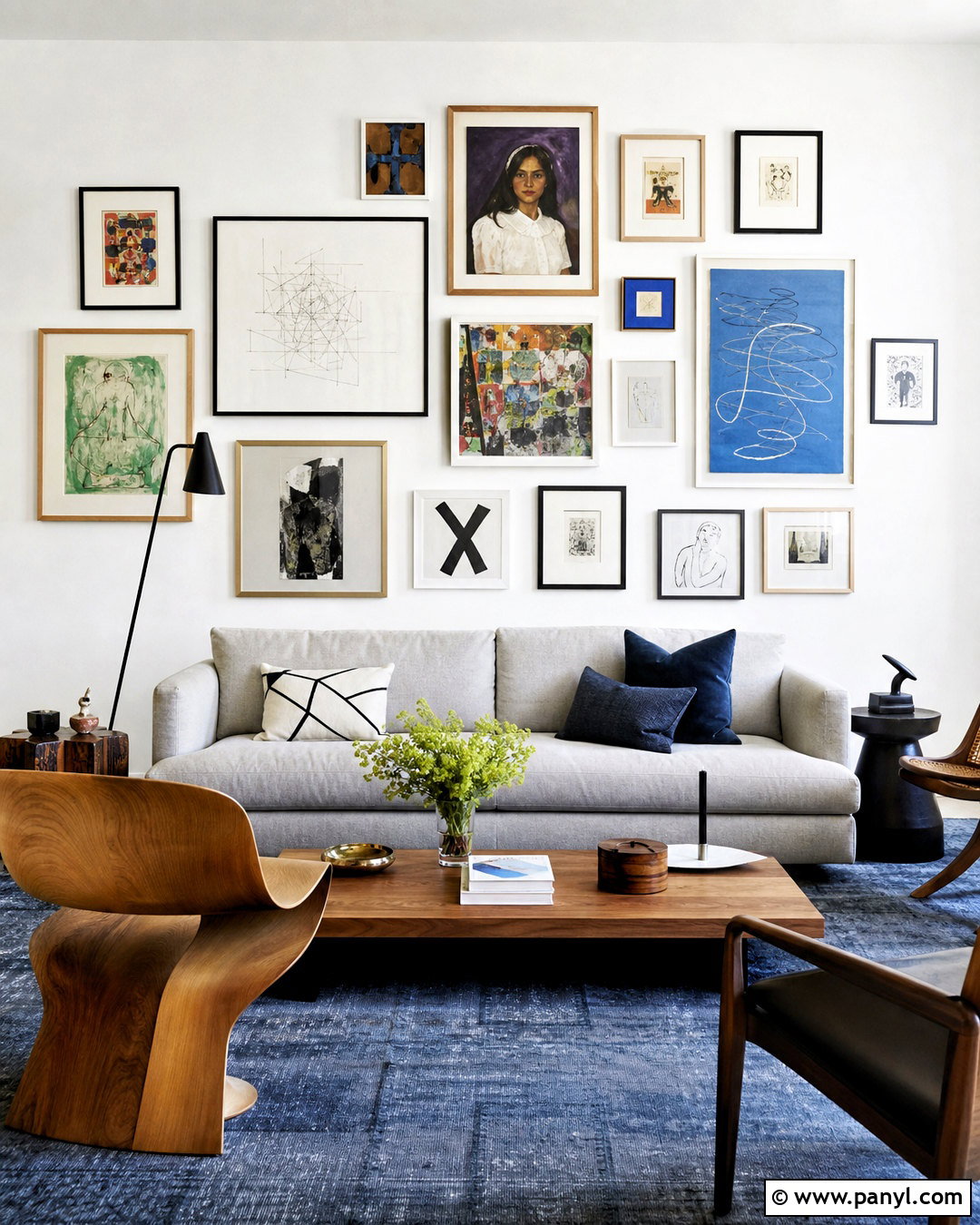
Do you have art, photographs, and collected prints that deserve more attention? Crisp white walls can transform a living room into a relaxed home gallery without making it feel formal. Start with a low-profile gray sofa and a large muted blue rug, leaving plenty of open wall space above the furniture. Build a balanced gallery using black, oak, brass, and white frames in several sizes. Connect the display through repeated colors instead of perfectly matching frames. Add a slim black floor lamp, a walnut coffee table, and two sculptural side chairs. Keep smaller accessories restrained so the artwork remains the main attraction. Picture lights or adjustable ceiling spots can gently highlight the arrangement and give the complete room a polished, intentional appearance.
3. White Wall Room With Wood Accents
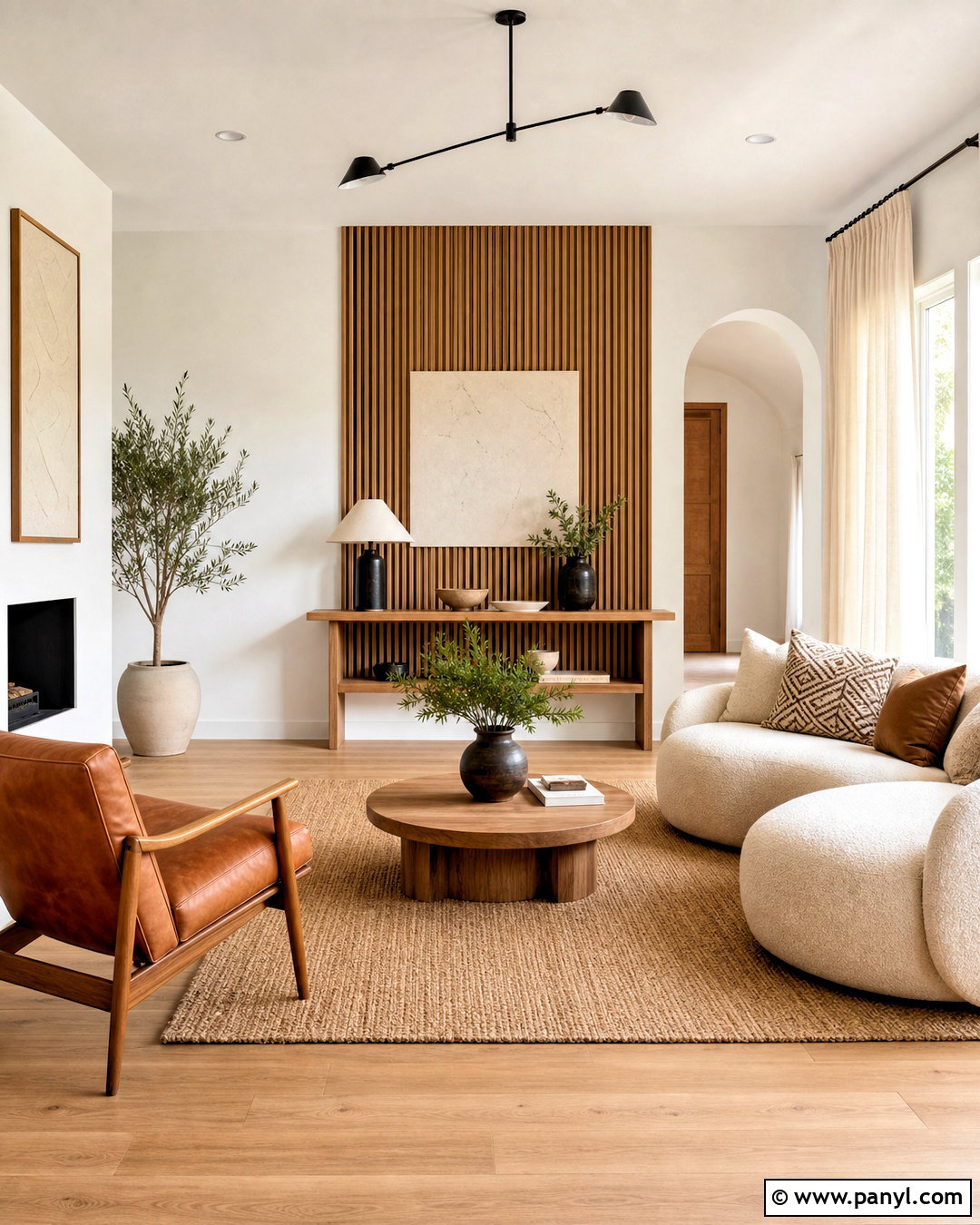
Sunlight, pale walls, and natural wood create a combination that feels fresh in every season. Cover the main walls in a soft white and repeat warm oak across the floor, media cabinet, open shelves, and coffee table. A cream boucle sofa can sit at the center, balanced by a cognac leather lounge chair and a woven jute rug. Use slatted wood panels around the television or fireplace to create a strong focal point without introducing another paint color. Black metal lighting and hardware provide small moments of contrast. Add leafy plants, linen curtains, and handmade ceramic pieces for an organic finish. Varying the wood tones slightly keeps the design collected, but maintain similar warm undertones so the entire room feels cohesive.
4. Black And White Wall Living Room
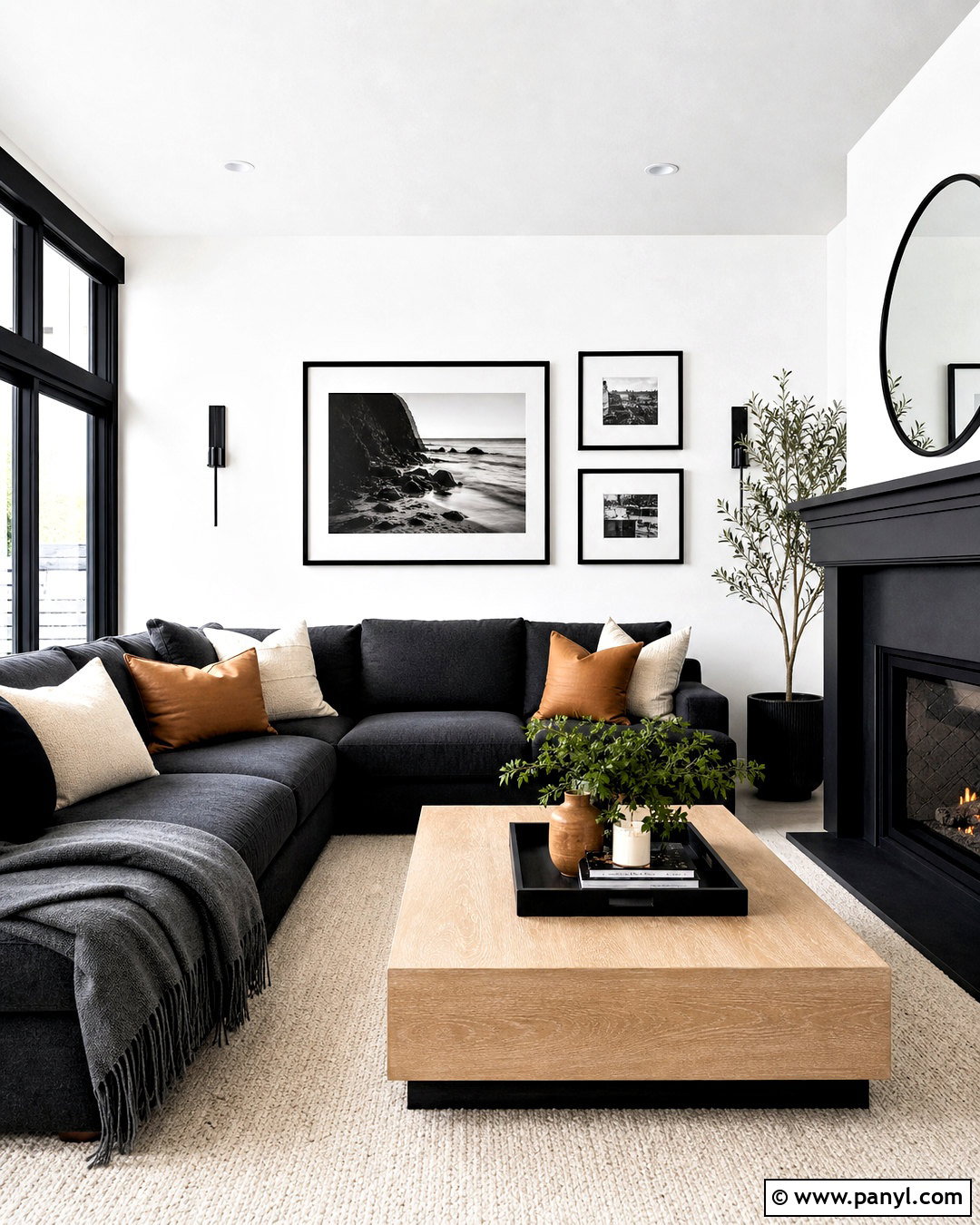
Strong contrast gives white walls a sharper, more architectural personality. Paint the room a clean neutral white, then introduce matte black through the fireplace surround, window frames, curtain rods, and slim metal lighting. A charcoal sectional provides a practical anchor, while a cream rug prevents the lower half of the room from becoming too dark. Place a white oak coffee table in the center to bridge the light and dark finishes. Large black-and-white photography adds impact without disrupting the controlled palette. For comfort, layer the sofa with ivory pillows, gray wool throws, and one camel-colored cushion. Keep decorative objects simple and generously spaced. The finished living room should feel graphic and modern, yet soft enough for comfortable daily use.
5. White Wall Scandinavian Living Room
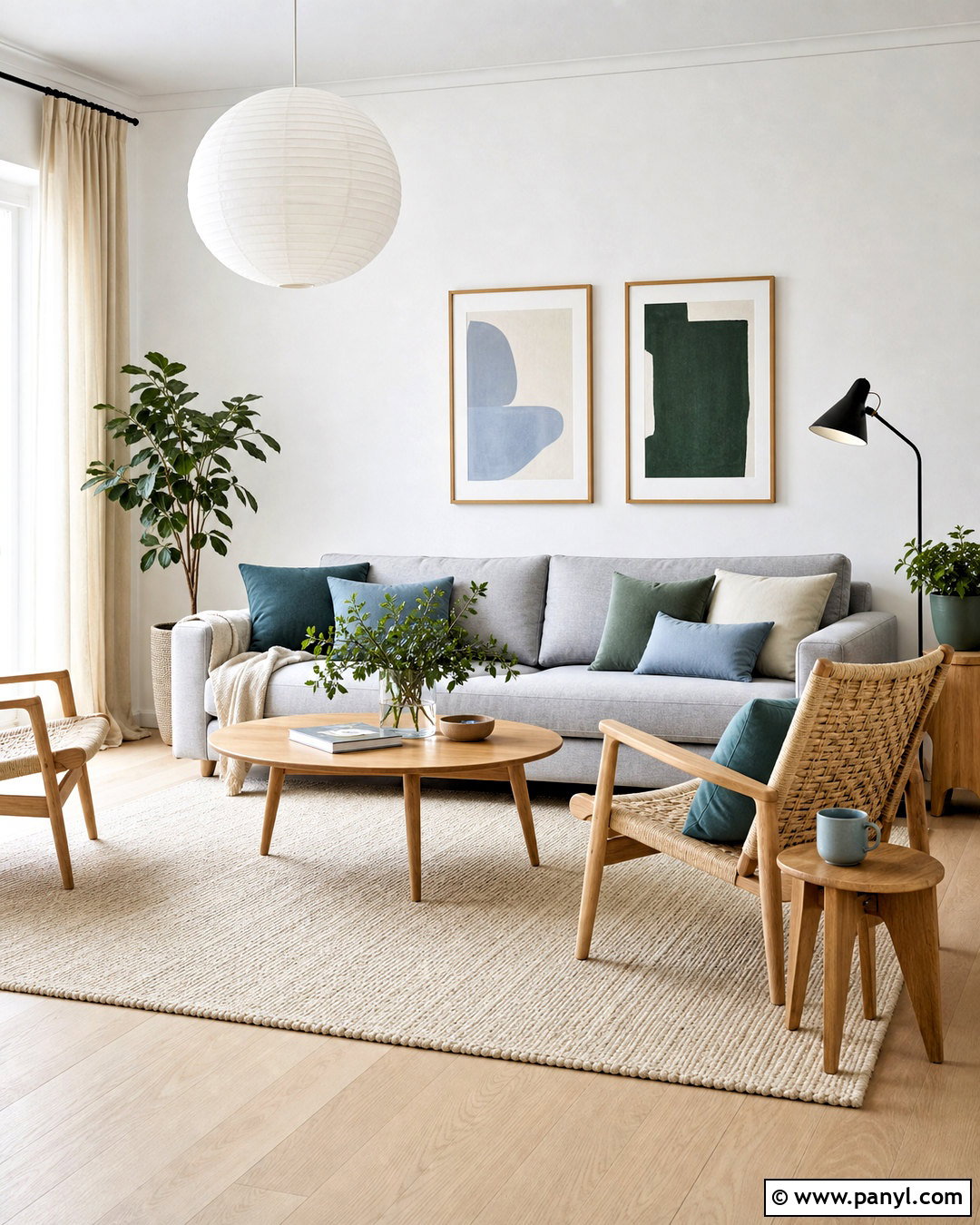
A Scandinavian room relies on simplicity, but it should never feel empty or impersonal. Use matte white walls, pale oak flooring, and lightweight furniture with visible legs to maintain an open appearance. Position a light gray sofa near the window and pair it with two bentwood chairs, a round oak table, and a flat-woven cream rug. Soft blue, dusty green, and muted terracotta accessories can introduce gentle color. Choose linen curtains that filter daylight rather than blocking it. A paper pendant light, framed abstract prints, and a few carefully placed ceramics complete the design. Practical storage is equally important, so include a low white cabinet that blends into the wall. This creates a calm, functional room with warmth, texture, and breathing space.
6. White Wall Coastal Living Room
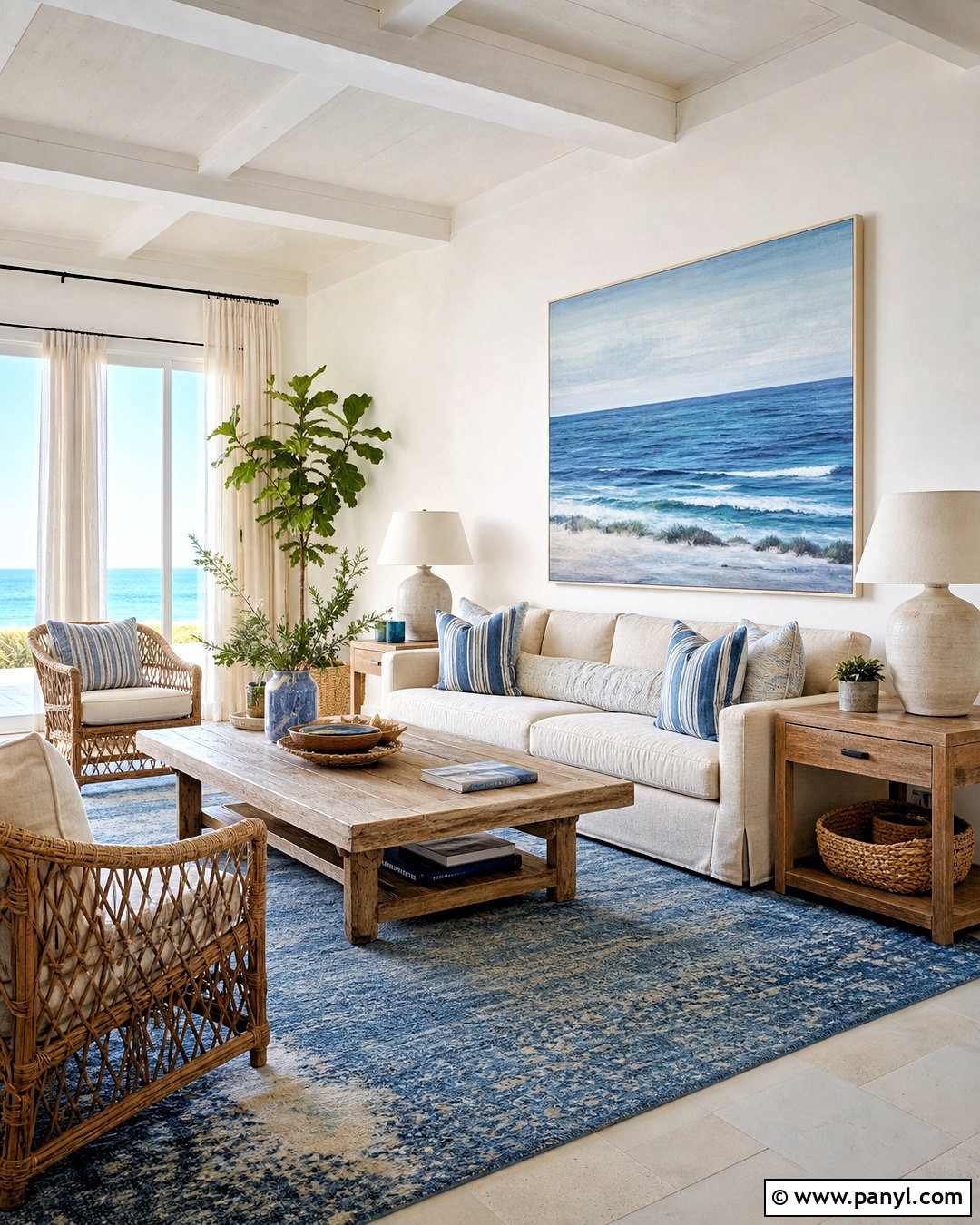
White walls provide an airy foundation for coastal decorating without requiring obvious nautical accessories. Select a slightly warm white, then combine it with a sand-colored sofa, weathered oak tables, and woven rattan chairs. A faded blue rug can define the seating area while echoing the color of water. Hang natural linen curtains from ceiling height to make the windows appear larger. For a relaxed focal point, place an oversized seascape or abstract blue artwork above the sofa. Add striped pillows, ceramic lamps, seagrass baskets, and a pale wood console. Avoid filling every surface with shells or themed objects. The complete room will feel more timeless when its coastal character comes from light, natural materials, soft blues, and an uncluttered furniture arrangement.
7. White Wall Modern Farmhouse Living Room
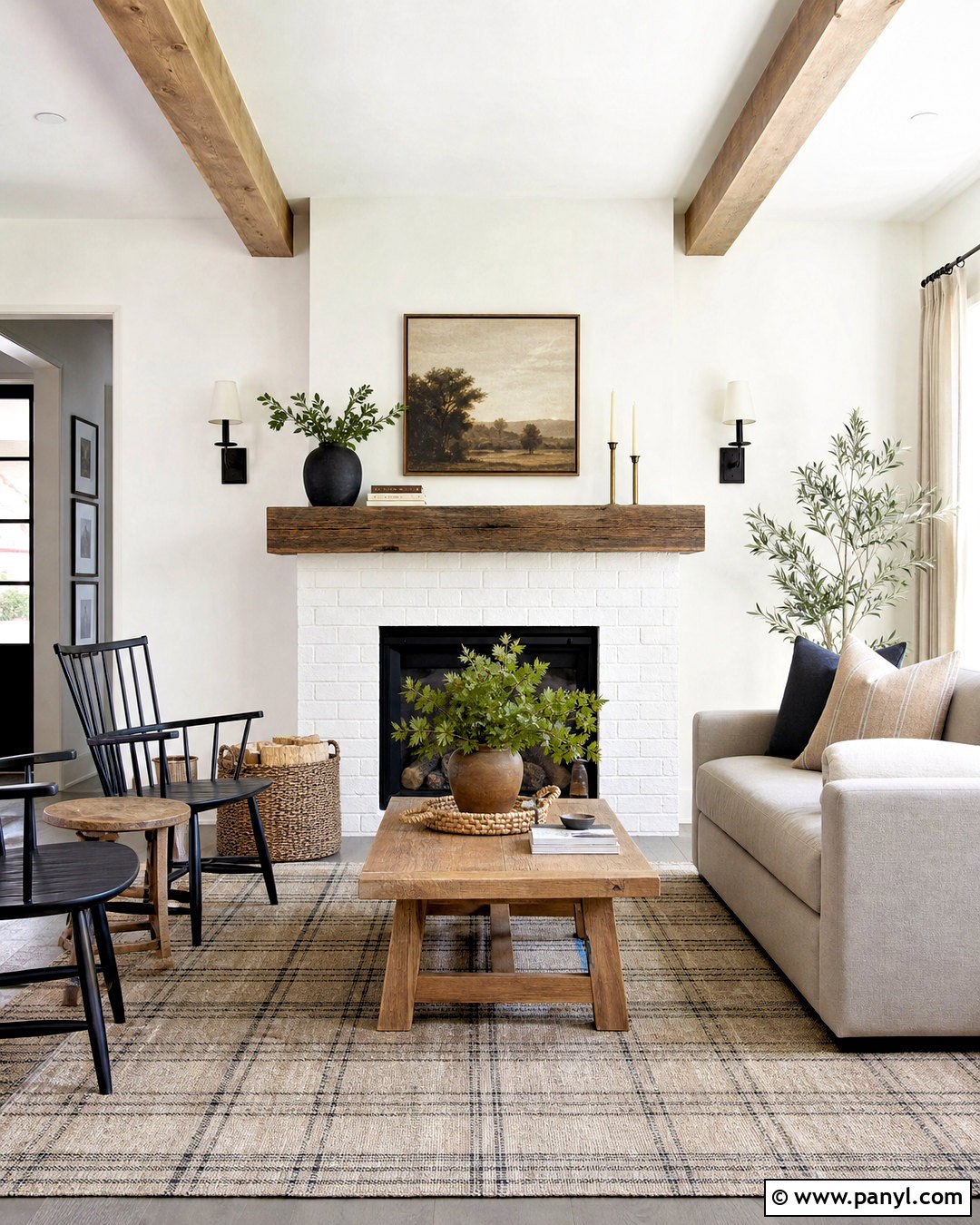
Modern farmhouse design feels cleaner when rustic finishes are balanced by bright white walls and simple furniture. Center the room around a white-painted fireplace with a thick reclaimed wood mantel. Place a comfortable greige sofa across from it, then add two black spindle chairs and a large neutral plaid rug. A sturdy oak coffee table offers warmth and practical surface space. Use black metal sconces, iron curtain rods, and dark cabinet hardware to outline the pale room. Instead of filling the walls with signs, choose one vintage landscape painting and a round wood-framed mirror. Linen curtains, ticking-stripe pillows, and woven storage baskets add softness. The result is a complete farmhouse living room that feels current, comfortable, and pleasantly restrained rather than overly themed.
8. White Wall Boho Living Room
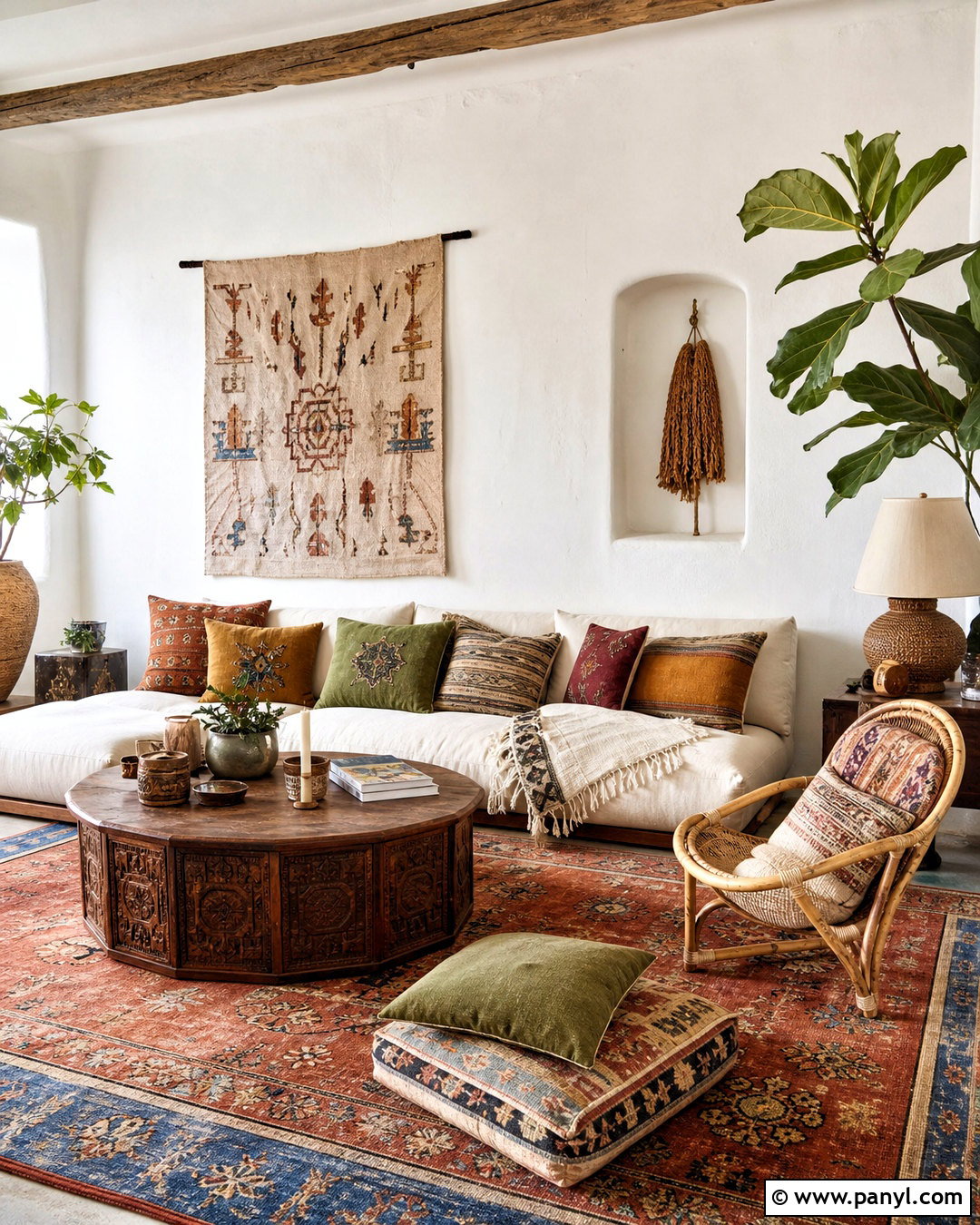
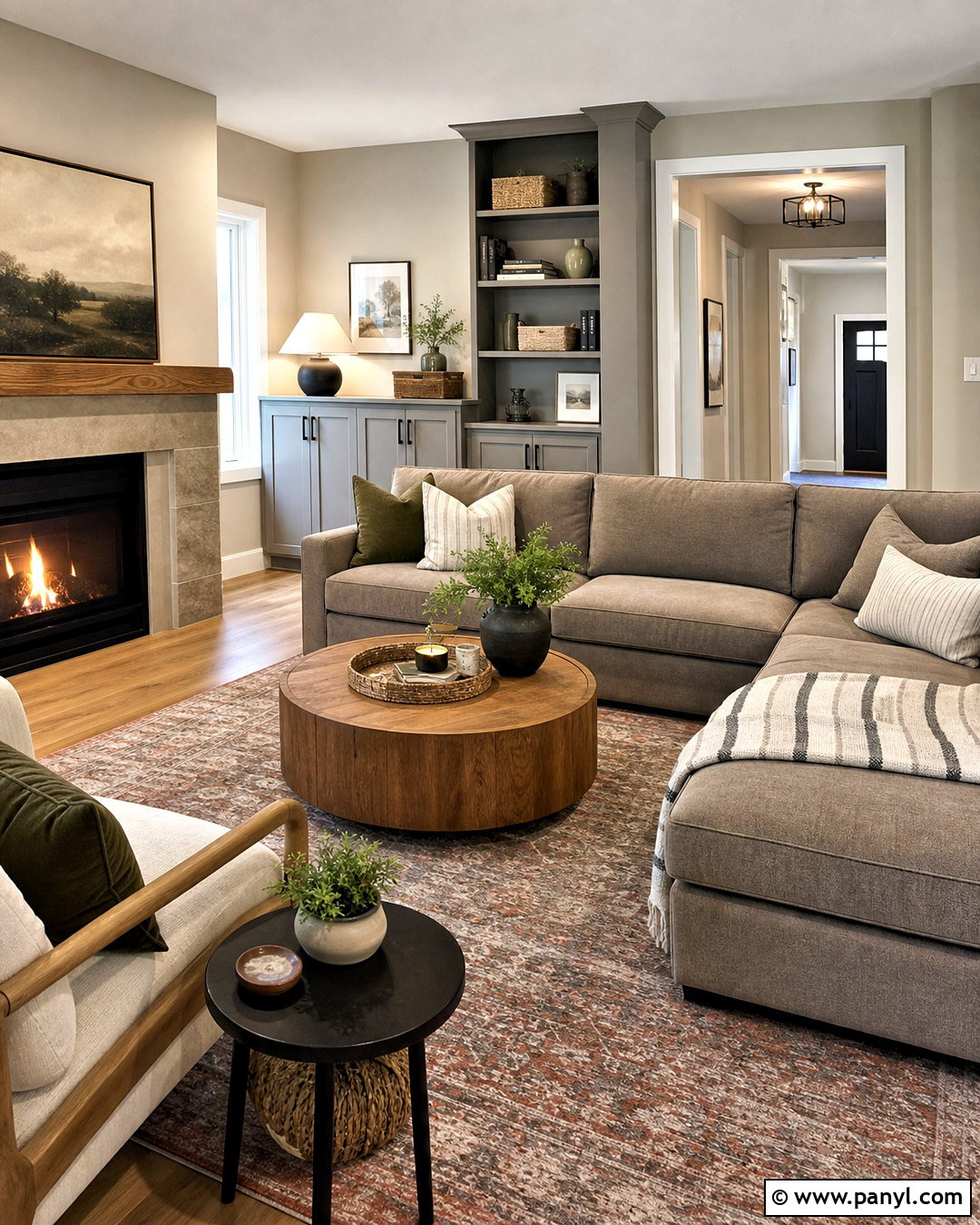
A boho living room can use white walls as a quiet background for pattern, plants, and handcrafted materials. Begin with a low cream sofa and arrange it beside a curved rattan chair and a carved wood coffee table. Layer a colorful vintage-style rug over light wood flooring to establish the room’s palette. Pull rust, mustard, sage green, and faded blue from the rug for pillows and throws. A large woven wall hanging can anchor the main white wall, while smaller framed prints add an informal collected effect. Include several plants at different heights, but group them instead of scattering them everywhere. Rattan lighting, floor cushions, linen curtains, and textured baskets complete a welcoming space that feels expressive without becoming visually chaotic.
9. White Wall Minimalist Living Room
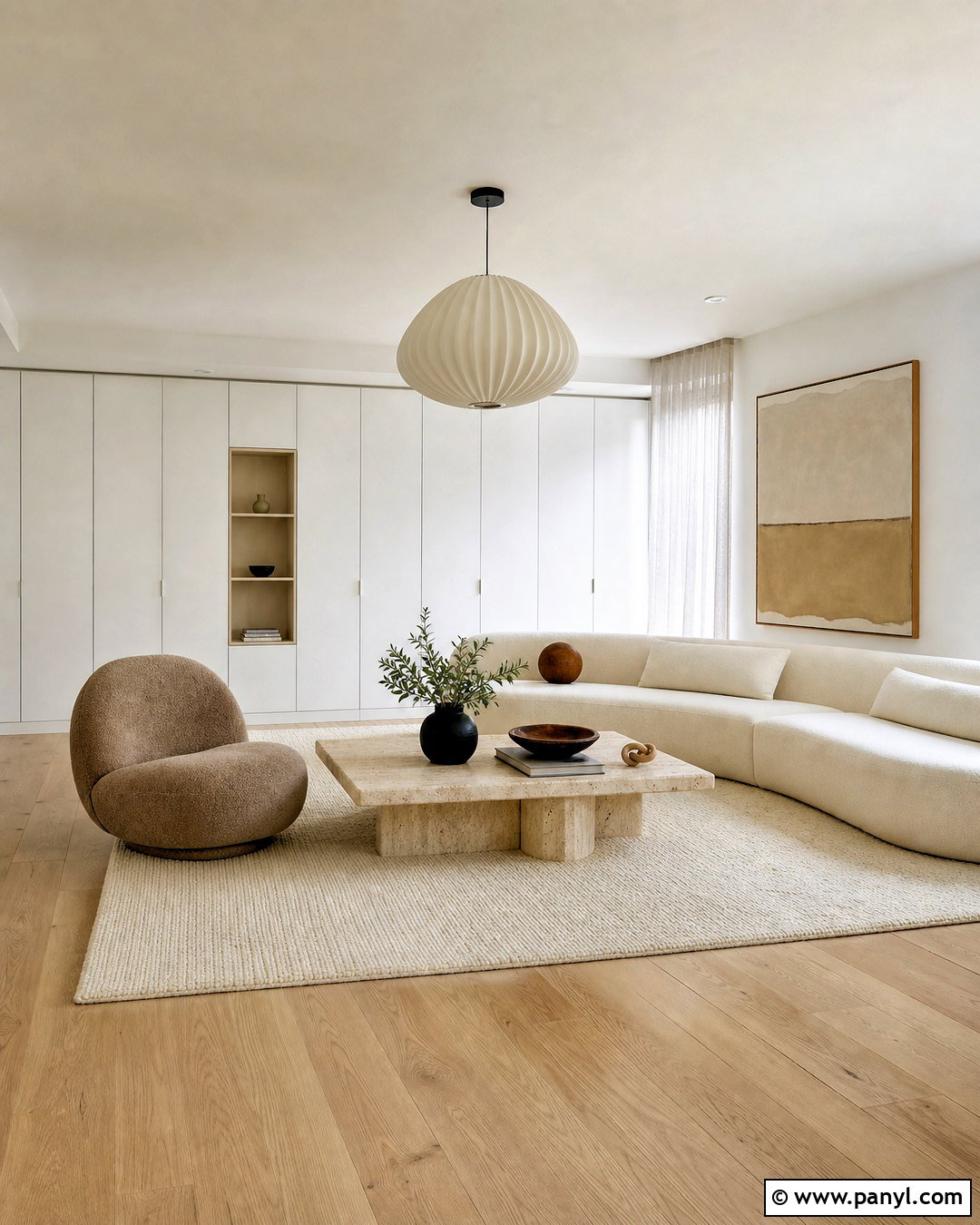
What makes a minimalist white room feel finished instead of bare? Strong proportions, quality materials, and deliberate placement are more important than the number of objects. Choose smooth warm white walls and wide-plank pale oak flooring. Float a streamlined ivory sofa in the room rather than pushing it against the wall, then face it toward a low travertine coffee table. Add one sculptural lounge chair in taupe and a large cream wool rug with subtle texture. An oversized neutral artwork can provide a focal point without adding visual noise. Use concealed storage, sheer full-length curtains, and a simple plaster pendant. Keep accessories limited to a ceramic vessel, a few books, and one leafy branch, allowing open space to become part of the design.
10. White Wall Traditional Living Room
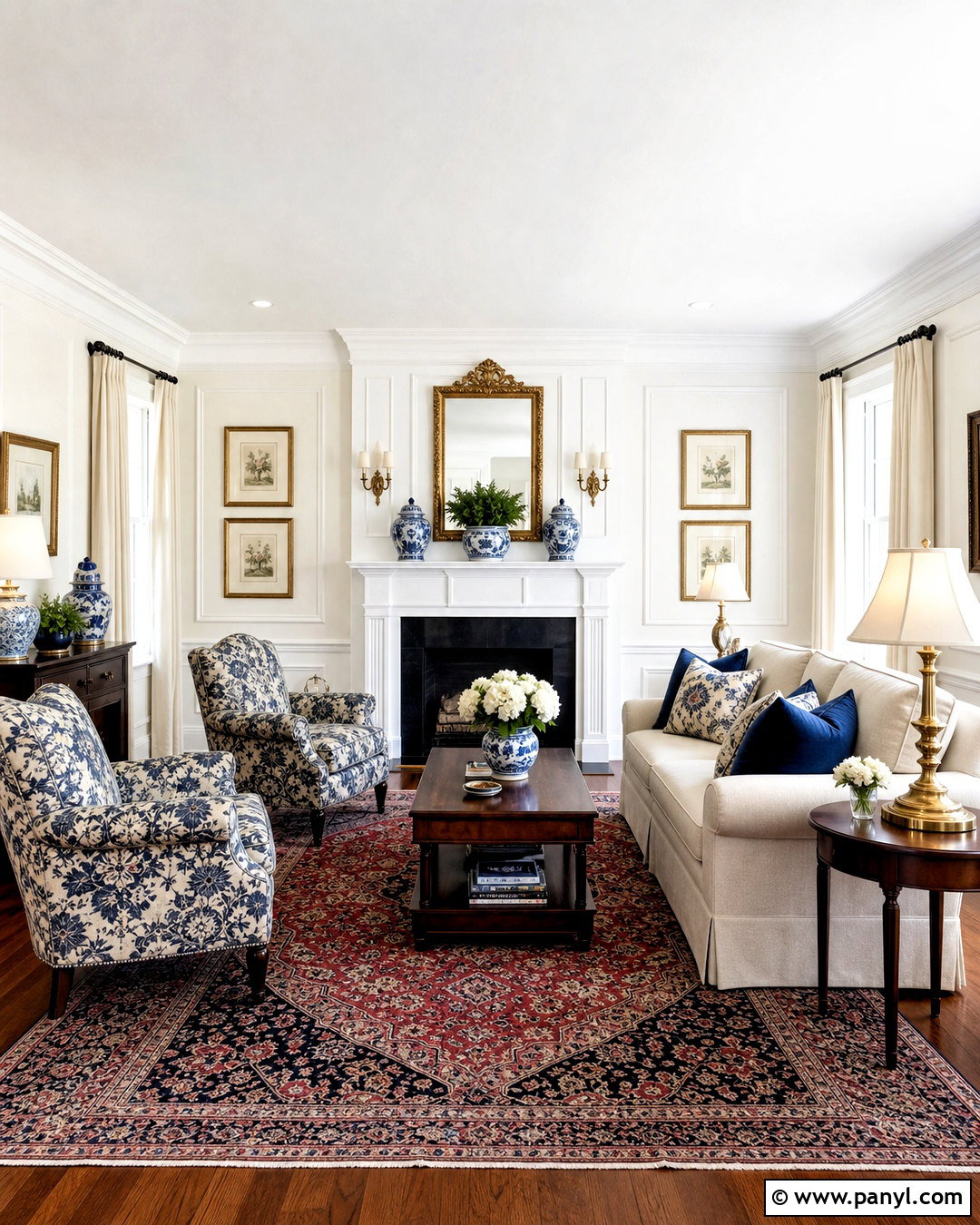
Classic furniture gains freshness when it is placed against clean white walls. Begin with warm white paint, bright trim, and restored medium-brown hardwood flooring. Arrange a tailored beige sofa with two patterned armchairs around a dark wood coffee table. A traditional rug in faded red, navy, and cream connects the furniture while supplying controlled color. Frame the windows with full-length linen drapes and woven shades for a layered treatment. Above a carved wood console, hang a gilded mirror or an oil landscape in a substantial frame. Brass table lamps, blue-and-white ceramics, and neatly stacked books add familiar traditional character. Maintain symmetry around the fireplace or main wall, but include a few relaxed details so the room looks welcoming rather than overly formal.
11. White Wall Molding Living Room
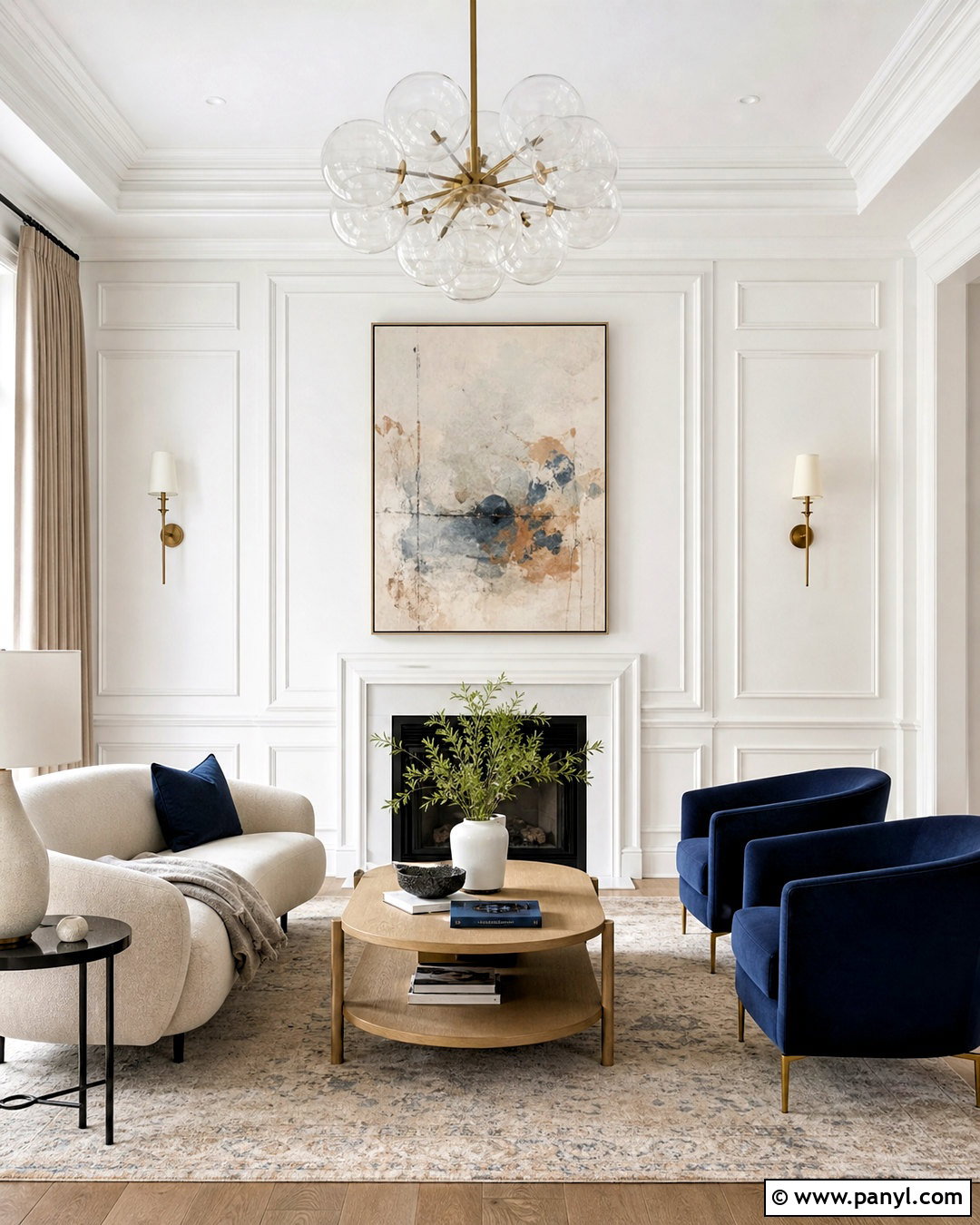
Decorative molding gives a white wall depth through light and shadow while preserving a calm color scheme. Create evenly spaced picture-frame panels across the main living room walls and paint the walls, molding, and baseboards the same soft white. This single-color treatment highlights the architecture without making it busy. Pair the detailed backdrop with a curved beige sofa, tailored navy chairs, and a light oak coffee table. A large muted rug should extend beneath every seat to unify the arrangement. Hang one oversized artwork inside the central panel rather than covering every section. Add pleated linen curtains, brass sconces, and a contemporary glass chandelier. Mixing classic wall detailing with streamlined furniture produces a balanced room that feels elegant, current, and visually complete.
12. White Brick Wall Living Room
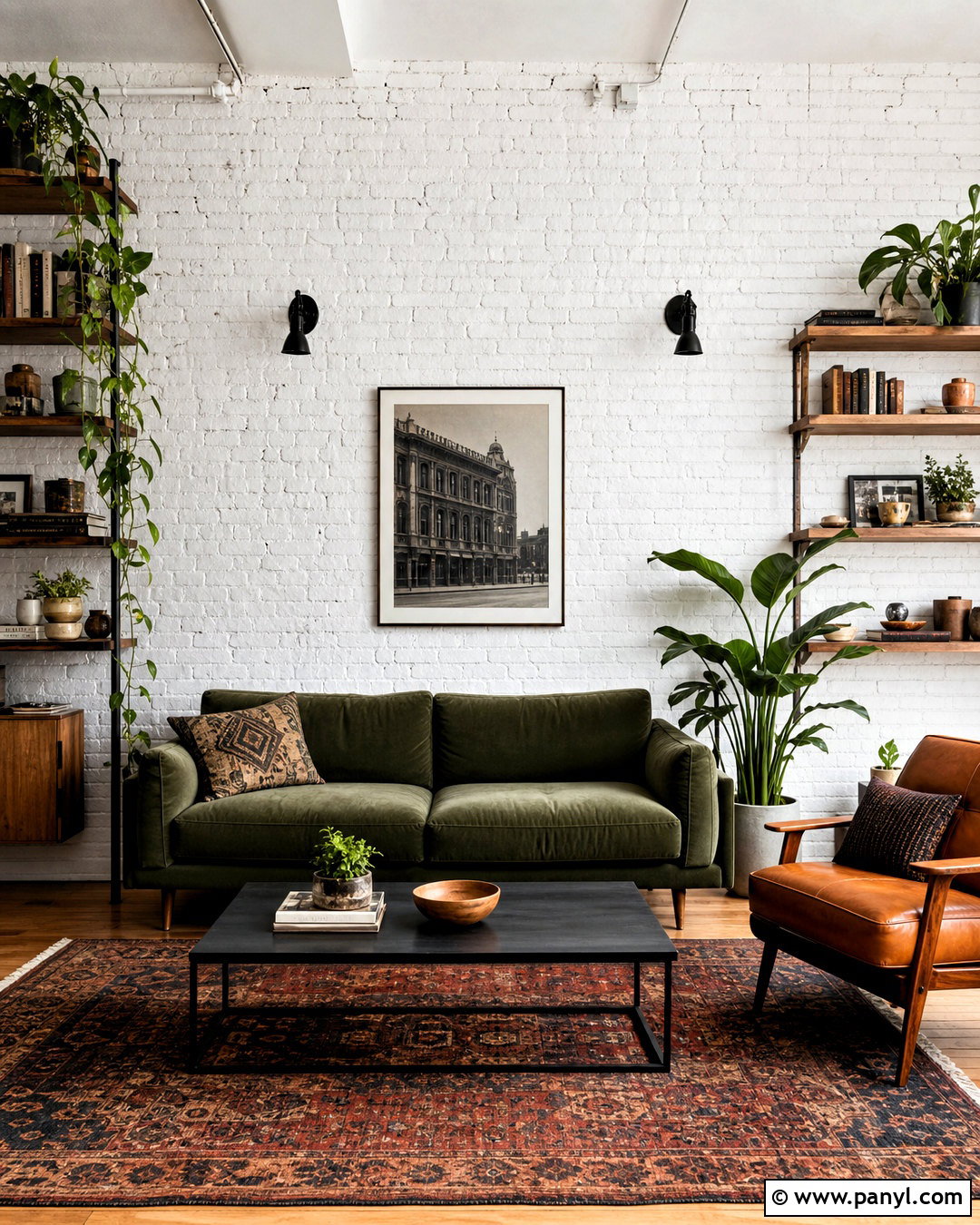
Exposed brick painted white adds texture and history while keeping a living room light. Make the brick wall the focal point, then position a deep olive sofa in front of it so the rough surface and rich upholstery create contrast. Use warm wood flooring, a vintage-patterned rug, and a black metal coffee table to support the slightly industrial character. Open walnut shelves can display books, pottery, and trailing plants without hiding too much brick. Choose off-white curtains and a leather accent chair to soften the harder finishes. Track lighting or black wall sconces can reveal the uneven texture. Keep the remaining walls smooth and white, allowing the brick to stand out as an architectural element while the complete space remains comfortable and approachable.
13. White Limewash Wall Bedroom
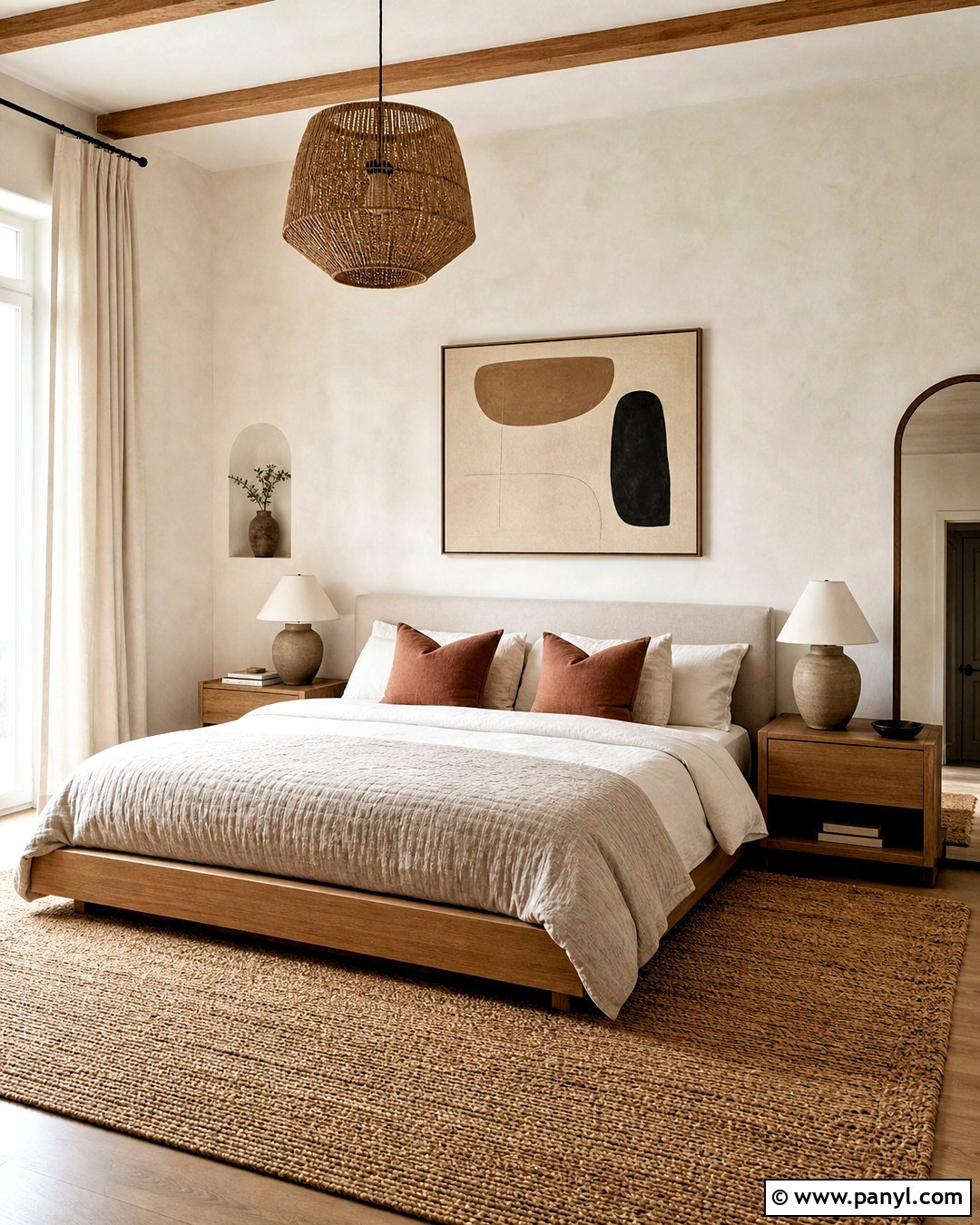
A white limewash finish gives bedroom walls subtle movement that ordinary flat paint cannot provide. Its cloudy texture works especially well with quiet, natural furnishings. Place a low oak bed against the main wall and dress it with ivory linen bedding, a light taupe quilt, and muted clay-colored pillows. Use matching wood nightstands with small ceramic lamps for a calm, balanced layout. A woven wool rug should extend beyond the sides of the bed, creating softness underfoot. Add ceiling-height linen curtains and a simple upholstered bench at the foot. Keep wall decor minimal so the limewash texture remains visible. One framed abstract piece, a curved mirror, and a few handmade vessels are enough to create a serene, layered retreat.
14. White Wall Built-In Bookshelves
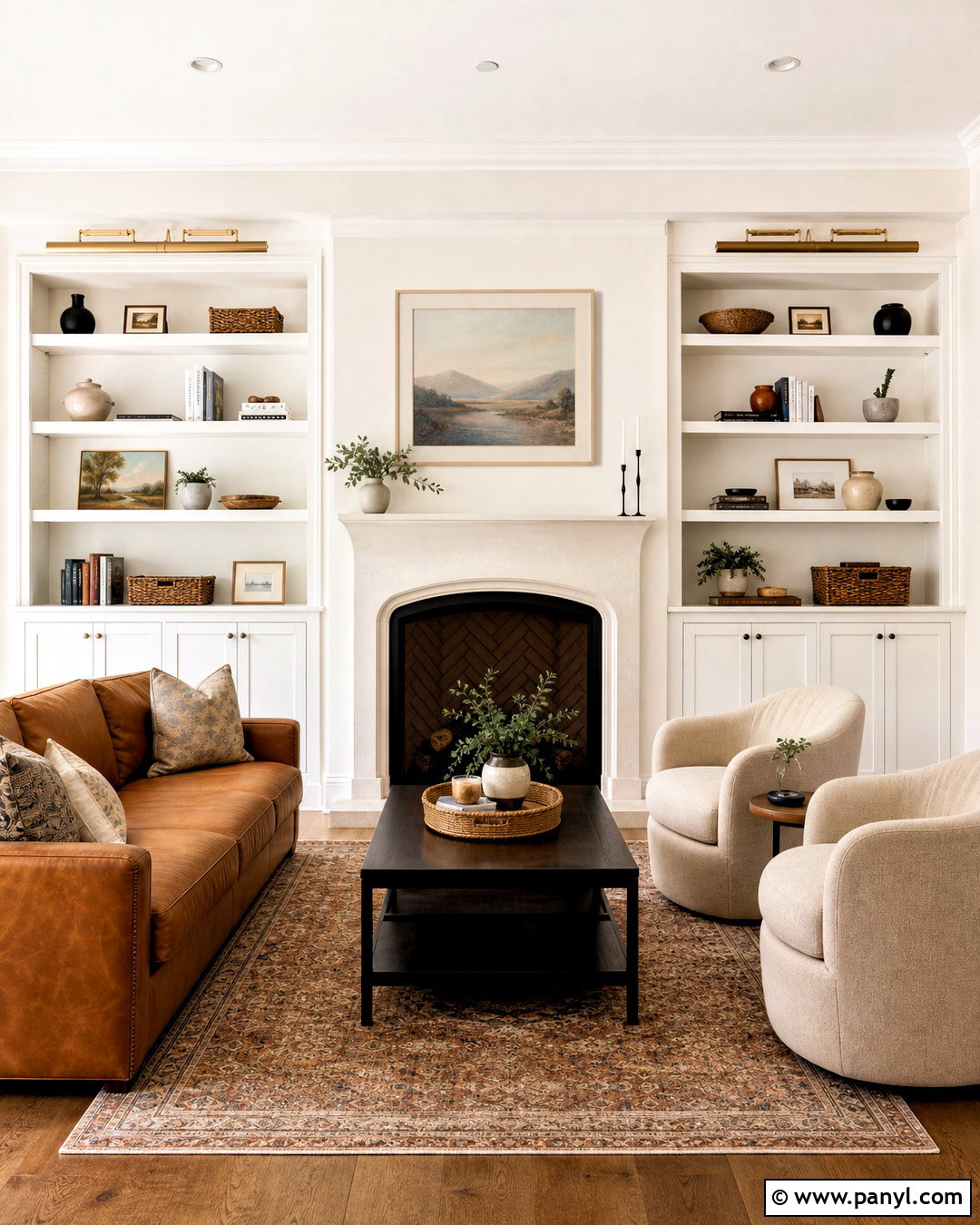
Floor-to-ceiling built-ins can turn a plain white wall into practical storage and a strong room feature. Paint the shelving, lower cabinets, trim, and surrounding wall in the same warm white for a seamless appearance. Leave space in the center for a television, artwork, or a plaster fireplace. Style the shelves with a balanced mix of books, framed pictures, ceramics, baskets, and small sculptural pieces. Avoid filling every inch; open space helps individual objects stand out. In front of the built-ins, arrange a camel leather sofa, two cream swivel chairs, and a large patterned rug. Antique brass picture lights add warmth above the shelves. The complete setup combines storage, display, and seating while keeping the room visually calm and organized.
15. White Wall Dining Room
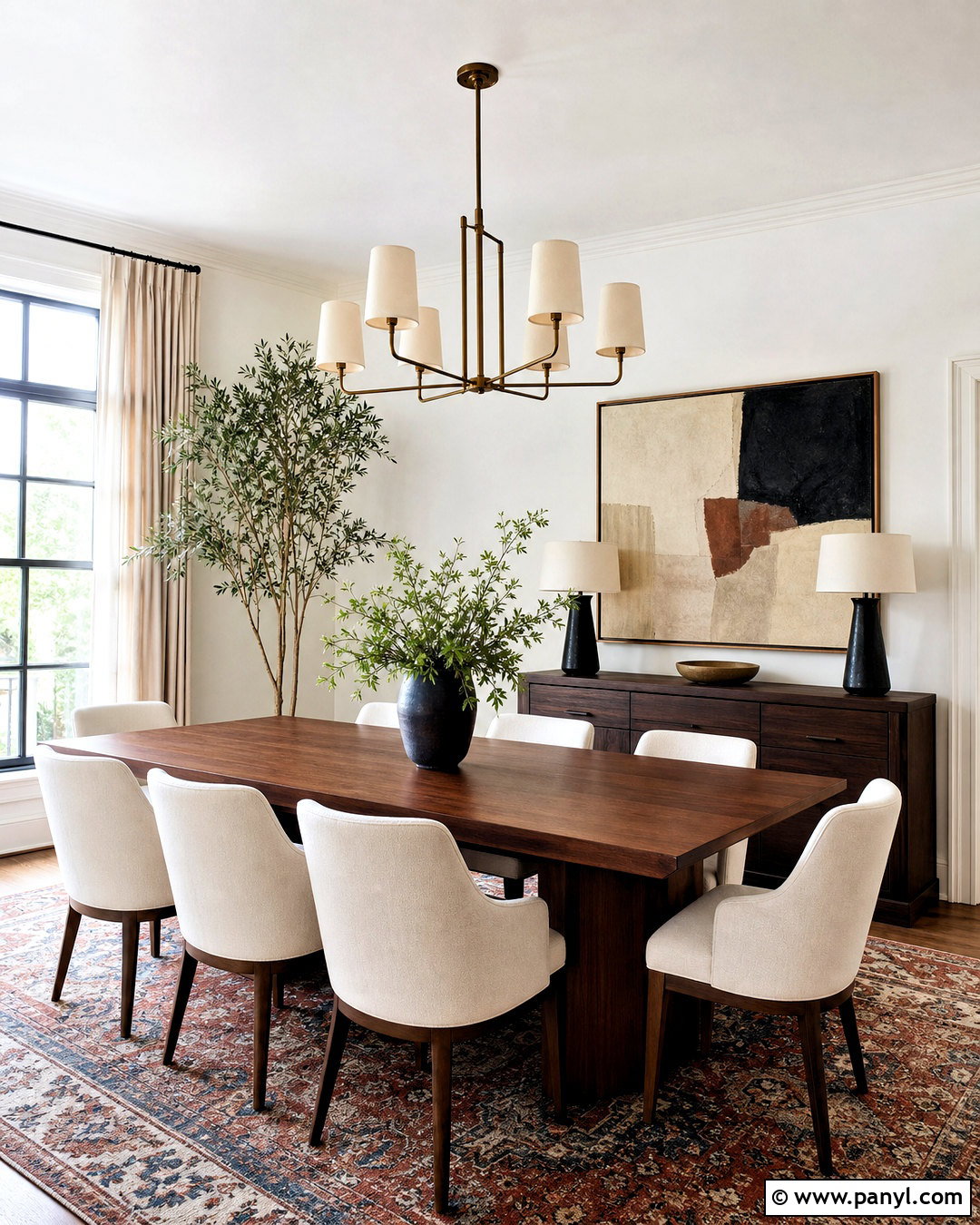
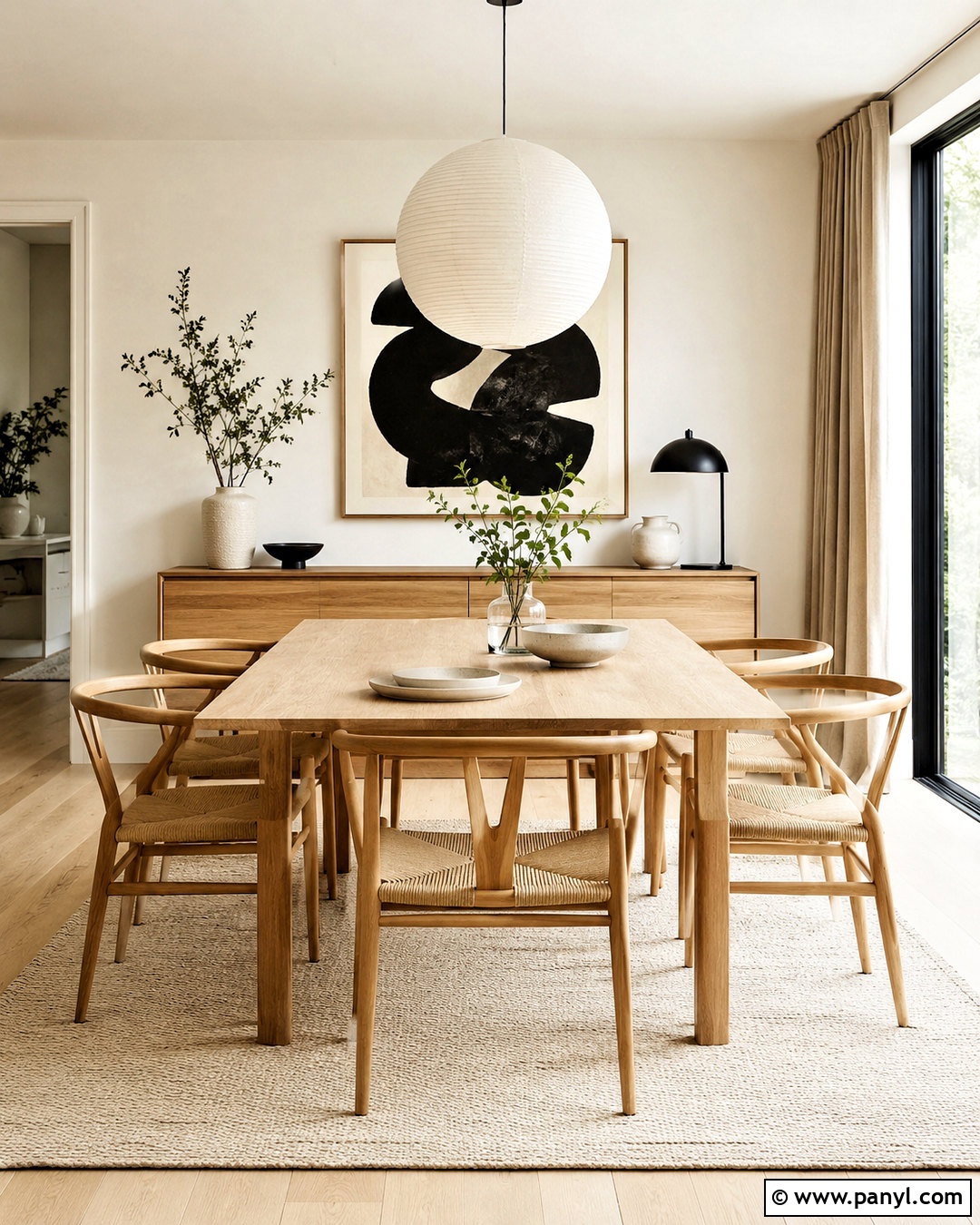
White walls can make a dining room feel crisp during the day and intimate when layered with warm lighting. Center a substantial walnut dining table beneath a sculptural brass chandelier, then surround it with upholstered cream chairs or woven-seat wood chairs. A large vintage-inspired rug in muted rust and blue will define the dining zone and protect the flooring. Add a dark wood sideboard against one wall, topped with matching lamps, ceramics, and a few serving pieces. Oversized abstract artwork brings color to the white background without overwhelming the room. Use linen curtains and woven shades to soften the windows. A tall indoor tree in the corner adds life and height, creating a complete dining space that feels welcoming for everyday meals and gatherings.
16. White Wall Bedroom With Color
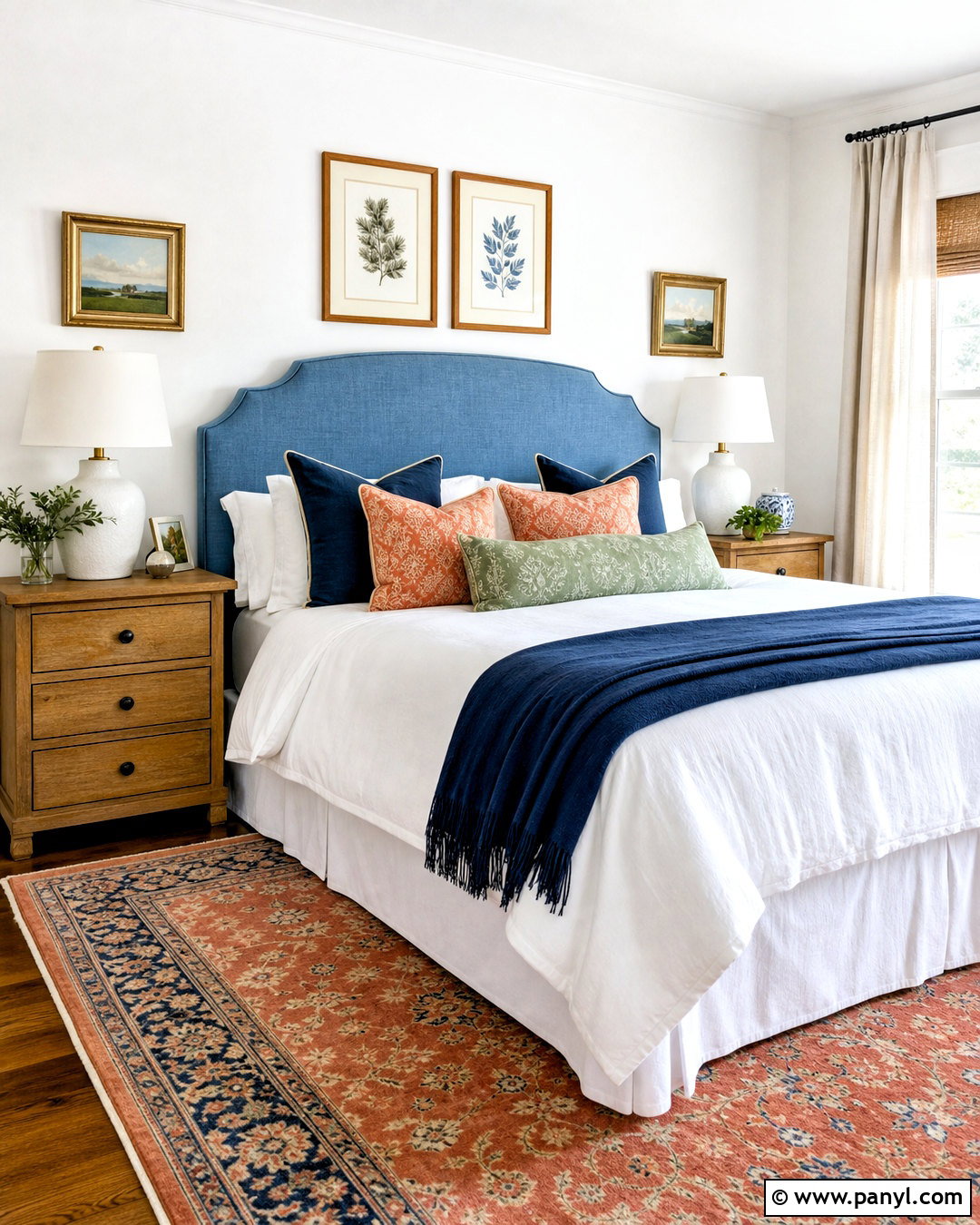
Waking up in a colorful bedroom does not require painting every wall. Keep the walls a soft neutral white and let upholstered furniture, bedding, and artwork establish the palette. A dusty blue headboard creates a soothing focal point, while layered white bedding provides a fresh base. Add a patterned quilt containing coral, sage, and navy, then repeat those shades in pillows and bedside accessories. Warm oak nightstands and a matching dresser prevent the design from feeling overly cool. Hang two coordinated prints above the bed and place a muted patterned rug underneath it. Full-length natural linen curtains soften the white walls. By distributing color around the entire room, the finished bedroom feels balanced, cheerful, and easy to update over time.
17. White Wall Home Office
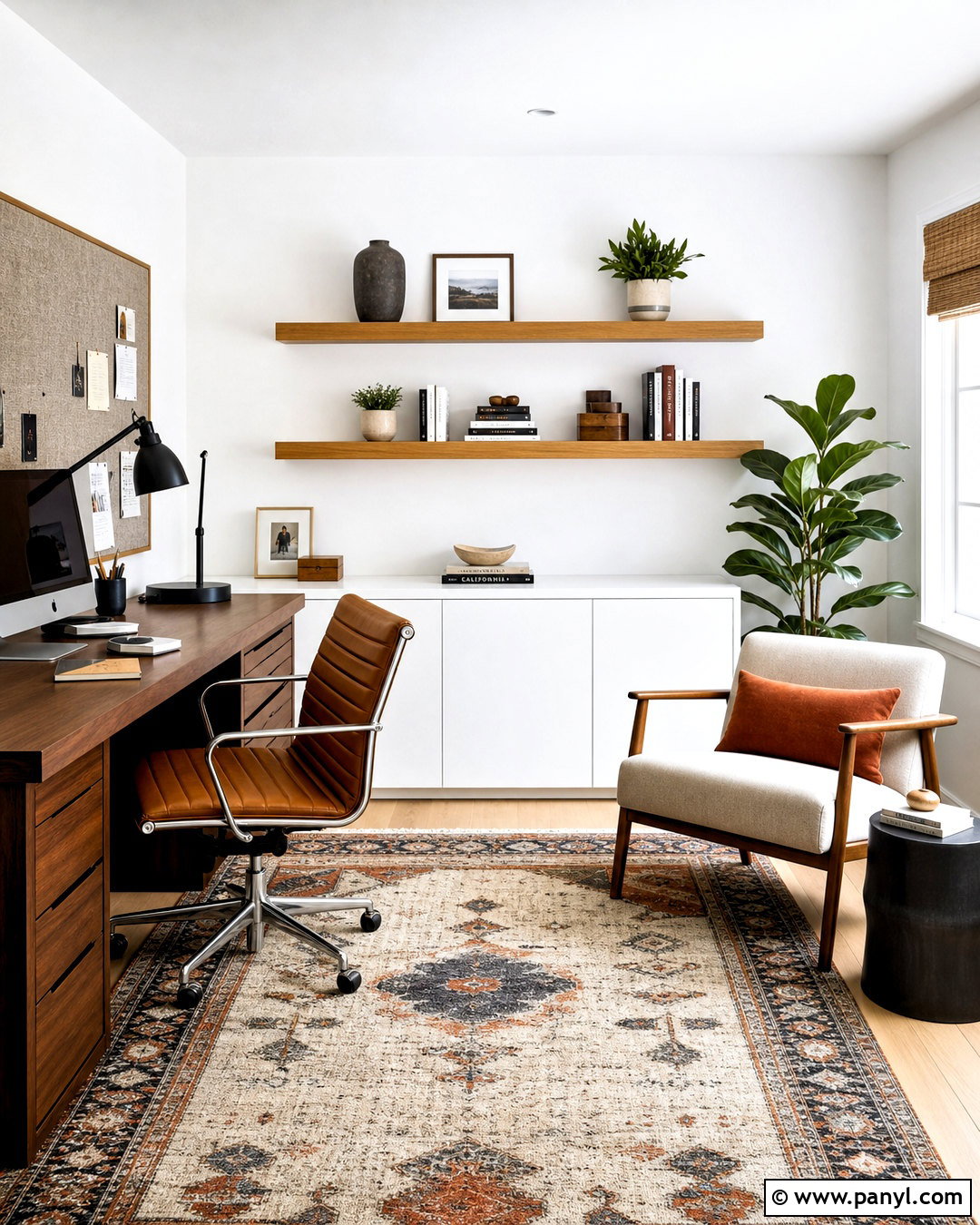
A white home office can support concentration while still looking warm enough to use every day. Place a walnut desk against the main white wall and add a comfortable tan leather chair with clean lines. Install two floating oak shelves above the desk for books, small storage boxes, and limited decor. A large pinboard covered in neutral linen offers a practical place for notes without creating visual clutter. Ground the work area with a low-pile patterned rug in cream, charcoal, and rust. Black metal task lighting and cabinet hardware provide crisp definition. Add closed white storage along one side of the room, along with a compact reading chair near the window. A tall plant and woven shade complete the bright, organized workspace.
18. White Wall Small Living Room
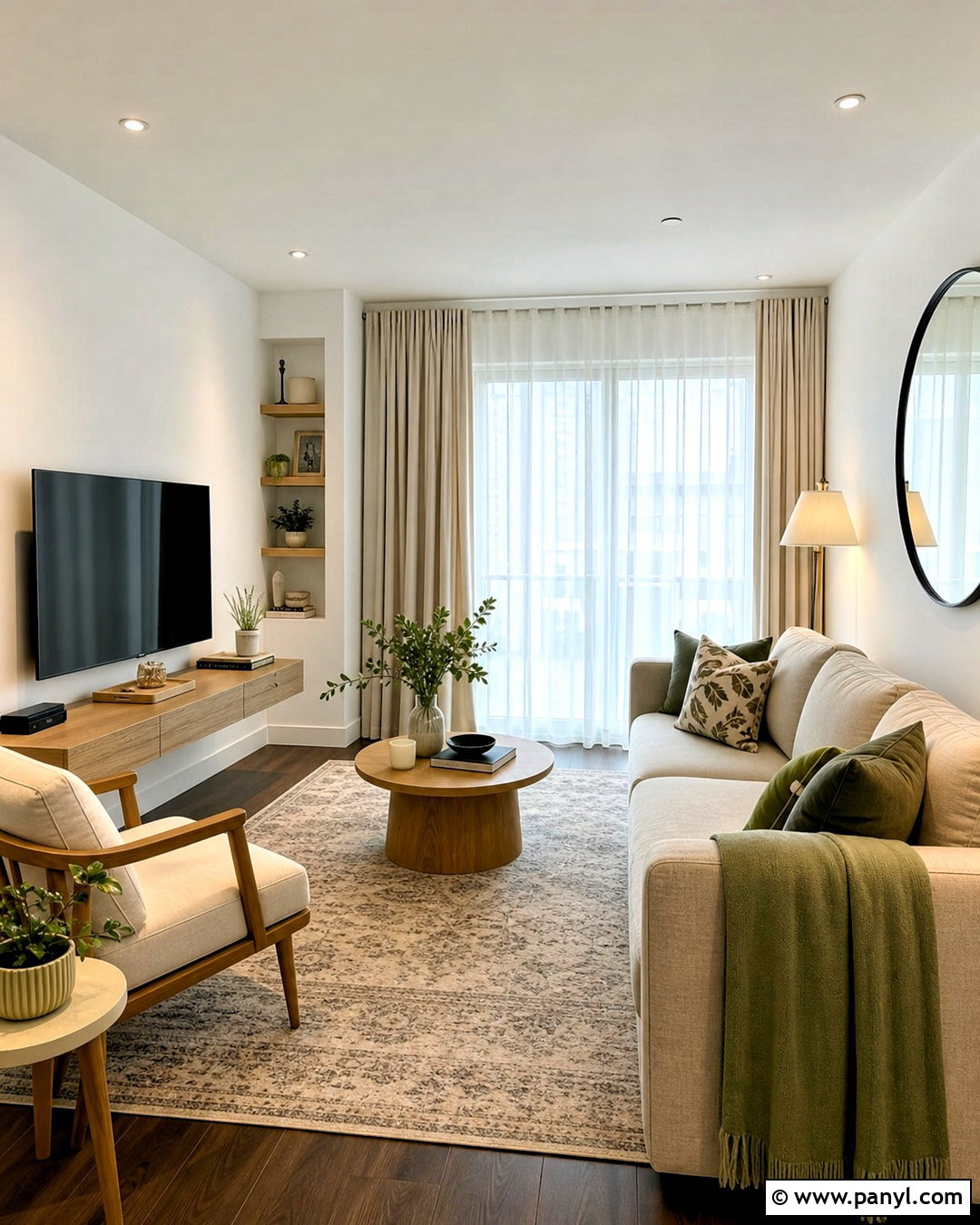
In a compact living room, white walls can create openness when the furniture scale and layout are carefully controlled. Choose an apartment-size beige sofa with raised legs and position it along the longest wall. Across from it, use a slim wall-mounted media console instead of a bulky cabinet. A round oak coffee table improves movement through the room, while one lightweight accent chair supplies extra seating. Define the layout with a pale patterned rug that nearly fills the floor rather than several small rugs. Hang a large mirror opposite or beside the window to spread natural light. Add ceiling-height curtains, narrow wall shelves, and a shaded floor lamp. Limiting the palette to white, beige, oak, and soft green keeps the complete room cohesive.
19. White Wall Room With Colorful Decor
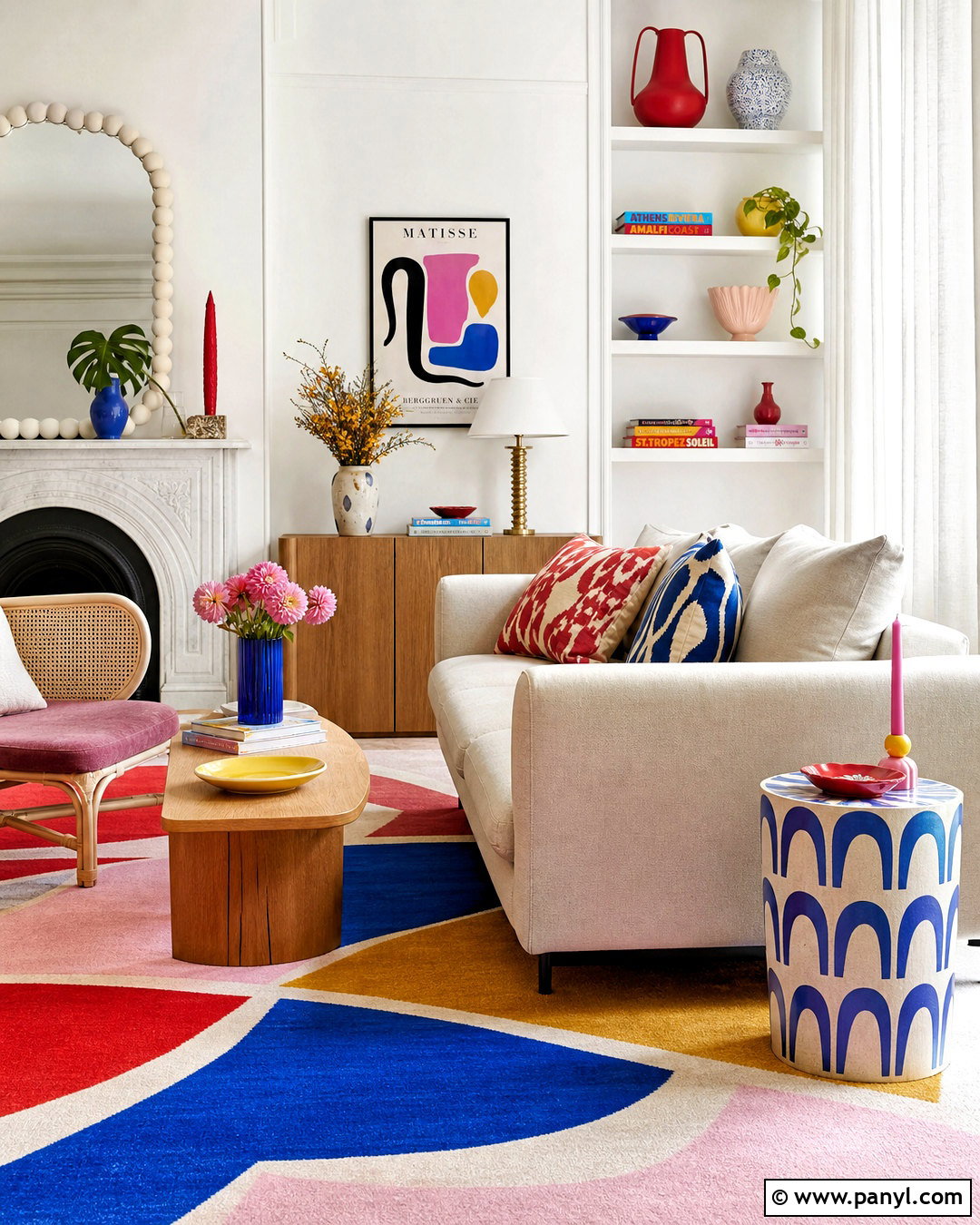
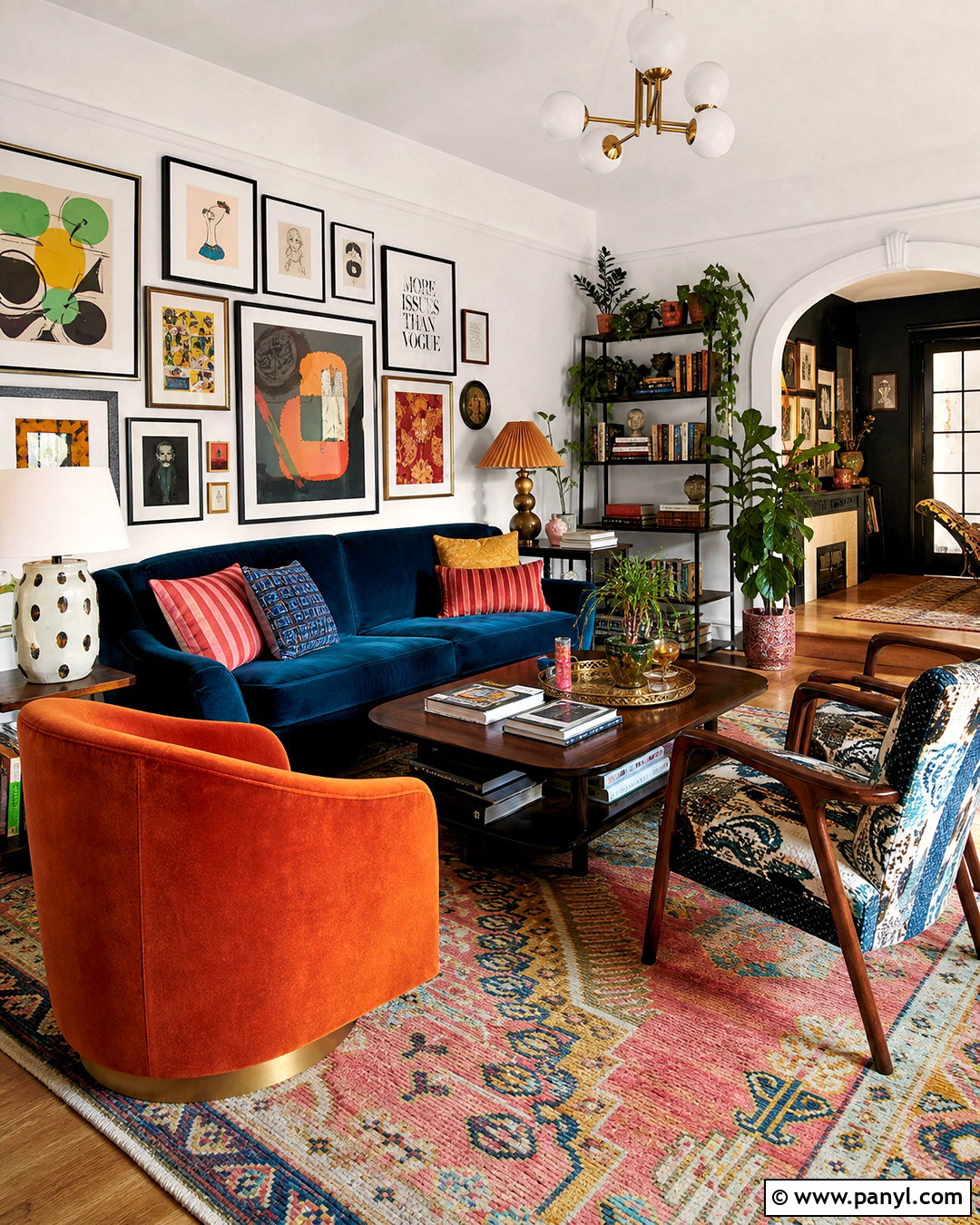
If you enjoy changing your home with the seasons, white walls offer a flexible background for expressive decor. Start with a neutral sofa and simple wood furniture, then build the room around a vibrant rug containing cobalt blue, tomato red, golden yellow, and pink. Repeat these colors through solid and patterned pillows so the combination feels planned. Hang one large, colorful artwork above the sofa and balance it with a painted side table or bright ceramic lamp across the room. White curtains and a natural fiber shade keep the windows quiet. Use closed storage to prevent everyday items from competing with the palette. The finished room should feel energetic but controlled, with color distributed at several heights instead of concentrated in one corner.
20. White Wall Neutral Layered Room
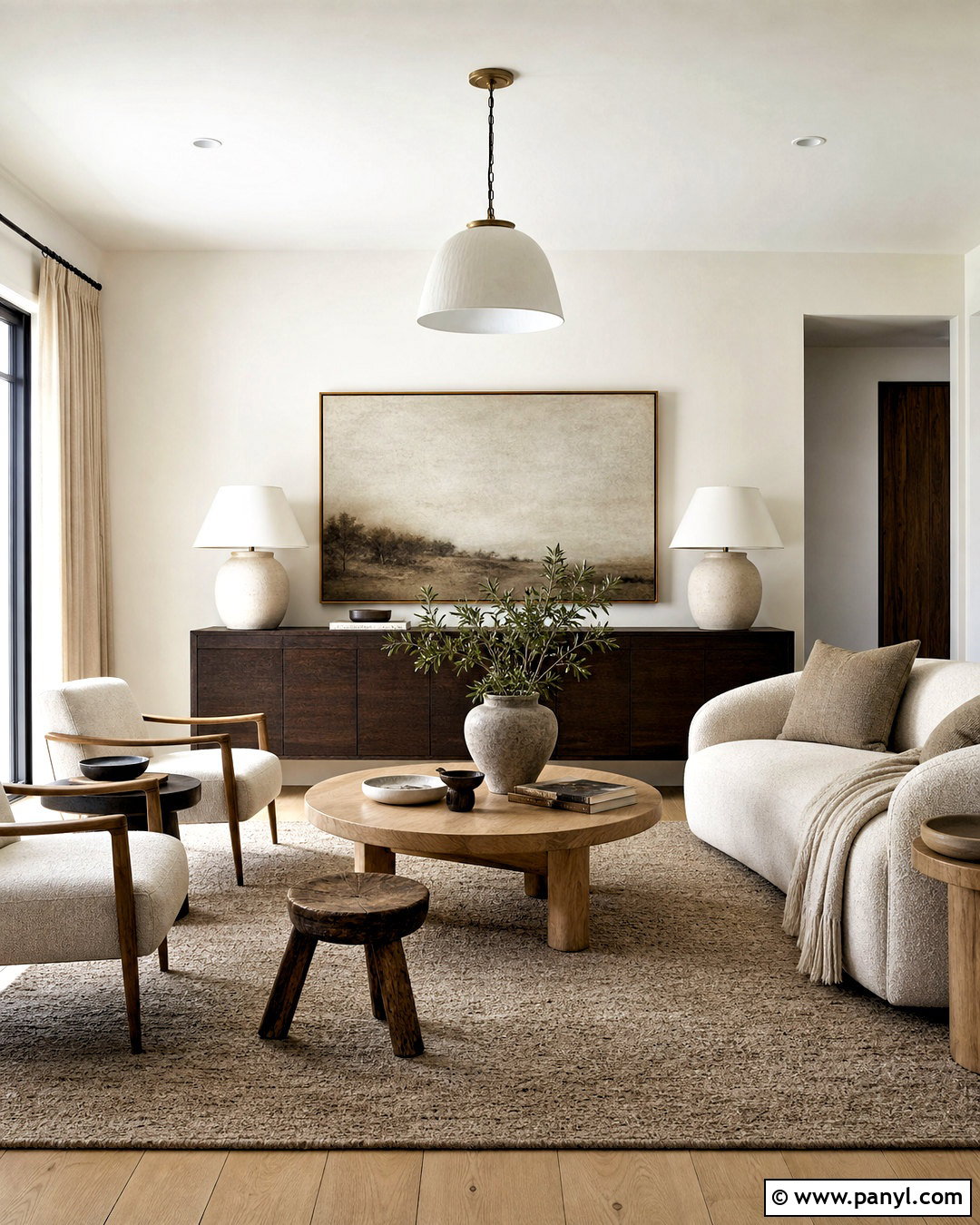
An all-neutral room becomes inviting when every surface offers a different texture or tone. Paint the walls a warm chalky white, then combine an ivory boucle sofa with flax linen chairs and a soft taupe wool rug. Introduce pale oak through the floor, coffee table, and side tables, but add a darker walnut cabinet for contrast. Layer the seating with nubby pillows, a ribbed throw, and subtle woven patterns. Sheer curtains can filter daylight while heavier oatmeal-colored side panels frame the windows. Complete the design with plaster lamps, stone bowls, handmade ceramics, and oversized tonal artwork. Keeping the palette restrained allows shape and material to lead the room. The result feels calm and sophisticated without appearing plain, sterile, or overly coordinated.
Conclusion:
Successful **white wall design ideas** treat white as the foundation of a complete room rather than the finished design. Start by choosing a white that works with the room’s natural light, flooring, and permanent finishes. Then add contrast through wood, black metal, colorful textiles, artwork, or darker furniture. Texture is equally important, especially in neutral rooms where linen, wool, brick, limewash, molding, and woven materials provide depth. Keep the furniture arrangement practical and repeat key colors across several areas for a cohesive result. Whether you prefer Scandinavian simplicity, traditional character, bold color, or organic warmth, white walls can support the look. Thoughtful layering will make them feel intentional, comfortable, and personal.

Related Ideas and Inspiration:
Leave a Reply