
White walls create a bright, flexible backdrop, but they can also feel unfinished without the right layers. The best white wall decor ideas combine artwork, furniture, lighting, texture, and color into one balanced design. Scale matters just as much as style. A tiny frame can disappear above a large sofa, while an oversized piece may overwhelm a narrow hallway. Before decorating, consider the wall’s width, nearby furniture, natural light, and the mood you want to create. Warm wood, woven fibers, and earthy colors make white feel cozy. Black frames and clean lines offer sharper contrast. Colorful art brings energy without requiring paint. Use the following complete room looks to find practical, stylish, and easy-to-recreate **white wall decor ideas**.

1. Oversized Art On White Walls
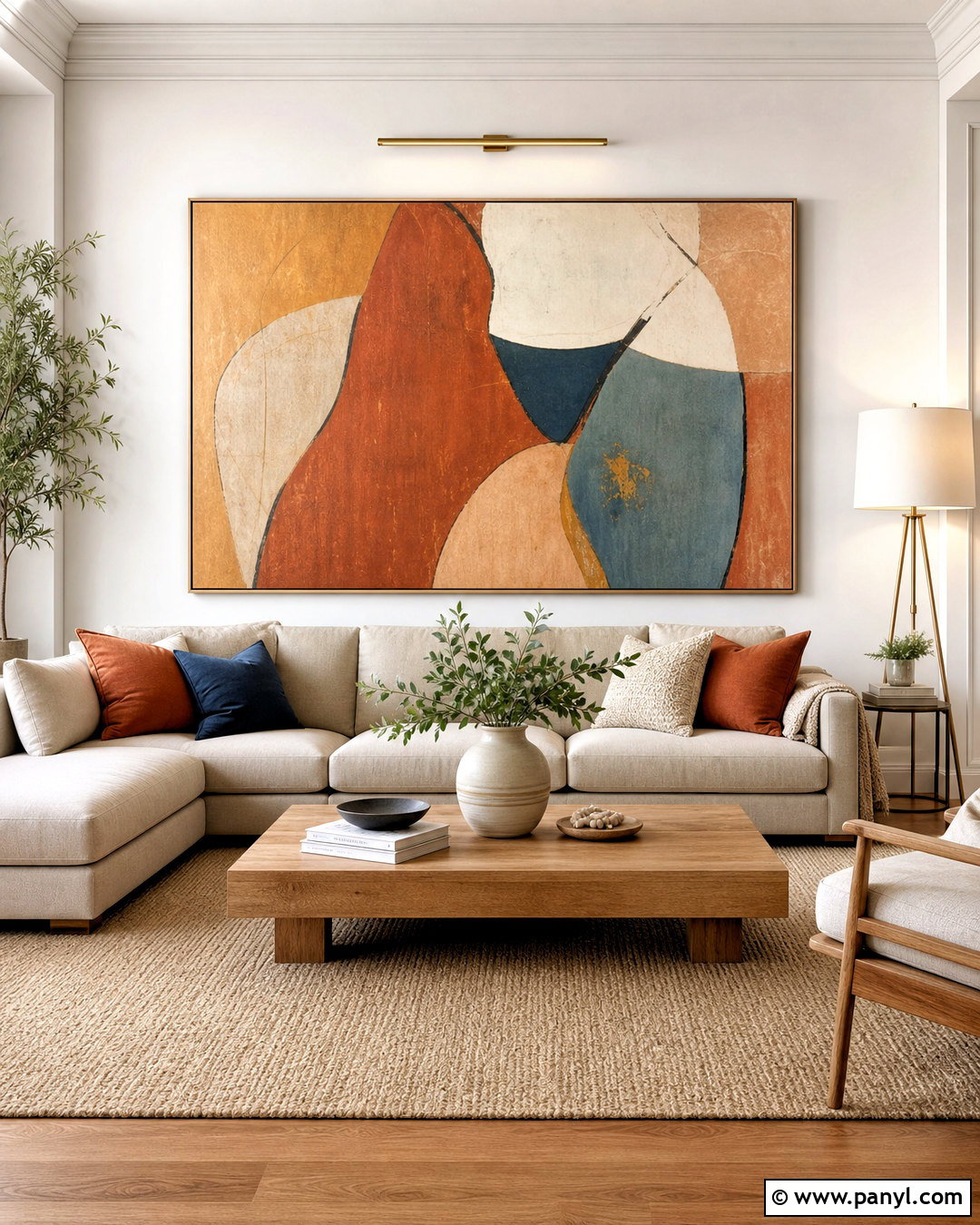
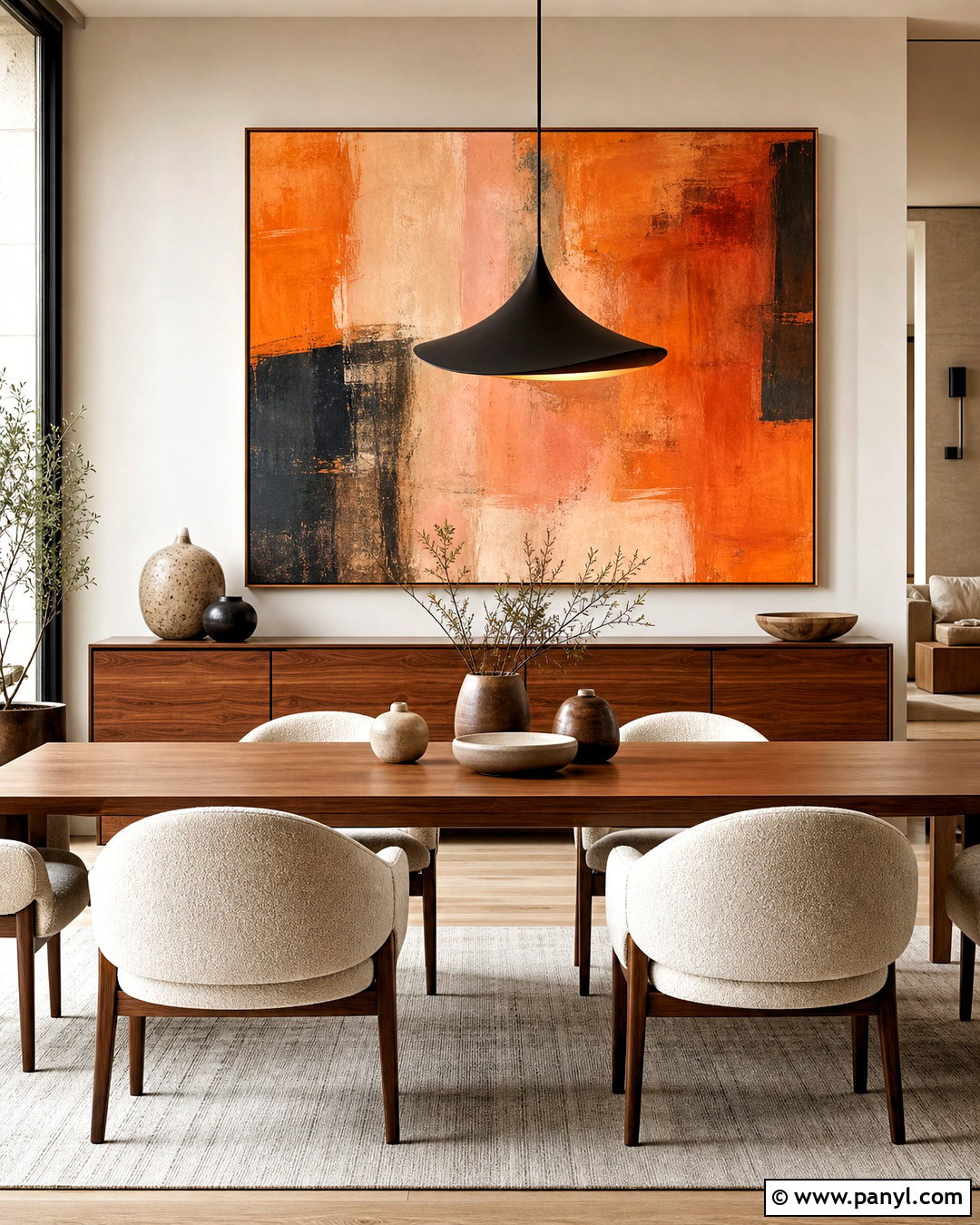
A single oversized artwork can give a white living room an immediate focal point without making it feel busy. Choose an abstract canvas that measures about two-thirds the width of the sofa below it. Terracotta, muted blue, ochre, and cream create warmth while still allowing the white wall to breathe. Pair the artwork with a low-profile beige sofa, a medium-tone oak coffee table, and a textured wool rug. Repeat two colors from the canvas in pillows or a ceramic vase to connect the room. Keep surrounding accessories simple so the art remains dominant. A slim picture light or nearby floor lamp can add gentle illumination. This complete arrangement feels intentional, spacious, and polished while requiring only one major wall piece.
2. Black Frame Gallery Wall
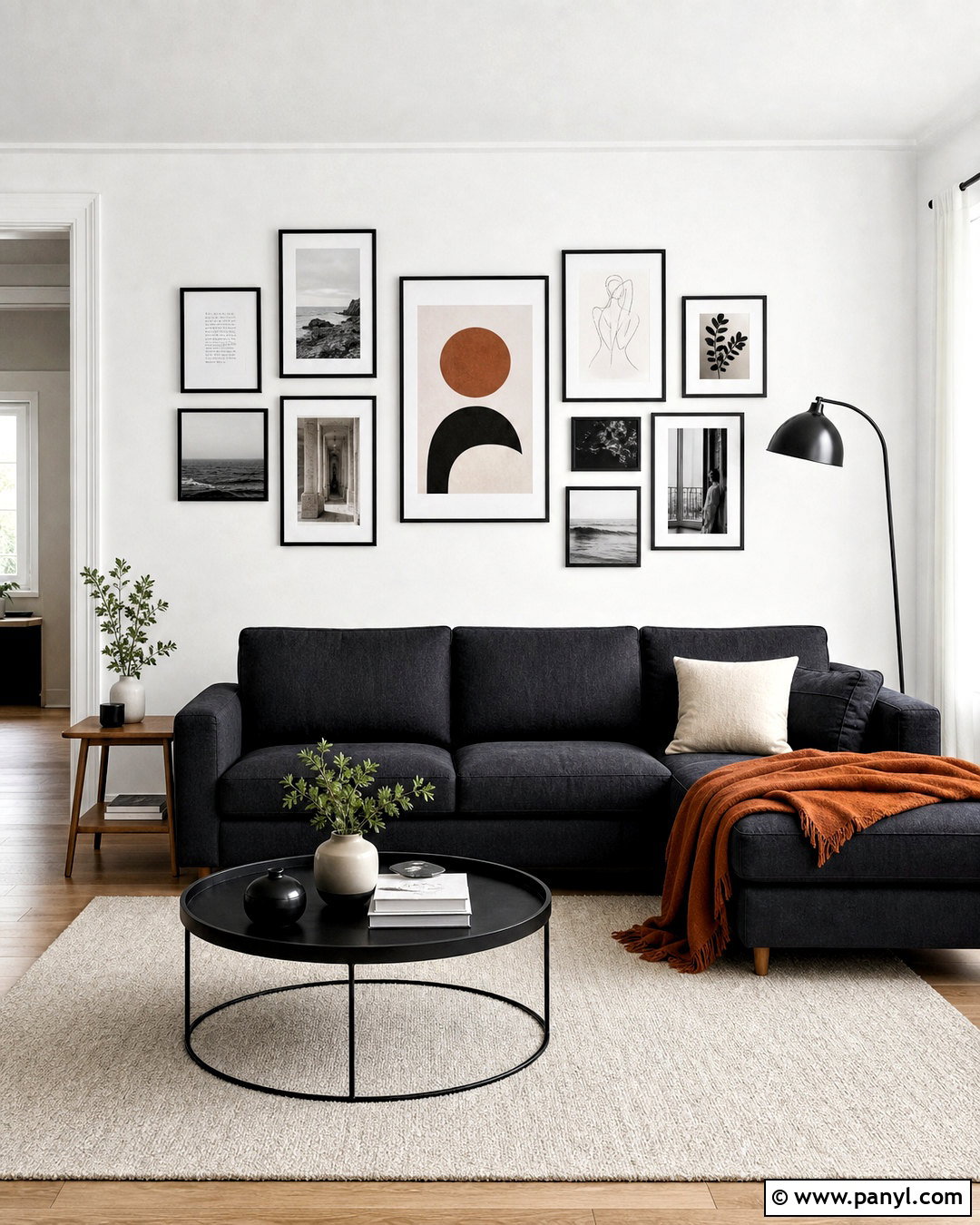
Crisp black frames create strong definition against a white wall and work especially well in a modern living room. Build the gallery around a mix of black-and-white photography, simple line drawings, and one or two muted abstract prints. Keep the frame color consistent, but vary the sizes to prevent the display from looking too rigid. Arrange the collection above a charcoal sofa with approximately six inches of space between the furniture and lowest frame. Add a light oak side table, an ivory rug, and black metal lighting to repeat the contrast. Soft gray pillows and one rust-colored throw keep the palette comfortable. Use matching white mats and even spacing so the gallery appears collected yet orderly rather than crowded or visually disconnected.
3. Natural Wood Frame Gallery Wall
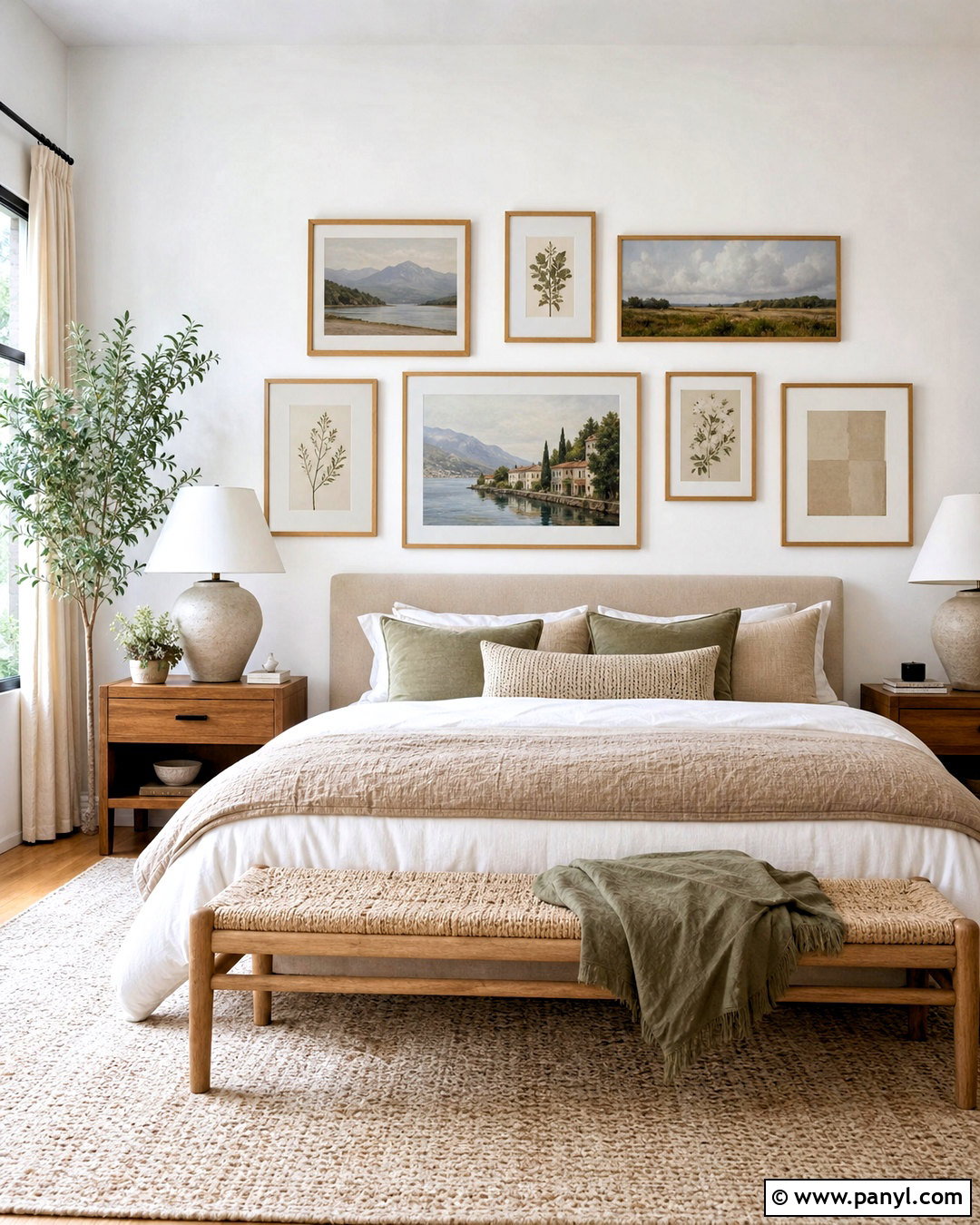
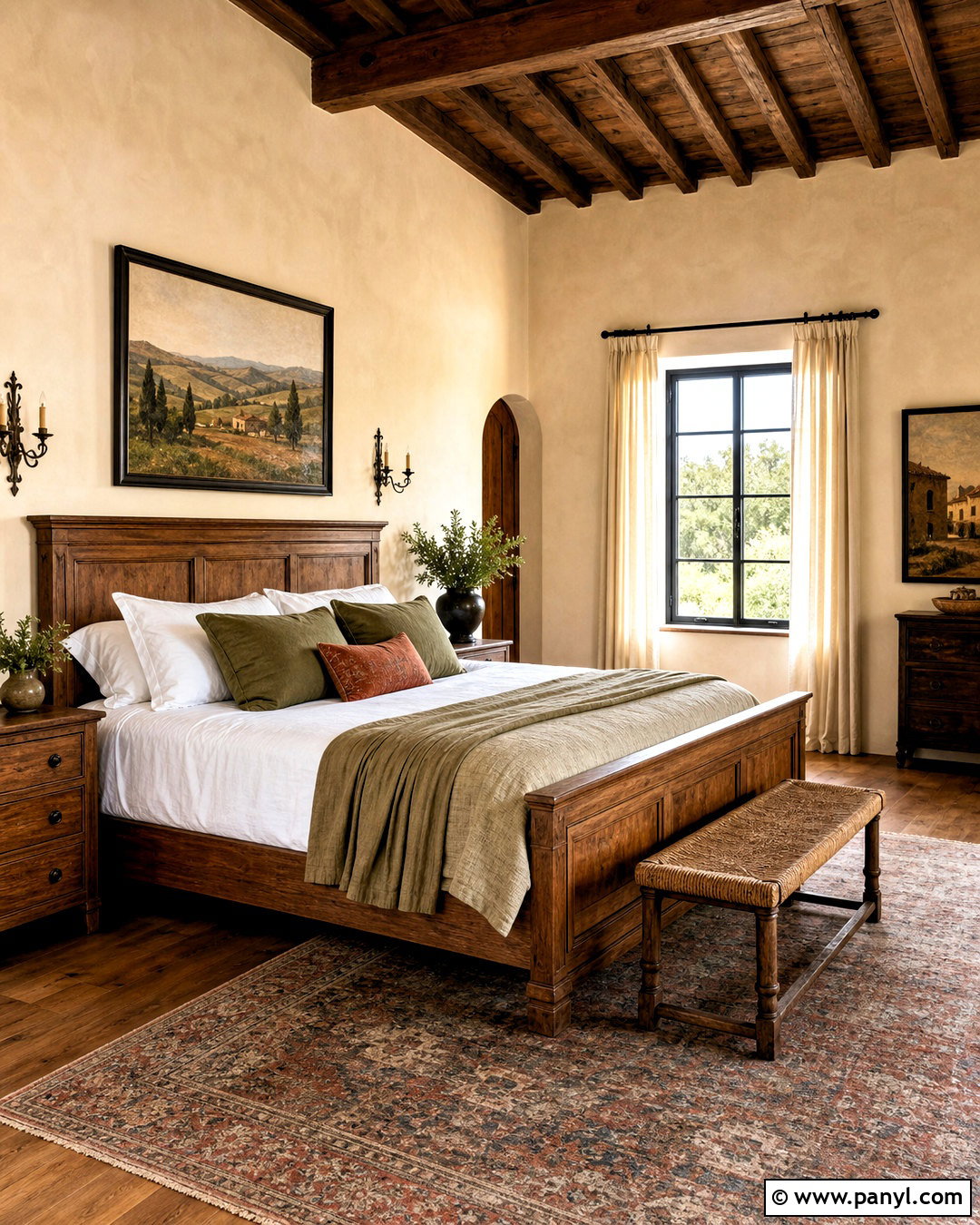
Warm wood frames can soften a white bedroom and create a relaxed, organic atmosphere. Center a gallery of calming landscapes, botanical sketches, and neutral abstract prints above a linen upholstered bed. Choose frames in similar oak or maple tones, but include several sizes for a gently layered effect. Cream bedding, a taupe quilt, and sage green pillows will complement the natural artwork without competing with it. Place matching wood nightstands on both sides of the bed and add simple ceramic lamps with linen shades. A woven bench and light wool rug complete the space. Keep the arrangement narrower than the combined width of the bed and nightstands. This creates a grounded composition that makes the white wall feel warmer, more personal, and thoughtfully finished.
4. Woven Basket Wall
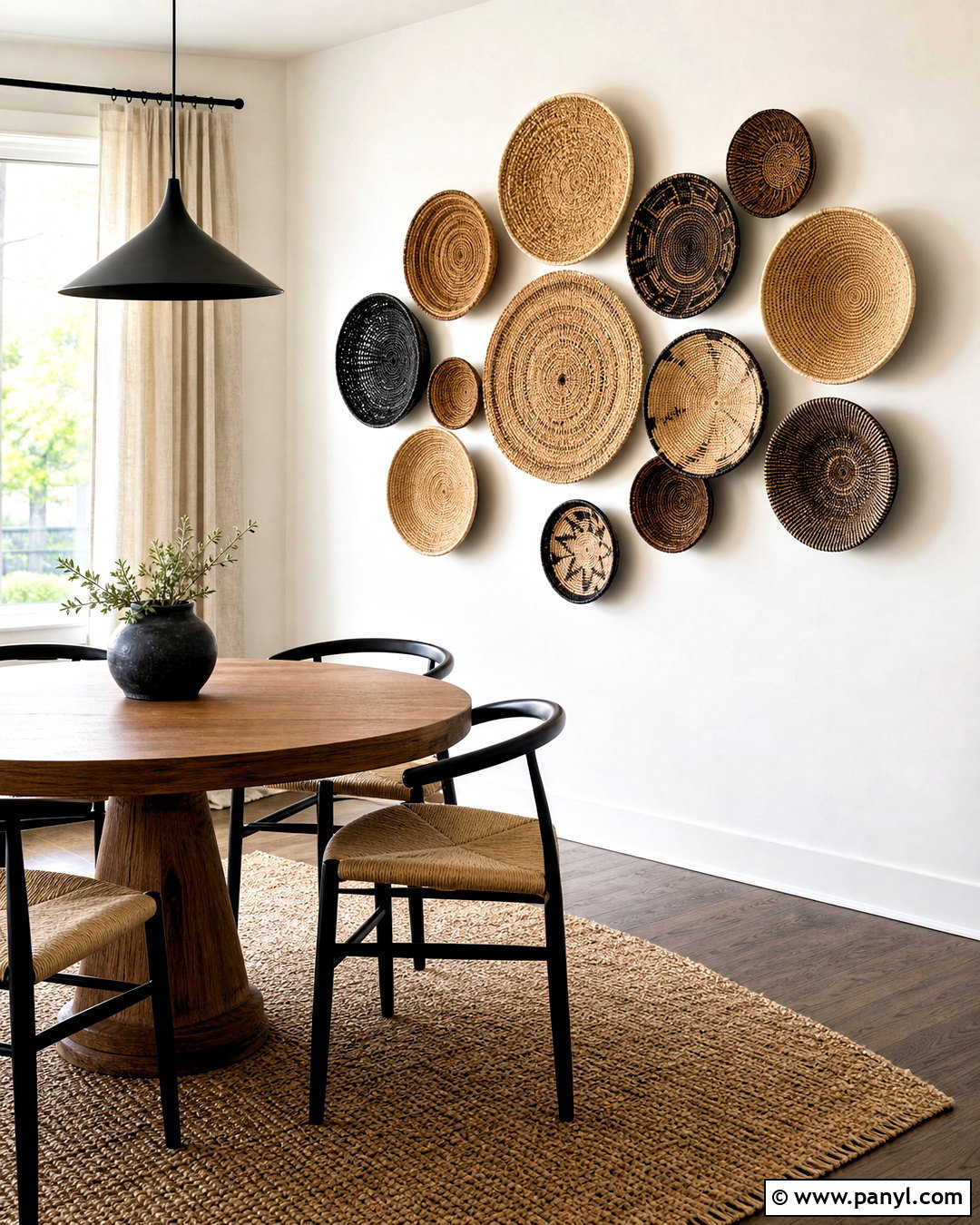
A collection of woven baskets adds dimension and warmth to white walls without relying on traditional framed artwork. This treatment works beautifully in a casual dining room with a round wood table and curved dining chairs. Select shallow baskets in natural straw, warm tan, black, and soft brown. Arrange the largest basket slightly off-center, then build outward with smaller pieces to create a loose, balanced cluster. Keep enough open wall visible so every shape remains distinct. A jute rug, linen curtains, and a matte black pendant light continue the natural palette. Add a simple ceramic centerpiece rather than several small accessories. The finished dining area feels inviting and textured, with the basket display connecting the furniture, lighting, and earthy materials into one cohesive look.
5. White Wall With Floating Shelves
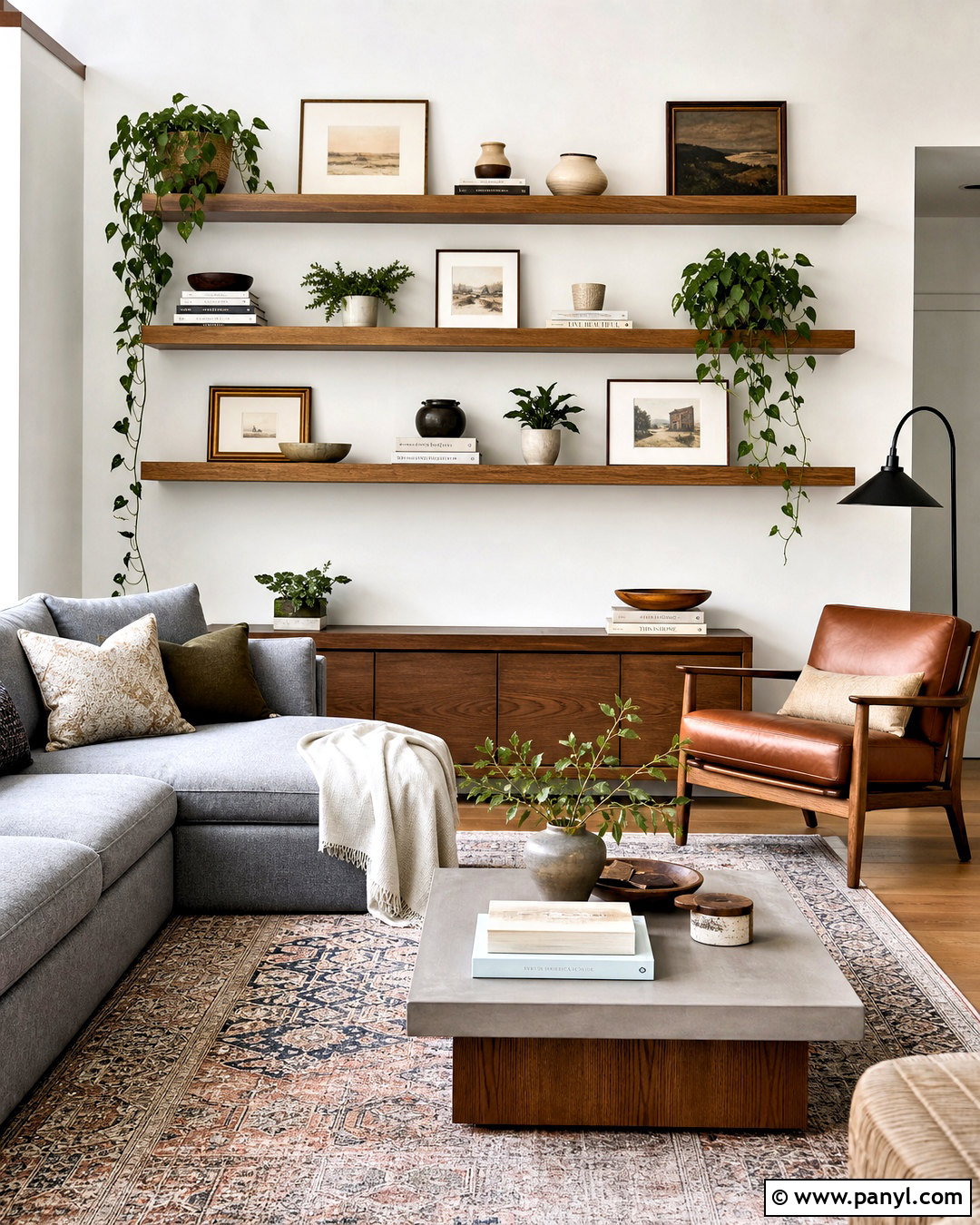
Floating shelves turn a blank white wall into practical storage while giving the room a layered, lived-in look. Install two or three thick oak shelves above a low console in a family room or reading area. Style them with a balanced mix of framed art, stacked books, small ceramics, and trailing plants. Leave visible gaps between objects to keep the display from becoming cluttered. A warm gray sectional, cognac leather chair, and patterned neutral rug will support the natural wood tones. Repeat black accents through shelf brackets, a floor lamp, and slim picture frames. Place heavier objects on the lower shelf and lighter pieces above. The entire arrangement should feel connected to the furniture beneath it rather than floating randomly in the middle of the wall.
6. White Wall Picture Ledge
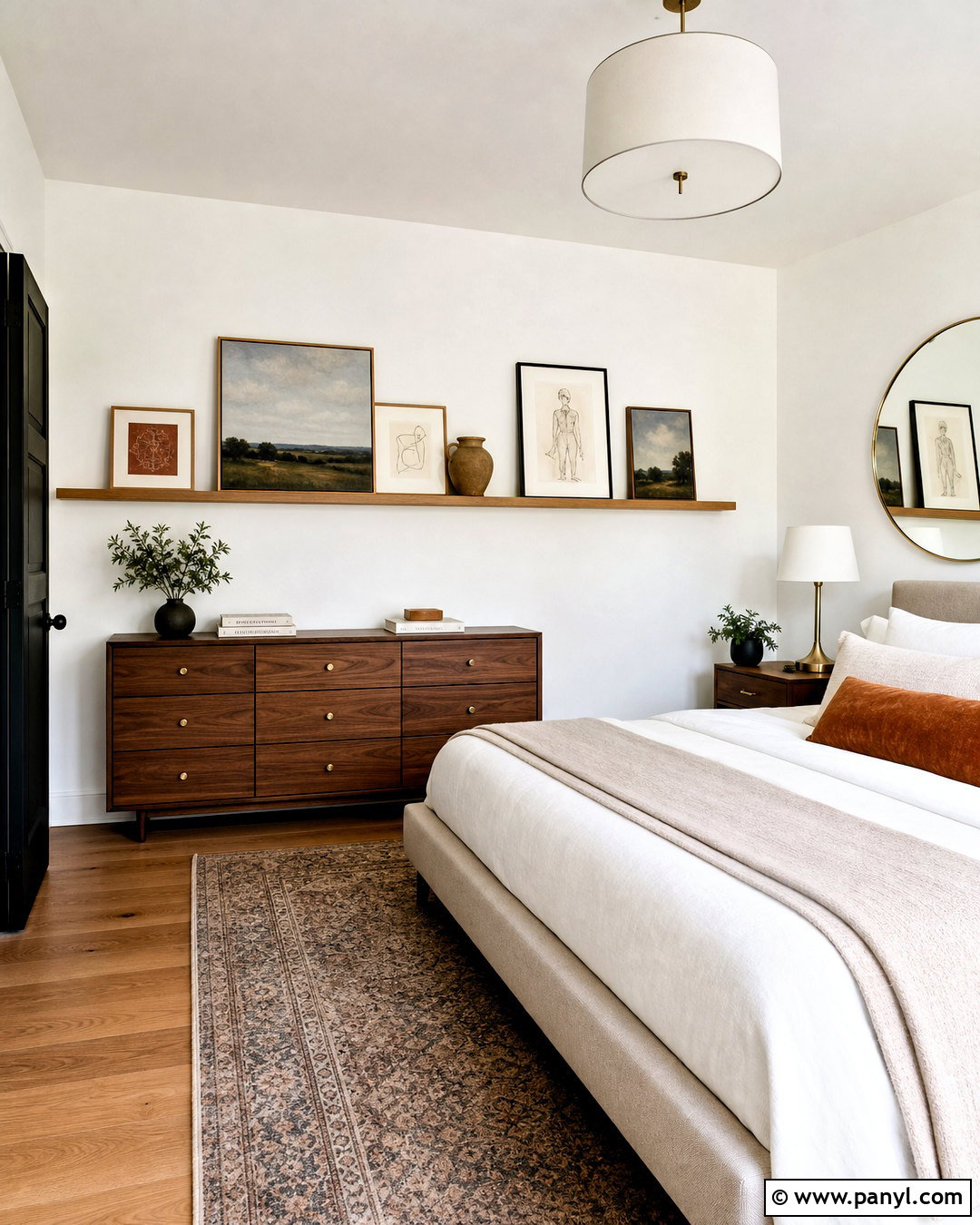
A long picture ledge offers a flexible way to display art without committing to a permanent gallery arrangement. Mount an oak or white ledge above a bedroom dresser, keeping it slightly narrower than the furniture. Layer three to five framed pieces in different heights, placing the largest print at the back. Add a small ceramic vessel or sculptural object, but avoid filling every inch. Soft landscape art, charcoal sketches, and muted rust accents create gentle contrast against the white wall. Complete the room with a walnut dresser, a rounded mirror nearby, and an upholstered bed in warm beige. Brass hardware and a textured runner add subtle detail. Because the frames rest on the ledge, artwork can be rearranged easily whenever the room needs a fresh visual balance.
7. White Wall With Large Mirror
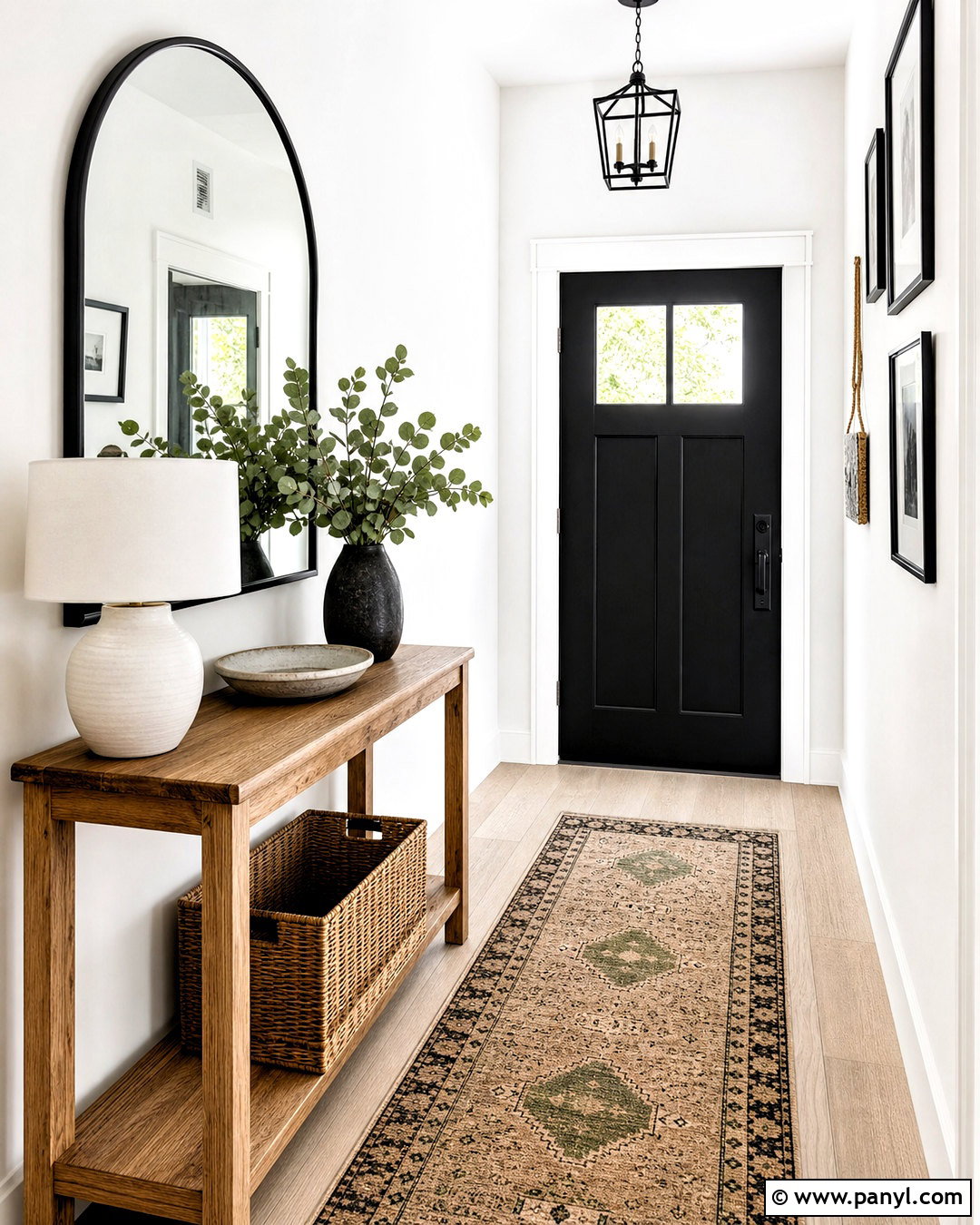
A large mirror can decorate a white entryway while making the space feel more open and useful. Choose an arched mirror with a thin black, brass, or medium-tone wood frame. Center it above a narrow console, leaving enough room for a small lamp, bowl, and vase with leafy branches. A closed-front console helps control everyday clutter, while a woven basket underneath provides additional storage. Add a washable runner in beige, black, and muted green to connect the wall treatment to the floor. One wall sconce or a compact table lamp can provide welcoming light. Keep decorative objects asymmetrical but balanced. The mirror should be large enough to anchor the console, creating a complete entry arrangement rather than looking like a small accessory lost on the white wall.
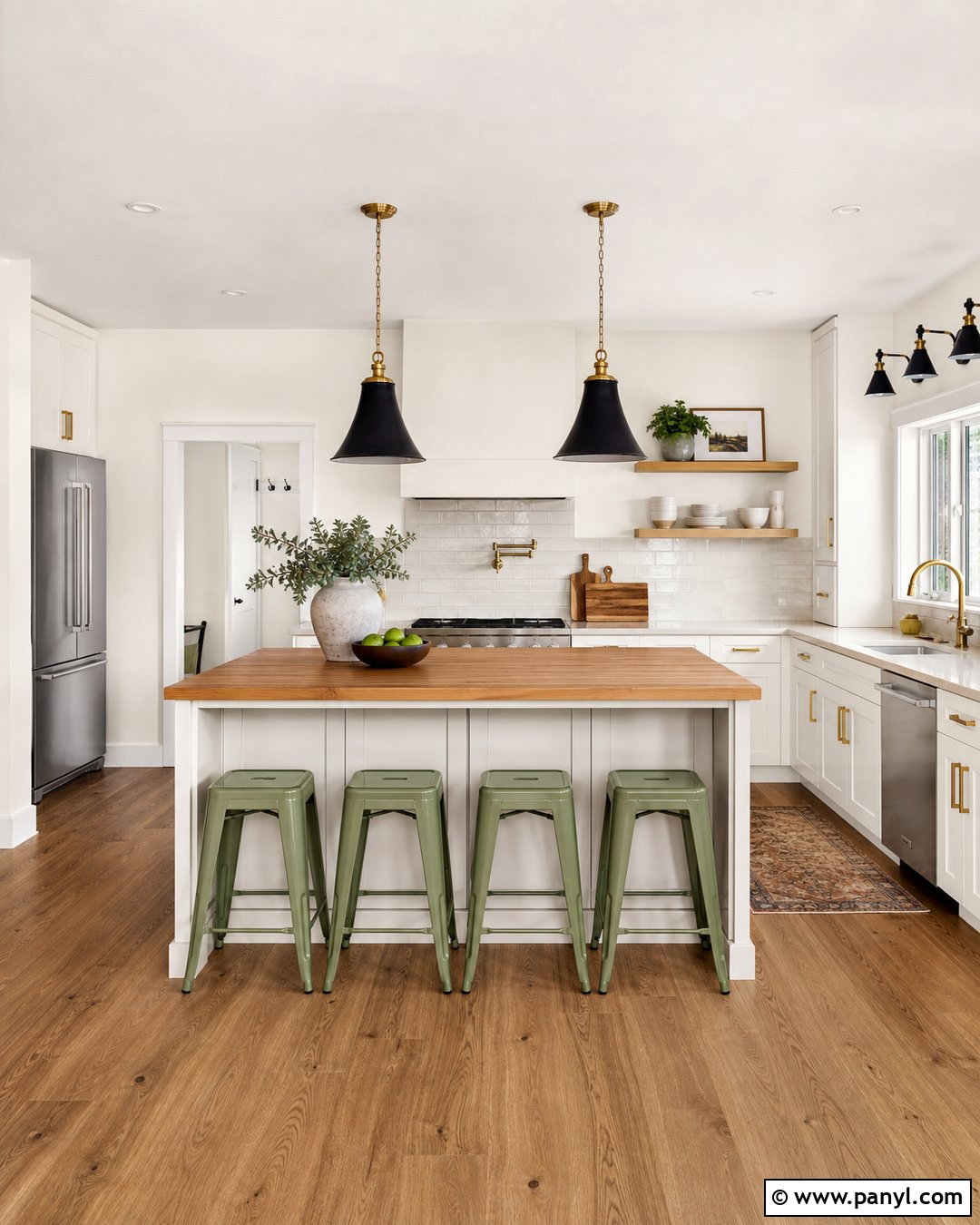
8. White Wall With Decorative Molding
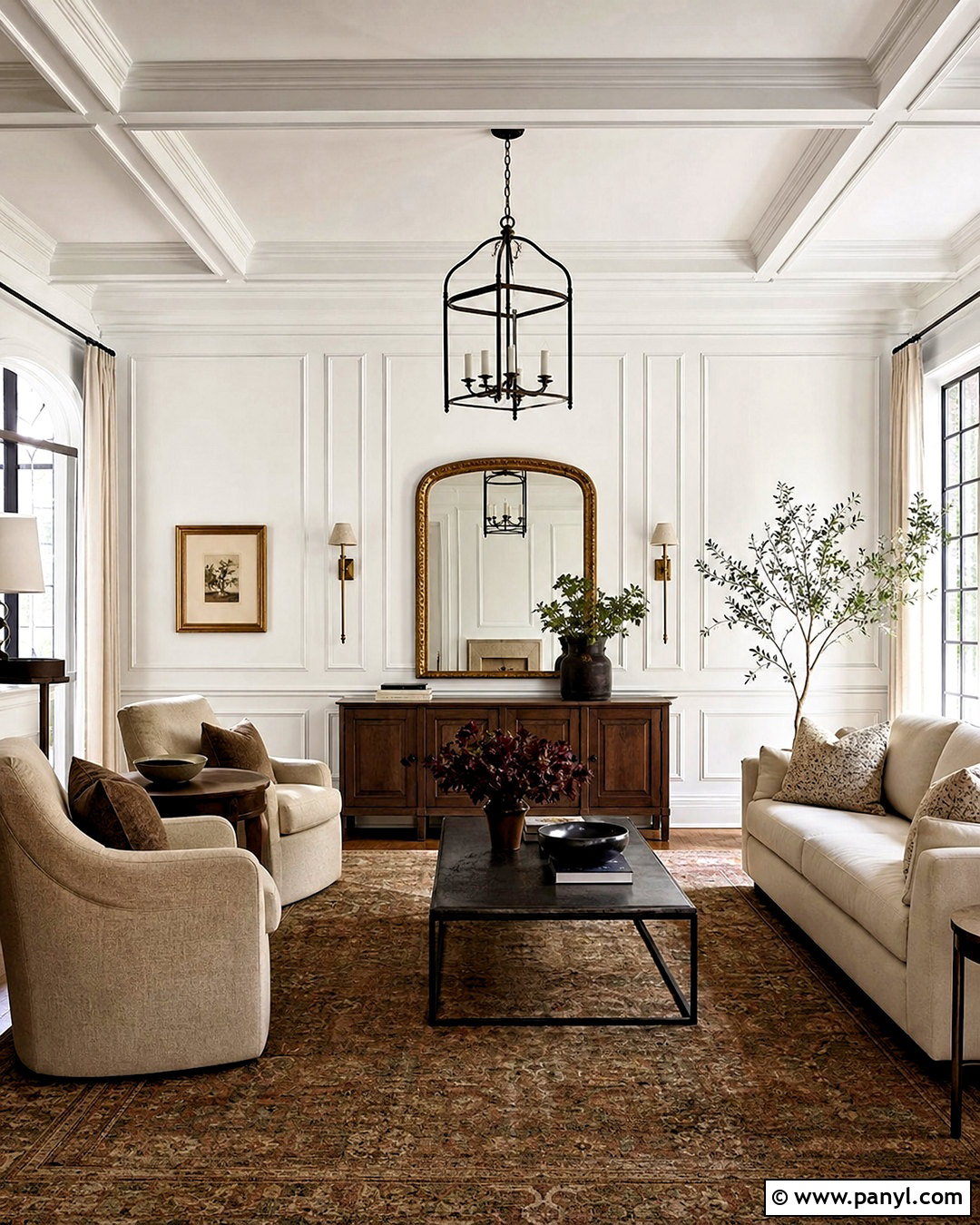
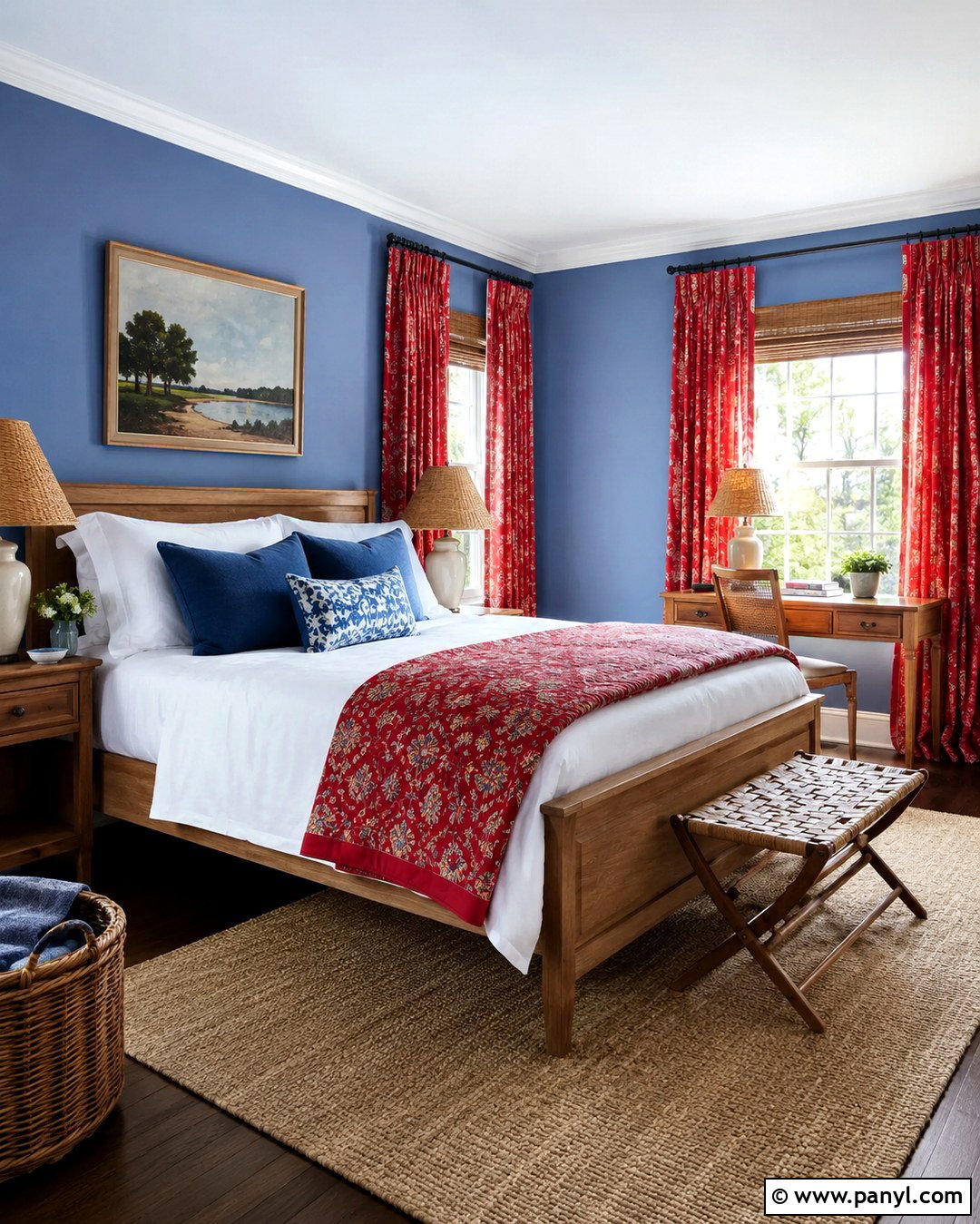
Decorative molding gives a white wall architectural character while preserving a calm, monochromatic palette. Add simple rectangular box molding across a living room or dining room wall, then paint the trim and wall in the same soft white finish. Center a slim console or upholstered sofa within the main panel to reinforce the symmetry. A vintage-inspired brass mirror, two compact sconces, and one restrained piece of art can add contrast without hiding the molding. Bring in warmth through walnut furniture, oatmeal linen, and a faded traditional rug. Use dark bronze or black accents sparingly to define the room. The raised trim creates shadow and depth throughout the day, allowing an otherwise plain white wall to become a sophisticated background for the entire furniture arrangement.
9. White Wall With Wood Slats
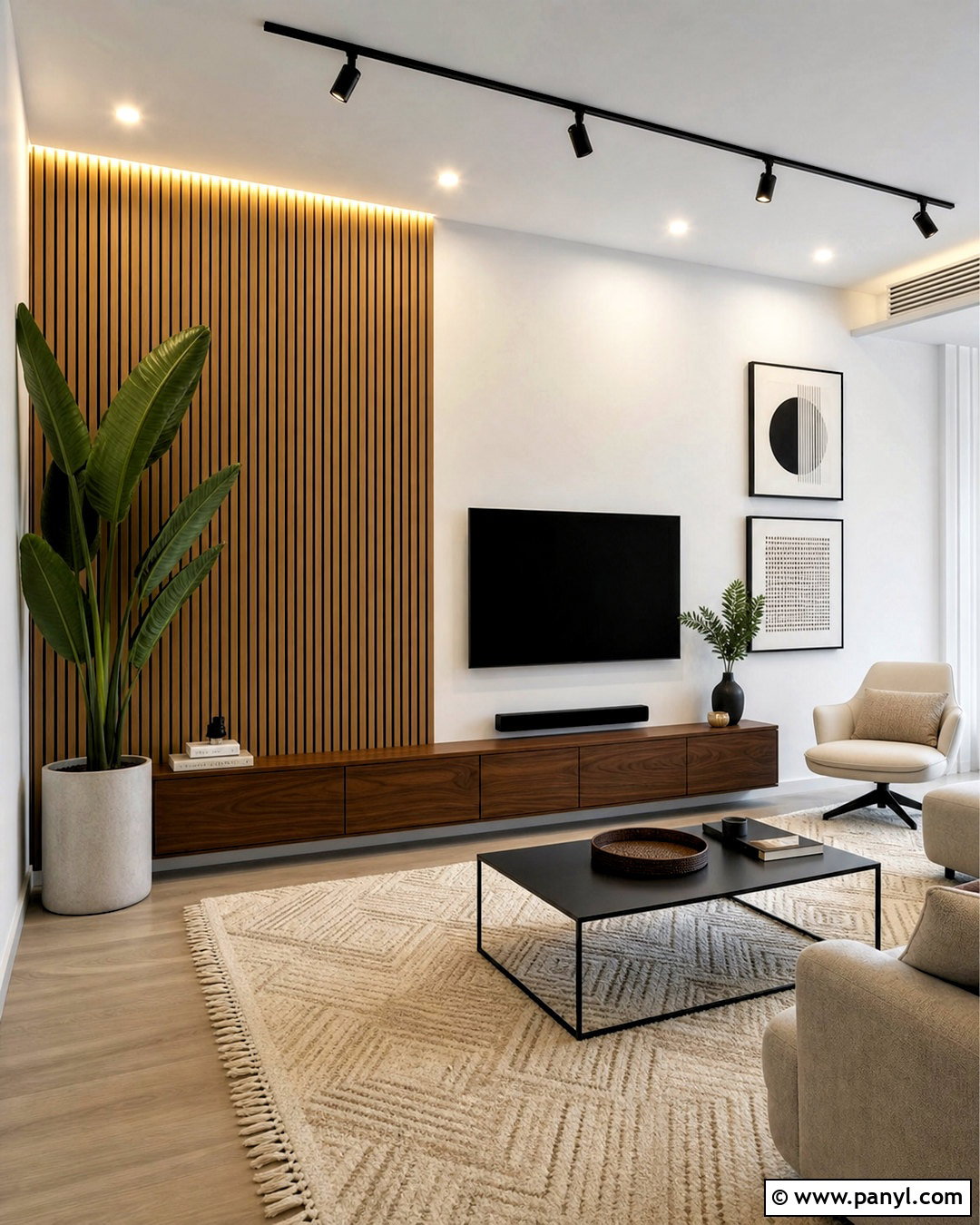
Vertical wood slats can transform part of a white wall into a warm, modern feature while improving the room’s visual rhythm. Cover approximately one-third of the wall behind a media console or home office desk with evenly spaced oak slats. Leave the remaining surface white to maintain brightness and prevent the wood from overpowering the space. Pair the feature with a low walnut cabinet, a cream lounge chair, and a geometric beige rug. Matte black lighting and hardware will sharpen the clean lines. Add one large plant beside the slatted area to soften the transition. Keep cables and electronics concealed inside the cabinet. The mix of white paint, natural wood, and simple furniture creates a complete contemporary room that feels welcoming instead of stark or overly minimalist.
10. White Wall With Botanical Prints
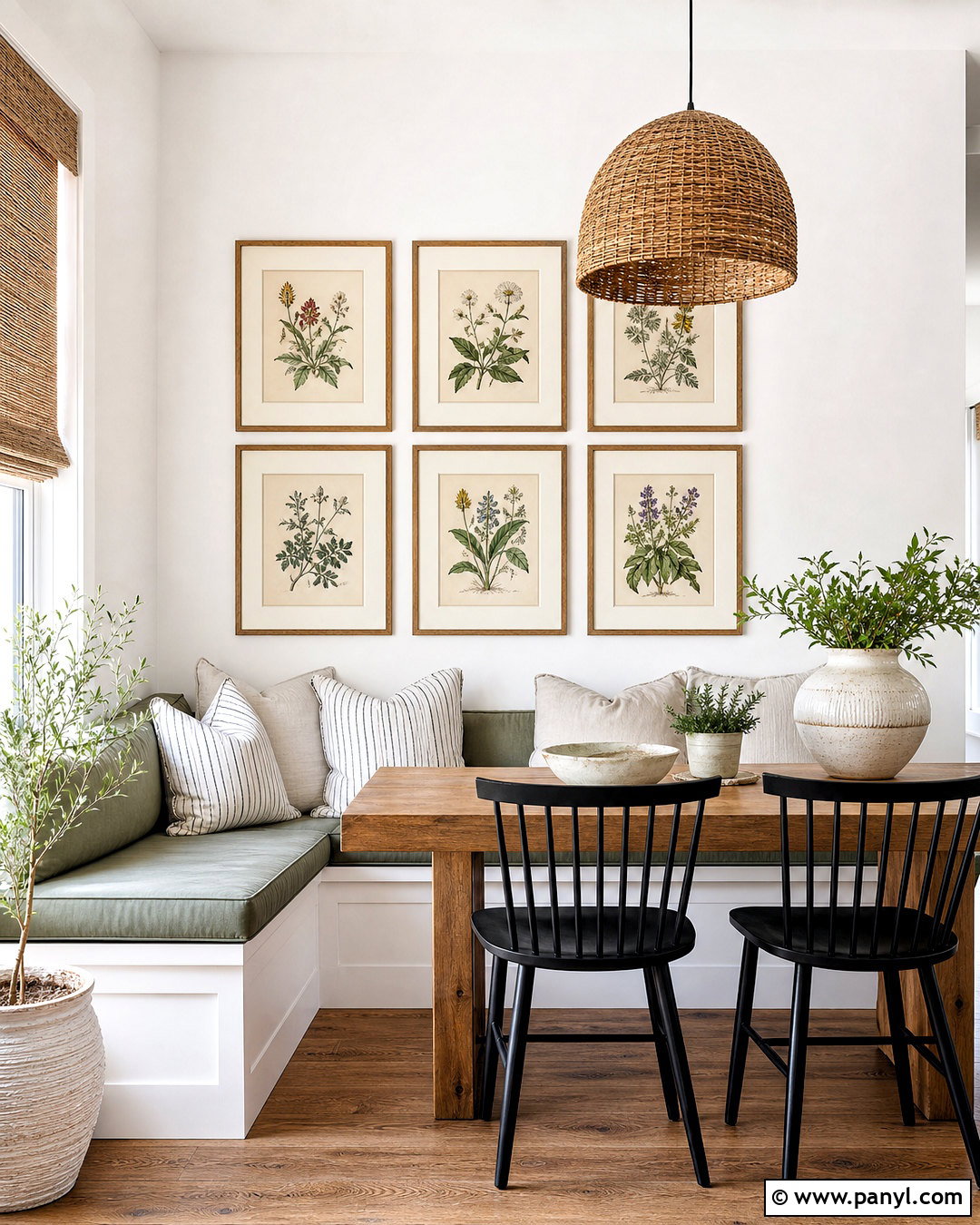
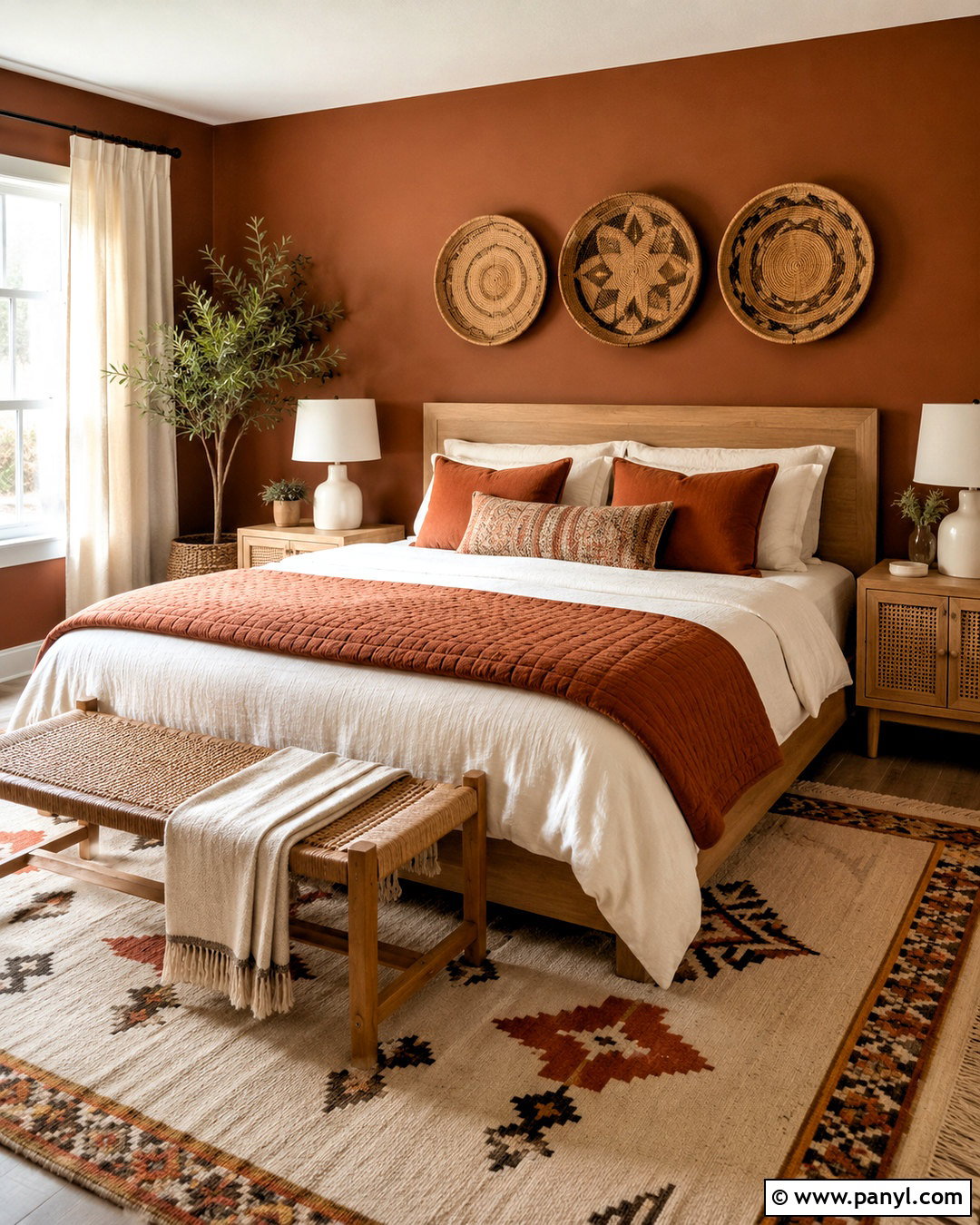
Botanical prints can bring gentle color and natural detail to a white kitchen or breakfast nook. Hang a coordinated set of four or six plant illustrations in thin oak frames, using matching cream mats and even spacing. Position the grid above a built-in bench or small dining table so it relates directly to the seating area. Sage green cushions, striped linen pillows, and a warm wood table will repeat the organic theme. Add a woven pendant light and simple ceramic planters on the windowsill. Keep the artwork’s backgrounds light so the display blends naturally with the white wall. Black chair legs or hardware can provide a small amount of contrast. The finished nook feels fresh and cheerful while remaining practical enough for everyday meals, homework, or morning coffee.
11. White Wall With Black And White Photos
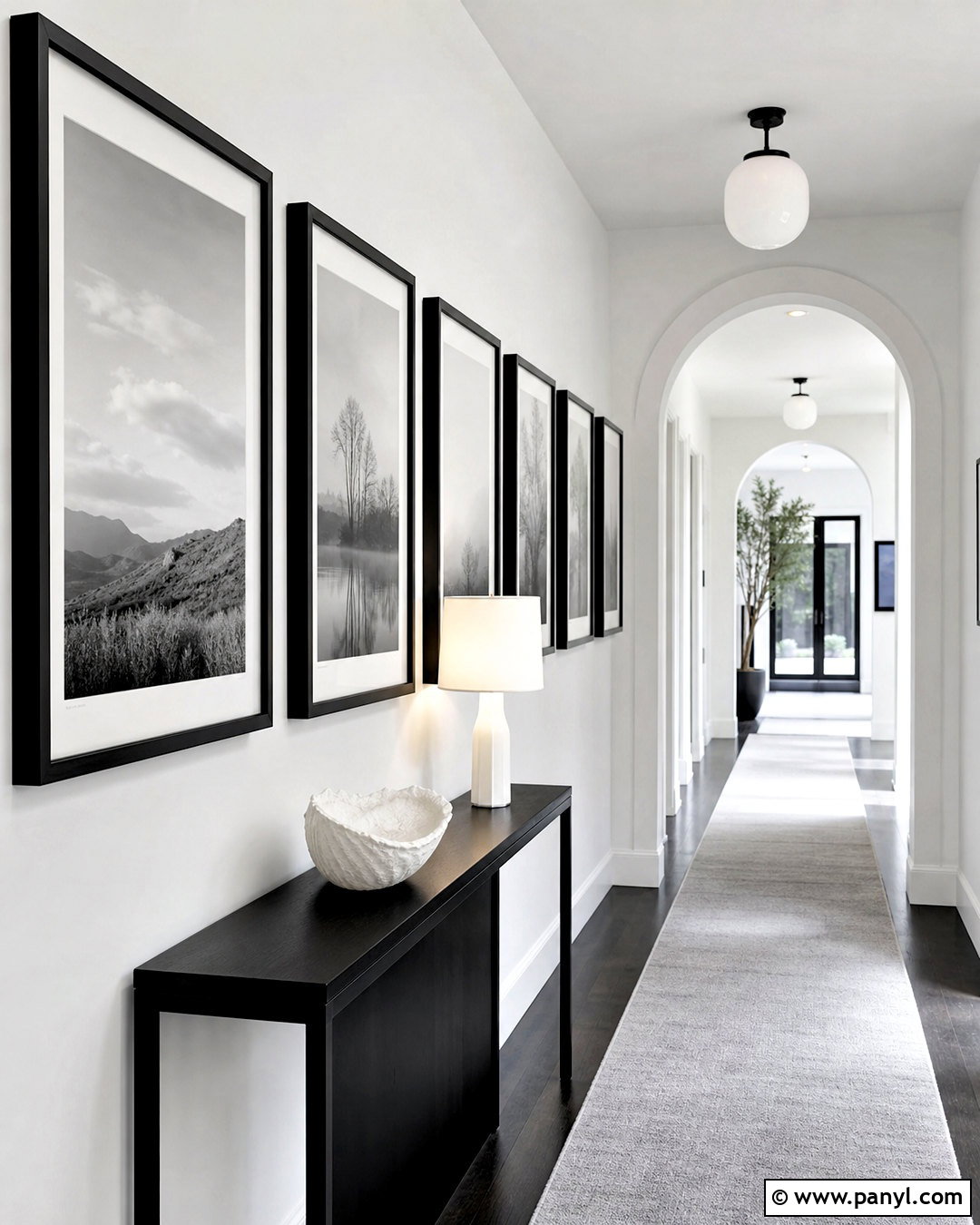
Black-and-white photography gives a white hallway a polished look while preserving a simple color palette. Create a straight row of medium-size photographs in identical black frames, positioning their centers at a consistent height. Family photos, architecture, travel scenes, or nature images can work together when edited in the same monochrome finish. Add a narrow black console at the end of the hallway and top it with a white lamp and one sculptural bowl. A pale gray runner softens the floor and directs the eye through the space. If the hallway is long, use several matching ceiling lights for even brightness. Maintain generous spacing between frames so the display feels calm. This coordinated treatment turns a transitional area into a personal, gallery-like part of the home.
12. White Wall With Textile Art
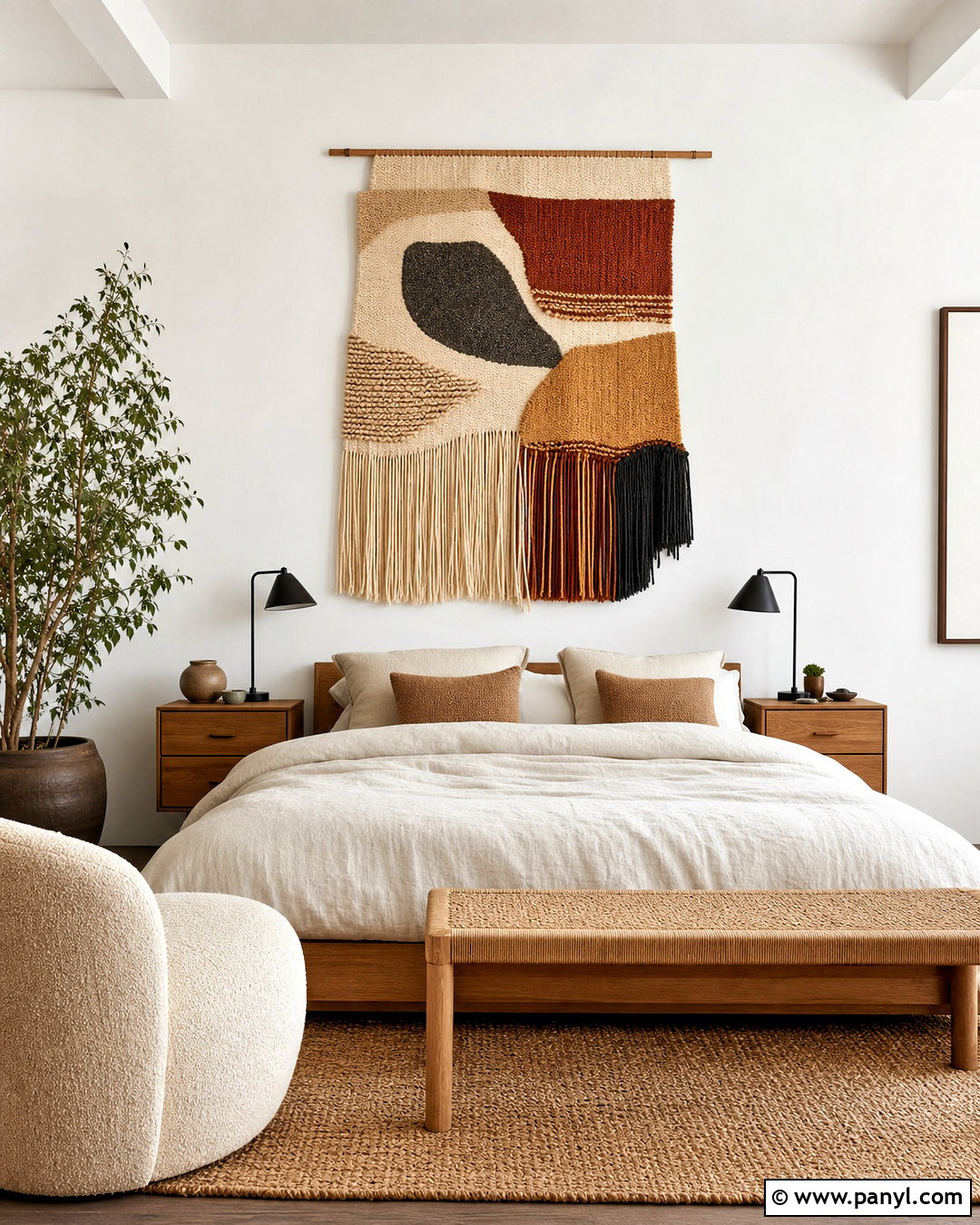
Textile art introduces softness and visible texture to a white bedroom, reading nook, or quiet living area. Hang one large woven piece above a low bed or compact sofa, selecting natural cream, camel, rust, and muted charcoal fibers. The textile should be wide enough to relate to the furniture but should not extend beyond it. Pair it with linen bedding, boucle upholstery, and a wool rug to continue the tactile theme. Light oak nightstands or side tables keep the palette warm, while black reading lights add definition. Include one leafy plant and a few handmade ceramic pieces for a relaxed finish. Avoid adding several competing wall decorations nearby. The layered fabrics, natural materials, and understated colors make the complete room feel cozy without reducing the brightness of the white walls.
13. White Wall With Decorative Plates
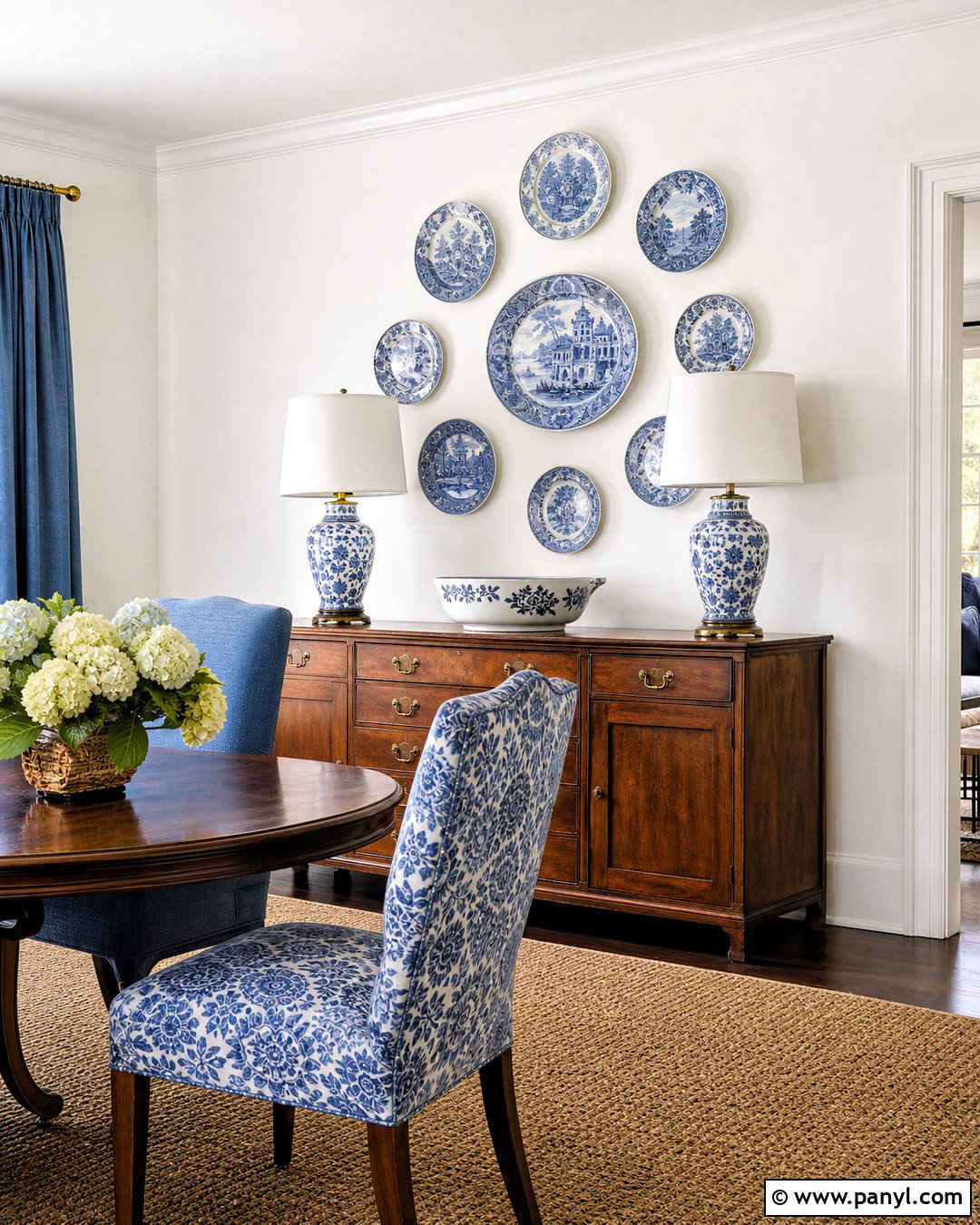
Decorative plates can create an elegant dining room wall that feels collected rather than overly formal. Choose plates in a controlled palette, such as blue and white, green and cream, or terracotta and beige. Begin with the largest piece near the center, then arrange smaller plates around it in a balanced oval or flowing vertical shape. Mount the collection above a sideboard instead of the dining table so it has a clear visual base. Style the sideboard with two lamps, a serving bowl, and a small stack of books. A wood dining table, upholstered chairs, and a natural fiber rug will keep the room grounded. Repeat one plate color in the curtains or chair fabric. This creates a complete, coordinated dining space with personality, pattern, and practical storage.
14. White Wall With Sculptural Decor
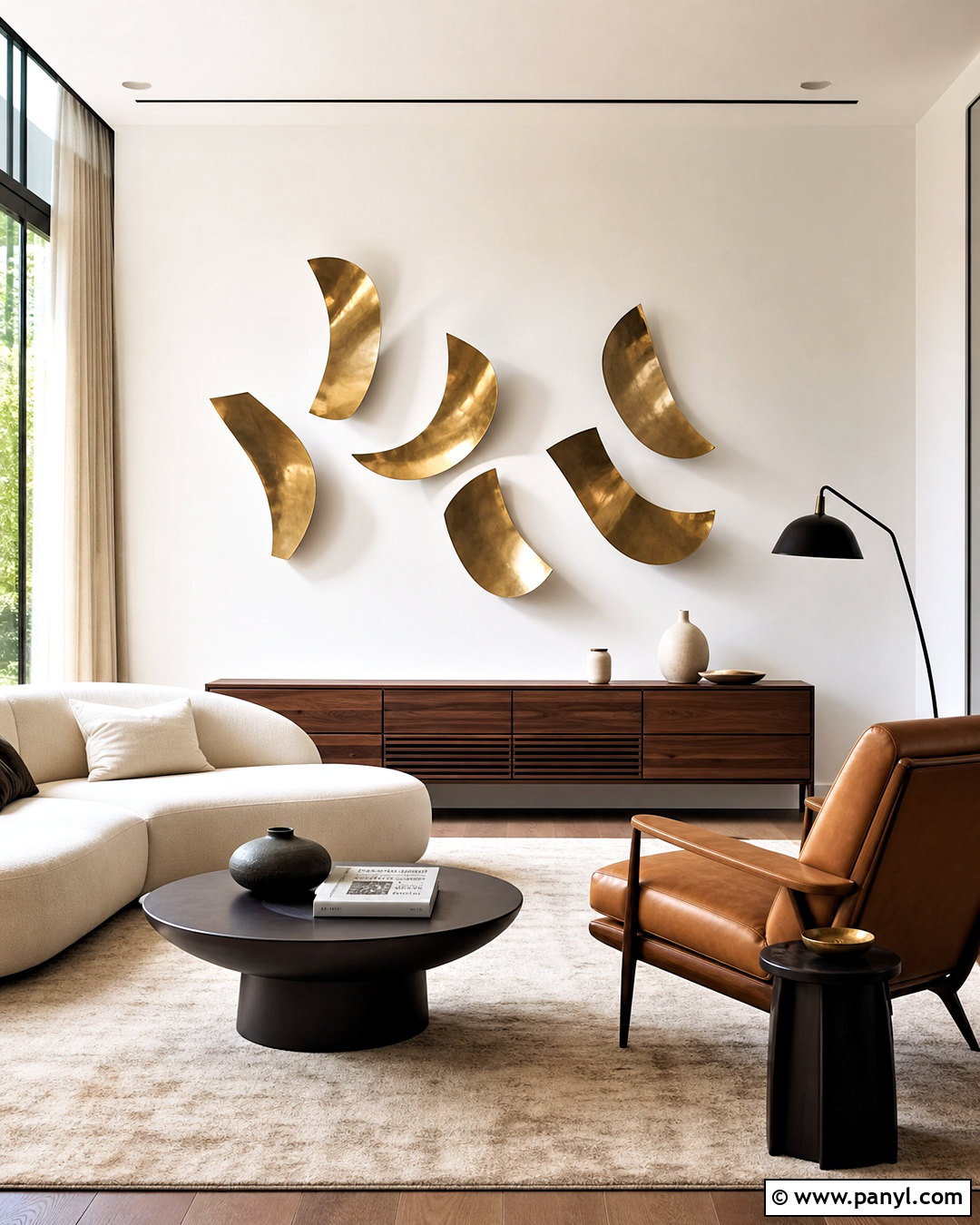
Three-dimensional wall decor can add depth to a white room without introducing a complicated color scheme. Use a carefully spaced group of curved metal forms, carved wood pieces, or matte ceramic wall sculptures above a streamlined console. Limit the collection to one material family or closely related finishes so it appears unified. For example, warm brass forms can pair with a walnut console, ivory sofa, and tan leather chair. A cream rug and linen curtains maintain the light setting, while a black floor lamp provides structure. Position the objects at varying heights to create movement, but keep the overall arrangement centered over the furniture. Shadows from nearby lighting will highlight their shapes. The result is a complete contemporary space that feels artistic, tactile, and visually interesting from several angles.
15. White Wall With Wall Sconces
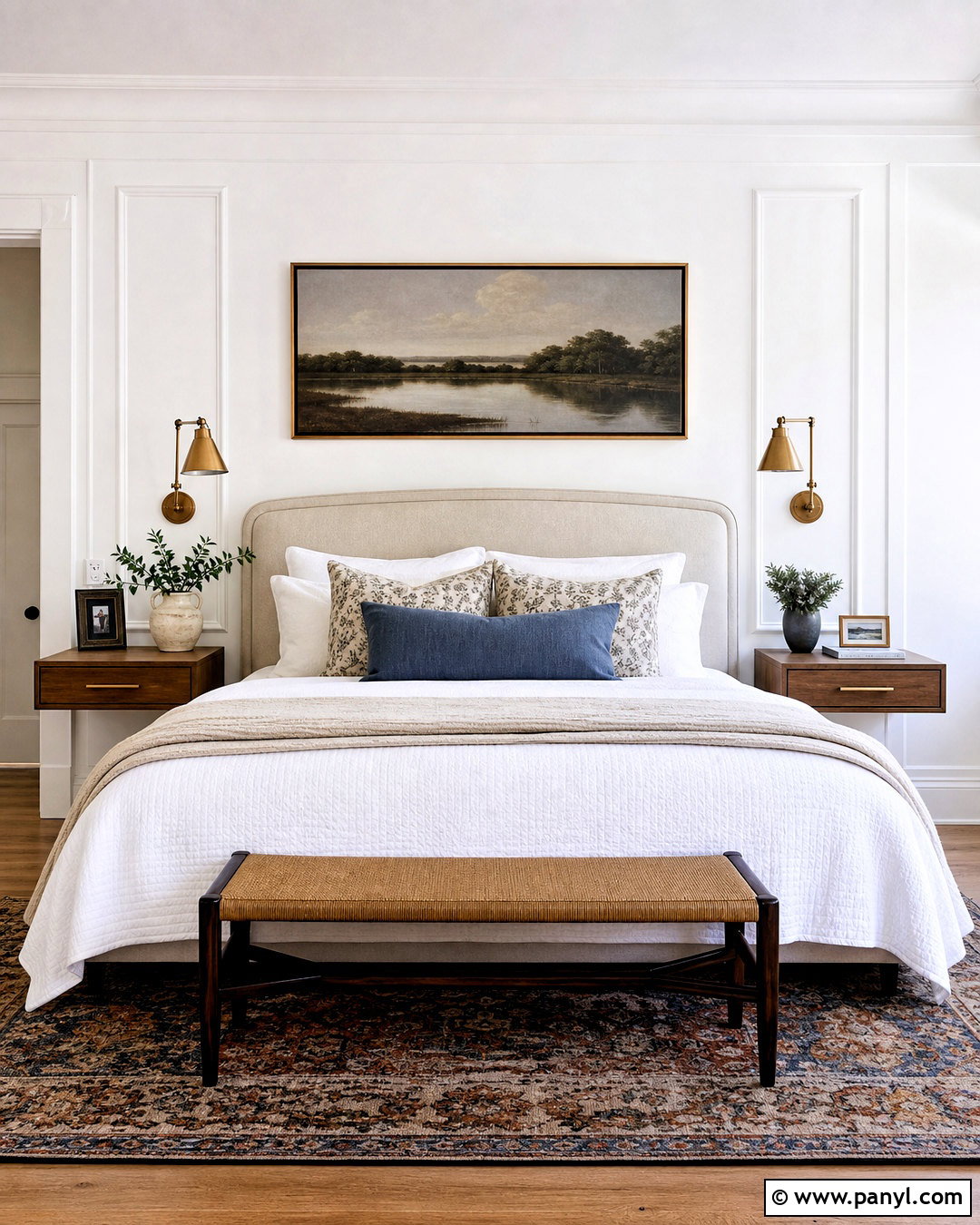
Wall sconces can make white walls feel finished while supporting the room’s practical lighting plan. In a bedroom, place matching swing-arm sconces on both sides of the bed and center one wide artwork above the headboard. Aged brass fixtures add warmth, while matte black versions create stronger modern contrast. Choose an upholstered headboard in oatmeal or muted blue, then layer white bedding with a textured quilt and patterned pillows. Compact floating nightstands keep the arrangement clean and leave room below. Repeat the fixture finish through drawer pulls or a ceiling light. Use warm white bulbs, but keep the shades pale enough to spread comfortable light. The symmetry of the sconces, bed, and artwork creates a cohesive feature wall that remains useful for nighttime reading and everyday relaxation.
16. White Wall With Built In Bookshelves
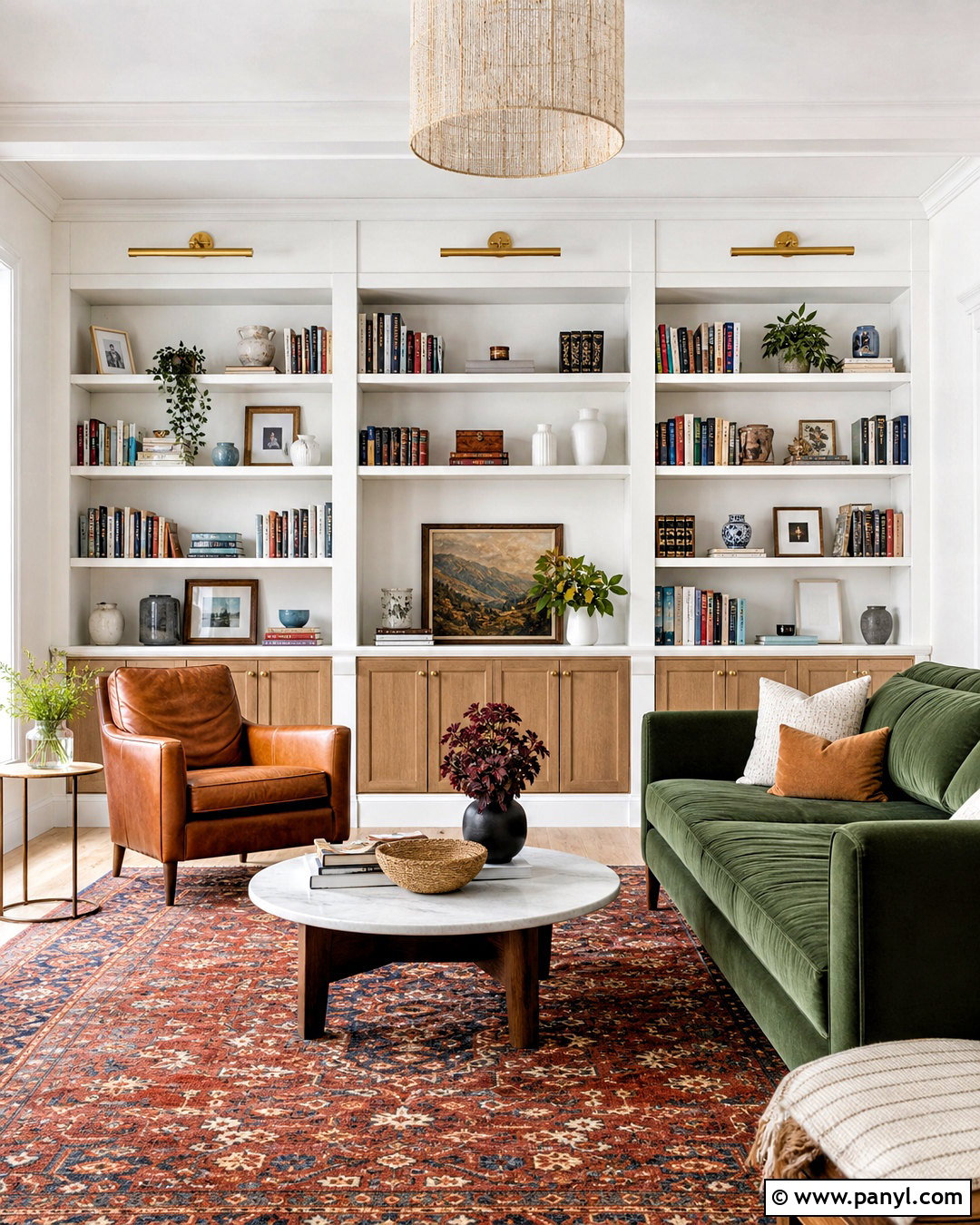
Built-in bookshelves can turn a large white wall into an organized focal point for a living room or home office. Paint the shelves the same white as the wall for a seamless appearance, then add natural wood inside the lower cabinets or along the desktop. Arrange books both vertically and horizontally, leaving open areas for ceramics, framed photos, and small artwork. Distribute color across the full unit instead of clustering it in one section. A camel leather chair, deep green sofa, and vintage-style rug will bring warmth to the white background. Install picture lights or small integrated shelf lights for extra depth. Closed cabinets below should store less attractive essentials. The completed room combines display, storage, seating, and lighting in a balanced design that feels personal but controlled.
17. White Wall With Vintage Art
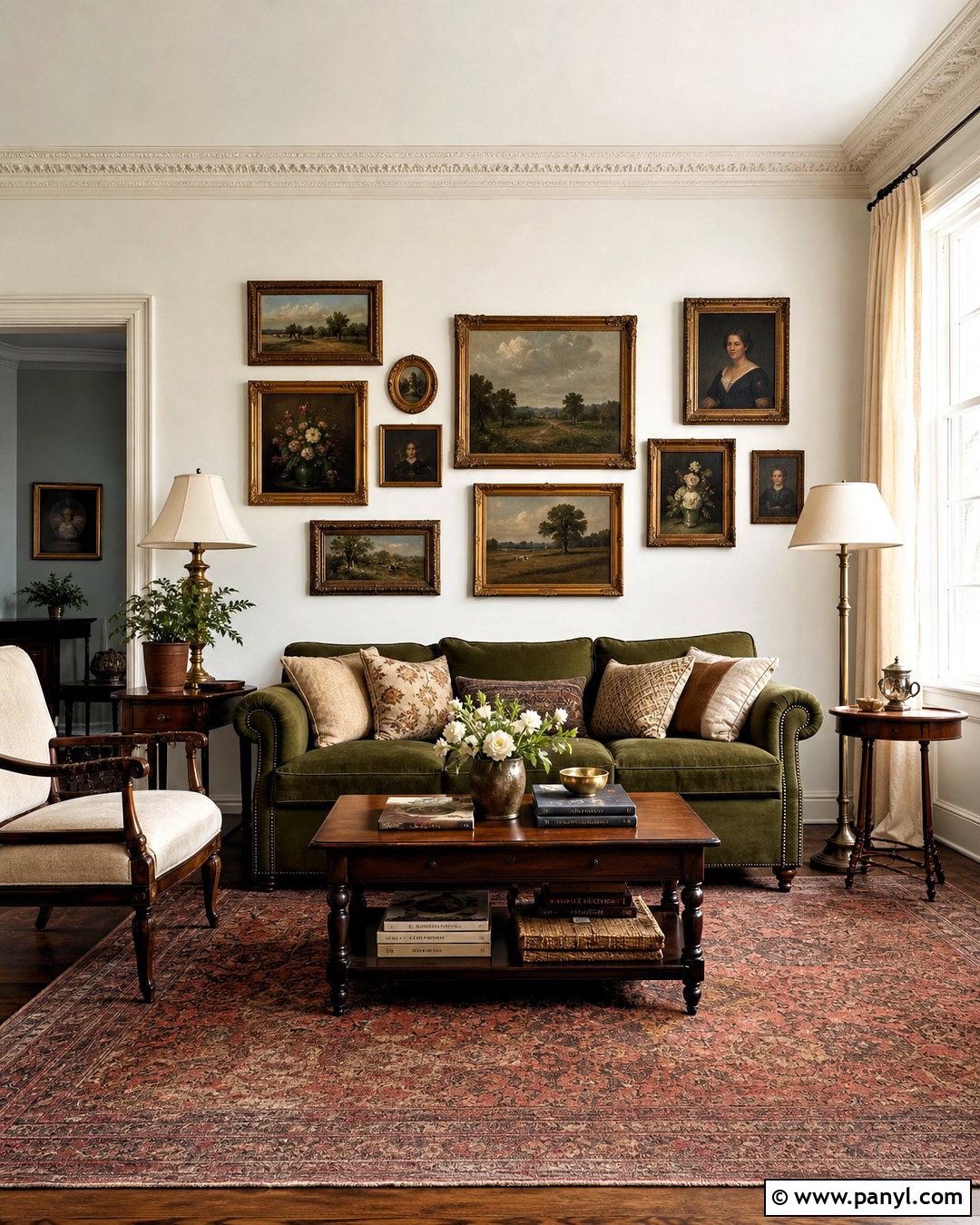
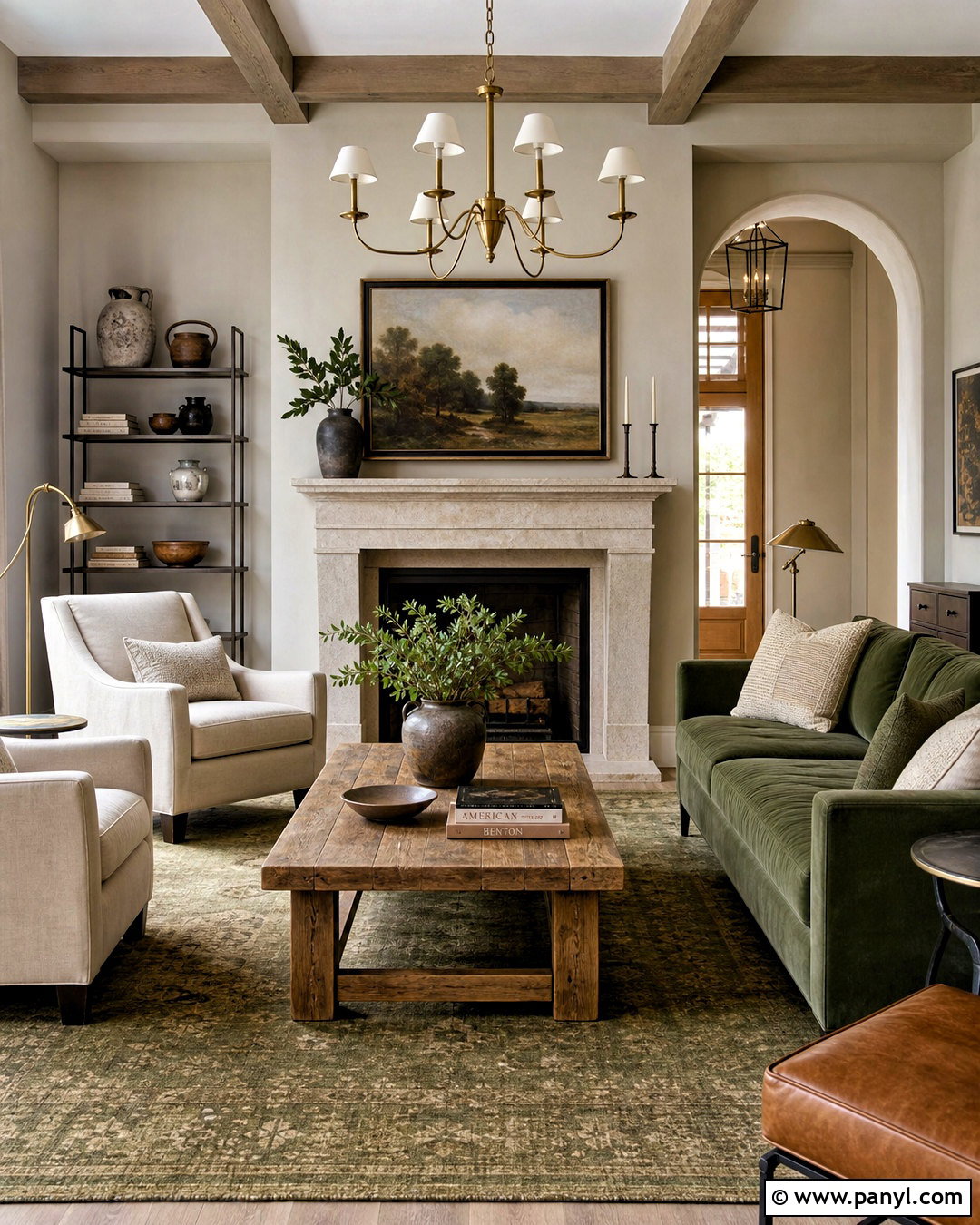
Vintage artwork can give white walls history and character, especially when paired with warm, traditional furniture. Create a salon-style arrangement above a living room sofa using landscapes, portraits, still lifes, and sketches in aged wood, antique brass, and dark brown frames. Connect the varied pieces through a limited color palette of olive green, rust, cream, and muted blue. Begin with the largest painting near the center, then fill around it with smaller works. A rolled-arm sofa, turned-leg side tables, and a faded patterned rug support the collected look. Add linen curtains and a classic table lamp for softness. Keep the opposite walls simpler so the room does not become visually heavy. The final design feels layered and established rather than like a collection added all at once.
18. White Wall With Colorful Abstract Art
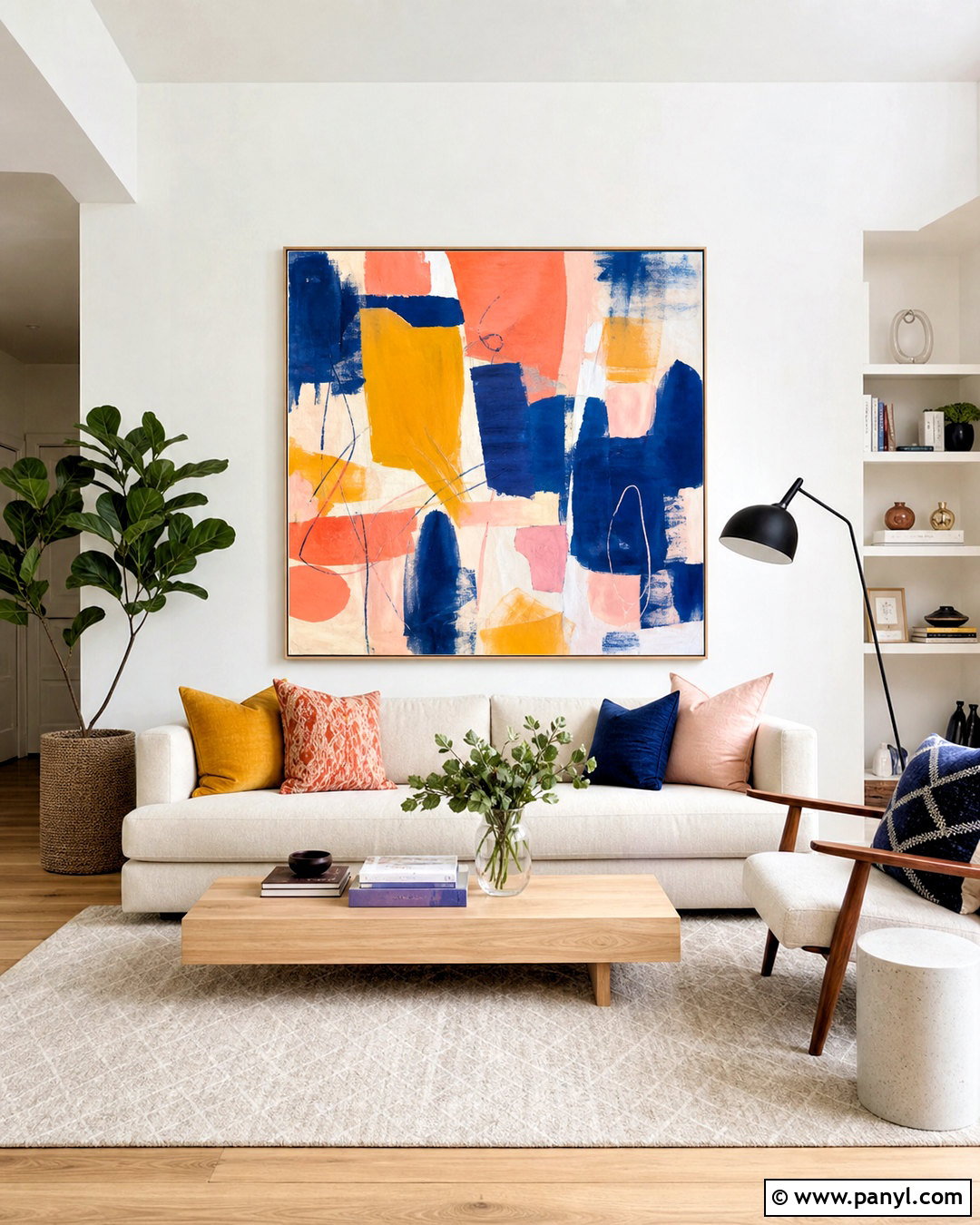
Colorful abstract art can energize a white living room while keeping the larger space fresh and flexible. Select one bold canvas or a coordinated pair featuring cobalt blue, coral, mustard yellow, and soft pink. Place the artwork above a simple cream sofa so the colors stand out clearly. Repeat only two or three shades in pillows, books, and a small side chair to avoid an overly matched result. A light wood coffee table and neutral rug will ground the brighter accents. Add a black floor lamp or dark window frames for crisp contrast. Keep other walls mostly undecorated and choose streamlined furniture. The completed room feels expressive but not chaotic because the white walls and neutral foundation give every colorful element enough visual space to make an impact.
19. White Wall With Greenery
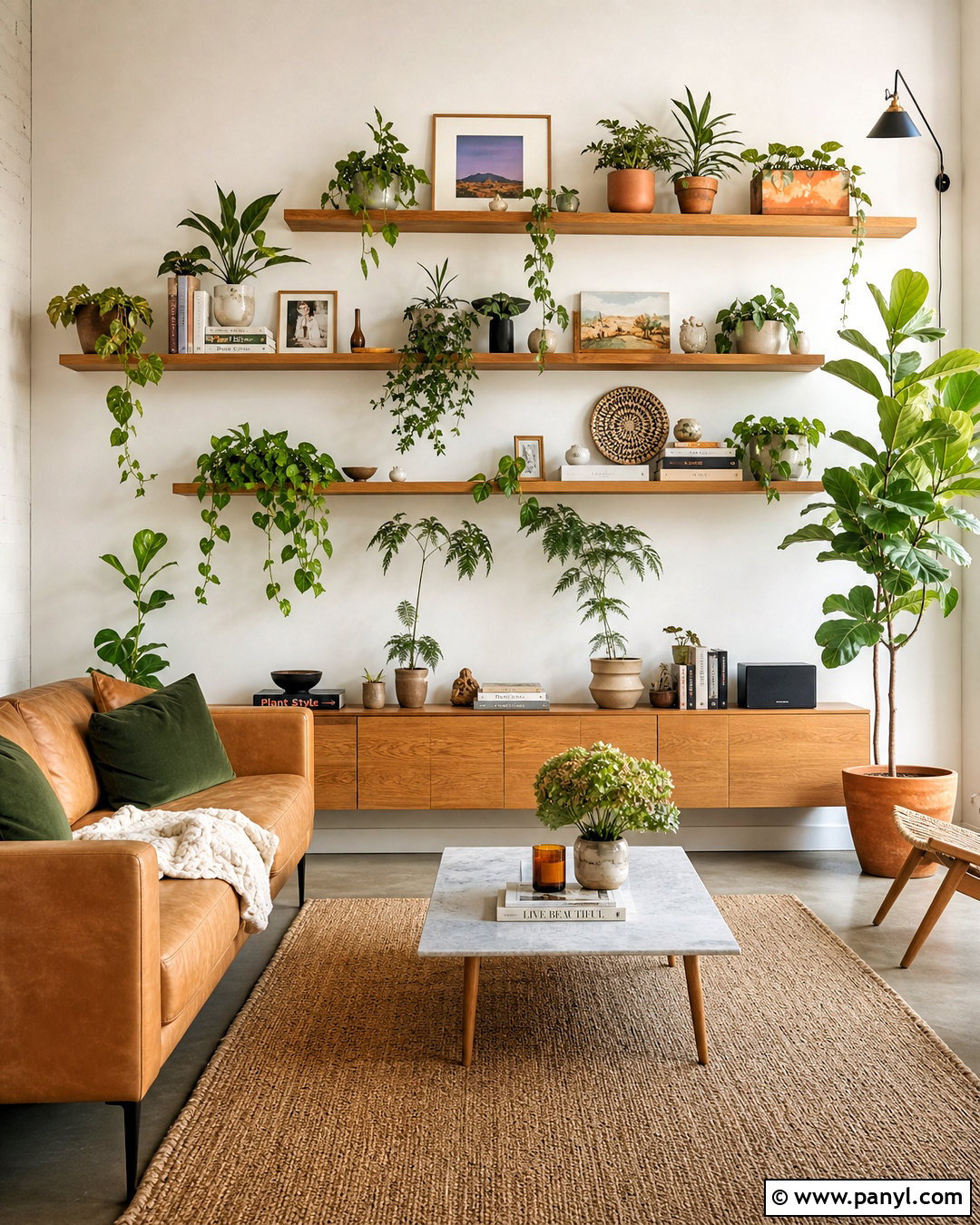
Trailing and upright plants can turn a white wall into a refreshing focal point when they are combined with furniture and thoughtful storage. Install two sturdy wood shelves above a low cabinet, then distribute pothos, small ferns, and compact upright plants among books and ceramic pots. Place a taller floor plant at one side to connect the display to the room below. Use terracotta, cream, and matte black planters for subtle variation. A tan sofa, woven rug, and olive green pillows continue the natural palette. Ensure the display receives suitable light, or choose convincing artificial greenery for darker rooms. Keep watering needs and shelf protection in mind. The finished living area feels lively and layered, with the plants becoming part of a complete, functional arrangement rather than random decorative additions.
20. White Wall With Peel And Stick Decals
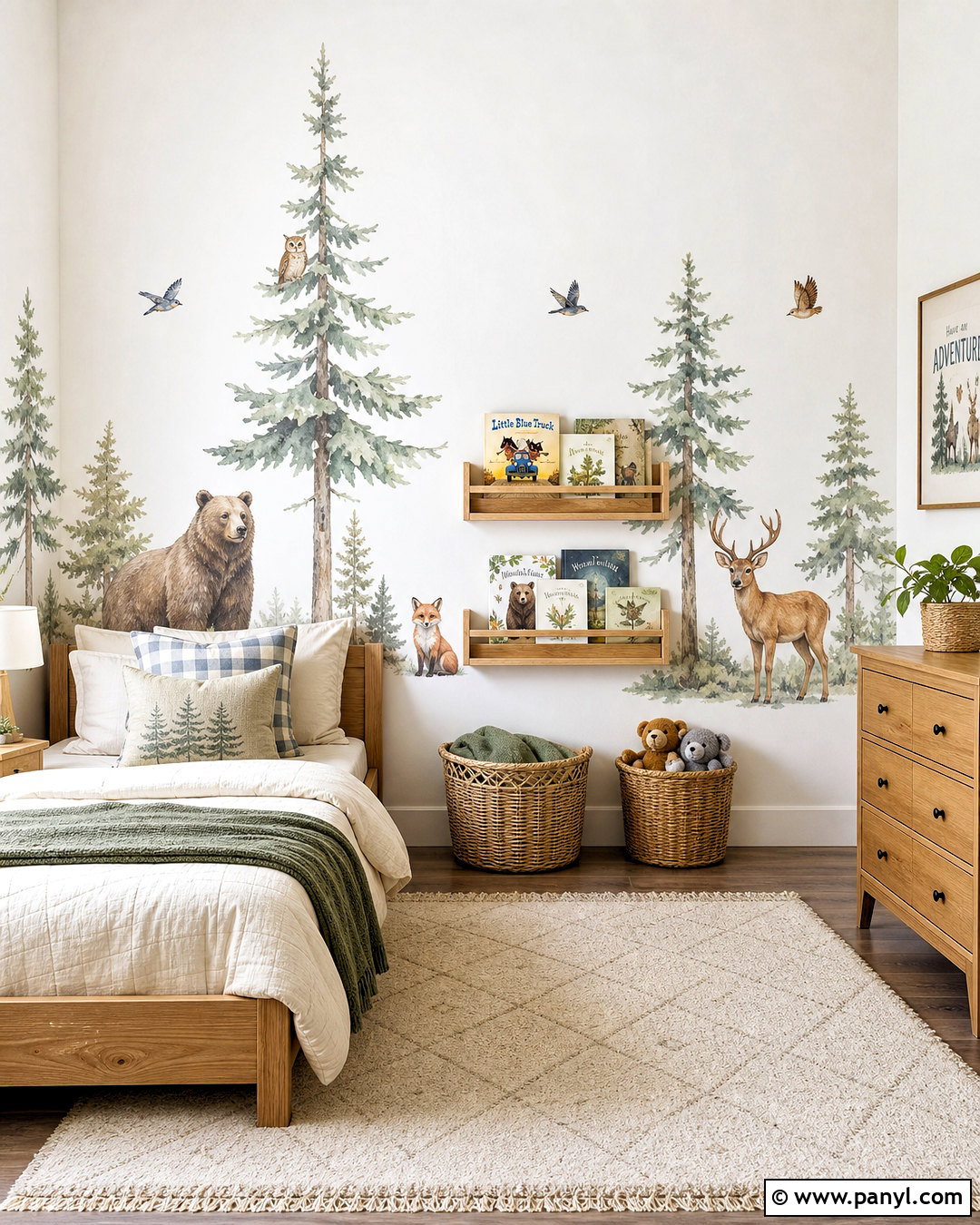
Peel-and-stick decals offer a renter-friendly way to decorate a white nursery, playroom, or child’s bedroom. Choose one coordinated theme, such as woodland trees, soft rainbows, stars, or watercolor animals, and spread the decals across the wall behind the bed or crib. Keep the lower section less crowded where furniture hides the design. Pair muted sage, dusty blue, warm beige, or soft peach decals with natural wood furniture and washable cream textiles. Add low book ledges, woven storage baskets, and a comfortable rug to create a practical room. Avoid mixing several unrelated motifs or overly bright colors. The completed space should feel playful but calm, with the white background maintaining brightness. Removable decals also allow the room’s theme to change as the child grows.
Conclusion:
Decorating white walls successfully is about creating a complete relationship between the wall, furniture, color palette, lighting, and surrounding accessories. Start by identifying the wall’s purpose and selecting a focal feature that matches its scale. Oversized art suits large seating areas, while mirrors, shelves, and ledges can add function to smaller spaces. Natural materials make white rooms warmer, and black details provide clean definition. Color can come from artwork, plants, textiles, or collected objects rather than paint. Most importantly, leave enough open space for each display to breathe. Whether your home is modern, traditional, casual, or renter-friendly, these **white wall decor ideas** can help every room feel balanced, welcoming, and personal.

Related Ideas and Inspiration:
Leave a Reply