
Choosing color for limited square footage is not only about making the walls look lighter. The best **small room paint ideas** use color, trim, furniture, lighting, and finishes together to shape how the entire space feels. Soft neutrals can create an open backdrop, while deep colors can turn tight dimensions into an inviting feature. The room’s natural light, flooring, fixed materials, and purpose should guide the final palette. Before committing, test large painted samples on several walls and check them during the morning, afternoon, and evening. Whether you are refreshing a compact bedroom, office, bathroom, or living area, the following complete looks offer practical inspiration. Explore these **20 small room paint ideas** to find a color scheme that works beautifully in your home.

1. Warm White Small Room Paint
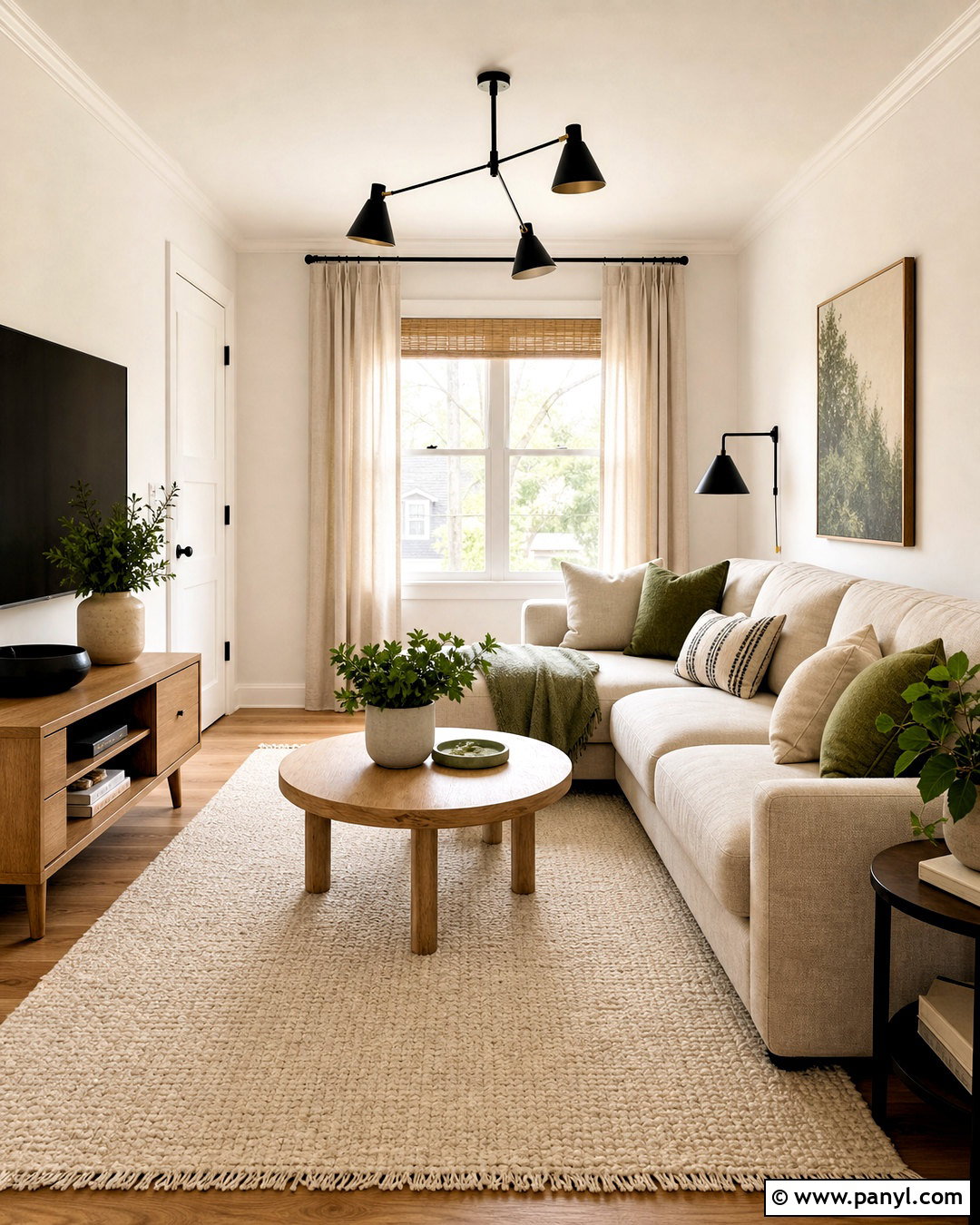
Warm white paint creates a clean, comfortable foundation without making a small room feel cold or unfinished. Choose a creamy white with subtle beige or yellow undertones for the walls, then continue it across the trim and ceiling for a seamless effect. Build the room around a compact oatmeal sofa, a pale oak coffee table, and a textured ivory rug. Natural linen curtains soften the window while allowing daylight to filter through. Add contrast with matte black lighting, simple framed artwork, and a few muted green accents. This complete palette works especially well in a small living room with warm wood flooring. Keep large furniture light, but include several darker details so the space has definition and does not appear washed out.
2. Soft Greige Small Room Paint
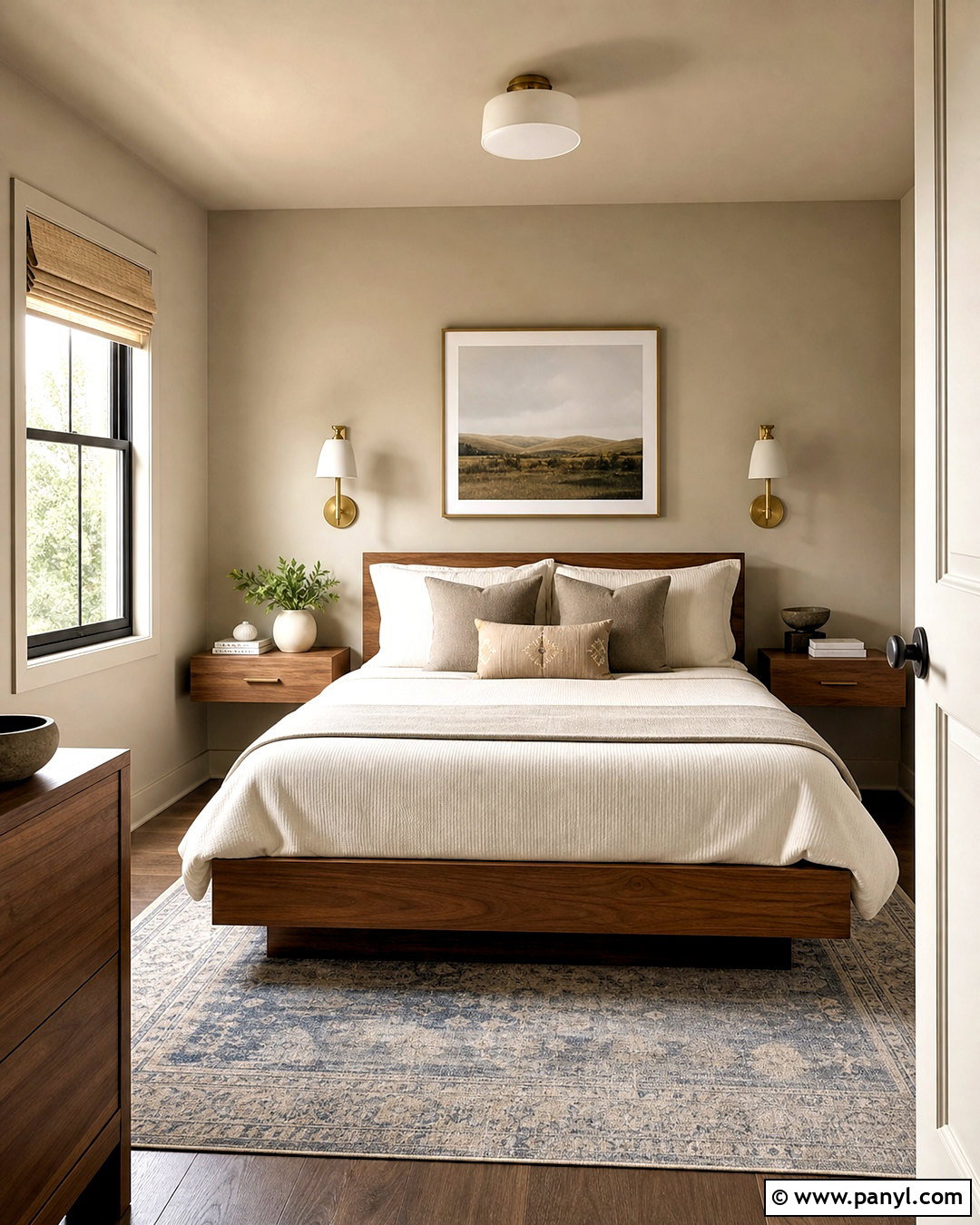
Can’t decide between gray and beige? Soft greige offers the balance of both, giving a small bedroom an adaptable neutral backdrop that feels warm but still fresh. Paint the walls in a pale mushroom greige and use a slightly lighter version on the ceiling. Crisp off-white trim creates gentle definition around doors and windows. Complete the look with a low walnut bed, ivory bedding, taupe pillows, and narrow floating nightstands. A faded blue-gray rug introduces quiet color without disrupting the calm palette. Choose brushed brass sconces to free the bedside surfaces and add warmth. Greige changes noticeably under different lighting, so select a shade that complements the room’s exposure. The finished bedroom should feel layered, uncluttered, and restful rather than simply beige.
3. Pale Blue Small Room Paint
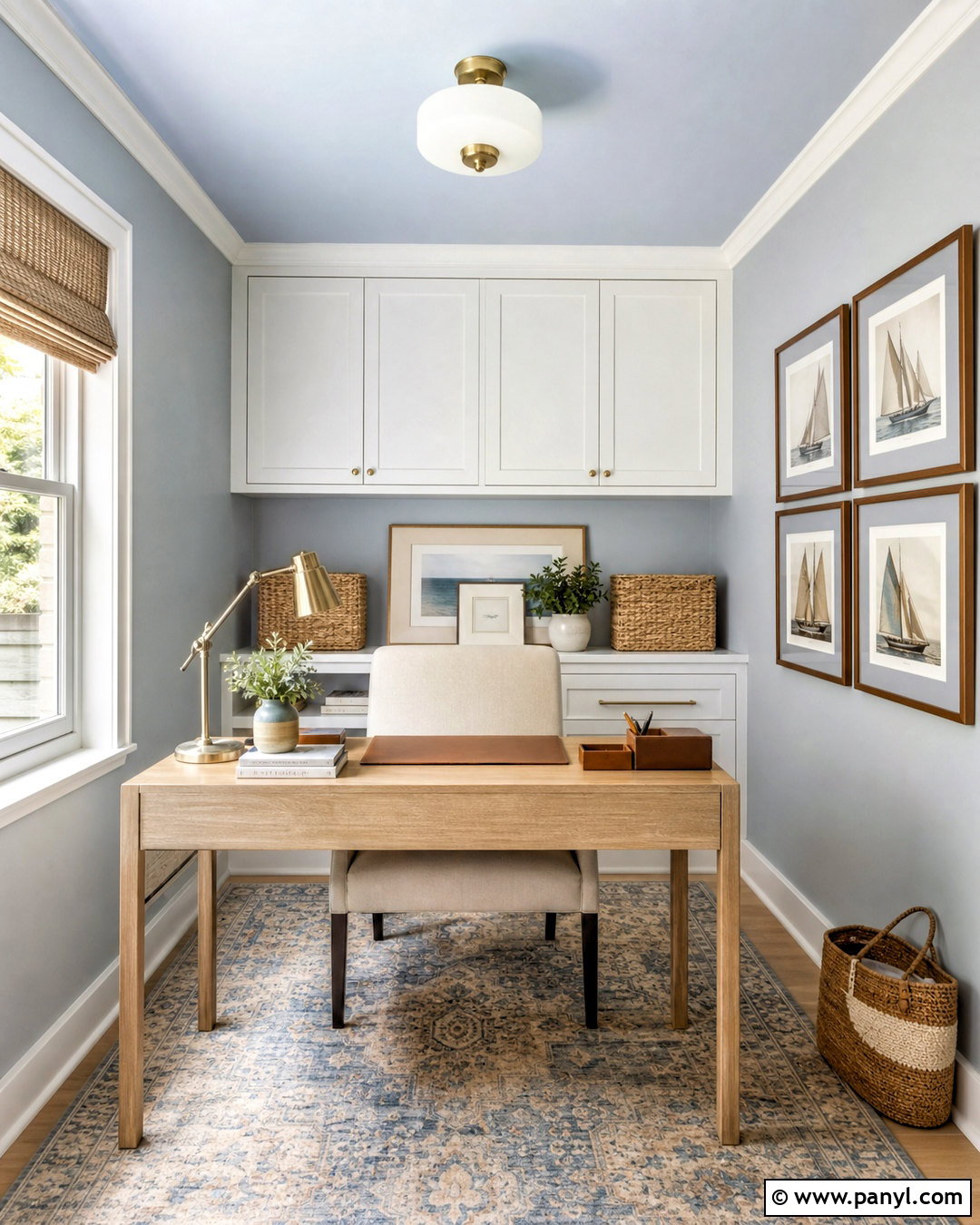
A pale blue room can feel clear, relaxed, and visually connected to the sky outside. Use a light blue with a soft gray undertone on all four walls of a compact home office. Paint the ceiling a cleaner, lighter blue-white to emphasize height without creating harsh contrast. A slim white oak desk, cream upholstered chair, and closed wall-mounted cabinets keep the layout practical. Repeat the wall color in a patterned rug and simple window shade. Warm up the cooler palette with tan leather accessories, woven baskets, and brushed brass hardware. Avoid filling the room with several unrelated blues. Instead, use one main paint color and support it with warm neutrals. The coordinated result feels airy, polished, and suitable for focused daily work.
4. Muted Sage Green Small Room Paint
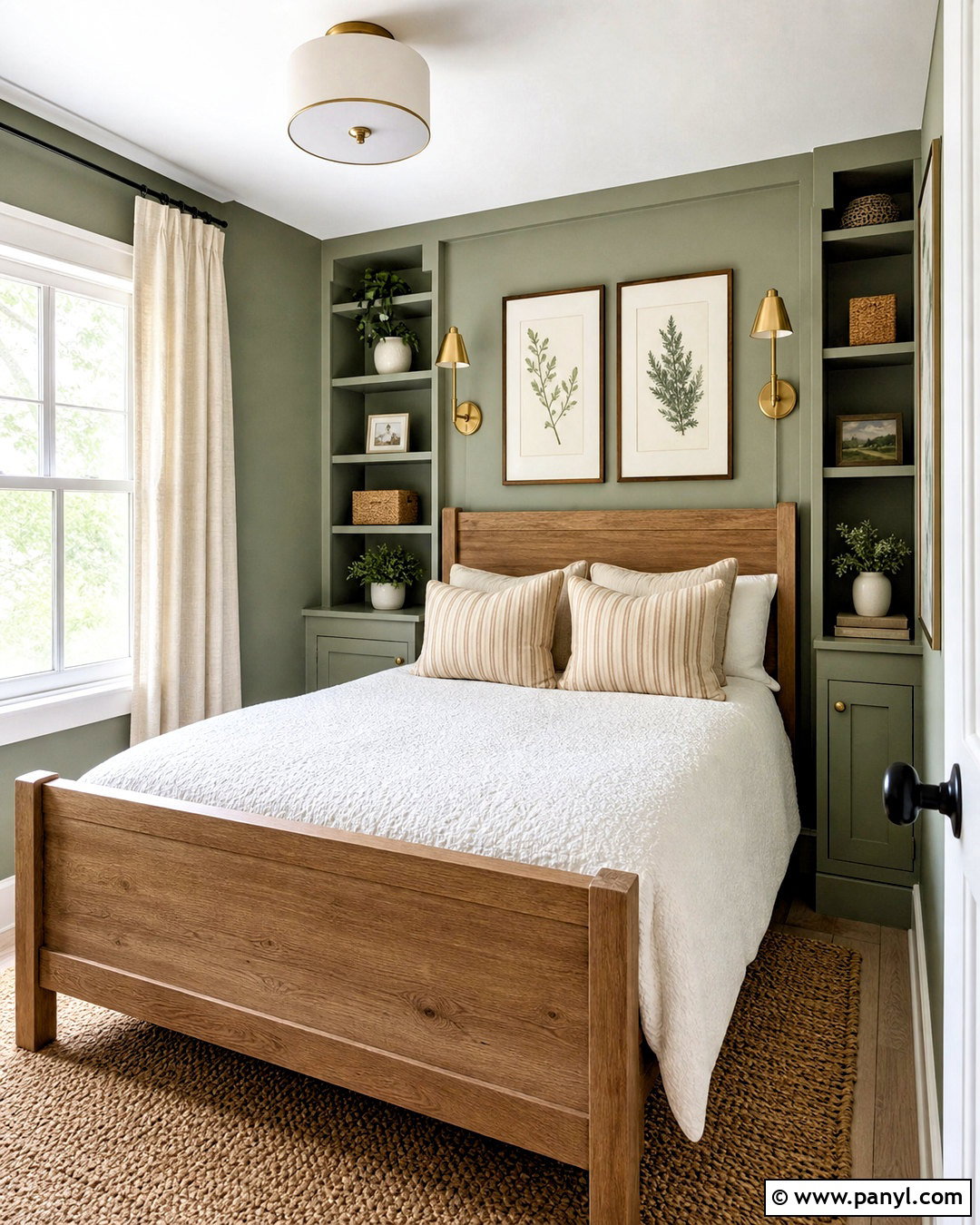
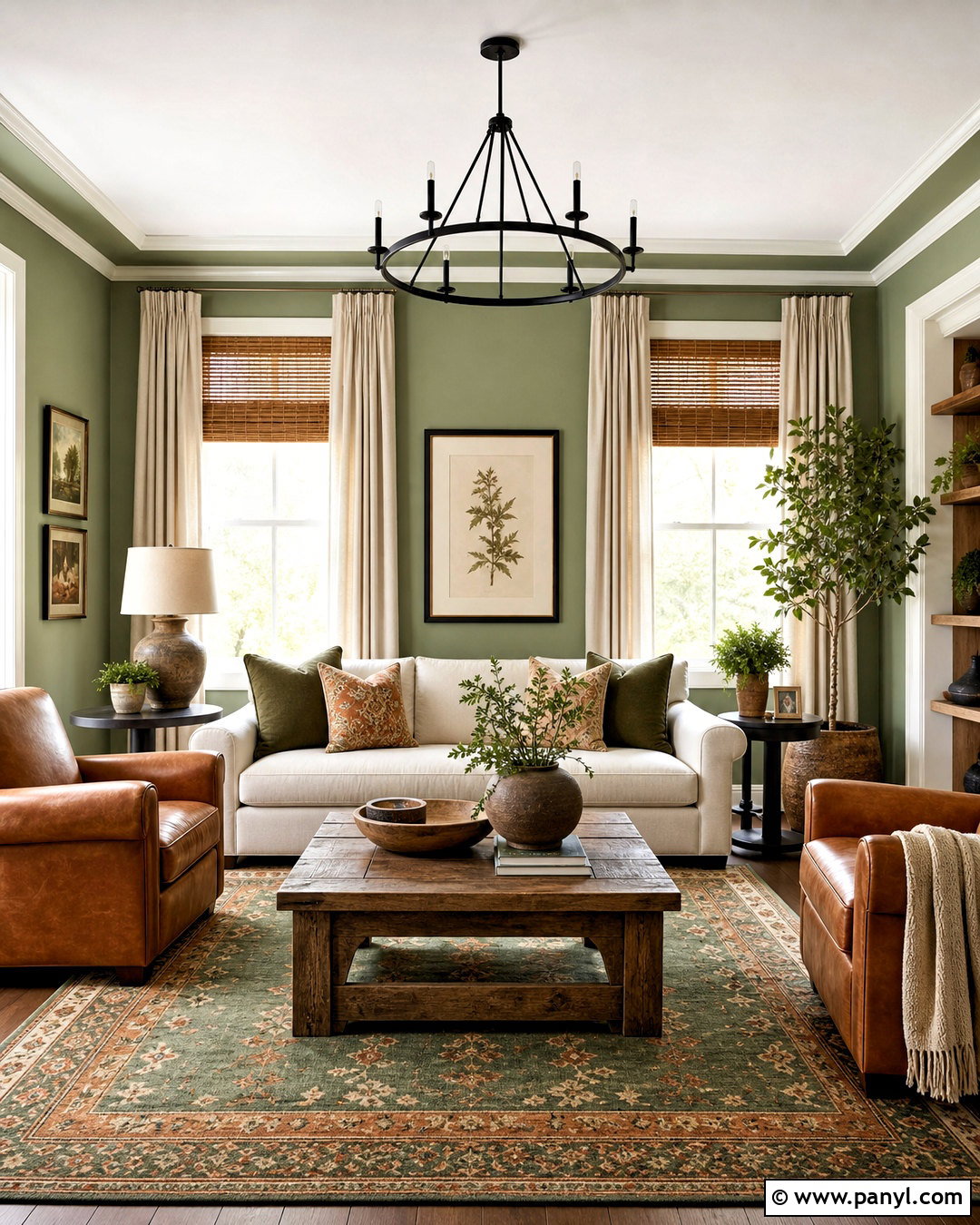
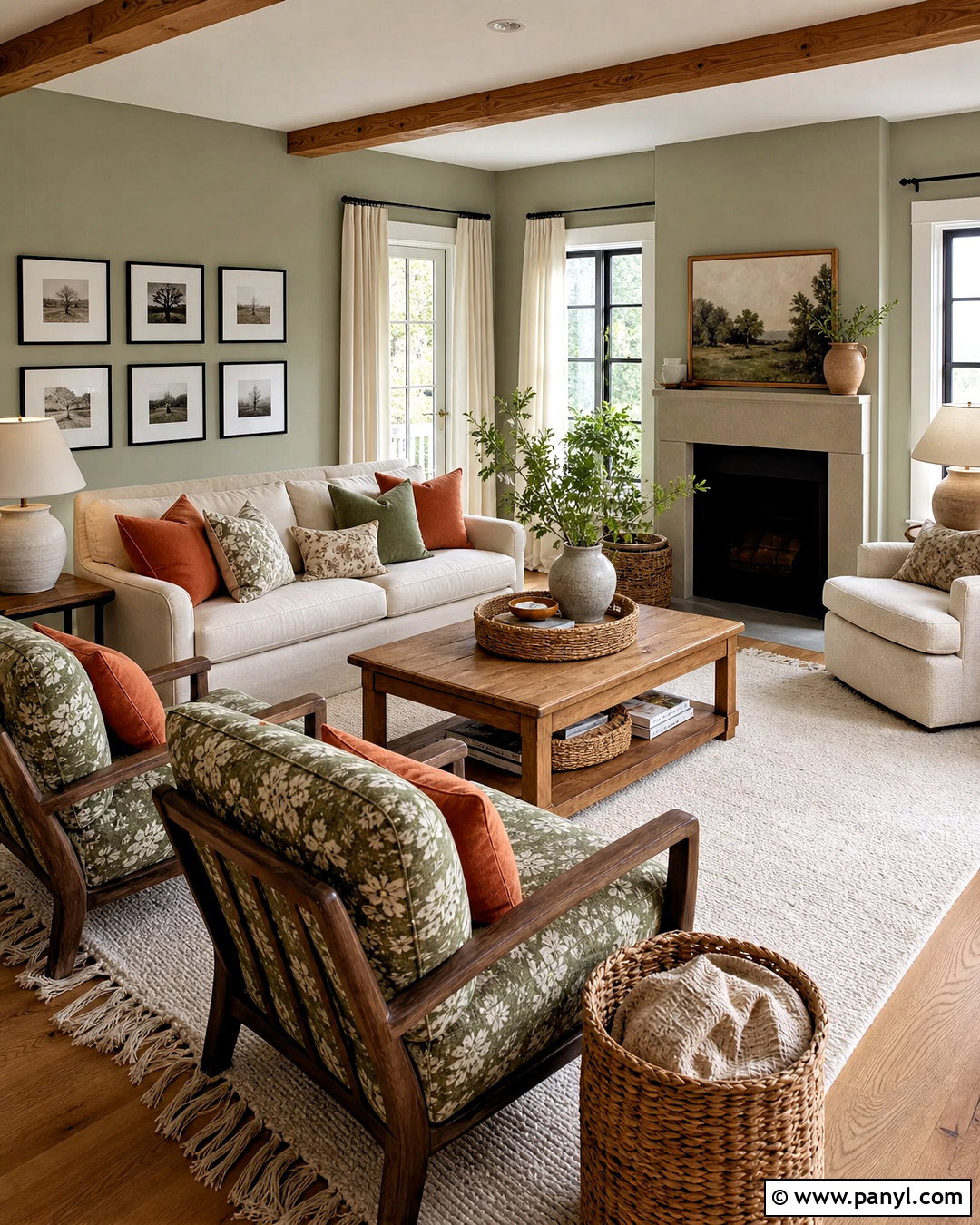
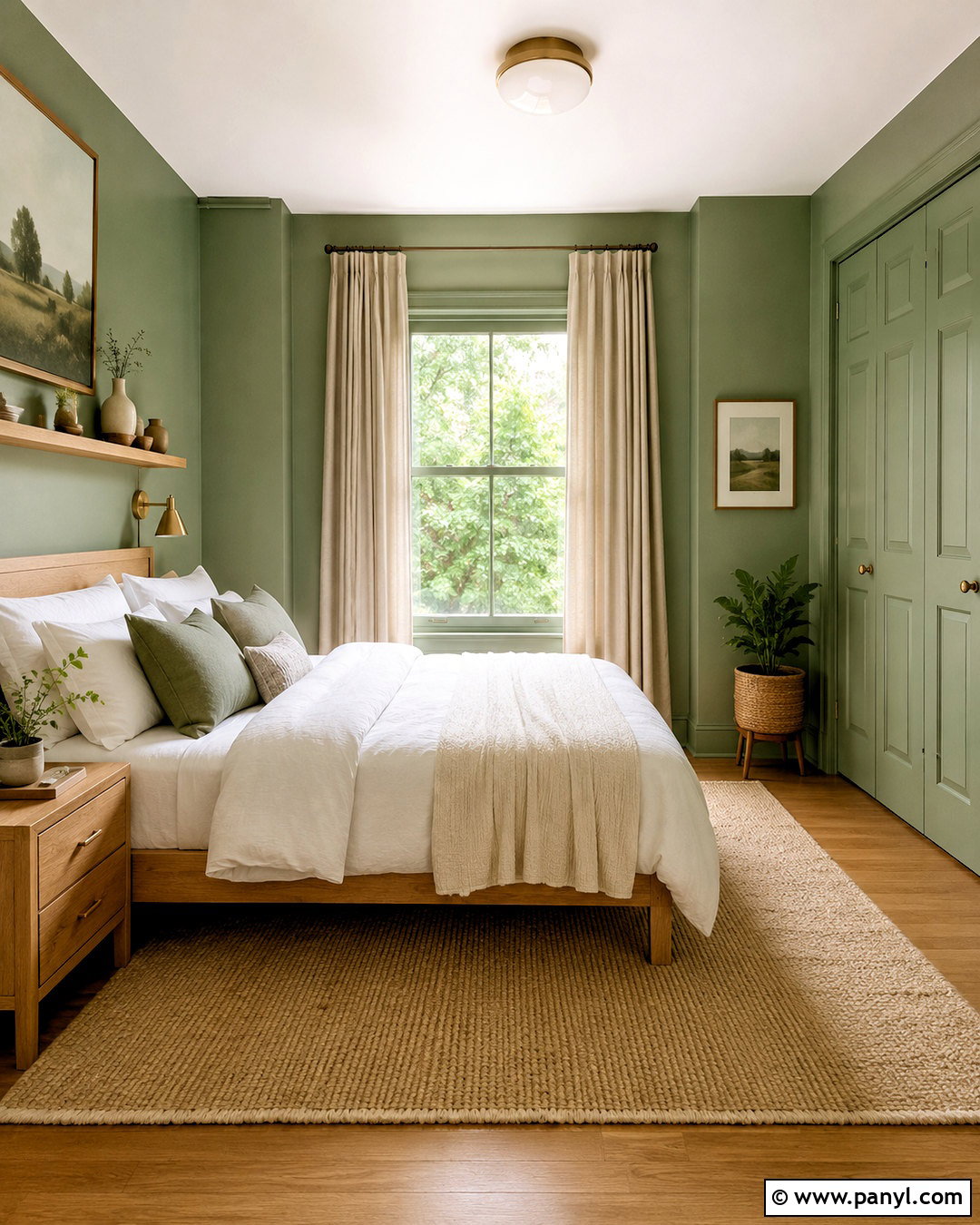
Muted sage green gives a small room natural character while remaining easy to coordinate. In a compact guest bedroom, paint the walls a soft gray-green and carry the same color onto built-in shelving. Use warm white on the ceiling and trim to keep the upper part of the room bright. A simple oak bed, cream quilt, striped beige pillows, and a natural jute rug reinforce the earthy palette. Add antique brass wall lights and one or two botanical prints with generous white borders. Linen curtains in warm ivory provide softness without competing with the green. Keep the furniture shapes straightforward and the surfaces mostly clear. This full-room treatment creates a welcoming retreat that feels calm and established, even when the bedroom has modest dimensions.
5. Dusty Pink Small Room Paint
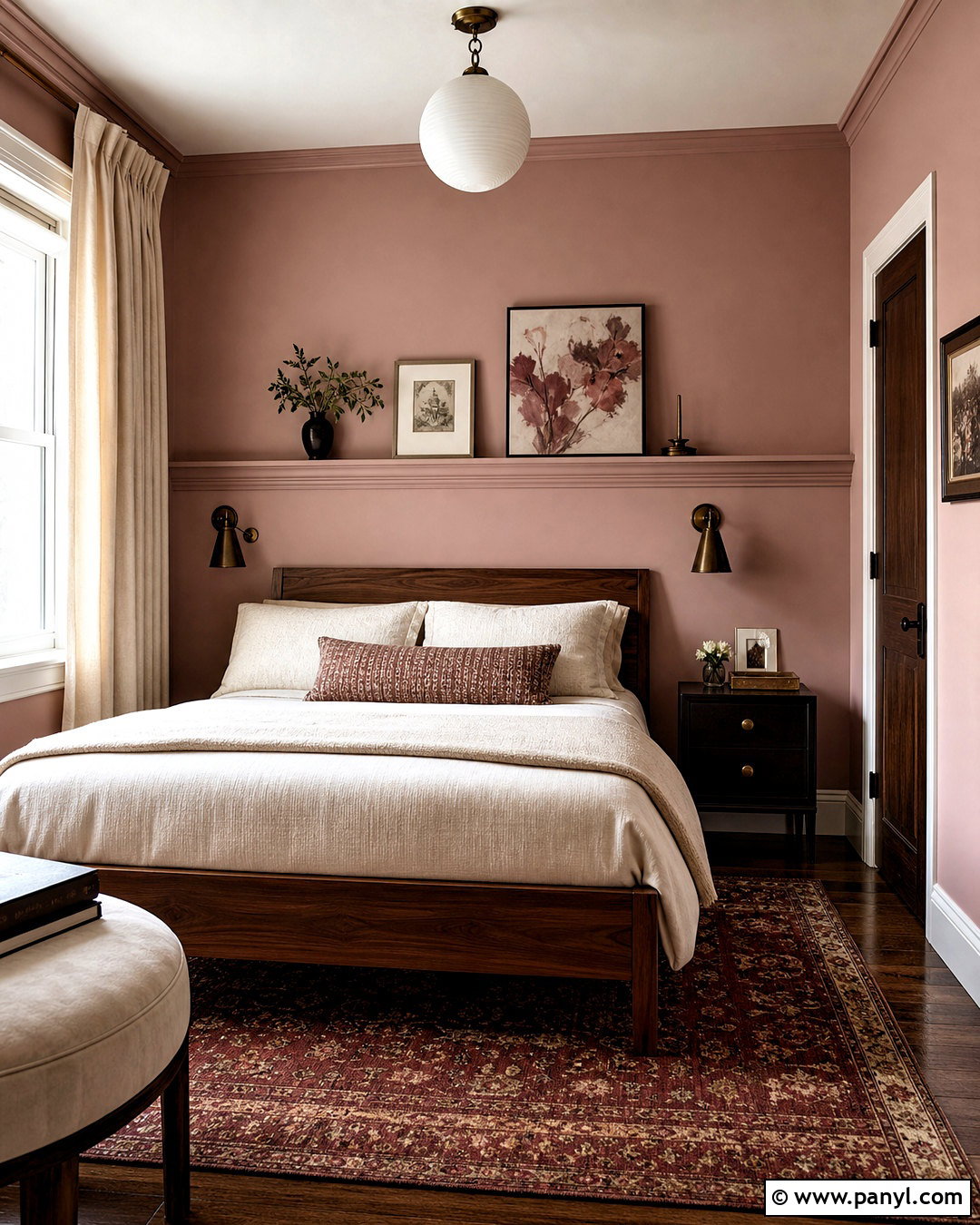
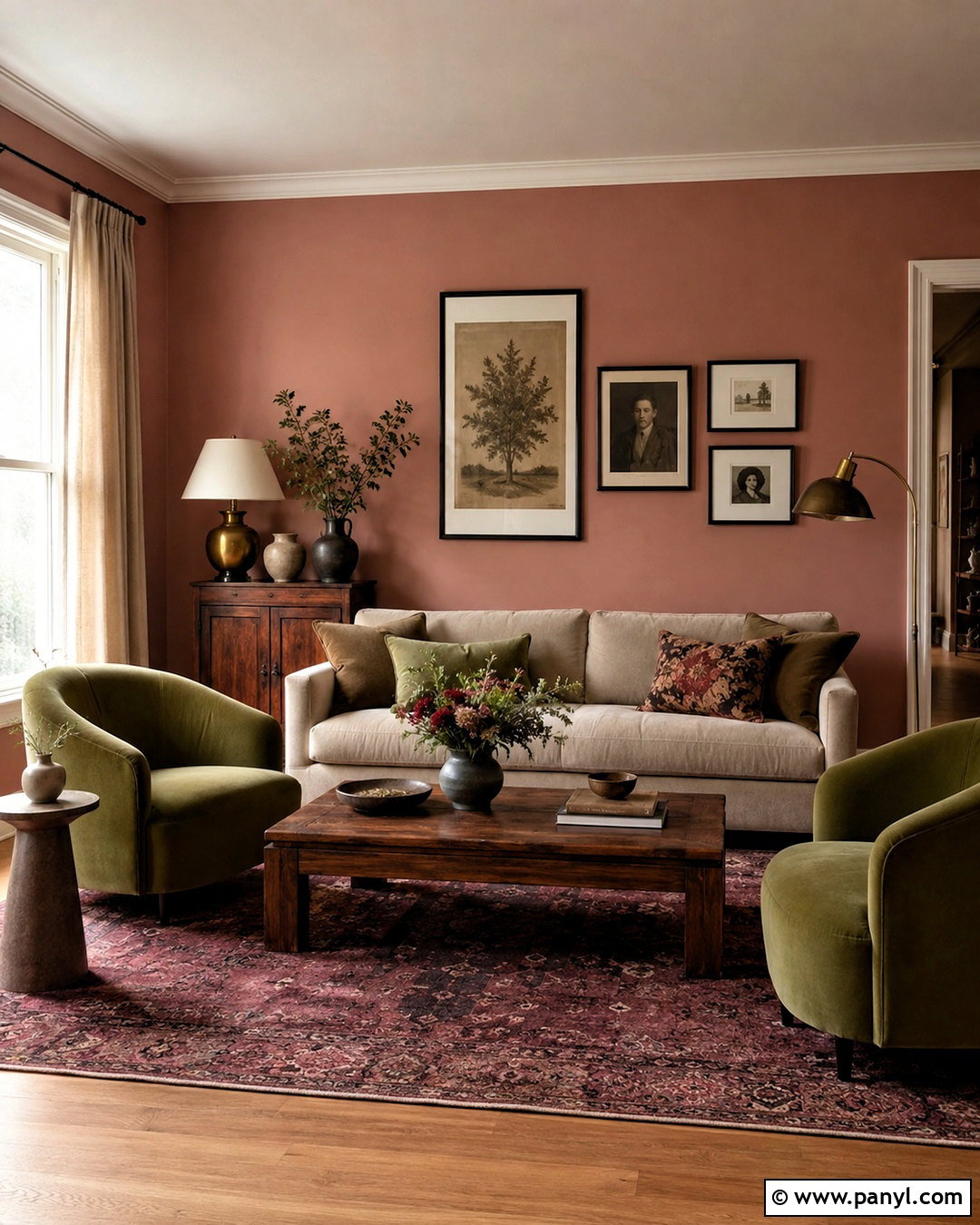
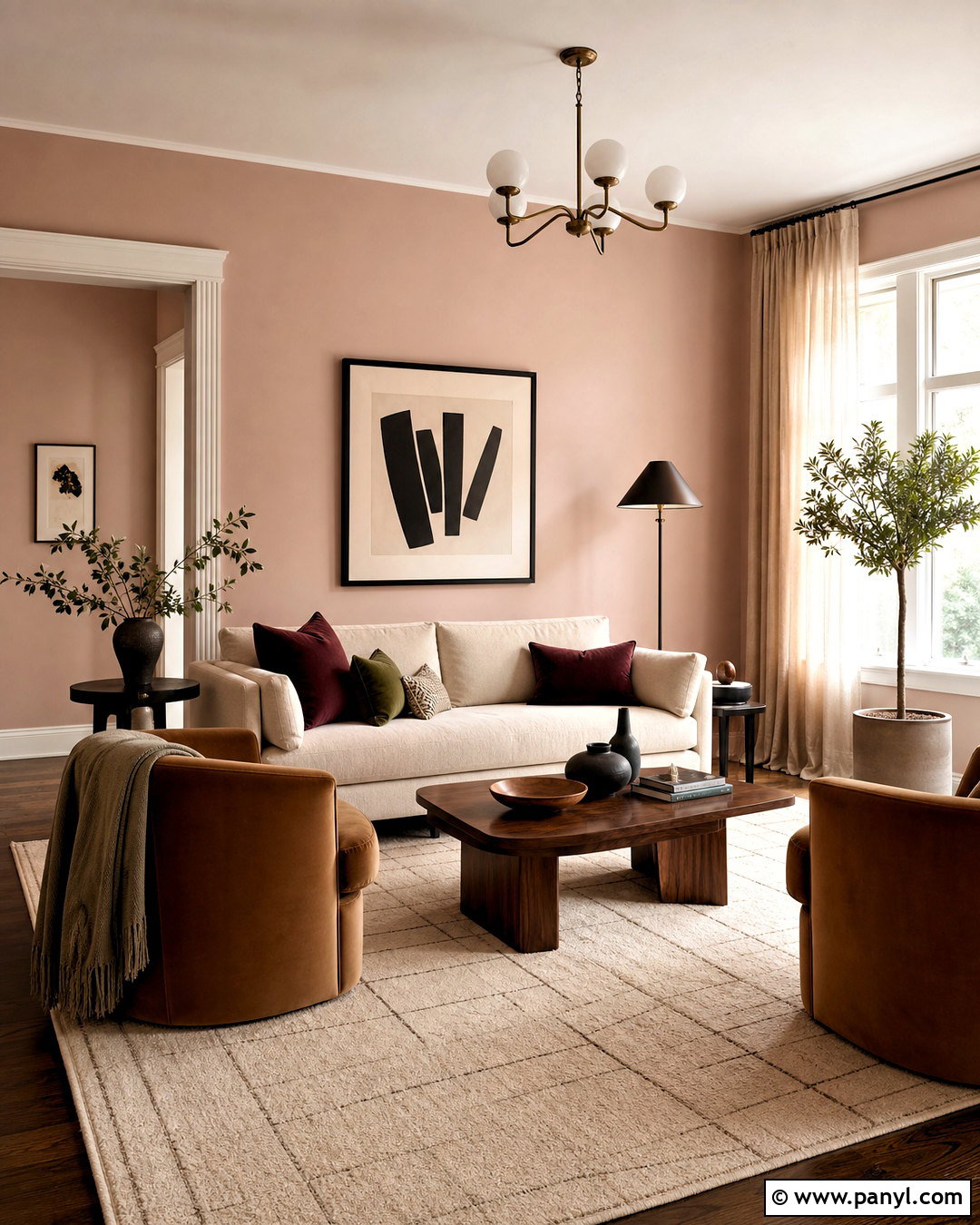
Dusty pink can make a little bedroom feel warm and sophisticated when it is balanced with grounded materials. Select a muted rose shade with brown or gray undertones rather than a sugary pastel. Paint the walls and narrow picture ledge in the same color, then use soft white on the ceiling and baseboards. Pair the paint with a walnut bed frame, warm ivory bedding, and a compact burgundy-patterned rug. Bronze sconces and dark wood accents provide enough contrast to prevent the room from feeling overly delicate. Add flax-colored curtains and simple abstract artwork that repeats the rose, cream, and brown palette. The finished space feels cozy and collected. It works equally well for a primary bedroom, guest room, or stylish multifunctional sleeping area.
6. Light Taupe Small Room Paint
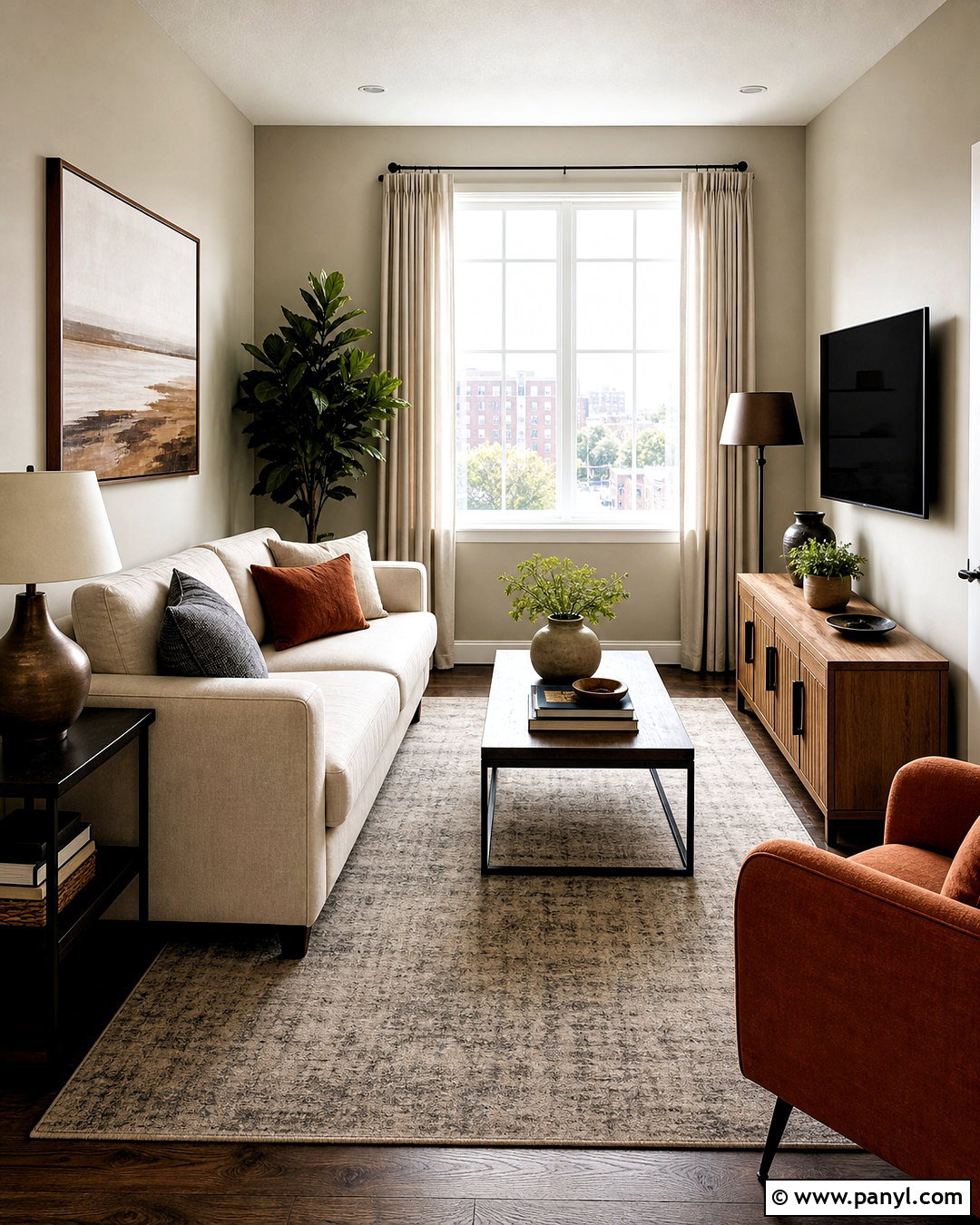
In a small living room with limited daylight, light taupe can feel softer and more inviting than stark white. Cover the walls in a pale brown-gray shade and paint the trim in a warm off-white with a similar undertone. Choose an apartment-size cream sofa, a medium-tone oak media cabinet, and one comfortable accent chair in muted rust. A wool rug featuring taupe, ivory, and charcoal connects the furnishings to the paint. Hang curtains close to the ceiling and select fabric only slightly lighter than the walls. This reduces unnecessary color breaks and emphasizes the room’s height. Finish with dark bronze lamps, ceramic accessories, and restrained artwork. The coordinated palette creates depth while maintaining a calm, spacious impression throughout the compact seating area.
7. Cream Small Room Paint
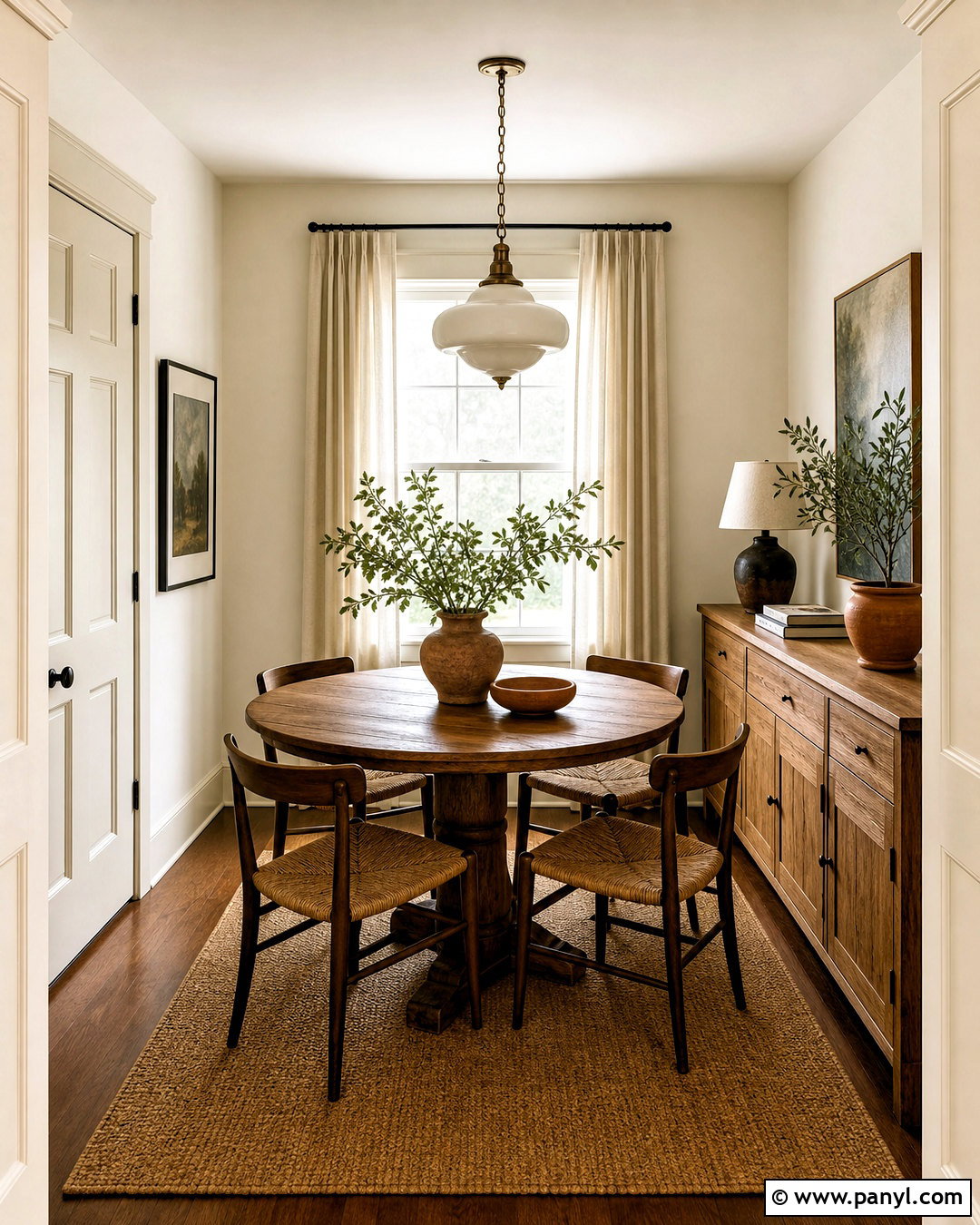
Cream walls can transform a narrow dining room into a warm, light-filled setting that remains comfortable after sunset. Pick a soft cream with restrained golden undertones, then paint the walls, trim, and door in closely related shades. A small round pedestal table improves movement and looks elegant against the simple background. Surround it with light oak chairs featuring woven seats, and place a natural fiber rug beneath the arrangement. A milk-glass pendant provides a soft focal point without overwhelming the ceiling. Add pale linen curtains, a slim wood sideboard, and one large landscape print. Small touches of olive green and terracotta keep the creamy scheme from becoming flat. Together, these elements produce an inviting dining space that feels cohesive rather than crowded.
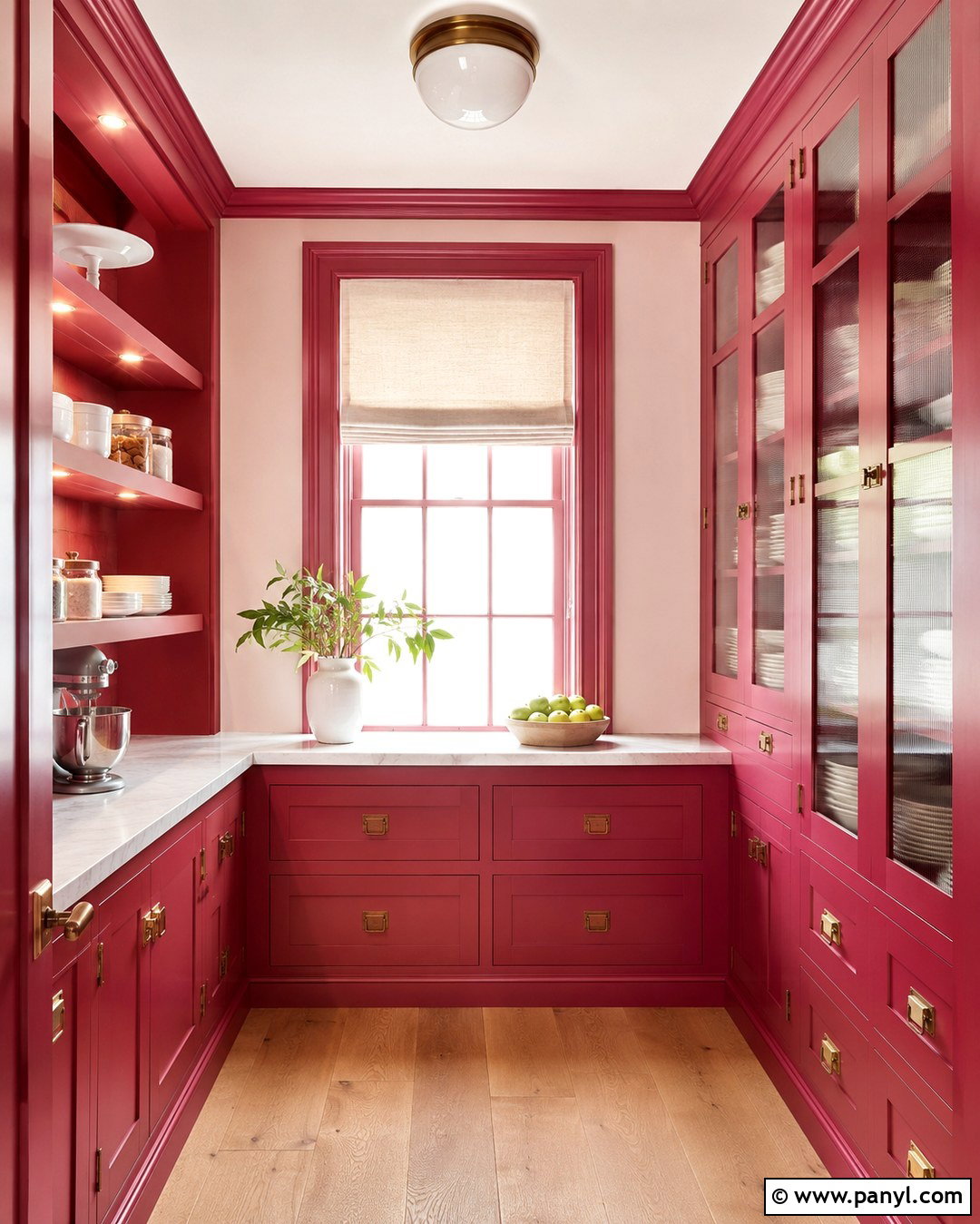
8. Lavender Gray Small Room Paint
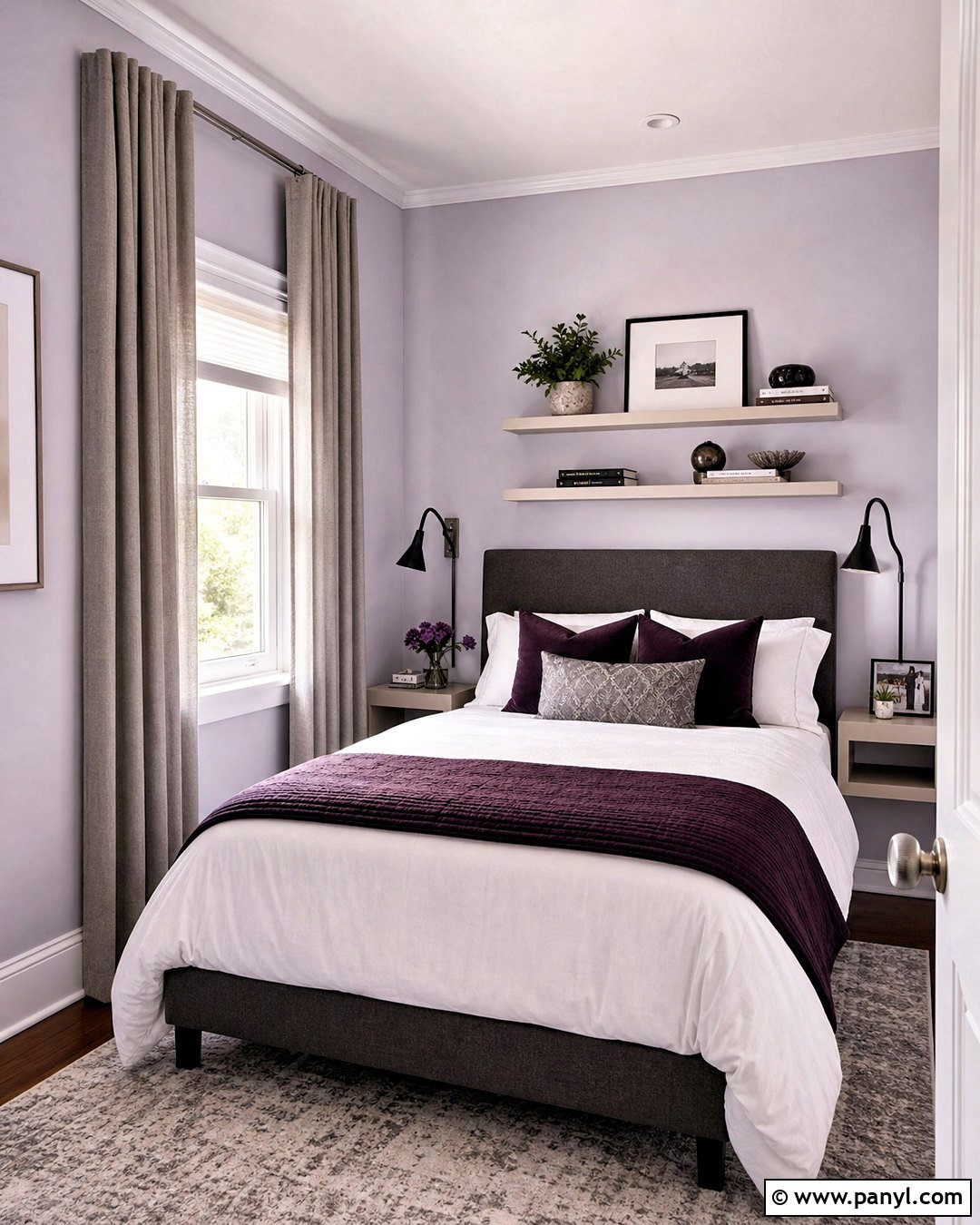
Lavender gray introduces gentle color to a small bedroom while maintaining the versatility of a neutral. Look for a quiet shade that appears gray first and purple second. Apply it to the walls, then use a pale lavender-tinted white on the trim and ceiling. Ground the room with a charcoal upholstered bed and warm wood flooring. Layer white bedding with plum, stone, and soft gray textiles for a composed palette. Slim black reading lights and floating bedside shelves save space while adding crisp definition. Choose simple curtains in a gray-beige linen to balance the cooler wall color. A small abstract print and brushed nickel details complete the design. The resulting bedroom feels soothing and distinctive without relying on loud color or excessive decorative accessories.
9. Pale Yellow Small Room Paint
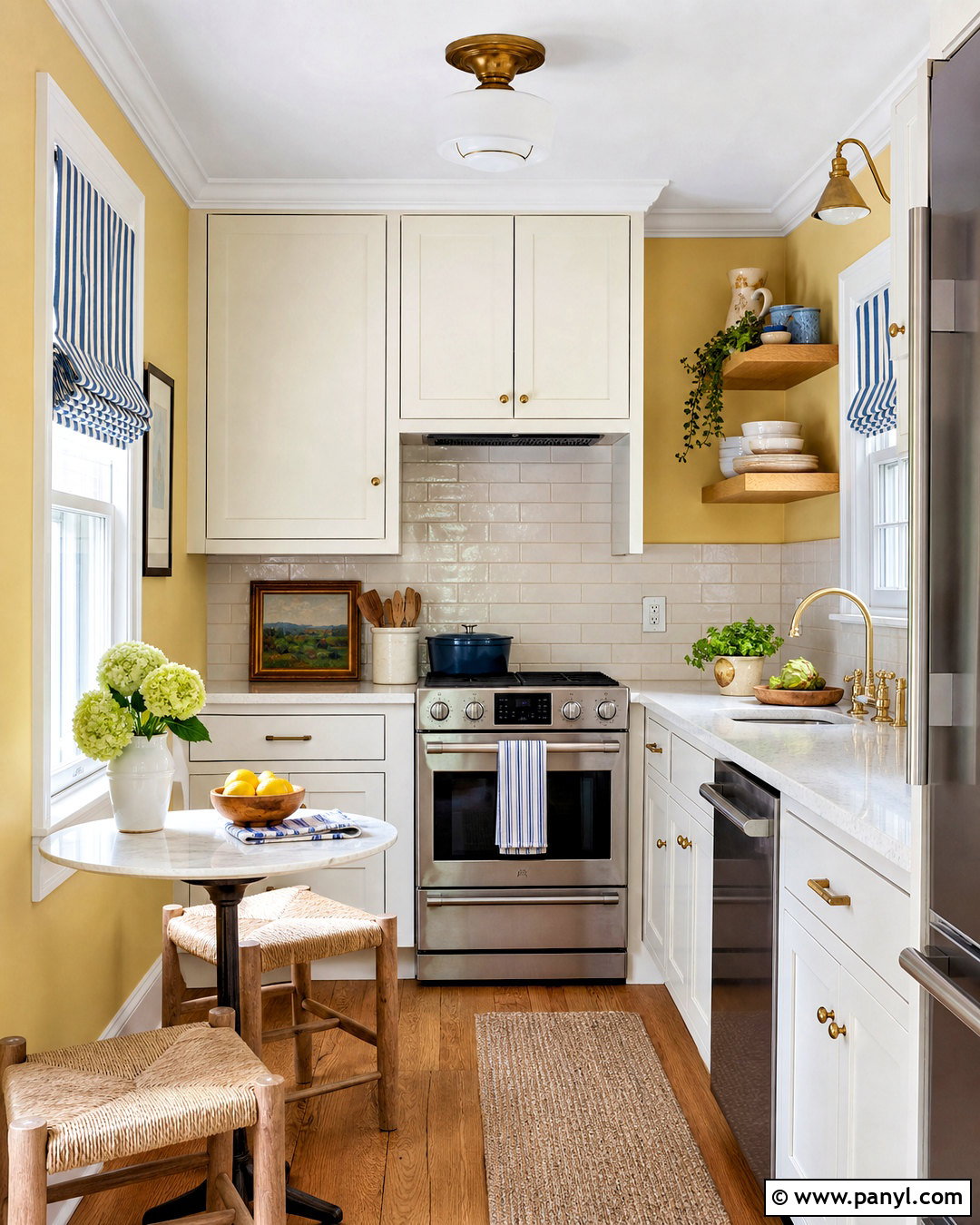
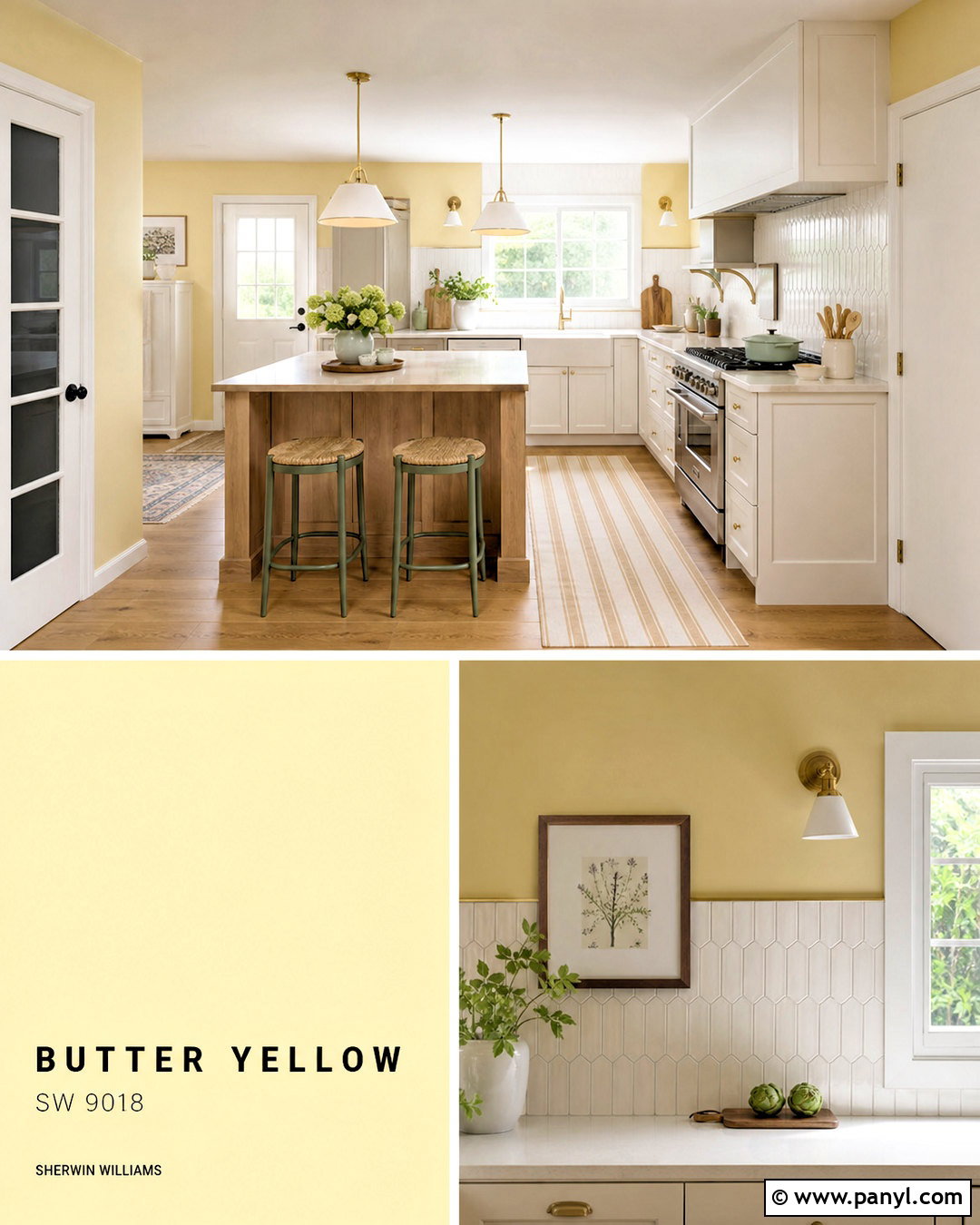
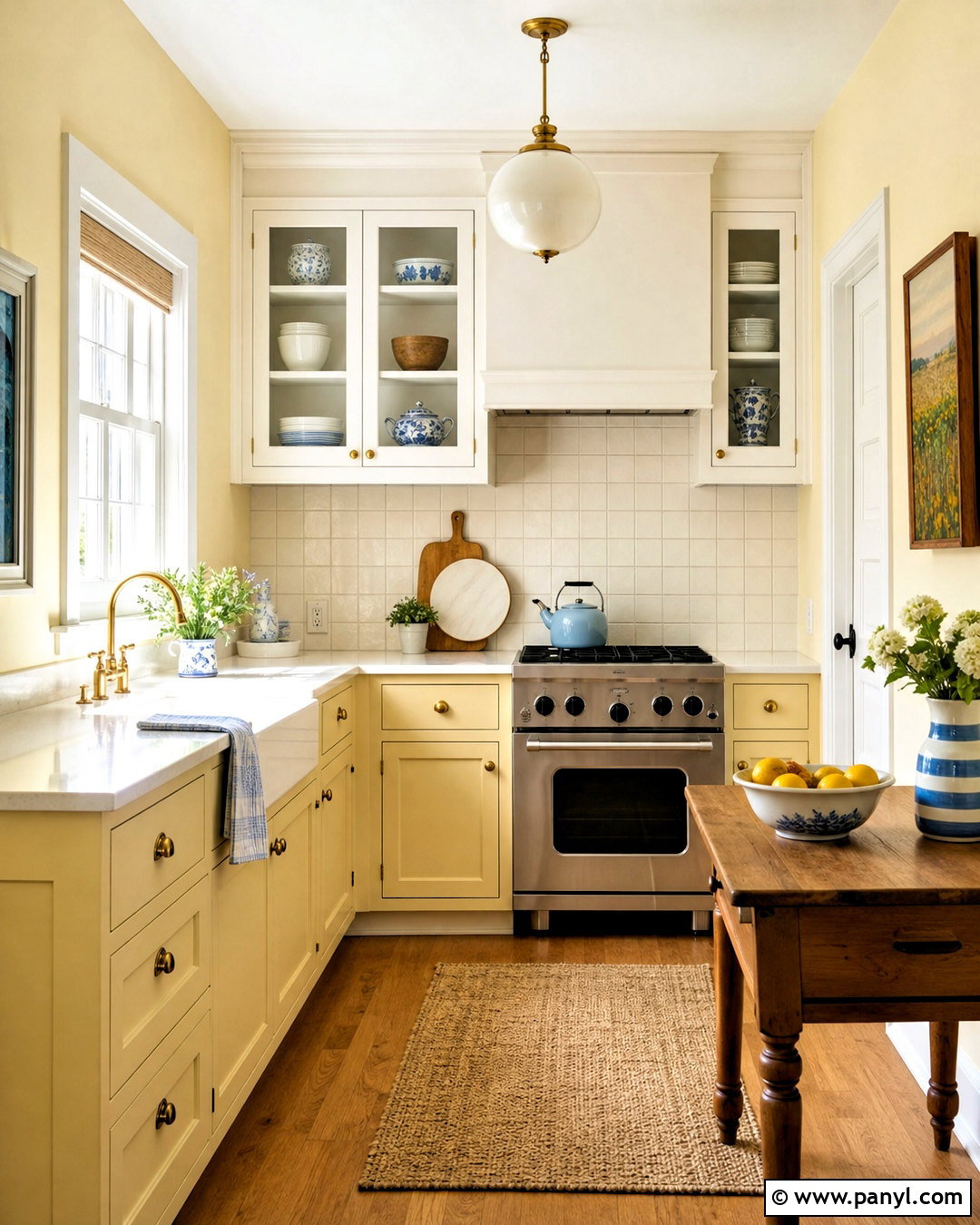
Morning light feels especially cheerful in a small kitchen painted a pale, buttery yellow. Keep the shade soft and slightly muted so it reads as warm illumination rather than a bright primary color. Pair the walls with warm white cabinets, a cream subway tile backsplash, and light quartz countertops. Natural oak open shelves and a small wood breakfast table bring organic texture to the room. Use aged brass hardware and woven counter stools to strengthen the welcoming palette. If the kitchen has a low ceiling, paint it the same warm white as the cabinets for a continuous upper surface. Add muted blue dishware or a blue-striped Roman shade for restrained contrast. This complete scheme creates a sunny, practical kitchen that feels lively without looking visually crowded.
10. Powder Blue Small Room Paint
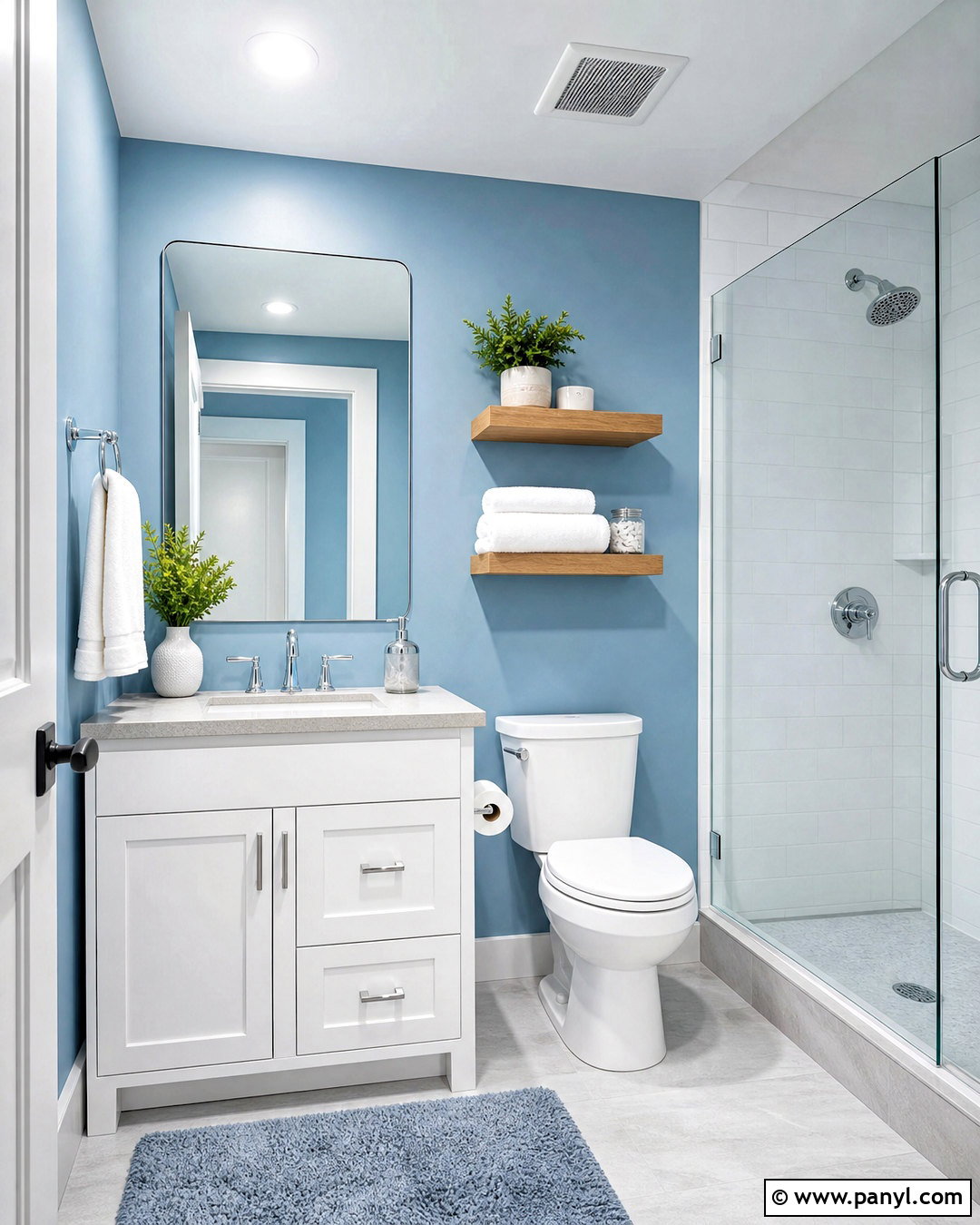
A compact bathroom gains a clean, refreshing character from powder blue walls. Choose a softened blue that works with the room’s tile and remains pleasant under artificial lighting. Use moisture-appropriate paint on the walls and a brighter white on the ceiling, trim, and door. Pair the color with a white vanity, pale gray stone counter, and polished chrome fixtures. A frameless mirror helps maintain a light visual profile, while a glass shower panel prevents the room from being divided into smaller sections. Finish the space with white towels, a blue-gray bath mat, and one light oak shelf. Keep countertop accessories minimal and coordinated. The full palette feels crisp and open, but the wood and textiles add enough warmth to stop the bathroom from appearing clinical.
11. Color-Drenched Navy Small Room Paint
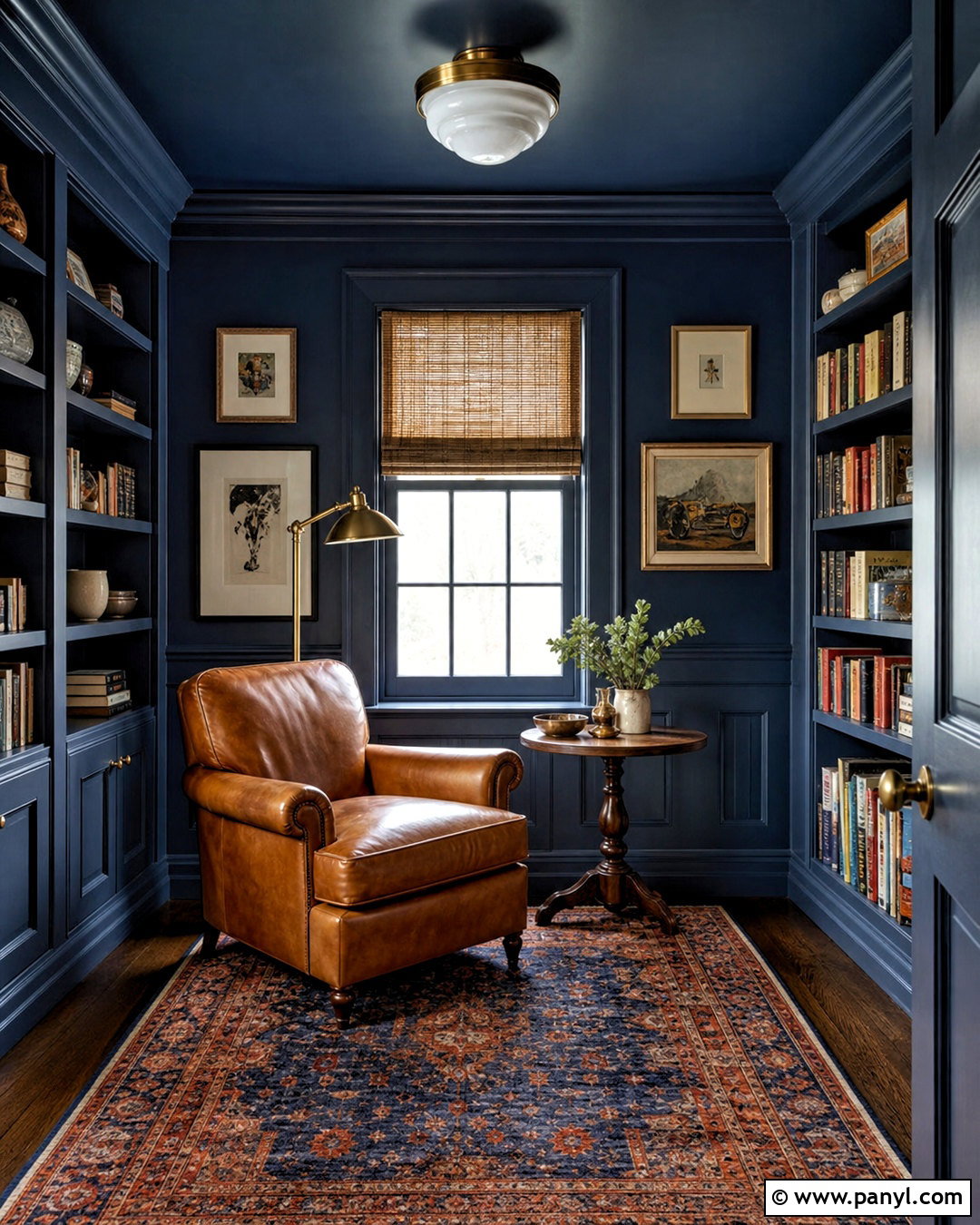
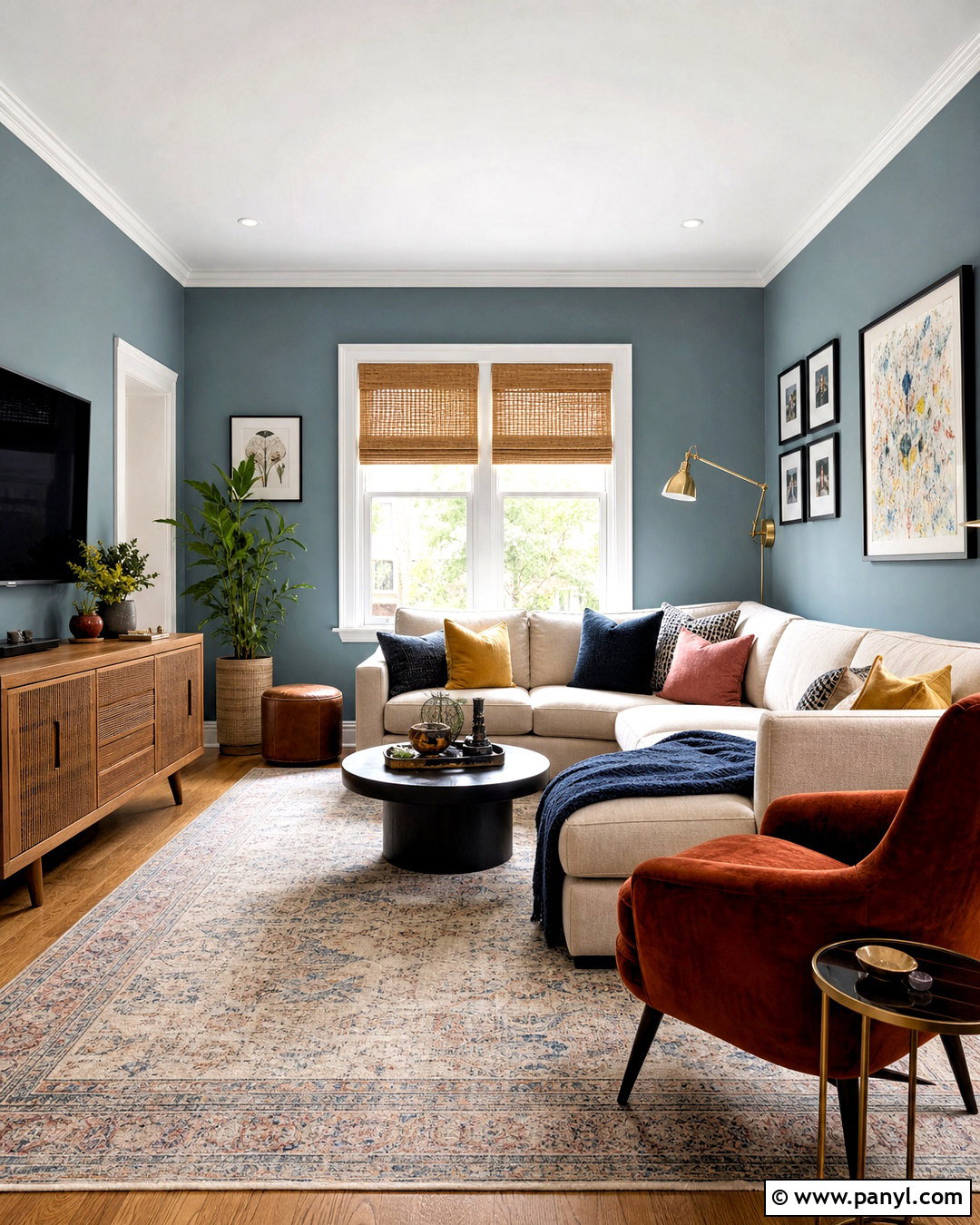
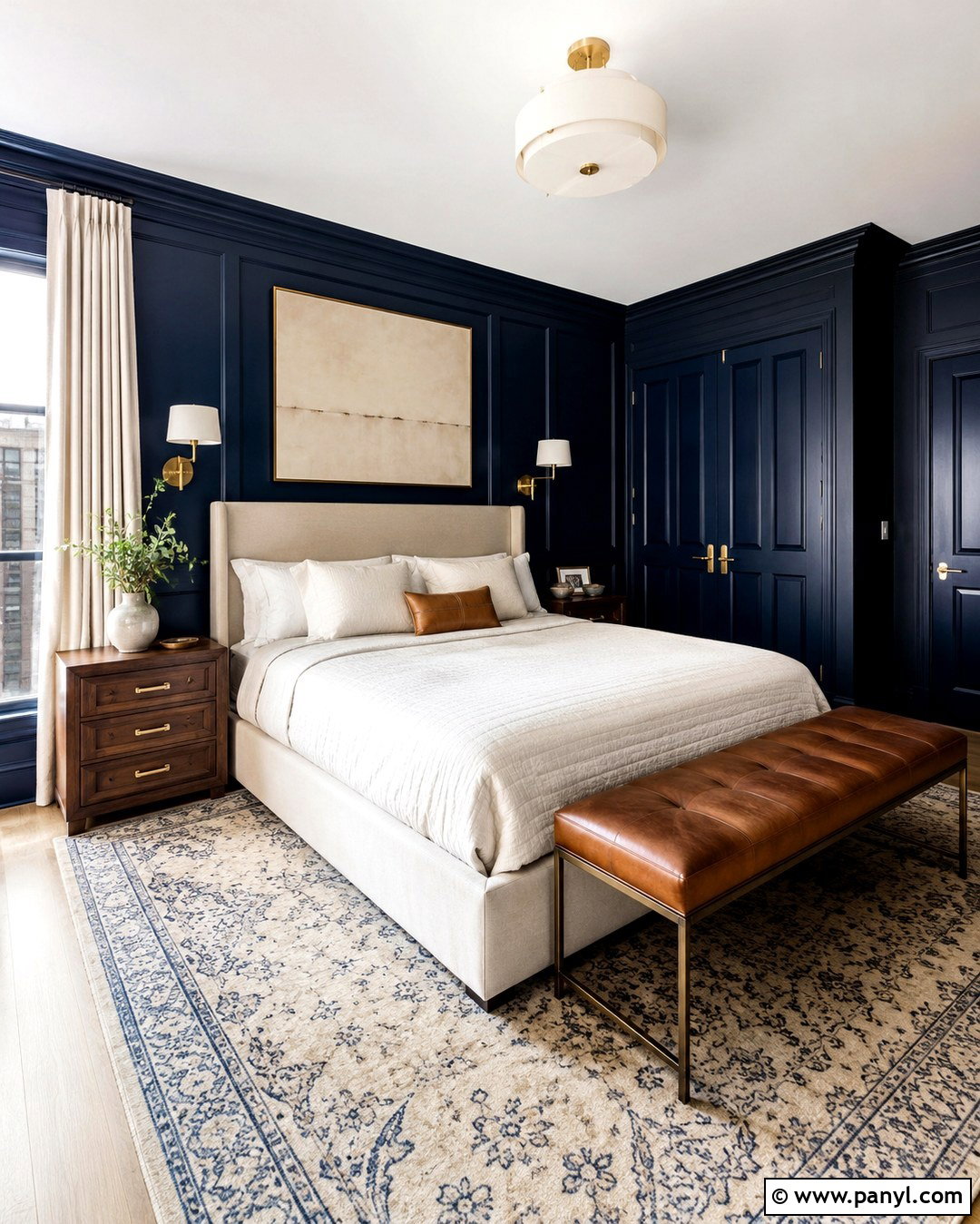
Deep navy can give a small reading room an intentional, enveloping look rather than calling attention to its limited size. Paint the walls, ceiling, trim, doors, and built-in shelves in the same rich navy. Select an eggshell or satin finish for woodwork so the architectural details remain subtly visible. Furnish the room with a caramel leather chair, a compact walnut side table, and a patterned rug containing navy, rust, and cream. Add a brass floor lamp and warm white bulbs to create balanced illumination. Books, framed art, and pale ceramic objects will stand out clearly against the dark background. Avoid introducing too many additional colors. The finished room should resemble a cozy private library, with every surface contributing to one unified and thoughtfully planned design.
12. Deep Teal Small Room Paint
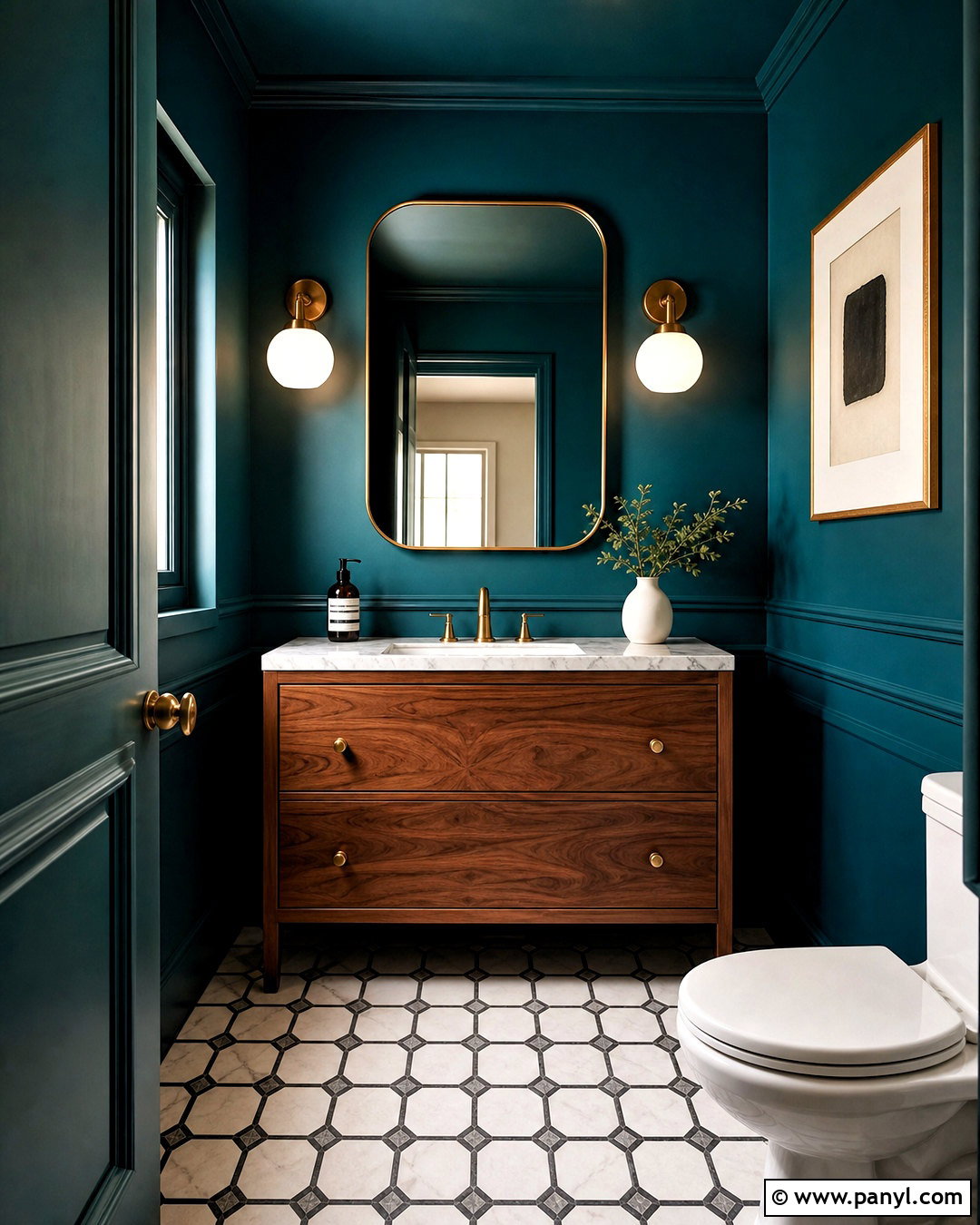
Deep teal brings richness to a small powder room, where a dramatic palette can feel especially memorable. Apply the saturated blue-green color to the walls, ceiling, trim, and door for a continuous finish. Pair it with a compact walnut vanity, white marble counter, and brushed brass faucet. A large rounded mirror reflects the fixtures and keeps the wall arrangement simple. Choose a small geometric floor tile in cream and charcoal to anchor the scheme without competing with the teal. Two opal-glass sconces provide bright, flattering light on either side of the mirror. Add white hand towels and one modest piece of artwork. This complete design embraces the enclosed dimensions and turns them into an advantage, creating a jewel-box effect that feels refined rather than cramped.
13. Olive Green Small Room Paint
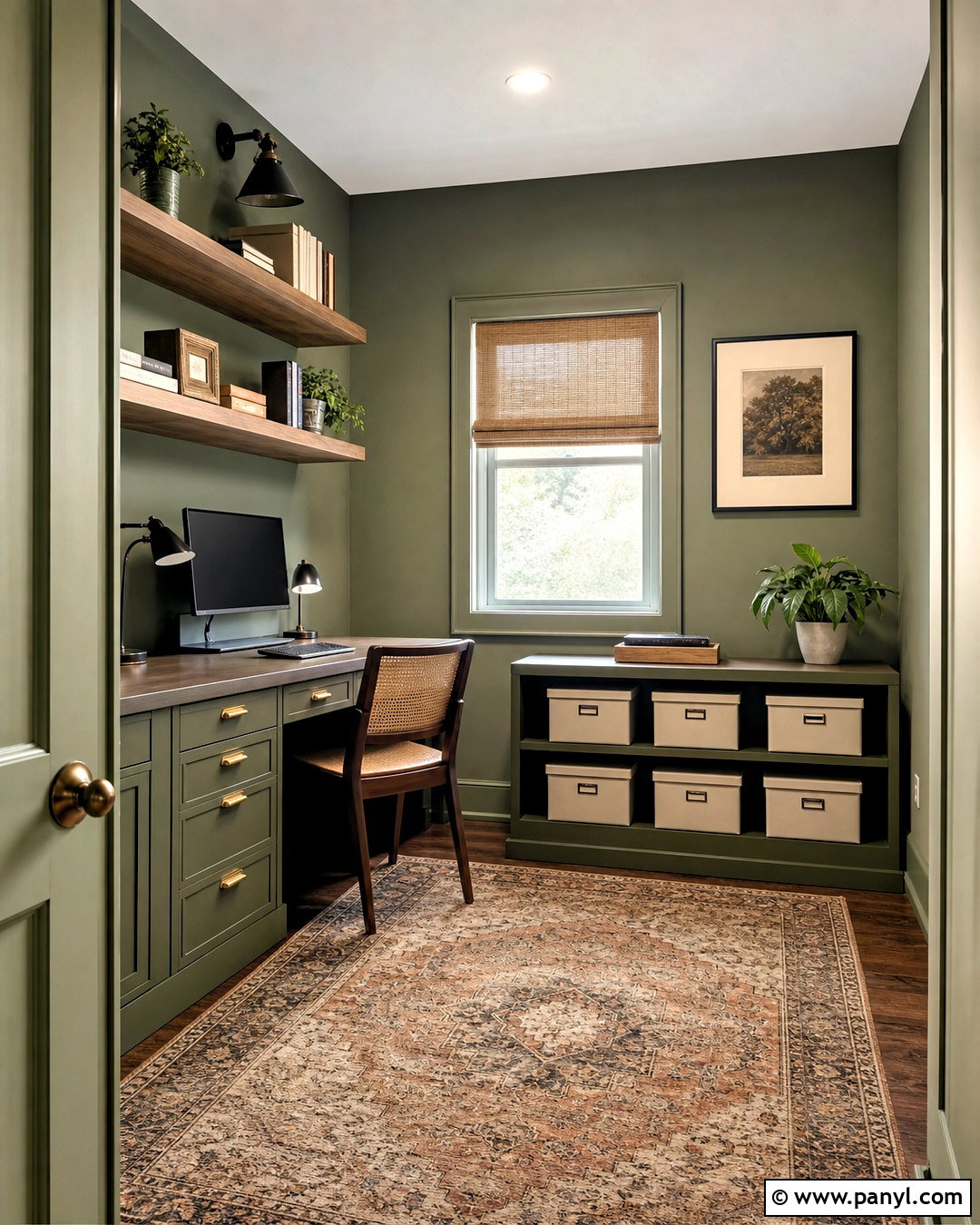
Olive green can make a tiny home office feel grounded, comfortable, and connected to natural materials. Choose a medium olive with muted brown undertones and paint the walls and built-in desk cabinetry in the same shade. Keep the ceiling warm white to maintain brightness above the work area. A cane-backed desk chair, walnut floating shelves, and a small vintage-inspired rug create a layered but space-conscious layout. Use cream file boxes and closed storage to reduce visual clutter. Black metal task lighting provides practical contrast, while aged brass cabinet pulls introduce warmth. Add one framed landscape and a few restrained accessories instead of filling every shelf. The final office feels purposeful and welcoming, offering a strong color identity without sacrificing the organization a compact workspace requires.
14. Terracotta Small Room Paint
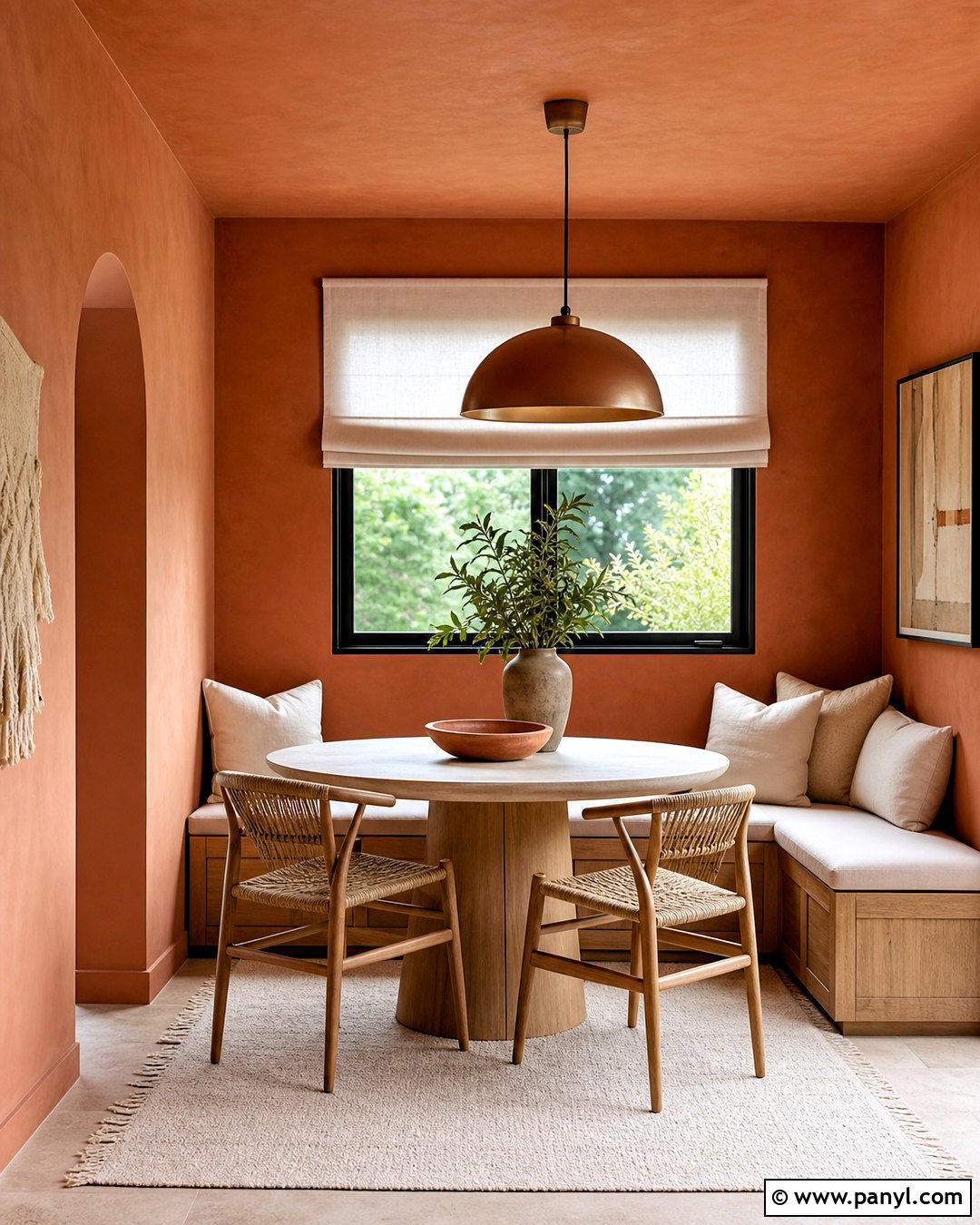
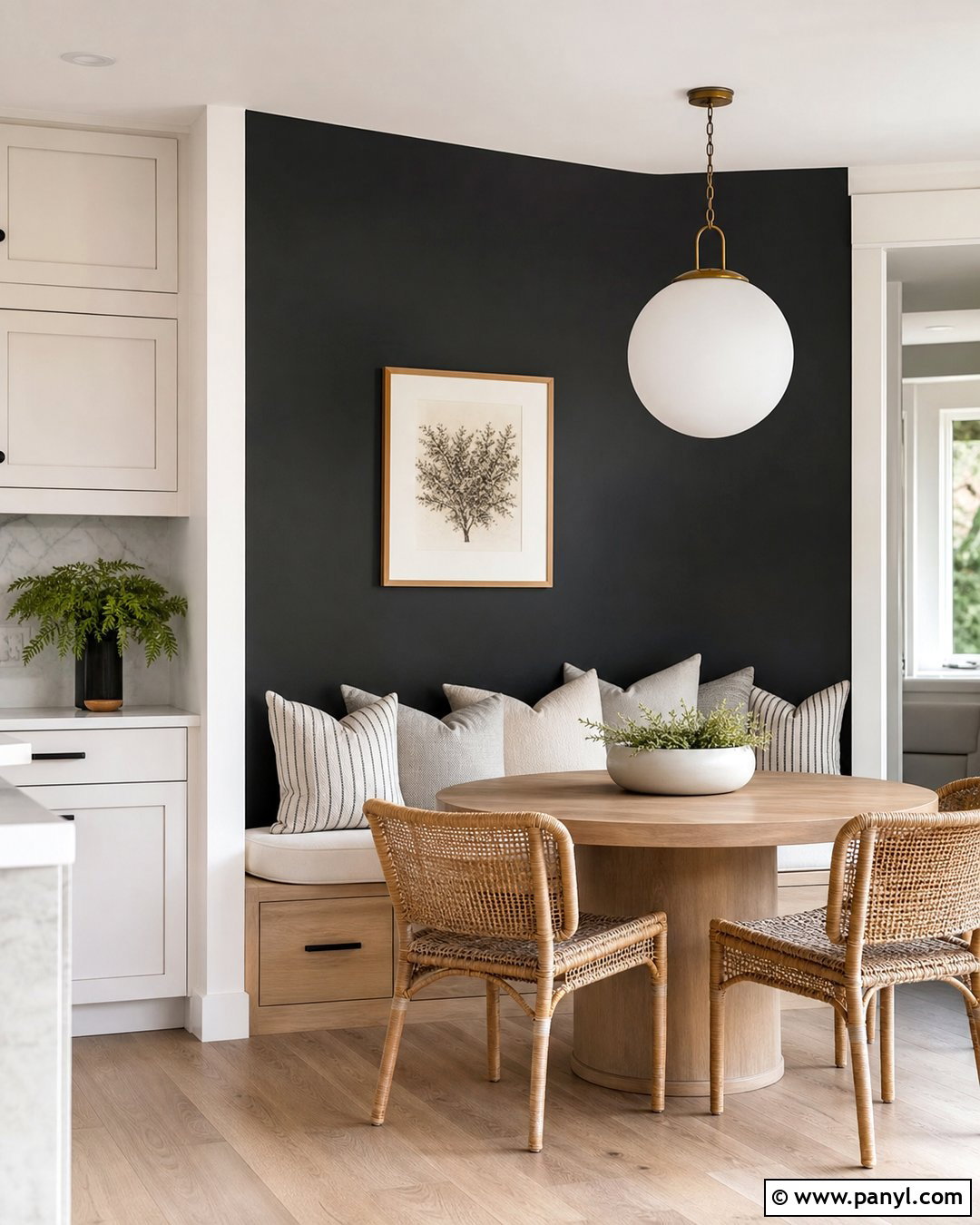
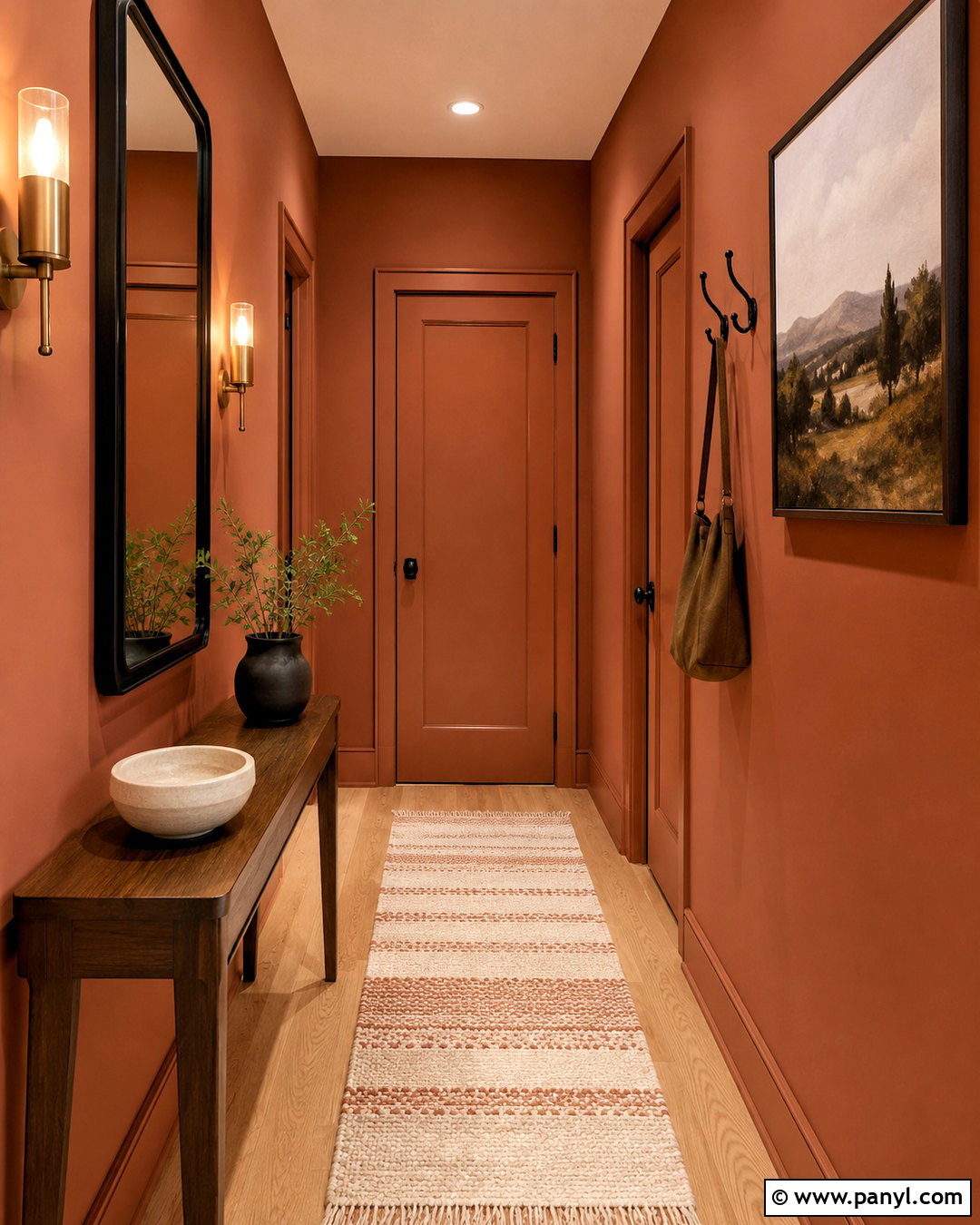
Terracotta walls can turn a small dining nook into a warm destination within an open-plan home. Select a softened clay color with earthy orange and brown undertones. Paint the nook’s walls and ceiling in the same shade to clearly define the area without adding physical dividers. Install an L-shaped oak bench with hidden storage, then add a small round table and two woven chairs. Cream cushions, a natural linen Roman shade, and a pale textured rug balance the saturated paint. Use a dark bronze pendant above the table and incorporate hand-thrown ceramics in cream and rust. The built-in seating maximizes usable floor space, while the continuous color makes the nook feel complete. This compact arrangement is practical for meals, homework, or morning coffee.
15. Charcoal Gray Small Room Paint
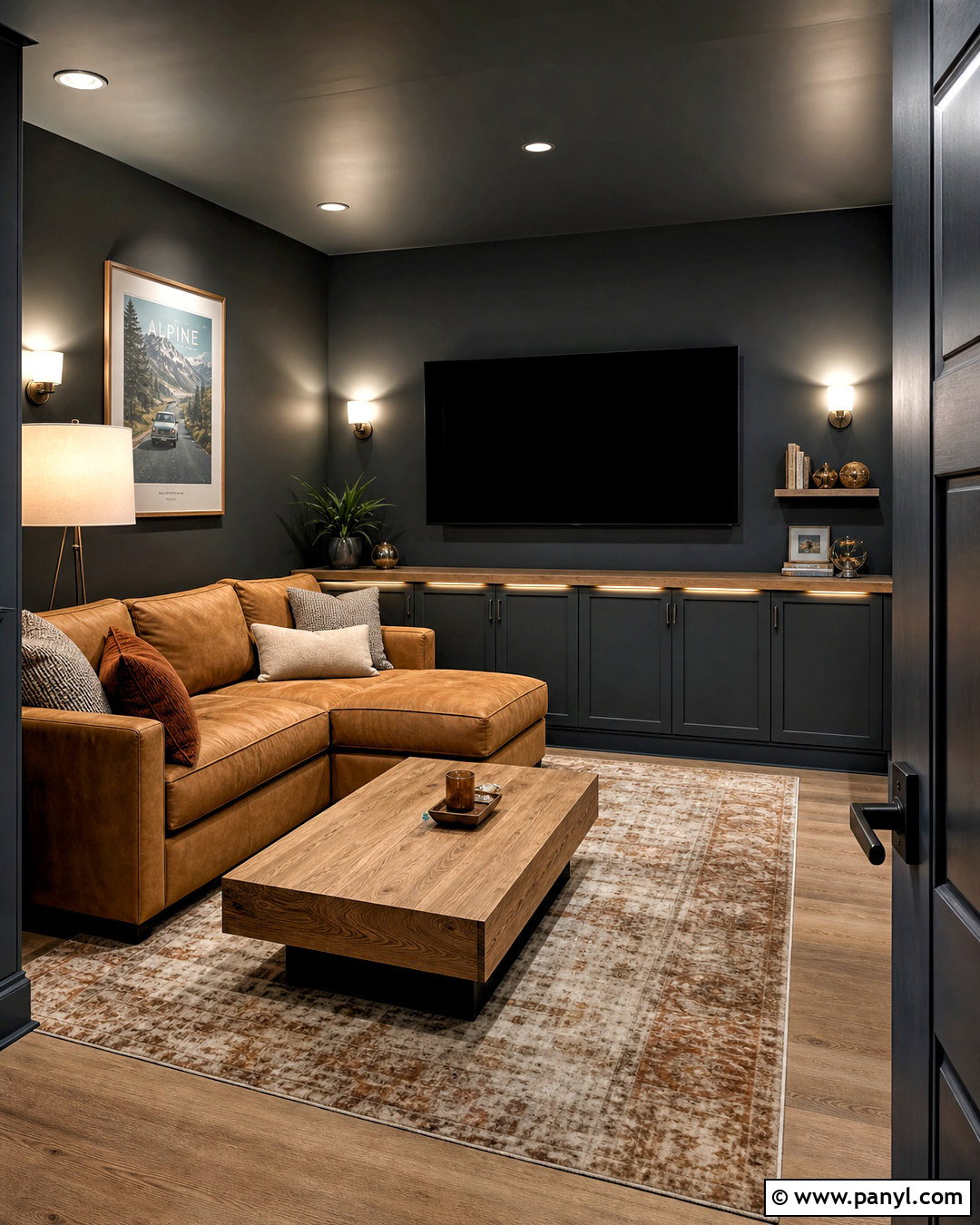
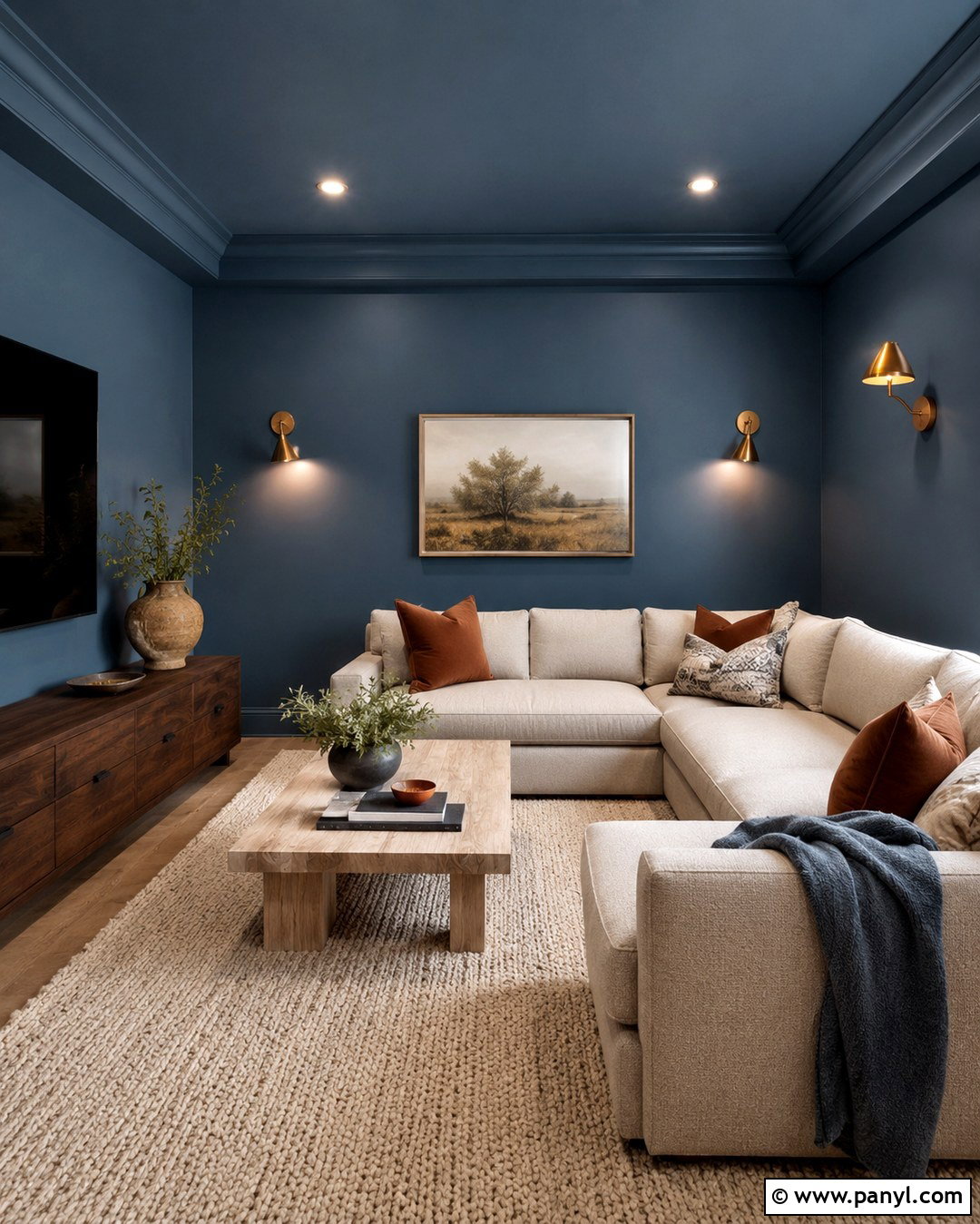
Charcoal gray gives a small media room a focused atmosphere and reduces the visual contrast around a dark television screen. Paint the walls and media cabinet in a deep charcoal with a subtle blue undertone, then continue a slightly lighter version across the ceiling. Add a compact camel-colored sectional and a low oak coffee table to warm the scheme. A large rug in gray, cream, and muted rust softens the flooring and connects the main colors. Use wall sconces, a shaded floor lamp, and concealed cabinet lighting instead of relying on one strong ceiling fixture. Keep window treatments close to the wall color for continuity. Cream pillows and minimal artwork provide lighter notes. The finished media room feels cocooning, comfortable, and carefully balanced rather than dark or confined.
16. Two-Tone Small Room Paint
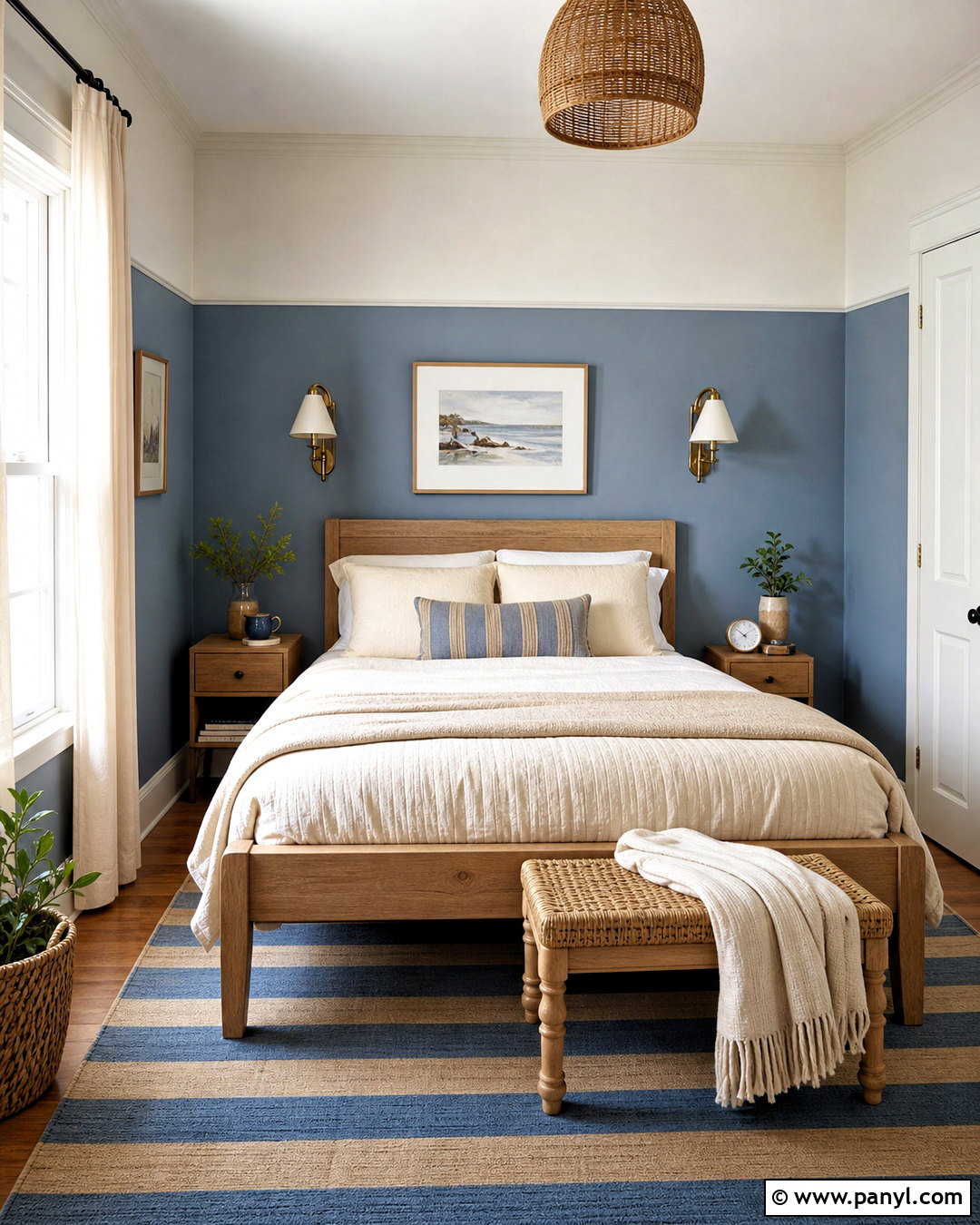
Two-tone paint can adjust the proportions of a small bedroom while adding character without extra furnishings. Paint the lower two-thirds of the walls in a muted dusty blue and the upper section in warm white. Place the dividing line slightly above the headboard, using a narrow painted molding for a clean transition. Repeat the warm white on the ceiling and trim. Complete the room with a light oak bed, crisp cream bedding, and a small striped rug that combines blue, tan, and ivory. Wall-mounted brass sconces keep the bedside area open, while natural linen curtains soften the window. Limit artwork to one medium-size piece above a narrow dresser. The balanced horizontal treatment makes the compact room feel thoughtfully designed and gives each simple furnishing a clear place.
17. Ceiling-Matched Small Room Paint
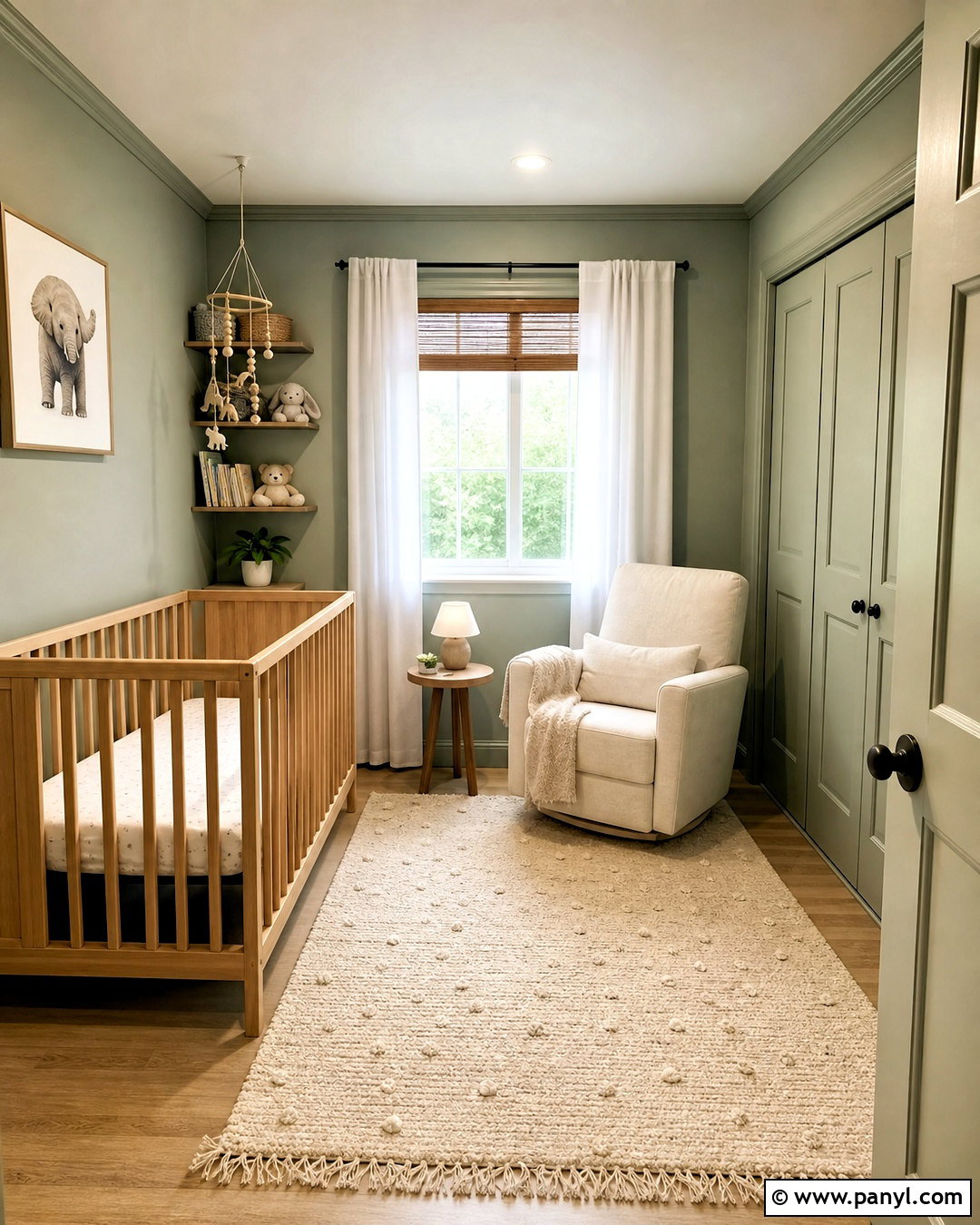
Painting the ceiling to match the walls can create a smoother visual envelope in a small nursery. Choose a light, muted green-gray that feels gentle in both natural and artificial light. Apply it across the walls, ceiling, closet doors, and trim, varying the paint sheen slightly where durability is needed. Arrange a natural wood crib on the longest wall, with a cream washable rug defining the center of the room. Add a compact ivory glider, a small oak side table, and wall-mounted storage to preserve floor space. White cotton curtains and warm lighting prevent the unified color from feeling heavy. Use simple animal artwork and soft textiles in cream, tan, and sage. The complete room feels calm, coordinated, and visually free from abrupt boundaries.
18. Painted Arch Small Room Paint
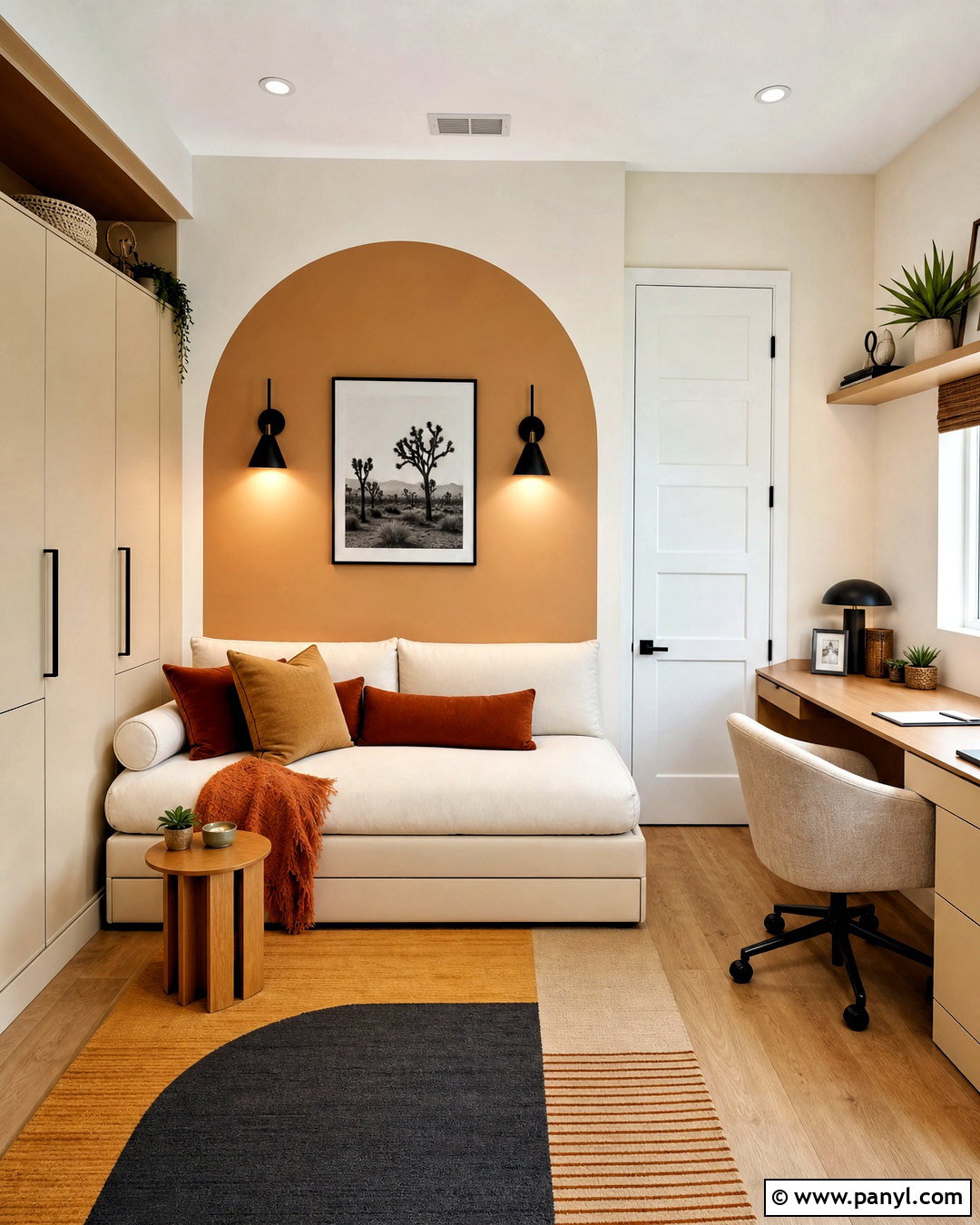
A painted arch can establish a clear focal zone in a small studio without taking up valuable floor space. Start with warm white walls and ceiling, then paint a broad soft ochre arch behind a compact daybed. Carry the shape slightly beyond the furniture so it appears intentional and balanced. Style the daybed with cream upholstery, rust and tan cushions, and a slim oak side table. Across the room, use a narrow wall-mounted desk in matching wood. A flat-weave rug with ochre, beige, and charcoal details ties the sleeping and working zones together. Keep storage closed and select black metal lighting for definition. The finished studio remains bright and flexible, while the painted architectural shape gives the main furniture arrangement a strong sense of purpose.
19. Monochromatic Blue Small Room Paint
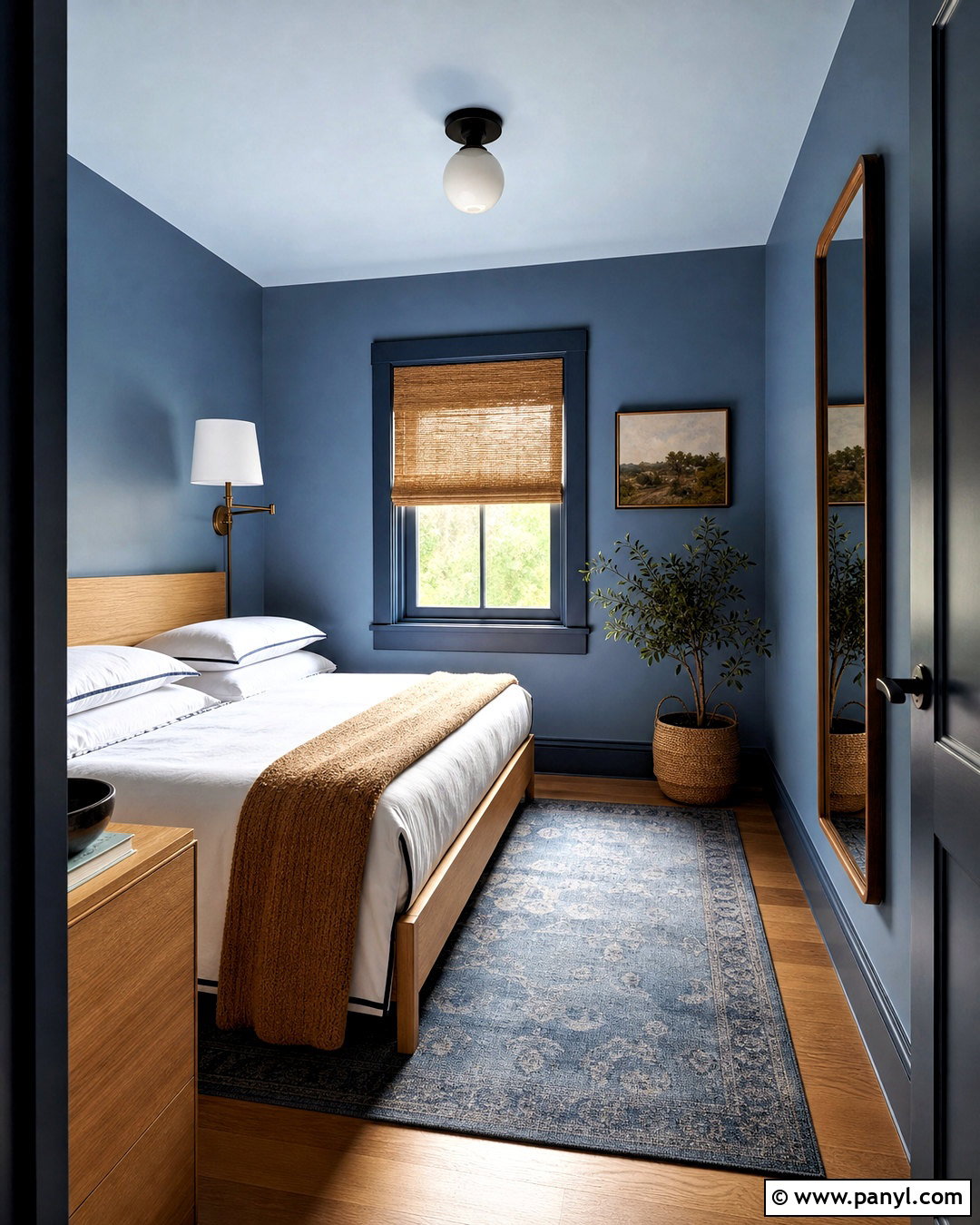
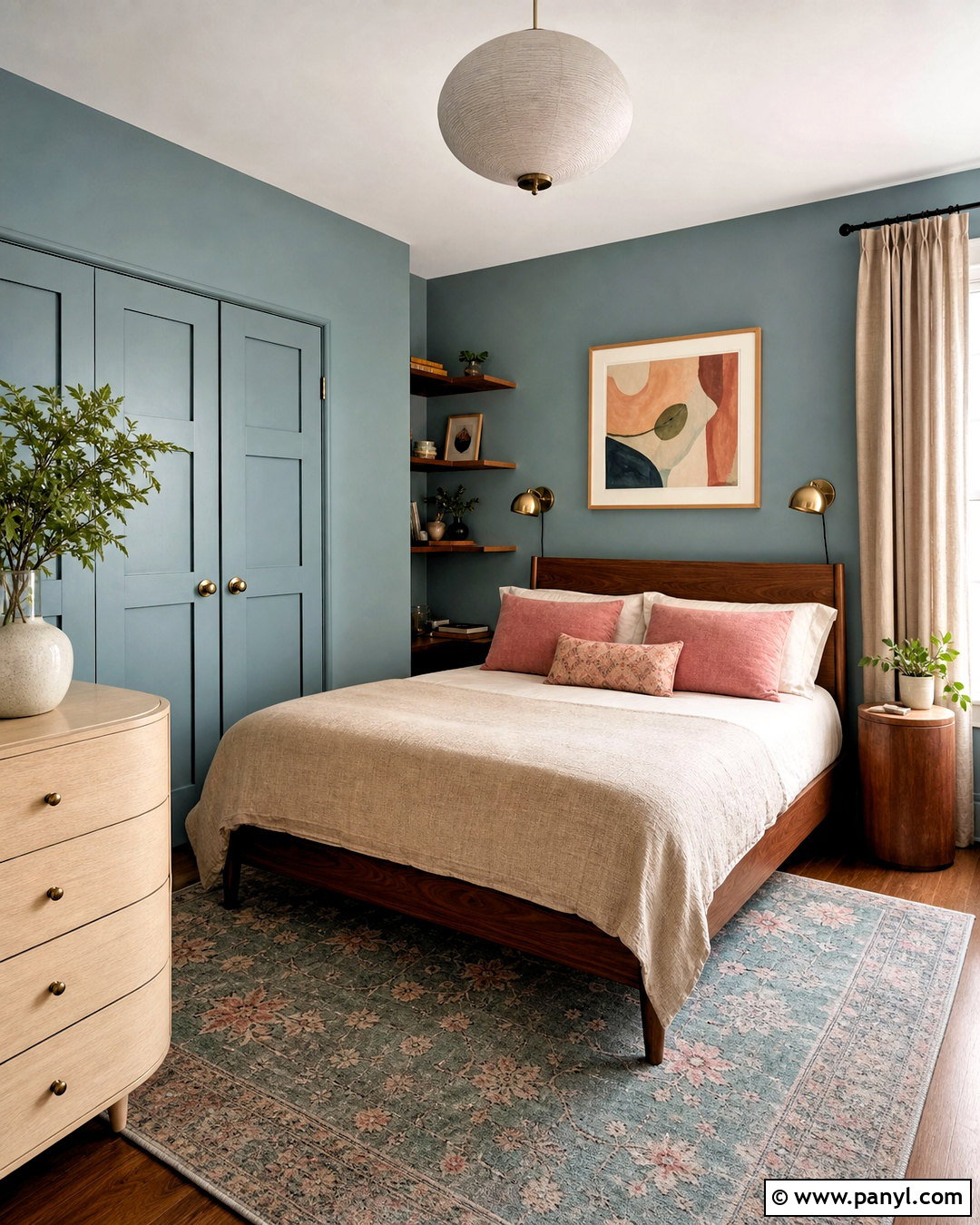
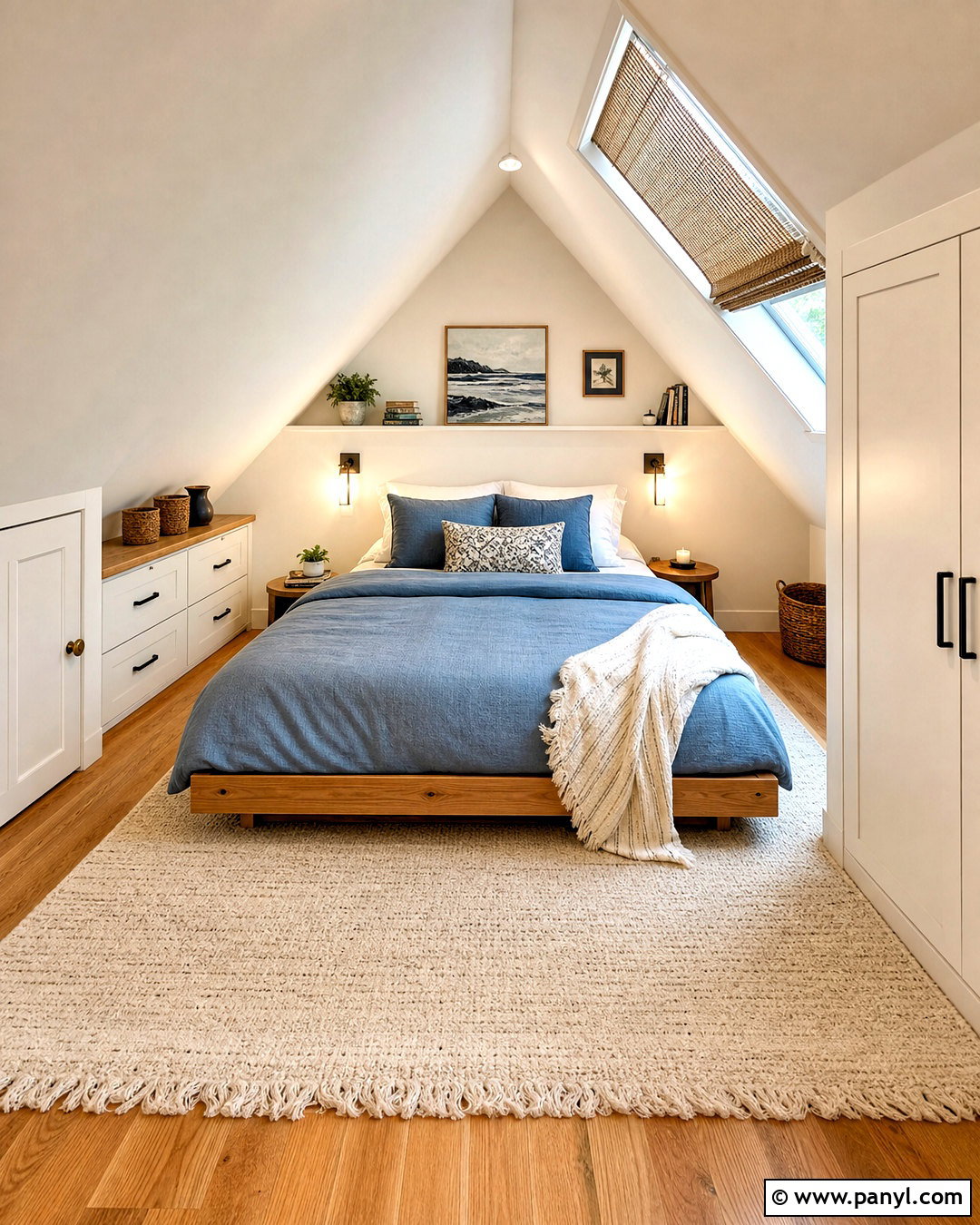
Layers of blue can make a narrow guest room feel coordinated without making every surface identical. Paint the walls in a muted denim blue, the trim and doors in a deeper version, and the ceiling in a very pale blue. Place a simple white oak bed against the short wall to improve circulation. Add ivory bedding with navy piping, a faded blue rug, and one small nightstand rather than forcing matching furniture onto both sides. A wall-mounted reading light saves surface space, while a full-length mirror reflects the lighter ceiling and window. Introduce warmth through a camel throw and woven window shade. By changing the value of one color across the room, the complete design gains dimension while remaining calm, organized, and visually connected.
20. Soft Peach Small Room Paint
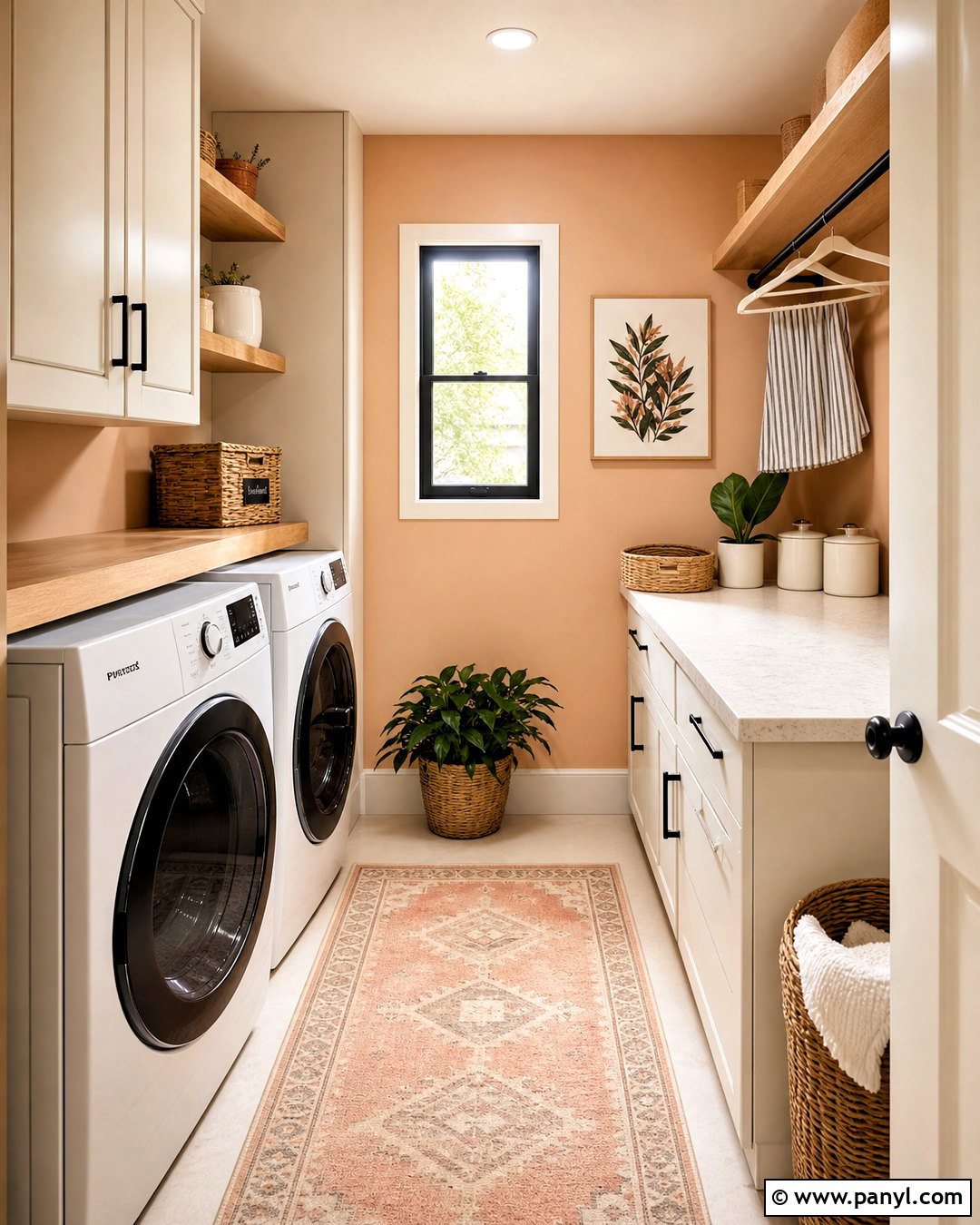
Soft peach can bring healthy warmth to a small laundry room that might otherwise feel plain and utilitarian. Select a pale peach with beige undertones and use it on the walls and ceiling. Pair it with warm white cabinets, light oak shelving, and a creamy quartz folding counter above the appliances. Matte black cabinet pulls and a black hanging rail provide crisp contrast. Add woven storage baskets, labeled ceramic containers without visible clutter, and a washable runner in peach, tan, and ivory. If the room lacks a window, use bright neutral-white lighting that shows the paint accurately. Keep detergents hidden inside cabinets whenever possible. This coordinated scheme turns a hardworking little room into a cheerful, organized space while preserving the open pathways needed for daily tasks.
Conclusion:
The most successful **small room paint ideas** do more than recommend attractive wall colors. They coordinate paint with the ceiling, trim, furniture, flooring, lighting, and decor to create one complete look. Warm whites, greige, sage, and pale blue can support an open atmosphere, while navy, teal, charcoal, and terracotta make compact spaces feel intentional and cozy. Always consider the room’s natural light and existing finishes before choosing a final shade. Large sample boards make it easier to observe undertones without covering several walls. Whether you prefer a light neutral scheme, a bold color-drenched room, or a simple painted focal feature, thoughtful repetition and restrained contrast will help your small space feel comfortable, polished, and personal.

Related Ideas and Inspiration:
Leave a Reply