
Choosing the right small room paint colors can make compact spaces feel brighter, calmer, and more intentional. Pale tones reflect available light, while soft midtones add character without creating harsh visual boundaries. Deep colors can also work beautifully when they cover the walls, trim, and ceiling in one continuous treatment. This approach creates a cozy, polished effect instead of emphasizing awkward corners. Current design guidance supports both light-reflective palettes and immersive color drenching, depending on the room’s lighting and desired mood. () Remember to consider flooring, furniture, window direction, and artificial lighting before making your choice. The complete looks below combine practical layouts, coordinated finishes, and versatile small room paint colors.

1. Warm White Paint For Small Rooms
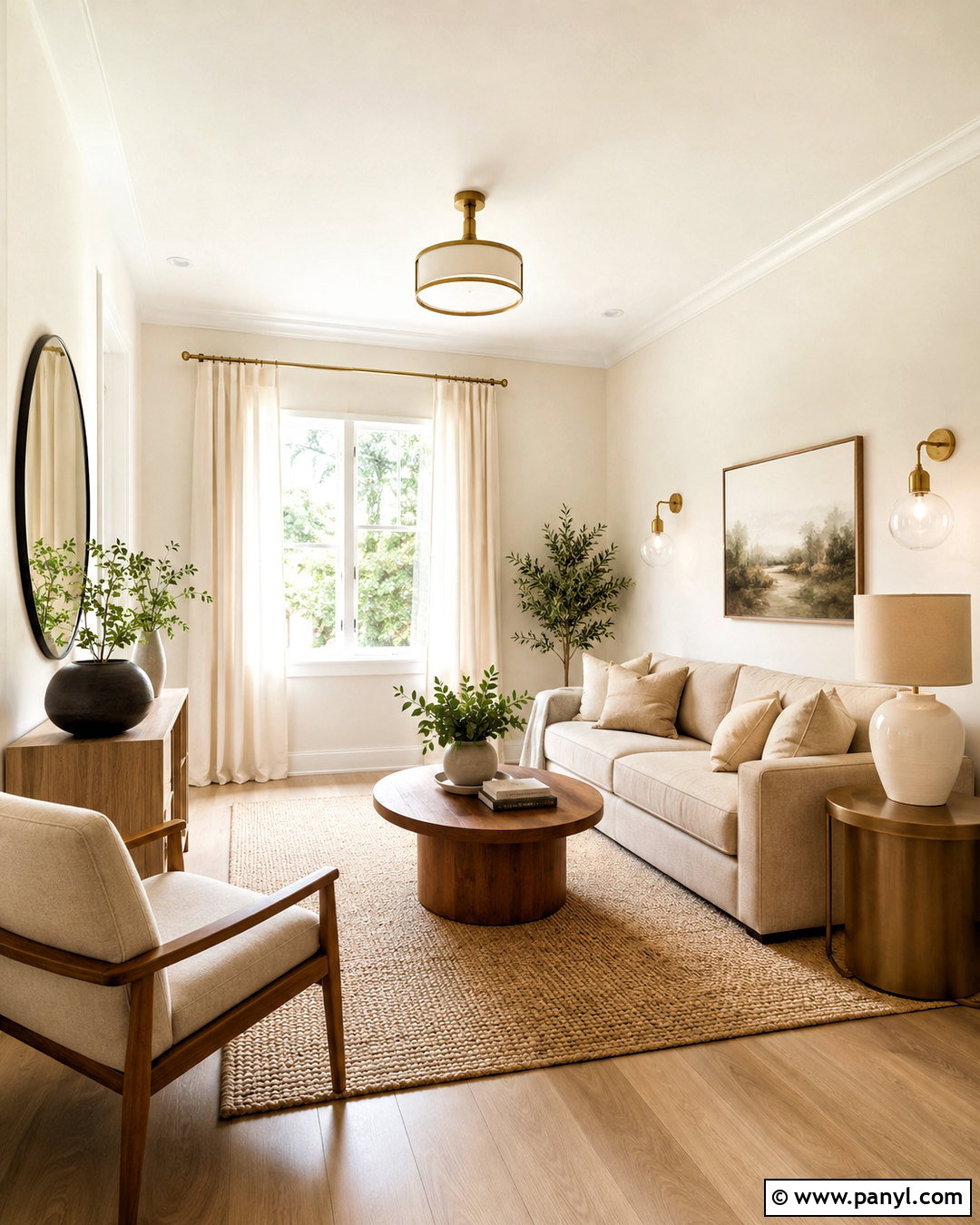
Warm white creates an open, comfortable background without the coldness of brilliant white. Use it throughout a compact living room, including the walls, trim, and ceiling, to reduce distracting color breaks. Pair the paint with a light oak floor, an oatmeal loveseat, and one slim wood-framed chair. A natural jute rug adds texture while maintaining a quiet palette. Choose ivory curtains that reach from ceiling to floor, making the window appear taller. Brushed brass lighting and small touches of muted green prevent the room from looking plain. Keep furniture legs visible and select one round coffee table instead of several small pieces. The finished room feels sunny, relaxed, and visually connected from floor to ceiling.
2. Soft Greige Paint For Small Rooms
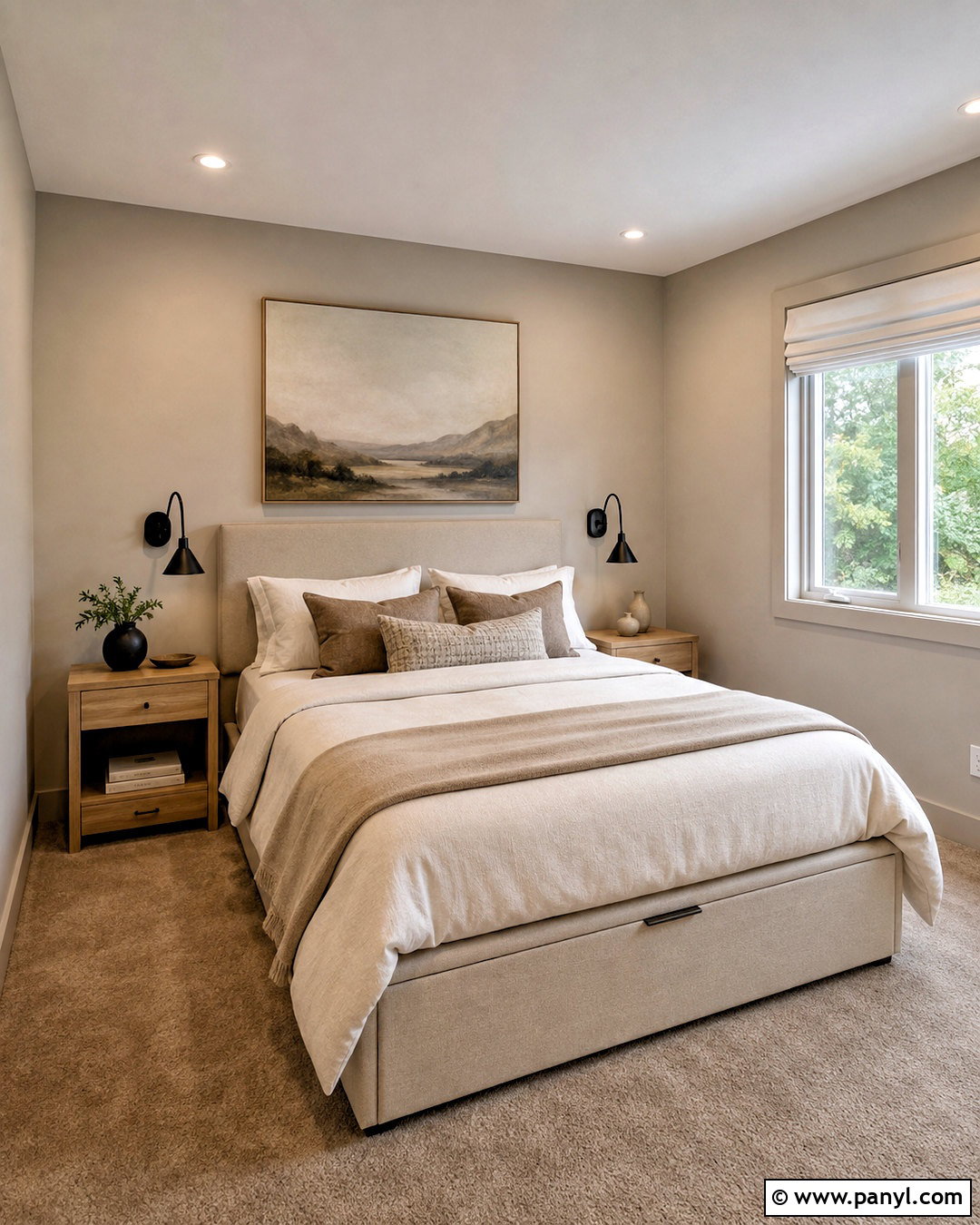
If pure beige feels dated and cool gray seems uninviting, soft greige offers a balanced alternative. Paint a small bedroom in a pale greige with warm undertones, then continue the color across the baseboards for a seamless appearance. Choose an upholstered cream bed with built-in drawers to reduce the need for extra storage furniture. White oak nightstands, linen bedding, and a low-pile taupe rug create gentle layers without overwhelming the room. Add matte black reading sconces to free the nightstands from bulky lamps. Simple off-white curtains should closely match the wall value rather than producing strong contrast. A single landscape print above the bed introduces muted sage and dusty blue, completing a calm, practical bedroom that feels wider and thoughtfully arranged.
3. Pale Blue Paint For Small Rooms
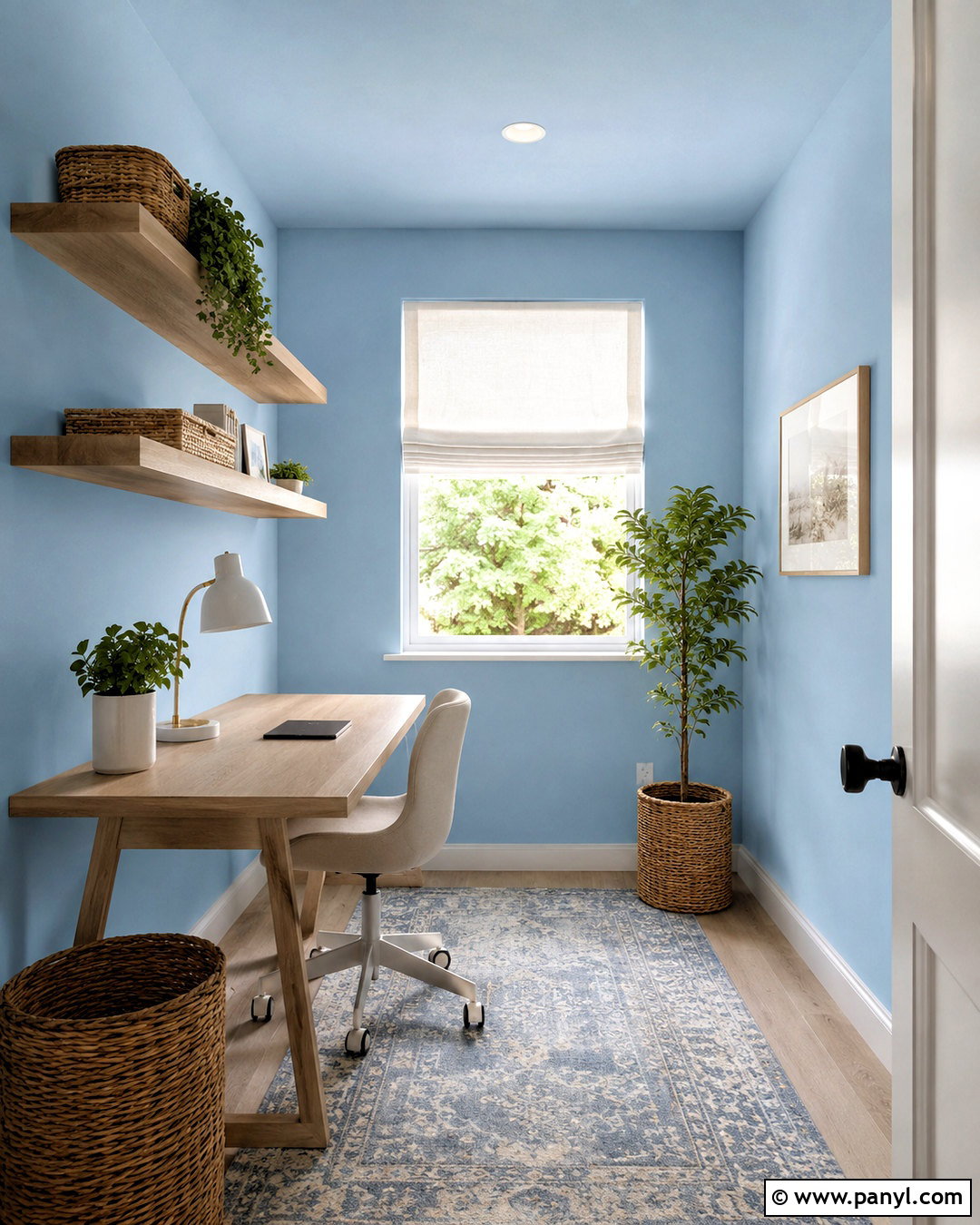
Pale blue gives a compact home office a light, fresh atmosphere that remains easy to decorate. Select a softened sky blue rather than a highly saturated baby blue. Cover the walls and ceiling in the same shade to blur the upper edges of the room. Position a narrow white oak desk beneath the window, where natural light can spread across the painted surfaces. Add a slim cream office chair, floating shelves, and a small woven basket for supplies. White linen shades provide privacy without making the window feel heavy. A faded blue-and-beige rug anchors the workspace while maintaining the airy palette. Finish with brushed nickel hardware and one leafy plant. The coordinated design feels organized, quiet, and more spacious than its actual footprint.
4. Muted Sage Green Paint For Small Rooms
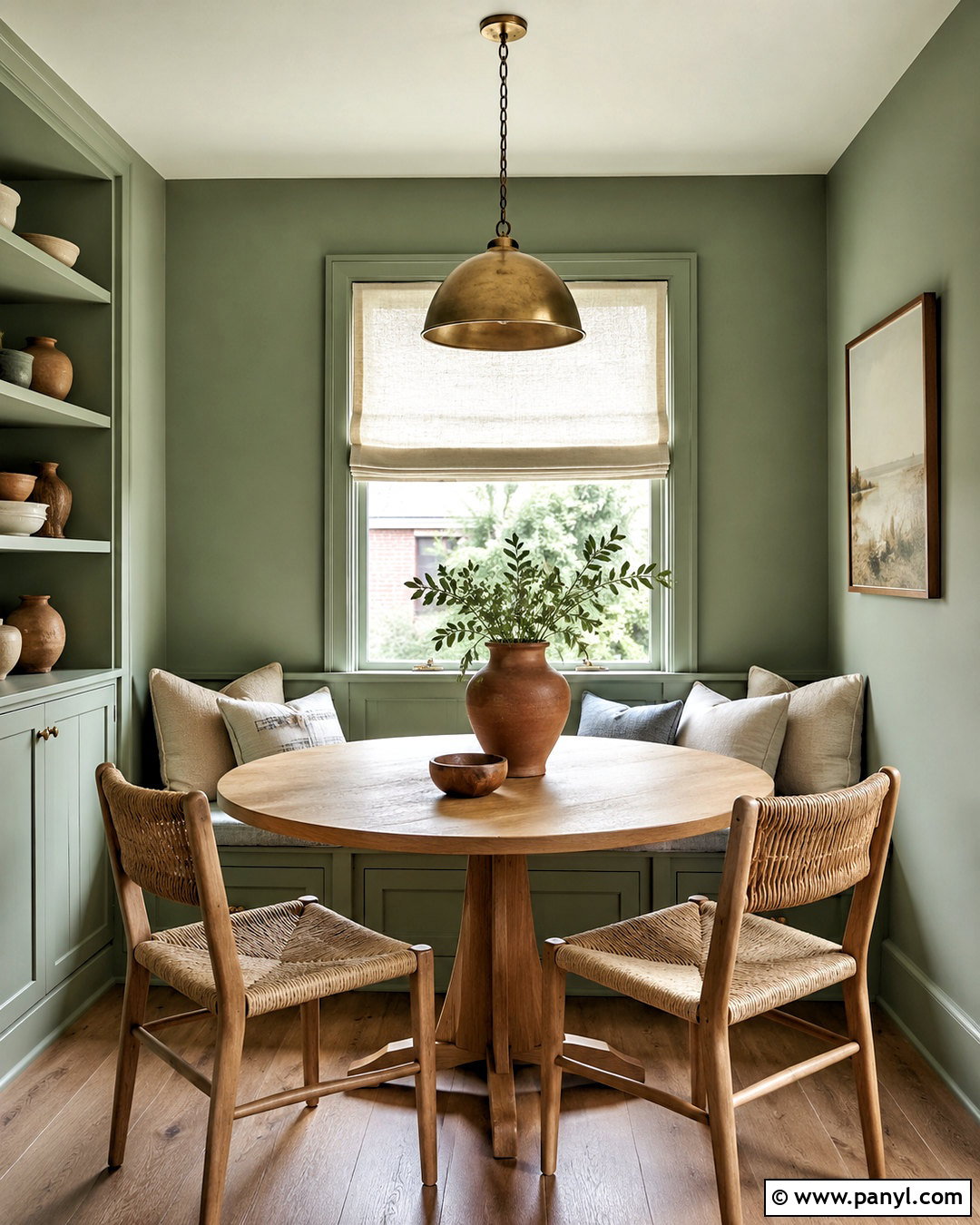
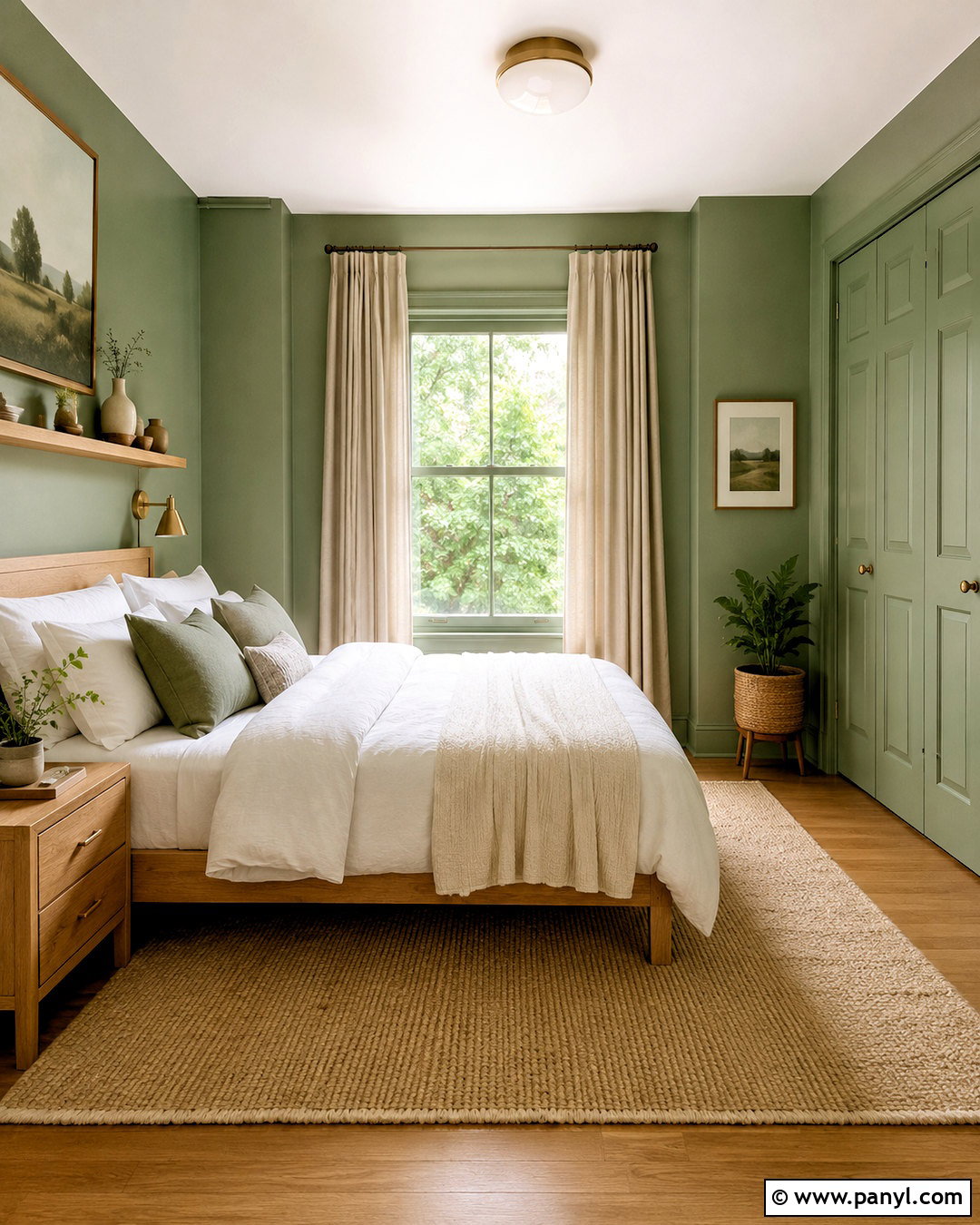
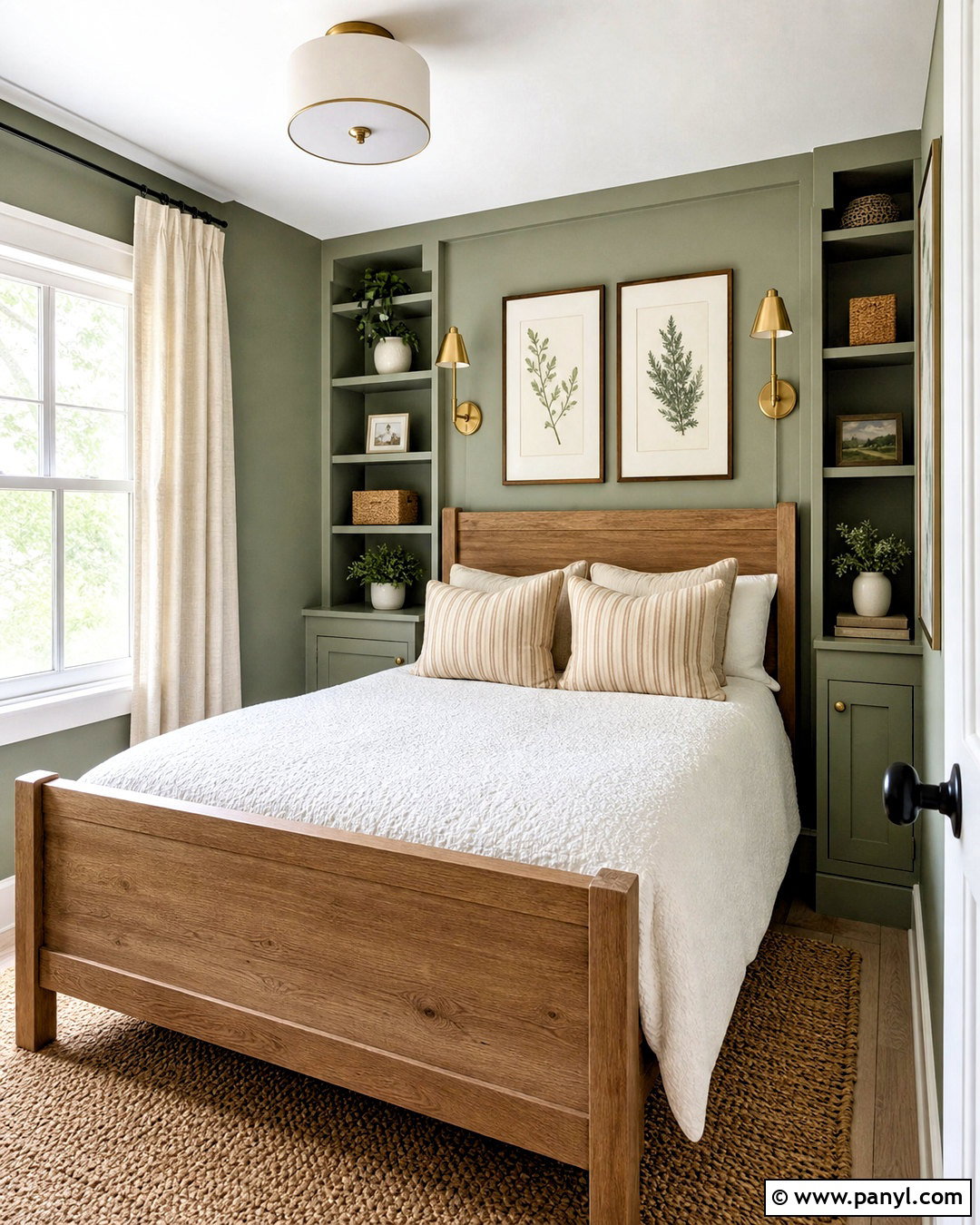
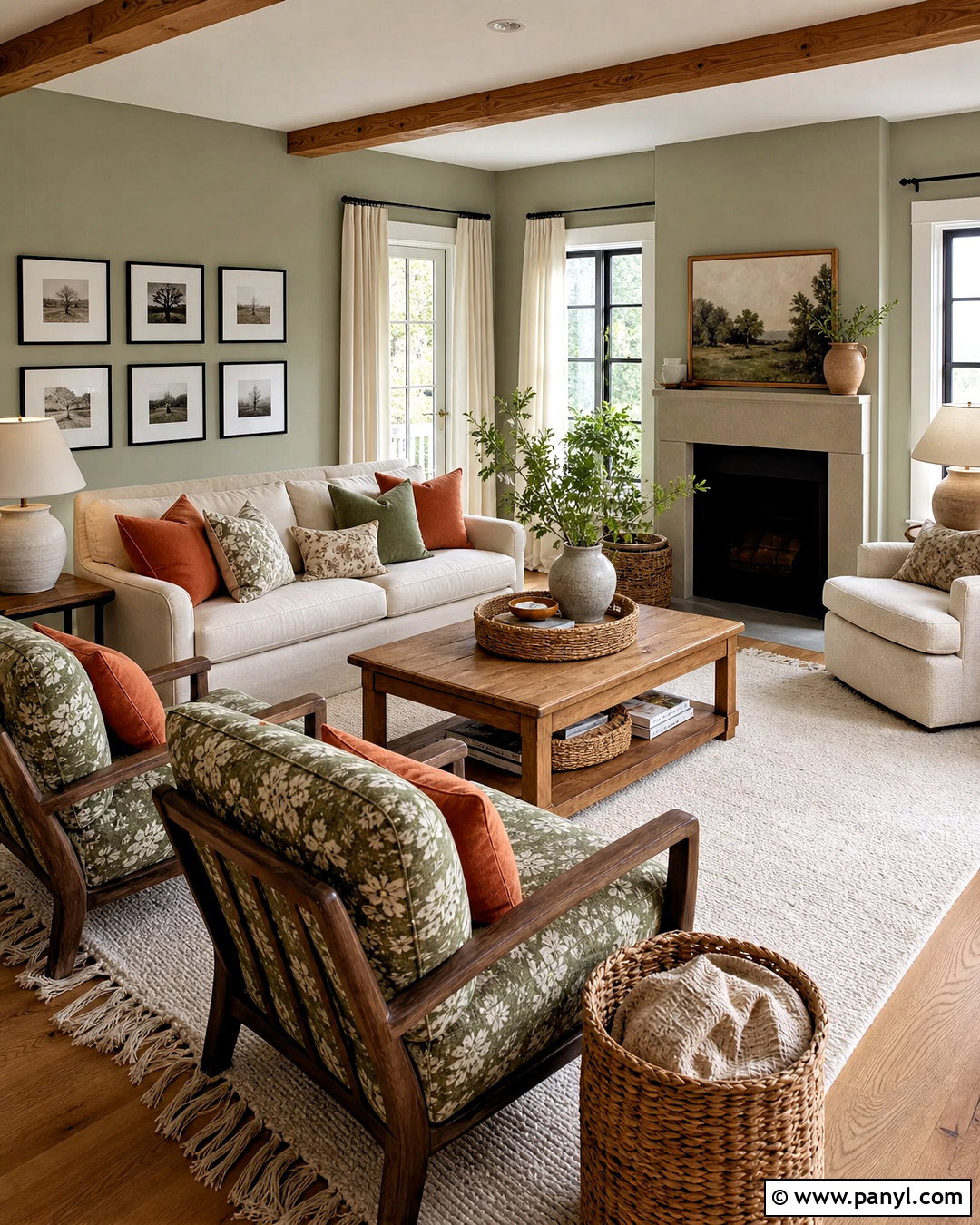
Muted sage green can turn a small dining nook into a peaceful extension of the surrounding home. Choose a gray-based sage that feels earthy rather than bright. Paint the walls, window trim, and a shallow built-in bench in the same color, creating one unified backdrop. Add a round light oak table that improves movement through the limited floor area. Two woven chairs and neutral bench cushions provide comfortable seating without visual bulk. Hang a simple aged-brass pendant above the table and use cream Roman shades at the window. Terracotta pottery and botanical artwork bring warmth to the green walls. With pale flooring and restrained accessories, this complete dining space feels natural and inviting while making every available inch work efficiently.
5. Cream Paint For Small Rooms
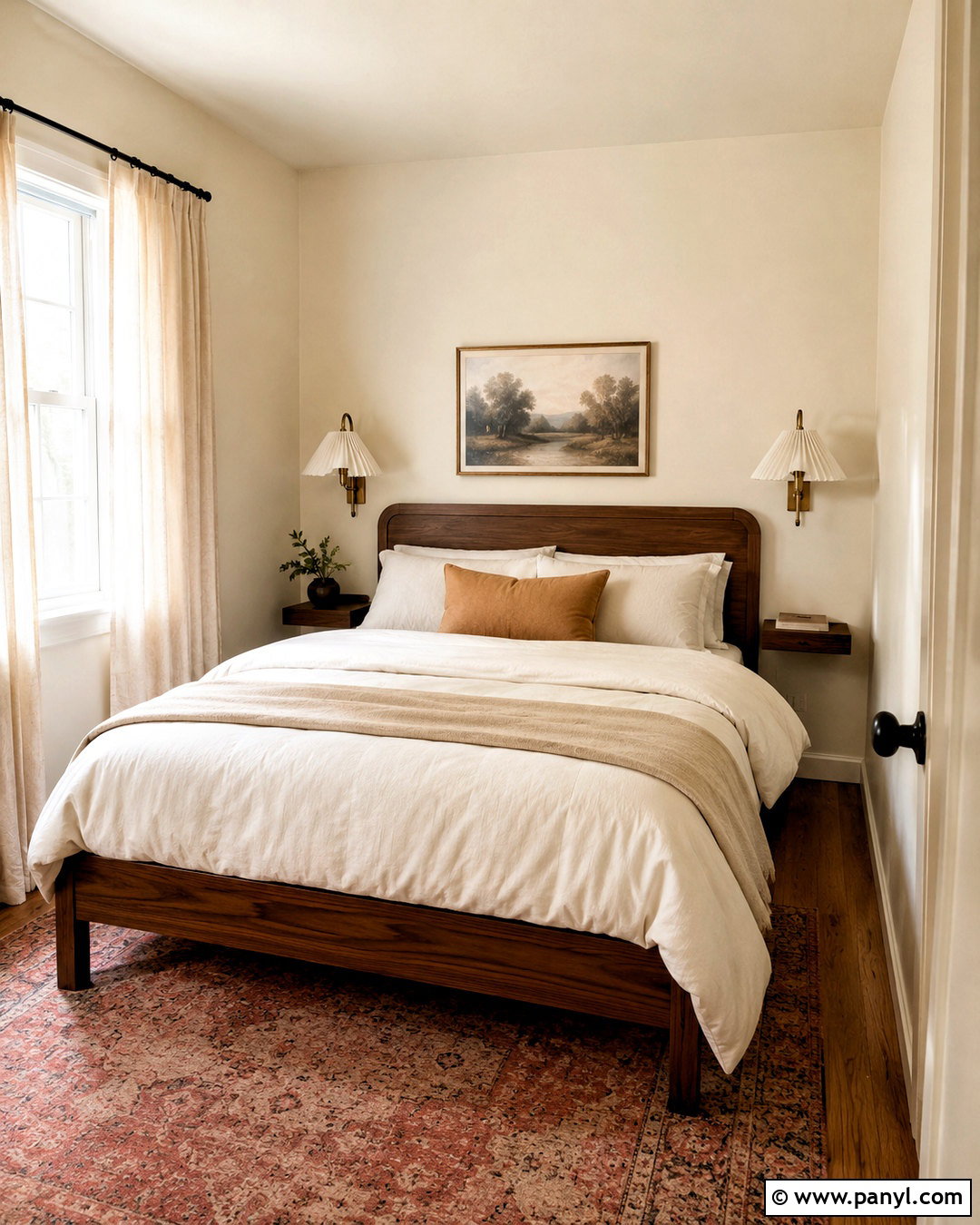
Cream paint brings softness to a small room that receives limited natural light. In a compact guest bedroom, choose a creamy shade with a subtle yellow or beige undertone instead of a stark white. Paint the ceiling a slightly lighter version to maintain height while preserving the warm atmosphere. Use a simple walnut bed frame, crisp ivory bedding, and one caramel-colored lumbar pillow. Narrow wall-mounted shelves can replace traditional nightstands and leave more floor visible. Add a small vintage-inspired rug containing cream, brown, and faded rust. Pleated wall sconces contribute gentle texture without requiring tabletop space. Finish the room with light-filtering curtains and one framed print. The resulting palette feels welcoming, polished, and pleasantly luminous throughout the day.
6. Dusty Blue Paint For Small Rooms
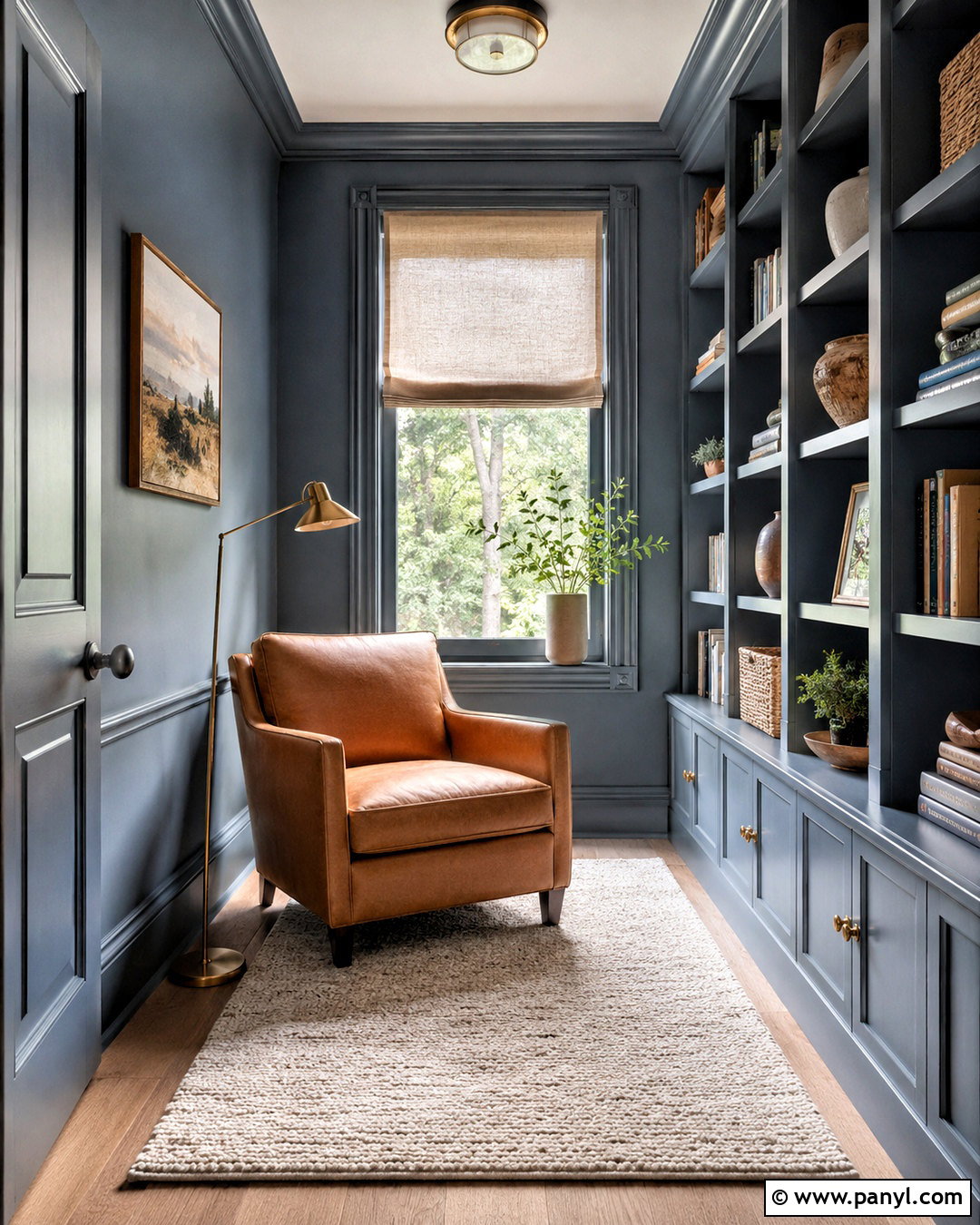
Dusty blue gives a small reading room more depth than a pale pastel while still feeling restful. Apply the color to every wall and repeat it on the built-in bookcase so the storage visually recedes. Keep the ceiling soft white if the room is especially low, or use a lighter blue for a more enveloping finish. Place a compact camel leather chair beside the window with a narrow brass floor lamp. A cream wool rug and linen Roman shade brighten the darker wall color. Style the shelving sparingly with books, pottery, and a few natural wood objects. Avoid filling every shelf. The combination of blue, warm leather, and aged metal creates a complete library-like retreat that feels intimate rather than cramped.
7. Light Taupe Paint For Small Rooms
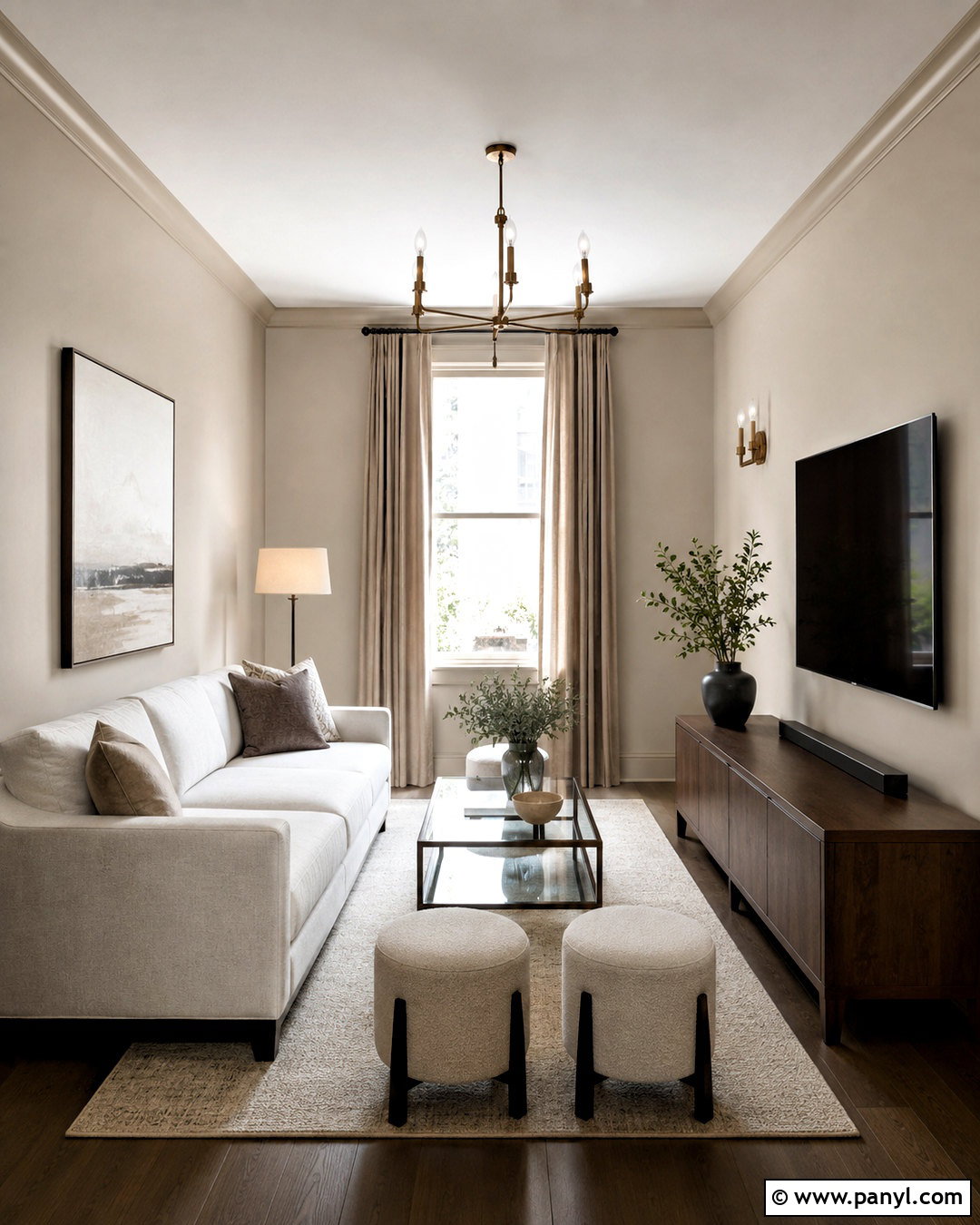
Light taupe works especially well in a narrow living room because it coordinates easily with both warm and cool materials. Select a soft mushroom-taupe paint and carry it onto the trim to limit strong outlines around the room. Arrange a streamlined ivory sofa against the longest wall, then place two small upholstered stools opposite it instead of bulky armchairs. A rectangular glass coffee table keeps the central area visually open. Introduce dark walnut through a slim media console and picture frames. Floor-length beige curtains, a textured wool rug, and bronze lighting provide warmth without adding excessive pattern. Keep decorative objects grouped rather than scattered. This understated palette creates a sophisticated, cohesive room where the furnishings appear balanced with the compact dimensions.
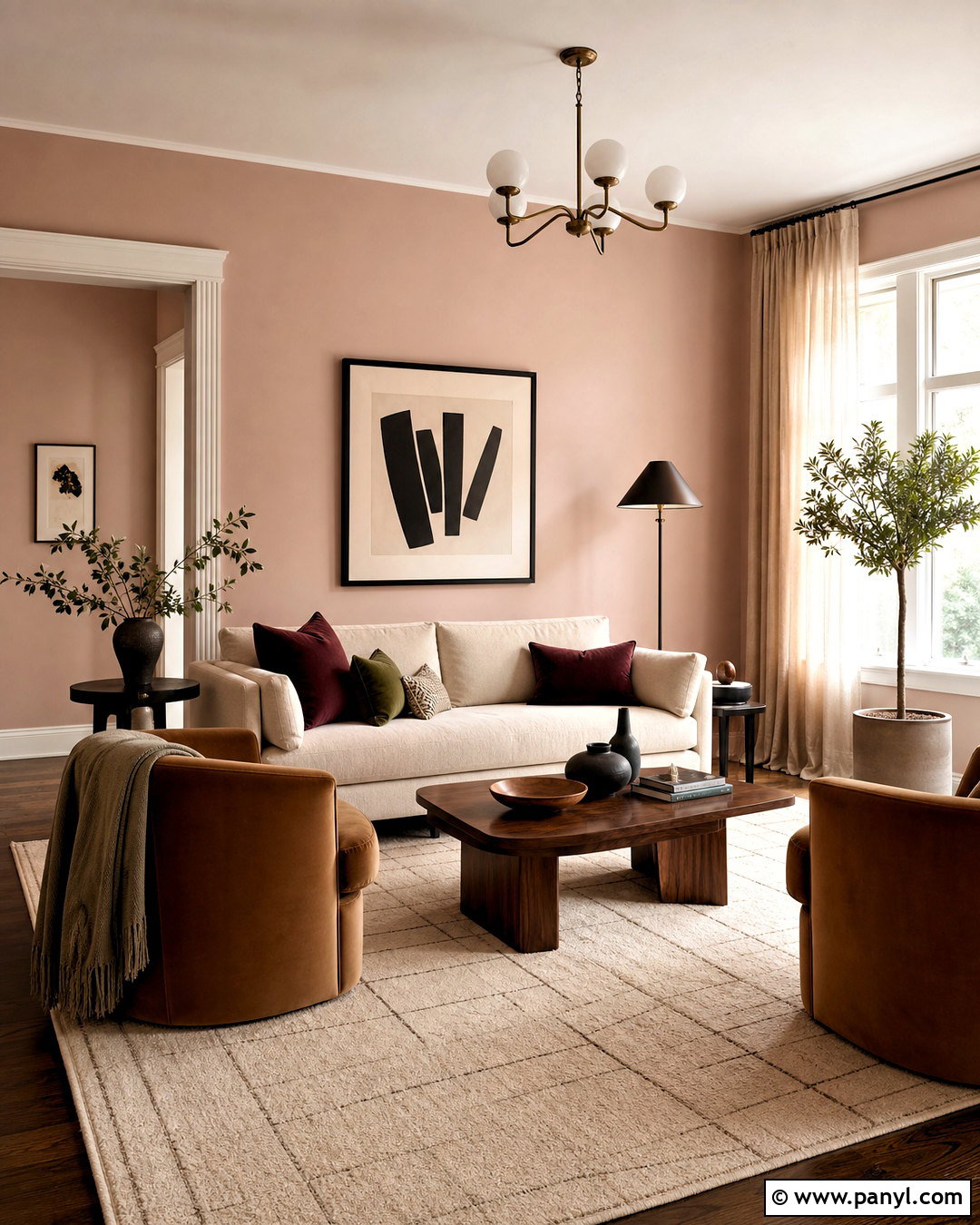
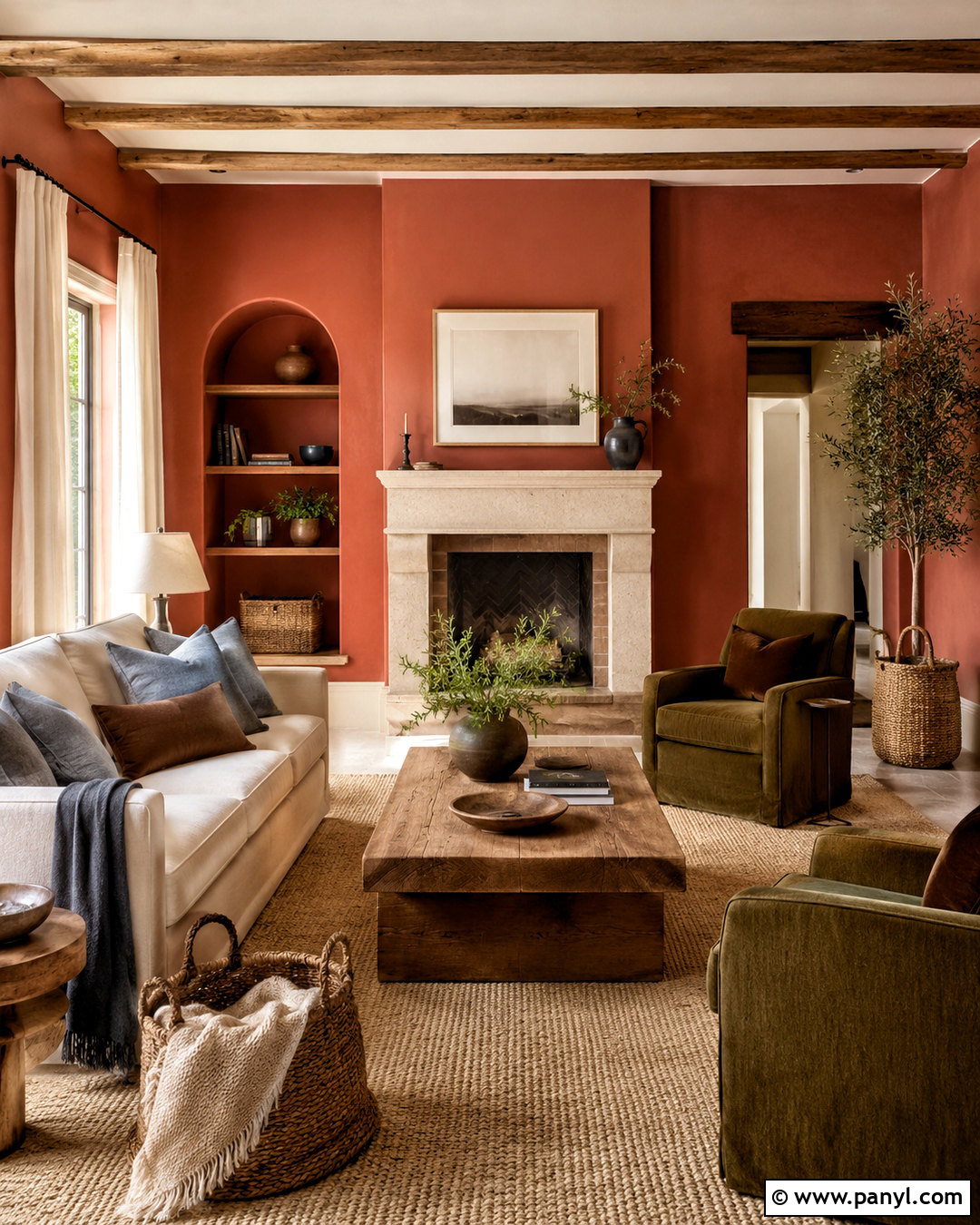
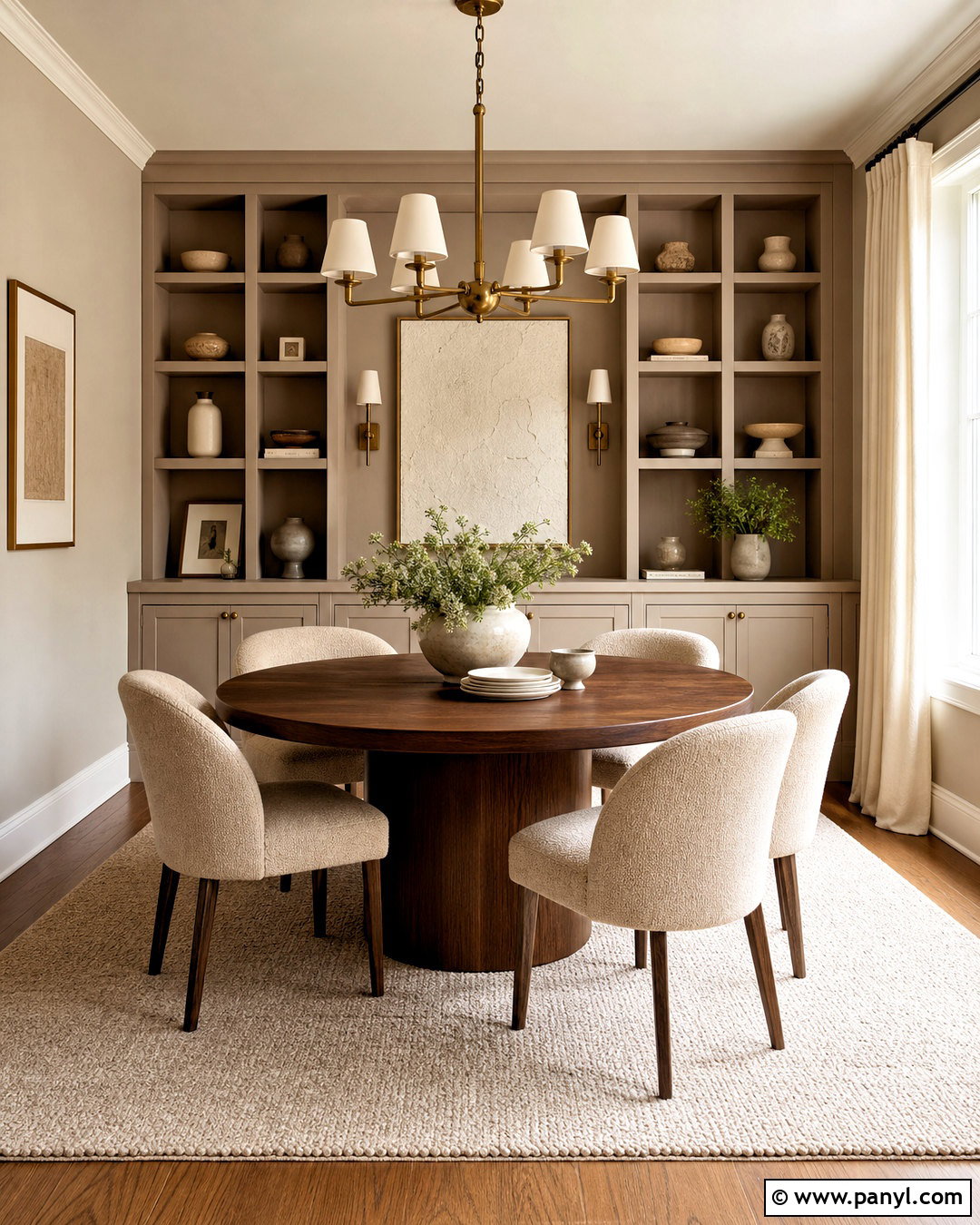
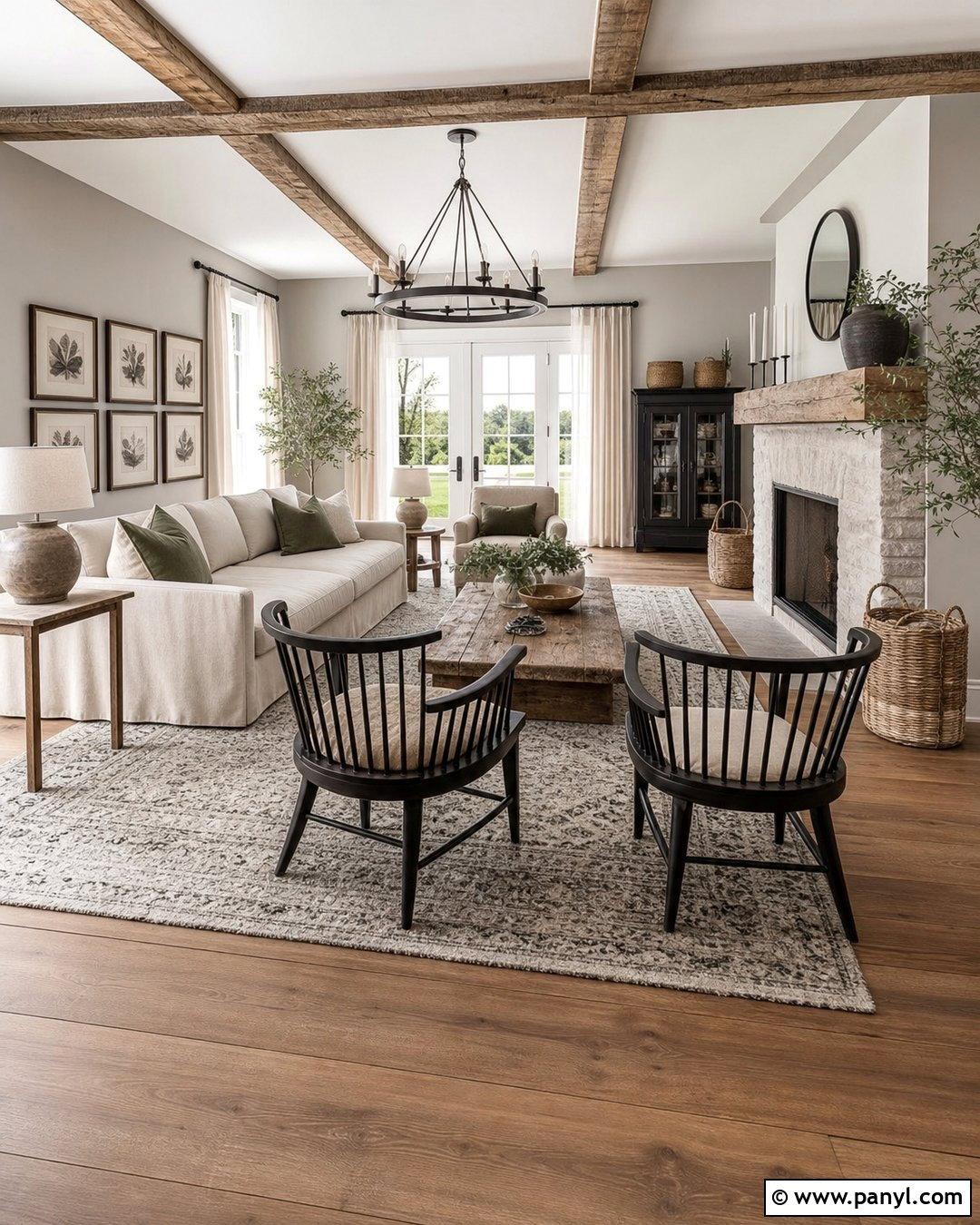
8. Blush Beige Paint For Small Rooms
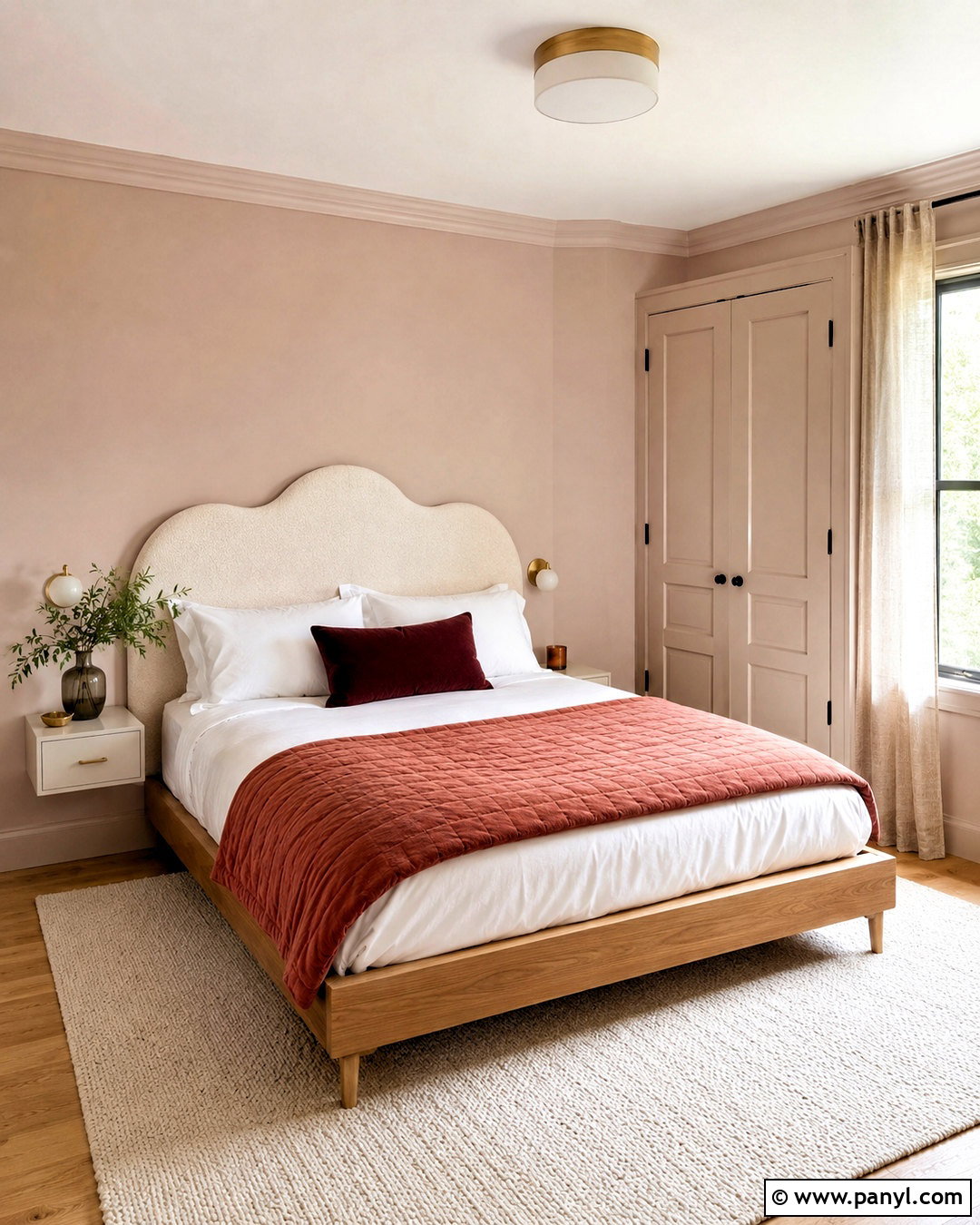
Blush beige adds subtle color to a small bedroom without making it feel overly sweet. Look for a muted pink-beige containing brown or gray undertones. Use it on the walls, trim, and closet doors so storage blends into the architecture. A curved ivory headboard and light wood bed frame will soften the room further. Layer white sheets with a clay-colored quilt and muted burgundy accent pillow for controlled contrast. Choose a single floating nightstand and a wall-mounted reading light if the bed sits close to a corner. A cream rug and natural linen curtains keep the overall look bright. Add one dark wood frame above the bed. The finished bedroom feels warm, modern, and surprisingly adaptable as decor changes over time.
9. Pale Gray Paint For Small Rooms
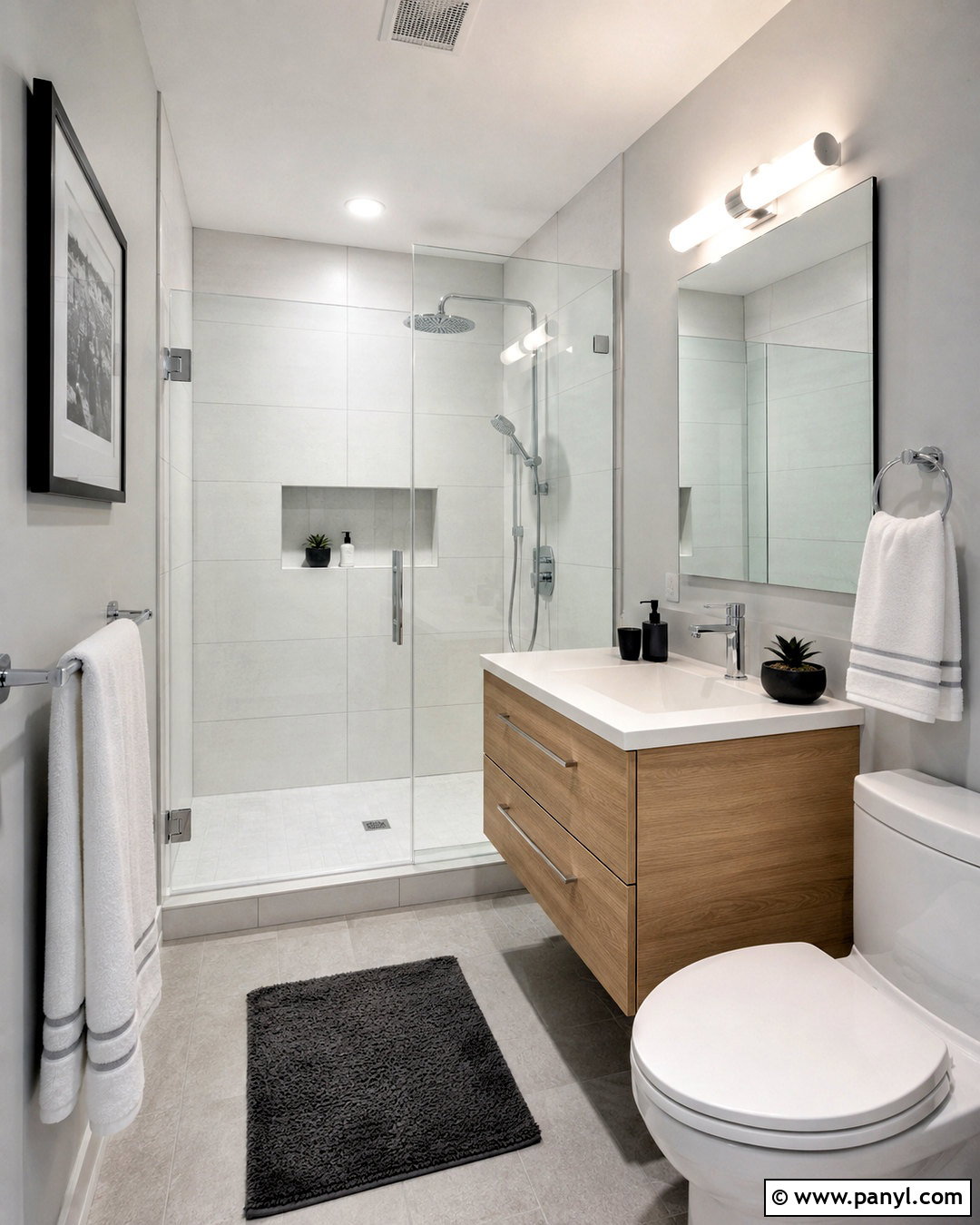
Pale gray can brighten a compact bathroom when the shade has a gentle warm or blue undertone that complements the fixtures. Paint the upper walls and ceiling in the same misty gray, then use large white tiles around the shower to reflect light. Choose a floating white oak vanity so more flooring remains visible beneath it. A frameless mirror spanning the vanity width increases the sense of openness. Add polished chrome fixtures, white towels, and a narrow glass shower panel rather than a heavy curtain. Small charcoal accents, such as a soap tray and framed print, give the room definition. With minimal grout lines and uncluttered surfaces, the pale gray palette creates a clean bathroom that feels fresh without becoming clinical.
10. Soft Lavender Paint For Small Rooms
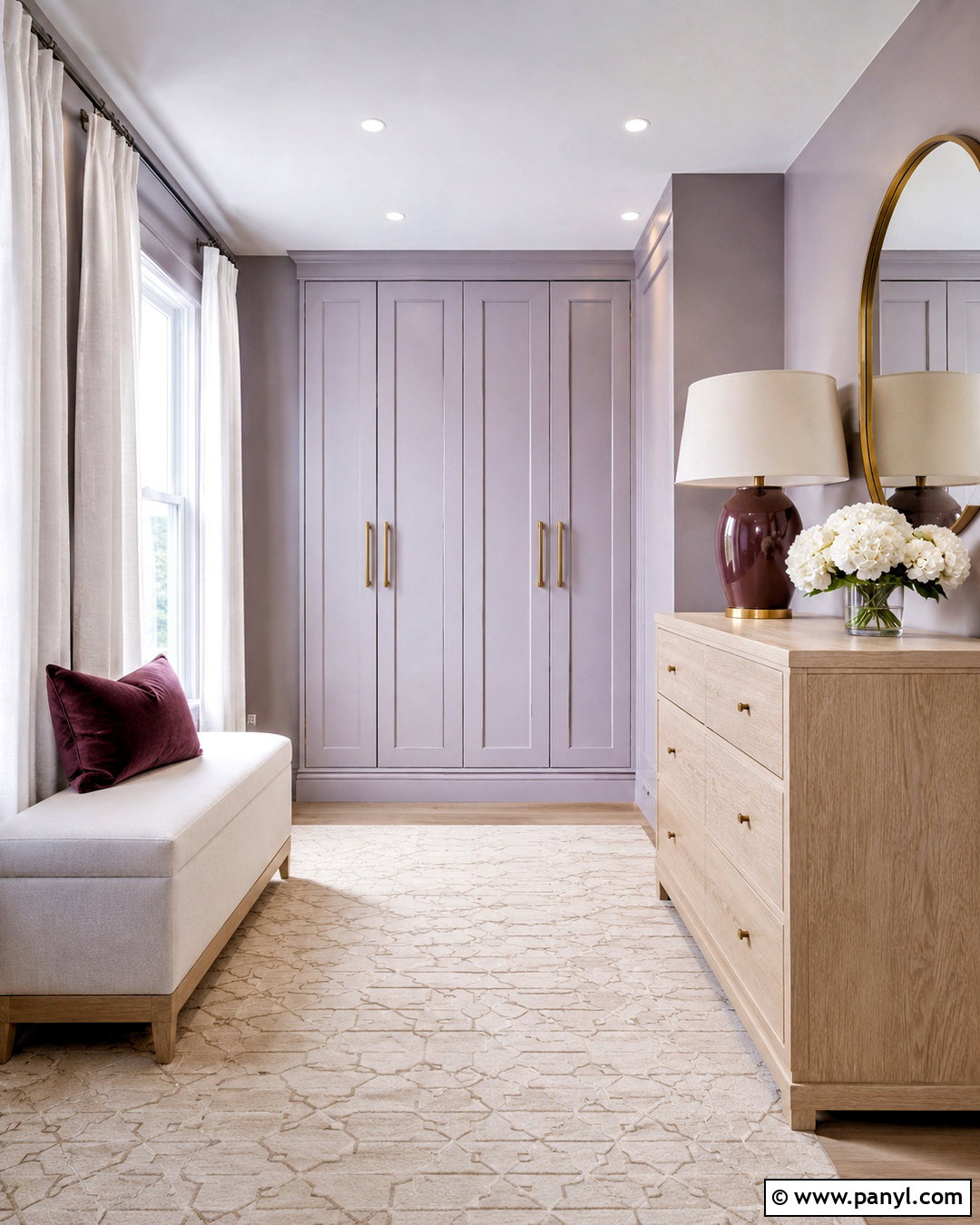
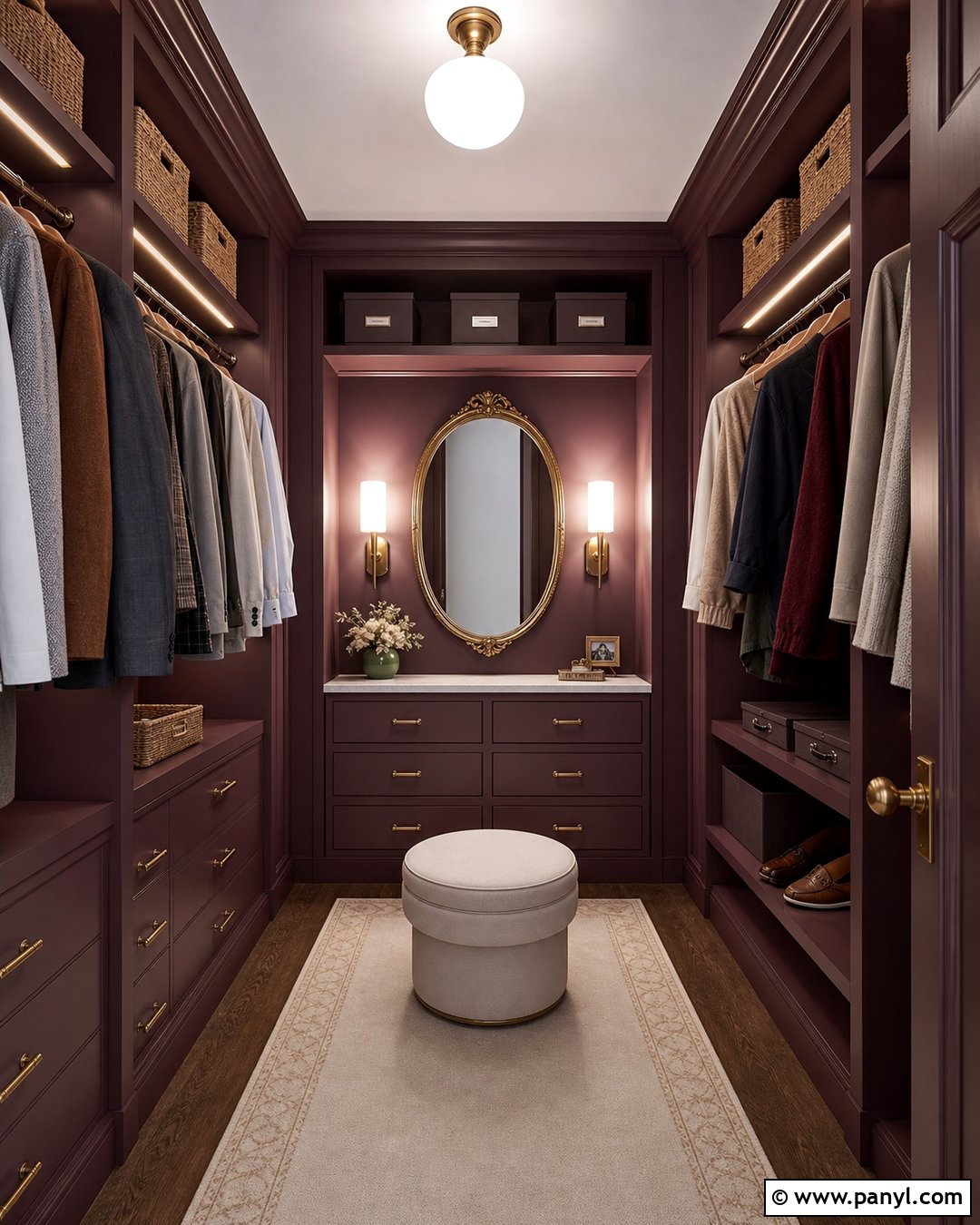
Soft lavender creates a gentle, distinctive look in a small dressing room or bedroom. Select a lavender with noticeable gray undertones so it behaves like a sophisticated neutral. Paint the walls and shallow wardrobe doors in the same shade, minimizing the visual weight of storage. Use a cream upholstered bench, pale oak dresser, and brushed brass mirror to warm the cool wall color. An ivory rug with a subtle geometric pattern provides softness underfoot. Keep window treatments simple with white linen panels hung close to the ceiling. A small plum cushion and one mauve ceramic lamp can deepen the palette without dominating it. This coordinated combination feels calm and polished, while the muted color gives the compact room a memorable personality.
11. Pale Peach Paint For Small Rooms
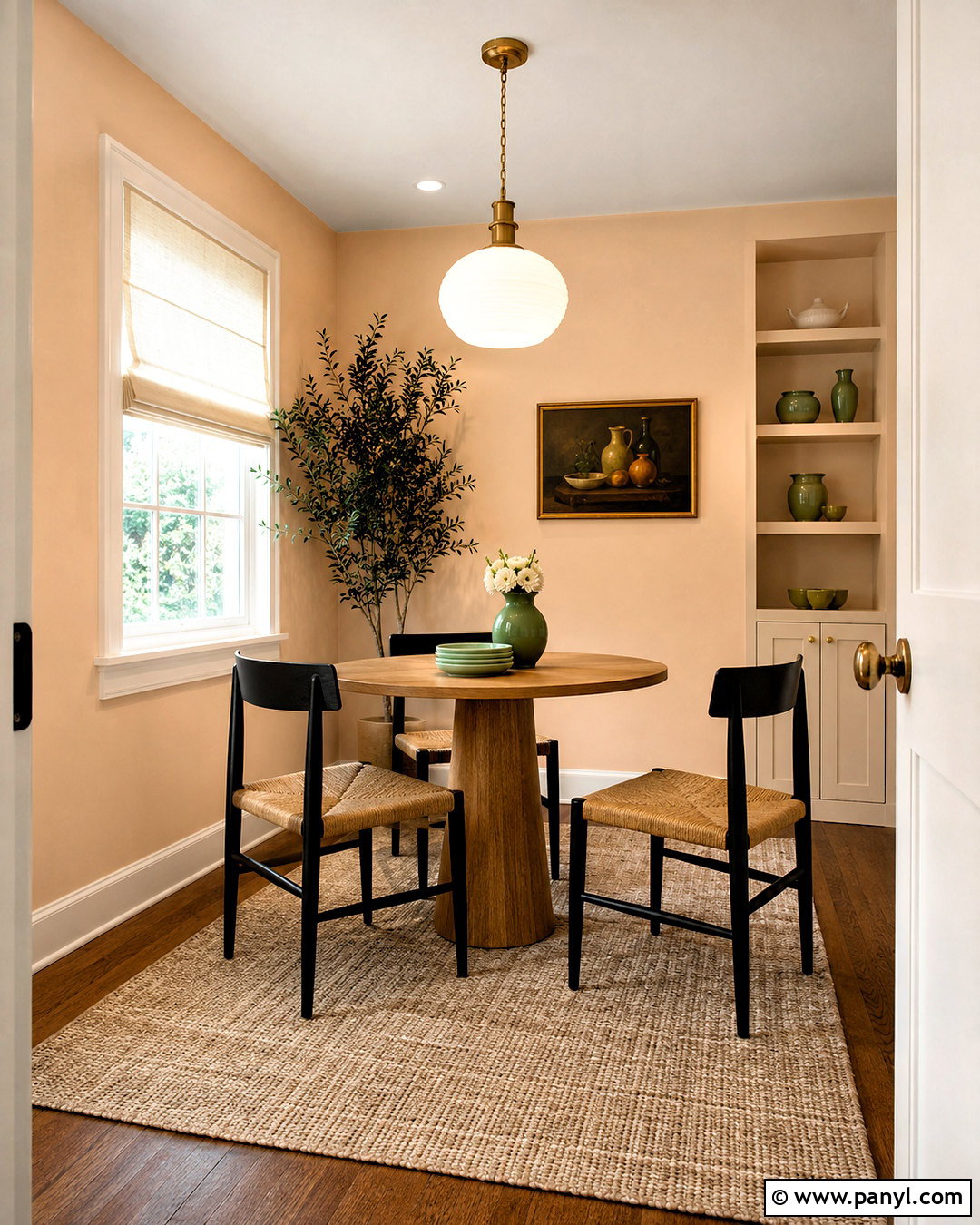
Pale peach can warm a small breakfast room that feels shadowy or faces away from strong daylight. Choose a creamy peach with muted undertones rather than a vivid orange shade. Paint the walls and ceiling together for a soft glow that surrounds the entire space. Place a round pedestal table at the center to improve circulation, then add three slender wood chairs with woven seats. A washable cream-and-tan rug defines the dining area without darkening the floor. Use an opal glass pendant, off-white Roman shade, and small brass hardware for a clean finish. Green pottery and a leafy plant offer a fresh complementary accent. The finished breakfast room feels cheerful, welcoming, and carefully scaled for everyday meals.
12. Pale Yellow Paint For Small Rooms
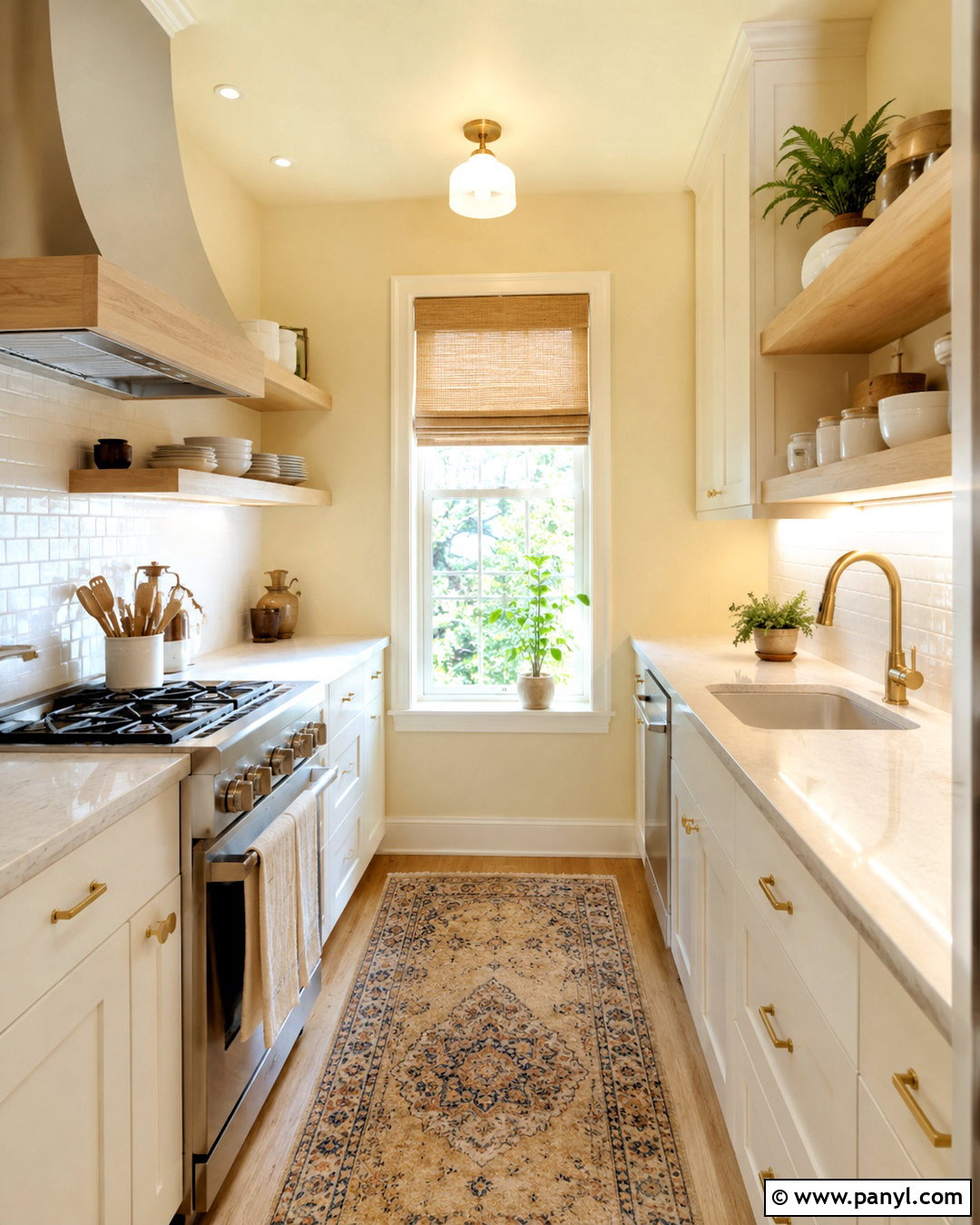
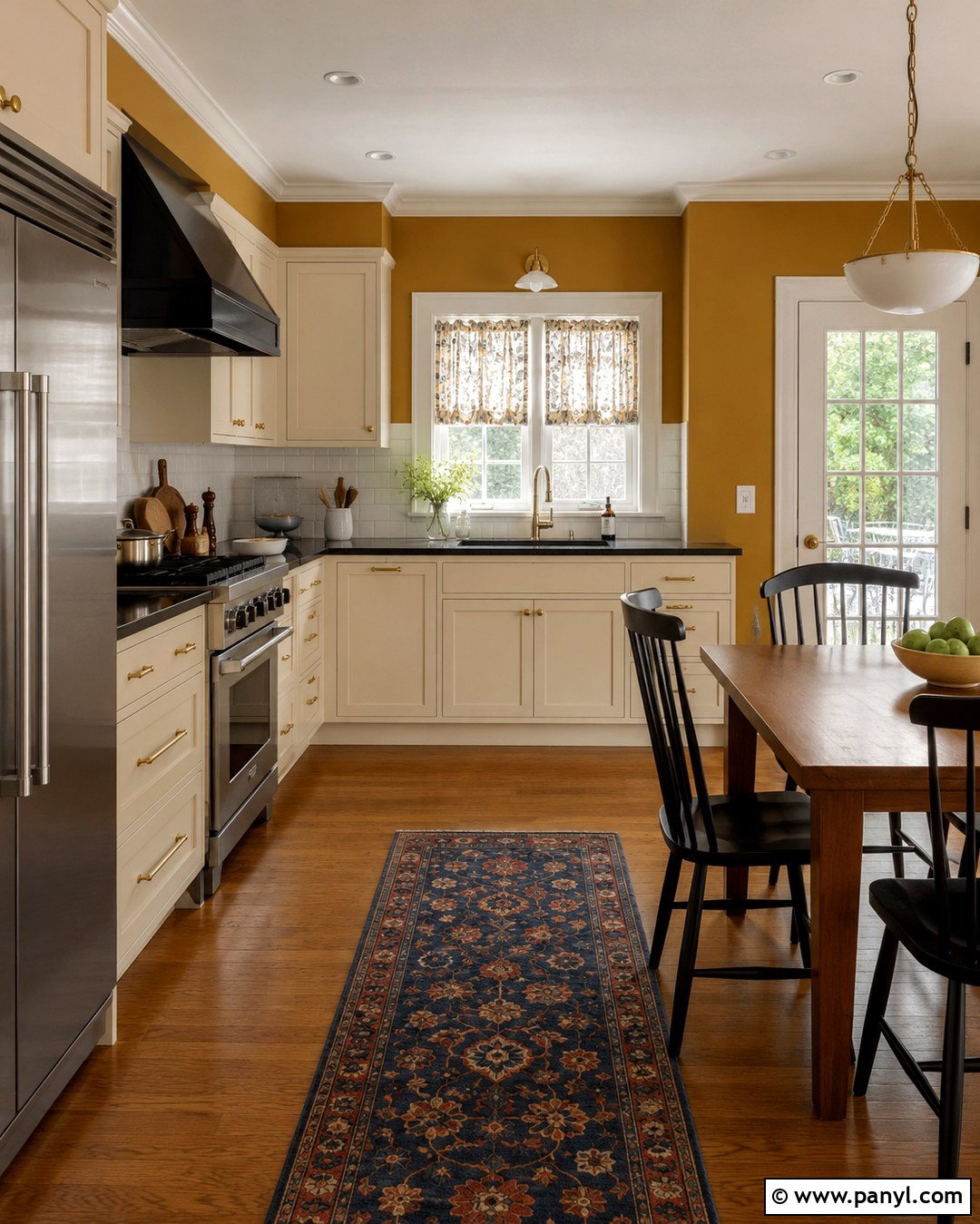
A restrained pale yellow can make a tiny kitchen feel sunny even when windows are limited. Choose a buttery shade softened with cream rather than a sharp lemon yellow. Apply it to the walls and ceiling, then pair it with warm white cabinets to create subtle separation. Use light oak open shelving, creamy quartz counters, and a simple white tile backsplash. Unlacquered brass cabinet pulls reinforce the warmth of the palette. Keep small appliances grouped in one area so the yellow walls remain visible and uncluttered. A narrow striped runner in beige and muted blue introduces gentle pattern. With under-cabinet lighting and woven window shades, the completed kitchen feels bright and energetic without making the limited layout appear busy.
13. Blue Green Paint For Small Rooms
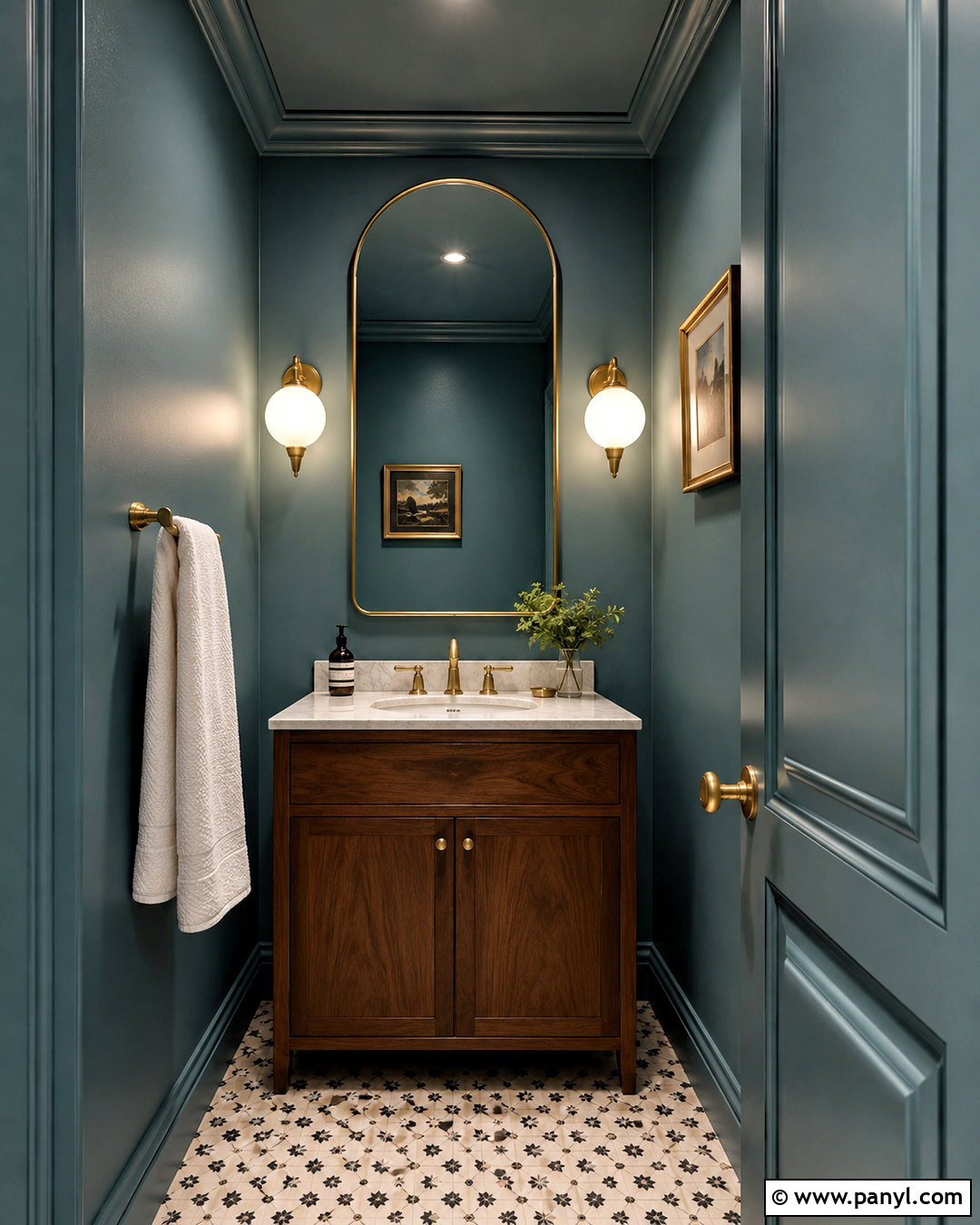
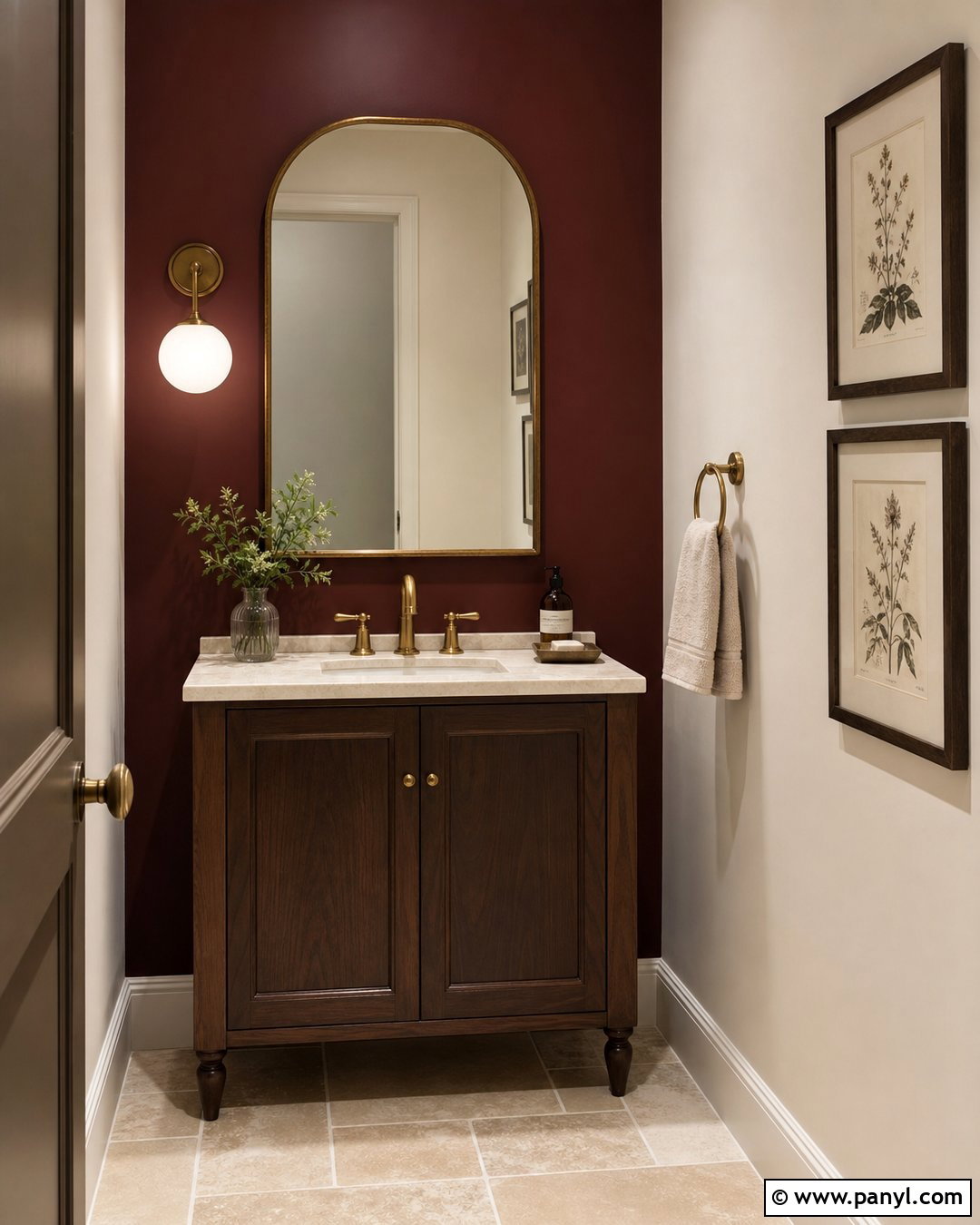
Blue-green paint brings depth and freshness to a small powder room where a bolder treatment feels manageable. Choose a muted teal that sits between sea green and smoky blue. Apply it across the walls, trim, ceiling, and door for an immersive color-drenched effect. A compact walnut vanity adds natural warmth, while a white stone sink keeps the room from becoming too dark. Use an arched brass mirror and two opal globe sconces to distribute light evenly. Small-scale patterned floor tile in cream and charcoal gives the lower area definition. Keep accessories minimal with white hand towels and one ceramic container. This jewel-box approach turns the room’s small size into a design advantage rather than something that needs to be hidden.
14. Olive Green Paint For Small Rooms
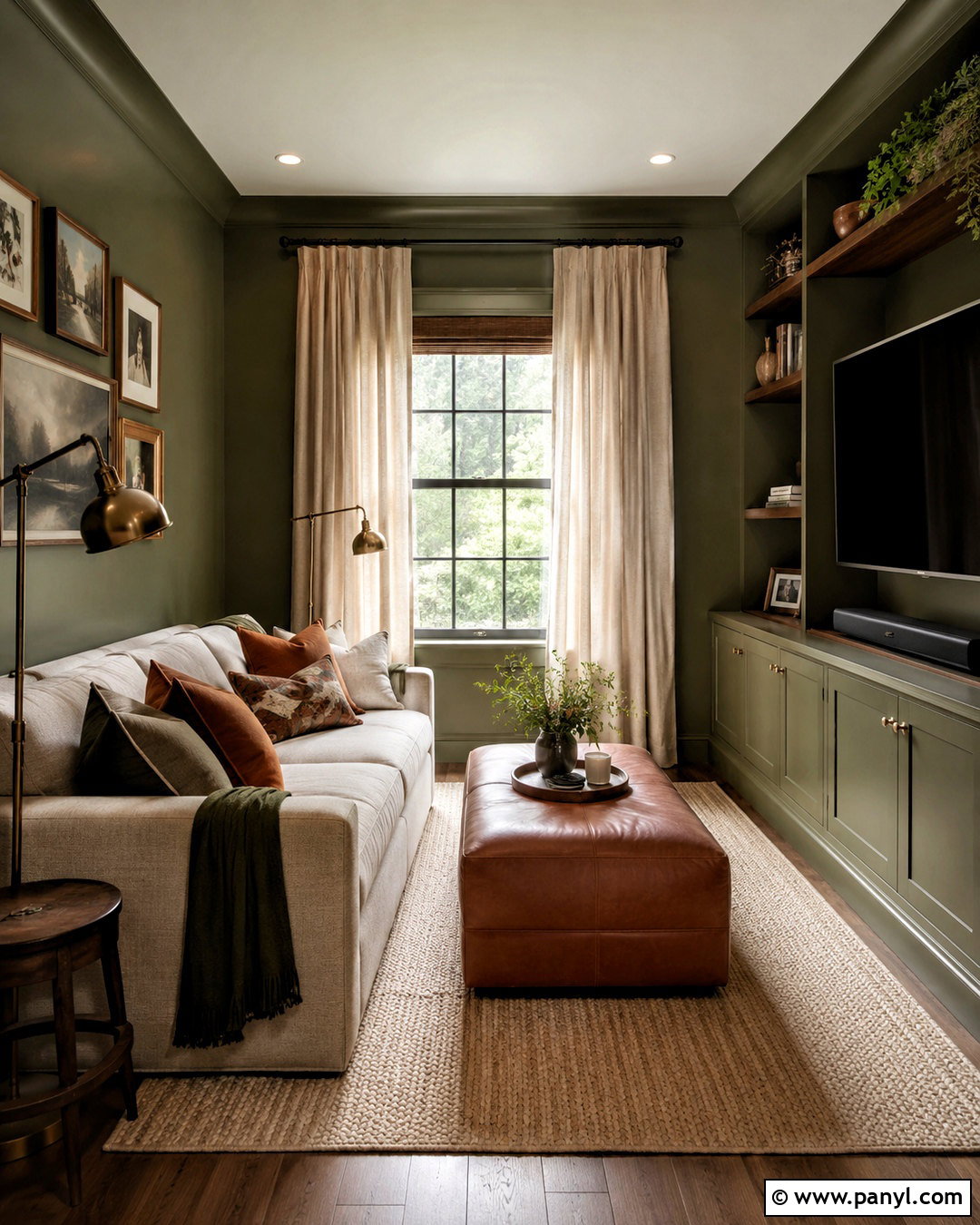
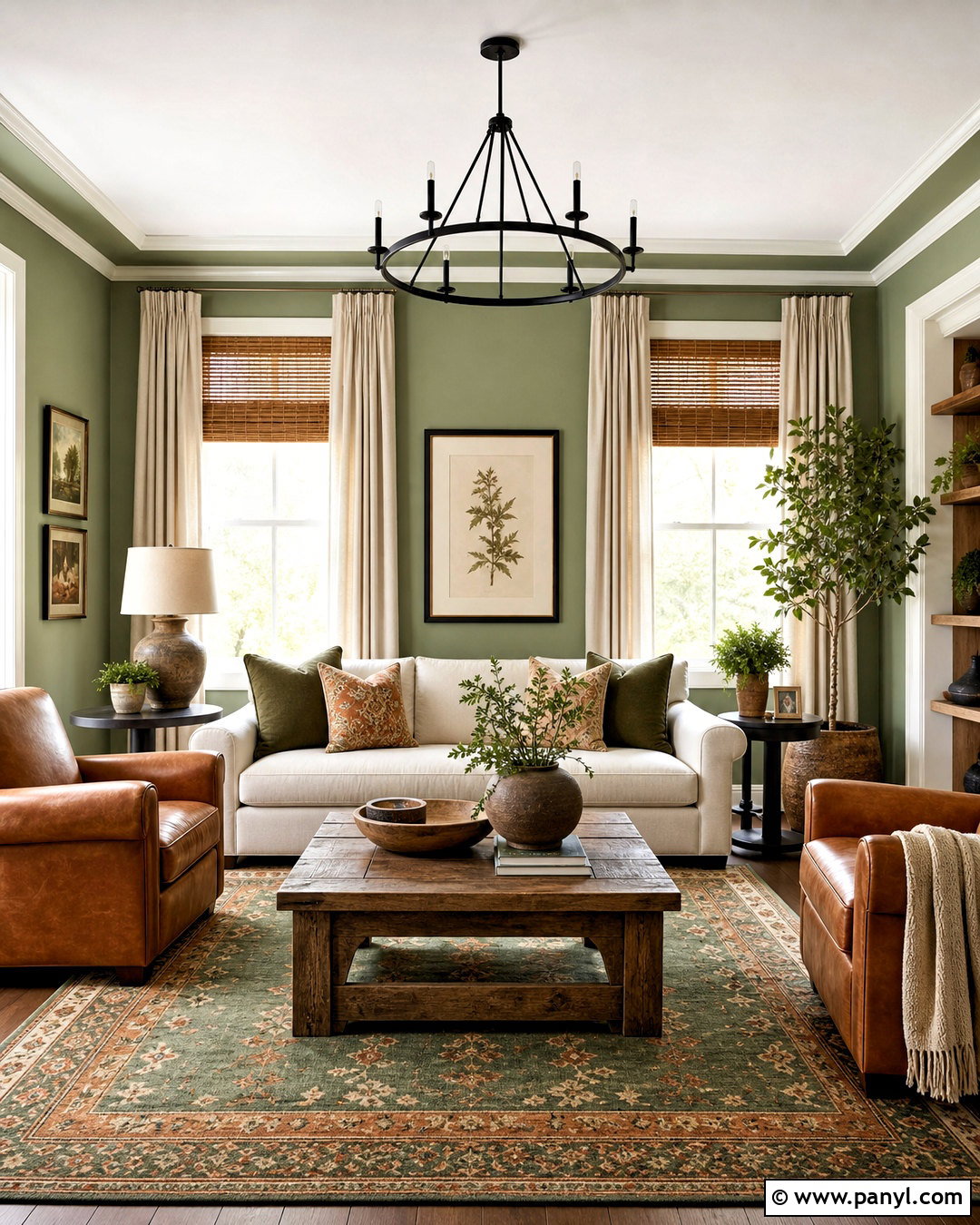
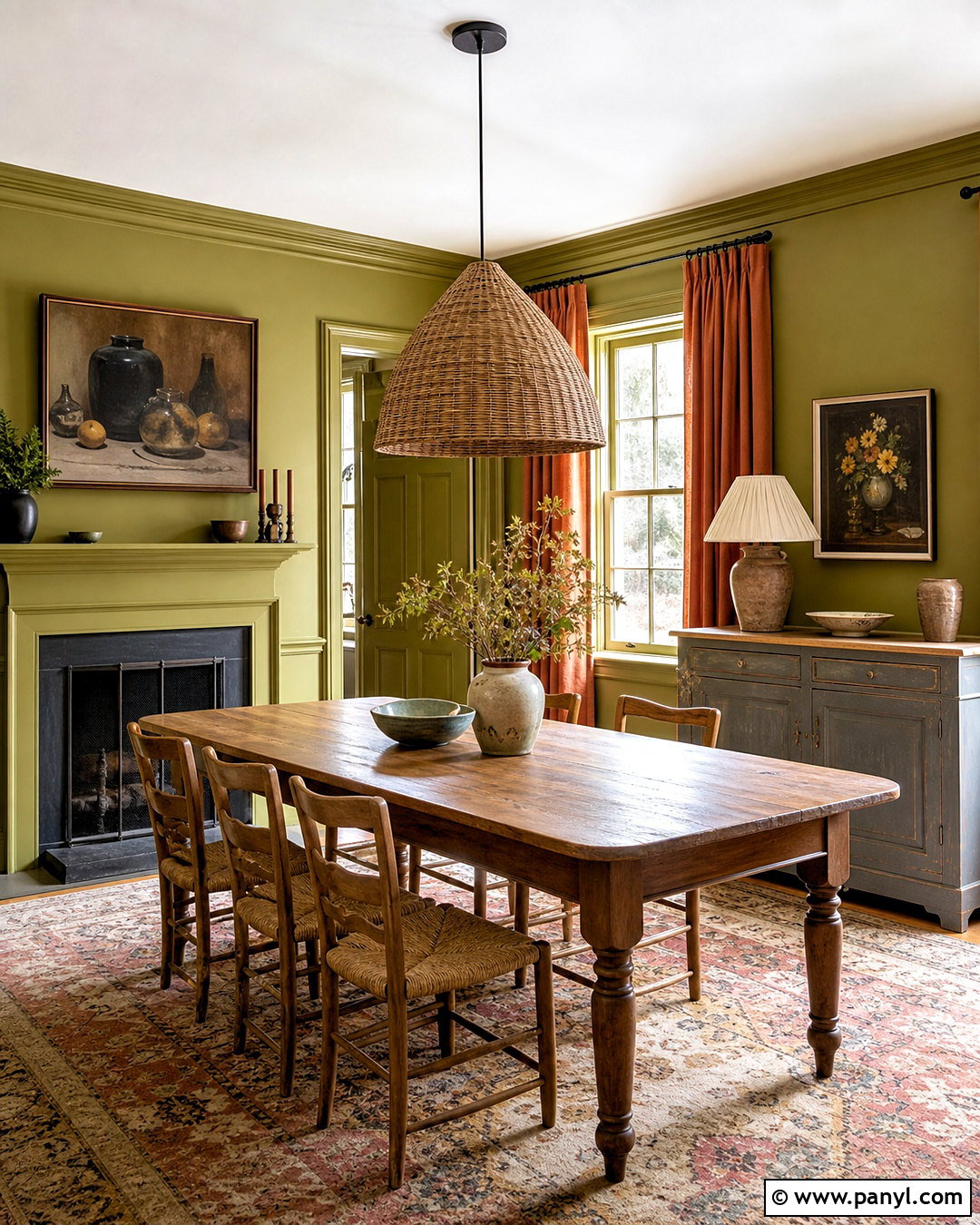
Olive green gives a compact den a grounded, comfortable personality. Select a muted olive containing plenty of gray or brown so it feels timeless beside wood furniture. Paint the walls and built-in media storage in the same shade, allowing the cabinetry to blend into the room. Add a low-profile oatmeal sofa, a cognac leather ottoman, and a textured cream rug. Walnut shelving and antique brass lamps complement the earthy paint color. Use light linen curtains to preserve brightness around the window. A few rust, tan, and black accents can add richness without crowding the palette. Keep the furniture arrangement simple and leave a clear pathway. The result is a cozy, fully coordinated den that feels intentional and pleasantly enveloping.
15. Deep Navy Paint For Small Rooms
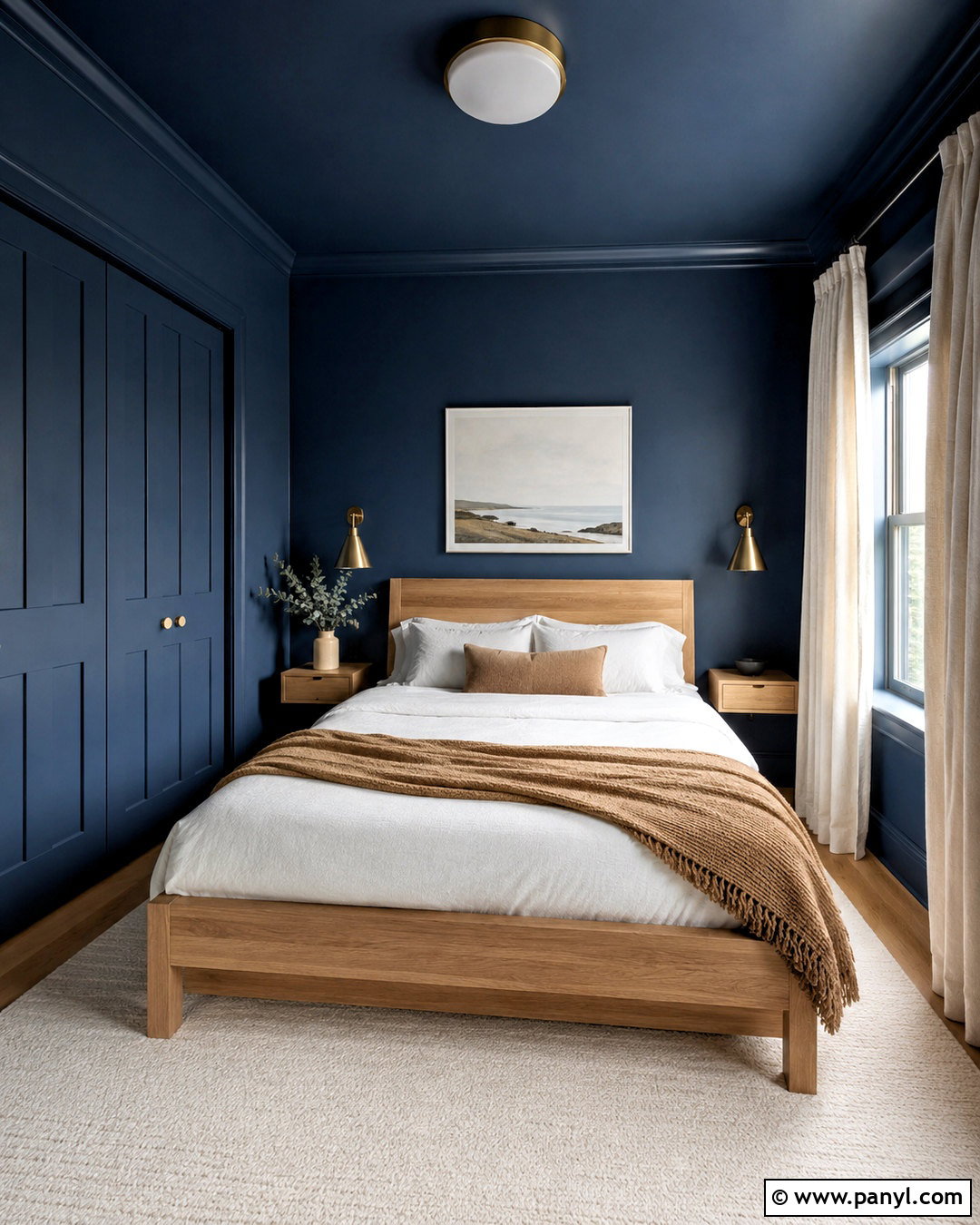
Deep navy creates a dramatic small bedroom when used consistently instead of as one isolated accent wall. Cover the walls, trim, closet doors, and ceiling in a softened navy blue with a matte finish. This continuous treatment makes architectural edges less obvious and establishes a cocoon-like background. Balance the dark paint with a light oak bed, white bedding, and a large ivory rug. Install brass wall sconces rather than table lamps, preserving space on narrow floating nightstands. Choose natural linen curtains that contrast gently with the walls and frame the window. A camel throw and one blue-and-cream artwork add warmth and pattern. The completed room feels intimate and sophisticated, while carefully positioned lighting keeps the navy surfaces clear and dimensional.
16. Forest Green Paint For Small Rooms
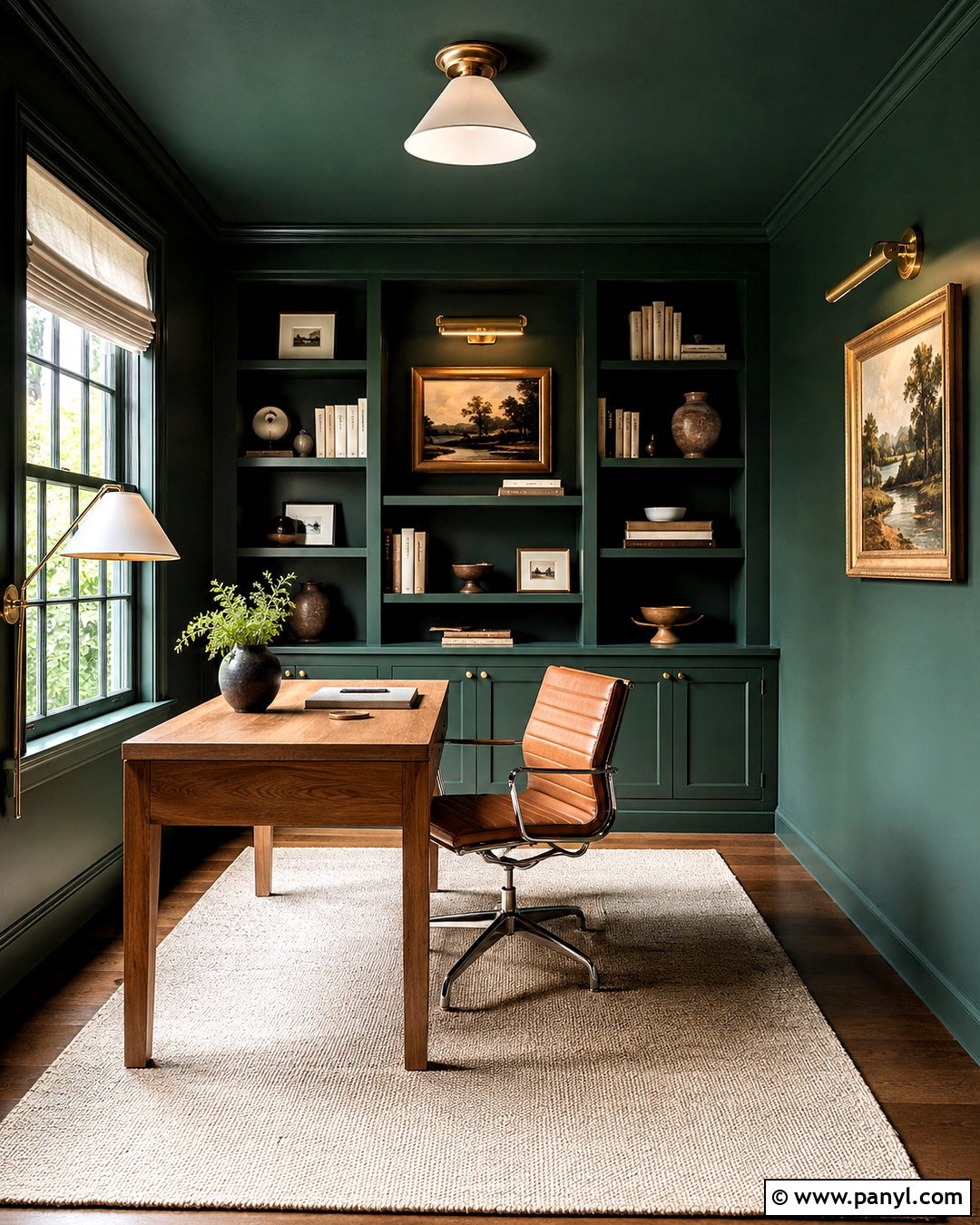
Forest green can transform a small windowed study into a rich, focused workspace. Use a deep green with slightly blue undertones, applying it across the walls, ceiling, and shelving for a unified finish. Position a medium-tone oak desk near the window and select a slim tan leather chair. A cream flat-weave rug lightens the floor and defines the work zone. Add aged brass picture lights above the shelves, along with an adjustable desk lamp for practical task lighting. Books, framed artwork, and pottery should be displayed in small groups with open space between them. Natural linen shades soften daylight. The balanced combination of saturated green, warm wood, pale textiles, and layered lighting creates a complete office that feels cozy rather than confined.
17. Charcoal Gray Paint For Small Rooms
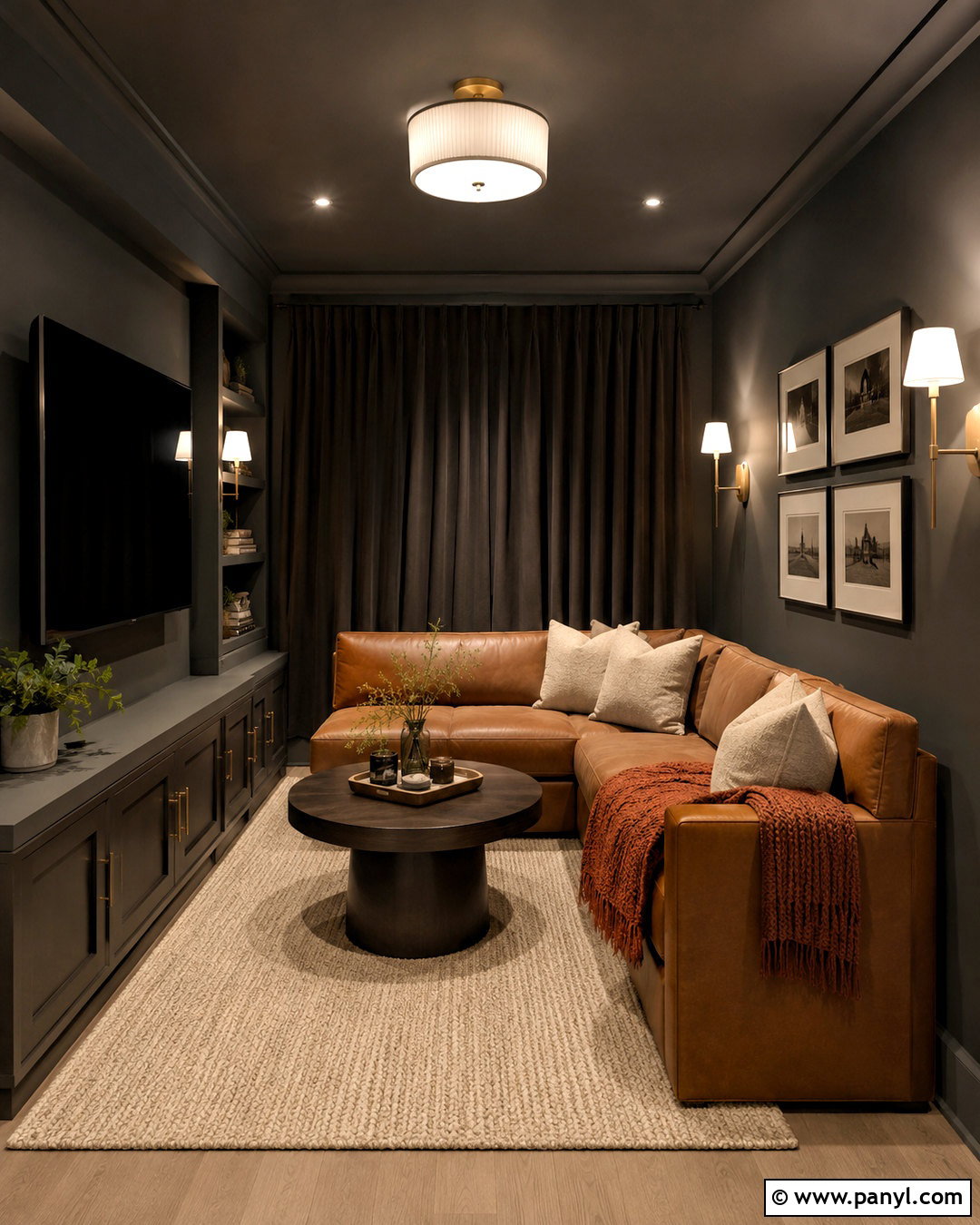
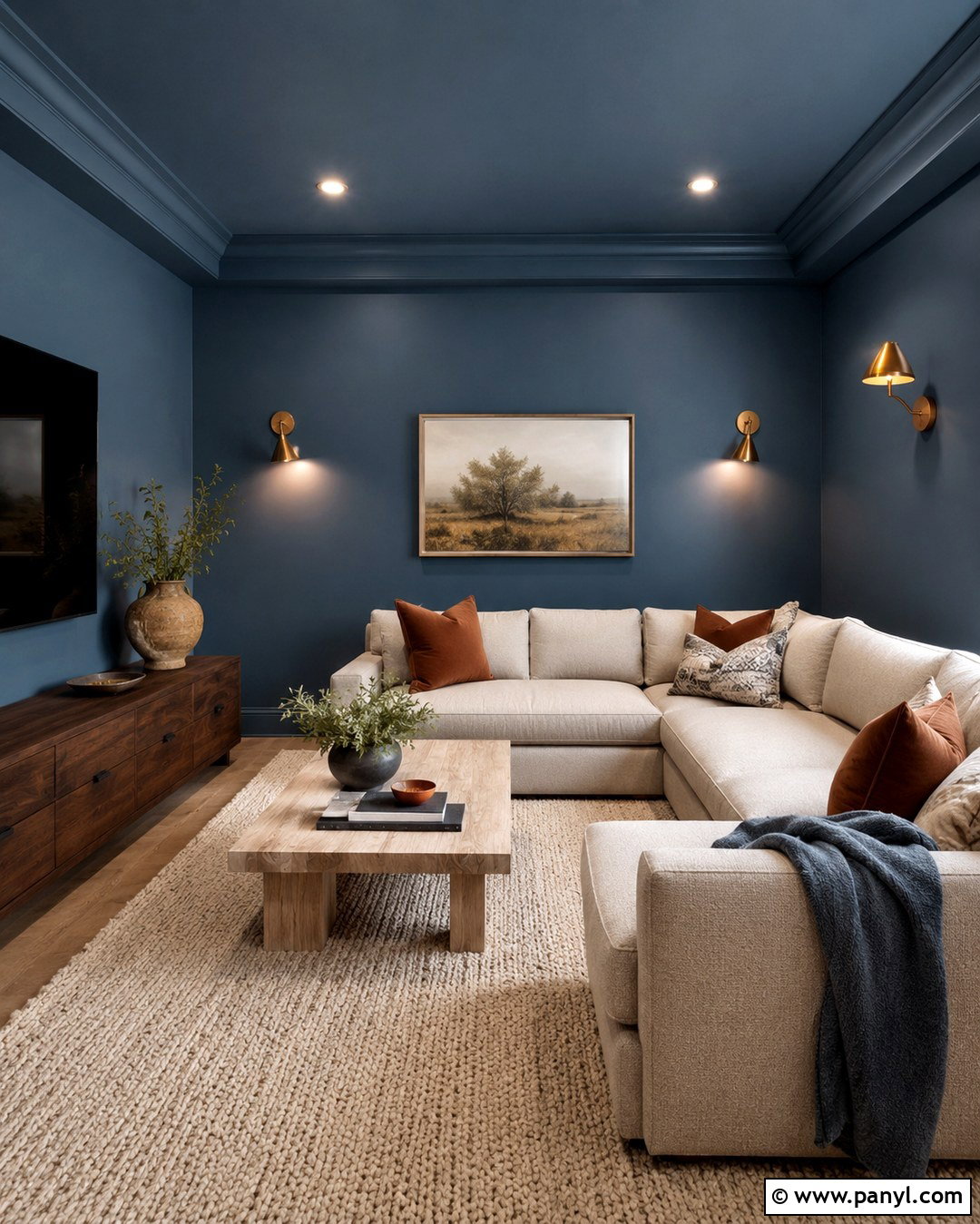
Charcoal gray gives a tiny media room an intentional cinema-like atmosphere without relying on decorative clutter. Choose a warm charcoal instead of a blue-black shade, then use it on the walls, ceiling, and media cabinet. Place a compact caramel sectional along two walls to maximize seating while keeping the center open. Add a soft oatmeal rug and a round dark wood coffee table. Blackout curtains should closely match the wall paint so they disappear when closed. Install dimmable wall lights with warm white bulbs, but include a brighter floor lamp for reading and cleaning. Cream pillows and a rust throw break up the darker palette. This complete scheme embraces the limited size and creates a comfortable, visually seamless retreat.
18. Terracotta Paint For Small Rooms
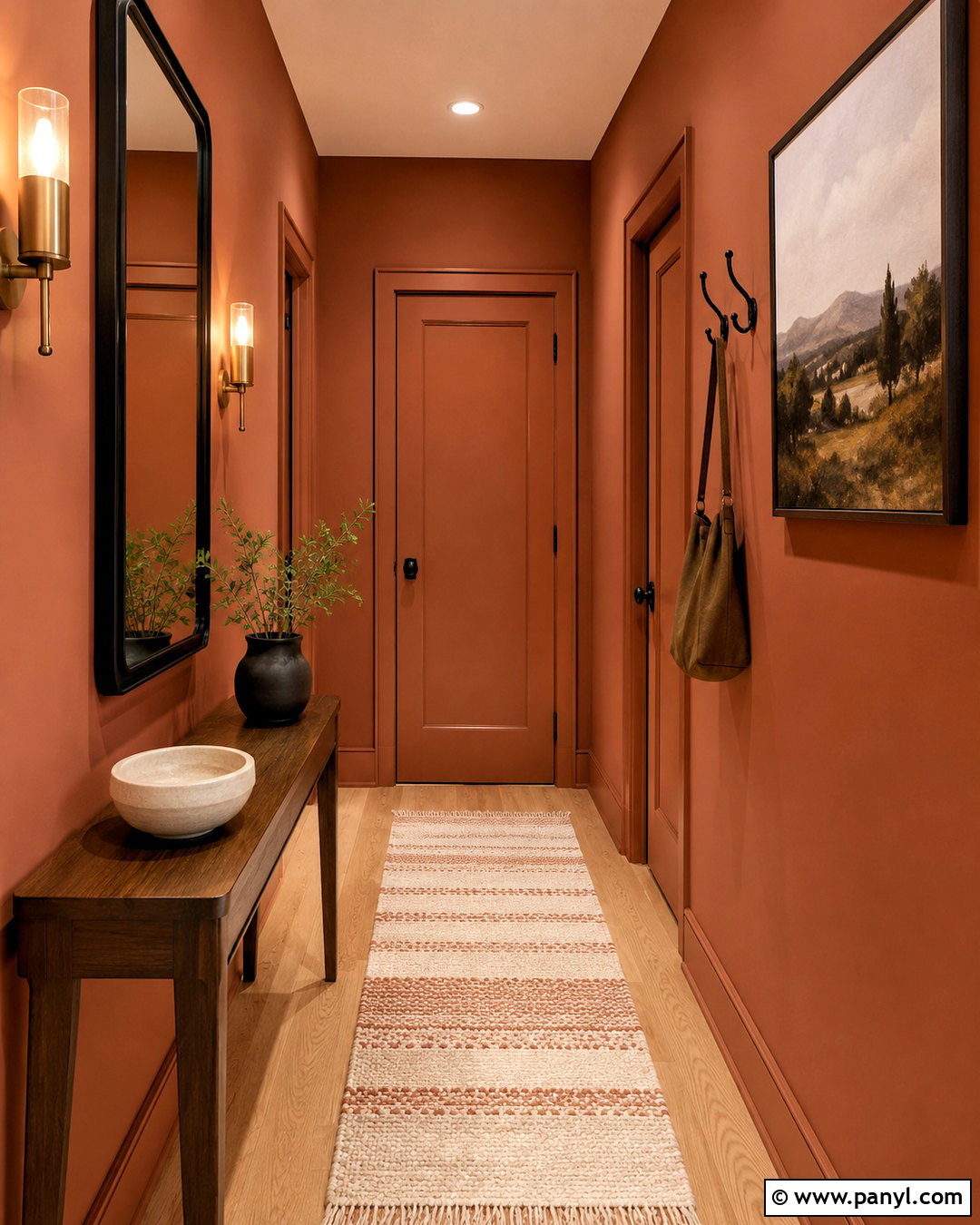
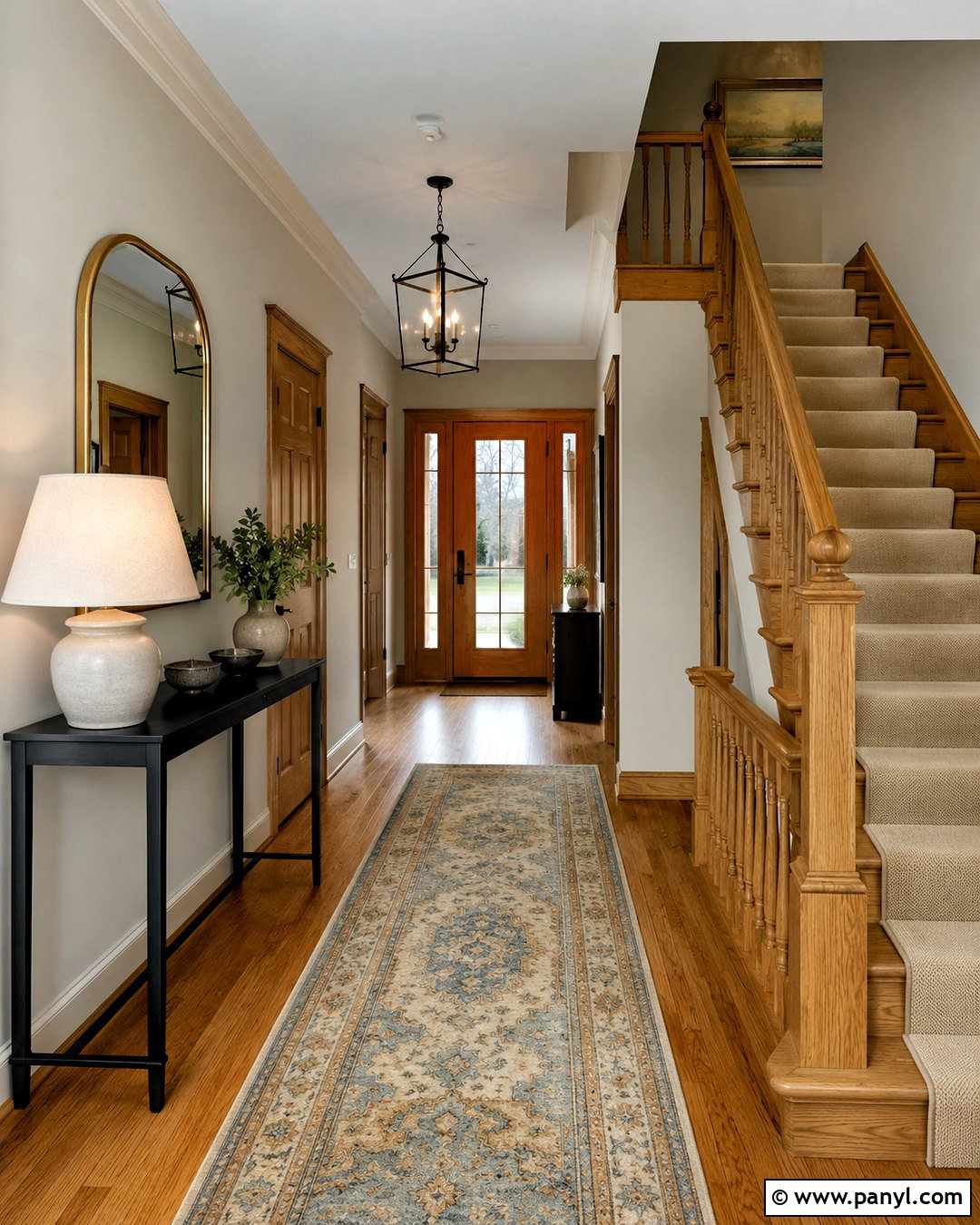
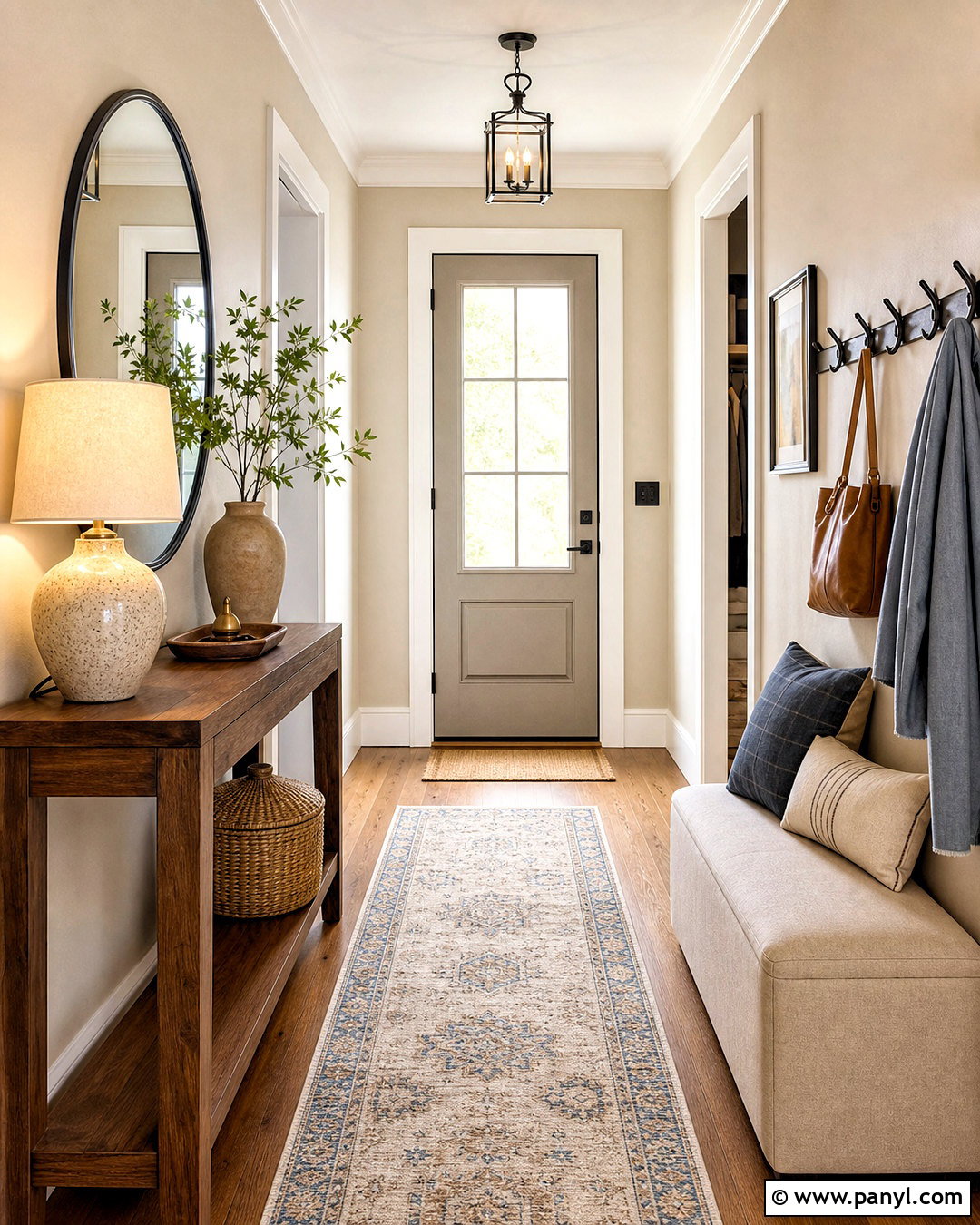
Muted terracotta creates warmth and movement in a narrow entryway or hallway. Select a clay-based shade with brown and dusty pink undertones rather than a bright orange finish. Paint the walls and interior doors in the same color, while keeping the ceiling a warm cream to provide gentle lift. Add a slim walnut console with rounded corners and hang a large vertical mirror above it. A woven runner in cream, rust, and faded blue draws the eye through the space. Use aged brass wall lights and simple black hooks for practical contrast. One ceramic bowl and a small framed landscape are enough decoration. The completed entry feels welcoming and expressive while maintaining clear pathways and a cohesive appearance from every viewing angle.
19. Chocolate Brown Paint For Small Rooms
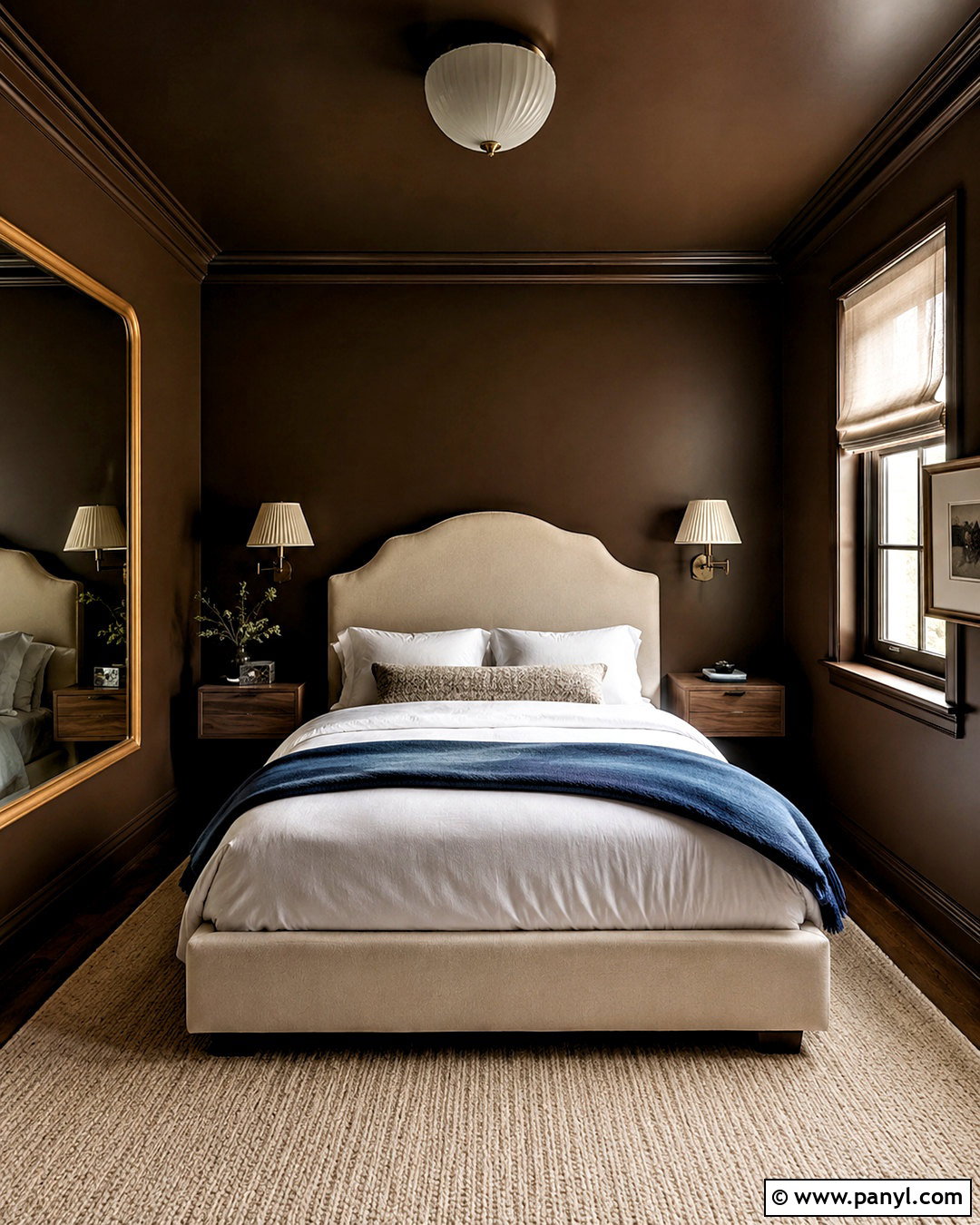
Chocolate brown can give a small guest room a luxurious, comforting finish when balanced with enough pale fabric and reflective detail. Choose a rich cocoa brown and apply it to the walls, trim, and ceiling to create a continuous envelope of color. Use an ivory upholstered bed with crisp white bedding to establish a bright focal point. Add walnut wall-mounted nightstands, pleated cream sconces, and a beige wool rug. A large mirror opposite the window can distribute available light across the dark surfaces. Introduce muted blue through a folded throw and small artwork for a cool counterpoint. With minimal furniture and carefully layered lighting, the finished bedroom feels restful, stylish, and deliberately intimate instead of visually restricted.
20. Black Blue Paint For Small Rooms
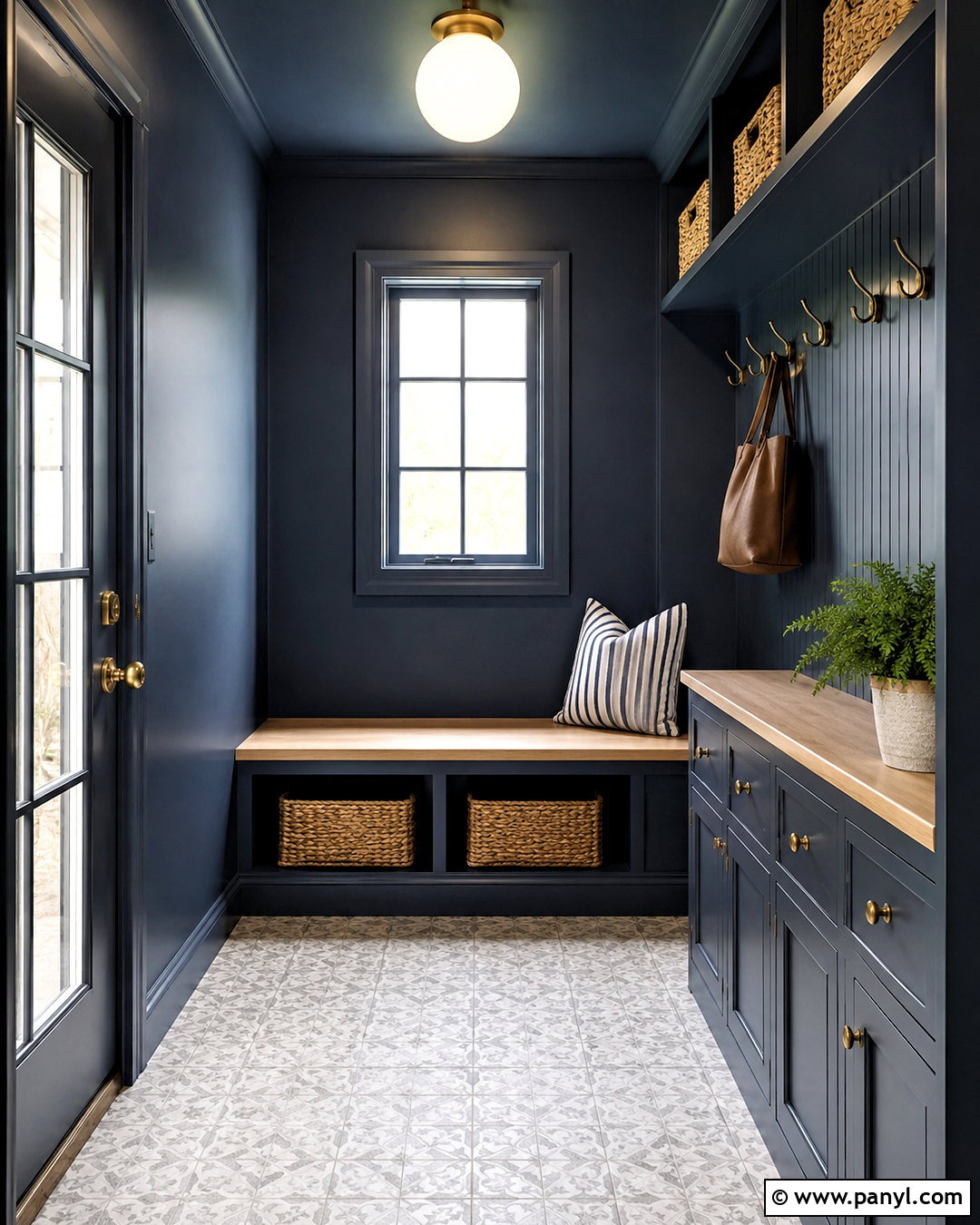
A blackened blue creates a bold finish in a small mudroom while remaining more colorful than true black. Paint the walls, ceiling, built-in bench, and storage cabinets in the same inky shade. Use a satin finish on the cabinetry and a flatter finish on the walls for subtle variation. Add a pale oak bench seat, woven storage baskets, and brushed brass hooks to break up the dark background. Durable cream-and-gray floor tile keeps the lower area bright and practical. Install a large opal ceiling light and under-shelf lighting so the storage remains easy to use. A striped cushion introduces soft blue and beige. This complete design makes a hardworking compact room feel organized, durable, and confidently finished.
Conclusion:
The best small room paint colors do more than visually change the room’s dimensions. They establish mood, connect architectural features, and give furniture a more intentional setting. Warm whites, greige, pale blue, and sage support bright, open interiors. Dusty pastels introduce personality without harsh contrast. Deep navy, forest green, chocolate brown, and blackened blue create inviting rooms that embrace their compact proportions. For the most cohesive result, coordinate the wall color with the ceiling, trim, flooring, lighting, and largest furnishings. View samples in the room throughout the day before committing. Whether you prefer an airy retreat or a dramatic cocoon, a unified palette will make the space feel complete.

Related Ideas and Inspiration:
Leave a Reply