
Choosing the right wall color can completely change how a compact sleeping space looks and feels. The best **paint colors for small bedrooms** include light-reflective neutrals, gentle pastels, earthy shades, and even a few deep, enveloping tones. Pale colors can create an open, airy impression, while darker hues can soften corners and produce a cozy, intentional atmosphere. A successful palette also considers natural light, flooring, furniture scale, bedding, trim, and ceiling color. Keeping these elements visually connected prevents a tight room from looking busy or fragmented. () Always test large samples on multiple walls because undertones shift throughout the day. The complete room looks below offer practical, stylish ways to decorate with **20 paint colors for small bedrooms**.

1. Warm White Paint for Small Bedrooms
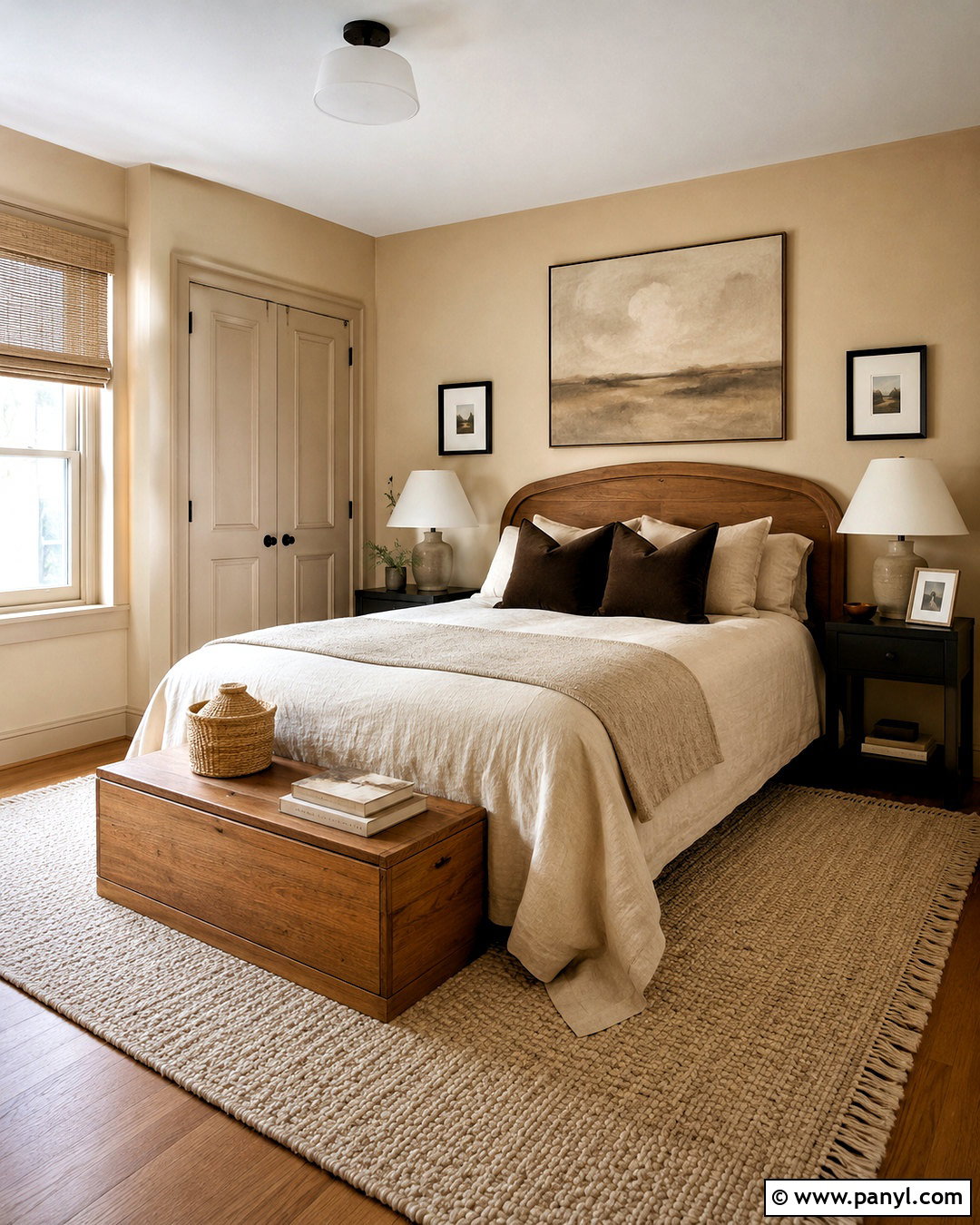
Warm white creates a clean bedroom without the chilly appearance of brilliant white. Choose a shade with subtle cream or beige undertones, then continue it onto the trim and ceiling to reduce visible boundaries. Build the room around a low-profile oak bed, white linen bedding, and one narrow floating nightstand. A woven rug adds warmth without introducing a strong pattern that could crowd the floor. Use pale wood blinds or simple ivory curtains mounted close to the ceiling. Matte black reading lights provide crisp contrast, while a round mirror reflects daylight across the walls. Finish with one landscape print and a small ceramic vase. This complete palette feels bright, relaxed, and larger than its actual footprint.
2. Soft Ivory Paint for Small Bedrooms
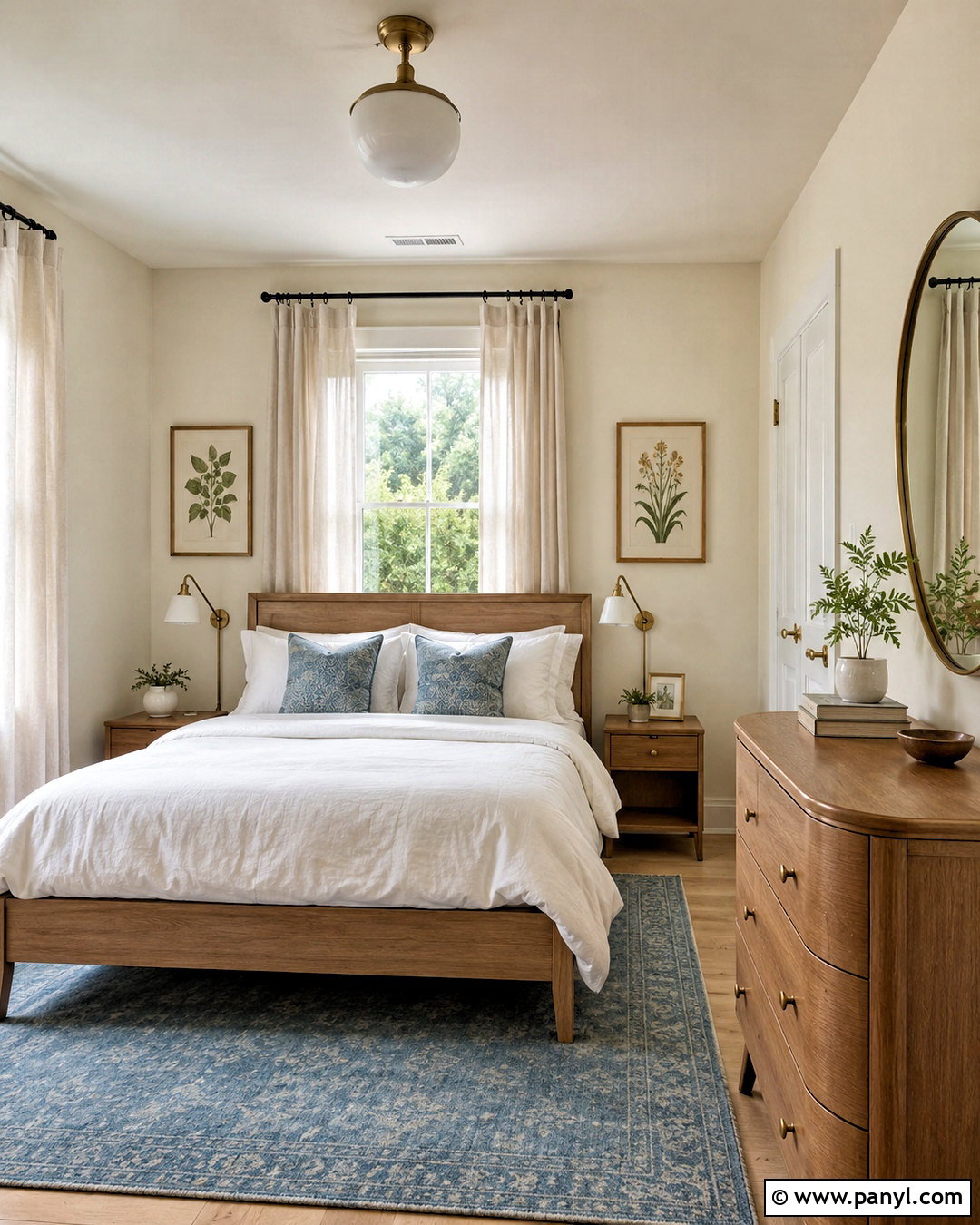
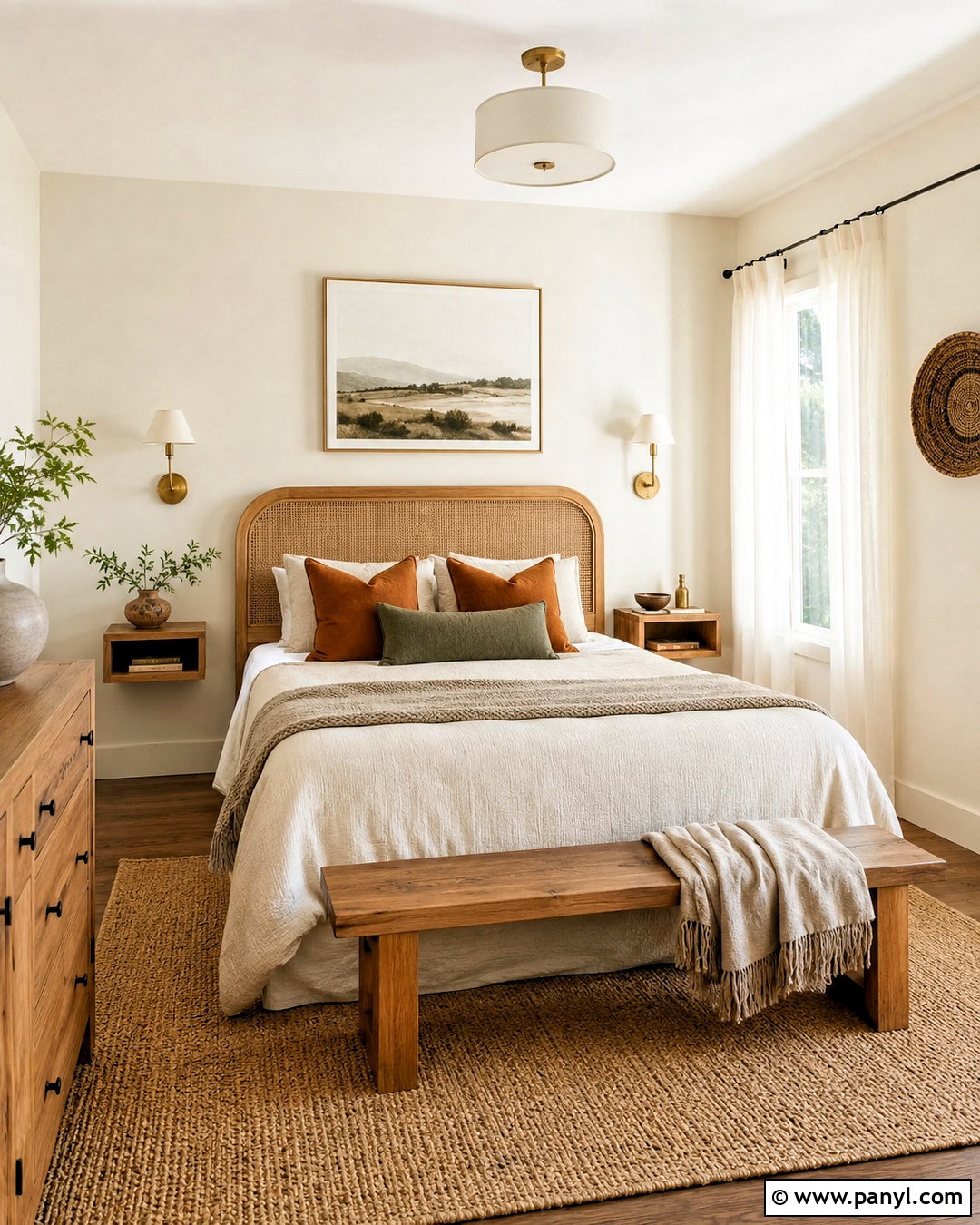
Soft ivory brings more depth than plain white while remaining light enough for a compact bedroom. It works especially well in rooms with northern exposure because its warm undertone can balance cool natural light. Pair the walls with creamy trim, a cane headboard, and honey-toned wood furniture. Dress the bed in oatmeal linen with muted terracotta and olive accent pillows. A small jute rug grounds the layout without creating heavy contrast. Instead of two bulky tables, install wall-mounted shelves beneath compact brass sconces. Keep artwork tonal, using beige, rust, and faded green. Sheer curtains allow daylight to filter into the room. The finished look is warm, natural, and layered, yet visually quiet enough to preserve a spacious feeling.
3. Pale Cream Paint for Small Bedrooms
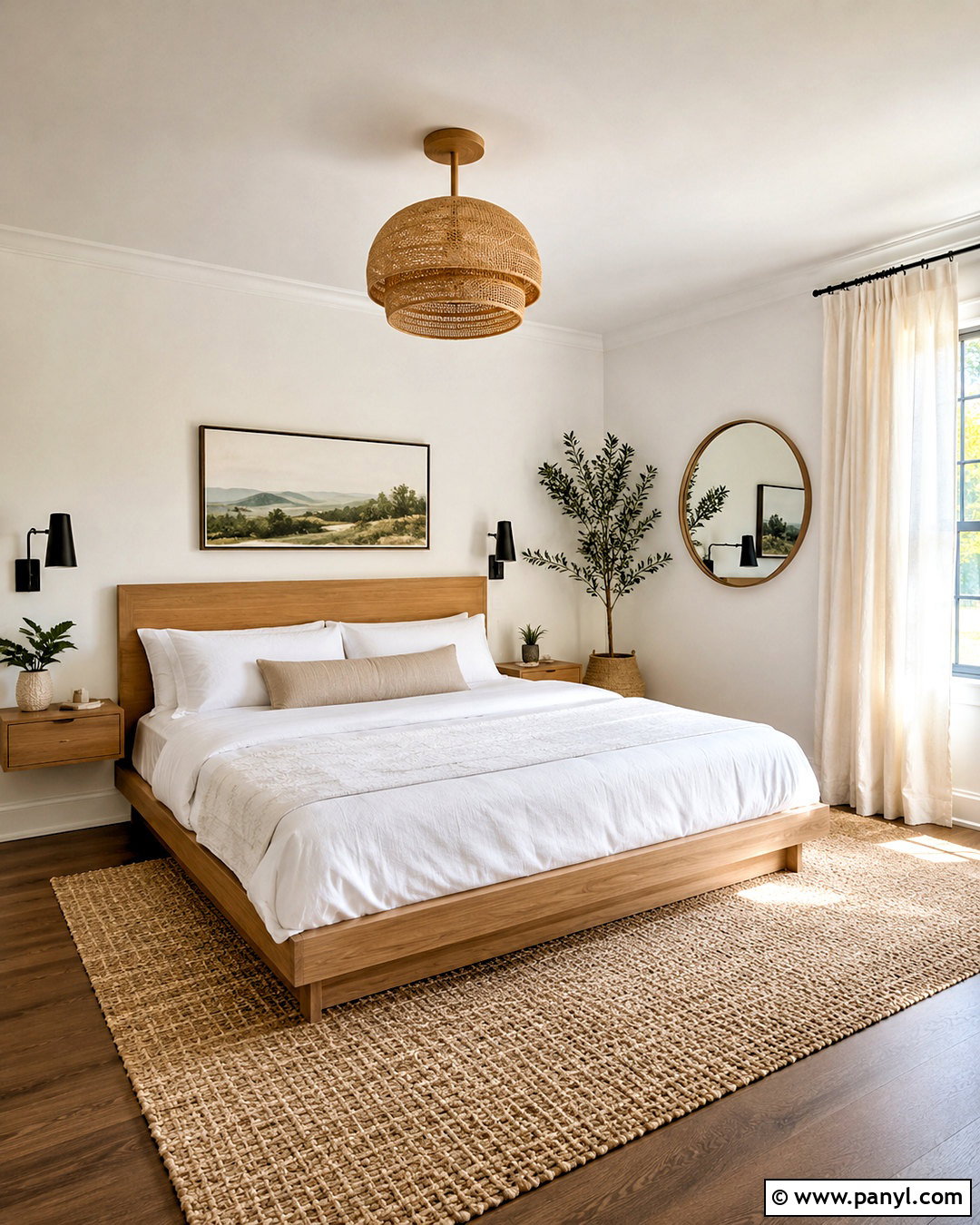
A pale cream bedroom feels softly illuminated, even when the window is modest. Select a cream with restrained yellow undertones so the walls look warm rather than overly golden. Paint the baseboards in the same shade, but use a slightly lighter version overhead. Add a light walnut bed with a simple upholstered headboard and crisp white bedding. Soft blue pillows and a faded blue rug provide refreshing contrast. Choose a slim dresser with rounded corners to improve movement around the bed. Linen curtains, a milk-glass ceiling light, and brushed brass hardware complete the welcoming palette. Limit decorative pieces to a framed botanical print and one leafy plant. The balanced combination makes a little bedroom feel cheerful, comfortable, and neatly organized.
4. Light Greige Paint for Small Bedrooms
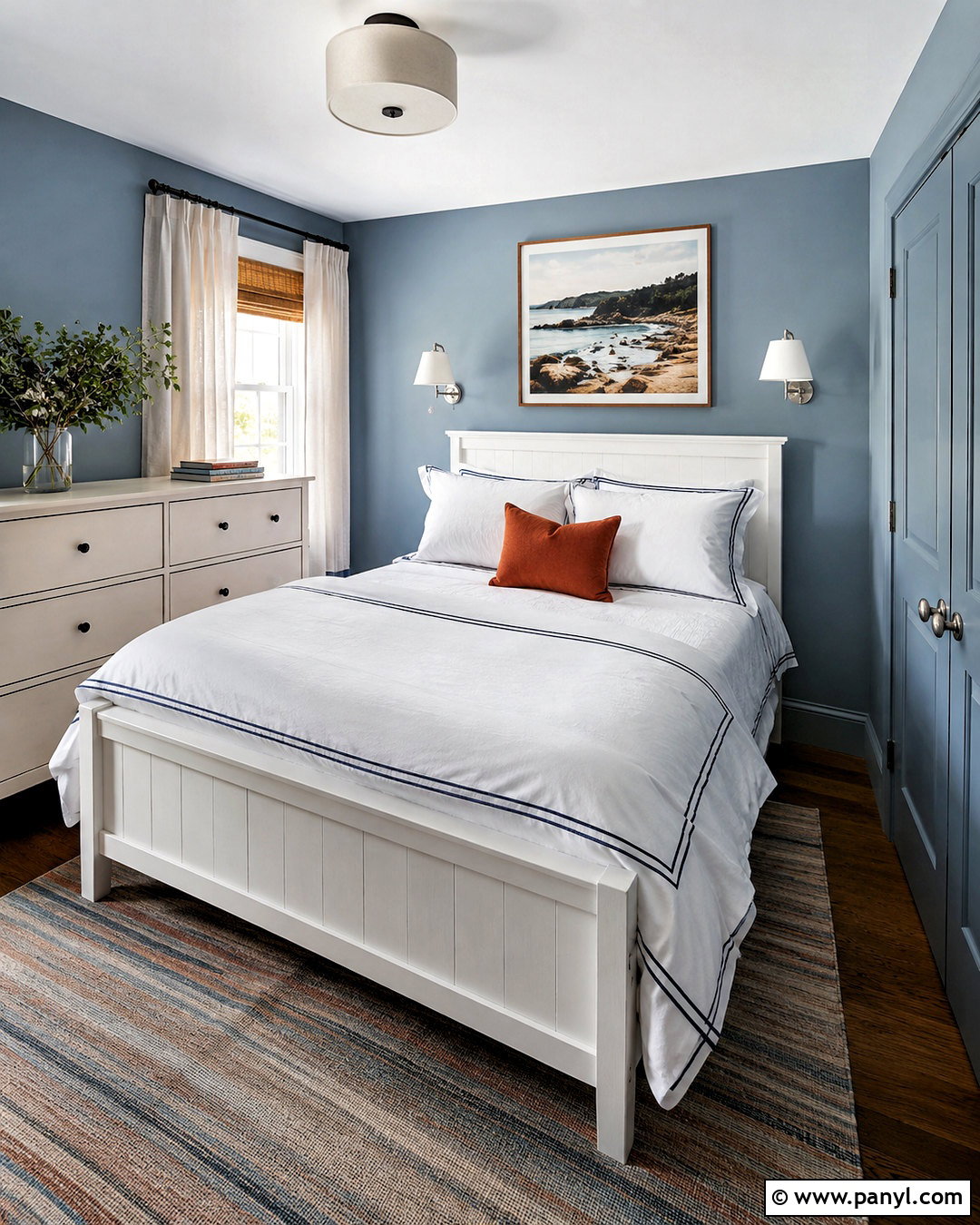
Can’t decide between gray and beige? Light greige delivers the softness of beige with the clean, contemporary quality of gray. It is particularly useful when a small bedroom contains both warm wood and cooler metal finishes. Paint the walls and closet doors the same greige to help storage blend into the background. Choose an oatmeal upholstered bed, medium oak flooring, and off-white bedding with charcoal piping. Floating walnut nightstands save floor space, while black swing-arm sconces add definition. Hang full-length ivory curtains beyond the window frame to make the opening look wider. A textured wool rug and restrained abstract artwork prevent the neutral palette from feeling flat. This calm, cohesive room suits modern, transitional, and minimalist homes.
5. Warm Beige Paint for Small Bedrooms
Warm beige can make a compact bedroom feel grounded and inviting without sacrificing brightness. Look for a sandy shade rather than one with strong orange undertones. Continue the beige across the walls, trim, and closet doors for a smooth envelope of color. Pair it with a curved oak headboard, natural linen bedding, and chocolate-brown accent pillows. A cream rug keeps the floor light, while woven shades introduce texture at the window. Use a narrow bench with hidden storage at the foot of the bed if space allows. Ceramic lamps, simple black frames, and one oversized piece of neutral artwork finish the scheme. The low-contrast palette creates a comfortable bedroom that feels considered, uncluttered, and easy to update throughout the seasons.
6. Pale Taupe Paint for Small Bedrooms
Pale taupe offers a sophisticated background with more character than basic beige. Its subtle brown-gray undertone pairs beautifully with aged wood, bronze, and soft textiles. For a complete small-bedroom look, use taupe on the walls and paint the ceiling a delicate off-white. Position a walnut bed against the longest uninterrupted wall, then add ivory bedding and a muted plum throw. Replace standard nightstands with compact round tables to improve circulation. Antique-bronze sconces free the tabletops and bring warmth to the walls. Add a vintage-inspired rug containing taupe, cream, and faded rose. Floor-length linen curtains soften the window without blocking light. The resulting bedroom feels intimate and refined, but the restrained palette prevents it from becoming visually heavy.
7. Pearl Gray Paint for Small Bedrooms
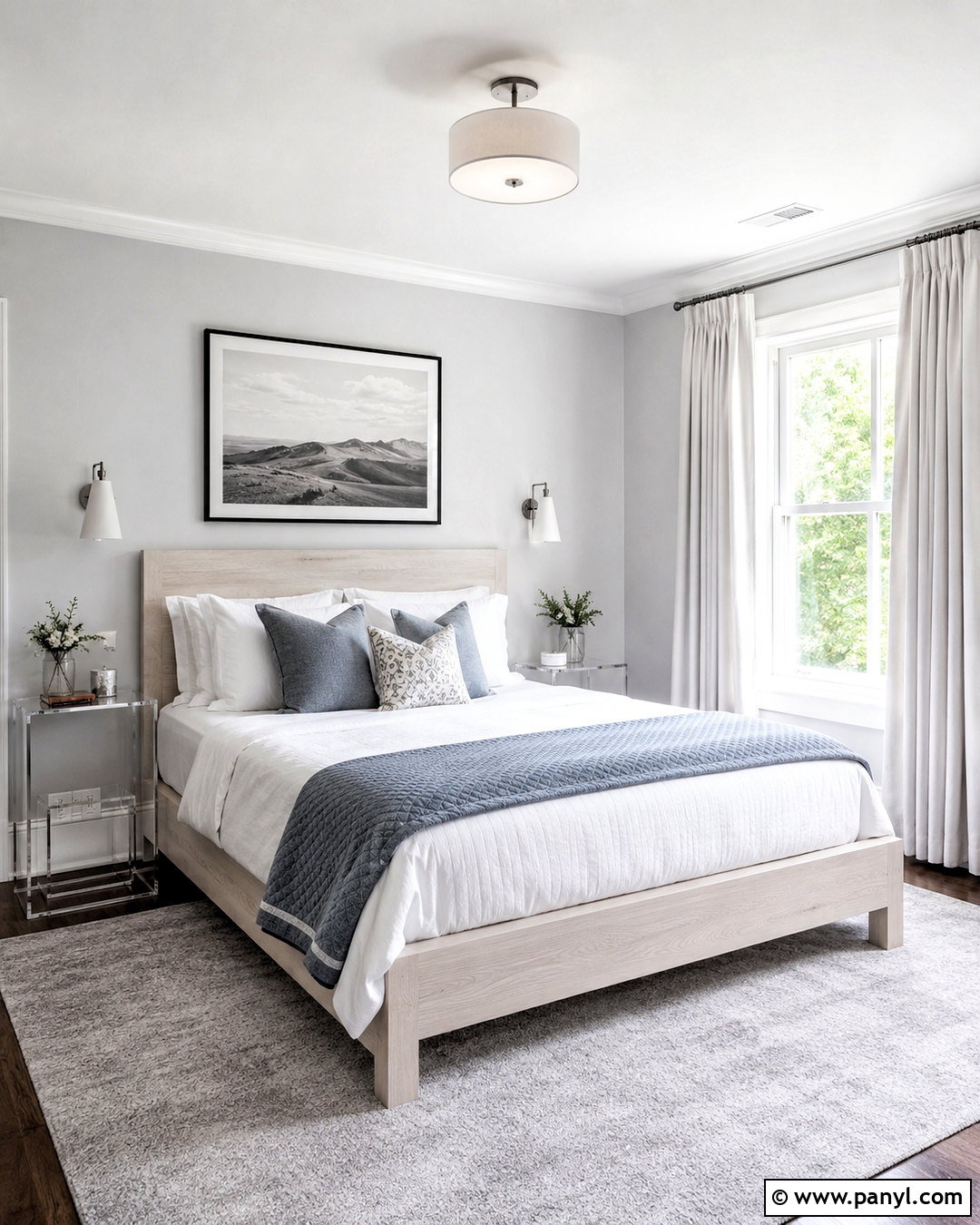
Pearl gray is a light, luminous choice for a bedroom that needs a crisp and peaceful atmosphere. Unlike flat industrial gray, a pearly shade has enough warmth to remain comfortable beside white bedding and natural materials. Use it on the walls with soft white trim and a matching white ceiling. Introduce a pale ash-wood bed, layered cotton bedding, and a silvery blue throw. A light gray rug creates continuity across the floor, helping the room feel wider. Choose mirrored or acrylic nightstands when visual lightness is important, but keep their shapes simple. Brushed nickel sconces and black-and-white photography add polish. Pale curtains, minimal accessories, and concealed storage maintain the airy quality of this clean, contemporary bedroom.


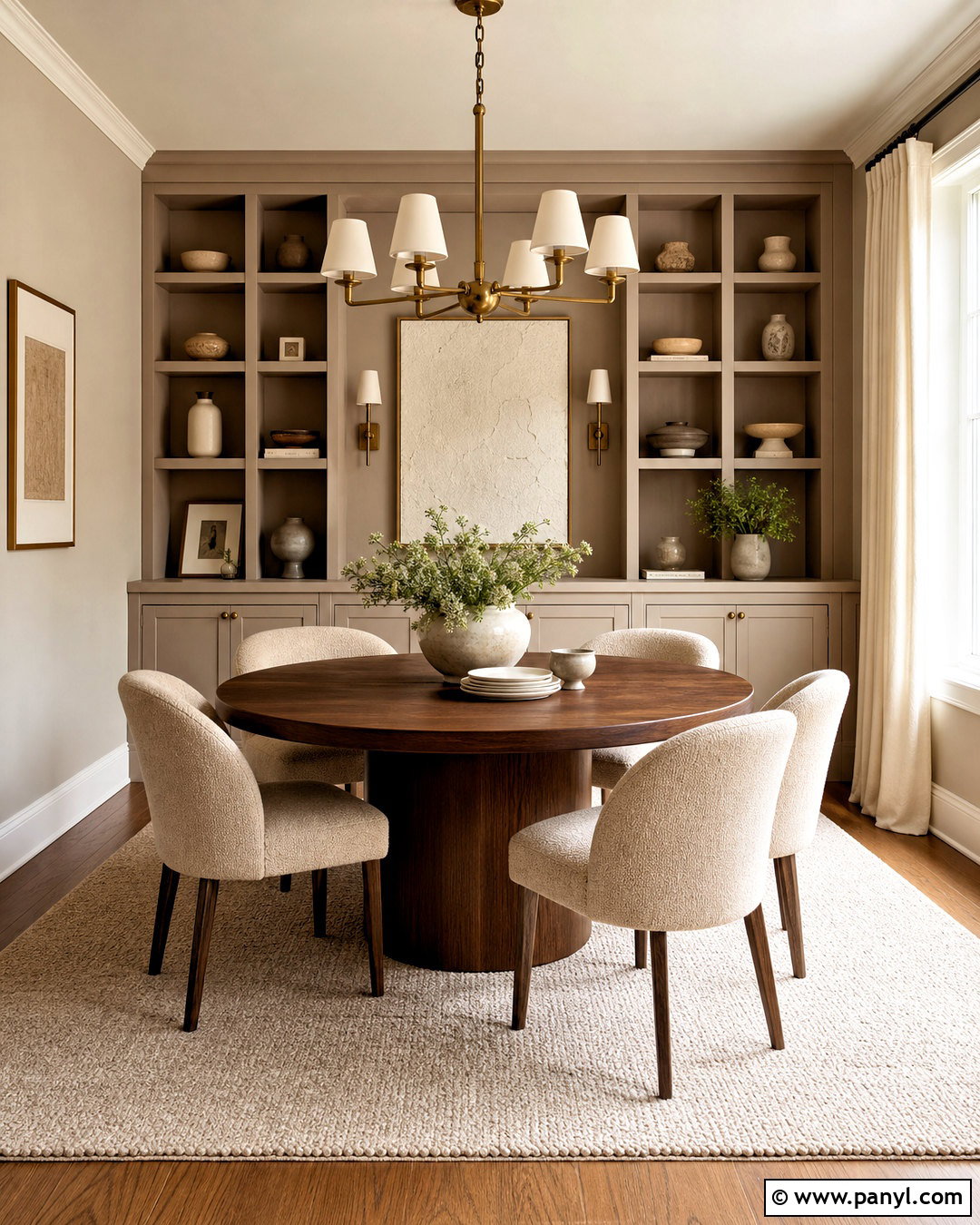
8. Blue-Gray Paint for Small Bedrooms
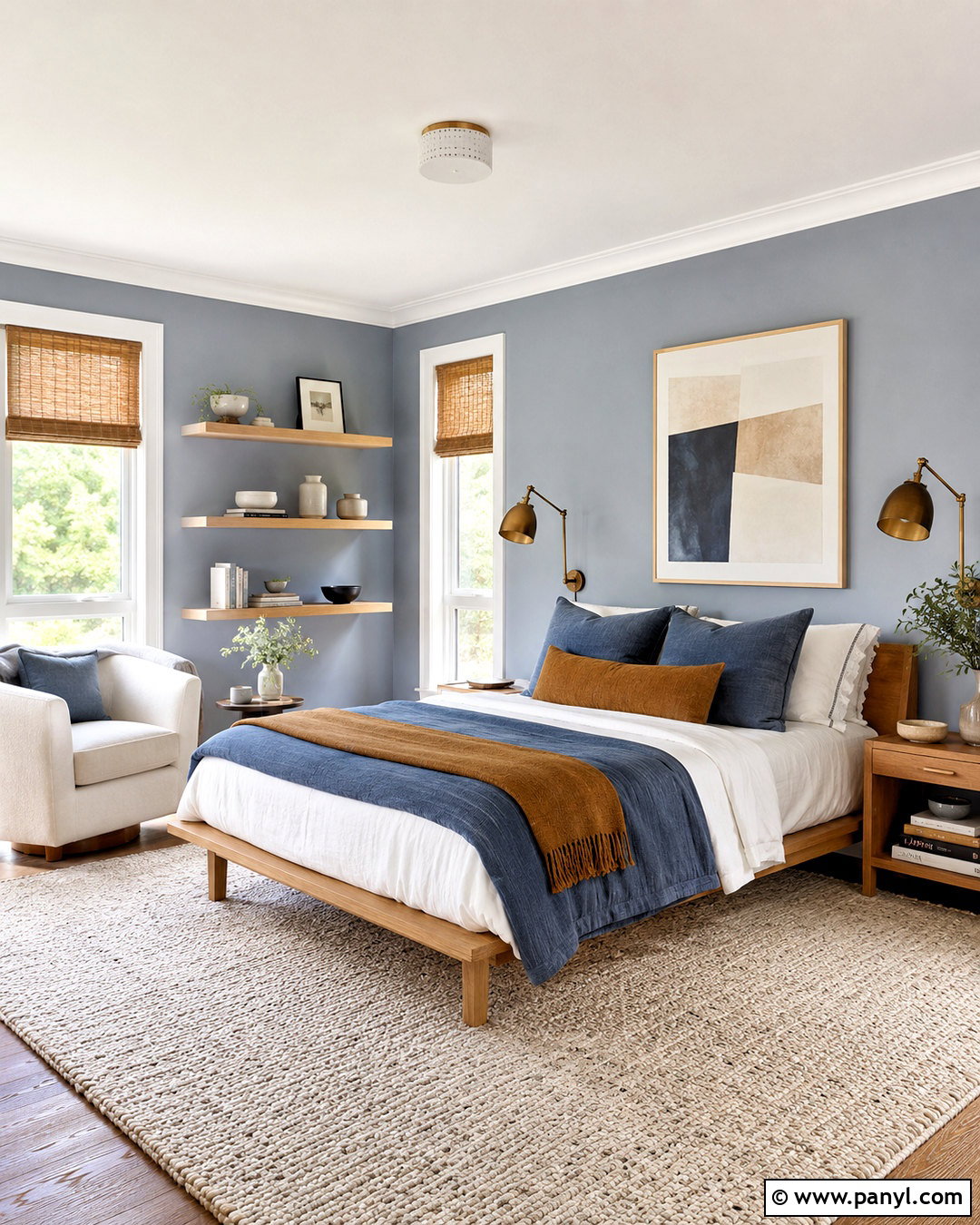
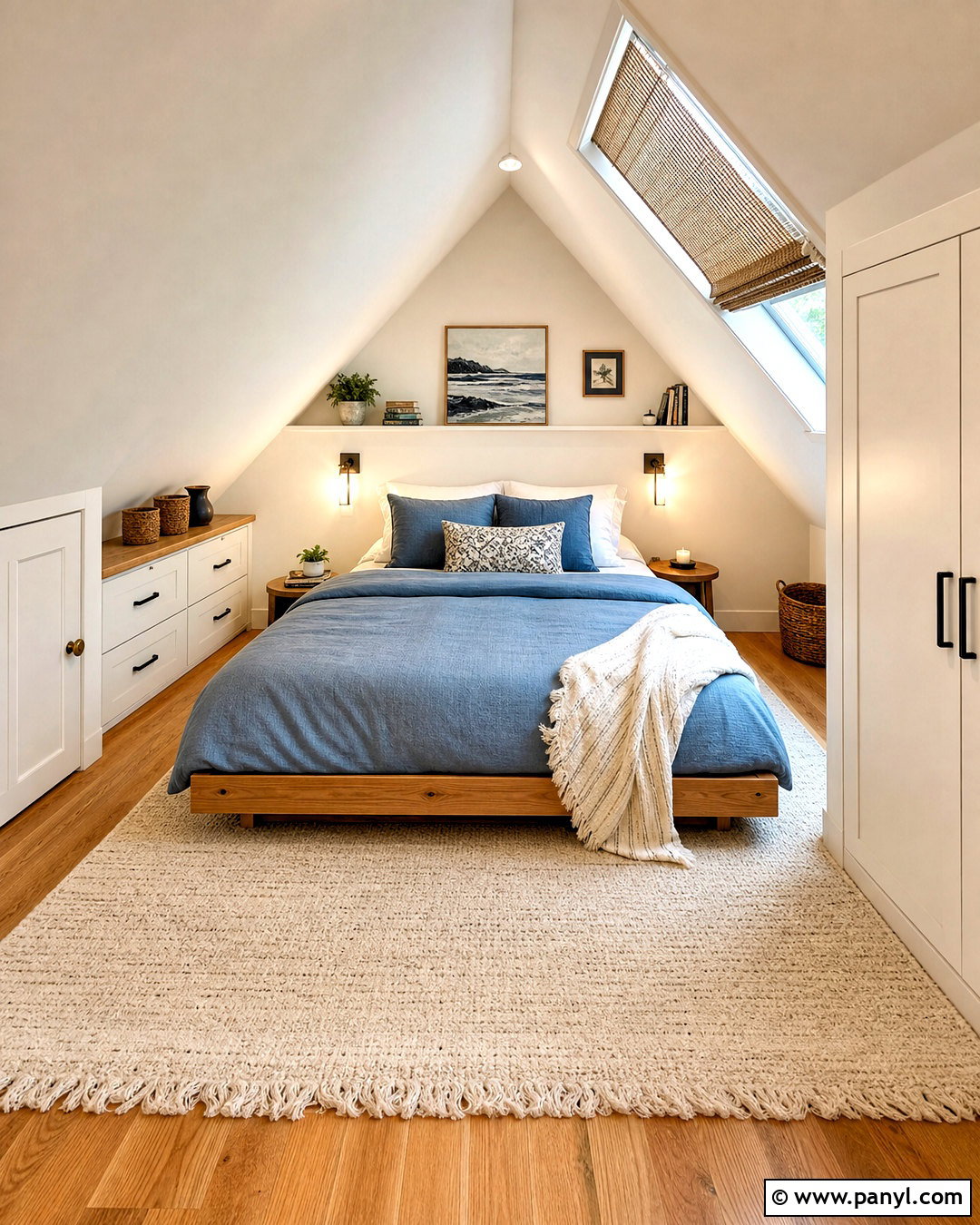
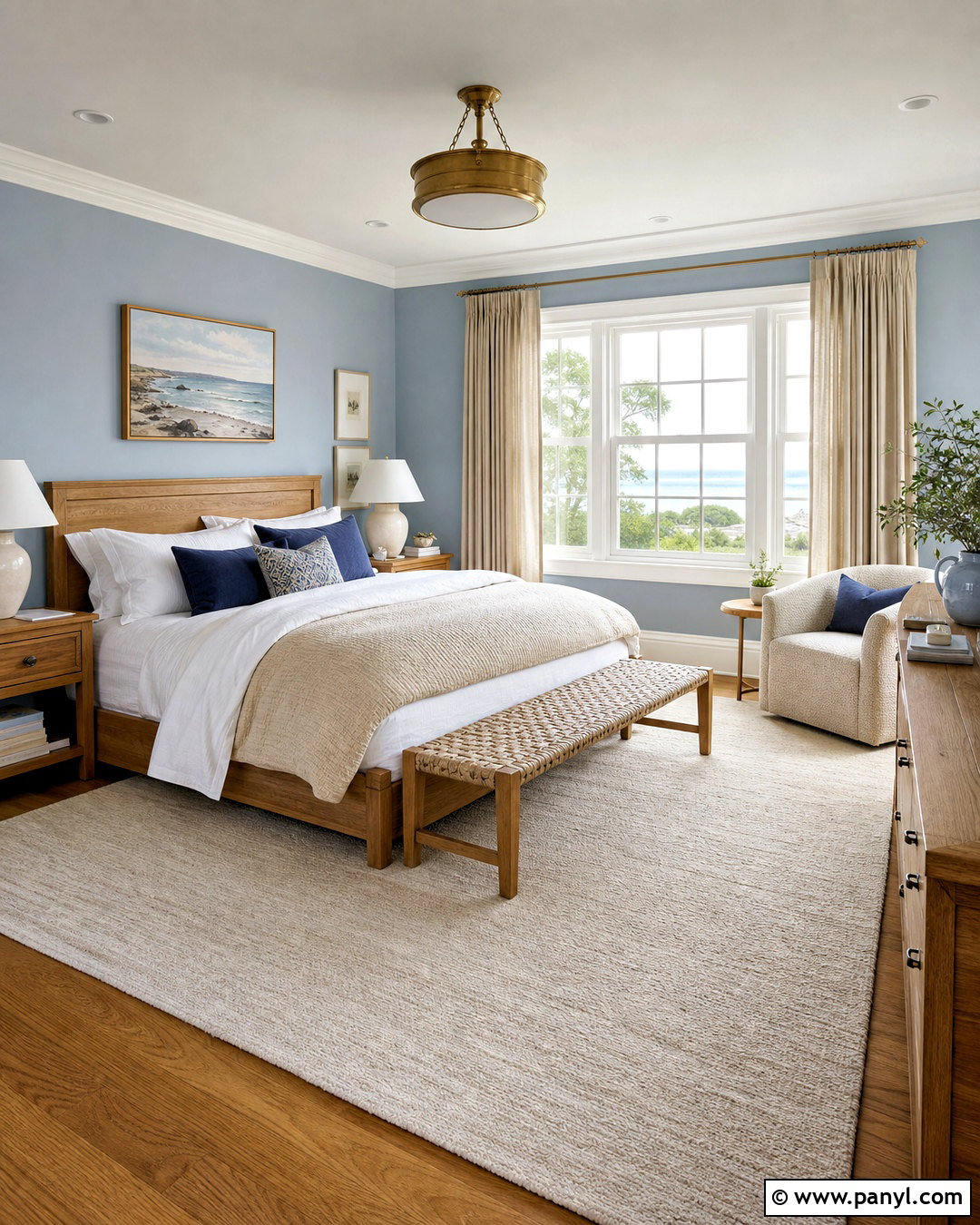
Blue-gray brings a restful sense of color while behaving much like a versatile neutral. Choose a light, softened version that does not turn icy in shadows. Wrap the walls in blue-gray, then use crisp white on the ceiling and narrow trim. A white oak platform bed keeps the furniture visually light. Layer the bed with white, slate blue, and warm camel textiles to balance the cool walls. Install floating shelves instead of traditional nightstands and place a compact dresser opposite the bed. Natural woven shades, a cream wool rug, and aged brass sconces add warmth and texture. Keep artwork simple and slightly oversized. This balanced scheme creates a serene bedroom that feels fresh, organized, and more expansive without becoming plain or colorless.
9. Powder Blue Paint for Small Bedrooms
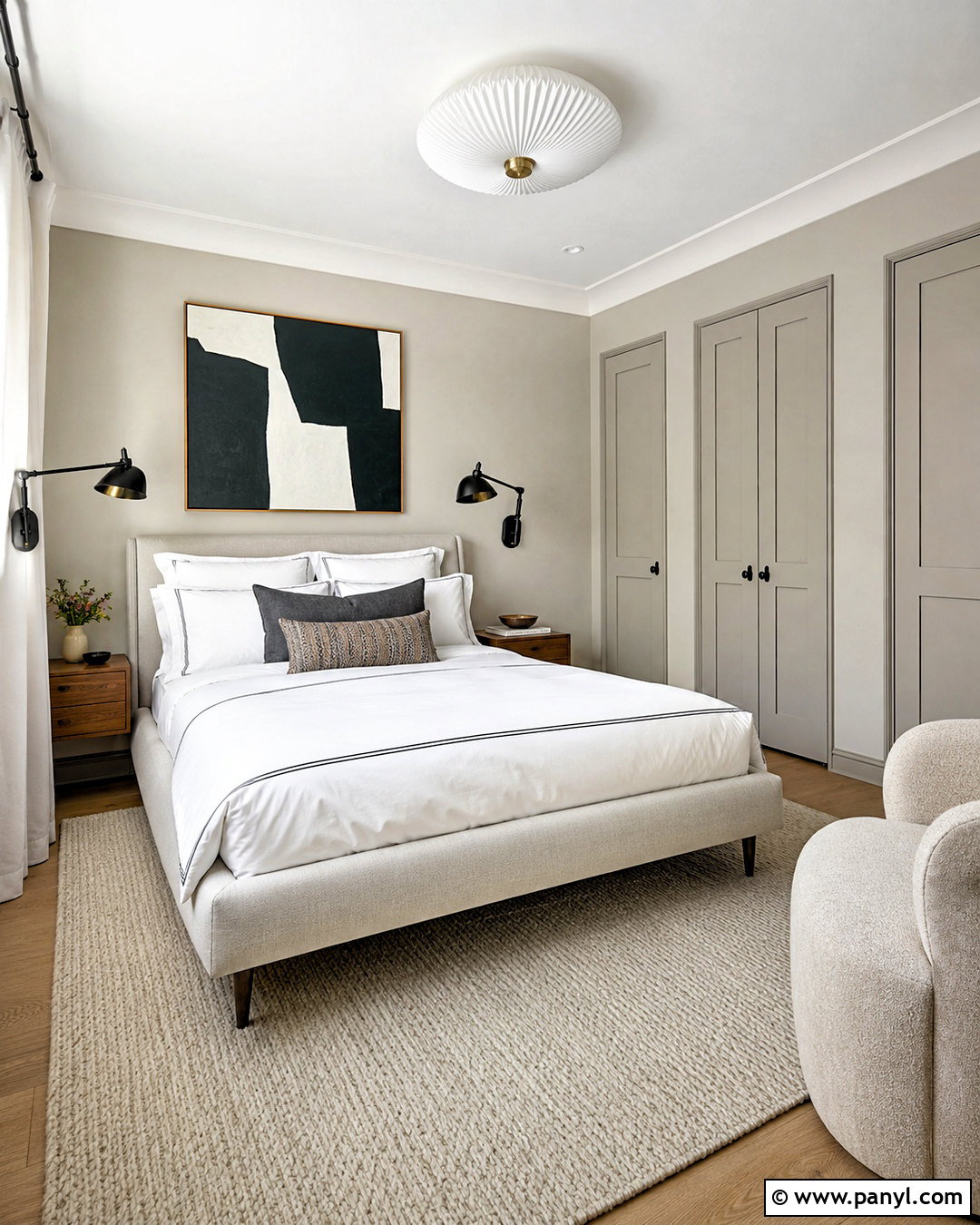
Powder blue can give a little bedroom the open feeling of a clear sky. Select a muted shade with a hint of gray rather than a sugary pastel. Use it across the walls and closet doors, pairing it with white trim and a pale ceiling. A painted white bed or light maple frame keeps the overall look breezy. Add white cotton bedding, navy piping, and one small rust-colored pillow for warmth. A striped flat-weave rug subtly stretches the room when its lines run across the narrowest dimension. Choose compact wall lights and a shallow dresser with simple hardware. Natural linen curtains and coastal landscape artwork complete the setting. The finished bedroom feels refreshing and timeless rather than overly themed.

10. Sky Blue Paint for Small Bedrooms
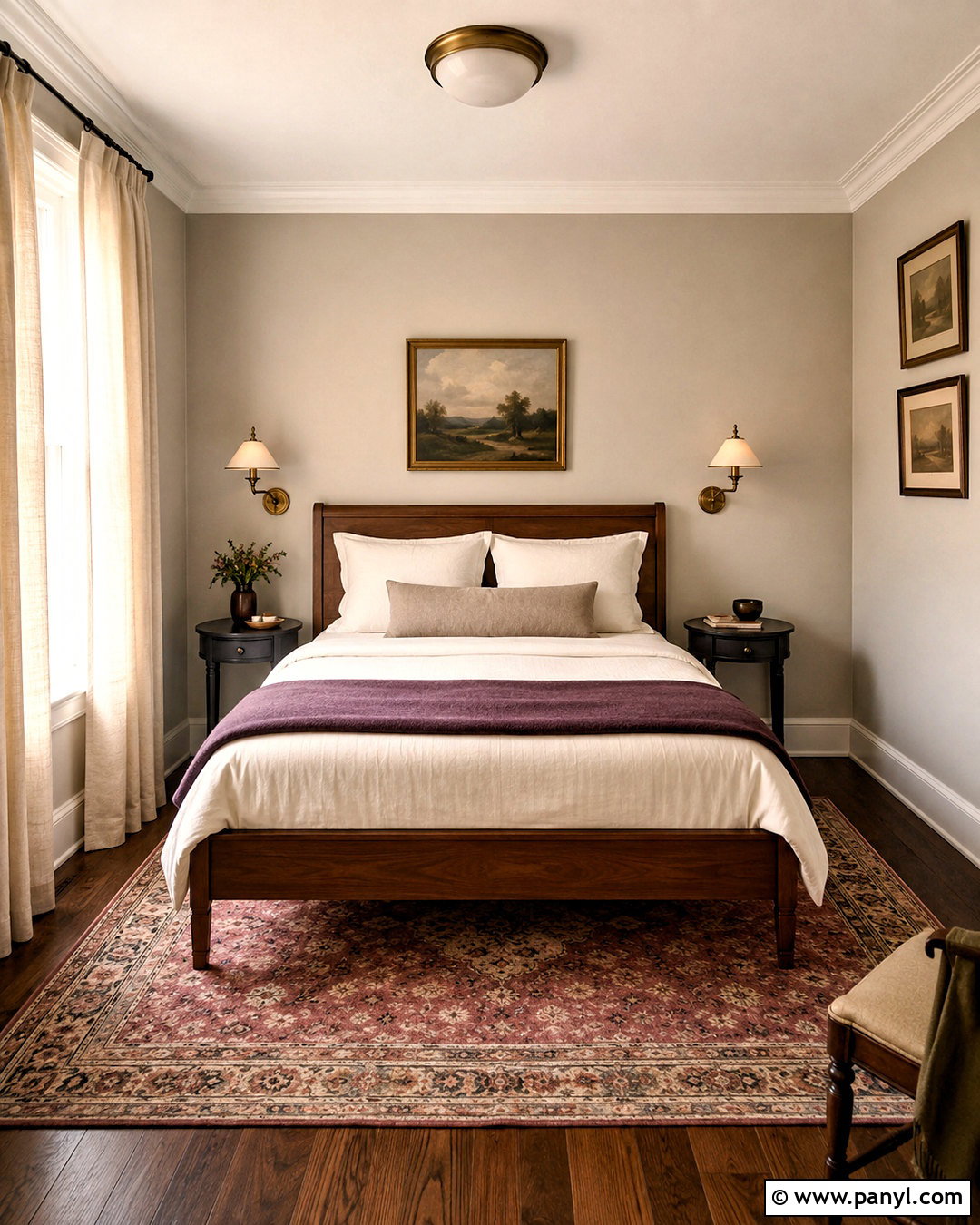
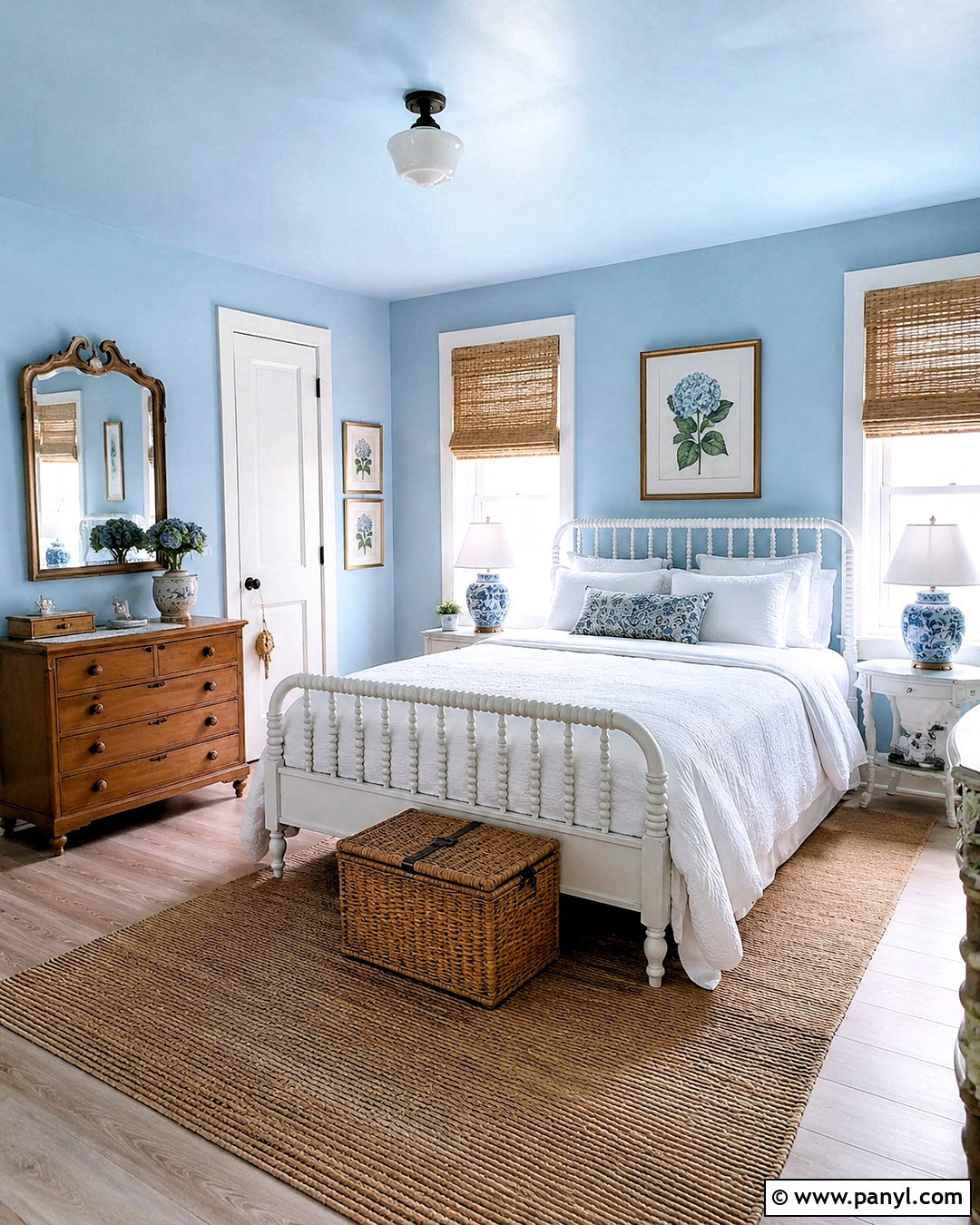
Imagine waking up in a room that feels bright before the curtains are opened. Soft sky blue reflects a cheerful quality and works particularly well in bedrooms with warm southern or western light. Paint the walls blue and repeat a diluted version on the ceiling for gentle continuity. Pair the color with a slim white spindle bed, bleached wood flooring, and cloud-white bedding. Introduce pale tan through a woven rug, bamboo shade, and small leather drawer pulls. A compact vintage dresser adds personality without overpowering the room. Keep the window treatment light and position a mirror where it can catch daylight. Simple ceramic lamps and botanical artwork create a relaxed, approachable bedroom with a noticeably fresh and open appearance.
11. Soft Sage Green Paint for Small Bedrooms
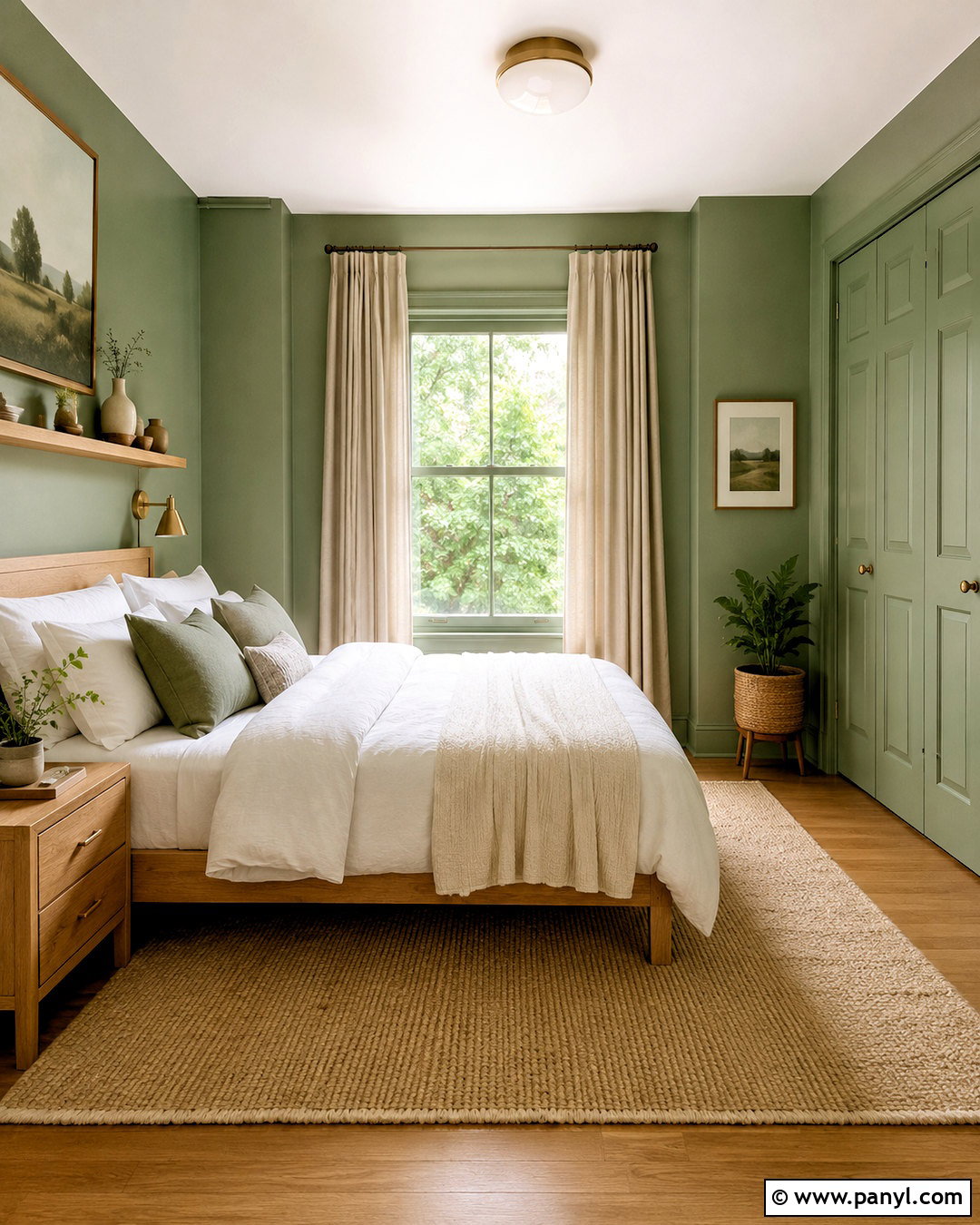
Soft sage green gives a compact bedroom a natural, soothing identity. Its gray undertone keeps the color understated, allowing it to work as a whole-room neutral. Paint the walls, closet doors, and trim in slightly varying sage tones for a layered but uninterrupted effect. Add a light oak bed, warm white bedding, and moss-green accent cushions. A beige wool rug brightens the floor, while flax-colored curtains bring softness to the window. Use aged brass sconces and a narrow wooden shelf in place of bulky bedside furniture. One framed landscape and a few handmade ceramics are enough decoration. The combination of muted green, pale wood, and natural fabric produces a calm bedroom that feels cohesive rather than cramped.
12. Muted Mint Paint for Small Bedrooms
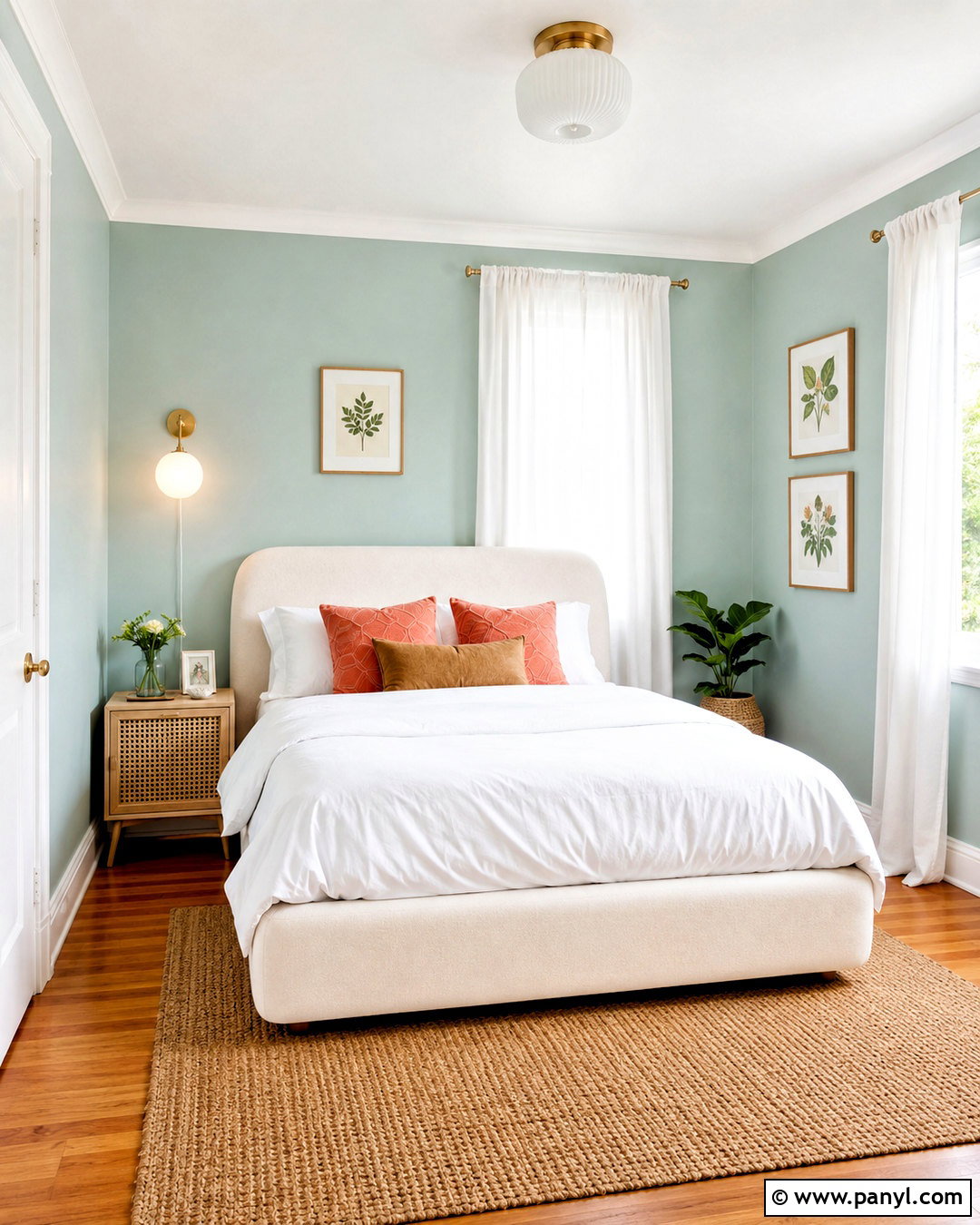
Muted mint brings energy to a small bedroom while remaining gentle and easy to decorate around. Avoid highly saturated green and choose a chalky mint with a touch of gray. Balance the walls with creamy white trim, warm oak flooring, and an ivory upholstered bed. Layer white bedding with soft coral and tan accents for a fresh but grown-up palette. A slim cane nightstand and wall-mounted globe light preserve valuable floor space. Use a natural woven rug to anchor the bed and choose sheer curtains that allow the mint walls to catch plenty of daylight. Small botanical prints can reinforce the color without creating a literal theme. This complete room feels lighthearted, modern, and brighter than an all-neutral space.
13. Pale Eucalyptus Paint for Small Bedrooms
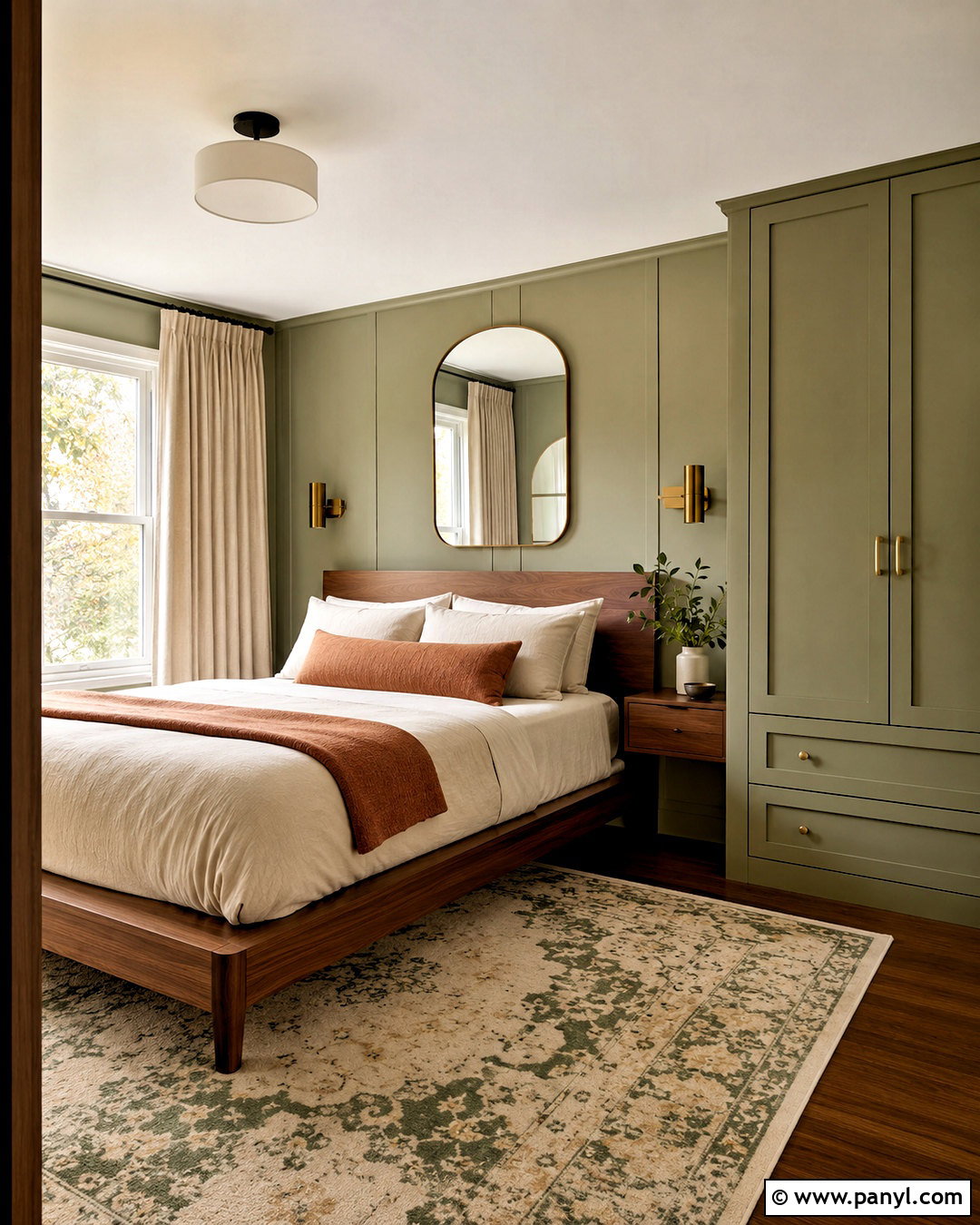
Pale eucalyptus sits between sage, blue, and gray, making it an adaptable paint color for a restful bedroom. It looks especially polished beside medium-toned wood and warm metallic details. Cover the walls in eucalyptus and use the same color on built-in storage so the cabinetry visually recedes. Add a walnut platform bed with ivory linen bedding and muted clay accents. A cream-and-green patterned rug introduces subtle movement while keeping the floor bright. Choose brushed brass sconces, a narrow floating nightstand, and a single arched mirror. Soft oatmeal curtains frame the window without competing with the walls. The final design feels earthy and contemporary, with enough color to create interest and enough visual continuity to flatter the compact layout.
14. Dusty Rose Paint for Small Bedrooms
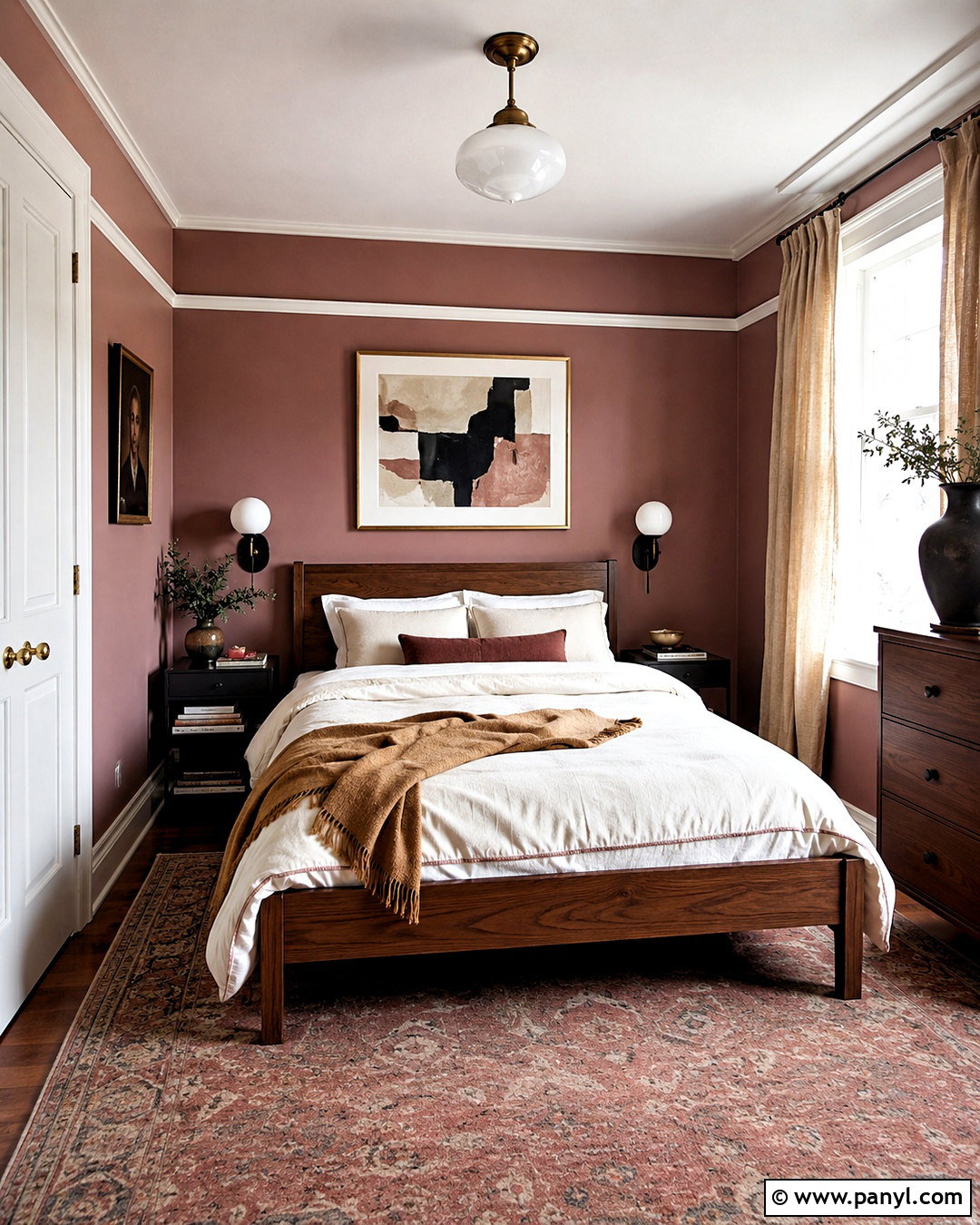
Dusty rose creates warmth without making a small bedroom look childish or overly sweet. The best version has muted brown or gray undertones, giving it the versatility of a neutral. Pair the walls with warm white trim and a simple walnut bed. Use ivory bedding, burgundy piping, and a camel-colored throw to deepen the palette. A vintage-style rug featuring faded rose, beige, and blue ties the room together. Choose compact black metal nightstands and small opal-glass sconces for sharper contrast. Linen curtains in natural flax soften the daylight. Limit decorative accessories to an abstract print and a dark ceramic vase. The complete look feels mature, cozy, and distinctive while maintaining the clean organization a limited floor plan requires.
15. Blush Pink Paint for Small Bedrooms
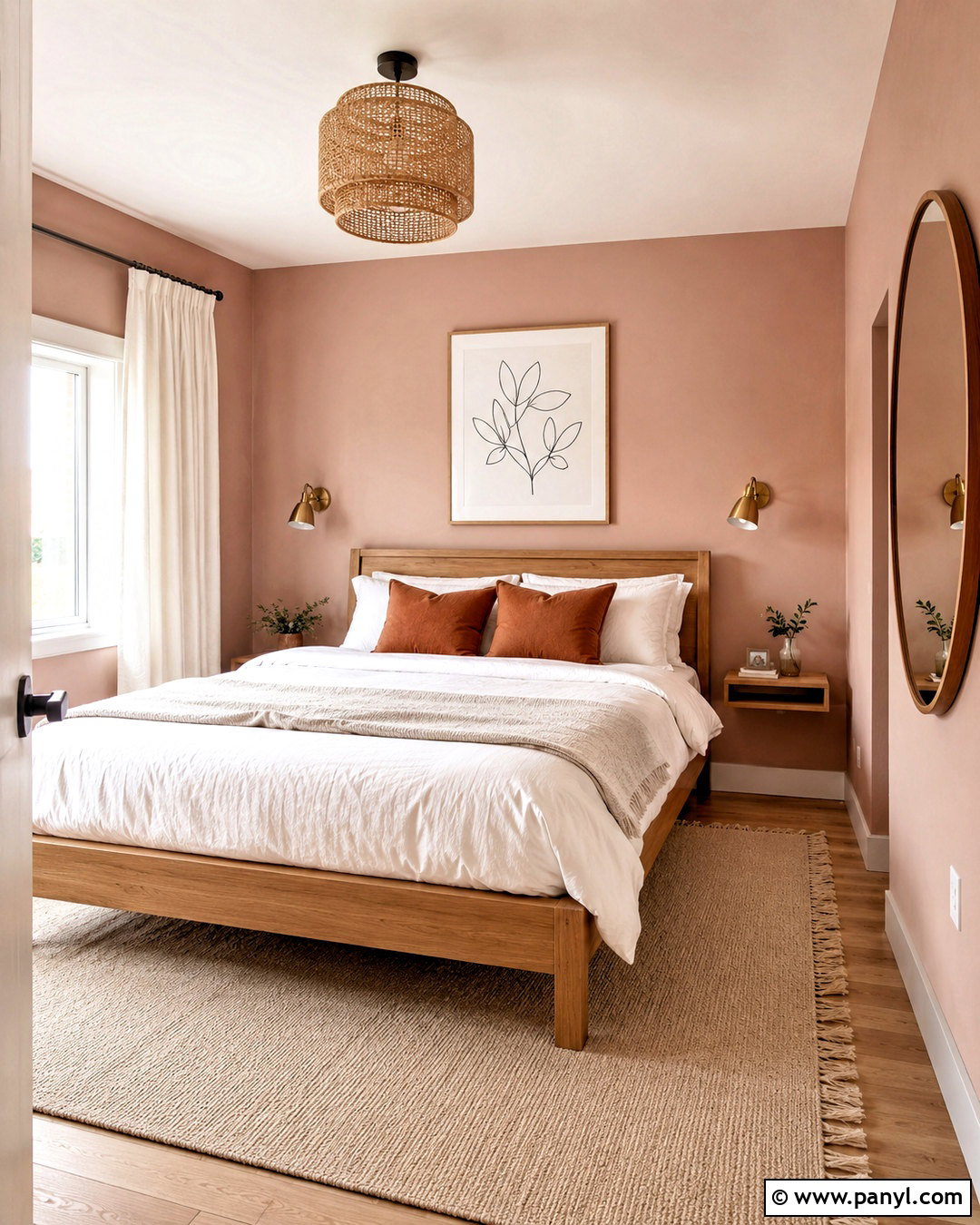
Blush pink can gently warm a tiny bedroom that feels cold or underdecorated. Select a pale, earthy pink rather than a bright bubblegum tone. Paint the walls blush and keep the ceiling creamy white to maintain height. A natural oak bed, white linen bedding, and cinnamon-colored accent pillows create a grounded palette. Add a light beige rug that extends beyond both sides of the bed, visually enlarging the sleeping area. Use a single floating shelf as a bedside surface and install a brass reading light above it. Ivory curtains, minimal line art, and a rounded wood-framed mirror complete the design. The result is soft but not fussy, offering a bright, comfortable room with plenty of warmth and personality.
16. Lavender Gray Paint for Small Bedrooms
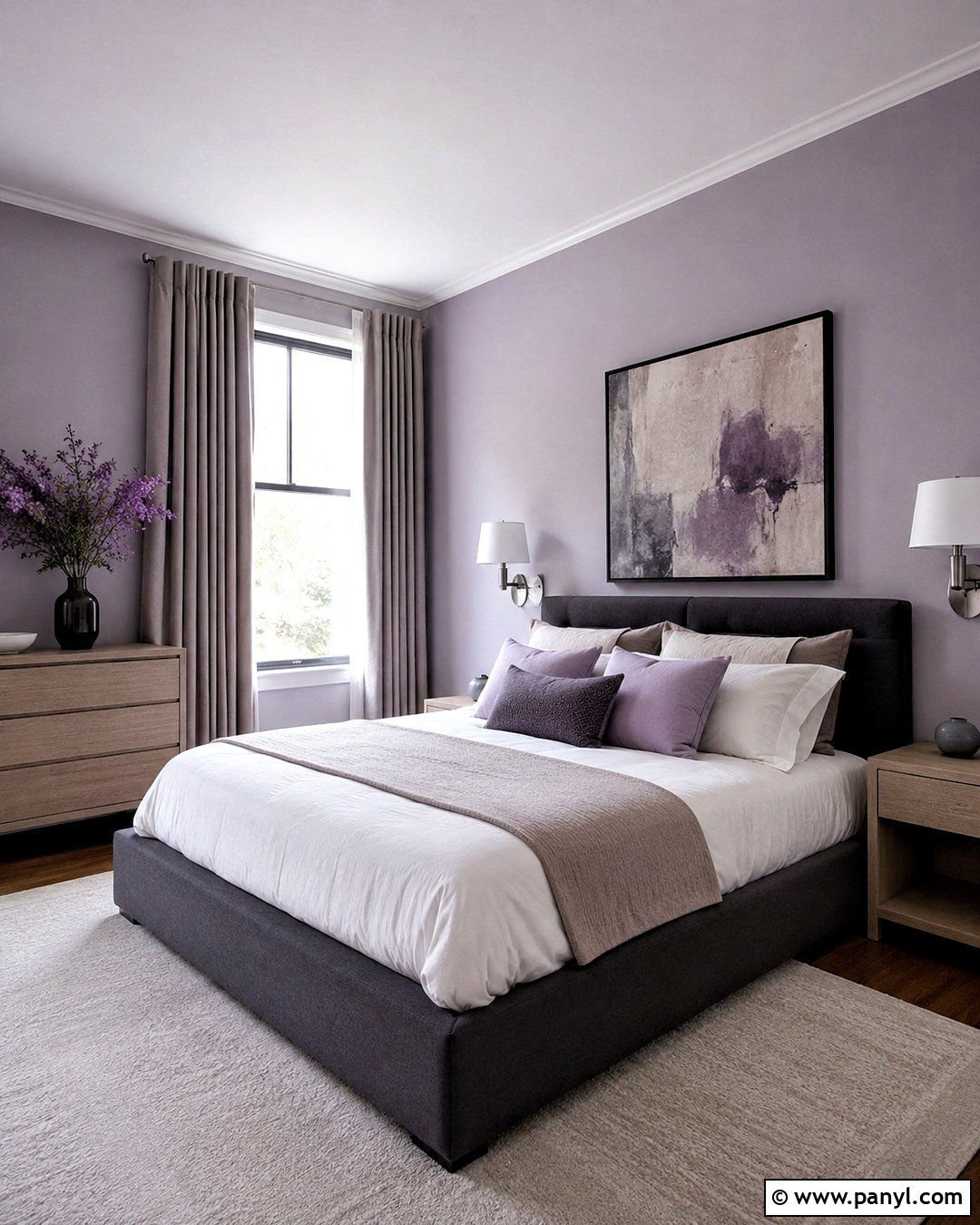
Lavender gray introduces subtle color that changes beautifully between daylight and lamplight. Its cool purple undertone feels restful, while the gray base keeps the room polished. Apply it to the walls and use a lighter lavender-tinted white on the ceiling. Pair the color with a charcoal upholstered bed, crisp white sheets, and muted lilac and taupe pillows. A pale oak dresser prevents the darker headboard from dominating the layout. Choose silver-toned sconces and a soft ivory rug for a quiet, balanced finish. Full-length curtains in warm gray can make the window appear taller. Add one large abstract print instead of several small frames. The coordinated room feels serene, sophisticated, and visually tidy despite its compact dimensions.
17. Soft Peach Paint for Small Bedrooms
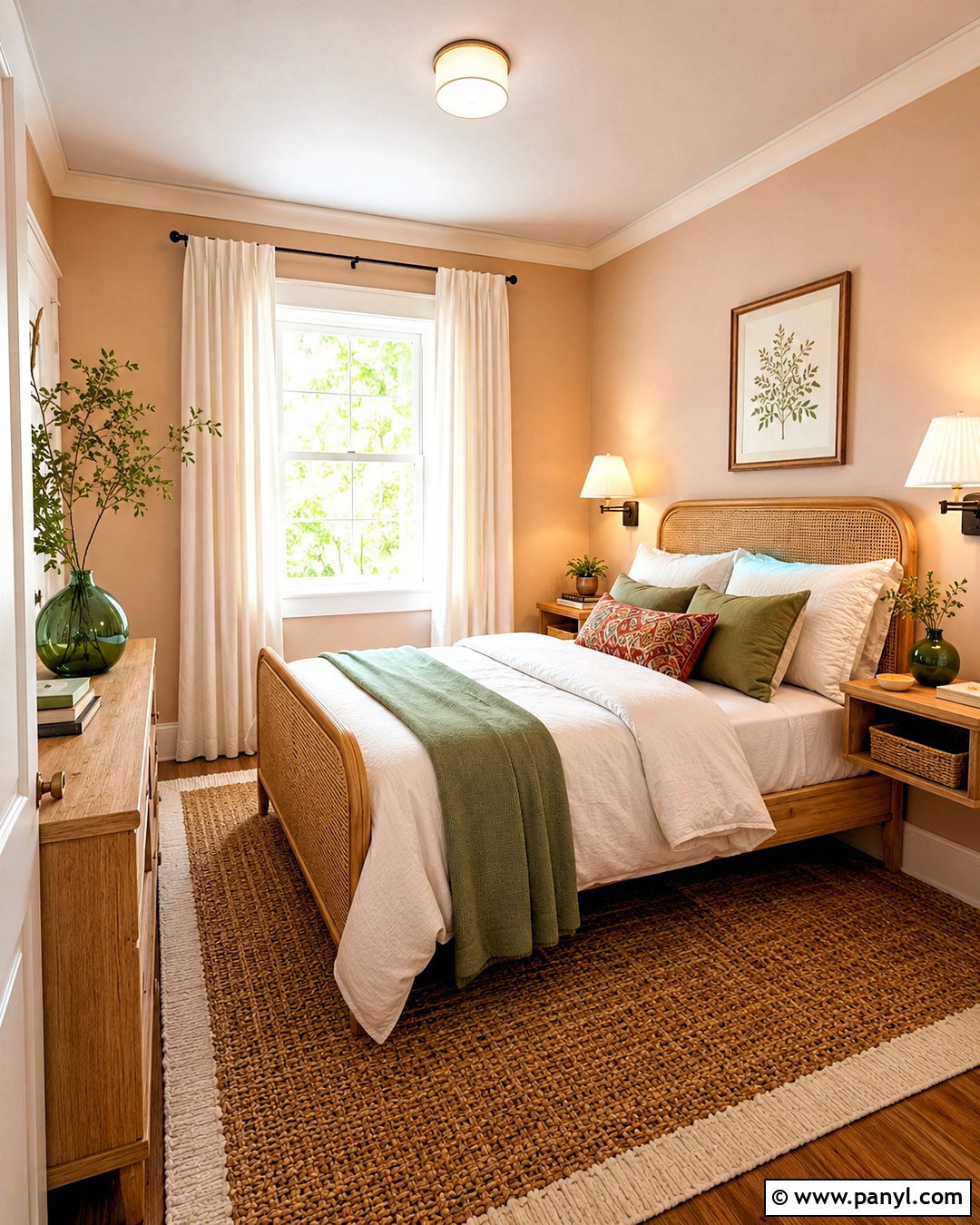
Soft peach catches natural light and gives a small bedroom a healthy, welcoming glow. Choose a pale shade with beige undertones to avoid an overly bright or juvenile result. Pair it with creamy trim, a cane bed, and light oak furniture. Dress the bed in white linen with muted green and terracotta accents. A natural jute-and-wool rug keeps the palette grounded, while ivory curtains soften the edges of the window. Install small plug-in sconces above narrow floating nightstands to maximize usable floor area. A botanical print and a glazed green vase provide controlled contrast. The complete scheme combines warmth, texture, and gentle color, creating an upbeat bedroom that still feels restful enough for everyday sleeping.
18. Butter Yellow Paint for Small Bedrooms
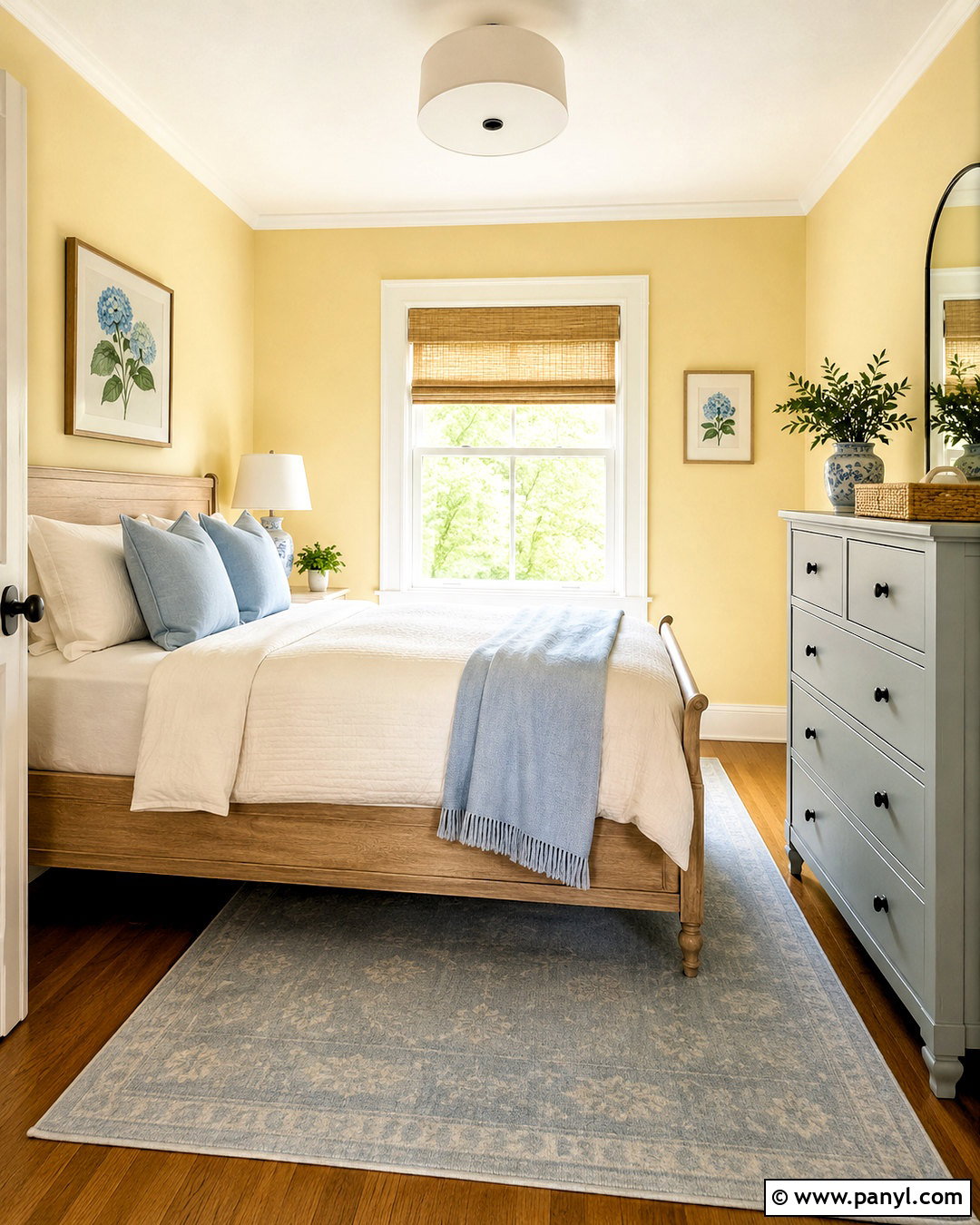
A restrained butter yellow can brighten a bedroom with limited daylight and create a warm, cheerful backdrop. Choose a creamy, desaturated yellow instead of a bold primary hue. Paint the walls yellow, then use warm white for the trim and ceiling. Balance the sunny color with a white oak bed, ivory bedding, and pale blue pillows. A light blue-gray rug cools the palette and makes the floor feel more open. Add a compact painted dresser, woven window shade, and small ceramic table lamp. Keep metal finishes matte black for clean definition. Simple floral artwork can repeat the yellow and blue without adding clutter. The completed room feels fresh and welcoming, with a classic color combination that remains easy to live with.
19. Deep Navy Paint for Small Bedrooms
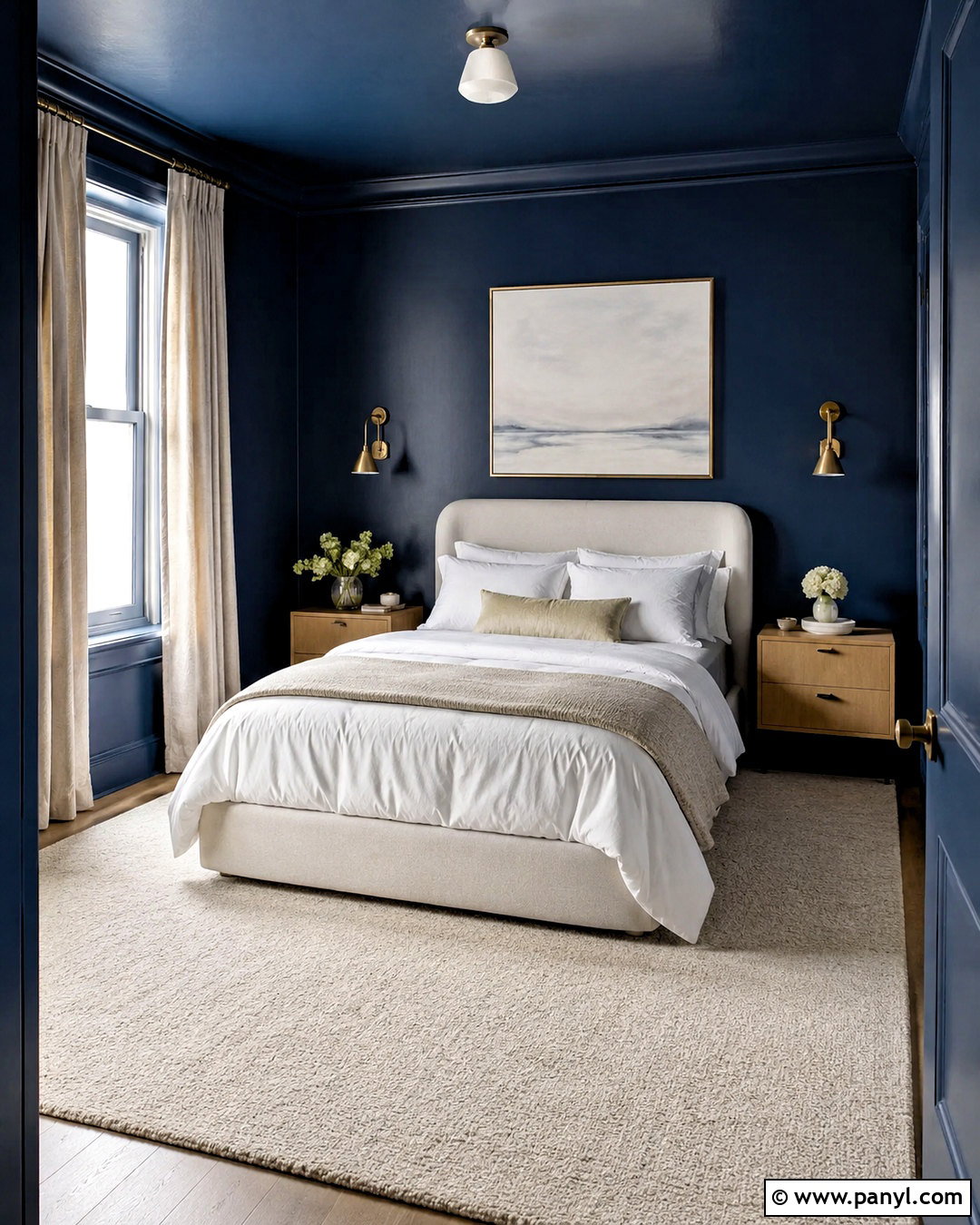
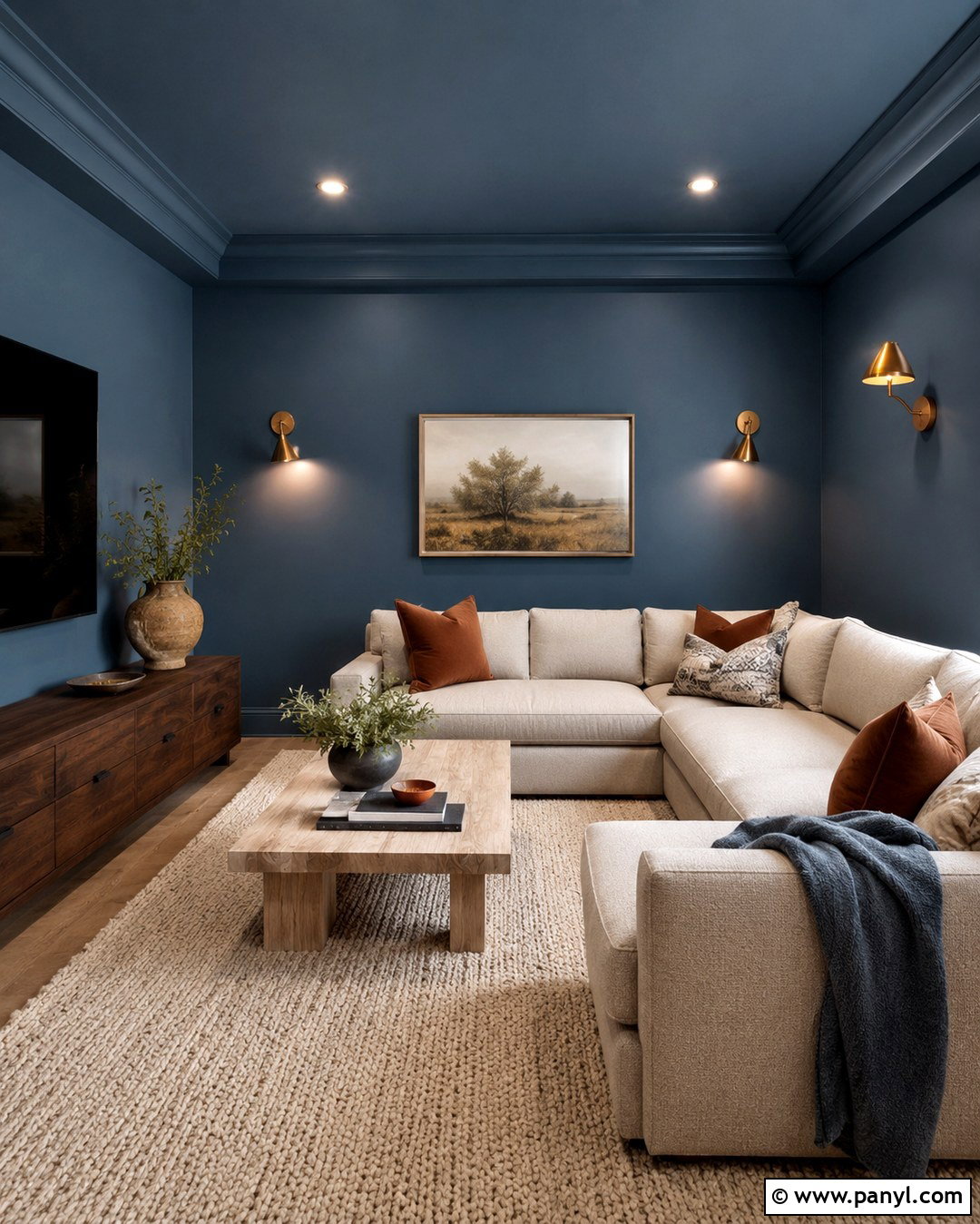
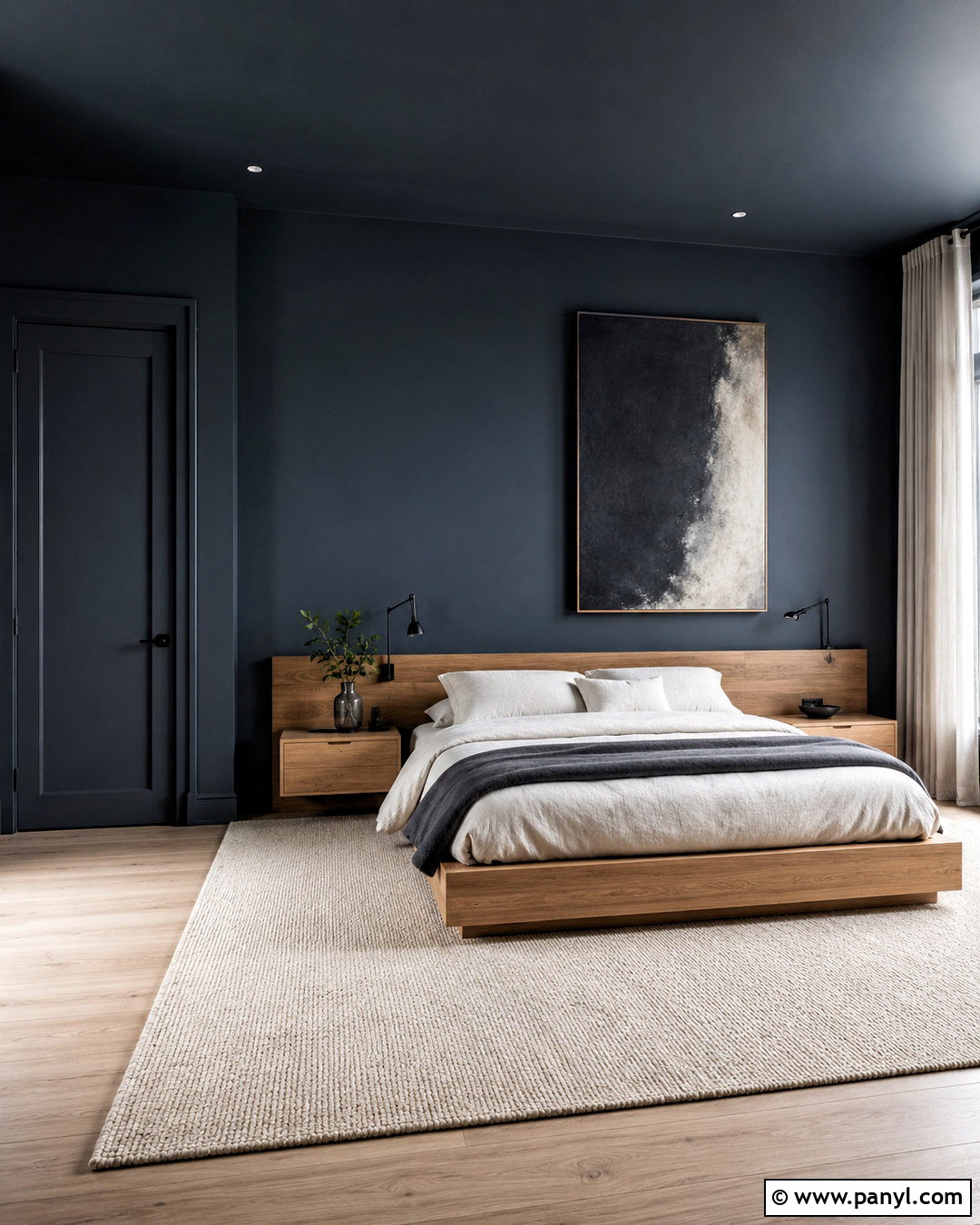
Deep navy proves that a small bedroom does not always need pale walls. Used across the walls, trim, doors, and ceiling, navy can blur hard boundaries and turn limited dimensions into a deliberate, cocooning feature. () Balance the saturated paint with an ivory upholstered bed and bright white bedding. Choose pale oak nightstands, a cream rug, and full-length natural linen curtains to introduce light surfaces. Aged brass sconces provide warm contrast and prevent the palette from feeling cold. Keep furniture low and artwork limited to one large, light-toned piece above the bed. With layered lighting and restrained accessories, the finished room feels dramatic, comfortable, and sophisticated rather than crowded or gloomy.
20. Forest Green Paint for Small Bedrooms
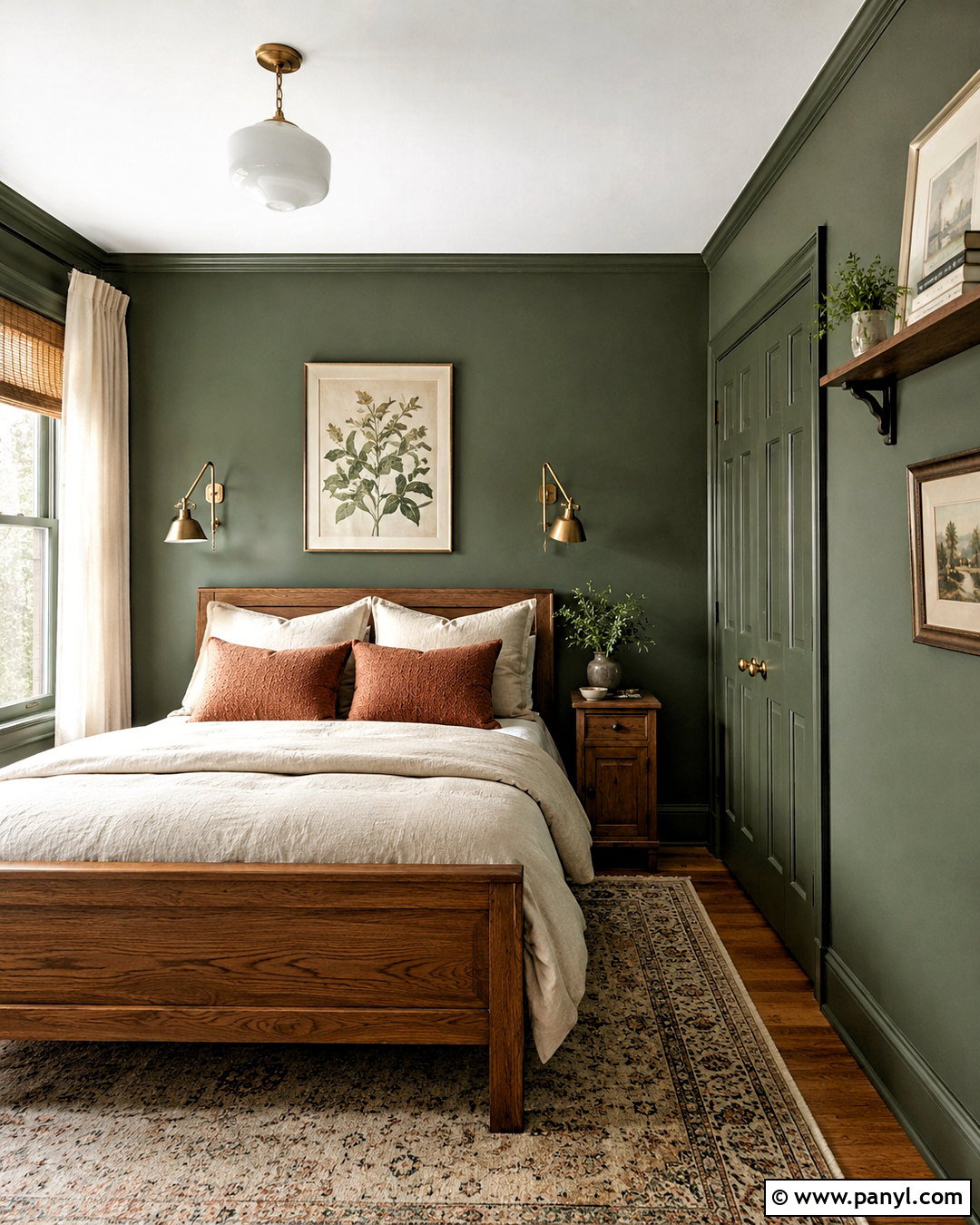
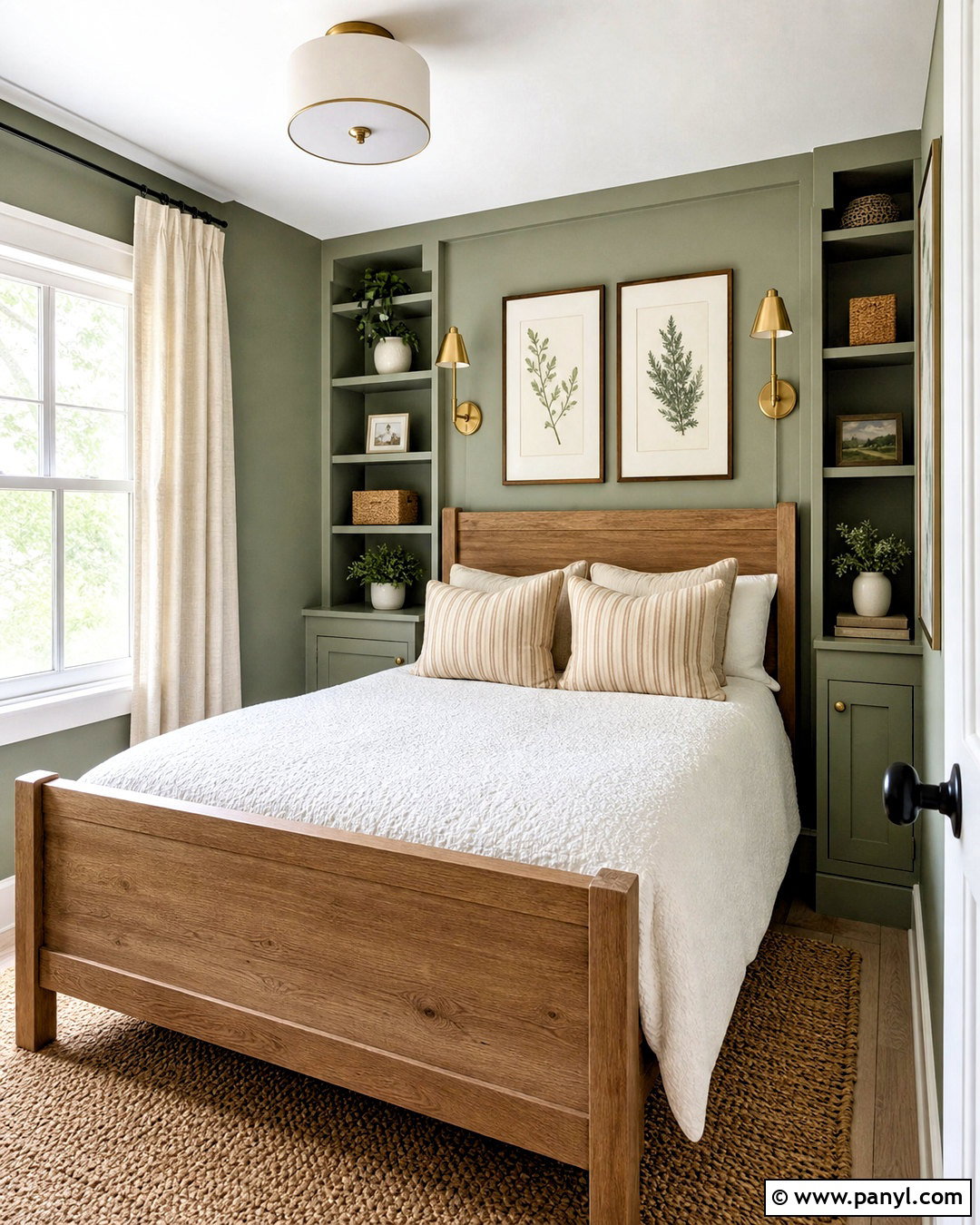
Forest green can turn a compact bedroom into a rich, restorative retreat. Select a deep, slightly muted shade and apply it to the walls, closet doors, and trim for an uninterrupted background. Leave the ceiling warm white if the room receives little daylight, or continue the green overhead for a stronger cocoon effect. Add a medium oak bed, creamy linen bedding, and rust-colored pillows. A light vintage rug brightens the floor, while brass sconces create a warm glow against the green. Use one narrow wooden nightstand and a wall-mounted shelf where space is tight. Natural curtains and botanical artwork complete the connection to nature. This full design embraces the room’s size instead of unsuccessfully trying to disguise it.
Conclusion:
The most effective **20 paint colors for small bedrooms** offer more than attractive walls. Each color should connect naturally with the ceiling, trim, furniture, flooring, lighting, and textiles. Warm whites, creams, greiges, pastels, and muted earth tones can create a bright, continuous background. Deep navy and forest green offer an equally appealing alternative when you want intimacy and depth. Before buying paint, place large sample boards beside your flooring and bedding. Check them in morning, afternoon, and artificial light. Keep strong contrasts controlled, choose furniture with an appropriate scale, and leave some surfaces visually quiet. With a cohesive palette and thoughtful layout, even the smallest bedroom can feel polished, comfortable, and complete.

Related Ideas and Inspiration:


Leave a Reply