
The right bedroom paint can make a small room feel open, turn a plain space into a cozy retreat, and connect every piece of furniture and decor. These 20 room wall colors bedrooms explore restful neutrals, nature-inspired greens, soft pastels, and confident dark shades. Each palette is presented as a complete bedroom look, including trim, flooring, bedding, lighting, and accent materials. Before choosing, test a large painted sample beside your bed and observe it during the morning, afternoon, and evening. Natural light, bulb temperature, and existing wood tones can dramatically change the undertones you see. Whether you prefer airy simplicity or a cocooning finish, these complete schemes make it easier to compare 20 room wall colors bedrooms.

1. Warm White Bedroom Wall Color

Warm white walls create a bright bedroom without the sharp, clinical feeling of pure white. Choose a creamy white with subtle beige or yellow undertones, then continue it onto simple trim for a seamless background. Ground the room with a natural oak bed, woven bench, and light tan rug. Layer white cotton sheets with oatmeal linen bedding and one muted rust lumbar pillow for gentle contrast. Brushed brass sconces introduce warmth without making the design ornate. Hang one large landscape print above the headboard rather than several small pieces. This complete palette works especially well in north-facing bedrooms because the warm undertone balances cooler daylight. Use eggshell paint on walls and a durable satin finish on trim.
2. Soft Greige Bedroom Wall Color
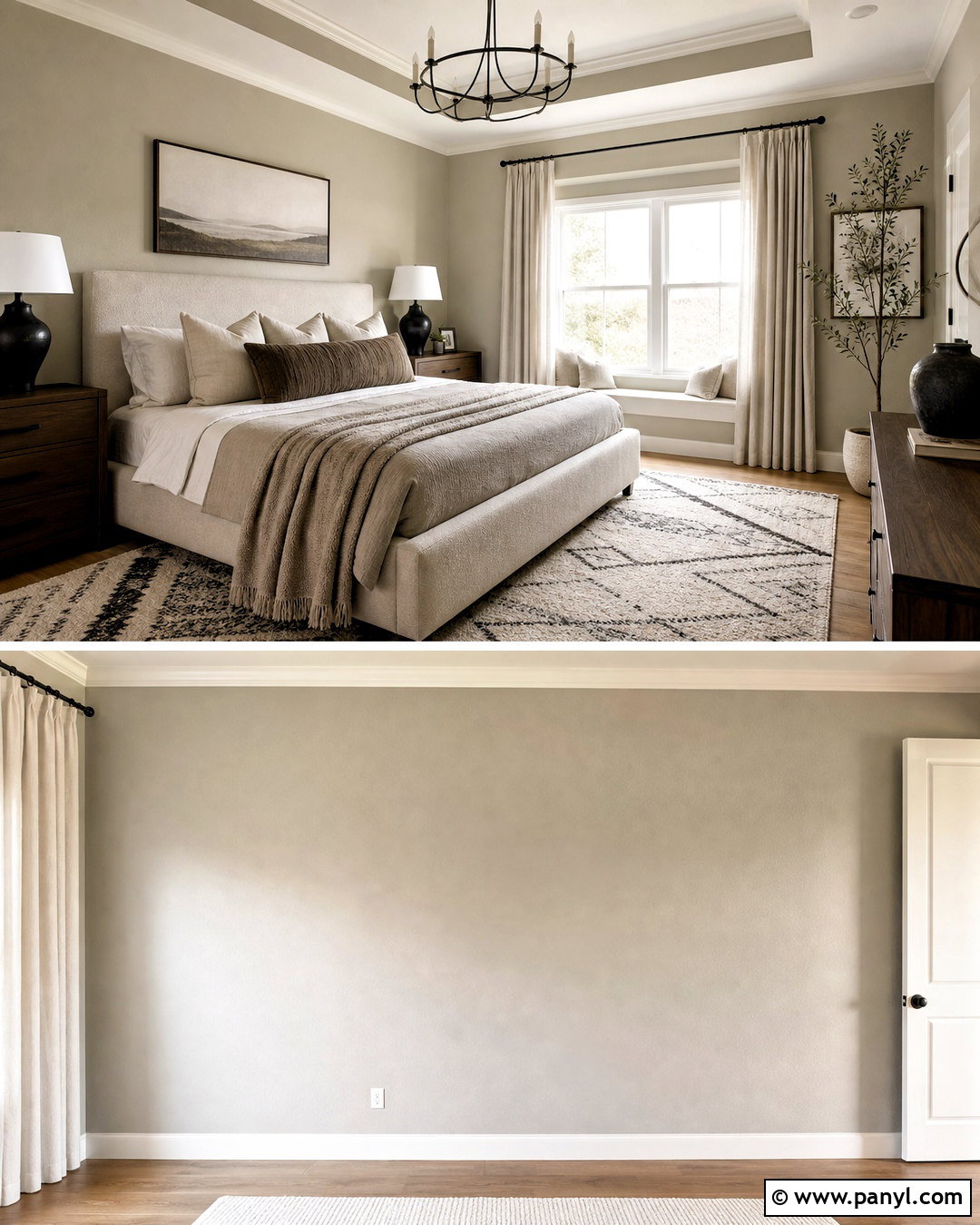
Soft greige combines the flexibility of gray with the inviting warmth of beige. It is an easy choice when your bedroom contains a mix of black, brown, cream, and natural wood finishes. Paint all four walls in a light mushroom greige and use creamy white for the ceiling, doors, and baseboards. Add an upholstered oatmeal bed, walnut nightstands, and matte black reading lamps to sharpen the neutral palette. Ivory bedding, taupe pillows, and a subtle striped throw provide quiet layers without creating visual clutter. Choose a large wool-look rug in cream and charcoal to anchor the bed. This balanced scheme suits modern, transitional, and farmhouse bedrooms while leaving room for seasonal accent colors.
3. Sage Green Bedroom Wall Color

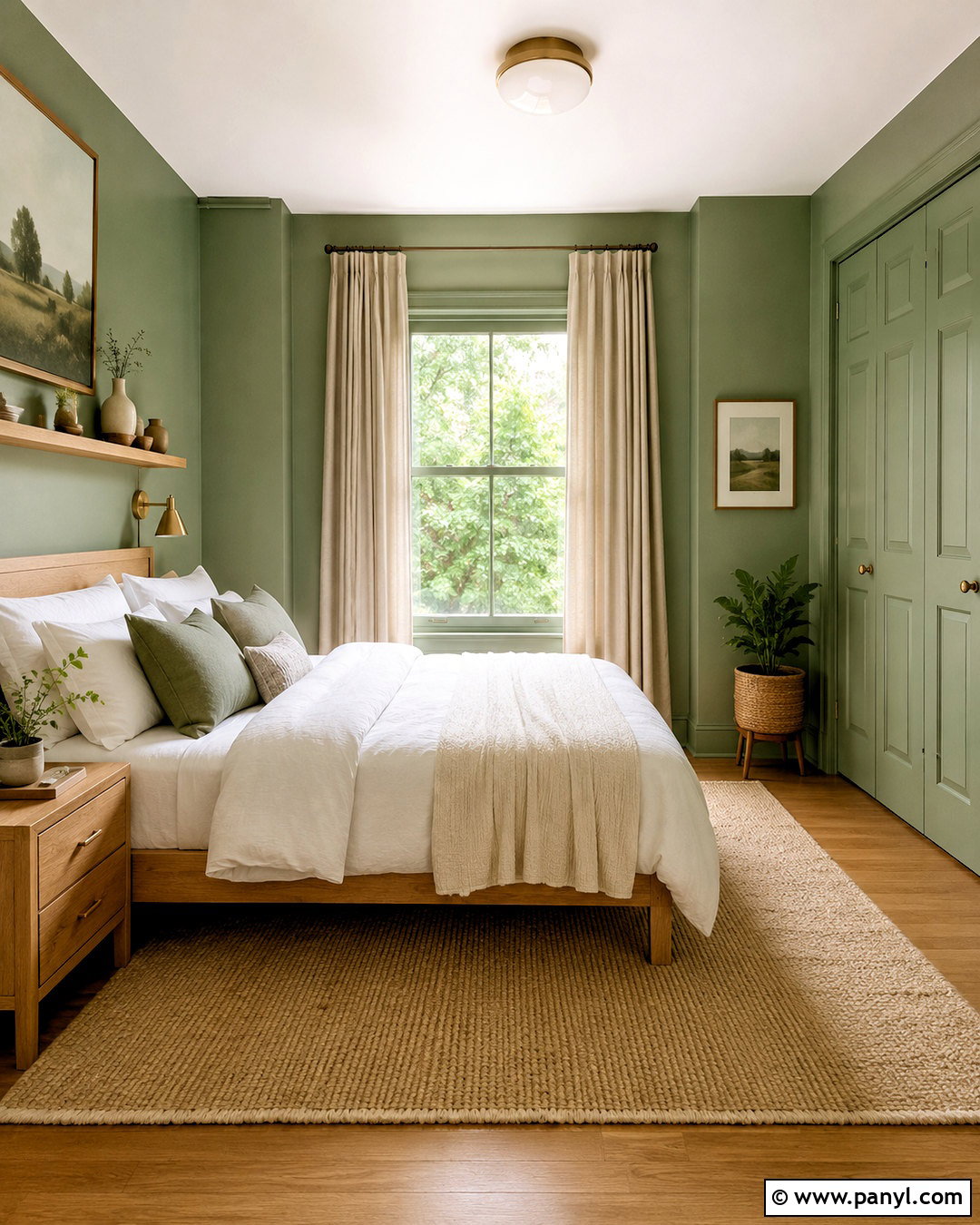
Muted sage green brings a natural, grounded feeling to a bedroom while remaining easy to decorate. Select a gentle gray-green rather than a bright herbal shade, and pair it with warm white trim. A medium oak bed and matching nightstands strengthen the connection to nature. Dress the bed in ivory linen, moss green pillows, and a camel-colored throw. Add woven shades, ceramic lamps, and one or two framed botanical prints with plenty of blank space around them. A textured cream rug keeps the room light and comfortable underfoot. For a more immersive effect, paint the closet doors sage as well. This complete bedroom palette feels calm, organic, and polished without depending on overly rustic accessories.
4. Dusty Blue Bedroom Wall Color
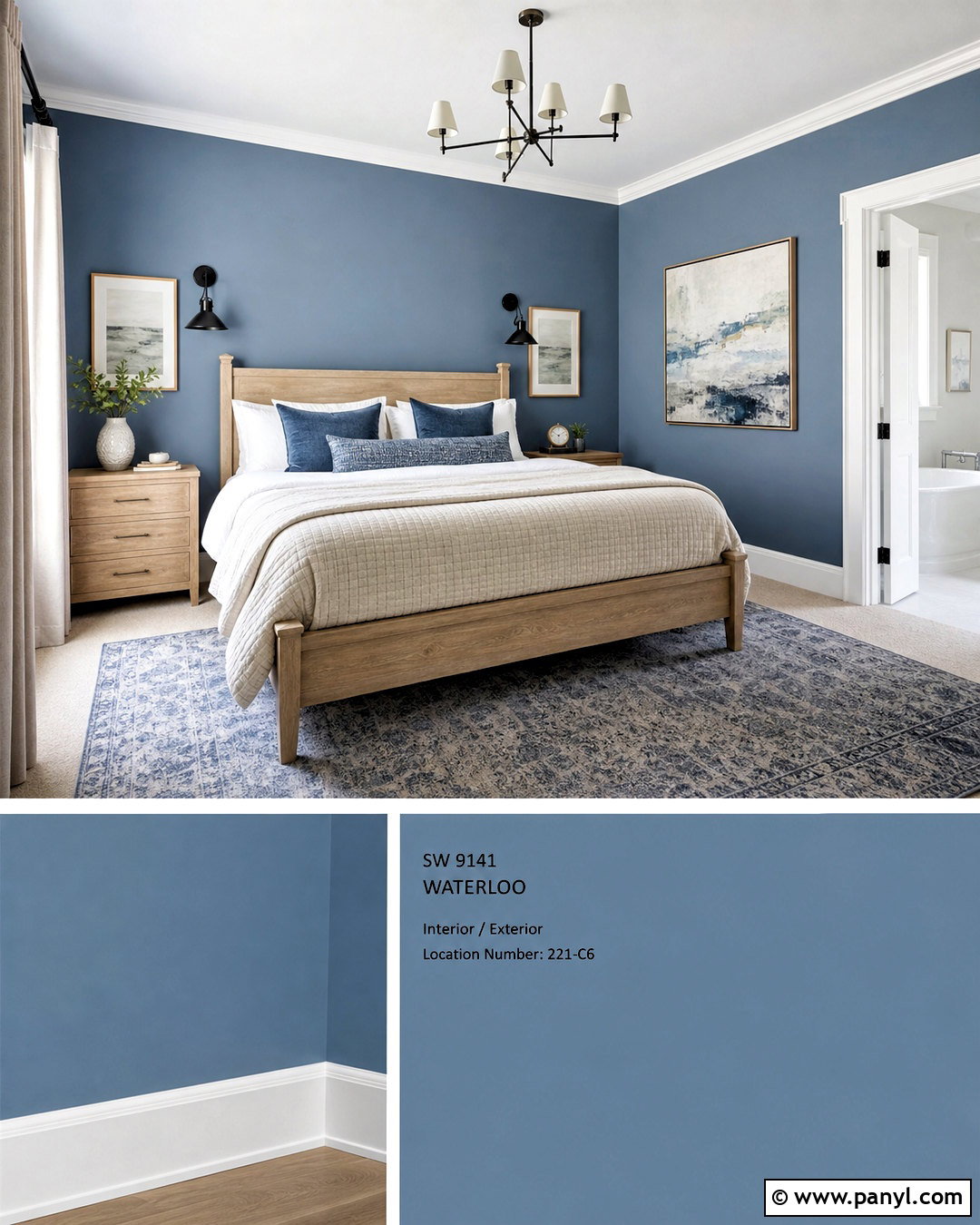
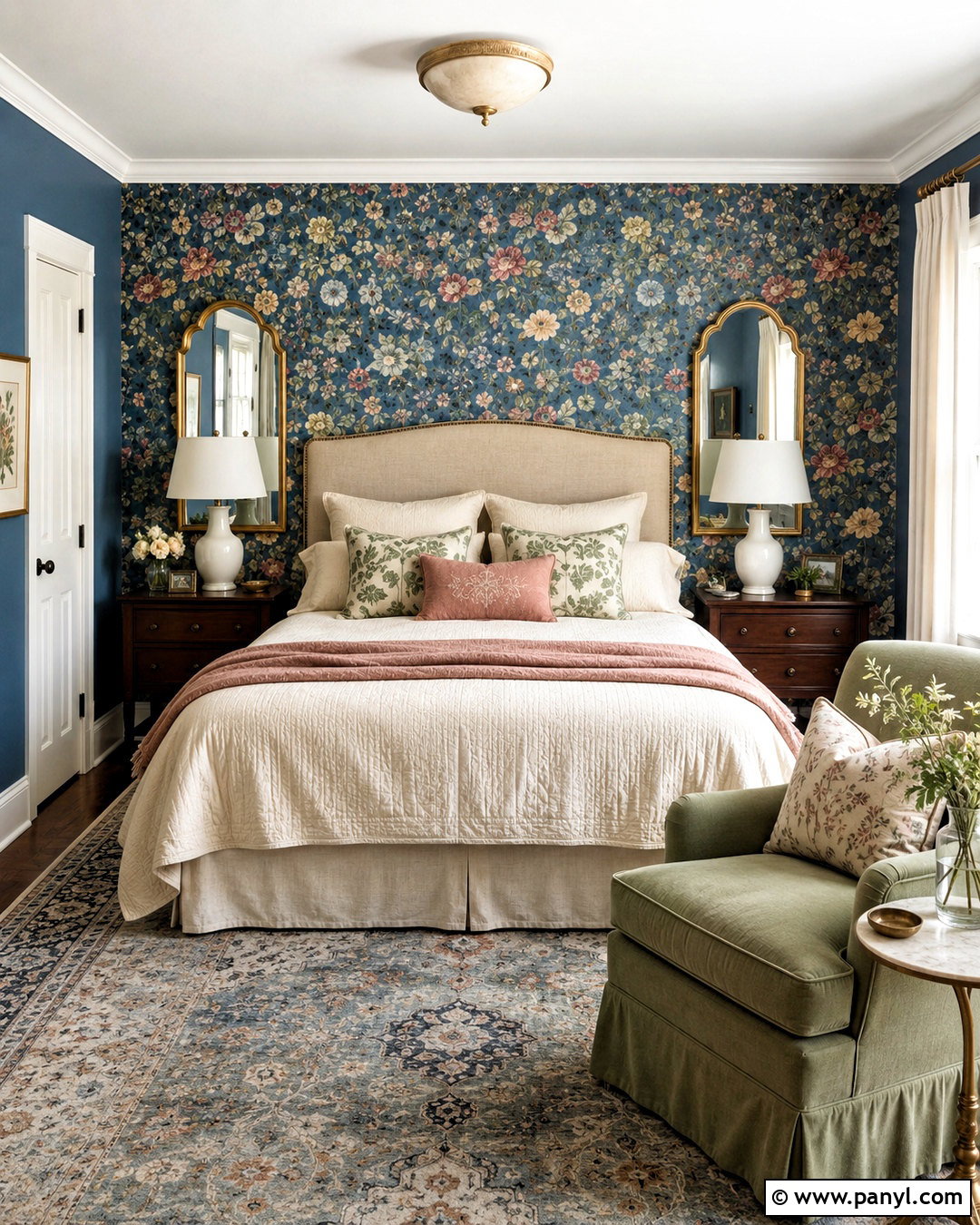
Dusty blue walls give a bedroom restful color without making it look childish or coastal-themed. Look for a softened blue with a small amount of gray, especially if the room receives strong afternoon sunlight. Pair the walls with crisp but not icy white trim and a pale oak or natural ash bed. White bedding creates freshness, while denim blue pillows and a sandy beige quilt add depth. Introduce black metal sconces and simple framed abstract art to give the pale color a modern edge. A low-pile rug in cream and faded blue can connect the entire scheme. Keep window treatments light and tailored. The result is an airy bedroom that still feels substantial, comfortable, and thoughtfully finished.
5. Deep Navy Bedroom Wall Color
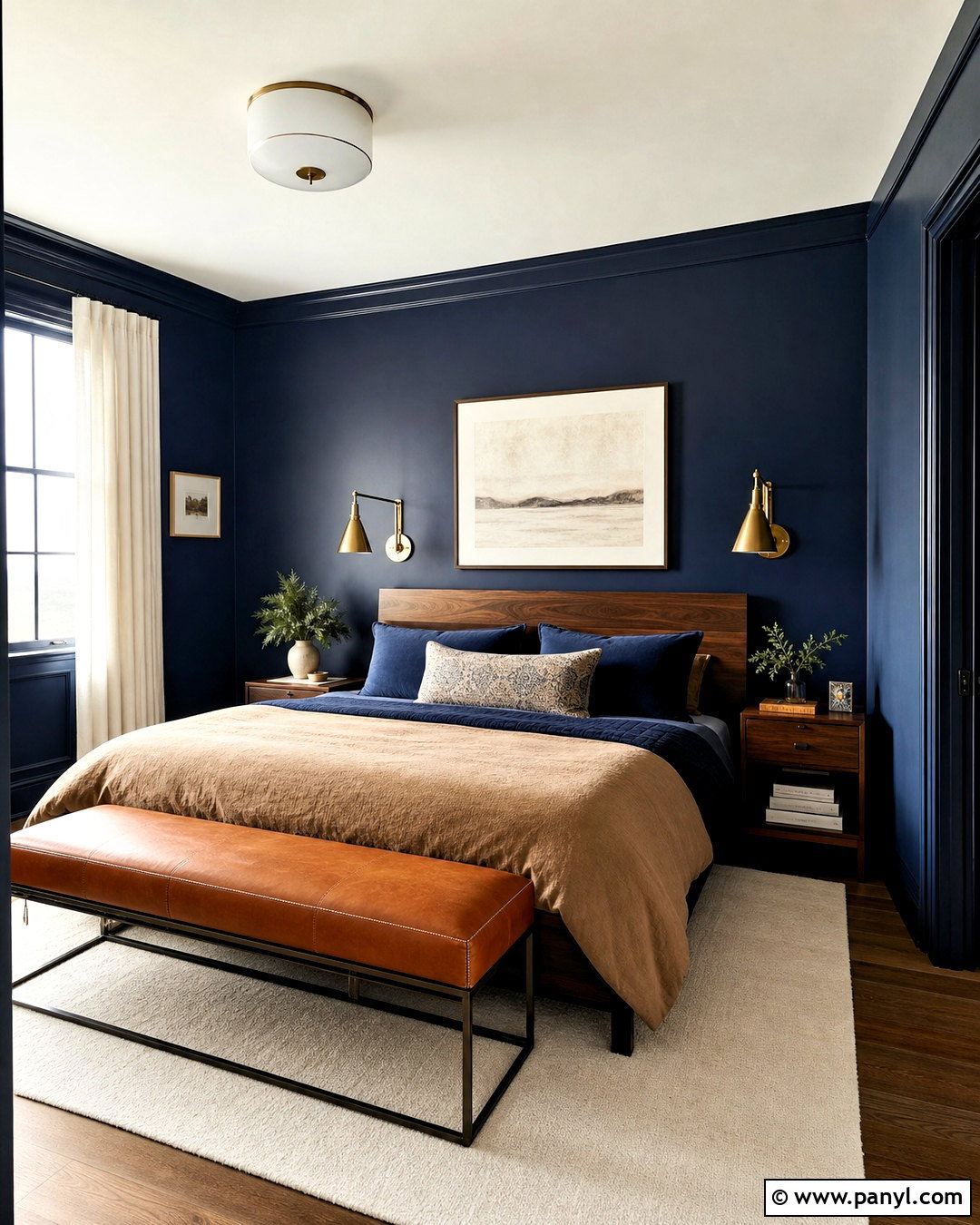
Deep navy walls can transform an average bedroom into a cozy, enveloping retreat. Paint every wall navy and continue the color onto the trim for a clean color-drenched effect. Keep the ceiling soft white unless the room is large and receives generous daylight. A warm walnut bed, cognac leather bench, and aged brass sconces balance the cool blue. Use white sheets, a camel duvet, and navy patterned pillows to distribute the wall color throughout the space. Hang one oversized light-toned artwork above the bed to prevent the room from feeling closed in. Pale curtains and a cream rug add essential brightness. This scheme works particularly well in larger primary bedrooms and rooms designed mainly for evening relaxation.
6. Pale Blush Bedroom Wall Color
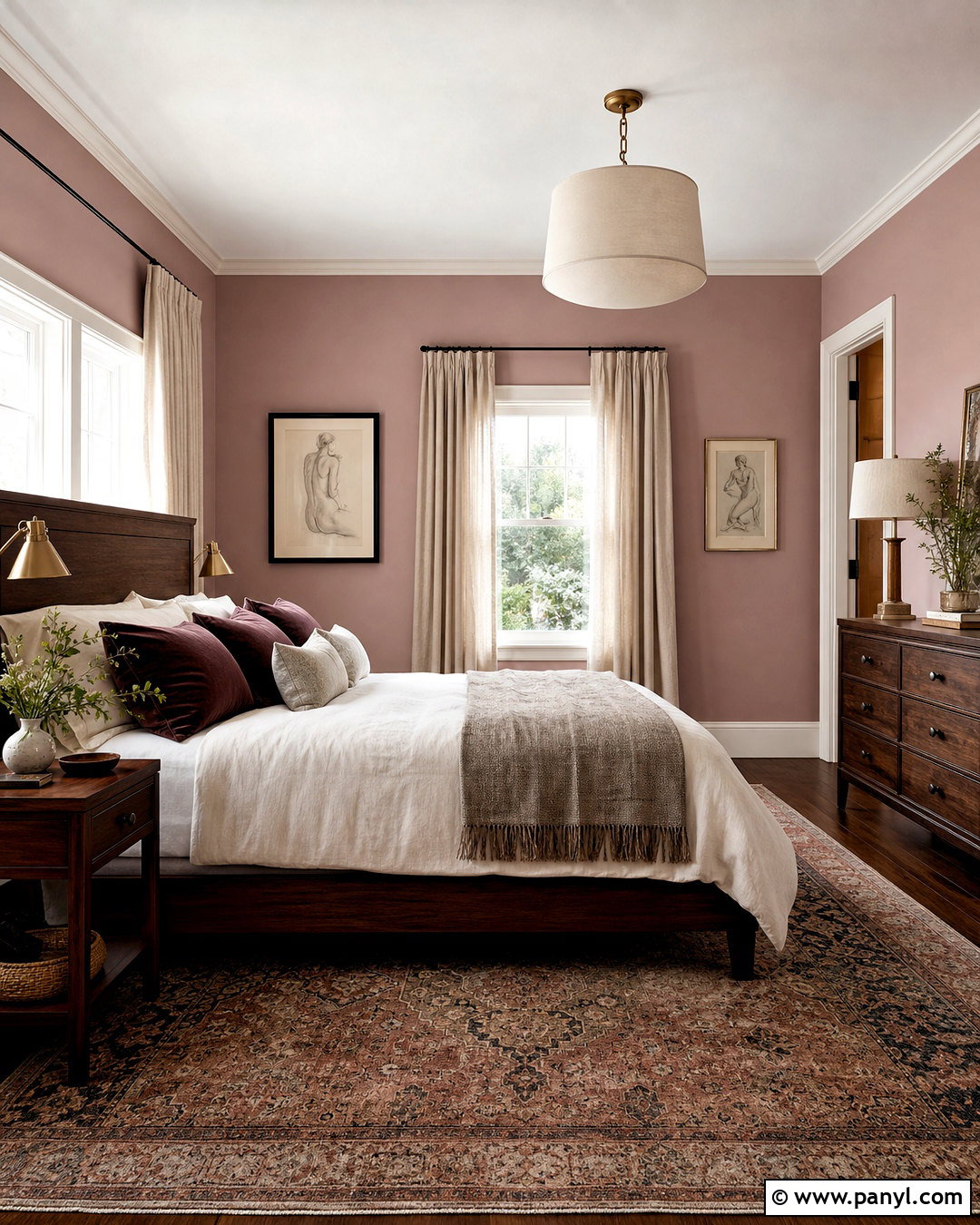
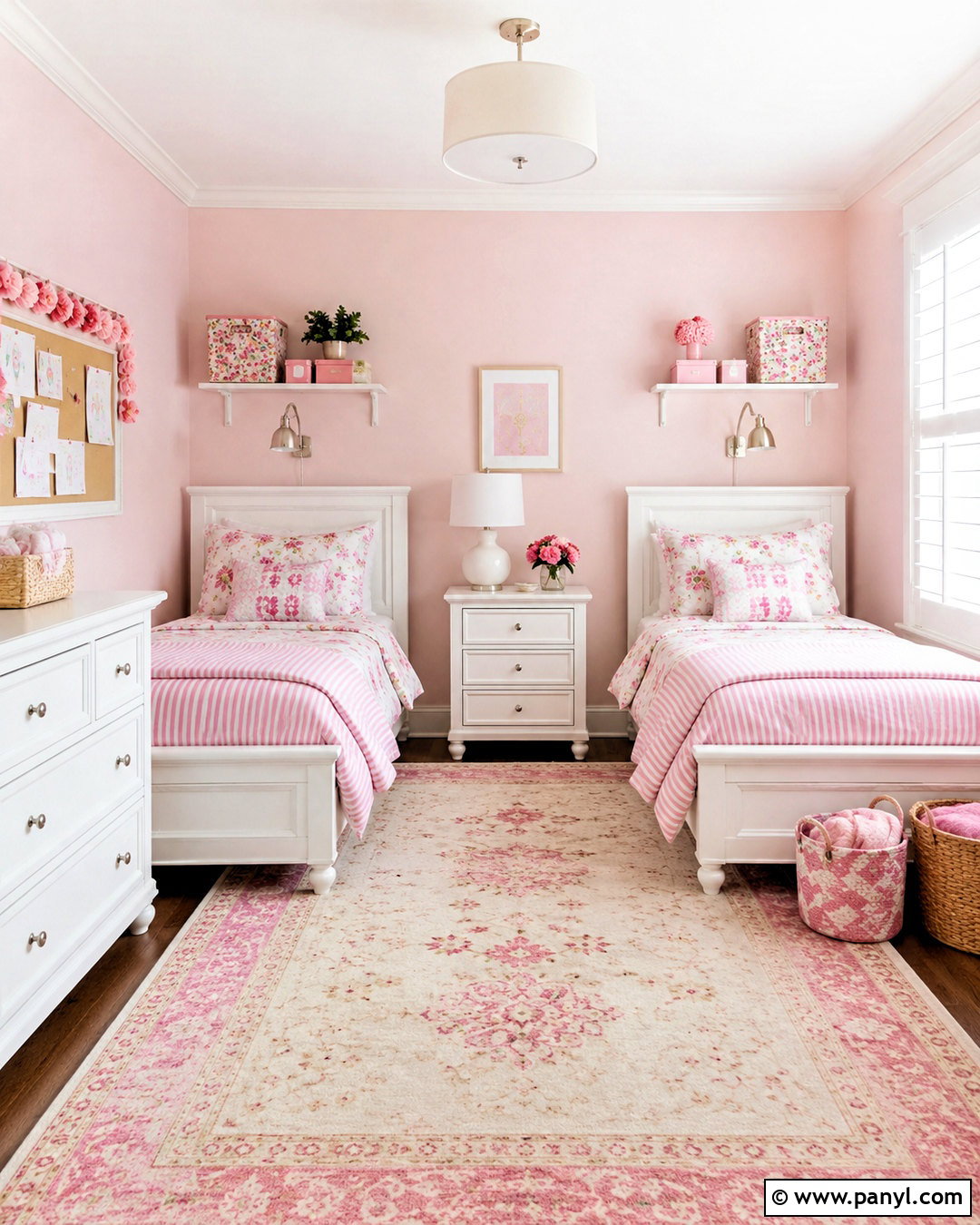
Pale blush creates a warm bedroom that feels sophisticated when it is paired with grounded materials and restrained decor. Choose a dusty pink with beige or clay undertones instead of a sugary pastel. Paint the walls blush, leave the ceiling warm white, and use matching white trim for a light finish. Add a walnut or dark oak bed to give the delicate color structure. Ivory bedding, muted burgundy pillows, and a soft taupe throw build a layered palette. Antique brass lamps and framed charcoal sketches introduce contrast without overwhelming the walls. Complete the room with natural linen curtains and a faded Persian-style rug. This welcoming scheme suits primary bedrooms, guest rooms, and compact spaces that need gentle warmth.
7. Terracotta Bedroom Wall Color

Earthy terracotta walls bring sun-baked warmth into a bedroom and look especially appealing beside natural textures. Select a muted clay-orange shade rather than a highly saturated red-orange. Pair it with warm cream trim, a simple wood bed, and woven cane nightstands. Dress the bed in off-white linen with olive green pillows and a patterned lumbar cushion containing clay, tan, and charcoal. Add a jute-blend rug, ceramic table lamps, and lightweight cream curtains. Black picture frames or a dark bronze ceiling light provide definition. In a smaller room, terracotta can be limited to the headboard wall while the remaining walls stay creamy beige. Either approach creates a complete, relaxed bedroom with Mediterranean and desert-inspired character.

8. Olive Green Bedroom Wall Color
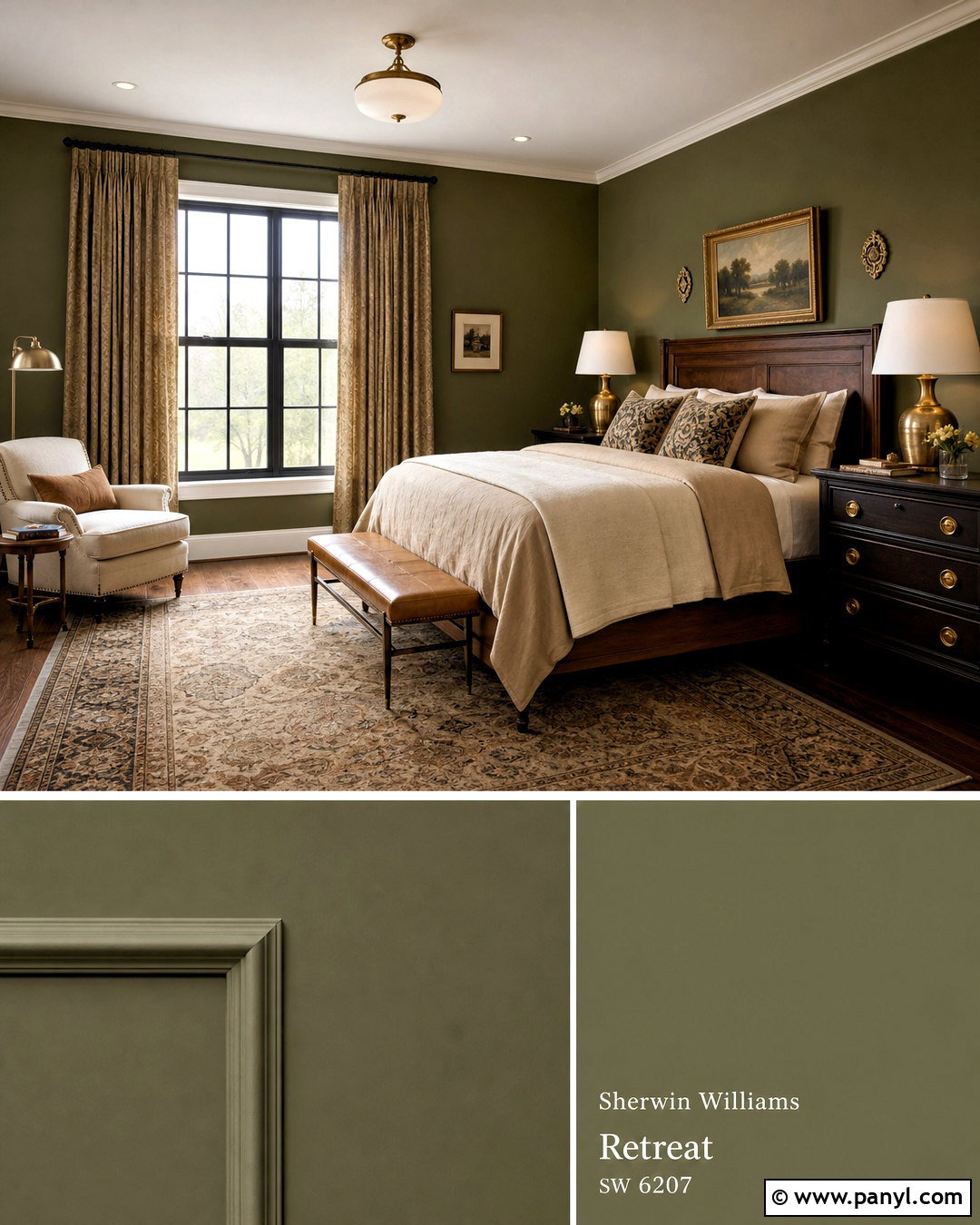
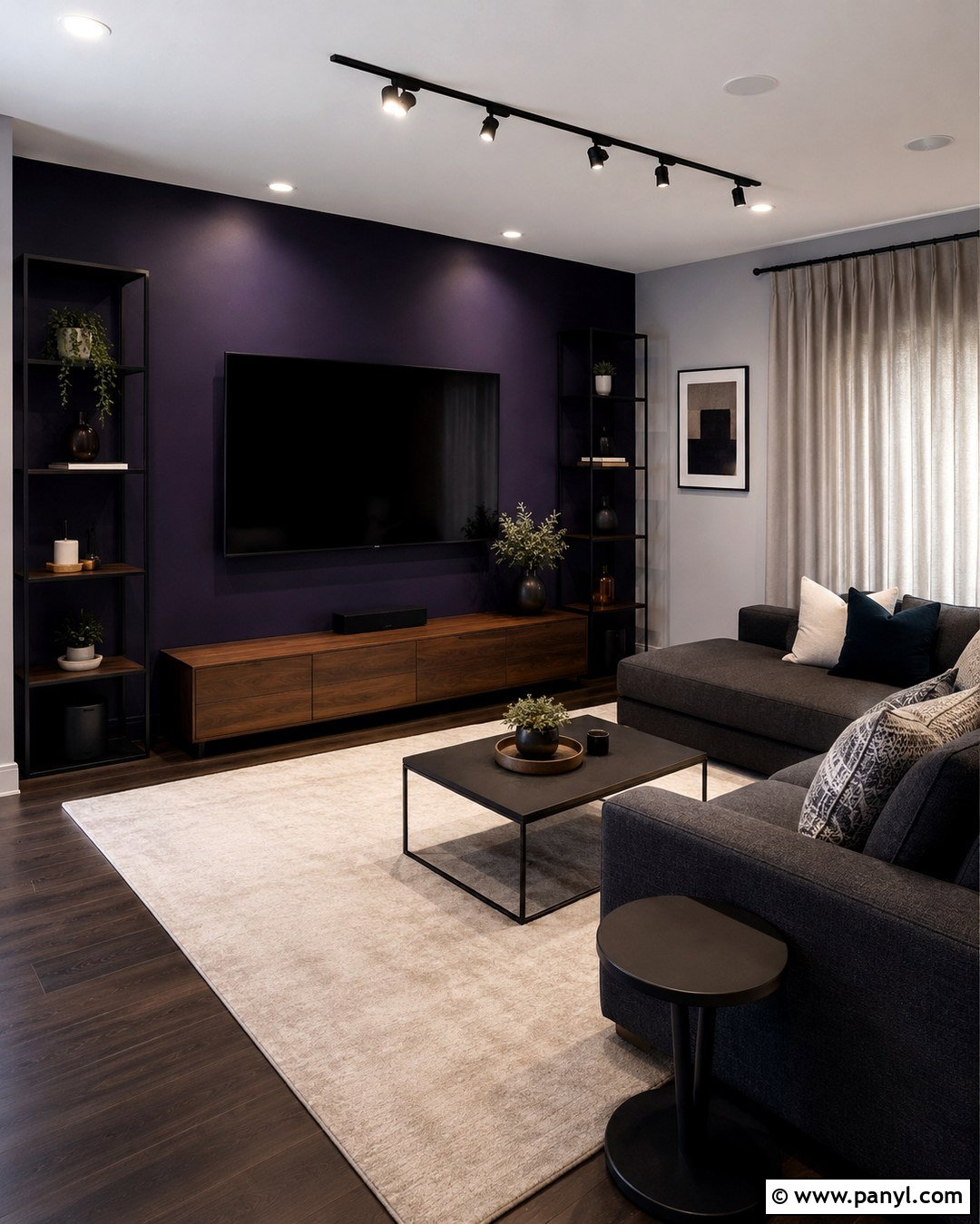
Olive green gives a bedroom rich color while maintaining a connection to nature. Choose a deep, muted olive and apply it to every wall for a restful, cocooning effect. Cream trim creates a traditional contrast, while olive-painted trim produces a cleaner contemporary finish. Furnish the room with a walnut bed, dark wood nightstands, and antique brass lighting. Layer ivory sheets beneath a camel or tobacco-colored coverlet, then add patterned pillows containing olive, cream, and faded red. A vintage-look rug introduces softness and helps balance the darker walls. Keep curtains light and full-length to reflect daylight. This complete scheme is ideal for bedrooms with warm wood floors, classic furniture, or a collected mix of old and new pieces.
9. Light Taupe Bedroom Wall Color
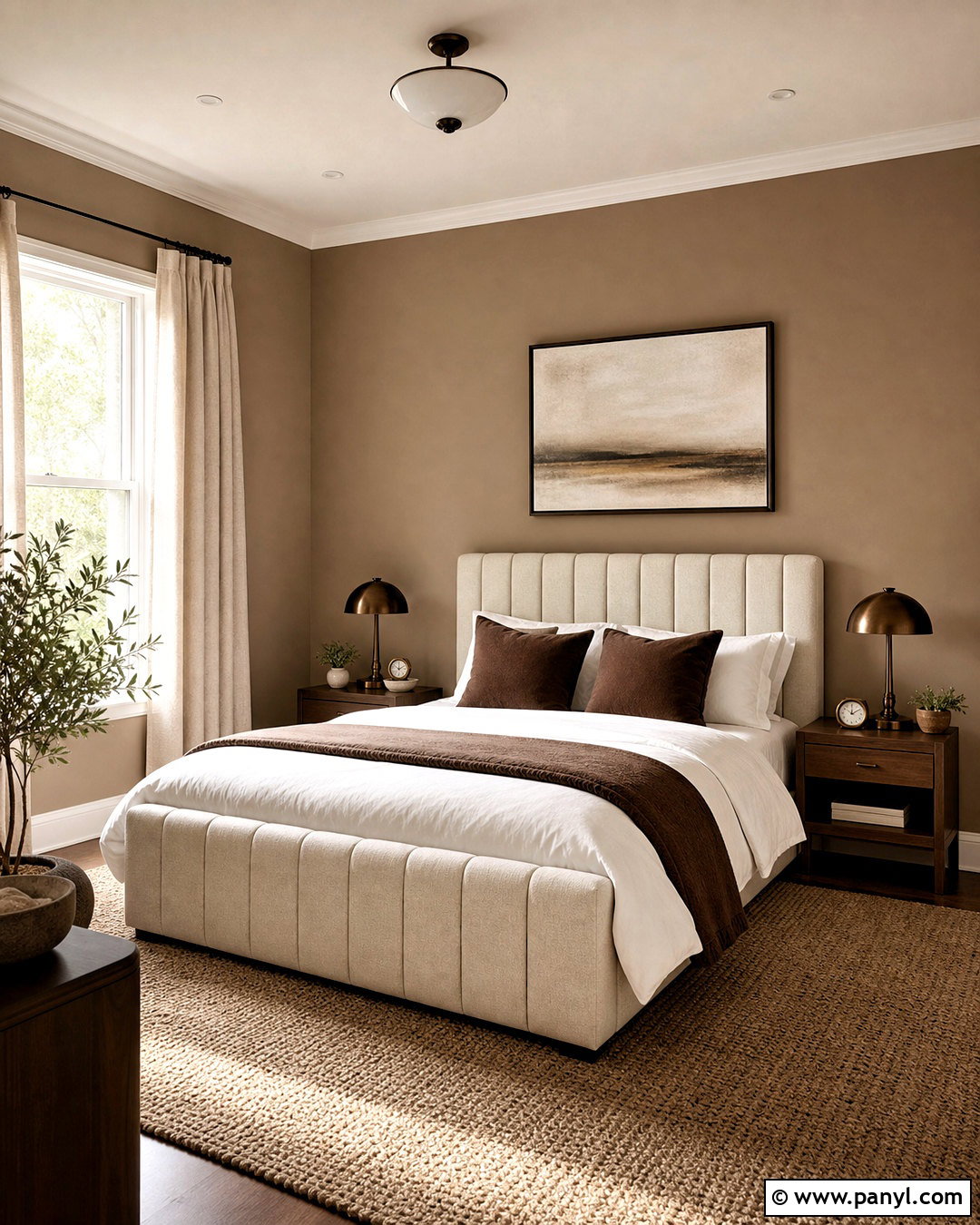
Light taupe walls offer more depth than beige while remaining soft enough for a small or moderately lit bedroom. Pick a warm brown-gray with minimal purple undertones, and test it beside your flooring before committing. Pair the walls with creamy trim and a channel-tufted bed in ivory fabric. Medium brown nightstands and bronze lamps add definition. Keep the bedding mostly tonal with white sheets, a taupe quilt, and chocolate brown accent pillows. A textured wool rug and linen curtains prevent the neutral scheme from looking flat. Add one sculptural branch arrangement and large abstract artwork in cream, brown, and black. This layered bedroom feels refined and restful while supporting contemporary, organic modern, or transitional decor.

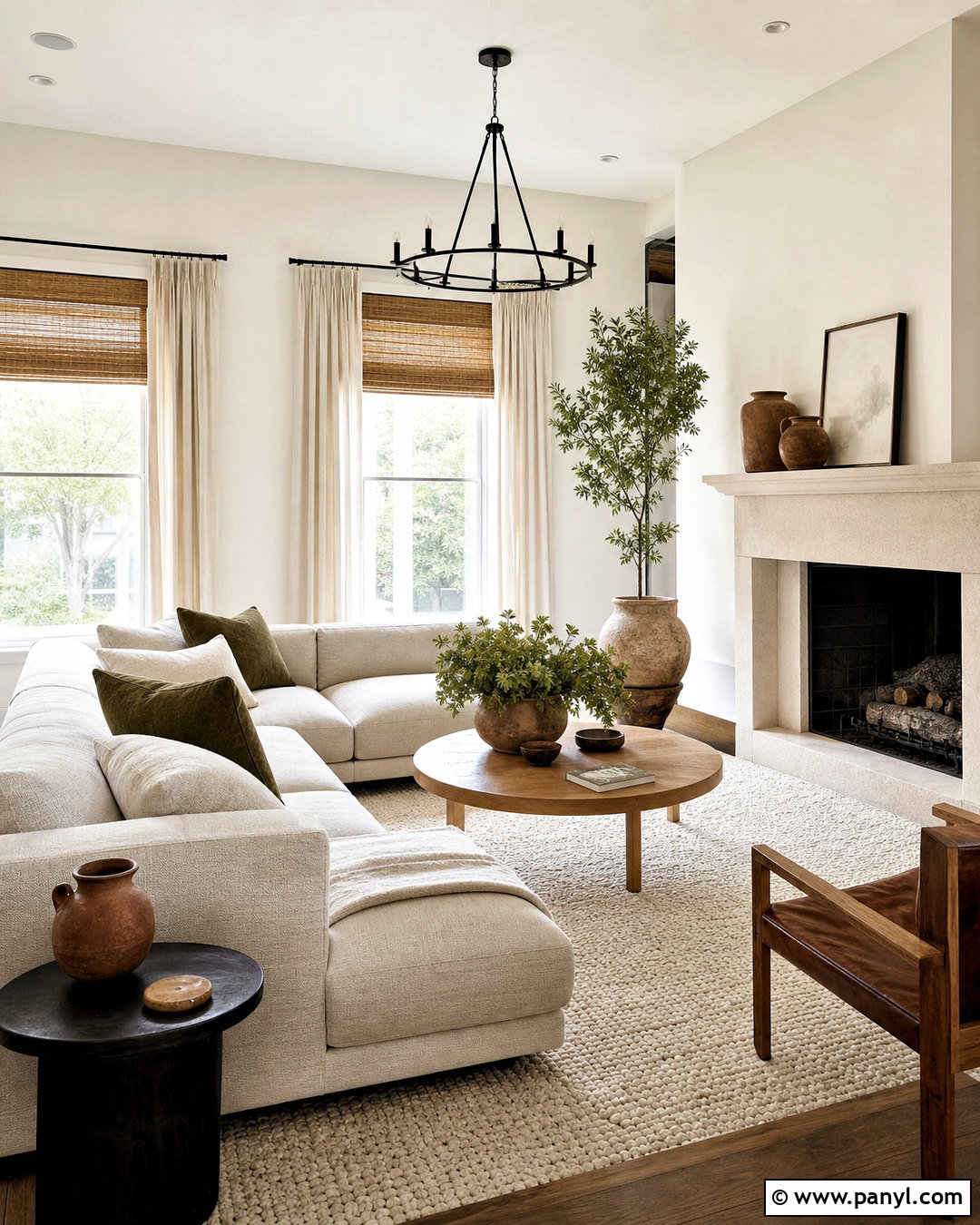
10. Chocolate Brown Bedroom Wall Color
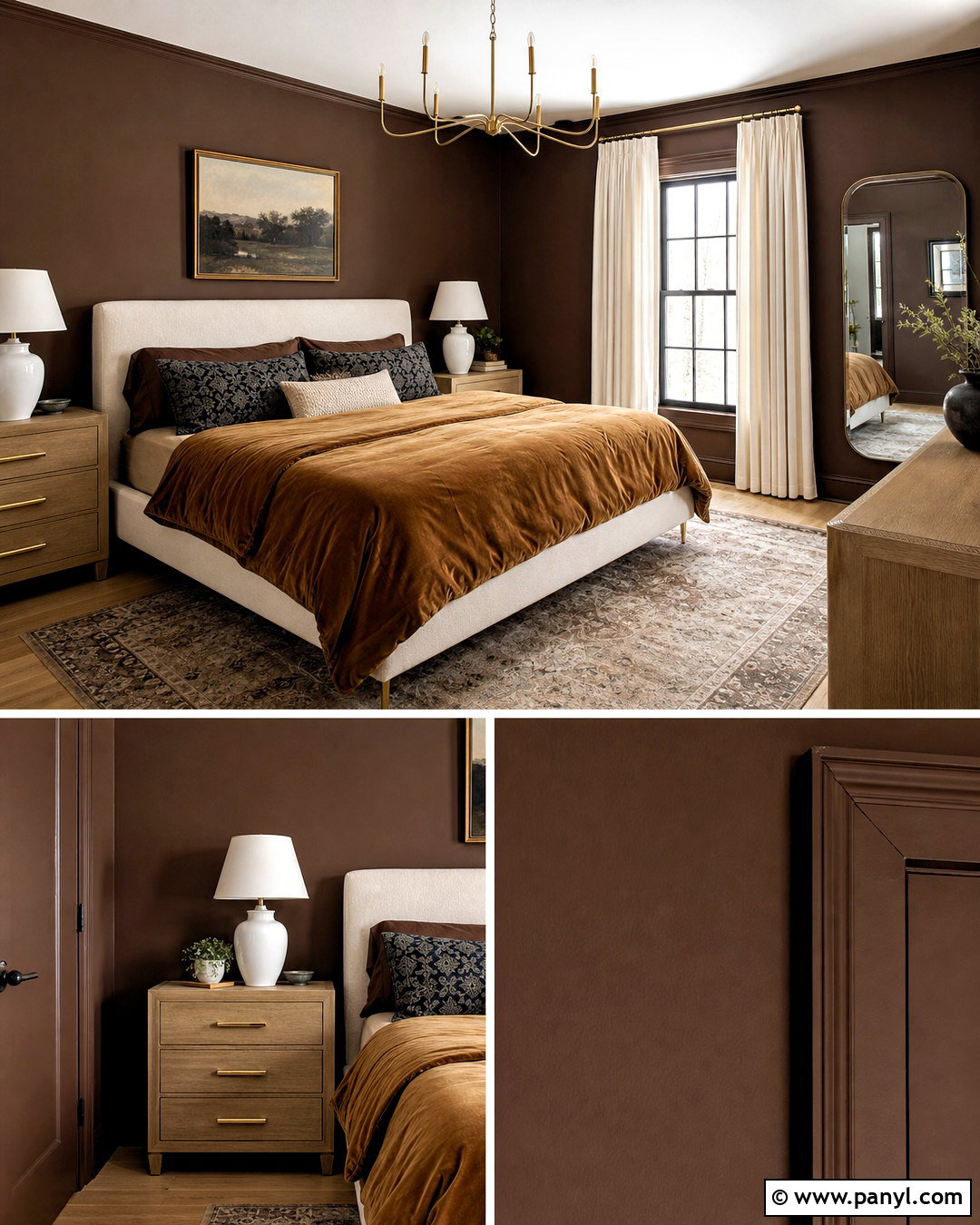
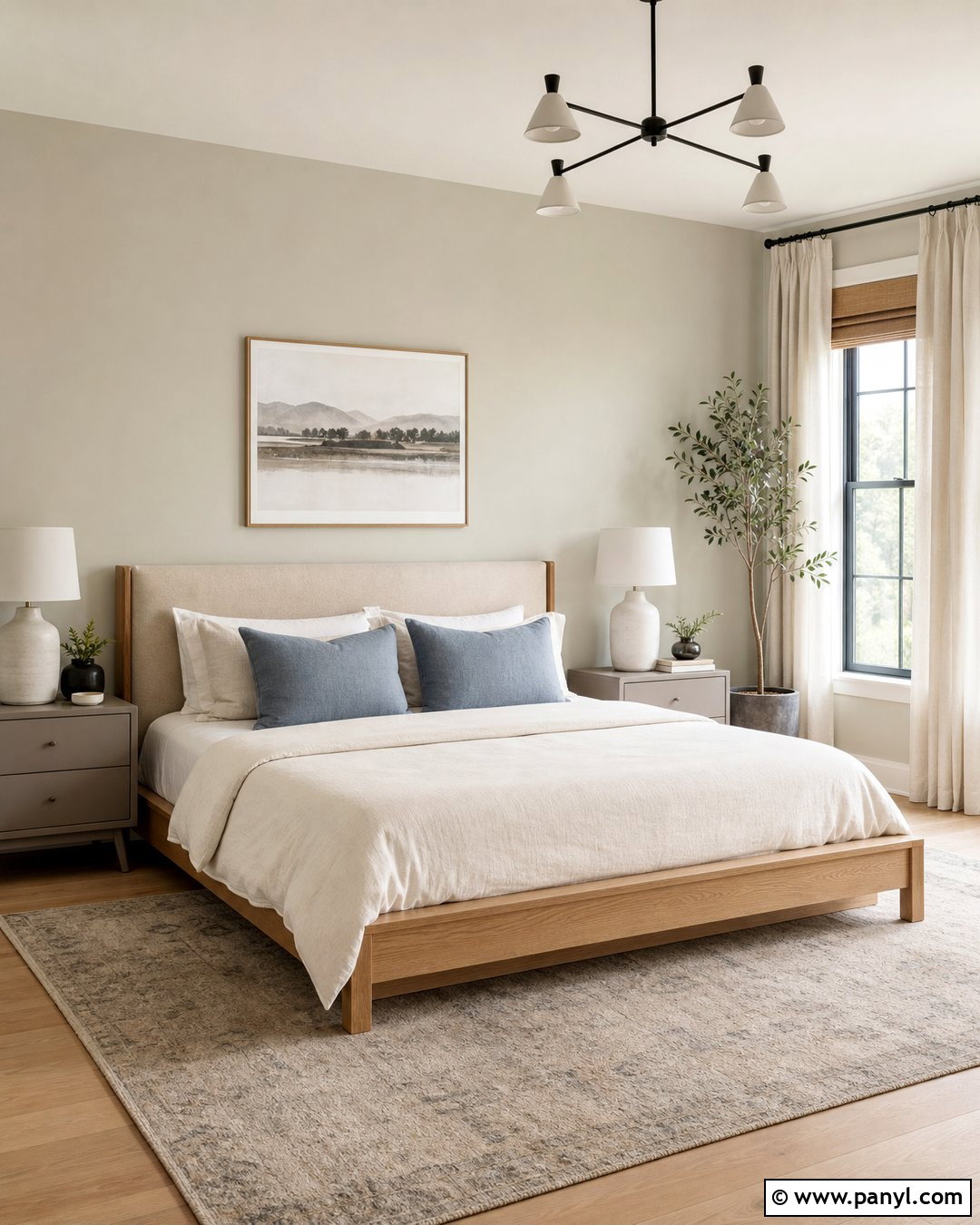
Chocolate brown walls make a bedroom feel intimate, polished, and pleasantly sheltered. Choose a deep cocoa shade with warm undertones, then carry it across the walls and trim for an uninterrupted finish. A light upholstered bed becomes the visual focal point against the dark background. Add pale oak nightstands, cream ceramic lamps, and full ivory curtains to introduce brightness. White sheets and a caramel velvet quilt create luxurious contrast, while patterned pillows can repeat brown, cream, and muted blue. Use a large neutral rug to soften dark flooring and reflect more light around the bed. Brass or bronze accents complement the warm paint. This complete palette is particularly effective in spacious bedrooms or rooms with multiple windows and high ceilings.
11. Soft Lavender Bedroom Wall Color
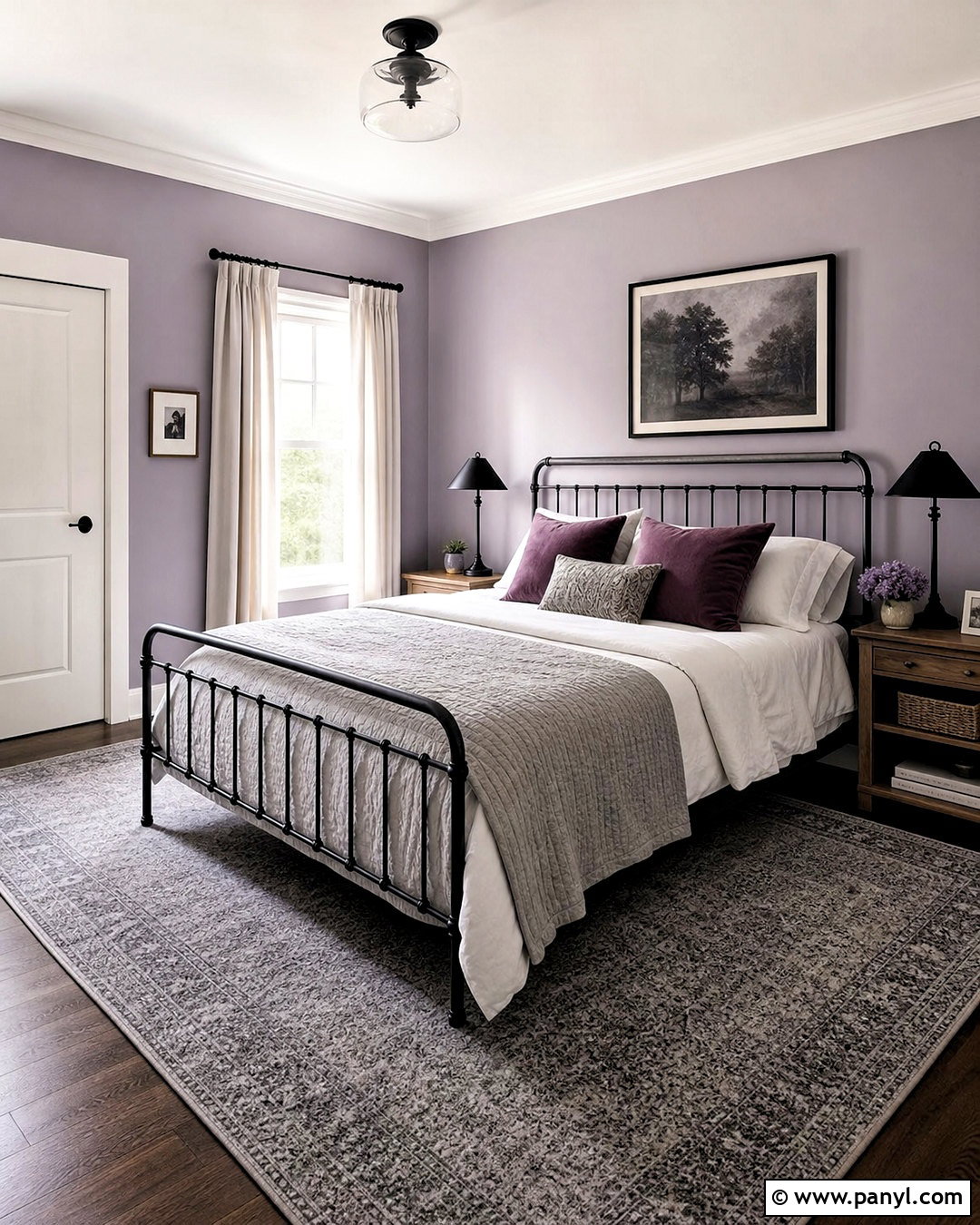
Soft lavender can feel calm and grown-up when its undertones lean gray rather than bright purple. Use the color on all four walls and pair it with clean white trim for a fresh outline. A black iron bed or dark walnut frame gives the pastel walls needed structure. Choose white bedding with a light gray quilt and dusty plum accent pillows. Add polished nickel or matte black lamps, depending on whether you prefer a classic or modern finish. A pale gray rug and sheer white curtains maintain the room’s airy quality. Avoid filling the space with additional purple accessories. Instead, bring in natural wood, simple ceramics, and charcoal artwork. The finished room feels personal, quiet, and gently colorful.
12. Muted Teal Bedroom Wall Color

Muted teal walls combine the serenity of blue with the earthy appeal of green. Select a deep, desaturated teal that changes subtly between daylight and lamplight. Pair it with creamy trim, a walnut platform bed, and nightstands with woven drawer fronts. White bedding keeps the darker color fresh, while rust, camel, and pale aqua pillows create a balanced palette. Add warm brass sconces and a vintage-style rug containing faded teal and terracotta. Light linen curtains soften the edges of the room and prevent the walls from becoming visually heavy. Keep artwork simple, using natural landscapes or abstract forms with cream backgrounds. This bedroom scheme feels distinctive and colorful but remains comfortable enough for daily use.
13. Pale Yellow Bedroom Wall Color

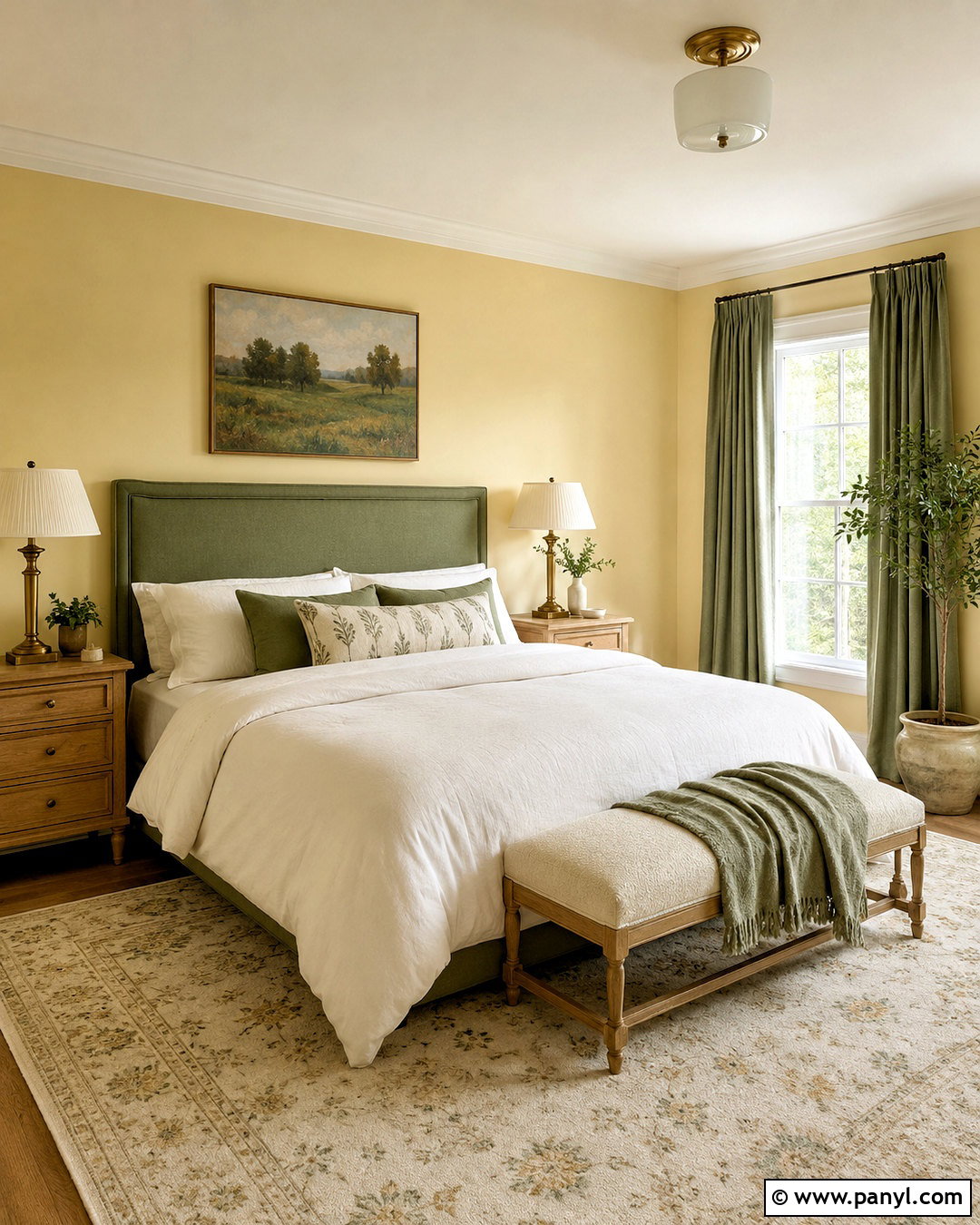
A soft, buttery yellow can brighten a bedroom without creating an overly energetic atmosphere. Look for a pale shade with cream undertones and avoid sharp lemon yellow. Pair the walls with warm white trim and a medium-tone oak bed. Use white sheets, an oatmeal duvet, and dusty blue accent pillows to cool and balance the sunny background. Woven wood shades and full cream curtains create a finished window treatment while filtering harsh daylight. Add antique brass lamps, a light neutral rug, and simple botanical artwork. Pale yellow works particularly well in dim or north-facing bedrooms that need visual warmth. The full palette feels cheerful in the morning and mellow under warm bedside lighting at night.
14. Charcoal Gray Bedroom Wall Color

Charcoal gray creates a dramatic bedroom when it is softened with pale fabrics and warm natural materials. Choose a charcoal with brown or green undertones instead of a cold blue-gray. Paint all four walls for continuity, but keep the ceiling and window trim warm white. Place a light oak bed against the darkest wall and add matching nightstands with brass or black lamps. Layer crisp white bedding with a flax-colored duvet and forest green pillows. Cream curtains, a pale textured rug, and large light-toned artwork help reflect available daylight. Avoid filling the space with black furniture, which can make the design feel severe. The resulting room is modern, restful, and balanced rather than dark or industrial.
15. Cream Beige Bedroom Wall Color

Cream beige creates a relaxed, sun-warmed bedroom that feels softer than standard white. Choose a light beige with a creamy undertone and use it on the walls with slightly brighter ivory trim. Build the room around a natural wood bed, rounded nightstands, and a woven pendant light. Layer the bedding in white, flax, camel, and a small amount of muted green. Full-length linen curtains and a nubby cream rug introduce movement through texture instead of strong color. Decorate with handcrafted ceramics, one oversized landscape print, and a simple wood bench. This complete scheme works beautifully in small bedrooms because it maintains brightness while giving the walls enough warmth and depth to feel intentionally decorated.
16. Blue Gray Bedroom Wall Color
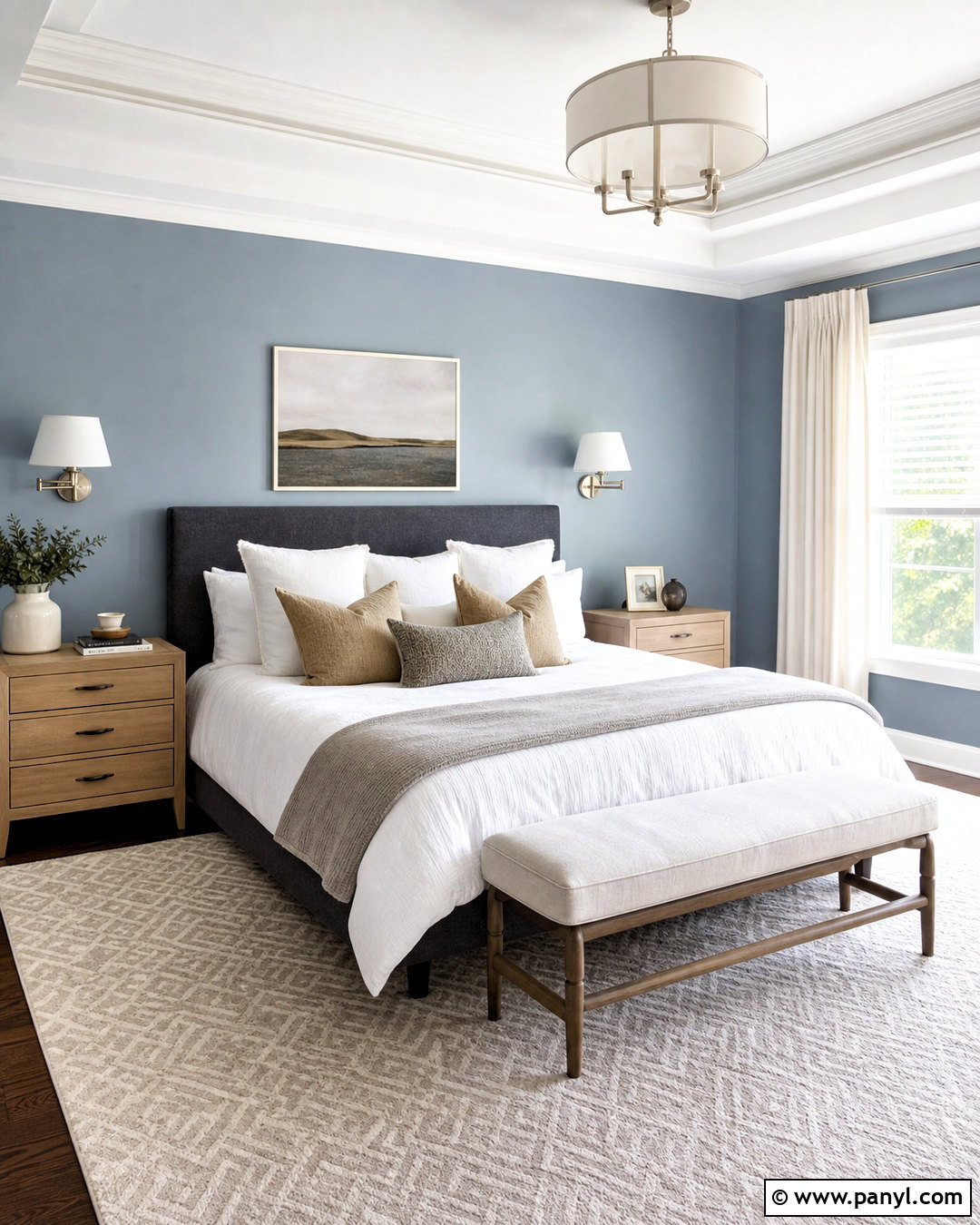
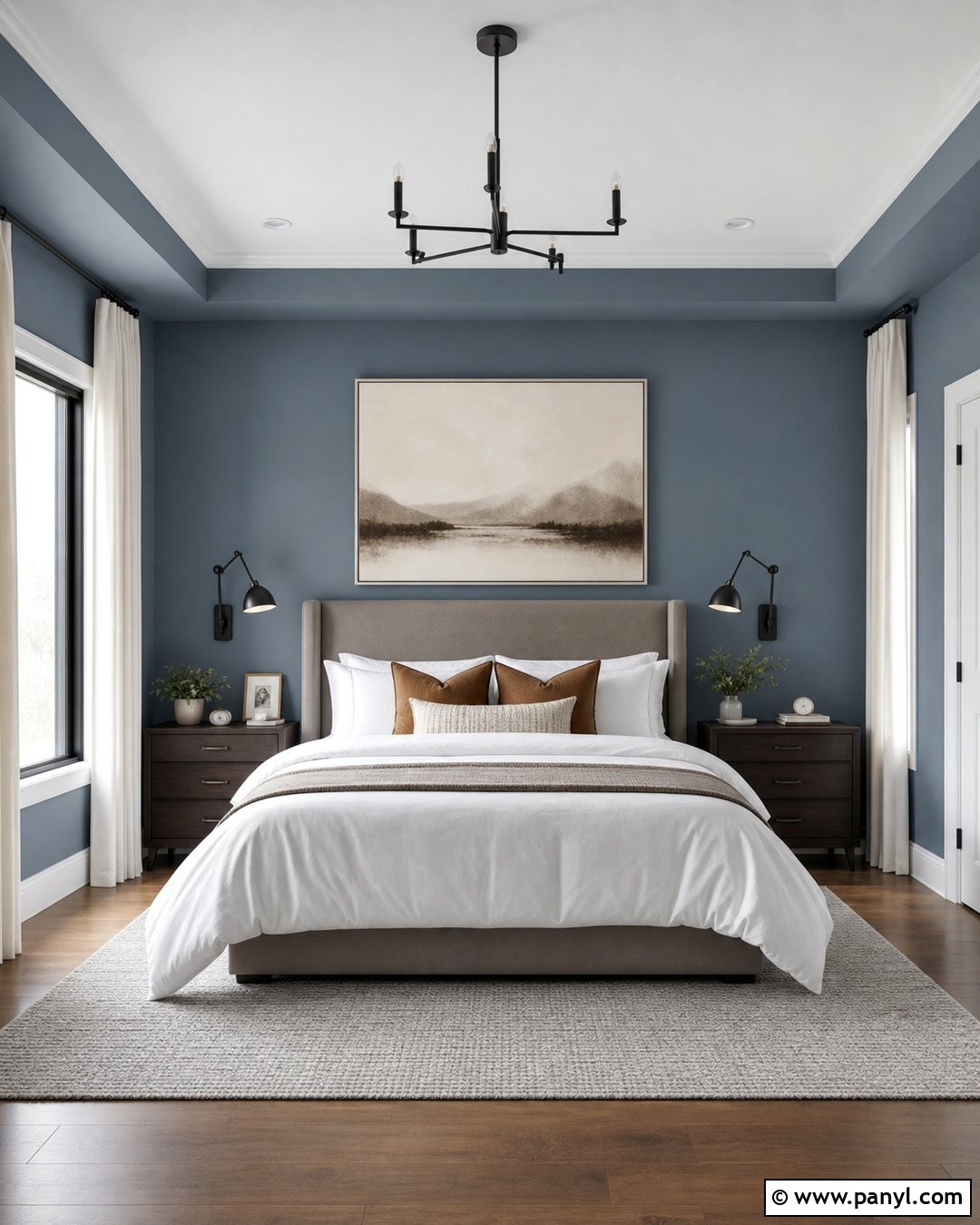
Blue-gray walls offer a versatile middle ground between a colorful blue room and a neutral gray one. Choose a softened shade that clearly reads blue in daylight but settles into gray under evening lamps. Pair it with bright white trim, a charcoal upholstered bed, and light oak nightstands. White bedding keeps the room crisp, while slate blue and warm tan pillows connect the cool walls to the wood furniture. Add brushed nickel sconces for a tailored finish or aged brass lamps for more warmth. A cream rug with a subtle geometric pattern grounds the design. Finish with pale curtains and minimal artwork. This complete bedroom palette feels clean and calming without looking plain or overly themed.
17. Dusty Rose Bedroom Wall Color
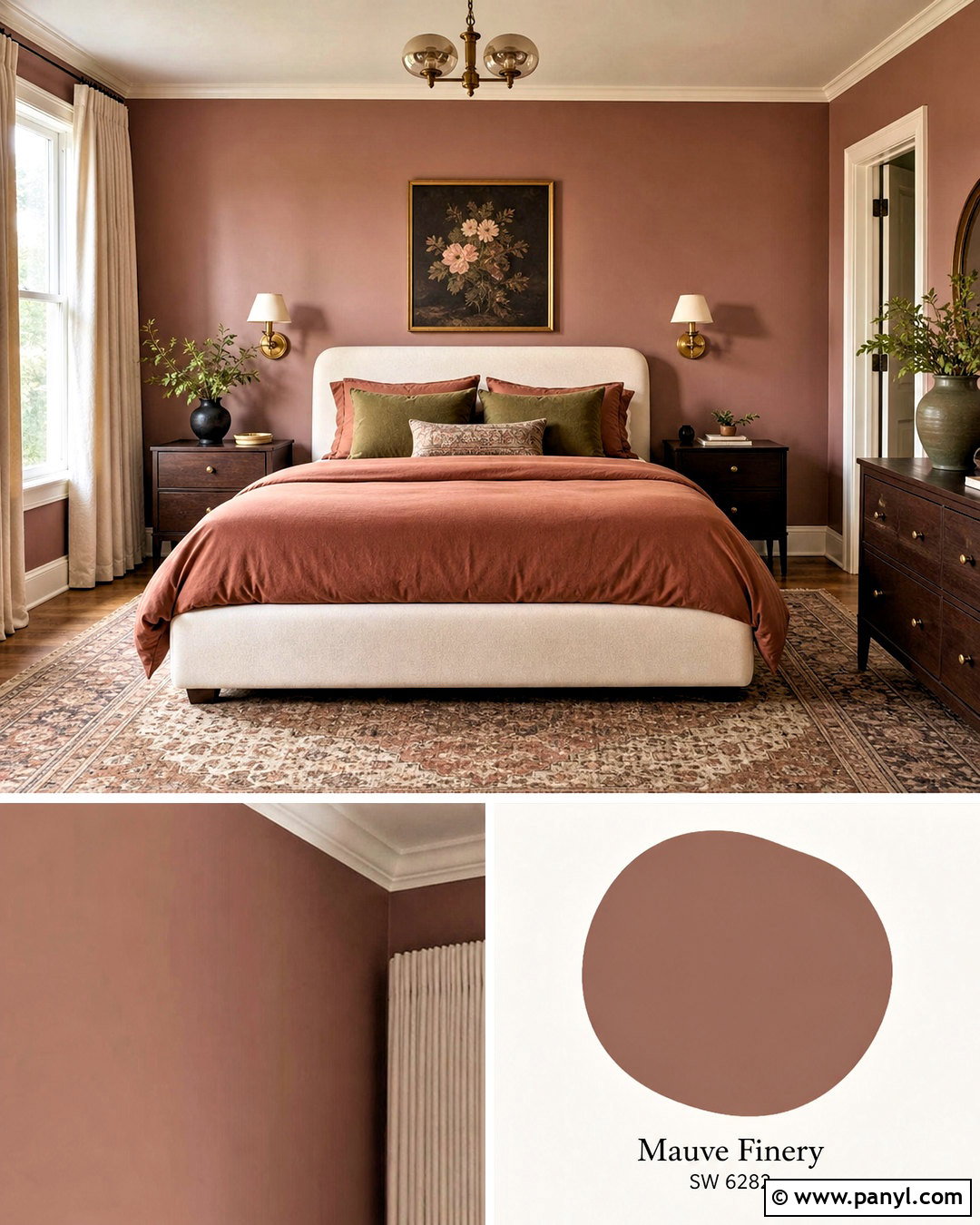
Dusty rose walls provide deeper warmth than pale blush and create a cozy backdrop for vintage or contemporary furniture. Select a muted shade with brown and mauve undertones, then balance it with warm white trim. An ivory upholstered bed keeps the room light, while dark wood nightstands provide contrast. Layer cream bedding with a rust quilt and olive green pillows for an earthy, collected palette. Add aged brass sconces, framed floral artwork, and a faded rug containing rose, tan, and charcoal. Keep the curtains simple and neutral so the wall color remains the main feature. This coordinated bedroom looks expressive without feeling overly feminine, and the deeper wall tone becomes especially inviting under soft evening lighting.
18. Forest Green Bedroom Wall Color
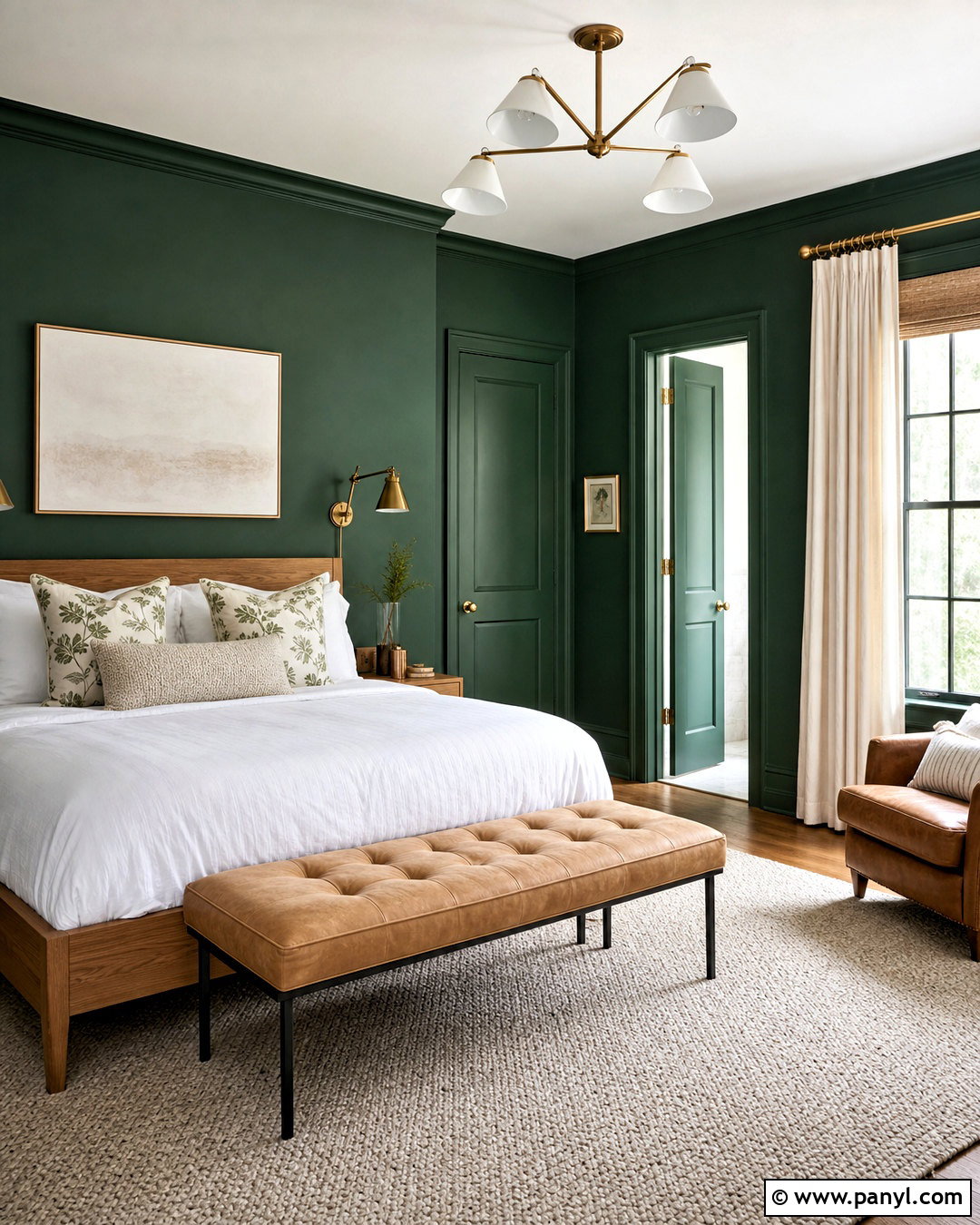
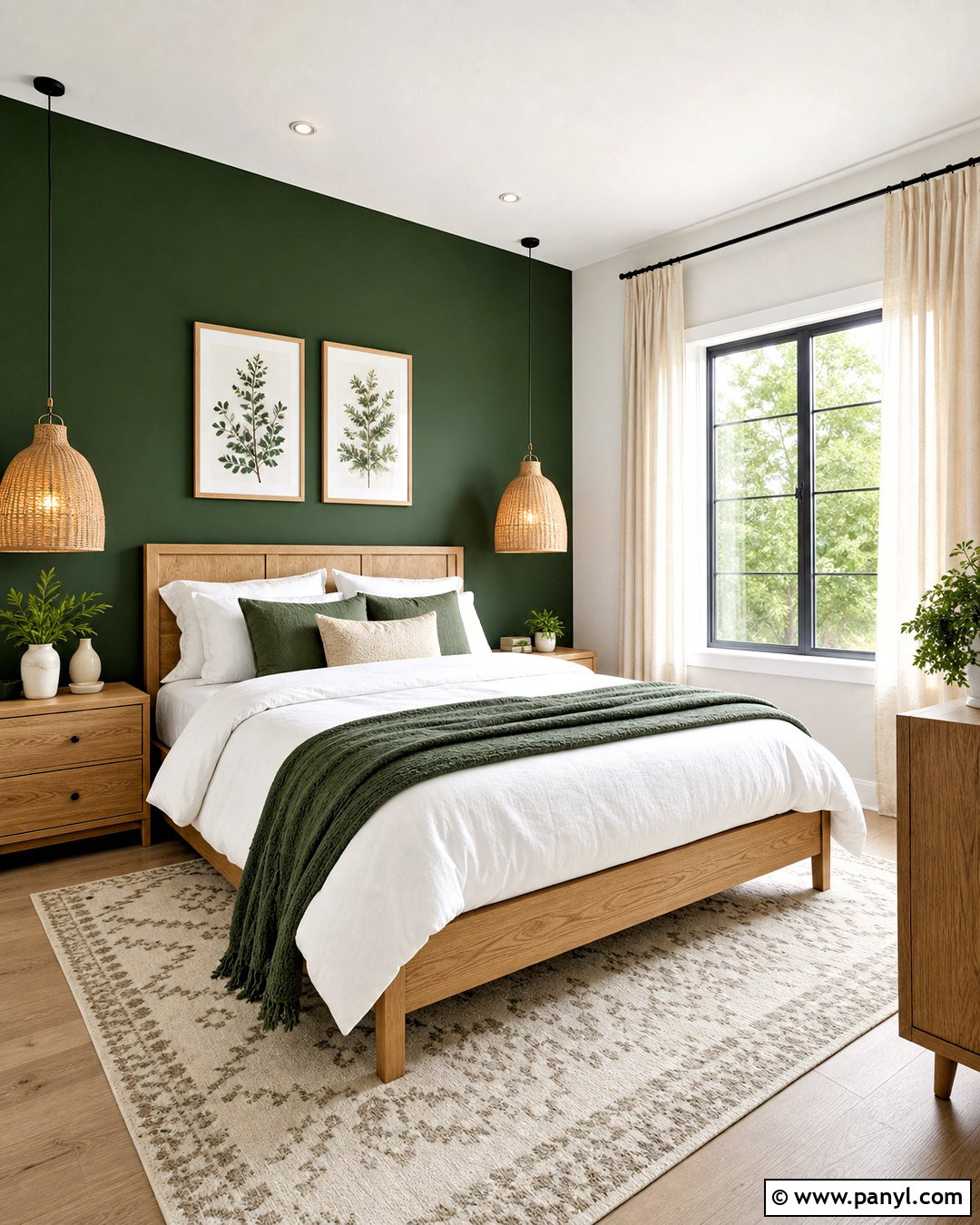
Forest green walls create a confident, cocooning bedroom with classic character. Select a rich green that is deep but not nearly black, and paint the walls, doors, and trim in the same color for a seamless look. Keep the ceiling warm white to preserve an open feeling. Add a natural oak or medium walnut bed, brass swing-arm sconces, and an upholstered bench in camel fabric. Crisp white bedding lifts the scheme, while plaid or botanical pillows repeat green in smaller amounts. Cream curtains and a large oatmeal rug brighten the floor and windows. Limit wall decor to one substantial piece with a pale background. The completed design feels grounded, comfortable, and connected to outdoor views.
19. Peach Beige Bedroom Wall Color
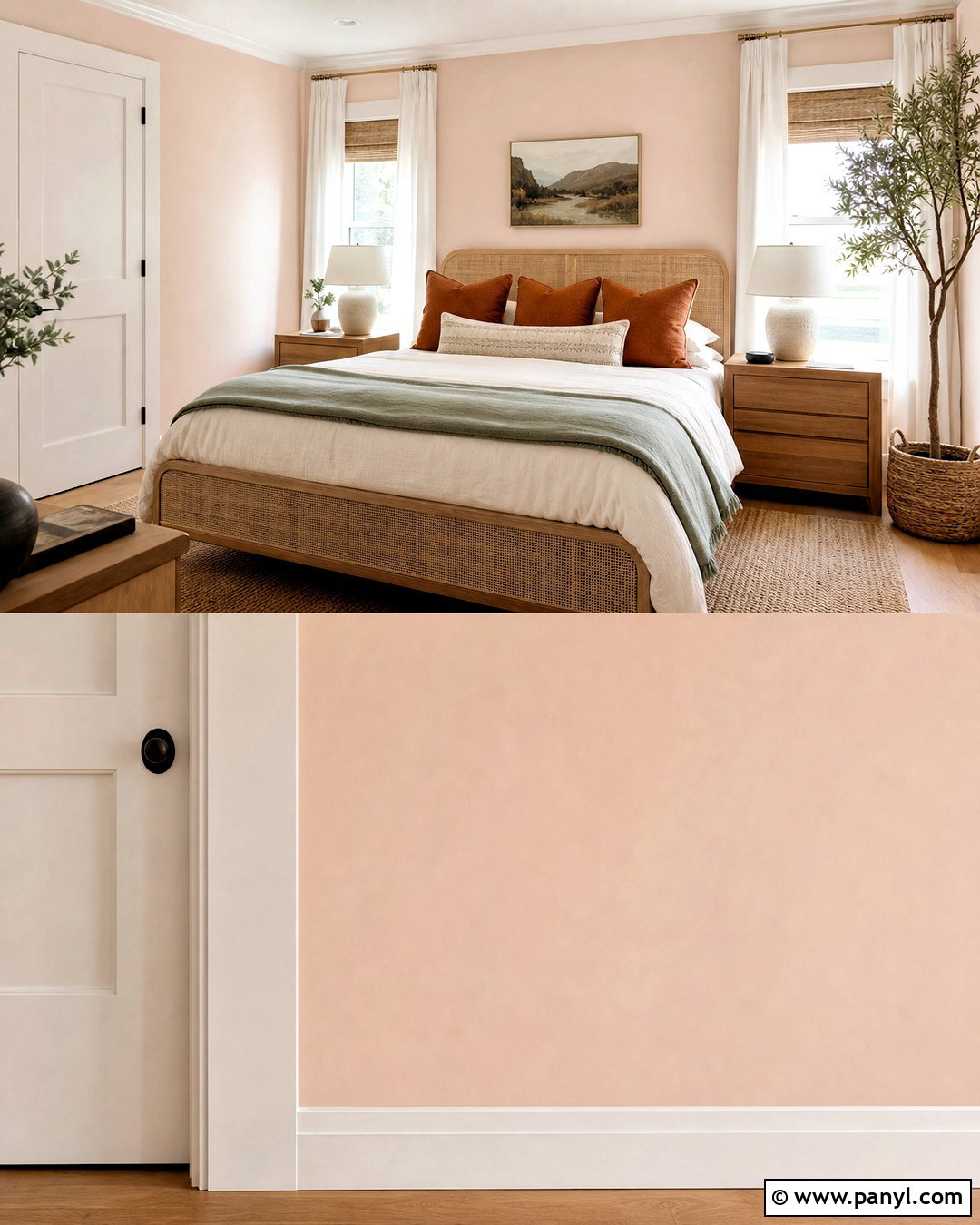
Peach beige gives a bedroom subtle color while retaining the flexibility of a warm neutral. Choose a pale, dusty peach with beige undertones rather than a vivid coral. Pair it with creamy white trim, a cane bed, and light oak nightstands. Dress the bed in ivory linen, soft terracotta pillows, and a faded sage green throw. Woven shades, white curtains, and a natural fiber rug continue the relaxed palette. Add ceramic lamps with matte cream bases and a few framed prints featuring simple earth-toned shapes. This complete look is particularly effective in bedrooms with warm sunlight, where the walls develop a gentle glow. It also makes a welcoming choice for guest rooms because the color feels warm but not highly personal.
20. Black Bedroom Wall Color

Black bedroom walls can look sophisticated rather than harsh when every supporting element adds warmth or light. Choose a soft off-black with subtle brown undertones and use it across all walls for a unified background. Keep the ceiling warm white and install wide ivory curtains to frame the windows. A medium oak bed, woven bench, and cream rug prevent the room from feeling cold. Layer white sheets with camel bedding and patterned pillows in rust, cream, and black. Use brass sconces or ceramic lamps to introduce warm reflective surfaces. Large artwork with a pale background breaks up the darkest wall. This complete high-contrast scheme works best in a tidy bedroom with balanced lighting and limited small accessories.
Conclusion:
Choosing among these 20 room wall colors bedrooms is easier when you think beyond the paint chip and plan the entire room. Consider how each wall shade works with your flooring, furniture, bedding, trim, curtains, and lighting. Warm whites and greiges provide flexibility, while sage, blue, and taupe create gentle color. Navy, forest green, chocolate brown, and black deliver a more enveloping result. Always sample your top choices on multiple walls because daylight direction and artificial lighting can reveal unexpected undertones. Once the wall color is settled, repeat it subtly through pillows, rugs, or artwork. A coordinated palette will make the bedroom feel comfortable, balanced, and intentionally complete.

Related Ideas and Inspiration:




Leave a Reply