
A sage green sofa brings soft color, natural warmth, and an inviting focal point to almost any living room. Its muted tone can work like a neutral, yet it still gives the space more personality than beige or gray. Current decorating inspiration pairs sage upholstery with everything from creamy neutrals and warm woods to navy, charcoal, terracotta, blush, and brass. () The secret is creating a complete scheme around the sofa instead of adding unrelated accessories. Consider the wall color, flooring, rug, lighting, furniture finishes, textiles, and room layout together. Whether your home feels traditional, modern, coastal, or relaxed, the following complete looks offer practical and attractive **sage green sofa living room ideas**.

1. Sage Green Sofa With Cream Walls
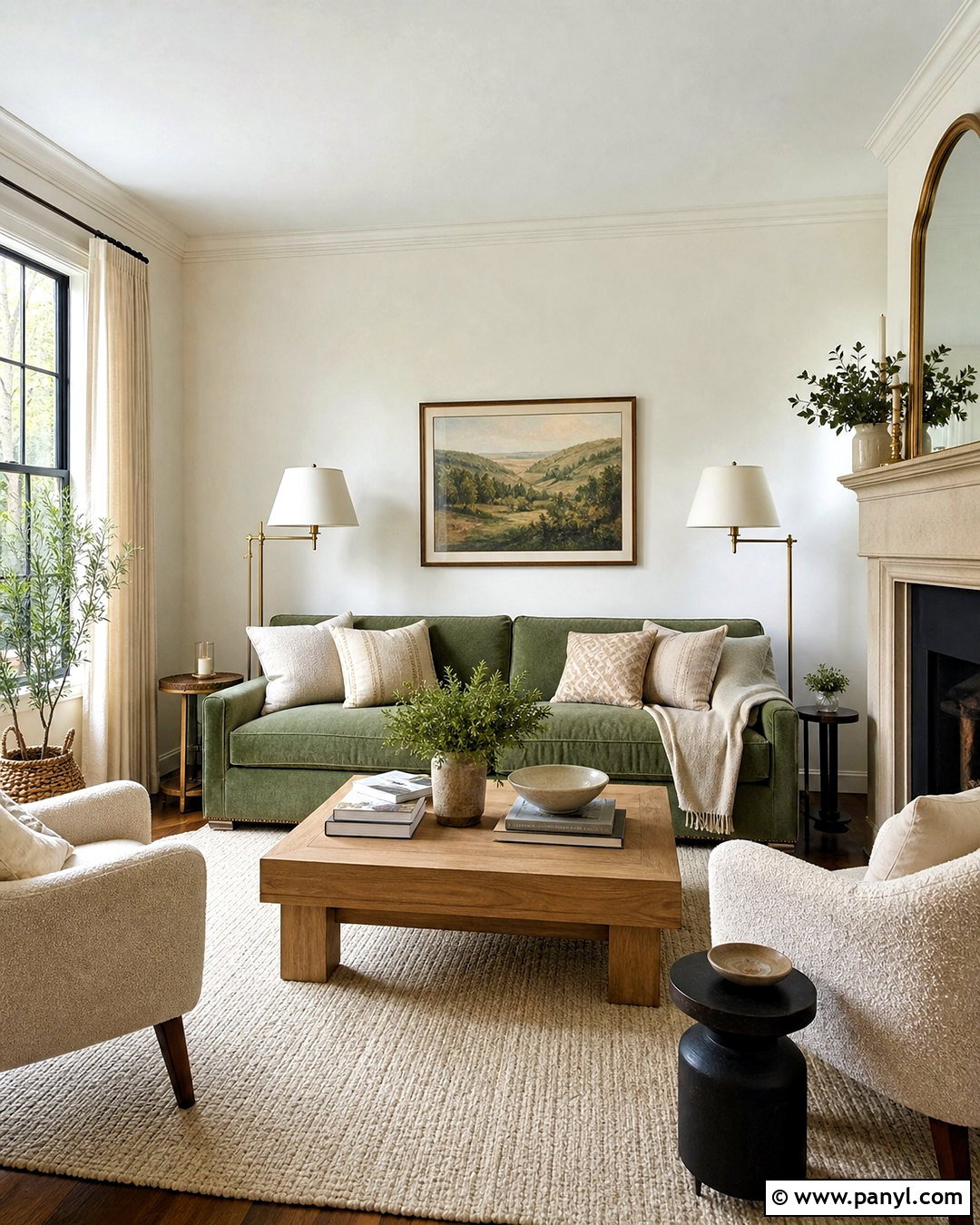
Cream walls create a soft, luminous background that lets a sage green sofa stand out without producing harsh contrast. Center the sofa on the longest wall and anchor it with a large ivory wool or washable textured rug. Choose a light oak coffee table with rounded corners, then add two cream boucle chairs facing the sofa to form a comfortable conversation area. Layer the seating with oatmeal linen pillows, a warm beige throw, and one subtle botanical print. Natural woven shades provide privacy while ivory curtains soften the windows. Finish the room with antique brass lamps, a large landscape print, and a few ceramic pieces. Medium-toned wood flooring keeps the pale palette grounded and prevents the finished space from appearing washed out.
2. Sage Green Sofa With White And Oak
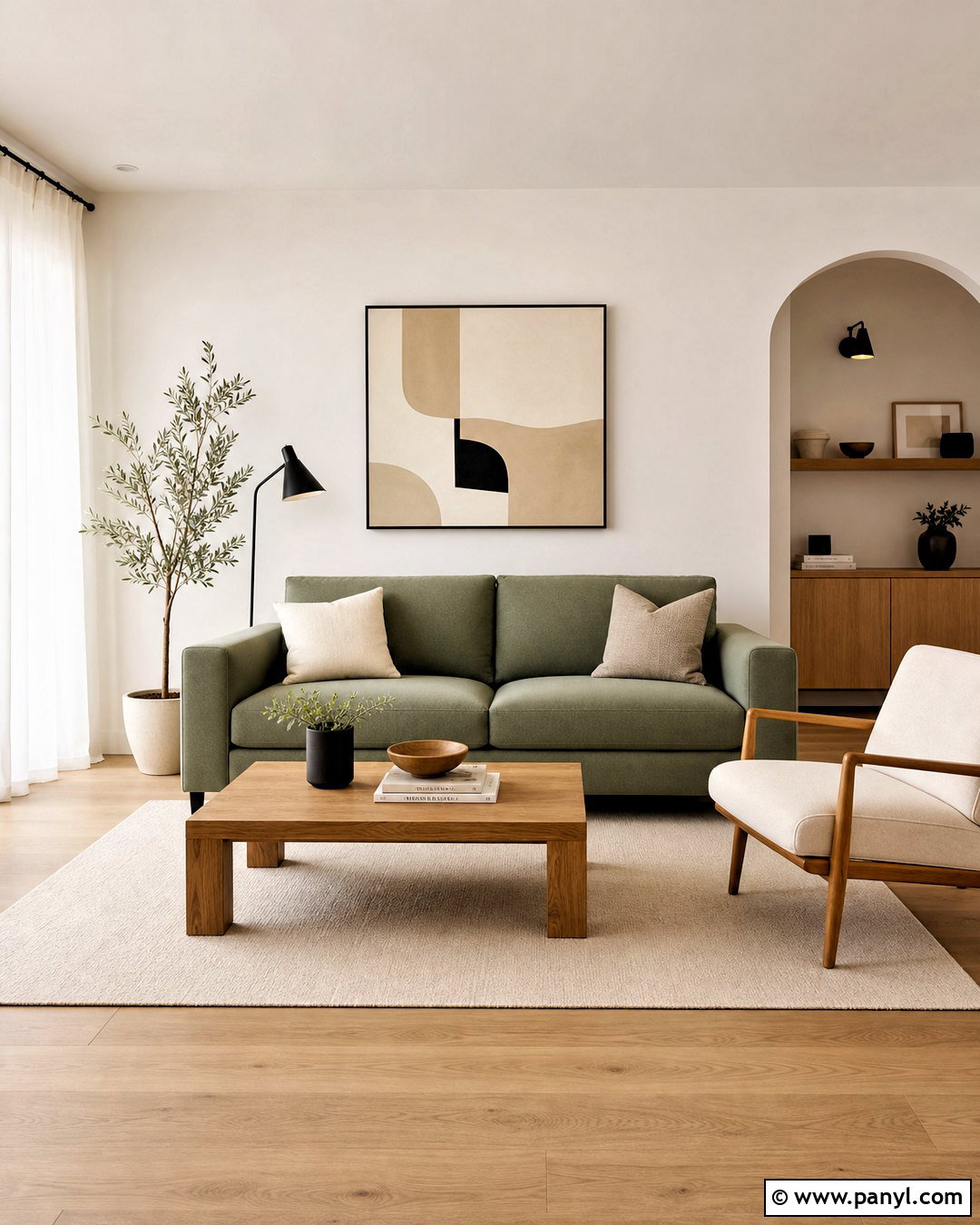
Clean white walls, pale oak furniture, and an uncomplicated layout give a sage green sofa a fresh modern setting. Select a streamlined sofa with low arms and position it across from a simple media console rather than filling the room with bulky pieces. A flat-weave ivory rug defines the seating area, while a slim oak coffee table keeps the center visually open. Add one sculptural lounge chair in warm white upholstery and a matte black floor lamp for crisp definition. Keep pillows minimal, using solid cream, muted olive, and a small black-and-white pattern. Hang one oversized abstract artwork above the sofa. Sheer white curtains, a leafy floor plant, and a softly shaped ceramic vase complete this calm, uncluttered living room.
3. Sage Green Sofa With Charcoal Walls
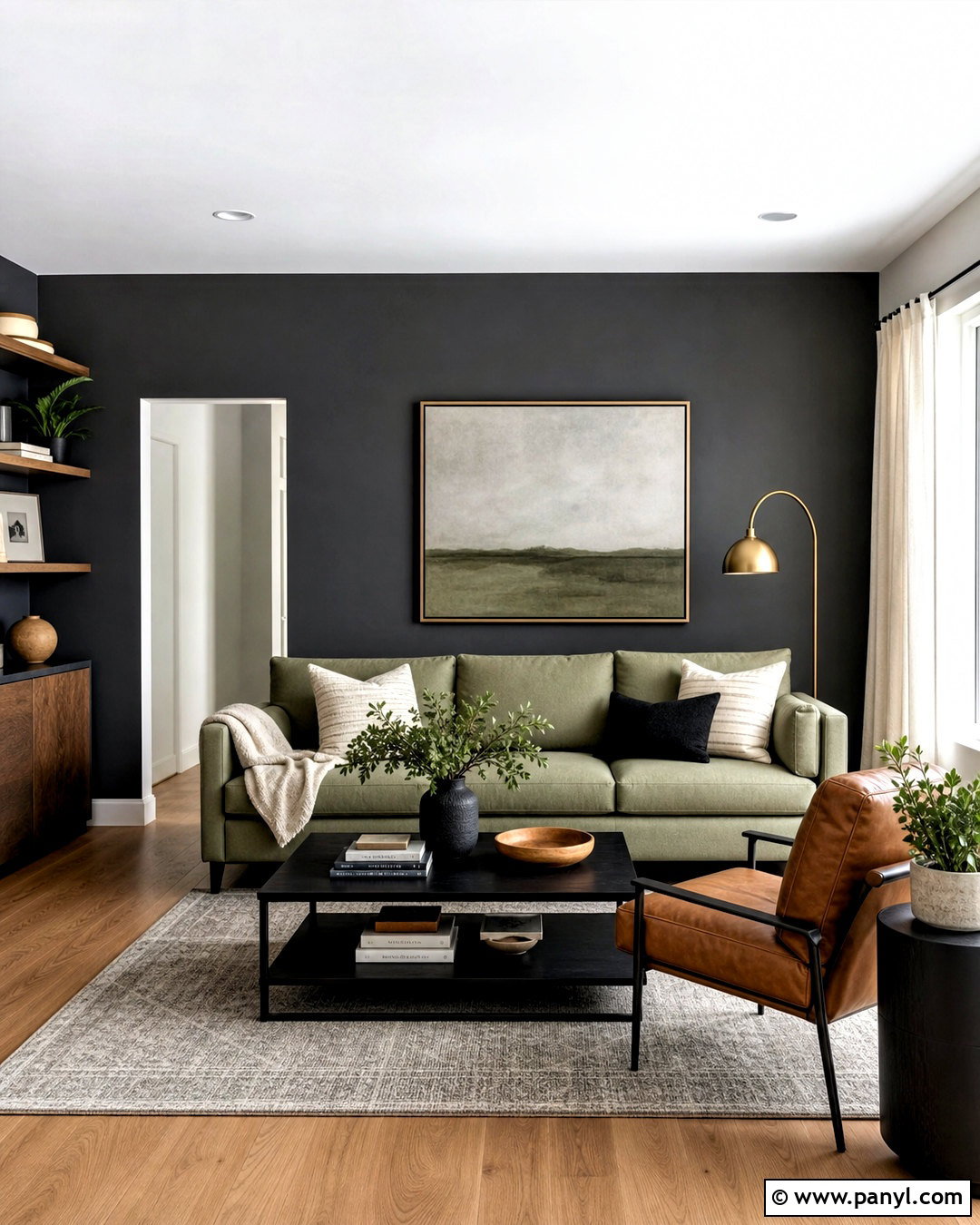
For a living room with more depth, place a sage green sofa against a charcoal accent wall while keeping the remaining walls warm white. The dark backdrop sharpens the sofa’s muted color and gives the seating area a clear focal point. Use a generous greige rug to lighten the floor, then introduce a black-stained wood coffee table and cognac leather armchair. Pillows in cream, charcoal, and a small geometric pattern connect the palette without overwhelming the sofa. Add matte black curtain rods, full ivory drapes, and a large contemporary print containing green and gray. Warm brass sconces or a brass floor lamp keep the darker scheme from feeling cold. Natural oak flooring and restrained greenery bring organic warmth back into the room.
4. Sage Green Sofa With Terracotta Accents
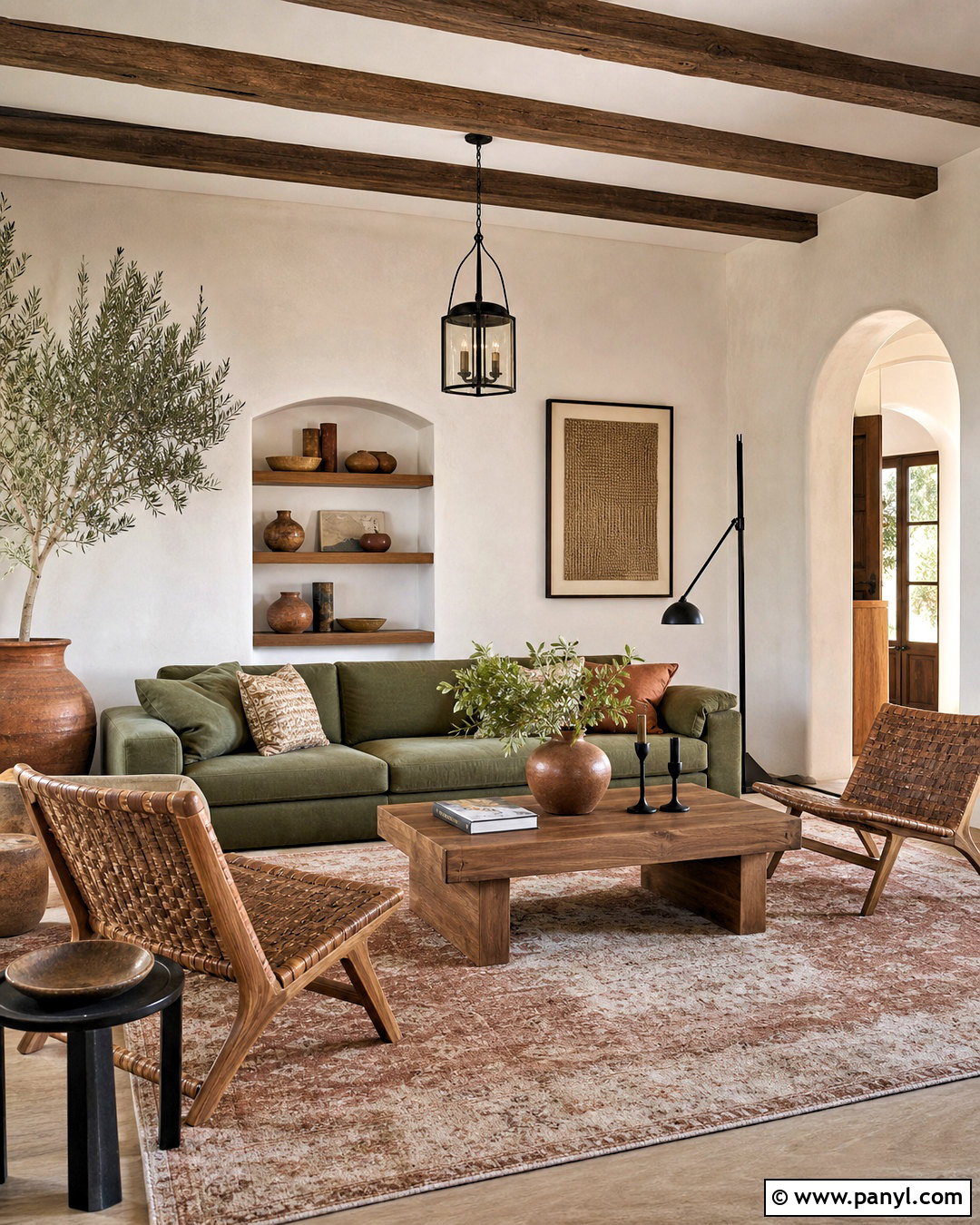
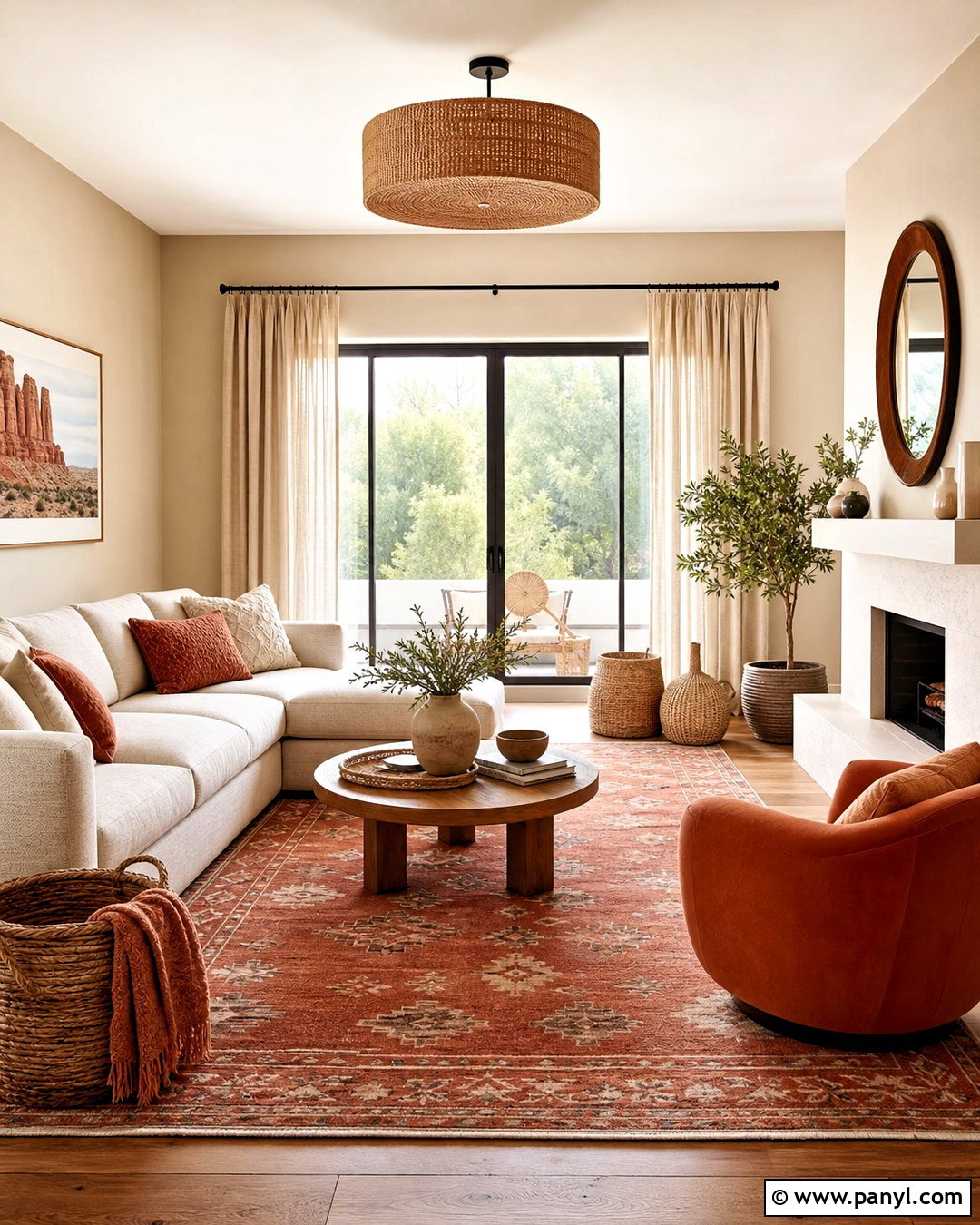
Terracotta gives sage green an earthy warmth that feels welcoming rather than overly coordinated. Begin with soft plaster-white walls and a faded area rug containing rust, sand, cream, and muted green. Place a substantial wood coffee table in front of the sofa and add a pair of woven leather or camel-colored chairs nearby. Use terracotta pillows sparingly, balancing them with cream linen cushions and a textured beige throw. Clay vessels, warm wood frames, and a rust-colored abstract print repeat the accent color around the room. Choose off-white curtains and black metal lighting to add contrast. A tall olive tree in a weathered planter completes this relaxed palette, creating a living room that feels collected, comfortable, and naturally connected.
5. Sage Green Sofa With Blush Pink
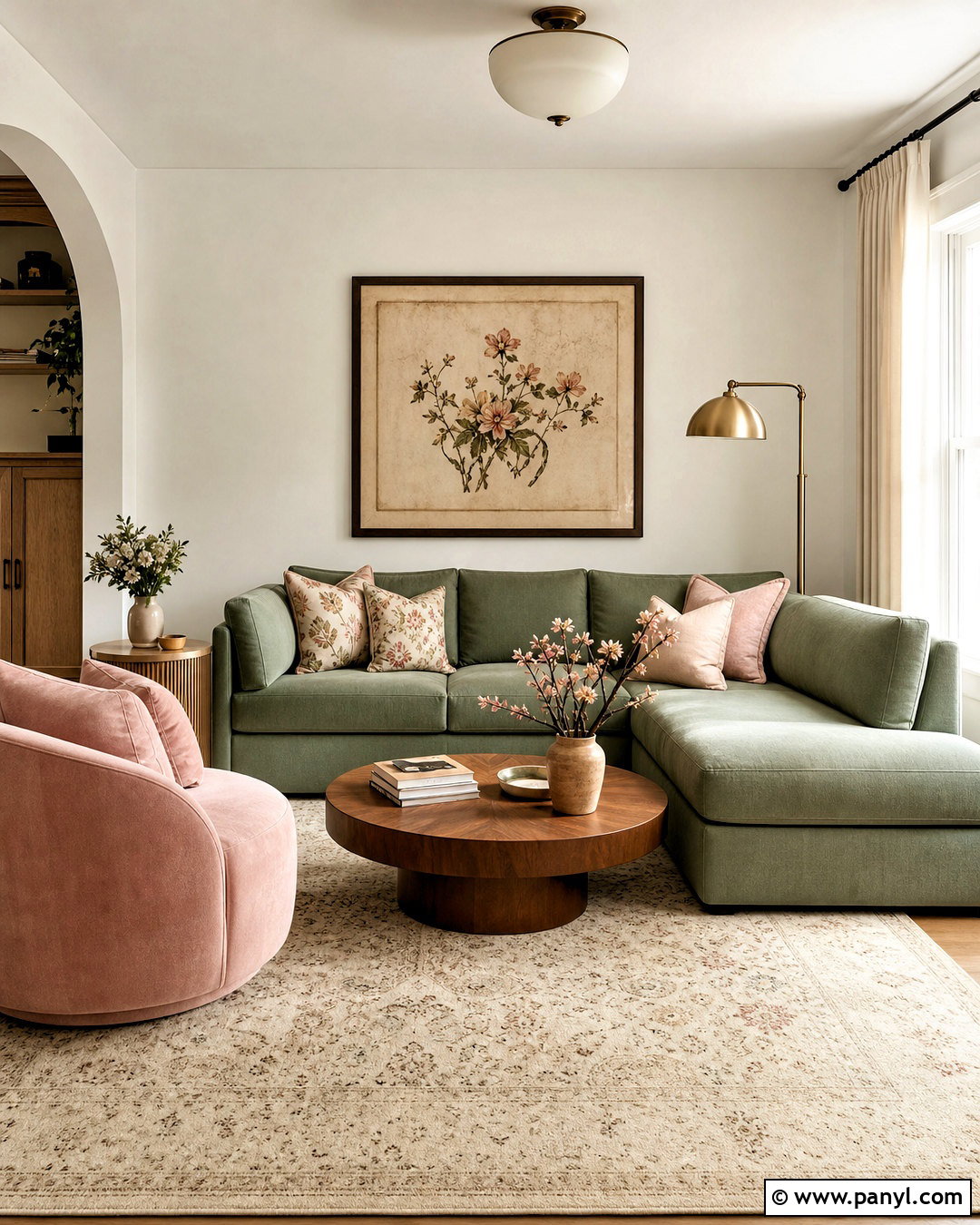
Blush pink can soften a sage green sofa without making the room feel overly sweet. Keep the walls warm white and use a cream rug with a faint rose or taupe pattern as the foundation. Add a curved accent chair in dusty blush upholstery, positioning it beside a round walnut coffee table for balance. On the sofa, combine one blush velvet pillow with ivory, taupe, and muted floral cushions. A slim brass floor lamp and small brass-framed side table bring warmth and polish. Choose artwork that contains faded pink, green, and beige instead of using brightly colored prints. Full linen curtains, medium walnut flooring, and a vase of leafy branches keep the overall room mature, calm, and easy to update.
6. Sage Green Sofa With Navy Blue
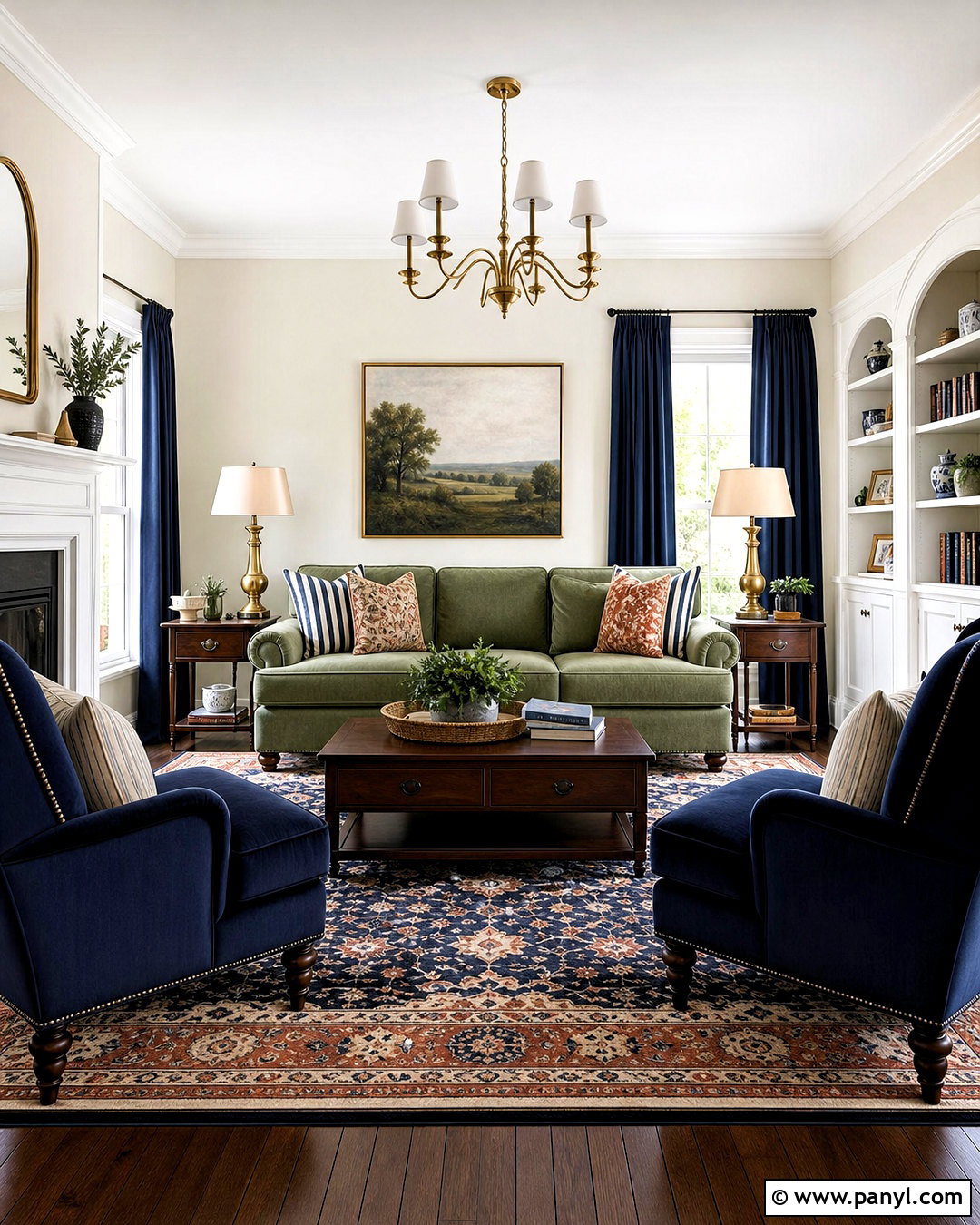
Navy blue brings confident contrast to a sage green sofa while preserving a composed, comfortable atmosphere. Use warm white walls so both colors remain clear, then ground the room with a vintage-inspired rug combining navy, sage, rust, and cream. Position two compact navy armchairs across from the sofa with a medium-toned wood coffee table between them. Add cream and navy striped pillows, but leave enough visible green upholstery to keep the sofa prominent. Dark blue curtains can frame a bright window, while woven shades prevent the treatment from appearing heavy. Finish with brass table lamps, walnut side tables, and traditional landscape artwork. Small rust-colored accents in the rug and decor add warmth and keep the blue-green palette from feeling cool.
7. Sage Green Sofa With Chocolate Brown
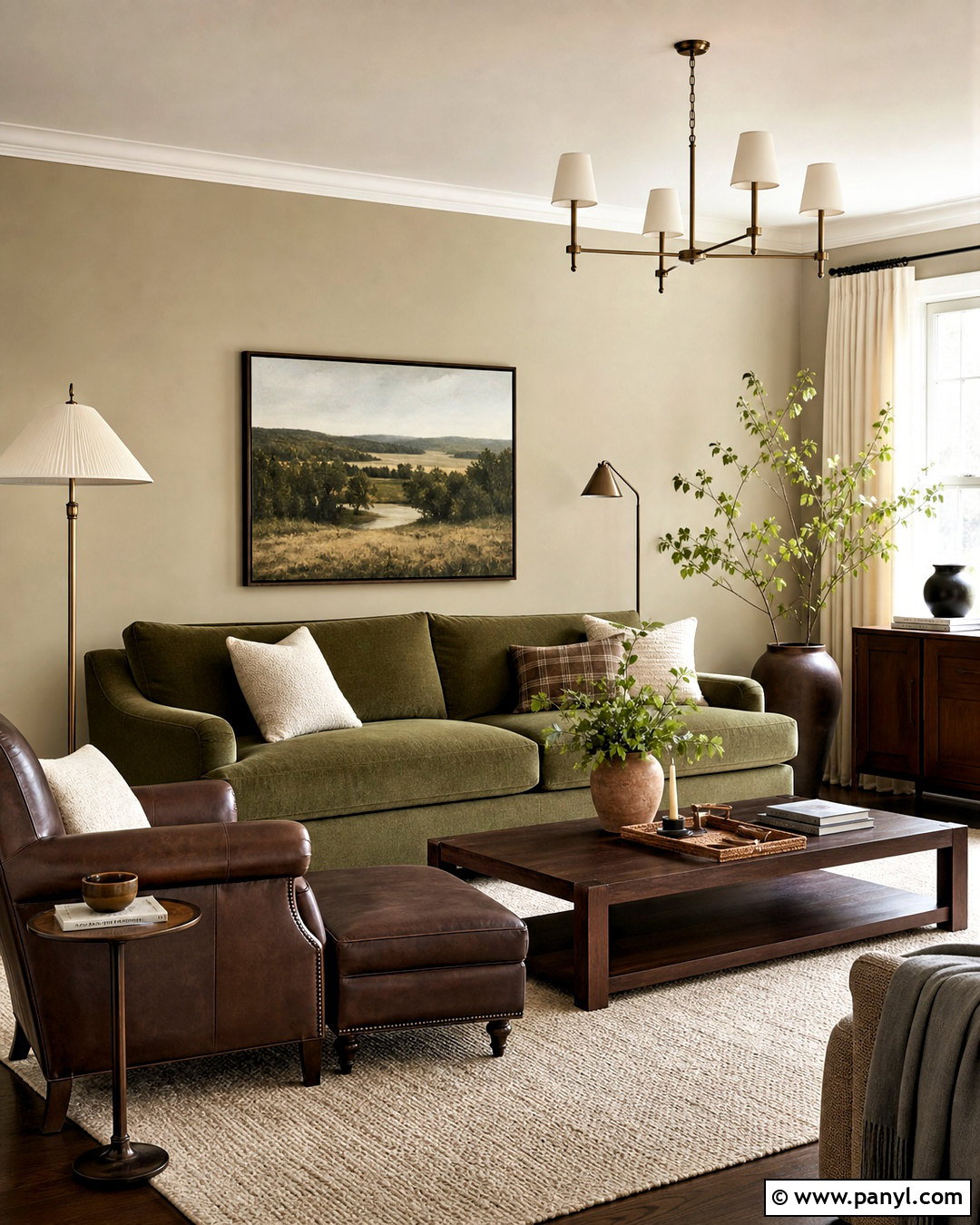
Rich chocolate brown creates a grounded, sophisticated partner for a soft sage green sofa. Paint the walls a warm greige and place the sofa over a large cream rug with subtle brown lines. Add a dark walnut coffee table, chocolate leather lounge chair, and matching wood side tables to distribute the deeper color throughout the space. Textiles should remain lighter, such as ivory bouclé pillows, a camel wool throw, and one patterned cushion containing green and brown. Hang an oversized landscape or sepia-toned photograph above the sofa in a dark wood frame. Bronze lighting and linen curtains enhance the warmth. Finish with a large leafy plant and handmade pottery, creating a comfortable room with natural materials and balanced visual weight.
8. Sage Green Sofa With Green Walls
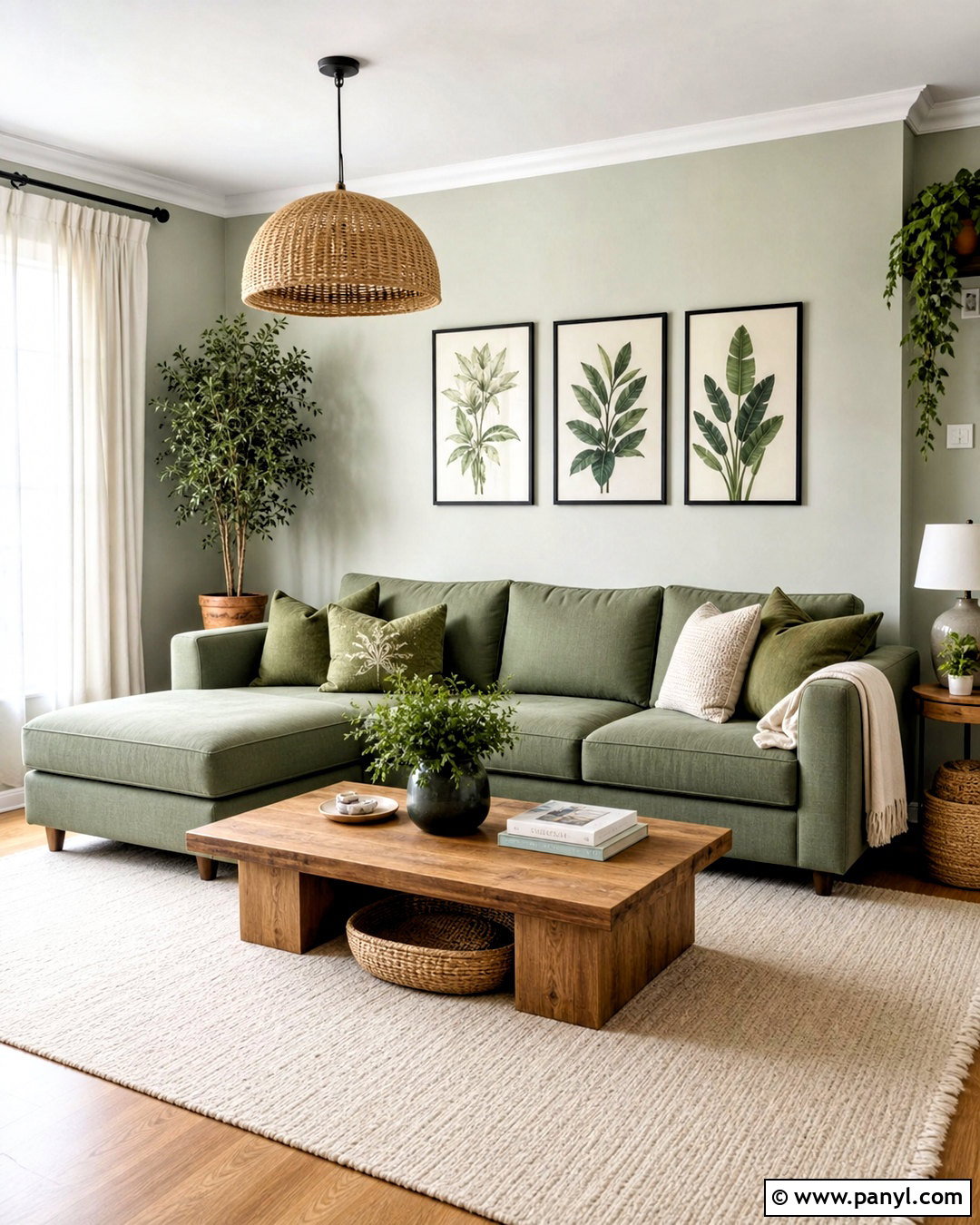
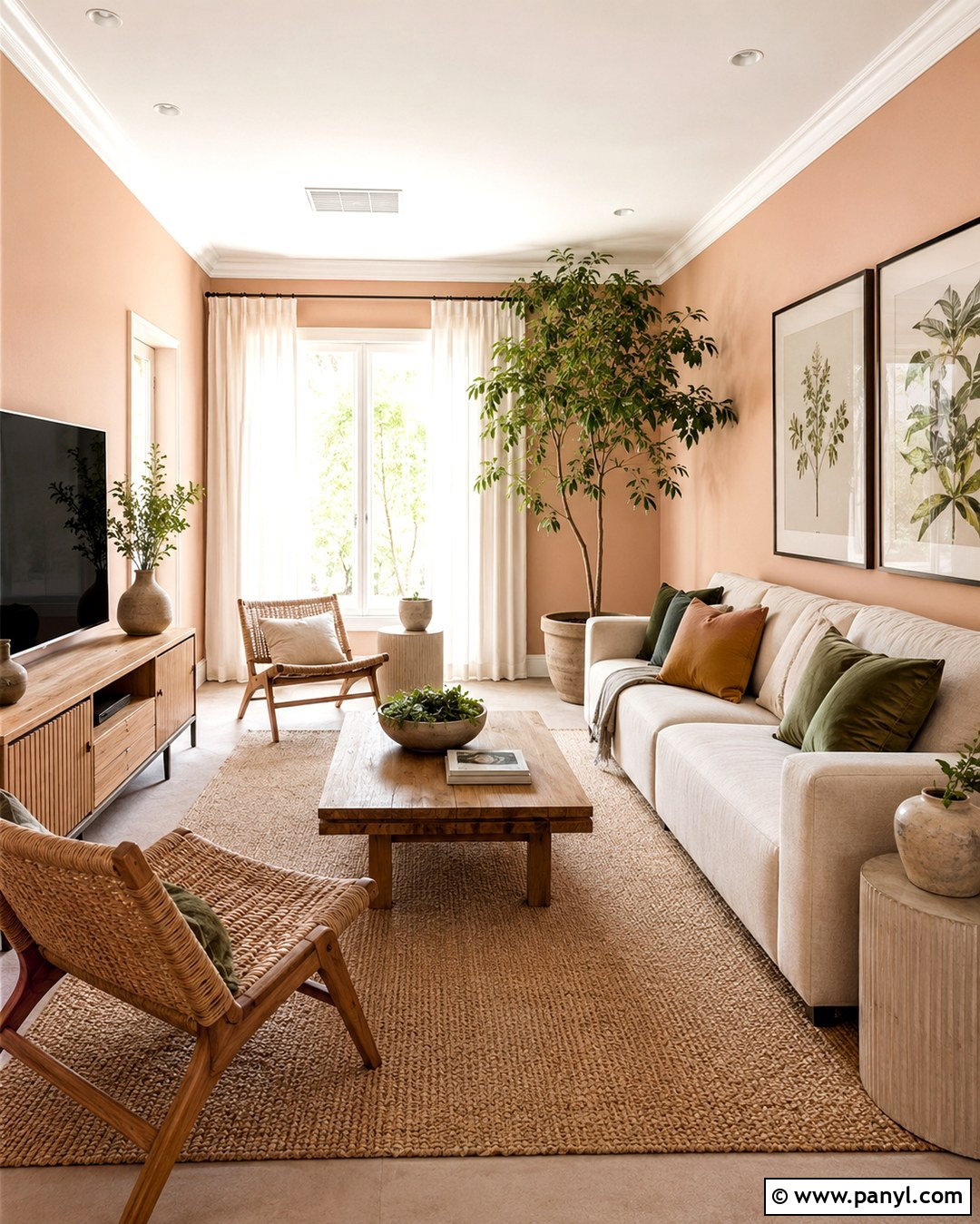
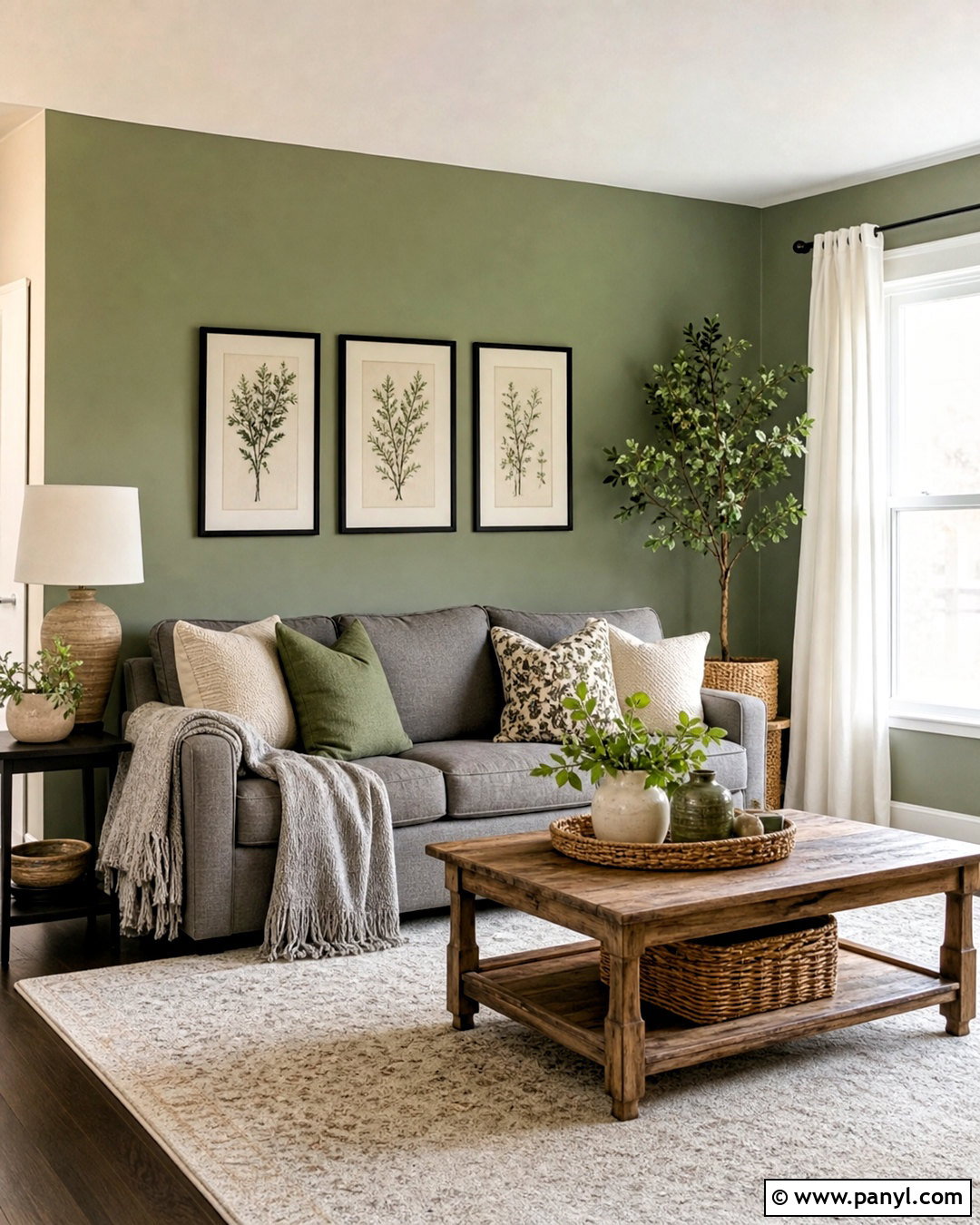
A tonal green room can feel layered and intentional when the walls and sofa are different shades. Choose pale gray-green paint for the walls so the sage green sofa remains visible rather than disappearing into the background. Use darker olive accents through pillows, a ceramic lamp, and one occasional chair. A cream rug and warm oak coffee table break up the green, while ivory curtains keep the windows bright. Introduce small black details through picture frames and curtain hardware to provide definition. Botanical artwork can work well, but select simple prints with generous neutral backgrounds. Add natural linen, woven baskets, and a few terracotta planters. The finished living room feels immersive and restful without relying on an exact matching furniture-and-wall combination.
9. Scandinavian Sage Green Sofa
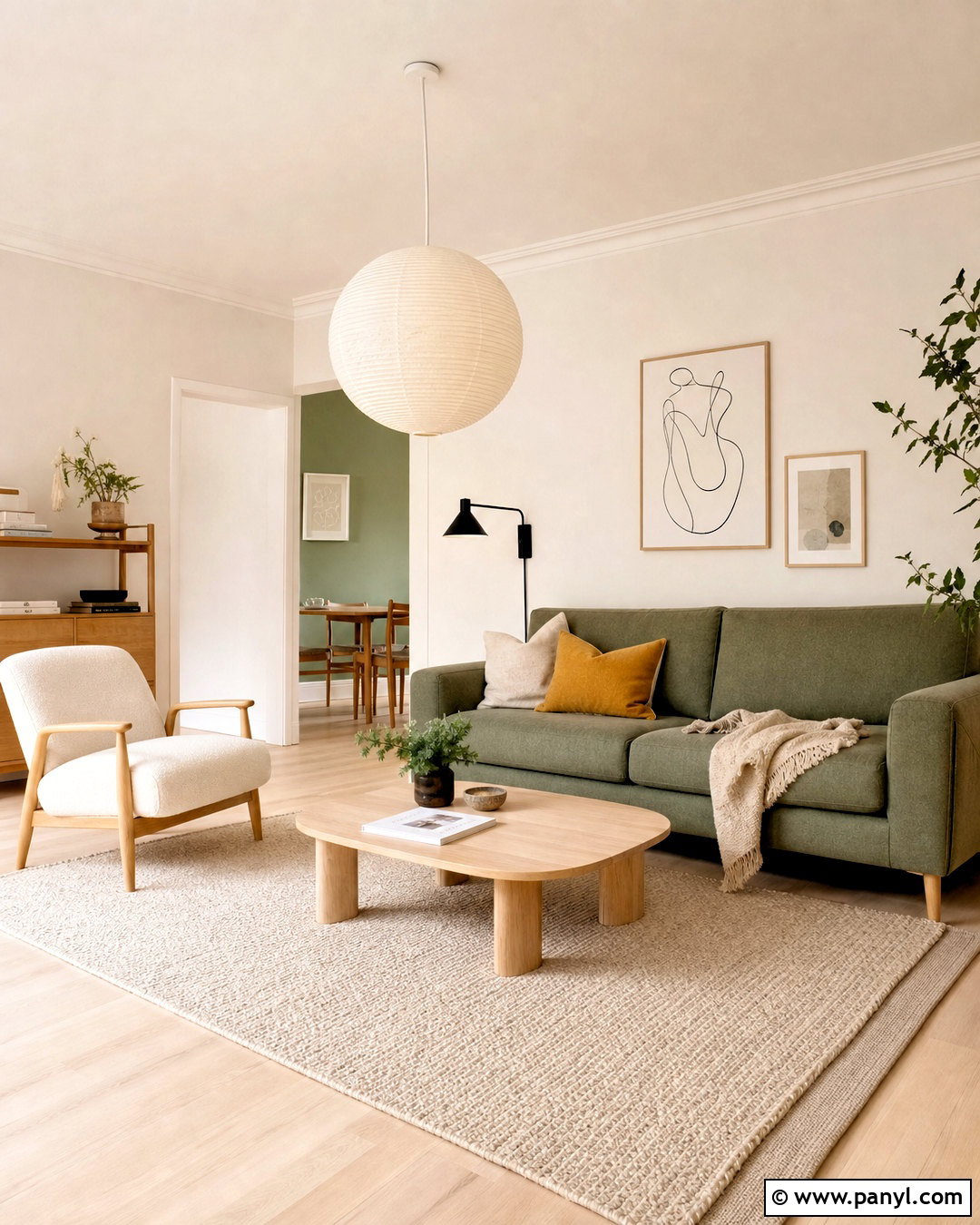
Imagine a bright, practical room where every piece has a purpose and the sage green sofa provides the main color. Paint the walls crisp warm white and choose pale wood flooring with a large off-white flat-weave rug. Pair the sofa with a light oak coffee table, a simple cream lounge chair, and a narrow wood media console. Keep the layout open, allowing clear walking space around each furniture piece. Add cushions in ivory, soft gray, and muted mustard for restrained warmth. A paper pendant light, black reading lamp, and minimal line artwork introduce definition without clutter. Finish with white linen curtains, one sculptural plant, and a shallow wood bowl. The overall look should feel comfortable, airy, and thoughtfully edited.
10. Boho Sage Green Sofa
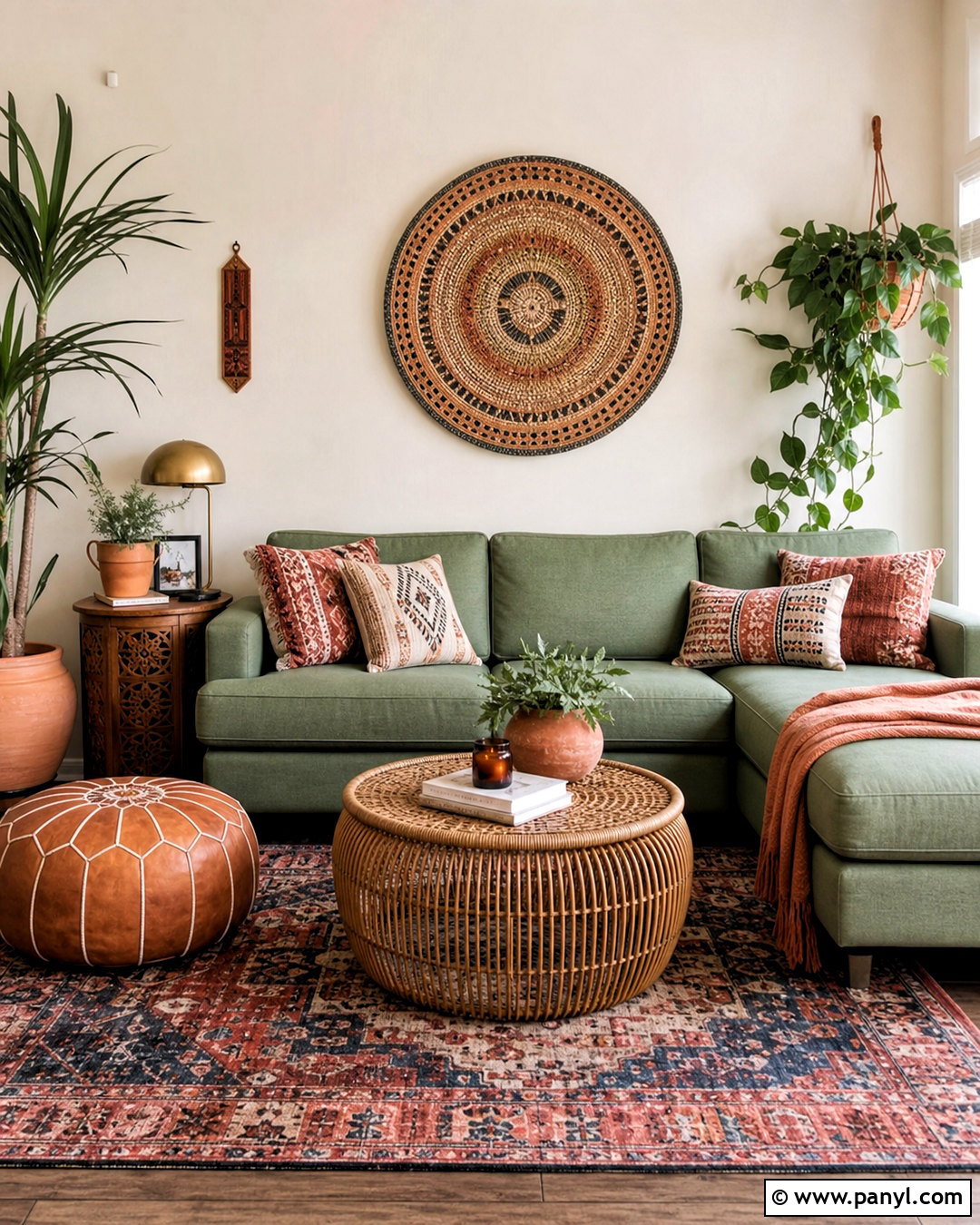
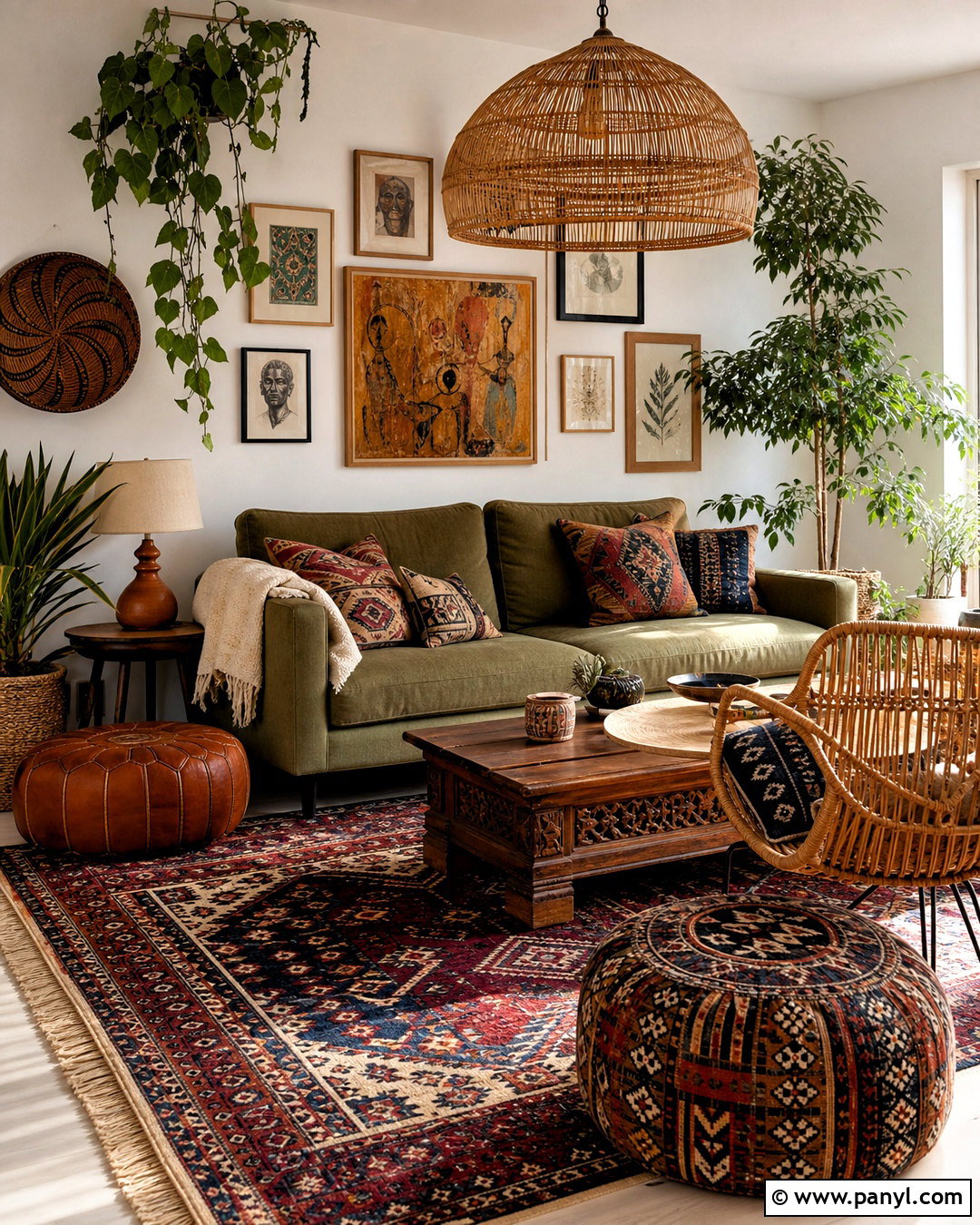
A boho living room becomes more cohesive when the sage green sofa anchors its many colors and textures. Start with creamy walls and layer a faded Persian-style rug in rust, indigo, beige, and green beneath the seating. Add a round rattan coffee table, a carved wood side table, and a relaxed leather pouf. Mix patterned pillows with solid linen cushions, limiting the palette to rust, cream, mustard, and muted blue. Instead of crowding every surface, create one plant grouping near the brightest window using baskets and terracotta pots. Hang a woven wall piece alongside framed vintage artwork above the sofa. Soft ivory curtains, a beaded pendant, and warm table lamps complete a personal, collected room that still feels organized and comfortable.
11. Farmhouse Sage Green Sofa
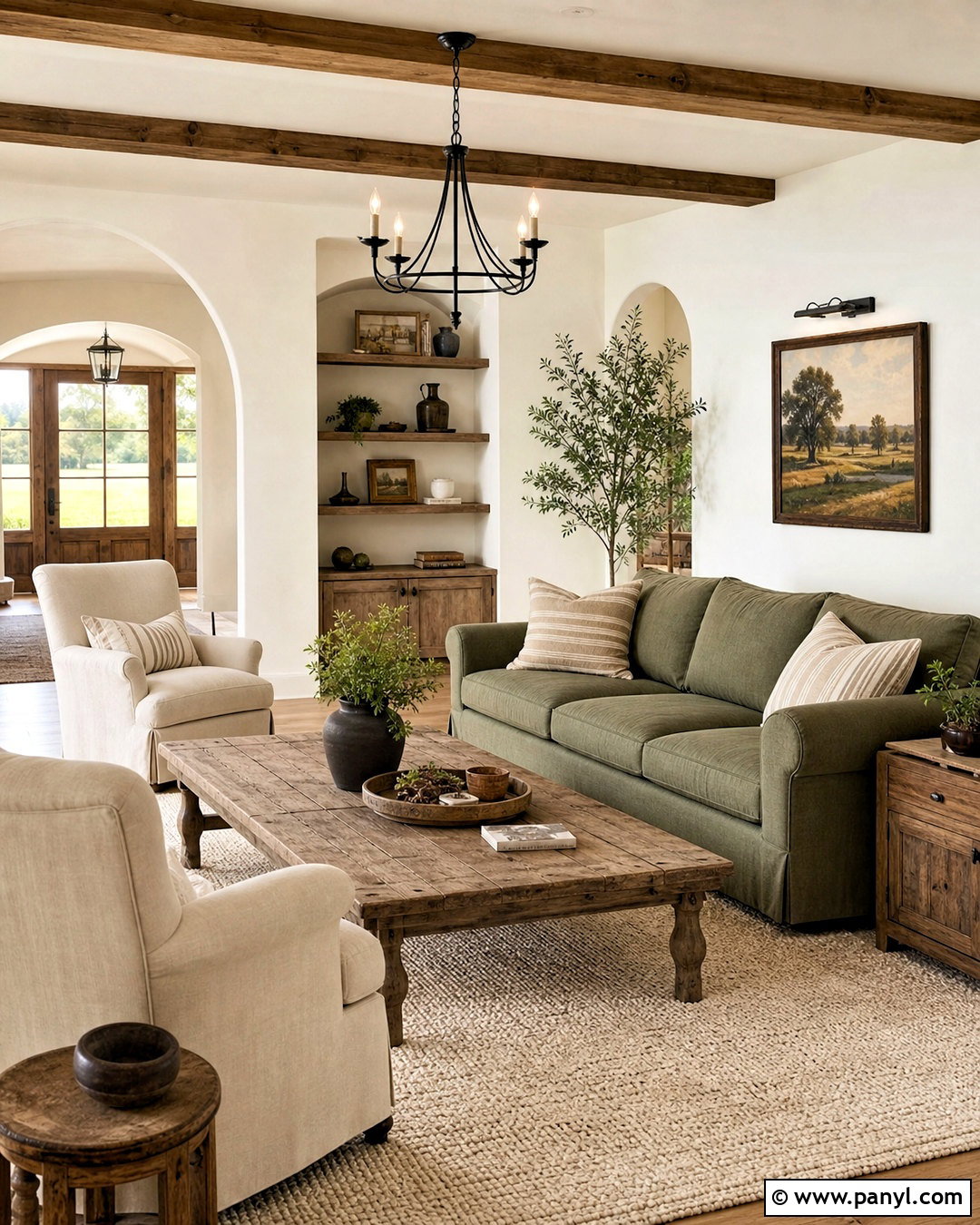
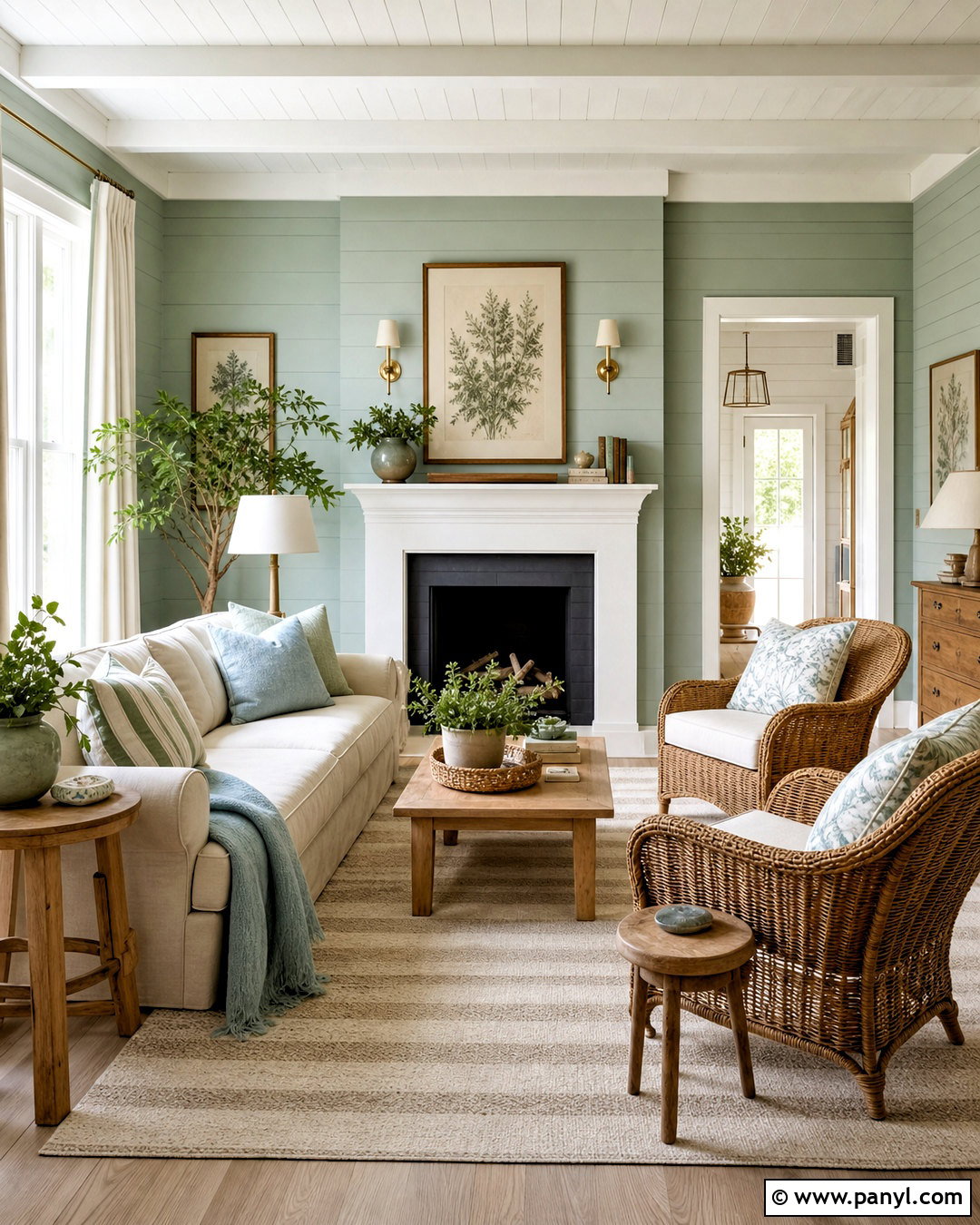
For a relaxed farmhouse setting, surround the sage green sofa with warm white walls, natural wood, and practical vintage-inspired pieces. Place a distressed oak coffee table over a textured cream rug and add two slipcovered oatmeal chairs across from the sofa. Use ticking-stripe, small floral, and solid linen pillows in cream, faded blue, and green. A black metal chandelier or simple iron floor lamp provides contrast against the pale background. Choose a weathered wood console, ceramic table lamps, and framed countryside artwork instead of overly themed signs. Woven baskets can store blankets beside the seating area. Finish with full cotton curtains and a substantial wood mantel or shelving unit. The result feels familiar and comfortable while remaining clean enough for everyday family living.
12. Midcentury Modern Sage Green Sofa
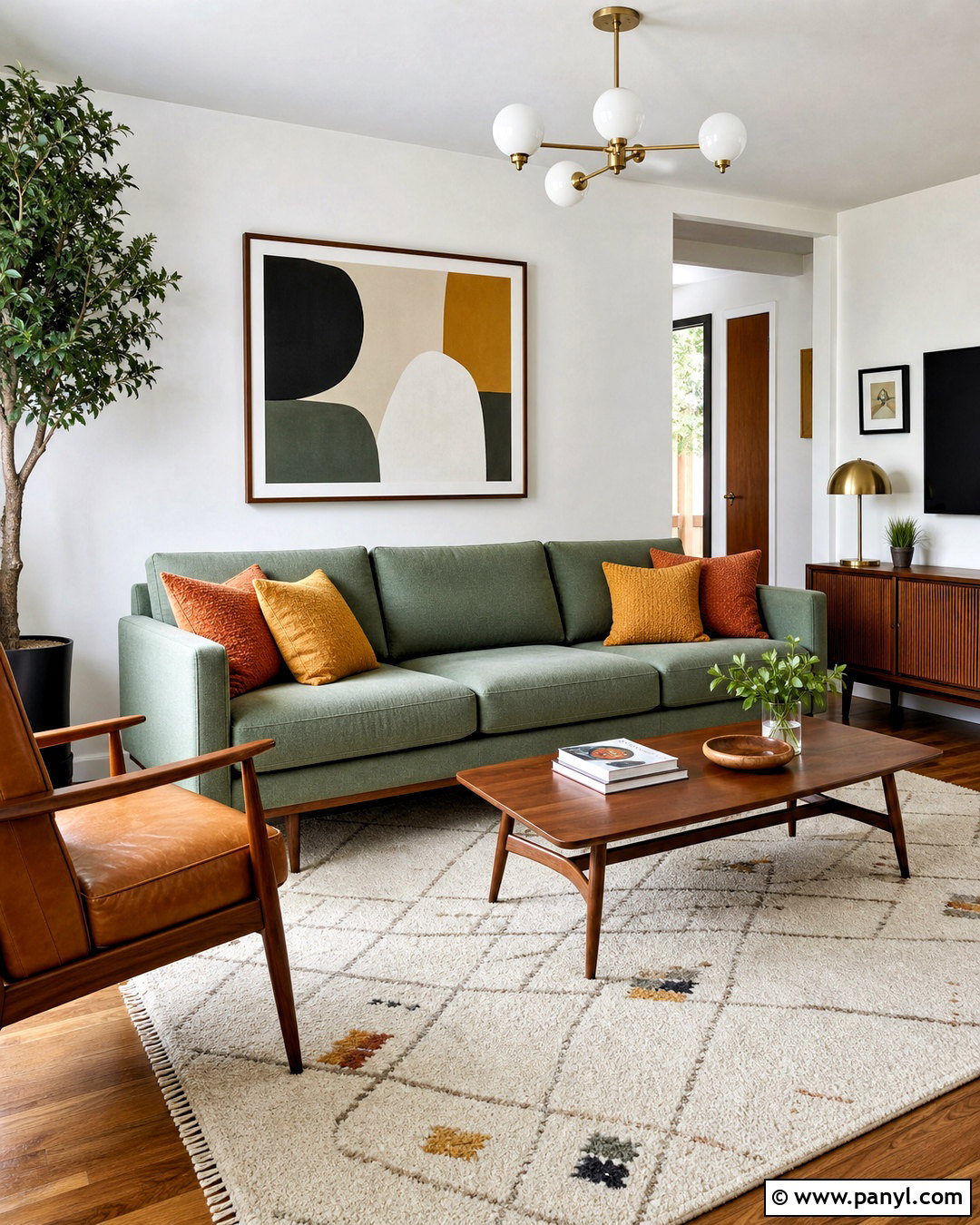
The clean shape of a sage green sofa fits naturally into a midcentury modern living room with walnut furniture and graphic accents. Choose a sofa with tailored cushions and visible tapered wood legs, then place it against a warm white or pale greige wall. Add a rectangular walnut coffee table, low media console, and one caramel leather lounge chair. A cream rug with a simple black geometric pattern defines the seating zone. Use cushions in mustard, burnt orange, cream, and deep teal, keeping each color limited to one or two pieces. Finish the room with a globe floor lamp, large abstract artwork, and walnut-framed mirror. Long off-white curtains soften the architecture, while a sculptural indoor tree adds height beside the low furniture.
13. Coastal Sage Green Sofa
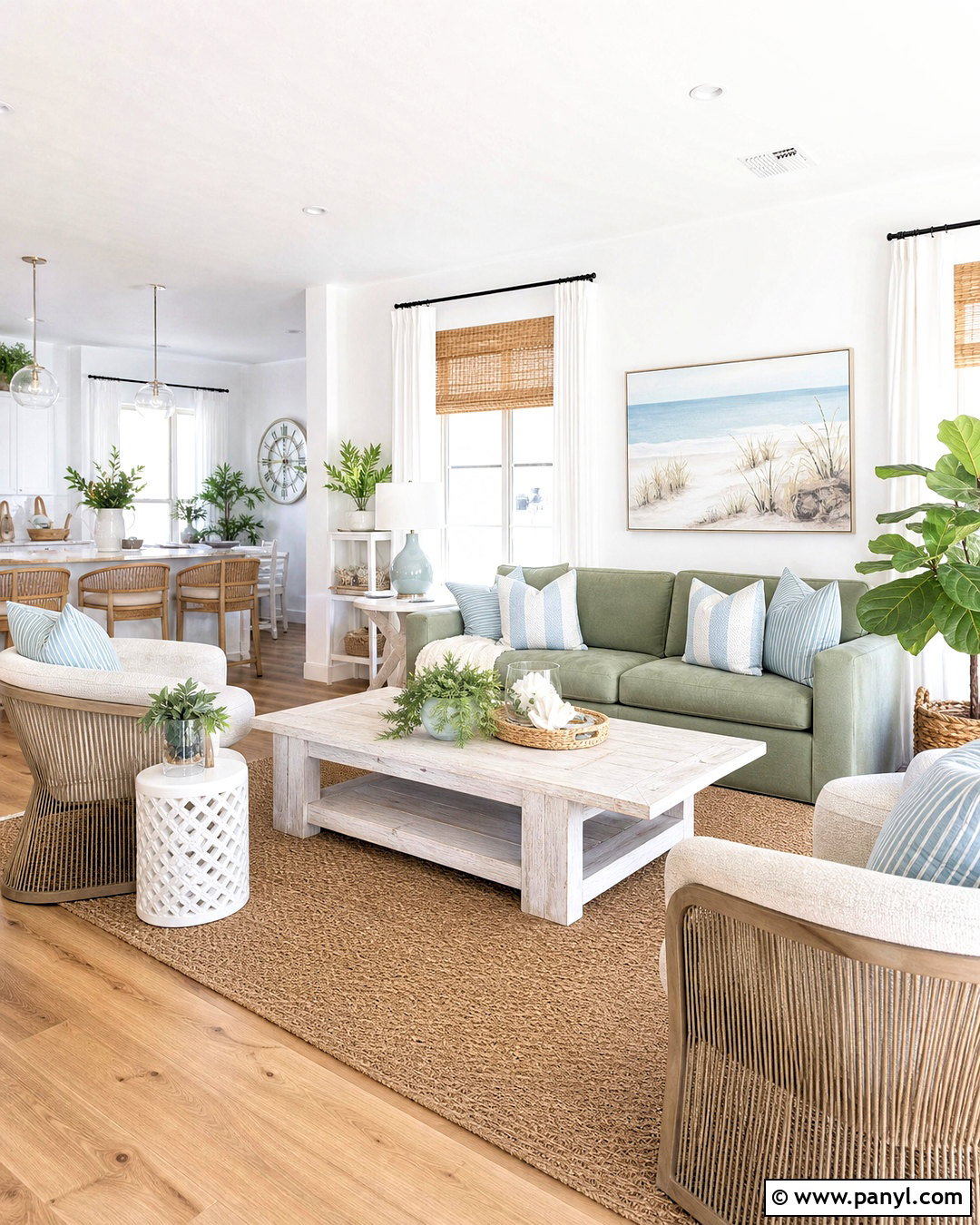
A sage green sofa offers a softer alternative to blue in a casual coastal living room. Use bright white walls, light oak flooring, and an oversized natural fiber rug to build an airy foundation. Pair the sofa with a whitewashed wood coffee table and two relaxed armchairs upholstered in sandy beige linen. Add pillows in ivory, pale blue, and subtle stripes, avoiding obvious nautical symbols. Woven shades and breezy white curtains filter the daylight while adding texture. Display a large coastal landscape in muted green, blue, and sand tones above the sofa. Ceramic lamps with linen shades, seagrass baskets, and a few pieces of pale driftwood complete the scheme. Keep the furniture arrangement open and uncluttered to maintain the light coastal feeling.
14. Traditional Sage Green Sofa
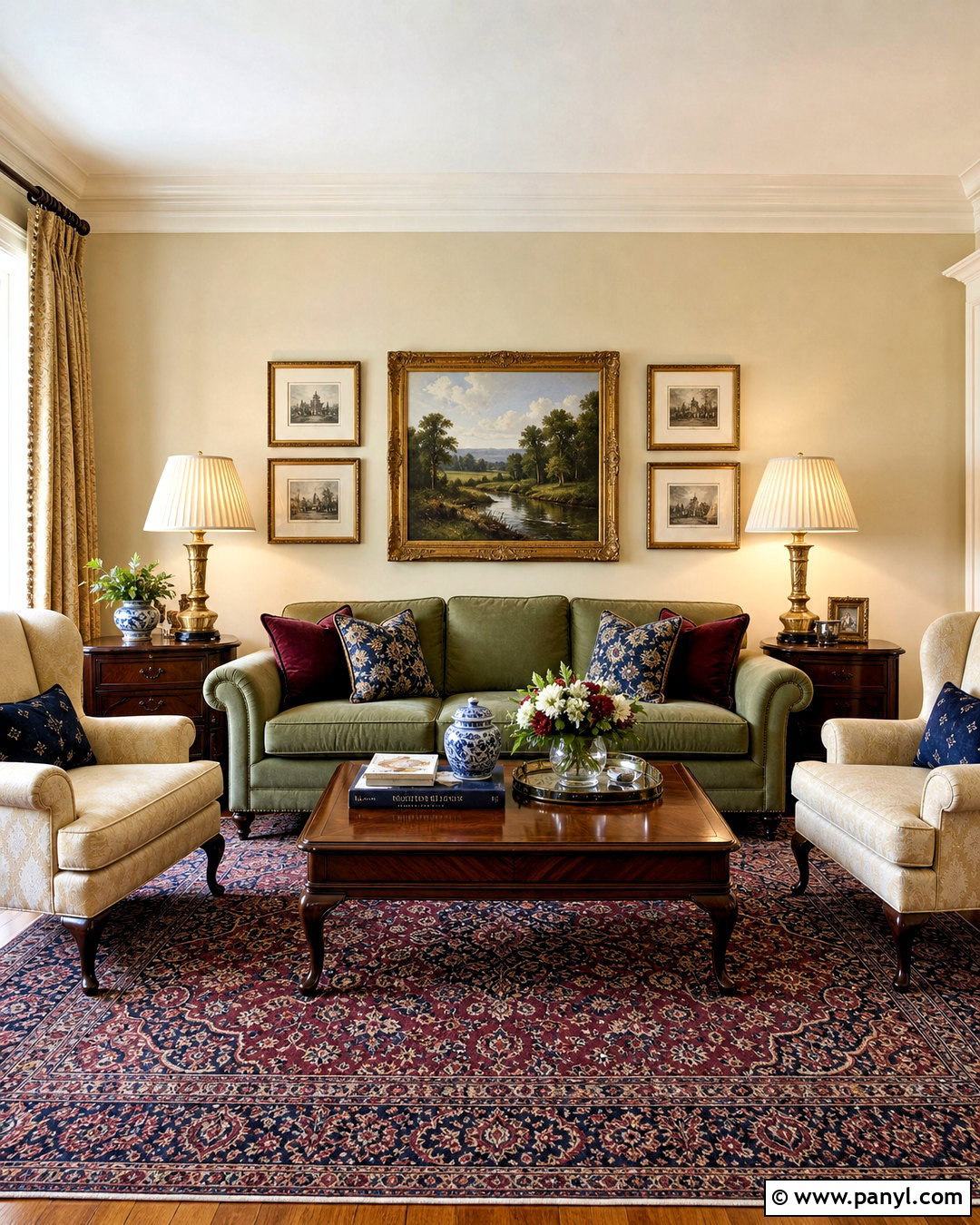
Traditional details can make a sage green sofa feel established and elegant rather than trendy. Position a rolled-arm or tufted sofa opposite two cream wingback chairs, with a polished walnut coffee table centered on a patterned wool rug. Choose walls in warm ivory and add substantial crown molding if the architecture supports it. Layer the sofa with floral, plaid, and velvet pillows in burgundy, navy, cream, and muted green. Hang a classic landscape painting above the sofa in an antique brass frame. Pleated lampshades, dark wood side tables, and full-length pinch-pleat curtains reinforce the tailored look. Keep accessories symmetrical but not rigid. A pair of ceramic lamps and small greenery arrangements will create balance while allowing the room to remain comfortable and usable.
15. Industrial Sage Green Sofa
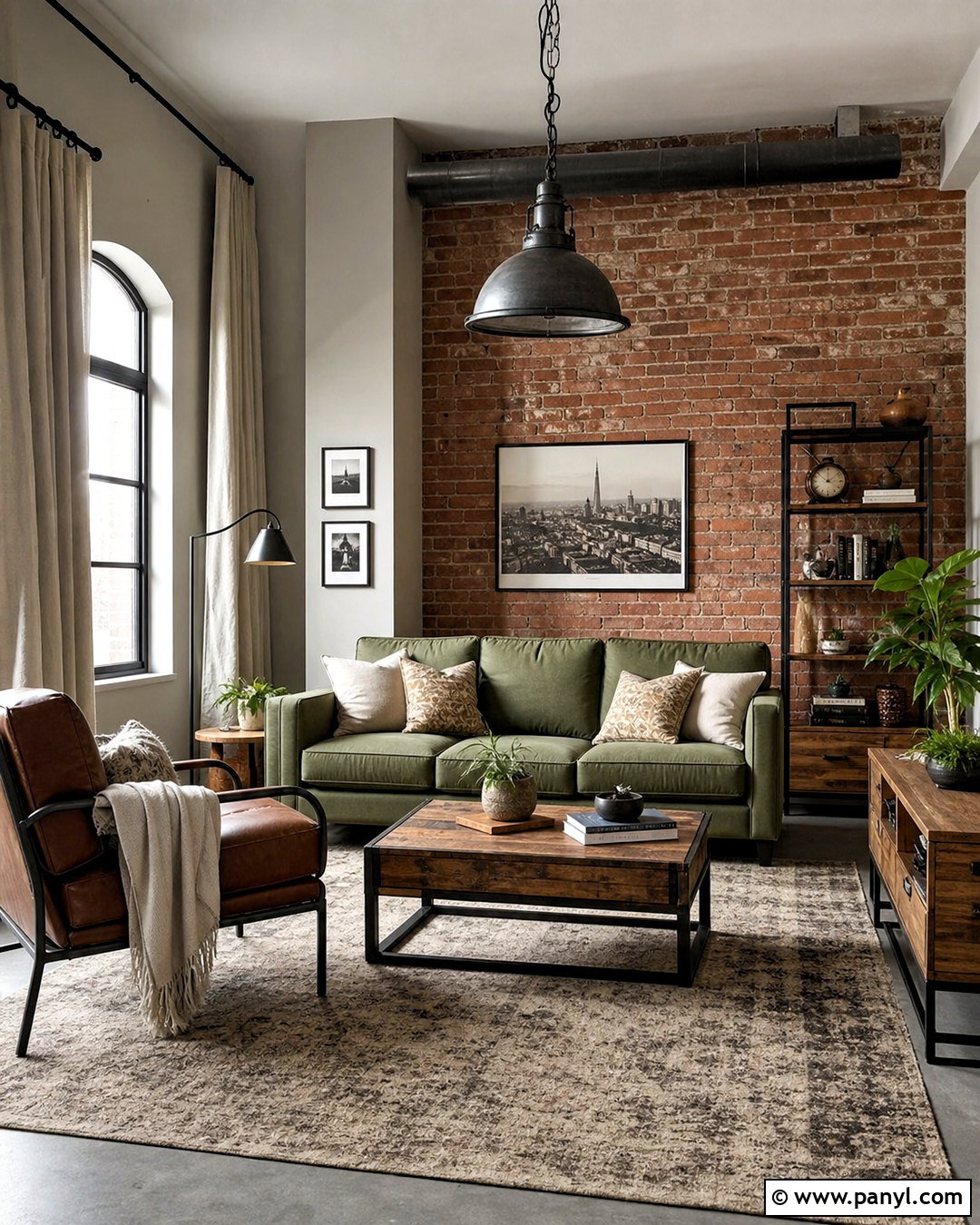
Raw materials provide an unexpectedly strong backdrop for a soft sage green sofa. Place the sofa against a warm exposed-brick wall or a convincing brick feature surface, keeping the other walls light gray. Anchor the seating with a large faded cream-and-charcoal rug and a substantial coffee table made from reclaimed wood and black steel. Add a cognac leather chair and a slim black metal shelving unit for storage. Pillows in cream, charcoal, and rust connect the harder materials to the upholstery. Choose oversized black factory-style lighting, but use warm white bulbs to keep the room welcoming. Simple framed photography, linen curtains, and a tall leafy plant soften the structure. The complete space should feel urban, balanced, and comfortable rather than unfinished.
16. Small Living Room With Sage Green Sofa
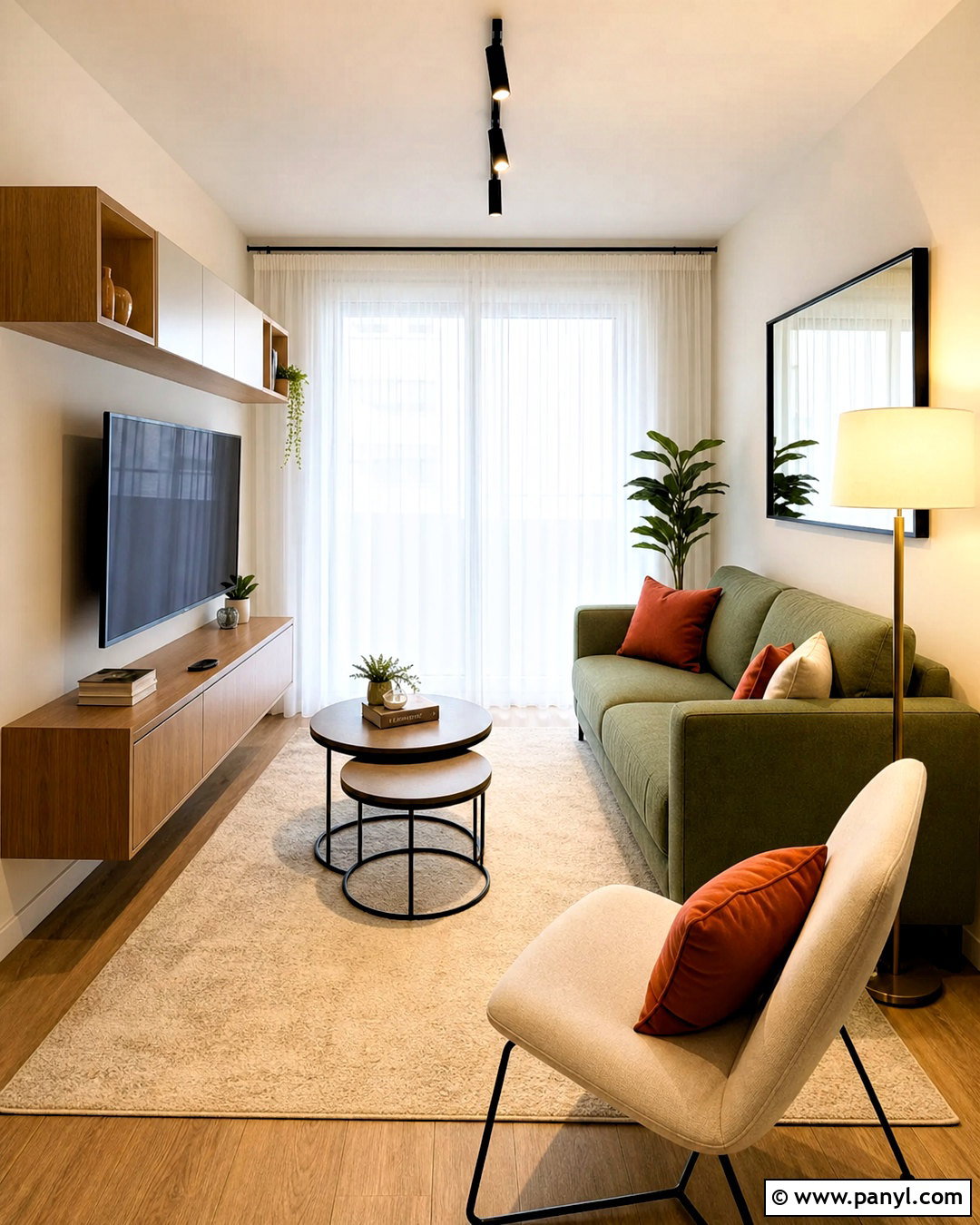
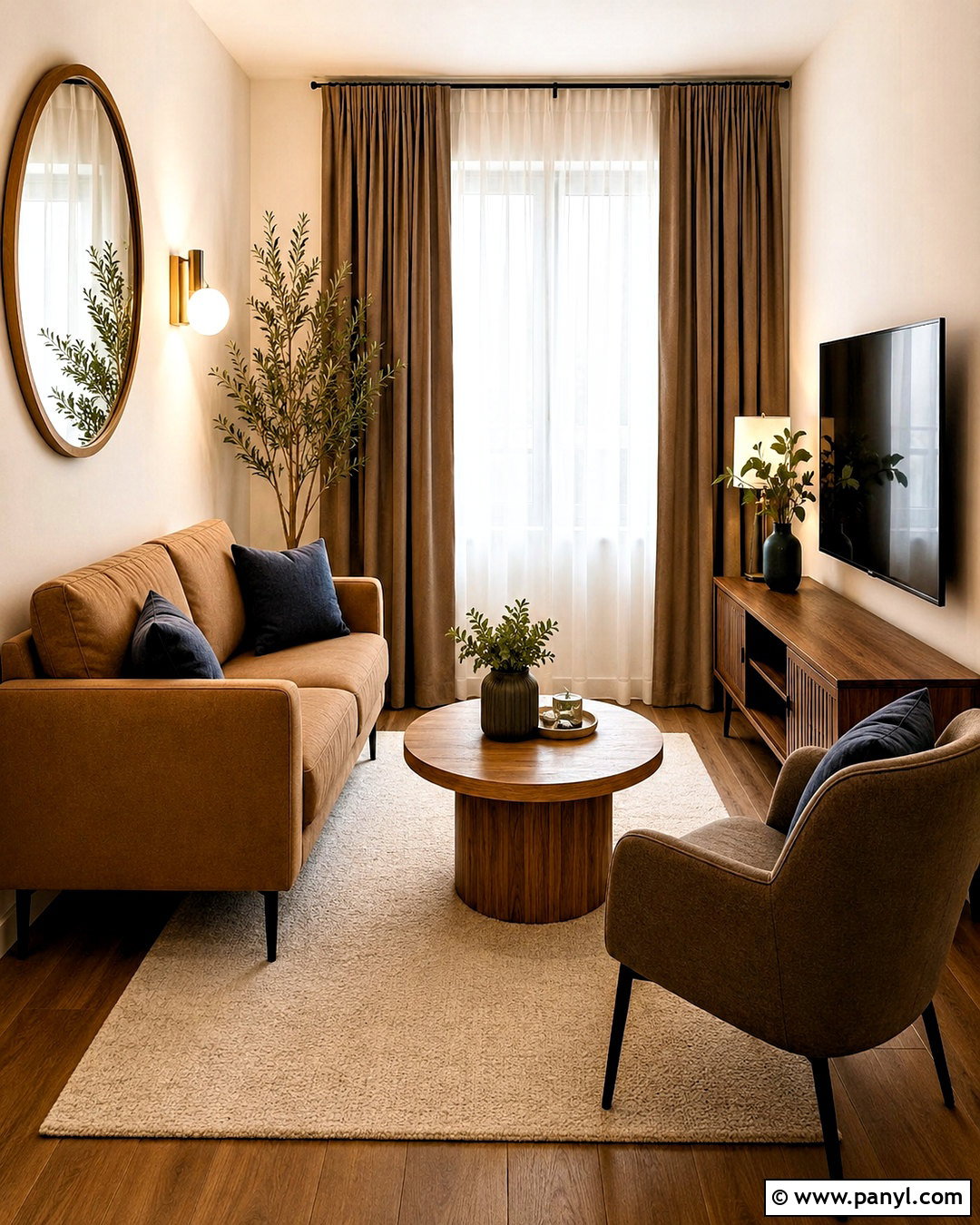
In a compact living room, choose a small-scale sage green sofa with raised legs and narrow arms to preserve visible floor space. Place it along the longest uninterrupted wall and use an appropriately sized cream rug to establish the seating area. A round nesting coffee table prevents sharp corners from interrupting circulation, while one lightweight accent chair can be moved when needed. Select a wall-mounted media console or narrow bookcase instead of deep storage furniture. Warm white walls, sheer curtains, and a large mirror help distribute available light. Keep pillows limited to cream, muted rust, and one small pattern. Add a slender floor lamp and compact side table. This efficient arrangement delivers color, storage, comfort, and an open path through the room.
17. Sage Green Sofa With Fireplace
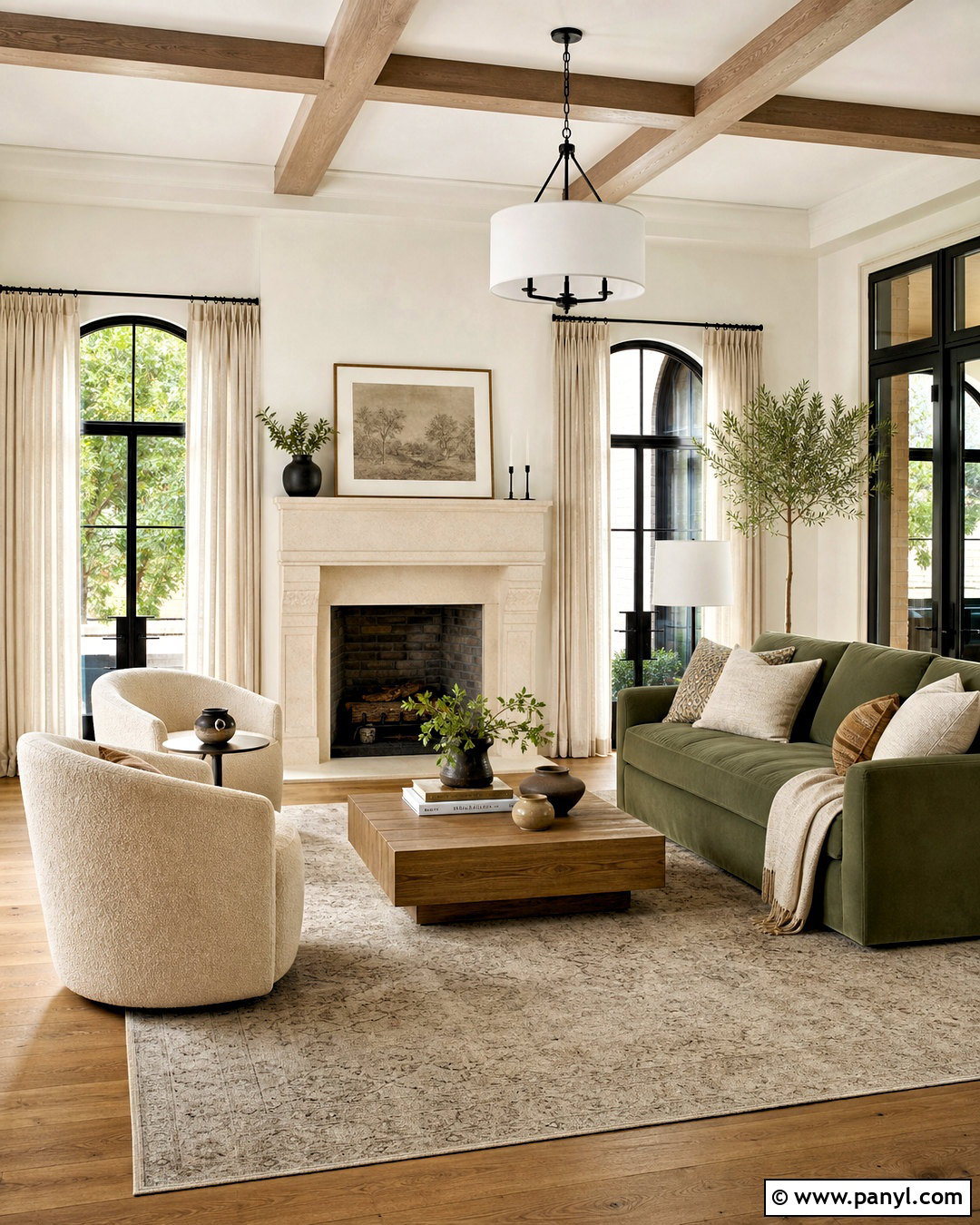
A fireplace and sage green sofa should share attention instead of competing as separate focal points. Position the sofa perpendicular to the fireplace, then place two light neutral chairs opposite it to create a balanced U-shaped conversation area. Use a large cream-and-taupe rug to unite all the seating. A simple oak coffee table adds warmth, while the fireplace surround can remain white stone, pale brick, or quiet limestone. Repeat sage through one chair pillow and a small ceramic piece on the mantel. Keep the remaining accessories cream, tan, and matte black. Hang a mirror or restrained artwork above the mantel rather than filling it with small objects. Linen curtains and layered lamps make the complete arrangement comfortable even when the fireplace is not in use.
18. Sage Green Sofa With Gallery Wall
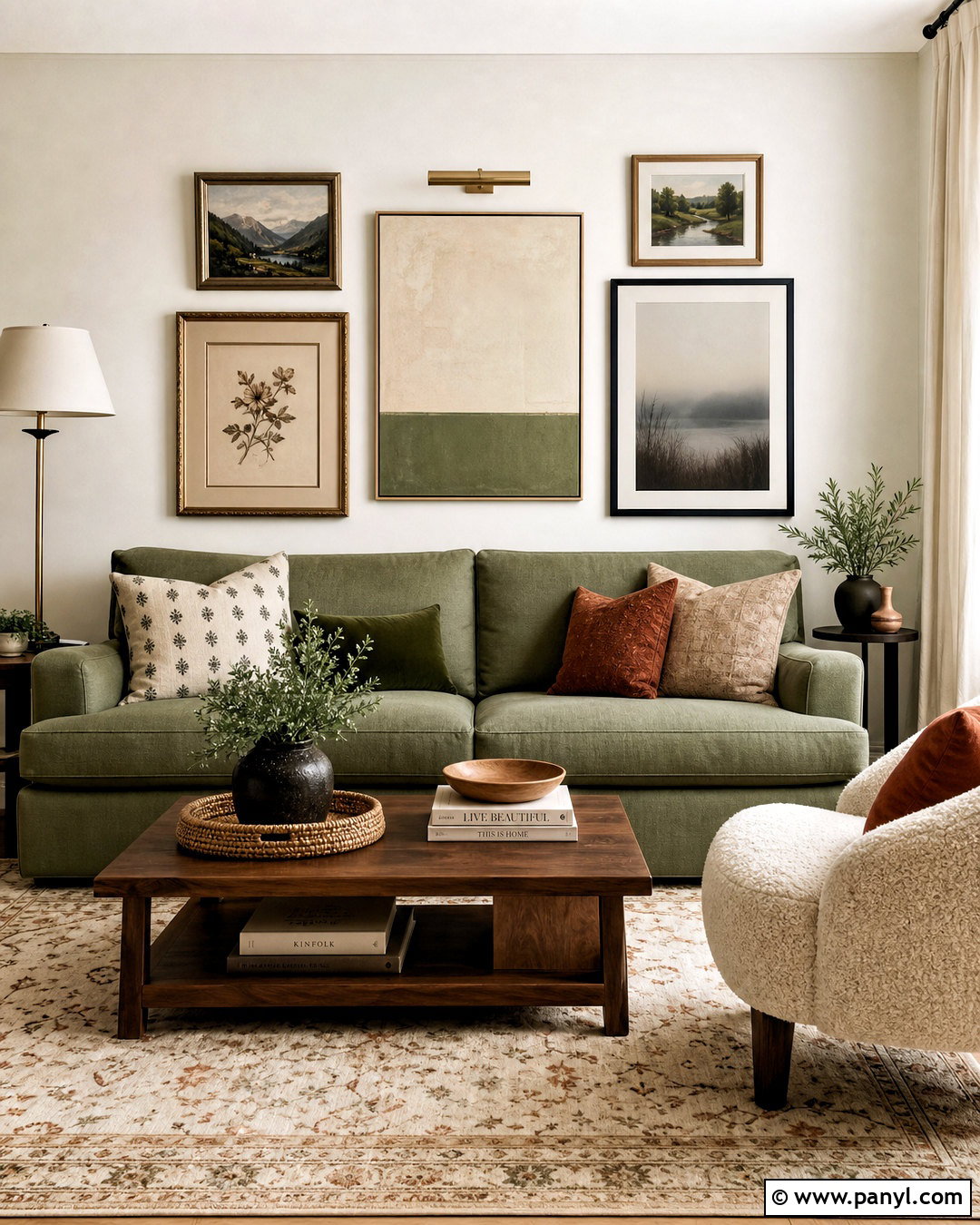
A thoughtfully arranged gallery wall can give a sage green sofa character while establishing a strong visual center. Begin with warm white walls and select artwork containing a controlled mix of green, rust, cream, blue, and black. Combine landscapes, abstract prints, and simple line drawings in wood, brass, and black frames. Lay out the arrangement before hanging it, keeping the overall grouping narrower than the sofa. Ground the space with an ivory patterned rug, walnut coffee table, and cream boucle chair. Pillows should repeat only two or three colors from the art so the room remains coordinated. Add a black picture light above the display and a warm table lamp nearby. Neutral curtains and minimal tabletop decor let the gallery remain the primary decorative feature.
19. Colorful Sage Green Sofa Living Room
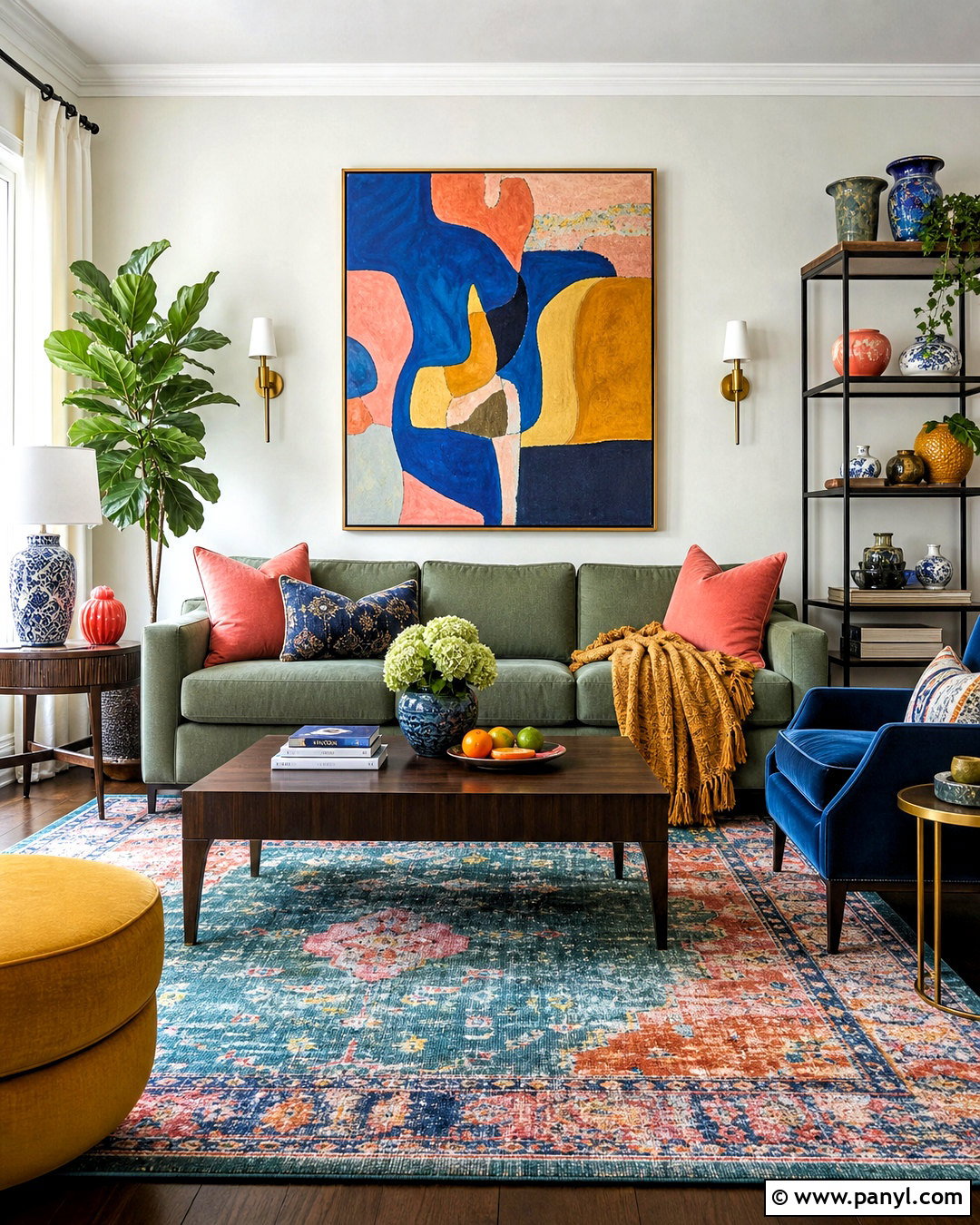
If you enjoy bold color, treat the sage green sofa as a calming base for a lively but controlled living room. Start with pale neutral walls and choose a multicolored rug containing teal, coral, mustard, cobalt, and green. Pull those shades into the room through a deep blue chair, coral pillows, a mustard throw, and large contemporary artwork. Use a simple dark wood coffee table so the furniture does not compete with the palette. Repeat each strong color in only two or three places to make the result look deliberate. White curtains and cream lampshades provide necessary visual rest. Finish with a sculptural floor lamp and several colorful ceramic pieces grouped together. The final room feels expressive, balanced, and welcoming rather than chaotic.
20. Organic Modern Sage Green Sofa
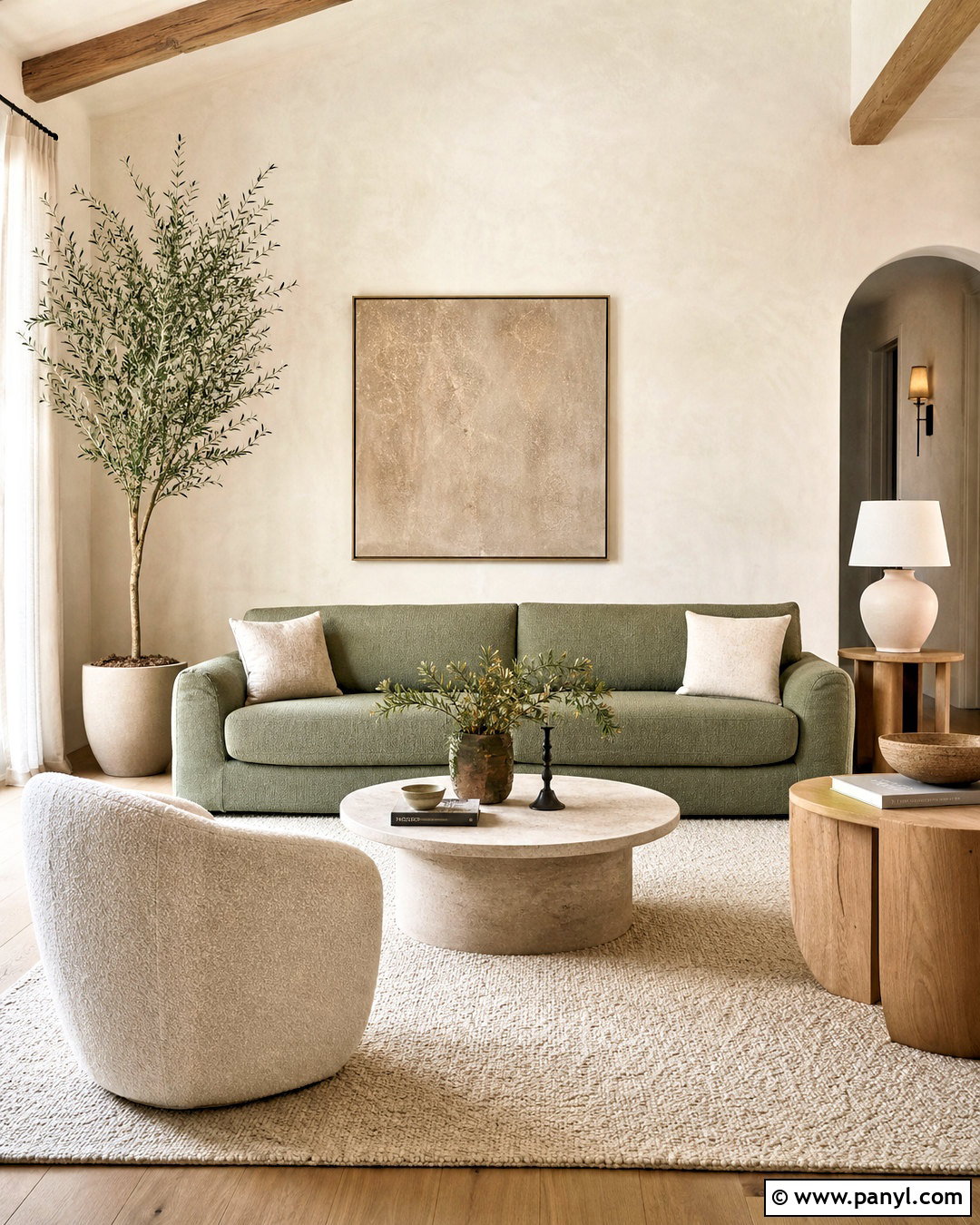
Soft shapes and natural materials turn a sage green sofa into the centerpiece of an organic modern living room. Choose limewashed warm-white walls and pale oak flooring, then place a large nubby wool rug beneath the seating. Pair the sofa with a rounded travertine coffee table, curved cream bouclé chair, and sculptural oak side table. Keep the palette restrained with ivory pillows, a taupe throw, and one darker olive accent. A large textural canvas above the sofa introduces subtle movement without adding another strong color. Use linen curtains, a paper or plaster pendant, and handmade ceramic lamps for a tactile finish. An indoor tree in a simple stone planter adds height. Leave surfaces lightly decorated so the materials and furniture forms remain easy to appreciate.
Conclusion:
These sage green sofa living room ideas show how one versatile piece can support many different moods, from bright Scandinavian simplicity to layered traditional comfort. Begin by deciding whether you want the room to feel light, warm, dramatic, colorful, or tonal. Then choose walls, flooring, rugs, and larger furniture before buying small accessories. Repeating a few colors and materials throughout the space will make the design feel intentional. Remember to consider the sofa’s undertone in your actual lighting, since some sage fabrics appear grayer while others lean warmer or greener. With the right layout, balanced contrasts, and practical finishing details, a sage green sofa can become a lasting and highly adaptable living room centerpiece.

Related Ideas and Inspiration:
Leave a Reply