
Marble brings movement, depth, and a polished sense of character to almost any room. Its veining can look soft and cloudlike, sharp and graphic, or warm and earthy, depending on the color and finish. Today’s strongest applications also move beyond perfectly matched glossy surfaces. Honed finishes, dramatic bookmatching, mixed stone patterns, and marble-look wallcoverings create more personal and practical spaces. () Whether you prefer natural slabs, easy-care porcelain, decorative mosaics, or removable wallpaper, the key is building a complete room around the texture. Balanced lighting, warm wood, simple textiles, and restrained metal finishes help marble feel inviting rather than cold. Explore these carefully coordinated **20 marble texture ideas**.

1. White Carrara Marble Kitchen
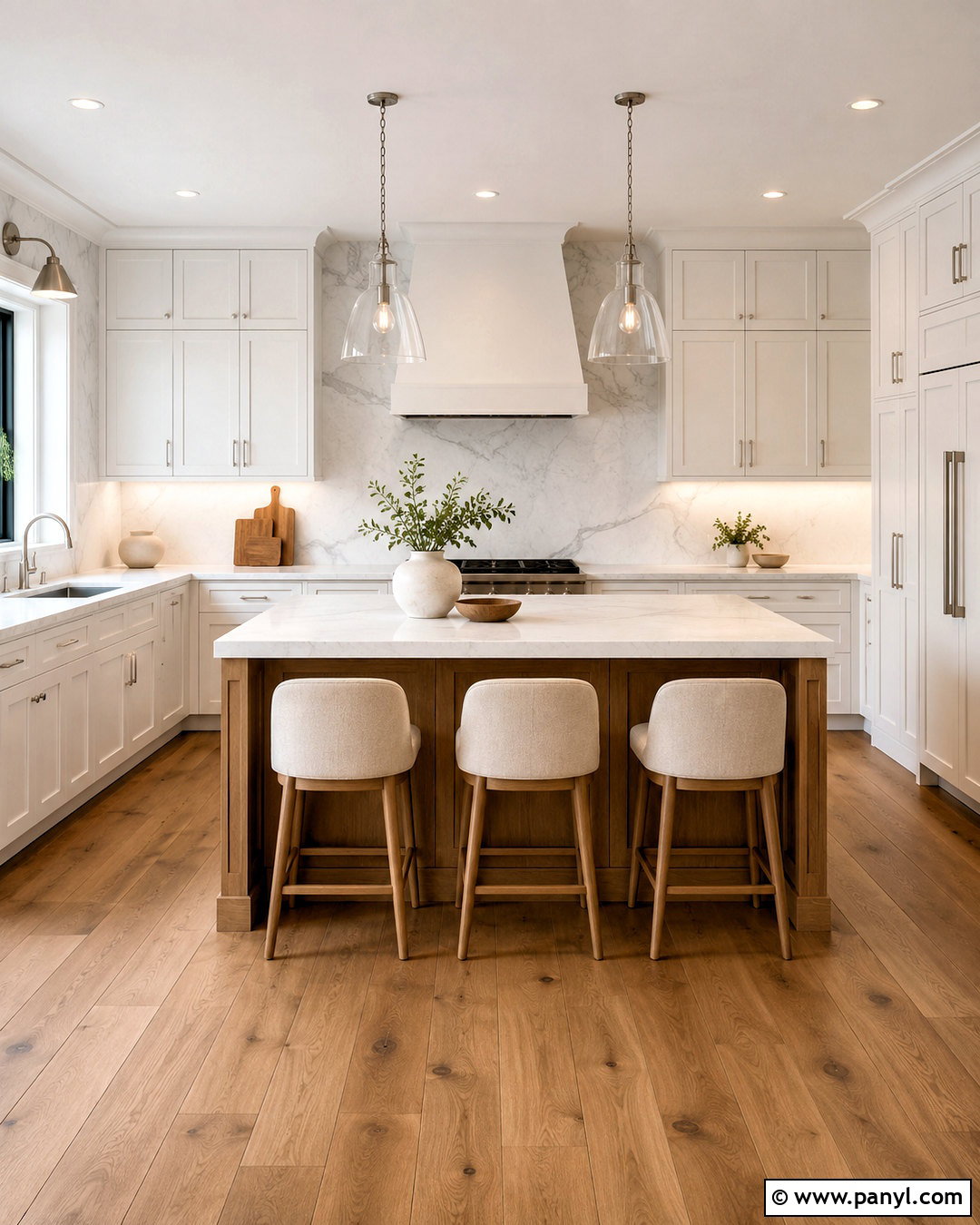
A white Carrara marble kitchen feels bright, relaxed, and timeless without appearing overly formal. Use softly veined marble across the countertops and full-height backsplash to create visual continuity. Choose warm white Shaker cabinets instead of stark white, then introduce a medium oak island and matching flooring for balance. Brushed nickel hardware complements Carrara’s cool gray veining without adding too much contrast. Clear glass pendants keep the room open, while oatmeal counter stools soften the stone surfaces. For a practical layout, reserve marble for the perimeter and use durable marble-look quartz on the busiest island worktop. A few ceramic bowls, pale wood cutting boards, and leafy branches complete this comfortable kitchen without hiding the marble texture.
2. Calacatta Gold Marble Kitchen
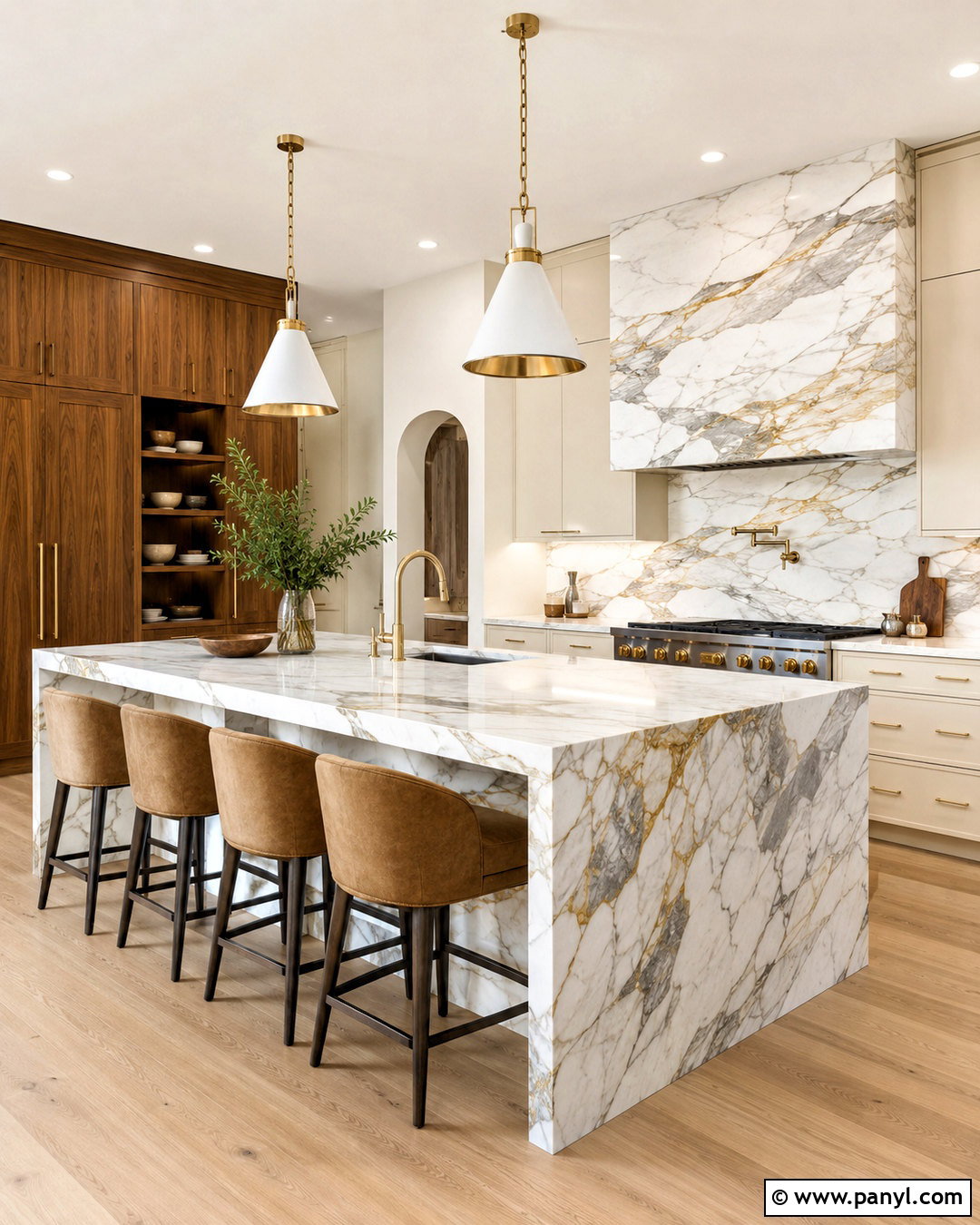
Bold Calacatta Gold marble can become the centerpiece of a warm, modern kitchen. Select slabs with broad gray movement and golden-brown accents, then use them on a waterfall island and range backsplash. Cream flat-panel cabinets allow the dramatic pattern to stand out, while walnut pantry cabinets echo the warmer veins. Add aged brass faucets and simple globe pendants for a coordinated finish. Wide-plank white oak flooring prevents the room from looking too glossy or luxurious for everyday living. Keep the perimeter counters quieter with a pale solid surface, giving the island clear visual importance. Upholstered stools in muted camel fabric and minimal stoneware decor complete a sophisticated design that still feels welcoming, functional, and easy to personalize.
3. Black Marble Bathroom
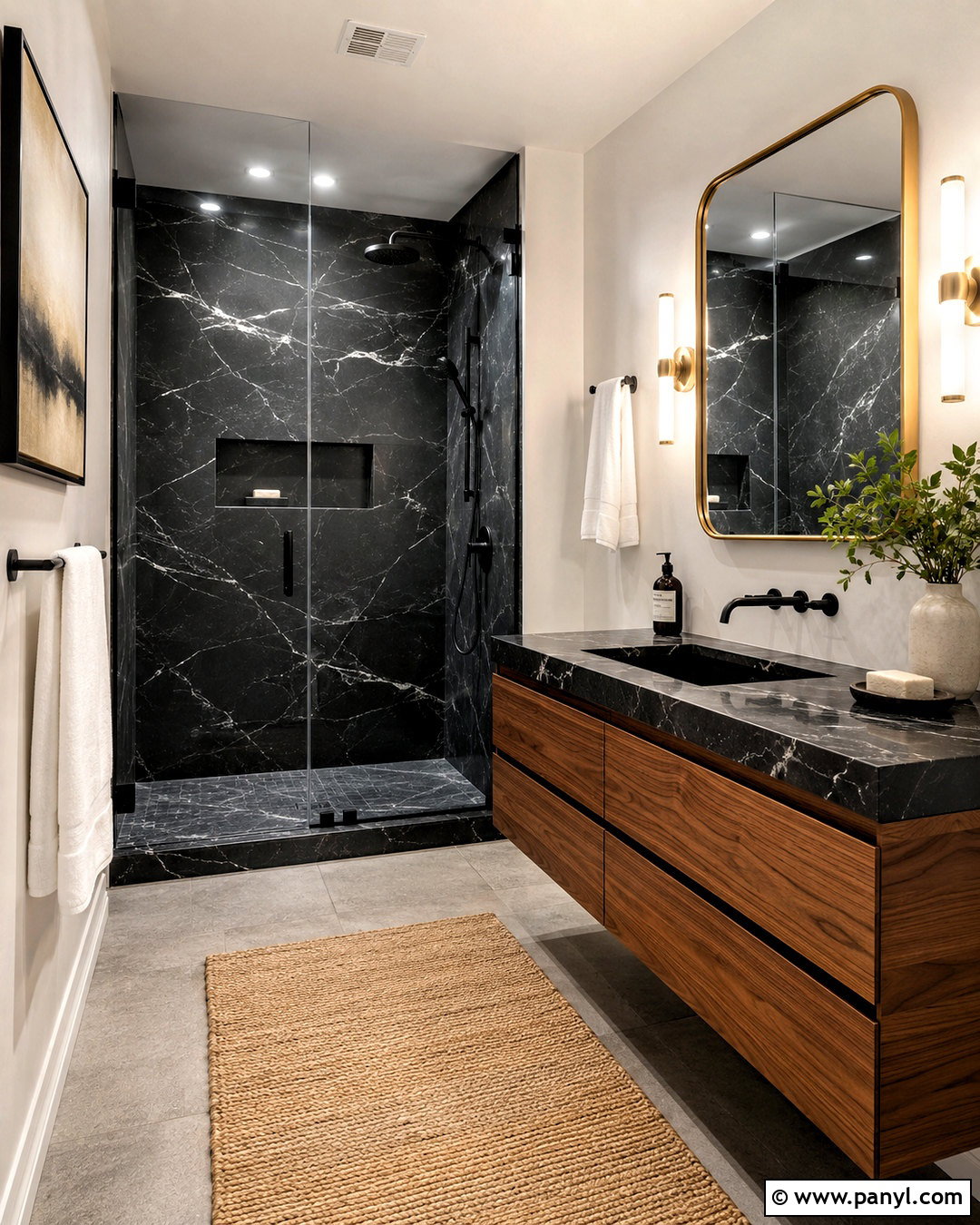
Want a bathroom that feels dramatic without becoming dark and cramped? Use black marble with crisp white veining on one shower wall and the vanity countertop rather than covering every surface. Pair it with warm gray porcelain floor tiles, off-white walls, and a floating walnut vanity. A frameless glass enclosure keeps the bold shower texture visible and allows light to pass through the room. Matte black fixtures create a seamless look, while a brushed brass mirror adds a small layer of warmth. Include white towels, a woven bath mat, and simple ceramic accessories to break up the deeper colors. Repeating black marble in two controlled locations makes the bathroom feel intentional, while the quieter surrounding finishes keep the complete design balanced.
4. Green Marble Powder Room
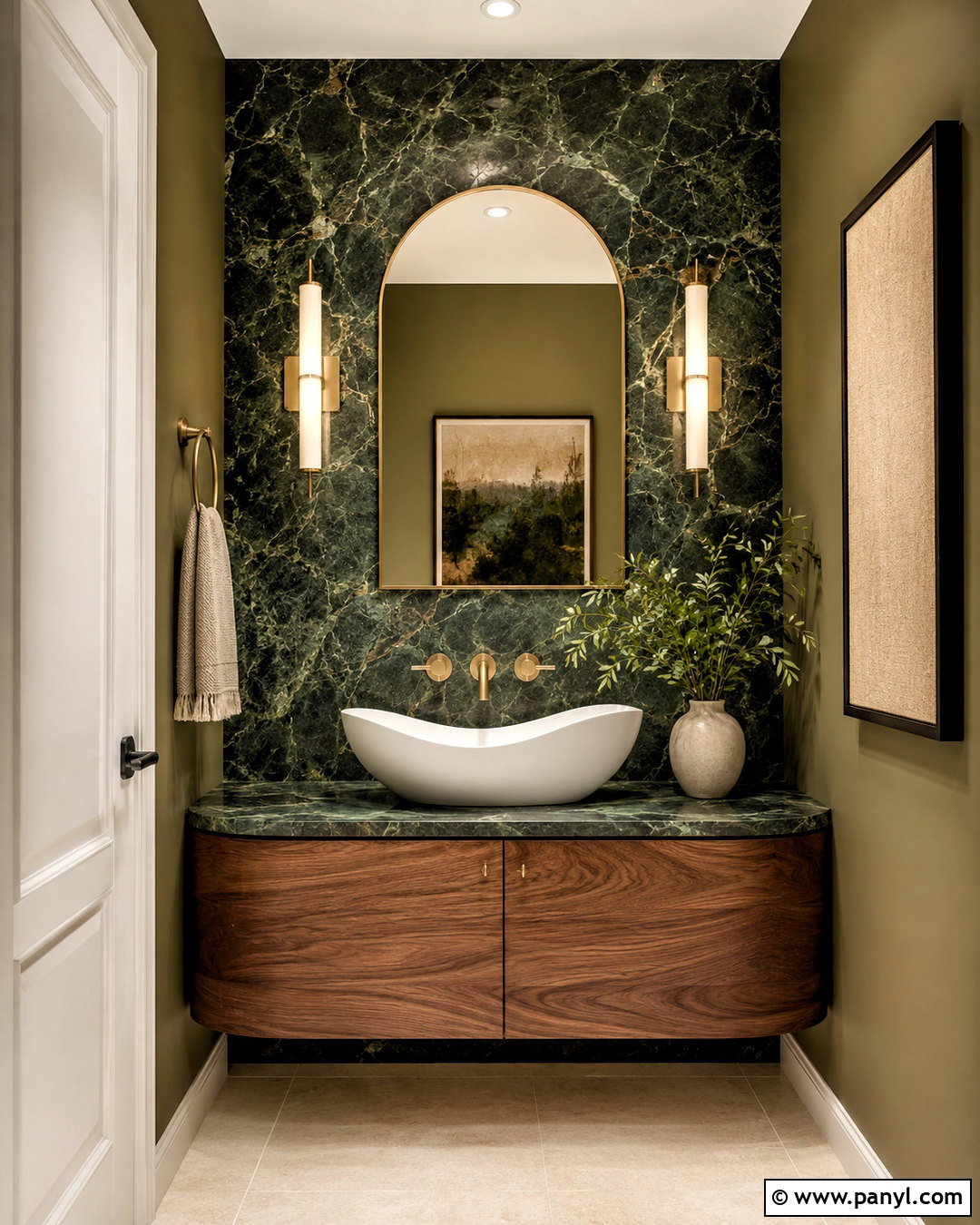
Deep green marble transforms a small powder room into a memorable, jewel-toned space. Place richly veined green marble behind a compact floating vanity, extending it from the countertop to the ceiling. Paint the remaining walls a muted olive green to create depth without competing with the stone. A rounded walnut vanity introduces natural warmth, while aged brass hardware brings out any cream or gold veining. Use a sculptural white basin, an arched mirror, and two slim wall sconces to maintain a clean arrangement. Small-format cream floor tiles provide a lighter foundation underfoot. Because the room is compact, keep accessories minimal and purposeful. A linen hand towel and one small branch in a ceramic vase are enough to finish the complete look.
5. Pink Marble Bathroom
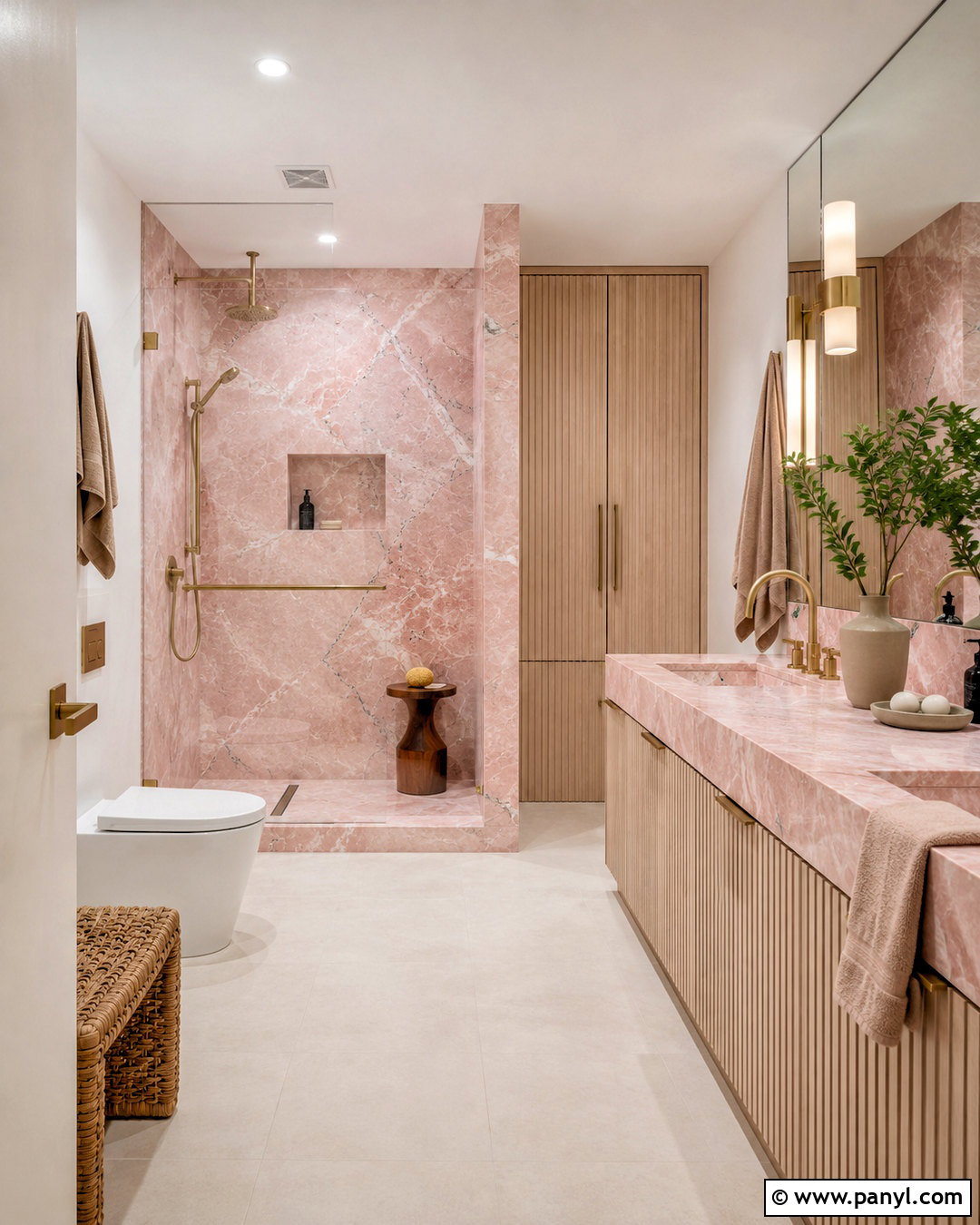
Soft pink marble can create a bathroom that feels warm and refined rather than overly sweet. Choose marble with a dusty blush background and subtle rust, cream, or gray veining for the vanity top and walk-in shower walls. Pair it with pale oak cabinetry, warm white plaster walls, and matte ivory floor tiles. Brushed brass fixtures add gentle contrast, while a large frameless mirror reflects the stone pattern around the room. Keep towels and bath linens in sand, oatmeal, and off-white shades. A fluted vanity front introduces another layer of texture without overwhelming the marble. Finish the space with a small woven stool and simple glass containers. The result is a calm, cohesive bathroom with color, personality, and an easy spa-like atmosphere.
6. Gray Marble Fireplace Wall
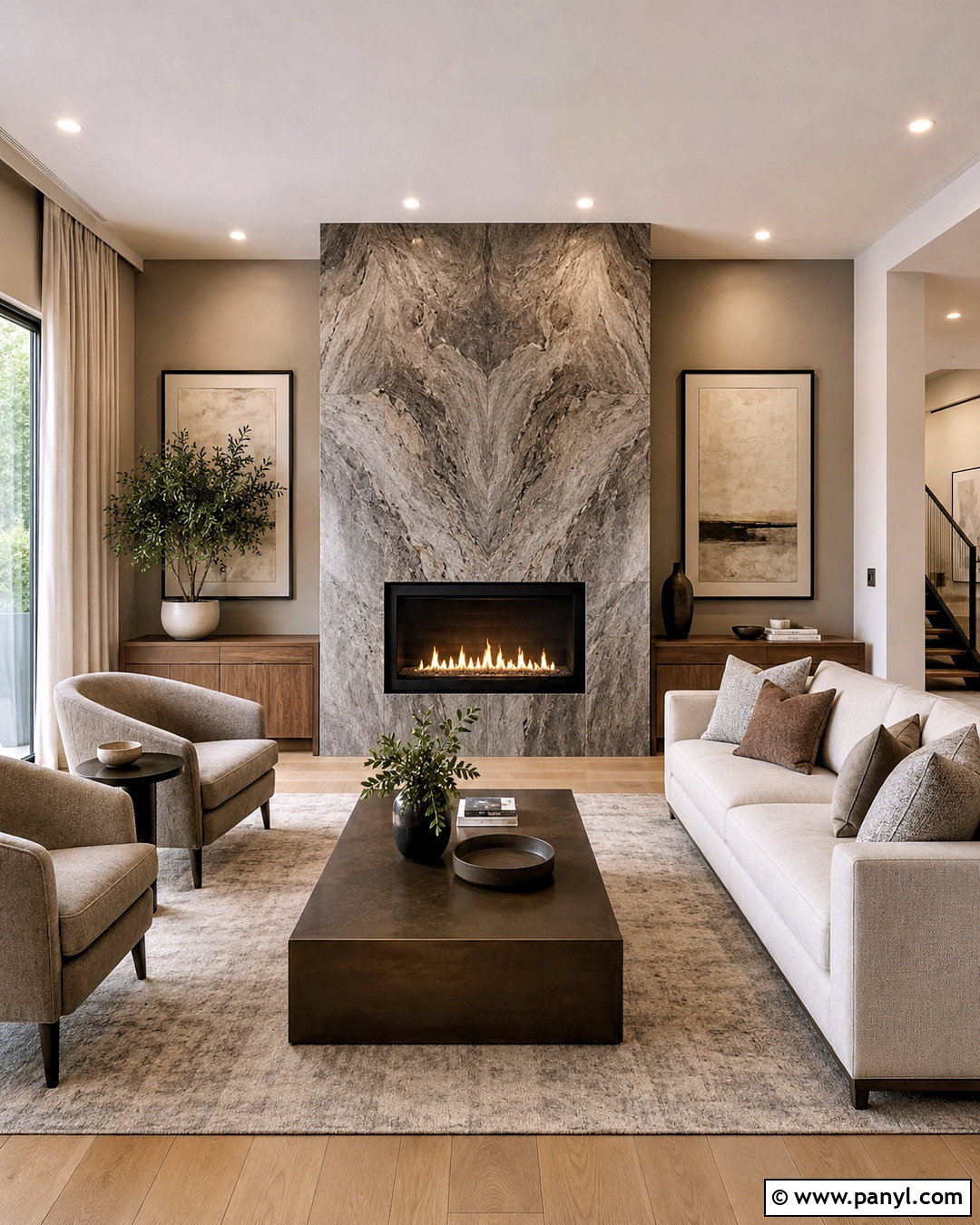
A floor-to-ceiling gray marble fireplace gives a living room a strong focal point while preserving a neutral palette. Select slabs with smoky charcoal movement and bookmatch them around a simple rectangular firebox. Keep the mantel minimal or omit it entirely so the natural veining remains uninterrupted. Surround the fireplace with warm greige walls, light oak flooring, and a low cream sofa. Two textured taupe chairs can face the sofa to create a practical conversation area. Add a dark bronze coffee table and linen curtains for subtle contrast. Avoid placing a television over the most expressive stone if another wall is available. Instead, use one oversized abstract artwork nearby. This arrangement lets the marble texture lead while the furniture keeps the entire living room soft and comfortable.
7. Beige Marble Entryway
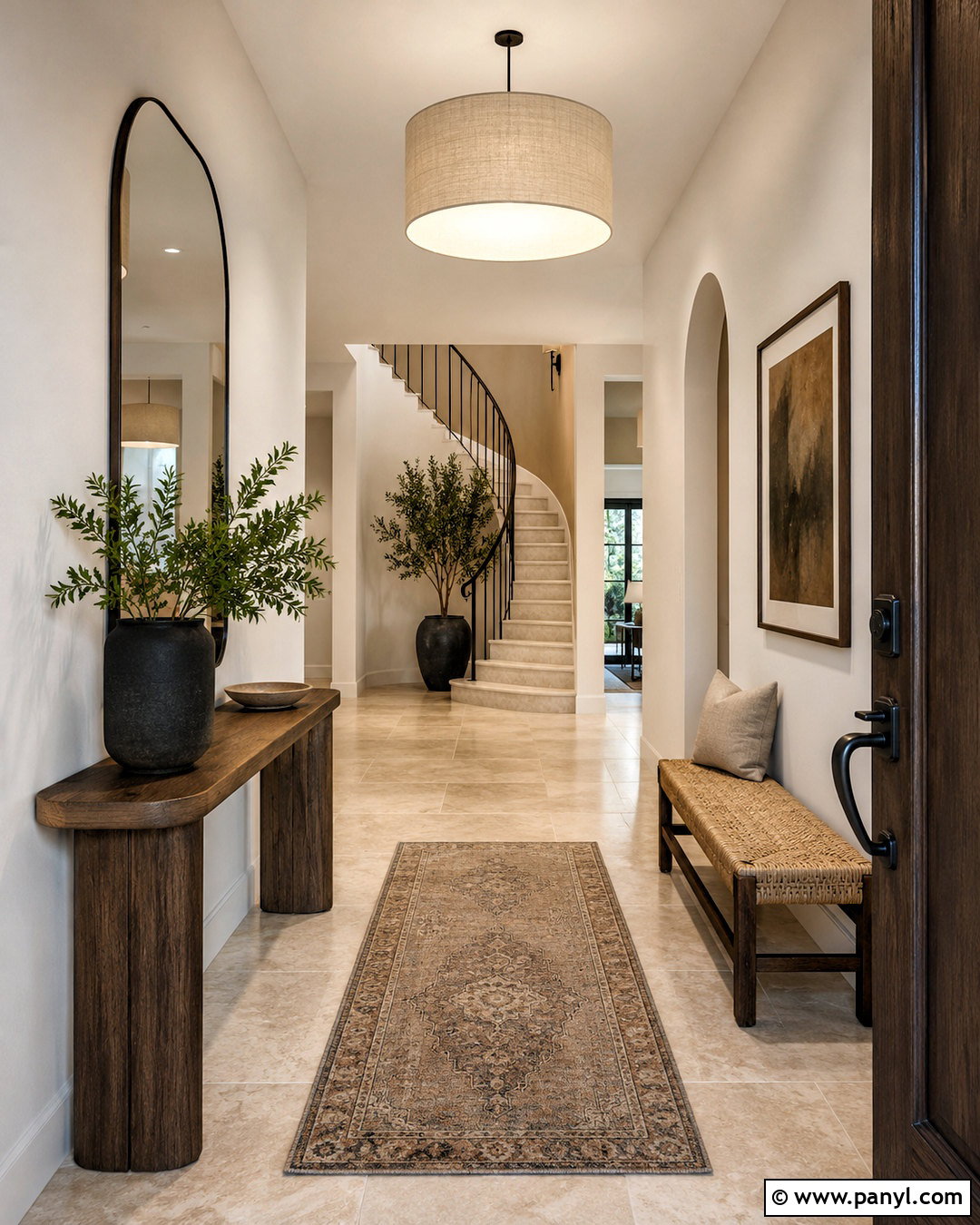
Beige marble creates a welcoming entryway when it is combined with warm materials and a simple floor plan. Use large honed tiles with soft cream, sand, and caramel variation across the floor, keeping grout lines narrow and coordinated. Add a slim walnut console against a warm white wall, then place a rounded mirror above it to soften the straight architectural lines. A woven bench provides a convenient place for shoes, while a muted vintage-style runner adds comfort without covering all the stone. Install a linen drum pendant for broad, even light. Dark bronze door hardware introduces definition around the edges of the space. Finish with a ceramic lamp, a shallow catchall bowl, and one leafy arrangement for an entry that feels polished but still practical.
8. Blue Marble Dining Room
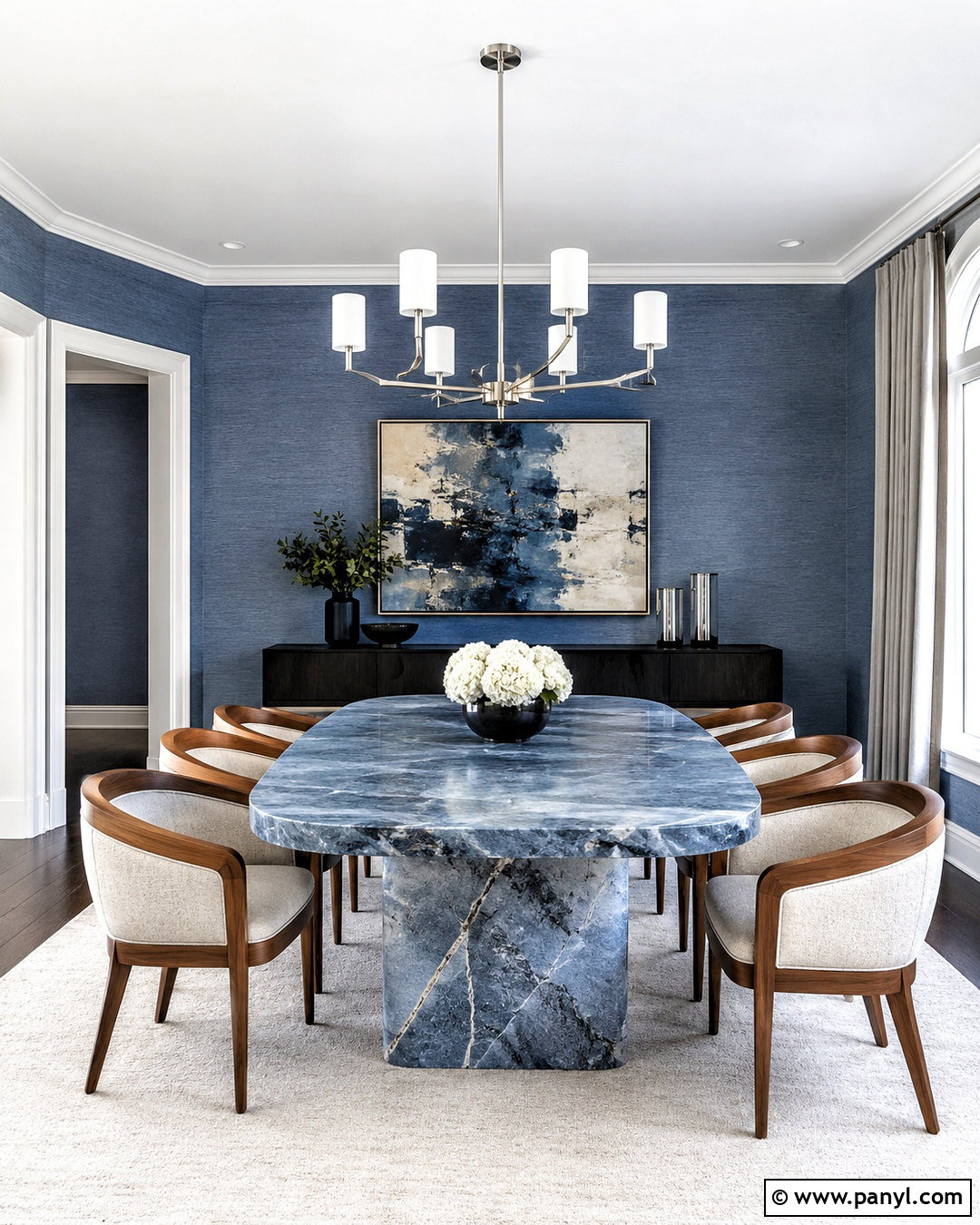
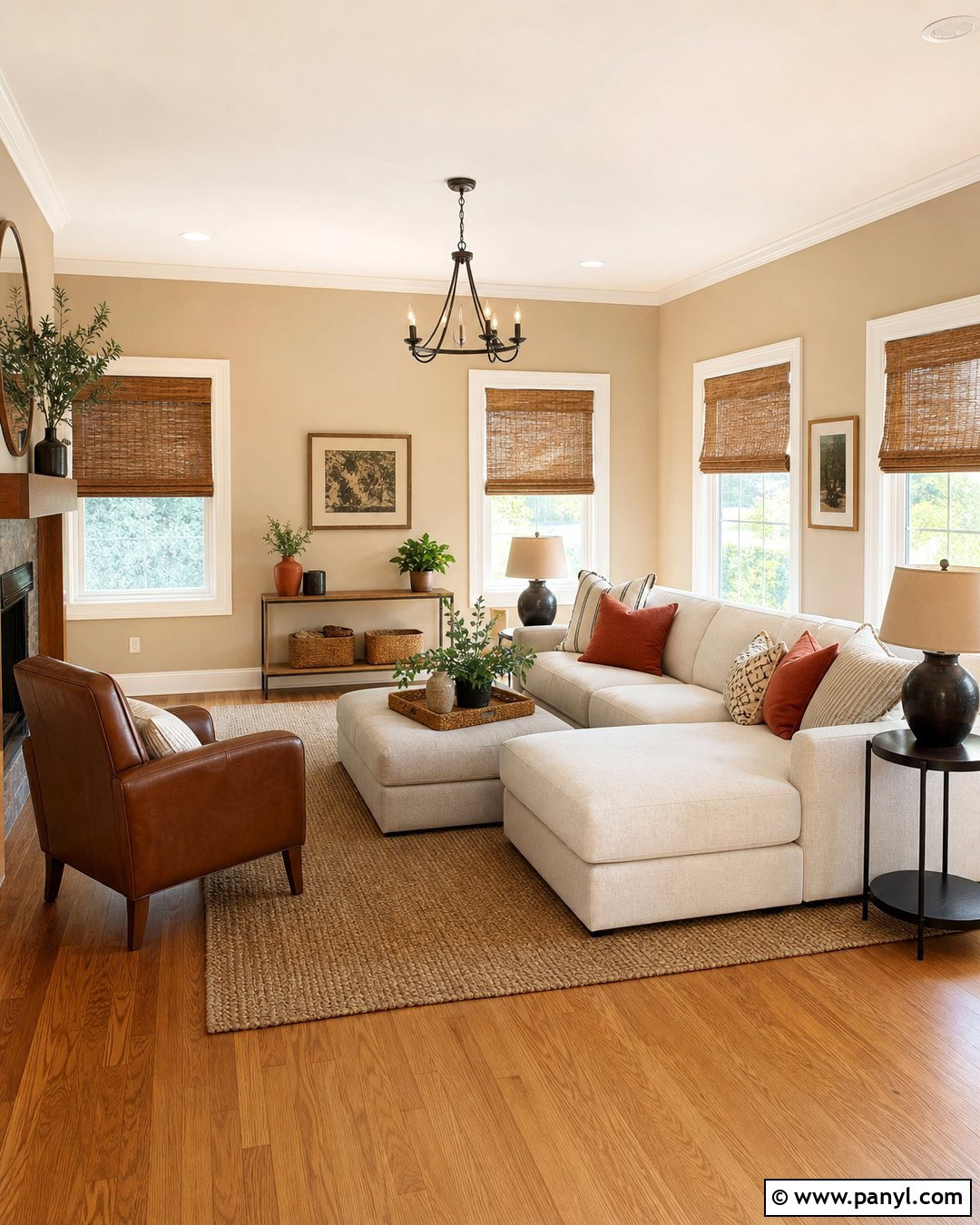
Blue marble brings unexpected color to a dining room while maintaining an elegant, natural appearance. Make a blue-gray marble dining table the centerpiece, choosing a honed top with visible white and charcoal movement. Surround it with curved walnut chairs upholstered in oatmeal fabric. Paint the walls a soft gray-blue that relates to the stone without matching it exactly. A sculptural brushed nickel chandelier adds a clean metallic finish overhead, while a large cream rug defines the dining zone. Keep the sideboard simple and dark enough to ground the lighter materials. White ceramic vessels and clear glass accessories prevent visual clutter. This complete scheme works especially well in a bright room where natural light can reveal the subtle changes in the marble’s color and texture.
9. Brown Marble Home Office
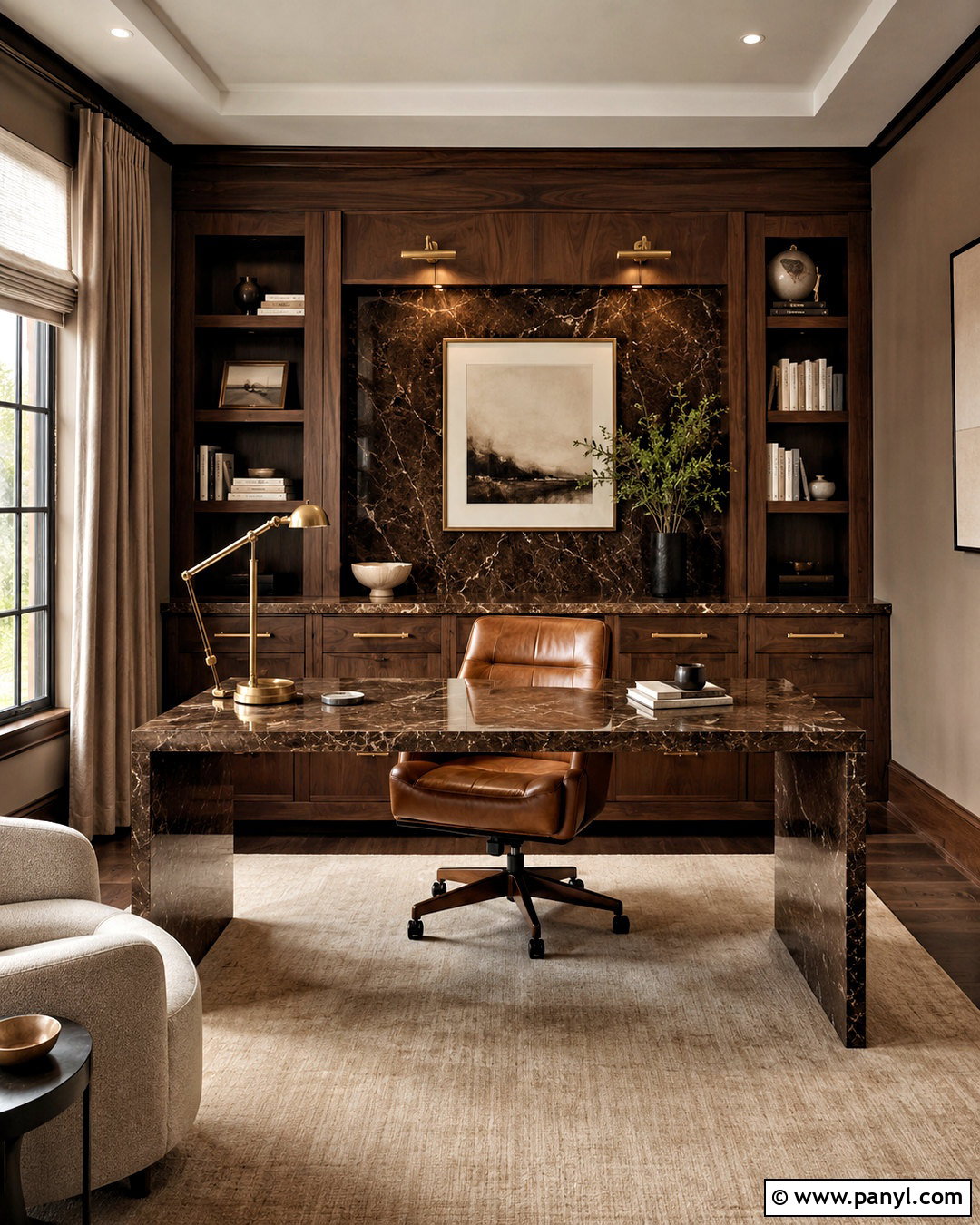
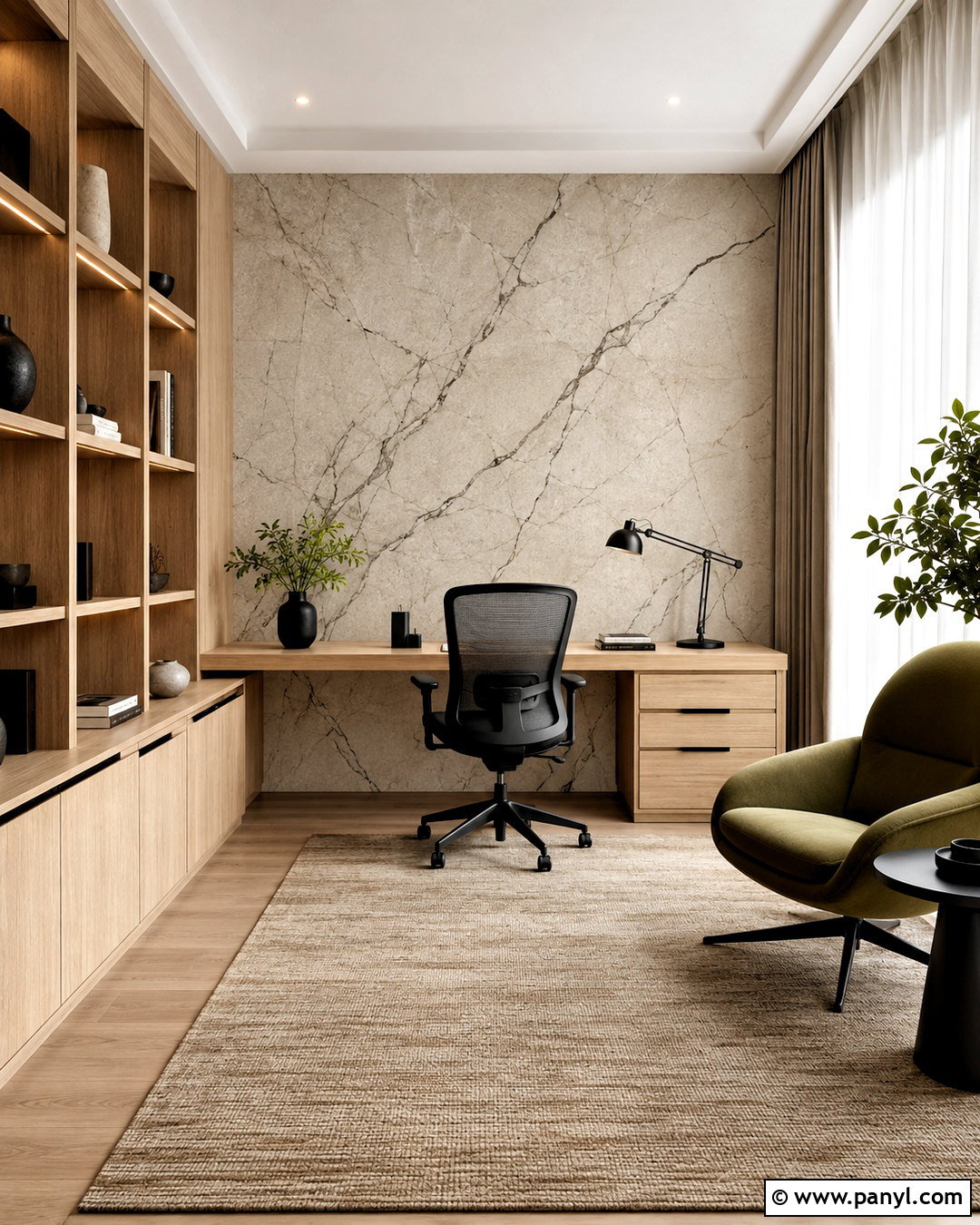
Rich brown marble can make a home office feel grounded, focused, and distinctly different from a standard white workspace. Use dark Emperador-style marble on the desktop and a shallow backsplash behind it, allowing the cream veining to form a decorative background. Pair the surface with walnut built-in cabinets and warm taupe walls. A caramel leather desk chair adds softness, while an ivory wool rug lightens the lower half of the room. Install antique brass picture lights above open shelves for functional task lighting and subtle warmth. Keep office storage hidden behind flat cabinet doors to reduce clutter. A few cream books, dark pottery pieces, and a leafy plant provide contrast. Together, the materials create a sophisticated workspace that remains comfortable enough for daily use.
10. Bookmatched Marble Living Room Wall
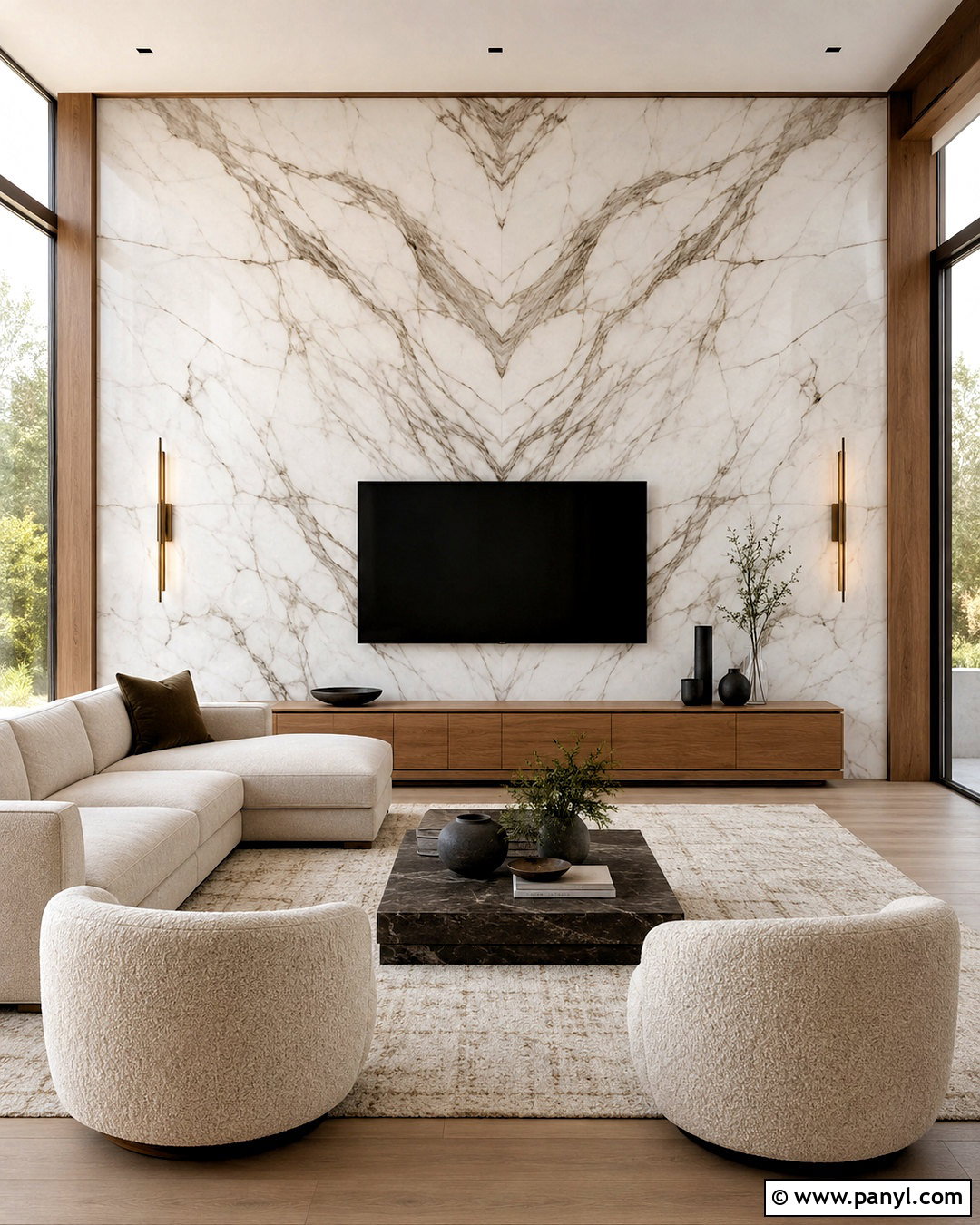
Few treatments show marble’s natural movement as clearly as a bookmatched feature wall. Use two matching slabs behind a low media console so the mirrored veining opens outward from the center. A white marble with strong gray or warm brown lines works well in a contemporary living room. Choose a simple oak console, an ivory sectional, and two rounded boucle chairs to keep attention on the wall. Pale wood flooring and a textured neutral rug make the room feel softer. Conceal cords and equipment inside the cabinetry for a clean finished view. Slim bronze sconces can frame the marble without interrupting its pattern. Bookmatching is already visually active, so limit artwork and small accessories. The entire space should support the stone rather than compete with it.
11. Honed Marble Kitchen
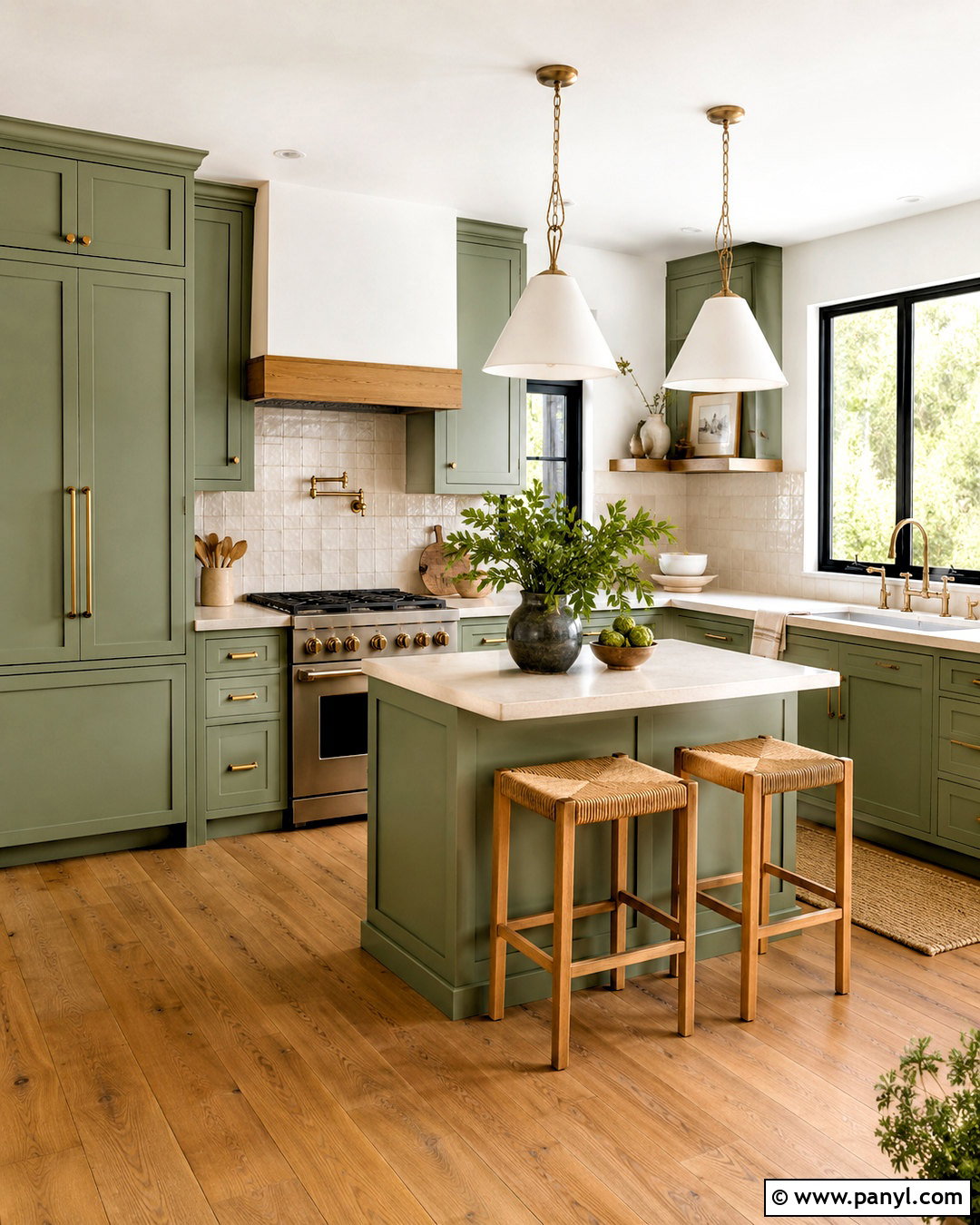
Honed marble has a smooth, low-sheen surface that gives a kitchen a quieter and more relaxed character than highly polished stone. Use warm white honed marble on generous perimeter counters and a compact island, then pair it with muted sage green cabinetry. A handmade cream tile backsplash adds subtle variation while allowing the countertops to remain the main texture. Choose unlacquered brass hardware, an aged brass faucet, and simple white pendants for gentle warmth. Natural oak flooring and woven counter stools keep the room approachable. Because marble can develop marks and patina, use cutting boards, wipe spills promptly, and follow the fabricator’s sealing guidance. This complete design celebrates a softer stone finish while keeping the working kitchen organized, bright, and visually balanced. ()
12. Leathered Marble Island
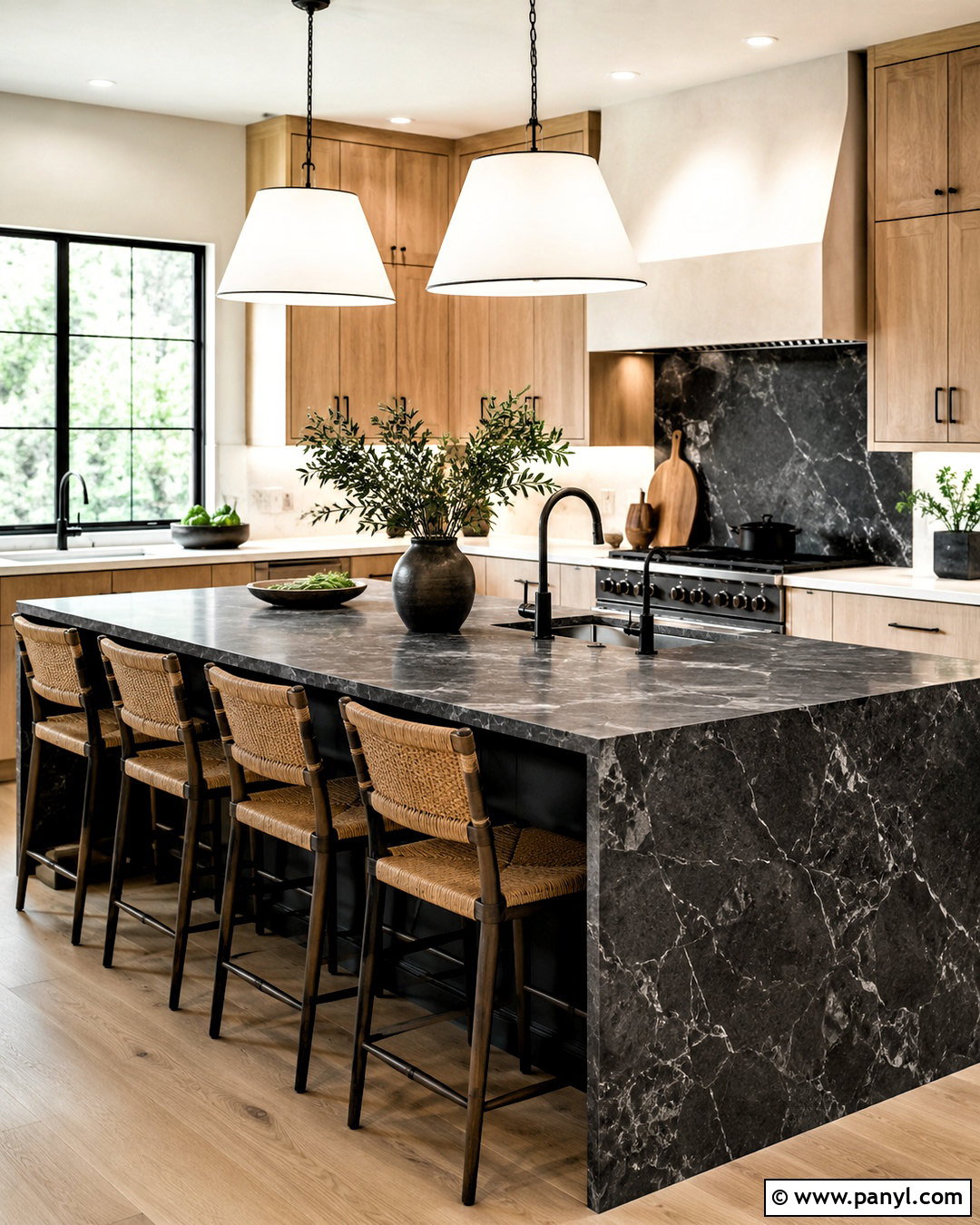
A leathered marble island introduces tactile character through a softly textured, low-reflective finish. Choose a dark charcoal slab with pale flowing veins, using it on the top and waterfall sides of a large central island. Surround it with light rift-cut oak cabinets and a creamy solid-surface perimeter counter. Matte black fixtures relate to the darker stone, while oversized white pendants keep the kitchen bright. Add backless stools with woven seats so the island remains fully visible. Wide pale oak floorboards provide warmth and prevent the room from feeling heavy. Keep countertop decor limited to a wood bowl and one ceramic vase. The contrast between rugged stone, smooth cabinetry, and natural fibers creates a layered kitchen that feels contemporary without becoming stark or overly polished.
13. Polished Marble Living Room Floor
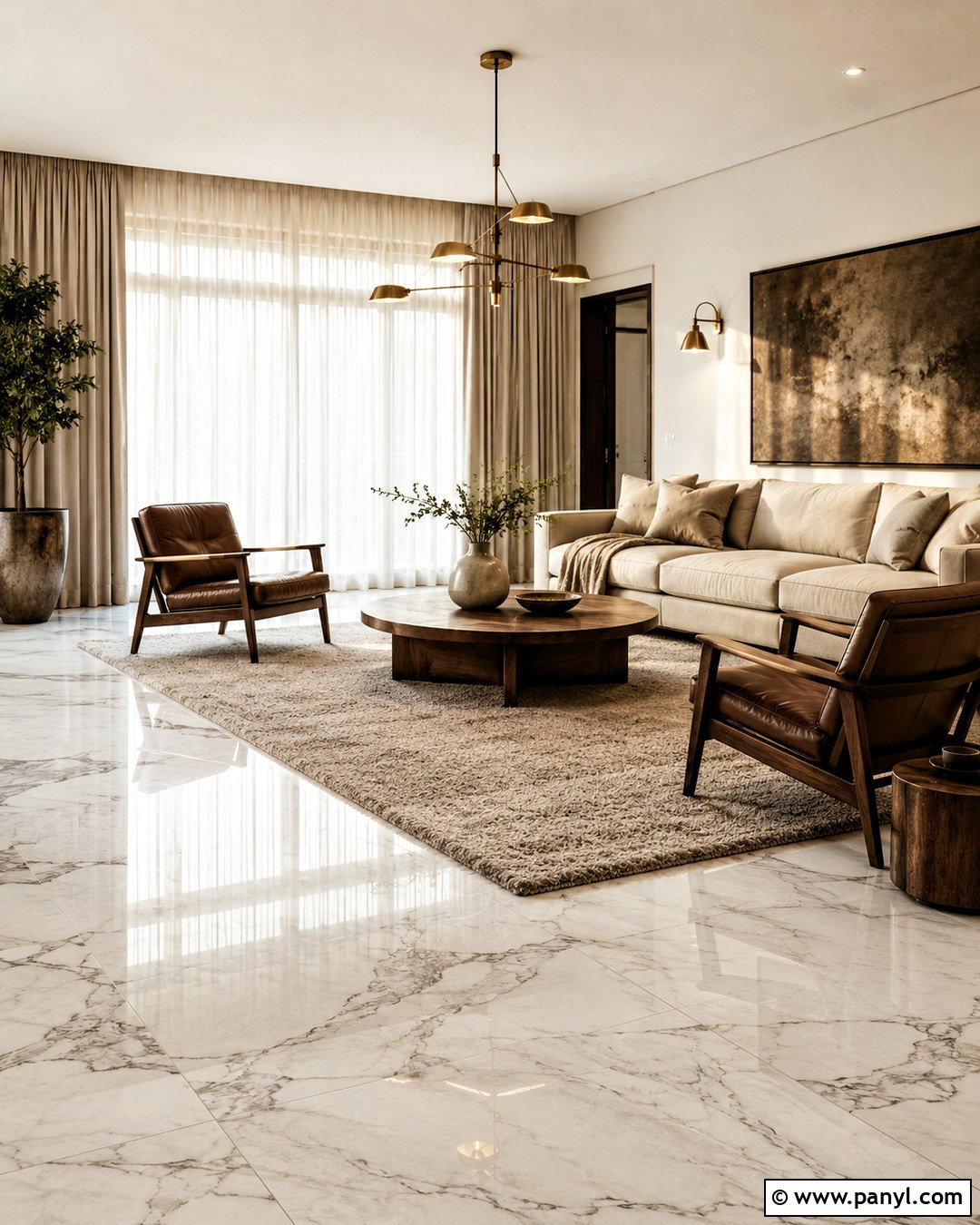
Polished marble flooring can work beautifully in a living room when the furniture and textiles soften its reflective surface. Use large-format white tiles with gentle gray veining, laid in a straight grid with closely matched grout. Anchor the seating area with a thick wool rug in warm beige, then arrange a low oatmeal sofa and two walnut-framed lounge chairs around a rounded wood coffee table. Linen curtains filter bright daylight and reduce glare. Warm white walls prevent the floor from taking on a blue cast, while aged brass lighting introduces a softer glow. Avoid adding highly glossy furniture that would compete with the stone. With plenty of fabric, wood, and rounded shapes, the marble floor becomes a bright foundation rather than making the living room feel formal or cold.
14. Marble Checkerboard Entryway
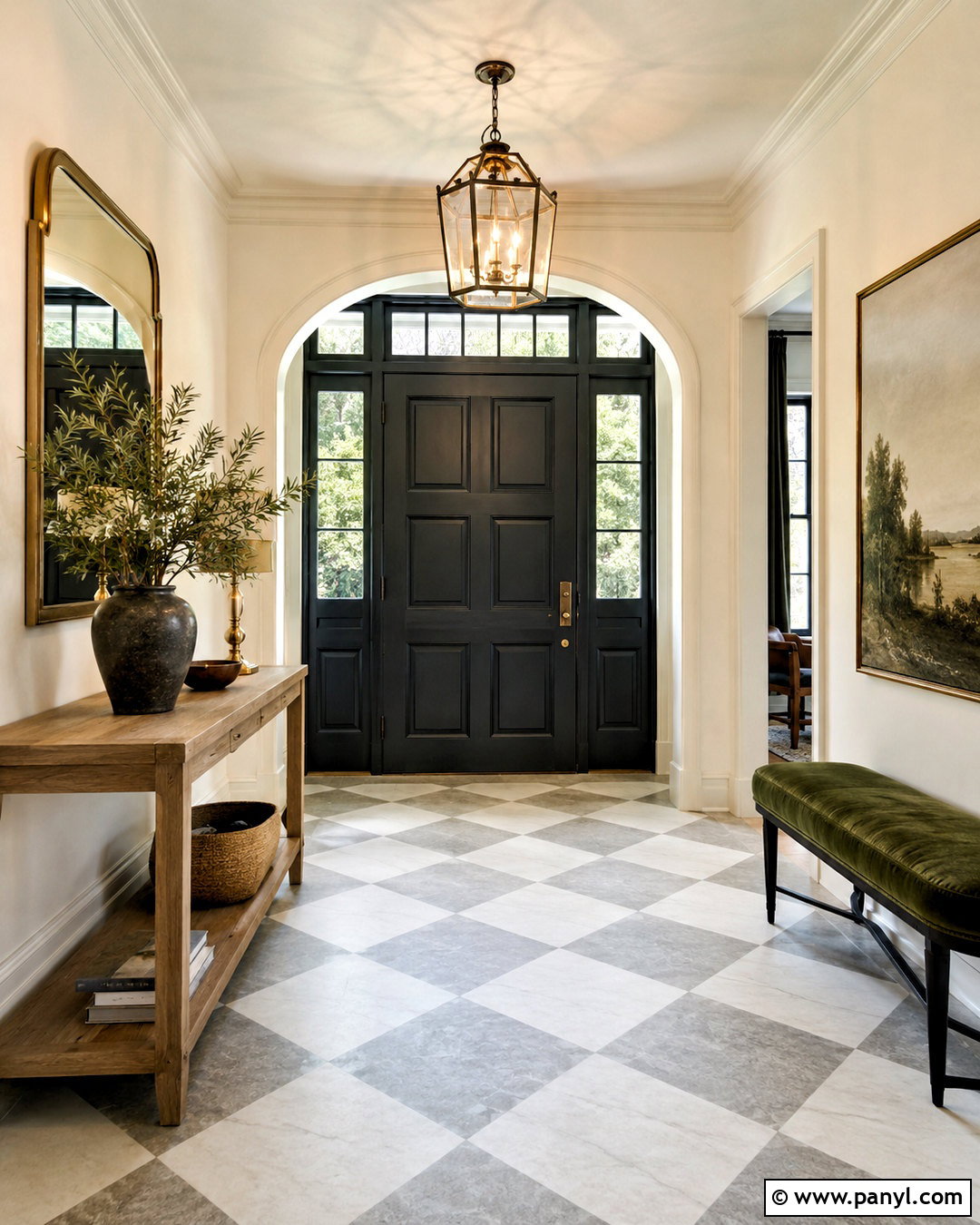
A marble checkerboard floor adds pattern and architectural character to an entry without requiring elaborate furniture. Combine warm white marble and muted gray marble squares in a classic diagonal layout. Choose honed rather than mirror-polished tiles for a softer, more lived-in appearance. Pair the floor with warm ivory walls, a painted charcoal front door, and a slim natural oak console. An upholstered bench in olive fabric provides a practical landing place and introduces restrained color. Add an aged brass lantern overhead and a simple framed mirror to brighten the hallway. Keep nearby rugs solid so they do not compete with the floor pattern. This complete entryway feels traditional at its foundation, but clean-lined furniture and uncluttered accessories give it a fresh, adaptable finish.
15. Marble Herringbone Bathroom
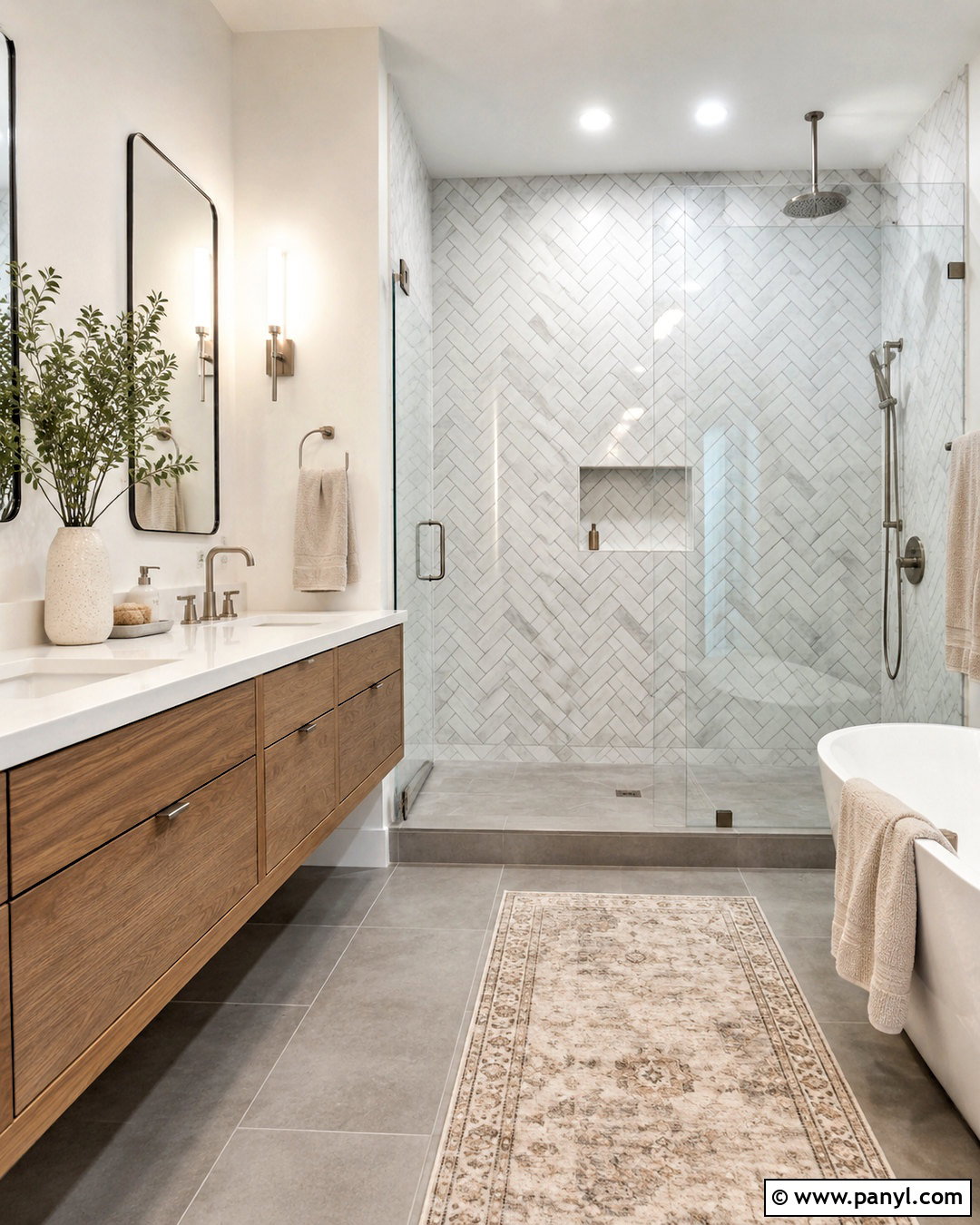
A marble herringbone pattern gives a small bathroom movement without relying on bold color. Install slim white-and-gray marble tiles across the shower walls, keeping the floor quieter with large matte gray porcelain tiles. A floating oak vanity balances the detailed pattern and adds much-needed warmth. Select a simple white countertop and basin so the herringbone remains the room’s main visual feature. Brushed nickel fixtures blend easily with the gray veining, while a frameless shower screen keeps sightlines open. Paint the remaining walls a soft warm white rather than a cool blue-white. Add a round mirror, globe sconces, and oatmeal towels for a comfortable finish. The pattern creates energy, but the limited palette ensures the complete bathroom still feels calm, bright, and organized.
16. Marble Mosaic Shower
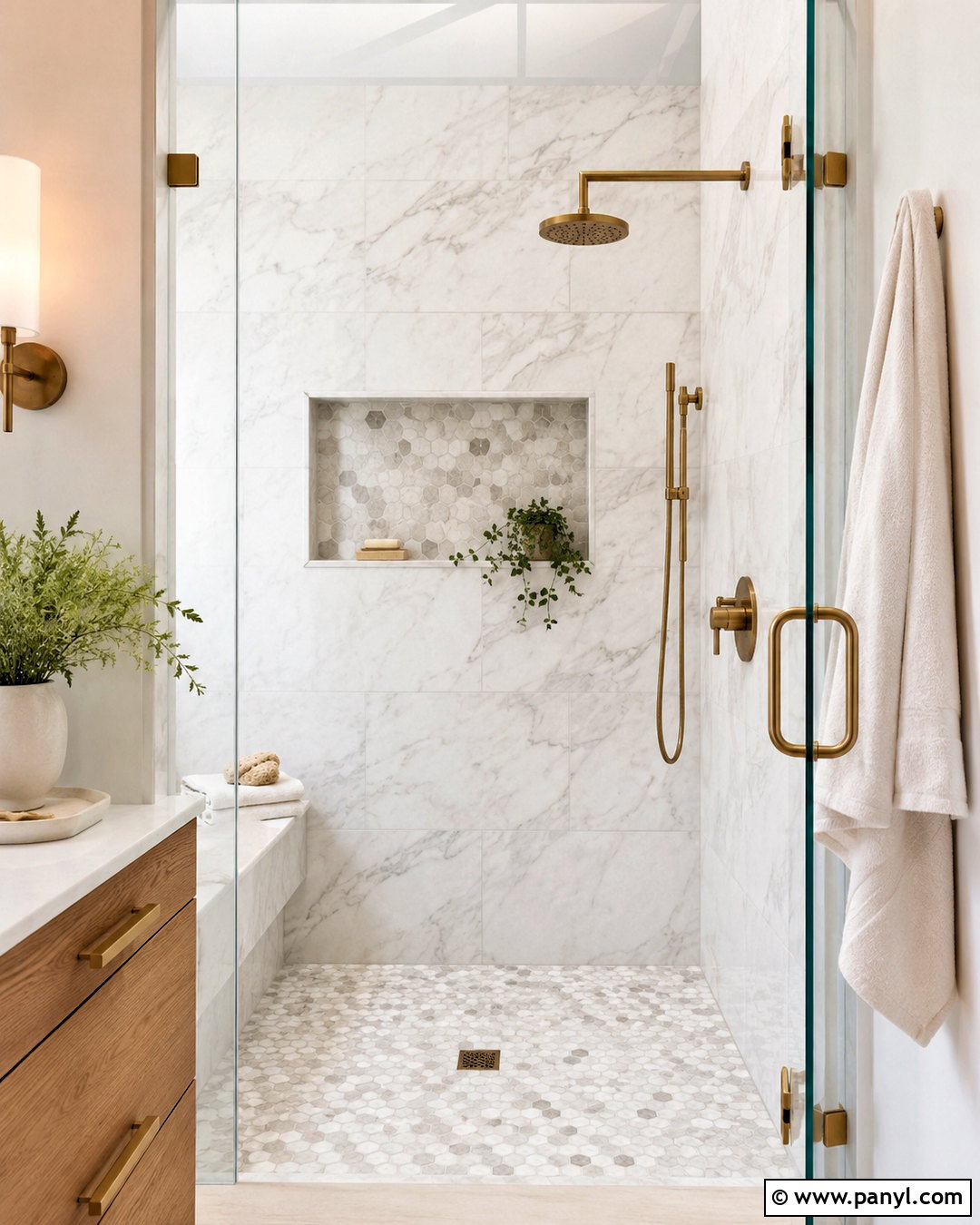
Marble mosaic tile can turn a walk-in shower into a detailed focal point while preserving a light, neutral bathroom. Use small hexagonal marble pieces in a blend of white, pale gray, and soft taupe across the shower floor and one recessed niche. Cover the walls with larger white marble tiles to reduce visual busyness and make cleaning more manageable. Add a frameless glass enclosure, brushed brass fixtures, and a built-in stone bench. Outside the shower, use a pale oak vanity with a simple ivory countertop. Warm white walls, ribbed sconces, and plush cream towels complete the design. Coordinating the mosaic with larger stone surfaces creates rhythm and texture without making the bathroom look fragmented or crowded.
17. Marble Wallpaper Bedroom
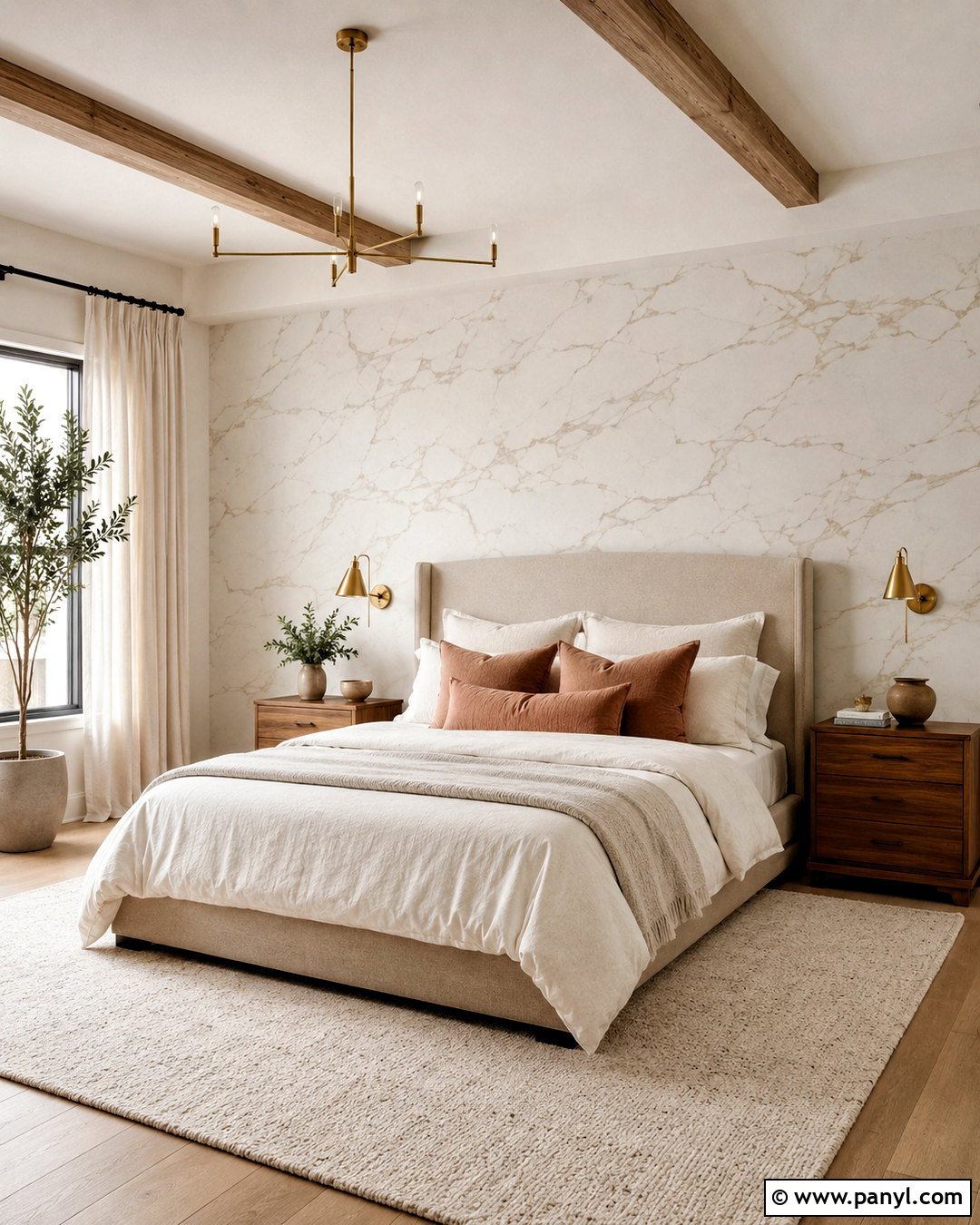
Marble wallpaper offers an approachable way to create stone texture in a bedroom without the weight and installation requirements of real slabs. Apply soft white marble wallpaper with thin taupe veining to the wall behind an upholstered oatmeal bed. Choose a matte print with restrained movement so the room remains restful. Add walnut nightstands, brushed brass reading sconces, and layered bedding in cream, beige, and muted clay. A light oak floor and thick ivory rug warm the design from below. Keep the remaining walls a gentle off-white that blends with the wallpaper background. Minimal framed artwork and ceramic lamps complete the room. The result feels polished and cohesive, while the soft furnishings prevent the printed marble surface from becoming too sharp or visually cold. ()
18. Marble Look Porcelain Family Room
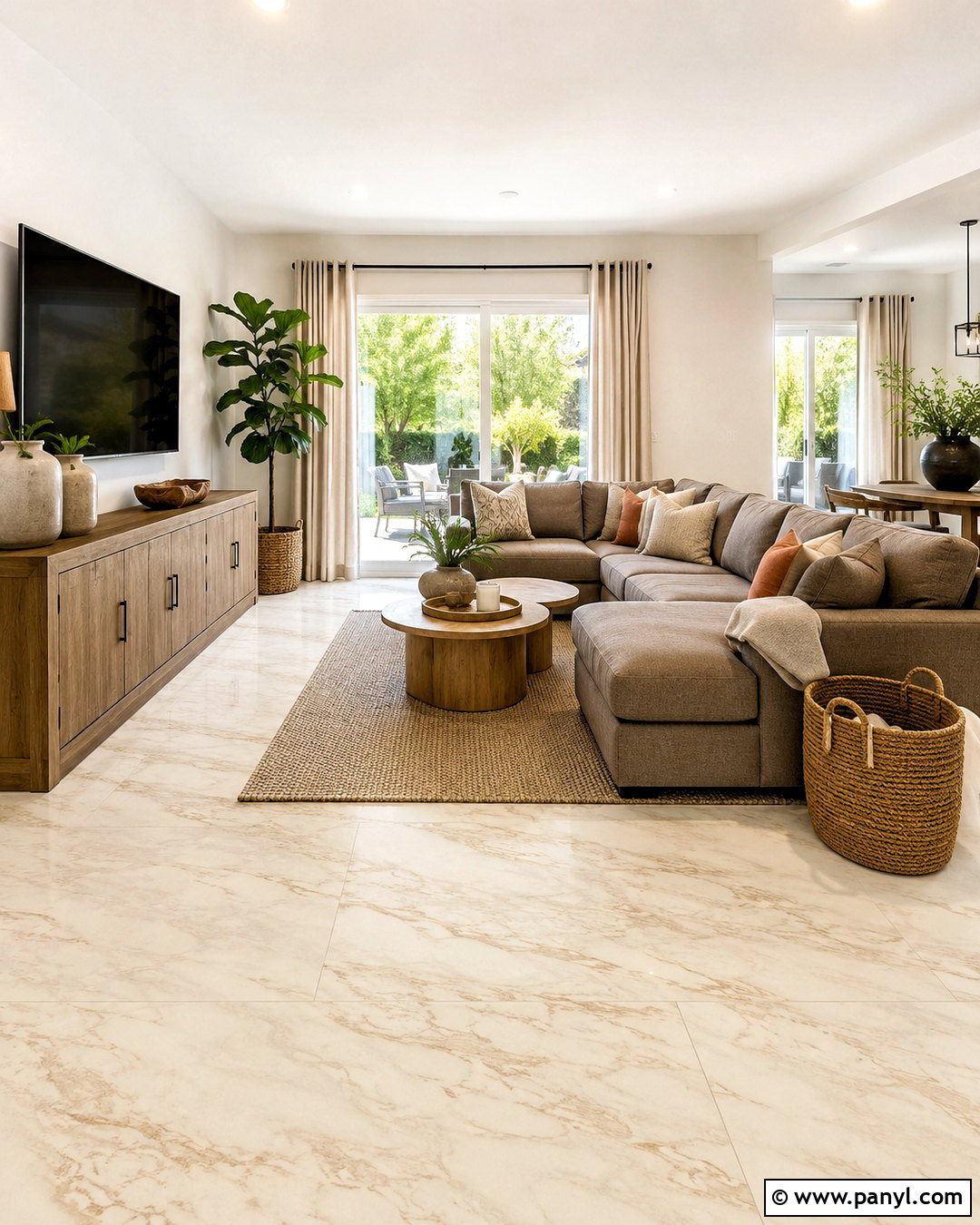
Marble-look porcelain provides the visual movement of stone in a family room designed for frequent use. Select large-format porcelain floor tiles with a creamy background and soft beige veining rather than a dramatic high-contrast pattern. Arrange a deep greige sectional over a large washable rug, leaving enough tile visible around the edges to define the material. Add a broad oak media cabinet, rounded nesting tables, and woven storage baskets for warmth and convenience. Linen curtains and textured throw pillows soften the harder flooring. Use warm white walls and black accents sparingly through lamps and picture frames. The finished room feels bright and elevated, but every element remains comfortable and practical. Consistent grout color helps the marble texture appear broad, calm, and continuous.
19. Mixed Marble Laundry Room
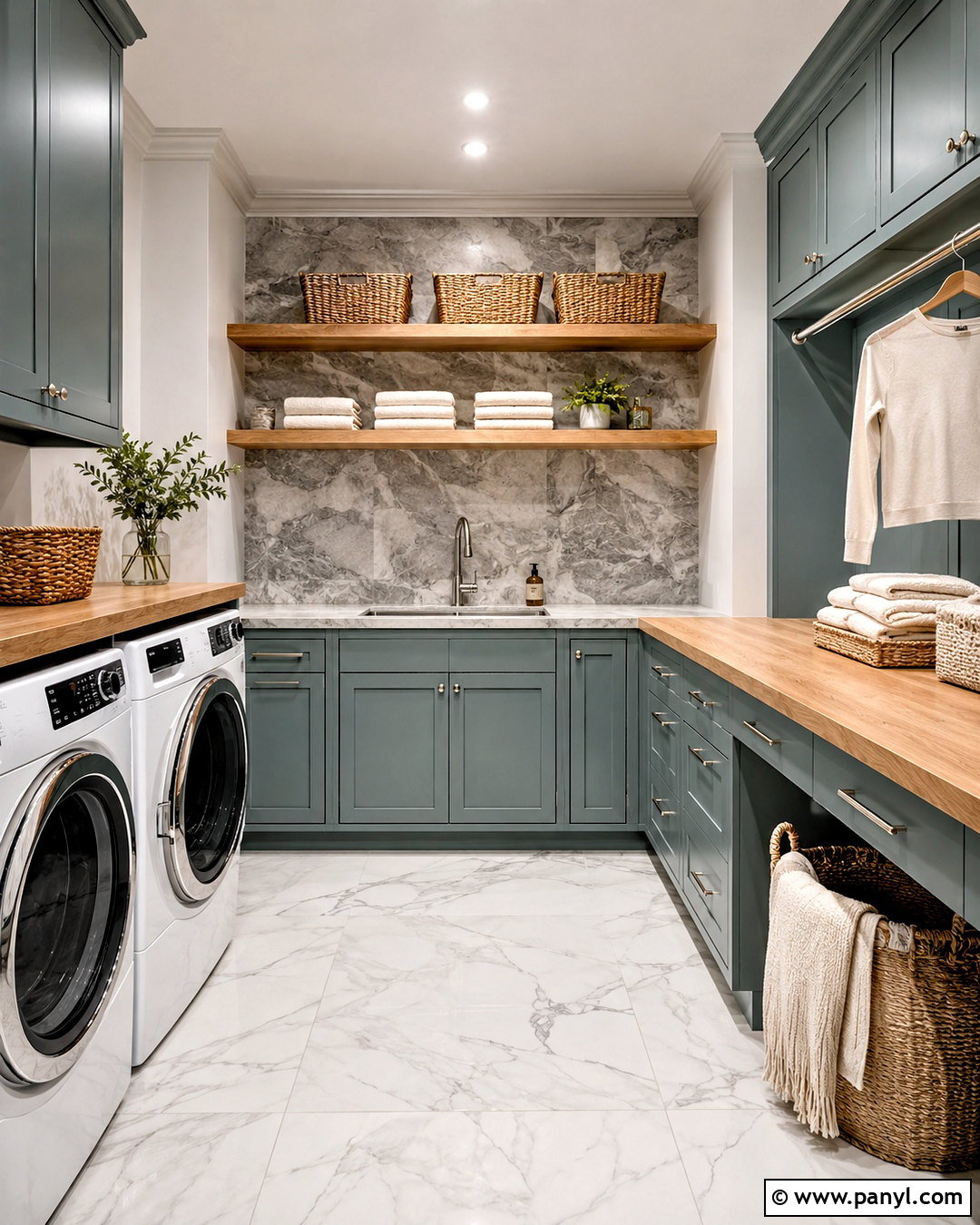
A laundry room is an excellent place to combine marble textures on a manageable scale. Use softly veined white marble-look porcelain on the floor, then add a gray marble slab backsplash behind the sink and counter. Muted blue-green cabinets bring color to the compact room, while white appliances keep the layout visually clean. Choose a butcher-block folding counter above the machines to introduce warmth and separate the two stone patterns. Brushed nickel hardware creates a quiet connection between the gray veining and appliances. Install open oak shelves for baskets, glass containers, and folded linens, but avoid overcrowding them. With practical storage, coordinated surfaces, and a balanced palette, the room feels intentionally designed rather than treated as a purely functional afterthought.
20. Marble Patio Dining Area
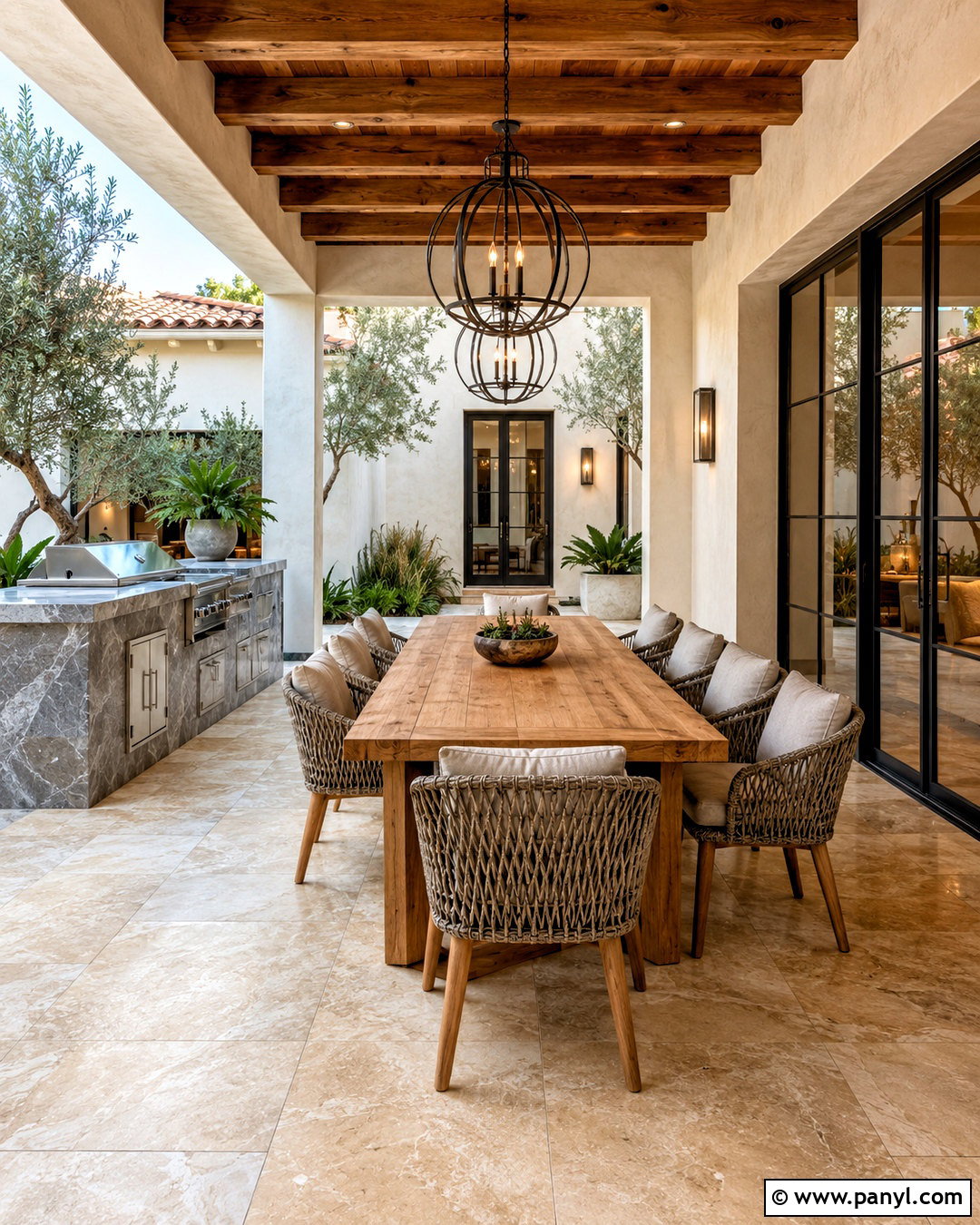
A covered patio can carry marble texture outdoors through durable marble-look porcelain pavers. Choose warm beige tiles with subtle cream veining and a slip-resistant matte finish. Lay them in a large grid beneath a teak dining table and woven weather-resistant chairs. A creamy stucco wall, black-framed glass doors, and a cedar ceiling create a layered architectural backdrop. Add an outdoor kitchen counter in a darker gray marble-look surface to provide contrast and define the cooking zone. Large planters filled with olive trees, ornamental grasses, and white flowering plants soften the hardscape. Use washable ivory seat cushions and simple black lanterns to complete the design. The full patio feels connected to an elegant interior while remaining casual, durable, and suitable for everyday outdoor meals.
Conclusion:
The best marble rooms balance expressive stone with quieter colors, tactile fabrics, natural wood, and practical layouts. White and beige textures brighten everyday spaces, while black, green, blue, pink, and brown marble introduce stronger personality. Finish also matters. Honed and leathered surfaces feel understated, polished marble reflects more light, and mosaics add detailed movement. Marble-look porcelain and wallpaper make the effect easier to use in busy rooms or budget-conscious projects. Before choosing a material, view a full slab or large sample in the room’s actual lighting. Then coordinate the veining with every surrounding finish. Use these **20 marble texture ideas** to create a complete look that feels layered, functional, and uniquely suited to your home.

Related Ideas and Inspiration:
Leave a Reply