
Matching kitchen cabinets and wall colors can make the entire room feel more polished, spacious, and intentional. These 20 Kitchen Cabinets Matching Wall Color Ideas explore exact color matches, soft tonal pairings, and balanced combinations that connect cabinetry with the surrounding walls. Current kitchen design favors cohesion, but successful matching schemes still need texture, varied finishes, and carefully repeated materials to prevent the room from appearing flat. () Consider the kitchen’s natural light, flooring, countertops, and adjoining rooms before choosing a palette. From warm white and sage green to navy blue and terracotta, every look below combines color with practical finishes, lighting, hardware, and decor. Use these 20 Kitchen Cabinets Matching Wall Color Ideas to create a complete kitchen that feels thoughtfully coordinated.
1. White Kitchen Cabinets With White Walls
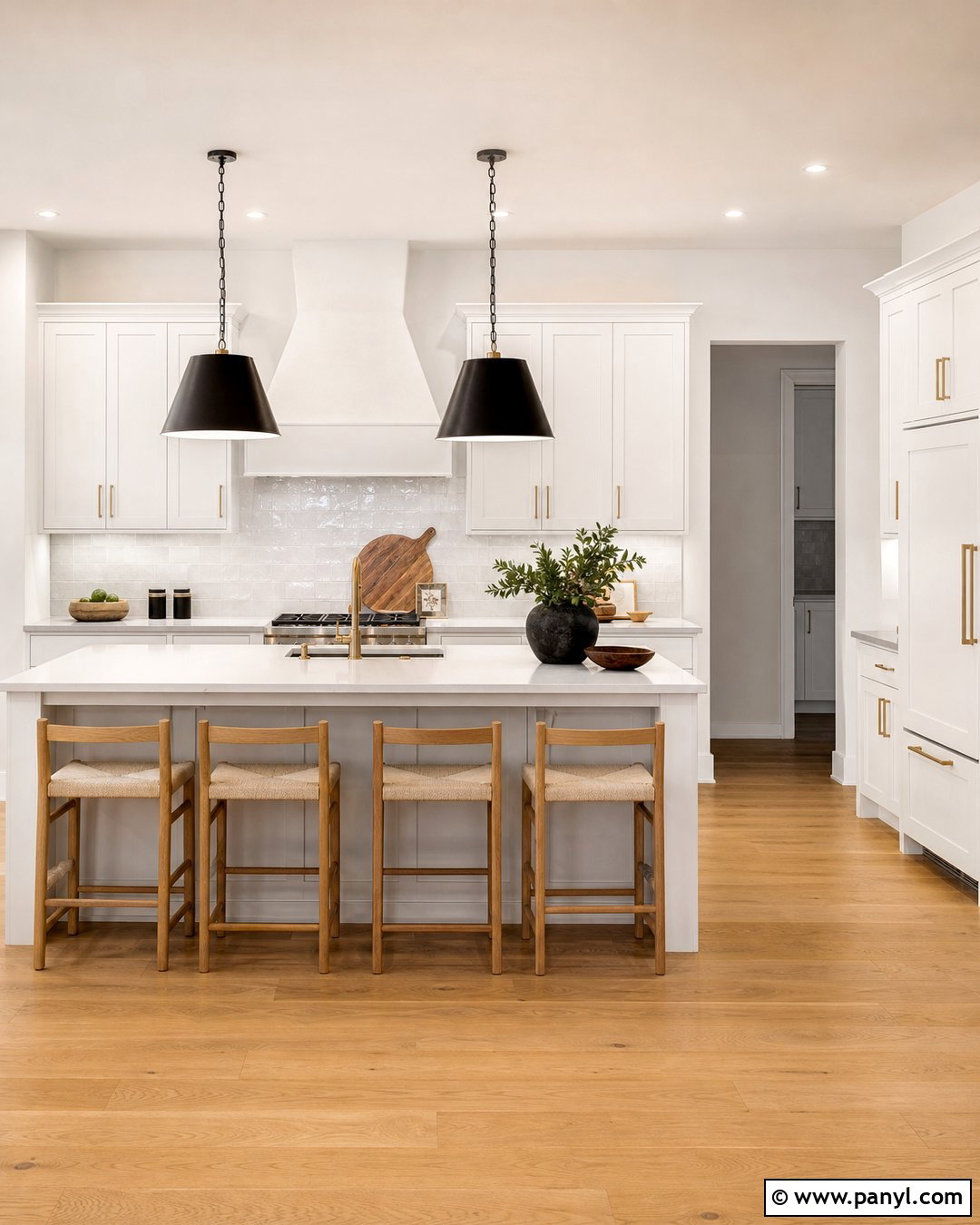
Crisp white cabinets and matching white walls create a clean kitchen that feels open without looking overly complicated. Choose a slightly warm white with soft cream undertones, especially if the room has oak flooring or limited natural light. Use the same paint color throughout, but select satin or semi-gloss for the cabinets and washable eggshell for the walls. This small finish change creates subtle dimension. Add white quartz countertops, a handmade off-white tile backsplash, and pale oak stools to soften the continuous color. Brushed brass hardware introduces warmth, while black pendant lights add definition above the island. Finish the room with woven shades, simple pottery, and a few green plants so the bright palette feels comfortable rather than clinical.
2. Cream Kitchen Cabinets With Cream Walls
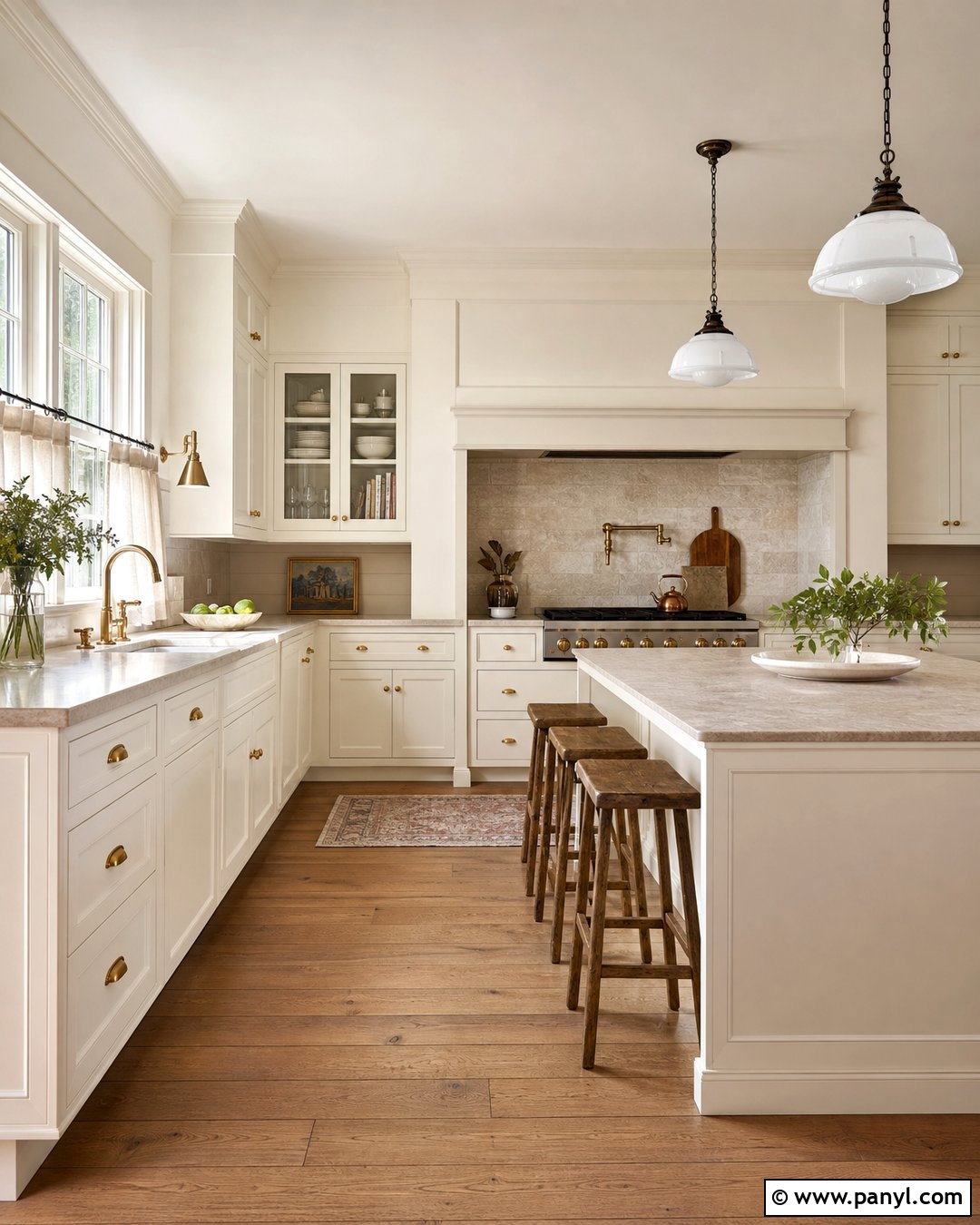
Imagine a warm, welcoming kitchen where cream cabinets blend smoothly into creamy walls. This combination works especially well with traditional Shaker doors, aged brass knobs, and natural stone surfaces. Select a soft cream without a strong yellow cast, then repeat it on the walls, cabinetry, trim, and pantry door. Honed beige limestone countertops and a matching slab backsplash keep the color story quiet while adding organic variation. Medium oak flooring provides enough contrast to ground the space. Over the island, use milk glass pendants or antique-inspired brass lights. A farmhouse sink, linen café curtains, and rustic wood stools complete the relaxed look. The result feels brighter than beige and softer than a sharply contrasting all-white kitchen.
3. Greige Kitchen Cabinets With Greige Walls
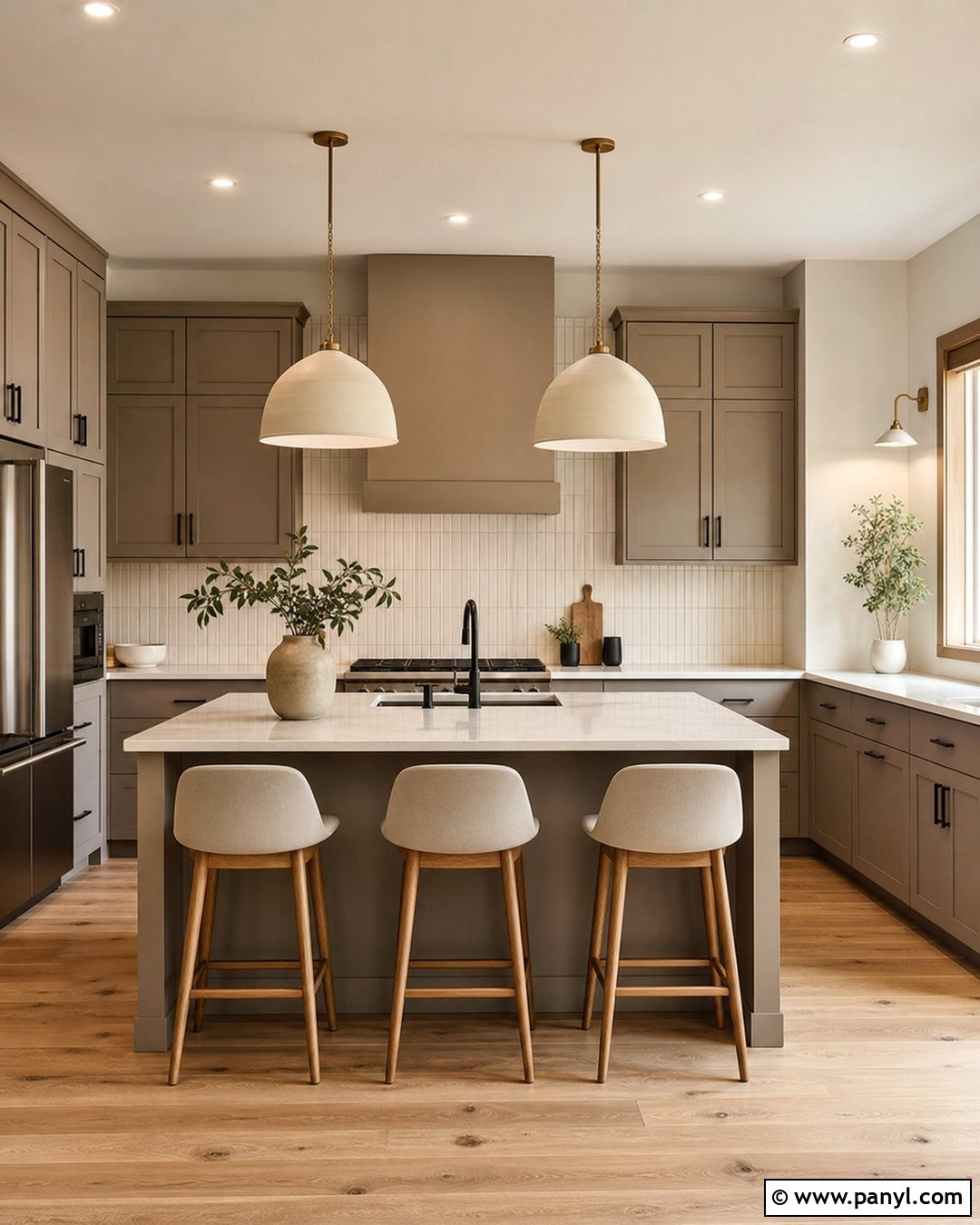
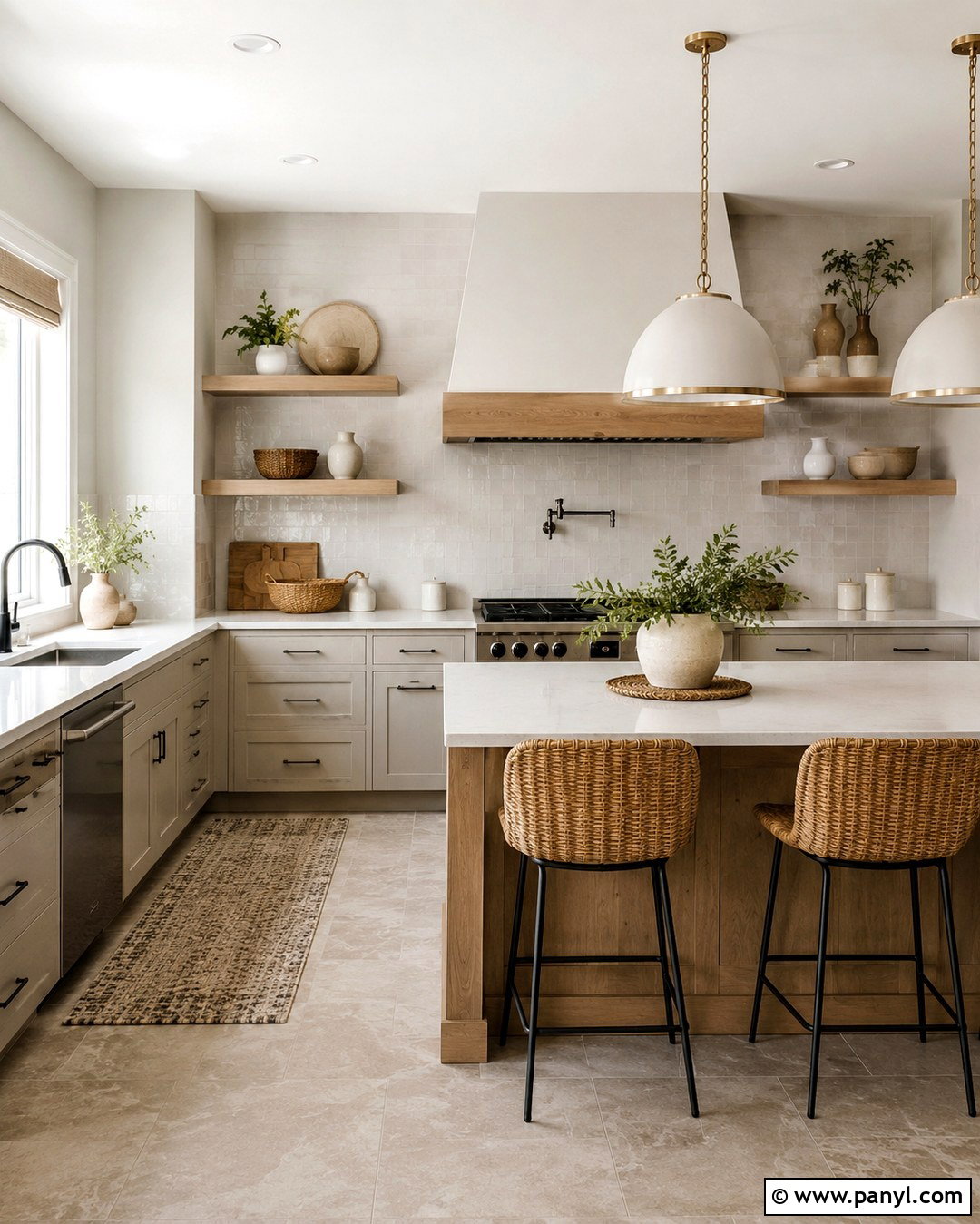
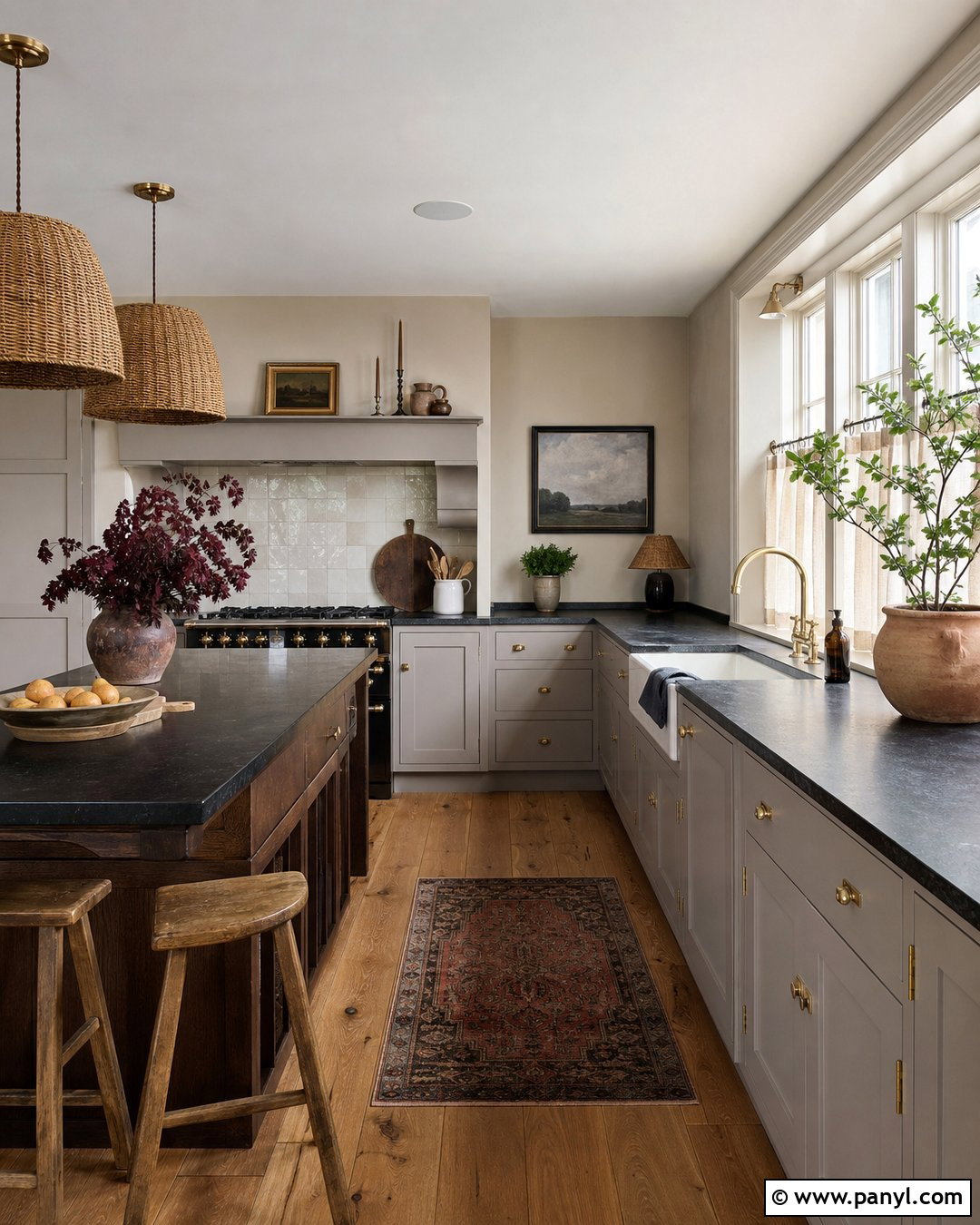
For a kitchen that feels neutral but not plain, combine greige cabinets with walls in the same balanced gray-beige family. A medium greige on lower and upper cabinets can be paired with a wall color one shade lighter, keeping the room connected while preserving gentle contrast. This approach is useful when nearby living areas already feature warm neutrals. Choose slim Shaker cabinetry, creamy quartz countertops, and a backsplash made from vertically stacked ivory tiles. White oak flooring and open shelving emphasize the warm undertones. Matte black pulls add a modern outline without dominating the design. Complete the kitchen with taupe counter stools, linen Roman shades, and oversized ceramic pendants. The finished palette feels calm, practical, and easy to update with seasonal accessories.
4. Beige Kitchen Cabinets With Beige Walls
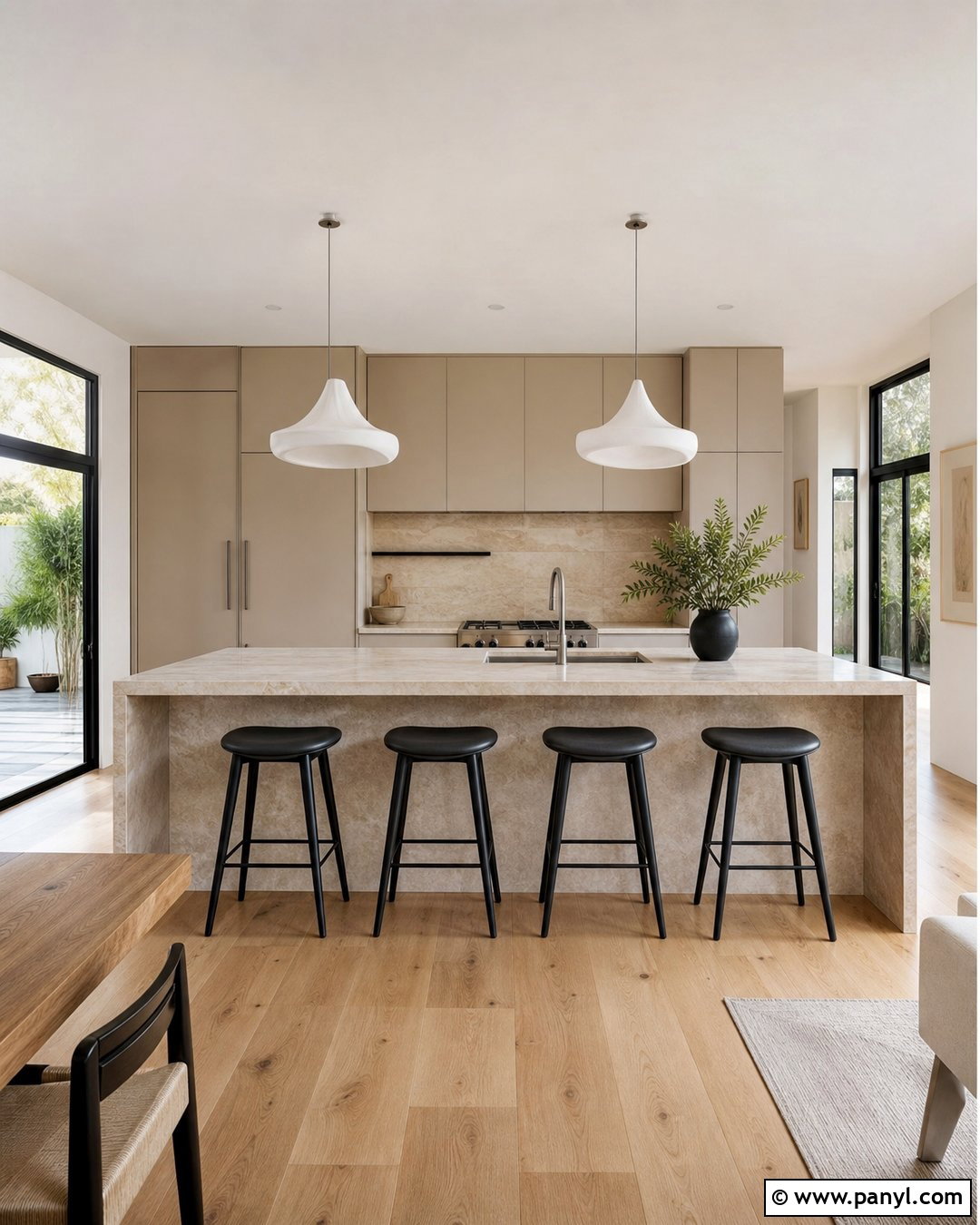
Could beige make a kitchen look contemporary? It can when the palette includes clean lines, natural materials, and enough tonal variation. Paint flat-panel cabinets a warm sand beige and use a lighter oatmeal beige across the walls and ceiling. This creates a soft envelope of color while allowing the cabinetry to remain visible. Pair the scheme with creamy travertine countertops and a full-height backsplash for subtle movement. Light oak flooring, brushed nickel faucets, and sculptural white pendants keep the room fresh. Avoid too many dark brown accents, which can make beige feel dated. Instead, introduce contrast through black-framed windows, simple charcoal stools, and pale stoneware. The final kitchen feels earthy, uncluttered, and comfortably modern without relying on stark white surfaces.
5. Taupe Kitchen Cabinets With Taupe Walls
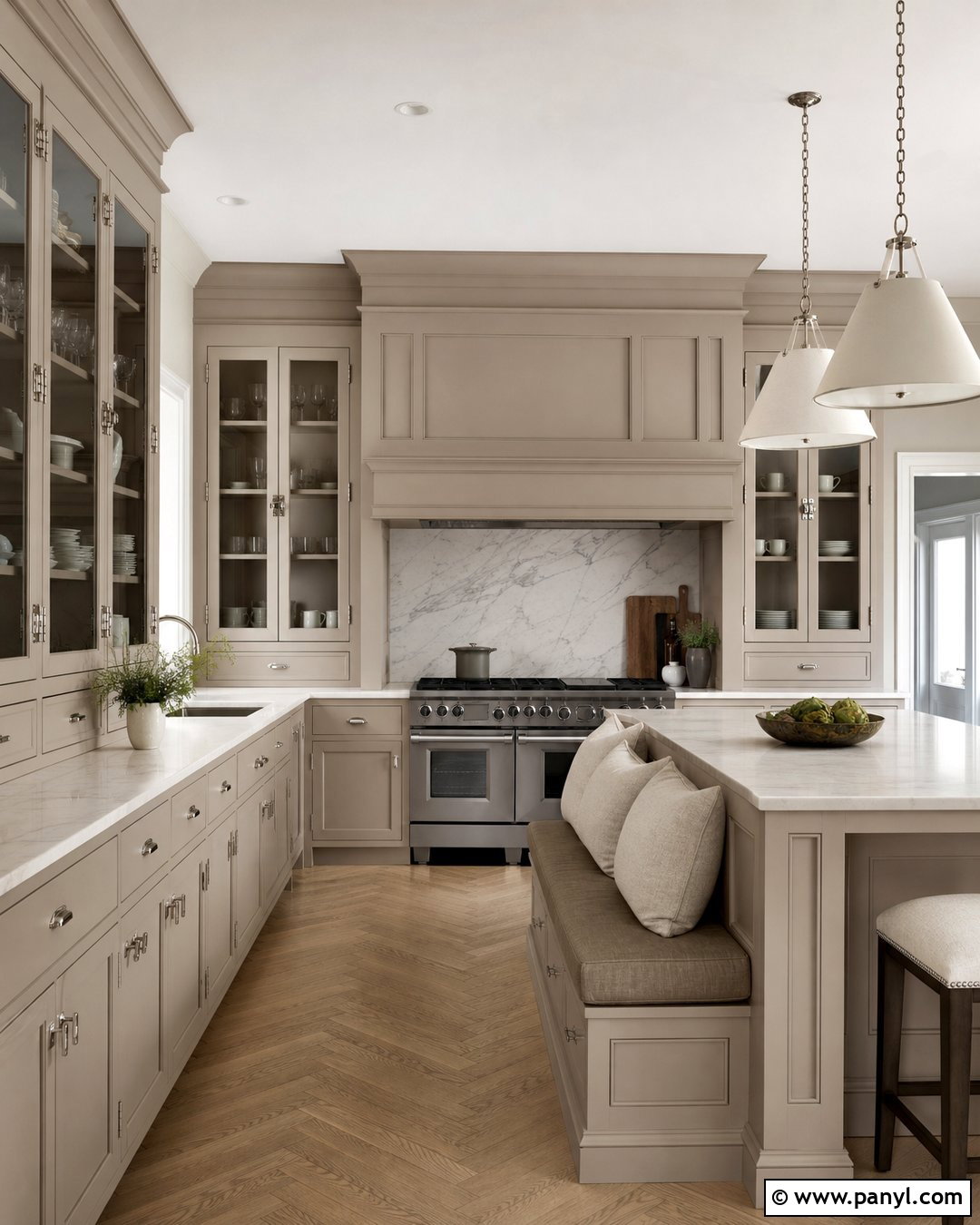
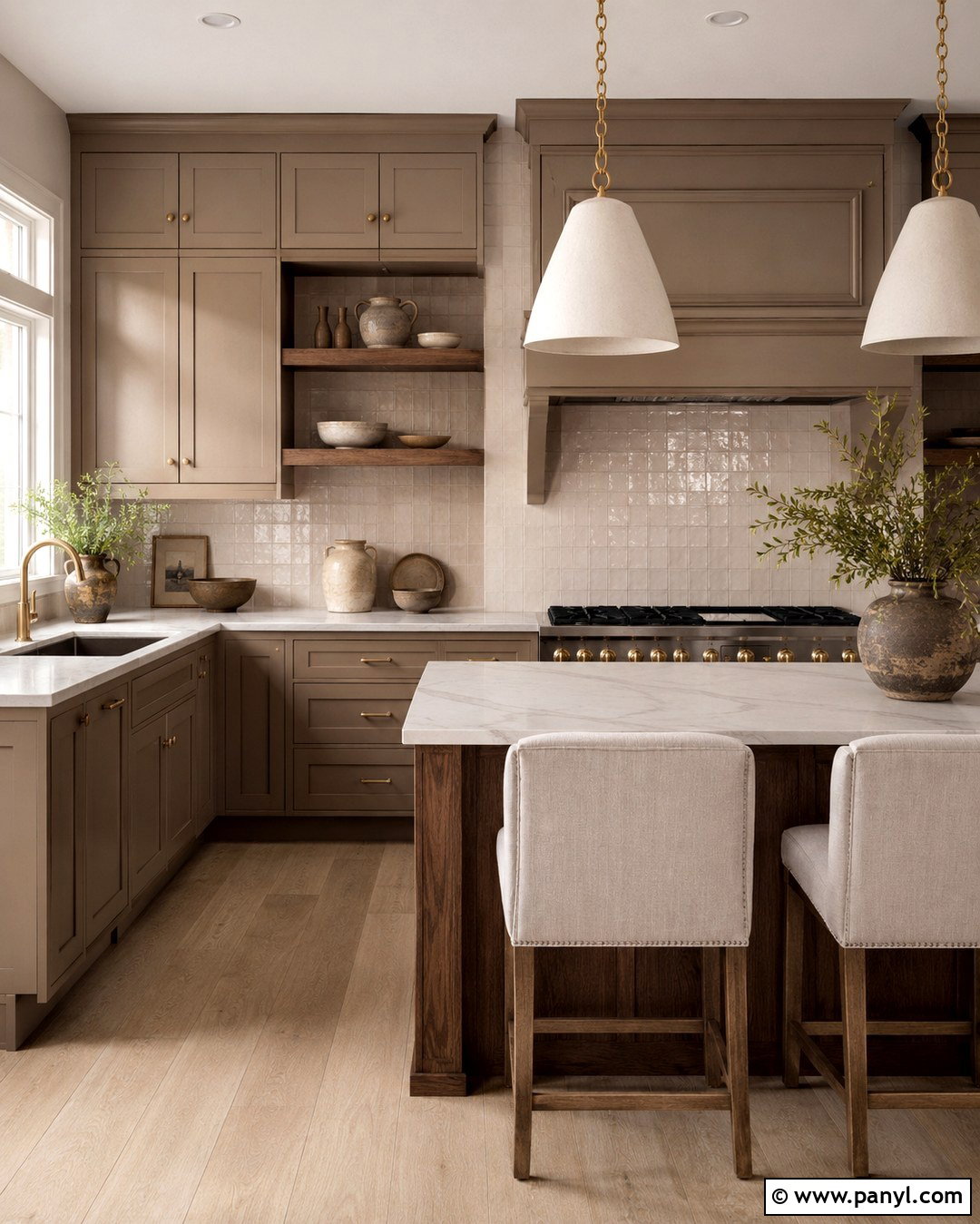
Soft taupe cabinets matched with taupe walls create an elegant backdrop for stone, wood, and metal finishes. Select a muted mushroom taupe that shifts gently between gray and brown as the daylight changes. Apply the same shade to paneled cabinets, walls, and refrigerator panels, then distinguish each surface through sheen and texture. Polished nickel latches bring a refined sparkle, while honed white marble counters brighten the deeper neutral. Install a marble backsplash with quiet gray veining to connect the palette. Medium-tone herringbone wood flooring adds pattern without introducing another strong color. Glass-front upper cabinets, linen pendant shades, and an upholstered breakfast bench complete the room. This layered approach gives a monochromatic kitchen depth while preserving its restful, tailored appearance.
6. Light Gray Kitchen Cabinets With Gray Walls
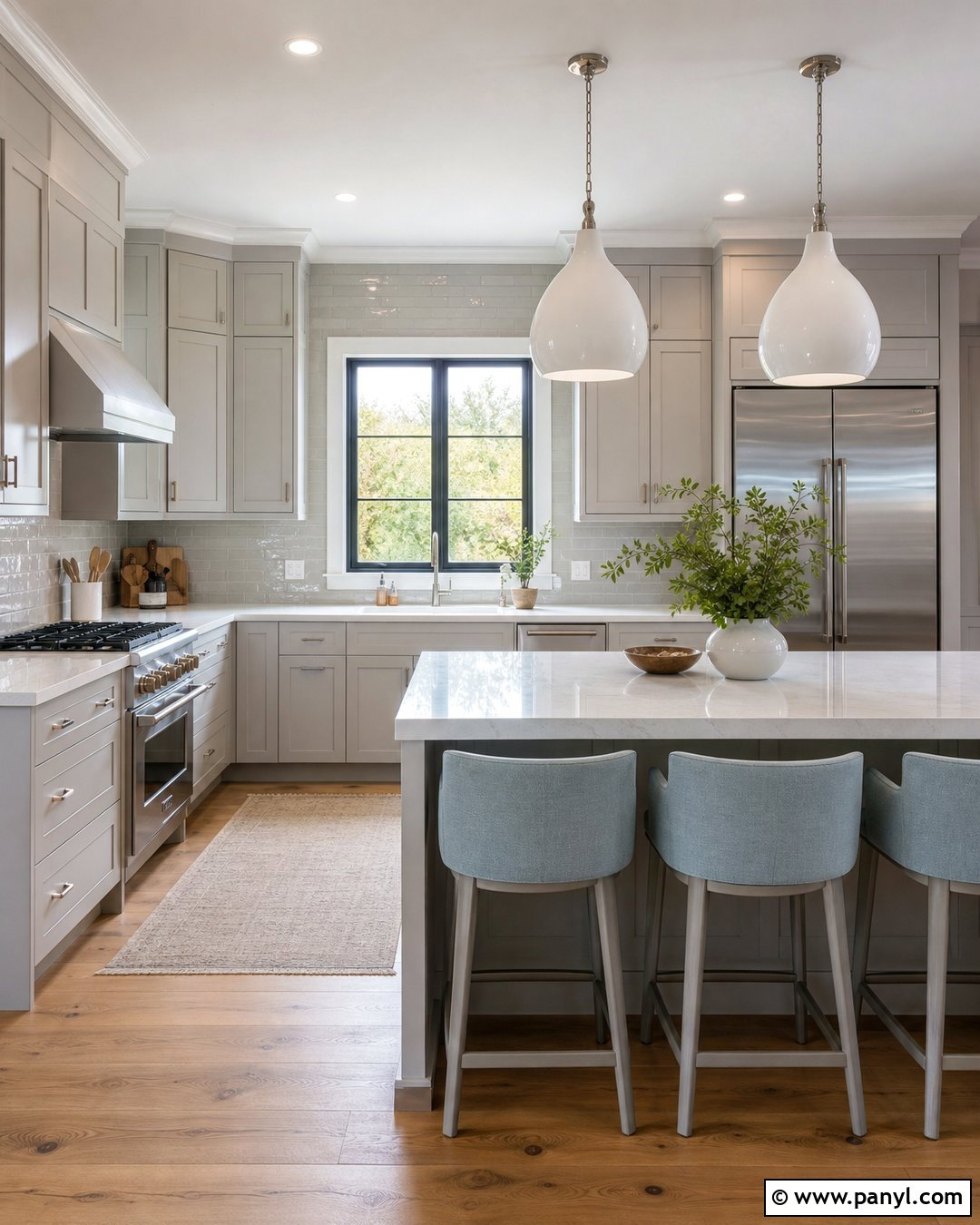
A light gray kitchen can feel airy and inviting when its undertones are carefully coordinated. Choose cabinets in a pale warm gray, then paint the walls a softer version of the same color. Avoid pairing blue-gray cabinetry with yellow-gray walls because the difference may appear accidental. White quartz countertops and a glossy pearl-gray tile backsplash reflect light around the room. Add natural oak floors and open shelving to bring warmth into the restrained palette. Polished chrome hardware provides a clean finish, while charcoal window frames create useful definition. A compact island with rounded corners improves movement through the space. Complete the design with pale blue-gray stools, white ceramic lighting, and minimal countertop decor for a practical kitchen that feels bright rather than cold.
7. Charcoal Kitchen Cabinets With Charcoal Walls
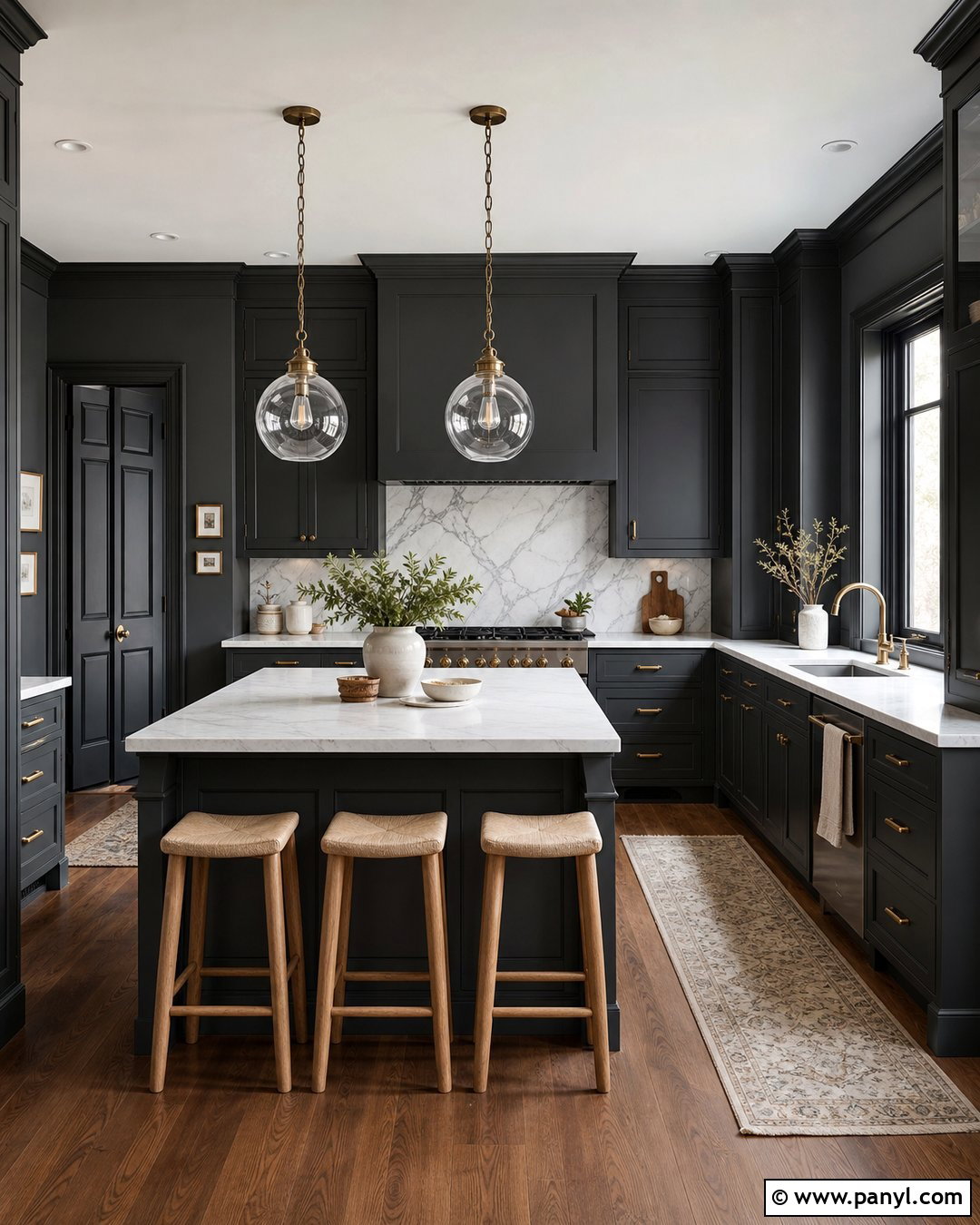
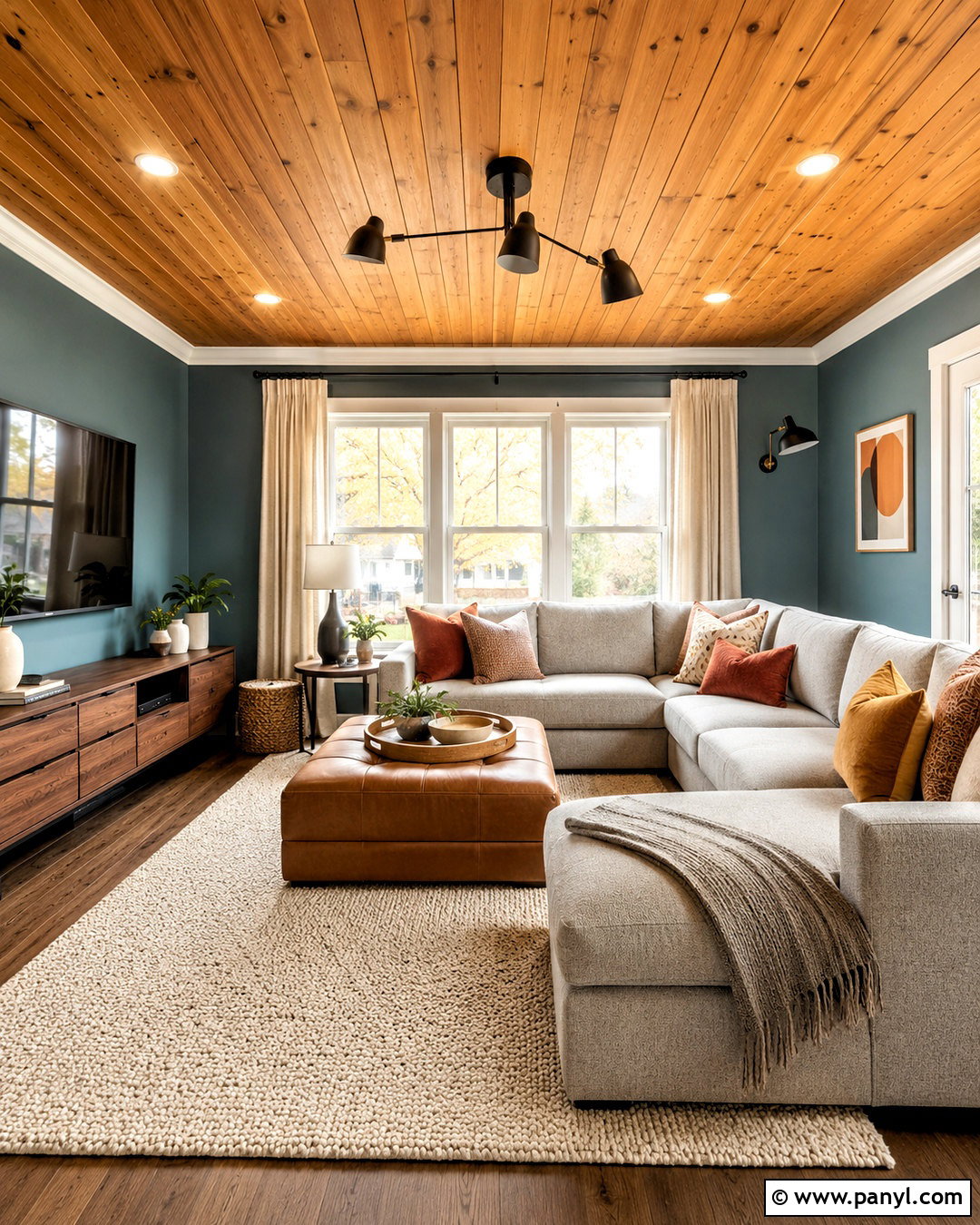
Deep charcoal cabinets and matching walls turn an ordinary kitchen into a sophisticated, cocooning space. The strongest version of this look uses charcoal on the cabinetry, walls, doors, and trim, while leaving the ceiling a softer gray to maintain brightness. Variation in sheen helps each architectural detail remain visible, making monochromatic kitchens feel more layered. () Choose white marble countertops with bold veining and continue the stone behind the range. Warm walnut flooring prevents the dark palette from becoming severe. Add antique brass handles, a brass faucet, and clear glass pendants for reflective accents. Large windows or strong under-cabinet lighting are important. Finish with light wood stools and pale ceramics, creating contrast without disrupting the dramatic color story.
8. Black Kitchen Cabinets With Black Walls
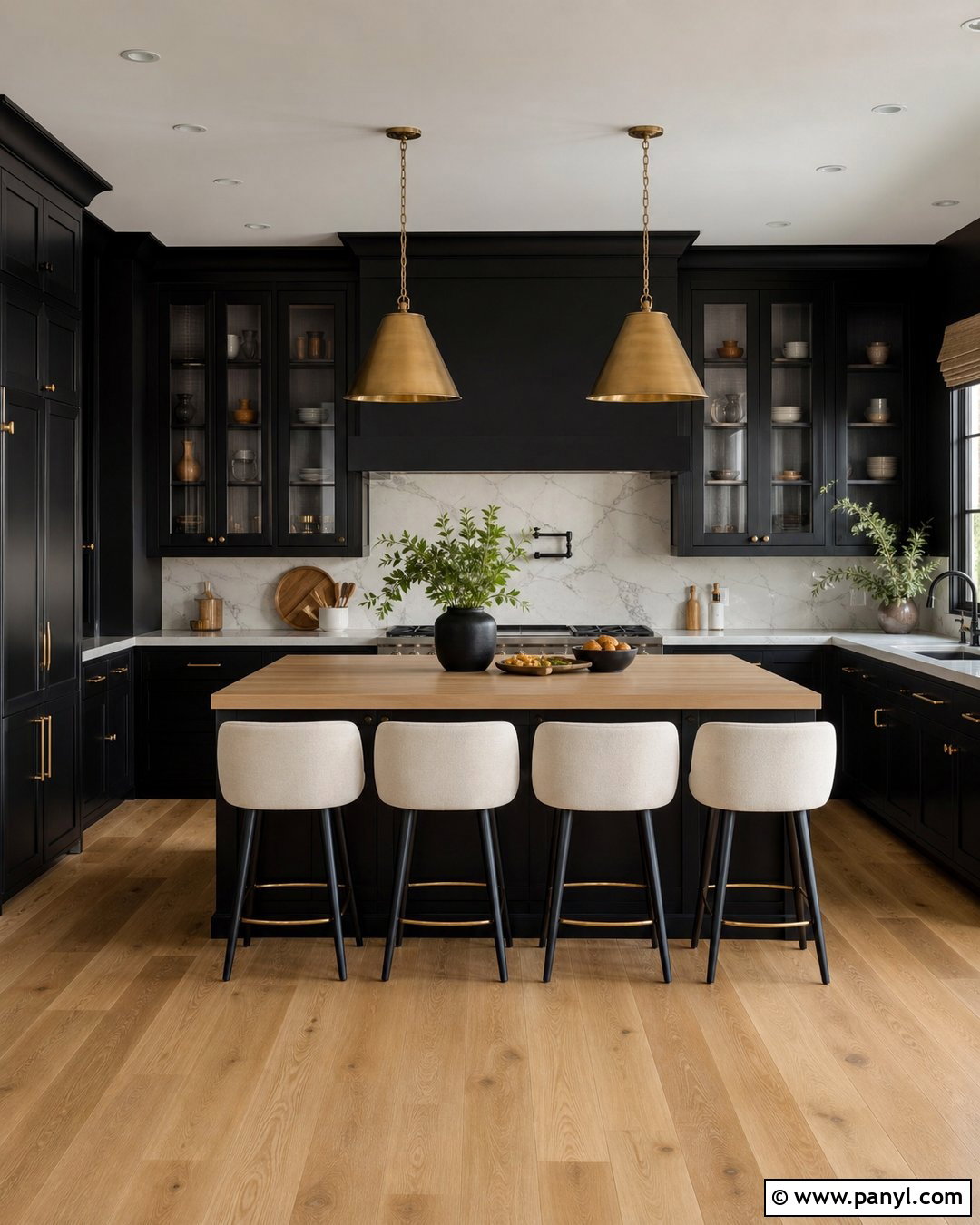
Black cabinets against black walls create a bold kitchen where shape, texture, and lighting become the main design features. Use soft matte black on the walls and durable satin black on simple Shaker or slab cabinet doors. Keep countertops light with creamy quartz or white marble, then carry the same material up the backsplash to form a bright horizontal break. Natural oak flooring and a white oak island top add warmth. Choose oversized brass pendants, aged brass hardware, and a stainless steel range to reflect light. Glass cabinet doors can prevent a long run of dark cabinetry from feeling too heavy. Complete the room with ivory stools, warm under-cabinet lighting, and restrained greenery. The finished look feels dramatic, balanced, and surprisingly livable.
9. Navy Blue Kitchen Cabinets With Navy Walls
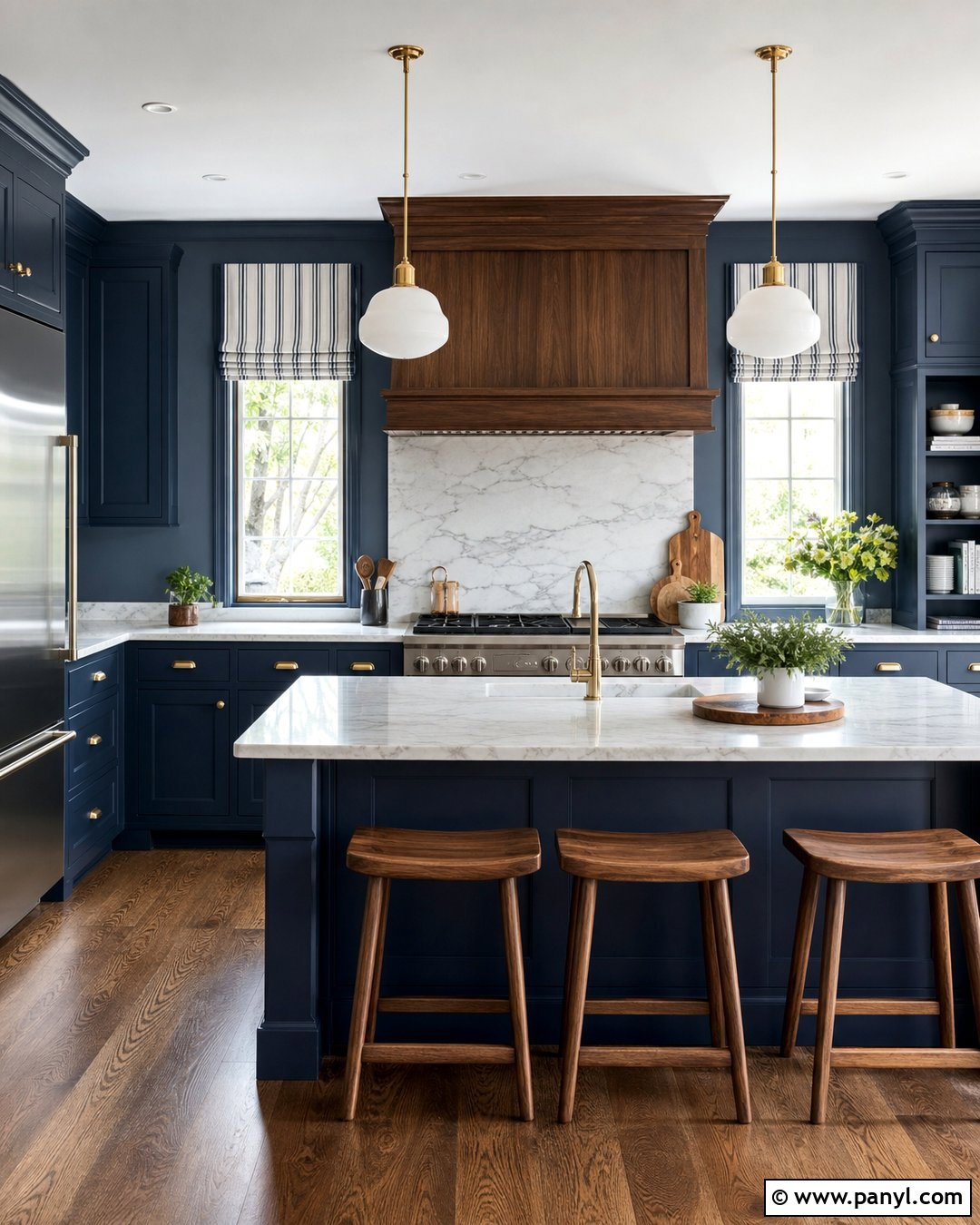
Rich navy cabinets and navy walls can deliver color without sacrificing a classic appearance. Select a deep blue with slightly muted undertones, then paint the walls one step lighter if the kitchen receives limited daylight. White marble counters and a matching backsplash provide crisp contrast around the work areas. Warm walnut flooring, a walnut range hood, and wood counter stools keep the blue palette from feeling formal. Use unlacquered brass cup pulls and bridge faucets for warmth, while white glass pendants brighten the island. A navy-painted pantry door helps the cabinetry visually continue beyond the main work zone. Add striped Roman shades, framed botanical artwork, and simple white dishes. This complete scheme suits traditional architecture while still feeling fresh and current.
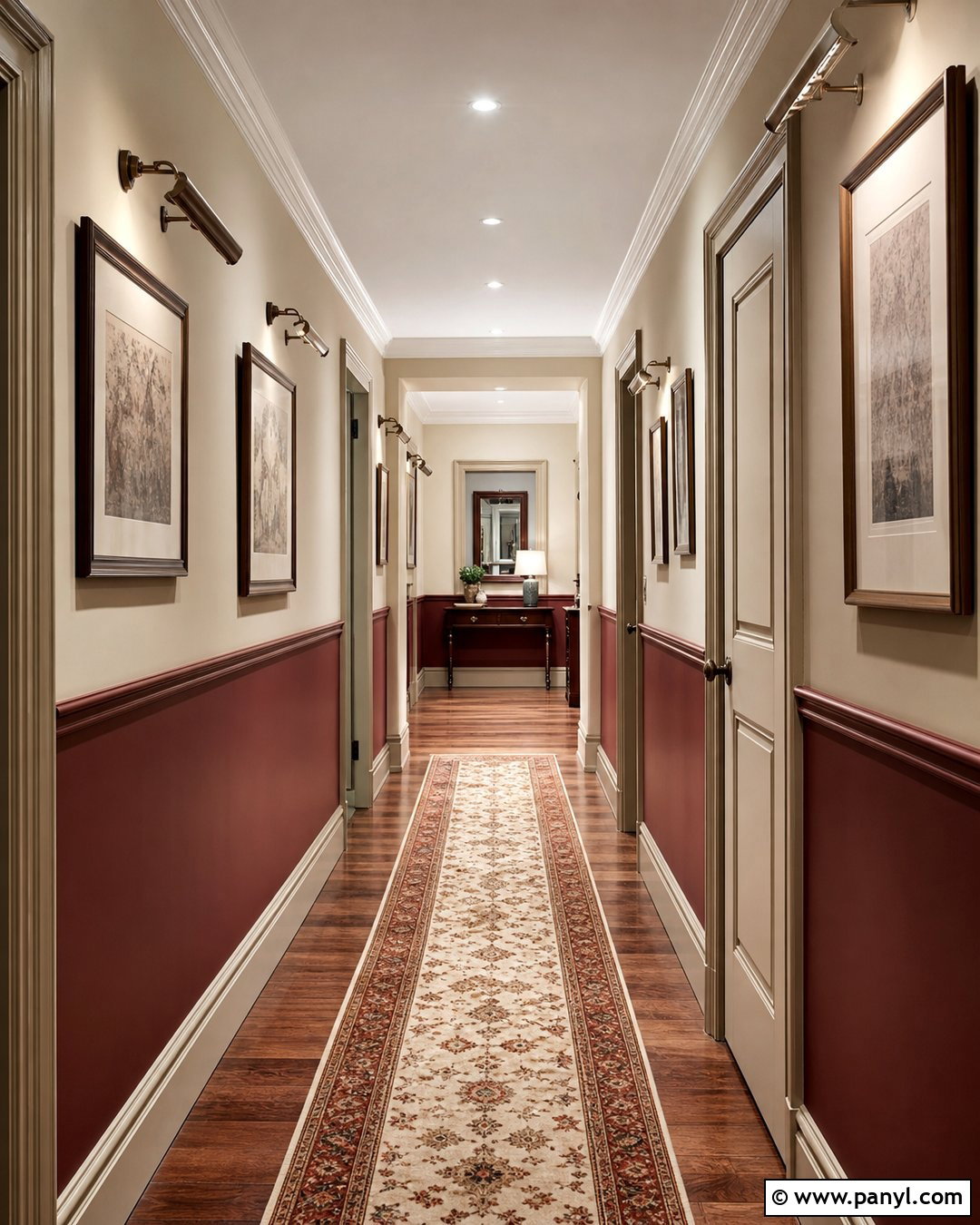
10. Dusty Blue Kitchen Cabinets With Blue Walls
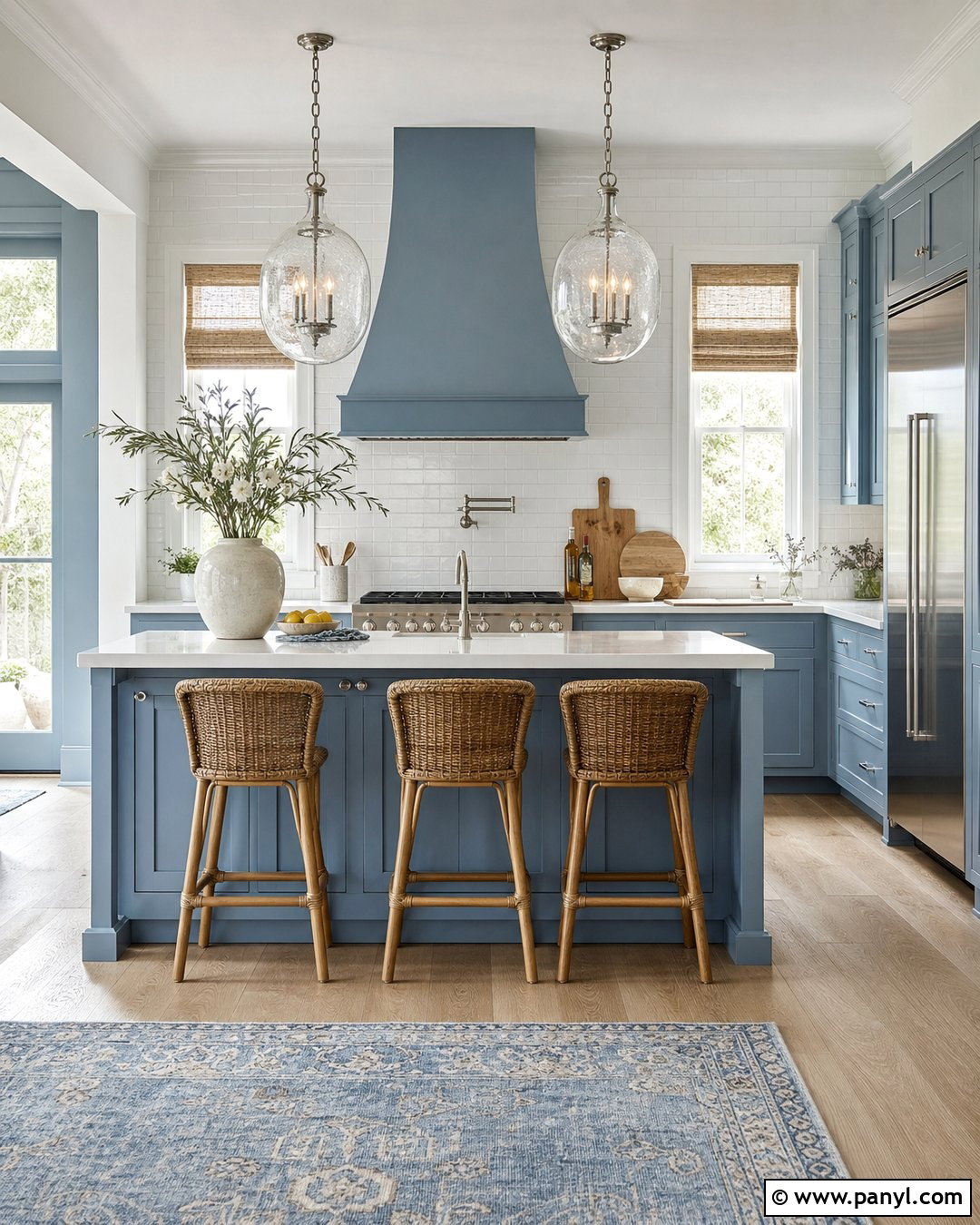
Soft, powdery color gives dusty blue cabinets and matching walls a relaxed coastal character without depending on themed decor. Choose a muted blue with gray undertones for the cabinet fronts, then use a paler tint on the surrounding walls. Pair the colors with white oak floors, creamy quartz counters, and glossy white backsplash tiles. Brushed nickel hardware supports the cool palette, while woven counter stools and natural fiber shades add warmth. A plaster range hood painted in the wall color can blend into the background and make the room feel more spacious. Complete the kitchen with clear glass pendants, pale linen textiles, and a few handmade ceramics. The result feels breezy and approachable, with enough contrast to define the cabinetry and work surfaces.
11. Sage Green Kitchen Cabinets With Sage Walls
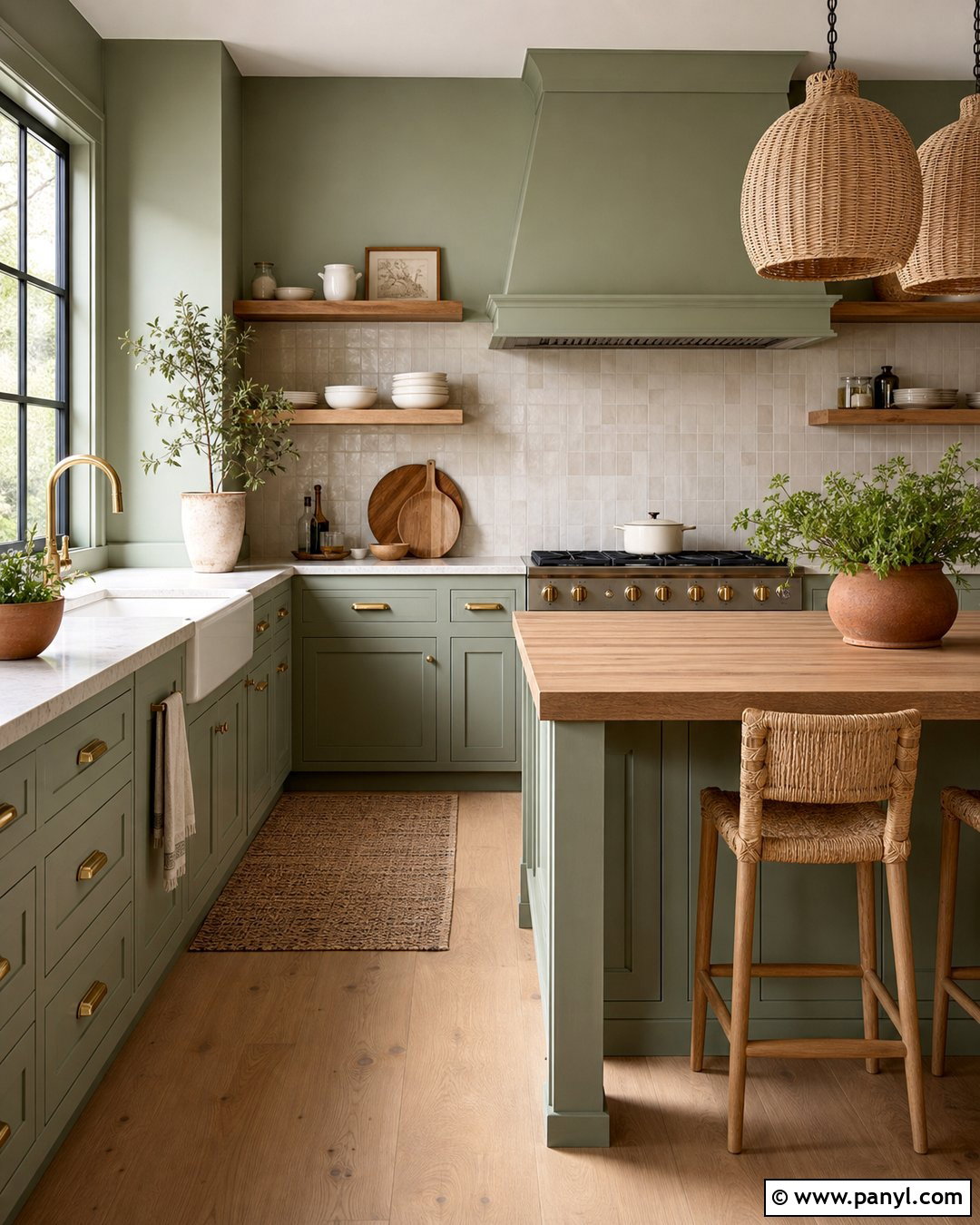
Sage green cabinets can disappear gracefully into matching walls, giving the kitchen a calm connection to outdoor views. Use a soft, earthy sage rather than a bright mint, and repeat it across Shaker cabinets, wall surfaces, trim, and the range hood. Cream quartz countertops and an off-white zellige tile backsplash lift the palette without creating harsh contrast. Add white oak floors, oak floating shelves, and woven pendants to reinforce the natural mood. Aged brass knobs and a warm brass faucet suit the green’s organic undertones. If the kitchen includes an island, keep it sage but top it with butcher block for added texture. Linen café curtains, terracotta planters, and simple cream dishes finish this inviting, garden-inspired kitchen.
12. Olive Green Kitchen Cabinets With Olive Walls
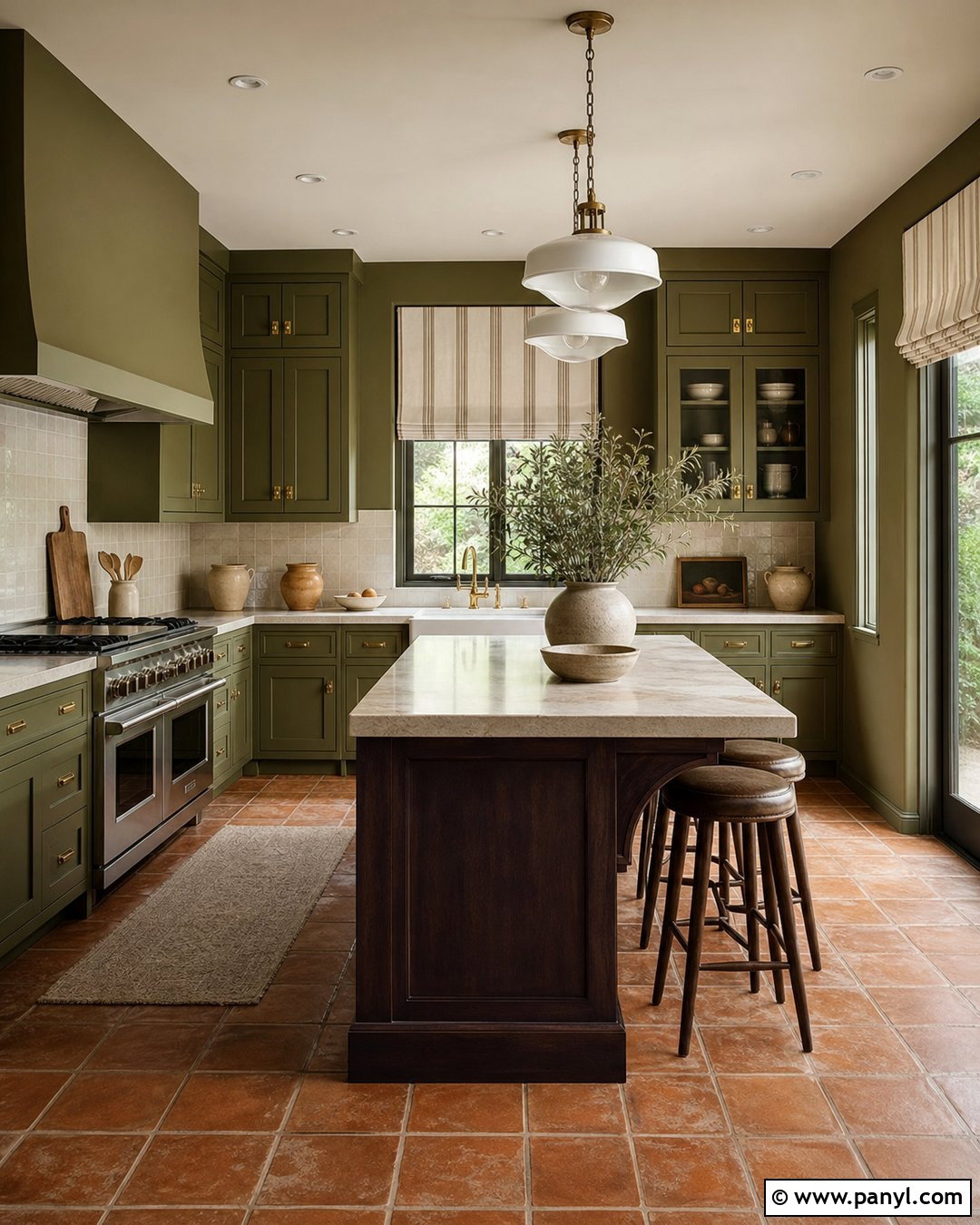
Olive green creates a richer, more grounded kitchen than pale sage, especially when used across both cabinetry and walls. Choose a deep olive with brown undertones and apply it to traditional inset cabinets, walls, trim, and a tall pantry. Creamy marble countertops introduce brightness, while a backsplash of handmade ivory tiles adds movement. Terracotta flooring brings out the color’s warm side and gives the room a relaxed Mediterranean influence. Use antique brass latches, a substantial brass faucet, and opal glass pendants for a collected appearance. A dark wood dining table or butcher-block island provides another warm surface. Complete the design with striped linen shades and pottery in cream and rust. The kitchen feels enveloping, practical, and full of character.
13. Forest Green Kitchen Cabinets With Green Walls
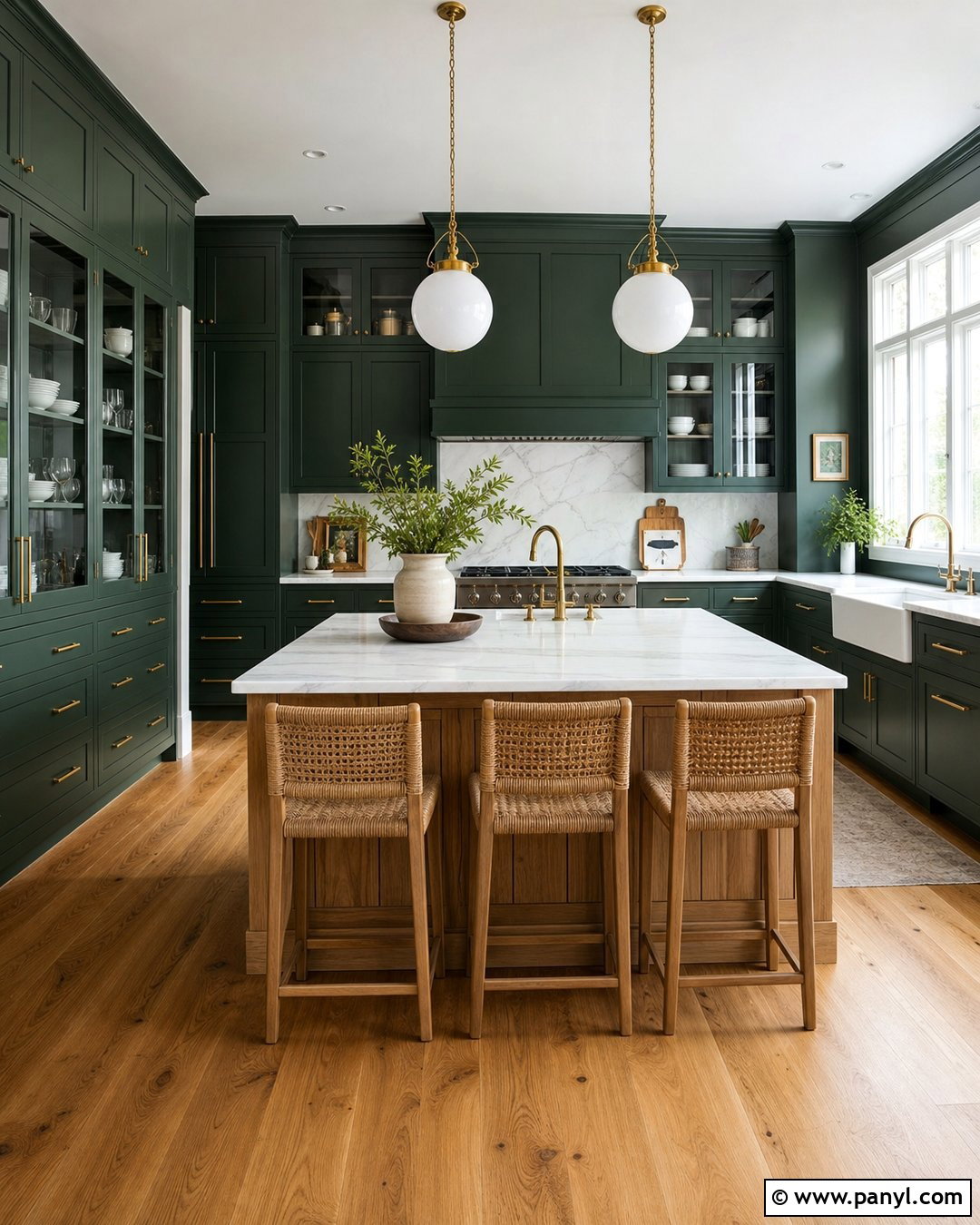
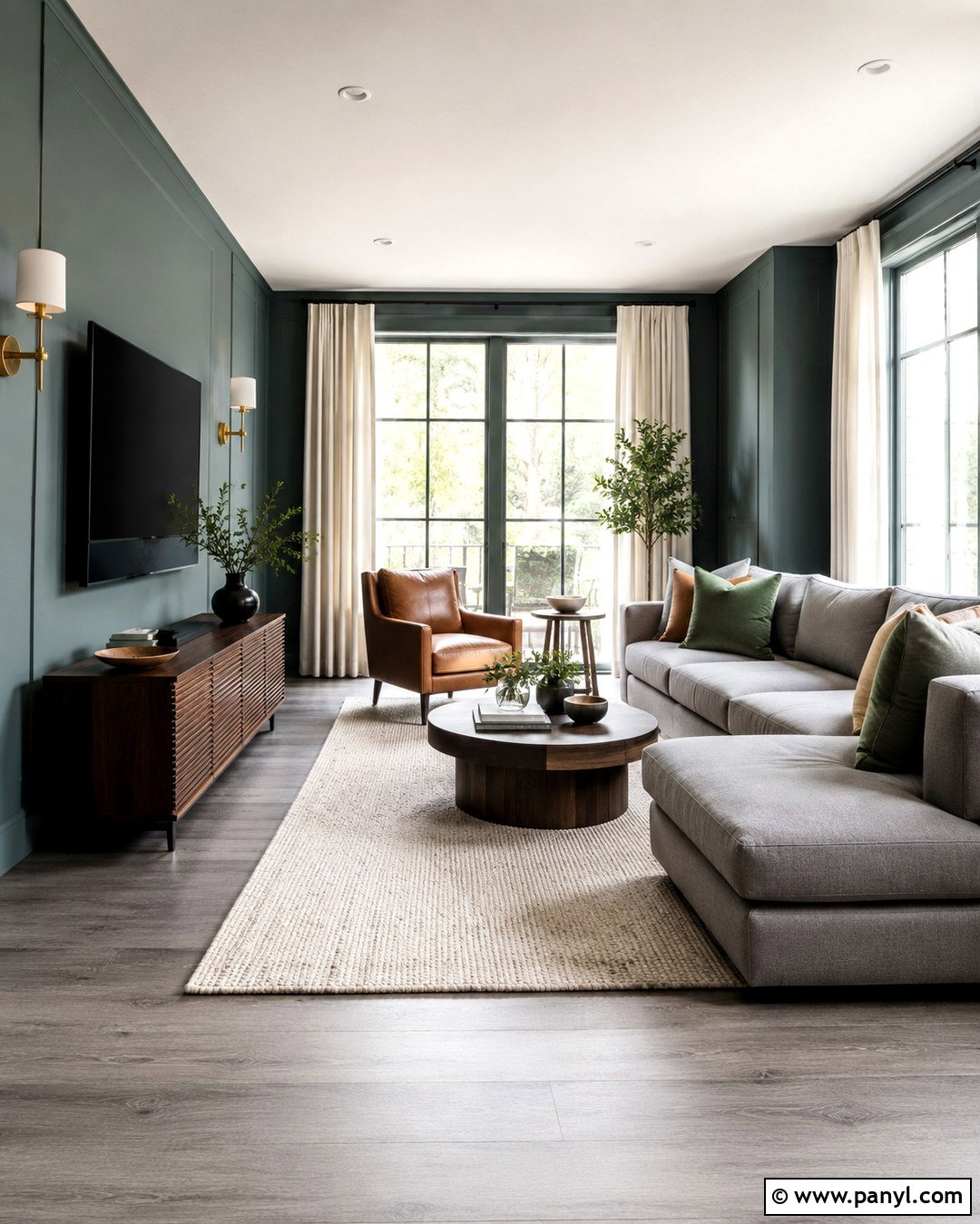
When the kitchen has generous windows, forest green cabinets and matching walls can create a striking connection between the interior and surrounding landscape. Use the deep green on floor-to-ceiling cabinetry and walls, but keep the ceiling warm white to reflect natural light. White marble countertops and a dramatic marble backsplash give the room a bright focal point. Medium oak flooring, an oak island, and woven seating balance the saturated color with familiar natural texture. Choose slim brass pulls and simple globe pendants rather than highly decorative fixtures. Display white dishes behind a few glass cabinet doors to break up the darker surfaces. Color drenching can create visual continuity, while contrasting stone, wood, and metal prevent a one-color room from feeling flat. ()
14. Teal Kitchen Cabinets With Teal Walls
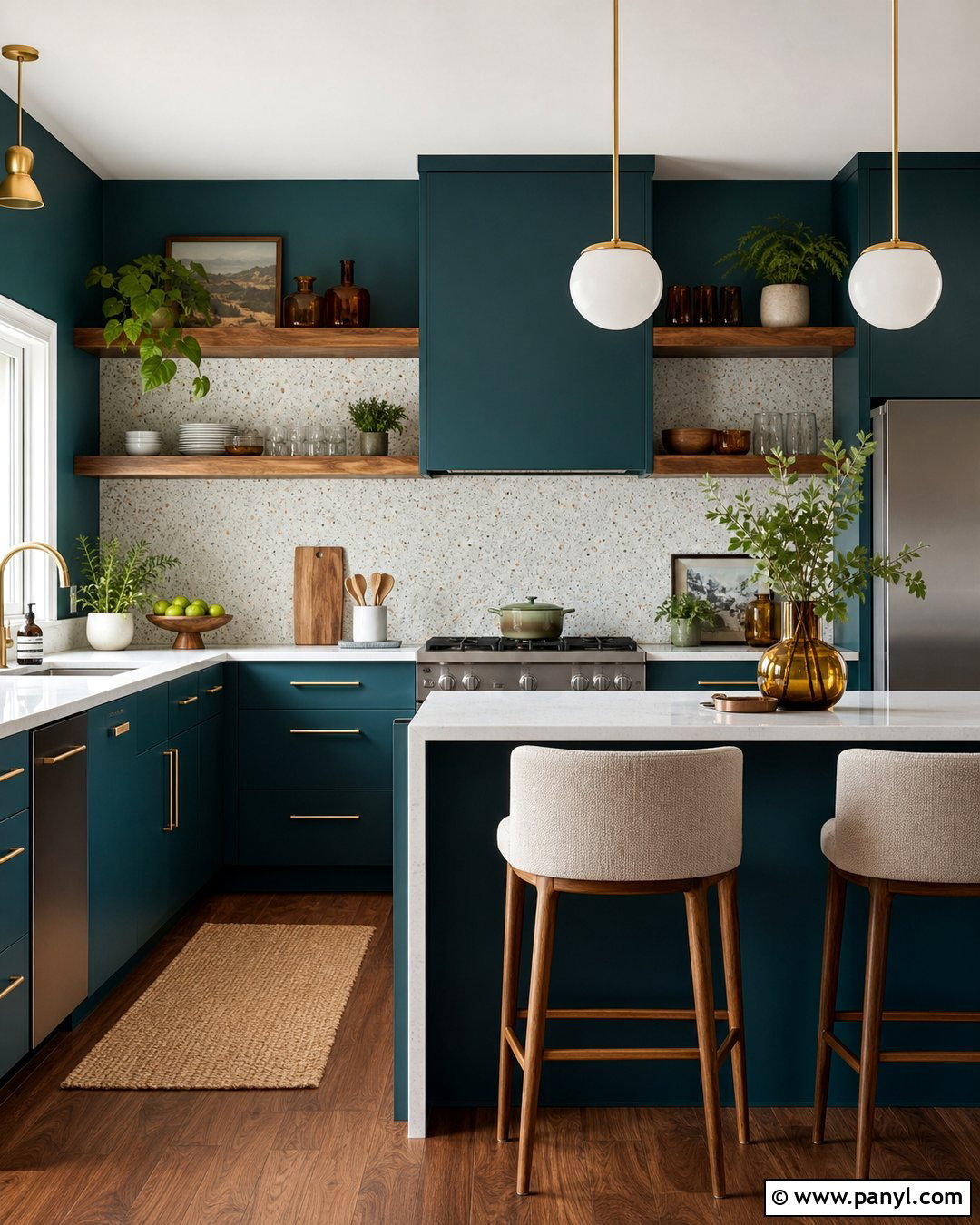
Vibrant teal cabinets and teal walls create a confident kitchen that still feels balanced when surrounded by warm materials. Select a deep blue-green for flat-panel cabinets and use the same color on the walls and trim. Keep the ceiling white and install bright task lighting to support the saturated scheme. White quartz counters and a pale terrazzo backsplash introduce lighter surfaces, while walnut flooring and shelves emphasize teal’s warmth. Choose brushed brass pulls, a brass faucet, and cream globe pendants to add a polished glow. A matching teal island can anchor the center, but use light upholstered stools to prevent visual heaviness. Finish with amber glass accessories, simple artwork, and leafy plants. This combination feels energetic, modern, and thoughtfully coordinated.
15. Pale Yellow Kitchen Cabinets With Yellow Walls
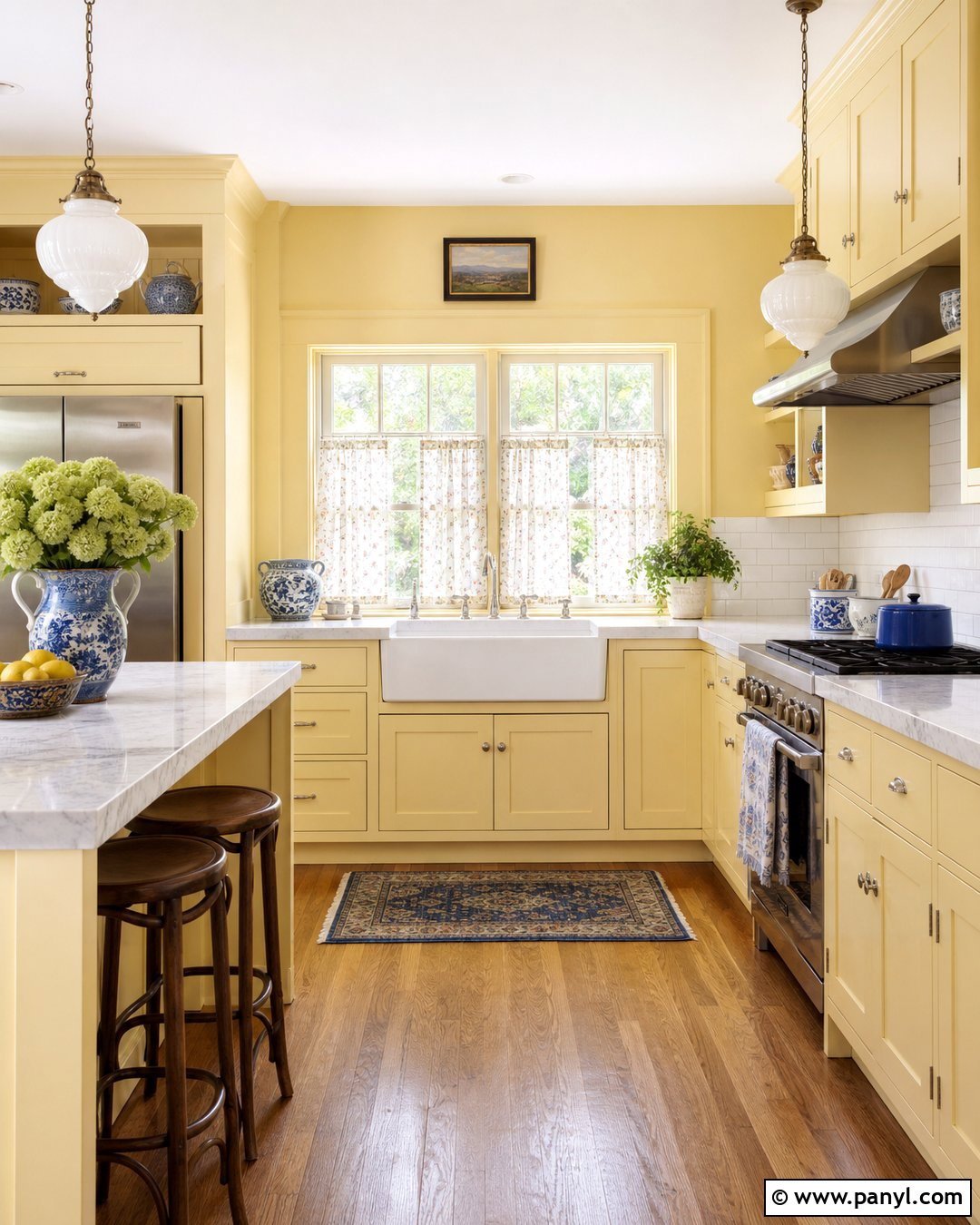
Morning light feels especially cheerful in a kitchen with pale yellow cabinets and softly matching walls. Choose a buttery yellow with muted cream undertones rather than a sharp lemon shade. Paint Shaker cabinetry in a washable satin finish and use the same color in eggshell on the walls. White marble counters and a white apron-front sink keep the scheme clean, while warm oak floors reinforce its sunny character. Add polished nickel hardware for a crisp counterpoint and use milk glass pendants above a compact island. A white tile backsplash with warm grout adds texture without interrupting the palette. Finish the room with café curtains, bentwood stools, and small blue ceramic accents. The complete design feels fresh, nostalgic, and welcoming throughout the day.
16. Blush Pink Kitchen Cabinets With Pink Walls
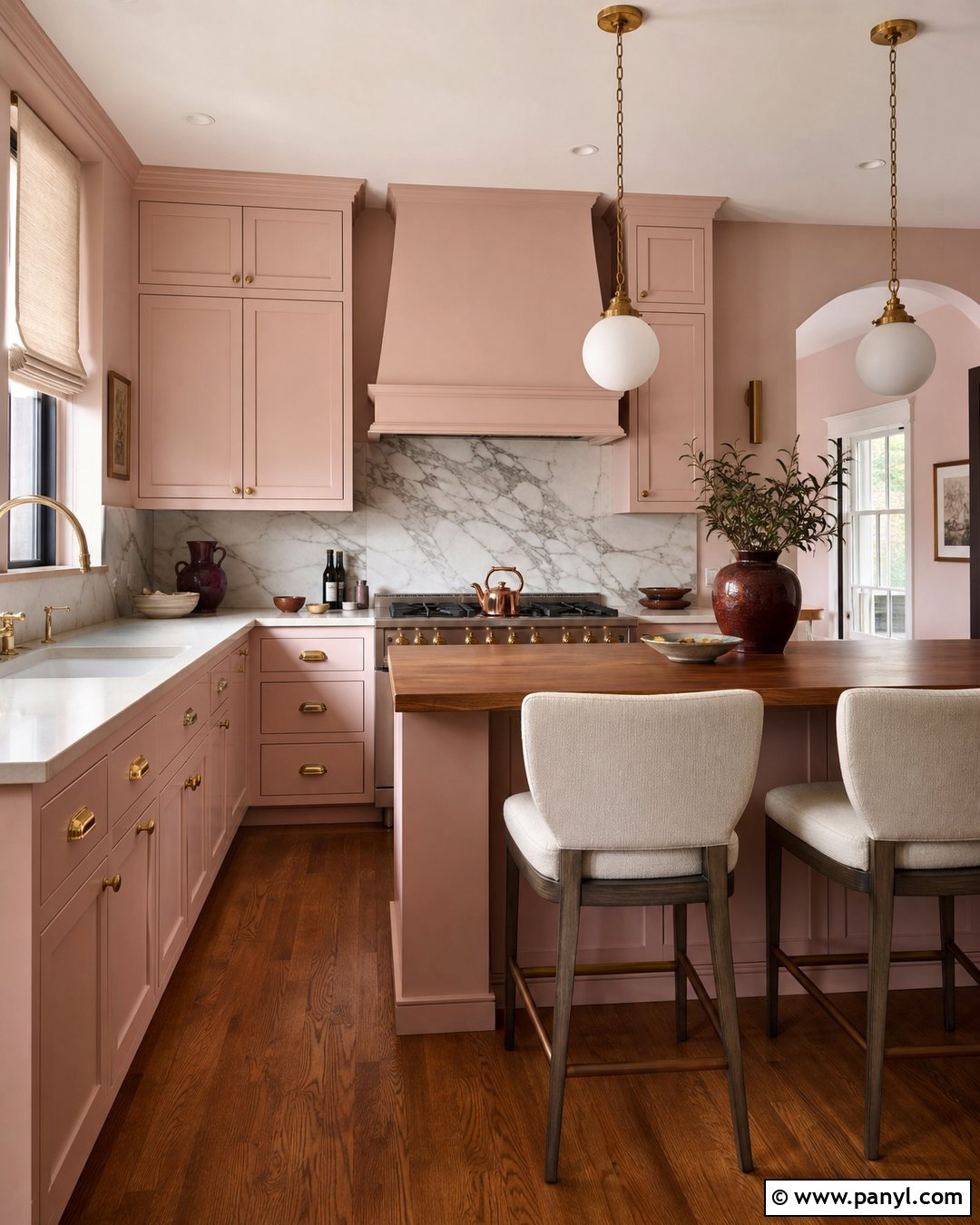
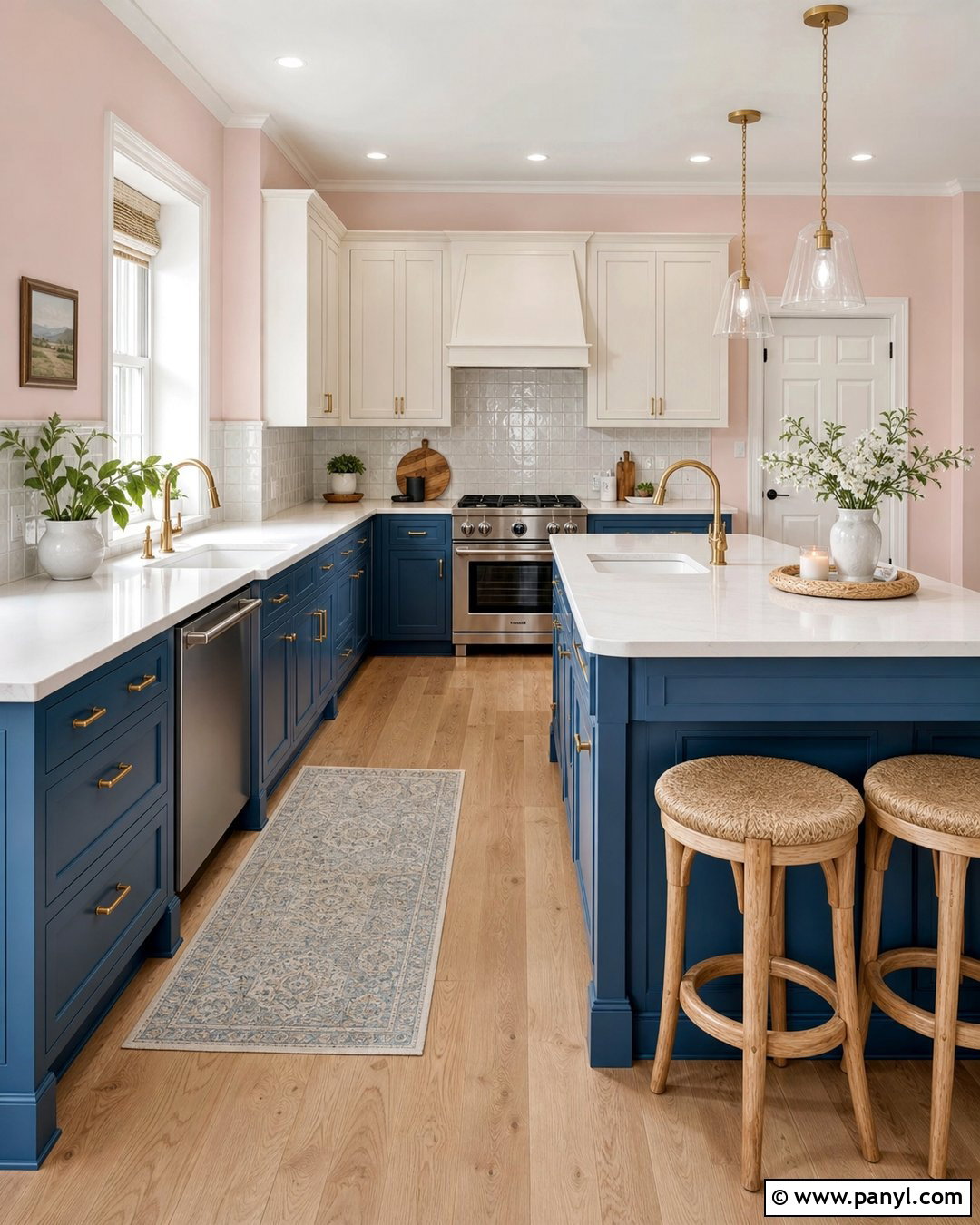
Blush pink cabinets paired with pink walls can feel refined rather than overly sweet when the color has warm beige or clay undertones. Use dusty blush on slim Shaker doors and carry a paler version onto the walls, trim, and open shelving. Cream quartz counters and a softly veined marble backsplash maintain an elegant base. Introduce walnut flooring and a walnut island top for depth. Aged brass hardware, white globe pendants, and a plaster range hood add sophistication without competing with the color. Choose oatmeal linen stools and neutral window treatments instead of more pink accessories. A small amount of dark burgundy pottery or artwork provides definition. This layered scheme creates a warm, distinctive kitchen that remains comfortable for everyday use.
17. Terracotta Kitchen Cabinets With Terracotta Walls
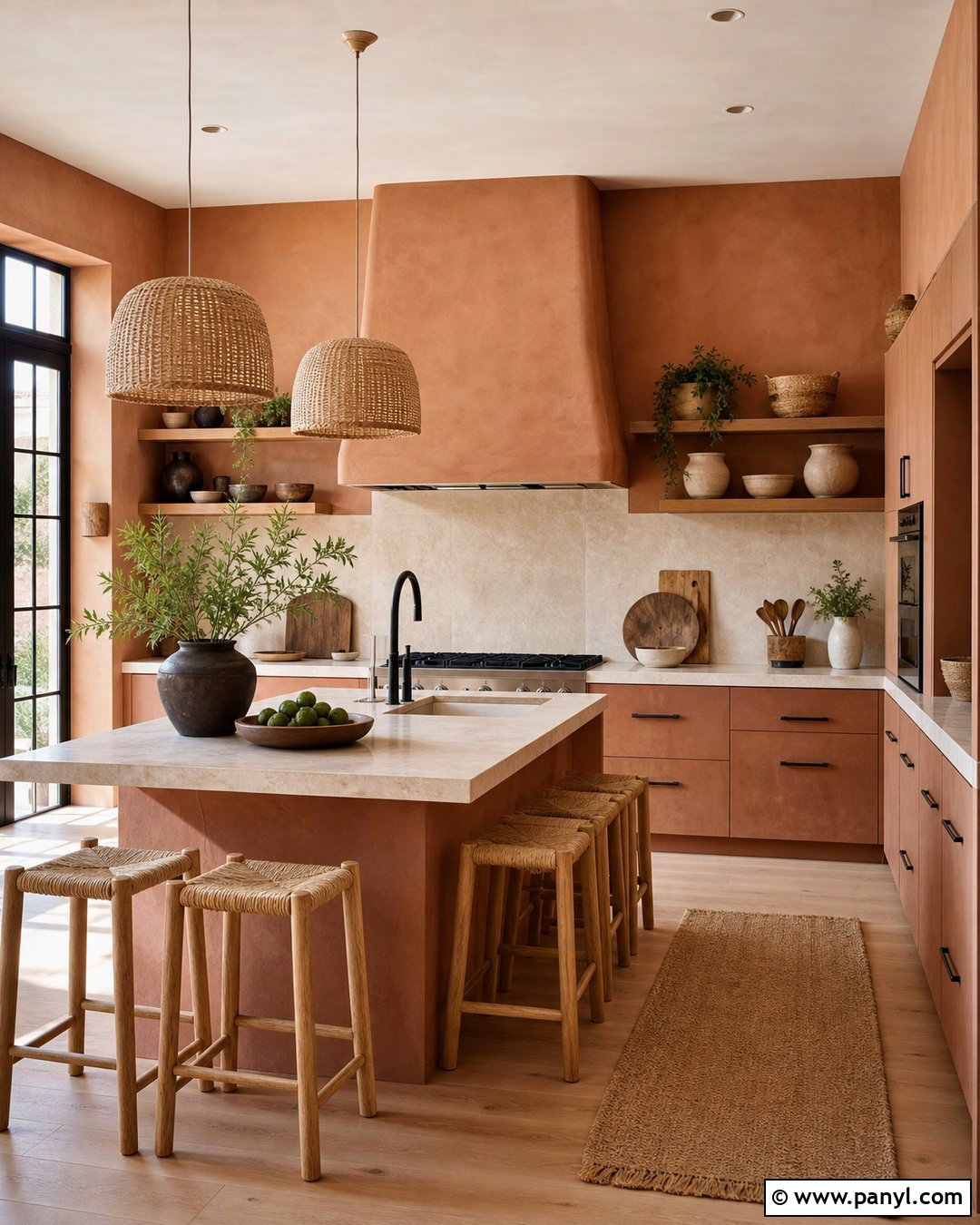
Earthy terracotta cabinets and matching walls bring warmth and architectural character to a kitchen. Select a softened clay shade with brown and orange undertones, then apply it to slab-front cabinets and limewashed walls. The slight texture of the wall finish keeps the single-color palette from appearing uniform. Pair it with creamy limestone countertops, a matching stone backsplash, and pale oak floors. Black cabinet pulls and black-framed windows give the warm color a clear outline. Use woven pendant lights, light wood stools, and open shelving filled with neutral pottery. A plaster range hood in the same clay tone helps complete the immersive look. The finished kitchen feels grounded and sun-washed, combining modern cabinet shapes with rustic Mediterranean materials.
18. Rust Red Kitchen Cabinets With Red Walls
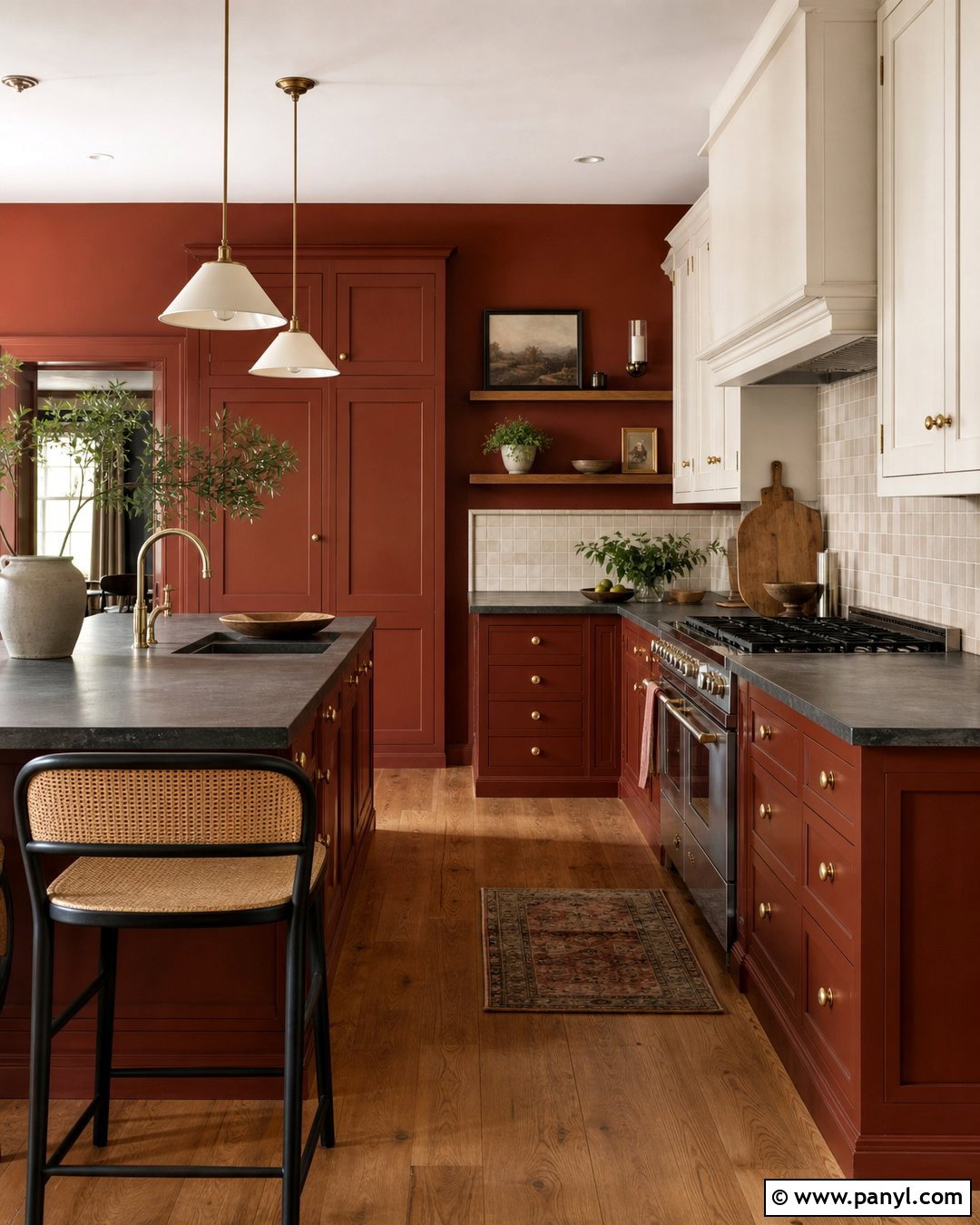
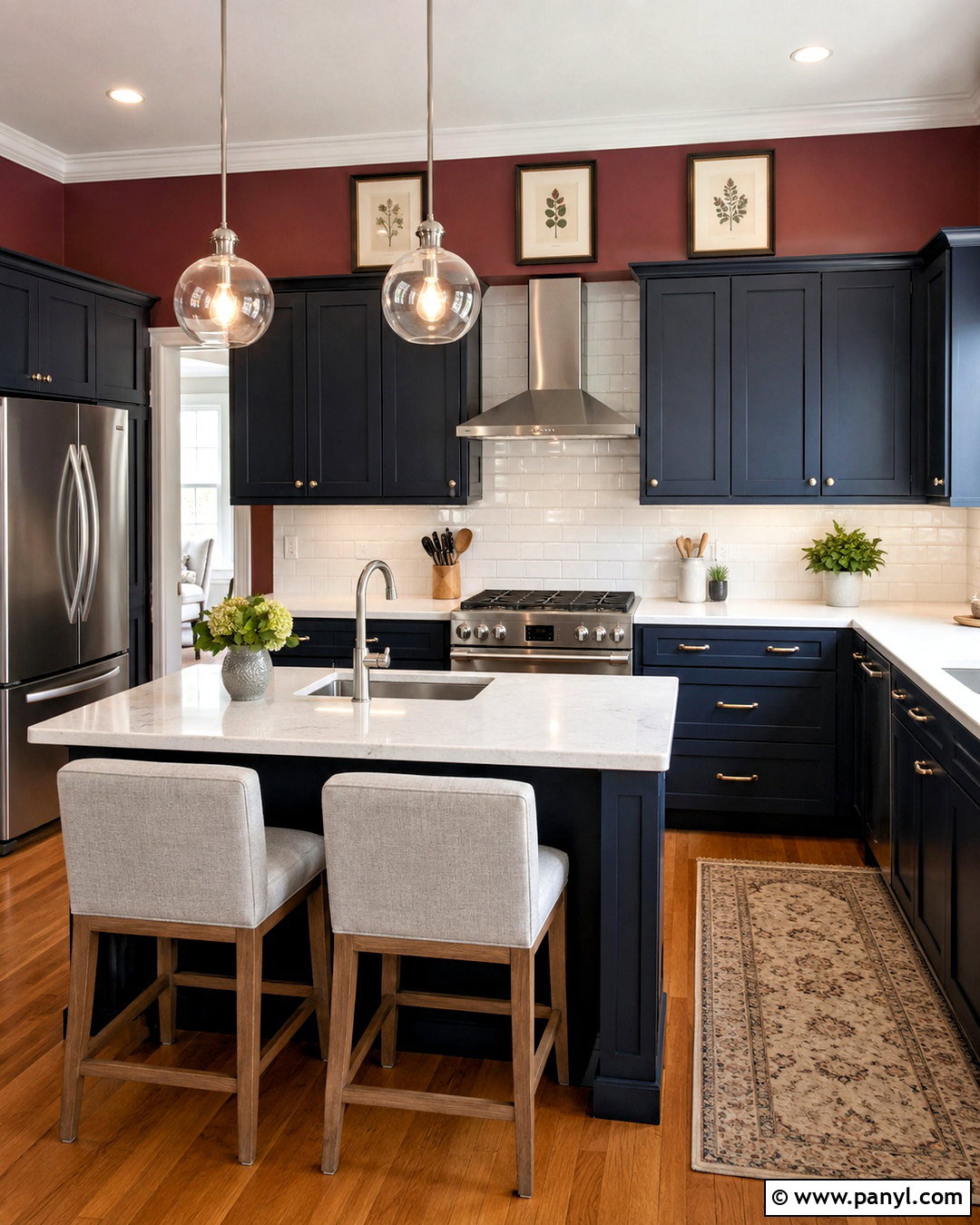
Rust red cabinets can look warm and timeless when coordinated with muted red walls and natural finishes. Choose a brown-based brick red instead of a bright primary hue, then use it across lower cabinets, tall pantry units, and the surrounding walls. Keep selected upper cabinets cream or replace them with oak shelves to reduce visual weight. Soapstone countertops and an off-white tile backsplash create practical contrast. Medium oak flooring, an oak dining table, and cane-backed stools soften the stronger color. Add aged brass knobs, a traditional bridge faucet, and simple cream pendants. Framed artwork with touches of rust, green, and beige connects the kitchen to an adjoining dining area. This complete palette feels collected, substantial, and comfortably lived-in.
19. Chocolate Brown Kitchen Cabinets With Brown Walls
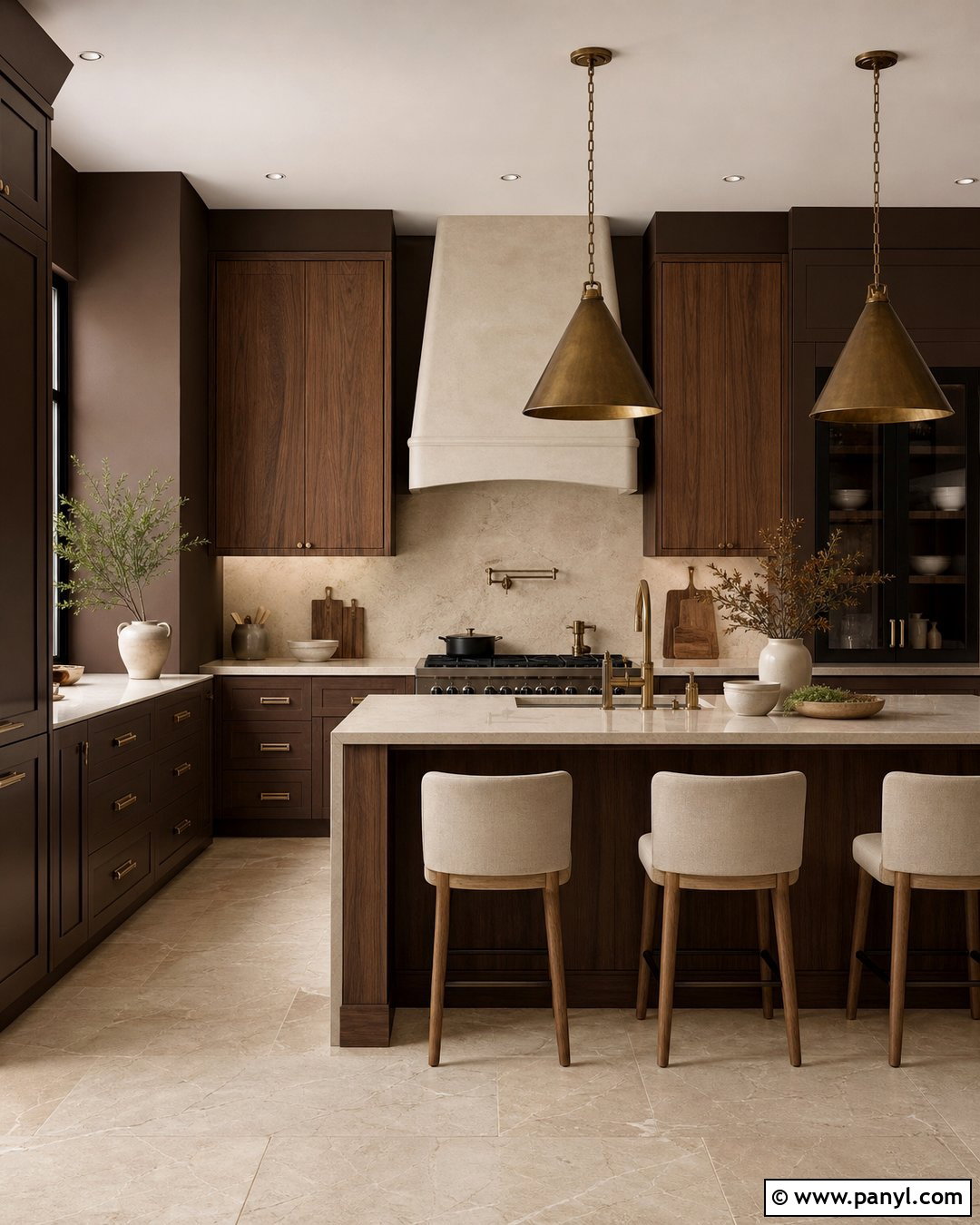
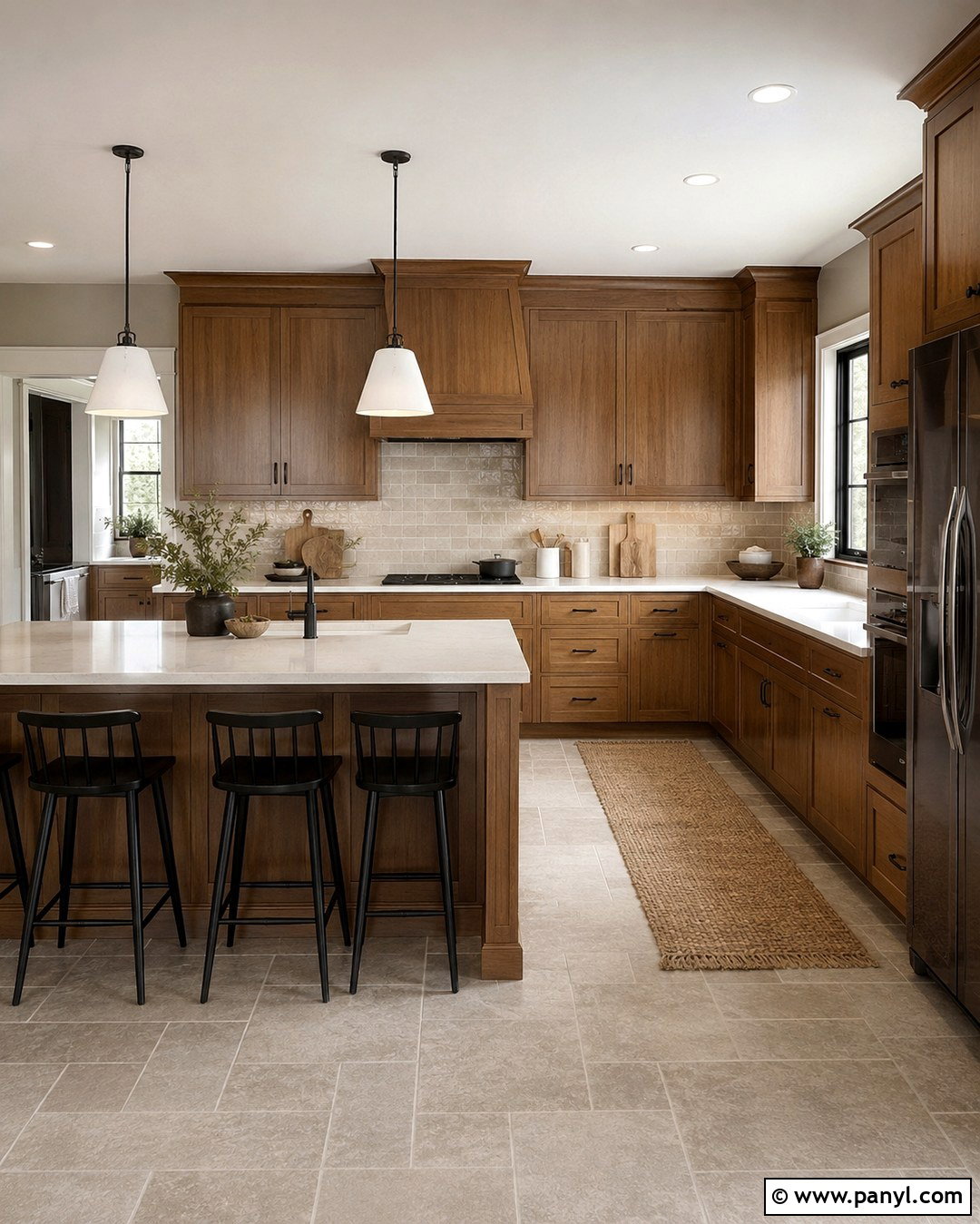
Chocolate brown cabinets and brown walls create a warm kitchen with the richness of dark wood, even when painted finishes are used. Choose a deep cocoa brown for the base cabinets, tall storage, and walls. Use matching oak or walnut upper cabinets to introduce visible grain while preserving the tonal effect. Cream marble countertops and a full-height backsplash brighten the center of the room. Pale limestone flooring prevents the design from becoming too dark. Add bronze hardware, bronze-framed pendants, and a creamy plaster range hood for quiet contrast. An island in medium walnut can serve as both workspace and dining area. Complete the kitchen with flax-colored stools and off-white ceramics. The result feels warm, contemporary, and connected to nature.
20. Soft Lavender Kitchen Cabinets With Lavender Walls
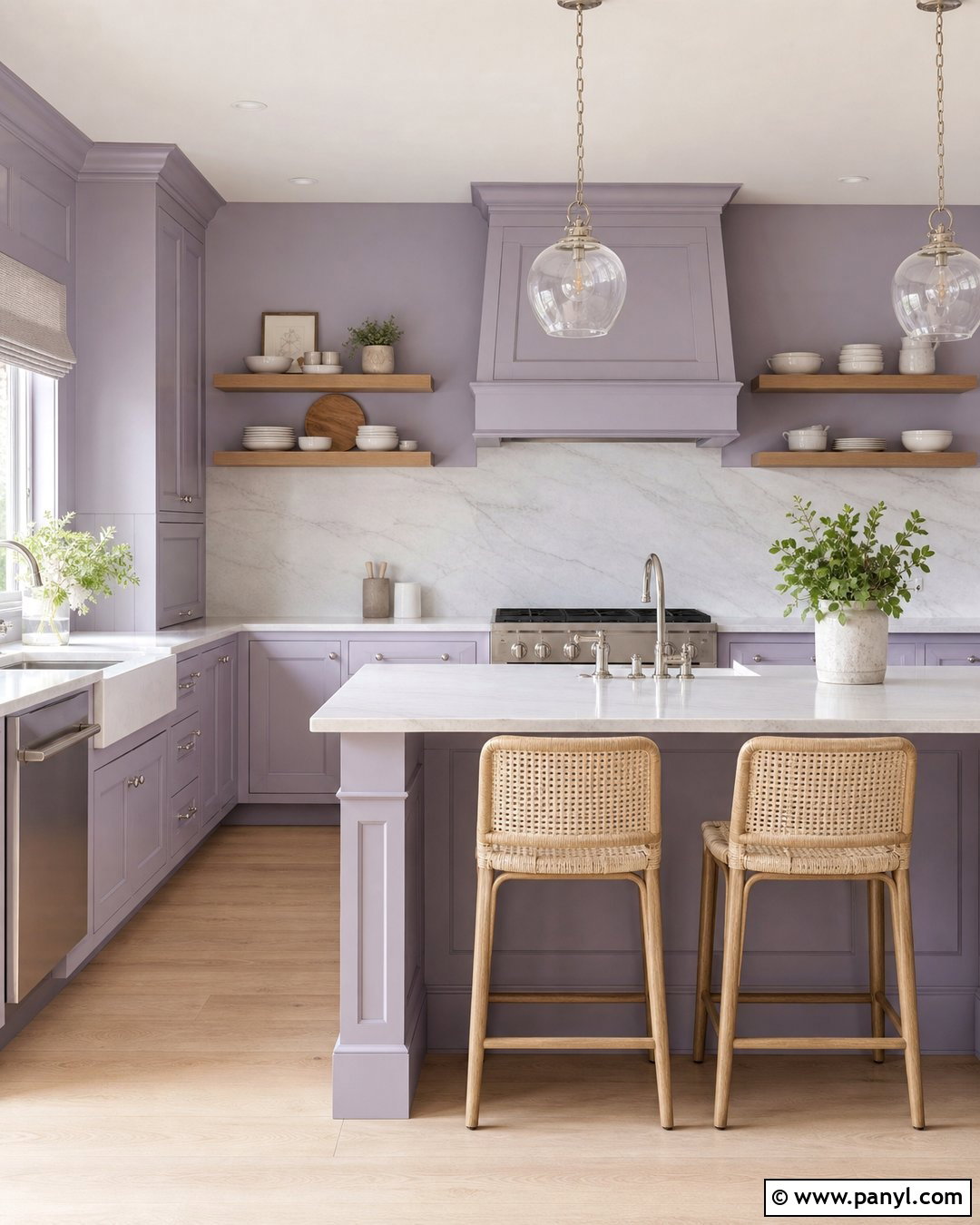
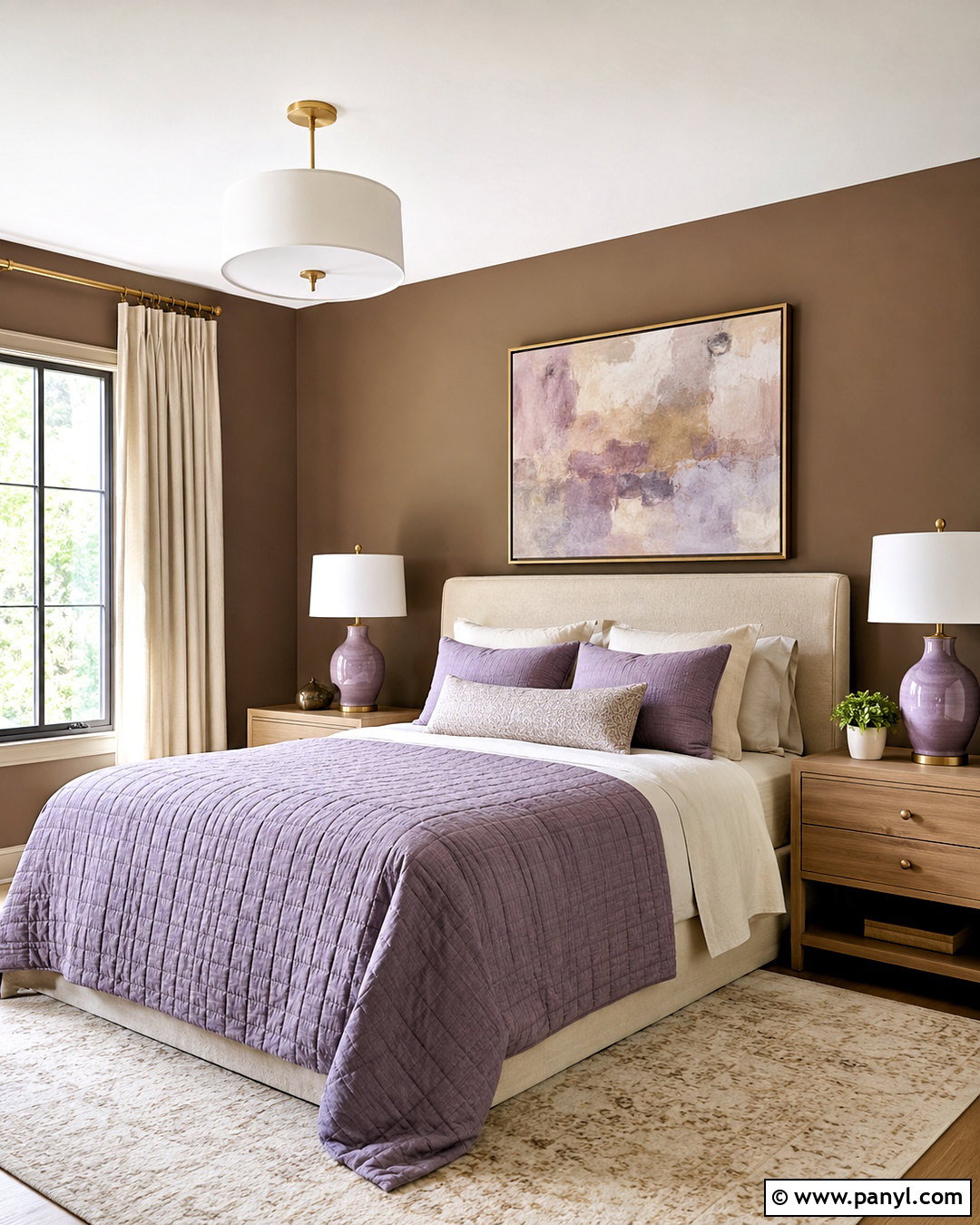
For an unexpected but soothing palette, try soft lavender cabinets with walls in a nearly identical gray-purple tone. The key is choosing a muted lavender that reads as a sophisticated neutral instead of a vivid pastel. Pair simple inset cabinets with creamy quartz counters and a white marble backsplash containing delicate gray veining. Light oak flooring and open shelving warm the cooler color. Use polished nickel hardware and clear glass pendants to maintain a light, airy feeling. A matching lavender island creates continuity, while natural cane stools add texture. Keep accessories simple with white dishes, pale wood boards, and a few green plants. This complete kitchen looks distinctive and peaceful while remaining practical enough for a small family home.
Conclusion:
The best cabinet and wall combination connects every visible surface without making the kitchen feel one-dimensional. These 20 Kitchen Cabinets Matching Wall Color Ideas show how white, beige, blue, green, pink, red, and darker neutrals can support complete, practical kitchen designs. Start by studying the room’s daylight and the undertones already present in the flooring and countertops. Then test large paint samples on different walls and cabinet doors. If you choose one exact color, vary the sheen and introduce texture through stone, tile, wood, metal, and textiles. For a softer match, select neighboring shades from the same color family. Thoughtful lighting and repeated materials will make the finished kitchen feel intentional, comfortable, and beautifully cohesive.

Related Ideas and Inspiration:
Leave a Reply