
Grey beige sits between cool gray and warm beige, making it one of the easiest neutrals to use throughout a home. The right shade can soften bright rooms, warm up shadowy spaces, and connect wood, stone, metal, and upholstery without making everything match. These grey beige paint ideas explore complete, practical looks rather than isolated color swatches. You will find palettes for living rooms, kitchens, bedrooms, bathrooms, offices, hallways, and exteriors. Each scheme includes coordinating finishes, furniture, textiles, and accent colors, so you can picture the entire space. Always test large painted samples beside your flooring and fixed finishes, then check them throughout the day. Use the following complete room schemes to discover adaptable, inviting grey beige paint ideas.

1. Warm Grey Beige Living Room
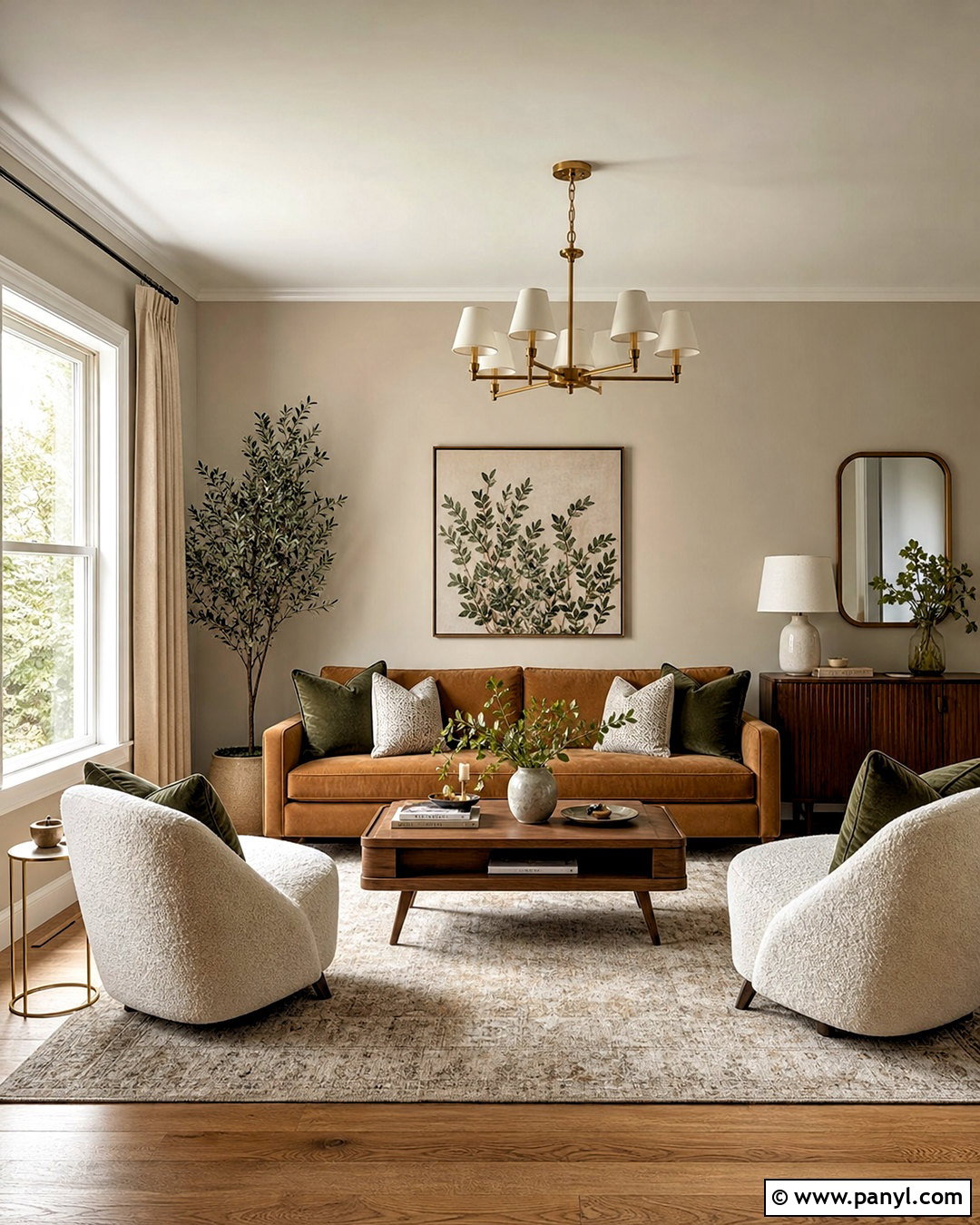
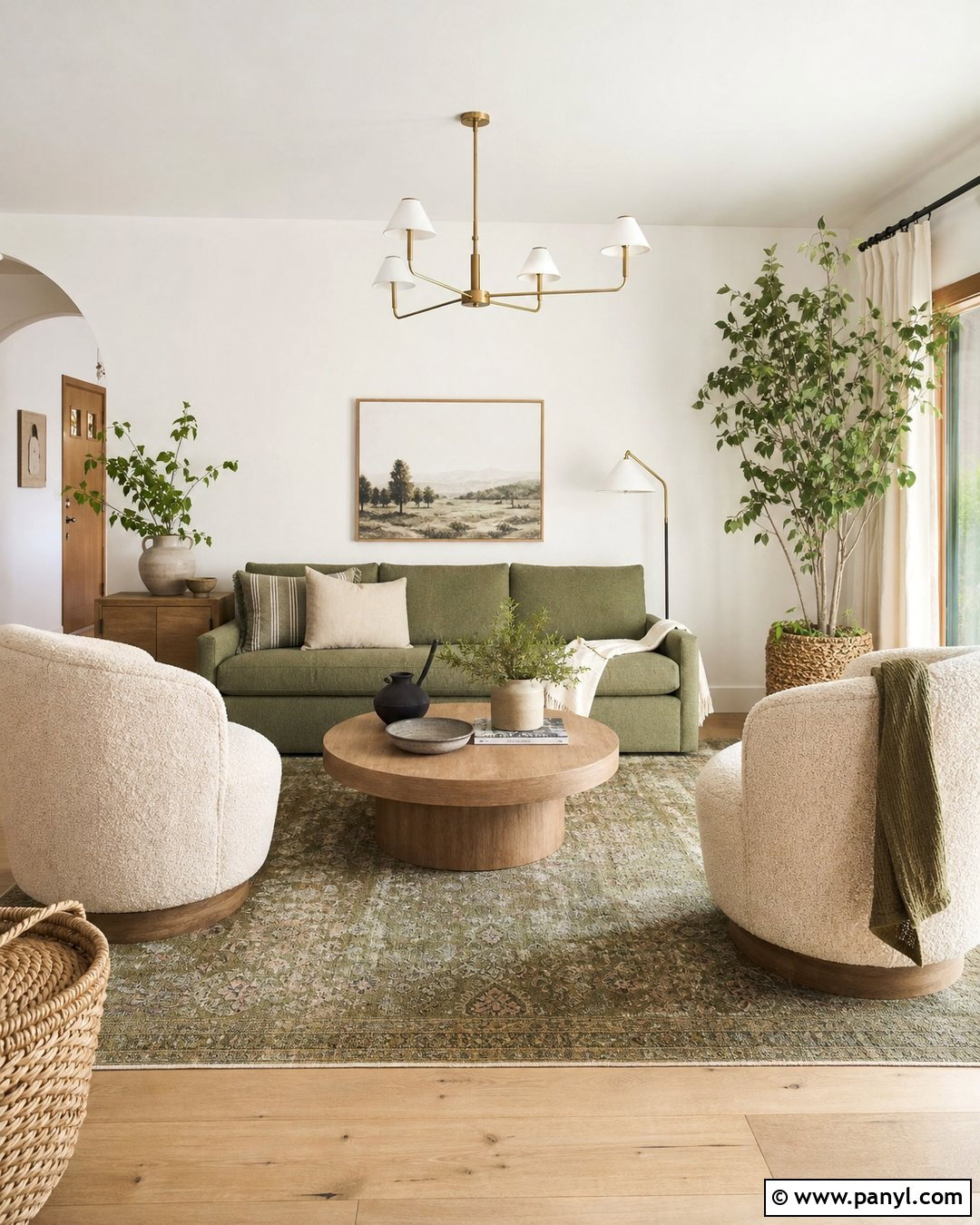
A warm grey beige living room feels comfortable without appearing overly yellow or dated. Cover the walls in a light greige with soft tan undertones, then use warm white on the ceiling, trim, and built-in shelving. A camel-colored sofa adds richness, while two cream bouclé chairs keep the seating area bright. Ground everything with a textured ivory and taupe rug over medium oak flooring. Choose a walnut coffee table, linen curtains, and aged brass lighting for gentle warmth. Olive green pillows and botanical artwork introduce color without overpowering the neutral foundation. This combination works especially well in north-facing rooms because the beige undertone helps balance cooler natural light. Keep decorative objects limited and varied in height for a polished, breathable finish.
2. Light Grey Beige Bedroom
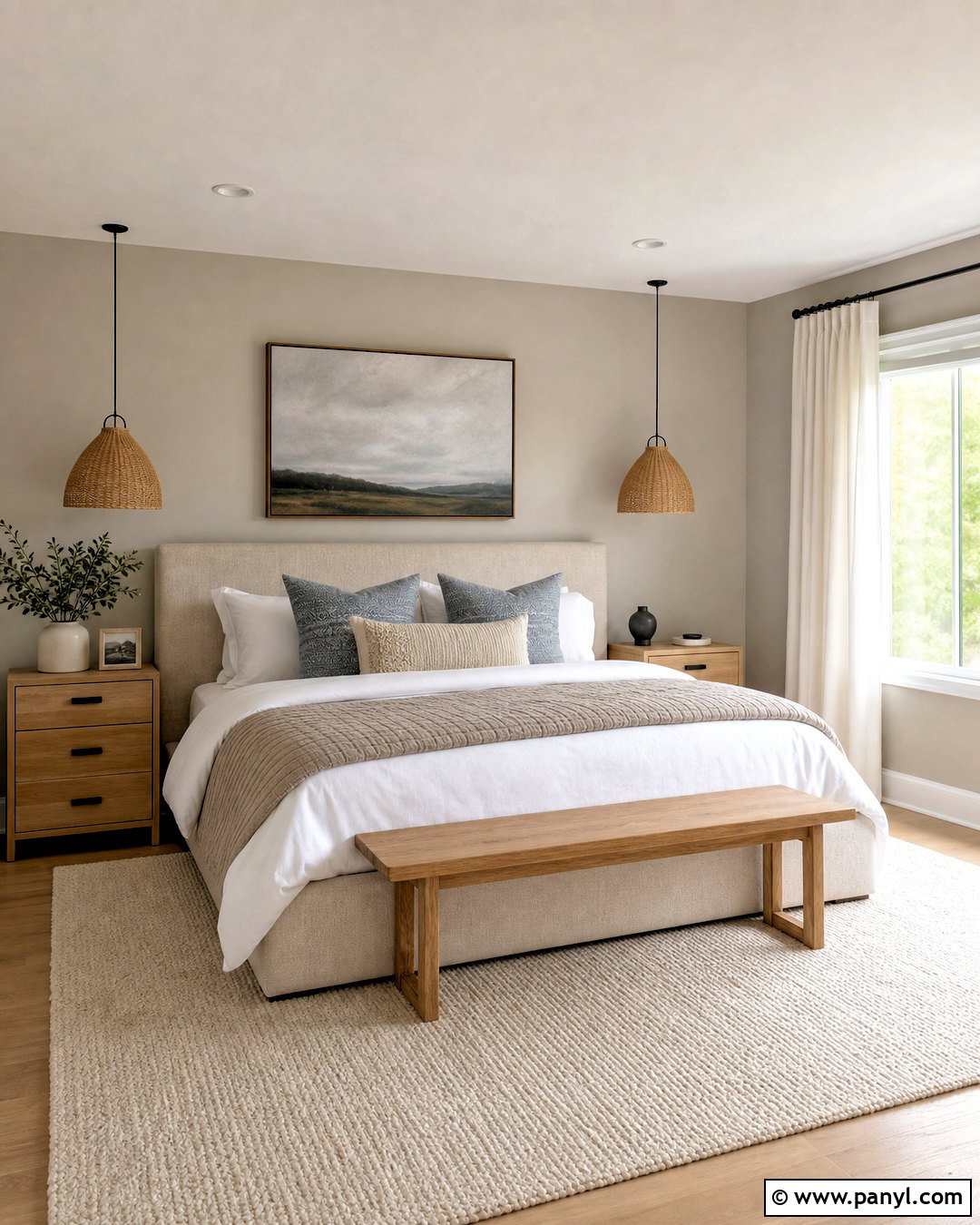
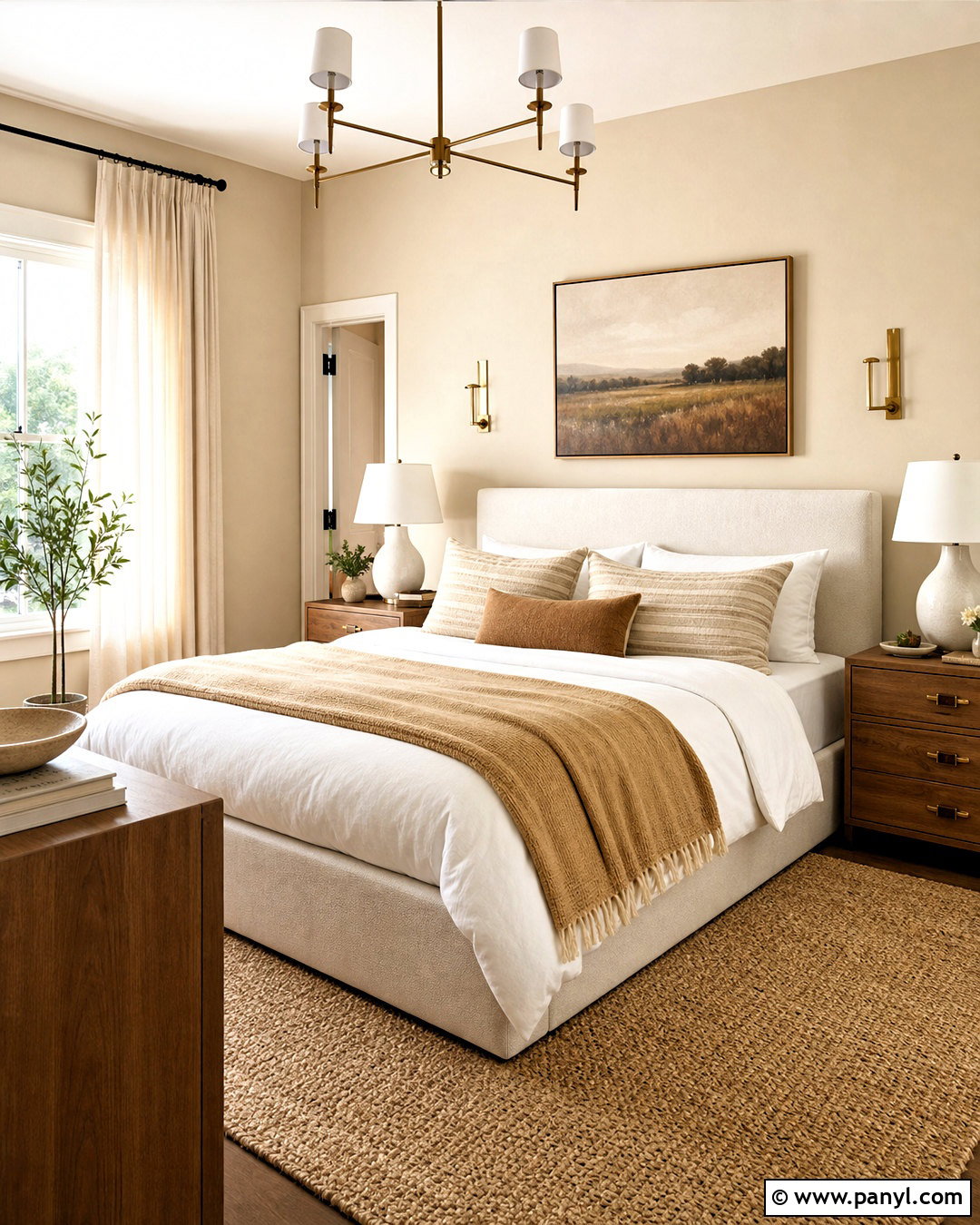
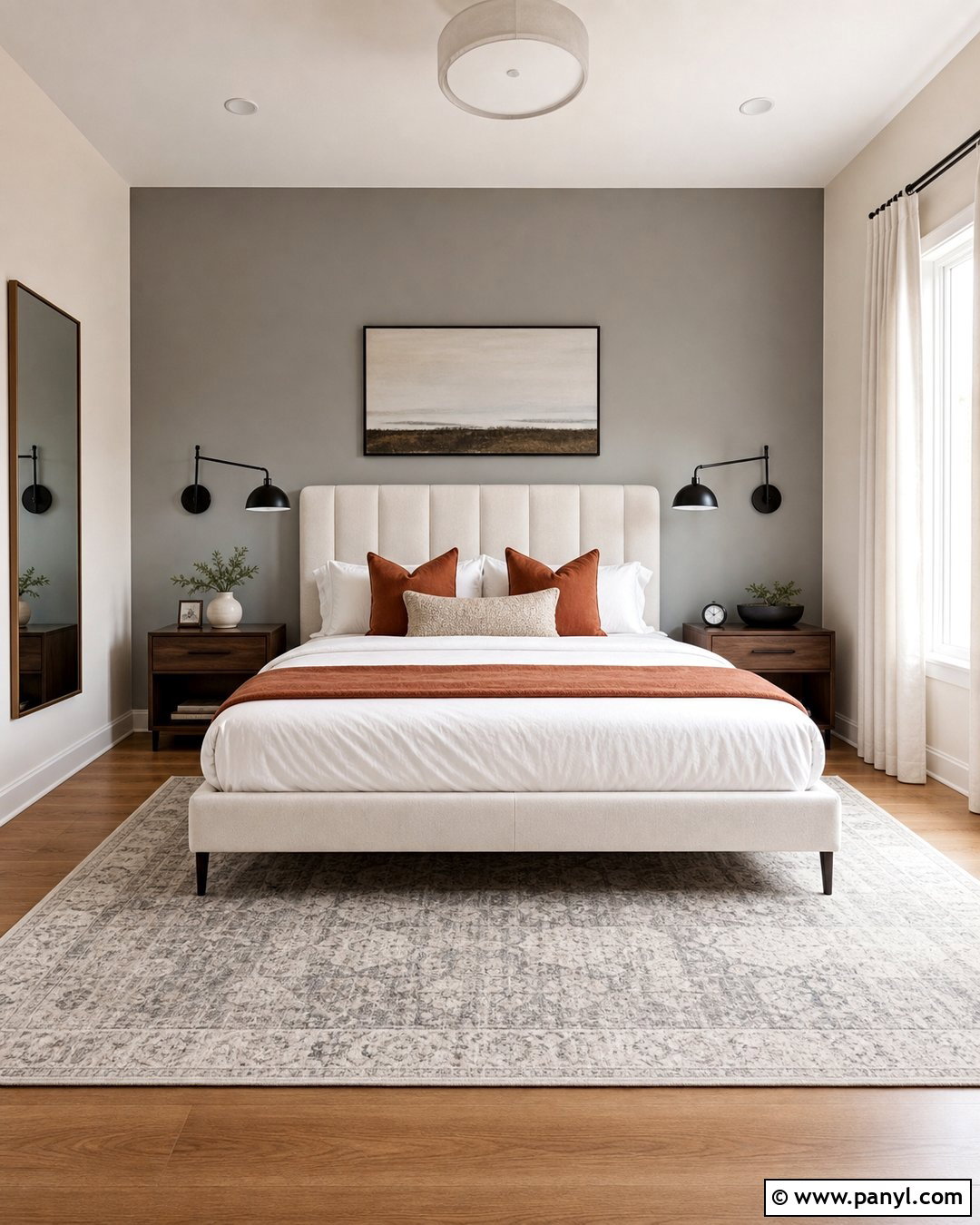
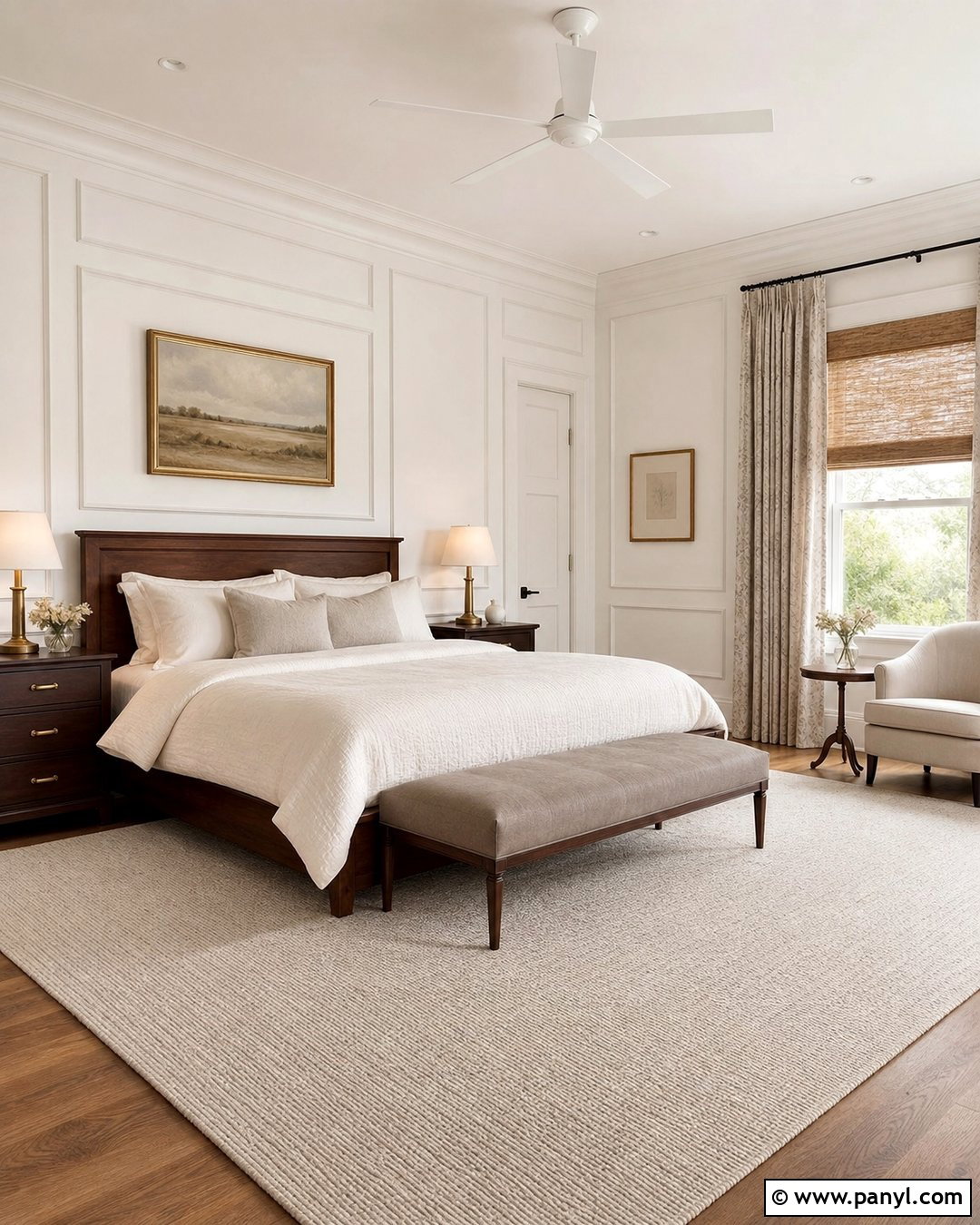
Soft walls can make a bedroom feel calmer from the moment you enter. Select a pale grey beige paint with a balanced undertone that does not lean noticeably pink, green, or purple. Pair it with an upholstered oatmeal bed, crisp white bedding, and a folded taupe quilt. Light oak nightstands and woven lamps add natural texture, while floor-length ivory curtains filter harsh daylight. For contrast, include muted blue-gray pillows and one large landscape print above the headboard. A creamy wool rug should extend beneath the bed to create a cushioned, connected layout. Paint the ceiling warm white rather than stark white. The slight warmth prevents an unwanted line between the walls and ceiling, producing a restful, seamless bedroom that still feels bright and spacious.
3. Grey Beige Kitchen Cabinets
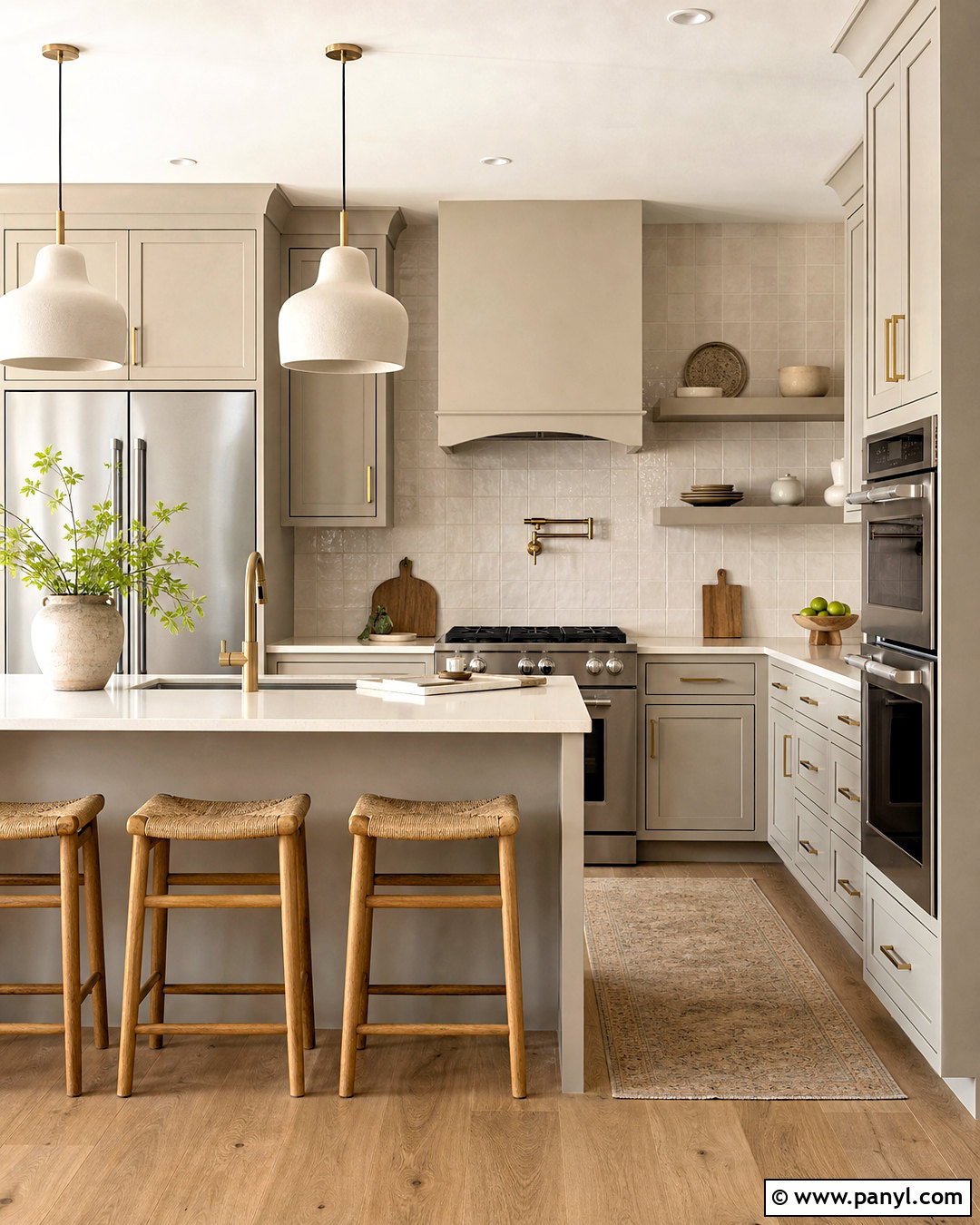
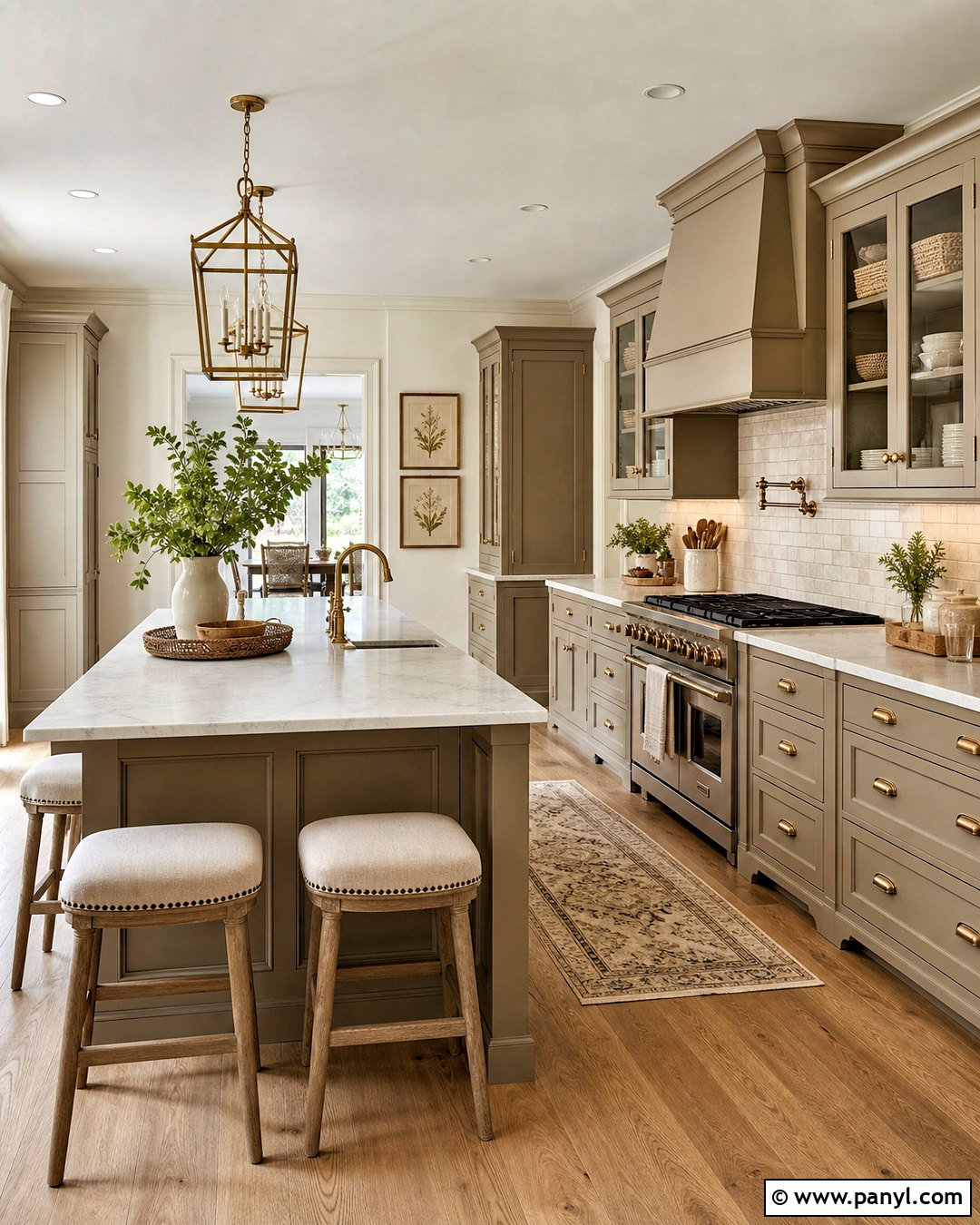
Grey beige cabinets offer a softer alternative to plain white while keeping a kitchen light and adaptable. Use a medium-light greige with a satin finish on Shaker-style cabinetry, then pair it with warm white quartz countertops and a handmade ivory tile backsplash. Brushed brass handles bring out the beige undertones, while stainless steel appliances connect with the cooler gray notes. Choose natural white oak flooring or stools to prevent the palette from feeling flat. A simple plaster pendant above the island adds sculptural texture without introducing another strong color. Paint surrounding walls a creamy off-white for gentle separation from the cabinets. Finish the room with stoneware, a small leafy plant, and restrained black accents, creating a balanced kitchen that feels current but not overly trend-driven.
4. Dark Grey Beige Dining Room
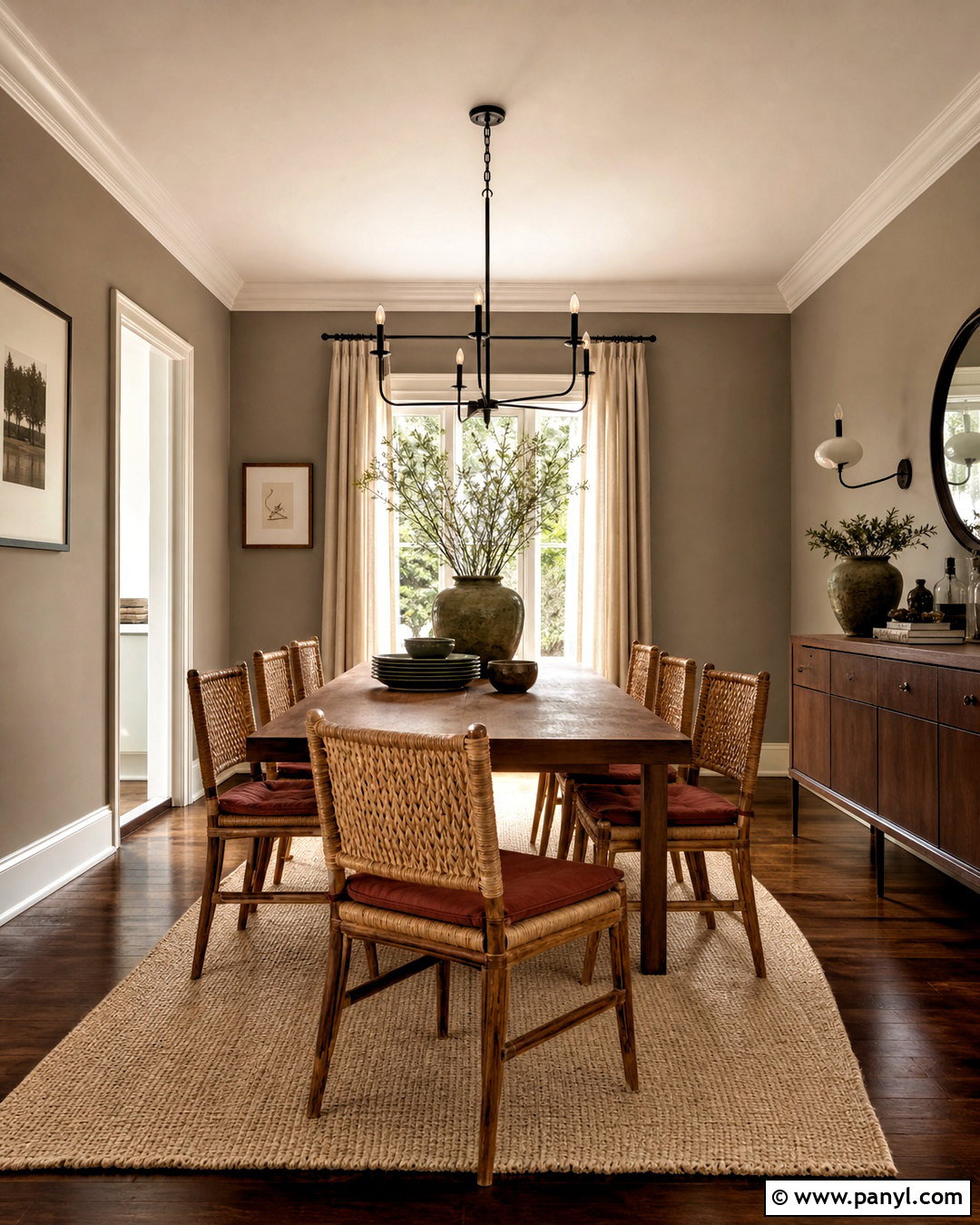
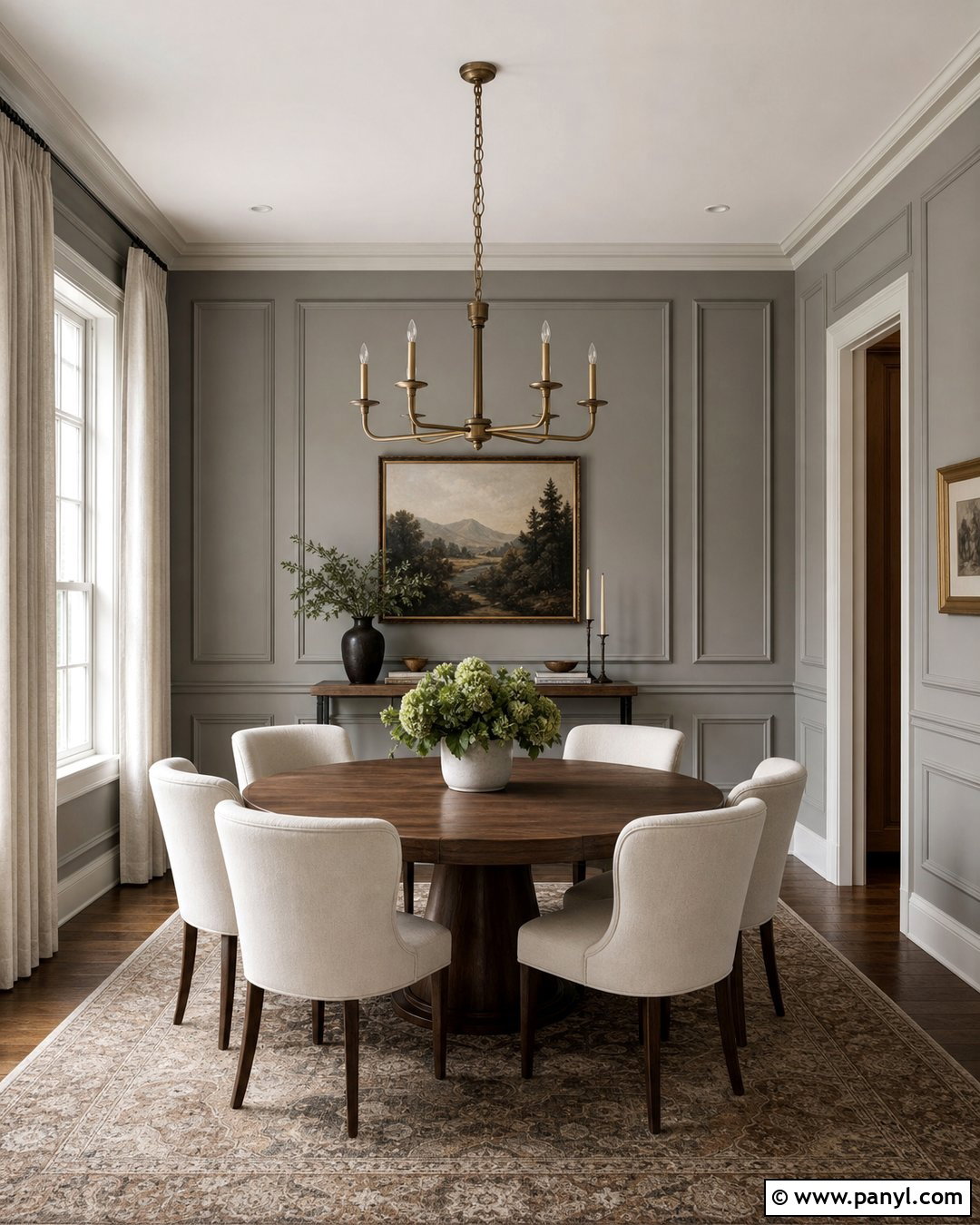
A deeper grey beige can turn an ordinary dining room into a warm, grounded gathering space. Paint all four walls in a rich taupe-greige with a low-sheen finish, allowing its brown and gray notes to shift subtly with the daylight. Add warm white trim to define windows and doorways without creating sharp contrast. A rectangular oak dining table, woven rush chairs, and an ivory flat-weave rug lighten the composition. Hang a black iron chandelier above the table and repeat black through slender curtain rods and framed artwork. Natural linen drapes soften the darker walls and improve the room’s acoustics. For a complete palette, add moss green pottery and rust-colored seat cushions. The result feels intimate and layered while remaining practical for everyday meals and relaxed entertaining.
5. Grey Beige Bathroom Walls
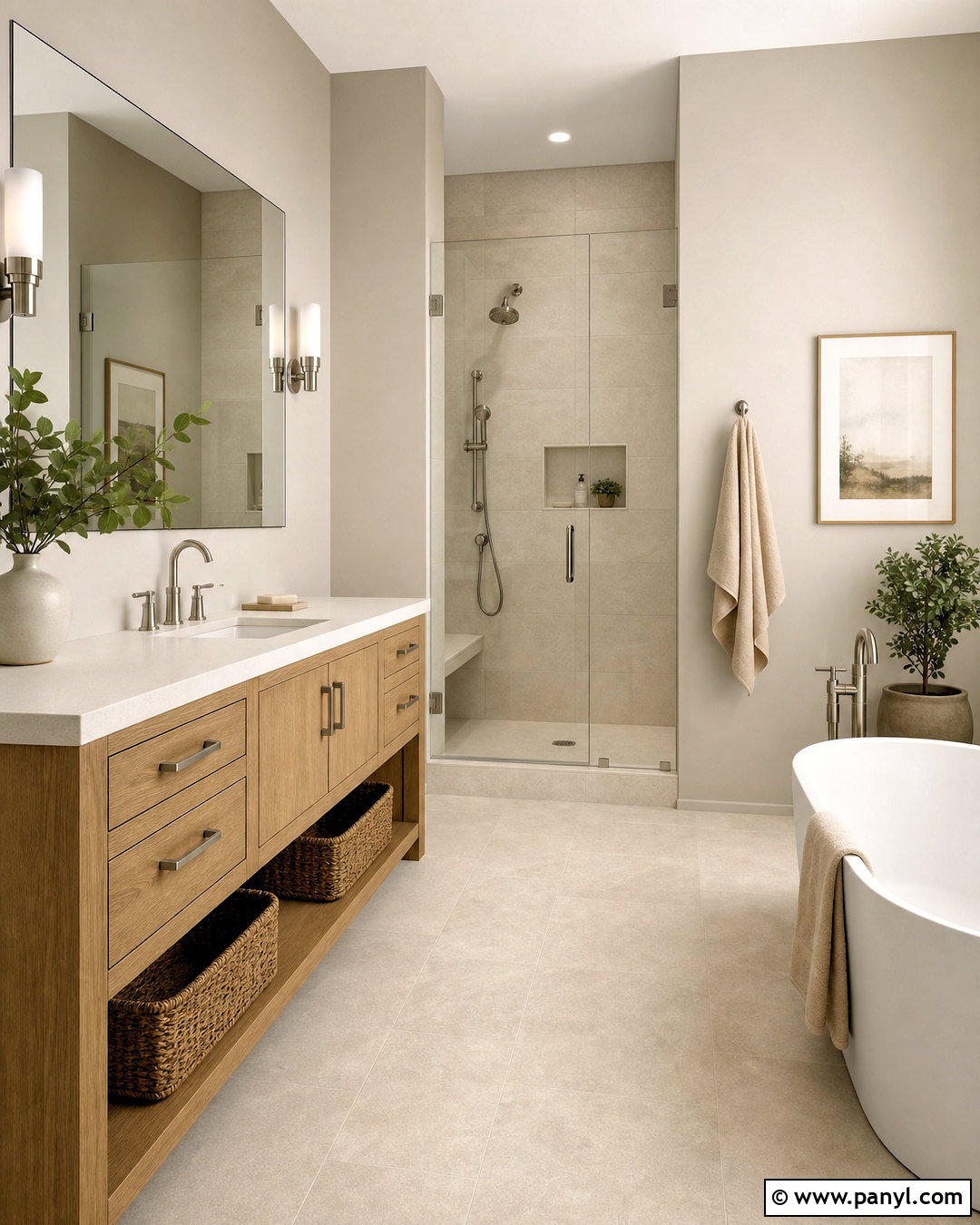
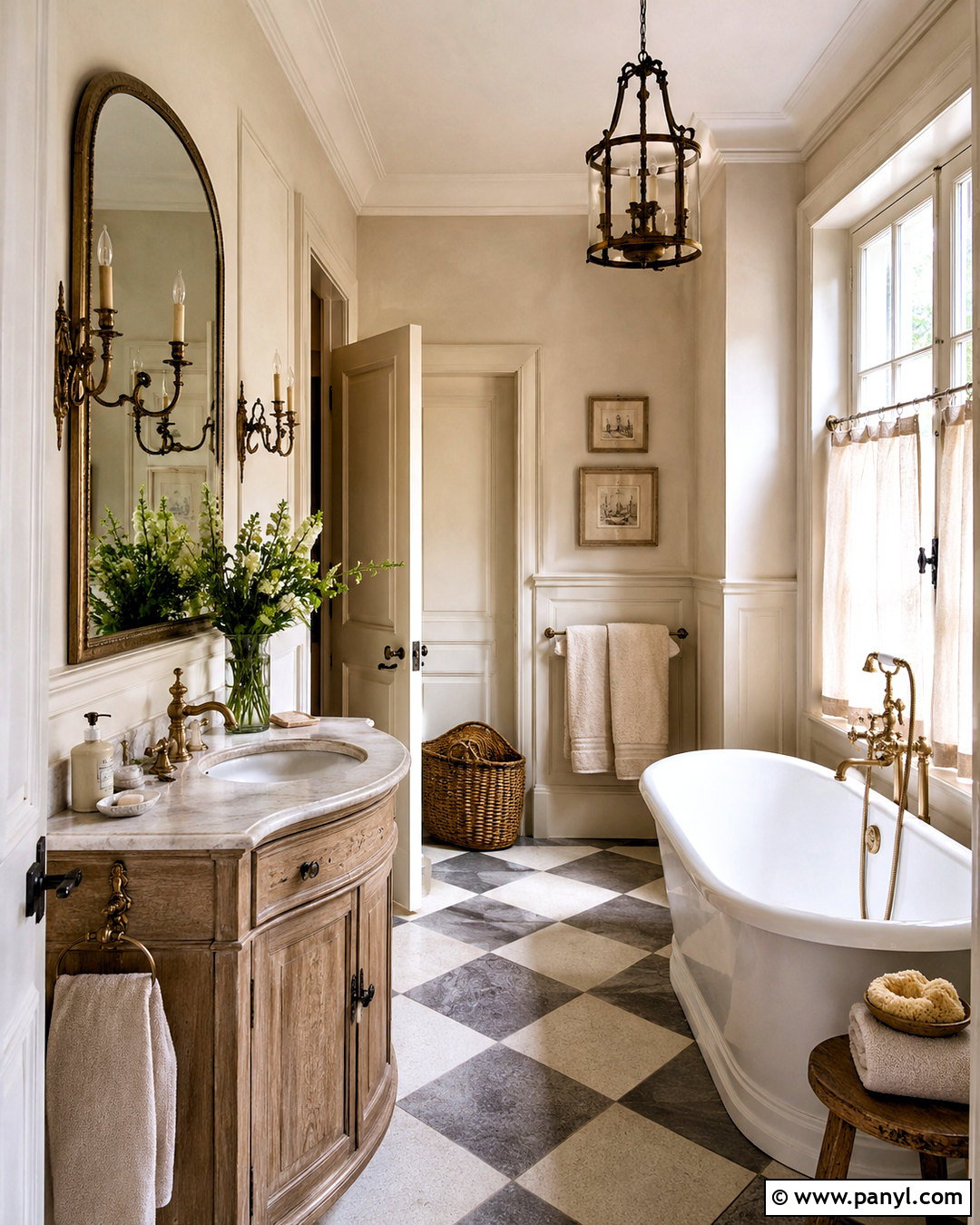
Imagine a bathroom that feels warm, clean, and spa-like without relying on bright white everywhere. Apply a moisture-resistant light grey beige paint above the tile, pairing it with creamy limestone-look flooring and a white oak vanity. Choose an off-white quartz counter and softly veined stone backsplash to maintain a quiet, connected palette. Brushed nickel faucets complement the gray side of the wall color, while woven baskets and beige towels reinforce its warmth. A frameless mirror and clear glass shower enclosure prevent visual clutter in a compact room. Use warm white for the ceiling and doors, then add one muted sage plant pot for restrained color. This complete combination gives the bathroom depth while preserving the bright, open quality homeowners often want in smaller spaces.
6. Grey Beige Home Office
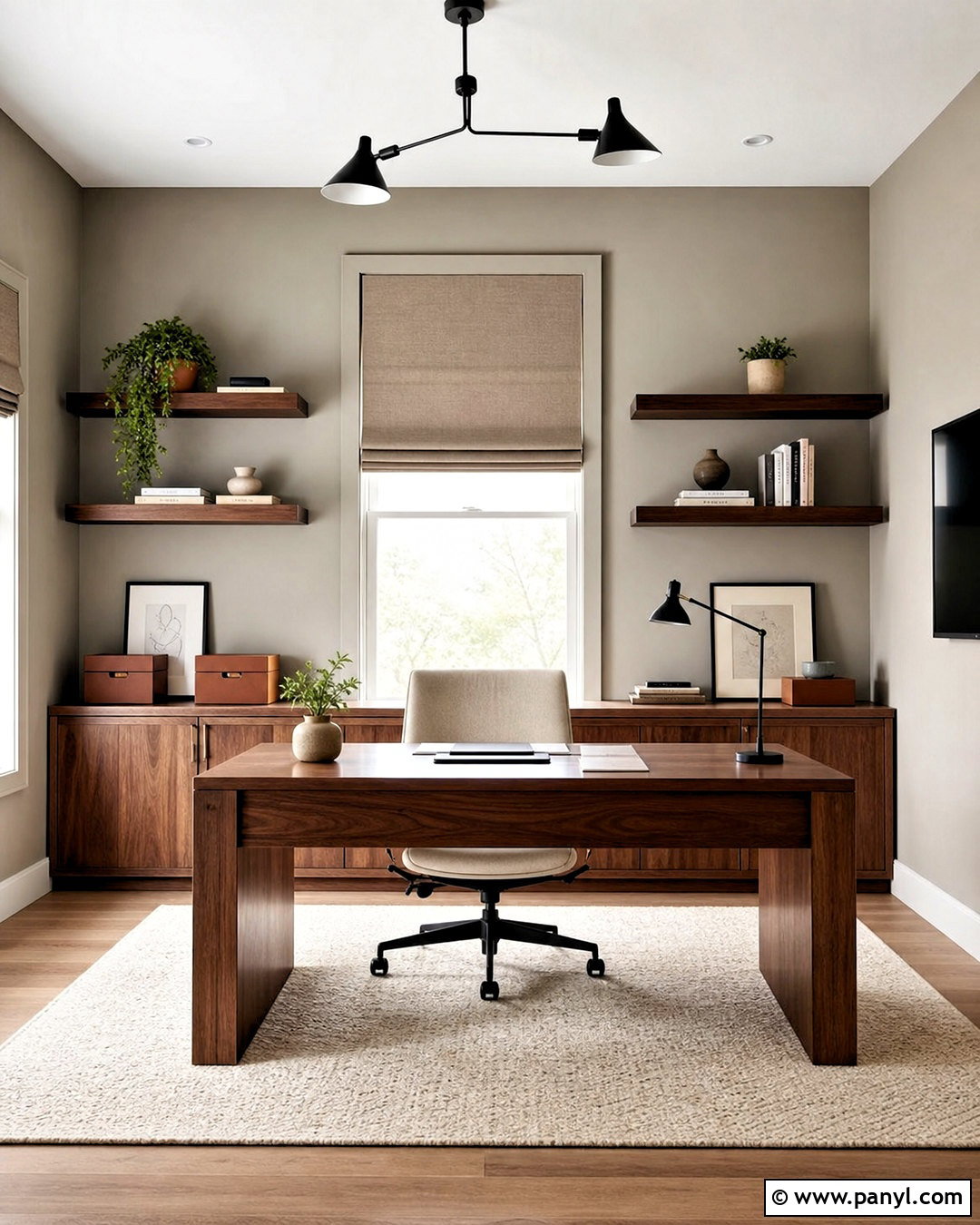
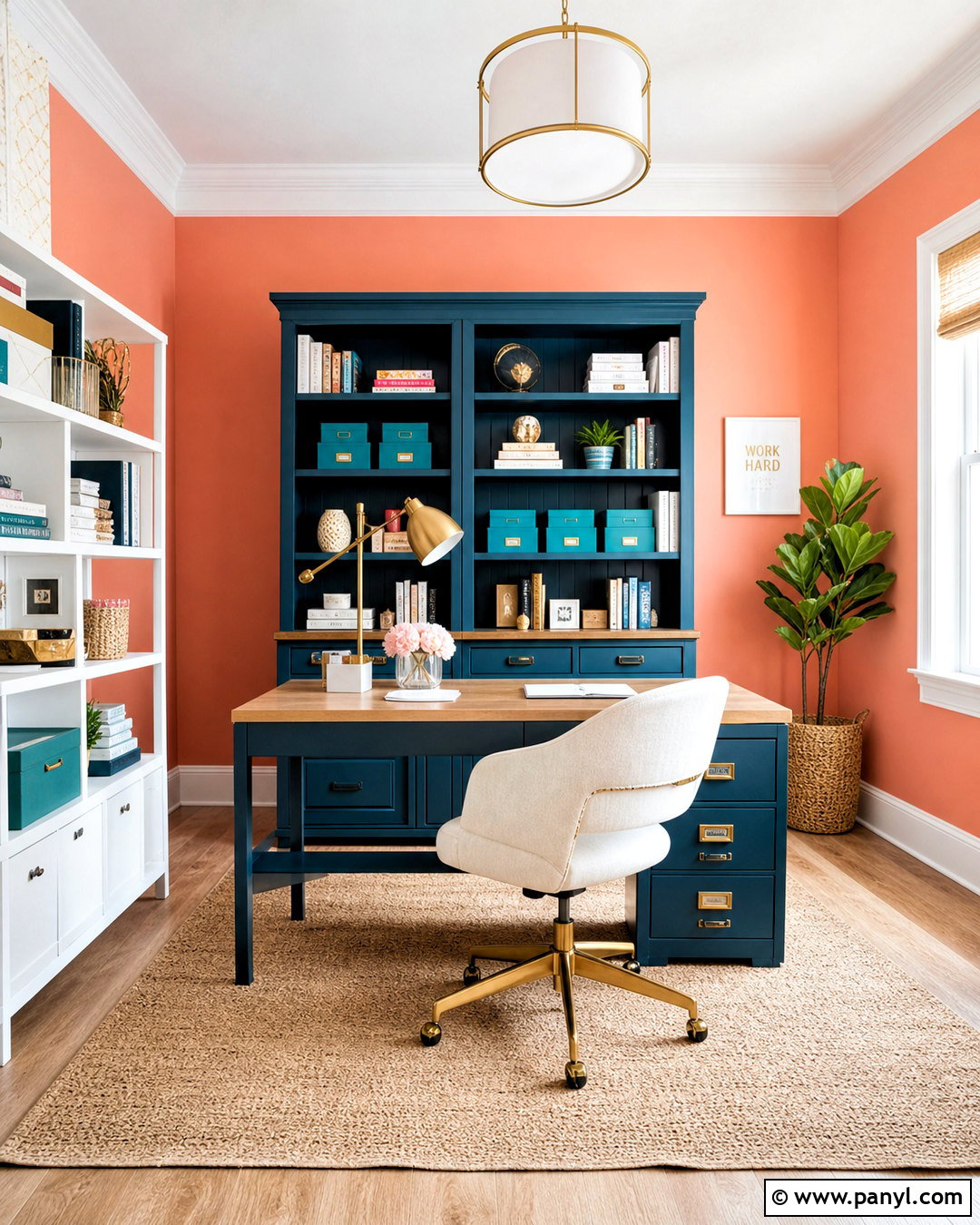
Could your home office feel focused without becoming cold or corporate? A balanced medium grey beige creates a calm background for work while hiding everyday marks better than very pale paint. Use it on the walls behind a walnut desk and matching floating shelves. Add a cream ergonomic chair, a textured neutral rug, and tailored ivory Roman shades to soften the practical furnishings. Matte black desk lighting and hardware provide crisp definition, while muted terracotta folders or storage boxes add controlled warmth. Keep the ceiling and baseboards a clean warm white. If the room has limited daylight, use layered lighting with a ceiling fixture, adjustable task lamp, and small shelf light. The finished office will feel organized, comfortable, and suitable for video calls without looking staged or impersonal.
7. Grey Beige Entryway
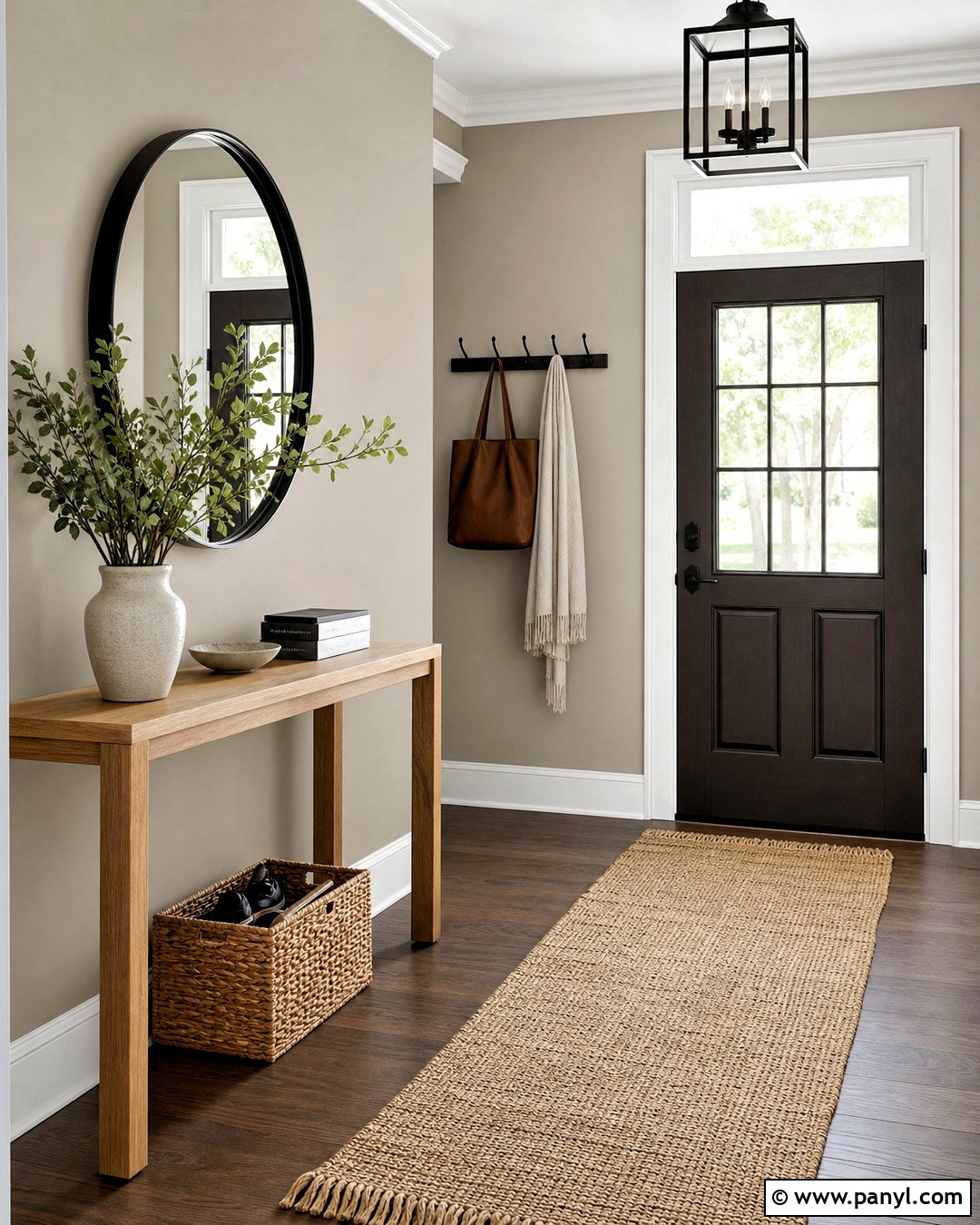
An entryway needs a paint color that welcomes guests while standing up to constant use. Choose a midtone grey beige in an eggshell or washable matte finish, then continue it across the walls to visually widen the space. Pair the color with a slim natural oak console, a round black-framed mirror, and a durable jute-blend runner. Warm white trim keeps the doorway fresh, while black hooks and a simple ceiling lantern create definition. Add a lidded woven basket for shoes and a ceramic bowl for keys so storage becomes part of the design. A muted green branch arrangement introduces life without taking up valuable floor space. This cohesive scheme works well beside wood, tile, or stone flooring and creates a smooth transition into surrounding neutral rooms.
8. Grey Beige Hallway
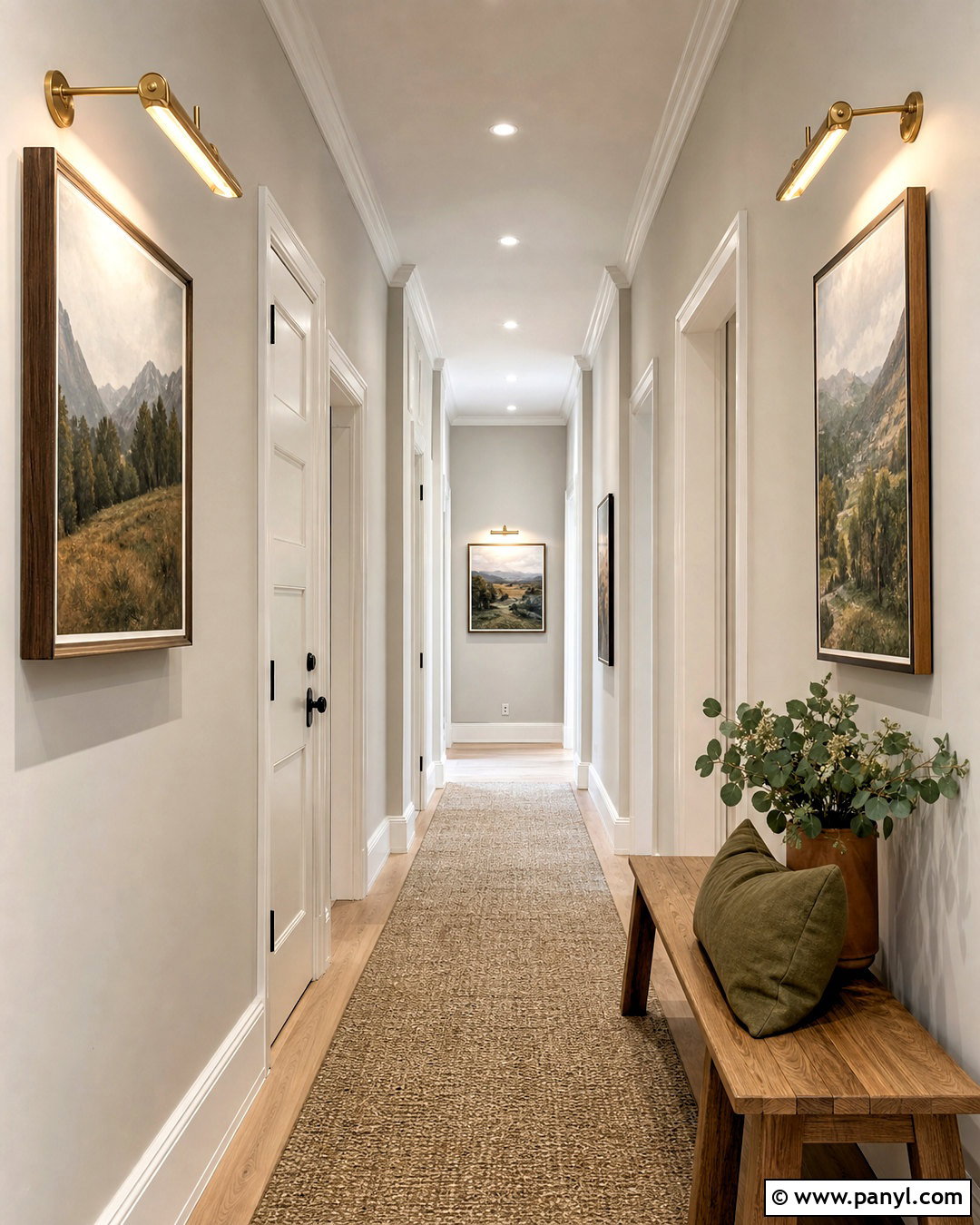
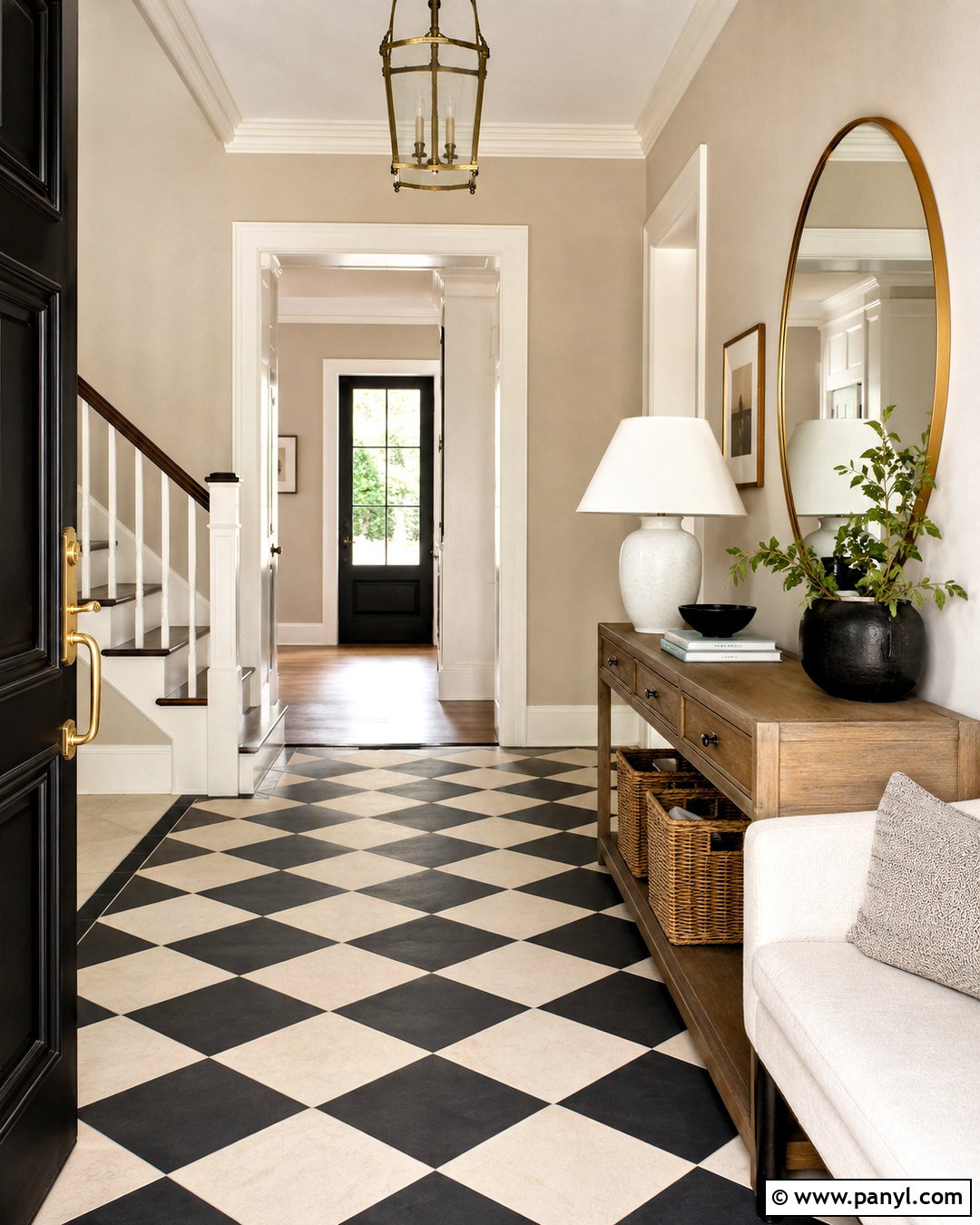
Long hallways often feel narrow because they lack natural light and visual stopping points. Use a light-reflective grey beige on the walls and a warmer white on the ceiling, doors, and trim. The subtle difference will define the architecture without breaking the corridor into harsh blocks. Install matching black or aged brass picture lights above a series of simple landscapes, arranging the frames at consistent eye level. A washable taupe runner adds softness and directs movement through the space. If room allows, place a shallow oak bench at the far end to create a useful destination. Repeat one accent color, such as muted olive or dusty blue, in the artwork and textiles. This complete hallway treatment feels intentional, brighter, and connected to nearby living areas rather than purely functional.
9. Grey Beige Accent Wall
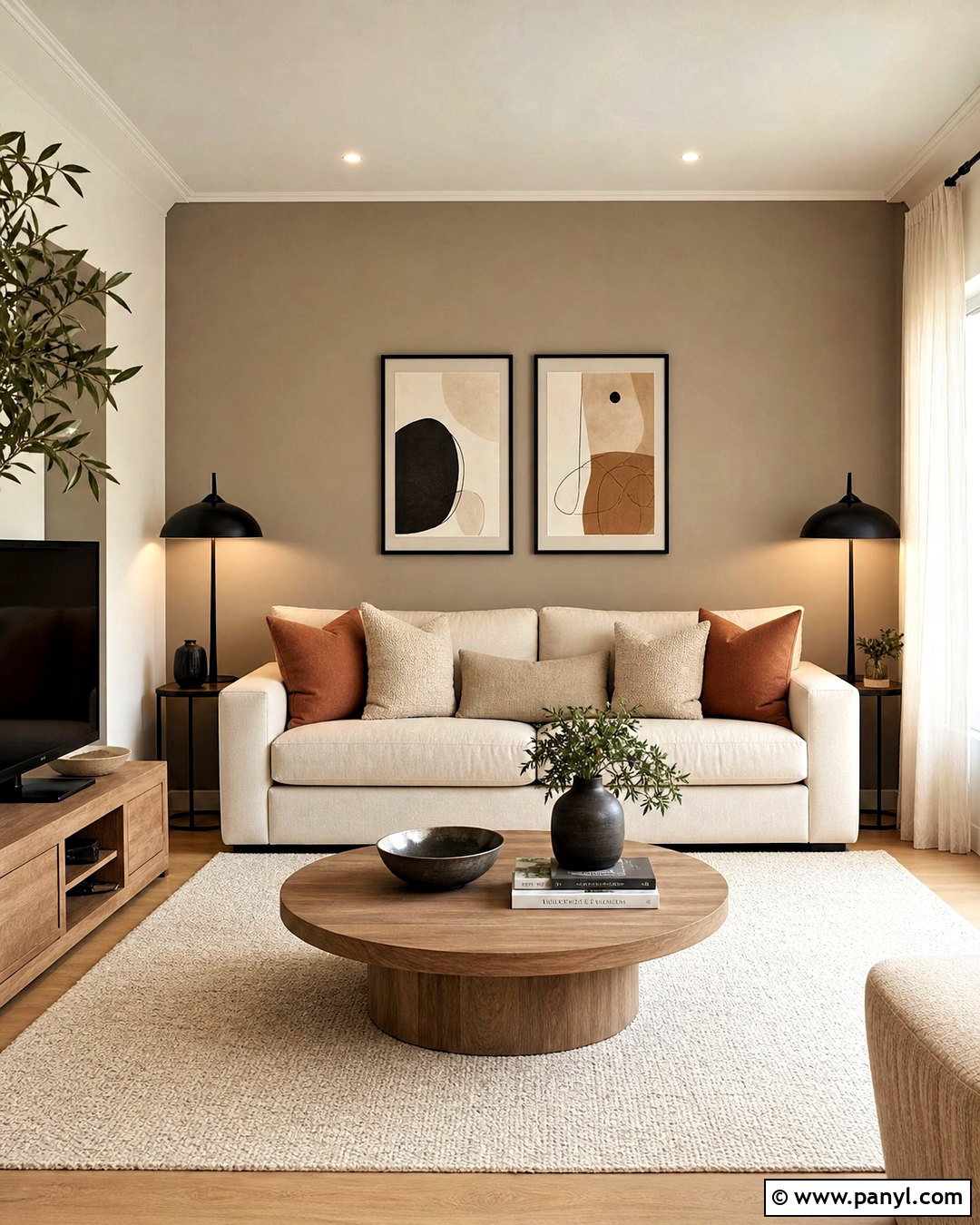
A grey beige accent wall works best when it supports the room instead of looking like an unrelated painted rectangle. Choose a deeper greige for the wall behind a low-profile cream sofa, then paint the remaining walls a soft warm white. Carry the darker shade into built-in shelves or a nearby architectural recess to make the decision feel purposeful. Add a pale oak media console, a textured ivory rug, and linen curtains that blend with the surrounding walls. Black floor lamps and charcoal picture frames provide definition, while clay-colored pillows bring warmth. Keep large furniture lighter than the feature wall so individual shapes remain visible. This approach creates depth in an open living room while preserving an airy atmosphere and a cohesive connection between paint, furniture, and architectural details.
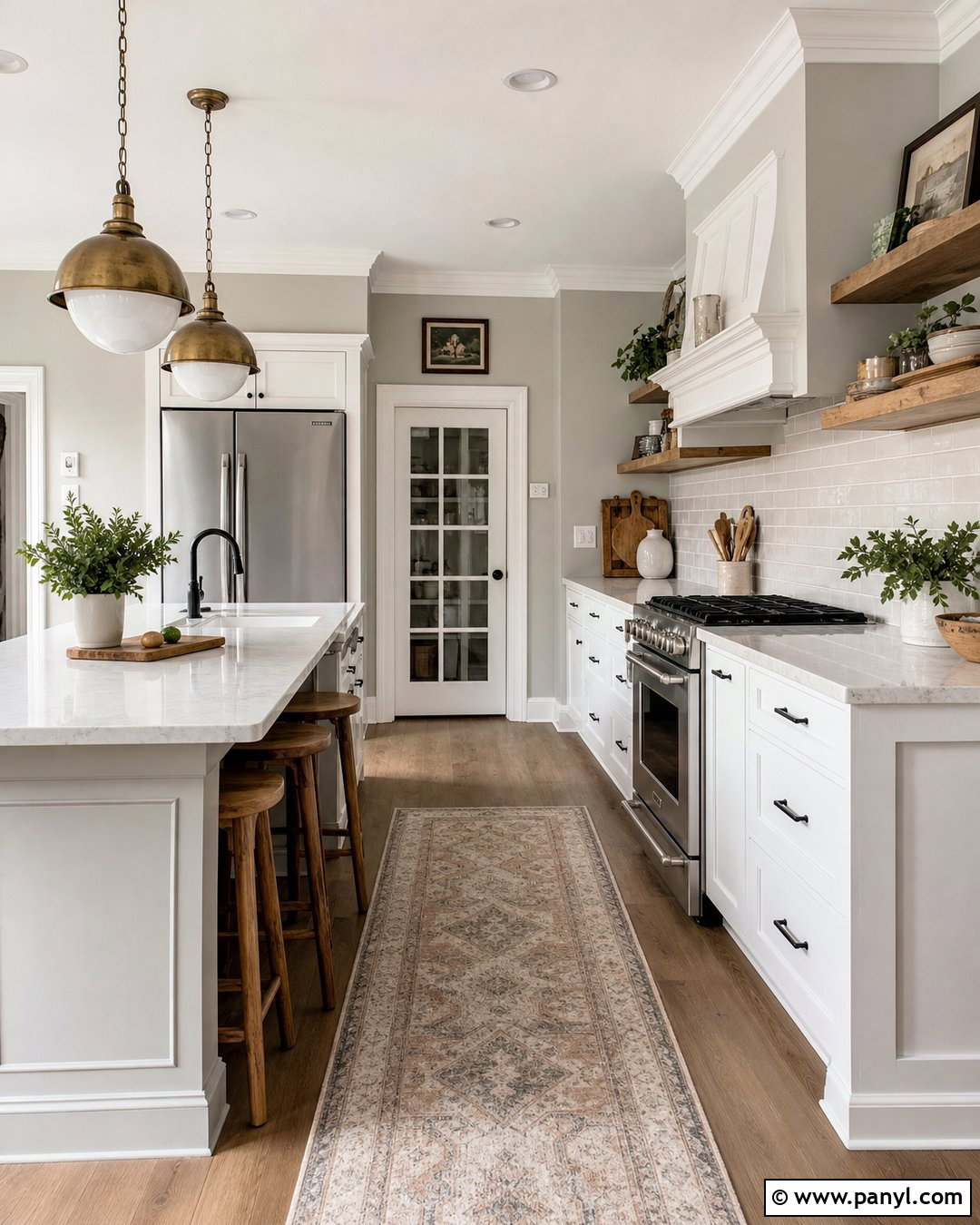
10. Grey Beige Color Drenching
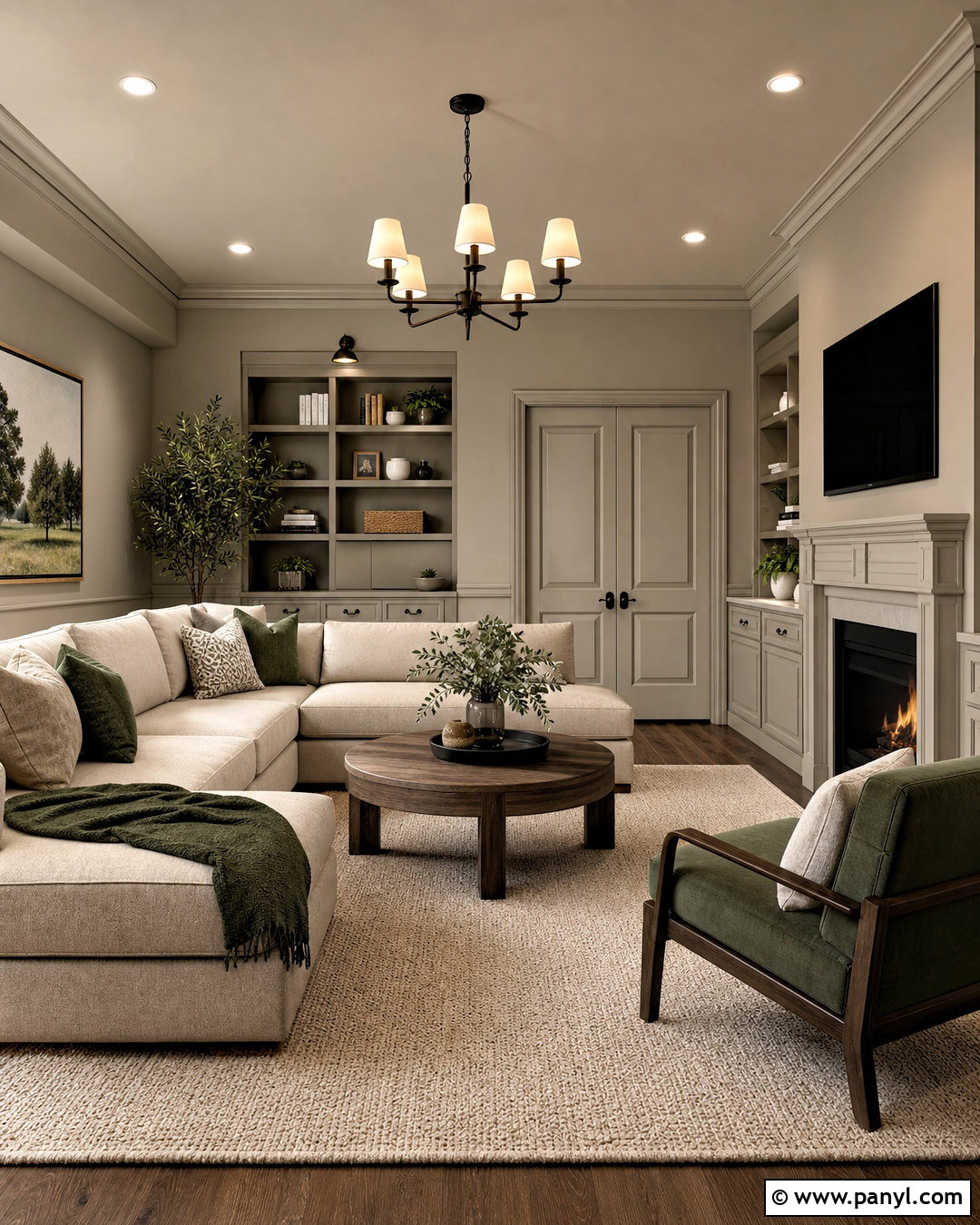
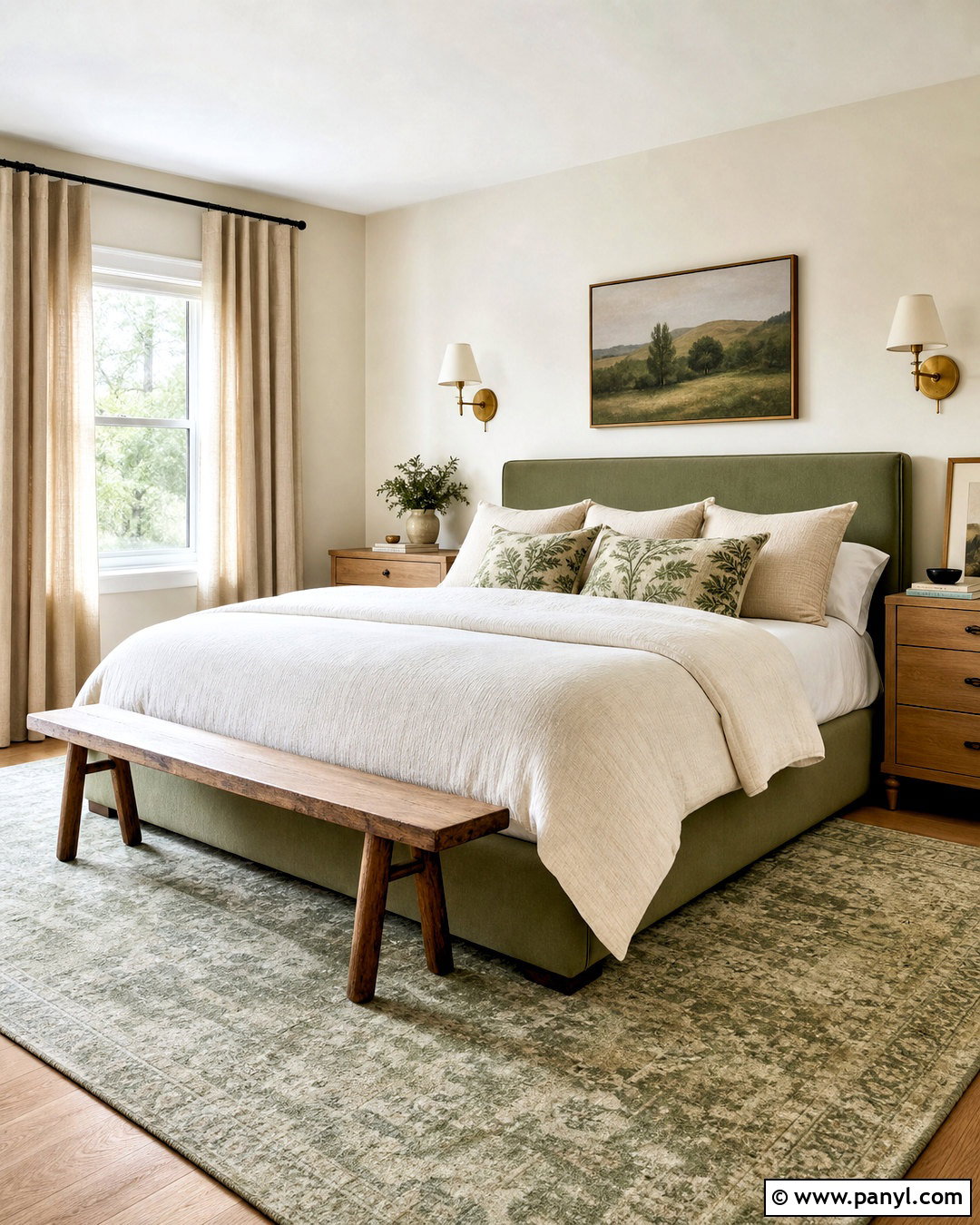
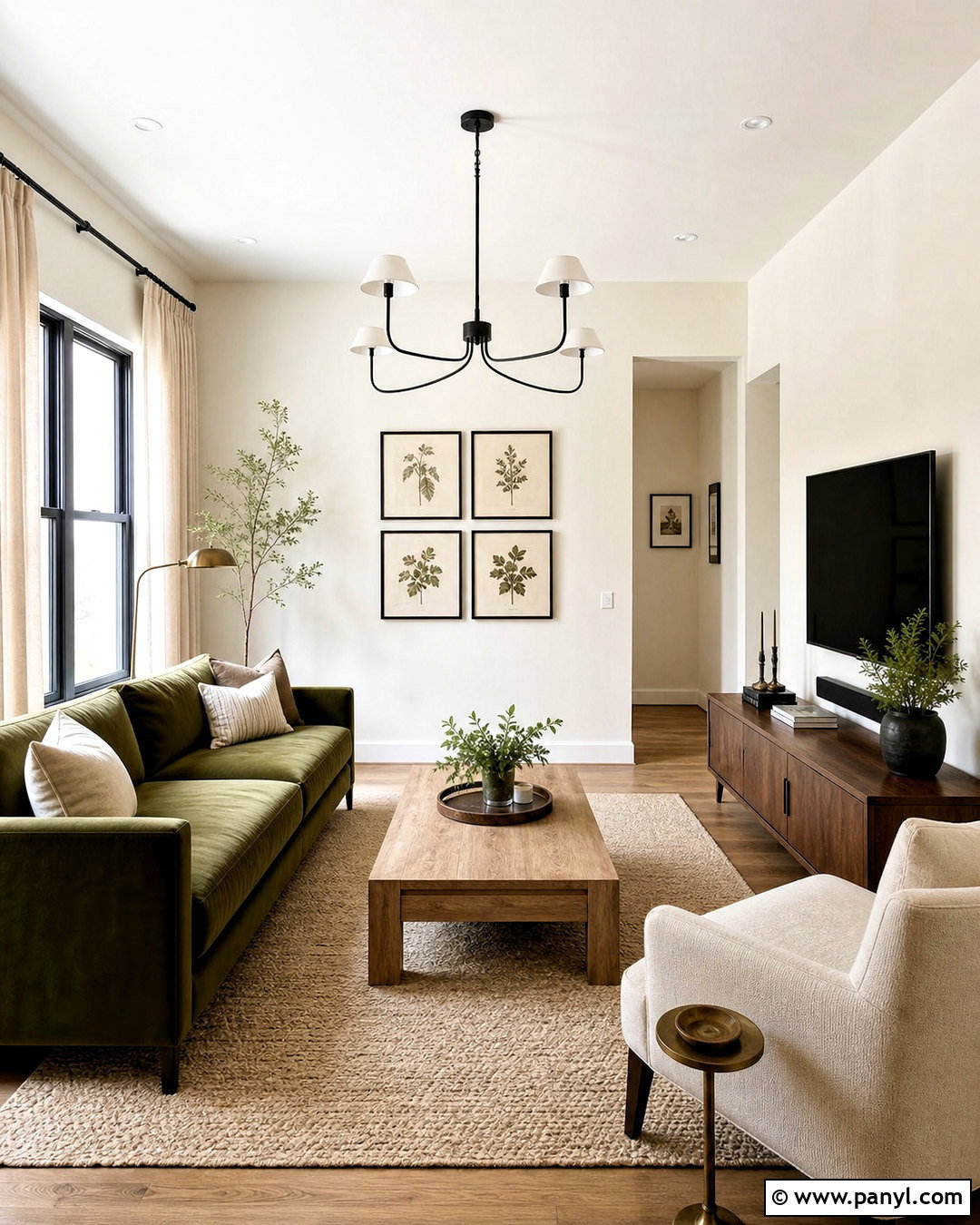
Color drenching can make a modest room feel more finished and architecturally interesting. Select a medium-light grey beige and apply it to the walls, trim, doors, built-in cabinets, and ceiling. Use washable matte paint on broad surfaces and satin on woodwork so the single color gains subtle dimension. Furnish the room with a cream sectional, smoked oak side tables, and a wool rug containing greige, ivory, and soft brown. Dark bronze lighting adds contrast without interrupting the earthy character. Bring in muted burgundy or forest green through two or three small accessories. Because every painted plane shares one shade, corners visually recede and awkward transitions become less obvious. Test the ceiling first, since overhead surfaces can make the color appear slightly deeper than it does on vertical walls.
11. Grey Beige Kitchen Walls
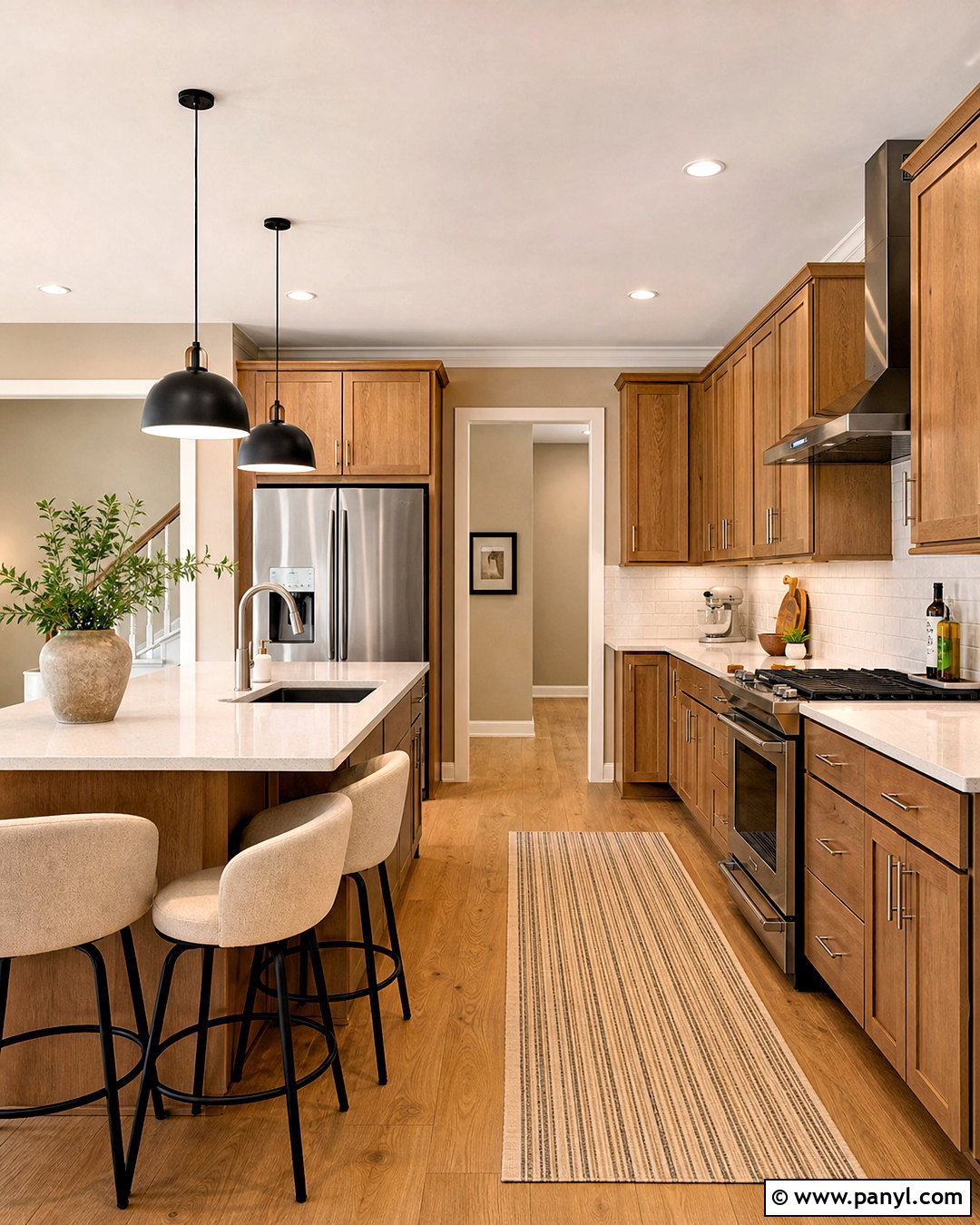
A kitchen with wood cabinets benefits from a grey beige wall color that connects natural grain with cooler appliances and countertops. Choose a pale greige with a gentle warm undertone and paint the walls around medium-tone oak cabinetry. Add creamy quartz counters, an off-white backsplash, and simple brushed nickel hardware. The gray component keeps the wood from becoming too orange, while the beige component prevents stainless steel from feeling severe. Use black pendant lights sparingly to define the island or breakfast table. Upholstered counter stools in textured oatmeal fabric introduce softness, and a washable striped runner adds movement. Keep window coverings simple and light. This well-balanced kitchen palette feels brighter than a traditional beige scheme, yet warmer and more welcoming than a room dominated by cool gray.
12. Grey Beige Laundry Room
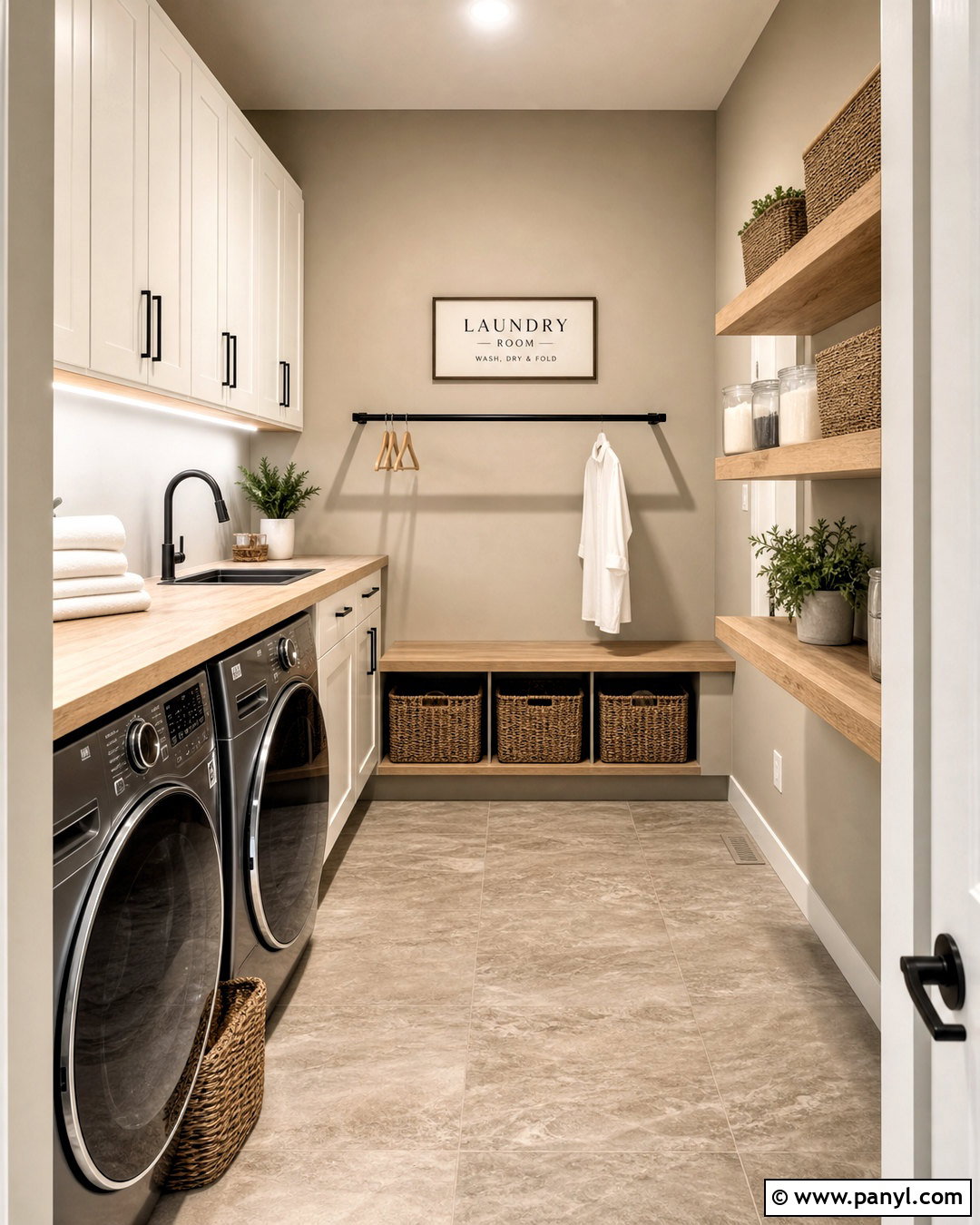
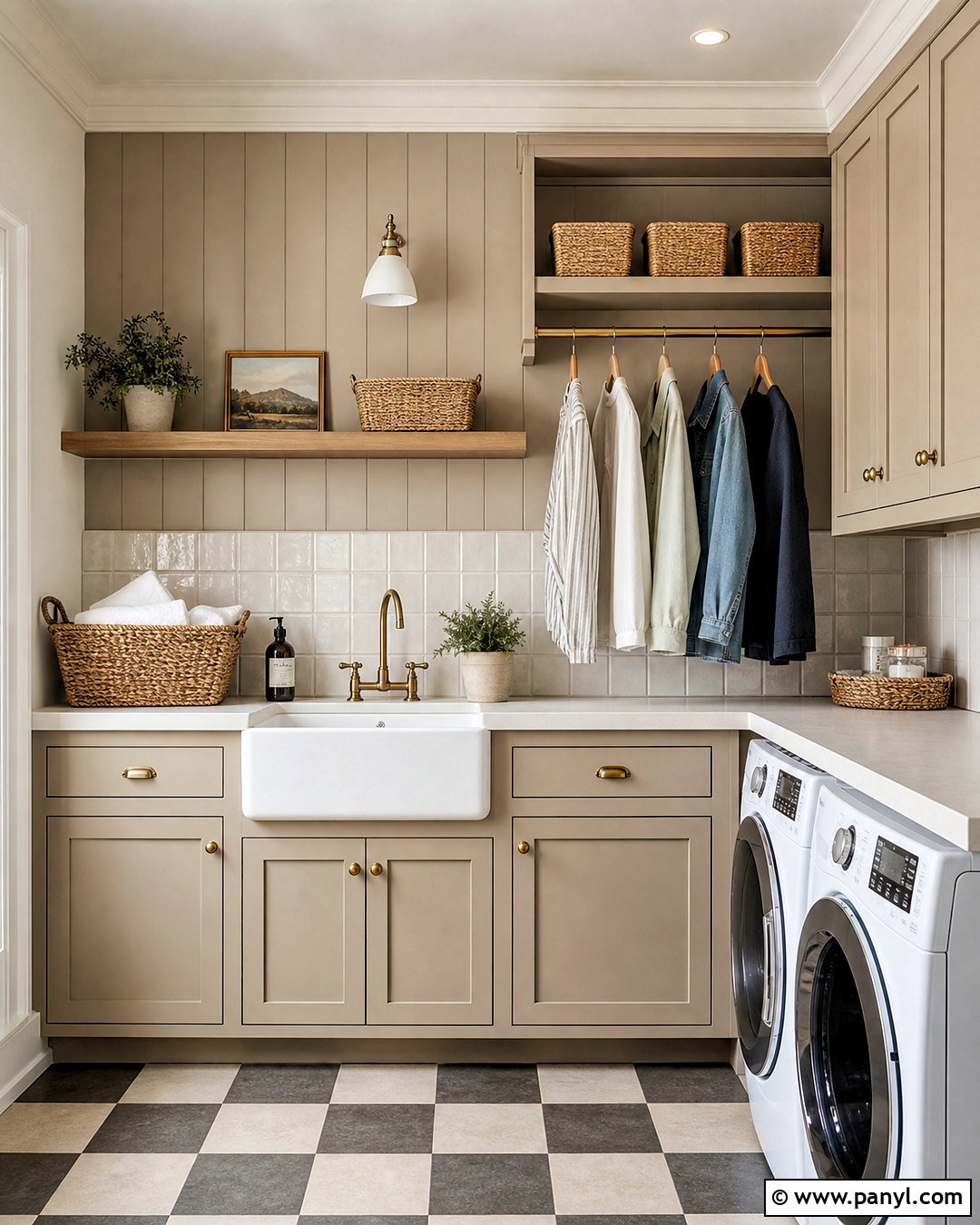
Even a hardworking laundry room can feel pulled together with the right paint and storage plan. Cover the walls in a fresh grey beige that sits slightly warmer than the washer and dryer. Install warm white upper cabinets, a pale wood countertop, and open oak shelves for frequently used supplies. Beige and ivory storage baskets keep clutter hidden while adding texture. For the floor, choose practical stone-look porcelain tile in mixed greige tones to disguise dust and wear. Matte black cabinet pulls and a black hanging rail create clean contrast. Add under-cabinet lighting so sorting and folding remain easy, especially in a windowless room. A small striped café curtain or framed botanical print can introduce personality. The finished space feels efficient, brighter, and consistent with the rest of a neutral home.
13. Grey Beige Nursery
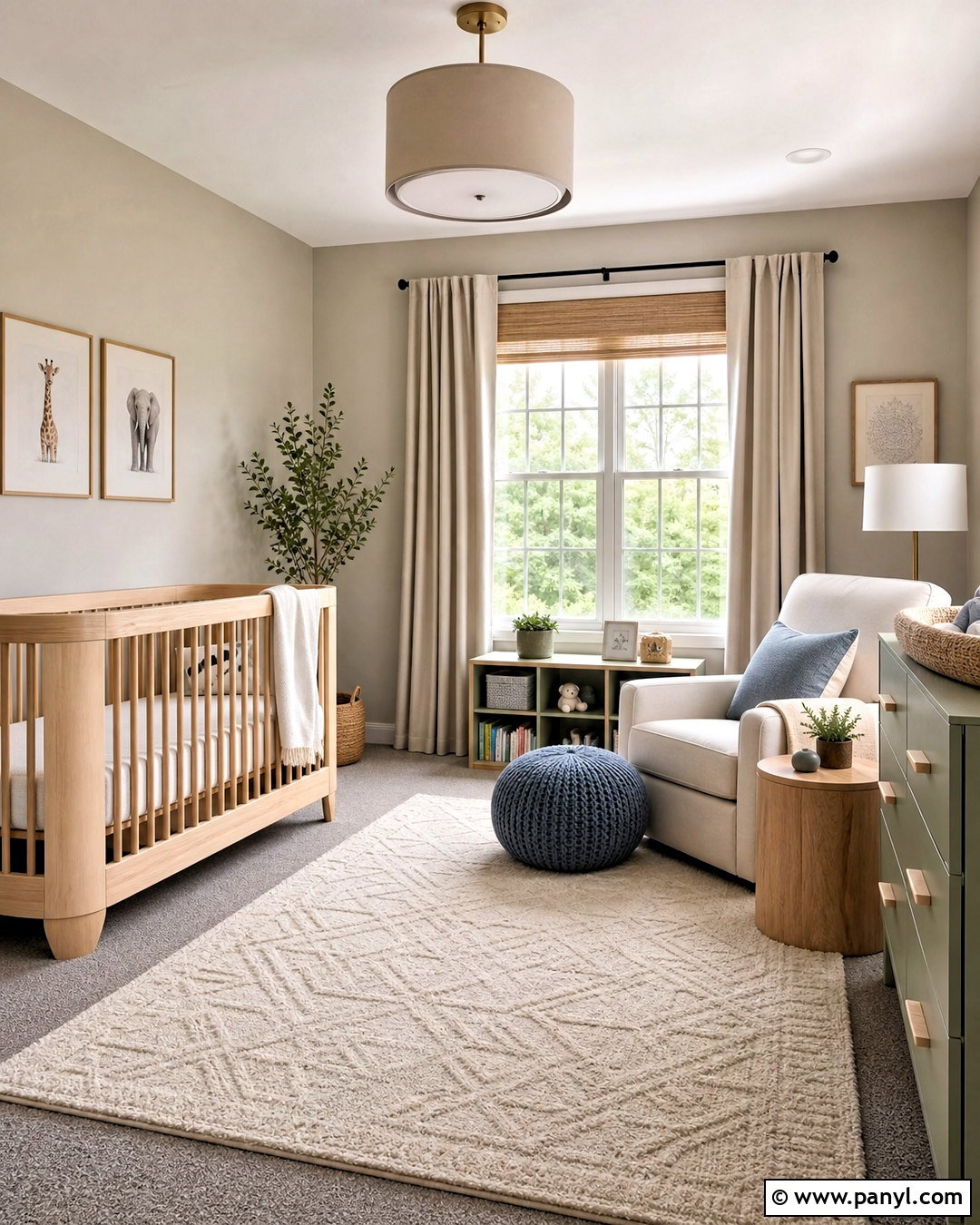
A grey beige nursery provides a flexible background that can grow with a child and support many accent colors. Paint the walls in a soft, warm greige with low odor and a washable finish. Place a natural maple crib against the longest wall, leaving a comfortable walkway to a cream upholstered glider and small oak side table. Use an ivory rug with a subtle geometric pattern to define the center of the room. Dusty blue, muted peach, or sage green can appear in removable artwork, bedding, and storage bins. Install lined linen curtains to control daylight and a dimmable ceiling fixture for evening routines. Warm white trim keeps the room clear and fresh. Rounded furniture edges, secured storage, and an uncluttered arrangement complete this gentle, practical nursery design.
14. Grey Beige Guest Room
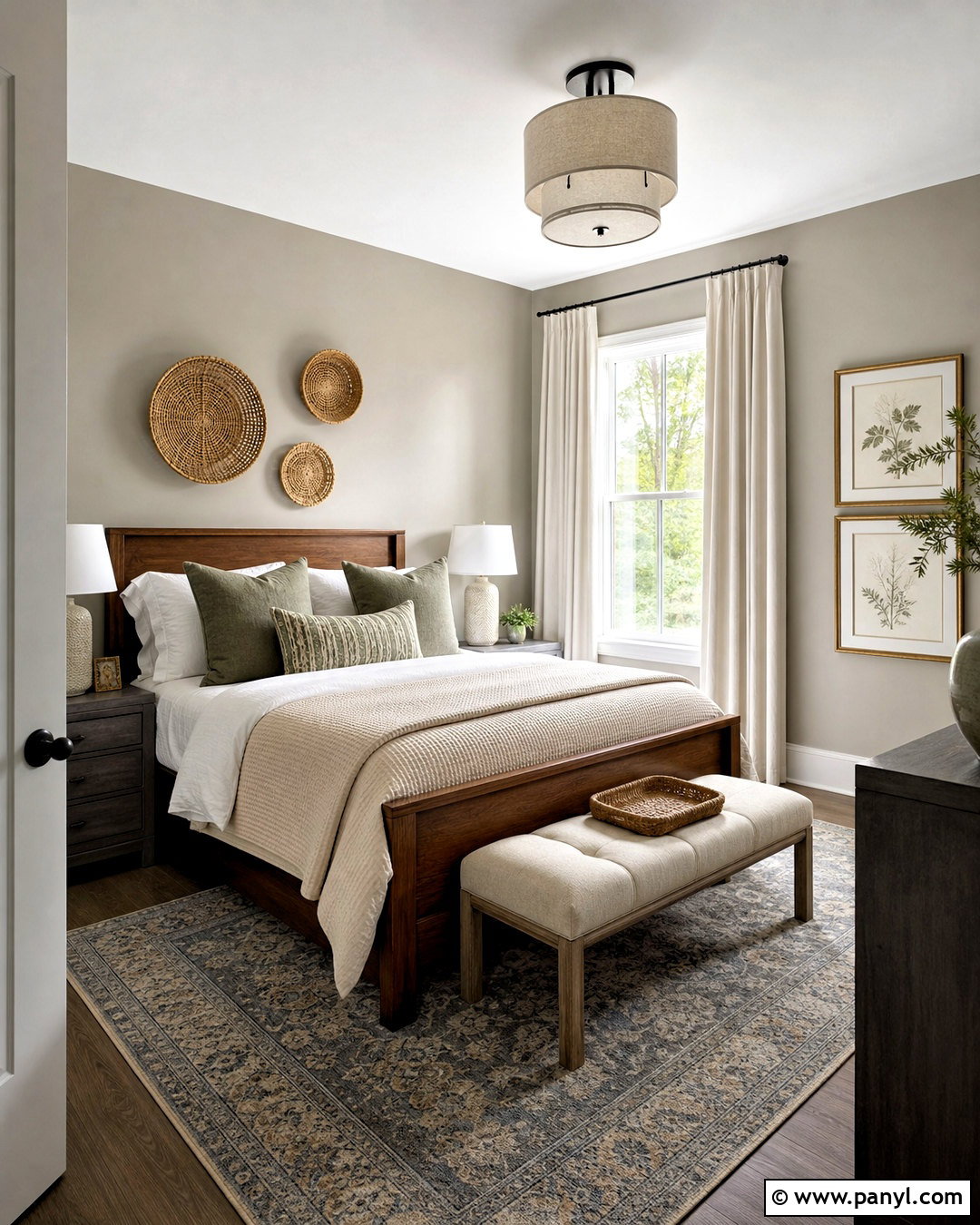
A welcoming guest room should feel personal but not so specific that visitors cannot settle in comfortably. Use a soft midtone grey beige on the walls, paired with a warm white ceiling and trim. Center a walnut bed beneath a large woven wall hanging, then layer white sheets, a beige coverlet, and muted green pillows. Matching nightstands with ceramic lamps provide symmetry and practical lighting. Place a small upholstered bench at the foot of the bed and leave one section of the dresser clear for belongings. A vintage-inspired rug in faded taupe, blue-gray, and cream adds pattern without overwhelming the peaceful palette. Blackout linen curtains improve comfort and soften the room. This complete scheme feels thoughtful, neutral, and suitable for guests with different tastes and needs.
15. Grey Beige Mudroom Cabinets
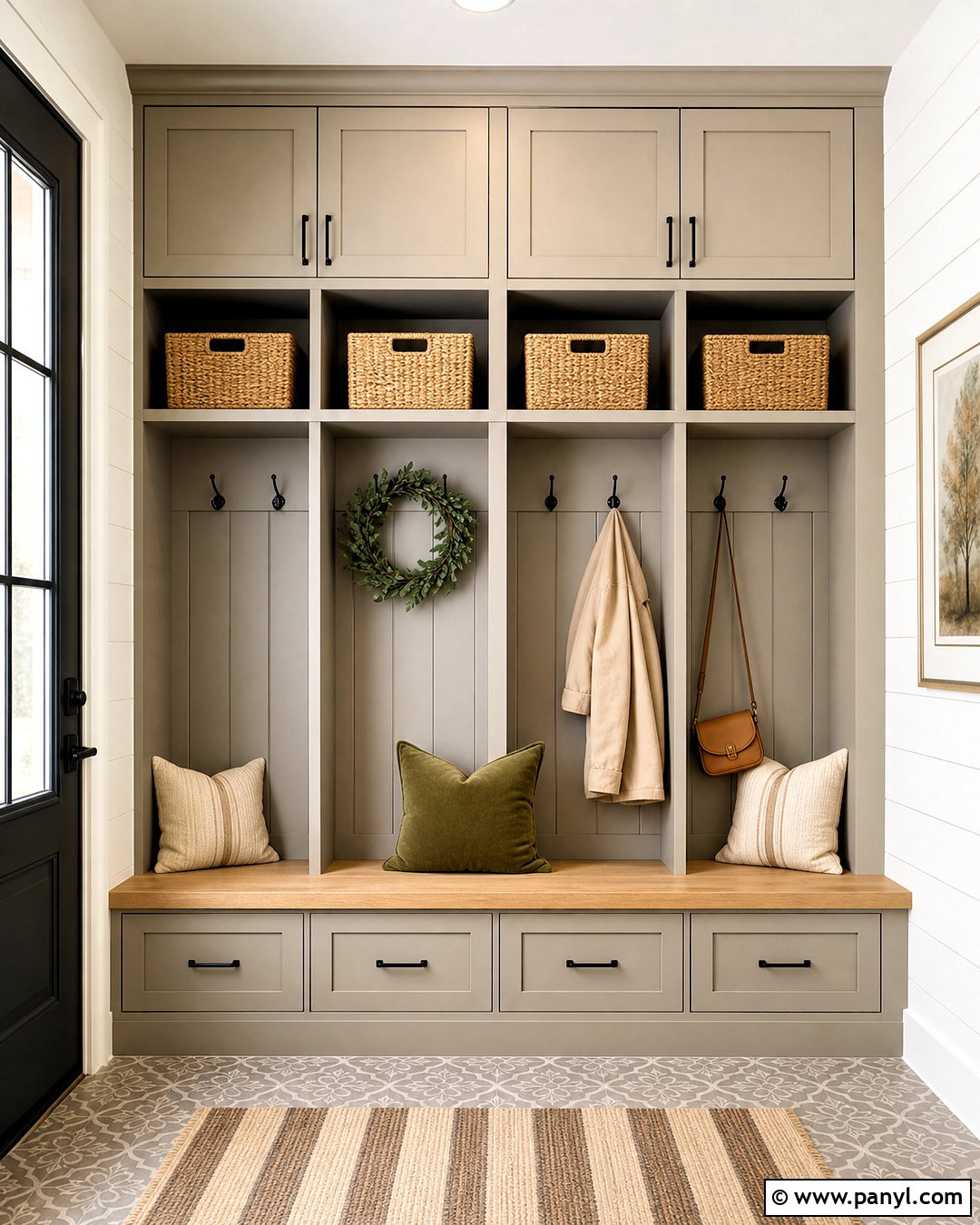
Mudroom cabinetry painted grey beige can conceal scuffs while making a busy entrance feel organized. Choose a durable medium greige in a satin finish for floor-to-ceiling lockers, bench drawers, and overhead cupboards. Paint the surrounding walls a lighter warm neutral to keep the compact area open. Use a white oak bench seat, black hooks, and woven baskets labeled only inside to maintain a clean appearance. A charcoal and beige patterned tile floor handles dirt while supporting the cabinet color. Add a washable seat cushion in muted olive and a bright ceiling fixture for better visibility. Each family member can have a defined cubby, reducing loose bags and shoes. This complete mudroom treatment combines practical storage with a calm palette that transitions naturally into nearby kitchens, hallways, and living spaces.
16. Grey Beige Fireplace Wall
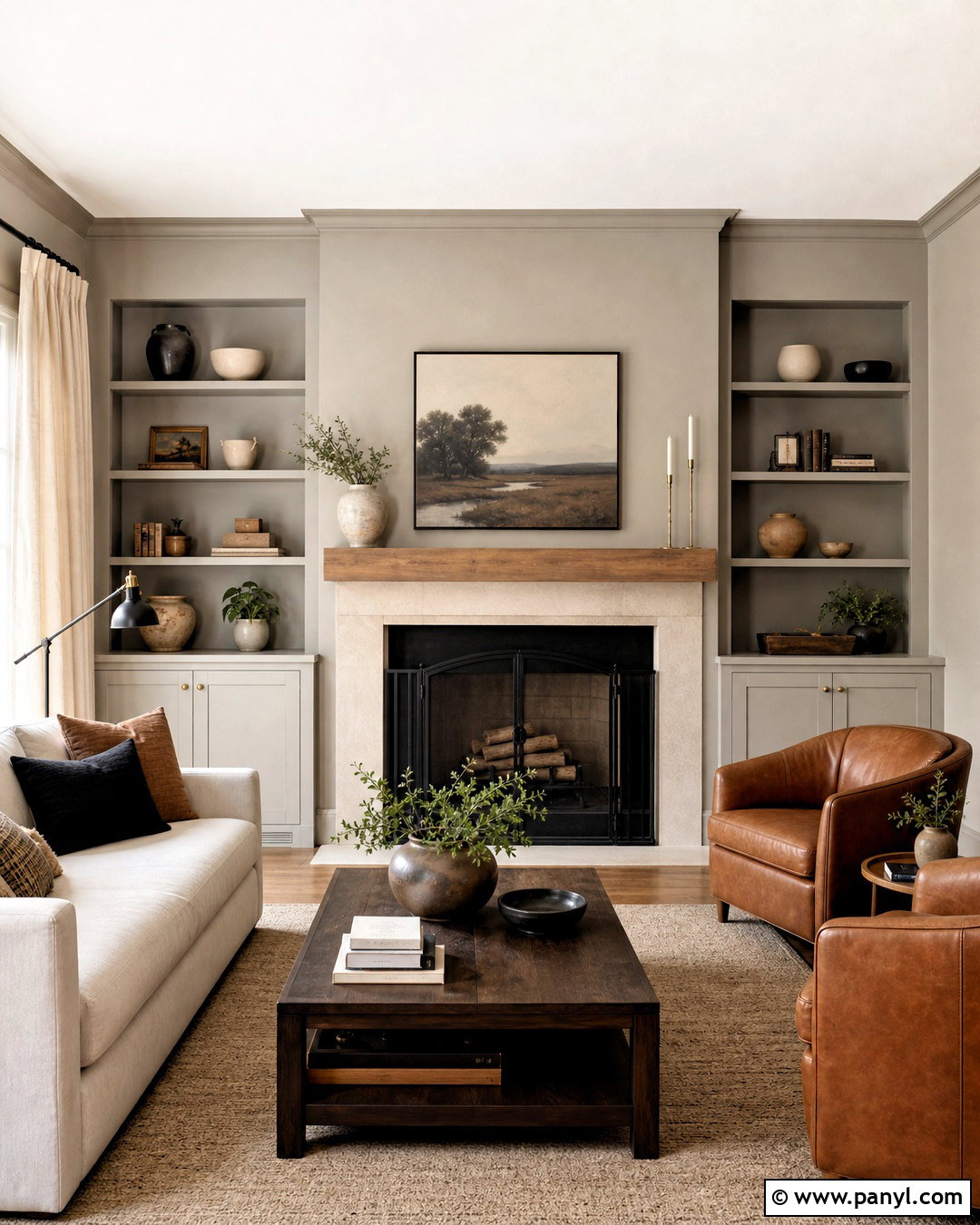
A fireplace wall gains quiet impact when grey beige paint connects the surround, shelving, and furnishings. Use a medium warm greige on the entire wall, including simple built-ins, while keeping the firebox surround in creamy limestone or lightly veined quartz. Position a natural oak mantel above the opening and style it with only a few pottery pieces and framed art. A cream sofa, two cognac leather chairs, and a taupe wool rug create a comfortable conversation area facing the fireplace. Repeat matte black through the fire screen, cabinet hardware, and slim floor lamp. Linen curtains and soft white adjoining walls prevent the feature from becoming heavy. The coordinated materials create a focal point with more warmth than gray and more structure than conventional beige.
17. Grey Beige Basement
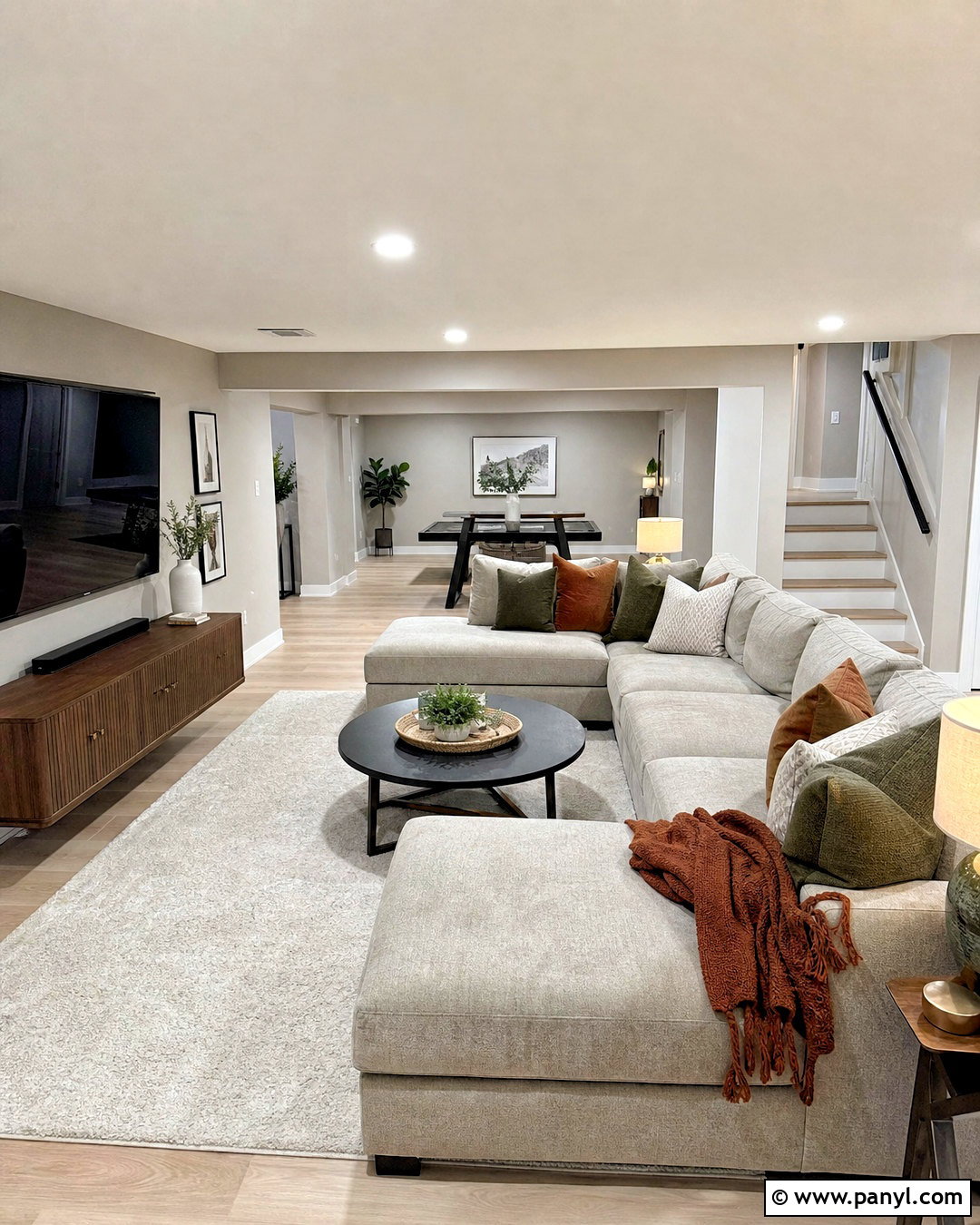
Basements often have cool artificial light, so the paint should contain enough beige to prevent a dull or bluish result. Choose a light warm grey beige for the walls and pair it with creamy white trim. Use pale oak luxury vinyl flooring to brighten the room and withstand active family use. Arrange a soft taupe sectional around a low walnut media console, leaving open floor space for games or exercise. Add an ivory performance rug, textured pillows in rust and olive, and several table lamps to supplement recessed lighting. Black accents should be limited to frames and hardware rather than large furniture pieces. If the ceiling is low, paint it a warm white with minimal contrast. This layered scheme turns a previously shadowy basement into an inviting, practical extension of the home.
18. Grey Beige Exterior
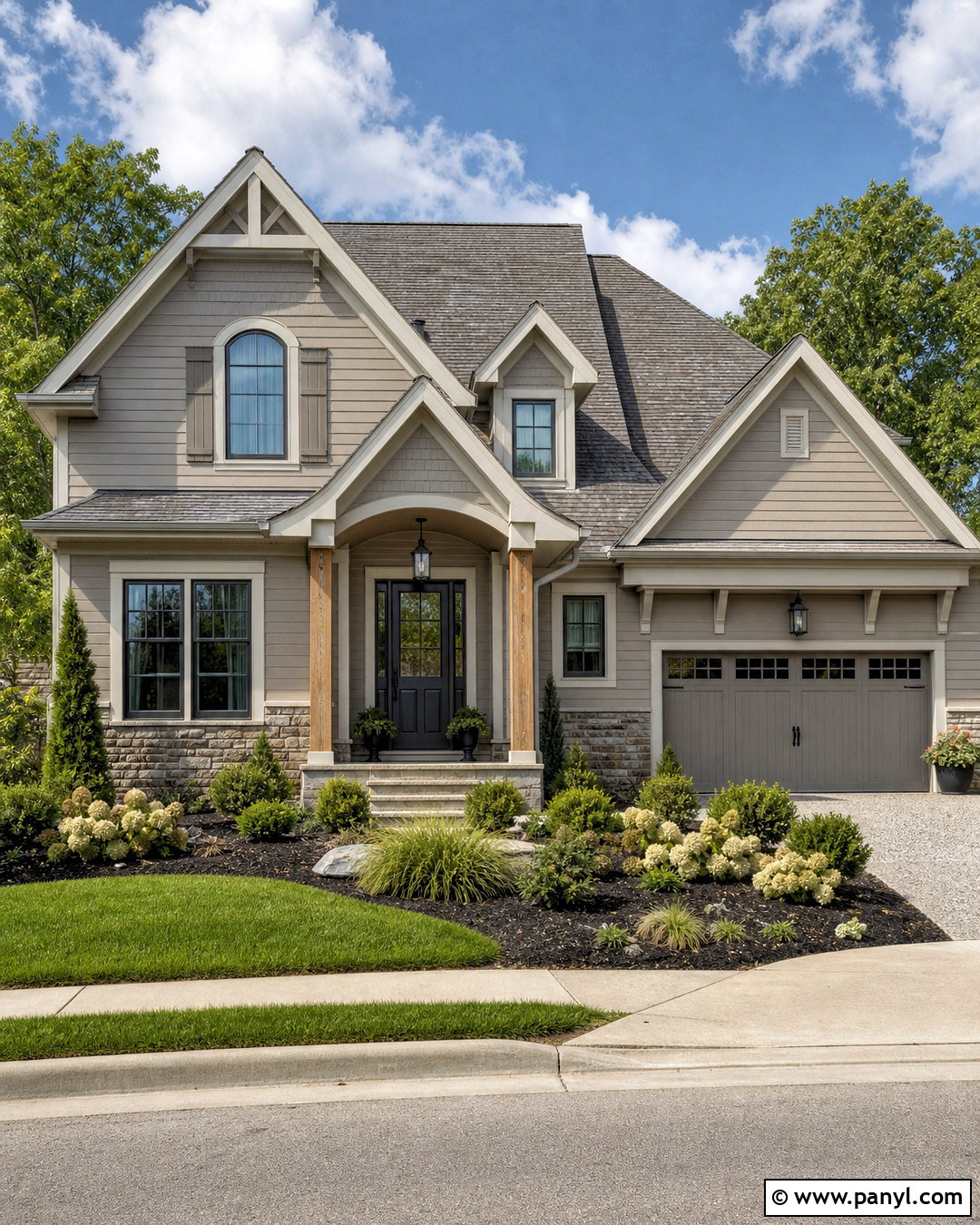
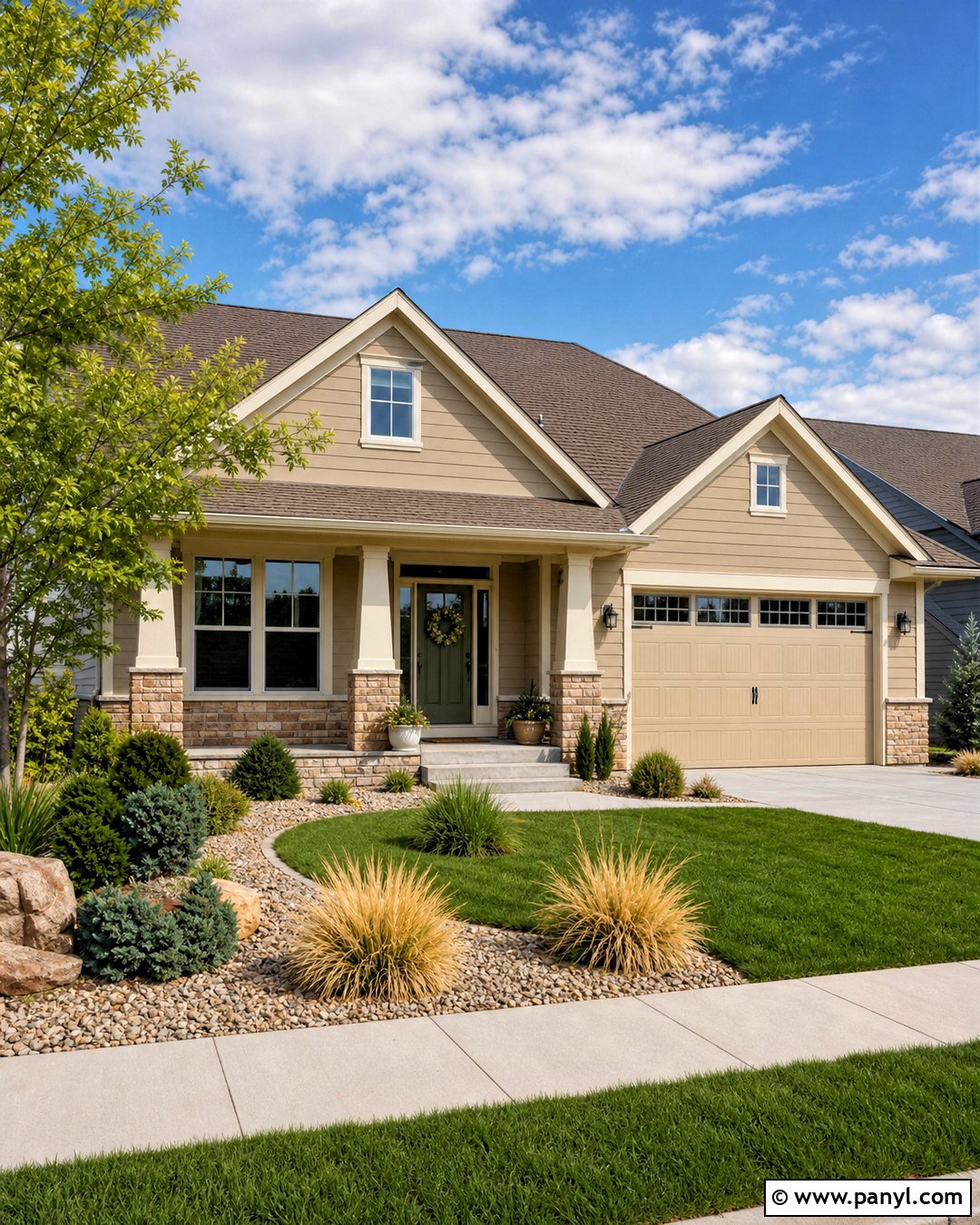
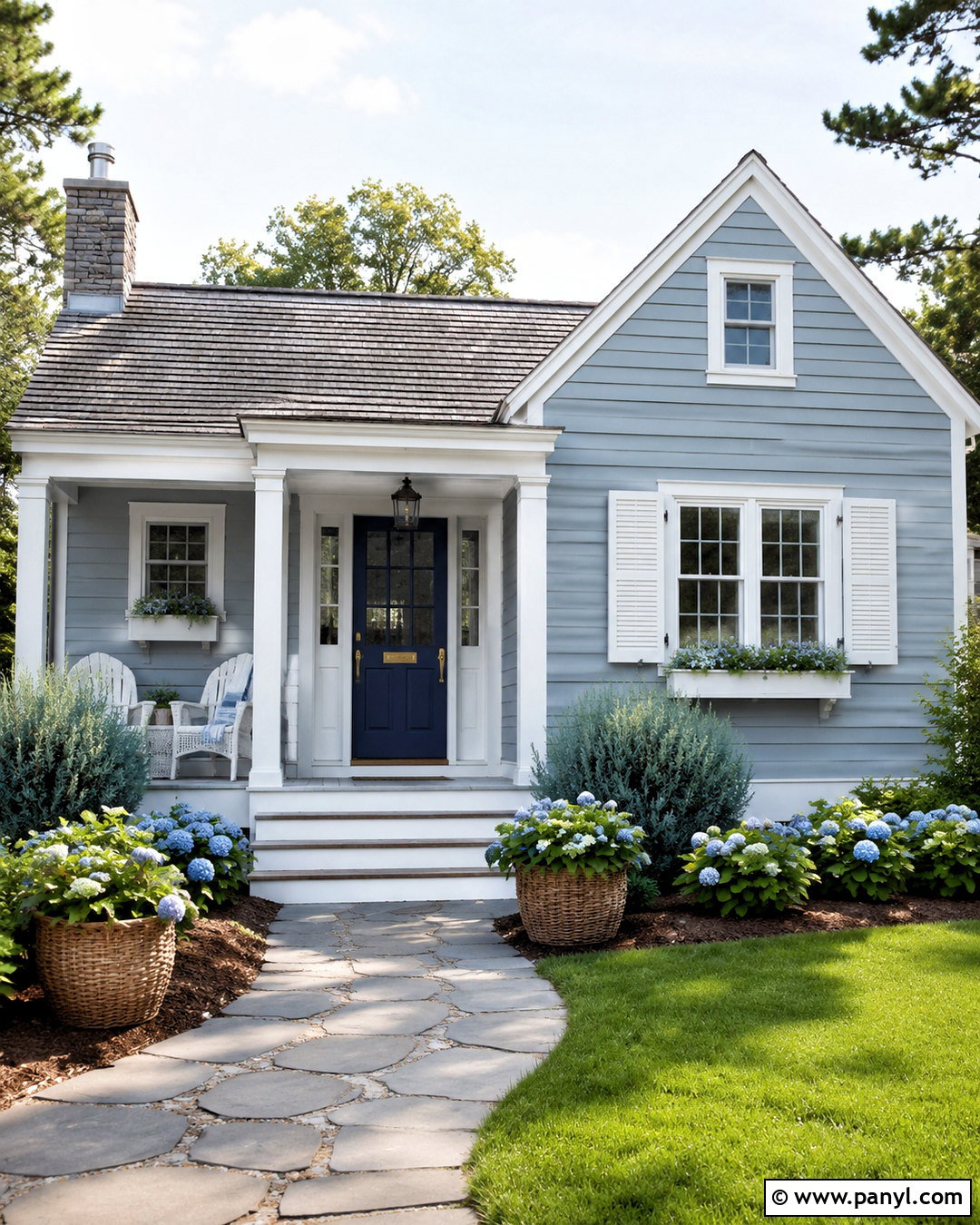
For a welcoming exterior, use a medium grey beige across the siding or stucco and balance it with creamy white trim. The neutral body color works especially well beside warm stone, mixed brick, or a weathered gray roof. Add a deep olive, dark bronze, or charcoal front door to provide a clear focal point. Natural wood porch posts and a simple black lantern reinforce the home’s architectural lines without making the facade too busy. Keep the garage door close to the body color so it does not dominate the curb view. Finish with layered landscaping that includes evergreen shrubs, ornamental grasses, and pale flowering plants. Always test exterior paint in direct sun and shade because intense daylight can make a subtle greige appear much lighter than expected.
19. Grey Beige Front Door
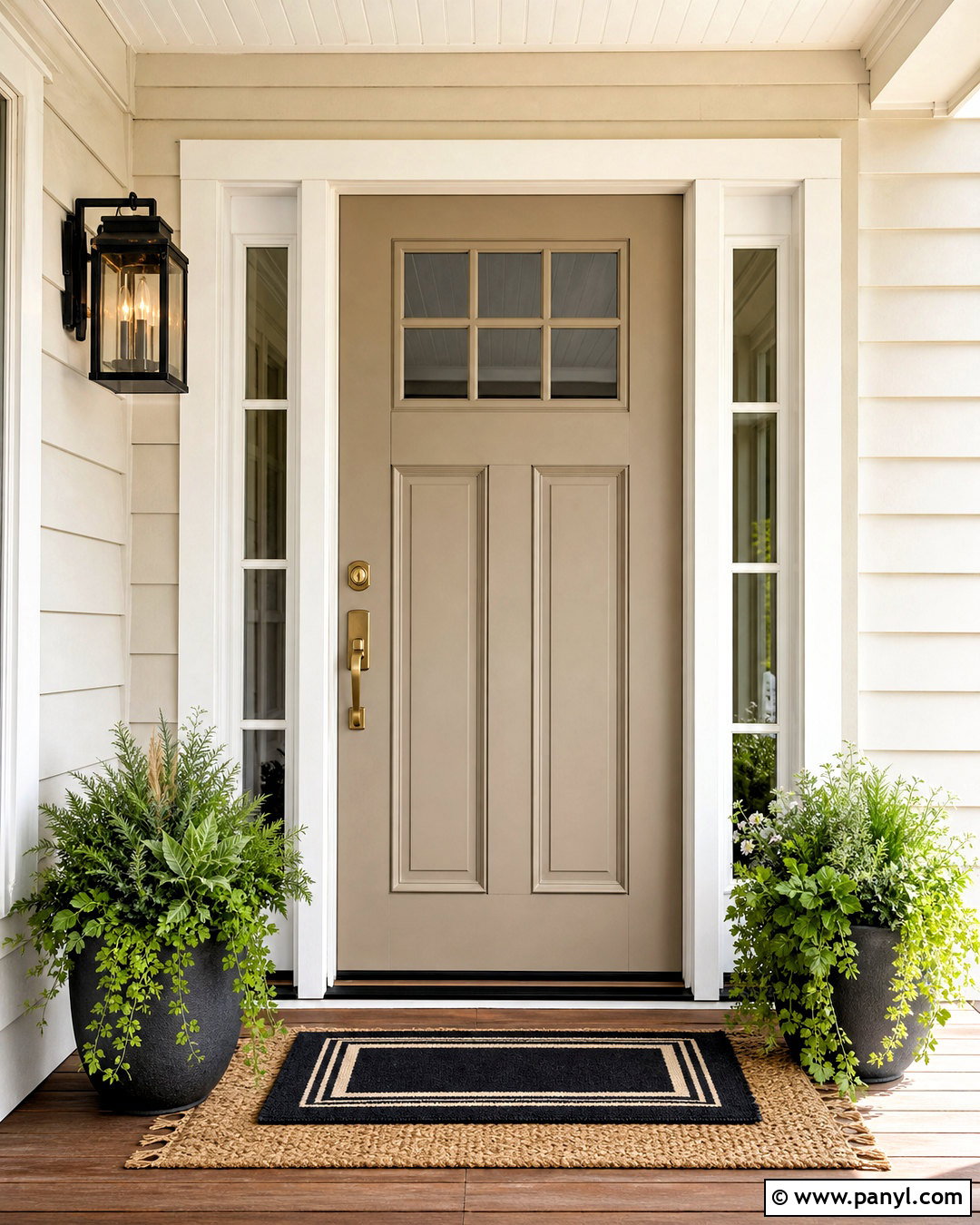
A grey beige front door offers a softer entrance than black while still standing apart from white or cream siding. Choose a rich taupe-greige in a durable satin exterior finish and pair it with warm white trim. Brushed brass hardware highlights the beige undertone, while a black lantern introduces sharper contrast. Place a natural coir mat over a larger black-and-cream outdoor rug to give the doorway more visual weight. Planters filled with leafy green plants should flank the entrance without blocking the door or house numbers. If the porch has wood decking, use a medium brown stain that relates to the warmth of the paint. This complete entrance looks polished on traditional, transitional, farmhouse, or contemporary homes and remains adaptable as seasonal plants and accessories change.
20. Grey Beige Whole House Palette
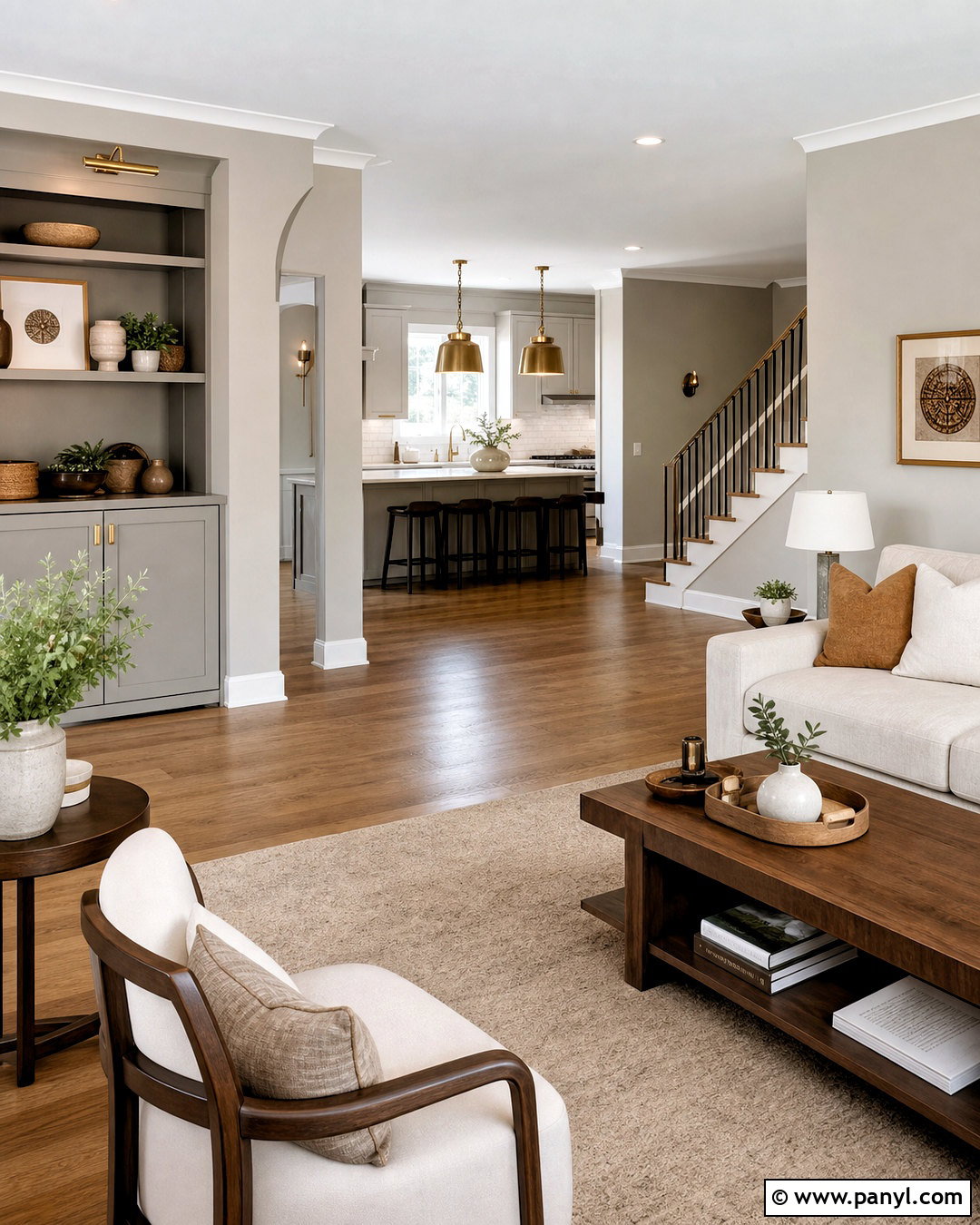
A whole-house grey beige palette works when one primary neutral is supported by thoughtful variations rather than repeated without contrast. Use a light balanced greige through connected hallways, the living room, and open kitchen walls. Select a deeper version for the dining room, office, or fireplace cabinetry. Keep ceilings and trim consistently warm white, then repeat oak, walnut, brushed brass, and matte black finishes throughout the home. Upholstery can move between cream, camel, taupe, and muted green while still feeling related. In bedrooms and bathrooms, choose slightly warmer grey beige shades for a softer atmosphere. Test every color beside flooring, tile, and countertops before committing. This layered plan creates continuity from room to room while allowing each space to maintain its own function and recognizable character.
Conclusion:
The best grey beige paint ideas combine the right undertone with a complete palette of finishes, furnishings, and accent colors. Pale greige can brighten bedrooms, bathrooms, and hallways, while deeper taupe-greige creates definition in dining rooms, offices, and feature spaces. Warm white trim, natural wood, textured fabrics, and restrained black or metallic accents help the color feel layered rather than plain. Before painting an entire room, apply large samples to more than one wall and view them during morning, afternoon, and evening light. Compare each option directly with permanent flooring, counters, and tile. With thoughtful testing and coordinated materials, grey beige can create a warm, flexible foundation that remains comfortable through future decorating changes.

Related Ideas and Inspiration:
Leave a Reply