
A bonus room can become a family lounge, media space, home office, playroom, guest retreat, or hobby zone, so its paint color should support both purpose and mood. The best **bonus room wall color ideas** also account for natural light, ceiling angles, flooring, and furniture. Light neutrals can visually open a compact room, while deeper colors give a large space more definition. Instead of choosing paint alone, build a complete palette with coordinated trim, upholstery, wood tones, rugs, lighting, and artwork. Bonus rooms are especially useful because they can support relaxing, working, exercising, and creative activities as household needs change. ()
The following complete designs offer practical inspiration through **20 Bonus Room Wall Color Ideas**.

1. Warm White Bonus Room Walls
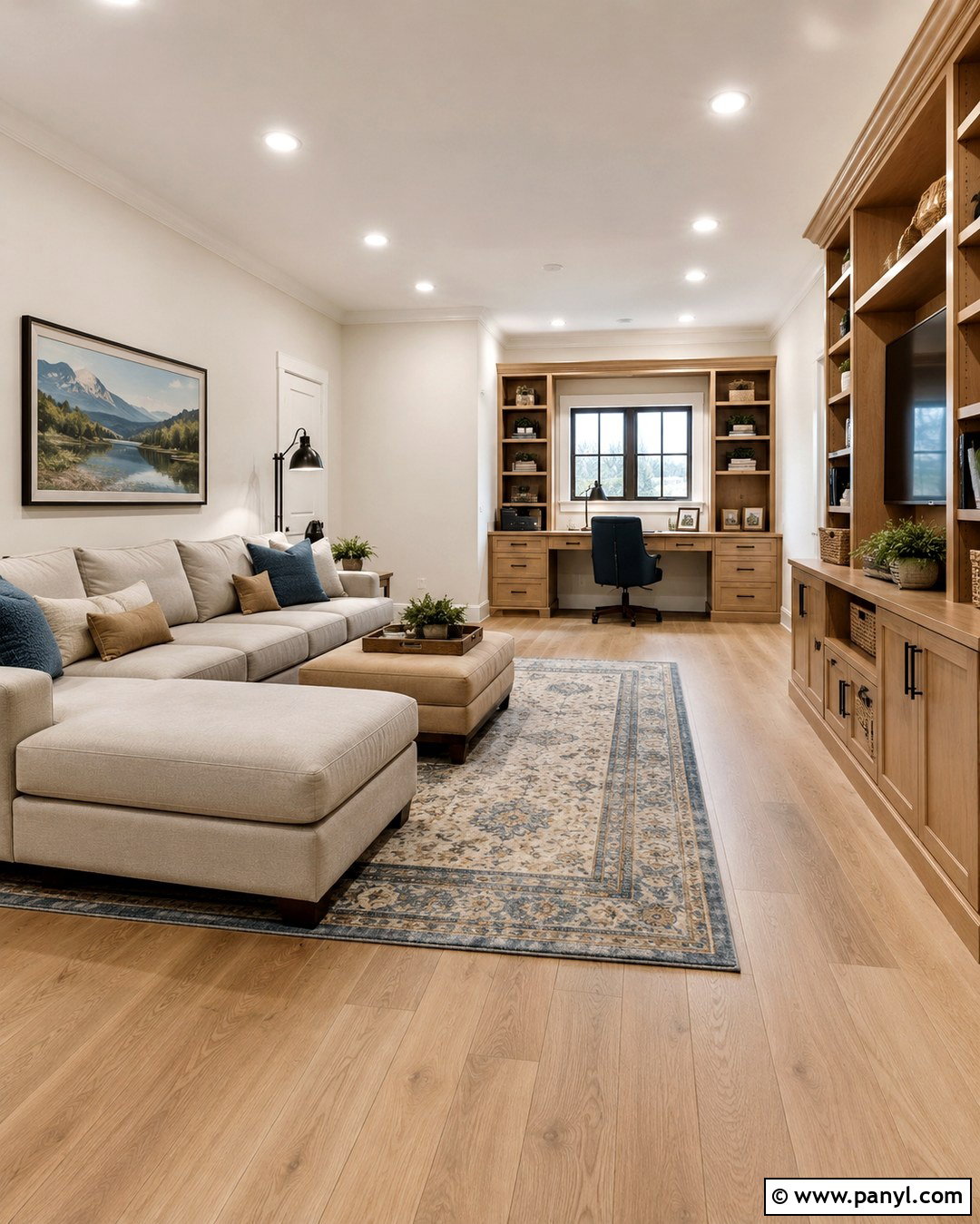
Warm white walls create a bright, flexible background for a bonus room that serves several purposes. Choose a creamy white with subtle beige undertones rather than a sharp, cool white. Paint the ceiling and trim in the same color using flatter and glossier finishes for gentle contrast. Place a light oatmeal sectional along the longest wall, then define the seating area with a muted blue-and-tan rug. Natural oak storage cabinets provide warmth without making the room feel heavy. Add a compact desk near the window for homework or remote work. Black metal lamps, woven baskets, and framed landscape prints introduce definition. This complete look feels relaxed, spacious, and easy to update as the room’s function changes.
2. Soft Greige Bonus Room Walls
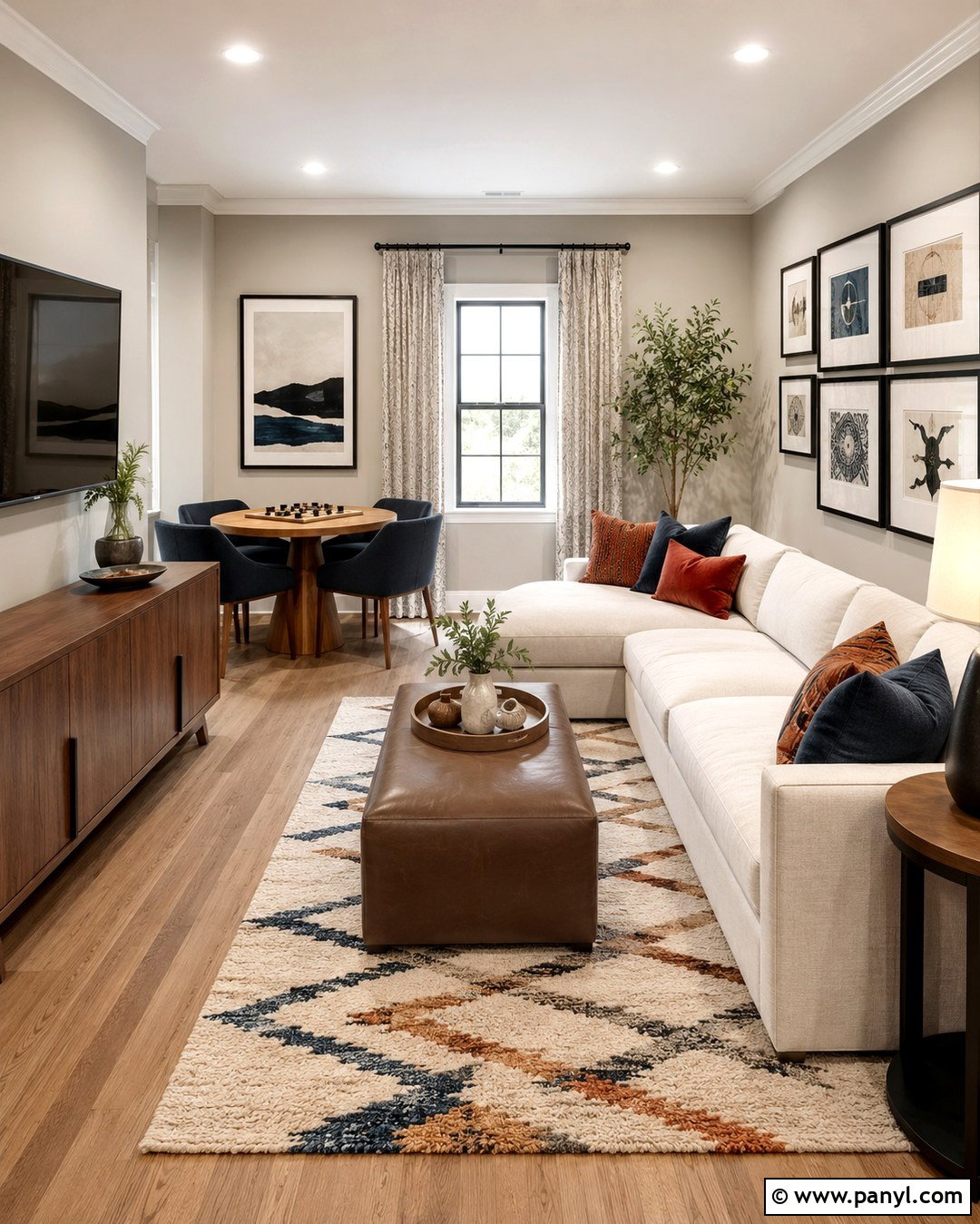
Soft greige walls balance the warmth of beige with the clean appearance of gray. This versatile color works especially well in an upstairs bonus room with angled ceilings and mixed natural light. Pair it with crisp ivory trim, medium oak flooring, and a comfortable cream sectional. Create an entertainment zone using a low walnut media console and a wall-mounted television. On the opposite side, place a round game table beneath a simple linen pendant. Rust, navy, and olive pillows prevent the neutral palette from appearing flat. Finish the room with black-framed artwork, textured curtains, and a large geometric rug. The completed space feels polished enough for adults but remains practical for games, movies, and casual family gatherings.
3. Pale Sage Green Bonus Room Walls
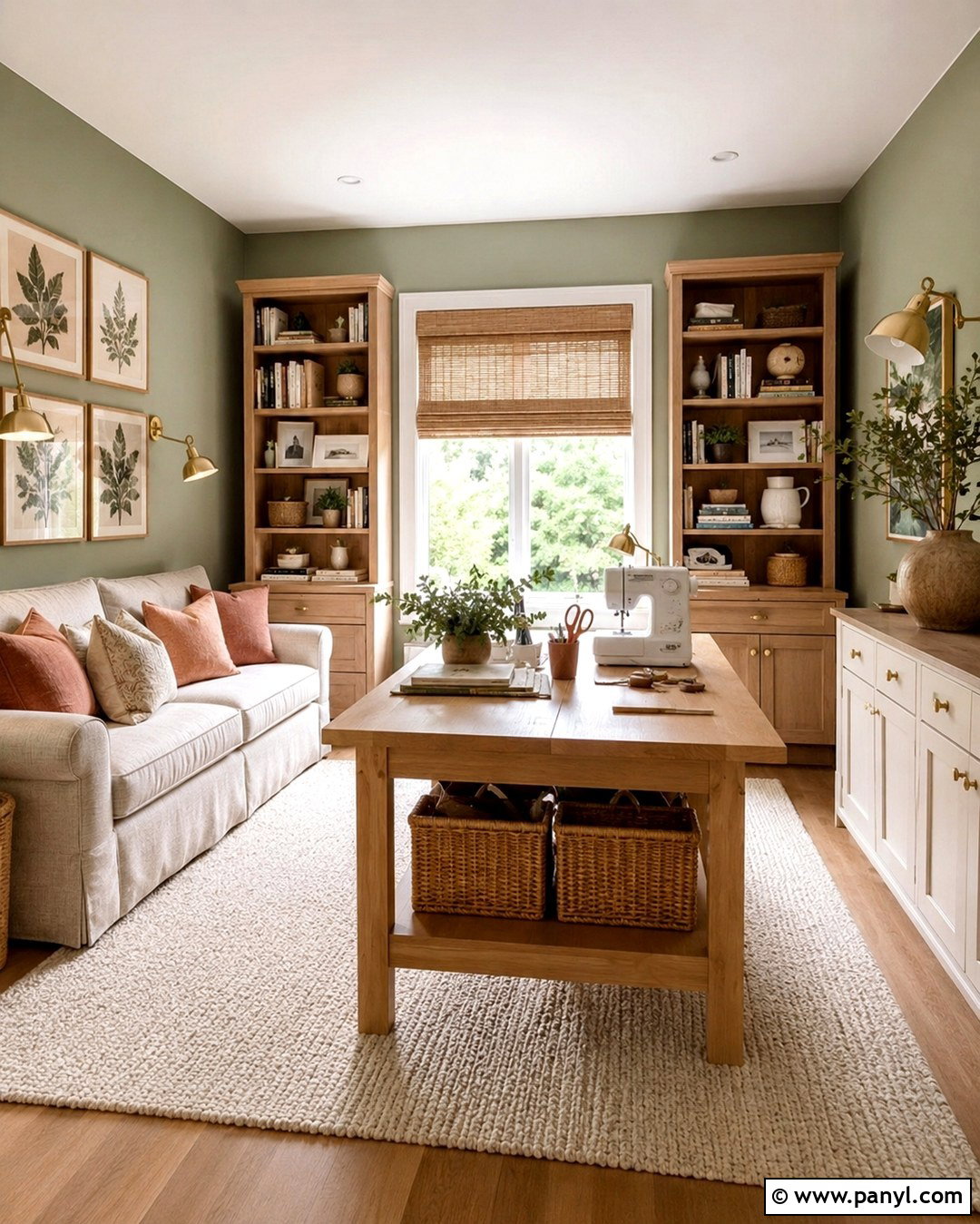
Pale sage green brings a quiet, natural feeling to a bonus room used for crafts, reading, or relaxing. Select a softened green with gray undertones so the walls remain calm rather than overly colorful. Warm white trim and a natural wood floor keep the palette fresh. Arrange a linen sofa beneath the lowest part of the ceiling, with two oak bookcases framing it. A large worktable can occupy the center of the room while closed cabinets conceal supplies. Add woven shades, a washable cream rug, and clay-colored pillows for earthy contrast. Brass task lamps and botanical artwork complete the design. Sage works as a livable backdrop that coordinates beautifully with wood, neutral upholstery, and practical storage throughout the entire room.
4. Muted Blue Bonus Room Walls
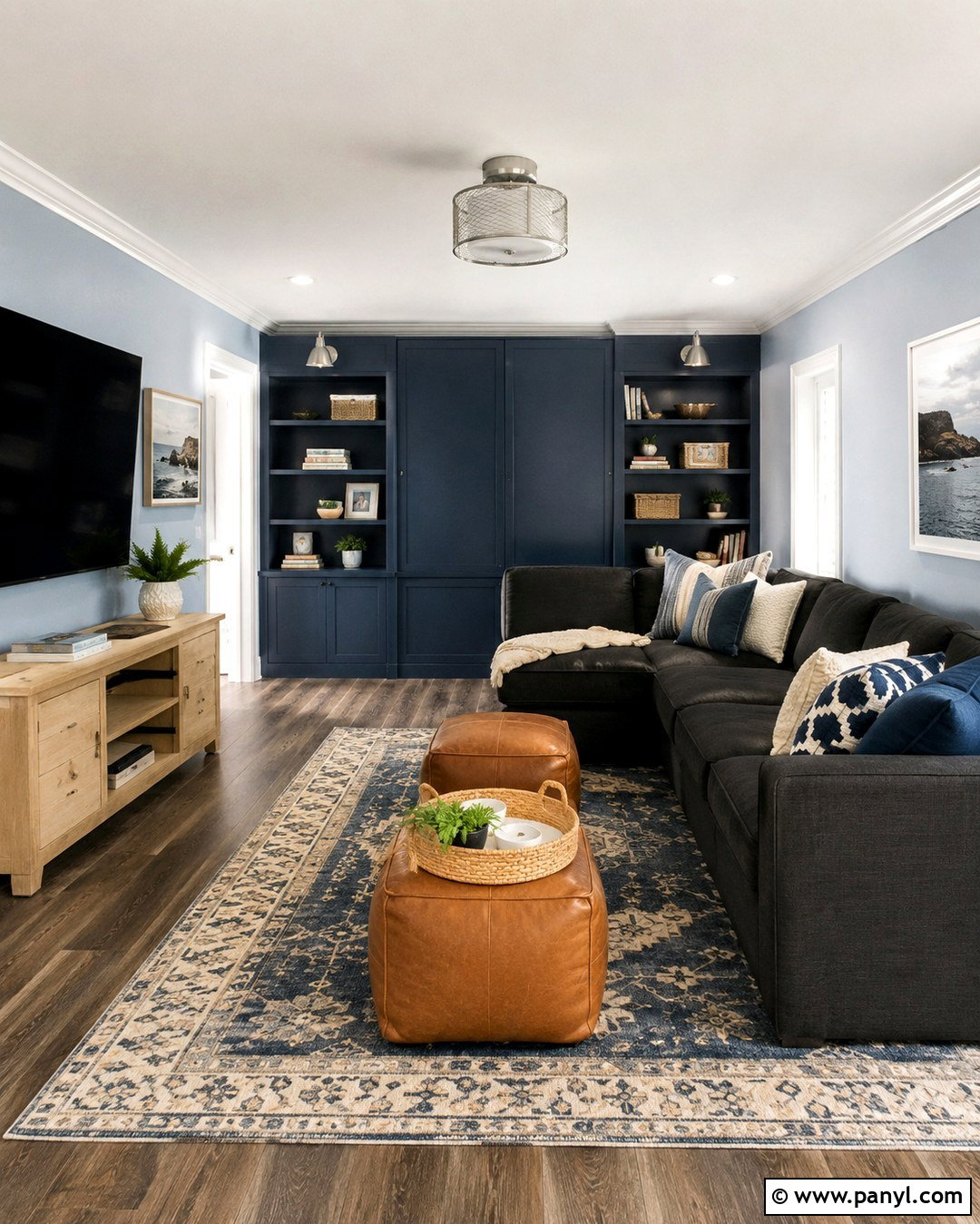
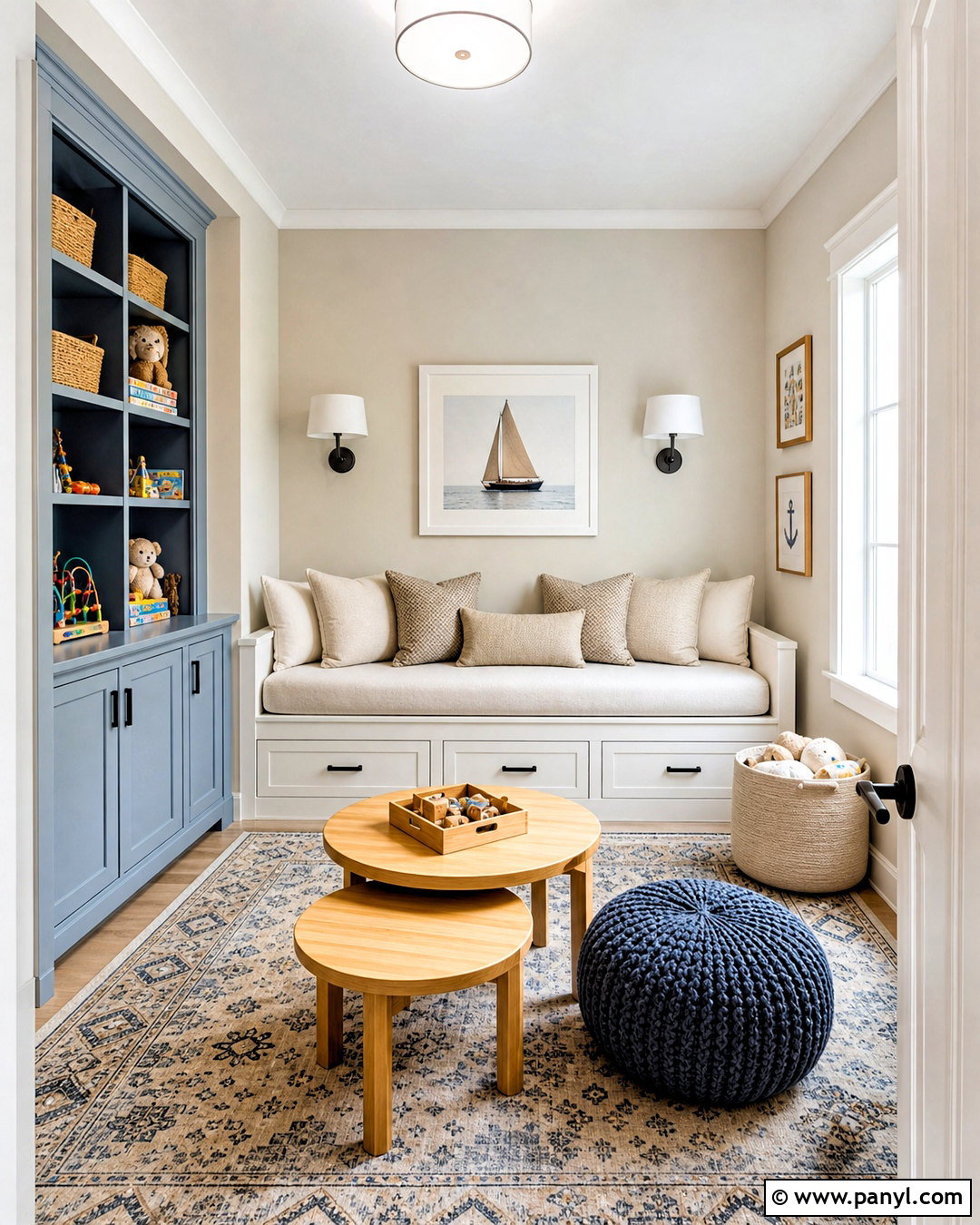
Muted blue walls can make a busy family bonus room feel calmer and more organized. Look for a medium blue softened with gray, which provides color without overpowering the space. Use bright white on the trim and ceiling to maintain a crisp boundary around the walls. A charcoal sectional creates a durable seating area, while a pale oak media cabinet keeps the room from becoming too cool. Layer in cognac leather ottomans, navy-and-cream pillows, and a patterned wool rug. Built-in storage painted the same blue allows it to blend smoothly into the architecture. Finish with brushed nickel lighting and simple coastal photography. This coordinated scheme supports movie nights, board games, and everyday lounging without looking like a themed room.
5. Deep Navy Bonus Room Walls
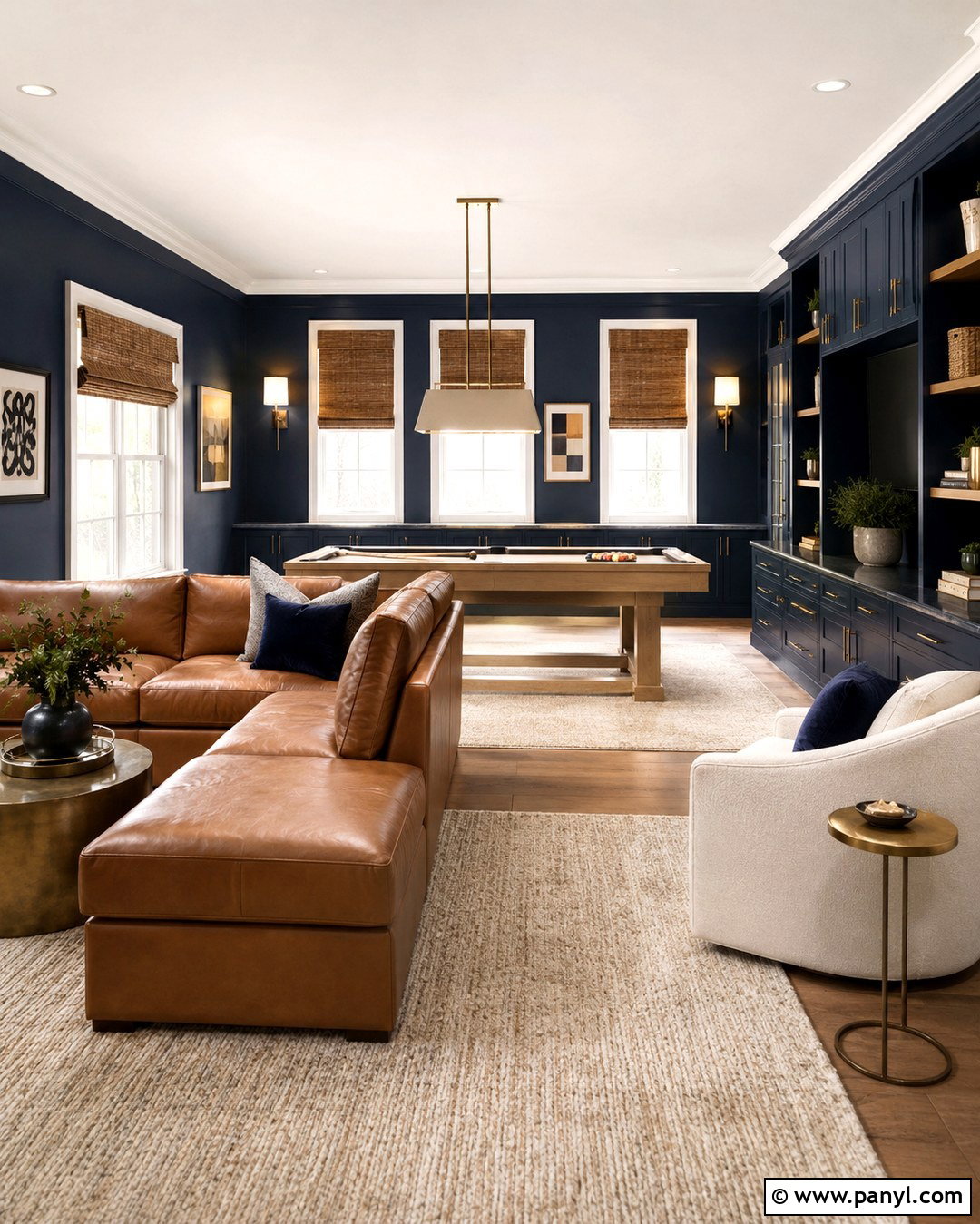
Deep navy walls give a large bonus room the cozy atmosphere of a sophisticated game lounge. Use the color on every wall for an enveloping effect, then paint the ceiling and trim a soft warm white. Balance the darkness with a camel leather sectional and a substantial light oak game table. A cream rug helps define the seating arrangement and reflects light upward. Install built-in cabinets in navy with brass hardware so storage feels integrated rather than bulky. Add shaded wall sconces, framed graphic artwork, and pillows in rust, cream, and muted gold. During the day, woven window shades soften strong sunlight. The completed room feels intimate and dramatic, yet the warm furniture and lighter floor keep it welcoming.
6. Light Taupe Bonus Room Walls
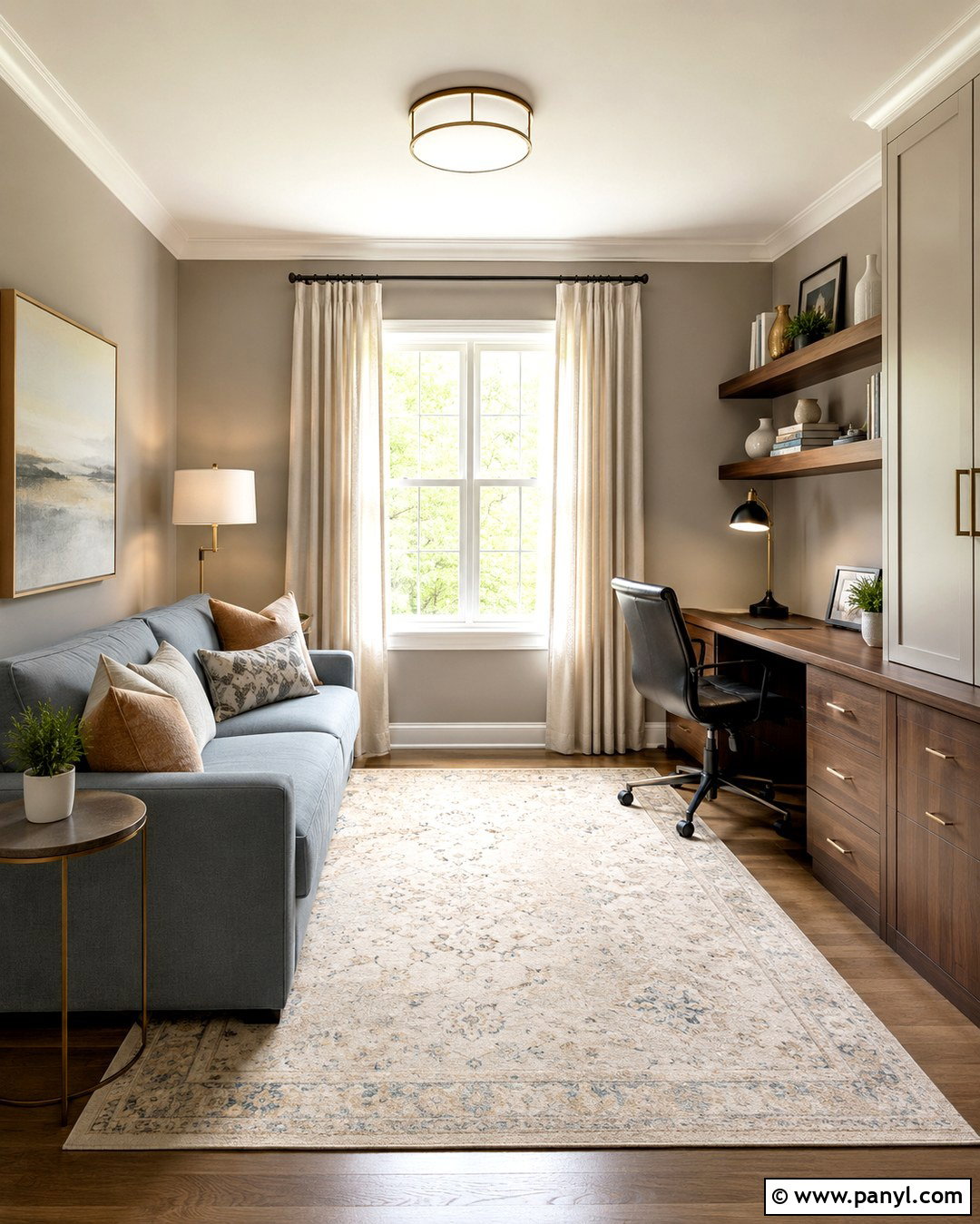
Light taupe walls provide a warmer alternative to gray for a bonus room that doubles as a home office and guest space. Choose a balanced taupe that complements both natural and artificial light. Paint the trim creamy white and introduce walnut through a streamlined desk, floating shelves, and a compact side table. A tailored sleeper sofa in soft blue-gray offers comfortable everyday seating and converts when visitors arrive. Ground the arrangement with an ivory rug featuring a subtle brown pattern. Linen curtains, black desk lighting, and warm brass accents create understated contrast. Add closed storage beside the desk to prevent work materials from dominating the room. The final look is calm, professional, and comfortable enough to support work, reading, and overnight stays.
7. Dusty Rose Bonus Room Walls
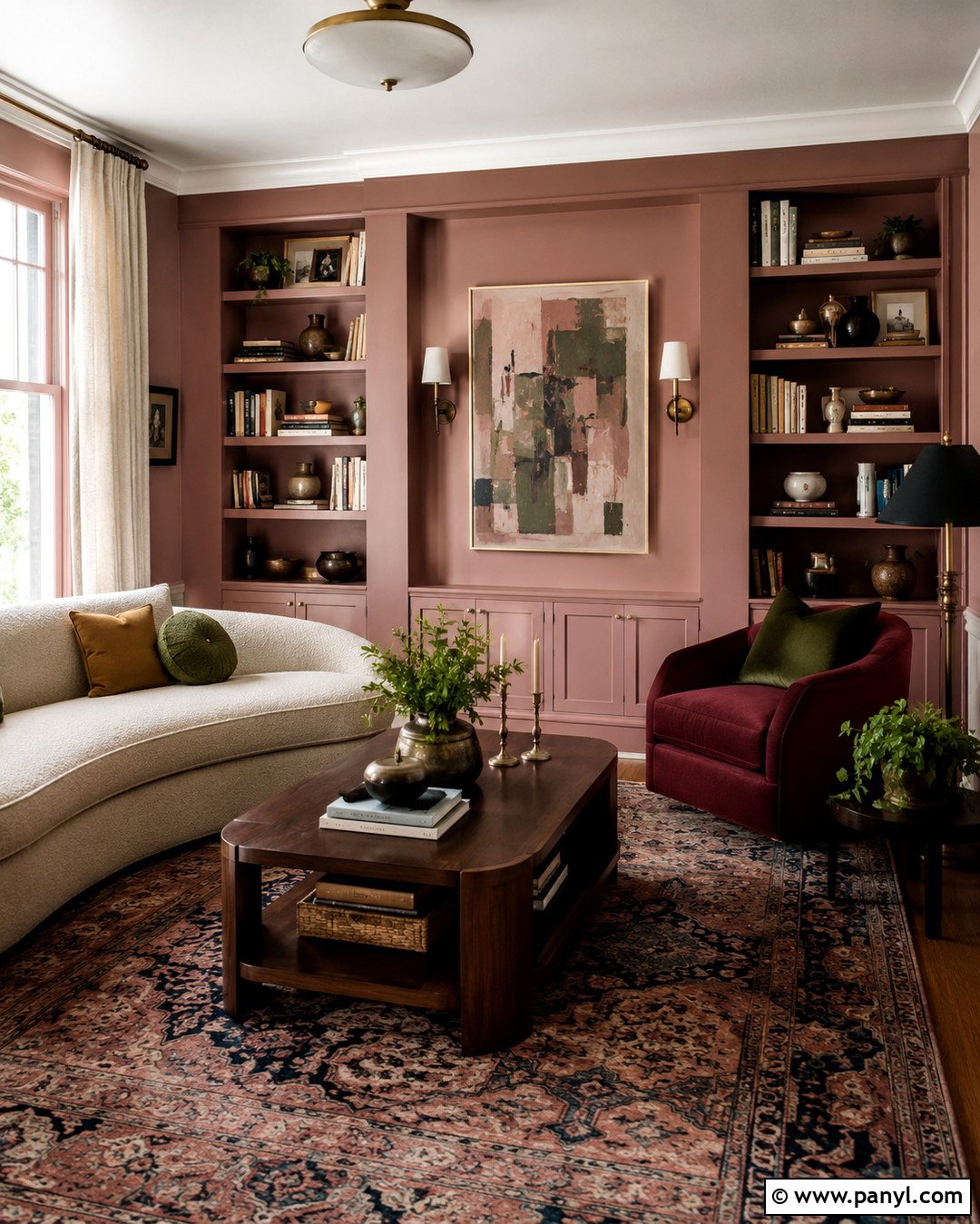
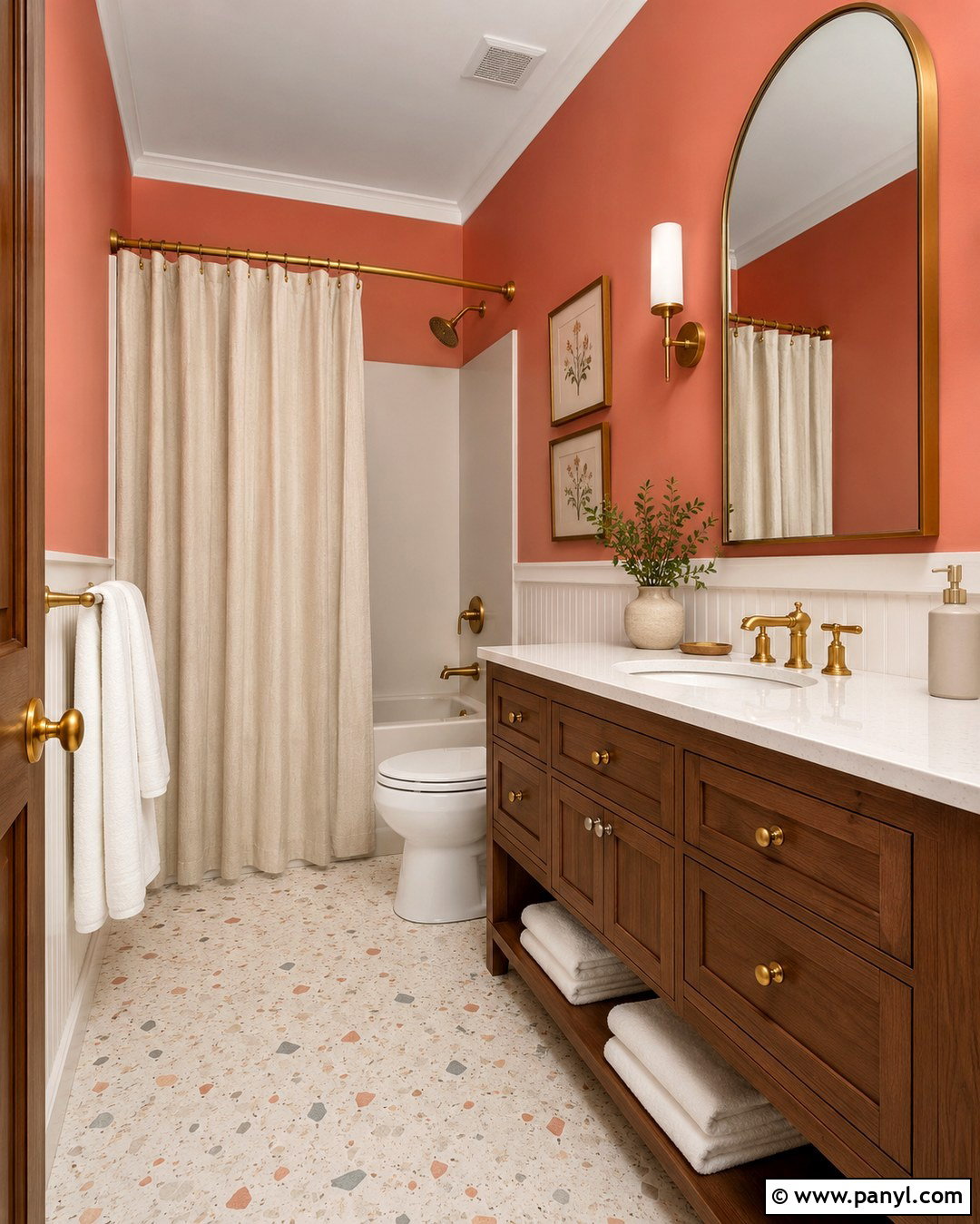
Dusty rose walls can make a bonus room feel warm and welcoming without turning it overly sweet. Select a muted pink with beige or brown undertones and pair it with warm white trim. Create a reading-focused layout using a curved cream sofa, a deep burgundy armchair, and a round walnut coffee table. Place tall bookcases along one wall and paint them the same rose color for a built-in appearance. A vintage-inspired rug in faded red, blue, and tan brings depth to the floor. Add linen curtains, aged brass lamps, and abstract artwork with small touches of green. This layered color scheme feels grown-up and expressive, making it suitable for reading, conversation, crafts, or a quiet personal retreat.
8. Terracotta Bonus Room Wall Color
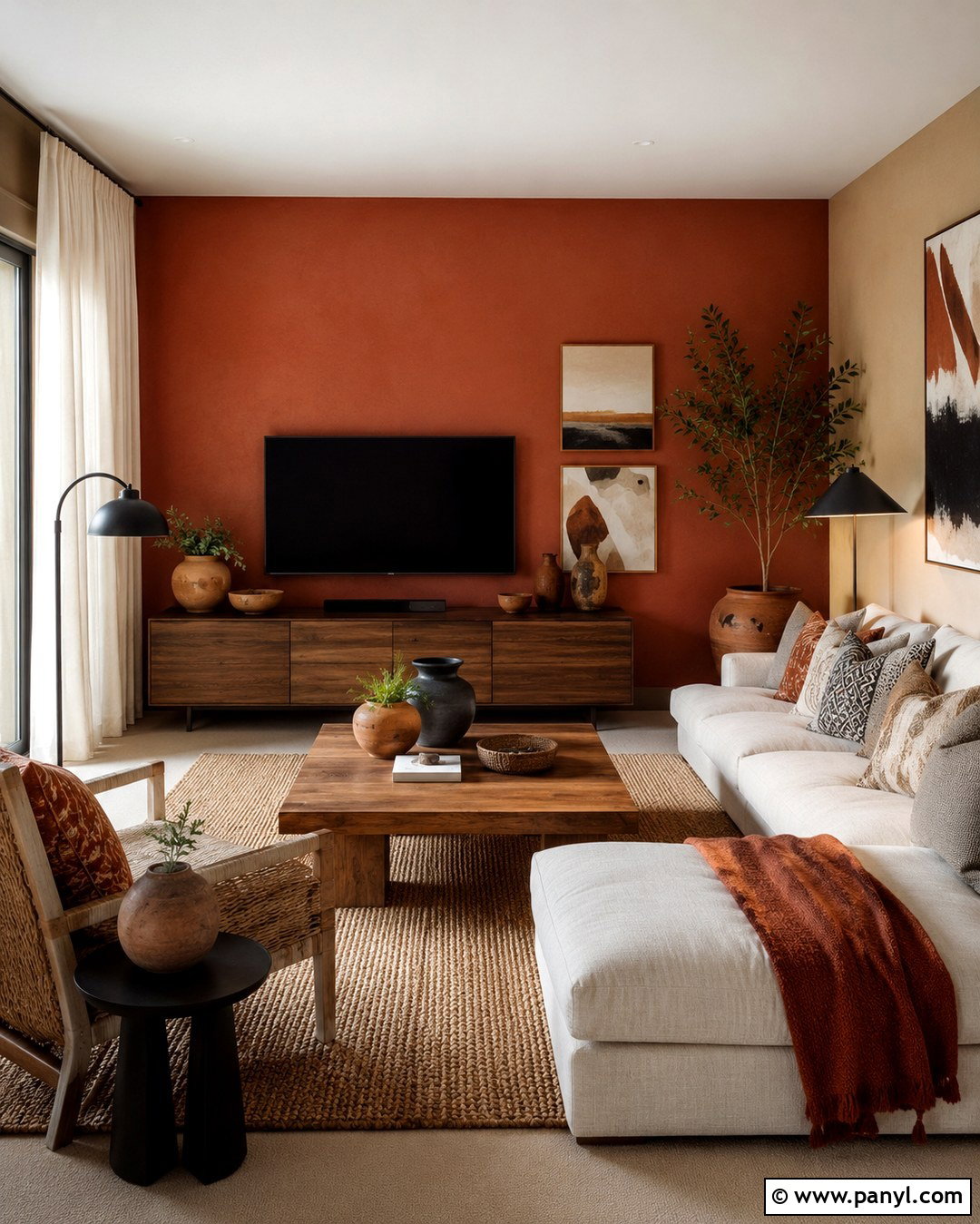
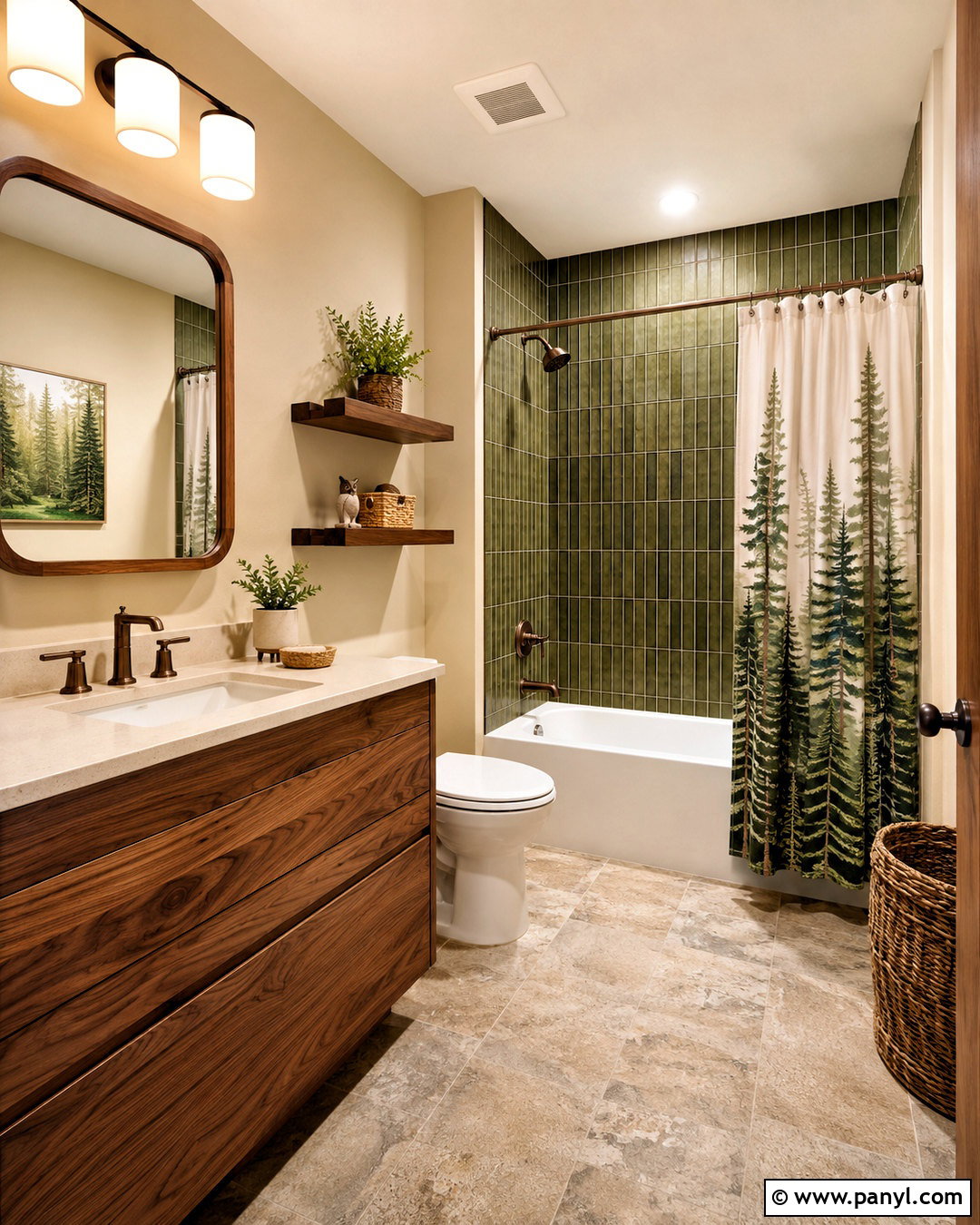
Terracotta brings warmth and architectural focus to a bonus room, especially when used on the wall behind a media console or sofa. Paint the remaining walls a soft sandy beige to keep the overall room balanced. Repeat the terracotta tone through patterned pillows and small ceramic accessories rather than matching everything exactly. A low cream sectional, oak coffee table, and woven jute rug create a casual foundation. Add black metal floor lamps and a streamlined walnut media unit for definition. Long ivory curtains soften the rich accent wall and make the windows appear larger. Choosing an accent wall that supports an existing focal point helps the color feel intentional rather than random. ()
9. Butter Yellow Bonus Room Walls
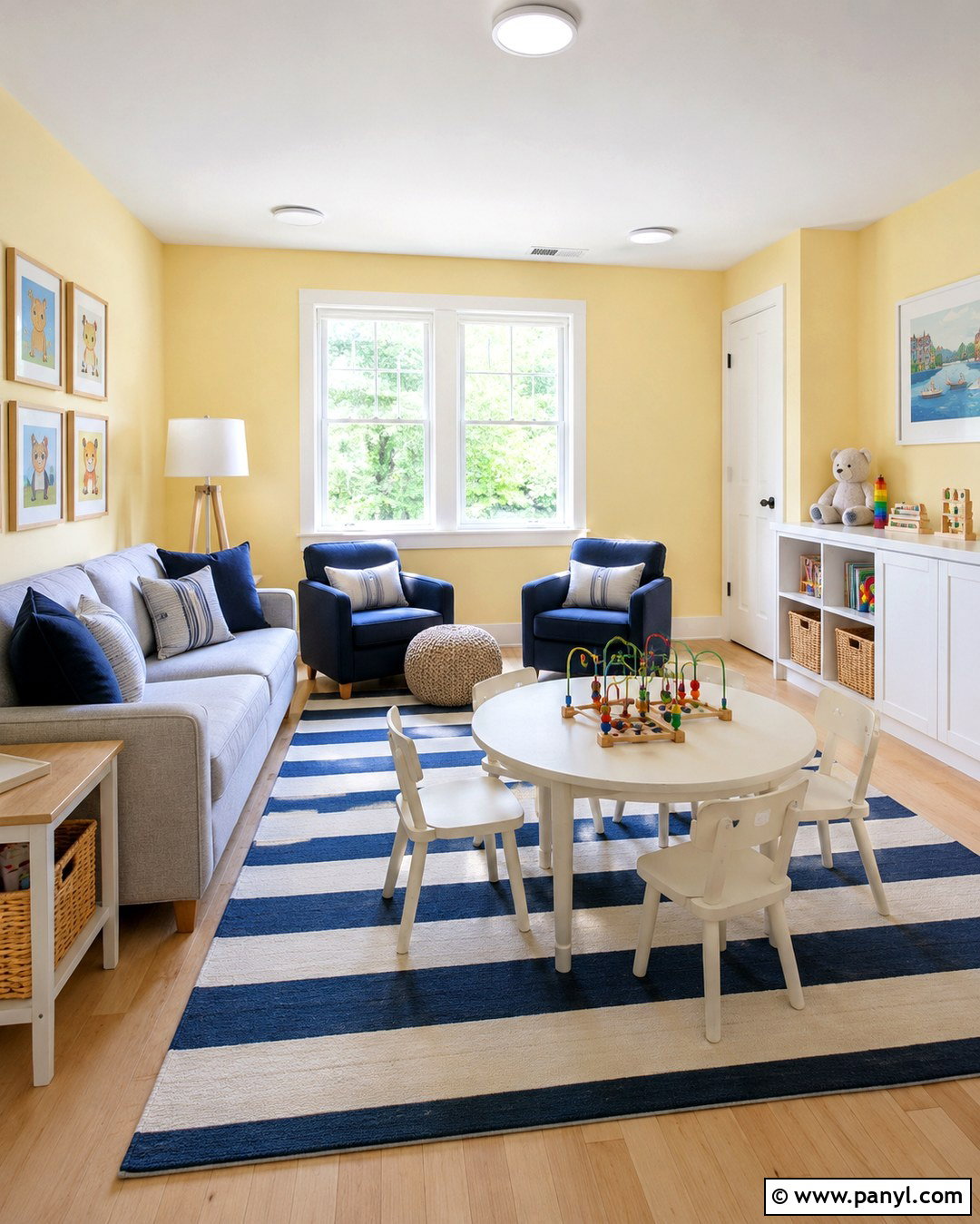
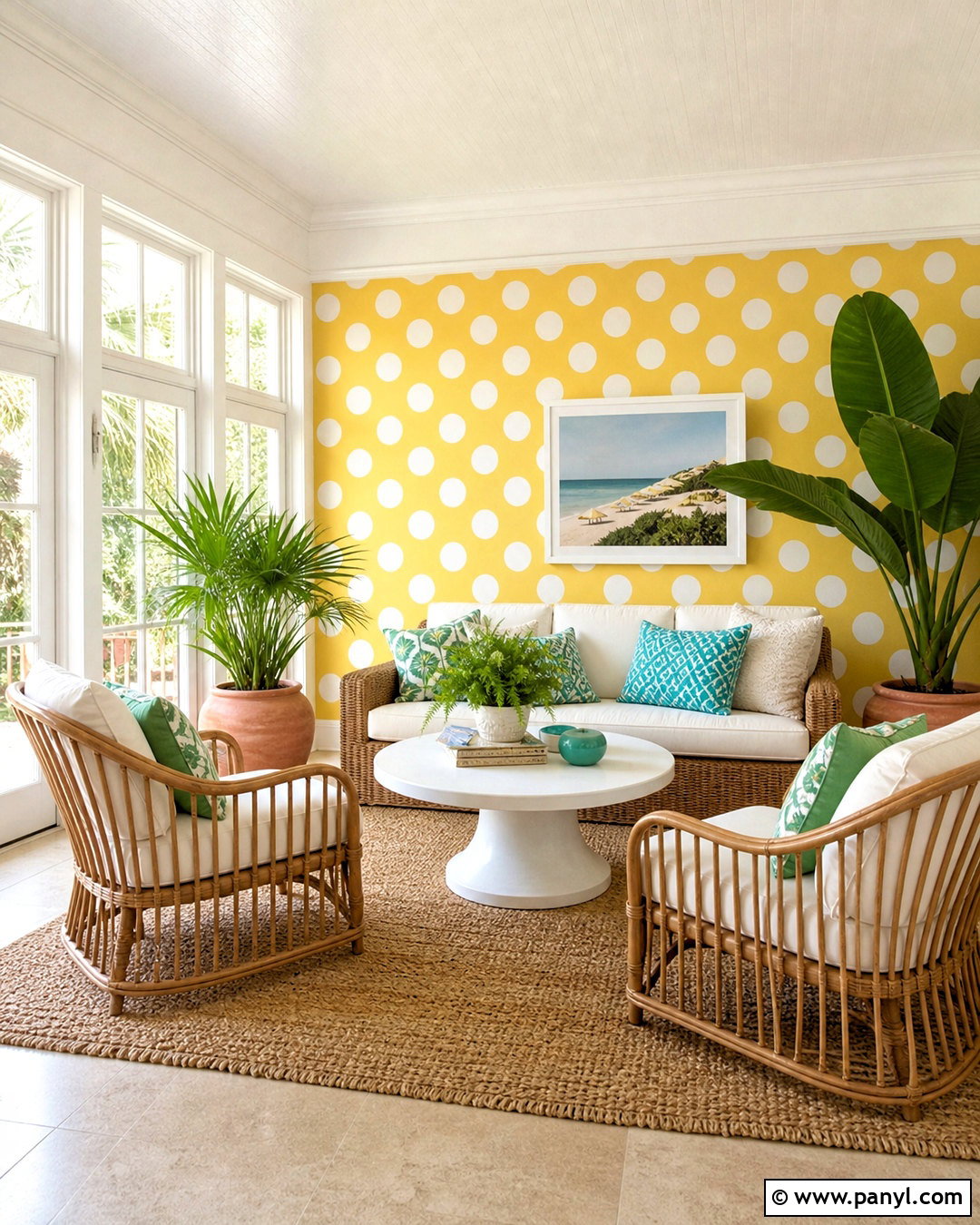
Butter yellow walls create a cheerful bonus room for children without relying on extremely bright primary colors. Choose a soft, creamy yellow that remains warm in both daylight and evening light. Pair it with white trim, pale maple flooring, and washable furniture in light gray or denim blue. Arrange a small sofa near the media area, then place a round activity table in the center with accessible storage cabinets along the wall. A blue-and-cream striped rug adds movement while grounding the open layout. Use woven baskets, colorful framed illustrations, and matte white ceiling lights to complete the room. The finished design feels sunny and playful, but its simple furniture and controlled palette can adapt as children grow and their activities change.
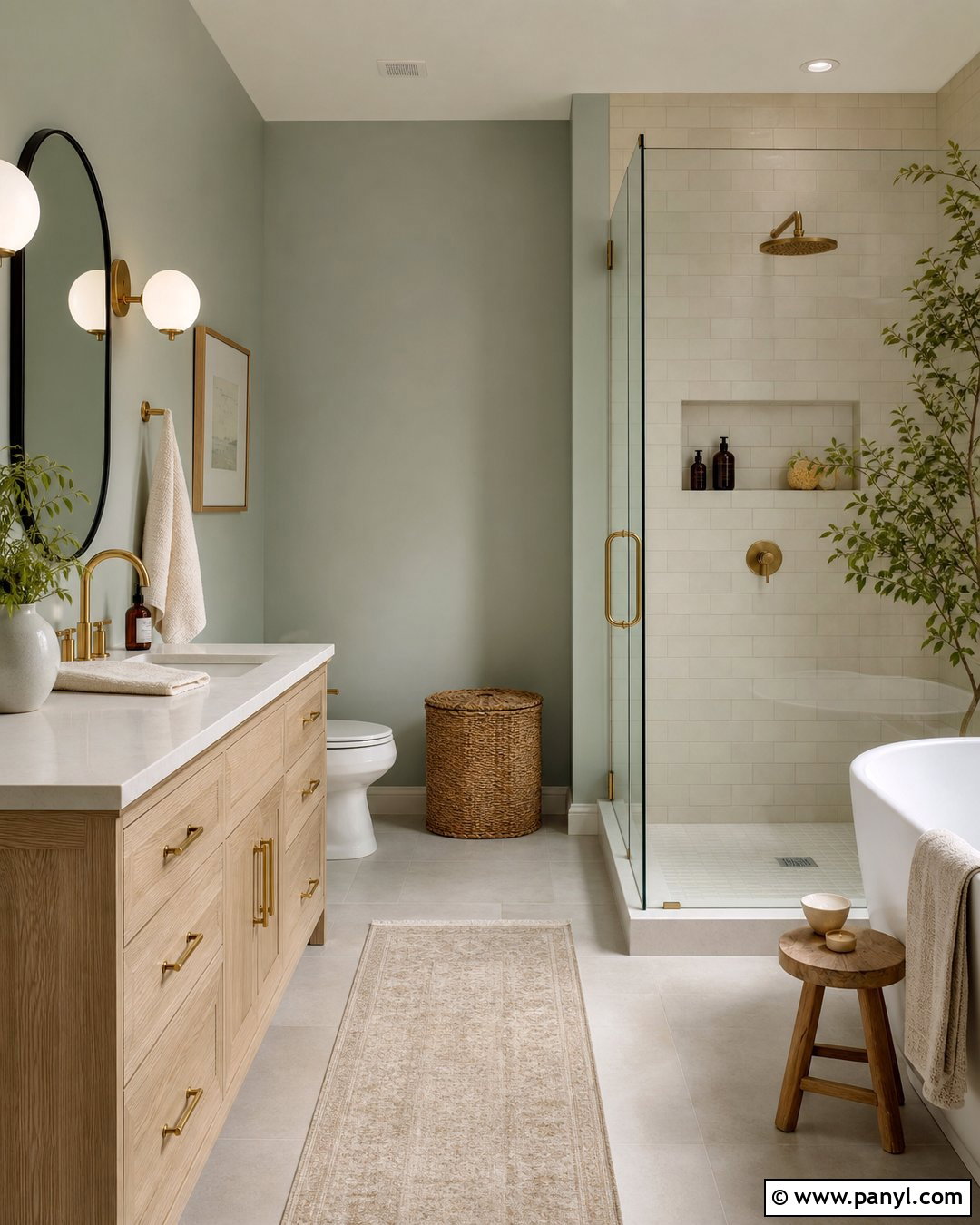
10. Charcoal Bonus Room Walls
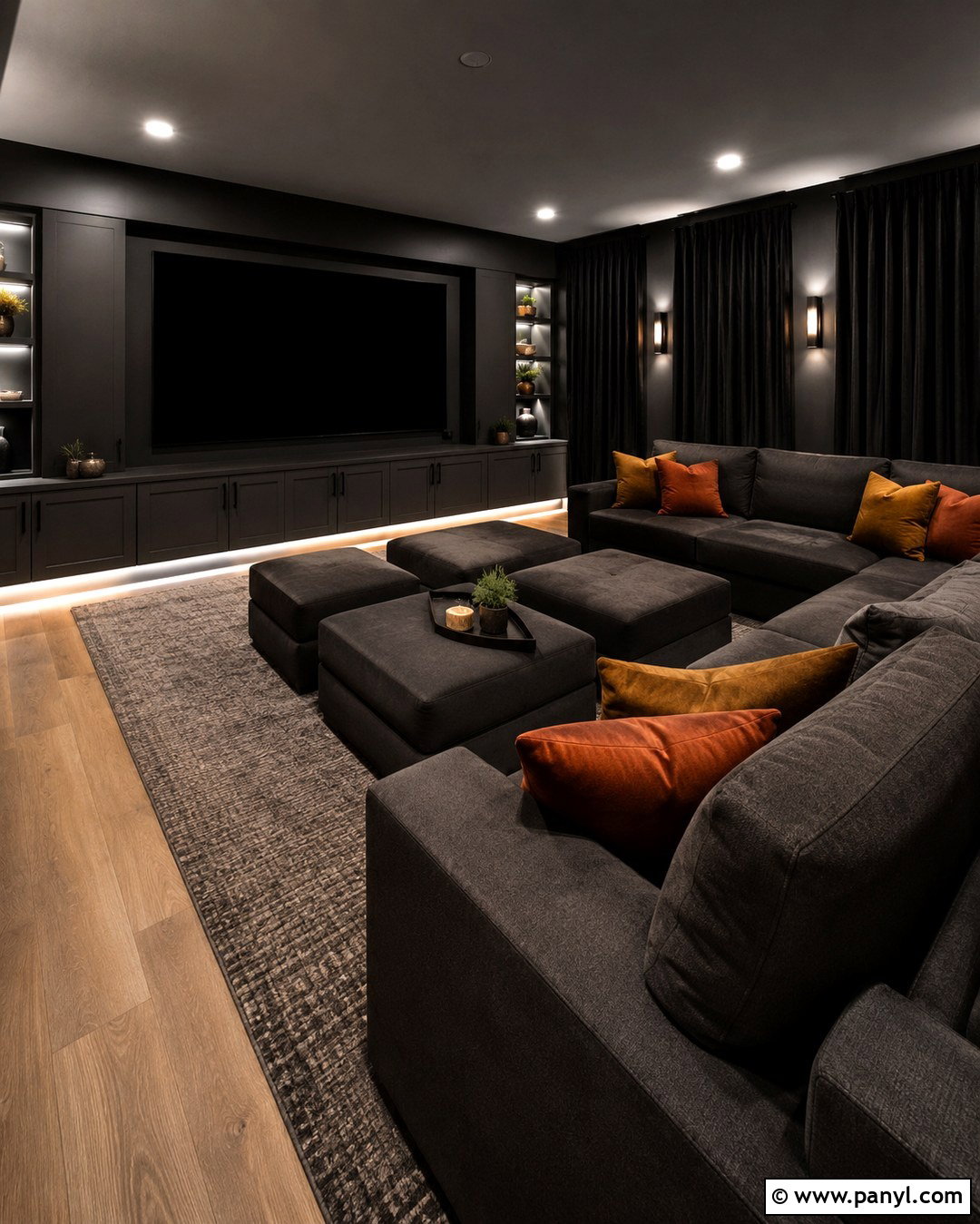
Charcoal walls transform an awkward bonus room into a focused home theater with fewer distracting visual contrasts. Paint the walls and built-in media cabinetry the same deep gray, while keeping the ceiling a slightly lighter charcoal. Position a large, comfortable sectional opposite the screen and add two movable ottomans for flexible seating. Medium-toned wood flooring and a textured taupe rug prevent the room from feeling cold. Use rust, camel, and cream pillows to bring warmth into the dark palette. Recessed ceiling lights, dimmable wall sconces, and concealed cabinet lighting provide layers of illumination. Blackout curtains improve the theater-like setting. The cohesive design feels intentional and comfortable, even when the room is used for casual daytime lounging.
11. Sky Blue Bonus Room Walls
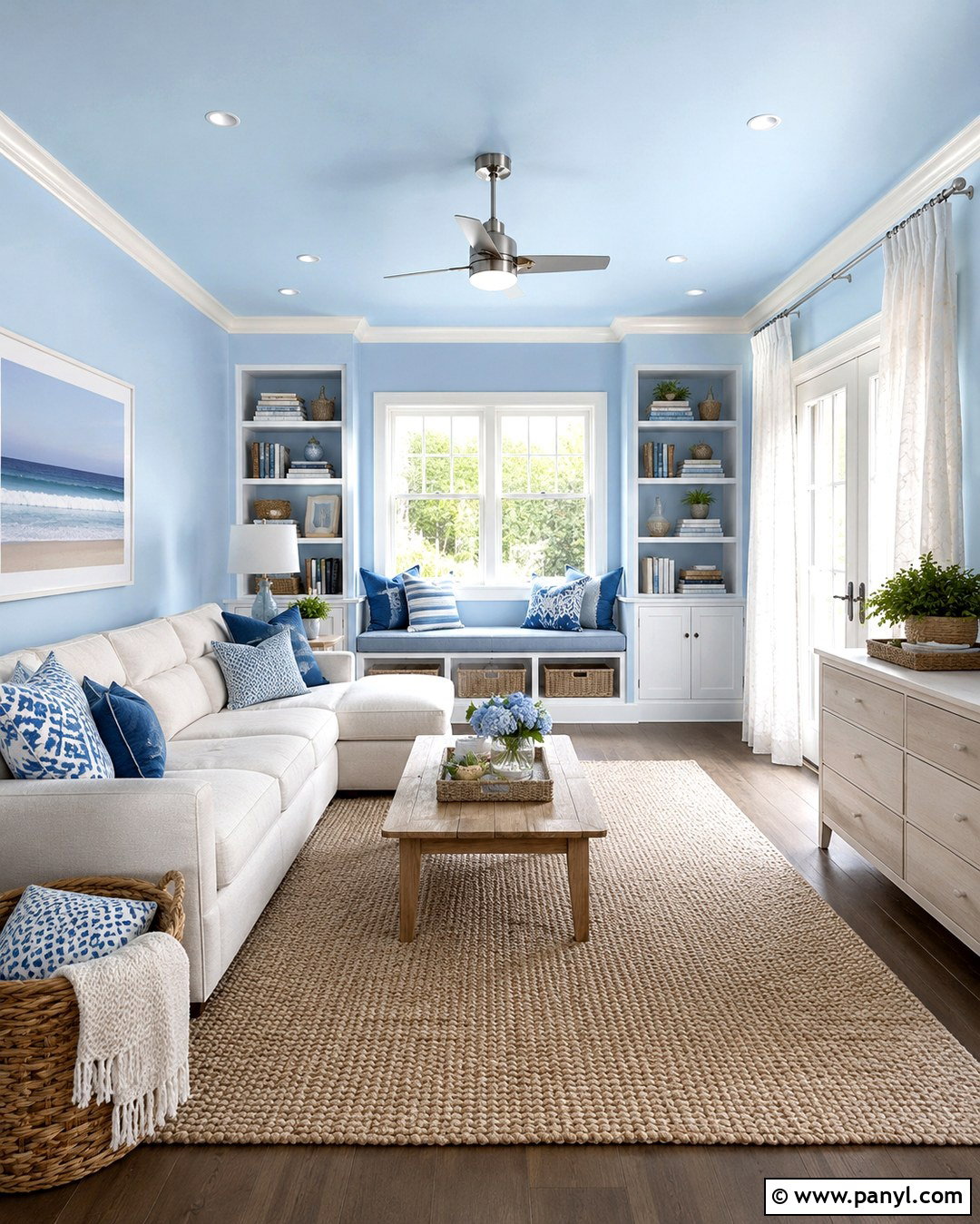
Sky blue walls bring an airy quality to a small bonus room with low or sloped ceilings. Continue the same pale blue across the ceiling to soften hard boundaries and create a more continuous appearance. Use clean white for the baseboards and window trim. A compact ivory sectional, light oak coffee table, and pale woven rug preserve the open feeling. Add a window seat with blue-and-white cushions, along with slim bookcases for games and reading materials. Natural textures such as rattan baskets and linen curtains keep the color from feeling childish. Finish with polished nickel lighting and understated artwork. This complete scheme works well for reading, conversation, television, and occasional guests while making limited square footage feel less confined.
12. Olive Green Bonus Room Walls
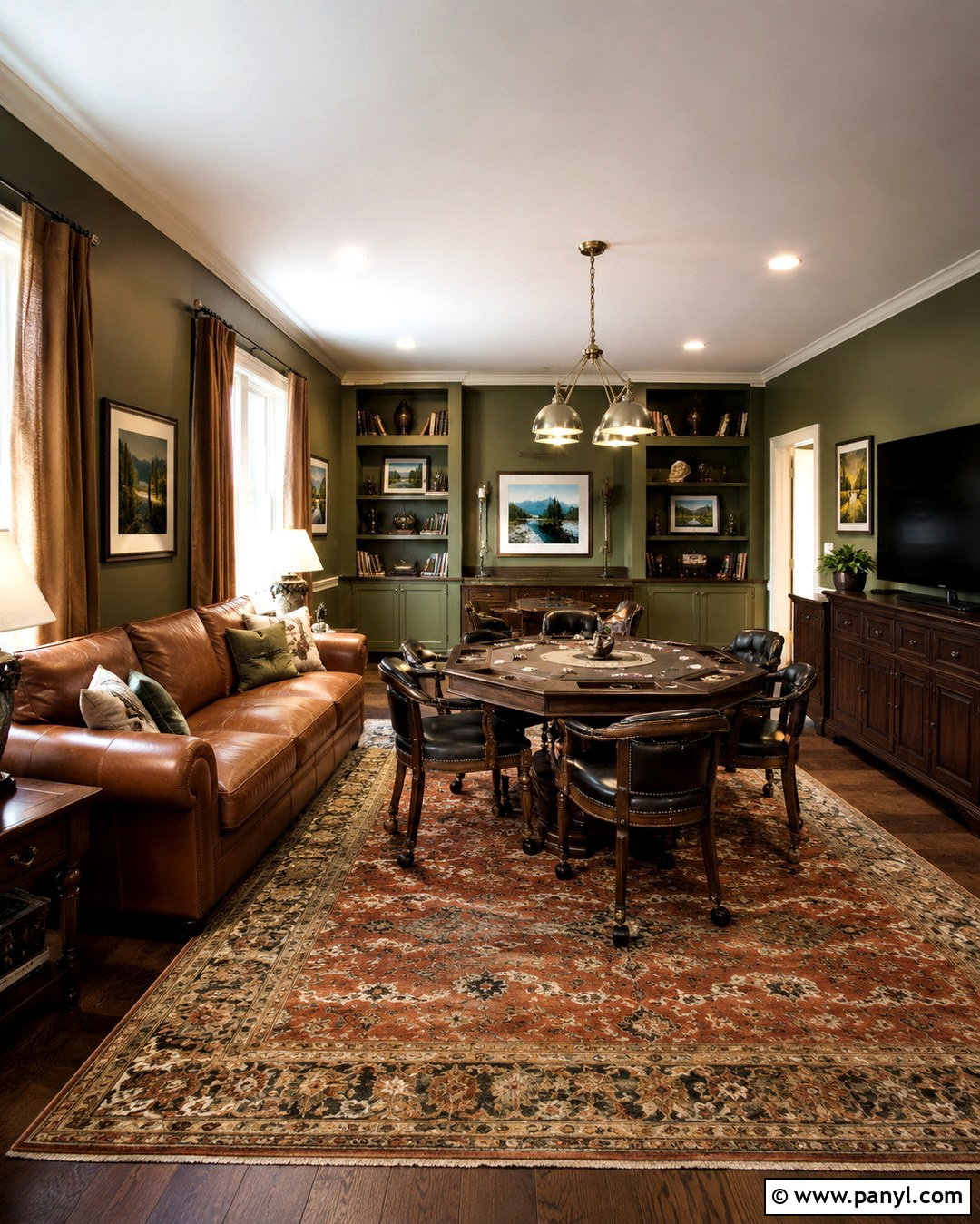
Olive green walls establish a grounded, comfortable atmosphere for a bonus room designed as a rec room. Choose a muted olive that contains enough gray to coordinate easily with neutral furniture. Pair it with creamy trim, medium walnut flooring, and a caramel leather sofa. Place a sturdy game table near the center and install a dark wood media console along the opposite wall. A vintage-style rug in olive, rust, beige, and navy connects the separate activity zones. Add warm brass lighting, tan curtains, and framed nature photography. Built-in shelves painted olive can hold books, games, and decorative objects without creating visual clutter. The finished room feels cozy and collected, with enough durability and flexibility for frequent family use.
13. Soft Lavender Bonus Room Walls
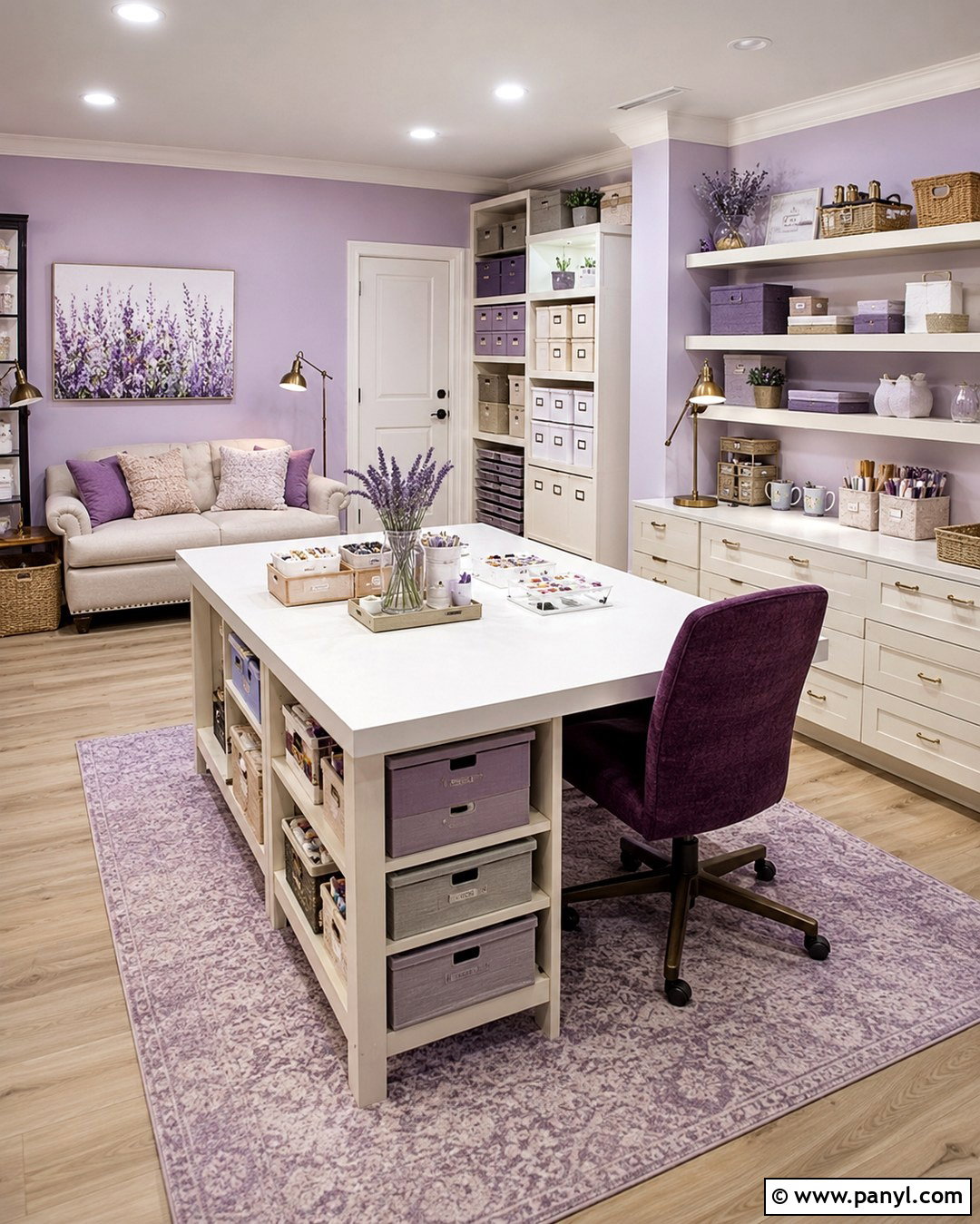
Soft lavender walls offer subtle personality in a bonus room used for sewing, crafts, or creative projects. Choose a dusty lavender with noticeable gray undertones, then pair it with bright white trim and pale wood flooring. Place a large white worktable in the middle so several projects can spread out comfortably. Along one wall, install closed cabinets and open shelves in warm white for organized storage. A small oatmeal loveseat creates a separate spot for planning or reading. Introduce deeper plum through a desk chair, rug pattern, and a few storage boxes. Brushed brass task lamps add warmth and polish. The overall room feels creative and colorful, but the muted palette keeps it orderly, comfortable, and easy on the eyes.
14. Creamy Beige Bonus Room Walls
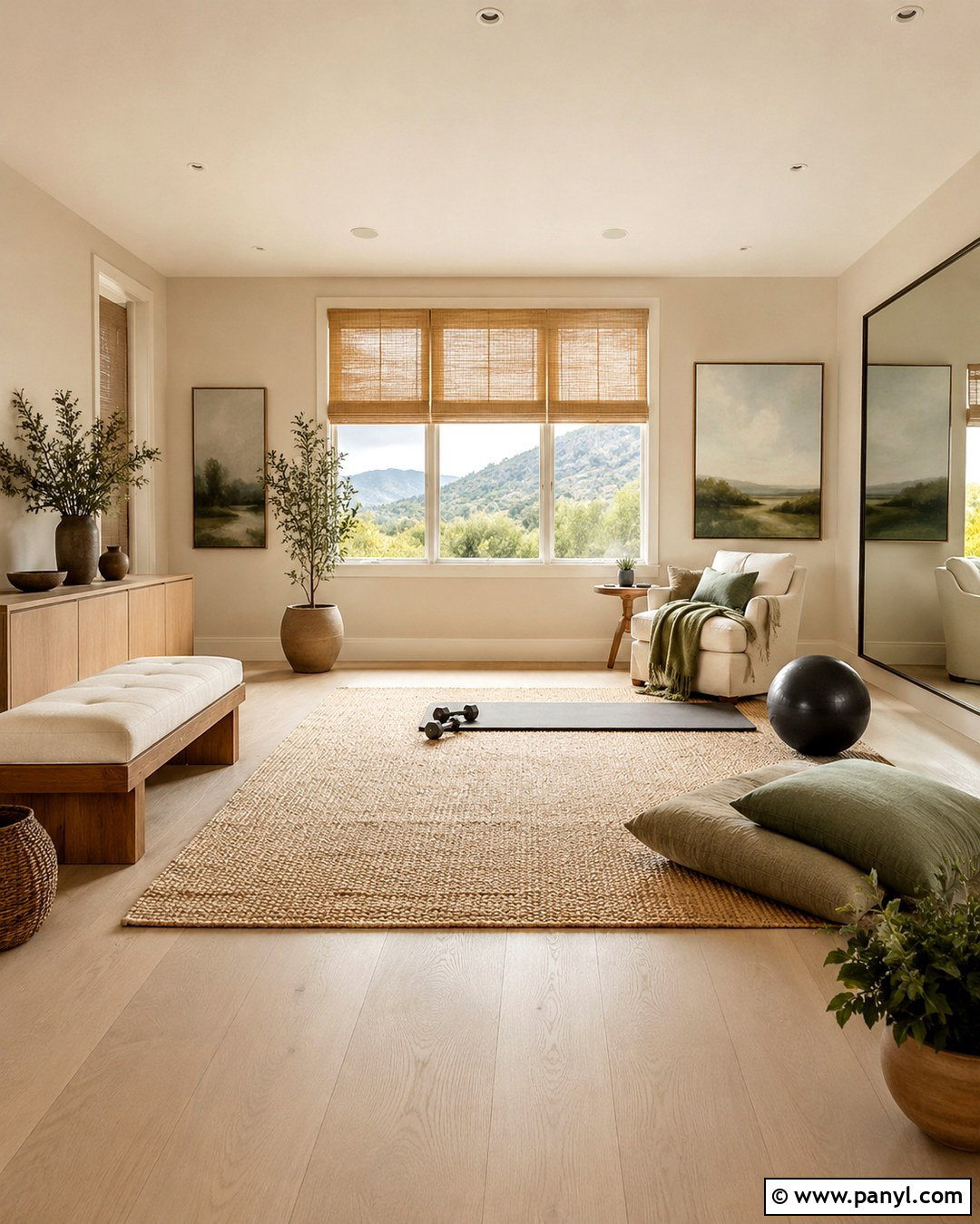
Creamy beige walls make an inviting background for a bonus room dedicated to stretching, exercise, and quiet relaxation. Use the same color on the walls and angled ceiling to create a smooth visual envelope. Pale oak flooring adds warmth, while a large natural-fiber rug defines a comfortable movement area. Place a streamlined storage cabinet along one side for equipment, towels, and floor cushions. A low upholstered bench and small reading chair make the room useful beyond workouts. Add soft green textiles, clay-colored pottery, and simple landscape artwork for restrained color. Woven shades diffuse daylight, while white ceiling fixtures provide clear evening illumination. The completed design is peaceful but practical, with open floor space and concealed storage supporting several low-key activities.
15. Clay Pink Bonus Room Walls
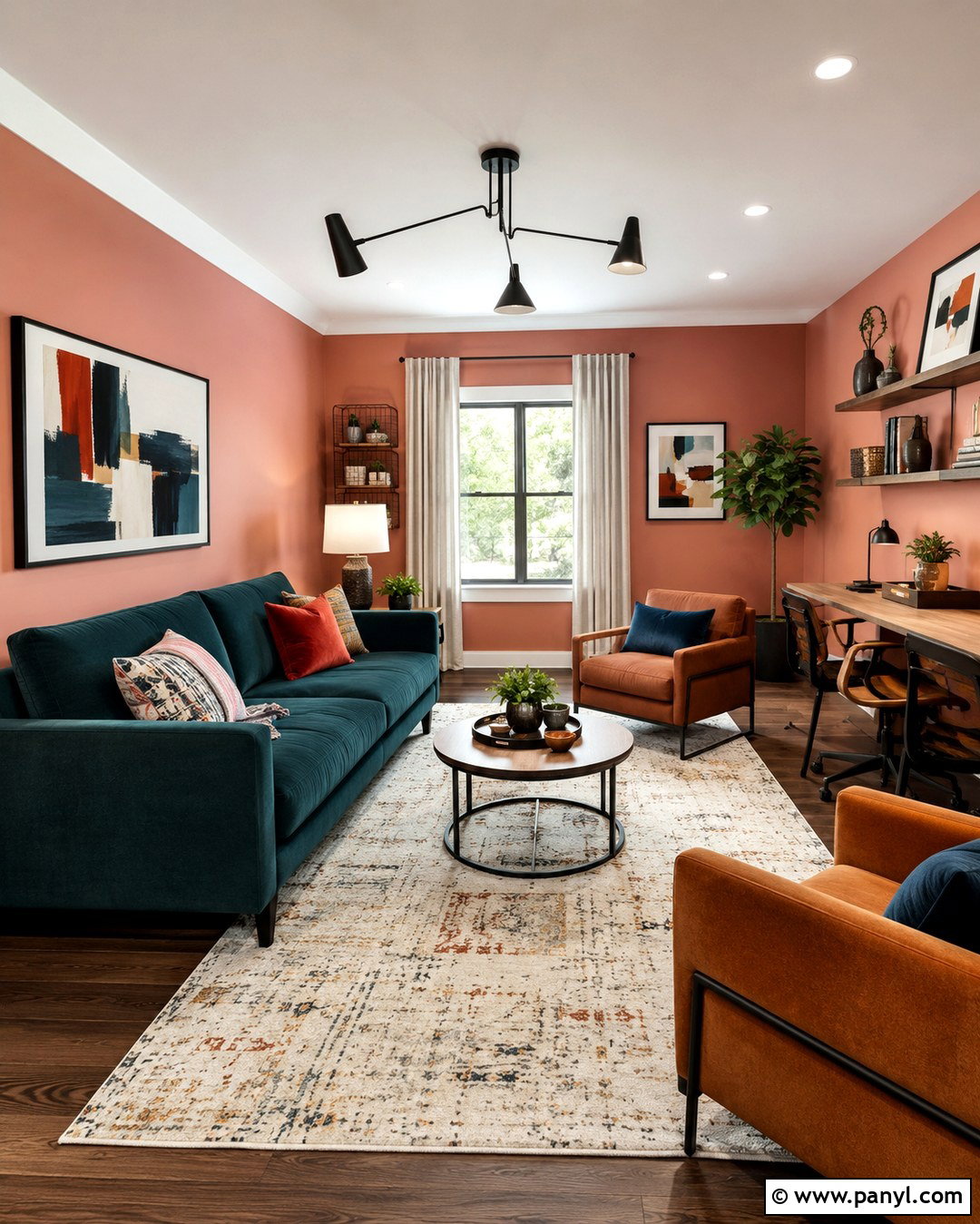
Clay pink walls give a teen bonus room warmth, character, and enough sophistication to last beyond a short-lived trend. Choose an earthy pink with terracotta undertones and balance it with off-white trim. Arrange a deep teal sofa opposite a simple media unit, then add two lightweight lounge chairs that can move for games or group conversations. A cream rug with rust and blue details connects the contrasting colors. Include a long oak desk with wall-mounted shelves for homework, art, or computer use. Black metal lighting prevents the palette from becoming too soft. Finish with graphic artwork, textured pillows, and natural linen curtains. The room feels youthful and expressive while maintaining a practical, well-planned layout.
16. Deep Teal Bonus Room Walls
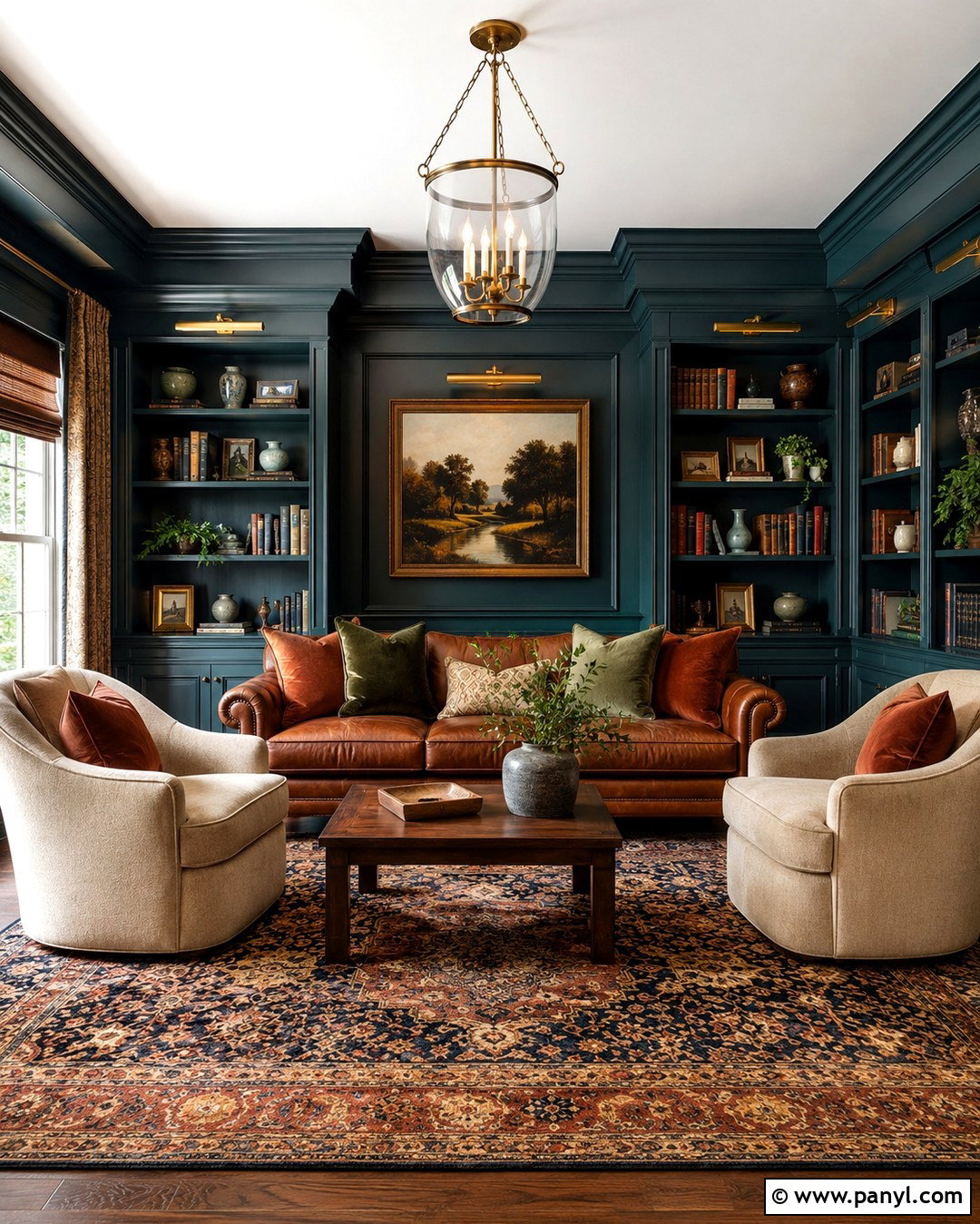
Deep teal walls create an immersive bonus room that functions as a library, listening space, and evening lounge. Apply the color to the walls, bookcases, and trim for a seamless color-drenched finish, but keep the ceiling warm white for relief. Place a cognac leather sofa between two tall bookcases and add a pair of oatmeal swivel chairs facing it. A walnut coffee table and richly patterned rug contribute warmth and traditional texture. Brass picture lights highlight books and framed artwork without introducing bulky fixtures. Use velvet pillows in rust, olive, and cream for layered color. The completed room feels dramatic but comfortable, with integrated storage and an intimate furniture arrangement that encourages reading, conversation, and relaxed entertainment.
17. Soft Gray Bonus Room Walls
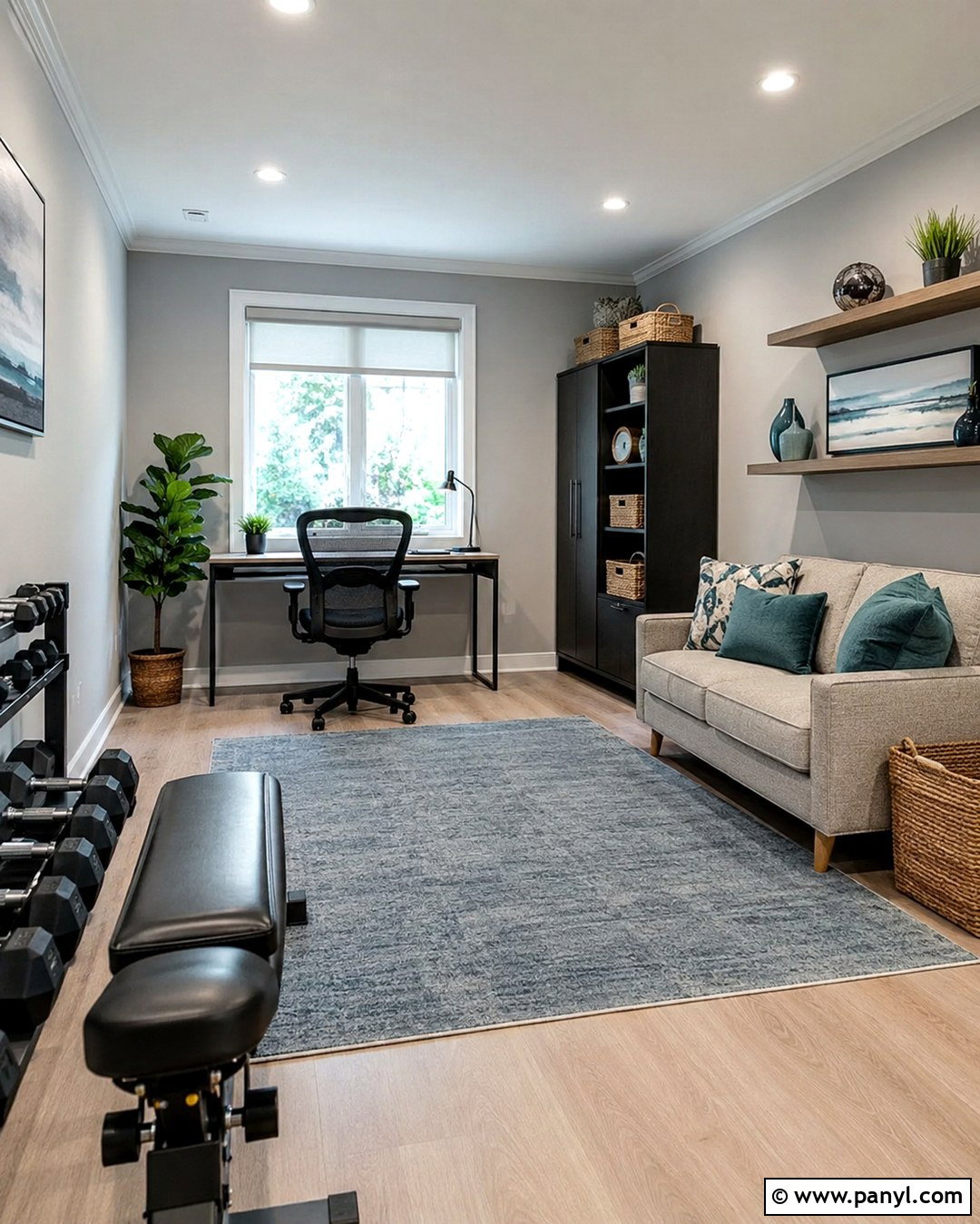
Soft gray walls support a clean, flexible bonus room that combines exercise equipment with a compact work area. Select a light gray with warm undertones so it does not appear blue under LED lighting. Pair the walls with white trim, pale oak flooring, and a charcoal storage cabinet. Keep the central floor open for movement, using a large muted blue rug to soften sound and define the activity zone. Position a slim desk beneath the window, accompanied by floating shelves and a comfortable black chair. Add a small gray loveseat along the opposite wall for breaks or reading. Blue-green accessories, natural baskets, and simple black lighting complete the palette. This practical room feels organized, bright, and intentionally multifunctional.
18. Mushroom Brown Bonus Room Walls
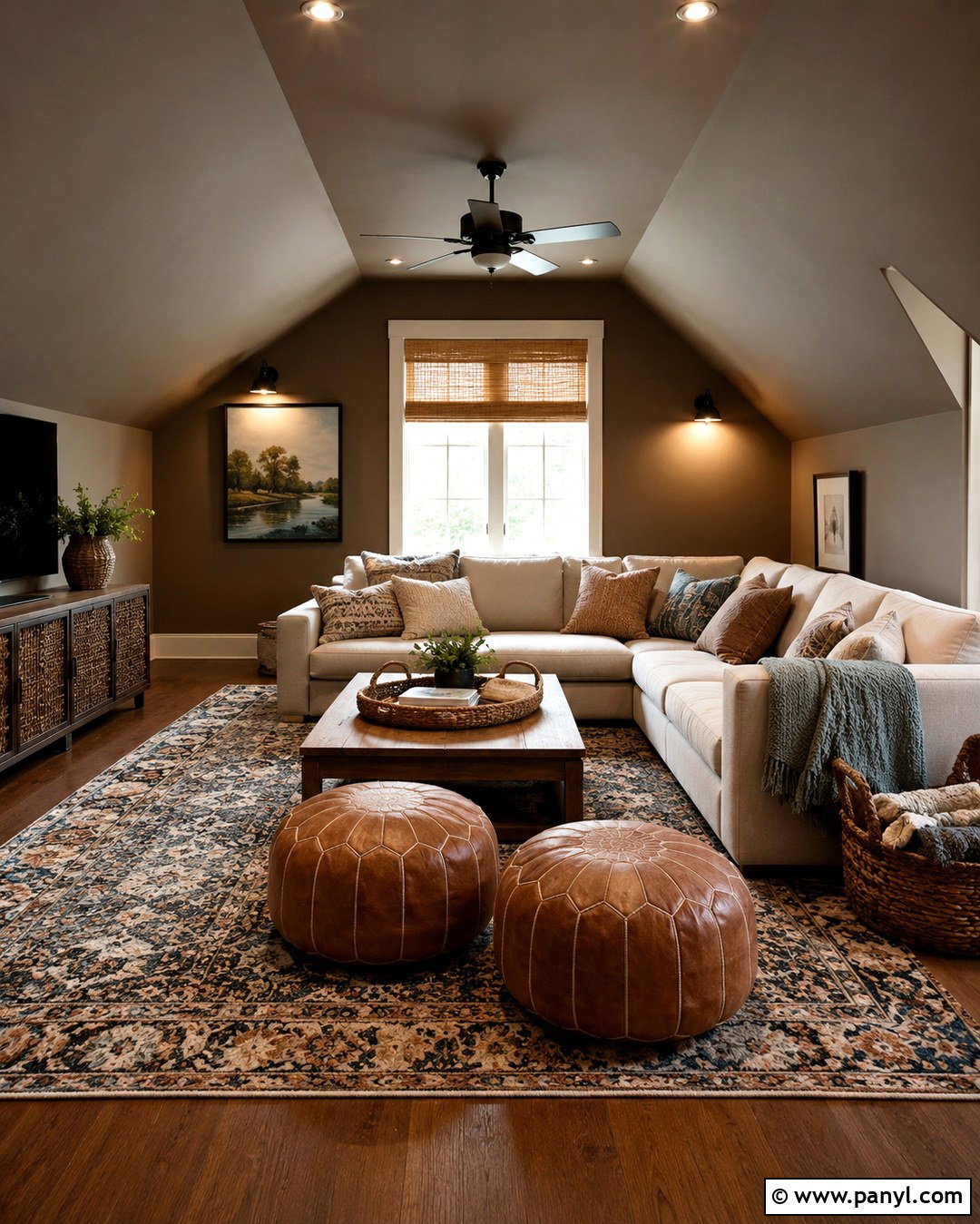
Mushroom brown walls bring warmth to an attic bonus room where sloped ceilings and small windows can make ordinary beige feel dull. Choose a light brown with gray undertones and continue it over the ceiling for a cocooning, unified effect. Cream-painted trim provides a soft outline around windows and doors. Position a low-profile oatmeal sectional beneath the slope, then add a walnut coffee table and cognac leather poufs. A patterned rug in brown, cream, and muted blue gives the seating area definition. Use wall-mounted lights where floor lamps would consume valuable space. Woven shades, landscape artwork, and textured throws complete the scheme. The finished room feels snug and polished without making the compact architecture seem cramped.
19. Aqua Blue Bonus Room Walls
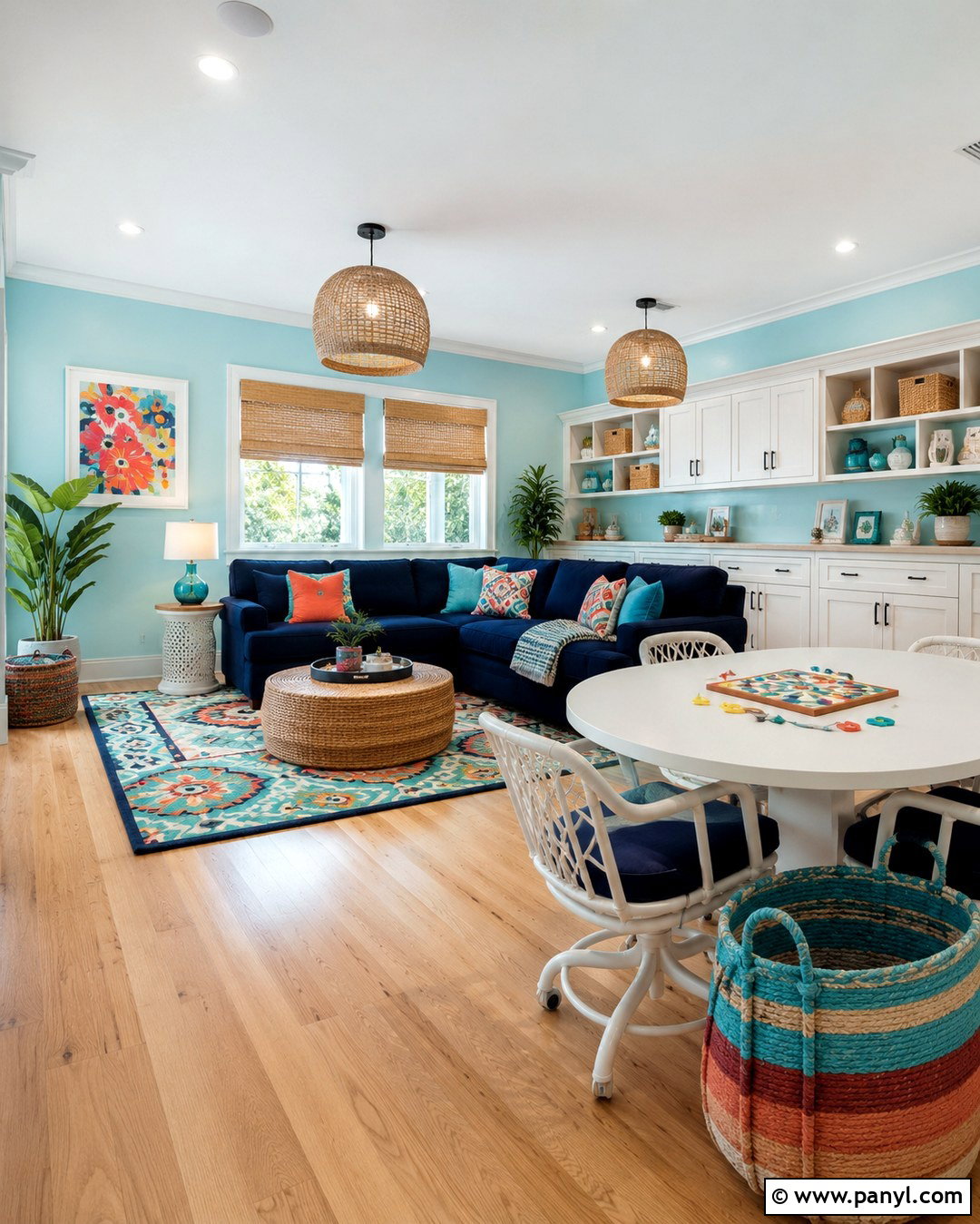
Aqua blue walls deliver upbeat color in a bonus room designed for games, crafts, and casual family time. Choose a softened aqua rather than a highly saturated turquoise, then ground it with white trim and natural maple flooring. Place a navy sectional along one wall and a round white game table near the windows. Closed storage cabinets in warm white keep supplies, toys, and electronics under control. Introduce coral through pillows, artwork, and a patterned rug for lively contrast. Rattan pendants and woven baskets add natural texture, while simple roller shades preserve a clean appearance. This complete design feels energetic without becoming chaotic. It works particularly well when the room needs to appeal to both children and adults.
20. Two-Tone Green Bonus Room Walls
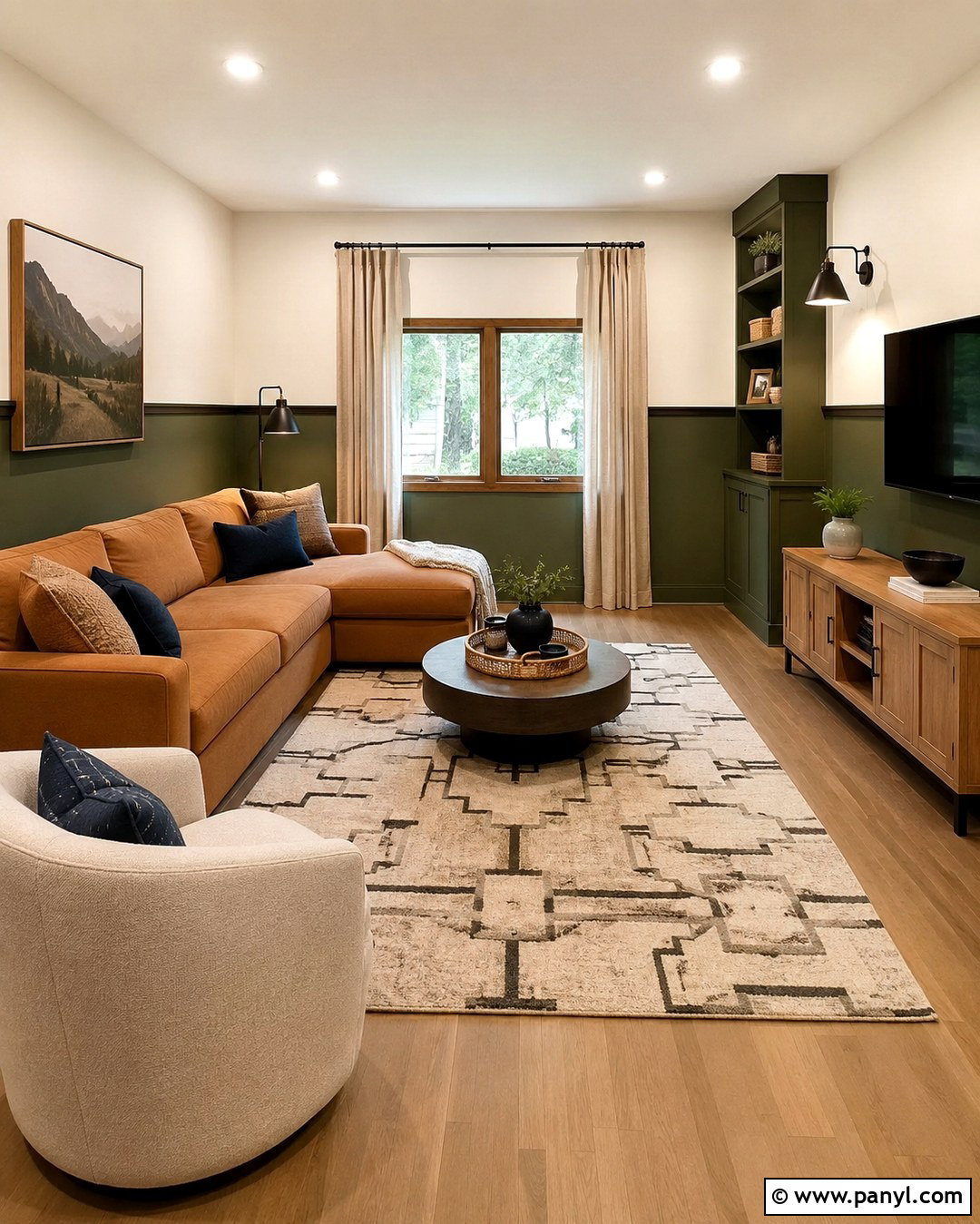
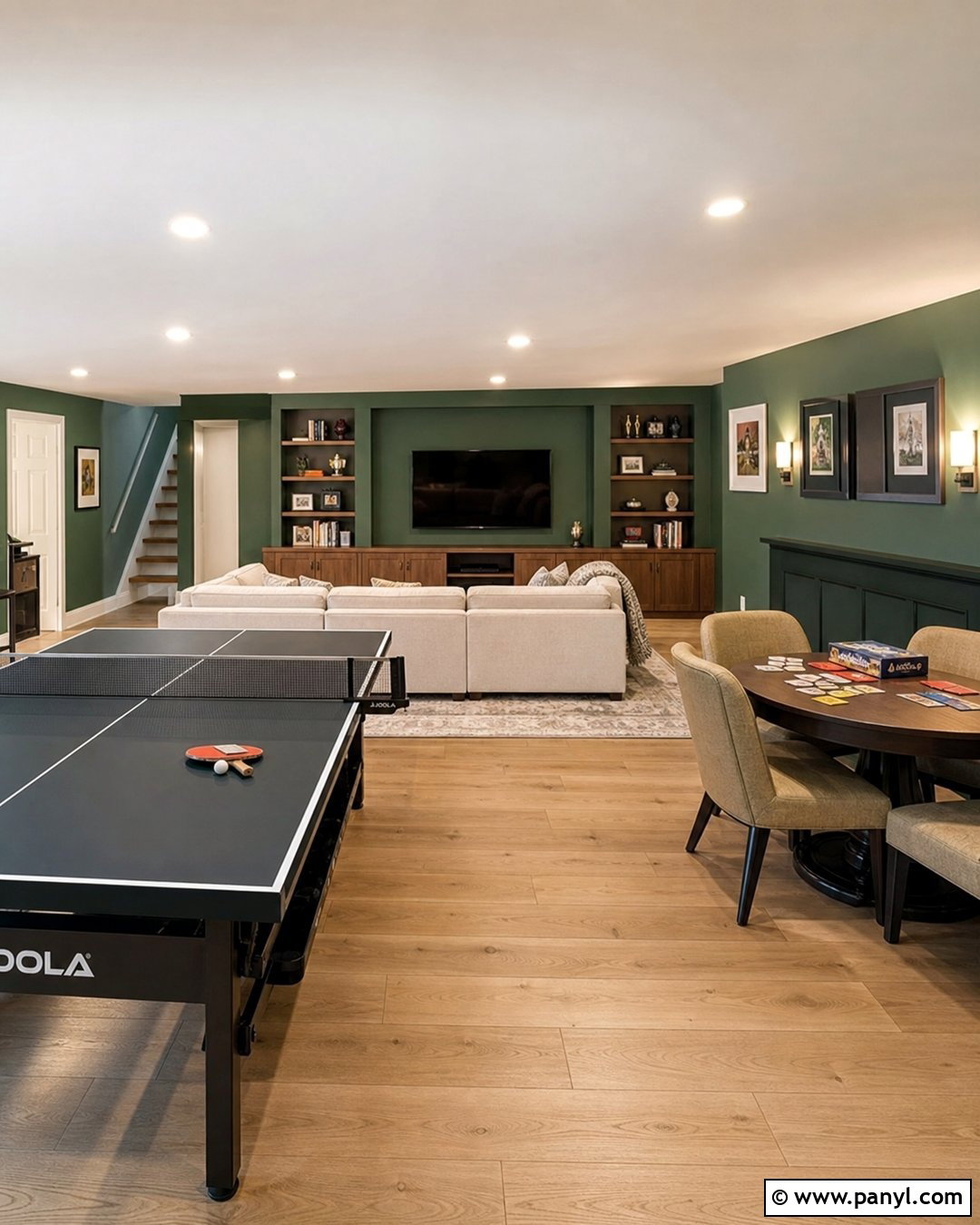
Two-tone walls add architectural interest to a plain bonus room without requiring elaborate molding. Paint the lower portion a medium moss green and the upper portion a warm off-white, separating them with a narrow painted chair rail. Use the green again on built-in cabinets to strengthen the lower half of the room. A camel sectional, cream swivel chair, and medium oak media console create a balanced family lounge. Add a large geometric rug containing green, tan, navy, and ivory. Linen curtains soften the windows, while black metal lamps bring crisp contrast. Display simple artwork above the dividing line to draw the eye upward. The completed room feels structured, colorful, and suitable for movies, games, reading, and everyday relaxation.
Conclusion:
Choosing a bonus room color is easier when you consider the entire space instead of focusing on a paint chip alone. Look at the room’s lighting, ceiling height, flooring, furniture, and primary activities before making a decision. Warm whites, greige, taupe, and soft gray provide flexible foundations, while navy, teal, olive, and charcoal create more intimate settings. Muted pink, yellow, lavender, and aqua can introduce personality without overwhelming the room. Always test paint on several walls and view it throughout the day. Then coordinate the chosen shade with practical storage, comfortable furniture, layered lighting, and durable textiles. These **20 Bonus Room Wall Color Ideas** can help turn unused square footage into a cohesive and genuinely useful room.

Related Ideas and Inspiration:
Leave a Reply