
Beige color palette ideas have moved far beyond flat tan walls and matching furniture. Today’s best beige interiors combine warm neutrals with natural wood, expressive accents, varied textures, and carefully balanced contrast. Richer, layered neutrals are especially relevant in 2026, with designers favoring rooms that feel comfortable, grounded, and lived in rather than stark or overly coordinated. () The key is choosing a beige undertone that works with the room’s light and repeating each supporting color in several places. Paint should connect naturally with upholstery, flooring, metal finishes, and decor. Whether you prefer quiet minimalism, earthy warmth, coastal freshness, or bold contrast, these complete beige color palette ideas offer an approachable starting point for every taste.

1. Beige And Cream Color Palette
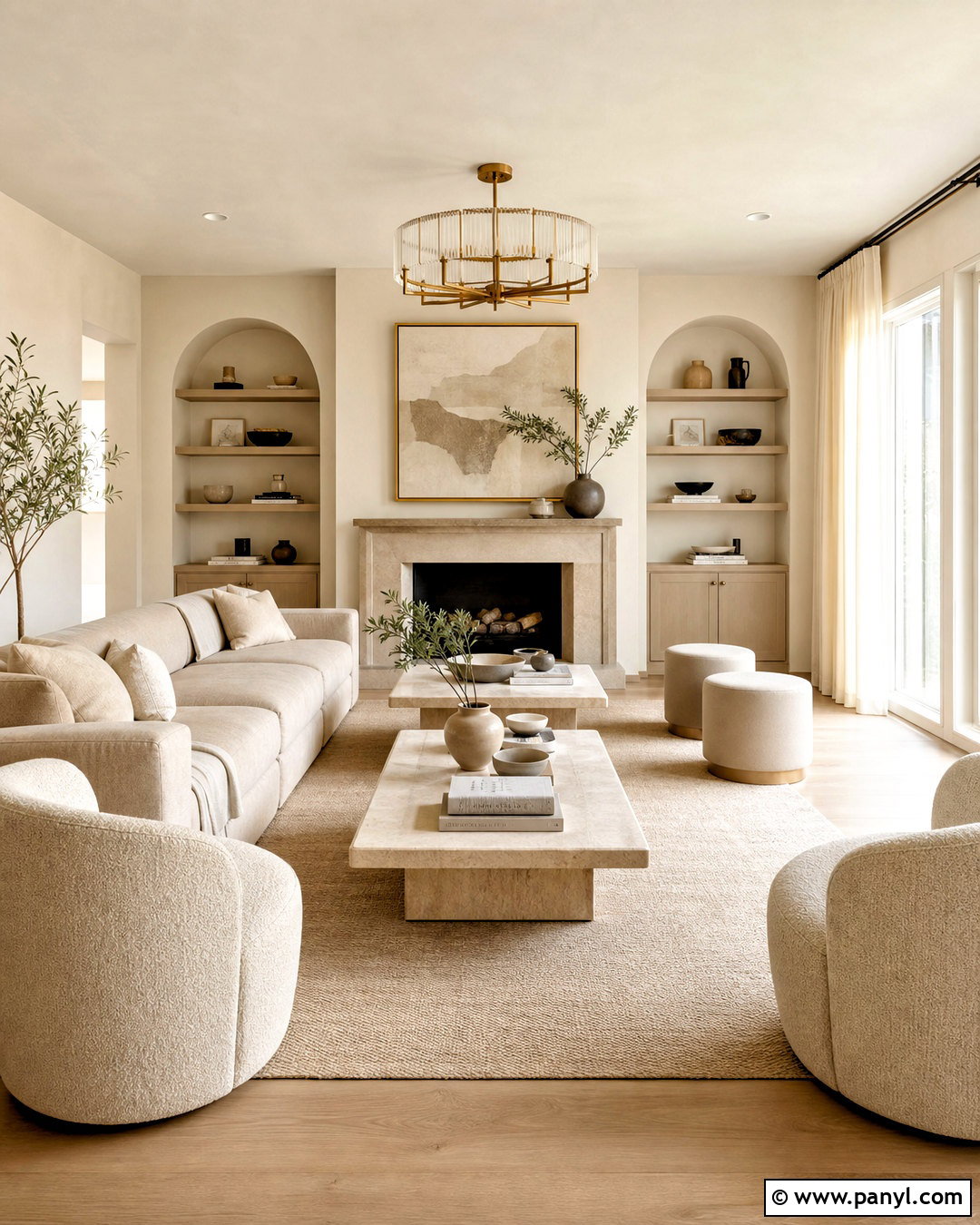
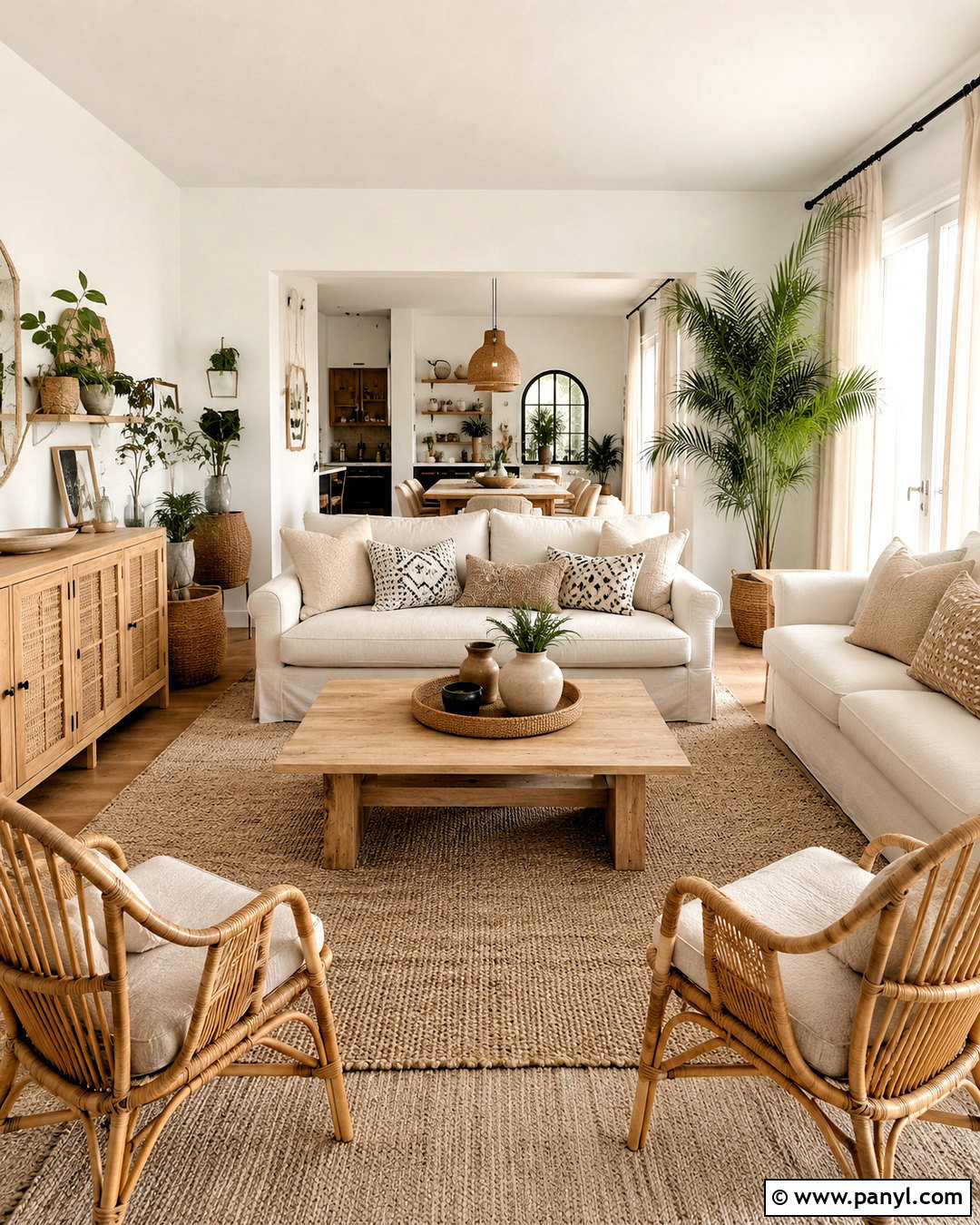
A beige and cream palette creates a soft, welcoming living room without looking plain. Start with light oatmeal-beige walls and a slightly deeper beige sectional. Add cream boucle chairs, ivory linen curtains, and an off-white wool rug to build subtle layers. Pale oak flooring and a travertine coffee table bring natural movement into the neutral scheme. Use small amounts of warm taupe through pillows, ceramics, and framed artwork so the light colors do not blend together. Brushed brass lighting adds gentle warmth without becoming too glamorous. Keep the ceiling and trim creamy white rather than bright white, which can feel harsh beside warm beige. This complete palette works especially well in rooms with filtered natural light and simple contemporary furniture.
2. Beige And White Color Palette
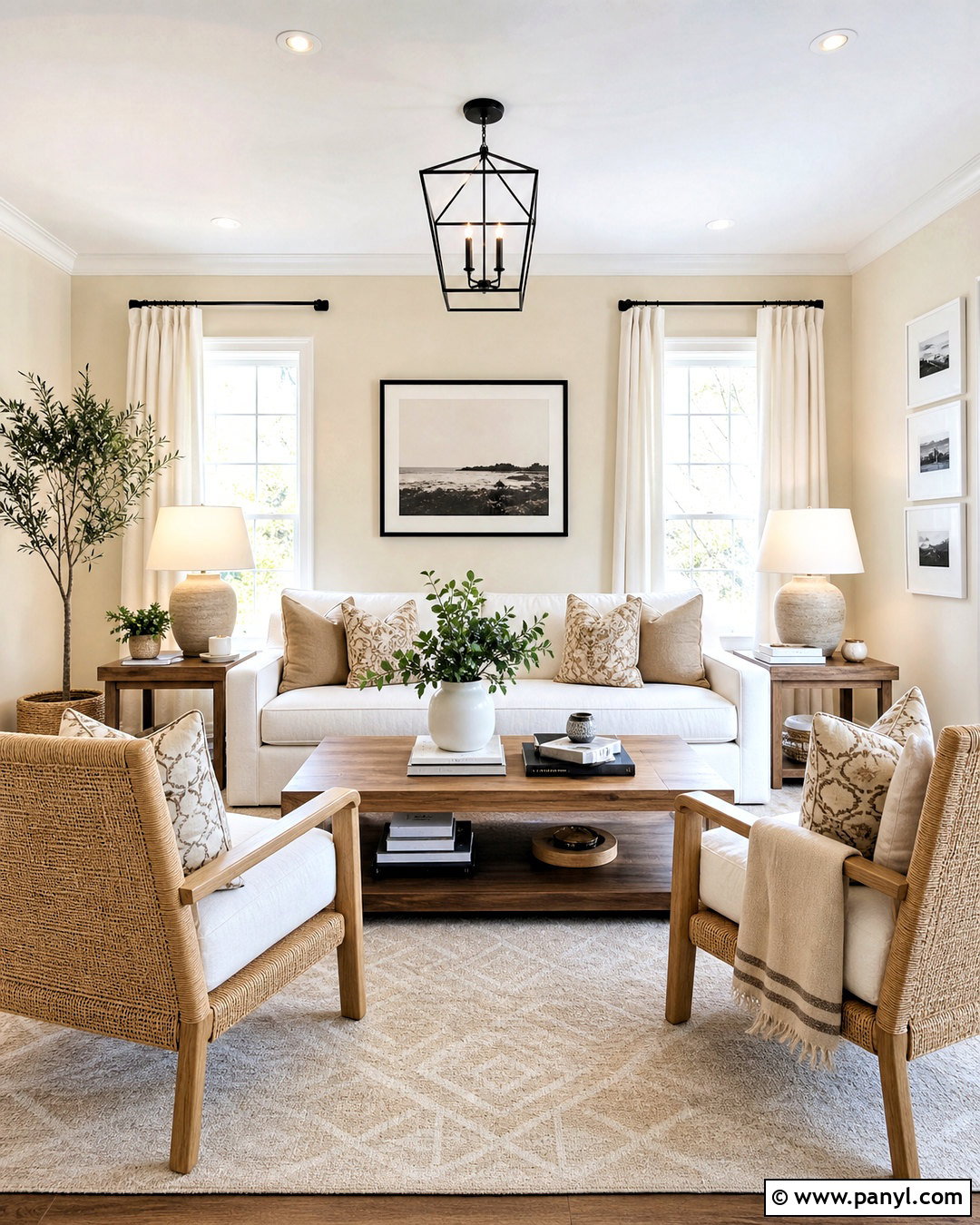
Crisp white can give a beige room cleaner lines and a brighter overall appearance. Use warm beige on the walls, then paint the ceiling, window frames, doors, and baseboards a soft neutral white. Anchor the living room with a structured white sofa and two beige woven chairs. A medium-tone oak coffee table prevents the combination from feeling cold, while a beige and white patterned rug connects the furniture. Repeat white through ceramic lamps, books, and lightweight curtains. Matte black picture frames can provide a controlled amount of definition. Choose washable fabrics and slipcovers if the room is used daily. The finished space should feel fresh but still comfortable, with beige providing warmth and white creating visual breathing room around each major piece.
3. Beige And Black Color Palette
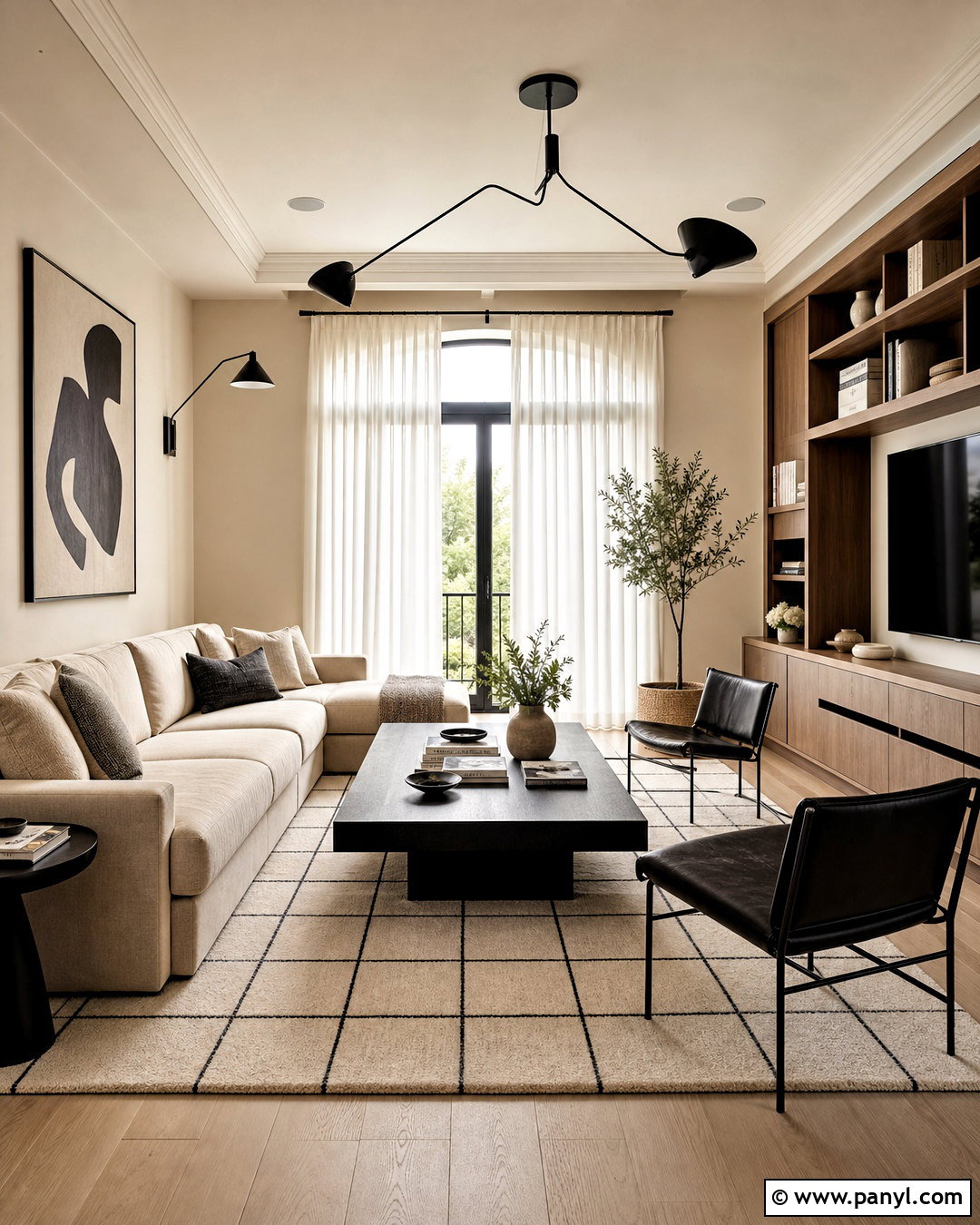
Strong black accents transform beige into a sharp, modern palette. Cover the walls in a balanced sandy beige, then add a low-profile beige sofa with clean lines. Use black for a metal coffee table, slim floor lamp, curtain rod, and a pair of sculptural side chairs. A cream rug with a simple black grid can unite the contrasting colors without overwhelming the room. Warm walnut cabinetry or shelving helps soften the transition between pale beige and dark black. Keep window treatments light and understated so the space remains open. Instead of scattering many small black accessories, choose several substantial pieces that look intentional. The result is a sophisticated beige interior with clear structure, practical comfort, and enough contrast to make architectural details stand out.
4. Beige And Sage Green Color Palette
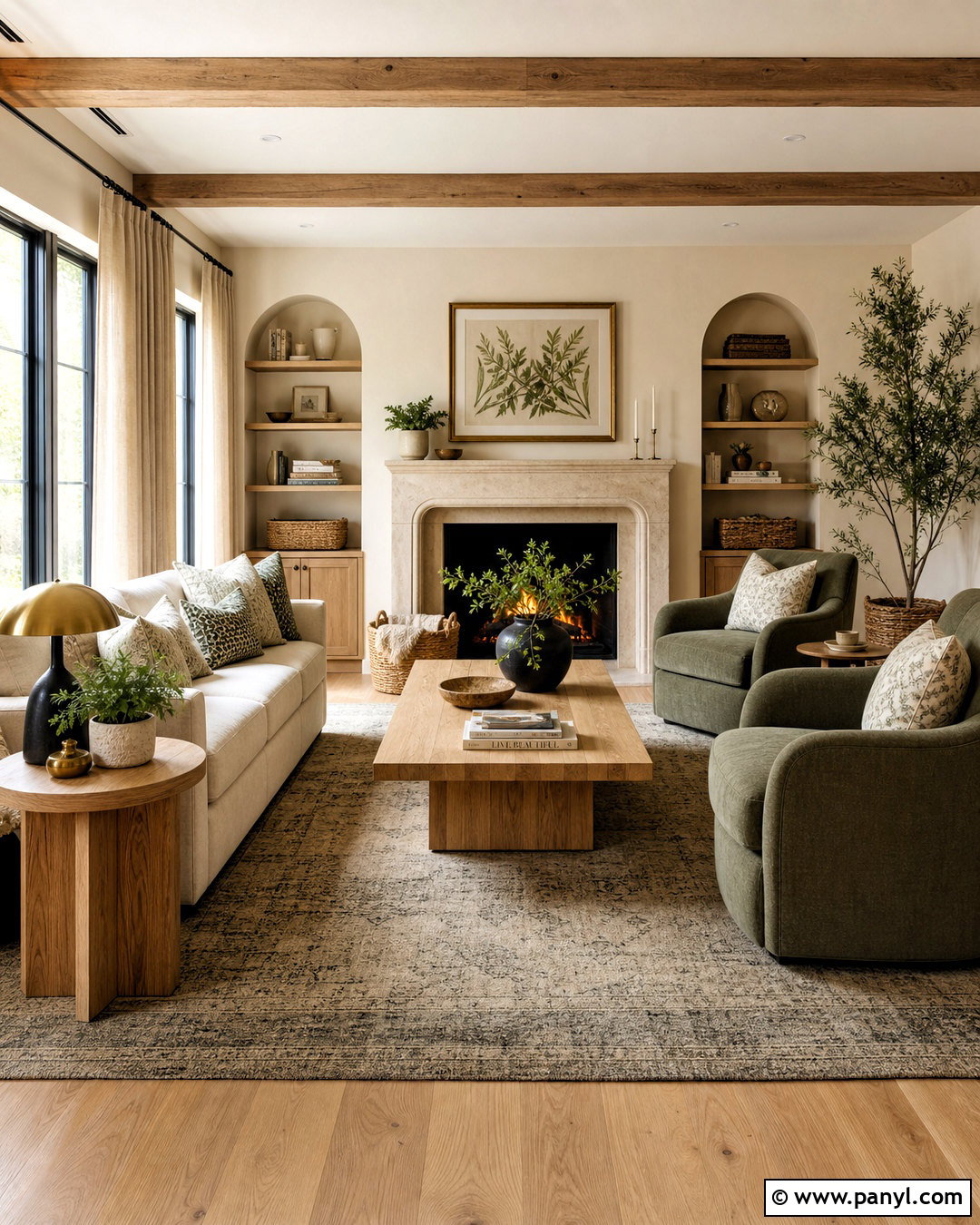
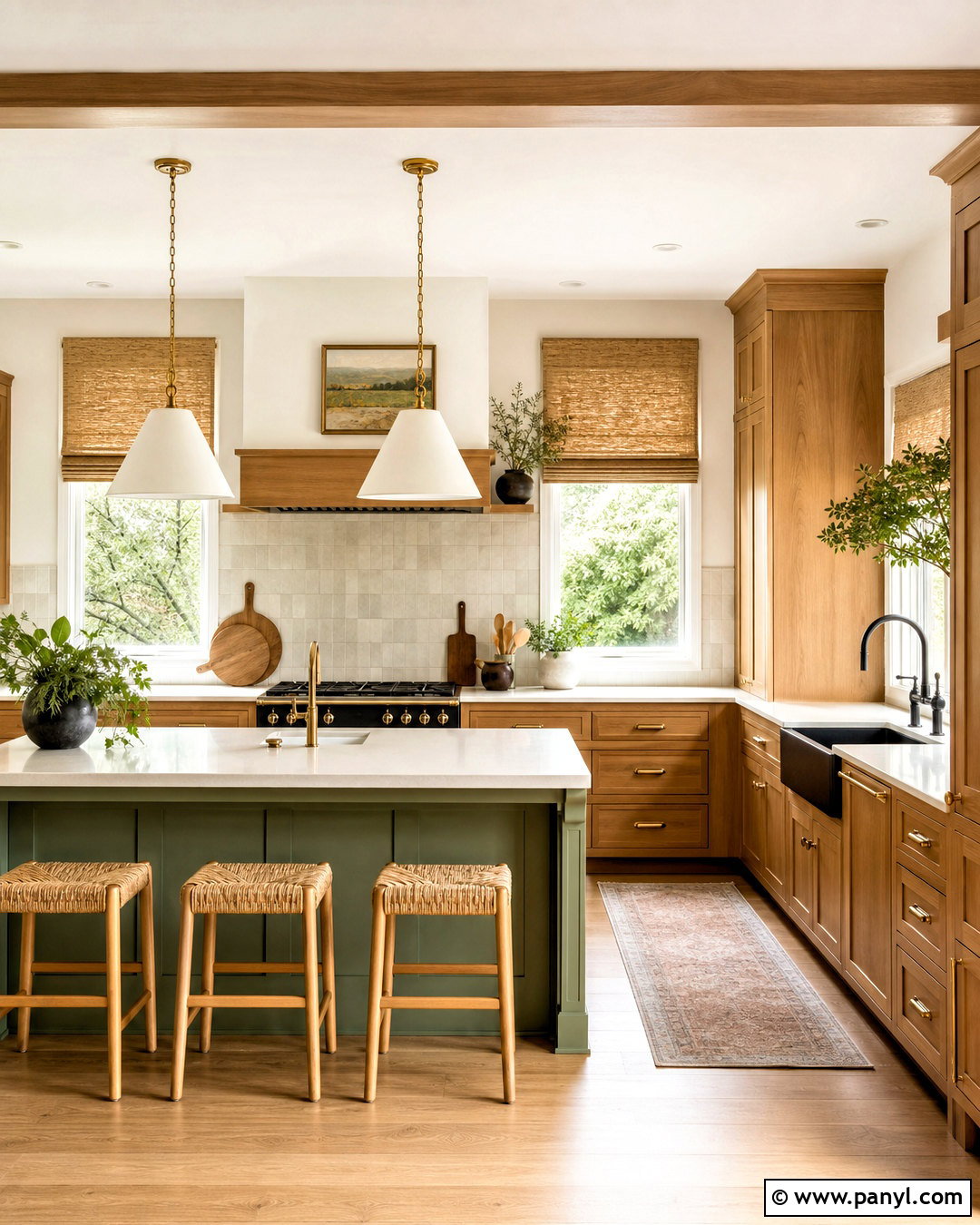
Would you like a beige room that feels peaceful but not colorless? Pair warm linen-beige walls with muted sage green upholstery and natural oak furniture. A cream sofa can serve as the main neutral piece, while two sage armchairs create a calm focal point. Bring both colors together with a patterned wool rug containing beige, ivory, and soft green. Add flax curtains, woven baskets, aged brass lamps, and botanical artwork with restrained green tones. Houseplants can reinforce the palette, but they should complement rather than dominate the design. Choose warm white for the ceiling and trim. This combination works beautifully in a relaxed family room because beige keeps it flexible, while sage provides gentle color and an easy connection to natural materials.
5. Beige And Olive Green Color Palette
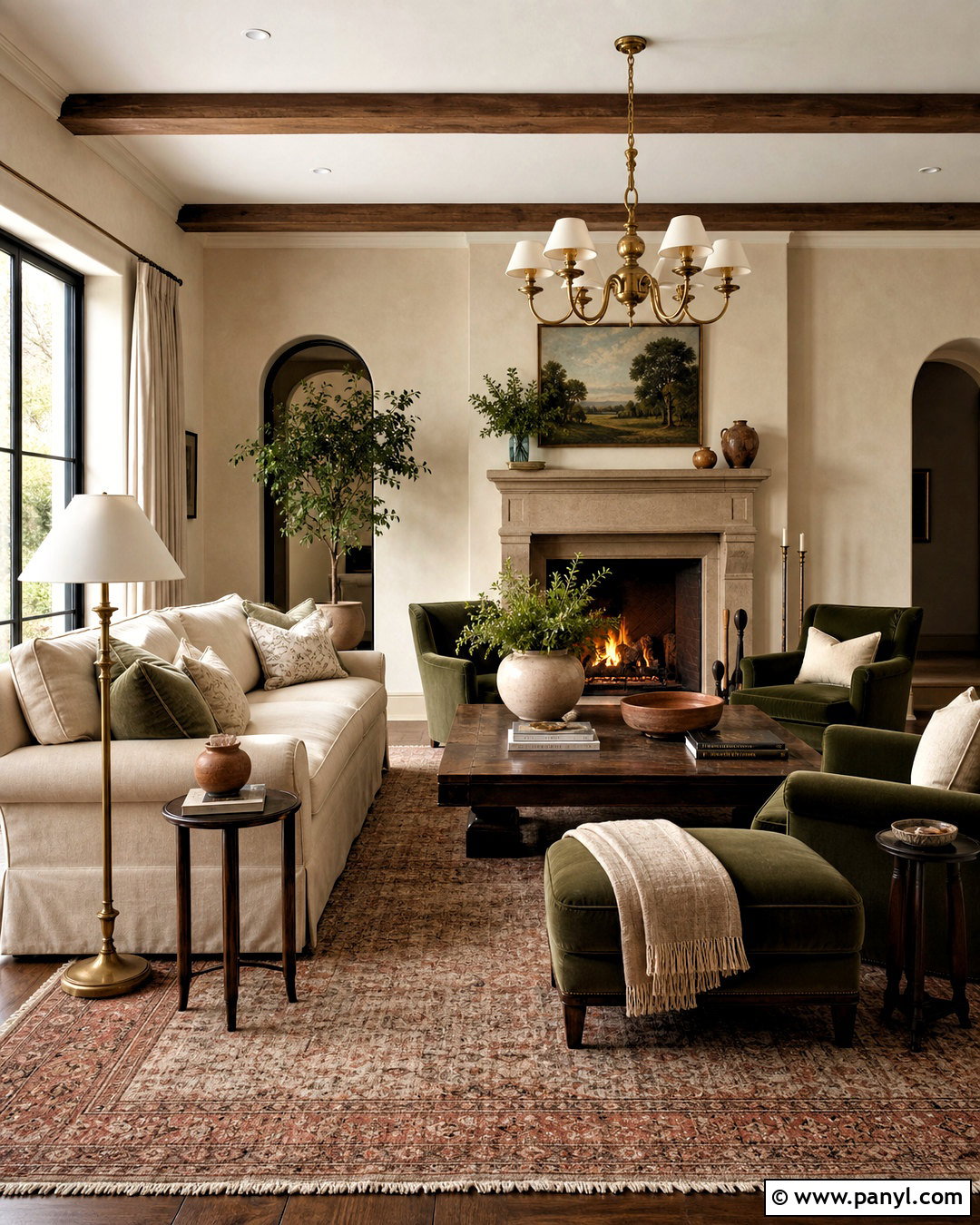
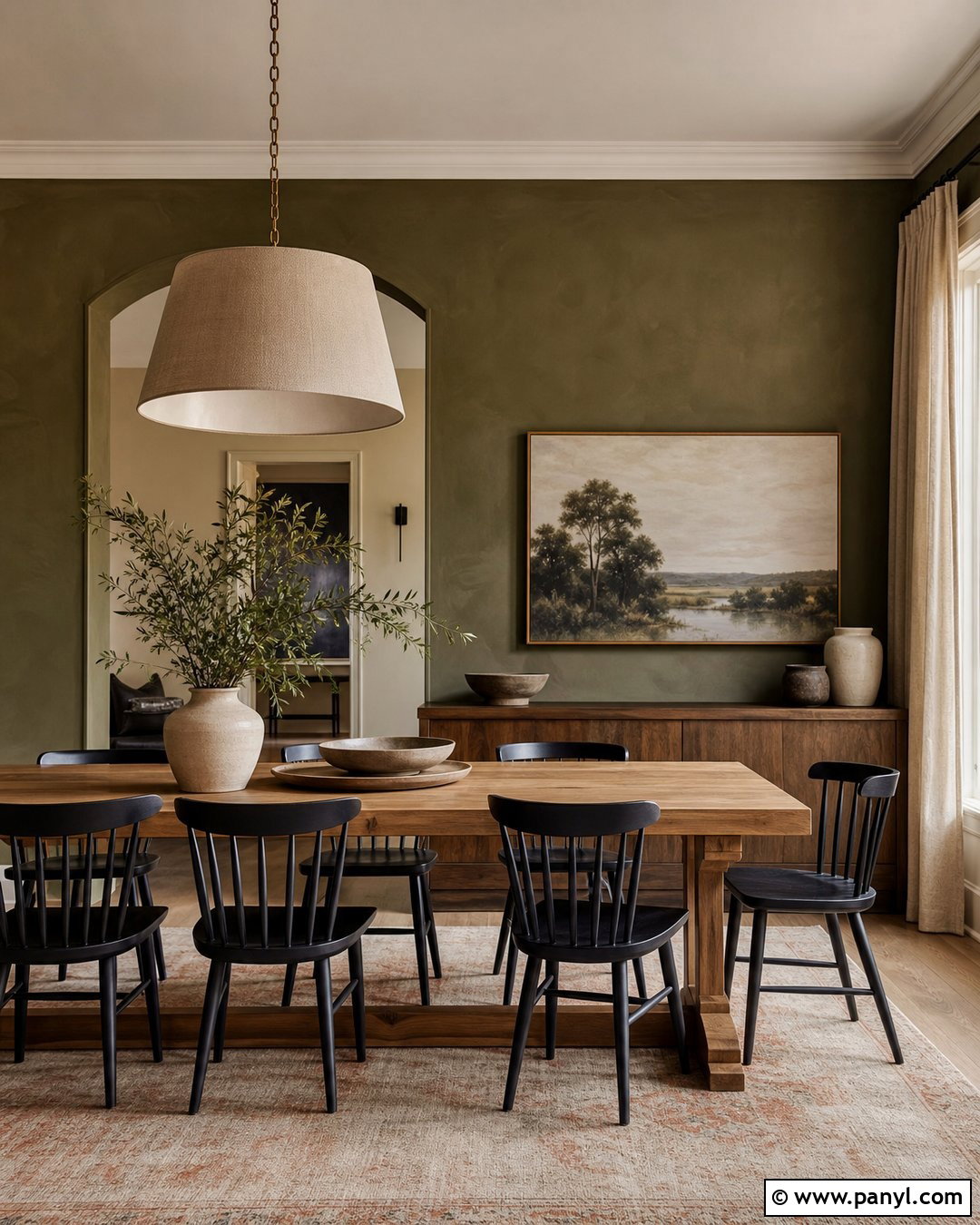
Olive green gives beige a deeper, more grounded personality. Begin with putty-beige walls and a generously sized oatmeal sofa. Place an olive velvet chair or compact loveseat opposite it to establish a strong secondary color. Dark-stained oak tables, antique brass lighting, and a vintage-inspired rug add richness throughout the space. Choose curtains in natural linen and use cream pillows to keep the darker elements from becoming heavy. Olive can also appear on built-in shelving or the fireplace surround for a more enveloping look. Terracotta pottery and leafy branches introduce a small earthy accent without changing the palette’s direction. This complete scheme suits traditional, midcentury, and modern organic rooms, especially when the materials have visible grain, texture, and softly aged finishes.
6. Beige And Navy Blue Color Palette
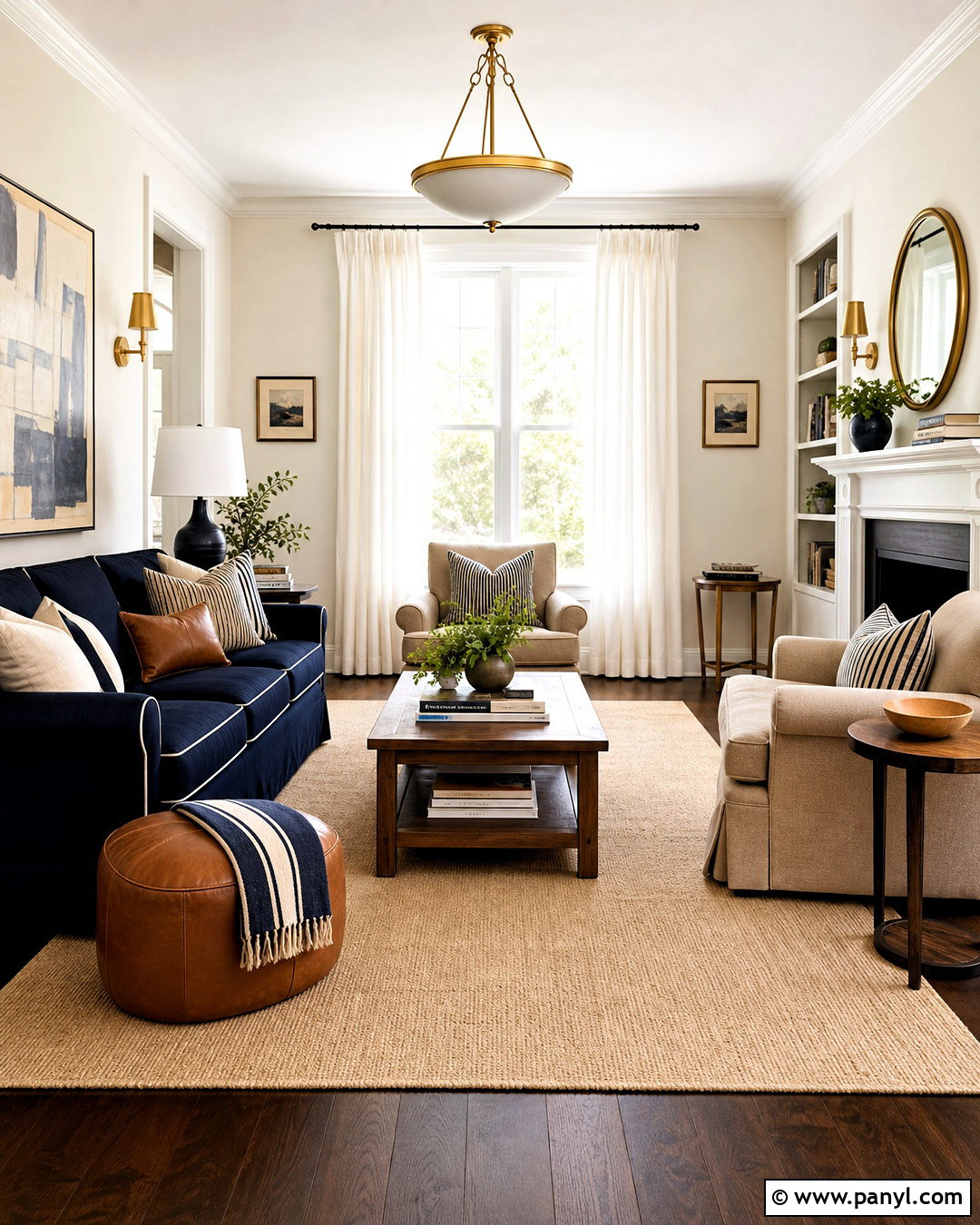
Beige and navy blue create a tailored color scheme that feels both relaxed and polished. Use pale beige walls and a large natural-fiber rug as the quiet foundation. Add a navy blue sofa with cream piping, then balance it with two light beige armchairs. Walnut tables and cognac leather accessories warm the cool blue, while white curtains maintain brightness near the windows. Repeat navy in a striped ottoman, patterned pillows, and one large piece of abstract art. Aged brass sconces or table lamps provide a refined finishing touch. Avoid using navy on every major surface because the room may become visually heavy. When beige remains dominant, the darker blue acts as an elegant anchor and gives the seating arrangement a clear focal point.
7. Beige And Dusty Blue Color Palette
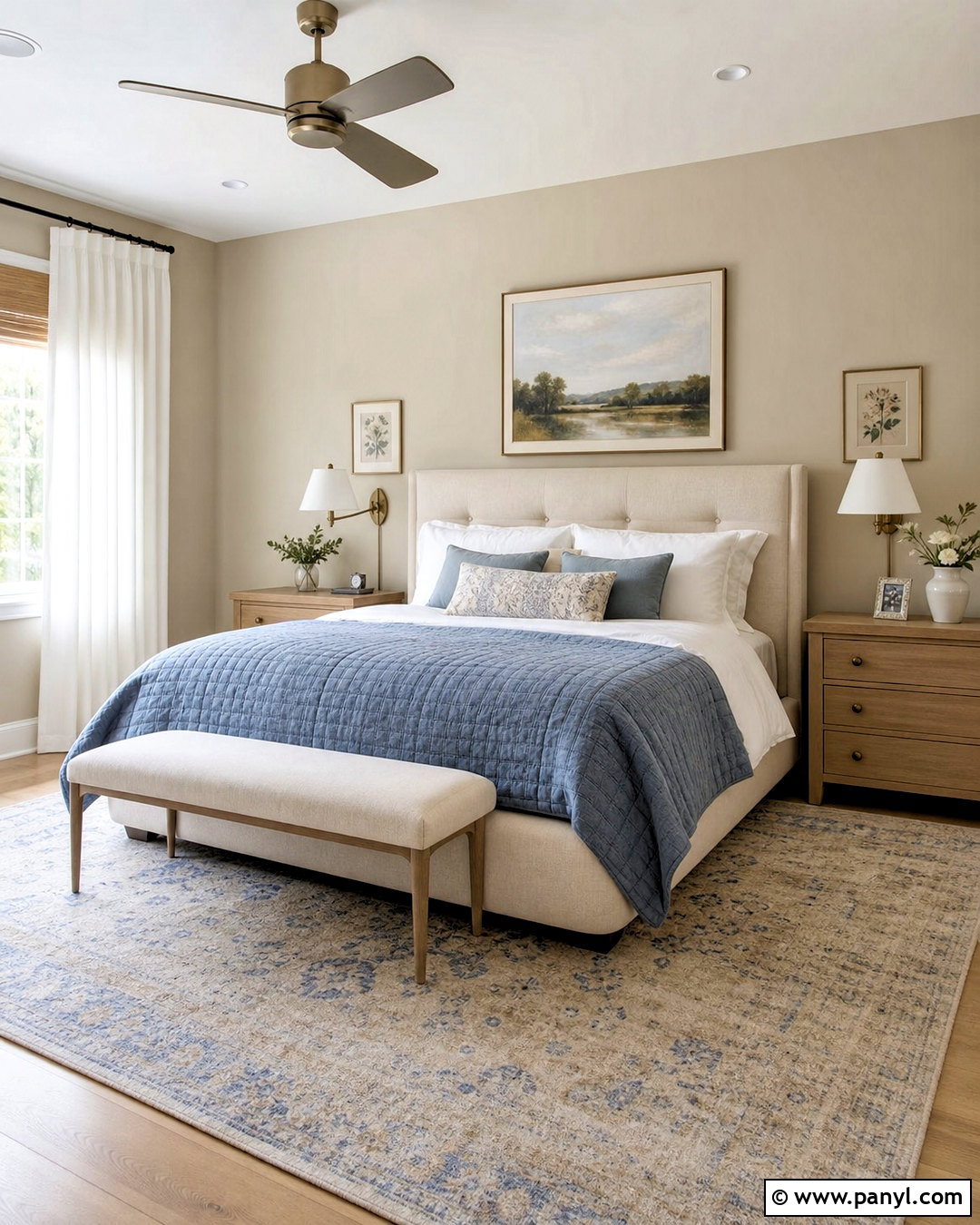
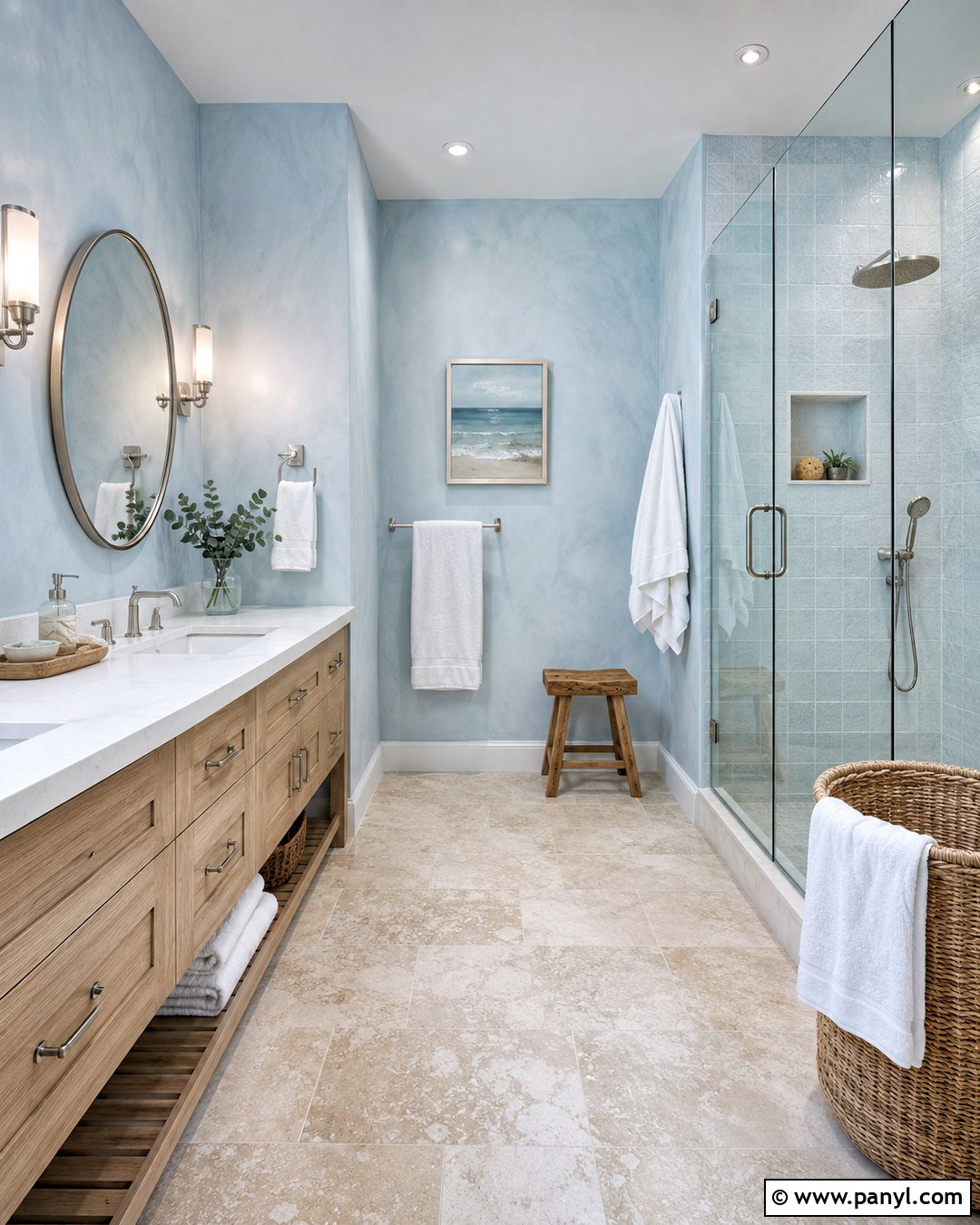
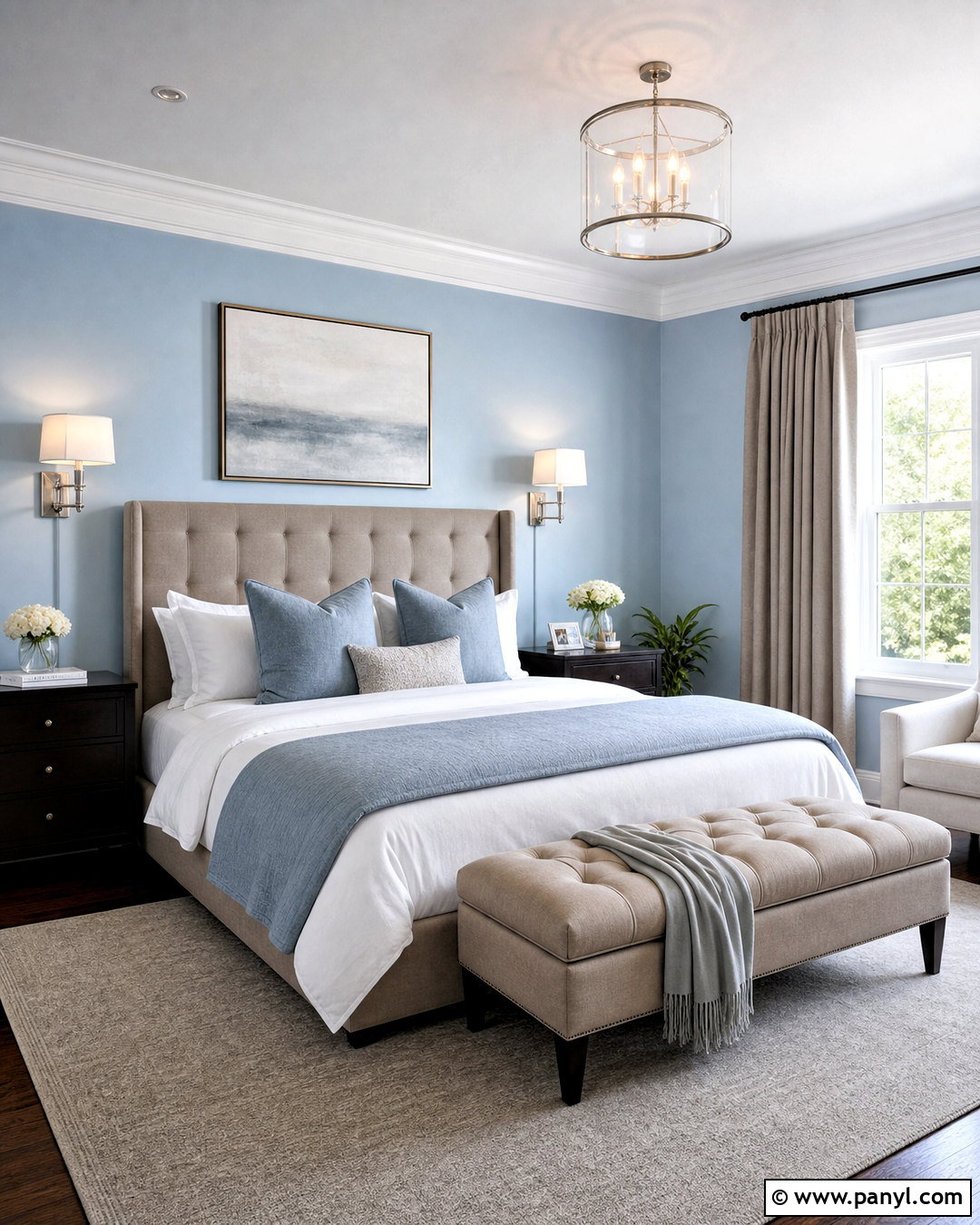
Soft dusty blue brings an airy quality to a beige bedroom. Paint the walls a light mushroom beige and choose an upholstered bed in textured oatmeal fabric. Layer the bedding with ivory sheets, a dusty blue quilt, beige pillows, and a deeper blue lumbar cushion. Pale oak nightstands keep the room casual, while brushed nickel or muted brass lamps add a subtle reflective finish. Use a beige rug with faded blue detailing beneath the bed to connect every color. White linen curtains allow daylight to filter gently into the room. Keep artwork simple, perhaps with coastal landscapes or abstract washes in blue-gray and sand. The finished bedroom feels restful and mature, offering color without sacrificing the calm atmosphere that makes beige so appealing.
8. Beige And Terracotta Color Palette
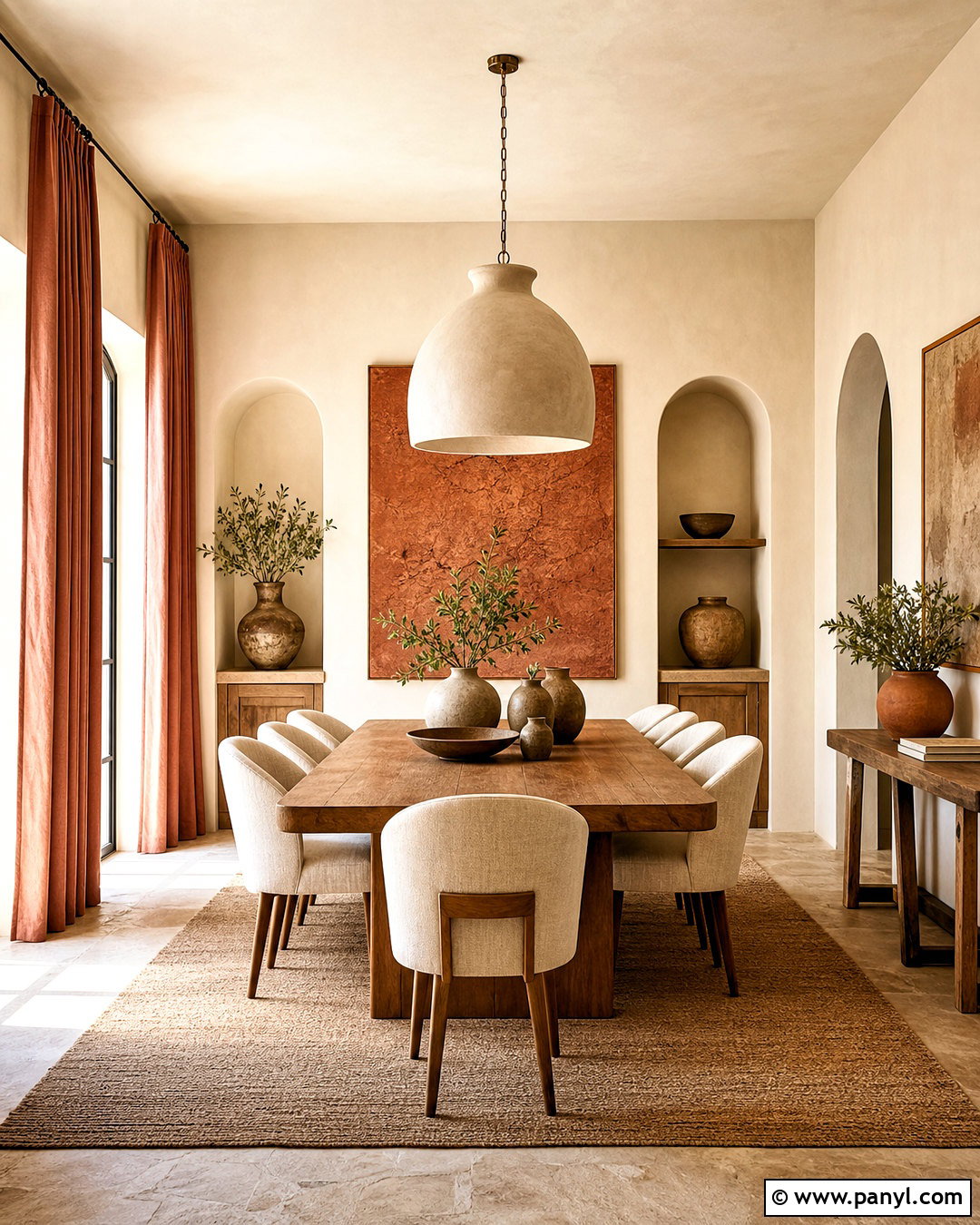
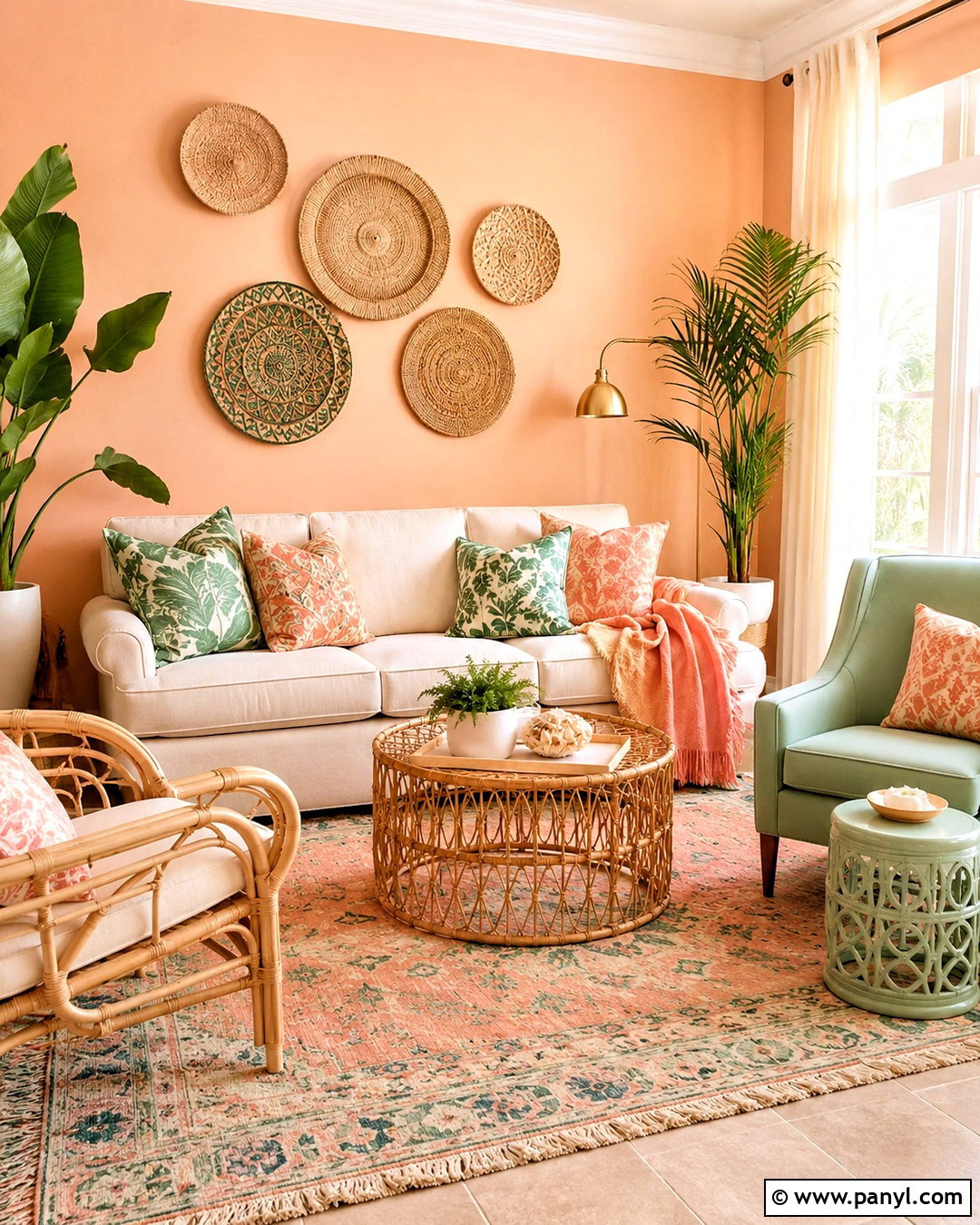
Sunbaked terracotta adds warmth and character to a beige dining room. Cover the walls with creamy beige paint and center the space around a medium oak dining table. Choose beige upholstered chairs, then introduce terracotta through linen curtains, a large ceramic vase, seat cushions, and textured artwork. A flat-woven rug featuring sand, clay, and ivory can define the dining area without looking too formal. Add a plaster pendant light or woven fixture above the table for an organic focal point. Dark bronze hardware supplies a small amount of contrast. Keep the ceiling and trim soft white to prevent the earthy colors from feeling enclosed. This palette feels especially natural when pottery, handmade textiles, wood grain, and matte surfaces are used throughout the complete room.
9. Beige And Rust Color Palette
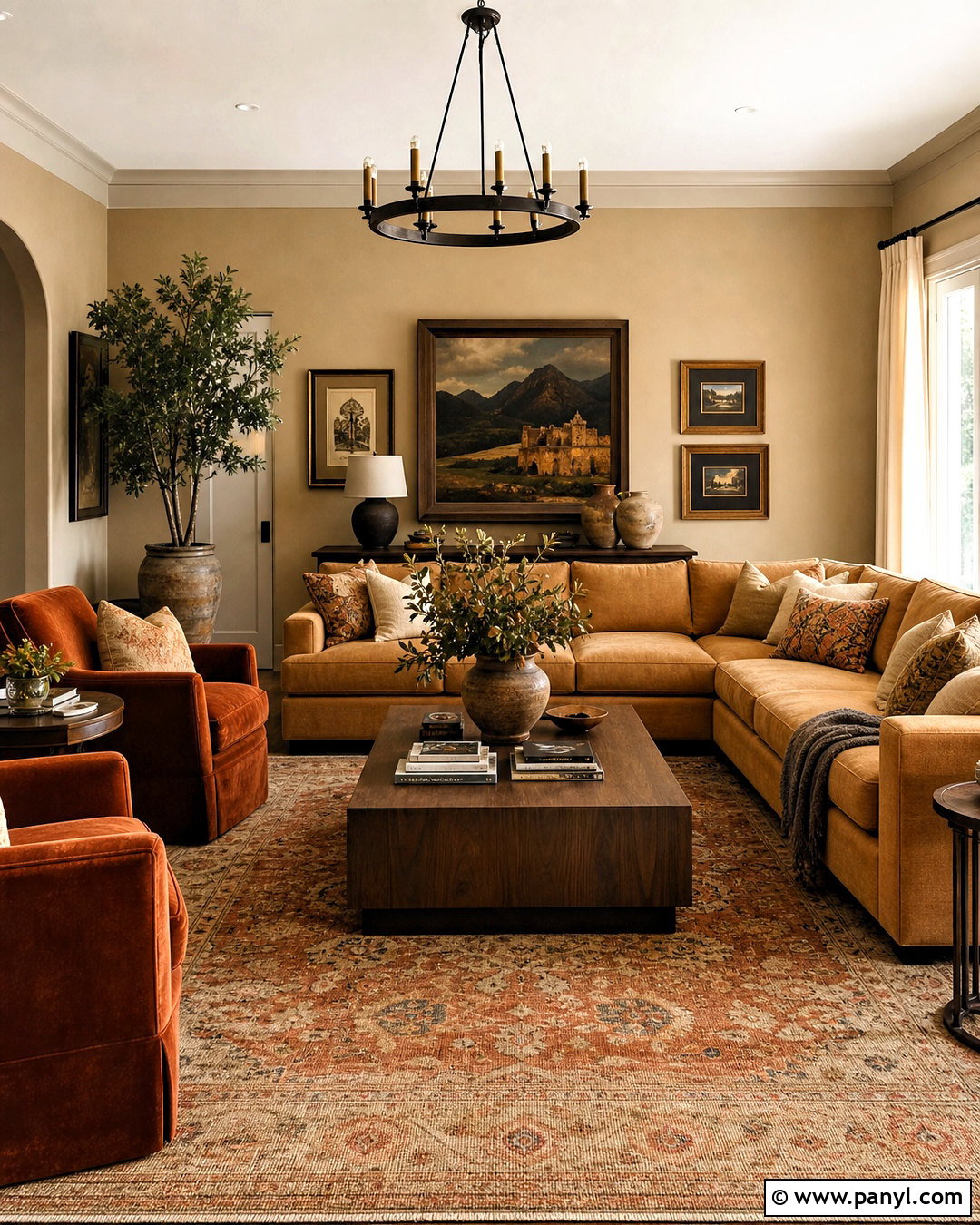
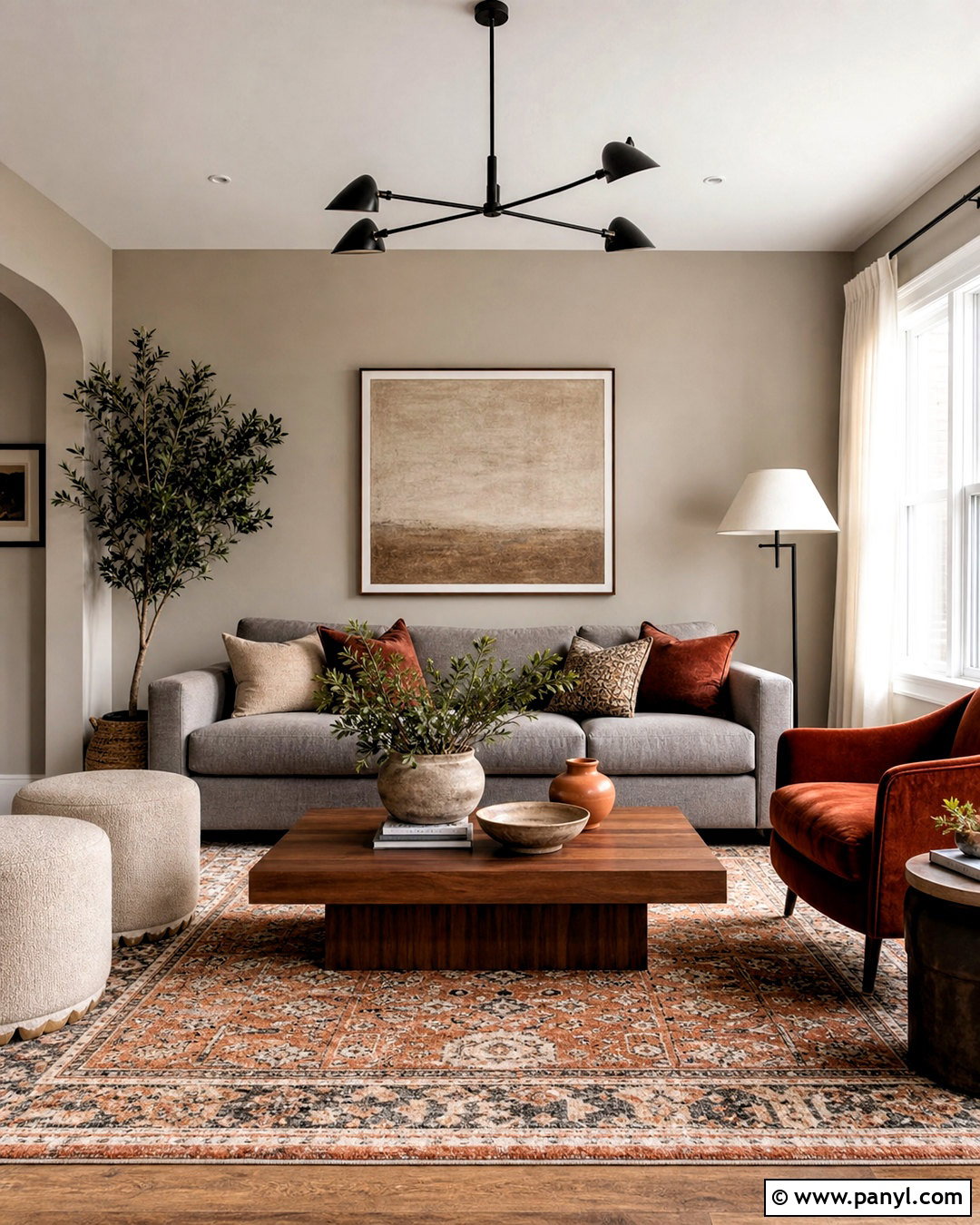
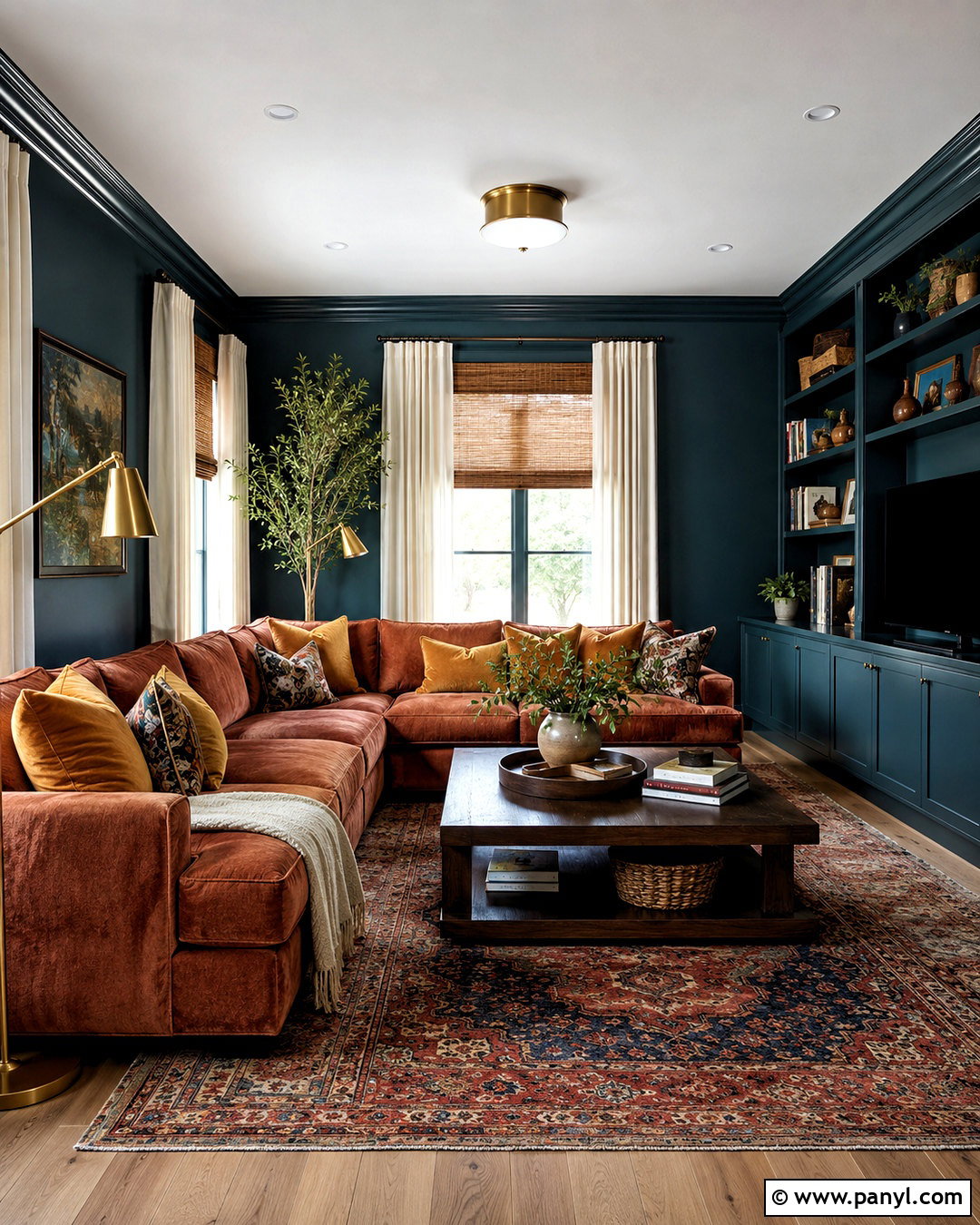
Rust creates a richer and slightly moodier version of an earthy beige interior. Start with warm greige-beige walls, a camel-beige sectional, and a substantial walnut coffee table. Add rust-colored velvet chairs or a large upholstered ottoman to establish the accent clearly. Choose a vintage-style rug that mixes beige, rust, brown, and muted charcoal. Cream curtains and pale cushions will keep the arrangement balanced. Blackened bronze lighting and dark wood frames provide structure, while handmade pottery reinforces the room’s warm character. Use rust in a few larger areas rather than dozens of tiny accessories. This approach makes the color appear purposeful. The resulting family room feels cozy and collected, with enough depth for fall and winter but sufficient neutral space for year-round decorating.
10. Beige And Chocolate Brown Color Palette
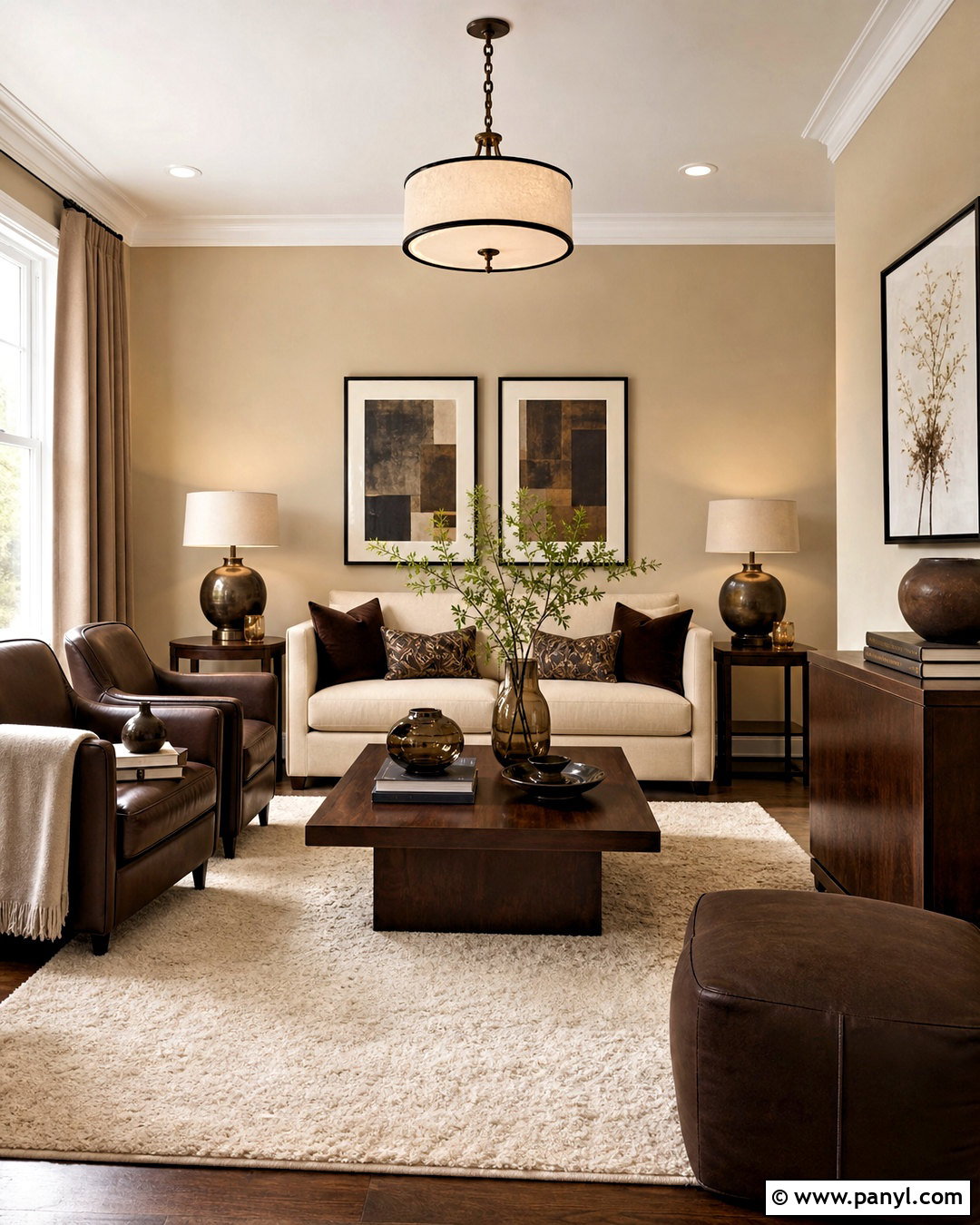
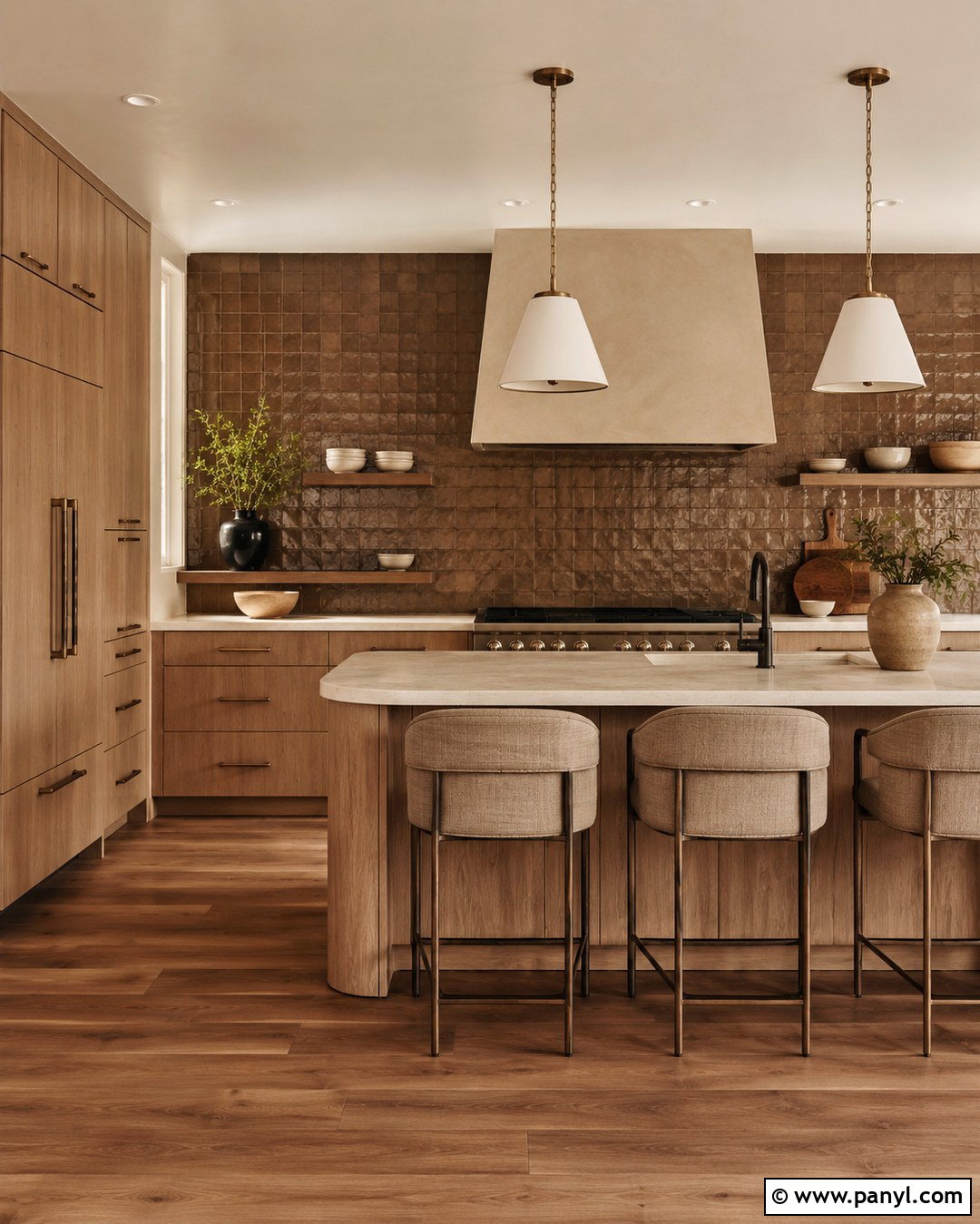
Deep chocolate brown can make a beige room feel substantial and luxurious. Paint the walls a soft biscuit beige and select a cream or oatmeal sofa as the largest piece. Add dark brown leather lounge chairs, a walnut media console, and a chocolate-toned coffee table with rounded edges. A thick beige wool rug will brighten the floor and separate the darker furniture. Use caramel, ivory, and cocoa pillows to create a gradual transition between light and dark. Bronze lamps and smoked glass accessories complement the brown without introducing an unrelated color. Keep curtains close to the wall color for a seamless backdrop. This palette succeeds when tactile materials lead the design, including leather, wool, wood, linen, and softly textured plaster or ceramic decor.
11. Beige And Caramel Color Palette
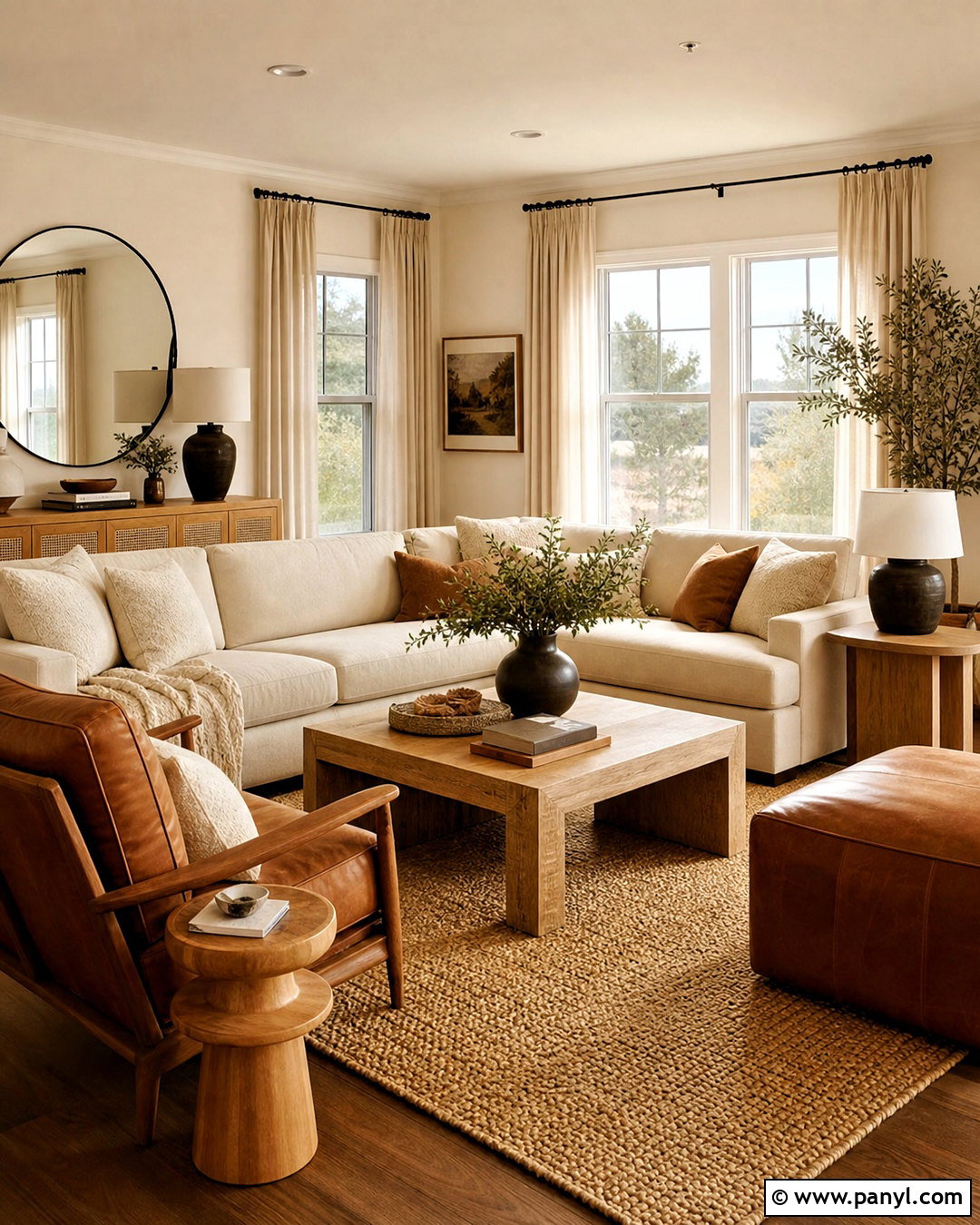
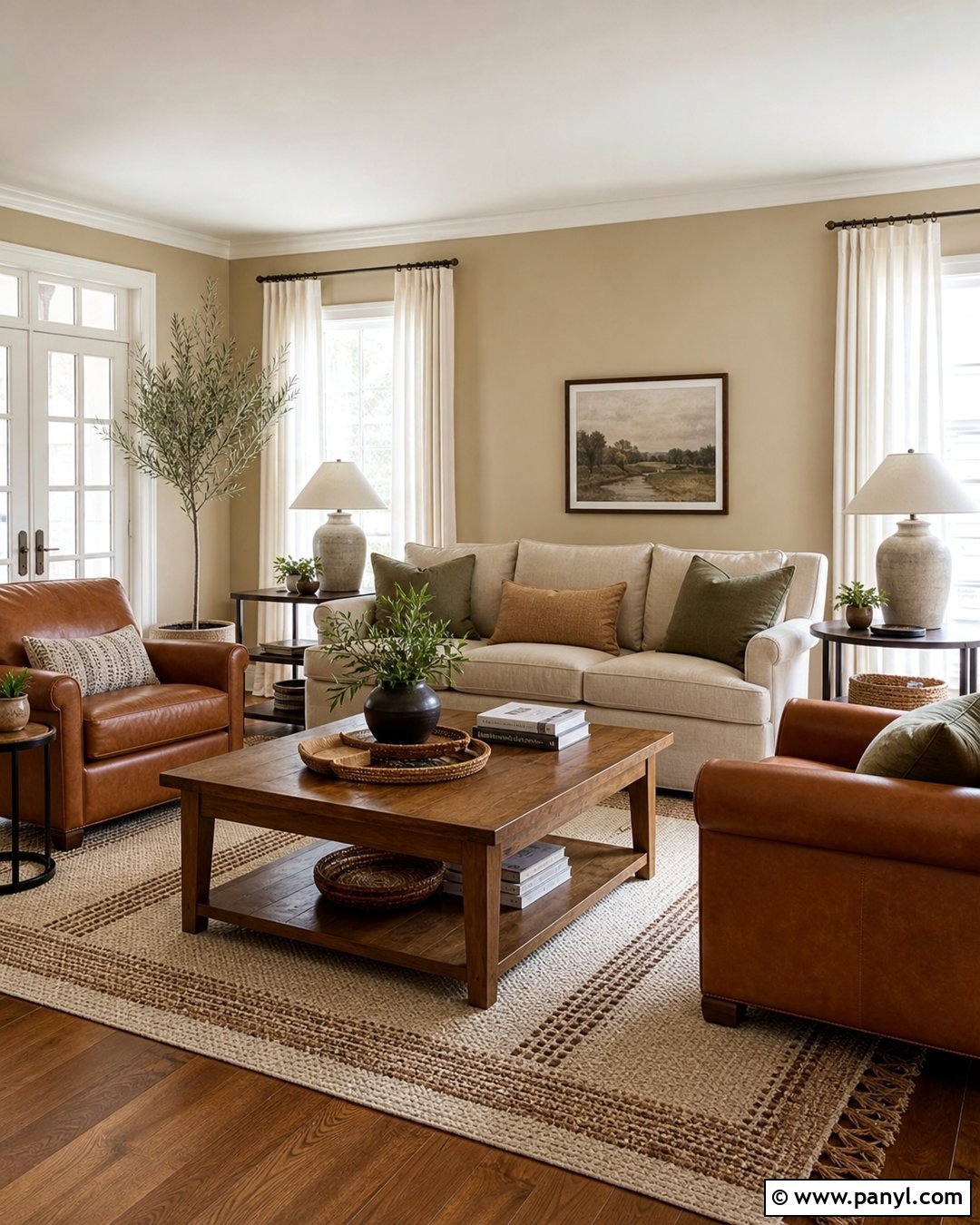
Imagine a sunlit room filled with warm caramel leather, creamy fabric, and natural wood. Begin with light beige walls and a plush ivory sectional. Add a caramel leather chair, cognac ottoman, and honey-toned oak tables to create a gradual spectrum of warm neutrals. A woven beige rug and linen curtains maintain the soft background. Introduce deeper brown through lamp bases, small frames, or cabinet hardware. Boucle, leather, rattan, and smooth wood should all appear in measured amounts so the room has visual variety. Avoid bright white, which may interrupt the warm flow. Instead, use creamy off-white for lampshades and accessories. The finished living room feels inviting and sophisticated, with caramel supplying depth while beige keeps the overall look light and adaptable.
12. Beige And Blush Pink Color Palette
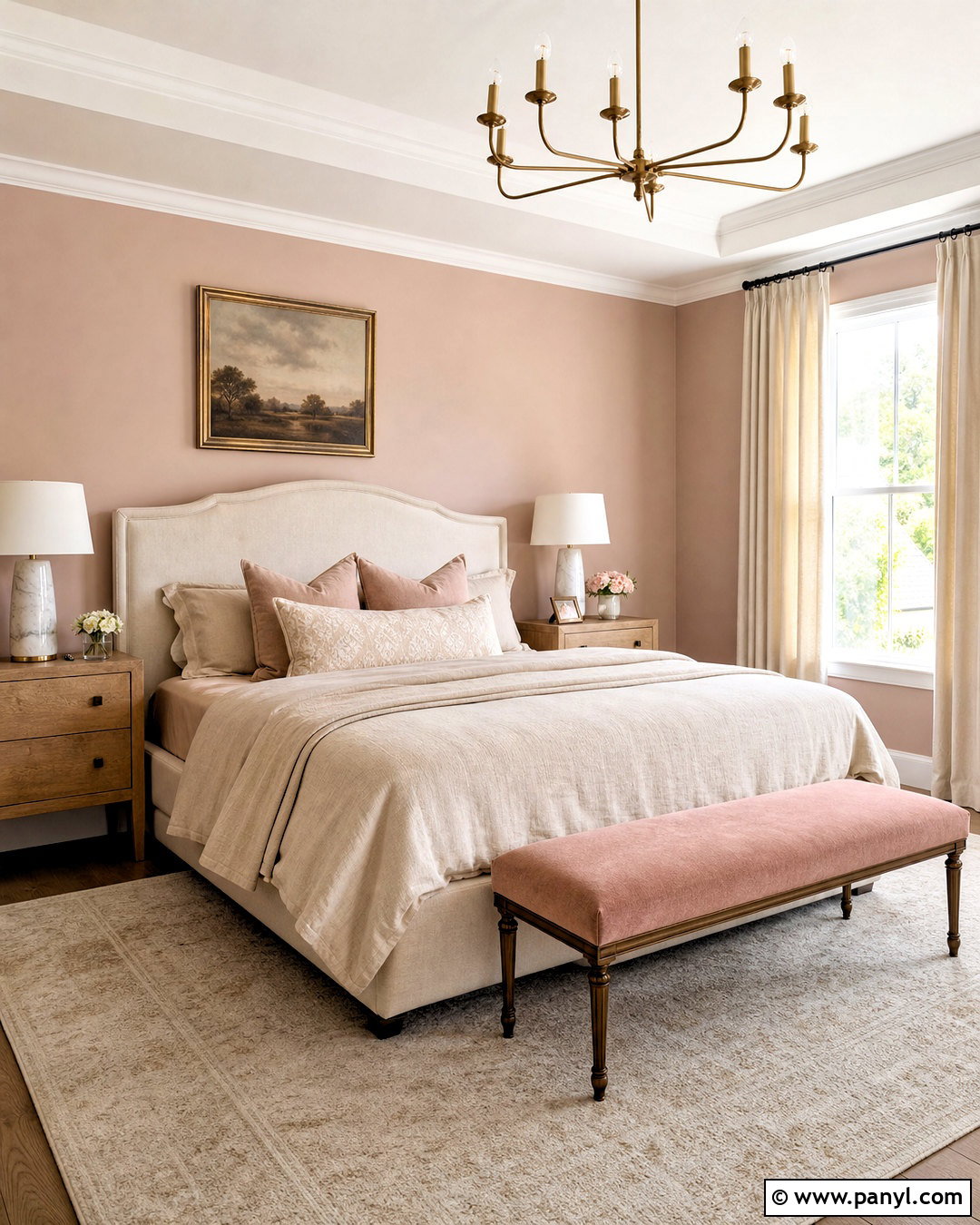
Blush pink brings understated softness to beige without making a room feel overly sweet. Choose a pale rosy beige for the bedroom walls and a warm ivory upholstered bed. Layer beige linen bedding with dusty blush pillows, a muted pink throw, and a taupe coverlet. Light oak nightstands and a cream wool rug keep the foundation natural. Add an antique brass chandelier and small marble lamps for gentle polish. One blush bench at the foot of the bed can strengthen the palette more effectively than many decorative objects. Use warm white curtains and simple botanical prints to complete the room. Select pink with brown or gray undertones rather than a bright candy shade. This produces a restful, grown-up bedroom with warmth, softness, and clear visual balance.
13. Beige And Burgundy Color Palette
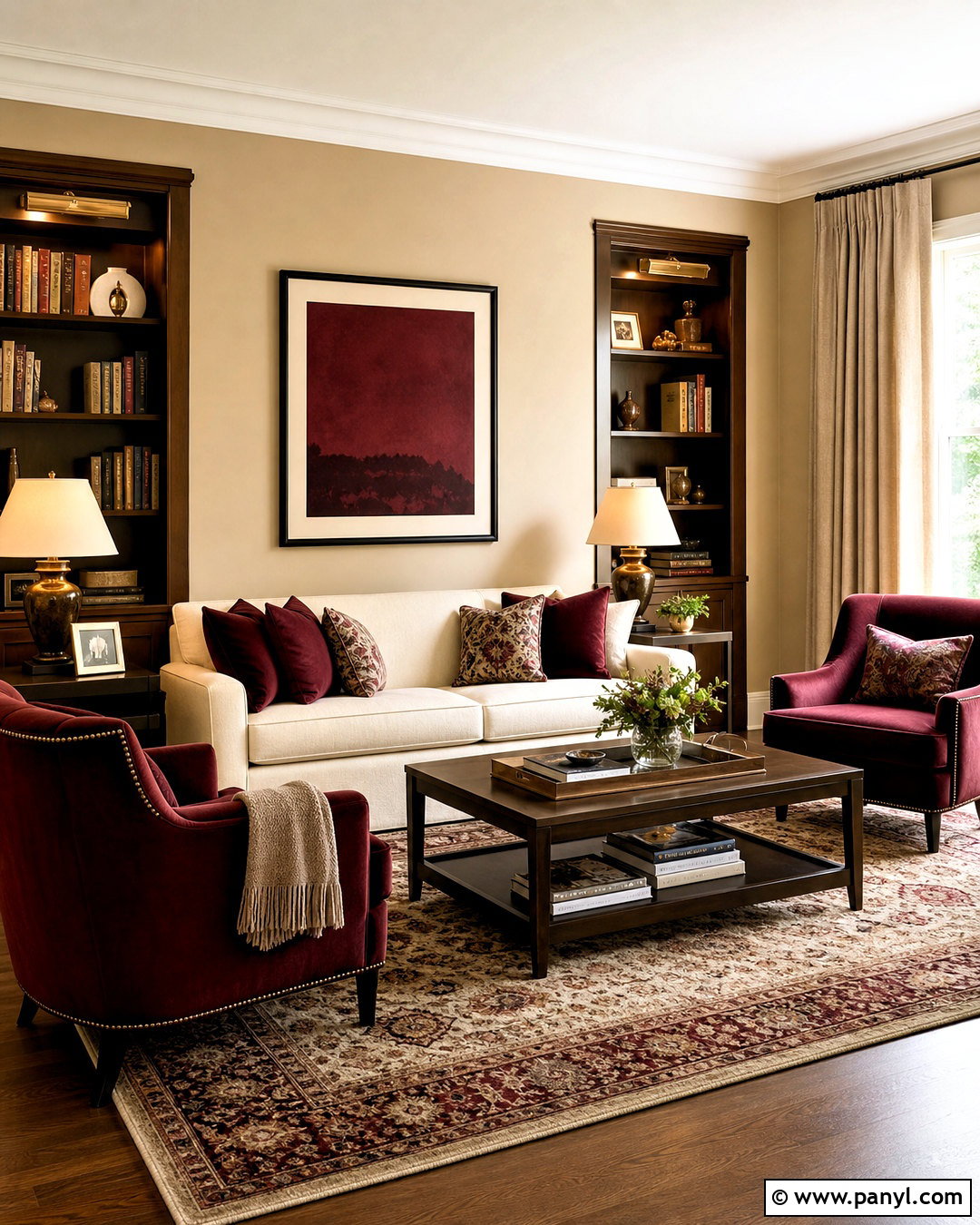
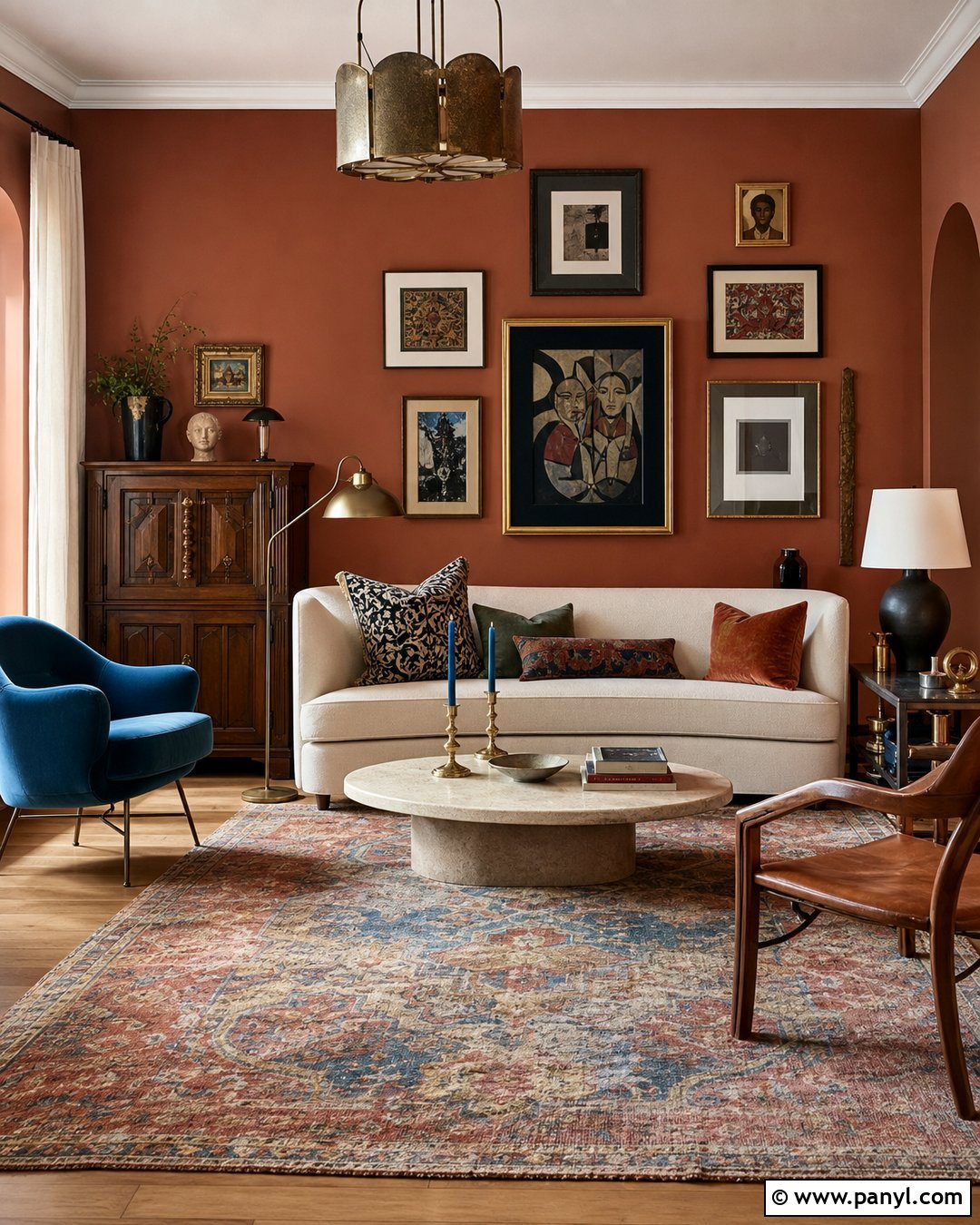
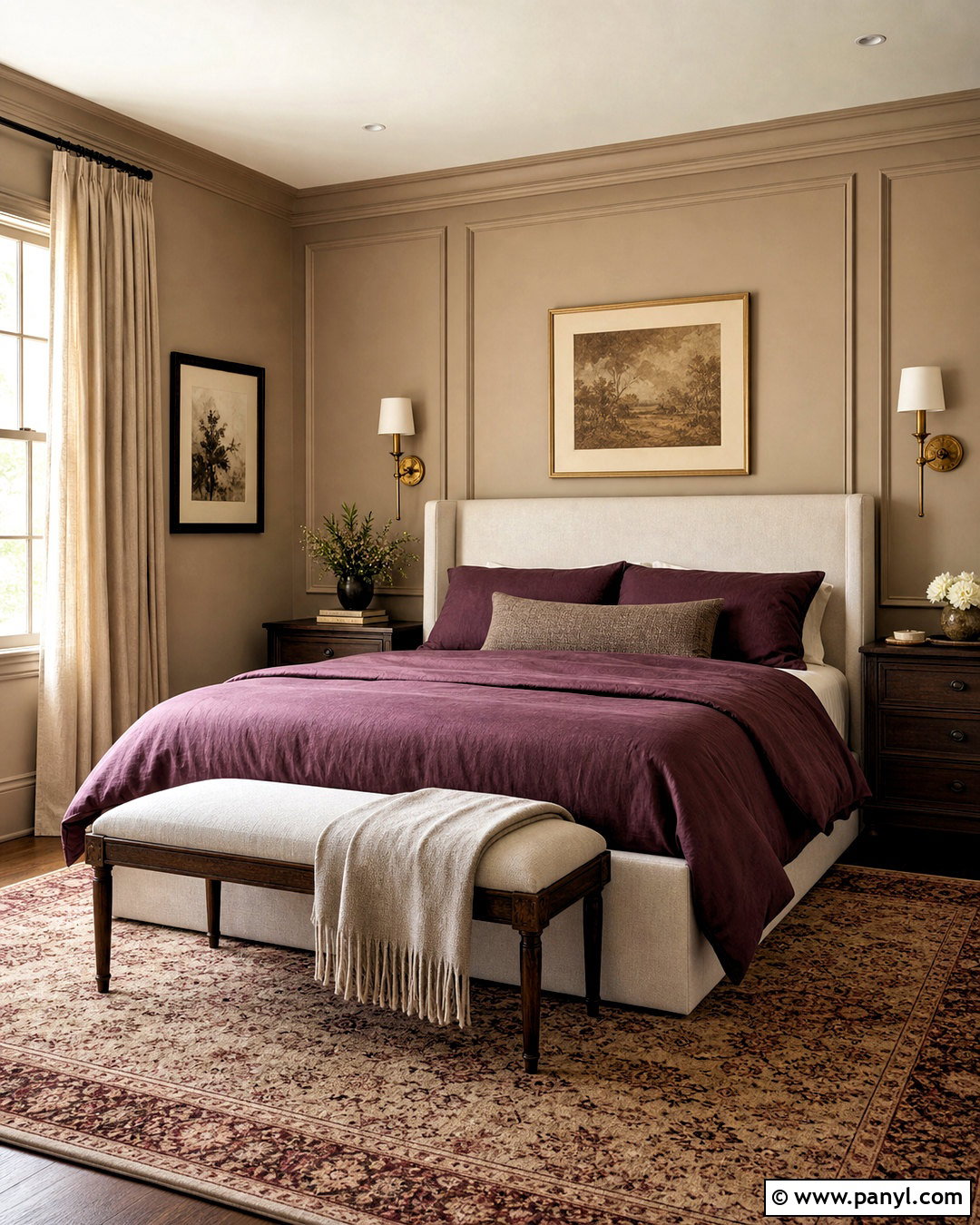
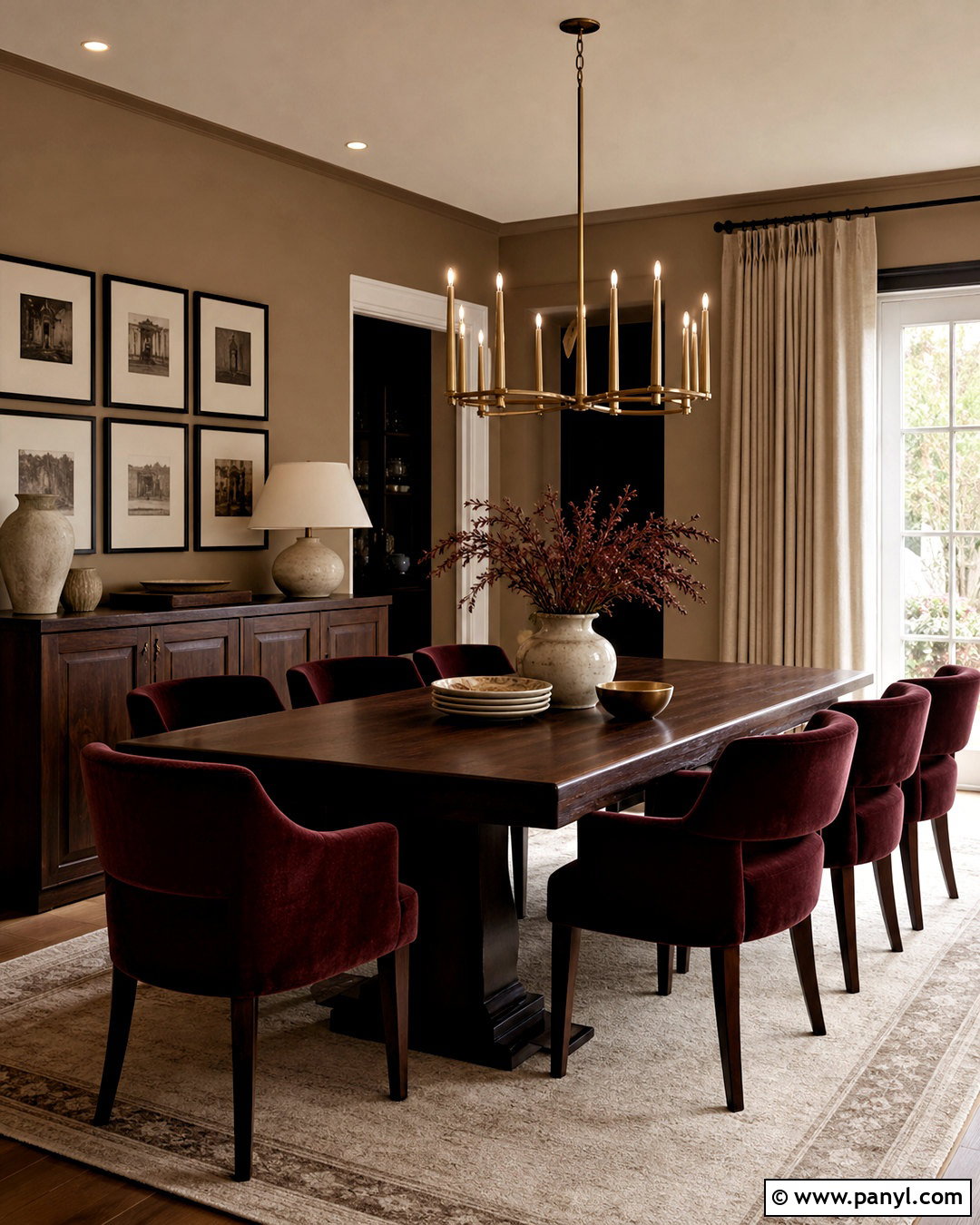
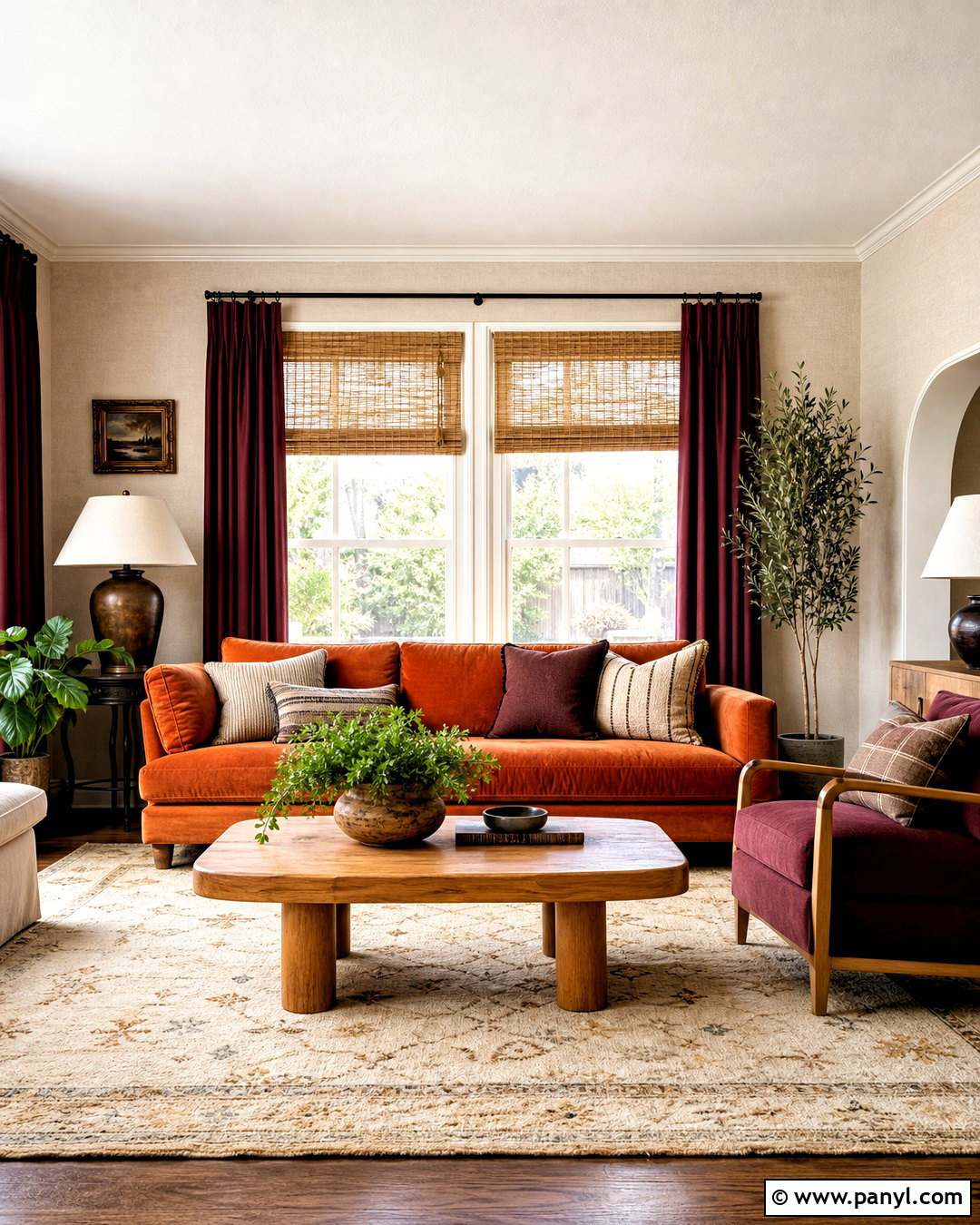
Burgundy gives a beige palette dramatic color while preserving a warm and traditional feeling. Use medium beige walls and a large cream sofa as the room’s neutral base. Add two burgundy velvet chairs, positioning them near a dark wood coffee table to create a defined conversation area. A Persian-inspired rug containing burgundy, tan, brown, and faded blue will make the accent feel integrated. Choose oatmeal curtains, antique brass lamps, and walnut shelving for added warmth. Burgundy can reappear in one pillow and a piece of artwork, but avoid matching every accessory. Keep the ceiling light and the layout uncluttered. This complete living room scheme is ideal for anyone who wants beige to feel richer, more personal, and less dependent on pale neutral decoration.
14. Beige And Mustard Yellow Color Palette
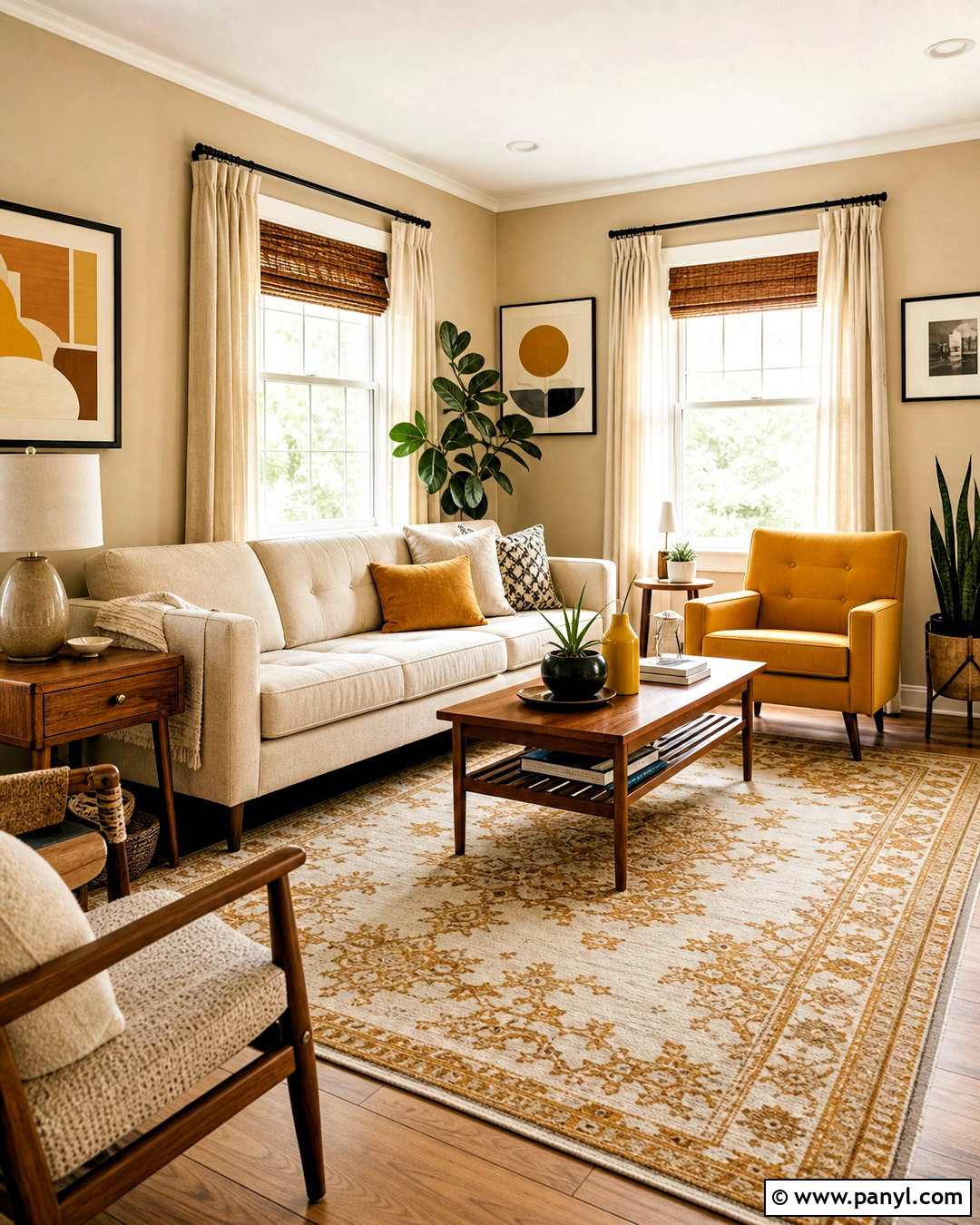
Mustard yellow can energize beige while maintaining an earthy, comfortable mood. Paint the walls a warm wheat beige and furnish the room with a cream sofa and medium oak tables. A mustard yellow armchair becomes the main accent, supported by a patterned rug featuring beige, gold, brown, and ivory. Repeat the yellow sparingly through one pillow, a ceramic lamp, or an abstract print. Add woven shades and flax curtains to enhance the sun-warmed effect. Matte black hardware provides enough contrast to keep the palette from looking overly golden. Choose muted mustard rather than bright lemon yellow. The finished space feels cheerful, grounded, and practical, making this pairing especially effective in breakfast rooms, reading corners, and casual living spaces with abundant daylight.
15. Beige And Charcoal Gray Color Palette
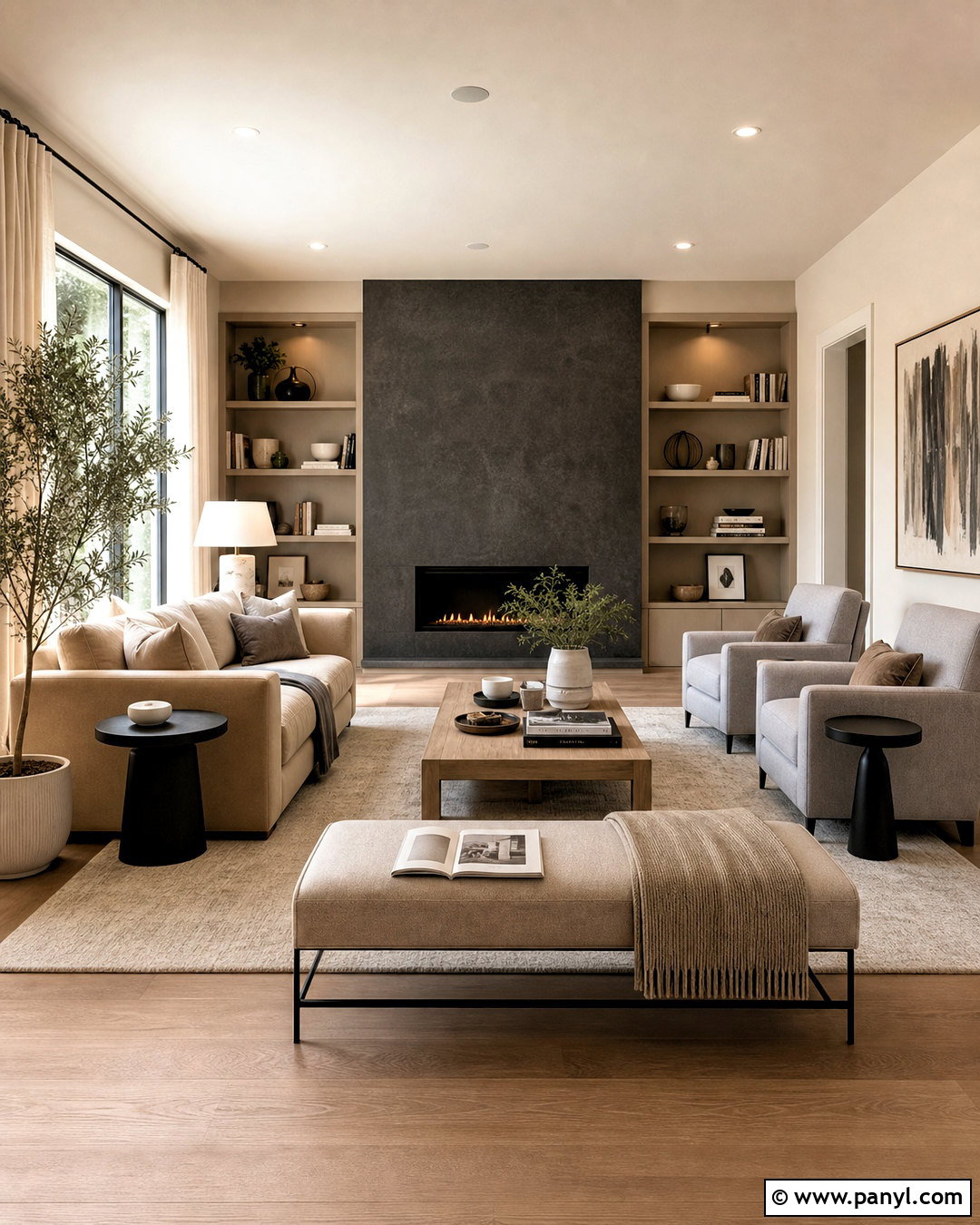
A charcoal gray accent gives beige a modern architectural edge. Cover most walls in a neutral beige with subtle gray undertones, then use charcoal on the fireplace wall or built-in cabinetry. Add a warm beige sofa, light gray lounge chairs, and a cream textured rug to soften the contrast. Black metal tables can connect with the charcoal feature, while pale oak introduces needed warmth. Use off-white curtains and a few taupe pillows so the room transitions smoothly between warm and cool tones. Brushed steel or matte black lighting will suit the streamlined design. This palette works best when charcoal occupies one controlled zone instead of surrounding the entire room. Beige should remain the dominant color, keeping the interior welcoming despite its darker, contemporary details.
16. Beige And Greige Color Palette
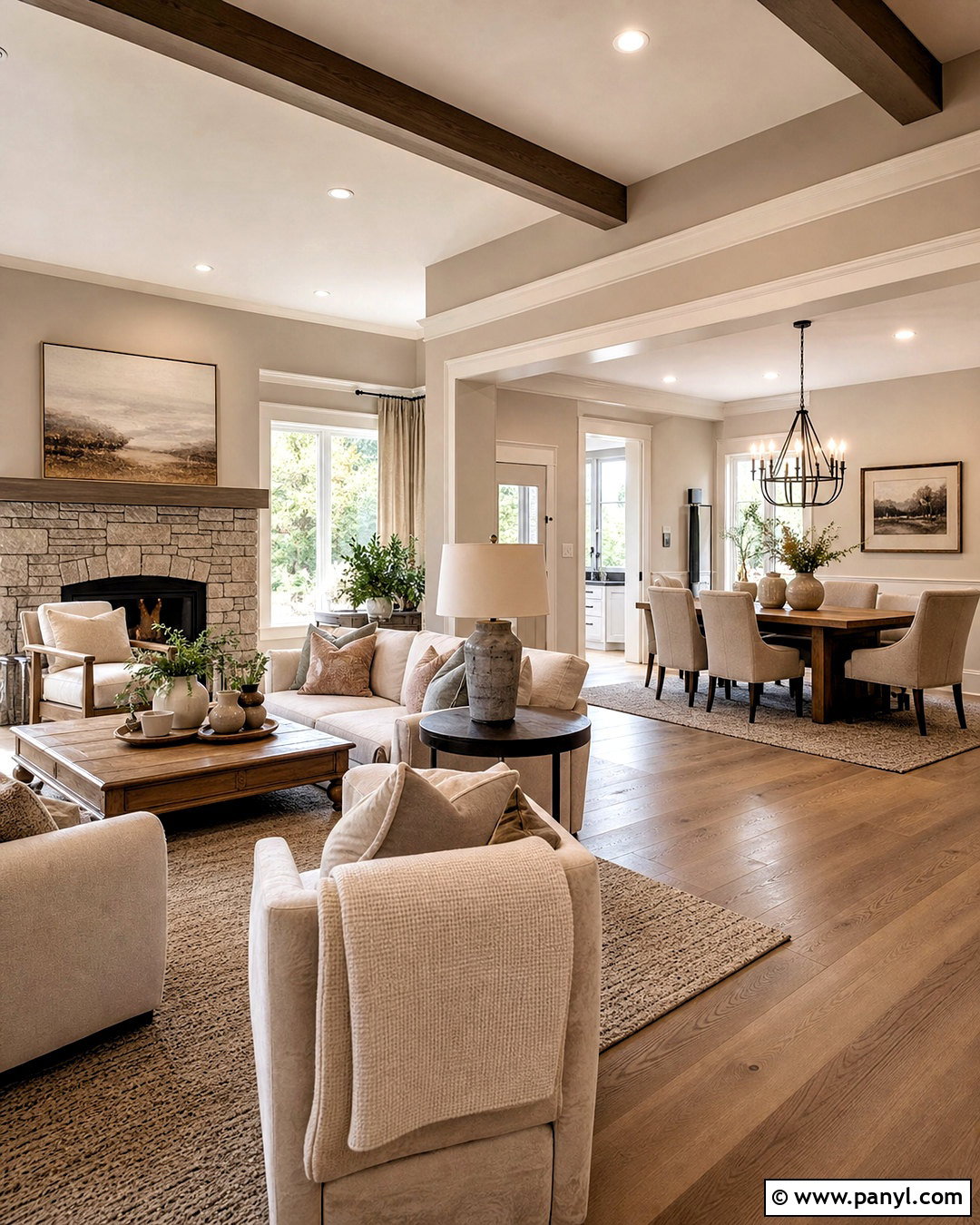
Beige and greige form a flexible neutral palette for an open-plan home. Use warm greige on the walls, creamy beige upholstery, and soft ivory on the ceiling and trim. Define the living area with a taupe-beige rug, then add natural oak tables and a textured stone fireplace. In the connected dining space, repeat greige through upholstered chairs and beige through linen curtains. Black hardware can create definition, but use it lightly. Layer bouclé, woven wool, washed linen, and matte ceramics to prevent the similar colors from appearing flat. Compare paint samples beside permanent flooring and countertops before choosing the final undertone. A well-balanced beige and greige scheme feels quiet and cohesive, allowing multiple rooms to flow together without making every surface look exactly the same.
17. Monochromatic Beige Color Palette
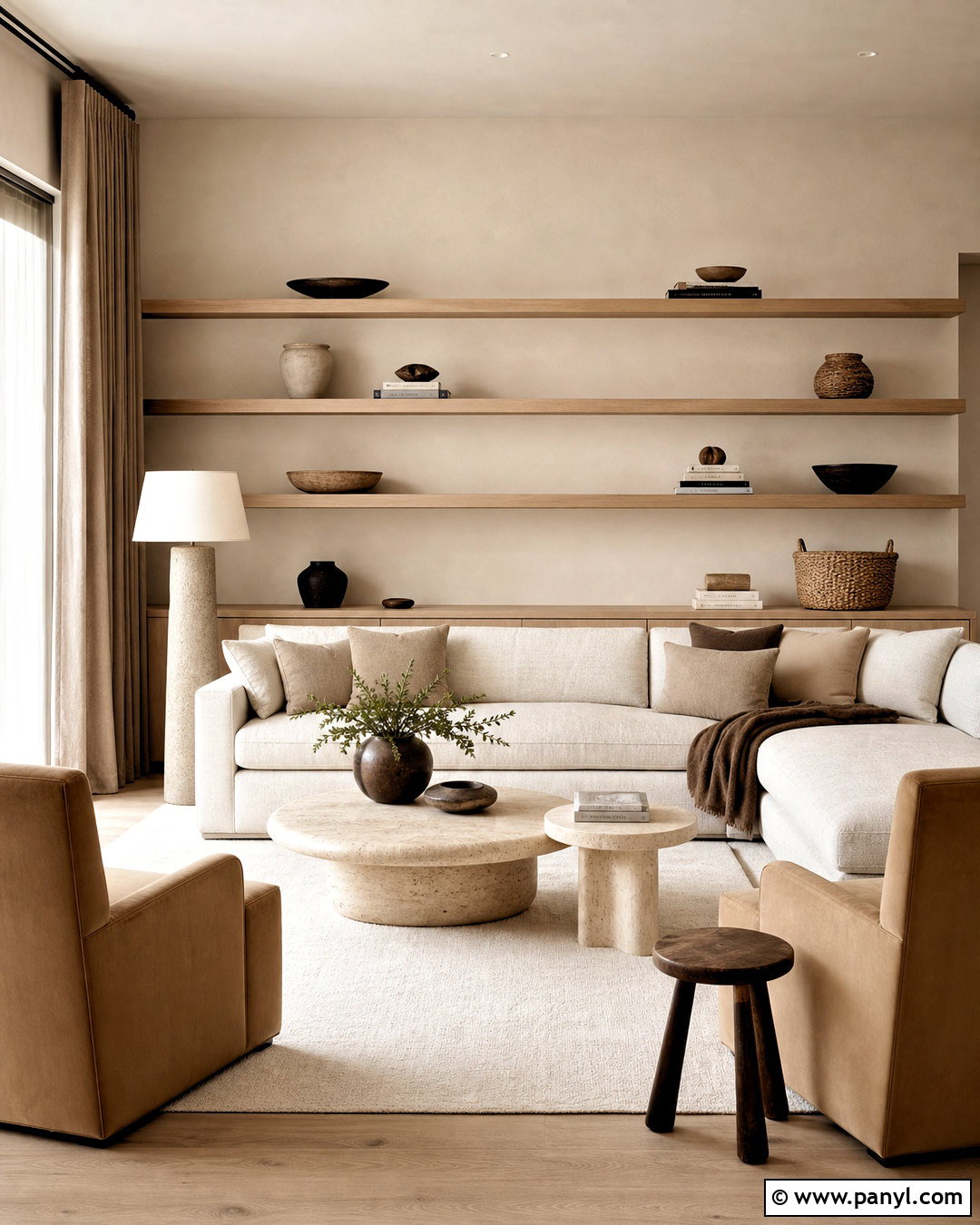
A monochromatic beige interior depends on tonal range and texture rather than bold accent colors. Begin with pale sand walls, then select a sofa in medium oatmeal and chairs in deeper camel beige. Add an ivory rug, mushroom curtains, and taupe cushions to create visible separation among the layers. Travertine tables, pale oak shelving, and woven baskets introduce subtle natural variation. Use plaster lamps and linen shades instead of shiny finishes that could interrupt the quiet effect. Curved furniture will create soft shadows and make the limited palette more interesting. Include one or two dark brown details for definition, such as a slim frame or small side table. The room should feel intentionally layered, not matched, with every beige tone contributing a different depth or tactile quality.
18. Coastal Beige Color Palette
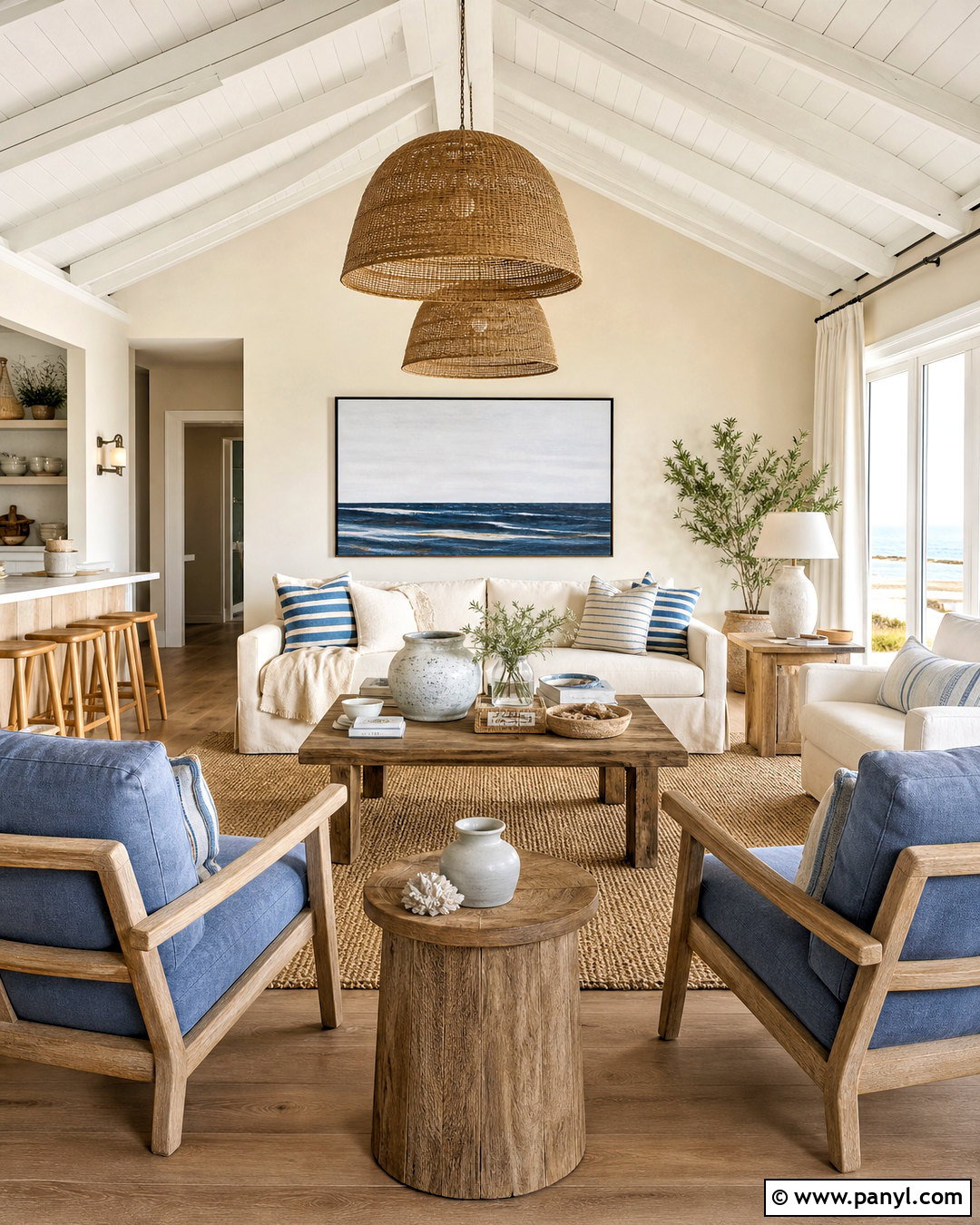
Coastal beige feels more relaxed than a predictable blue-and-white beach theme. Start with sandy beige walls, a slipcovered cream sofa, and weathered light oak tables. Add dusty blue chairs, striped beige cushions, and a natural jute rug for soft coastal contrast. White linen curtains should hang from ceiling height to emphasize light and movement. Use woven pendant lighting, pale ceramic vessels, and simple landscape artwork instead of themed signs or decorative shells. A few touches of muted navy can provide depth without making the room feel formal. Keep surfaces open and furniture comfortably spaced. This complete palette captures the colors of sand, driftwood, water, and cloudy sky while remaining suitable for an everyday home located far from the coast.
19. Modern Organic Beige Color Palette
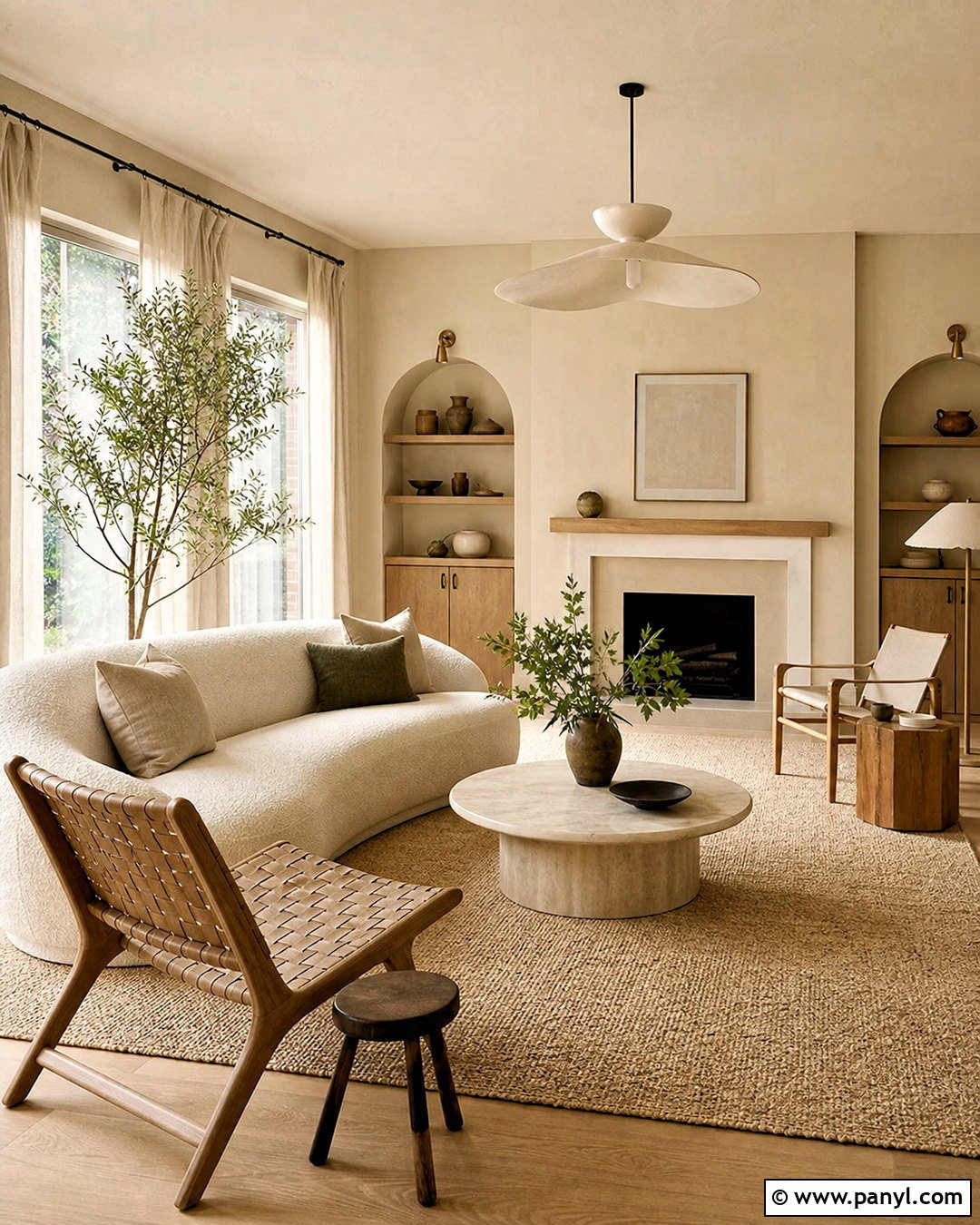
Natural materials give a modern organic beige room its shape and personality. Apply warm putty beige to the walls, then place a curved oatmeal sofa on a thick ivory wool rug. Choose a solid oak coffee table, travertine side tables, and woven accent chairs to vary the surfaces. Soft brown, clay, and muted olive accessories can add restrained earthy color. Use linen curtains, sculptural plaster lighting, and oversized botanical branches to emphasize natural form. Keep the furniture low and the arrangement open, with each major item given enough surrounding space to be appreciated. Avoid excessive small decor. A few substantial objects will look calmer and more intentional. This full scheme makes beige feel contemporary through organic curves, visible texture, and honest materials rather than decorative excess.
20. Beige And Cobalt Blue Color Palette
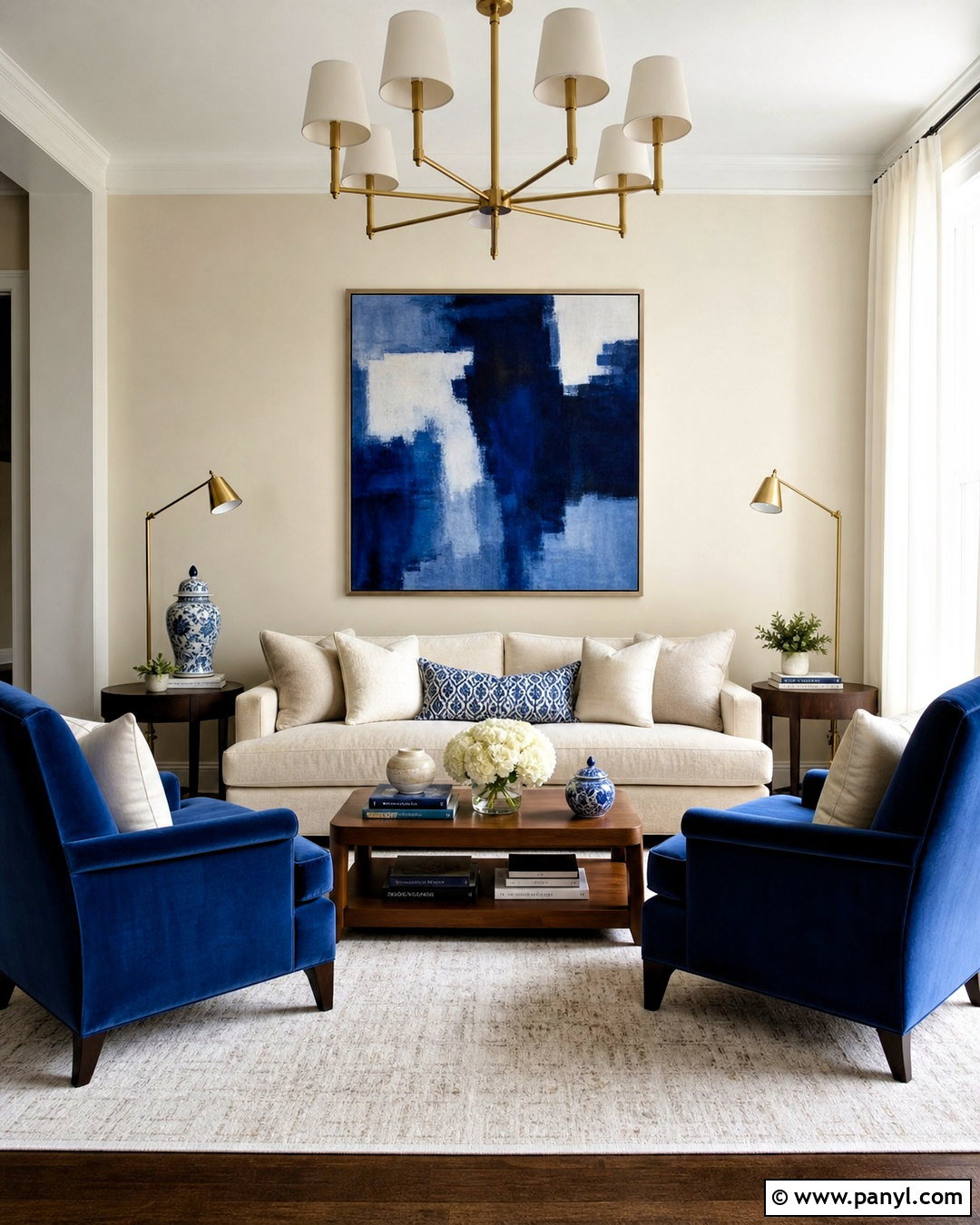
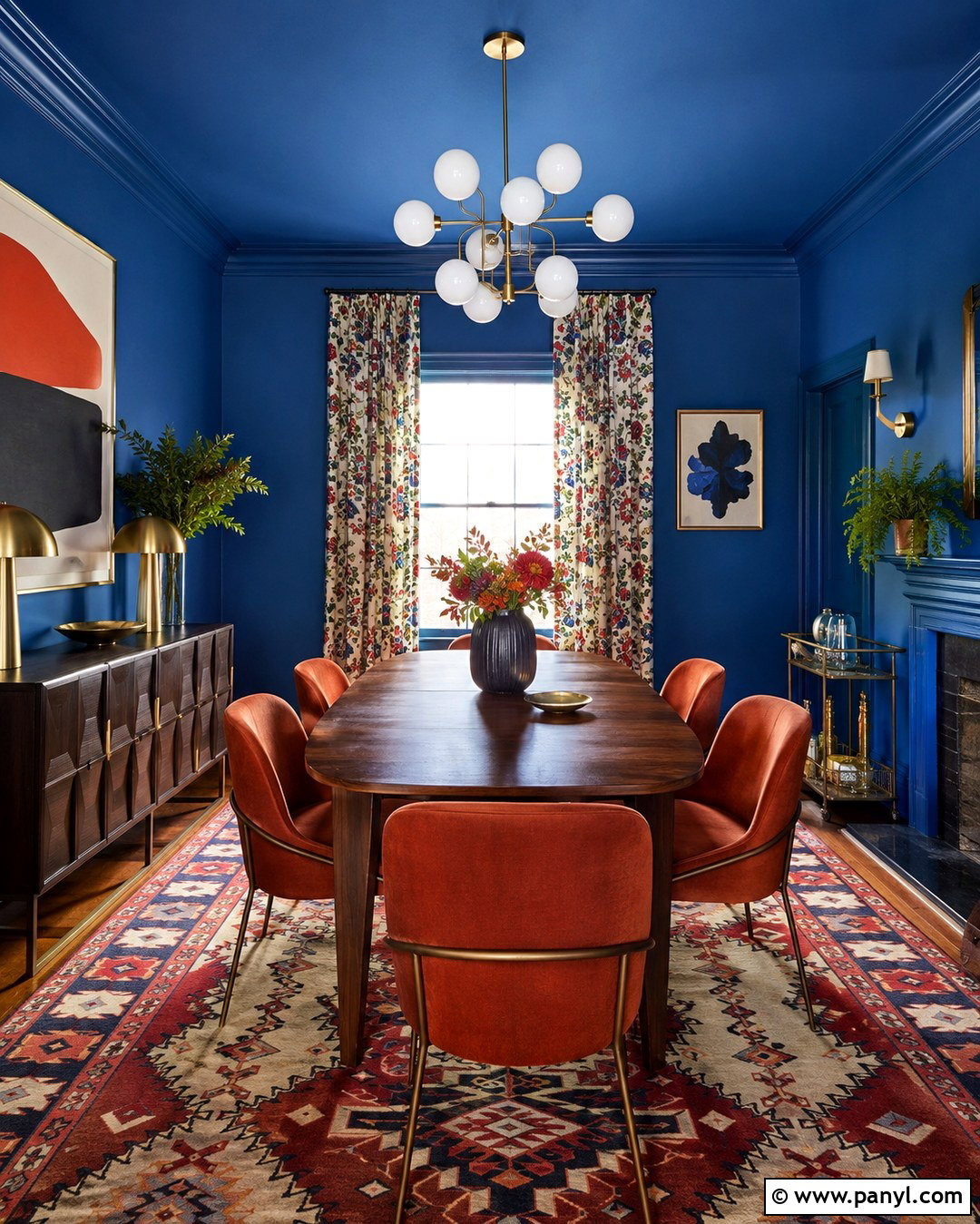
For a livelier beige room, introduce cobalt blue as a focused, high-contrast accent. Begin with creamy beige walls, a natural linen sofa, and a pale neutral rug. Place two cobalt blue lounge chairs across from the sofa to create a striking but balanced seating arrangement. Repeat the blue in one large abstract artwork and a small ceramic piece. Warm walnut tables, white curtains, and brushed brass lighting prevent the saturated blue from feeling cold. Keep other accessories beige, cream, and medium brown so the cobalt remains visually special. This palette works particularly well in a bright living room or home office. Beige controls the energy of the blue, while cobalt gives the neutral foundation a confident, memorable, and distinctly modern finish.
Conclusion:
The best beige color palette ideas use contrast, undertones, and texture to create complete rooms rather than simply filling a space with similar neutrals. Cream and white make beige feel airy, while chocolate, black, charcoal, and burgundy add depth. Sage, olive, dusty blue, terracotta, and rust provide natural color that remains easy to live with. Before committing, test paint and fabric samples together at different times of day because changing light can reveal unexpected yellow, pink, green, or gray undertones. Repeat each main color at least twice, vary the materials, and keep one shade visually dominant. With this balanced approach, beige becomes a versatile foundation for rooms that feel warm, layered, personal, and thoughtfully finished.

Related Ideas and Inspiration:
Leave a Reply