
Choosing from these 20 accent wall colors is easier when you picture the entire room instead of focusing on one paint chip. A successful accent wall should emphasize a natural focal point, such as a fireplace, bed, dining area, or built-in storage. It also needs to connect with the flooring, furniture, textiles, lighting, and surrounding wall color. Natural light can noticeably affect how a shade appears, so test large samples during the morning, afternoon, and evening before committing. Pulling a related color from artwork, rugs, or upholstery can also make the feature wall feel intentional rather than random. () From soothing neutrals to saturated statement shades, these complete room looks show practical ways to decorate with 20 accent wall colors.

1. Navy Blue Accent Wall
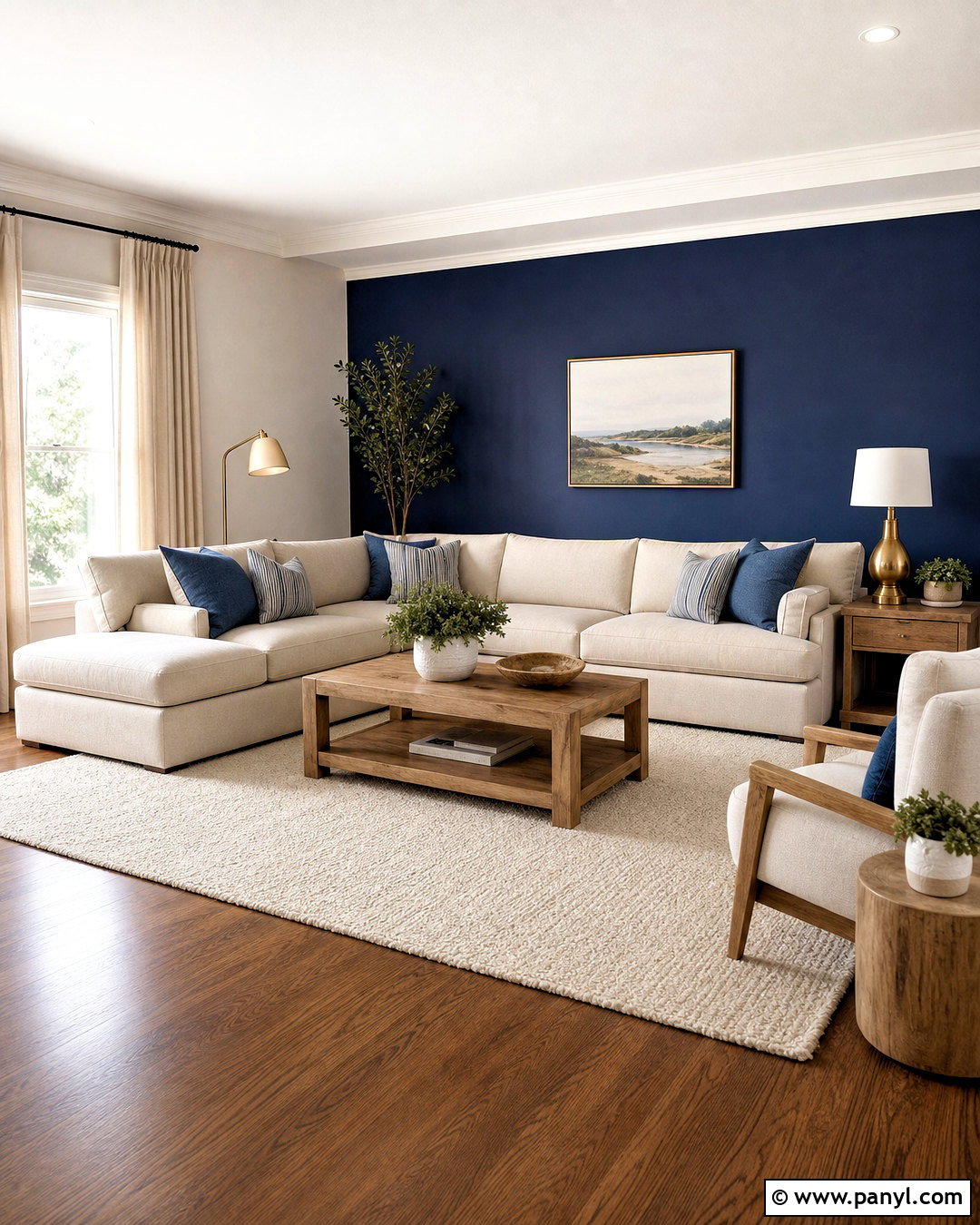
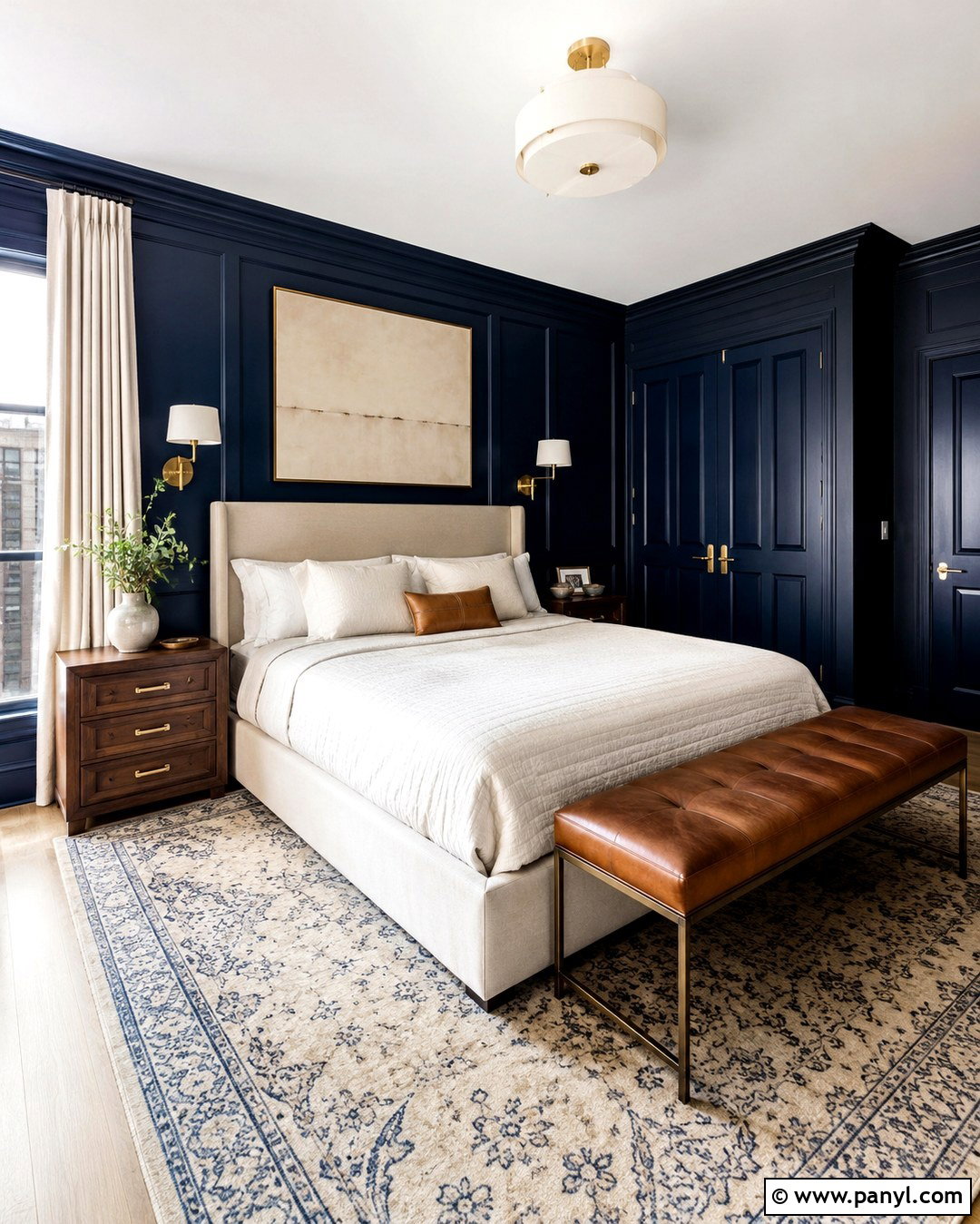
A navy blue accent wall gives a living room definition without making it feel overly colorful. Place it behind the main sofa or fireplace so the strongest color highlights an existing focal point. Keep the remaining walls warm white, then introduce a light oatmeal sofa, natural oak tables, and a cream rug to balance the depth of the navy. Brushed brass lamps and picture frames provide a warmer finish, while striped blue-and-ivory pillows repeat the wall color in smaller amounts. Choose linen curtains that closely match the surrounding walls instead of competing with the feature. Medium-toned wood flooring completes this polished transitional room. For a more connected result, hang artwork containing navy, cream, muted gold, and soft brown above the sofa.
2. Sage Green Accent Wall
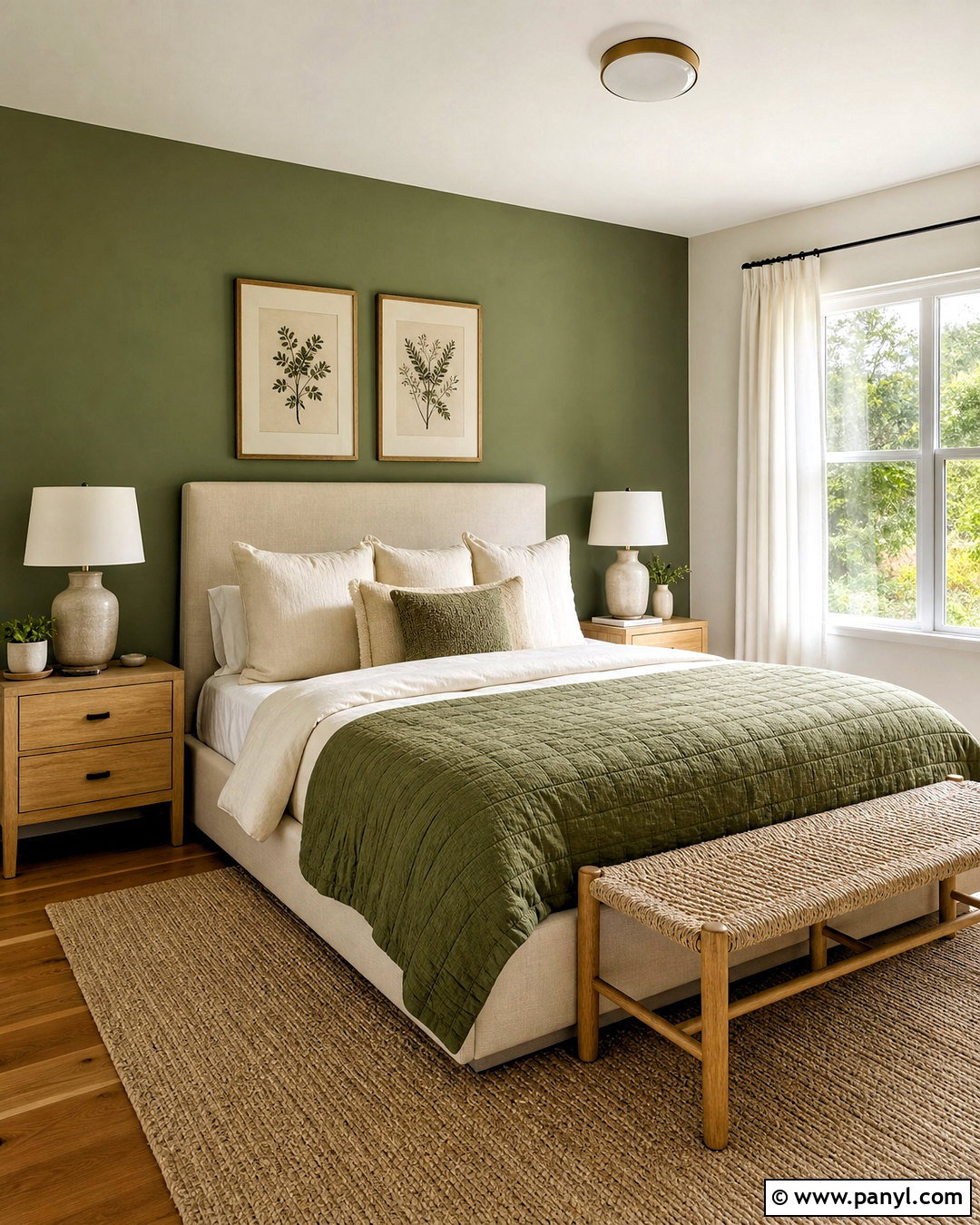
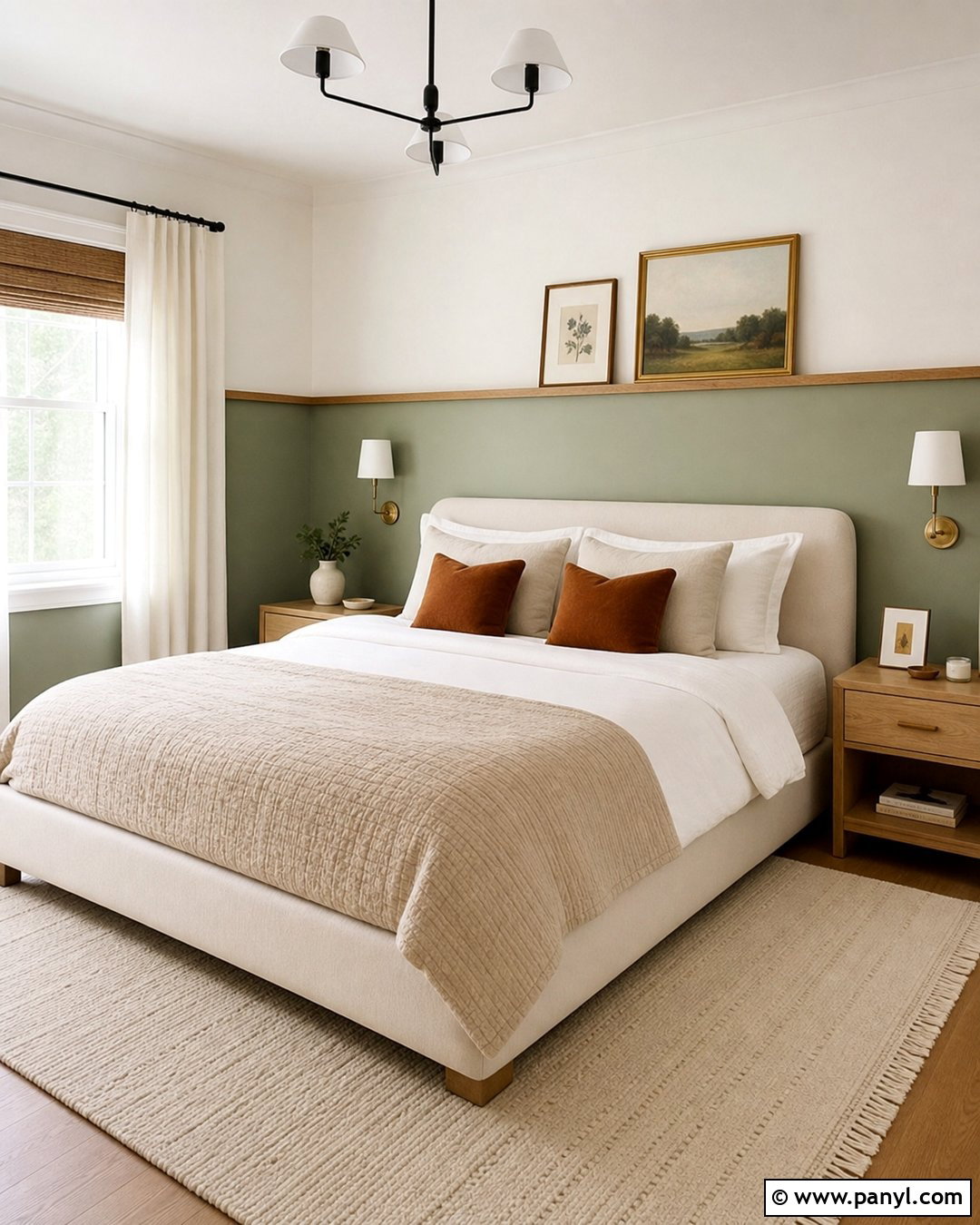
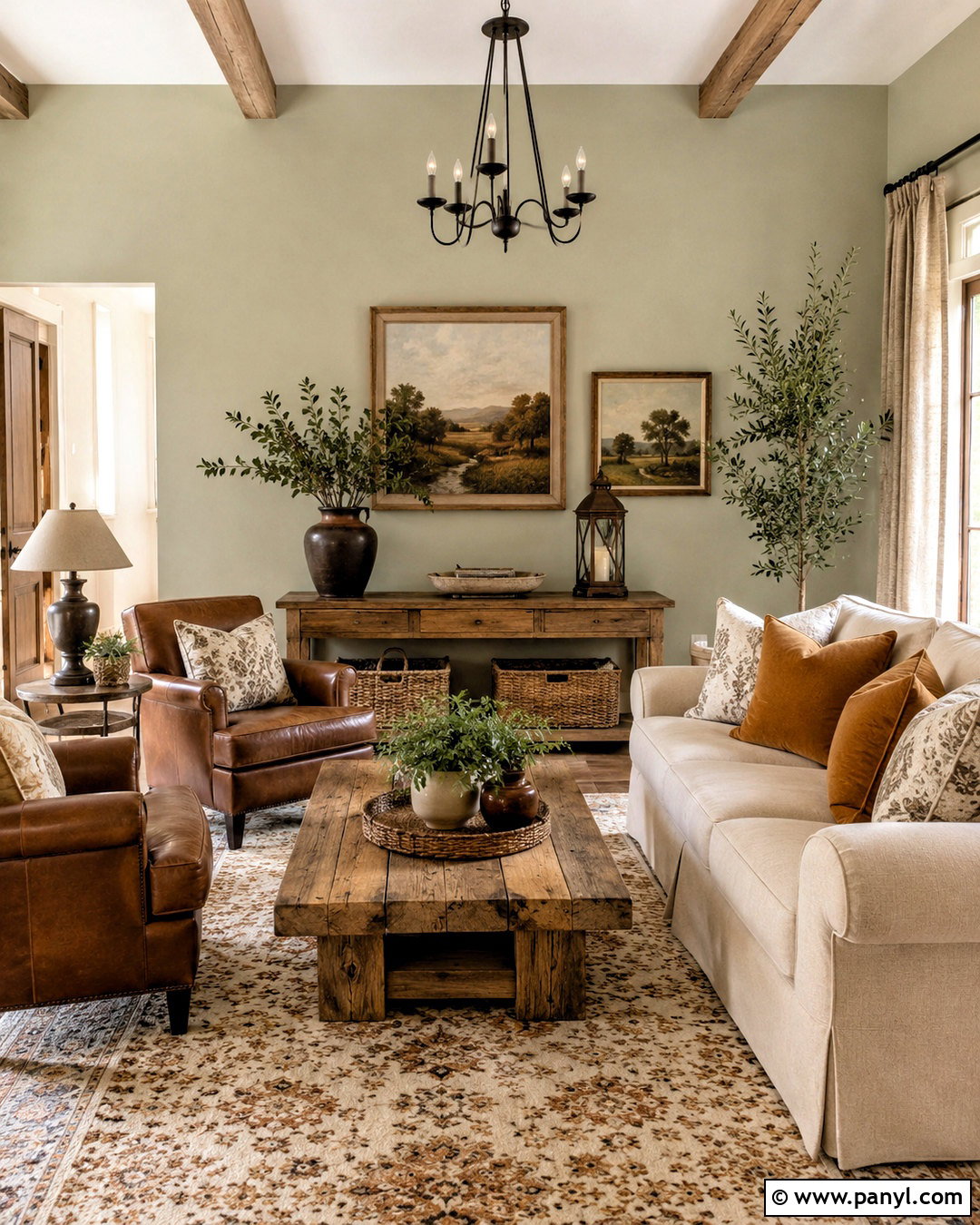
Soft sage green creates a restful bedroom that still feels fresh and interesting. Use the color on the wall behind an upholstered bed, surrounded by warm white walls and simple white trim. Layer the bed with ivory linen, a moss green quilt, and two patterned pillows that include sage, tan, and muted blue. Light oak nightstands keep the room natural, while ceramic lamps with off-white shades add gentle symmetry. A woven bench and pale jute rug bring subtle texture without making the palette busy. Finish the space with relaxed linen curtains, black-framed botanical prints, and one leafy plant near the window. The complete look feels calm, organic, and comfortable, making sage especially useful in bedrooms with generous natural light.
3. Charcoal Gray Accent Wall
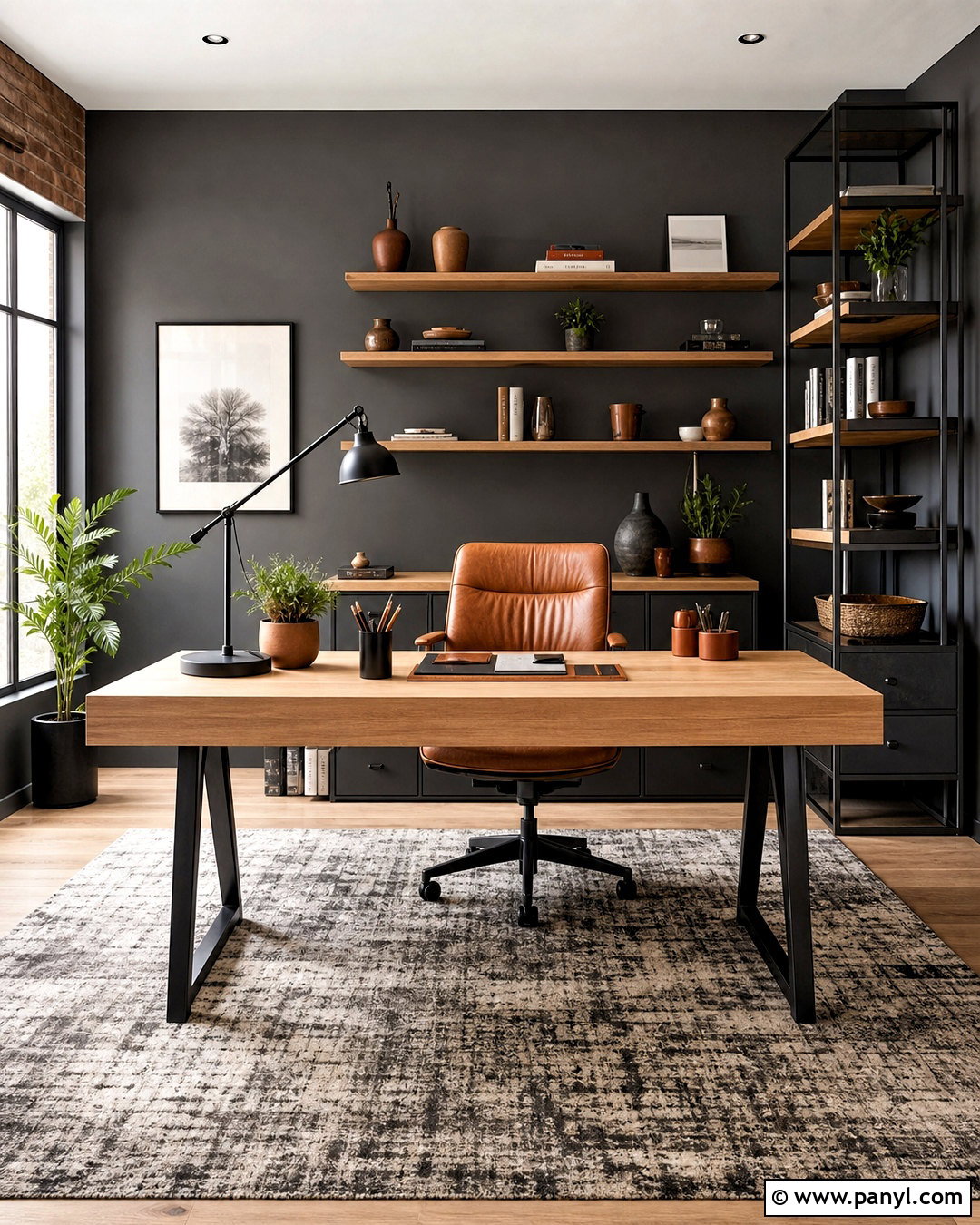
Could your home office use more structure? A charcoal gray accent wall creates a strong background for a streamlined workspace, especially when placed behind the desk and shelving. Pair it with soft white side walls, a pale oak desk, and black metal storage for a modern industrial balance. A camel leather office chair introduces warmth and prevents the gray from feeling cold. Add a low-pile rug in cream and graphite, then install floating oak shelves displaying neatly arranged books, pottery, and framed art. A matte black task lamp and simple ceiling fixture strengthen the crisp lines. Keep window treatments light and understated. Small rust or mustard accessories can add controlled color while maintaining the room’s professional, clutter-free appearance.
4. Terracotta Accent Wall
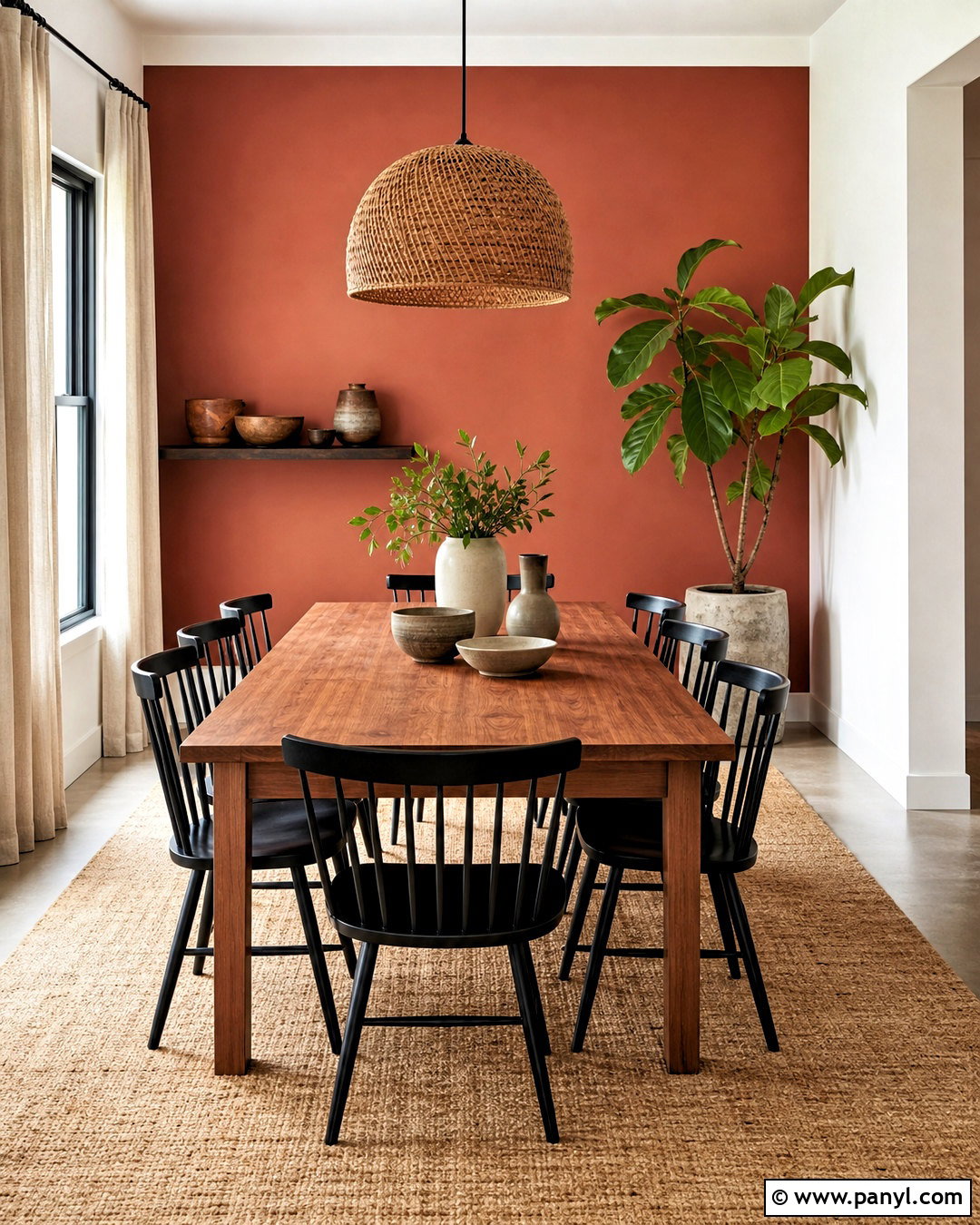
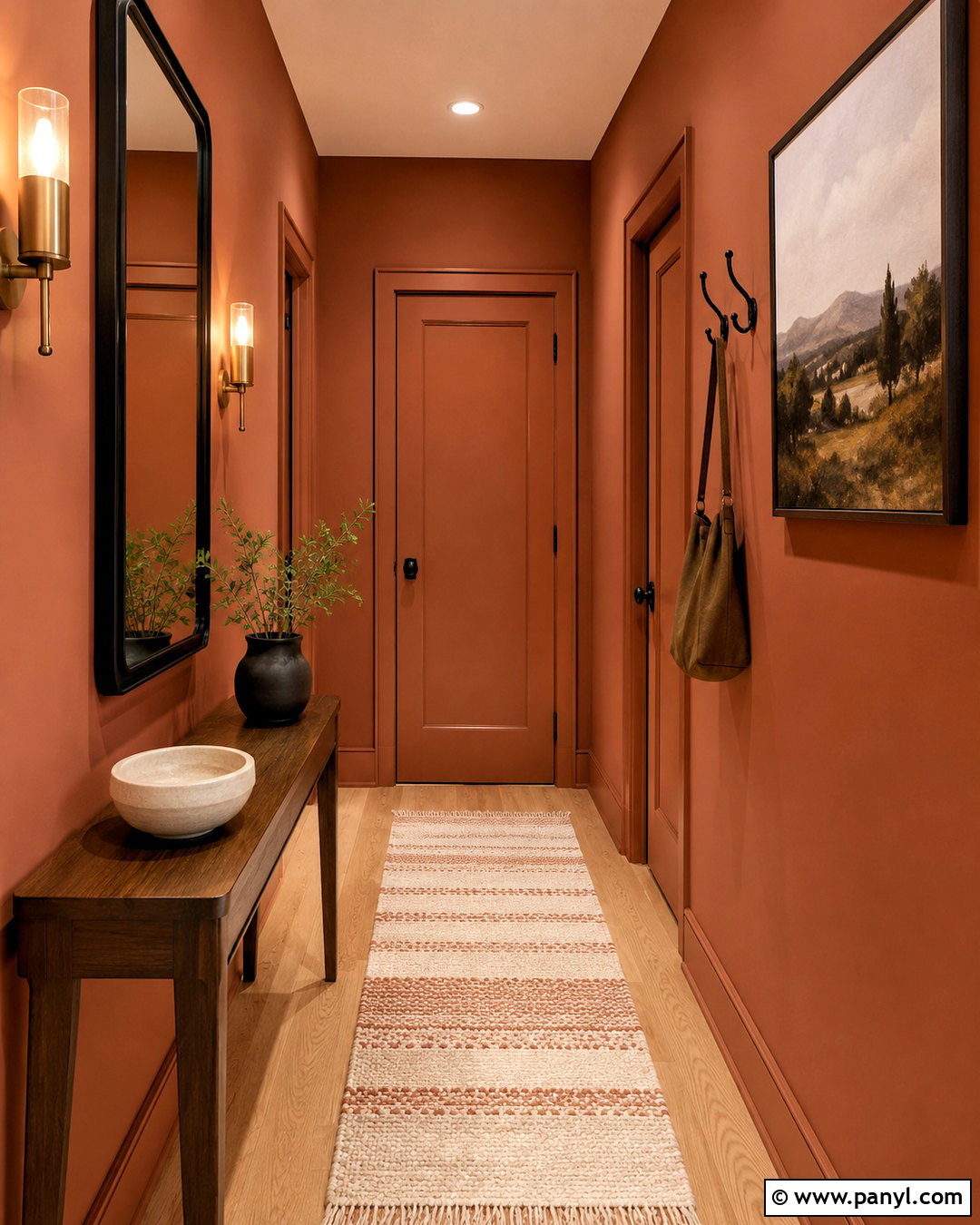
Terracotta brings earthy warmth to a dining room and pairs naturally with wood, woven textures, and creamy neutrals. Paint the wall behind a walnut dining table in a muted clay-orange shade rather than a highly saturated red. Use warm white on the other walls and repeat the terracotta through a patterned flat-weave rug or simple table linens. Black spindle-back chairs create contrast, while a woven pendant light softens the overall composition. Complete the setting with linen curtains, handmade ceramic dishes, and a broad-leaf plant in a stone-colored planter. Keep large furniture pieces simple so the wall remains the focal point. The finished room should feel welcoming and grounded, with enough contrast to look designed but not overly rustic.
5. Forest Green Accent Wall
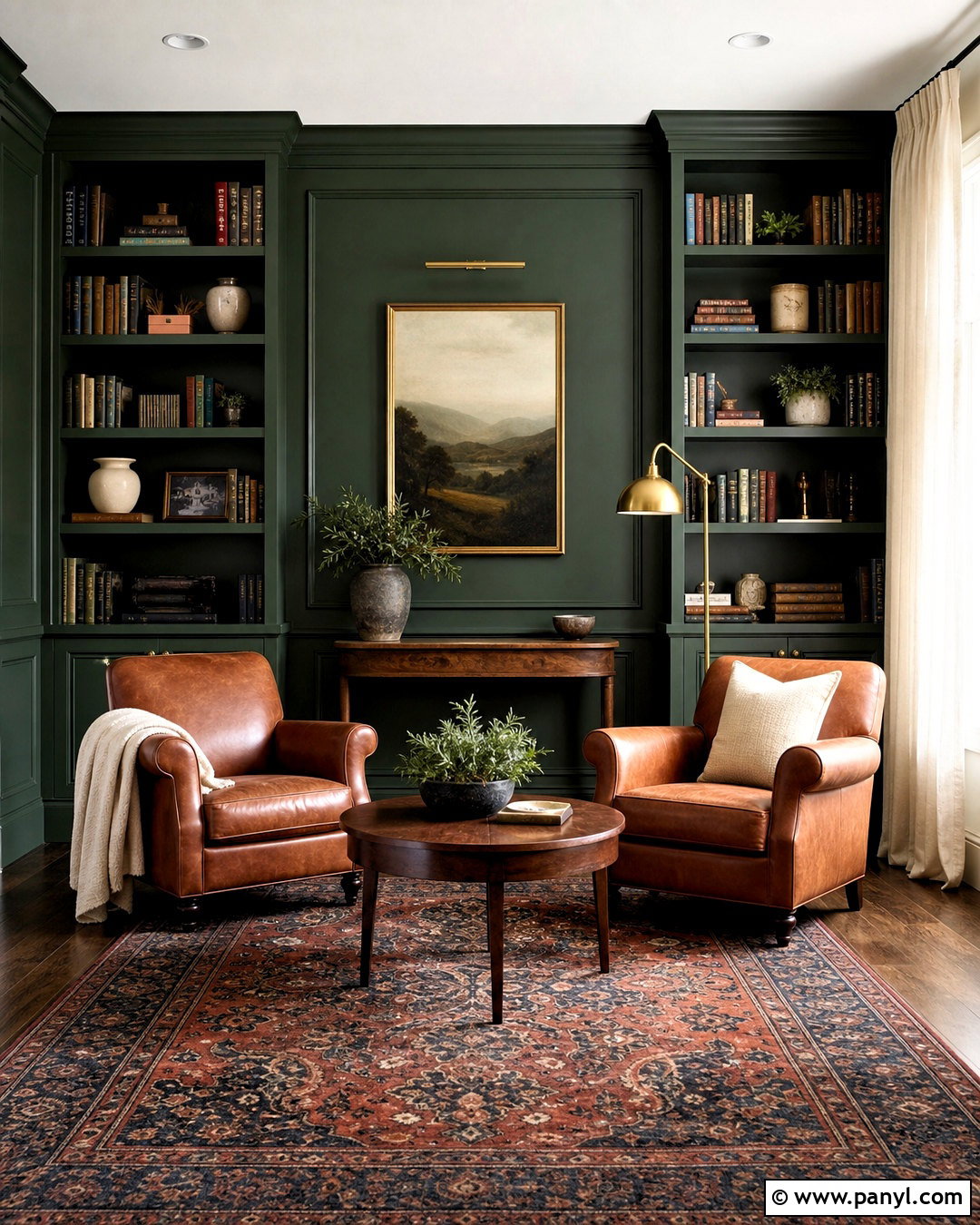
Deep forest green can turn a plain reading room into a cozy, tailored retreat. Choose the wall containing built-in shelves or place the color behind a pair of comfortable armchairs. Paint the surrounding walls a gentle cream and use dark-stained wood for side tables or bookcases. Two cognac leather chairs add warmth against the green, while a traditional rug in faded red, tan, and navy introduces quiet pattern. Include a brass floor lamp, cream throw blankets, and linen window panels to brighten the darker palette. Framed landscape art and neatly arranged books support the classic character. If the room is small, keep the ceiling and trim bright. This prevents the rich accent wall from visually overwhelming the complete space.
6. Dusty Blue Accent Wall
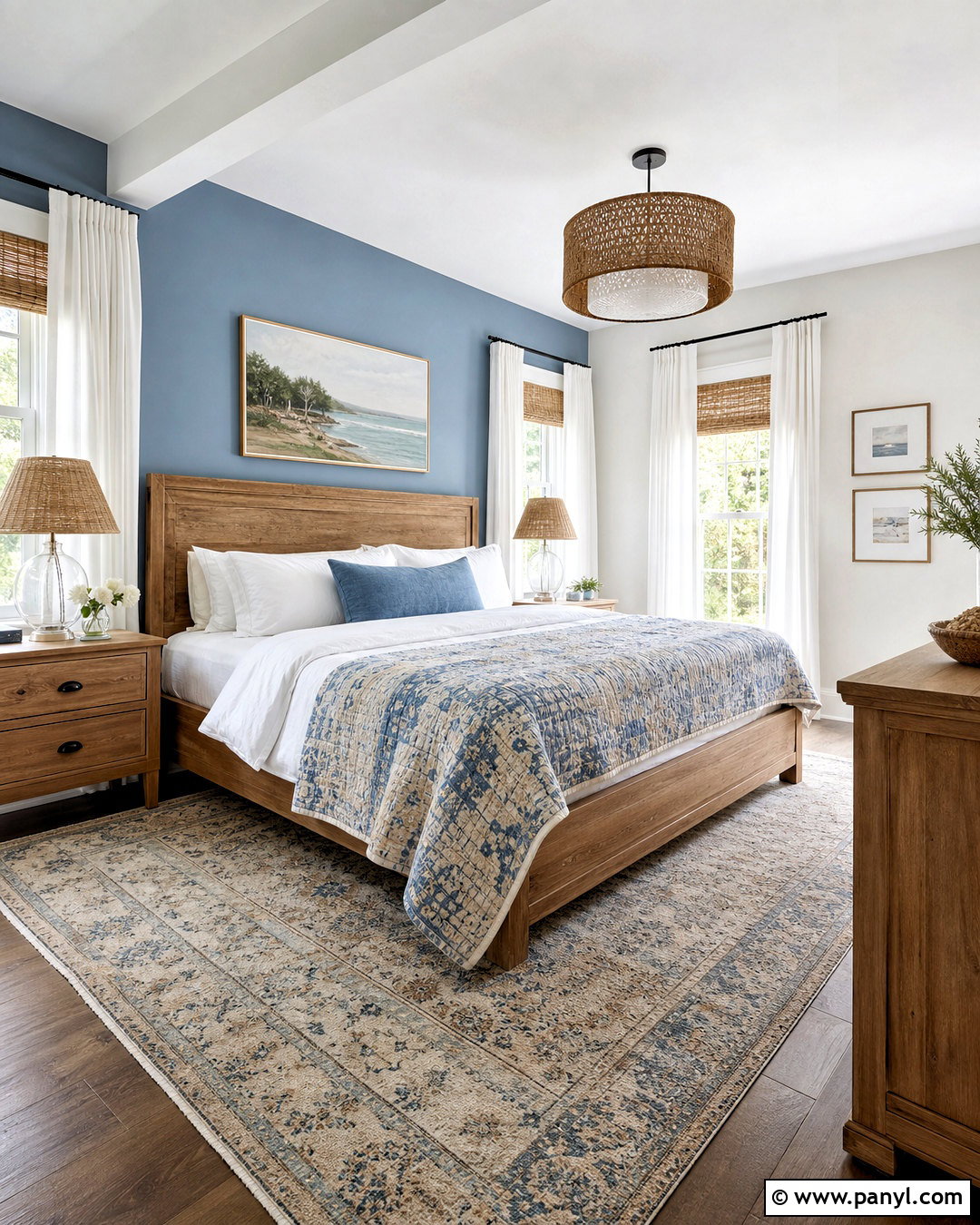
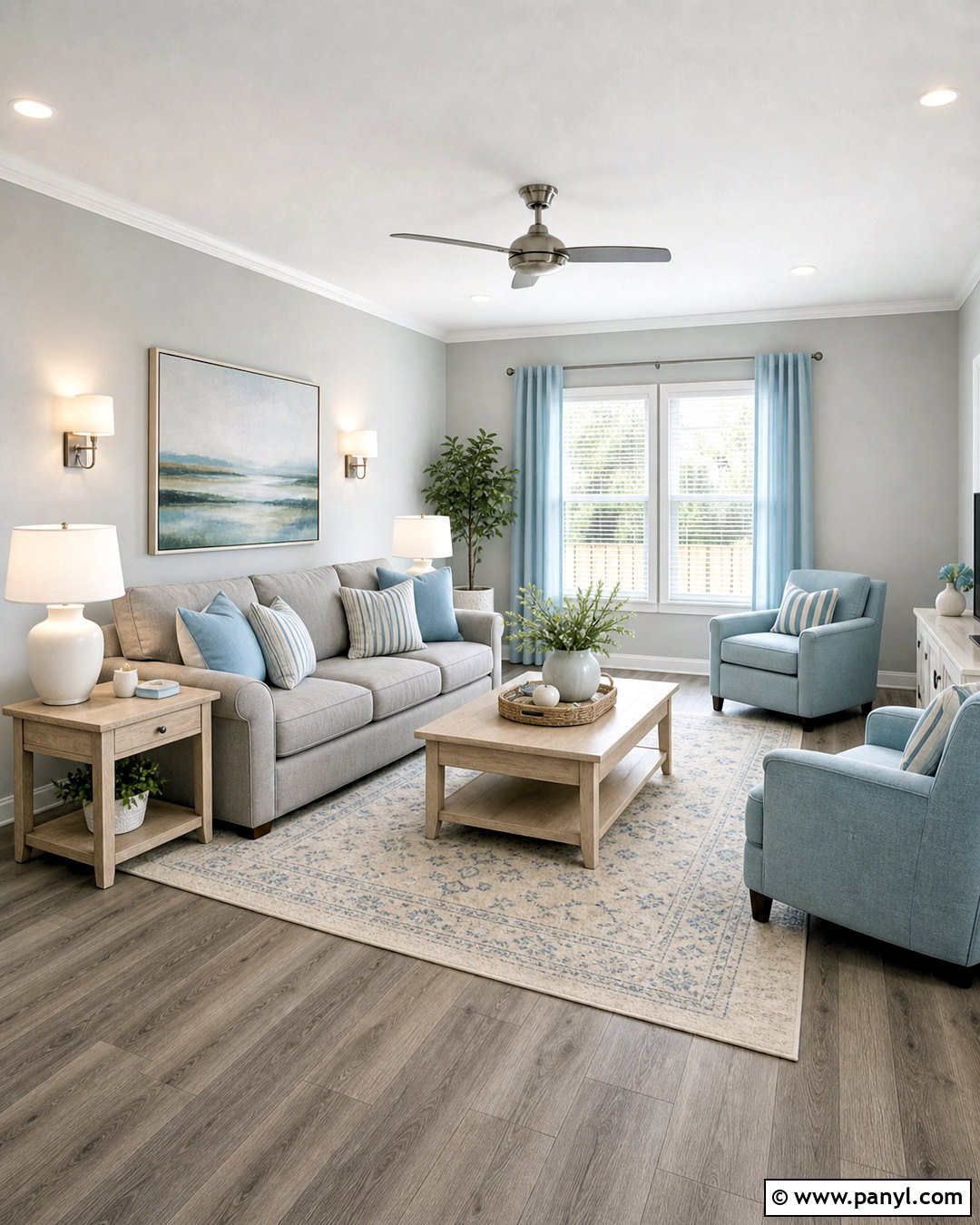
Dusty blue works beautifully in a light-filled guest bedroom because it adds color while remaining soft and approachable. Paint the bed wall in a muted blue with gentle gray undertones, then use creamy white across the remaining surfaces. A natural wood bed, crisp white bedding, and a quilt in faded blue and beige create an easy layered look. Place compact oak nightstands on either side with clear glass or white ceramic lamps. A vintage-style rug containing blue, sand, and rust gives the room more personality. Add woven shades beneath white curtains for practical light control and texture. Simple coastal artwork can complete the room, but avoid obvious themed accessories. The result should feel relaxed, airy, and suitable for every season.
7. Burgundy Accent Wall
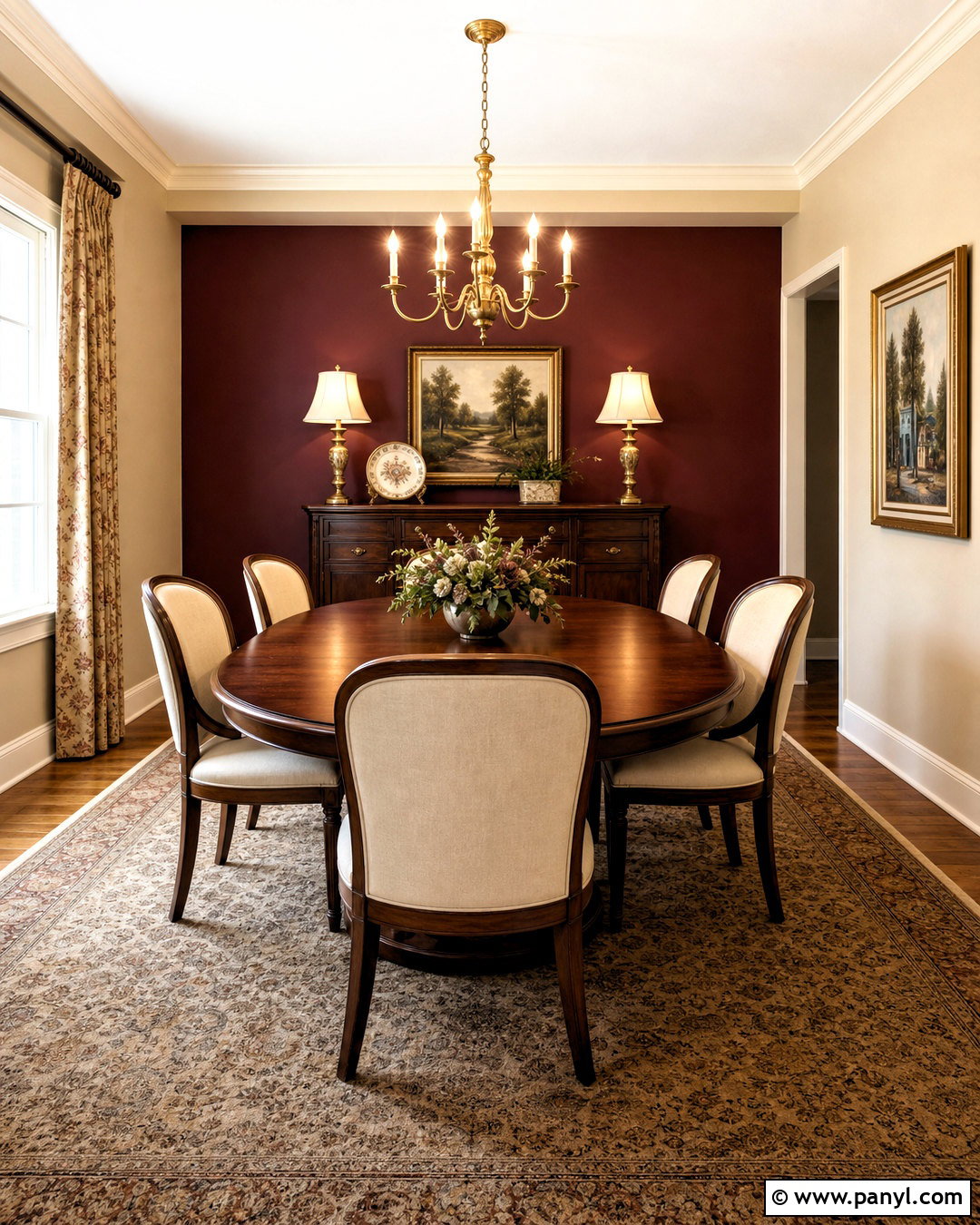
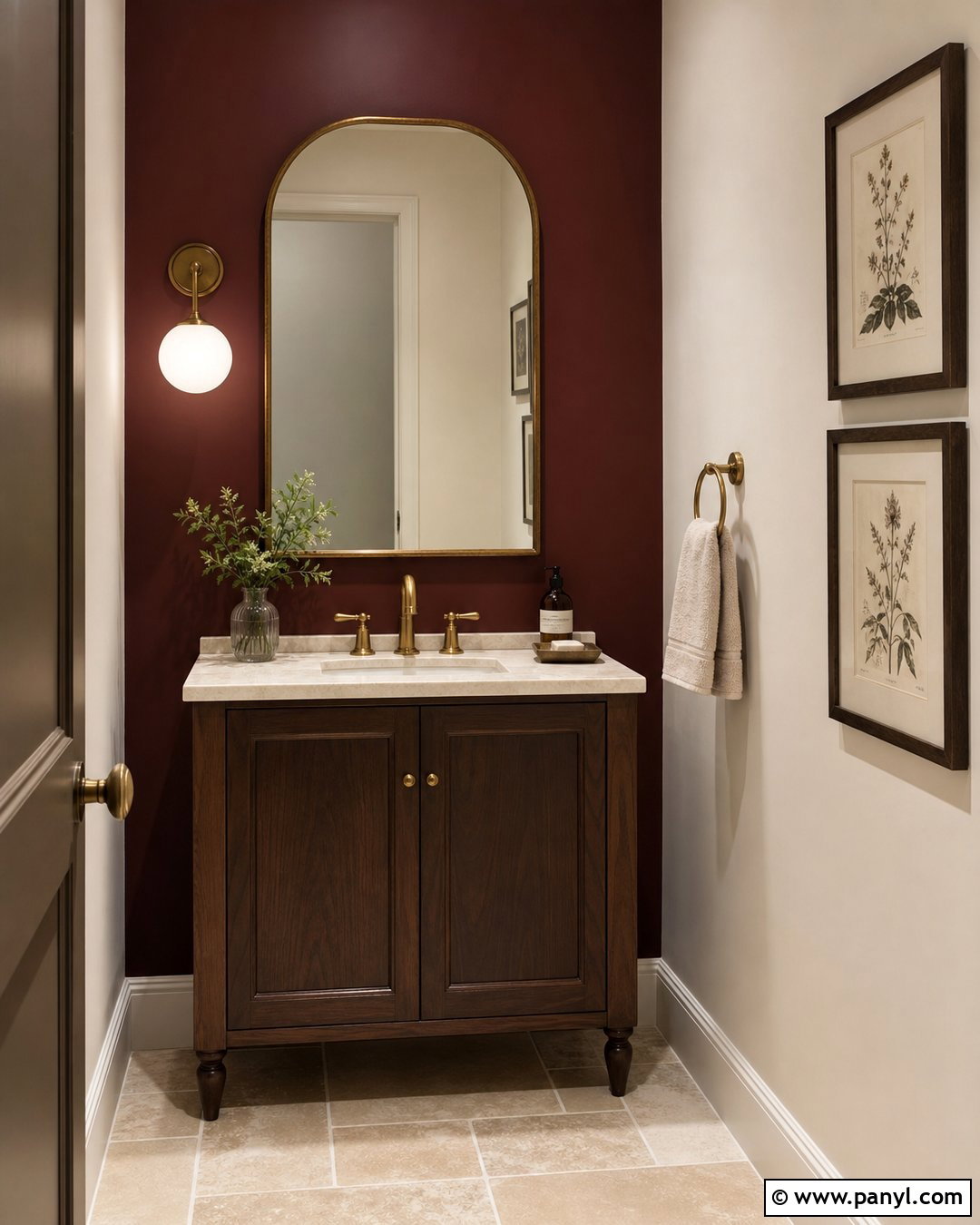
A burgundy accent wall creates a dramatic dining room with a rich, traditional character. Use it behind a dark walnut buffet or along the wall facing the main entrance to the room. Balance the deep red with warm beige side walls, ivory trim, and a medium-toned wood floor. Choose an oval walnut table with upholstered cream chairs to soften the stronger color. An aged brass chandelier and matching buffet lamps bring subtle brightness. Introduce burgundy again through a patterned rug, but include plenty of taupe, cream, and muted blue so the space does not appear too red. Finish with classic framed artwork and simple ceramic accessories. This complete scheme feels formal enough for gatherings but comfortable enough for regular family meals.
8. Warm Taupe Accent Wall
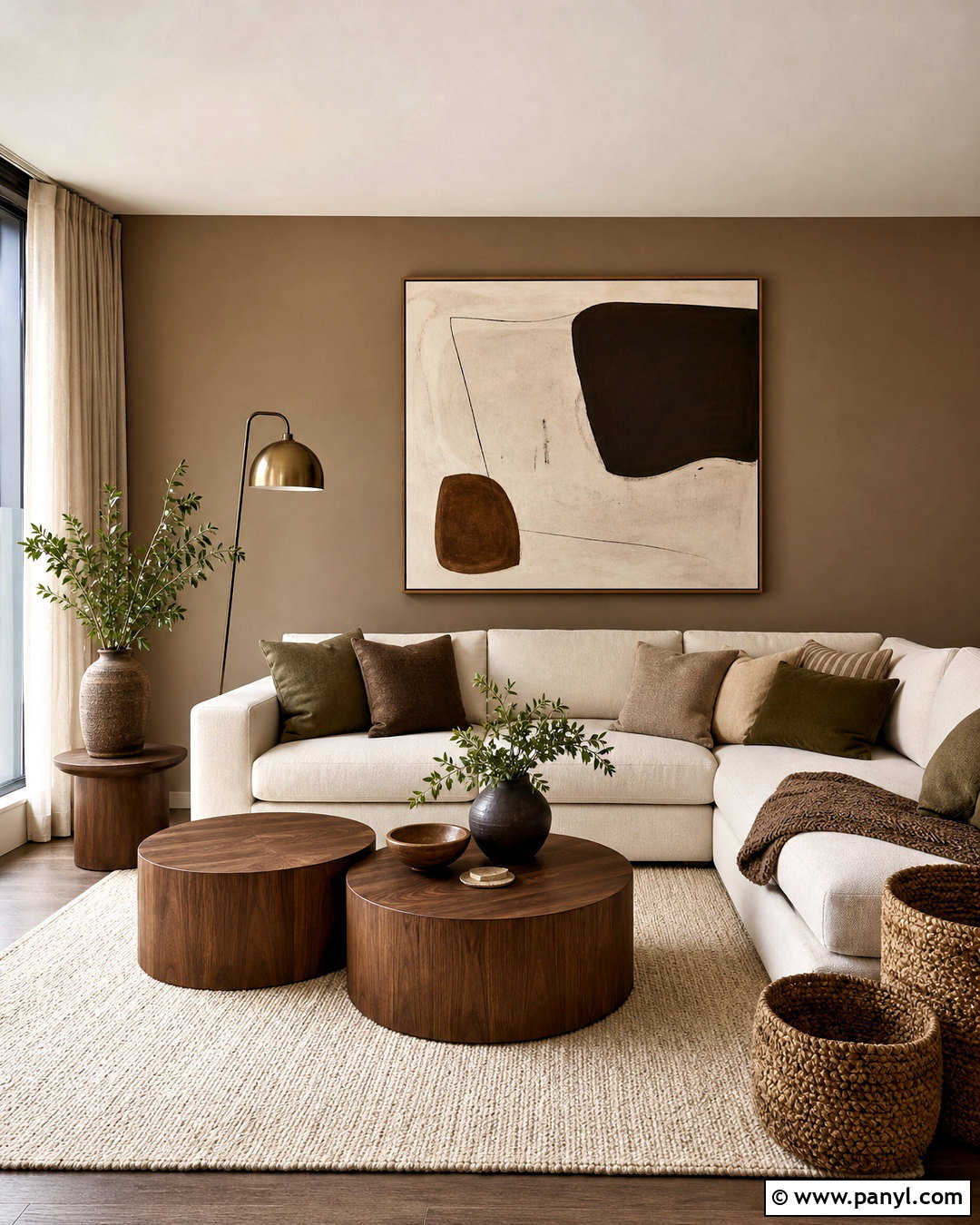
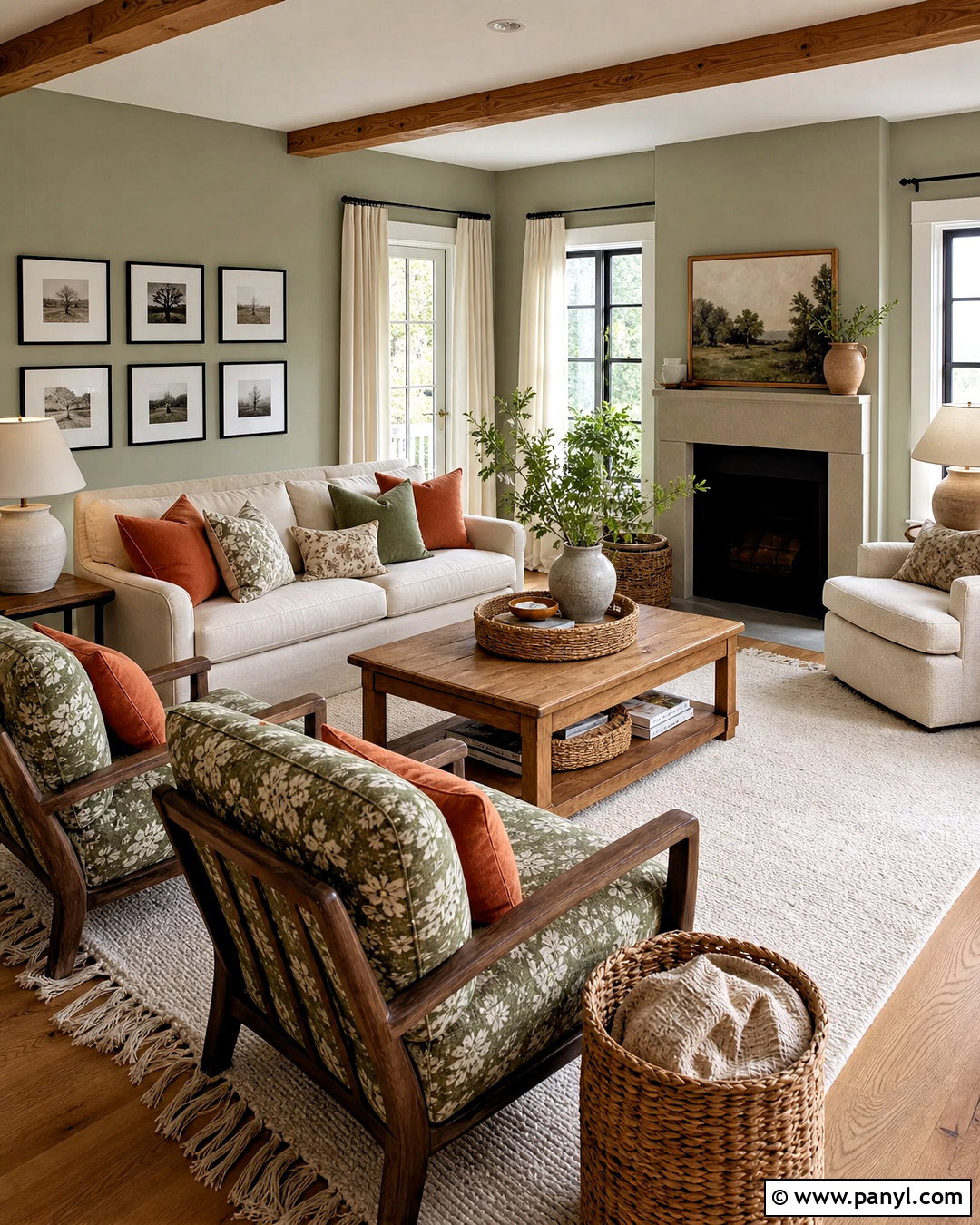
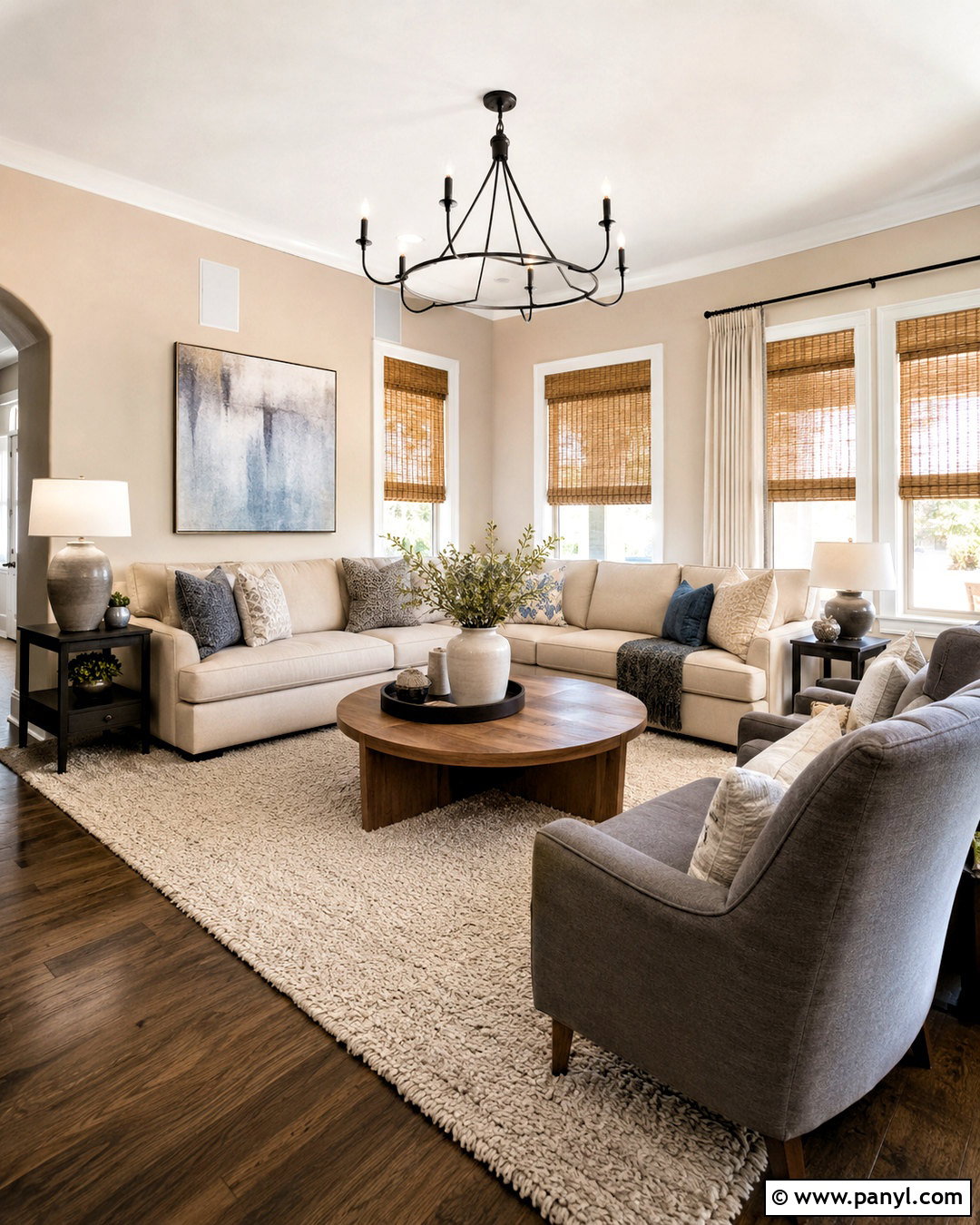
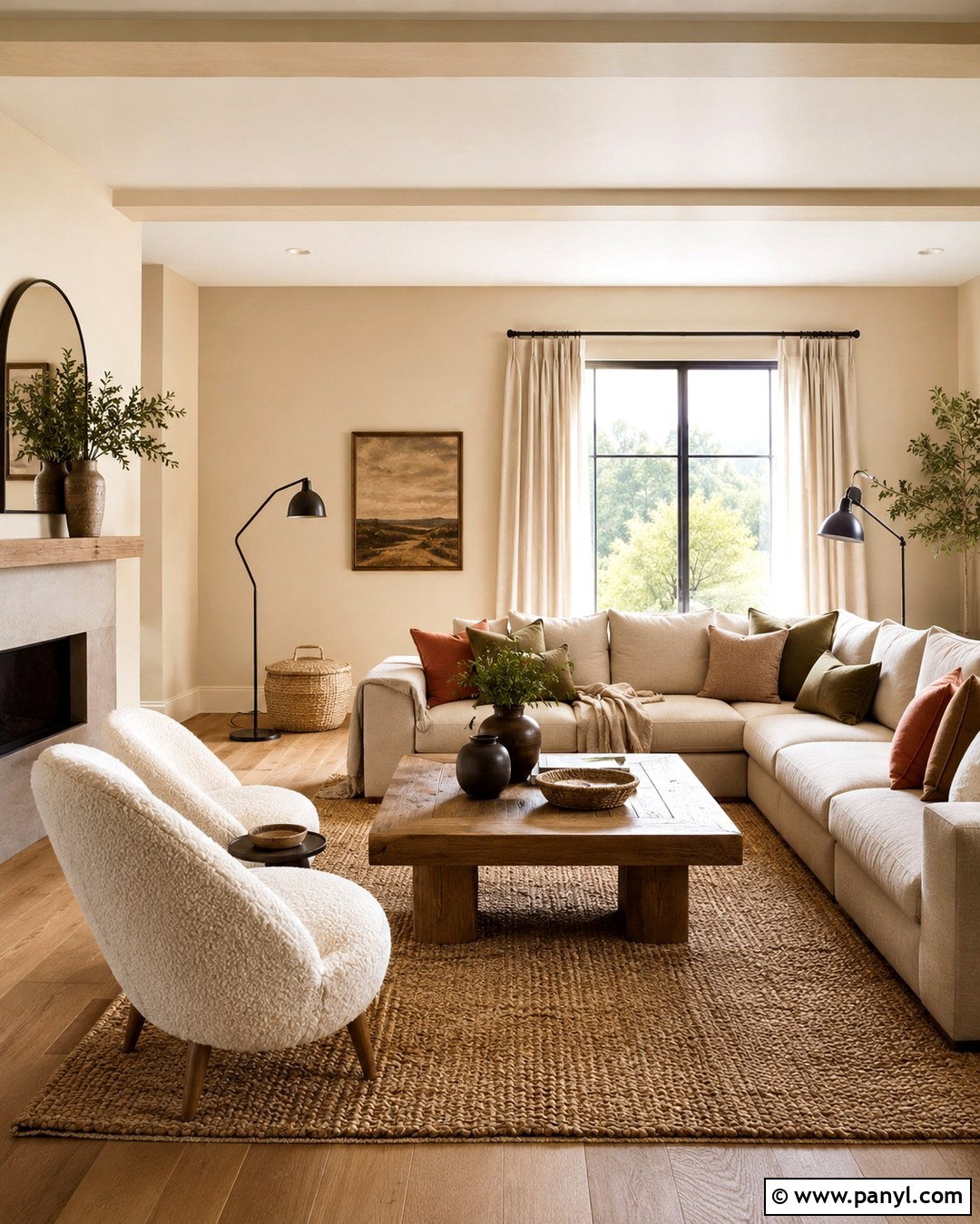
For a quiet accent wall that does not depend on bold color, try warm taupe in a neutral living room. Use the shade behind a cream sectional and choose a taupe that is clearly darker than the surrounding soft-white walls. Layer the seating with chocolate brown, ivory, and muted olive pillows, then ground everything with a textured wool rug. Walnut coffee tables and a slim bronze floor lamp reinforce the warm undertones. Hang one oversized abstract artwork containing cream, brown, black, and faded green rather than several small pieces. Natural linen curtains and woven baskets keep the room relaxed. This full tonal scheme provides visual depth while remaining easy to update with different pillows, throws, artwork, and seasonal greenery.
9. Deep Teal Accent Wall
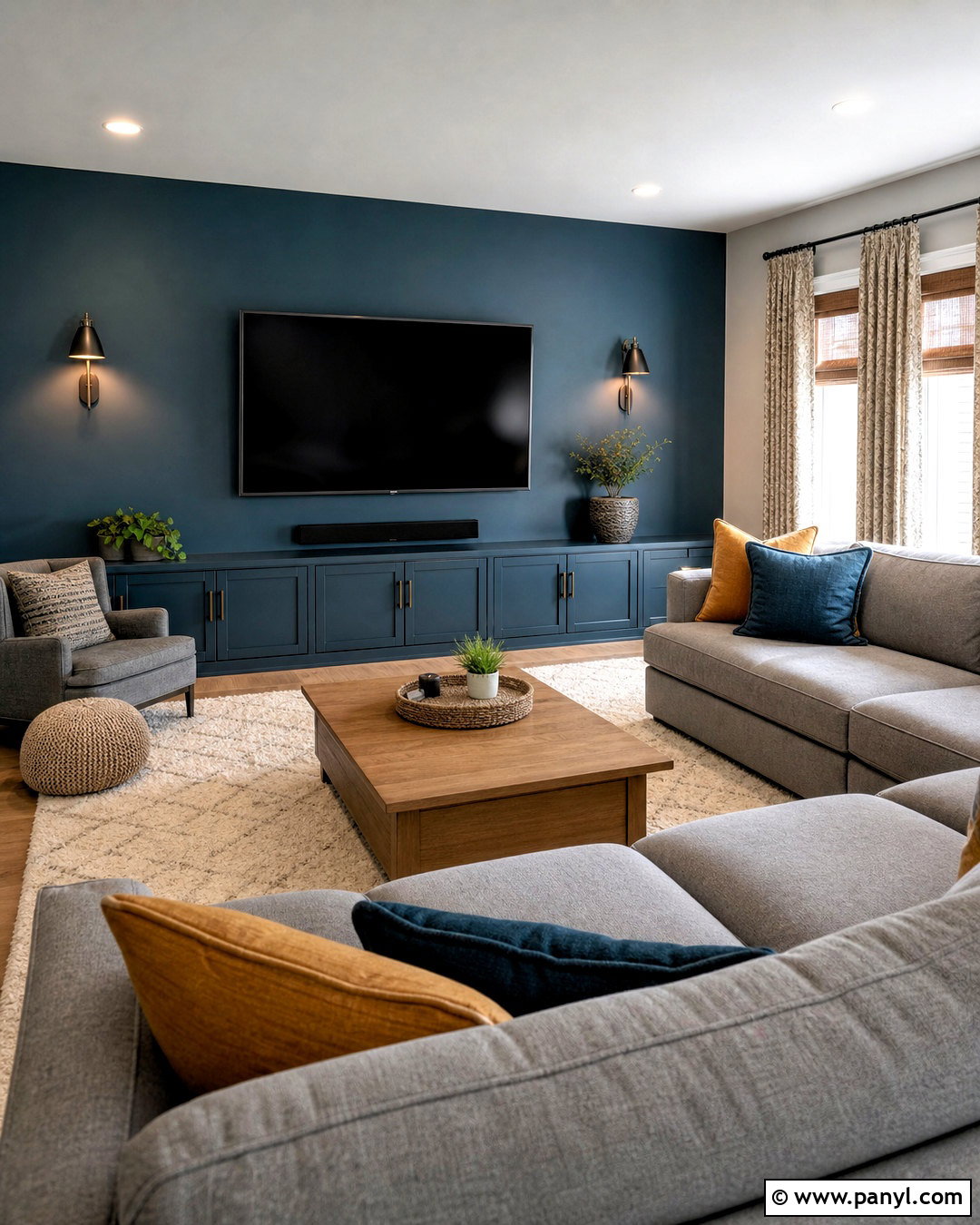
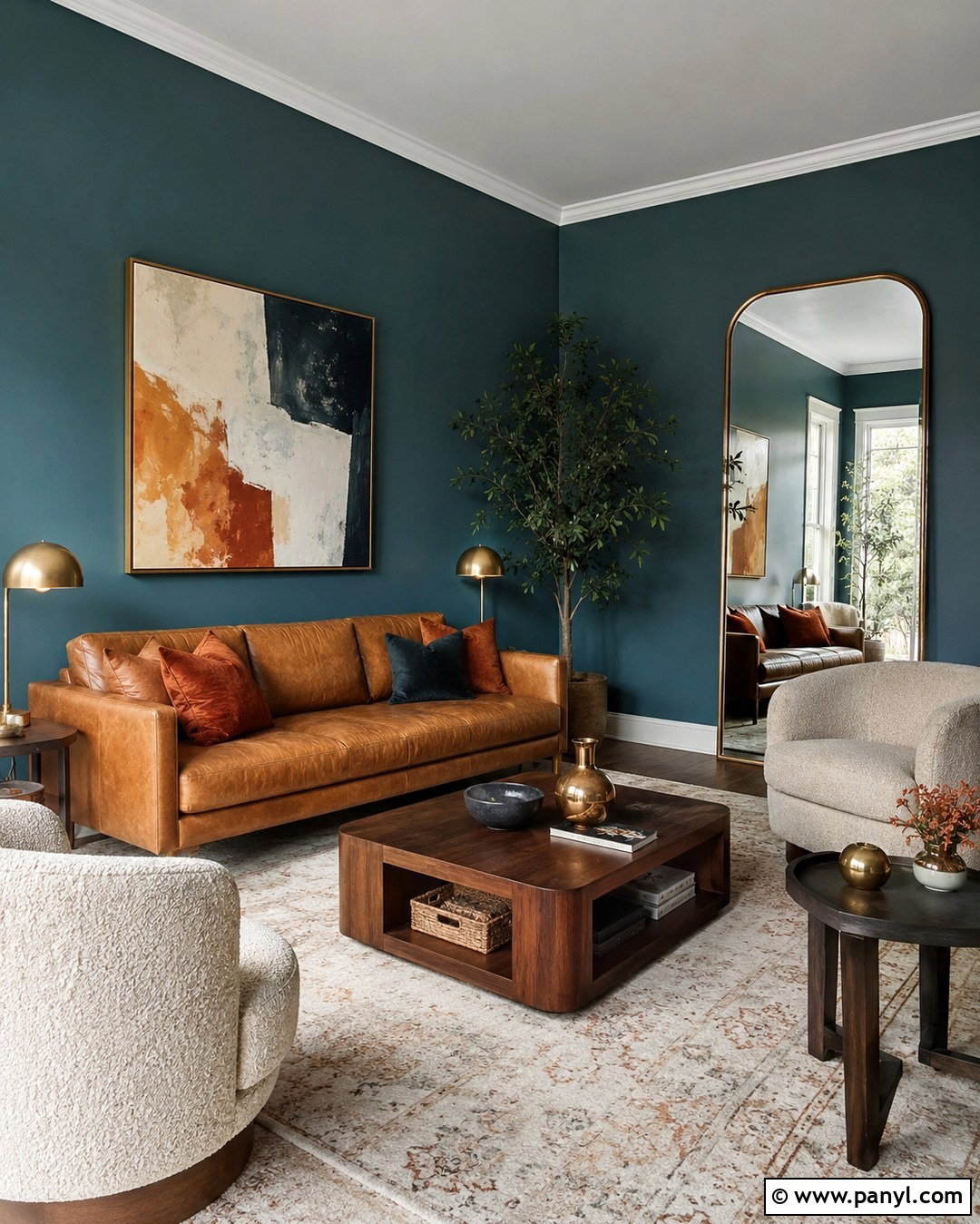
Deep teal gives a media room or family room bold personality while maintaining a comfortable, enveloping look. Paint the television wall teal and use matching low cabinets to create a seamless built-in effect. Keep the other walls pale greige, then add a medium-gray sectional and a warm oak coffee table. Pillows in teal, ochre, cream, and subtle geometric patterns connect the palette. A large ivory rug prevents the darker focal wall from dominating the room. Use black sconces or slim brass picture lights to frame the media area without adding visual clutter. Closed storage keeps electronics and accessories organized. Finish with textured curtains and a few natural wood accents. The room will feel colorful, functional, and intentionally coordinated.
10. Mustard Yellow Accent Wall
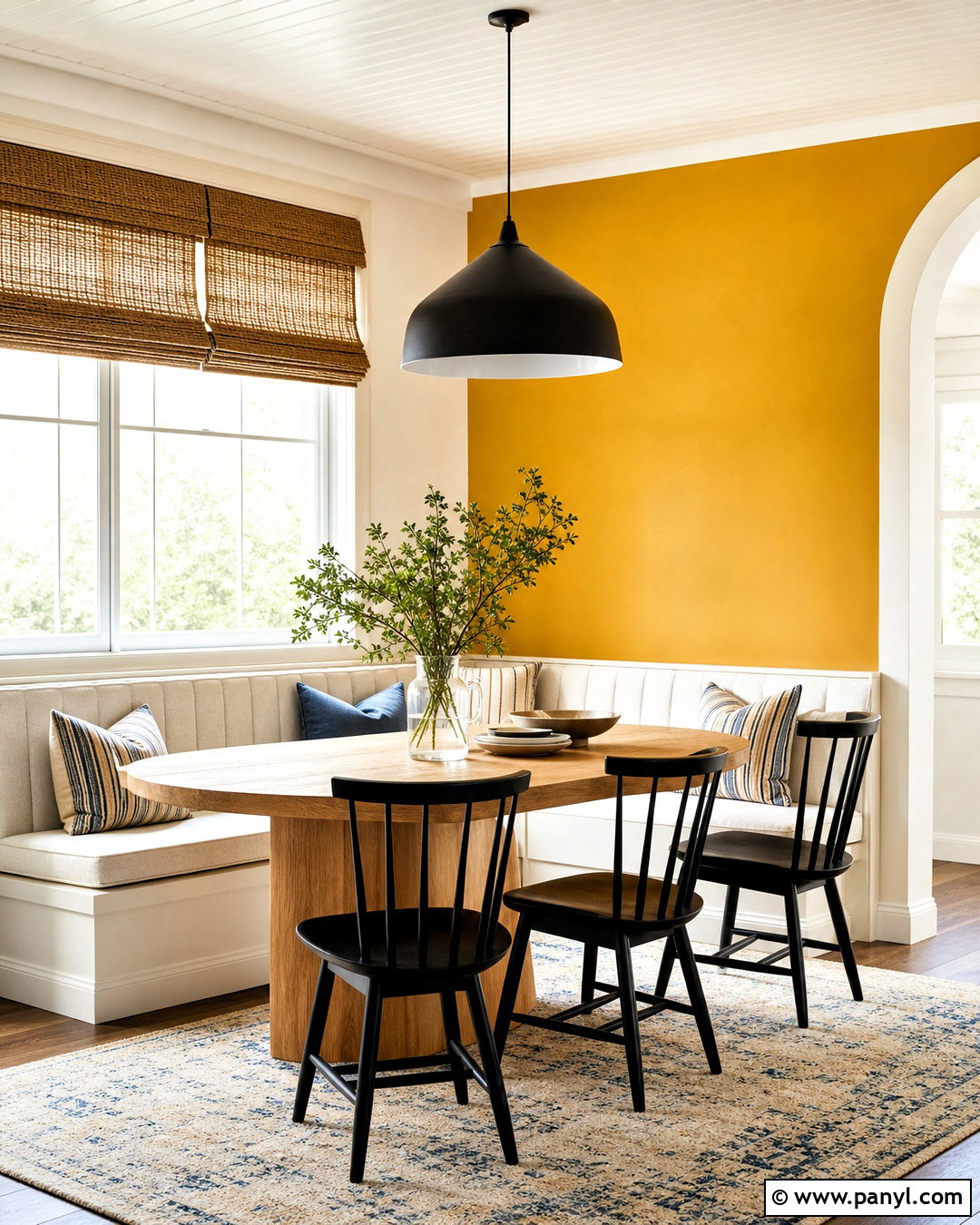
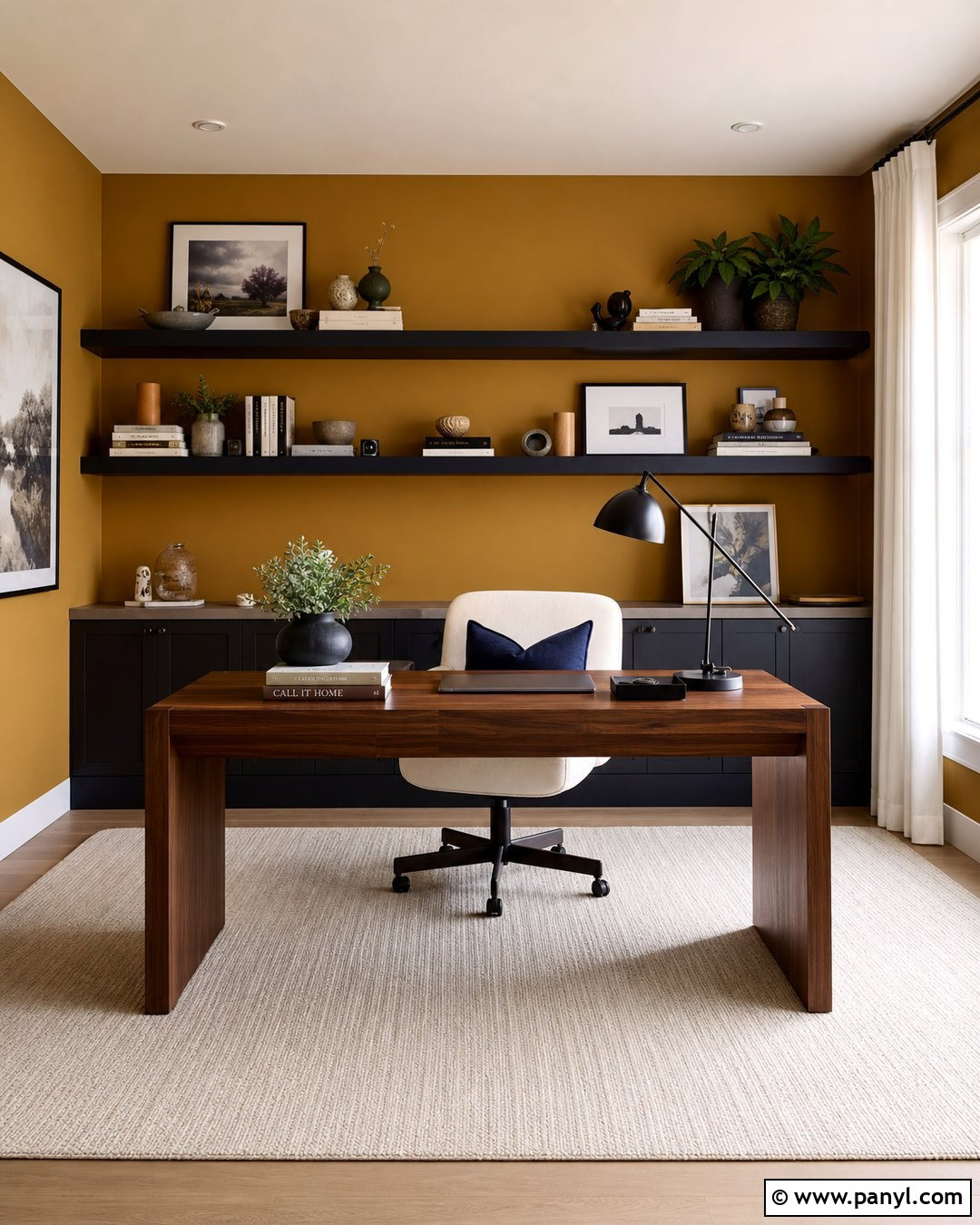
Mustard yellow can energize a breakfast nook without becoming as sharp as a bright lemon shade. Apply it to the wall behind a built-in banquette or compact dining table, then surround it with warm white walls and light oak flooring. Choose a cream upholstered bench, oak pedestal table, and simple black dining chairs for contrast. A washable rug in ivory, mustard, and muted blue can define the nook while handling everyday use. Add striped cushions, woven shades, and a matte black pendant light to complete the casual arrangement. Keep accessories limited to a framed print and small ceramic planter. The finished area should look cheerful and practical, with enough white and natural wood to balance the yellow’s strong visual presence.
11. Blush Pink Accent Wall
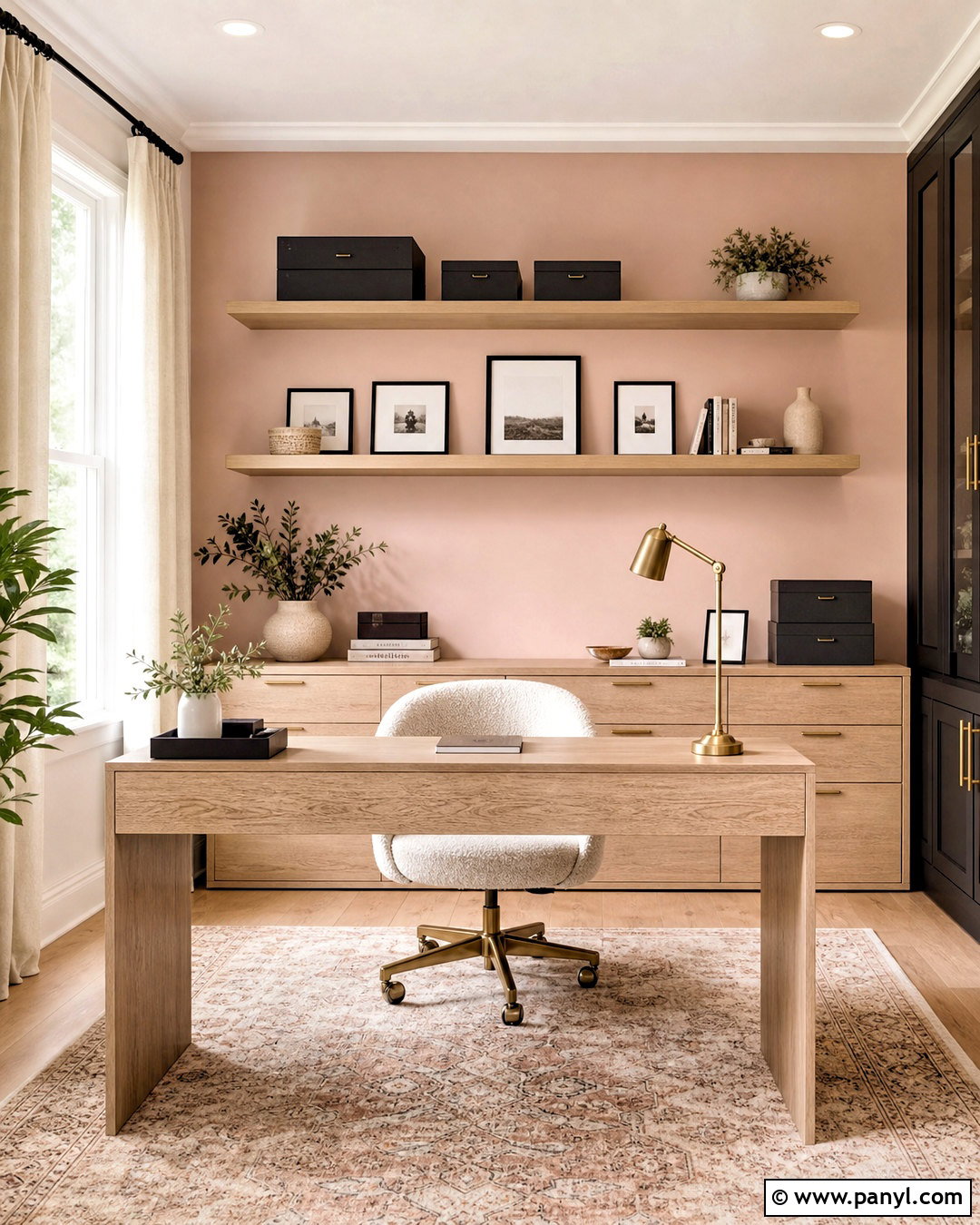
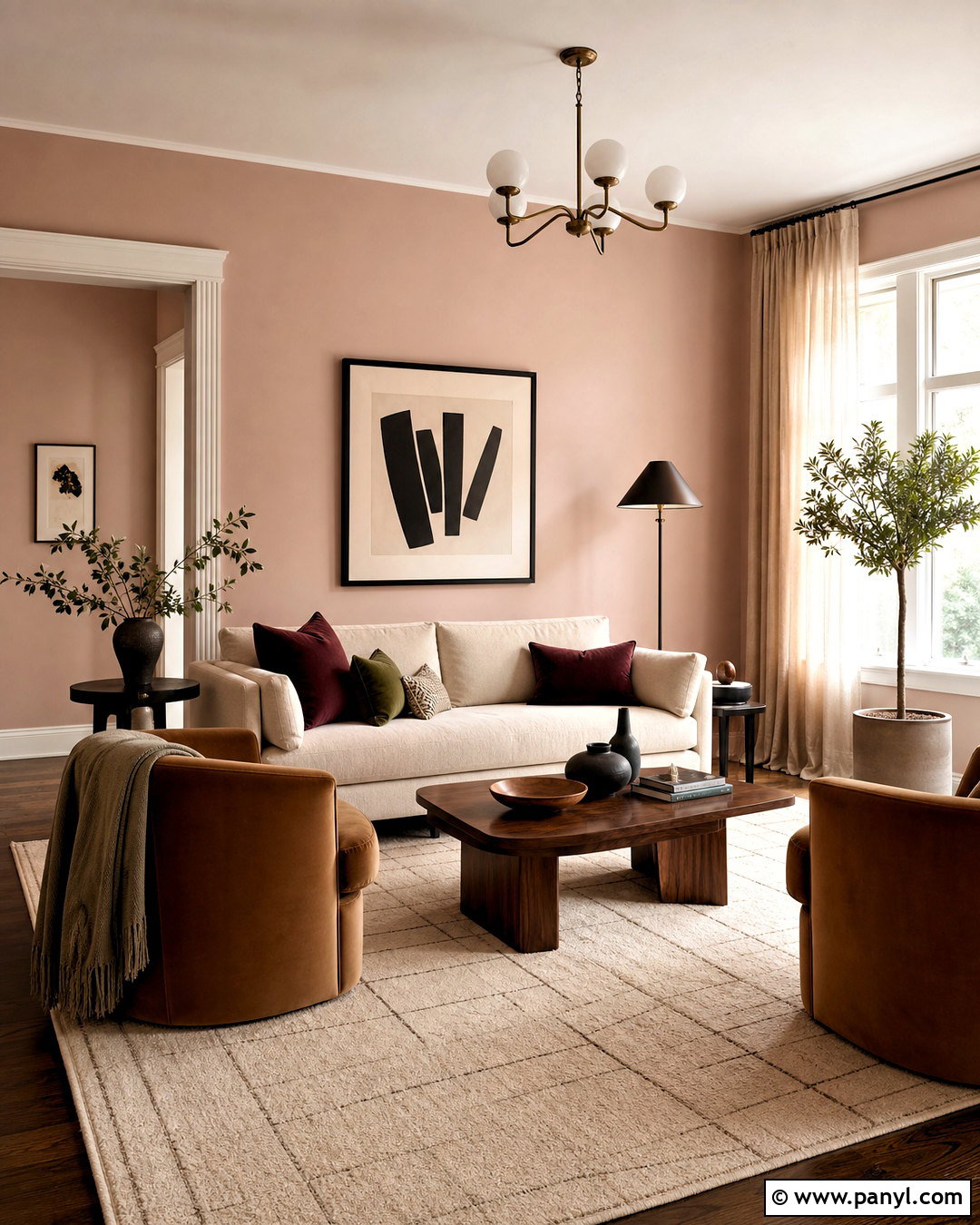
A muted blush pink accent wall gives a home office a warm, modern appearance without making the space feel overly sweet. Place the color behind a white or light oak desk, then keep the remaining walls soft ivory. Add a boucle desk chair in cream, a slim brass lamp, and pale wood floating shelves for a clean, coordinated workstation. Use charcoal file boxes and black picture frames to sharpen the softer palette. A small patterned rug can combine blush, beige, rust, and gray, helping the room feel layered. Natural linen curtains filter daylight and reduce glare near the desk. Complete the design with abstract artwork, a sculptural ceramic vase, and organized storage. The result feels polished, creative, and suitable for daily work.
12. Black Accent Wall
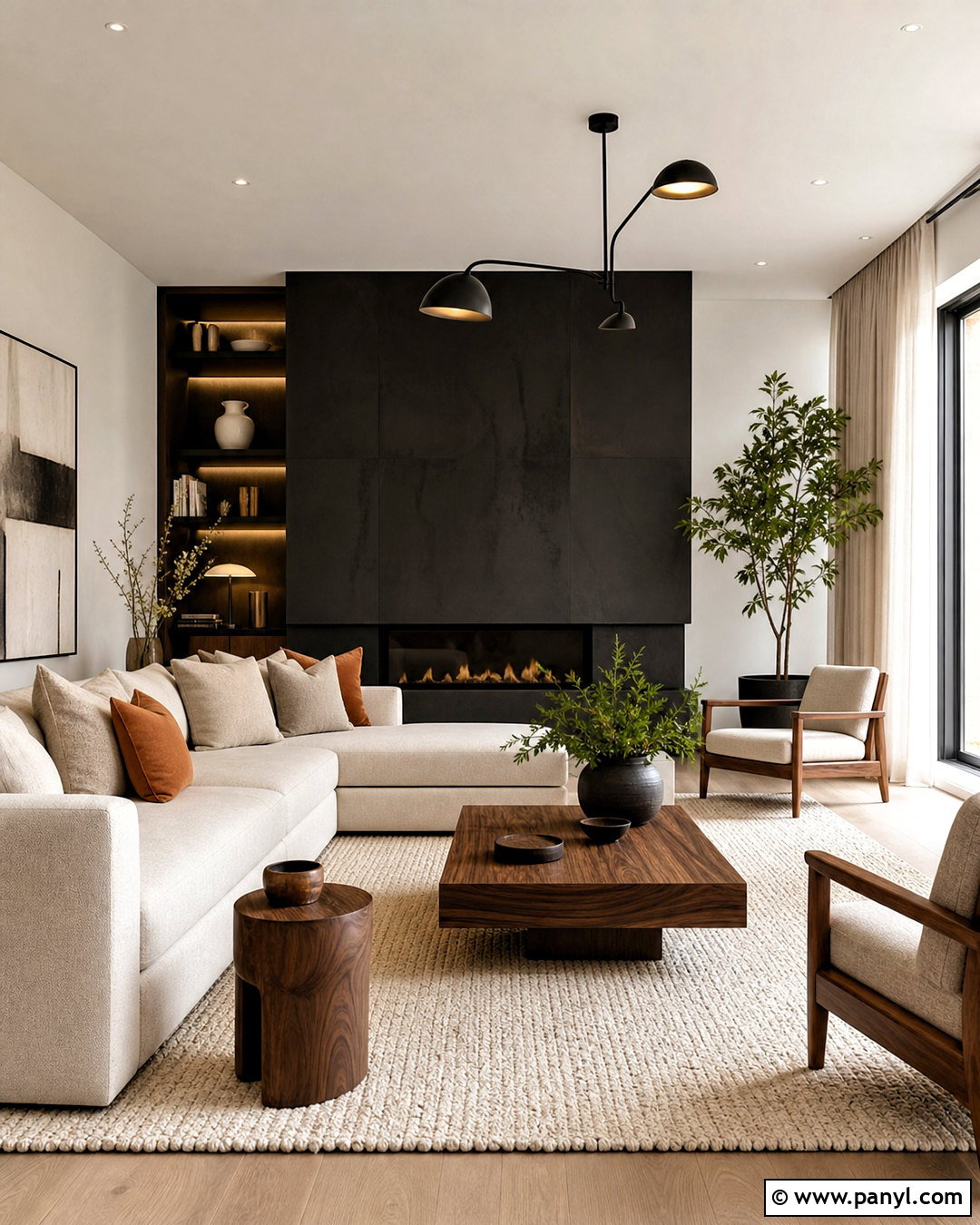
A black accent wall can look crisp and architectural when the full room includes plenty of lighter surfaces. Use it behind a modern fireplace in a living room with bright white walls and a pale ceiling. Select a warm white sofa, light oak armchairs, and a large cream rug to establish contrast. Black metal tables and window frames can repeat the feature color, while walnut and cognac accents keep the space from appearing stark. Hang one large neutral artwork over the fireplace or leave the wall mostly open for a cleaner effect. Introduce texture through boucle upholstery, linen curtains, and woven baskets. Strong natural light and layered lamps are important to this look, ensuring the black wall feels intentional rather than heavy.
13. Olive Green Accent Wall
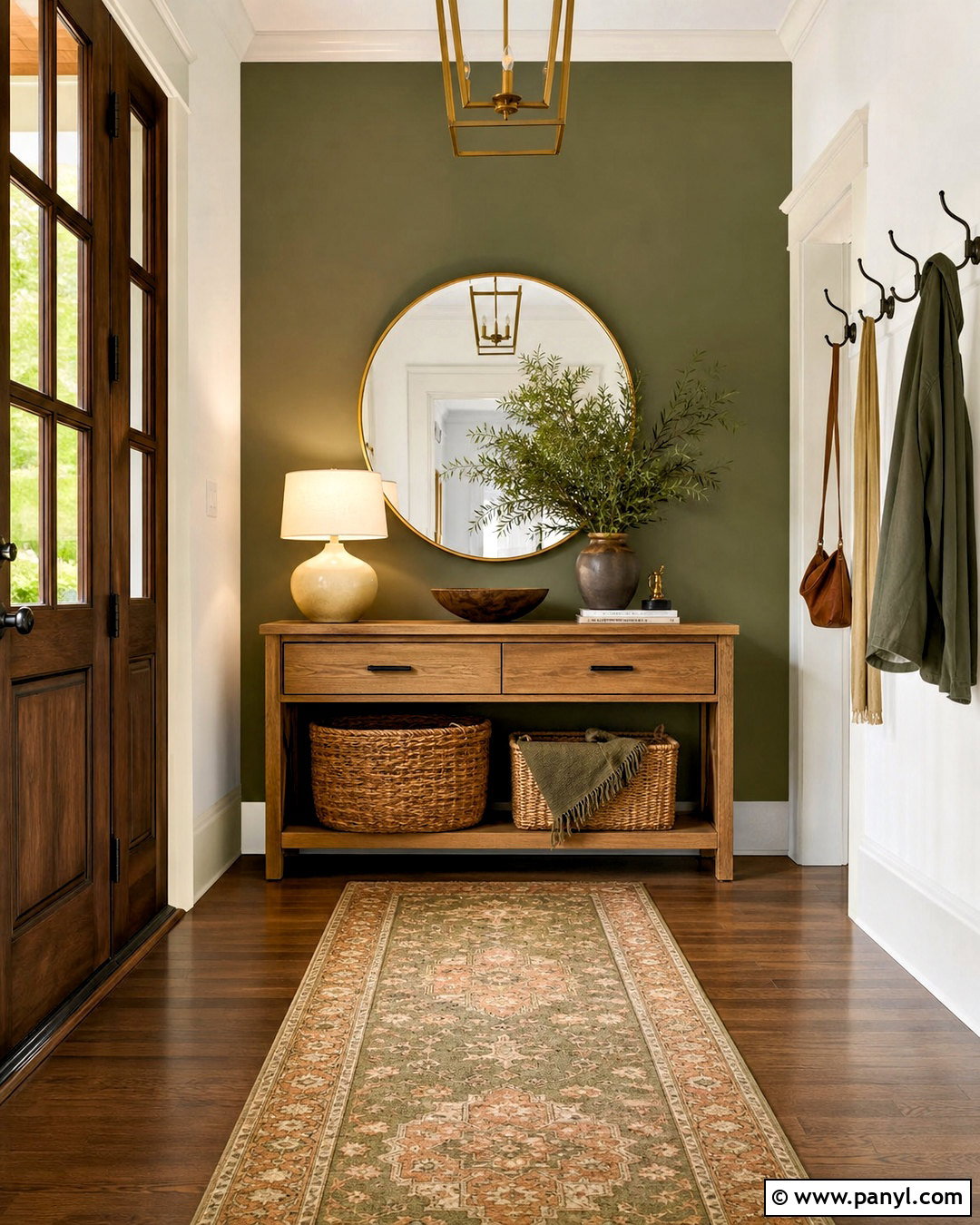
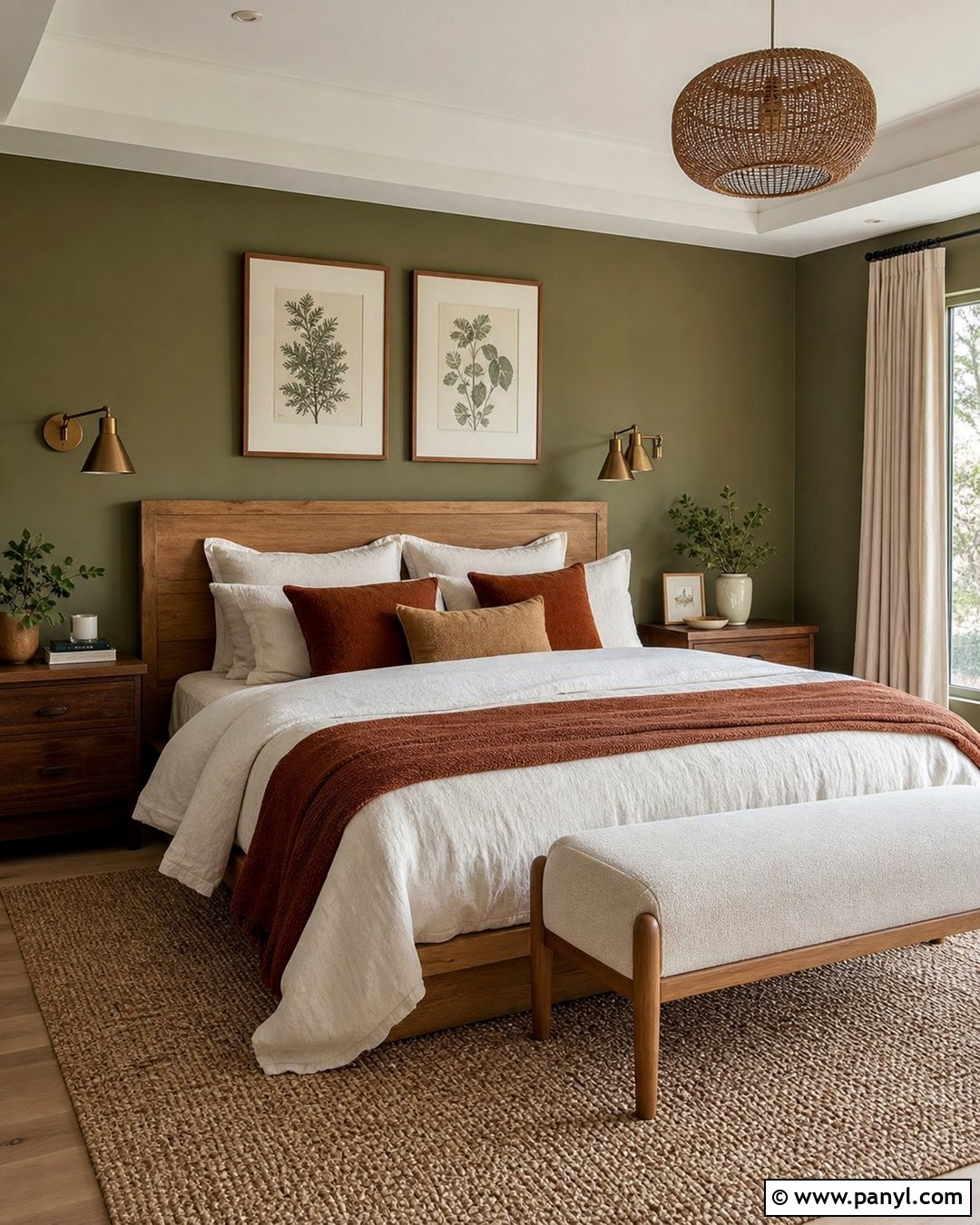
Olive green creates a welcoming entryway that connects easily with natural wood and traditional decor. Paint the wall behind a console table, coat hooks, or entry bench, then use warm white throughout the adjoining hallway. Choose a medium oak console with drawers to provide practical storage. A vintage-inspired runner containing olive, rust, tan, and navy adds pattern while hiding everyday dirt. Place a large round brass mirror above the console to reflect light and break up the painted surface. A cream ceramic lamp, woven catchall basket, and simple leafy arrangement complete the display. Black hooks or hardware add definition. This entry scheme feels grounded and organized, giving guests a clear focal point as soon as they enter the home.
14. Rust Orange Accent Wall
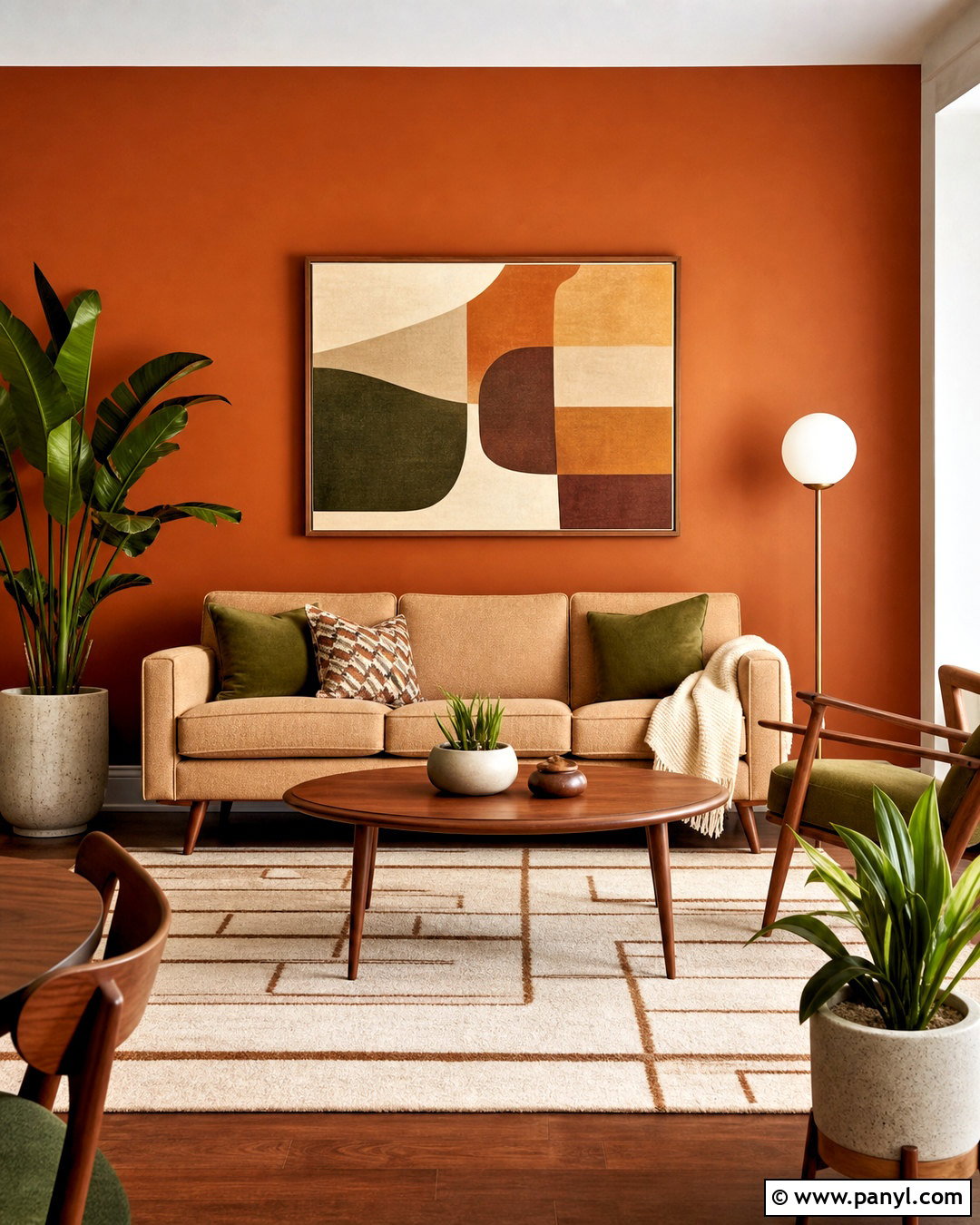
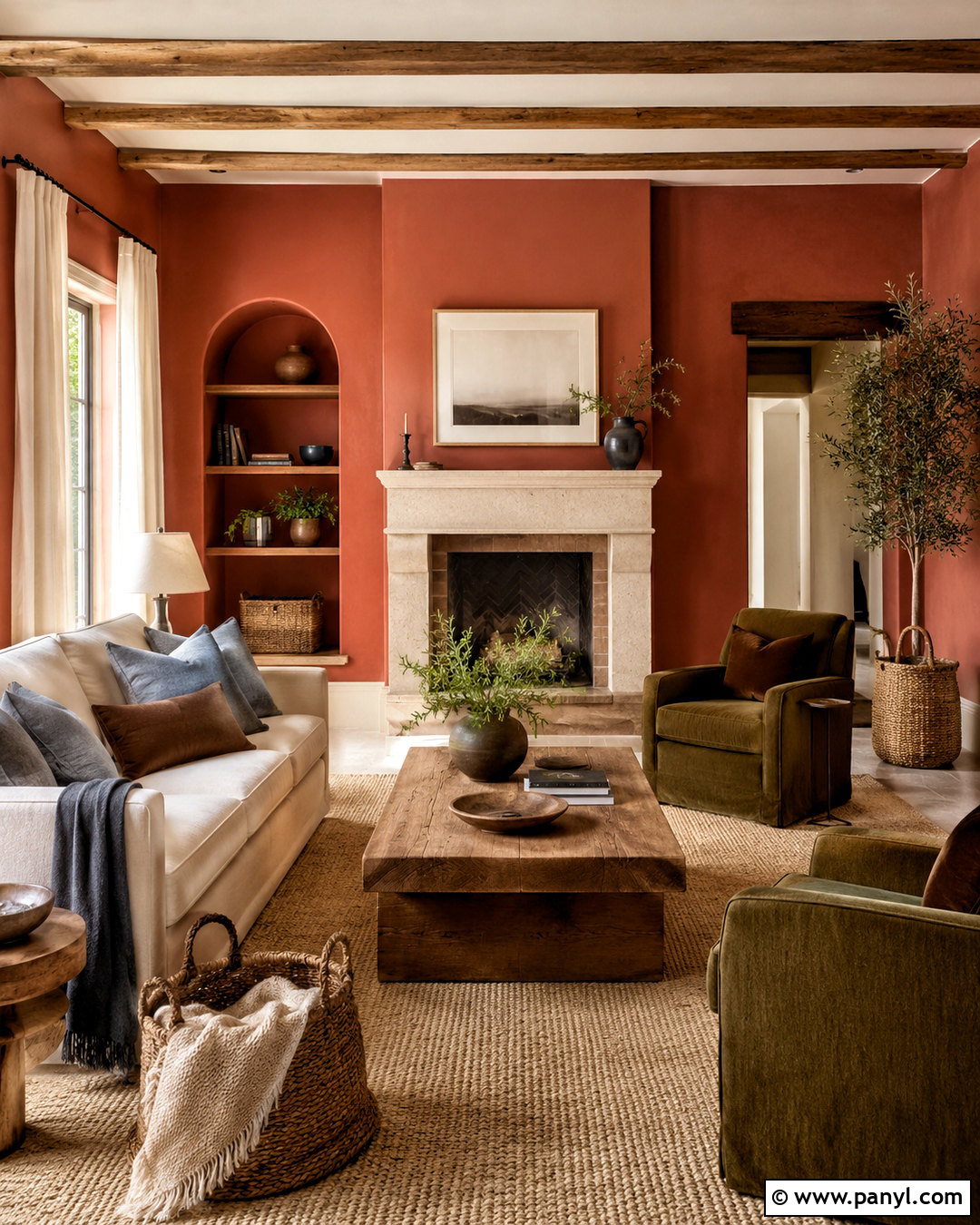
Rust orange gives a midcentury living room warmth and energy without the intensity of a vivid orange. Use it on the wall behind a low-profile sofa, surrounded by creamy off-white paint and natural wood trim. A camel or beige sofa will blend smoothly with the earthy palette, while walnut tables and tapered furniture legs support the retro influence. Add a geometric rug in cream, brown, black, and rust to unify the entire seating area. Olive green pillows and a textured ivory throw provide balancing colors. Choose a globe-style floor lamp and simple abstract prints for period-inspired character. Several plants in ceramic planters soften the strong lines. The completed room should feel collected and comfortable rather than like a strict historical recreation.
15. Plum Accent Wall
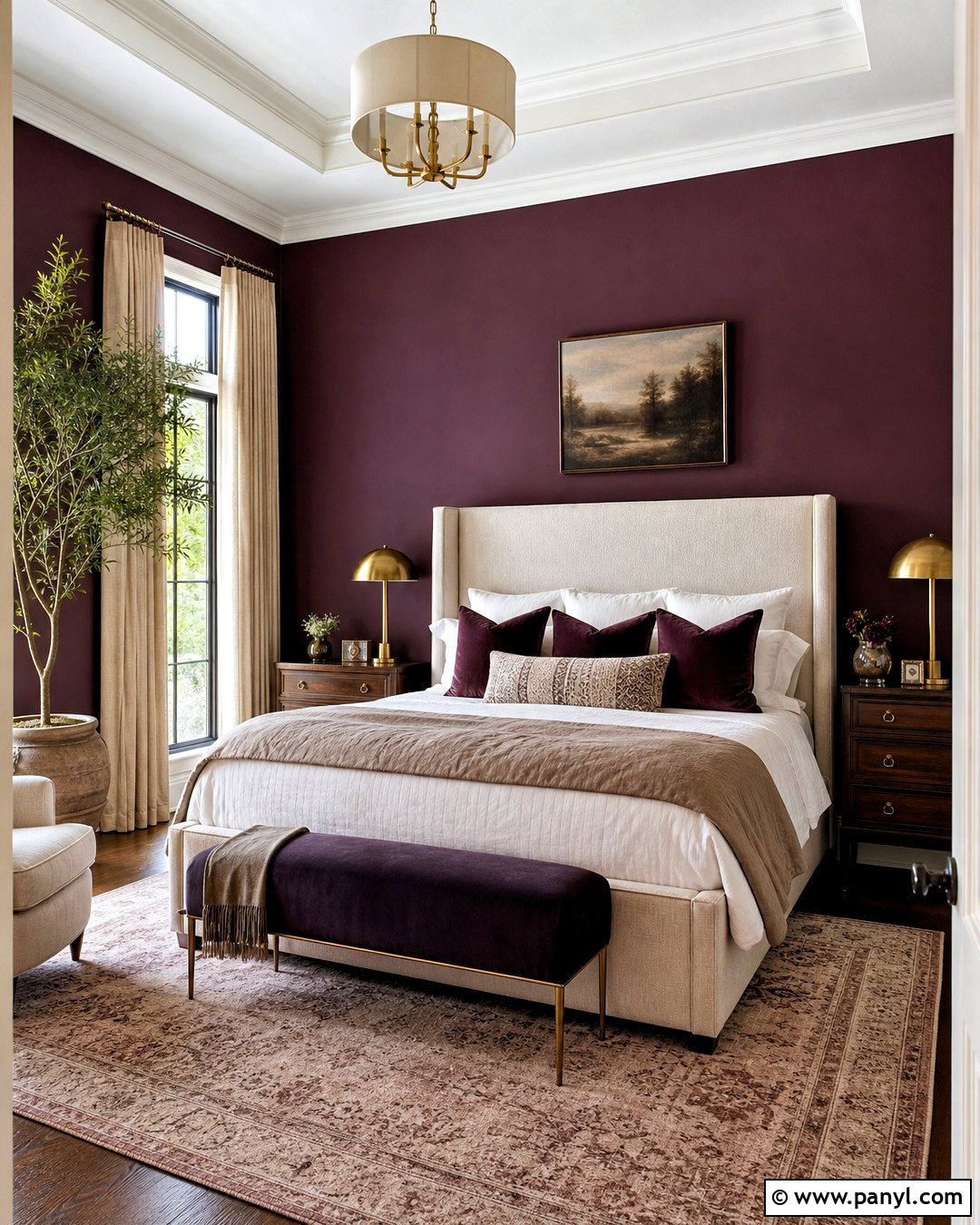
A deep plum accent wall can create a sophisticated bedroom with more warmth than navy or charcoal. Apply the color behind a tall, oatmeal-upholstered bed, then use pale mushroom or creamy beige on the other walls. Dress the bed with ivory sheets, a taupe duvet, and plum velvet pillows in controlled amounts. Dark walnut nightstands and antique brass lamps enhance the richness of the feature wall. Ground the room with a faded rug that combines plum, gray, beige, and muted green. Full-length natural linen curtains keep the setting soft and relaxed. Add one large floral or abstract artwork above the bed, using a slim brass frame. The final design feels restful, layered, and elegant without depending on overly ornate furniture or decor.
16. Chocolate Brown Accent Wall
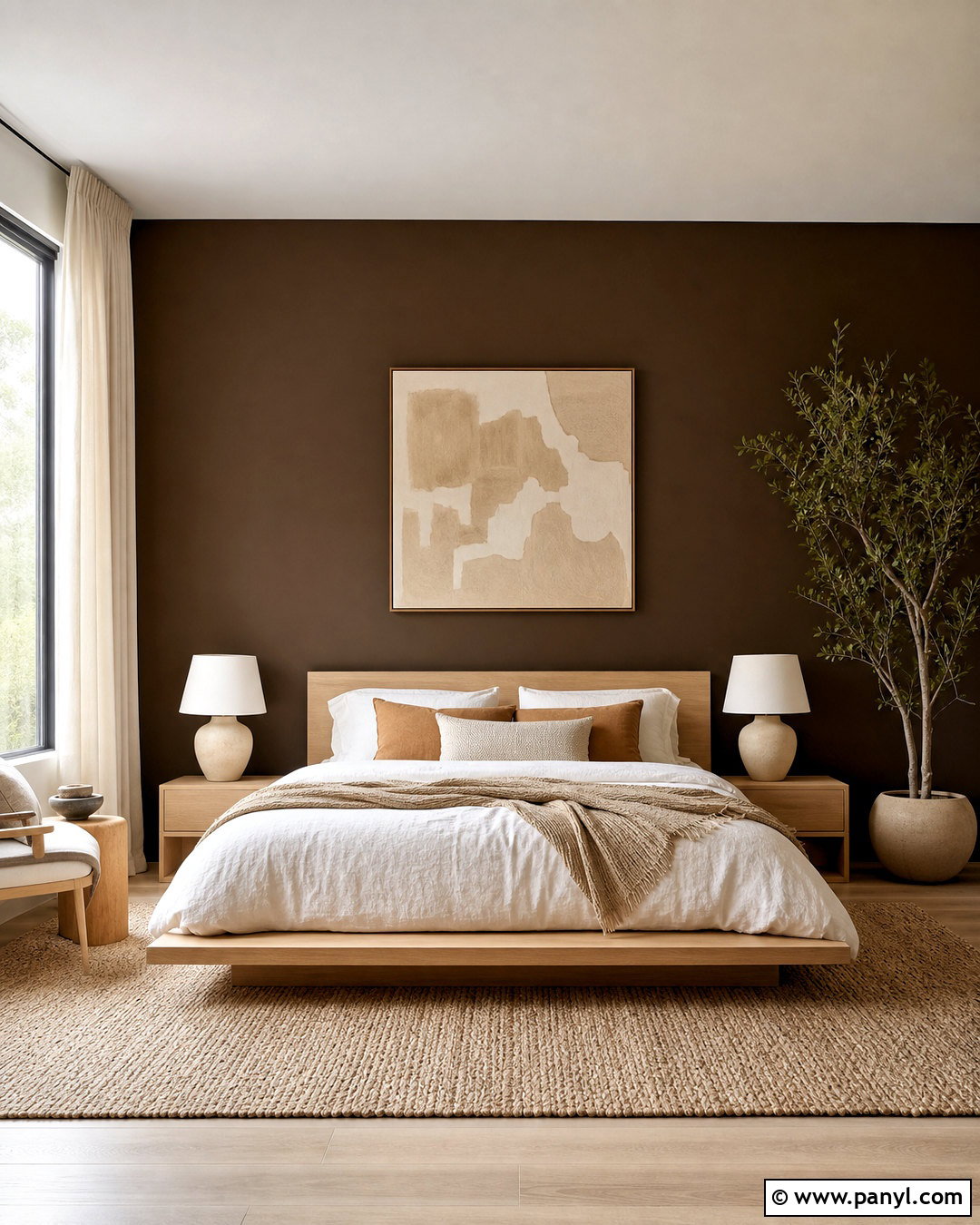
Chocolate brown can make a minimalist bedroom feel warmer and more substantial. Paint the headboard wall in a deep cocoa shade, pairing it with warm white side walls and a pale oak floor. Choose a simple oak platform bed with ivory bedding and a textured beige coverlet. Add espresso-colored pillows, but introduce camel and muted clay accents so the palette has more dimension. Paper lantern pendants or cream ceramic lamps will provide a soft contrast against the darker wall. A large wool rug in oatmeal anchors the bed, while low-profile nightstands maintain the clean layout. Finish with linen curtains, one oversized neutral print, and a slender tree in a matte stone planter. The complete room feels calming, natural, and quietly contemporary.
17. Coral Accent Wall
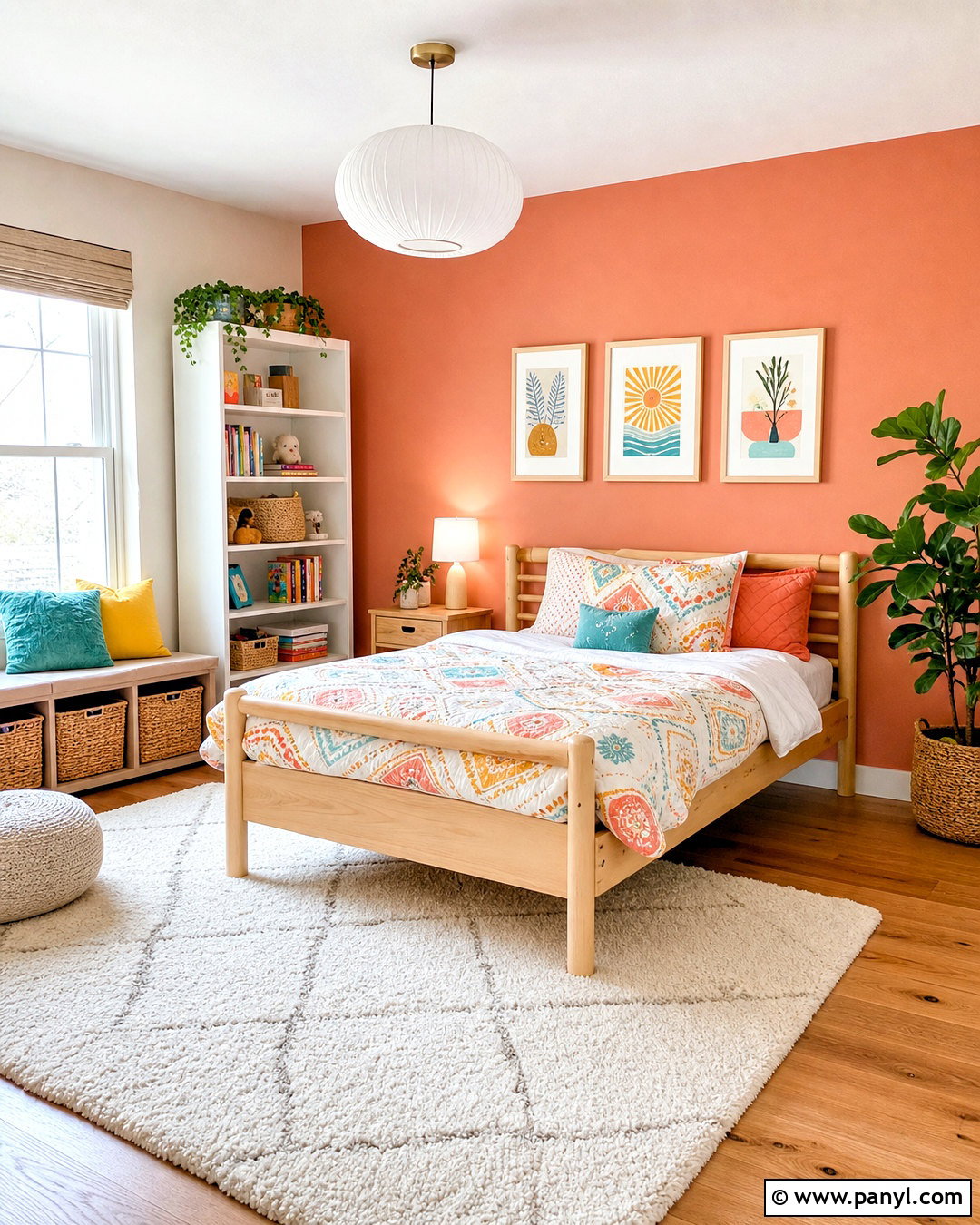
Coral makes a playful accent wall for a child’s bedroom, craft room, or cheerful guest space. Choose a softened coral with pink-orange warmth, then apply it behind the bed or primary worktable. Keep the other walls clean white and use light birch furniture to maintain an open appearance. Layer a white bed with coral, aqua, and golden yellow bedding in simple geometric patterns. A washable cream rug and woven storage baskets make the room practical for everyday activity. Add a white pendant light, colorful framed art, and a compact bookcase with organized bins. Avoid filling every surface with bright accessories. Leaving open areas allows the coral wall to stand out while the complete design remains tidy, flexible, and easy to update.
18. Cobalt Blue Accent Wall
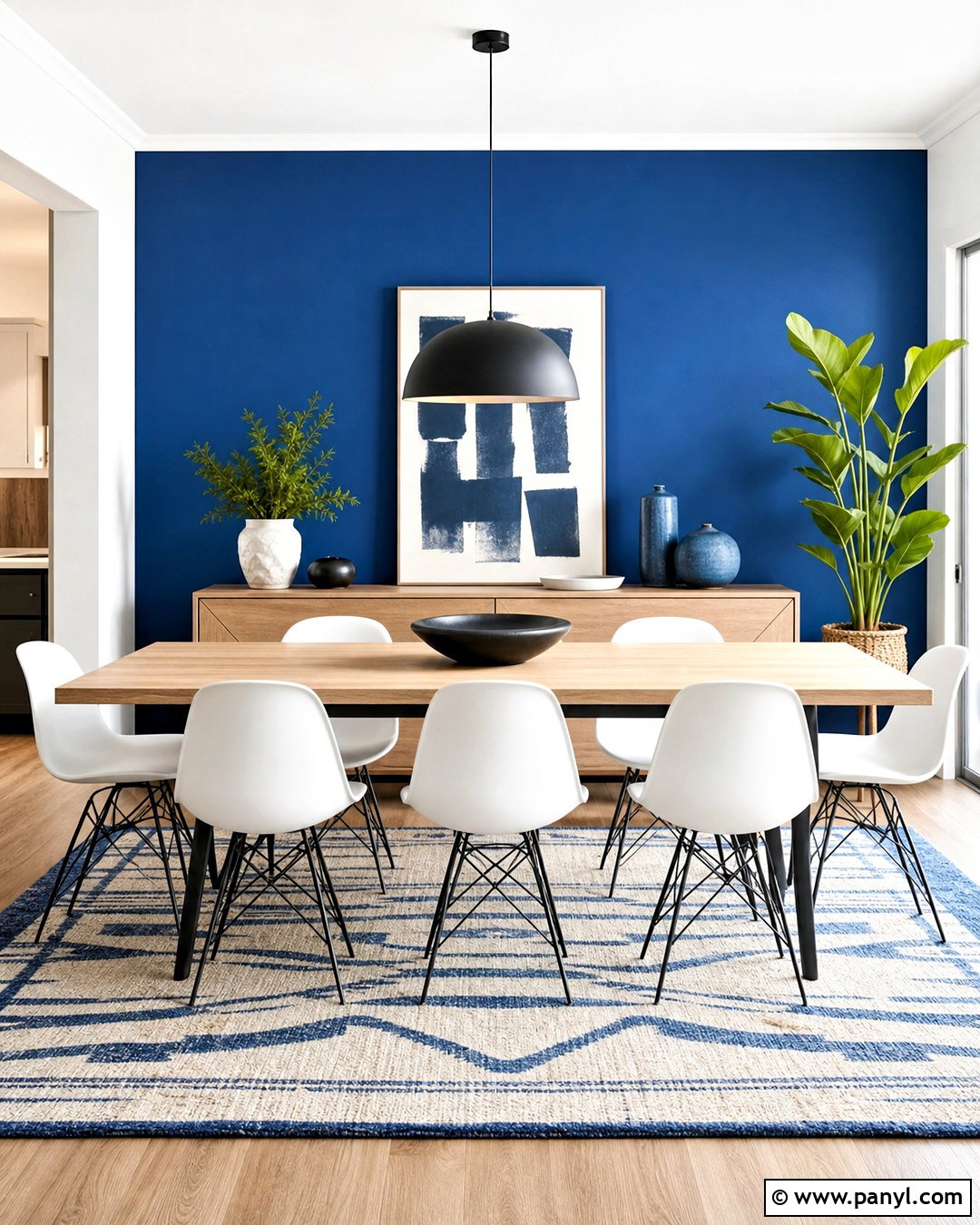
Cobalt blue gives a contemporary dining room a clear, confident focal point. Use the saturated shade behind a streamlined sideboard, balancing it with bright white walls, pale wood flooring, and a simple ceiling. A light oak dining table and white molded chairs keep the room visually fresh, while black chair legs and hardware provide structure. Hang one oversized graphic artwork containing cobalt, white, and warm red above the sideboard. A modern black pendant can define the table without competing with the wall. Add a flat-weave rug in cream and blue, then use small ceramic accessories to repeat the palette. The finished room feels vibrant and modern, yet the controlled furniture choices prevent the strong blue from becoming overwhelming.
19. Lavender Accent Wall
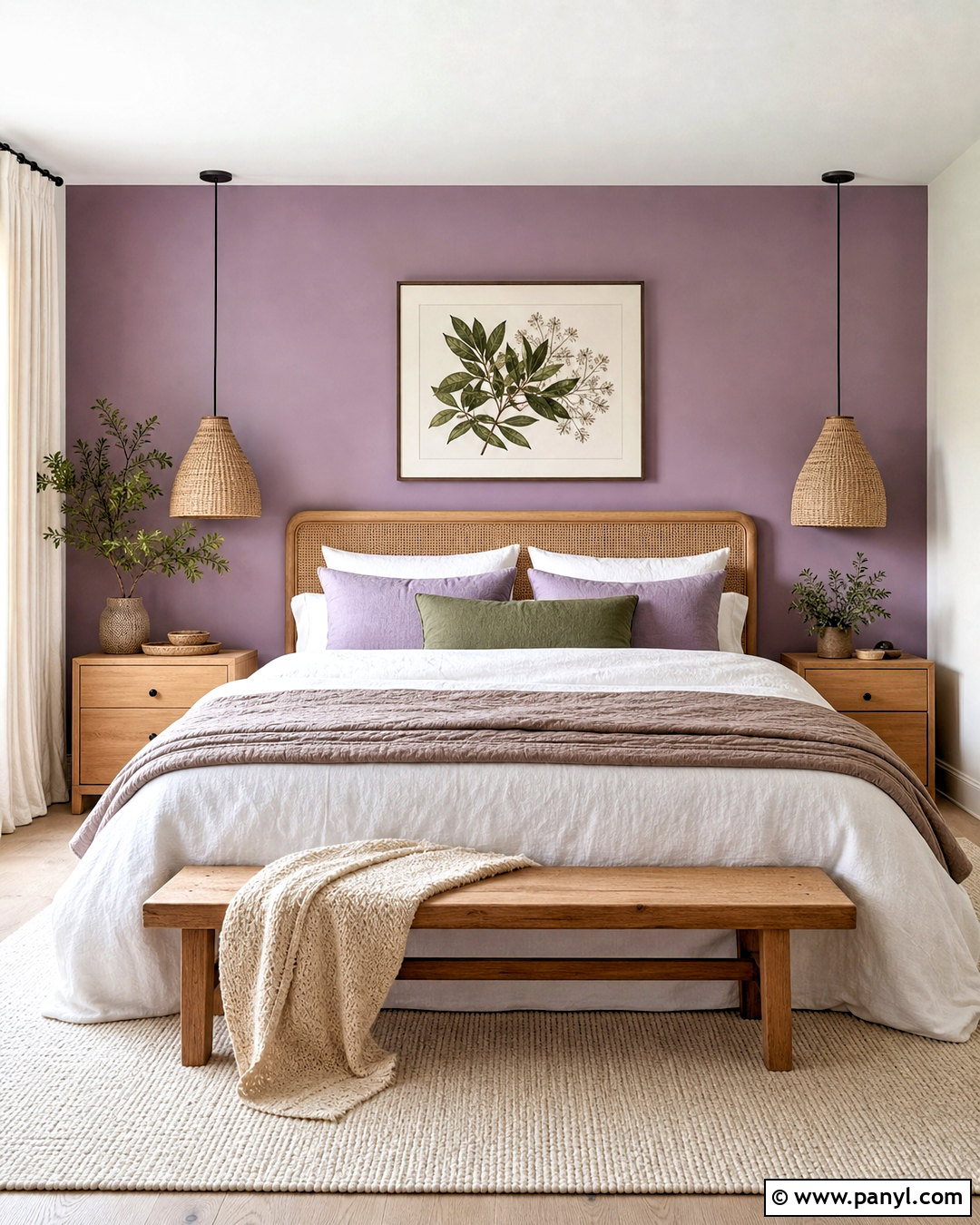
Gentle lavender can create a calming bedroom or reading space when paired with warm neutrals rather than icy gray. Paint the focal wall behind the bed in a dusty lavender shade and use soft cream on the remaining walls. Choose a natural cane headboard, white linen bedding, and a mushroom-colored quilt for a relaxed foundation. Add two lavender pillows and one muted green lumbar pillow to connect the wall with the textiles. Light oak nightstands, woven lamps, and a cream wool rug contribute natural warmth. Use botanical artwork with subtle purple and green details instead of highly decorative prints. Full-length ivory curtains complete the room. This balanced approach makes lavender feel grown-up, comfortable, and easy to live with.
20. Greige Accent Wall
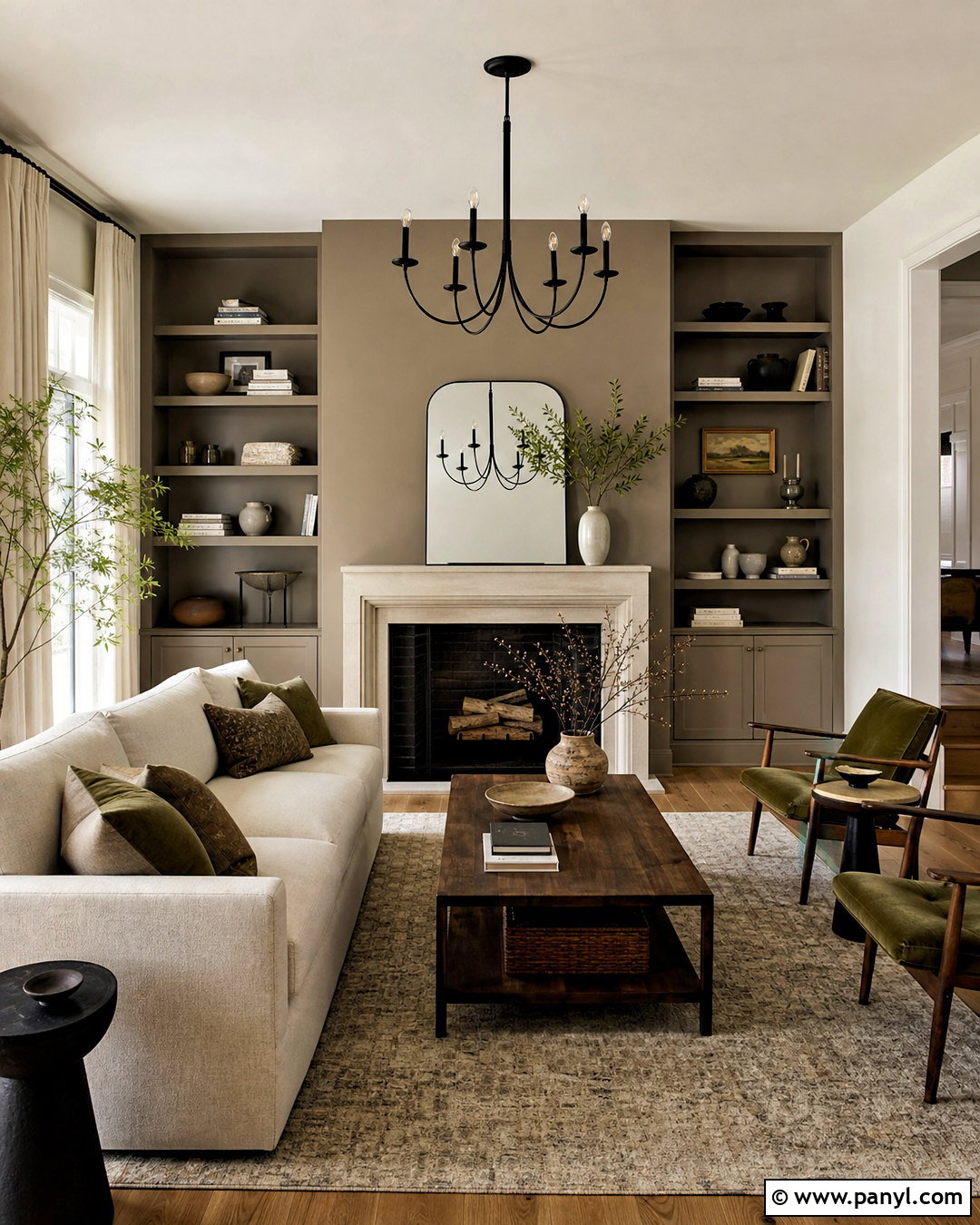
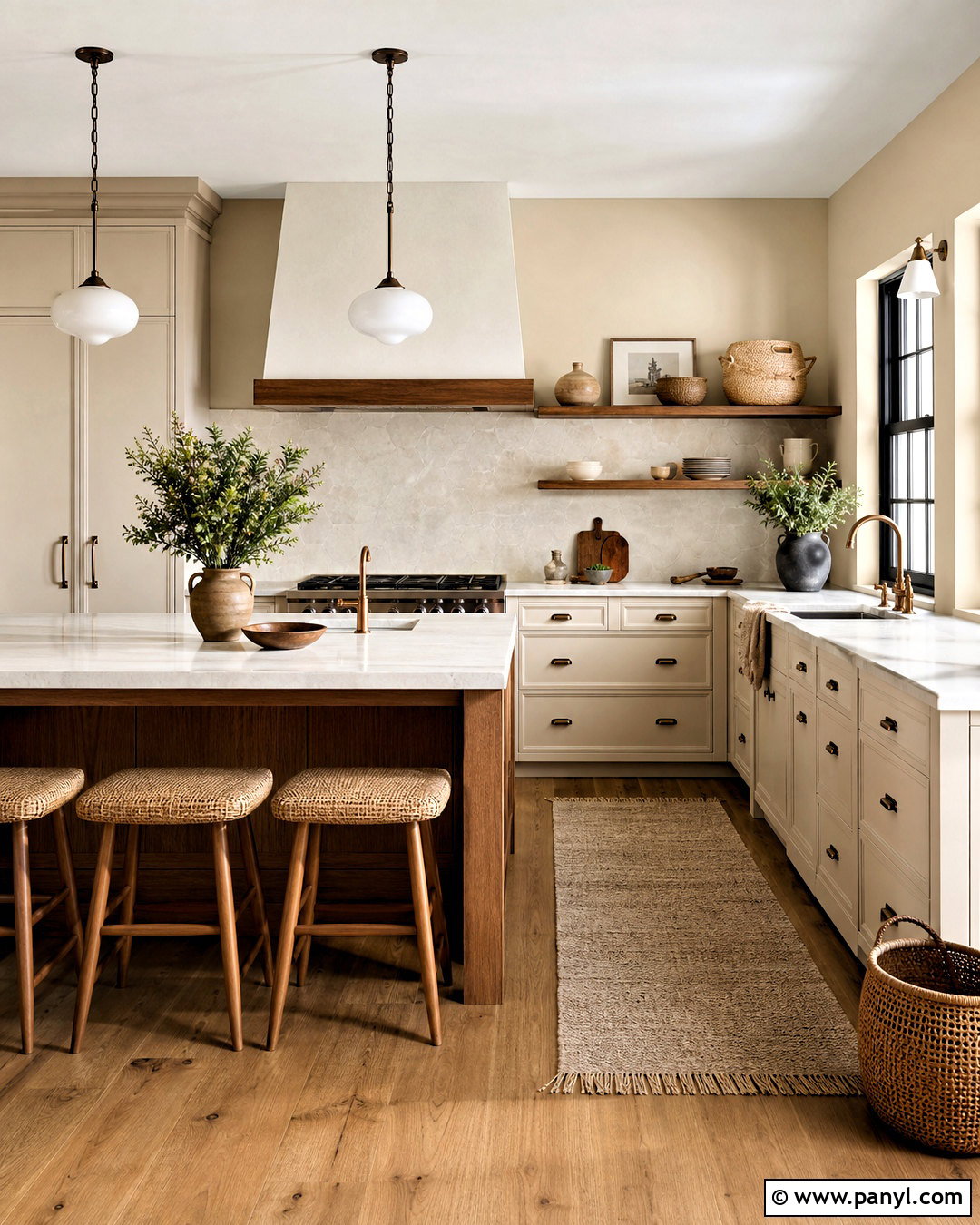
Greige is ideal when you want an accent wall to provide architectural depth rather than obvious color. Use a medium warm greige behind built-in shelving, a fireplace, or a bedroom headboard. Paint the surrounding walls a lighter creamy white and keep the trim crisp but not stark. In a living room, combine the wall with an ivory sofa, walnut tables, and a textured rug that mixes beige, gray, and brown. Black metal lighting adds definition, while muted blue or olive pillows prevent the neutral design from feeling flat. Include a few ceramics, books, and natural branches, leaving plenty of open space. The completed scheme is understated and flexible, making it especially useful in open layouts where stronger accent colors could interrupt the visual flow.
Conclusion:
The best accent wall should strengthen the room’s layout while connecting with its furniture, finishes, and natural light. These 20 accent wall colors offer options for nearly every mood, from quiet sage, greige, and dusty blue to dramatic burgundy, cobalt, and black. Before painting, test a large sample directly on the intended wall and view it throughout the day. Compare it with the flooring, upholstery, trim, and nearby rooms. Choose a wall that already deserves attention instead of trying to create a focal point in an awkward location. Most importantly, repeat the chosen color through a few small details. This simple step makes the entire room feel coordinated, comfortable, and thoughtfully finished.

Related Ideas and Inspiration:

Leave a Reply