
Accent walls work best when the color supports the entire room rather than feeling like a random patch of paint. Today’s palettes favor earthy neutrals, smoky greens, handsome midtones, and deep shades that add warmth without overwhelming a space. () The right wall can highlight a bed, fireplace, dining table, built-in bookcase, or architectural feature while giving surrounding furniture a stronger visual anchor. Before choosing a shade, consider natural light, flooring, upholstery, trim, and the mood you want to create. Test a generous sample during morning and evening hours because undertones can shift noticeably. The complete room looks below offer practical ways to decorate with **30 accent wall paint colors**.

1. Navy Blue Accent Wall
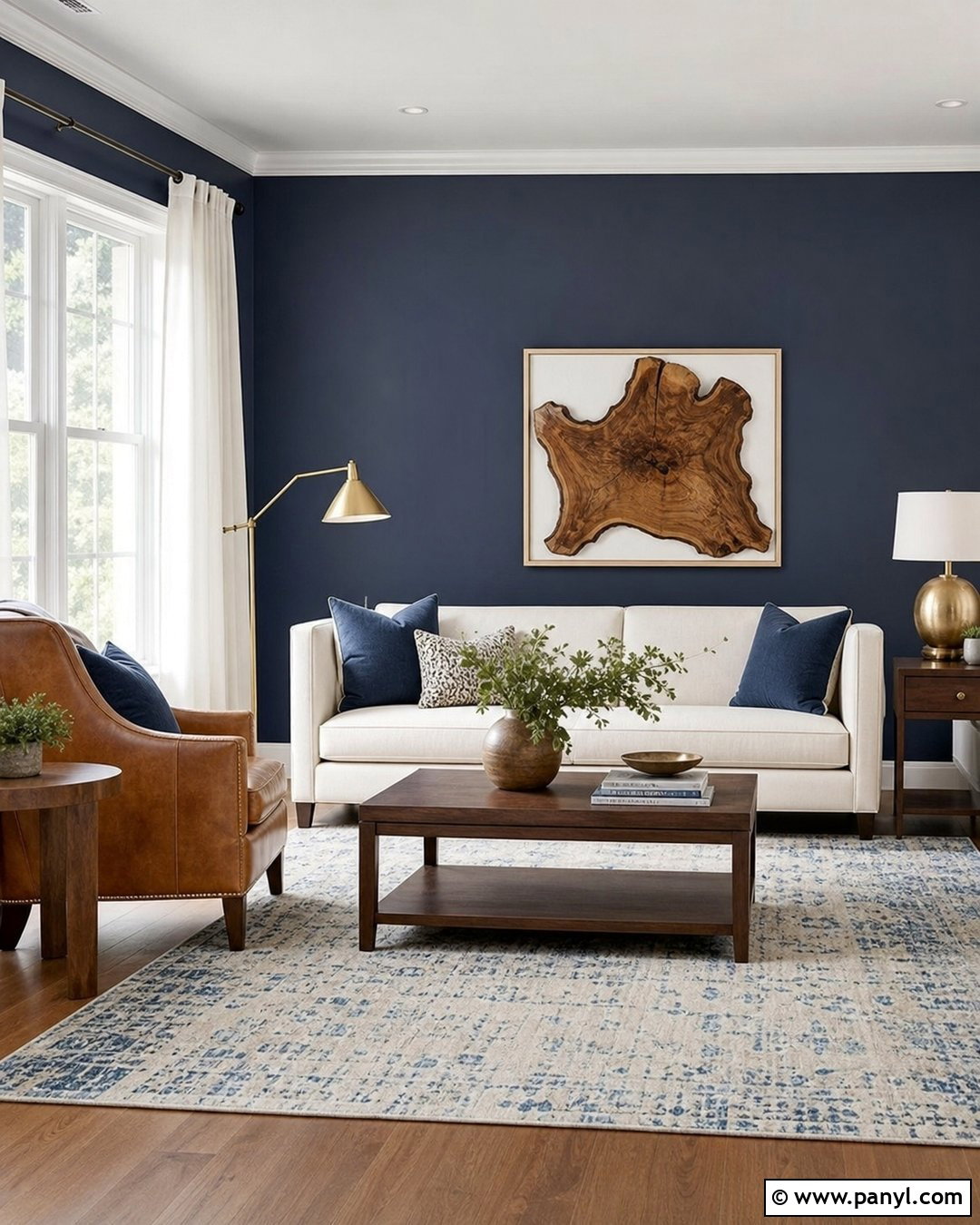
A navy blue accent wall creates a strong focal point without feeling as severe as black. In a living room, place it behind a warm ivory sofa so the contrast feels clean and comfortable. Add walnut side tables, a camel leather chair, and brushed brass lighting to bring warmth into the darker palette. A cream-and-blue patterned rug can connect the wall to the seating area, while white curtains keep the windows bright. Choose warm white for the remaining walls and trim rather than a stark, blue-toned white. Finish the room with natural wood frames, linen pillows, and one or two ceramic accents. This complete arrangement gives navy a polished look that works with traditional, coastal, and modern furnishings.
2. Sage Green Accent Wall
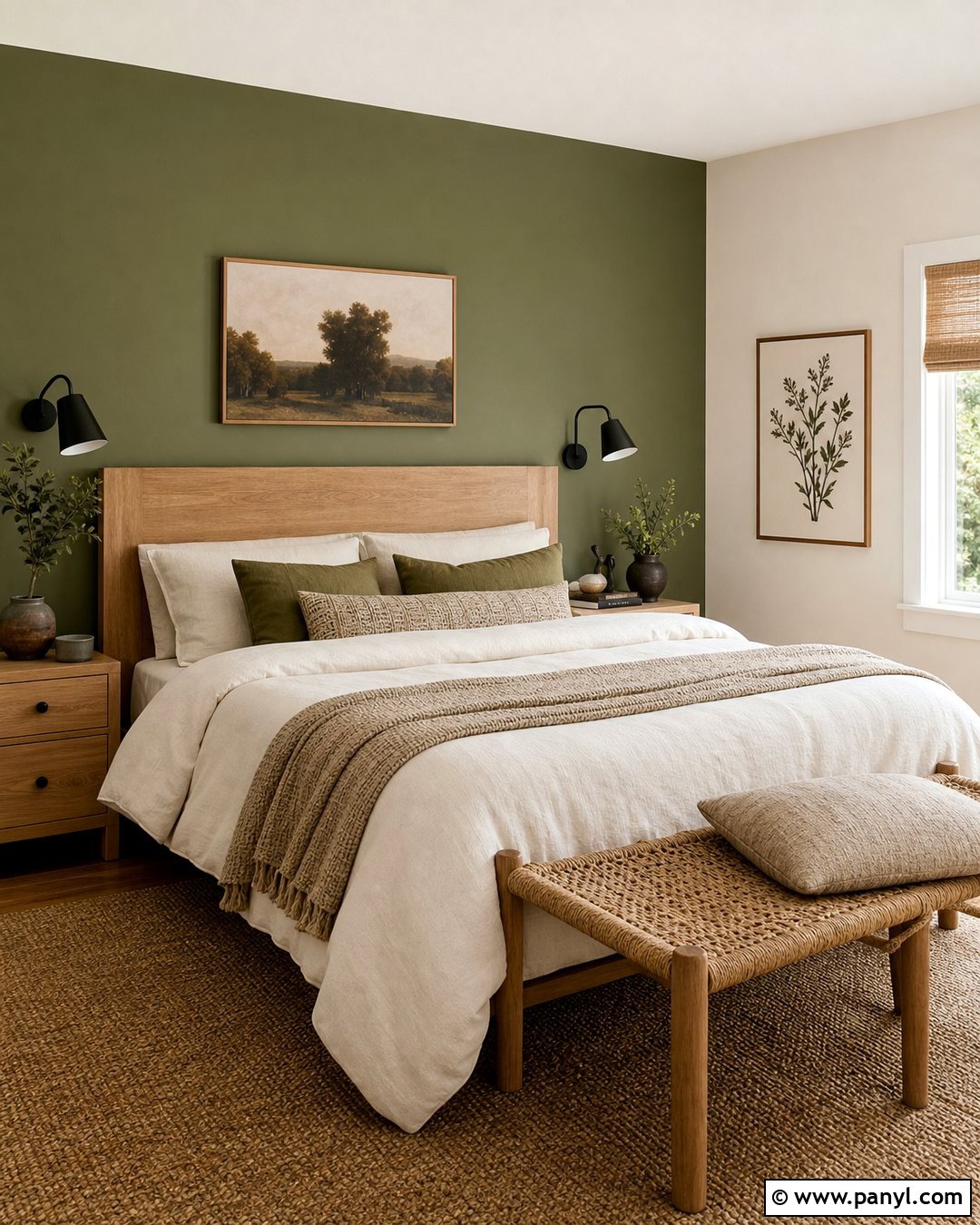
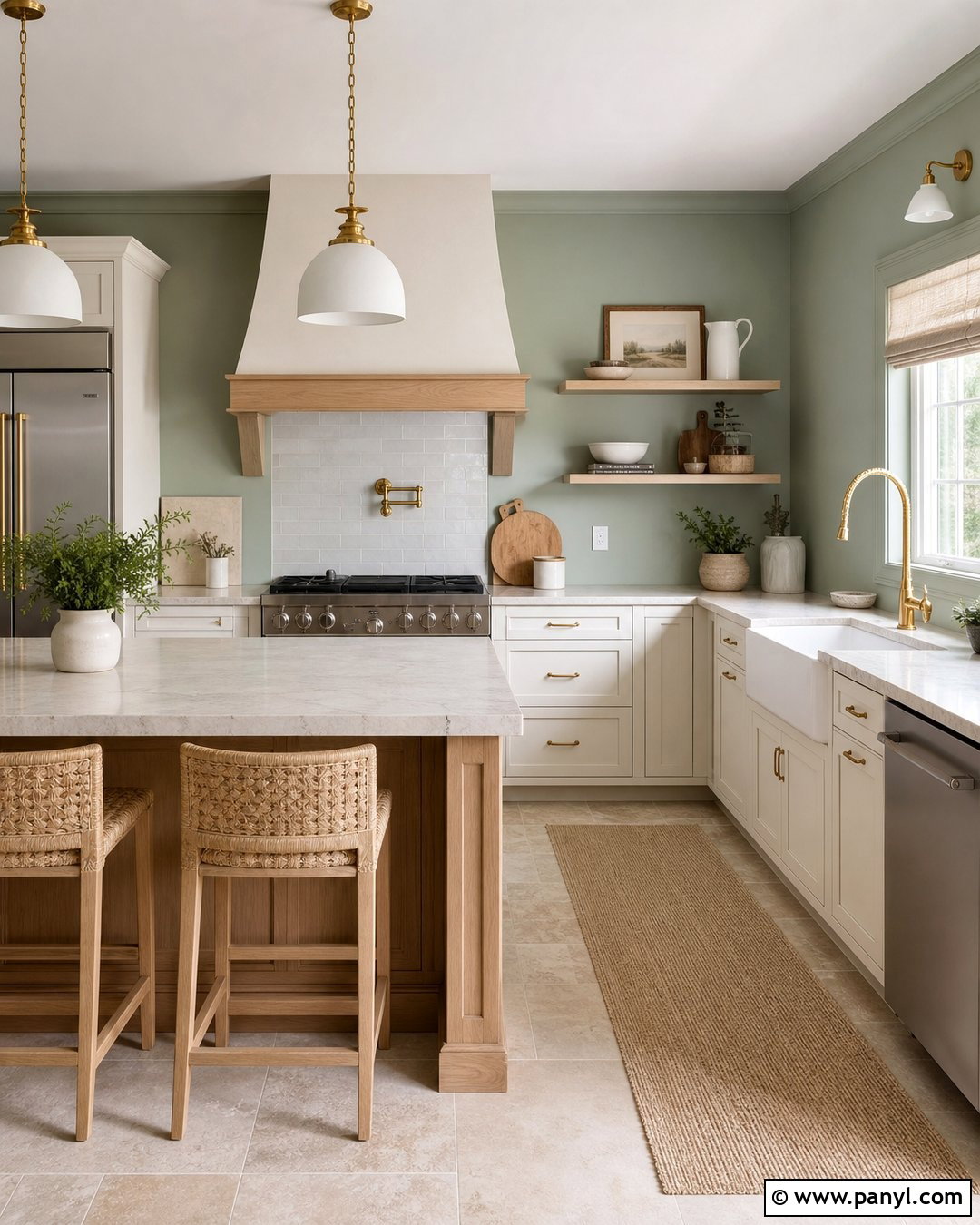
Soft sage green brings calm color into a bedroom while remaining easy to coordinate with natural materials. Paint the wall behind the bed, then place an oak or light walnut headboard against it. Use creamy white on the other walls and repeat sage through a folded blanket, patterned pillows, or a small ceramic lamp. Linen bedding in ivory and oatmeal keeps the room airy. A woven bench, jute rug, and simple botanical artwork strengthen the relaxed, nature-inspired feeling without making the theme too literal. Matte black reading lights can add definition. Choose a muted sage with gray undertones if the room receives strong sunlight, or a slightly warmer version if the bedroom faces north and tends to look cool.
3. Charcoal Gray Accent Wall
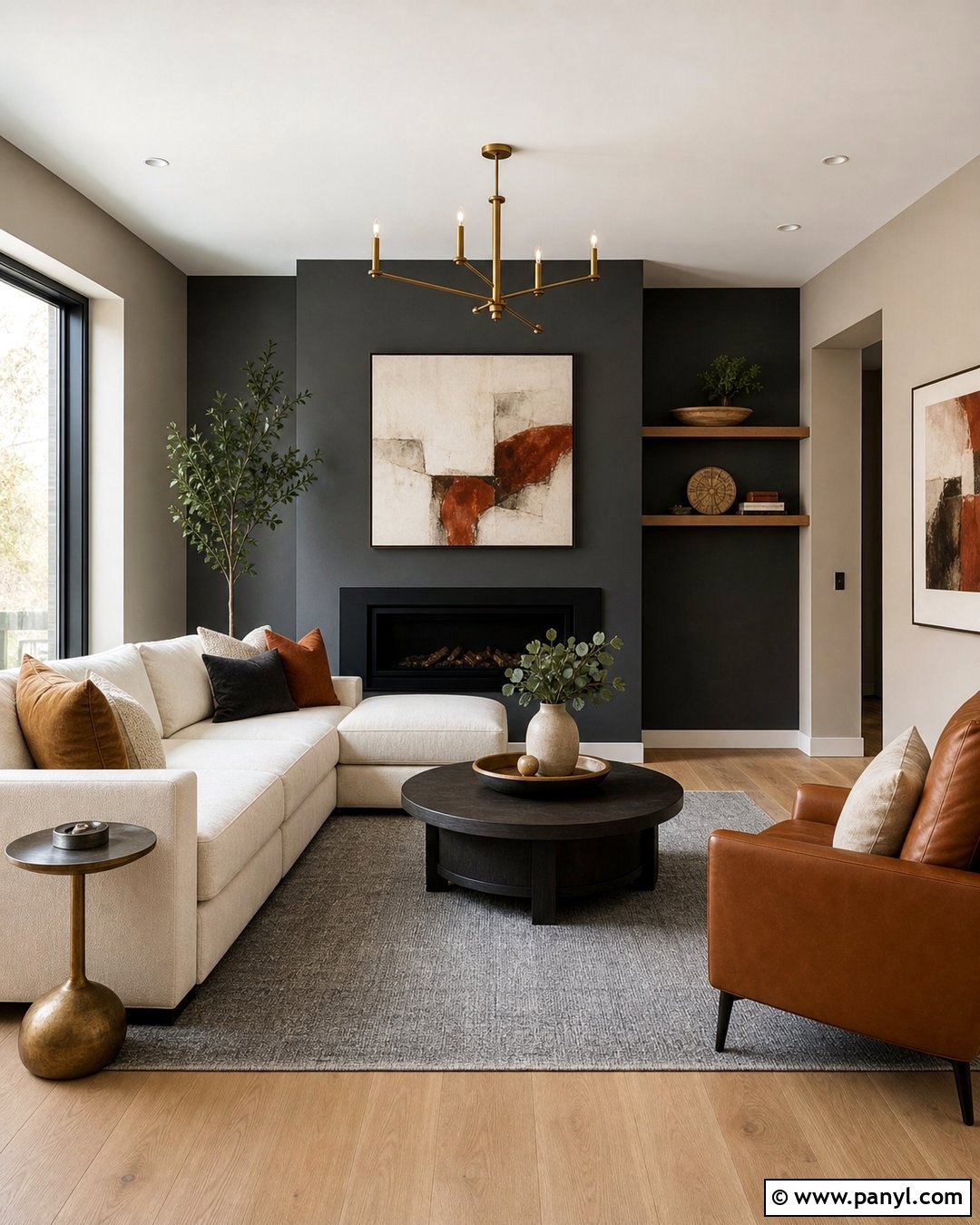
Charcoal gray gives a living room depth while allowing artwork and light furniture to stand out. Use it on the wall behind a media console or streamlined sofa, especially when the wall already acts as the room’s natural focal point. Pair the color with warm greige surrounding walls, pale oak flooring, and an off-white sectional. Cognac leather, rust-colored pillows, and aged brass lamps prevent charcoal from feeling cold. Hang a large abstract piece containing cream, tan, and muted orange to connect the palette. Keep window treatments light and uncomplicated. A medium-gray rug can soften the transition between the dark wall and pale floor. This balanced scheme feels contemporary, comfortable, and practical enough for an everyday family living space.
4. Terracotta Accent Wall
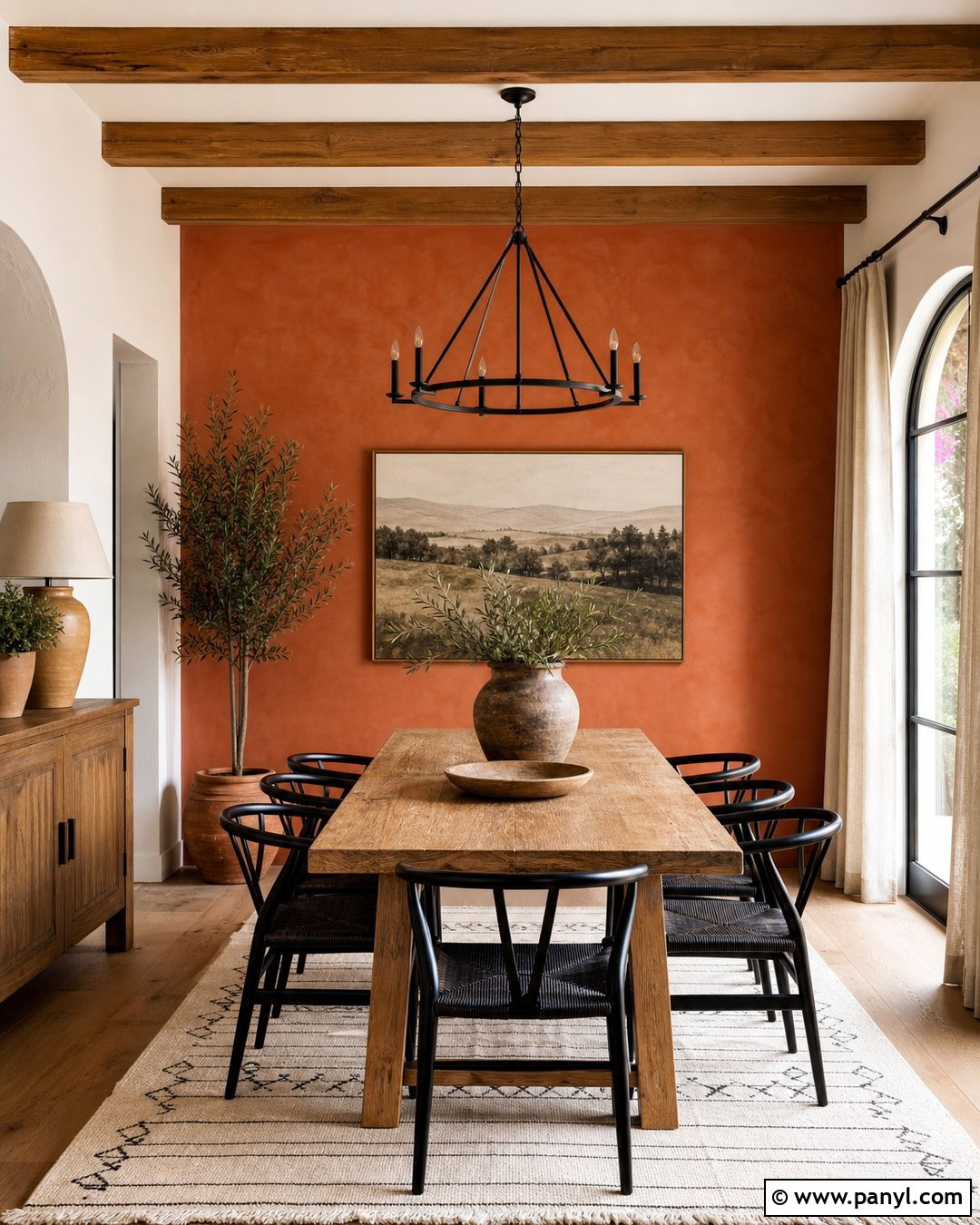
Warm terracotta can turn a basic dining room into an inviting gathering space. Paint the wall behind a wood dining table or sideboard, allowing the earthy orange-red color to frame the main furniture. Choose warm white for the remaining walls and add a natural oak table with woven or black spindle-back chairs. A cream rug with faded rust details will distribute the accent color across the room. Use linen curtains, handmade-looking pottery, and a large neutral landscape print for relaxed texture. A black metal chandelier provides contrast without competing with the wall. Terracotta works especially well with medium and dark woods, but it should be tested beside existing floors to ensure its orange undertones do not become overly bright.
5. Deep Teal Accent Wall
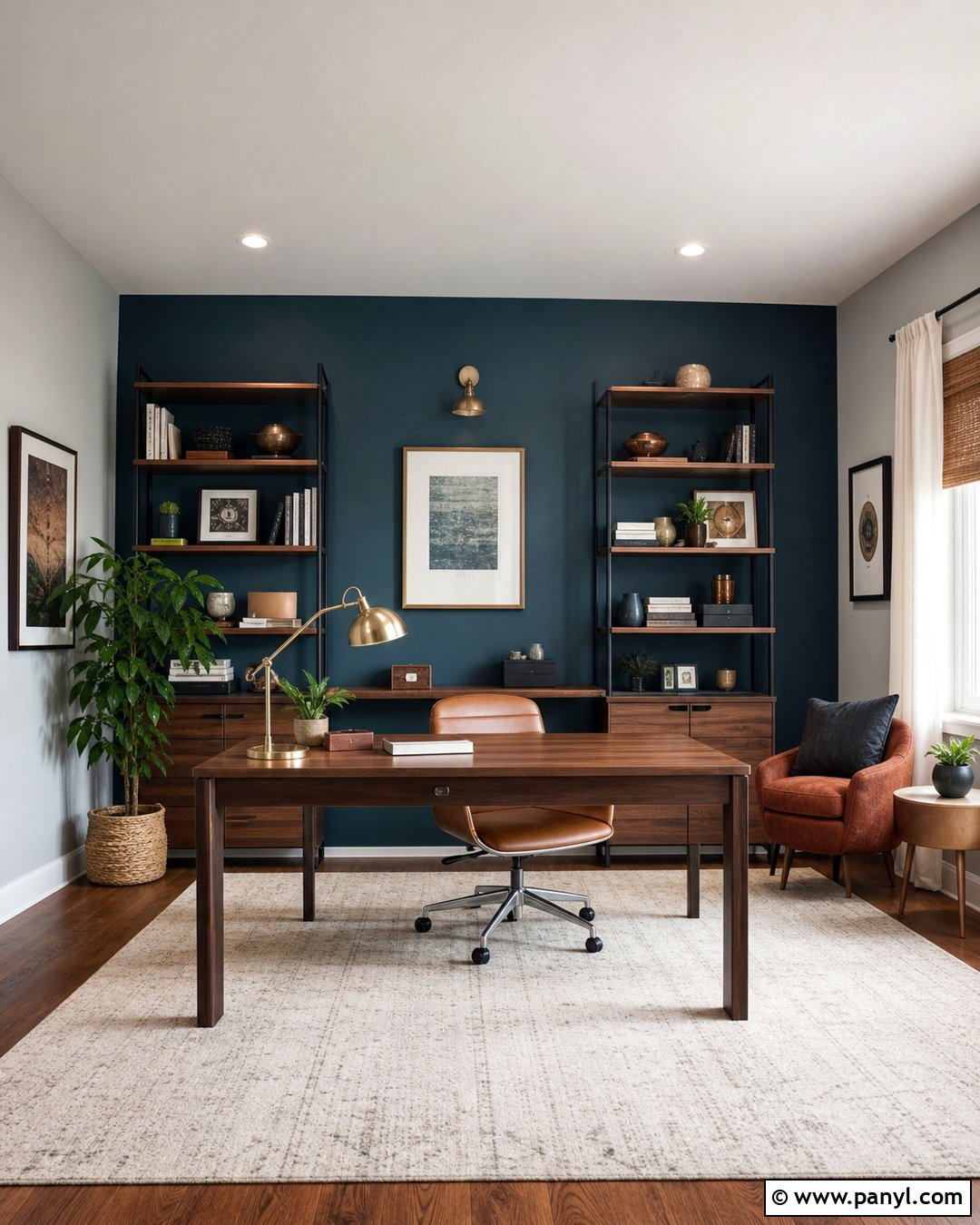
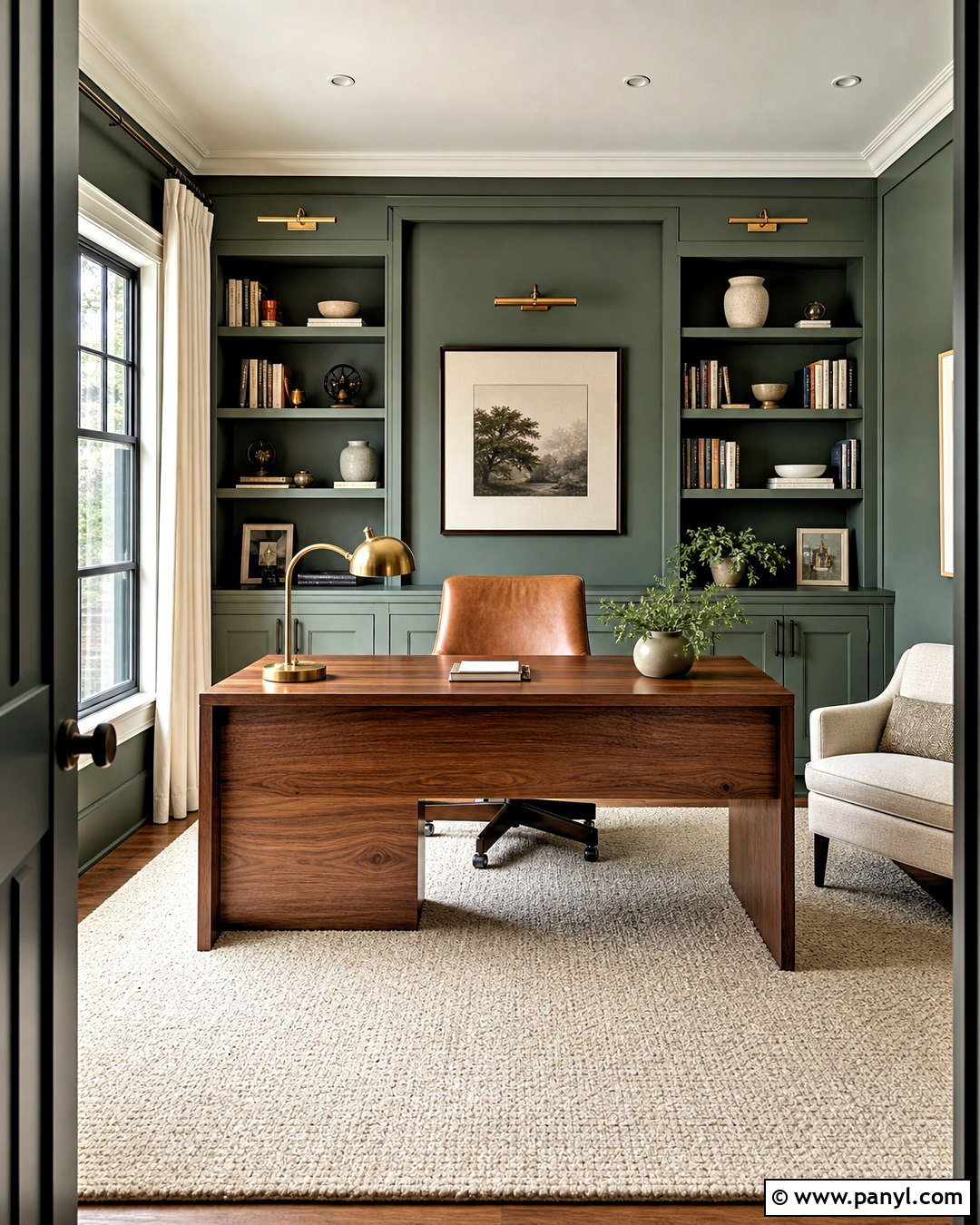
Deep teal combines the restful quality of blue with the richness of green, making it a useful choice for a home office. Apply it behind the desk or built-in shelving to create a composed background for focused work. Balance the saturated wall with pale warm gray on adjoining walls, a walnut desk, and a low-pile cream rug. Add a caramel-colored office chair, antique brass task lamp, and simple linen shade. Shelves should include a restrained mix of books, storage boxes, and pottery rather than crowded accessories. A few rust or mustard details can warm the cool teal. This palette feels professional yet personal, and it can transition easily between modern, transitional, and vintage-inspired office furniture.
6. Forest Green Accent Wall
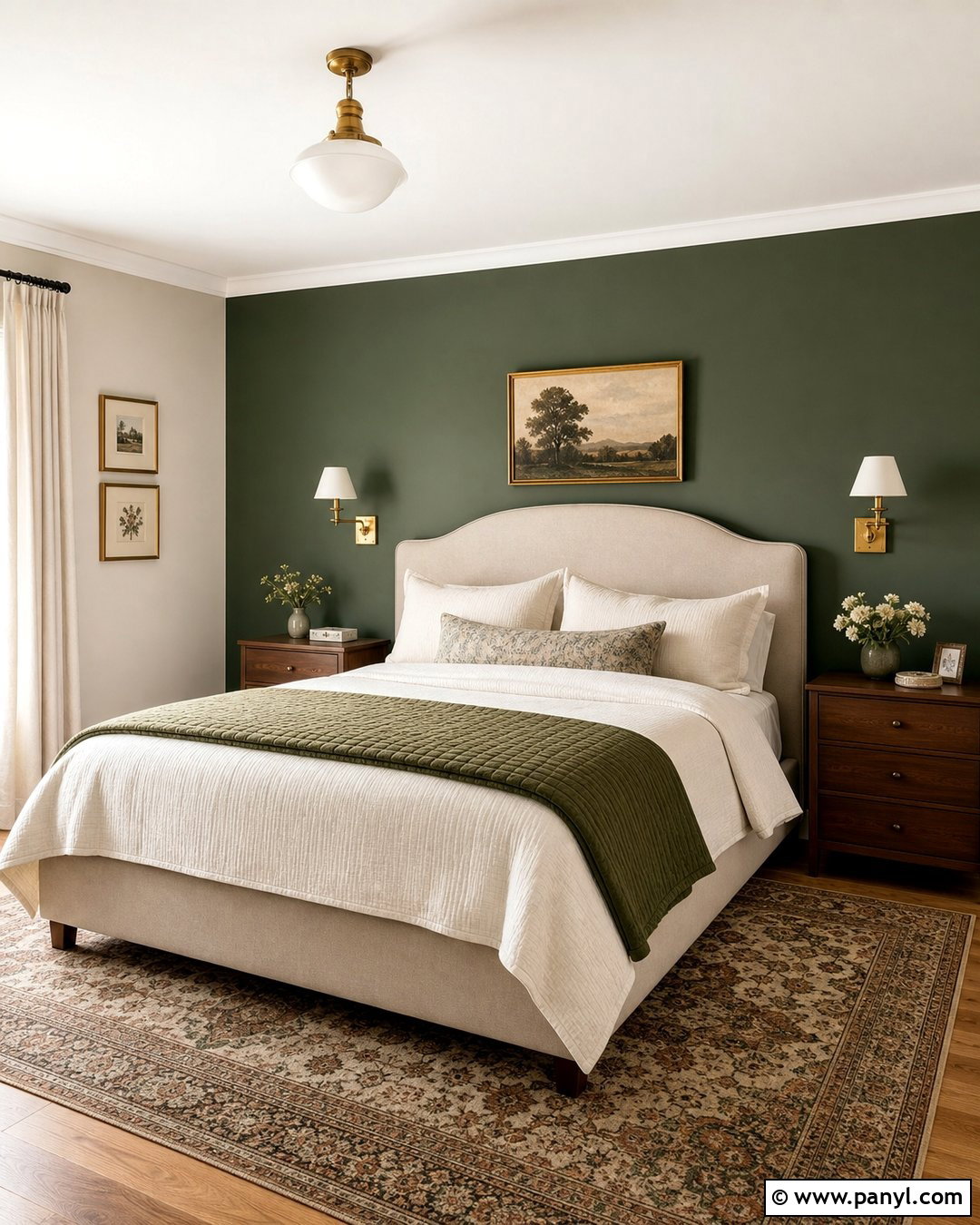
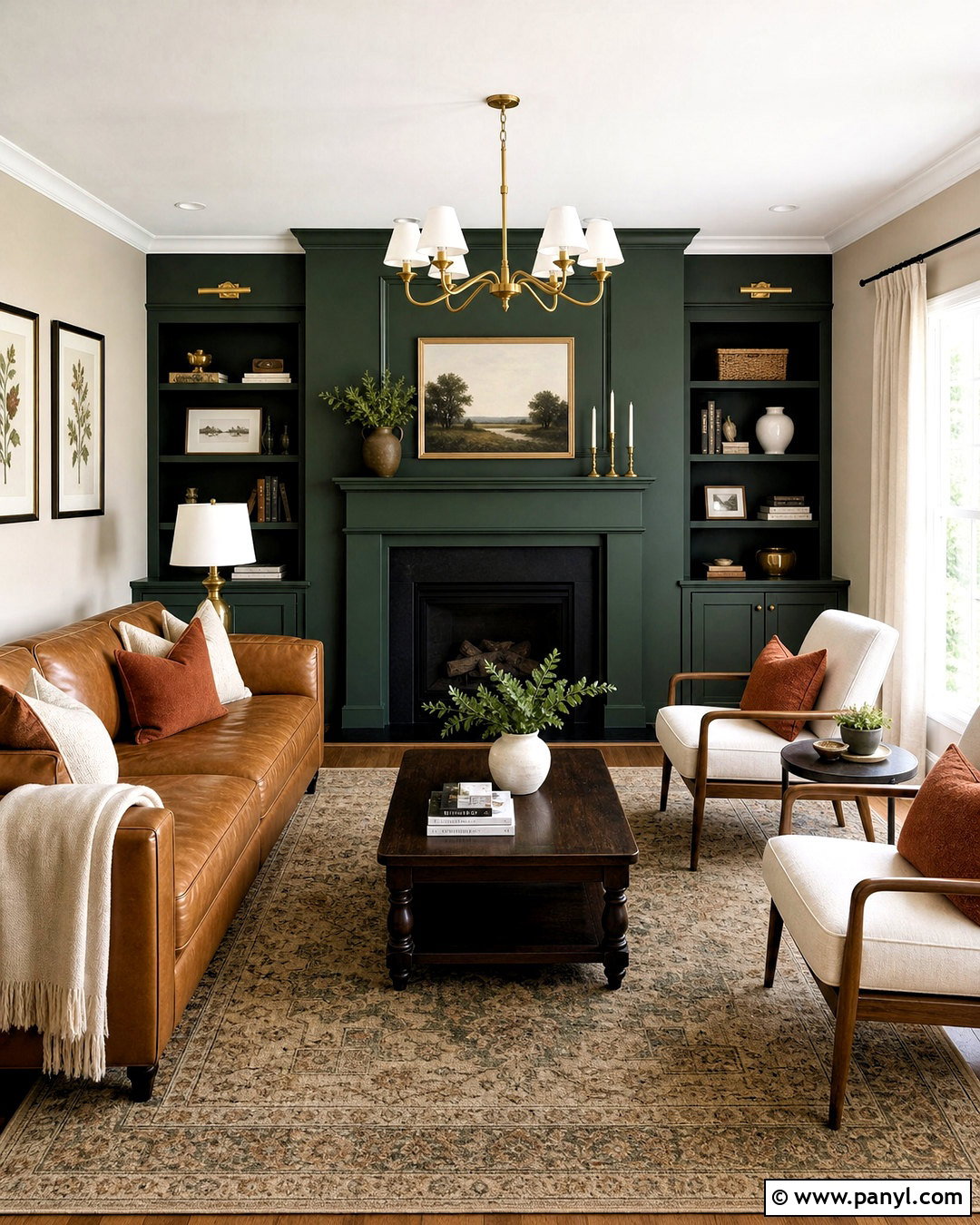
Forest green can make a bedroom feel sheltered, restful, and connected to the outdoors. Use the color behind an upholstered bed with a tall oatmeal or warm beige headboard. Keep the remaining walls soft cream, then introduce medium walnut nightstands and warm brass sconces. Layer the bed with ivory linen, a moss-colored quilt, and subtle plaid or botanical pillows. A vintage-style rug containing muted red, tan, and green gives the room depth without making it overly formal. Hang understated artwork with pale backgrounds so it remains visible against the dark paint. Because forest green absorbs light, use it in a room with adequate windows or multiple lamps. The result is cozy and grounded rather than dim or heavy.
7. Burgundy Accent Wall
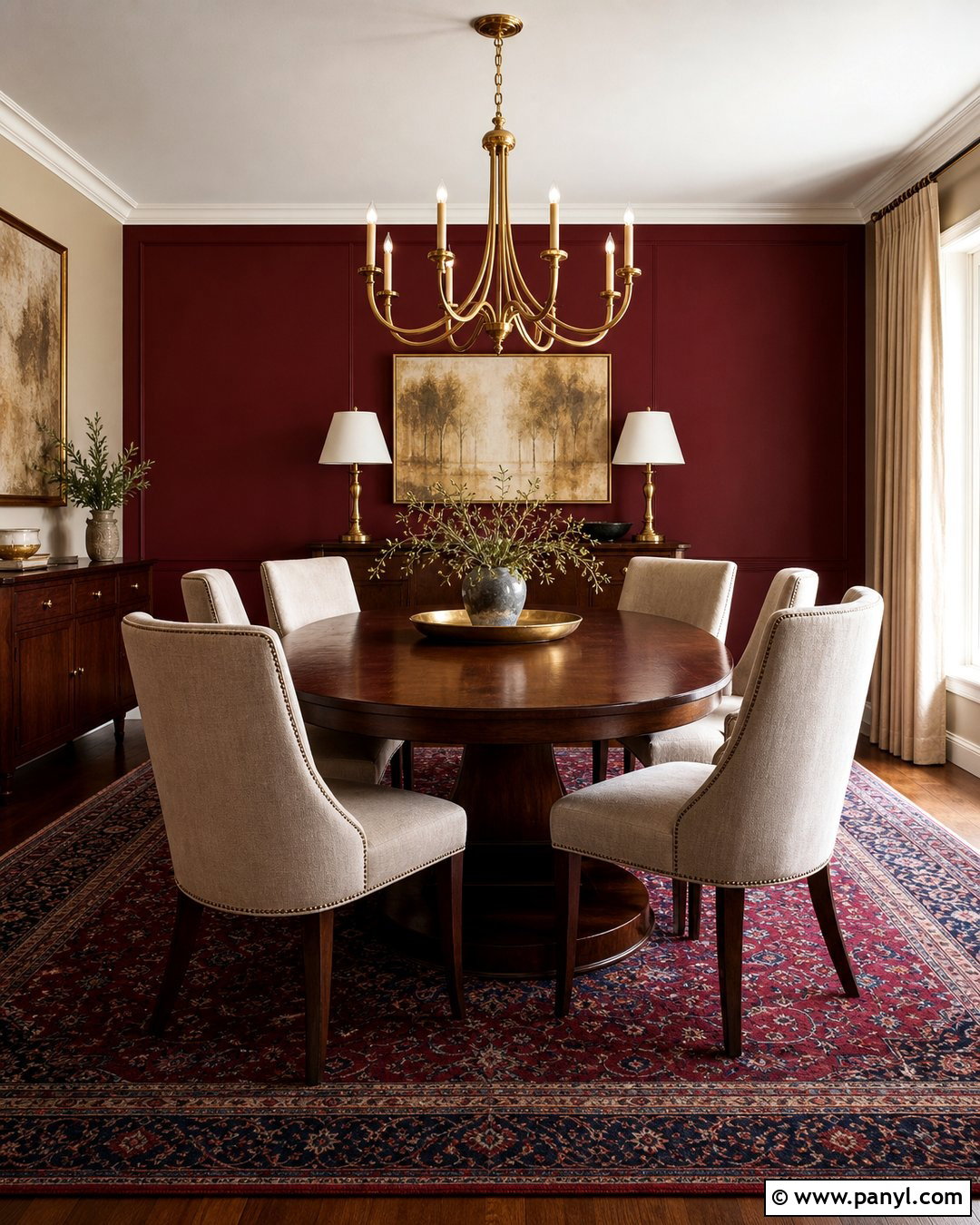
A burgundy accent wall lends a dining room a refined, intimate atmosphere while still feeling colorful. Place the shade behind a dark wood buffet or the wall facing the main entrance to the room. Pair it with warm beige surrounding walls, an oval walnut dining table, and upholstered chairs in oatmeal fabric. An aged brass chandelier and cream taper-style lighting can brighten the deeper color during evening meals. Add a patterned rug containing muted burgundy, dusty blue, and tan to unite the scheme. Artwork with gold, cream, and charcoal details will remain visible against the saturated wall. Avoid filling the room with too many red accessories. Small repetitions in textiles and ceramics are enough to make the palette feel intentional.
8. Chocolate Brown Accent Wall
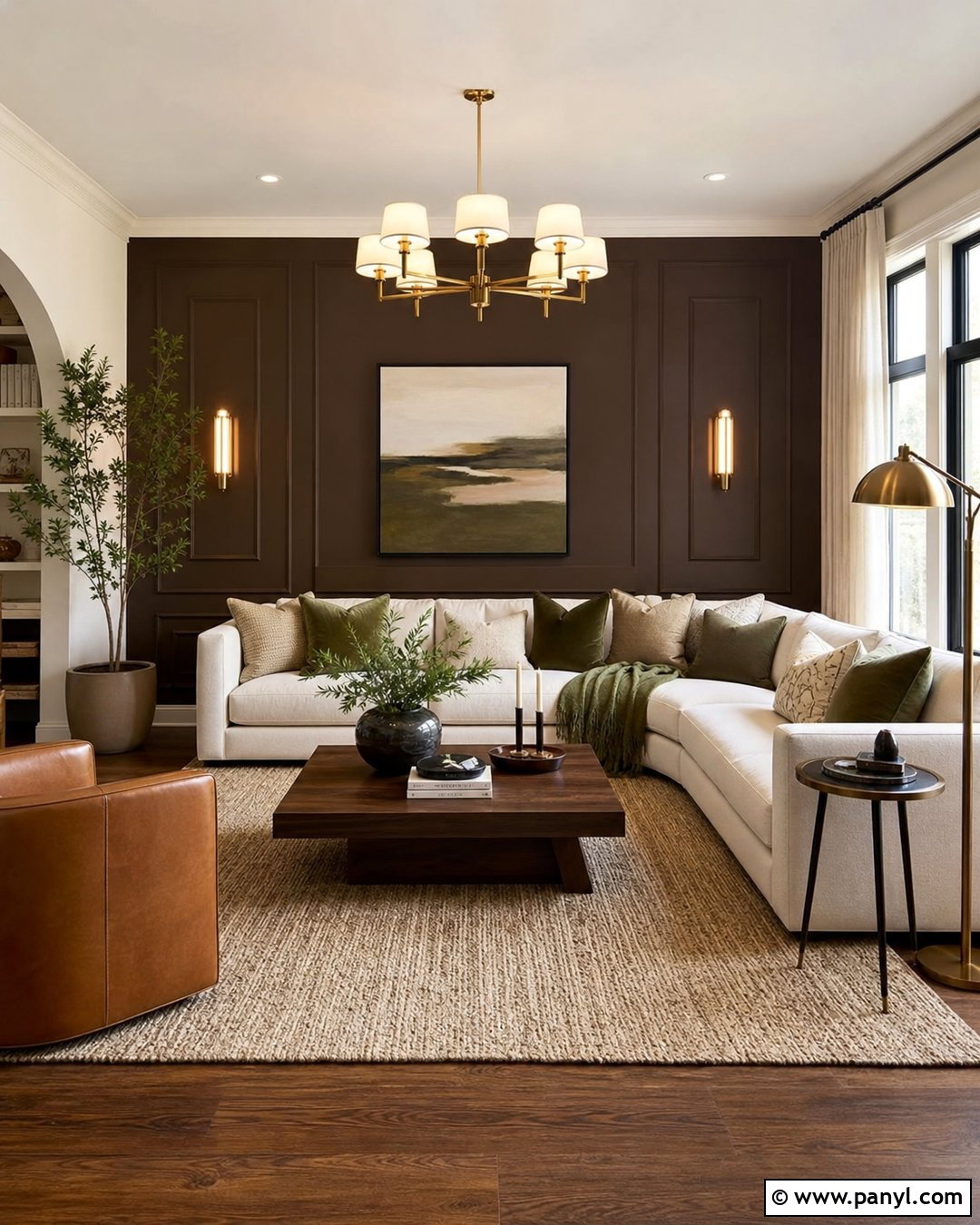
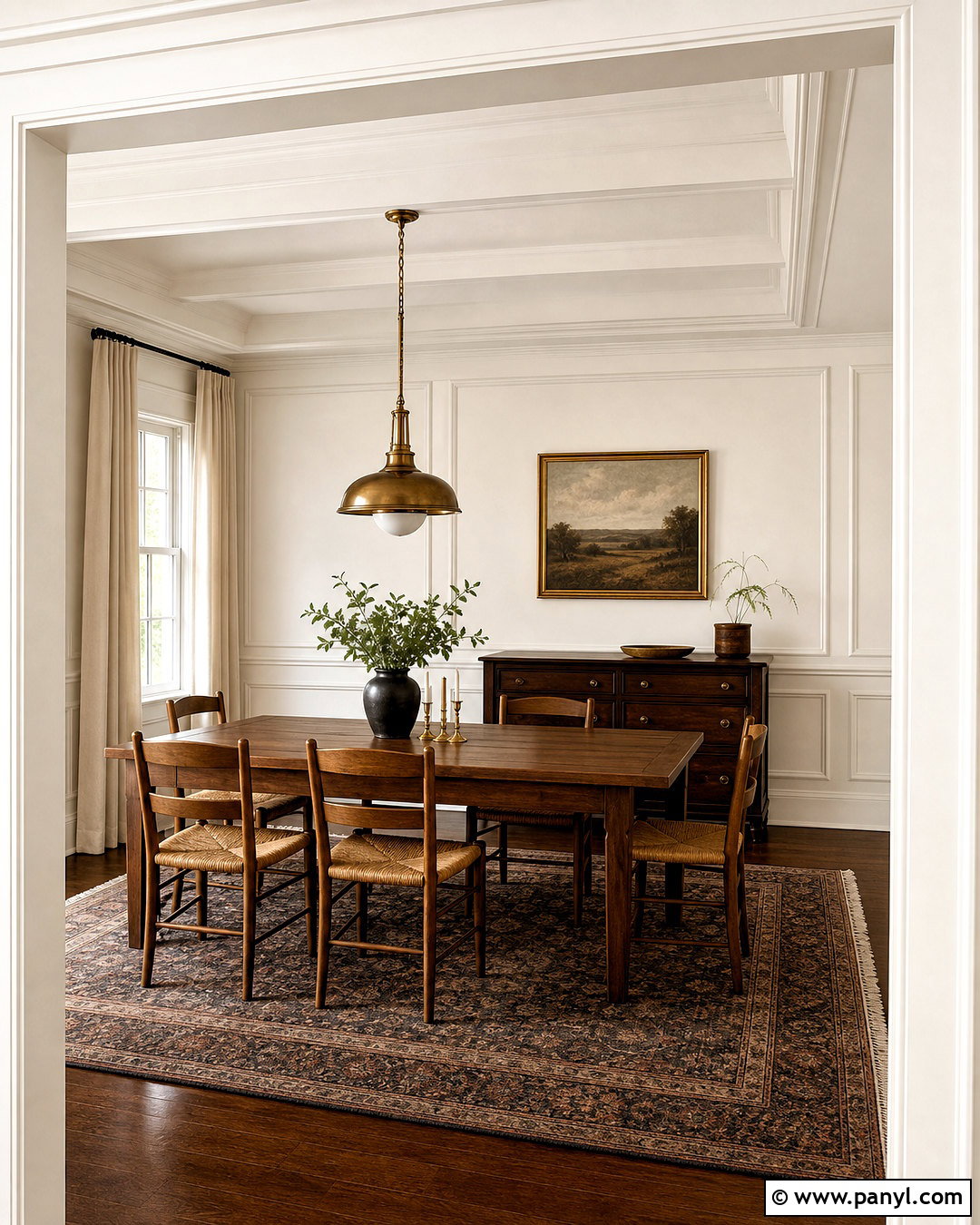
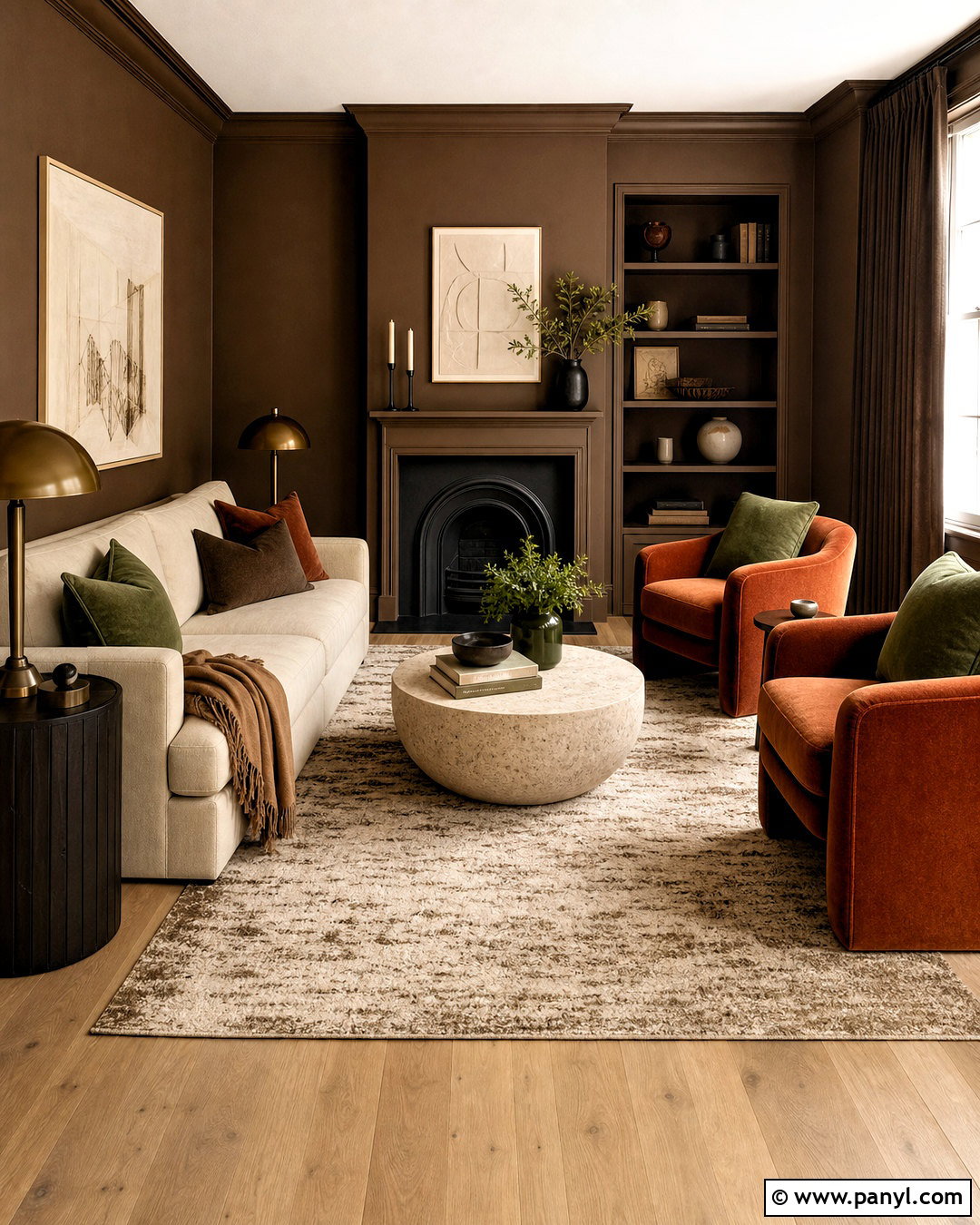
Rich chocolate brown creates a comfortable, enveloping focal point in a living room. Paint the wall behind the sofa or fireplace and pair it with warm ivory on the remaining surfaces. A low cream sofa, caramel leather chair, and substantial walnut coffee table will build a layered tonal palette. Use a textured oatmeal rug and off-white curtains to keep the room from becoming visually heavy. Accent the space with muted olive pillows, aged bronze lighting, and sculptural pottery in sand or clay tones. Chocolate brown looks especially effective with wall molding because shadows reveal the architectural detail. Choose a brown with softened charcoal undertones for a sophisticated finish, and test it beside flooring to avoid unwanted red or purple shifts.
9. Dusty Blue Accent Wall
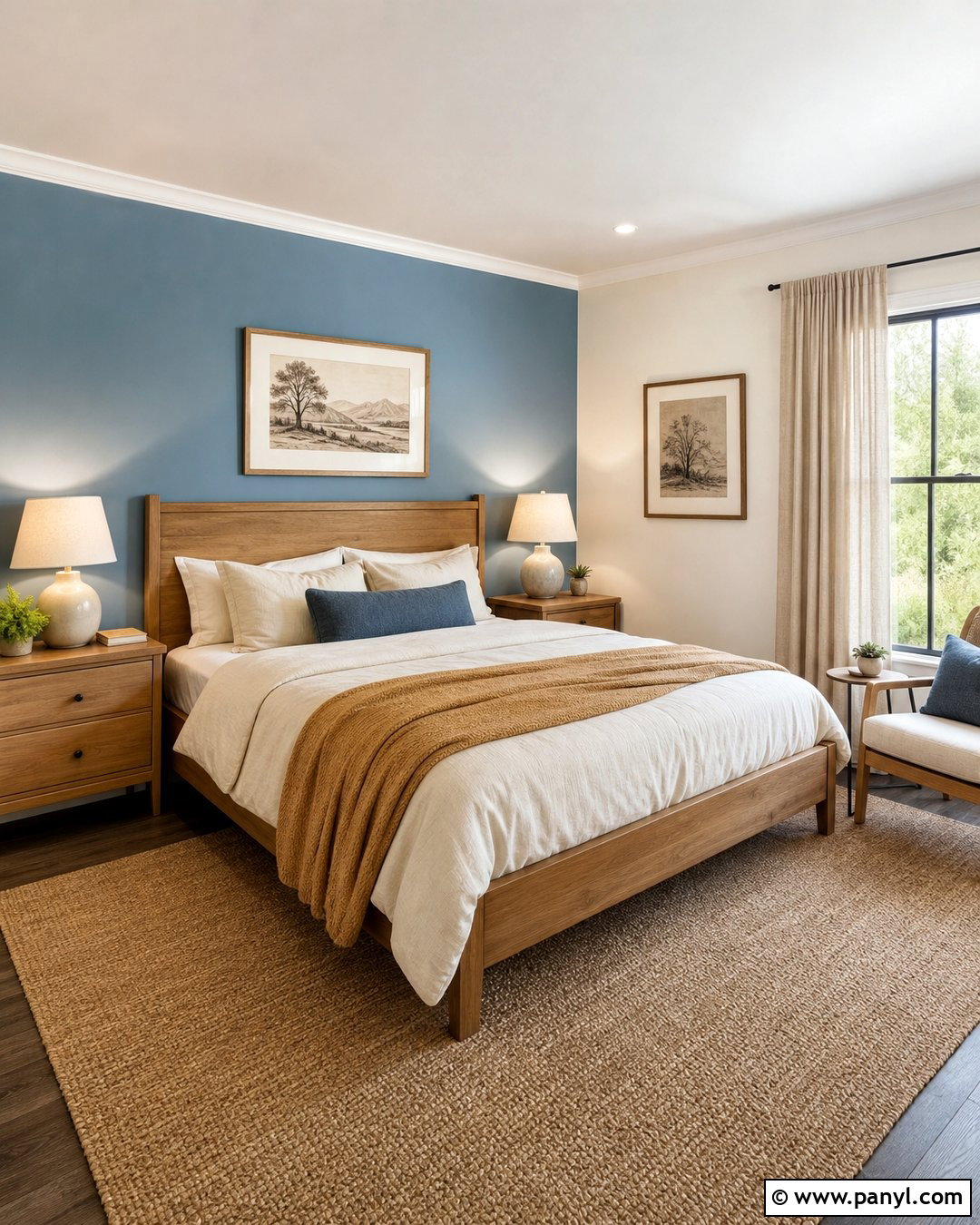
Dusty blue offers gentle contrast in a guest bedroom without making the room feel overly themed. Apply it behind a simple natural wood bed, then surround it with warm white walls and crisp white trim. Dress the bed in cream cotton, pale gray-blue linen, and a small amount of muted camel for warmth. Light oak nightstands, ceramic lamps, and a woven bench create an approachable, relaxed look. Add curtains in soft oatmeal rather than matching the wall exactly. Framed landscape sketches or abstract prints can introduce deeper blue and charcoal details. Dusty blue is especially useful in bright rooms because its gray undertone controls glare. The finished bedroom feels peaceful, fresh, and welcoming throughout the year.
10. Black Fireplace Accent Wall
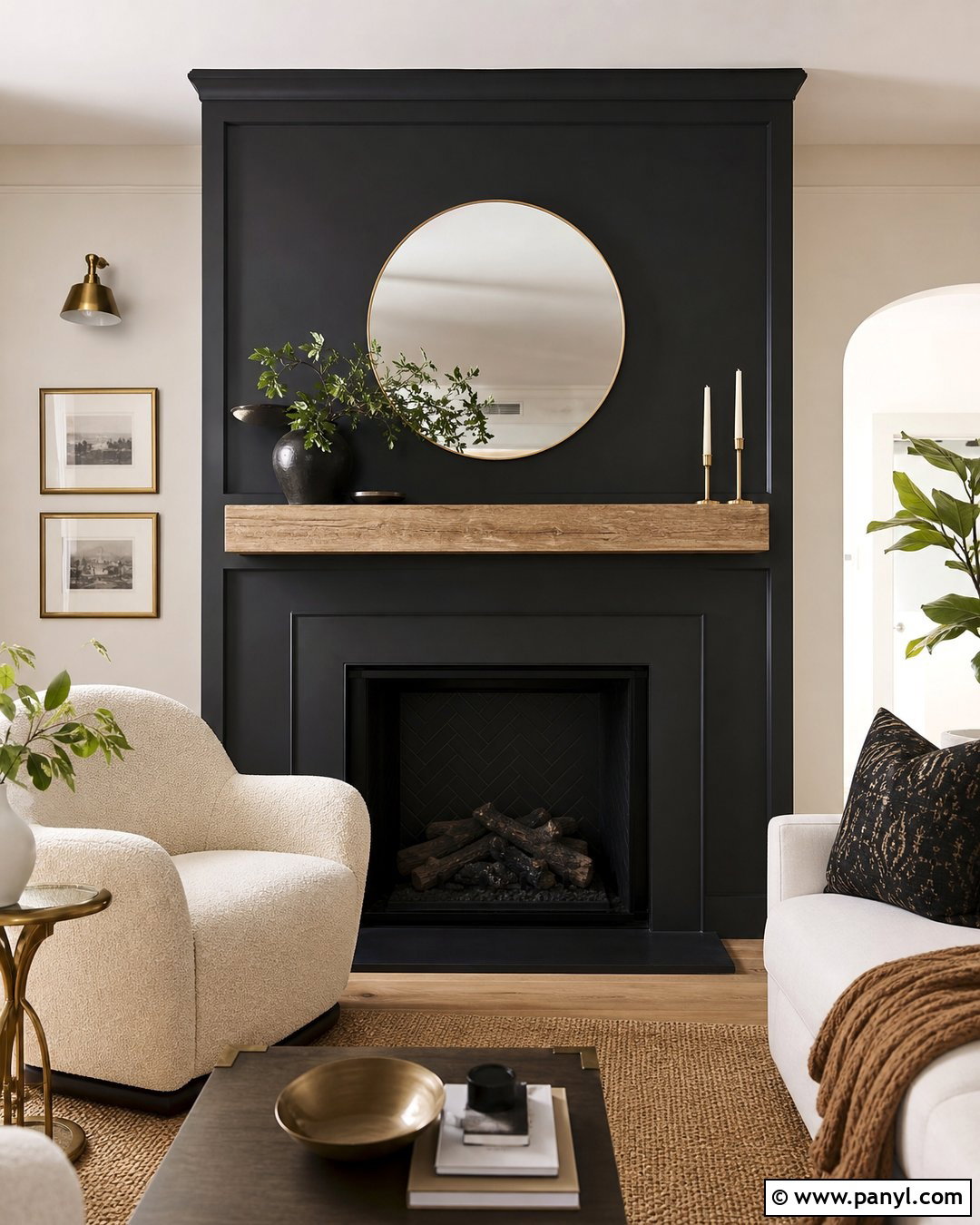
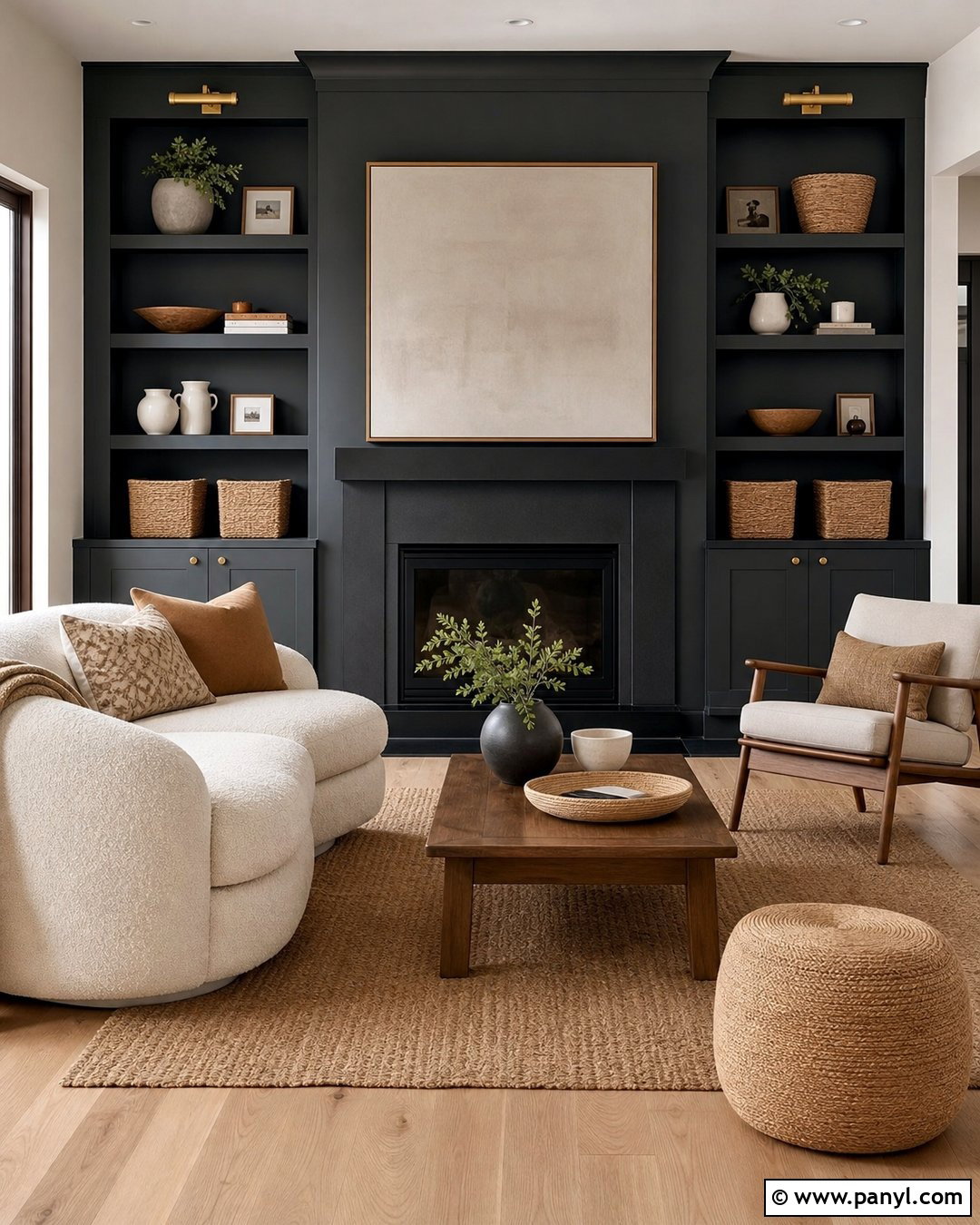
A black accent wall can make a fireplace look larger and more architectural, especially when the firebox, mantel, and surrounding wall are treated as one composition. Choose a softened matte black rather than an extremely glossy finish. Pair it with warm white adjoining walls, pale oak floors, and a cream sofa positioned to face the fireplace. A simple wood mantel introduces natural warmth, while black-framed artwork or a round mirror continues the graphic effect. Add boucle chairs, a tan rug, and restrained brass details to prevent the space from feeling stark. Keep the mantel decor minimal so the wall remains the focal point. This scheme suits modern, industrial, transitional, and updated farmhouse living rooms without requiring expensive structural changes.
11. Warm Taupe Accent Wall
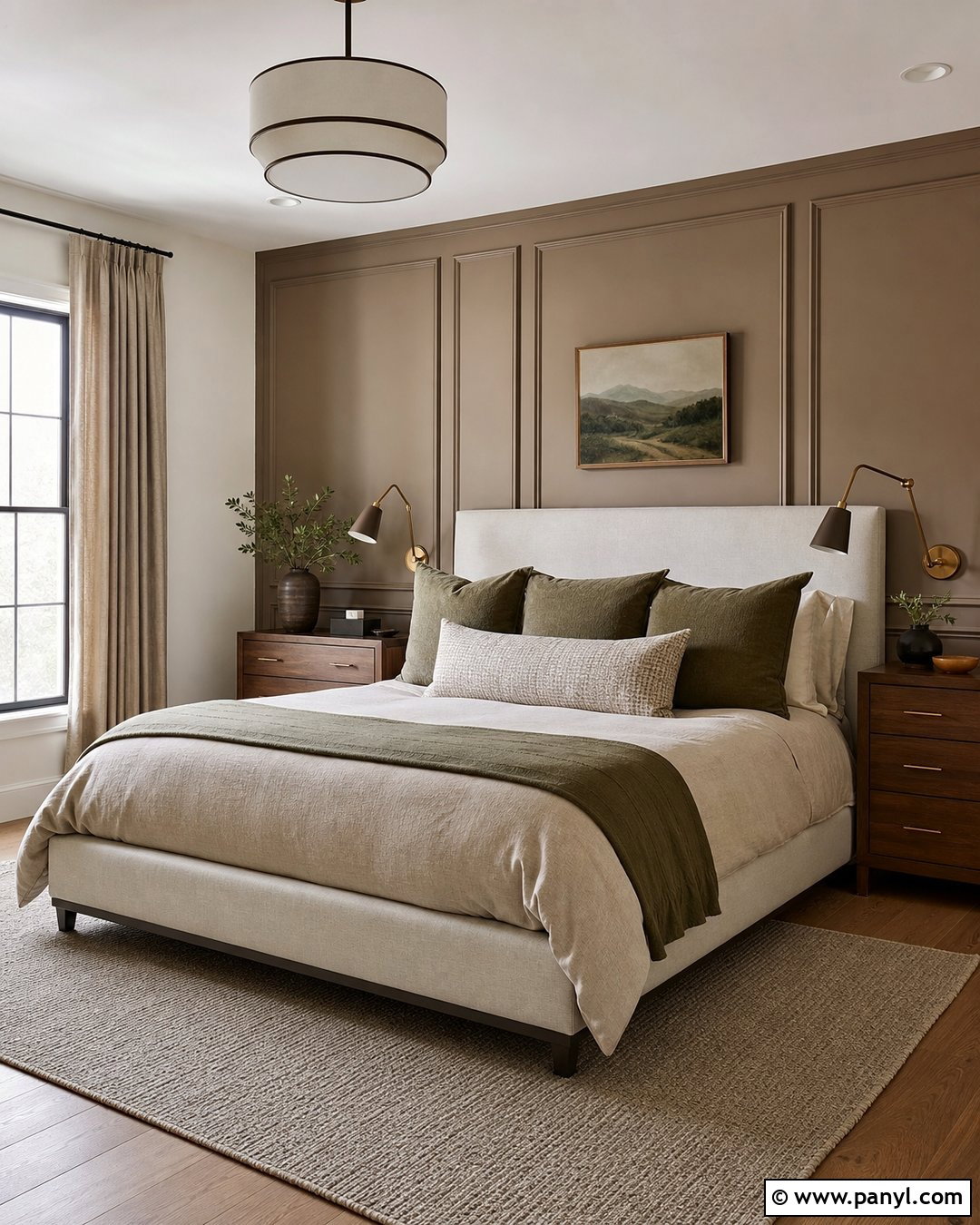
Warm taupe creates subtle separation in a bedroom when bold colors feel too intense. Paint the wall behind the bed in a medium taupe with beige or mushroom undertones, then use creamy off-white on the other walls. An upholstered headboard in ivory, walnut nightstands, and bronze reading lamps establish a soft, layered foundation. Add bedding in flax, cream, and muted brown, along with one dusty rose or olive accent for gentle color. A textured wool rug and linen curtains keep the neutral palette from looking flat. Wall molding can make this understated color feel more deliberate. The finished room will look warm and composed, making taupe a practical choice for homeowners who want definition without dramatic contrast.
12. Muted Mustard Accent Wall
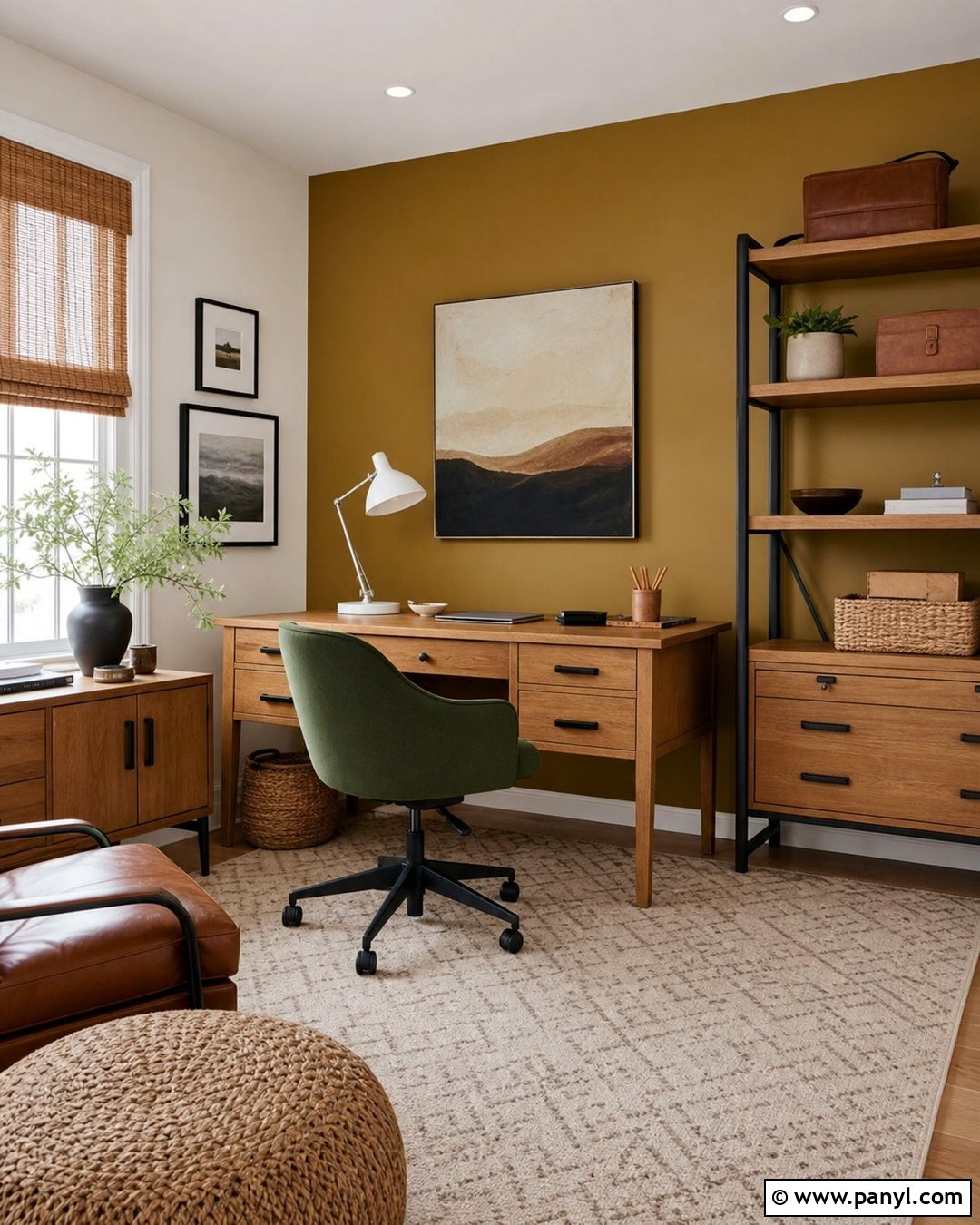
Muted mustard adds cheerful warmth to a home office while feeling more sophisticated than bright yellow. Use it behind a writing desk, storage cabinet, or wall-mounted shelving. Pair it with soft cream walls, a medium oak desk, and an olive or charcoal upholstered chair. A flat-woven rug with ivory, brown, and faded gold details can distribute the color naturally. Add matte black hardware, a white task lamp, and closed storage to maintain a clean workspace. Mustard also looks attractive beside warm leather and woven baskets, making organization part of the design. Select a shade with ochre or brown undertones rather than a sharp lemon base. This creates an energizing office that remains comfortable during long working sessions.
13. Rust Orange Accent Wall
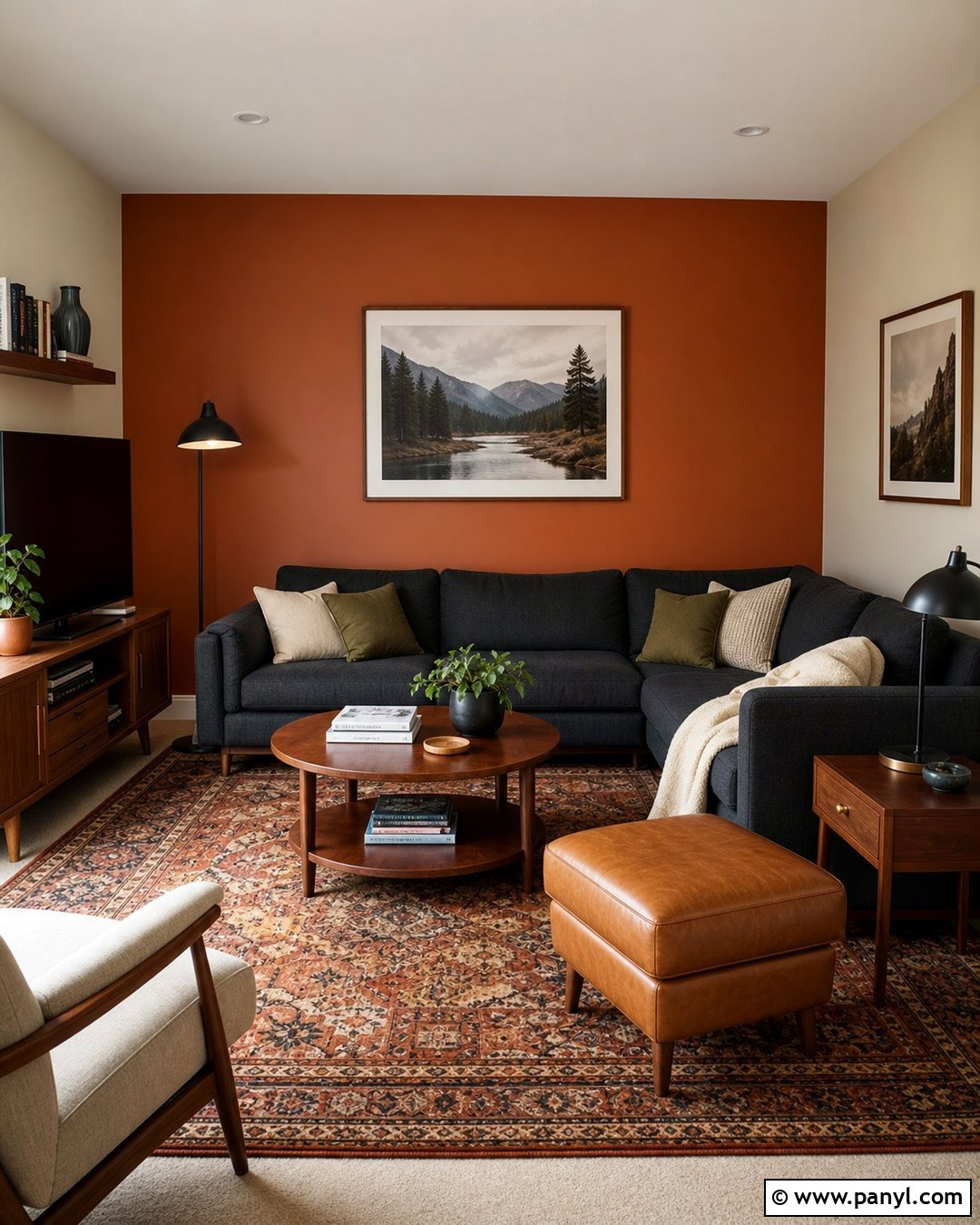
Rust orange gives a den or family room a warm, collected character. Place it behind a low-profile sofa or built-in media unit, then use pale beige on the remaining walls. A charcoal sofa creates effective contrast, while walnut tables and a tan leather ottoman reinforce the earthy palette. Add pillows in cream, olive, and subtle geometric patterns to break up the larger blocks of color. A vintage-inspired rug containing faded orange, navy, and taupe will make the wall feel connected to the floor. Use black metal lamps and simple landscape artwork for balance. Rust is saturated enough to command attention, so keep surrounding accessories restrained. The completed room feels cozy, relaxed, and suited to casual daily use.
14. Olive Green Accent Wall
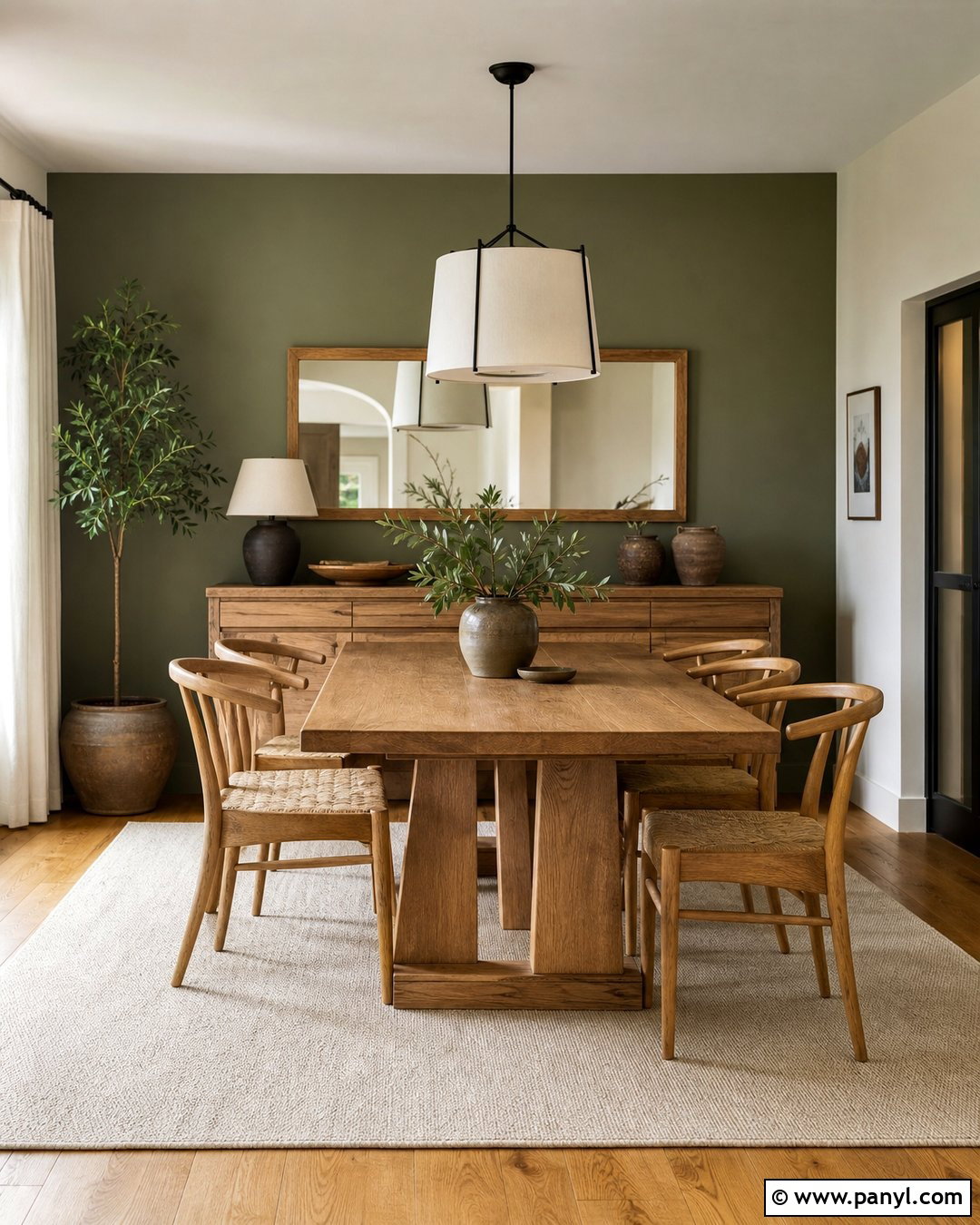
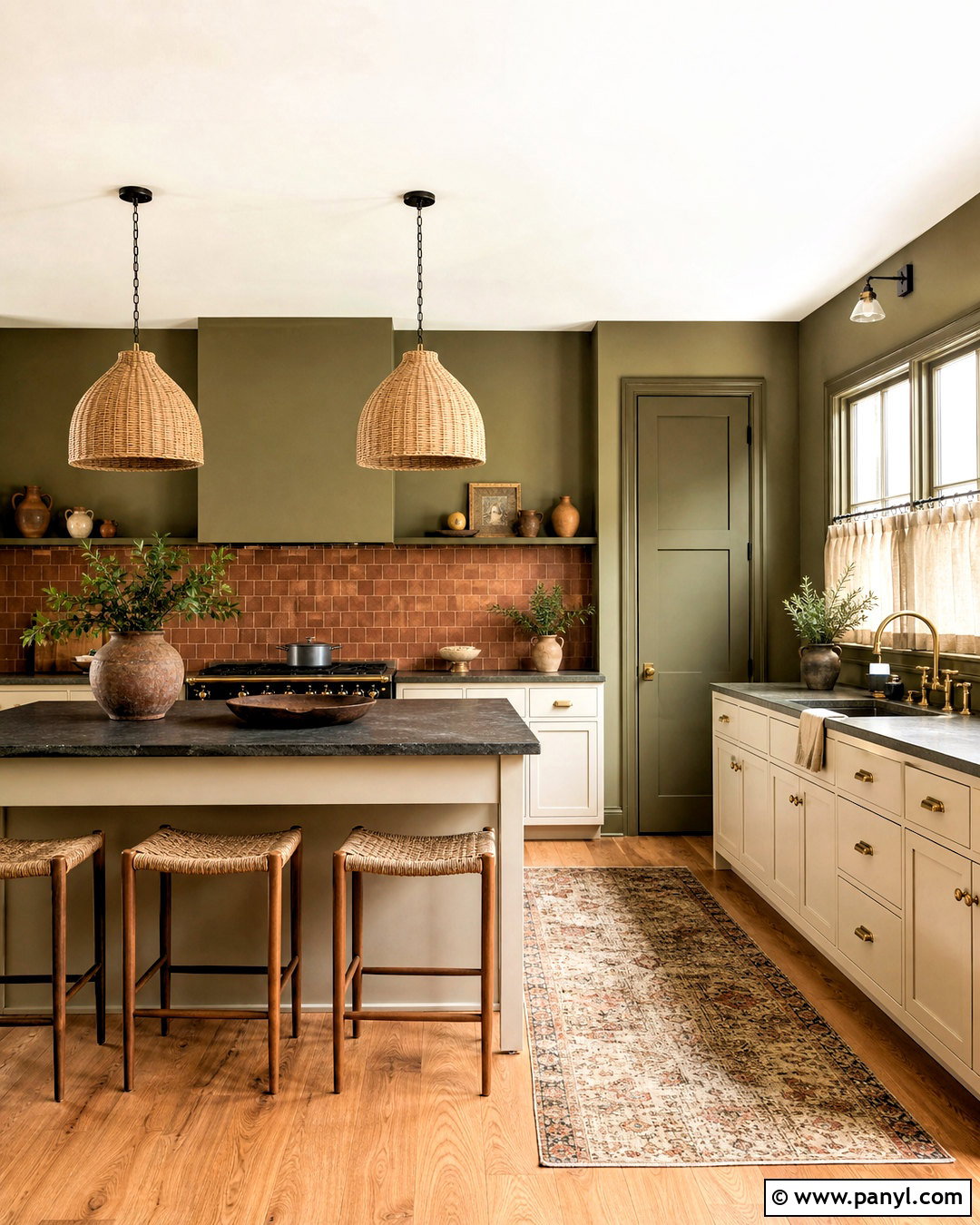
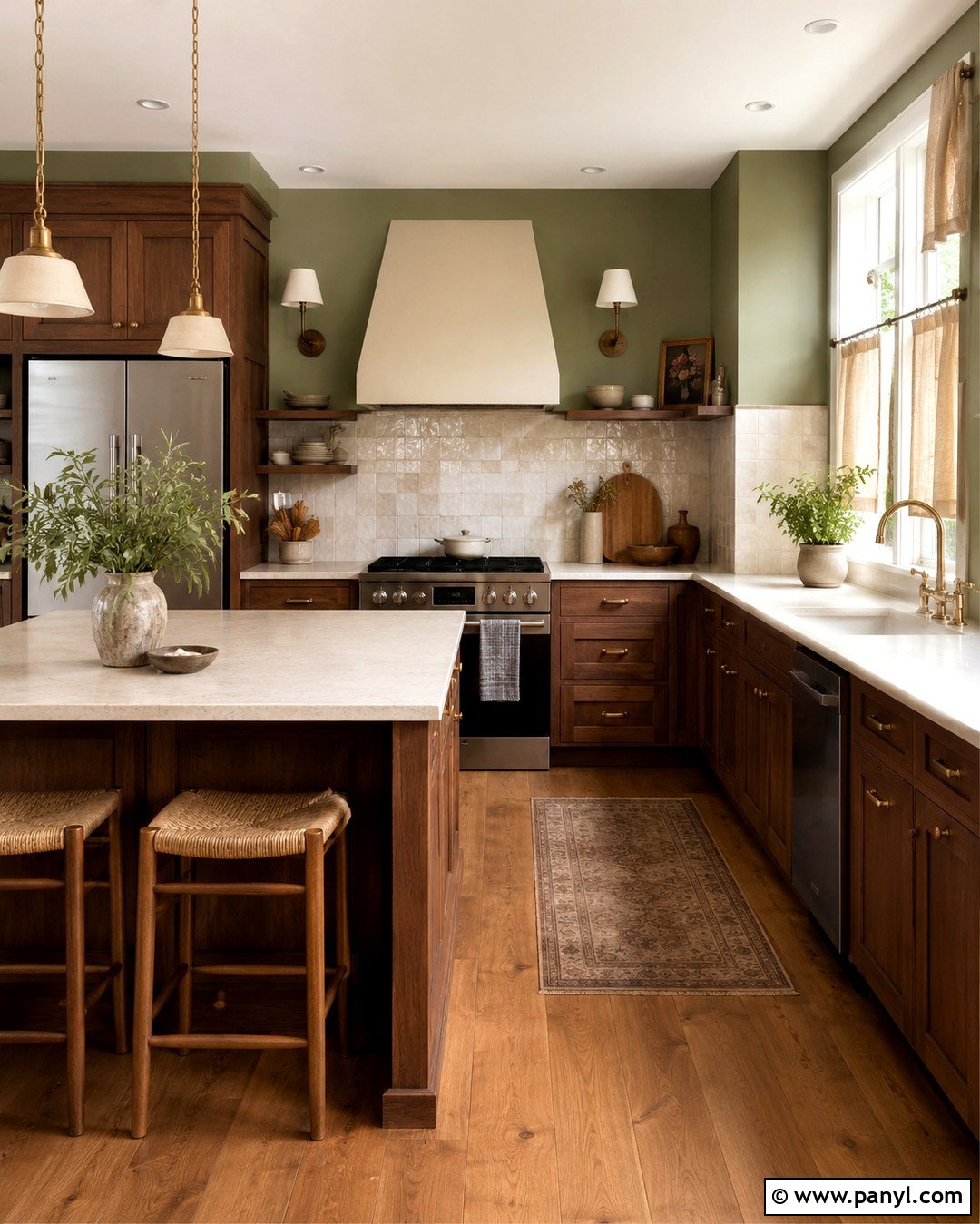
Olive green can give a dining room an earthy, mature look that pairs beautifully with natural wood. Paint the wall behind a sideboard or the longest uninterrupted surface, then keep adjacent walls warm ivory. Use a solid oak dining table, woven-seat chairs, and a cream pendant light to soften the green. A neutral rug with small black or tan details will ground the furniture. Decorate the sideboard with ceramic vessels, a wood-framed mirror, and one leafy branch arrangement. Black hardware and lighting add a modern edge without making the room harsh. Choose a subdued olive containing brown or gray undertones. Brighter yellow-green versions can feel energetic, while muted olive creates a calmer background for shared meals and entertaining.
15. Plum Purple Accent Wall
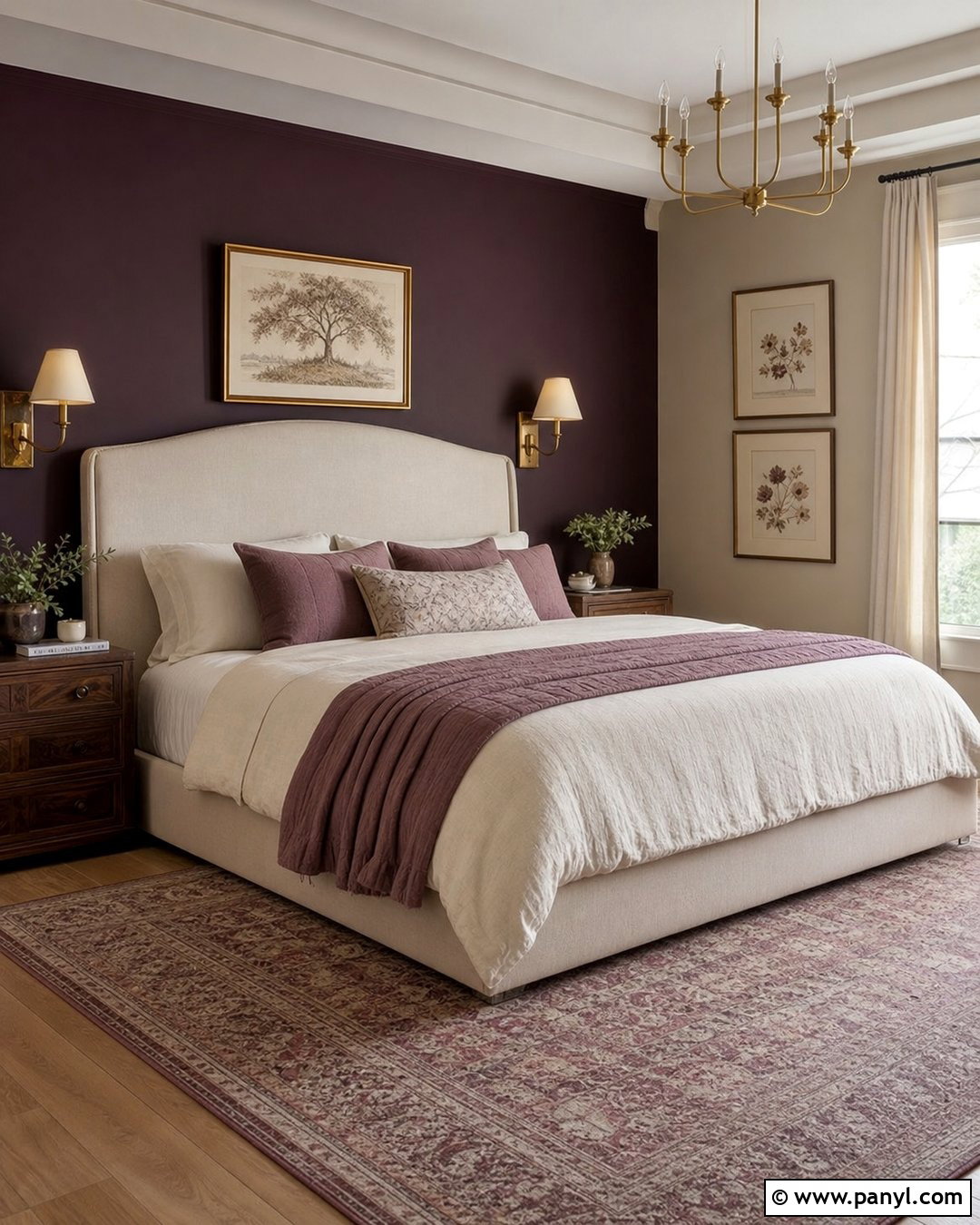
Deep plum can make a primary bedroom feel luxurious without relying on elaborate furniture. Use it behind the bed and balance it with warm greige walls, cream trim, and medium-tone wood flooring. A beige upholstered bed provides clear contrast, while bedding in ivory, taupe, and muted mauve builds a soft tonal transition. Add walnut nightstands, antique brass sconces, and a patterned rug containing faded plum and blue. Artwork with broad cream areas will remain visible against the darker background. Avoid combining plum with too many shiny silver finishes, which can make the room feel cooler. Warm metals, natural linen, and wood produce a more comfortable result. The overall design feels dramatic at first glance but restful enough for everyday living.
16. Coral Peach Accent Wall
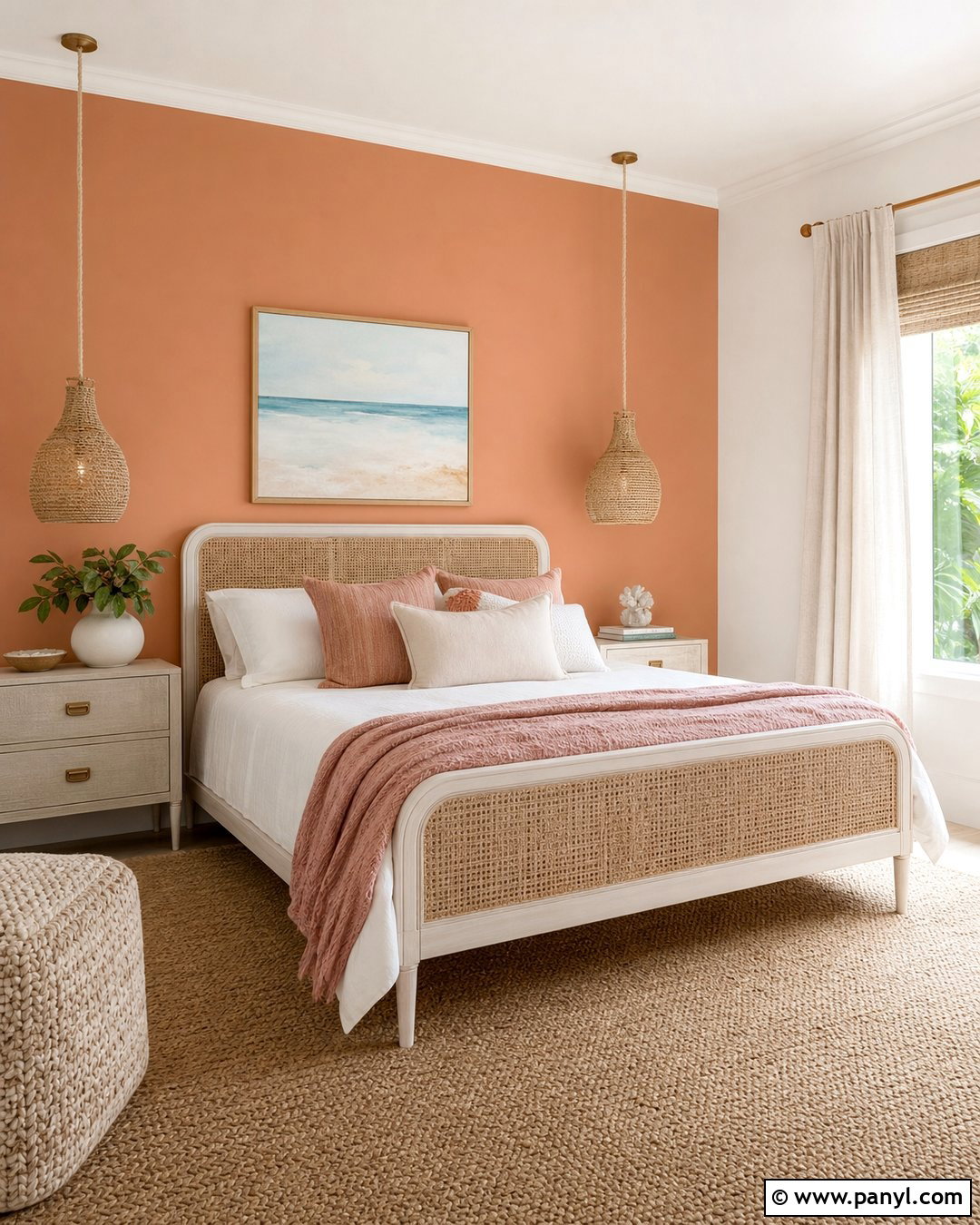
A coral peach accent wall can brighten a guest room with color that feels warm, friendly, and fresh. Choose a muted version with pink and clay undertones rather than a highly saturated tropical coral. Paint the wall behind a white oak or cane bed, then use creamy white on the surrounding walls. Layer the bedding with ivory, soft tan, and a small amount of dusty pink. A natural jute rug, linen curtains, and woven bedside lamps create relaxed texture. Introduce pale blue or sage through artwork and pillows to balance the warmth. Keep furniture lines simple so the wall remains the primary feature. This complete palette works well in rooms receiving clear daylight, where coral can appear lively without becoming overpowering.
17. Cobalt Blue Accent Wall
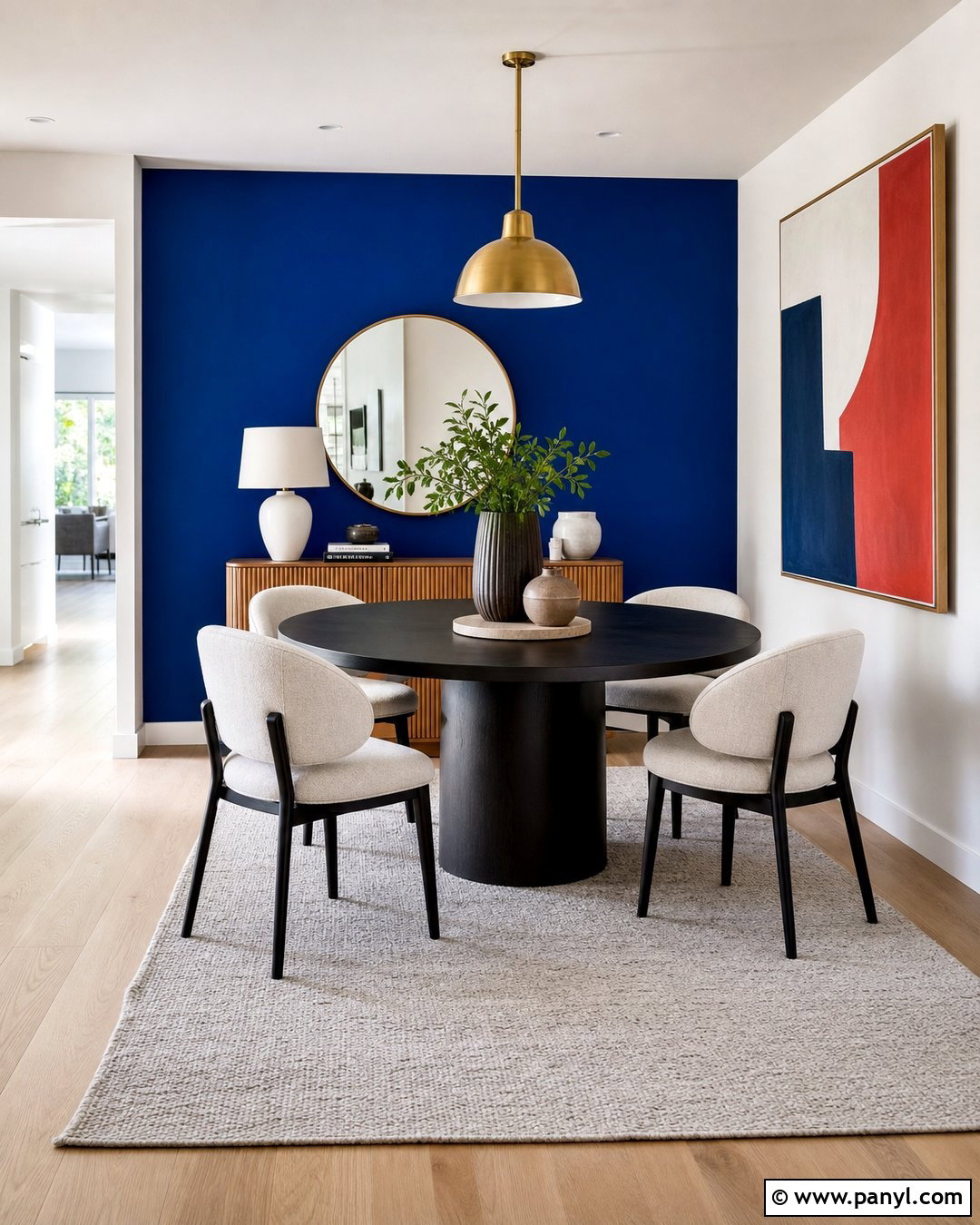
Cobalt blue creates a vibrant focal point in a modern dining room. Use it on the wall behind a sculptural sideboard, then pair it with clean white surrounding walls and light oak flooring. A black round dining table and cream upholstered chairs create a sharp but balanced composition. Add a large abstract artwork featuring white, muted red, and small cobalt details to strengthen the palette. A simple brass pendant introduces warmth, while a neutral flat-weave rug prevents the room from looking overly graphic. Because cobalt is naturally energetic, limit additional strong colors to a few intentional accents. This setup feels bold and contemporary, yet the neutral furniture and natural wood keep it practical for regular meals, work sessions, and informal gatherings.
18. Soft Blush Accent Wall
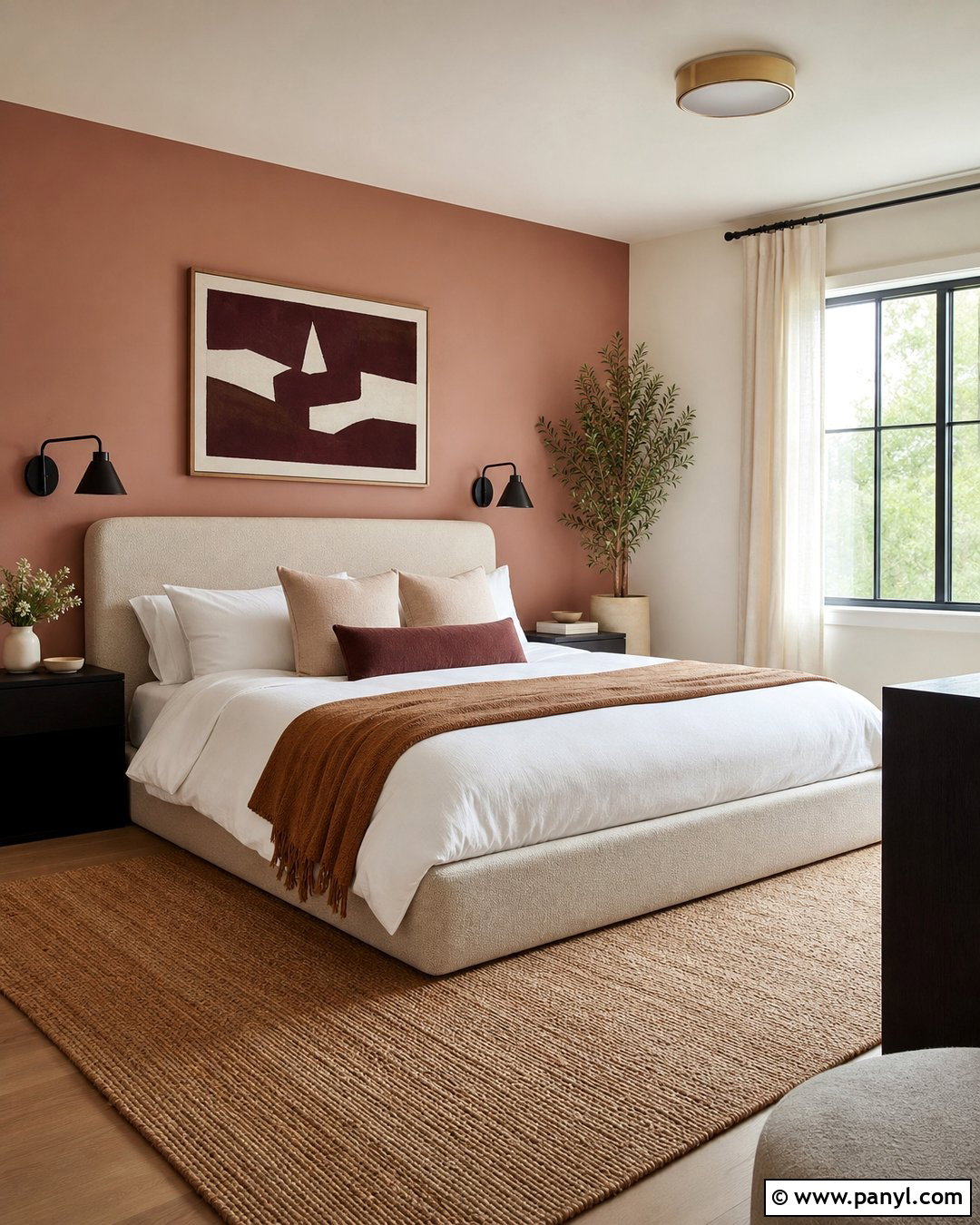
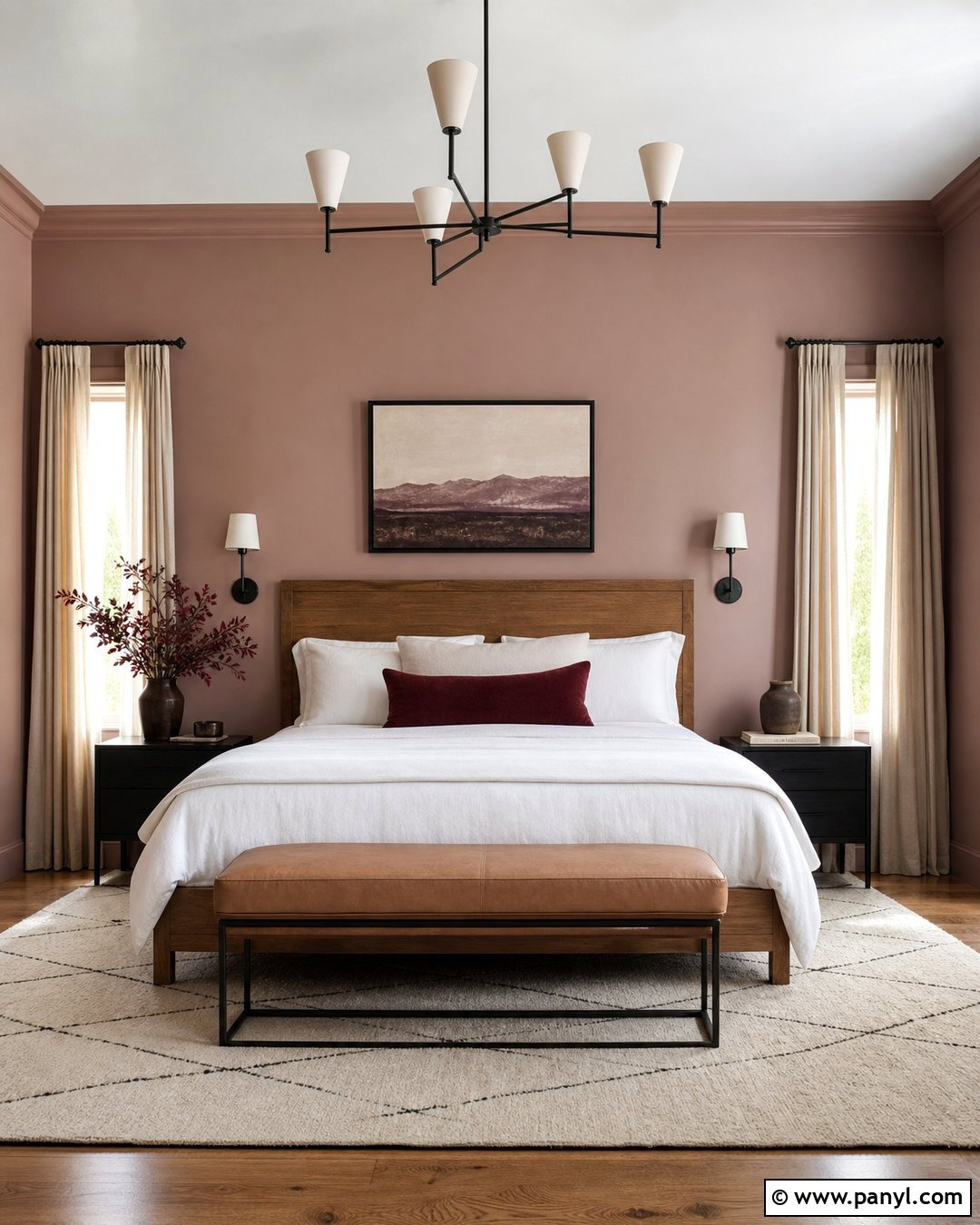
Soft blush brings gentle warmth into a bedroom while functioning almost like a tinted neutral. Paint the wall behind the headboard and keep the remaining walls a warm off-white. Choose a light oak bed or an oatmeal upholstered frame, then layer white bedding with camel, cream, and muted rose textiles. Black reading sconces can provide clean contrast and prevent the room from becoming overly delicate. Add a tan wool rug, linen curtains, and simple abstract artwork with burgundy or charcoal marks. Avoid filling the space with matching pink accessories. Instead, repeat blush only once or twice through a pillow or ceramic piece. The finished bedroom feels calm and grown-up, with enough warmth to look welcoming in both bright and low natural light.
19. Brick Red Accent Wall
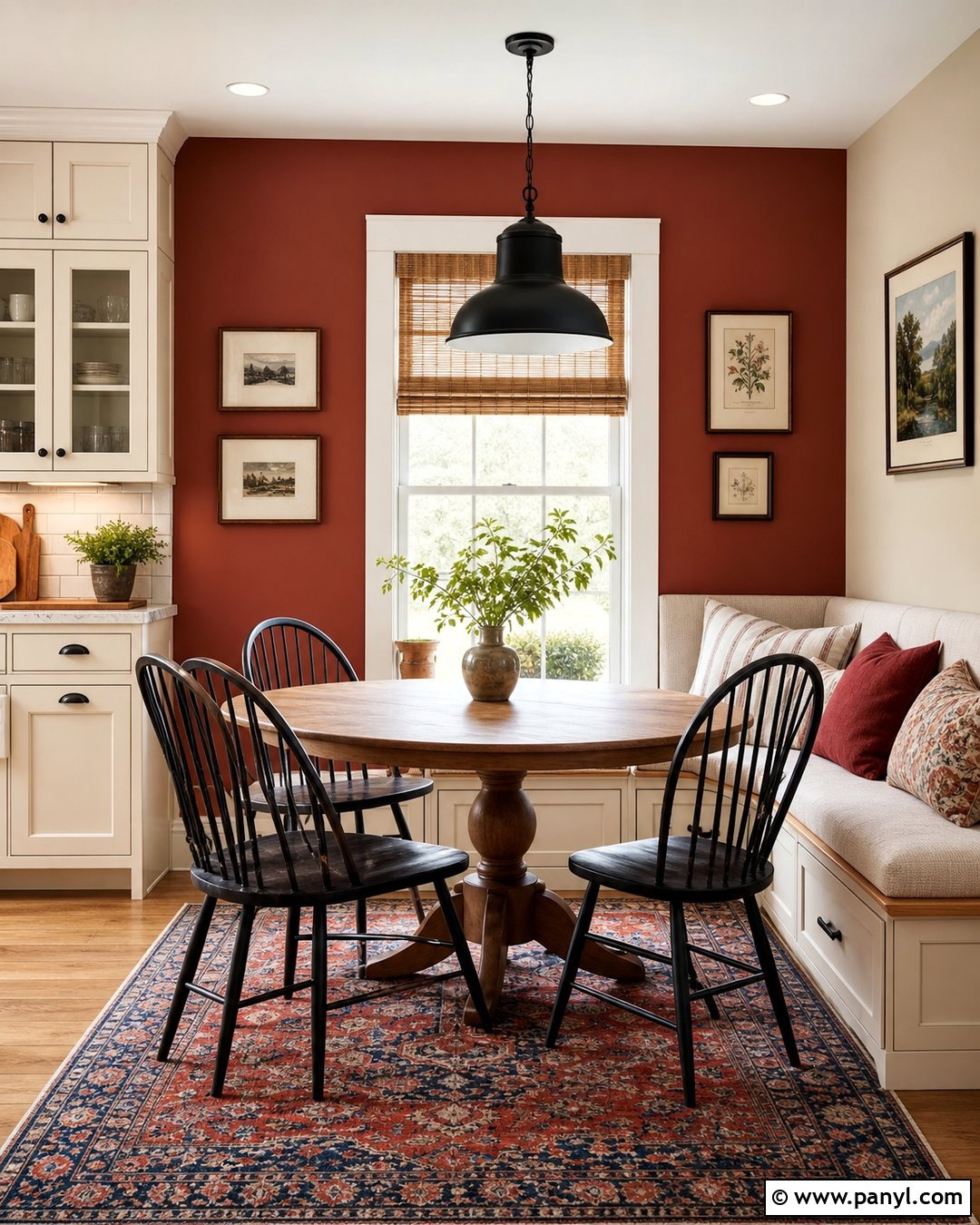
Brick red gives a kitchen breakfast nook an inviting sense of warmth and permanence. Apply it to the wall behind a built-in bench or compact dining table, surrounding it with creamy white cabinetry and warm beige walls. Use an oak pedestal table, black spindle chairs, and a bench cushion in oatmeal performance fabric. A small vintage-style rug containing faded red and blue can reinforce the cozy character. Add framed prints with broad cream mats, a black pendant, and simple pottery on a nearby shelf. Brick red should appear earthy and slightly muted rather than bright. Its brown undertone works naturally with wood, stone, and woven materials. This complete nook feels comfortable for morning meals while adding personality to a neutral kitchen.
20. Greige Accent Wall
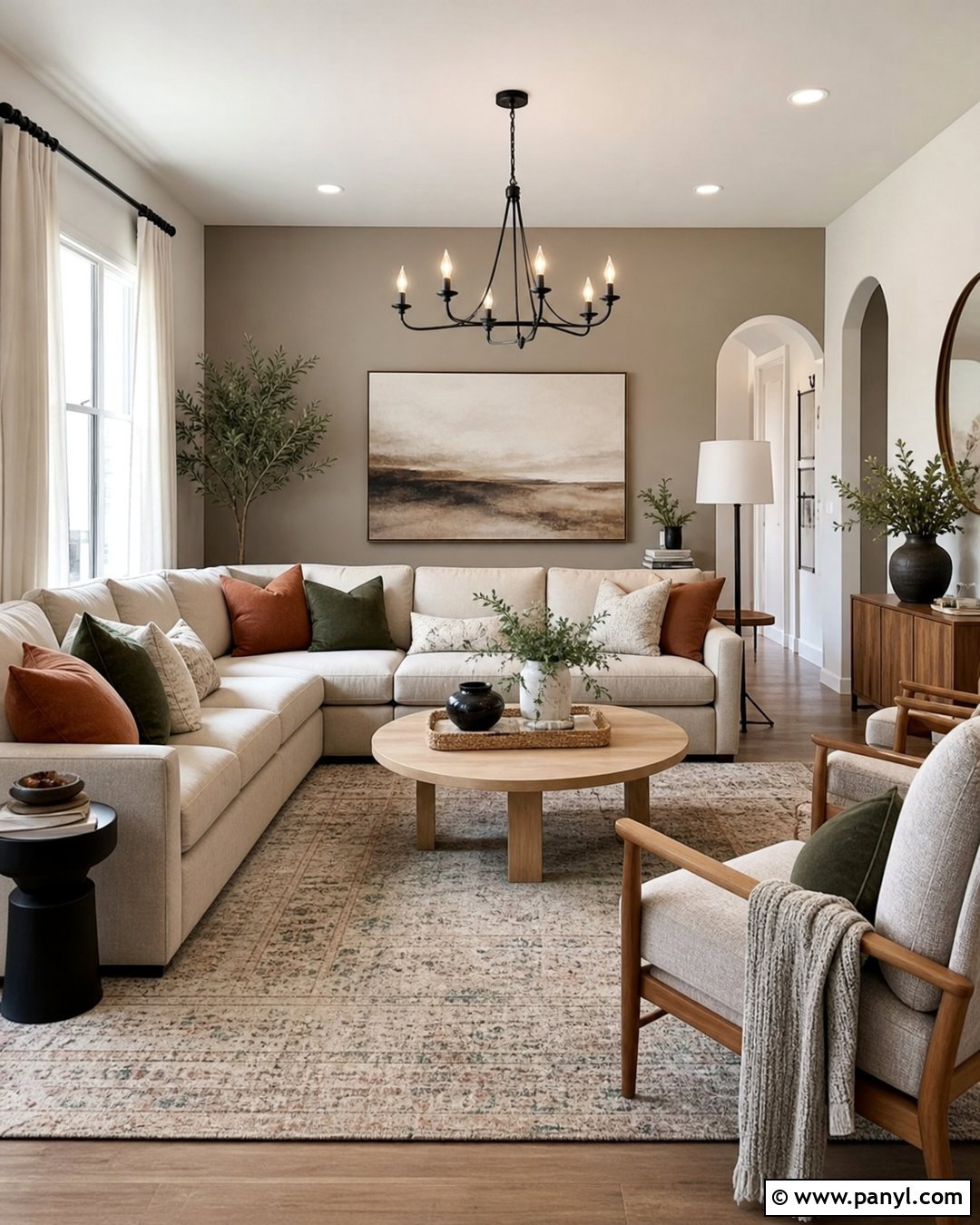
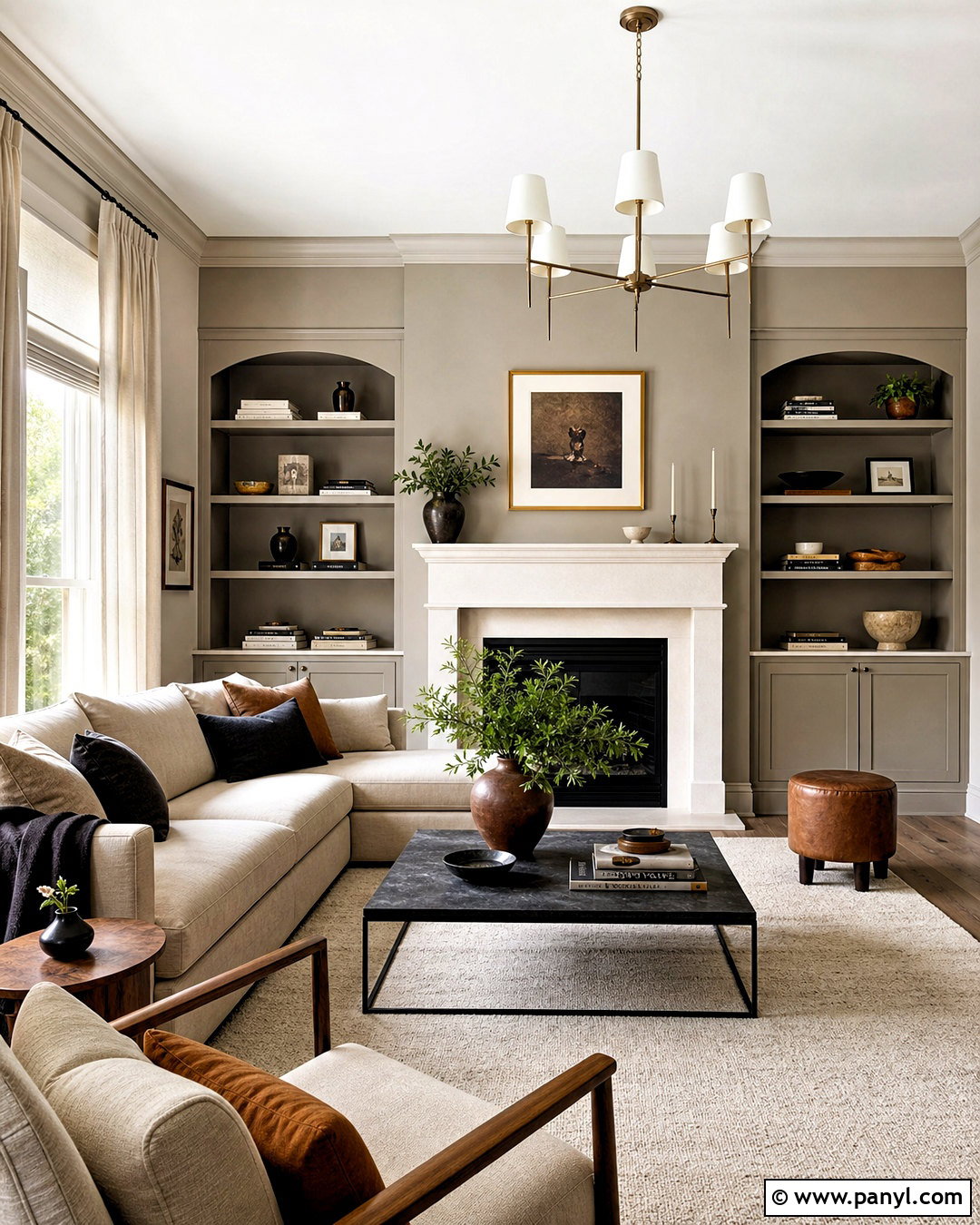
Greige is a smart accent wall color when a room needs dimension but not obvious drama. Select a medium warm greige for the wall behind a cream sectional, fireplace, or media console. Paint the other walls a lighter off-white and repeat the greige through a rug or window treatment. Pale oak tables, oatmeal upholstery, and black metal lighting give the neutral palette definition. Add pillows in rust, moss, and charcoal to introduce controlled color without distracting from the calm foundation. A large piece of textured artwork can keep the focal wall visually interesting. Compare the paint against flooring before committing because some greiges lean violet or green. The finished living room should feel layered, cohesive, and relaxed rather than simply beige or gray.
21. Smoky Lavender Accent Wall
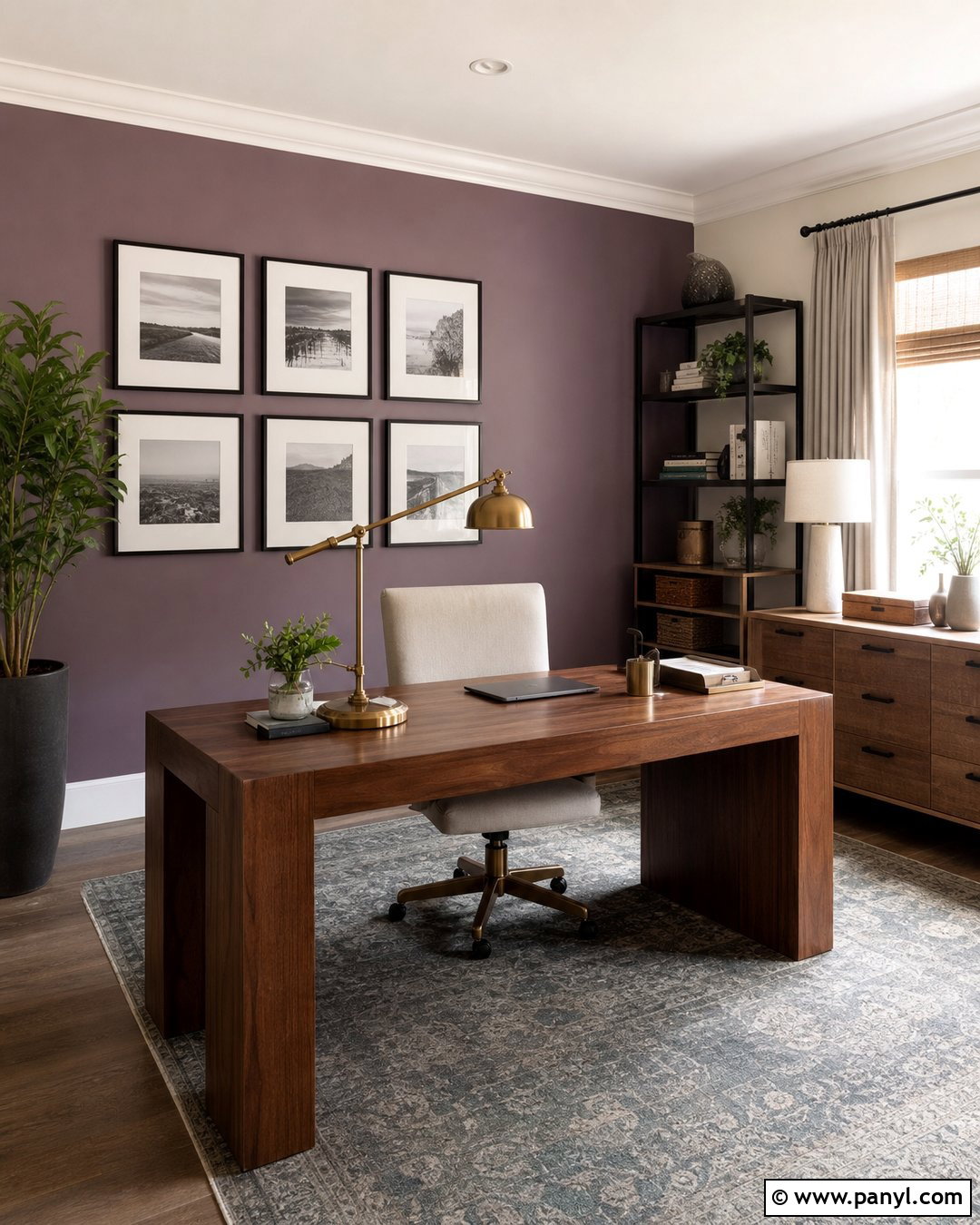
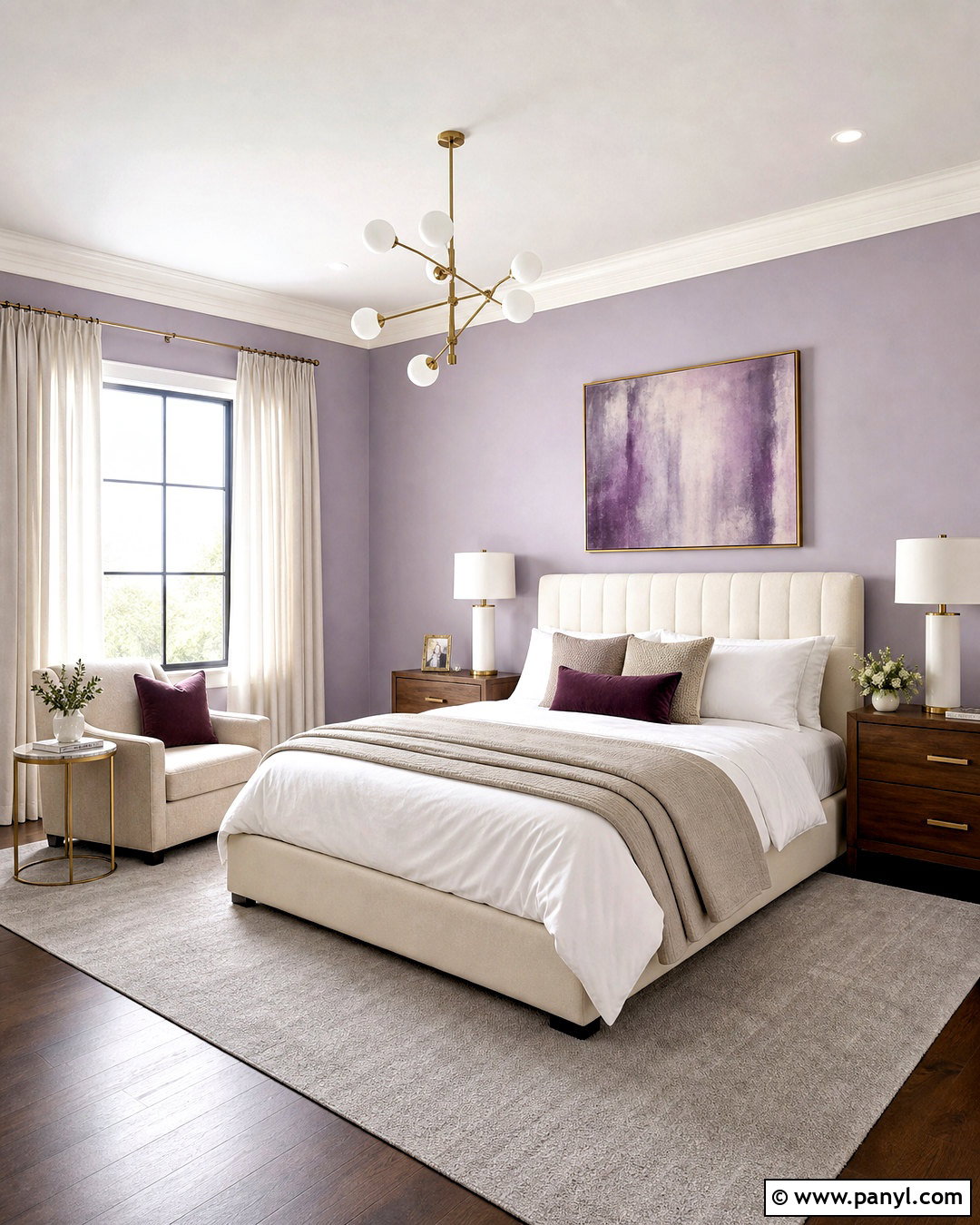
Smoky lavender creates a thoughtful home office that feels colorful without becoming distracting. Use a gray-toned lavender behind a compact desk or bookcase, then choose warm white for the other walls. A walnut desk, cream office chair, and muted blue-gray rug establish a balanced foundation. Add aged brass lighting and simple black frames to sharpen the softer wall color. Storage boxes in tan or burgundy can provide practical accents while maintaining the palette. Keep window treatments light so natural daylight reveals the lavender undertone. In dimmer conditions, the shade may appear gray, which makes sampling essential. This finished office feels calm, creative, and polished, offering a less predictable alternative to blue or green while remaining easy to decorate.
22. Emerald Green Accent Wall
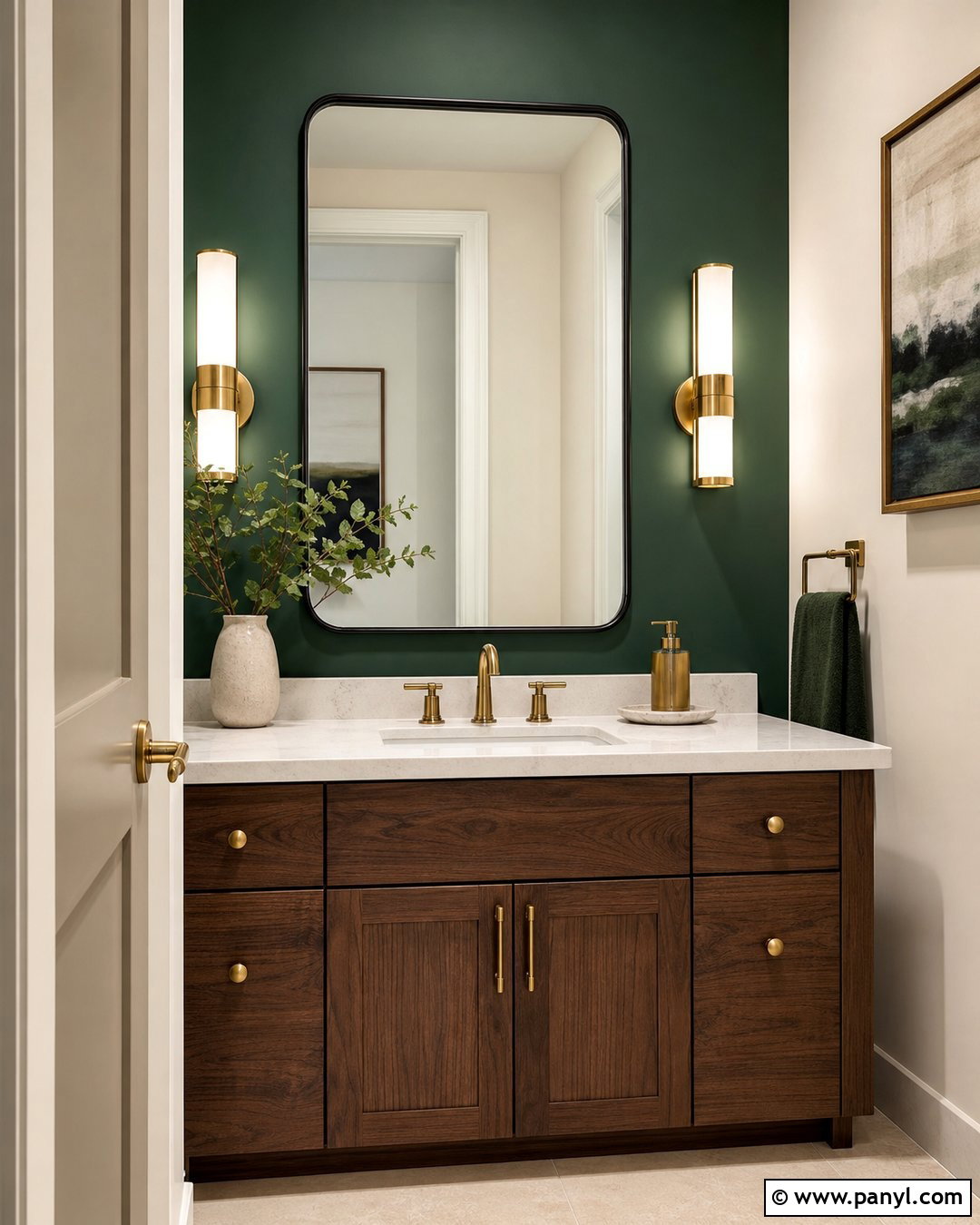
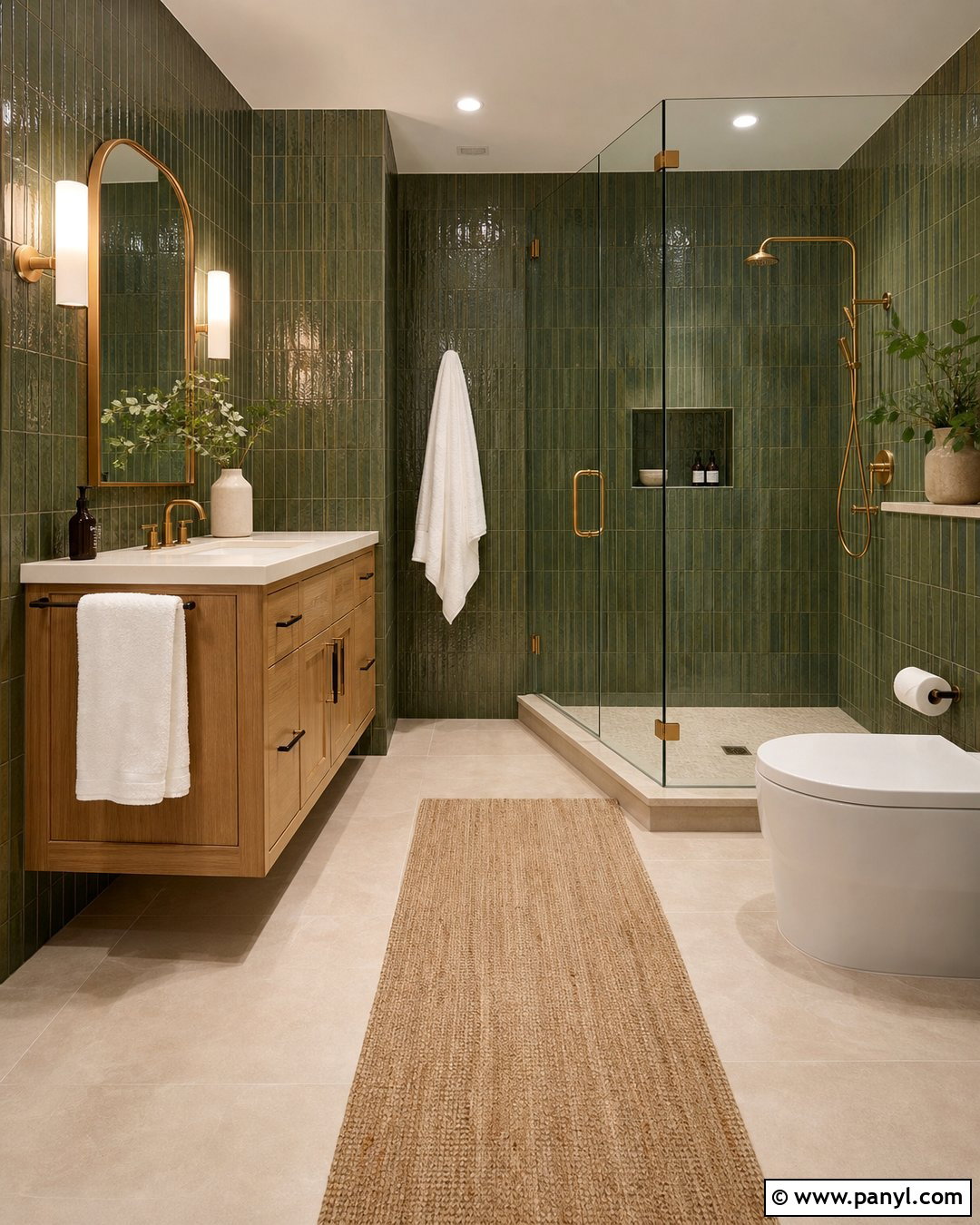
Emerald green can transform a powder room into a memorable, jewel-toned space. Paint the wall behind the vanity, allowing the mirror and lighting to stand out clearly against the rich color. Pair it with warm white on the remaining walls, a compact walnut vanity, and a white stone countertop. Brushed brass fixtures add warmth, while a black-framed mirror creates crisp definition. Use small-format cream floor tile or a simple black-and-white pattern to complete the room. One framed print and a neatly folded hand towel are enough decoration. Because powder rooms are small, an emerald accent delivers impact without requiring large quantities of paint. The result feels polished and dramatic while remaining practical, bright, and welcoming for everyday use.
23. Slate Blue Accent Wall
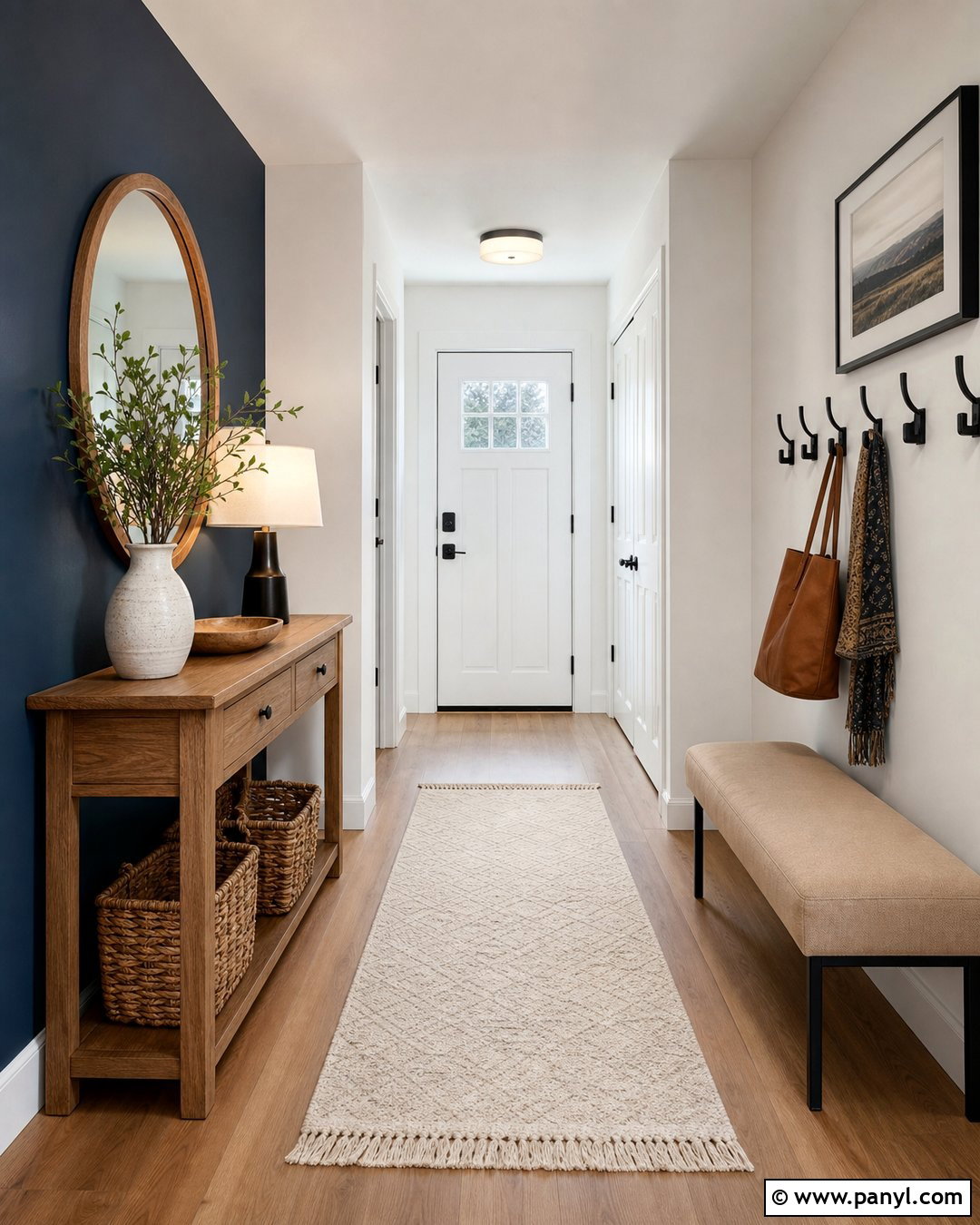
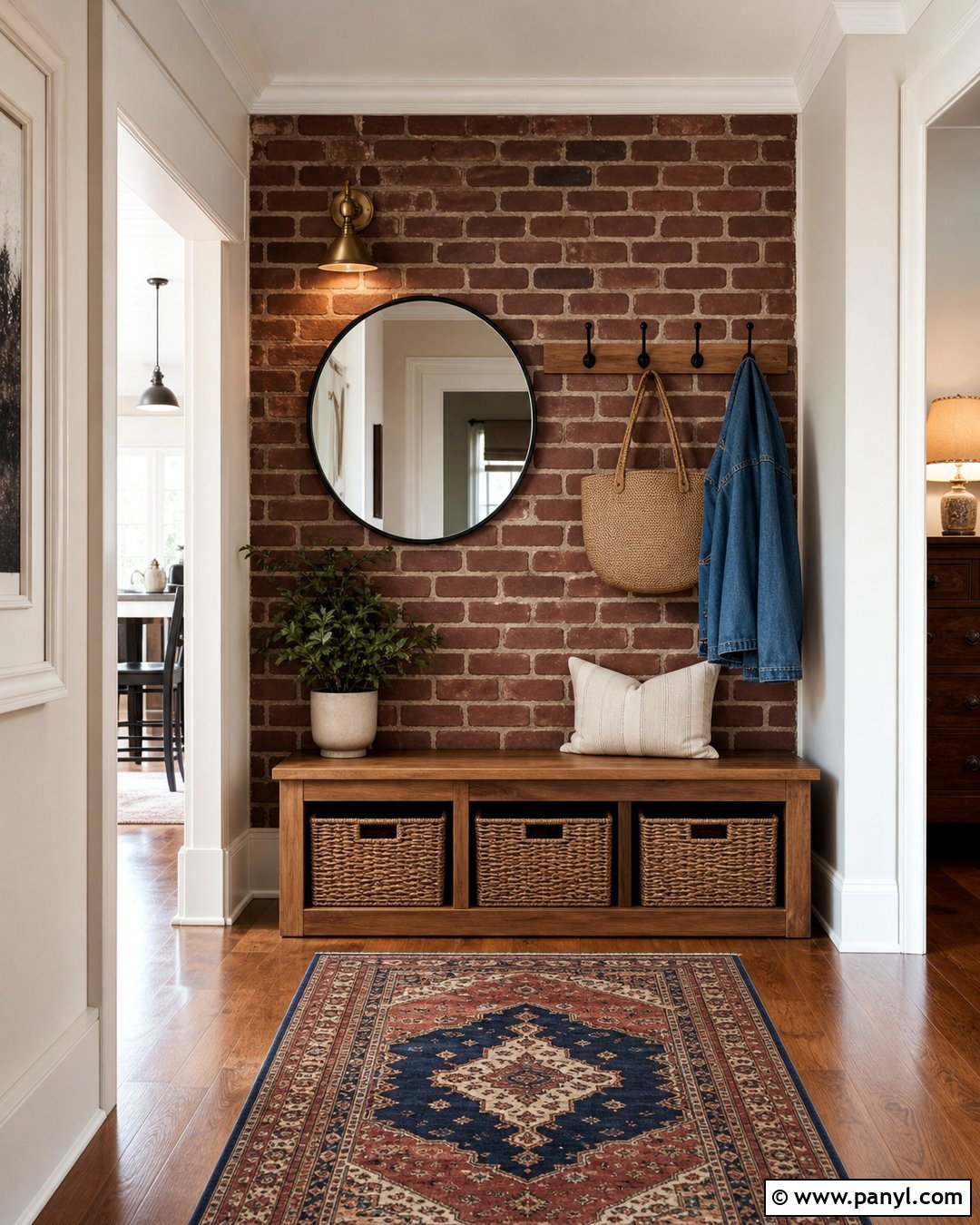
Slate blue gives an entryway definition while remaining quieter than navy or cobalt. Paint the wall behind a narrow console, bench, or row of coat hooks so the color emphasizes the functional landing zone. Use soft white on adjacent walls and add a medium oak console with matte black hardware. A cream runner, woven basket, and tan upholstered bench bring warmth to the cool blue-gray shade. Hang a large round mirror to reflect light and make the entrance feel more open. Simple wall hooks and a closed storage cabinet help prevent clutter. Repeat slate blue through one patterned cushion or ceramic bowl. The complete entryway feels organized and welcoming, with enough color to make a strong first impression without overwhelming a narrow space.
24. Pale Aqua Accent Wall
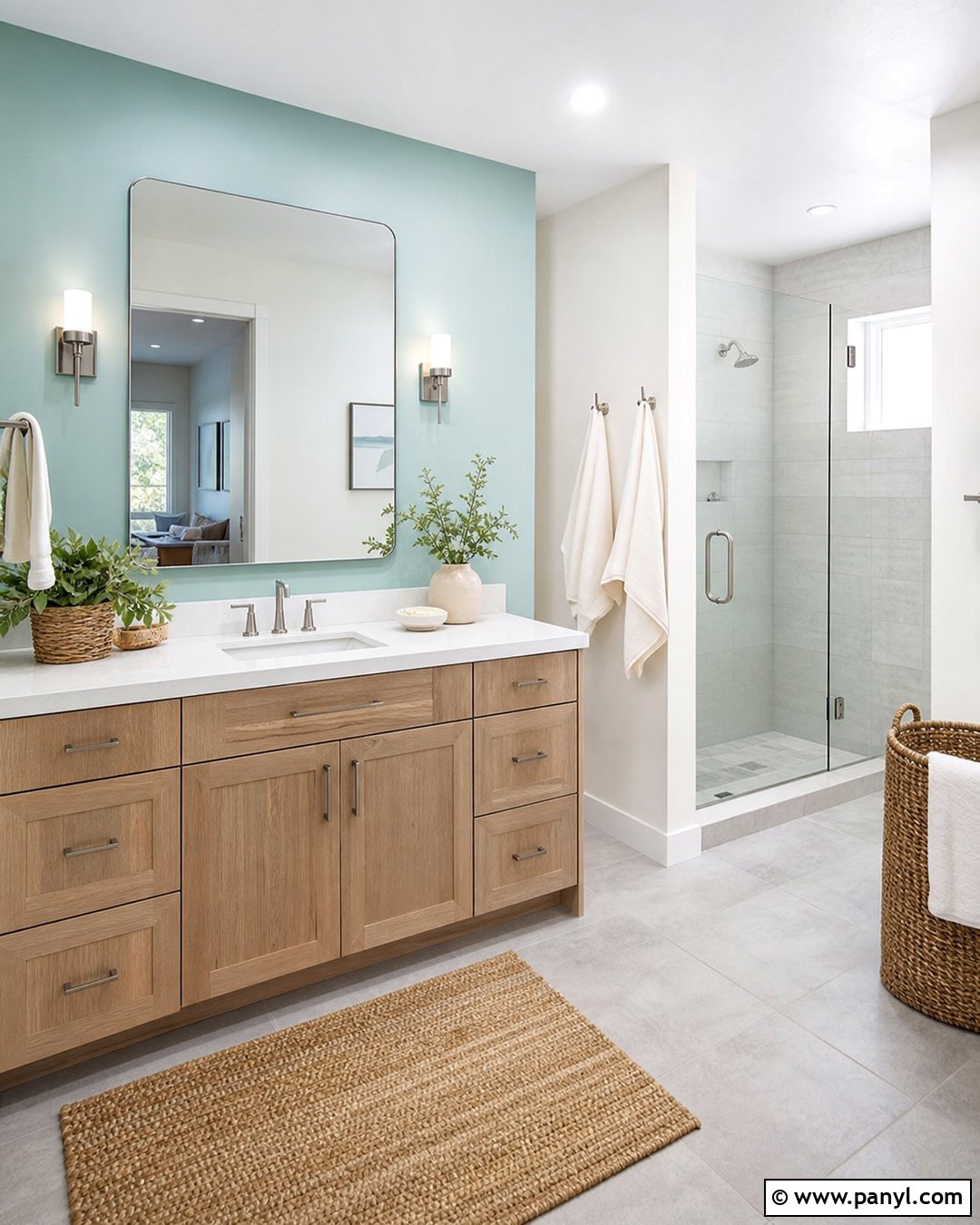
Pale aqua introduces fresh color into a bathroom while keeping the space light and clean. Use it on the wall behind a white vanity or freestanding tub, then paint surrounding walls a soft warm white. A light oak vanity, white quartz counter, and brushed nickel fixtures maintain an airy appearance. Add towels in ivory and muted sea blue, along with a woven stool or natural fiber basket for warmth. Choose simple white or pale gray floor tile rather than a strongly themed coastal pattern. A frameless mirror and clear glass lighting will allow the painted wall to remain visible. Select an aqua with softened gray undertones so it feels calm rather than sugary. The finished bathroom appears bright, relaxed, and easy to maintain.
25. Burnt Sienna Accent Wall
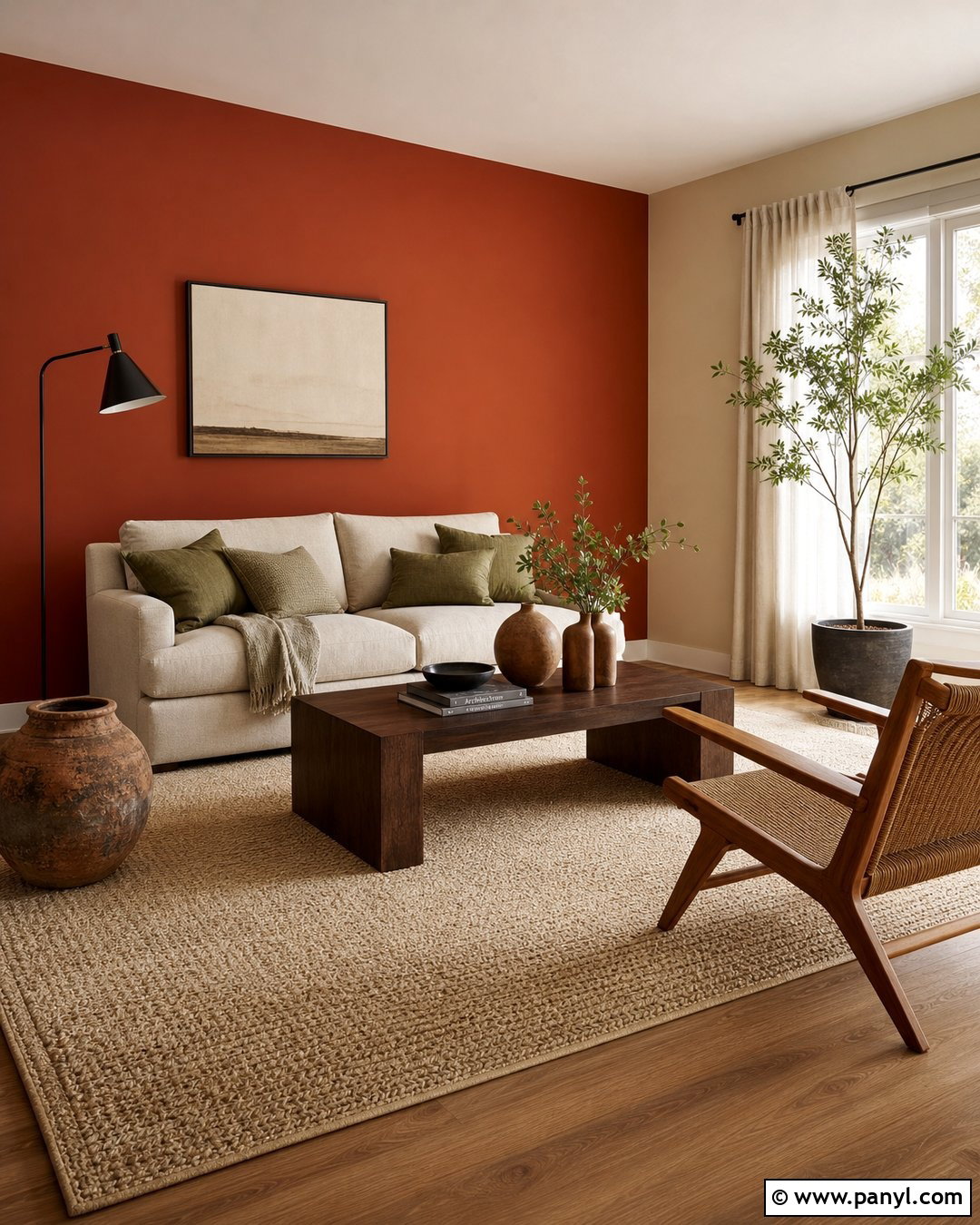
Burnt sienna creates a warm focal point in a living room filled with natural materials. Paint it behind a cream sofa, leaving the other walls pale sand or warm white. Bring in a walnut coffee table, woven lounge chair, and large oatmeal rug to establish a relaxed foundation. Add olive pillows, black metal lamps, and pottery in clay and charcoal tones. Curtains in natural linen will soften daylight without competing with the saturated wall. A large abstract canvas containing cream, brown, and muted blue can provide balance. Burnt sienna has enough red to feel lively and enough brown to remain grounded. Used in this complete scheme, it adds warmth and character without making an average-size living room feel overly busy.
26. Dark Aubergine Accent Wall
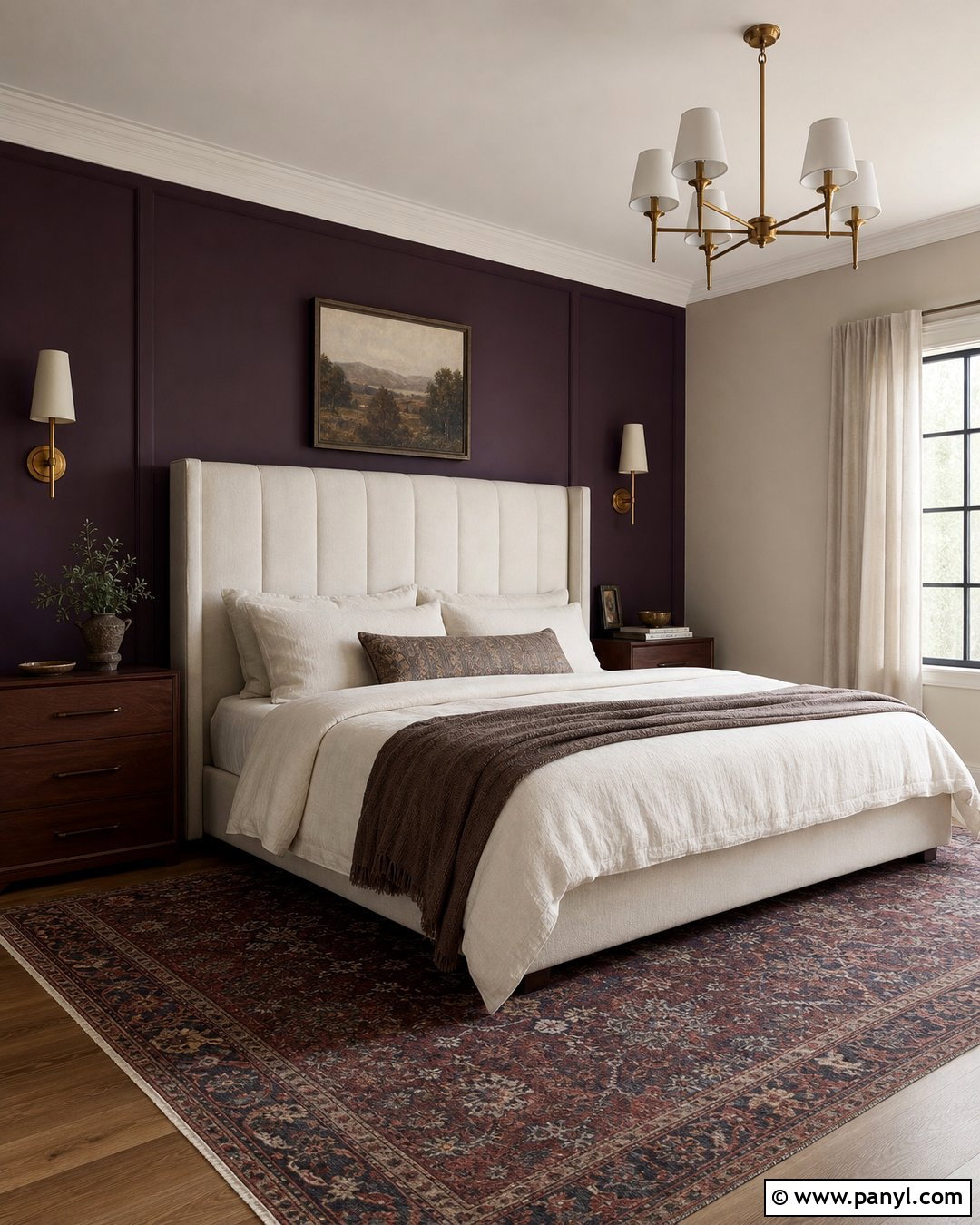
Dark aubergine gives a bedroom a sophisticated focal point with more softness than pure black. Use it behind a tall cream headboard and keep the adjoining walls pale mushroom or warm off-white. Layer the bed with ivory linen, taupe blankets, and one muted plum lumbar pillow. Medium walnut nightstands and antique brass sconces bring out the color’s warmer undertones. Choose a faded rug containing tan, burgundy, and dusty blue to connect the dark wall with the lighter floor. Minimal artwork in pale frames will prevent visual clutter. Aubergine can appear brown, purple, or nearly black depending on light, so test it carefully. The completed bedroom feels restful, dramatic, and comfortably layered rather than theatrical or overly formal.
27. Golden Ochre Accent Wall
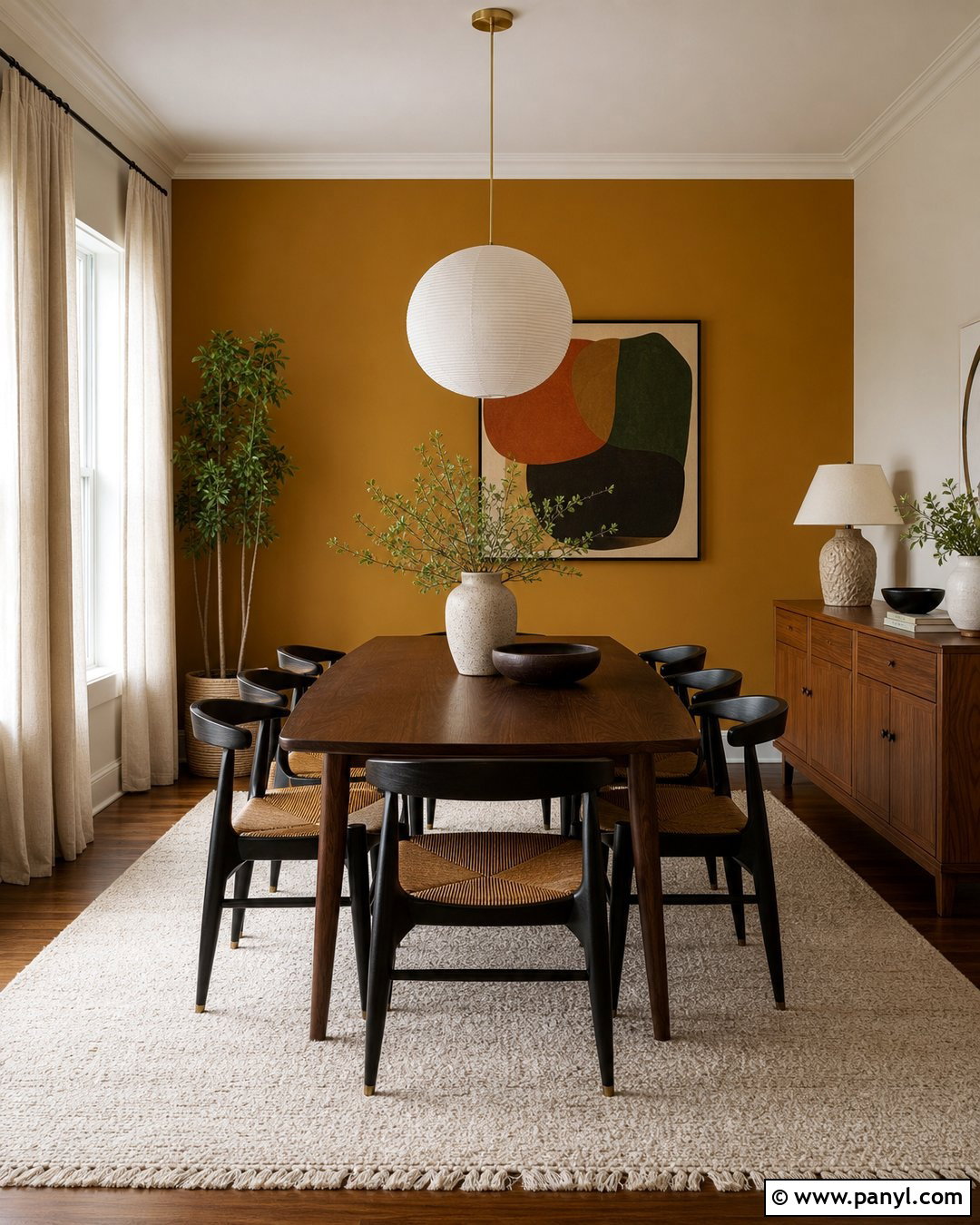
Golden ochre can energize a dining room while maintaining an earthy, grounded character. Paint the wall behind an oak sideboard or dining bench, then use cream on the remaining walls. A dark walnut table and black chairs provide strong contrast, while a textured ivory rug keeps the overall room bright. Add ceramic dishes, linen curtains, and simple artwork containing rust, green, and charcoal. A white globe pendant or cream fabric fixture will soften the bold wall during evening meals. Select an ochre with brown undertones rather than a clear yellow base. This makes the shade easier to combine with wood and neutral textiles. The completed dining space feels sunny and welcoming without depending on highly decorative furniture or accessories.
28. Moss Green Accent Wall
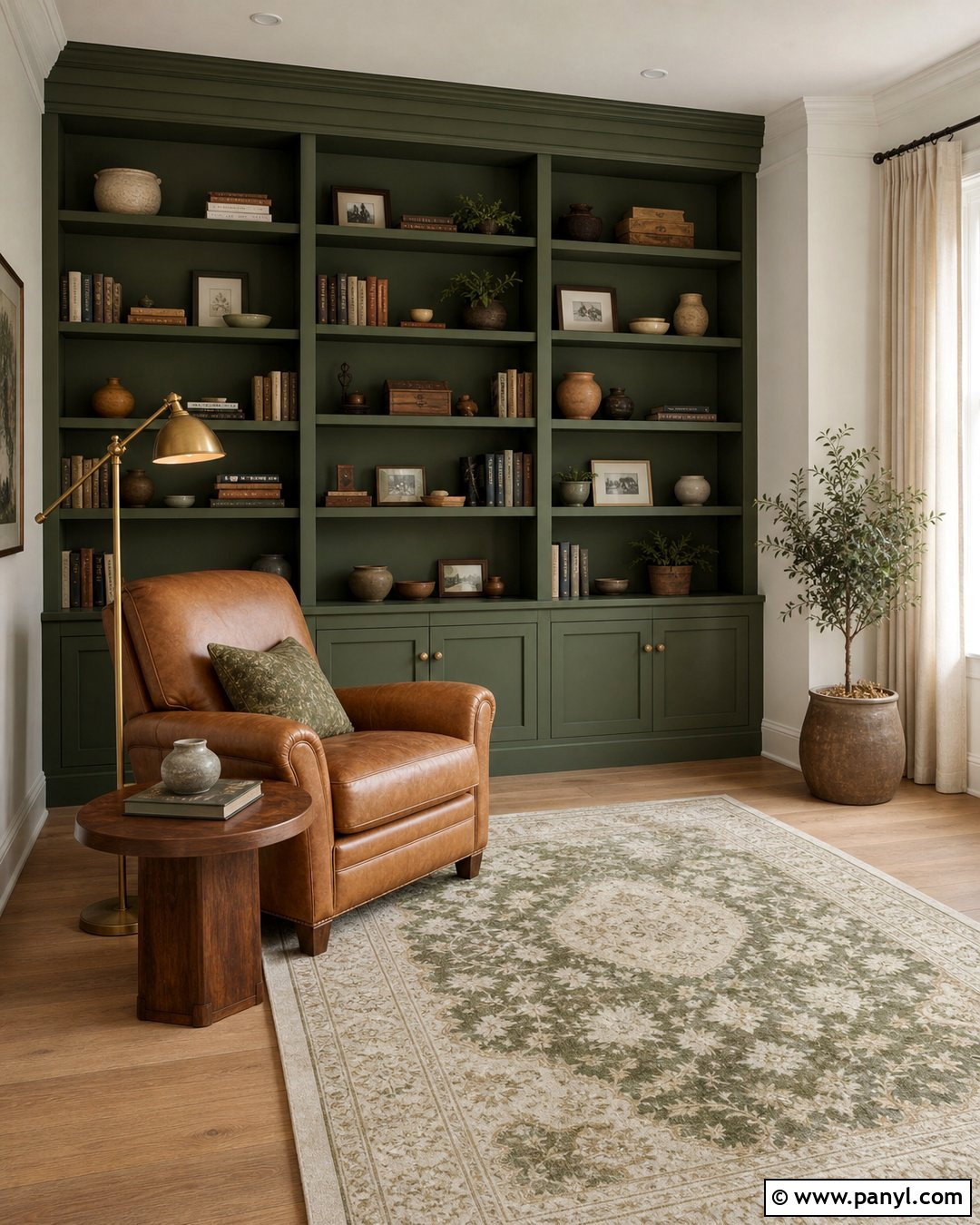
Moss green creates a soothing reading room that feels established and comfortable. Paint the wall behind bookcases, a reading chair, or a small writing desk. Pair it with warm ivory on the surrounding walls and medium oak flooring. Choose a camel leather chair, walnut side table, and adjustable antique brass floor lamp to form a practical reading corner. A cream-and-olive patterned rug can soften the floor and link the furniture to the wall. Use linen curtains and restrained botanical artwork for texture without turning the space into a garden theme. Built-in shelves painted to match the moss wall can create a more unified focal point. The resulting room feels quiet, natural, and suitable for reading, relaxing, or occasional work.
29. Creamy White Accent Wall
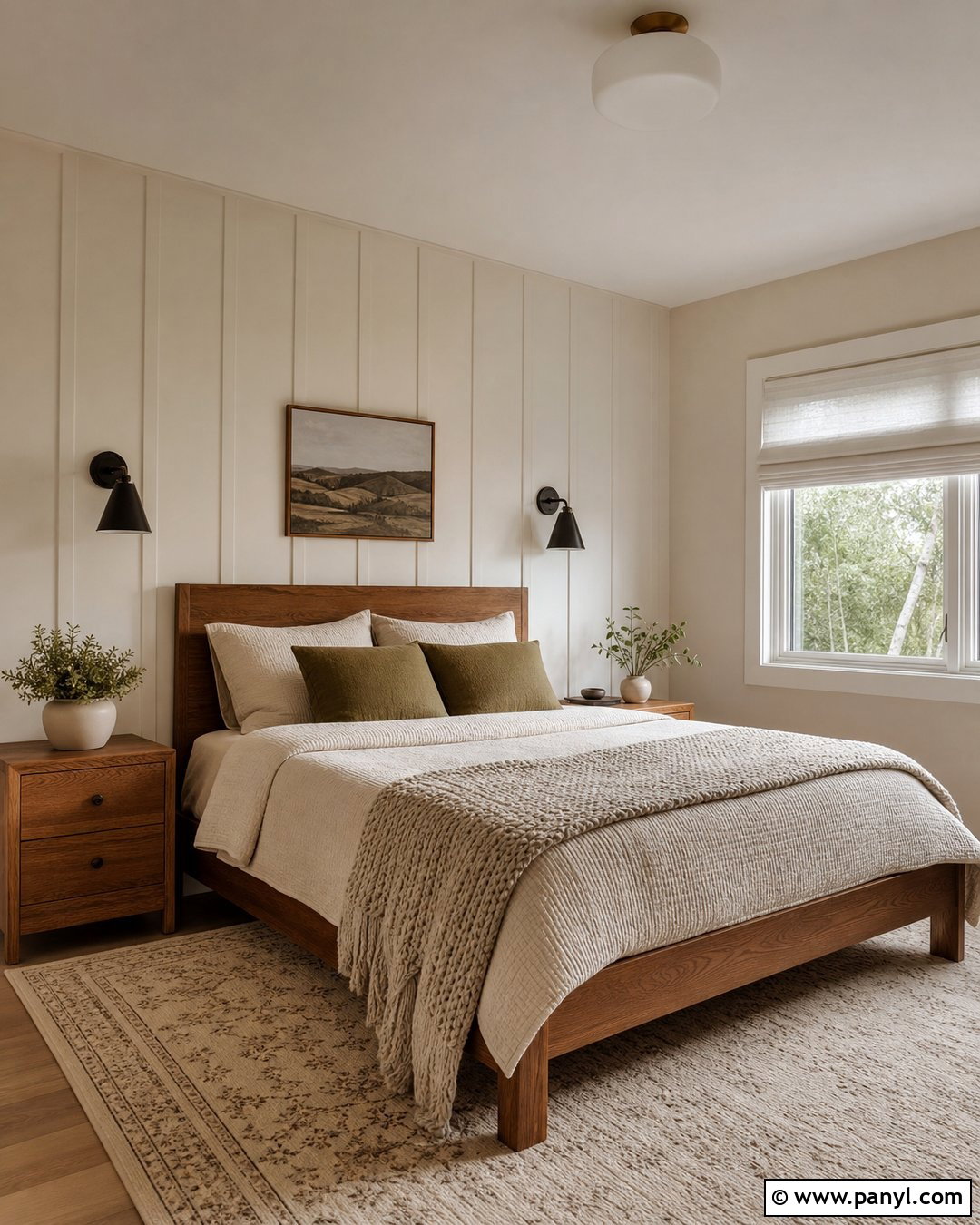
A creamy white accent wall can still make an impact when it includes molding, paneling, or another architectural treatment. Use the shade on a paneled wall behind the bed, then paint the remaining walls a warm beige or pale taupe. The difference should be noticeable but gentle. Add a medium oak bed, oatmeal bedding, and dark bronze sconces to give the pale feature wall definition. A textured rug in cream and tan will continue the neutral layering, while rust or olive pillows add controlled color. Shadows created by the molding keep the white wall from looking unfinished. This approach works especially well in small bedrooms where a deep color might feel too dominant. The completed space appears bright, dimensional, and thoughtfully designed.
30. Muted Turquoise Accent Wall
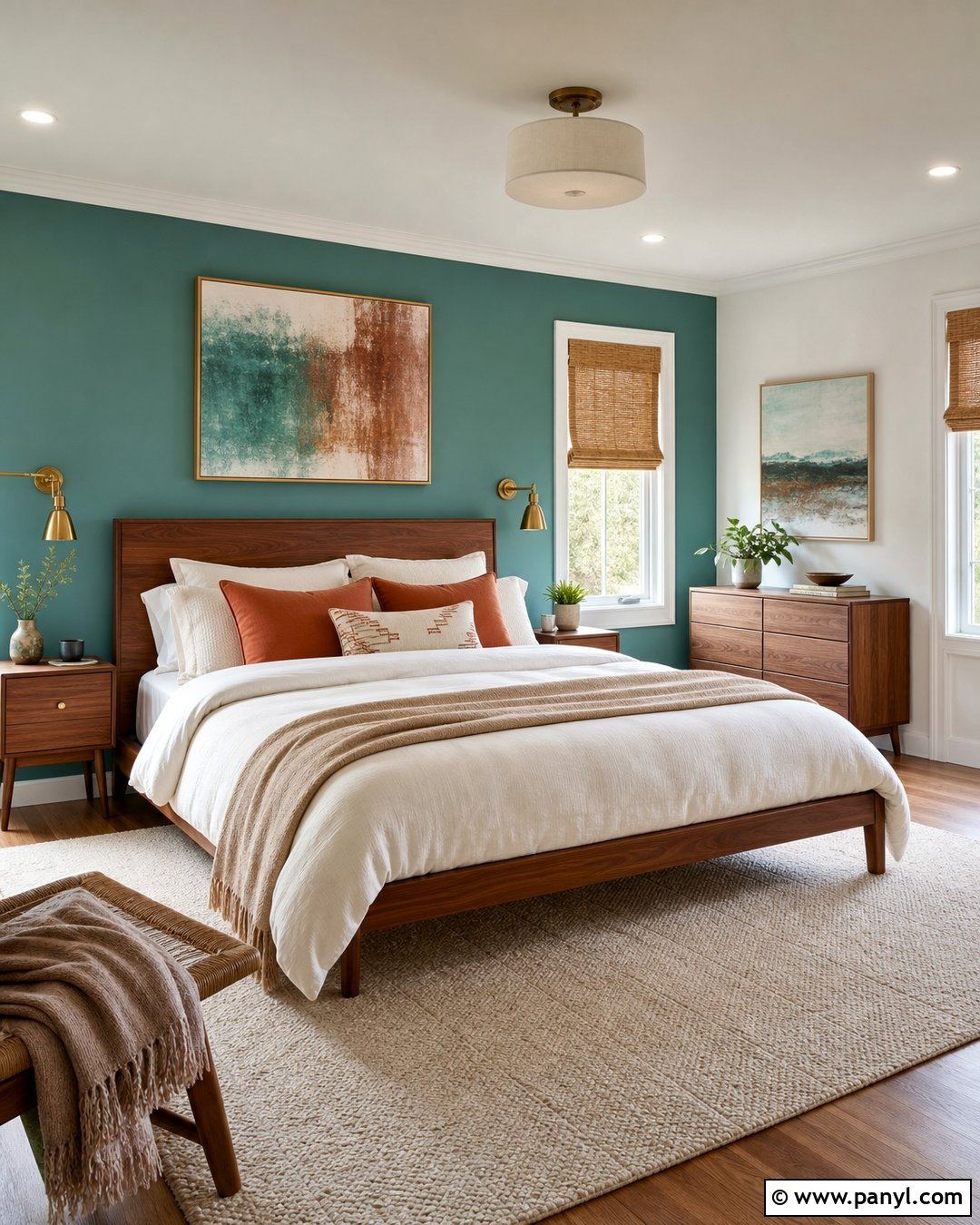
Muted turquoise adds personality to a bedroom while remaining calmer than a bright tropical blue. Paint the wall behind a simple walnut bed and choose warm white for the other walls. Dress the bed with ivory bedding, tan linen, and a few rust or terracotta accents to balance the cool wall. Natural woven shades, a cream rug, and brass reading lights create warmth and texture. Add artwork containing turquoise, brown, and off-white, but avoid obvious beach-themed decorations. A shade with gray or green undertones will appear more versatile beside wood furniture than a vivid blue turquoise. This complete bedroom palette feels fresh and distinctive, yet it remains relaxed enough to support restful sleep and comfortable everyday use.
Conclusion:
Choosing among these **30 accent wall paint colors** becomes easier when you consider the complete room rather than the painted surface alone. Start with the wall that naturally anchors the bed, sofa, fireplace, dining table, vanity, or workspace. Then connect that color to flooring, furniture, textiles, lighting, and a few restrained accessories. Dark shades usually benefit from light upholstery and warm materials, while softer colors gain definition from wood, black metal, or bronze accents. Always test a large painted sample beside permanent finishes and observe it throughout the day. With thoughtful placement and balanced supporting elements, an accent wall can make an ordinary room feel cohesive, purposeful, and personal.

Related Ideas and Inspiration:
Leave a Reply