
If you are searching for 20 What Color Walls Go With Dark Wood Furniture Ideas, the best choice depends on the wood’s undertone, the room’s natural light, and the mood you want to create. Espresso, walnut, mahogany, and dark-stained oak can feel heavy when surrounded by equally deep finishes. The right wall color provides contrast while bringing out the furniture’s warmth and character. Creamy neutrals create bright, comfortable rooms, while soft blues and greens offer a calming balance. Earthy pinks, clay tones, and saturated colors can make dark furniture feel especially rich. Lighting, flooring, rugs, curtains, and metal finishes should also support the palette. Use these complete, practical room schemes to explore 20 What Color Walls Go With Dark Wood Furniture Ideas.

1. Warm White Walls With Dark Wood Furniture
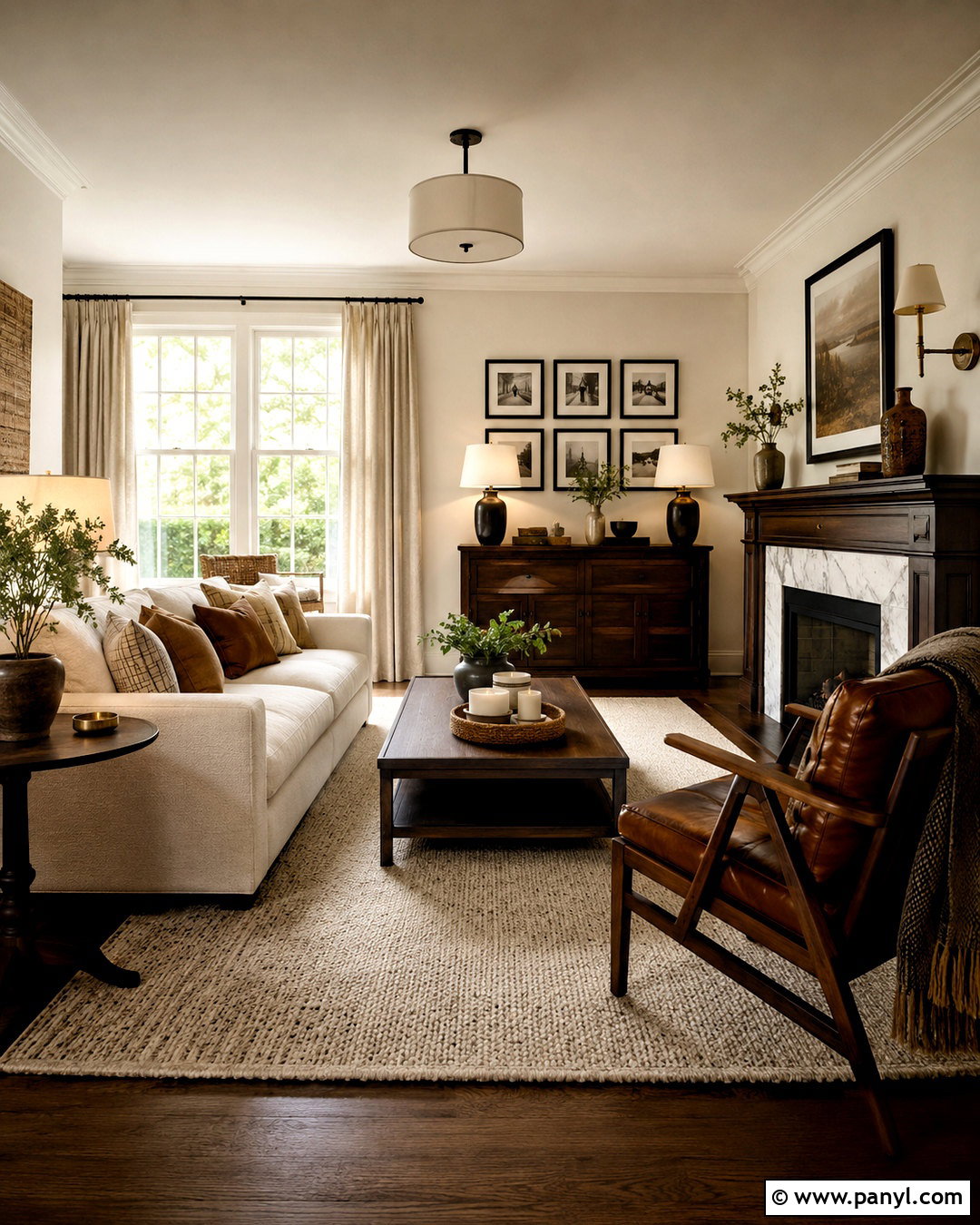
Warm white walls create clean contrast without making dark wood furniture look harsh or disconnected. Choose a white with subtle cream, beige, or yellow undertones rather than a sharp blue-white. In a living room, place a dark walnut sofa table, bookcase, and coffee table against the warm white backdrop. Add an oatmeal-colored sofa, a large ivory wool rug, and linen curtains to keep the space light. Aged brass lamps and tan leather accents repeat the warmth of the wood. Use black sparingly through picture frames or a slim floor lamp. This complete palette feels relaxed, polished, and flexible enough for traditional or modern homes. It is especially useful in rooms with limited daylight or several large pieces of dark furniture.
2. Cream Walls With Dark Wood Furniture
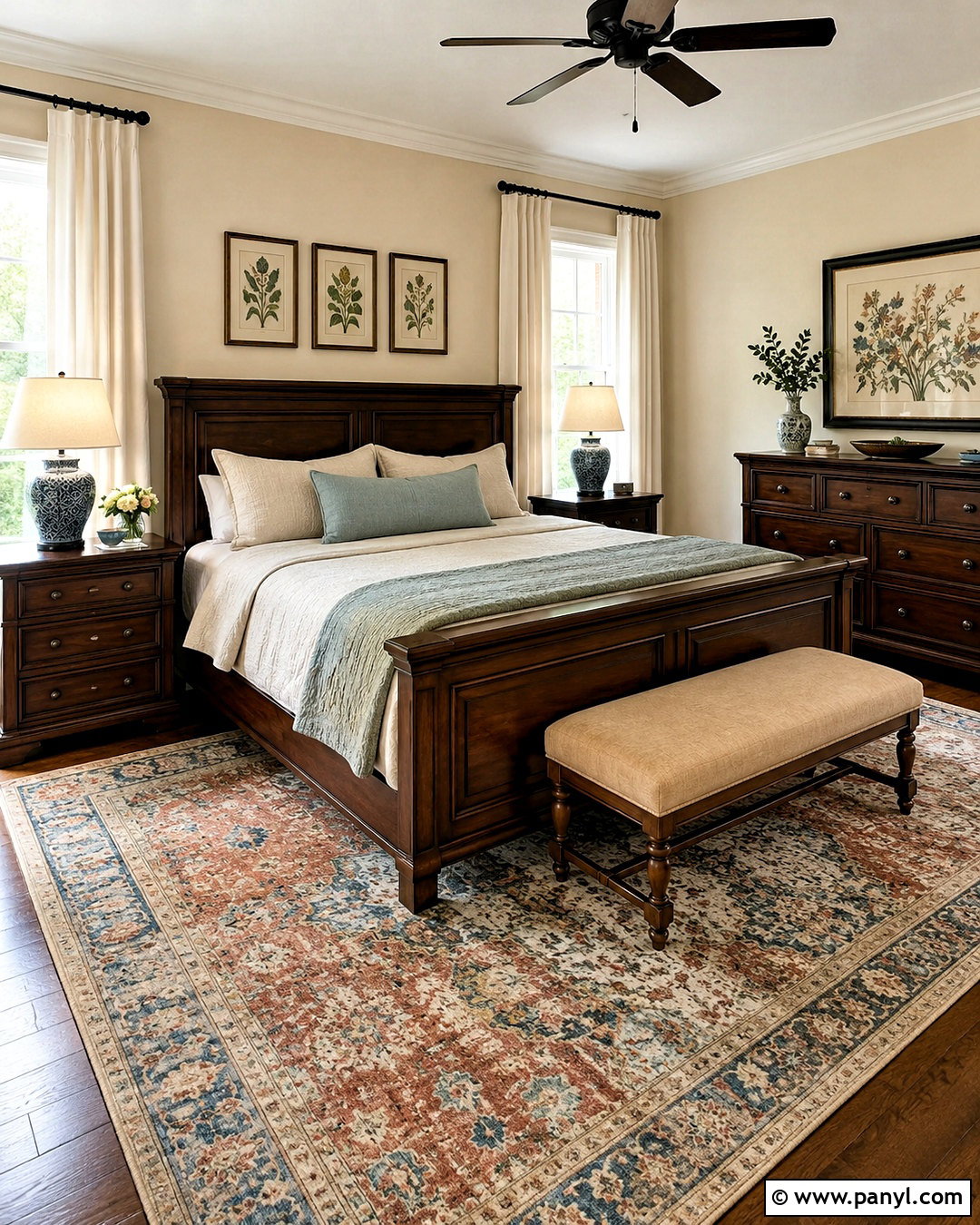
Cream walls give mahogany, espresso, and dark cherry furniture a softer setting than plain white. This combination works beautifully in a bedroom where comfort matters more than crisp contrast. Build the room around a dark wood bed, matching nightstands, and a low dresser. Use natural linen bedding, a warm beige upholstered bench, and ivory curtains that nearly match the walls. A muted rust or faded blue rug can introduce gentle color without overwhelming the room. Add ceramic lamps, antique brass hardware, and framed botanical artwork for texture and detail. Keep the ceiling a slightly lighter cream to maintain an open feeling. The finished space feels warm and collected, while the pale walls prevent the substantial furniture from visually closing in the room.
3. Soft Greige Walls With Dark Wood Furniture
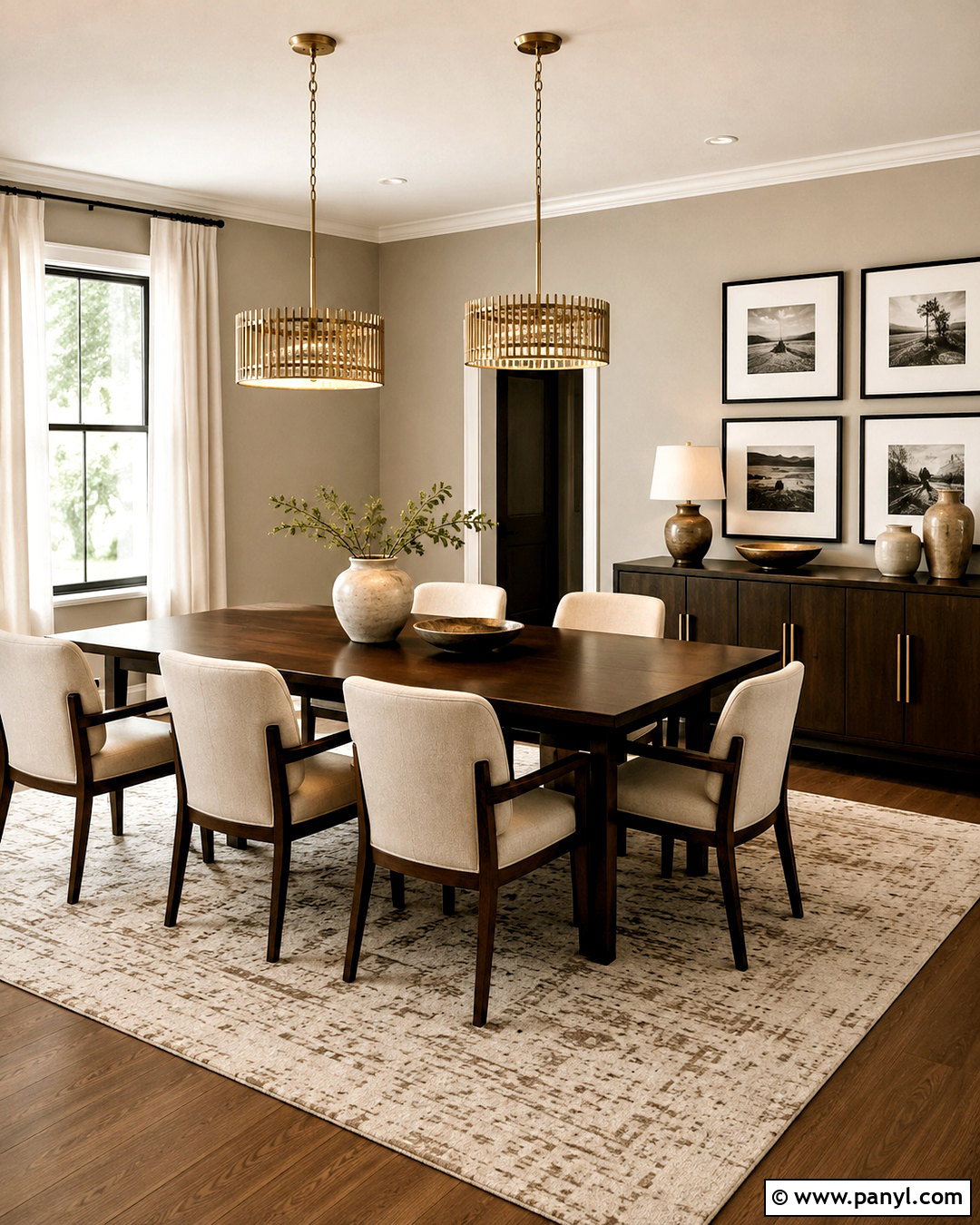
Can’t decide between gray and beige? Soft greige walls offer the calm appearance of gray with enough warmth to complement brown wood tones. This wall color suits a contemporary dining room with a dark walnut table, streamlined chairs, and a matching sideboard. Ground the arrangement with a textured cream-and-taupe rug, then add light upholstered seat cushions for contrast. Brushed brass pendants and simple black frames give the room a clean, updated edge. Choose off-white curtains and warm ceramic accessories instead of icy silver decor. Greige also helps connect dark furniture with pale oak or neutral flooring elsewhere in an open layout. The complete look feels balanced and sophisticated, yet it remains comfortable enough for everyday meals, homework, and casual gatherings.
4. Warm Beige Walls With Dark Wood Furniture
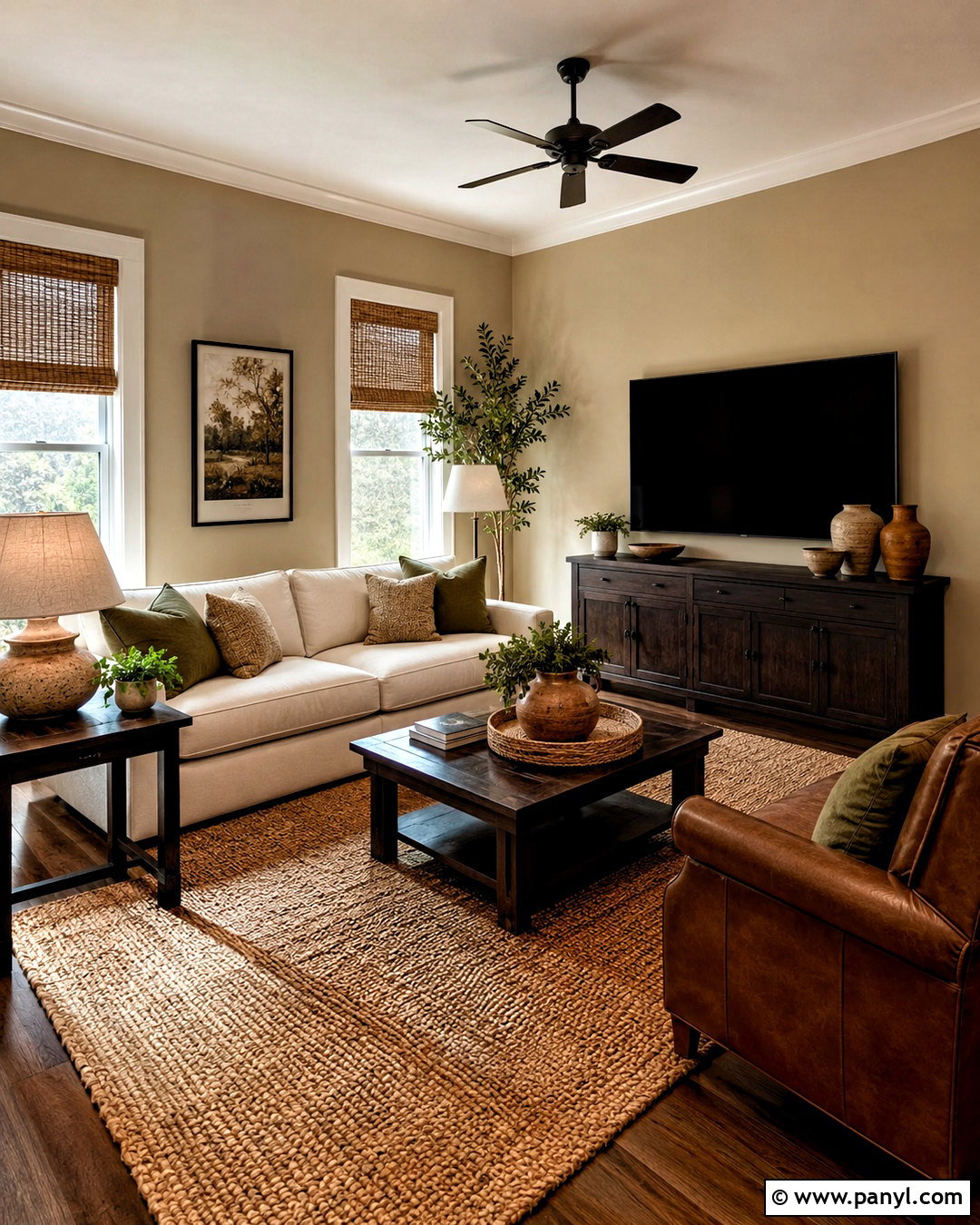
Warm beige walls create an easy, tonal room where dark wood feels grounded rather than overly formal. Select a beige with soft sand or camel undertones and avoid shades that turn yellow under artificial light. For a welcoming family room, combine the walls with an espresso media console, dark wood end tables, and a brown leather accent chair. Add a cream sofa, a natural jute-blend rug, and woven shades for lighter texture. Muted olive pillows and clay-colored pottery keep the neutral scheme from appearing flat. Use matte black lighting for definition, but include warm bulbs and layered lamps. This palette is practical for busy spaces because it feels comfortable and forgiving. The varying brown, cream, and beige values create depth without requiring strong color.
5. Light Taupe Walls With Dark Wood Furniture
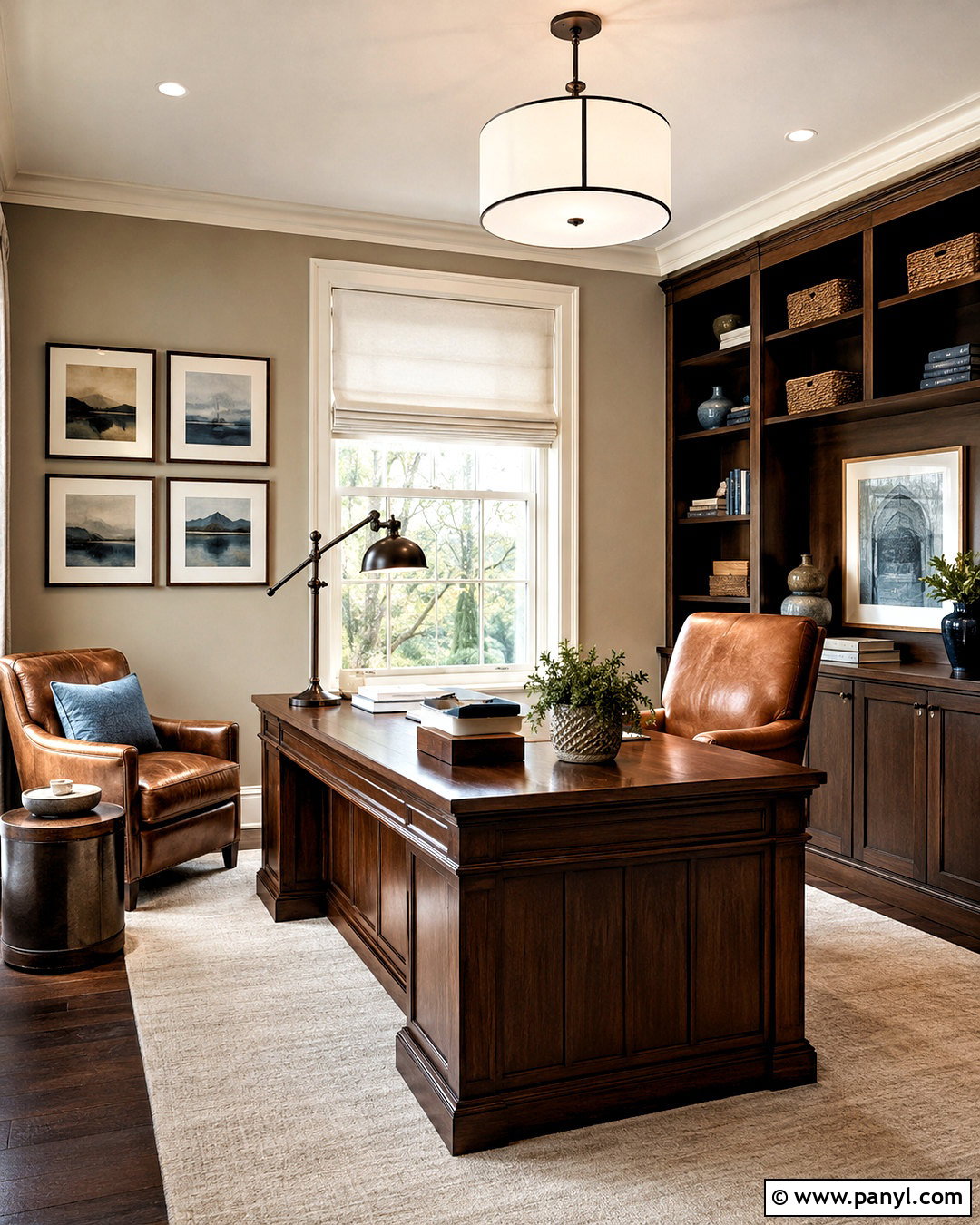
Light taupe walls bring subtle depth to rooms furnished with walnut, rosewood, or dark-stained oak. Since taupe can lean warm or cool, compare samples beside the furniture before choosing the final shade. Create a refined home office with a dark wood desk, tall bookcases, and a comfortable camel leather chair. Introduce a pale taupe rug, off-white Roman shade, and woven storage baskets to lighten the larger wood surfaces. Bronze desk lighting and framed neutral artwork reinforce the room’s quiet character. For contrast, add a few accents in muted blue or deep green. Painting the trim a soft ivory keeps the architecture visible without producing a sharp outline. The completed office feels focused, calm, and polished, with enough warmth to remain inviting throughout the day.
6. Pale Gray Walls With Dark Wood Furniture
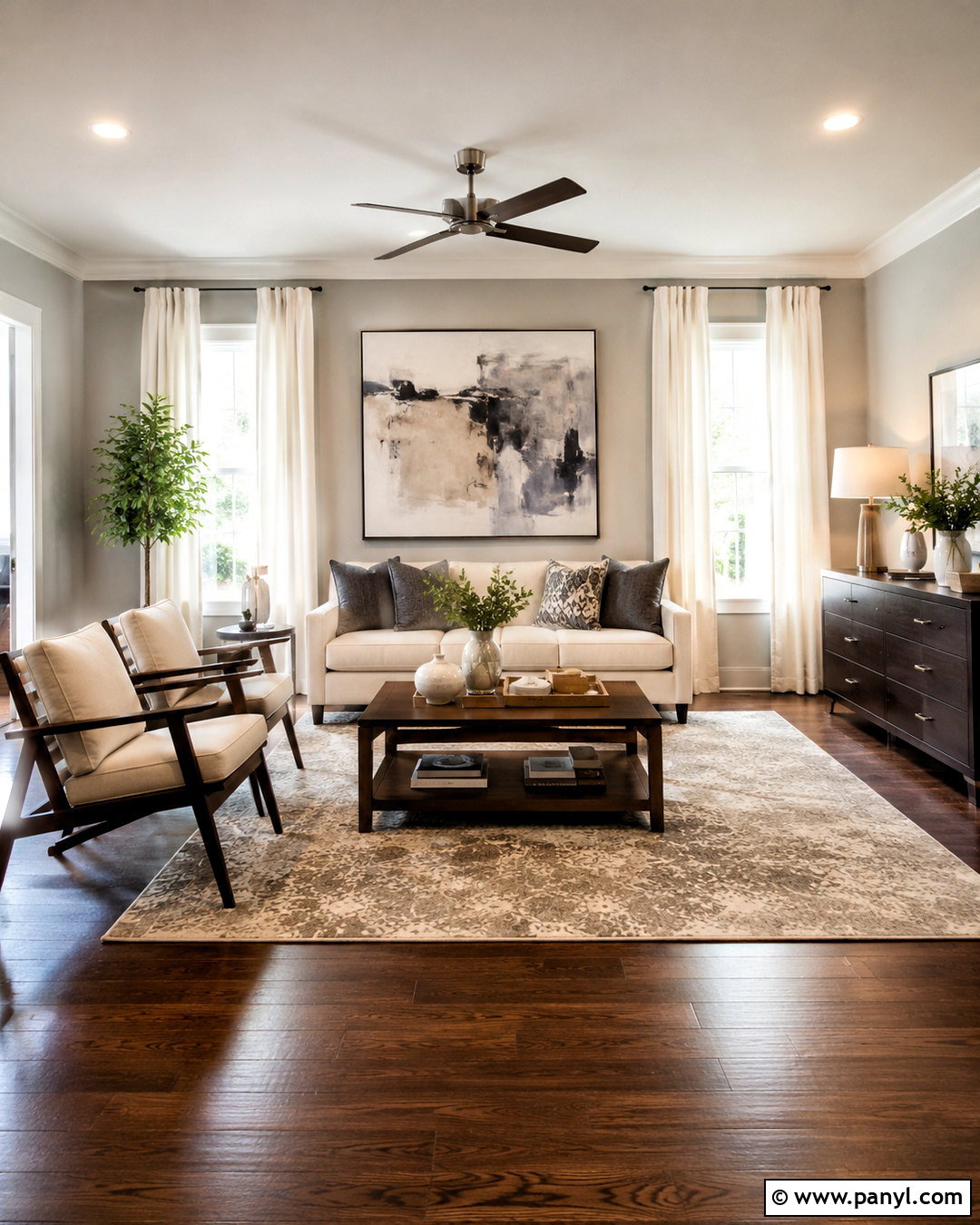
Pale gray walls can freshen dark furniture when the gray has a gentle warm or neutral undertone. A cold, blue-based gray may make reddish mahogany look more orange, so always test the pairing in the room. For a modern living area, use pale gray walls behind an espresso console, dark walnut coffee table, and slim wood-framed chairs. Balance those pieces with a soft ivory sofa, a light patterned rug, and white linen curtains. Add charcoal pillows, brushed nickel accents, and one large abstract artwork that includes brown and warm gray. Natural greenery prevents the neutral palette from feeling sterile. The result is crisp but not severe. This scheme works particularly well when the room already includes concrete, stone, stainless steel, or other contemporary materials.
7. Blue Gray Walls With Dark Wood Furniture
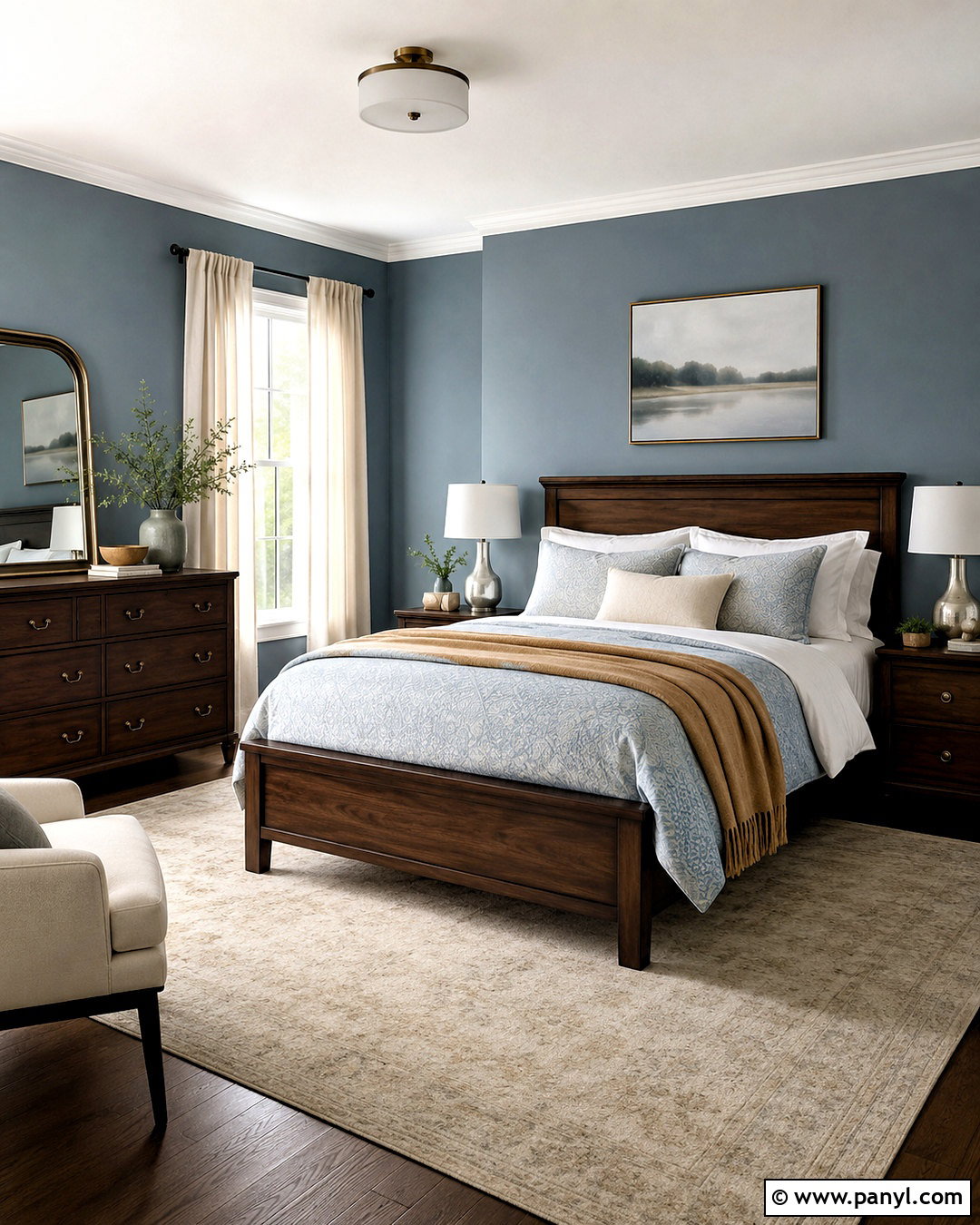
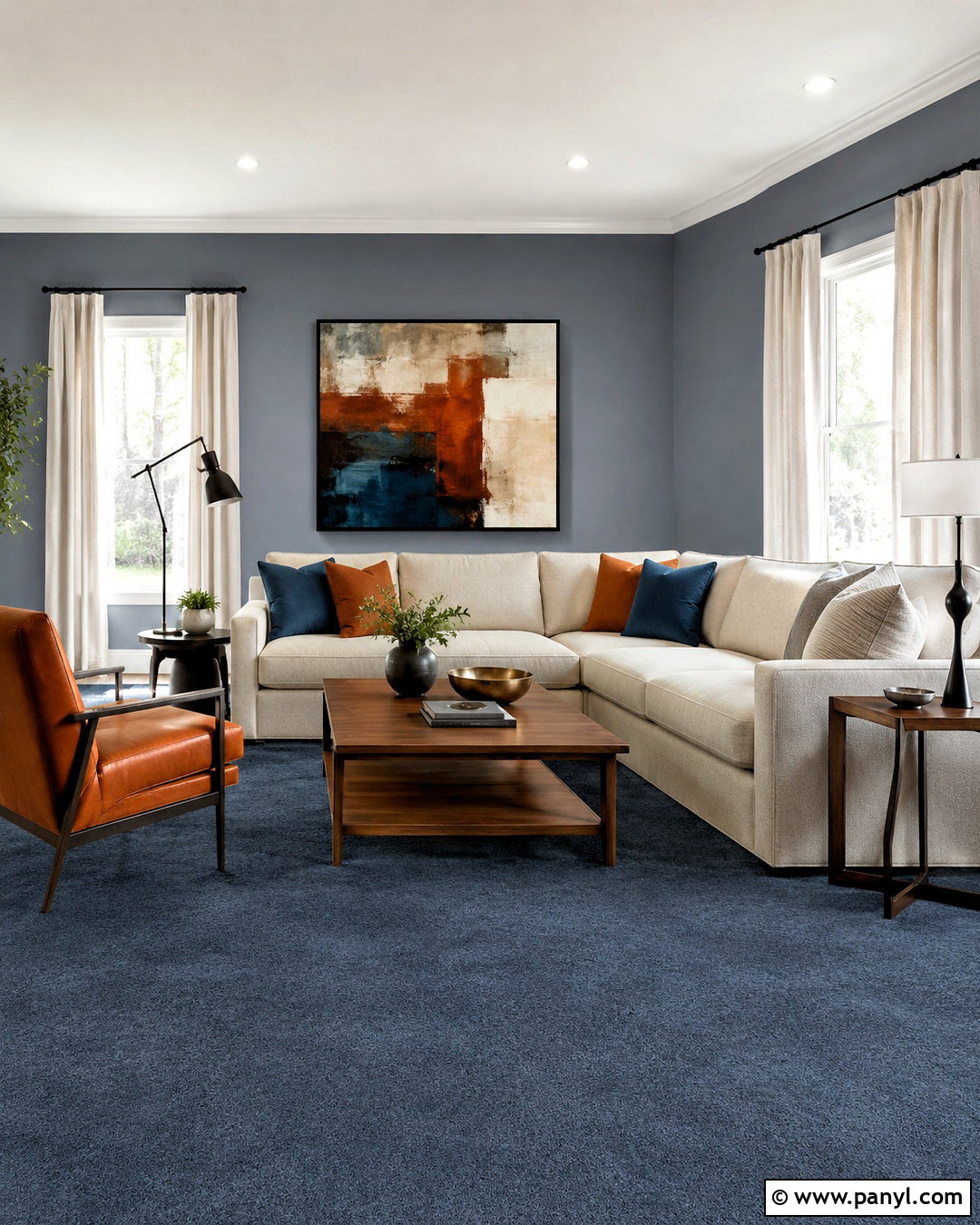
Blue-gray walls introduce cool contrast that makes richly colored wood furniture stand out. Choose a softened shade with plenty of gray so the room remains calm and livable. In a bedroom, pair blue-gray walls with a dark walnut bed, dresser, and narrow bedside tables. Dress the bed in white, misty blue, and medium gray layers, adding a camel throw to reconnect the cool walls with the warm wood. Use a light neutral rug and natural linen curtains to keep the arrangement airy. Polished nickel lamps provide a clean finish, while a few aged brass details add warmth. This complete room feels restful and tailored. It is a useful solution for balancing dark furniture that has noticeable red, orange, or golden undertones.
8. Powder Blue Walls With Dark Wood Furniture
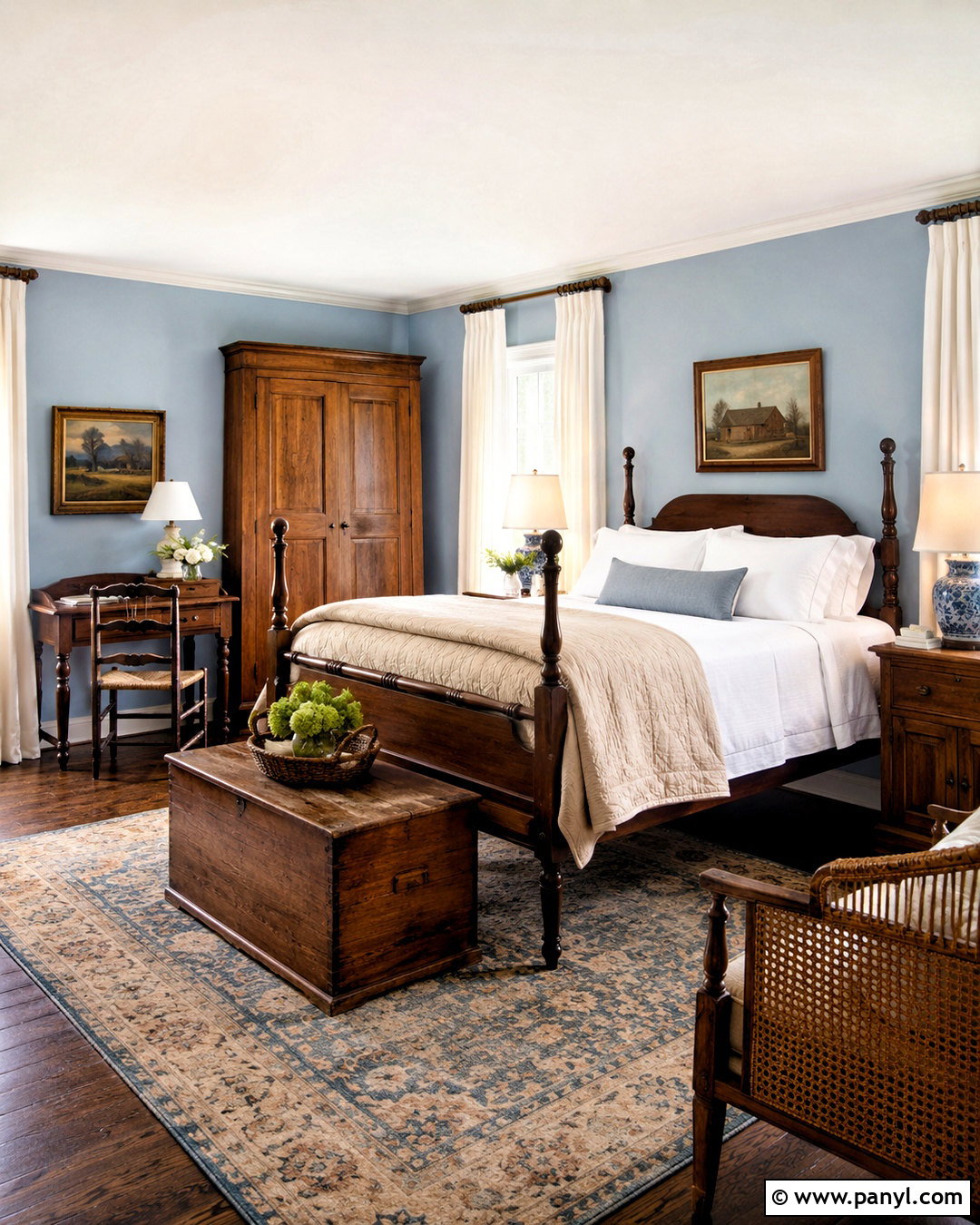
Powder blue walls can make a room with heavy furniture feel lighter and more open. The key is selecting a muted blue rather than a bright nursery-like pastel. Design a comfortable guest room with a dark wood bed, a small writing desk, and one antique chest. Use crisp white bedding, a soft beige quilt, and a faded floral or geometric rug containing blue and brown. Warm white curtains soften the windows, while ceramic table lamps provide a relaxed, handcrafted detail. Include medium-toned wicker or cane through a chair or basket so the transition between pale walls and dark furniture feels natural. The final scheme is fresh without becoming cold. Powder blue also provides enough color to make simple dark wood pieces look intentional and distinctive.
9. Dusty Blue Walls With Dark Wood Furniture
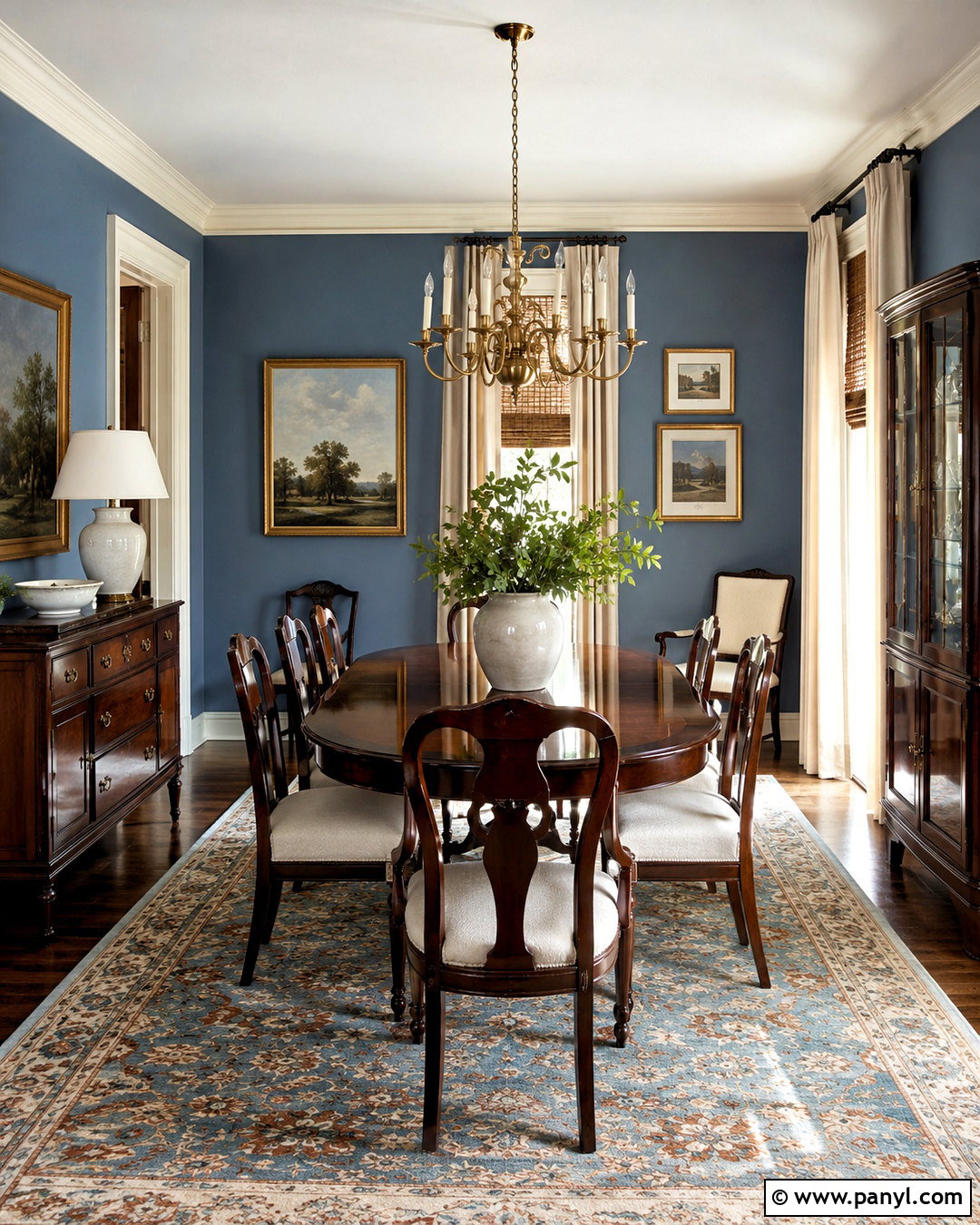
Dusty blue walls have a slightly deeper, grayer character that works especially well with classic dark wood dining furniture. Start with a mahogany table and chairs, then add a flat-weave rug in cream, rust, and faded blue. Upholster the seats in oatmeal linen or a small-scale neutral pattern. A dark wood sideboard can remain on the same wall if it is topped with light pottery, clear glass, and a large mirror. Warm brass lighting keeps the blue from feeling chilly, while natural woven shades add casual texture. Paint the trim creamy white instead of brilliant white for a smoother transition. This complete dining room looks established but not outdated. The contrast highlights carved details and visible wood grain without making every furniture piece dominate the space.
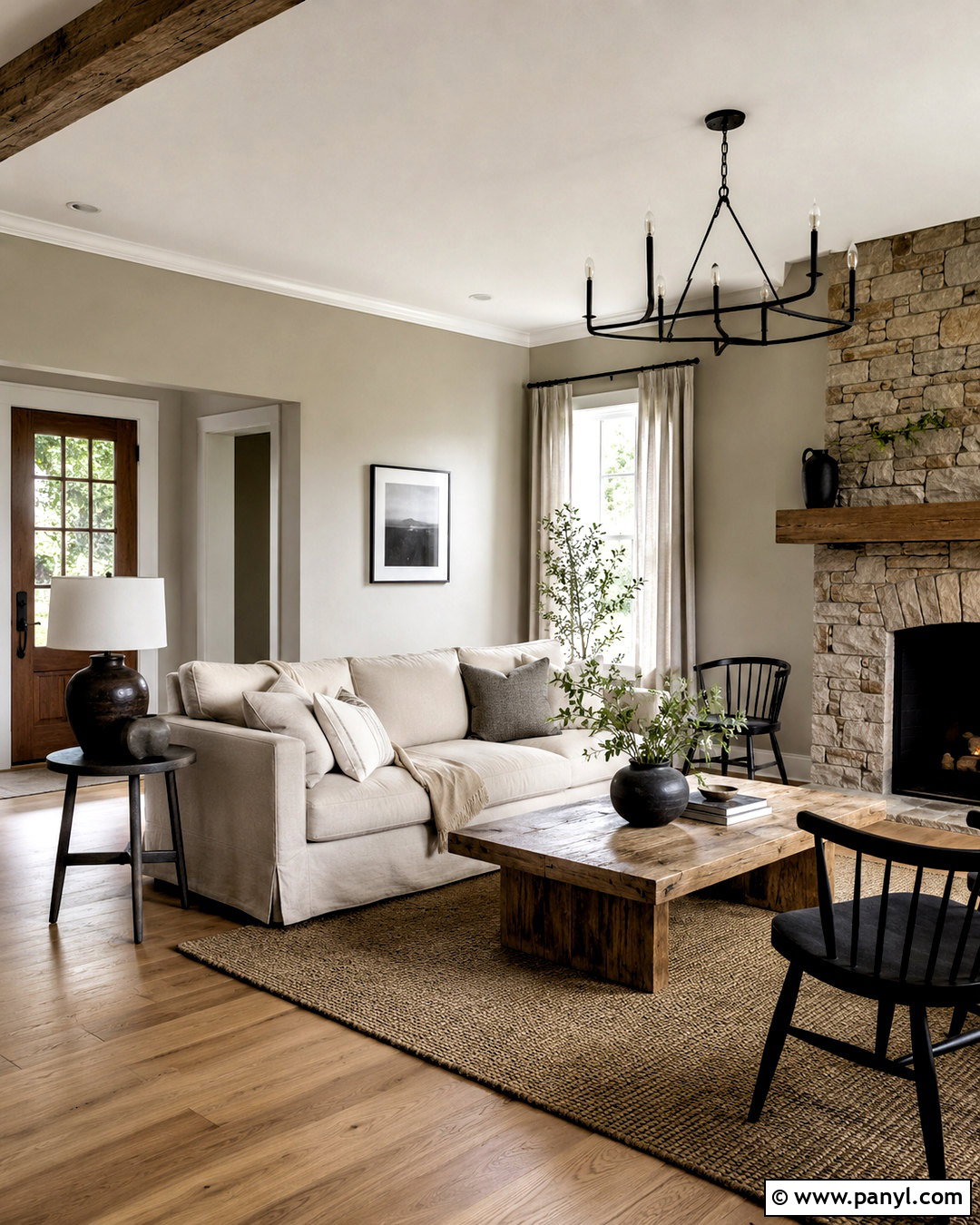
10. Navy Walls With Dark Wood Furniture
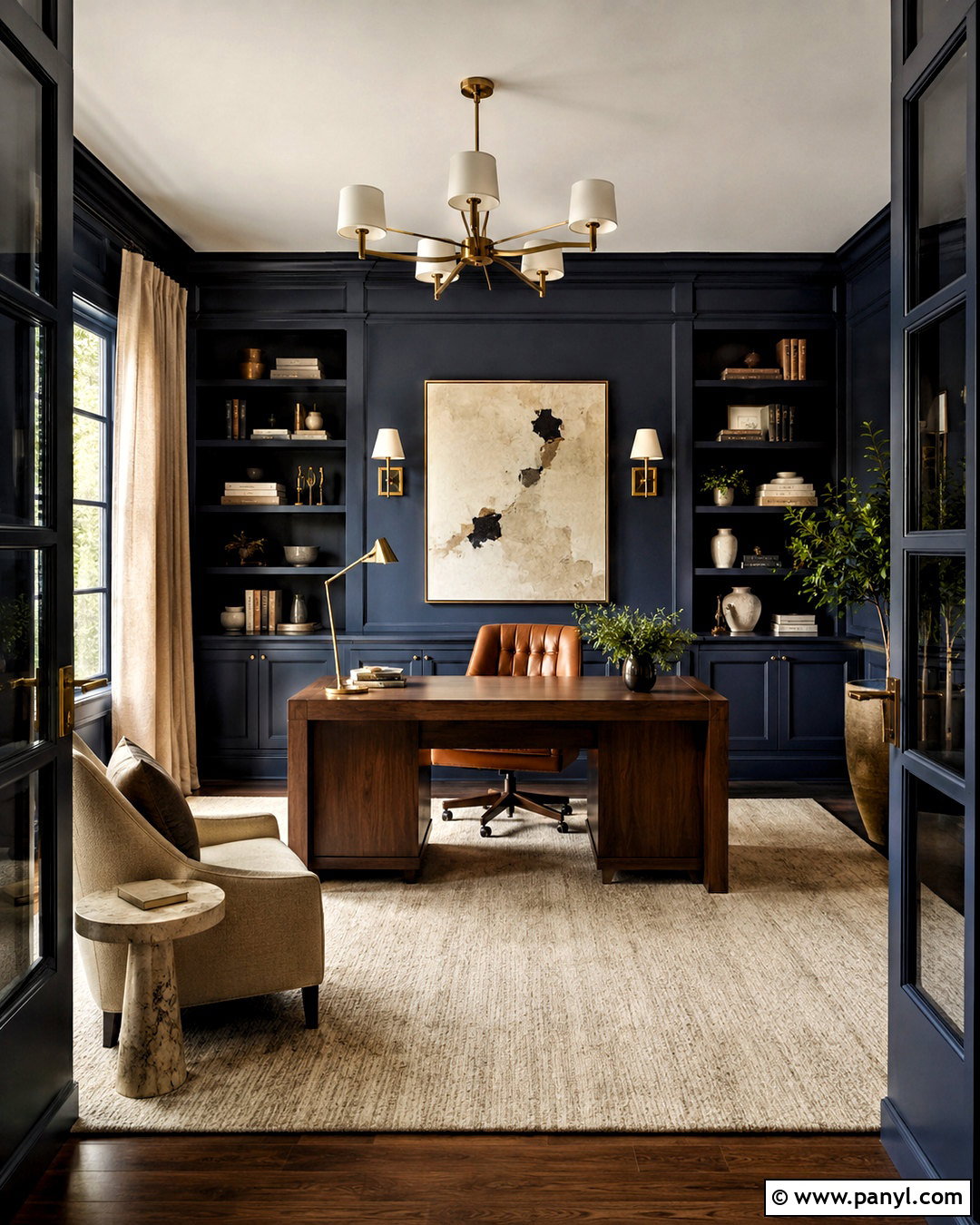
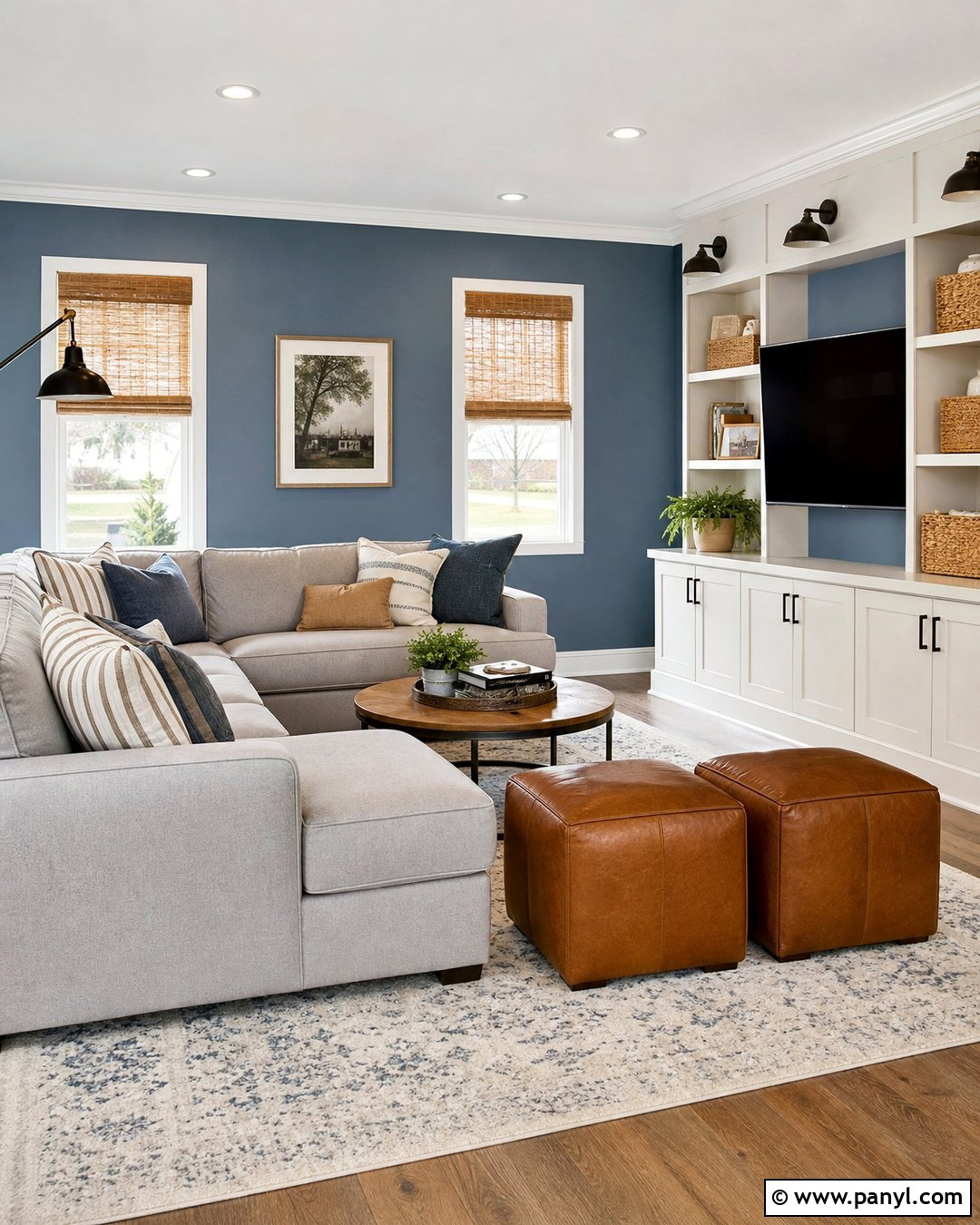
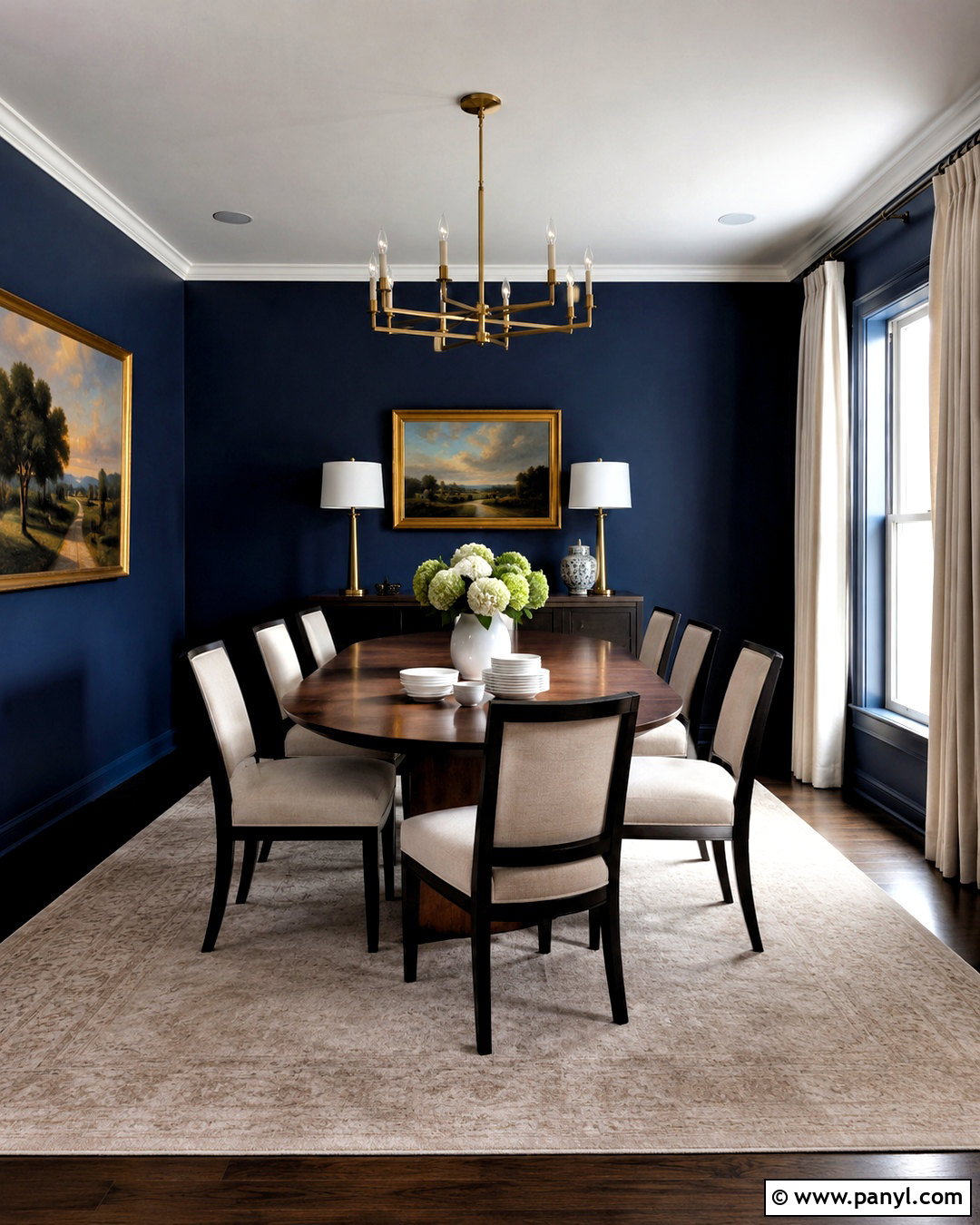
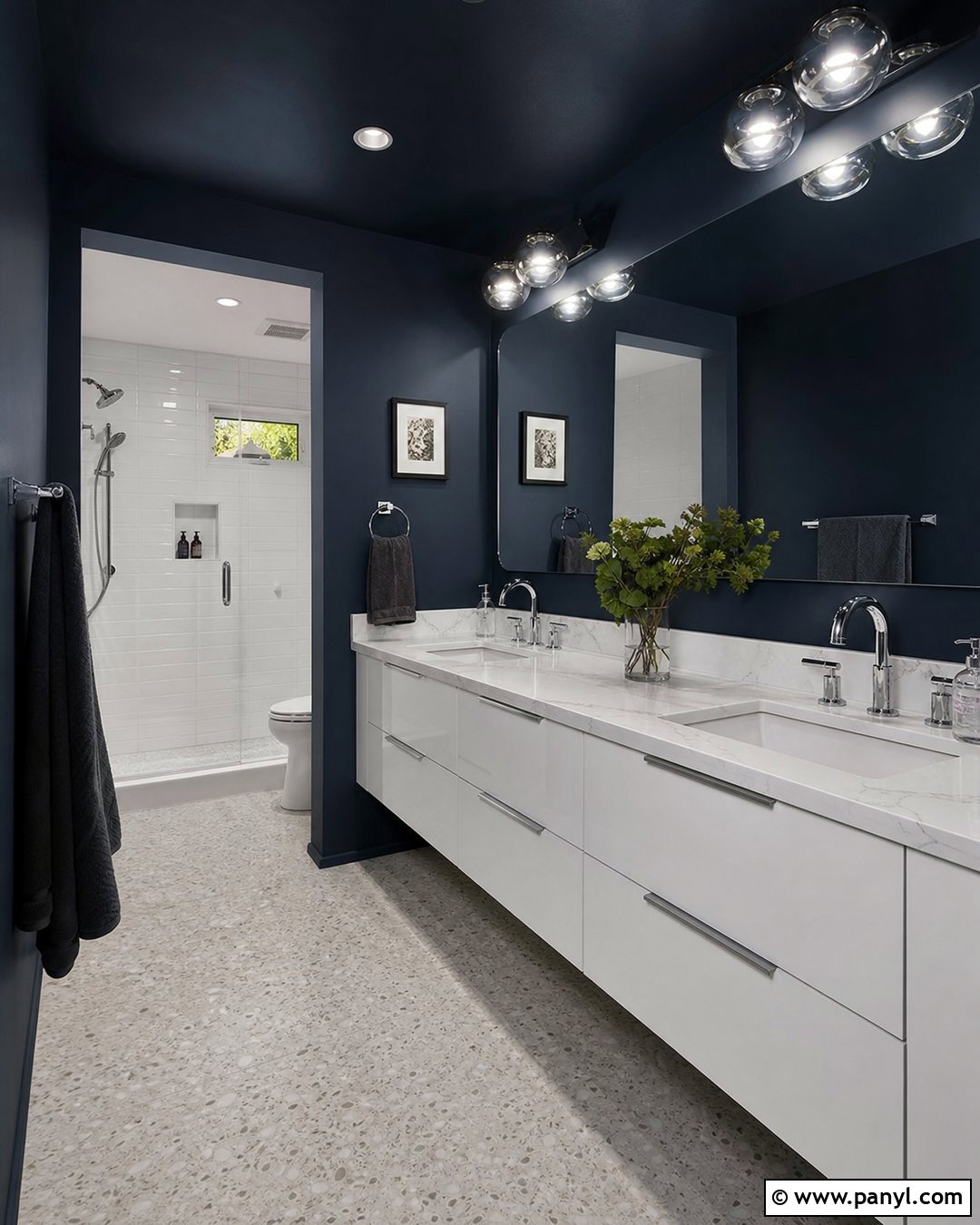
Rich navy walls and dark wood furniture can create a dramatic room when light surfaces and reflective finishes are carefully layered into the design. Use navy in a study with walnut bookcases, a substantial desk, and a cognac leather chair. Break up the darkness with a large cream rug, an ivory ceiling, and full-length natural linen curtains. Add polished brass sconces, pale artwork, and a warm stone or travertine side table to reflect light around the room. Keep accessories edited so the strong palette appears intentional rather than crowded. If natural light is limited, paint only the main walls navy while leaving the trim and ceiling warm white. The finished space feels intimate, tailored, and modern, proving that dark furniture does not always require pale walls.
11. Sage Green Walls With Dark Wood Furniture
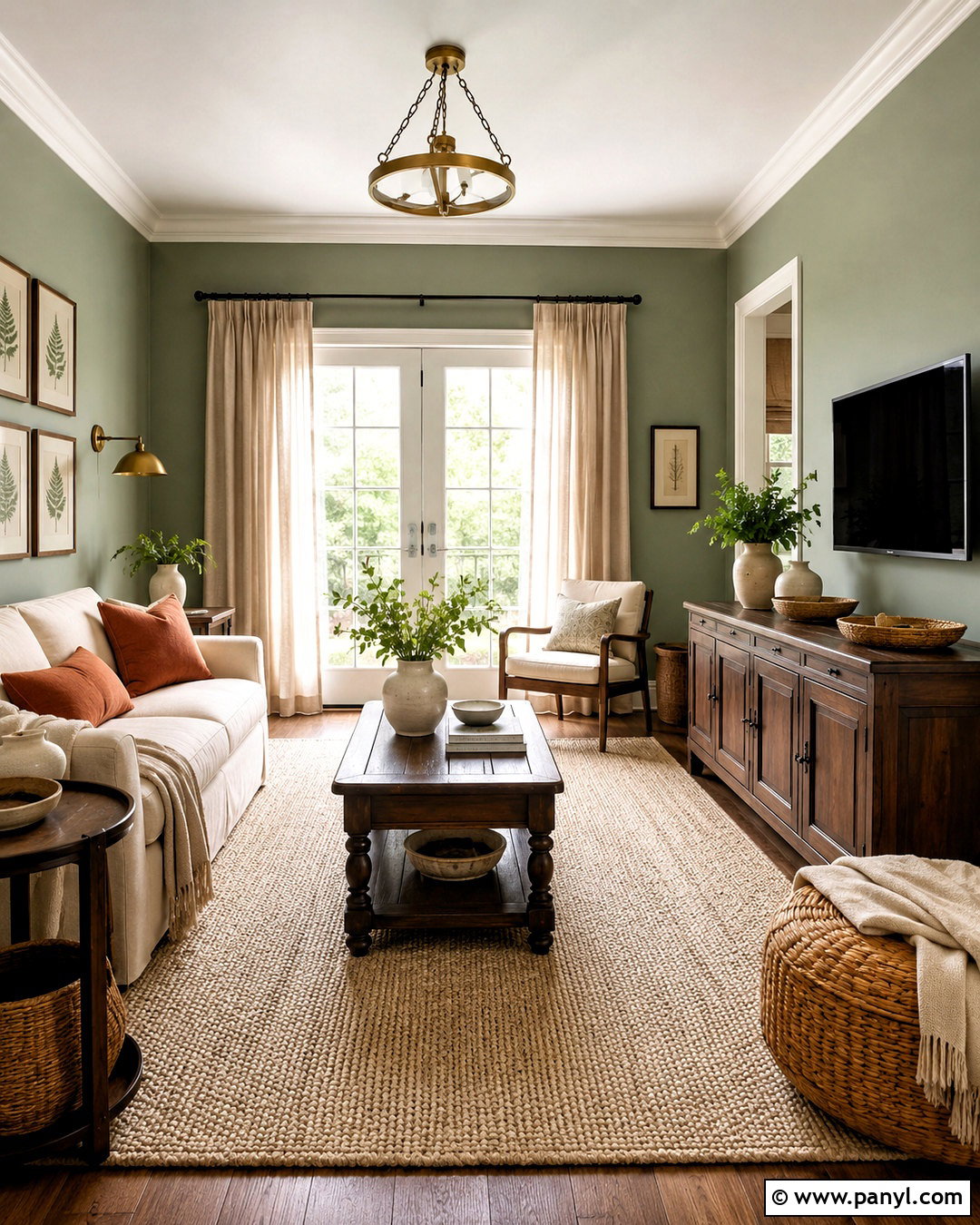
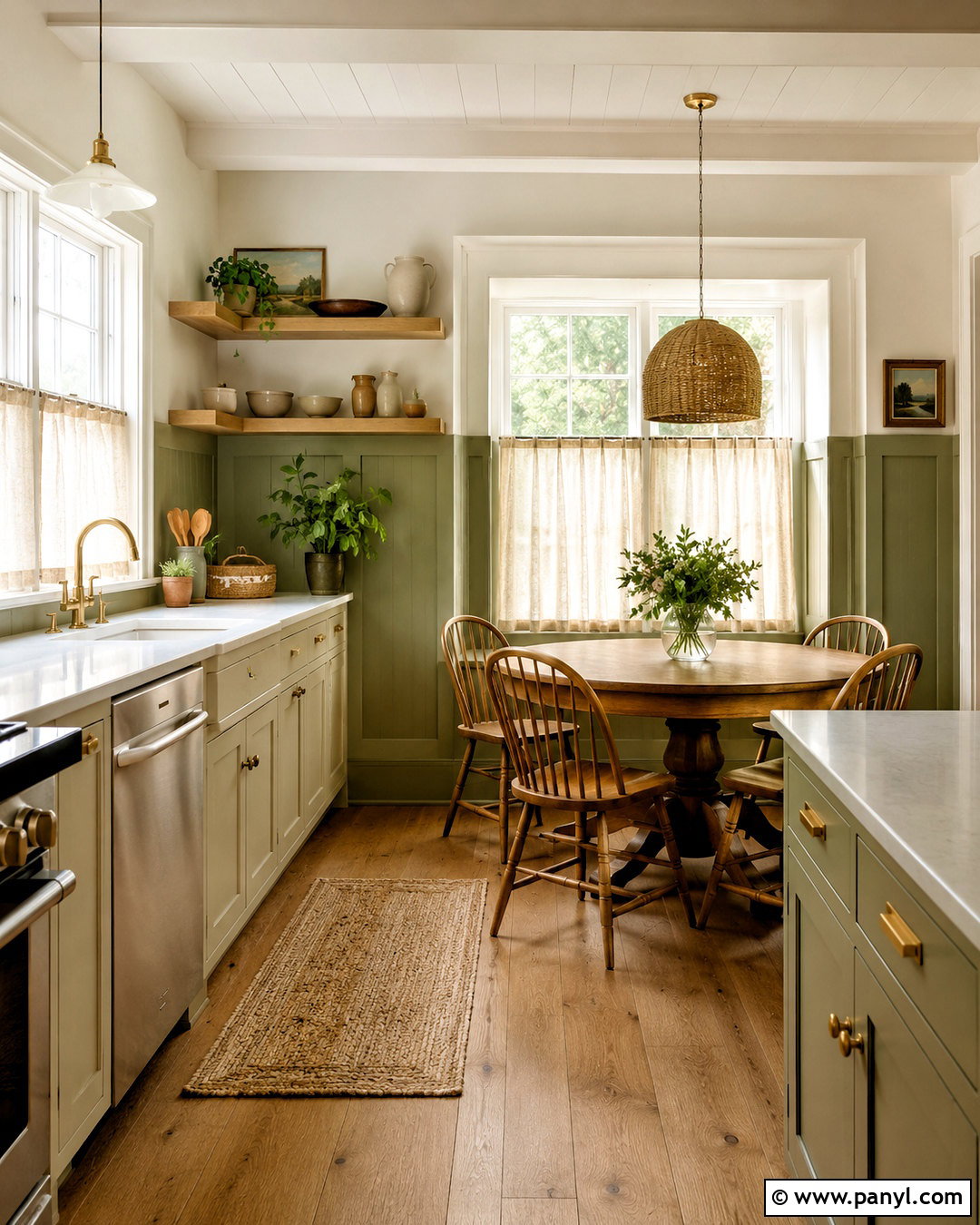
Sage green walls naturally soften the visual weight of dark brown furniture. Choose a muted sage with gray or beige undertones for a flexible, understated result. In a living room, combine the walls with a dark wood media cabinet, walnut side tables, and a vintage-style coffee table. Add a warm ivory sofa, textured cream rug, and flax linen curtains. Terracotta pillows, botanical prints, and aged brass lighting bring gentle warmth to the green. A few black accents can sharpen the arrangement, but avoid filling the room with additional dark surfaces. Pale ceramic pieces and natural baskets help distribute lighter tones from floor to ceiling. This complete scheme feels peaceful and organic, making it suitable for cottage, transitional, farmhouse, or relaxed contemporary interiors.
12. Olive Green Walls With Dark Wood Furniture
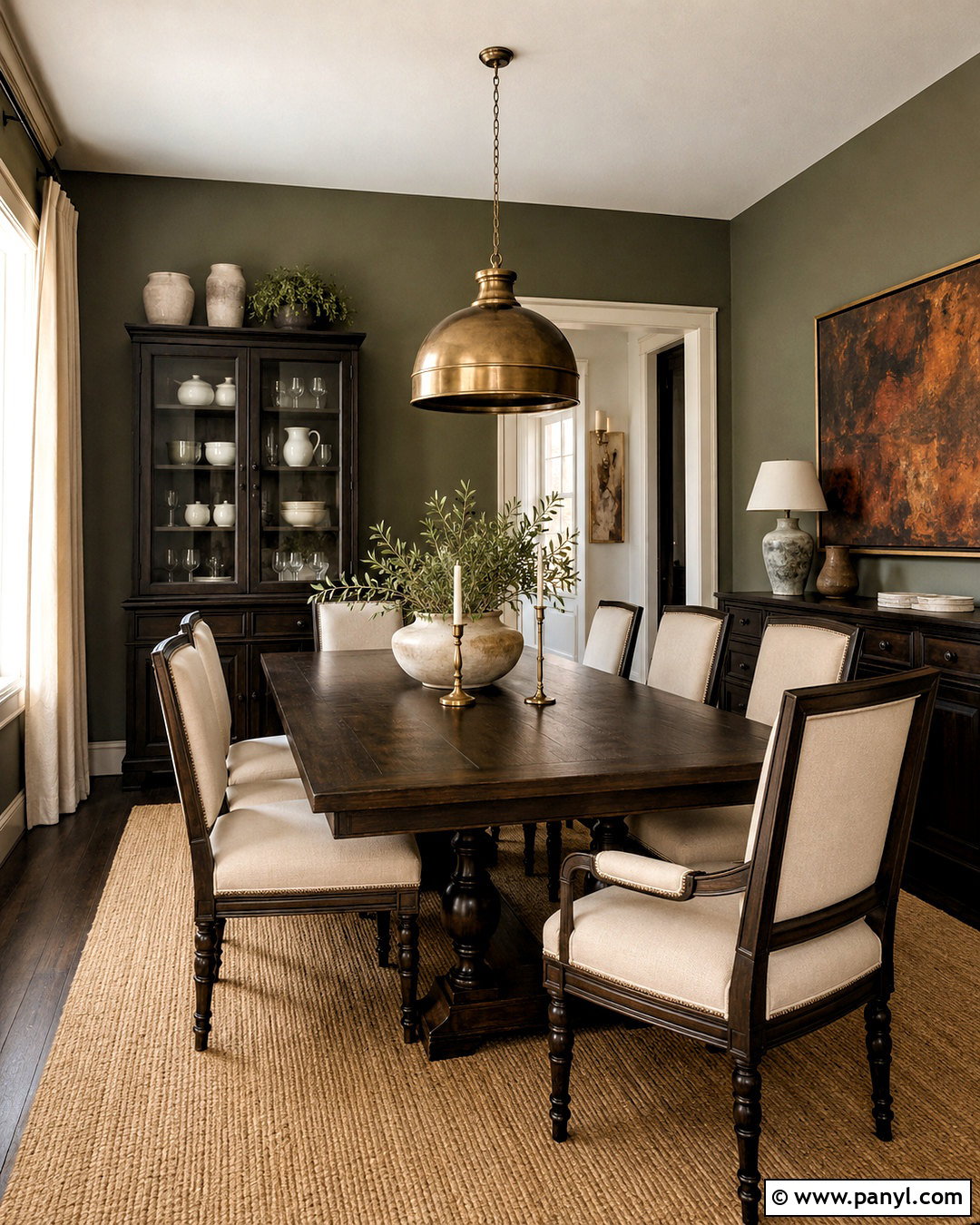
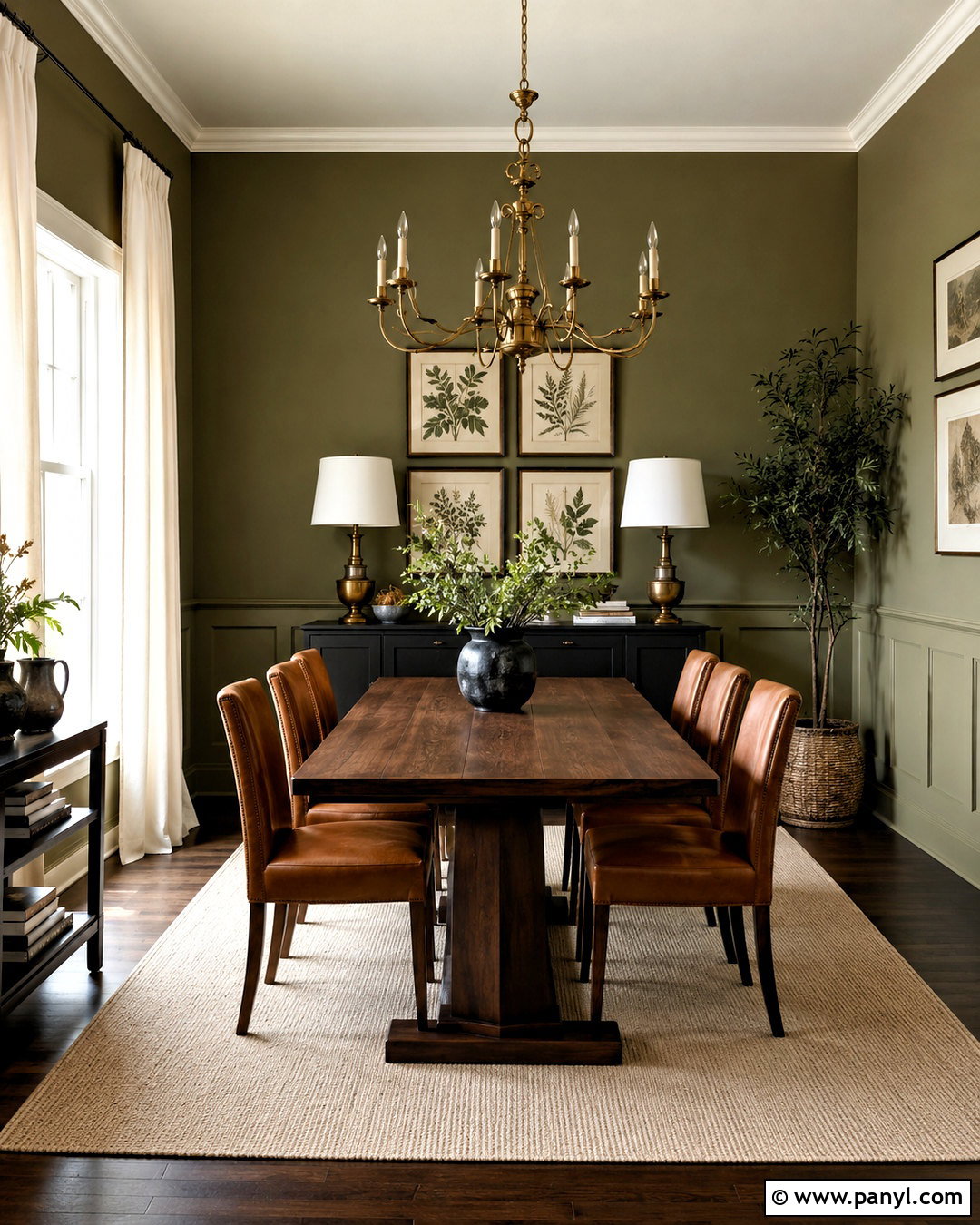
Olive green walls create a deeper, earthier setting for walnut and espresso furniture. This combination is ideal for a dining room or library where a rich, enveloping atmosphere feels appropriate. Pair matte olive walls with a dark wood table, a glass-front cabinet, and chairs upholstered in cream or camel fabric. Use a natural fiber rug to define the furniture while keeping the floor visually light. Antique brass lighting, warm white curtains, and pale stone accessories prevent the room from becoming too dark. Introduce rust, ochre, or muted burgundy through artwork and small textiles. Keep the ceiling cream and allow open wall space around tall furniture. The completed room looks layered and sophisticated, with colors that highlight the wood grain instead of competing against it.
13. Eucalyptus Green Walls With Dark Wood Furniture
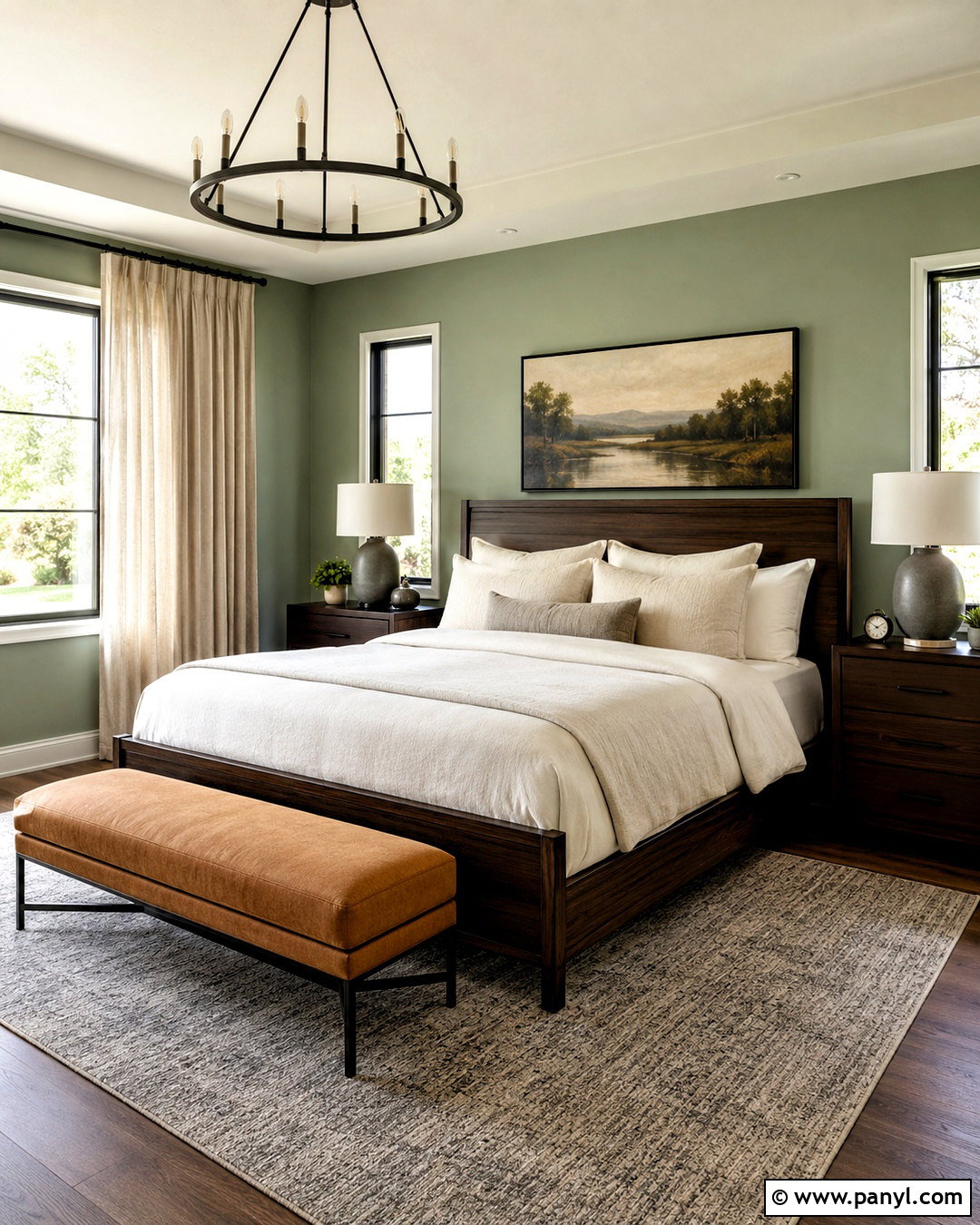
Eucalyptus green offers more freshness than olive while remaining softer than a clear mint. Its gentle blue-gray undertone pairs well with dark walnut furniture in a calm, modern bedroom. Place a streamlined wood bed against the green wall and add matching nightstands with simple brass hardware. Choose ivory bedding, a pale gray-beige rug, and natural linen curtains to brighten the lower and upper parts of the room. A bench in camel upholstery creates a warm bridge between the green and brown tones. Decorate with matte ceramic lamps, subtle landscape artwork, and a small amount of black metal. The whole space should feel uncluttered and restful. This combination gives dark furniture a contemporary update without hiding its classic character or requiring bold decorative accents.
14. Blush Pink Walls With Dark Wood Furniture
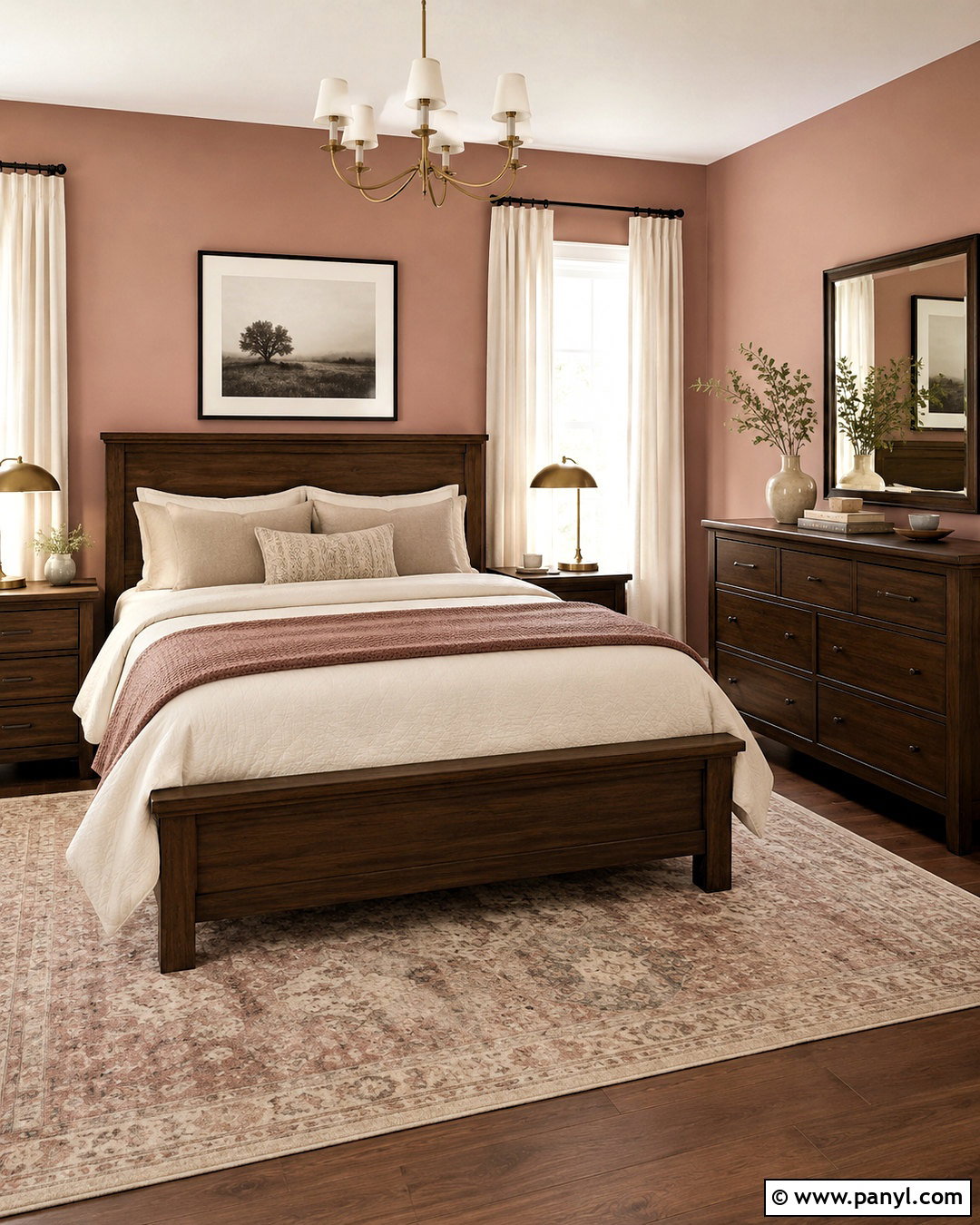
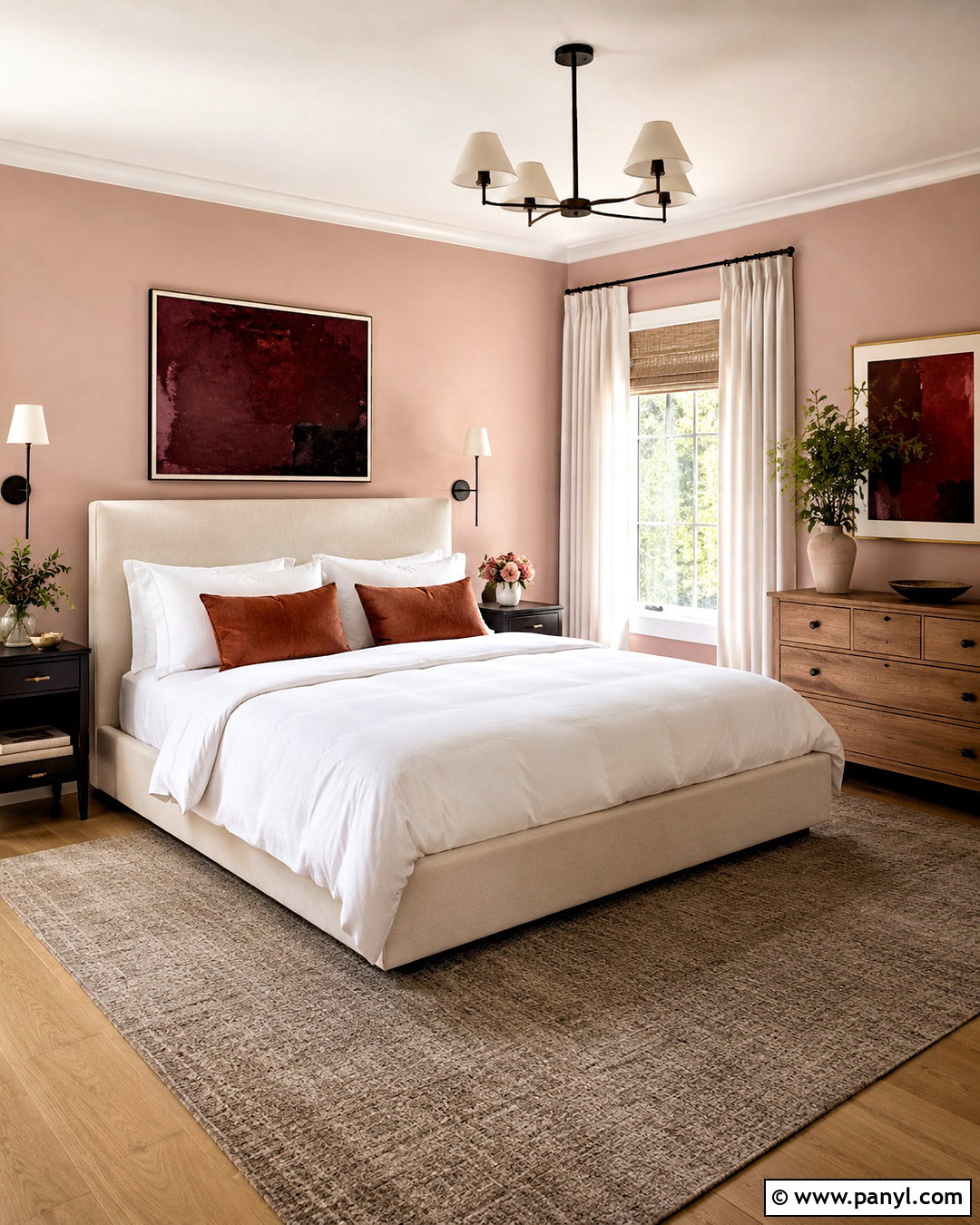
Blush pink walls can make dark furniture feel warmer and less severe, especially when the pink is dusty rather than sugary. Create a balanced bedroom with a deep walnut bed, narrow nightstands, and a dark wood dresser. Add cream bedding, taupe pillows, and a muted rose throw for a gentle tonal effect. A light vintage-inspired rug containing beige, faded pink, and brown will connect the walls to the furniture. Use aged brass lamps, off-white curtains, and simple black frames to keep the scheme grown-up. Natural linen and woven textures prevent the room from becoming overly polished. This complete look suits traditional and modern furniture alike. The pale rosy backdrop also brings out subtle red undertones found in mahogany, cherry, and many dark wood stains.
15. Dusty Rose Walls With Dark Wood Furniture
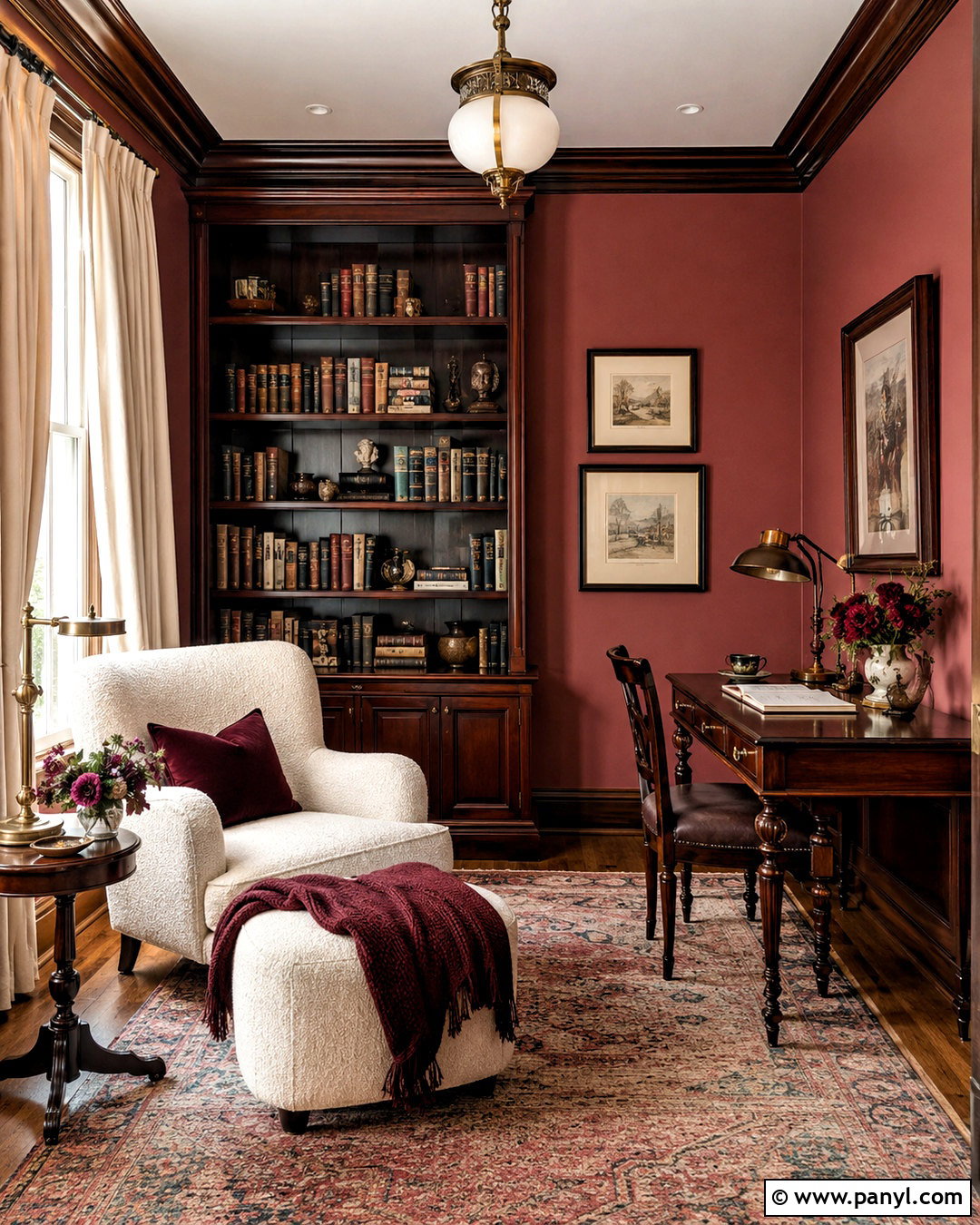
For a room with more depth, dusty rose walls create a cozy background for espresso or mahogany furniture. This muted color contains enough brown and gray to feel sophisticated rather than overly sweet. Use it in a reading room with a dark wood bookcase, compact writing desk, and upholstered lounge chair. Select a cream boucle or linen chair to provide a light focal point, then place a faded Persian-style rug underneath. Burgundy, taupe, and antique brass accents can deepen the palette without introducing unrelated colors. Hang pale artwork in dark wood frames and use warm white curtains to soften the windows. The finished room feels collected and intimate. Keeping the ceiling, lampshades, and larger textiles light ensures the rose walls and dark furniture remain visually balanced.
16. Soft Peach Walls With Dark Wood Furniture
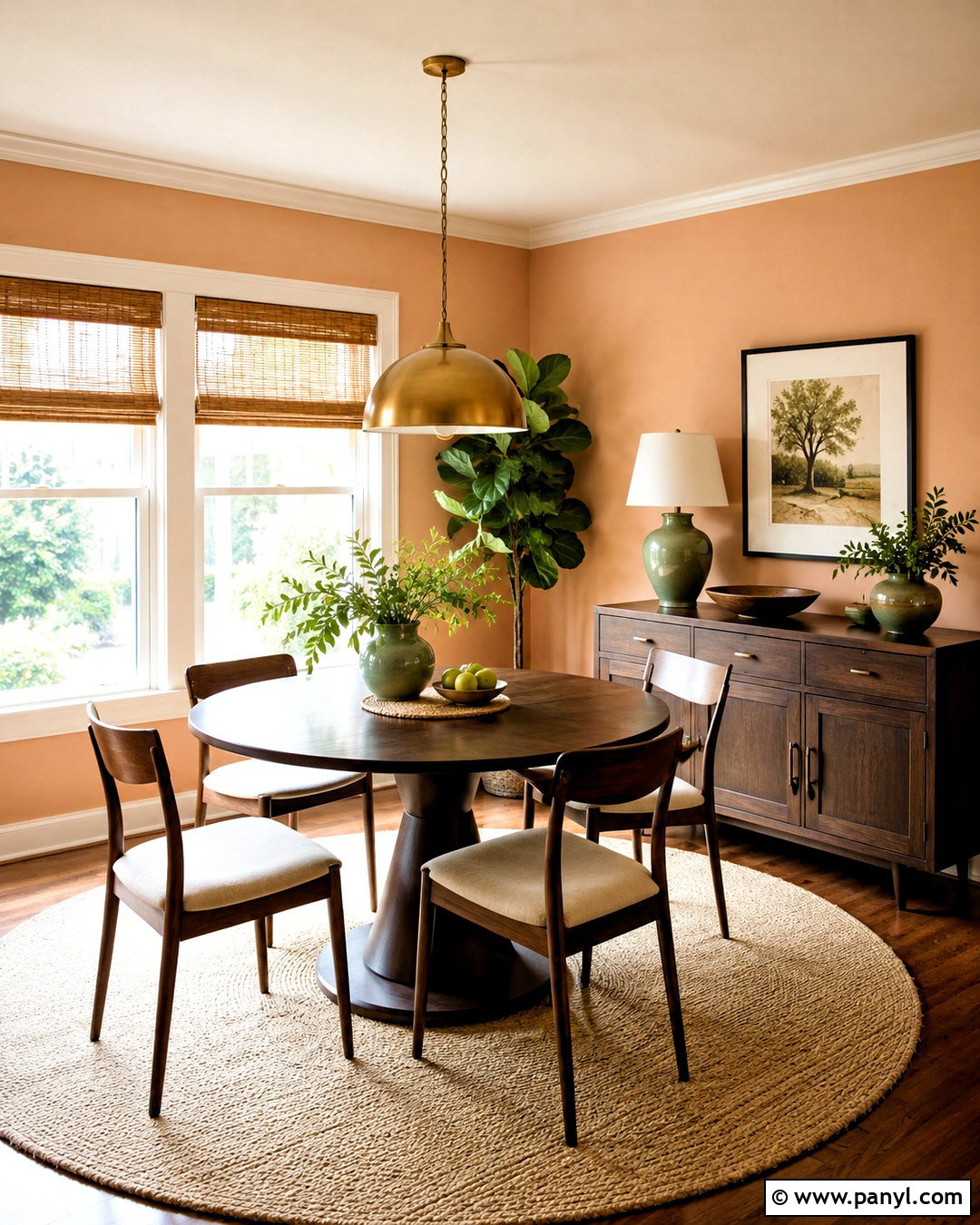
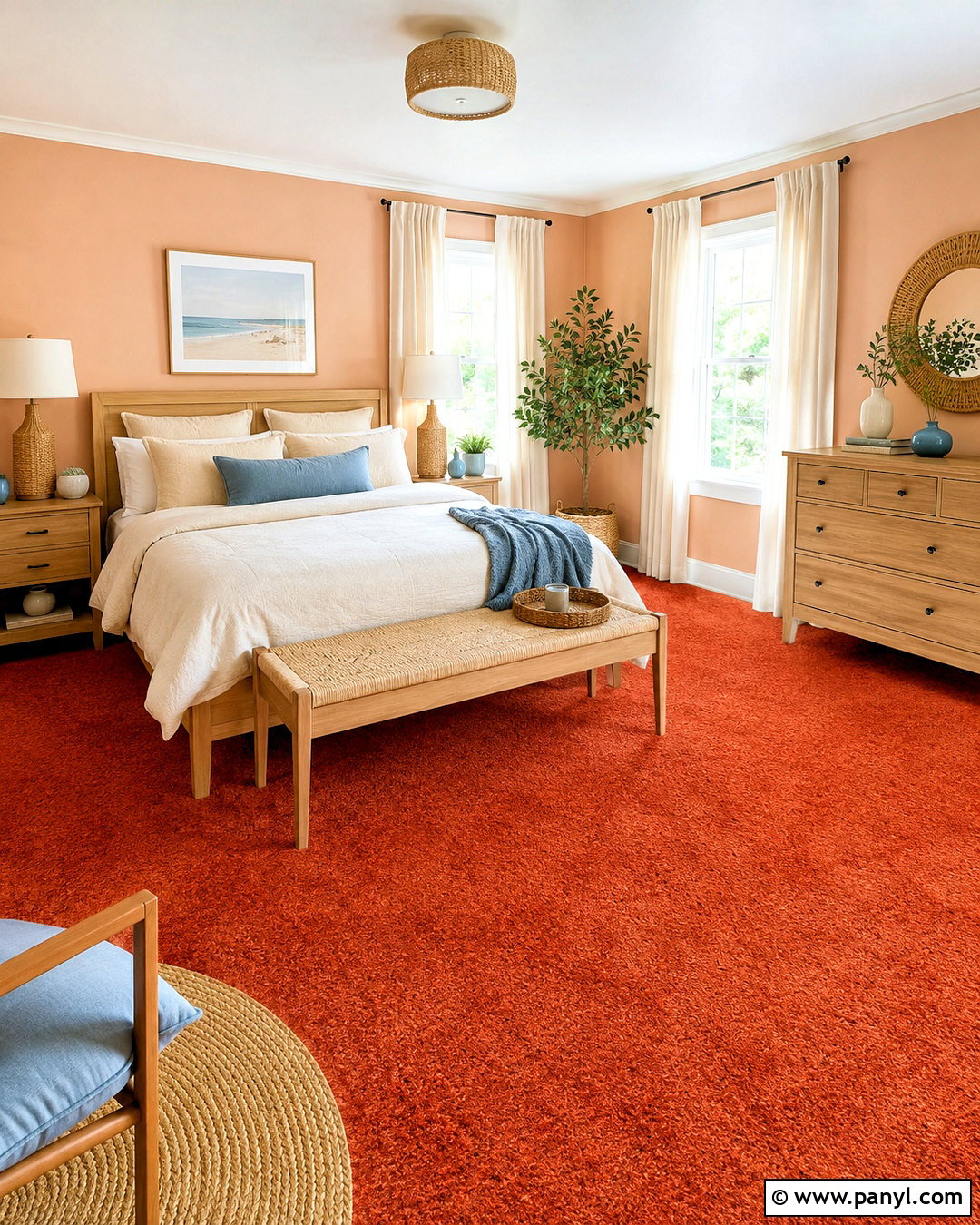
Soft peach walls bring a gentle glow to rooms with dark wood, making them particularly useful in spaces that receive cool northern light. Choose a restrained peach with beige or clay undertones rather than a bright orange shade. In a breakfast room, pair the walls with a round dark walnut table, simple wood chairs, and a compact sideboard. Add ivory seat cushions, a cream washable rug, and natural woven shades. Pale green pottery and leafy plants offer fresh contrast, while brass or bronze lighting reinforces the warmth. Keep the trim warm white to give the peach a clean boundary. The completed room feels cheerful but still grounded. This palette can also modernize inherited furniture because the warm wall color highlights its richness without creating a formal, overly traditional setting.
17. Terracotta Walls With Dark Wood Furniture
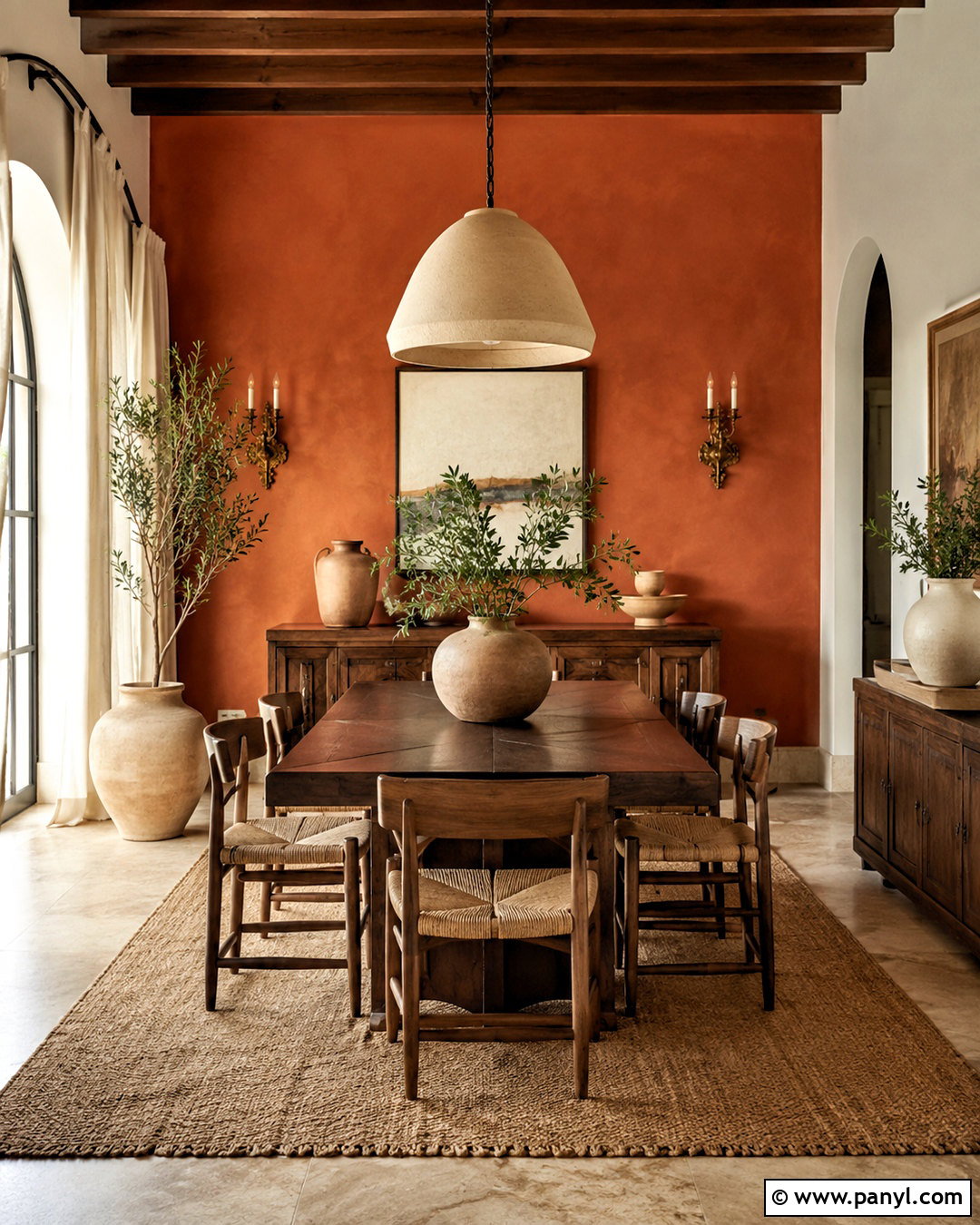
Terracotta walls create a strong, sun-warmed backdrop for dark wood furniture, but the rest of the room should include plenty of pale materials. Design a dining space with one terracotta feature wall behind a dark walnut sideboard, leaving the remaining walls creamy white if the room is small. Add a dark wood table, chairs with woven seats, and a large natural jute rug. Use off-white curtains, cream ceramics, and a light plaster pendant to balance the saturated color. Olive green accents and a few aged brass details complete the earthy palette. Avoid reddish wood accessories that exactly match the walls, since variation creates better definition. The full arrangement feels welcoming, expressive, and grounded, with enough contrast to showcase both the furniture and the architecture.
18. Muted Ochre Walls With Dark Wood Furniture
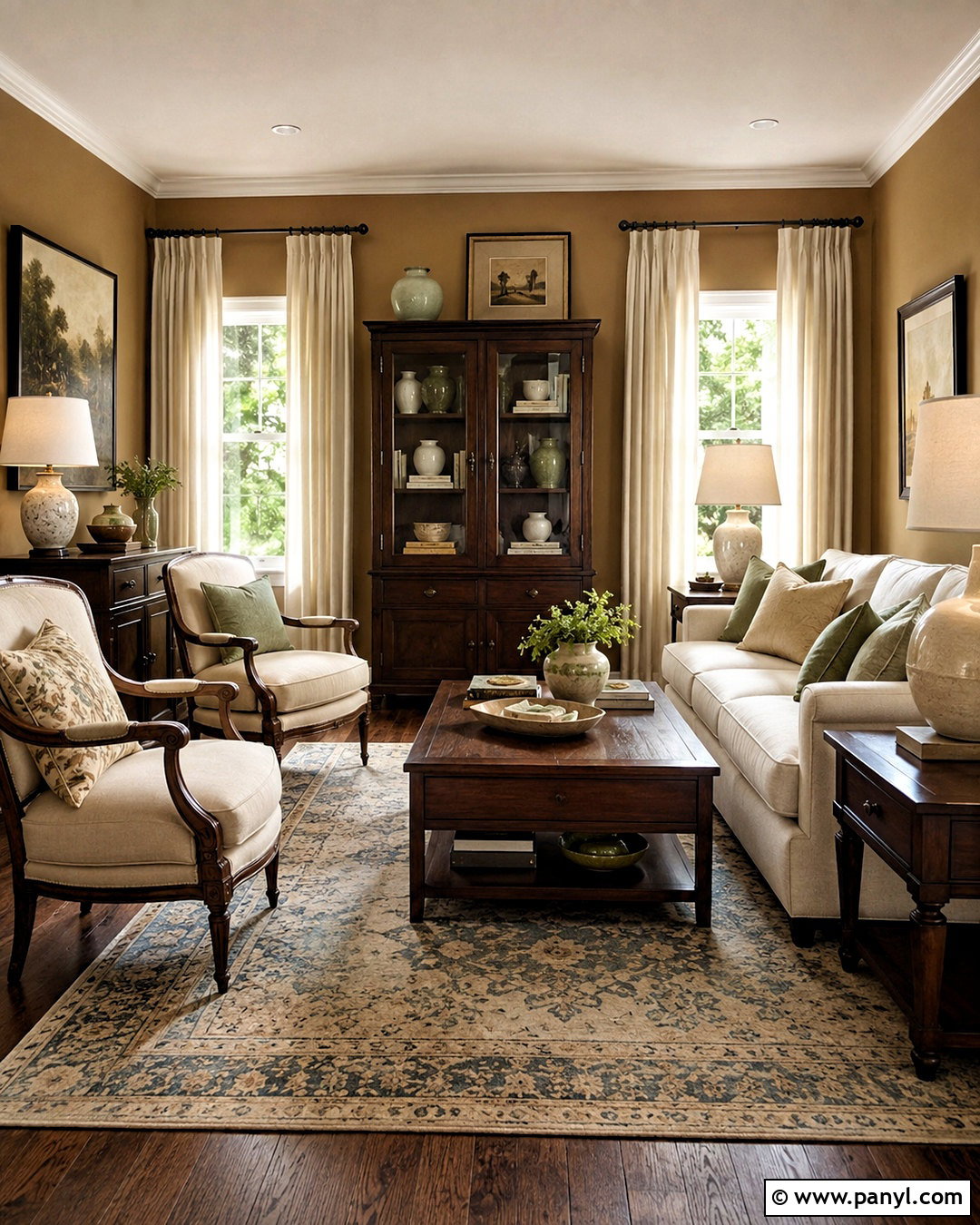
Muted ochre walls surround dark furniture with warmth while adding more personality than beige. Look for a softened golden shade with brown or gray undertones, especially for traditional rooms. In a compact living room, combine ochre walls with a dark wood cabinet, walnut coffee table, and vintage wood-framed armchairs. Lighten the seating with cream upholstery and place a faded blue-and-beige rug beneath the arrangement. Natural linen curtains, off-white lampshades, and pale ceramics distribute brightness across the room. Use dark bronze hardware and picture frames to echo the furniture without creating large black areas. A small amount of dusty blue or sage green will cool the golden palette. The finished room feels warm and established, yet the simple textiles and uncluttered layout keep it current.
19. Charcoal Walls With Dark Wood Furniture
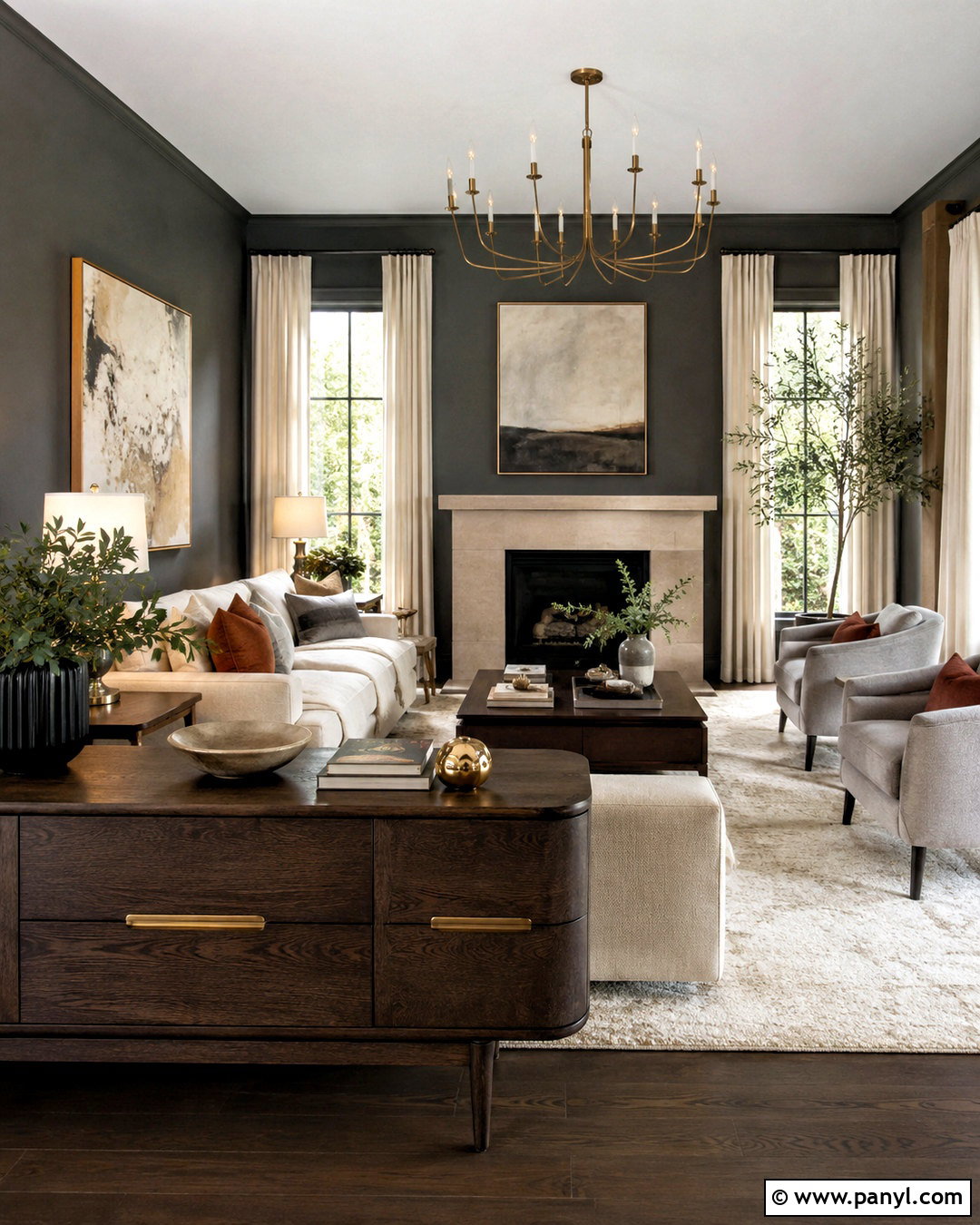
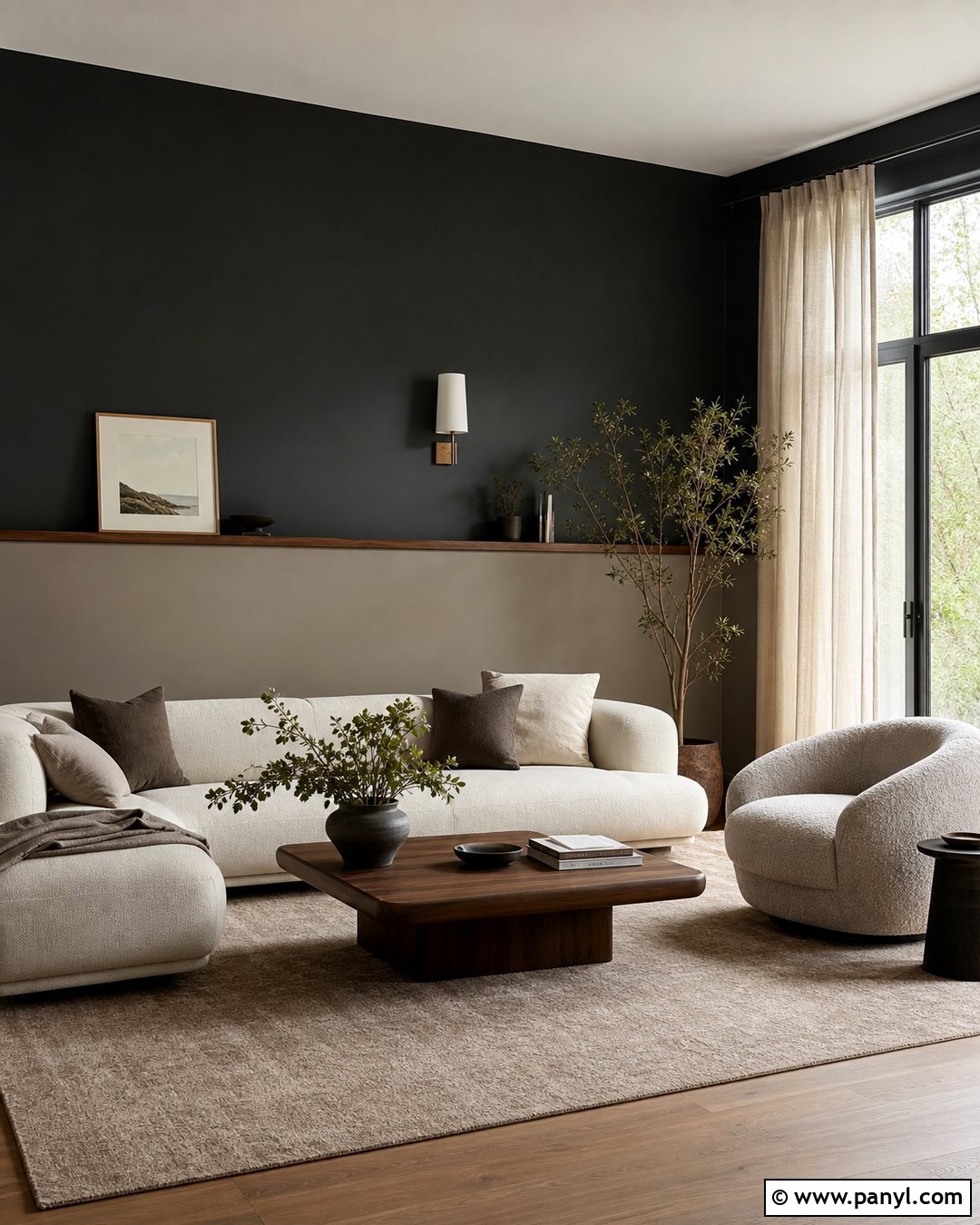
Charcoal walls can work with dark wood furniture when texture and tonal contrast replace the usual light-wall formula. Choose a soft charcoal rather than pure black, then use it in a spacious living room with strong natural light. Pair the walls with a dark walnut console and coffee table, but select an ivory sofa and pale gray lounge chairs as the main seating. Add a large cream rug, white linen curtains, and sculptural light fixtures in brushed brass. Light artwork and a pale stone fireplace can further break up the walls. Introduce rust or muted teal through pillows for controlled color. This complete room feels dramatic without looking gloomy because the darkest elements are surrounded by generous light surfaces, reflective finishes, and open breathing space.
20. Deep Green Walls With Dark Wood Furniture
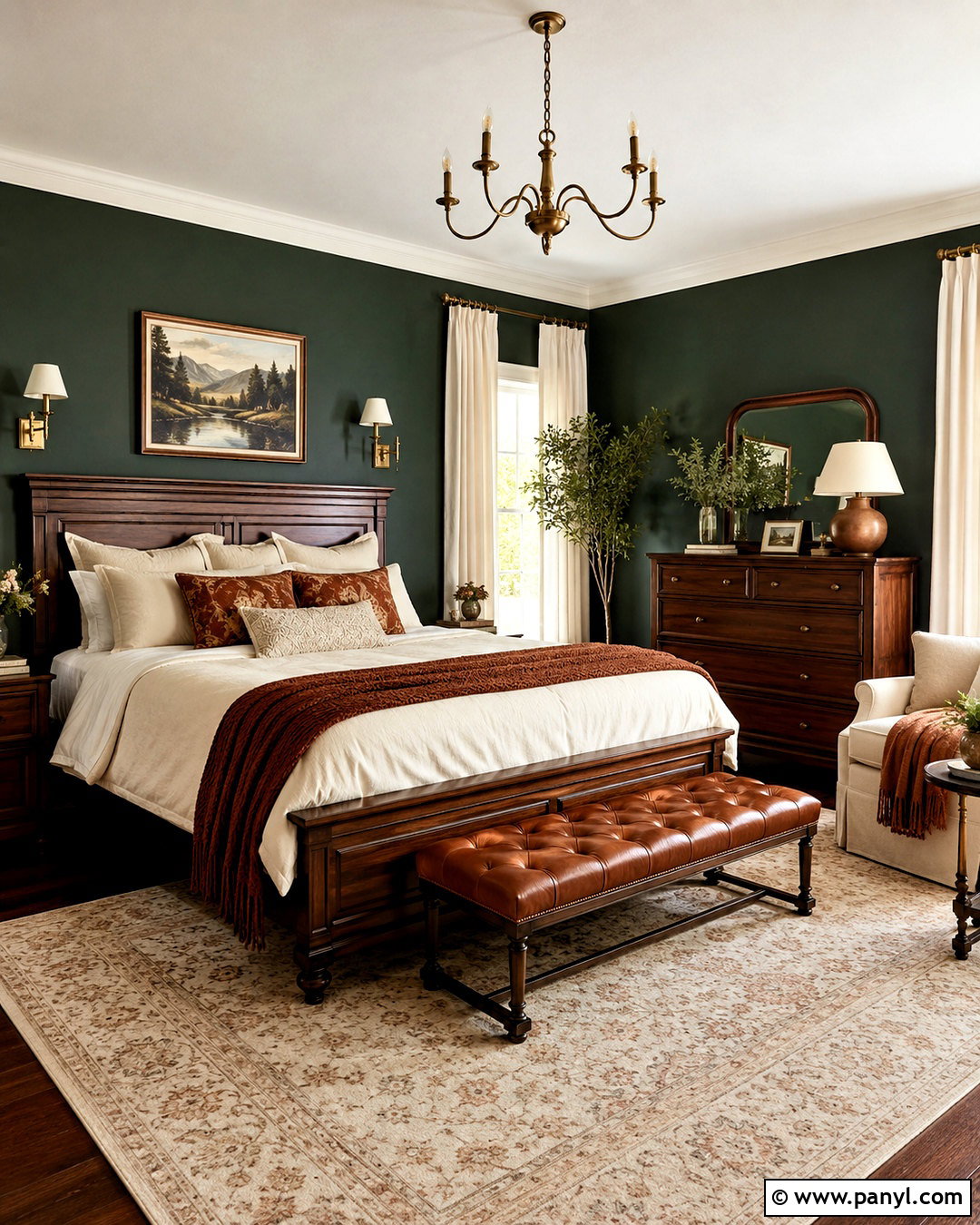
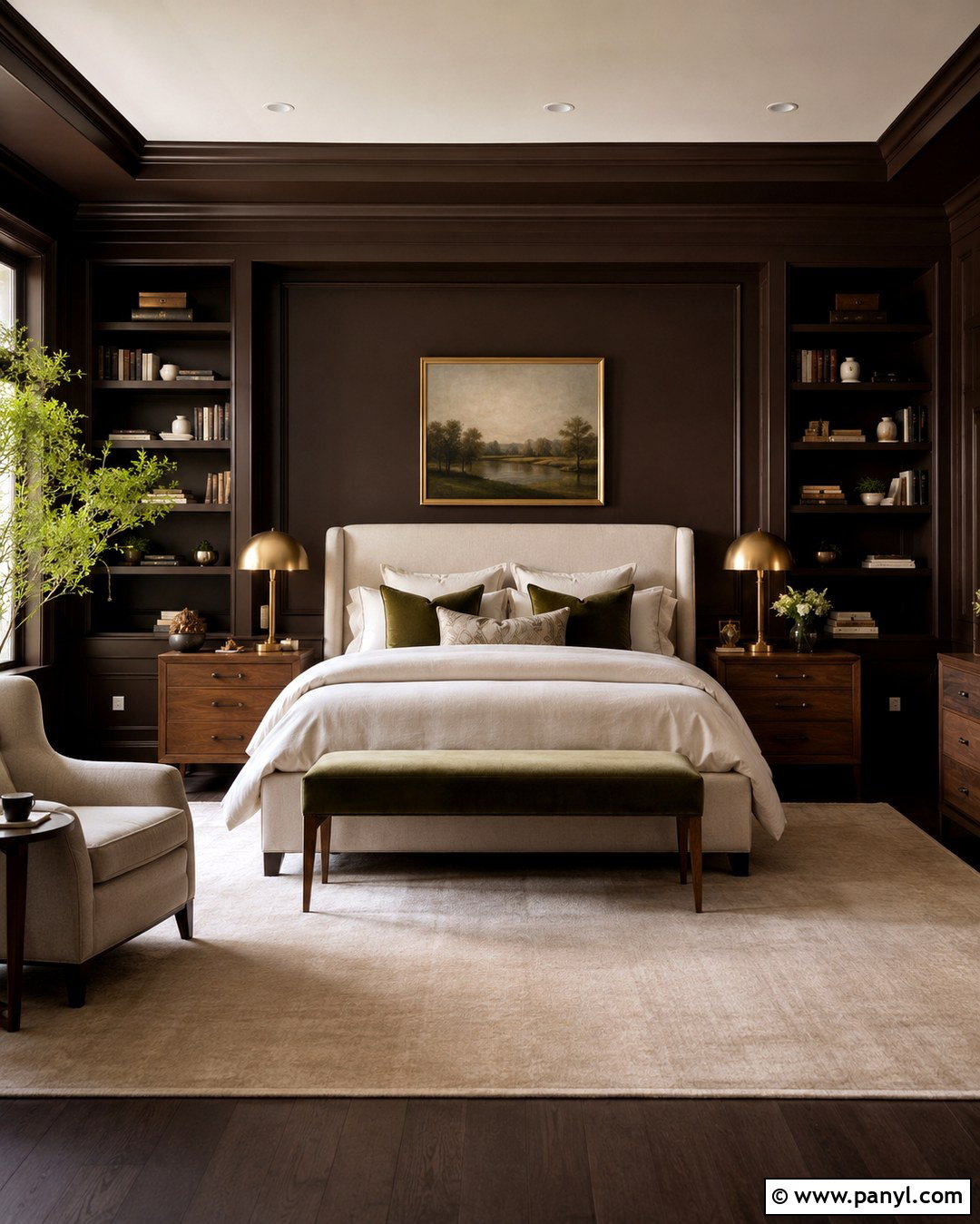
Deep green walls and dark wood furniture create a layered, nature-inspired room with impressive depth. Use this combination in a bedroom, library, or formal living space that can support saturated color. Against the green walls, arrange a dark wood bed or bookcase with visible grain and classic proportions. Add a cream upholstered chair, ivory bedding or sofa fabric, and a generously sized pale rug. Warm cognac leather, antique brass lighting, and rust-colored textiles bring out the brown tones in the furniture. Keep the ceiling and window treatments light to avoid enclosing the space. Plants should be used selectively because too much green can flatten the palette. The final room feels rich and welcoming, with texture and contrast making each dark surface clearly visible.
Conclusion:
Choosing wall colors for dark furniture becomes easier when you consider contrast, undertones, lighting, and the room’s overall atmosphere. Warm whites, cream, greige, and beige provide dependable brightness, while blue and green shades bring calm color to walnut, mahogany, and espresso finishes. Blush, peach, terracotta, and ochre create warmer, more expressive interiors. Even navy, charcoal, and deep green can succeed when balanced with pale rugs, curtains, upholstery, and ceilings. Always test paint samples beside the actual furniture during different times of day. Then repeat both the wall color and wood tones through textiles, artwork, and accessories. These 20 What Color Walls Go With Dark Wood Furniture Ideas offer complete palettes that can be adapted to nearly any room.

Related Ideas and Inspiration:
Leave a Reply