
Choosing the right wall color can change how your entire home feels without requiring a major renovation. These 20 wall painting colour ideas explore calming neutrals, earthy shades, cheerful pastels, and dramatic statement colors for every type of room. Each look goes beyond a single painted wall by pairing color with flooring, furniture, lighting, textiles, and finishes. You will find practical schemes for bright living rooms, relaxing bedrooms, hardworking kitchens, compact bathrooms, and inviting dining spaces. Before committing, paint large sample boards and view them throughout the day beside your existing furnishings. Natural and artificial light can reveal surprising undertones. Whether you prefer timeless simplicity or confident color, use these 20 wall painting colour ideas to create a complete, balanced look.

1. Warm White Wall Paint
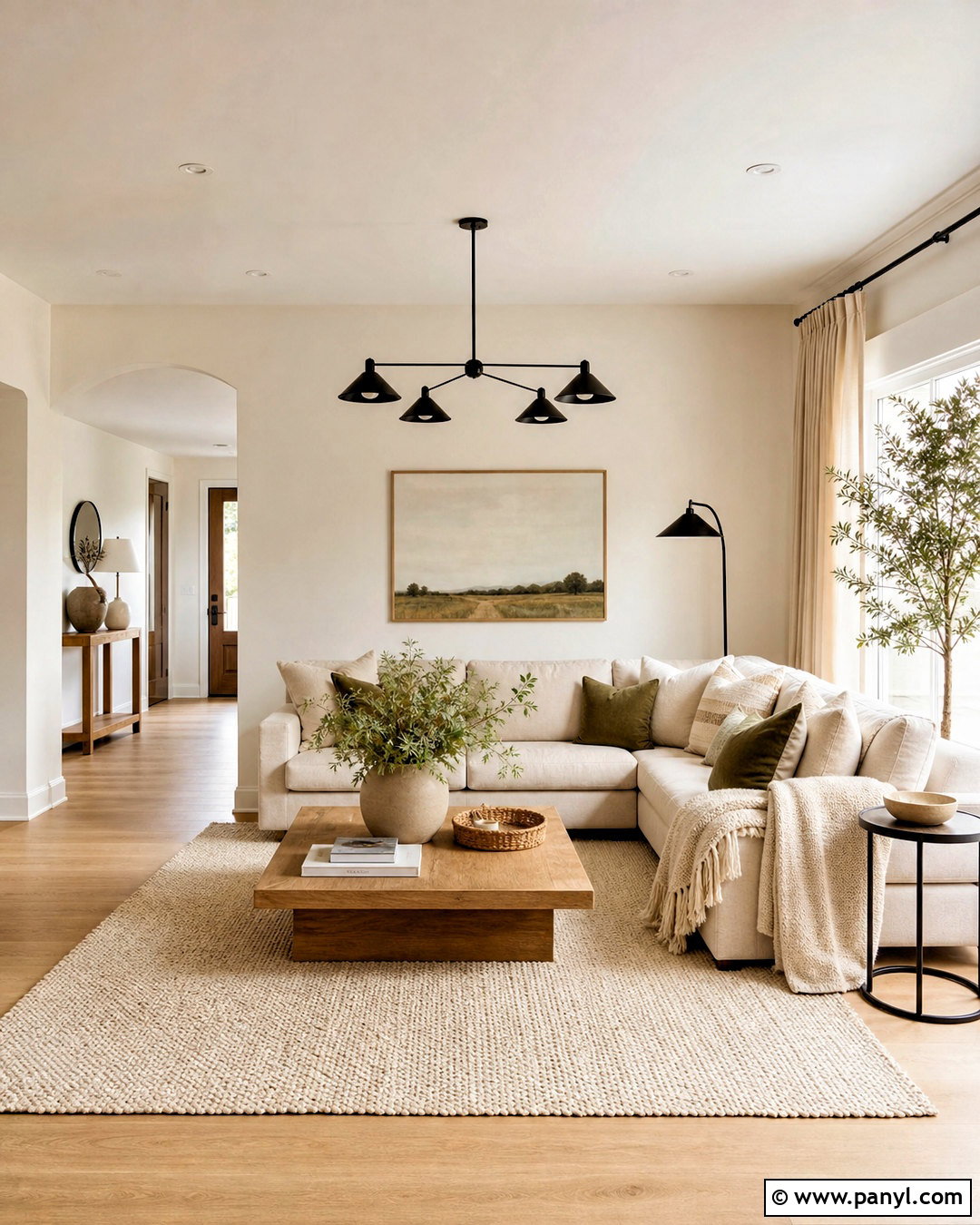
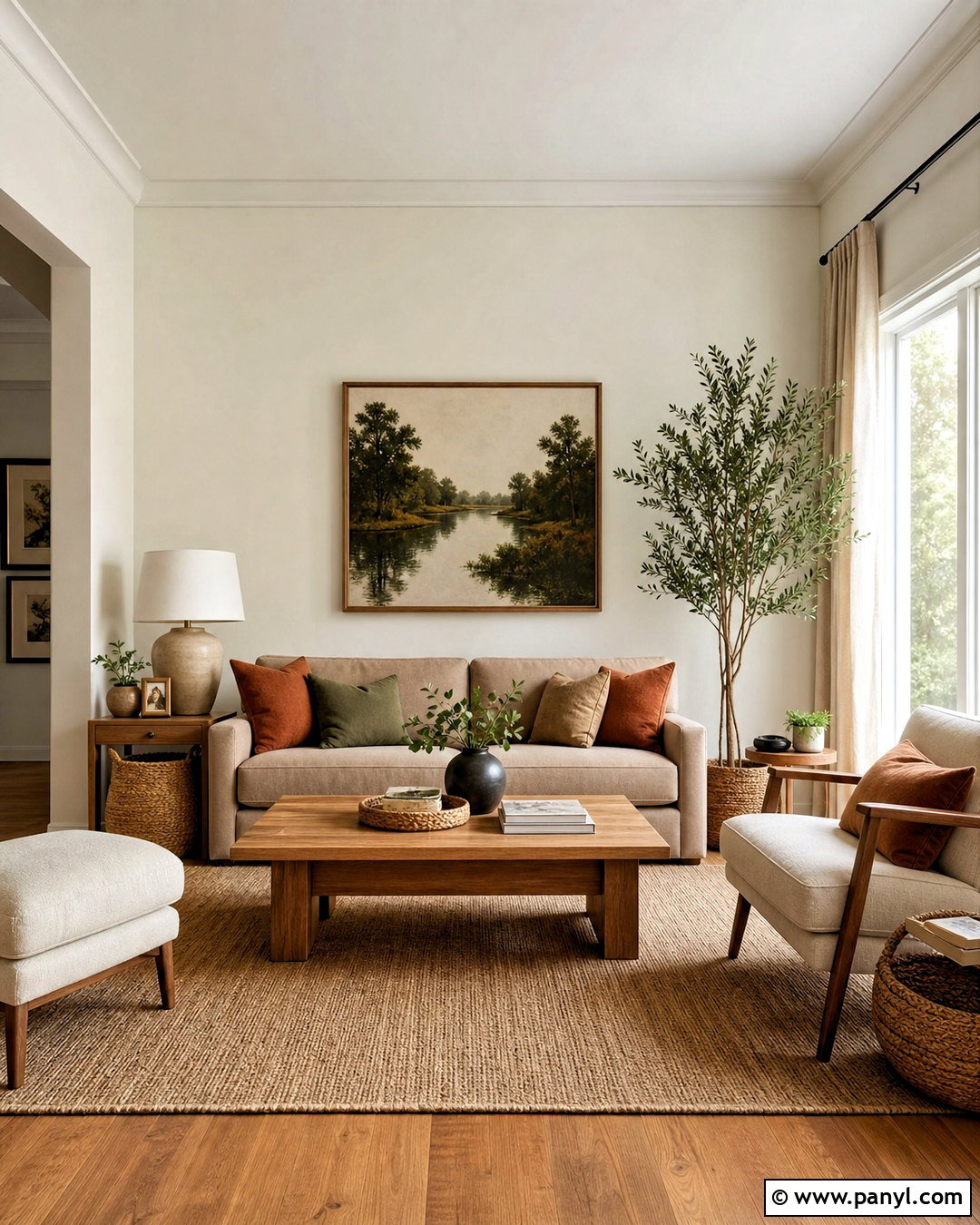
Warm white walls create a bright living room without making the space feel cold or unfinished. Choose a creamy white with subtle beige undertones and repeat it across the walls, ceiling, and simple trim for a seamless envelope. Add a light oatmeal sofa, natural oak coffee table, woven rug, and linen curtains to build gentle contrast. Matte black lamps and thin picture frames provide definition, while olive green cushions bring in an earthy accent. Medium-toned wood flooring keeps the palette grounded. This complete scheme works especially well in rooms with northern light because the warmer undertone helps soften gray shadows. Use washable eggshell paint on the walls and a slightly more durable satin finish on baseboards and doors.
2. Soft Greige Wall Paint
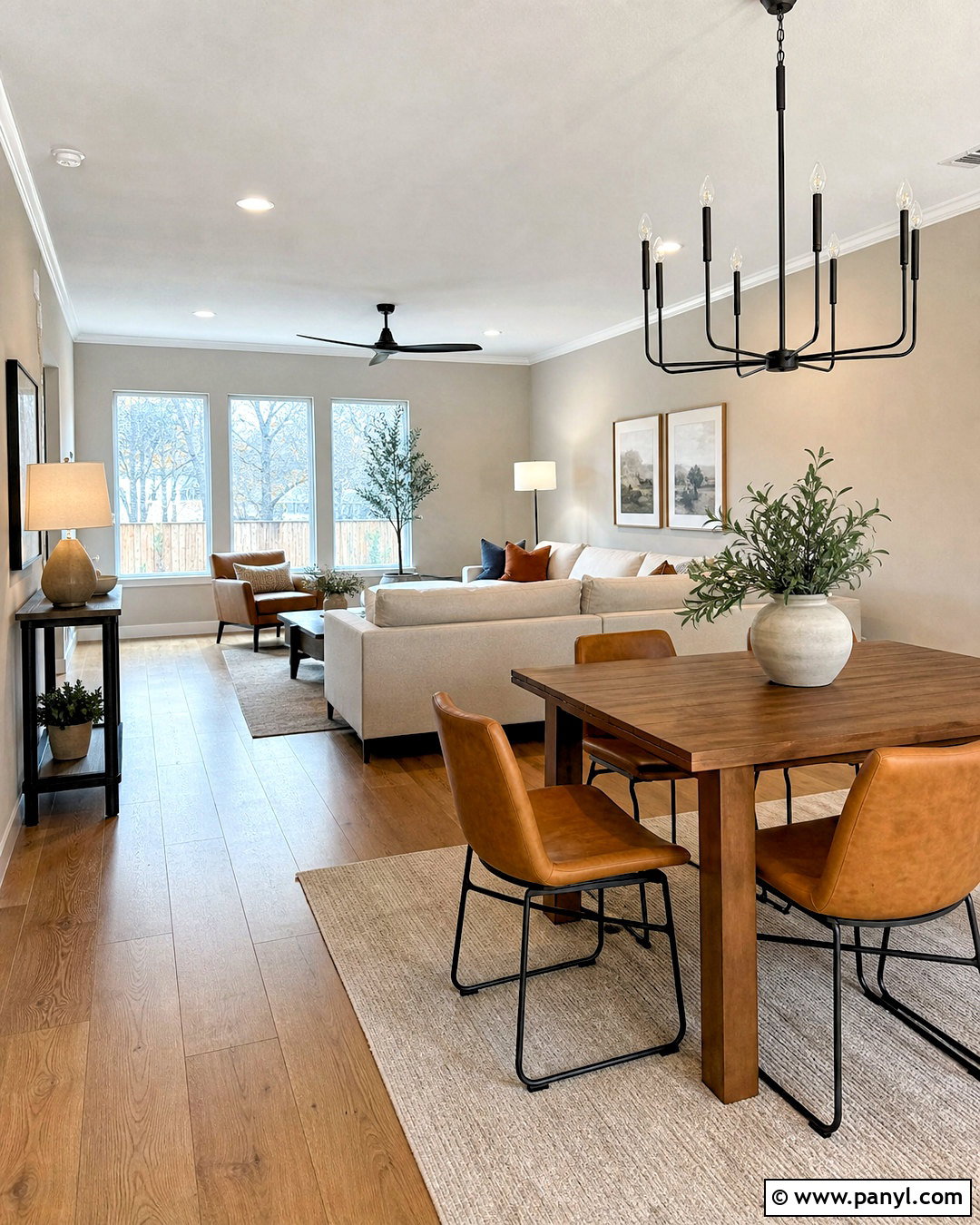
Can’t decide between gray and beige? Soft greige wall paint offers the clean appearance of gray with enough warmth to complement wood, cream, and brown furnishings. Use it throughout an open living and dining area to connect both zones visually. Pair the walls with crisp off-white trim, medium oak flooring, a cream sectional, and a walnut dining table. Black metal lighting adds a contemporary edge without overpowering the neutral palette. Introduce muted blue, camel, and rust through cushions, dining chairs, and artwork. Keep the ceiling a soft white so the rooms remain open and airy. This balanced scheme is particularly useful when the home contains both warm wood finishes and cooler stone or metal surfaces.
3. Mushroom Taupe Wall Paint
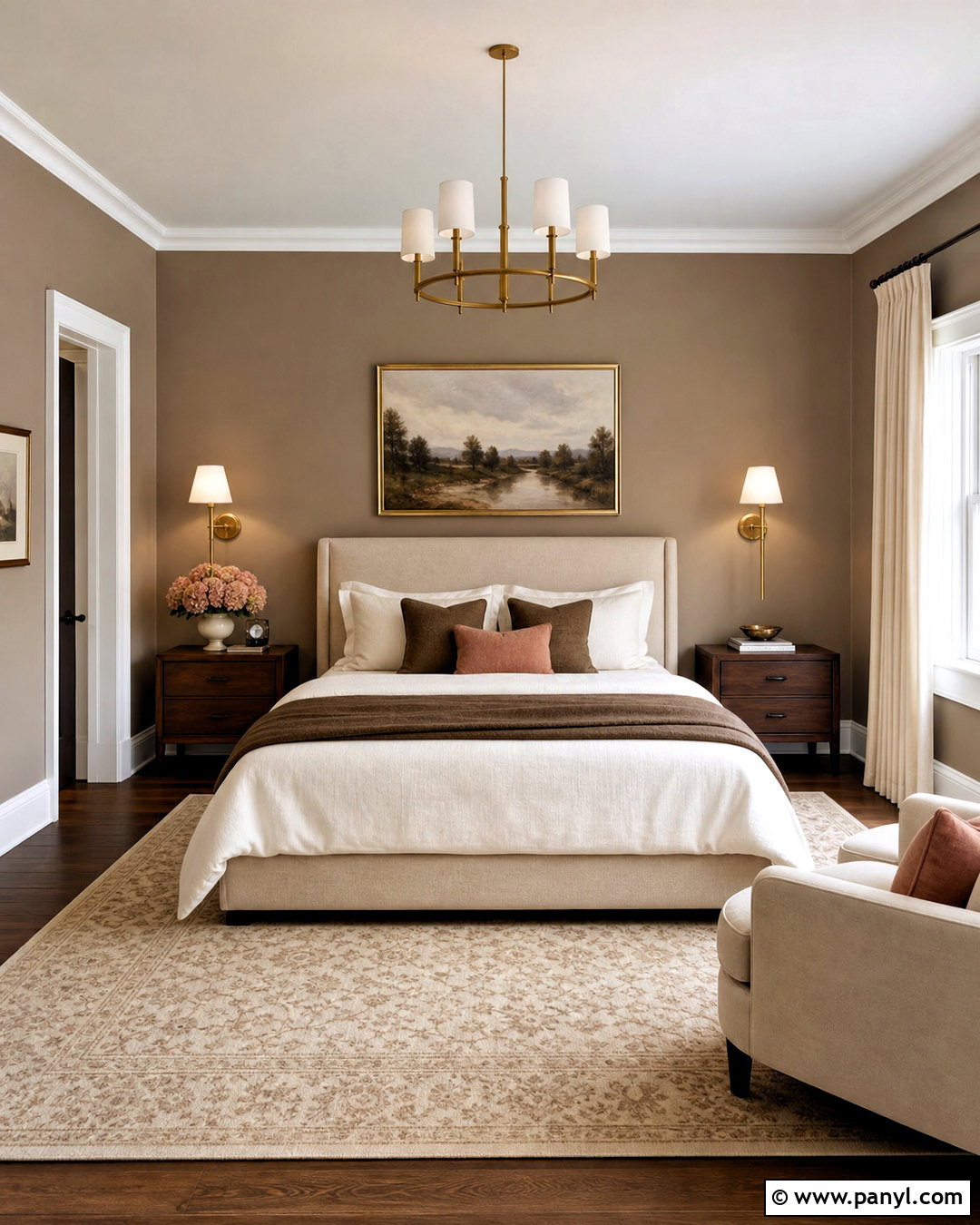
Mushroom taupe brings quiet depth to a bedroom while remaining softer than dark brown or charcoal. Cover every wall in a medium taupe with subtle gray undertones, then use creamy white on the ceiling and trim. An upholstered oatmeal bed, walnut nightstands, and warm brass sconces create a comfortable, polished arrangement. Choose ivory bedding layered with cocoa brown and dusty rose textiles to prevent the neutral room from looking flat. A wool rug in cream and tan adds another gentle pattern beneath the bed. Mushroom taupe looks especially rich beside natural wood and warm metals. Test the shade carefully, since taupe can appear purple or pink under certain lighting. Select a muted sample with balanced undertones for lasting versatility.
4. Sage Green Wall Paint
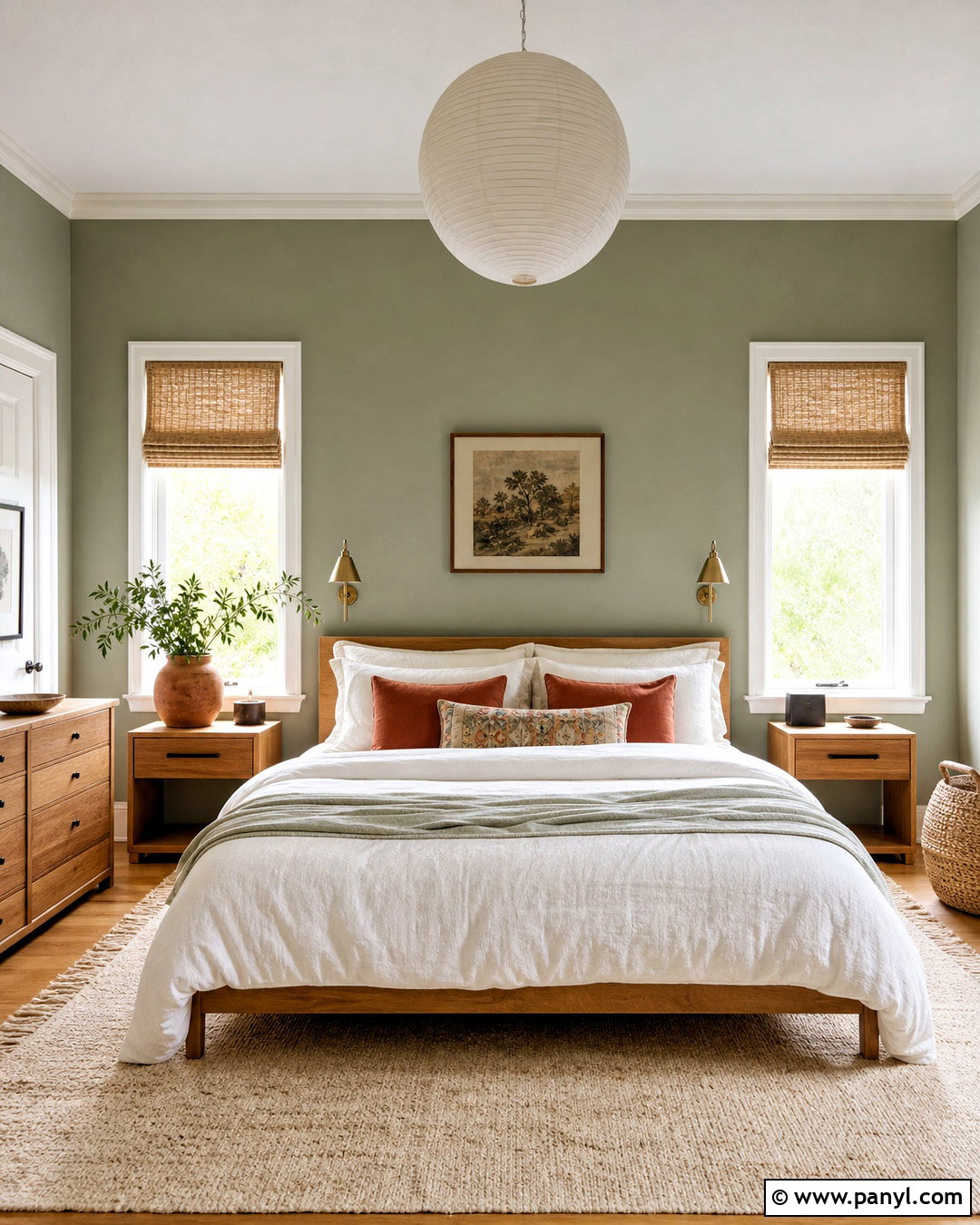
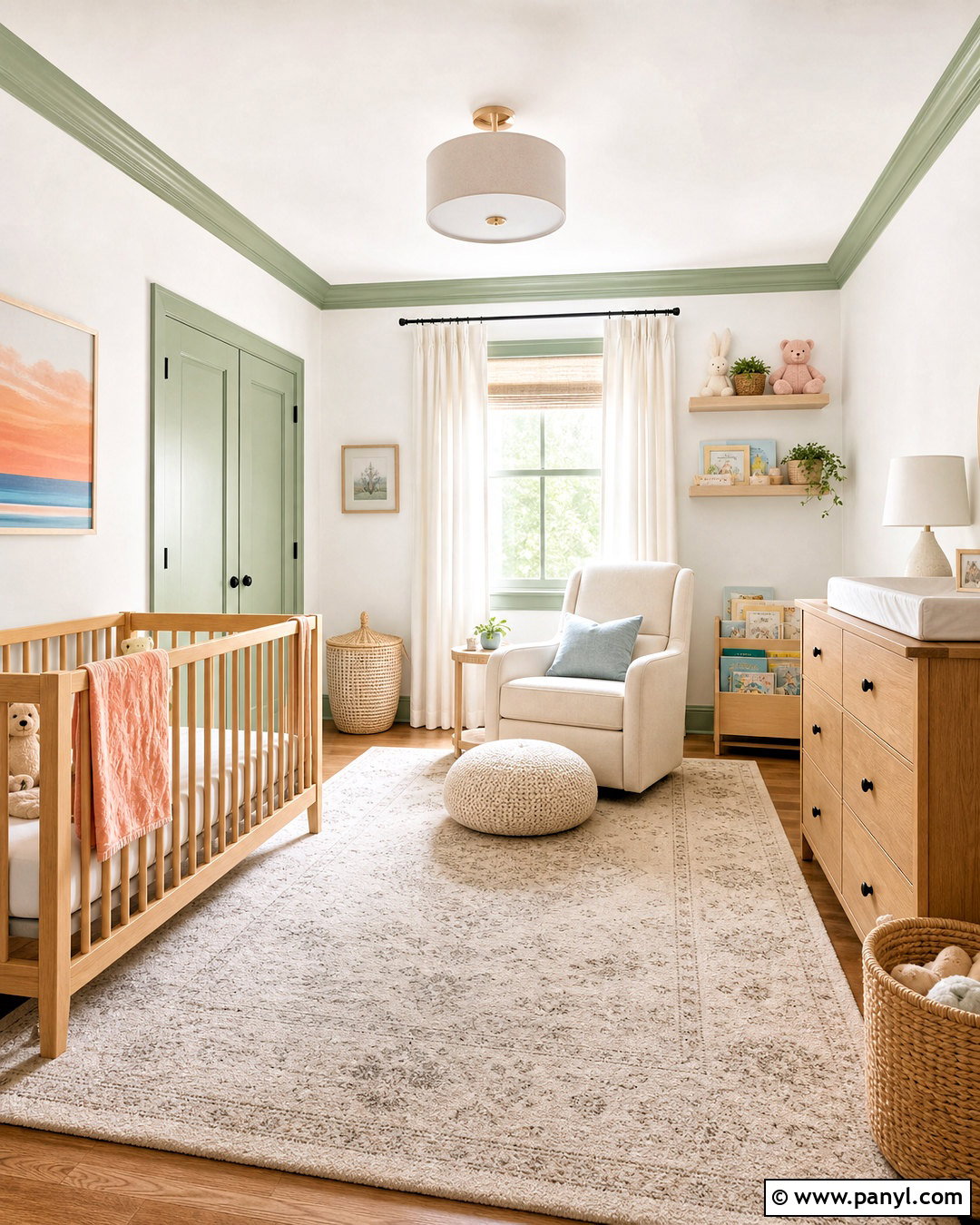
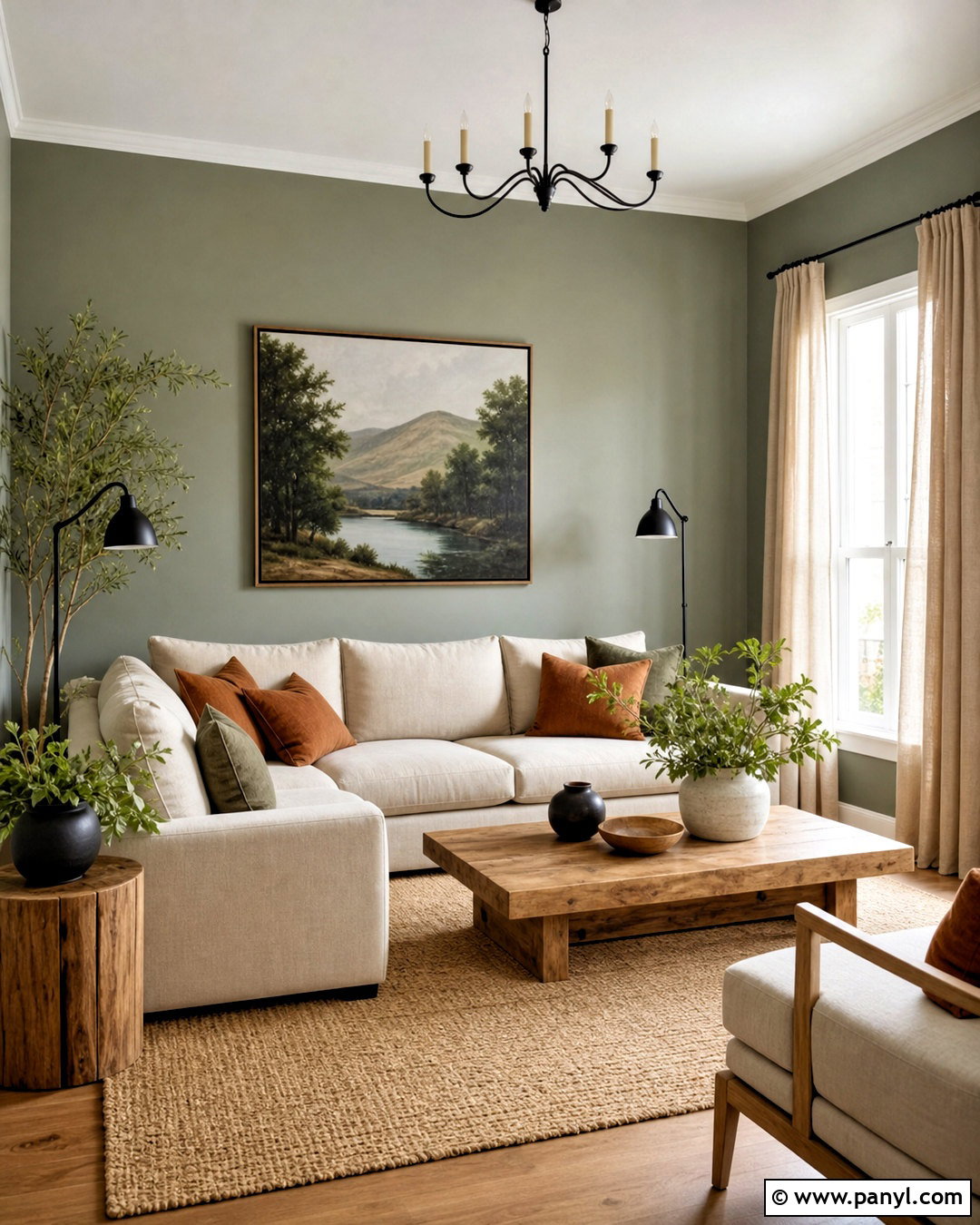
A soft sage green bedroom feels restful, natural, and easy to decorate. Paint all four walls in a muted green with gray undertones rather than using a highly saturated botanical shade. Pair it with an oak bed, white linen bedding, woven Roman shades, and a warm ivory rug. Small touches of terracotta in the cushions and pottery keep the scheme from becoming overly cool. Use creamy white on the ceiling, doors, and baseboards for clean separation. A simple paper lantern or warm brass ceiling light completes the relaxed look. For a coordinated finish, repeat sage in one or two textiles but avoid matching every accessory. Natural fibers and warm woods allow the wall color to remain the room’s calm focal point.
5. Olive Green Wall Paint
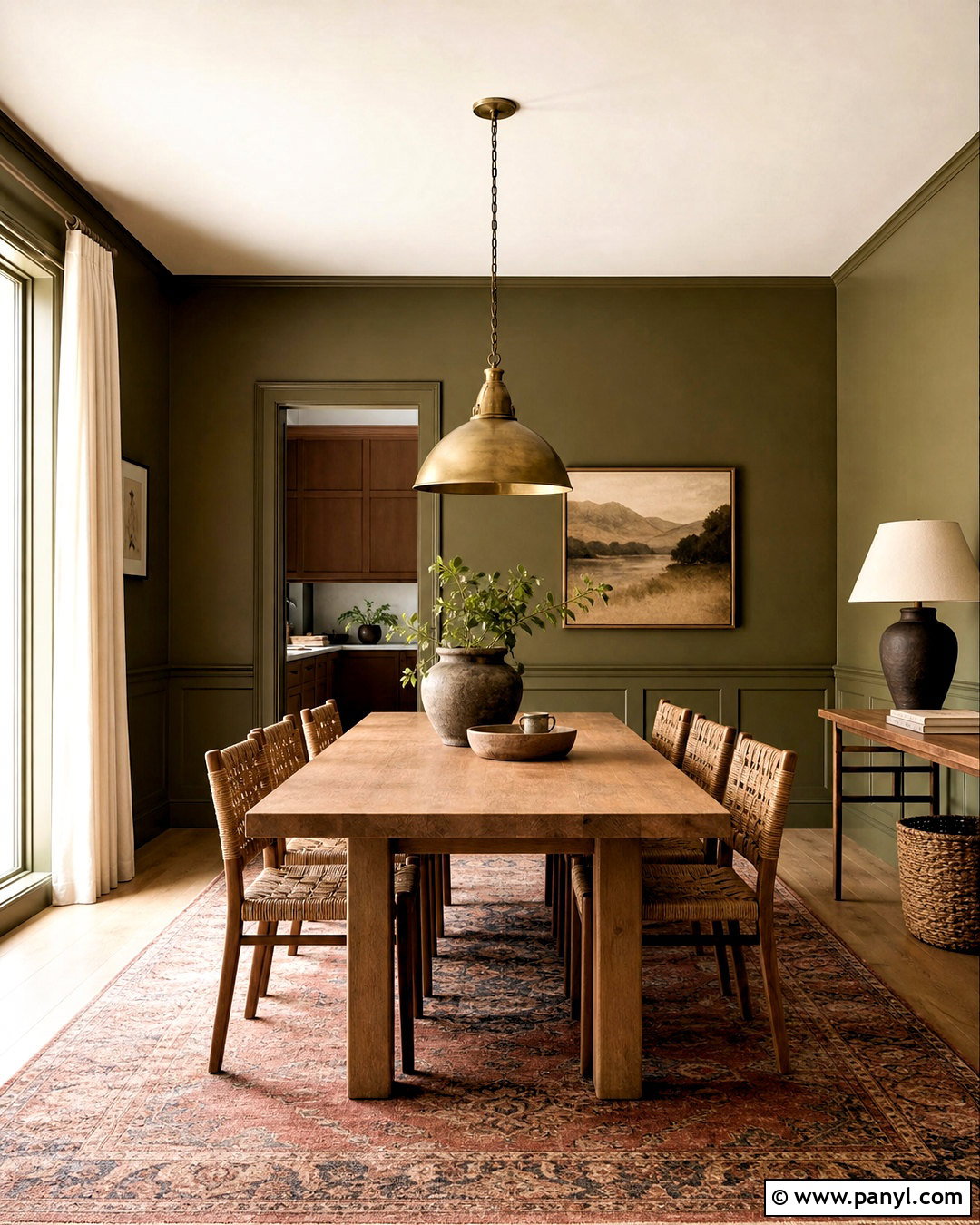
Deep olive green can transform a dining room into a welcoming space that feels substantial but not overly formal. Apply the color to every wall and paint the trim in the same shade with a satin finish for subtle dimension. Center a solid oak dining table beneath a large linen or aged-brass pendant. Add woven dining chairs, a vintage-style rug, and cream curtains to lighten the darker walls. Rust, tobacco brown, and muted gold accessories reinforce the earthy palette. If the room receives limited daylight, keep the ceiling warm white and include a large mirror opposite the window. Olive works beautifully with visible wood grain, handmade pottery, and aged metal, creating a complete dining room with warmth and character.
6. Dusty Blue Wall Paint
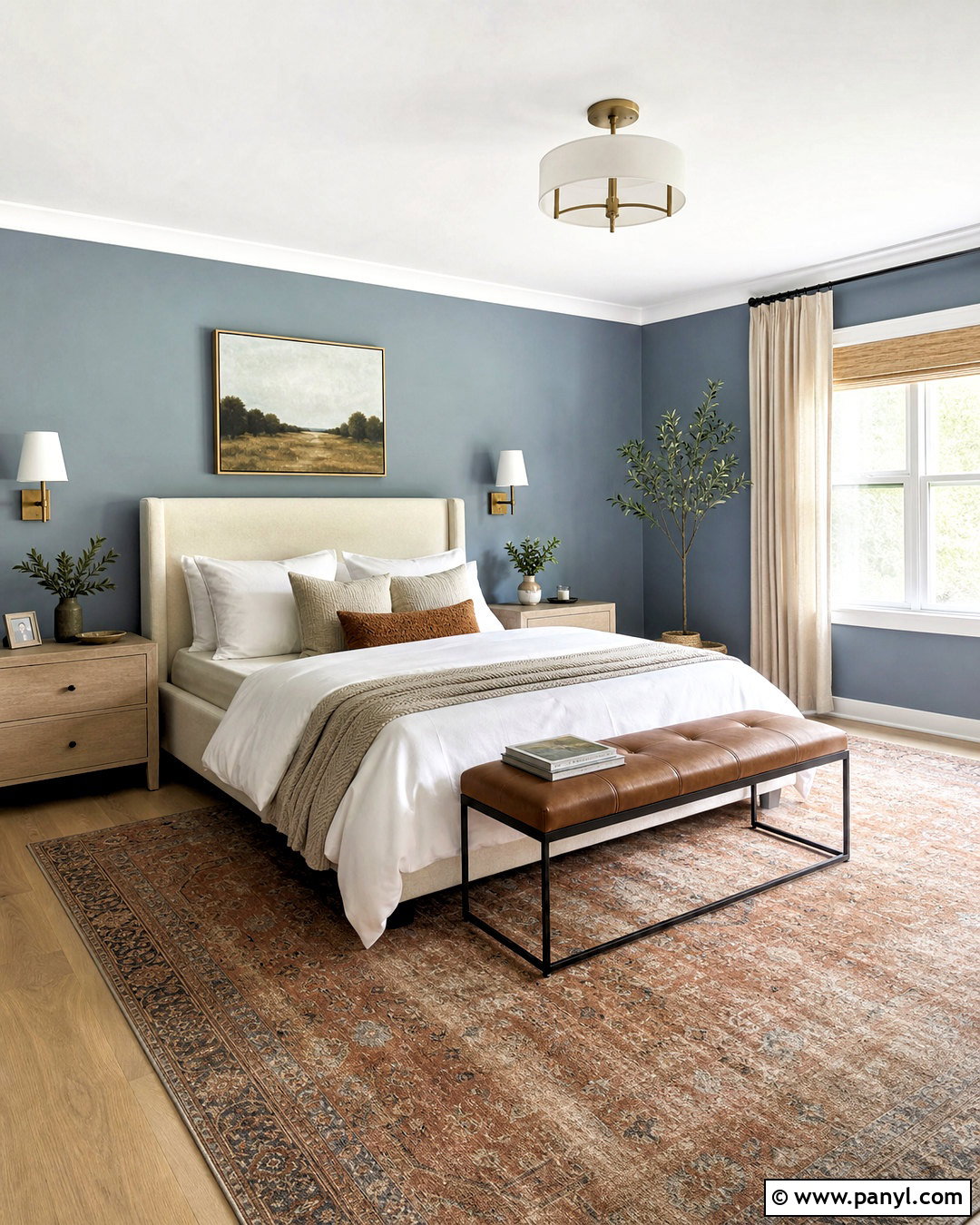
Dusty blue wall paint gives a bedroom gentle color without the sweetness of a pastel or the intensity of navy. Select a subdued blue with a noticeable gray undertone and carry it across all walls. Combine it with white oak furniture, an ivory upholstered headboard, and soft white bedding edged in blue-gray. A faded rust rug or caramel leather bench introduces warmth and prevents the scheme from feeling chilly. Finish the windows with natural linen curtains and install brushed nickel or antique brass bedside lights. White trim keeps the architecture fresh, while pale wood flooring strengthens the airy mood. This design works best when decorative pieces remain simple, allowing the quiet wall color and layered natural textures to create a relaxing atmosphere.
7. Deep Navy Wall Paint
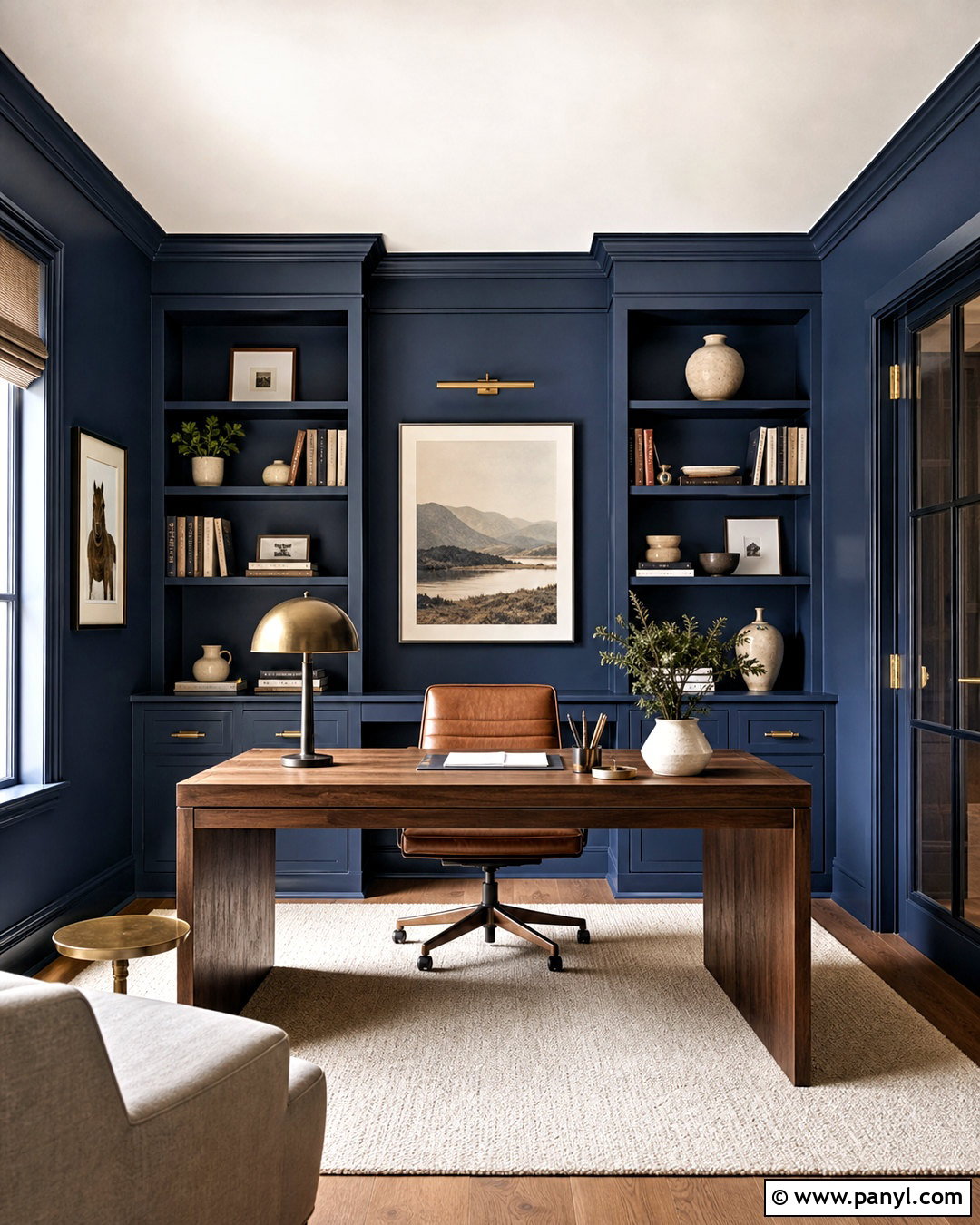
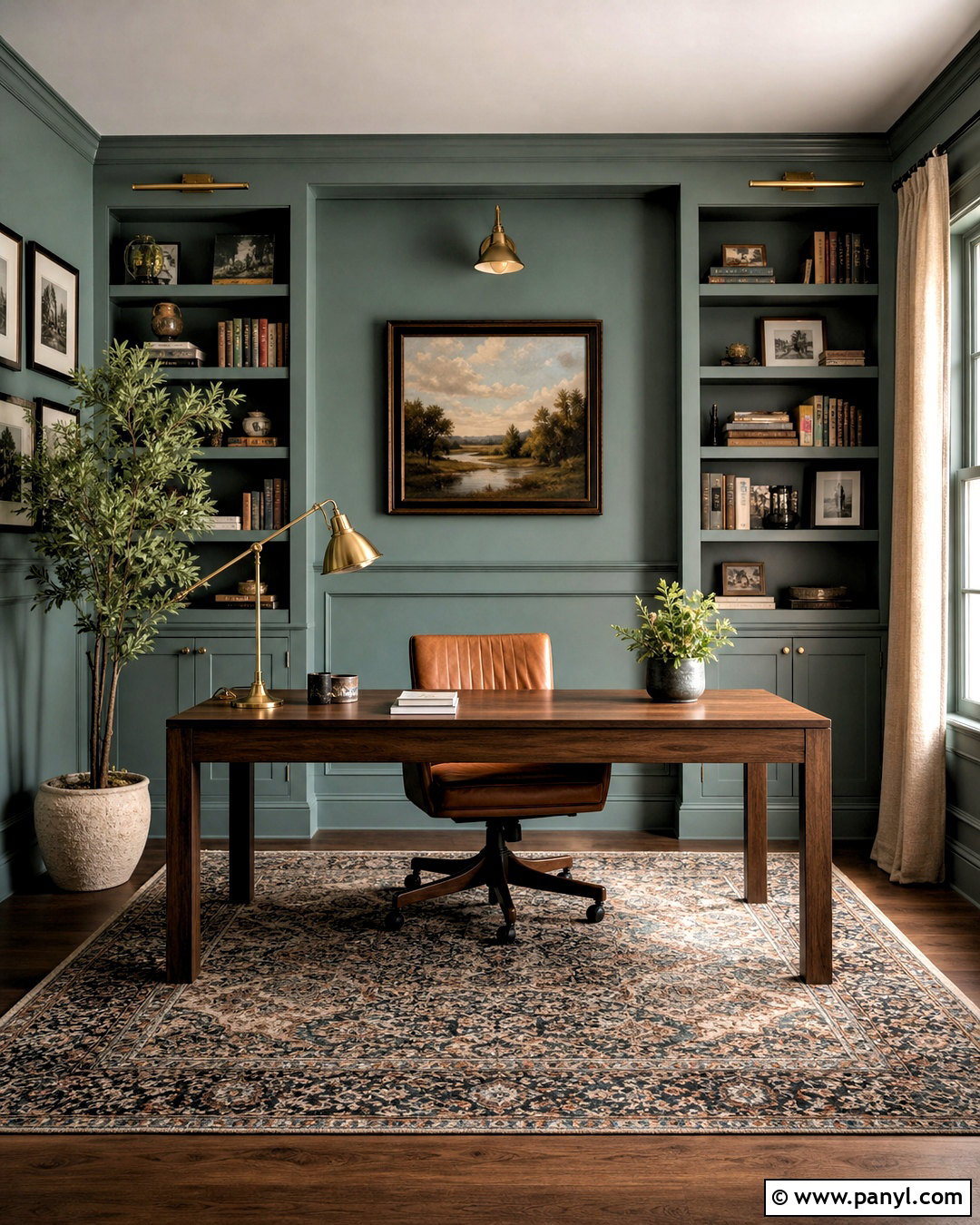
A home office can handle the confidence of deep navy wall paint, especially when the room has good natural light. Paint the walls navy and continue the same color across built-in shelves for a tailored, integrated appearance. Balance the depth with a warm oak desk, cognac leather chair, cream rug, and white ceiling. Brass cabinet hardware and a sculptural desk lamp bring warmth to the blue background. Use light-colored books, ceramics, and framed art to break up large areas of darkness. If the office is compact, position the desk near the window and add wall-mounted lighting rather than bulky floor lamps. The result feels focused and sophisticated while still functioning as a practical workspace with organized storage and comfortable seating.
8. Muted Teal Wall Paint
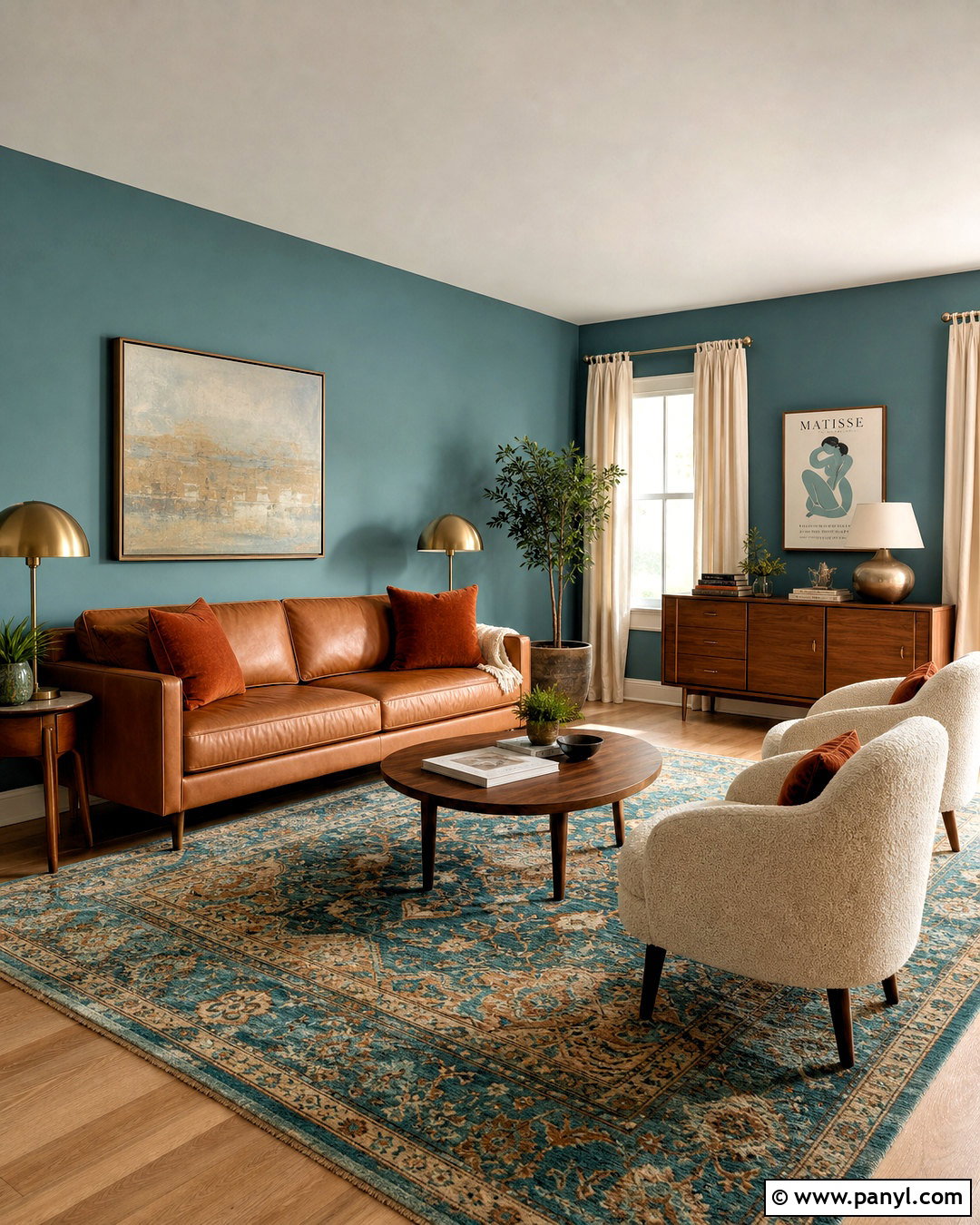
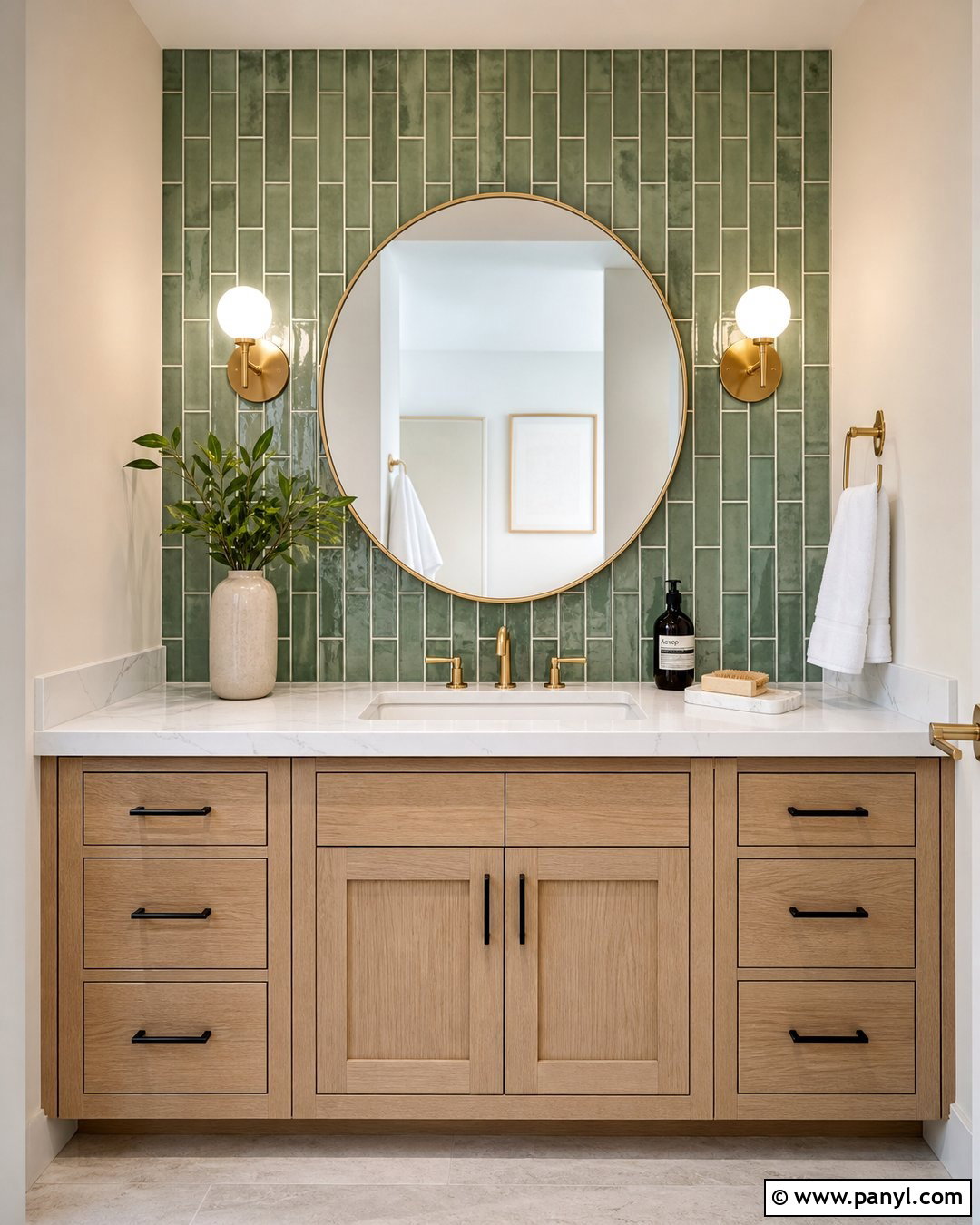
Muted teal creates a rich living room that feels colorful yet grounded. Choose a blue-green shade softened with gray, then use it on the walls surrounding the main seating area. Pair the color with a camel leather sofa, cream boucle chairs, and a medium walnut coffee table. A patterned rug containing teal, tan, and ivory will connect the furniture to the walls without looking too coordinated. Add antique brass lamps, off-white curtains, and a few rust-colored cushions for warmth. Keep the ceiling and architectural trim creamy white to maintain brightness. Plants can enhance the natural quality of teal, but use them sparingly. This complete palette suits midcentury, transitional, and eclectic homes because it balances clean lines with comfortable color and texture.
9. Terracotta Wall Paint
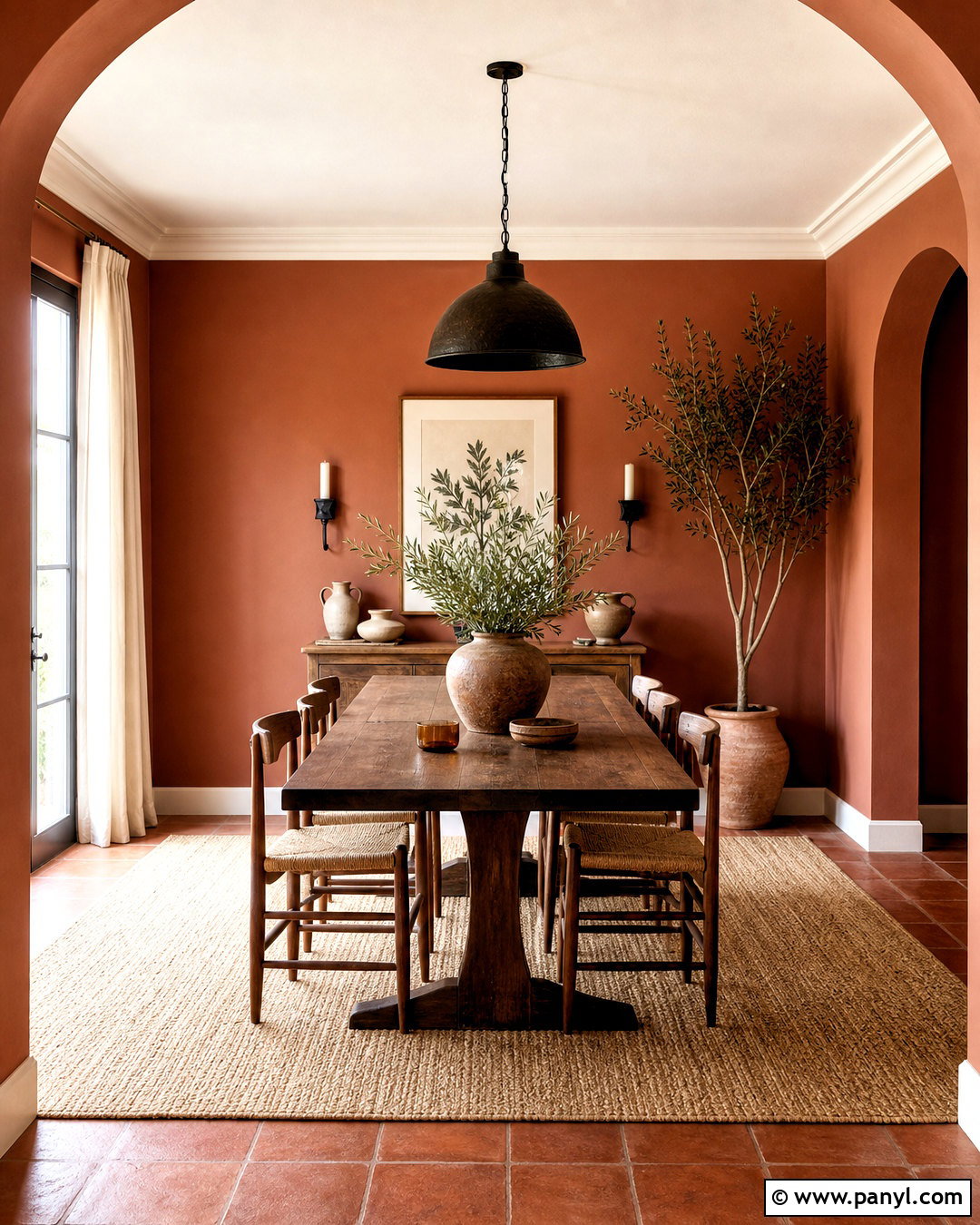
Imagine a dining room wrapped in the warm color of sunbaked clay. Terracotta wall paint creates that effect while pairing naturally with wood, cream, black, and green. Select a muted reddish-brown terracotta rather than a vivid orange. Add a dark walnut dining table, rush-seat chairs, a cream flat-weave rug, and a large black metal pendant. Soft ivory curtains will reflect daylight and keep the walls from feeling heavy. Use handmade ceramics and simple botanical artwork to reinforce the earthy character. For trim, choose a warm off-white instead of a stark cool white. The finished room should feel layered and inviting, with enough neutral materials to let the terracotta walls provide warmth without dominating every part of the design.
10. Soft Clay Pink Wall Paint
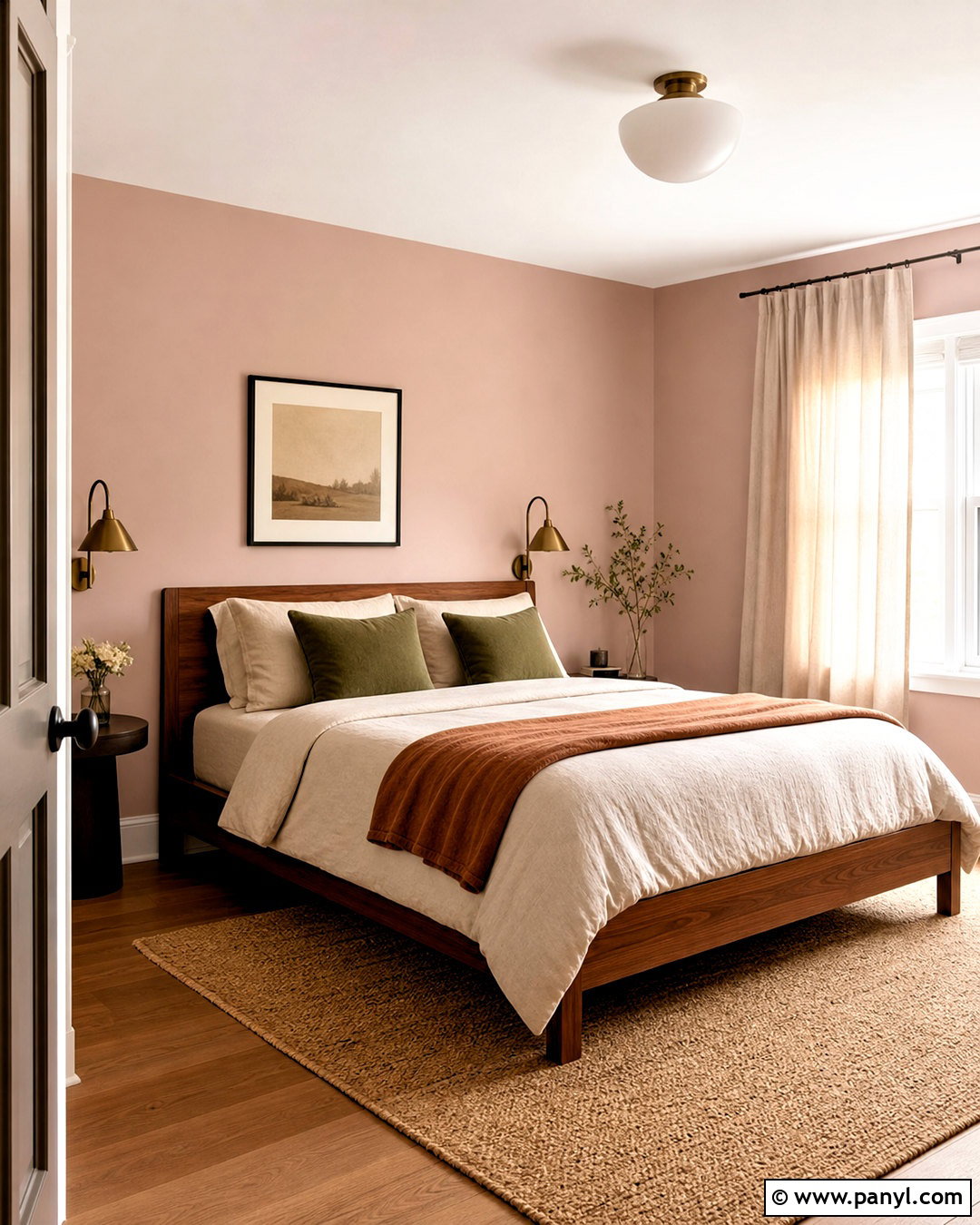
Soft clay pink can give a bedroom warmth while remaining mature and understated. Look for a dusty pink mixed with beige or brown undertones rather than a sugary blush. Paint every wall in the shade, then add warm white trim and a simple white ceiling. Style the room with a walnut bed, cream bedding, caramel throw, and woven natural-fiber rug. Olive green cushions or a small upholstered chair offer a grounded complementary accent. Use aged brass sconces and linen curtains to maintain the soft, collected appearance. Black details should be limited to thin frames or small hardware. This complete palette feels comfortable in both traditional and modern bedrooms because the muted pink behaves almost like a warm neutral beside wood and natural textiles.
11. Burgundy Wall Paint
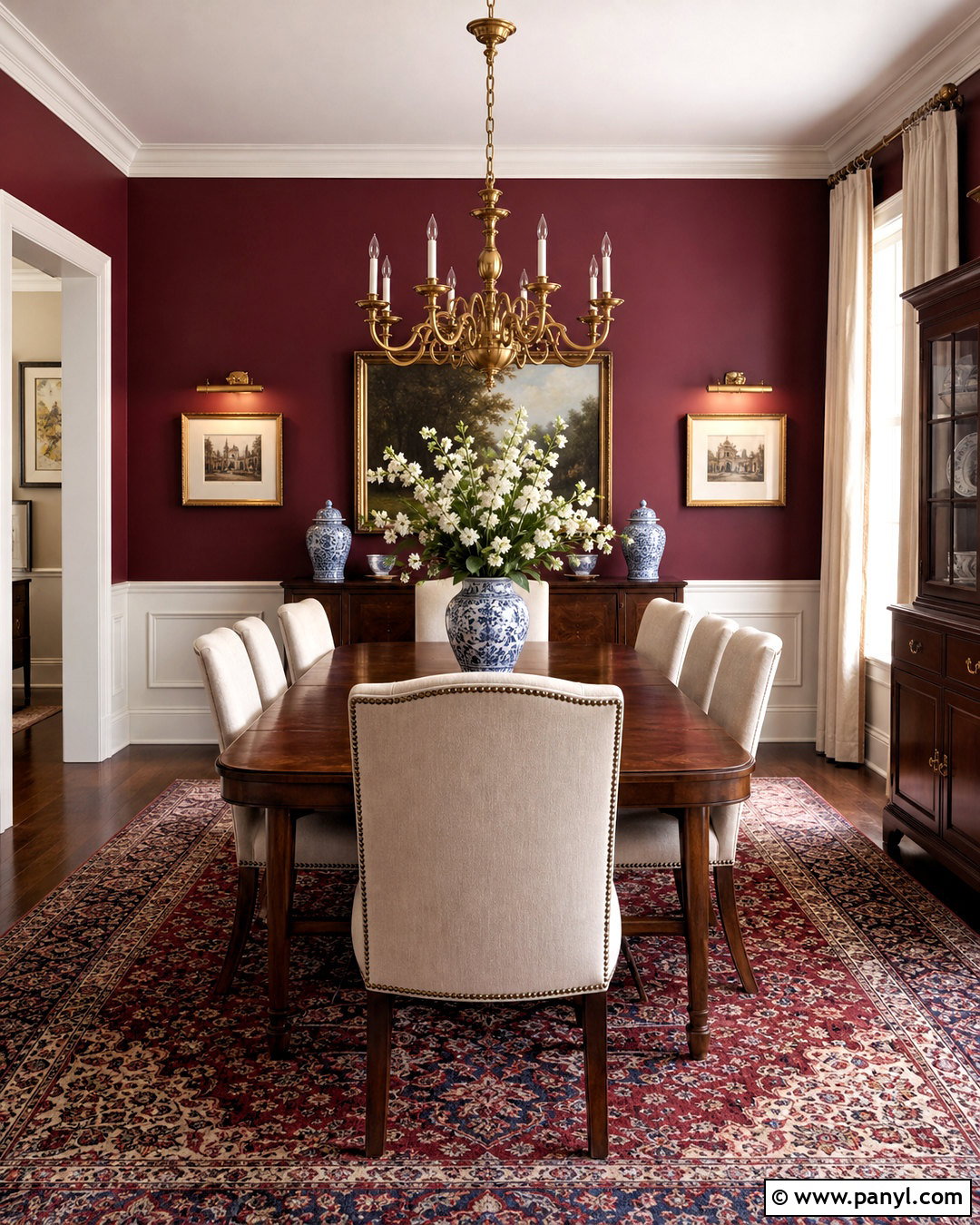
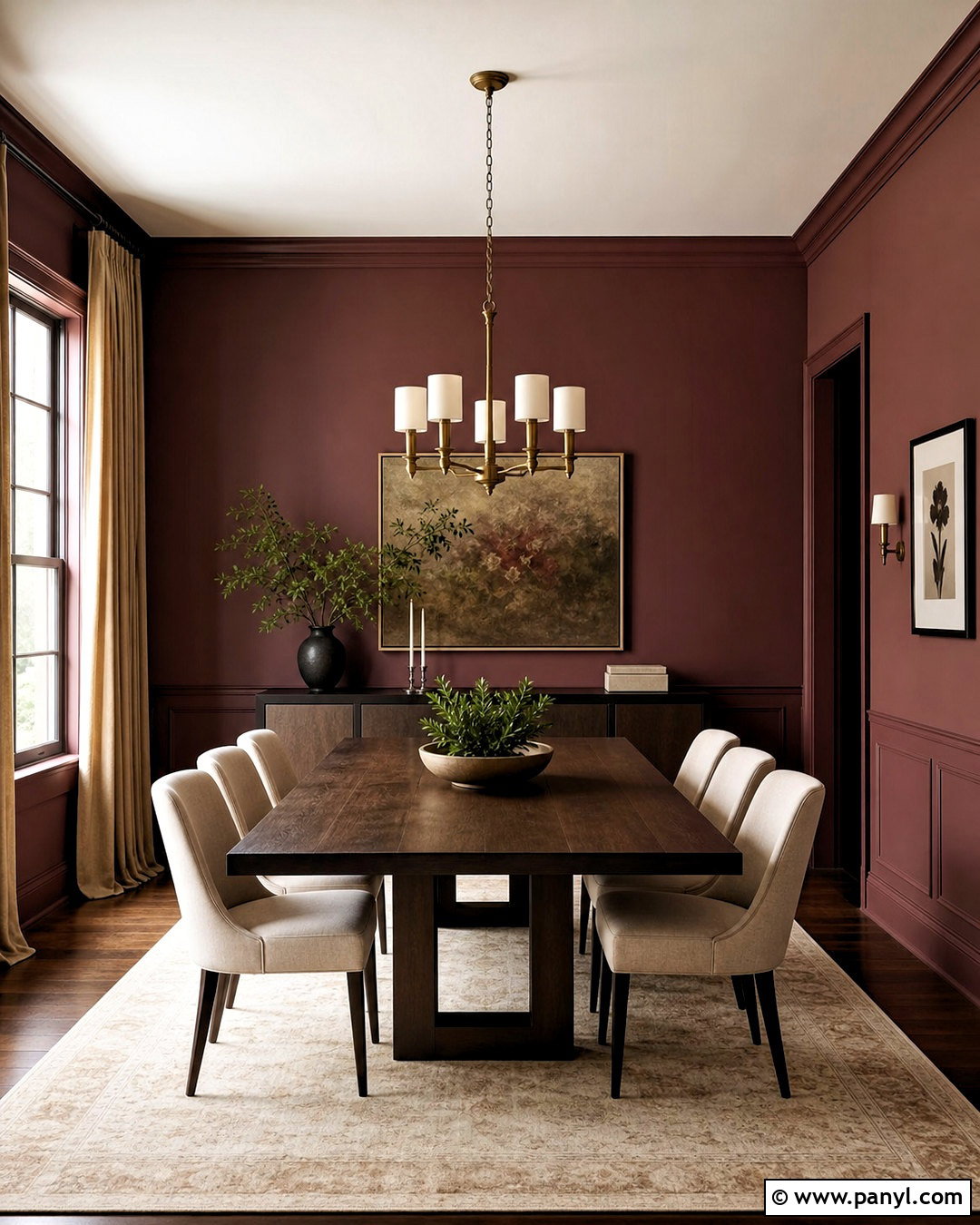
For a dining room with drama, burgundy walls provide depth that red cannot always achieve. Choose a dark wine-red shade with brown undertones and apply it to the walls above simple cream wainscoting. The lighter lower section prevents the room from feeling enclosed while highlighting the saturated upper color. Add a medium oak table, upholstered cream chairs, and a vintage rug with burgundy, blue, and tan details. A warm brass chandelier and matching picture lights create an elegant glow against the darker paint. Keep window treatments light and uncomplicated. Blue-and-white ceramics can offer a crisp counterpoint. This scheme works best with restrained decor, allowing the combination of burgundy, cream, natural wood, and aged metal to establish the room’s character.
12. Butter Yellow Wall Paint
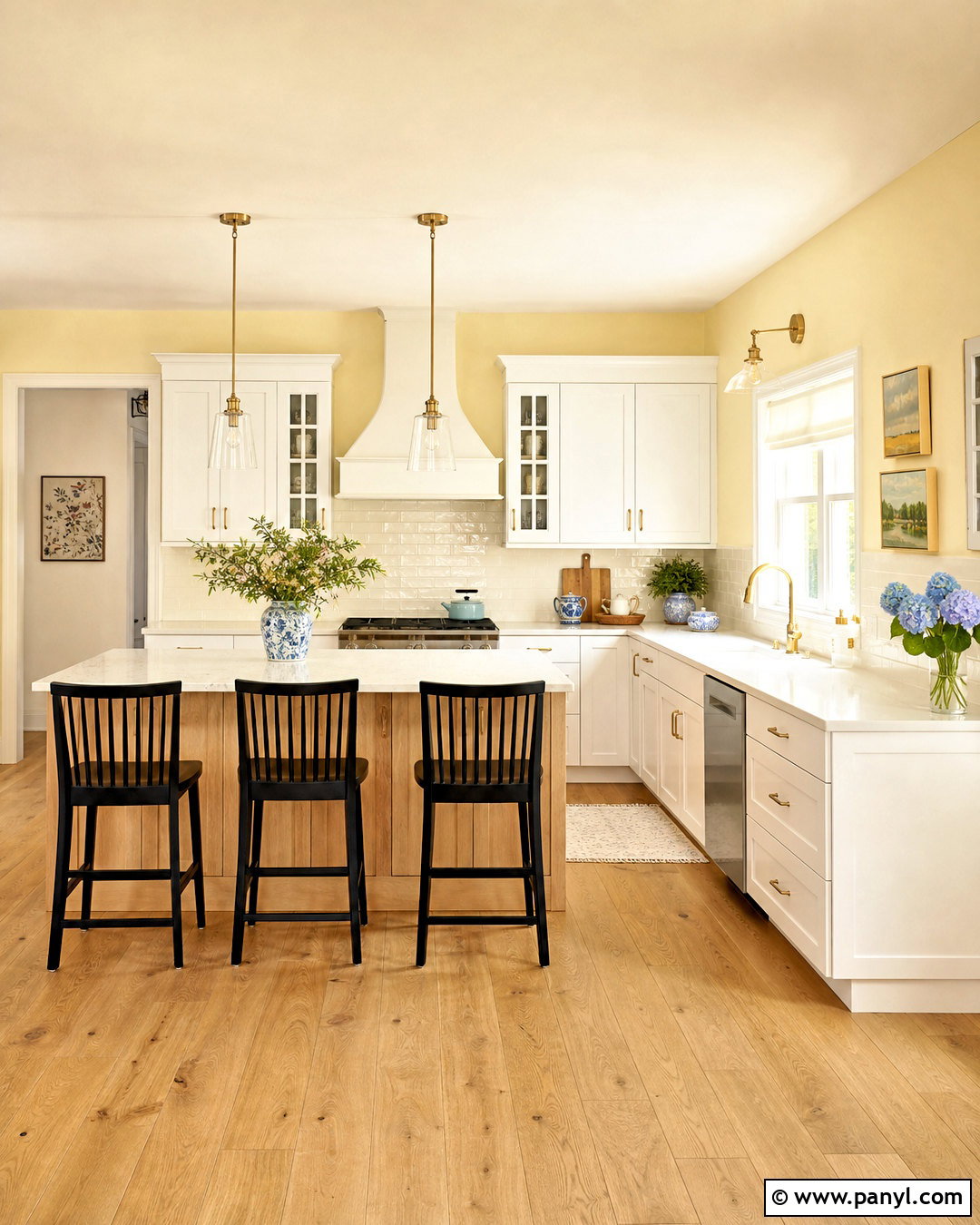
Morning light feels especially cheerful in a kitchen painted soft butter yellow. Choose a pale, creamy yellow rather than a strong lemon tone, and use it on the walls around warm white cabinets. Add light oak flooring, honed white quartz counters, and a simple cream subway tile backsplash. Brushed brass hardware reinforces the warmth, while matte black stools or pendant lights provide definition. Introduce pale blue through dishware, a runner, or a small painted island for a fresh contrast. Keep the ceiling and trim warm white so the yellow remains gentle. This complete kitchen palette looks inviting without becoming overly themed. A washable eggshell or satin wall finish will also make everyday splashes and fingerprints easier to clean.
13. Warm Peach Wall Paint
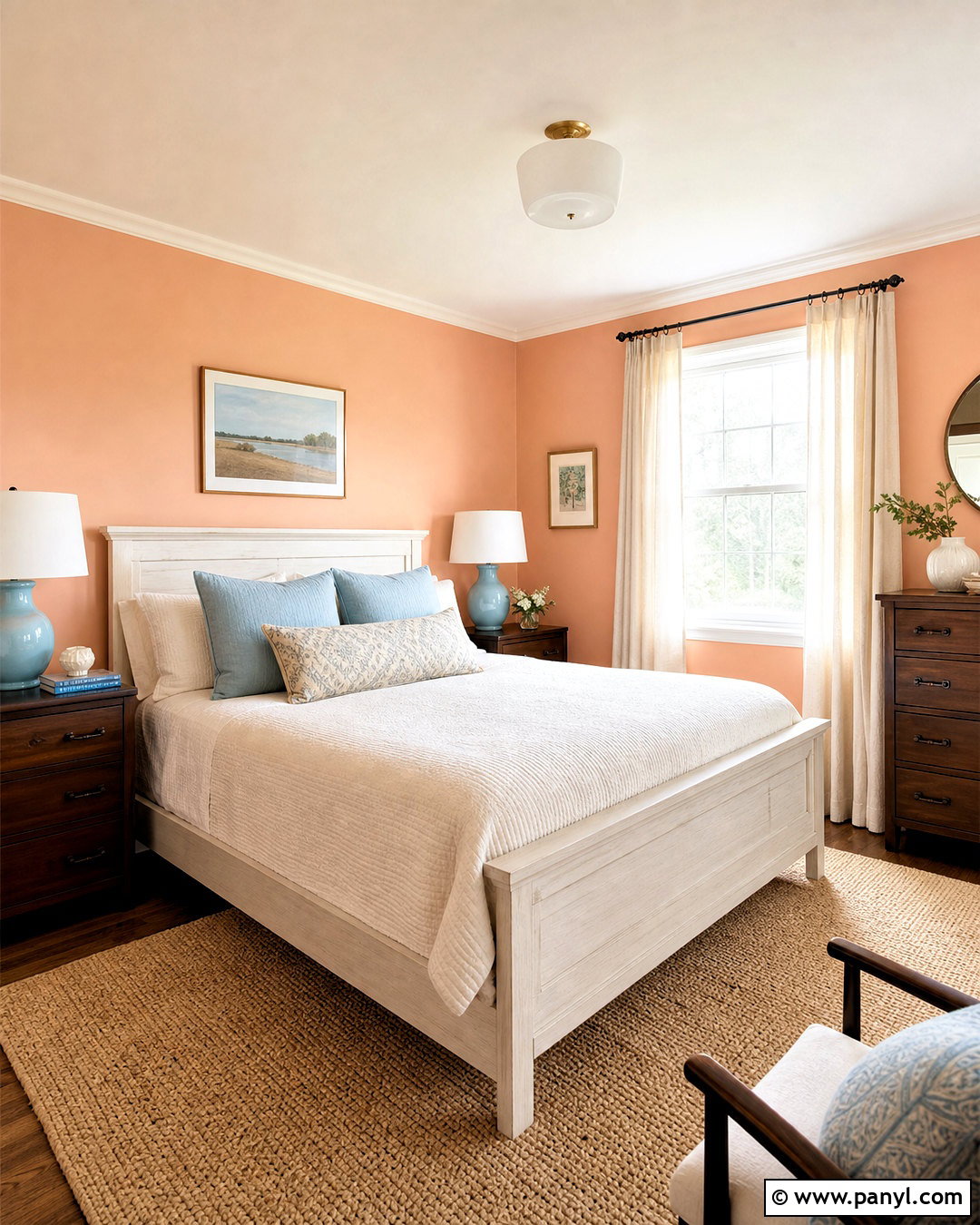
Warm peach walls can make a guest room feel sunny, flattering, and instantly welcoming. Select a pale peach with muted pink and beige undertones, avoiding anything too bright or orange. Combine it with a white oak bed, ivory quilt, and soft blue-gray cushions for balanced contrast. Natural linen curtains and a jute-blend rug keep the room casual, while a small walnut dresser adds deeper color. Use creamy white on the ceiling and trim to support the wall’s warmth. Ceramic lamps in off-white or pale blue can repeat the accent colors without cluttering the space. The finished design should feel fresh rather than overly feminine, with clean furniture lines, uncomplicated bedding, and natural materials allowing the peach paint to provide a comfortable background.
14. Lavender Wall Paint
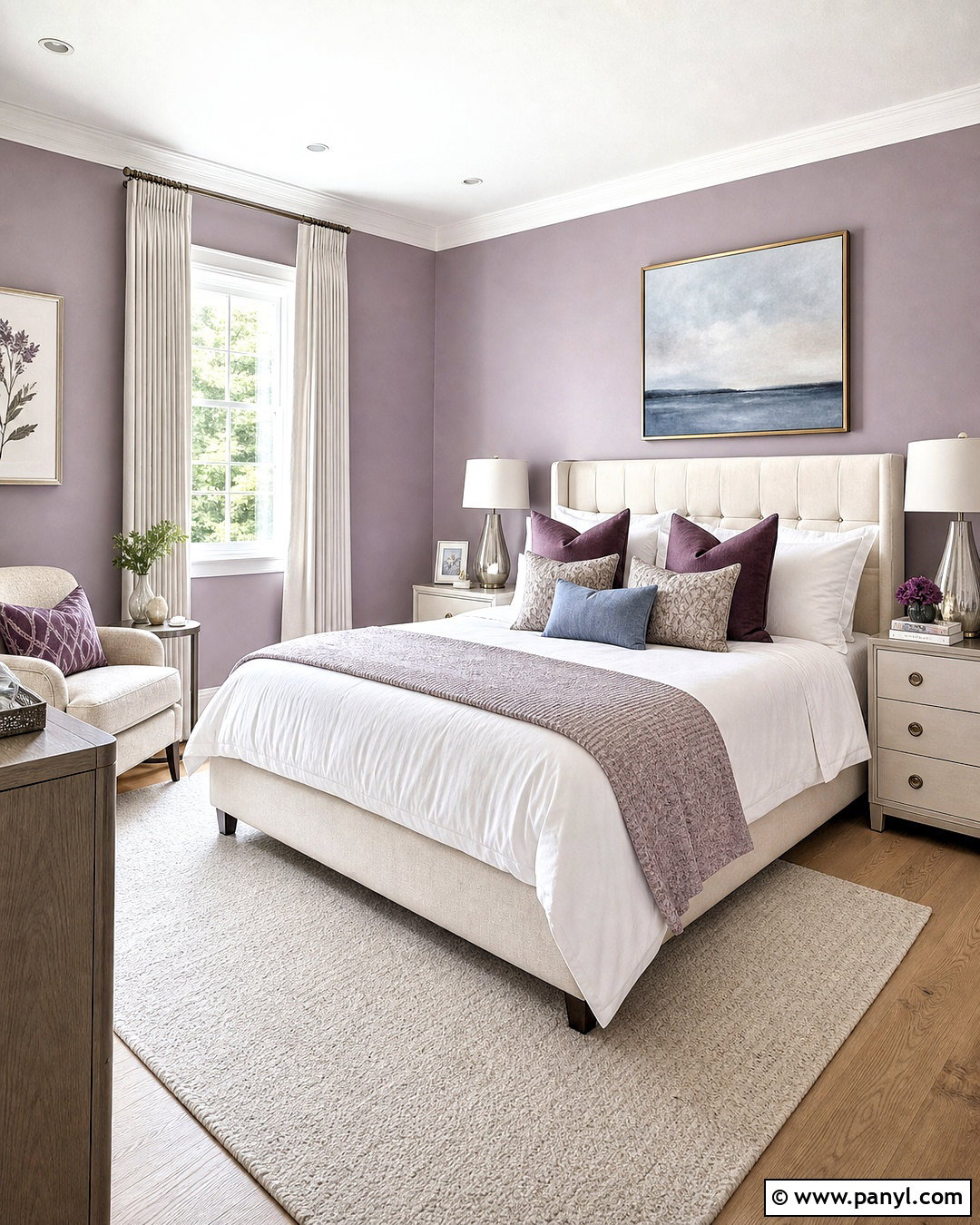
A muted lavender bedroom feels more sophisticated when gray undertones temper the purple. Paint all four walls in the soft shade and combine them with warm white trim, pale oak flooring, and an ivory upholstered bed. Layer white bedding with plum, taupe, and dusty blue accents to give the palette more dimension. Brushed nickel lamps offer a cooler finish, while a light wood dresser prevents the room from becoming too formal. Choose simple linen curtains and a cream wool rug to soften the setting. Avoid filling the space with additional purple accessories. Instead, let the lavender walls provide the main color statement. The complete room will feel calm and airy, with enough earthy neutrals to make the unusual wall color approachable.
15. Charcoal Gray Wall Paint
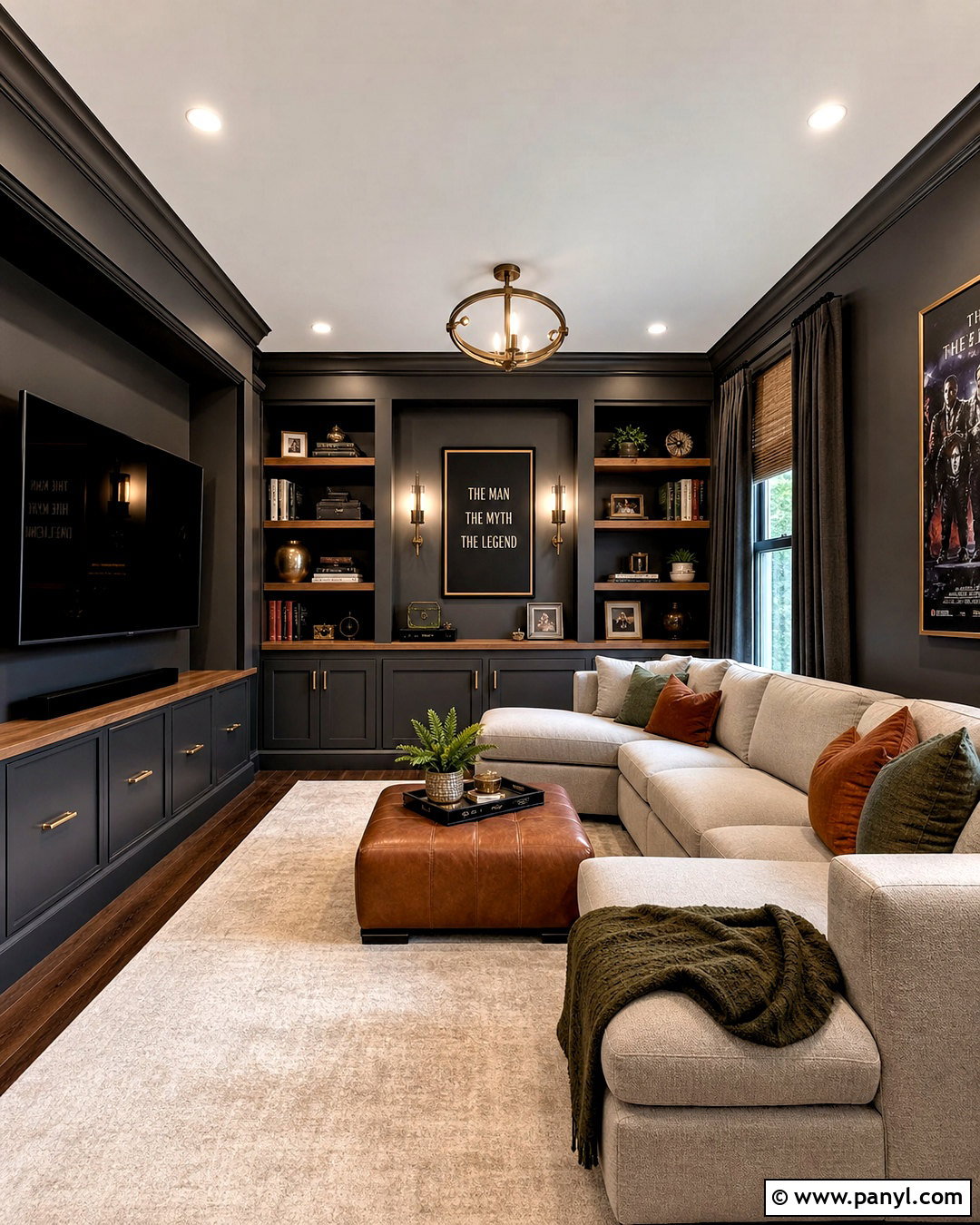
Charcoal gray can create an impressive media room or cozy den when balanced with lighter furnishings and warm textures. Paint the walls in a deep gray with soft brown undertones, then continue the shade across built-in cabinets for a unified backdrop. Use a light gray sectional, cognac leather ottoman, and large cream rug to prevent the room from becoming visually heavy. Walnut shelves and brass lighting add essential warmth. Keep the ceiling off-white unless the room is large enough for full color drenching. Add rust, olive, and ivory cushions instead of relying only on monochrome gray accessories. The completed look feels comfortable and cinematic, yet bright fabrics, layered lighting, and visible wood grain keep it suitable for everyday family use.
16. Chocolate Brown Wall Paint
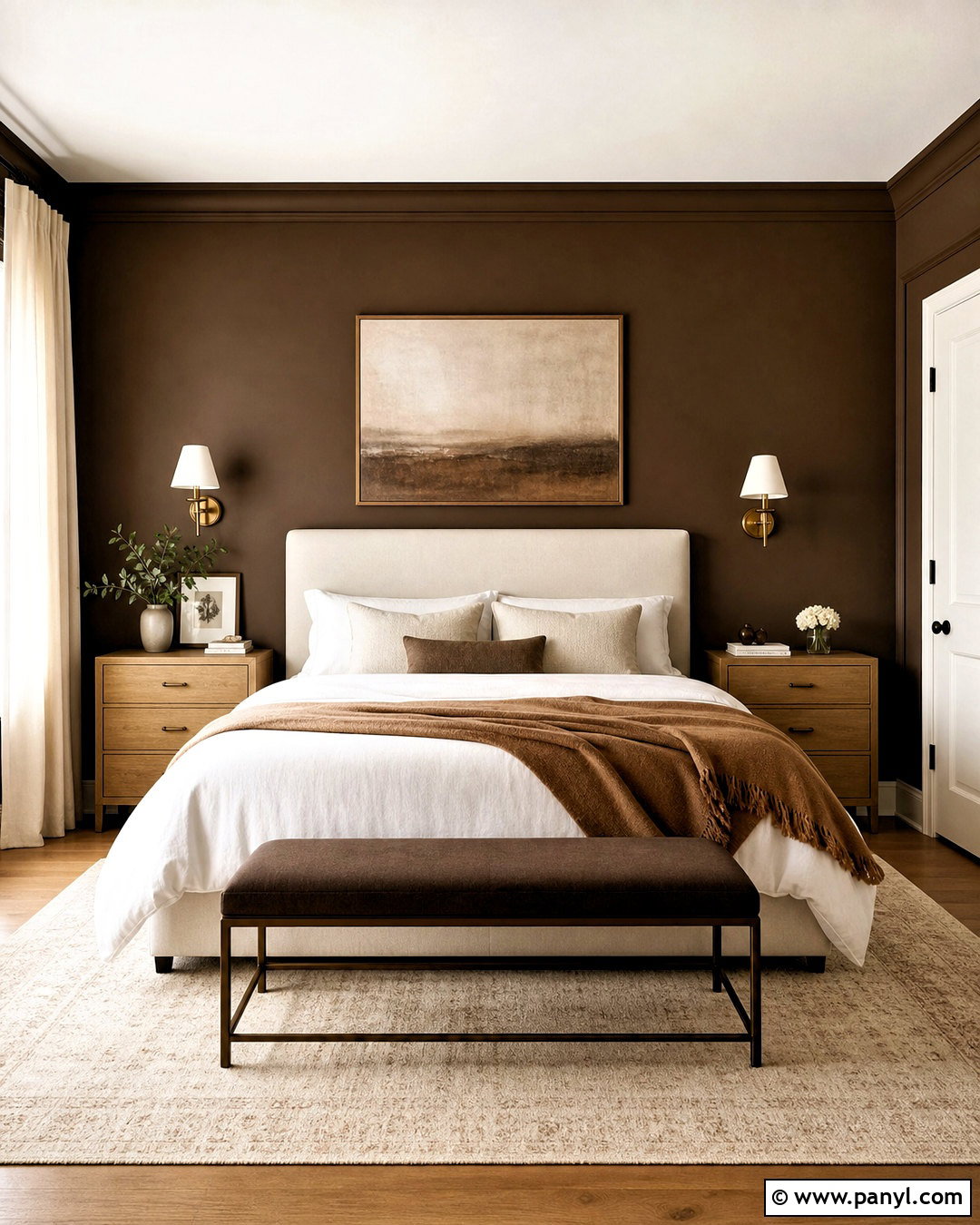
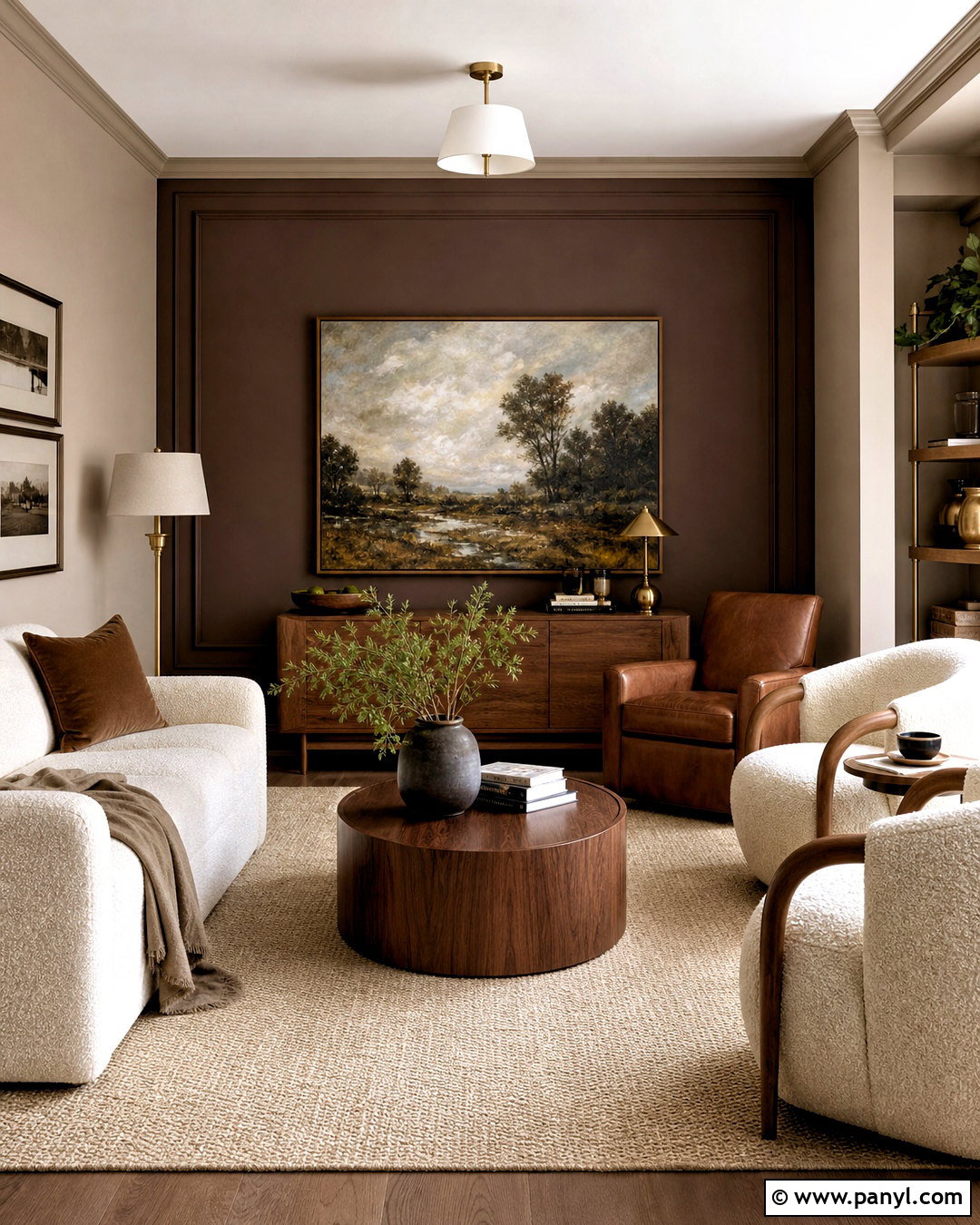
Rich chocolate brown walls can make a primary bedroom feel enveloping, especially when the color is paired with pale fabrics. Choose a deep brown with warm cocoa undertones and paint the walls in a flat or matte finish. Add an oversized cream headboard, white bedding, camel blanket, and light oak nightstands. A substantial ivory rug will brighten the floor area and create separation from the darker walls. Use antique brass lighting and large-scale neutral artwork for subtle contrast. Cream curtains should extend from near the ceiling to the floor, helping the room appear taller. Rather than introducing many extra colors, rely on variations of brown, tan, ivory, and natural wood. This restrained palette creates a warm, finished bedroom without feeling rustic.
17. Matte Black Wall Paint
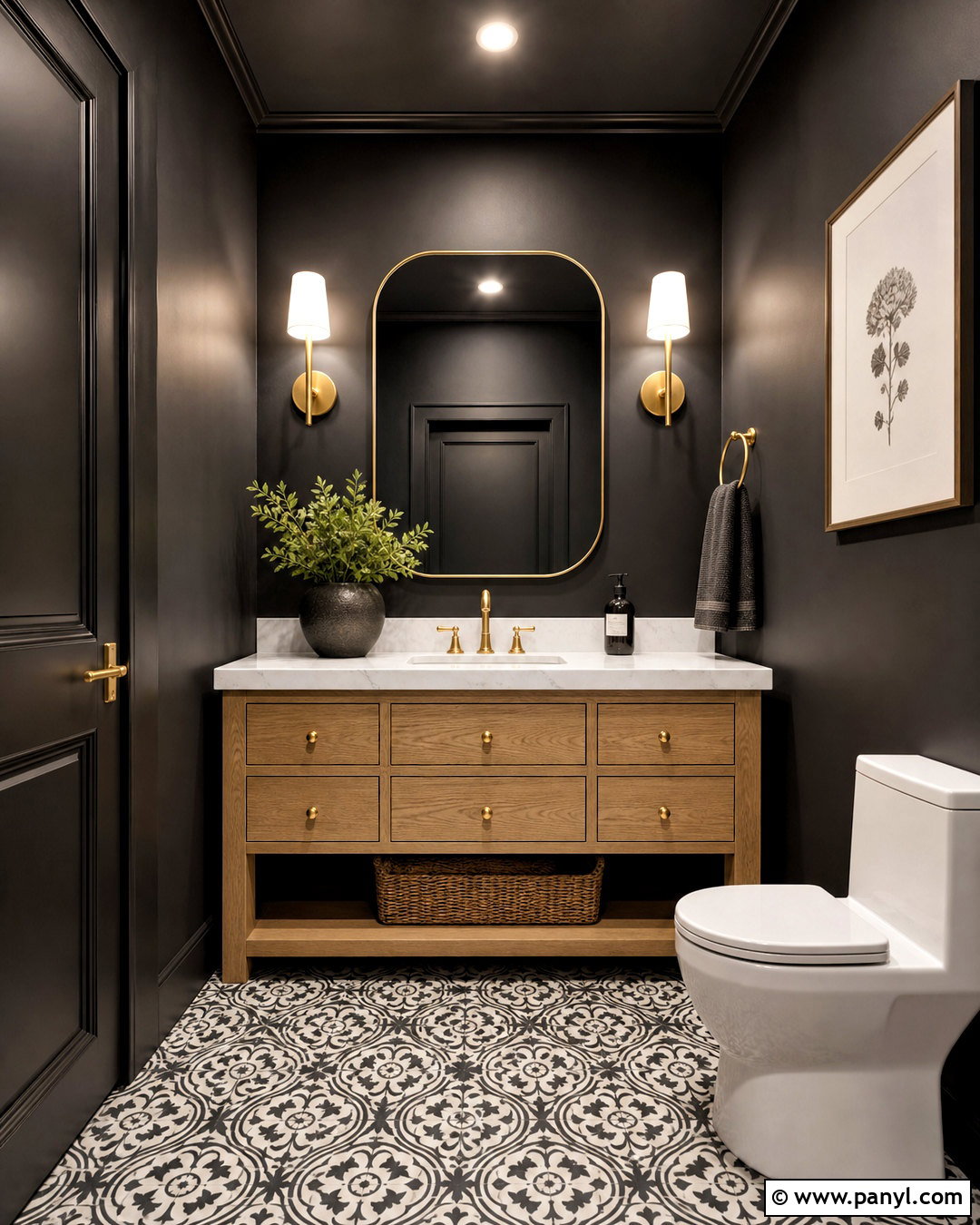
A small powder room is an ideal place to experiment with matte black wall paint. Cover every wall in a softened black, then pair it with bright white fixtures and a compact natural oak vanity. A white marble countertop and backsplash will sharply define the sink area, while brushed brass hardware introduces warmth. Install a large rounded mirror and two bright wall sconces to reflect light throughout the compact room. Use patterned black-and-white floor tile for energy without adding another major color. Paint the ceiling warm white if the room has no window, or continue the black overhead for a more immersive effect in a well-lit space. The complete design should feel deliberate, crisp, and practical rather than gloomy or unfinished.
18. Cream And Forest Green Wall Paint
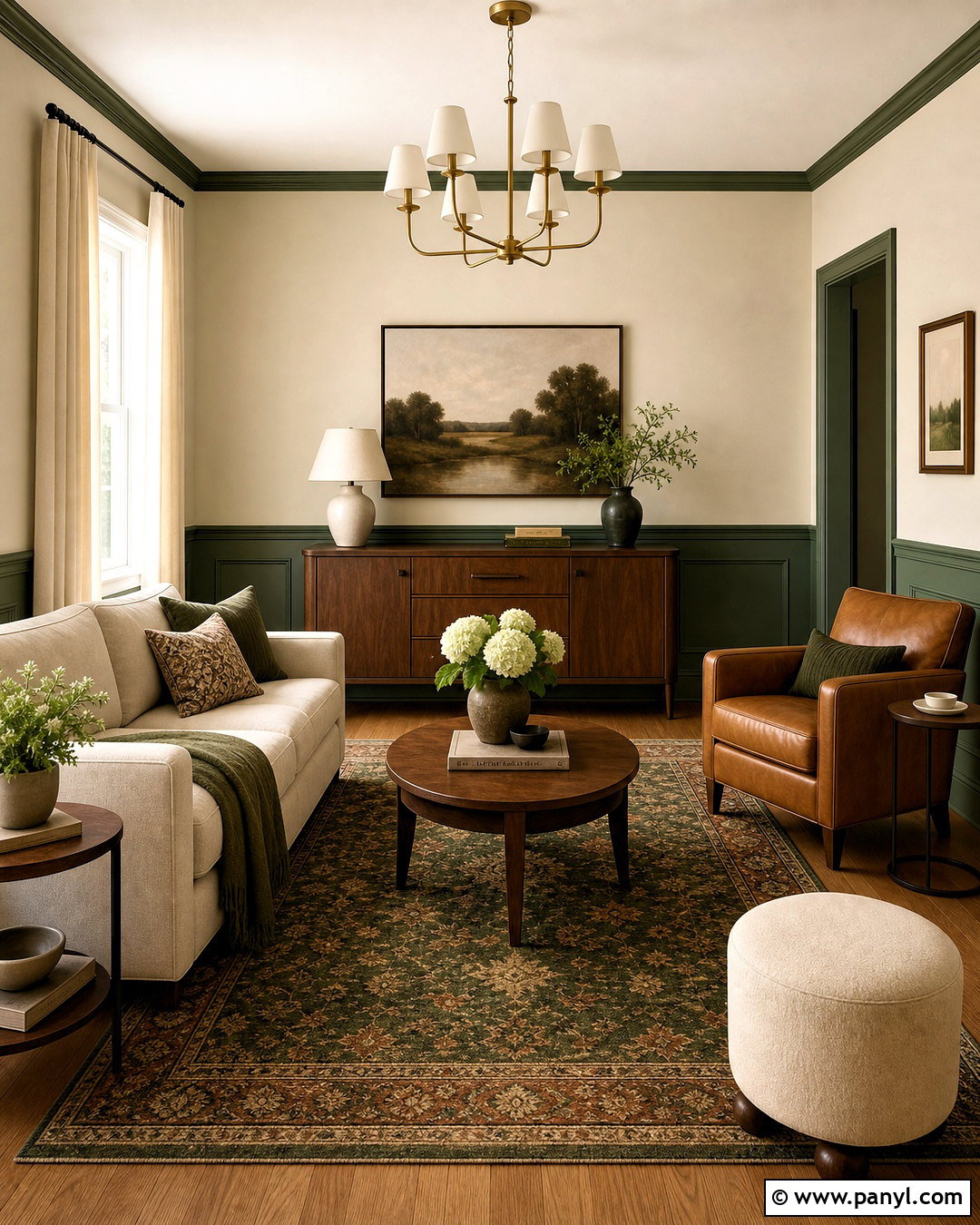
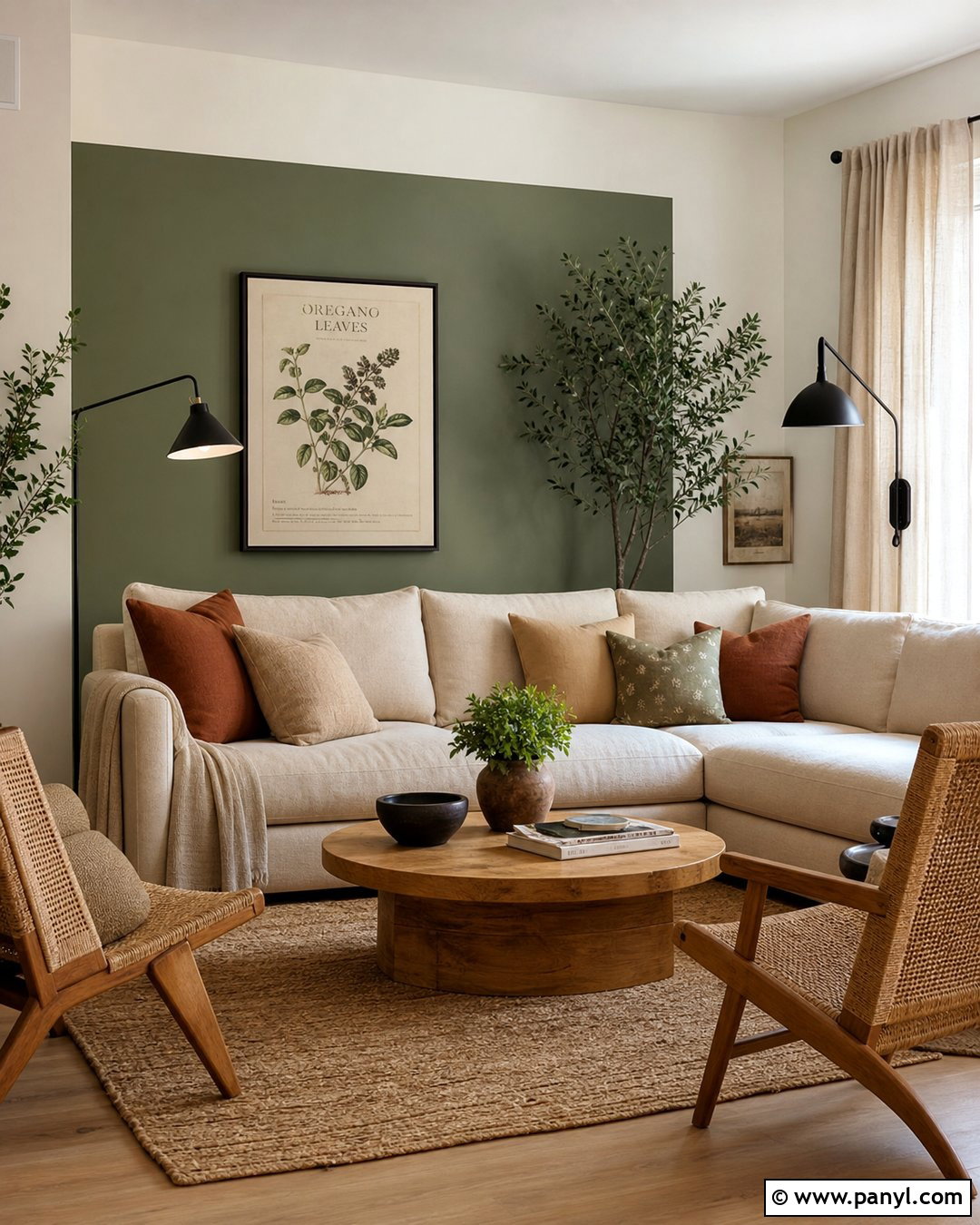
Two-tone walls offer an easy way to add forest green without covering an entire room in a dark color. In a living room, paint the lower third of the walls deep green and the upper portion warm cream. Separate the colors with a simple chair rail painted green for a finished transition. Add a light beige sofa, walnut console, tan leather chair, and cream curtains. A traditional rug with green, rust, and ivory details will connect both wall colors to the furniture. Repeat the green through a few cushions and ceramics, but leave plenty of light neutral space. This balanced design brings architectural character to plain walls while preserving brightness, making it practical for both compact rooms and larger family spaces.
19. Blue Green Color-Drenched Wall Paint
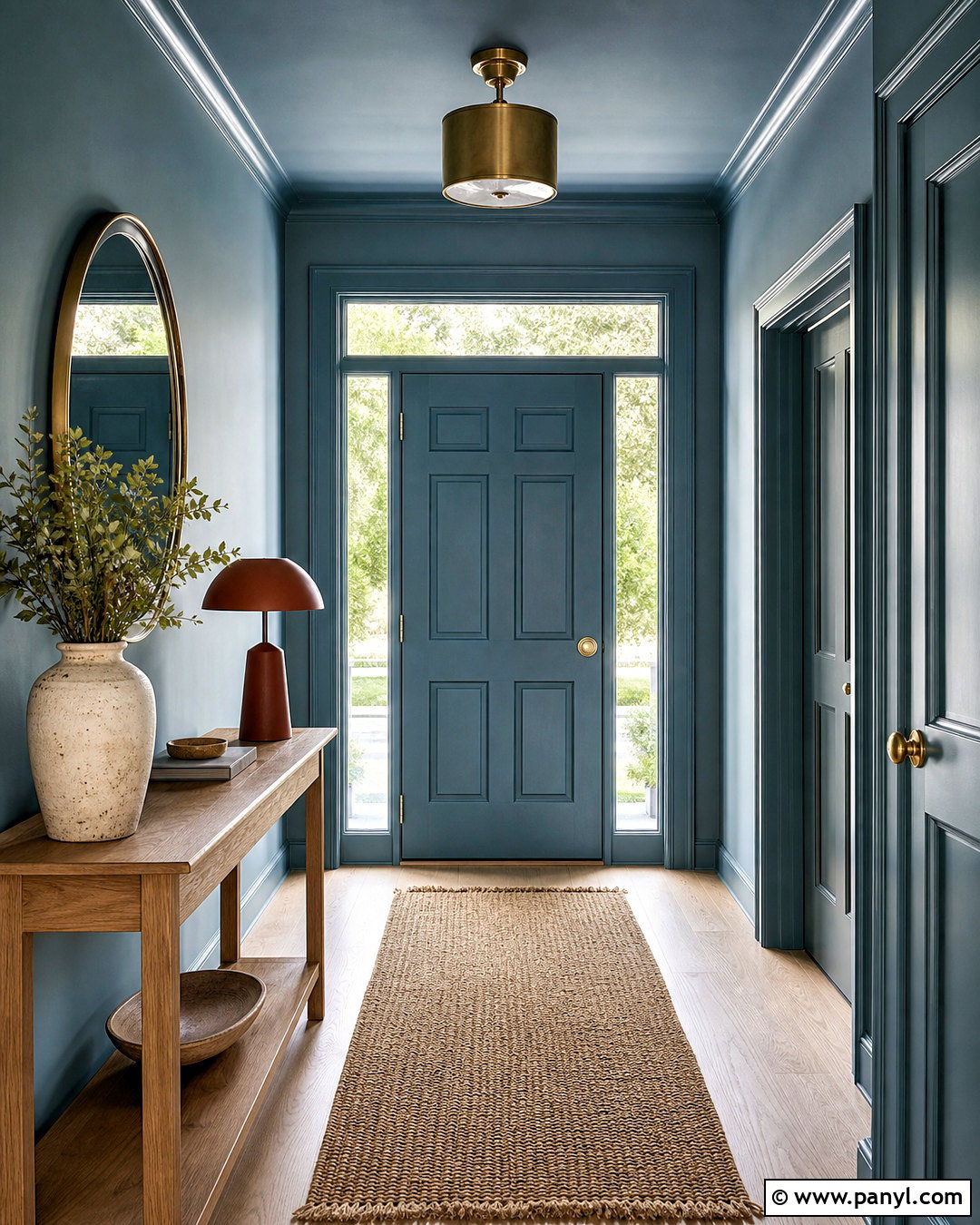
Color drenching creates a seamless room by painting the walls, trim, doors, and ceiling in one coordinated shade. A medium blue-green works especially well in an entryway because it turns a transitional space into a memorable part of the home. Choose a muted, balanced tone and vary the paint sheen rather than the color. Use matte paint on walls and ceiling, with satin on doors and baseboards. Add a narrow oak console, woven runner, brass ceiling light, and large round mirror. Cream pottery and a small rust-colored lamp provide contrast. Keeping furniture simple prevents the fully painted envelope from becoming overwhelming. The finished entry feels connected and intentional, while the changing paint finishes quietly highlight architectural details throughout the space.
20. Peach And Terracotta Arch Wall Paint
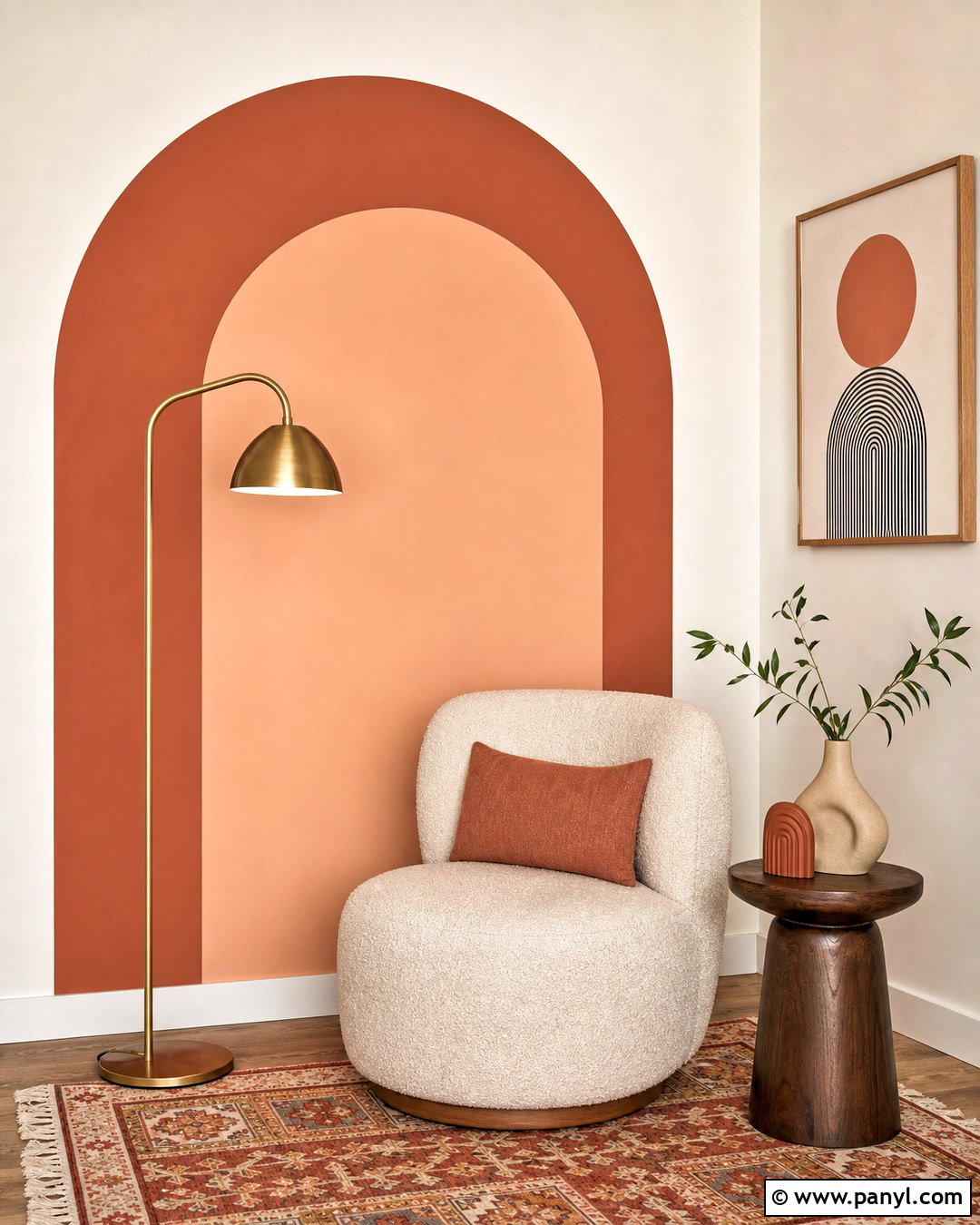
A painted arch can define a reading corner without construction or permanent wall changes. Begin with warm white walls, then create a large rounded arch in muted terracotta behind a comfortable lounge chair. Use soft peach inside a smaller overlapping arch or painted shelving area for a layered color-block effect. Complete the corner with a cream boucle chair, walnut side table, brass floor lamp, and small patterned rug. Keep artwork minimal so the curved paint treatment remains clear. The arch should be wide enough to frame the furniture rather than appearing like a small decorative symbol. By repeating terracotta and peach in one cushion or ceramic accessory, the entire corner becomes a coordinated feature that feels integrated with the surrounding room.
Conclusion:
The best wall colors do more than decorate a background. They connect the furniture, lighting, flooring, and architectural details into one comfortable design. These 20 wall painting colour ideas range from adaptable warm whites and greiges to expressive burgundy, teal, terracotta, and black. Consider the room’s natural light, size, existing finishes, and daily purpose before selecting a final shade. Large movable samples make it easier to compare undertones beside flooring and furniture at different times of day. Once you choose a color, repeat it thoughtfully through textiles or accessories rather than matching everything. A balanced palette, practical paint finish, and coordinated furnishings will make even a simple painting project feel like a complete room transformation.

Related Ideas and Inspiration:

Leave a Reply