
Taupe sits beautifully between brown, beige, and gray, making it one of the most flexible neutrals for home interiors. Its undertone can appear warm, cool, rosy, or slightly green depending on the lighting and surrounding finishes. Today’s most inviting taupe schemes lean warmer and more layered, using wood, stone, linen, and contrasting colors to prevent neutral rooms from feeling flat. () You can pair taupe with cream for softness, navy for depth, terracotta for warmth, or black for a sharper modern finish. The key is creating a complete palette in which the walls, furniture, flooring, textiles, and accents feel connected. Use these 20 taupe color palette ideas to build a polished, comfortable look throughout your home.

1. Taupe And Cream Living Room
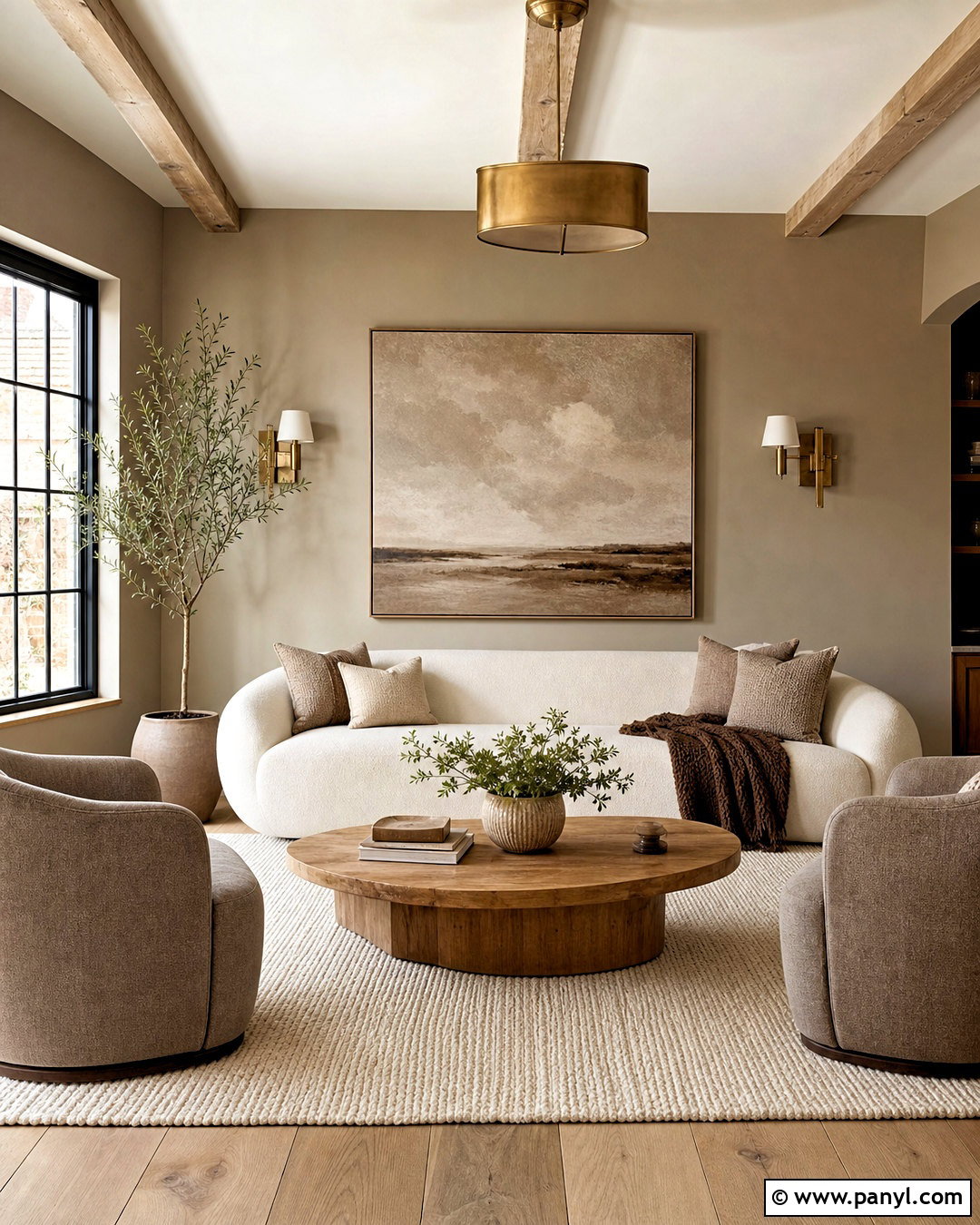
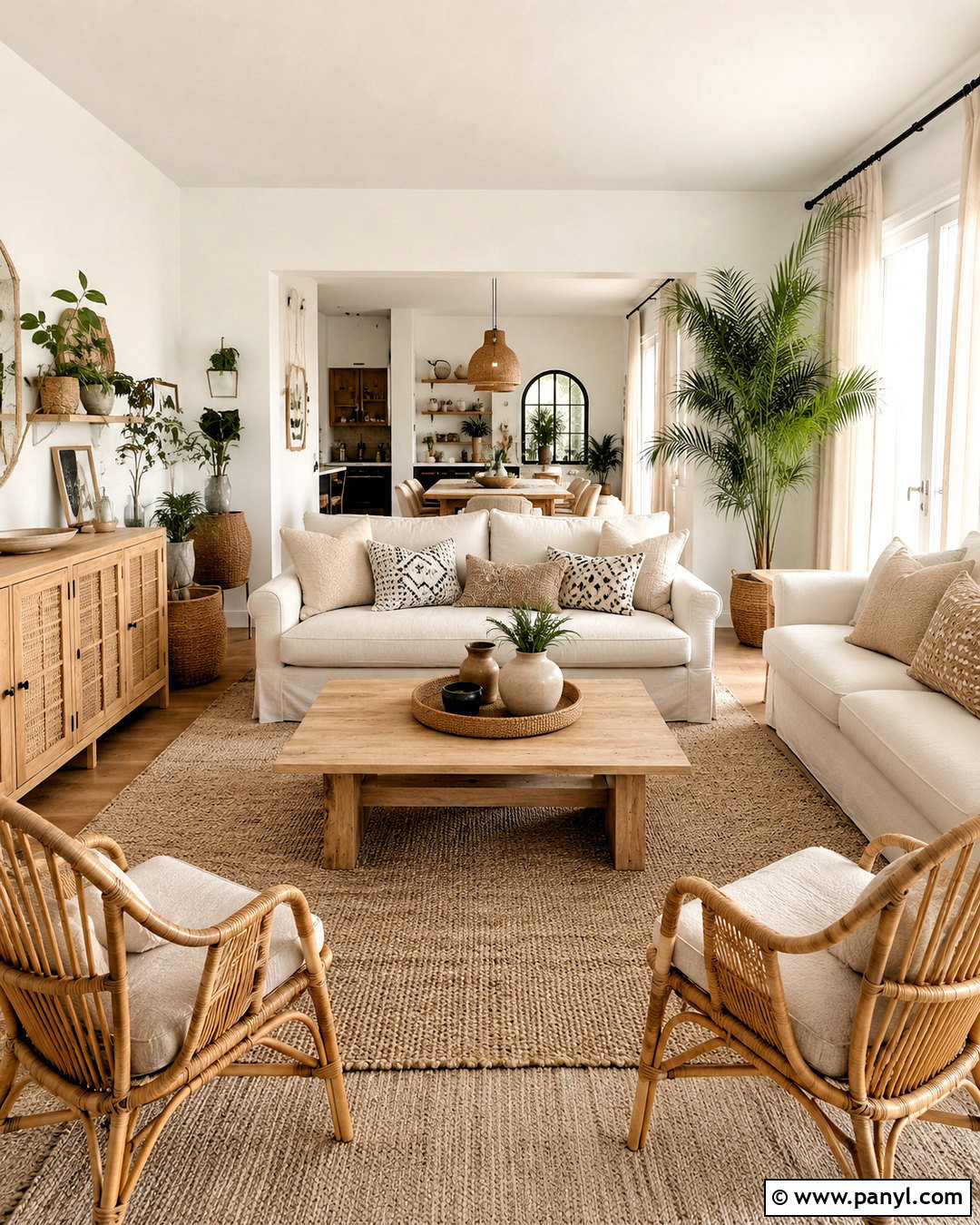
A taupe and cream palette creates a living room that feels soft, bright, and easy to maintain. Paint the walls a medium warm taupe, then choose an ivory sofa with rounded lines to lighten the room. Add two taupe armchairs, a cream wool rug, and an oak coffee table for a balanced furniture arrangement. White oak flooring keeps the foundation natural without introducing a strong orange undertone. Layer the seating with oatmeal linen pillows, boucle textures, and one chocolate brown throw for definition. Cream curtains should hang close to the ceiling to make the windows appear taller. Finish the room with ceramic lamps, framed neutral artwork, and brushed brass details that provide a gentle glow without overpowering the quiet palette.
2. Taupe And White Kitchen
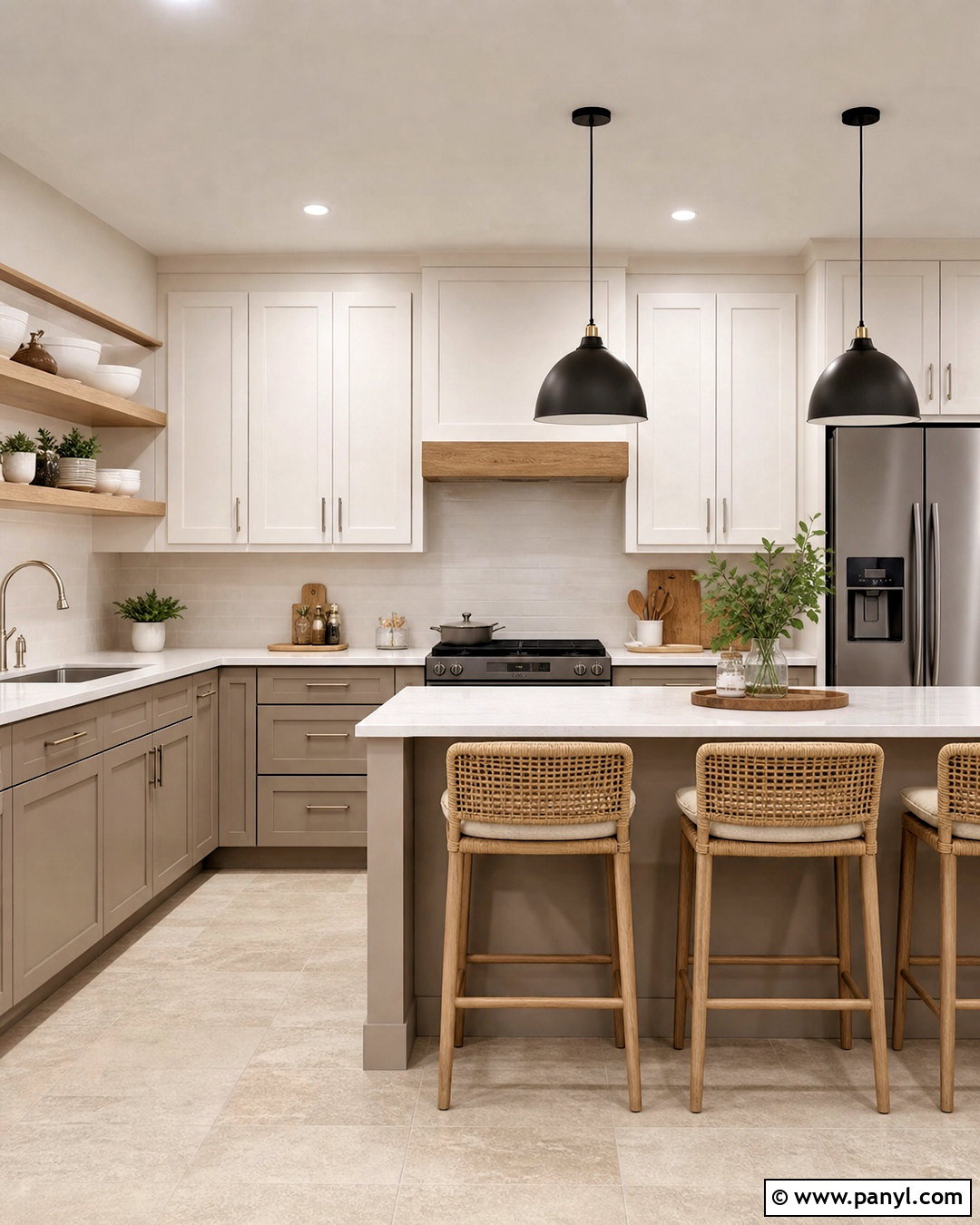
Do you want a neutral kitchen that feels clean without looking cold? Use warm taupe on the lower cabinets and soft white on the upper cabinets, walls, and ceiling. This two-tone arrangement visually grounds the room while preserving an open feeling. Choose creamy quartz countertops with subtle taupe veining and continue the same material onto a simple backsplash. A pale oak island or dining table adds organic warmth. Keep the hardware streamlined with brushed nickel pulls, then introduce matte black pendant lights for controlled contrast. Light beige porcelain flooring can handle daily use while supporting the palette. Complete the kitchen with white stoneware, woven counter stools, and a few leafy herbs, giving the entire space a practical yet welcoming character.
3. Taupe And Sage Green Bedroom
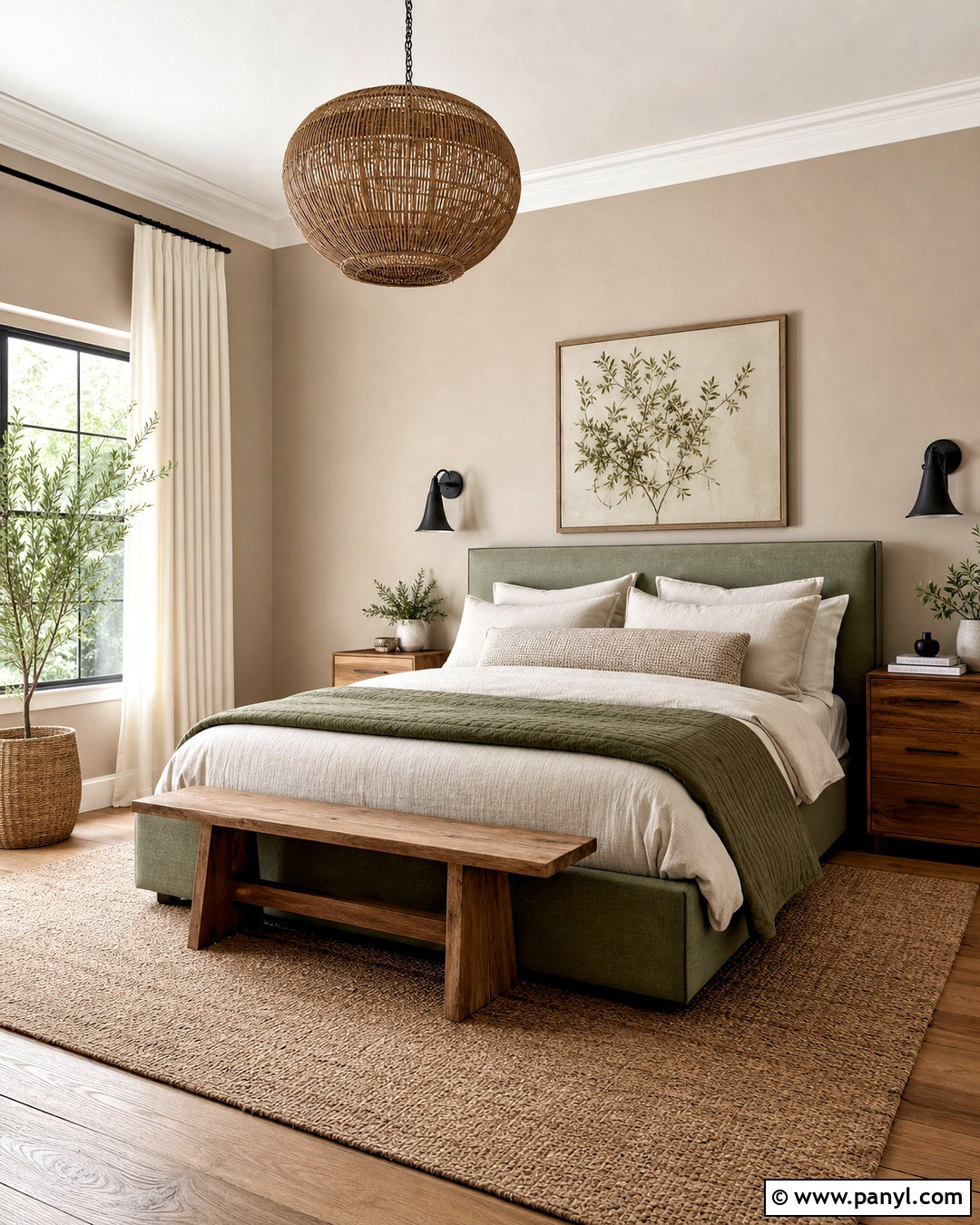
Nature-inspired color feels especially restful when muted sage green is paired with warm taupe. Cover the bedroom walls in a light mushroom taupe, then make a sage green upholstered bed the central feature. Use creamy bedding with taupe piping, a quilted olive coverlet, and small botanical-print pillows to connect the colors. Medium oak nightstands bring depth without making the room heavy. Select a natural jute-and-wool rug for texture and hang soft ivory curtains at the windows. Black reading sconces can provide a crisp outline against the understated wall color. Complete the bedroom with a wooden bench, simple landscape artwork, and one tall indoor plant. The finished look feels earthy and calm rather than overly themed or noticeably green.
4. Taupe And Navy Home Office
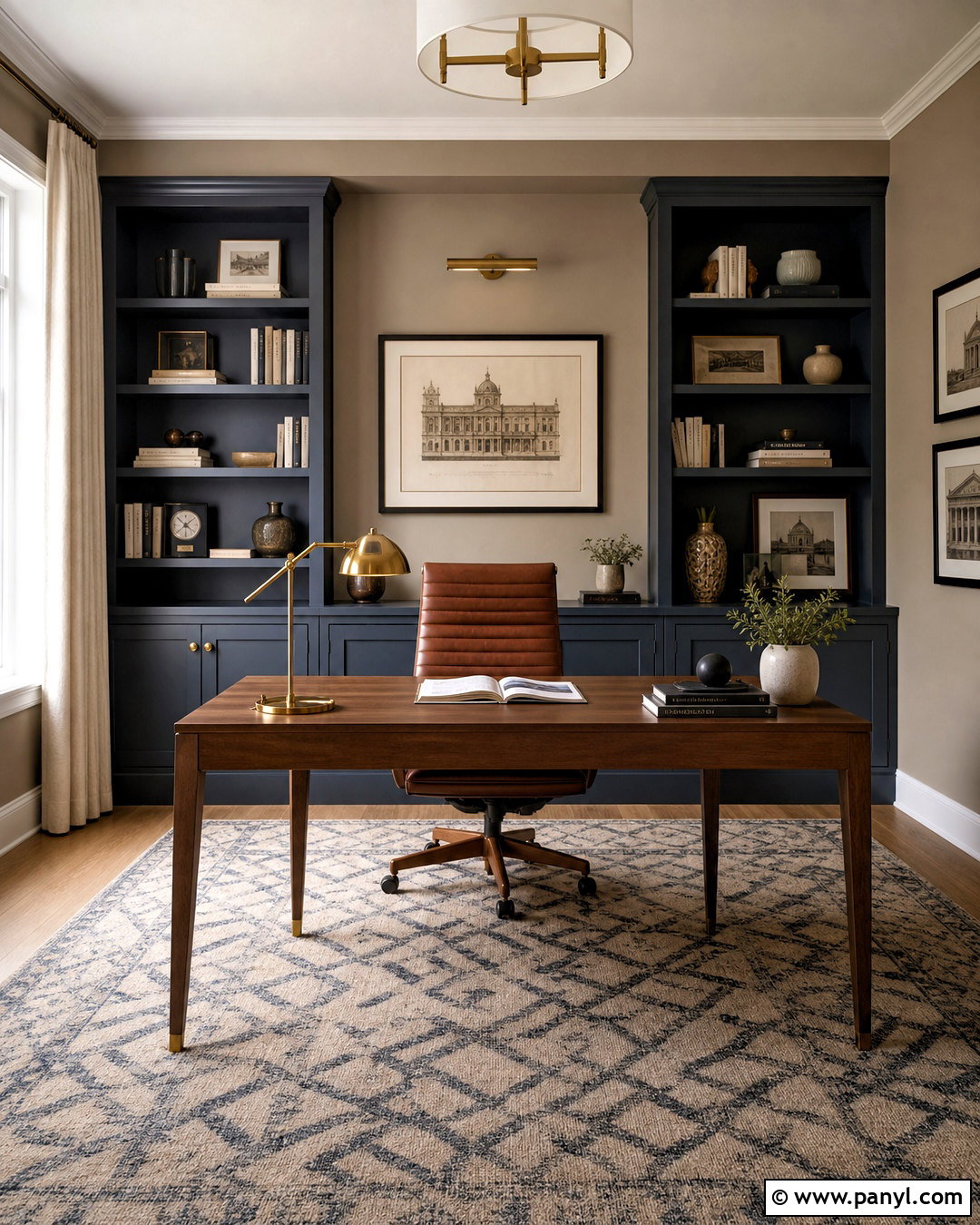
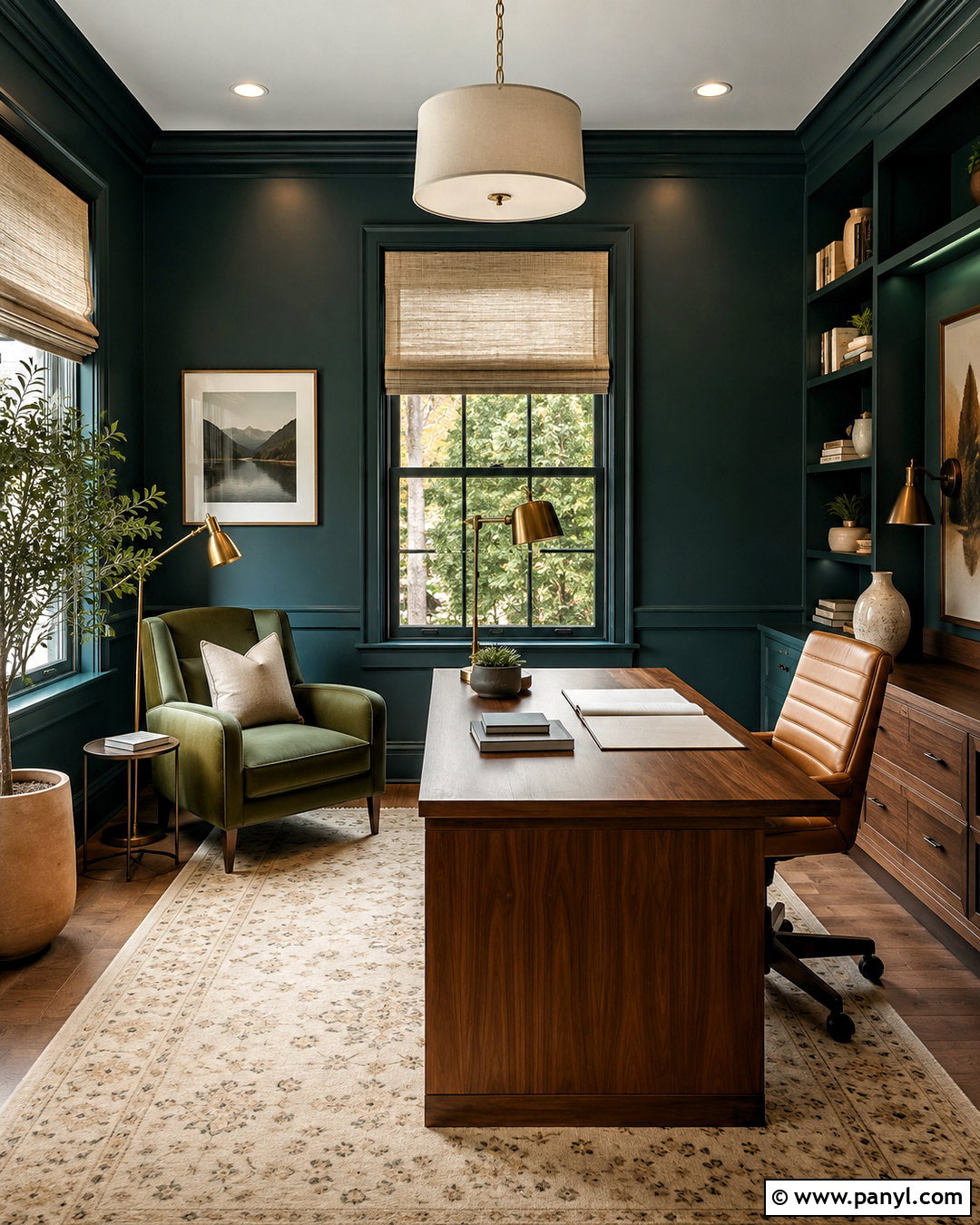
Deep navy gives taupe enough contrast to create a focused, polished home office. Begin with medium taupe walls and paint the built-in bookcases navy blue, allowing the darker color to frame the work area. Position a walnut desk in the center or against the shelving, depending on the room’s size. A cognac leather chair contributes warmth, while a taupe-and-navy geometric rug defines the workspace. Use off-white linen curtains to soften daylight and keep the scheme from becoming too dark. Brass cabinet hardware and a matching desk lamp add a refined metallic accent. Complete the room with organized books, white ceramics, and framed architectural prints. The combination works particularly well in offices shared with a den or reading area.
5. Taupe And Terracotta Dining Room
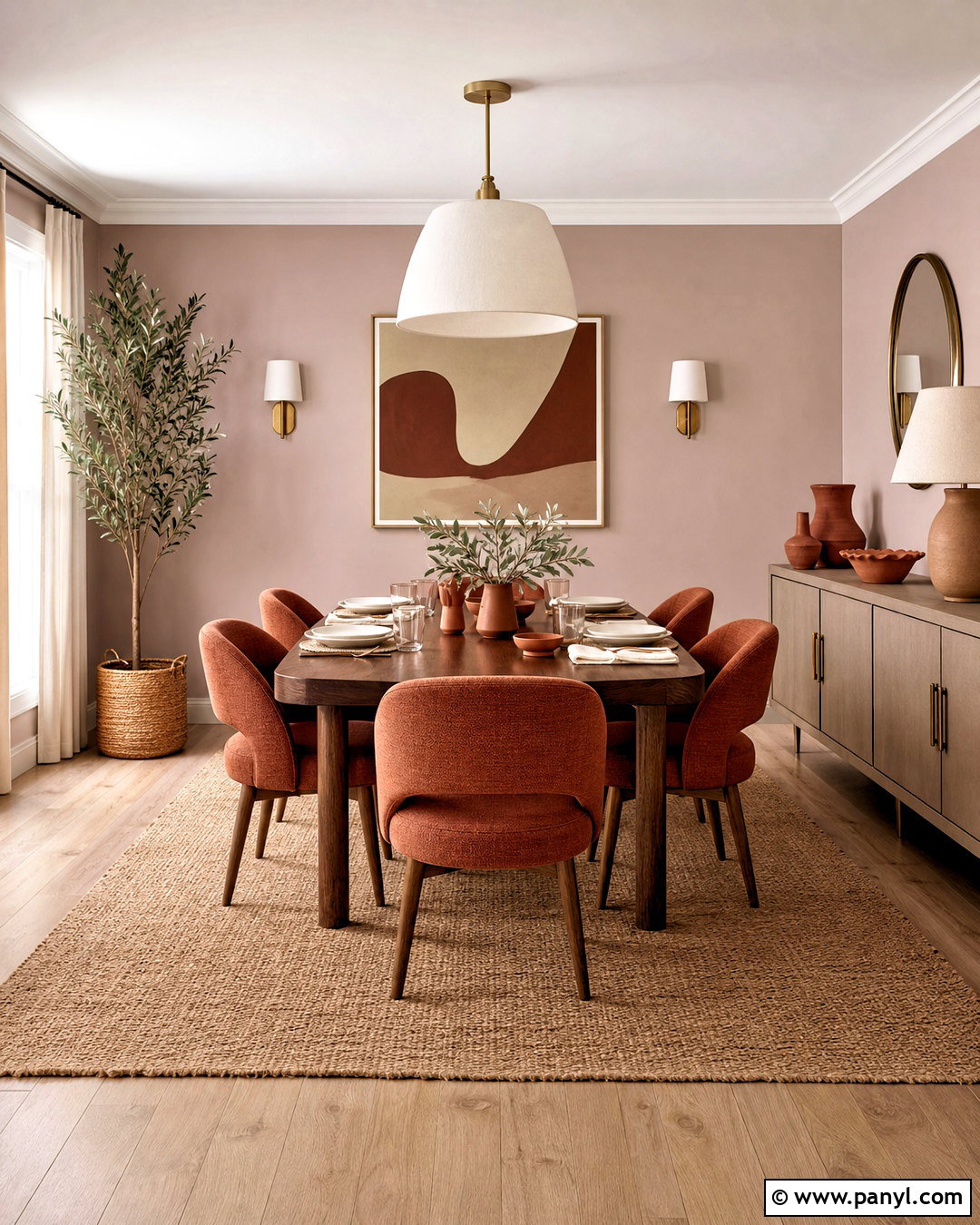
Warm terracotta instantly brings energy to a taupe dining room while preserving an earthy atmosphere. Paint the walls a pale rosy taupe and introduce terracotta through dining chairs, patterned curtains, or a large woven rug. A solid walnut table gives the center of the room visual weight and complements both colors. Use an oversized cream pendant light to brighten the arrangement and soften the darker wood. A low taupe sideboard can provide practical storage without competing with the table. Display matte ceramic vessels in rust, sand, and brown across the sideboard. Add linen napkins, simple white tableware, and an abstract artwork containing clay-colored shapes. The completed room feels warm, social, and collected rather than formal or overly coordinated.
6. Taupe And Charcoal Bathroom
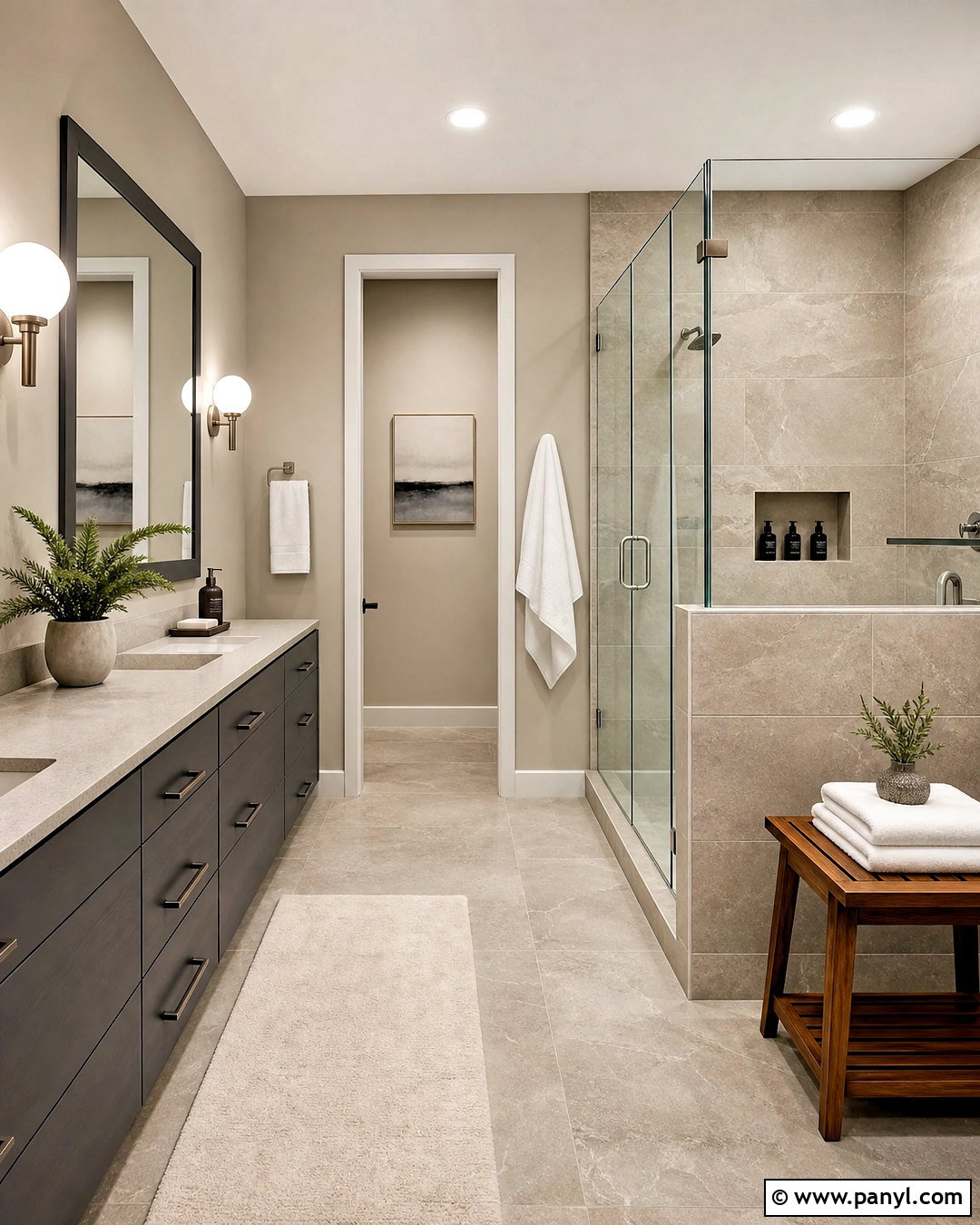
A taupe and charcoal bathroom can feel dramatic while remaining warm enough for everyday use. Choose large-format taupe stone-look tiles for the floor and shower walls, creating a continuous and uncluttered base. Add a charcoal vanity with a pale quartz countertop and streamlined brushed nickel hardware. A frameless glass shower keeps the darker details from visually shrinking the space. Paint the remaining walls a light warm taupe and install a wide mirror with a thin charcoal frame. White towels and an ivory bath mat provide essential brightness. Finish the room with globe sconces, a teak shower stool, and small ceramic accessories. This complete palette works best when charcoal is used for structure and taupe covers the larger surfaces.
7. Taupe And Blush Pink Nursery
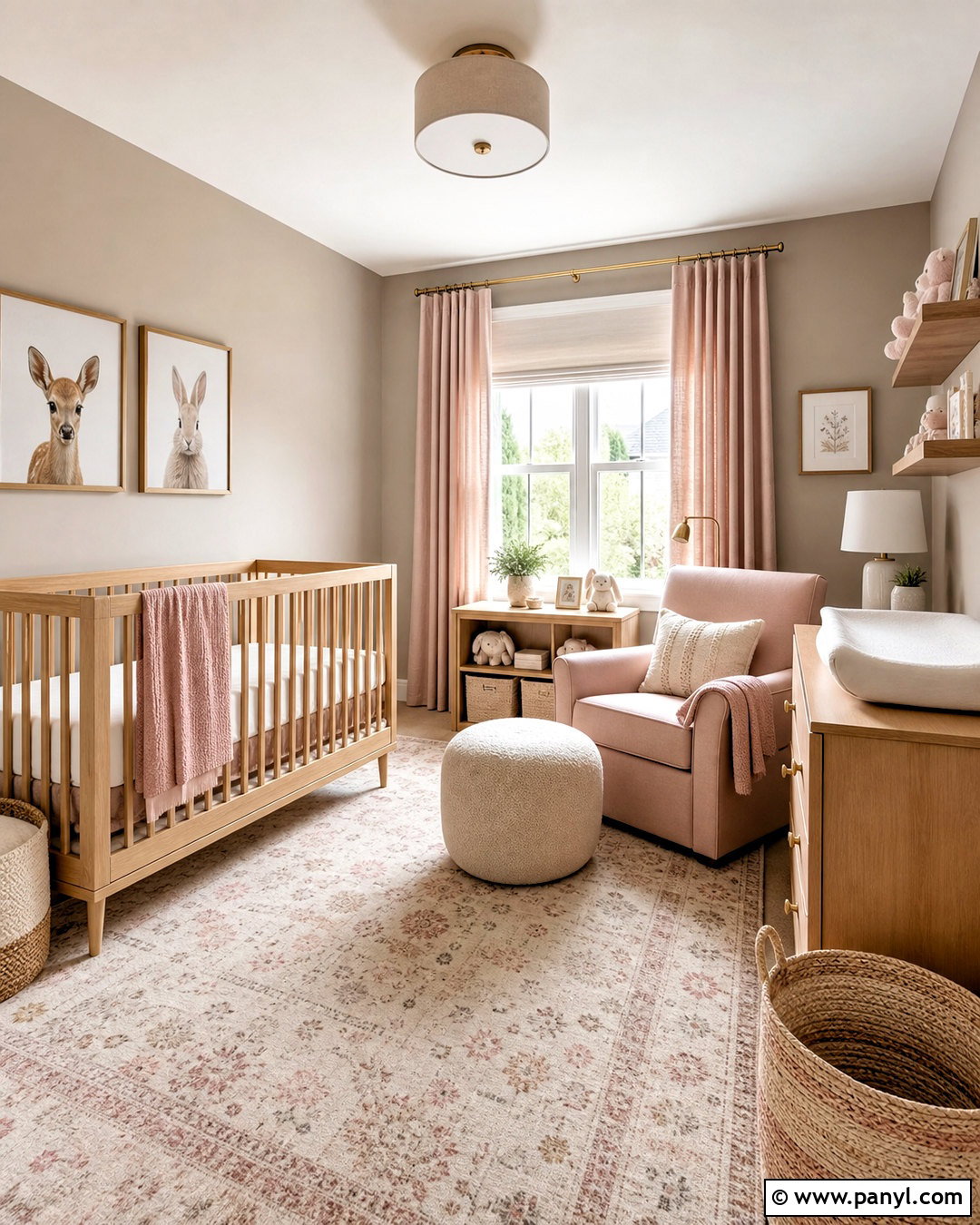
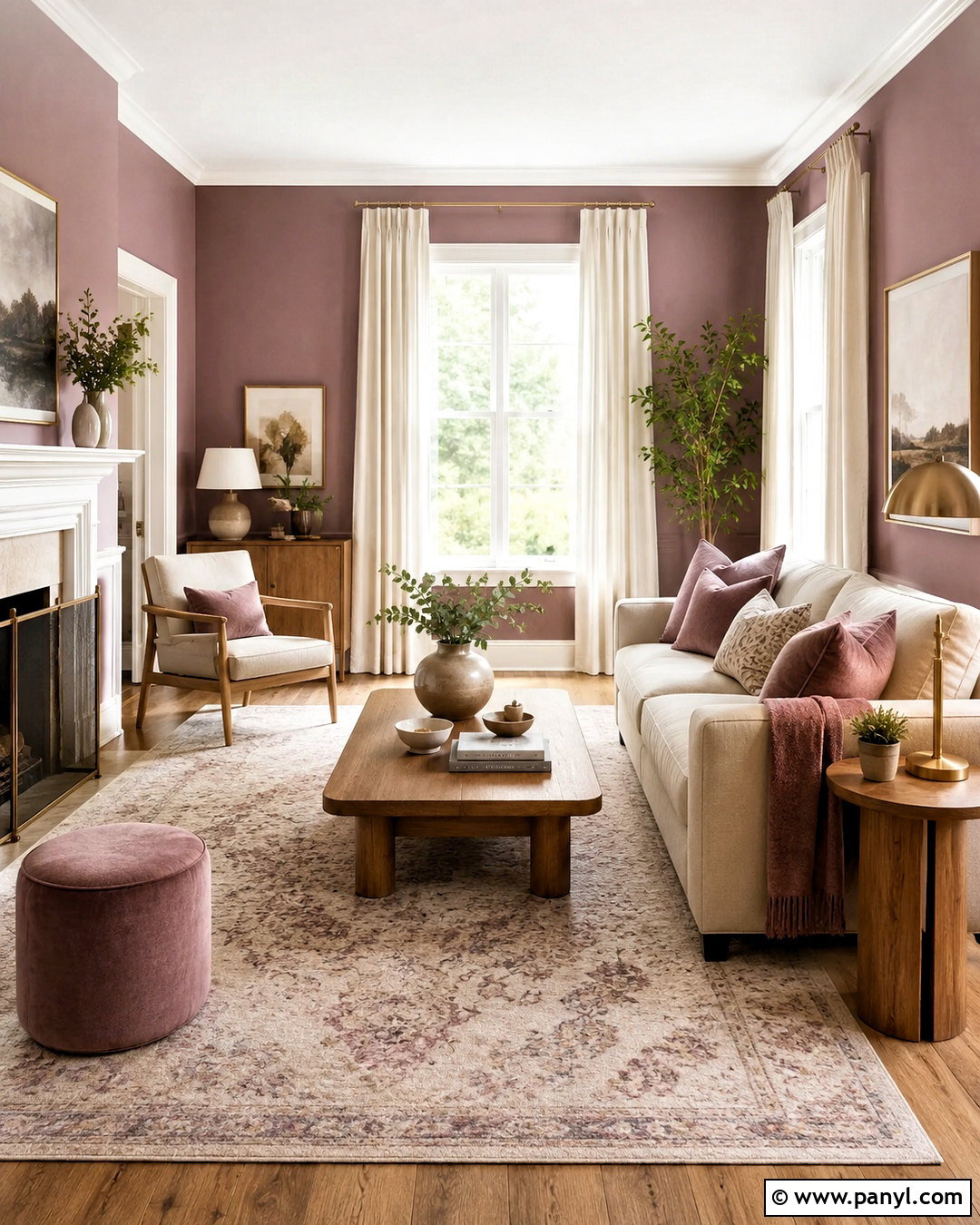
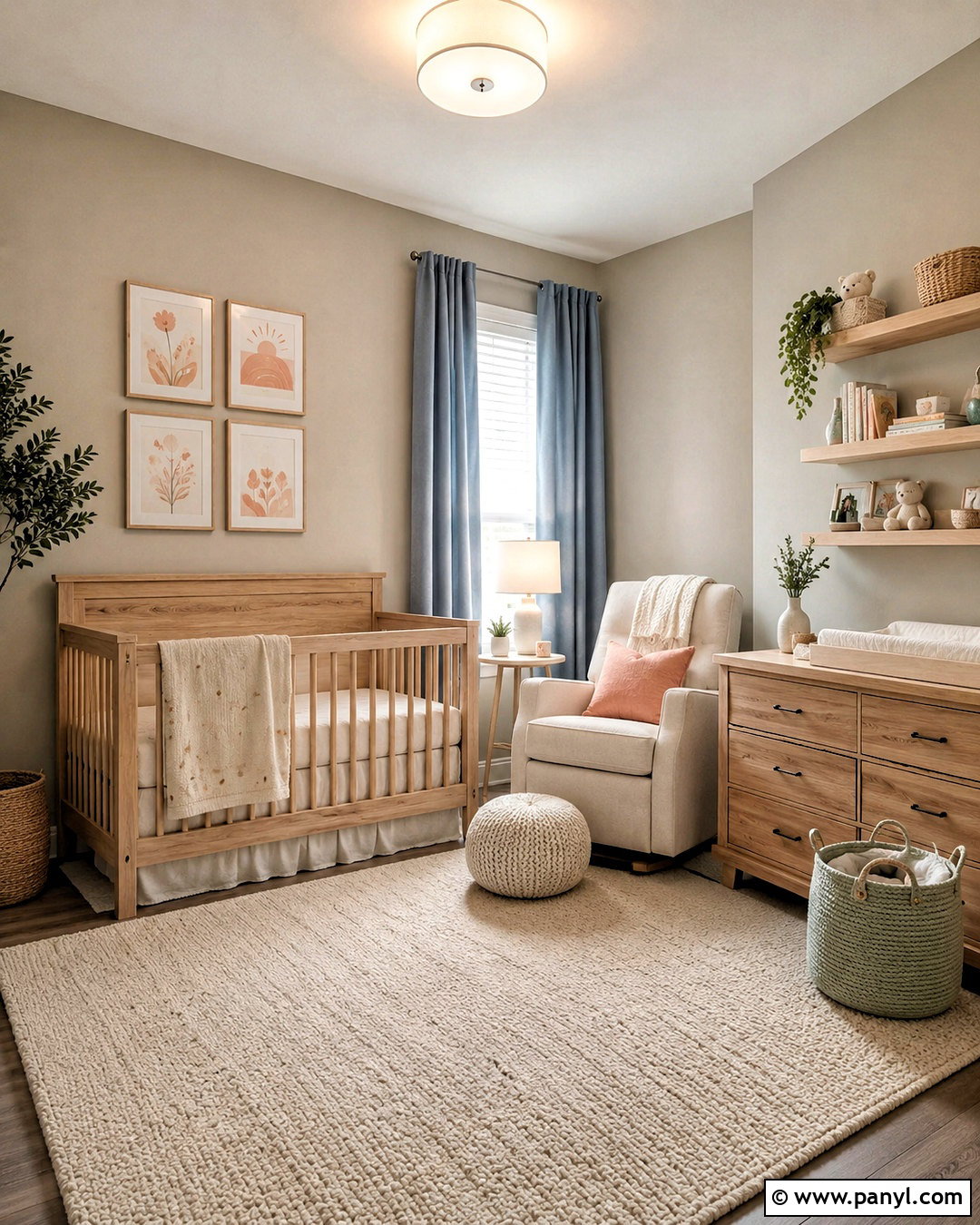
Soft blush pink adds gentle color to taupe without making a nursery feel overly sweet. Use pale taupe on the walls and choose a natural oak crib, dresser, and picture ledges for a warm foundation. Place a blush upholstered glider in one corner with a small cream boucle ottoman. A washable rug featuring taupe, ivory, and dusty pink can define the center of the room while disguising minor marks. Keep the window treatment simple with full-length cream blackout curtains. Add woven baskets for practical storage and display understated animal prints in light wood frames. A white ceiling light and small brass reading lamp provide layered illumination. The finished nursery feels peaceful, functional, and adaptable enough to grow with the child.
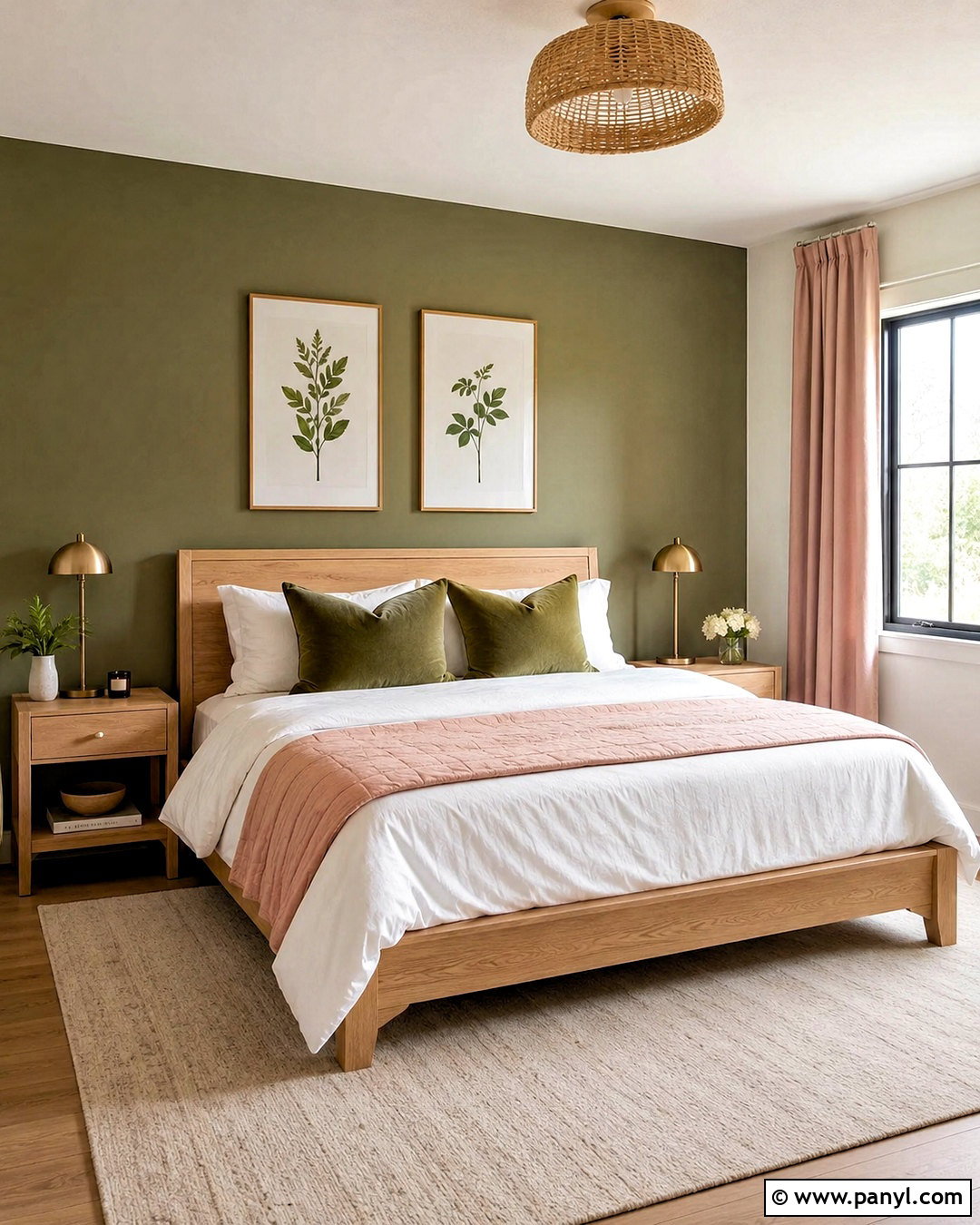
8. Taupe And Chocolate Brown Bedroom
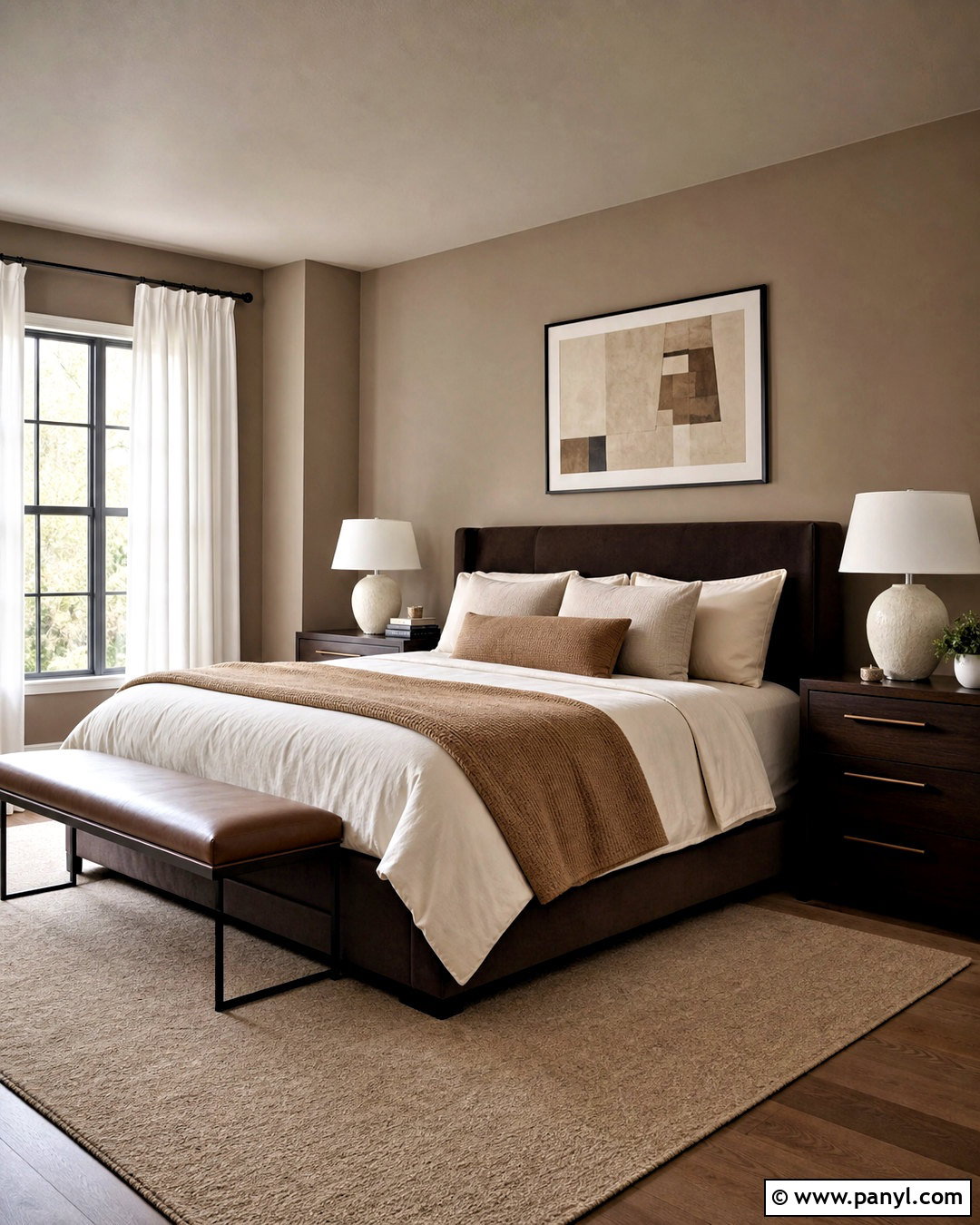
Rich chocolate brown can turn a basic taupe bedroom into a deeply layered retreat. Paint the walls and ceiling a medium brown-leaning taupe for an enveloping effect. Place a dark chocolate upholstered bed against the main wall and dress it with ivory sheets, taupe linen pillows, and a caramel throw. Dark walnut nightstands reinforce the depth, while cream ceramic lamps prevent the arrangement from becoming too heavy. Choose a large sand-colored wool rug to soften the floor and create contrast beneath the bed. Bronze curtain rods and warm white drapes bring subtle variation near the windows. Complete the look with one oversized abstract artwork, a leather bench, and limited accessories. Texture, rather than excessive decoration, keeps this tonal palette visually interesting.
9. Taupe And Black Entryway
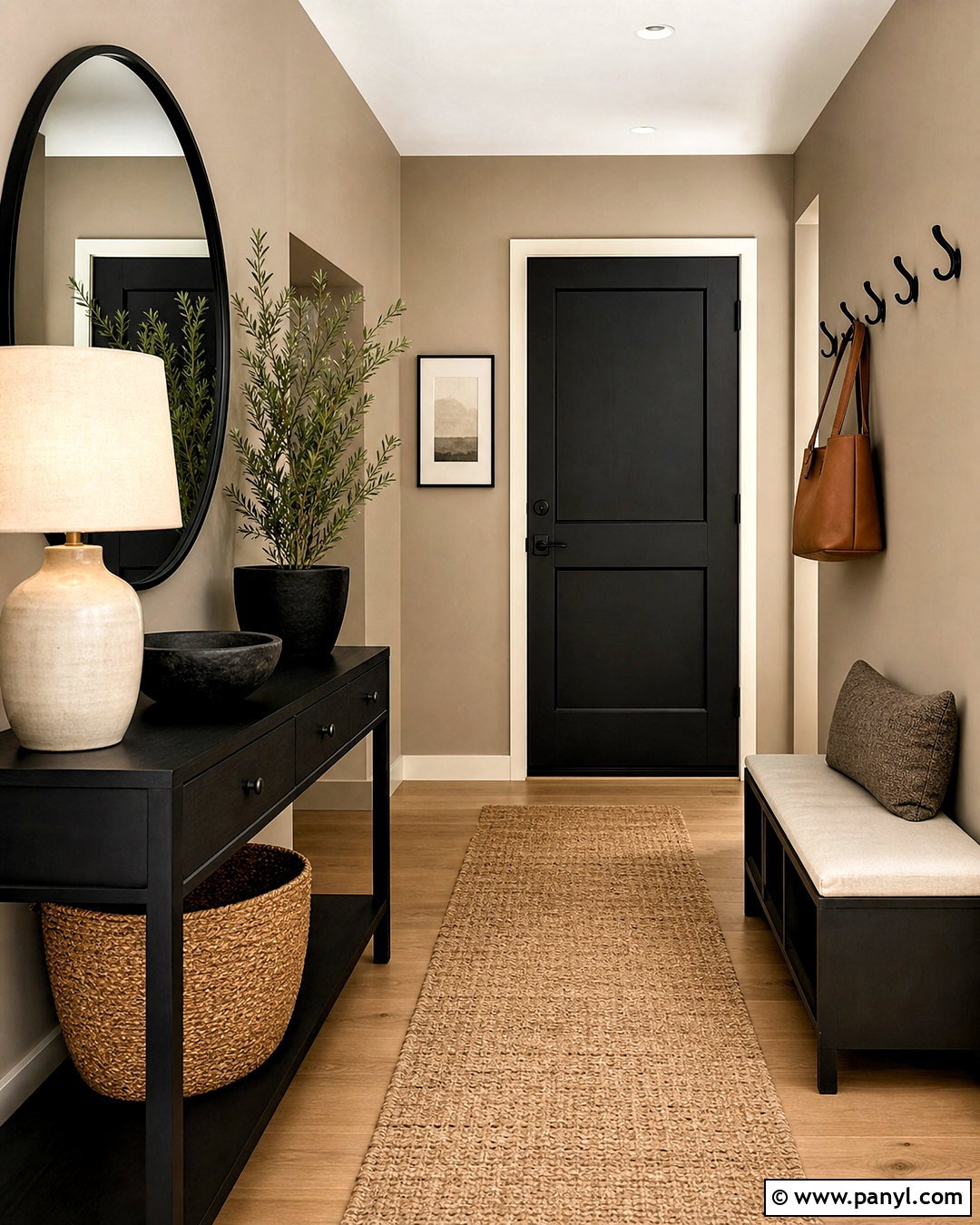
An entryway becomes sharper and more memorable when classic taupe is outlined with black. Paint the walls a warm midtone taupe and use crisp black on the interior door, stair railing, or console table. Add pale oak flooring or a natural woven runner to keep the entrance welcoming. A rounded black-framed mirror above the console repeats the dark accent without filling the wall. Style the surface with a cream ceramic lamp, a shallow stone bowl, and a small arrangement of greenery. Install simple black hooks or cabinet pulls for practical consistency. If space permits, include a taupe upholstered bench with hidden shoe storage. The finished entry feels tidy and intentional, combining strong architectural contrast with comfortable natural materials.
10. Taupe And Dusty Blue Living Room
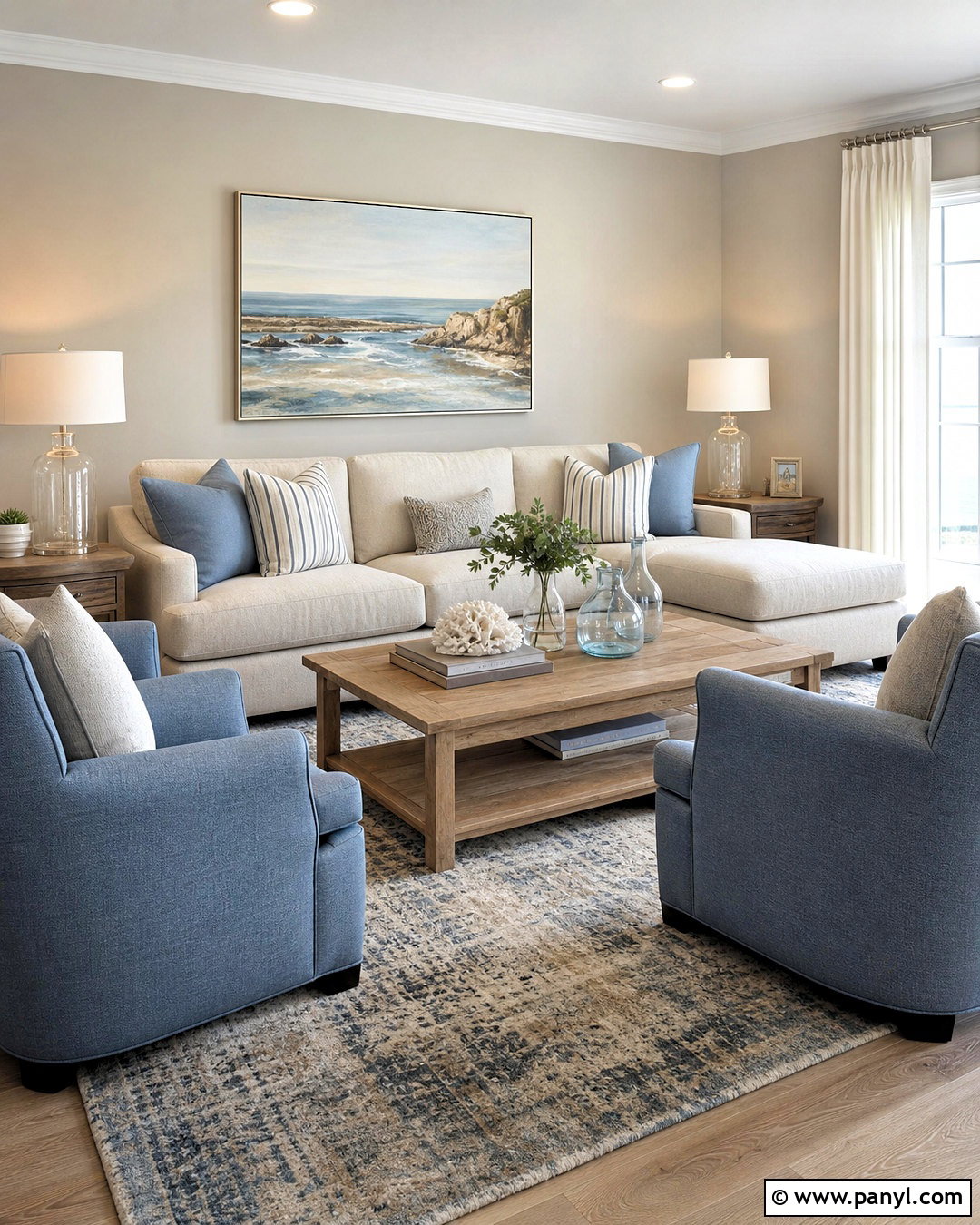
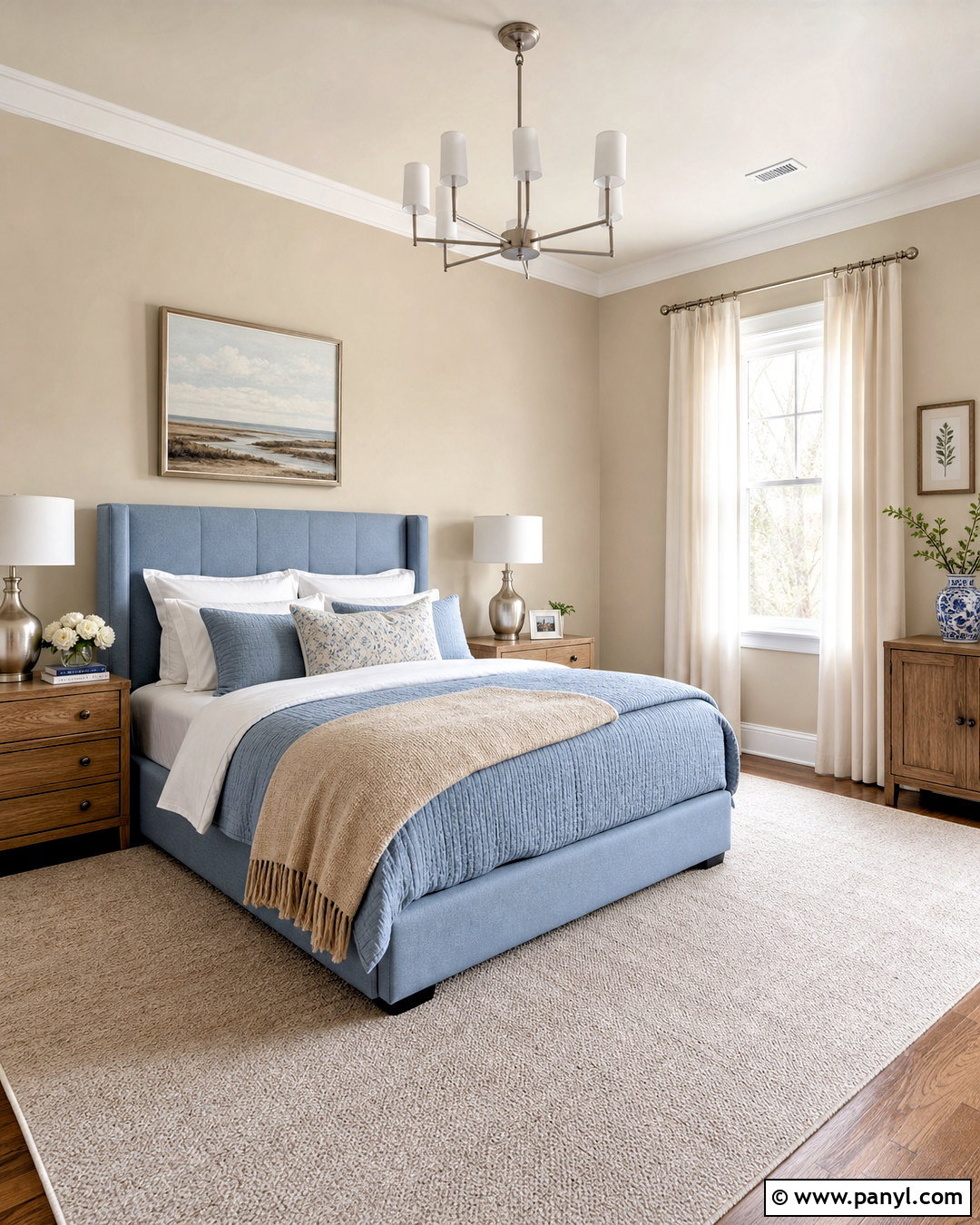
Dusty blue brings a light, refreshing quality to a warm taupe living room. Start with pale taupe walls and a comfortable oatmeal sectional arranged around a light oak coffee table. Add two dusty blue accent chairs or use the color on full-length curtains for a larger statement. A vintage-inspired rug containing faded blue, taupe, cream, and brown will connect the room’s main elements. Choose medium walnut side tables to prevent the pastel color from making the scheme feel too delicate. Soft white lampshades and brushed nickel bases can support the cooler accent. Finish with striped pillows, coastal landscape artwork, and clear glass accessories. Keep obvious seaside motifs out of the room so the overall design remains versatile and sophisticated.
11. Taupe And Mustard Yellow Family Room
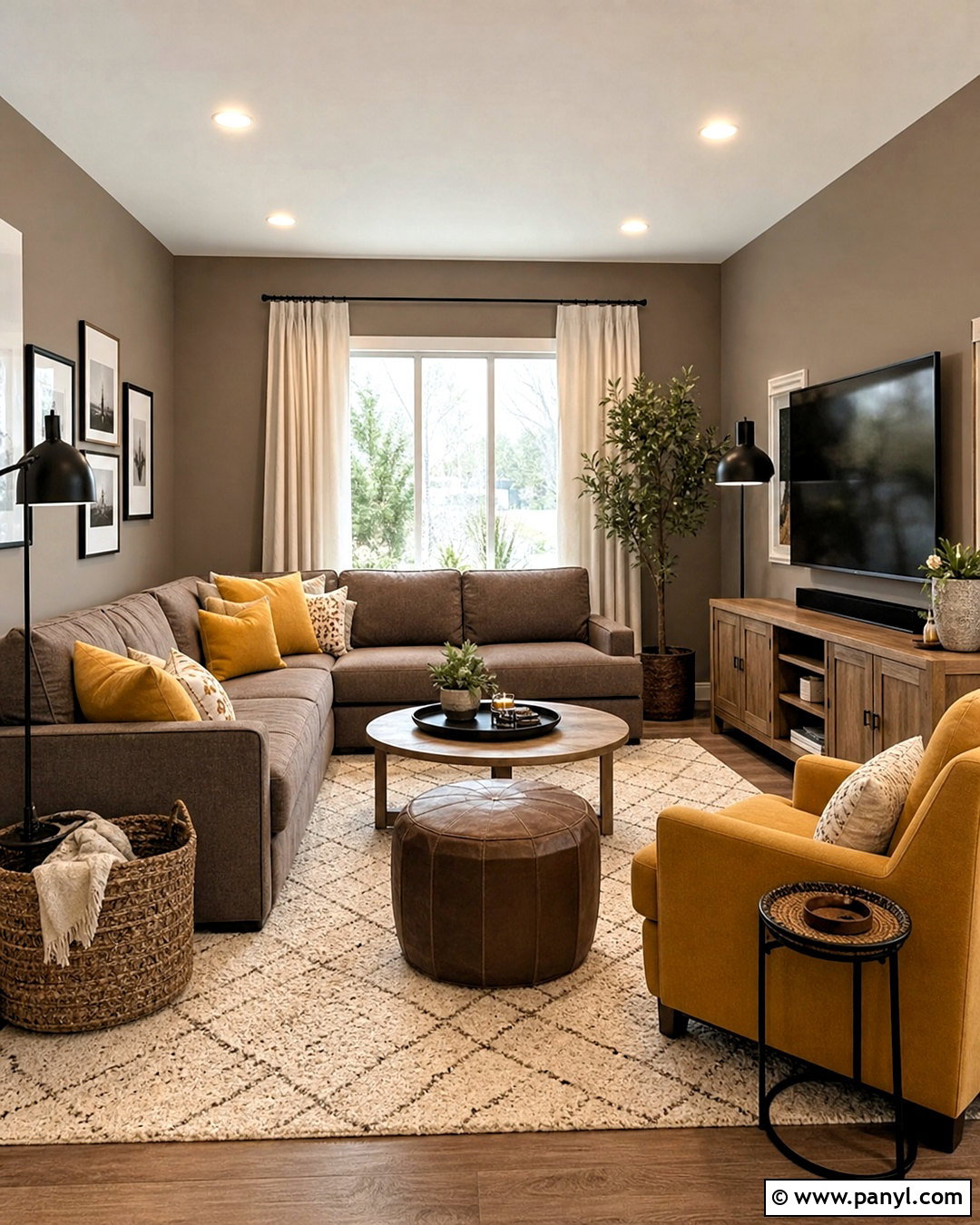
Mustard yellow gives taupe a cheerful lift that suits a relaxed family room. Cover the walls in a durable warm taupe and anchor the seating area with a deep taupe sectional. Introduce mustard through a comfortable armchair, patterned rug, and two or three washable pillows rather than scattering it everywhere. A medium oak media cabinet adds storage and coordinates with the golden undertone. Use cream curtains and an off-white ceiling to balance the stronger accent color. Black floor lamps, picture frames, and cabinet pulls create a clean outline. Include covered baskets, a round coffee table, and a soft brown ottoman for practical family use. The finished palette feels lively and comfortable without allowing yellow to dominate the space.
12. Taupe And Burgundy Dining Room
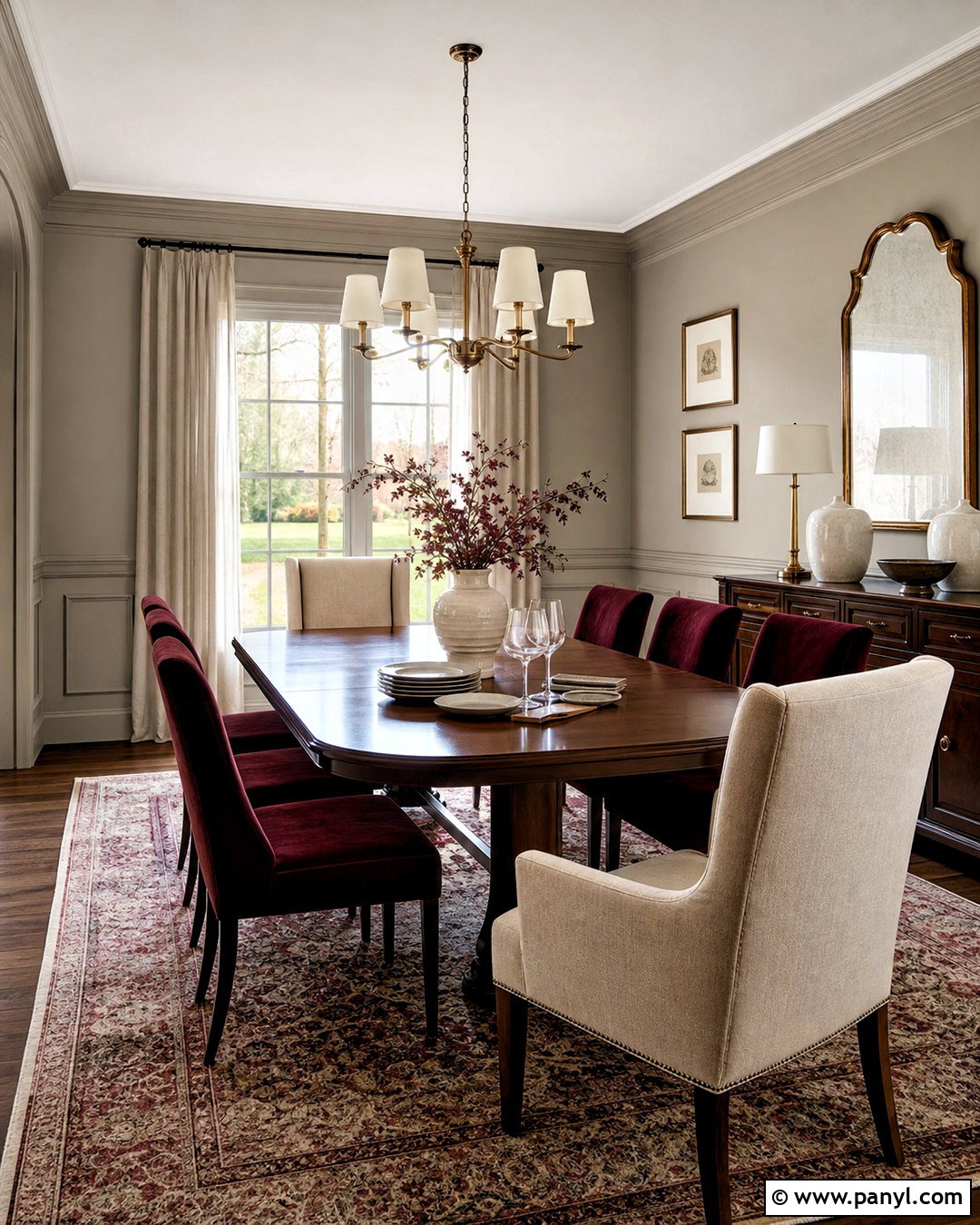
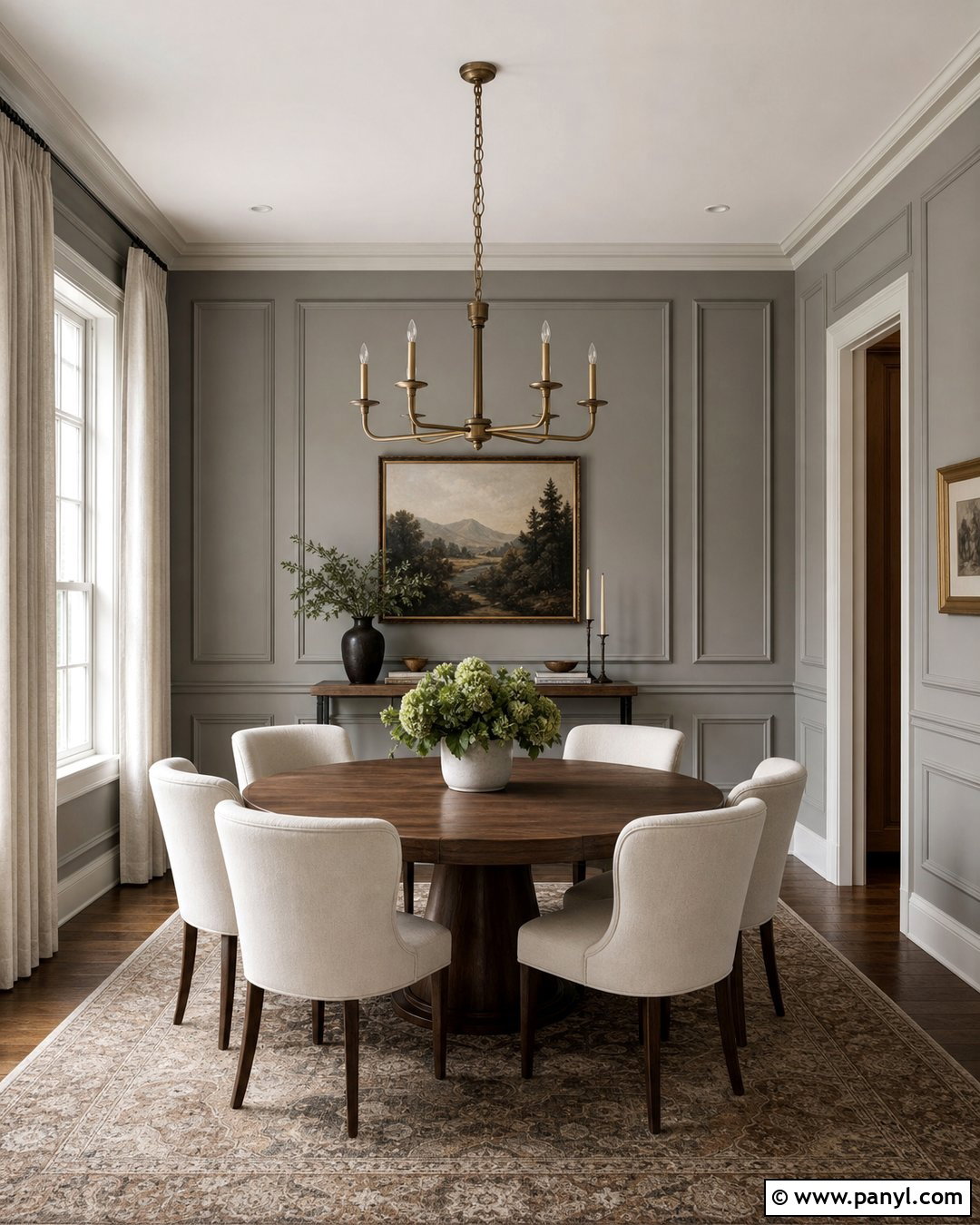
Burgundy creates a sophisticated contrast against taupe, especially in a dining room used for both casual meals and gatherings. Paint the upper walls a muted taupe and add taupe-painted paneling below for subtle architectural depth. Center a dark oak dining table beneath a sculptural brass chandelier. Burgundy velvet chairs can provide the primary color statement, while cream upholstered end chairs keep the arrangement from appearing too dark. Choose a traditional rug combining faded burgundy, taupe, tan, and soft blue. Dress the windows with plain oatmeal linen curtains rather than another heavy pattern. A dark wood sideboard, antique-style mirror, and ivory ceramics complete the room. The palette feels established and elegant but still approachable enough for regular use.
13. Taupe And Olive Green Kitchen
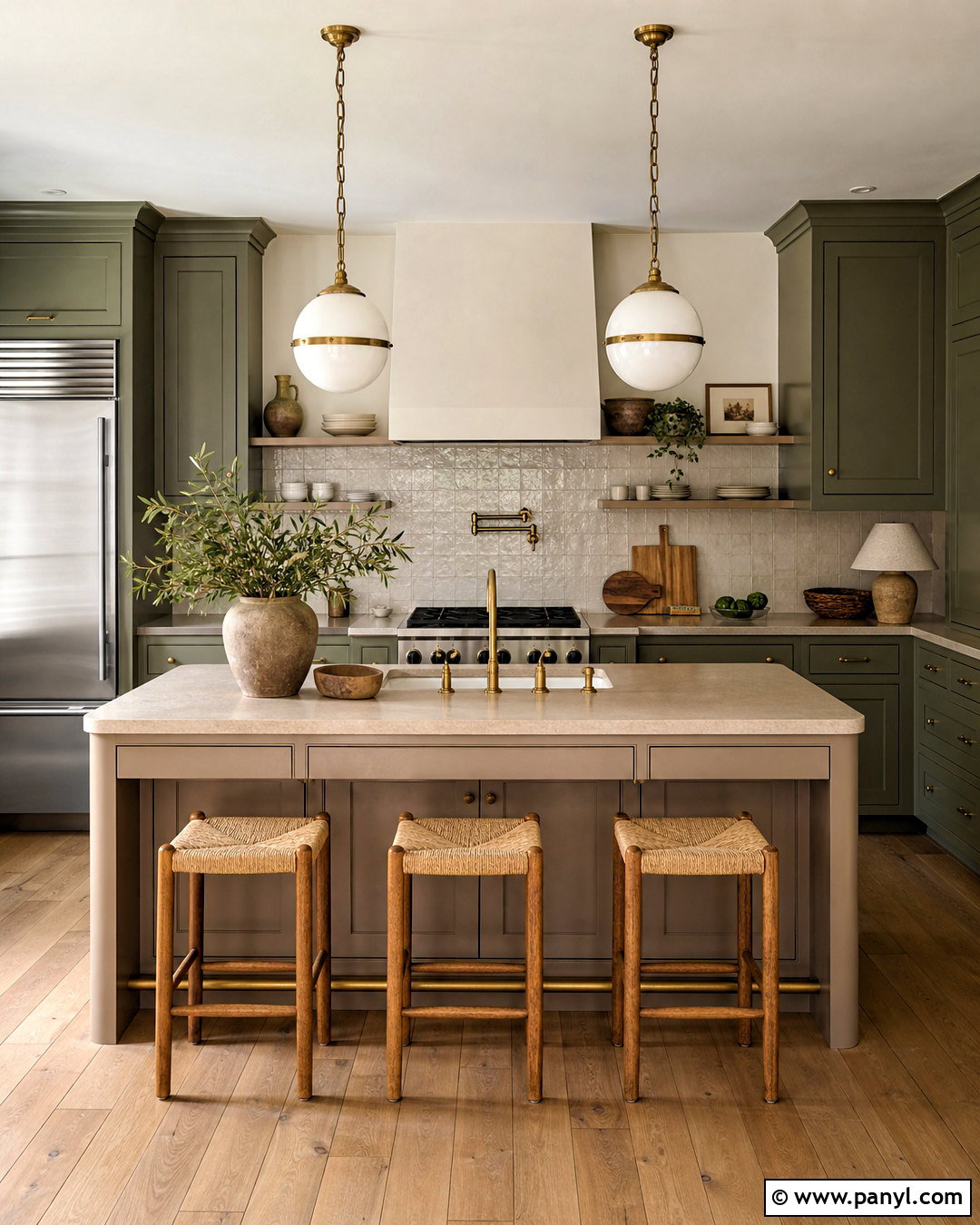
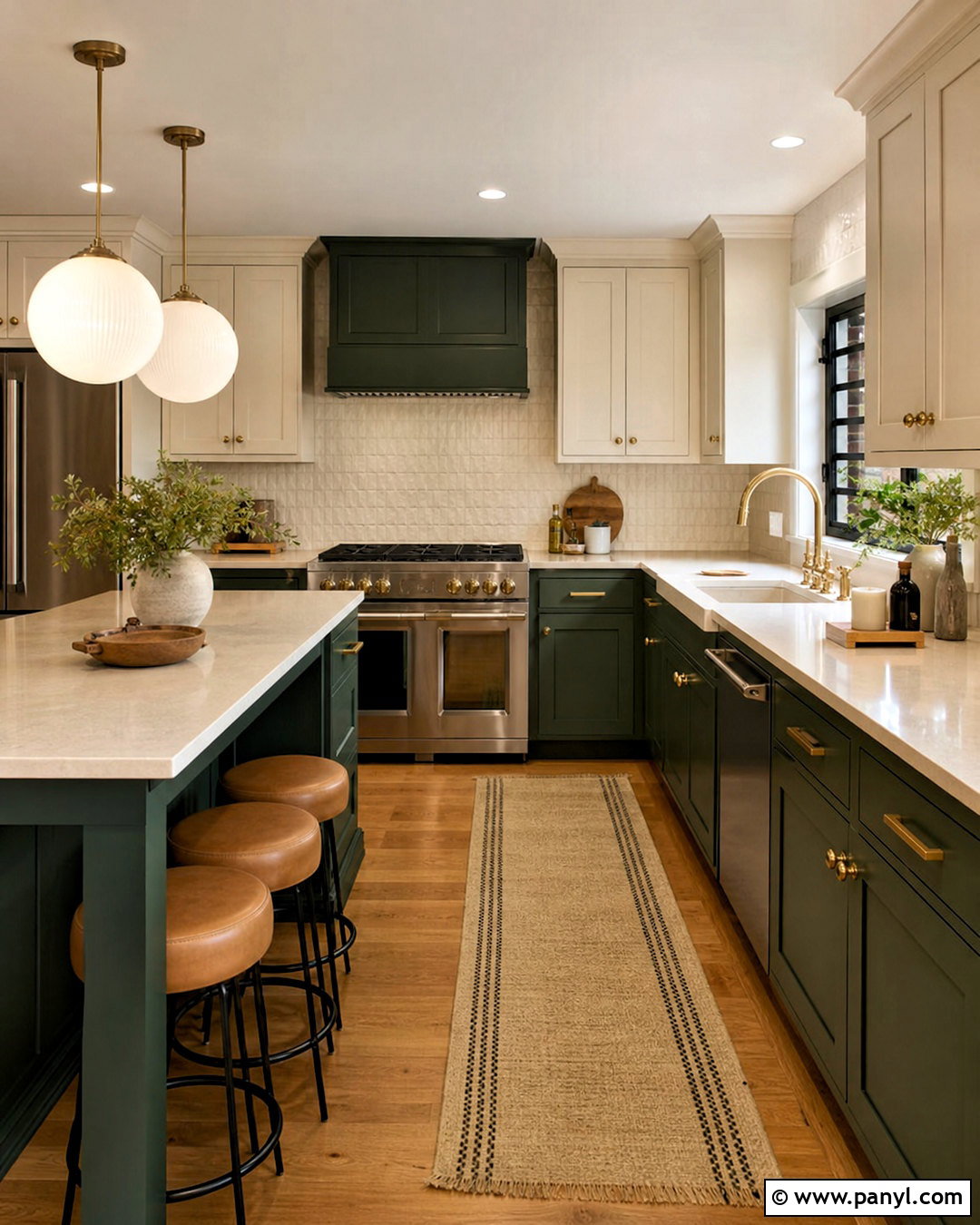
Olive green and taupe form a grounded kitchen palette that works well with natural finishes. Paint the main cabinets a muted olive and use warm taupe on the walls, pantry cabinetry, or island. Select honed cream stone countertops with light brown veining to connect the two colors. A backsplash of handmade ivory tiles adds variation through texture rather than strong pattern. Use medium oak flooring and woven counter stools to warm the room further. Aged brass pulls and simple globe pendants complement olive without making the design feel overly rustic. Keep small appliances black or stainless steel for visual consistency. Open shelves holding white dishes, wooden boards, and neutral pottery complete a kitchen that feels earthy, practical, and thoughtfully layered.
14. Taupe And Lavender Bedroom
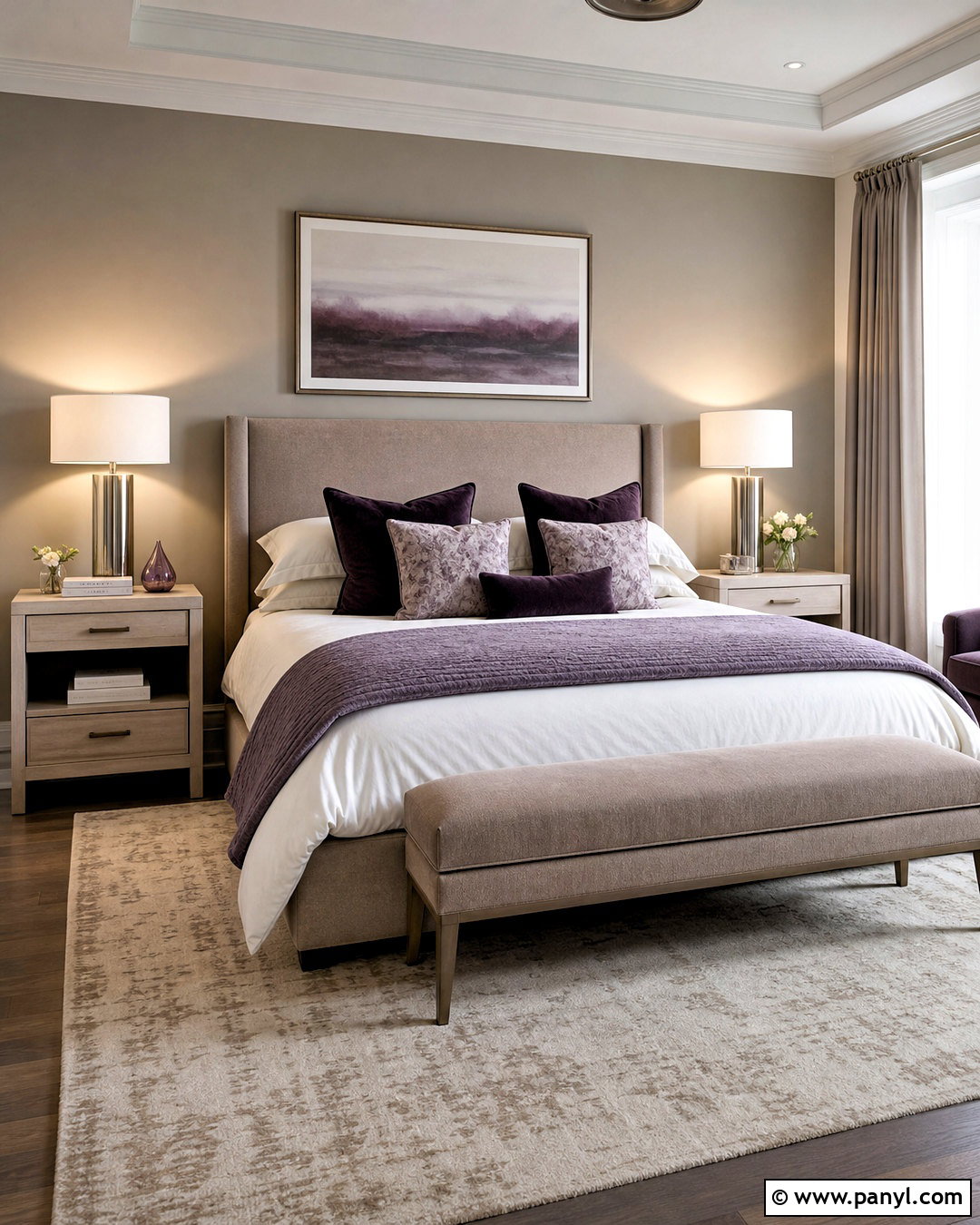
A touch of muted lavender reveals the subtle purple undertones found in some cooler taupe shades. Choose a soft gray-taupe for the bedroom walls and pair it with an upholstered taupe headboard. Layer the bed with white sheets, a lavender quilt, smoky purple pillows, and one charcoal throw for definition. Pale wood nightstands keep the palette airy, while polished nickel lamps support its cooler direction. Place a cream rug beneath the bed and use light gray curtains with a simple woven texture. Artwork containing soft plum, beige, and gray can tie the walls to the textiles. Add a small upholstered bench and a few silver-toned accessories. The overall room feels peaceful and mature, avoiding the overly decorative appearance sometimes associated with purple bedrooms.
15. Taupe And Teal Reading Room
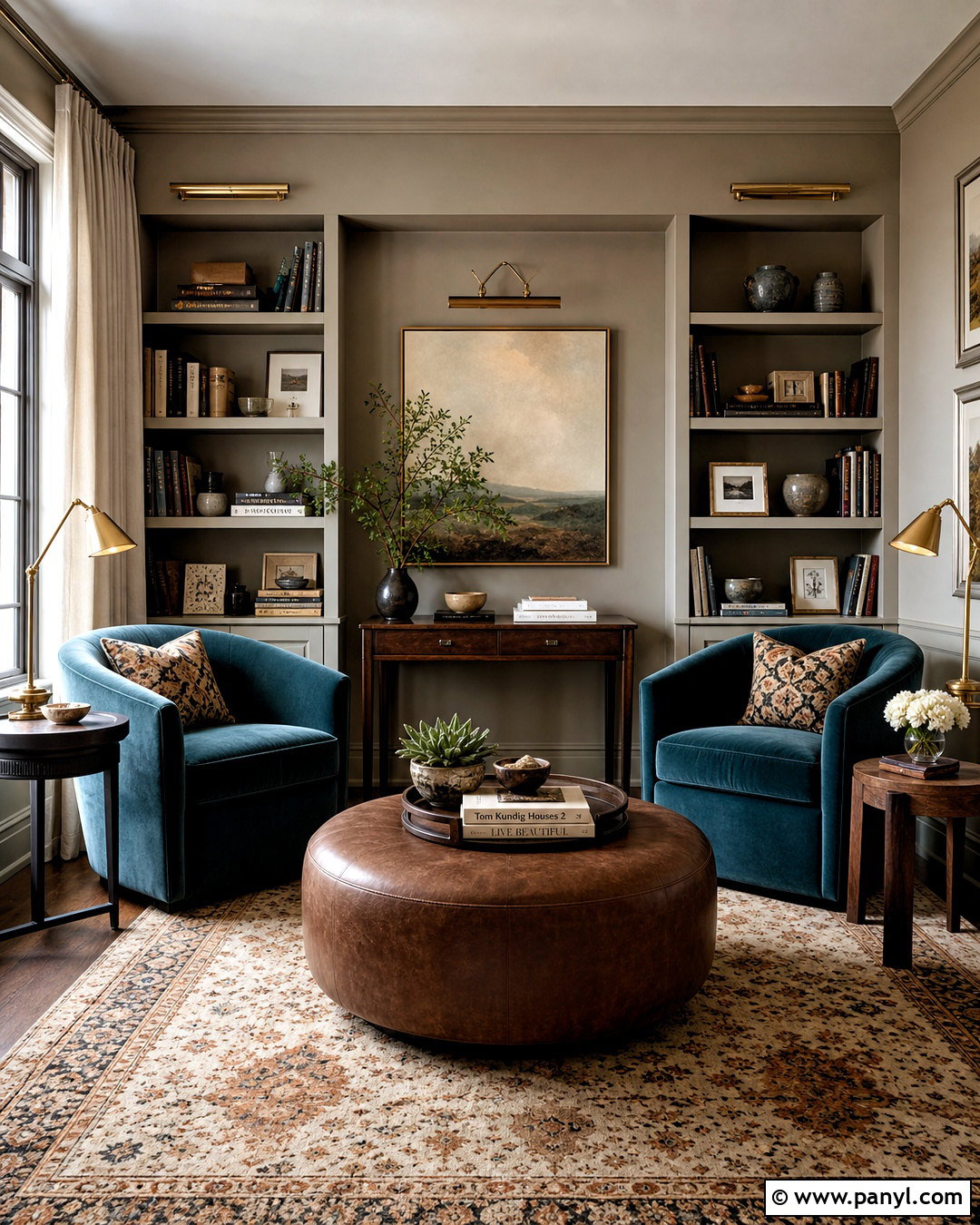
Saturated teal adds jewel-toned depth to a taupe reading room without overwhelming its restful purpose. Apply medium taupe paint to the walls and built-in shelving, creating a unified neutral shell. Place a teal velvet sofa or pair of armchairs near the bookcases, then ground the seating with a patterned rug in cream, teal, rust, and taupe. Dark walnut side tables support the richness of the accent color. Use aged brass reading lamps for warm illumination and hang natural linen curtains to soften the windows. Style the shelves with books, framed artwork, pottery, and a few empty spaces so they do not look crowded. A round leather ottoman completes the layout, producing a cozy room designed for reading and quiet conversation.
16. Taupe And Forest Green Living Room
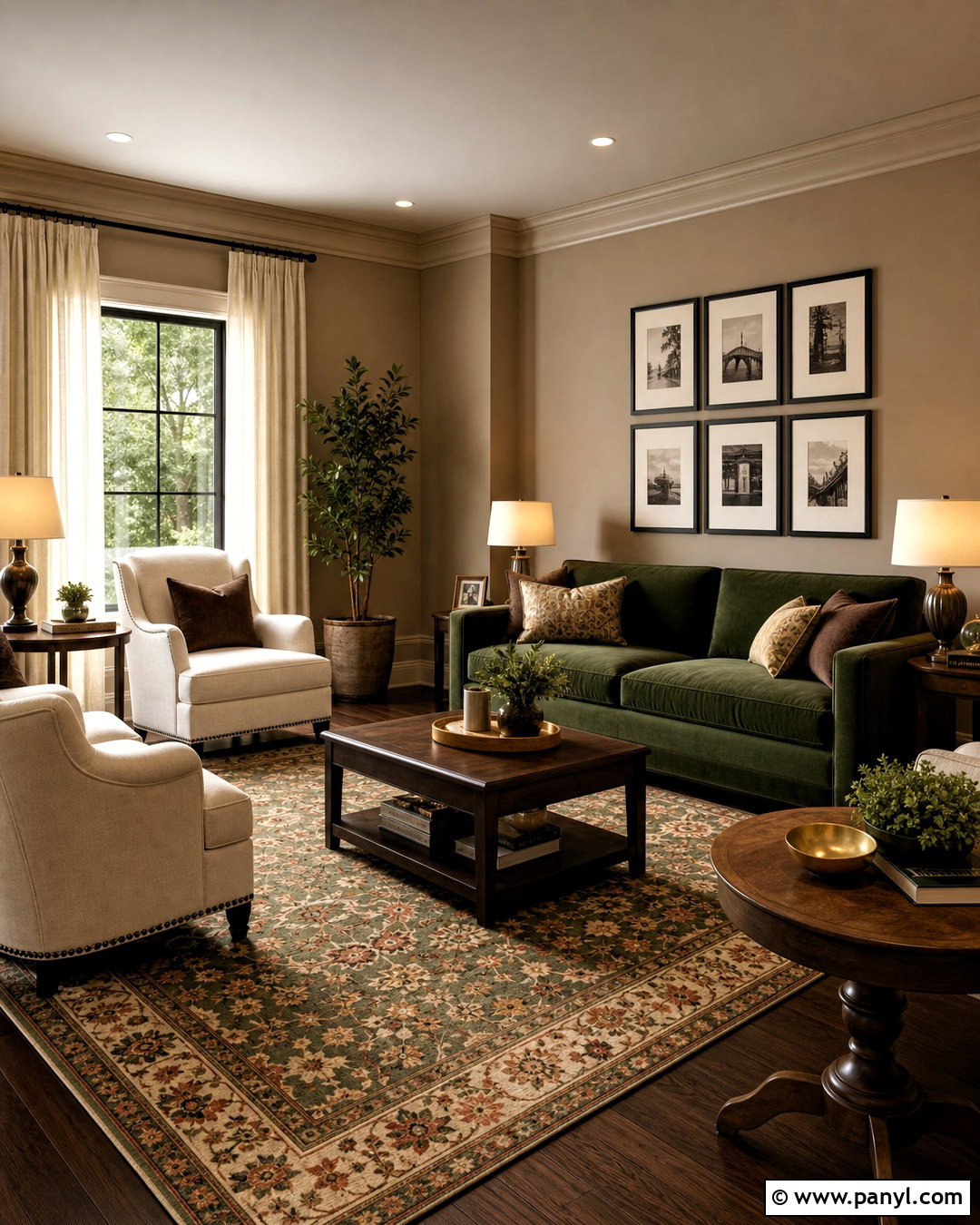
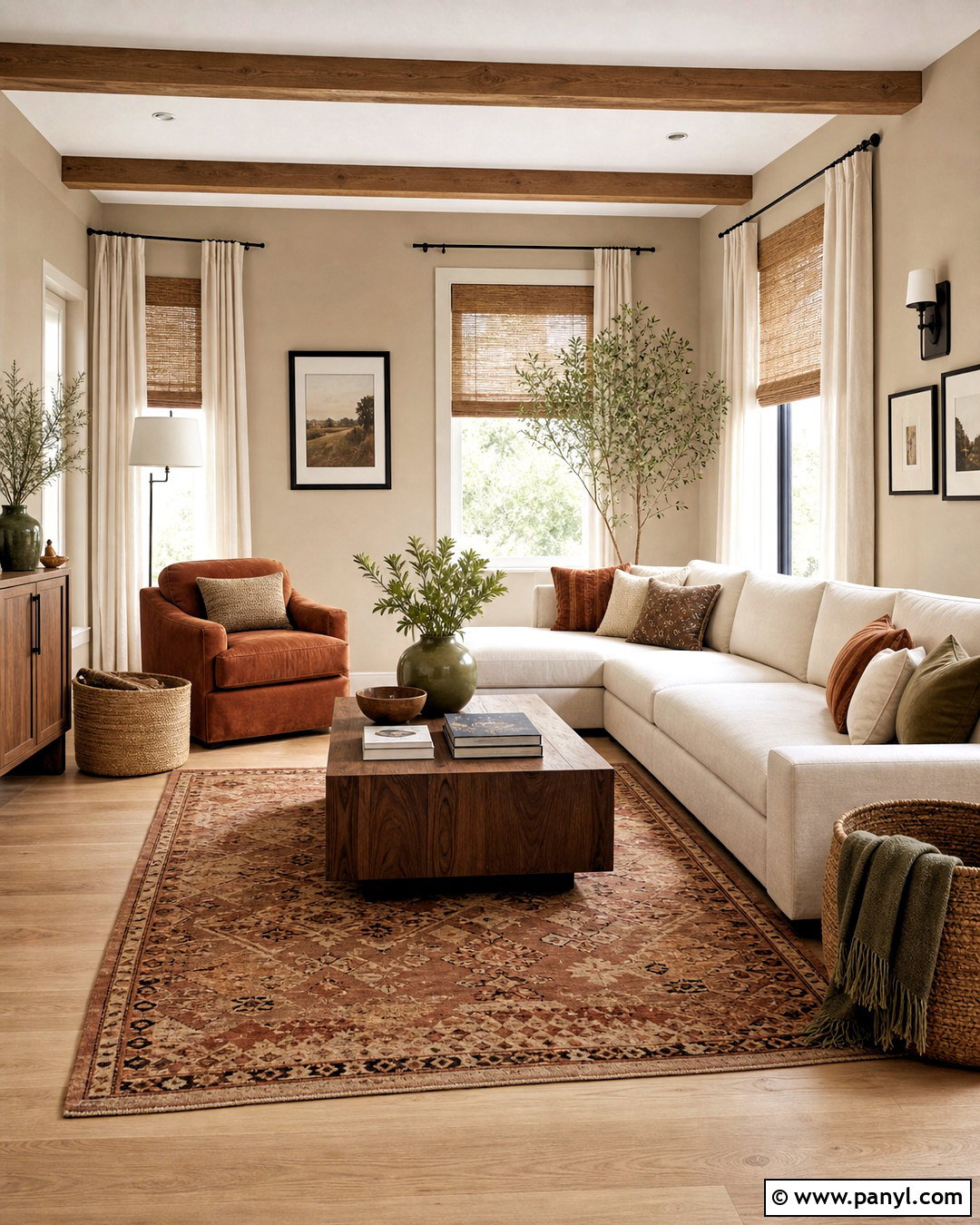
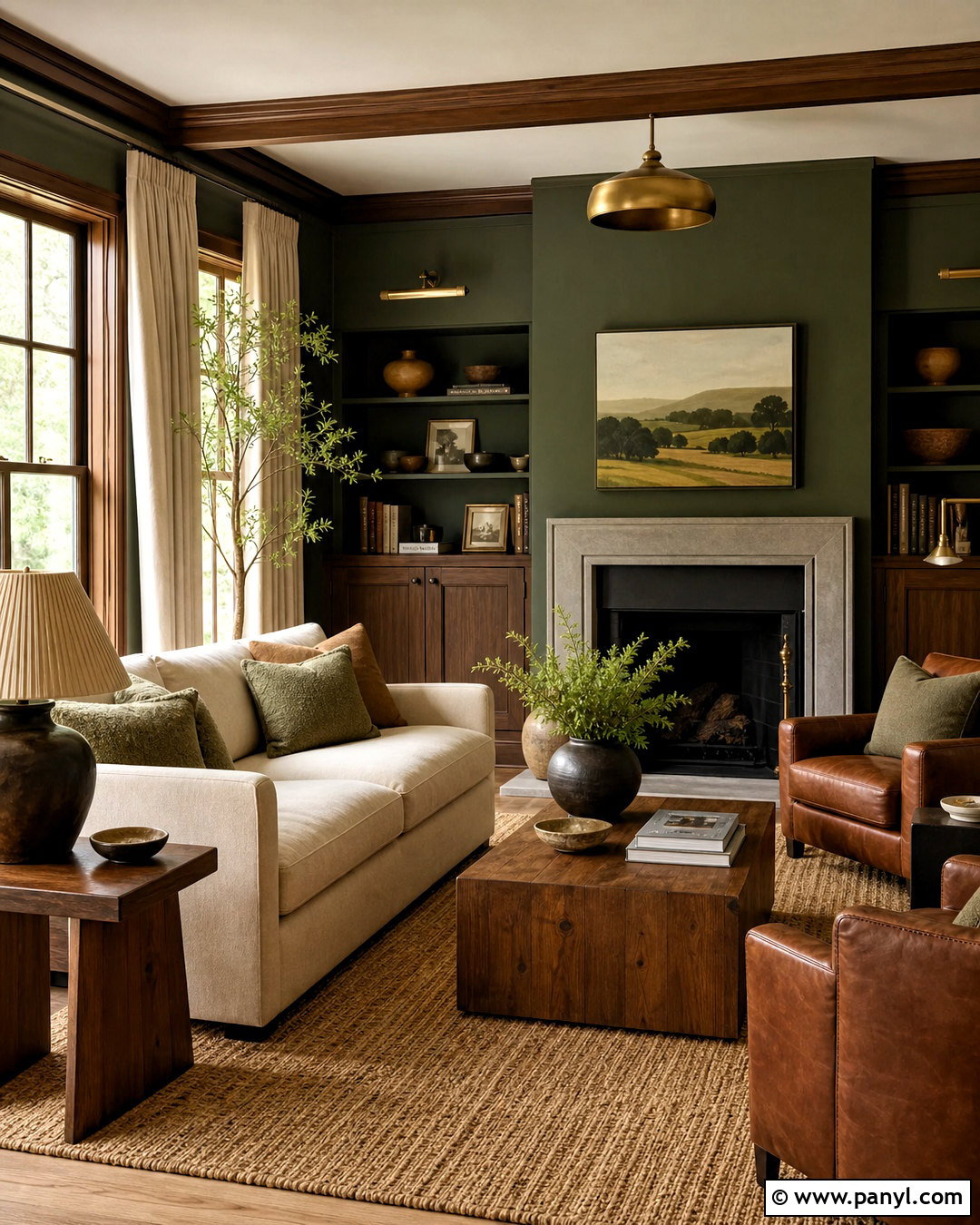
Forest green gives a taupe living room a stronger, more dramatic personality than lighter botanical shades. Use warm taupe on the walls and ceiling, then introduce a forest green sofa as the room’s anchor. Pair it with two cream lounge chairs and a dark wood coffee table to create a balanced conversation area. Choose a Persian-style rug containing taupe, green, brown, and muted red for layered color. Cream curtains keep the perimeter bright, while black curtain rods and picture frames create crisp definition. Add bronze lamps, velvet pillows, and a few natural wood accessories. Large leafy plants can reinforce the green without looking forced. The finished design feels established, comfortable, and suitable for both traditional and contemporary homes.
17. Taupe And Burnt Orange Guest Room
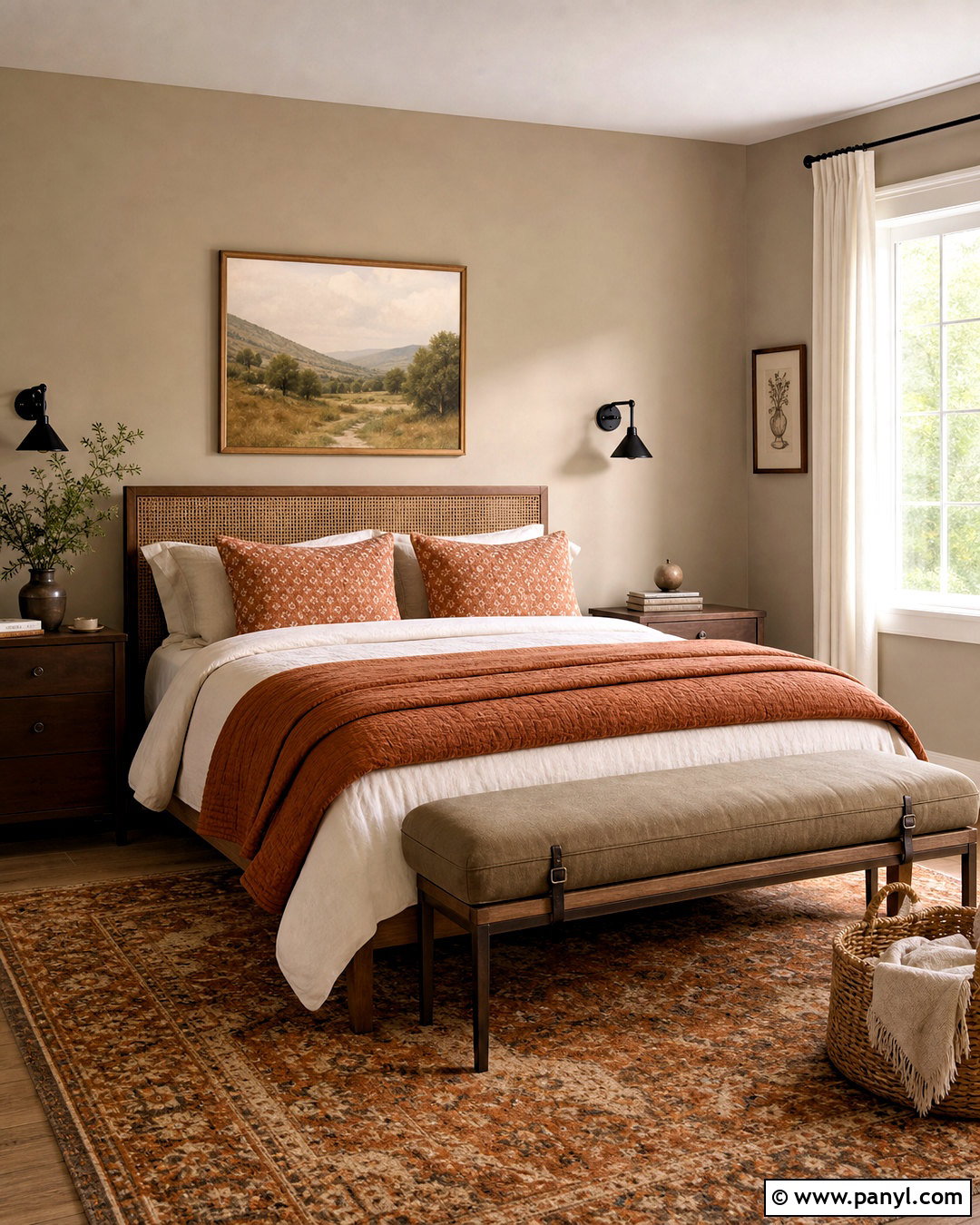
Burnt orange adds warmth and personality to a taupe guest room while keeping the atmosphere relaxed. Begin with light taupe walls and a simple oak bed with a woven headboard. Dress it in cream bedding, a rust-colored quilt, and patterned pillows containing burnt orange, taupe, and deep brown. Place narrow walnut nightstands on both sides to give guests useful storage. A vintage-look rug can introduce additional clay and faded blue tones without distracting from the main palette. Hang natural linen curtains and use black swing-arm sconces to save tabletop space. Complete the room with a taupe luggage bench, a small landscape print, and a woven basket holding extra blankets. The result feels thoughtful, warm, and comfortably informal.
18. Taupe And Pale Blue Bathroom
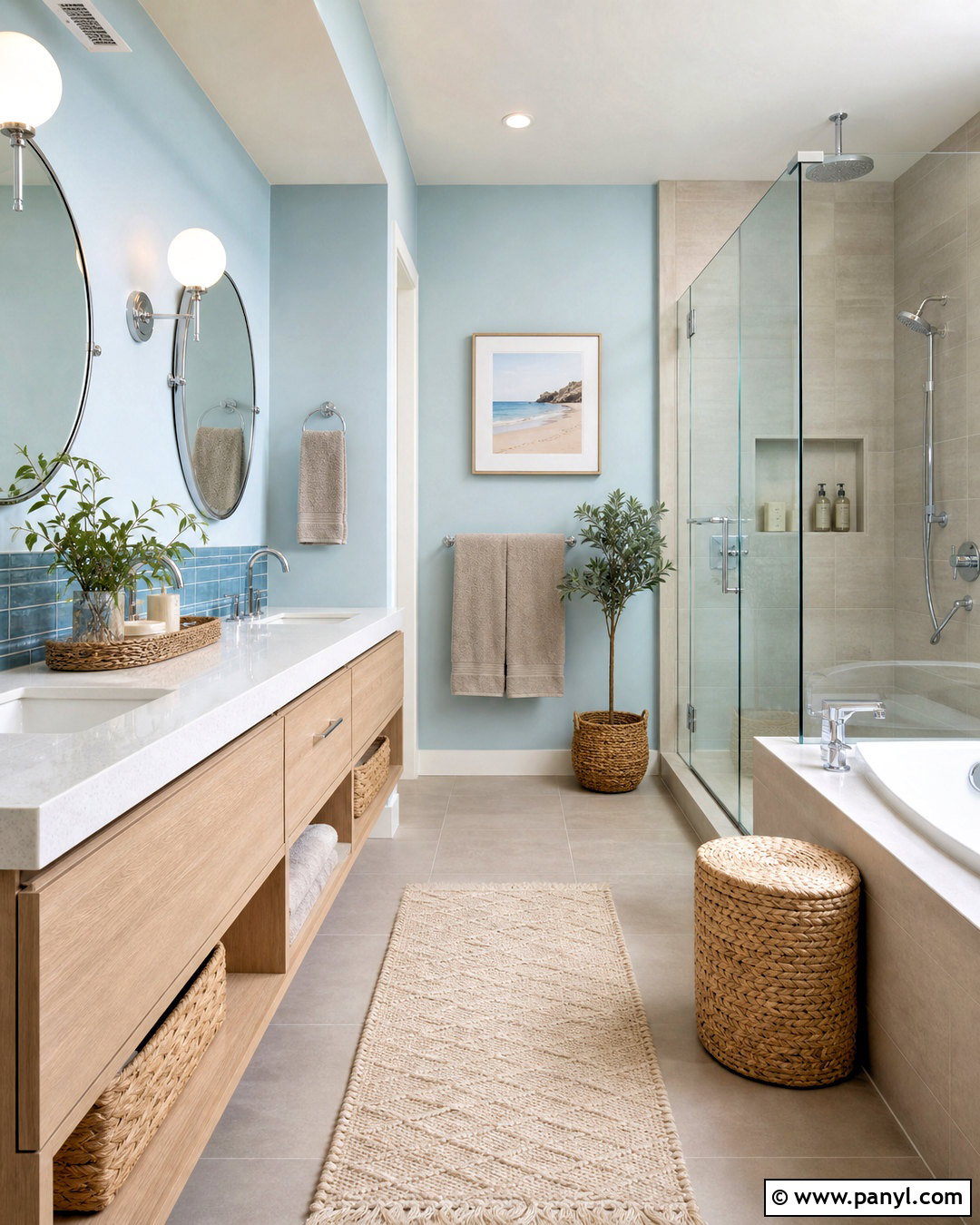
Pale blue can make taupe feel fresh and clean, which is ideal for a bright bathroom. Install taupe porcelain floor tiles and use pale blue paint on the upper walls. A light oak vanity with a white quartz top keeps the center of the room warm and practical. Continue the blue through a softly patterned shower curtain or handmade backsplash tiles, but leave plenty of white around it. Choose chrome fixtures for a crisp finish and add a frameless or thin silver mirror above the vanity. Taupe towels, a cream bath mat, and woven storage baskets connect the flooring to the accessories. Finish with white globe sconces and a small green plant, creating a complete bathroom that feels airy rather than chilly.
19. Taupe And Red Kitchen
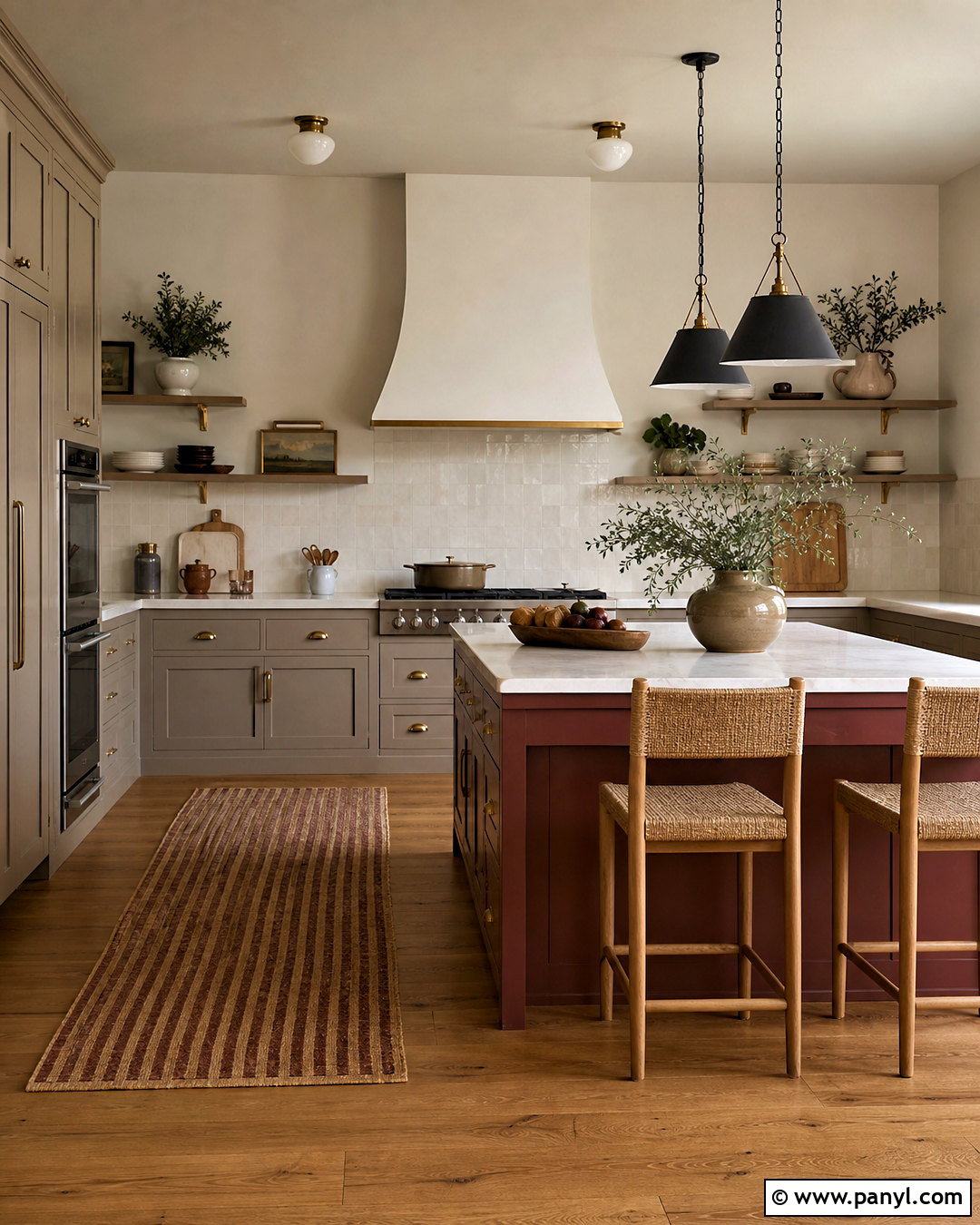
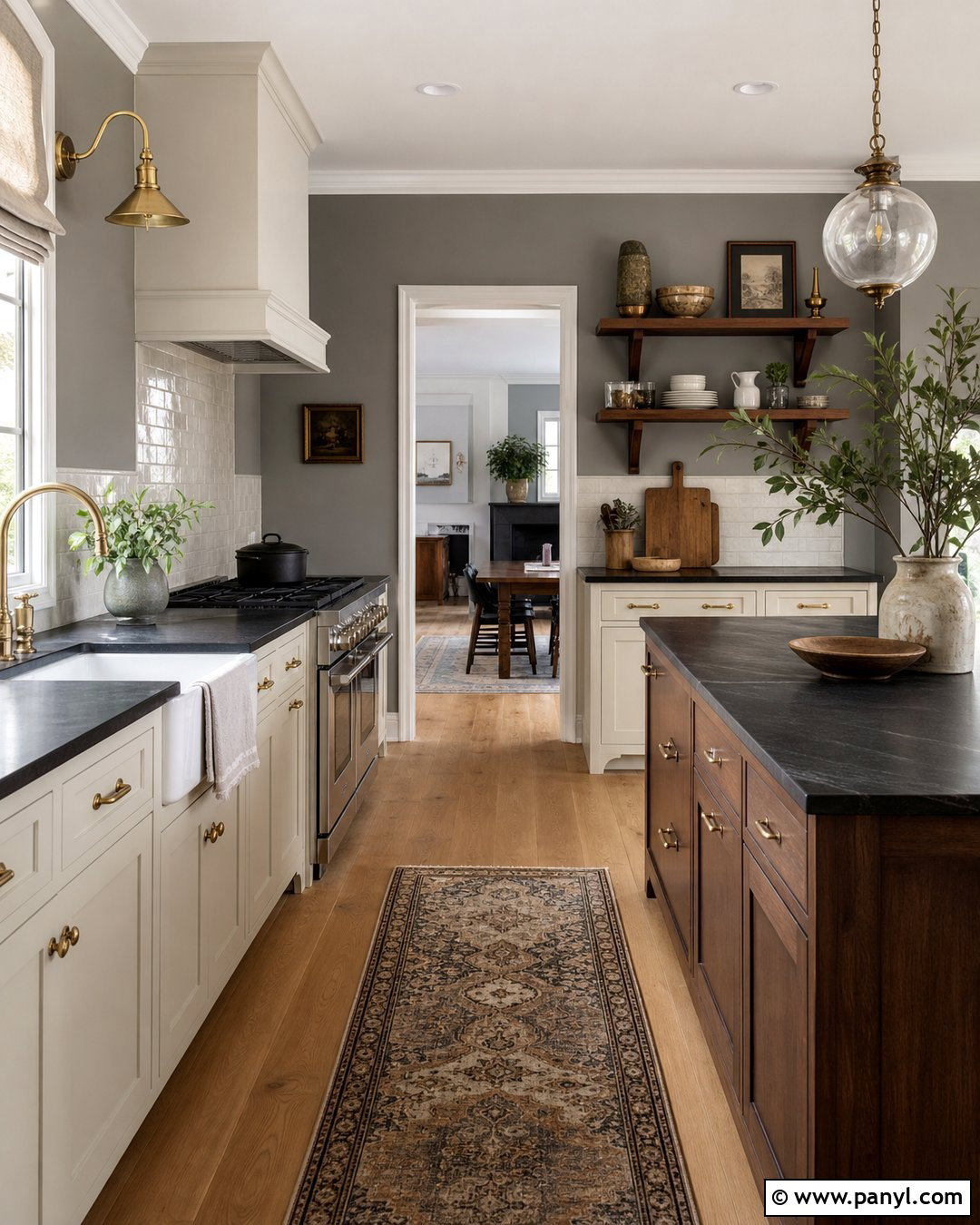
Muted brick red brings warmth and heritage character to taupe kitchen cabinetry. Paint the perimeter cabinets a medium mushroom taupe, then use earthy red on the island or freestanding pantry. Choose creamy stone countertops and an off-white zellige backsplash to reflect light around both deeper colors. Medium-toned oak flooring supports the traditional character while keeping the room casual. Black iron pendant lights and aged brass cabinet pulls provide a collected mix of finishes. Use wood counter stools with woven seats and display neutral cookware on simple open shelving. A striped runner containing red, tan, and charcoal can connect the work zones. The completed kitchen feels distinctive and welcoming because the red is softened, earthy, and carefully limited to one major feature.
20. Monochromatic Taupe Living Room
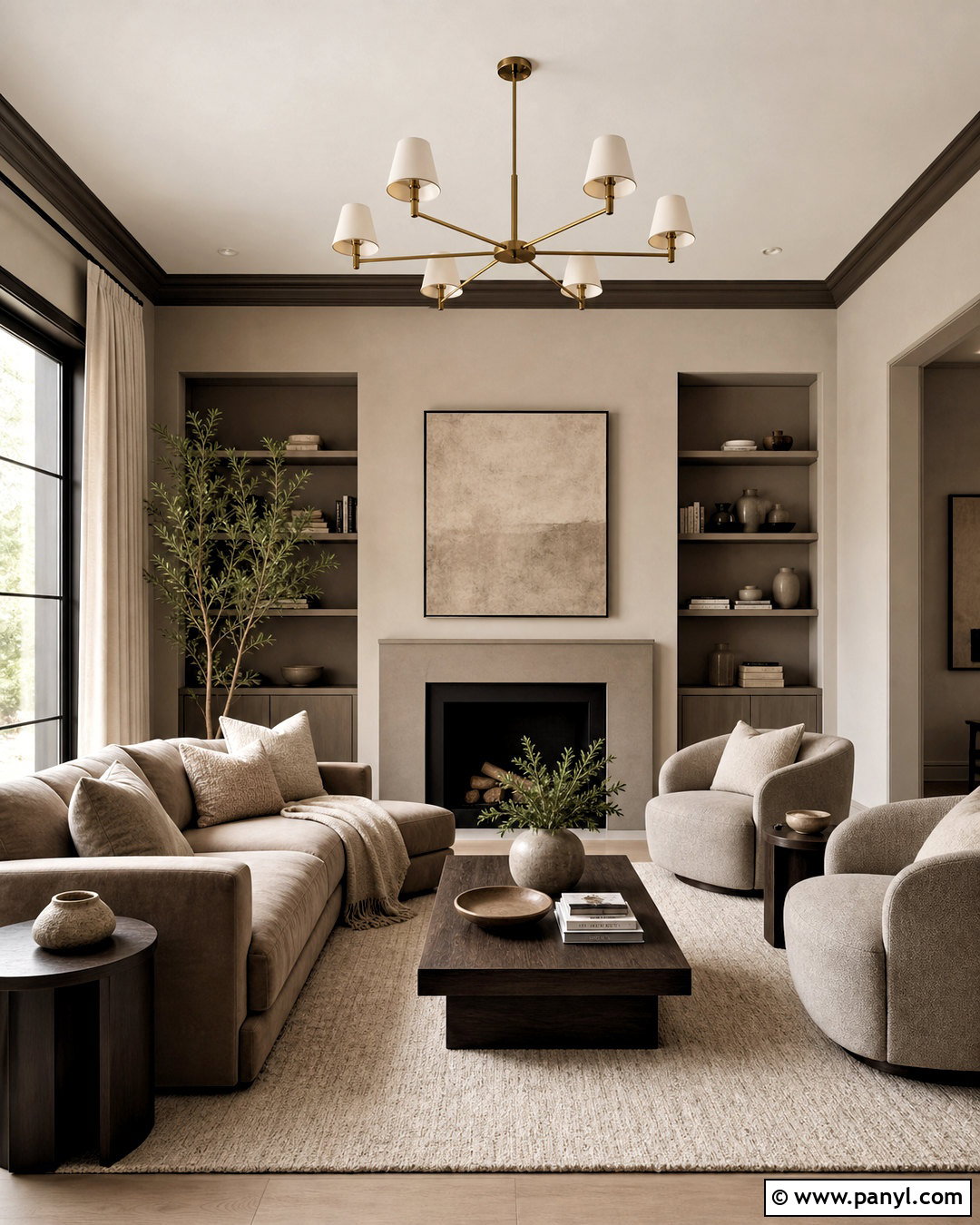
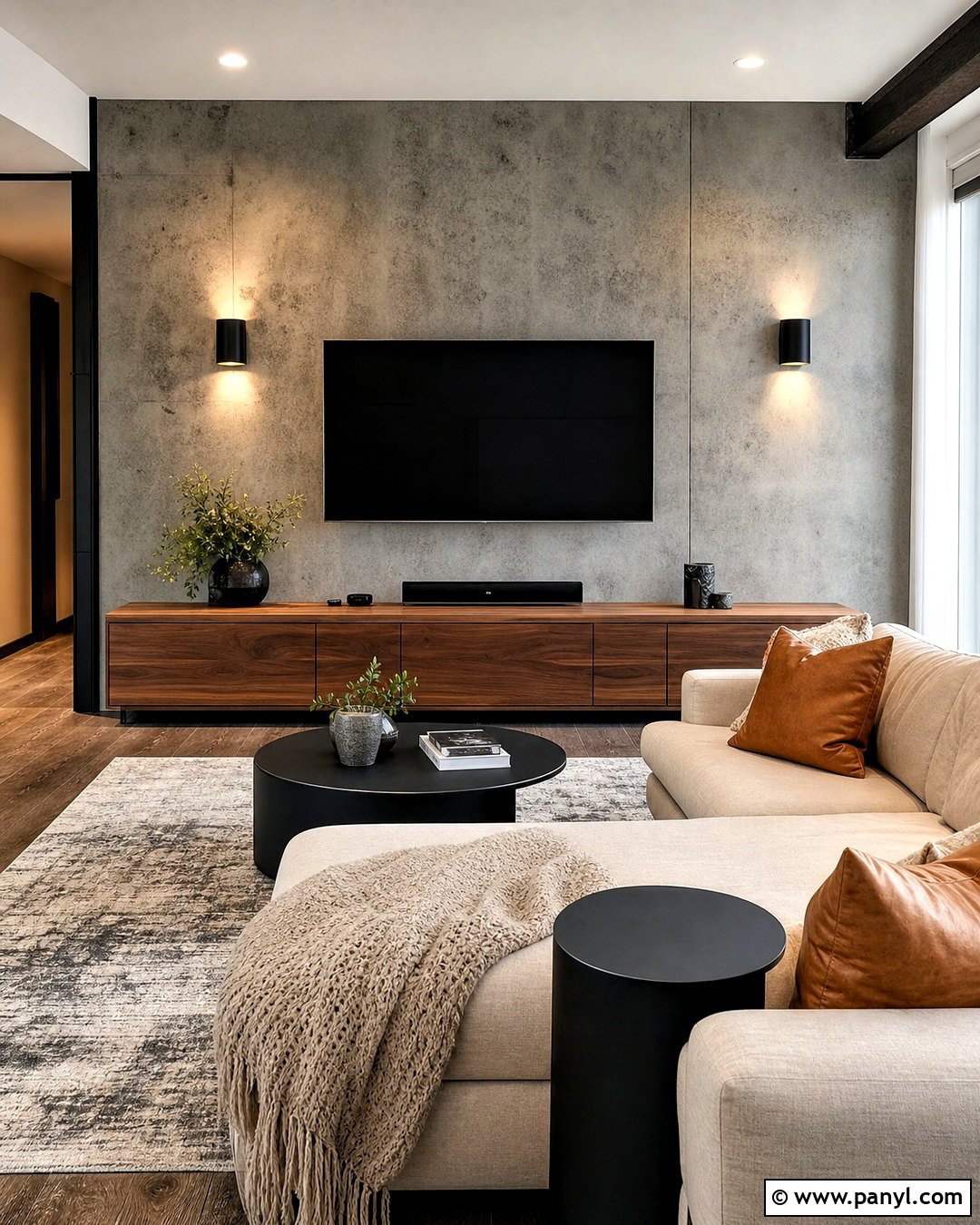
A monochromatic taupe room succeeds when each surface has a different depth and texture. Paint the walls a light taupe and use a slightly darker taupe on the trim, built-ins, or fireplace surround. Choose a mushroom-colored sofa, two stone-taupe chairs, and a pale beige rug to create visible layers. Dark brown wood tables offer enough contrast to prevent the furniture from blending together. Mix linen curtains, boucle pillows, wool throws, matte ceramics, and smooth stone accessories across the room. Keep the ceiling warm white so the space retains brightness. Black or bronze lighting can provide a restrained outline. This complete tonal approach feels calm and sophisticated because the variation comes from texture, shape, and value instead of numerous competing colors.
Conclusion:
These 20 taupe color palette ideas show how easily this adaptable neutral can support soft, earthy, colorful, or dramatic rooms. Begin by identifying whether your preferred taupe leans warm brown, cool gray, rosy mauve, or muted green. Then repeat that undertone through wood, stone, textiles, and accent colors. Cream and white create brightness, while navy, forest green, burgundy, and charcoal deliver stronger contrast. Terracotta, mustard, and burnt orange offer warmth without disrupting taupe’s calming character. Before making a final choice, test paint and fabric samples under both natural and artificial light. With thoughtful layering and a balanced room layout, taupe can feel distinctive, comfortable, and far from ordinary.

Related Ideas and Inspiration:
Leave a Reply