
Gray becomes far more inviting when it is paired with colors that bring warmth, depth, or refreshing contrast. These 20 colors that compliment gray ideas show how to turn this practical neutral into a complete, layered home palette. The key is matching undertones. Cool gray works naturally with blue, teal, lavender, and crisp white, while warm gray feels balanced beside cream, brown, terracotta, and muted green. Texture matters too. Wood, linen, stone, metal, and woven accents prevent gray rooms from looking flat. Each combination below presents a complete room look with coordinated furniture, finishes, lighting, and decor, making it easier to recreate at home. Explore these practical 20 colors that compliment gray ideas.

1. White And Gray Living Room
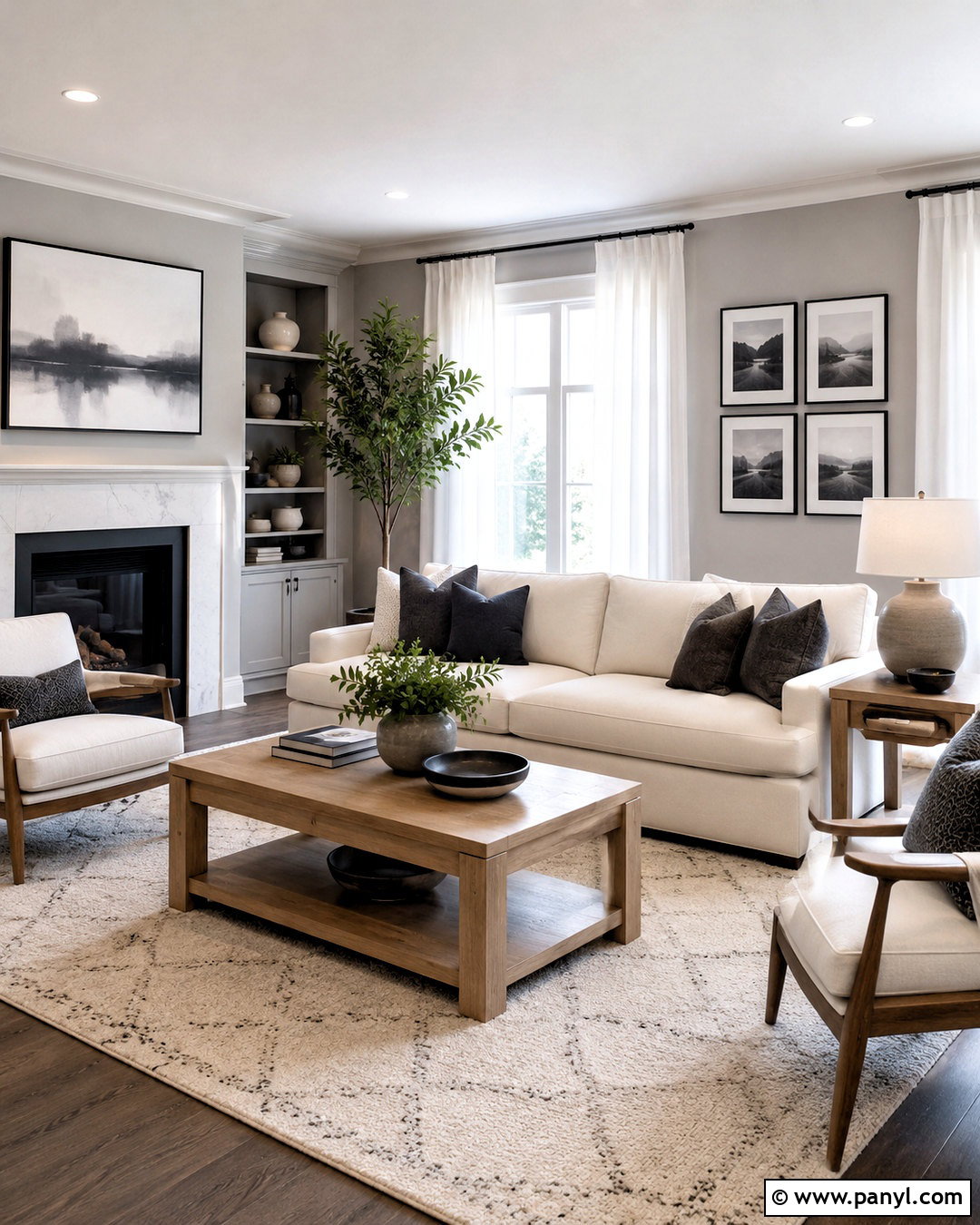
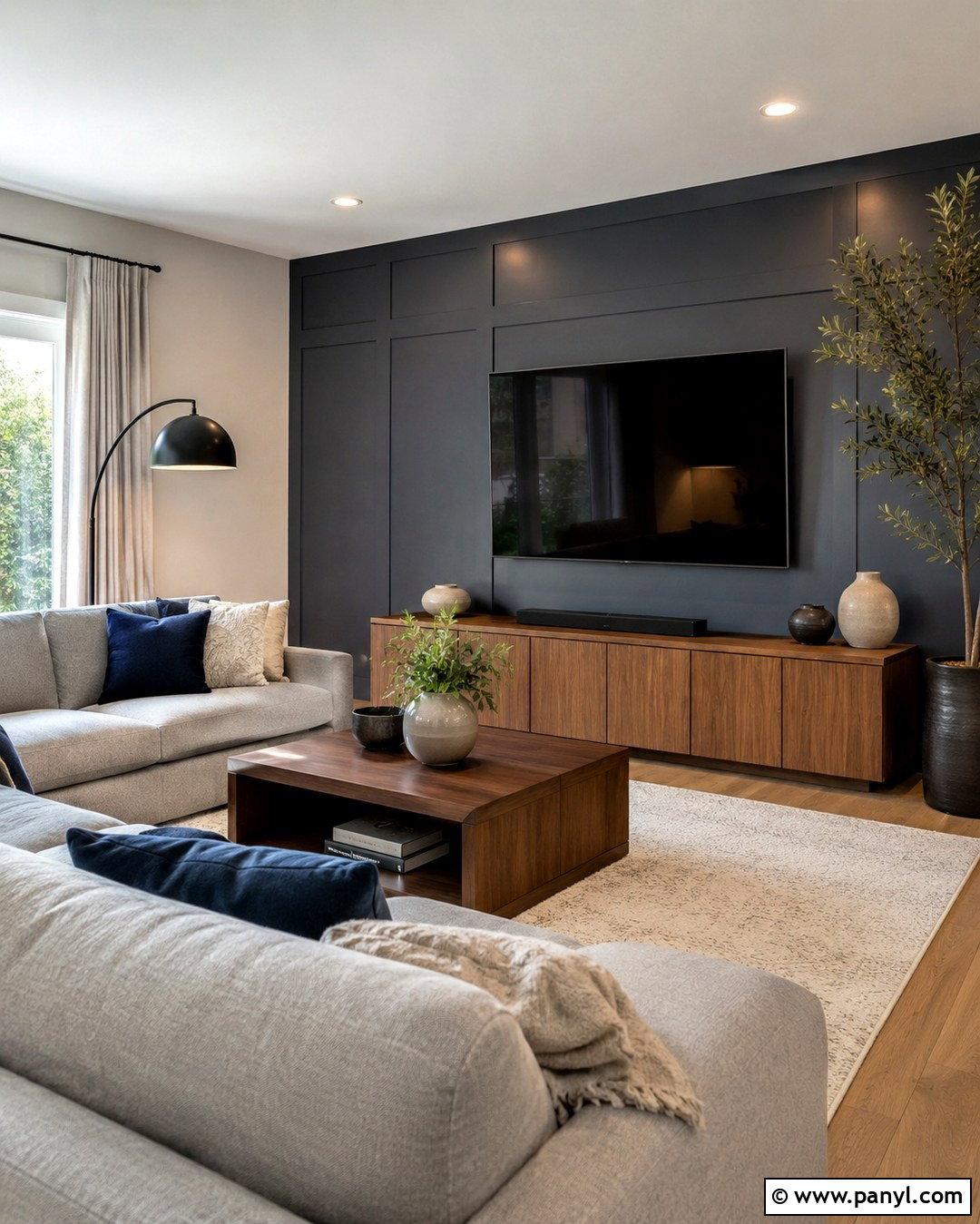
White gives gray a clean, bright finish without competing for attention. Start with soft gray walls and place a comfortable white sofa across from a simple charcoal media console. An ivory and gray patterned rug can connect the seating area while keeping the floor visually light. Add pale oak side tables, sheer white curtains, and ceramic lamps with linen shades for warmth. A few charcoal pillows and a textured gray throw will repeat the wall color without making the room feel overly matched. Finish the complete look with black-framed artwork, a leafy plant, and brushed nickel accents. This combination works especially well in smaller living rooms because the white surfaces reflect light while gray creates definition.
2. Cream And Gray Bedroom
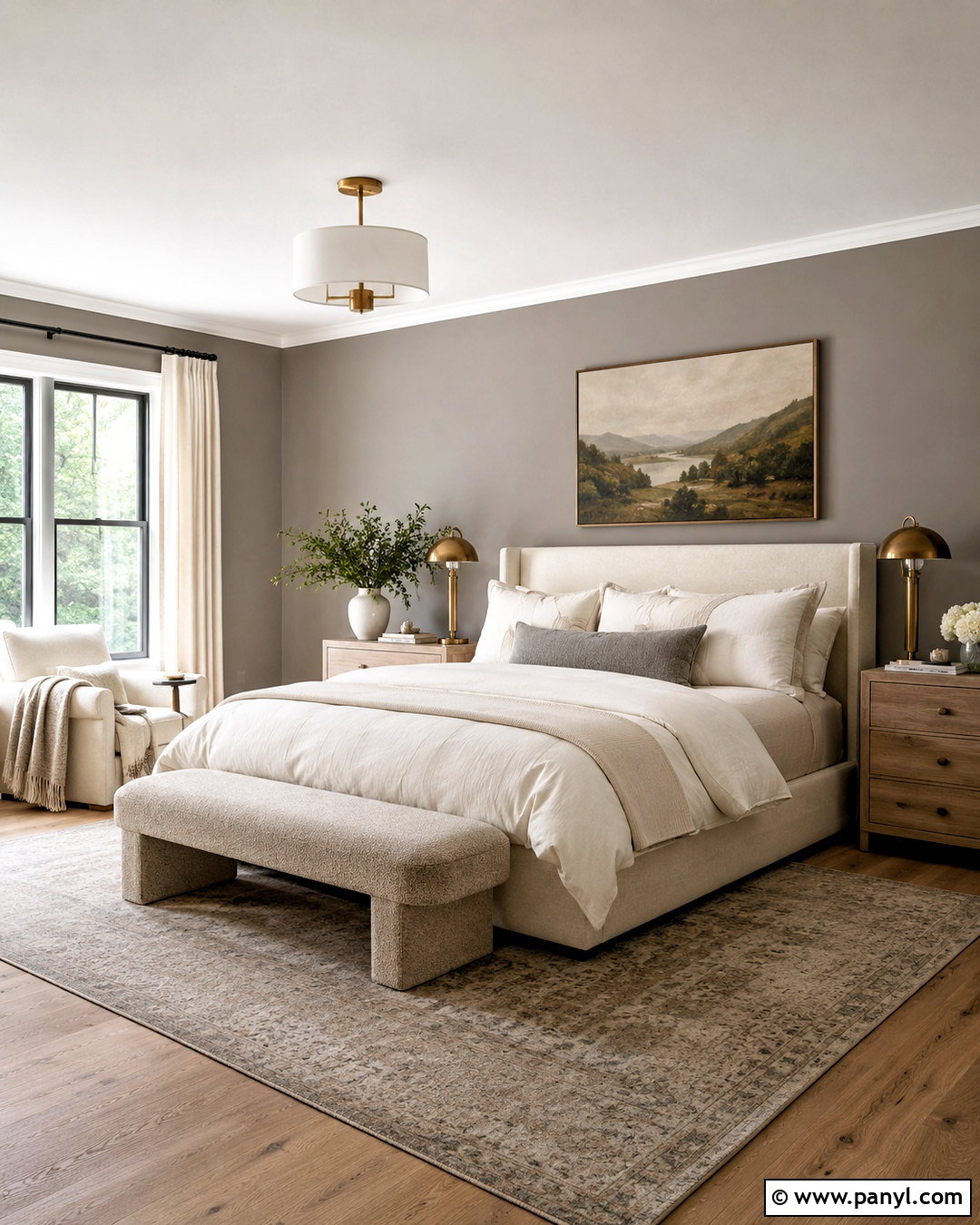
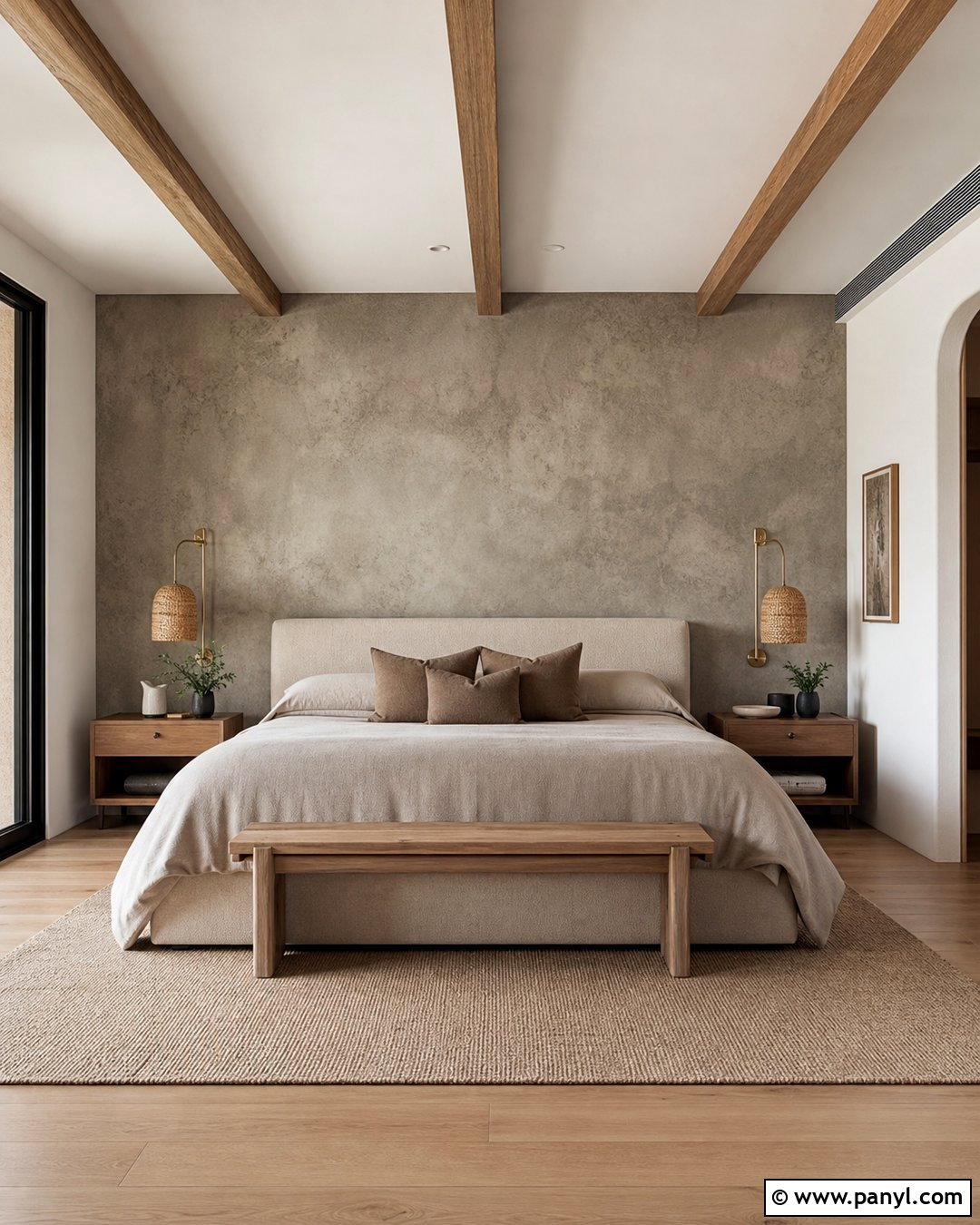
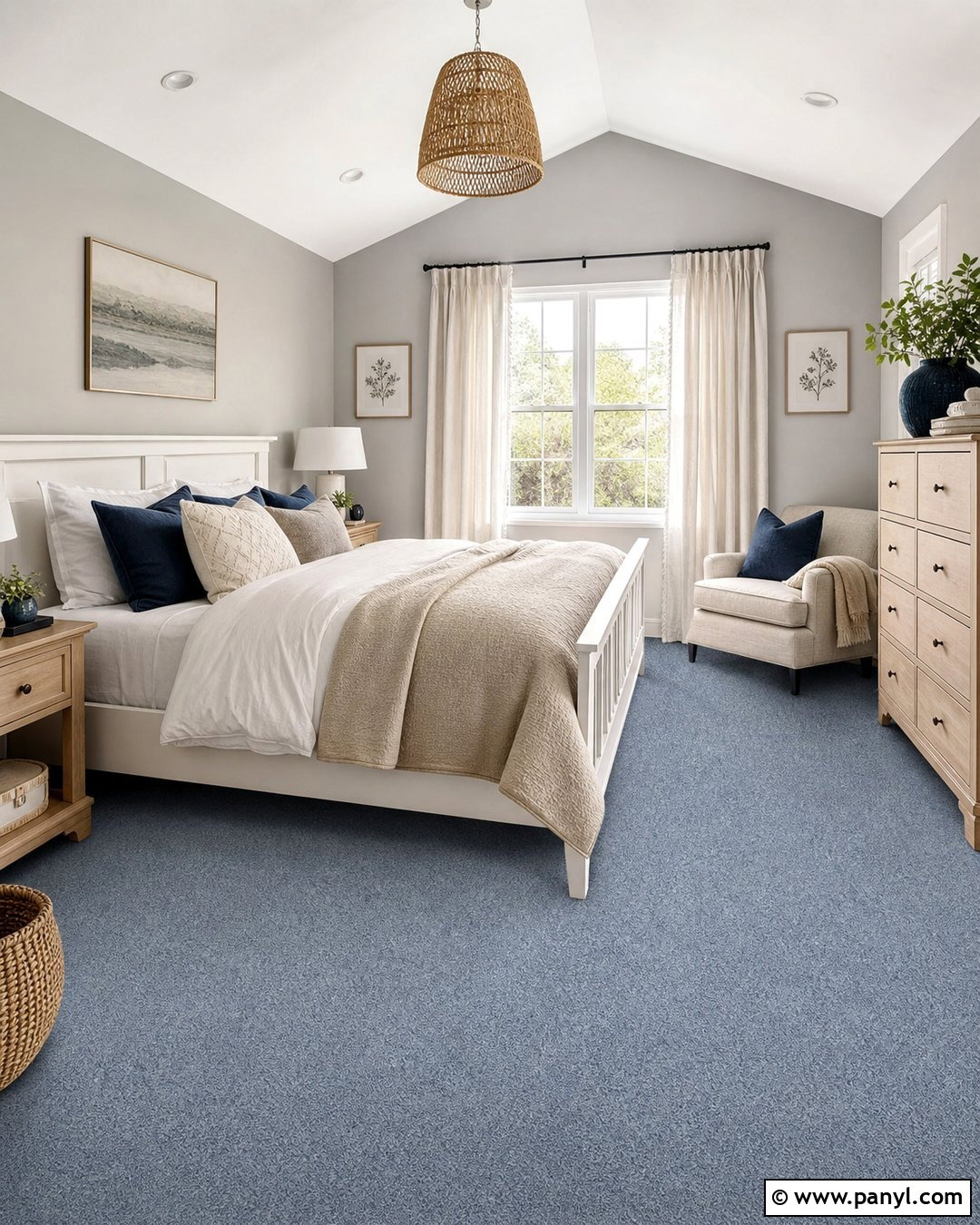
Cream softens gray and creates a bedroom that feels warmer than a basic gray-and-white scheme. Use warm medium-gray walls behind an upholstered cream bed with gently rounded edges. Dress the bed with ivory linen, a gray quilt, and a few oatmeal-colored pillows for subtle layering. Light oak nightstands and a woven bench introduce natural texture, while antique brass lamps add a quiet glow and polished contrast. Choose full-length cream curtains rather than bright white ones so the windows blend smoothly with the palette. A thick neutral rug will make the room feel finished and comfortable underfoot. Keep artwork simple, using soft landscape prints that combine gray, cream, tan, and muted green in one cohesive bedroom design.
3. Beige And Gray Dining Room
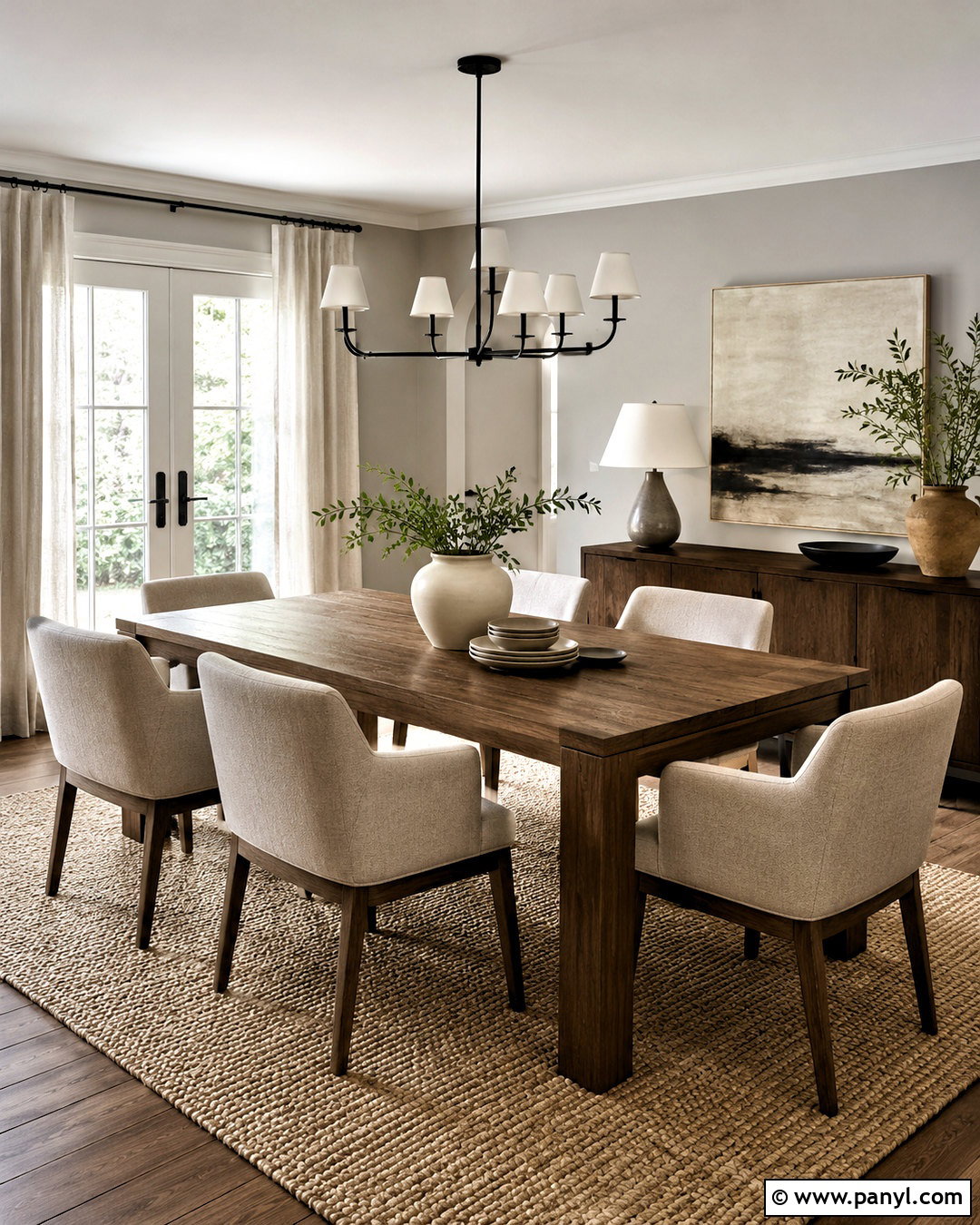
Can gray and beige work together without looking dull? They can when each color has a clear role. Paint the walls a warm light gray, then anchor the dining room with beige upholstered chairs around a medium-toned walnut table. A large natural-fiber rug adds softness while defining the furniture arrangement. Hang a linen drum pendant above the table and use matte black curtain rods for sharper contrast. Beige drapes, stoneware dishes, and a cream ceramic centerpiece keep the palette relaxed. Repeat the gray through a painted sideboard or patterned seat fabric. The warm wood prevents the two neutrals from feeling flat, while simple greenery introduces a fresh organic accent. The finished dining room feels calm, comfortable, and easy to update.
4. Taupe And Gray Home Office
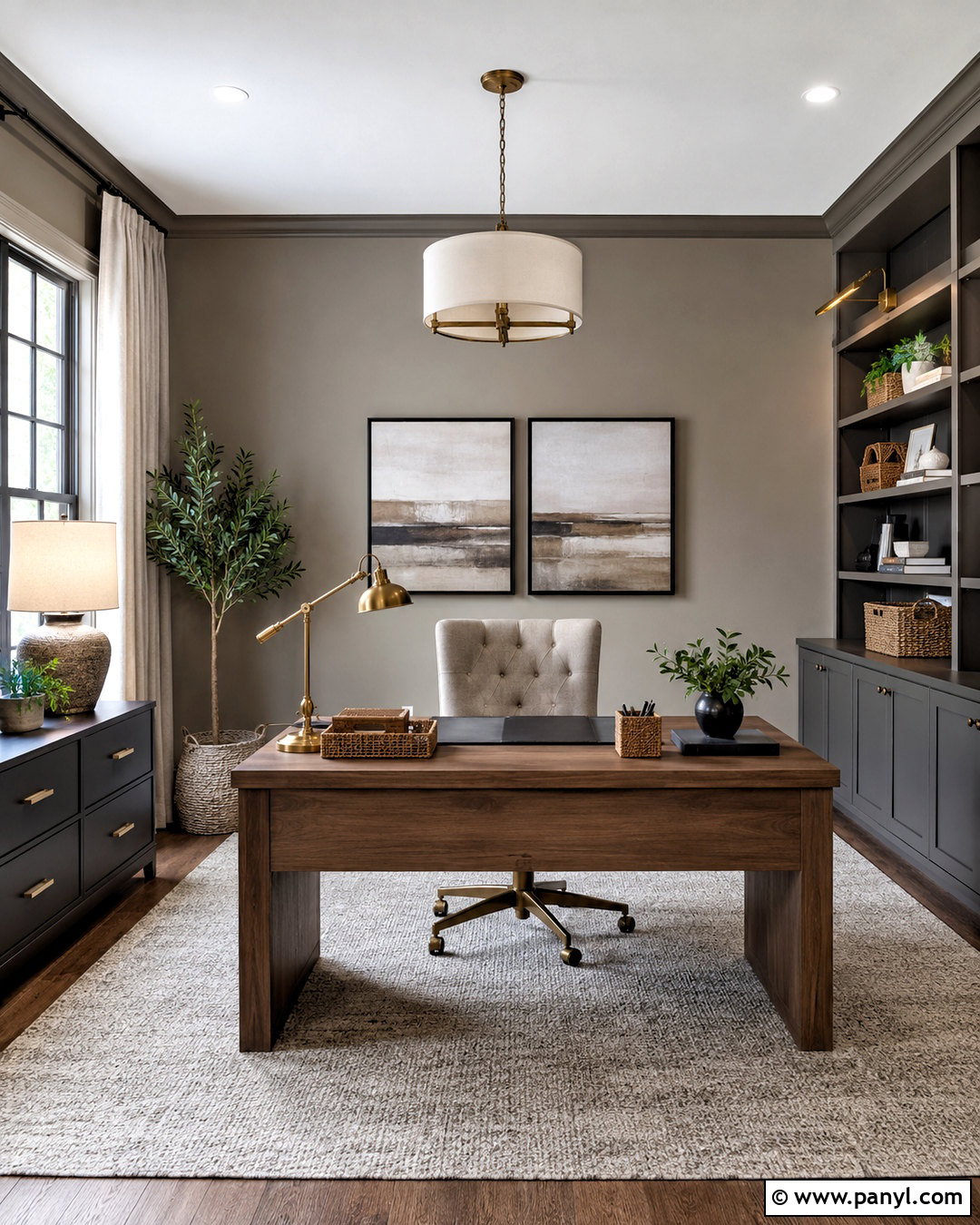
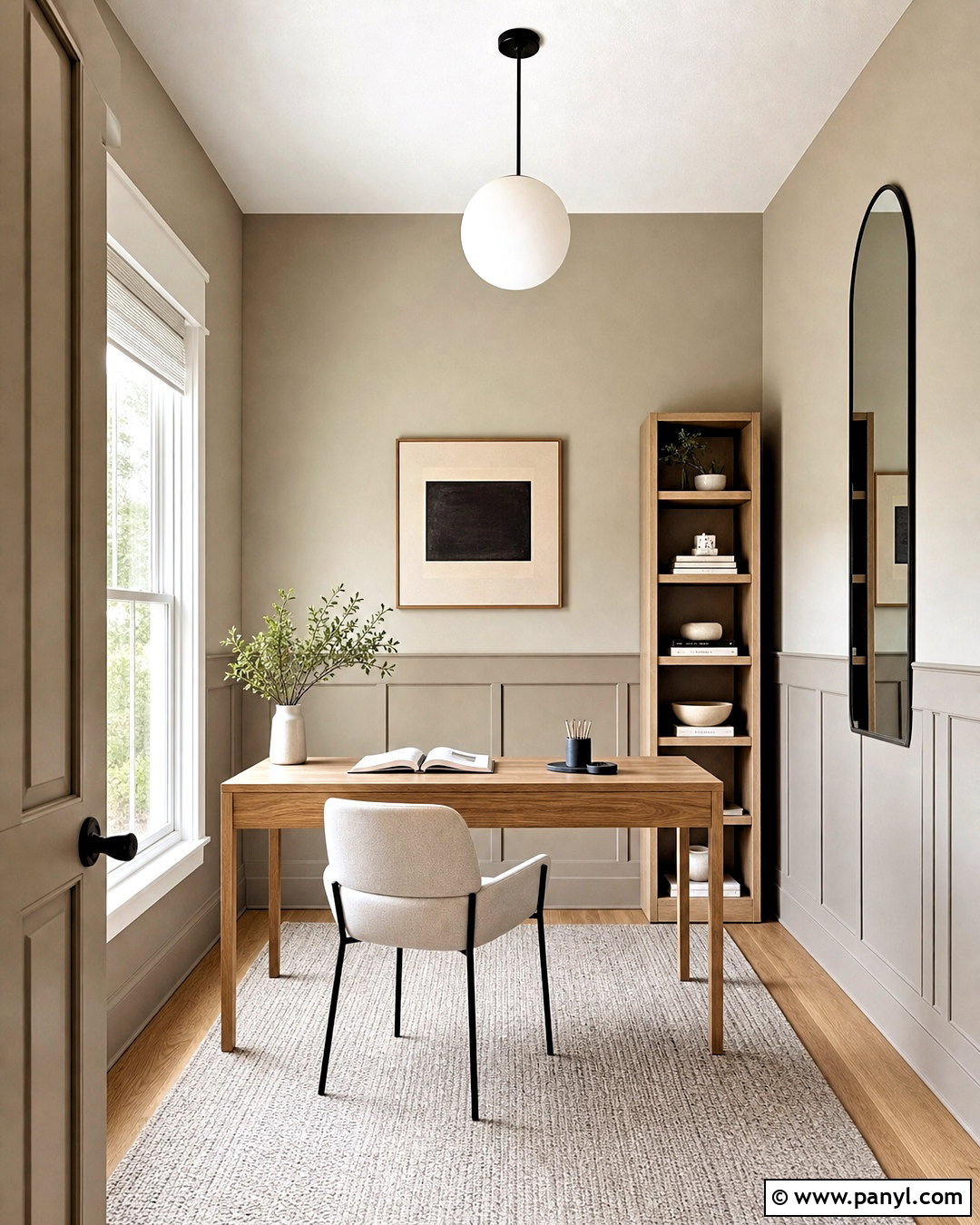
Taupe gives gray a sophisticated, earthy quality that is well suited to a focused home office. Cover the walls in a soft gray with warm undertones, then position a taupe desk chair beside a streamlined walnut desk. Add gray built-in shelving or a charcoal storage cabinet to provide visual weight and practical organization. A wool rug combining taupe, gray, and ivory can soften hard flooring and define the work zone. Use a brass desk lamp, framed neutral artwork, and woven storage boxes to create a polished but approachable finish. If the office receives limited daylight, choose lighter taupe upholstery and pale gray paint. Keep accessories controlled and repeat each color at least twice so the complete workspace looks intentional rather than randomly neutral.
5. Black And Gray Kitchen
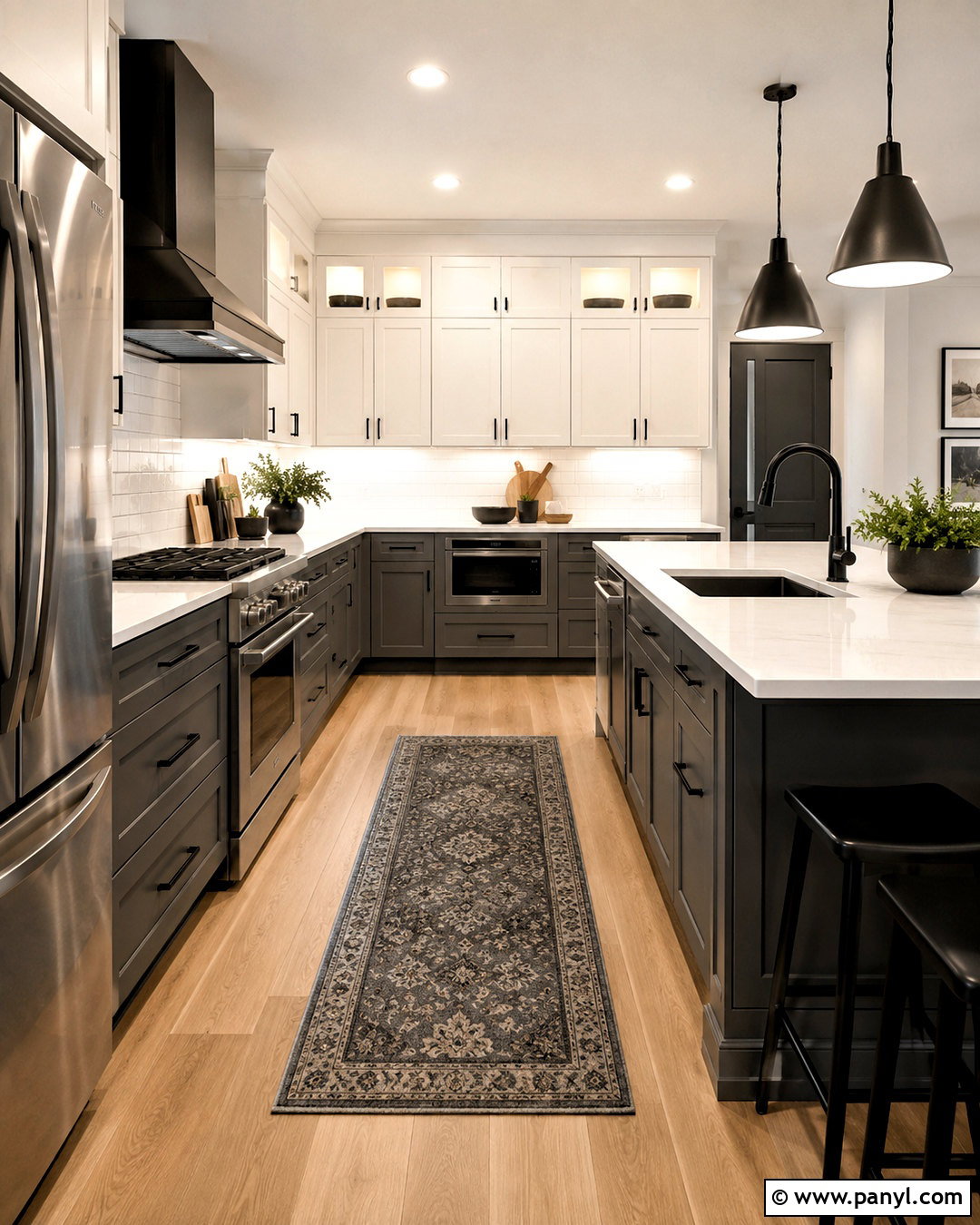
Black adds structure and drama to a gray kitchen, especially when lighter finishes prevent the space from becoming heavy. Choose medium-gray lower cabinets and warm white upper cabinets, then connect them with matte black hardware. A white quartz countertop with subtle gray veining will brighten the work surfaces. Use black pendant lights over an island and matching black frames on counter stools for a consistent outline. Light oak flooring introduces warmth, while a simple white tile backsplash reflects light around the room. Keep small appliances mostly black or stainless steel to reduce visual clutter. A runner with gray, cream, and muted brown can soften the central walkway. The result is a complete modern kitchen with contrast, balance, and everyday practicality.
6. Navy Blue And Gray Family Room
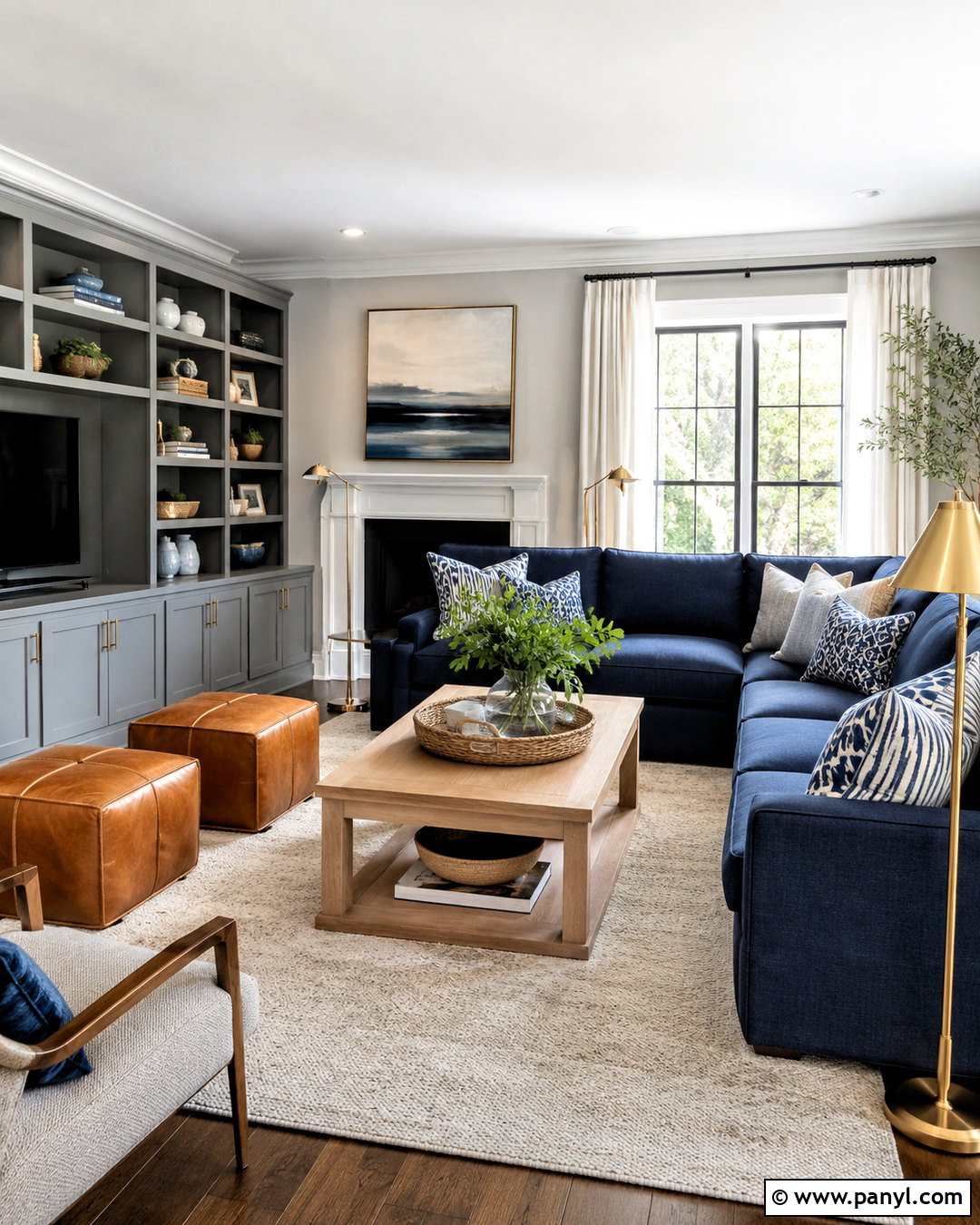
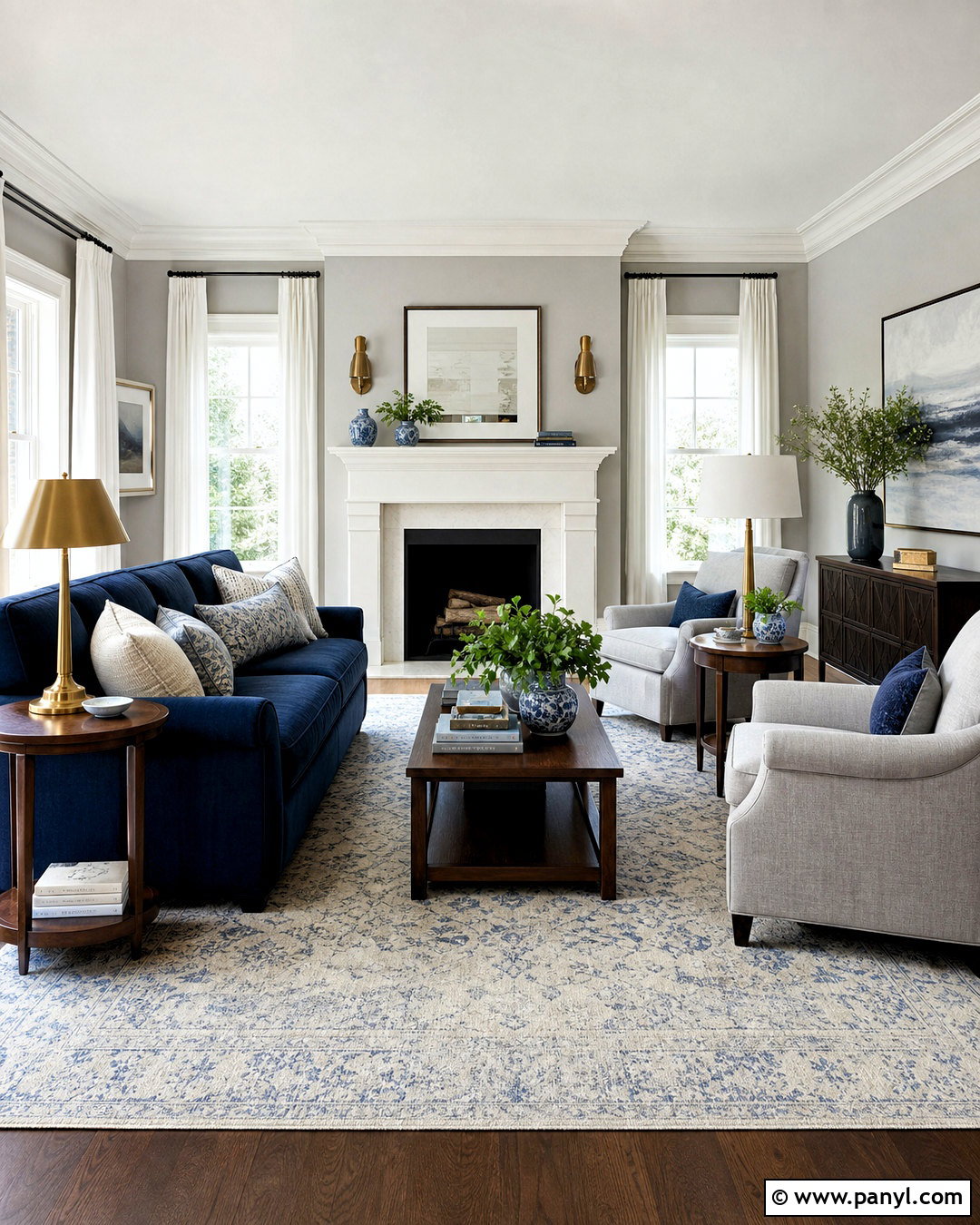
Navy blue brings depth to gray while preserving the calm feeling of a neutral room. Begin with light gray walls and a generous navy sectional arranged around a pale oak coffee table. Place a large cream rug beneath the seating so the dark sofa does not visually overwhelm the floor. Layer the sectional with gray, ivory, and blue patterned pillows rather than using solid navy everywhere. Built-in shelves painted soft gray can hold books, baskets, and simple ceramics. Add cognac leather ottomans for warmth and aged brass floor lamps for gentle shine. White curtains will keep the windows bright and balanced. This complete family room palette feels durable and relaxed, with enough contrast to look polished without becoming too formal.
7. Powder Blue And Gray Bathroom
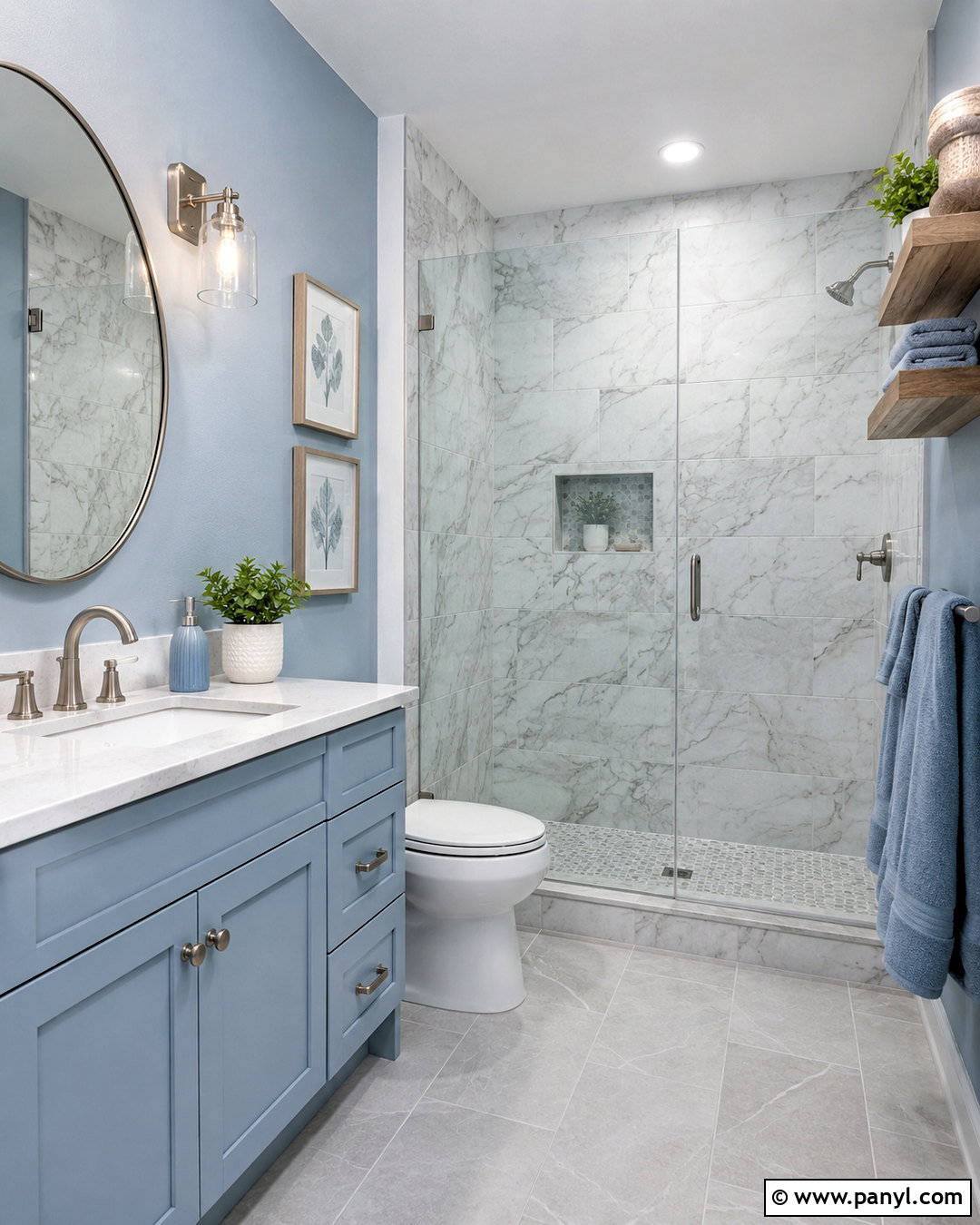
Powder blue refreshes gray and gives a bathroom a soft, airy appearance. Use pale gray porcelain floor tiles and a powder blue vanity with simple brushed nickel hardware. A white quartz counter and rectangular white sink will keep the main surfaces clean and timeless. Continue the gray through marble-look shower tile, then use clear glass around the shower to maintain an open view. Add a rounded mirror, white wall sconces, and neatly folded blue-gray towels. Light wood shelves can hold woven baskets and small ceramic containers, introducing warmth without disrupting the gentle palette. Keep grout light and consistent throughout the room. This complete bathroom look suits both compact and spacious layouts because the cool colors create visual continuity and a fresh, uncluttered finish.
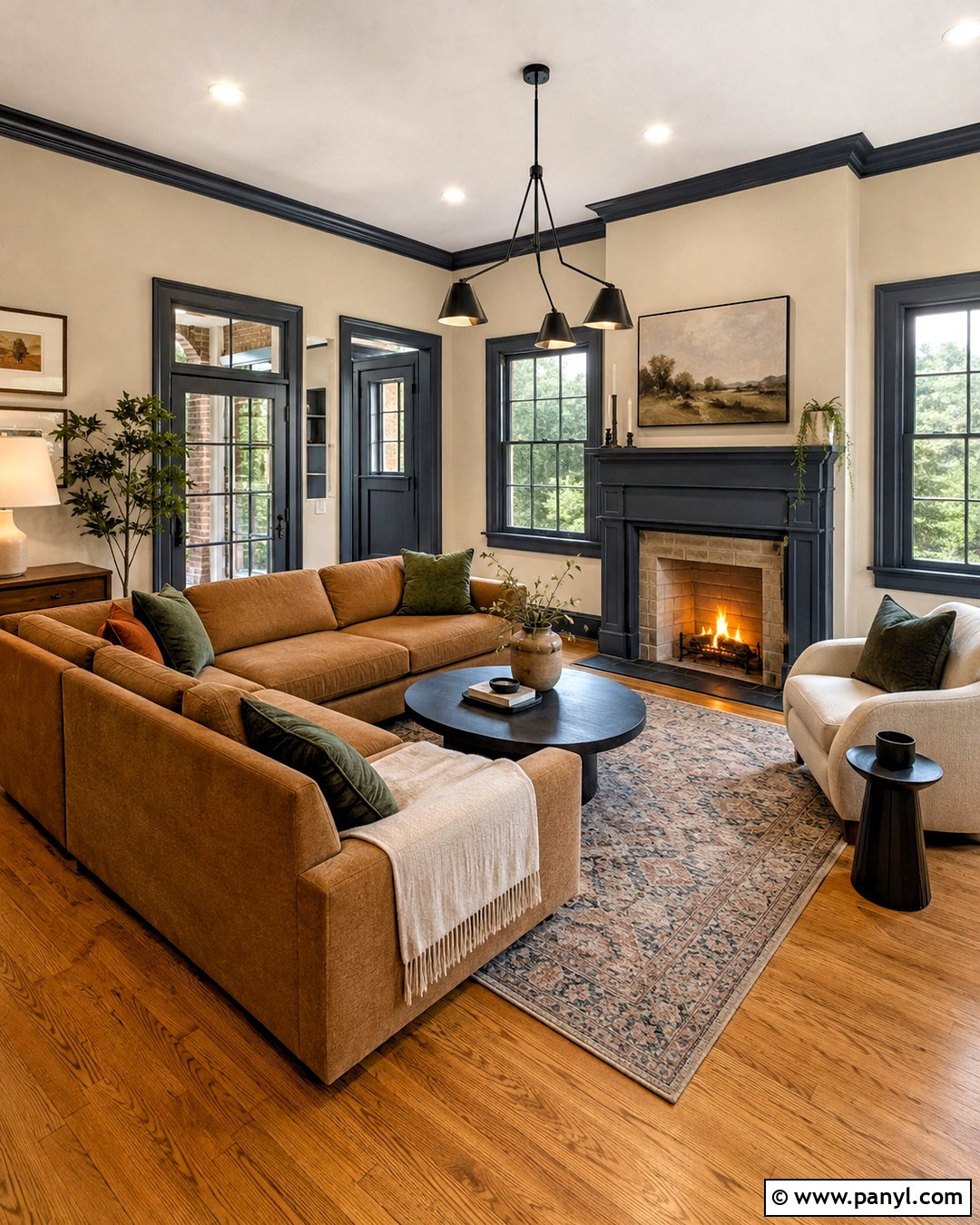
8. Teal And Gray Living Room
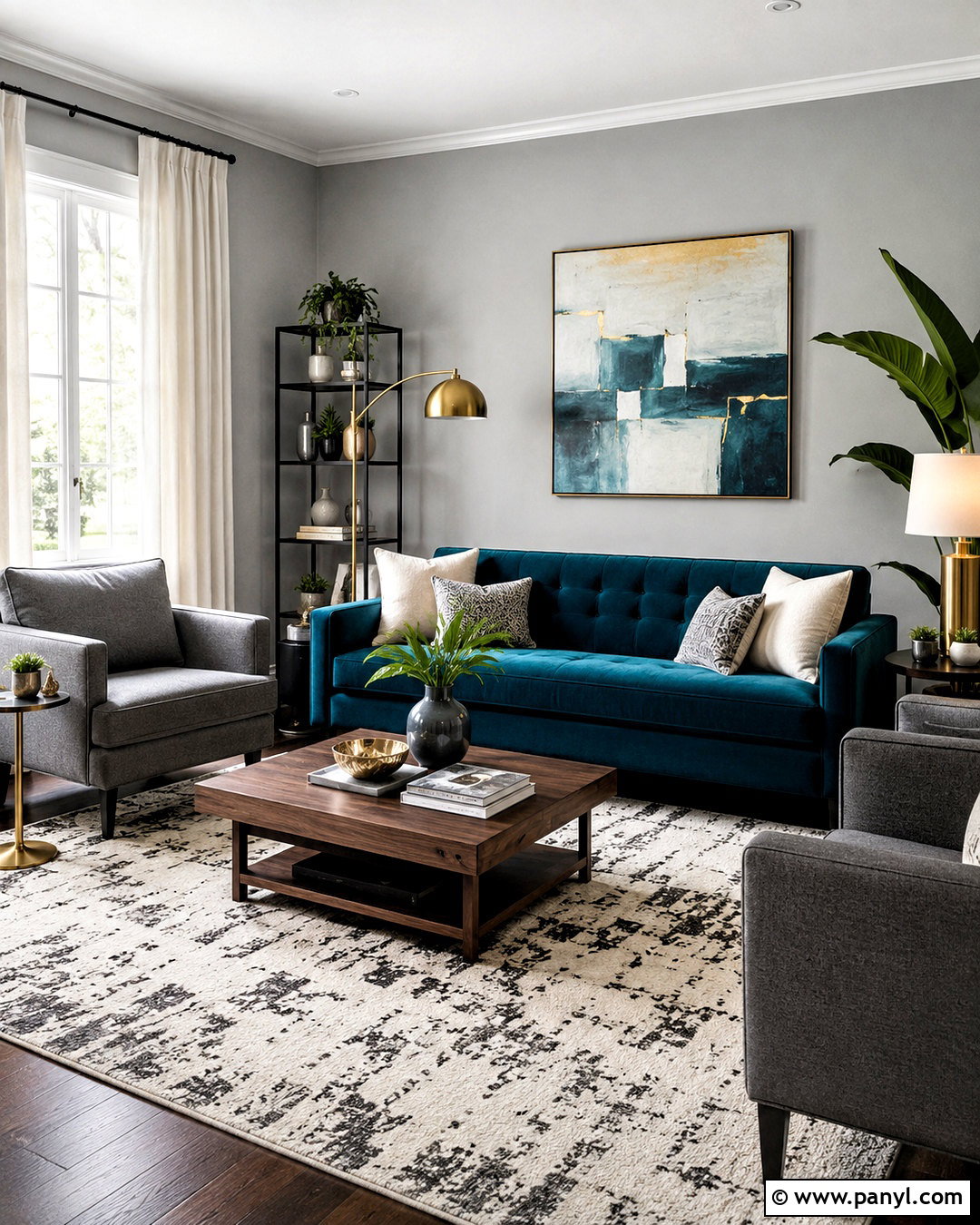
Teal provides stronger color than powder blue but still feels balanced beside gray. Paint the walls a soft dove gray and make a deep teal sofa the main focal point. Ground the seating with a cream rug featuring a small charcoal pattern, then add a walnut coffee table for warmth. Use gray armchairs or a gray upholstered bench to distribute the neutral color across the room. Brass lamps, teal-and-ivory pillows, and abstract artwork can tie the palette together without creating excessive repetition. Choose off-white curtains to soften daylight and black metal accents to sharpen the edges. A few natural plants echo teal’s green undertone. The completed room feels colorful and modern while remaining practical enough for everyday living and entertaining.
9. Sage Green And Gray Bedroom
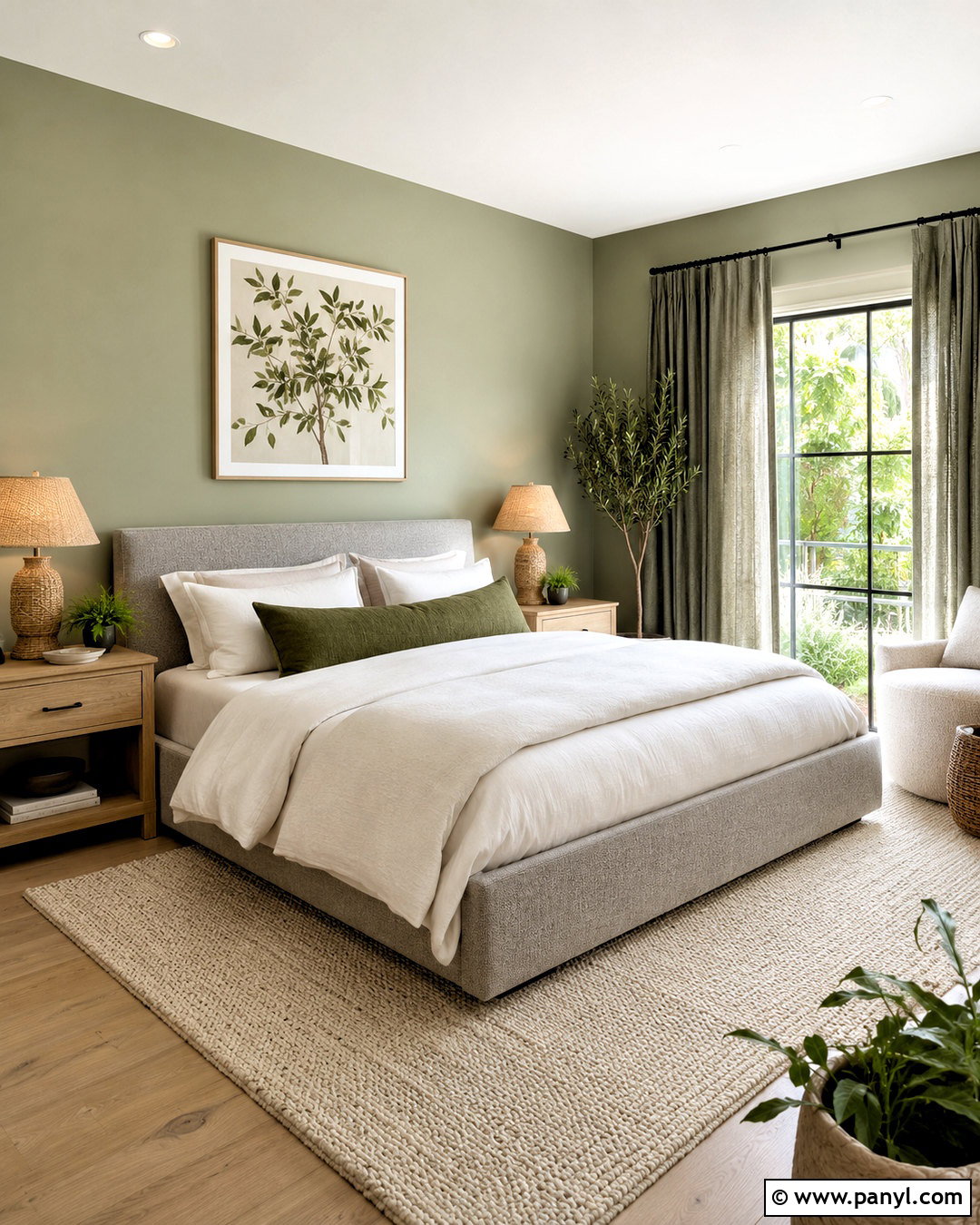
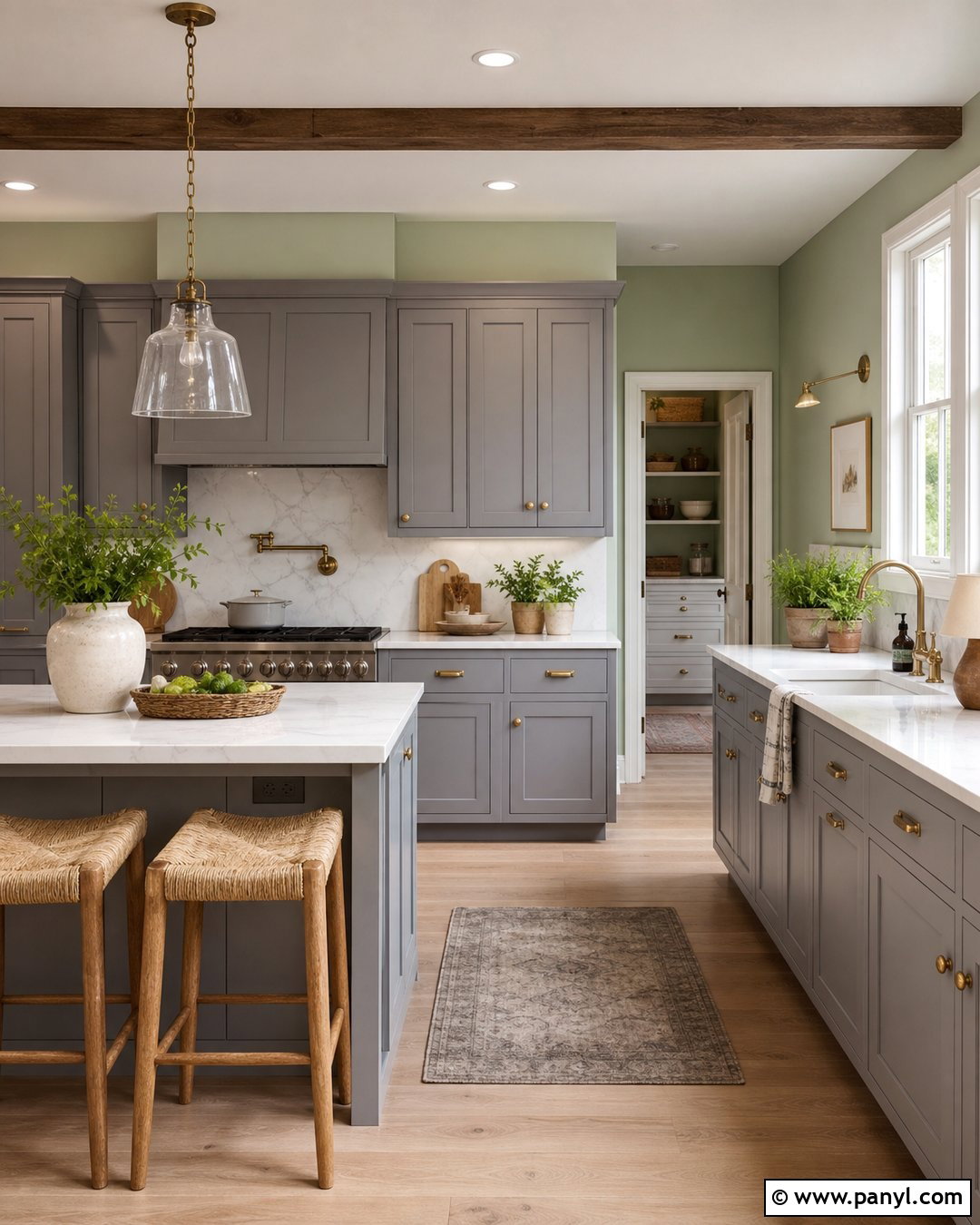
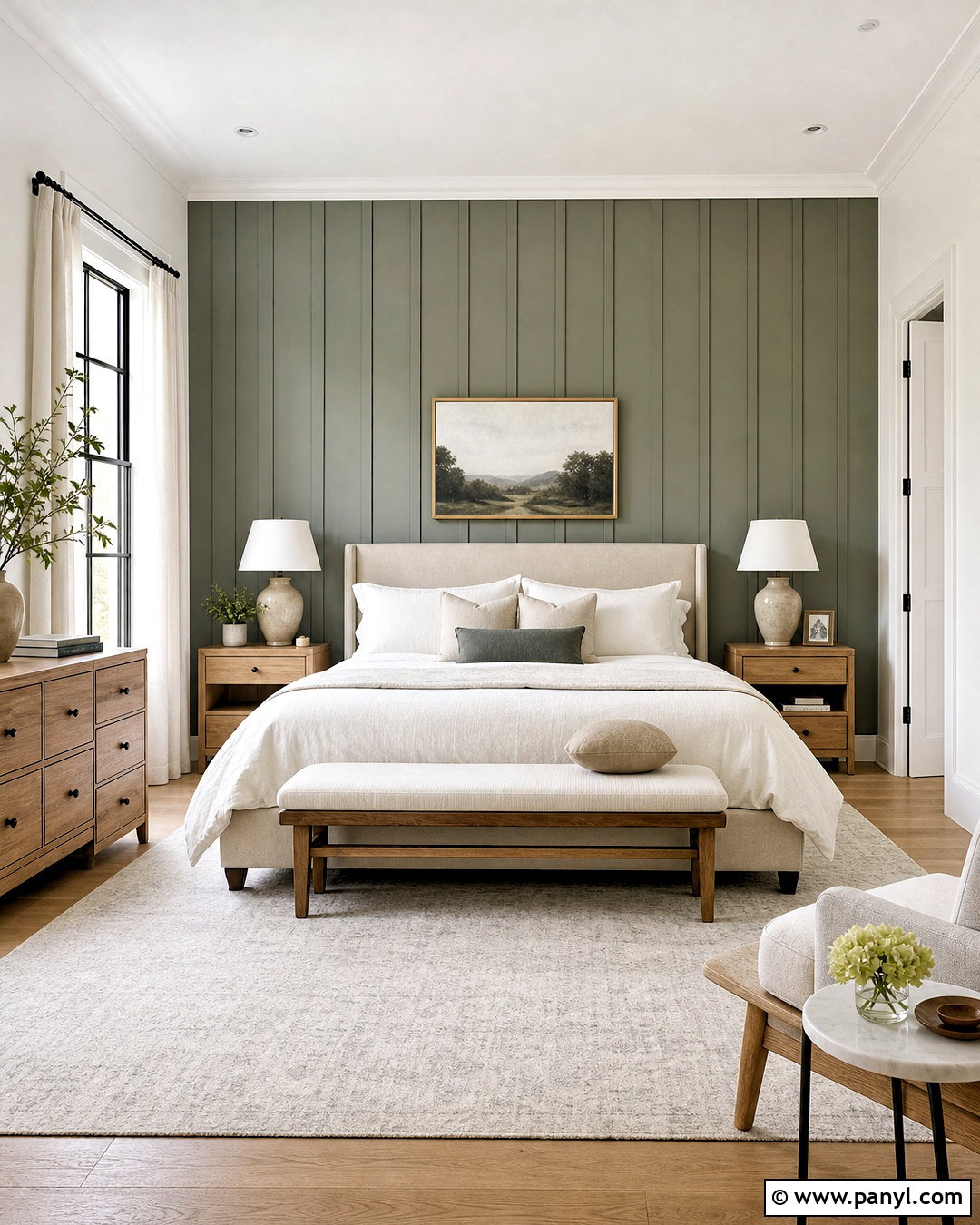
Sage green brings a natural softness that can make gray feel peaceful rather than industrial. Use muted sage walls with a light gray upholstered bed positioned at the center of the room. Add white bedding, a soft gray blanket, and olive-toned accent pillows for gentle depth. Pale oak nightstands, woven lampshades, and a natural linen bench will warm the cool colors. Choose gray-green curtains that sit between the two primary shades and create a smooth transition around the windows. A cream wool rug keeps the floor light, while botanical artwork reinforces the organic character without becoming overly themed. Finish with matte black hardware and one or two leafy plants. This complete bedroom palette feels restful, grounded, and comfortably connected to nature.
10. Olive Green And Gray Dining Nook
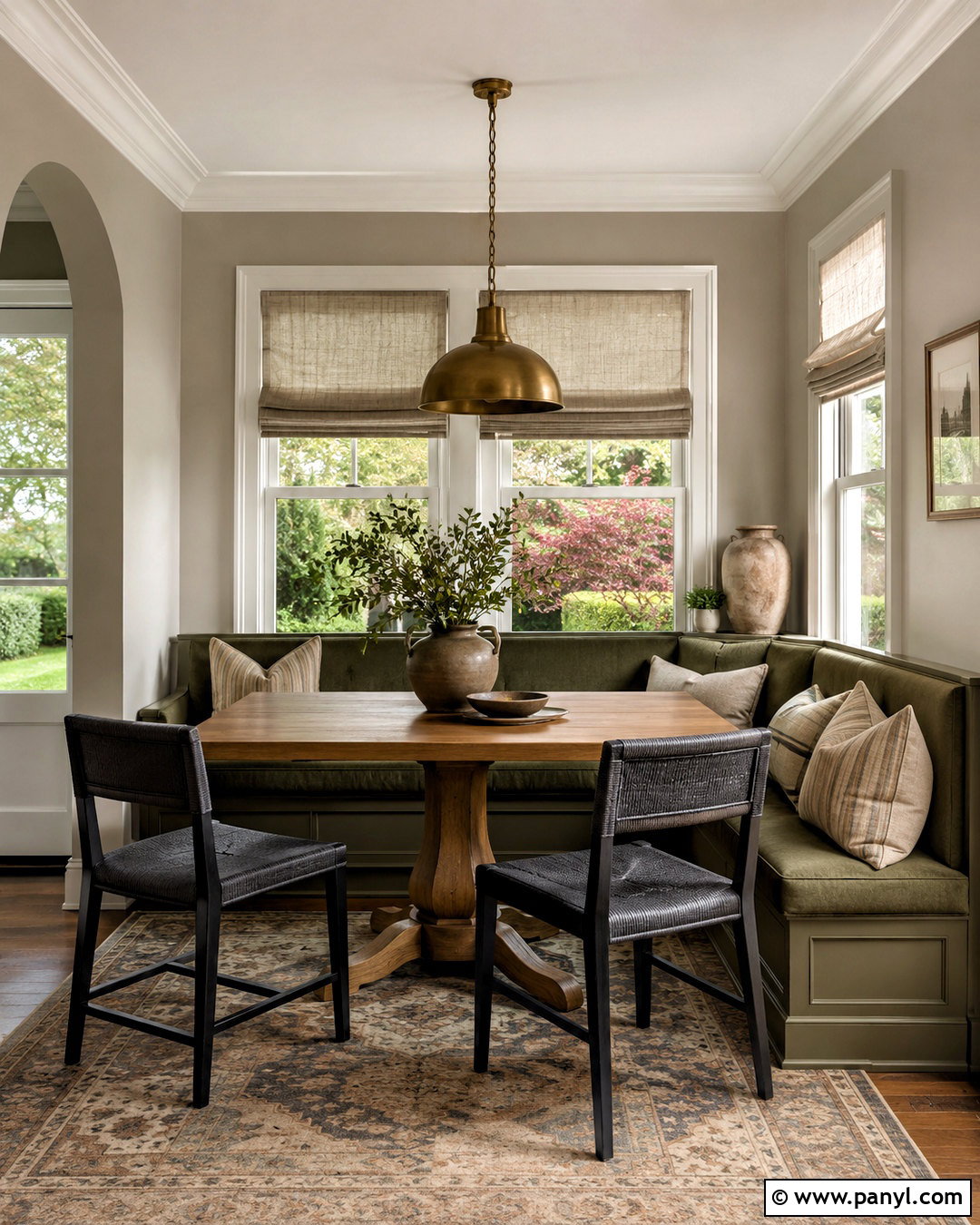
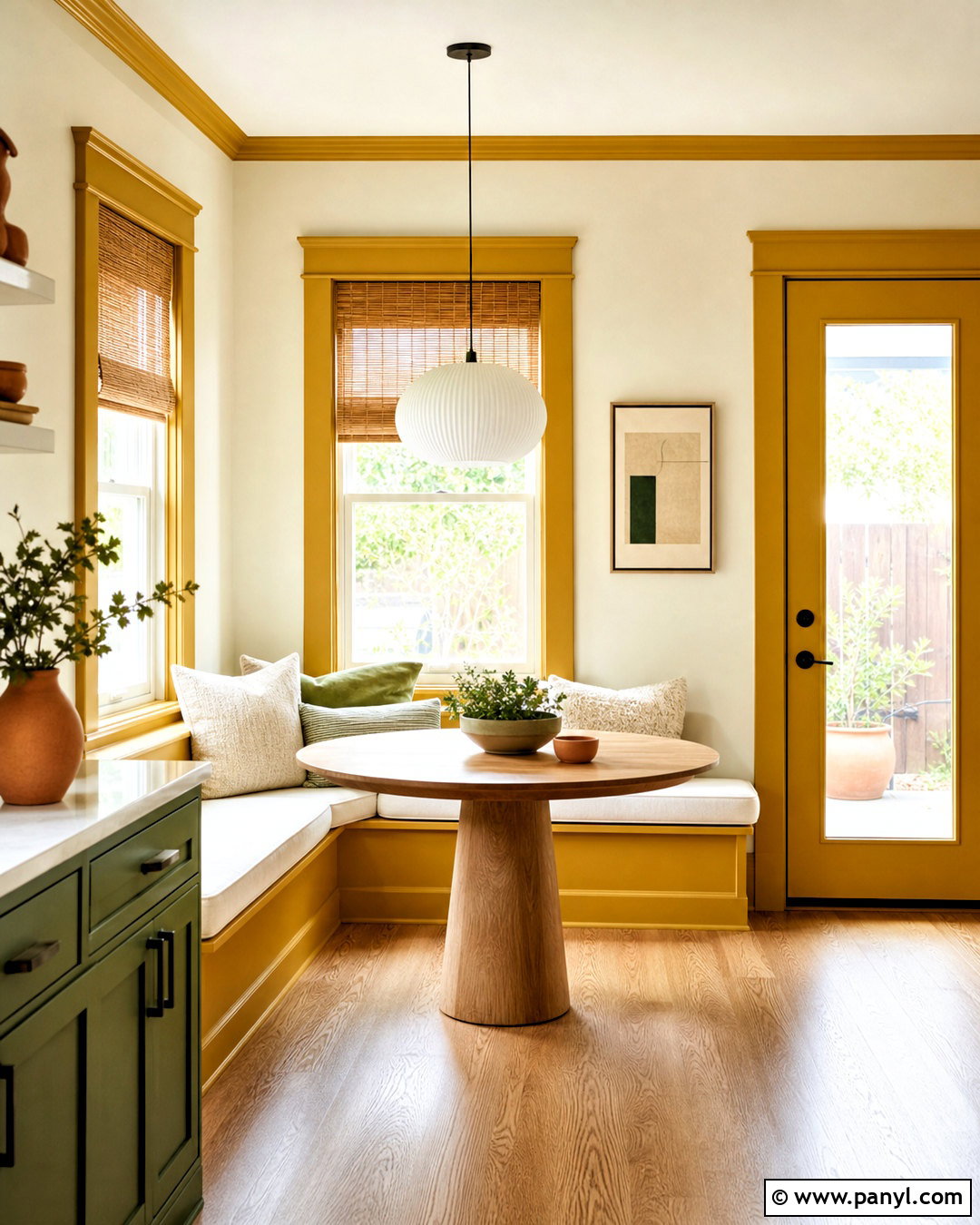
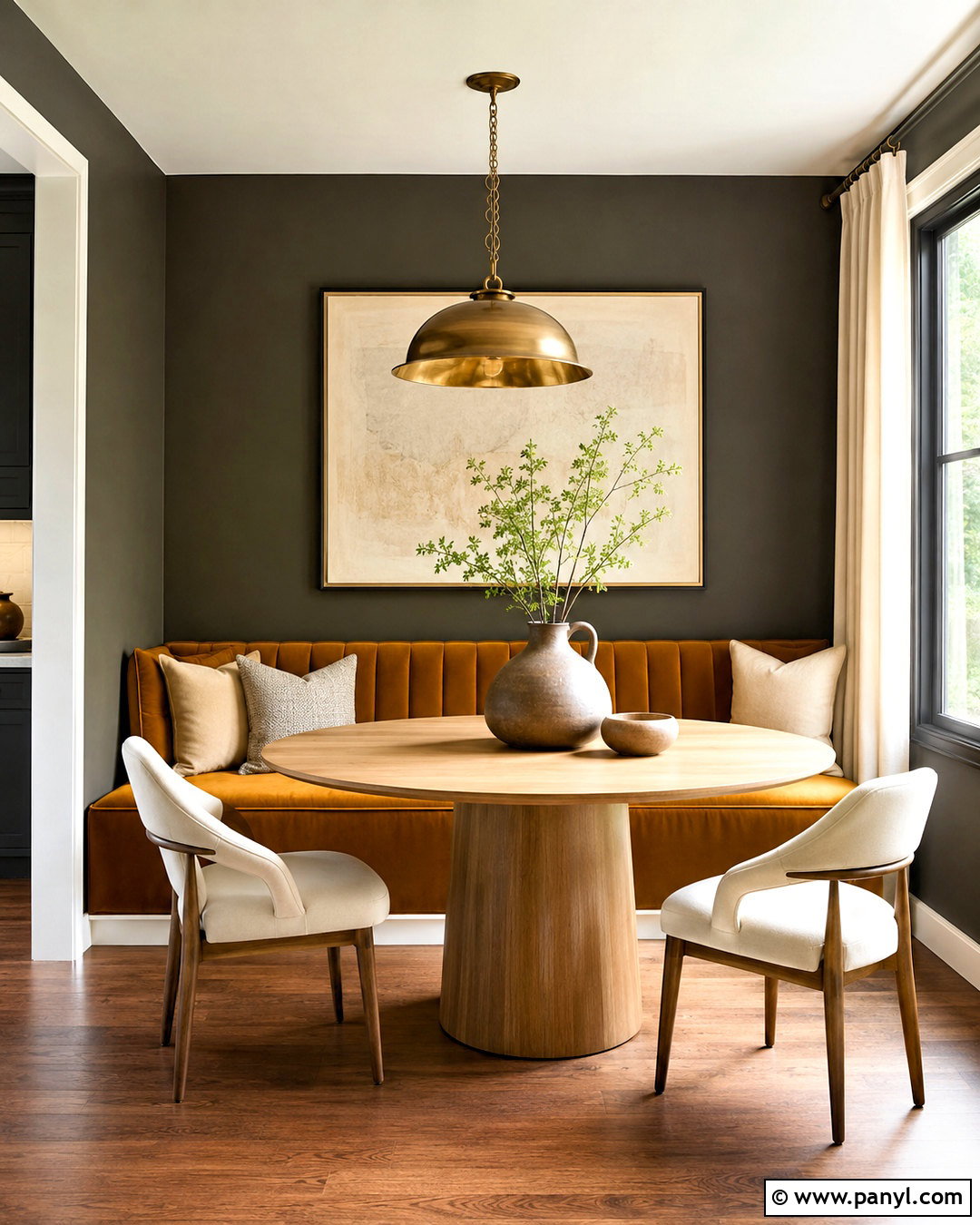
Olive green creates a richer, earthier contrast with gray than softer green shades. Build the dining nook around an olive upholstered banquette set against warm gray walls. Pair it with a solid oak pedestal table and charcoal dining chairs for a balanced mix of light and dark materials. A brass pendant centered over the table will add warmth and make the area feel intentional. Use cream cushions, a muted patterned rug, and linen Roman shades to soften the heavier colors. Dark wood picture frames can repeat the table’s depth, while handmade pottery introduces relaxed texture. Keep nearby walls and trim a warm off-white. The finished nook feels cozy and practical, offering a complete place for casual meals, homework, and quiet morning coffee.
11. Forest Green And Gray Library
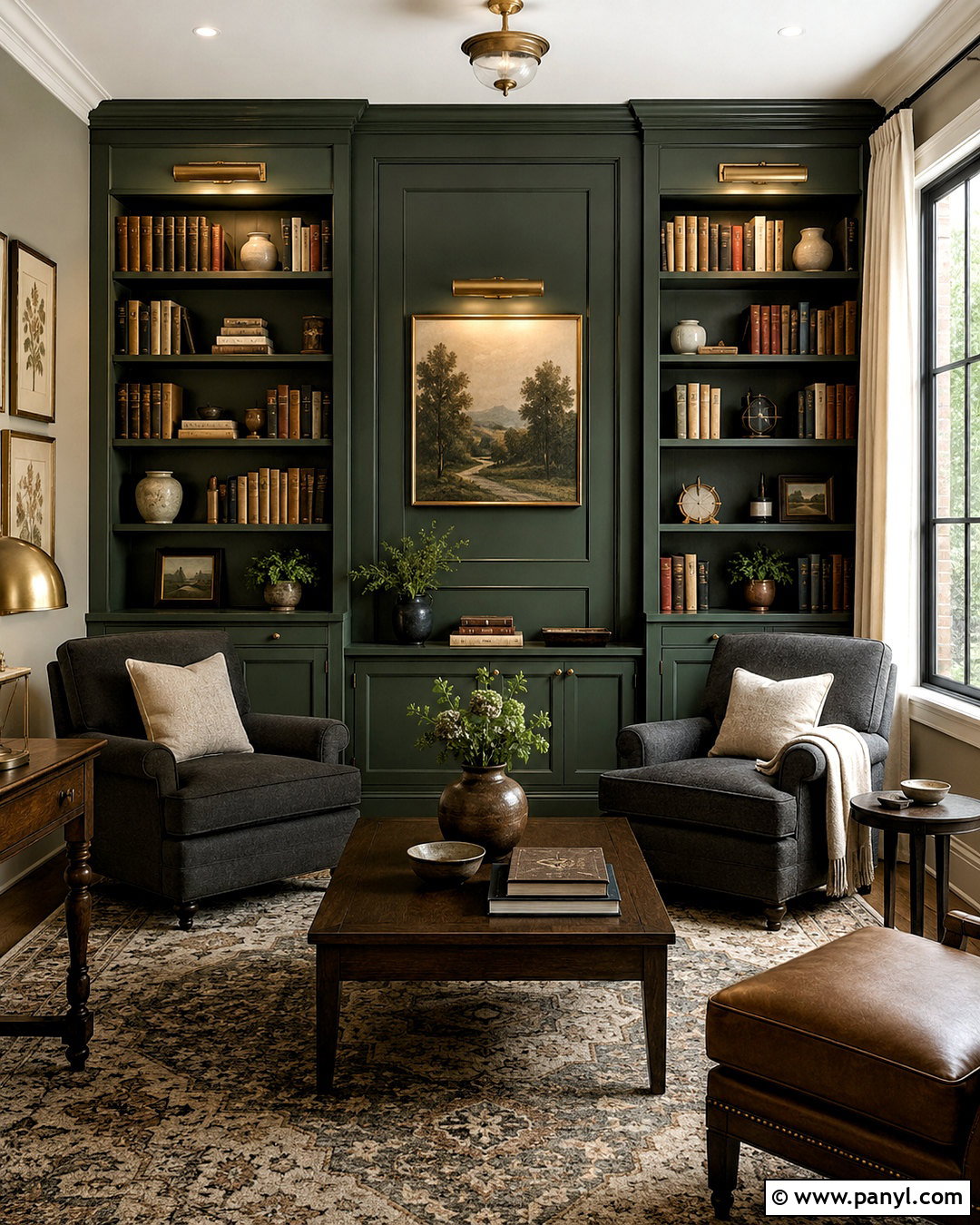
Deep forest green turns gray into a dramatic yet comfortable foundation for a home library. Paint built-in bookcases forest green and use warm gray on the surrounding walls and ceiling. Place a charcoal sofa or two gray reading chairs near the shelves, leaving a clear walkway through the room. A vintage-style rug with cream, green, and muted rust will add pattern without weakening the sophisticated palette. Bring in a dark wood coffee table, brass picture lights, and linen curtains for warmth. Books, framed art, and ceramic objects should be arranged with open space between them to prevent visual clutter. The completed room feels enveloping but not dark, especially when cream upholstery and bright lighting balance the deeper cabinetry and furniture.
12. Blush Pink And Gray Bedroom
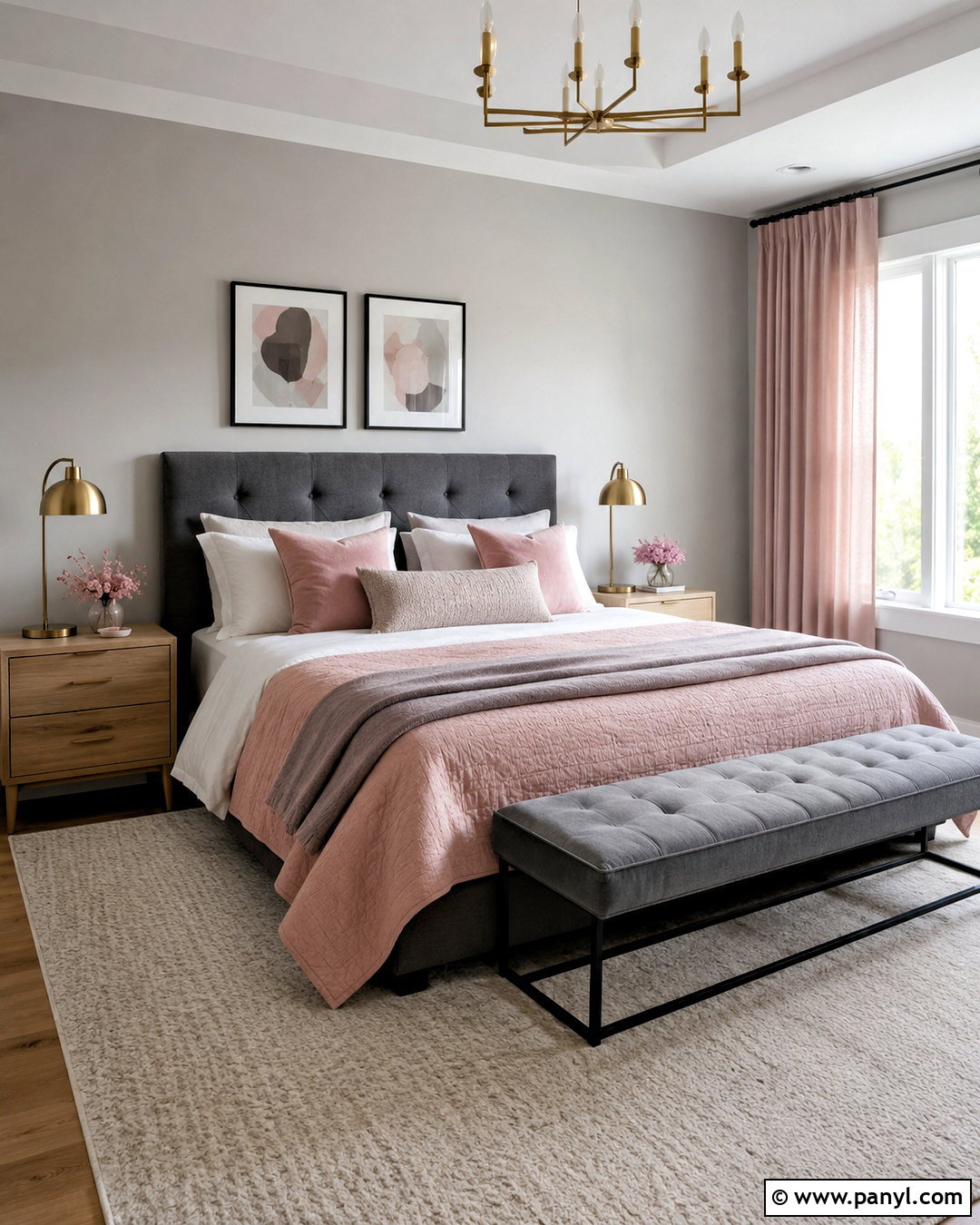
Blush pink adds warmth and softness to gray without making a bedroom feel overly sweet. Start with pale gray walls and a charcoal upholstered headboard to create depth behind the bed. Layer crisp white sheets with a blush duvet, gray throw, and patterned pillows that combine all three colors. Use light oak nightstands and brushed brass lamps for a warmer, more refined finish. Full-length dusty pink curtains can frame the windows, while a large ivory rug keeps the floor bright. Choose simple black-framed artwork to provide clean contrast. A gray bench at the foot of the bed will repeat the neutral foundation. This complete design feels calm, modern, and balanced, with blush functioning as a gentle accent rather than the dominant color.
13. Lavender And Gray Guest Room
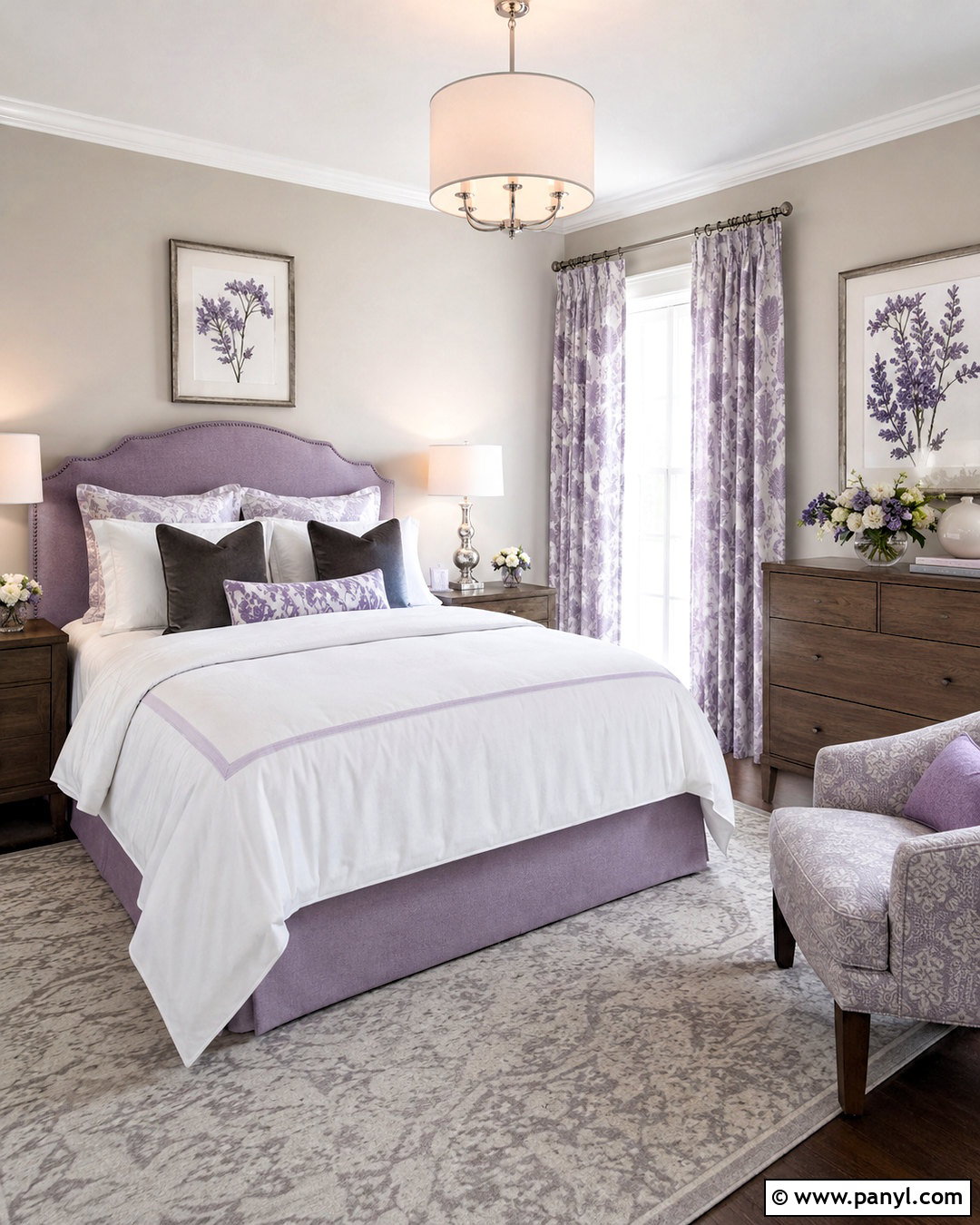
Lavender brings a cool, graceful layer to gray and works especially well in a peaceful guest room. Paint the walls a very light warm gray, then introduce lavender through an upholstered headboard, quilt, and patterned window treatments. Use white bedding as a visual break and add charcoal piping or pillows for definition. A medium wood dresser prevents the room from feeling too cool, while polished nickel lamps provide a clean reflective finish. Place a gray and ivory rug beneath the bed and include a small upholstered chair near the window. Botanical artwork with lavender, green, and soft beige can connect the palette. The finished guest room feels welcoming and carefully coordinated without relying on overly delicate furniture or decorative details.
14. Mustard Yellow And Gray Living Room
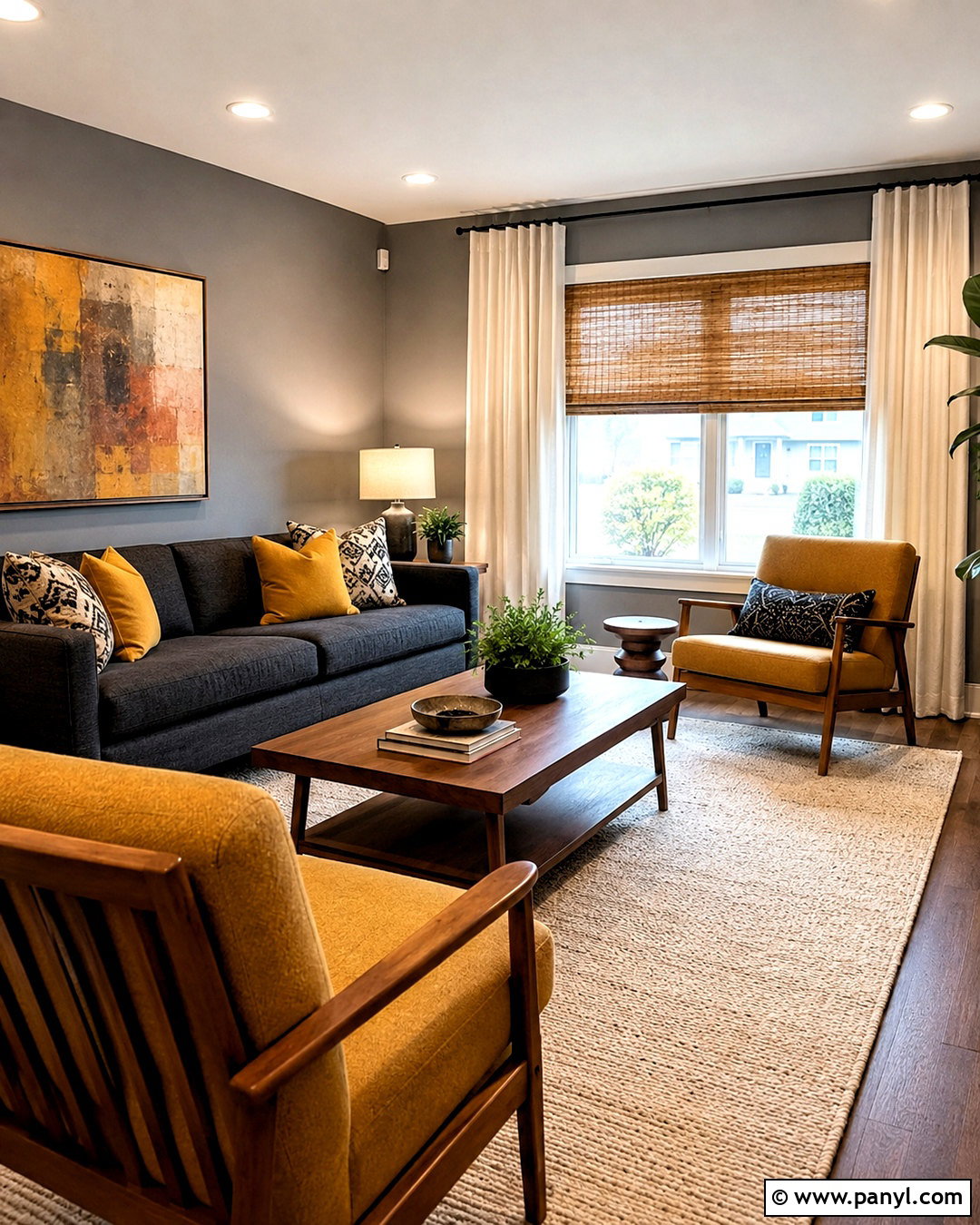
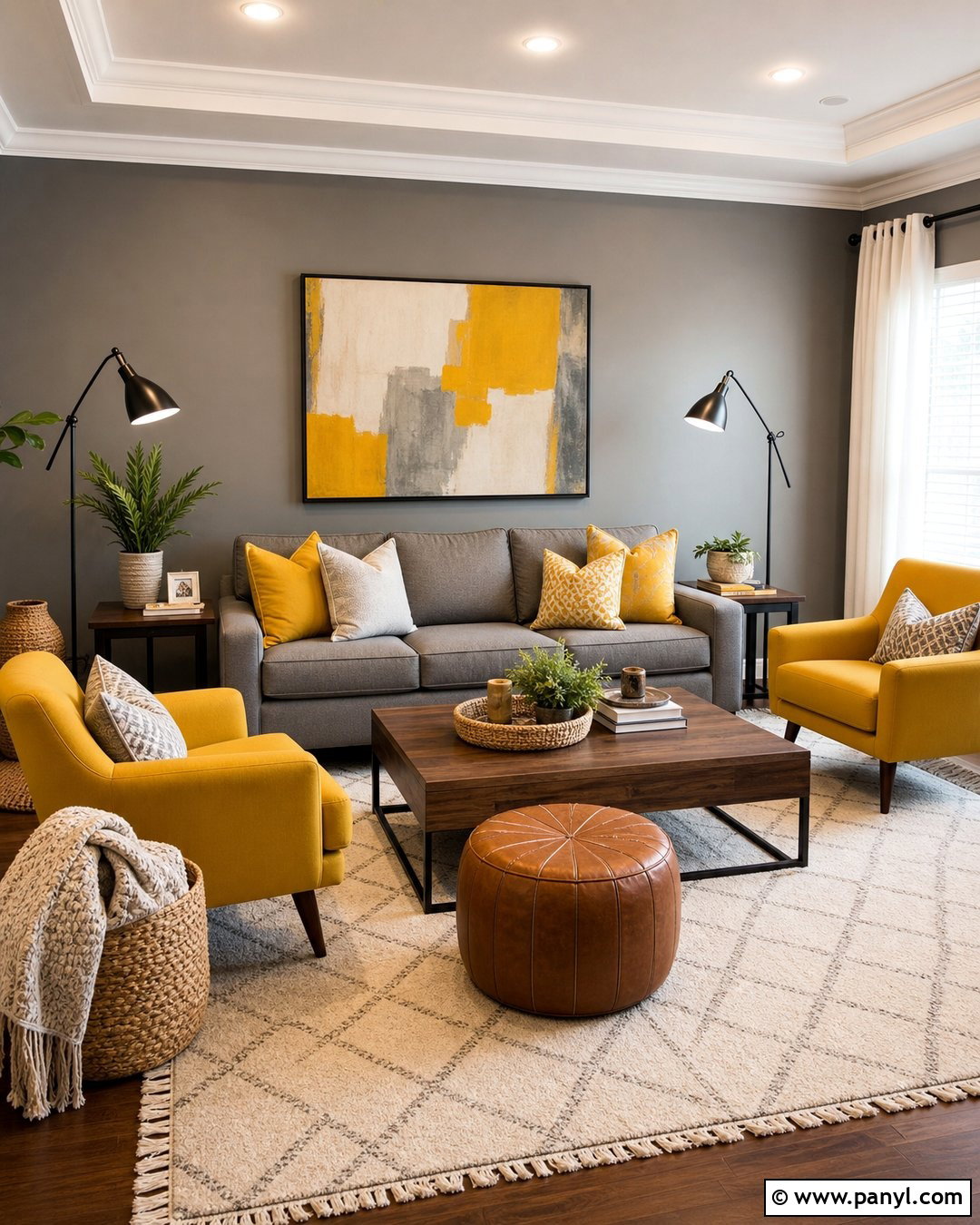
Mustard yellow energizes gray with a warm, earthy character that feels more livable than bright lemon yellow. Use medium-gray walls and a charcoal sofa as the room’s neutral base. Add two mustard armchairs or one upholstered accent chair positioned opposite the sofa for visual balance. A cream rug, walnut coffee table, and natural woven shades will soften the contrast. Repeat mustard in small amounts through pillows, artwork, or ceramic decor rather than spreading it across every surface. Matte black lighting creates a clean outline, while warm white curtains keep the windows bright. Include rust and brown details in the rug to bridge the yellow and wood tones. The completed room feels cheerful, grounded, and comfortable through every season.
15. Terracotta And Gray Sunroom
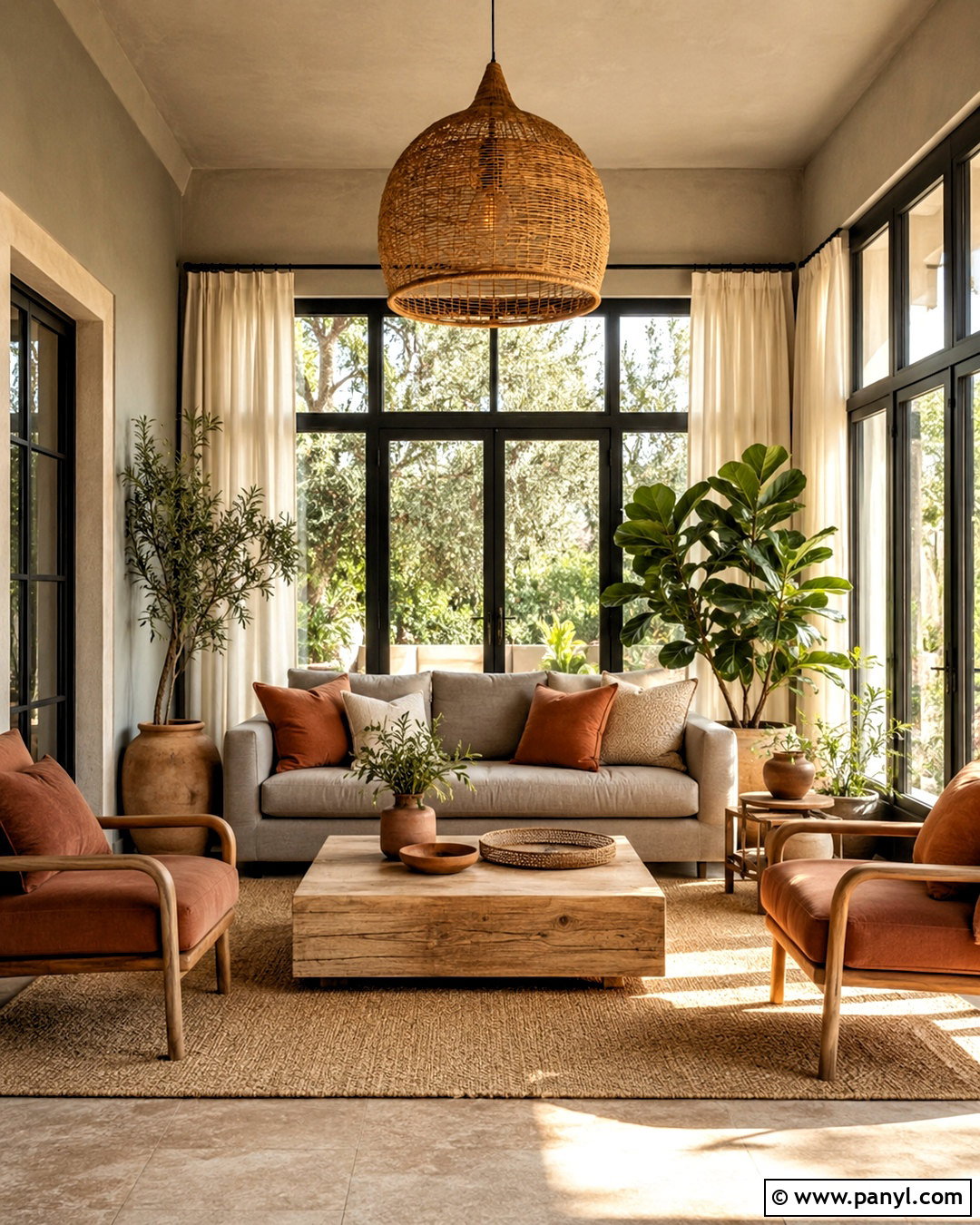
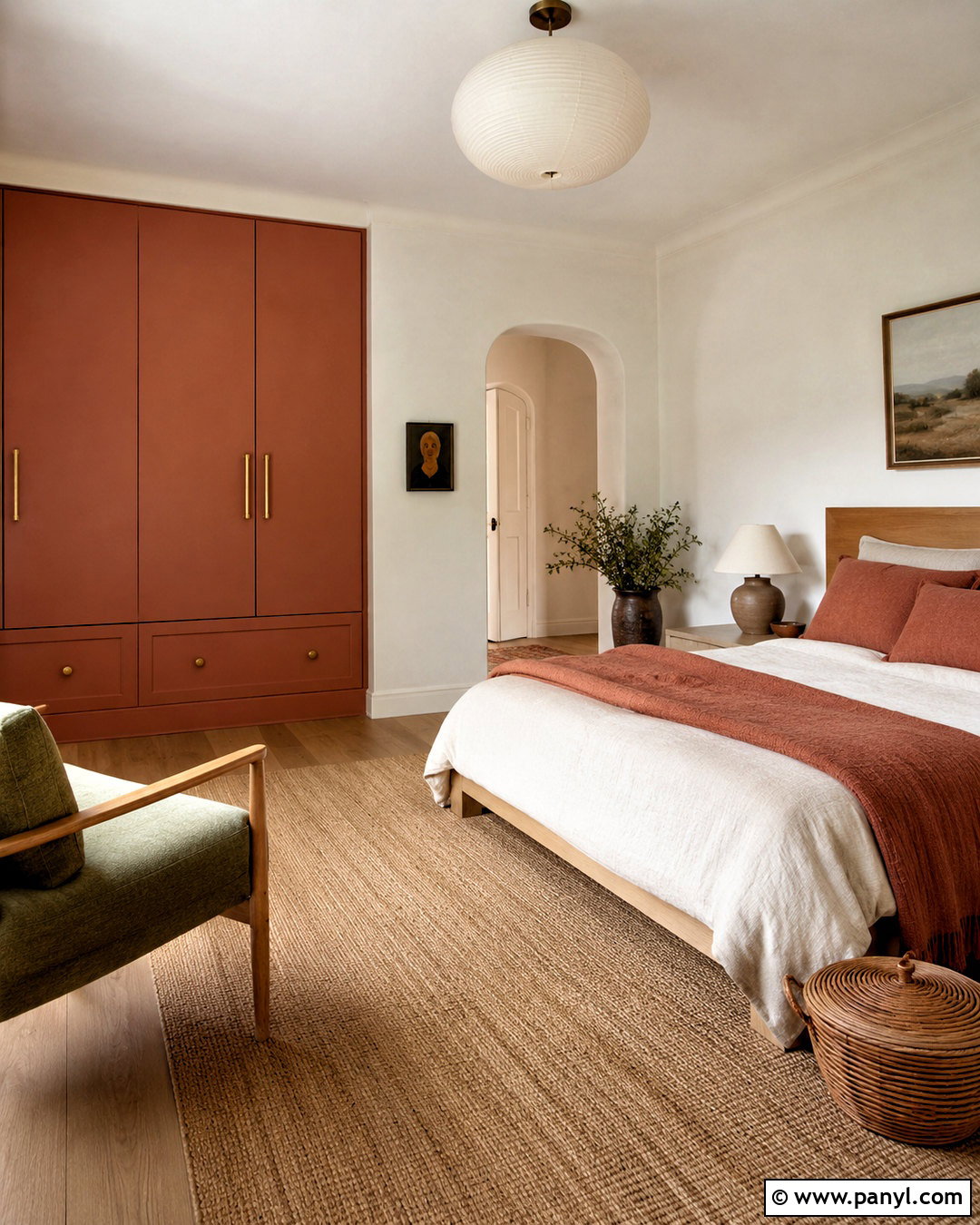
Terracotta warms gray with a sun-baked color that pairs naturally with wood, clay, and woven materials. Paint the sunroom walls a light warm gray and arrange a simple gray linen sofa facing two terracotta lounge chairs. Use a large jute rug to define the seating area and bring in a pale oak coffee table with rounded edges. Clay planters filled with leafy plants can repeat the accent color around the room. Choose cream curtains, rust-colored pillows, and woven pendant lighting for additional softness. Black window frames or slim black side tables will keep the earthy palette looking current. This complete sunroom design feels bright, relaxed, and connected to the outdoors, with enough gray to balance the stronger orange-red tones.
16. Burnt Orange And Gray Basement
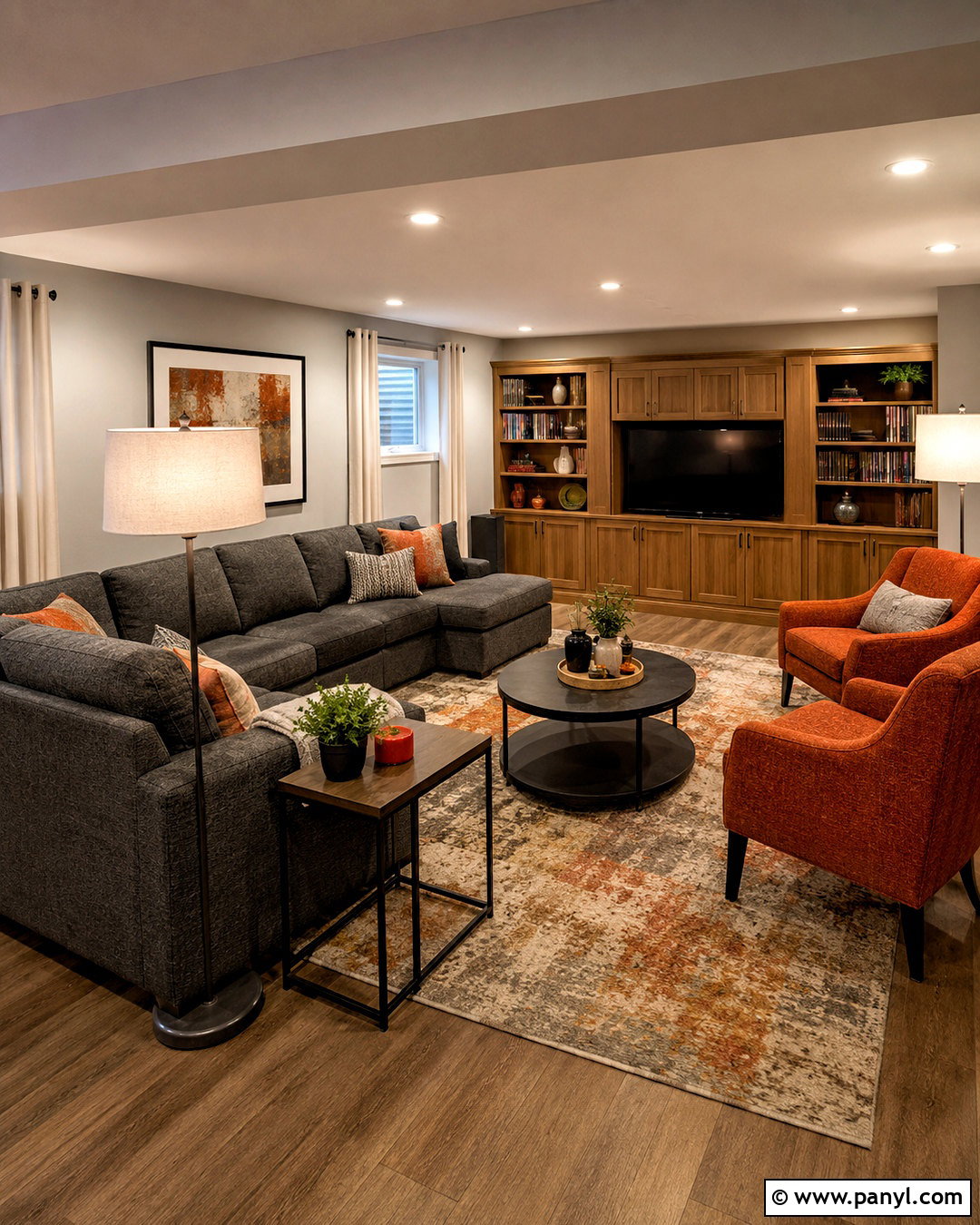
A finished basement can feel more welcoming when burnt orange is used to warm its gray surfaces. Choose light gray walls and a deep charcoal sectional that fits the room without blocking walkways. Add burnt orange lounge chairs, patterned pillows, and a large rug combining gray, cream, rust, and brown. Medium oak storage cabinets or a long media console will introduce natural warmth and provide practical organization. Install bright recessed lighting, then add floor lamps beside the seating to eliminate dim corners. Cream curtains can soften small basement windows, while black metal tables give the room definition. Keep the ceiling white to maximize brightness. The completed basement feels cozy and energetic, creating a comfortable space for movies, games, and casual gatherings.
17. Burgundy And Gray Dining Room
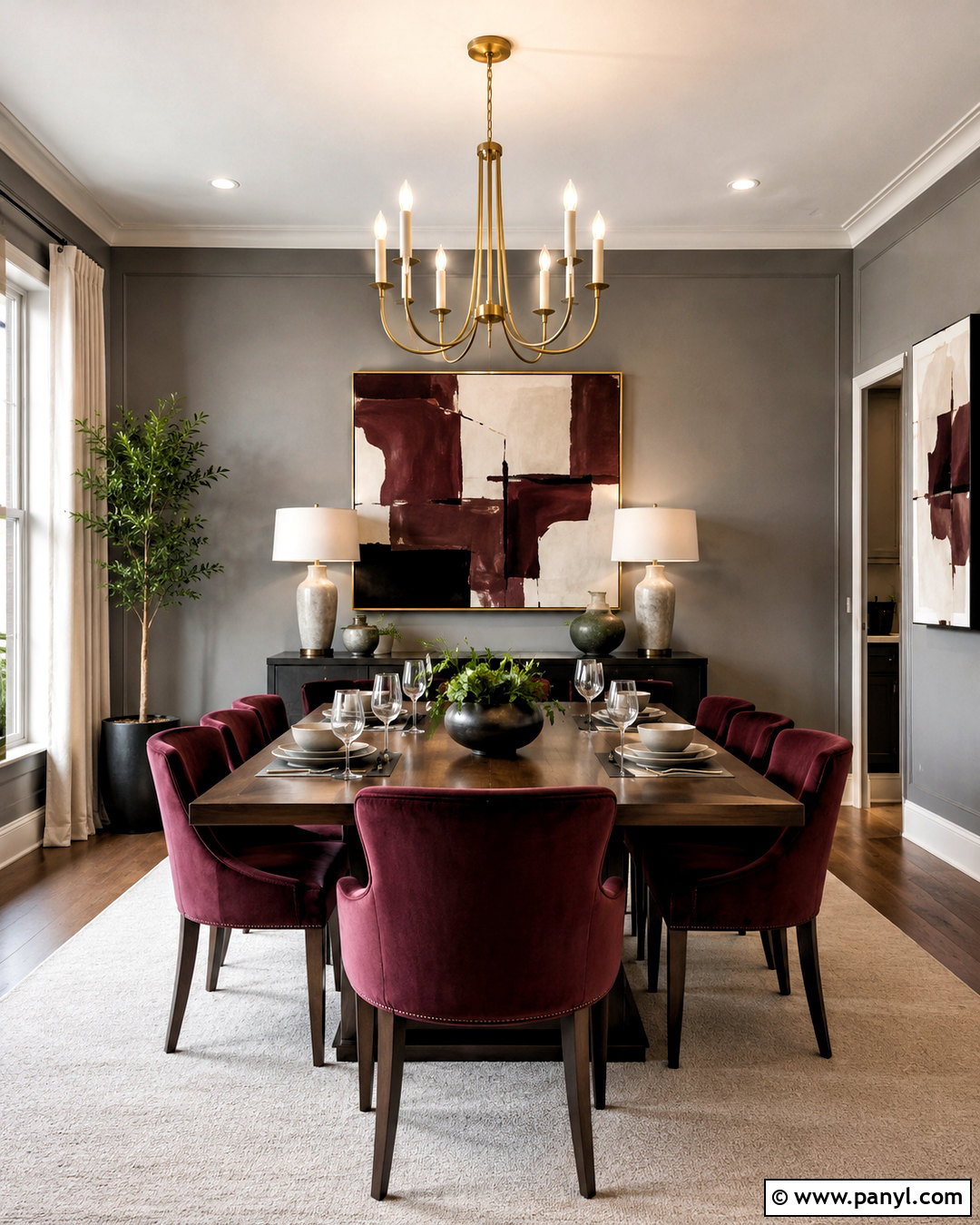
Burgundy gives gray a formal, saturated accent that works beautifully in a layered dining room. Cover the walls in a warm mid-gray and use burgundy velvet on the dining chairs or a built-in bench. A substantial walnut table will reinforce the richness of the palette, while an ivory rug prevents the darker furniture from feeling too heavy. Hang a brass chandelier above the table and choose cream linen curtains for a softer frame around the windows. Gray stoneware, clear glass, and a low greenery arrangement can complete the tabletop without unnecessary clutter. Repeat burgundy through one piece of abstract artwork. The completed dining room feels elegant and intimate, yet the neutral walls and light textiles keep the overall design approachable and balanced.
18. Chocolate Brown And Gray Living Room
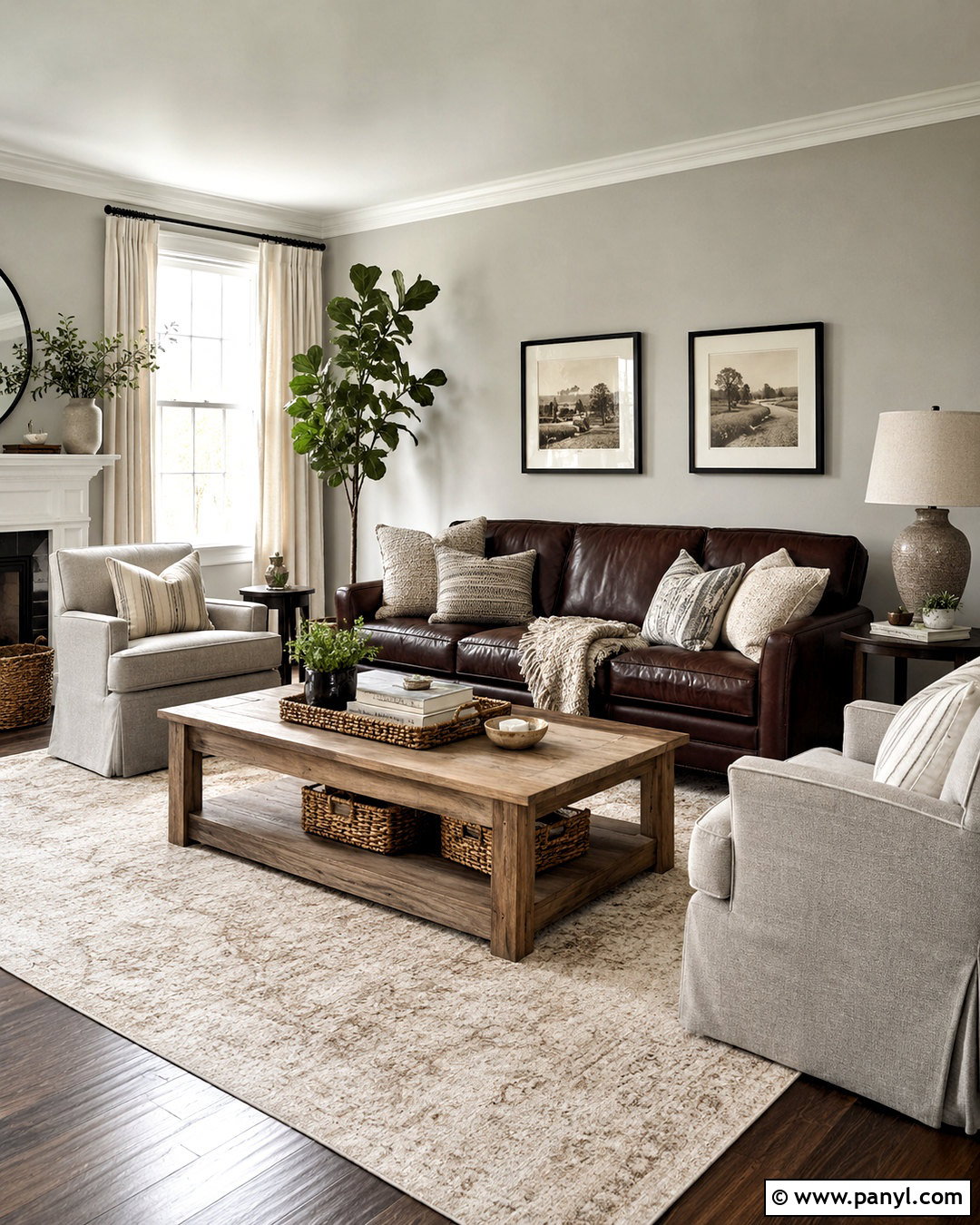
Chocolate brown makes gray feel warmer and more established, particularly when used through leather and natural wood. Begin with soft gray walls and a comfortable chocolate leather sofa facing two light gray armchairs. Place the furniture on a cream-and-taupe rug, then add a medium oak coffee table to connect the brown upholstery with the flooring. Use ivory curtains and warm white lampshades to brighten the arrangement. Textured pillows in gray, camel, and cream can soften the leather and create a more relaxed look. Add black-framed art, woven baskets, and a tall plant for contrast and movement. The complete room feels timeless and practical, with durable materials that suit busy households while still looking thoughtfully designed.
19. Coral And Gray Laundry Room
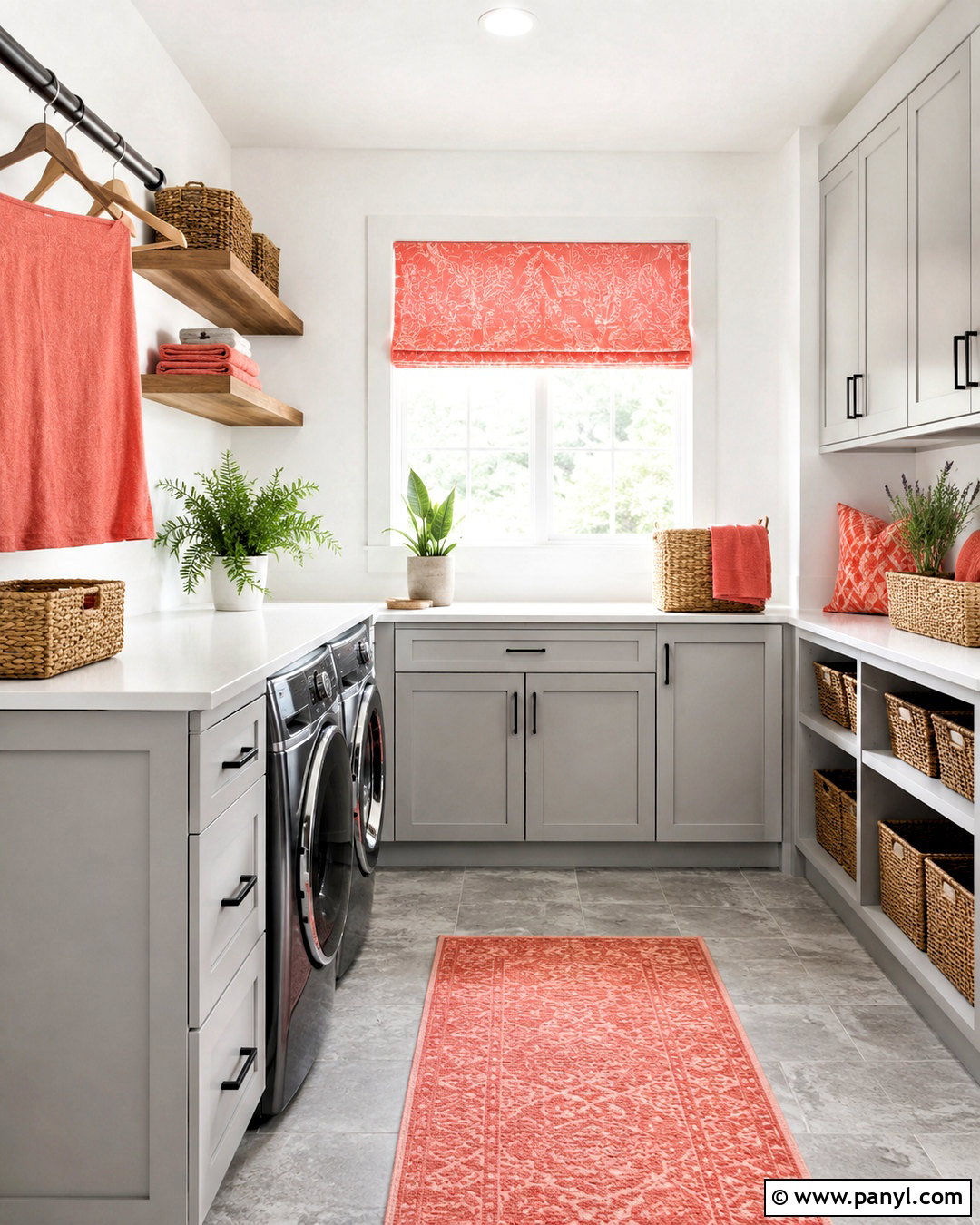
Coral can make a functional gray laundry room feel cheerful without overwhelming a small space. Choose pale gray cabinets and white quartz counters, then use coral on the door, Roman shade, or a short section of patterned backsplash. White walls will preserve brightness, while gray floor tile provides a practical foundation. Add natural wood shelves above the counter and use matching woven baskets to organize cleaning supplies. Matte black cabinet pulls and a black hanging rail create crisp definition. Repeat coral through one storage bin or framed print, keeping the remaining accessories white and neutral. Bright ceiling lighting is essential for completing the fresh effect. The finished laundry room feels organized, colorful, and pleasant enough to support everyday household routines.
20. Gold And Gray Entryway
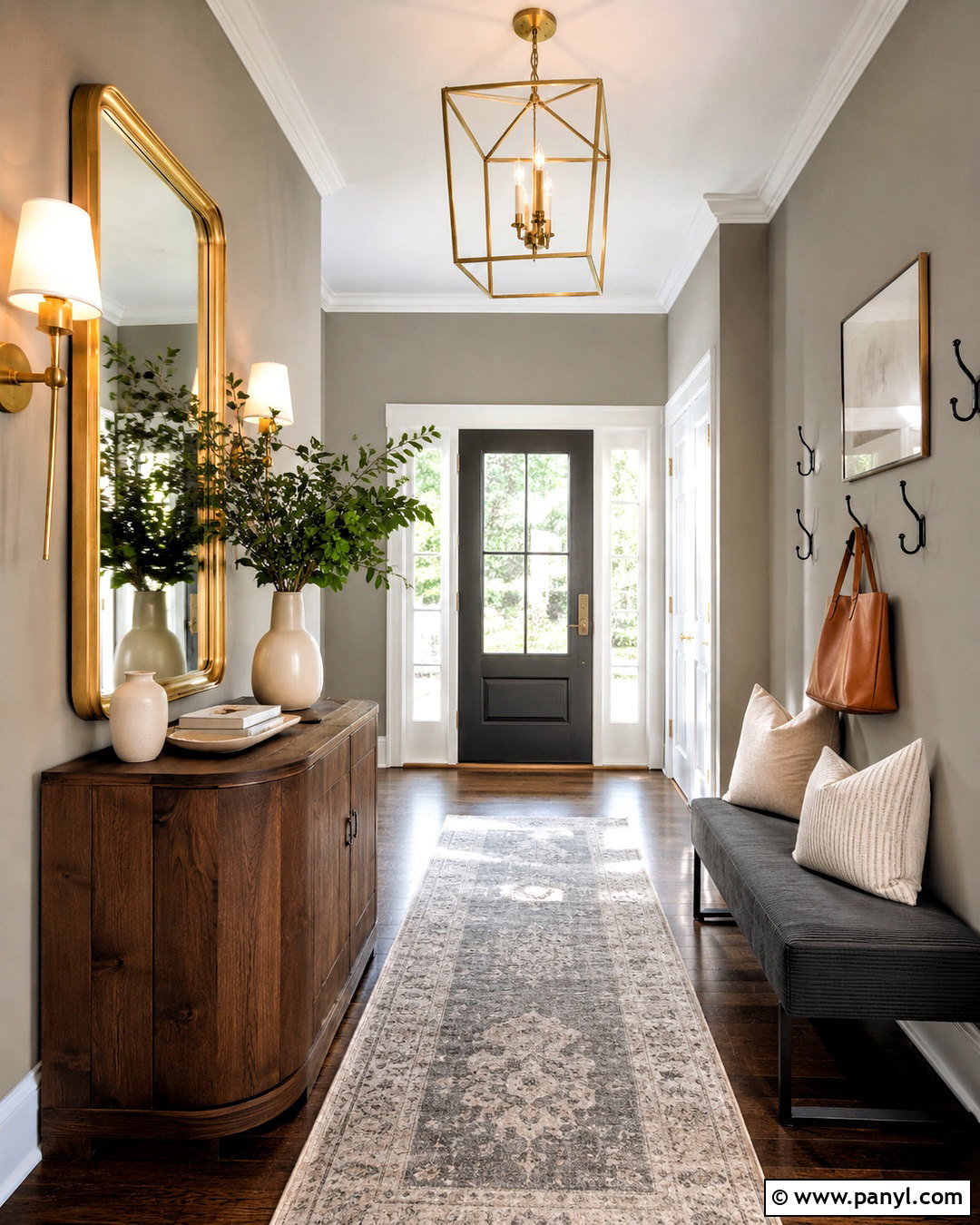
Gold brings warmth and subtle shine to gray, making it ideal for an entryway that needs a polished focal point. Paint the walls a medium warm gray and place a narrow walnut console against the longest open surface. Hang a large gold-framed mirror above it, then add matching brass sconces or a compact pendant light. A charcoal bench with cream cushions can provide practical seating near the door. Use a patterned runner combining gray, ivory, tan, and small gold tones to guide movement through the space. Black hooks and a dark umbrella stand will create definition, while a ceramic lamp and leafy branches soften the harder finishes. The completed entryway feels welcoming, organized, and refined without depending on excessive metallic decoration.
Conclusion:
The most successful gray rooms combine the right undertones, balanced proportions, and enough texture to keep the palette interesting. Cool gray naturally supports blue, teal, lavender, and crisp white, while warm gray feels richer beside cream, taupe, brown, terracotta, and gold. Stronger colors such as burgundy, forest green, mustard, and coral work best when repeated in controlled amounts. Before committing, test each shade beside your existing flooring, furniture, and natural light. Then build the room as one coordinated look rather than adding disconnected accents. Whether you prefer soft neutrals or bold contrast, these 20 colors that compliment gray ideas offer practical palettes for creating a warmer, more complete home.

Related Ideas and Inspiration:
Leave a Reply