
If you are searching for **20 base board ideas modern ideas**, the goal is not simply finding a trim profile you like. Modern baseboards should connect the flooring, wall color, doors, furniture, and architectural details into one clean design. Flat profiles remain versatile, while tall boards add visual weight and flush installations create a seamless architectural finish. () You can keep the trim crisp white, match it to the walls, introduce natural wood, or use dark color for stronger contrast. The best choice also considers ceiling height, floor material, moisture, maintenance, and installation requirements. Each complete room below shows how these details can work together, making it easier to turn **20 base board ideas modern ideas** into a cohesive home update.

1. Flat White Baseboards
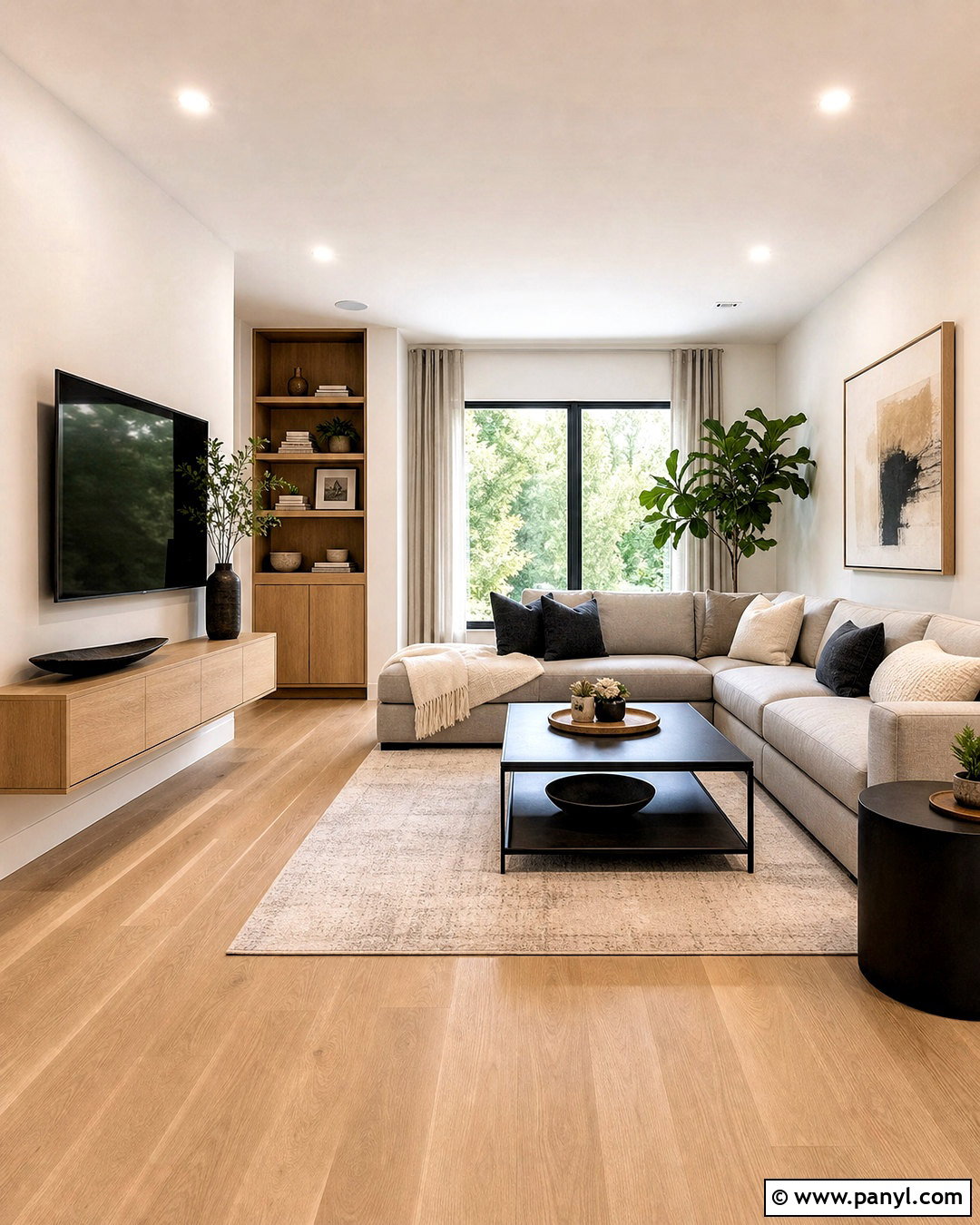
Flat white baseboards create a clean foundation that works beautifully in an open modern living room. Choose a square-edged profile around five inches tall, then coordinate it with simple white door casings and warm white walls. Light oak flooring prevents the room from feeling cold, while a soft gray sectional, black metal coffee table, and cream textured rug establish a relaxed neutral palette. Keep the baseboard free from decorative curves so its straight line complements streamlined furniture. A satin or semi-gloss finish provides subtle contrast against matte walls and makes everyday marks easier to wipe away. Finish the room with linen curtains, pale wood shelving, and a few black accents, creating a balanced design that feels fresh rather than stark.
2. Tall White Baseboards
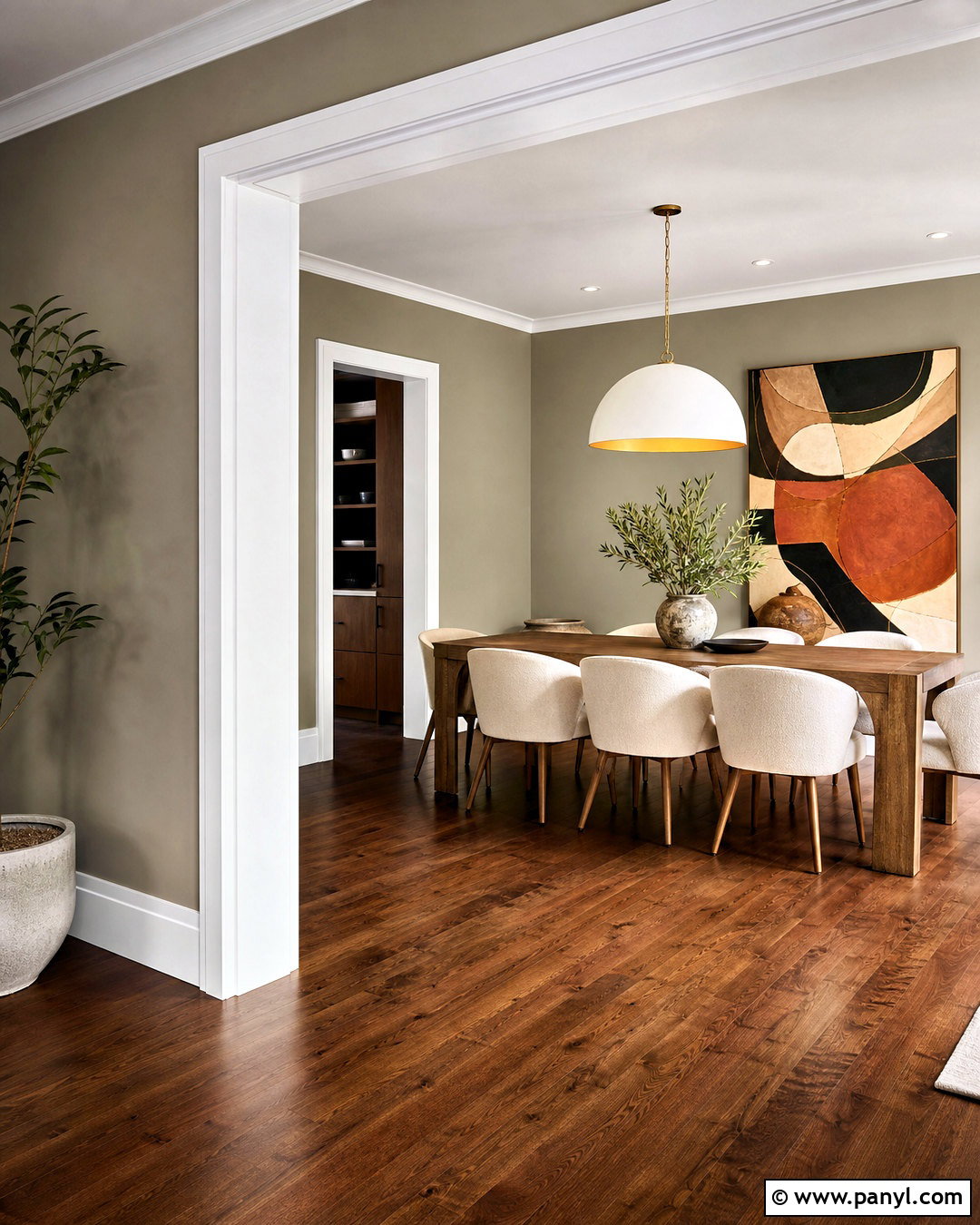
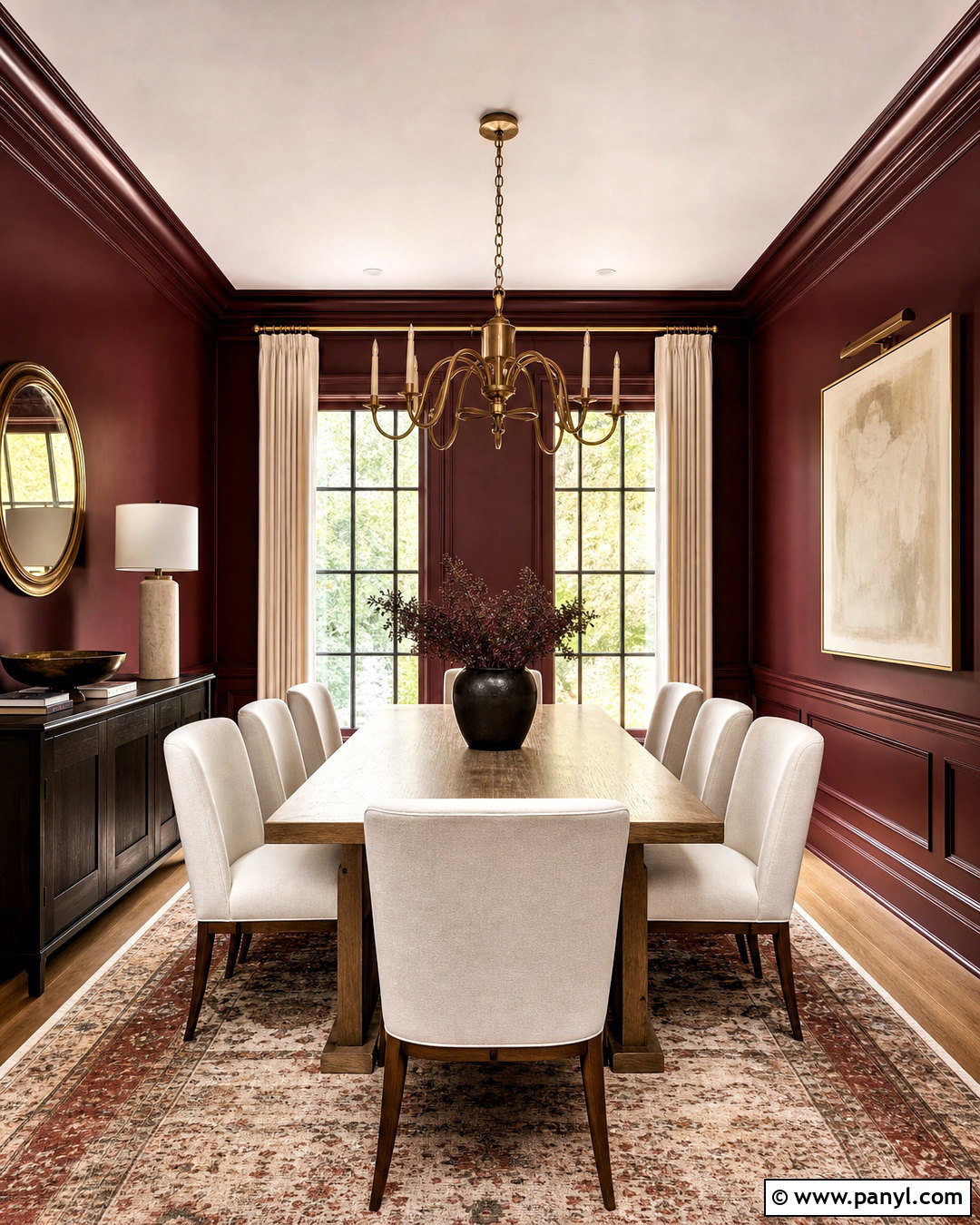
Tall white baseboards give a modern dining room a more substantial, custom-built appearance without requiring ornate molding. Use a simple seven-inch flat board beneath soft greige walls, especially when the room has nine-foot ceilings or generous windows. Continue the same bright white finish around the doors to create one consistent trim package. Wide-plank walnut flooring, a slim oak dining table, and curved upholstered chairs bring warmth to the crisp architecture. Add a large contemporary pendant above the table and hang one oversized abstract artwork instead of several small pieces. The taller trim grounds the walls and balances the scale of larger furniture. Keep crown molding minimal or remove it entirely so the baseboard becomes the room’s strongest architectural line without making the design feel traditional.
3. Flush Baseboards
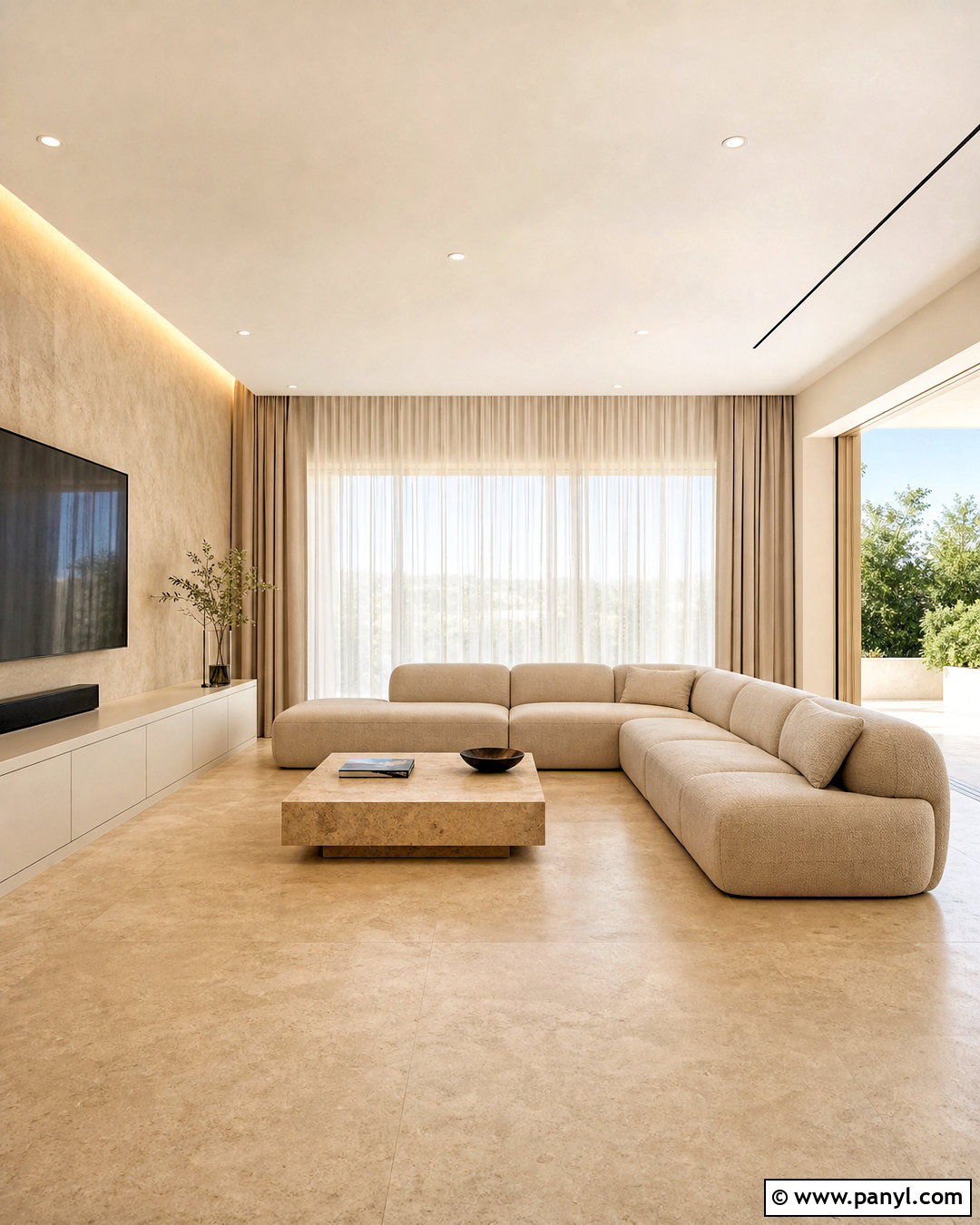
A flush baseboard creates an exceptionally streamlined transition because its face aligns with the finished wall. Use this treatment in a minimalist living room with pale limestone flooring, smooth warm-white walls, and low-profile furniture. Paint the flush wood base the same color as the drywall, then separate the surfaces with a narrow reveal at the top. This installation typically requires careful planning, wall blocking, specialized finishing beads, and precise drywall work, making it better suited to construction or a substantial renovation. () Complete the room with a modular beige sofa, travertine coffee table, recessed lighting, and full-height curtains. Because the trim almost disappears, furniture shapes, natural materials, and carefully controlled spacing become more noticeable. The finished room feels calm, architectural, and intentionally uncluttered.
4. Shadow Gap Baseboards
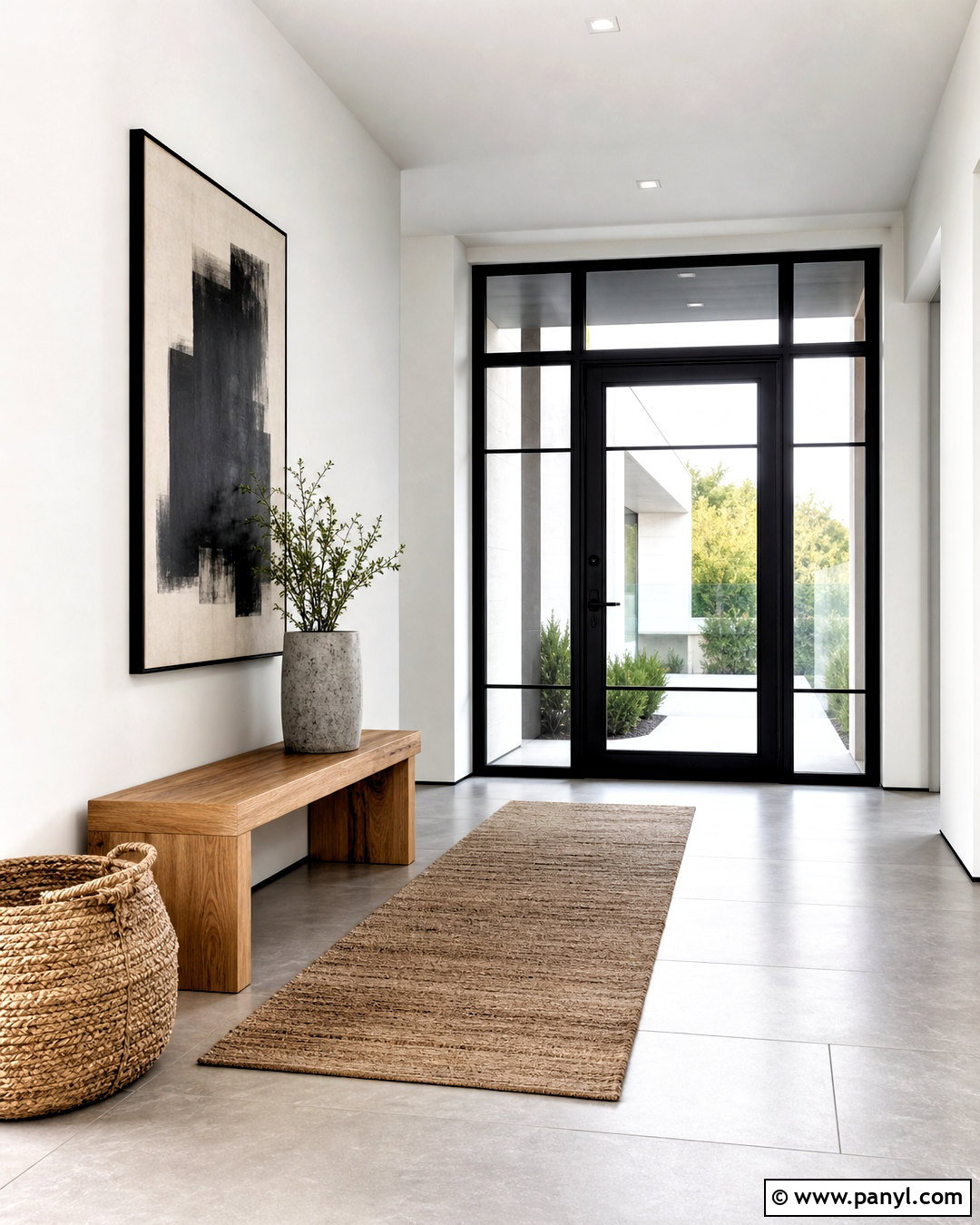
Shadow gap baseboards make a wall appear to float slightly above the floor. The design uses a recessed channel or reveal rather than a conventional projecting trim board, producing a crisp horizontal shadow line. () Build the look into a contemporary entryway with smooth white walls, large-format light gray tile, and a natural oak bench. A thin black reveal coordinates with black-framed glass doors, a sculptural ceiling fixture, and simple wall hooks. Keep accessories limited to a woven basket, neutral runner, and leafy plant in a concrete planter. Since every uneven edge can become noticeable, accurate wall preparation and flooring installation are essential. When completed correctly, the shadow detail visually connects the entire entry and delivers a precise, high-end finish without adding decorative molding.
5. Black Baseboards
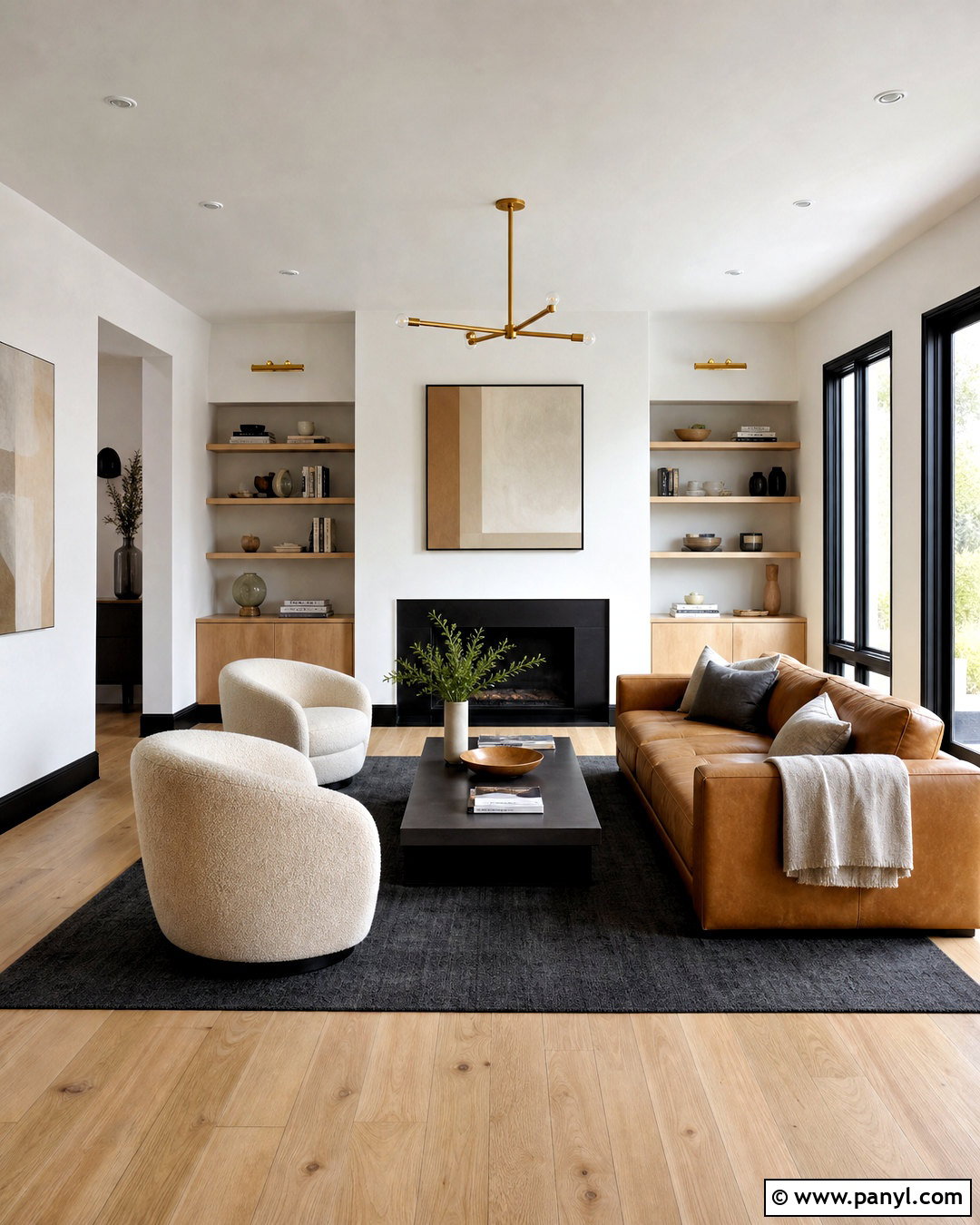
Black baseboards can frame a modern living room and establish a strong connection between the architecture and furnishings. Select a flat five-inch profile in a soft matte black, then repeat the color on window frames, door casings, and a slender metal fireplace surround. Warm white walls keep the room bright, while medium-tone oak flooring softens the contrast. Furnish the space with a camel leather sofa, cream boucle chairs, and a charcoal area rug containing a subtle geometric pattern. Brass lighting introduces warmth without competing with the dark trim. This treatment works best when black appears in several intentional places rather than only along the floor. The resulting room feels graphic and cohesive, yet the natural wood and layered textiles keep it comfortable enough for everyday living.
6. Natural Oak Baseboards
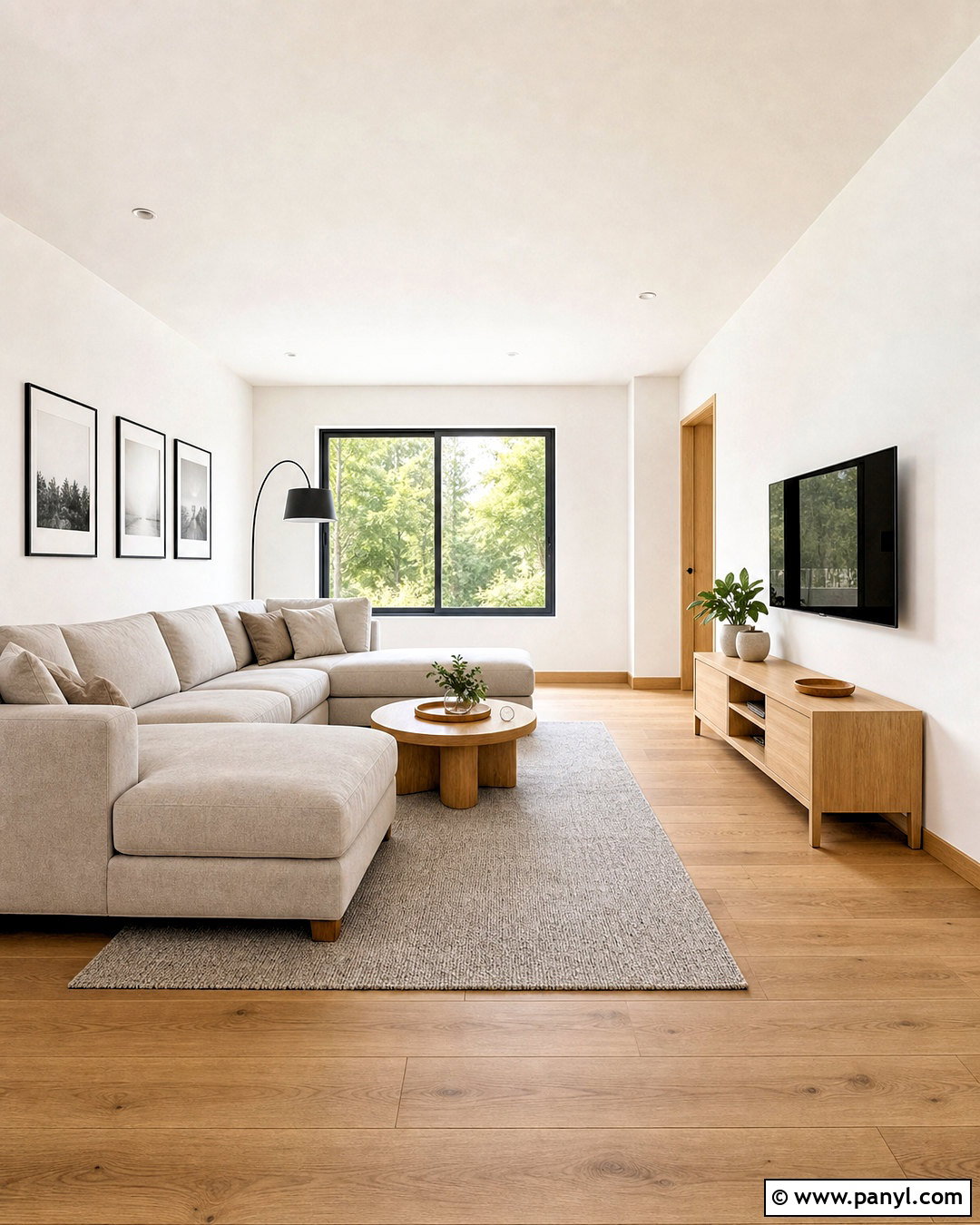
Natural oak baseboards add visible warmth while preserving the clean lines expected in a modern interior. Use flat, square-edged boards with a clear matte finish so the wood grain remains the main feature. Pair them with white walls and matching oak flooring for a seamless Scandinavian-inspired family room. An oatmeal sectional, pale gray wool rug, and light wood media cabinet support the quiet palette. Include black picture frames and a simple black floor lamp for definition. The baseboards can coordinate with oak doors and window stools, creating a complete wood trim package rather than an isolated accent. Choose boards with similar grain and undertones to the floor, but allow slight variation for a natural effect. The completed space should feel warm, airy, practical, and thoughtfully connected.
7. Wall Matched Baseboards
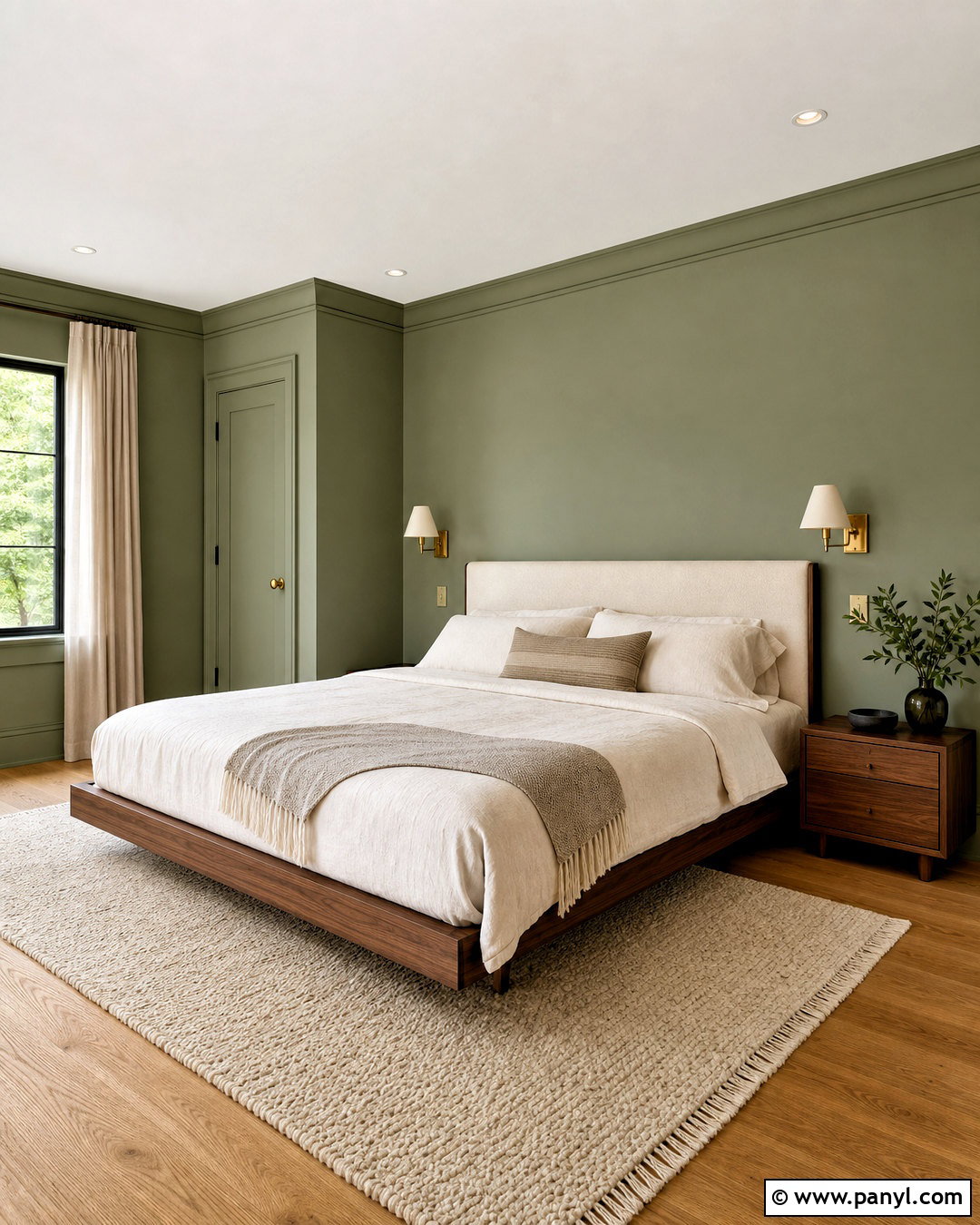
Painting baseboards the same color as the walls creates a smooth, uninterrupted envelope around a modern bedroom. Try a muted sage green across the walls, flat six-inch baseboards, door casing, and interior door. Keep the ceiling warm white to maintain an open feeling. Anchor the space with a low walnut bed, ivory upholstered headboard, natural linen bedding, and a cream wool rug over light oak flooring. Brushed brass sconces add a small touch of warmth beside the bed. Because the trim does not create a contrasting line, the walls appear taller and the atmosphere feels quieter. Use a durable satin finish on the baseboards and door while keeping the walls matte. The slight difference in sheen gives the surfaces depth without interrupting the restful monochromatic color scheme.
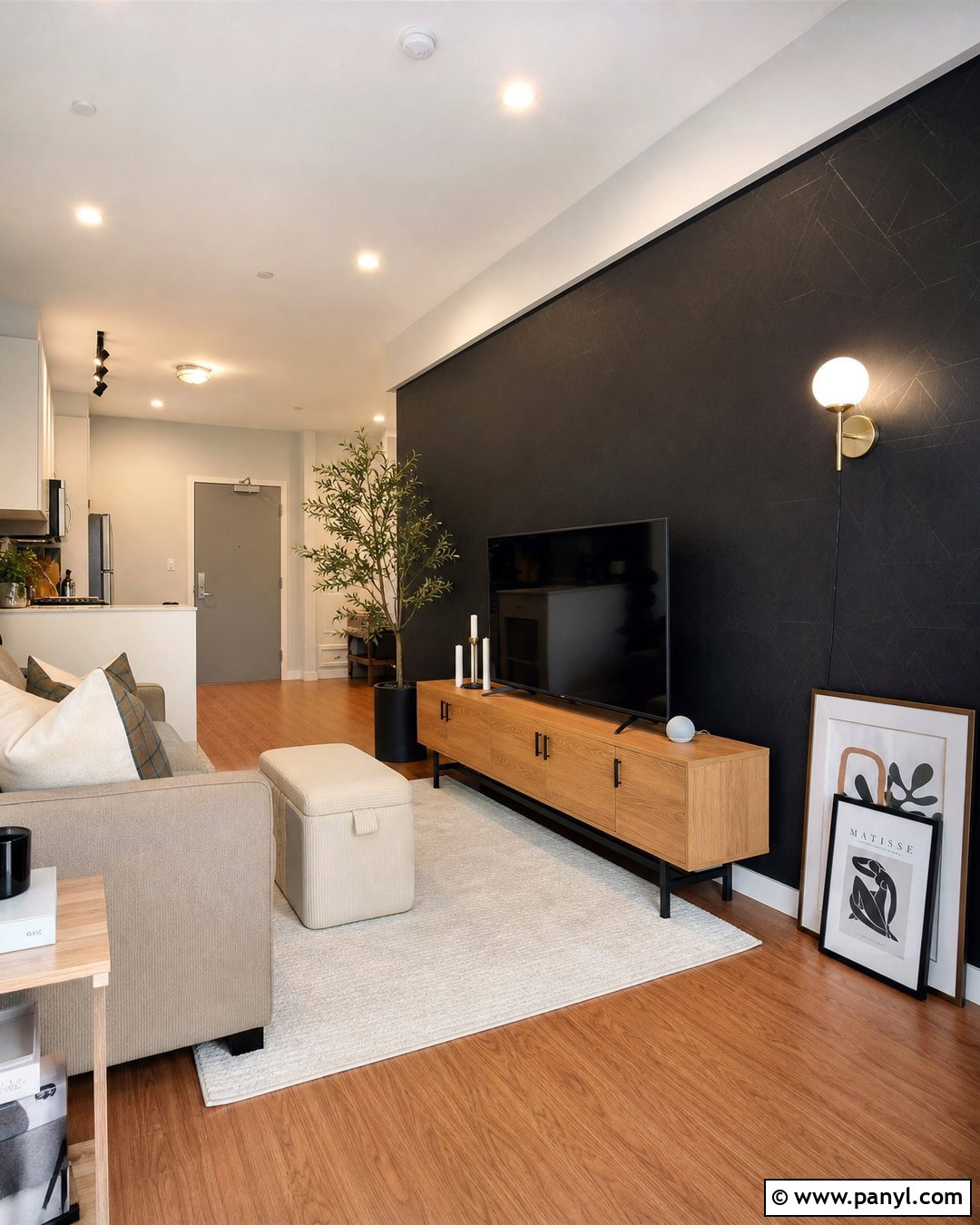
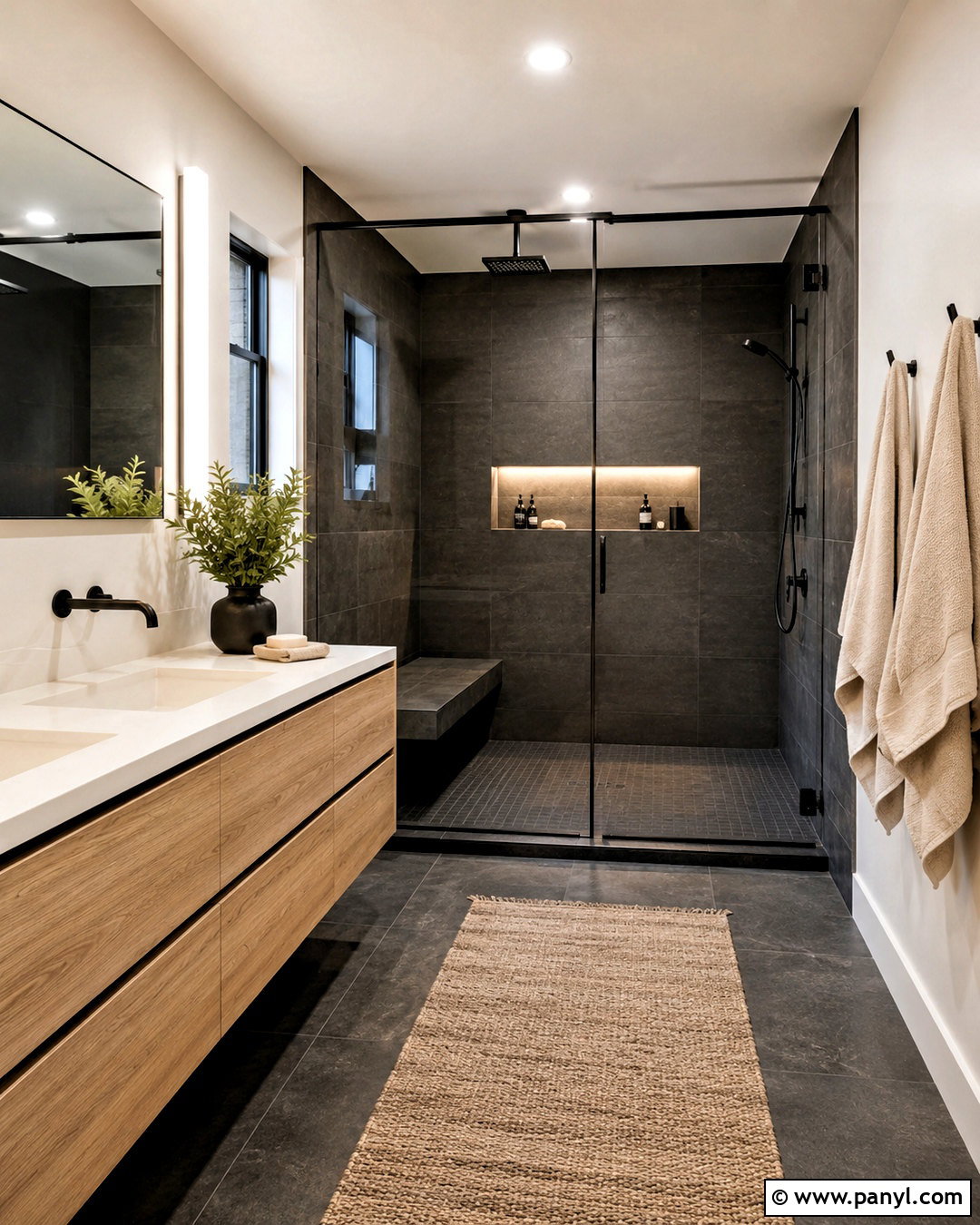
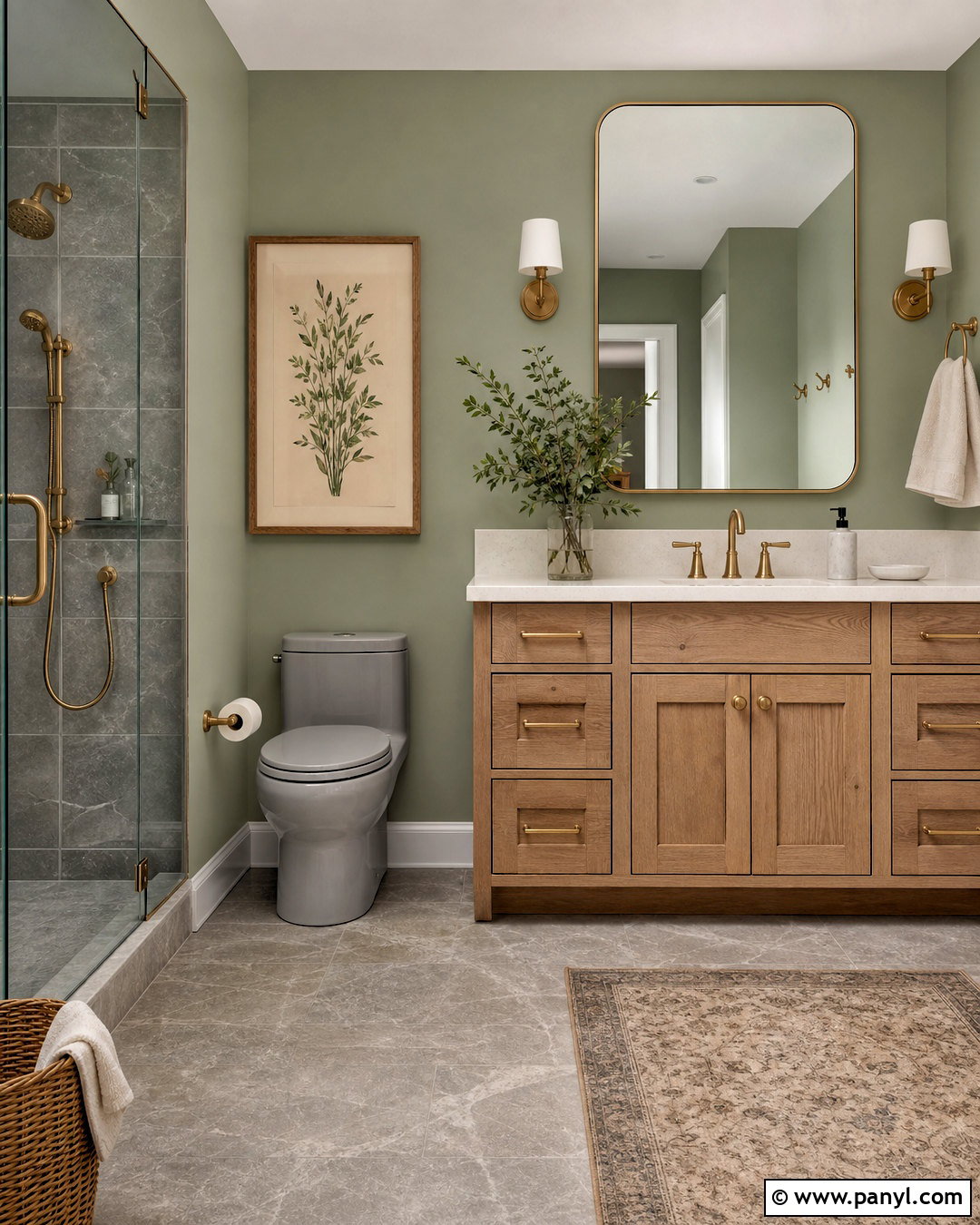
8. Greige Baseboards
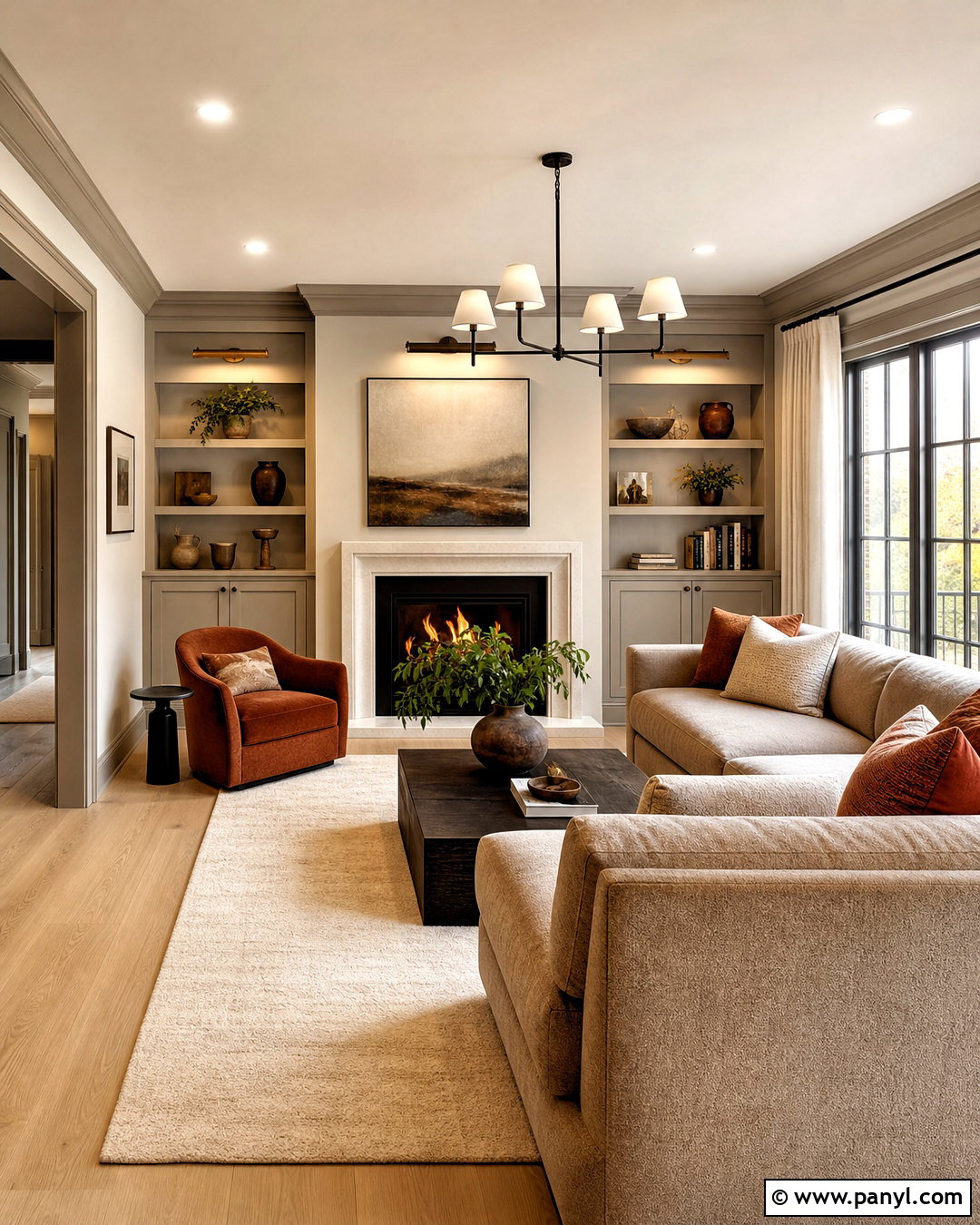
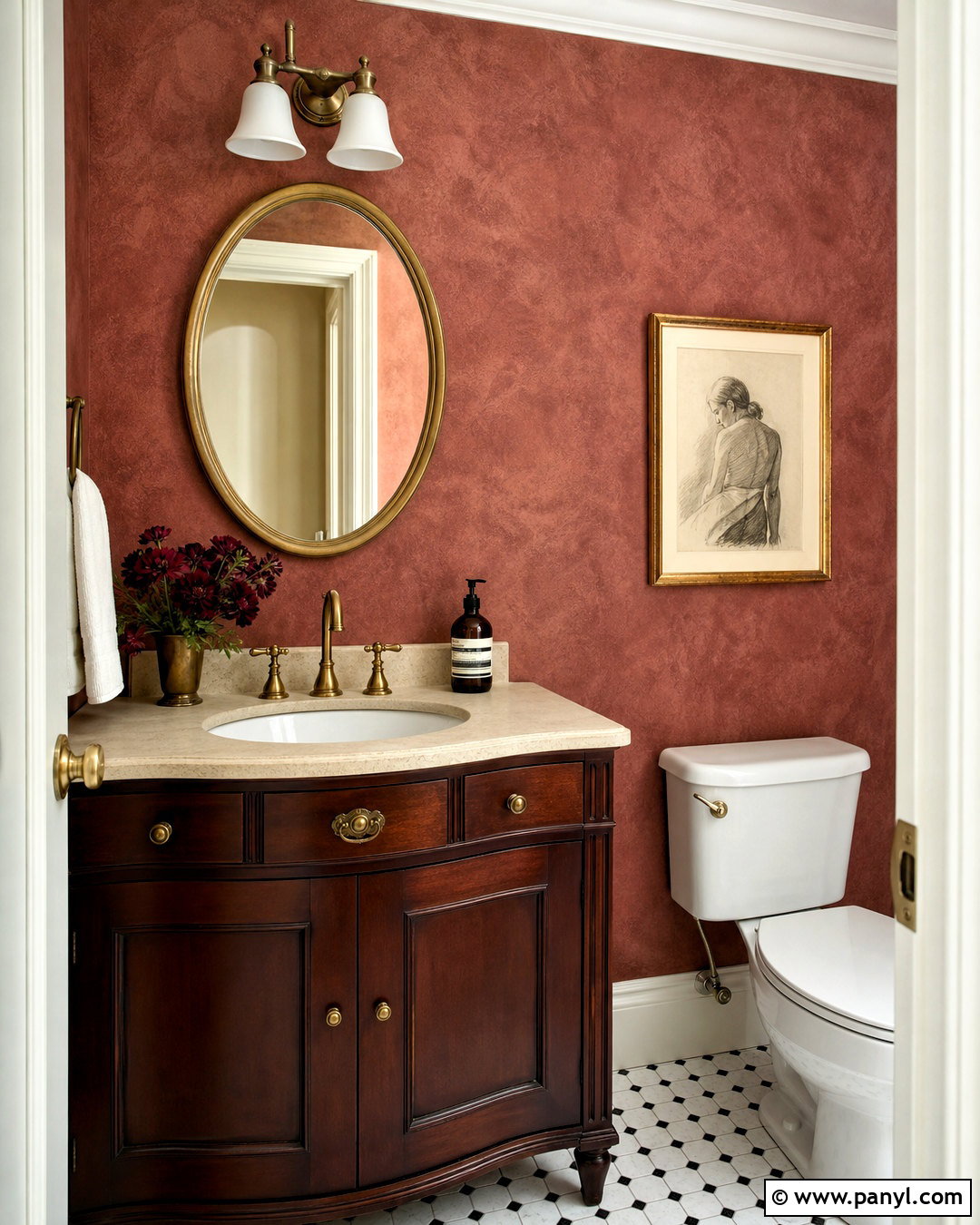
Greige baseboards offer a softer alternative to bright white and work well in a warm contemporary living room. Paint simple five-inch boards a medium gray-beige, then repeat the shade on the door trim and built-in shelving. Use a lighter greige on the walls to create gentle tonal layering instead of sharp contrast. White oak floors, a mushroom-colored sofa, and a rust accent chair bring warmth and definition. Add a cream rug, dark bronze lighting, and pottery in earthy neutral colors. The trim should be deep enough to outline the room but not so dark that it creates a heavy border. This full palette is particularly effective in open spaces where cool white trim might feel disconnected from natural woods and soft, warm furnishings.
9. Two Tone Baseboards
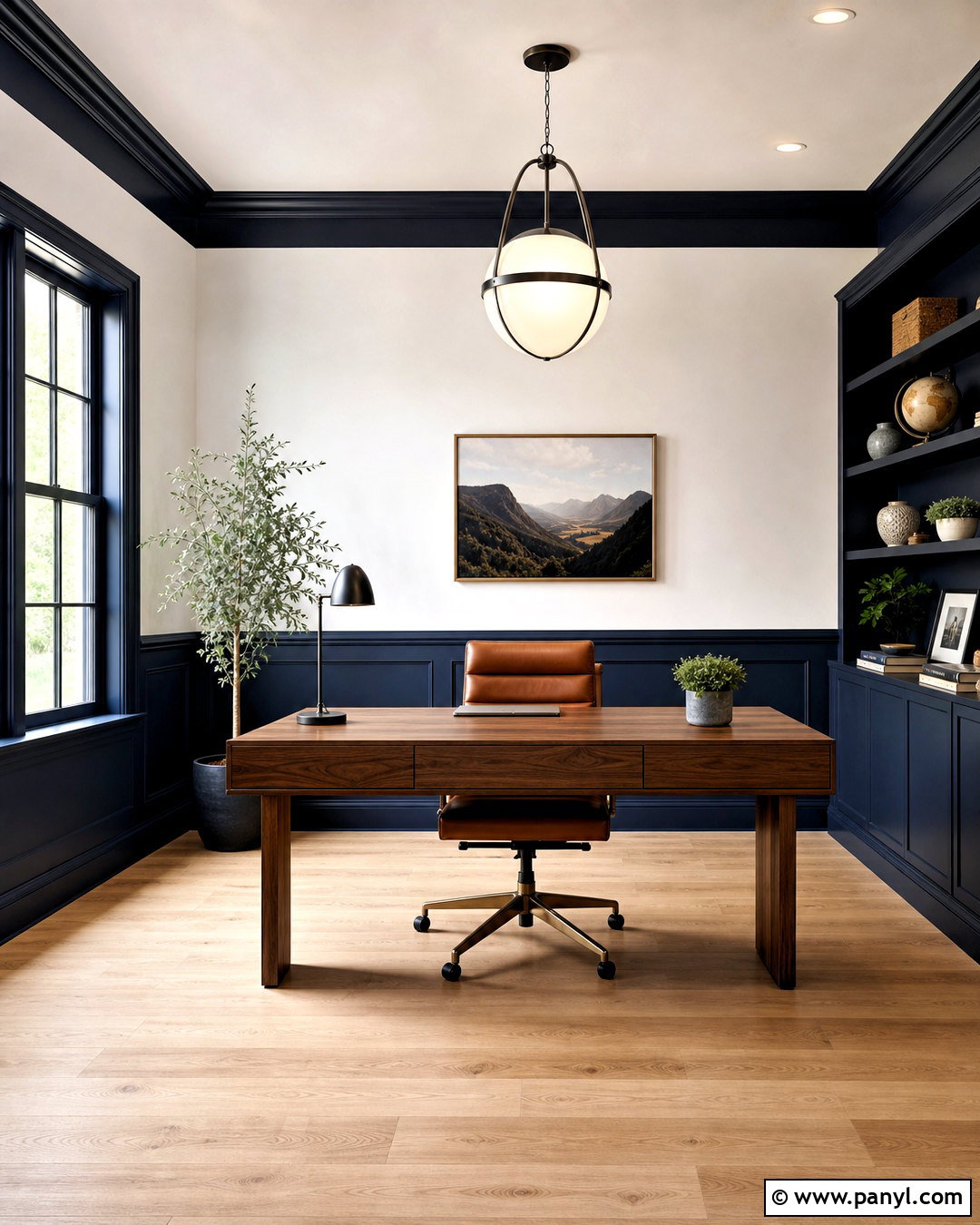
Two-tone baseboards can introduce modern contrast while keeping the room elegant and coordinated. In a home office, paint the upper walls warm white and the lower third deep navy blue. Use a flat navy baseboard at the floor so it visually merges with the lower wall color. Add a narrow, simple rail where the two paint colors meet rather than decorative panel molding. A walnut desk, cognac leather chair, and light oak floor balance the rich blue. Matte black shelving and a modern globe pendant continue the tailored look. Keep accessories restrained, using white ceramics and a few framed prints. The complete design feels architectural without relying on elaborate trim profiles. It also places darker color near the floor, where minor scuffs are less visually distracting.

10. Thin Low Profile Baseboards
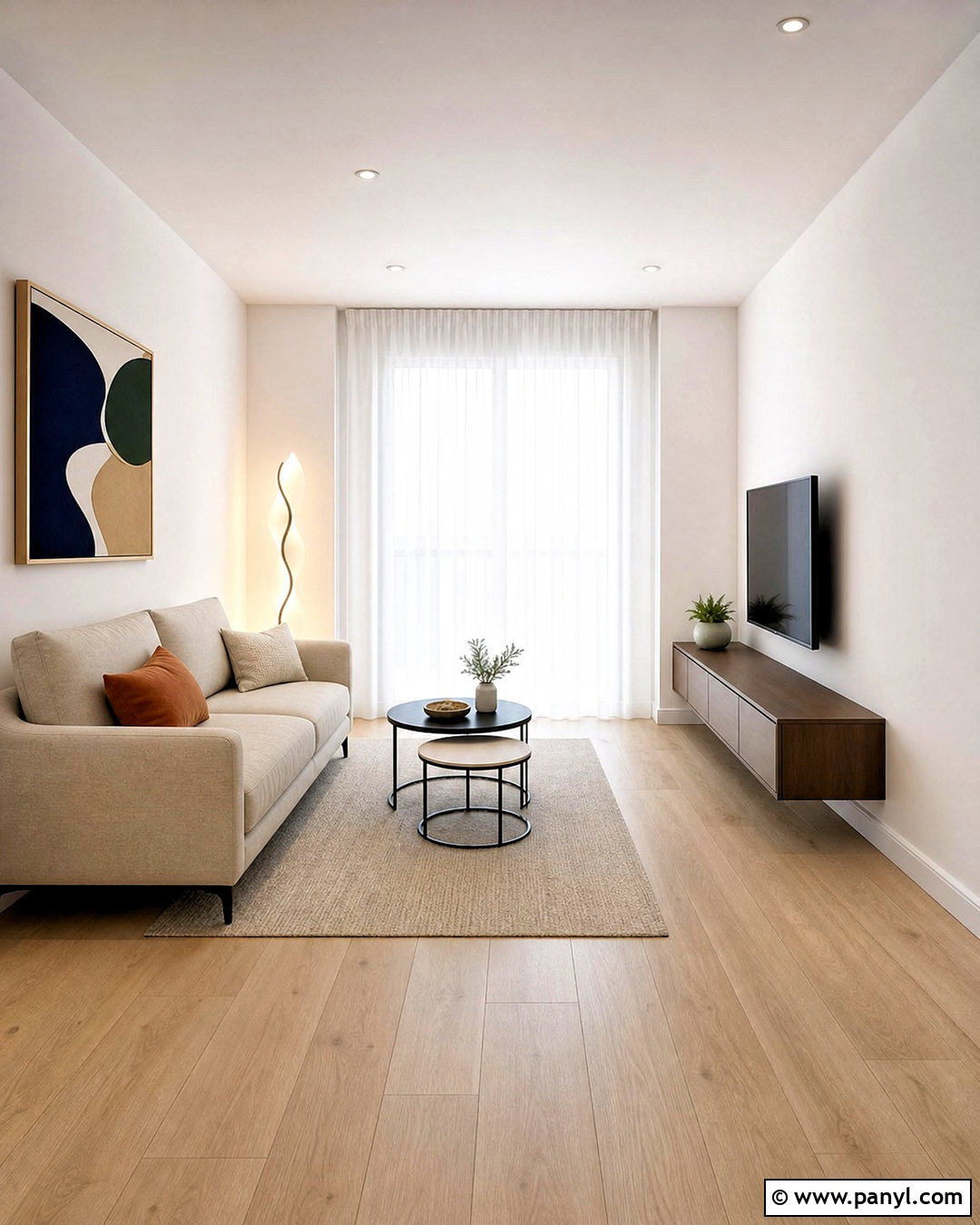
Thin baseboards support a minimalist room where furniture, art, and flooring should receive most of the attention. Install a flat profile approximately three inches tall and paint it crisp white to match the walls. In a compact apartment living room, this low visual line helps the boundaries feel less prominent. Pair the trim with continuous pale oak flooring, a small beige sofa, nesting tables, and a wall-mounted media cabinet. Choose leggy furniture that allows more flooring to remain visible. A large neutral artwork, sheer curtains, and one sculptural floor lamp complete the design without adding clutter. Keep the door casing equally simple and narrow so the proportions remain consistent. Precise corners and a smooth paint finish are important because understated trim leaves little room for rough installation details.
11. Stepped Baseboards
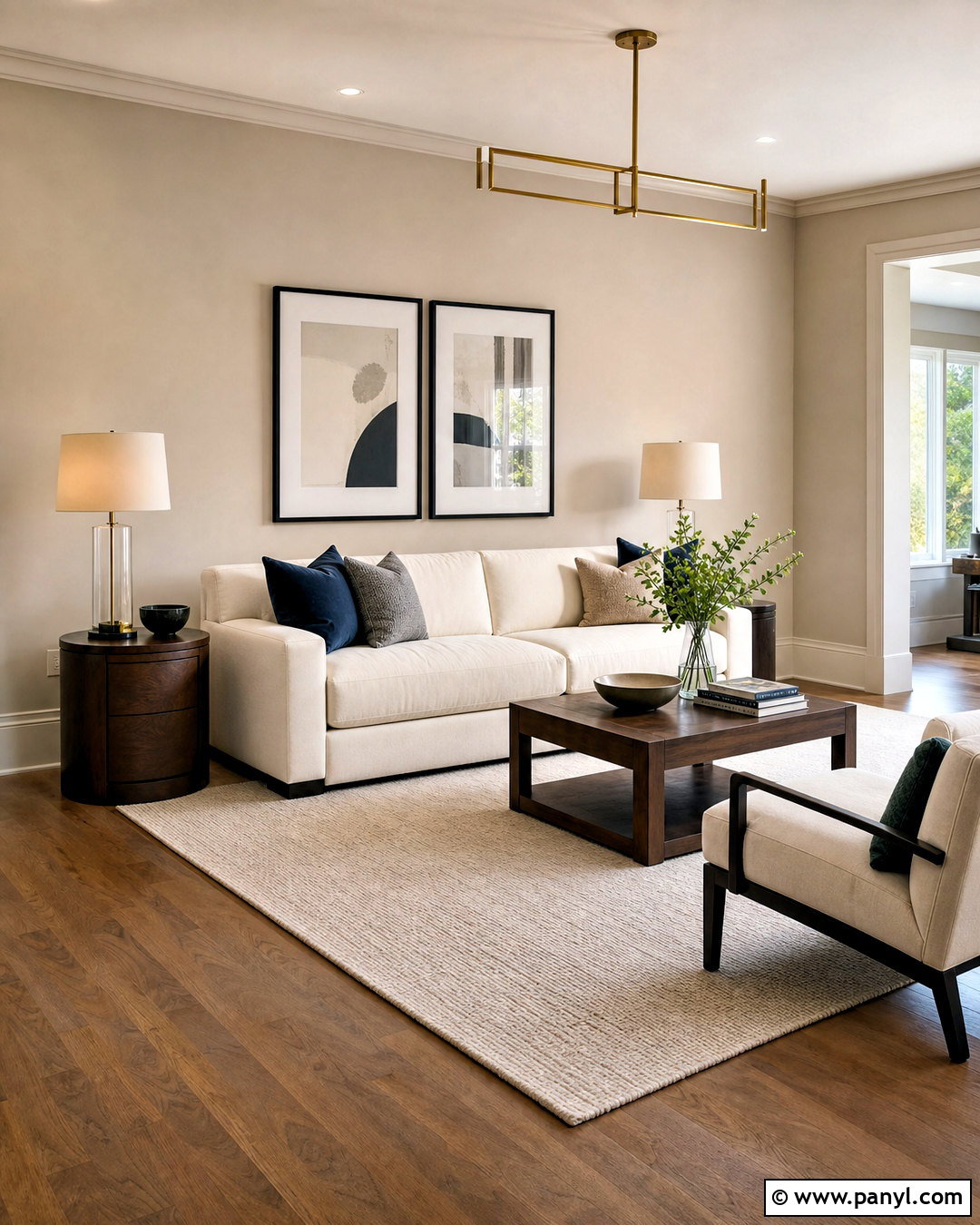
Stepped baseboards add subtle dimension without introducing the curves associated with traditional molding. Choose a flat six-inch profile with one shallow step near the top, producing a narrow shadow that remains clean and geometric. Use it in a contemporary sitting room with pale taupe walls and medium brown hardwood flooring. Paint the trim a slightly lighter taupe to emphasize its shape gently. A cream sofa, angular walnut side tables, and a textured ivory rug create a warm foundation. Add black-framed artwork and a linear brass ceiling fixture for sharper definition. Repeat the stepped profile around the doors or use plain casings with matching proportions. The finished room offers more architectural detail than a completely flat board, yet it remains restrained enough for contemporary and transitional furnishings.
12. Brushed Aluminum Baseboards
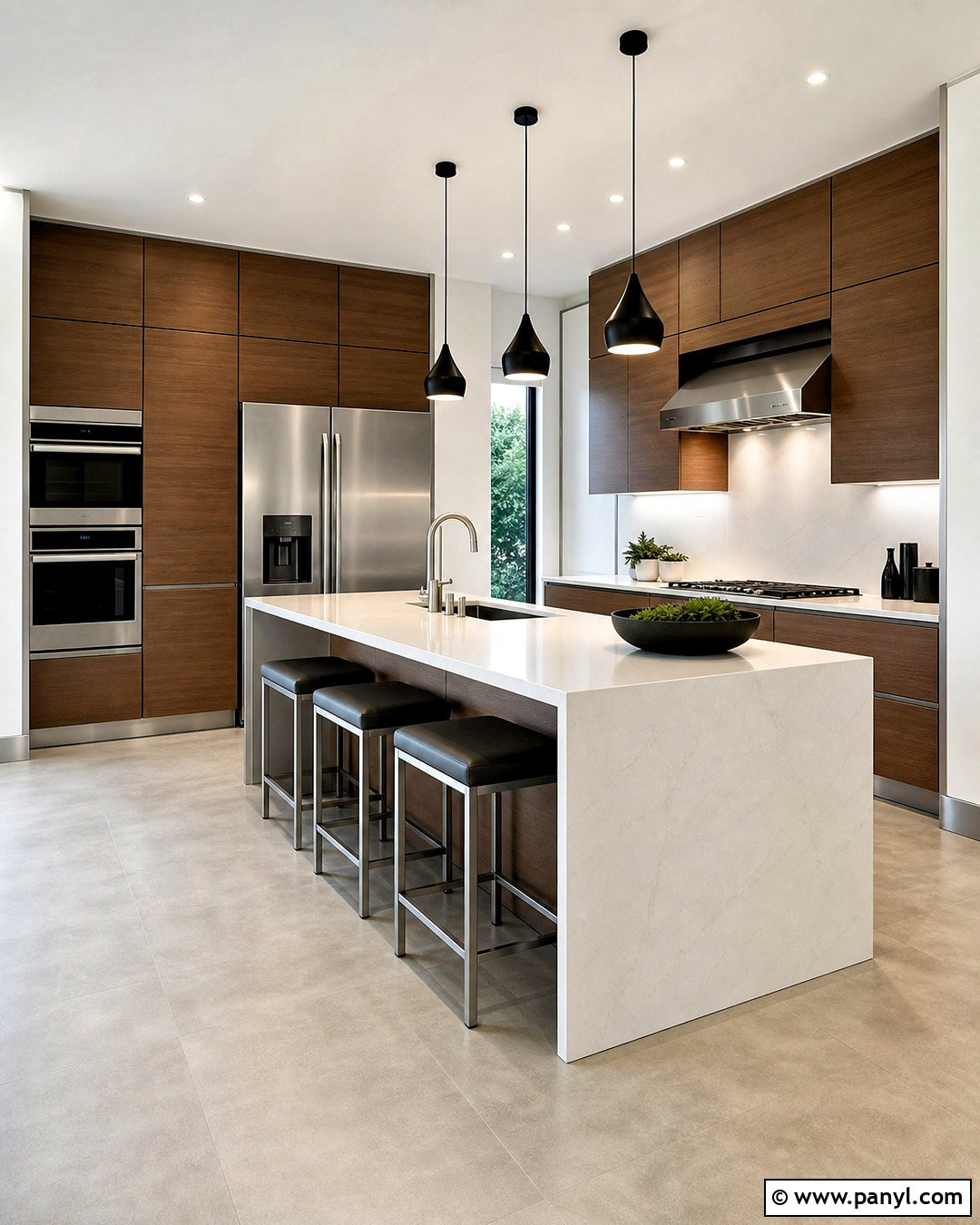
Brushed aluminum baseboards provide a durable, sharply defined edge in an industrial modern kitchen. Install a slim metal profile beneath smooth white walls and coordinate it with stainless steel appliances, brushed nickel fixtures, and aluminum-framed stools. Warm the scheme with flat-panel walnut cabinetry and light gray porcelain flooring. A white quartz waterfall island keeps the design bright, while matte black pendant lights add contrast above it. Avoid mixing several highly reflective finishes; a softly brushed surface looks calmer and hides minor handling marks more effectively than polished metal. Carry the baseboard consistently around the kitchen and adjoining breakfast area. This creates a continuous architectural line that feels intentional beside modern cabinetry. The completed space combines cool precision with enough natural wood to remain welcoming.
13. Walnut Baseboards
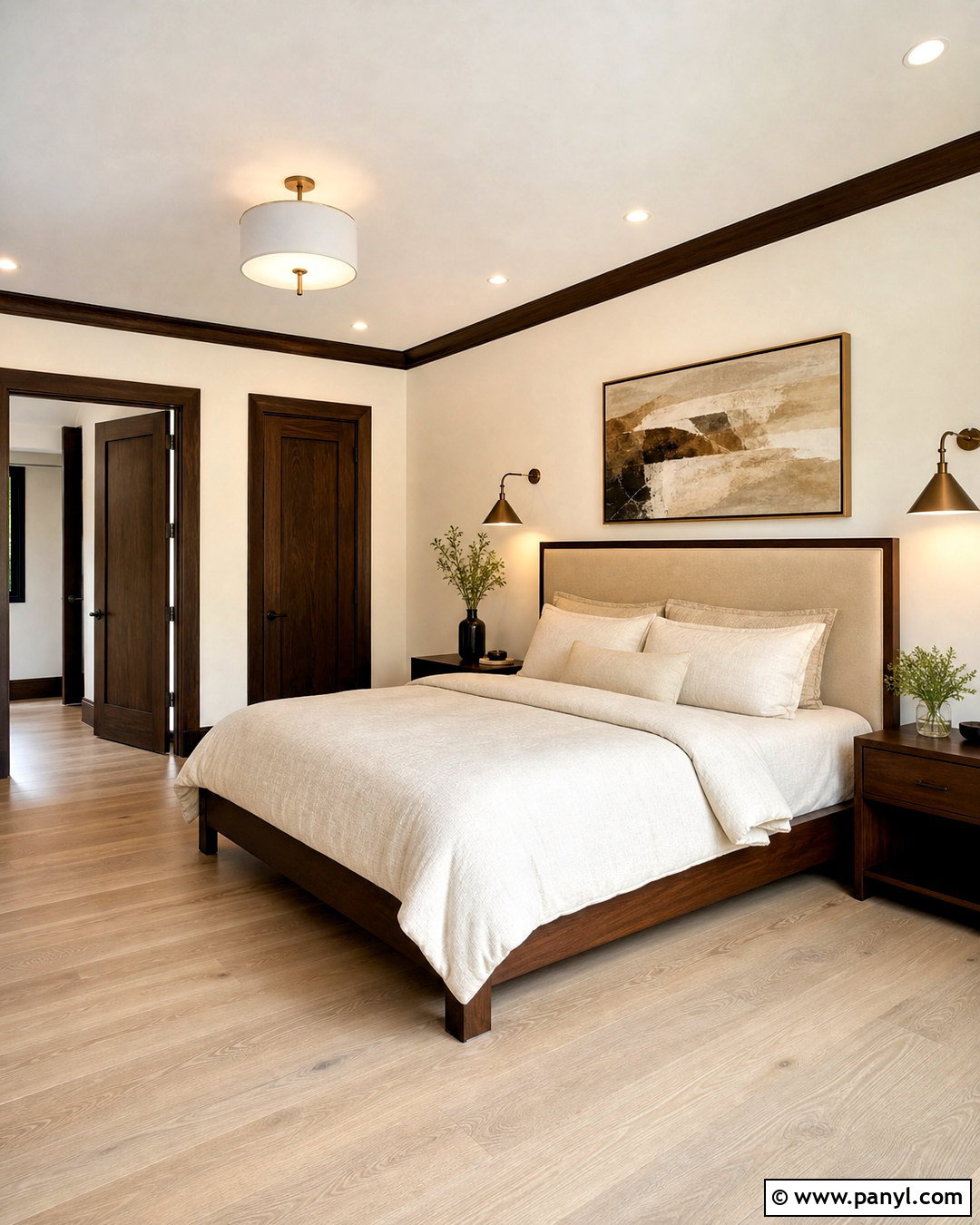
Walnut baseboards can make a modern bedroom feel grounded, rich, and connected to its furniture. Choose flat five-inch boards in a clear low-sheen finish and pair them with soft ivory walls. Continue the walnut on the bedroom door, bedside tables, and bed frame so the trim belongs to a larger material story. A light beige upholstered headboard, oatmeal bedding, and a muted clay throw prevent the dark wood from overpowering the room. Use pale oak flooring for gentle contrast rather than trying to match two different walnut surfaces exactly. Bronze reading lights and an abstract artwork in cream and brown complete the palette. The final design feels warm and sophisticated, with the dark baseboard outlining the room in a softer way than painted black trim.
14. Color Blocked Baseboards
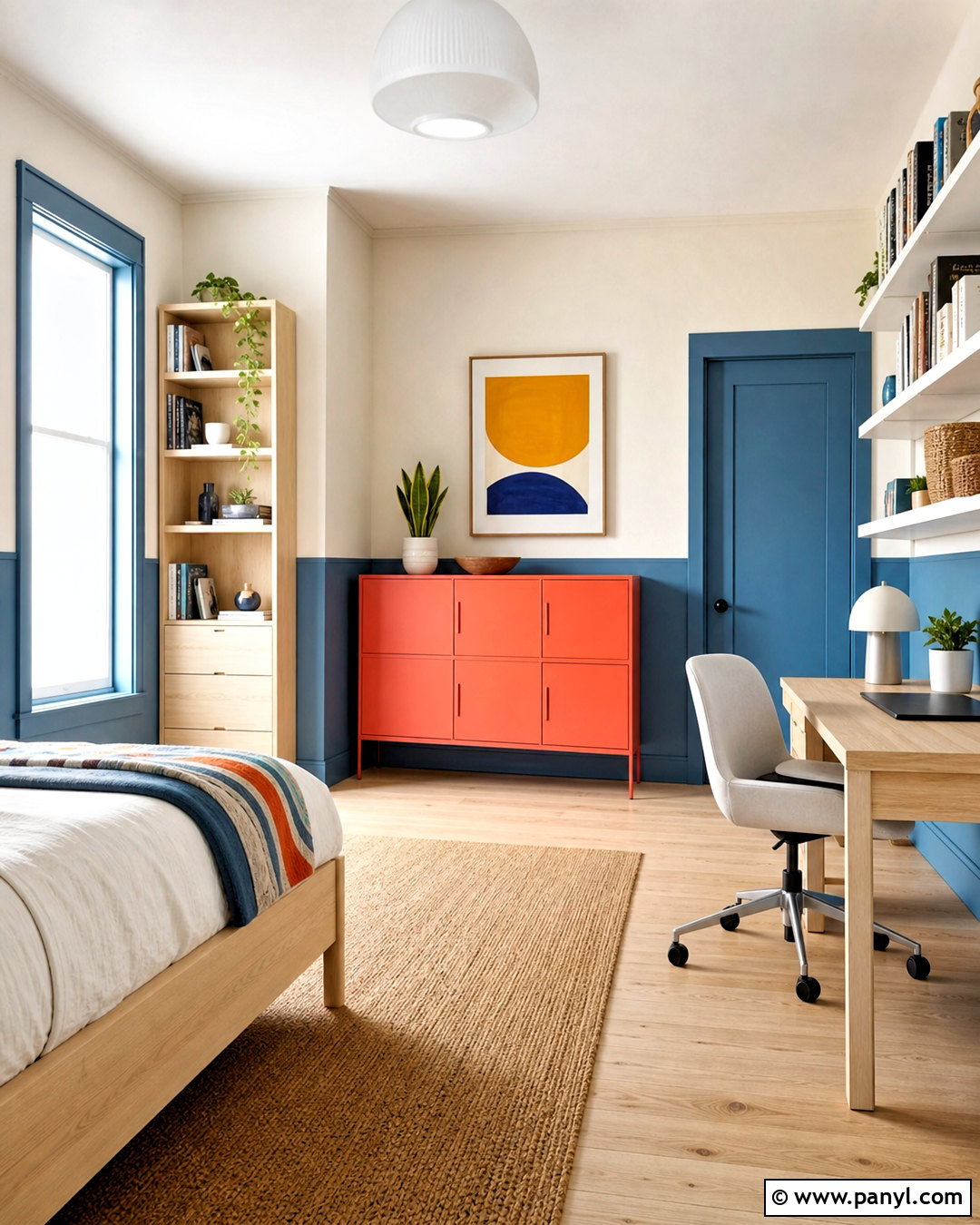
Color-blocked baseboards turn functional trim into part of a playful but polished modern room. In a child’s bedroom or creative studio, paint the lower portion of the wall dusty blue, including the flat five-inch baseboard, while keeping the upper wall warm white. Introduce a soft coral storage cabinet, pale birch desk, and natural woven rug over durable light wood flooring. White shelving prevents the brighter colors from becoming overwhelming. Keep the baseboard profile plain so the color arrangement remains the focal point. Repeat dusty blue on the door for a more immersive finish, or leave it white for lighter contrast. The overall room feels cheerful and organized rather than overly themed. Limiting the scheme to three controlled colors helps every element look deliberately coordinated.
15. Baseboards With Dark Wood Floors
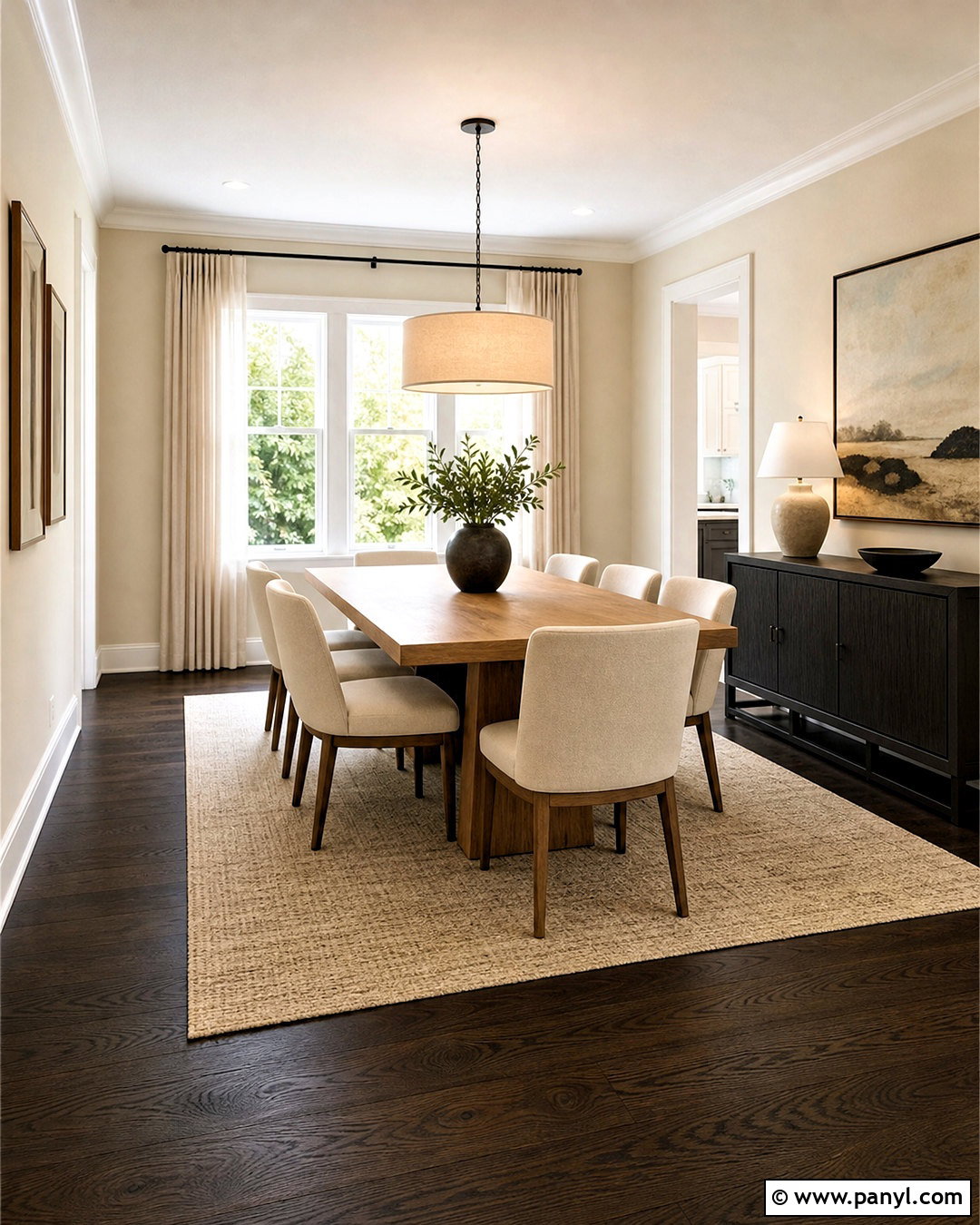
Dark wood floors look balanced when paired with simple warm-white baseboards and equally warm wall colors. In a modern dining room, use five-inch square-edged trim that provides a clean boundary between espresso oak flooring and pale cream walls. Avoid a stark blue-white paint, which can make the rich floor appear more severe. Furnish the room with a medium oak table, cream upholstered chairs, and a slim black sideboard. A large textured rug in beige and taupe lightens the center of the floor while leaving a dark border visible. Add a linen drum pendant and oversized neutral artwork for scale. The baseboards should match the door and window trim so the architecture remains consistent. This complete palette makes dark flooring feel intentional, contemporary, and comfortably layered.
16. Baseboards With Concrete Floors
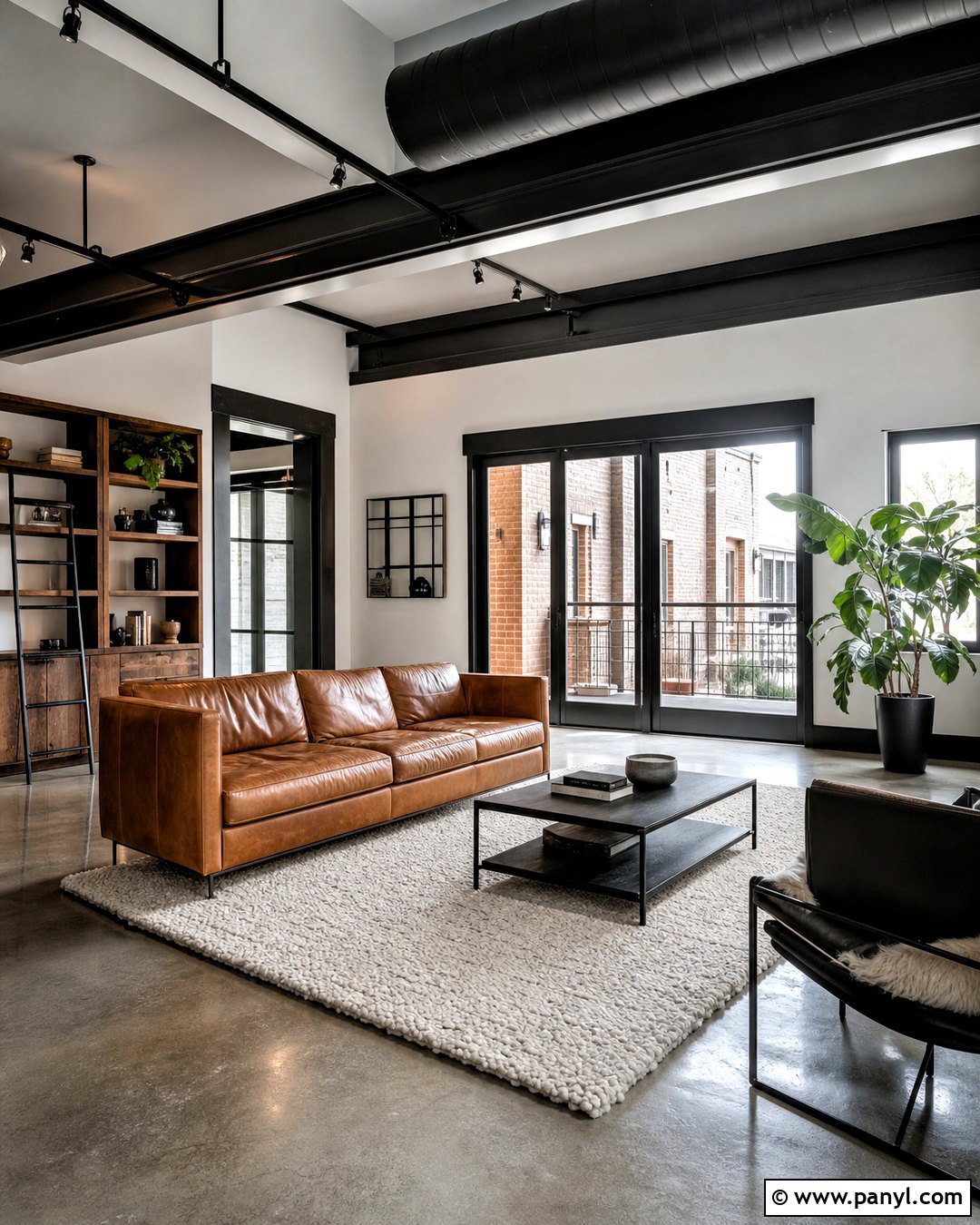
Polished concrete flooring pairs naturally with narrow, flat baseboards in a loft-inspired modern room. Paint the trim charcoal gray and continue the shade on steel-framed doors, window frames, and a streamlined fireplace. Soft white walls preserve brightness while allowing the darker edge to define the floor. Furnish the space with a low tan leather sofa, black metal coffee table, and thick cream rug to offset the concrete’s harder appearance. Introduce walnut shelving and woven cushions for warmth. Keep the baseboard profile around four inches tall so it feels proportional without competing with the industrial materials. Where the floor is slightly uneven, careful scribing creates a cleaner result than relying on bulky quarter-round molding. The completed room feels urban, comfortable, and visually connected from edge to edge.
17. Modern Bathroom Baseboards
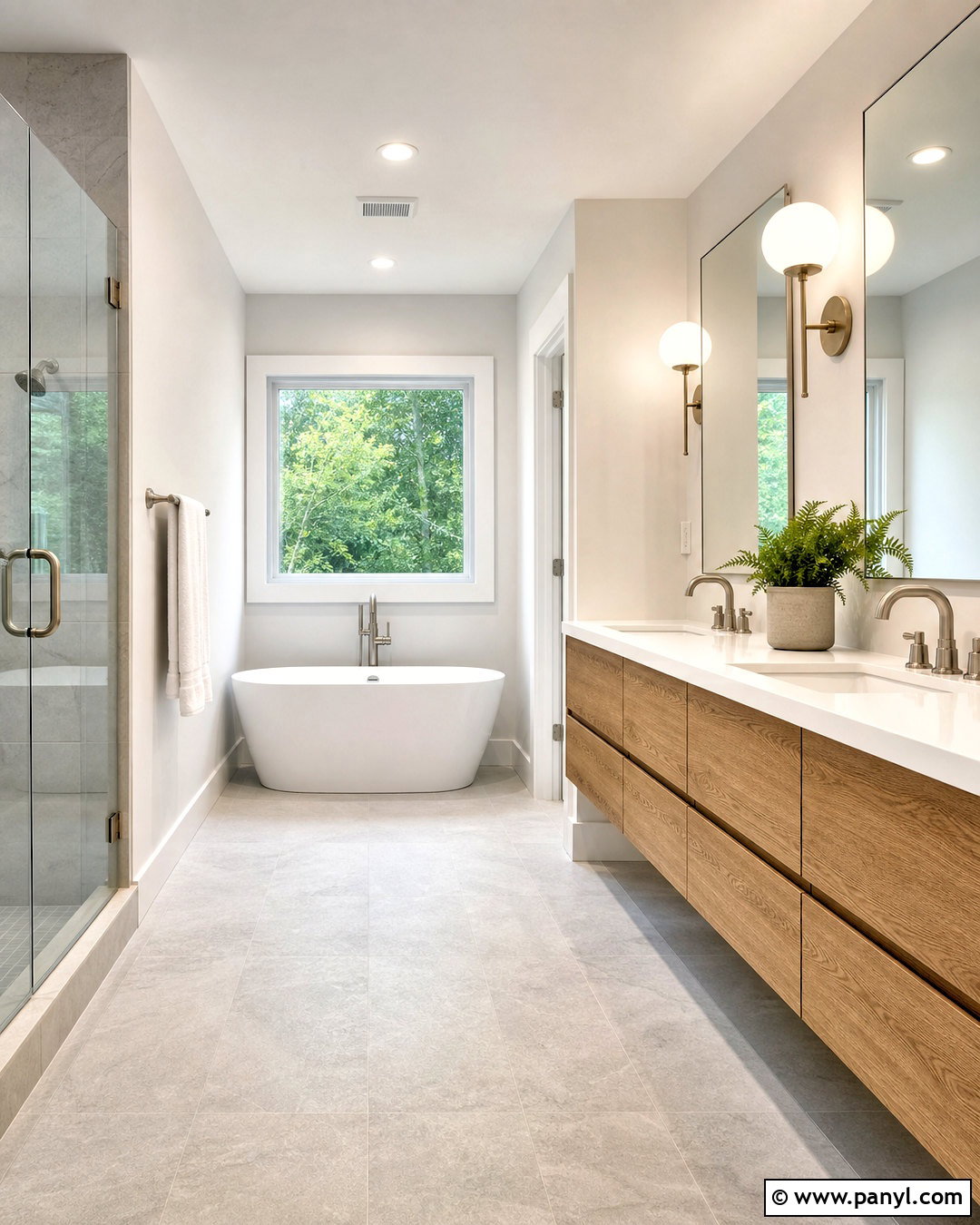
A modern bathroom needs baseboards that coordinate with water-resistant surfaces and maintain a clean, uncluttered appearance. Use a flat PVC or tile baseboard in a warm white finish along painted walls, then align its height with the bottom course of large-format shower tile. Choose pale gray porcelain flooring, a floating white oak vanity, and a white quartz counter. Brushed nickel faucets, a frameless mirror, and simple globe sconces keep the palette light. Paintable moisture-resistant trim can mimic the flat profile used throughout the rest of the home while performing better in a humid room. Seal the lower joint neatly and avoid decorative grooves that can hold dust. The finished bathroom should feel like a complete extension of the home’s trim plan rather than a separate utilitarian space.
18. Modern Kitchen Baseboards
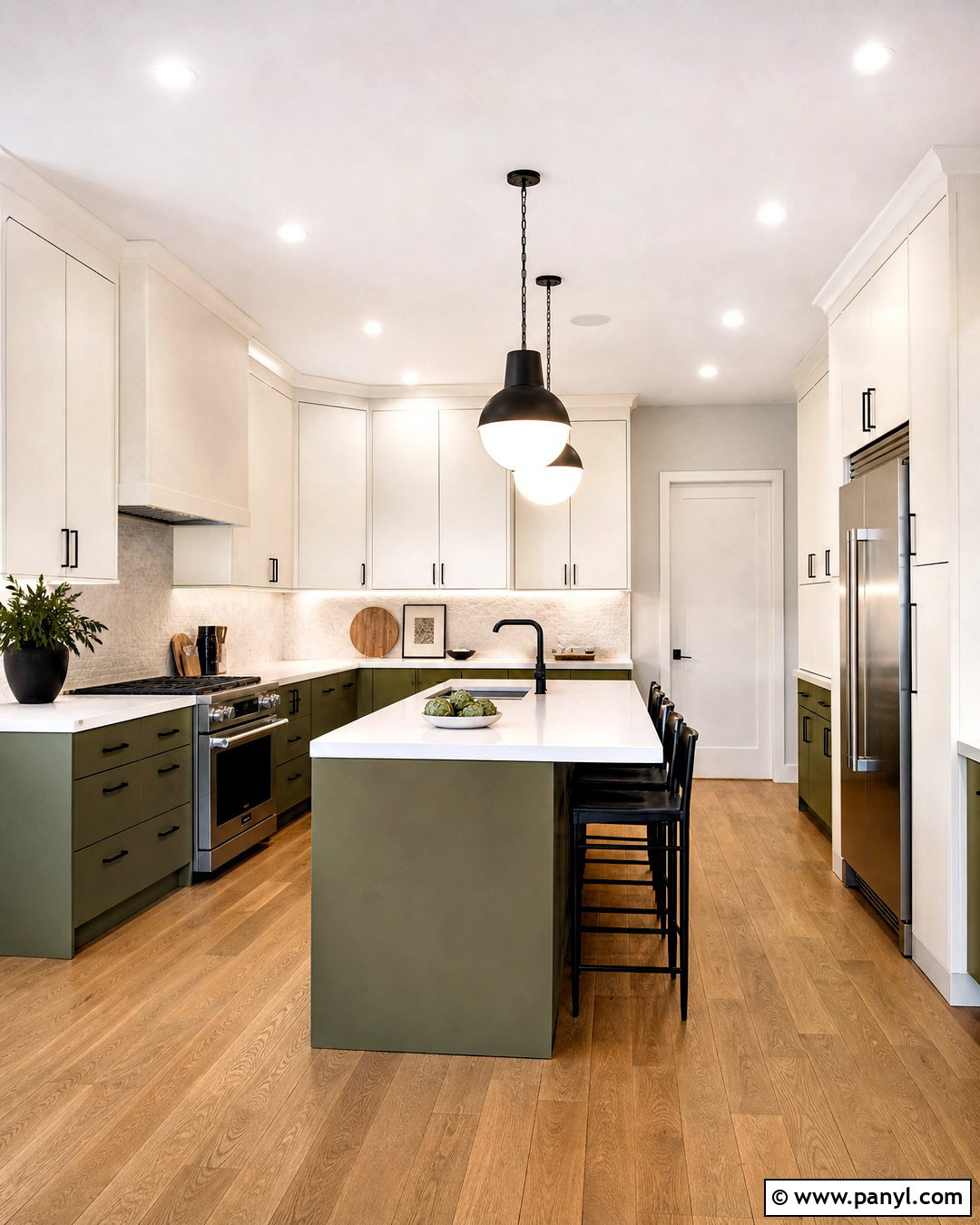
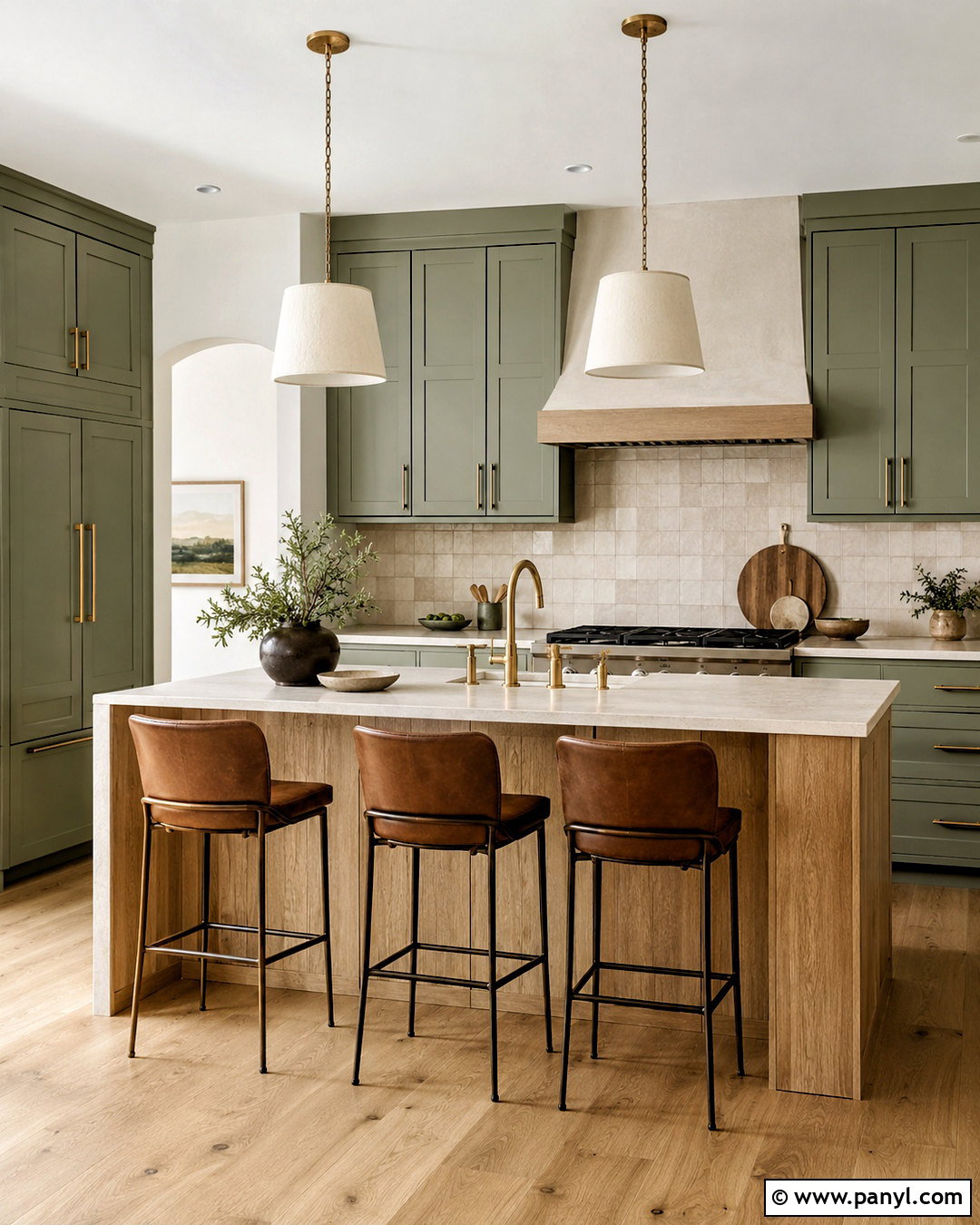
Modern kitchen baseboards should connect open wall areas with cabinetry, toe kicks, and adjoining rooms. Use a simple four-inch white baseboard on the walls, matching it to warm white paint and slab-front cabinets. Finish the island and lower cabinets in muted olive green, then use matching olive toe kicks for a built-in effect. Wide-plank oak flooring provides warmth, while white quartz counters and a pale stone backsplash maintain brightness. Black cabinet pulls and pendant lights add clean contrast. At cabinet ends, plan the baseboard termination carefully so it does not create an awkward projecting edge. Continue the same wall trim into the dining space for consistency. This integrated approach makes the kitchen feel planned as one complete room rather than a collection of cabinets surrounded by unrelated molding.
19. Modern Hallway Baseboards
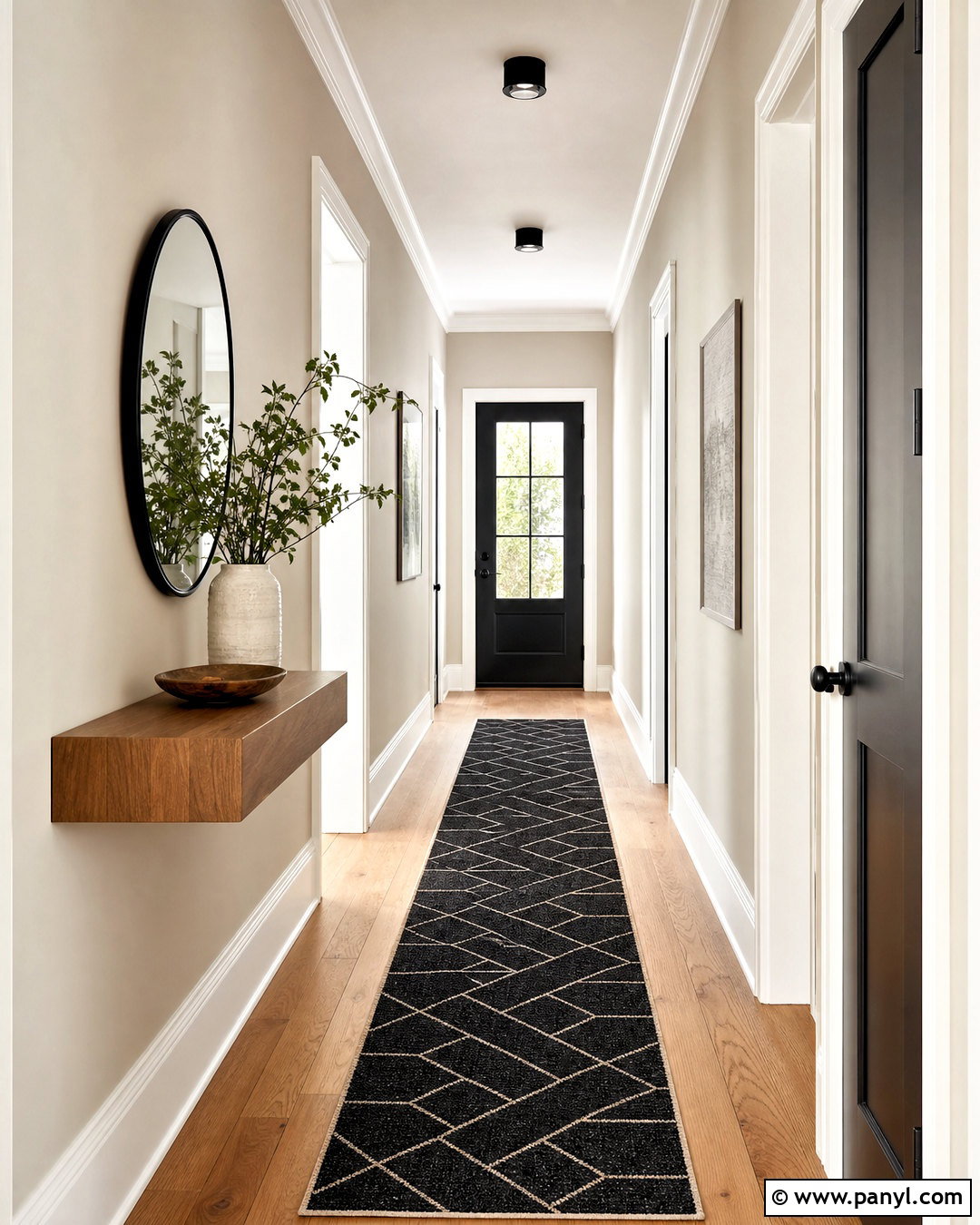
A hallway benefits from taller baseboards because long walls make every horizontal line more visible. Install flat six-inch trim painted soft white, paired with matching door casings and pale greige walls. Use durable medium-tone oak flooring and a washable runner with a subtle black geometric pattern. A narrow floating console keeps the walkway open, while a round black mirror and simple ceiling lights repeat the darker accents. Continue the baseboard across every uninterrupted wall and maintain consistent heights around door openings. Satin paint makes routine cleaning easier in this high-traffic space without creating an overly glossy border. The finished hallway feels brighter, wider, and more deliberate. It also creates a strong visual transition between rooms by carrying one carefully coordinated trim, flooring, and color package throughout the home.
20. Midcentury Modern Baseboards
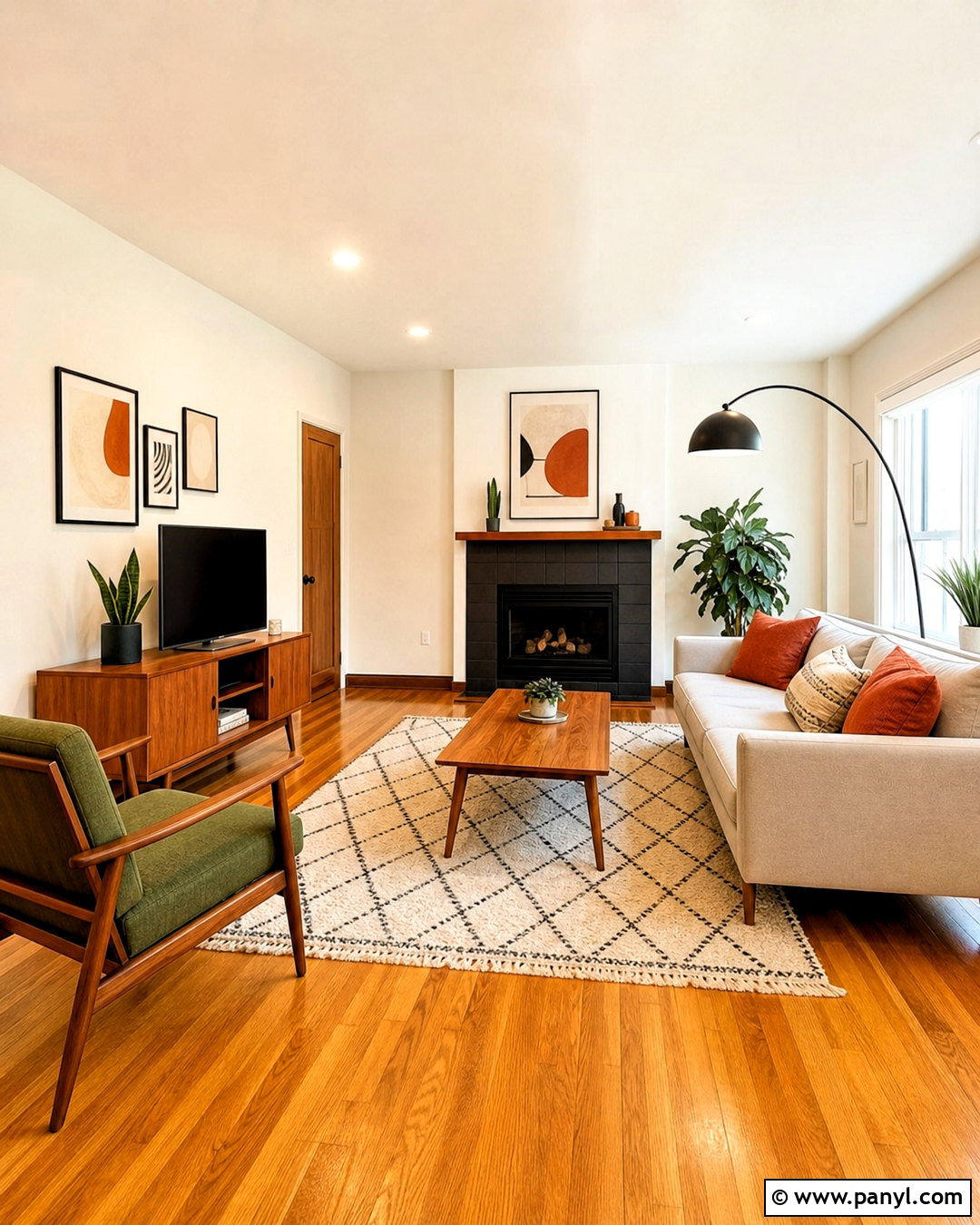
Midcentury modern baseboards look best when they are simple, warm, and connected to natural wood furnishings. Use low-profile walnut-stained boards beneath warm white walls and coordinate them with flat wood door casings. Honey-toned oak flooring, a tapered-leg sofa, and a teak media console reinforce the period influence without turning the room into a themed display. Add an olive green lounge chair, rust-colored cushions, and a cream geometric rug. A black arc lamp provides contrast while preserving the room’s relaxed character. Keep the baseboards between three and four inches tall so the horizontal architecture remains understated. The completed living room should combine straight lines, organic forms, and warm materials. This creates an updated midcentury look that still feels suitable for a practical modern home.
Conclusion:
The best modern baseboard is more than a strip of trim placed along the floor. It should reinforce the room’s proportions, connect surrounding finishes, protect the walls, and support the overall decorating direction. Flat white boards offer flexibility, while oak and walnut introduce natural warmth. Black, greige, and color-matched options create stronger visual relationships with walls and furnishings. Flush profiles and shadow gaps provide an architectural result, although they require more detailed planning and precise installation. Always consider flooring, wall color, ceiling height, door casing, moisture, and maintenance before selecting a profile. With these **20 base board ideas modern ideas**, you can create a trim plan that feels consistent, practical, and intentionally designed throughout your home.

Related Ideas and Inspiration:
Leave a Reply