
Finding the right white paint is less about choosing a blank backdrop and more about building a complete room around its undertones. These 35 snowbound sherwin williams walls show how Snowbound SW 7004 can support warm woods, cool stone, colorful cabinetry, natural textiles, and high-contrast accents. Sherwin-Williams describes Snowbound as a flexible cool white with subtle gray undertones, yet surrounding finishes and lighting can make it appear warmer, softer, or slightly taupe. () Always test a large sample beside your flooring, trim, counters, and fixed materials before painting. Use the same bulb temperature you plan to keep in the finished space. From airy living rooms to practical mudrooms, the complete looks below offer approachable ways to decorate with 35 snowbound sherwin williams walls.

1. Snowbound Walls With White Oak Furniture
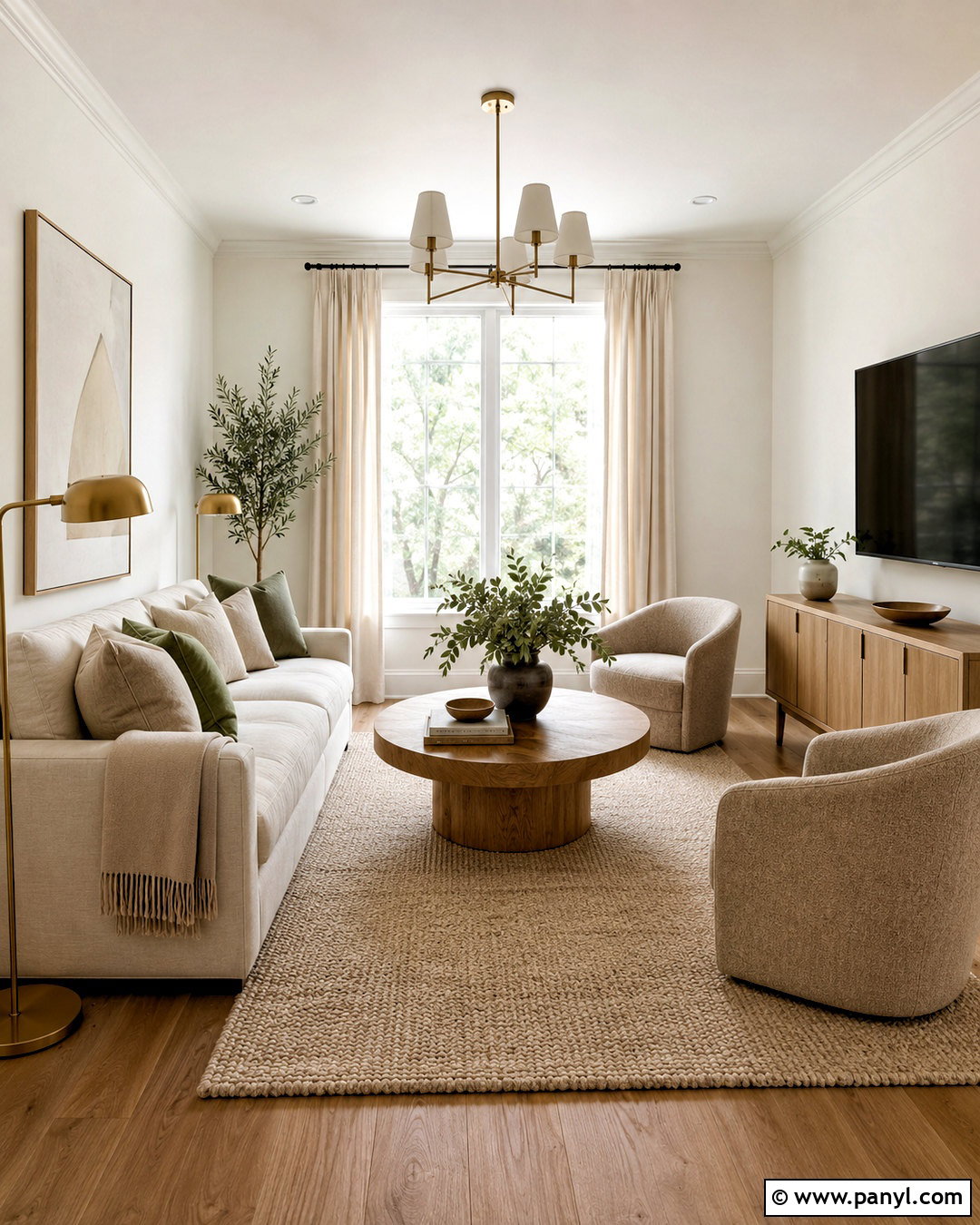
Give a living room a light, relaxed foundation by pairing Snowbound walls with white oak furniture and warm neutral fabrics. Start with a streamlined oak media console, a cream sofa, and two oatmeal-colored accent chairs arranged around a textured wool rug. Use pale linen curtains to soften the windows without blocking natural light. A rounded oak coffee table keeps the furniture palette connected while breaking up straight architectural lines. Add brushed brass lamps, woven baskets, and a few muted sage accents for gentle color. Paint the ceiling Snowbound for a seamless effect, then use satin Snowbound on the trim to create subtle sheen rather than contrast. Medium-toned wood flooring grounds the room and prevents the pale design from feeling washed out.
2. Snowbound Walls With Black Accents
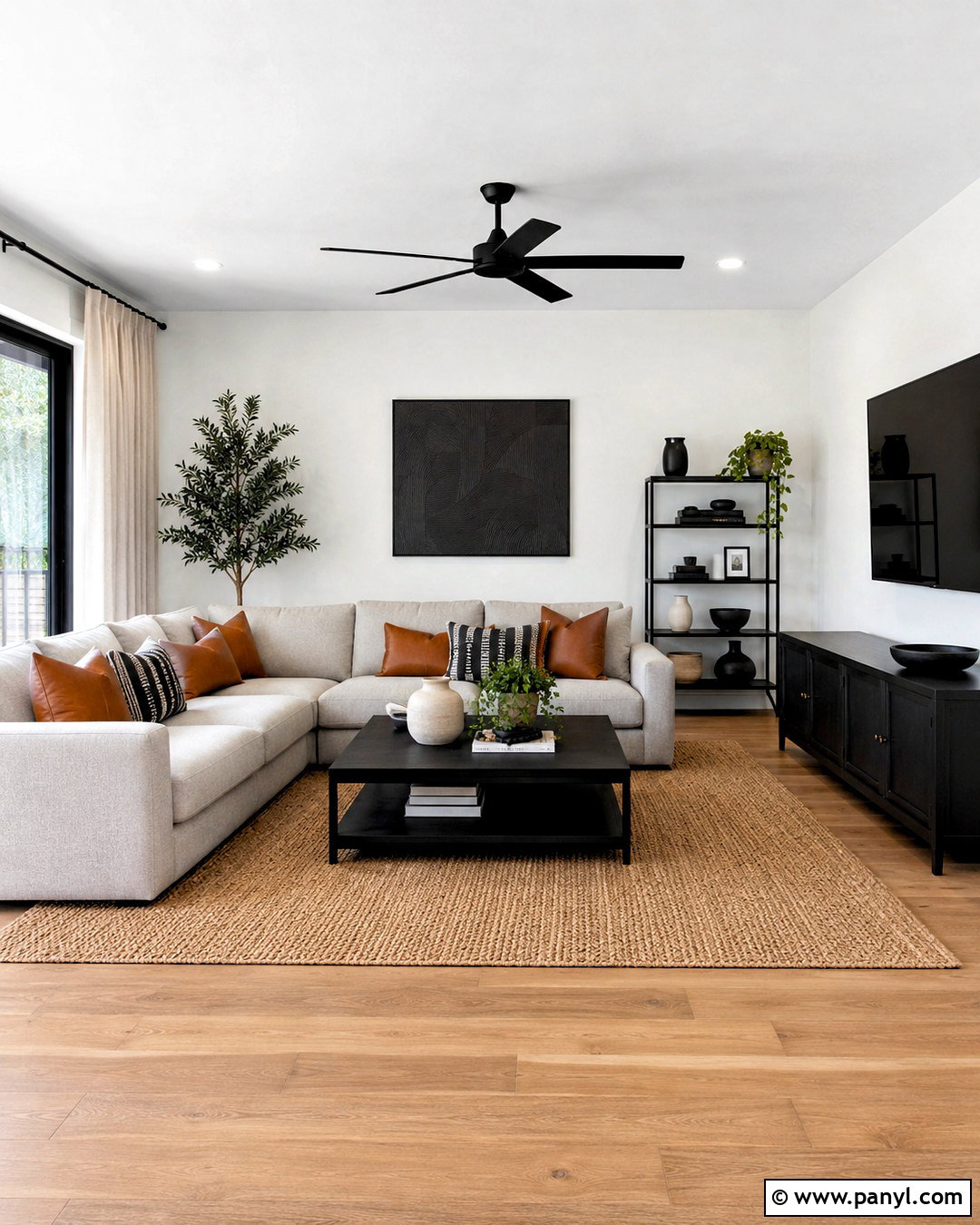
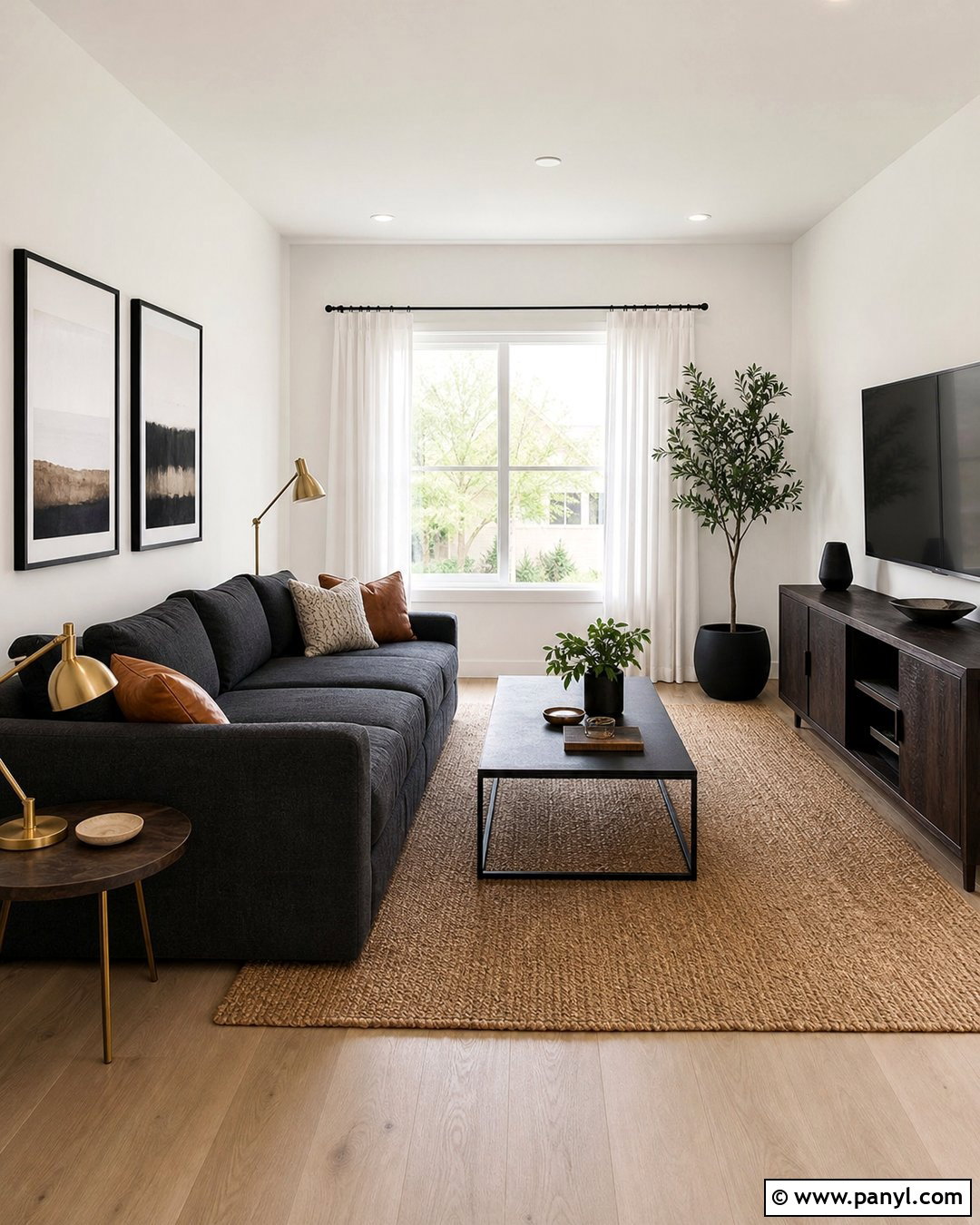
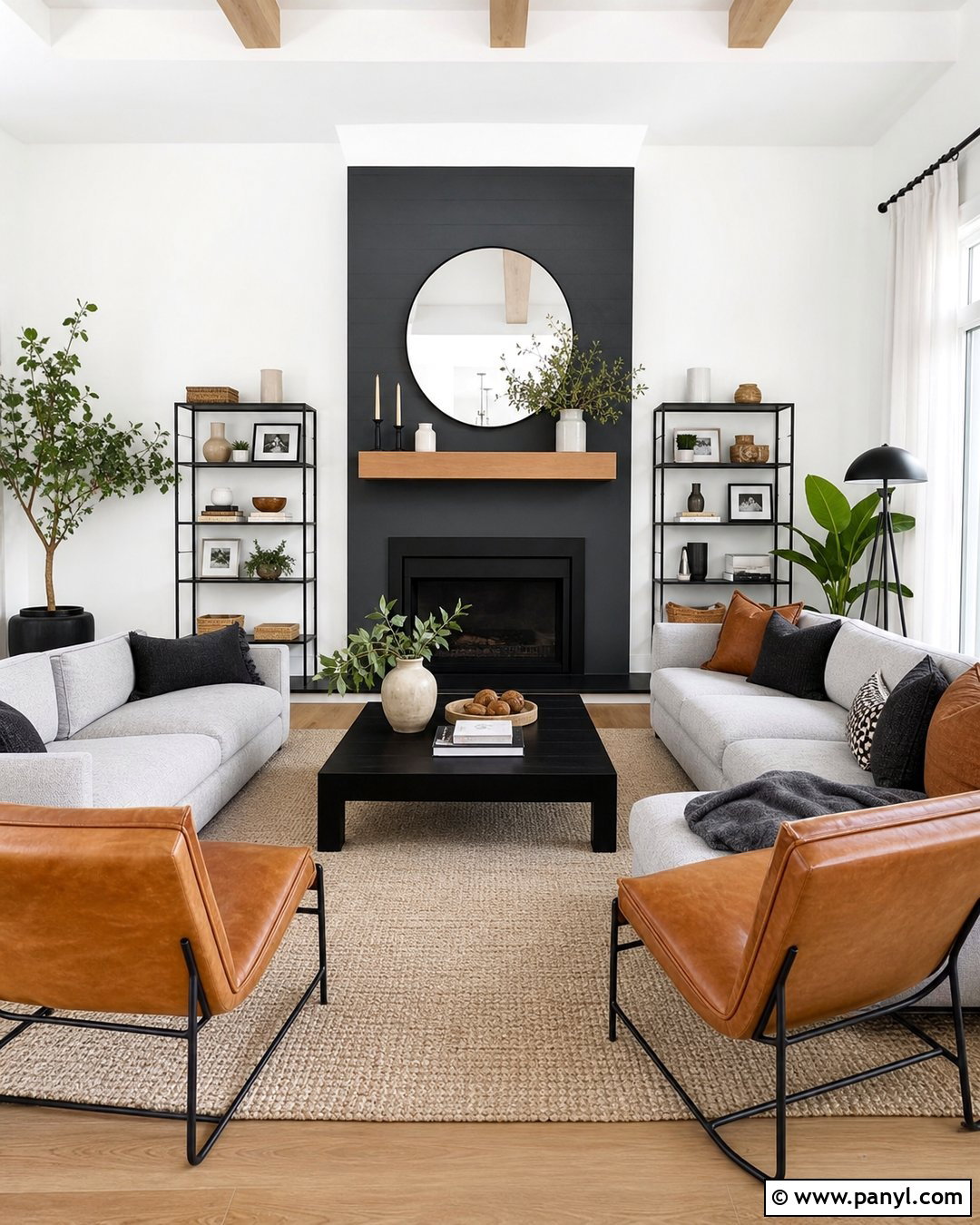
Crisp black details give Snowbound walls a stronger, more contemporary personality. Build the room around a comfortable light gray sectional, a black metal coffee table, and a low black media cabinet. Repeat the dark finish on curtain rods, picture frames, and a simple floor lamp so every accent feels intentional. Warm the contrast with cognac leather pillows, a natural jute rug, and medium oak flooring. Large abstract artwork in charcoal, beige, and soft rust can connect the entire palette. Keep window treatments light and understated rather than adding another heavy color. Snowbound can also continue across the ceiling and trim, allowing the black features to define the architecture. The finished living room feels clean and graphic but remains comfortable enough for everyday family use.
3. Snowbound Walls With A Stone Fireplace
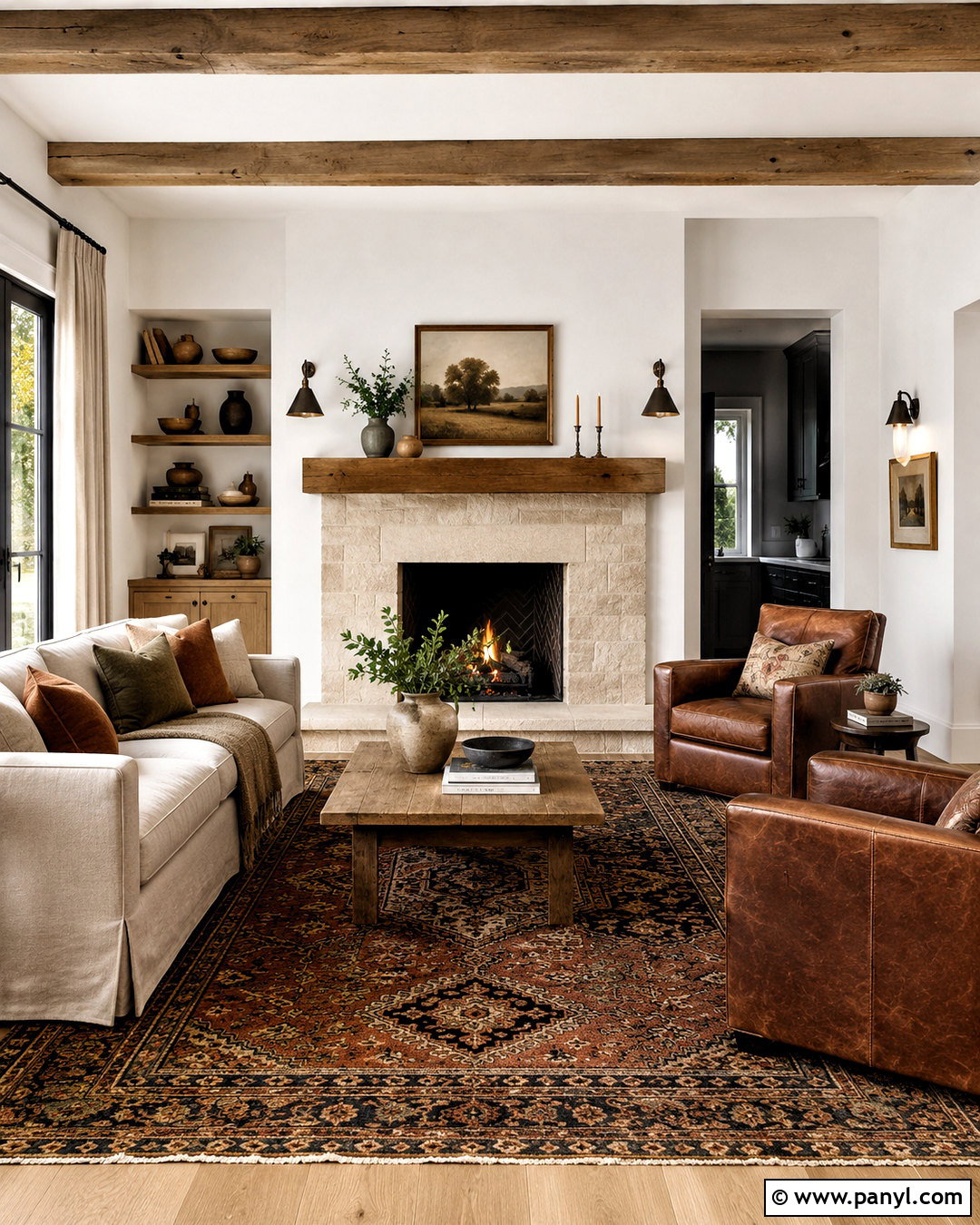
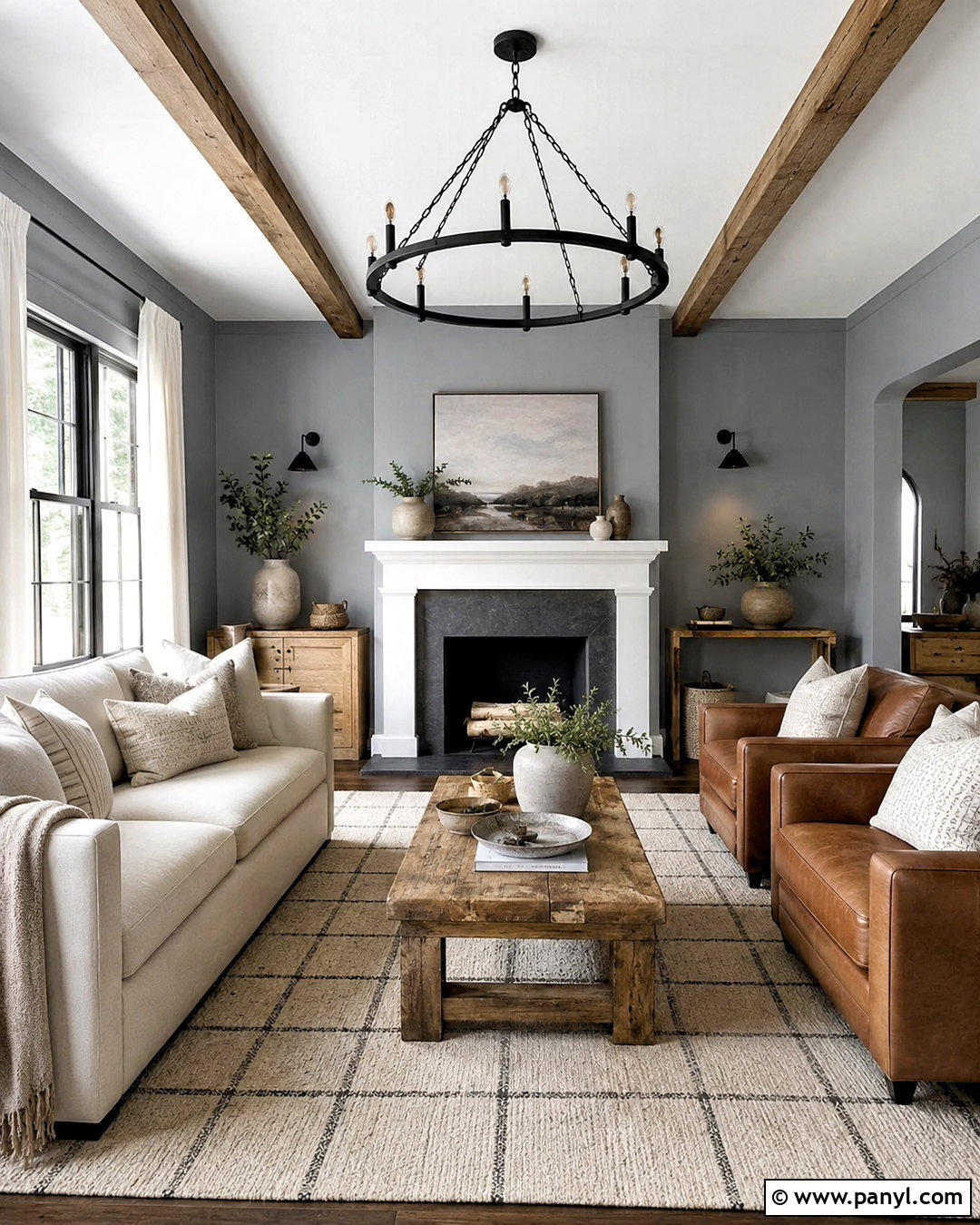
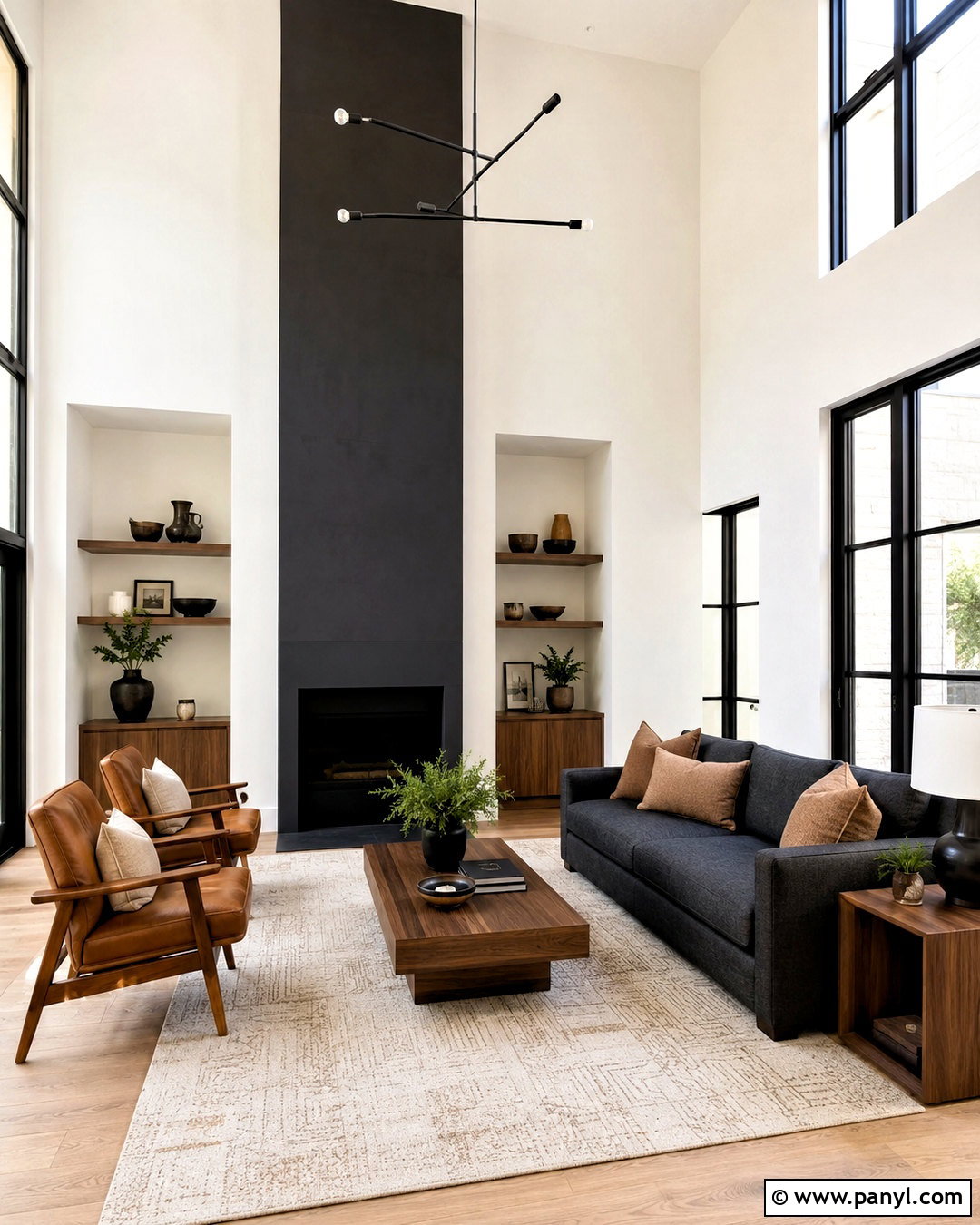
A stone fireplace brings texture and natural variation to a Snowbound living room. Choose warm limestone or lightly mottled ledgestone instead of icy blue-gray stone, then add a thick reclaimed-oak mantel. Position a soft beige sofa and two brown leather chairs around the fireplace to create an inviting conversation area. A faded vintage-style rug can introduce muted rust, olive, and charcoal without overwhelming the white walls. Use linen drapery, bronze sconces, and ceramic table lamps to continue the earthy mood. Built-in shelves painted Snowbound will blend into the surrounding walls while displaying pottery, books, and small landscape artwork. Keep the hearth styling simple so the stone remains prominent. This balanced room feels rustic, polished, and bright rather than heavy or overly traditional.
4. Snowbound Walls In An Open Concept Room
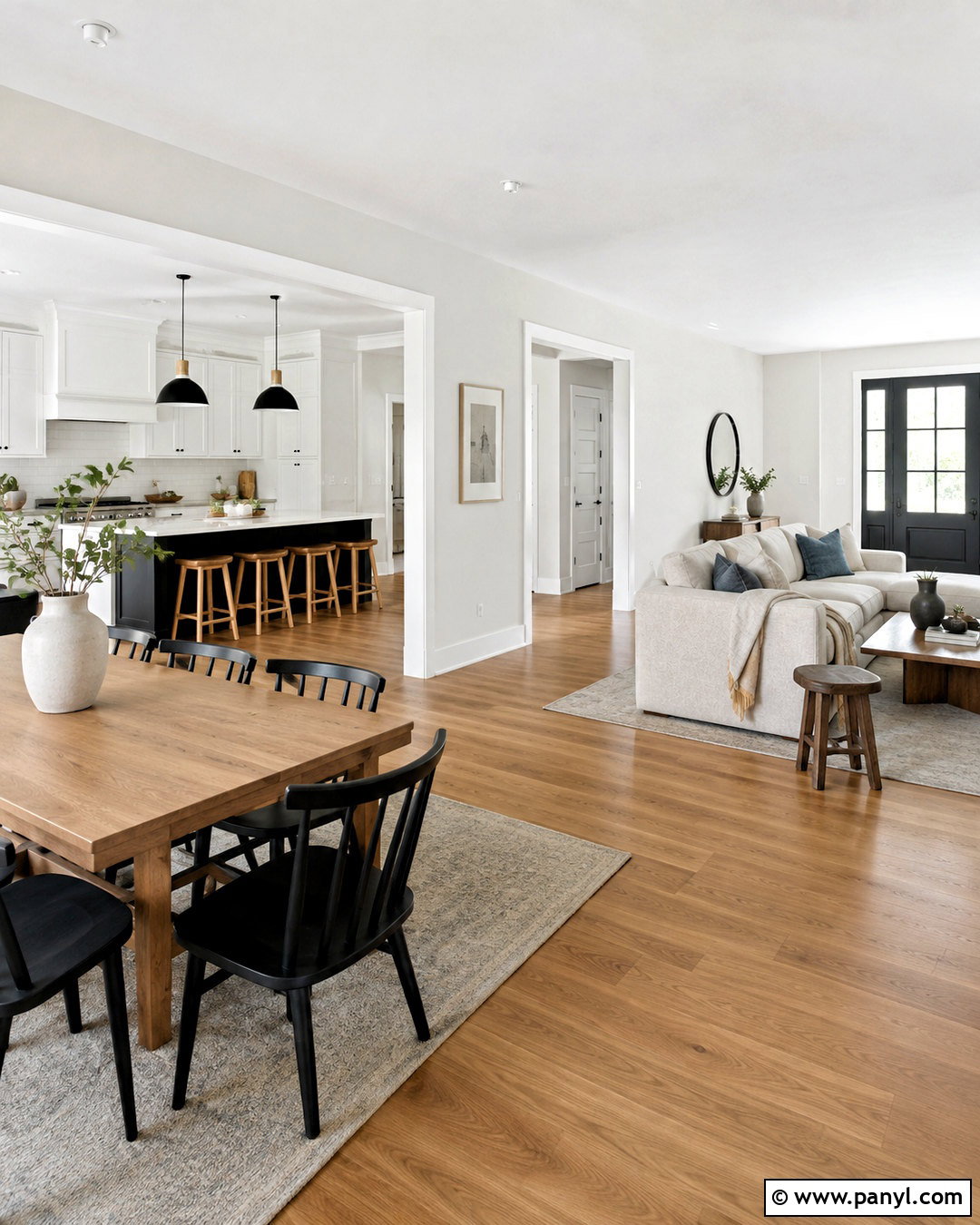
An open floor plan needs a consistent palette that connects several functional areas. Use Snowbound walls throughout the living room, dining space, and kitchen, then repeat white oak and matte black finishes in each zone. A large neutral sectional can define the lounge, while a rectangular oak table anchors the dining area. In the kitchen, use warm wood stools and black pendants to continue the same material story. Rugs should coordinate without matching exactly; try a soft greige rug in the living area and a washable striped runner near the sink. Keep trim and ceilings consistent across the entire space to prevent visual breaks. Greenery, tan leather, and muted blue accessories add controlled color. The completed layout feels unified while each area remains easy to recognize.
5. Snowbound Walls With White Oak Kitchen Cabinets
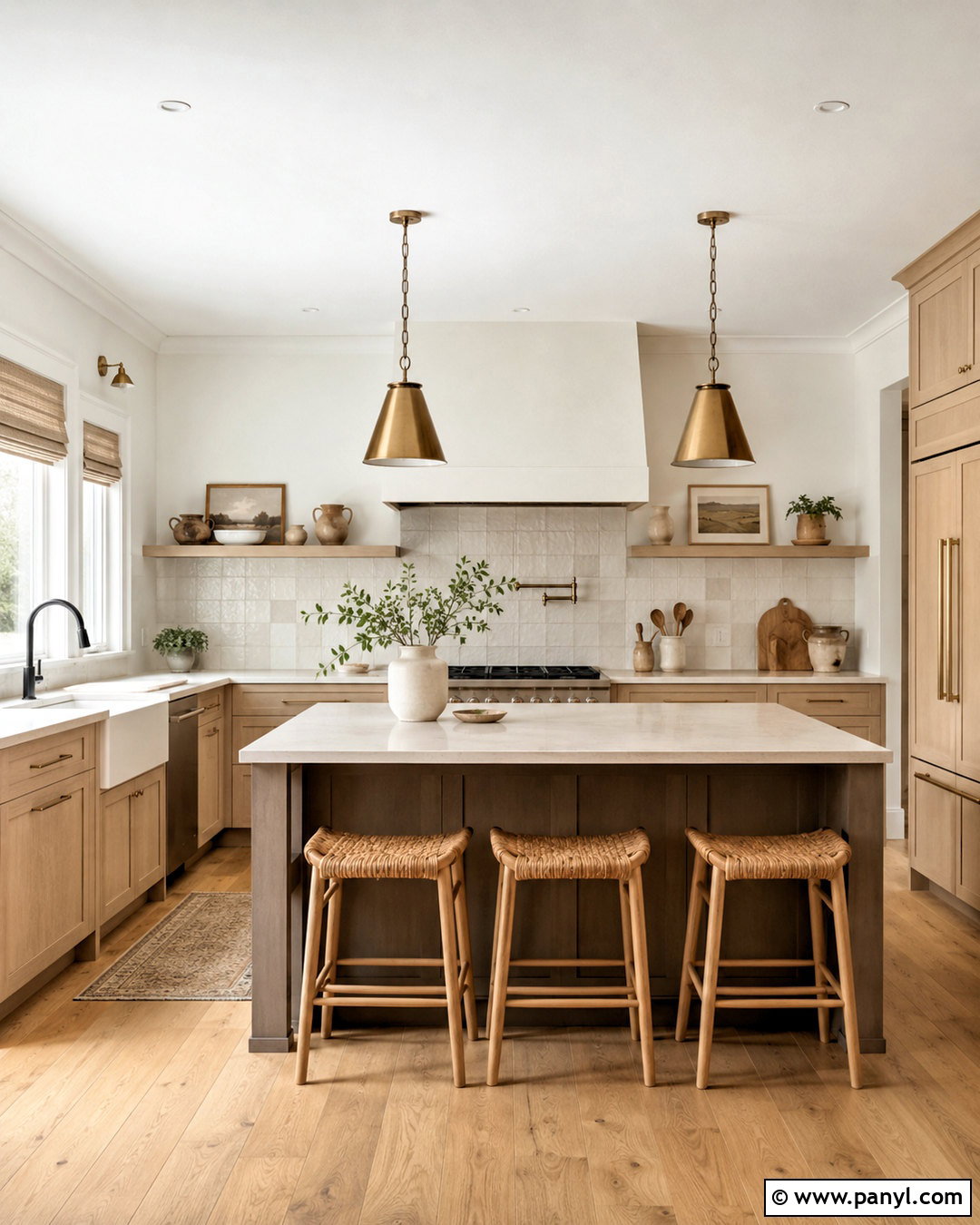
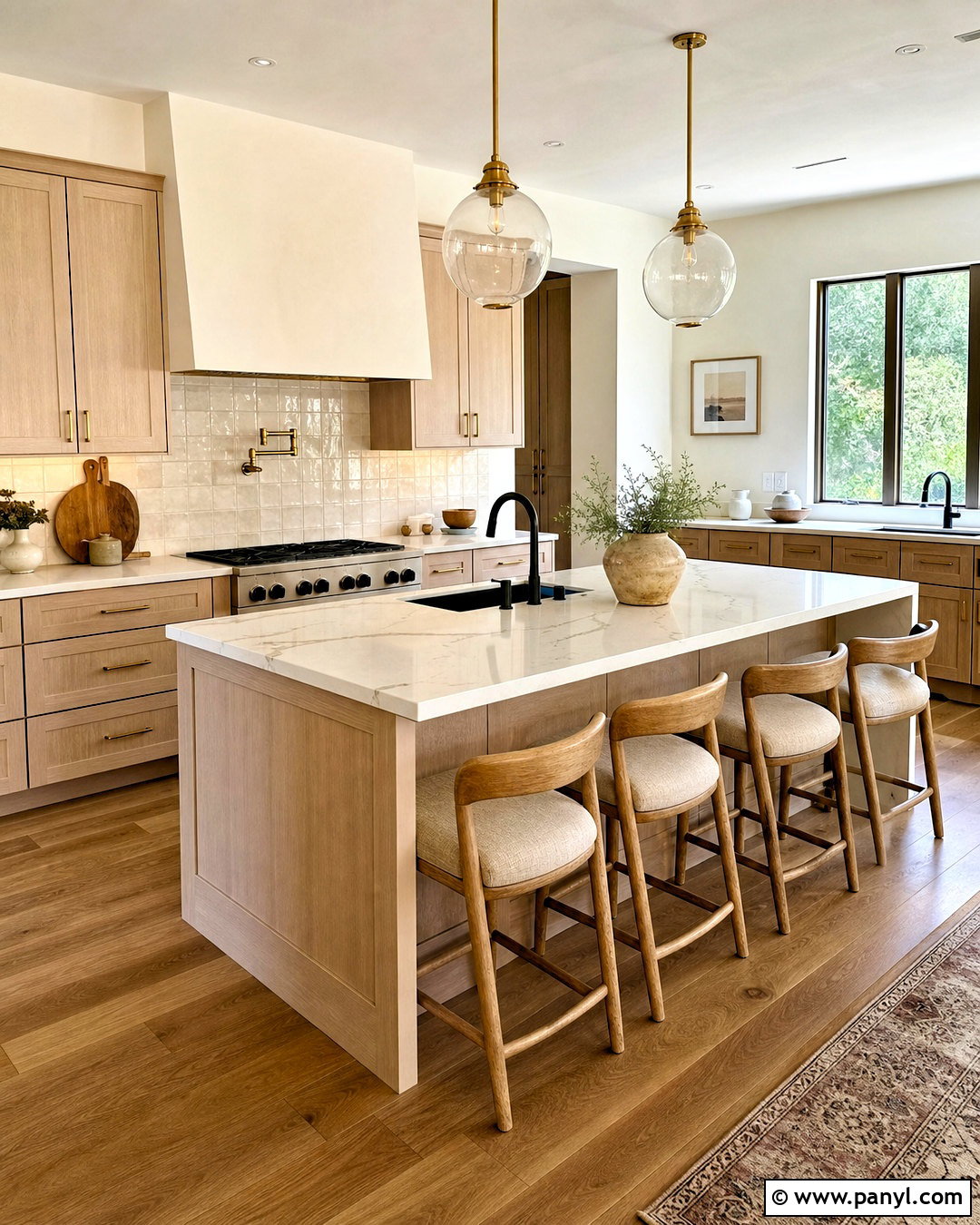
Snowbound walls and white oak cabinets create a warm kitchen that still looks fresh and uncluttered. Select flat-panel or narrow Shaker cabinetry with a clear matte finish that preserves the wood grain. Add creamy quartz counters with restrained veining and a handmade off-white tile backsplash. Brushed brass pulls and pendants contribute warmth without competing with the oak. For balance, choose medium wood flooring or soft beige porcelain tile rather than another pale white surface. A compact island painted mushroom taupe can introduce gentle contrast and provide useful storage. Finish the room with counter stools in woven cane, simple ceramic accessories, and linen Roman shades. Snowbound keeps the surrounding walls quiet, allowing the natural cabinetry and subtle handmade materials to become the kitchen’s defining features.
6. Snowbound Walls With Navy Kitchen Cabinets
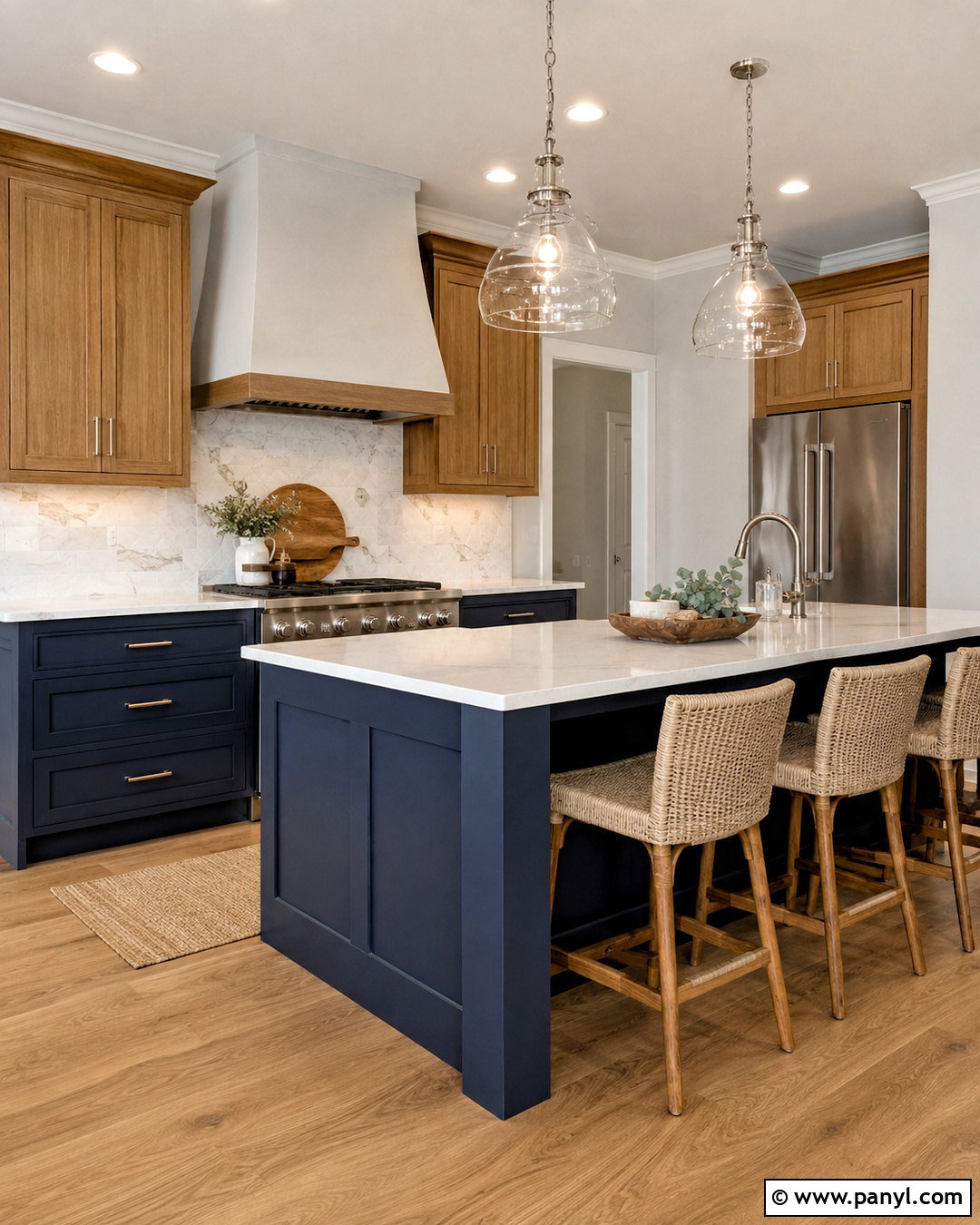
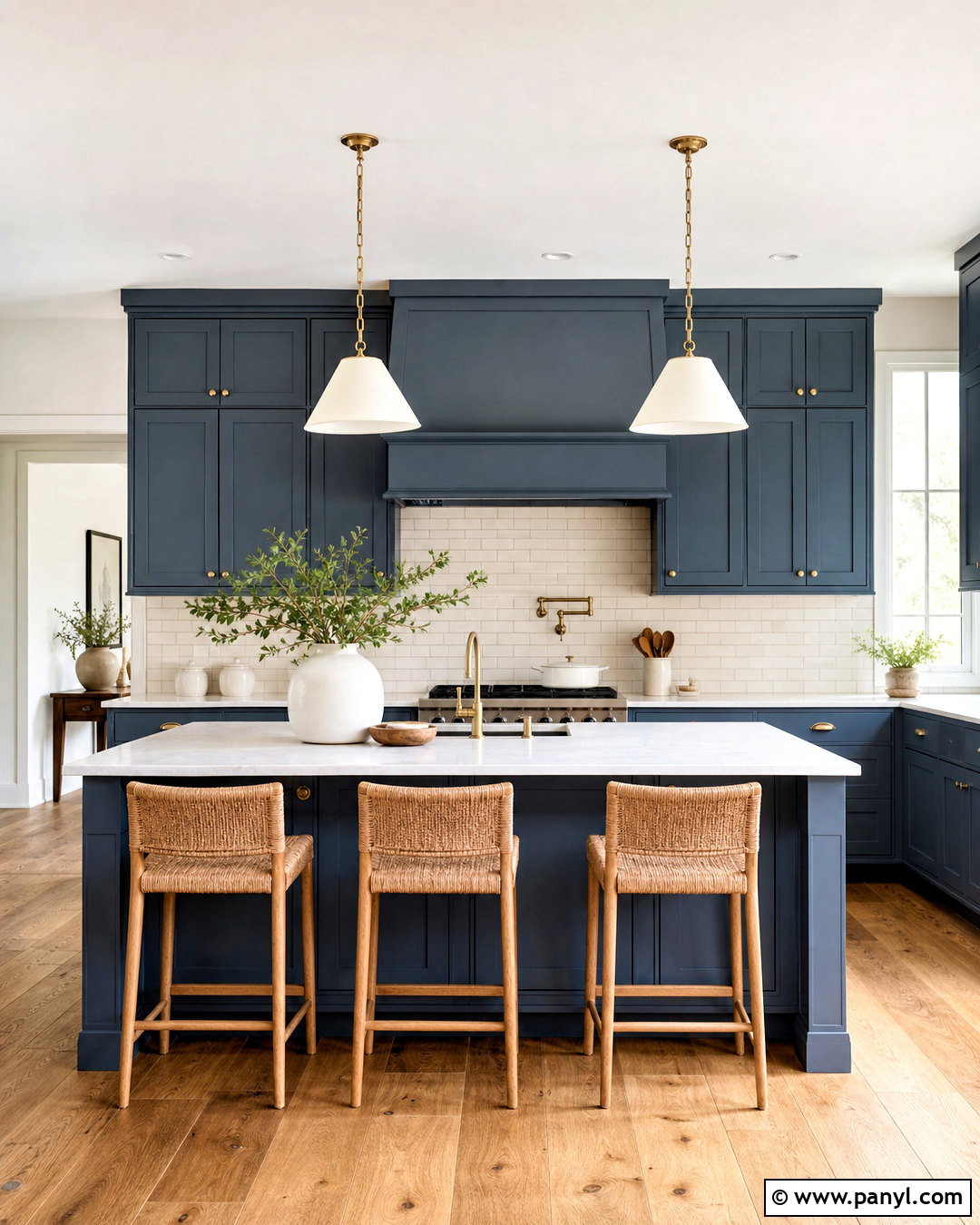
Deep navy cabinets make Snowbound walls appear brighter while giving a kitchen lasting contrast. Use navy on the lower cabinets and island, then select Snowbound or natural oak for the upper cabinetry to keep the room visually open. White quartz counters, lightly veined marble-look backsplash tile, and polished nickel hardware create a clean transition between the dark and light surfaces. Warm oak flooring keeps the blue from feeling cold. Install clear glass pendants or simple white shades above the island so the lighting does not crowd the palette. A few walnut cutting boards and woven counter stools bring in natural texture. Carry Snowbound onto the ceiling and window trim for continuity. The complete kitchen feels tailored, practical, and colorful without depending on short-lived decorative trends.
7. Snowbound Walls With Sage Green Cabinets
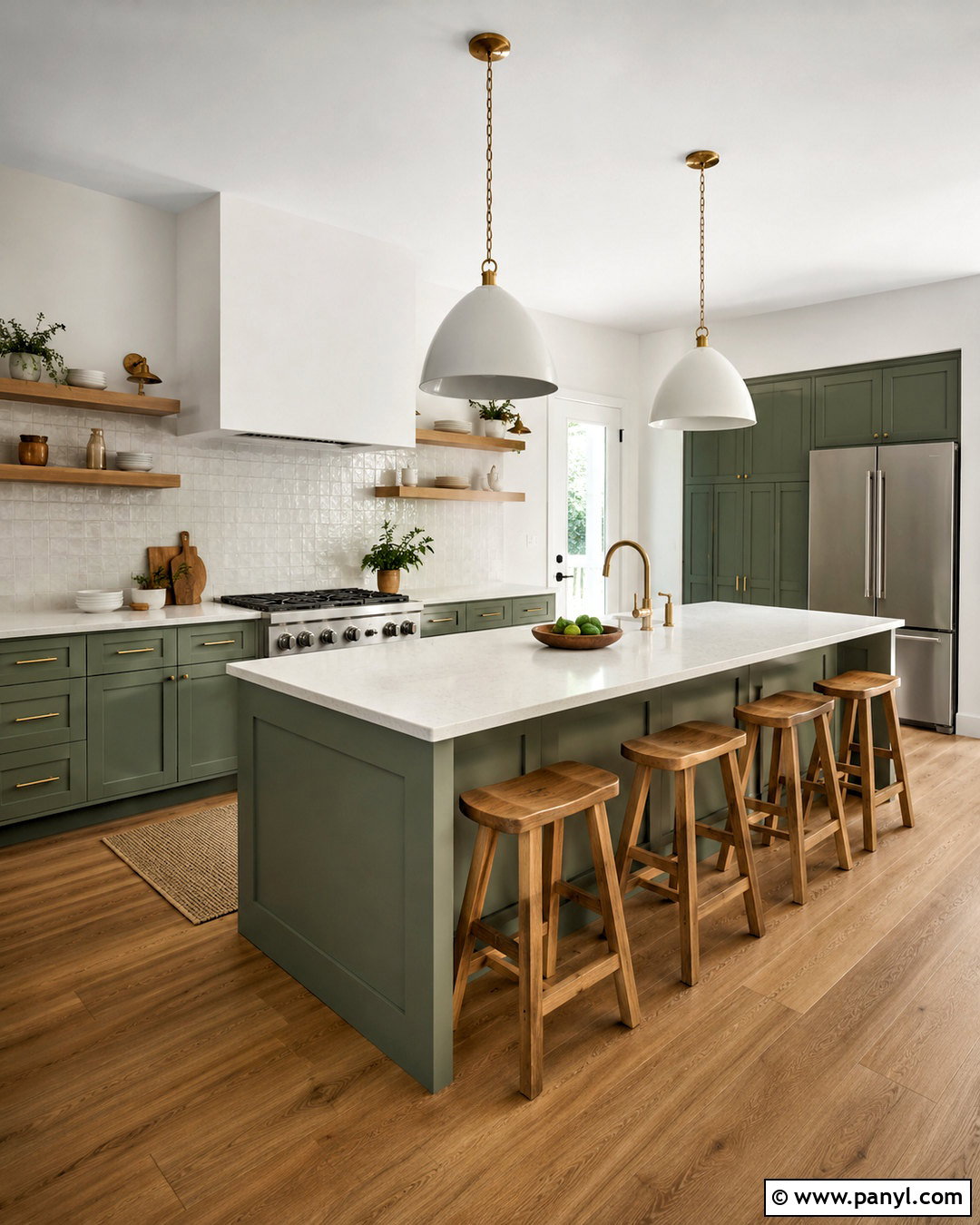
Soft sage cabinetry complements Snowbound walls with quiet, nature-inspired color. Choose a muted green with gray undertones for the lower cabinets, full-height pantry units, and island. Keep upper cabinetry limited or replace some doors with open white oak shelves to preserve an airy feeling. Warm white quartz counters and a lightly textured zellige-style backsplash create depth without introducing strong pattern. Use aged brass hardware, cream ceramic pendants, and oak stools to reinforce the welcoming palette. Medium-toned wood flooring adds enough contrast below the pale surfaces. Decorate with practical items such as stoneware, wood boards, and small potted herbs rather than excessive accessories. This complete kitchen works especially well when natural light reveals the subtle relationship between the soft white walls, earthy green cabinets, and warm organic finishes.
8. Snowbound Walls With Walnut Dining Furniture
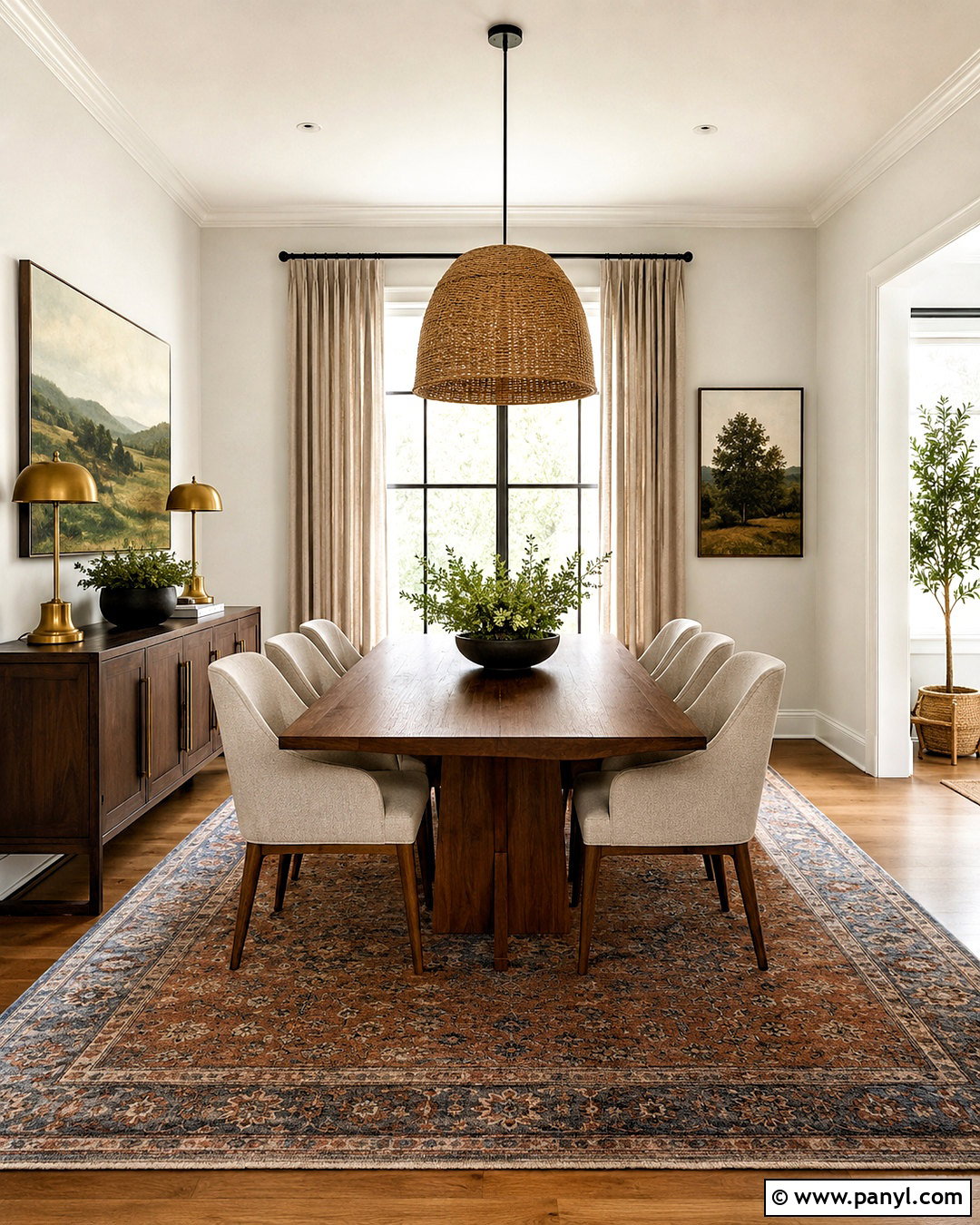
Rich walnut furniture gives Snowbound dining room walls depth and sophistication. Center the space with a solid walnut table and comfortable upholstered chairs in oatmeal or soft mushroom fabric. A large woven pendant can add texture above the table, while a dark bronze sideboard lamp provides lower evening light. Frame one oversized landscape print in walnut to repeat the furniture finish without creating a busy gallery wall. Linen curtains in warm ivory soften the windows and help the wall color remain gentle. Underfoot, use a low-pile rug with subdued brown, blue, and rust details. Snowbound trim can keep the envelope cohesive, while crown molding adds quiet structure. The resulting dining room feels refined enough for gatherings but remains warm, simple, and useful for daily meals.
9. Snowbound Walls With Neutral Bedroom Layers
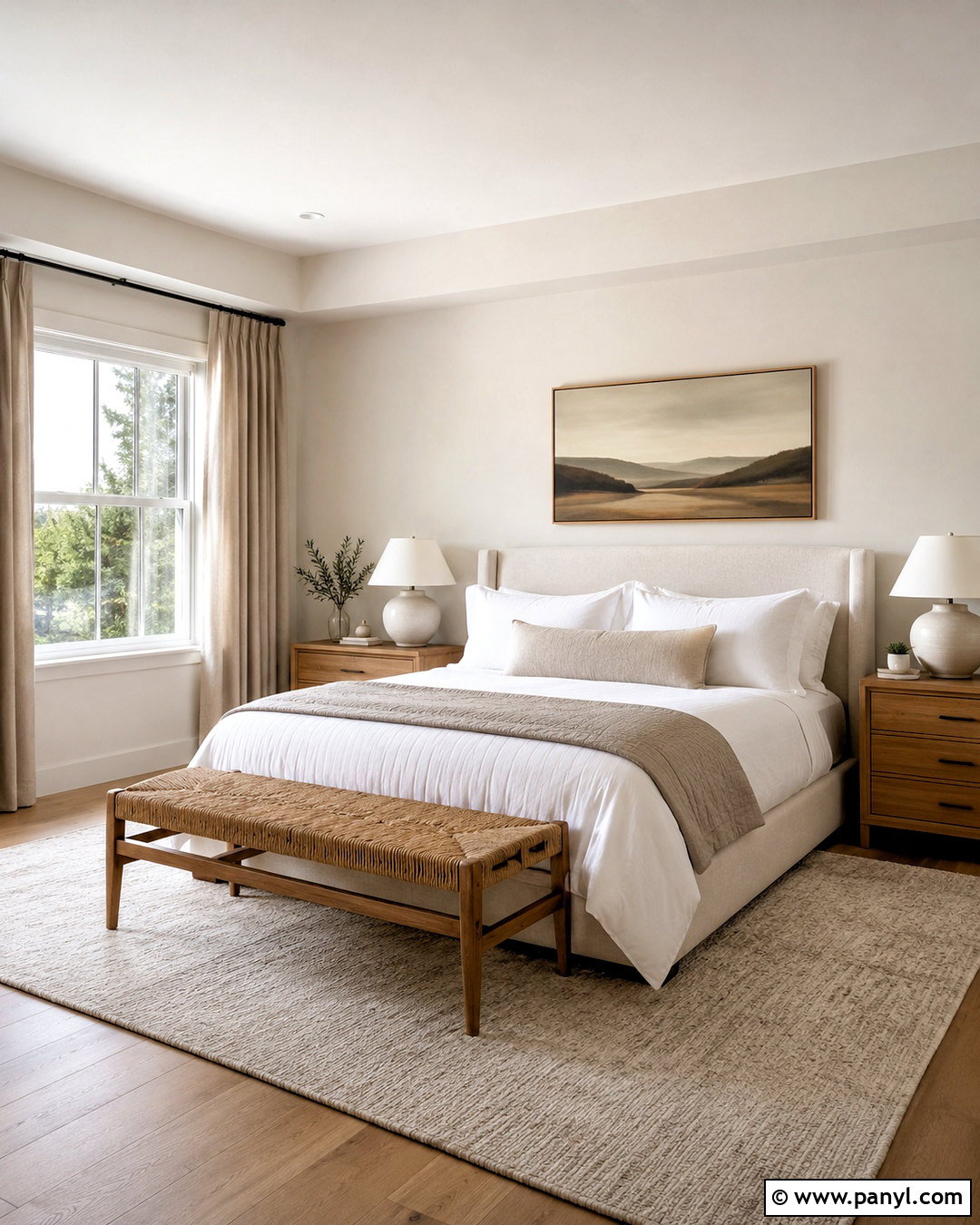
Create a calm bedroom by surrounding Snowbound walls with layered neutral textures rather than sharp color contrasts. Choose an upholstered oatmeal bed, white linen bedding, and a taupe quilt folded across the foot. Oak nightstands and ceramic lamps bring warmth to both sides of the room. Add full-length flax-colored curtains that sit slightly darker than the walls, helping the windows feel finished. A large wool rug in cream and soft beige makes the room comfortable underfoot and defines the sleeping area. Keep artwork minimal, using one muted landscape or textile piece above the bed. Snowbound on the ceiling and trim can make the room feel softly wrapped in one color. Small accents of aged brass and olive green prevent the neutral palette from becoming flat or unfinished.
10. Snowbound Walls With A Dark Wood Bed
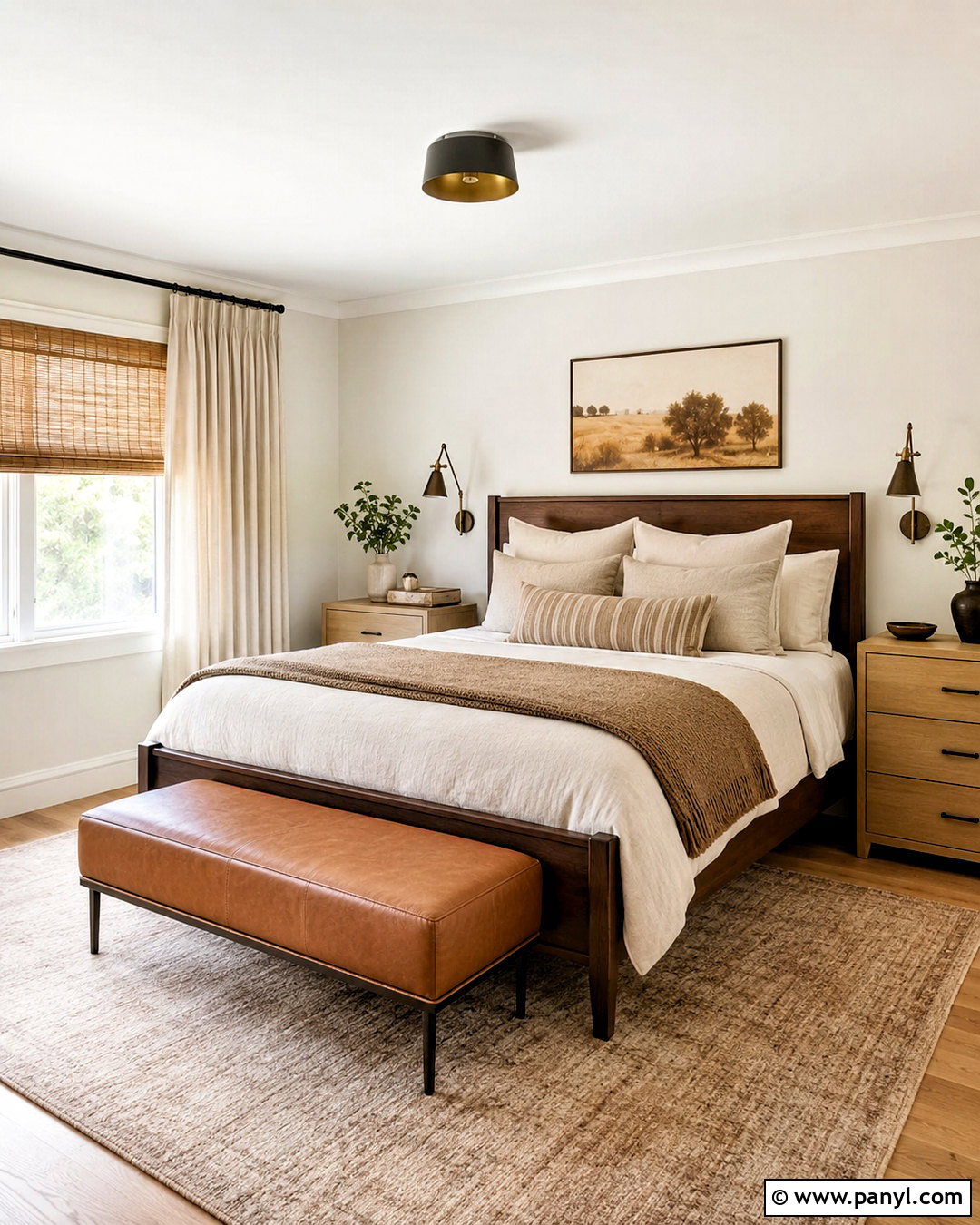
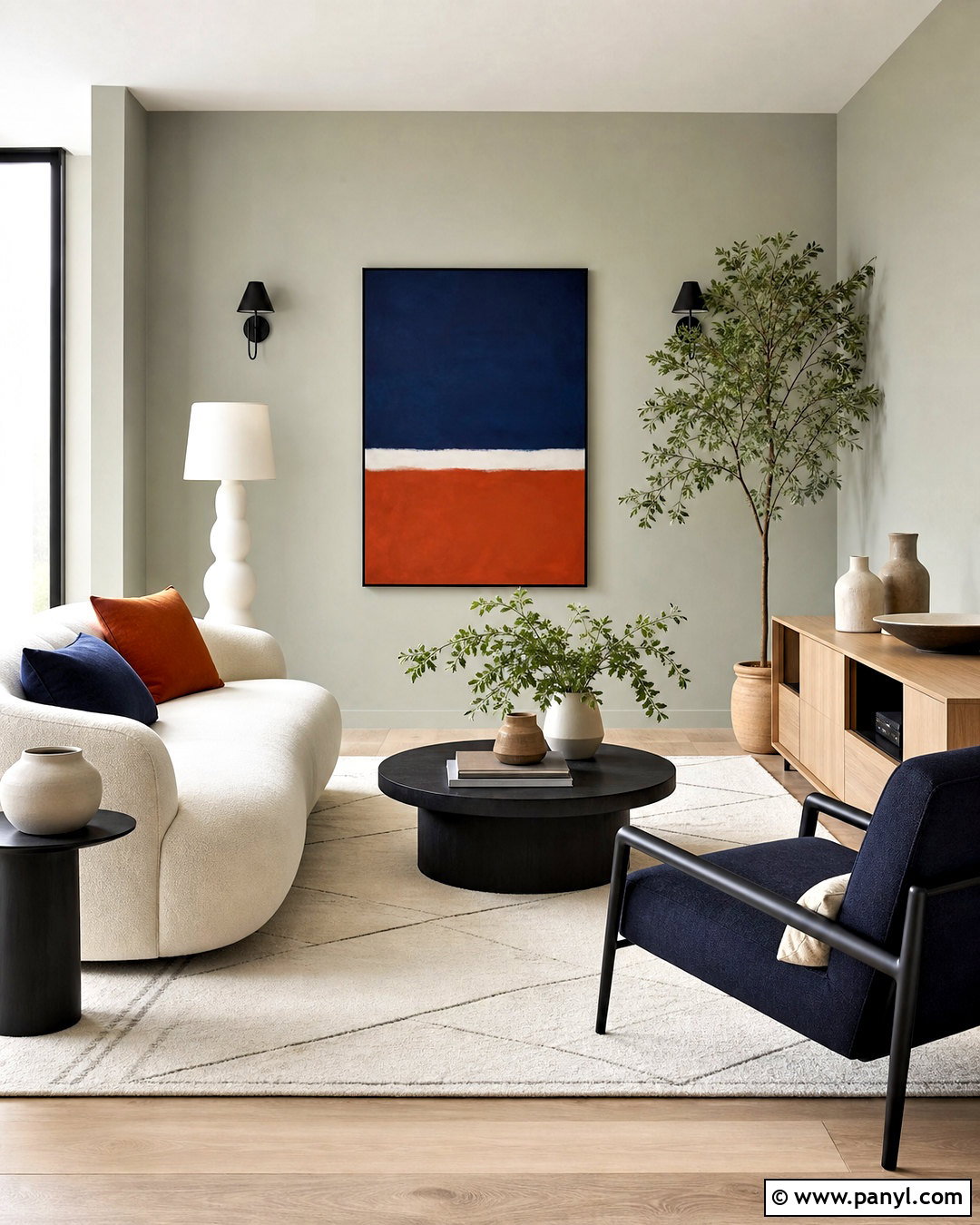
A dark wood bed creates a strong focal point against Snowbound bedroom walls. Select a simple walnut or espresso-stained frame with visible grain, then lighten it with ivory bedding, a camel throw, and striped beige pillows. Matching nightstands are not required; lighter oak tables can make the room feel collected rather than overly coordinated. Place a warm neutral rug beneath the bed and use linen curtains with a natural woven shade for layered privacy. Black or dark bronze sconces echo the bed frame and free space on the nightstands. Add one upholstered bench in cognac leather or mushroom fabric at the foot of the bed. The pale walls balance the heavier furniture, while warm lighting and tactile fabrics keep the overall bedroom comfortable and inviting.
11. Snowbound Walls With Dusty Blue Bedding
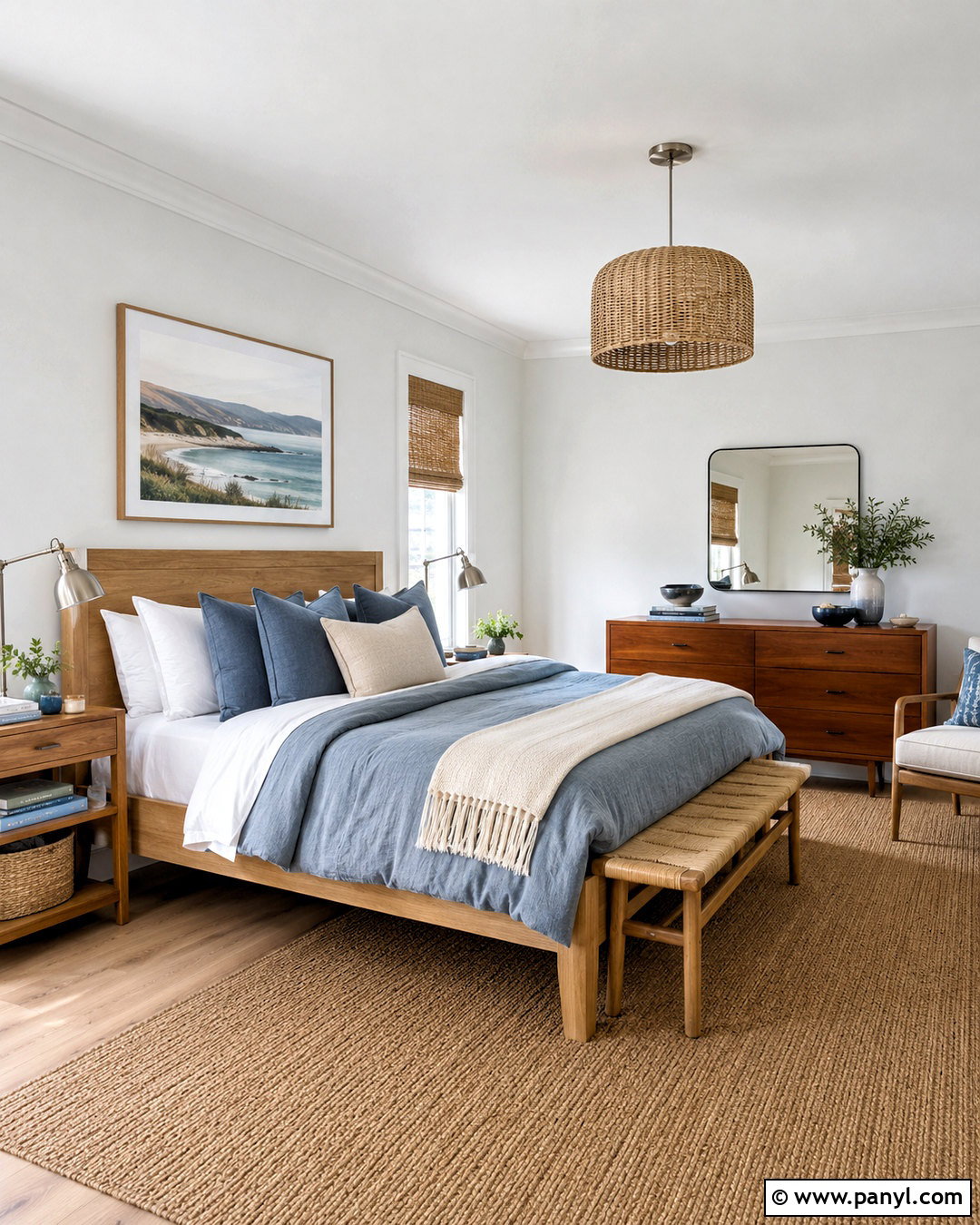
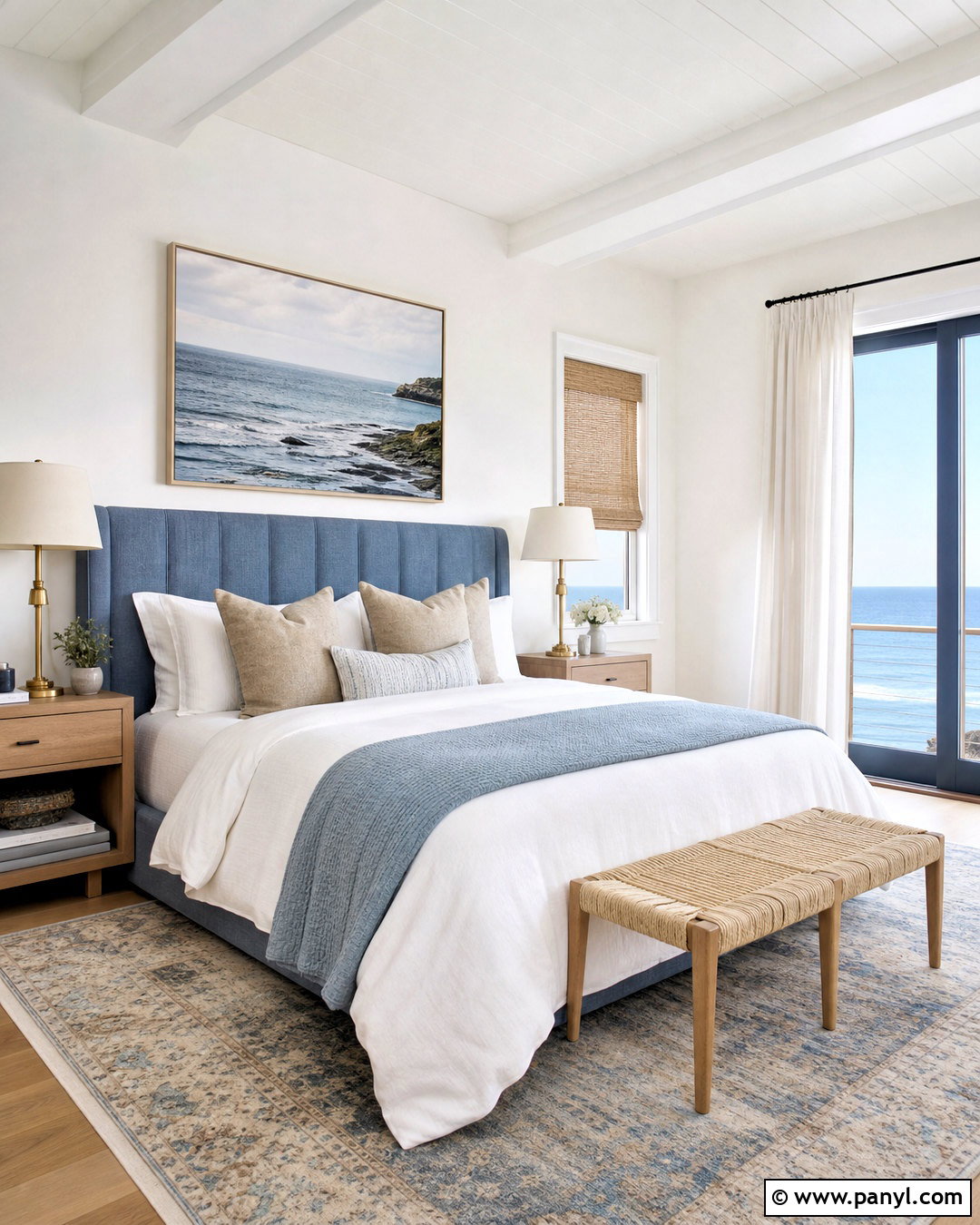
Dusty blue gives Snowbound bedroom walls a fresh but restful companion. Begin with a light oak bed and layer it with white sheets, a soft blue duvet, and pillows in denim, ivory, and muted gray. A natural fiber rug and woven Roman shades introduce warmer texture so the blue does not make the room feel chilly. Use brushed nickel lamps for a subtle cool accent, then add a small walnut dresser to create visual depth. Artwork featuring pale coastal landscapes or abstract blue forms can connect the bedding to the walls. Keep the ceiling and trim in Snowbound for an uninterrupted envelope. The finished room feels peaceful and balanced, with enough color to be memorable but a restrained palette that remains easy to update throughout the year.
12. Snowbound Walls With Terracotta Decor
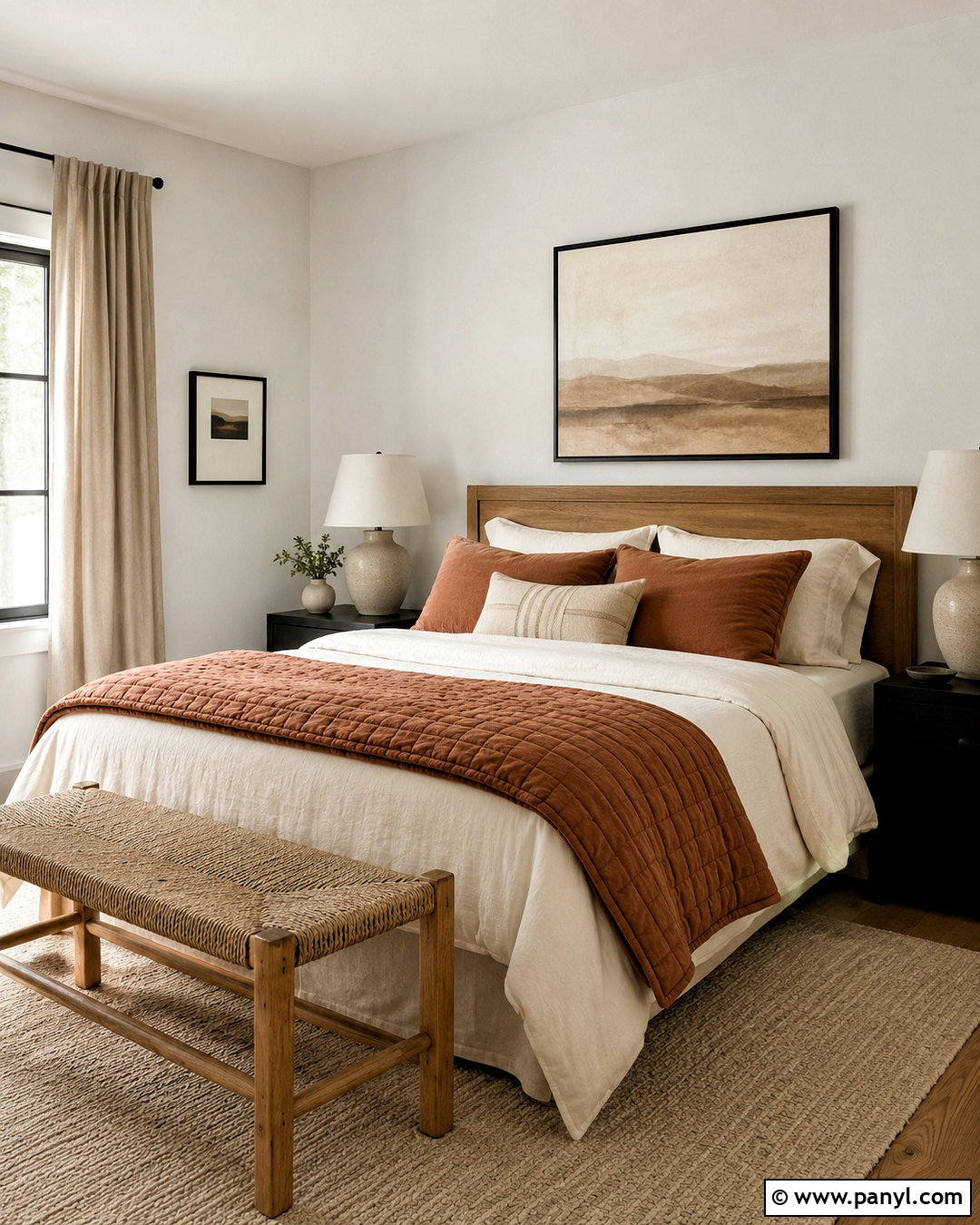
Terracotta accents can reveal the warmer side of Snowbound walls without turning the room orange. Build the bedroom around an oak headboard, creamy bedding, and a quilt in muted clay. Add rust-colored lumbar pillows and small ceramic lamps, then repeat the earthy hue in understated artwork. Flax linen curtains and a beige wool rug soften the stronger accent color. Use black curtain rods and thin black frames for clean definition. A low woven bench at the foot of the bed adds storage and natural texture. Keep major furniture simple so the clay tones remain controlled rather than dominating every surface. With warm wood flooring and layered white textiles, the completed space feels grounded, sun-washed, and welcoming while still showcasing the clean versatility of Snowbound.
13. Snowbound Walls In A Small Bedroom
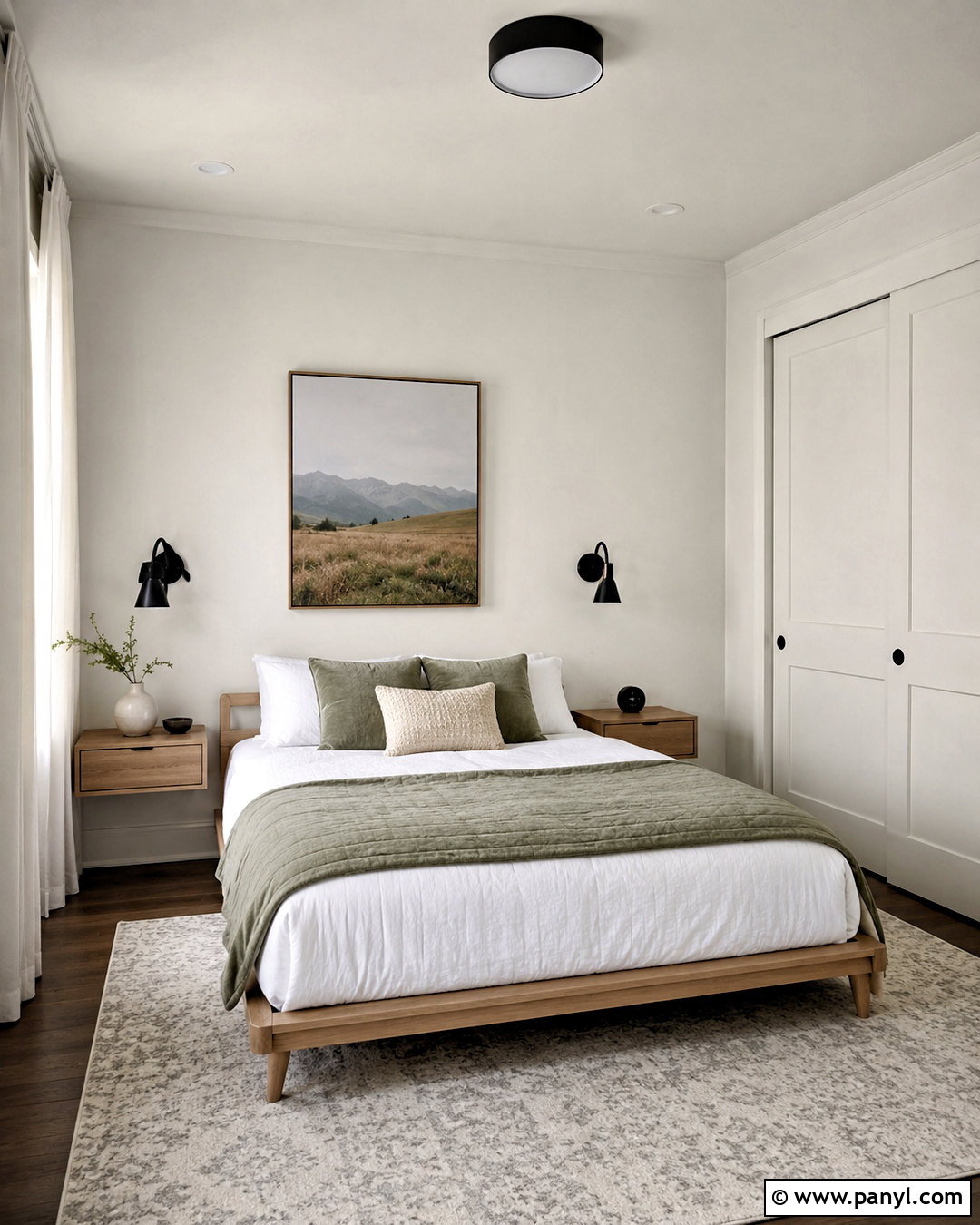
Snowbound can help a small bedroom feel more open when the layout remains simple and practical. Place a low-profile bed against the longest uninterrupted wall and choose narrow floating nightstands to preserve floor space. Paint the walls, ceiling, trim, and closet doors Snowbound, using different sheens to define each surface subtly. Add a pale oak headboard, white bedding, and a quilt in soft sage or dusty blue. A wall-mounted reading light eliminates bulky table lamps. Use one large piece of artwork rather than several small frames, and hang curtains close to the ceiling to emphasize height. A lightly patterned rug introduces interest without shrinking the room visually. The finished bedroom feels bright and complete, not sparse, crowded, or overly dependent on white furniture.
14. Snowbound Walls With A Painted Accent Wall
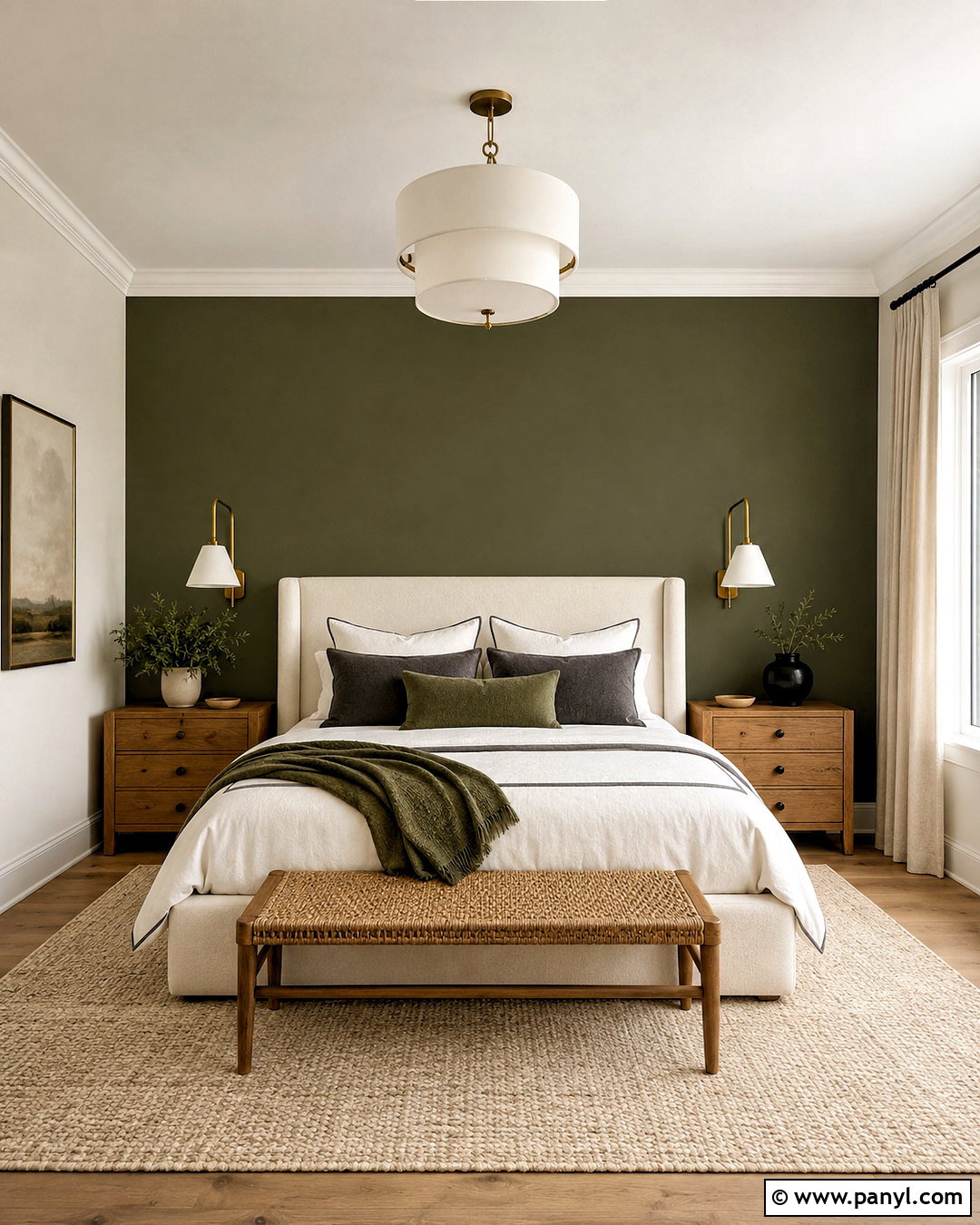
A carefully selected accent wall can give Snowbound a stronger role in the overall palette. Use a muted charcoal, deep olive, or subdued navy behind the main bedroom headboard, then keep every other wall in Snowbound. Choose bedding that repeats both colors, such as ivory sheets with charcoal piping and an olive throw. Medium oak nightstands and a woven bench prevent the darker wall from appearing severe. Install warm brass sconces against the accent color for a softly reflective detail. Curtains should remain close to the Snowbound wall color so the room does not become visually divided. A neutral wool rug ties the entire floor plan together. This complete design offers contrast and character while allowing Snowbound to maintain brightness around windows, doors, and the remaining walls.
15. Snowbound Walls In A Modern Bathroom
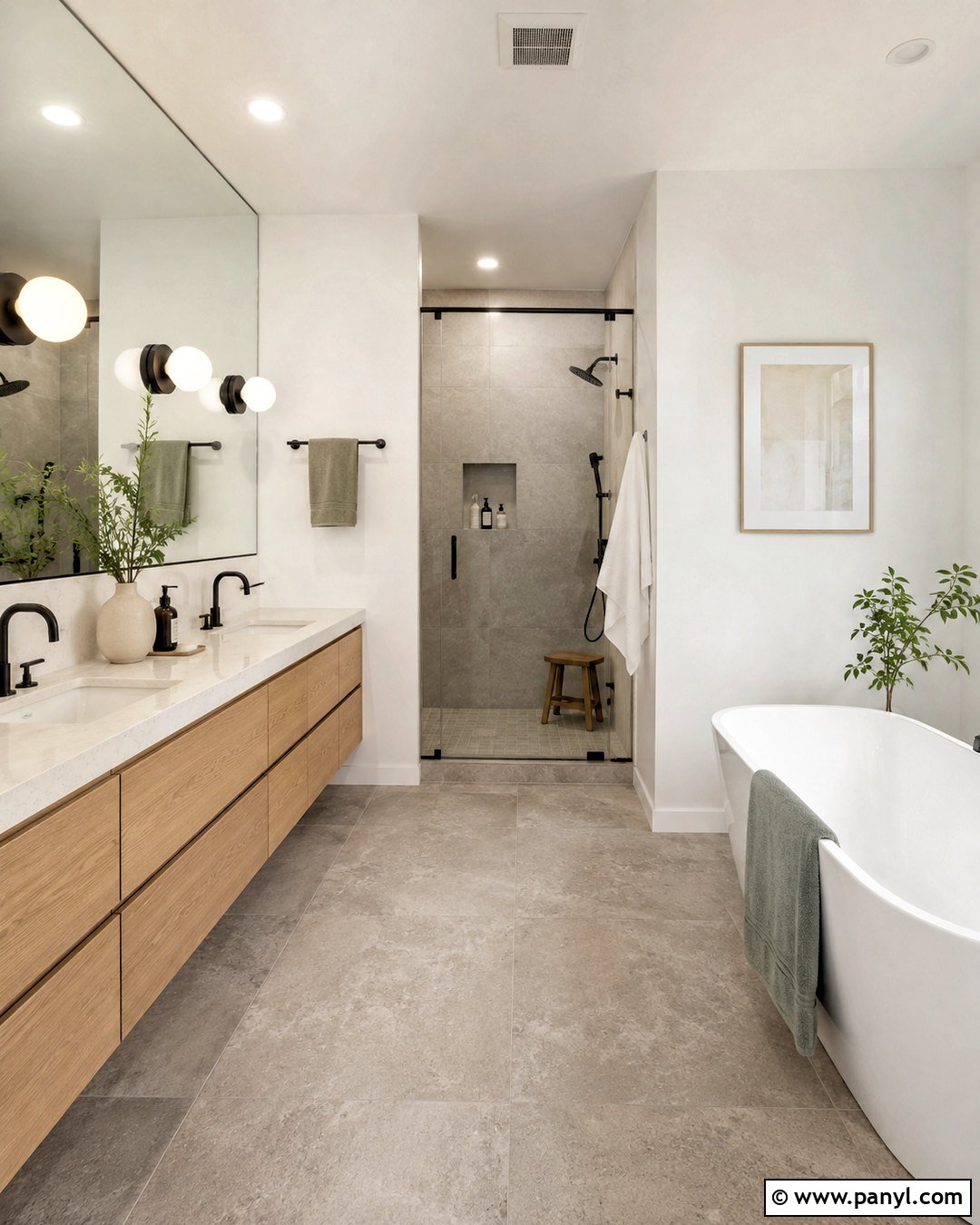
A modern bathroom with Snowbound walls should balance clean lines with enough texture to avoid a clinical appearance. Pair the paint with a floating white oak vanity, a pale quartz counter, and a frameless mirror. Use large-format warm gray porcelain tile on the floor and inside the shower for a practical, continuous surface. Matte black faucets and shower hardware add definition, while simple globe sconces provide even light around the mirror. Keep towels in white, mushroom, and soft sage for restrained color. A recessed shower niche lined with the same tile maintains the uncluttered look. Paint moisture-prone walls in an appropriate washable finish and coordinate the ceiling carefully. The finished bathroom feels streamlined and bright, but the wood vanity and neutral textiles keep it comfortably residential.
16. Snowbound Walls With Marble Bathroom Tile
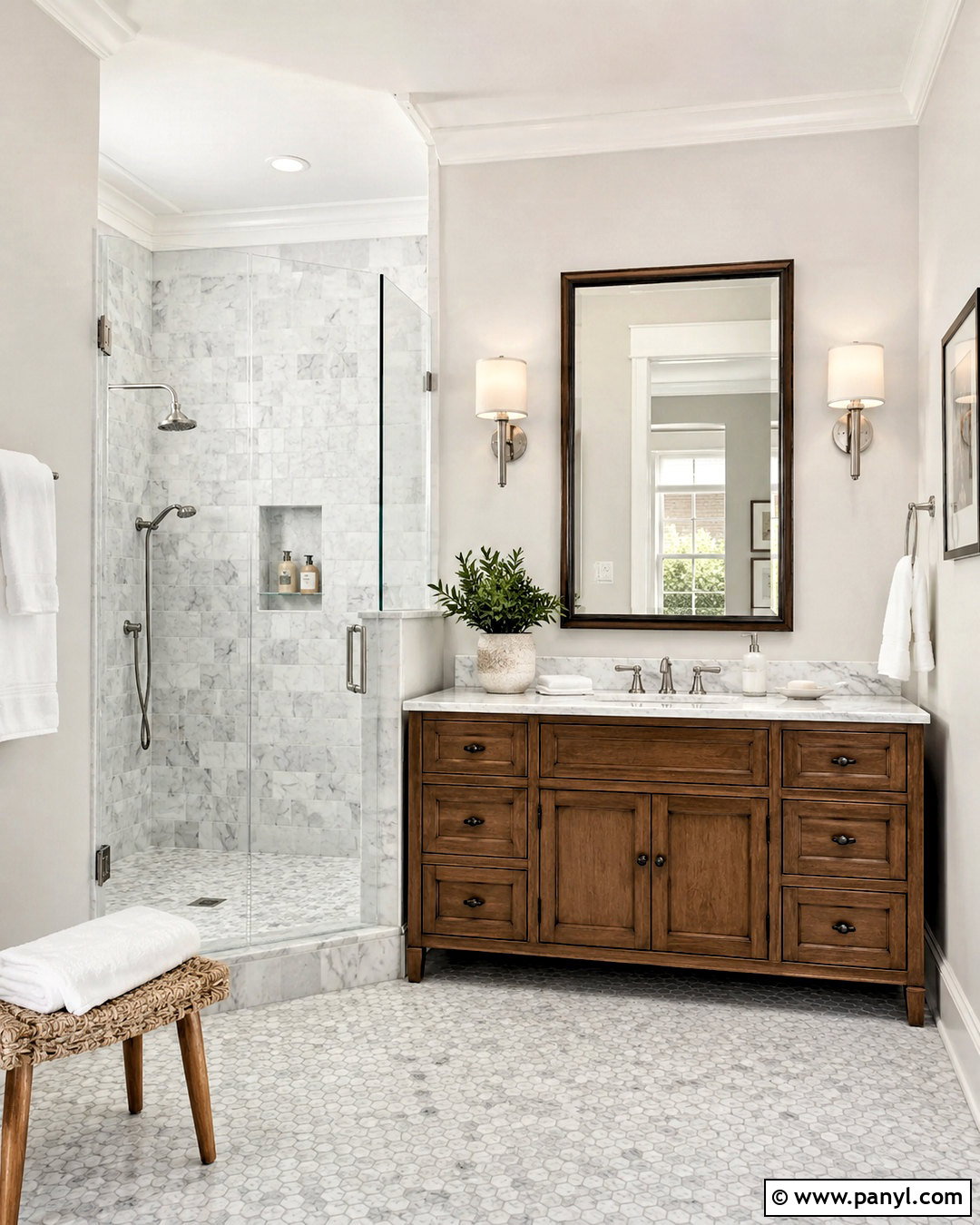
Classic marble can make Snowbound bathroom walls feel polished without requiring an all-white room. Use Carrara-style marble on the vanity counter and shower walls, choosing slabs or tile with soft gray veining. Ground the pale surfaces with a medium walnut vanity and polished nickel hardware. A framed mirror, shaded sconces, and white linen towels maintain an elegant but approachable appearance. Install small-format marble mosaic flooring or warm gray porcelain tile for better visual definition underfoot. Snowbound painted walls outside the wet areas provide a softer transition than a stark bright white. Add a woven stool and one leafy plant to introduce natural texture. The complete bathroom feels timeless because the palette relies on real-looking materials, balanced contrast, and useful fixtures rather than ornate decoration.
17. Snowbound Walls With A Black Bathroom Vanity
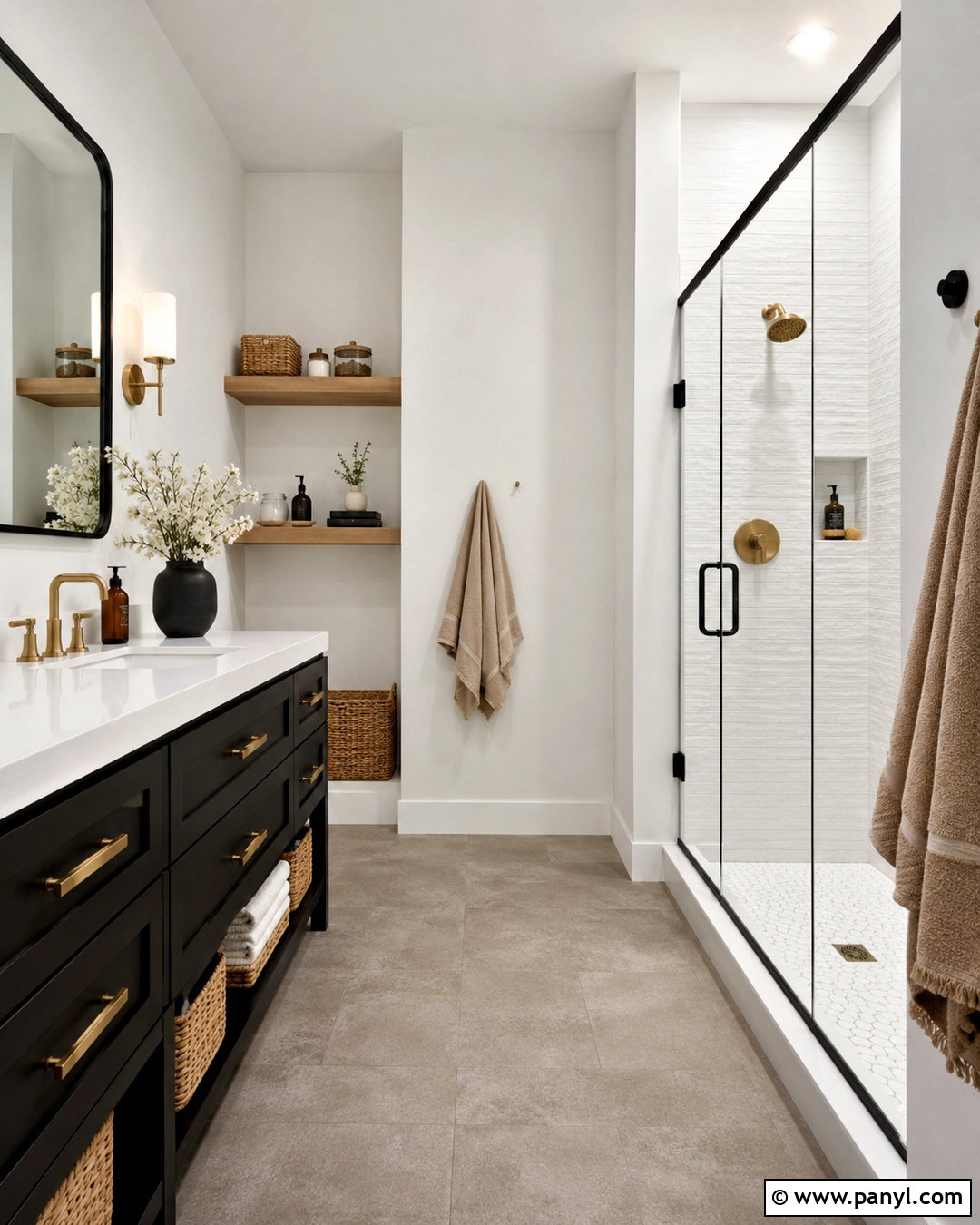
A black vanity creates a dramatic anchor against Snowbound bathroom walls. Choose a simple Shaker or flat-panel design with a satin finish, then add a white quartz counter and an undermount sink. Repeat black on the mirror frame and shower enclosure, but use brushed brass or polished nickel faucets to keep the scheme from feeling too severe. Warm gray floor tile and a textured white shower surround support the monochromatic palette. Include natural oak shelves, woven baskets, and sand-colored towels for warmth. Bright vanity lights should illuminate the mirror evenly and help the wall color remain fresh. Keep decorative items limited to attractive daily essentials. This bathroom feels graphic and current, yet the warm textures and practical storage prevent it from resembling a stark commercial space.
18. Snowbound Walls In A Powder Room
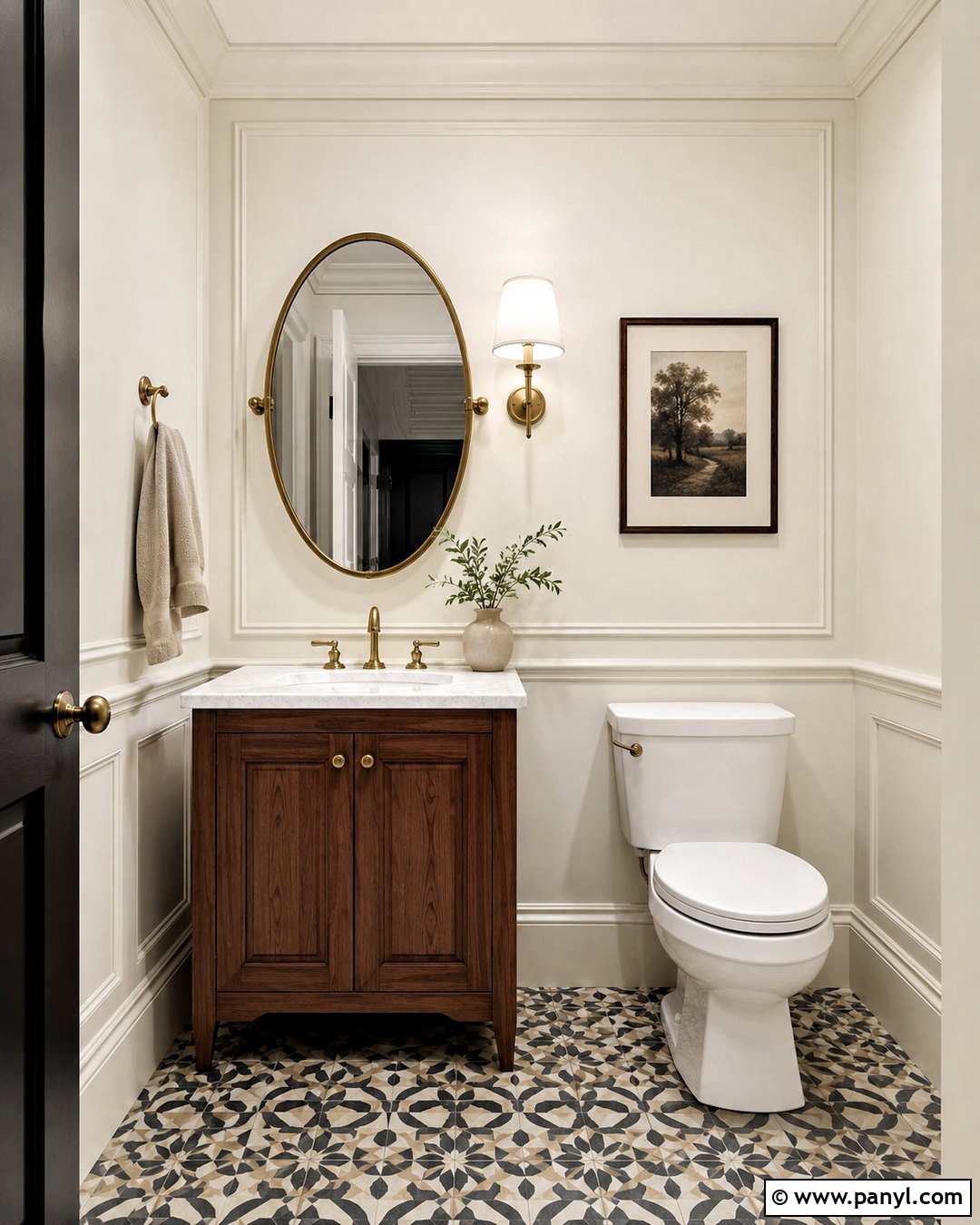
A compact powder room offers an opportunity to make Snowbound walls feel detailed and intentional. Add slim picture-frame molding or vertical paneling, then paint the walls and millwork in Snowbound using separate matte and satin finishes. Install a small walnut vanity with a white stone top and an oval brass-framed mirror. Patterned floor tile in charcoal, cream, and muted beige introduces character without reducing usable space. A single shaded sconce above the mirror saves wall room and supplies flattering light. Use a warm metal faucet, a neutral hand towel, and one small ceramic vessel as the finishing touches. Because the palette stays controlled, the architectural details remain visible. The complete powder room feels special and layered despite its small footprint and limited furnishings.
19. Snowbound Walls With Entryway Paneling
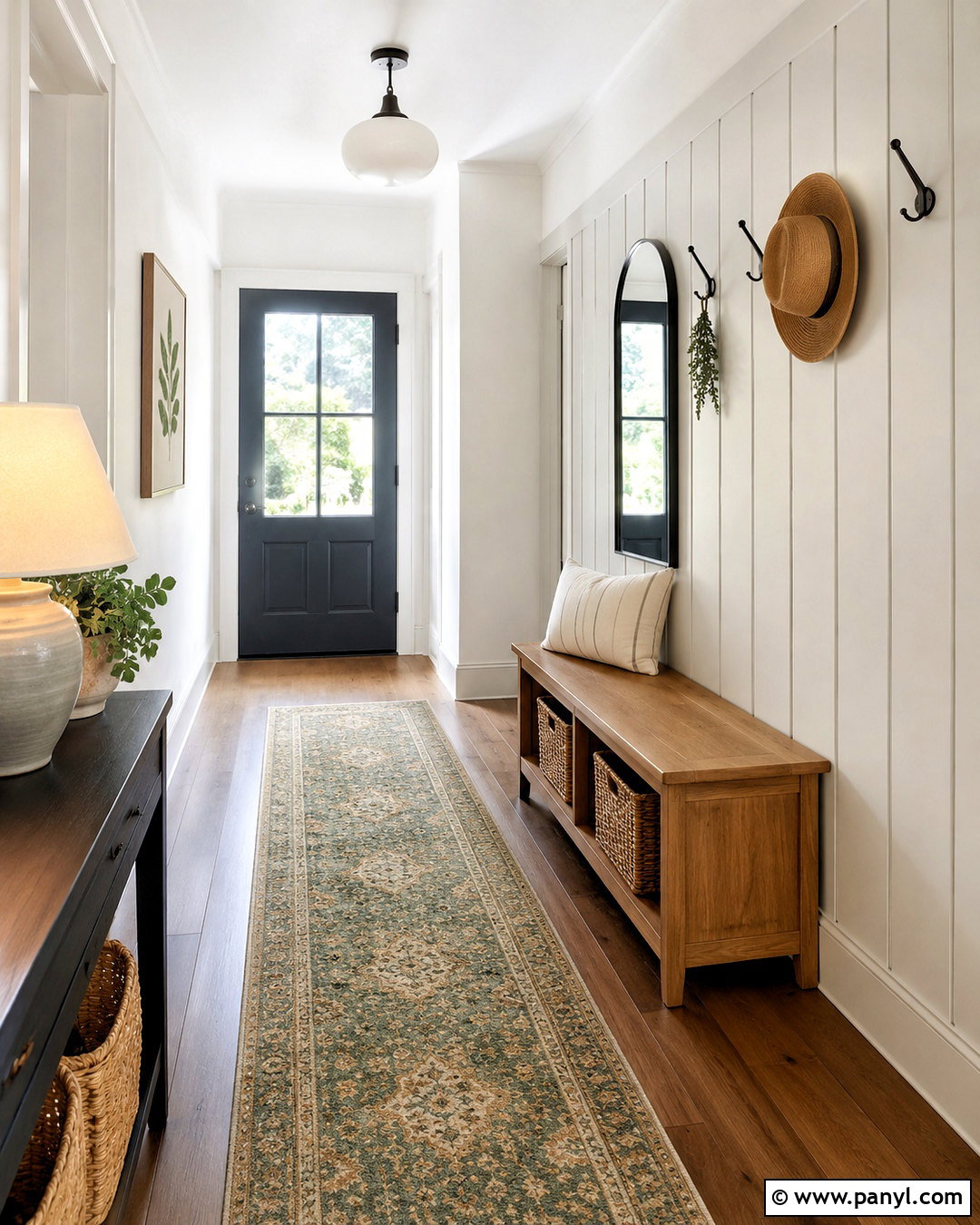
Give an entryway lasting character by combining Snowbound walls with practical painted paneling. Install simple vertical boards or Shaker-style wall molding from the baseboard to about two-thirds of the wall height. Paint everything Snowbound, changing from an eggshell wall finish to satin on the millwork for gentle definition. Add an oak bench with built-in shoe storage, black wall hooks, and a narrow woven runner. A rounded mirror can soften the straight lines and reflect light into the space. Use a small console only if the walkway remains comfortable. Baskets, a ceramic lamp, and one restrained botanical print complete the arrangement. This coordinated entrance feels bright, organized, and welcoming while using texture and function instead of multiple competing paint colors.
20. Snowbound Walls With A Black Front Door
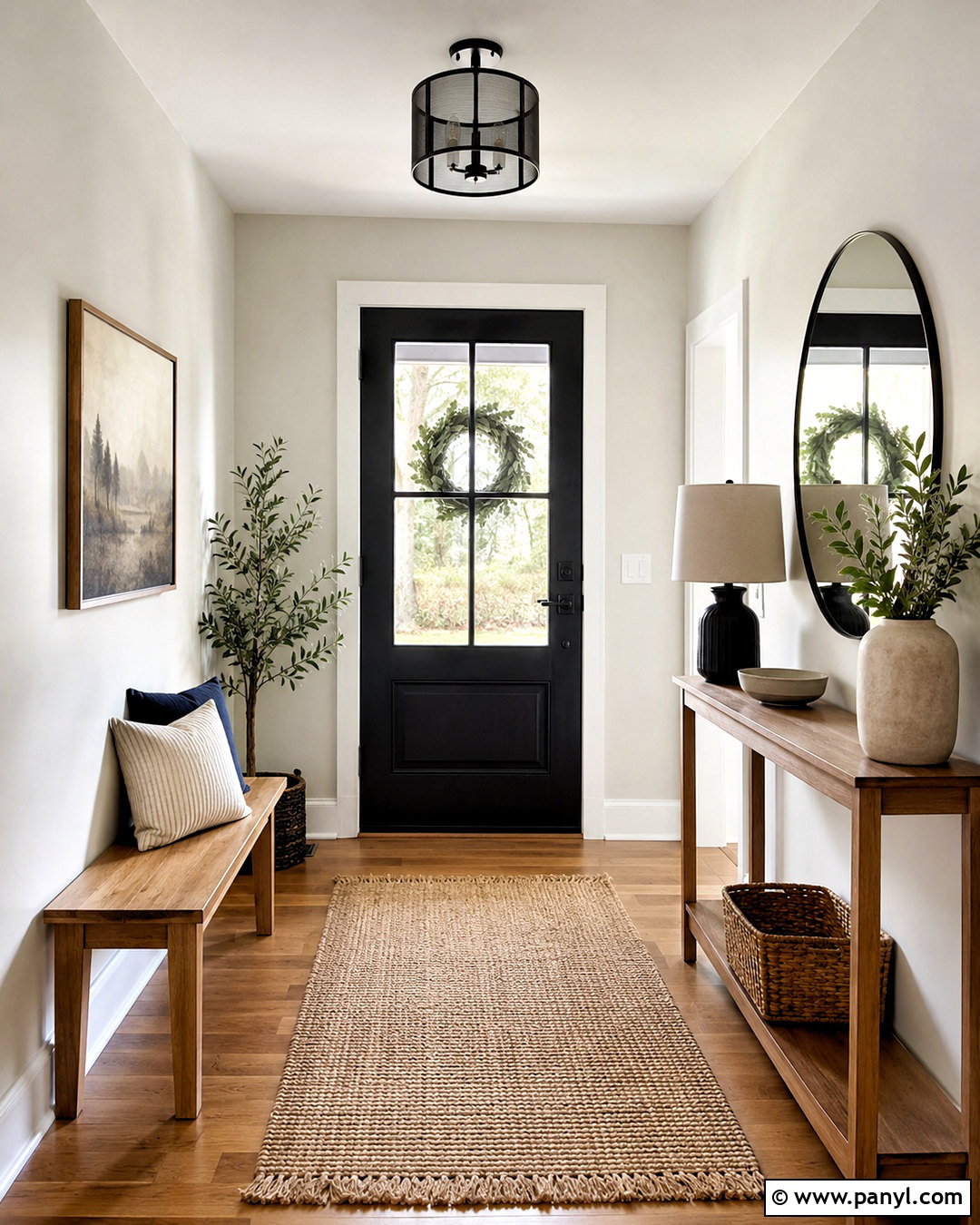
A black interior front door stands out clearly against Snowbound entryway walls. Choose a soft black or deep charcoal satin finish rather than a highly reflective gloss, then repeat the color on a narrow console frame, stair railing, or ceiling light. Warm the entry with oak flooring, a natural woven runner, and a medium wood bench. An oversized mirror can bounce daylight from the doorway through the hall. Keep trim in Snowbound for a smooth transition around the dark door, or use a slightly crisper white after testing the pairing. Add one muted landscape print and a sturdy ceramic bowl for keys. The finished entry feels structured and modern, with the door acting as a strong focal point rather than an isolated dark element.
21. Snowbound Walls In A Narrow Hallway
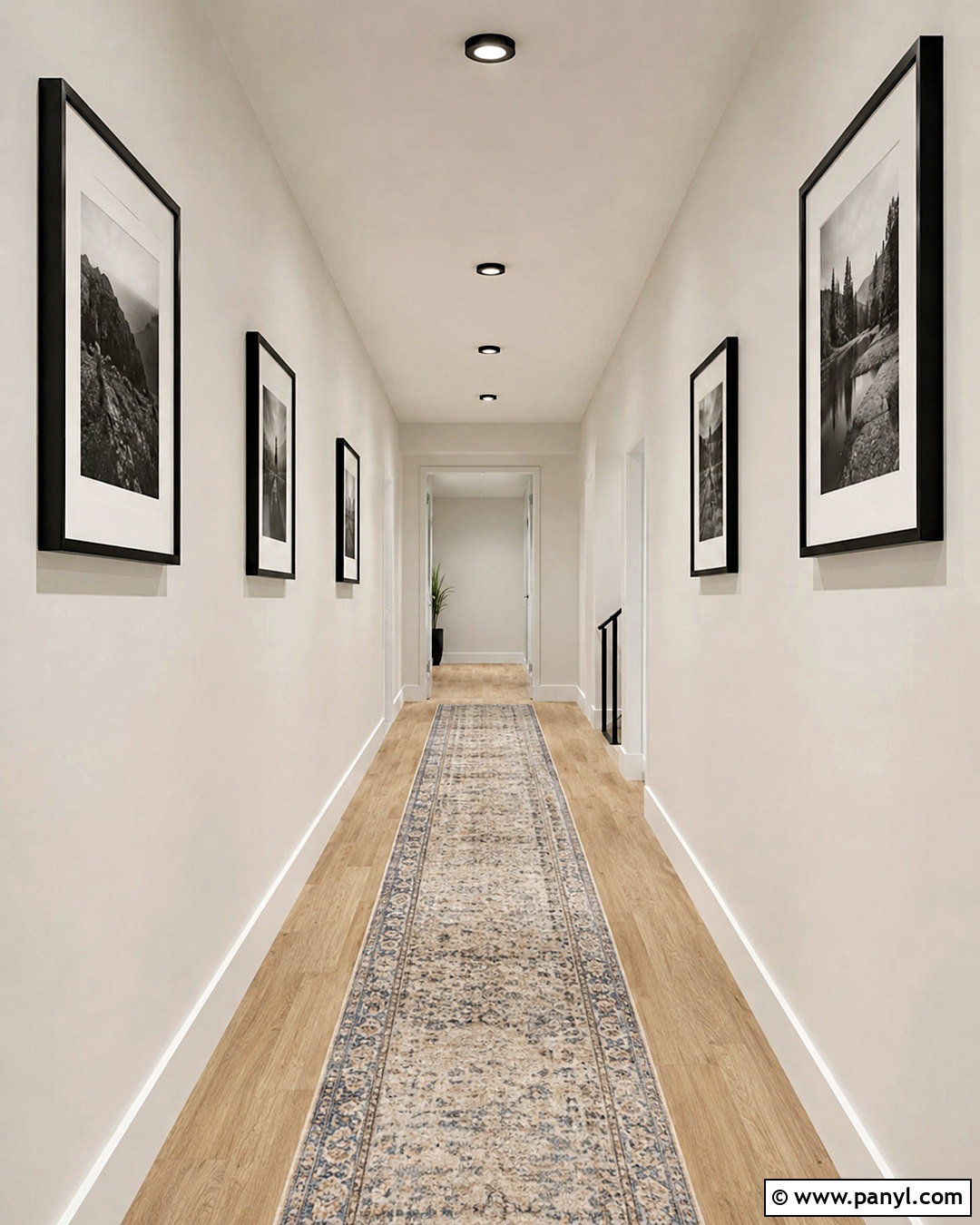
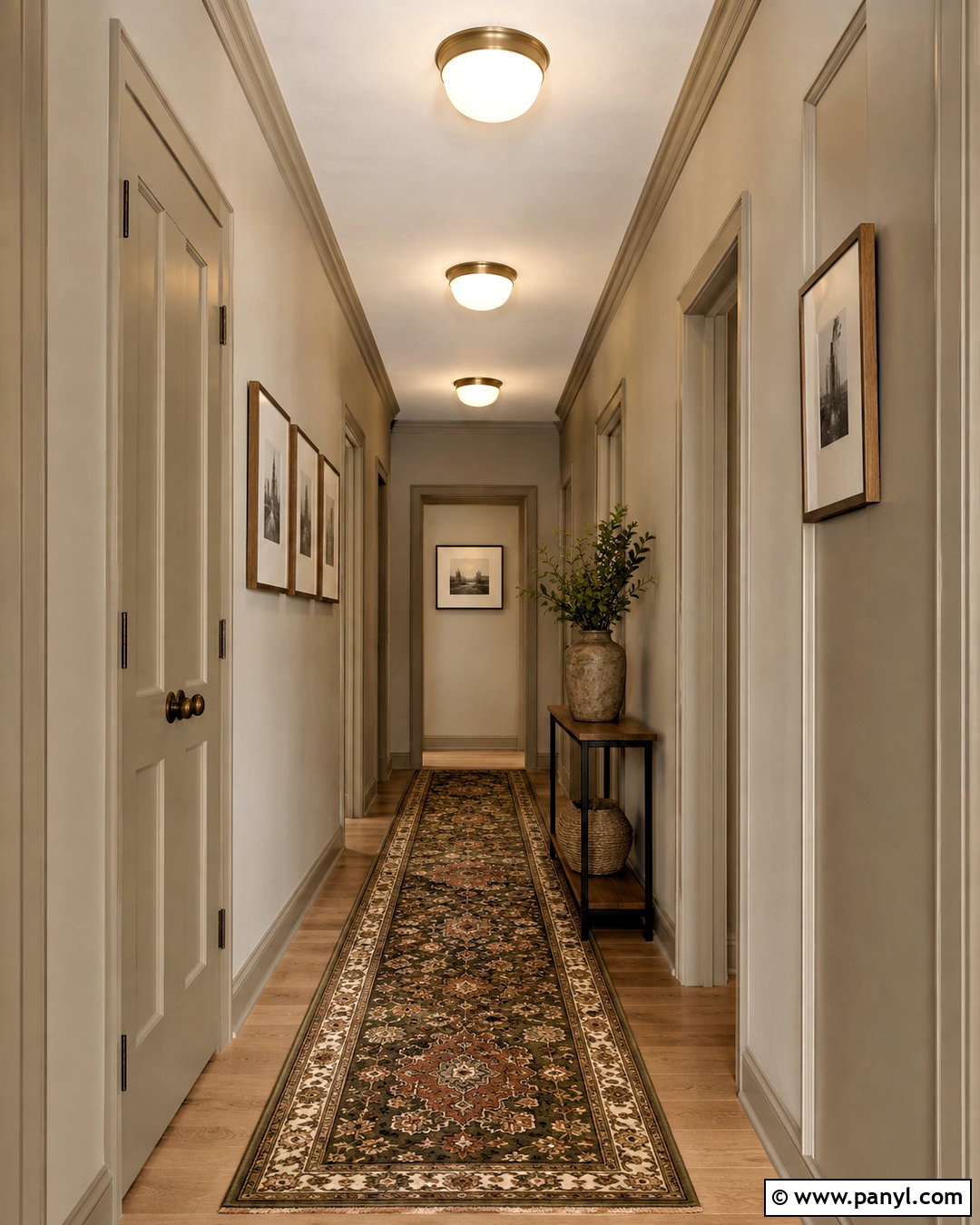
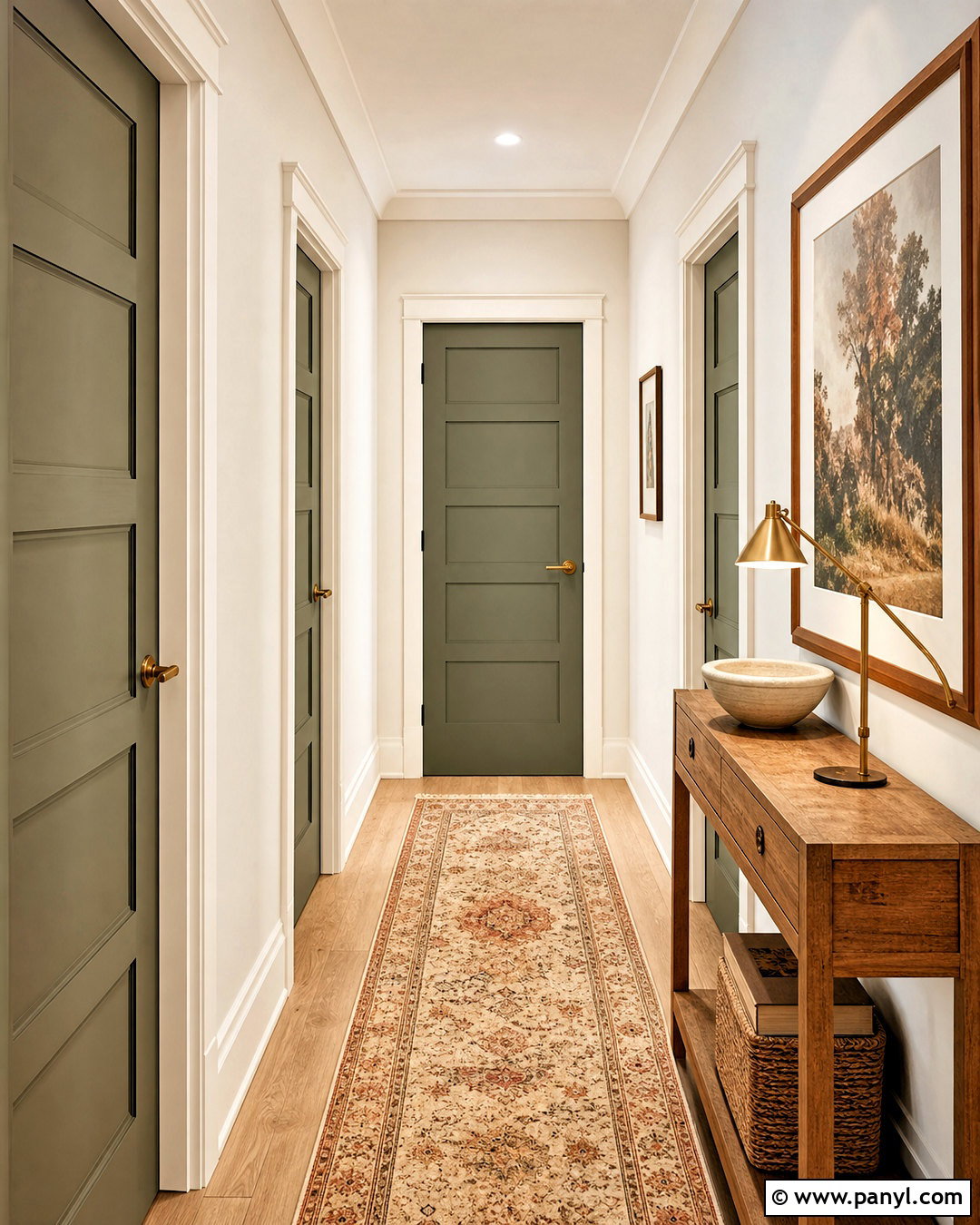
A narrow hallway benefits from a simple finish plan and carefully scaled decor. Paint the walls, ceiling, and trim Snowbound to reduce visual breaks, then distinguish the woodwork with a subtle satin sheen. Use a slim washable runner in beige, charcoal, and faded blue to guide the eye through the space. Rather than filling both walls, hang a small series of evenly spaced black-and-white photographs along one side. Install shallow ceiling fixtures with bright, balanced light so the corridor does not develop dark pockets. If room allows, add a narrow wall-mounted ledge near the entrance. Light oak flooring or medium warm wood will keep the white from feeling cold. This cohesive treatment makes the hallway appear wider, calmer, and connected to adjacent rooms.
22. Snowbound Walls With A Wood Staircase
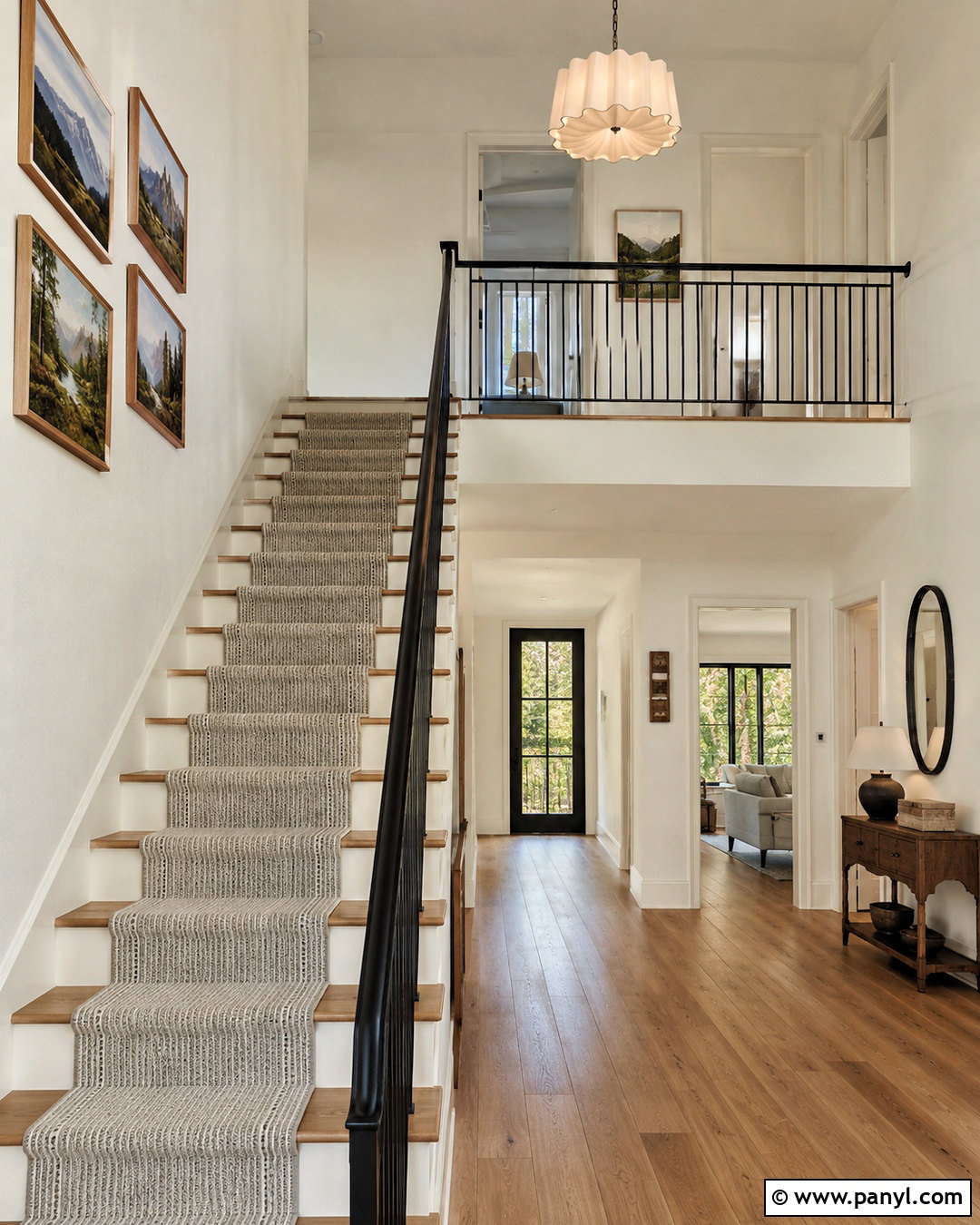
Snowbound walls provide a clean backdrop for a staircase with visible wood and dark metal details. Preserve or introduce medium oak treads, then paint the risers and stringers Snowbound for a balanced two-tone effect. A simple black metal railing adds definition and contrasts with the pale wall. Place a large neutral runner on the stairs if comfort and sound control are priorities. Along the landing, hang a measured collection of landscape prints in matching wood frames rather than covering every open surface. A sculptural pendant can fill the vertical space without making it busy. Continue Snowbound through the adjoining hallway to strengthen flow. The complete staircase feels architectural and warm, with each material repeated enough to look purposeful from both upper and lower levels.
23. Snowbound Walls In A Home Office
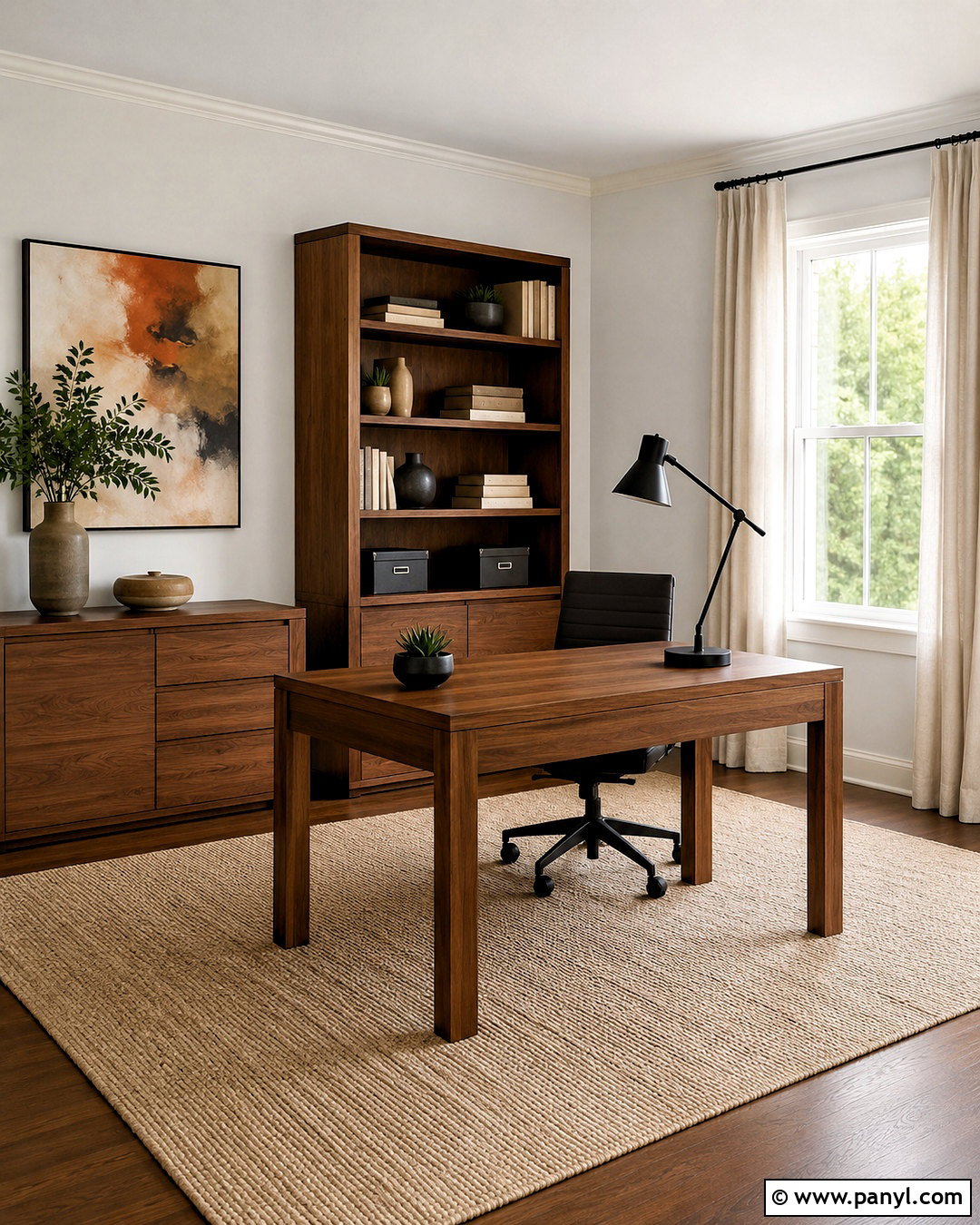
Design a productive home office by pairing Snowbound walls with warm furniture and controlled contrast. Place a substantial walnut or oak desk where it receives side light from a window rather than direct screen glare. Add a comfortable upholstered chair, a low storage cabinet, and one tall bookcase in the same wood family. A charcoal desk chair and black task lamp provide crisp definition. Use a textured beige rug to soften sound, then hang one large abstract print containing muted green, rust, and cream. Linen curtains filter daylight without darkening the room. Keep frequently used supplies inside drawers and use a few matching boxes for open shelves. Snowbound gives the completed workspace a bright, neutral foundation while the richer woods help it feel established and focused.
24. Snowbound Walls With Dark Built-In Shelves
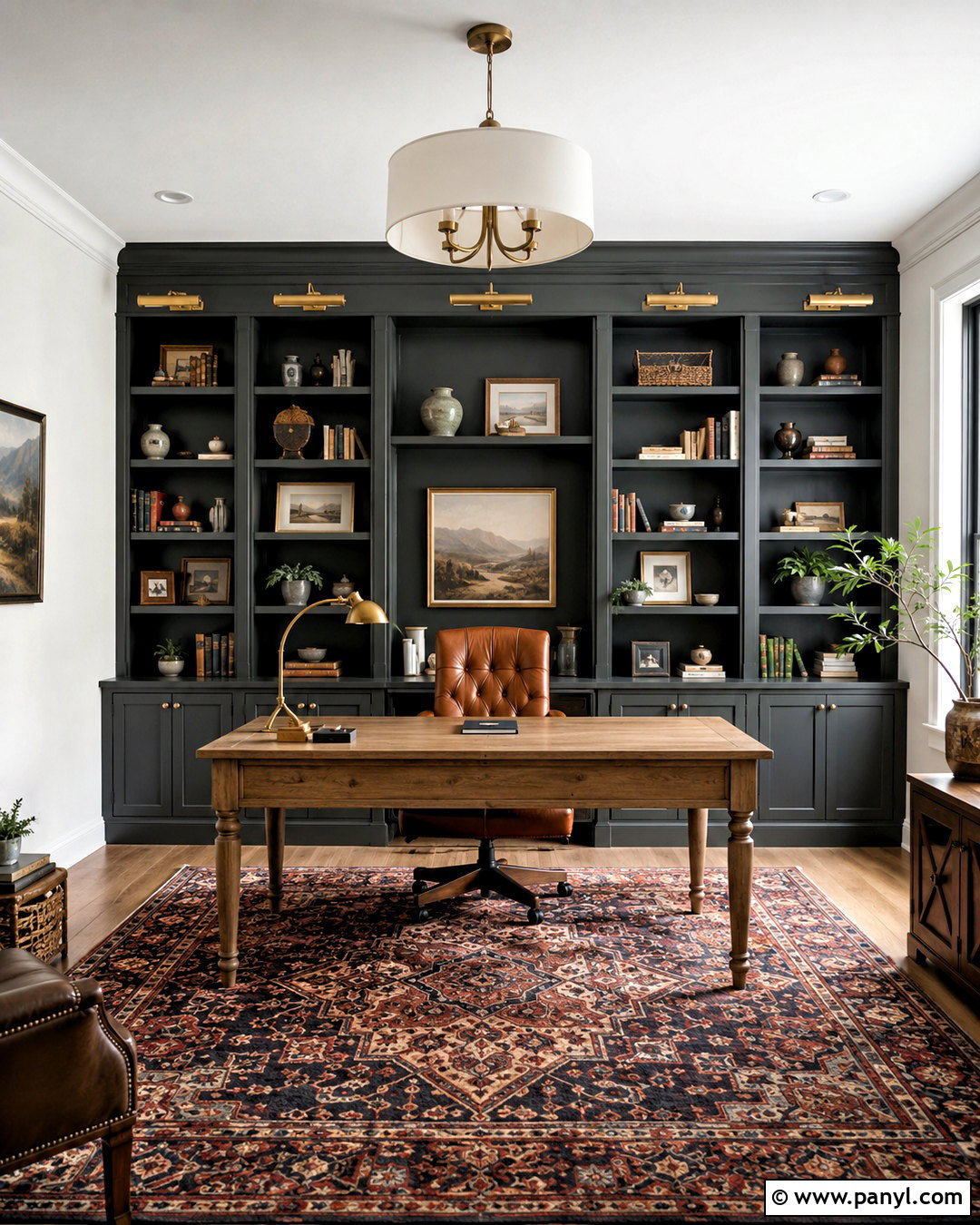
Dark built-ins can transform Snowbound walls into a high-contrast library or office without overwhelming the entire room. Paint floor-to-ceiling shelving in deep charcoal, smoky navy, or Iron Ore, including the cabinet bases and crown detail. Place a medium wood desk or reading table in front of the built-ins, then add a cognac leather chair and a patterned wool rug. Style the shelves with books, pottery, framed artwork, and closed storage boxes, leaving open areas so the dark color remains visible. Use warm brass picture lights to brighten the shelving and repeat the metal in desk accessories. Snowbound on the remaining walls and ceiling preserves openness. The final room feels substantial, organized, and visually balanced rather than dark or crowded.
25. Snowbound Walls In A Cozy Reading Room
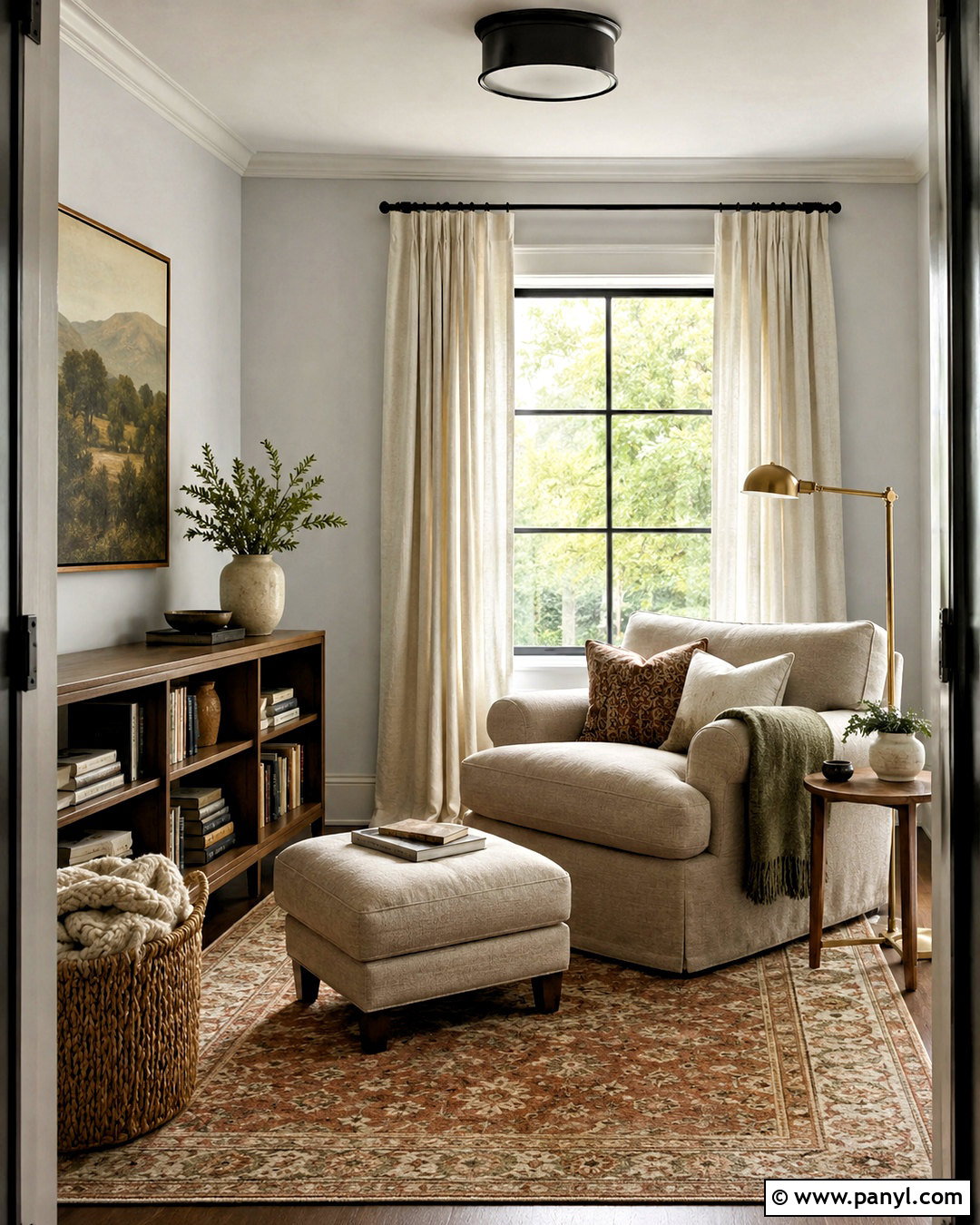
Turn a small spare room into a comfortable reading retreat with Snowbound walls and softly layered furnishings. Place a deep oatmeal-colored chair near the window with an adjustable brass floor lamp and a compact oak side table. Add a low walnut bookcase along the opposite wall, leaving enough blank space above it for one large artwork. A faded rug in rust, sage, and cream warms the floor, while full linen curtains improve softness and privacy. Include a small upholstered ottoman and a woven basket for blankets. Paint the ceiling Snowbound to create a continuous, quiet envelope. The room should feel furnished but never crowded. Natural wood, gentle color, and tactile fabrics give the pale walls enough depth to support long, relaxed reading sessions.
26. Snowbound Walls In A Nursery
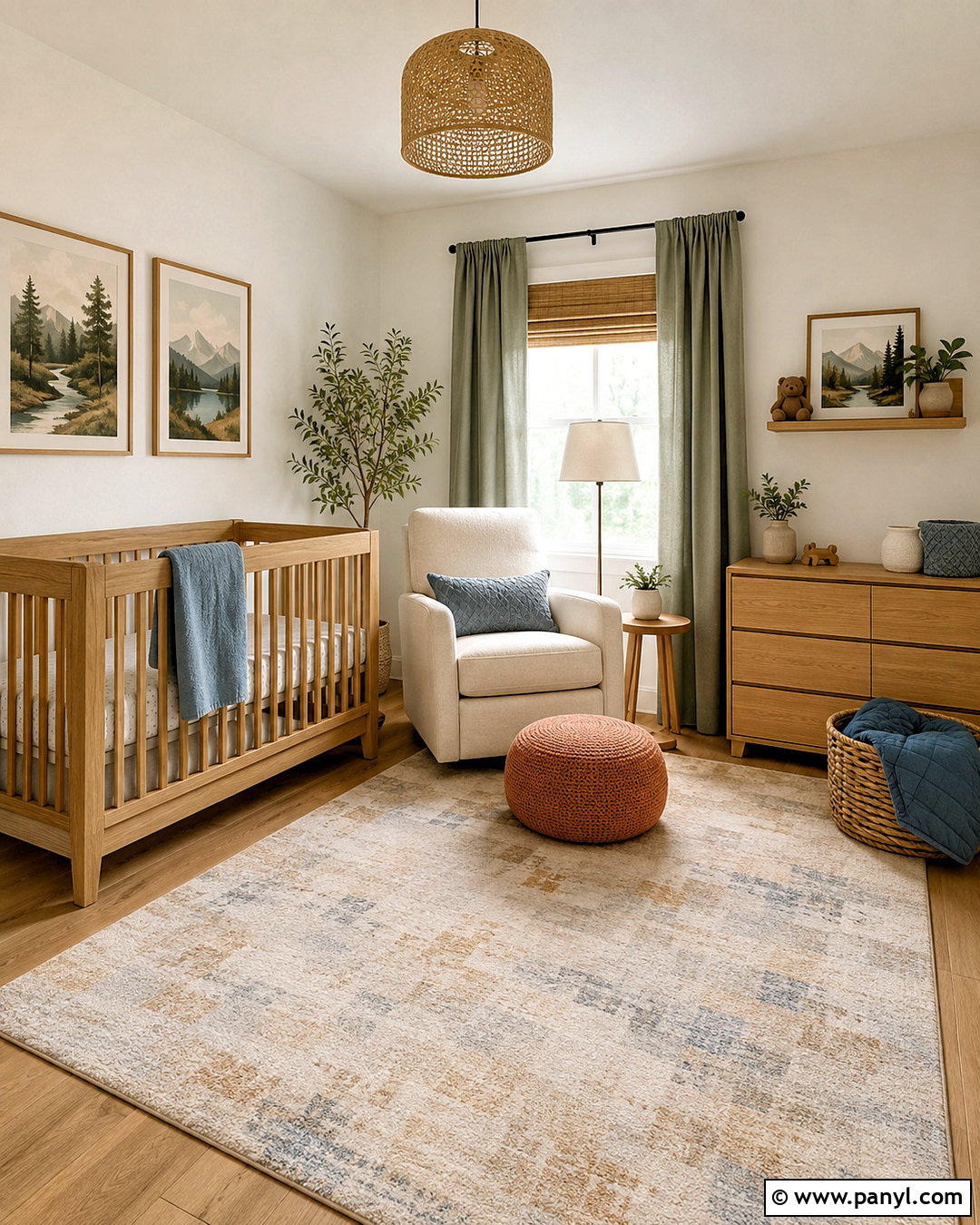
Snowbound nursery walls create a flexible base that can grow with the room. Choose a natural oak crib, a comfortable cream glider, and a low dresser that doubles as a changing surface. Add muted sage, dusty blue, or soft clay through washable curtains, crib textiles, and a simple area rug. A woven ceiling light provides texture, while a shaded floor lamp supports calmer evening lighting. Keep wall decor secure and minimal, using one large nature print or a small balanced arrangement away from the crib. Closed baskets and dresser drawers reduce visible clutter. Continue Snowbound onto the trim and ceiling for a gentle, cohesive background. The completed nursery feels peaceful, practical, and polished without relying on an overly specific theme that will quickly feel dated.
27. Snowbound Walls In A Kids Playroom
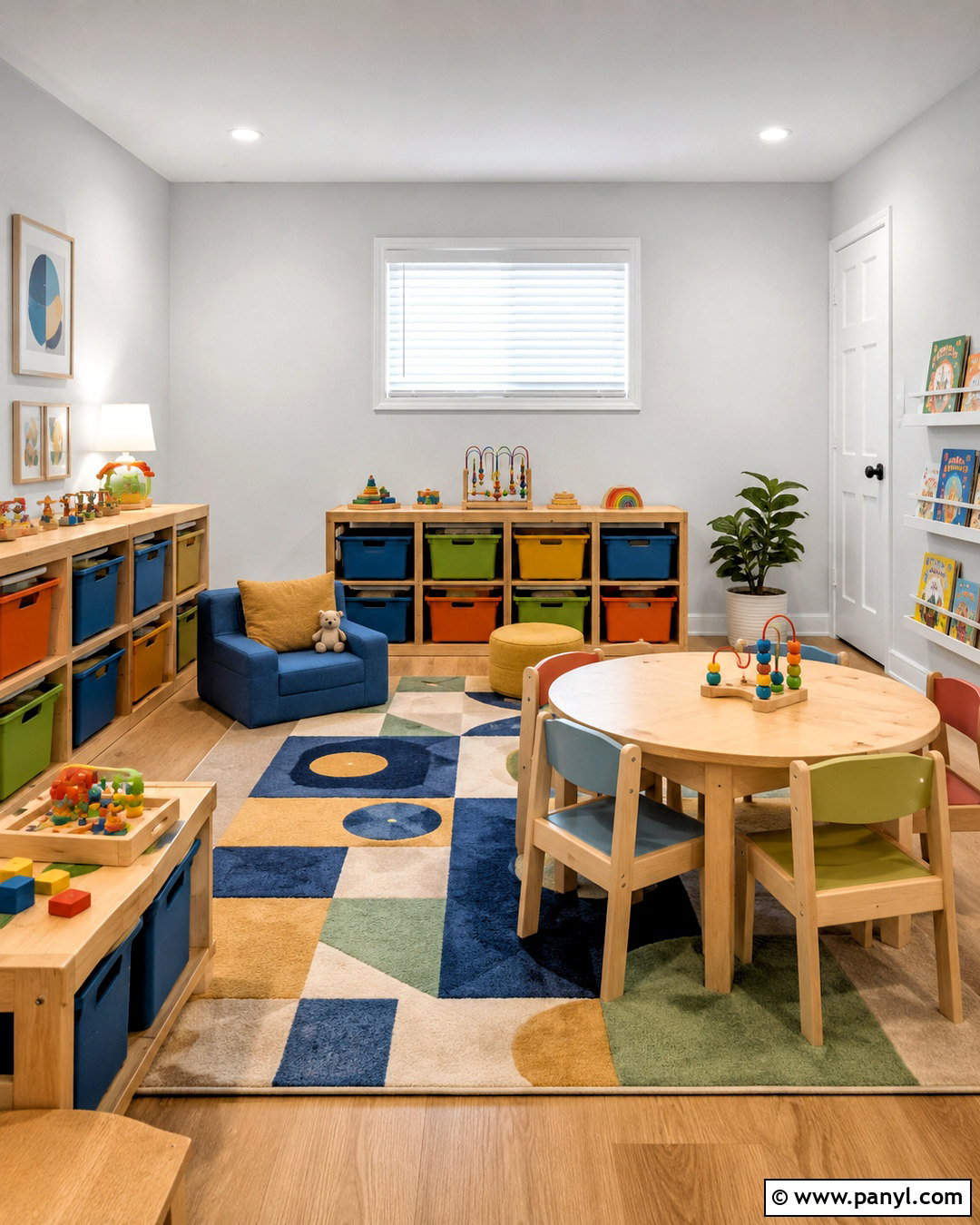
A playroom with Snowbound walls can still feel cheerful when color comes from durable, organized furnishings. Use a low white oak storage system with labeled-looking but text-free colored bins in blue, green, mustard, and terracotta. Add a washable geometric rug that repeats those hues and provides a comfortable activity zone. A small round table with sturdy chairs creates space for crafts and games. Install a soft reading chair beside front-facing book ledges, leaving the center of the room open for movement. Black or natural wood frames can display rotating artwork without covering every wall. Choose bright overhead lighting and practical window shades. Snowbound keeps the room visually calm while the coordinated storage, textiles, and activity areas supply personality and everyday function.
28. Snowbound Walls In A Laundry Room
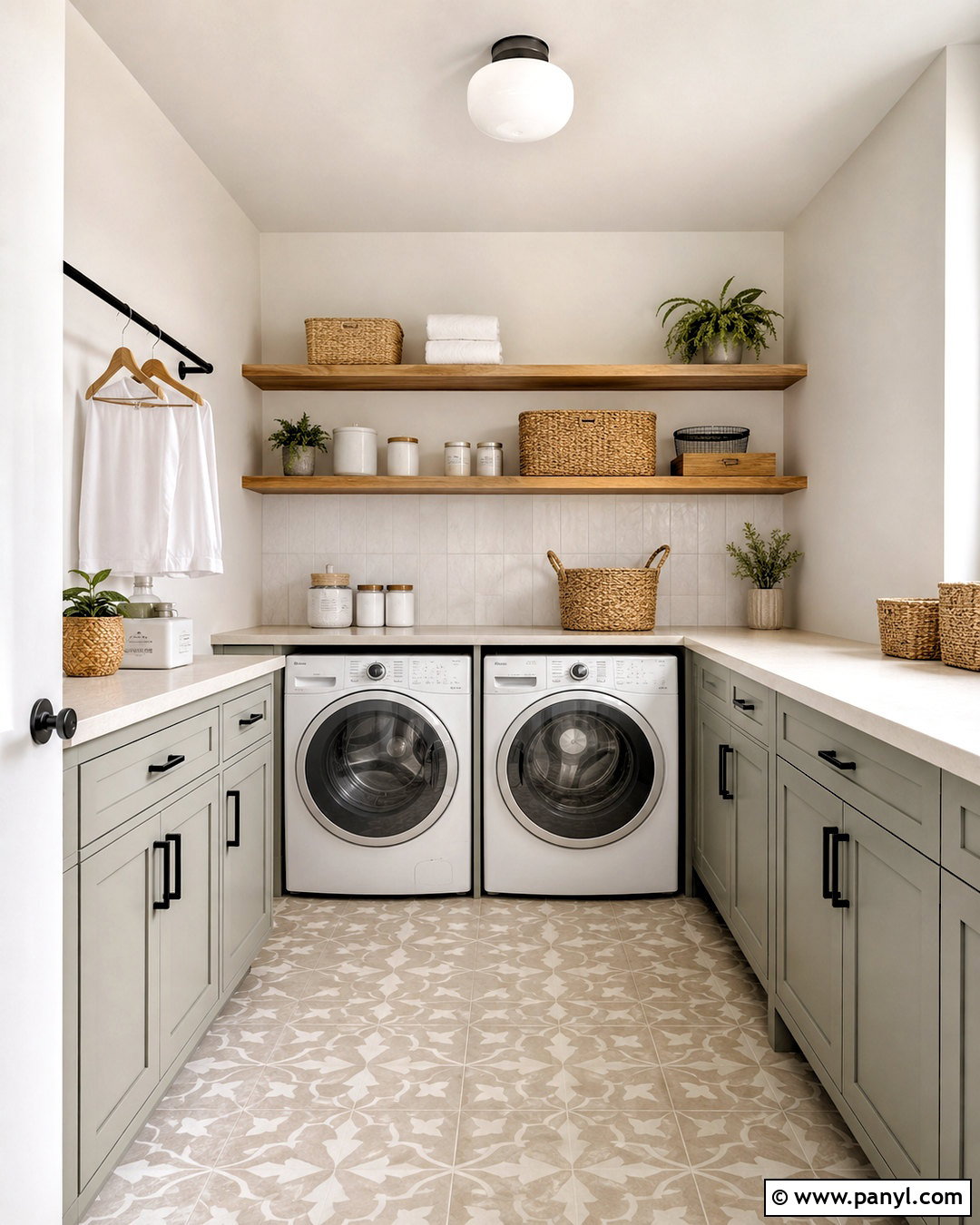
Make a laundry room feel finished by combining Snowbound walls with efficient cabinetry and durable materials. Install soft sage or medium blue lower cabinets beside the washer and dryer, then use white oak open shelves above the counter. A pale quartz folding surface offers practical workspace and reflects light around the room. Choose patterned porcelain floor tile in cream and warm gray to disguise everyday dust and add visual interest. Matte black hardware and a simple utility light sharpen the softer palette. Store detergents in closed cabinets or uniform containers, and include woven baskets for loose items. Snowbound brightens the remaining wall space without competing with the cabinetry. The completed laundry room feels organized, welcoming, and connected to the design language of the rest of the home.
29. Snowbound Walls In A Mudroom
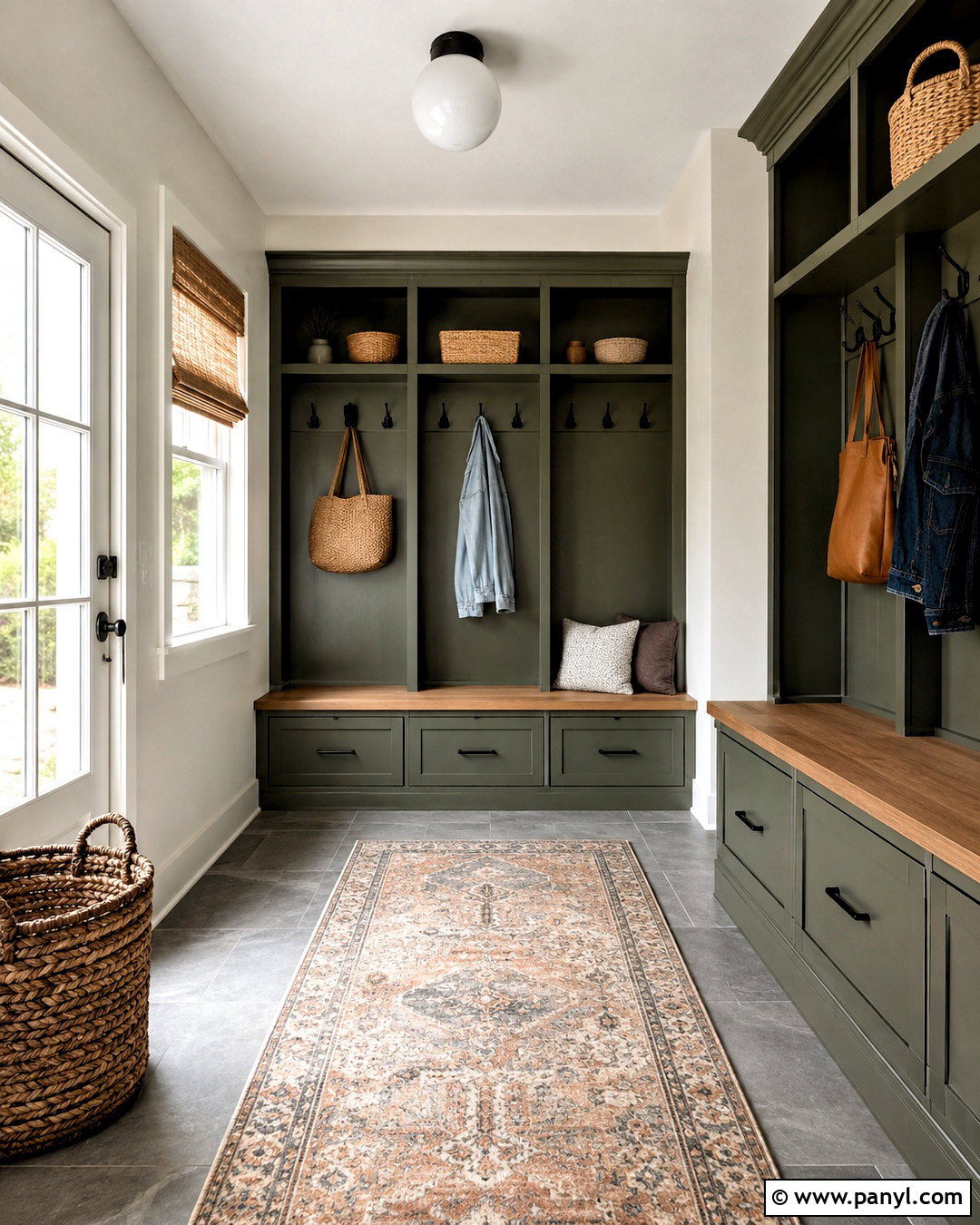
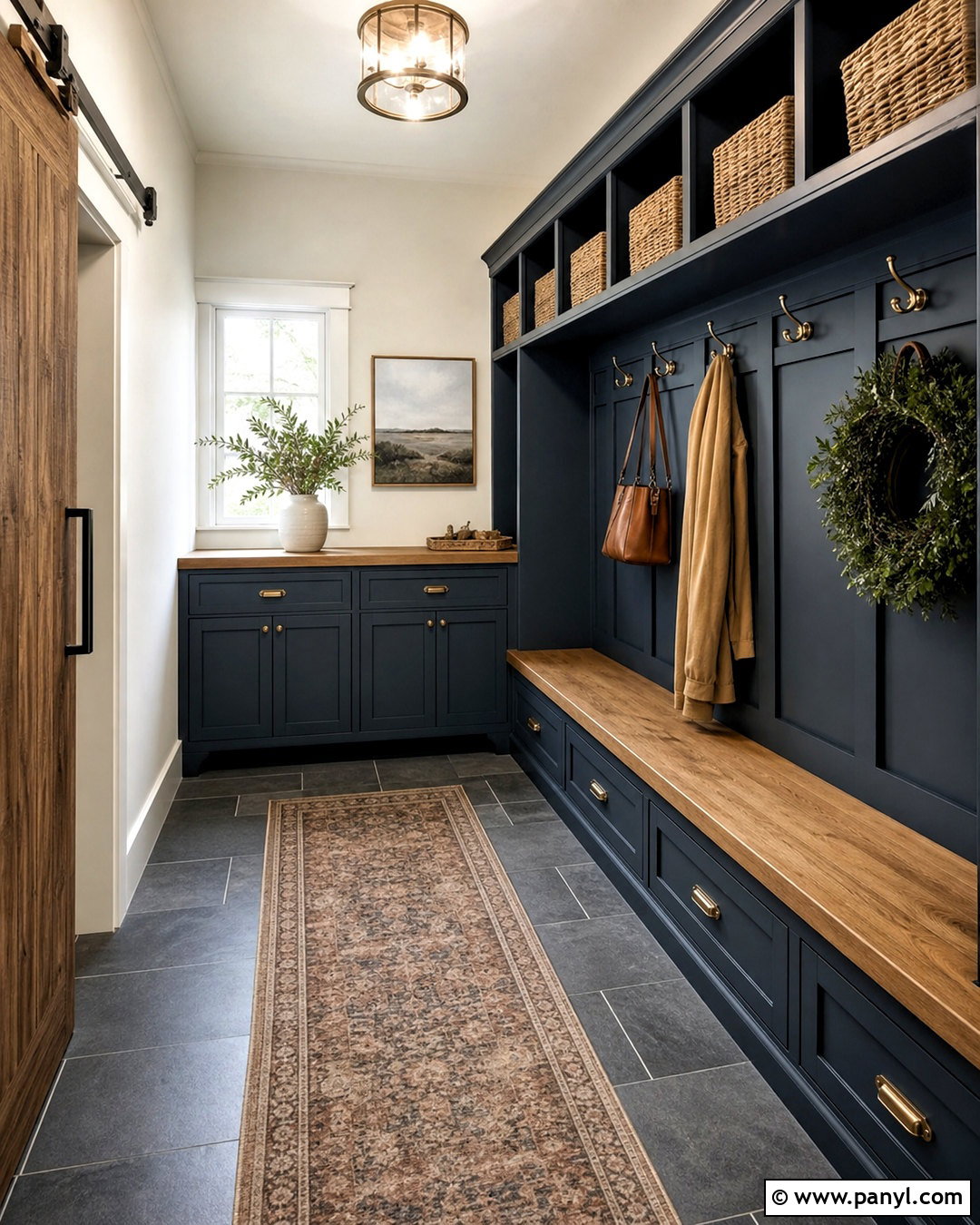
Snowbound walls can keep a hardworking mudroom bright while darker finishes handle daily wear. Use built-in benches and tall storage cabinets in muted olive, charcoal, or deep blue. Add natural oak bench tops, black hooks, and closed drawers for shoes and seasonal accessories. Large warm gray porcelain floor tiles provide a practical surface and ground the pale walls. A washable runner brings pattern and softness to the walkway. Install simple overhead lighting and consider a window shade in woven natural material. Keep the open cubbies minimally styled so bags and jackets have adequate room. Snowbound trim connects the walls to surrounding hallways, while the colored cabinetry defines the mudroom as its own zone. The result is durable, orderly, and visually welcoming.
30. Snowbound Walls With A Farmhouse Kitchen
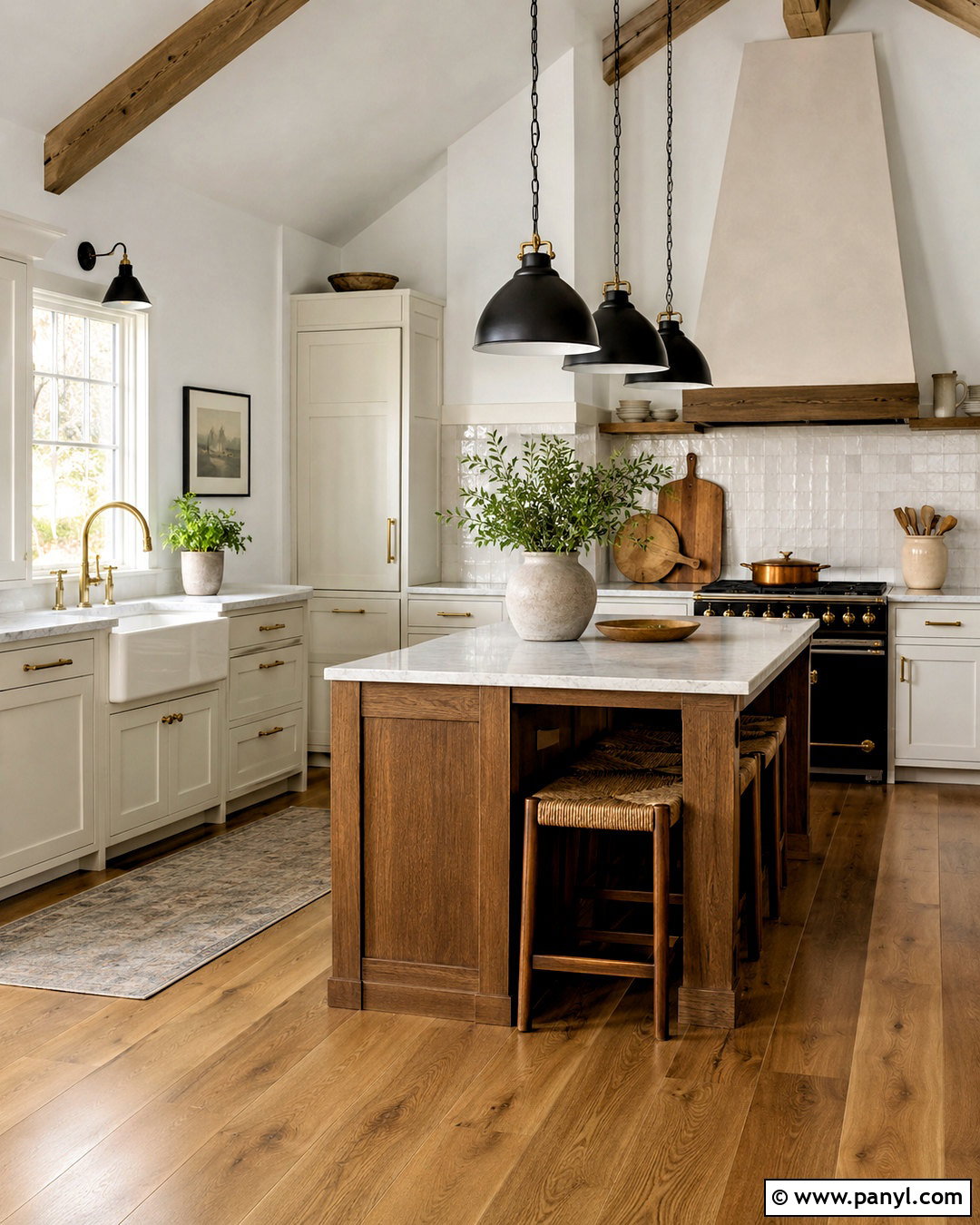
For a modern farmhouse kitchen, use Snowbound walls as a soft background for warm, practical materials. Choose cream Shaker cabinets, a stained oak island, and lightly veined quartz counters. A simple white apron-front sink and aged brass bridge faucet reinforce the traditional influence without making the kitchen look themed. Install handmade white backsplash tile with warm grout, then use medium oak flooring to add depth. Black iron pendants above the island provide contrast and connect with the range hardware. Counter stools in woven cane or saddle leather make the central workspace inviting. Limit decorative signs and instead display useful stoneware, wood boards, and linen towels. This complete kitchen feels relaxed and familiar, but clean lines keep the farmhouse elements current.
31. Snowbound Walls With Coastal Decor
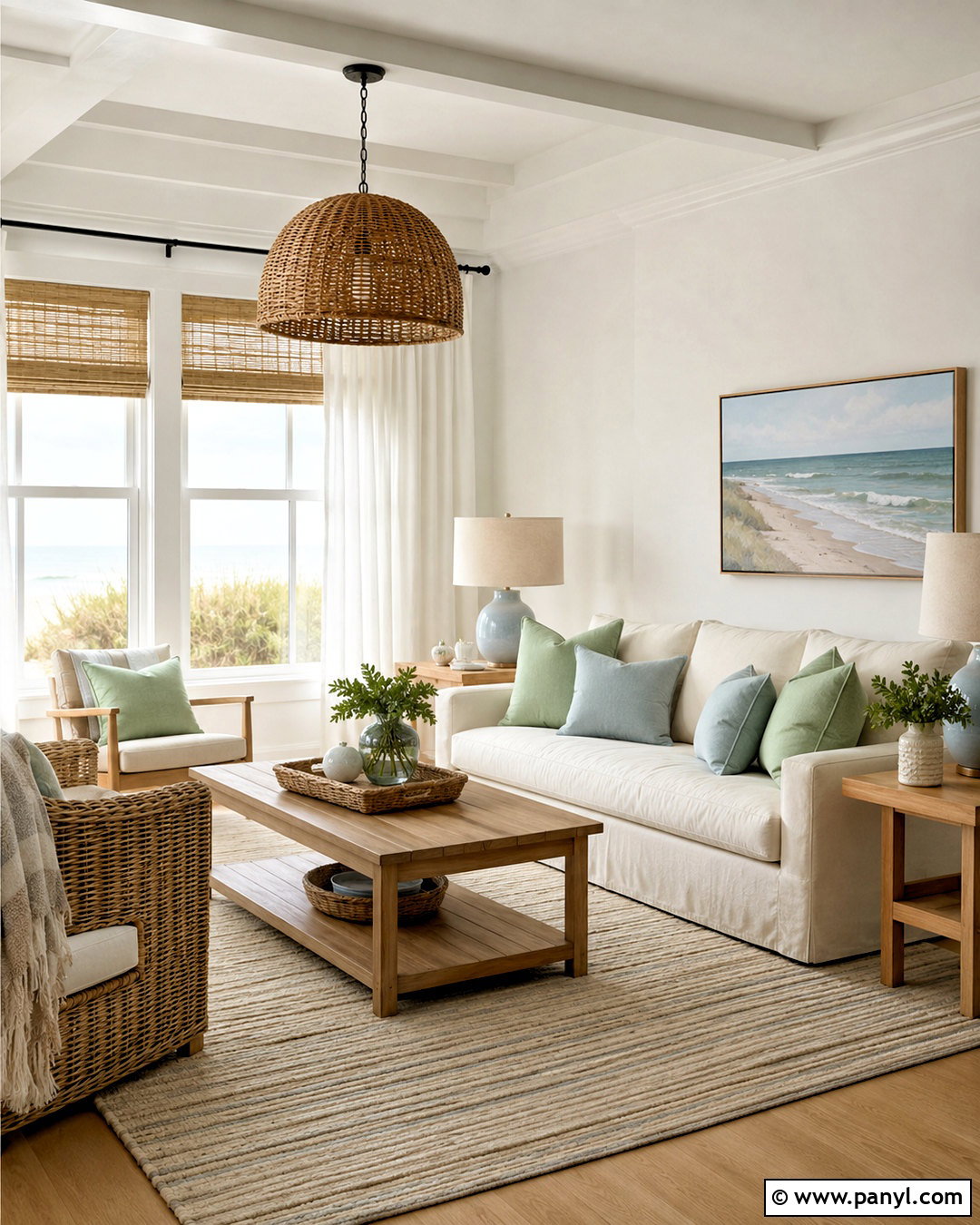
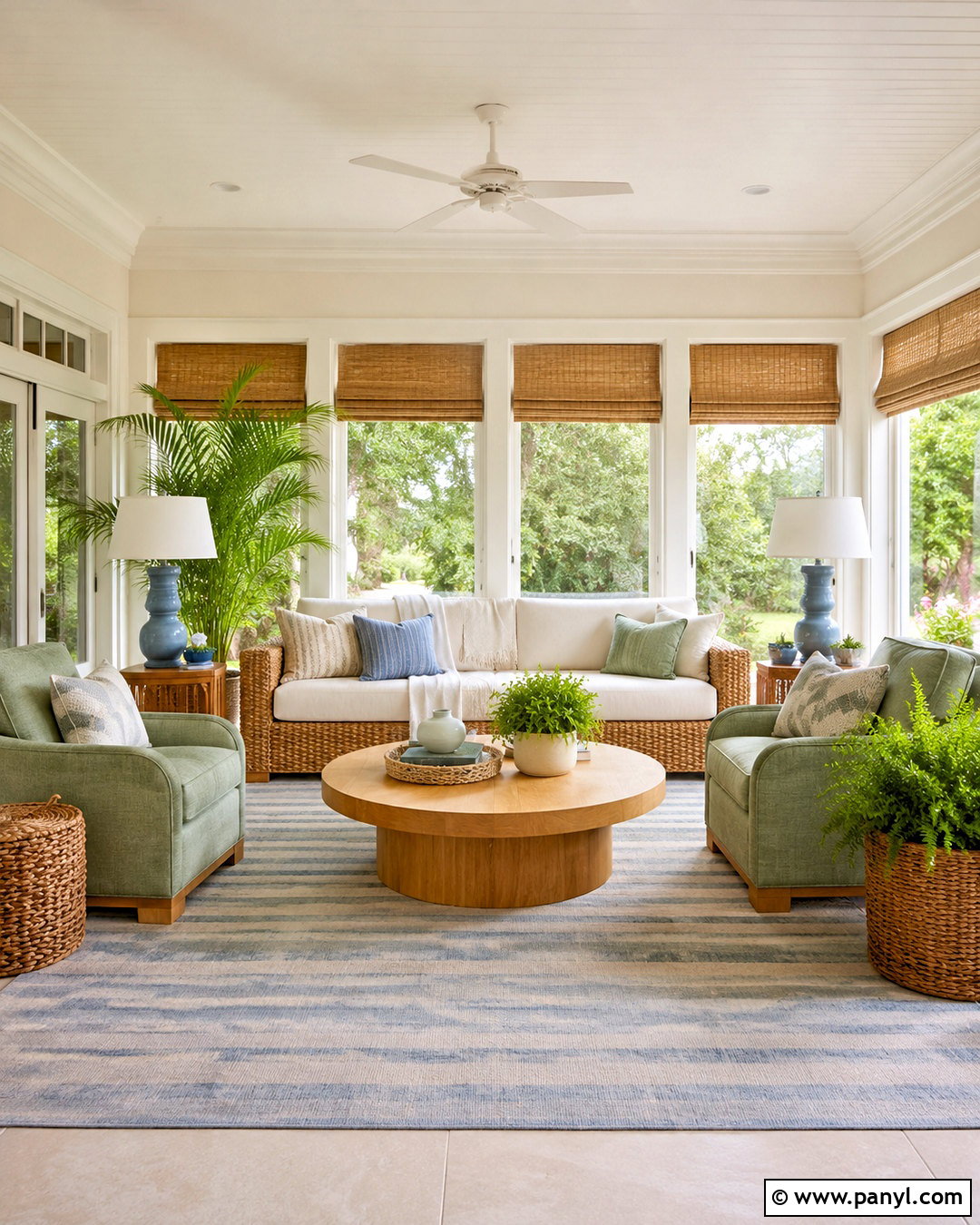
A coastal room with Snowbound walls should feel breezy and natural rather than heavily themed. Start with a slipcovered cream sofa and light oak or weathered wood tables. Add soft blue, sea-glass green, and sandy beige through pillows, a striped rug, and restrained artwork. Woven shades and white linen curtains filter light while bringing texture to the windows. Use ceramic lamps with off-white shades and a large natural fiber pendant for layered illumination. A few sculptural shells or glass vessels are enough; avoid filling every surface with coastal objects. Keep the furniture arrangement open and conversational. The result is a complete, relaxed living room where Snowbound supports the sun-faded palette, natural materials, and casual comfort associated with an understated coastal home.
32. Snowbound Walls With Midcentury Furniture
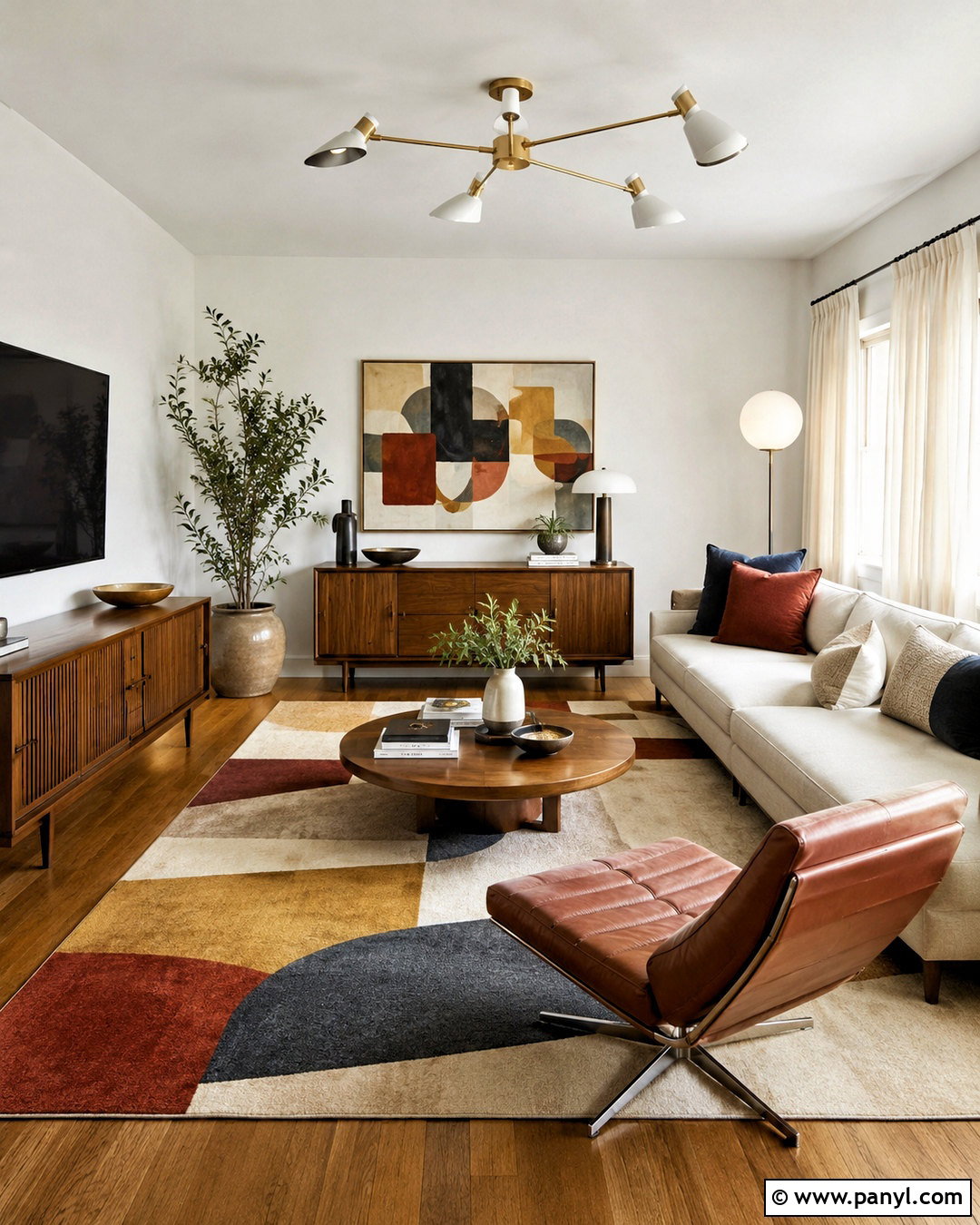
Midcentury furniture gives Snowbound walls warmth, shape, and a clear design direction. Choose a walnut media console, a low-profile oatmeal sofa, and one sculptural lounge chair in cognac leather or olive upholstery. Anchor the grouping with a geometric rug in cream, rust, gold, and charcoal. A globe floor lamp and a simple starburst-style ceiling fixture can reference the period without turning the room into a reproduction set. Use linen curtains to soften the architecture and display one large abstract artwork above the console. Add greenery in a plain ceramic planter for natural color. Snowbound provides enough softness to complement vintage wood tones while keeping the completed living room fresh, uncluttered, and suitable for a modern everyday home.
33. Snowbound Walls With Traditional Furniture
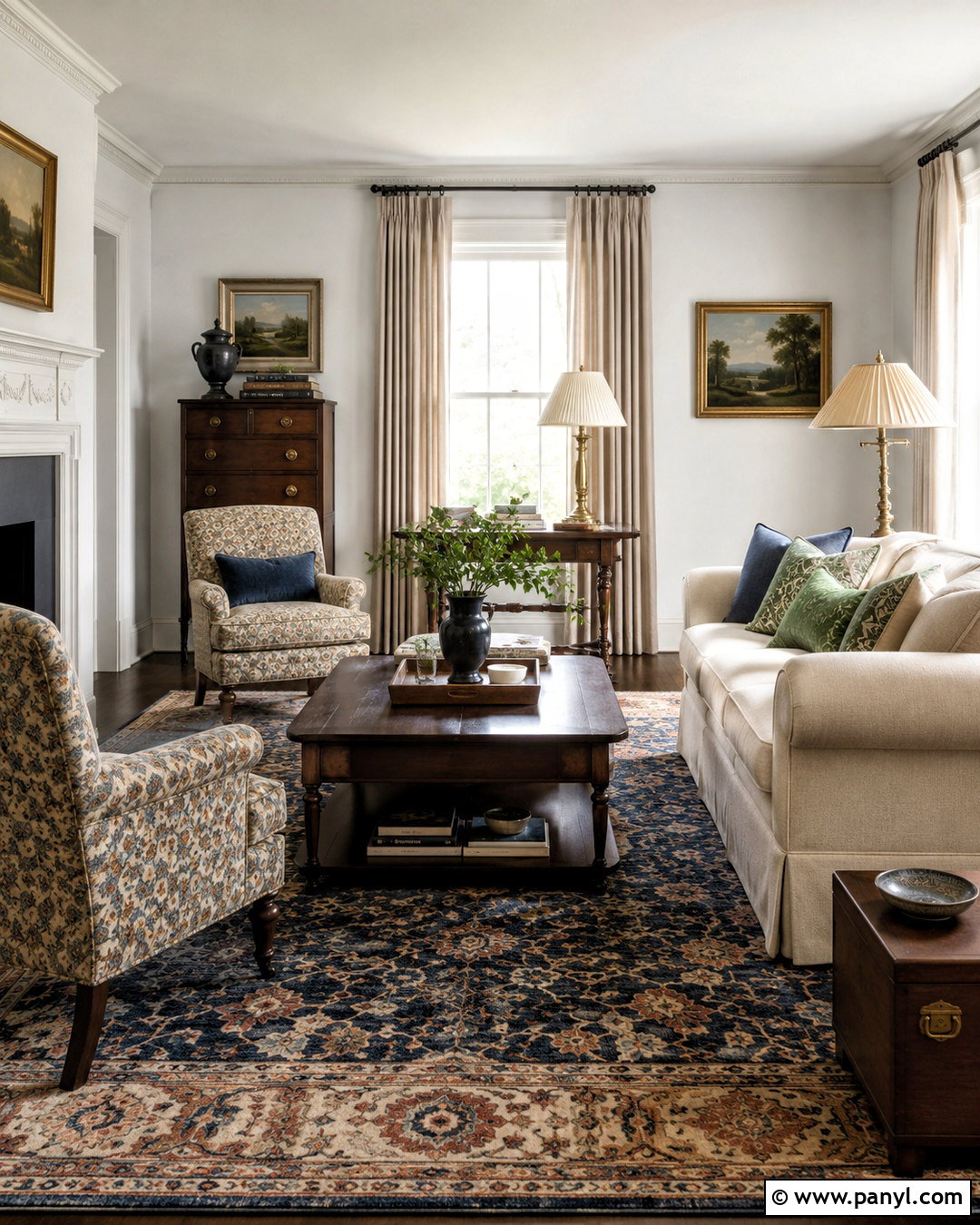
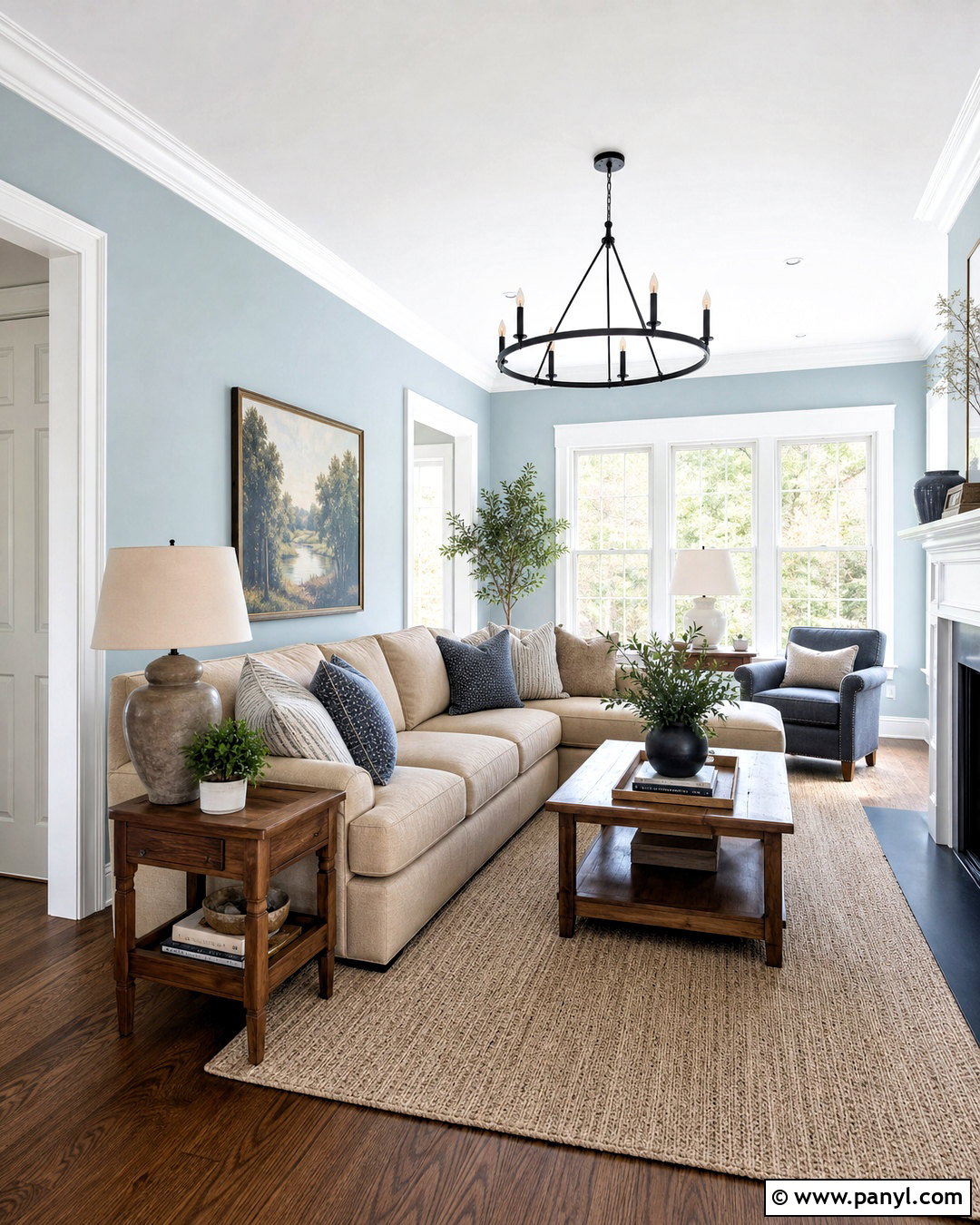
Traditional furnishings feel lighter and more approachable against Snowbound walls. Arrange a rolled-arm linen sofa with two patterned accent chairs around a medium walnut coffee table. Choose a Persian-style rug with faded navy, rust, cream, and sage to establish the full room palette. Add pleated lampshades, antique brass accents, and framed landscape artwork, but leave enough open wall space to prevent visual clutter. Full-length neutral curtains can frame the windows and emphasize ceiling height. Paint crown molding and baseboards Snowbound in satin for quiet architectural detail. A dark wood console or chest grounds one side of the room. The completed living area respects classic forms and collected pieces while the soft white background keeps everything bright, relaxed, and relevant.
34. Snowbound Walls With Boho Decor
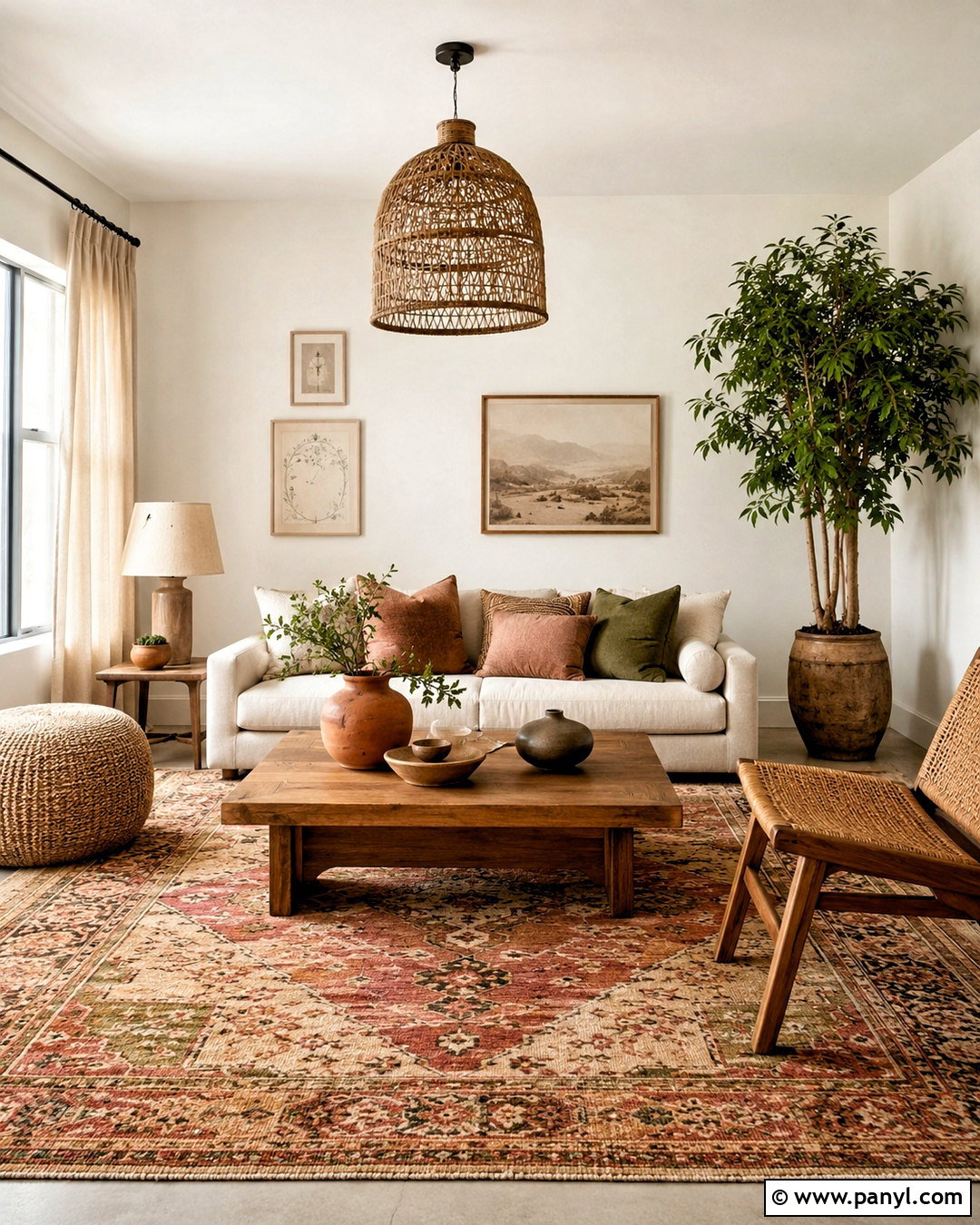
Build a polished boho room around Snowbound walls by focusing on natural materials and a controlled earthy palette. Select a low cream sofa, a carved or simple oak coffee table, and a woven lounge chair. Layer a vintage-inspired rug in rust, faded rose, olive, and beige over warm wood flooring. Use linen curtains, rattan lighting, and textured pillows, but repeat each material carefully so the room looks coordinated rather than crowded. A large plant and a few handmade ceramic vessels add organic shape. Keep wall decor limited to one textile hanging and several framed prints in matching wood tones. Snowbound provides visual breathing room around the layered furnishings. The complete design feels casual, personal, and warm while remaining clean enough for everyday living.
35. Snowbound Walls With Color Drenched Trim
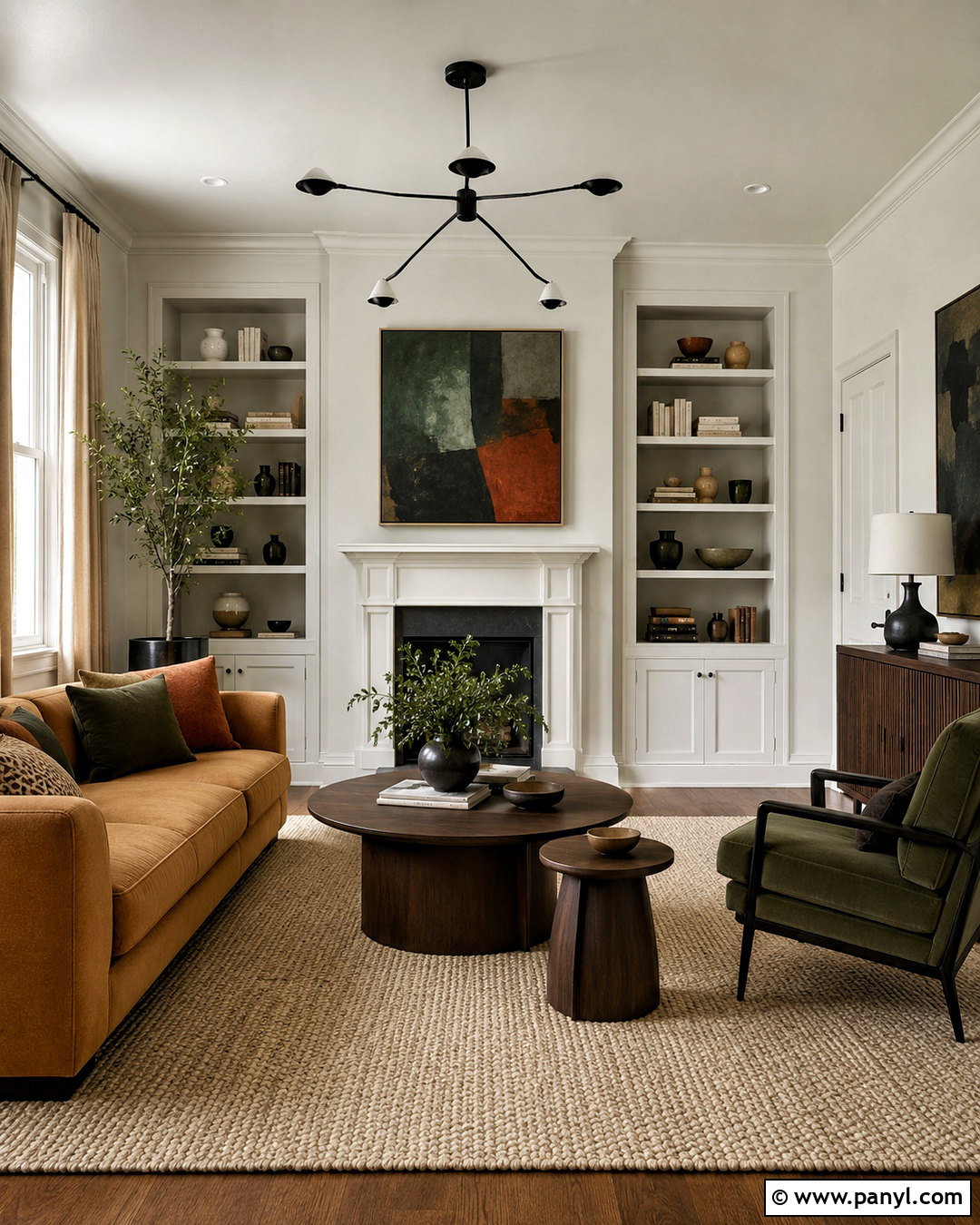
For a softly enveloping look, paint the walls, trim, doors, built-ins, and ceiling in Snowbound. Change the sheen instead of the color: use flat or matte overhead, washable eggshell on walls, and satin on woodwork. This approach reduces sharp visual boundaries and can make architectural details feel more cohesive. Add contrast through a camel sofa, walnut tables, a muted olive chair, and a textured beige rug. Black metal lighting gives the pale envelope definition, while linen curtains contribute gentle movement. Artwork with deep green, rust, and charcoal prevents the room from appearing unfinished. The completed space feels calm and intentional because every painted surface belongs to one continuous scheme, yet varied materials, finishes, and furnishings preserve depth throughout the room.
Conclusion:
These 35 snowbound sherwin williams walls demonstrate how one soft white can support many complete decorating directions. Snowbound works especially well when the room includes deliberate contrast, tactile materials, and a consistent finish palette. Warm oak, walnut, black metal, natural stone, linen, sage, navy, and terracotta can all help define its character. Before committing, place large painted samples on several walls and observe them beside your permanent flooring, counters, cabinets, and trim. Check the color in morning light, afternoon light, and after turning on your usual lamps. Thoughtful testing is essential because every room has different reflections. Once the undertones feel balanced, Snowbound can create a bright, comfortable foundation that connects spaces throughout the home.

Related Ideas and Inspiration:
Leave a Reply