
Sherwin-Williams Extra White SW 7006 is a crisp, versatile white that can refresh almost any area of the home. Sherwin-Williams classifies it as a cool white and recommends its highly reflective finish for trim and ceilings, but it can also create a clean backdrop on walls, cabinetry, fireplaces, and exteriors. () Its cooler character works especially well with black, blue, gray, green, marble, and light wood. Warmer textures can soften it when a room needs more balance. Always test a large sample because natural light, surrounding finishes, and artificial bulbs can change how white paint appears. The complete looks below provide practical, coordinated extra white sherwin williams ideas for rooms, architectural features, and exterior updates.

1. Extra White Living Room With Black Accents
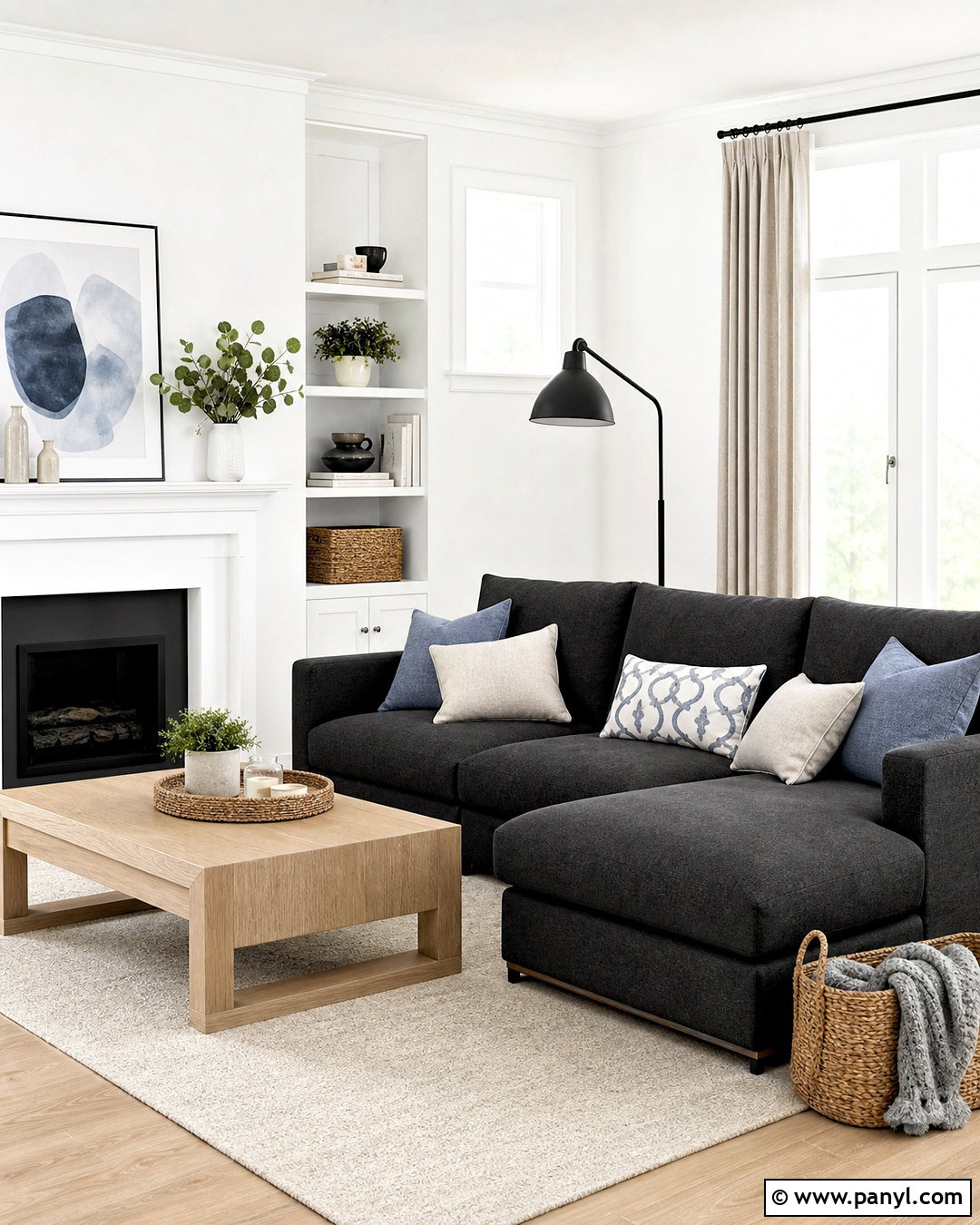
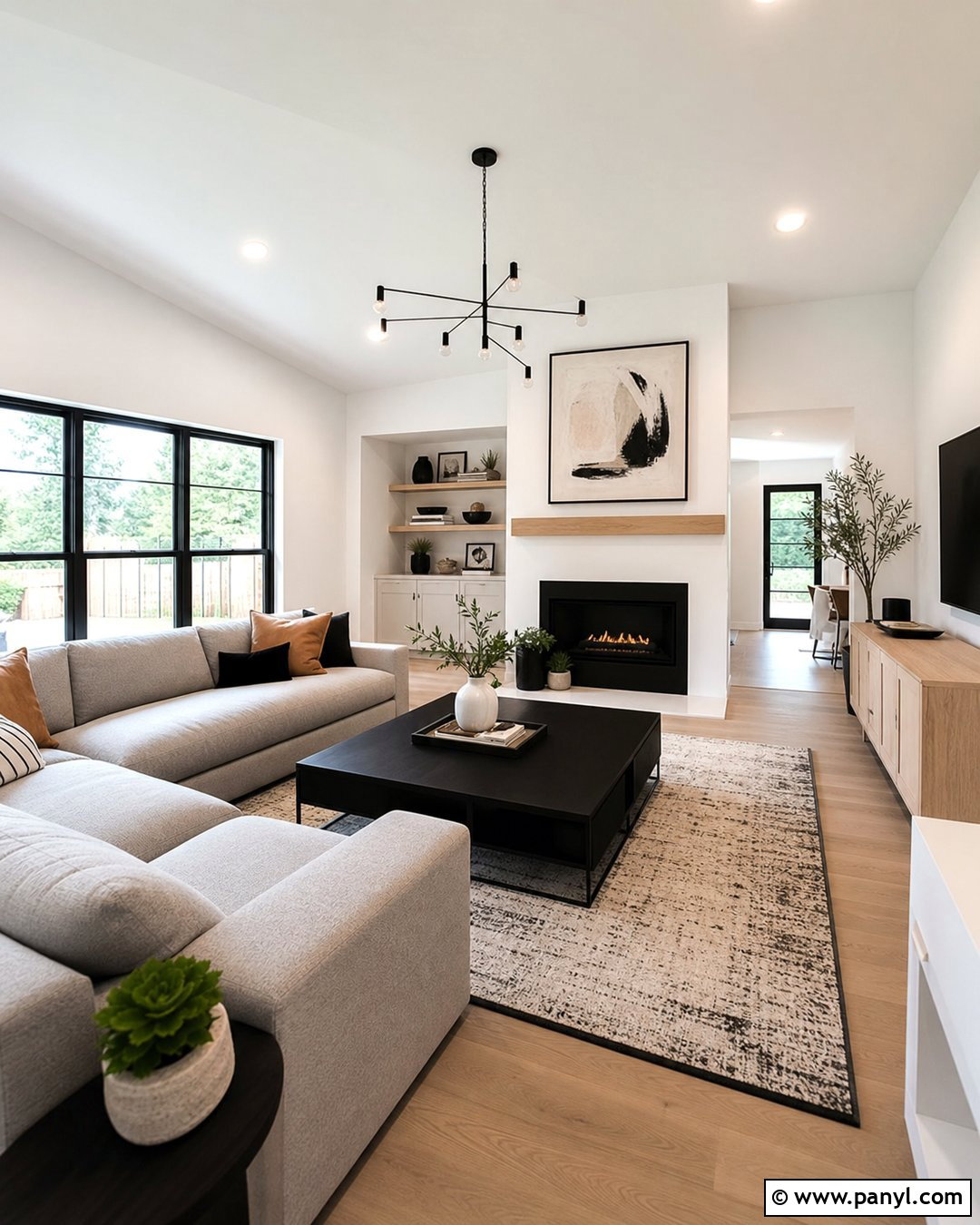
Create a bright, modern living room by using Extra White on the walls, ceiling, and detailed trim. Add a charcoal sectional with simple lines and place it over a large cream-and-gray textured rug. A light oak coffee table introduces enough warmth to keep the room from feeling cold. Use matte black curtain rods, picture frames, and a slim floor lamp to establish a strong visual outline. Full-length oatmeal curtains soften the windows without weakening the crisp palette. Finish the room with blue-gray pillows, a woven basket, and one oversized abstract print. This complete scheme works best in a living room with generous daylight, where the white surfaces can look fresh while the dark furniture and natural wood provide definition.
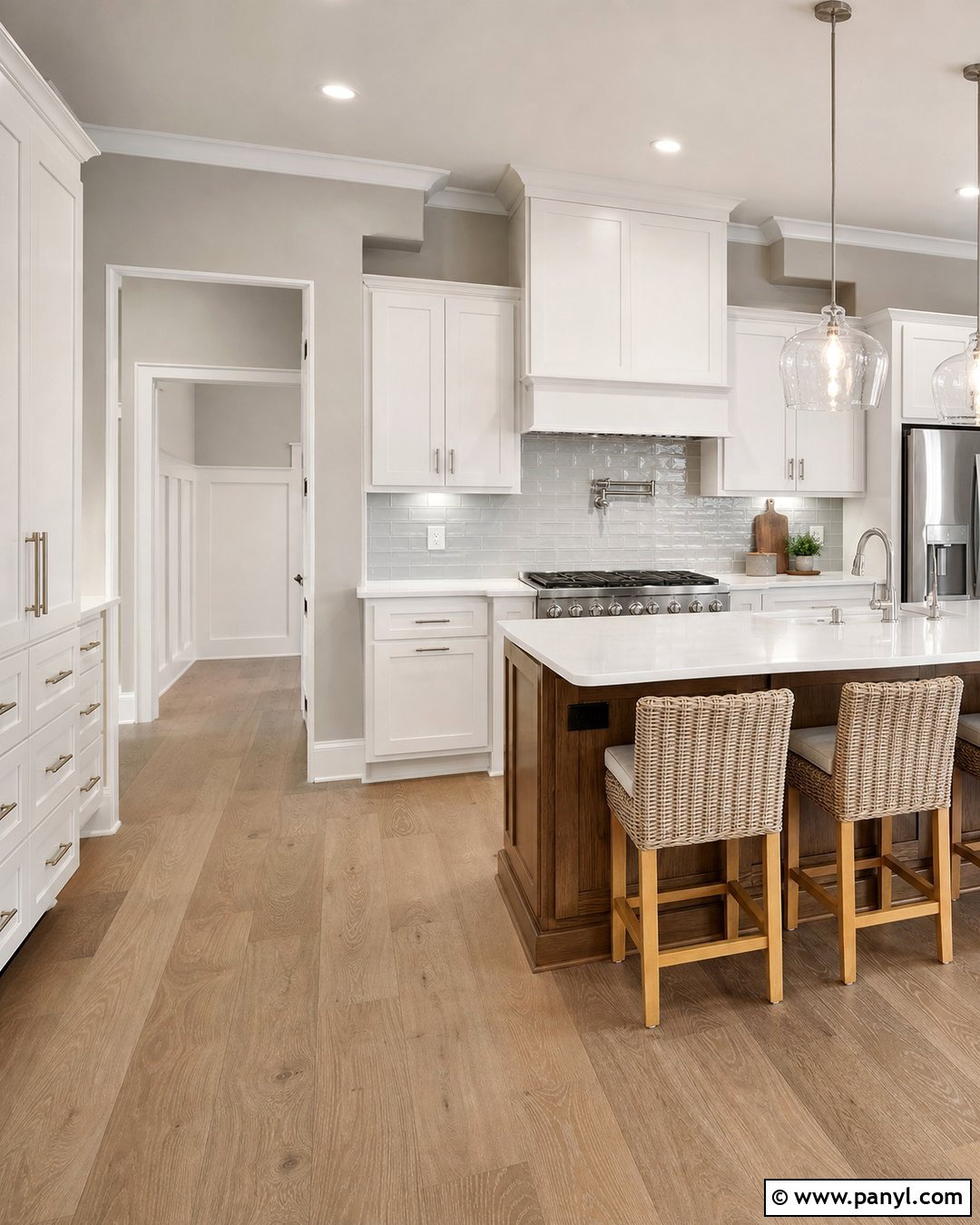
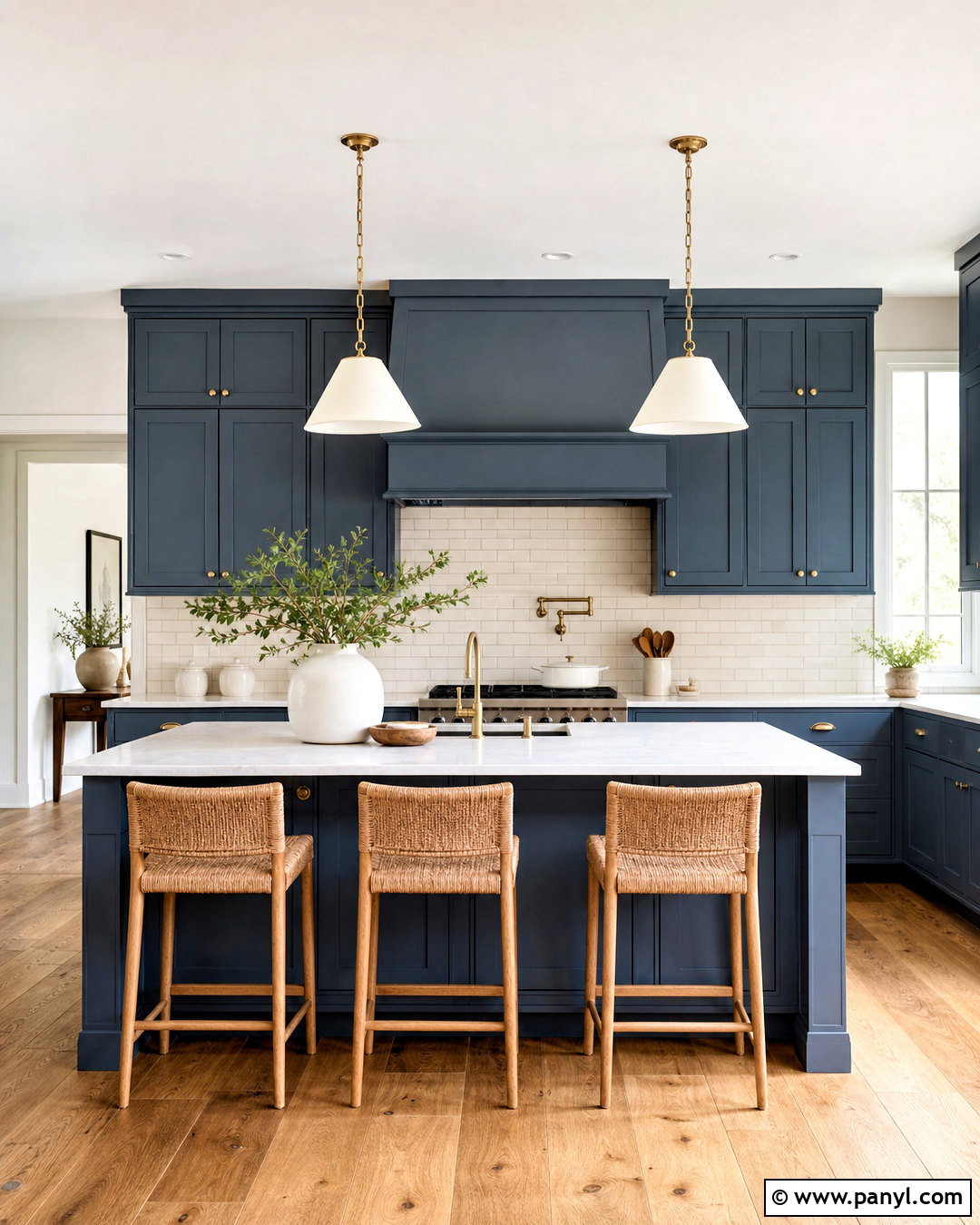
2. Extra White Kitchen Cabinets With Warm Wood
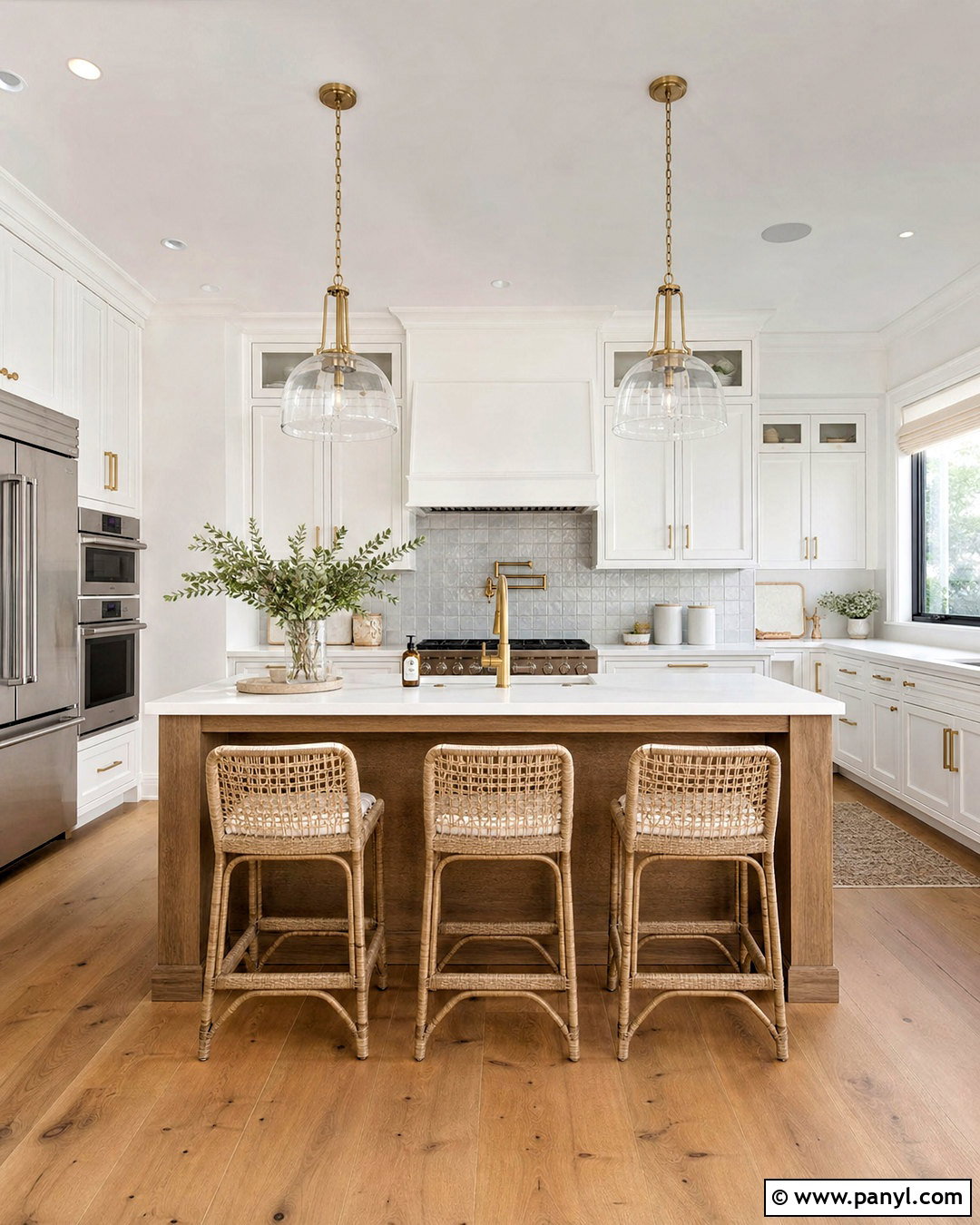
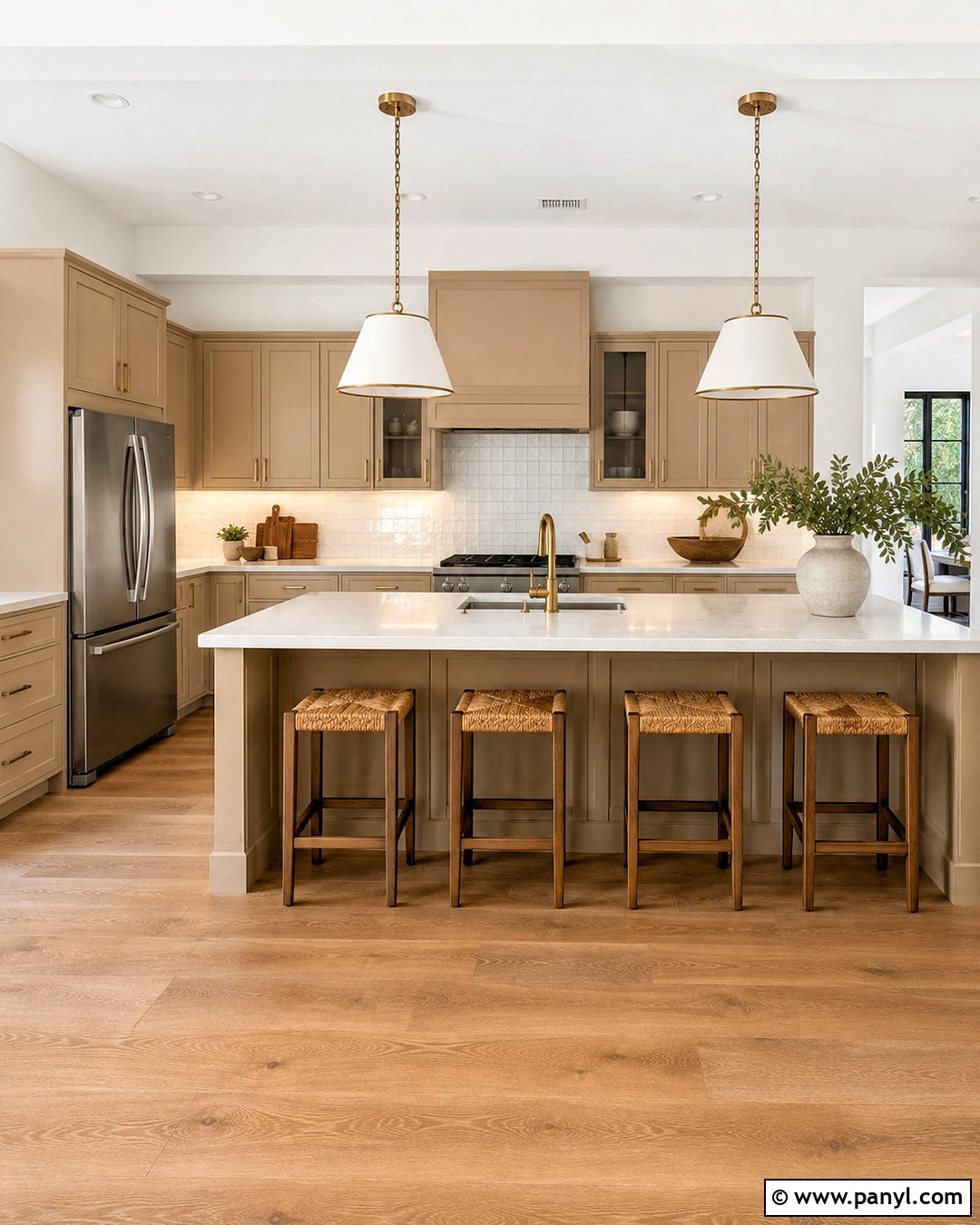
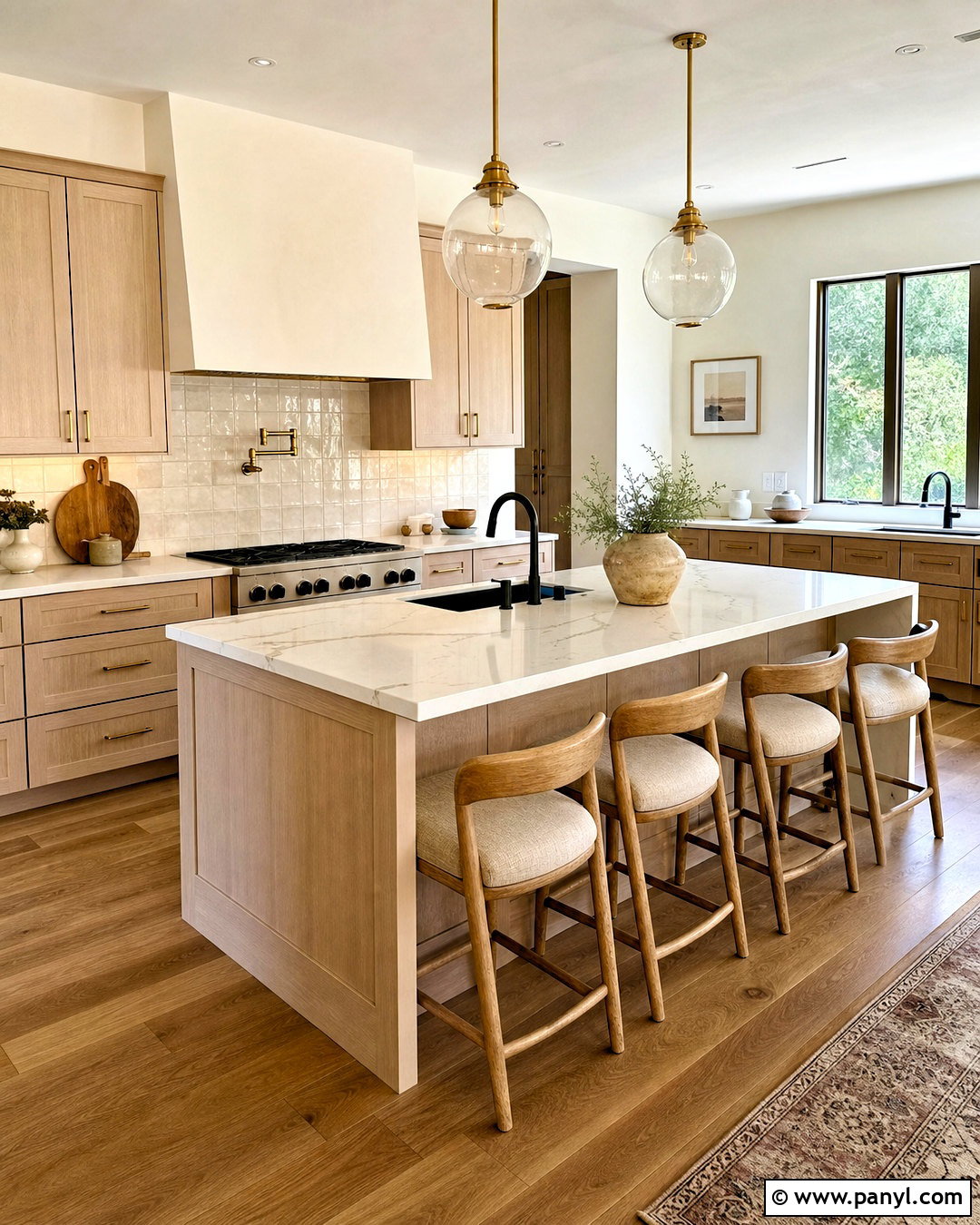
Extra White kitchen cabinets can feel clean and inviting when they are balanced with natural materials. Paint the upper and lower cabinets in a durable satin finish, then add brushed brass pulls for gentle warmth. Choose white quartz counters with subtle gray veining and a handmade pale gray backsplash. Medium-tone white oak flooring prevents the kitchen from becoming overly cool. A stained oak island can anchor the center while woven counter stools make the layout more relaxed. Keep the walls a soft light greige so the white cabinetry remains visible rather than blending into the background. Clear glass pendants, stainless steel appliances, and a simple ceramic fruit bowl complete this practical transitional kitchen without introducing unnecessary clutter or competing colors.
3. Extra White Bedroom With Soft Blue
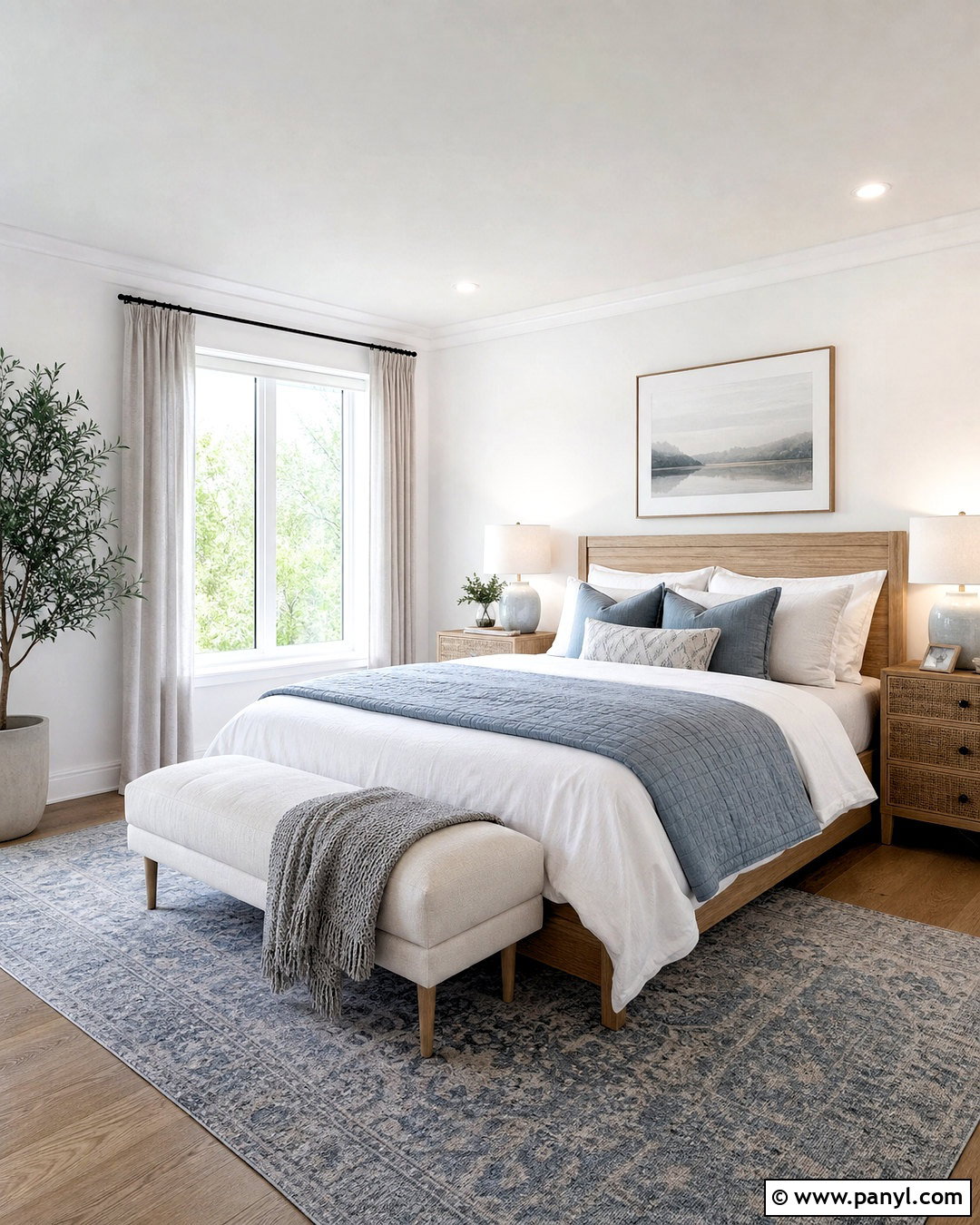
Imagine waking up in a room that feels airy, quiet, and easy to maintain. Cover the bedroom walls with Extra White and continue the color across the ceiling and trim for a seamless backdrop. Center a light oak bed against the main wall and dress it with white cotton bedding, a dusty blue quilt, and layered blue-gray pillows. Pale woven nightstands and ceramic lamps bring texture to both sides of the bed. Use full-length soft gray curtains to frame the windows and control harsh morning light. A faded blue area rug grounds the furniture while preserving the restful palette. Complete the room with one landscape print, a curved upholstered bench, and minimal greenery. The result feels crisp but not clinical.
4. Extra White Bathroom With Marble
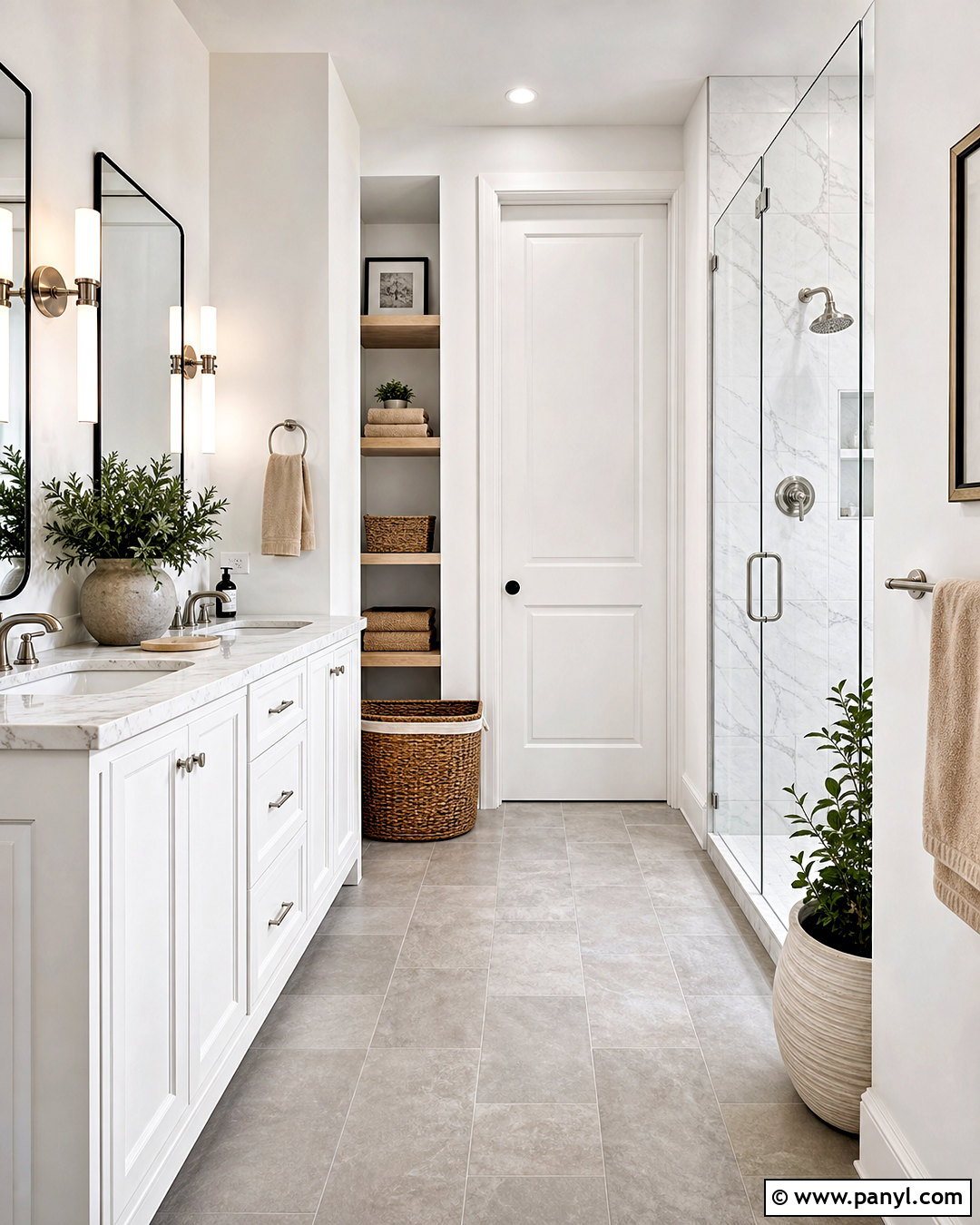
A compact bathroom can look larger and more polished when Extra White connects its main surfaces. Paint the vanity, walls, trim, and ceiling in coordinated finishes, using satin or semigloss where extra durability is needed. Install a white marble-look quartz vanity top and a matching shower surround with soft gray veining. Polished nickel faucets and framed mirrors support the cool, reflective palette. Introduce warmth through a pale oak vanity shelf, woven hamper, and light beige towels. Medium-gray porcelain floor tile adds practical contrast and helps define the white fixtures. Clear shower glass keeps sightlines open. A pair of simple wall sconces, understated hardware, and one small ceramic planter finish the bathroom without making the limited space feel crowded.
5. Extra White Dining Room With Natural Oak
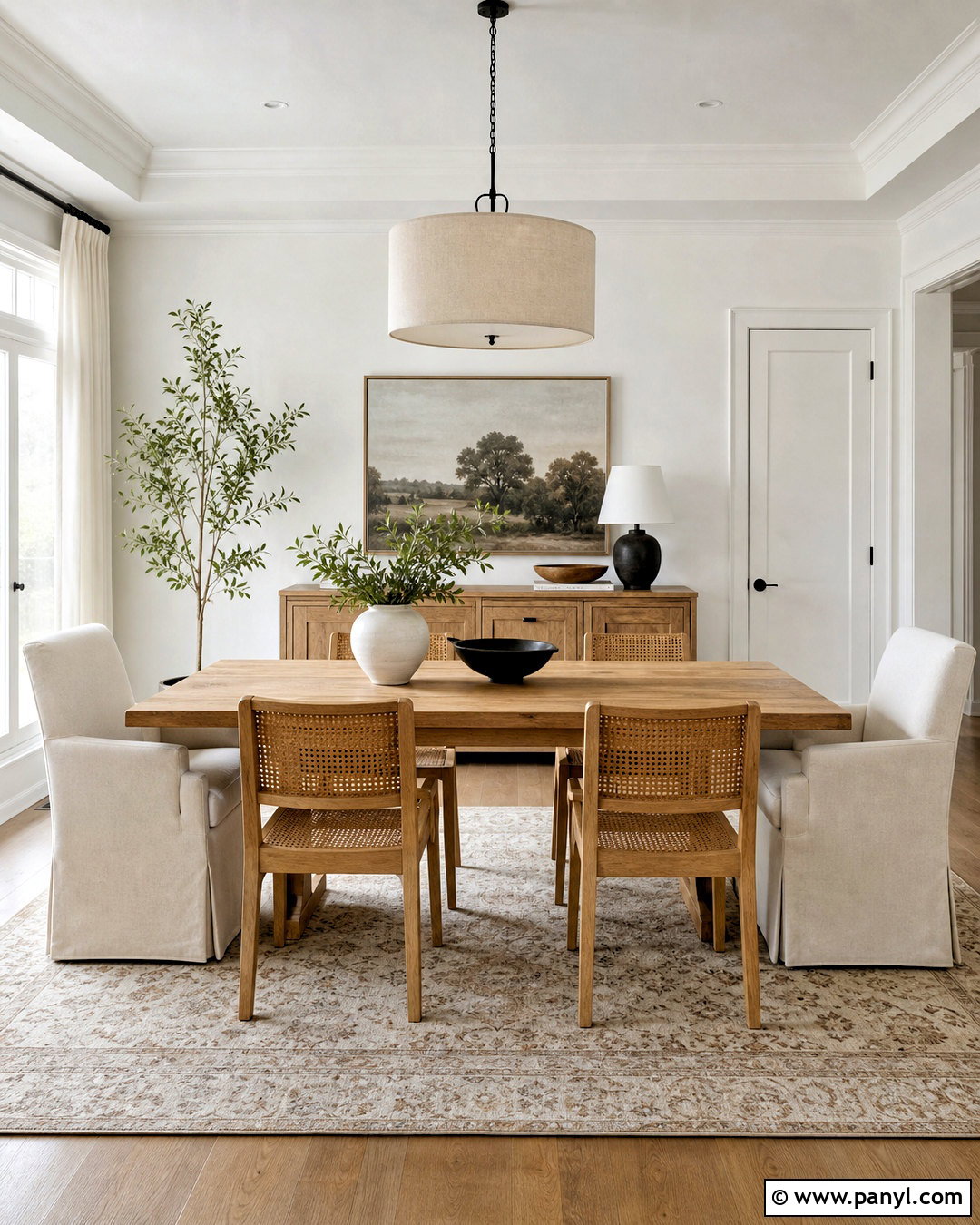
For a dining room that feels bright without appearing formal, pair Extra White walls with a substantial natural oak table. Surround it with woven cane chairs in a medium wood finish, adding upholstered end chairs in warm beige for comfort. A large linen drum pendant creates a soft focal point above the table. Use a flat-weave rug in cream, taupe, and muted gray to connect the furniture with the cool white walls. An oak sideboard provides storage and space for simple ceramic vessels or framed artwork. Black window frames or curtain hardware add a thin line of contrast. Finish with sheer ivory curtains and a leafy plant in a textured pot. This balanced scheme suits casual meals, gatherings, and everyday family use.
6. Extra White Home Office With Navy
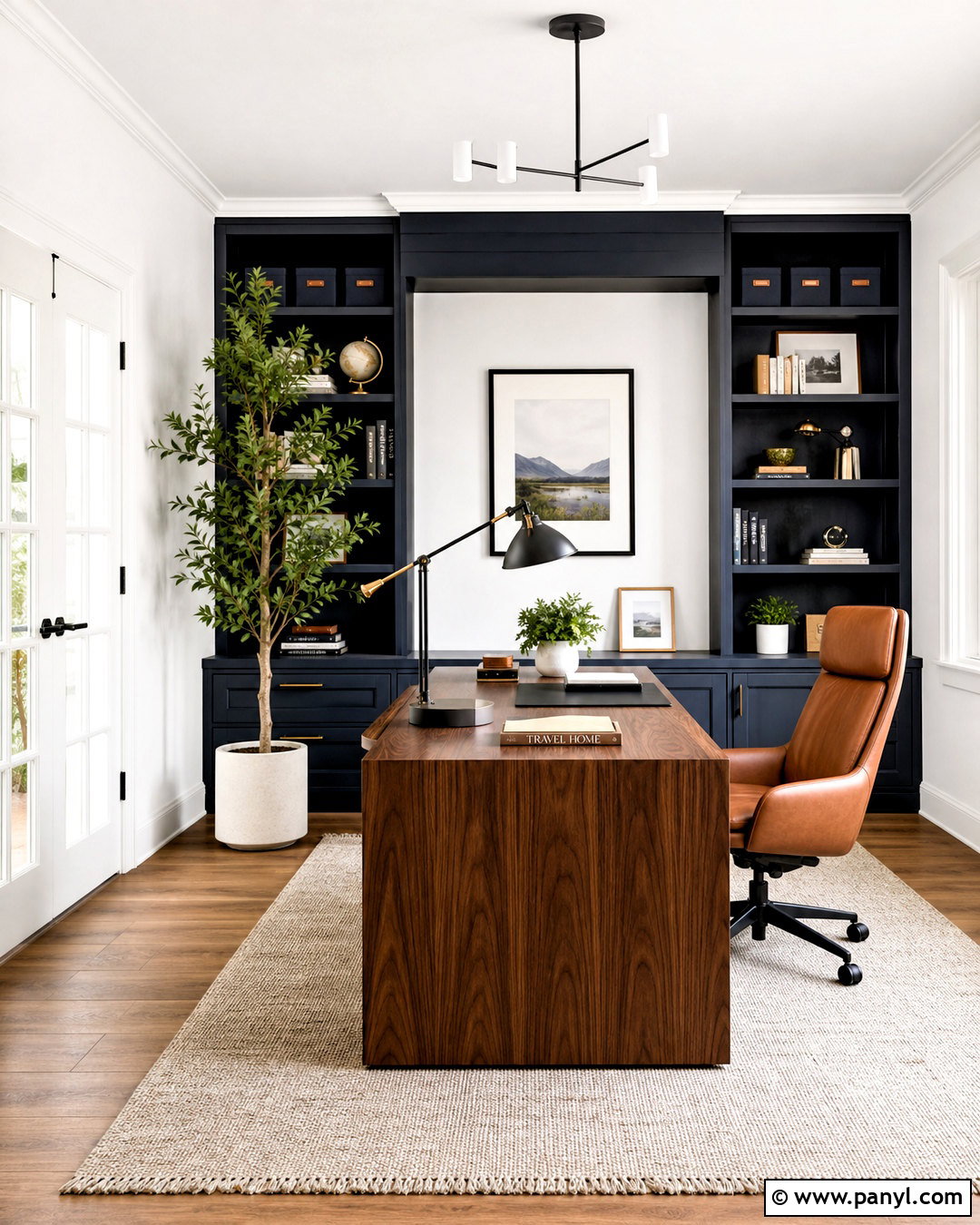
Extra White provides a focused background for a home office featuring deeper, more productive color. Paint the main walls and trim white, then use Charcoal Blue SW 2739 on the wall behind the desk or on built-in shelving. Position a warm walnut desk against the darker surface so the wood grain becomes visible. Add a supportive chair in cognac-colored upholstery and a neutral wool rug underfoot. Matte black task lighting, navy storage boxes, and brushed metal hardware maintain a tailored appearance. Keep window treatments light and simple to preserve daylight. A few framed prints, closed cabinets, and one tall plant deliver personality without visual distraction. The finished office feels professional, comfortable, and suitable for both video calls and concentrated work.
7. Extra White Entryway With Dark Flooring
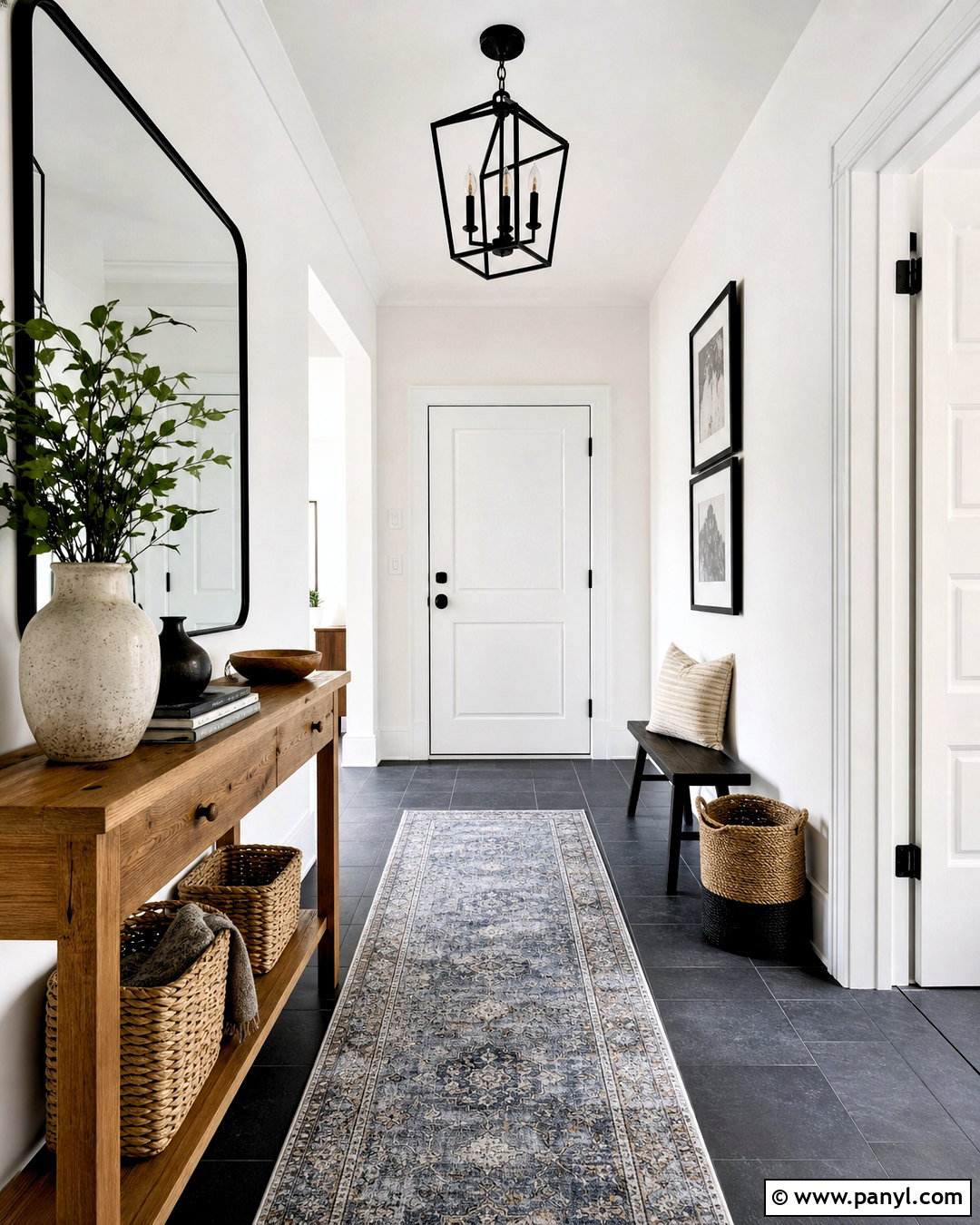
First impressions feel sharper when a bright entryway is paired with a dark foundation. Use Extra White across the walls, ceiling, baseboards, and interior side of the front door. Install charcoal slate-look tile or deep brown hardwood flooring to conceal everyday marks and create contrast. A narrow white oak console adds useful storage without blocking the walkway. Above it, hang a large black-framed mirror that reflects light back into the space. Include a washable patterned runner in gray, beige, and muted blue. A black lantern-style ceiling fixture connects with the mirror and door hardware. Finish the layout with a small bench, woven shoe baskets, and two simple ceramic pieces. Every element supports an organized, bright, and welcoming entrance.
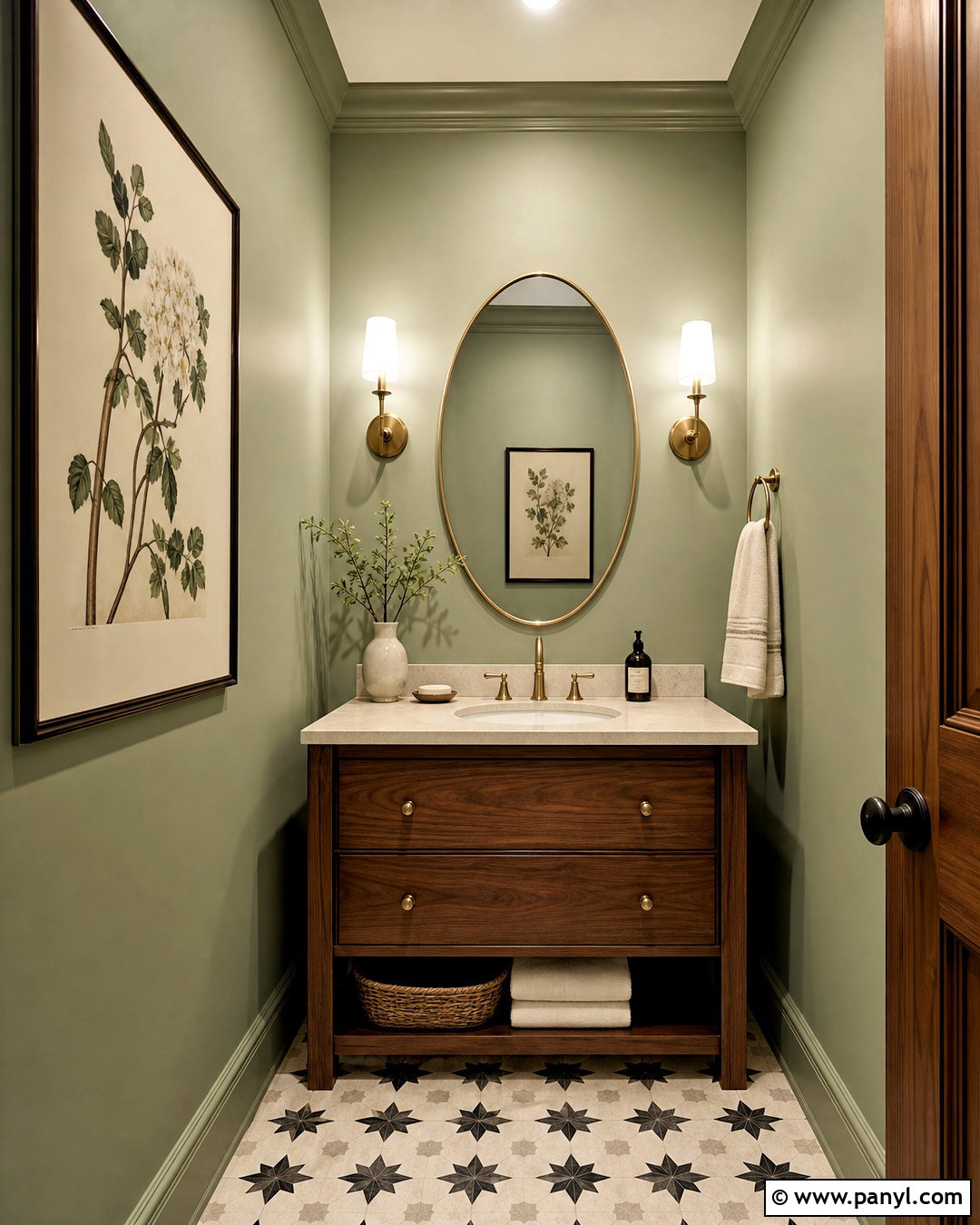
8. Extra White Hallway With Gallery Wall
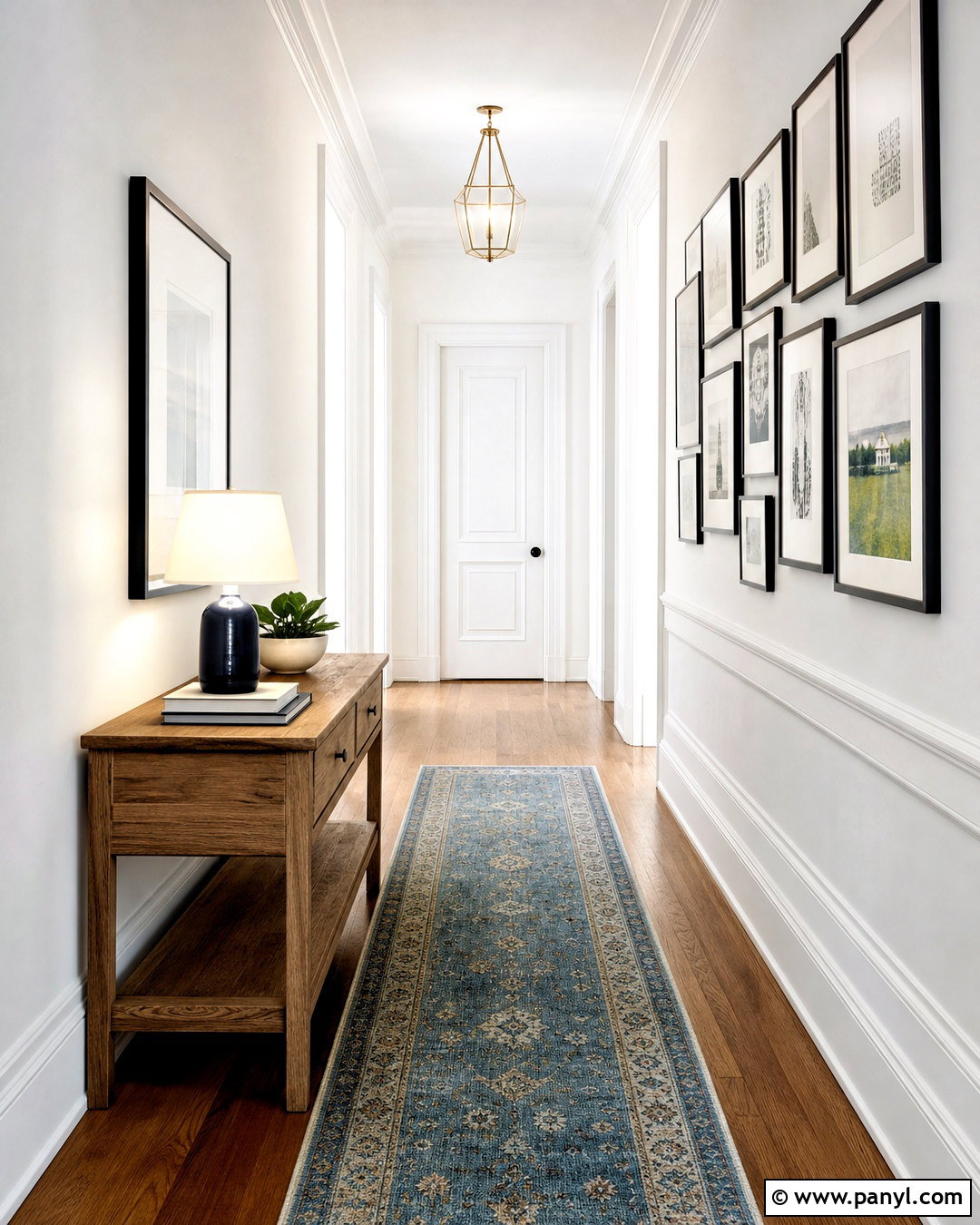
Turn a plain hallway into a finished transition space with Extra White walls and a carefully arranged gallery display. Use matching slim black frames containing neutral photography, architectural drawings, and understated abstract art. Keep the spacing consistent so the collection appears orderly rather than busy. Paint the ceiling and trim Extra White as well, but choose different sheens to reveal the molding. A narrow vintage-style runner in blue, gray, and rust introduces pattern along the floor. If space permits, add a shallow oak console beneath the artwork with a small lamp and closed storage. Warm-white ceiling fixtures prevent the corridor from looking harsh. This complete treatment adds depth and character while preserving the open feeling needed in a narrow passage.
9. Extra White Laundry Room With Sage Green
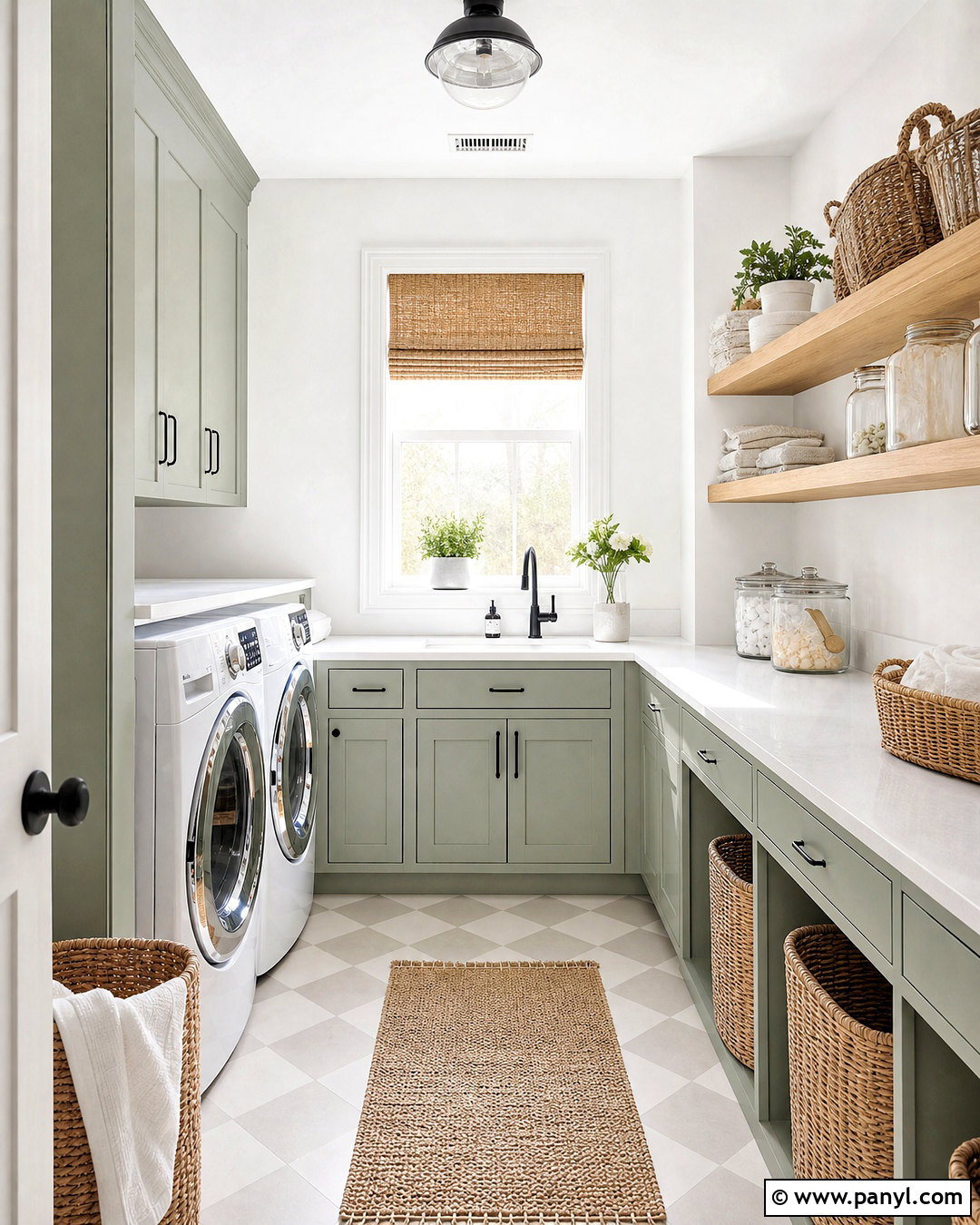
Laundry rooms benefit from bright surfaces, but they also need practical color and storage. Paint the walls and ceiling Extra White, then use muted sage green on the lower cabinets for a calm, grounded contrast. Install white quartz counters over the washer and dryer to create a useful folding station. Natural oak floating shelves can hold labeled baskets, glass containers, and everyday supplies. Choose a durable light gray checkerboard floor that hides minor dust while adding personality. A deep white utility sink, brushed nickel faucet, and simple black cabinet pulls complete the work zone. Add a woven Roman shade and one small framed print for softness. The coordinated room feels organized, cheerful, and more intentional than a purely functional laundry area.
10. Extra White Nursery With Pastels
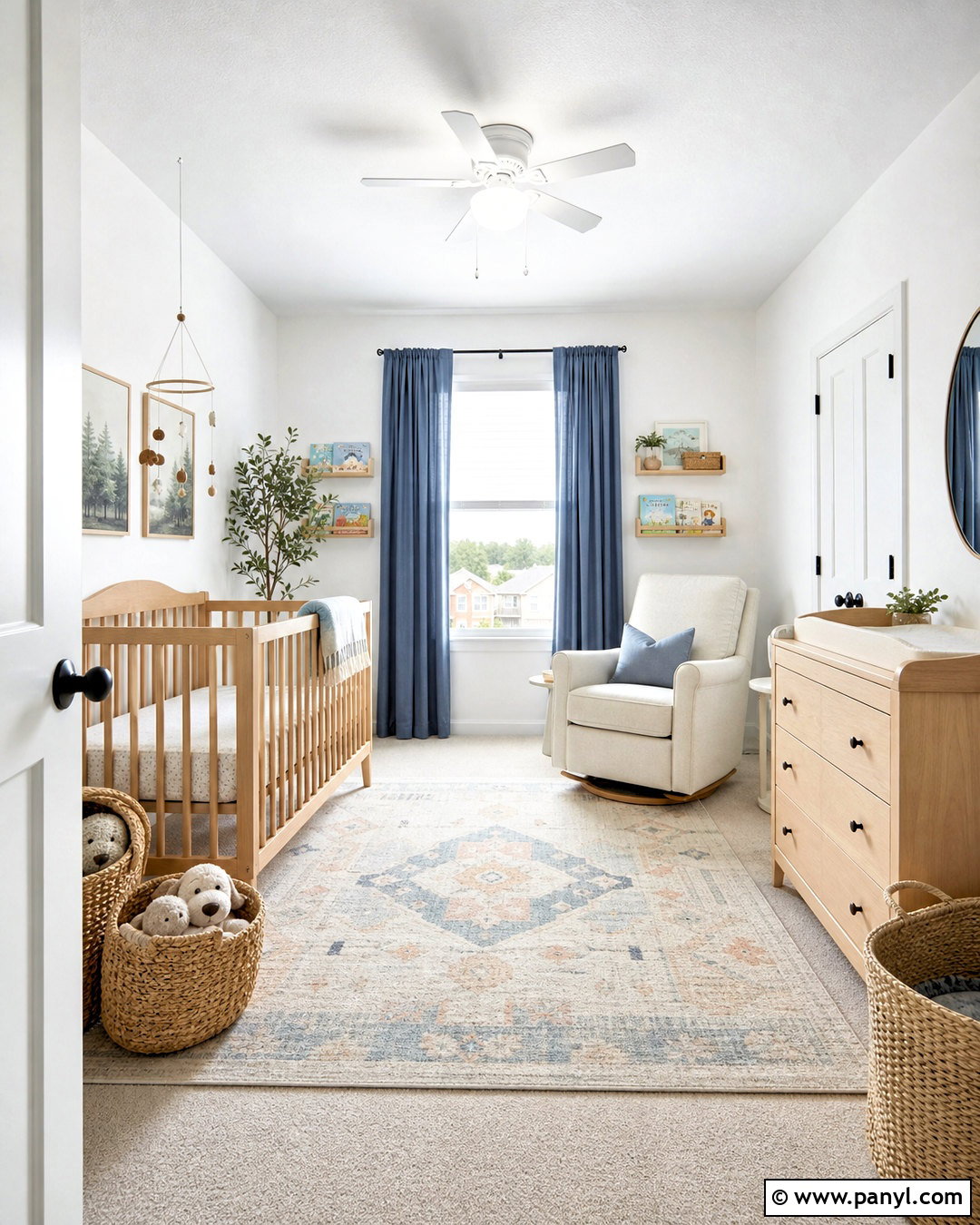
A soft nursery can grow with a child when Extra White forms the permanent background. Paint the walls, ceiling, closet doors, and trim in this clean white, then introduce changeable color through furnishings. Choose a natural maple crib, a comfortable cream glider, and a pale wood dresser that can later become bedroom storage. Layer a washable rug with dusty blue, muted peach, sage, and light gray details. Use blackout curtains in a gentle blue-gray to support sleep without darkening the entire design. Rounded baskets, closed shelving, and a low book ledge keep necessities organized. Add a simple mobile and a few nature-inspired prints. The completed room feels peaceful, bright, and adaptable rather than overly themed or visually crowded.
11. Extra White Painted Brick Fireplace
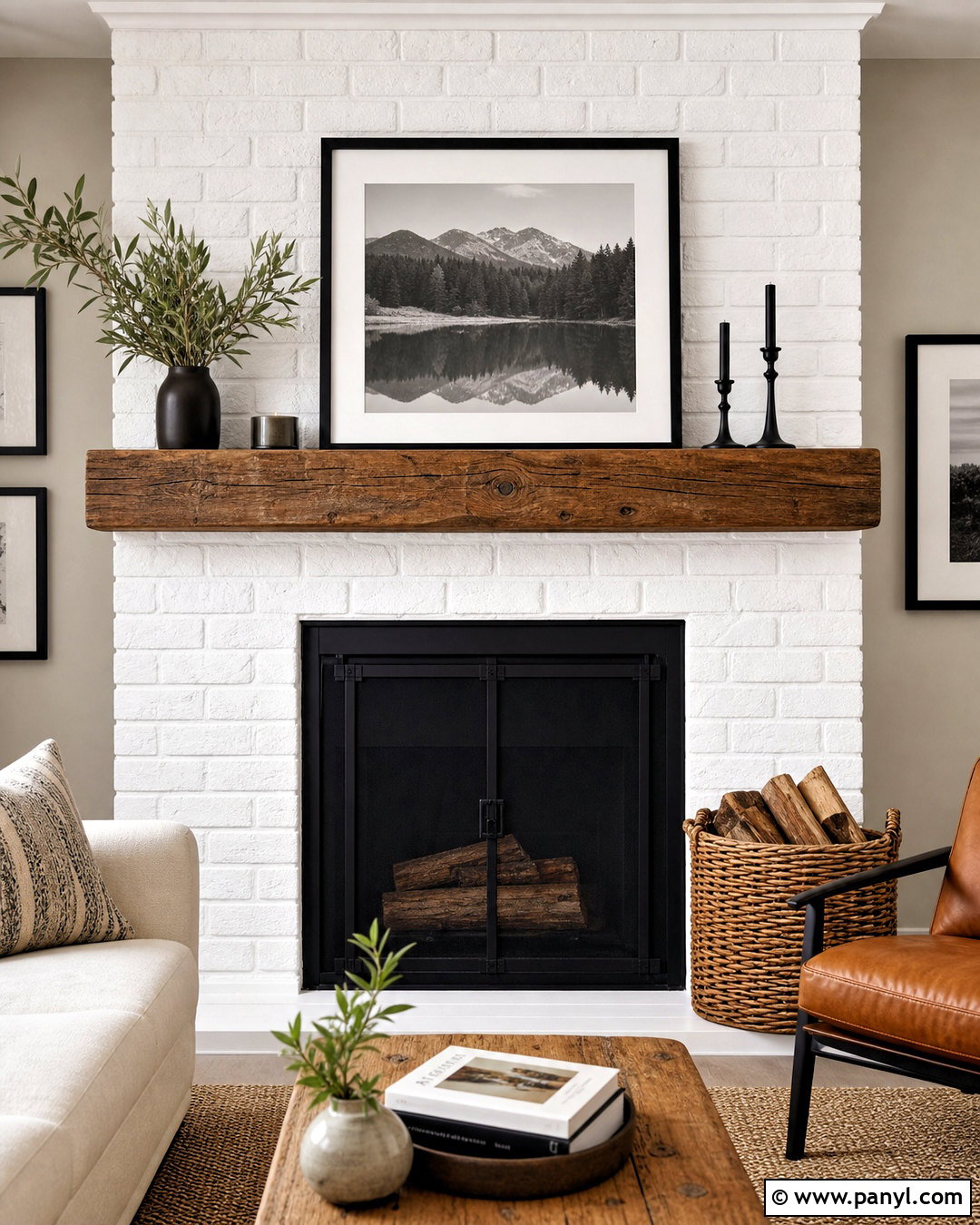
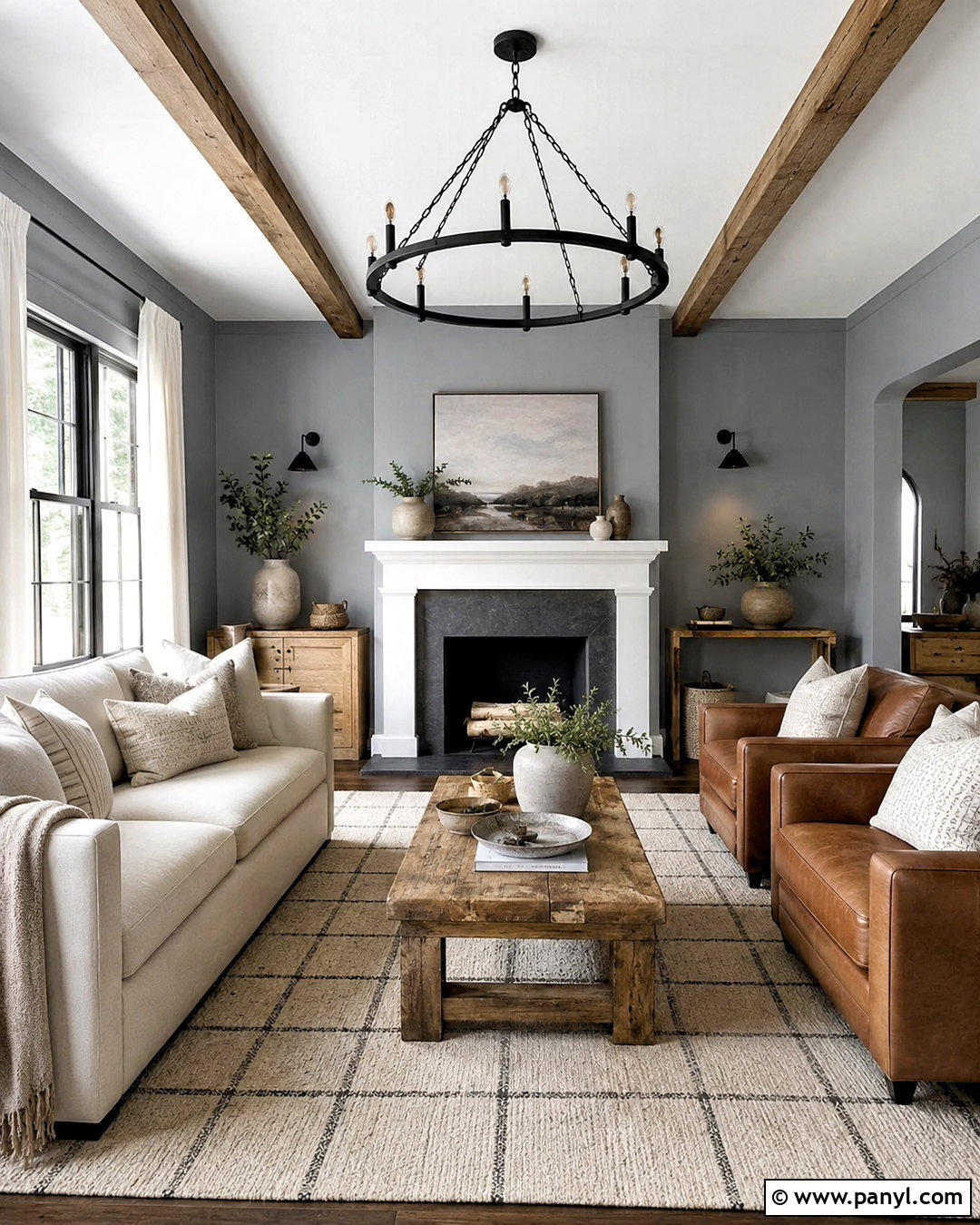
A painted brick fireplace can become a clean focal point without losing its original texture. Coat the brick, mortar, mantel, and surrounding trim in Extra White, using the proper masonry preparation and paint for the surface. Set the fireplace against soft greige walls so its bright outline remains visible. A thick reclaimed oak mantel introduces warmth and gives the feature more visual weight. Place a charcoal firebox screen below and mount a simple black-framed artwork above rather than filling the area with small decorations. Arrange a cream sofa, cognac leather chair, and textured neutral rug around the hearth. A woven log basket and understated ceramic vessels finish the composition. This look modernizes older brick while keeping the living room welcoming.
12. Extra White Built-Ins With Brass
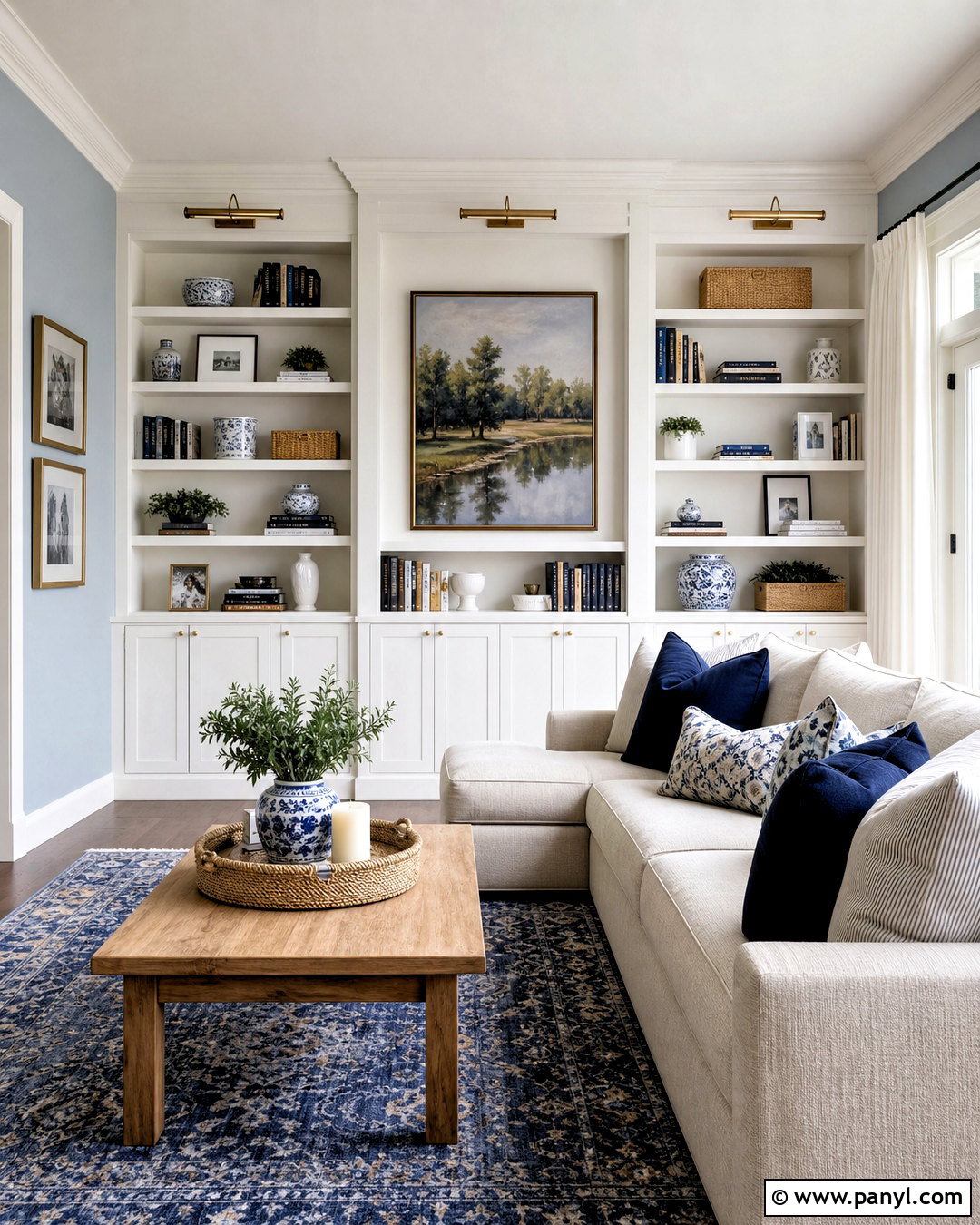
Floor-to-ceiling built-ins painted Extra White can brighten a family room while providing substantial storage. Place closed cabinets along the bottom and open shelves above, using the same satin finish across every surface. Brushed brass knobs and picture lights bring warmth to the crisp cabinetry. Paint the surrounding walls a pale blue-gray to give the white millwork a distinct outline. Position a comfortable oatmeal sofa opposite the built-ins with a medium oak coffee table in between. Style the shelves with books, framed photographs, ceramics, and woven boxes, leaving open space around each group. A muted navy rug grounds the room. This balanced arrangement combines display space, concealed organization, seating, and lighting in one cohesive design that remains practical for everyday family life.
13. Extra White Ceiling And Trim
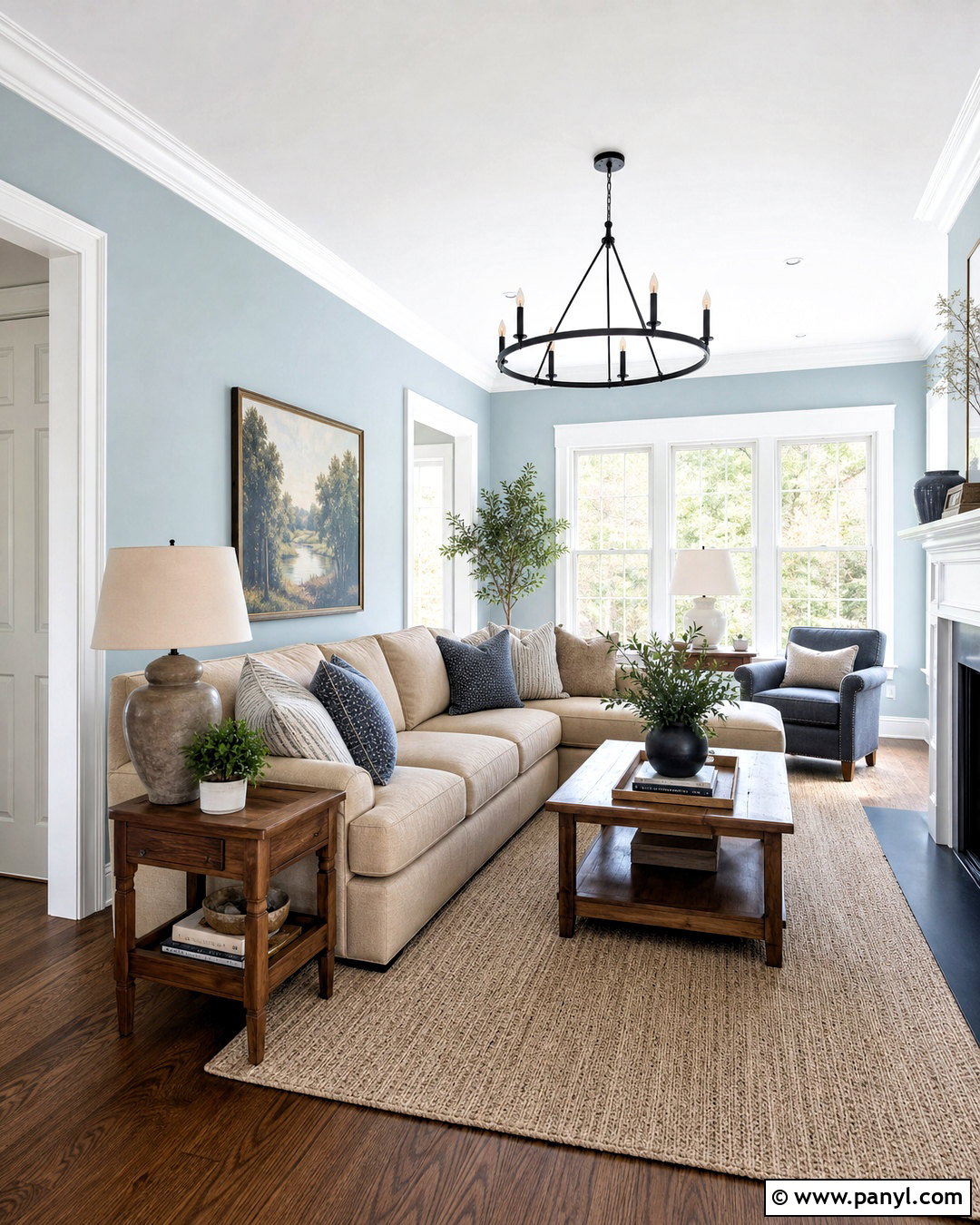
Using Extra White on the ceiling and trim creates a clean framework for a room with colored walls. Pair it with light greige, pale blue, muted green, or soft charcoal walls, depending on the amount of natural light available. Paint the ceiling in a flat finish to reduce glare, then use satin or semigloss on baseboards, window casings, crown molding, and doors. Keeping these architectural details the same color makes the entire home feel connected. In a transitional living room, add an oatmeal sofa, walnut tables, blue-gray textiles, and a warm neutral rug. Black metal lighting provides definition without overwhelming the palette. The coordinated combination highlights molding, visually lifts the ceiling, and creates a polished bridge between cool wall colors and warmer furnishings.
14. Extra White Interior Doors
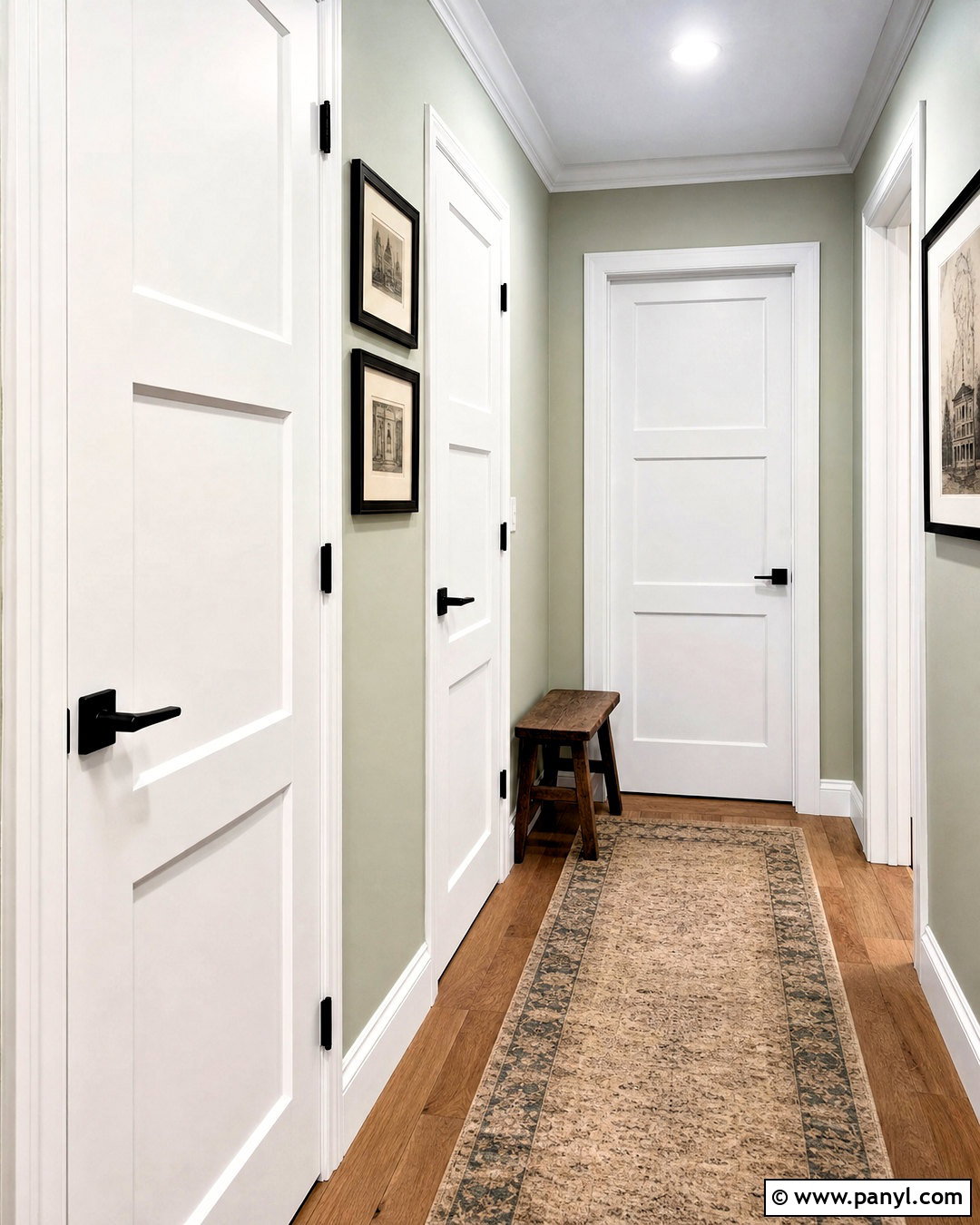
Extra White interior doors can unify rooms that use several different wall colors. Apply it to paneled doors, frames, baseboards, and nearby trim in a washable satin or semigloss finish. Matte black levers provide crisp contrast and work especially well beside soft gray, blue, or sage walls. In the adjoining hallway, use medium oak floors and a muted patterned runner to warm the white surfaces. Add simple black-framed artwork and a small wood bench where space allows. Matching every visible door creates a consistent sightline from one room to another, even when the individual spaces have different personalities. This approach is especially effective in open layouts, where repeated white millwork and hardware help the architecture feel intentional, orderly, and connected throughout the home.
15. Extra White Modern Farmhouse Exterior
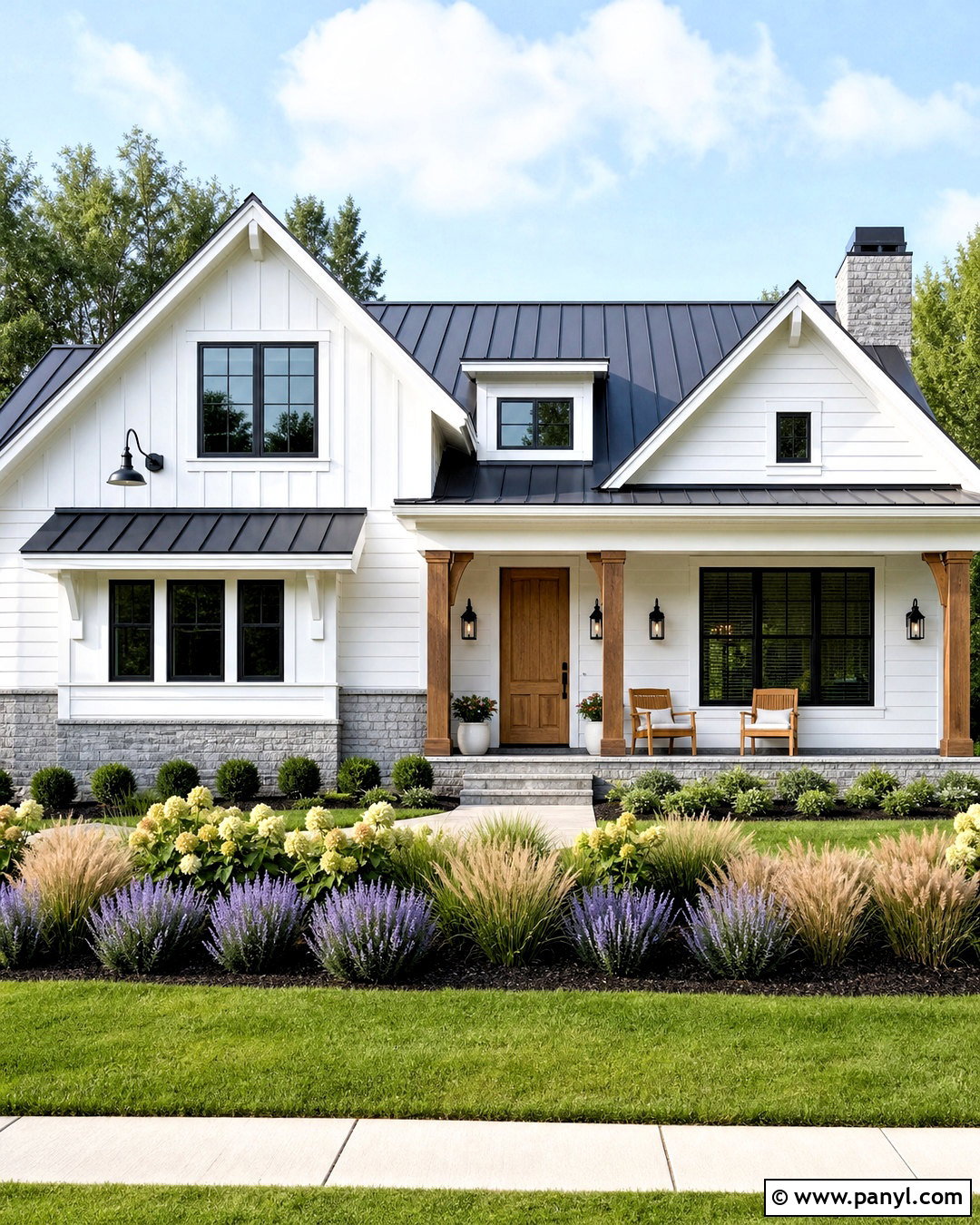
For a clean modern farmhouse exterior, use Extra White on horizontal siding, board-and-batten sections, corner boards, and window trim. Contrast the white facade with a charcoal standing-seam metal roof and matte black window frames. A stained cedar front door and matching porch columns add warmth that keeps the palette from appearing flat. Ground the home with a medium-gray stone foundation and broad concrete steps. Simple black lanterns should frame the entrance, while galvanized planters and natural wood seating furnish the porch. Use layered landscaping with ornamental grasses, evergreen shrubs, lavender, and dark mulch. The complete scheme feels fresh and recognizable without relying on excessive farmhouse decorations. It works particularly well on an average suburban home with straightforward architectural lines.
16. Extra White Painted Brick Exterior
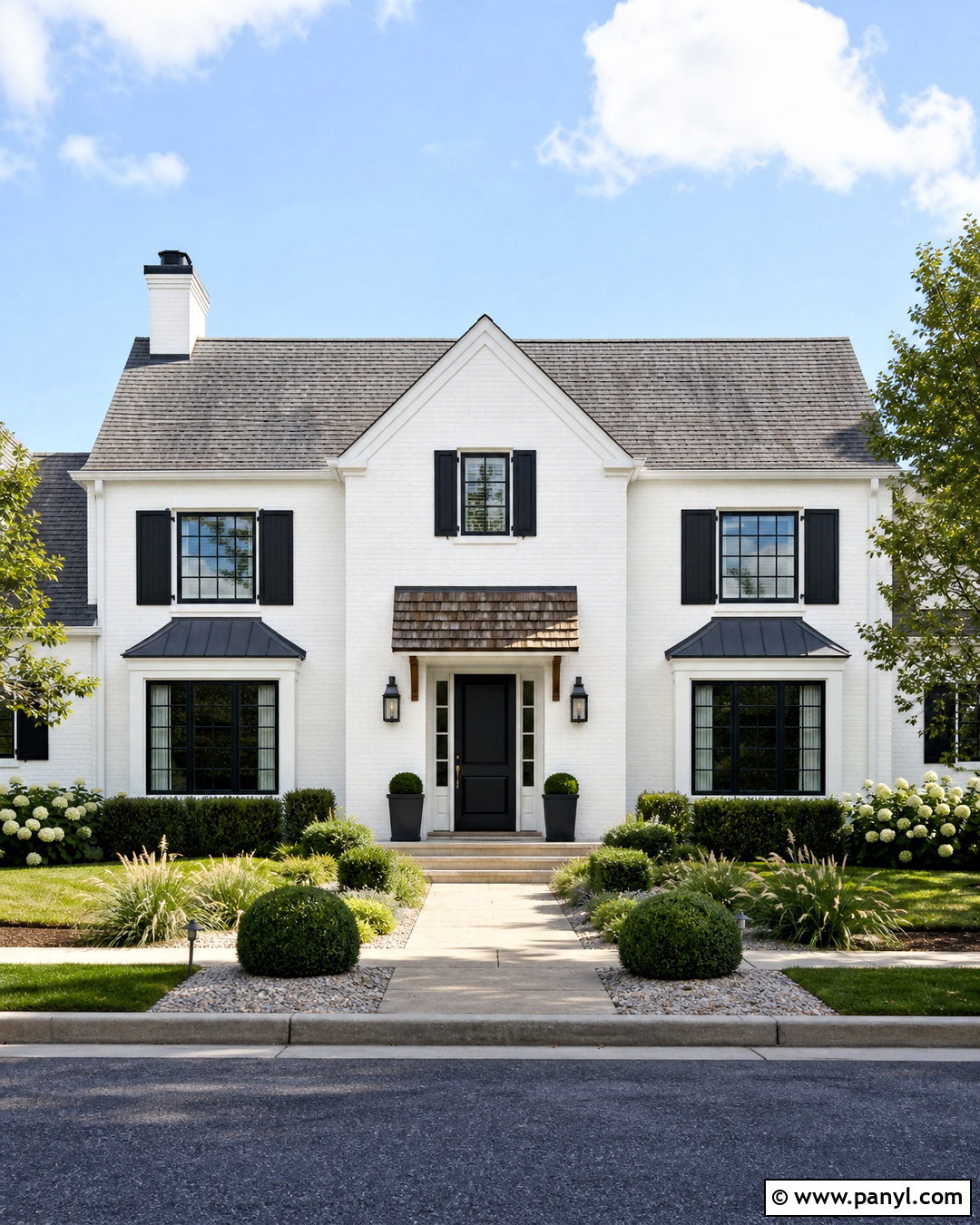
An Extra White painted brick exterior creates a lighter appearance while allowing the masonry texture to remain visible. Cover the brick body and matching mortar with the appropriate breathable masonry coating, then repeat the white on the eaves and window trim. Use a deep charcoal front door, black shutters, and black metal lighting for strong definition. A weathered gray roof softens the contrast and helps the house feel established. Add warm wood through porch seating or a small cedar awning. Curved planting beds filled with boxwood, hydrangeas, ornamental grasses, and pale gravel create an organized landscape. Keep walkways and steps in natural concrete or light stone. This full exterior palette updates traditional brick without removing the home’s familiar residential character.
17. Extra White Trim With Gray Siding
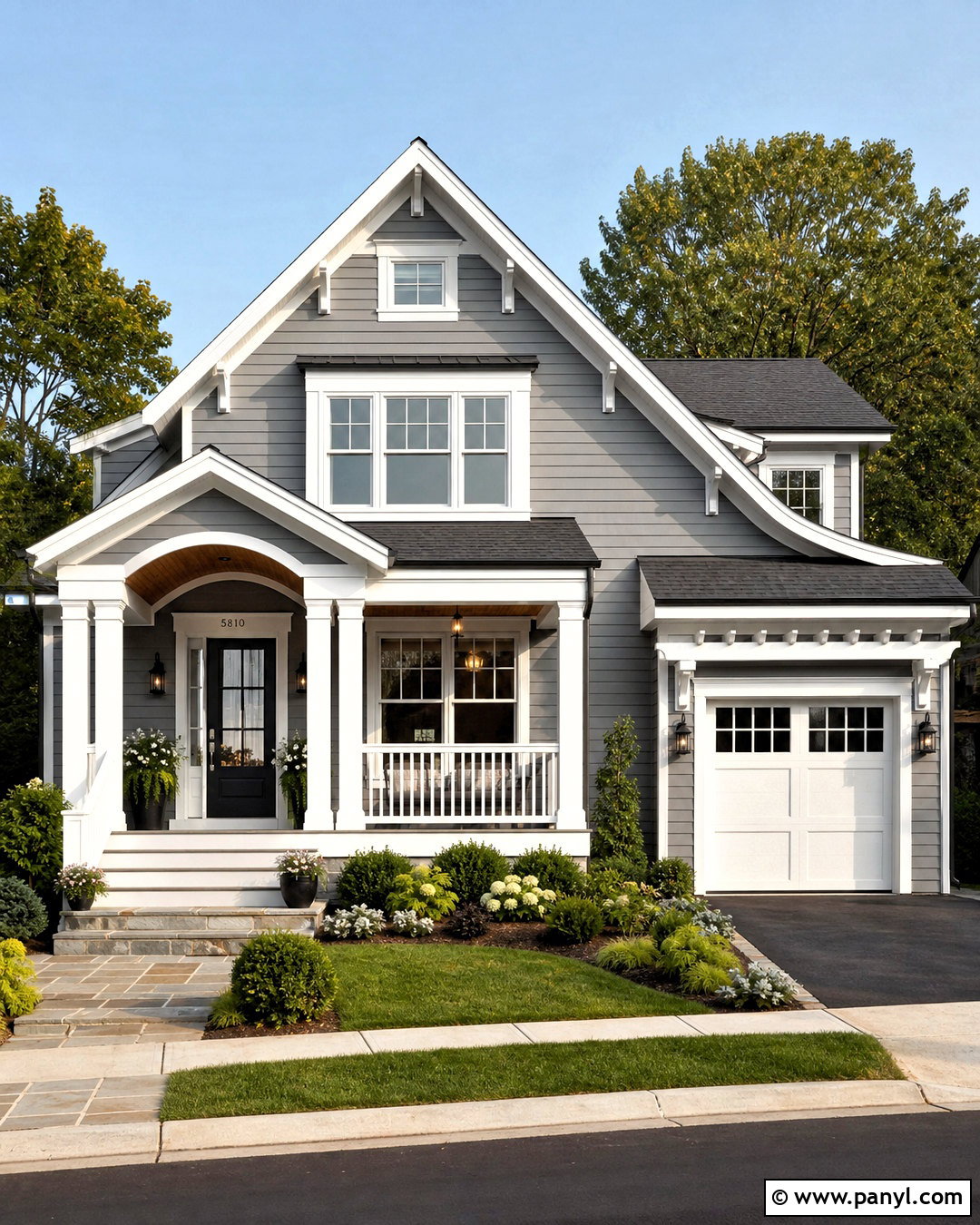
Gray siding becomes more dimensional when Extra White defines the architecture around it. Choose a medium cool gray for the main body, then apply Extra White to window casings, fascia, porch railings, columns, and garage trim. A nearly black front door and charcoal roof create a clear visual hierarchy. Introduce warmth with a natural cedar porch ceiling and matching planters near the entrance. Black sconces and simple house hardware maintain the exterior’s clean lines. For the landscape, combine evergreen shrubs with white flowering plants, blue-green grasses, and a neat stone walkway. Avoid adding another strong paint color, since the three-part combination already provides enough contrast. The finished house looks crisp, balanced, and suitable for traditional, Craftsman, or updated suburban architecture.
18. Extra White Front Porch With Black Accents
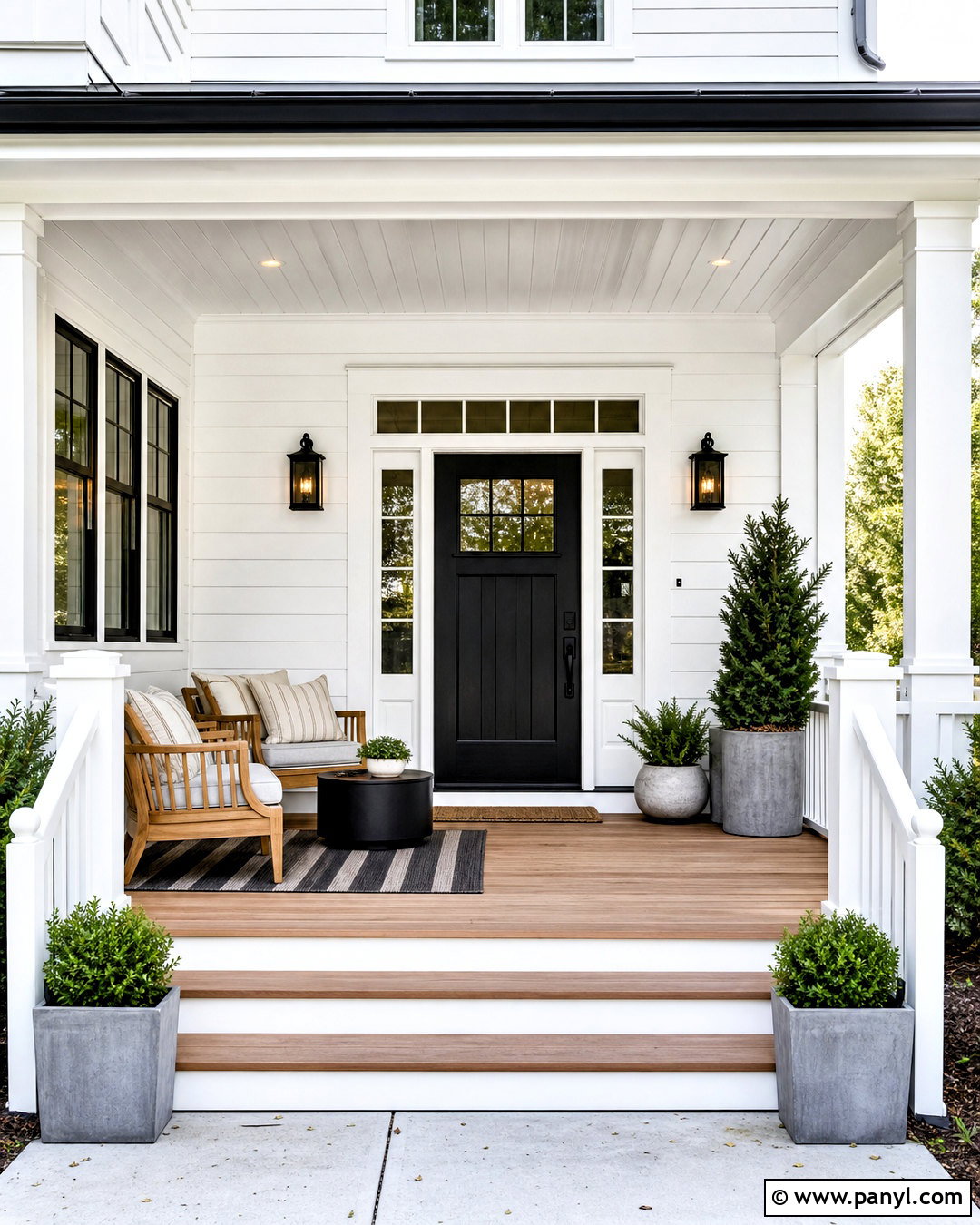
Refresh a covered front porch by painting the ceiling, railings, posts, trim, and surrounding siding Extra White. Anchor the space with a matte black front door and matching wall lanterns. Add two natural teak chairs with thick beige cushions, then place a small black metal table between them. A striped outdoor rug in charcoal and cream defines the seating zone and hides minor wear. Use tall concrete planters filled with evergreen foliage to frame the entrance without blocking the doorway. Warm wood decking or wood-look composite boards balance the cooler white paint. Keep decorative accessories limited to a few outdoor pillows and simple ceramic pots. The completed porch feels bright, comfortable, and welcoming while maintaining strong curb appeal from the street.
19. Extra White Small Room Color Drench
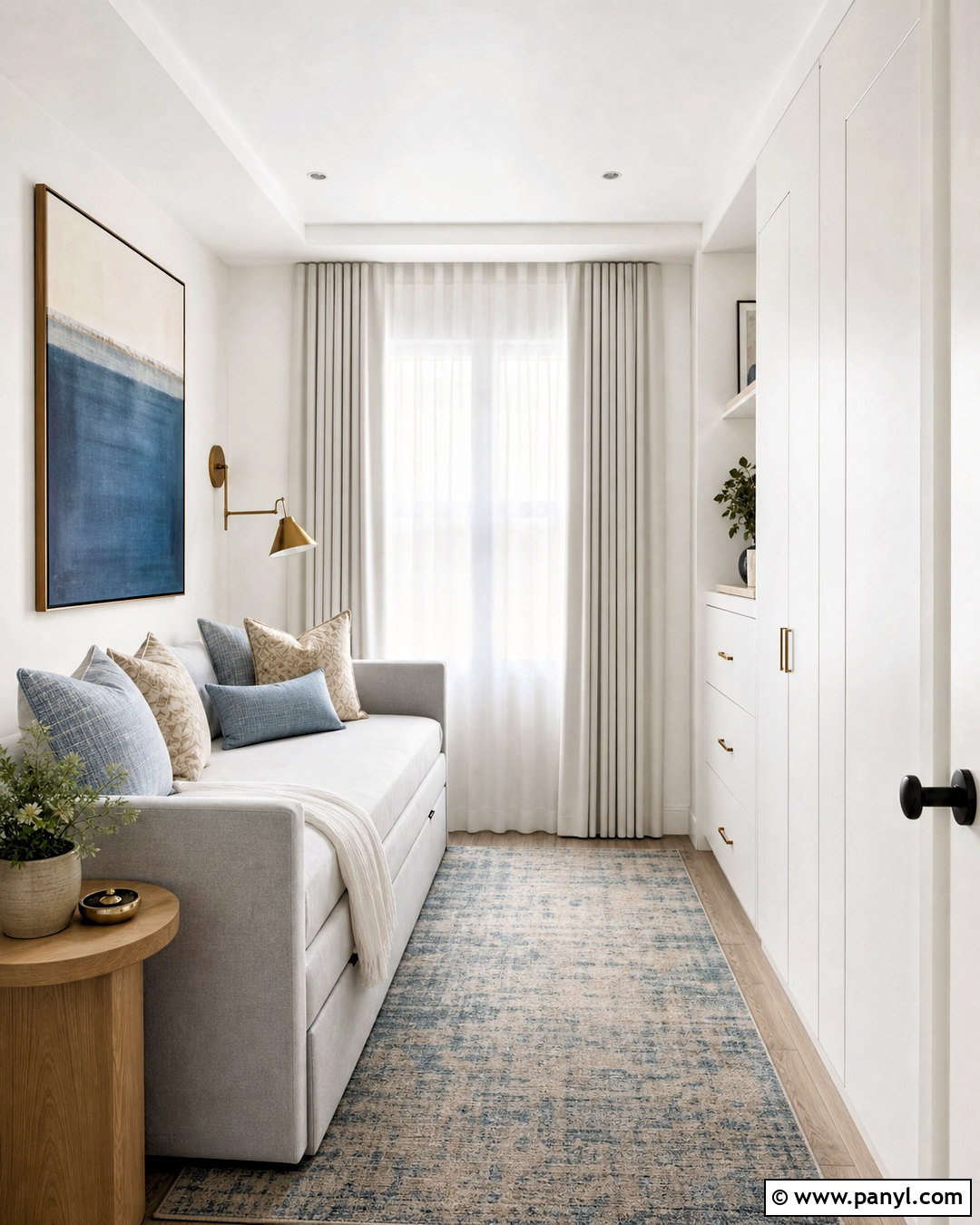
Covering the walls, ceiling, trim, doors, and built-in storage in Extra White can help a small room feel visually uninterrupted. Use flat paint on the ceiling, washable matte or eggshell on the walls, and satin on the woodwork to create subtle variation. Furnish the space with a compact light gray sofa or daybed, a pale oak side table, and a wall-mounted brass light. Choose one large rug in muted blue and beige instead of several small floor coverings. Full-height curtains placed close to the ceiling make the windows appear taller. Add concealed storage, one oversized artwork, and a few textured pillows. This controlled approach reduces visual boundaries while creating enough warmth, contrast, and function for a small bedroom, office, or flexible guest room.
20. Extra White Open Floor Plan
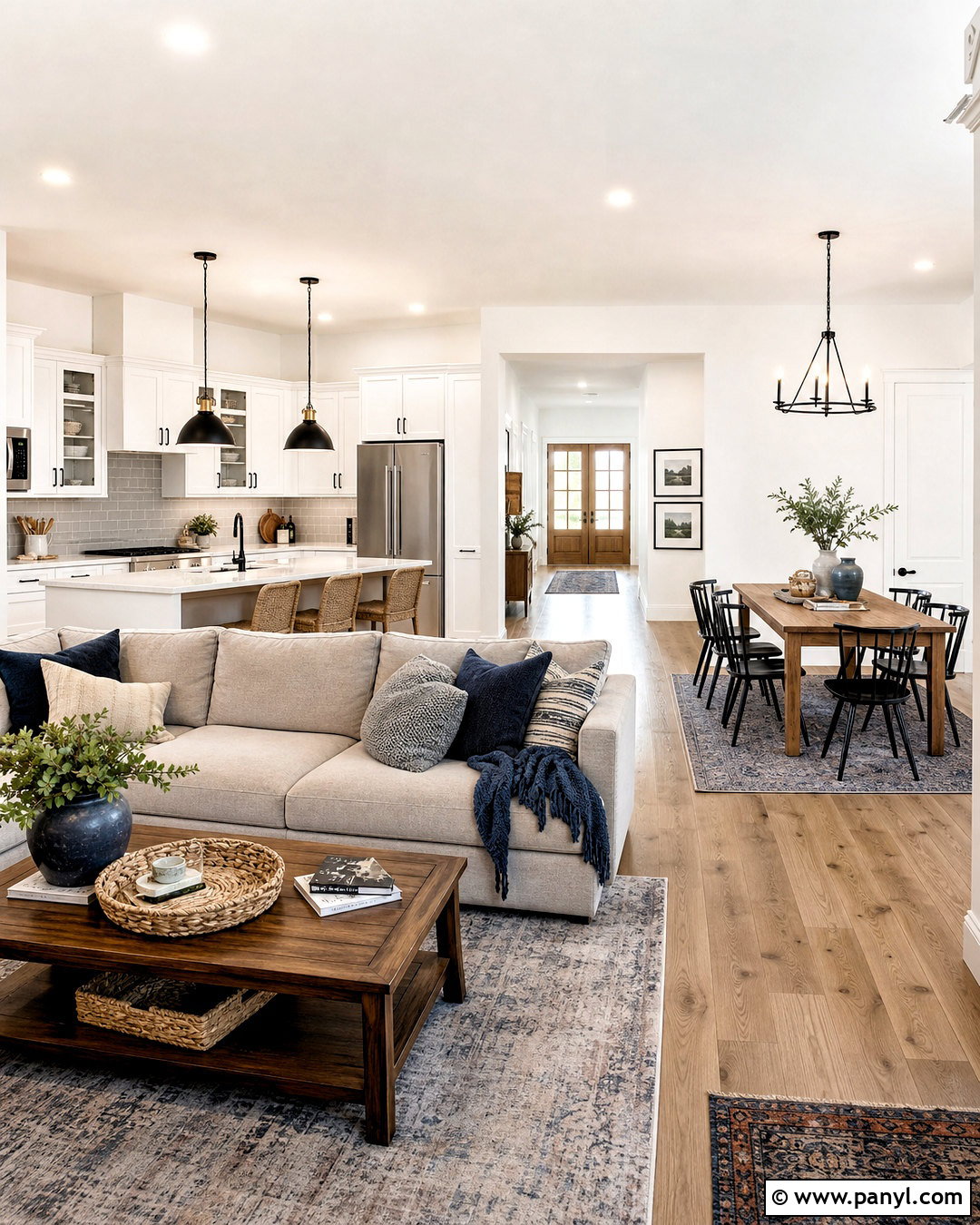
An open floor plan needs consistent finishes to keep connected rooms from feeling disjointed. Use Extra White on the walls, ceiling, trim, kitchen cabinetry, and interior doors, varying the sheen according to each surface. Define the living room with a large warm-gray rug, an oatmeal sectional, and walnut tables. In the dining area, introduce a medium oak table with black chairs and a simple linen pendant. White quartz counters and pale gray backsplash tile can support the kitchen without competing with the surrounding spaces. Repeat black metal, warm wood, dusty blue textiles, and woven textures across all three zones. The limited palette creates continuity, while rugs, furniture placement, and lighting establish clear functions. Large samples should be tested throughout the changing daylight before painting.
Conclusion:
Extra White can serve as a crisp foundation for everything from modern kitchens and peaceful bedrooms to painted brick and updated exterior trim. Its cooler character looks especially balanced beside warm wood, woven fibers, beige textiles, and aged brass. Black, charcoal, navy, sage, and blue-gray can provide stronger contrast when a space needs more structure. The key is to plan the full palette rather than choosing white paint in isolation. Compare samples beside permanent flooring, countertops, tile, roofing, and furniture at several times of day. With suitable materials, finishes, lighting, and accent colors, these extra white sherwin williams ideas can create a home that feels bright, connected, practical, and thoughtfully finished.

Related Ideas and Inspiration:
Leave a Reply