
Warm green walls bring a grounded, welcoming feeling to interiors while offering more personality than standard beige or gray. Shades with yellow, brown, or muted earthy undertones can make living rooms feel comfortable, bedrooms feel restful, and kitchens feel connected to natural materials. The key is creating a complete palette around the paint. Warm woods, creamy whites, aged metals, woven textures, and thoughtfully chosen accent colors help green walls look intentional rather than overwhelming. Always sample paint on several walls and observe it throughout the day, since natural and artificial light can shift its appearance. From pale sage rooms to rich olive retreats, the following **20 Warm Green Wall Color Ideas** offer complete, practical looks for transforming every part of your home.

1. Warm Sage Green Living Room Walls
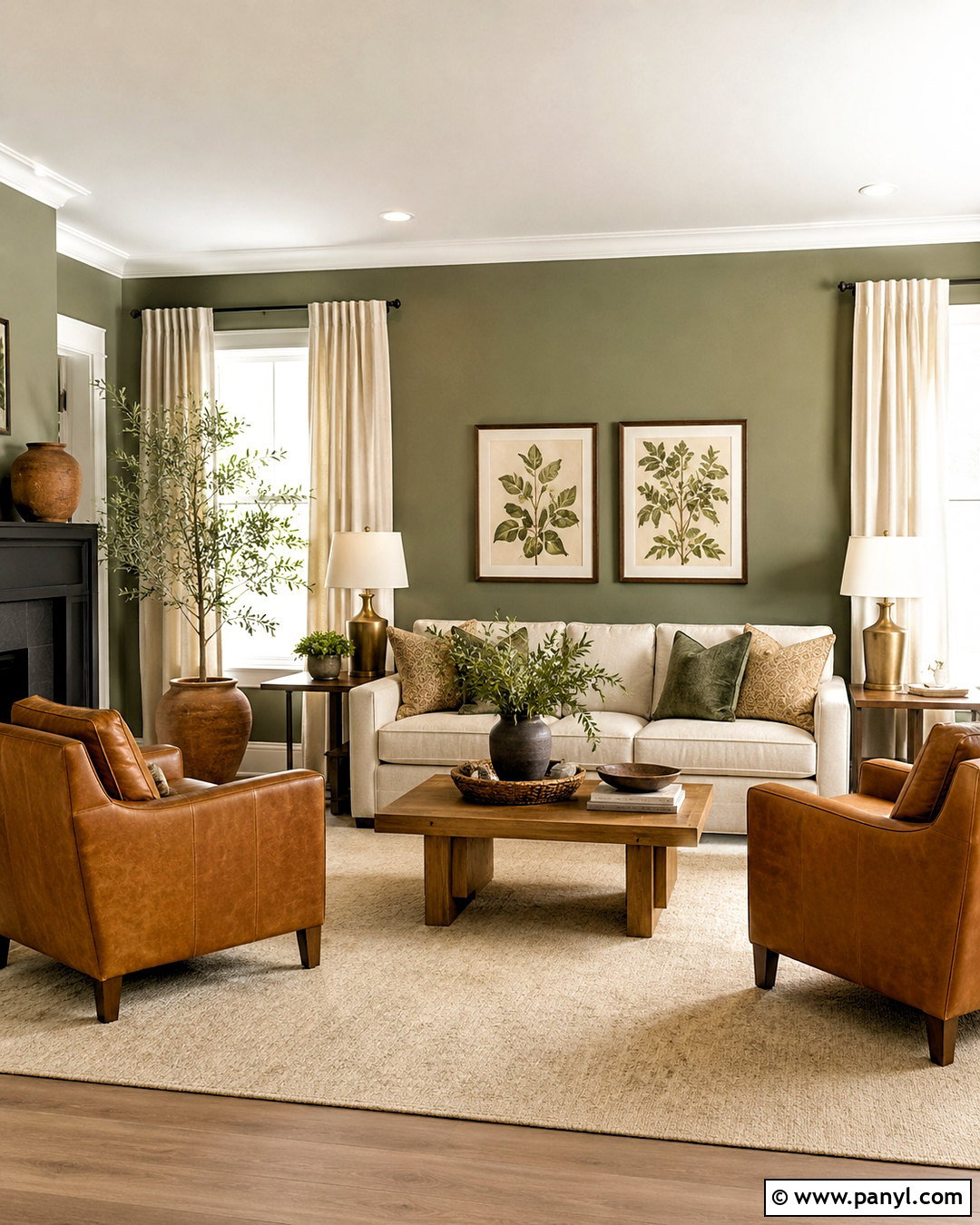
Warm sage green creates a soft foundation for a living room that feels relaxed but still polished. Paint every wall in a muted sage with subtle yellow undertones, then use creamy white on the ceiling and trim. Center the room with an oatmeal-colored sofa, two camel leather chairs, and a medium oak coffee table. A beige wool rug keeps the floor light while connecting the furniture. Add woven linen curtains, antique brass lamps, and botanical artwork in slim wood frames. Terracotta pottery introduces another natural color without competing with the walls. Finish with moss, rust, and ivory pillows in simple patterns. This balanced arrangement works especially well in traditional, transitional, and casual modern homes.
2. Olive Green Bedroom Walls
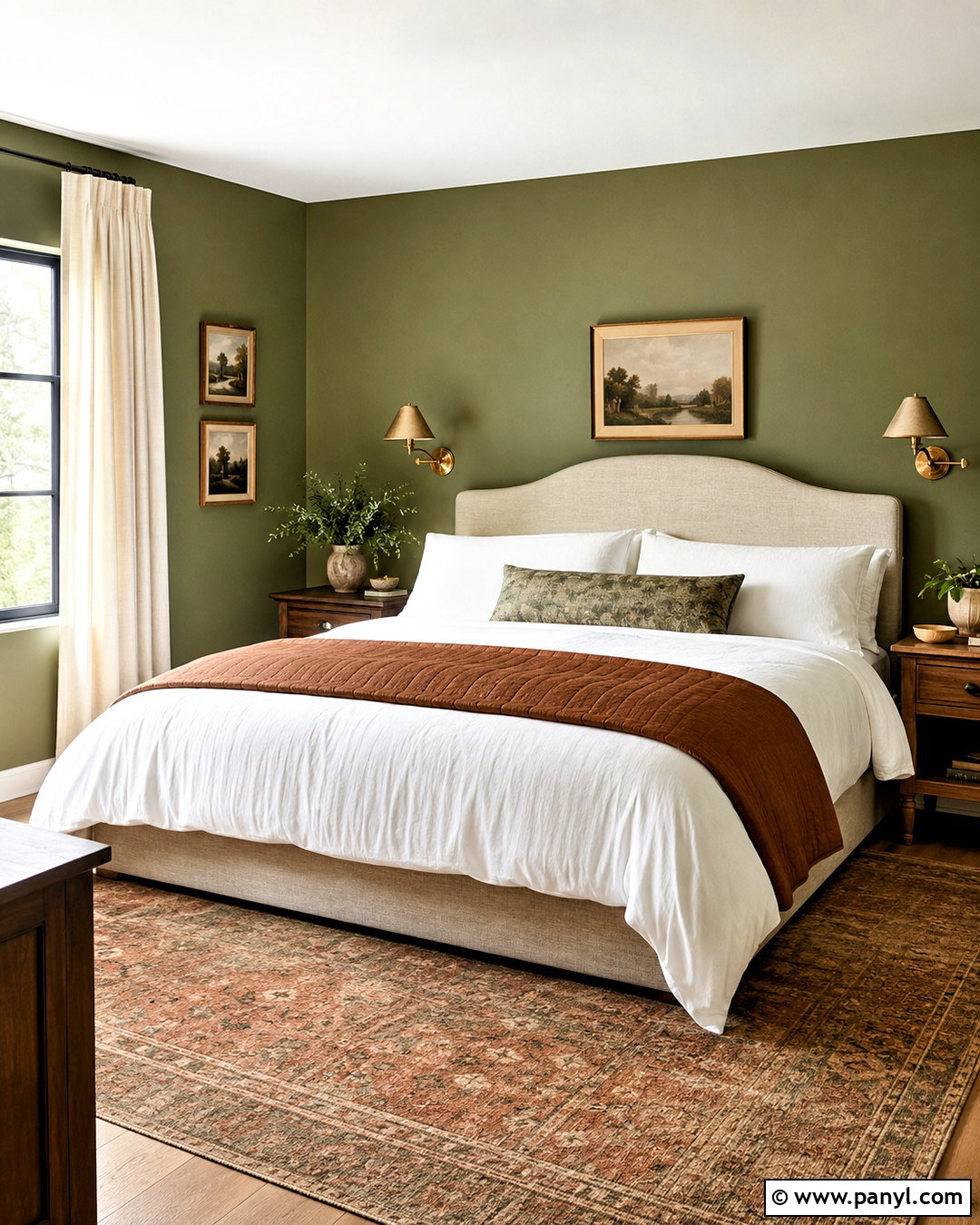
Imagine waking up in a bedroom wrapped in a soft, earthy olive green. This warmer shade works beautifully on all four walls when balanced with light bedding and natural textures. Choose an upholstered oatmeal headboard, white cotton sheets, and a quilt in muted clay or warm beige. Walnut nightstands deepen the palette, while aged brass sconces provide a gentle metallic accent. Hang simple landscape prints above the bed and frame the windows with ivory linen curtains. A faded vintage-style rug can introduce rust, cream, and dark green underfoot. Keep the ceiling and baseboards warm white so the room remains open. The finished bedroom feels restful, mature, and comfortably layered rather than dark.
3. Moss Green Dining Room Walls
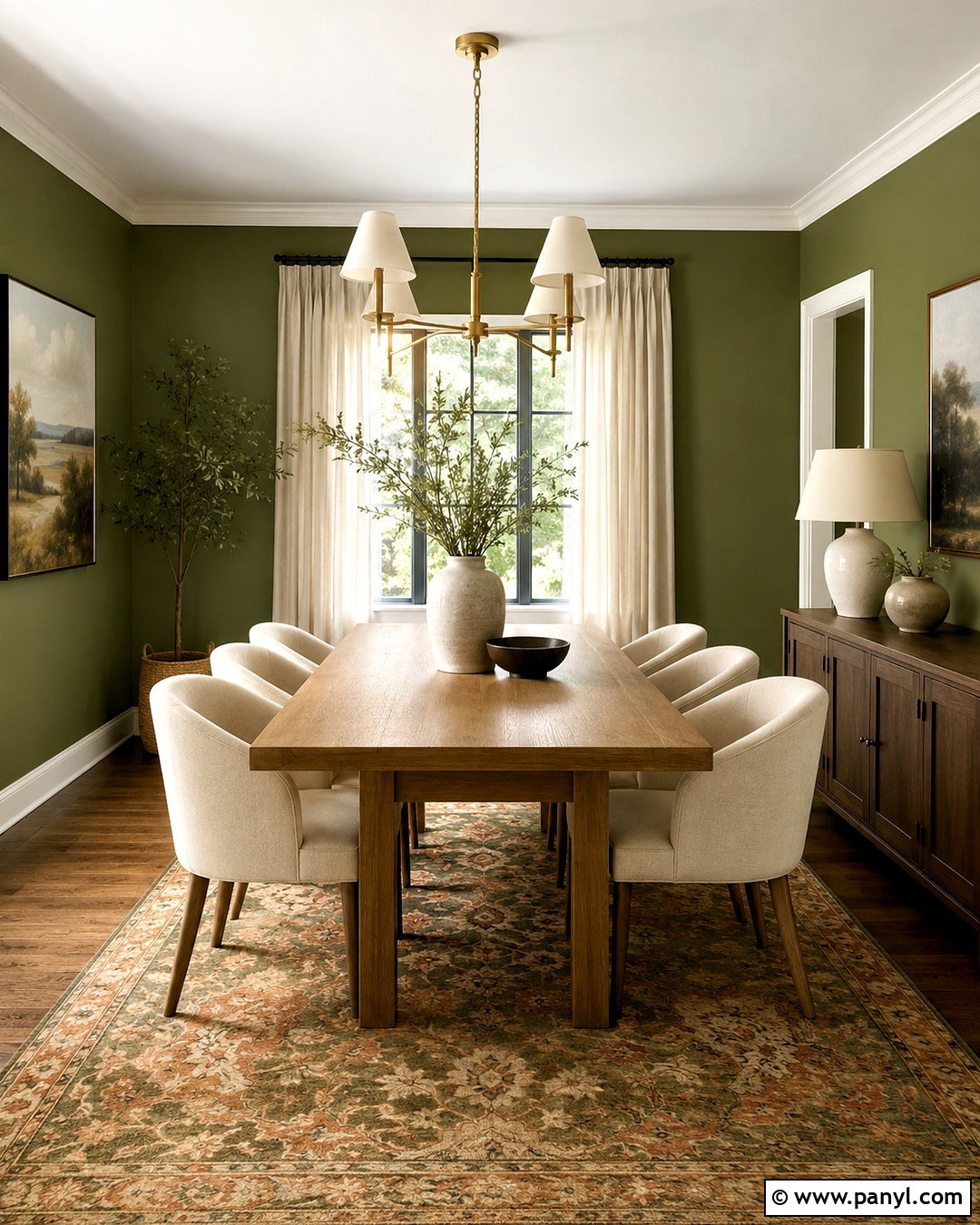
Moss green walls can turn an ordinary dining room into a cozy gathering space with an organic, established character. Select a medium moss shade with brown undertones and cover every wall for a consistent look. Place a rectangular oak dining table in the center with woven-seat chairs or softly upholstered cream chairs. A warm brass chandelier brings light and refinement above the table. Add a low walnut sideboard, stoneware serving pieces, and one large landscape painting rather than several small decorations. Natural linen curtains soften the windows without blocking daylight. For contrast, paint the trim a gentle ivory instead of bright white. A patterned rug with rust, tan, and olive completes this inviting dining arrangement.
4. Light Olive Green Kitchen Walls
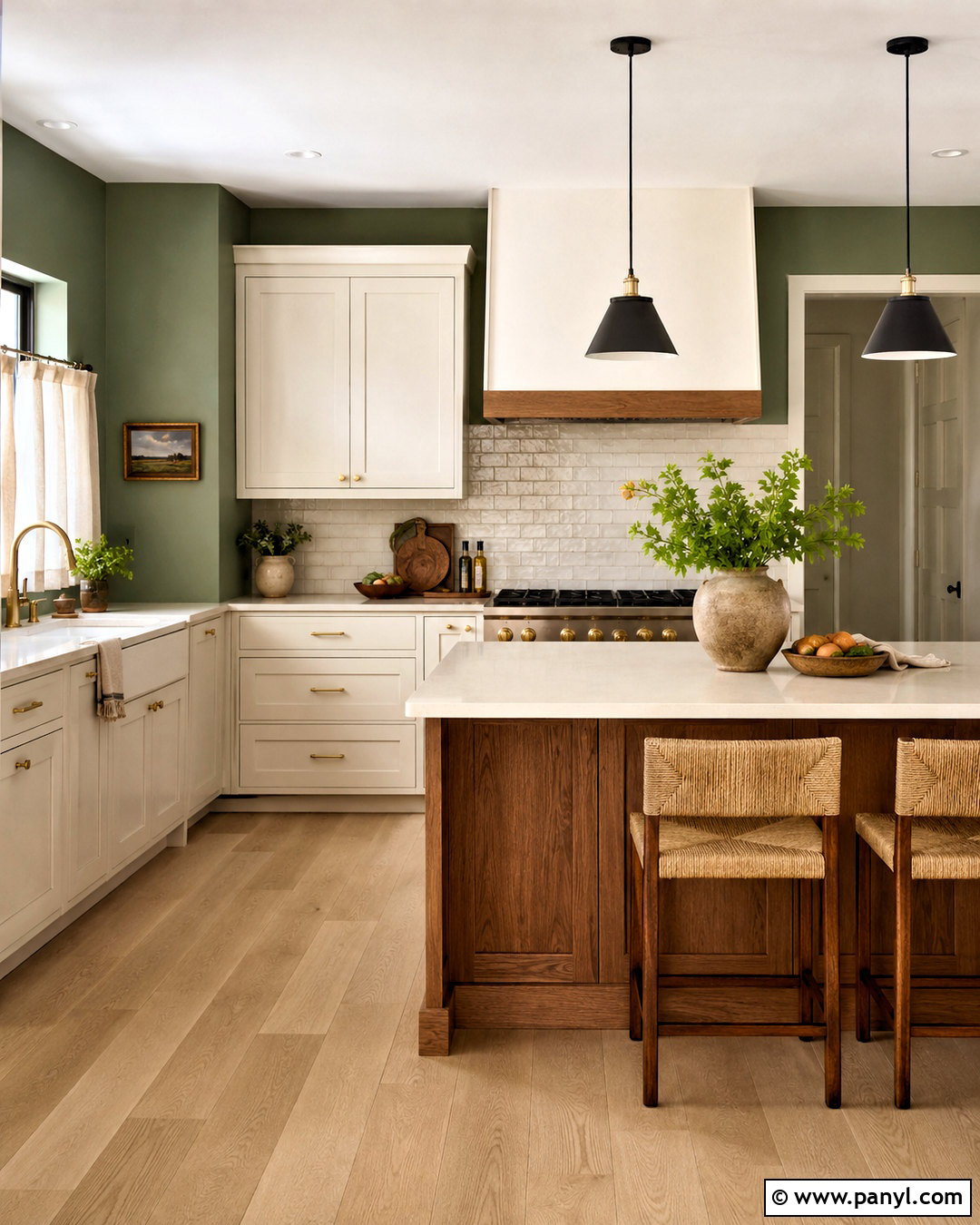
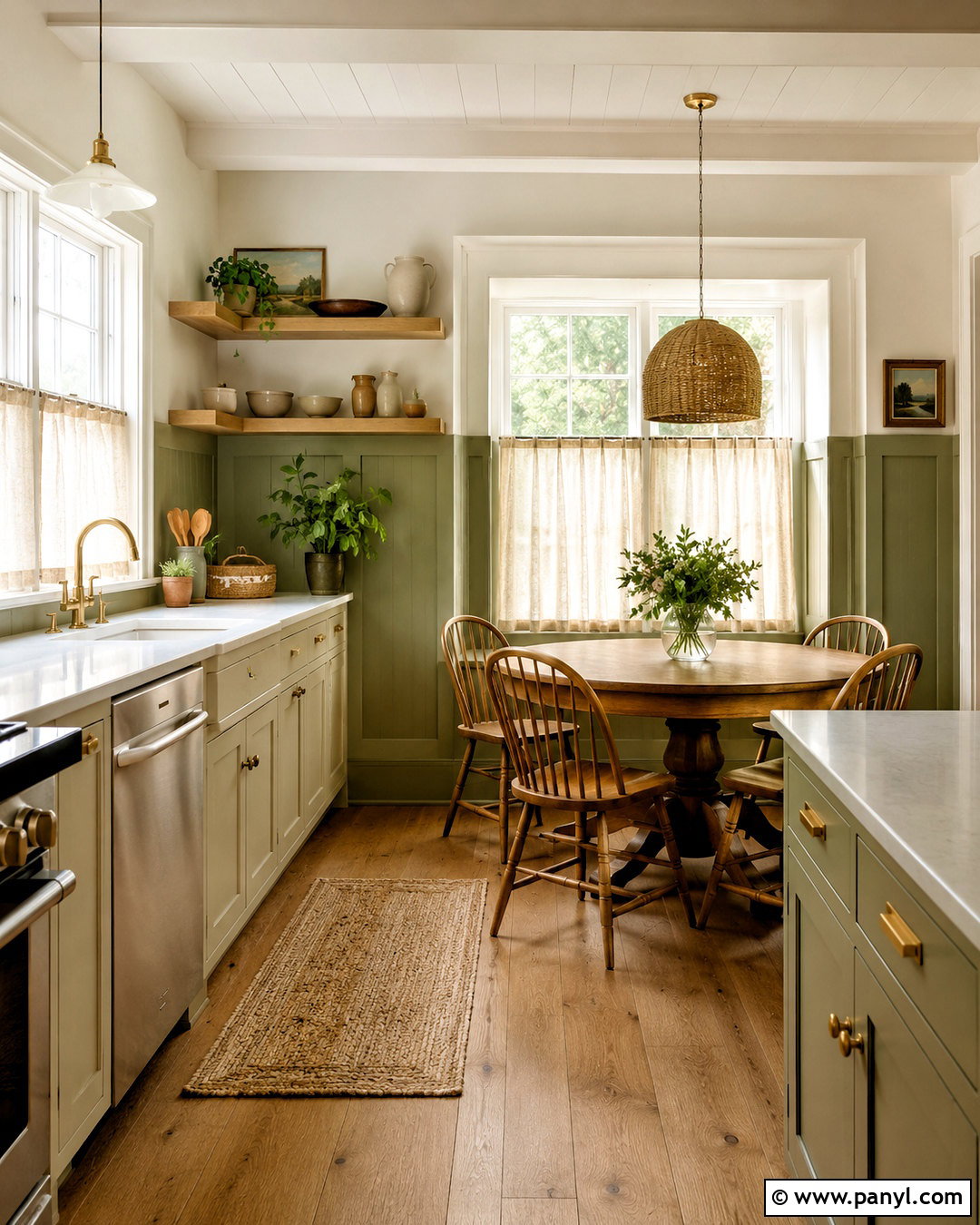
Light olive green walls give a kitchen warmth without making the space feel heavy or overly colorful. Pair the wall color with creamy white cabinets, brushed brass hardware, and pale oak flooring for a bright, approachable foundation. Use a warm white quartz countertop and a backsplash of handmade ivory subway tile with slightly uneven surfaces. A walnut island or wood-topped breakfast table adds deeper contrast. Bring in woven counter stools, linen café curtains, and a small collection of neutral ceramics. Matte black pendant lights can sharpen the palette when used sparingly. Keep appliances simple and uncluttered so the green remains the defining feature. The completed kitchen feels natural, useful, and comfortably updated rather than trend dependent.
5. Muted Avocado Green Home Office Walls
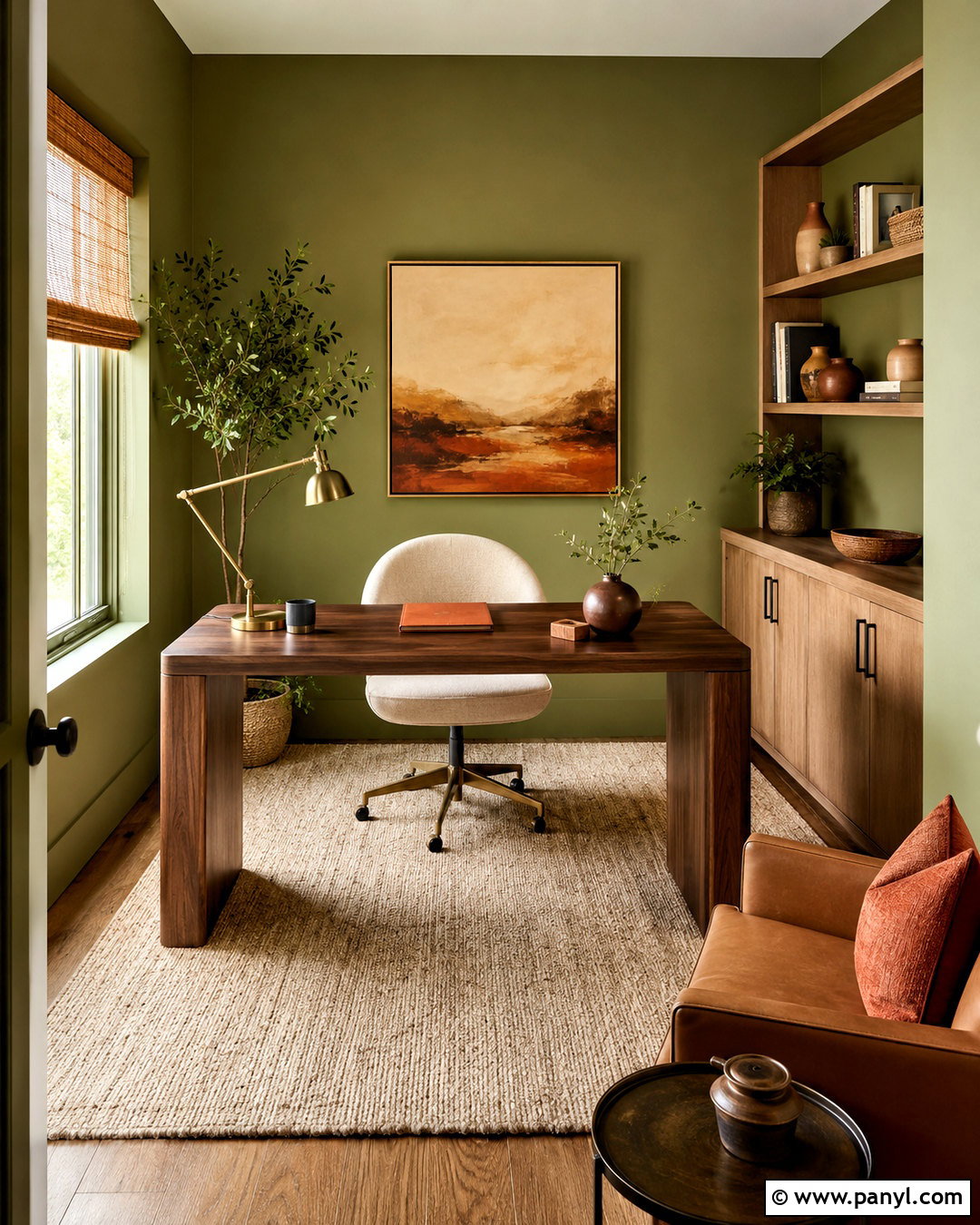
A muted avocado green can make a home office feel energetic, focused, and distinctly warmer than conventional gray. Choose a softened shade with golden undertones rather than a bright retro green. Place a streamlined walnut desk against the main wall and add a cream upholstered desk chair for contrast. Use closed oak storage along one side to control clutter, then install two floating shelves for books, pottery, and framed art. A flat-weave rug in beige and burnt orange brings warmth to the floor. Add a matte brass task lamp and a woven window shade for practical lighting. Keeping the ceiling, trim, and doors warm white prevents the green from becoming dominant. The complete workspace feels creative, organized, and personal.
6. Warm Eucalyptus Green Bathroom Walls
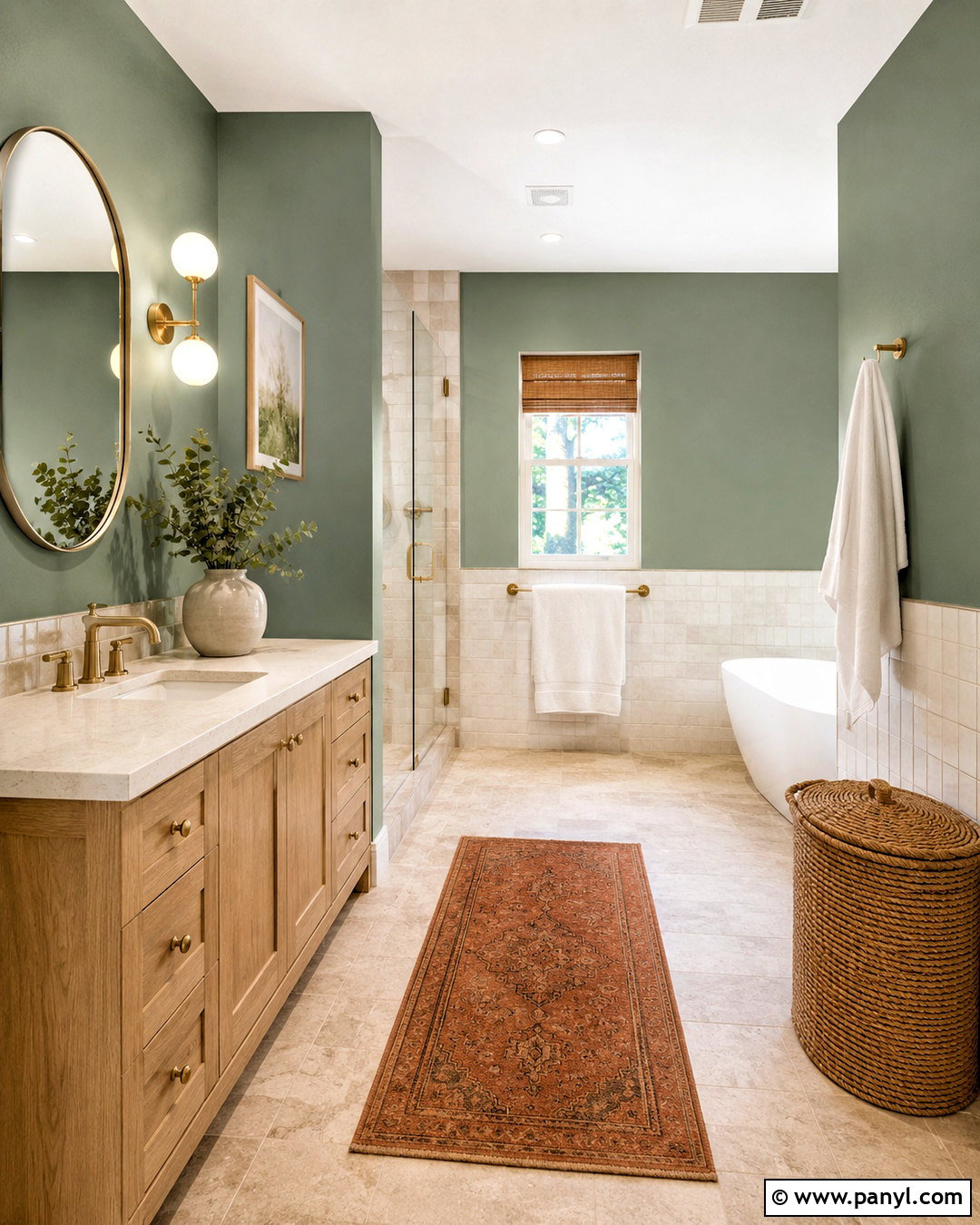
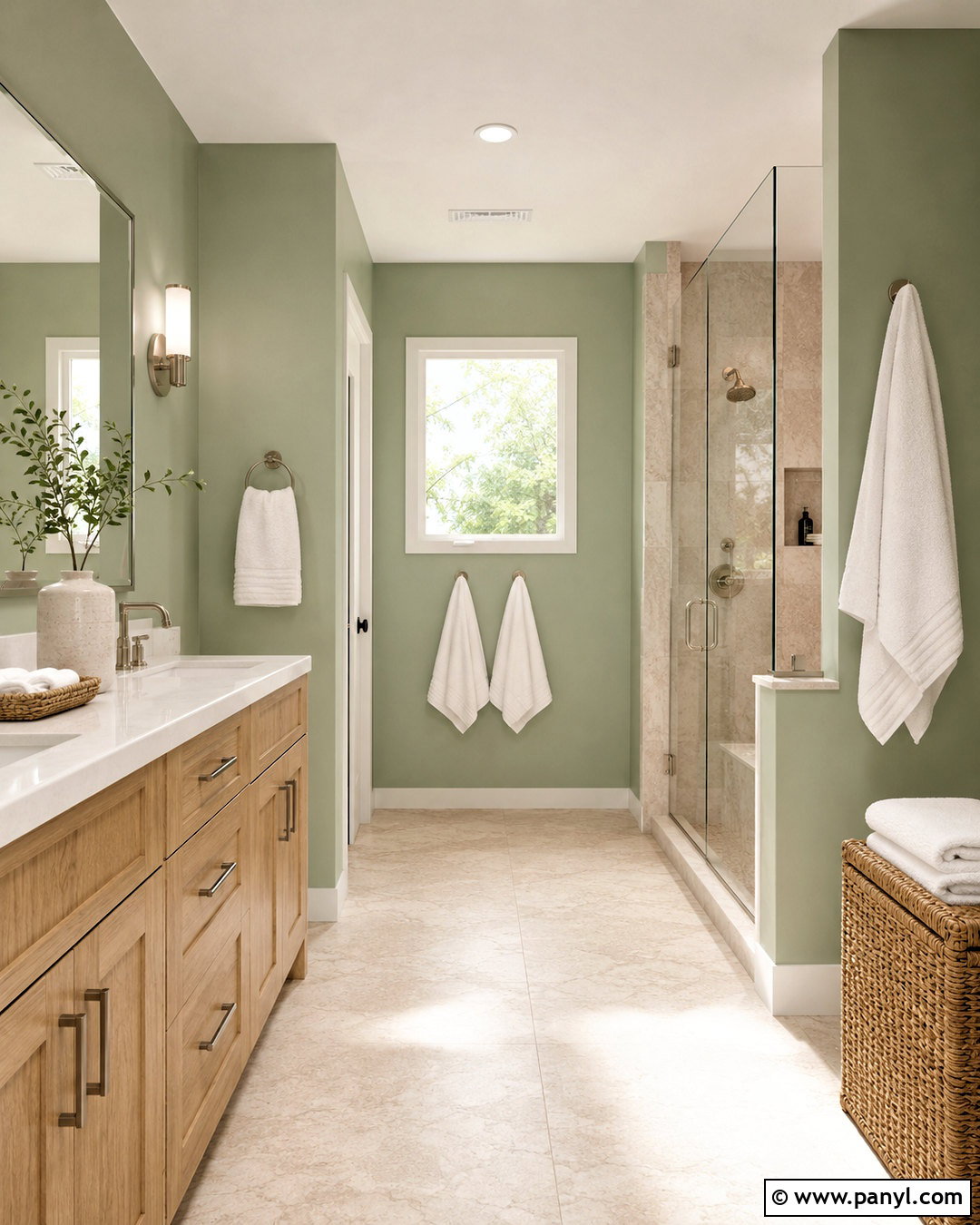
Warm eucalyptus green offers a fresh bathroom palette that feels softer and earthier than mint. Use it above white or ivory wall tile, allowing the green to frame the room without covering every surface. A light oak vanity with a creamy stone countertop supports the natural color story. Choose brushed brass faucets, rounded mirrors, and simple globe sconces to add a clean decorative layer. Underfoot, pale limestone-look tile keeps the bathroom bright and easy to maintain. Include white towels, a woven hamper, and one rust-colored bath mat for contrast. A linen shower curtain can soften a tub area. With uncluttered storage and warm white trim, the completed bathroom feels calm, airy, and thoughtfully connected to nature.
7. Deep Olive Green Library Walls
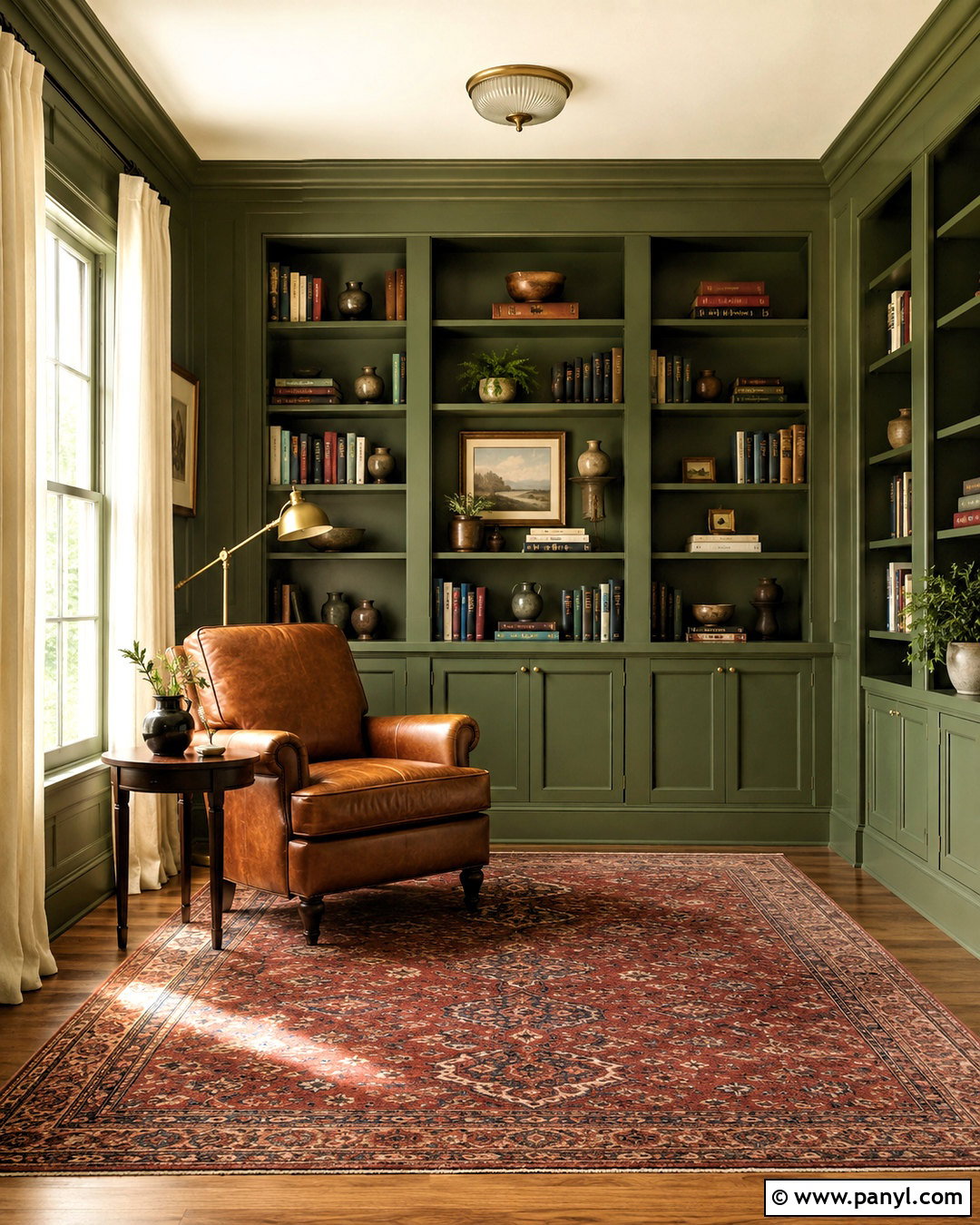
Deep olive green creates a rich library or reading room that feels intimate without requiring a large space. Paint the walls and built-in bookcases the same warm olive, but leave the ceiling a soft cream to preserve height. Fill the shelves selectively, mixing books with pottery and a few framed photographs. A cognac leather reading chair and matching ottoman become the focal point, supported by a walnut side table and an antique brass floor lamp. Lay a traditional rug with muted red, tan, and green across medium wood flooring. Cream curtains and a warm white lampshade introduce necessary brightness. This color-drenched approach gives the room depth, while the lighter textiles keep the complete design comfortable and usable.
8. Yellow Green Breakfast Nook Walls
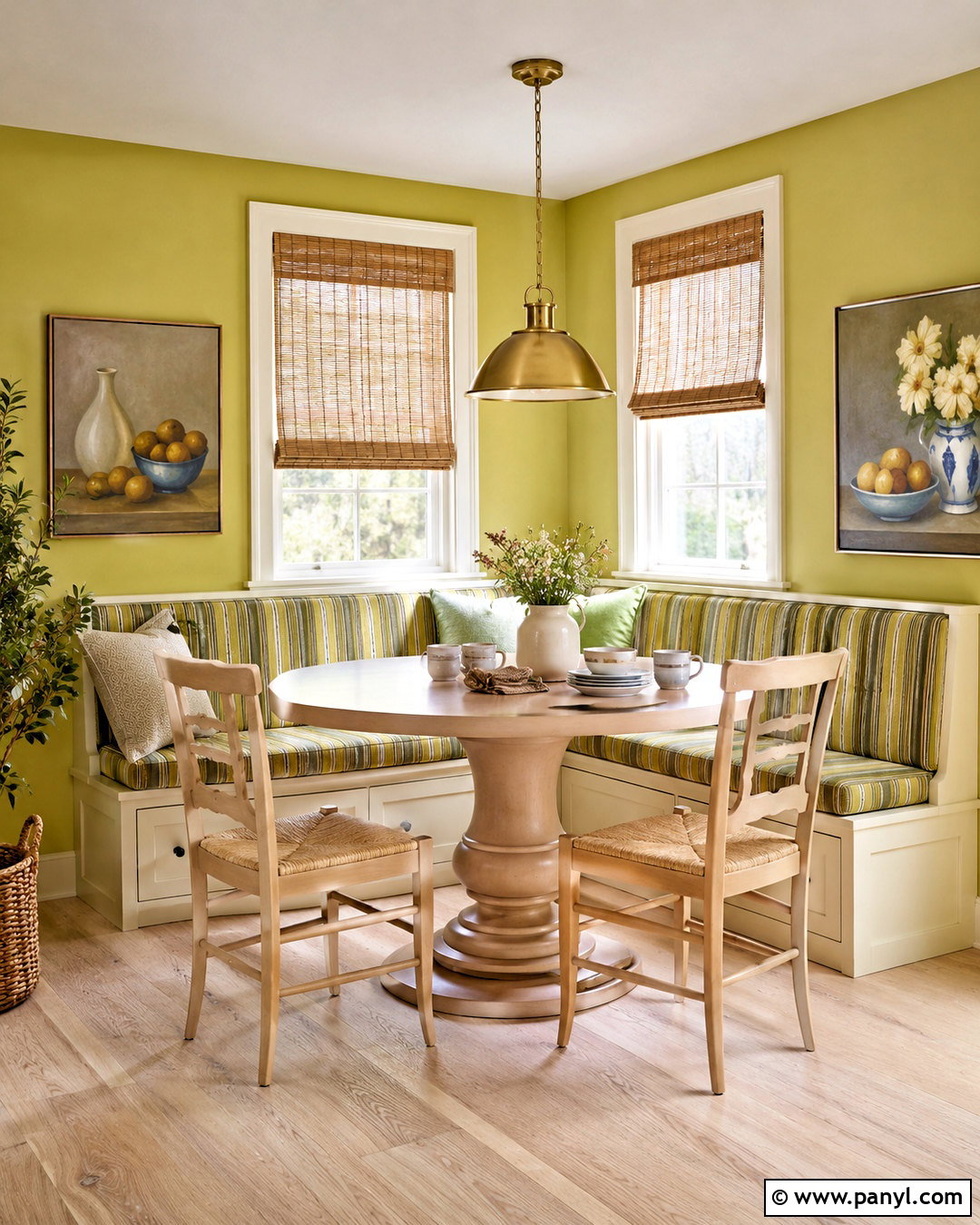
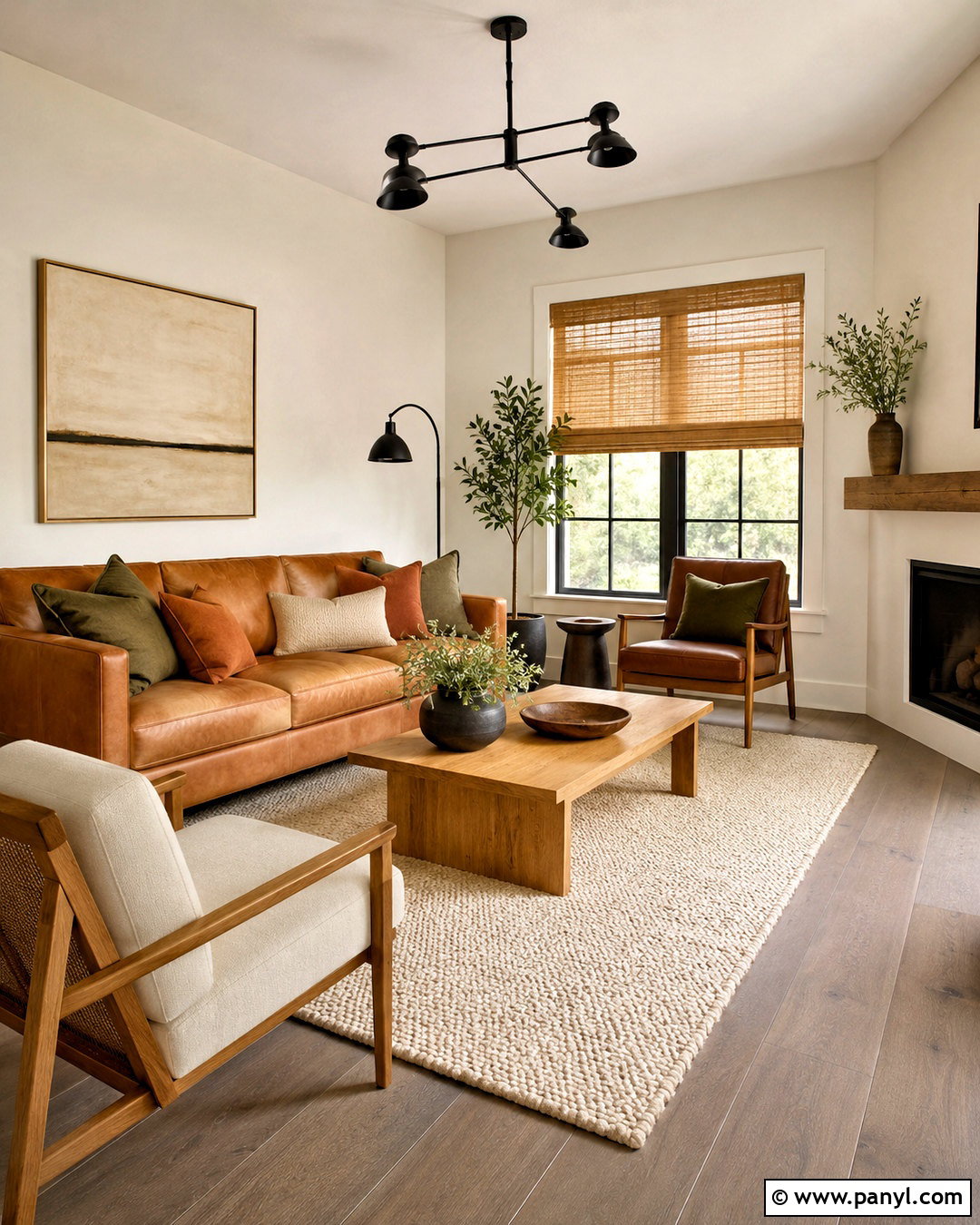
A gentle yellow green can make a breakfast nook feel cheerful from the first hours of the day. Choose a muted pear or soft artichoke shade rather than a sharp lime. Pair the walls with a built-in cream bench, a round pedestal table, and light oak dining chairs. Upholster the bench in a small-scale striped fabric containing ivory, olive, and muted mustard. A simple brass pendant should hang low enough to define the eating area without blocking the view. Add woven shades, white ceramic dishes, and a small framed still life. Pale wood flooring keeps the setting casual and bright. The finished nook feels sunny, welcoming, and practical for daily meals, homework, or relaxed morning coffee.
9. Warm Fern Green Entryway Walls
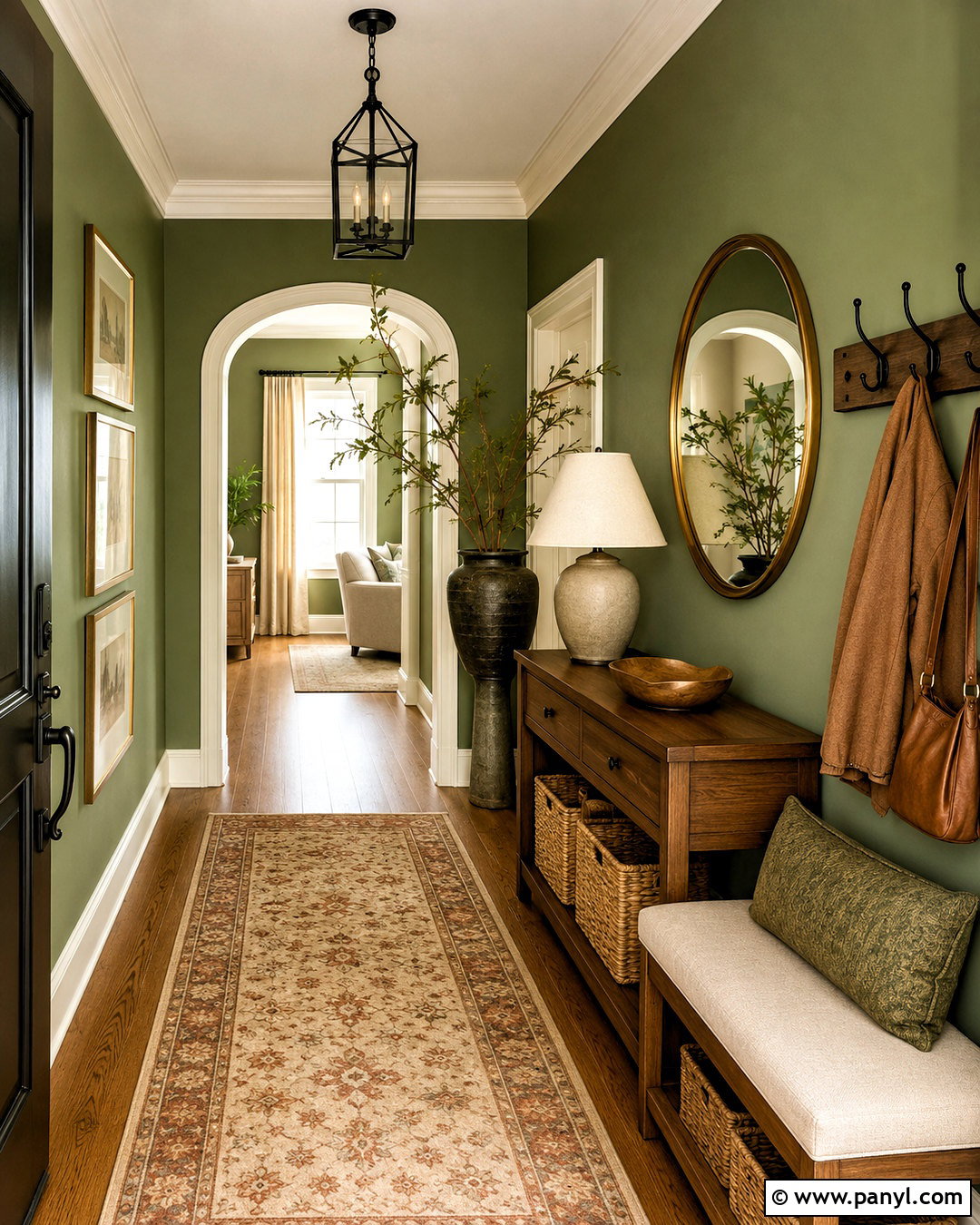
Warm fern green makes an entryway feel established and welcoming as soon as the door opens. Cover the walls in a medium fern shade with softened yellow undertones, then use warm white for trim and interior doors. Position a narrow walnut console against the longest wall with a round brass-framed mirror above it. A woven runner in beige, rust, and olive can guide movement through the space while hiding everyday wear. Add a small upholstered bench, wall hooks, and lidded baskets for practical storage. A ceramic lamp provides a welcoming glow after sunset. Keep accessories limited to a tray, a leafy branch, and one framed print. The complete entry balances visual warmth with the organization a busy household needs.
10. Pistachio Green Kitchen Walls
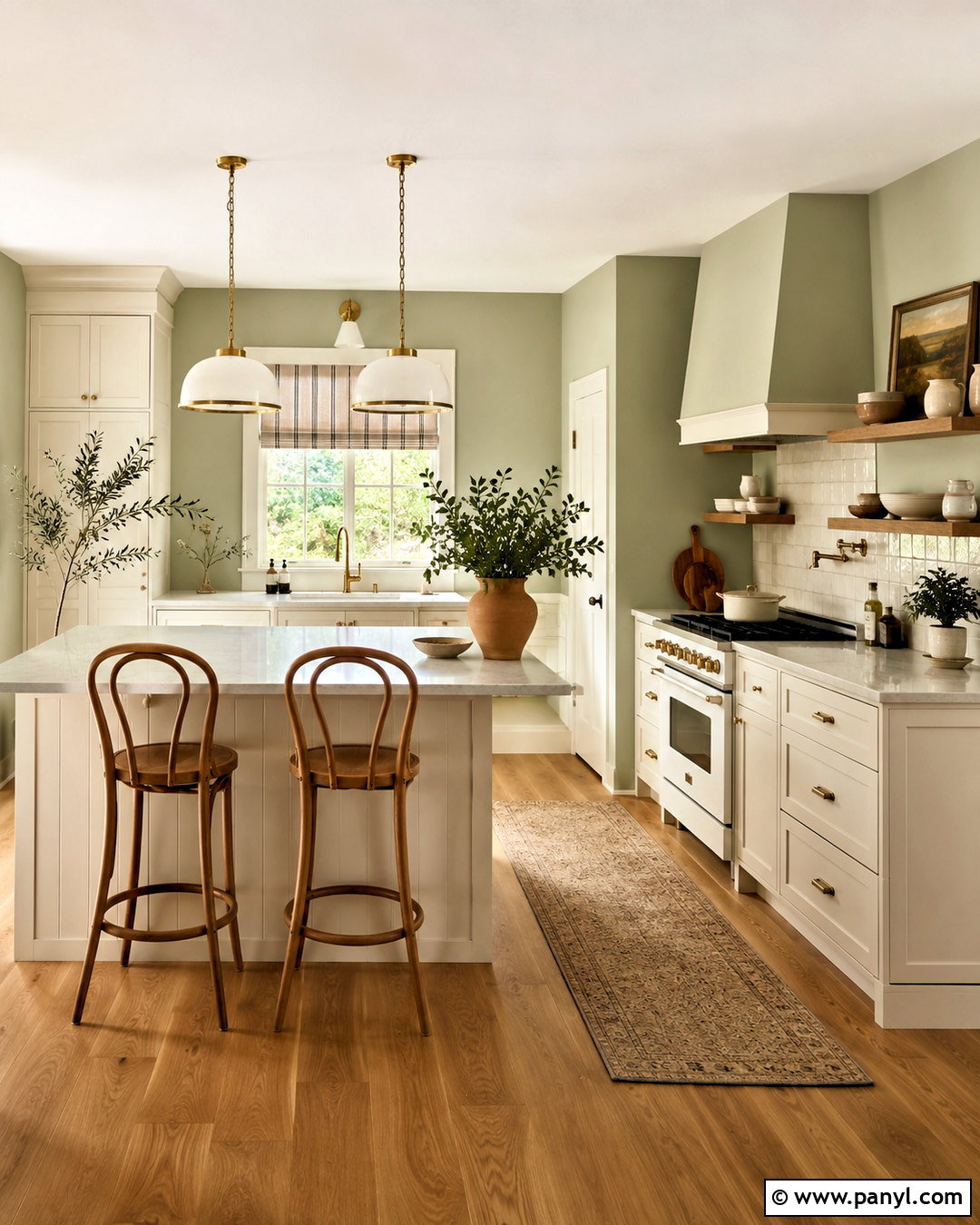
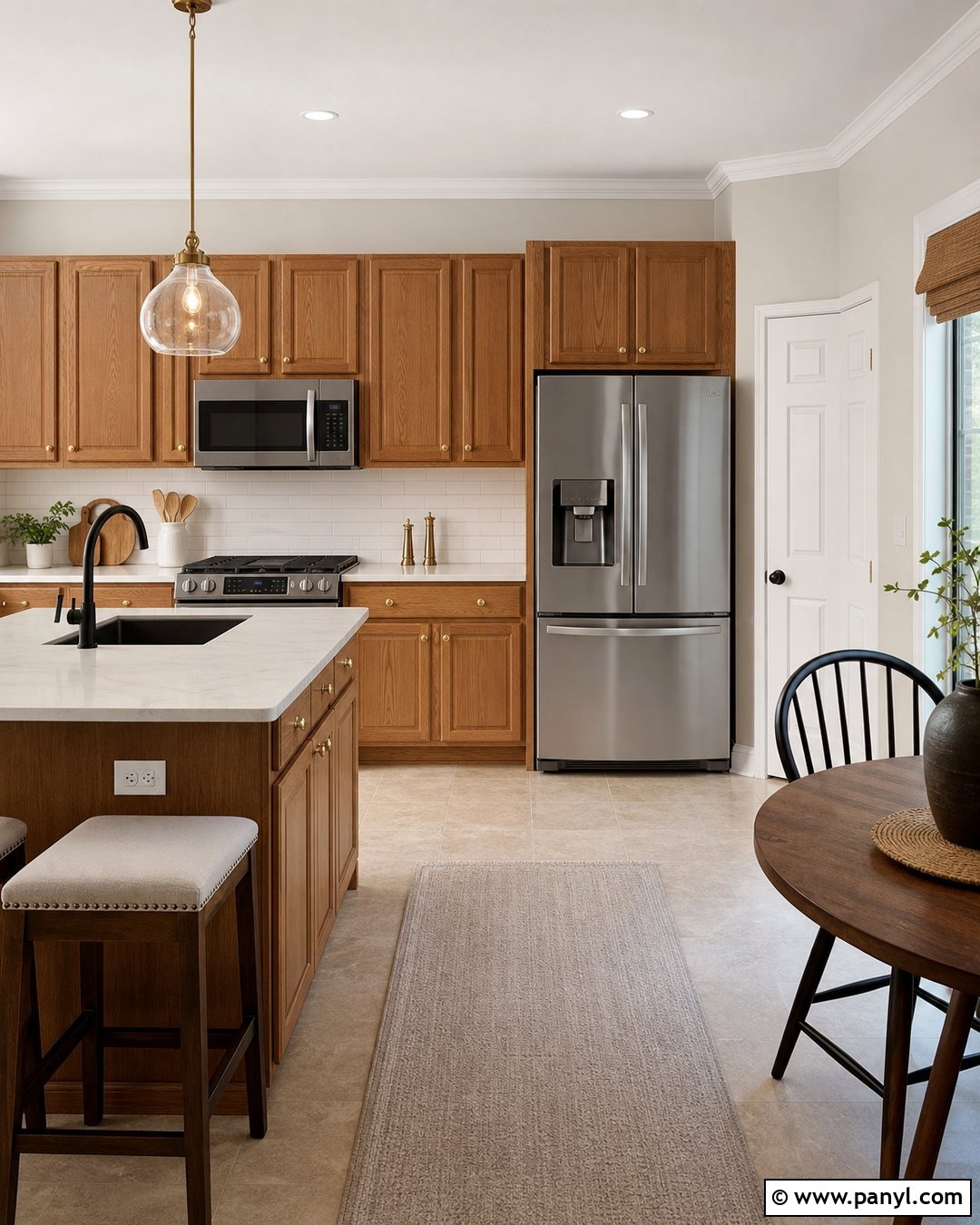
Soft pistachio green brings an uplifting, vintage-inspired quality to a kitchen without looking overly sweet. Use the color on open wall areas and pair it with warm white cabinets, honed marble-look counters, and medium oak floors. A backsplash of creamy square tile supports the gently aged character. Introduce unlacquered brass knobs, milk-glass pendants, and bentwood stools around a compact island. Natural wood cutting boards and off-white ceramics can remain visible, but keep counters mostly clear. A Roman shade in a narrow beige stripe adds pattern without disrupting the palette. Include small touches of terracotta through planters or cookware. The completed kitchen feels bright, friendly, and timeless, with enough warmth to offset the fresh green walls.
11. Army Green Mudroom Walls
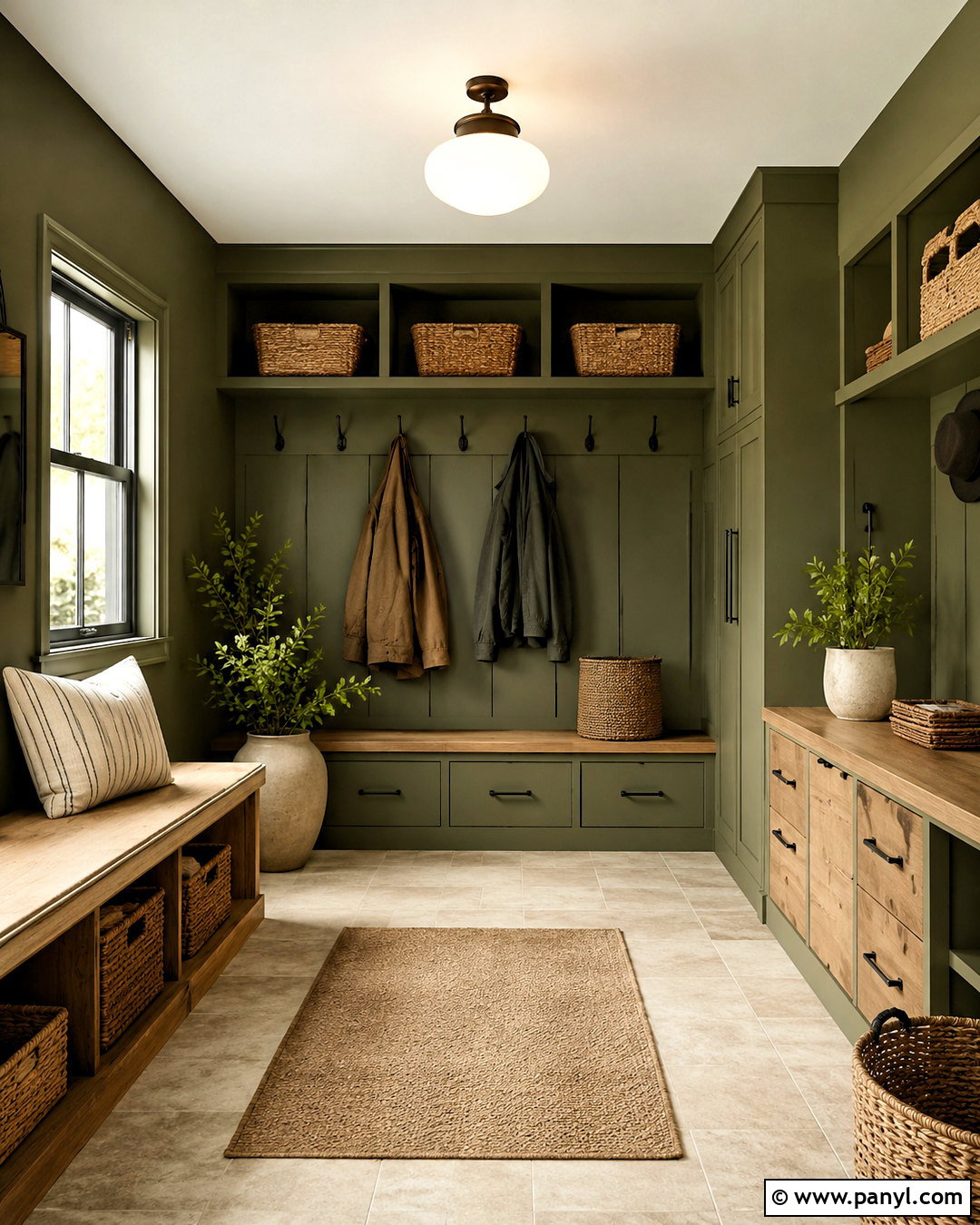
Army green walls can give a hardworking mudroom a durable, grounded appearance that hides everyday scuffs better than pale paint. Choose a muted shade with noticeable brown undertones and continue it across the walls and built-in storage. Balance the deeper color with an oak bench seat, warm white ceiling, and pale stone-look floor tile. Install matte black hooks, woven baskets, and labeled wood-front drawers to keep shoes, bags, and outerwear controlled. A striped cushion in beige and charcoal adds comfort without looking delicate. Use a simple flush-mount light with an opal glass shade for even illumination. The finished mudroom feels orderly and substantial, combining attractive color with storage designed for a busy household.
12. Artichoke Green Guest Bedroom Walls
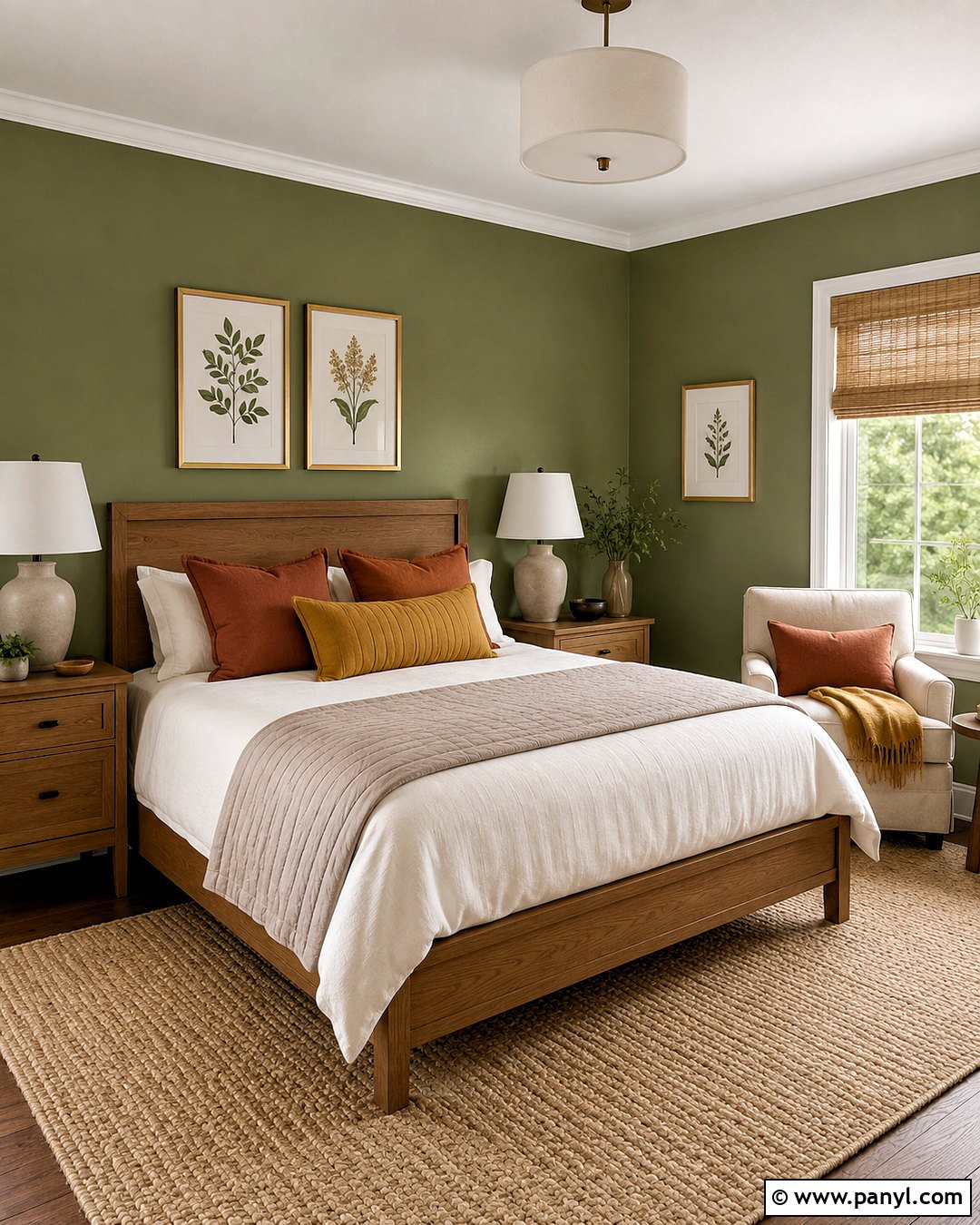
Artichoke green sits between sage and olive, making it a versatile choice for a welcoming guest bedroom. Paint all four walls in this muted, warm green and keep the trim a creamy off-white. Build the room around a simple oak bed with crisp ivory sheets, a taupe coverlet, and patterned pillows in clay and faded mustard. Match the bed with compact wood nightstands and ceramic table lamps. A light beige rug softens the floor, while woven Roman shades filter daylight. Add one comfortable armchair near the window and provide an open luggage stand for visitors. Botanical artwork in antique brass frames completes the walls. This finished arrangement feels restful, practical, and considered without relying on excessive decoration.
13. Olive Green Walls With Pink Accents
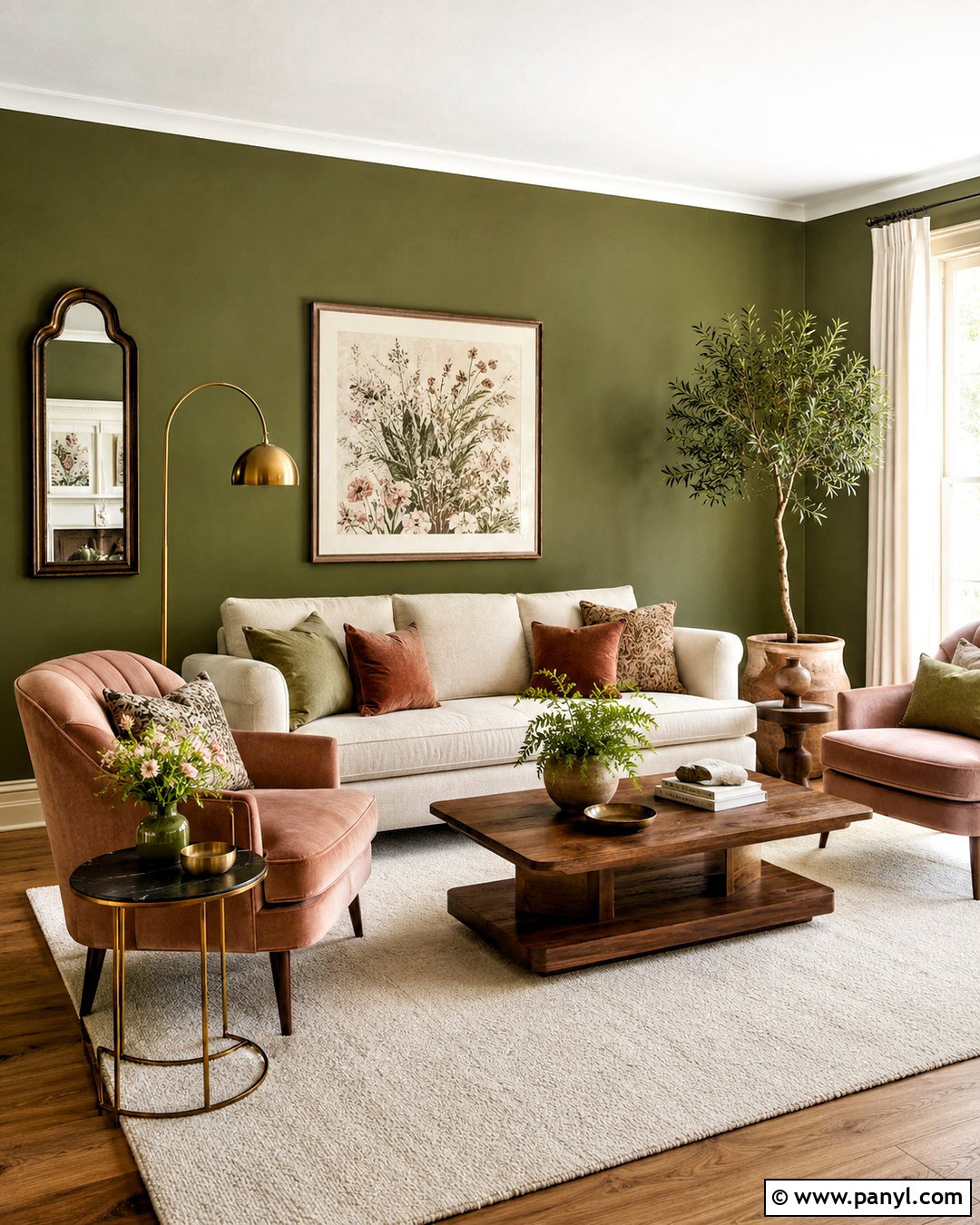
Olive green and dusty pink create a balanced living room palette that feels warm, expressive, and surprisingly easy to use. Choose a softened olive for every wall, then anchor the room with a cream sofa and a pair of muted blush armchairs. Add a medium walnut coffee table, aged brass floor lamp, and ivory rug to connect the colors. Pillows in clay, moss, cream, and subtle floral patterns can distribute both shades around the room. Use warm white curtains to prevent the walls from feeling enclosed. Artwork featuring faded pink, brown, and green provides a natural bridge between the palette. The completed room feels colorful yet grown-up, with the pink accents softening the heavier visual weight of olive.
14. Sage Green Walls With Terracotta Decor
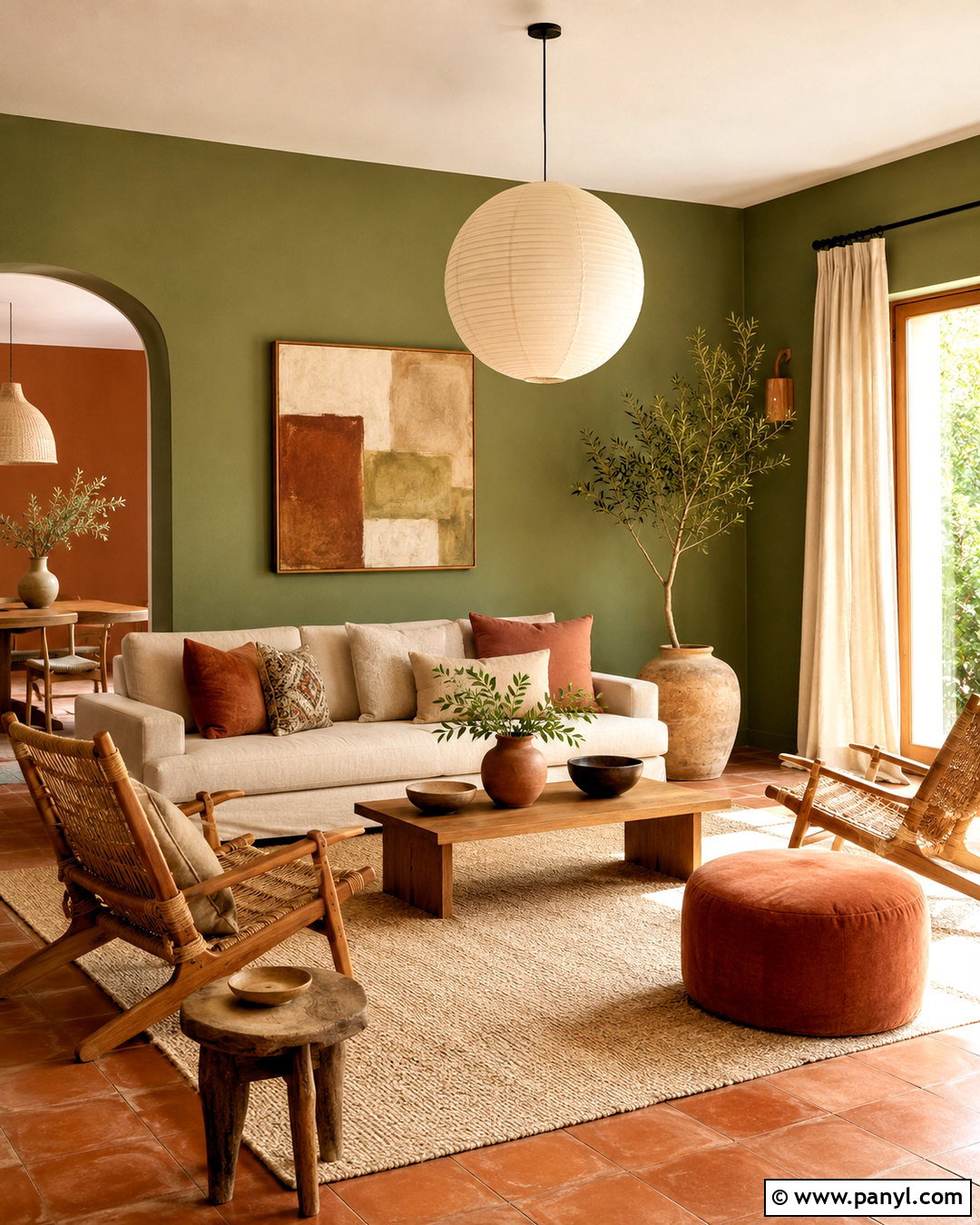
Warm sage walls become especially inviting when paired with terracotta, natural linen, and sun-washed wood. Build this living room around a beige linen sofa and two low-profile oak chairs with woven seats. Use terracotta through pottery, patterned cushions, and one upholstered ottoman rather than spreading bright orange everywhere. A cream jute-wool rug lightens the floor and helps the furniture feel connected. Hang a large abstract artwork containing clay, sand, olive, and muted brown above the sofa. Linen curtains, a paper pendant, and several handmade ceramic pieces reinforce the relaxed character. Keep the ceiling and trim soft ivory. This complete palette suits Mediterranean, modern rustic, and casual contemporary interiors while remaining approachable for an everyday home.
15. Green Color Drenched Bedroom
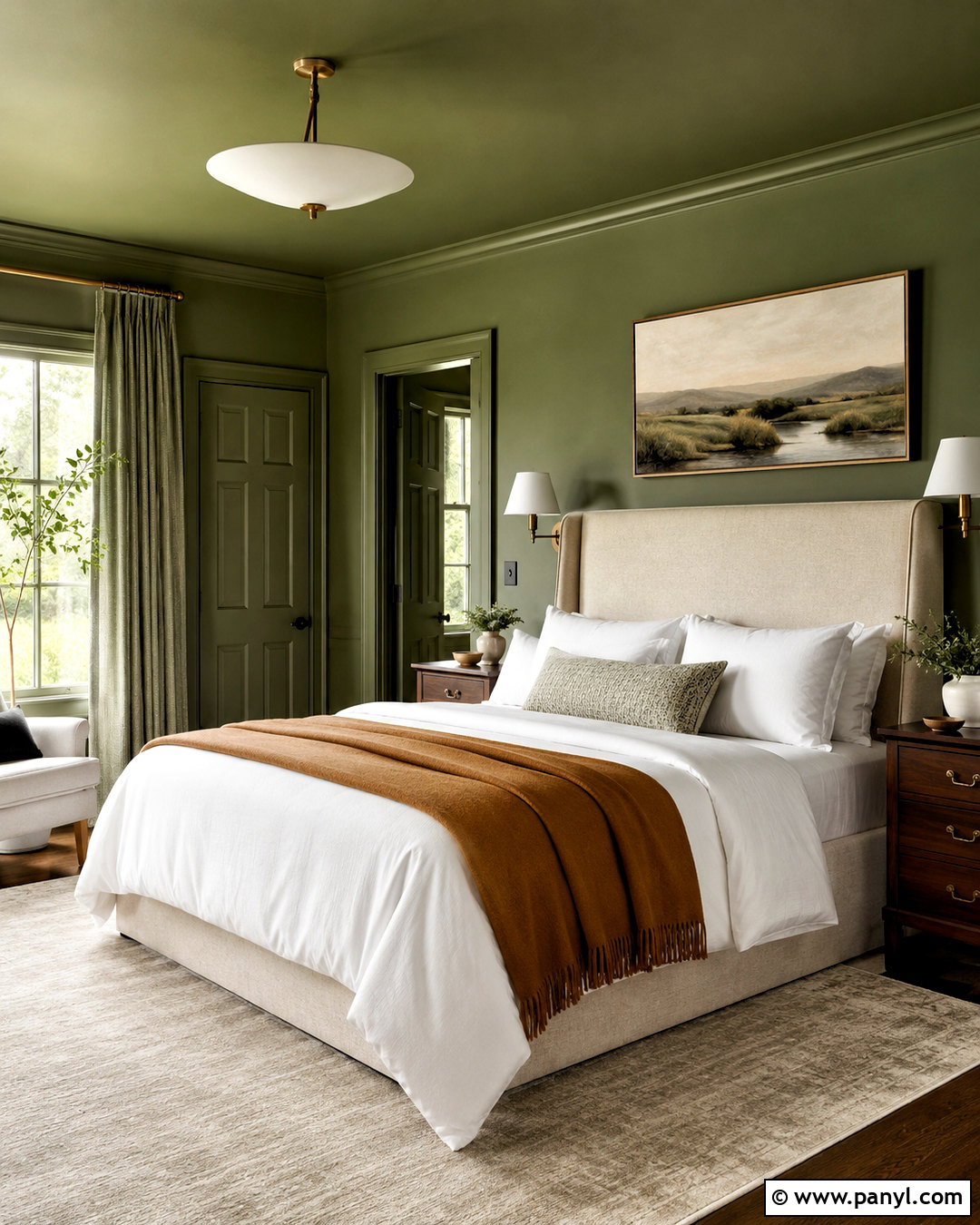
Color drenching creates an immersive bedroom by carrying one warm green shade across the walls, trim, doors, and ceiling. Choose a muted moss or medium olive that has enough softness to avoid looking harsh. Break up the surrounding color with a tall oatmeal headboard, crisp white sheets, and a caramel wool blanket. Walnut nightstands and antique brass wall lights introduce warmth and definition. Keep the window treatments close to the wall color for a seamless effect, but select a lighter green linen fabric. A pale neutral rug provides visual relief under the bed. Limit wall decor to one oversized landscape or textile piece. The finished room feels cocooning and deliberate, with carefully placed neutrals preventing the green from becoming overwhelming.
16. Two Tone Green Hallway Walls
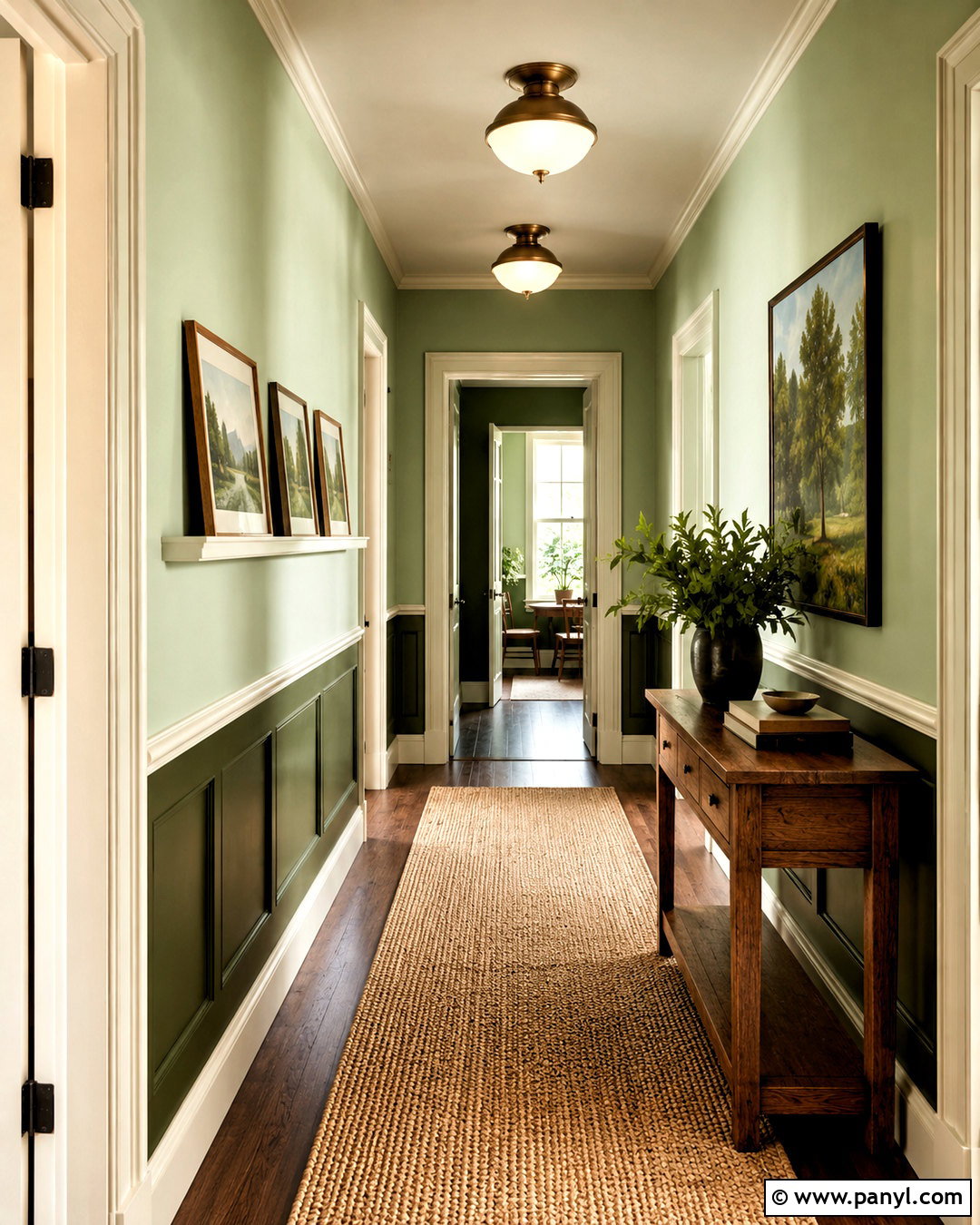
A two-tone treatment gives a narrow hallway character while protecting the lower walls from visible wear. Paint the upper portion a pale warm sage and the lower portion a deeper olive green, dividing them with a slim cream chair rail. Continue creamy white across the ceiling and door casings to keep the passage bright. Use a natural fiber runner with a simple tan and charcoal pattern, then add aged brass ceiling lights at even intervals. A narrow picture ledge can display small landscape prints without projecting too far into the walkway. If space allows, place a shallow oak console near the entrance. This complete scheme adds depth and architectural definition, making a basic hallway feel connected to the surrounding rooms.
17. Moss Green Fireplace Wall
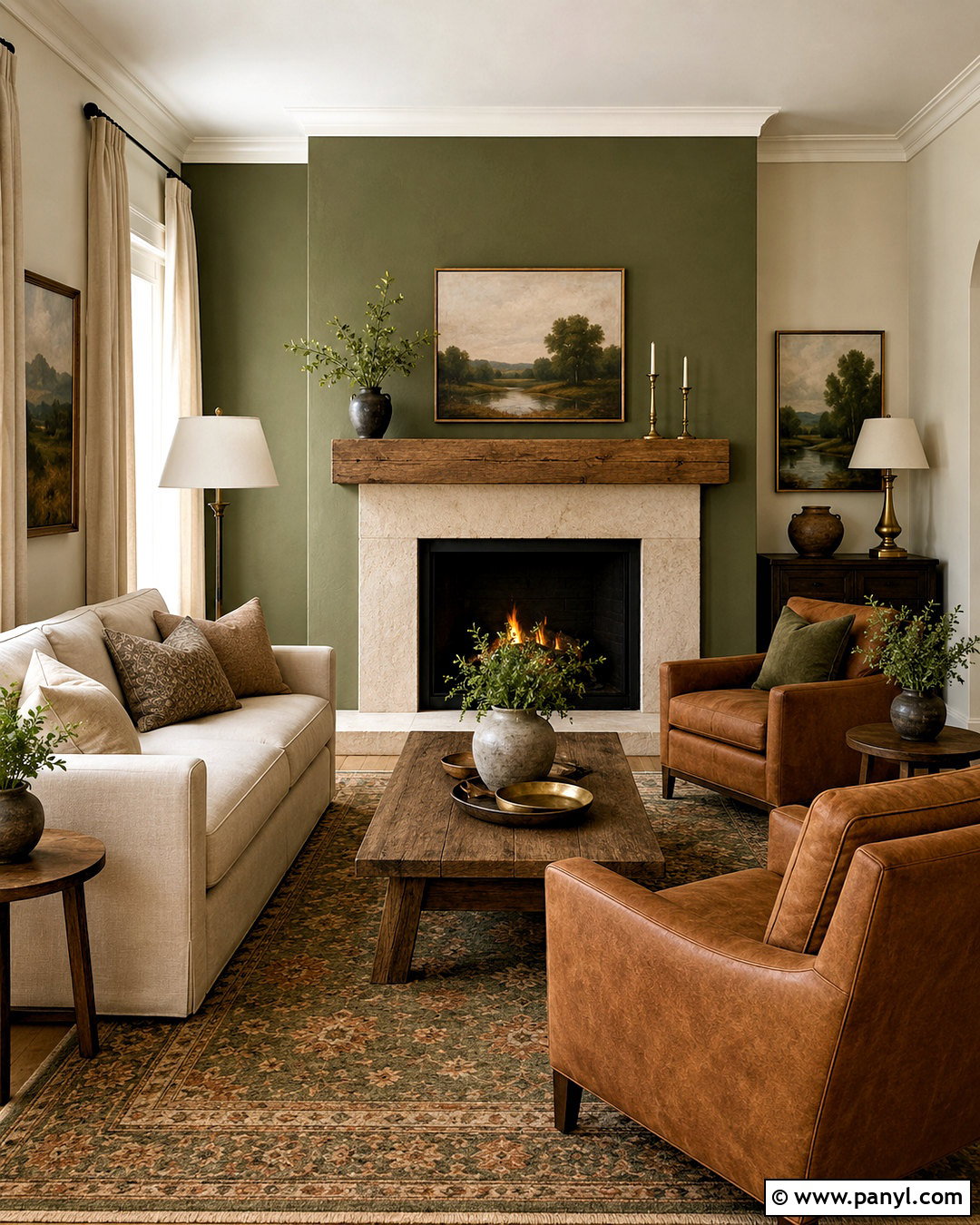
A moss green fireplace wall can establish a strong living room focal point while keeping the overall palette warm and natural. Paint the entire chimney breast or fireplace wall in a deep, earthy moss, then leave the remaining walls creamy white. Surround the firebox with pale limestone or handmade ivory tile and add a substantial oak mantel. Position a beige sofa opposite the fireplace with two camel-colored lounge chairs angled toward it. A vintage-inspired rug should combine olive, rust, cream, and brown. Style the mantel simply with a large framed landscape, ceramic vessels, and an antique brass candlestick. Light wood side tables and linen curtains soften the contrast. The finished room feels grounded, comfortable, and visually centered.
18. Warm Green Walls With Dark Wood Furniture
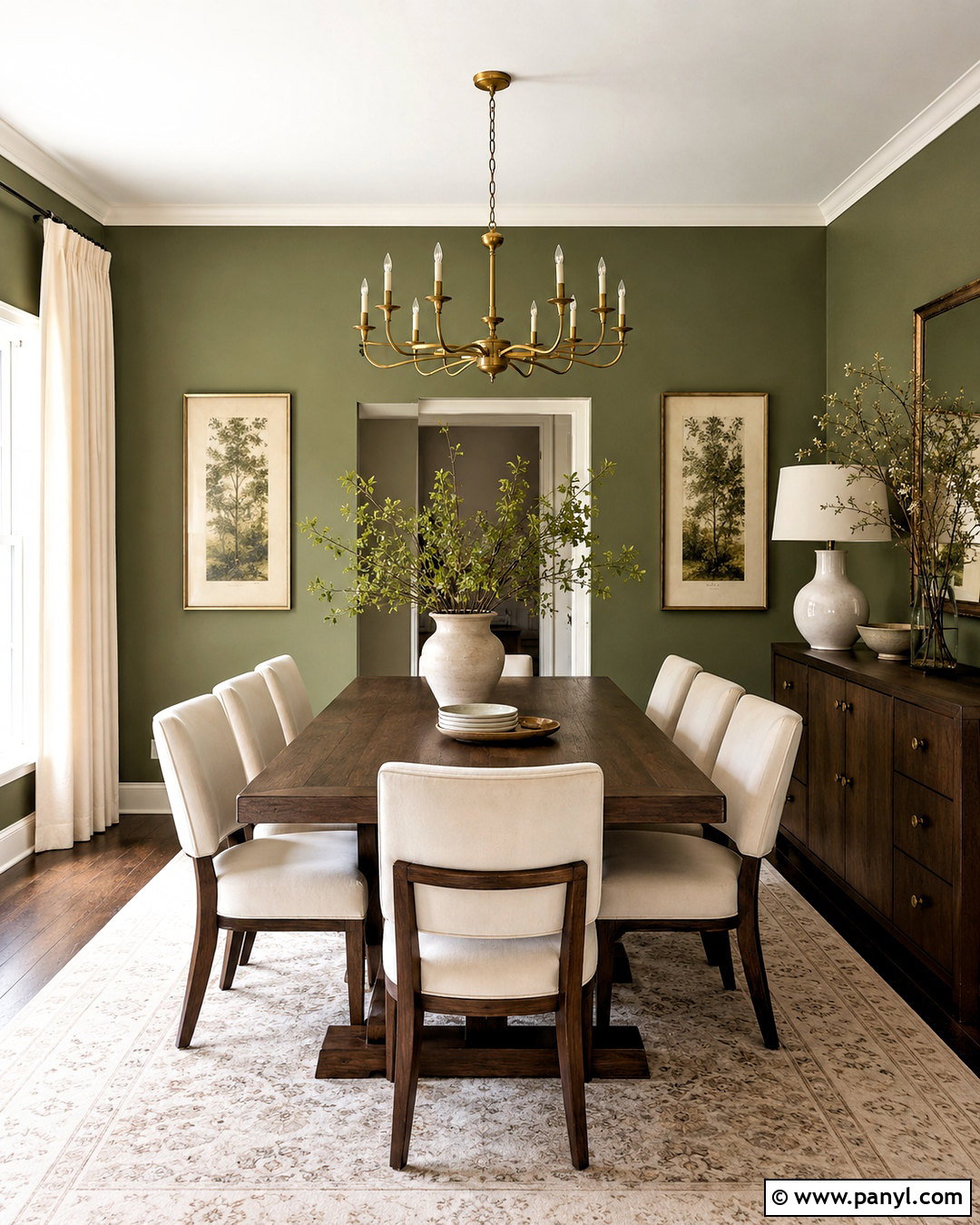
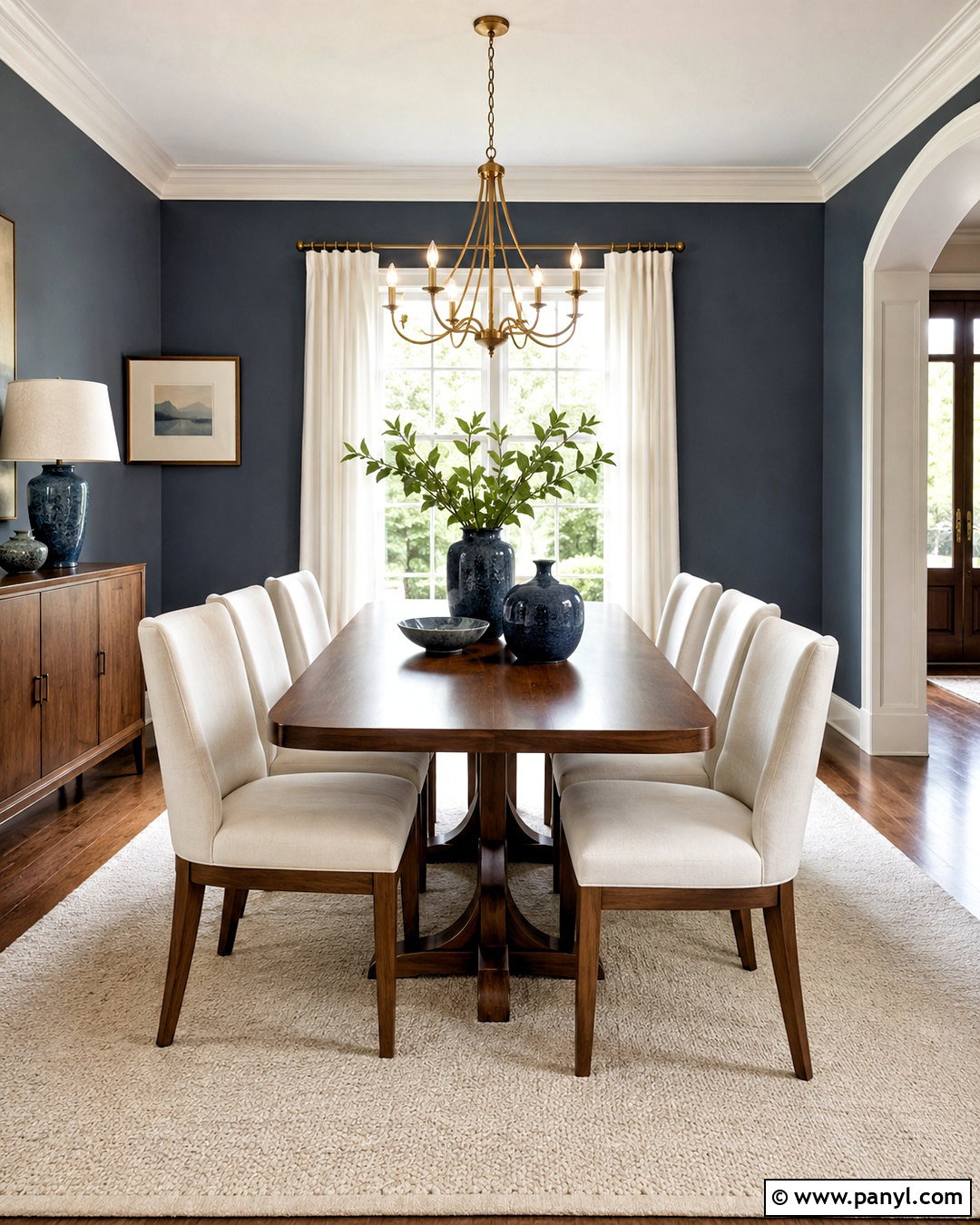
Warm green walls and dark wood furniture create an elegant room when enough light surfaces are included. Select a medium sage-olive paint that complements the reddish undertones of mahogany, cherry, or dark walnut. Use the wood through a dining table, sideboard, and slim picture frames, but avoid filling every corner with heavy furniture. Cream upholstered dining chairs and a pale patterned rug provide necessary contrast. Hang warm white curtains high and wide to maximize the windows. An aged brass chandelier can introduce a softer reflective finish above the table. Add ivory ceramics and a simple arrangement of branches to the sideboard. The finished dining room feels traditional and substantial without appearing dated, crowded, or excessively formal.
19. Warm Green Nursery Walls
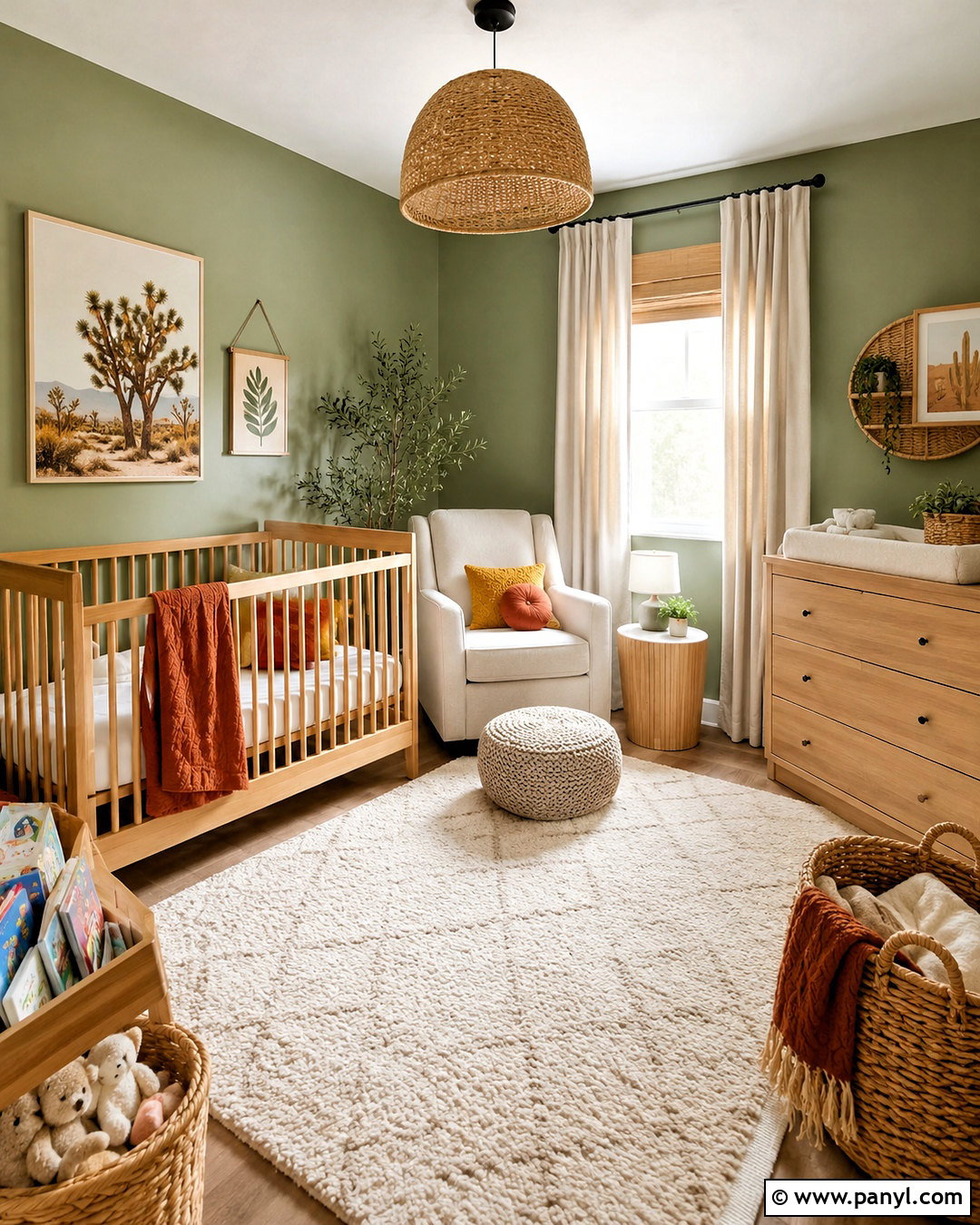
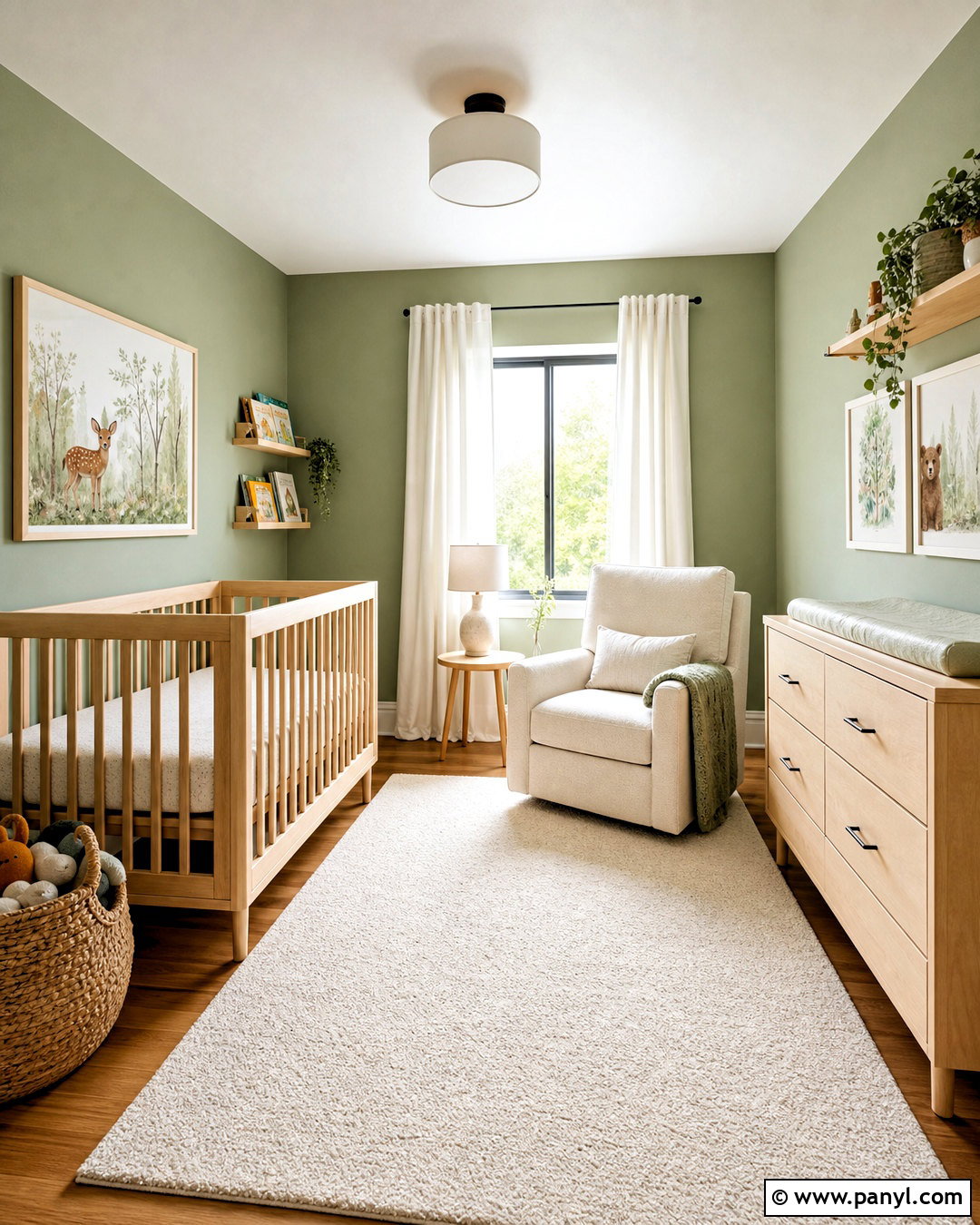
A pale warm green provides a gentle nursery background that can adapt as the child grows. Choose a light sage with yellow-beige undertones and use it across all four walls. Pair it with a natural oak crib, a cream upholstered glider, and a matching wood dresser that doubles as a changing station. Add an ivory washable rug and blackout curtains in oatmeal linen for practical softness. Small accents of muted apricot, mustard, and rust can appear in blankets, storage baskets, and simple artwork. Use closed storage for everyday supplies and one low shelf for books and toys. A woven ceiling light completes the warm materials. The finished nursery feels restful, uncluttered, and flexible enough for future updates.
20. Warm Forest Green Powder Room Walls
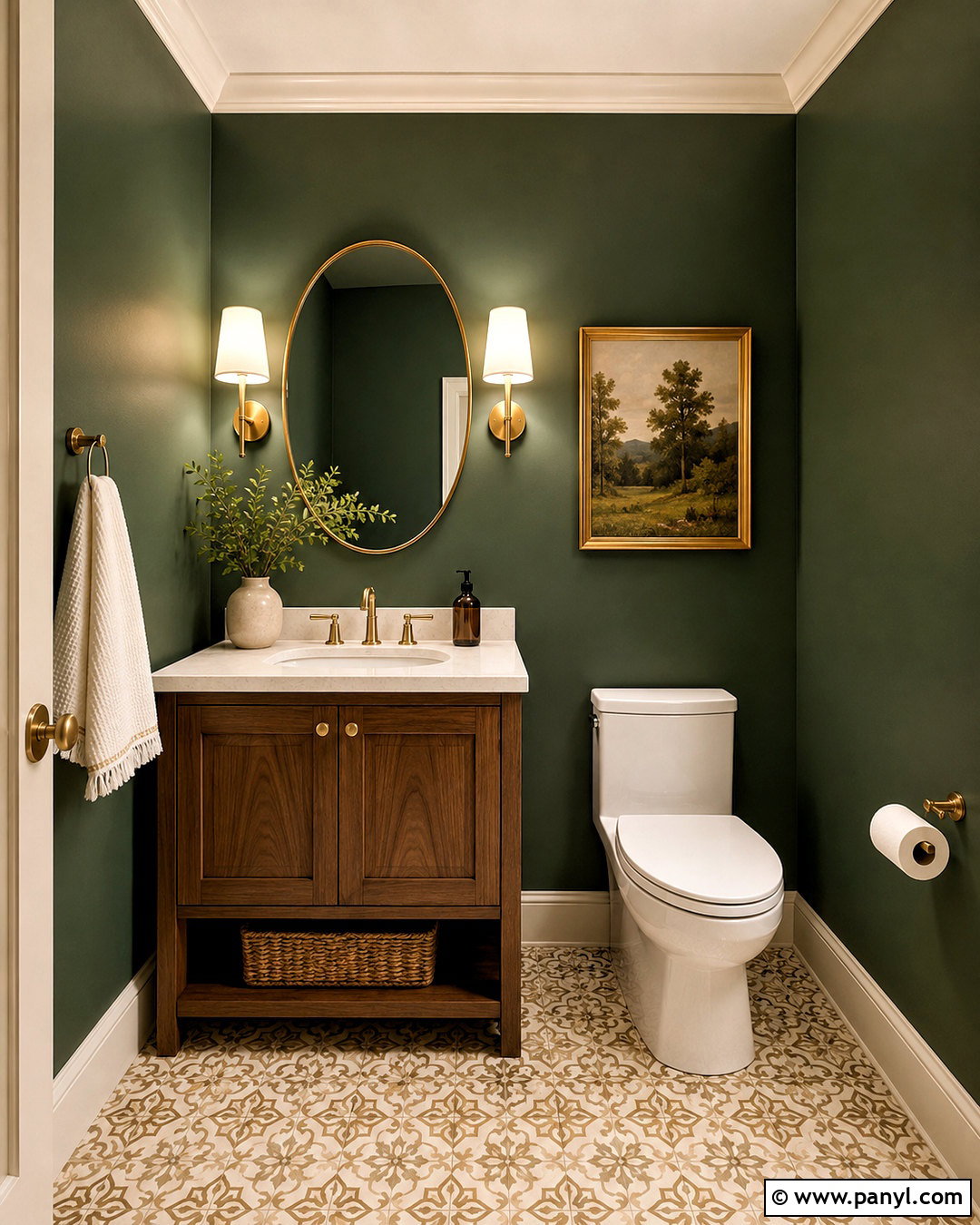
Warm forest green can give a small powder room bold character without requiring a complicated remodel. Paint every wall in a deep green with olive rather than blue undertones, then use creamy white on the ceiling. Install a compact walnut vanity with a warm white stone top and an undermount sink. An aged brass faucet, oval mirror, and matching sconces add reflective warmth against the dark paint. Choose ivory and tan patterned floor tile to brighten the lower half of the room. A small landscape painting, white hand towels, and one ceramic vase are enough decoration. Keep plumbing lines and accessories visually simple. The completed powder room feels dramatic and polished while still fitting the scale of an average home.
Conclusion:
The best warm green walls feel connected to every other choice in the room. Sage, olive, moss, eucalyptus, fern, and artichoke tones can all create welcoming spaces when supported by warm whites, natural wood, woven fabrics, stone, and softly aged metals. Lighter shades work beautifully in kitchens, nurseries, and smaller rooms, while deeper greens bring intimacy to bedrooms, libraries, and powder rooms. Before committing, test large samples beside your flooring, furniture, and trim in morning and evening light. Adjust the surrounding palette if the green appears too yellow, gray, or dark. With careful layering, these **20 Warm Green Wall Color Ideas** can inspire a cohesive interior that feels comfortable, distinctive, and enduring.

Related Ideas and Inspiration:
Leave a Reply