
Looking for **20 shoji white color palette ideas** that feel warm, polished, and easy to recreate? Sherwin-Williams Shoji White SW 7042 is a creamy off-white with subtle greige influence, giving it more softness than a crisp white without making a room feel beige. () It works with earthy neutrals, muted greens, dusty blues, rich browns, and dramatic dark accents. The key is building a complete palette around the room’s flooring, furniture, finishes, and natural light. Use brighter whites for definition, natural materials for warmth, and deeper colors for contrast. From quiet bedrooms to welcoming exteriors, the following complete looks show how versatile this neutral can be. Explore these **20 shoji white color palette ideas**.

1. Shoji White And Pure White Living Room
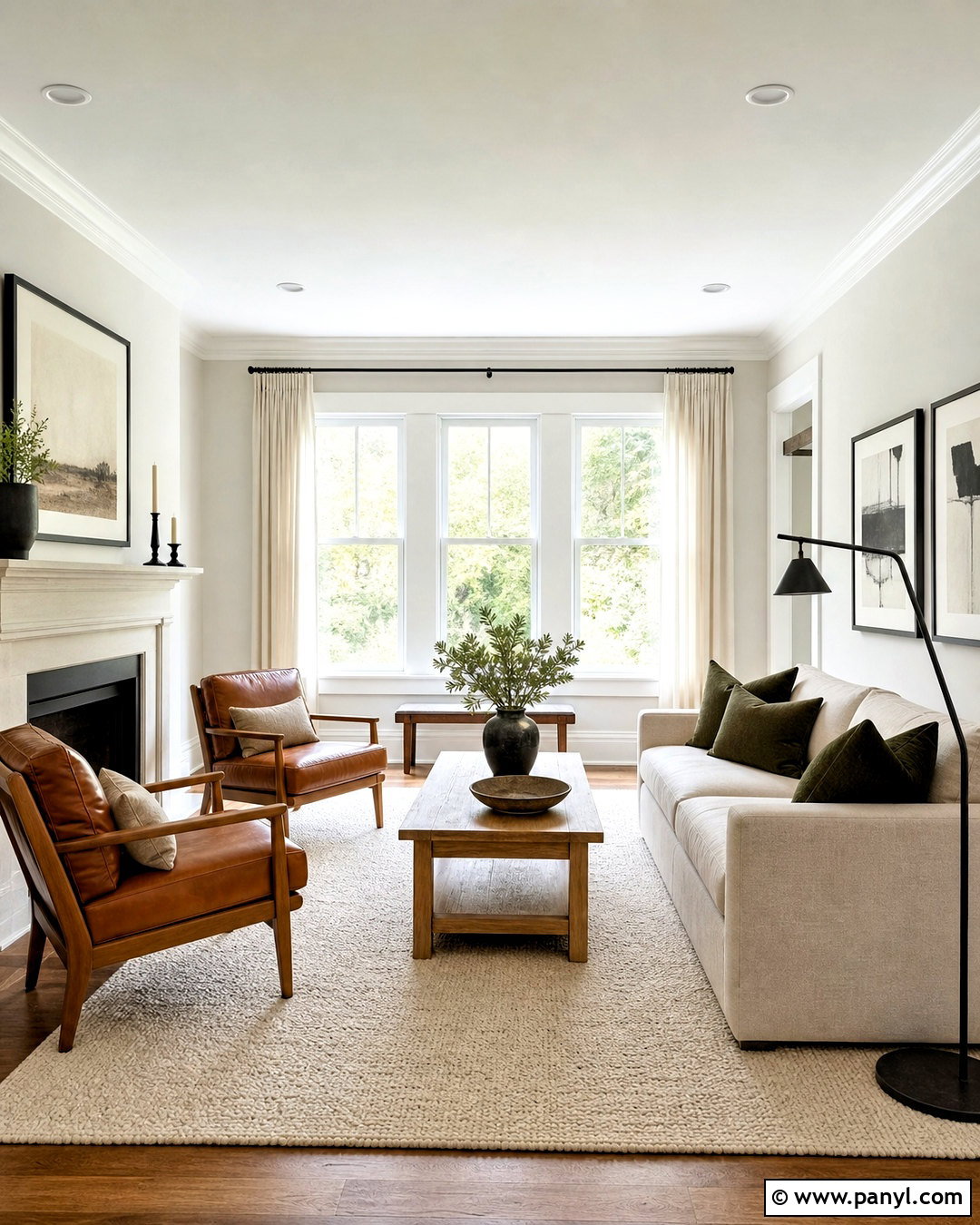
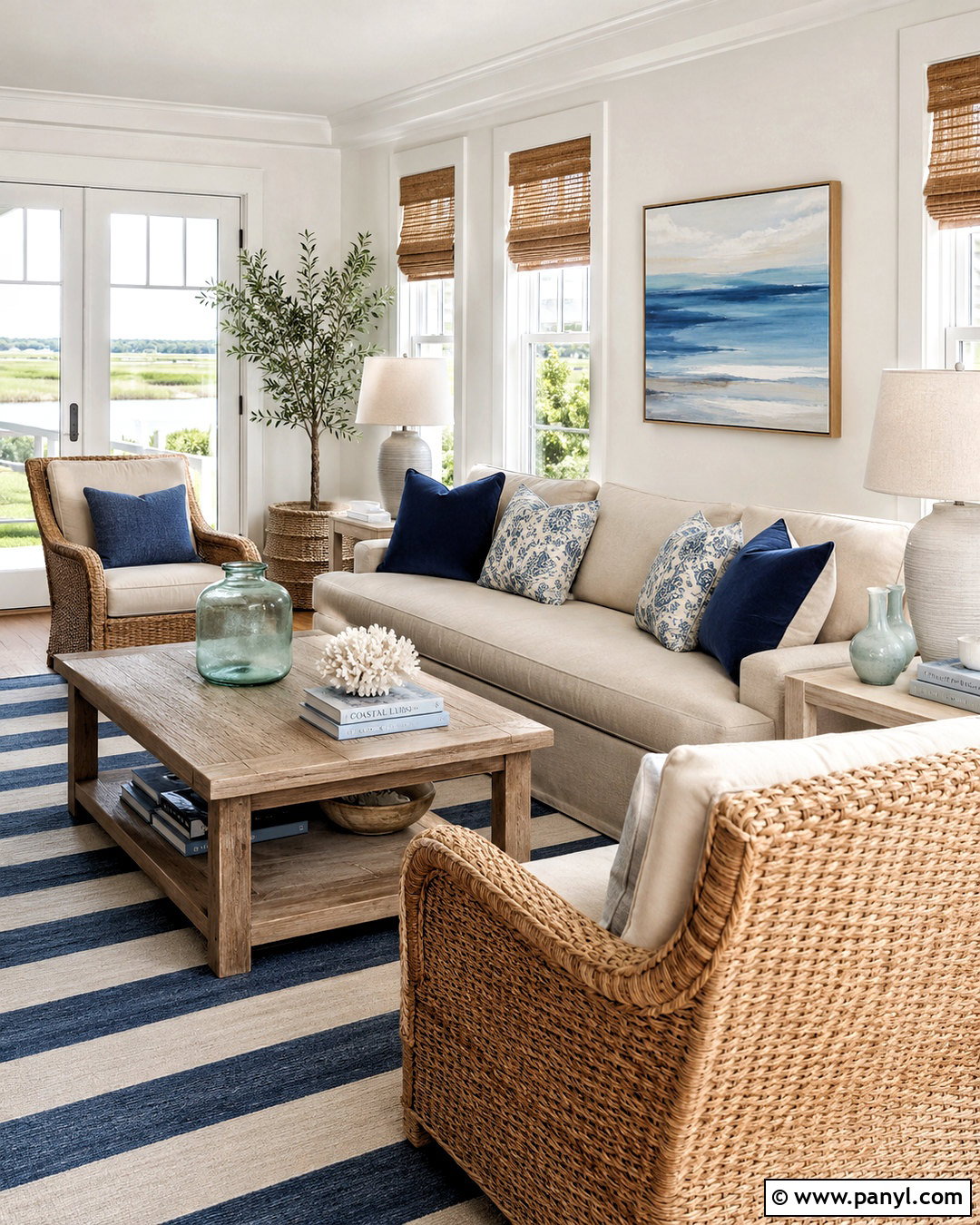
Create a bright living room by using Shoji White on the walls and a cleaner white, such as Pure White, on the ceiling, trim, and built-in shelving. The subtle contrast keeps the architecture visible without creating harsh outlines. Choose a light oatmeal sofa, warm oak coffee table, and cream wool rug to continue the gentle neutral palette. Black-framed artwork and a slim black floor lamp provide just enough definition. Add tan leather chairs for warmth and muted olive pillows for a quiet natural accent. Linen curtains should closely match the walls so the windows appear larger. This complete look feels comfortable and refined, making it especially suitable for open layouts where you want a cohesive background that still has depth.
2. Shoji White And Sage Green Kitchen
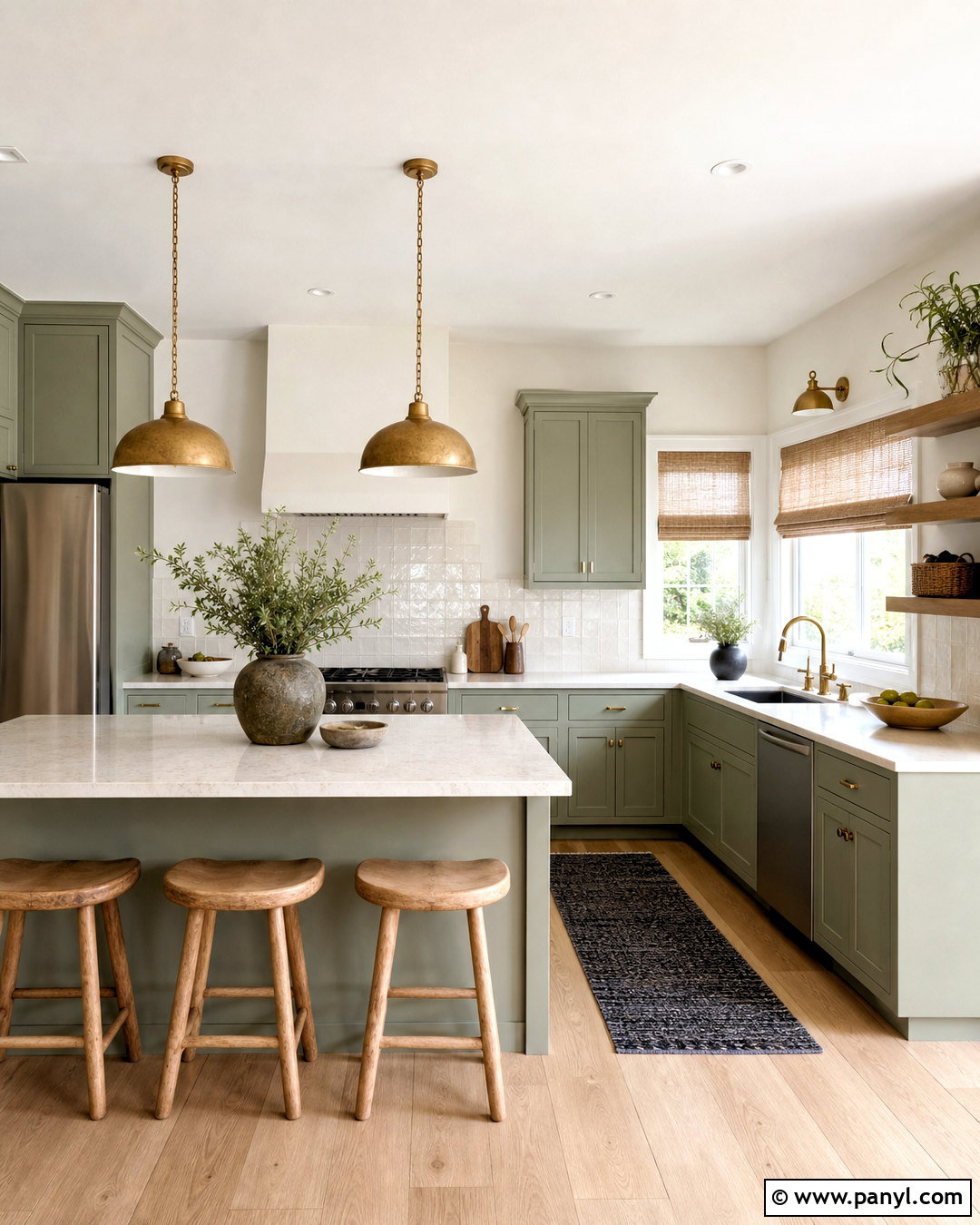
Shoji White walls create a soft backdrop for sage green kitchen cabinets, especially when the green has muted gray undertones. Use creamy quartz countertops and a handmade off-white tile backsplash to connect the two colors without making the kitchen look overly matched. Medium-tone white oak flooring brings natural warmth underfoot. For contrast, select aged brass cabinet pulls, simple brass pendants, and a charcoal runner. Keep the ceiling and window trim a cleaner white to sharpen the room slightly. Natural wood stools and woven shades complete the relaxed organic appearance. This palette works particularly well in kitchens overlooking a garden because the cabinet color visually connects the interior with outdoor greenery while Shoji White keeps the overall space light and approachable.
3. Shoji White And Navy Blue Dining Room
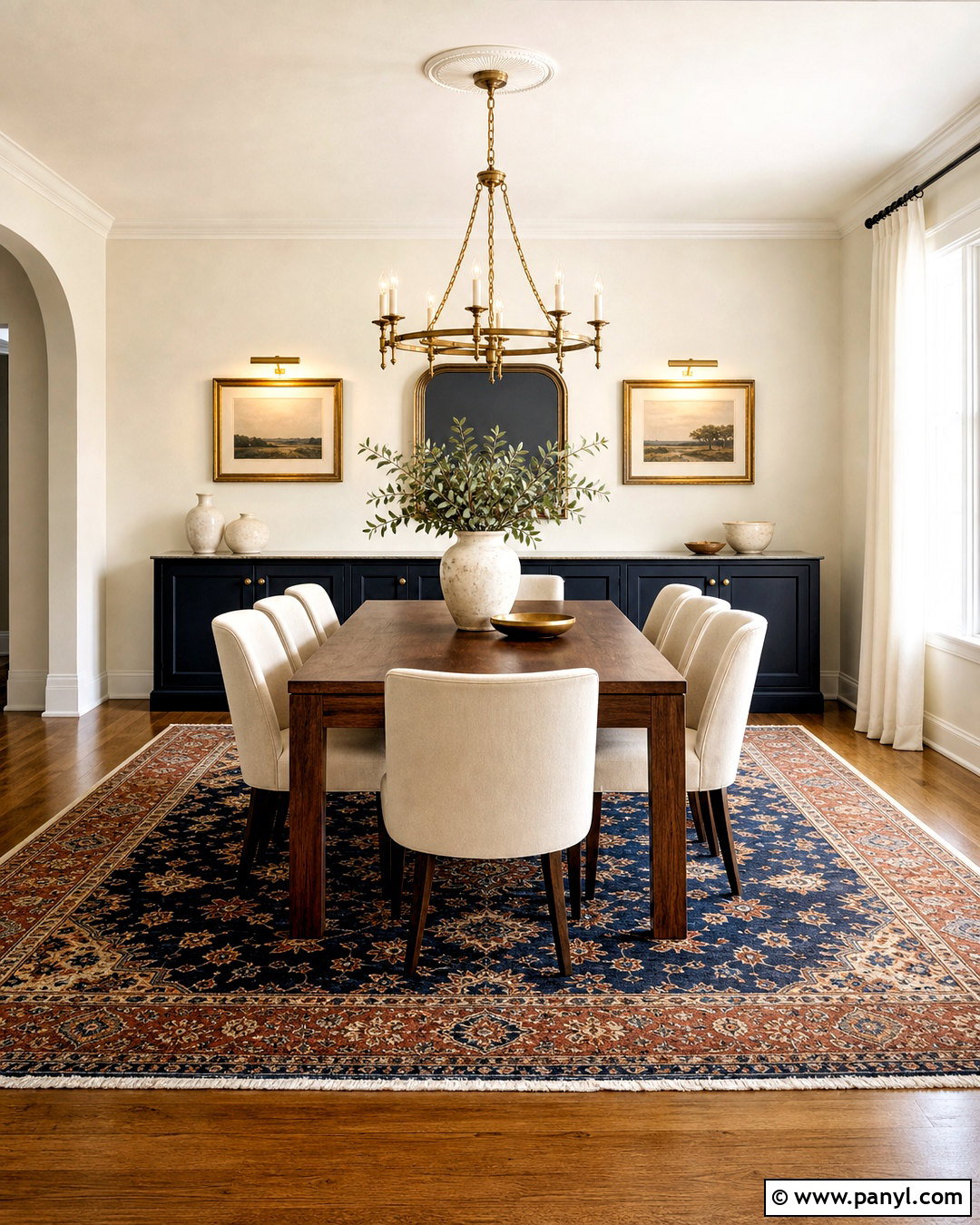
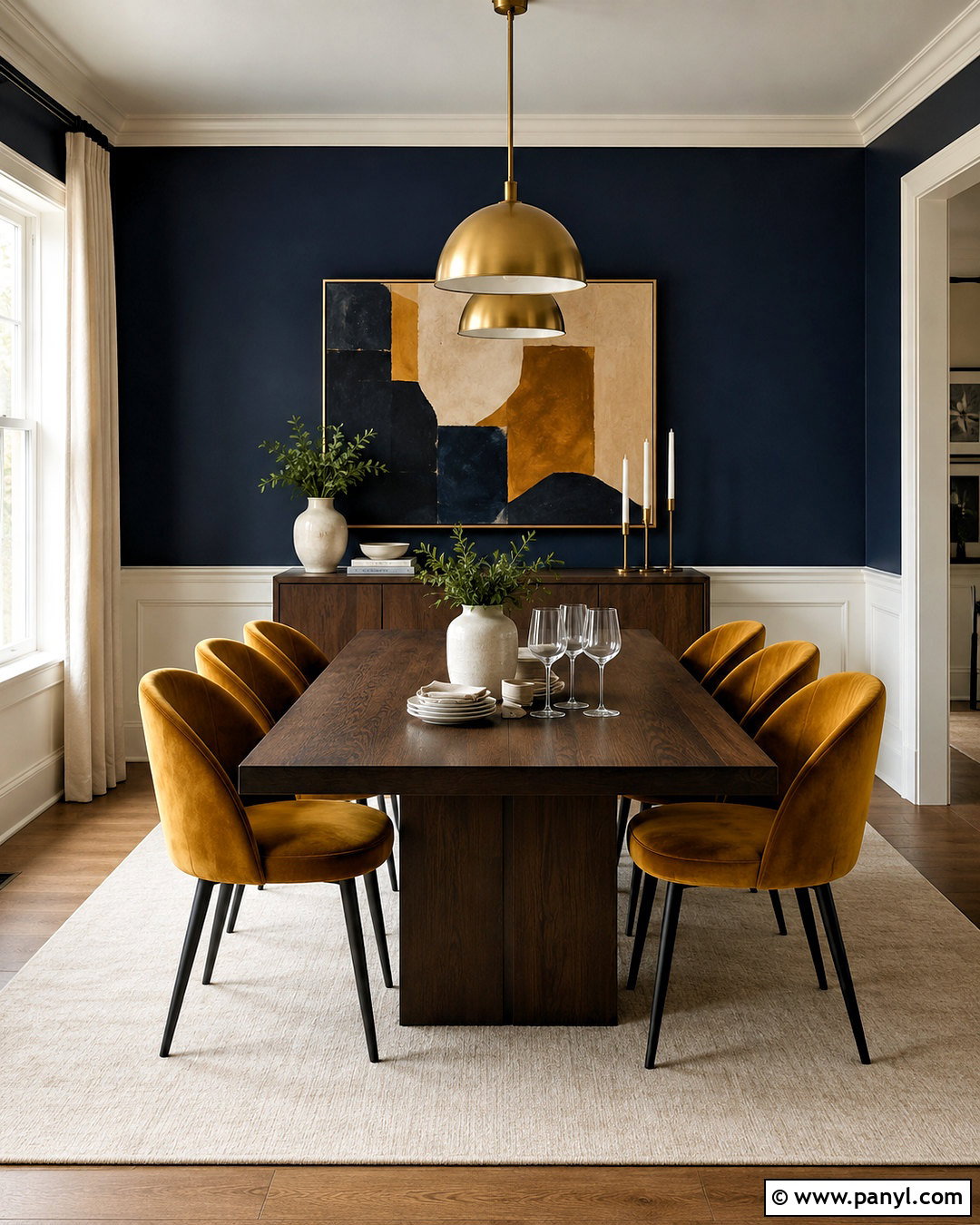
Can a warm off-white support a formal dining room without feeling plain? Paint the walls Shoji White and introduce navy blue through a built-in buffet, lower wall paneling, or a substantial dining hutch. The deep blue gives the room structure, while Shoji White prevents it from becoming heavy. Center the space with a walnut dining table and upholstered cream chairs. A vintage-inspired rug containing navy, rust, and beige will blend the warm and cool notes. Choose an aged brass chandelier and coordinating picture lights for a polished finish. Warm white linen curtains soften the windows. A few ceramic pieces in ivory and dusty blue complete this balanced palette, creating a dining room that feels traditional, fresh, and comfortable enough for everyday meals.
4. Shoji White And Terracotta Bedroom
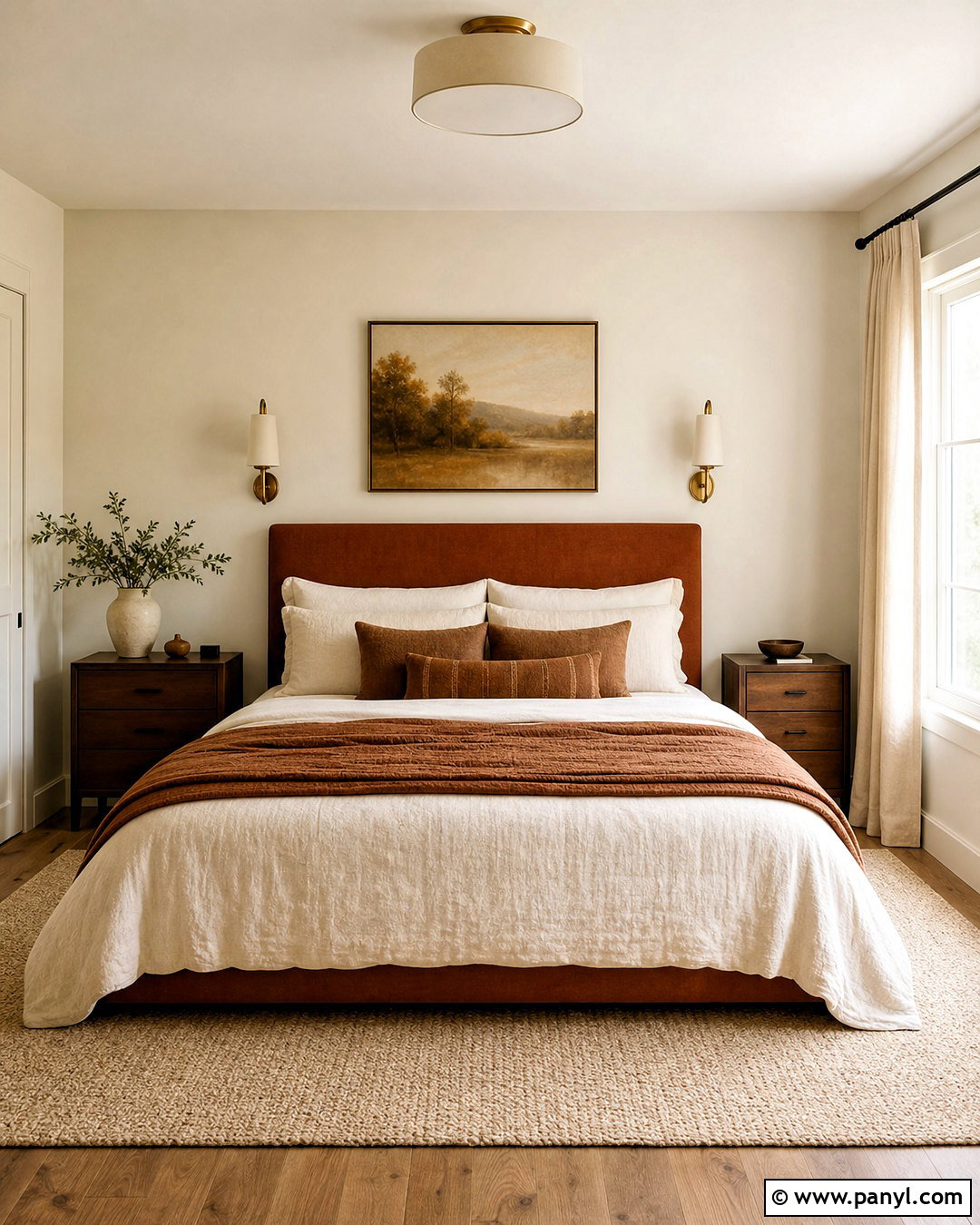
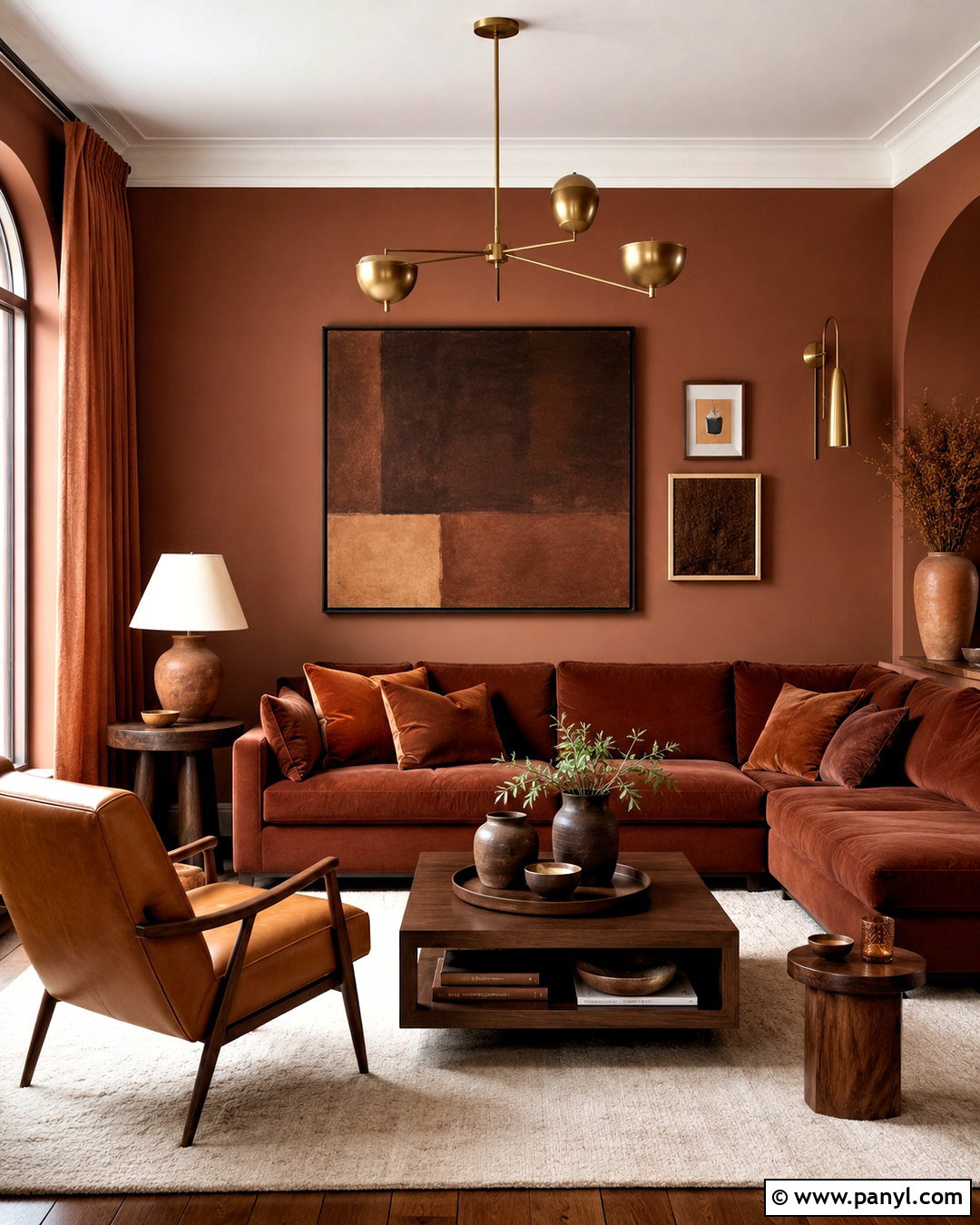
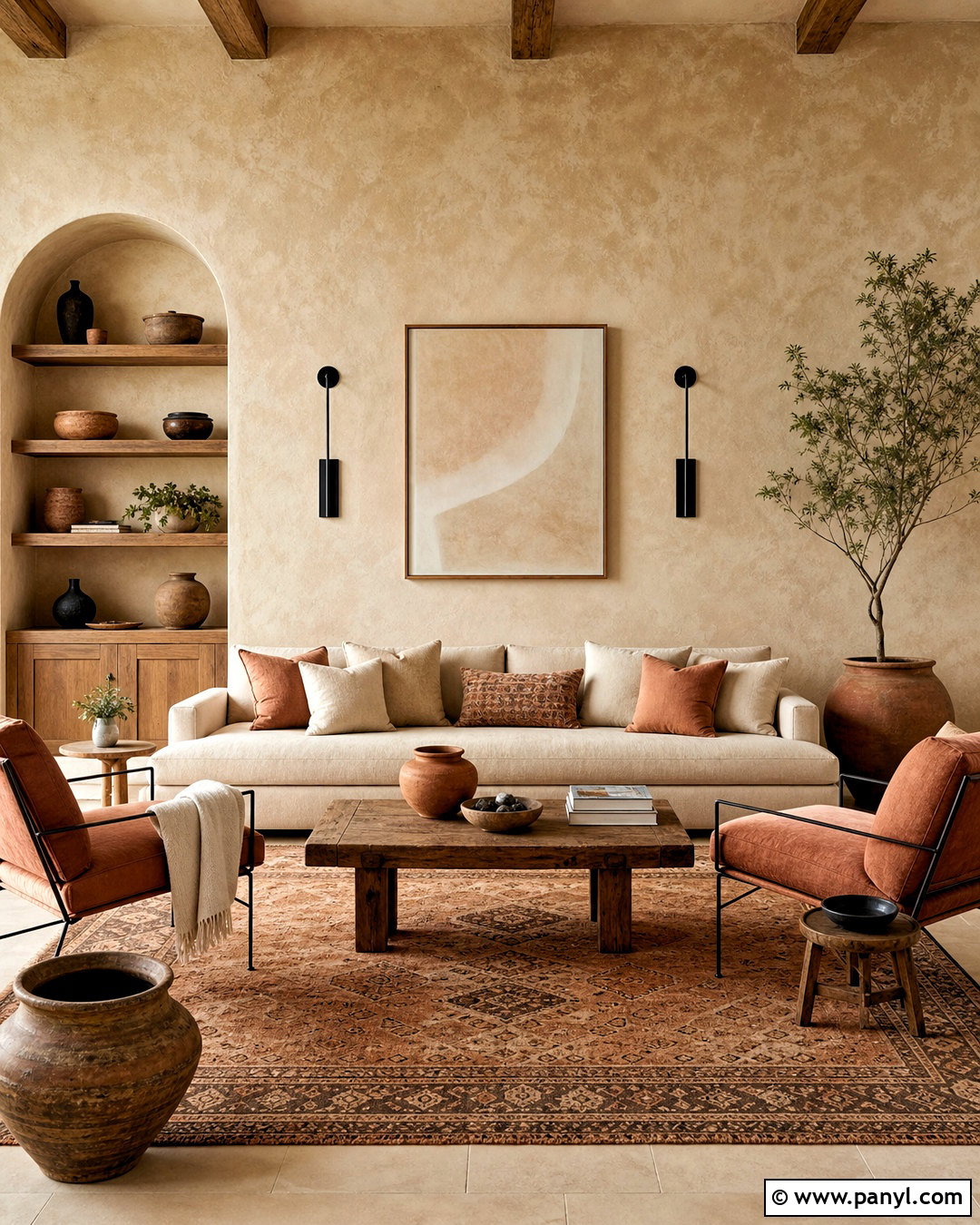
Warm sunlight makes Shoji White especially inviting when it is surrounded by terracotta and natural brown tones. Use Shoji White across the bedroom walls and ceiling for a cocooning effect, then anchor the bed with a rust-colored upholstered headboard. Layer the bedding with ivory sheets, a clay-toned quilt, and muted cinnamon pillows. Medium walnut nightstands bring deeper contrast without introducing a cool color. Add antique brass sconces and a large woven rug in cream and tan. Linen curtains in a pale oatmeal shade should reach from ceiling to floor. Keep artwork simple, using landscapes or abstract prints with warm earthy colors. The completed room feels grounded and restful, with enough tonal variety to keep the neutral walls from appearing flat or unfinished.
5. Shoji White And Black Modern Kitchen
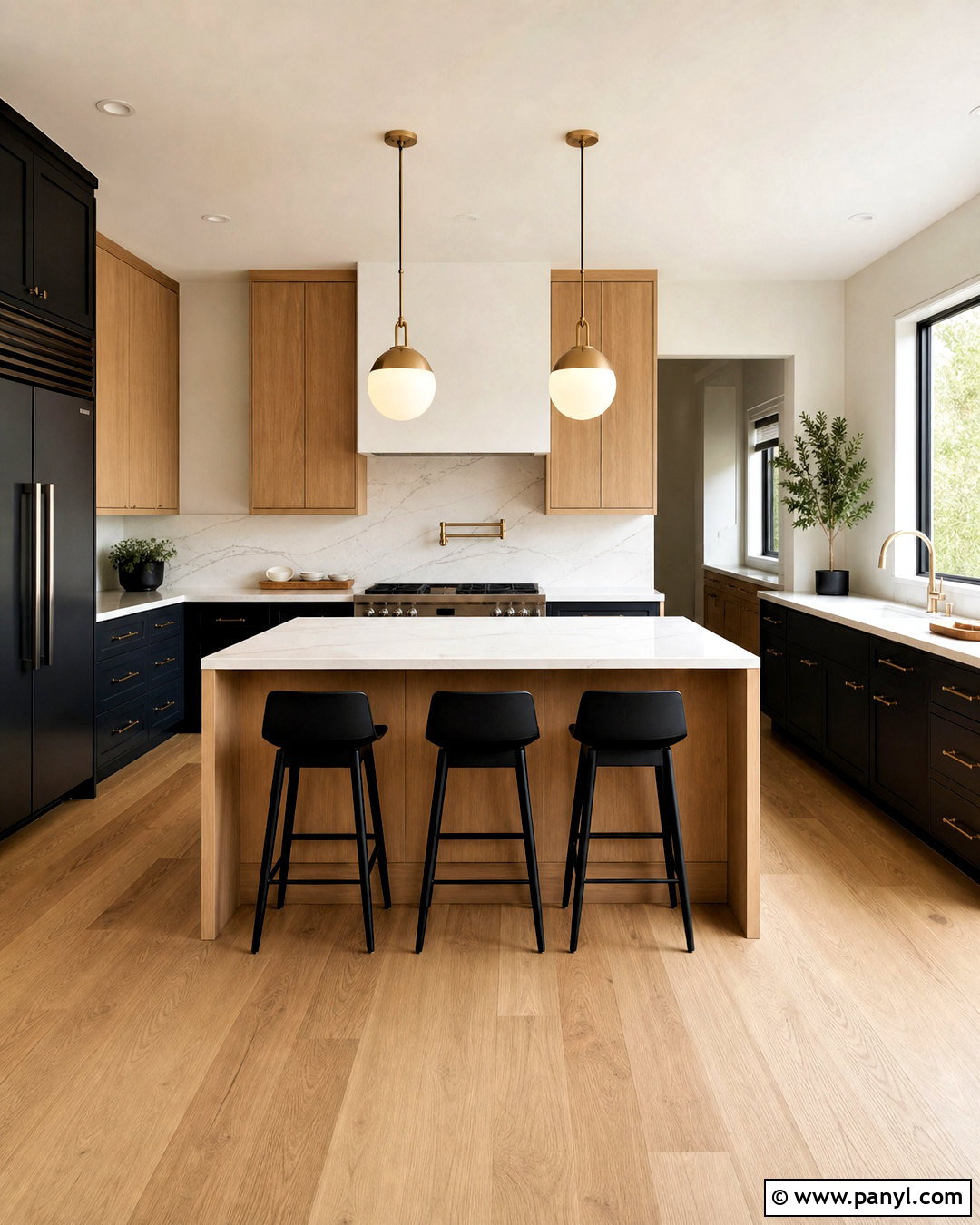
For a high-contrast kitchen, combine Shoji White walls with matte black lower cabinets and warm wood upper cabinets. This arrangement keeps the darkest finish below eye level, allowing the room to remain visually open. Select white quartz counters with delicate beige veining and a matching slab backsplash for a clean, continuous surface. Brushed brass hardware adds a warmer transition between the black cabinetry and creamy walls. Install simple globe pendants above a white oak island with black stools. Pale oak flooring helps balance the dramatic cabinets. Repeat black through narrow window frames, a faucet, and small lighting details rather than adding many dark accessories. The final kitchen feels modern but not cold because Shoji White, oak, brass, and beige stone soften every black element.
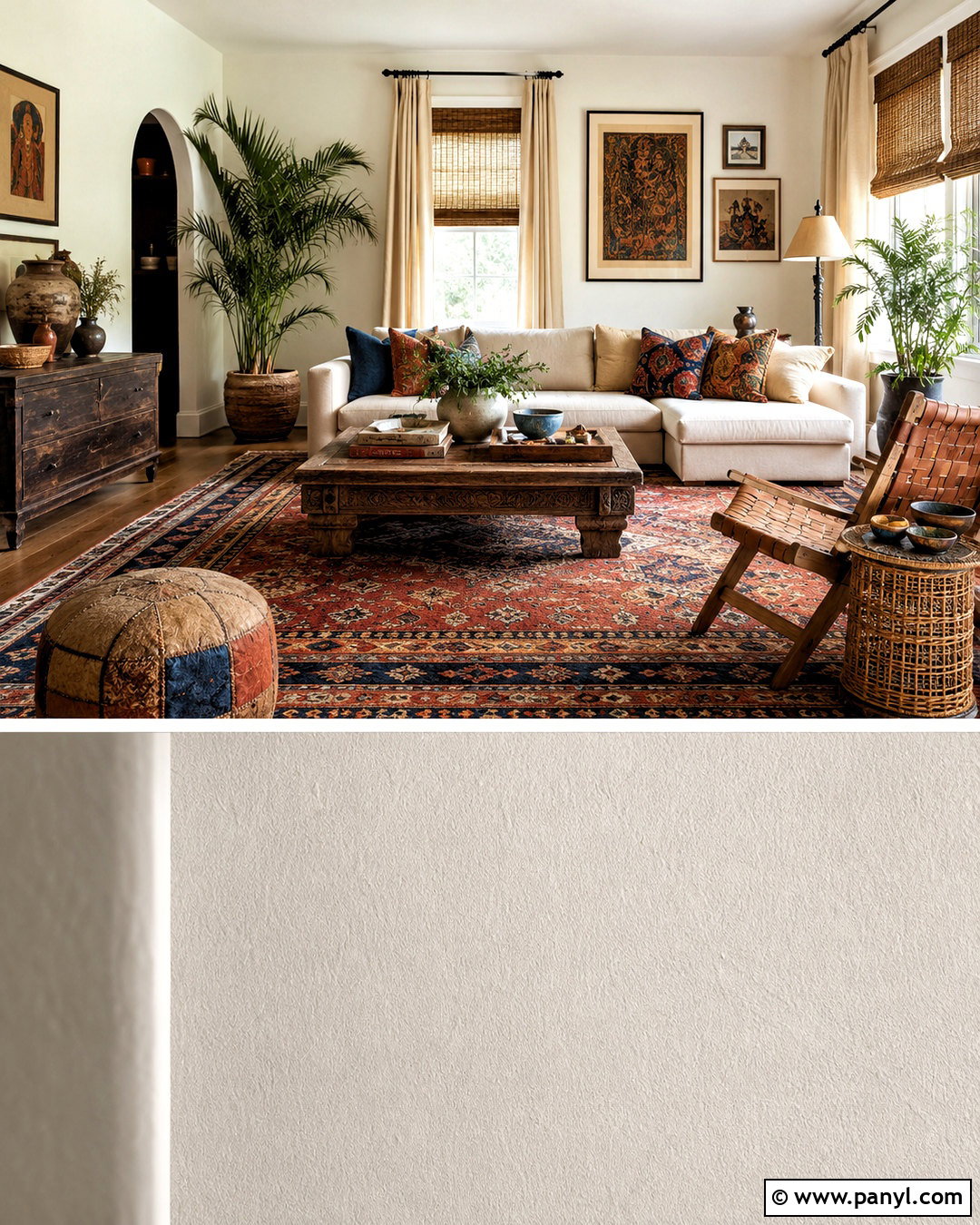
6. Shoji White And Dusty Blue Bedroom
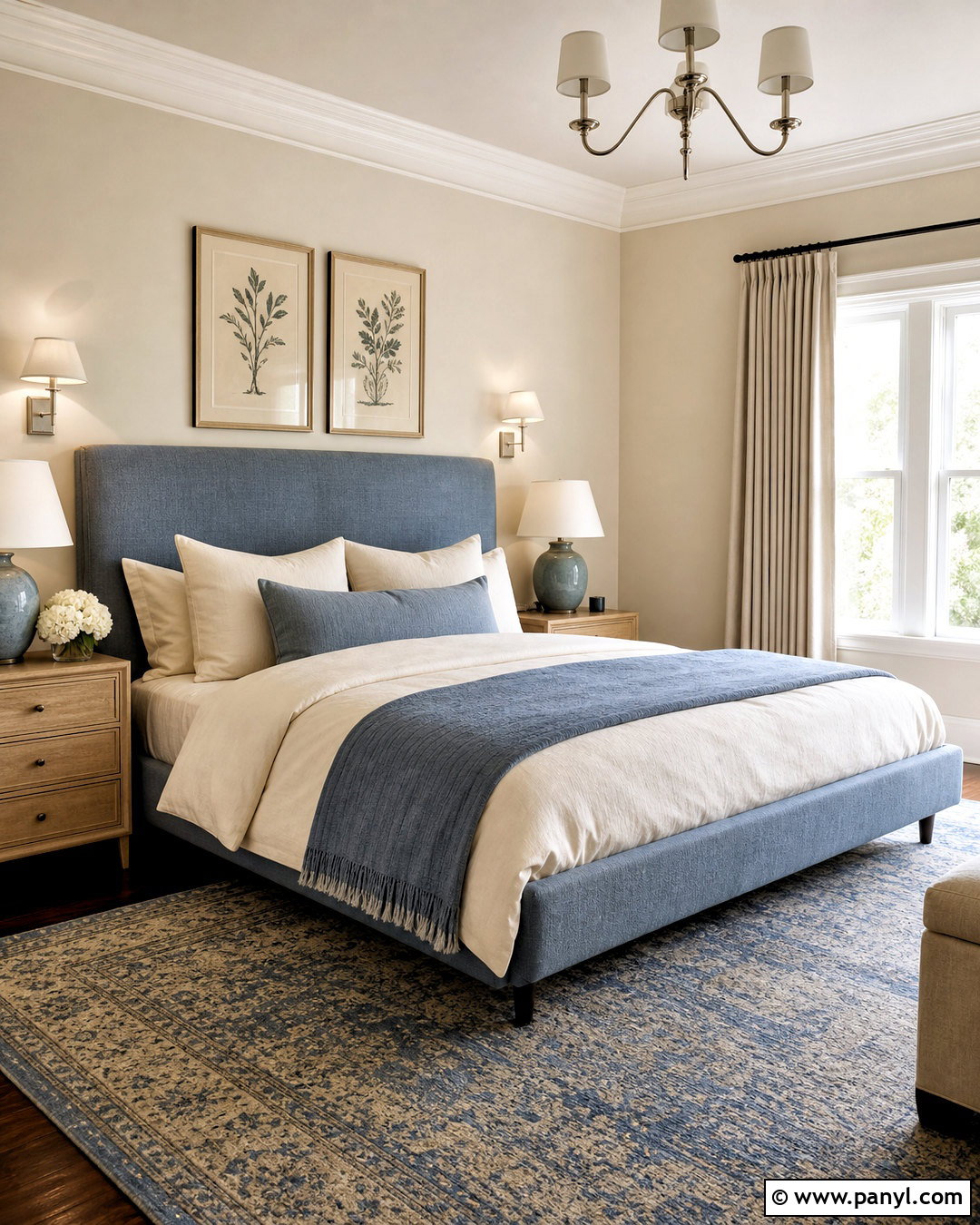
Imagine a peaceful bedroom where every color appears slightly softened. Cover the walls in Shoji White and use dusty blue for the upholstered bed, quilt, or a painted dresser. The blue should have a muted gray quality rather than a bright coastal appearance. Layer the bed with ivory linen, pale greige pillows, and one deeper slate blue throw. Light oak nightstands and brushed nickel sconces keep the design casual and airy. Choose a faded blue-and-beige rug to connect the furniture with the warm walls. Sheer ivory curtains can filter daylight while heavier oatmeal panels add privacy. A few ceramic lamps and simple botanical prints finish the space. This complete palette creates gentle contrast and works beautifully for a calm primary bedroom or guest room.
7. Shoji White And Mushroom Taupe Bathroom
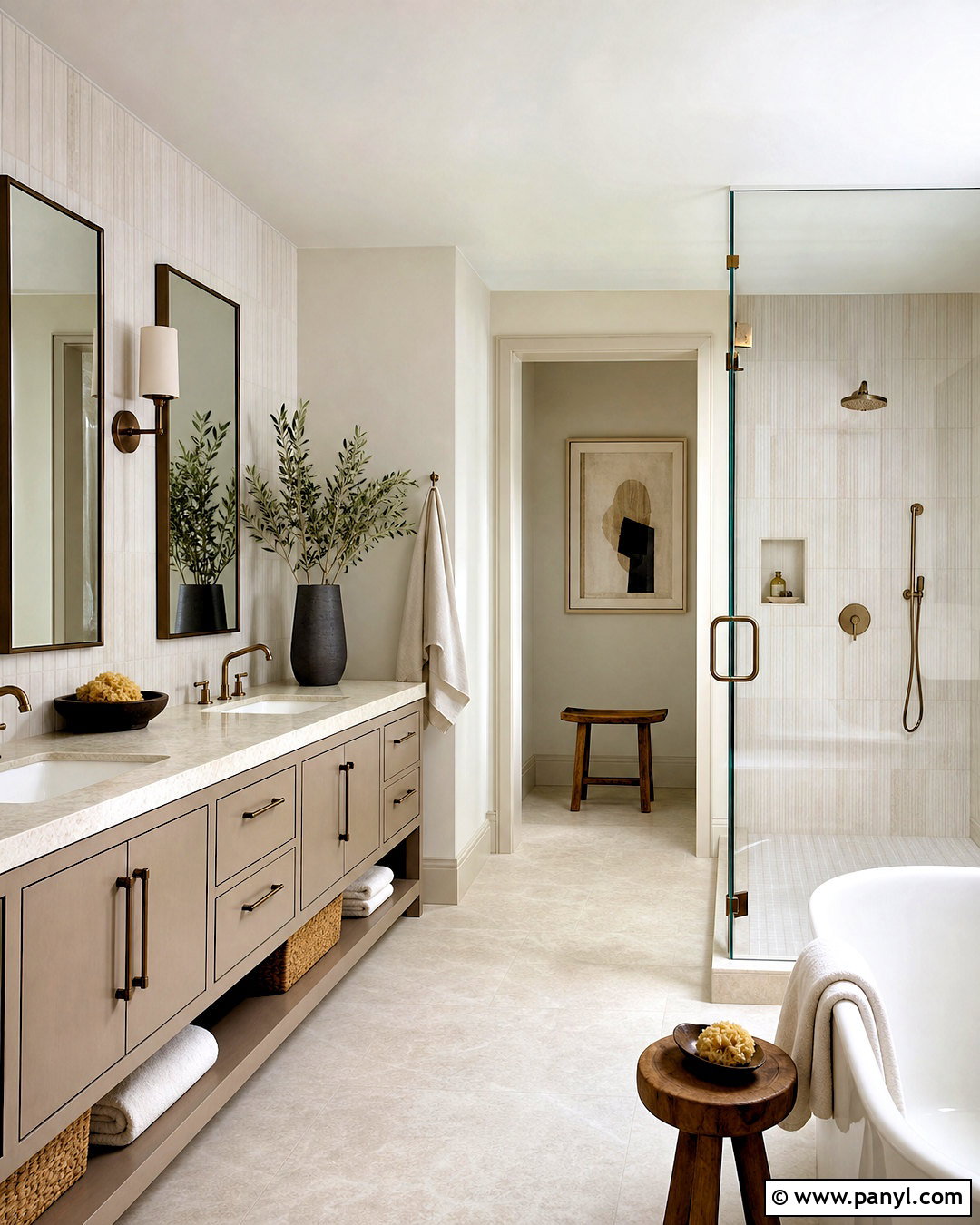
Shoji White can make a bathroom feel warm and clean when it is paired with mushroom taupe cabinetry. Paint the walls Shoji White, then choose a medium taupe vanity with subtle brown-gray undertones. Top it with creamy marble or quartz and install an off-white vertical tile backsplash. Use brushed bronze faucets, mirror frames, and cabinet hardware for a softer effect than polished chrome. A frameless glass shower keeps the compact palette visible throughout the room. Select pale limestone-look floor tile and add warm white towels, a natural teak stool, and a small woven basket. The mix of creamy paint, earthy cabinetry, and quiet stone creates a bathroom that feels coordinated rather than colorless. It also transitions smoothly into bedrooms decorated with warm neutral shades.
8. Shoji White And Olive Green Home Office
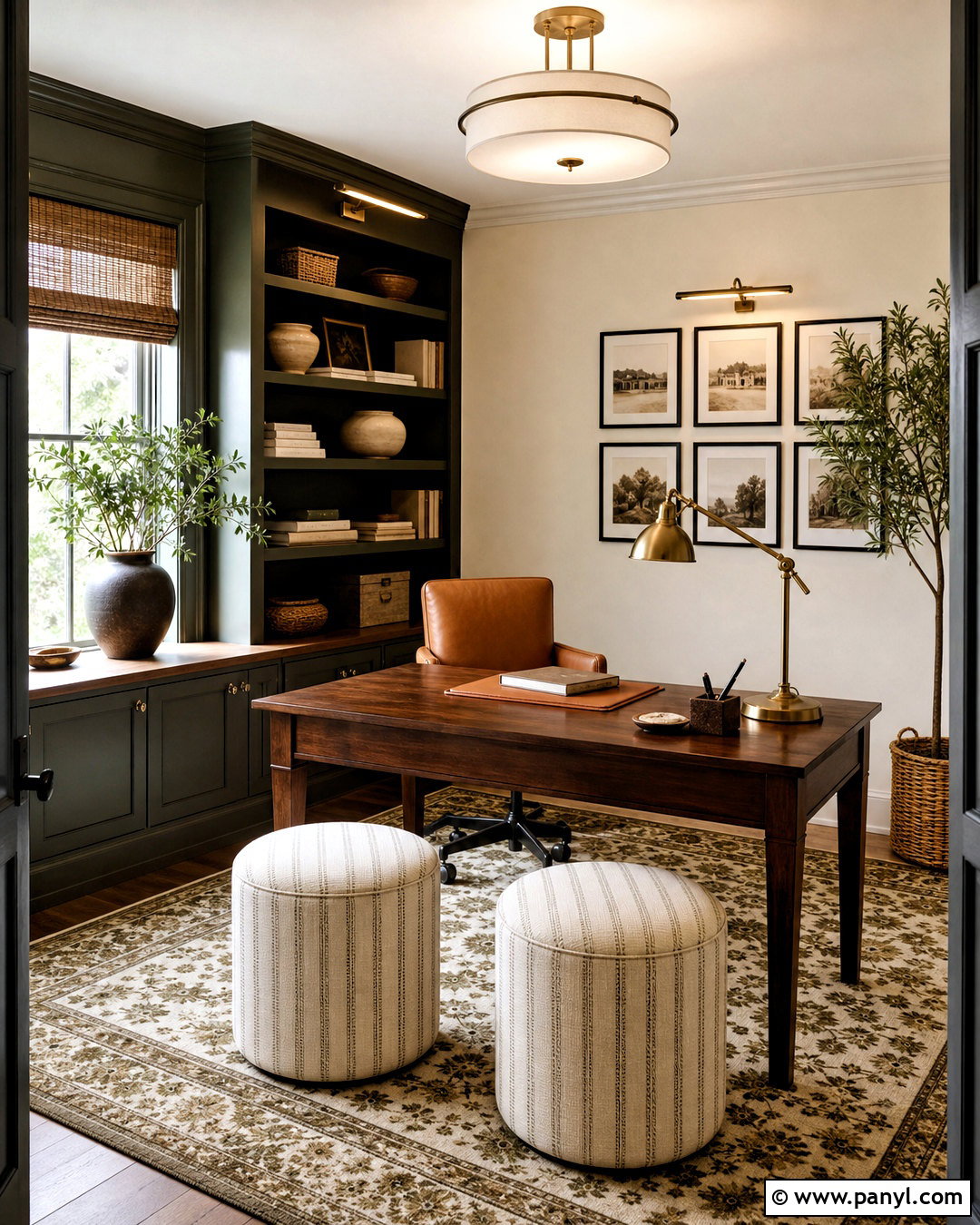
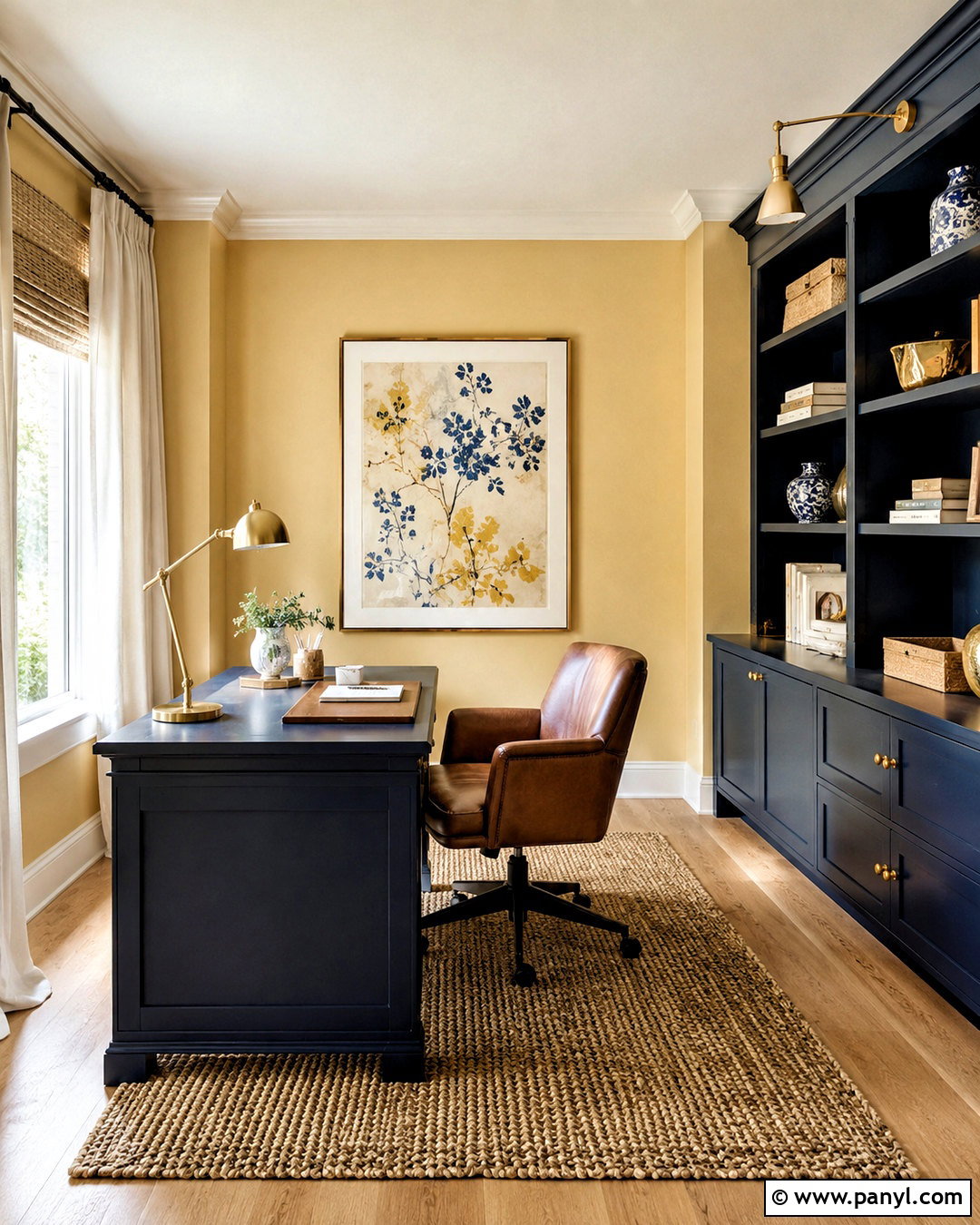
A focused home office does not have to feel dark or corporate. Use Shoji White on three walls and paint the built-in desk, cabinetry, and shelves a deep olive green. The warm wall color balances the green and allows the millwork to become a practical focal point. Choose a walnut desktop, camel leather chair, and aged brass task lamp to build on the earthy theme. A patterned rug containing cream, olive, and faded brown adds softness and absorbs sound. Keep window treatments simple with woven wood shades or natural linen curtains. Display books, pottery, and storage boxes in restrained neutral colors. This office palette feels grounded and professional, while the natural materials make it comfortable enough for long work sessions, reading, or creative projects.
9. Shoji White And Charcoal Gray Entryway

An entryway needs enough contrast to handle daily activity while still setting a welcoming tone. Paint the main walls Shoji White and use charcoal gray on the interior door, stair railing, or a built-in storage bench. Choose durable warm gray stone flooring or a washable beige-and-charcoal runner. A medium oak console introduces warmth between the light walls and darker architectural details. Add a large black-framed mirror, a ceramic table lamp, and woven baskets for practical storage. Upholster the bench cushion in a textured oatmeal fabric and include one muted rust pillow. The combination feels tailored without becoming formal. Shoji White reflects available light through the entrance, while charcoal gives doors and storage features a substantial appearance that can disguise everyday marks better than a lighter finish.

10. Shoji White And Blush Pink Nursery
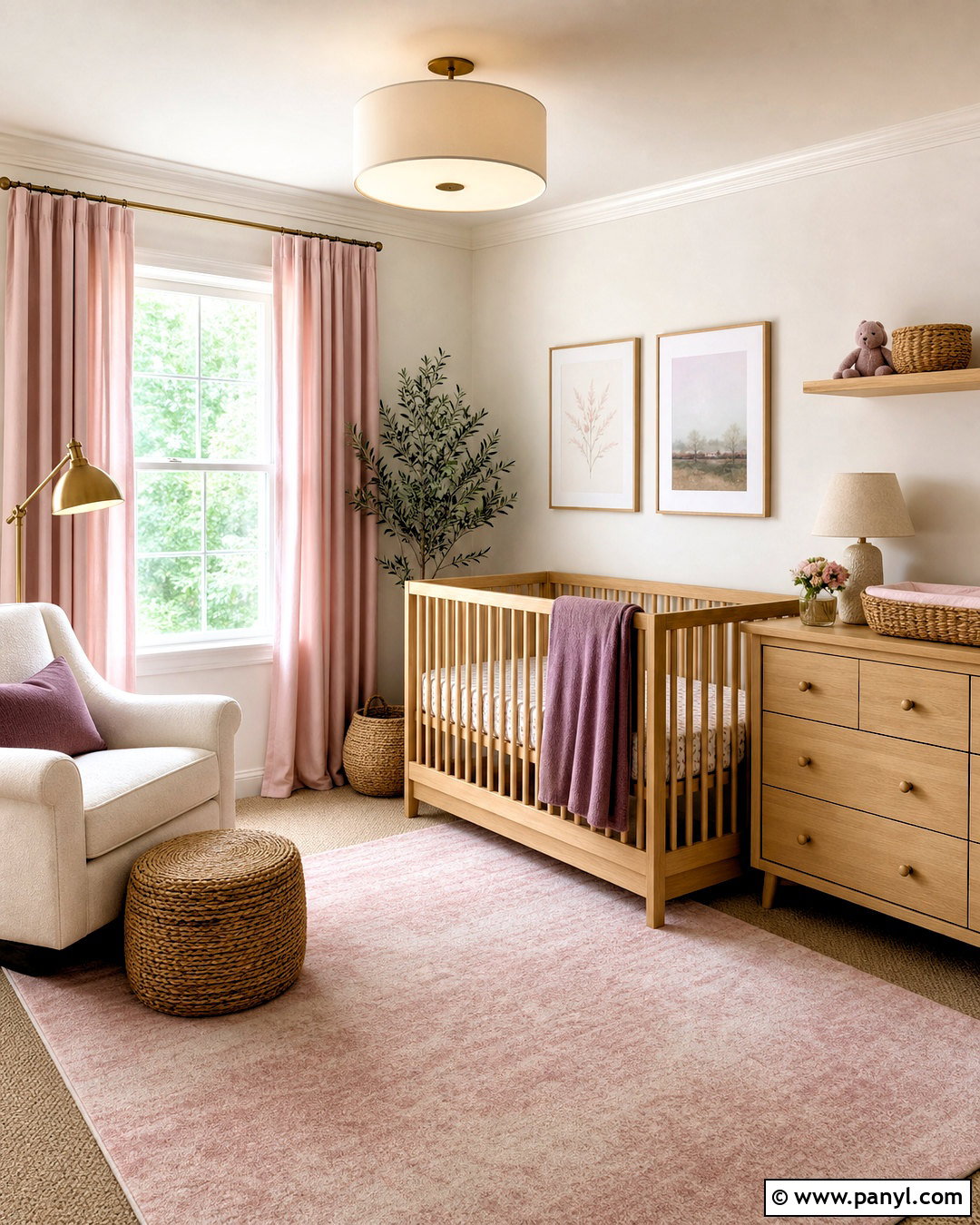
Soft blush gives Shoji White a gentle warmth that works beautifully in a nursery without creating an overly themed room. Paint all walls Shoji White and bring in blush through a washable area rug, blackout curtains, and a comfortable upholstered chair. Choose a natural maple crib and coordinating dresser for a clean, light foundation. Add small touches of muted mauve and warm tan through storage baskets, bedding, and framed artwork. A cream ceiling light and brass reading lamp introduce understated shine. Keep the ceiling and trim softly white rather than sharply contrasting. As the child grows, the blush textiles can be replaced while the neutral walls and wood furniture remain useful. The finished nursery feels peaceful, practical, and flexible enough to adapt over several years.
11. Shoji White And Coastal Blue Sunroom
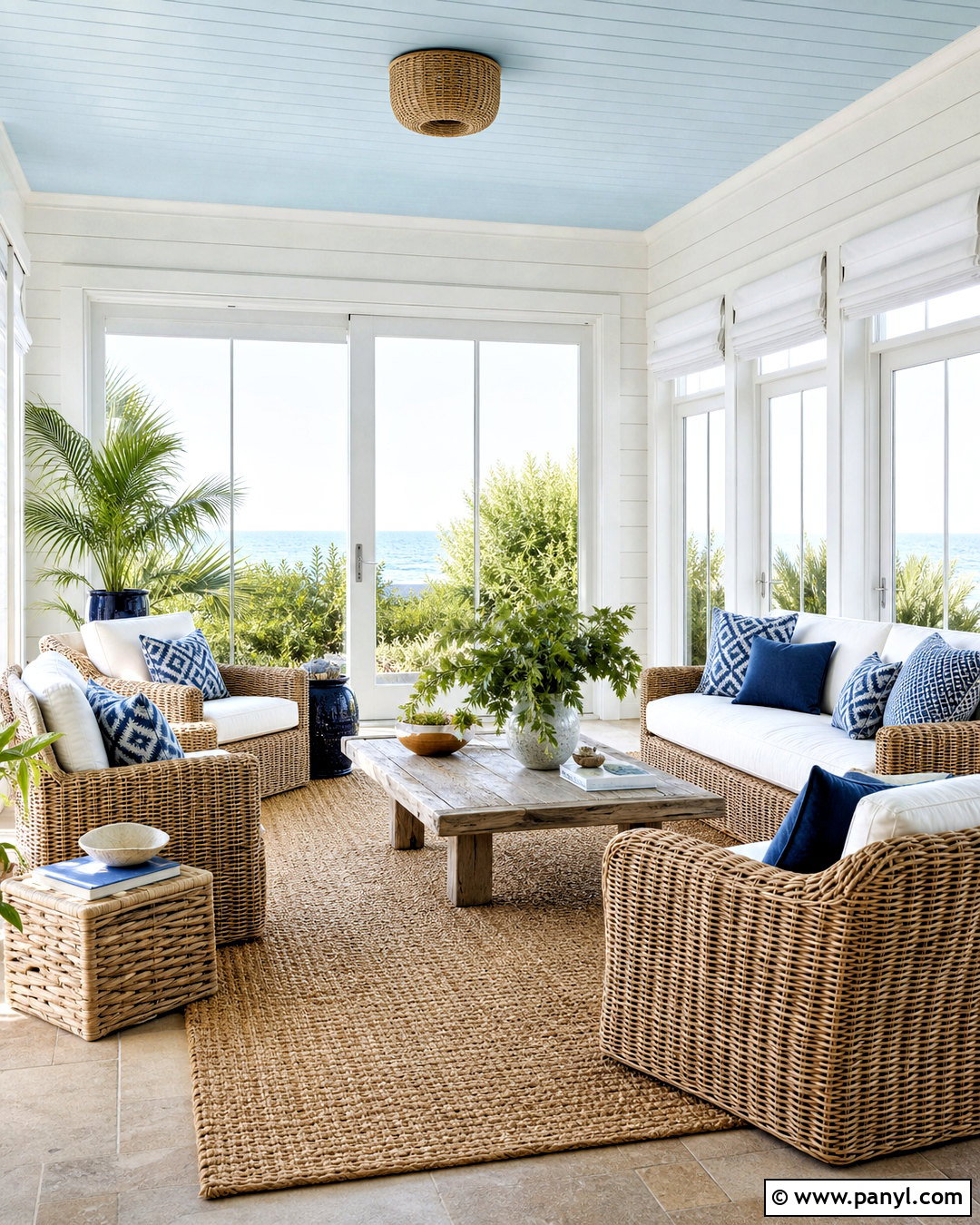
Bring a relaxed coastal feeling into a sunroom without relying on bright nautical colors. Shoji White walls provide a creamy backdrop for a pale coastal blue ceiling, painted cabinet, or pair of lounge chairs. Use weathered oak or light rattan furniture with thick ivory cushions. A woven jute rug adds sandy color and practical texture underfoot. Choose white linen shades and pale blue patterned pillows, then introduce a small amount of navy through pottery or a side table. Natural greenery keeps the room fresh and connects it with the outdoor view. Avoid cool, brilliant whites, which may make the warm wall color appear darker. This full palette feels breezy yet grounded, creating an inviting space for morning coffee, reading, or casual conversation throughout the year.
12. Shoji White And Burgundy Dining Room
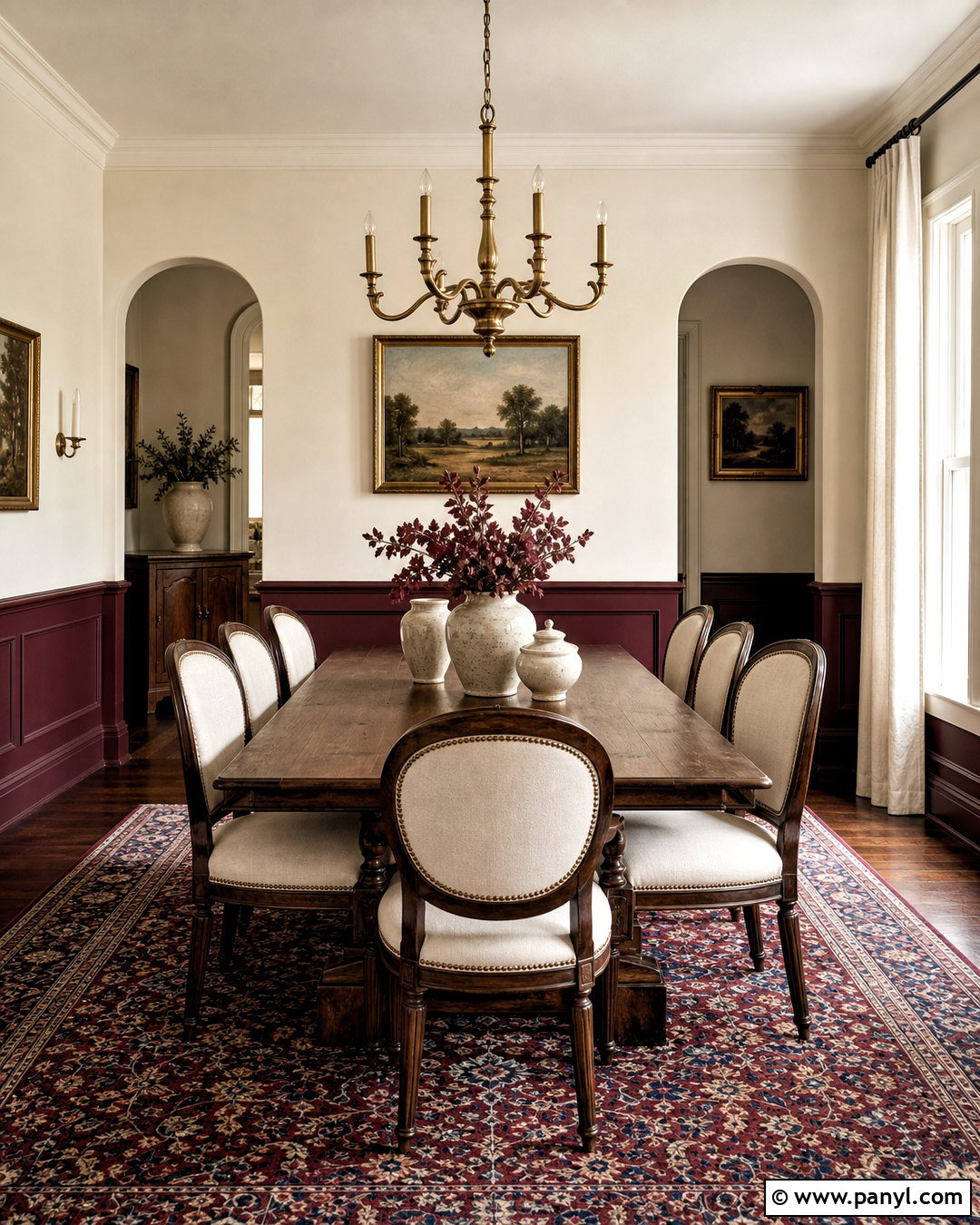
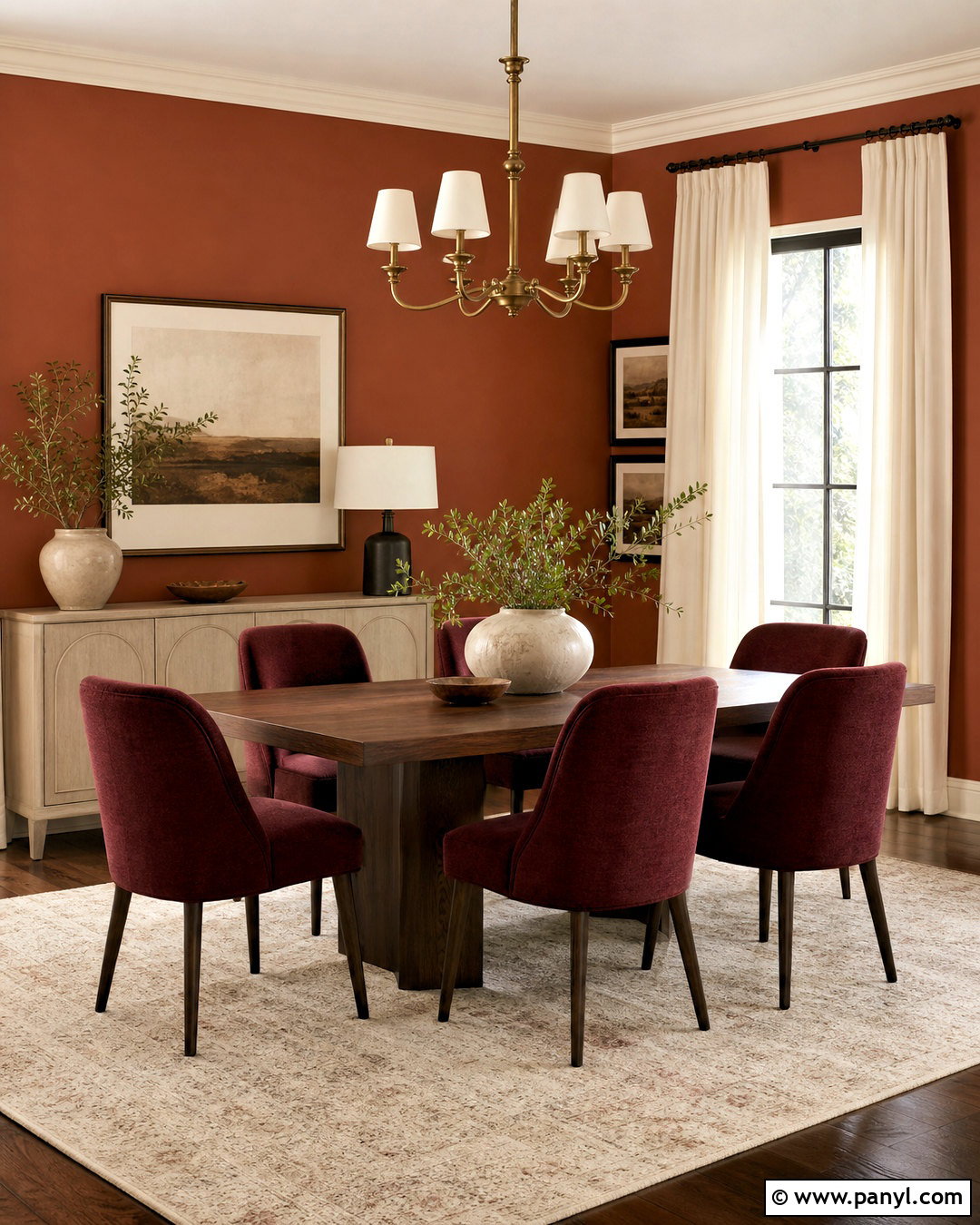
For a richer interpretation, combine Shoji White with burgundy, walnut, and antique brass. Keep the upper walls Shoji White and paint lower paneling or a built-in cabinet a deep muted burgundy. The creamy neutral above prevents the dramatic color from overwhelming the room. Select a dark walnut dining table, cream upholstered chairs, and a traditional rug featuring burgundy, faded blue, and beige. An antique brass chandelier reinforces the warmth, while linen curtains in a natural flax color soften the windows. Display ivory ceramics and vintage-style landscape artwork rather than adding more saturated red accessories. The complete scheme feels established and welcoming. It suits dining rooms where warm evening lighting, substantial wood furniture, and classic architectural details are central to the atmosphere.
13. Shoji White And Light Greige Living Room
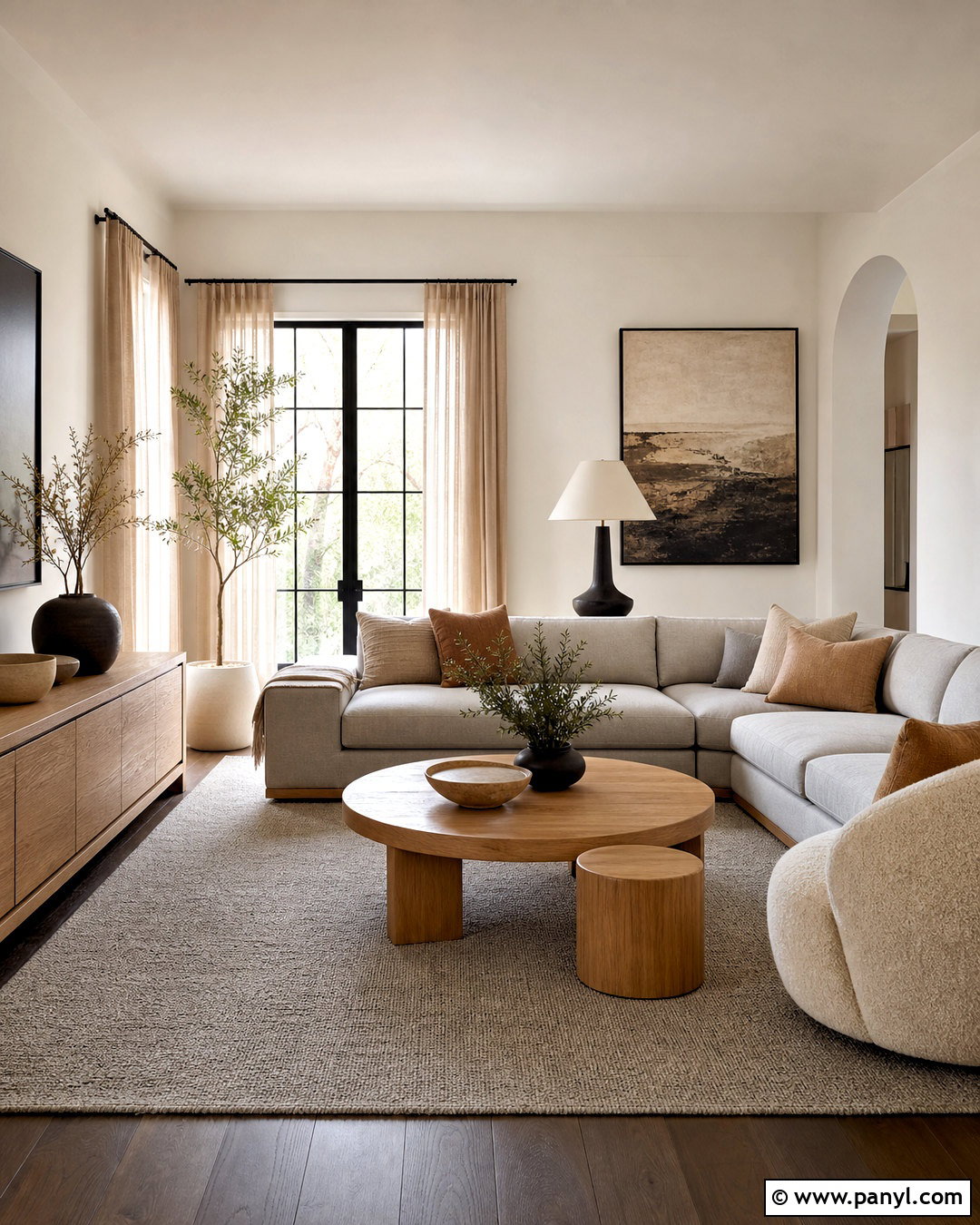
A layered neutral living room can feel interesting when every surface has a slightly different value and texture. Begin with Shoji White walls, then choose a light greige sectional that is visibly deeper than the paint. Add an ivory boucle chair, natural oak tables, and a taupe wool rug. Use pillows in cream, camel, mushroom, and soft brown rather than repeating one exact beige. Dark bronze lamps and curtain rods give the palette a defined edge. Hang textured artwork with warm white, sand, and charcoal details over the sofa. Floor-length oatmeal curtains should frame the windows without strong contrast. This monochromatic look feels spacious and cohesive, but the variety of fabrics, wood grain, metal, and tonal neutrals prevents the room from becoming bland or visually unfinished.
14. Shoji White And Forest Green Bathroom
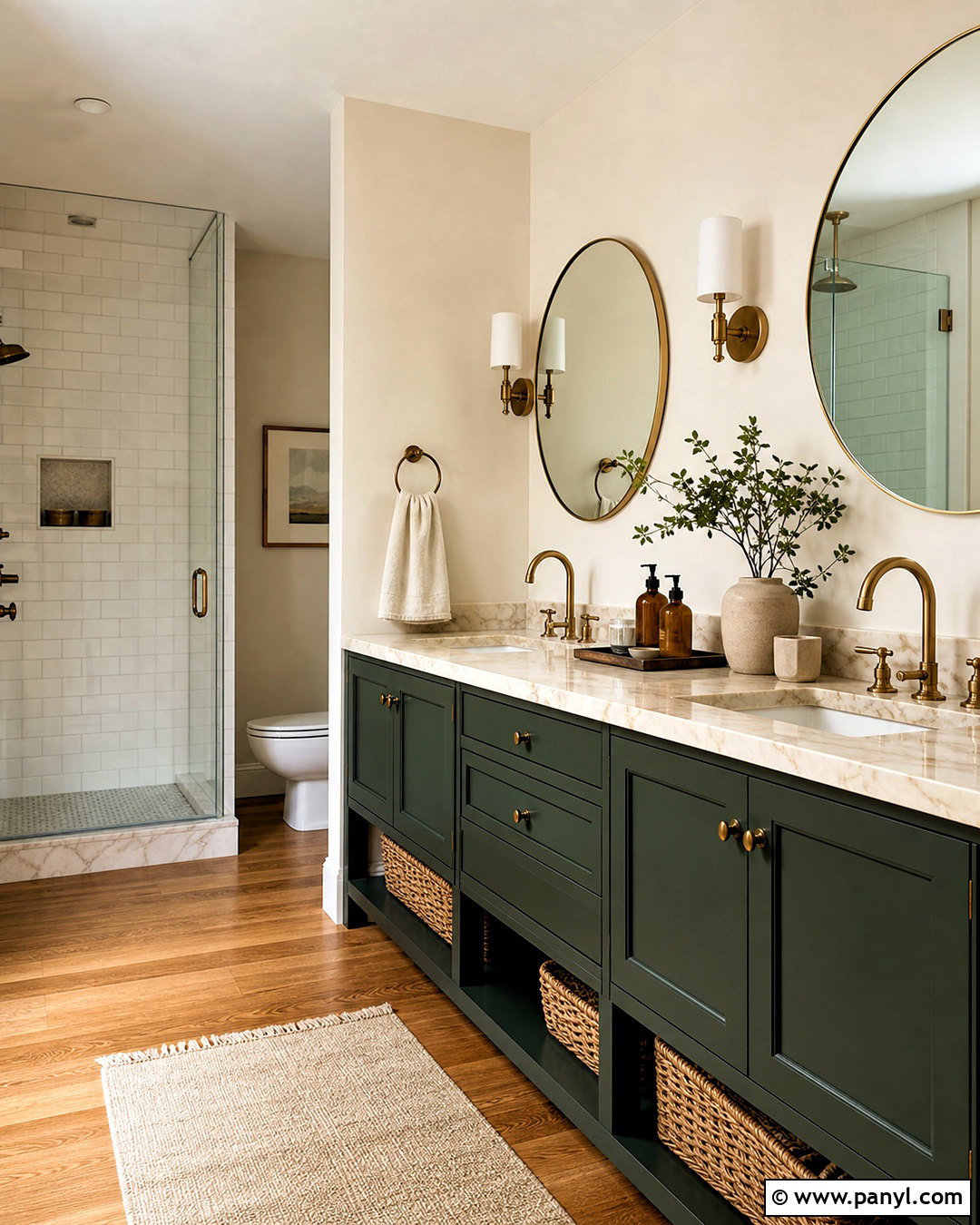
Shoji White walls can soften a dark forest green vanity and make a bathroom feel luxurious without requiring an oversized space. Choose a rich, muted green for the cabinet and pair it with a creamy marble counter featuring gentle beige veining. Use warm white subway tile around the shower or bathtub, matching it closely to the walls. A medium oak floor or wood-look porcelain tile adds natural warmth. Select brushed brass faucets, round mirrors, and wall sconces for a classic finishing layer. Keep towels ivory and introduce small accents through amber glass containers and woven baskets. The green vanity becomes the clear focal point, while every supporting finish remains quiet. This balanced palette works equally well in a primary bathroom, powder room, or updated guest bath.
15. Shoji White And Natural Oak Kitchen
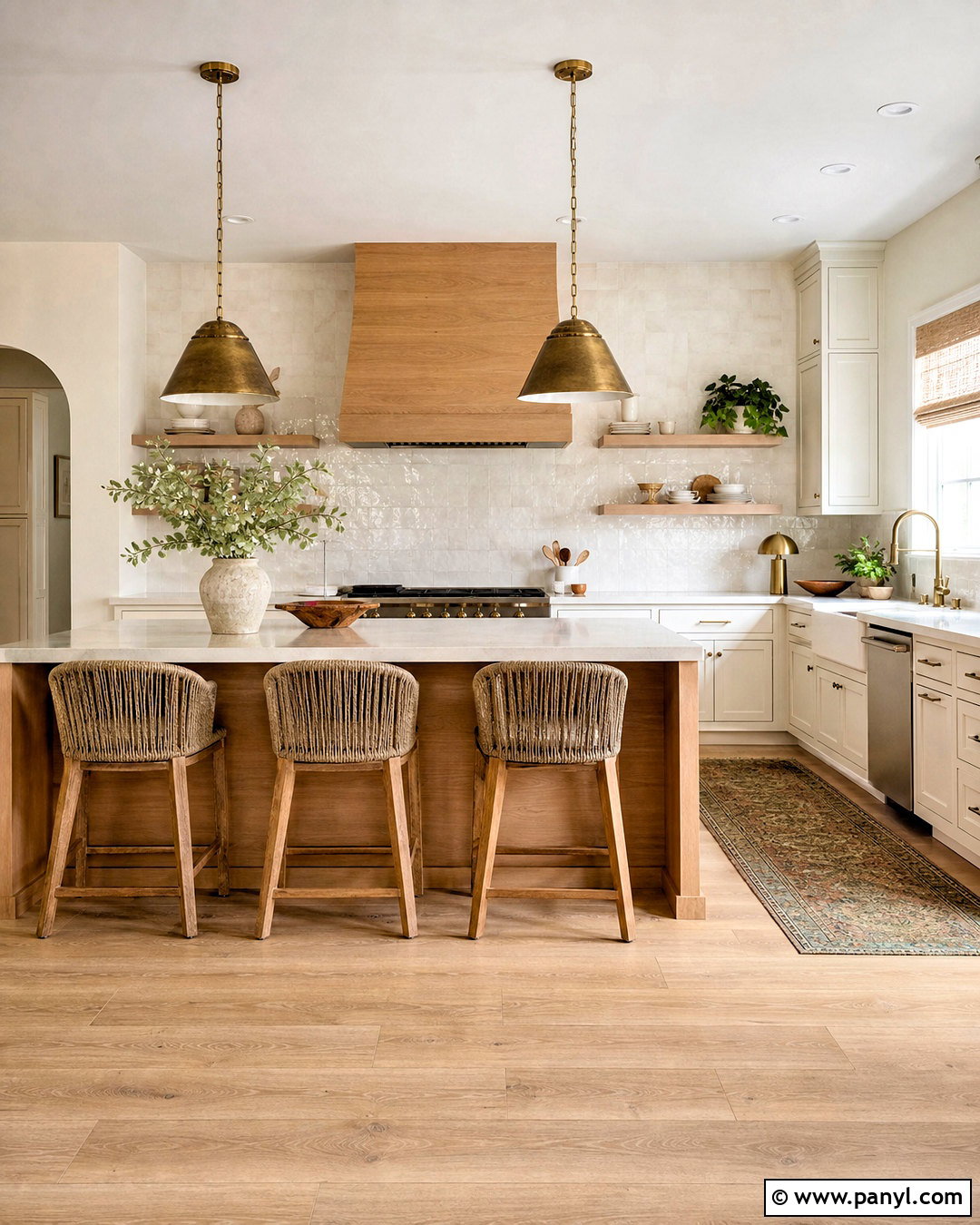
Sometimes the simplest palette produces the most inviting kitchen. Use Shoji White on the walls and perimeter cabinets, then feature natural white oak on the island, vent hood, and open shelving. Choose creamy quartz counters and warm off-white backsplash tile with slight handmade variation. Pale oak flooring can continue the wood story, but select a different grain direction or tone so the cabinetry remains distinct. Aged brass pendants and cabinet hardware contribute a soft glow. Add woven counter stools with oatmeal seats and a narrow runner containing tan, gray, and faded green. Keep appliances integrated or finished in stainless steel for a clean result. The finished kitchen feels bright, organic, and practical, with enough material variation to define each surface while maintaining a seamless neutral flow.
16. Shoji White And Slate Blue Exterior

Shoji White creates a welcoming house exterior when paired with slate blue shutters and a coordinating front door. Use the creamy off-white on the main siding, then apply a cleaner white to window trim, porch columns, and fascia for gentle definition. Slate blue introduces noticeable color while staying muted enough for a traditional facade. Choose a medium gray roof and add natural stone around the foundation or porch steps. Black lanterns and house numbers provide crisp finishing details. Complete the curb appeal with layered evergreen shrubs, ornamental grasses, and pale gravel or concrete walkways. This exterior palette works especially well on cottages, Cape Cod homes, and simple suburban houses. The result looks colorful and distinctive without making the architecture feel busy or overly contrasted.
17. Shoji White And Matte Black Exterior

A modern farmhouse or updated traditional home can use Shoji White siding with matte black architectural accents. Apply Shoji White across brick, stucco, or horizontal siding, then define the windows, gutters, garage doors, and porch railings in black. Keep the roof charcoal so it connects naturally with those dark features. Warm the entrance with a stained cedar door and matching porch ceiling. Large concrete pavers, black planters, and structured evergreen landscaping continue the clean exterior lines. Avoid adding several unrelated accent colors; the wood door should provide the main warmth. Shoji White prevents the black-and-white scheme from appearing too stark, while the dark elements outline the home’s shape. The completed exterior feels current, balanced, and realistic for an average residential property.
18. Shoji White And Warm Brown Exterior

Does your house have a brown roof that needs to remain? Shoji White can connect beautifully with existing warm roofing when the remaining finishes are chosen carefully. Use Shoji White for the siding or painted brick, a slightly brighter cream for the trim, and deep bronze for shutters, gutters, and exterior lights. Select a walnut-brown front door or preserve a naturally stained wood door. Add tan stone around the foundation to bridge the roof and wall colors. Landscaping should include rich green shrubs, cream flowering plants, and dark brown mulch. A warm concrete or beige paver walkway completes the scheme. This coordinated exterior looks intentional because each element repeats either the creamy wall color or one of the roof’s deeper brown tones.
19. Shoji White And Deep Teal Family Room

Deep teal brings energy to Shoji White without making a family room feel overly formal. Paint the walls Shoji White and feature teal on a media cabinet, built-in shelves, or a large upholstered sectional. Balance the strong accent with a warm oak coffee table and a generously sized cream-and-tan rug. Add caramel leather chairs or an ottoman to connect the warm walls with the cool teal. Brass table lamps, woven baskets, and patterned pillows in teal, rust, and ivory complete the palette. Keep the ceiling, fireplace mantel, and window trim a clean soft white for subtle definition. The room remains practical and comfortable, yet the saturated focal color gives it personality. This approach works well when family spaces need durable furnishings but still deserve a polished, coordinated appearance.
20. Shoji White And Soft Yellow Laundry Room

A laundry room offers the perfect place to pair Shoji White with a cheerful but muted yellow. Use Shoji White on the walls and upper cabinets, then paint the lower cabinets a soft wheat or pale ochre. Choose a warm white quartz counter and a small-scale backsplash tile in cream and light beige. Natural oak shelves and woven storage baskets reinforce the sunny palette without adding clutter. Install aged brass hardware and a simple black hanging rail for useful contrast. Beige porcelain floor tile or a washable striped runner keeps the room practical. Finish the space with labeled containers hidden inside cabinets and one small green plant. The completed laundry room feels bright and organized, turning a hardworking utility area into a pleasant extension of the home.
Conclusion:
These **20 shoji white color palette ideas** show how easily this creamy neutral can move between traditional, organic, modern, coastal, and dramatic interiors. It can soften black, brighten deep green, support earthy terracotta, or connect naturally with oak and warm stone. For the most cohesive result, choose one main accent color, one wood tone, and one metal finish before adding smaller decorative pieces. Consider the room’s permanent surfaces, including floors, counters, roofing, and tile, before finalizing the palette. Paint a large sample and view it throughout the day, since changing light can affect how nearby colors relate. With thoughtful contrast and layered materials, Shoji White creates a warm foundation that feels comfortable rather than stark.

Related Ideas and Inspiration:



Leave a Reply