
A thoughtful nursery palette can make the room feel peaceful, practical, and connected to the rest of your home. Today’s nursery color palette ideas extend beyond predictable pastels, combining warm neutrals, earthy greens, softened blues, muted pinks, and richer accent colors. Color drenching, natural finishes, gentle patterns, and warm wood furniture can add personality without making the space feel busy. () As you plan, consider the room’s natural light, flooring, crib finish, storage, and textiles together. Choose one dominant color, one supporting neutral, and a few controlled accents for a balanced result. The complete looks below provide flexible inspiration for traditional, modern, playful, and gender-neutral rooms through 20 nursery color palette ideas.

1. Sage Green Nursery Palette
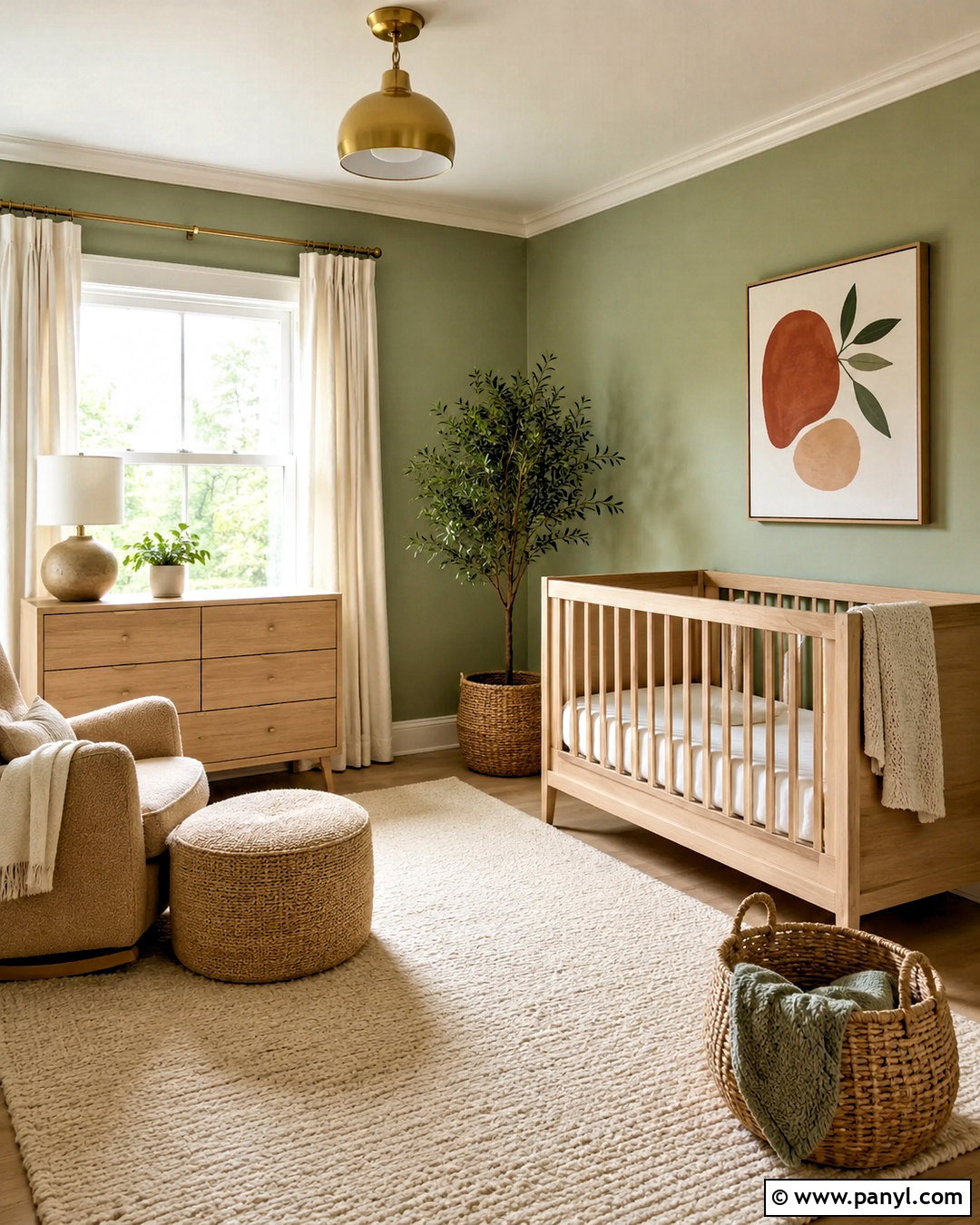
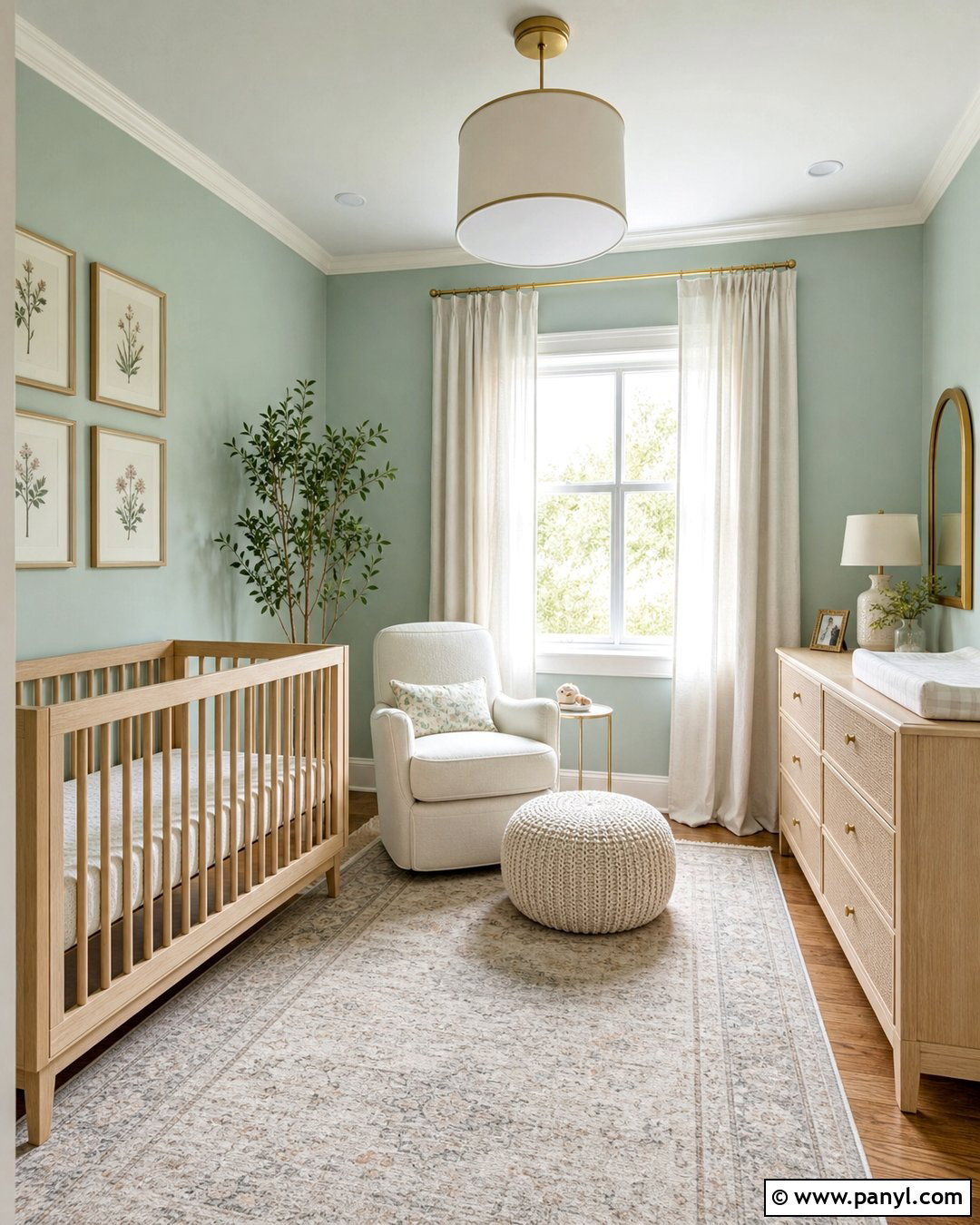
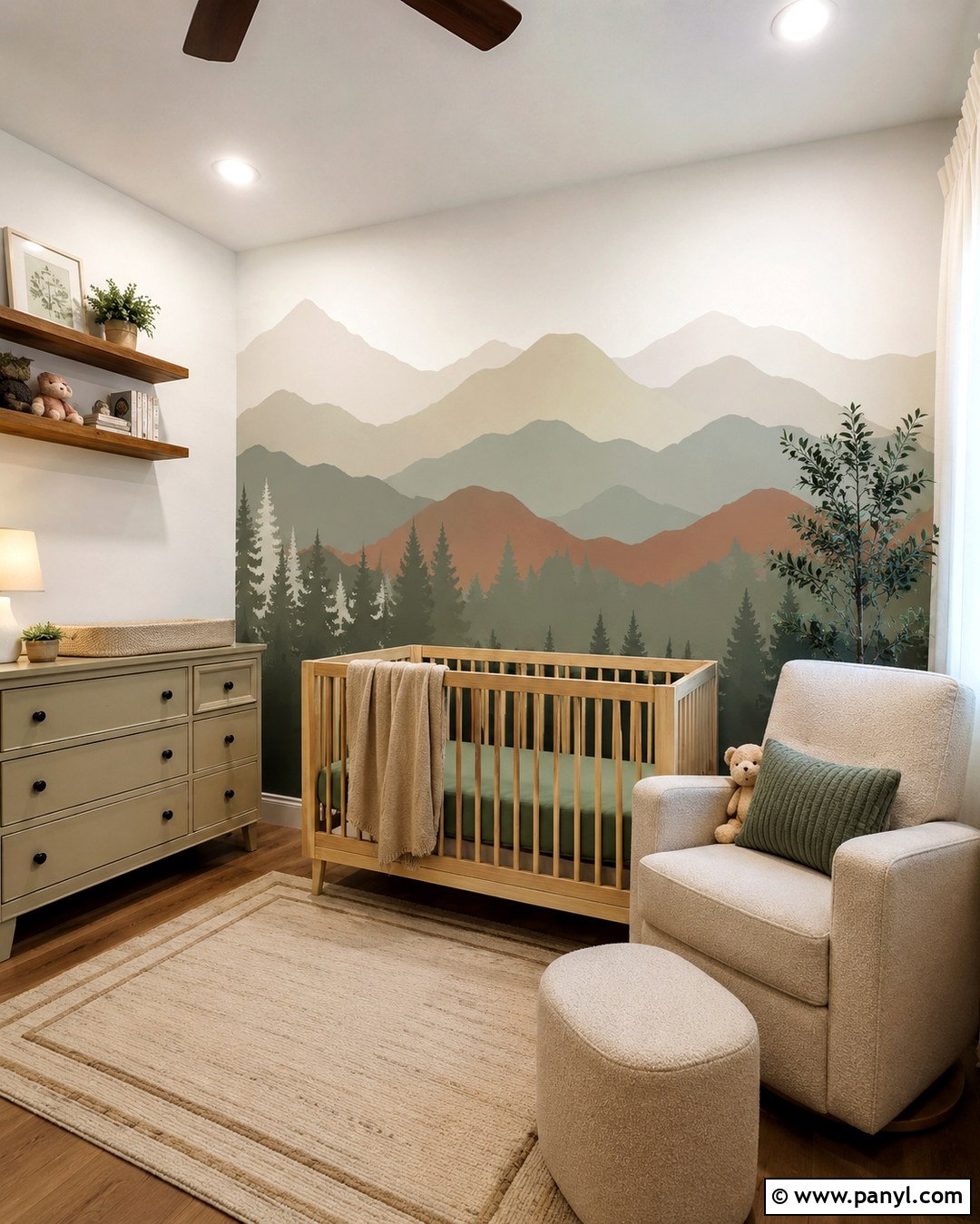
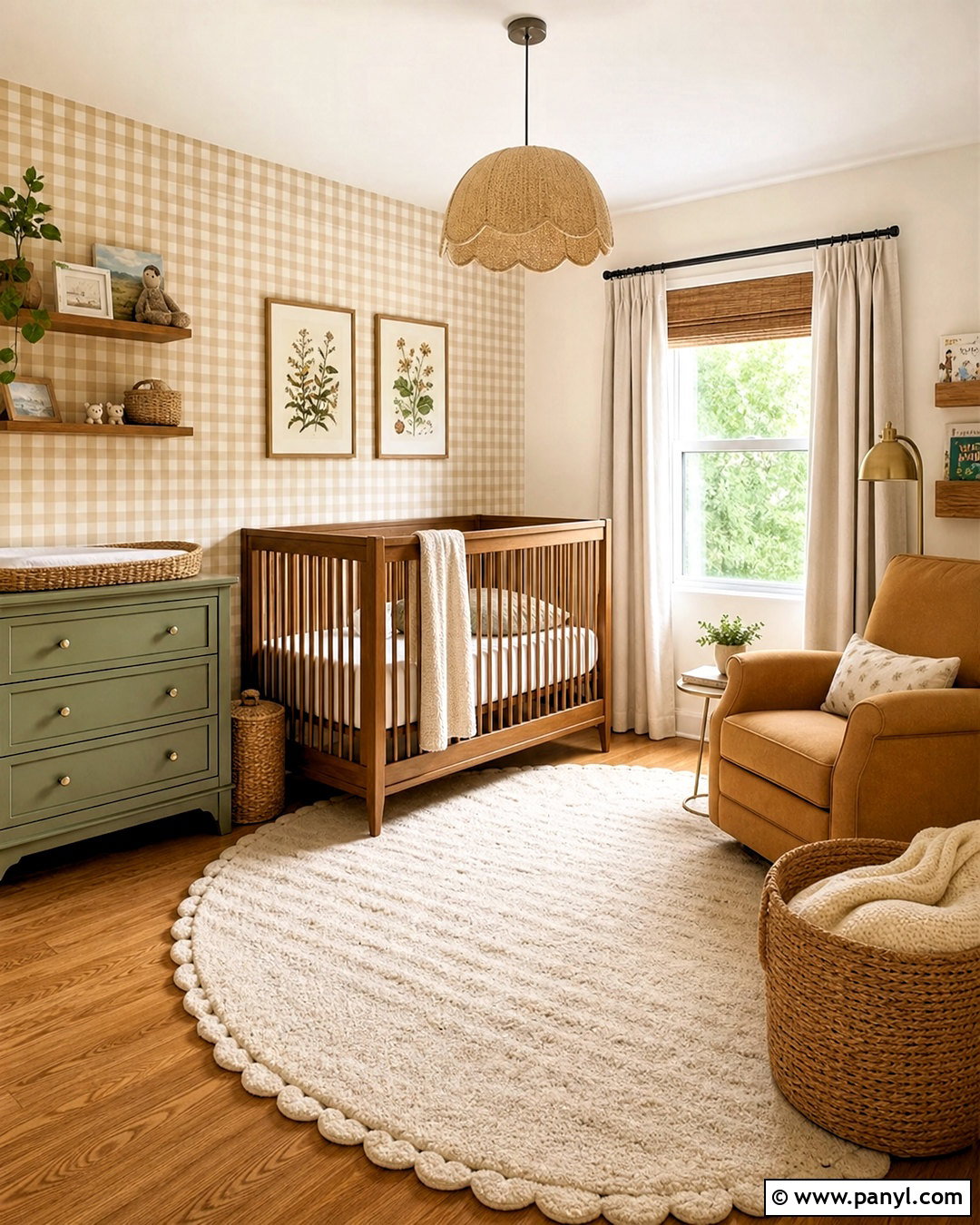
Soft sage green creates a calm foundation that works beautifully with warm white, pale oak, and small touches of muted terracotta. Paint the walls sage, then use creamy white on the ceiling and trim to keep the nursery bright. A natural oak crib and matching dresser add warmth without introducing another strong color. Layer in an ivory wool rug, oatmeal curtains, and a tan boucle glider for softness. Terracotta can appear through framed botanical prints, a small storage basket, and one washable cushion on the adult seating. Choose simple brass lighting for a gentle golden accent. This complete nursery palette feels peaceful and grounded while remaining versatile enough to work beyond the baby years.
2. Dusty Blue Nursery Palette
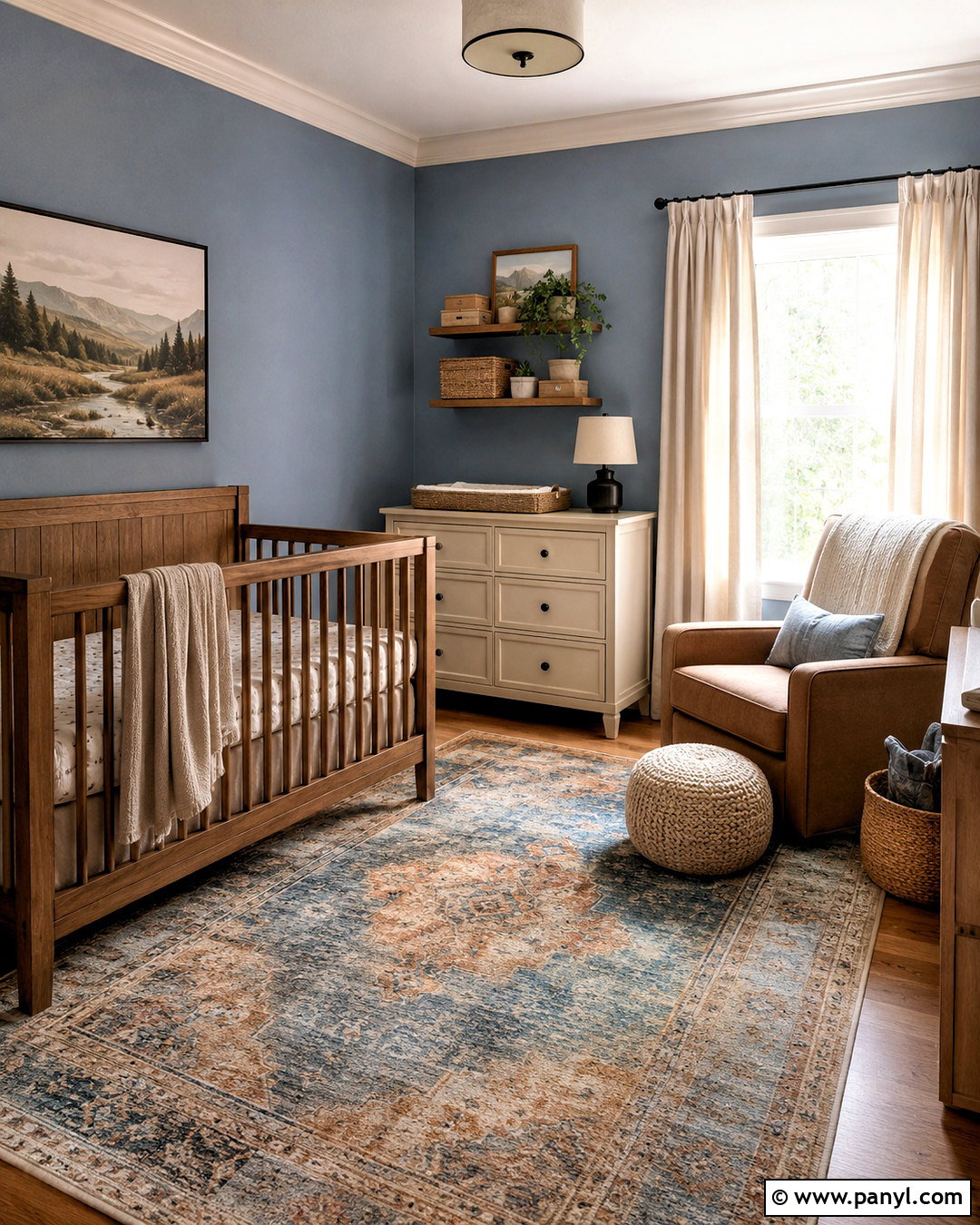
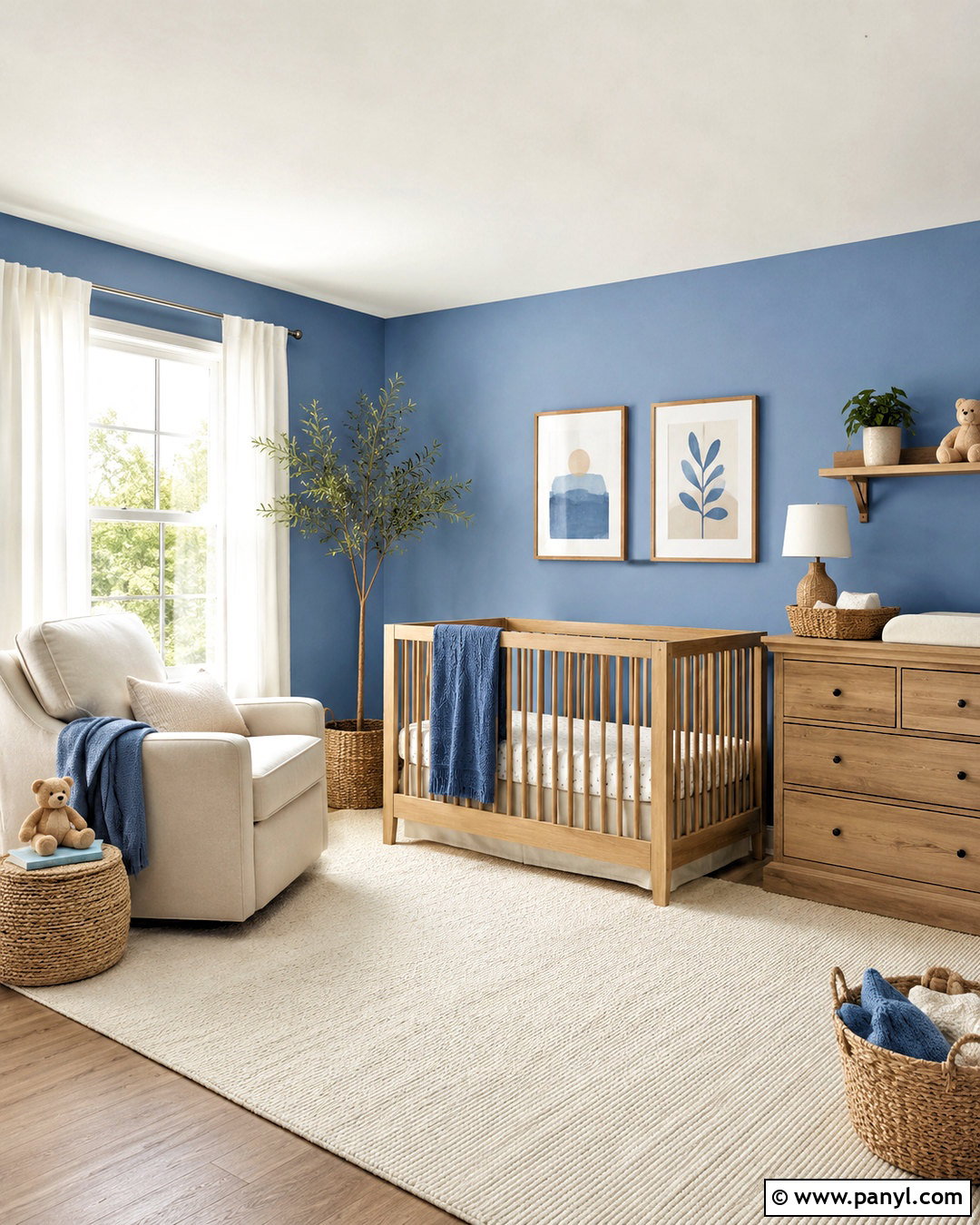
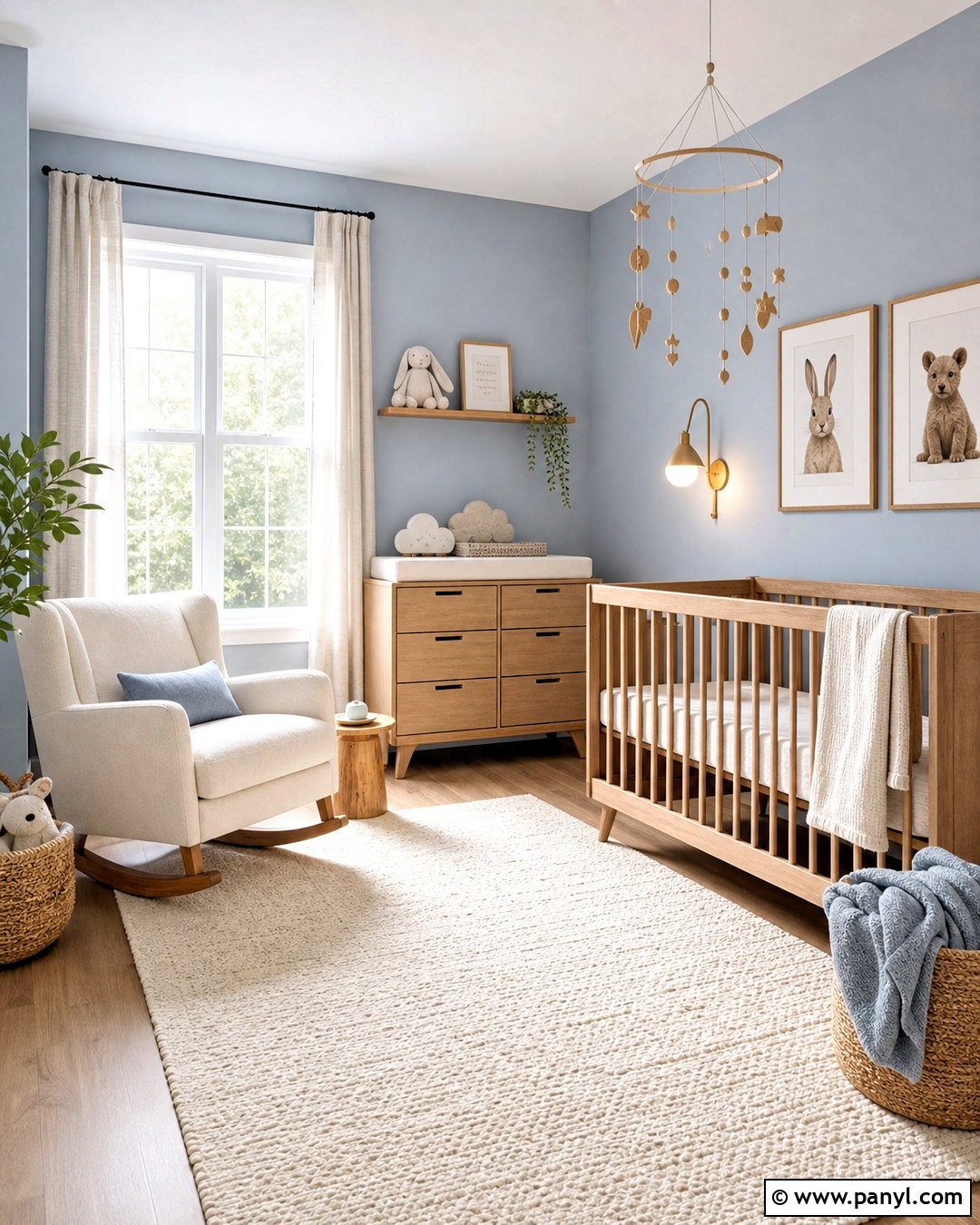
Imagine a soft blue nursery that feels airy rather than overly themed. Dusty blue walls, warm ivory trim, medium oak furniture, and subtle rust accents create a balanced room with plenty of depth. Place the crib against the main blue wall and use a cream dresser on the opposite side to break up the color. A faded blue-and-rust rug can connect the entire palette without appearing too bold. Add natural linen curtains, woven baskets, and a comfortable camel-colored glider. Keep artwork simple with landscapes, clouds, or abstract shapes in matching shades. Matte black curtain rods or picture frames provide a small amount of contrast. The finished room feels serene, polished, and suitable for either a traditional or modern home.
3. Blush Pink Nursery Palette
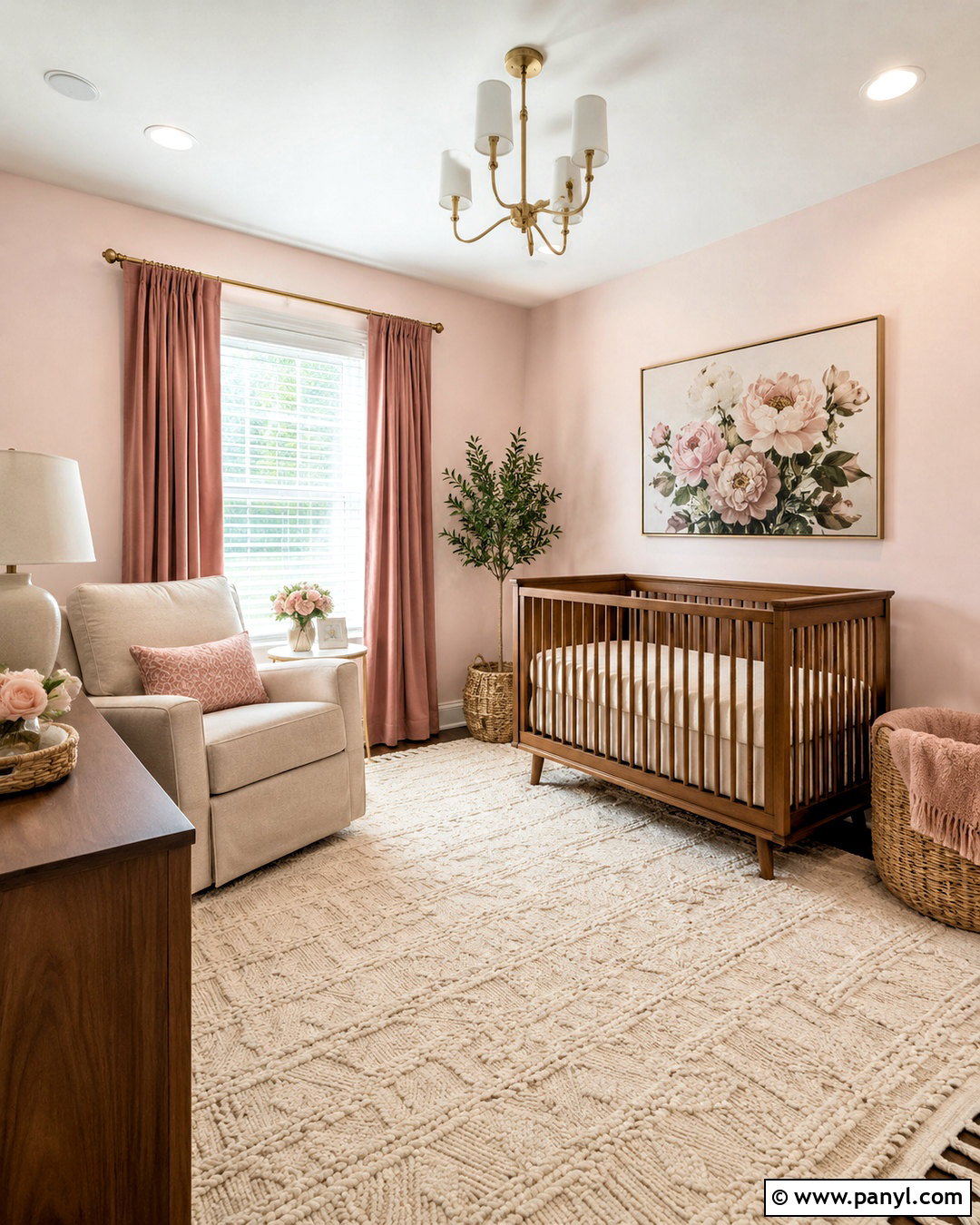
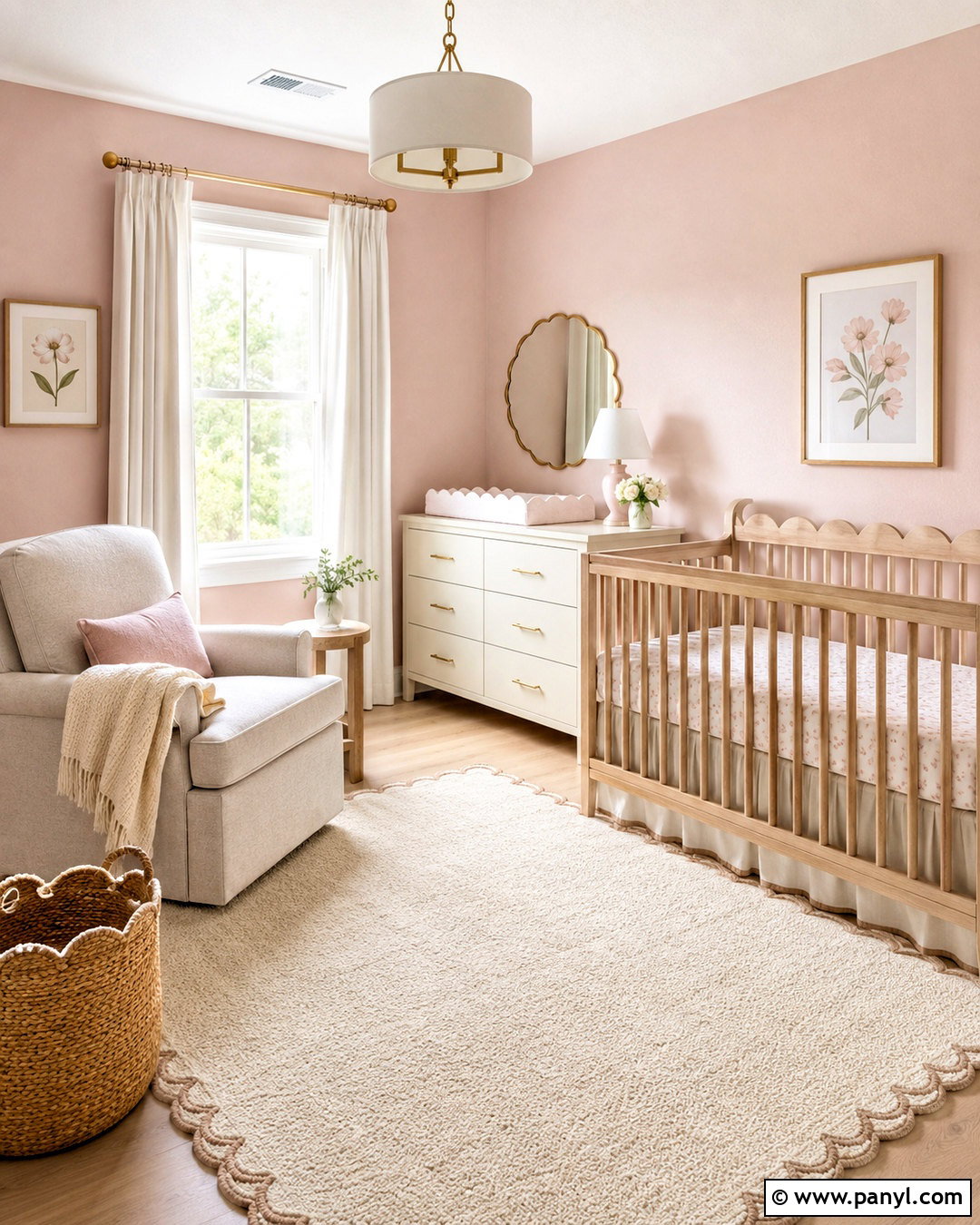
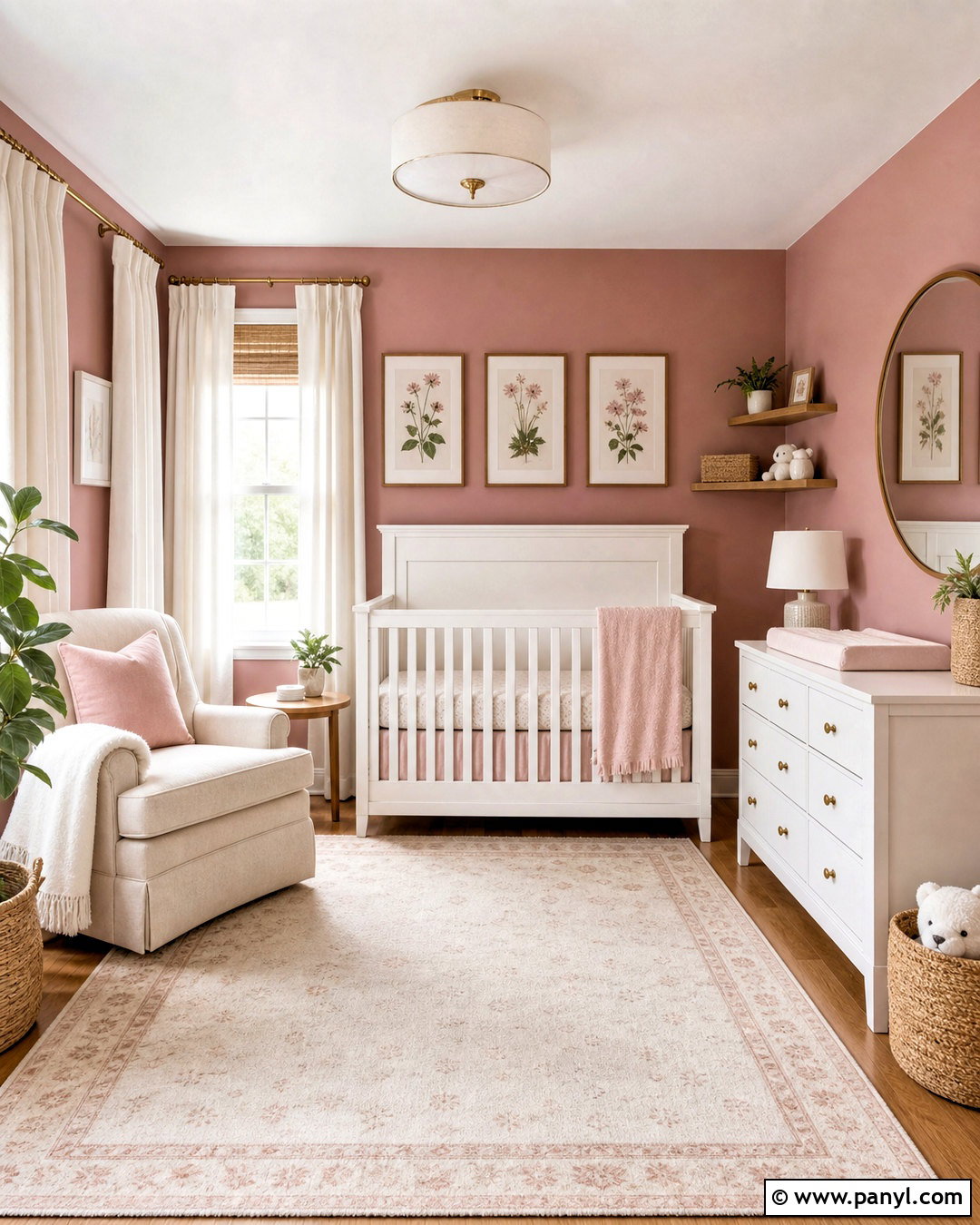
A blush pink nursery can feel sophisticated when the color is softened with mushroom beige, creamy white, and natural walnut. Use pale blush on the walls and warm white on the trim, then introduce a walnut crib for rich contrast. A mushroom-colored glider and beige textured rug will prevent the room from feeling overly sweet. Bring in muted rose through curtains or a changing pad cover, but avoid matching every fabric. Small antique brass details can appear on the ceiling light, dresser hardware, and picture frames. Finish the look with simple floral artwork and woven storage baskets. This layered palette gives pink a more timeless character, allowing the room to transition easily into a comfortable toddler bedroom later.
4. Cream And Beige Nursery Palette
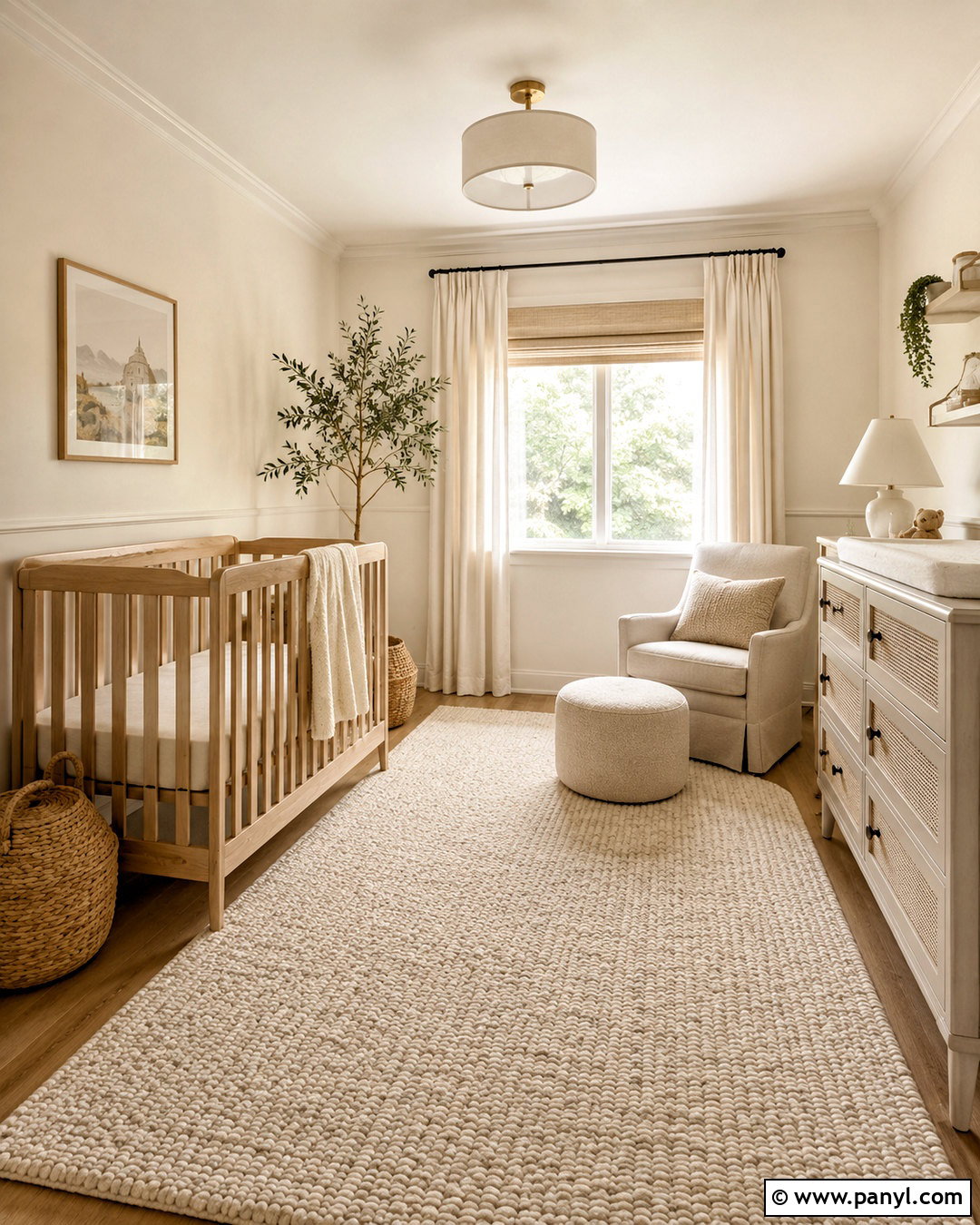
Could a neutral nursery still feel warm and interesting? The answer comes from layering different shades and textures rather than using one flat beige. Start with creamy walls, warm white trim, and a light oak crib. Add a sand-colored glider, a textured ivory rug, and oatmeal linen curtains. A pale taupe dresser creates subtle contrast while maintaining the quiet palette. Include boucle, woven cane, natural cotton, and soft wool so every surface contributes visual depth. Blackout curtains can sit behind the decorative linen panels for function. Finish with simple brown line art, a ceramic table lamp, and lidded baskets. The resulting nursery feels bright, calm, and welcoming without depending on a specific theme or short-lived decorative trend.
5. Terracotta Nursery Palette
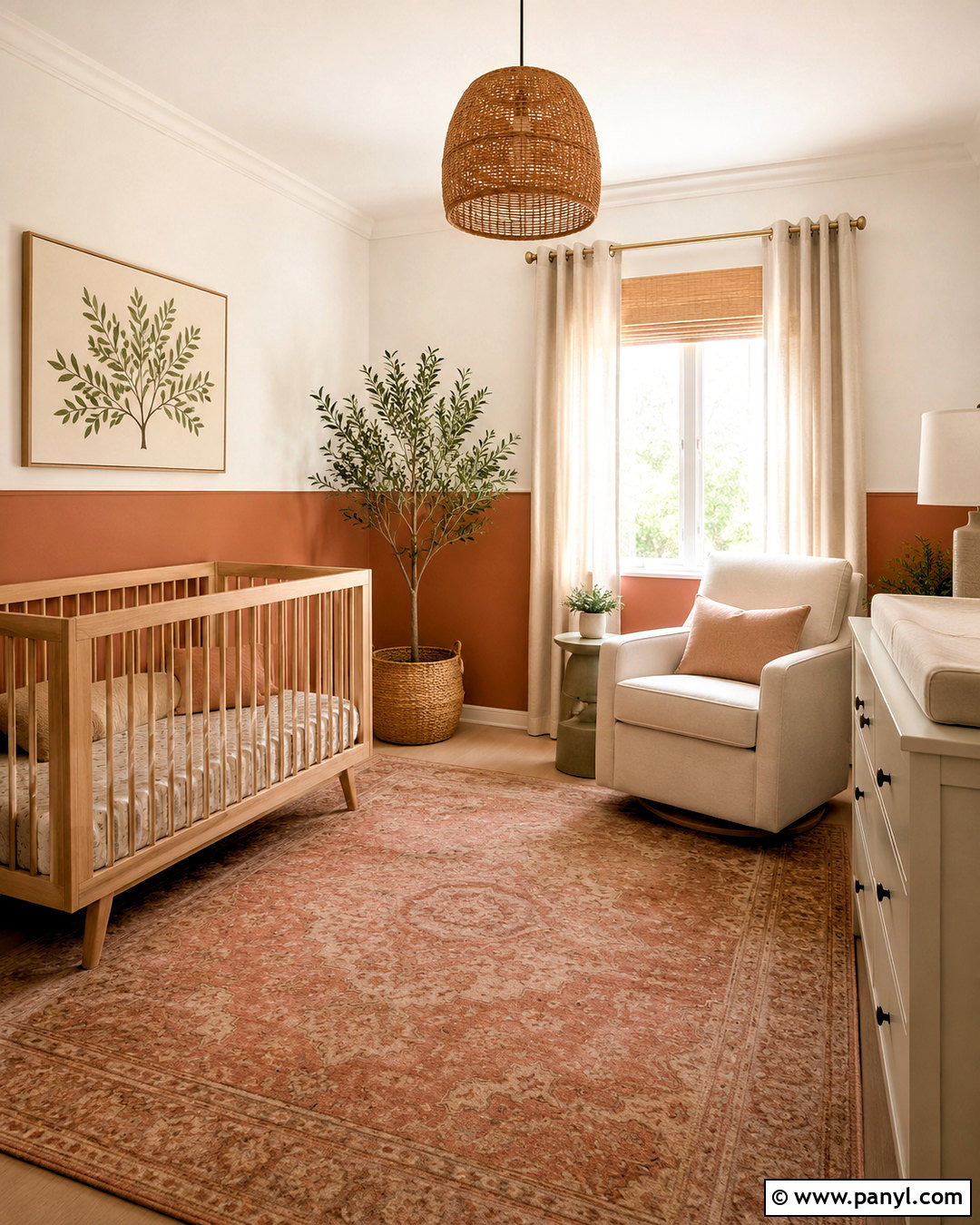
Warm terracotta brings a cozy, sunbaked quality to a nursery, especially when paired with cream, clay pink, and pale wood. Use a muted terracotta on the lower half of the walls with warm white above it, separated by simple painted molding. Choose a light maple crib and cream dresser to keep the room from becoming too dark. A patterned rug in faded rust, blush, and beige will connect the color blocks. Add oatmeal curtains, a natural rattan pendant, and a comfortable ivory glider. Small olive green accents through botanical artwork or storage baskets introduce balance. This complete palette works particularly well in rooms with strong natural light, where the earthy walls can appear warm and lively throughout the day.
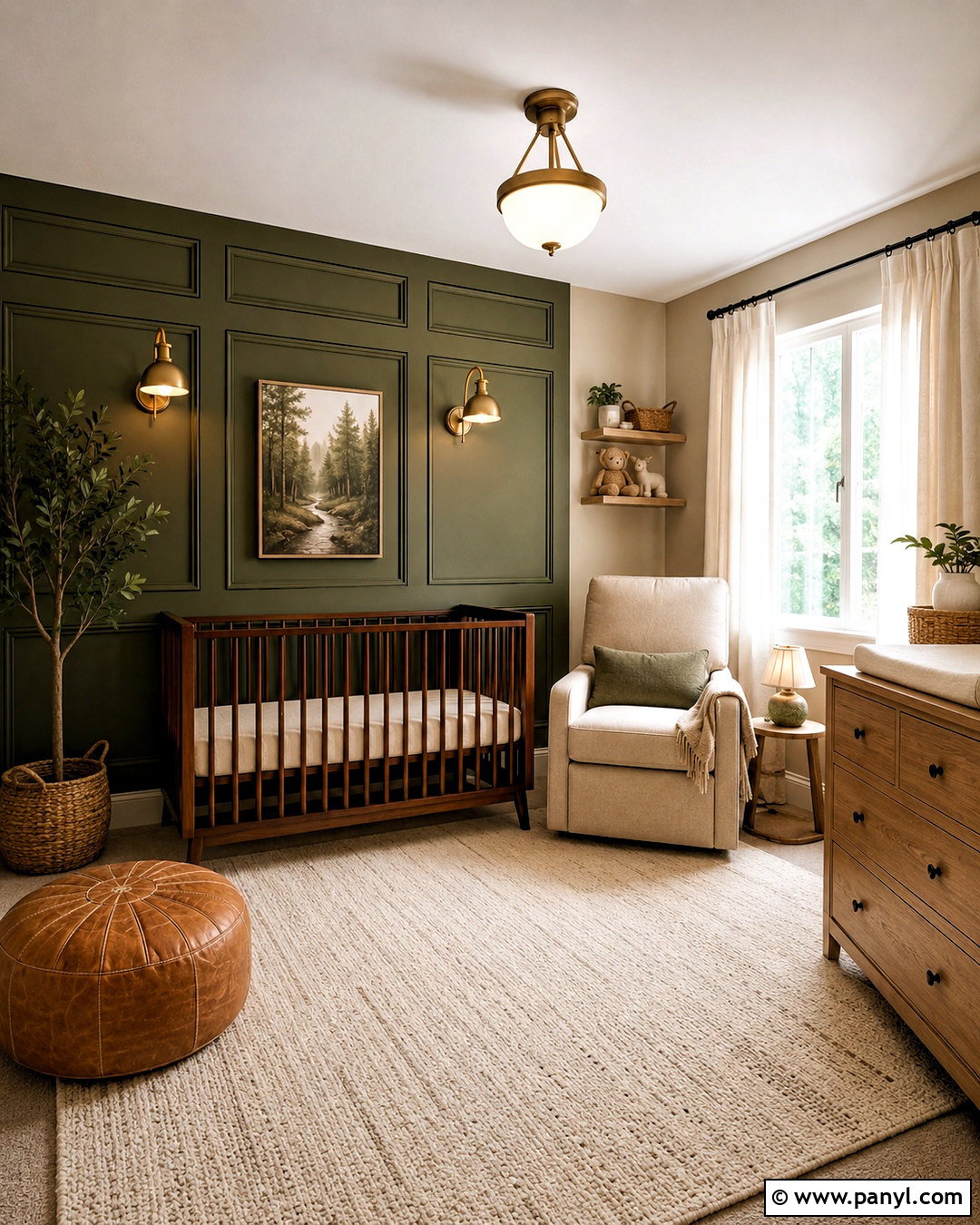
6. Olive Green Nursery Palette
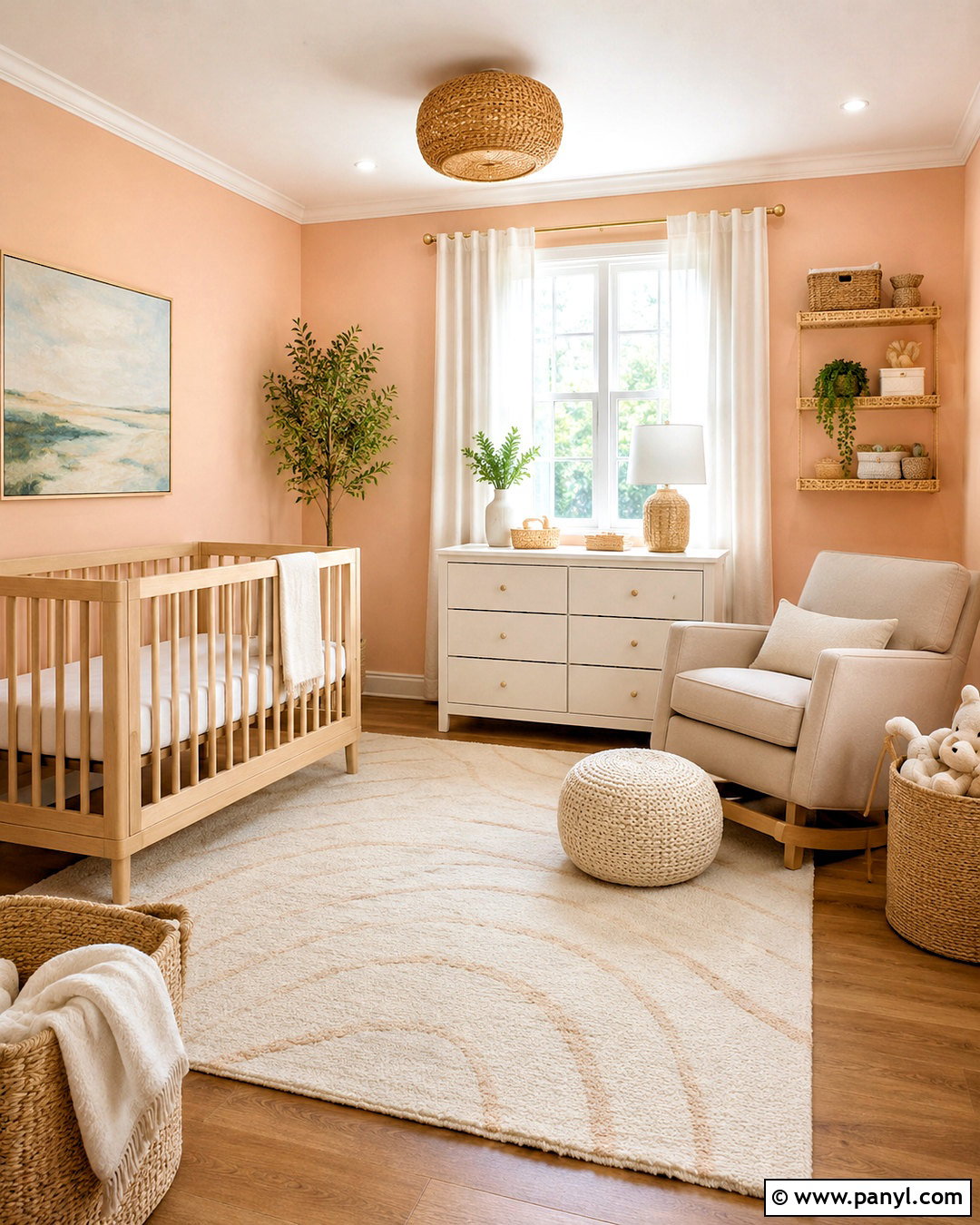
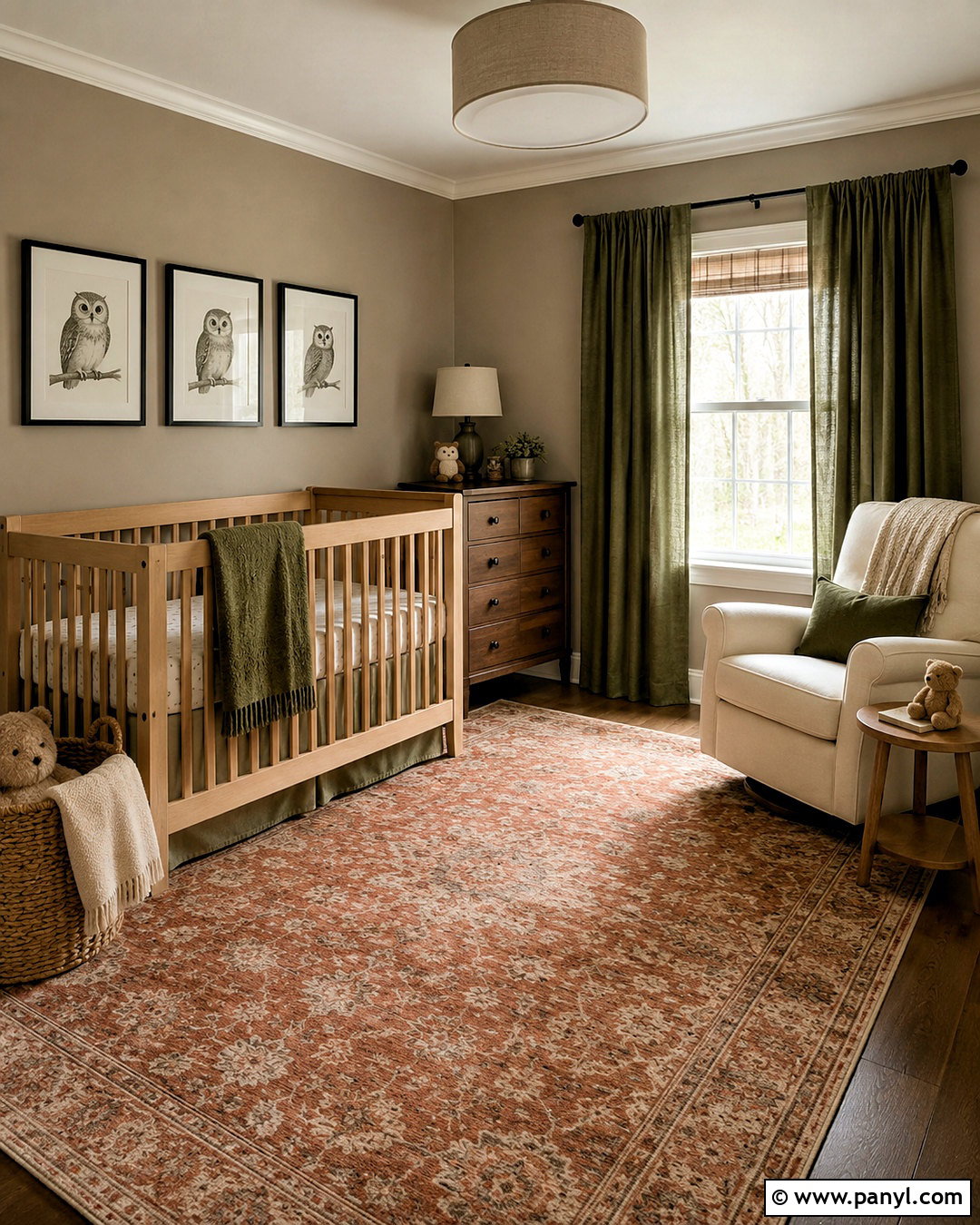
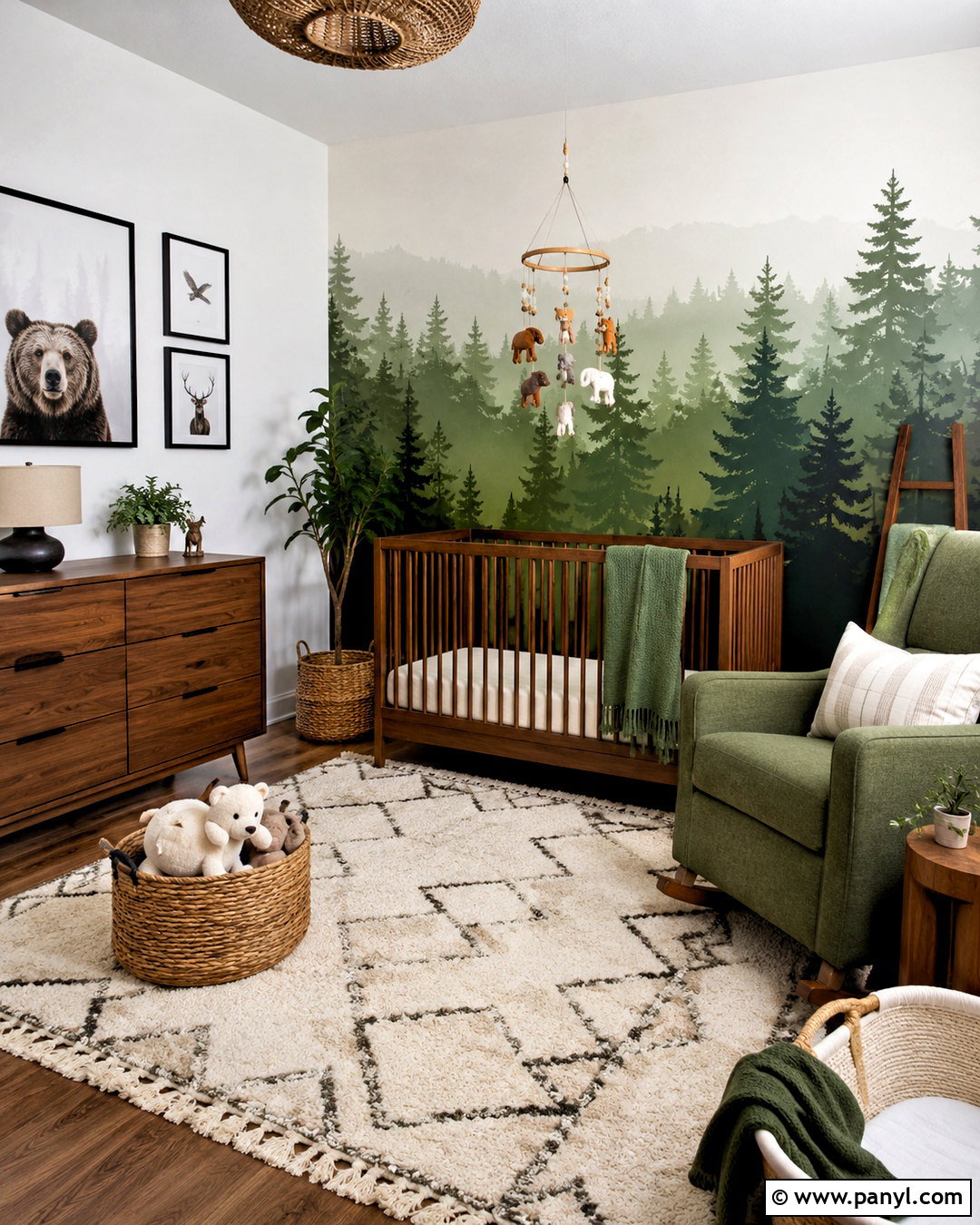
Deep olive green can make a nursery feel cocooning without creating a dark or heavy room. Apply it to one paneled feature wall behind a natural walnut crib, then paint the remaining walls a warm putty color. Cream curtains and an ivory rug will reflect light across the deeper surface. Choose a camel leather-look pouf, a beige upholstered glider, and an oak dresser to strengthen the earthy character. Antique brass lighting and dark wood picture frames add traditional detail. Keep the crib area simple and uncluttered, using woodland artwork on nearby walls instead of decorative objects above the sleep space. This nursery palette combines richness and comfort while giving the room a mature foundation that can grow with the child.
7. Lavender Nursery Palette
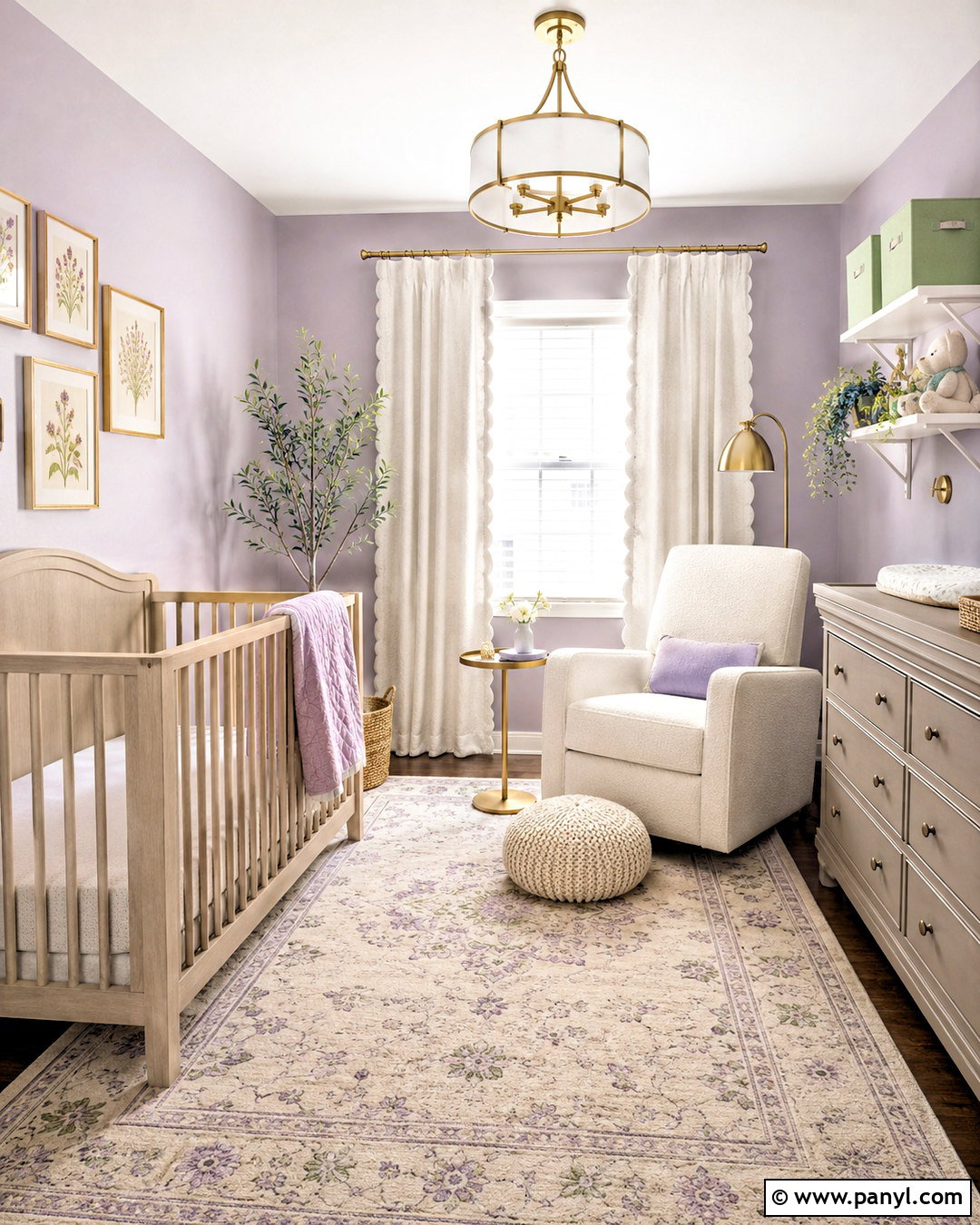
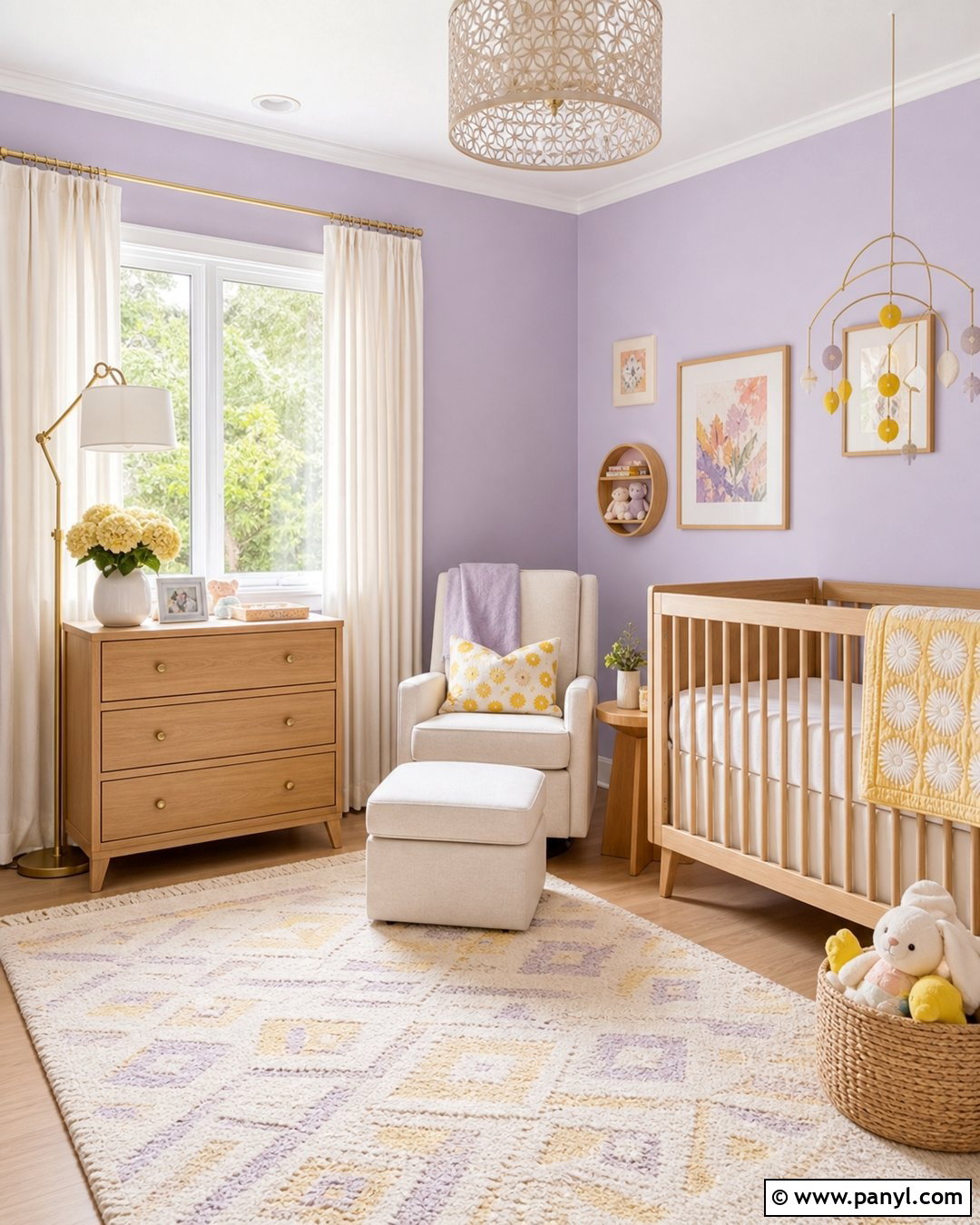
A pale lavender nursery feels gentle and imaginative when balanced with warm gray, ivory, and muted green. Paint the walls a dusty lavender with gray undertones instead of a bright purple. Pair them with a white oak crib, a warm gray dresser, and an ivory boucle glider. A cream rug with small lavender and sage details helps distribute the colors across the floor. Use soft white curtains and a simple scalloped valance for a subtle traditional touch. Sage green can appear in botanical artwork, a small ottoman, and fabric storage bins. Finish with brushed brass lighting and light wood frames. The complete room feels soft and playful, yet the restrained palette prevents it from becoming overly sugary or visually crowded.
8. Navy Blue Nursery Palette
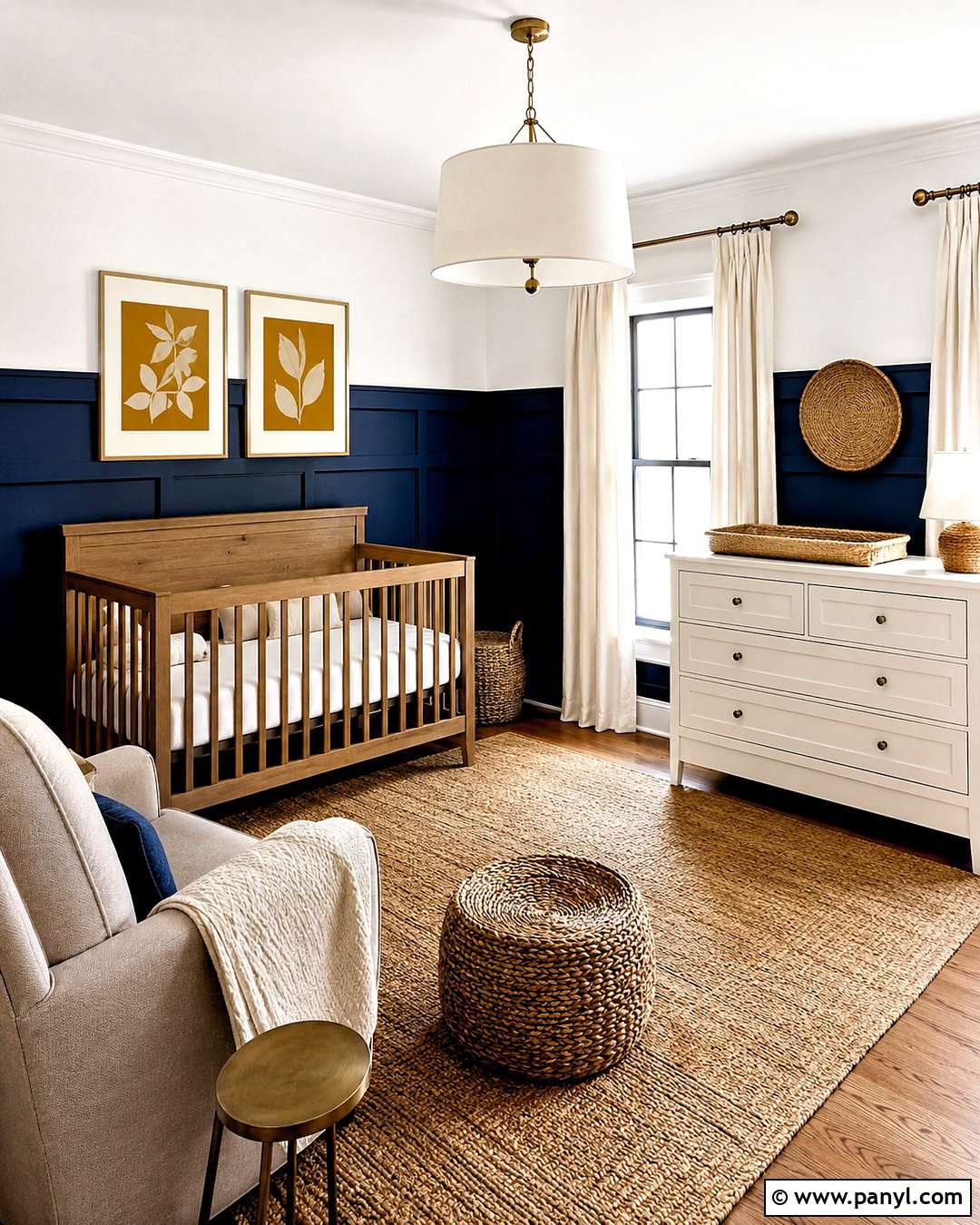
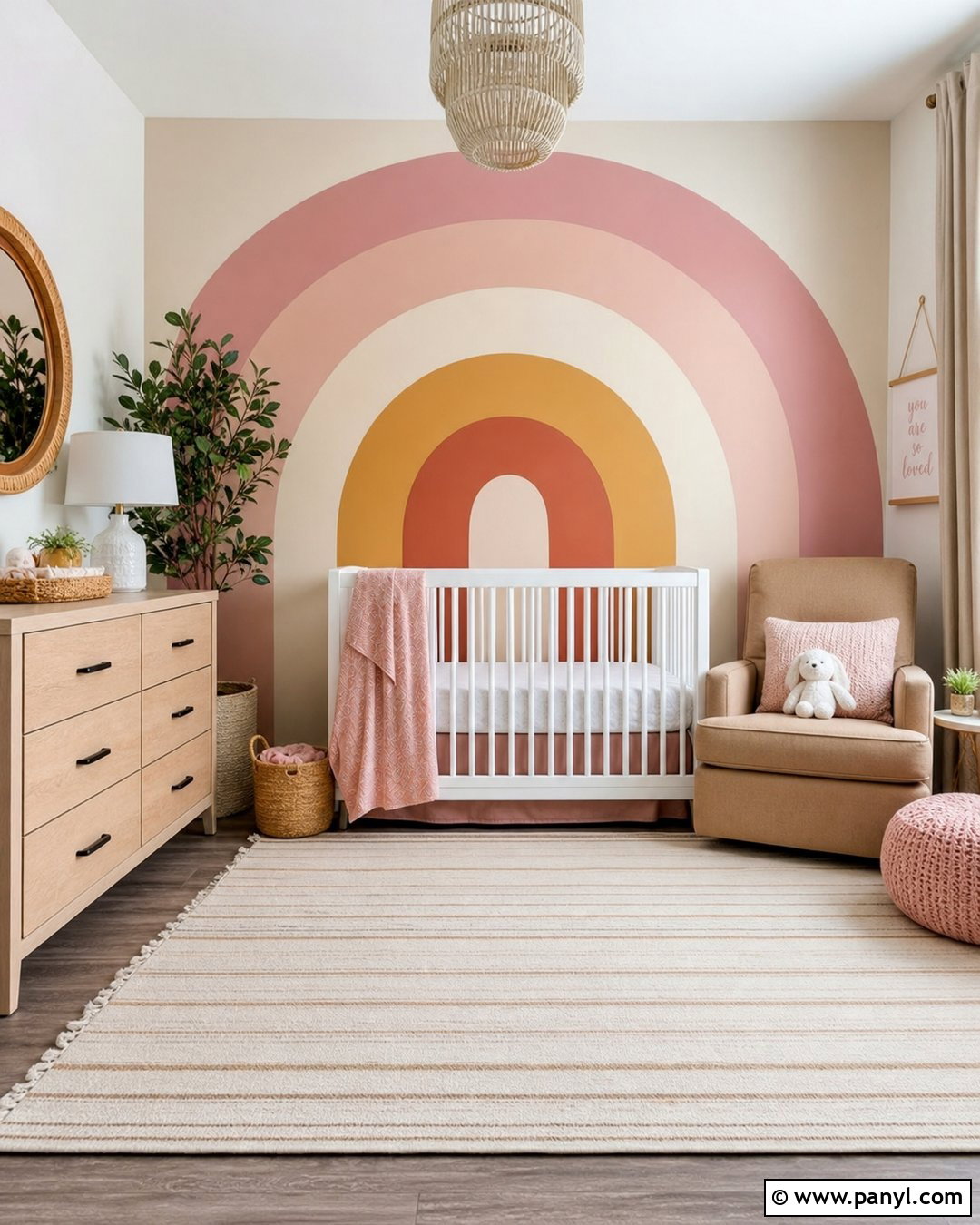
Navy can provide impressive depth when it is used with enough warm white and natural texture. Paint the lower two-thirds of the walls deep navy and keep the upper walls, ceiling, and trim creamy white. A medium oak crib stands out clearly against the darker background, while a white dresser prevents the furniture from feeling too heavy. Add a tan glider, woven jute rug, and natural linen curtains to warm the scheme. Small mustard accents can appear in geometric artwork, a floor basket, and one cushion on the chair. Use aged brass hardware instead of shiny silver. This polished nursery palette feels classic and comfortable, offering strong color without relying on a literal nautical theme or an overly formal arrangement.
9. Butter Yellow Nursery Palette
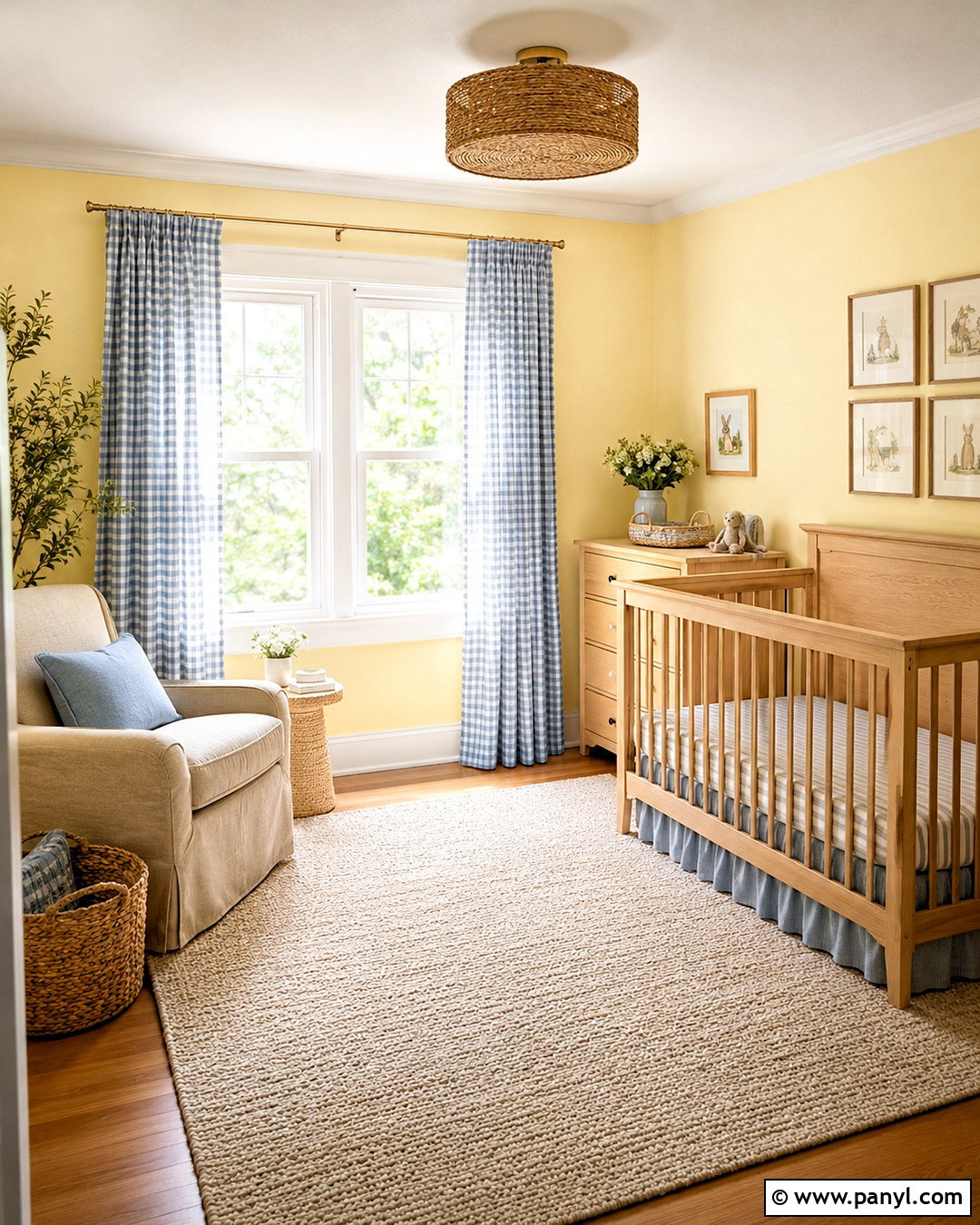
Sunlight seems to linger in a nursery built around soft butter yellow. Use the color across the walls, then add crisp warm white trim and pale maple furniture for a fresh, cheerful foundation. Ground the room with an oatmeal rug and a light beige glider. Muted blue provides a cooling contrast through curtains, framed prints, and a small side table. Choose gingham or narrow stripes in limited areas, such as the window treatment or fitted crib sheet, rather than covering every surface with pattern. Woven baskets and a rattan ceiling fixture bring in natural texture. This nursery feels happy and bright without using harsh primary colors, making it especially effective in a smaller room that needs warmth and visual openness.
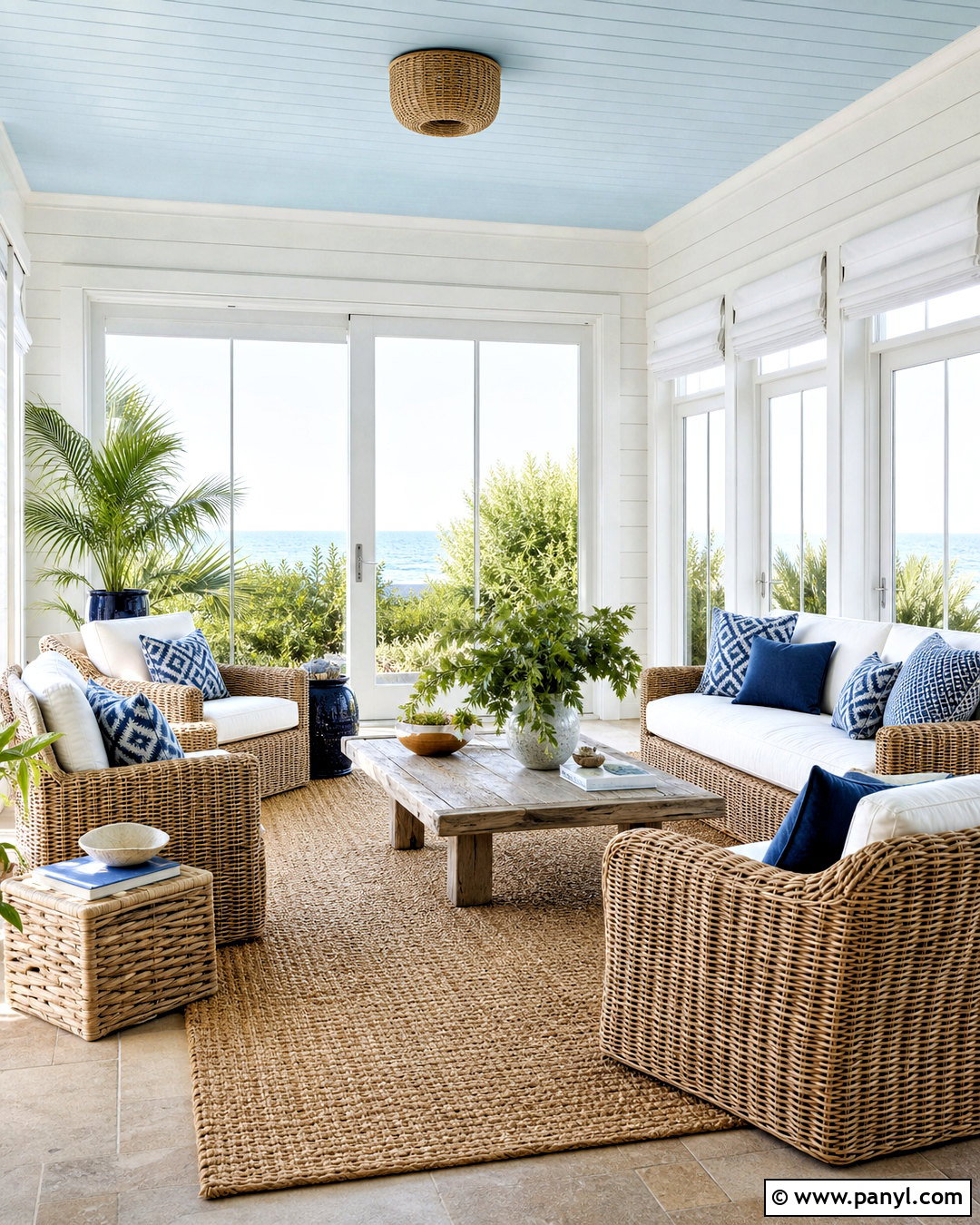
10. Peach Nursery Palette
Soft peach offers warmth similar to pink but has a more sunlit, gender-neutral appearance. Cover the walls in pale peach and use creamy white for the ceiling, trim, and doors. Pair the color with a natural ash crib and a warm white dresser. An ivory rug with thin caramel lines introduces a gentle pattern, while a light tan glider provides a comfortable adult seating area. Add faded aqua accents through artwork, storage boxes, and a small lamp base to cool the overall palette. Linen curtains in warm white will soften incoming daylight. Brushed brass hardware adds polish without feeling formal. Together, these colors produce a light, welcoming nursery that feels colorful yet restrained, with enough flexibility for future decor changes.
11. Mushroom Taupe Nursery Palette
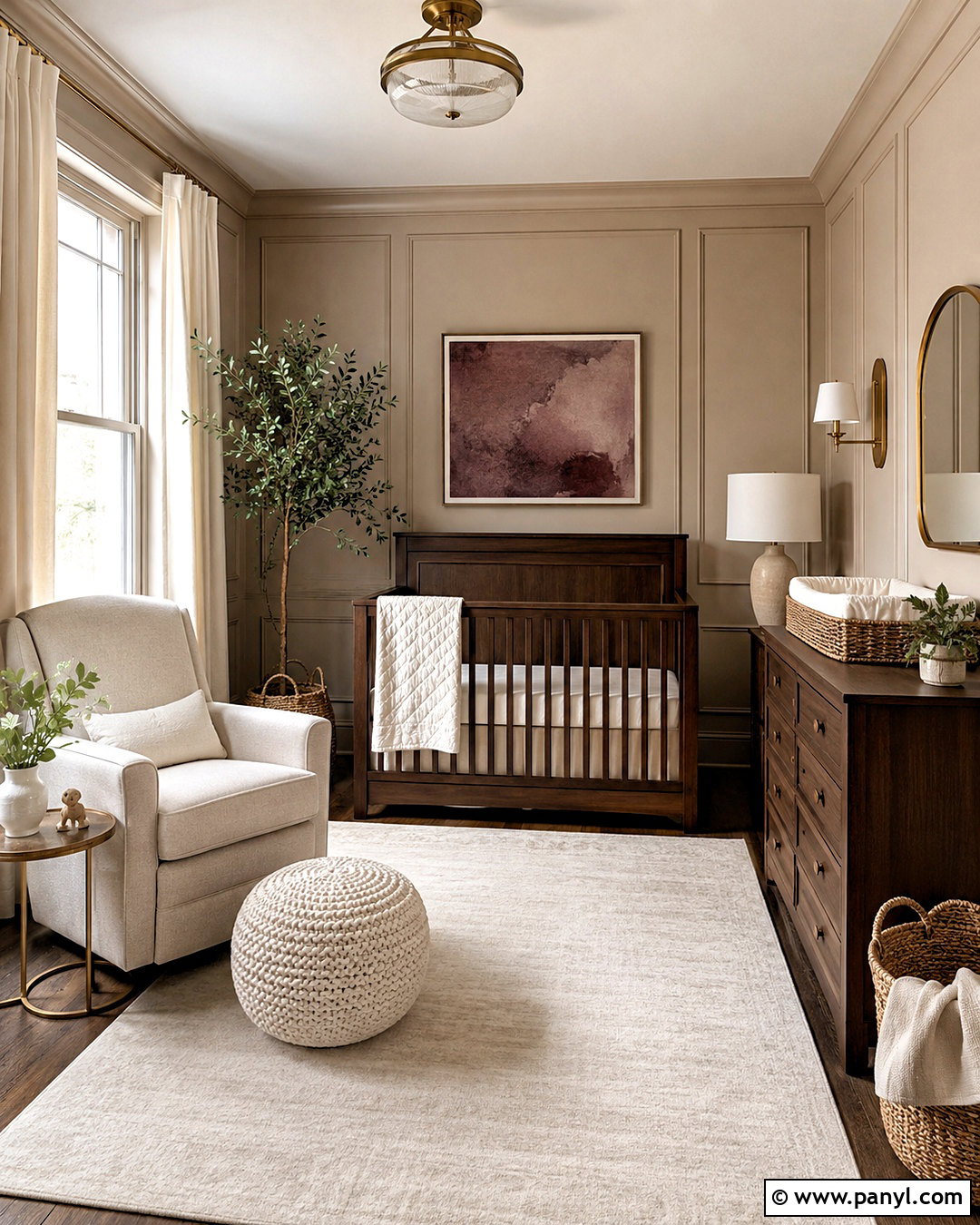
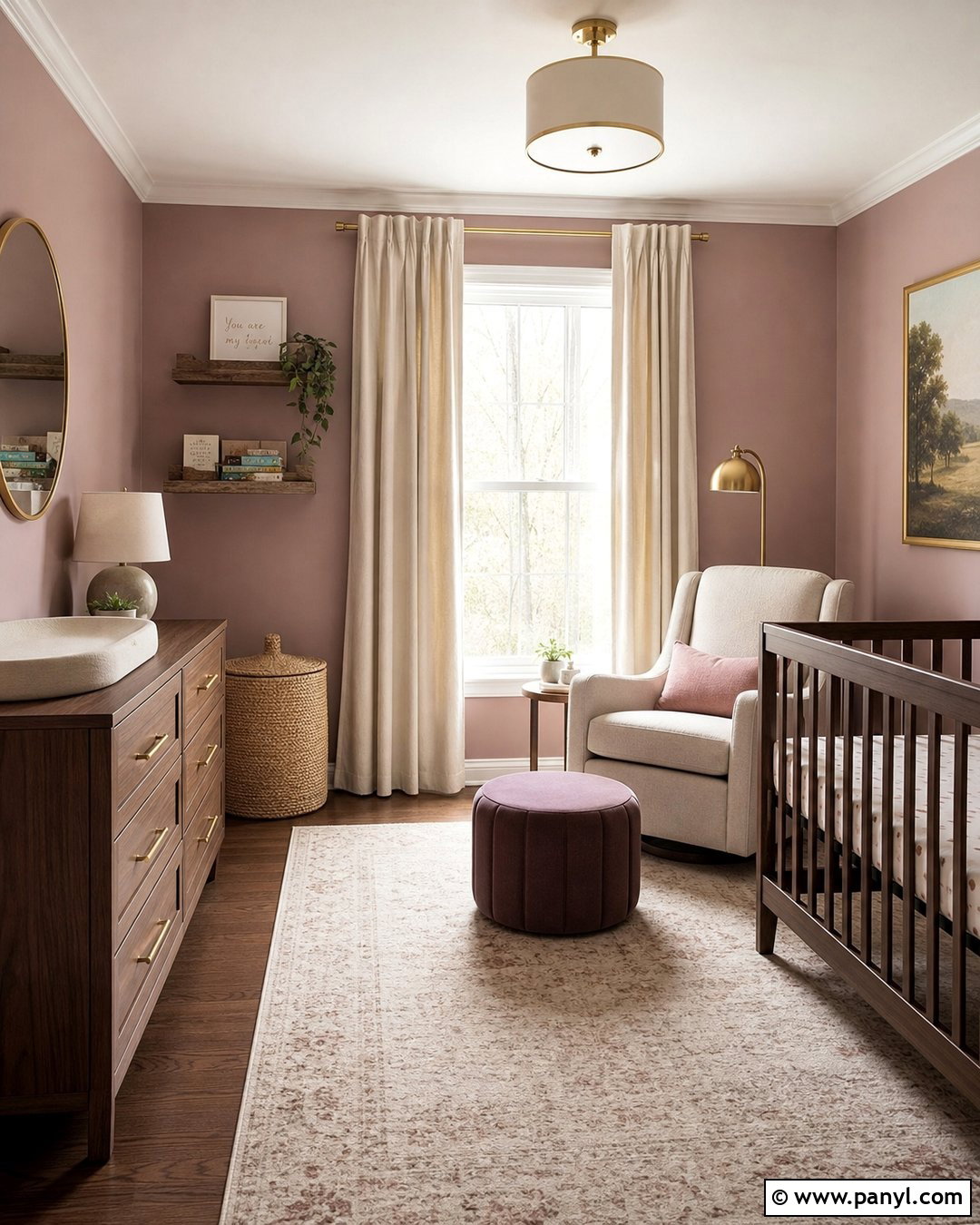
Mushroom taupe sits between beige, gray, and brown, making it an adaptable base for a quiet nursery. Use it on paneled walls or across the entire room, including the trim, for a soft tone-on-tone effect. Select a dark walnut crib to establish contrast and a matching dresser for consistency. Cream curtains, an ivory rug, and a beige glider will keep the darker furniture from dominating the space. Add muted plum through abstract artwork and one or two storage accessories. Aged brass lighting introduces warmth, while woven baskets prevent the palette from feeling too polished. This complete nursery design looks collected and comfortable, and its neutral foundation can support new accent colors as the room changes over time.
12. Soft Gray And Blue Nursery Palette
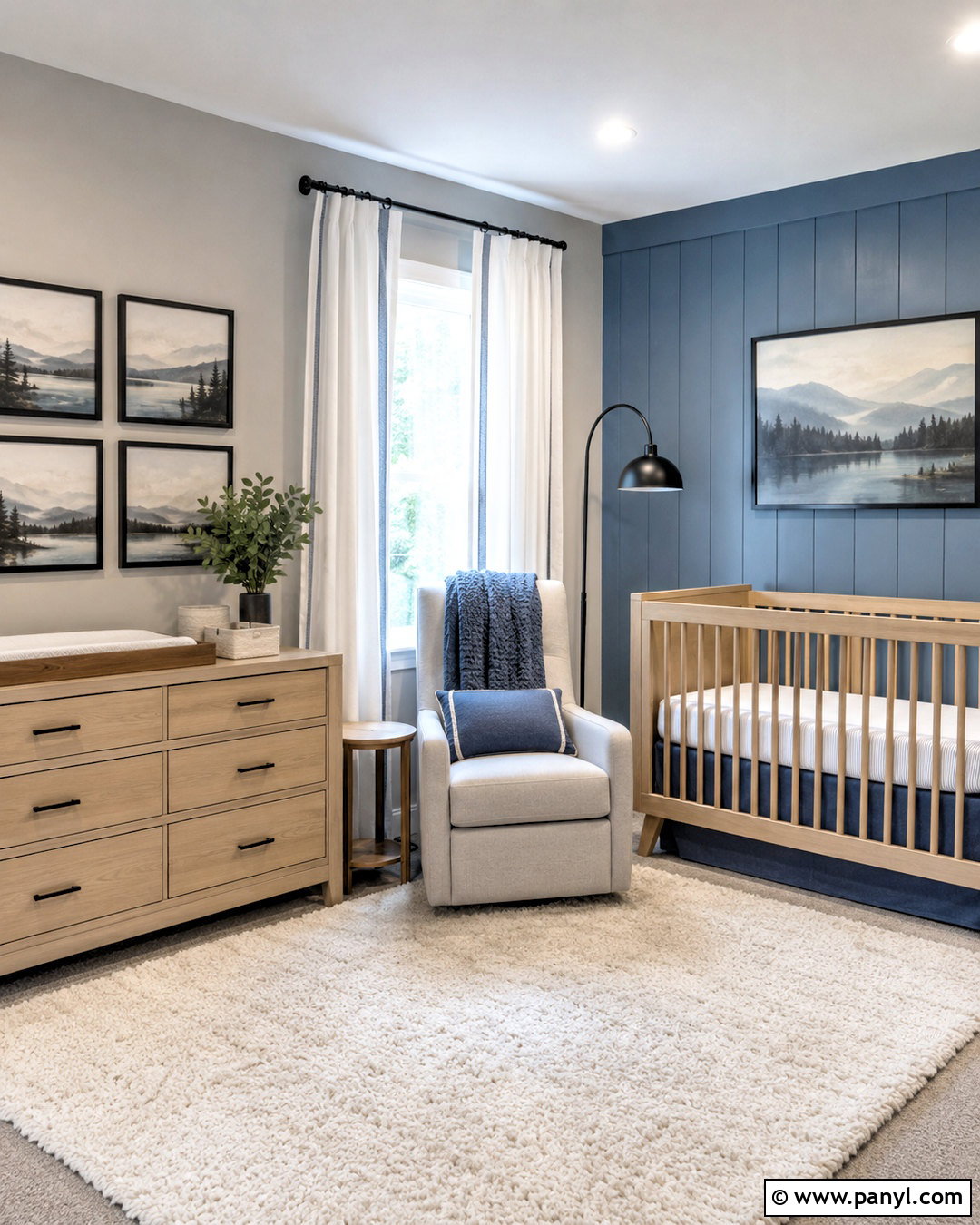
For a clean, airy room, combine pale warm gray with misty blue, white oak, and soft white. Paint most walls warm gray and use a misty blue feature wall behind the crib. A white oak crib and dresser keep the palette natural, while an ivory rug softens the floor. Choose white curtains with a subtle blue border and a pale gray glider with rounded lines. Introduce contrast through charcoal picture frames and a simple black floor lamp, but keep these accents limited. Cloud-inspired artwork or gentle landscape prints can connect the colors without creating a strict theme. The resulting nursery feels organized and restful, offering more definition than an all-white room while preserving a bright, spacious appearance.
13. Forest Green And Mustard Nursery Palette
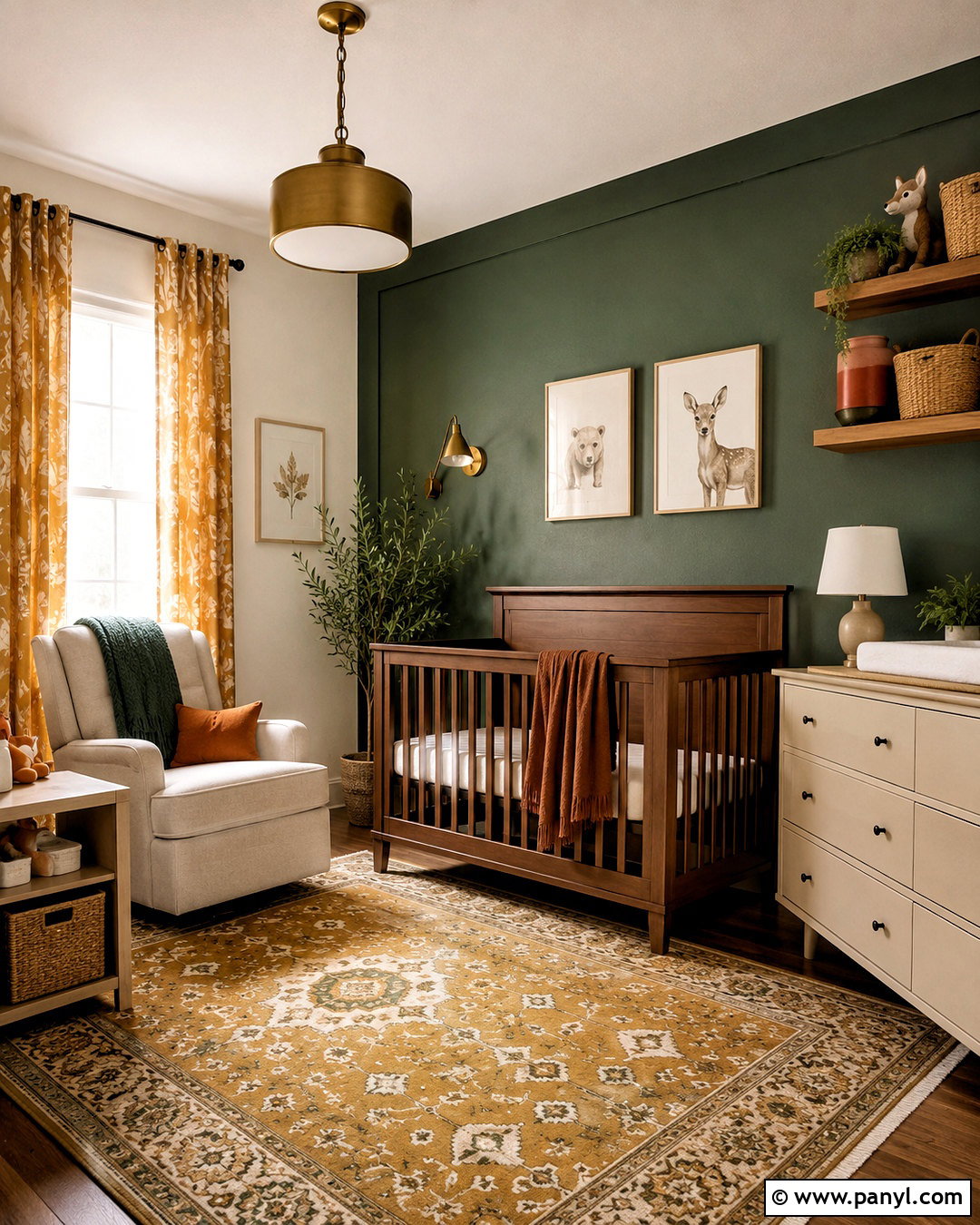
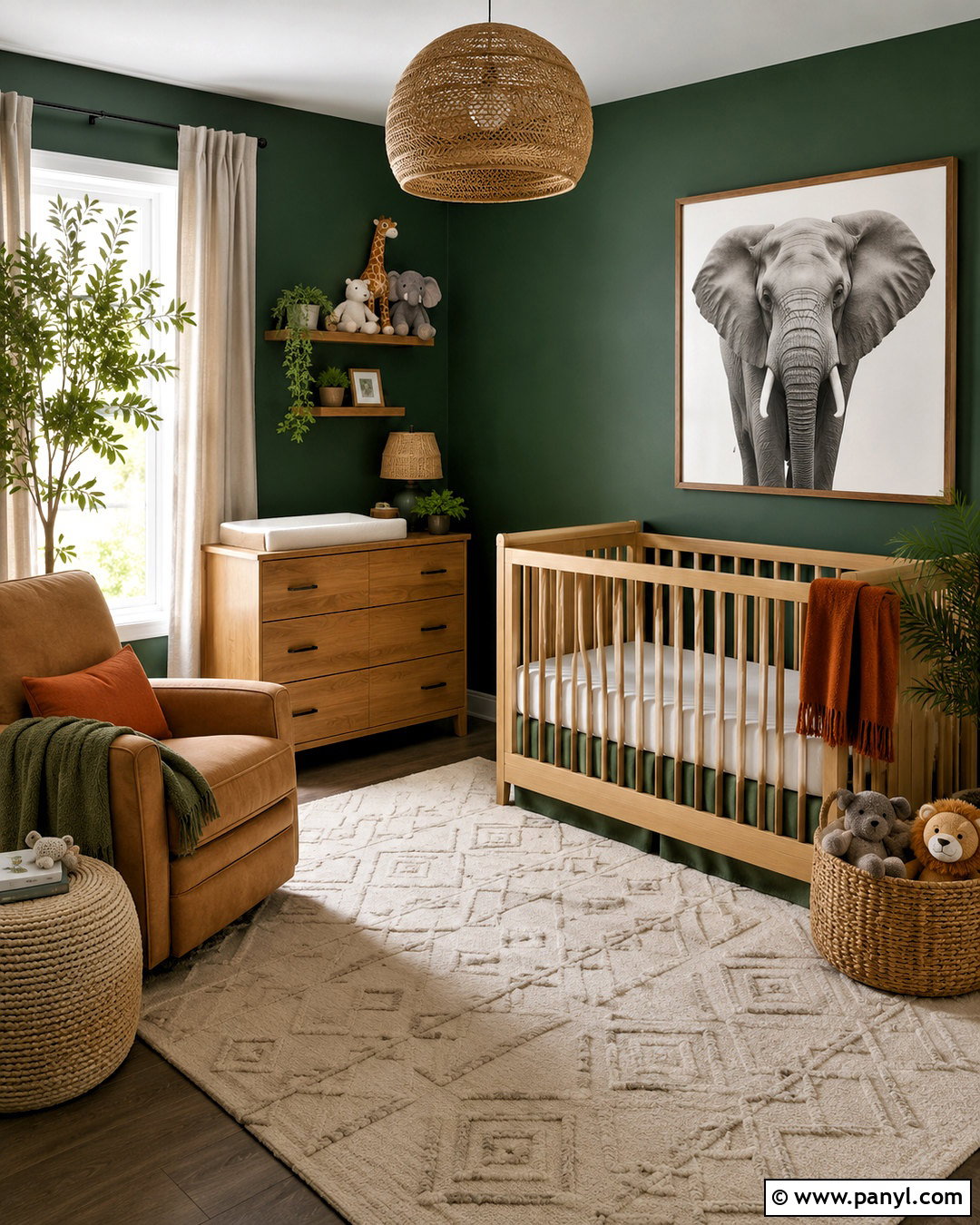
Rich forest green and muted mustard create an energetic nursery when they are balanced by cream and warm wood. Use forest green on a single wall behind a walnut crib, leaving the other walls creamy white. Select a light beige dresser and an oatmeal glider so the larger furniture does not compete with the feature wall. Bring mustard into the room through a patterned rug, curtains, and small framed illustrations. Add natural cane storage, medium wood shelves, and antique brass lighting for warmth. A few rust-colored details can make the scheme feel more layered. This complete palette suits a modern woodland room, but the colors are strong enough to stand on their own without excessive animal decorations or themed accessories.
14. Mauve And Cream Nursery Palette
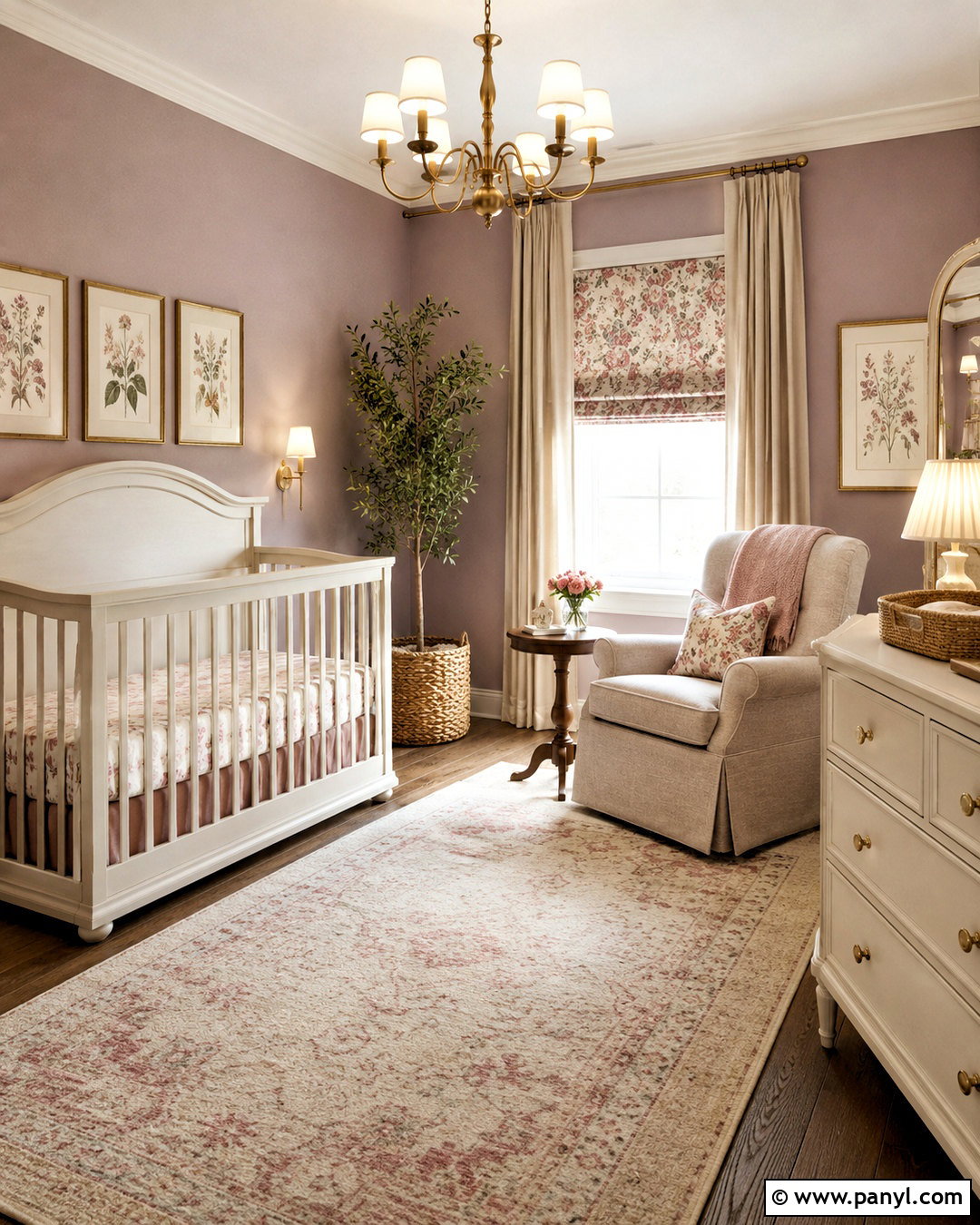
Muted mauve creates a soft, enveloping nursery when paired with cream, warm brown, and dusty rose. Paint the walls a gray-based mauve and keep the ceiling warm white to maintain brightness. A cream crib and dresser will blend gently into the room, while a walnut side table adds a darker grounding note. Choose an ivory rug with faded rose details and install oatmeal curtains for texture. A taupe glider can sit beside a brass floor lamp, creating a practical feeding and reading corner. Introduce pattern through one floral Roman shade or a few framed botanical prints. This elegant palette feels more mature than traditional pastel purple, giving the nursery a comfortable look that can transition smoothly into early childhood.
15. Sky Blue And Warm White Nursery Palette
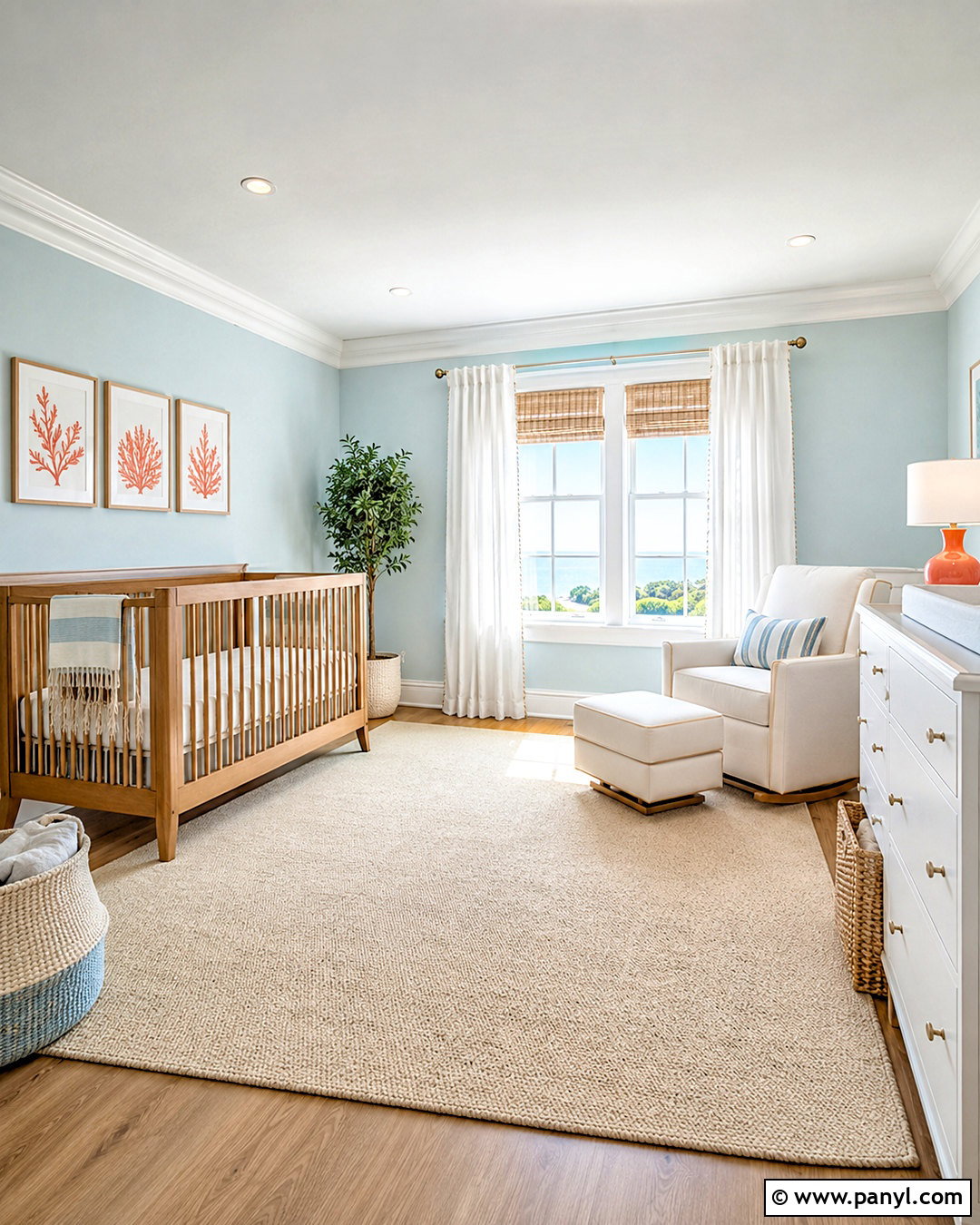
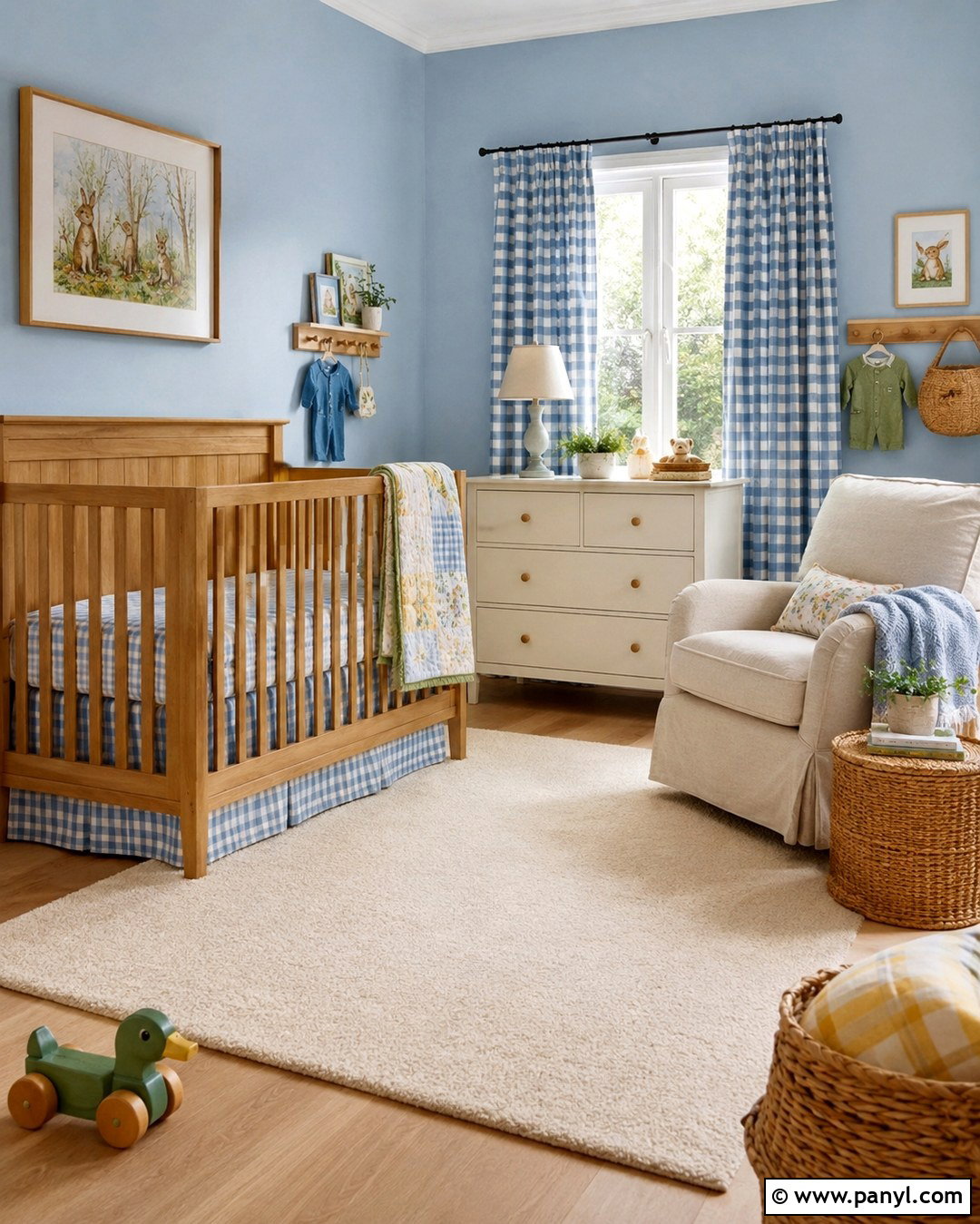
Fresh sky blue can make a nursery feel open, clean, and quietly playful. Paint the walls a softened blue and use warm white across the ceiling, trim, dresser, and built-in storage. A honey-toned wood crib brings necessary warmth to the cooler walls. Add a cream glider, pale beige rug, and white linen curtains to keep the room bright. Small coral accents through artwork, a storage basket, or a side-table lamp provide lively contrast without overwhelming the palette. Consider a subtle striped ceiling or window treatment for extra character. Keep the furniture layout simple, leaving an open central floor area. The finished nursery feels cheerful and relaxed, with a clear color story that does not depend on an elaborate theme.
16. Clay Pink And Sage Nursery Palette
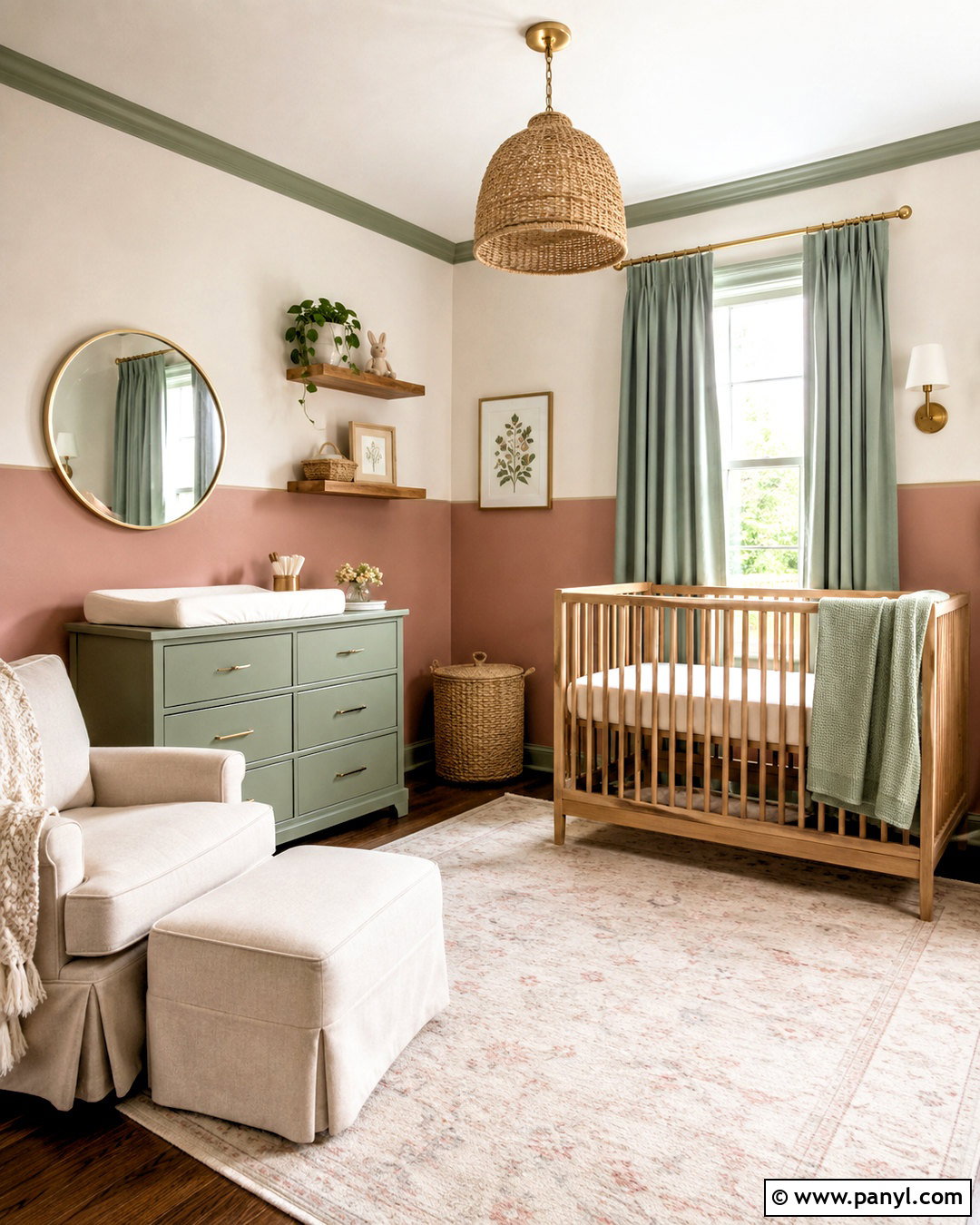
Clay pink and sage green form a warm, nature-inspired pairing that feels colorful but balanced. Cover the lower walls in muted clay pink and paint the upper portion creamy white. Add a narrow sage green trim line or use sage for the curtains and dresser. A natural oak crib keeps the palette grounded, while an ivory glider and cream rug introduce softness. Choose botanical artwork containing both green and dusty pink to connect the room. Woven storage baskets, a rattan pendant, and light wood shelves add organic texture. Limit stronger accents to small terracotta and brass details. This nursery feels personal and inviting, combining garden-inspired color with simple furniture that can remain useful as the child grows.
17. Chocolate Brown Nursery Palette
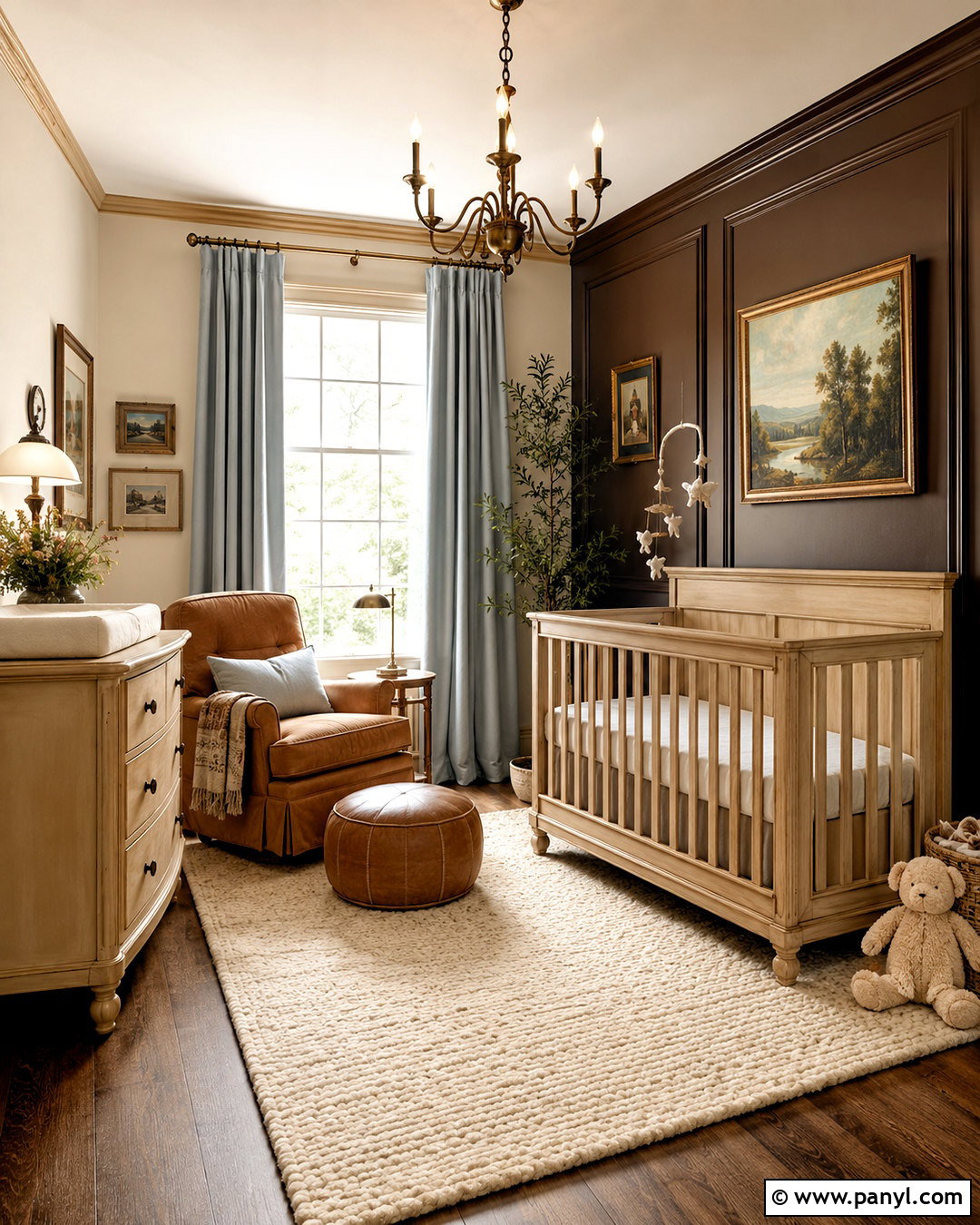
Chocolate brown gives a nursery a cozy, collected character when it is paired with ivory, caramel, and powder blue. Use brown on a paneled feature wall and warm ivory across the remaining walls. Place a pale oak crib against the dark wall so its shape remains clearly visible. A caramel glider, cream dresser, and thick ivory rug balance the strong background. Add powder blue through curtains, landscape artwork, and a small storage cabinet. Antique brass fixtures and dark wood frames reinforce the traditional warmth. Keep the ceiling light and the window treatments bright enough to avoid a heavy appearance. This sophisticated nursery palette works particularly well with vintage furniture, classic millwork, and layered natural materials.
18. Mint Green And Coral Nursery Palette
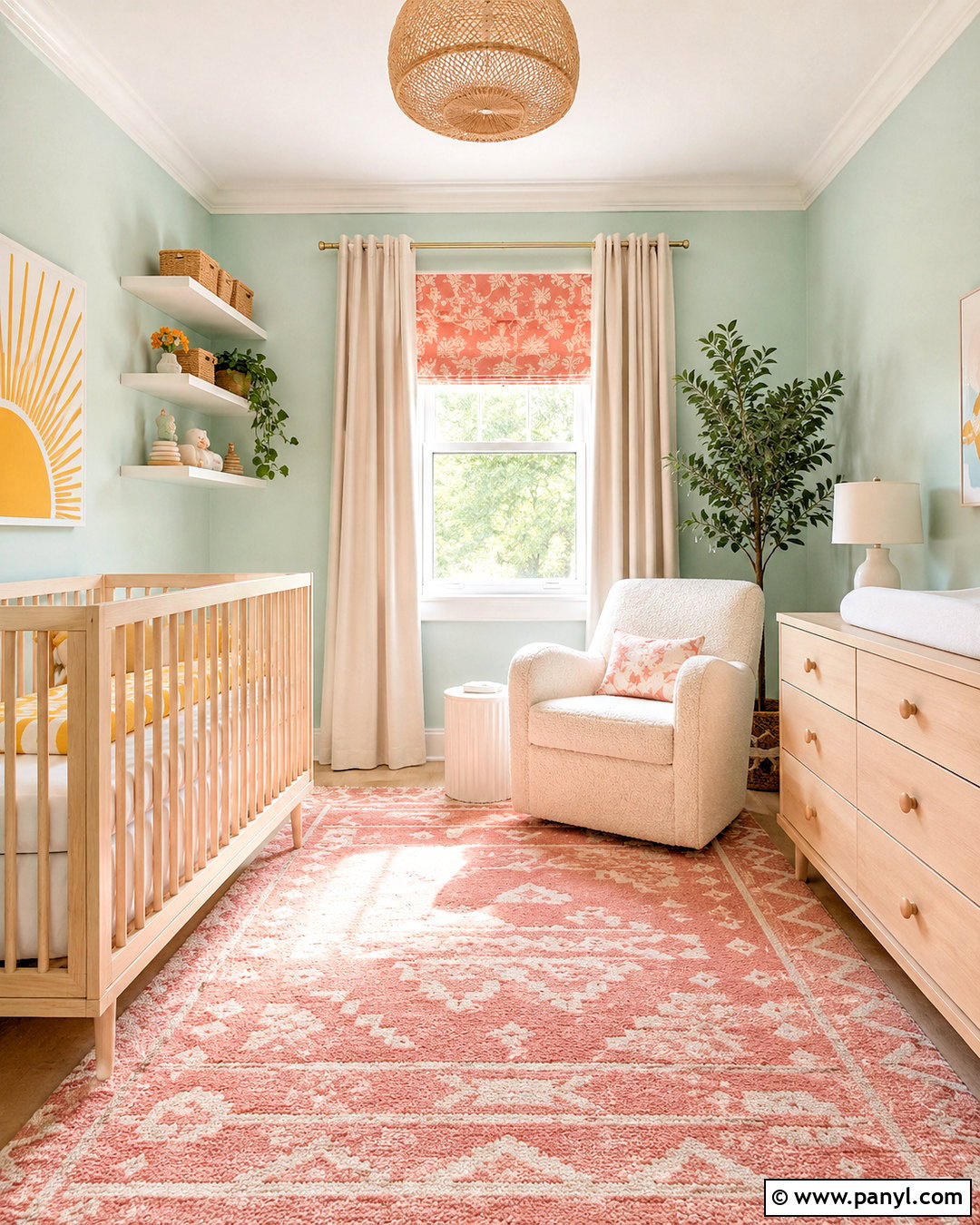
Mint green and muted coral offer a playful alternative to conventional pastel combinations. Use pale mint on the walls, warm white on the trim, and light birch for the crib and dresser. Add coral through a patterned rug, window shade, and several small decorative accents, keeping it away from large furniture pieces. A creamy boucle glider and oatmeal curtains soften the stronger contrast. Incorporate a little sunny yellow in framed artwork to create a lively but controlled three-color scheme. White shelves and woven baskets provide practical storage without adding visual weight. The completed nursery feels fresh, colorful, and modern. It has enough personality for a child’s room while remaining calm enough for everyday feeding, changing, and bedtime routines.
19. Black And White Nursery Palette
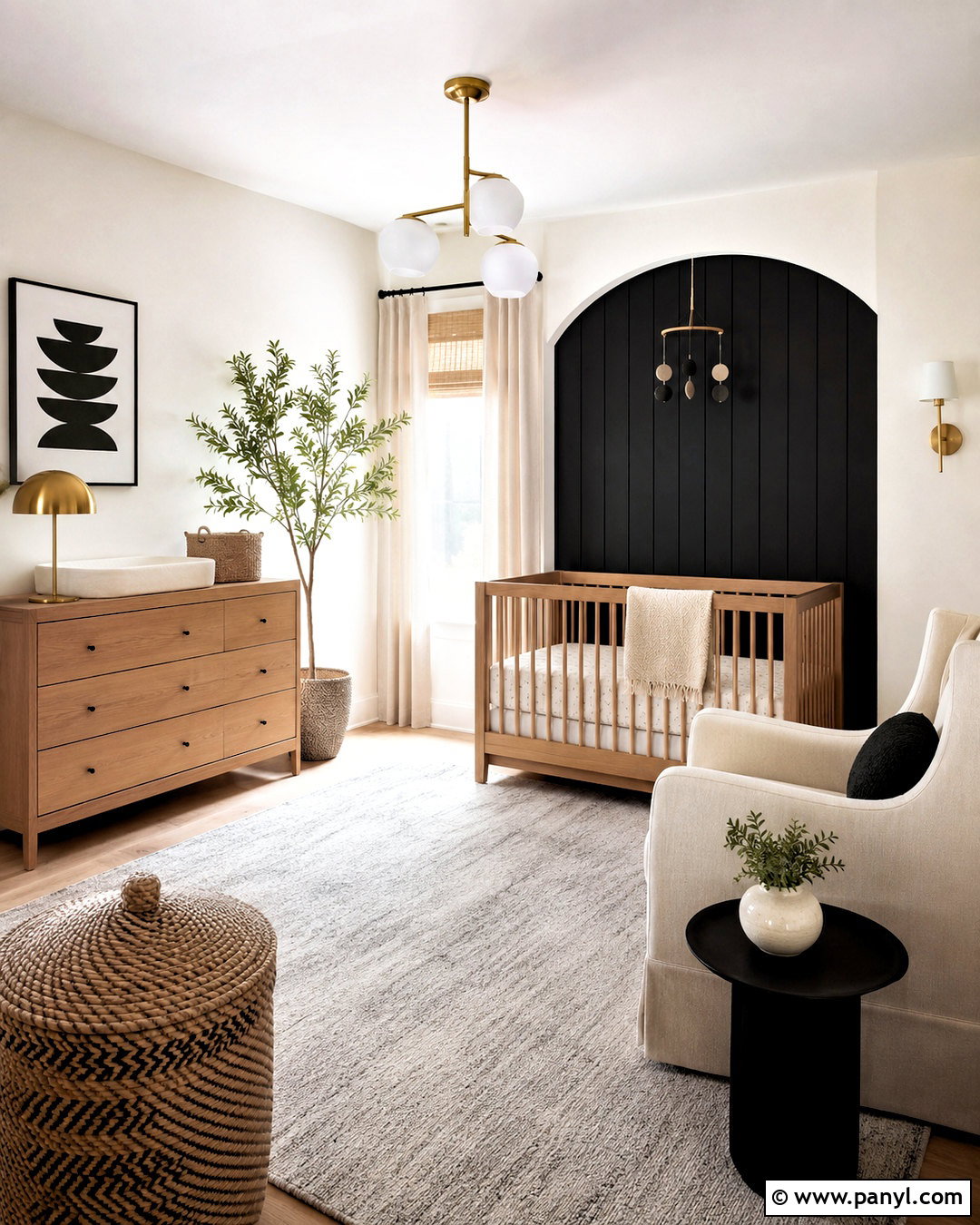
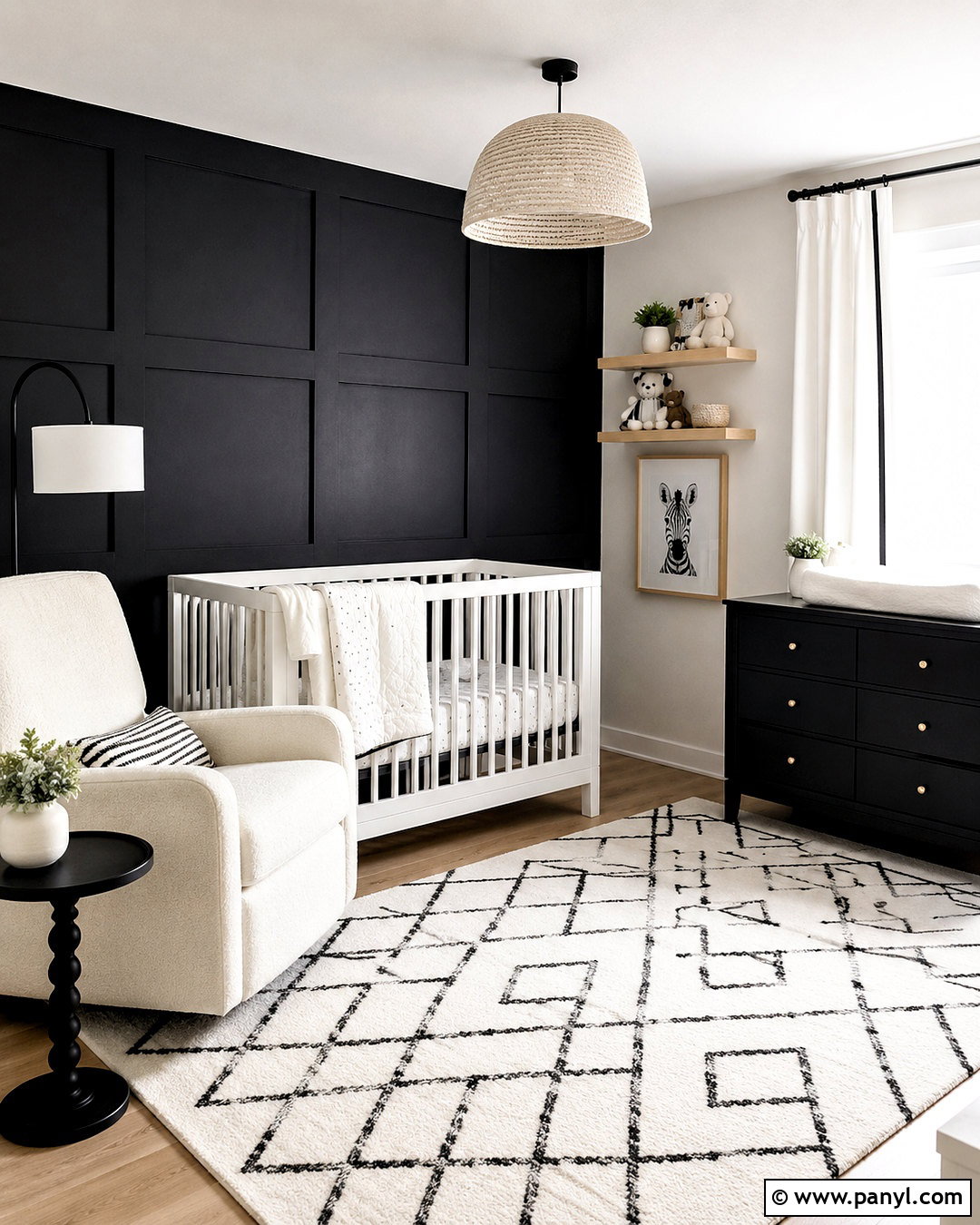
A black and white nursery becomes warmer and more comfortable when natural oak, tan, and soft gray are added. Keep the walls warm white, then use black on a narrow paneled feature wall or painted arch behind the crib. Choose an oak crib and dresser rather than stark white furniture. A light gray rug, tan glider, and beige curtains will soften the high contrast. Introduce simple black-and-white patterns through a washable rug border, window shade, or framed geometric artwork. Limit black to a few purposeful surfaces so it does not dominate the room. Woven baskets and warm brass lighting complete the look. This modern nursery feels crisp and graphic while still providing the softness expected in a baby’s room.
20. Rainbow Neutral Nursery Palette
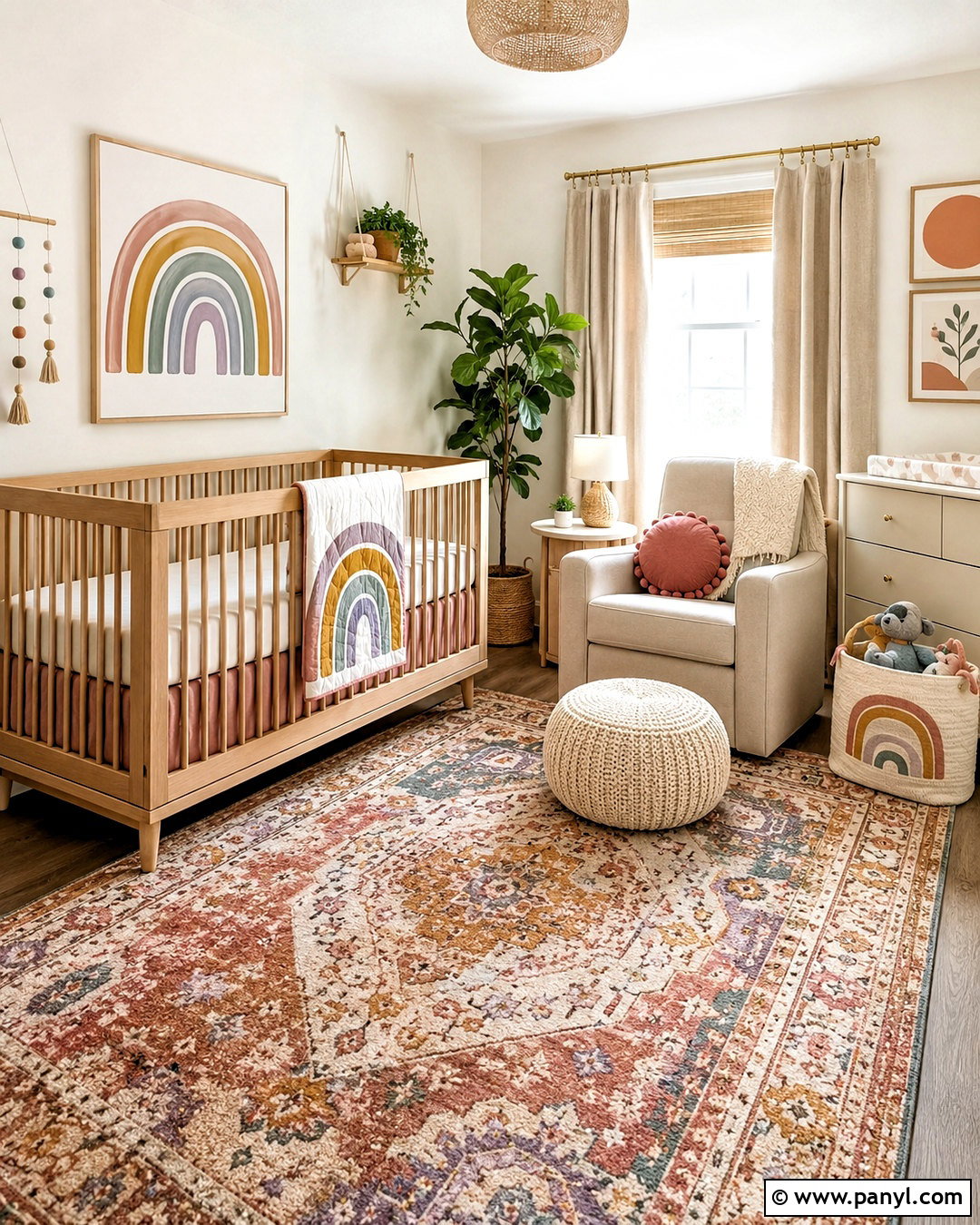
A rainbow nursery does not need saturated walls or brightly colored furniture. Begin with warm white walls, a pale oak crib, a cream dresser, and an oatmeal glider. Add a restrained rainbow palette through dusty rose, rust, mustard, sage, muted teal, and lavender. Repeat these shades in a large patterned rug, simple wall art, fabric bins, and a small window valance. Keep each color softened and use it only a few times so the room remains cohesive. Natural linen curtains and woven baskets create a neutral background between the colorful details. This finished nursery feels joyful and flexible without becoming overstimulating. As the child grows, individual accent colors can be changed easily while the main furniture and walls remain useful.
Conclusion:
The most successful nursery feels coordinated, comfortable, and practical rather than simply decorated around one fashionable shade. These nursery color palette ideas show how wall color, furniture finishes, textiles, lighting, storage, and artwork can work together as one complete design. Begin with the room’s permanent features, including the flooring and natural light. Then select a dominant color, a supportive neutral, and one or two smaller accents. Test paint samples at different times of day before committing. Softened colors are usually easier to layer and update, while natural wood and cream provide reliable balance. Most importantly, create a tidy layout with secure furniture and an uncluttered crib area so the finished nursery remains functional as well as beautiful.

Related Ideas and Inspiration:
Leave a Reply