
Choosing a wall color for a child’s bedroom means balancing personality, comfort, and long-term flexibility. These 20 kids room paint colors include calming pastels, nature-inspired neutrals, cheerful brights, and deeper shades that can grow with your child. Each palette creates a complete bedroom rather than relying on one isolated accent wall. You will find practical combinations for furniture, flooring, bedding, lighting, storage, and decor. Before committing, sample each shade on multiple walls and check it during the morning, afternoon, and evening. A washable eggshell or satin finish can also make fingerprints and scuffs easier to clean. Whether you are decorating a nursery, shared bedroom, or tween retreat, explore these 20 kids room paint colors for a coordinated look you can confidently recreate.
1. Sage Green Kids Room
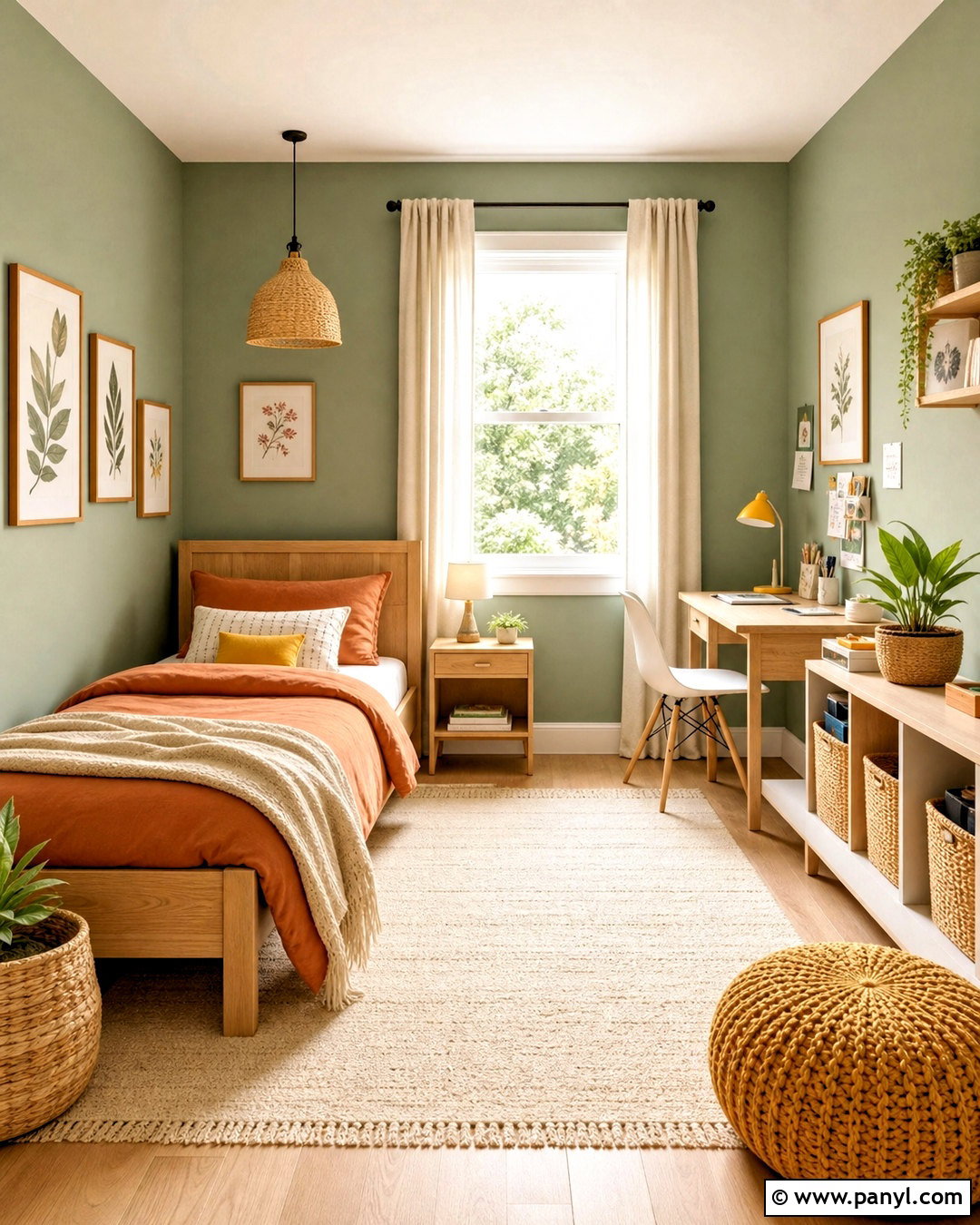
Soft sage green gives a child’s bedroom a restful, nature-inspired foundation without making the space feel dull. Paint every wall sage for a calm, enveloping effect, then use warm white on the ceiling, trim, and doors. A natural oak bed, woven storage baskets, and a cream wool-blend rug keep the palette light and organic. Add terracotta, mustard yellow, and dusty blue through bedding, books, and framed artwork. Simple botanical prints or removable woodland decals can strengthen the outdoor theme without limiting future updates. Choose linen-look curtains that filter sunlight rather than blocking it completely. A compact oak desk and rounded white lamp create a practical homework area. This adaptable room works equally well for a preschooler, older child, or siblings sharing one bedroom.
2. Light Blue Kids Room
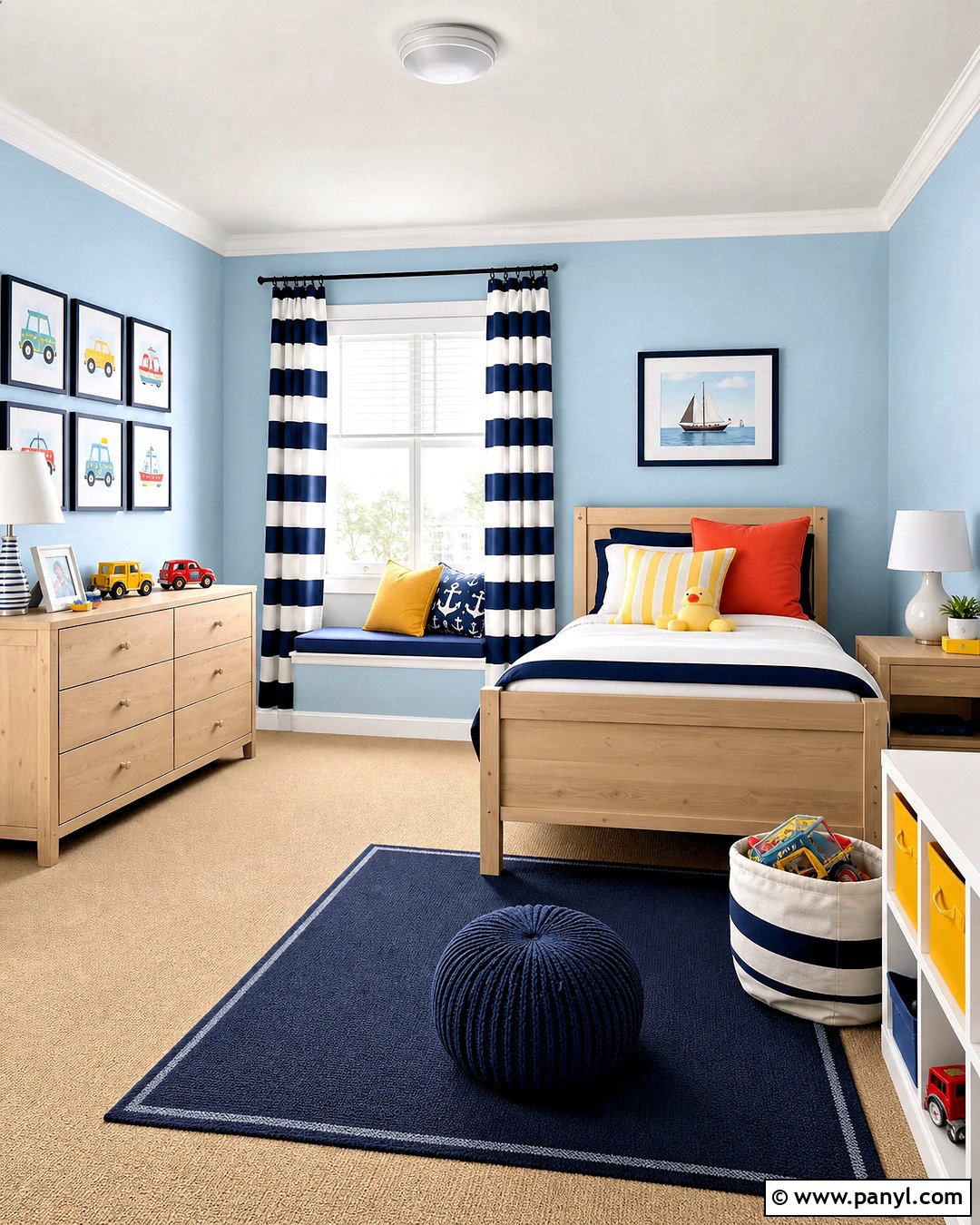
Light blue walls can make a small kids room feel airy, open, and peaceful. Select a soft blue with a slightly muted gray undertone so it looks comfortable rather than icy. Pair it with crisp white trim, pale maple furniture, and a light beige carpet or natural fiber rug. Navy piping on the bedding adds definition, while coral, sunny yellow, or grassy green accessories bring playful contrast. Build the full room around practical zones, including a bed along the longest wall, low cubby storage near the door, and a reading chair beside the window. White floating shelves keep favorite books visible without crowding the floor. Finish the design with striped curtains, a cloud-shaped ceiling light, and simple coastal or sky-themed art that can be replaced as interests change.
3. Dusty Pink Kids Room
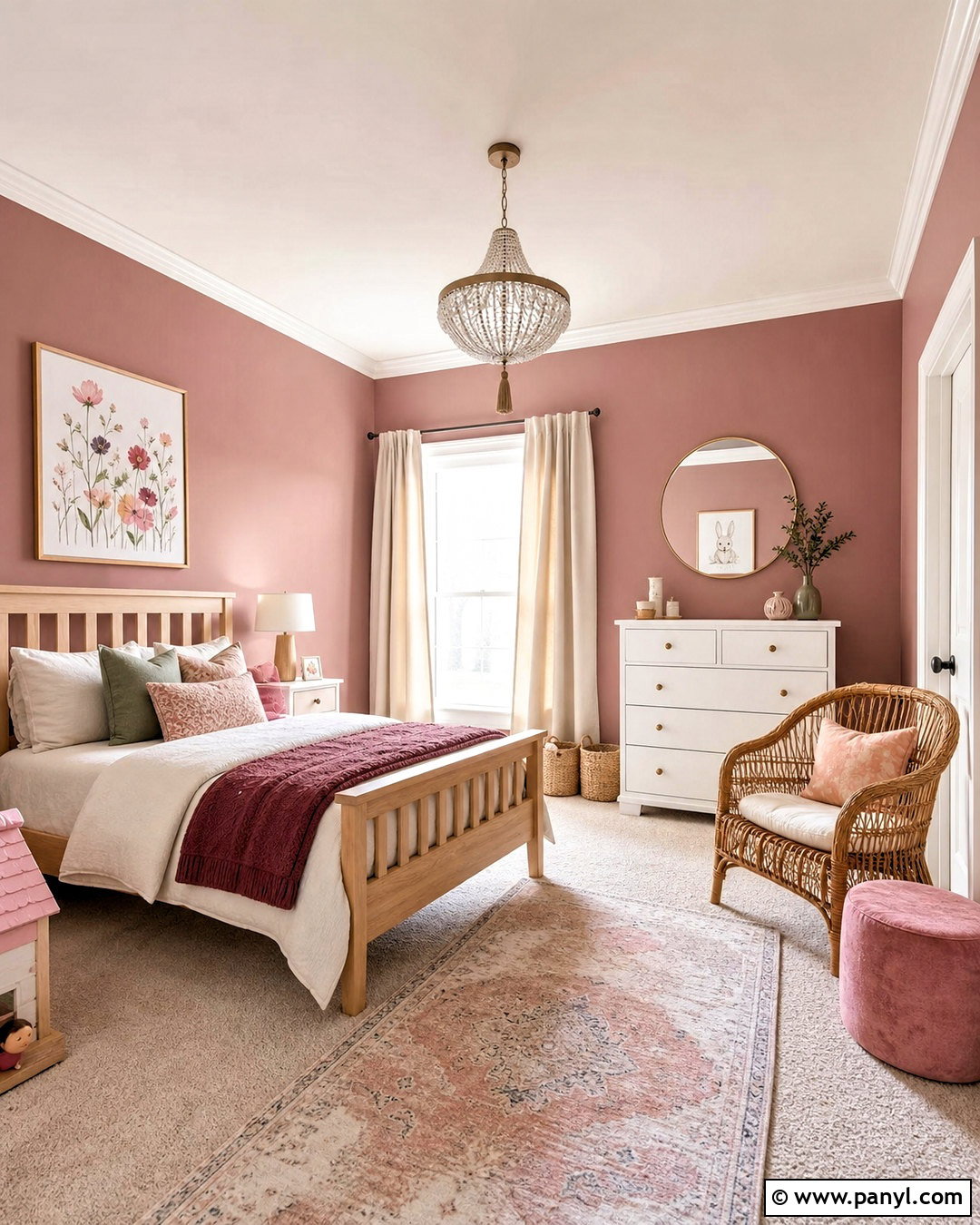
Dusty pink creates a warm and welcoming bedroom that feels softer and more lasting than bright bubblegum pink. Cover the walls in a muted rosy shade, then balance the color with ivory trim, a light oak bed, and oatmeal-colored carpet. Layer cream bedding with small accents of burgundy, sage green, and peach to give the room more depth. A painted white dresser and a curved rattan reading chair keep the arrangement relaxed and approachable. Instead of filling every surface with pink decor, introduce natural textures through baskets, linen curtains, and a woven pendant light. Hang a few floral, animal, or abstract prints in pale wood frames. The completed room feels playful enough for a young child but polished enough to transition into a comfortable tween bedroom later.
4. Warm White Kids Room
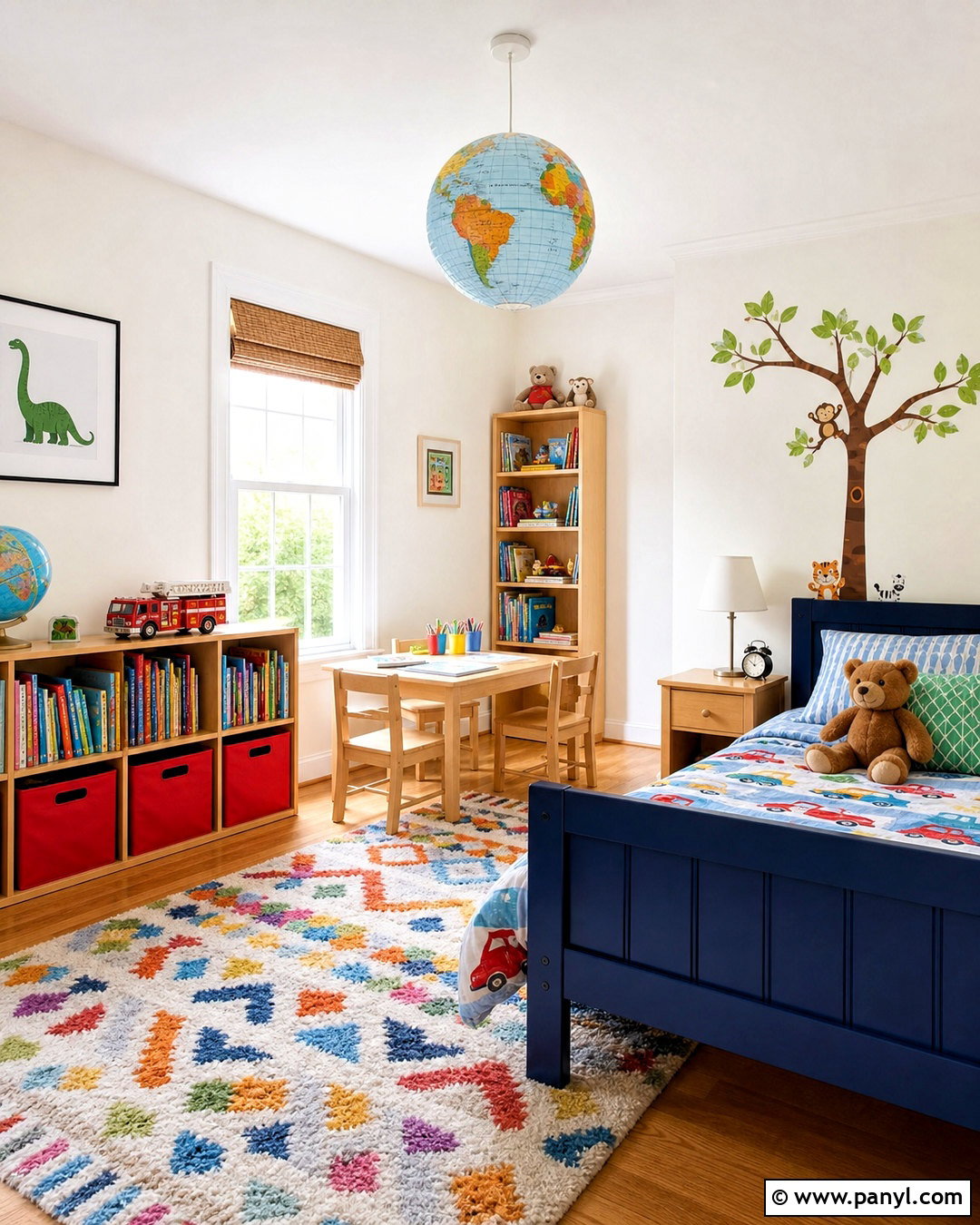
Warm white paint offers a flexible background for a colorful bedroom that can evolve without frequent repainting. Choose a creamy white rather than a stark blue-white, especially if the room has limited natural light. Continue the shade across the walls and ceiling, then introduce character through a painted cobalt bed, red storage bins, and cheerful patterned bedding. A large multicolor rug can establish the room’s palette while protecting wood floors. Arrange a low bookcase under the window, a small craft table in an open corner, and labeled baskets within easy reach. Colorful framed artwork and removable decals prevent the neutral walls from feeling unfinished. For added warmth, use light oak furniture, off-white curtains, and a paper globe pendant. The final room feels bright, practical, and easy to refresh.
5. Navy Blue Kids Room
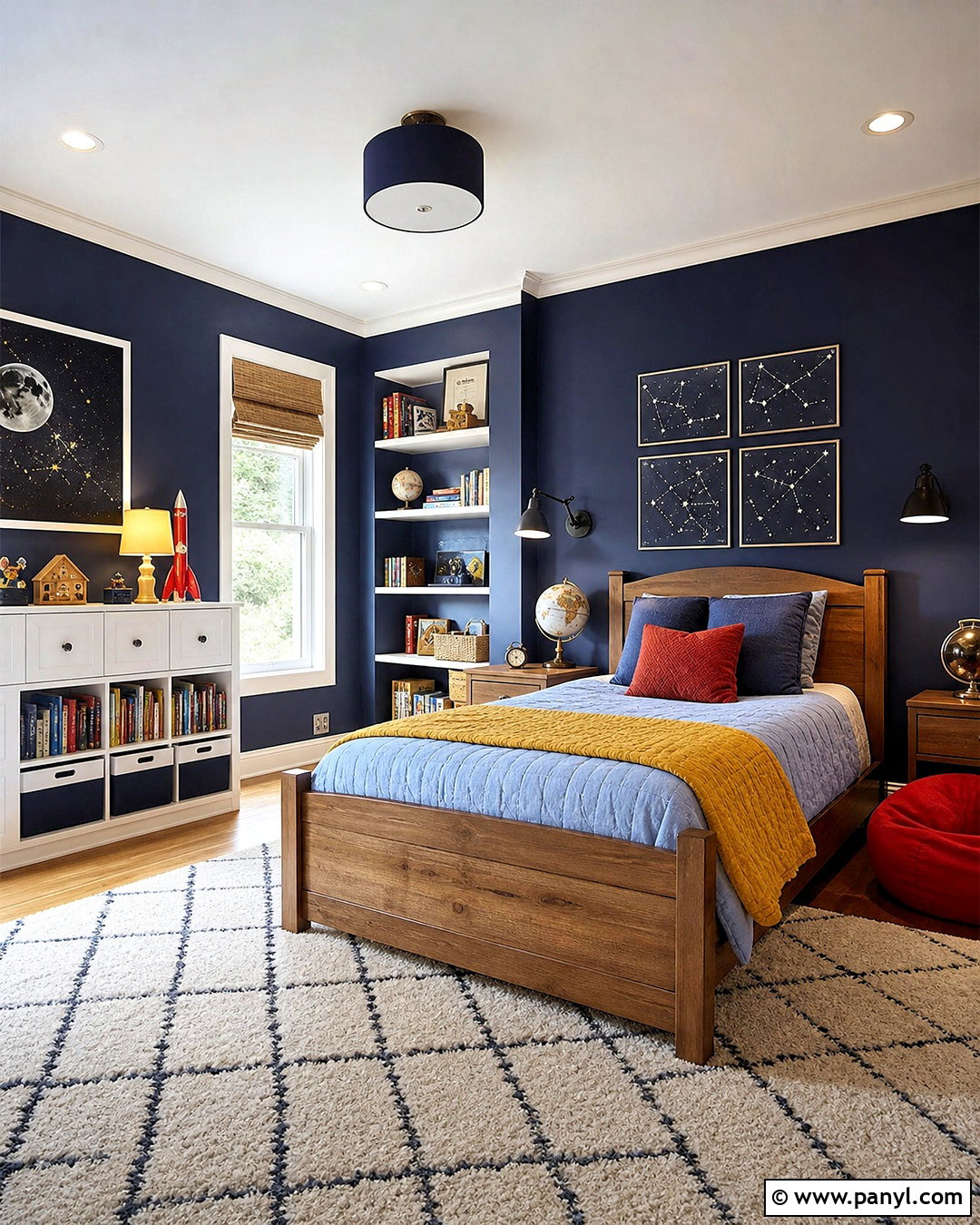
Deep navy blue can create a cozy kids room when it is balanced with enough pale surfaces and strong lighting. Use navy on the walls, but keep the ceiling, window frames, baseboards, and doors bright white. Choose a white or honey-oak bed so the furniture stands out clearly against the darker background. Red, pale blue, and mustard accents in the bedding create energy without producing a chaotic palette. Add a large cream rug to brighten the floor and use white-front storage cabinets to reduce visual heaviness. Wall-mounted reading lights free space on the nightstand and provide focused illumination. A constellation print, model airplanes, or simple graphic posters can personalize the room. This complete scheme feels adventurous yet sophisticated, making it particularly useful for a bedroom designed to grow with its occupant.
6. Peach Kids Room
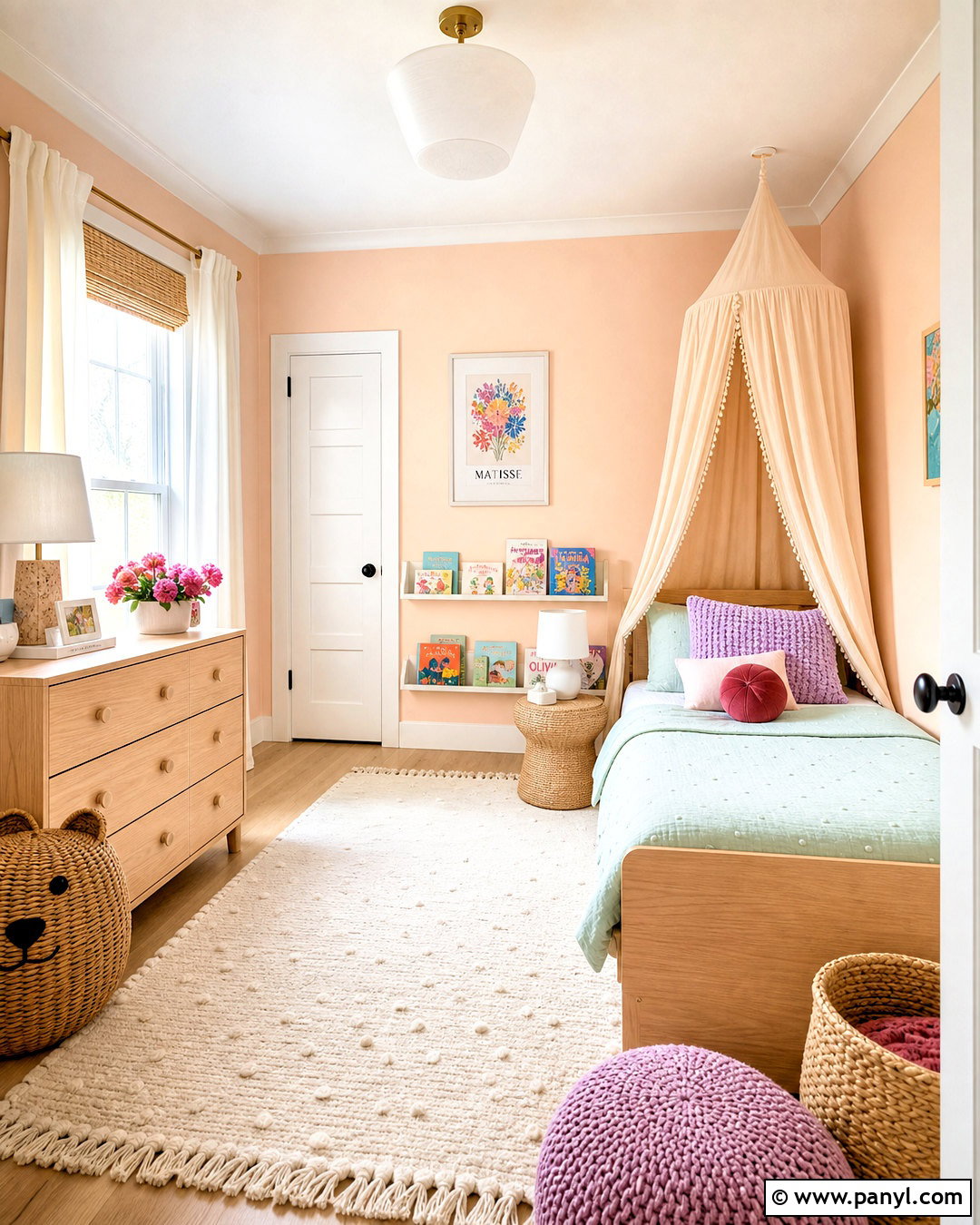
A gentle peach paint color brings warmth and sunshine into a child’s room without the intensity of orange. Select a pale, creamy peach for all four walls and combine it with warm white trim and blond wood furniture. Mint green bedding, soft lavender accents, and a few raspberry details create a balanced palette with plenty of personality. Place the bed beneath a simple fabric canopy, then use a low dresser and open book ledges to maintain an uncluttered arrangement. A washable cream rug softens the room and provides a comfortable play surface. Introduce texture through cotton curtains, boucle cushions, and woven baskets. Small fruit, flower, or rainbow prints can complete the cheerful theme. Peach works especially well in north-facing bedrooms because its warm undertone helps the space appear brighter and more inviting.
7. Pale Yellow Kids Room
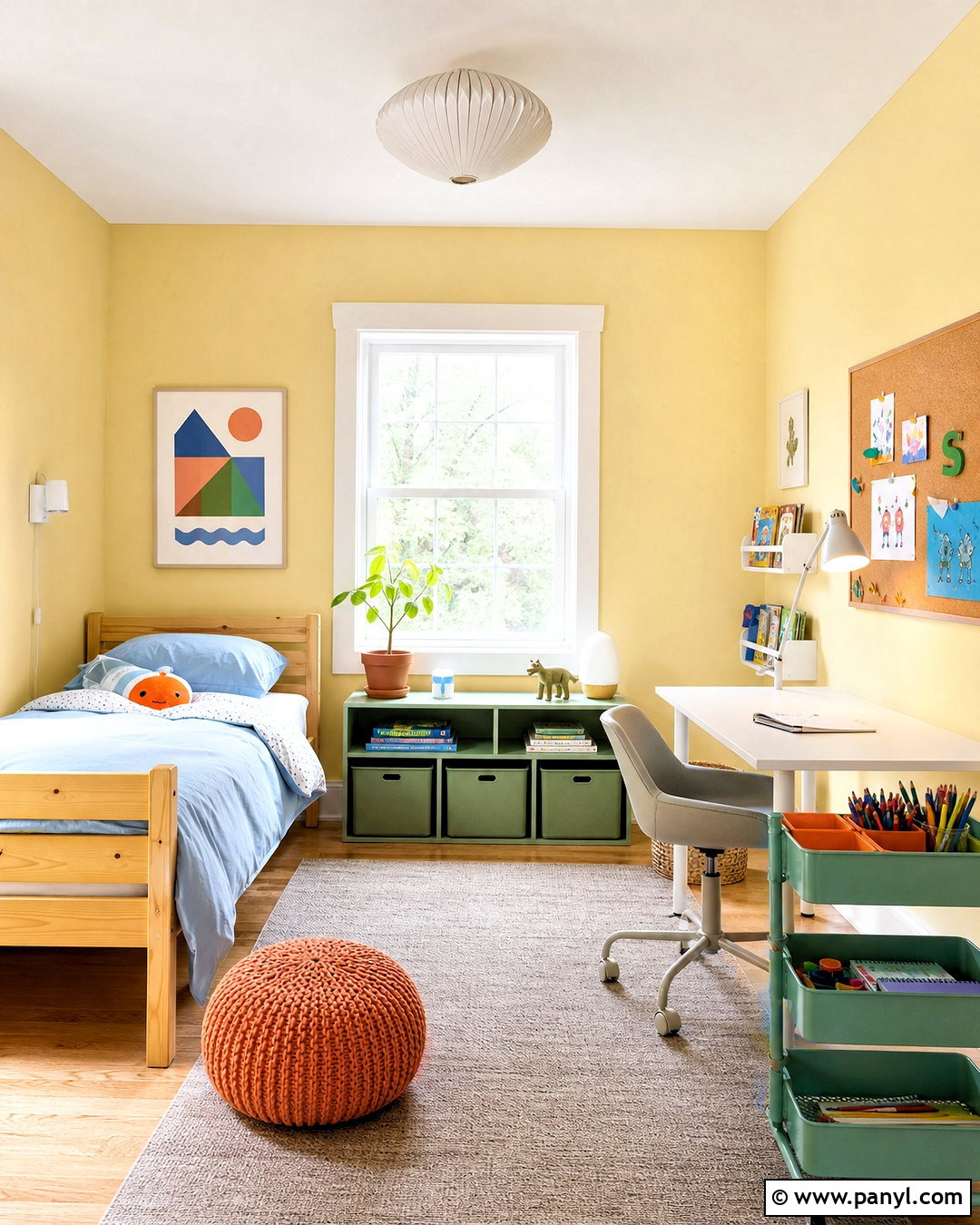
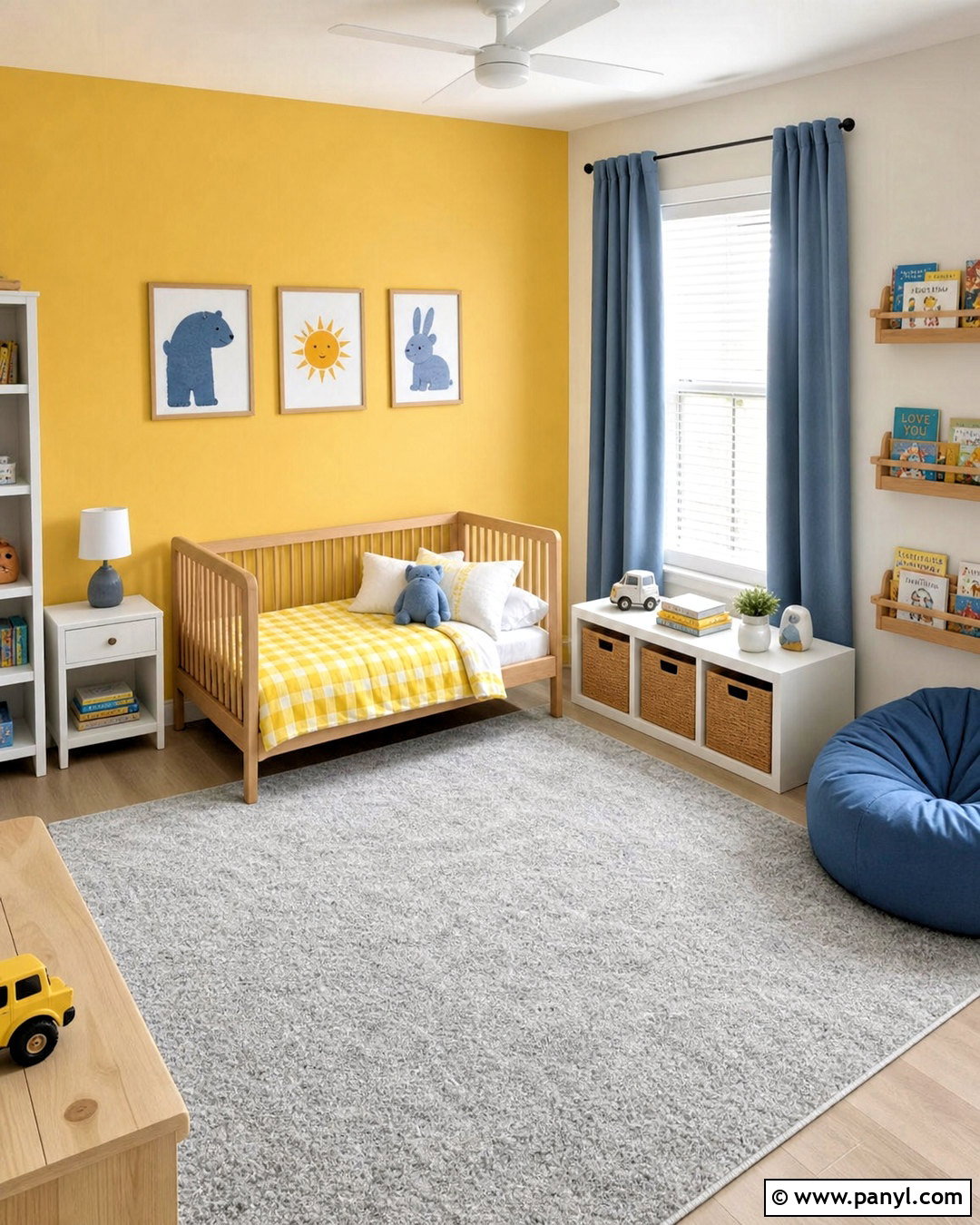
Pale yellow walls give a kids room a cheerful glow while remaining gentle enough for rest. Look for a buttery or straw-toned shade rather than a sharp lemon yellow. Pair it with white trim, a natural pine bed, and a warm gray rug to prevent the palette from looking overly sweet. Sky blue bedding and muted green storage pieces add cool contrast, while small orange details make the room feel lively. A white desk positioned near the window creates a bright place for homework and crafts. Add a corkboard, adjustable task lamp, and rolling supply cart to make the work zone functional. Keep window treatments simple with white cotton curtains. When finished with playful geometric artwork and a few wood toys, the complete bedroom feels sunny, organized, and suitable for different ages.

8. Lavender Kids Room
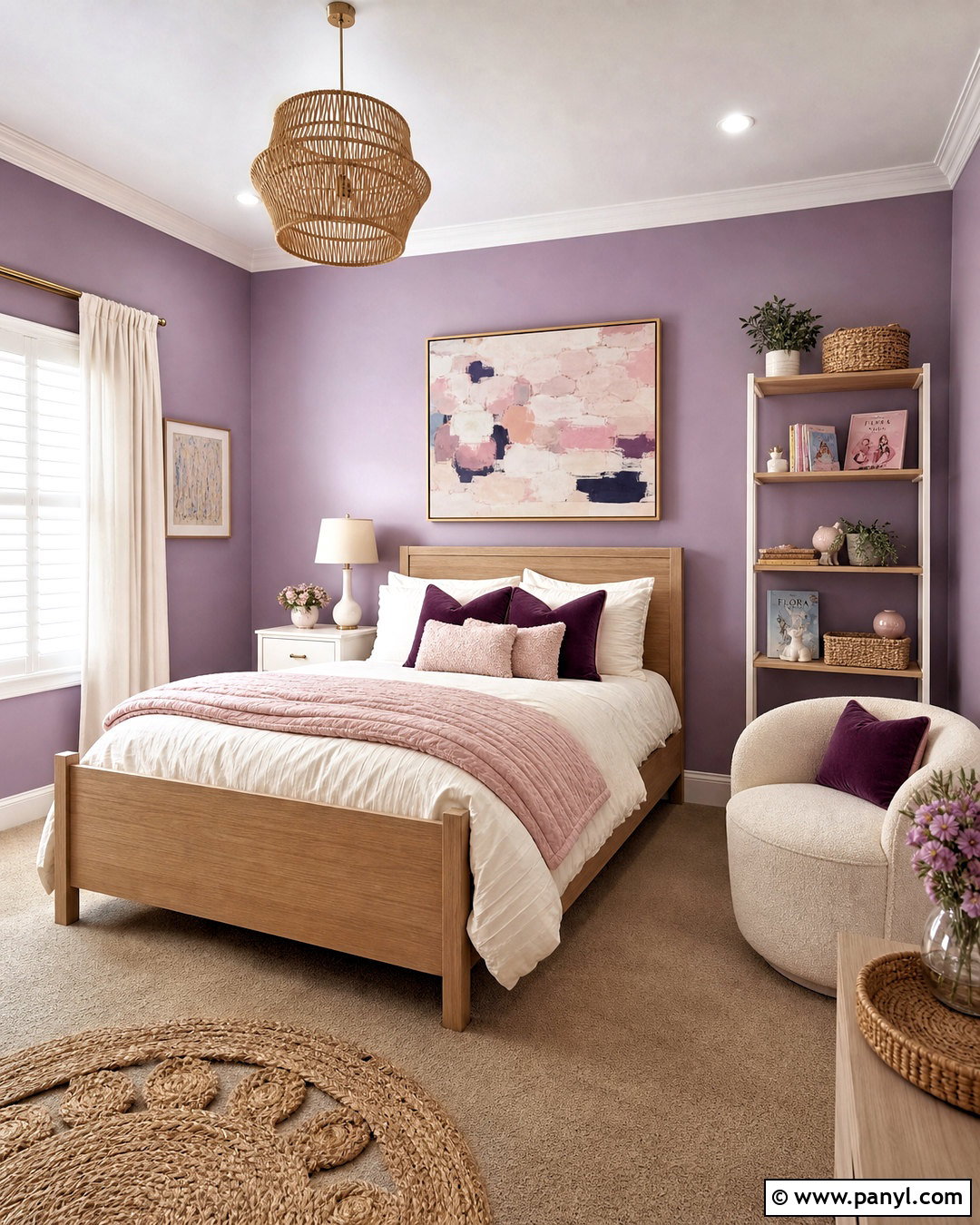
Lavender paint can create a dreamy bedroom without becoming overly themed or difficult to update. Choose a dusty lavender with gray undertones and apply it across the walls, using clean white for the ceiling and trim. Balance the cool color with a light oak bed, warm beige carpet, and natural rattan accessories. Bedding in cream, plum, and muted blush adds depth while maintaining a peaceful atmosphere. Place a small upholstered reading chair near a slim bookcase to form a comfortable quiet corner. Brushed brass knobs and a simple white pendant light provide subtle polish without making the room feel formal. Introduce stars, flowers, or abstract shapes through removable artwork rather than permanent murals. The result is a complete, calming room that can move naturally from early childhood into the tween years.
9. Teal Kids Room
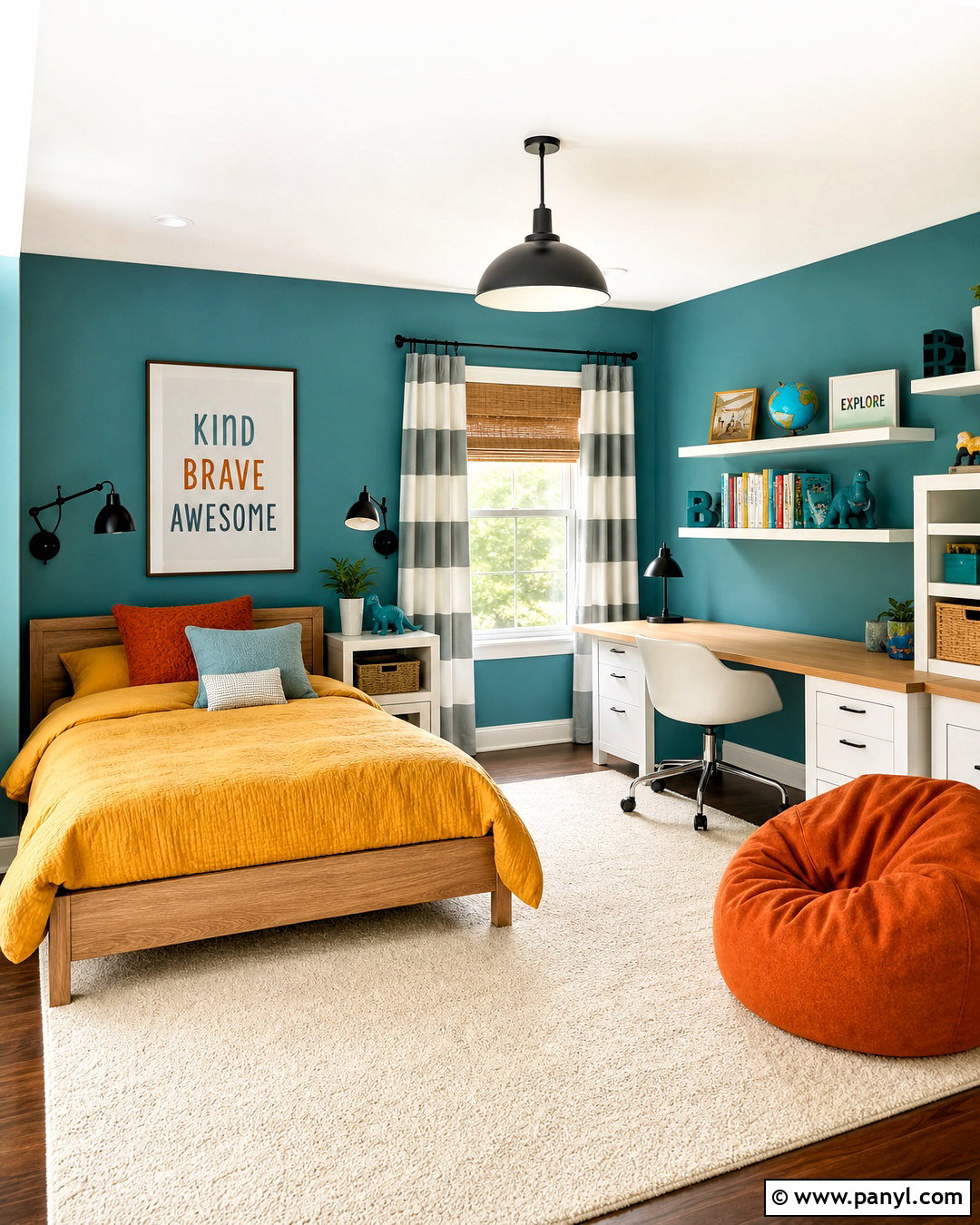
Teal gives a child’s bedroom a bold identity while combining the calming qualities of blue and the freshness of green. Use a medium, slightly muted teal on every wall or on the lower two-thirds beneath a warm white upper section. Ground the scheme with an oak bed, a cream rug, and white storage units. Mustard yellow bedding, rust-colored cushions, and pale aqua accessories keep the palette energetic but coordinated. Include a broad desk with wall-mounted shelves for homework, collectibles, and art supplies. A graphic striped curtain can repeat the room’s main colors without overwhelming the design. Choose matte black hardware and a simple ceiling fixture for crisp contrast. This balanced teal room works well for creative children and remains stylish when youthful toys are eventually replaced with books, hobbies, and technology.
10. Greige Kids Room
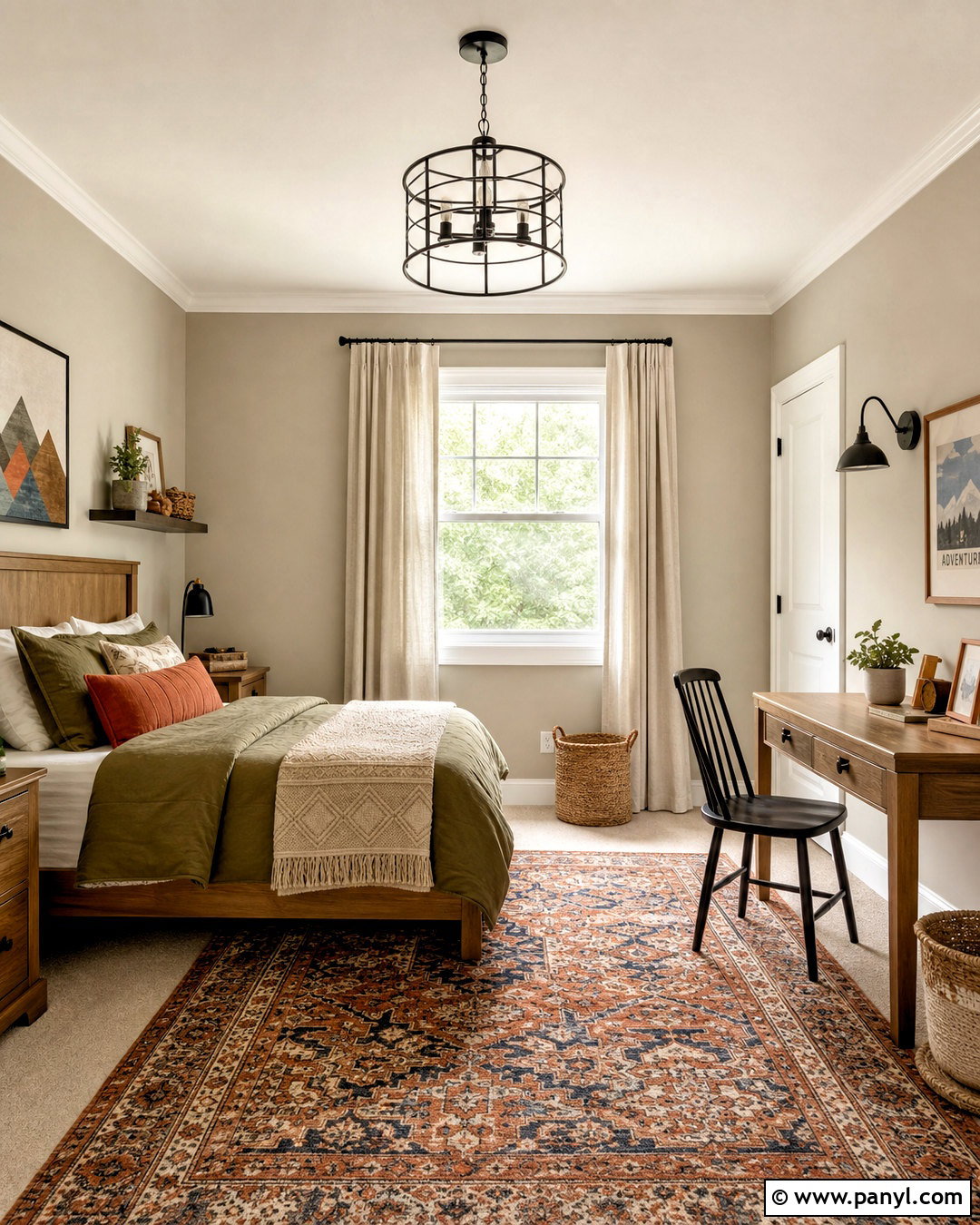
Soft greige walls provide a practical neutral base that feels warmer than gray and more modern than standard beige. Paint the entire room in a light mushroom-toned greige, then use creamy white on the trim and ceiling. Build interest with a walnut or medium-oak bed, olive green bedding, and clay-colored cushions. A patterned rug containing blue, rust, and cream can introduce playful color without taking over the room. Add a sturdy desk, closed storage cabinet, and low book ledges to support schoolwork and everyday organization. Black metal lighting creates definition, while woven baskets and linen curtains soften the harder edges. Display colorful toys and personal artwork in a controlled arrangement. The finished room feels comfortable, age-neutral, and easy to update, making greige especially useful for shared rooms or rental homes.
11. Sky Blue And White Kids Room
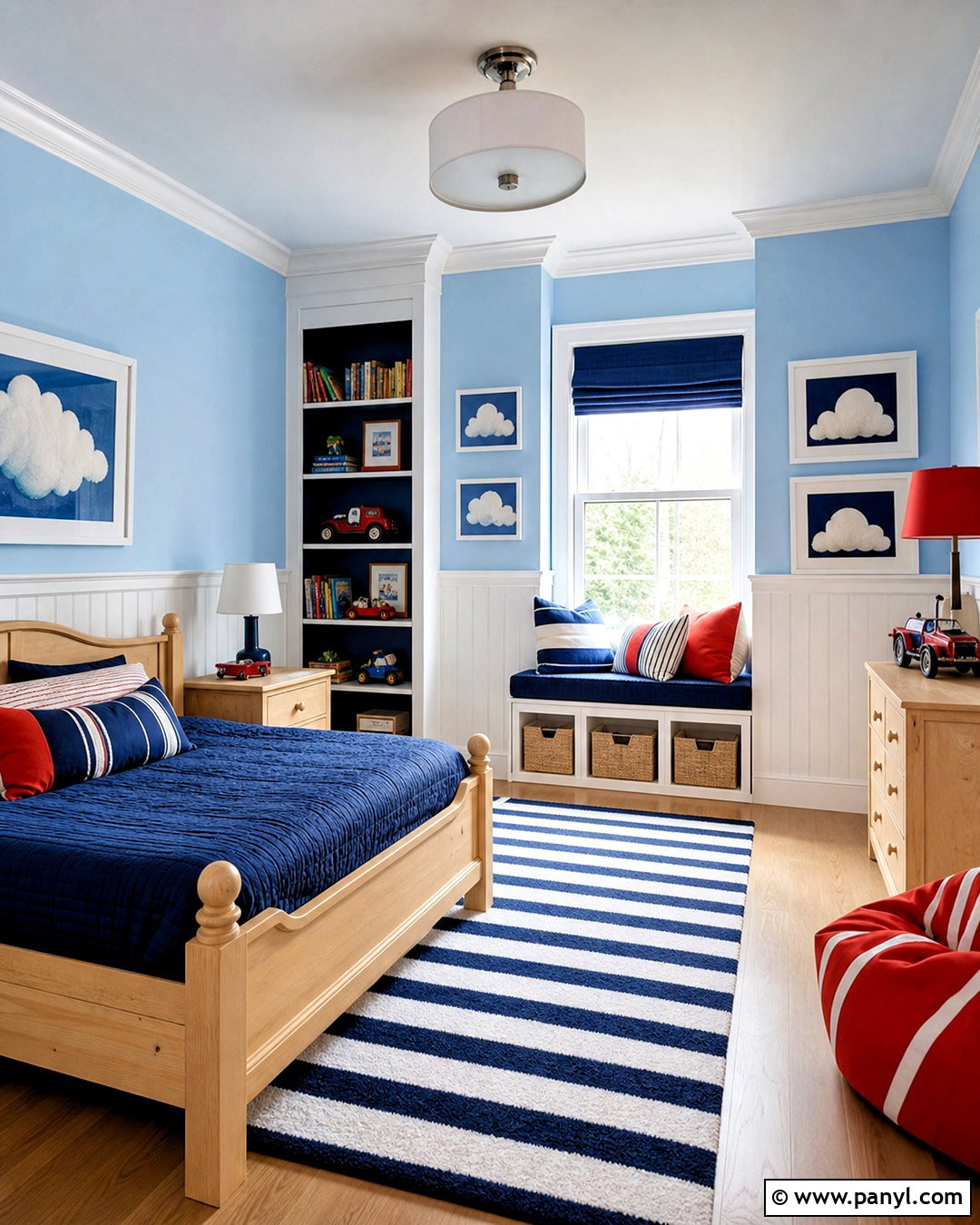
Sky blue and white create a clean, uplifting bedroom with enough contrast to highlight architectural details. Paint the upper walls soft blue and the lower walls white, dividing them with a narrow painted molding or simple chair rail. Repeat white on the ceiling, door, and window trim for a connected look. A pale wood bed and dresser prevent the scheme from feeling cold. Add navy bedding, warm red accents, and a striped rug to provide stronger visual anchors. Position a compact reading bench below the window and install blue-backed bookcases along an open wall. Cloud, airplane, or ocean artwork can support the palette without turning it into a rigid theme. This two-color room feels bright and playful, while its classic foundation can easily accommodate changing interests, furniture, and accessories.
12. Forest Green Kids Room
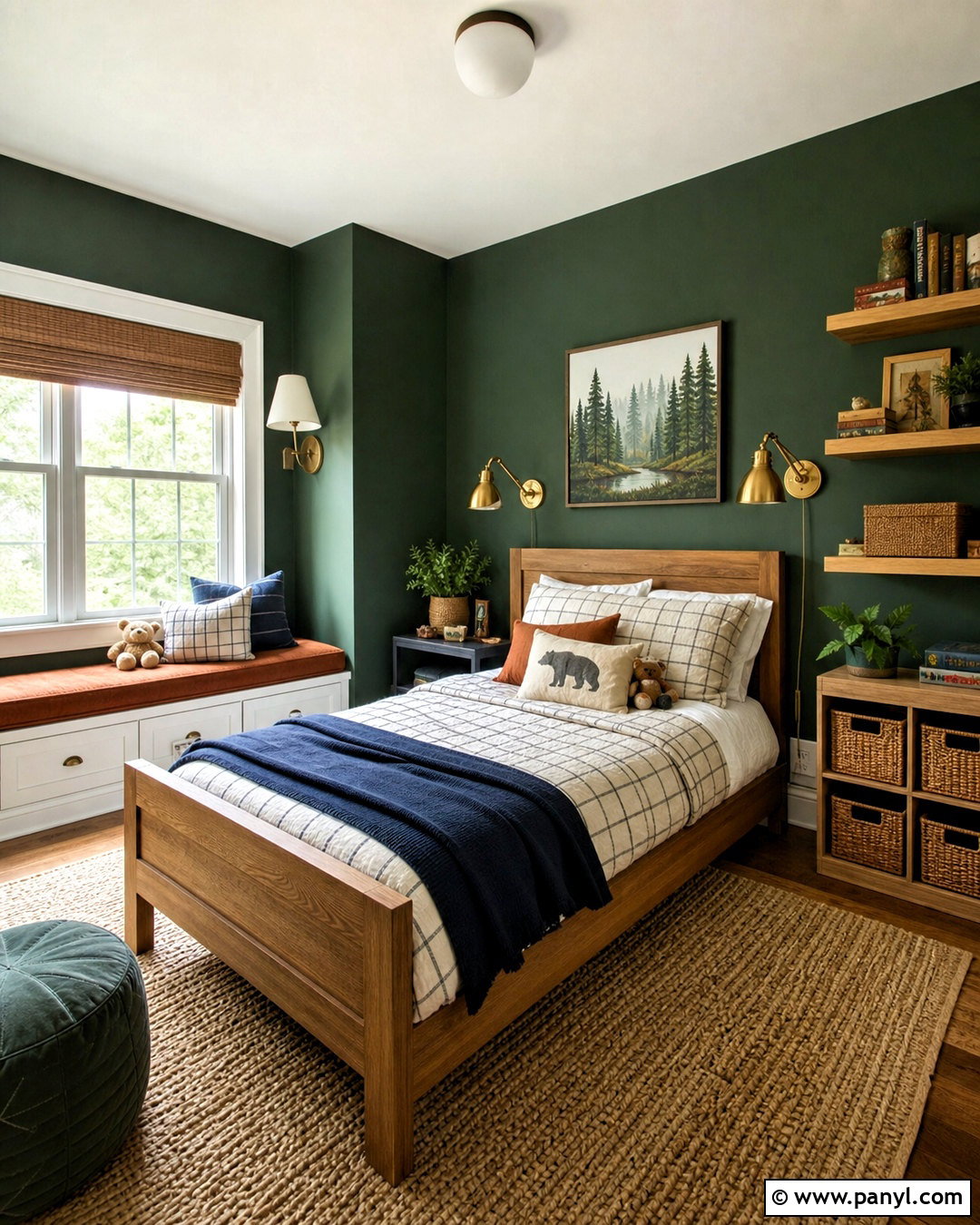
Forest green walls create a cozy, grounded bedroom that feels adventurous without depending on cartoon themes. Use the deep green behind the bed and on adjoining walls, then keep the ceiling and trim a warm ivory. A natural wood bed, tan leather-look pulls, and a large oatmeal rug lighten the overall composition. Layer plaid or striped bedding in cream, rust, and muted blue for a comfortable cabin-inspired appearance. Add closed white storage beneath the window and open oak shelves for books and favorite objects. A brass wall lamp introduces warmth and makes nighttime reading easier. Woodland prints, a simple map, and a few potted faux plants reinforce the natural palette. With clear floor space and restrained accessories, the completed room feels snug and imaginative rather than dark or crowded.
13. Coral Kids Room
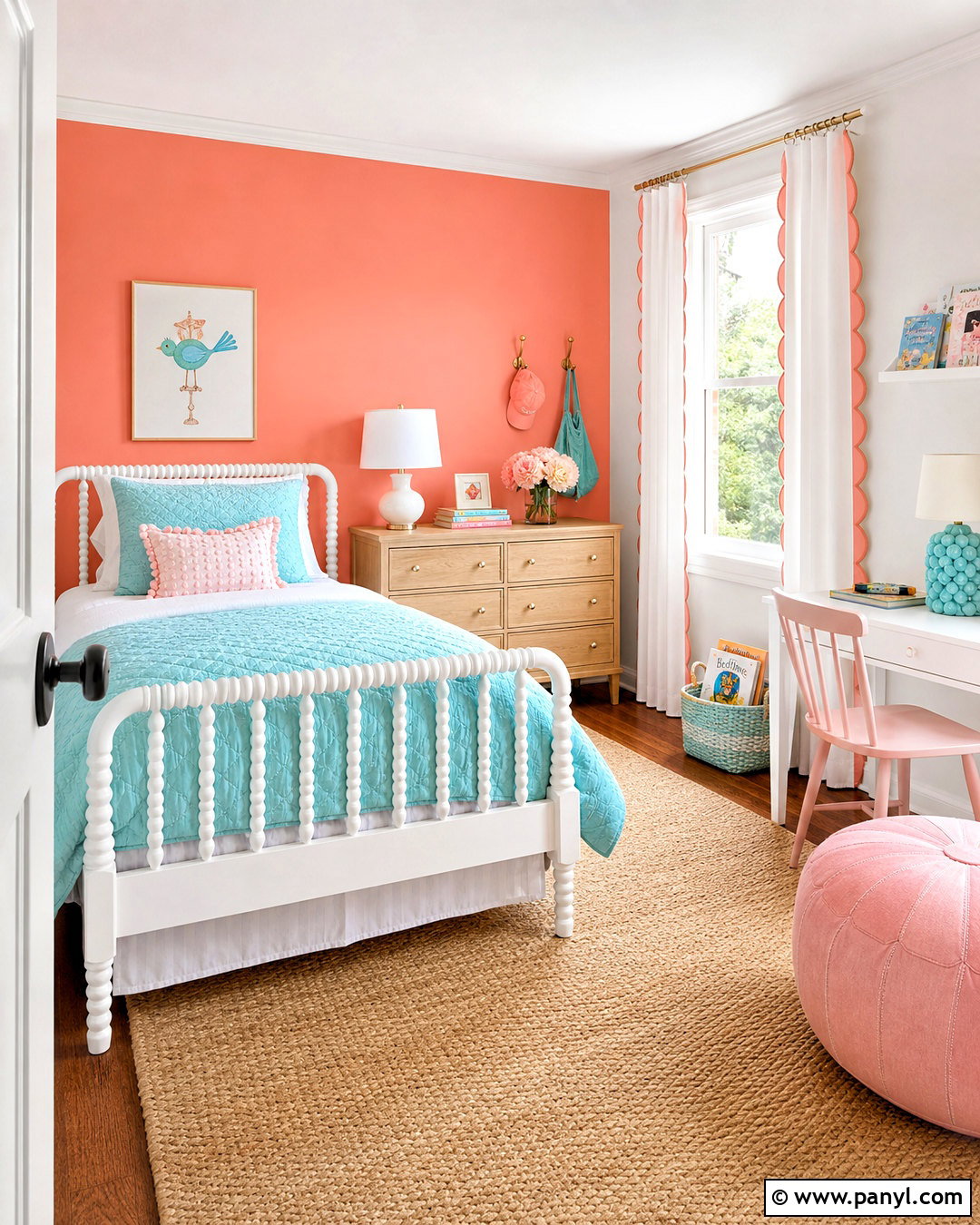
Coral paint delivers playful energy while feeling softer and more versatile than vivid red. Use a muted coral on the wall behind the bed, then cover the remaining walls in warm white to maintain brightness. Repeat coral through small bedding details, but balance it with turquoise, pale pink, and natural tan. A white spindle bed, light wood dresser, and woven rug create an easygoing foundation. Place a slim desk against a white wall so the work area feels visually calm. Add scalloped curtains or a geometric valance that combines the palette without making the room look overly busy. Storage baskets and wall hooks keep toys, bags, and clothing organized. The final room is colorful and upbeat, yet the limited coral placement makes future repainting and decor changes manageable.
14. Mint Green Kids Room
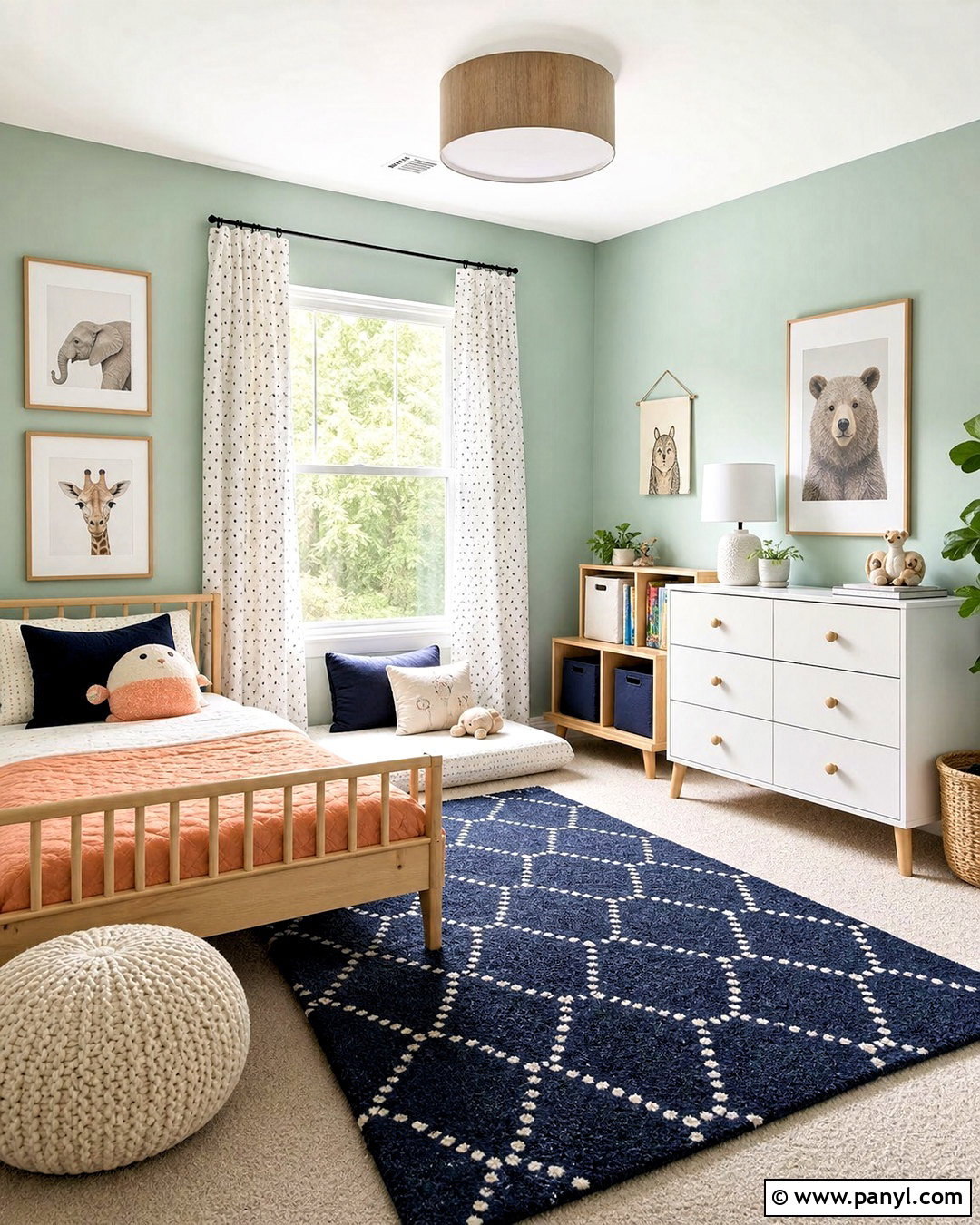
Fresh mint green can brighten a child’s bedroom while keeping the overall atmosphere soft and relaxed. Choose a pale mint with enough gray to avoid a candy-colored result. Paint all four walls, then add crisp white trim and a light birch bed. Bedding in peach, navy, and cream provides balanced warm and cool contrast. Use a washable navy rug to ground the pale palette and disguise everyday marks. A white dresser with rounded wood knobs, low toy shelves, and fabric storage cubes keeps the furniture coordinated. Introduce a reading nook with a cream floor cushion and wall-mounted book racks. Simple animal artwork and dotted curtains add pattern without clutter. The completed mint room feels clean, cheerful, and suitable for a nursery conversion, young child’s bedroom, or compact shared space.
15. Terracotta Kids Room
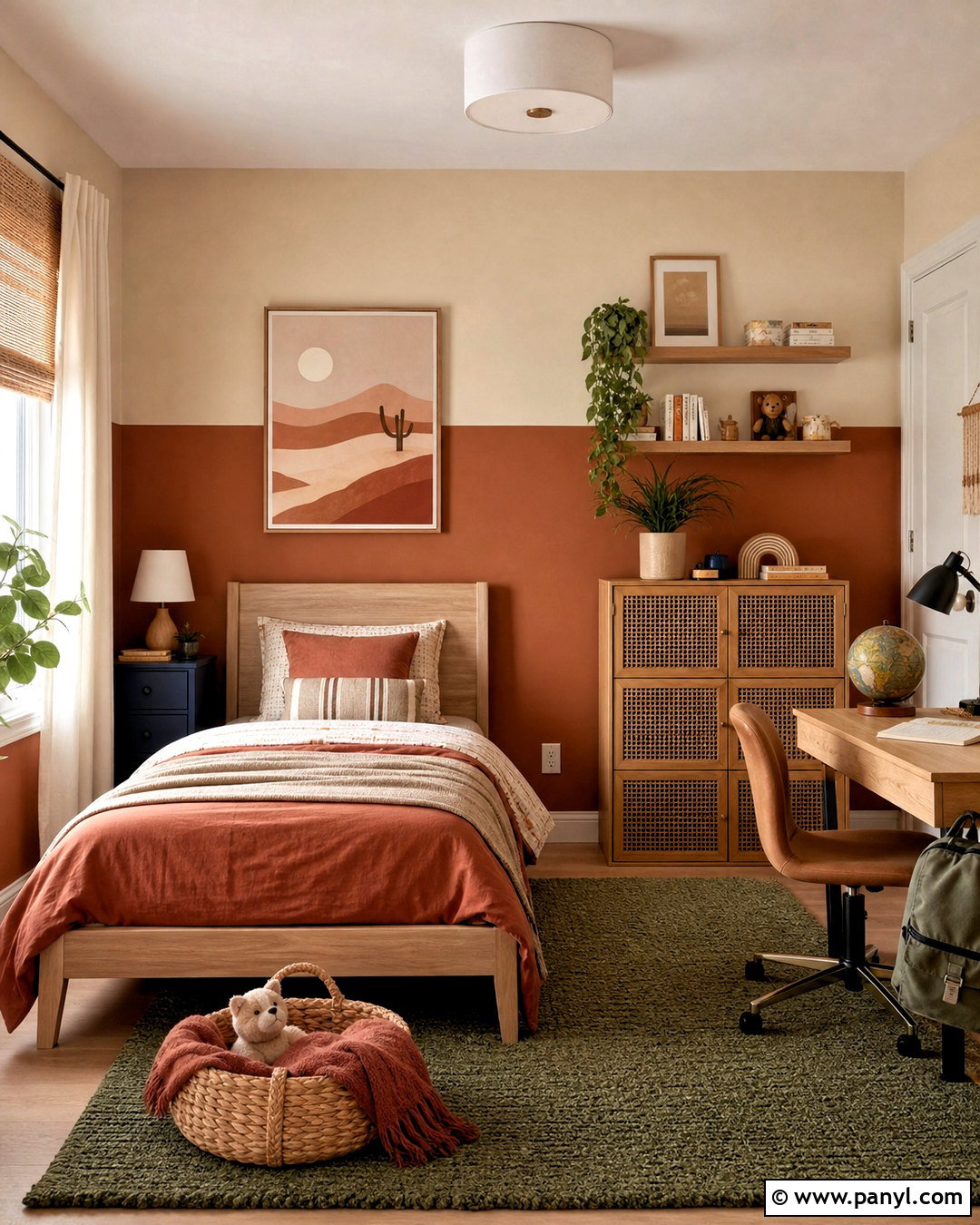
Muted terracotta gives a kids room an earthy warmth that feels colorful, comfortable, and surprisingly adaptable. Apply the shade to the lower half of the walls and use creamy beige above it, creating a horizontal division without elaborate molding. Pair the walls with a pale oak bed, rust-and-cream bedding, and an olive green rug. Natural cane drawer fronts and woven baskets reinforce the relaxed palette. Bring in contrast through deep blue lamps, book covers, or a painted bedside table. A compact desk beneath floating shelves provides room for art projects and school supplies. Keep the curtains light and neutral so daylight can soften the richer wall color. Finished with desert-inspired shapes, abstract art, and simple wood toys, this bedroom feels playful while avoiding an overly juvenile appearance.
16. Soft Gray Kids Room
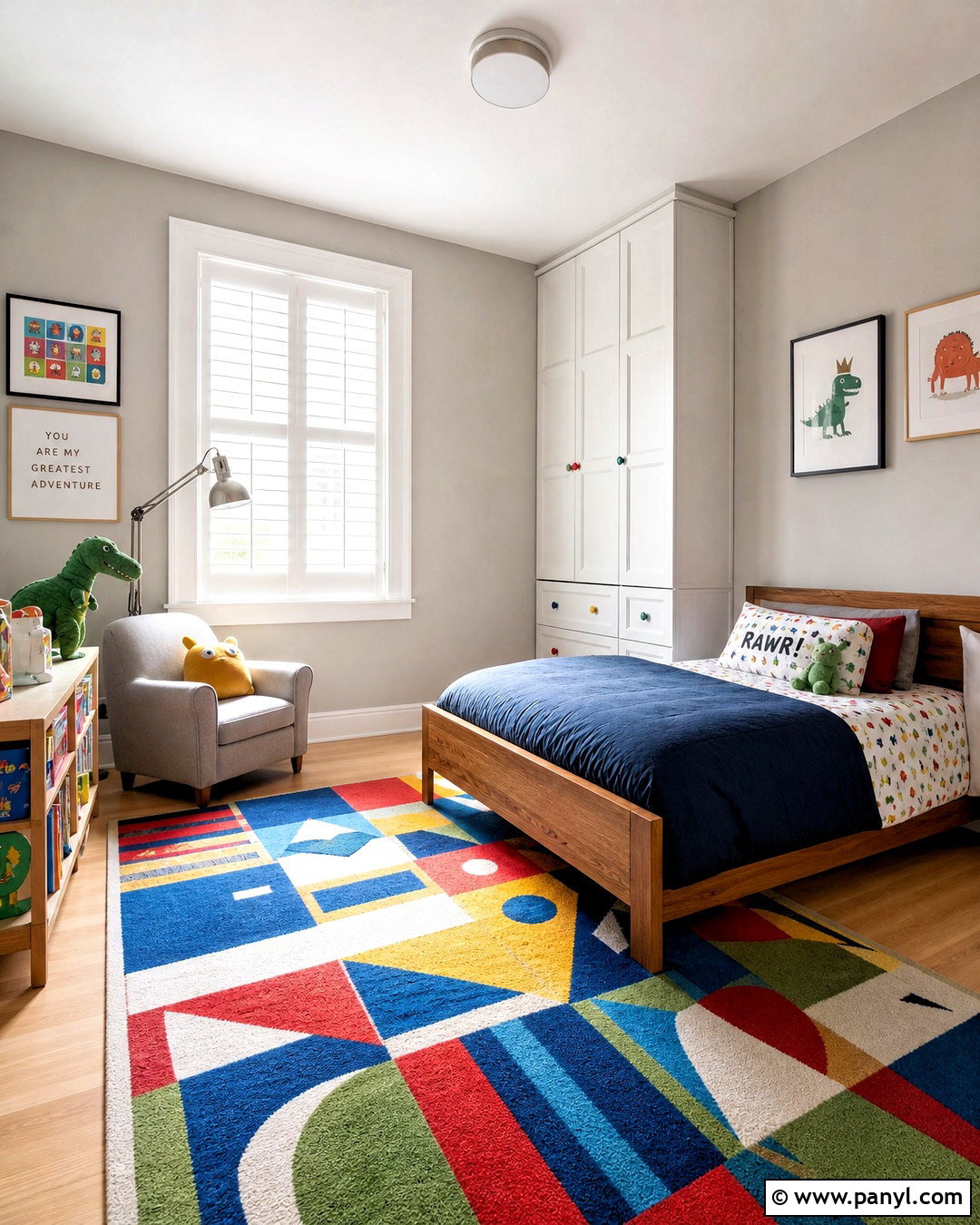
Soft gray can support a colorful kids room when the shade has warm undertones and the decor supplies plenty of personality. Paint the walls a pale dove gray, pairing them with bright white trim and a clean white ceiling. Choose a natural wood bed and layer bedding in cobalt blue, sunny yellow, red, and green. A large patterned rug should repeat these colors to connect the entire design. Introduce closed white storage along one wall, leaving open shelves for a smaller collection of books and toys. Colorful drawer pulls offer an inexpensive customized detail. Add a fabric reading chair, adjustable floor lamp, and framed child-created artwork to make the space feel personal. The completed room remains bright and organized while providing a flexible background for changing color preferences and age-appropriate decor.
17. Powder Blue Kids Room
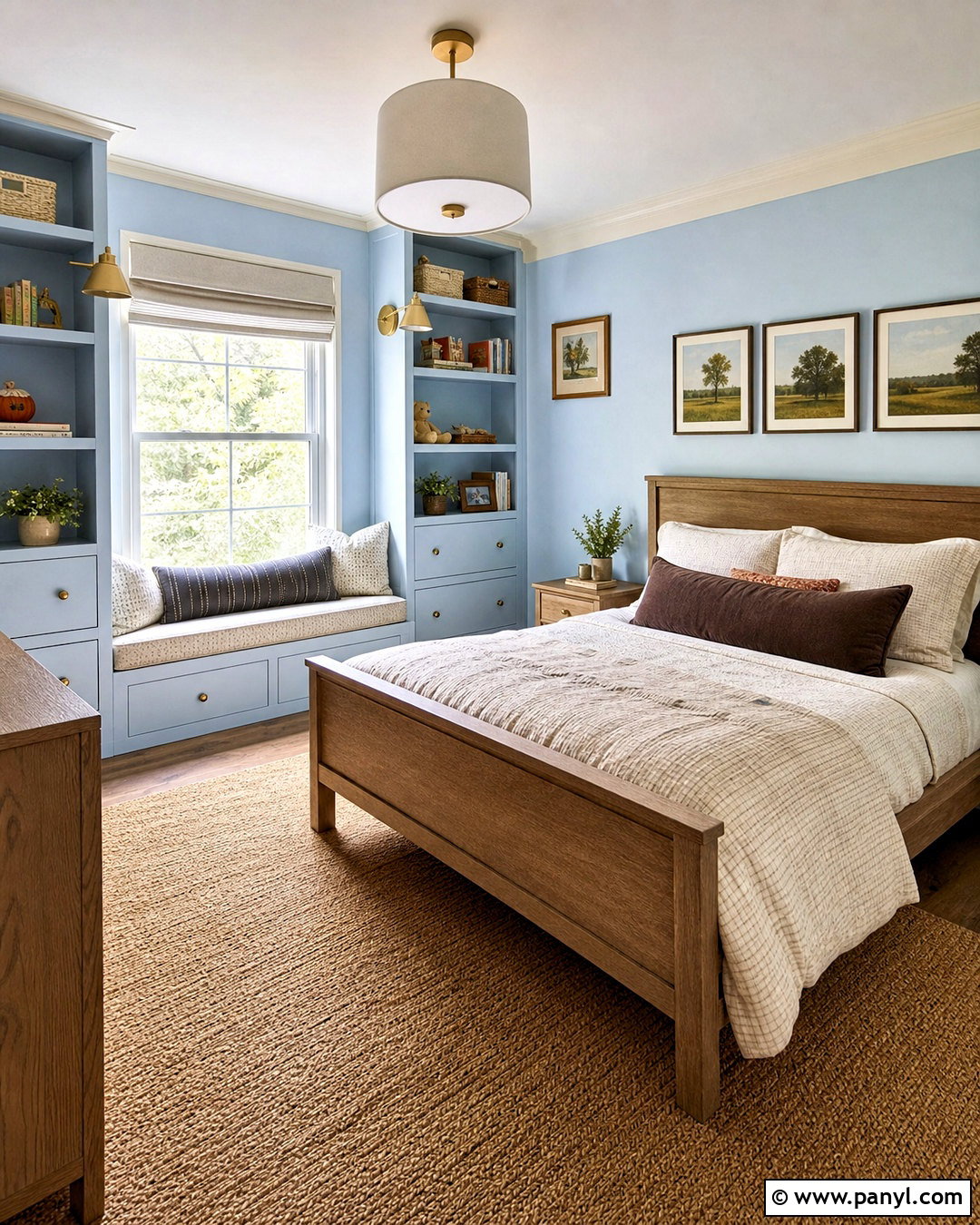
Powder blue creates a gentle bedroom palette that feels soothing but still has more presence than plain white. Use the color on walls and built-in shelving for a seamless, wrapped effect, then keep the ceiling and trim soft ivory. A medium-oak bed and caramel-colored rug bring needed warmth to the cool background. Layer bedding in cream, chocolate brown, and muted orange for an updated, gender-neutral combination. Include a built-in or freestanding window seat with storage drawers to provide reading space and reduce clutter. Warm brass sconces and a fabric ceiling shade make the room feel comfortable rather than clinical. Decorate with simple landscapes, animals, or geometric prints. This finished powder blue bedroom has a timeless quality that works for younger children while remaining appropriate as they grow older.
18. Soft Lilac And Green Kids Room
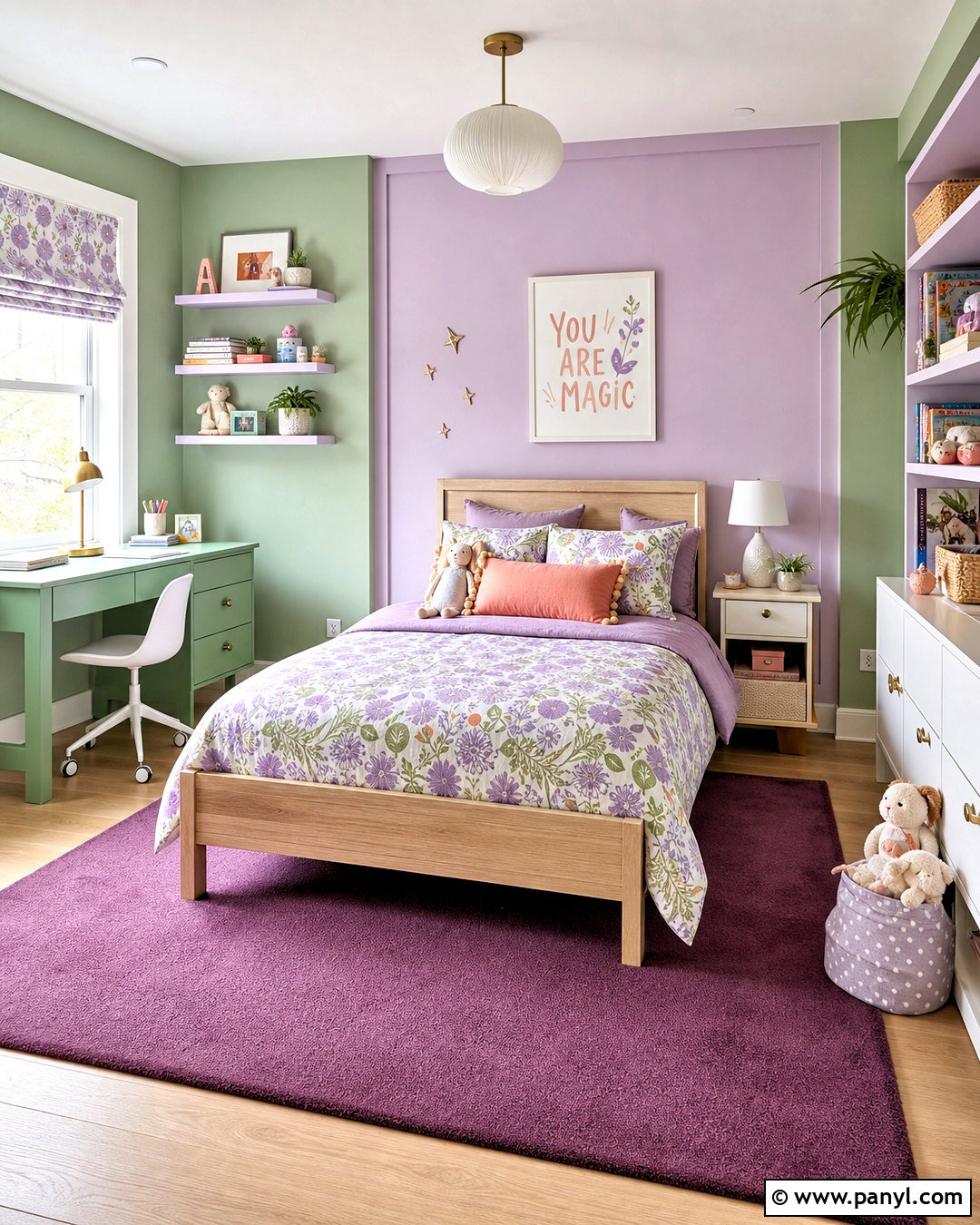
Soft lilac and muted green form a playful two-color bedroom that feels balanced rather than overly busy. Paint the wall behind the bed lilac and use pale sage on the other three walls. Connect the shades with white trim, a cream ceiling, and bedding that includes both colors in a small floral or geometric pattern. Choose a blond wood bed and matching dresser to add warmth. A plum rug grounds the lighter walls, while peach cushions provide one controlled accent. Position a small green desk near the window and hang lilac shelves above it for books and supplies. Keep larger storage pieces white so they do not compete with the painted walls. The complete room feels imaginative, coordinated, and flexible enough to suit different ages and personal interests.
19. Cobalt Blue Kids Room
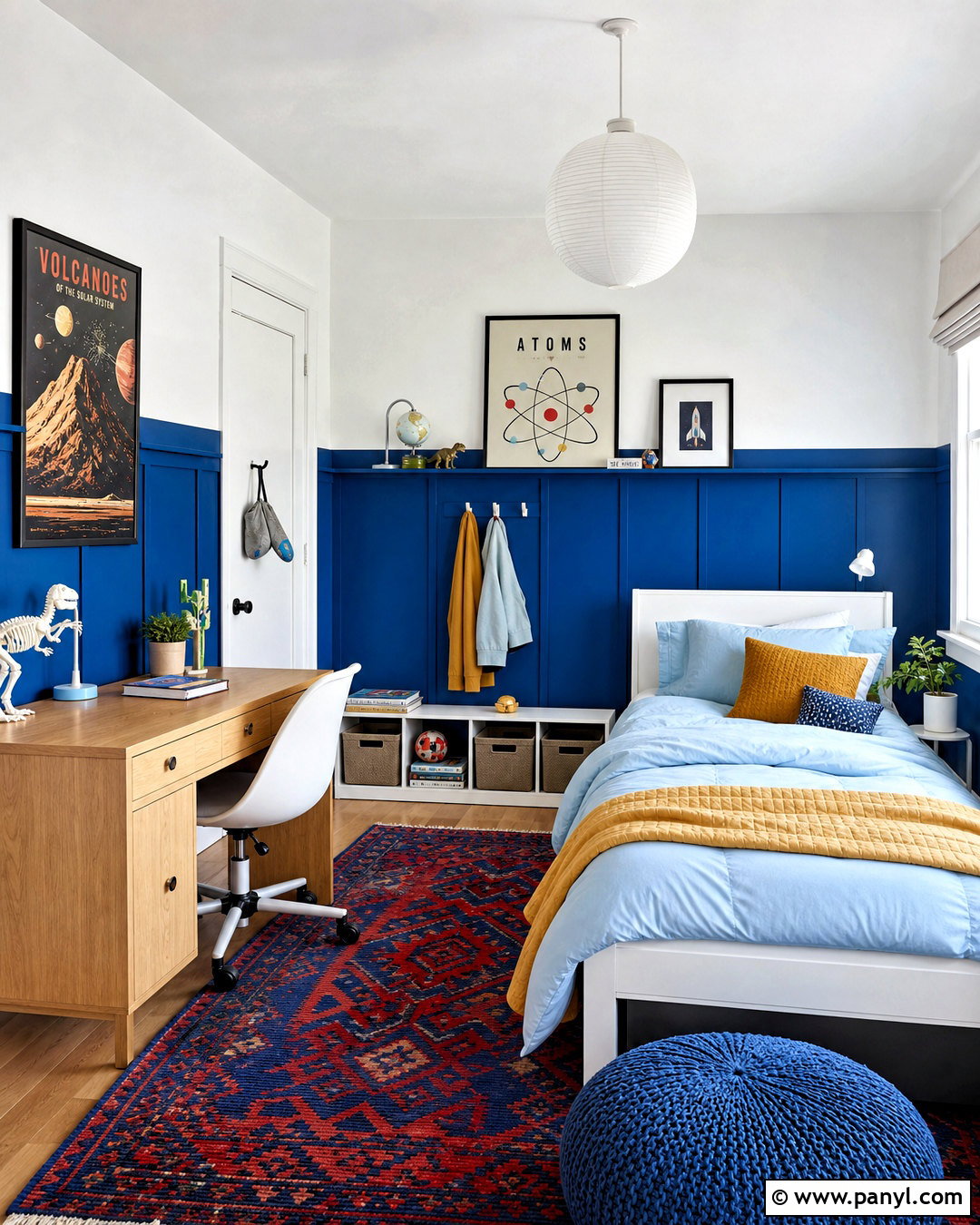
Cobalt blue makes a confident statement in a kids room, especially when used through structured color blocking. Paint the lower half of each wall cobalt and keep the upper section and ceiling bright white. This treatment adds bold color at eye level while preserving an open feeling. Combine it with a white bed, natural oak desk, and a red-and-blue patterned rug. Bedding in white, pale blue, and mustard yellow prevents the room from becoming too dark. Install simple wall hooks and low storage cabinets in the painted lower zone for a built-in appearance. A white globe light and light-filtering curtains maintain brightness. Add sports equipment, science prints, or abstract artwork according to the child’s interests. The final design feels energetic, organized, and easy to modify over time.
20. Cream And Mustard Kids Room
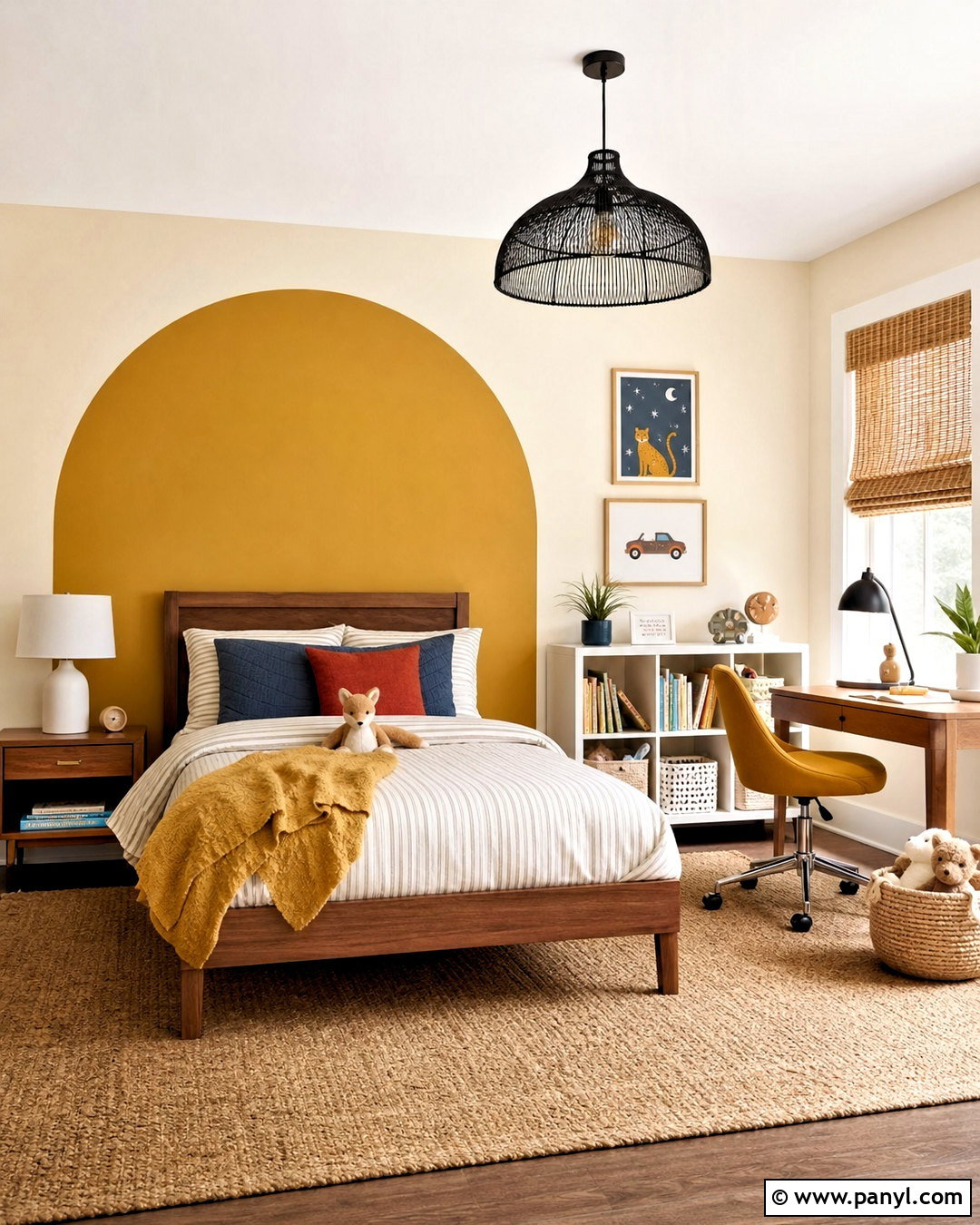
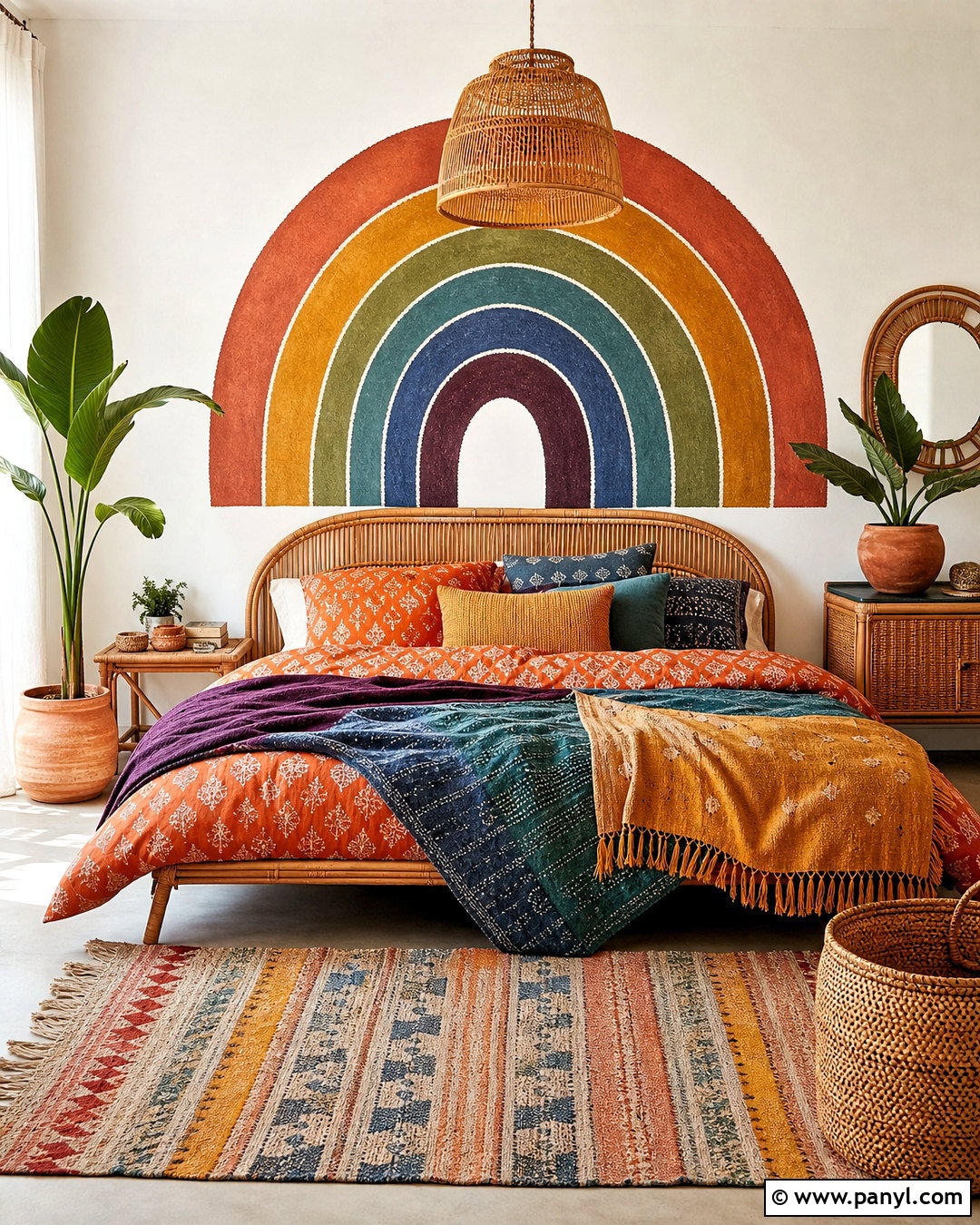
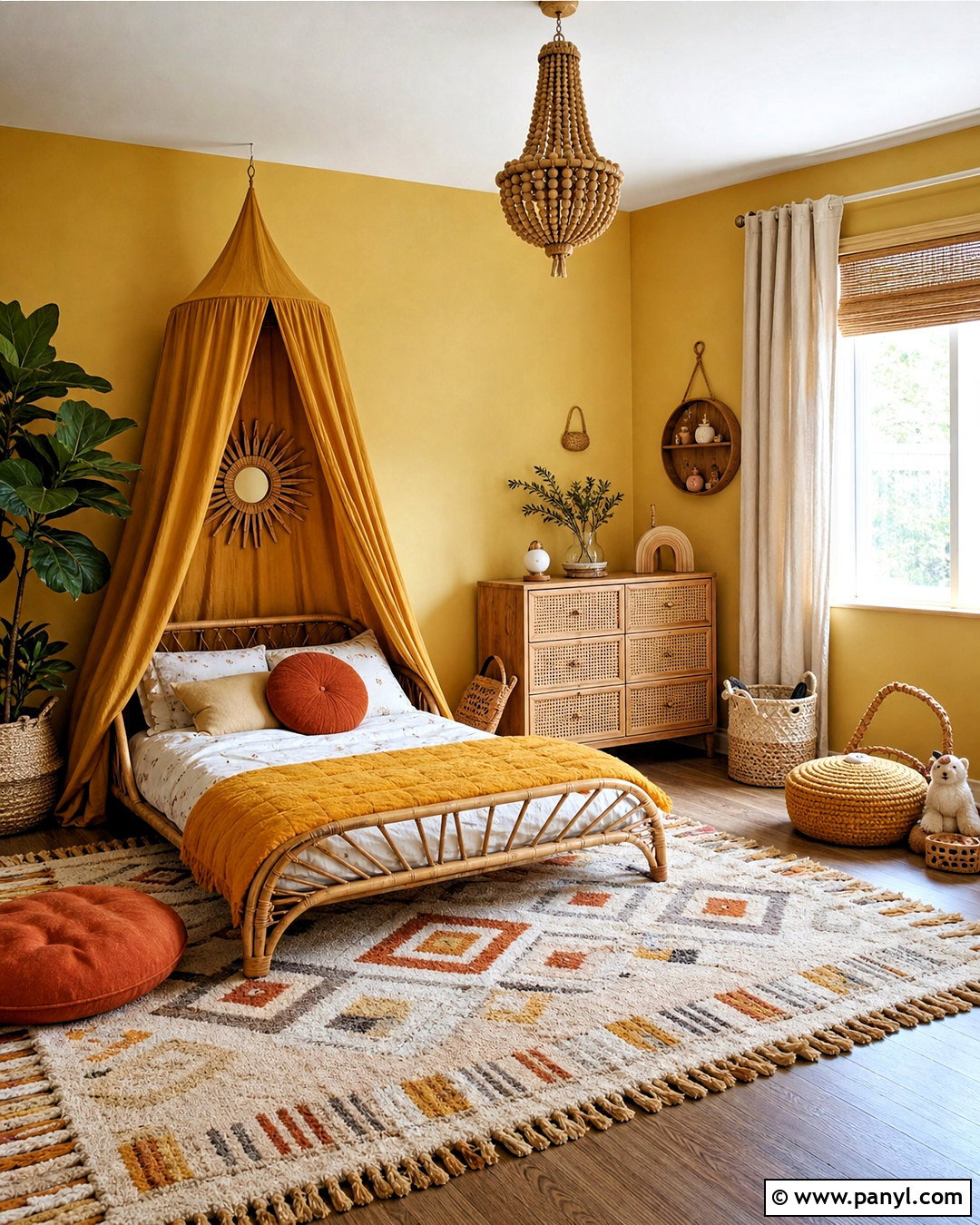
Cream and mustard yellow create a warm, cheerful bedroom that feels inviting throughout the year. Paint the main walls a soft cream, then use mustard on the bed wall or on a painted arch surrounding the headboard. A walnut-toned bed and natural jute-blend rug add richness without making the space feel formal. Repeat mustard sparingly in striped bedding, a desk chair, and storage bins. Introduce dusty blue and rust accents to make the palette more layered. A low cream bookcase, wood desk, and woven baskets provide practical organization while blending into the room. Use white cotton curtains to maximize daylight and a black metal pendant for clear contrast. The finished scheme feels sunny and playful, yet its earthy colors can transition smoothly into a more mature bedroom.
Conclusion:
The best 20 kids room paint colors provide more than attractive walls. They create comfortable spaces for sleeping, playing, learning, and growing. Soft blue, sage, greige, and warm white offer flexible foundations, while coral, mustard, teal, and cobalt introduce stronger personality. Deeper shades work beautifully when balanced with pale ceilings, light furniture, and generous illumination. Whatever palette you choose, test large samples beside the flooring, furniture, and textiles before painting the entire room. Invite your child to help select accent colors so the finished bedroom feels personal. Finally, prioritize washable finishes, practical storage, and easily replaced decor. A thoughtful whole-room plan will make the chosen paint color feel coordinated, functional, and enjoyable for years.

Related Ideas and Inspiration:
Leave a Reply