
Finding the right **20 room inspo ideas** can make decorating feel less overwhelming and much more exciting. Instead of collecting random furniture and accessories, start with one complete look that supports how you want the room to feel. A thoughtful design combines a practical layout, comfortable furniture, coordinated colors, layered lighting, and personal details. It should also suit your room size, daily routine, and realistic budget. The looks below range from calming neutral spaces to colorful, personality-filled rooms. Each one offers a clear palette, furniture plan, and decorating direction you can recreate or customize. Whether you are planning a full makeover or a simple weekend refresh, these **20 room inspo ideas** will help you build a space that feels finished and genuinely yours.
1. Cozy Neutral Room
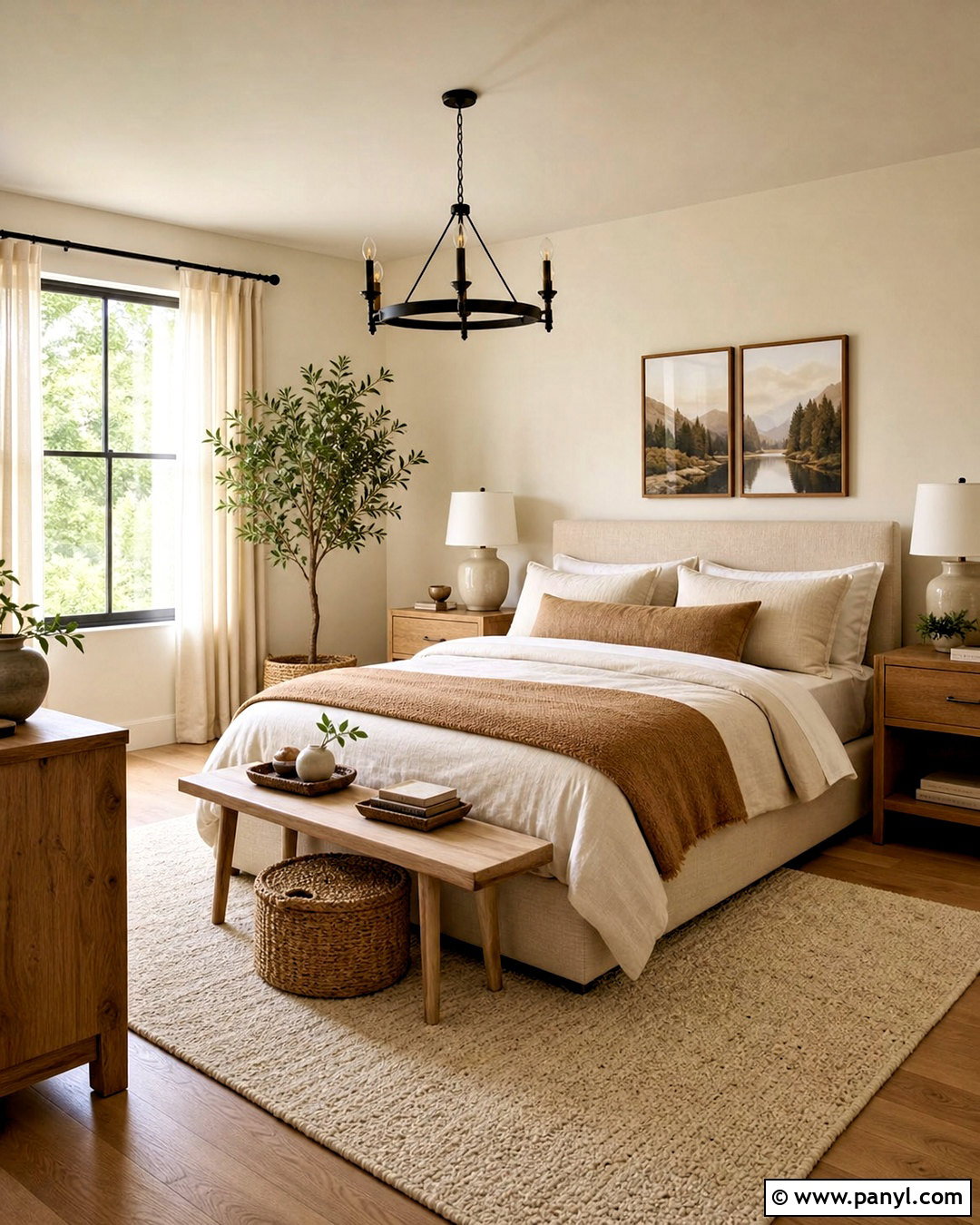
A cozy neutral room feels inviting when it includes more than plain beige surfaces. Begin with warm off-white walls and a light oak or medium-toned wood floor. Position an upholstered oatmeal bed or sofa against the main wall, then anchor it with a textured ivory rug. Layer cream, camel, taupe, and soft brown through pillows, blankets, and curtains. Rounded furniture keeps the layout relaxed, while a slim wood nightstand or side table adds useful storage. Choose linen curtains that reach the floor and filter daylight without making the room gloomy. Finish the space with ceramic lamps, woven baskets, simple landscape art, and one leafy plant. Mixing bouclé, cotton, linen, and wood prevents the neutral palette from looking flat or unfinished.
2. Modern Organic Room
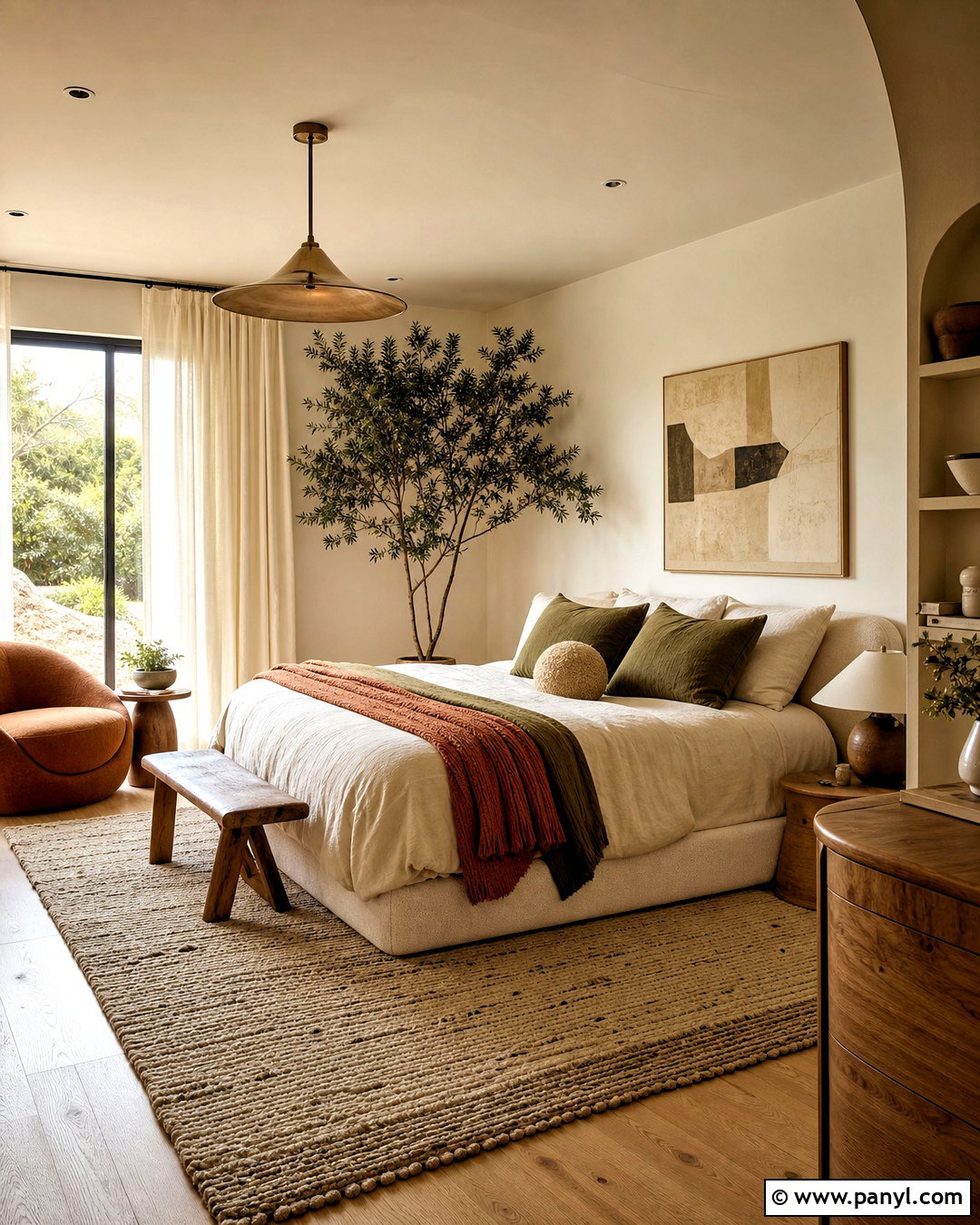
Natural materials give a modern organic room its calm, grounded personality. Use warm white walls, pale oak flooring, and furniture with simple curved silhouettes. A low-profile cream bed or sofa can serve as the visual center, paired with an oak dresser, sculptural side table, and woven wool rug. Keep the arrangement open so light and movement flow easily through the room. Add depth with olive green cushions, rust-colored textiles, and small black accents. Linen curtains, handmade pottery, and a large indoor tree bring softness without creating clutter. Rather than filling every wall, display one oversized abstract print in earthy shades. The finished room should balance clean lines with visible wood grain, tactile fabrics, organic shapes, and a few carefully selected decorative pieces.
3. Sage Green Room
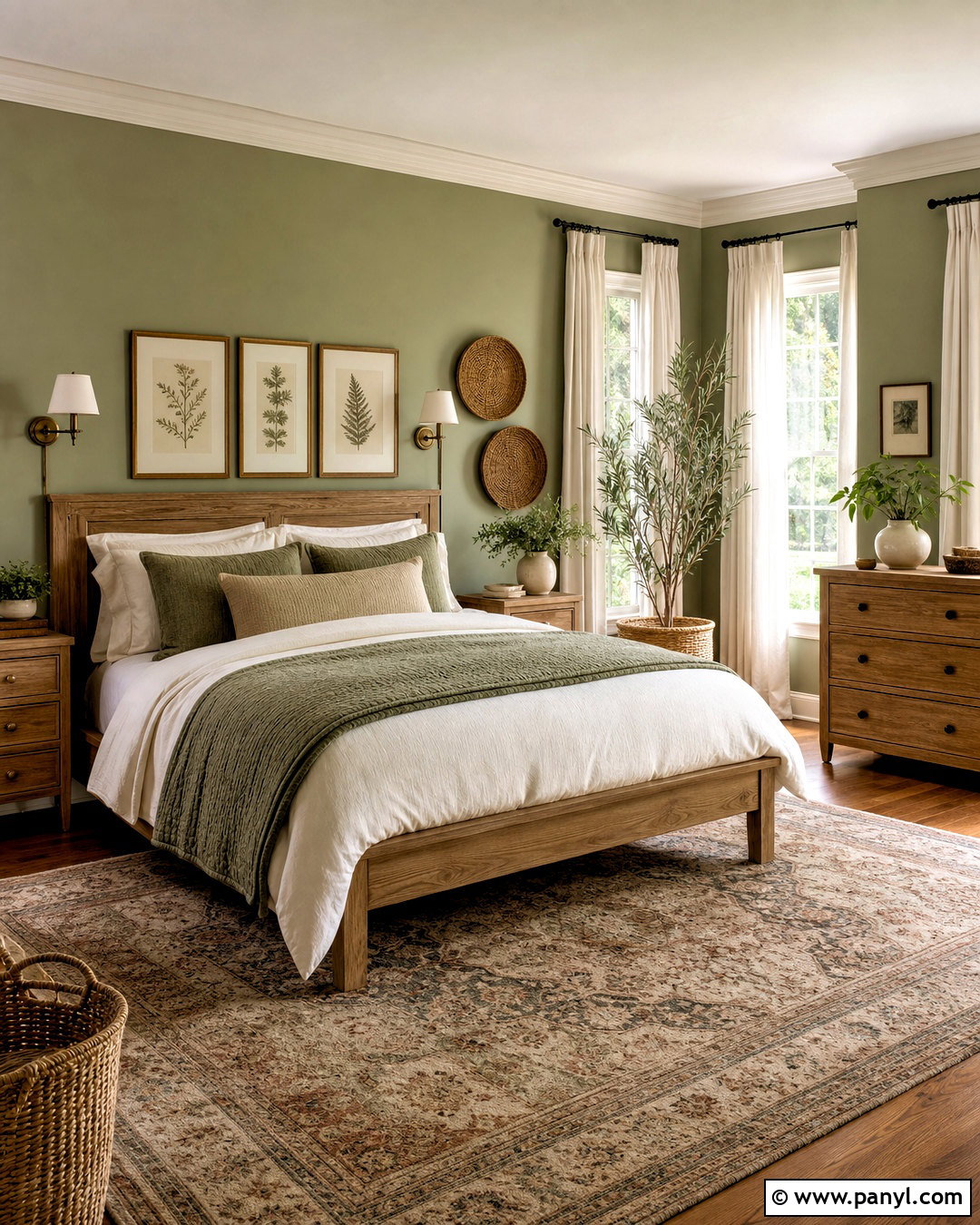
Sage green creates a restful room that still has noticeable color. Paint the walls a soft, muted sage, then use warm white on the ceiling and trim for gentle contrast. Choose a natural oak bed, desk, or storage cabinet to keep the palette light and approachable. Cream bedding or upholstery provides a clean foundation, while moss green, tan, and muted floral accents add dimension. A vintage-style rug can connect the green walls with warmer wood tones. Use aged brass lighting for a subtle glow and hang botanical prints in simple wood frames. Sheer curtains layered with heavier ivory panels improve both privacy and softness. Complete the room with woven baskets, a ceramic vase, and a small collection of plants placed at different heights.
4. Moody Blue Room
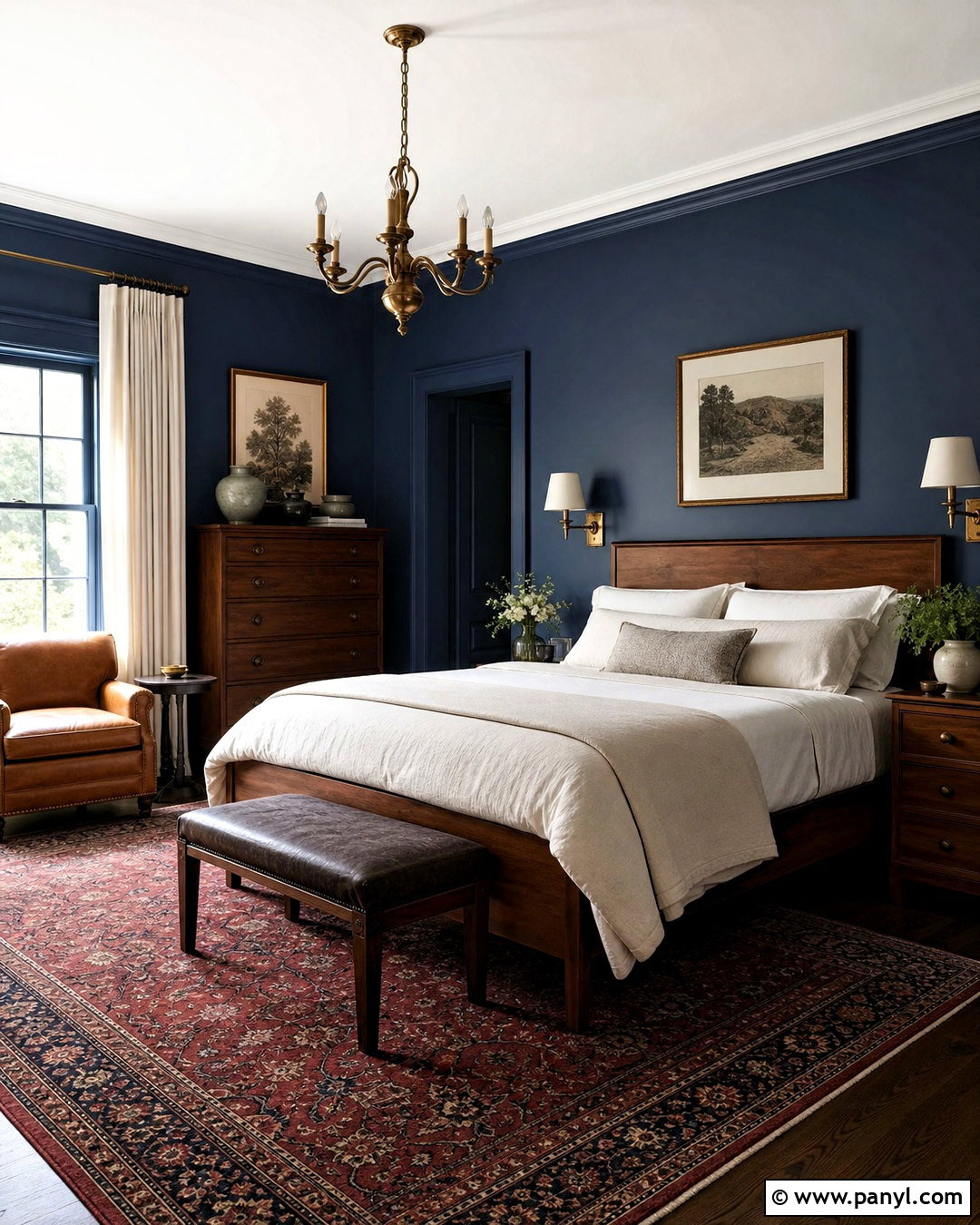
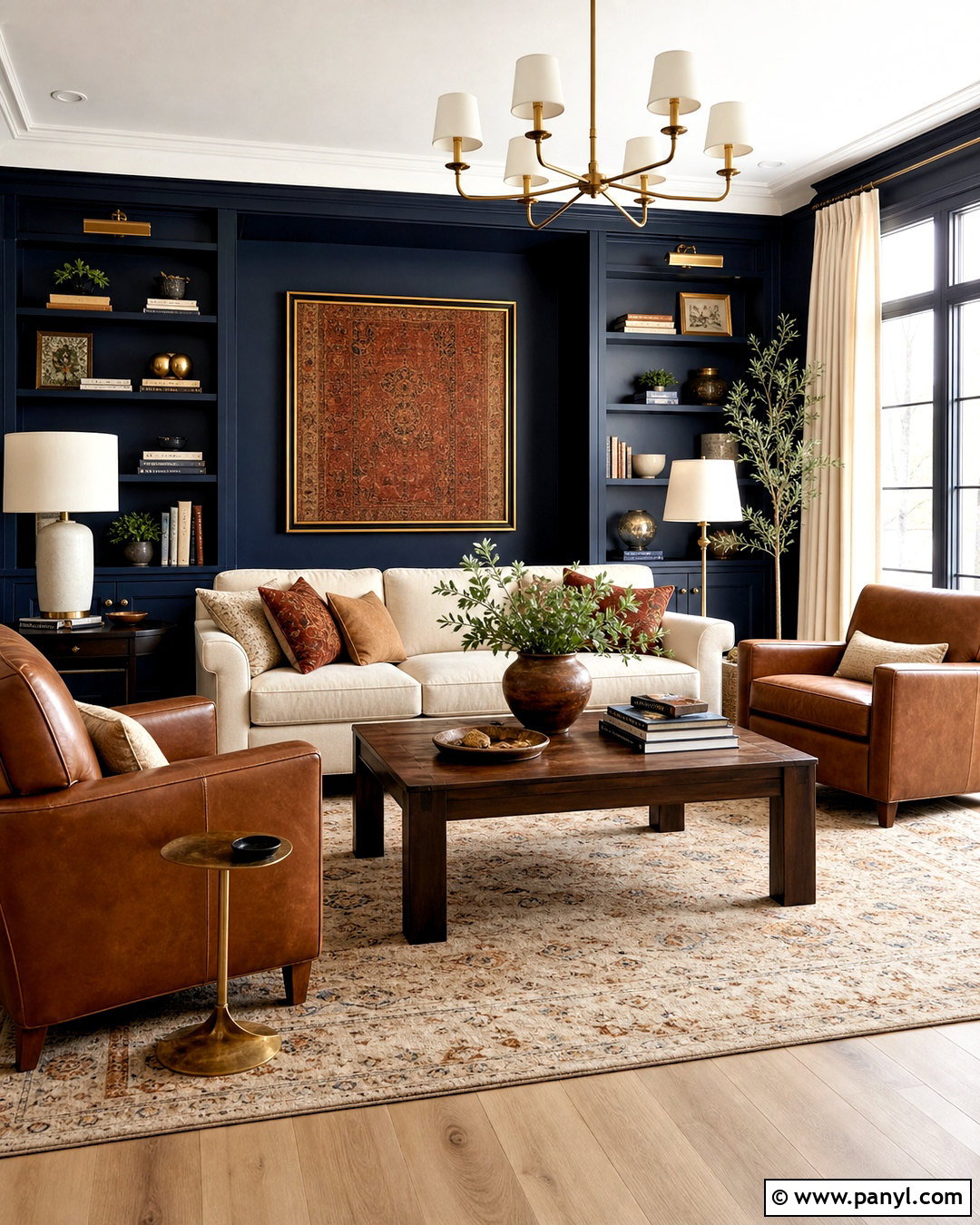
Deep blue walls can make a room feel polished, intimate, and surprisingly comfortable. Select a muted navy or inky blue for the walls, then repeat it on built-in shelves or trim for an enveloping effect. Balance the darker background with a camel leather chair, medium walnut furniture, and crisp ivory bedding or upholstery. A faded Persian-style rug introduces burgundy, rust, and cream without competing with the walls. Place warm metal sconces beside the bed or sofa and add a shaded table lamp for layered lighting. Light-colored curtains help frame the windows and keep the space from feeling heavy. Finish with framed artwork, stacked books, and a few ceramic objects. Keeping the ceiling lighter will preserve openness while maintaining the room’s dramatic character.
5. Warm Minimalist Room
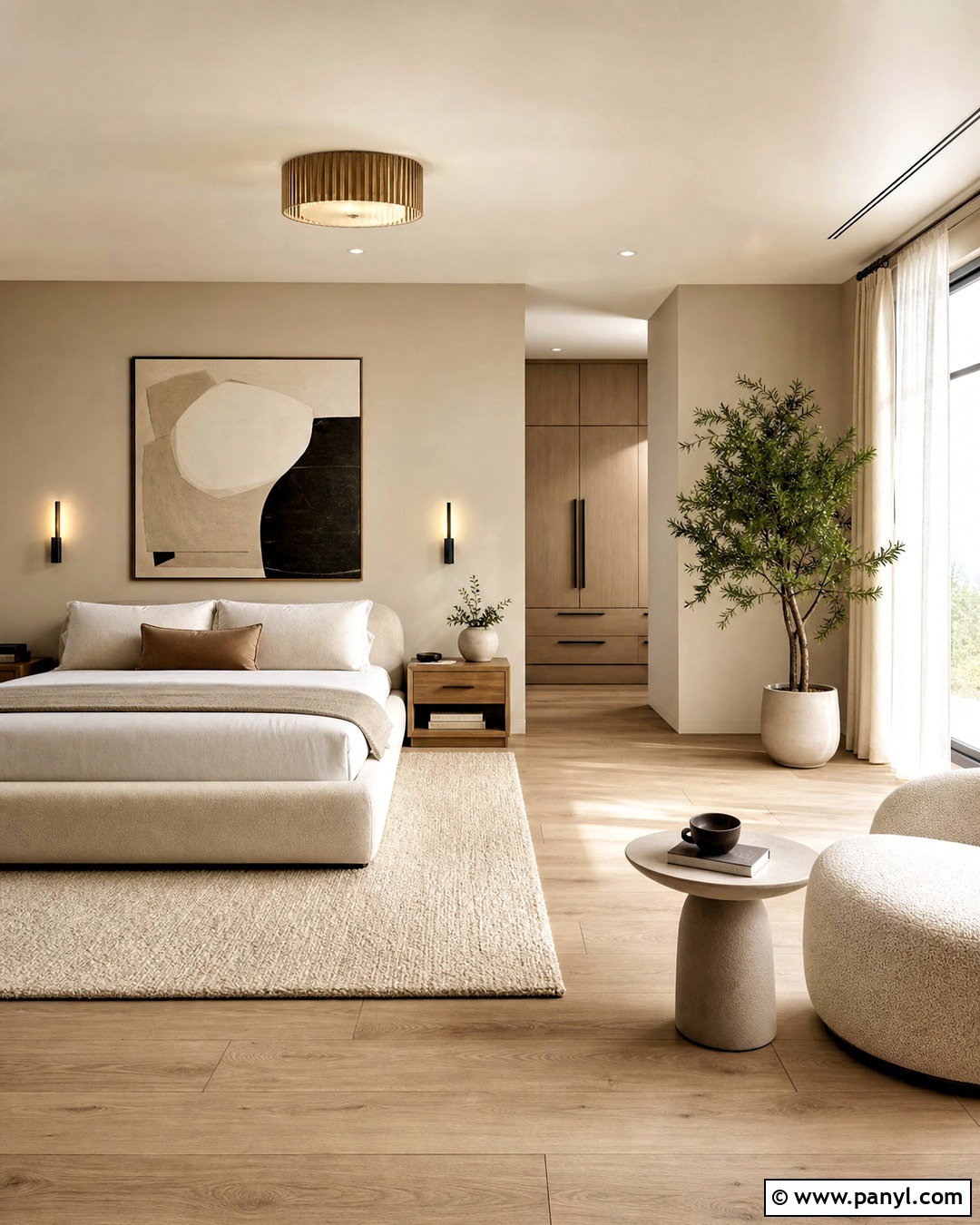
Could your room feel calmer with fewer, better-chosen pieces? A warm minimalist room begins with soft greige walls, light wood flooring, and a clear layout that leaves breathing room around the furniture. Select a low upholstered bed or streamlined sofa in cream, then add one oak nightstand, a compact dresser, and a simple lounge chair if space allows. Choose hidden storage to control everyday clutter. A large wool rug, linen curtains, and softly wrinkled cotton bedding prevent the design from feeling cold. Add interest through shape rather than excessive decoration, such as a curved mirror, sculptural lamp, and rounded side table. Limit the palette to cream, sand, warm gray, and light brown. One oversized artwork and a single healthy plant provide a clean finishing touch.
6. Vintage Eclectic Room
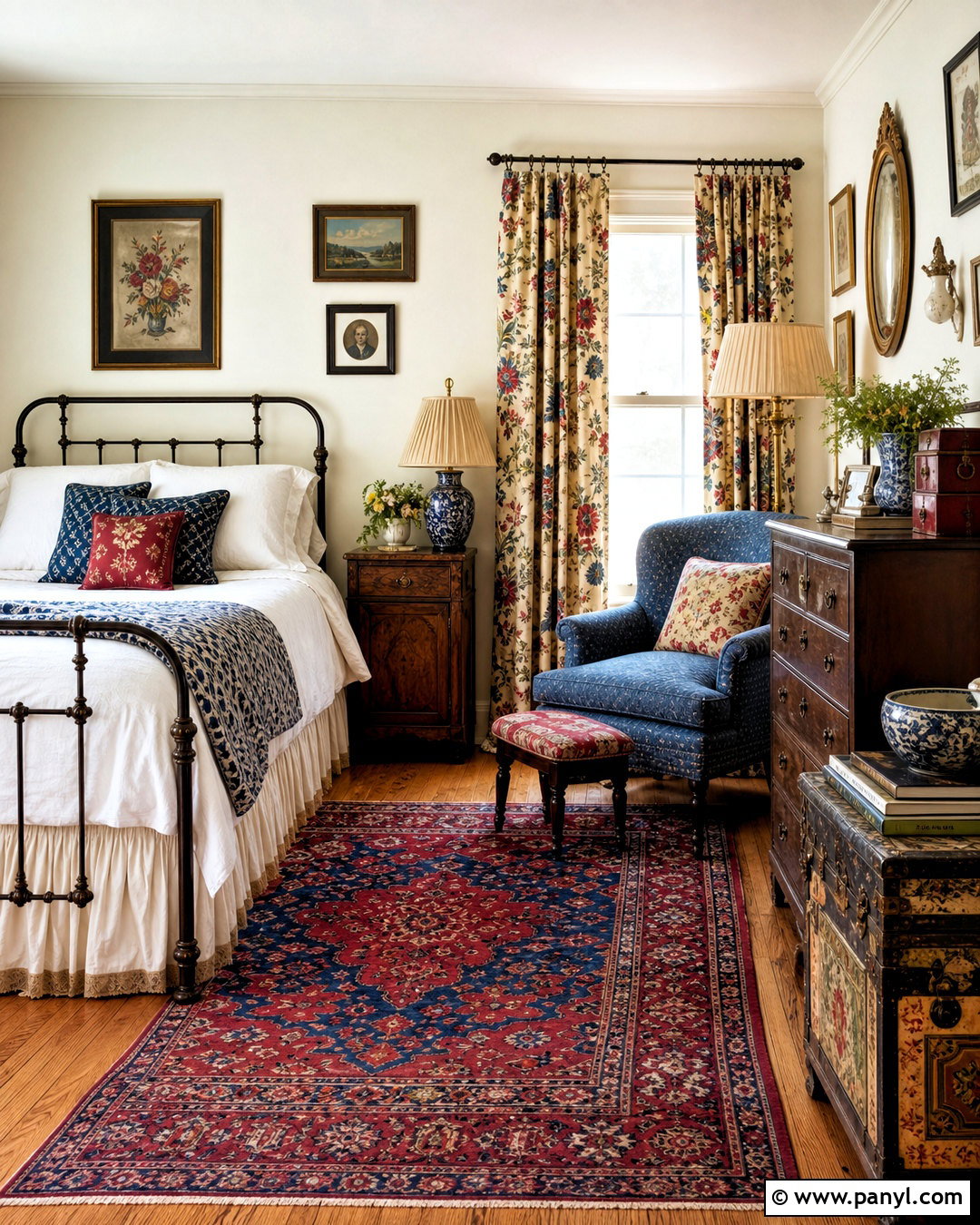
A vintage eclectic room should look collected over time rather than purchased as a matching set. Start with creamy walls and a warm wood floor, then combine a vintage iron bed or rolled-arm sofa with an antique dresser and a newer upholstered chair. Use a patterned rug containing muted red, blue, gold, and green to unite the different pieces. Hang artwork in mismatched wood and brass frames, but repeat a few colors so the gallery feels intentional. Floral curtains or striped bedding can introduce pattern without overwhelming the room. Add a pleated lampshade, ceramic table lamp, stacked books, and decorative boxes. Leave enough open space around the furniture to prevent visual clutter. The result should feel personal, comfortable, layered, and practical for everyday living.
7. Coastal Room
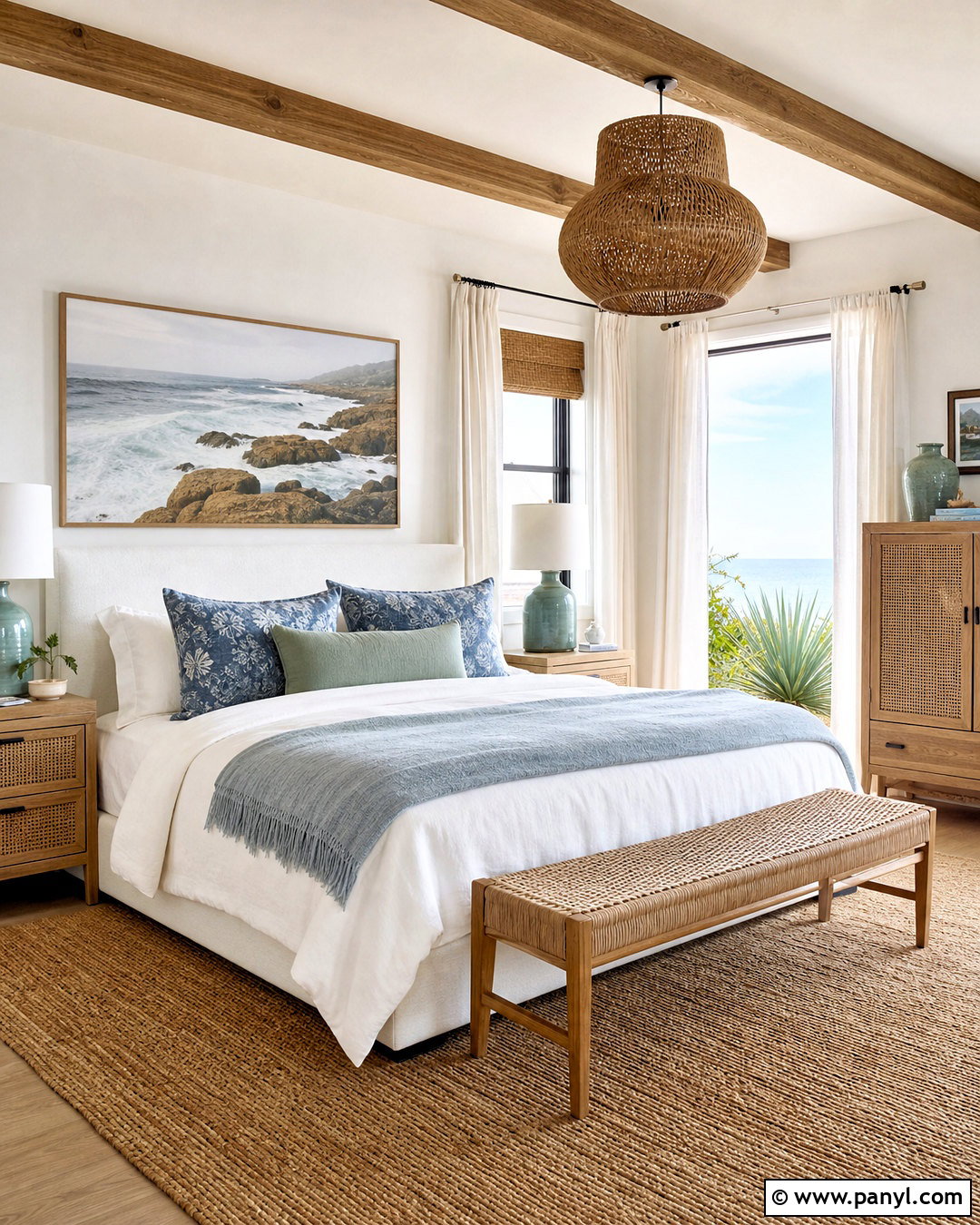
A relaxed coastal room relies on natural texture and sun-washed color rather than themed decorations. Paint the walls a soft warm white or pale sandy beige, then introduce washed oak furniture and a large natural fiber rug. Use a white upholstered bed or slipcovered sofa as the main piece. Layer faded blue, sea-glass green, cream, and light tan through bedding, pillows, and throws. Breezy linen curtains make the windows appear larger and soften strong daylight. Add woven pendant lighting, cane-front storage, and a few matte ceramic accessories. One oversized coastal landscape or abstract blue artwork creates a stronger focal point than several small nautical objects. Keep the layout comfortable and uncluttered, with storage baskets available for blankets, books, electronics, or other daily necessities.
8. Dark Academia Room
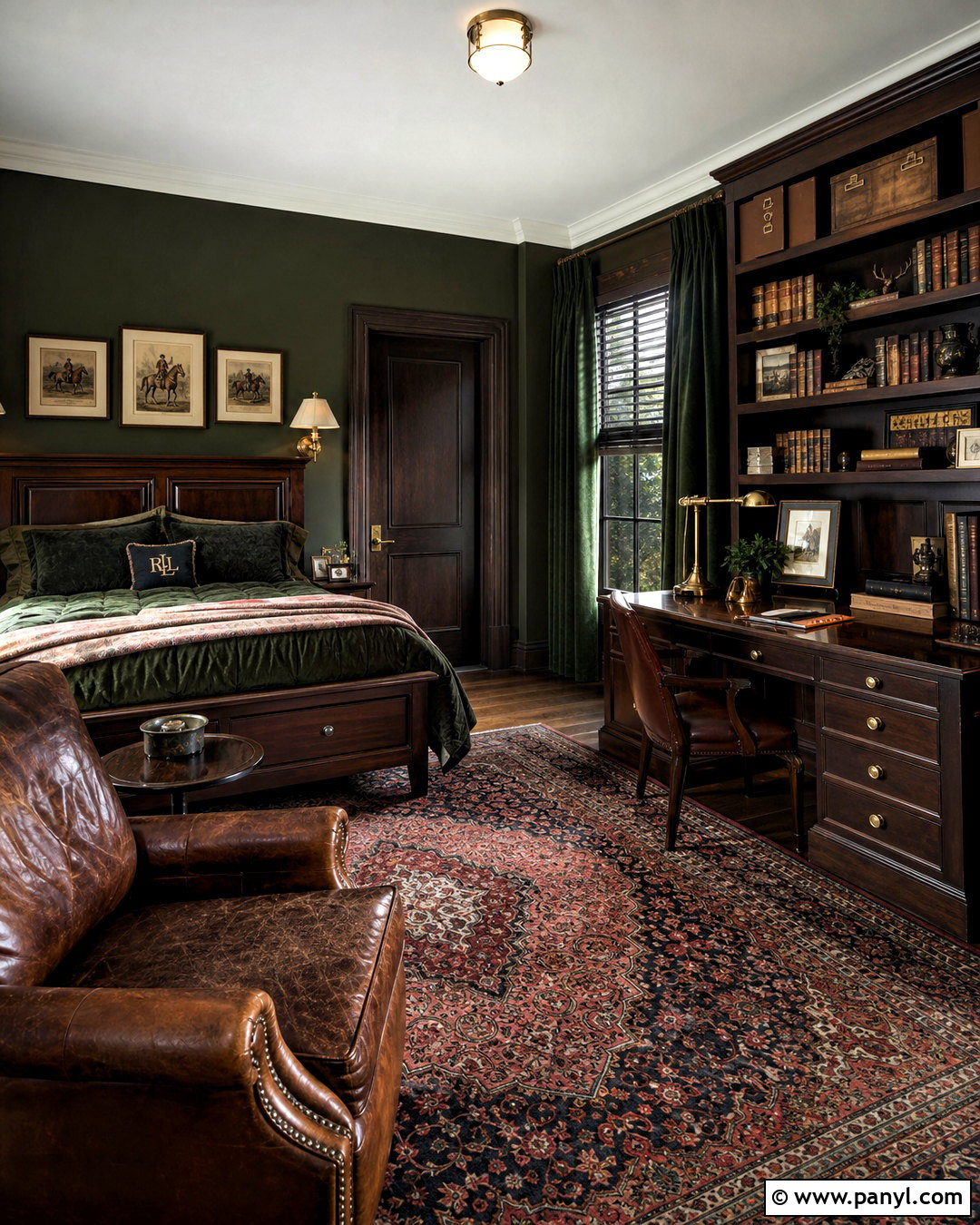
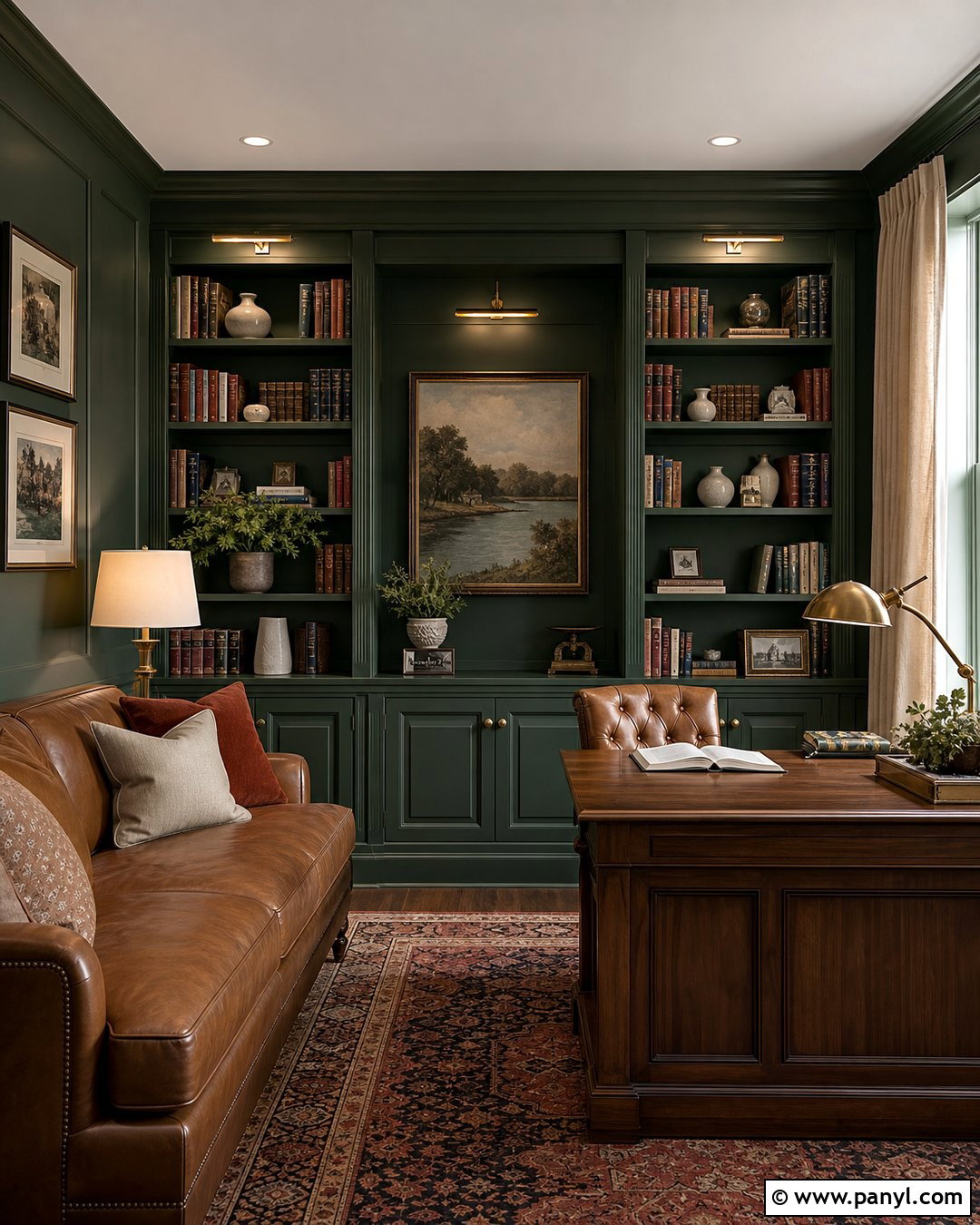
Rich color, books, and traditional materials define a complete dark academia room. Use deep olive, chocolate brown, or charcoal walls with warm white ceilings to create contrast. Position a walnut bed, desk, or bookcase along the strongest wall, then add a worn leather chair for reading. A patterned burgundy rug and plaid or velvet textiles make the space feel layered and established. Include a brass desk lamp, shaded wall sconces, and a central fixture that provides practical brightness. Fill shelving with books, framed art, storage boxes, and a few sculptural objects, leaving occasional gaps for balance. Heavy curtains in olive or brown complete the cocooning effect. Keep pathways clear and use closed drawers for supplies so the room remains atmospheric without becoming messy or impractical.
9. Scandinavian Room
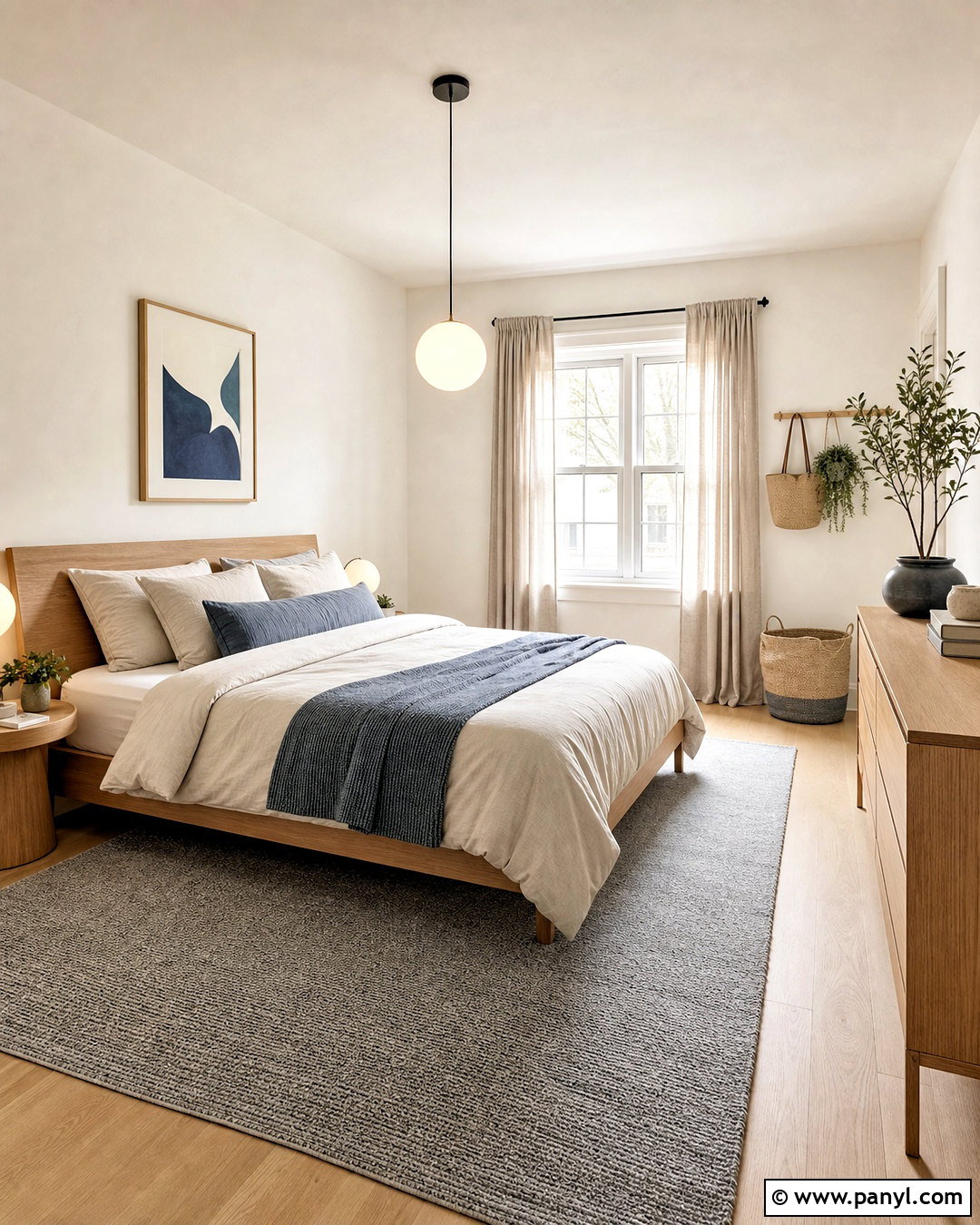
Fresh, functional, and comfortable, a Scandinavian room makes simple furniture feel welcoming. Begin with warm white walls and pale wood flooring. Arrange a light oak bed or compact sofa where it can receive natural light, then add a streamlined dresser, round side table, and slim open shelving. Use a soft gray rug to define the main zone without darkening the room. White, oatmeal, muted blue, and light gray textiles create a quiet palette, while one mustard or rust accent adds warmth. Choose linen curtains and simple pendant or globe lighting. Practical storage should blend into the design through under-bed drawers, lidded baskets, and clean-front cabinets. Finish with graphic artwork, a small plant, and a cozy wool throw, allowing useful objects to remain attractive and easily accessible.
10. Boho Room
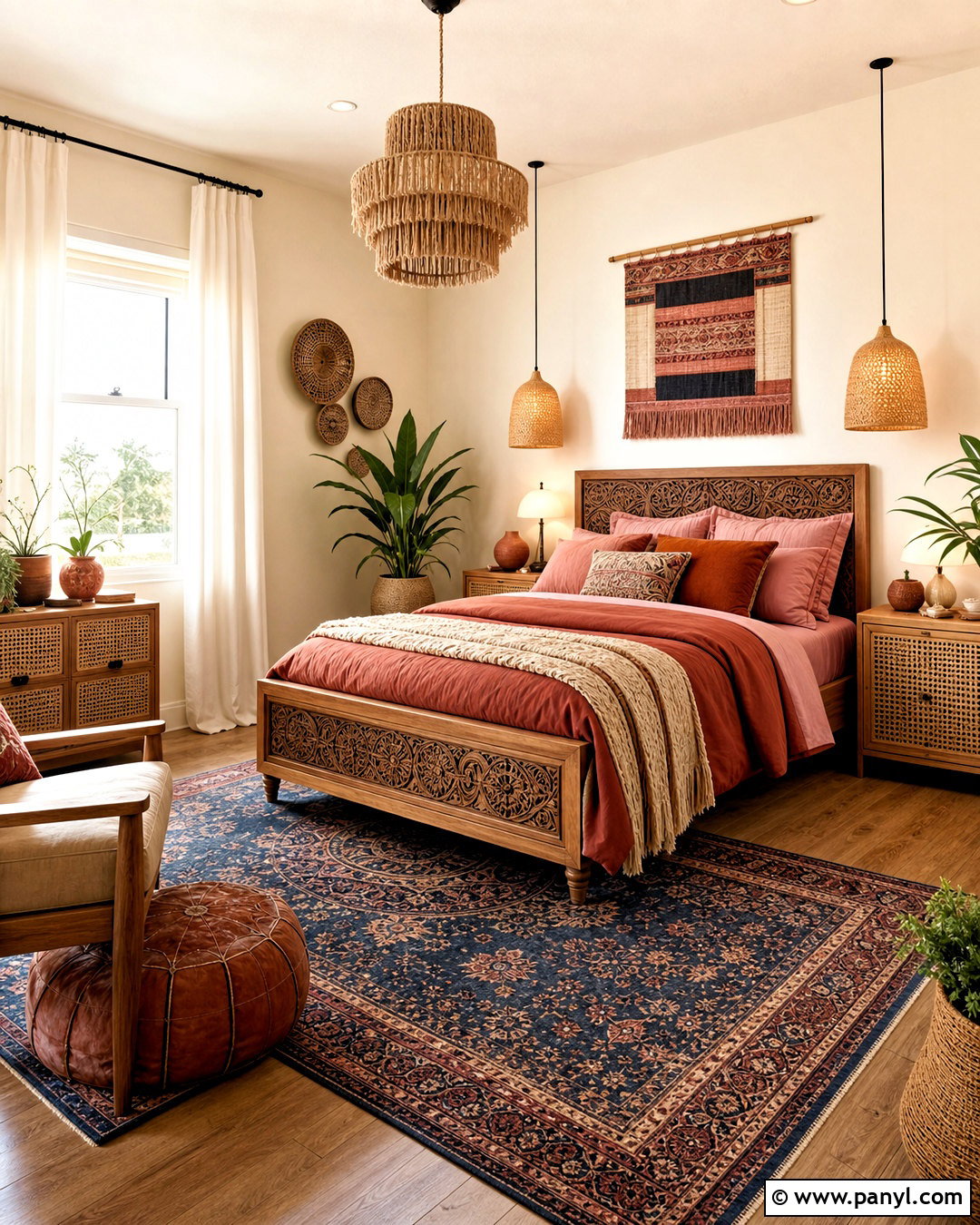
A boho room works best when its colors, patterns, and textures share a clear direction. Use warm cream walls as a calm base, then anchor the room with a carved wood bed or relaxed neutral sofa. Add a vintage-inspired rug in rust, dusty rose, navy, and tan. Mix solid and patterned pillows, but repeat two or three colors throughout the textiles. Rattan nightstands, a woven pendant, and cane-front storage introduce natural texture. Hang floor-length cotton curtains and place plants near the windows where they can thrive. A fabric wall hanging or organized gallery provides a personal focal point. Avoid covering every surface with accessories. A few baskets, handmade ceramics, books, and collected objects will create a layered look while keeping the room comfortable and easy to maintain.
11. Earthy Terracotta Room
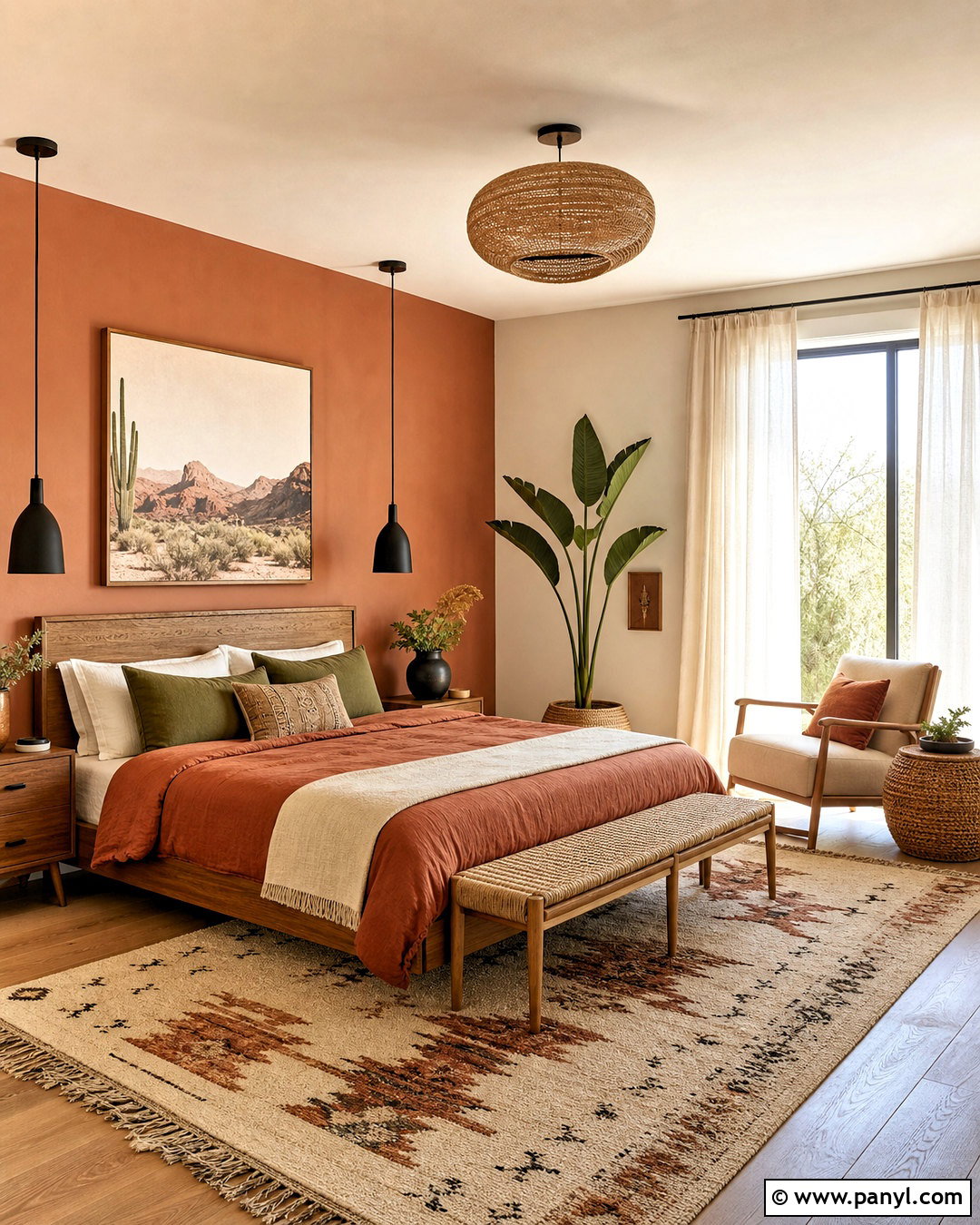
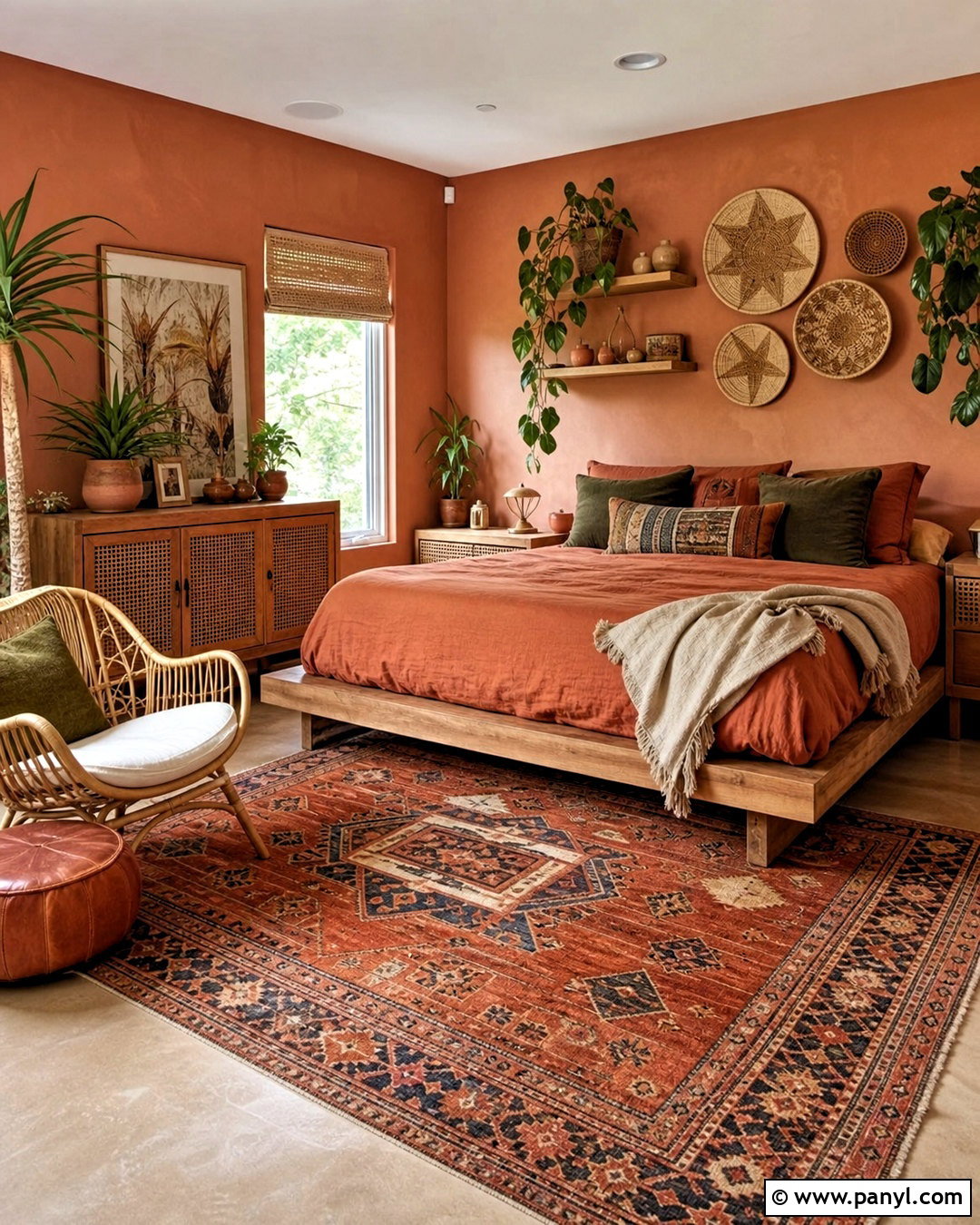
Warm terracotta gives a room energy without making it feel overly bright. Paint one main wall a muted clay color and keep the remaining walls creamy white, or use terracotta throughout a smaller room for a more enveloping effect. Pair the walls with a light oak bed, beige sofa, or woven headboard. Layer rust, camel, olive, and ivory textiles across the room, balancing stronger colors with plenty of pale fabric. A geometric wool rug introduces pattern and defines the furniture arrangement. Choose black or aged brass lighting for contrast, then add handmade pottery and framed desert-inspired artwork. Linen curtains and woven baskets support the natural palette. Complete the look with a broad-leaf plant and minimal tabletop decor so the earthy colors remain the room’s main feature.
12. Black And White Room
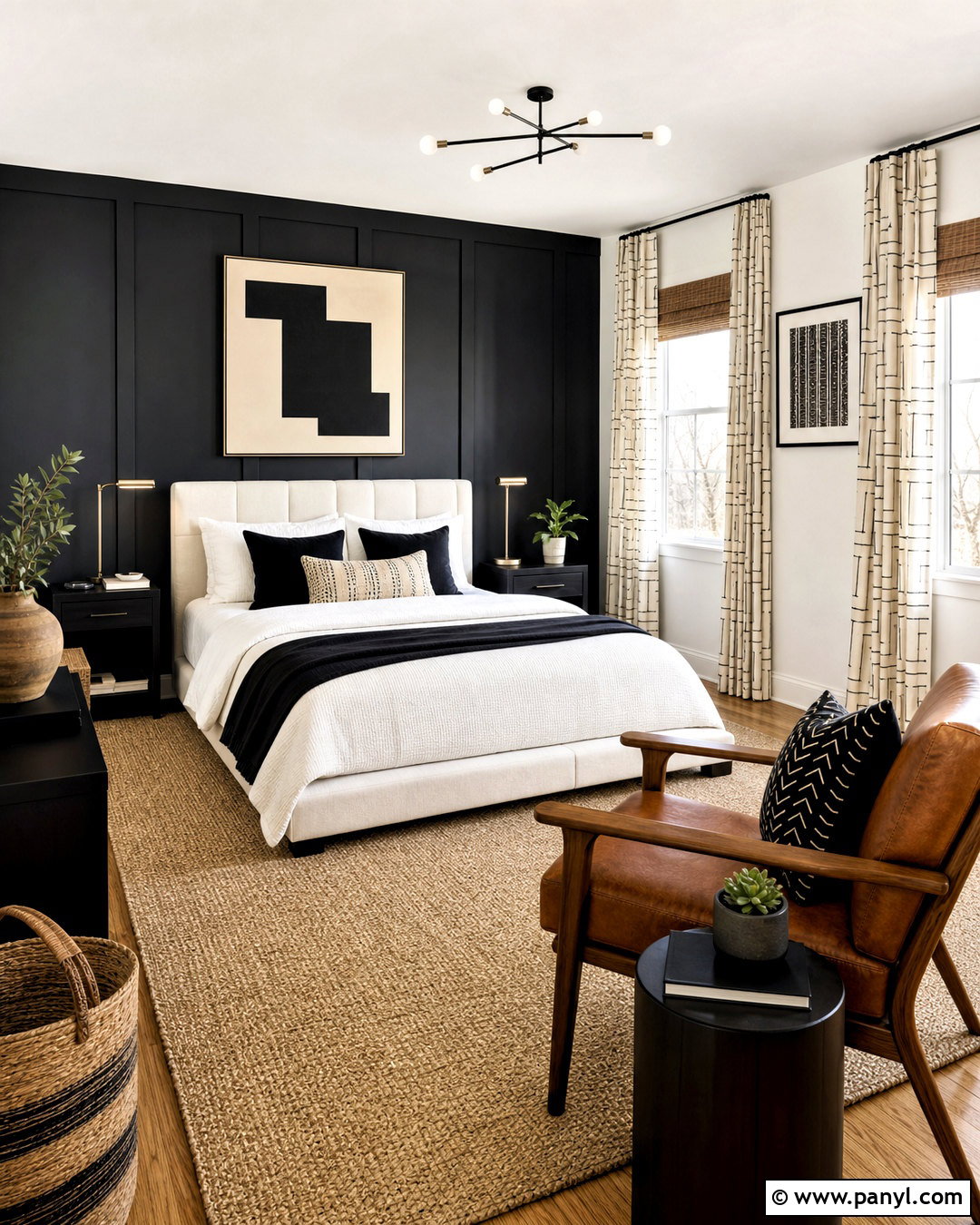
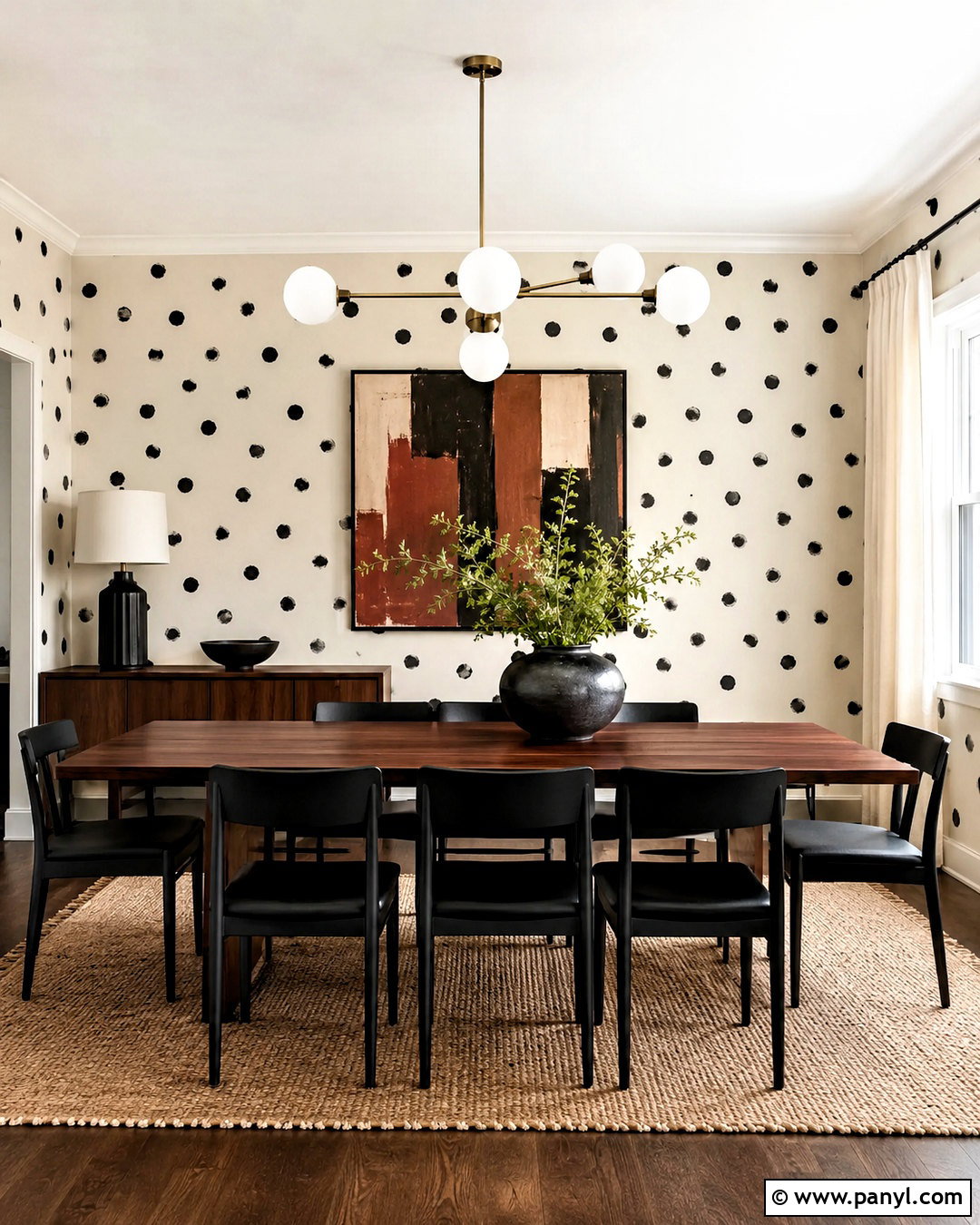
A black and white room can feel warm and livable when natural materials soften the contrast. Keep most walls warm white, then introduce a matte black accent wall, built-in cabinet, or tall headboard. Use an upholstered cream bed or sofa as the main piece, balanced by black side tables and slim metal lighting. Medium oak flooring and a textured beige rug keep the palette from becoming stark. Choose white curtains with subtle black edging or a simple geometric pattern. Artwork can combine bold black shapes with softer cream backgrounds. Add a camel leather chair, woven basket, or wood bench to warm the composition. Limit small accessories and keep visible storage organized. The finished room will feel graphic and modern while remaining comfortable enough for relaxing, sleeping, or working.
13. Soft Pastel Room
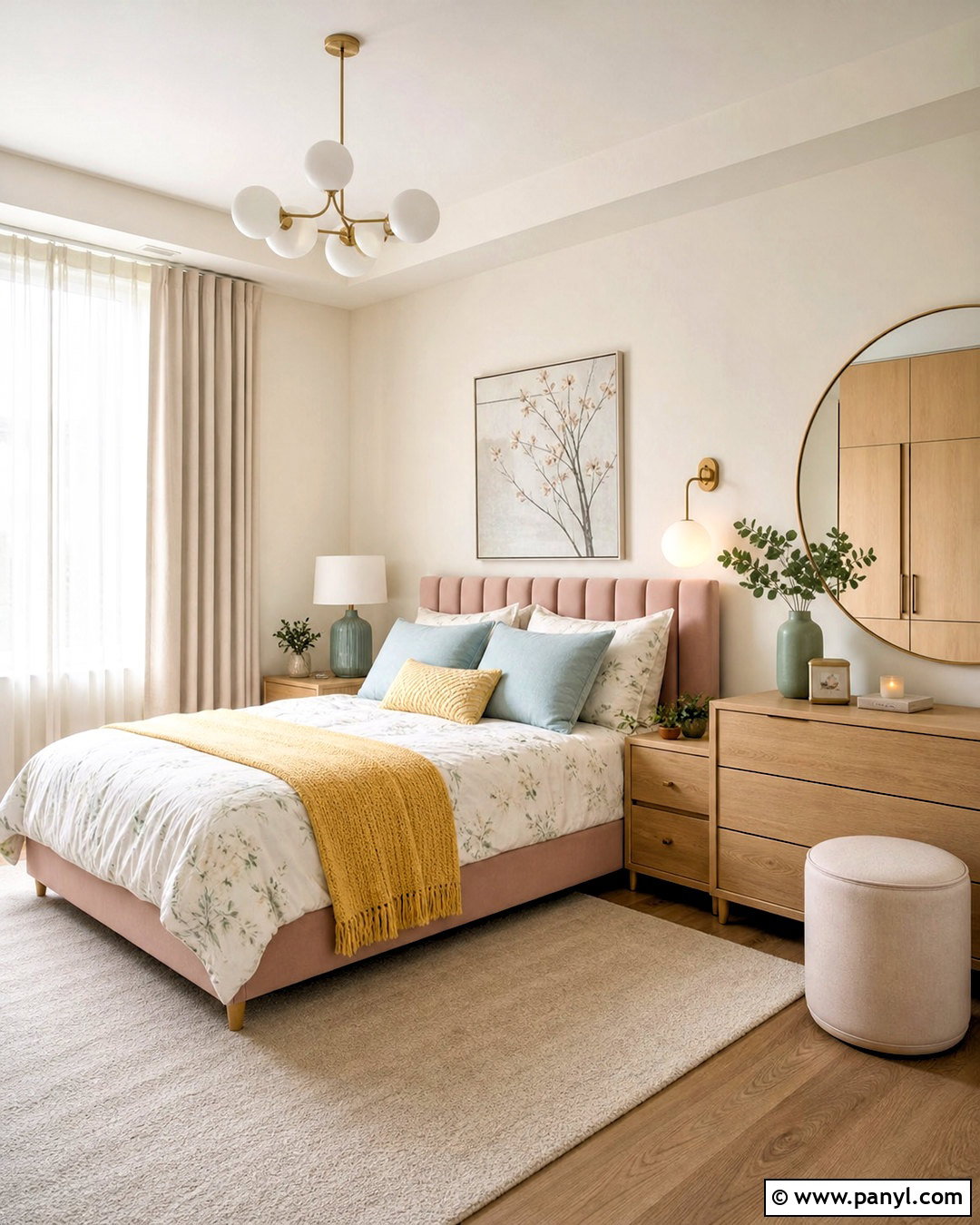
Soft pastels can create a cheerful room without making it feel overly youthful. Begin with warm white walls and select one primary pastel, such as dusty pink, powder blue, or pale lavender. Use that shade on an upholstered headboard, compact sofa, or painted dresser. Add smaller touches of butter yellow and muted green through pillows, artwork, and ceramics. Light oak furniture and a cream rug give the colors a natural foundation. Choose simple cotton bedding, sheer curtains, and a subtle striped or floral pattern for dimension. A rounded mirror and frosted glass lighting continue the gentle look. Keep the layout tidy with baskets and closed storage. Repeating each pastel at least twice around the room creates a connected, purposeful palette instead of a collection of unrelated accents.
14. Small Room Layout
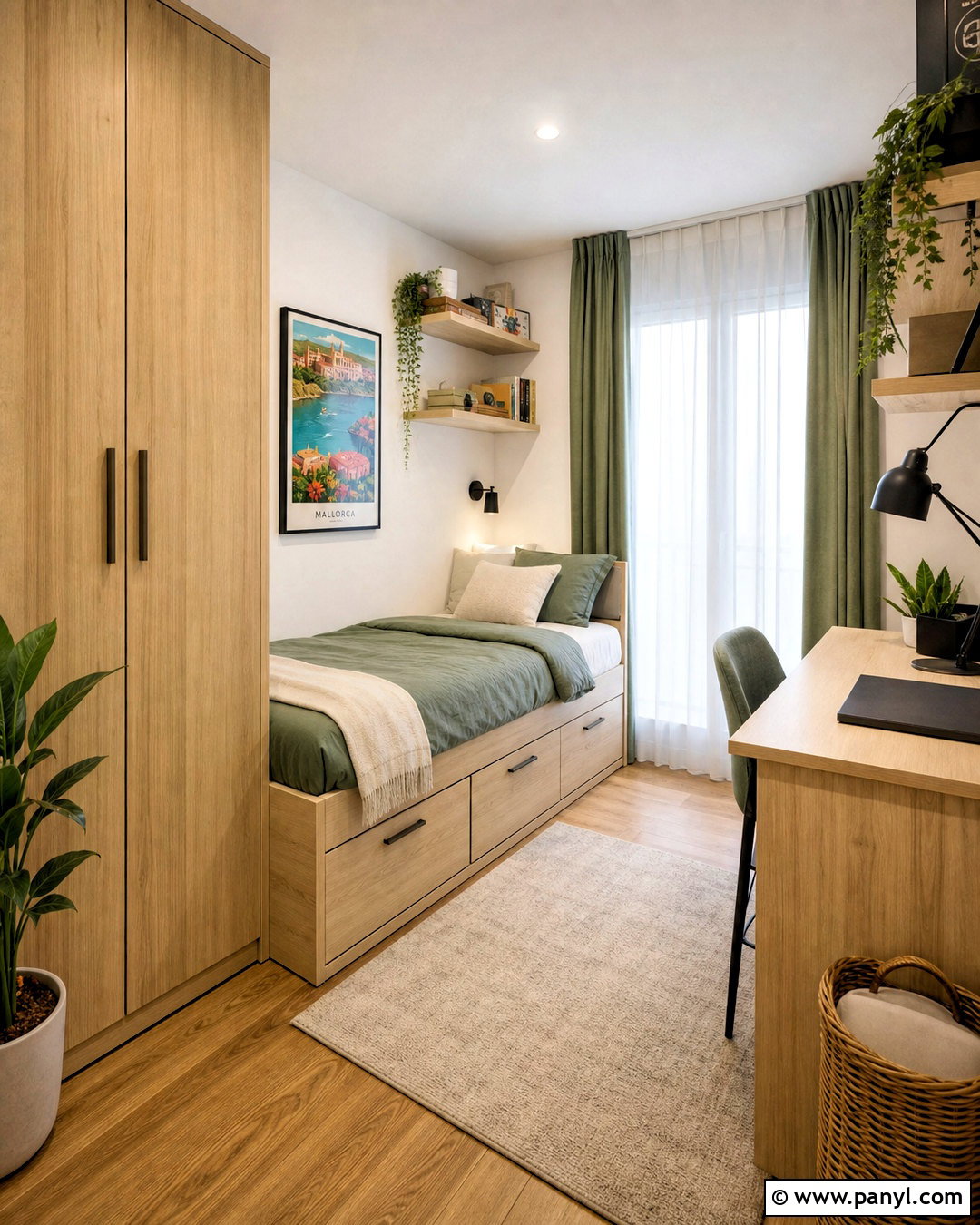
In a small room, every piece should support comfort, storage, or movement. Place the bed or largest furniture item against the longest uninterrupted wall, leaving the clearest possible walkway from the doorway. Choose a storage bed, compact loveseat, or raised furniture with visible legs to reduce visual weight. A narrow nightstand can double as a small desk, while wall-mounted shelves provide display space without taking over the floor. Use soft white walls, pale oak furniture, and a light neutral rug to maintain openness. Add personality with sage green bedding, one colorful artwork, and a textured throw. Floor-length curtains mounted close to the ceiling visually stretch the windows. Finish with wall sconces, under-bed containers, and a tall closed cabinet that uses vertical space efficiently.
15. Luxury Hotel Room
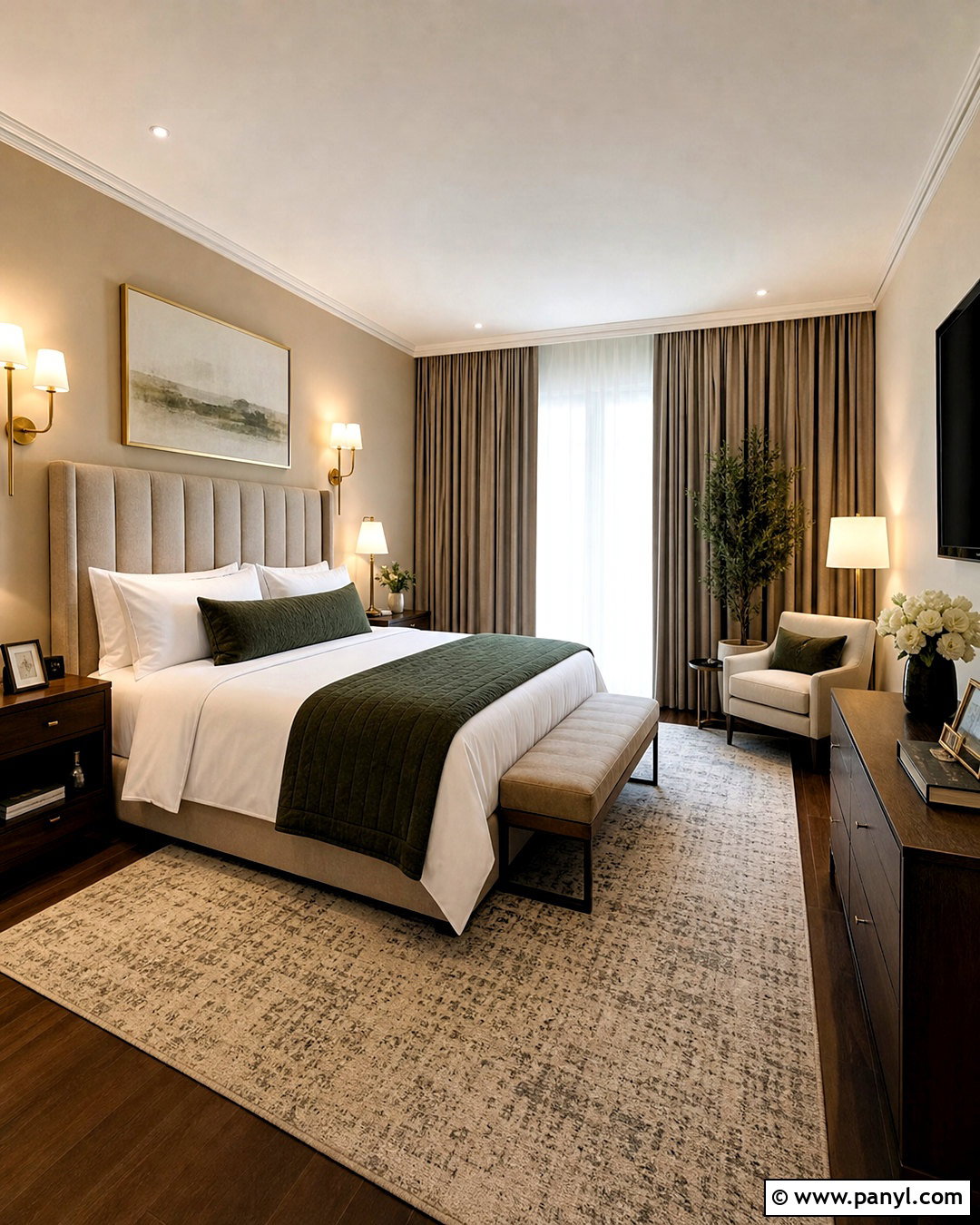
Bring the comfort of a boutique hotel home with symmetry, layered lighting, and generously scaled textiles. Center a tall upholstered bed against the main wall and place matching or coordinating nightstands on either side. Use warm taupe walls, walnut furniture, and crisp white bedding with a chocolate or deep green coverlet. A large rug should extend well beyond the bed to create a soft landing. Install wall sconces or pendant lights beside the headboard, then add a floor lamp near a compact lounge chair. Full-height blackout curtains layered with sheers improve sleep and make the windows look finished. Keep dresser surfaces simple with a tray, vase, and small framed piece. An upholstered bench and oversized artwork complete the polished yet restful arrangement.
16. Cottage Room
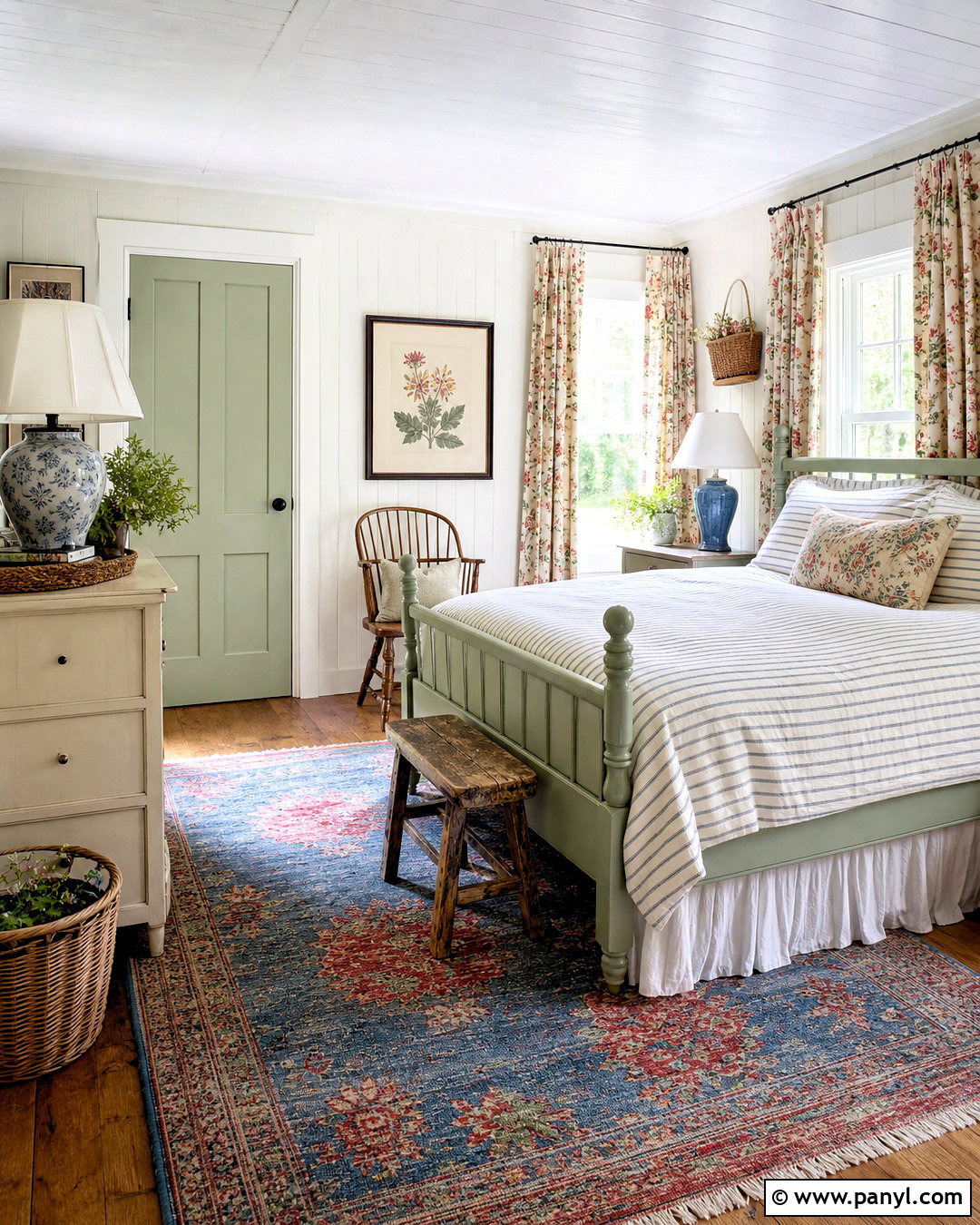
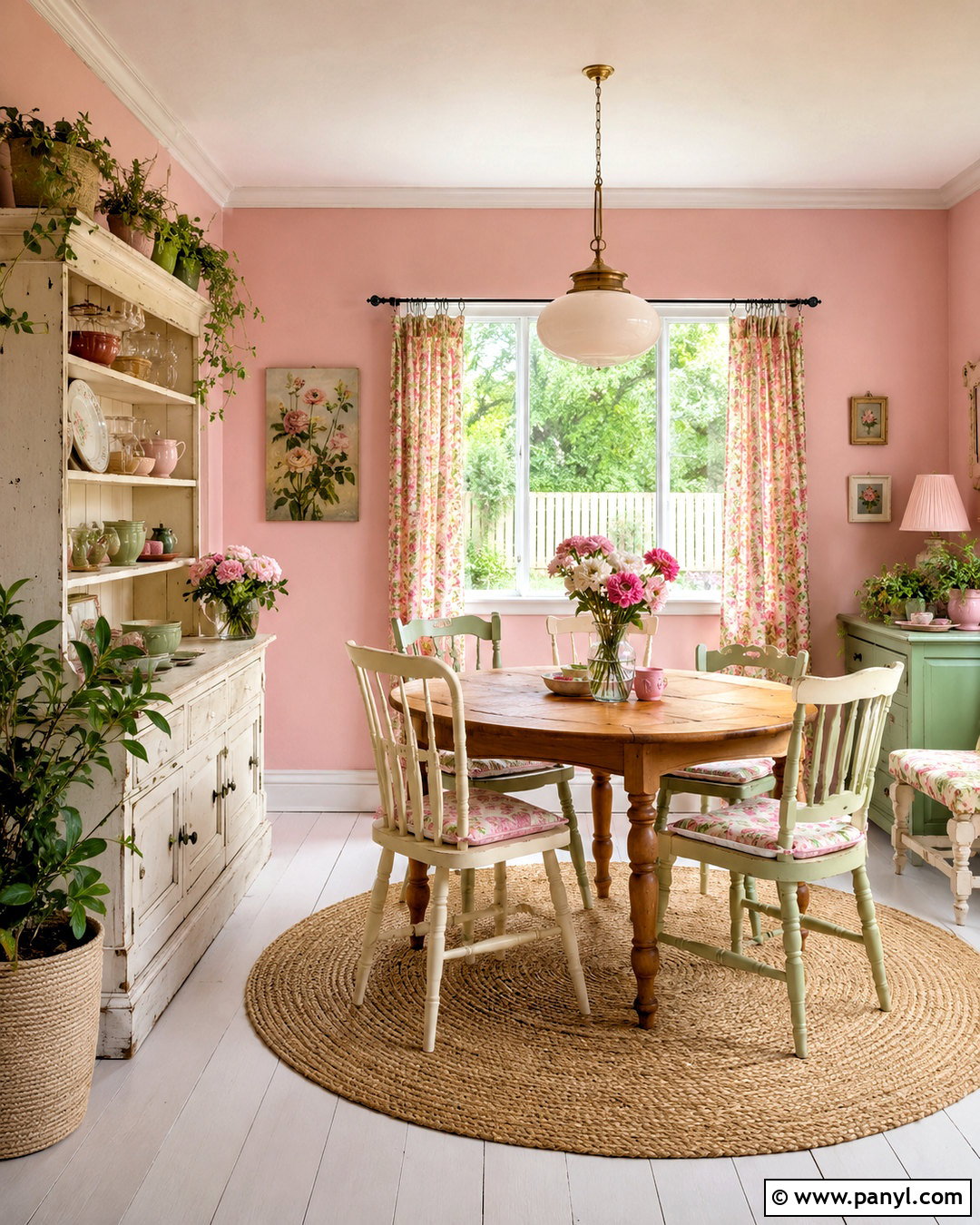
A cottage room feels charming when traditional details meet comfortable, unfussy furniture. Choose creamy white or pale blue walls, then add a painted wood bed, slipcovered sofa, or vintage-style dresser. A small-scale floral pattern can appear on curtains, bedding, or an accent chair, while ticking stripes provide a useful companion pattern. Ground the room with a faded rug in blue, red, and warm beige. Include beadboard, simple wall molding, or open shelves if the architecture allows. Ceramic lamps, framed botanical art, woven baskets, and an old wood stool add character without taking over the space. Keep the arrangement relaxed and slightly asymmetrical. Fresh greenery and lightweight cotton textiles brighten the design, creating a room that feels welcoming, practical, and naturally collected.
17. Midcentury Modern Room
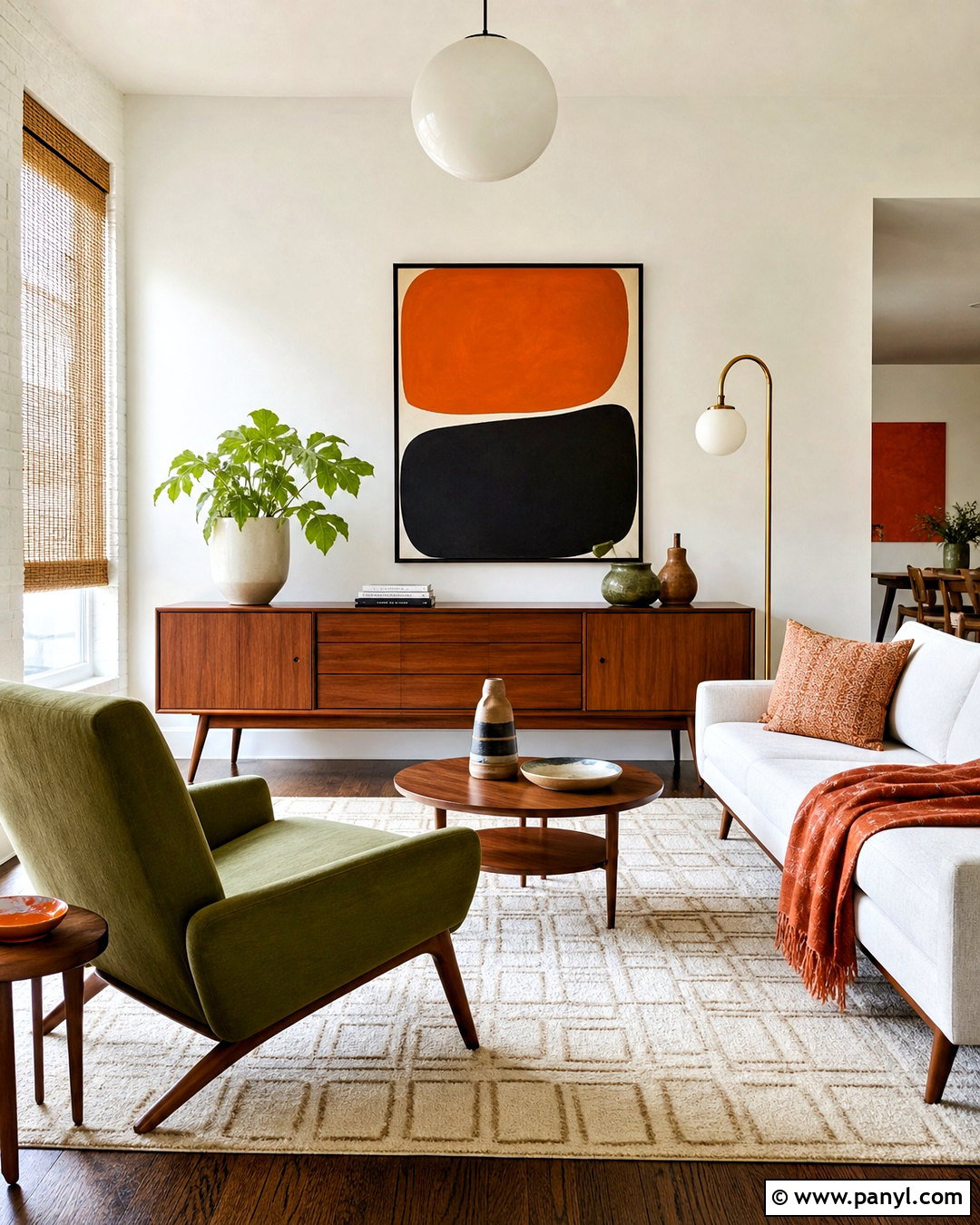
Clean lines and warm wood create the foundation of a midcentury modern room. Start with soft white walls and select a walnut bed, low media console, or streamlined desk with tapered legs. Add a compact lounge chair in olive green, burnt orange, or mustard yellow as the main color accent. A cream geometric rug defines the furniture grouping while allowing the wood tones to stand out. Choose globe lighting, a sunburst-inspired mirror, and abstract artwork with simple shapes. Keep window treatments minimal with white curtains or woven shades. Storage should have flat fronts and remain low enough to maintain the room’s horizontal emphasis. Finish with a sculptural planter, a few books, and one ceramic object. Avoid overdecorating, since the furniture forms should remain clearly visible.
18. Colorful Maximalist Room
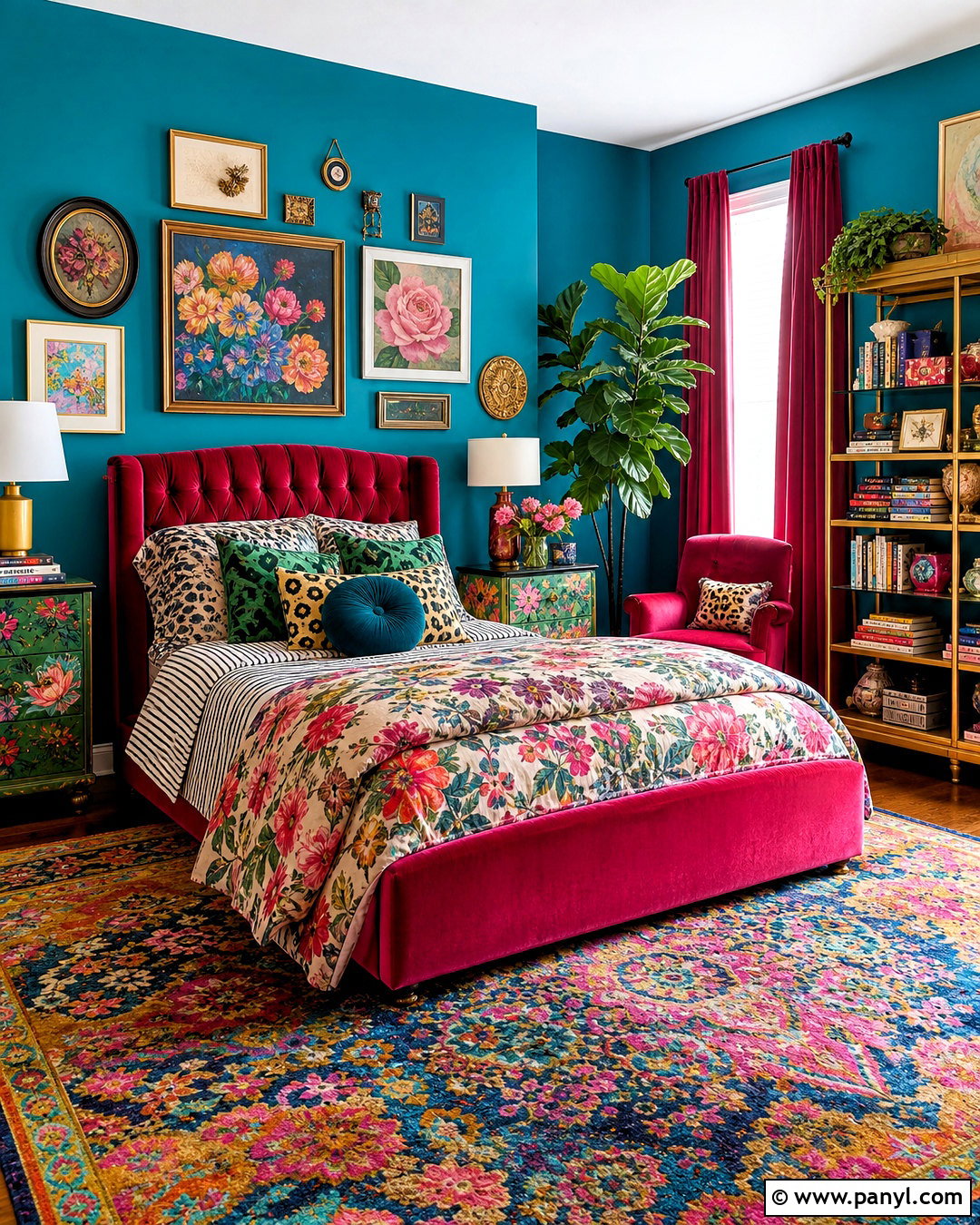
Colorful maximalism feels intentional when the room has a repeated palette and controlled layout. Choose a saturated wall color such as teal, raspberry, or golden yellow, then build around a patterned rug that includes the same hue. Place a velvet bed or sofa against the focal wall and add side tables in contrasting painted finishes. Mix florals, stripes, and geometric prints at different scales, repeating several colors to create continuity. A gallery wall can combine paintings, photographs, and decorative objects in coordinated frames. Use solid curtains to give the patterns visual relief. Bookshelves should mix books with baskets and open display space rather than being packed completely. Finish with bright lamps, sculptural pillows, and one large plant. Keep walkways clear so the energetic design still functions comfortably.
19. Japandi Room
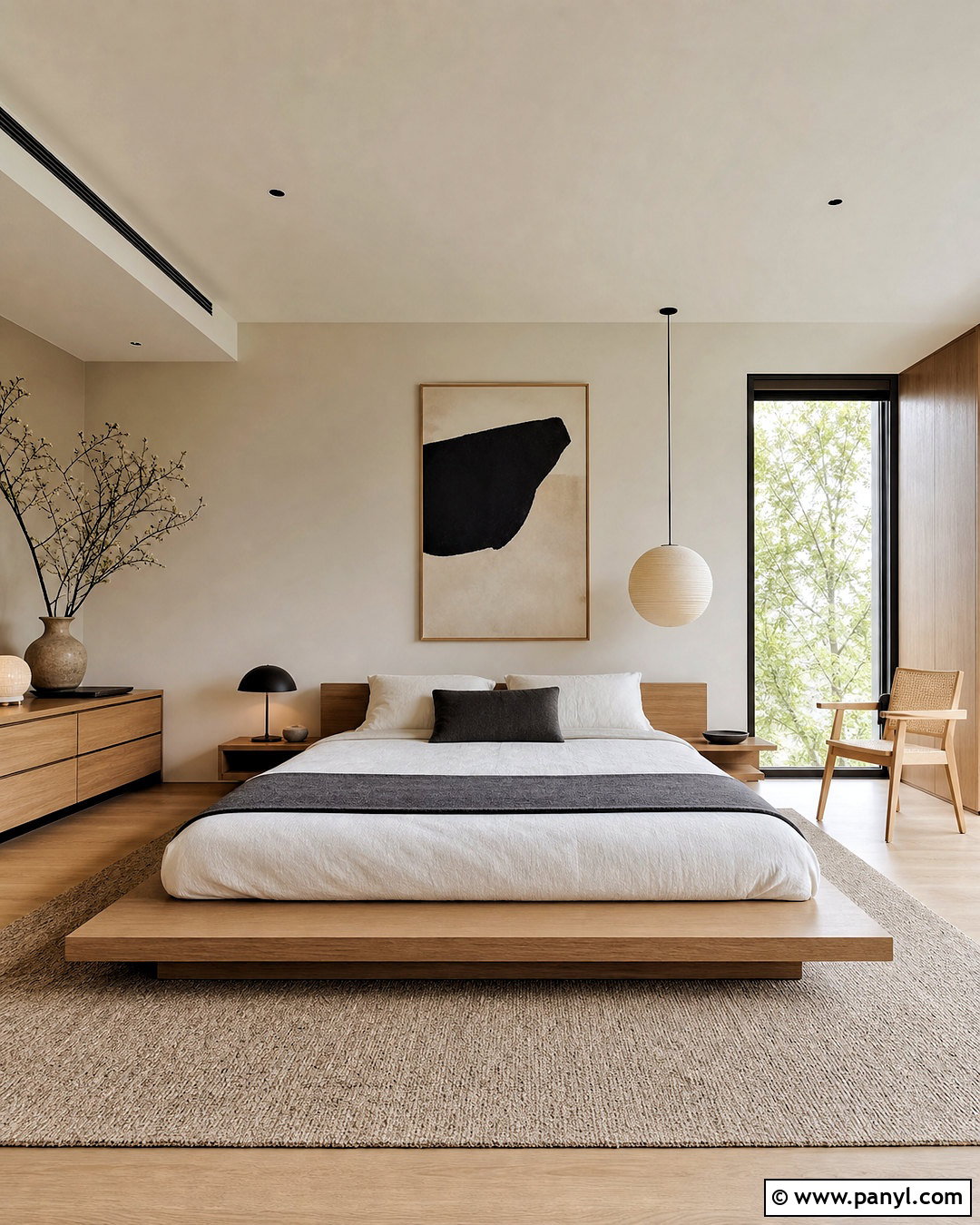
A Japandi room combines Scandinavian comfort with Japanese-inspired simplicity and craftsmanship. Use warm white or pale greige walls, light oak flooring, and a low platform bed or streamlined sofa. Choose furniture with clean silhouettes, visible wood grain, and minimal hardware. A textured wool or woven rug softens the center of the room, while linen bedding in cream, taupe, and muted charcoal adds quiet contrast. Keep accessories limited to a ceramic vase, handmade bowl, paper lantern, and one carefully framed artwork. Closed storage maintains visual calm and prevents useful items from becoming clutter. Add a single sculptural branch or restrained plant arrangement rather than several small plants. The layout should feel spacious and balanced, with natural materials, low furniture, and empty areas treated as purposeful design elements.
20. Multipurpose Room
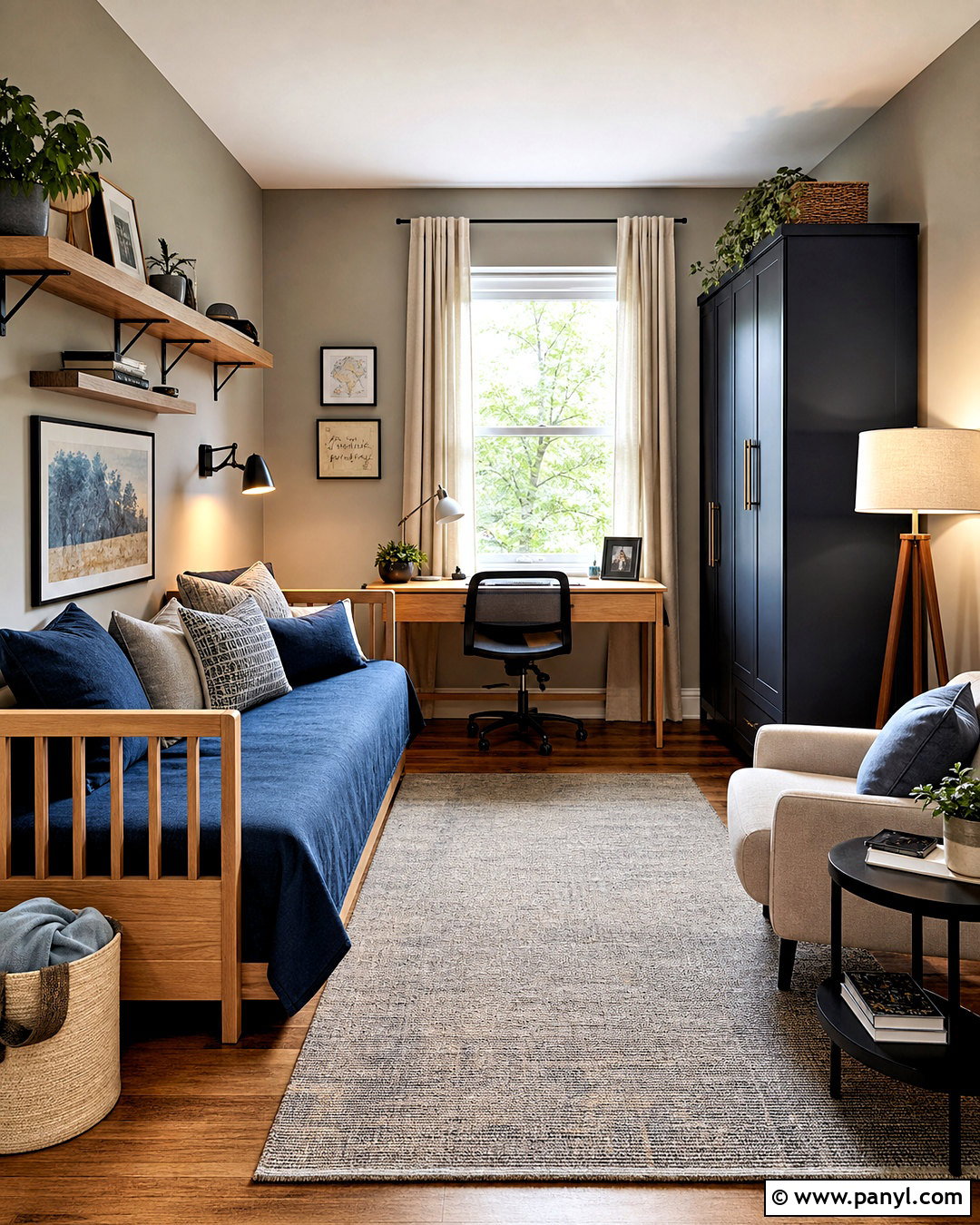
A multipurpose room needs clearly defined zones that still share one coordinated design. Place a comfortable daybed or sleeper sofa along one wall, then position a compact desk near the window for natural light. Use an area rug to identify the lounging zone and a wall-mounted shelf above the desk for office storage. Soft greige walls, oak furniture, and muted blue accents create continuity between work, rest, and guest functions. Choose a closed cabinet that can hold bedding, supplies, and electronics. A movable side table can serve the sofa, daybed, or desk as needed. Add layered lighting with a task lamp, floor lamp, and ceiling fixture. Simple artwork, linen curtains, and two or three cushions complete the room without interfering with its flexible, practical purpose.
Conclusion:
The best room makeover begins with a clear plan rather than a cart full of unrelated decor. Choose the complete look that fits your space, budget, and daily habits, then adapt its colors and furniture to what you already own. Establish the layout first, select one visual focal point, and build the room through coordinated lighting, textiles, storage, and artwork. You do not need to copy every detail or complete everything at once. Even changing the furniture arrangement, curtains, rug, and bedding can create a noticeable transformation. Use these **20 room inspo ideas** as practical starting points, combine the details you love, and create a room that feels cohesive, comfortable, functional, and personal.

Related Ideas and Inspiration:

Leave a Reply